
Program for reducing greenhouse gas in Scope 3
Program for reducing greenhouse gas in Scope 3
• Waste
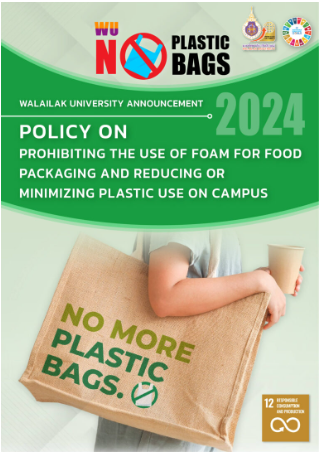
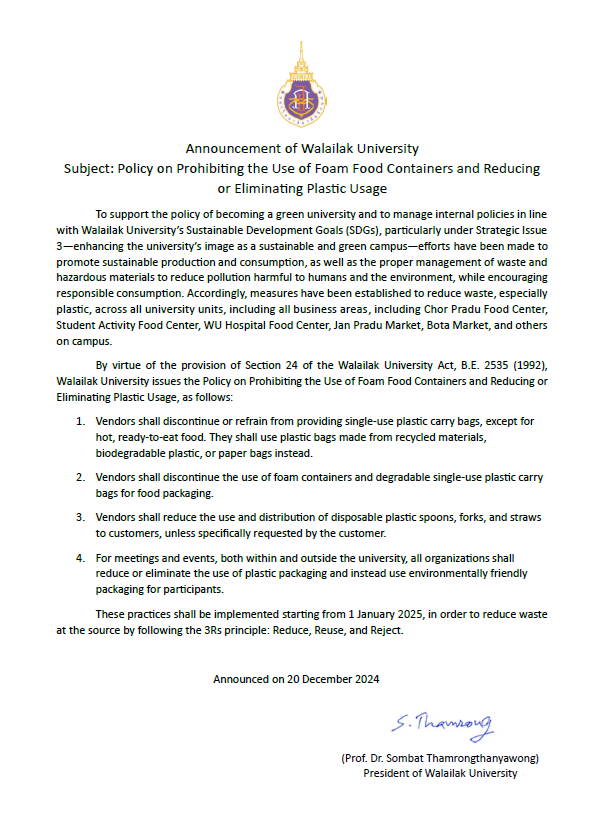
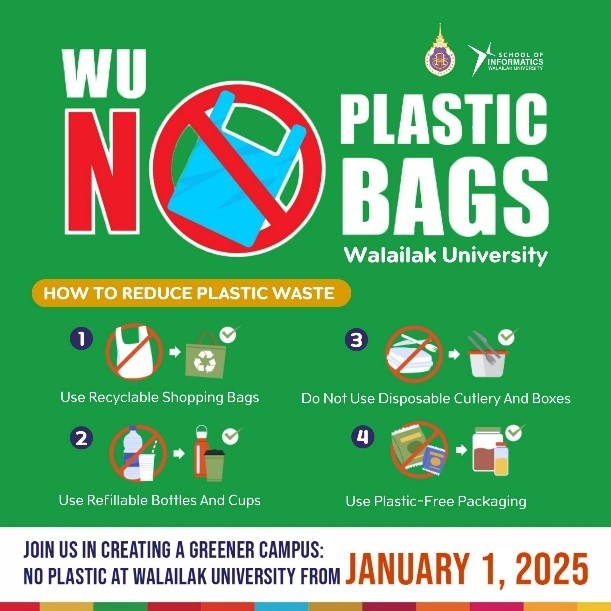
The program aims to reduce indirect greenhouse gas (GHG) emissions (Scope 3) resulting from the incineration or landfilling of the institution’s solid waste. Key initiatives include sorting waste at the source to facilitate recycling, reducing plastic use to minimize the burden on waste disposal systems, and reducing paper consumption through the adoption of electronic systems (E-Service).
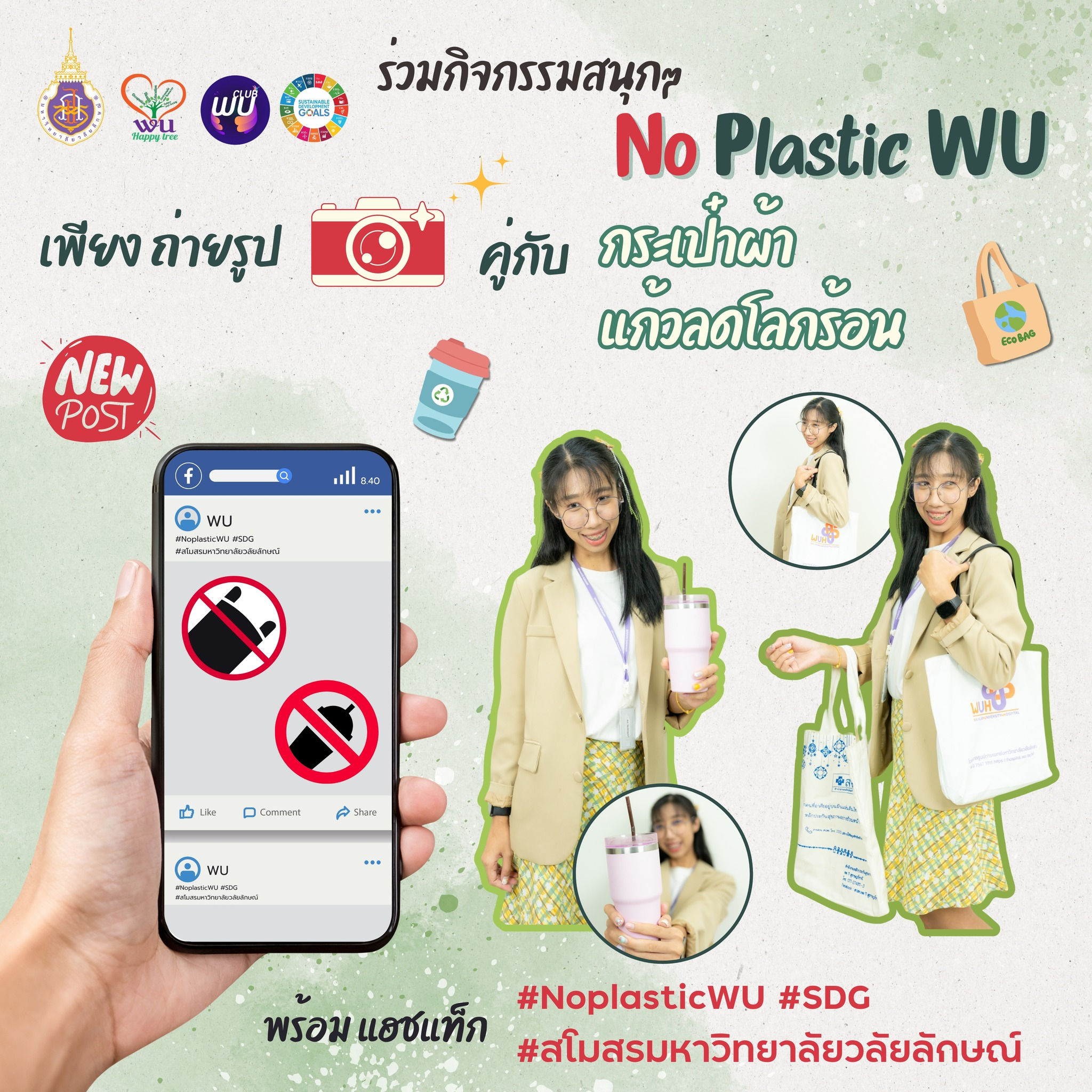
In 2025, the implementation of the E-Service system helped reduce greenhouse gas emissions by approximately 49.75 tCO₂e/year. These measures enable the institution to reduce its overall carbon footprint, promote sustainable waste management, and contribute to broader efforts to mitigate climate change.
Figures:Reduction of paper use by electronic system. (Walailak University, Thailand)
• Purchased water
Walailak University operates its own Chala Nusorn Water Supply Plant to produce potable water for campus use, reducing the need to purchase water from external suppliers. The plant sources water from the university’s Chala Nusorn Reservoir, capturing rainwater for treatment and distribution. By generating water internally, the university minimizes indirect greenhouse gas (GHG) emissions associated with external water supply and promotes sustainable water management across the campus.
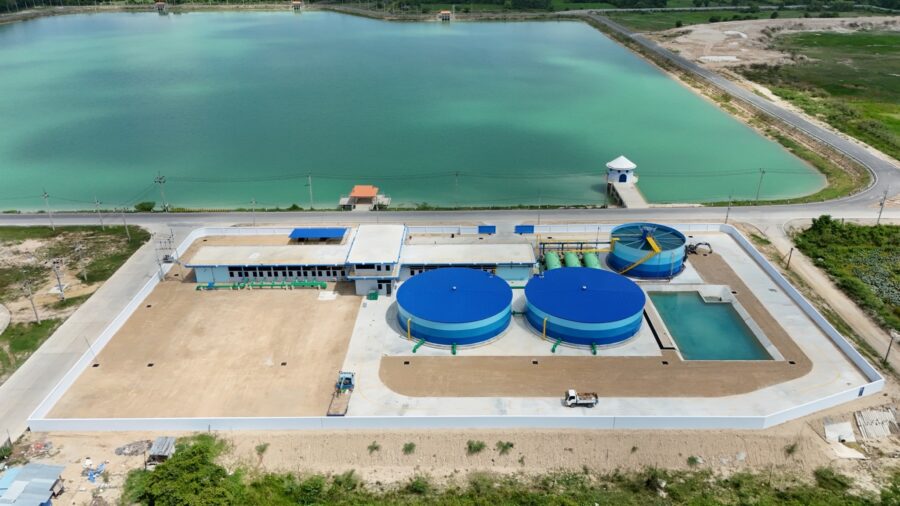
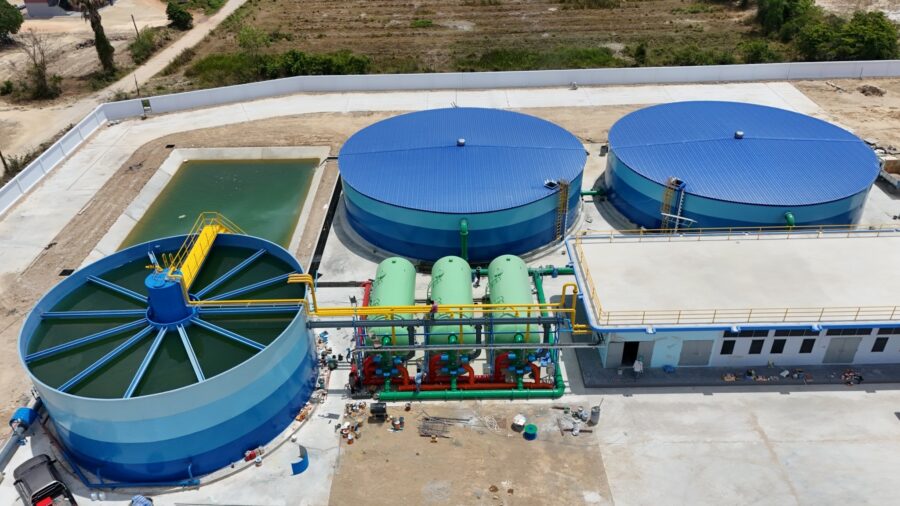
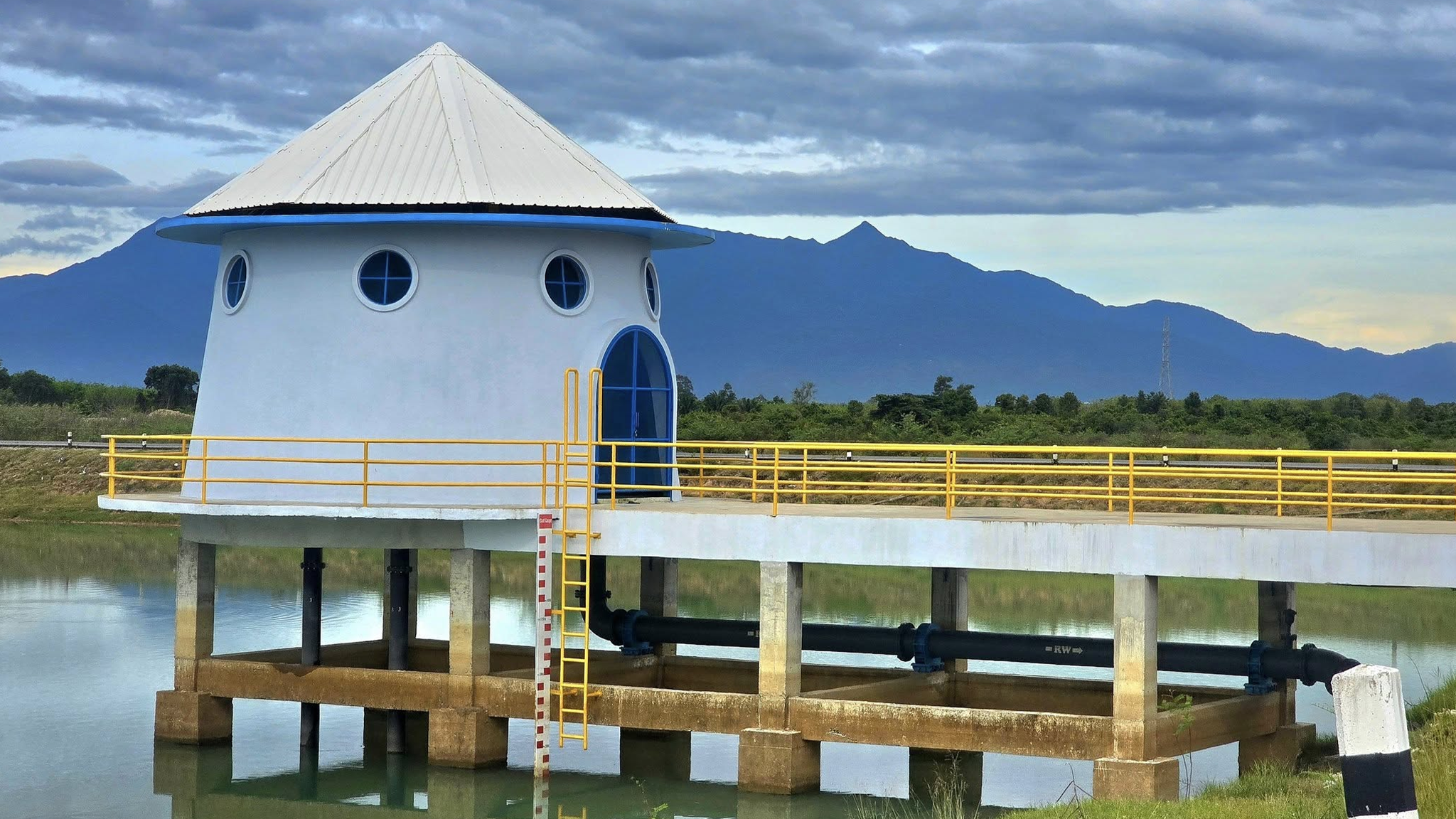
Figures: Water Supply Plant at Reservoir 3 for consumption on campus. (Walailak University, Thailand)
• Commuting
This program aims to reduce indirect greenhouse gas (GHG) emissions (Scope 3) generated from the daily commuting of students and staff. Walailak University promotes sustainable commuting through several key initiatives. The university implements a vehicle sticker system for cars and motorcycles, allowing only registered vehicles with university stickers to enter the campus area. This measure helps control traffic flow, reduce the use of personal vehicles, and encourage carpooling.
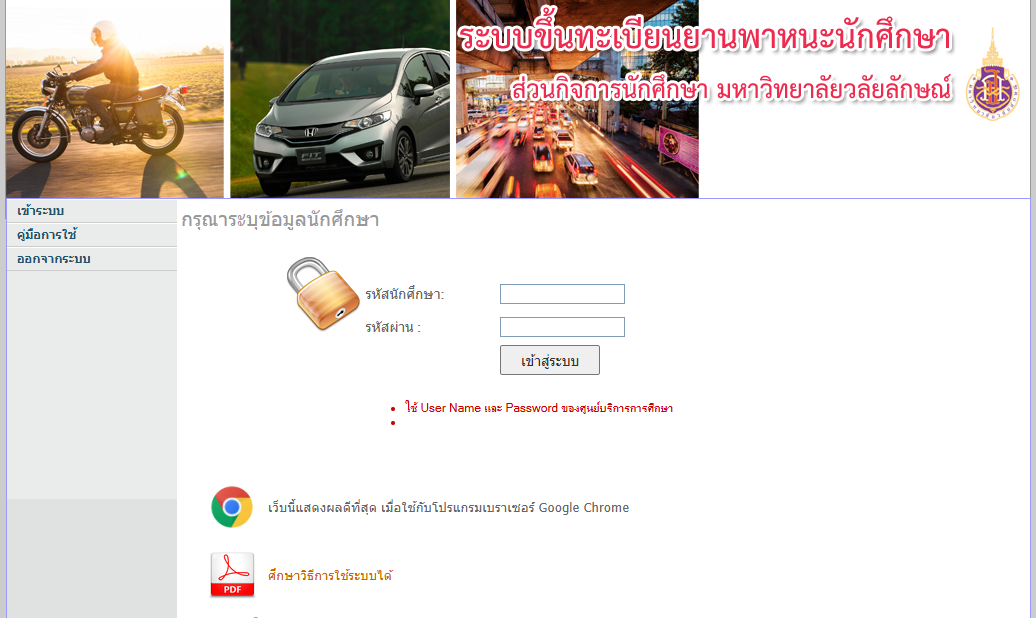
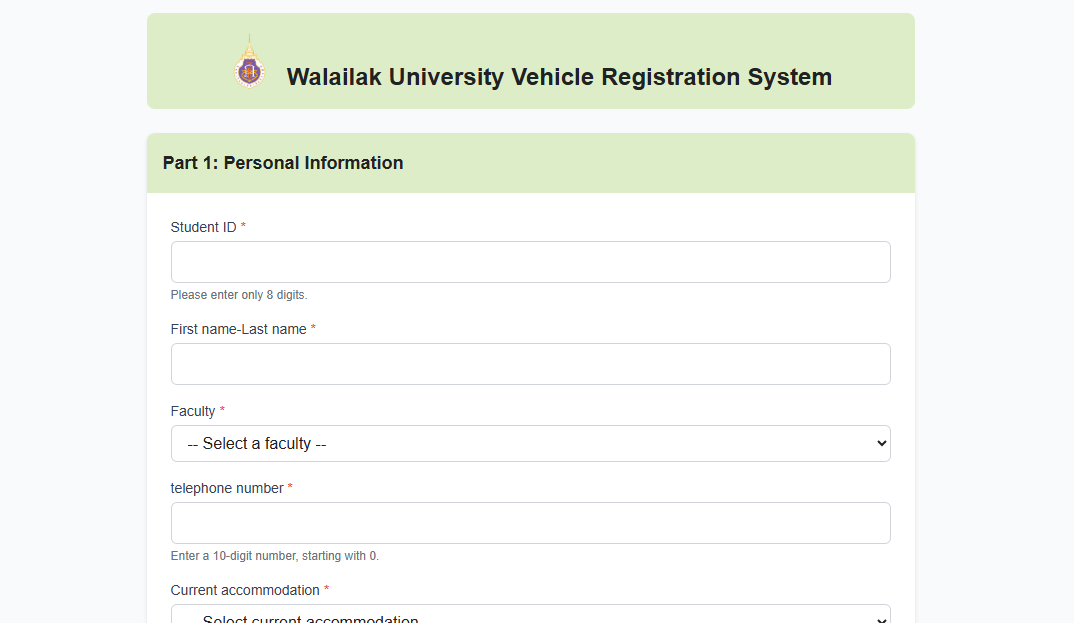
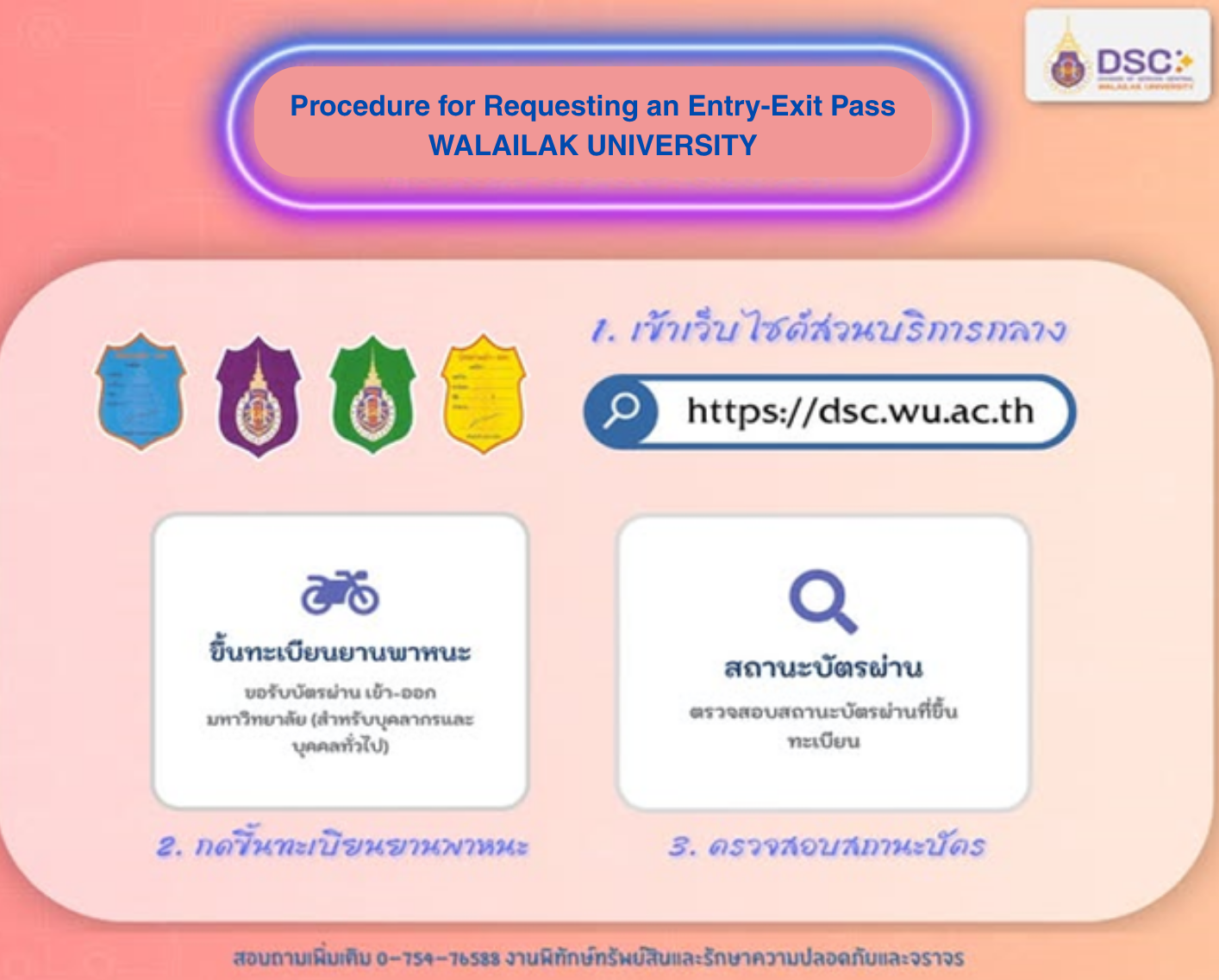
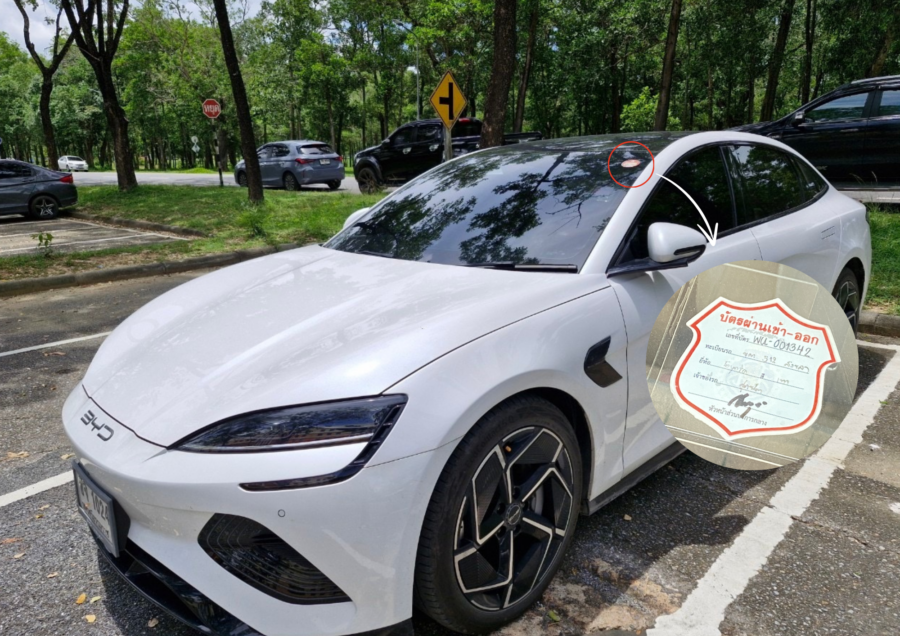
Figures: Sticker for motorcycles and sticker for cars. Only vehicles with university stickers are allowed to enter the school district. (Walailak University, Thailand)
Figures: Car pool system at Walailak University promotes shared commuting among staff, reducing the number of private vehicles on campus and lowering carbon emissions from daily travel. (Walailak University, Thailand)
Figures: Zero greenhouse gas emissions by Bicycles and Walking.
In addition, the university operates a carpool system with shuttle buses to transport university employees, promoting shared commuting and reducing the number of personal vehicles on campus. Walailak University also encourages the use of electric motorcycles (EV motorcycles) by providing EV charging stations and offering monthly rental services for electric motorcycles. These initiatives collectively help reduce carbon emissions from daily commuting and support the university’s transition toward a low-carbon and sustainable campus.
Figures: Encouraging personnel and students to use electric motorcycles by providing electric vehicle charging stations and offering monthly rentals of electric motorcycles.
• Air Travel
The university encourages staff and students to opt for online communication methods, such as virtual meetings and webinars, to reduce the need for air travel, thereby cutting down on associated greenhouse gas emissions. In 2025, during the University Council meetings, executives and committee members can choose to participate via Zoom Meeting instead of traveling to Bangkok for the meetings. In 2025, a total of 609 committee members attended the meetings via Zoom Meeting, resulting in a reduction of 69.79 tCO₂e/year in greenhouse gas emissions from air travel.
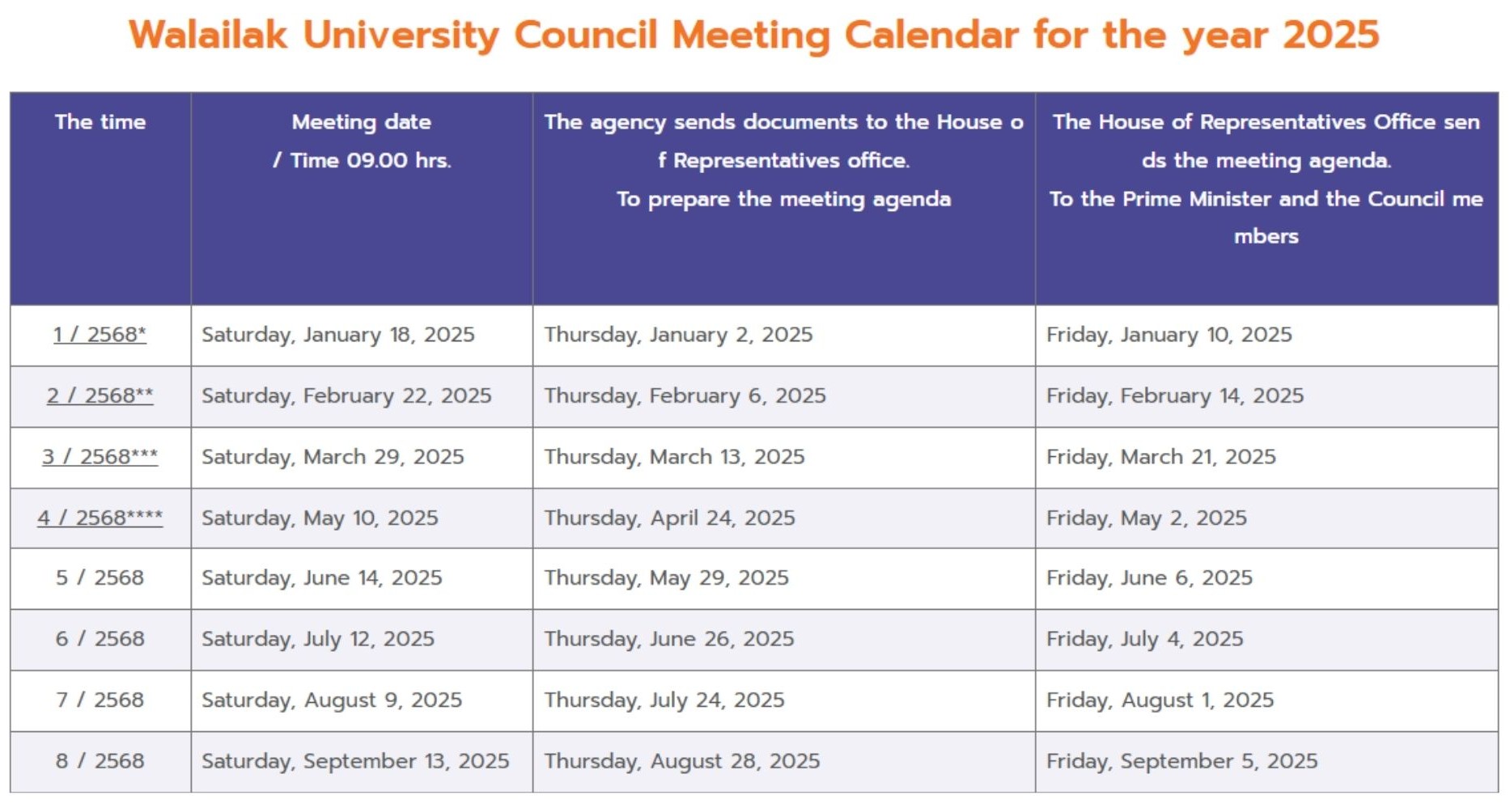
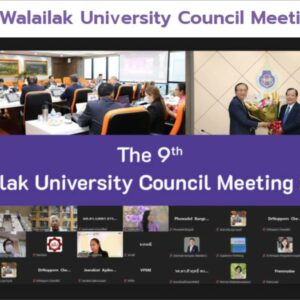
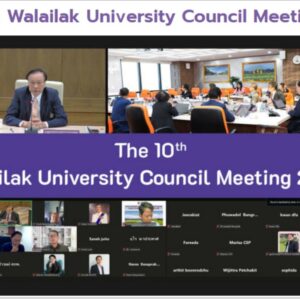
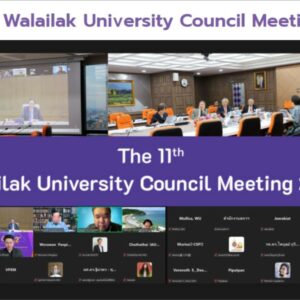
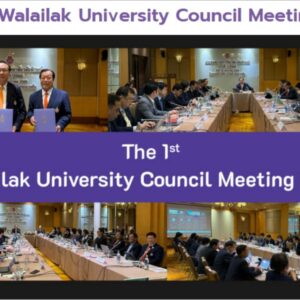
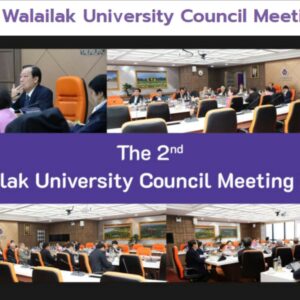
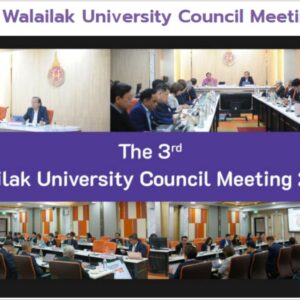
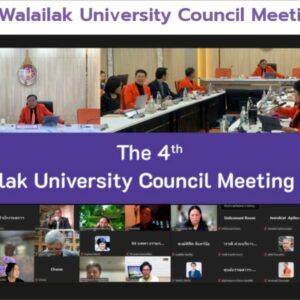
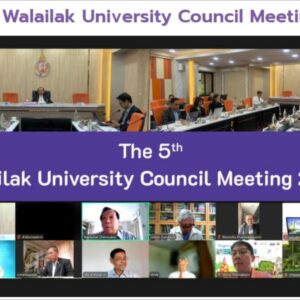
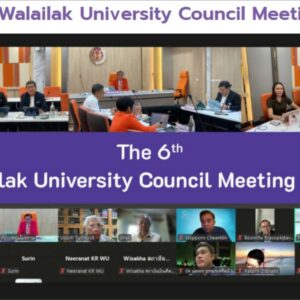
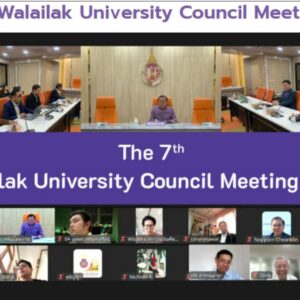
Figures: The reduction of air travel for Walailak University’s council meetings has been implemented by opting for online meetings via Zoom. This initiative aims to reduce greenhouse gas emissions and support the university’s sustainable practices. (Walailak University, Thailand)