Walailak University (WU) has long been at the forefront of sustainability, aligning its energy policies with national frameworks like the Energy Efficiency Development Plan. In 2024, WU reinforced its commitment to reducing its environmental impact by implementing its Climate Action Policy, which emphasizes the measurement and adoption of low-carbon energy for whole university. By tracking energy use across the campus, the university aims to reduce its reliance on fossil fuels and promote renewable energy solutions, fostering a more sustainable future.
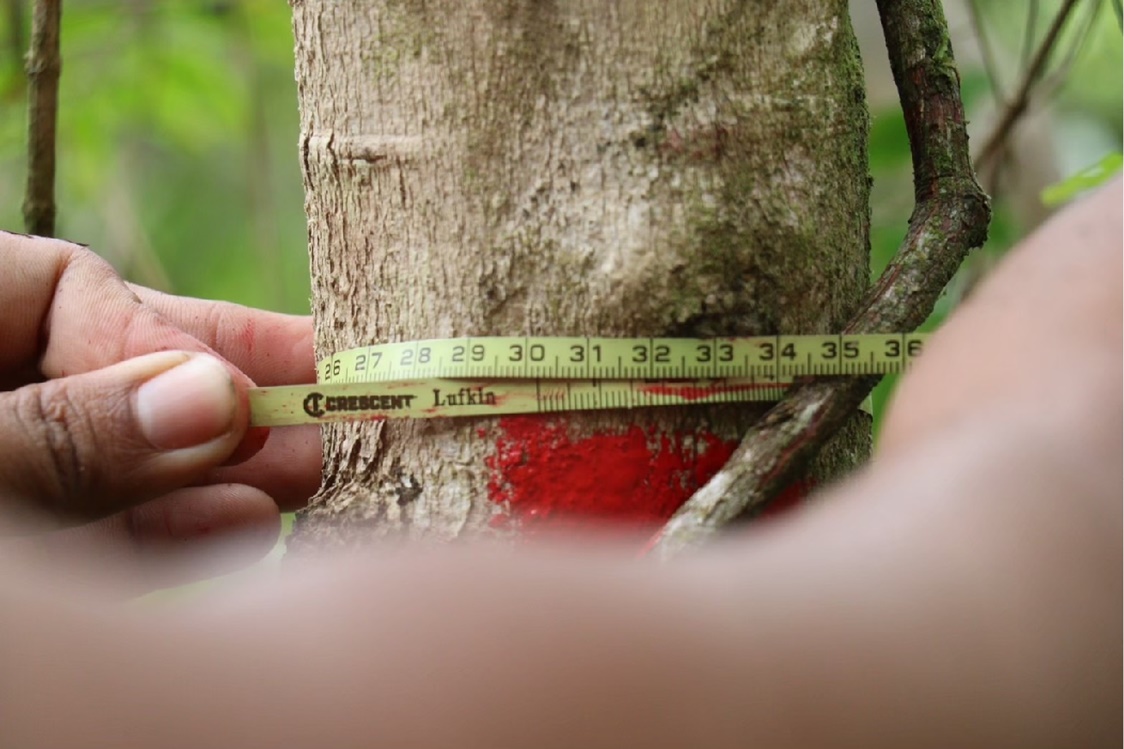
Figure: Assessing carbon footprint reduction through trees
In 2024, WU consumed 52,274 gigajoules of electrical energy, resulting in 12,433 tons of carbon dioxide equivalent emissions. Energy-intensive areas included:
–Shops and campus-charged facilities (canteens, gardens): 19.93% of total energy consumption.
– Integrated Academic Buildings: 13.57% of total energy consumption.
– Student Dormitories: 12.33% of total energy consumption.
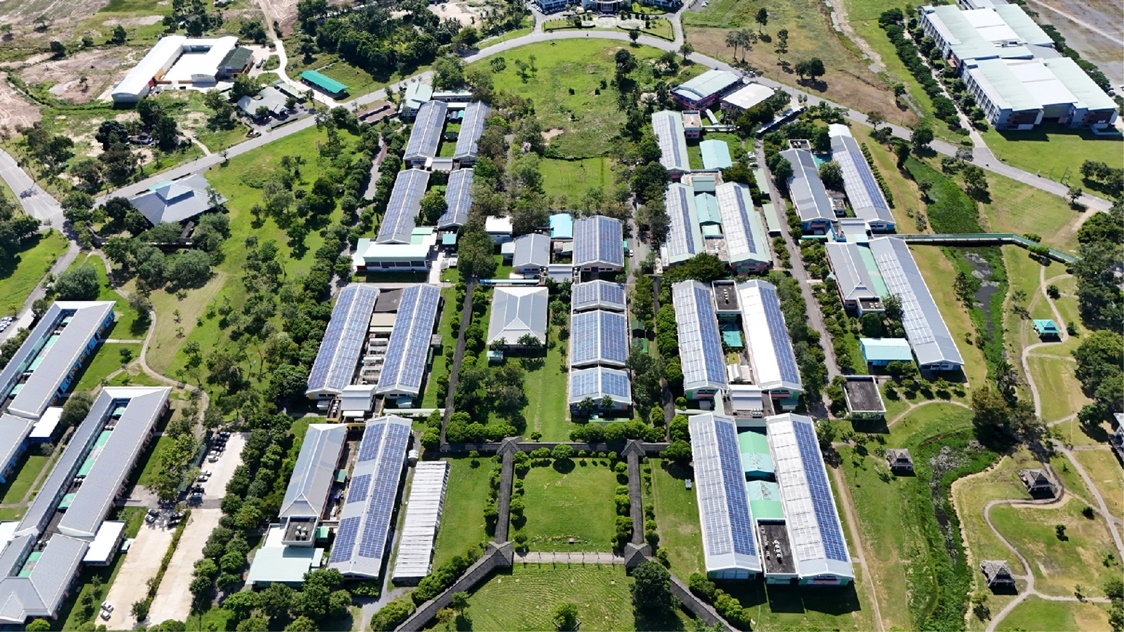
To counteract these emissions, WU prioritized integrating low-carbon energy sources. In the same year, the university utilized 13,596 gigajoules of low-carbon energy, derived from solar power, clean biomass, combined heat and power systems, and wind energy. This accounted for 20.64% of the university’s total energy consumption, a significant milestone in reducing greenhouse gas emissions.
WU’s efforts to measure and integrate low-carbon energy highlight its dedication to sustainability and climate action. By actively tracking energy use and promoting renewable solutions, WU has set an example for educational institutions nationwide. As the university continues to enhance its energy efficiency and renewable energy use, it moves closer to its goal of a greener, more sustainable campus, contributing meaningfully to global efforts against climate change.