Preserving Nature, Extending Life: The Key Role in Ecosystem and Biodiversity Conservation
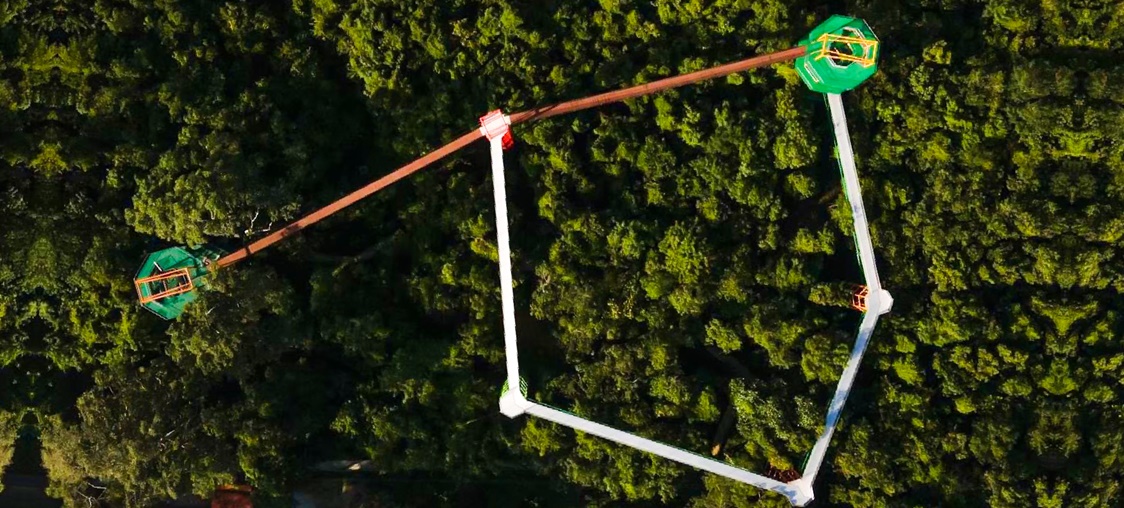
In an era where ecosystems worldwide are facing severe threats, Walailak University (WU) has emerged as a leader in maintaining and extending natural ecosystems and their biodiversity. With a vast campus of over 14,400,000 m², WU has implemented comprehensive and sustainable natural resource management practices. Central to this effort is the Walailak Botanic Park, a pivotal hub for preserving and enhancing biodiversity in ecologically significant areas under threat. These direct works reflect the university’s commitment to balancing development with conservation.
Maintaining Existing Ecosystems and their Biodiversity
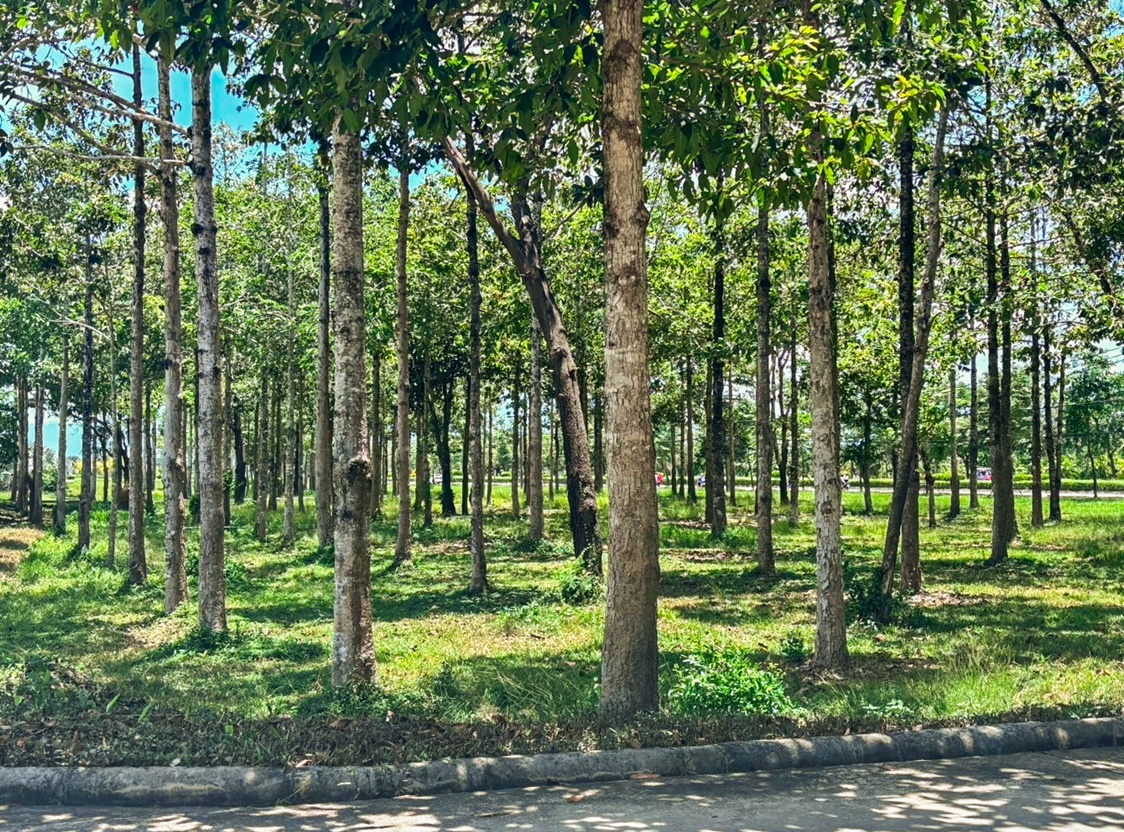
The university strengthened its commitment to maintaining existing ecosystems and safeguarding biodiversity. The 79,456 m² of original forest was designated as a protected area, ensuring the preservation of native species and preventing further degradation. Also, disturbed lands were left to regenerate naturally, allowing ecological succession to restore soil health and native vegetation. Additionally, WU actively managed campus reservoirs by controlling invasive snakehead fish populations, thereby restoring the ecological balance of aquatic habitats and supporting the recovery of indigenous species.
Extending Ecosystems and Biodiversity
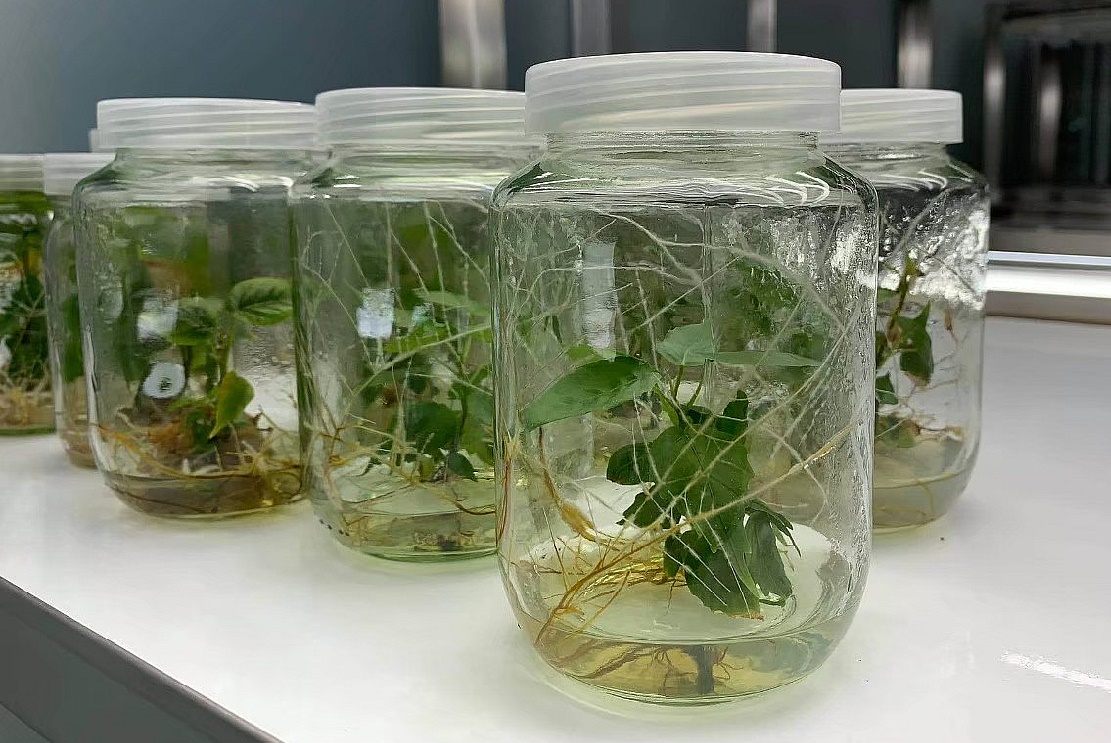
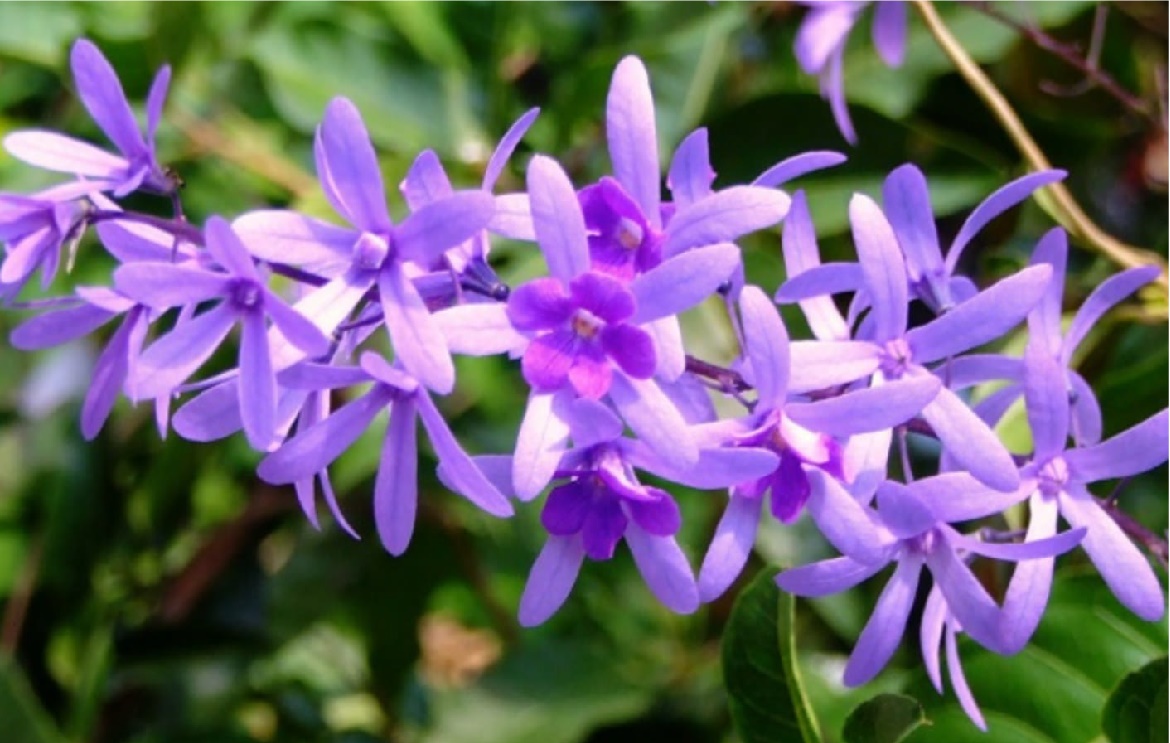
WU contributes to the extension of existing ecosystems by propagating rare and endangered plant species, such as orchids and nepenthes, for reintroduction into conservation forests. In addition, the university promotes tree-planting activities during the rainy season, helping to expand green areas, enrich biodiversity, and strengthen ecosystem resilience.
Achievements and Sustainable Future
Through these integrated efforts, WU has achieved tangible results in conserving forests, restoring aquatic ecosystems, and expanding biodiversity. By combining protection, regeneration, and community engagement, the university not only safeguards southern Thailand’s natural heritage but also sets a strong foundation for a sustainable future where development and conservation thrive together.