The Events for Conservation and Sustainable Use of the Original Forest Area
The rapid expansion of urban areas, agriculture, and industrial zones has led to a significant decline in Thailand’s forest areas. This phenomenon not only reduces biodiversity but also threatens the survival of unique plant species and the ecosystems they support. Recognizing the urgency of conservation, the Digital Communication Program at WU, in collaboration with the WBP, organized events aimed at promoting both the conservation and sustainable utilization of land, including forest and wild land resources. These events employ innovative communication strategies to foster awareness and understanding about the importance of preserving natural habitats, particularly among local youth.
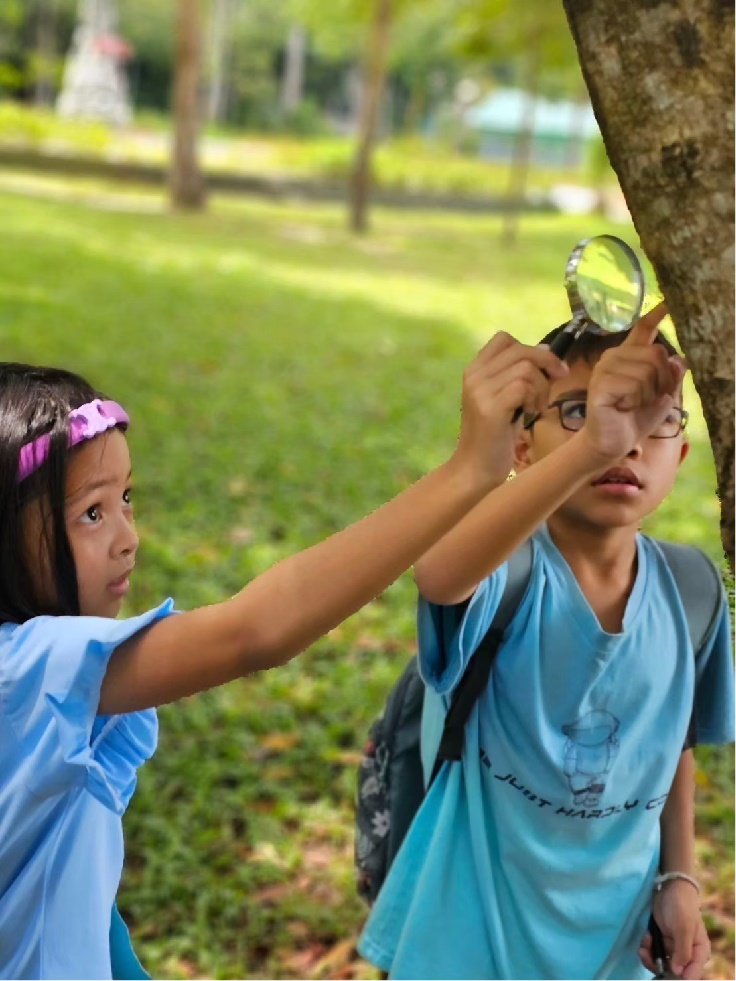
Event to Promote Conservation of the Land
This initiative focused on conserving flora in the original forest through a detailed survey of key plant species, conducted with botanists. Researchers identified five significant species representing the forest’s biodiversity and used them to develop educational materials that promote conservation awareness.
To effectively communicate the importance of conservation, the project created a website, an E-Book, an audio series, an interactive card game, an exhibition, and cartoon characters. These materials were distributed to schools and youth groups in Nakhon Si Thammarat, inspiring students to appreciate plant diversity and integrate the conservation efforts into their communities.
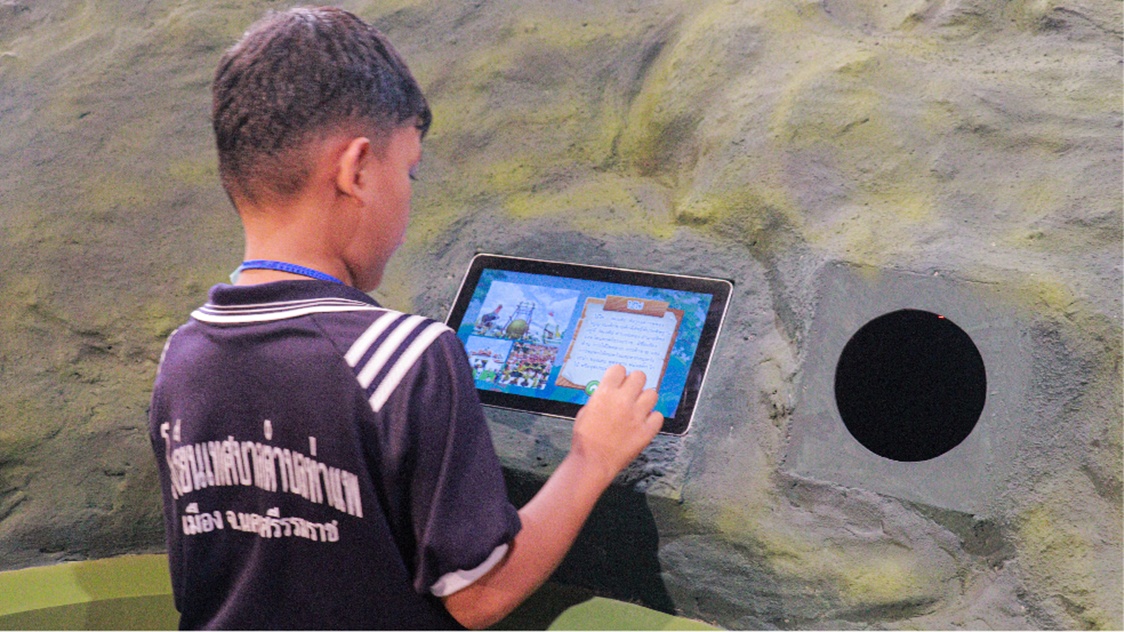
Event to Promote Sustainable Utilization of the Land
The project emphasized the sustainable use of the original forest as an educational resource, organizing guided learning activities for local youth. Participants explored the forest, identified plant species, and learned from expert botanists about their ecological roles. These hands-on experiences showcased the forest as a living classroom, promoting sustainability while preserving its ecological integrity.
WU’s Digital Communication Program integrated innovative strategies to raise awareness and encourage sustainable practices. By engaging local youths in conservation efforts, the project transformed the forest into a platform for education and community involvement, demonstrating how conservation and sustainable use can coexist for long-term environmental stewardship.