Promoting Outreach Programs and Collaborations to Encourage Female Students to Apply to Underrepresented Fields
Promoting Outreach Programs and Collaborations to Encourage Female Students to Apply to Underrepresented Fields
Walailak University (WU) is committed to promoting gender equality in higher education by encouraging more female students to pursue disciplines in which women remain underrepresented. WU recognizes that gender disparities persist in certain fields, including engineering, architecture, agriculture, and other STEM-related disciplines. To address these disparities, the university conducts diagnostic analysis and develops targeted outreach and access initiatives to identify barriers and encourage greater participation of women in these areas.
As part of this commitment, WU collaborates with universities, community groups, government agencies, NGOs, and secondary schools in regional and national campaigns that promote women’s access to higher education. These collaborations aim to raise awareness of educational and career opportunities in traditionally male-dominated fields and encourage female students to consider a broader range of academic disciplines.
In 2025, WU further strengthened these efforts by expanding partnerships with secondary schools in Nakhon Si Thammarat Province and neighboring areas. Through formal agreements and Memoranda of Understanding (MOUs), WU and its partner schools implemented targeted outreach activities designed to increase awareness, interest, and participation among female students in fields traditionally dominated by men. These initiatives provide prospective female students with greater exposure to academic pathways and opportunities while supporting more balanced participation across disciplines.
Through these ongoing efforts, WU seeks to ensure that women have equitable opportunities to access higher education and pursue their academic and professional aspirations. The university’s continued focus on outreach, partnership, and evidence-based analysis contributes to a more inclusive higher education environment, while the increasing proportion of female students at WU demonstrates the broader progress made in women’s participation in higher education.
Outreach Programs with Secondary Schools to Promote Women’s Applications and Enrollment in Underrepresented Fields
Walailak University recognizes that women continue to be underrepresented in certain academic disciplines and career pathways, particularly in fields such as engineering, architecture, medicine, and other STEM-related areas. These disparities can be influenced by social perceptions and expectations that traditionally associate certain professions more strongly with men. To address these challenges, Walailak University has continued to develop and implement outreach activities that encourage female students to explore educational and career opportunities in fields where women remain underrepresented.
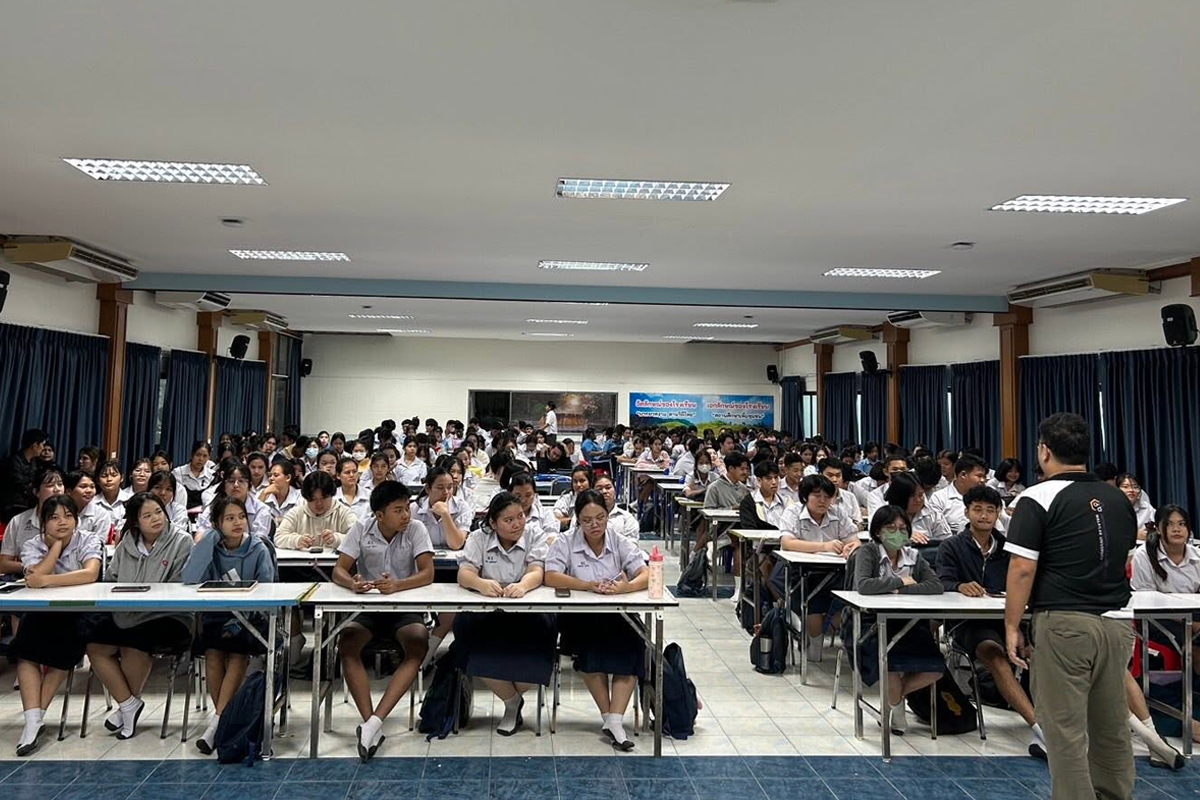
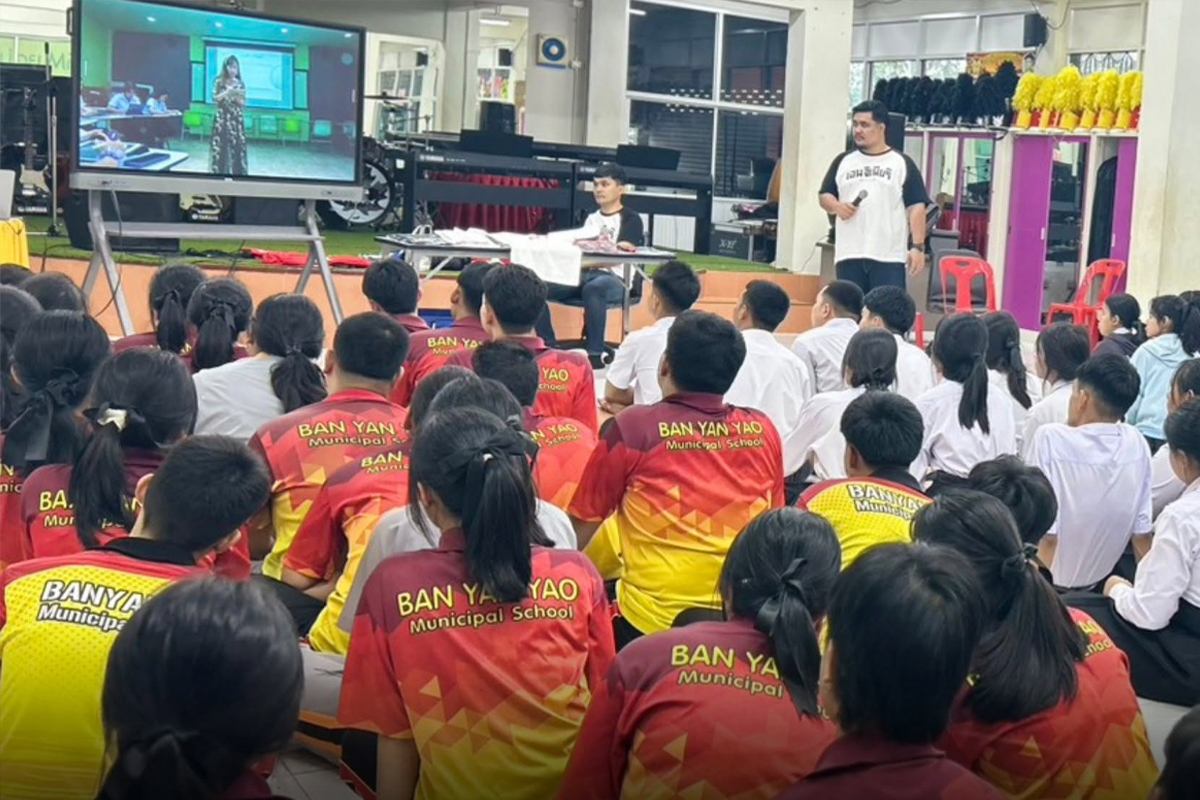
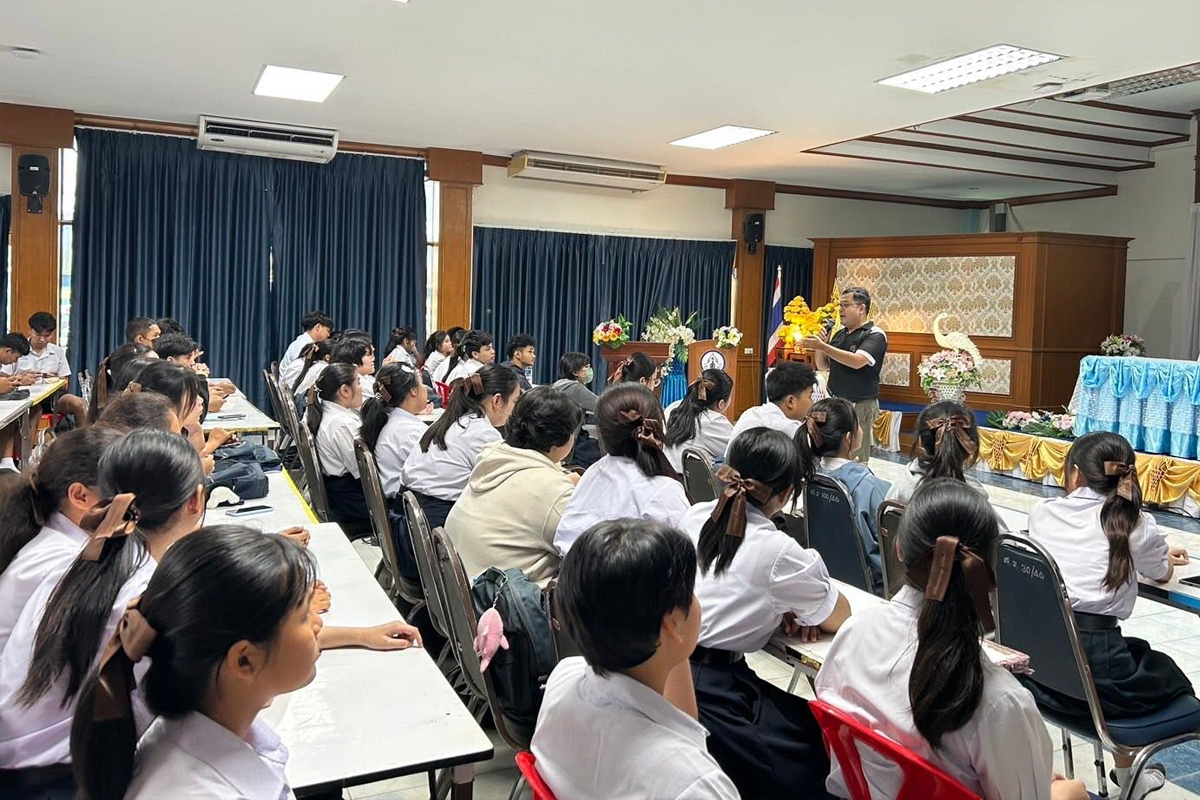
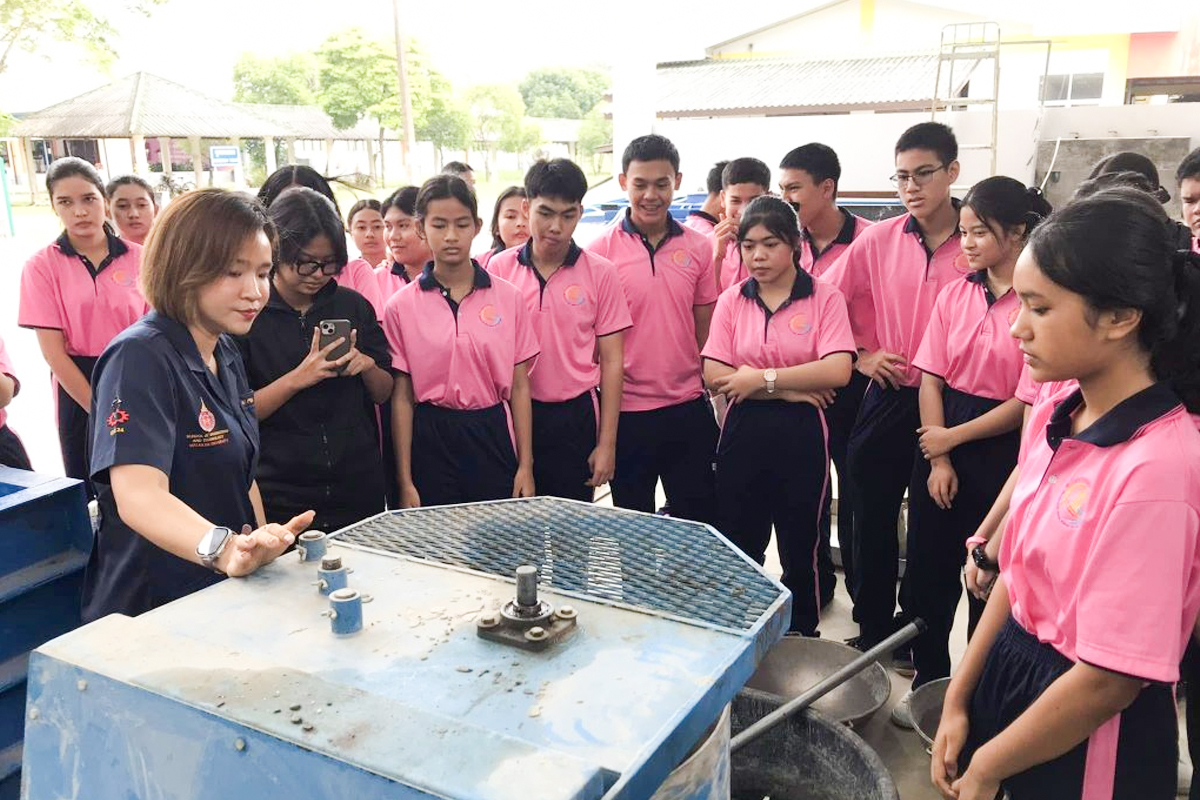
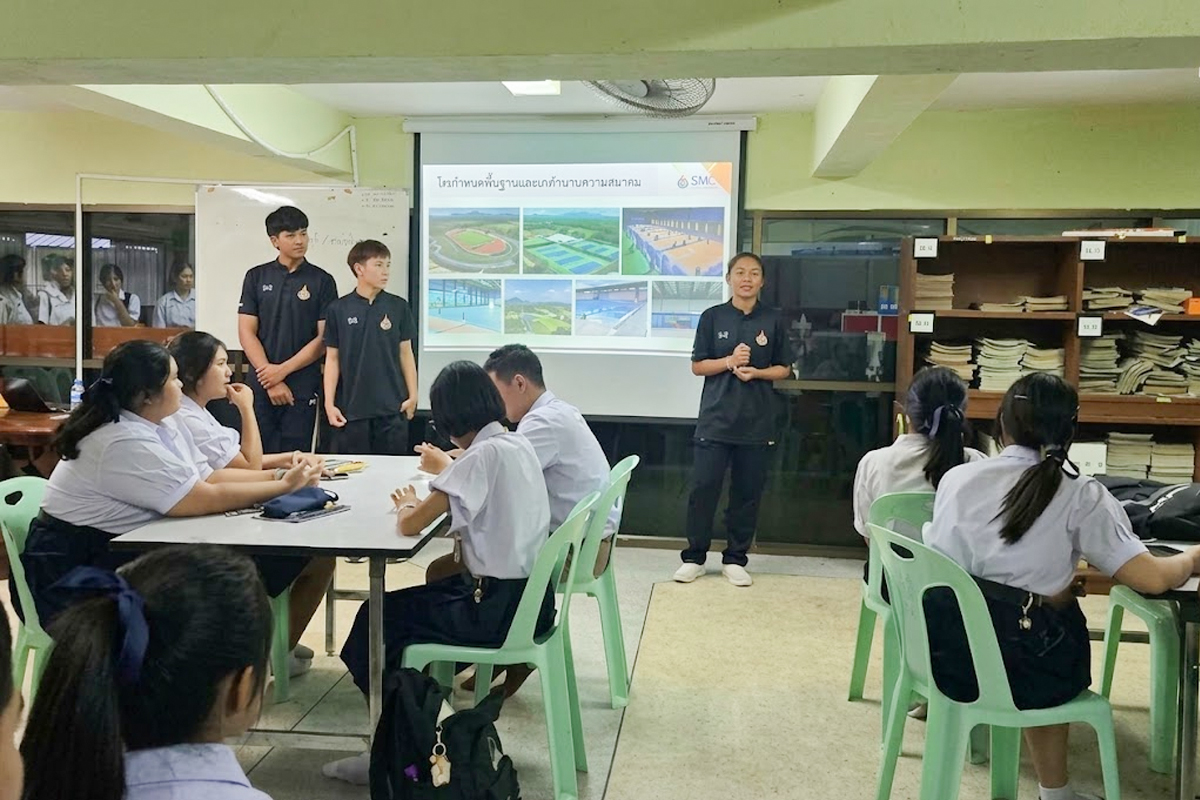
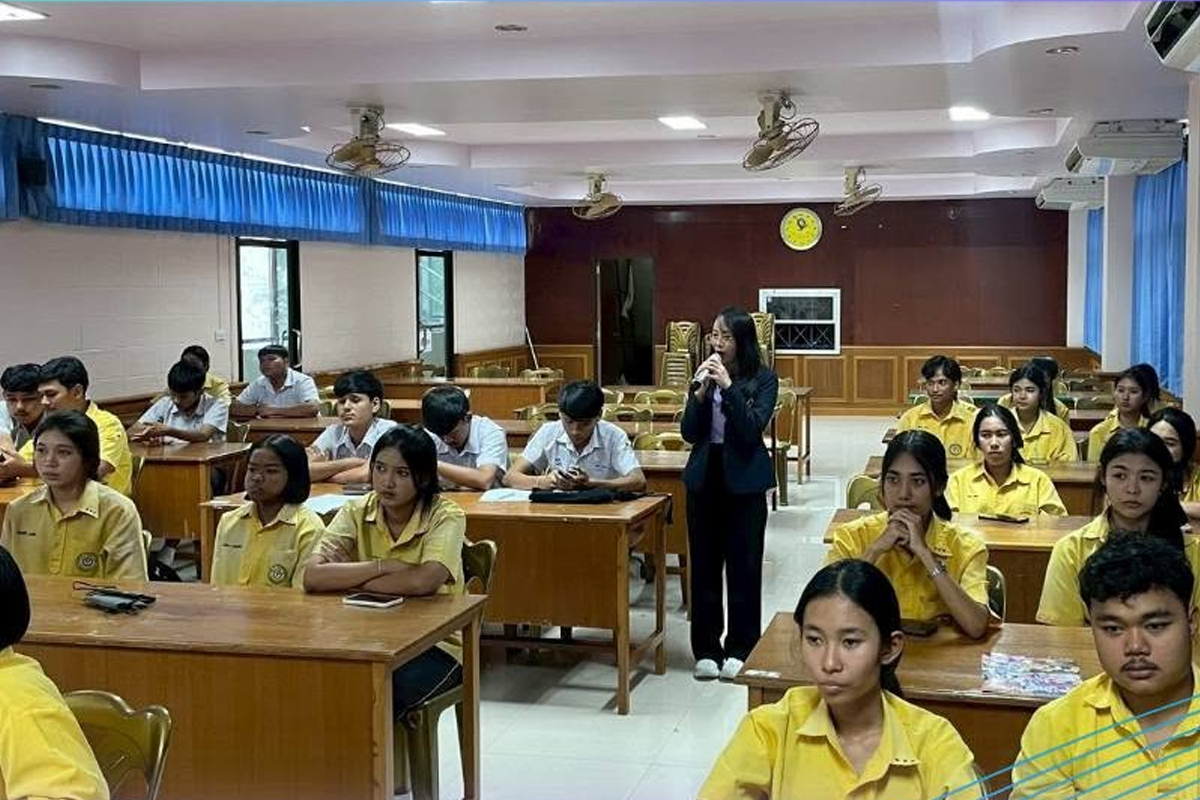
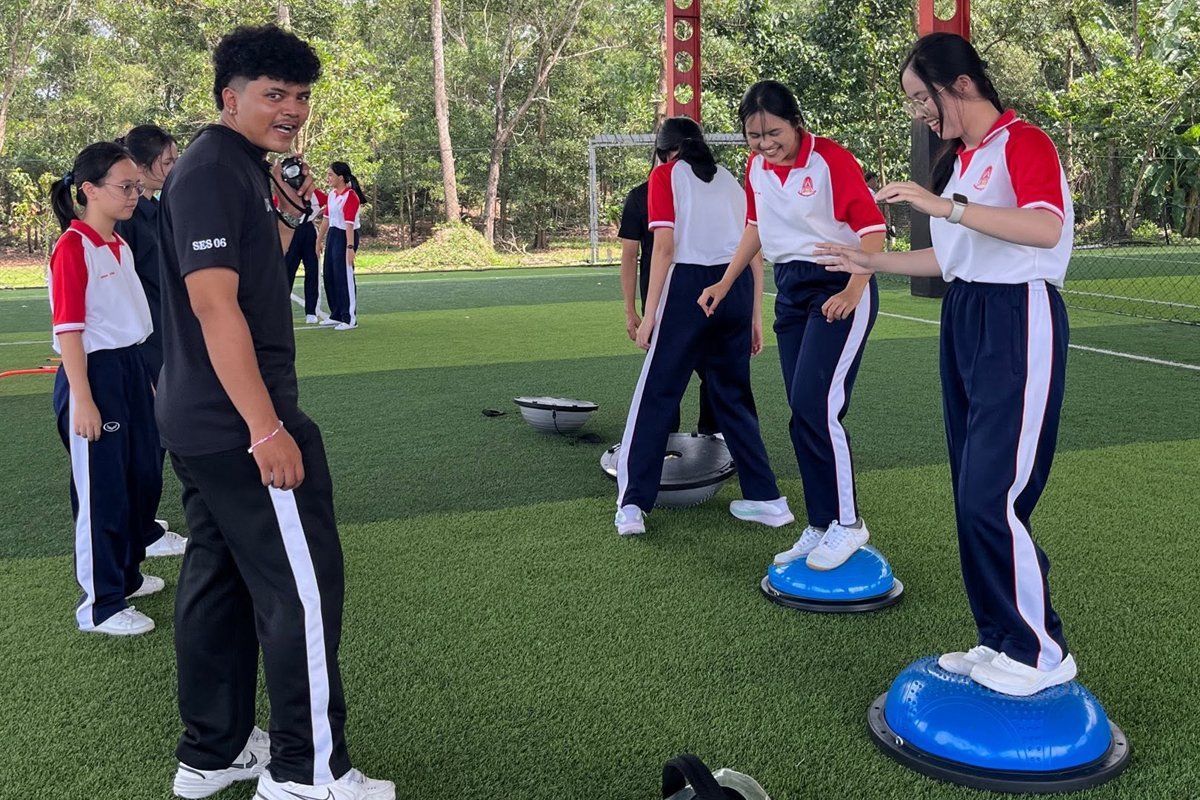
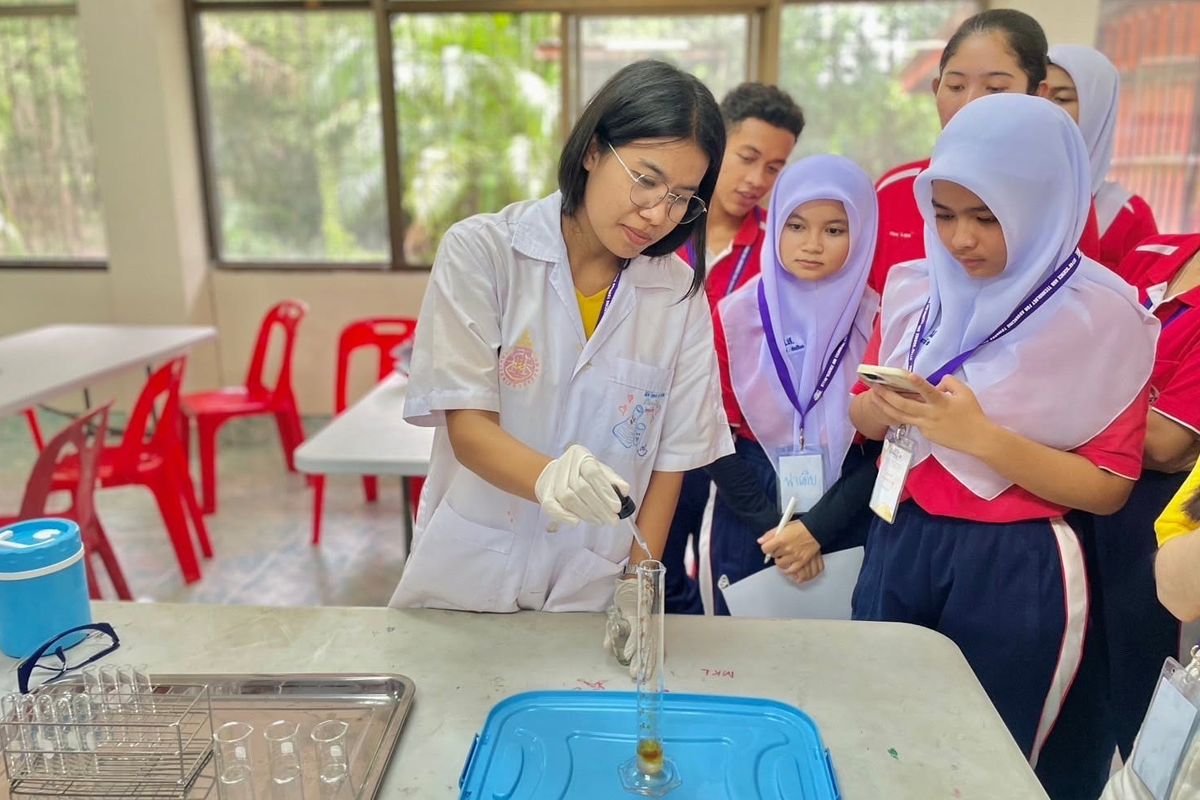
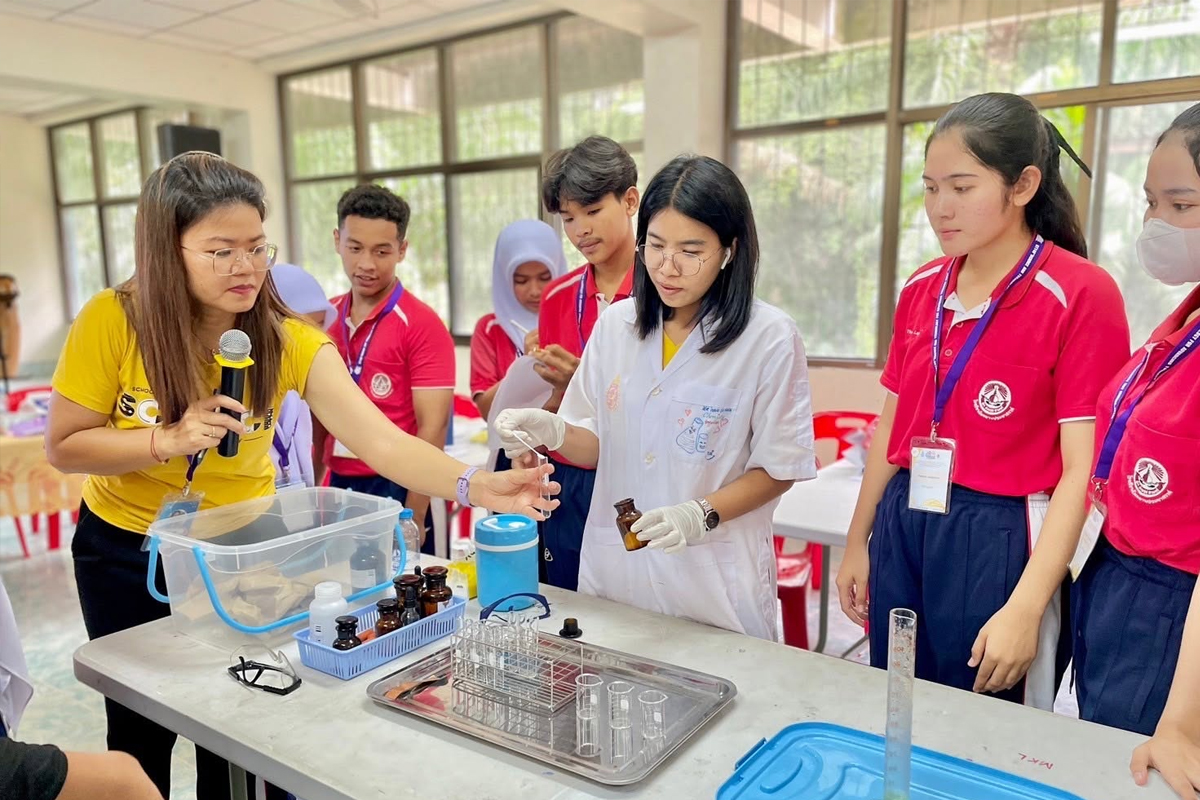
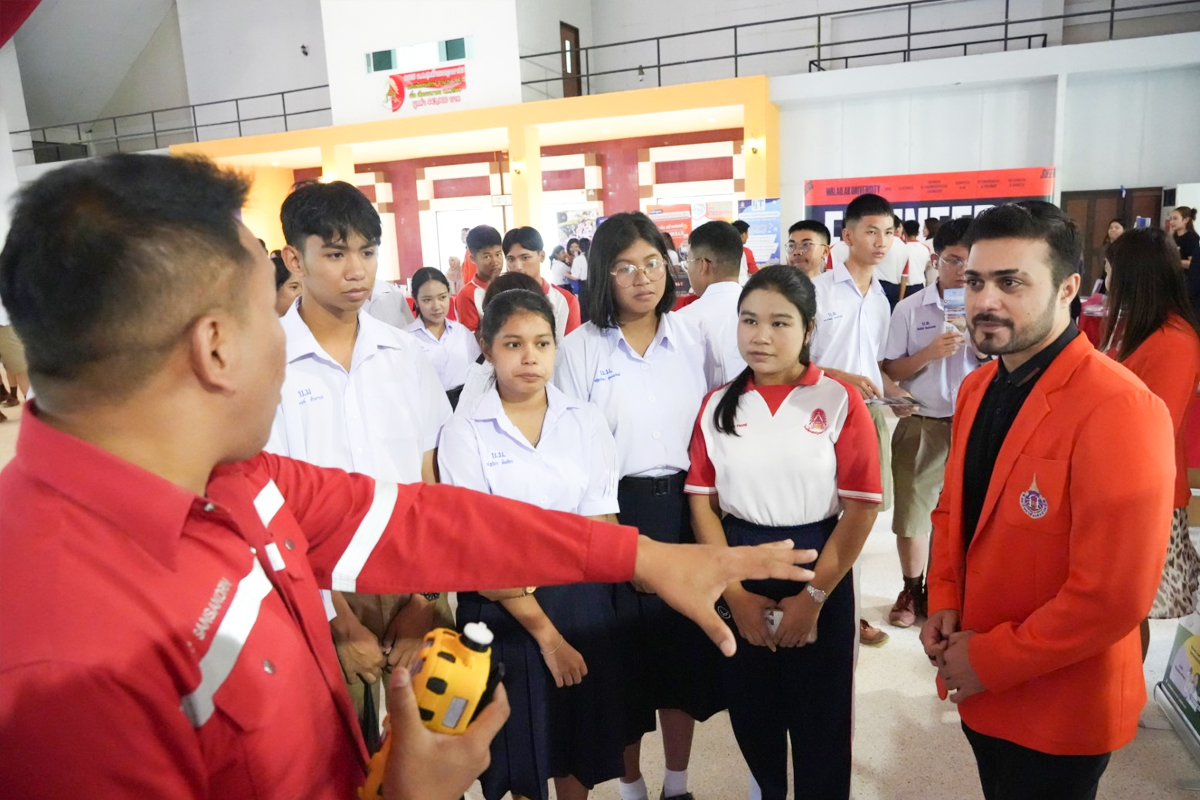
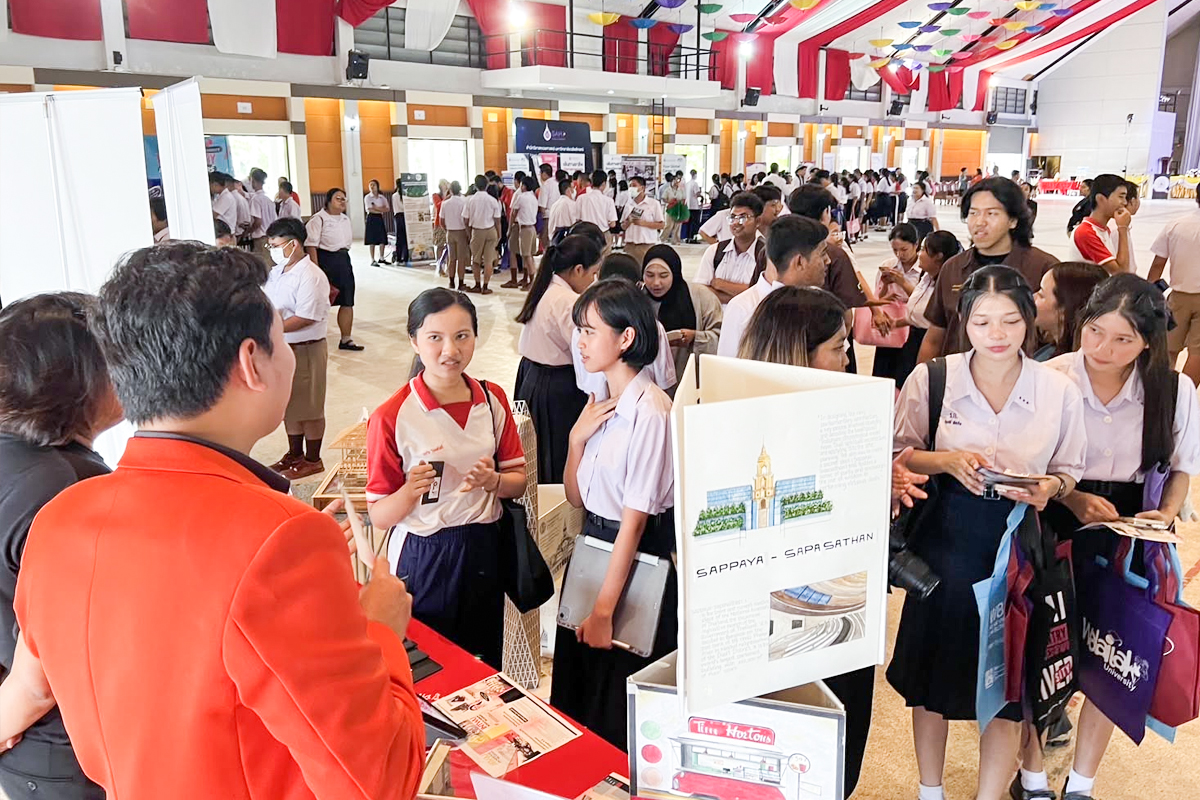
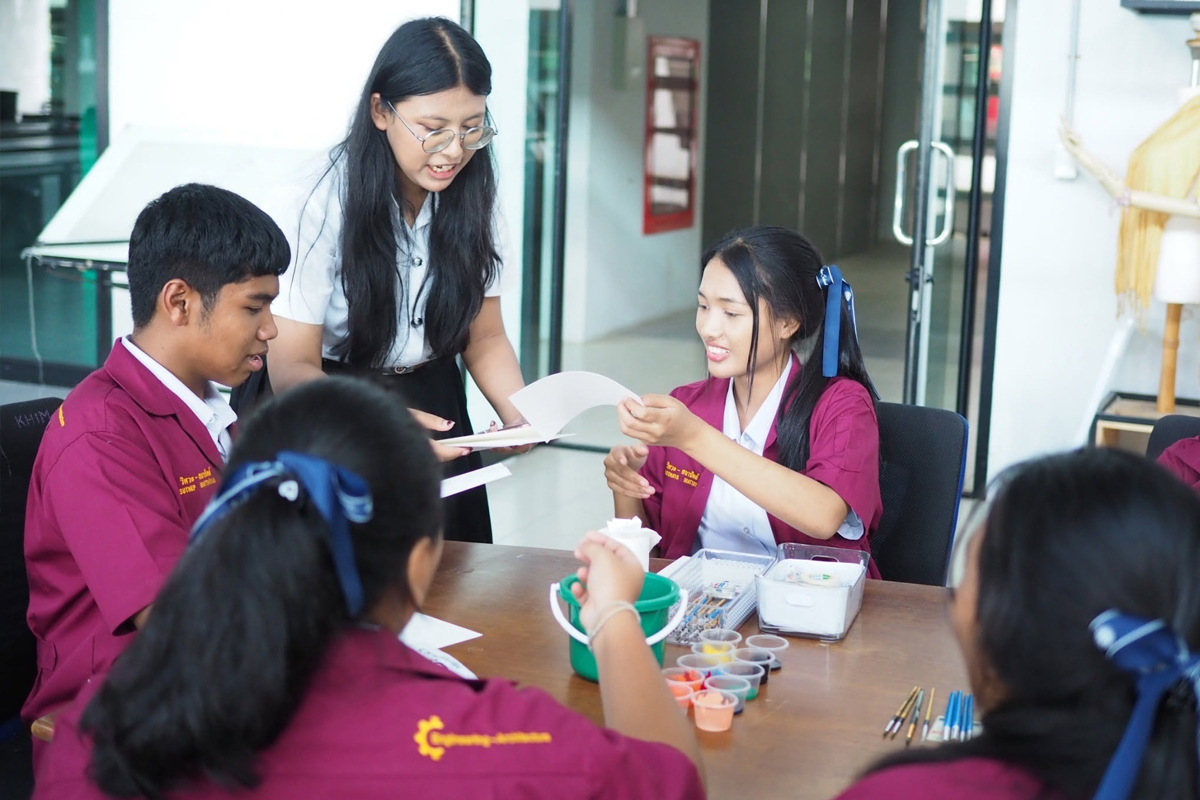
In 2025, Walailak University strengthened its outreach efforts by engaging with partner secondary schools through school visits, workshops, career talks, and interactive learning activities. These activities provided female students with opportunities to learn more about academic disciplines and career pathways through hands-on experiments, technology demonstrations, and discussions with university staff and professionals. By offering direct exposure to real-world applications and educational opportunities, the programs helped students develop a broader understanding of the possibilities available to them beyond traditional gender expectations.
The outreach activities also introduced female students to the support systems available at Walailak University, including academic mentoring, leadership development opportunities, scholarships, and gender-responsive facilities and services. In addition, the university highlighted the achievements and experiences of successful female students and alumni in engineering, architecture, medicine, and STEM-related careers. These role models provided students with practical examples of women succeeding in traditionally male-dominated fields and encouraged them to consider similar academic and professional pathways.
Through these continued outreach and engagement efforts, Walailak University seeks to increase awareness, confidence, and interest among female students in underrepresented fields while promoting equal opportunities for women and men in higher education and future careers.
Engineering Field
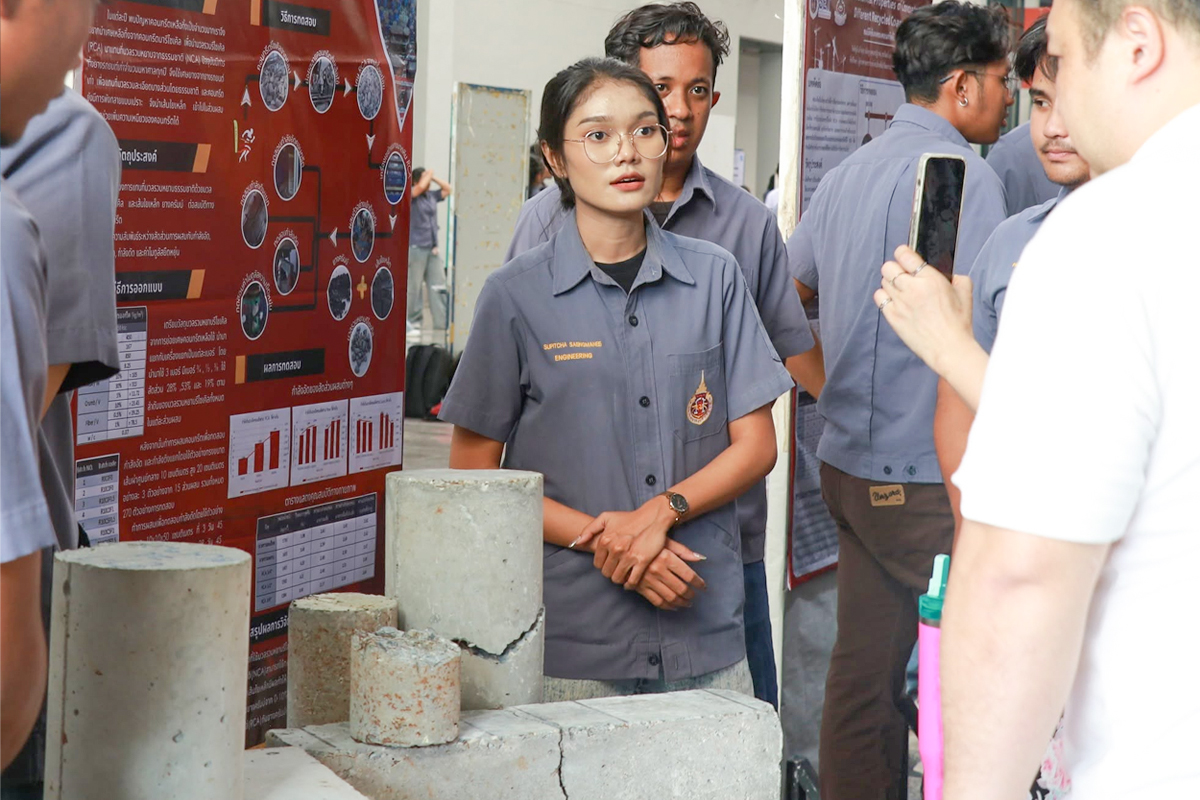
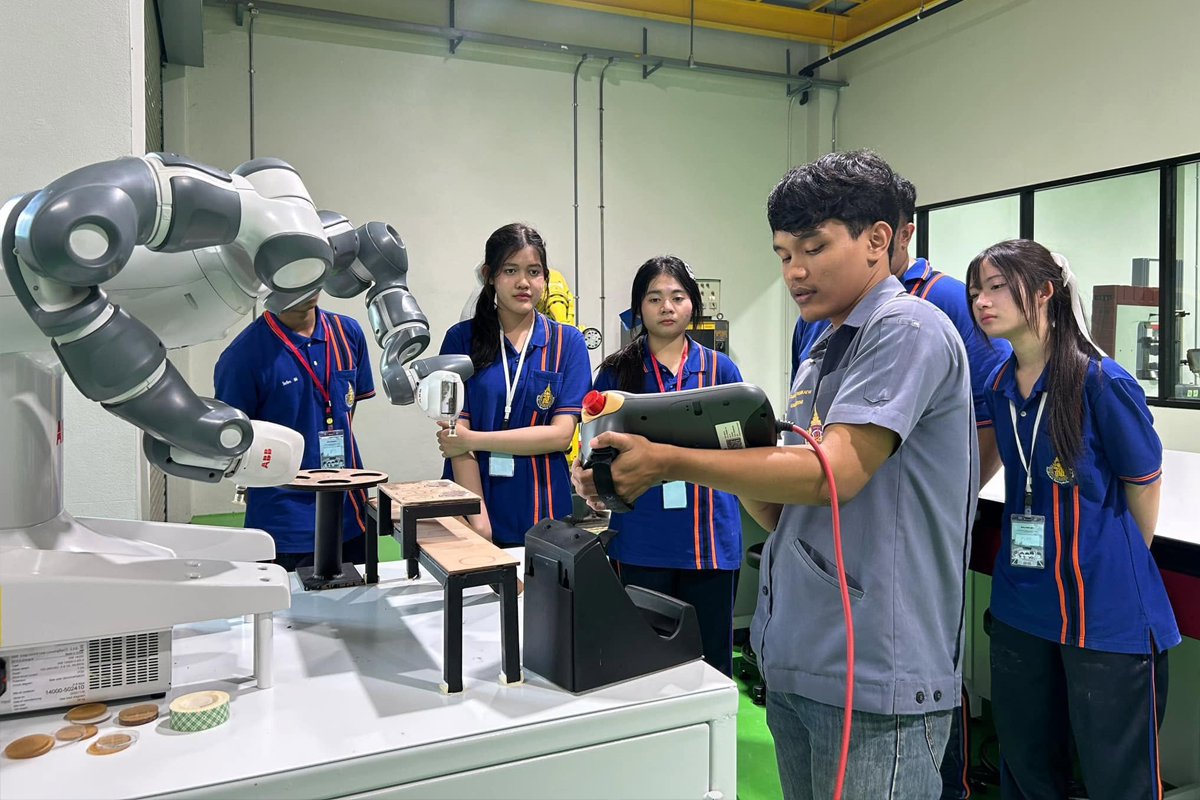
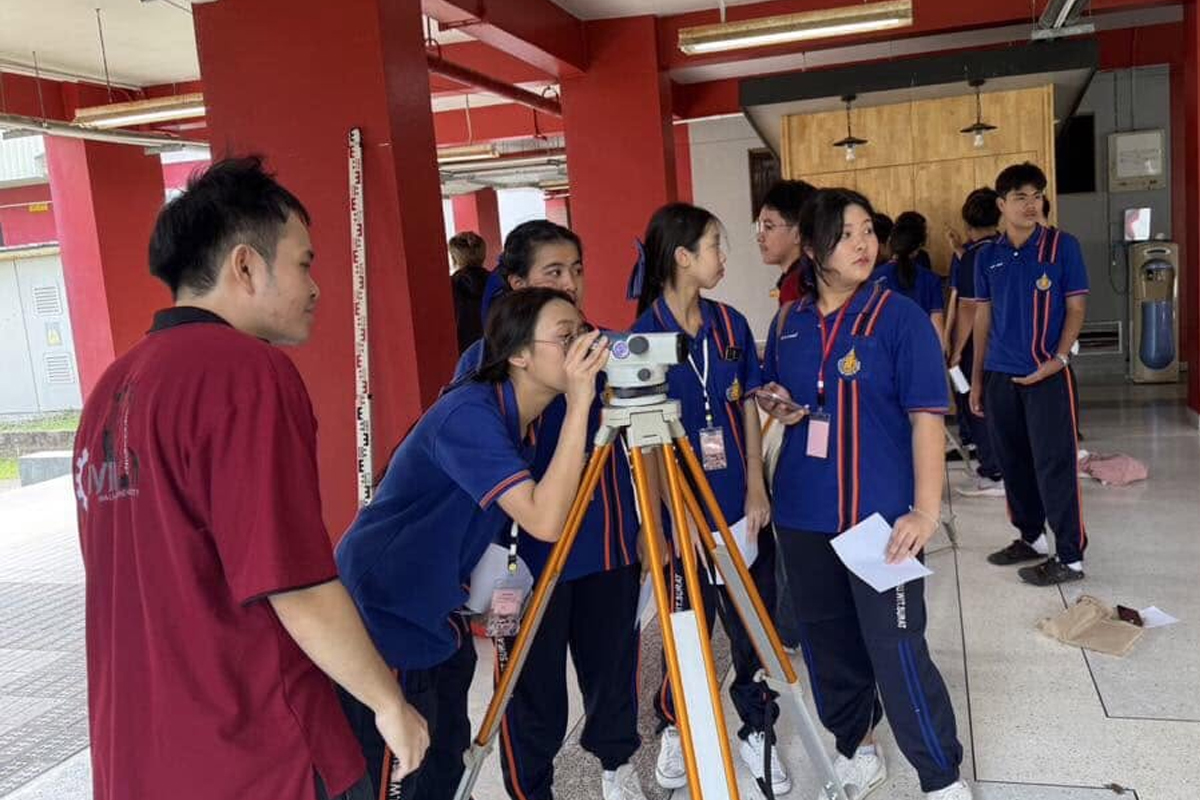
Engineering has traditionally been a field in which women have been significantly underrepresented, partly due to long-standing perceptions that it is a male-dominated profession requiring physical strength and technical abilities more commonly associated with men. To challenge these misconceptions and promote greater gender equality, Walailak University, through the School of Engineering and Technology, organized outreach programs aimed at encouraging female secondary school students to explore engineering as a viable and rewarding academic and career pathway.
The outreach activities provided female students with opportunities to gain a better understanding of engineering disciplines, explore their practical applications, and learn about the academic and career opportunities available in the field. Through interactive activities, demonstrations, and engagement with university staff and students, the programs helped students gain greater confidence in their ability to pursue engineering regardless of gender. These initiatives also provided opportunities to introduce female students to successful women in engineering and demonstrate that women can contribute and succeed across a wide range of engineering professions.
Sports Science Field
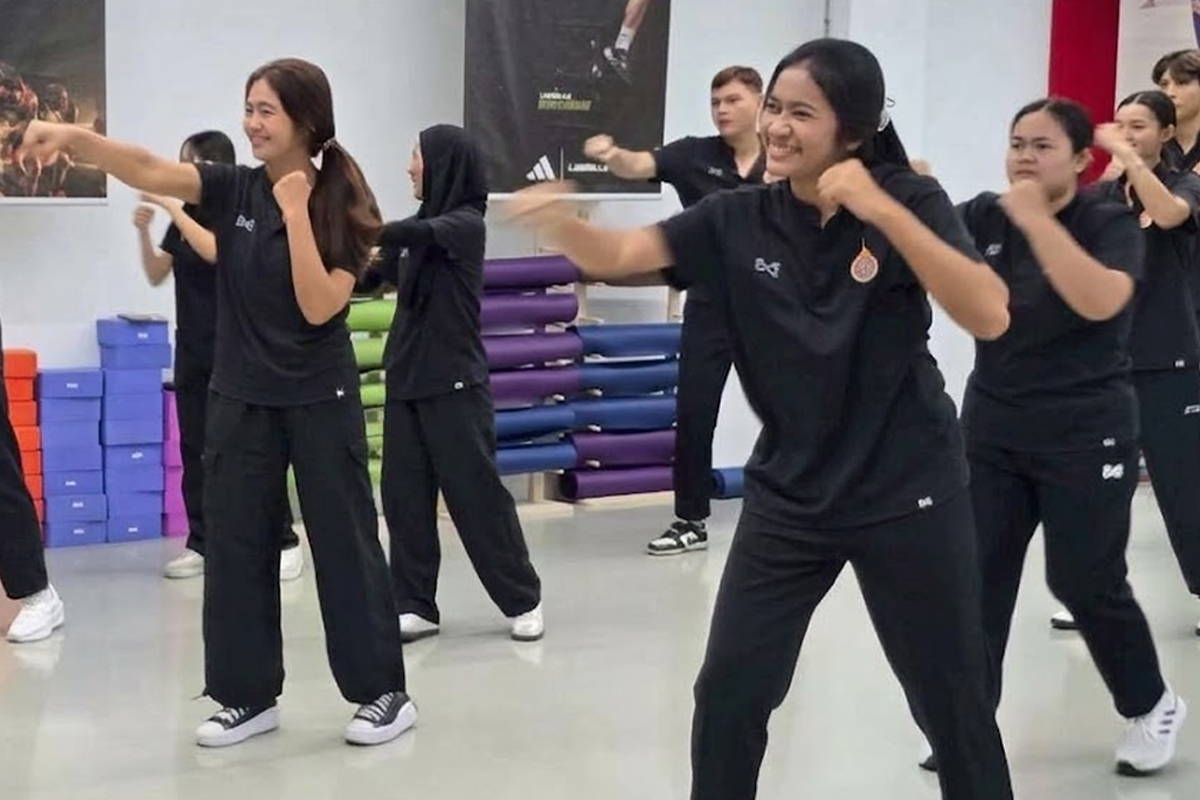
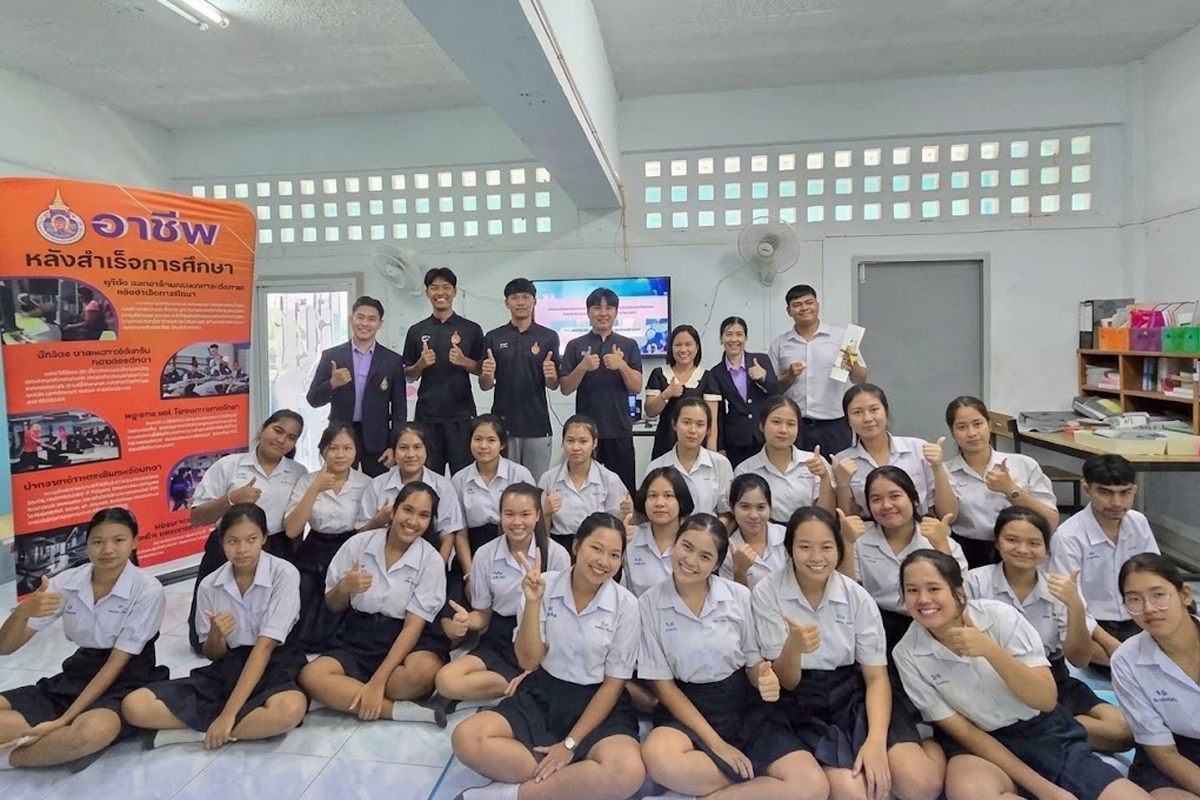
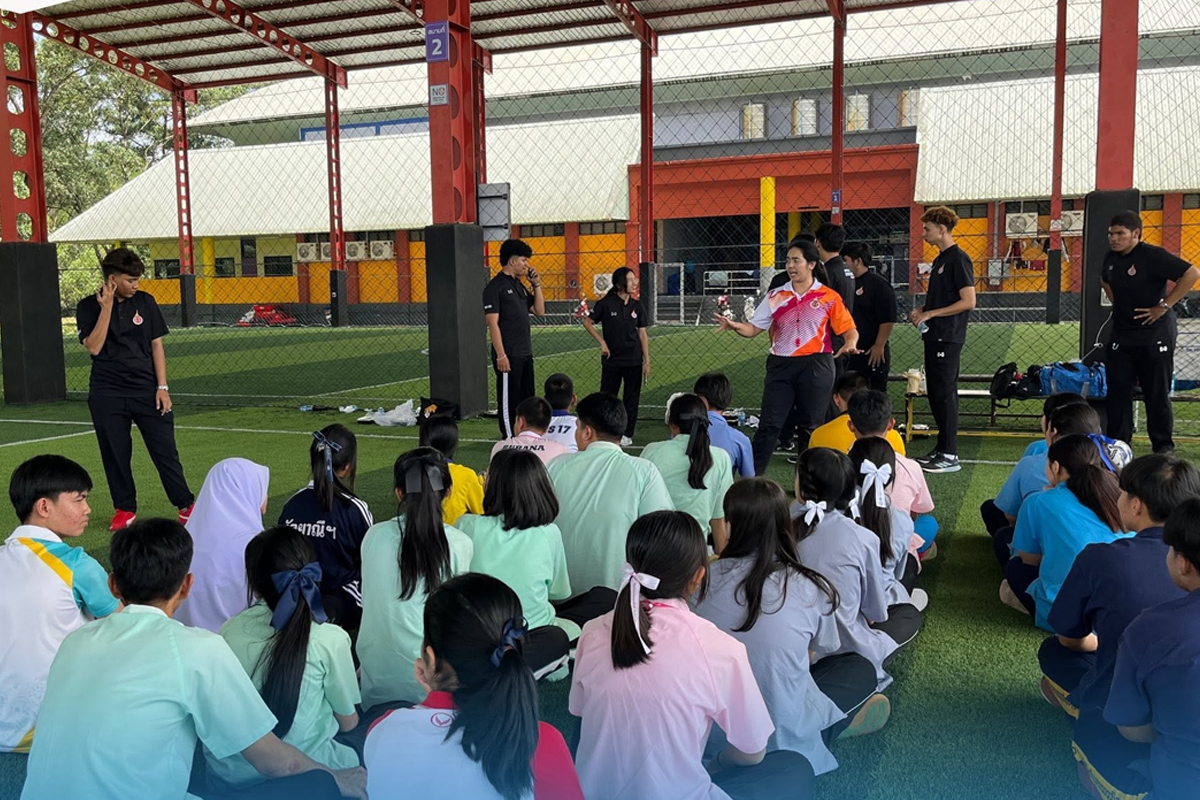
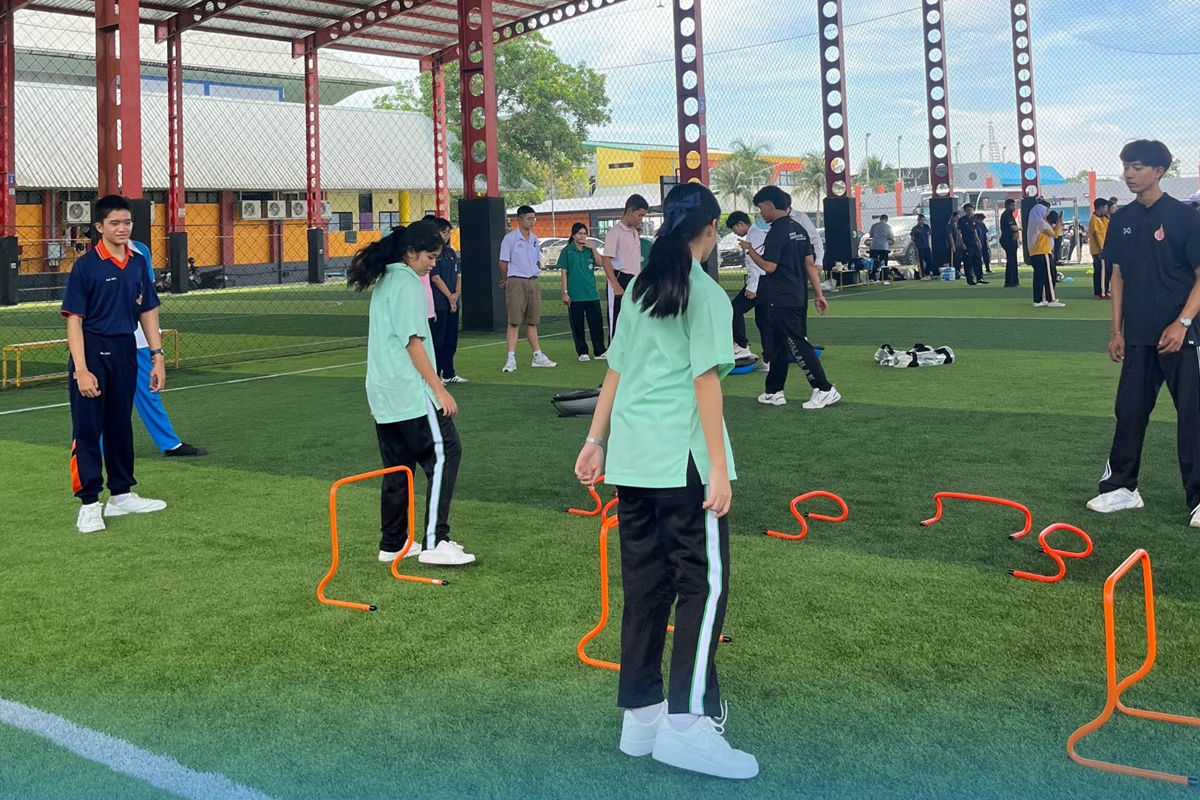
Sports-related fields have traditionally been associated more strongly with men, which can contribute to the underrepresentation of women in sports science and related disciplines. Walailak University recognizes this disparity and is committed to promoting greater participation of women in sports science by raising awareness of educational and career opportunities in the field.
Through outreach and engagement activities, the university encourages female students to consider sports science as a potential academic and professional pathway. These initiatives emphasize equal opportunities for women and men, while demonstrating that women can actively participate, develop their expertise, and succeed in sports science.
The initiatives also aim to inspire young women by increasing their awareness of opportunities in sports science and highlighting the contributions and achievements of women in sports-related fields. By encouraging female students to pursue these areas, Walailak University seeks to foster a more inclusive and diverse academic environment and promote greater gender balance in sports science.
Science Field
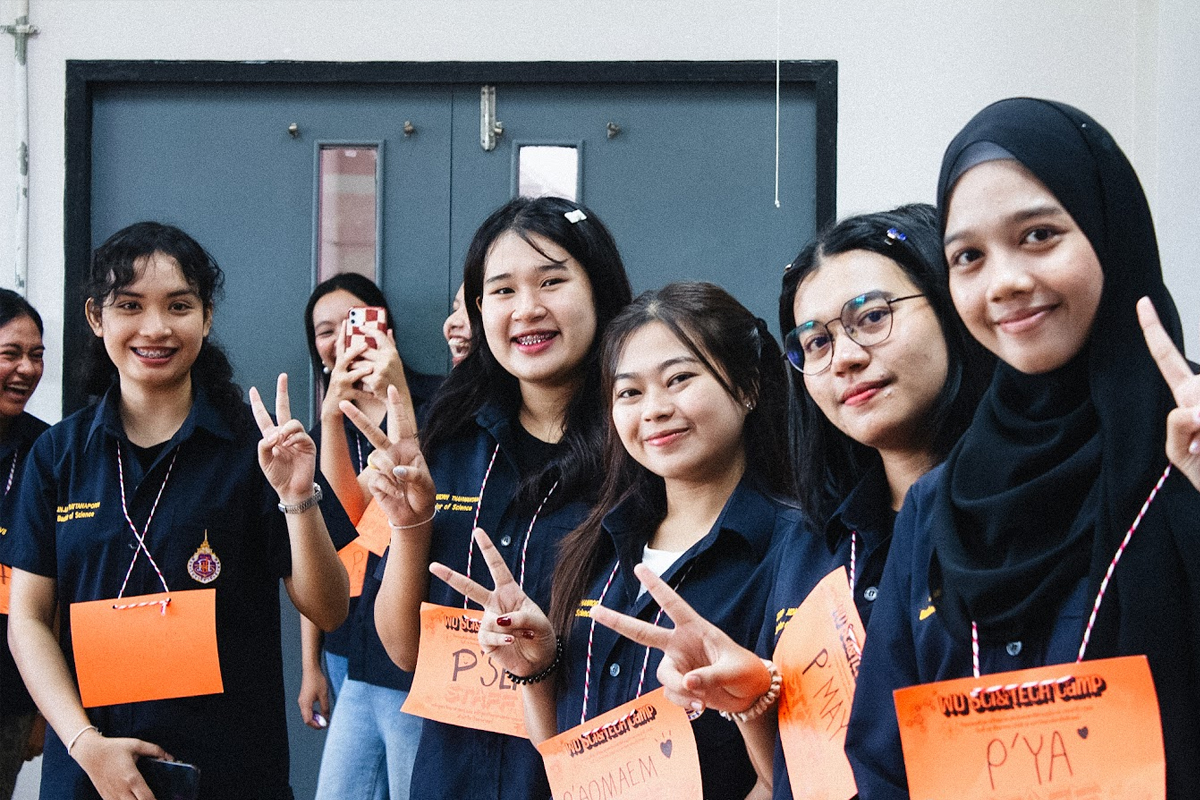
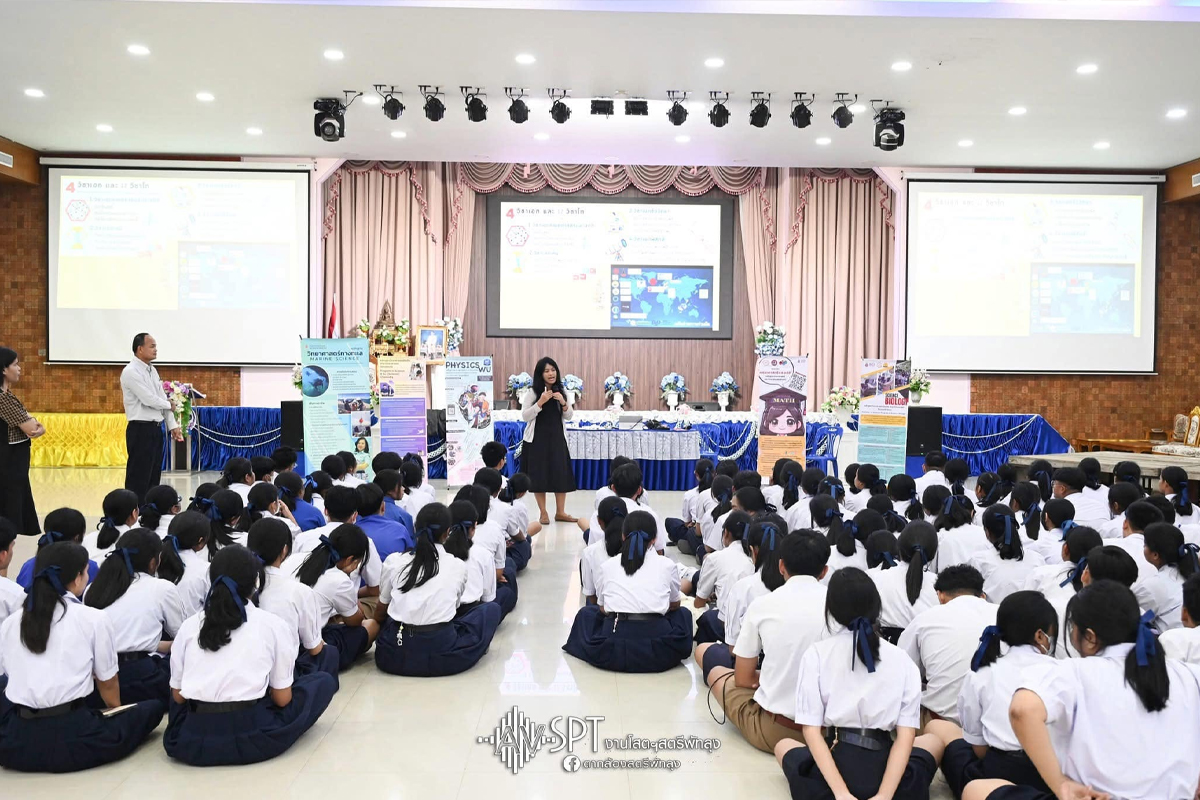
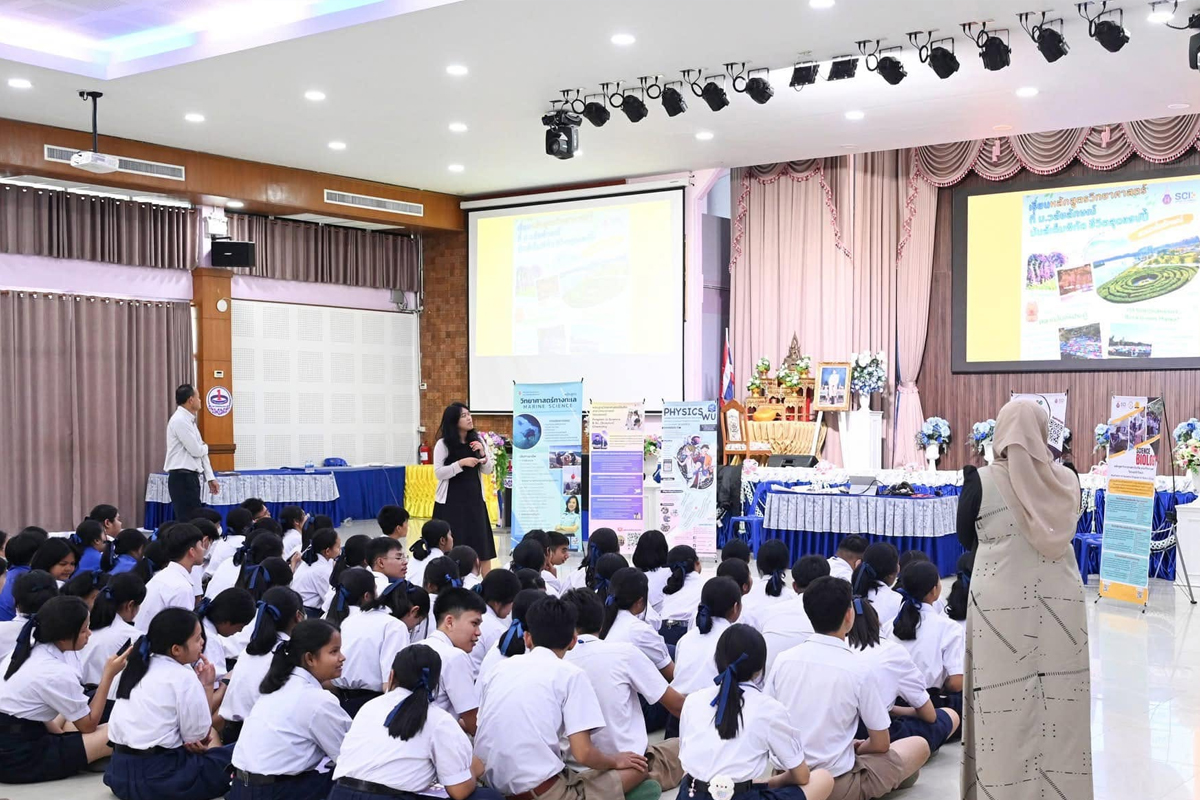
Women remain underrepresented in several science-related disciplines, particularly computer science, mathematics, and certain areas of chemistry. This disparity can be influenced by persistent gender stereotypes, limited exposure to science-related opportunities at an early stage, and perceptions about the suitability of these fields for women. To help address these challenges, the School of Science at Walailak University organized outreach activities aimed at encouraging female secondary school students to explore science-related disciplines and consider pursuing further study at WU.
Through these outreach programs, female students were introduced to the diverse academic and career opportunities available in the sciences. The activities provided opportunities to engage with scientific concepts, learn about different study pathways, and gain a better understanding of how science can contribute to a wide range of professional fields. By increasing awareness and encouraging early engagement, the programs sought to build students’ confidence and interest in pursuing science-related education and careers.
The training aimed to enhance the competencies of Helpers in providing in-depth counseling in collaboration with academic advisors, while strengthening their understanding of the University’s student support and referral system. The program equipped participating faculty members with knowledge and practical approaches for identifying students’ needs, providing appropriate initial support, coordinating with academic advisors, and referring students to relevant professional services when more specialized assistance is required.
Architecture Field
Architecture has traditionally been perceived in some contexts as a male-dominated profession, which can contribute to the underrepresentation of women in architectural education and professional practice. Social expectations, family perceptions, and limited exposure to opportunities in design and built-environment professions may also influence young women’s decisions to pursue architecture as a field of study and career.
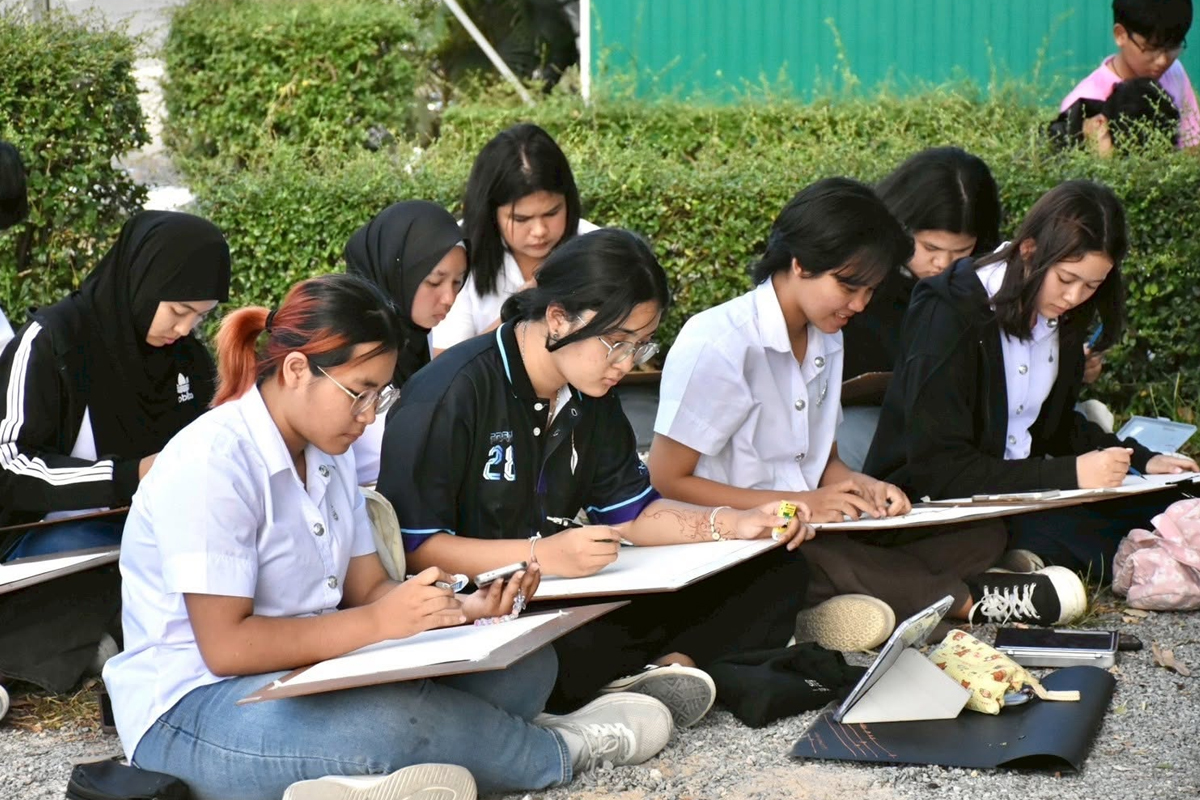
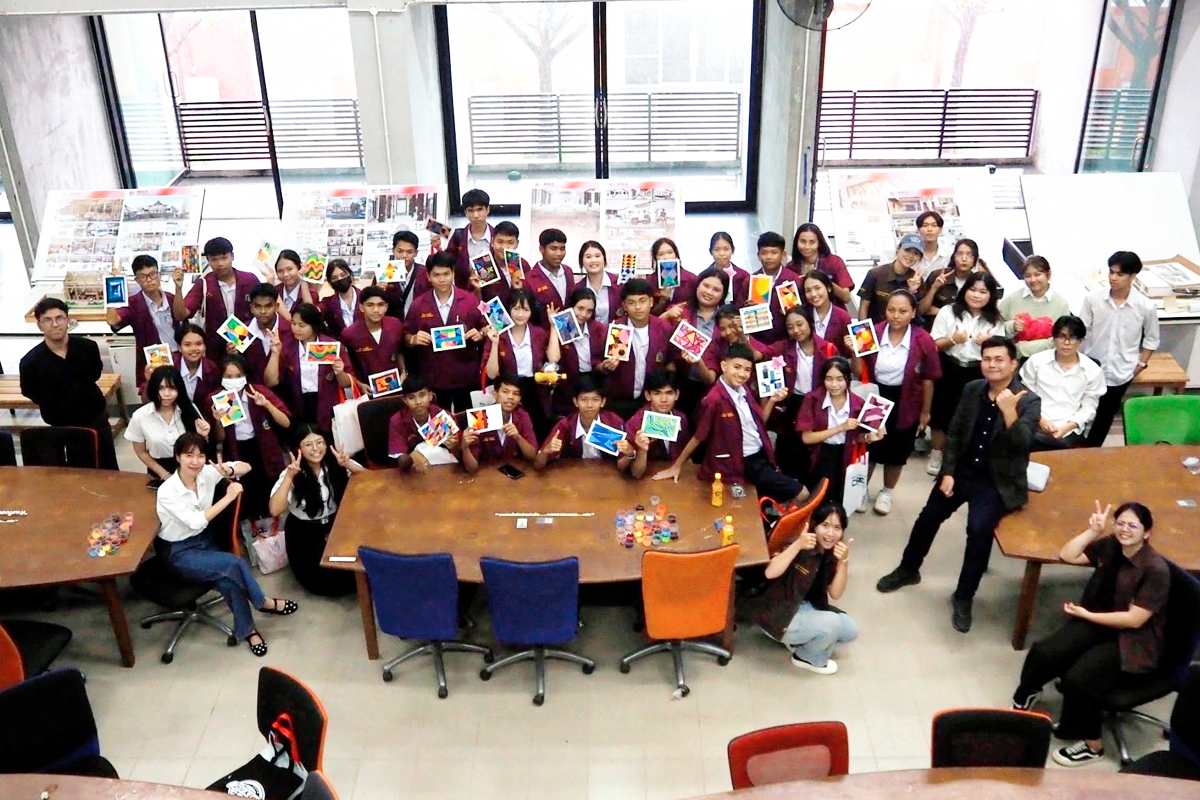
To help address these challenges, Walailak University promoted greater participation of women in architecture through targeted outreach and engagement activities. The university provided female secondary school students with opportunities to learn more about architectural education, explore design-related skills and career pathways, and gain a better understanding of the diverse roles available within the profession. Academic guidance and direct engagement with university staff and students also helped prospective students make more informed decisions about pursuing architectural studies.
WU’s Collaboration with Secondary Schools to Encourage Female Students to Pursue Underrepresented Fields
In 2025, Walailak University (WU) strengthened its collaboration with secondary schools across Southern Thailand to support educational development and create pathways from secondary education to higher education. These collaborations also provided opportunities for WU to encourage female secondary students to consider university study and future careers in fields where women have traditionally been underrepresented.
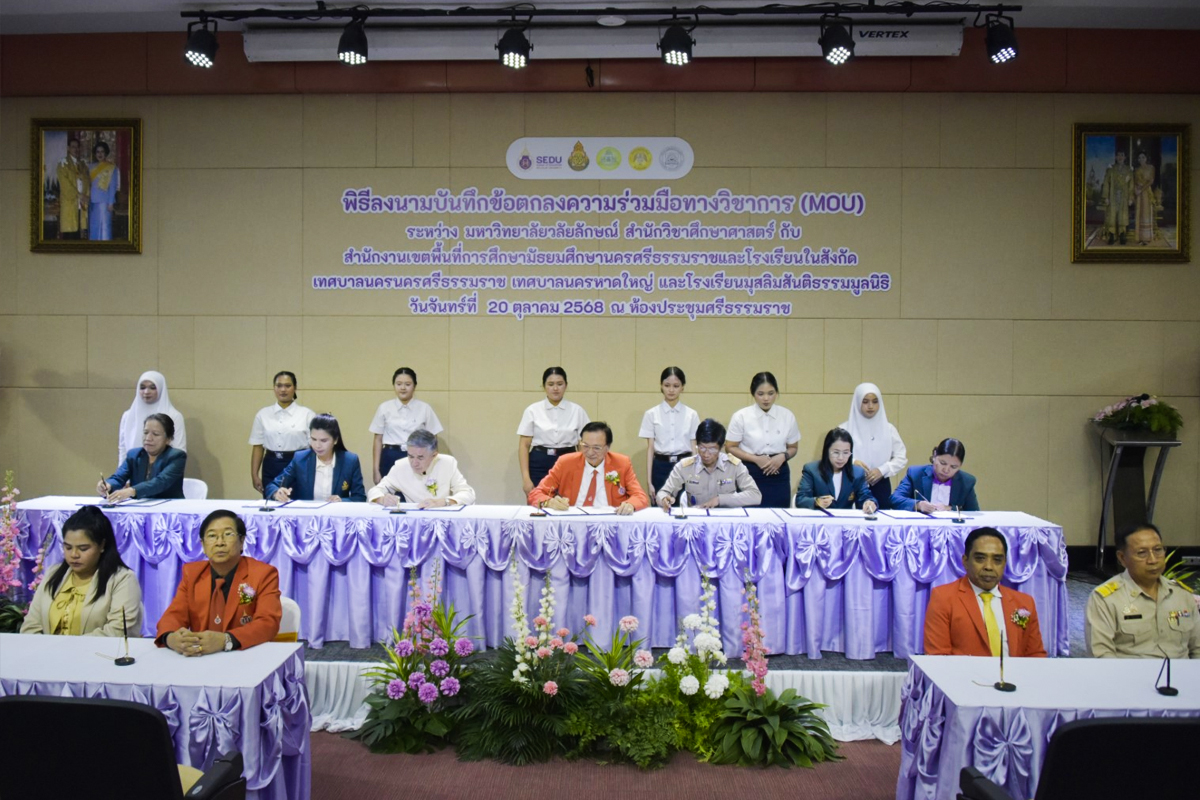
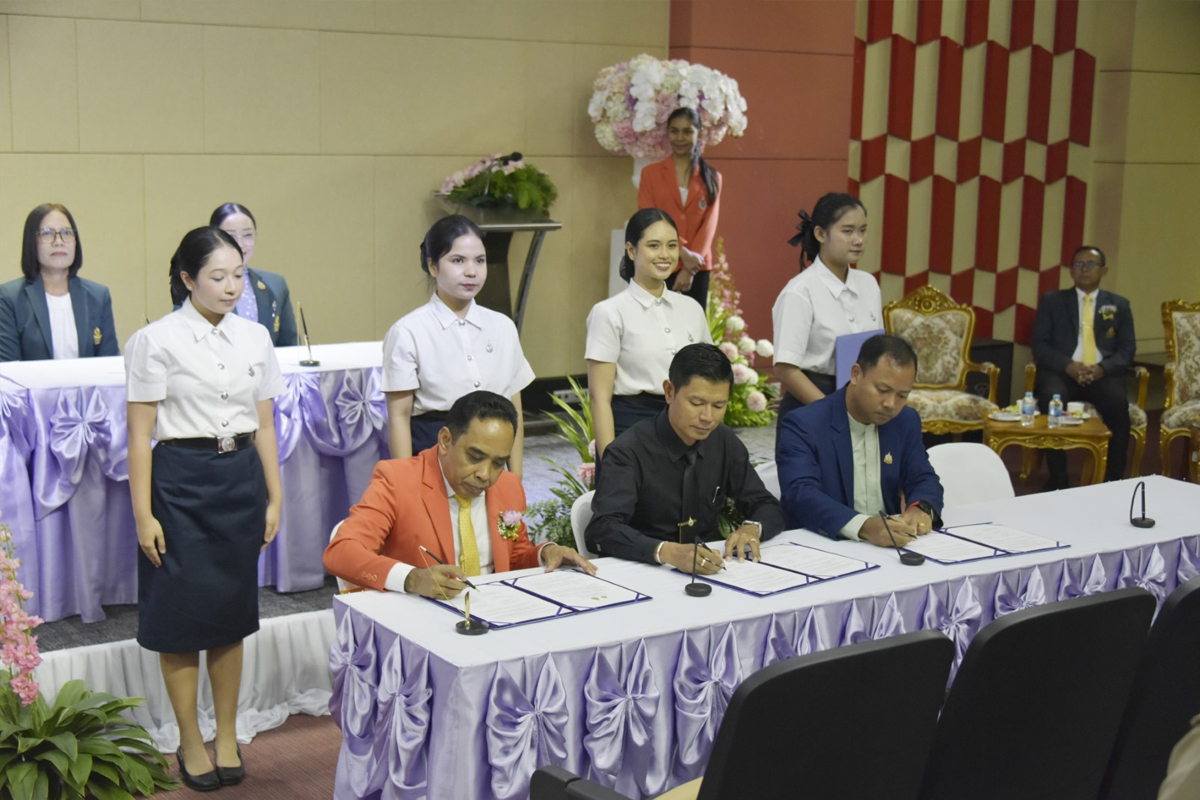
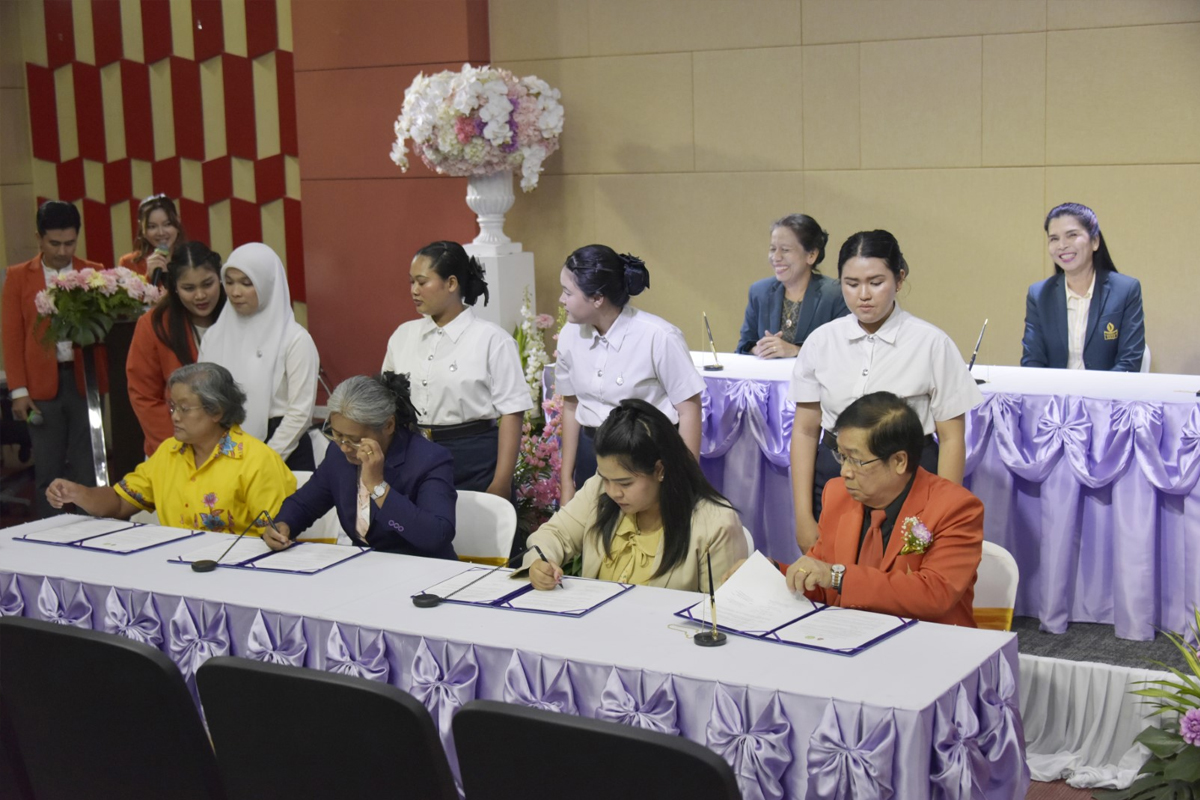
In 2025, WU signed Memoranda of Understanding (MOUs) with 55 leading secondary schools from 14 provinces in Southern Thailand. The four-year collaboration aimed to establish an integrated educational ecosystem connecting secondary education with higher education. Through the collaboration, students were provided with opportunities to access advanced courses and develop future-oriented skills, while gaining greater preparation for university admission and future careers.
WU also signed an MOU with the Secondary Educational Service Area Office in Nakhon Si Thammarat and 71 schools under the municipalities of Nakhon Si Thammarat and Hat Yai, together with Muslim Santitham Foundation School, involving 75 organizations in total. The collaboration covered academic development, research, teaching and learning, arts and cultural preservation, and opportunities for students to gain practical experience. These partnerships strengthened connections between schools and WU and expanded students’ access to academic knowledge and university resources.
In addition, WU established academic collaborations with eight prominent secondary schools in Southern Thailand: Princess Chulabhorn Science High School Nakhon Si Thammarat, Satit Thetsaban Wat Phetcharik School, Thung Song School, Satree Thung Song School, Sriyapai School, Sa-ard Phaderm Wittaya School, Trang Christian Suksa School, and Panyawit School. The collaborations focused on strengthening students’ academic knowledge, professional skills, and competencies. They also facilitated access to WU resources, including science and health science laboratories, technology facilities, learning centers, sports and health facilities, meeting facilities, and English language development.
These school partnerships supported WU’s efforts to promote higher education opportunities among female students, particularly in academic and professional fields in which women have traditionally been less represented. Through outreach activities, academic workshops, university visits, and opportunities to interact with university personnel and students, female secondary students were introduced to potential study and career pathways in areas such as STEM, architecture, technology, science, and other technical or specialized disciplines.
The collaborations also enabled WU to communicate the academic and student support available to prospective female students, including scholarships, academic guidance, mentoring, student support services, and an inclusive learning environment. Providing information and exposure before university admission helped students better understand available programs, admission pathways, and potential career opportunities.
Through these collaborations in 2025, WU extended its efforts to encourage women’s participation in underrepresented fields beyond the university campus and into the secondary education system. By connecting female students with academic opportunities, university resources, career information, and pathways to higher education, WU supported them in considering and applying for programs that could lead to a broader range of educational and professional opportunities.
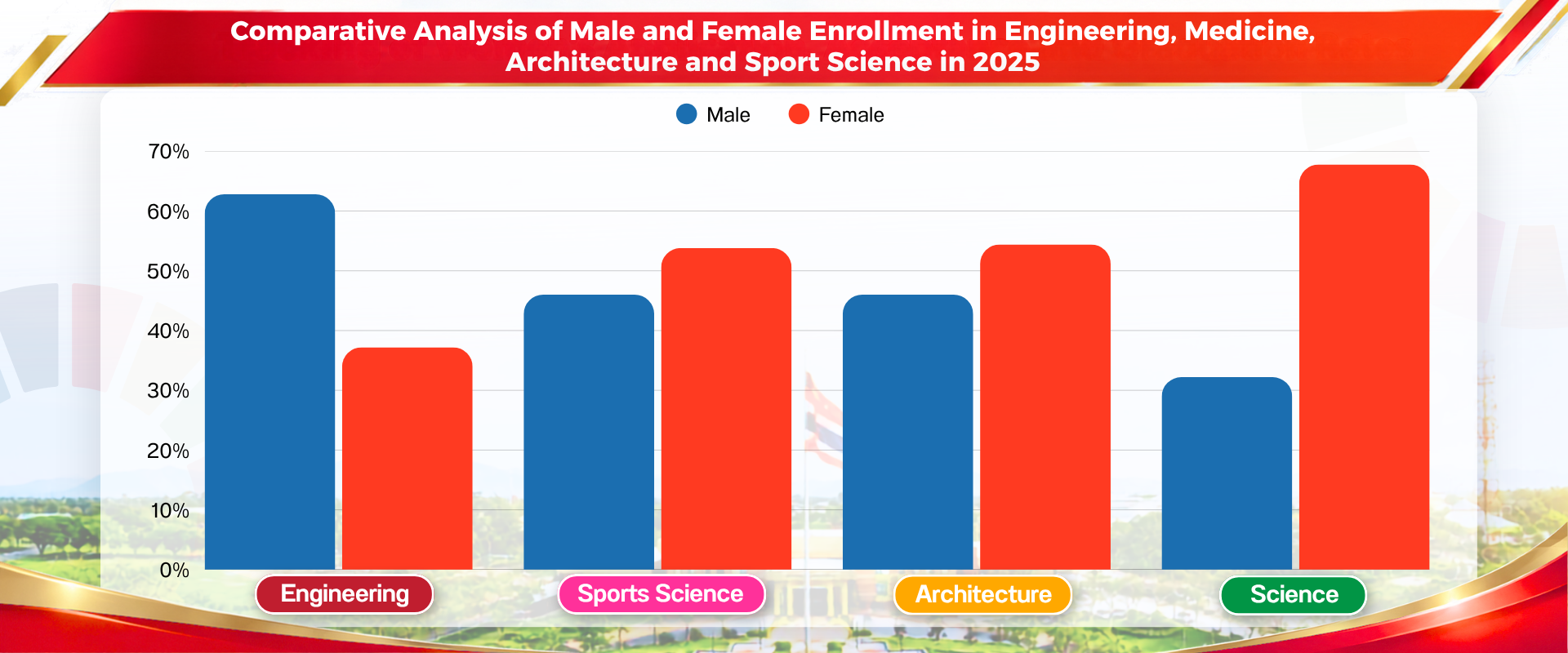
The participation of female students at Walailak University in 2025 was reflected across a range of academic fields, including disciplines where women have traditionally been less represented. Among the four selected fields, female students constituted the majority in Sports Science, Architecture, and Science, while Engineering continued to have a higher proportion of male students.
In Engineering, WU had 121 female students and 204 male students, with female students accounting for 37.2% of the field. In Sports Science, female students outnumbered male students, with 70 female students compared with 60 male students. Architecture also recorded a higher number of female students, with 43 female students compared with 36 male students. Science had the highest female representation among the four fields, with 215 female students compared with 102 male students.
Female student representation in the four selected fields in 2025 was as follows:
- Engineering: 121 female students (37.2%) and 204 male students (62.8%)
- Sports Science: 70 female students (53.8%) and 60 male students (46.2%)
- Architecture: 43 female students (54.4%) and 36 male students (45.6%)
- Science: 215 female students (67.8%) and 102 male students (32.2%)
Overall, female students accounted for 449 of the 851 students across these four fields, representing 52.8% of the total. While female students formed the majority across the four fields combined and were particularly well represented in Science, Sports Science, and Architecture, their representation in Engineering remained lower than that of male students in 2025. Recognizing this gap, WU continued to strengthen its outreach and collaboration with secondary schools to encourage more female students to explore and apply for programs in Engineering and other fields where women remain underrepresented. Through sustained promotion, academic exposure, career guidance, and stronger pathways from secondary education to higher education, WU aimed to increase female participation in these fields in the future.
Related links:
ส.วิศวะ… – School of Engineering and Technology, Walailak University | Facebook
🎓✨… – School of Engineering and Technology, Walailak University | Facebook
Open… – School of Engineering and Technology, Walailak University | Facebook
Open… – School of Engineering and Technology, Walailak University | Facebook
📍📍… – School of Engineering and Technology, Walailak University | Facebook
3 Feb 2025… – สาขาวิชาฟิสิกส์ ม.วลัยลักษณ์ Physics Walailak | Facebook
📣 ส.สถาปัตยกรรมฯ… – Walailak Architecture and Design – A.D. | Facebook