Advancing Gender Equality: Tracking and Supporting Women’s Graduation
Walailak University recognizes the importance of measuring and monitoring women’s likelihood of graduating in comparison with that of men and implements targeted schemes to address and reduce any identified gaps. Monitoring graduation likelihood among female students is an important component of the University’s commitment to gender equality, helping to promote equitable academic outcomes for both female and male students.
The University has designated organizations responsible for measuring and monitoring graduation likelihood among female students, identifying potential gaps, and implementing appropriate schemes and support measures to address them.
Measurement and Tracking of Women’s Graduation Likelihood at Walailak University
The Center for Educational Services (CES) serves as the core organization responsible for monitoring and tracking students’ academic progression and graduation likelihood at Walailak University, including the comparison of graduation outcomes between female and male students.
The CES comprises five divisions:
- General Administration Division
- Registration Division
- Education and Examination Division
- System Analysis and Information System Division
- Admission Division
The Registration Division is responsible for student registration and related academic records, including maintaining accurate information on the number of female students enrolled at Walailak University each academic year. The Division registers and maintains female students’ information within the University’s information systems, which are developed and managed by the System Analysis and Information System Division. These systems provide the data required for monitoring students’ academic progression and supporting the analysis of graduation outcomes.
Information Systems for Tracking Female Students’ Graduation Likelihood
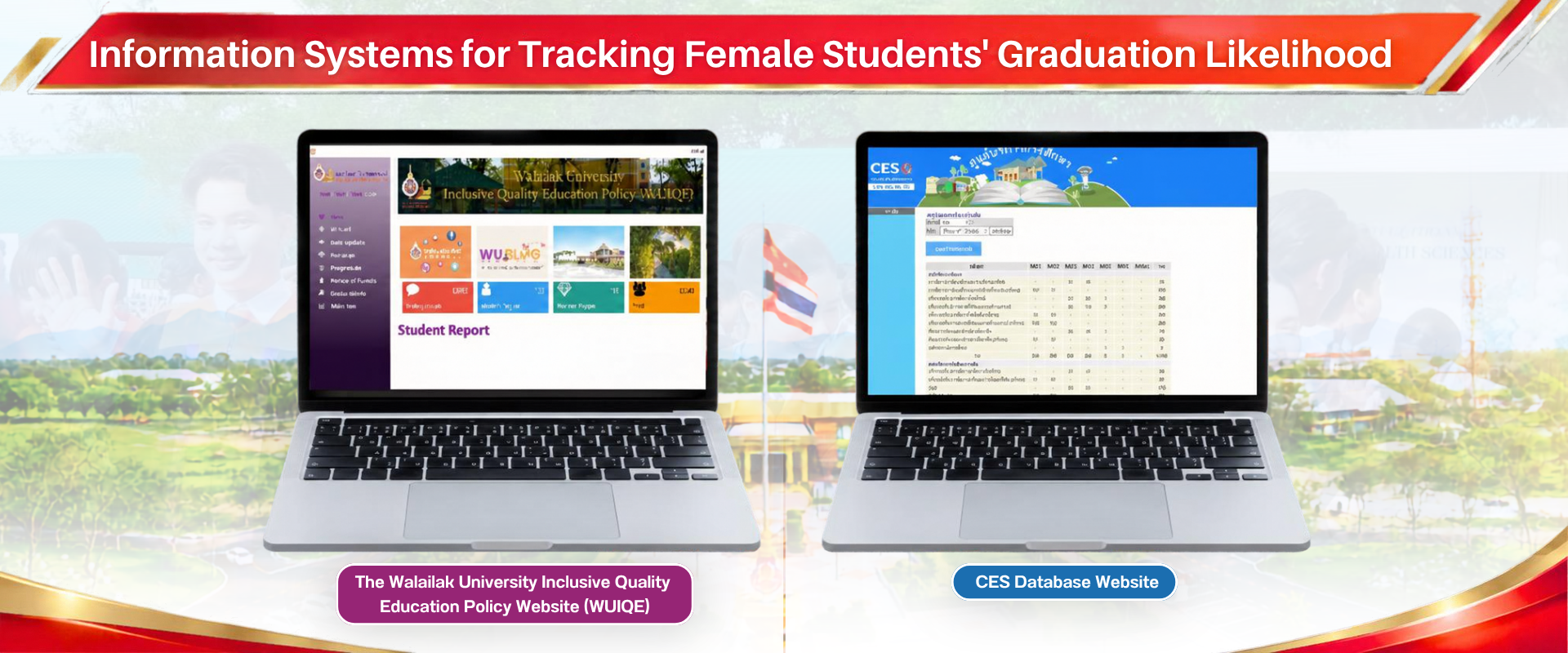
The Center for Educational Services (CES), through the System Analysis and Information System Division, has developed two publicly accessible websites that provide data on the number of currently enrolled female students, female graduates, and other relevant academic indicators. These information systems support the monitoring and tracking of female students’ academic progression and graduation outcomes through publicly available numerical data. The WUIQE Website can be reached at
https://ces.wu.ac.th/registrar/refer/sdg2.asp?d=&y=2568&lang=
WUIQE Website
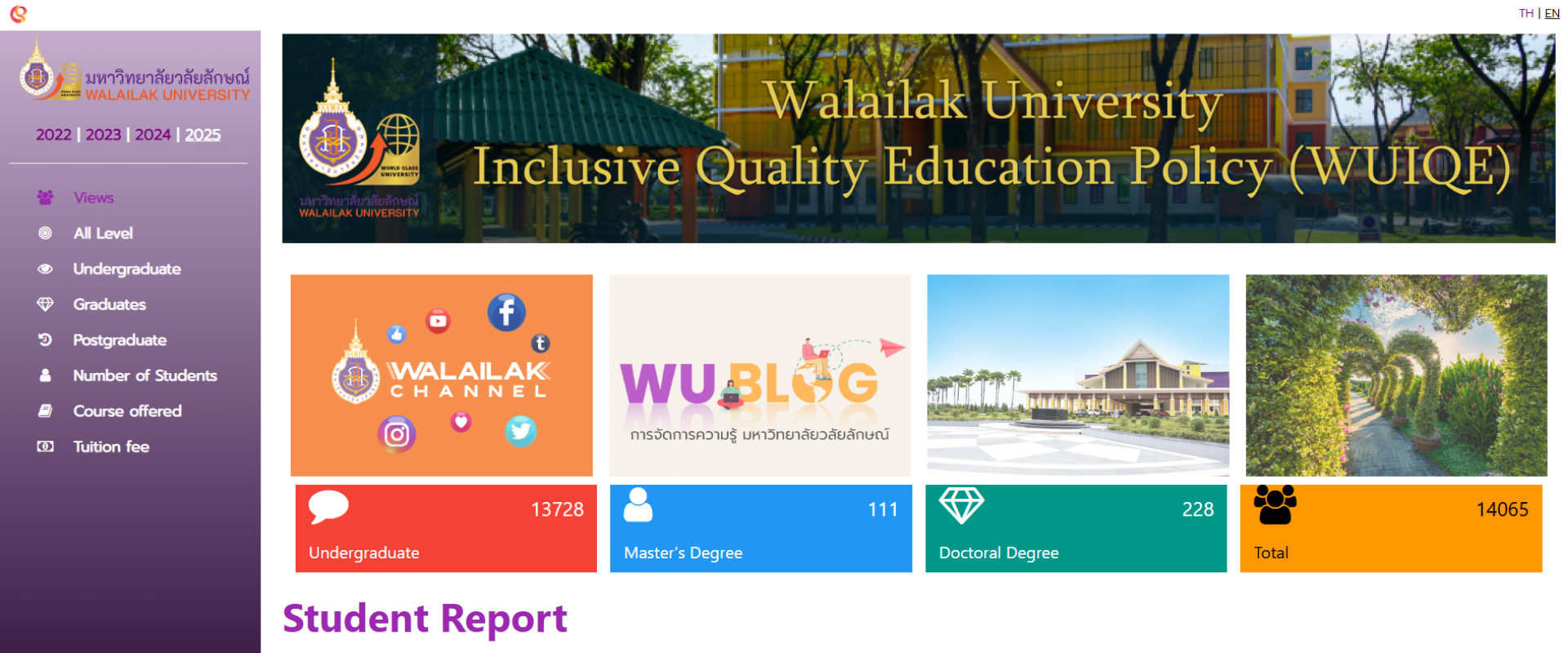
The Walailak University Inclusive Quality Education Policy Website (WUIQE), developed by the System Analysis and Information System Division, provides publicly accessible numerical data on female students, including the number of female graduates and the total number of female students from 2021 to 2025. The website also presents additional indicators related to SDG 5 and other Sustainable Development Goals.
Through WUIQE, the Center for Educational Services (CES) annually tracks and publicly reports data on female graduates. The available data enables the CES to compare female and male graduation outcomes and promotes transparency in monitoring students’ graduation rates. The system also allows CES staff to examine trends in the female student population by comparing data across the 2021–2025 period, helping to identify whether the number of female students is increasing or decreasing over time.
Figure: The WUIQE Website showing data on female graduates and others
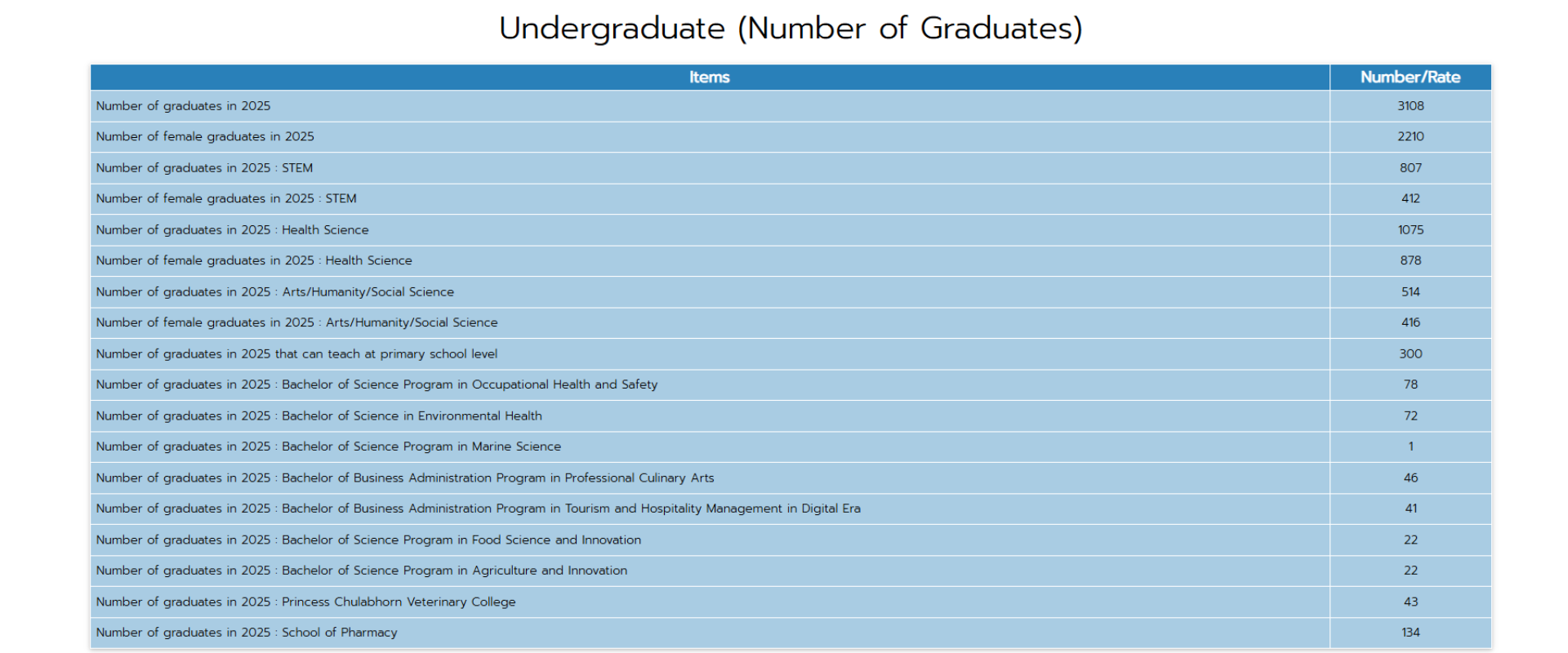
Figure: The data on female graduates and other related issues on the WUIQE Website in 2025
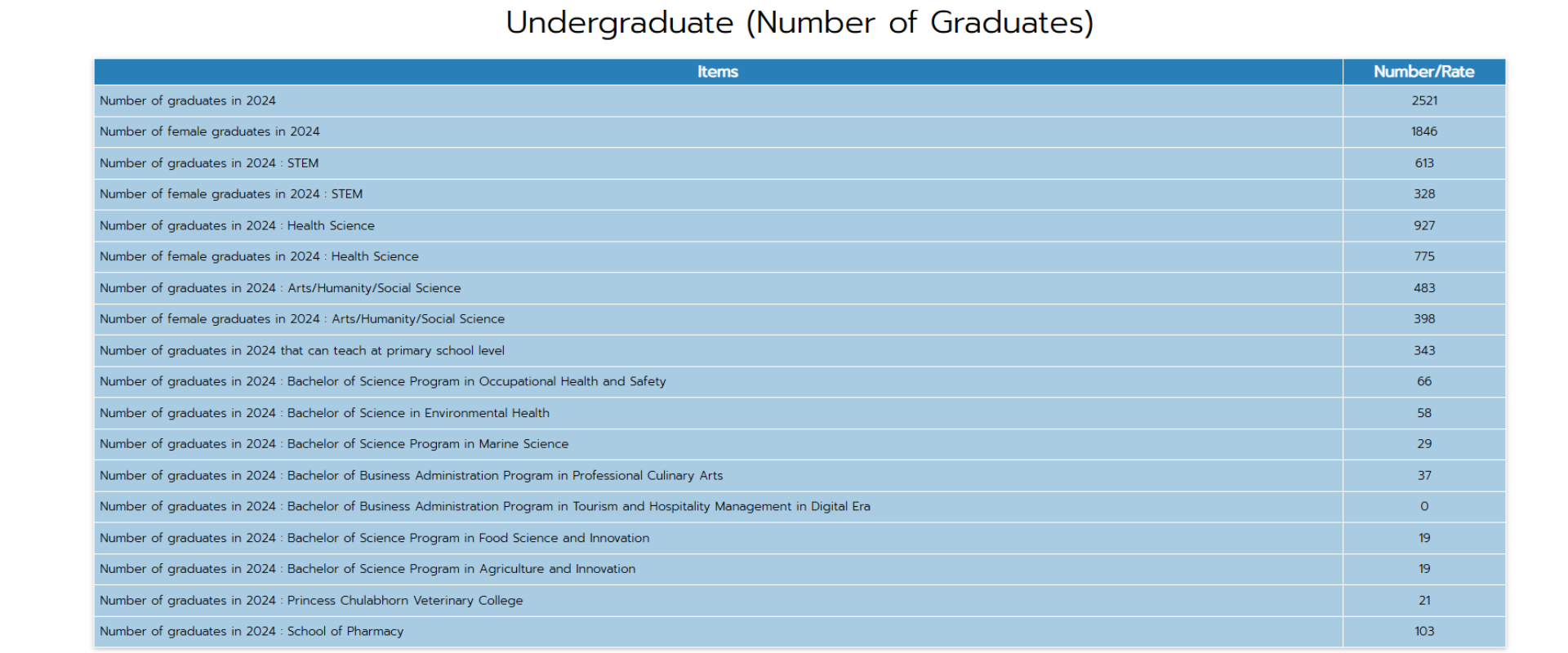
Figure: The data on female graduates and other related issues on the WUIQE Website in 2024
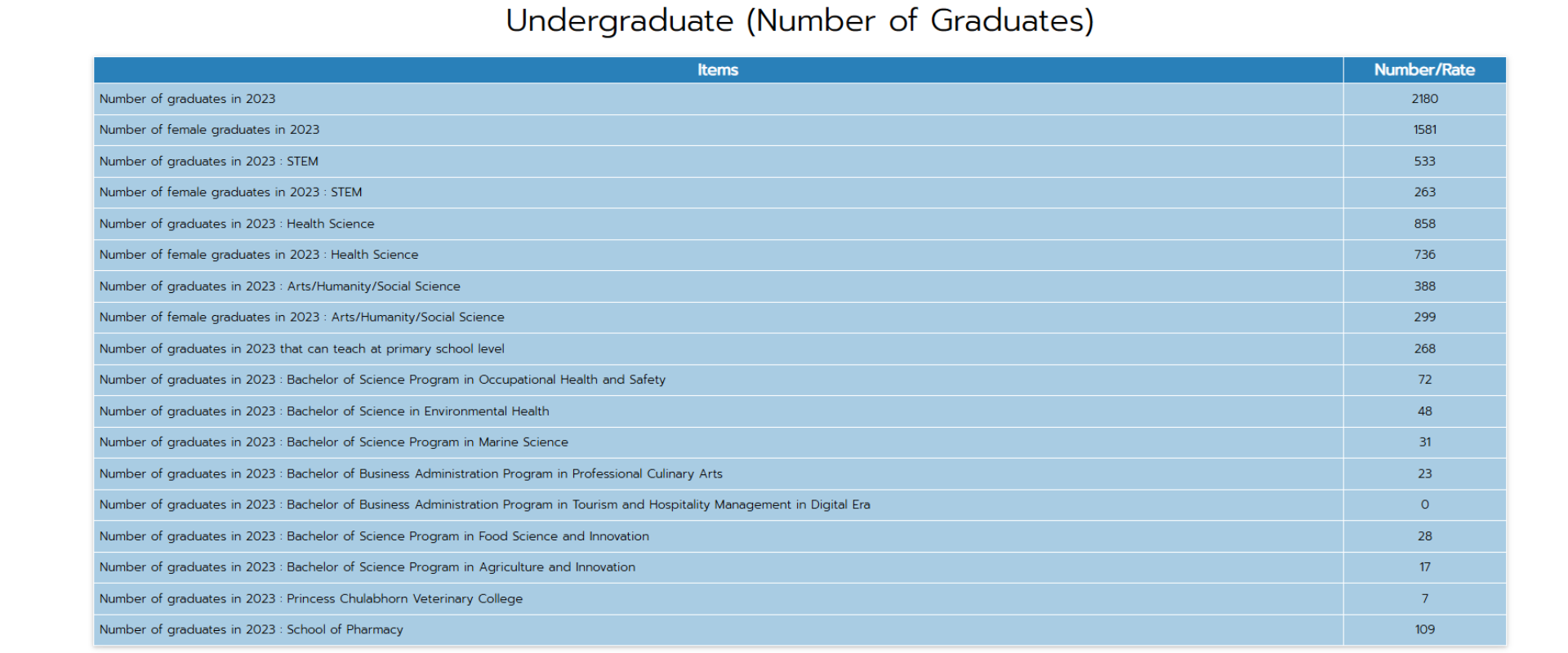
Figure: The data on female graduates and other related issues on the WUIQE Website in 2023
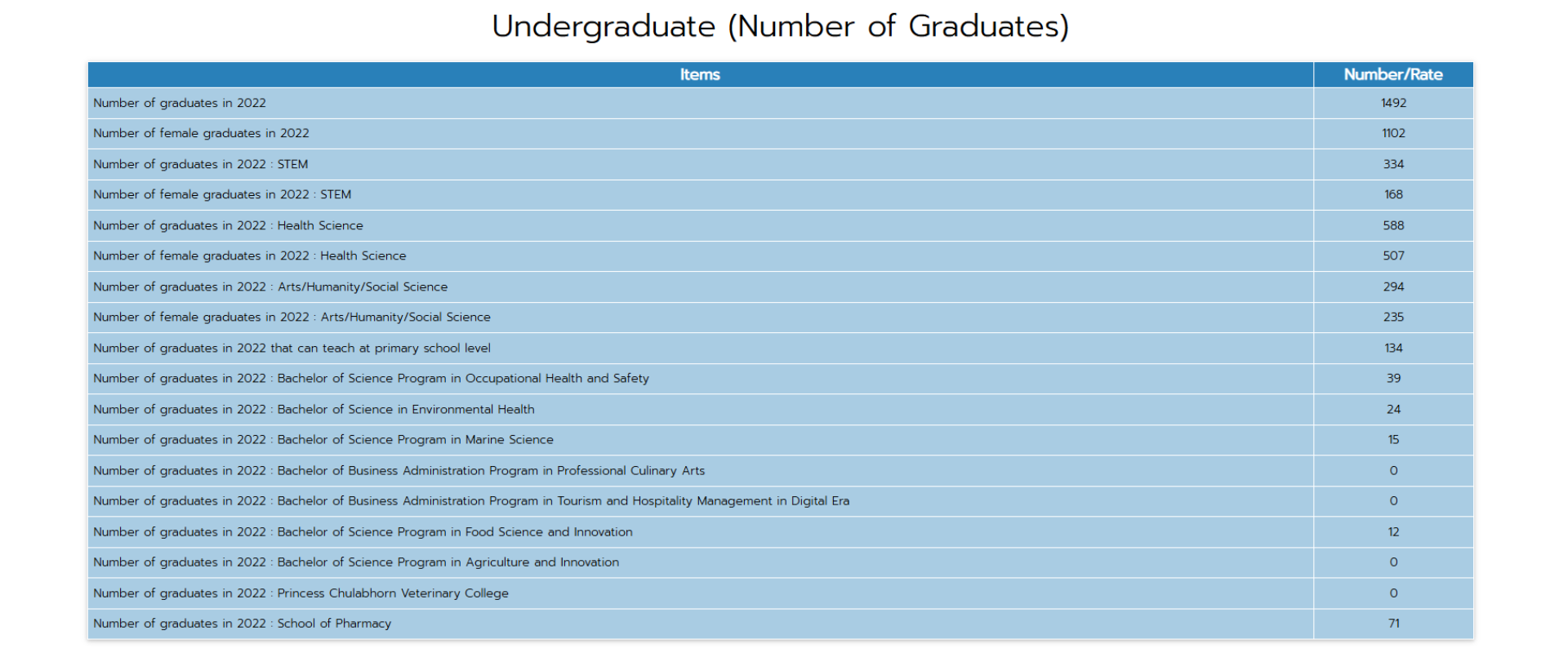
Figure: The data on female graduates and other related issues on the WUIQE Website in 2022
CES Database Website
The CES Database Website is an information system developed by the System Analysis and Information System Division to provide data on the current student population at Walailak University, disaggregated by sex. The system enables the Center for Educational Services (CES), particularly staff in the Registration Division, to monitor changes in the number of currently enrolled female and male students. As the Registration Division is responsible for maintaining student registration records, including deregistration, the system provides up-to-date information on the current student population.
The database provides detailed information on female and male students across different fields of study and academic disciplines, including students from the first year through the fourth year and those studying beyond the fourth year.
The data on currently enrolled female students can be used by CES staff to monitor student population trends and compare the number of female students with subsequent female graduation figures. This enables the University to track changes in female student participation over time and assess graduation outcomes in relation to the number of female students enrolled.
The CES Database Website is publicly accessible at: CES Database Website
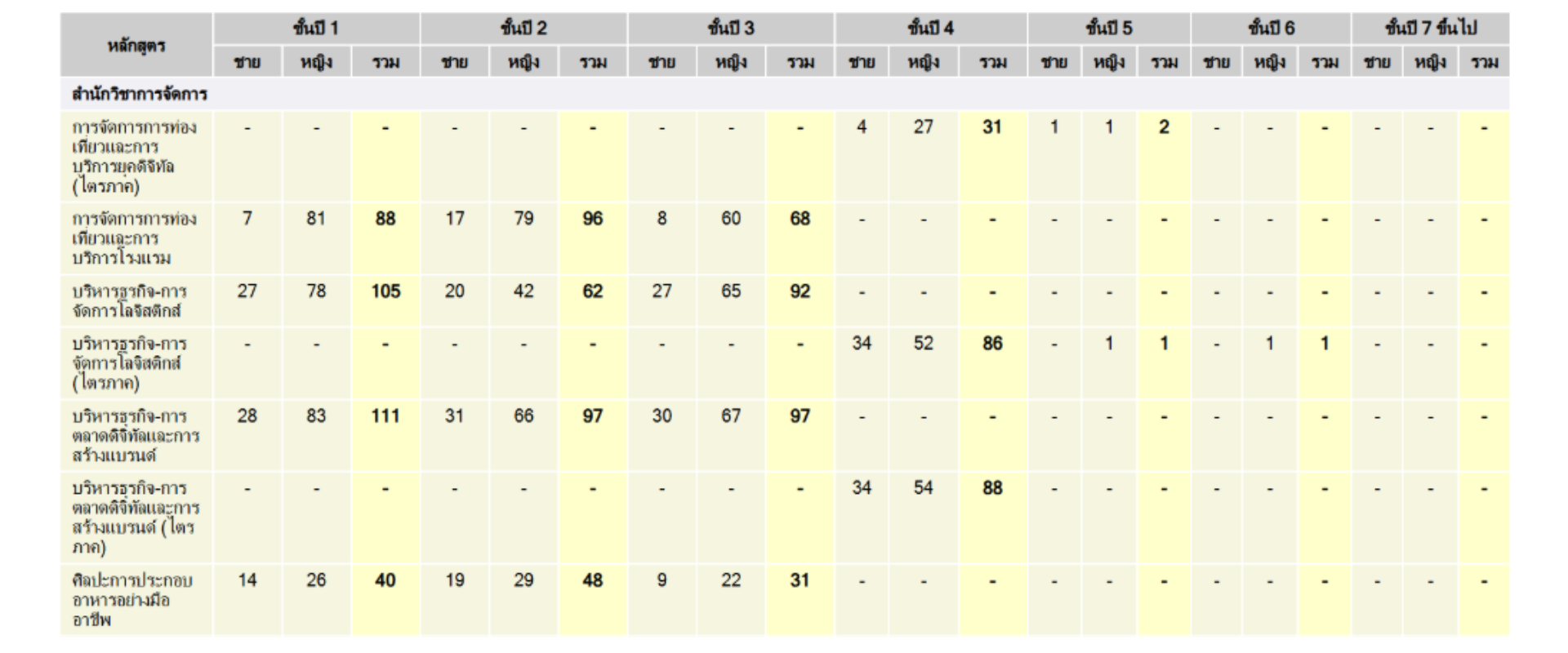
Figure: An example of the data on the number of current female students compared to male students from the School of Management, which is shown in the CES Database Website
Graduate Information Database
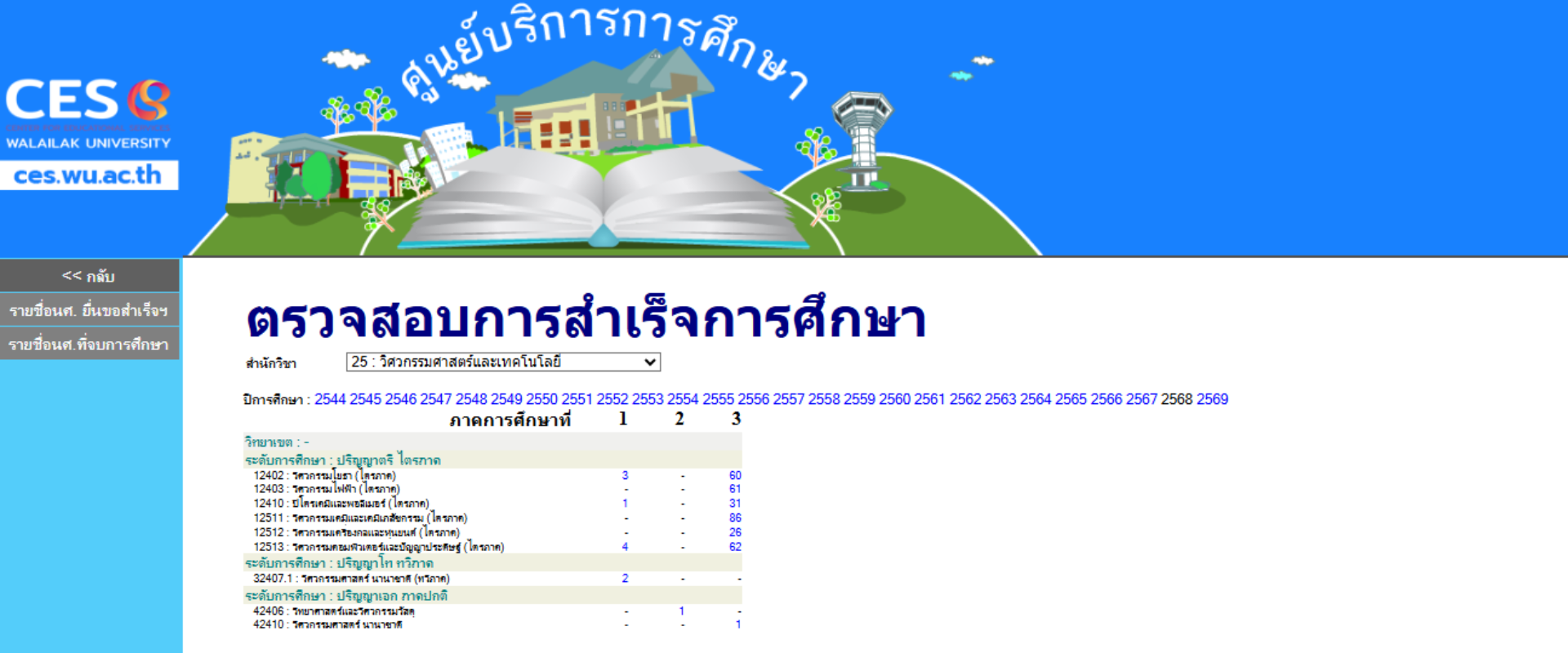
Walailak University also provides a publicly accessible graduate information database that serves as a central source of historical graduation data. The database contains information on students who have graduated from the University, including graduates’ names and the number of graduates from each school for each academic year from 2000 to 2025, developed by the Center for Educational Services (CES).
The database enables the Center for Educational Services (CES) and relevant University units to access and review graduation data over an extended period. By providing graduation records disaggregated by academic year and school, the system supports the monitoring of graduation trends and changes in the number of graduates across different periods and academic disciplines.
The historical data can also be used in conjunction with the University’s current student database and other information systems to compare student enrolment with subsequent graduation outcomes. This provides a basis for tracking changes in graduation patterns over time and identifying potential differences in educational outcomes between female and male students.
The availability of graduation records covering the period from 2000 to 2025 demonstrates the University’s systematic approach to maintaining, monitoring, and making historical graduation data accessible for analysis and institutional planning. The website can be reached at https://ces.wu.ac.th/registrar/graduate_date.asp
Figure: The website showing the number of students who graduated in Engineering in 2025
Developing Schemes to Address Factors Contributing to Female Student Attrition
The Division of Student Support and Development serves as the primary organization at Walailak University responsible for developing and implementing schemes and initiatives to address factors that may contribute to student attrition among female students. These efforts aim to support female students in completing their studies and achieving graduation outcomes comparable to those of male students, thereby promoting educational equality.
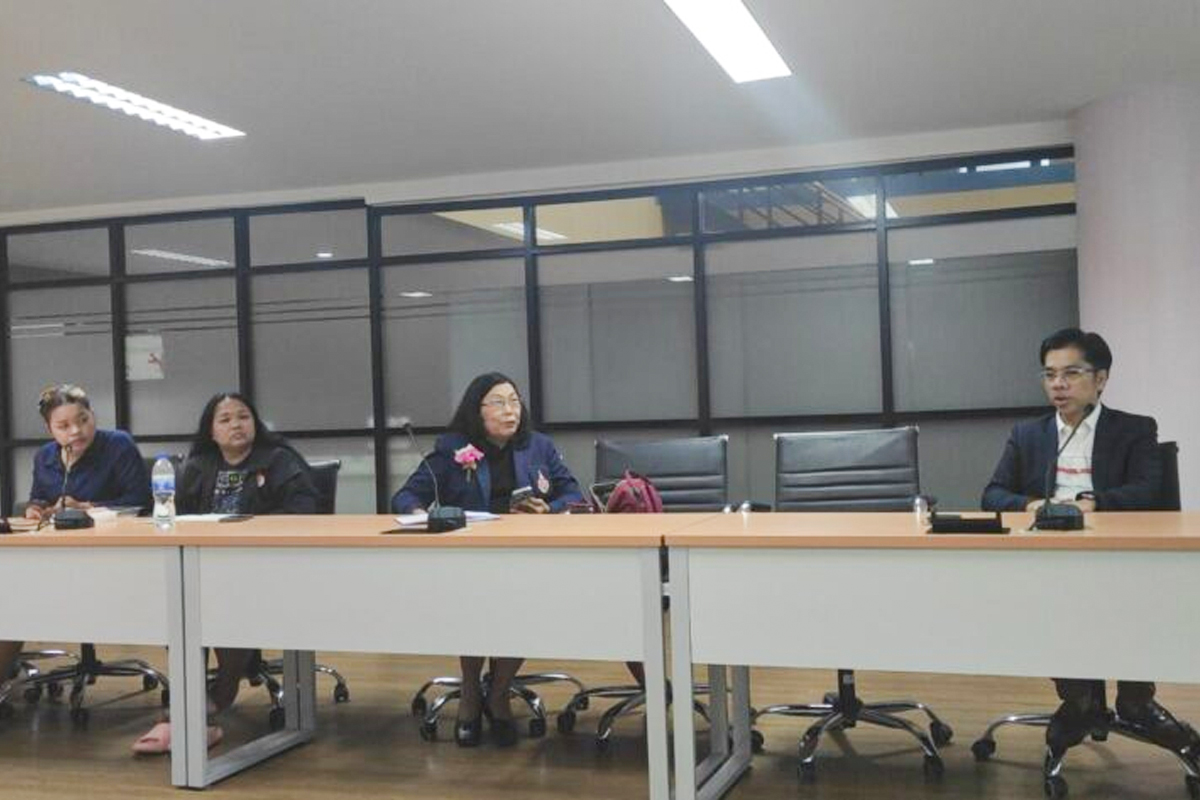
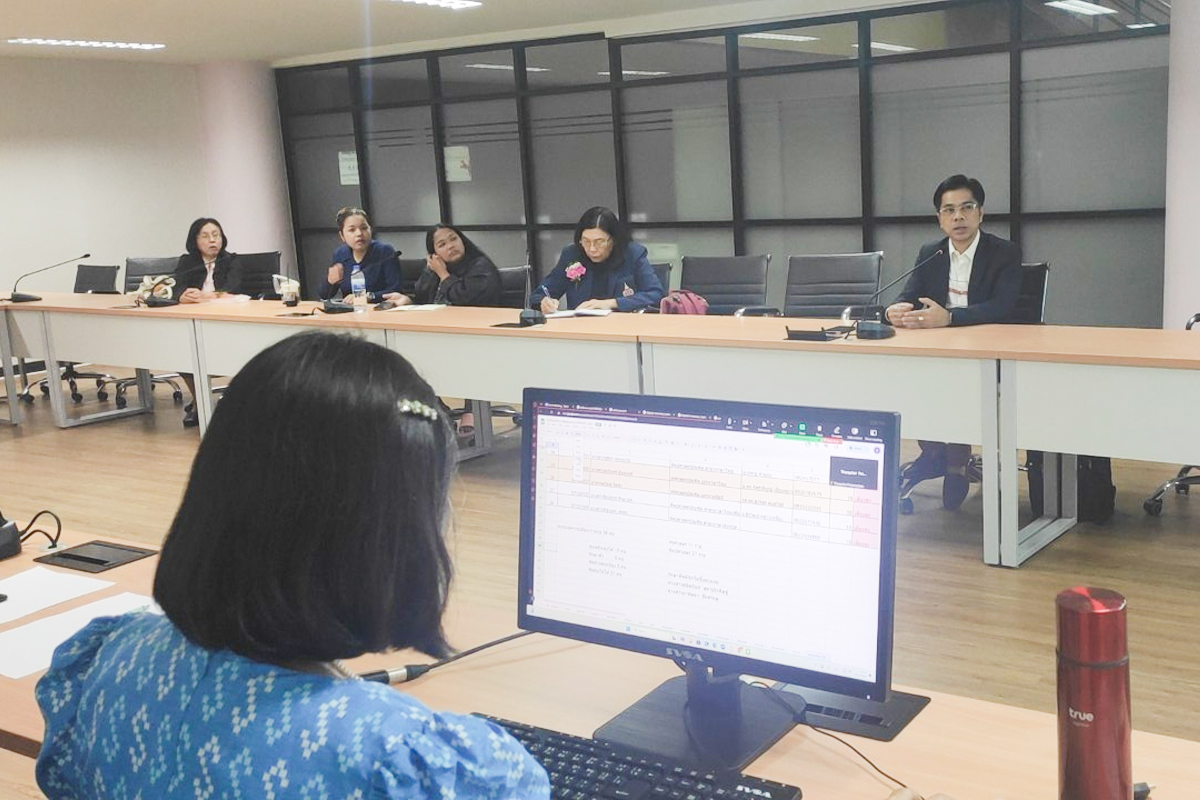
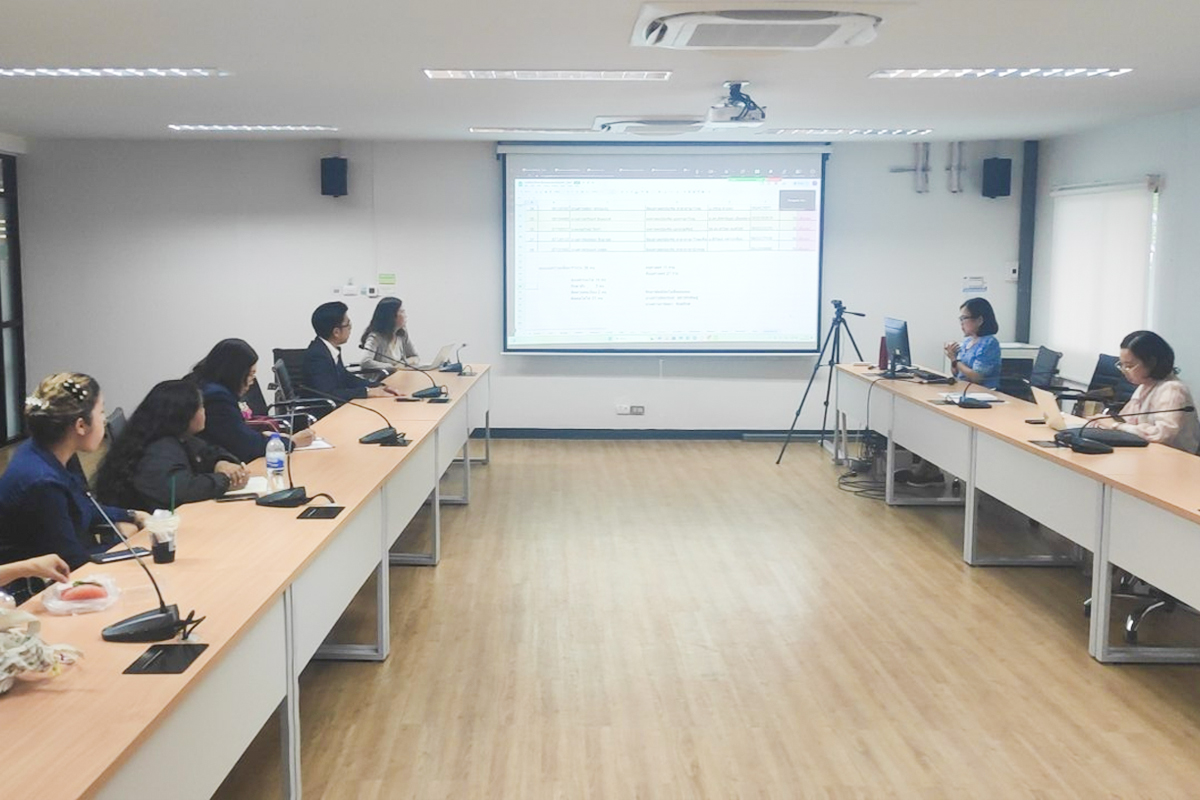
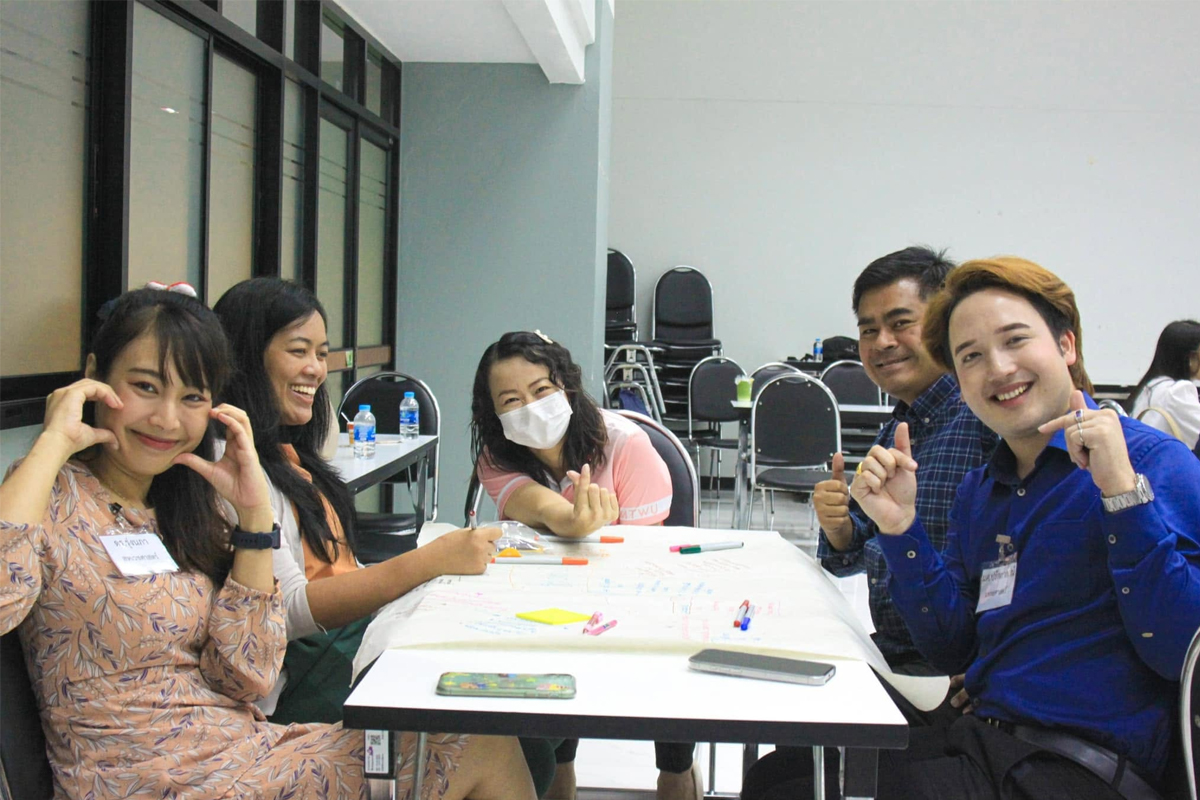
Figure: Staff of the Division of Student Support and Development discussing strategies for developing well-being screening programmes for female students
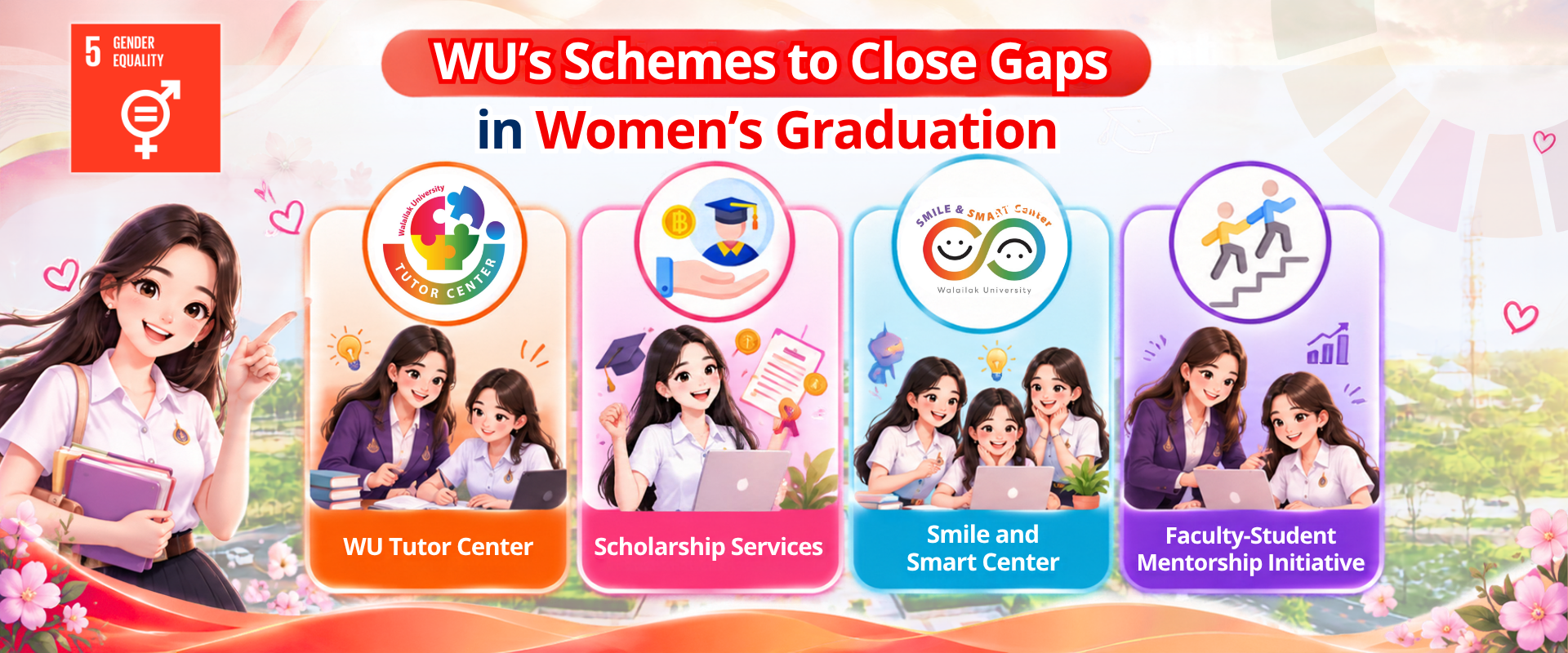
Walailak University’s Schemes to Close Gaps in Women’s Graduation
Over the years, the Division of Student Support and Development has implemented a range of initiatives to address potential barriers to graduation and support female students in successfully completing their studies. These initiatives include:
- WU Tutor Center – Provides academic support and tutoring services to help female students strengthen their academic performance, address learning difficulties, and improve their prospects of successful graduation.
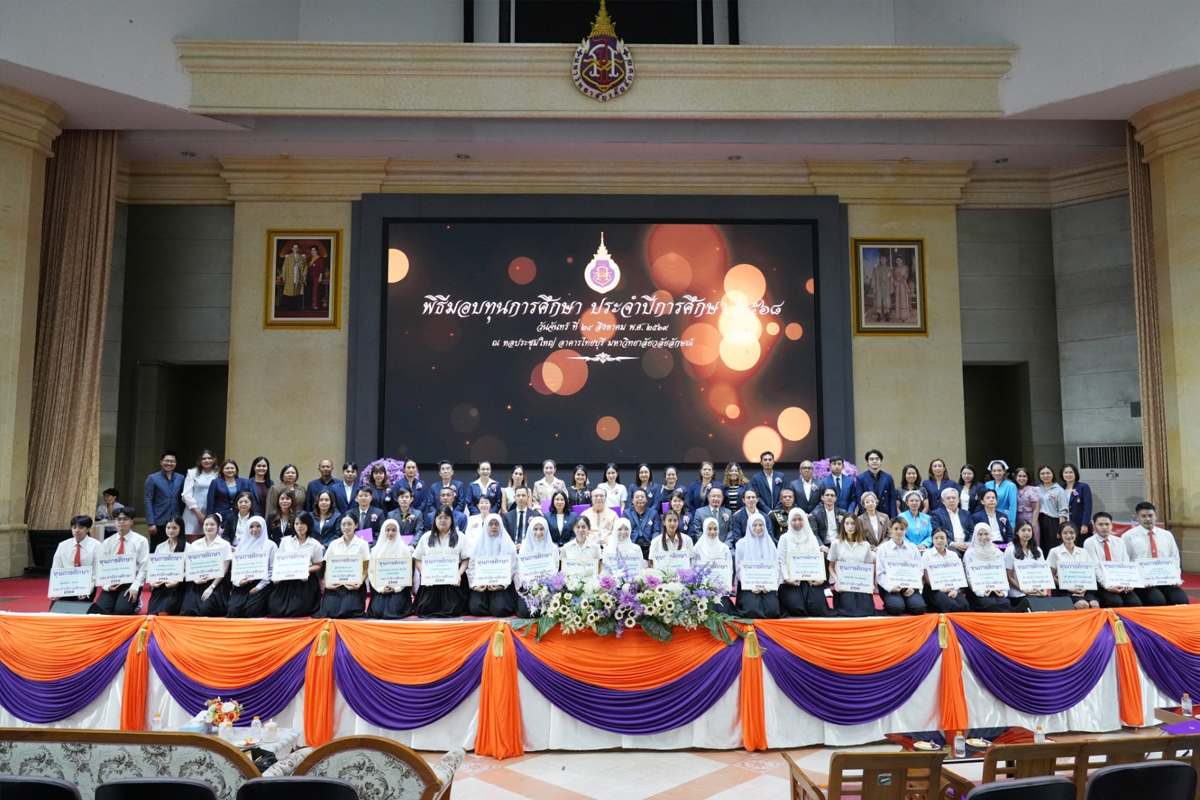
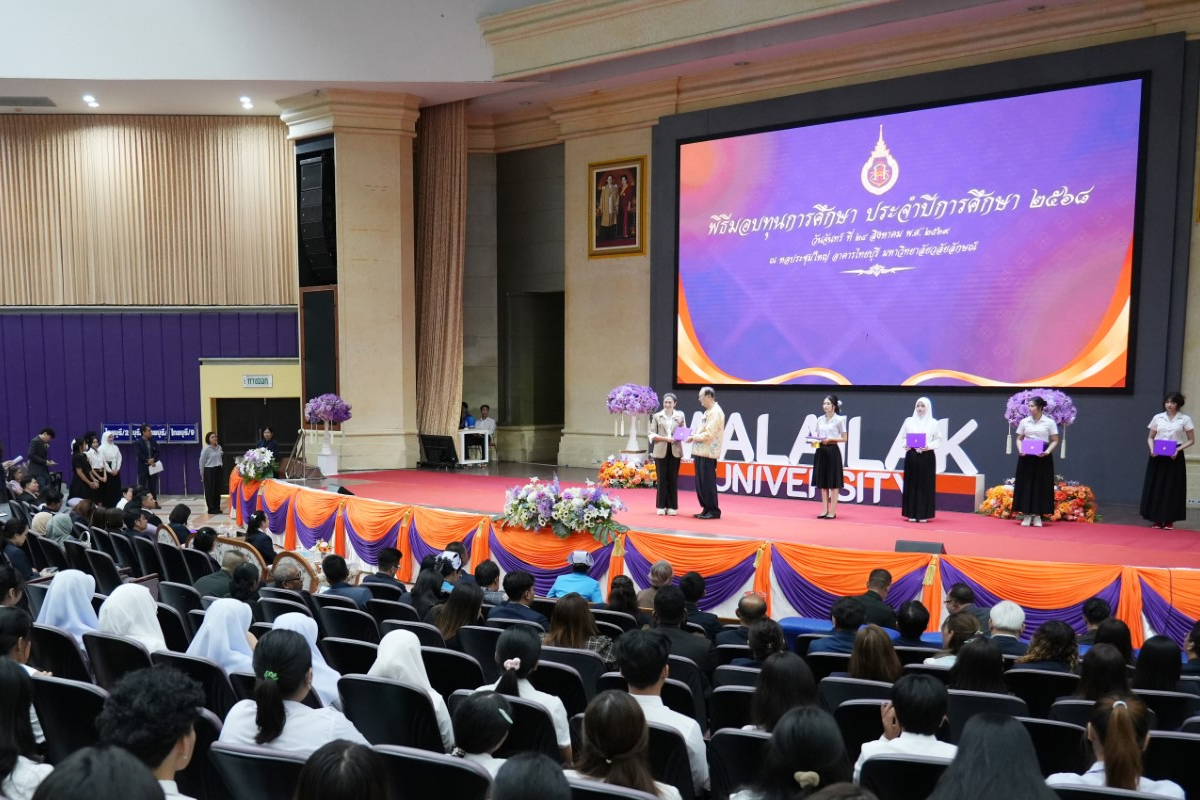
- Scholarship Services – Provides scholarships and financial assistance to female students, particularly those facing financial difficulties or coming from disadvantaged backgrounds, helping reduce financial barriers that may affect their ability to continue and complete their studies.
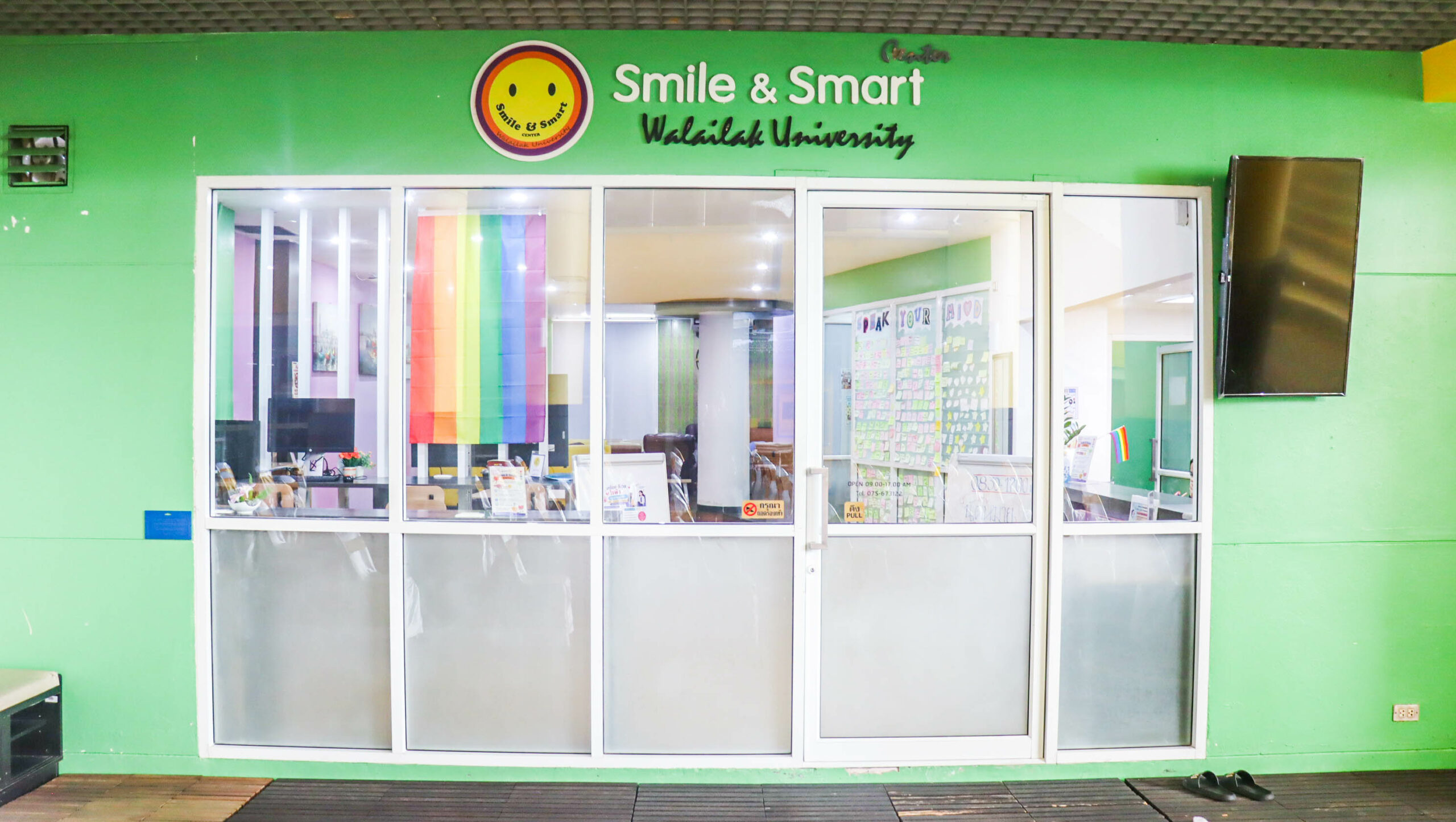
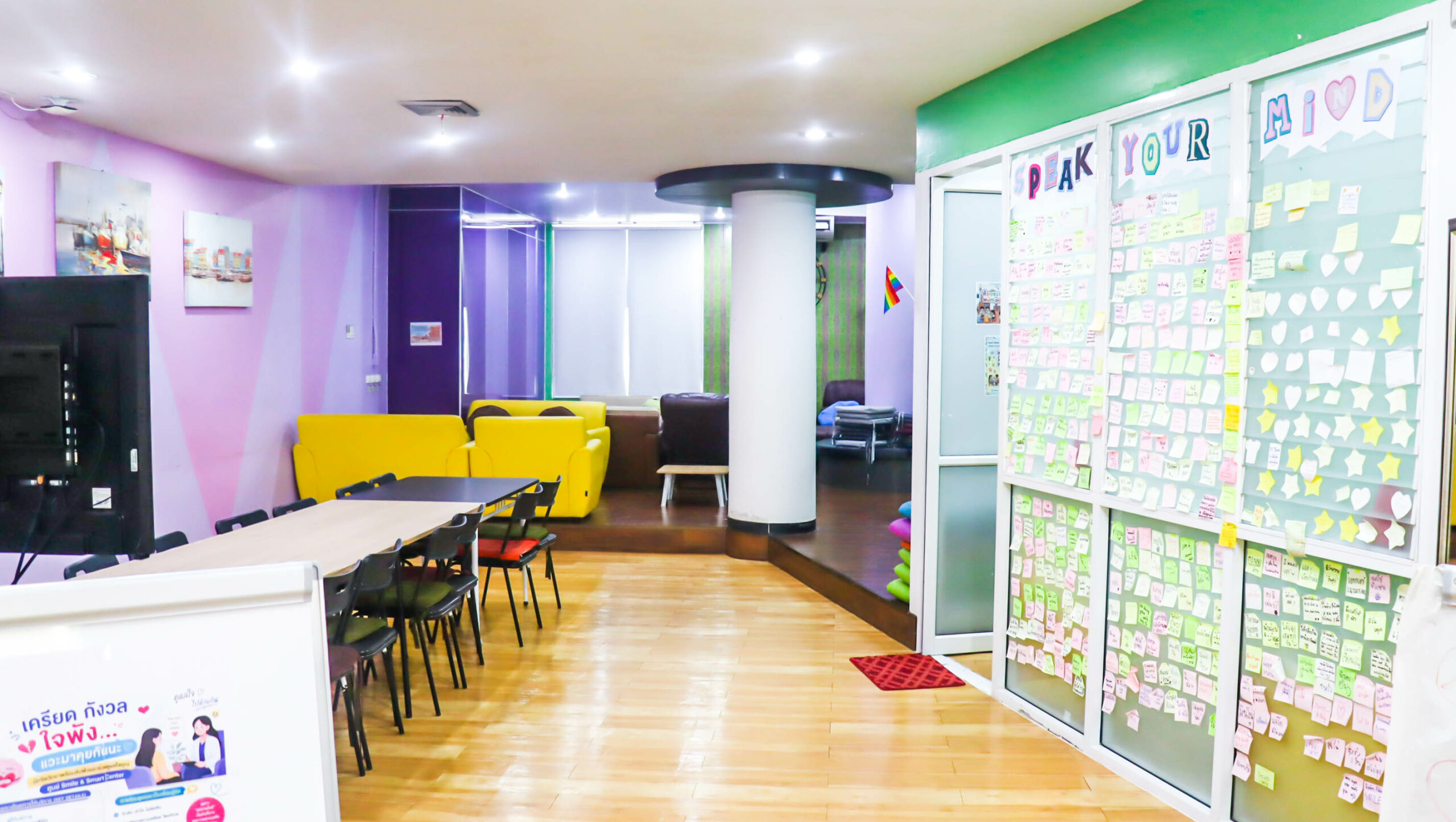
- Smile and Smart Center – Provides counselling, consultation, and support services for female students on matters related to university life, mental well-being, and personal concerns. These services help students address challenges that may affect their academic progress and overall university experience.
- Faculty–Student Mentorship Initiative – Provides early-stage mentoring and guidance to female students through support from faculty members, helping them adapt to university life, address academic or personal challenges, and remain engaged in their studies.
Faculty–Student Mentorship Initiative
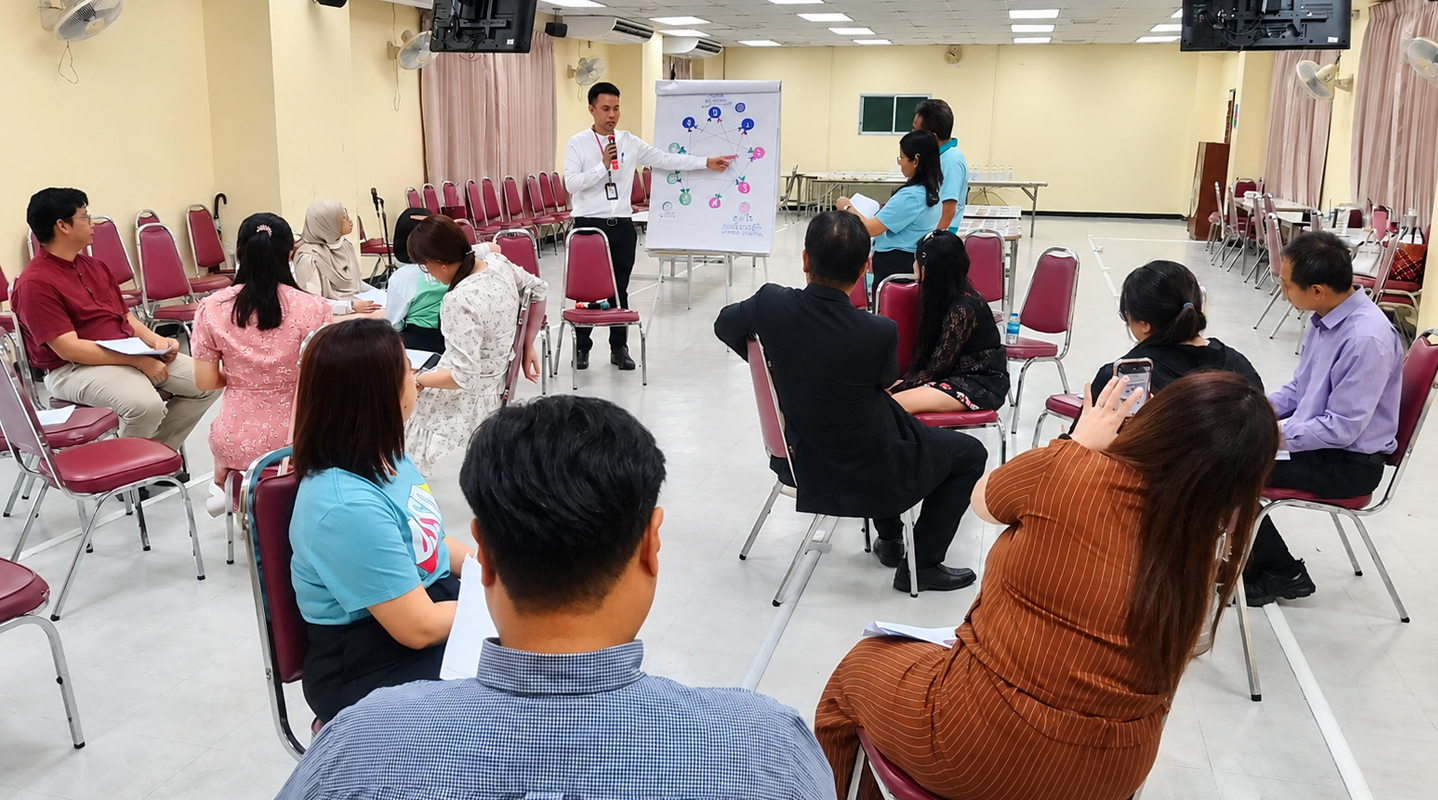
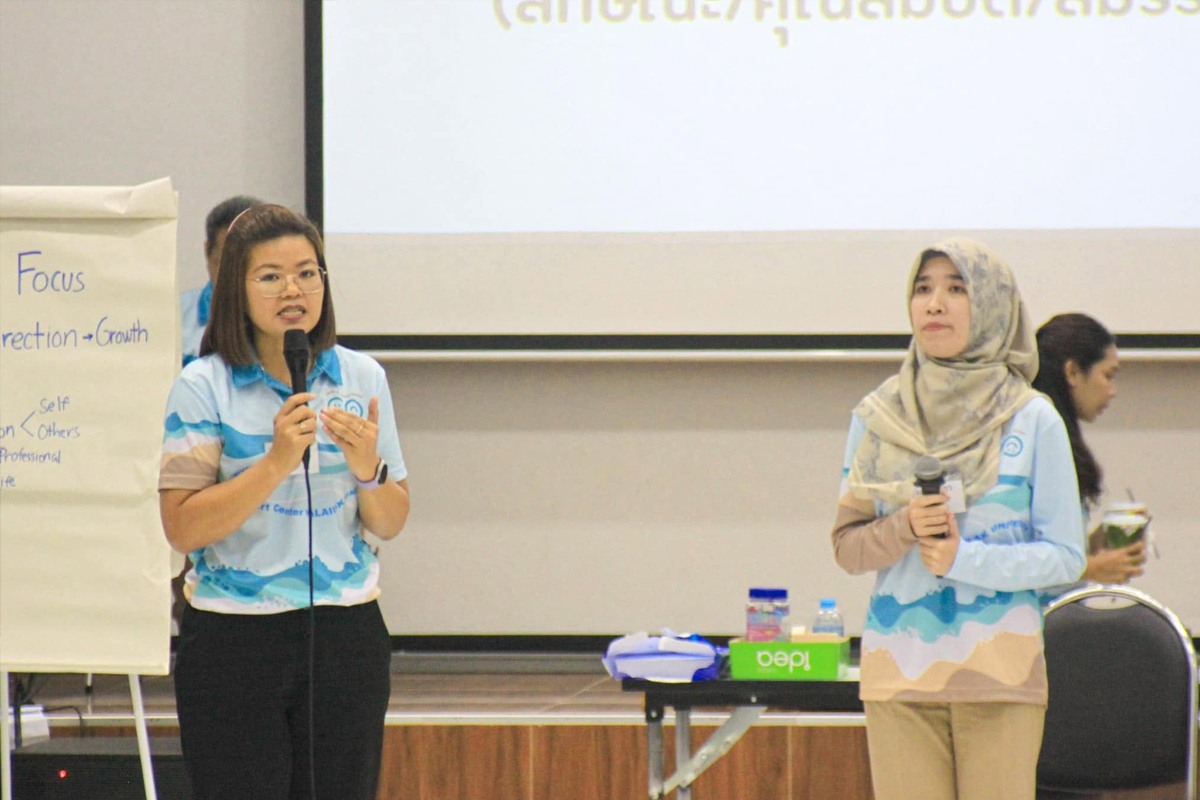
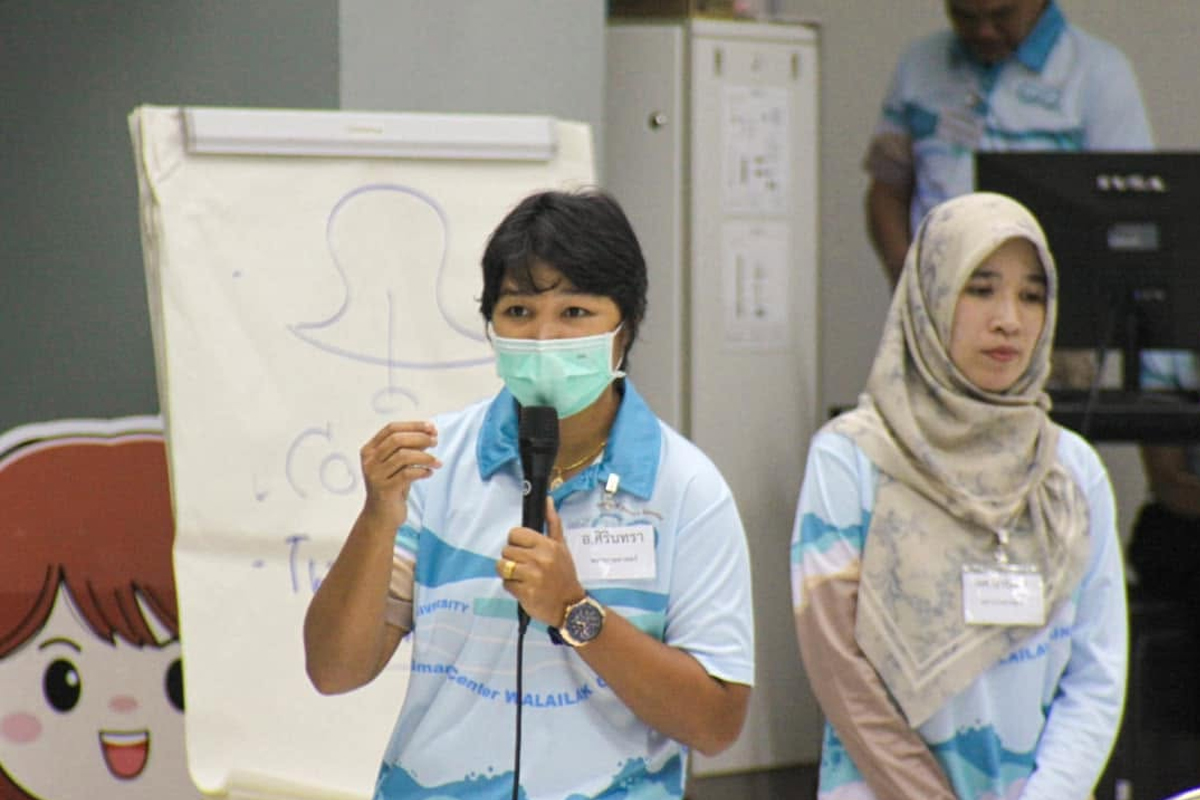
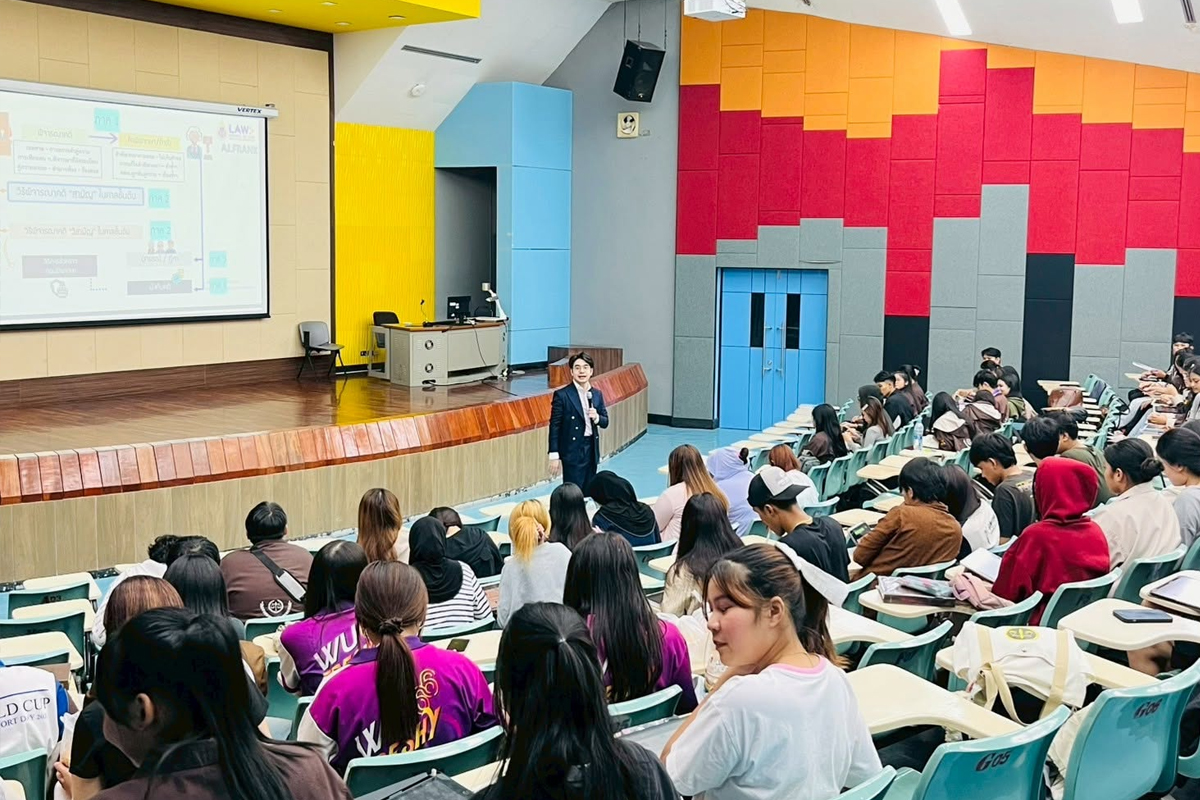
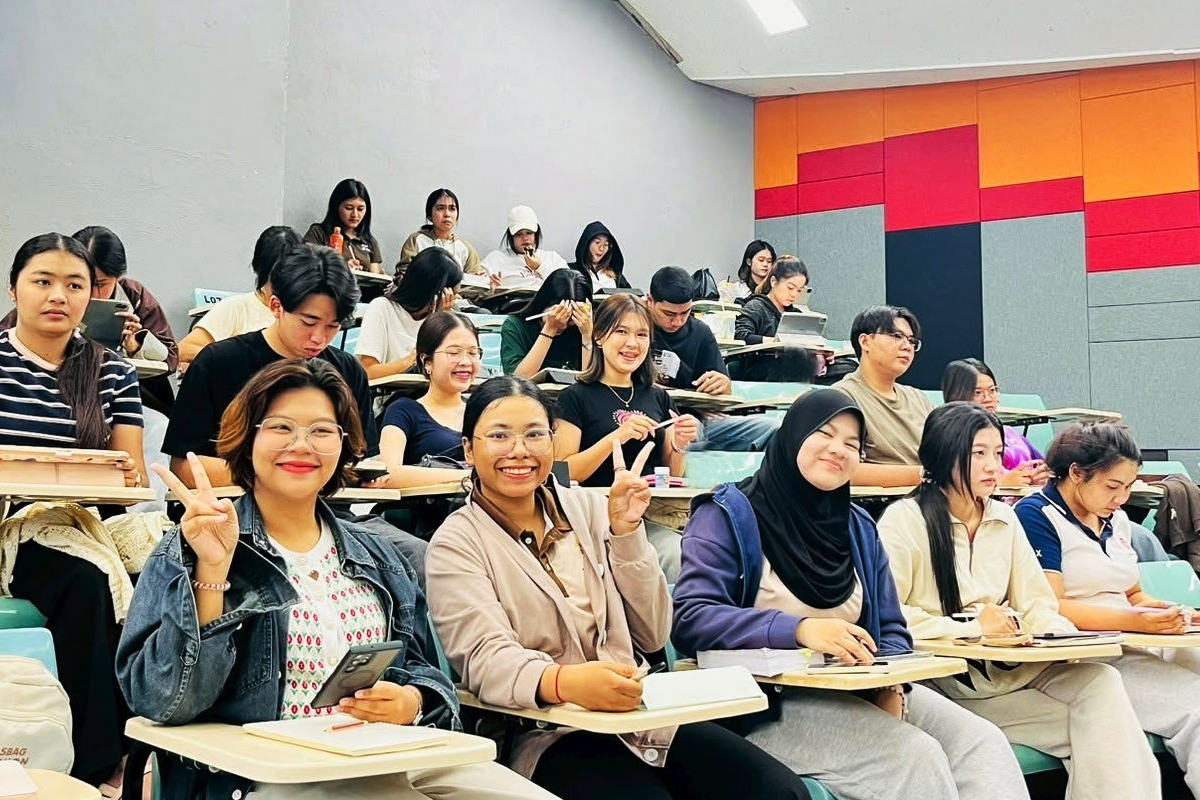
To strengthen the University’s ability to identify and respond to student difficulties, the Smile & Smart Center organized a Faculty Training on Student Mental Health and Well-being. The training strengthened lecturers’ and academic advisors’ capacity to recognize and appropriately respond to students experiencing emotional, psychological, academic, or personal challenges.
The workshop introduced the Enneagram as a self-reflection and communication tool, enabling faculty members to better understand different personality patterns, individual characteristics, and approaches to interacting with students. This approach recognizes that students may respond differently to academic, personal, and social challenges and therefore may require different forms of support.
The training provided faculty members with practical knowledge on identifying potential signs of mental health concerns, communicating effectively with students, providing initial support, and referring students to appropriate professional services when necessary. Strengthening these capabilities enables academic advisors to identify potential barriers at an earlier stage and connect students with appropriate assistance before difficulties negatively affect their academic progression.
By enhancing faculty members’ knowledge, communication skills, and student-support capabilities, the initiative contributes to a more supportive and inclusive learning environment. This strengthens the University’s capacity to help female students address challenges that could otherwise affect their engagement, retention, and successful completion of their studies.
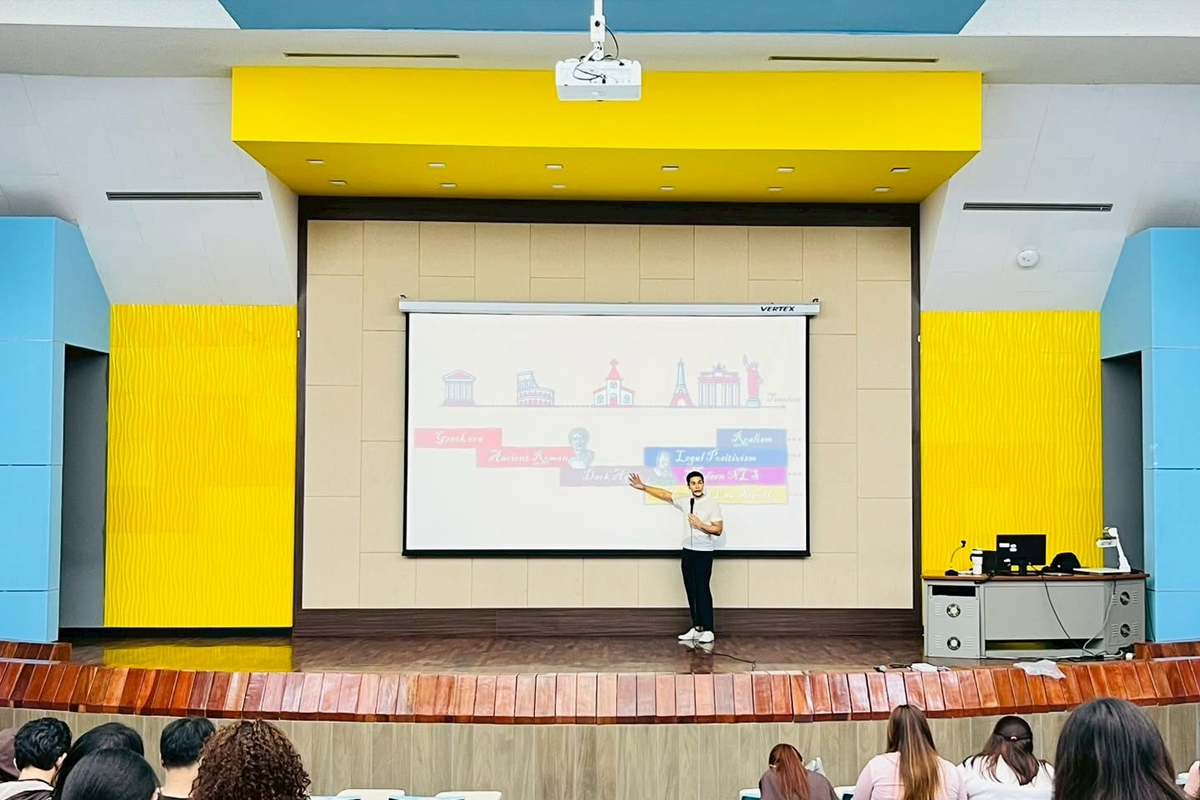
Figure: WU lecturers participating in the Faculty Training on Student Mental Health and Well-being Workshop
Capacity Building for Student Mentors and Helpers
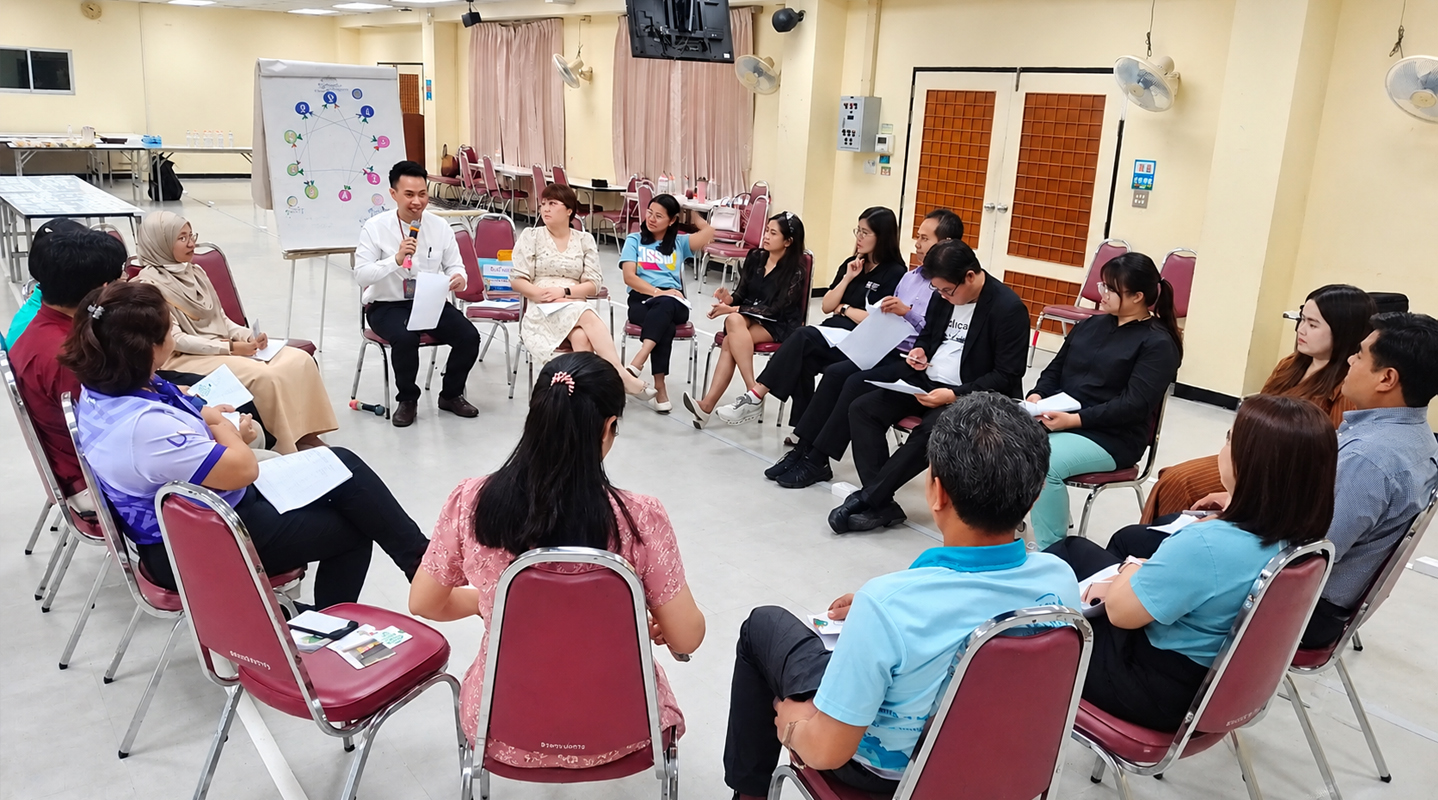
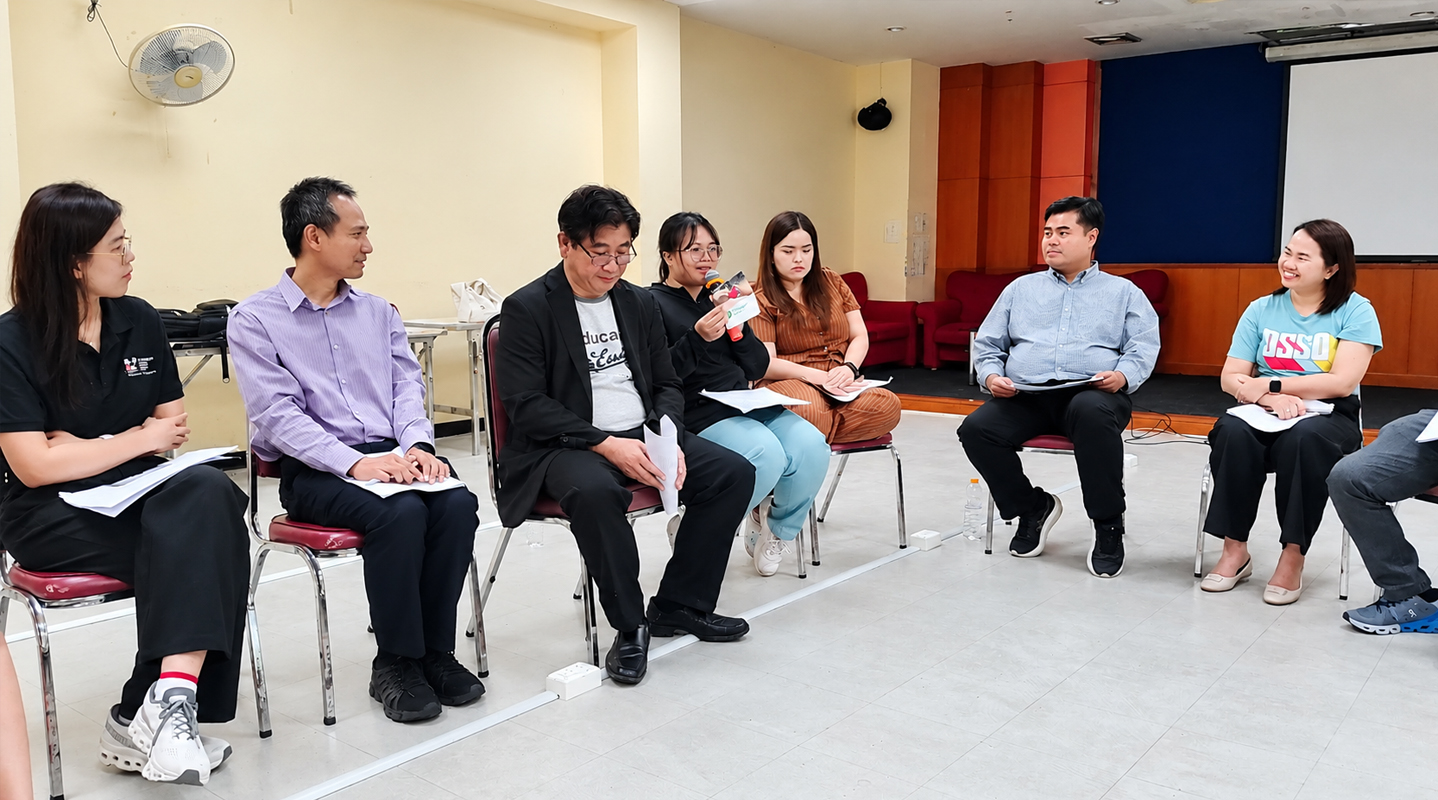
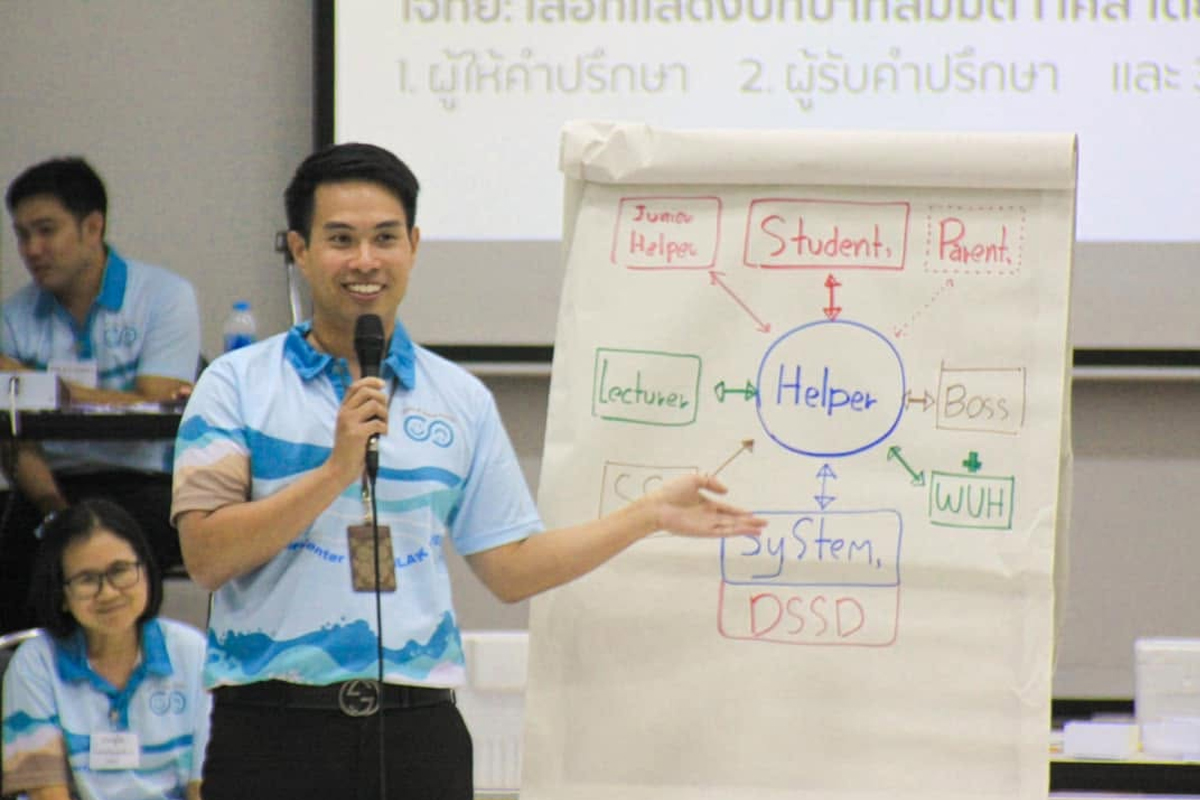
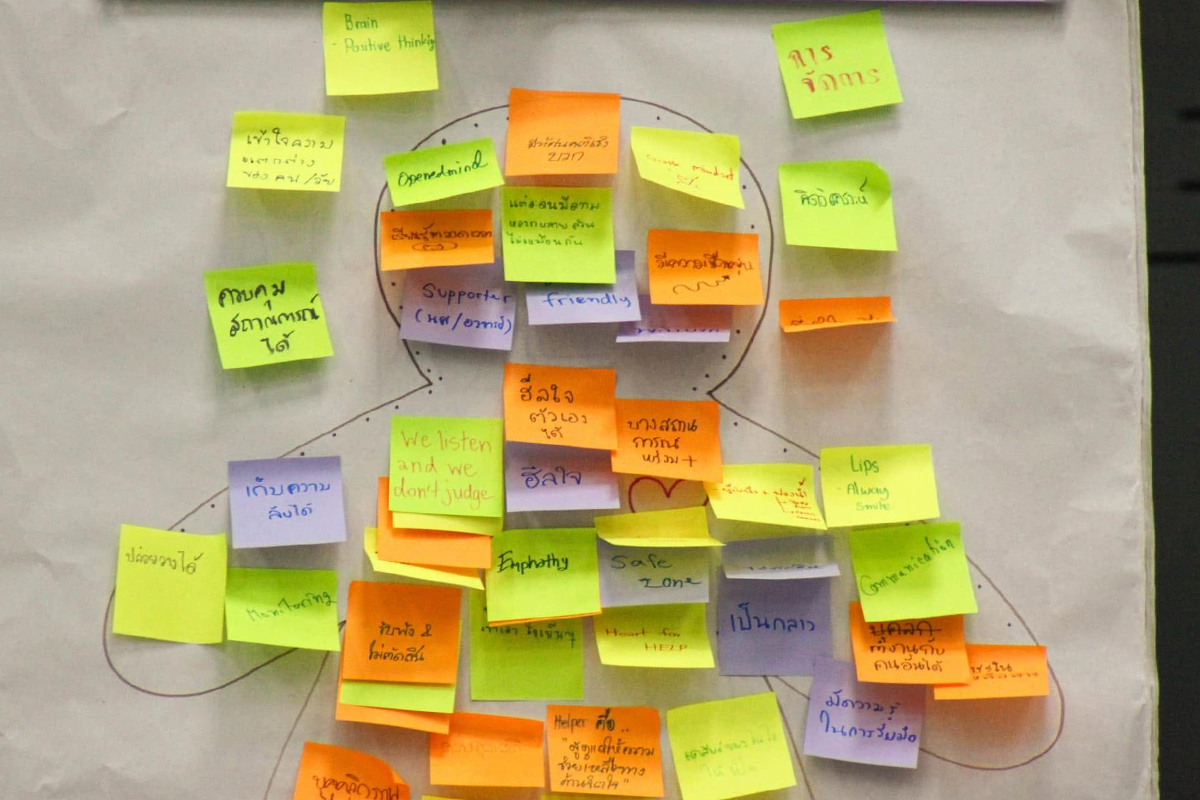
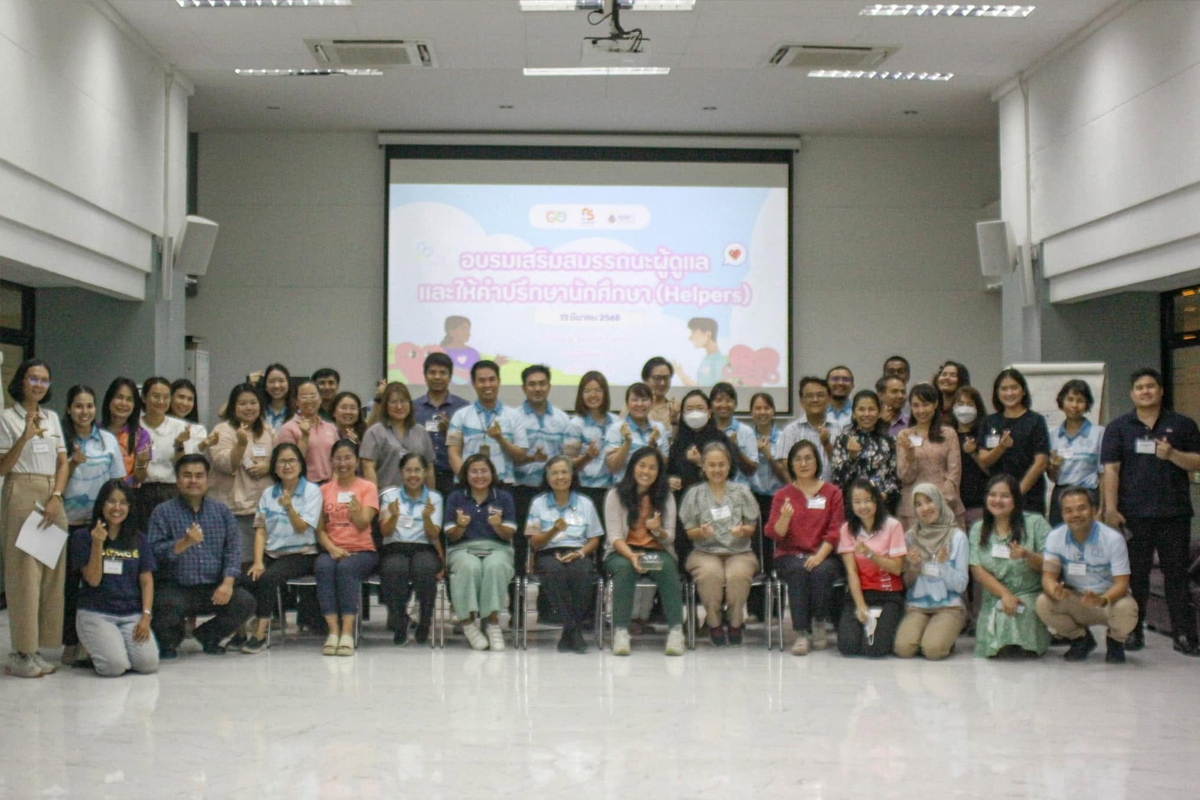
Walailak University, through the Smile & Smart Center, also organized a Capacity-Building Training Program for Student Care and Counseling Helpers (Helpers) to strengthen the capacity of faculty members who provide mentoring, guidance, and counselling support to students. A total of 35 faculty members serving as Helpers participated in the training.
The training focused on strengthening the competencies of Helpers in providing in-depth counselling in collaboration with academic advisors and improving their understanding of the University’s student-support and referral system. Participants developed practical approaches for identifying students’ needs, providing appropriate initial support, coordinating with academic advisors, and referring students to relevant professional services when specialized assistance is required.
The training consisted of four key modules: Empowerment, Helper’s Path, Stabilization, and System and Supervision. Together, these modules provided Helpers with a structured approach to supporting students experiencing academic, personal, emotional, or other challenges that could potentially interfere with their continued studies.
Figures: WU lecturers participating in the Capacity-Building Training Program for Student Care and Counseling Helpers
Recognizing that effective mentoring requires continuous development, Walailak University has established an ongoing competency-development curriculum for academic advisors and Helpers. The continuing training programme covers a range of approaches, including Therapeutic Communication, “Jib Cha Spa Jai” (Tea and Heart Spa), Counselling, Mindfulness, Cognitive Behavioral Therapy (CBT), Deep Listening, Enneagram, and Love Languages.
These training areas provide faculty members with a diverse set of communication, counselling, and student-support approaches that can be adapted to different needs and circumstances. Continuous professional development strengthens the University’s capacity to identify difficulties affecting students and provide timely and appropriate interventions.
For female students, this support network provides multiple points of access to assistance throughout their university journey. Academic advisors and Helpers can identify emerging academic, personal, or well-being challenges, provide initial guidance, and connect students with specialized services when necessary. This contributes to reducing potential barriers to continued enrolment and successful graduation.
Through the systematic development of academic advisors and Helpers, Walailak University extends its mentoring system beyond individual activities to establish a sustainable, university-wide support network. The system supports the early identification of potential barriers, facilitates targeted interventions, and helps students remain engaged in higher education through to graduation. In this way, the University’s mentoring and support mechanisms contribute to its broader efforts to reduce gaps in graduation outcomes between female and male students.
WU Tutor Center
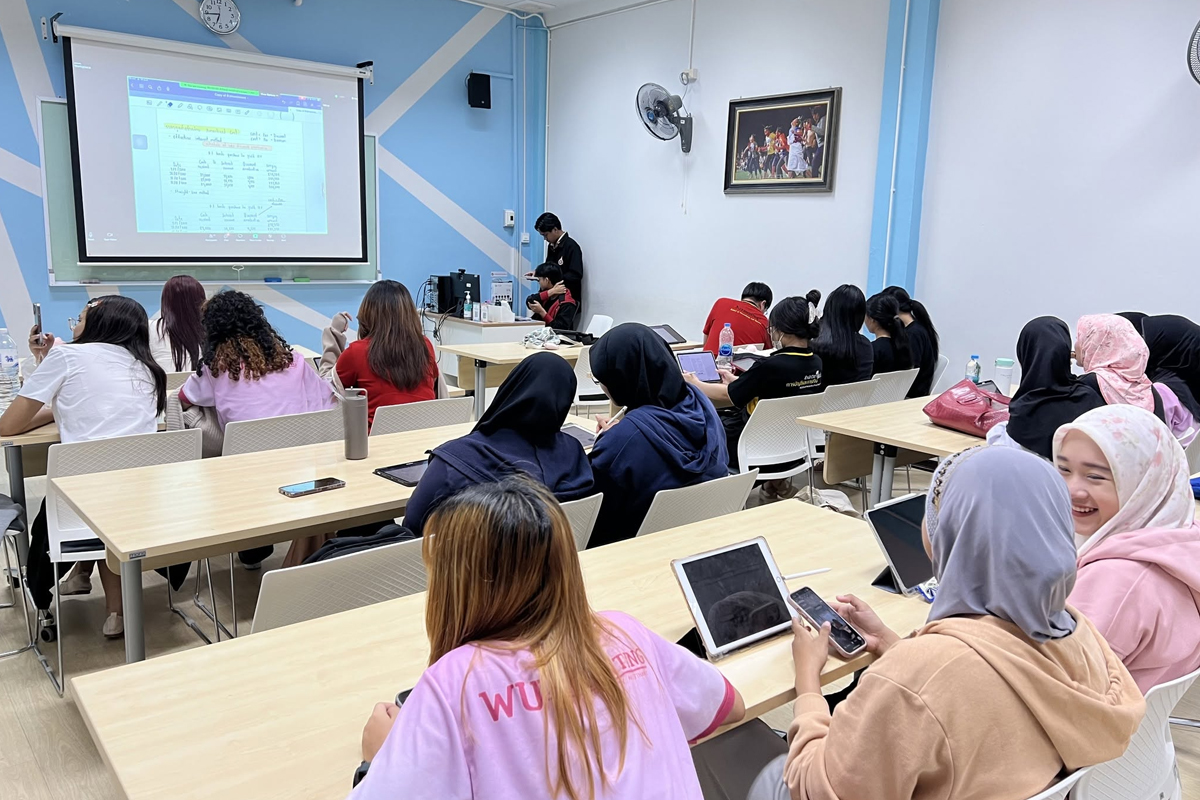
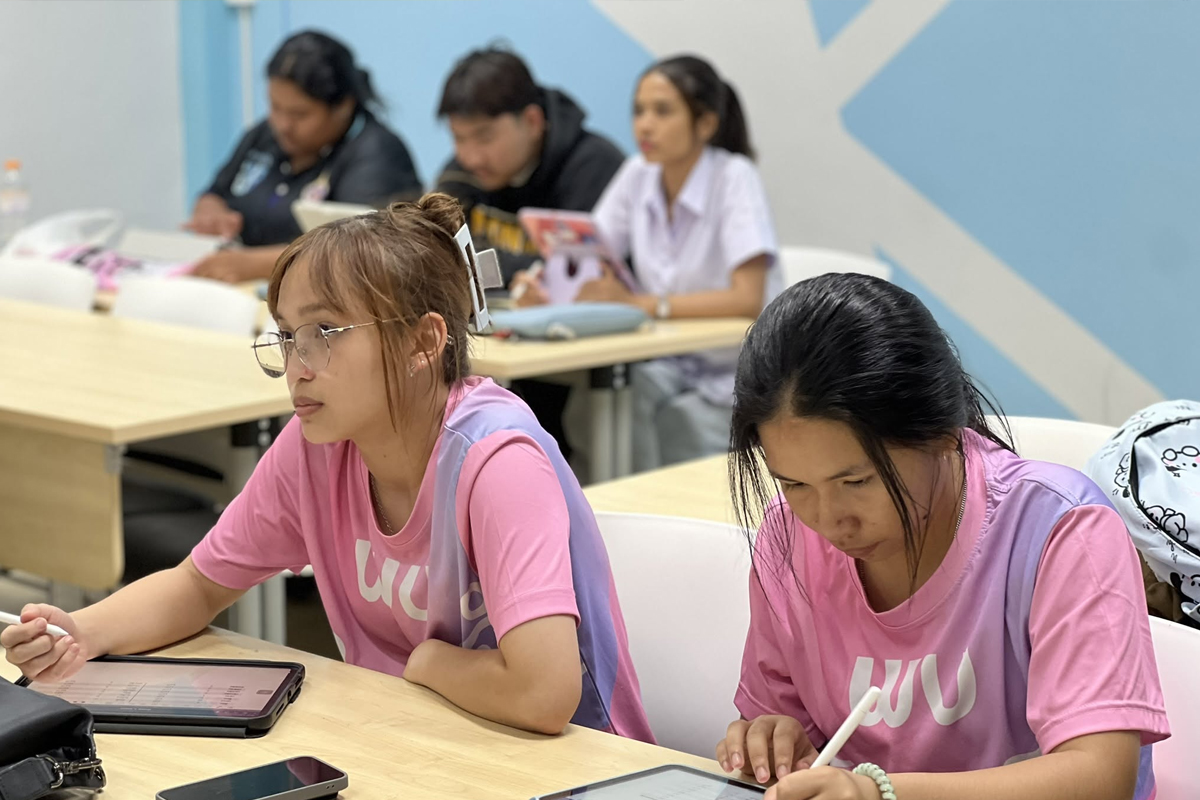
The WU Tutor Center was established by the Division of Student Support and Development to support female students in overcoming academic challenges that may affect their continued enrolment and progression toward graduation. Recognizing that academic difficulties can be a potential factor contributing to student attrition, the University provides targeted academic support through the center to help students remain on track to complete their studies.
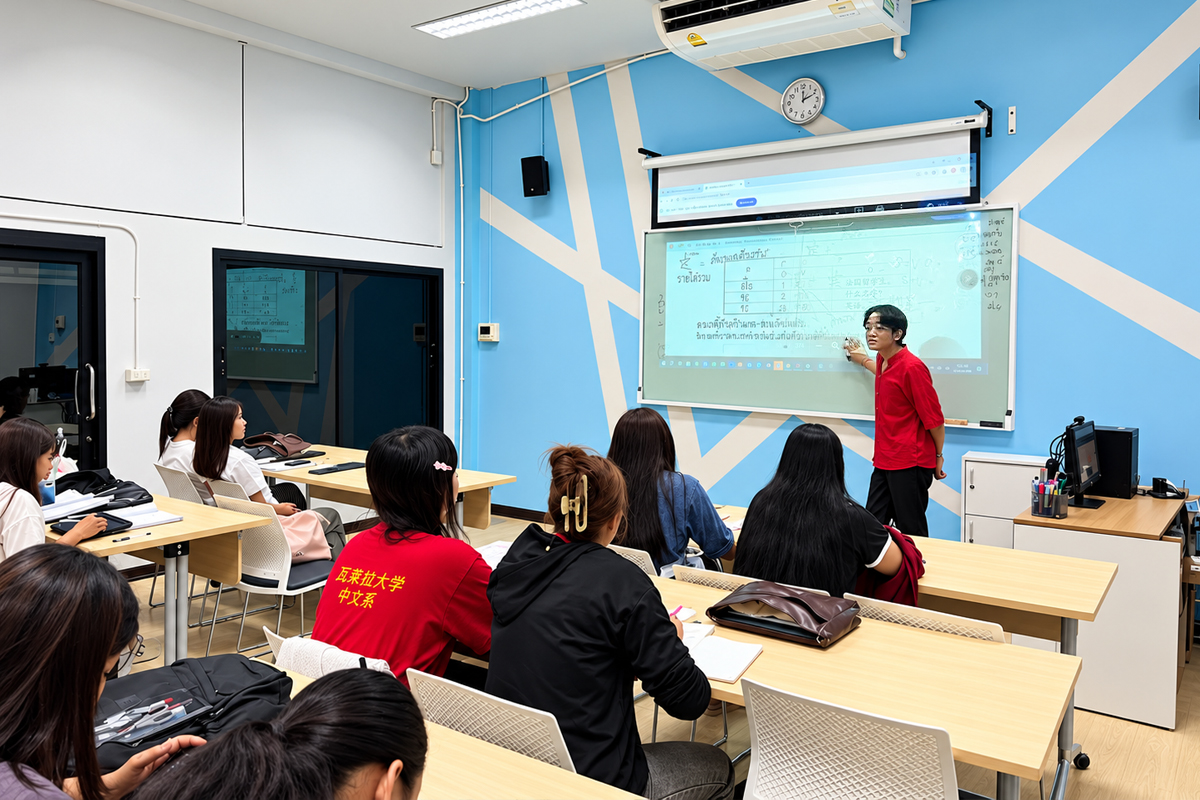
The WU Tutor Center provides tutoring and mentoring services designed to address students’ individual learning needs. Female students experiencing academic difficulties can access personalized assistance to strengthen their understanding of course content, review challenging topics, and develop effective study strategies. By providing timely academic support, the center helps students address learning difficulties before they become barriers to their continued academic progression.
The center is supported by experienced lecturers and senior student volunteers who provide tutoring and academic guidance based on students’ specific learning needs. In addition to improving subject comprehension, these activities help students develop greater confidence in their academic abilities and maintain motivation throughout their studies.
Tutoring activities may include reviewing previously taught material, explaining difficult concepts, answering questions, and providing guidance on effective learning and study techniques. These forms of support provide female students with additional academic resources to help them overcome learning obstacles and maintain satisfactory academic progress.
Through accessible and individualized academic support, the WU Tutor Center contributes to the University’s broader efforts to reduce potential gaps in academic progression and graduation outcomes between female and male students. By helping female students address academic difficulties and remain engaged in their studies, the center supports their continued progression toward successful graduation.
Female students who wish to access tutoring services can contact the WU Tutor Center directly through its office or official Facebook page.
Supporting Female Students Through Life Mentoring
The Smile and Smart Center provides mentoring, academic guidance, counselling, and personal development support to help female students navigate challenges throughout their university experience. The center offers tailored support for students experiencing stress, anxiety, personal difficulties, or other challenges that may affect their well-being and academic progression. With a dedicated team of advisors and a psychologist, the center provides comprehensive assistance covering academic concerns, family matters, mental well-being, and social adjustment.
The center’s holistic support contributes to the University’s efforts to address potential factors that may affect female students’ continued enrolment and progression toward graduation. Female students may encounter challenges such as academic pressure, personal or family responsibilities, mental health concerns, or difficulties adapting to university life. If these challenges are not addressed in a timely manner, they may interfere with students’ academic engagement and ability to complete their studies.
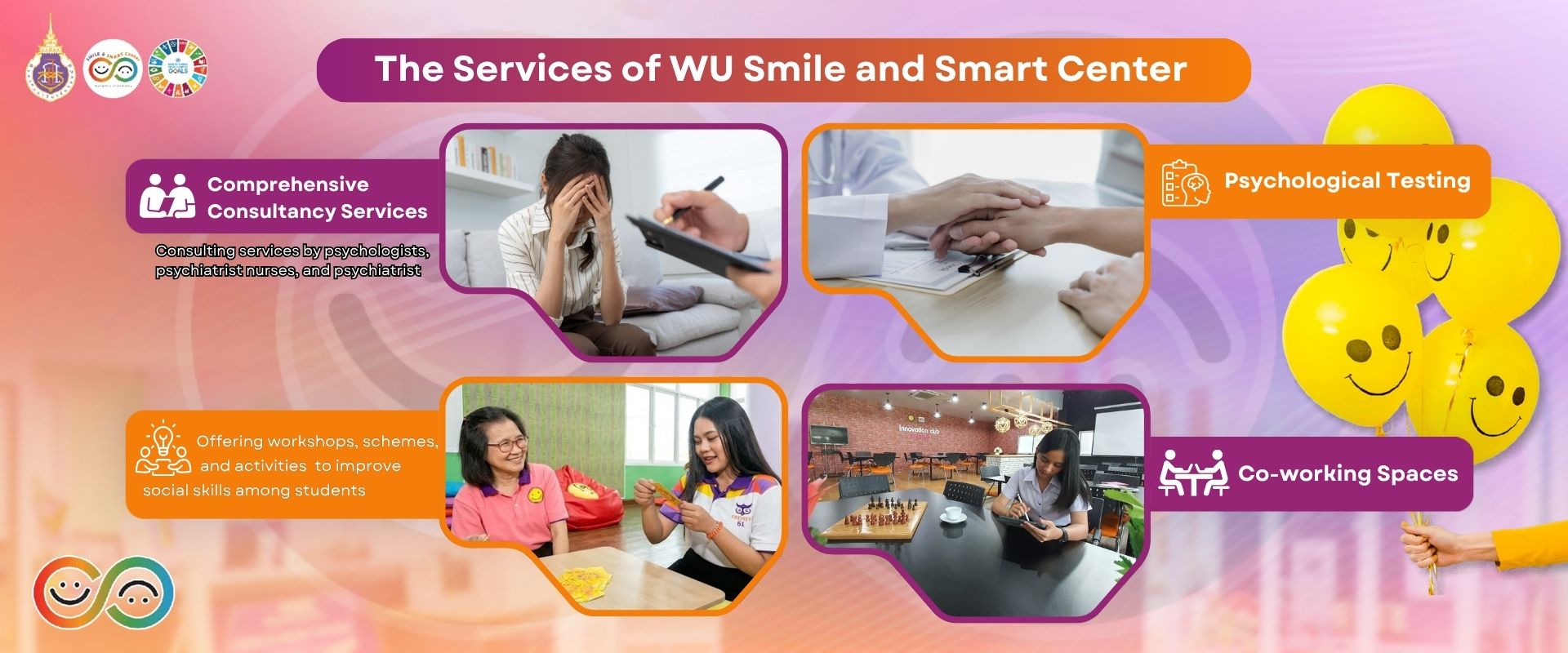
Through mentoring and counselling services, the Smile and Smart Center provides female students with opportunities to discuss their concerns, receive appropriate guidance, and access further support when necessary. The center’s support helps students develop coping strategies, maintain engagement with their studies, and address personal or academic difficulties that could otherwise become barriers to successful completion.
By providing an accessible and supportive environment, the Smile and Smart Center strengthens female students’ ability to remain engaged throughout their academic journey. Its mentoring and counselling services form part of Walailak University’s broader support system for reducing potential barriers to graduation and promoting equitable educational outcomes for female and male students.
Female students can access mentoring services from the WU Smile and Smart Center by visiting the office or contacting them on Facebook at https://www.facebook.com/SmileSmartCenter
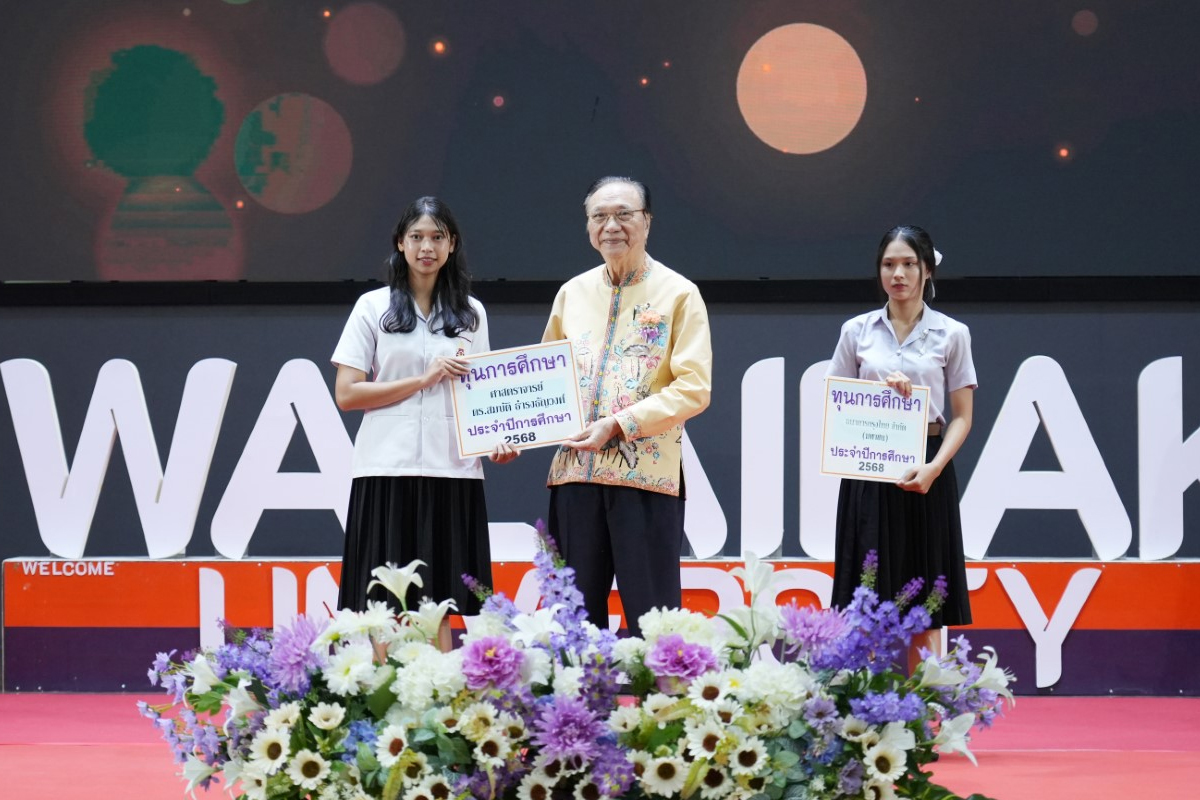
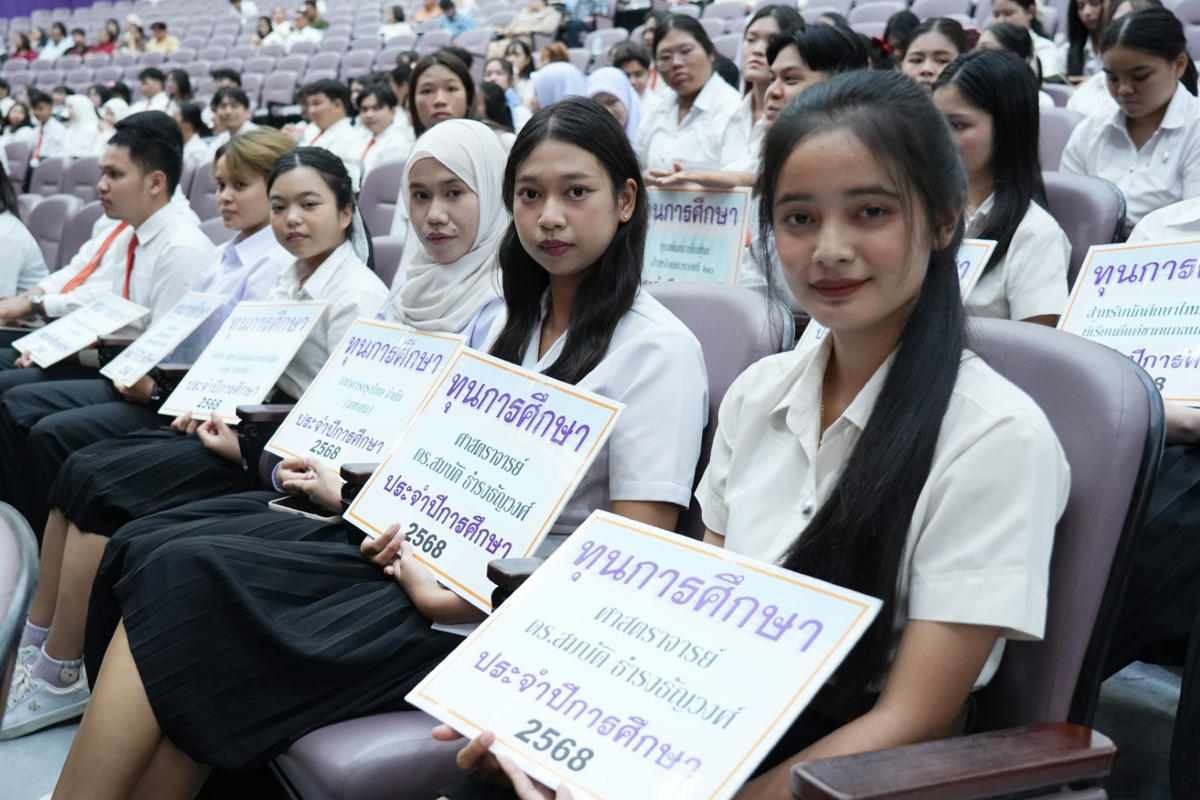
Scholarship Support to Promote Female Students’ Graduation
Walailak University recognizes financial support as an important factor in enabling female students to access, remain in, and successfully complete higher education. Through its scholarship services, the University provides financial assistance to help reduce economic barriers that may affect students’ academic participation and progression. These scholarships support female students not only in entering higher education but also in continuing their studies and progressing toward graduation.
The scholarship schemes contribute to the University’s broader efforts to address potential financial barriers that may affect students’ retention and graduation outcomes. By providing financial assistance to students who may otherwise face difficulties in meeting the costs associated with higher education, the University helps create conditions that enable female students to remain engaged in their studies and complete their academic programmes.
The scholarship support is also inclusive of students from diverse backgrounds. In addition to Thai students, scholarships have been extended to displaced students from Myanmar and students from other ASEAN and lower-income countries, including Vietnam, Uganda, Bangladesh, and Nigeria. This approach broadens access to financial support and helps ensure that students from different socioeconomic and national backgrounds have opportunities to pursue and complete their higher education.
Through these scholarship services, Walailak University addresses financial barriers that may contribute to student attrition and supports female students in progressing through their academic programmes toward successful graduation. The initiative therefore forms part of the University’s broader commitment to promoting equitable access, retention, and educational outcomes for all students.
Monitoring Women’s Graduation Outcomes
Walailak University systematically tracks the number of male and female students in each School. The data is organized by academic year, providing a clear picture of the trends in applicants, enrolled students, and graduates.
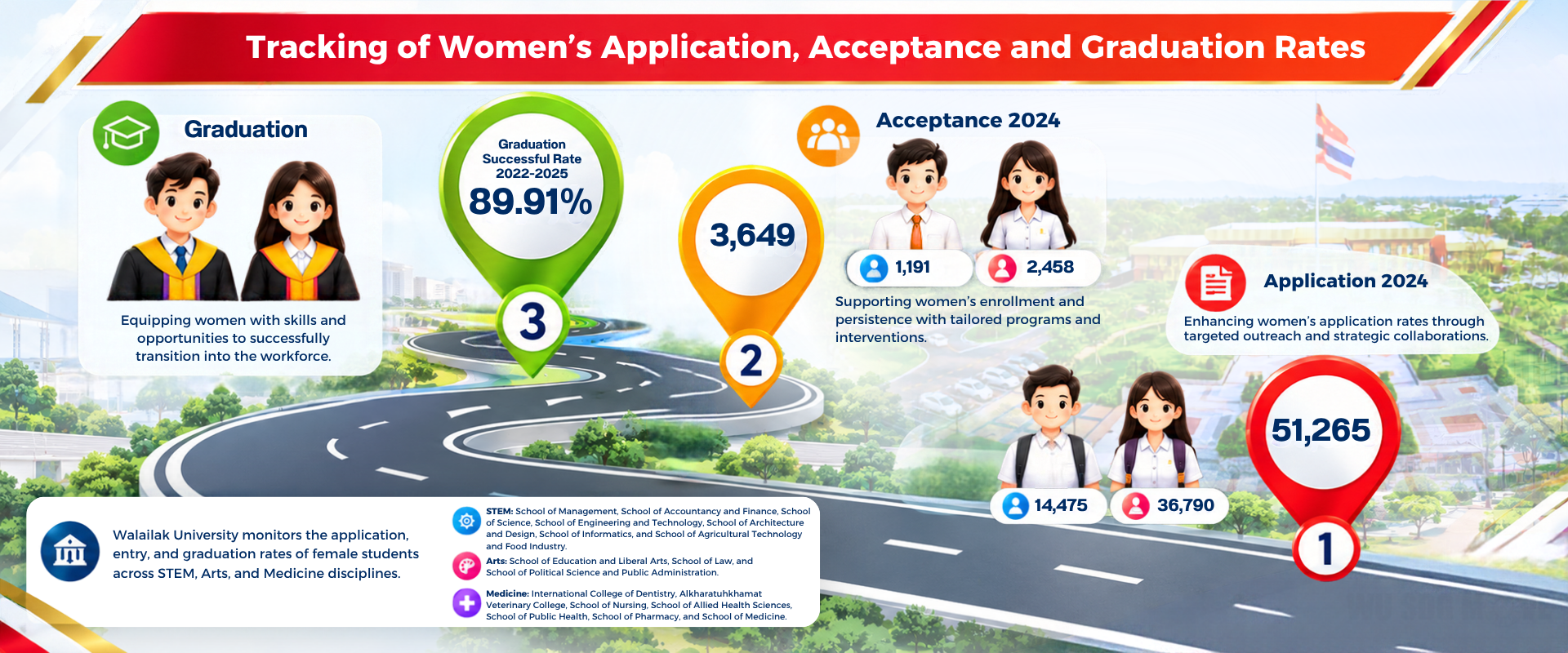
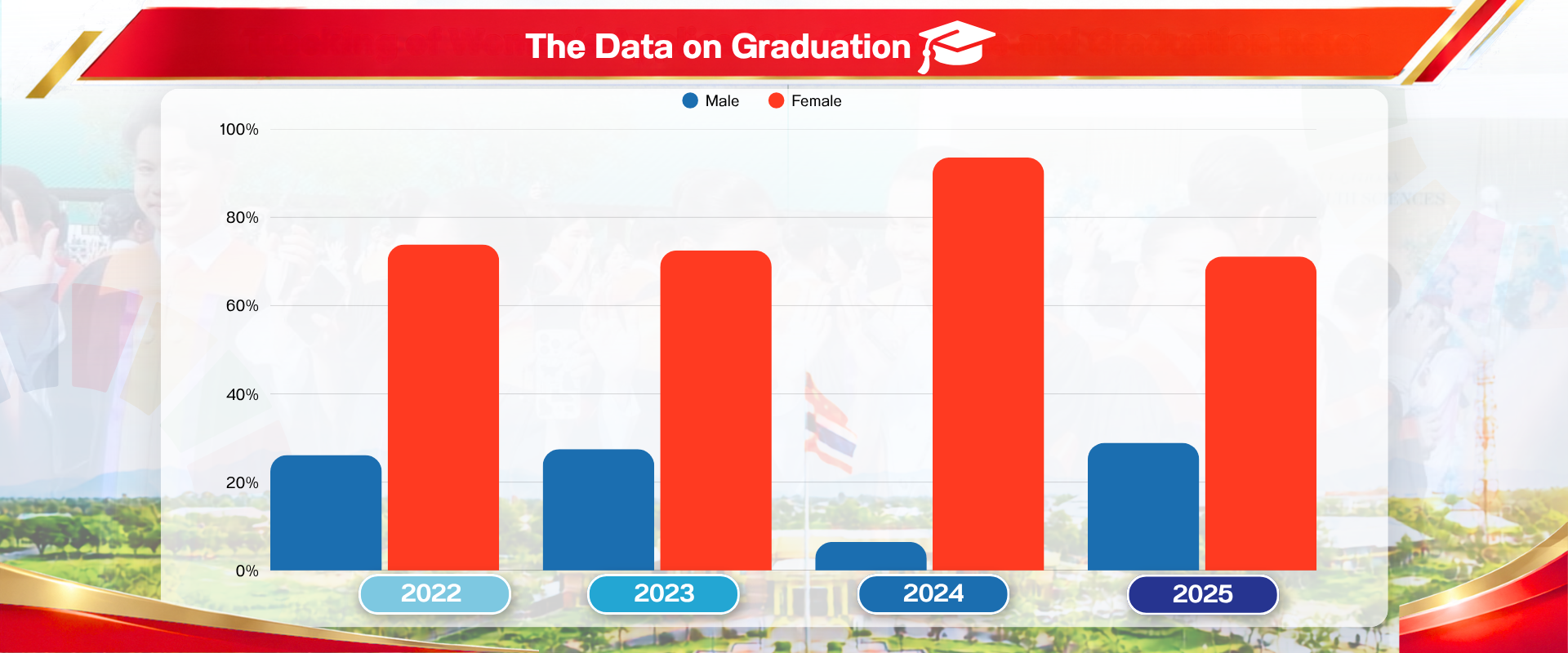
Data collected by the Center for Educational Services (CES) show that female students have consistently accounted for the majority of graduates at Walailak University. From 2022 to 2025, the proportion of female graduates remained substantially higher than that of male graduates.
In 2022, Walailak University recorded 1,102 female graduates (73.87%), compared with 390 male graduates (26.13%). In 2023, the number of female graduates increased to 1,581 (72.52%), while the number of male graduates was 599 (27.48%). In 2024, the proportion of female graduates increased substantially, with 1,846 female graduates (93.56%) compared with 127 male graduates (6.44%).
In 2025, the University recorded 2,210 female graduates, compared with 898 male graduates. Female graduates therefore accounted for approximately 71.11% of all graduates, while male graduates accounted for approximately 28.89%. Although the proportion of female graduates decreased compared with the exceptionally high proportion recorded in 2024, female graduates continued to represent the clear majority of graduates.
The data demonstrate a consistently higher representation of female students among Walailak University graduates. The number of female graduates increased from 1,102 in 2022 to 2,210 in 2025, representing an increase of more than 100% over the period. The number of male graduates also increased between 2022 and 2025, from 390 to 898. These trends provide useful evidence for monitoring gender patterns in graduation outcomes and for assessing whether female students are successfully progressing through their academic programmes.
The CES also collects and monitors graduation data across different academic fields. In 2024, female graduates outnumbered male graduates in Arts, Humanities and Sciences, Health Sciences, and STEM. The difference was relatively smaller in STEM, while female graduates represented a substantially larger proportion in the other fields. Such disaggregated information enables the University to examine gender patterns across disciplines and identify areas where differences in academic progression may warrant further analysis.
According to statistics collected by the CES, Walailak University has maintained an overall student graduation rate of approximately 97% across its programmes. When considered alongside the gender-disaggregated graduation data, the consistently high representation of female graduates provides an important basis for monitoring women’s academic progression and identifying potential gaps in graduation outcomes.
The University continues to update its publicly accessible CES information systems with the latest graduation data. Maintaining historical records allows relevant University units to compare outcomes across academic years, monitor changes in the number and proportion of female graduates, and use evidence to inform student-support strategies. The availability of data over multiple years also strengthens transparency and supports the University’s ongoing efforts to promote equitable opportunities and successful educational outcomes for female and male students.
Related links:
https://ces.wu.ac.th/registrar/refer/sdg2.asp?d=&y=2568&lang=
https://ces.wu.ac.th/reg52/chart_101.asp?w=1536&h=864
https://ces.wu.ac.th/registrar/student_total2.asp?utm_source=chatgpt.com
https://ces.wu.ac.th/registrar/graduate_date.asp
https://www.facebook.com/SmileSmartCenter/
https://www.facebook.com/wututorcenter