
Walailak University’s Commitment to Free Public Access to Culturally Significant Sites
For many years, Walailak University has provided free public access to culturally significant sites and spaces across its campus, creating opportunities for lifelong learning and meaningful engagement with natural and cultural heritage. These areas include the Tumpang Archaeological Site, the Golden Manorah Yard, Krung Ching Waterfall Model Garden, the 12 Animals of the Chinese Zodiac Garden, the British Garden, and the French Garden, are open with free access to the general public, international visitors, students, and local communities, offering enriching experiences that connect visitors with the University’s natural, historical, and cultural heritage.
Free Public Access to Buildings of Cultural Significance
Tumpang Museum: Preserving and Promoting the Cultural Heritage of Southern Thailand
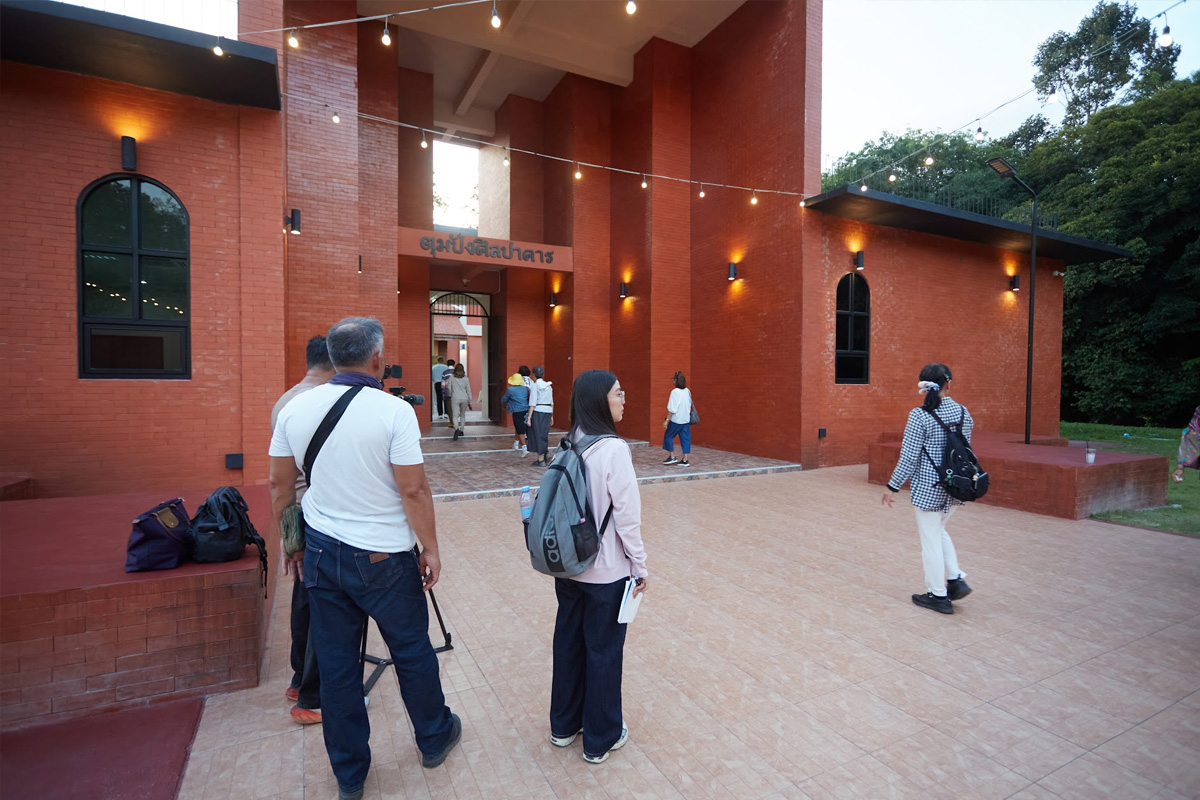
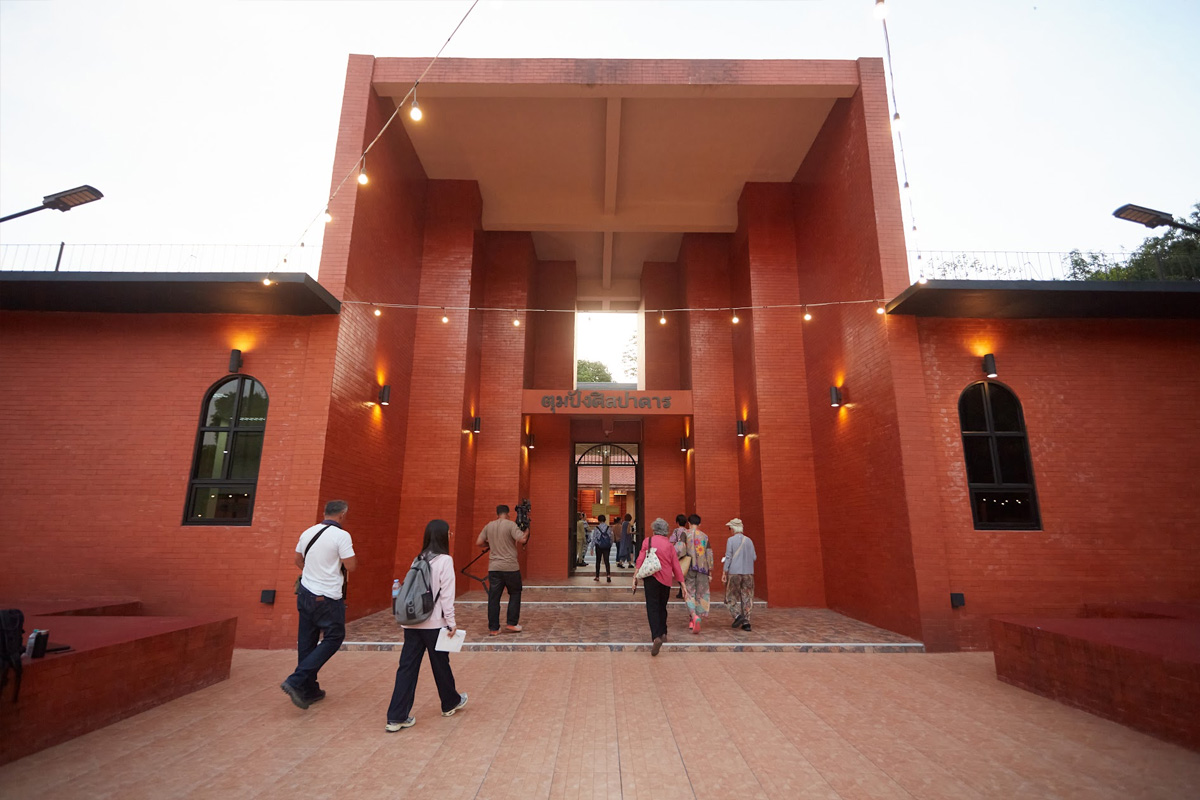
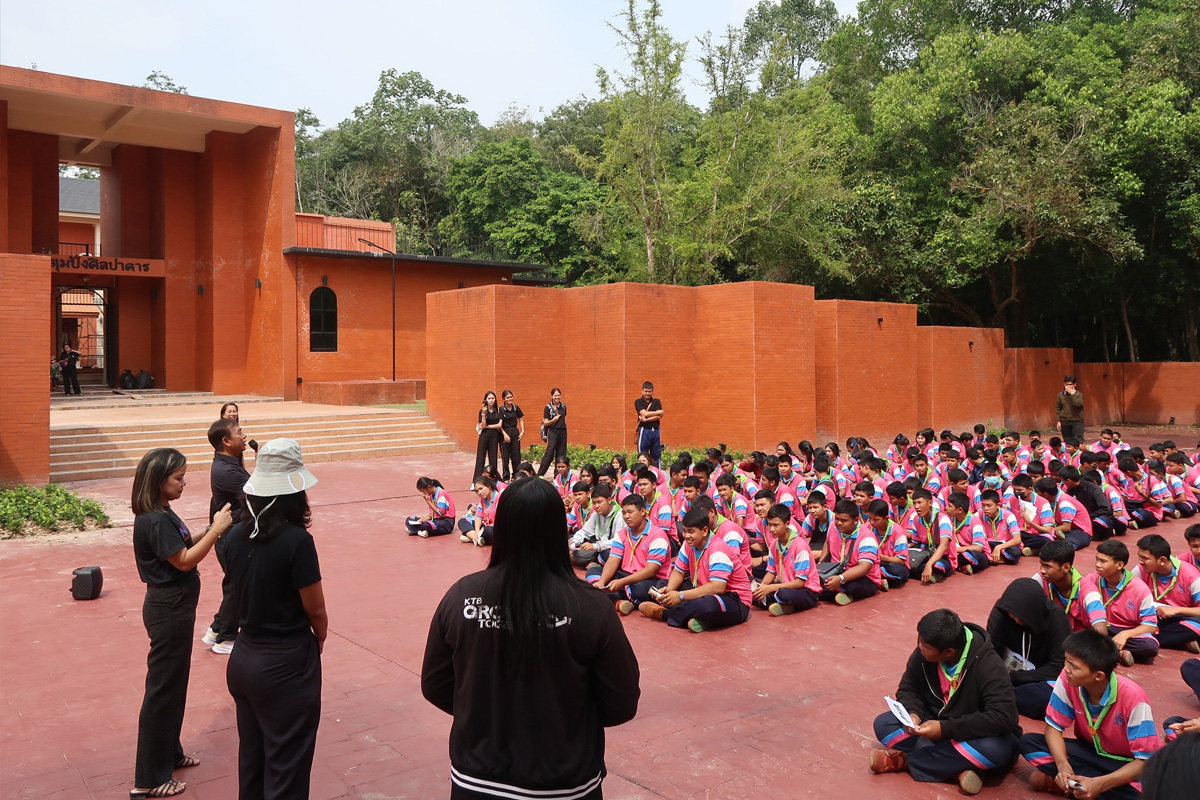
Walailak University recognizes the importance of preserving, promoting, and transmitting the rich cultural heritage of Southern Thailand to future generations. In support of this commitment, the University has initiated the construction of the Tumpang Museum, envisioned as a cultural research center, heritage learning space, and public resource dedicated to the study and preservation of Southern Thai arts, culture, history, and traditional knowledge.
The Tumpang Museum provides free access to the general public, allowing local communities, students, researchers, visitors, and people from across Thailand to explore and learn about the cultural heritage of the South. This commitment to open public access helps make cultural knowledge and heritage resources available beyond the university community.
Beyond preserving physical artifacts and historical sites, the museum contributes to the safeguarding of traditional knowledge, local wisdom, performing arts, customs, and ways of life that form an important part of Southern Thai identity. Through exhibitions, educational resources, and cultural activities, the center creates opportunities for people of different generations to engage with Southern Thailand’s diverse traditions and better understand their historical and cultural significance. By making cultural knowledge freely accessible, the museum also encourages wider public participation in heritage preservation and supports the transmission of cultural knowledge from one generation to the next.
The center also serves as a platform for researchers and academic institutions from across Southern Thailand to exchange knowledge, develop collaborative research, and provide academic and cultural services for society. By connecting academic research with local communities and the wider public, the museum strengthens the relationship between education, research, cultural preservation, and community engagement.
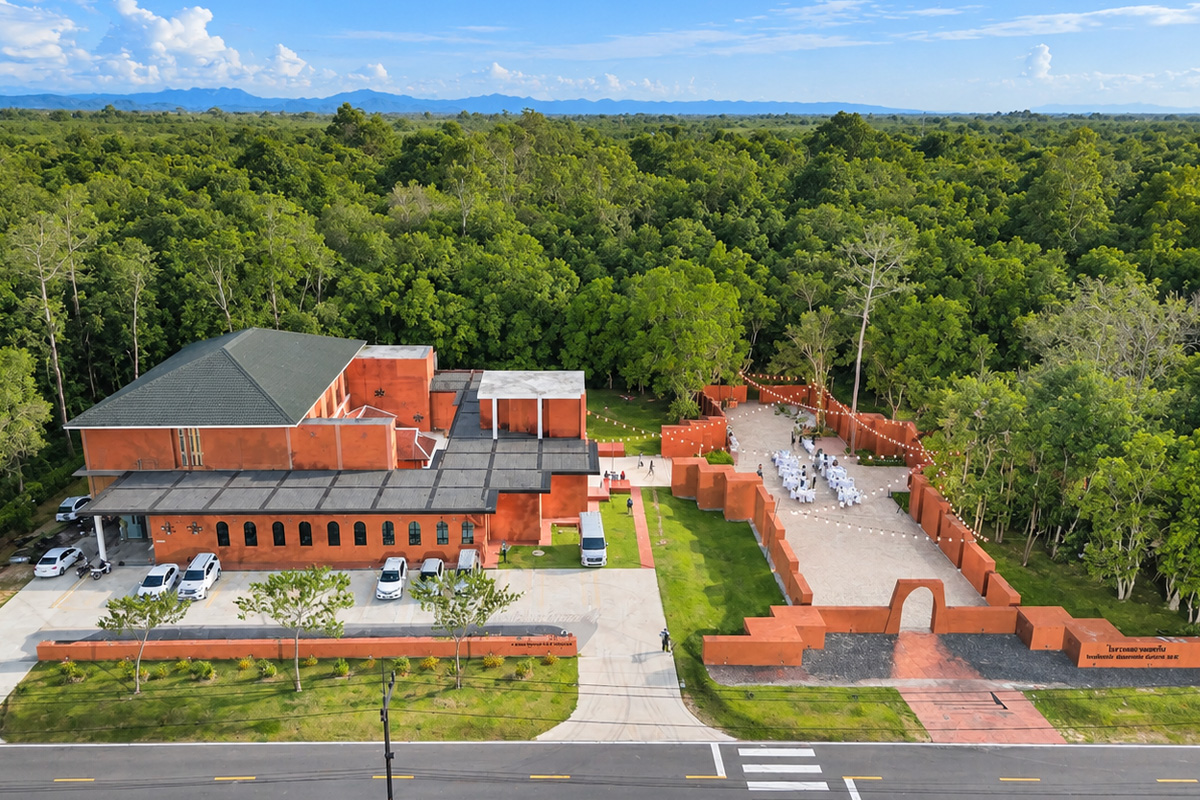
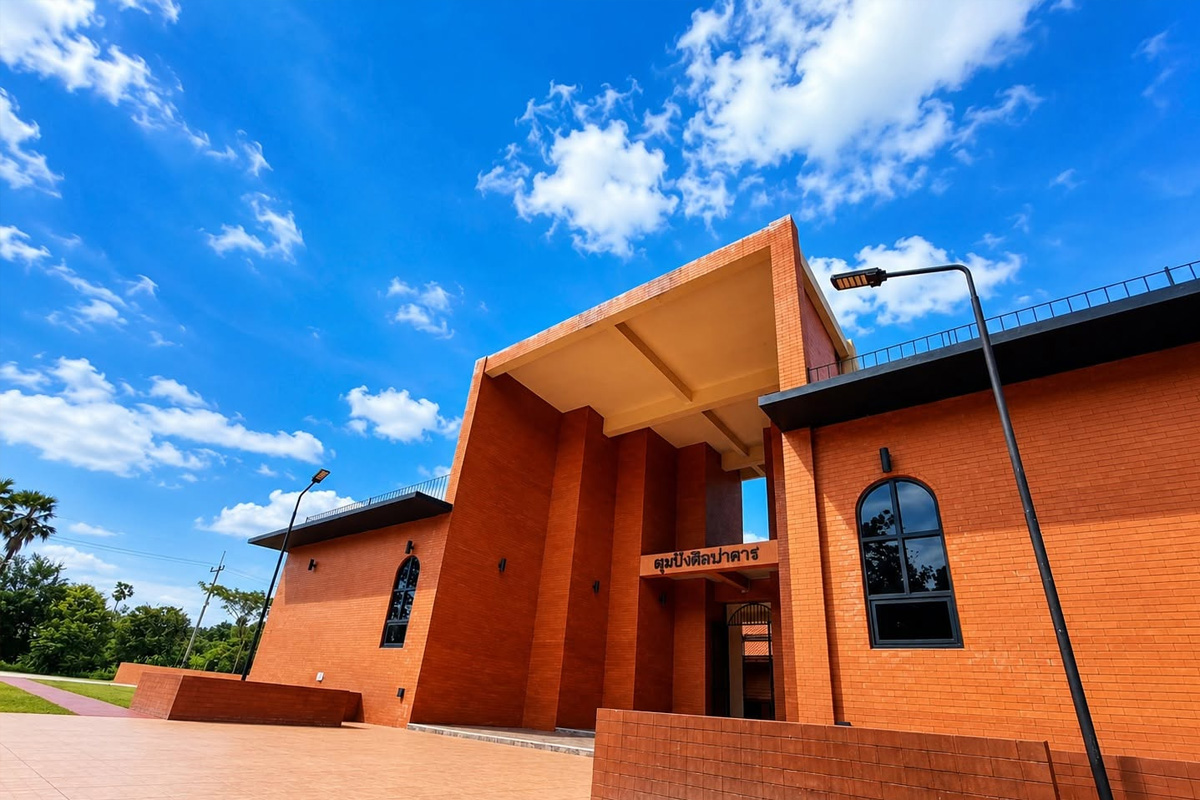
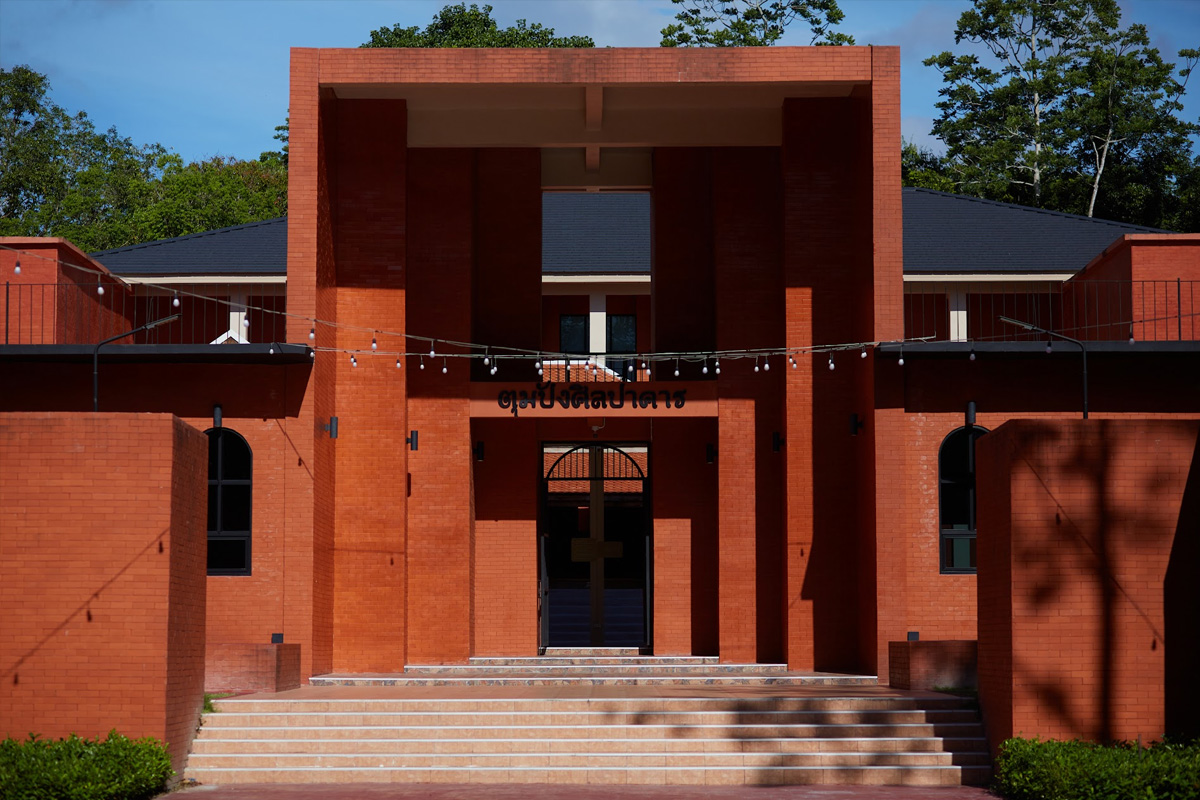
Covering a total area of approximately 7,850 square meters, the building itself reflects a dialogue between Southern architectural heritage and contemporary design. Its primary brick structure follows a square layout inspired by the ancient Tumpang Archaeological Site. The roof combines modern architectural elements with the traditional hip roof, or Pran Yha, which is characteristic of Southern vernacular architecture. The design of the walls also draws inspiration from the historic city walls of Nakhon Si Thammarat, incorporating elements of the region’s architectural heritage into the museum’s contemporary structure.
Inside, the center houses the Tumpang Archaeological Site Museum, featuring artifacts, cultural objects, and other materials of historical, archaeological, and artistic significance. Exhibitions explore the history and archaeology of the region, traditional Southern Thai lifestyles, local wisdom, arts, customs, and performing arts. These displays provide visitors with opportunities to experience Southern Thailand’s cultural heritage in an accessible and engaging environment.
By combining heritage preservation, academic research, public education, and community participation, the Tumpang Museum aspires to become an important center for cultural learning and living heritage in Upper Southern Thailand. With free public access at its core, the museum helps ensure that the cultural knowledge, traditions, and historical legacy of Southern Thailand remain accessible, meaningful, and relevant to present and future generations.
Tumpang Archaeological Site: Preserving Southern Thailand’s Cultural Heritage
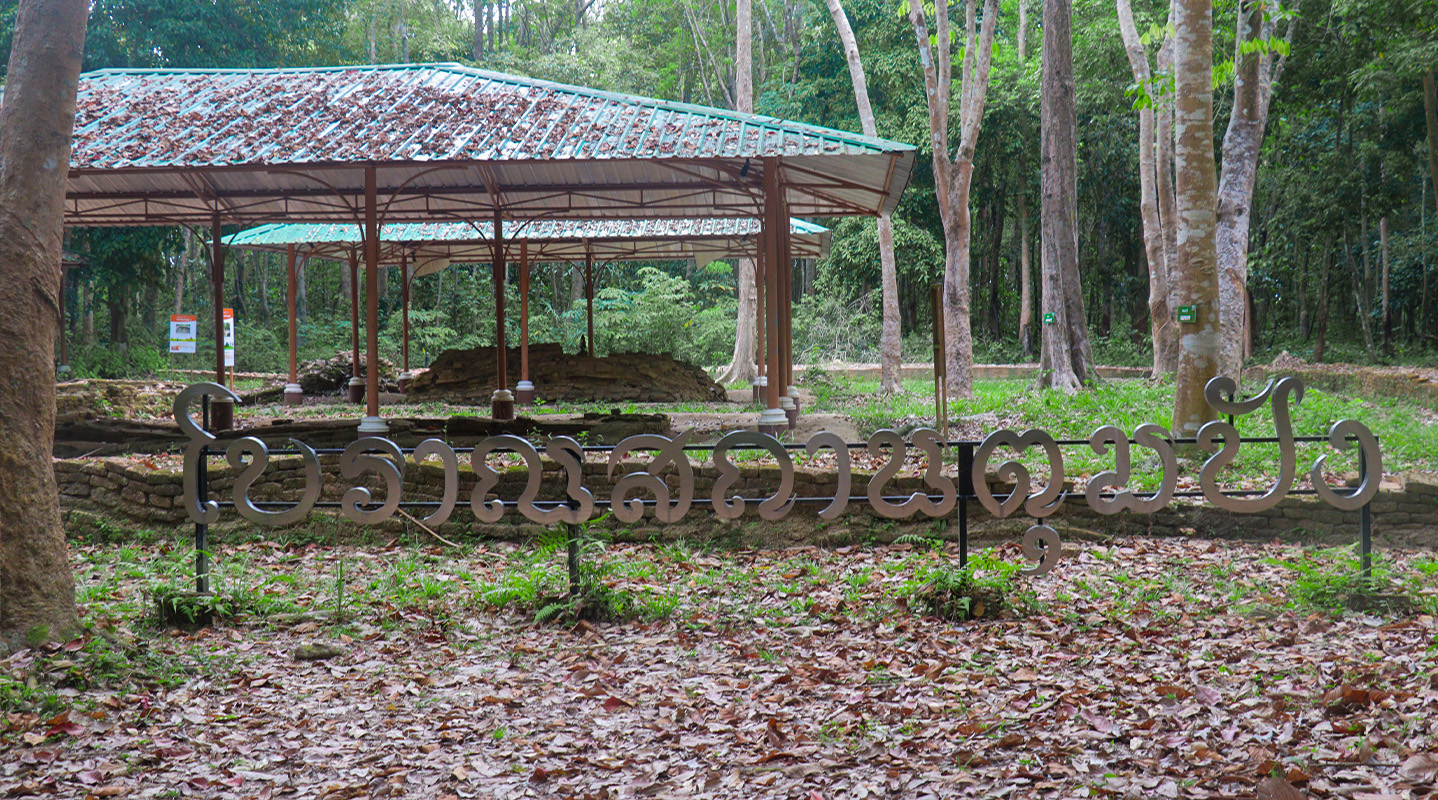
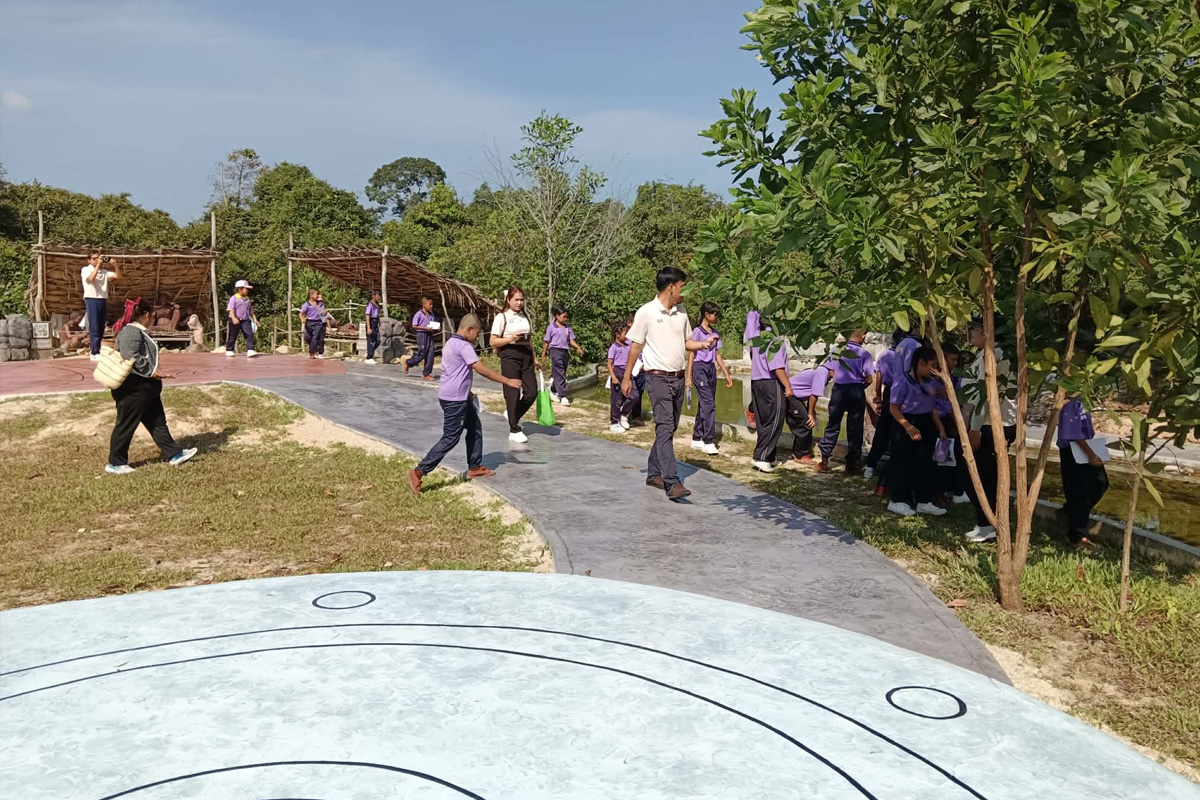
The Tumpang Archaeological Site is a treasured public heritage area that combines historical, archaeological, cultural, and natural significance. Located within Walailak University, the site serves as an important educational and cultural resource, providing opportunities for students, researchers, local communities, and the general public to explore and learn about the historical heritage of Southern Thailand.
Originally established as a shrine by communities practicing Brahmanism between the 15th and 19th Buddhist centuries, the site reflects the region’s long-standing spiritual, cultural, and historical development. The name “Tumpang” is believed to have originated from a distortion of “Tumpas,” a word derived from Yawi, a Malay dialect spoken in parts of Southern Thailand.
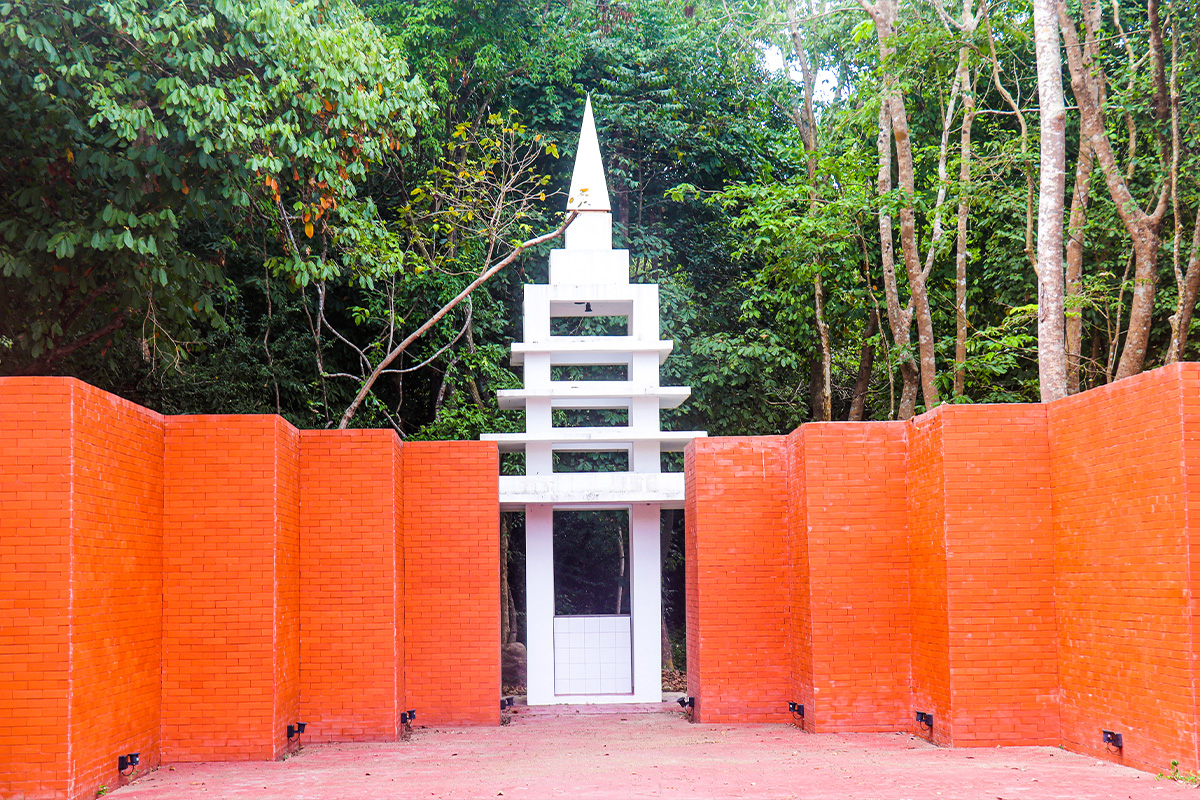
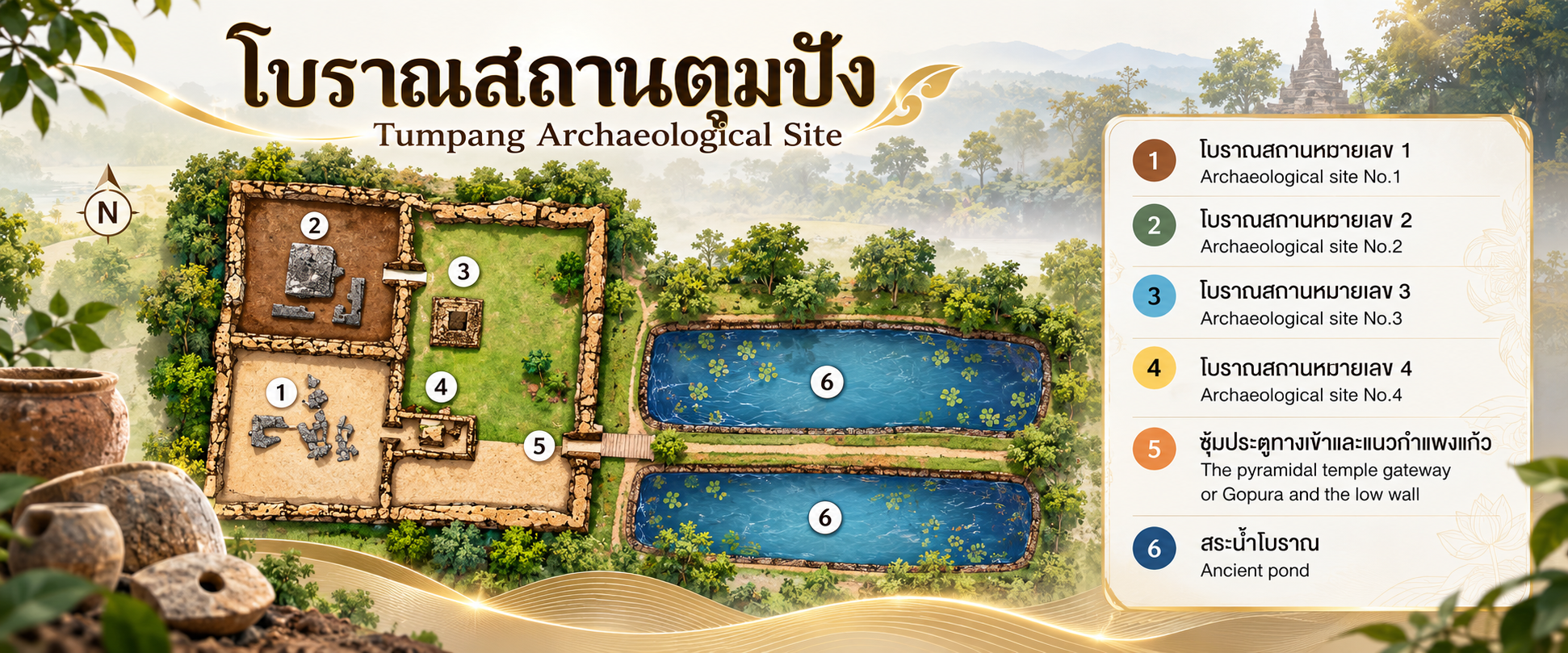
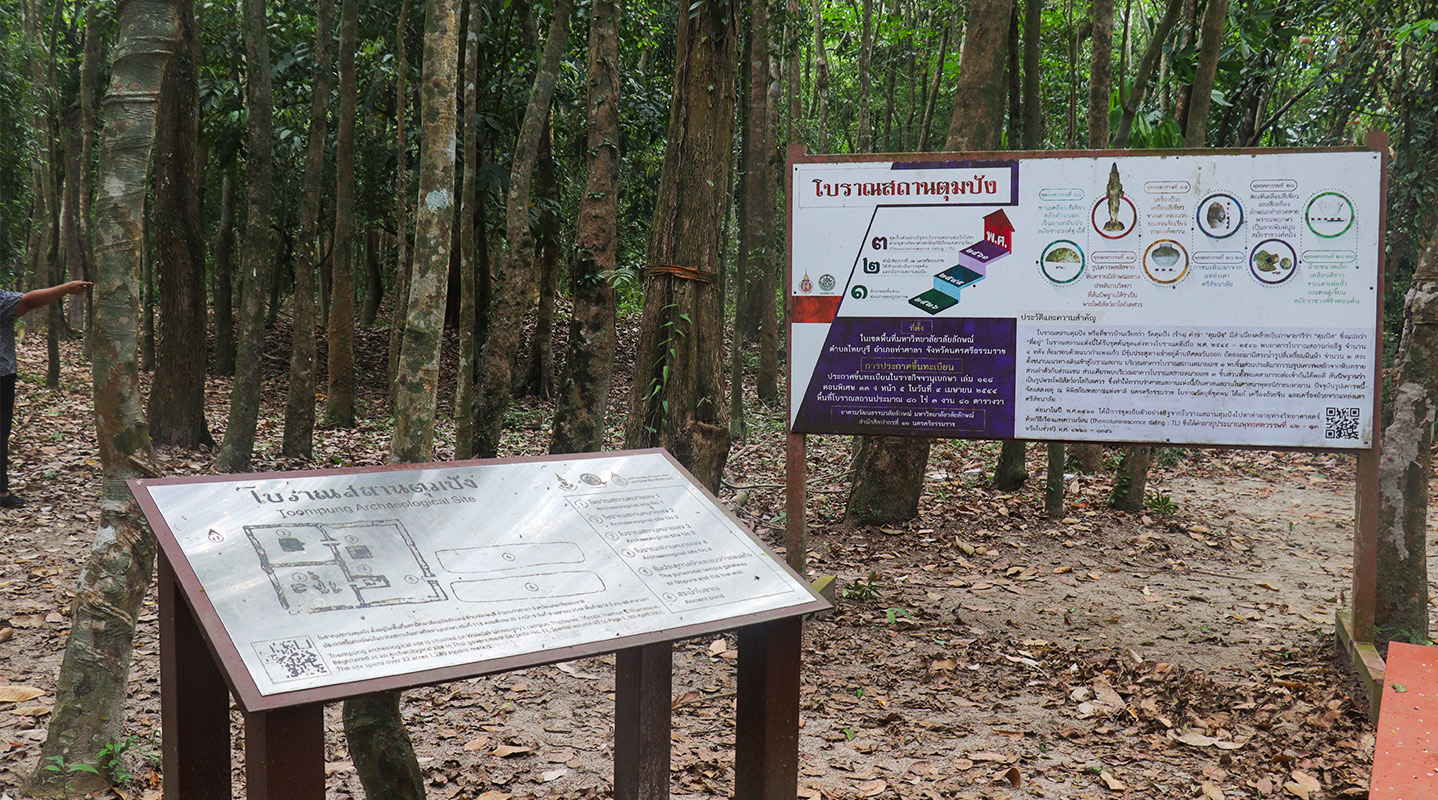
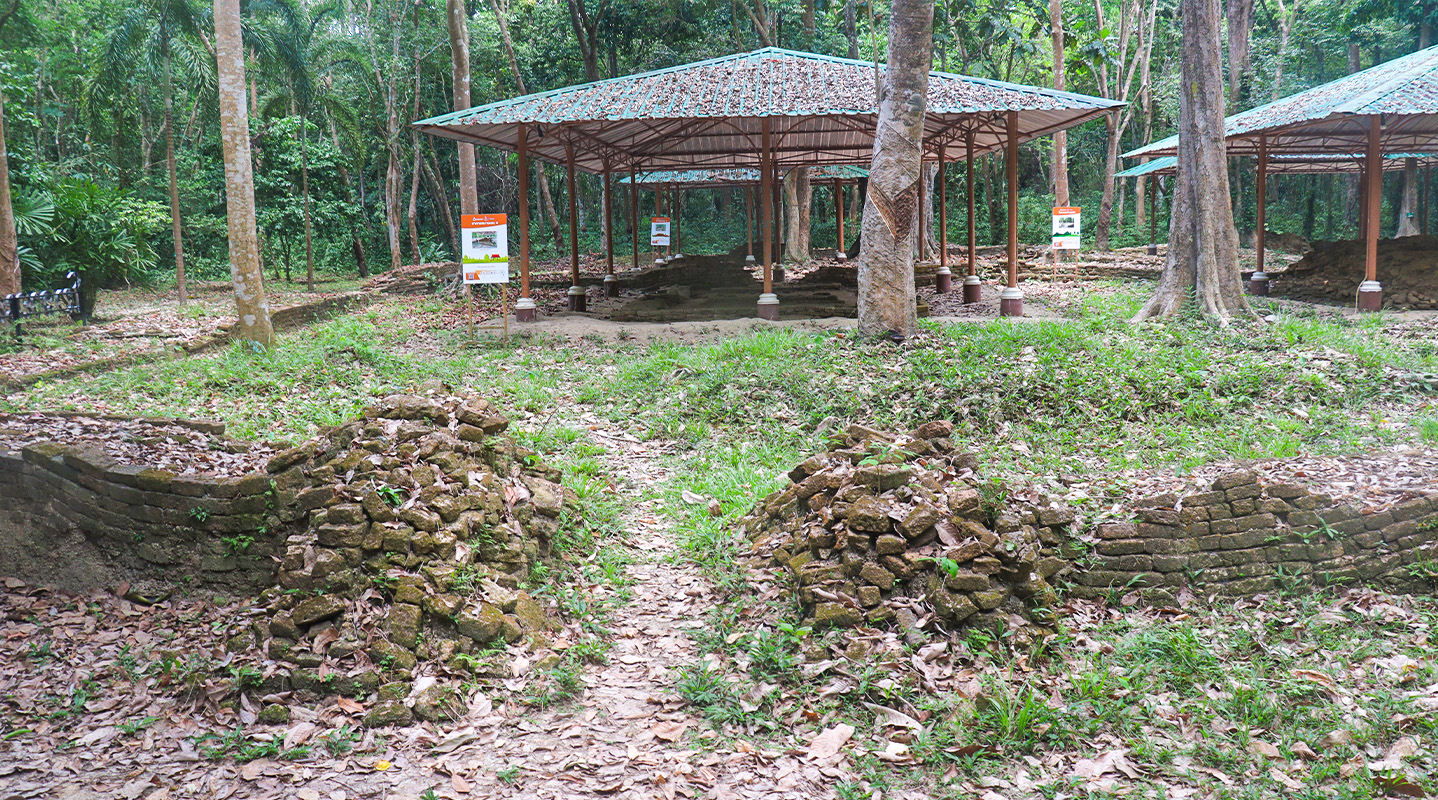
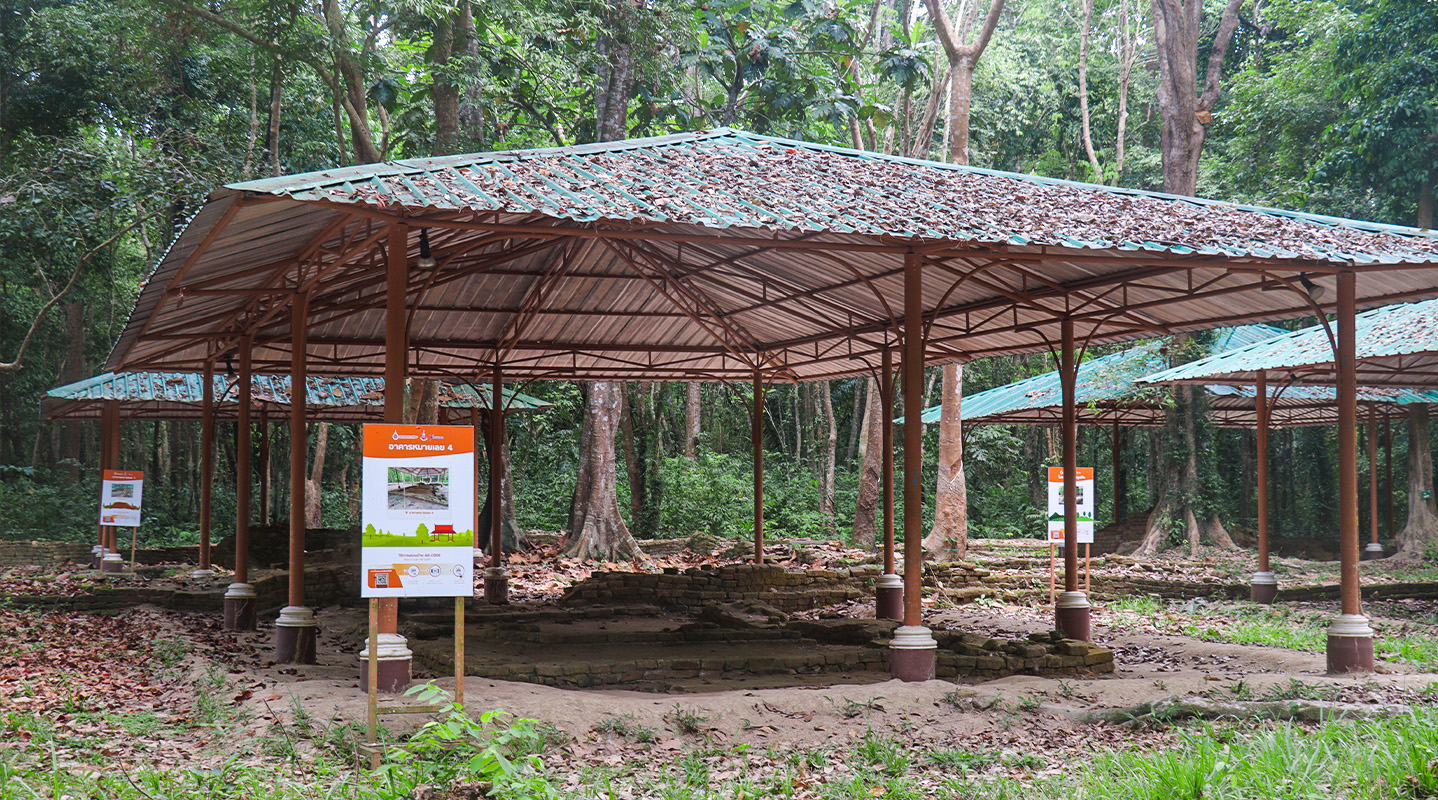
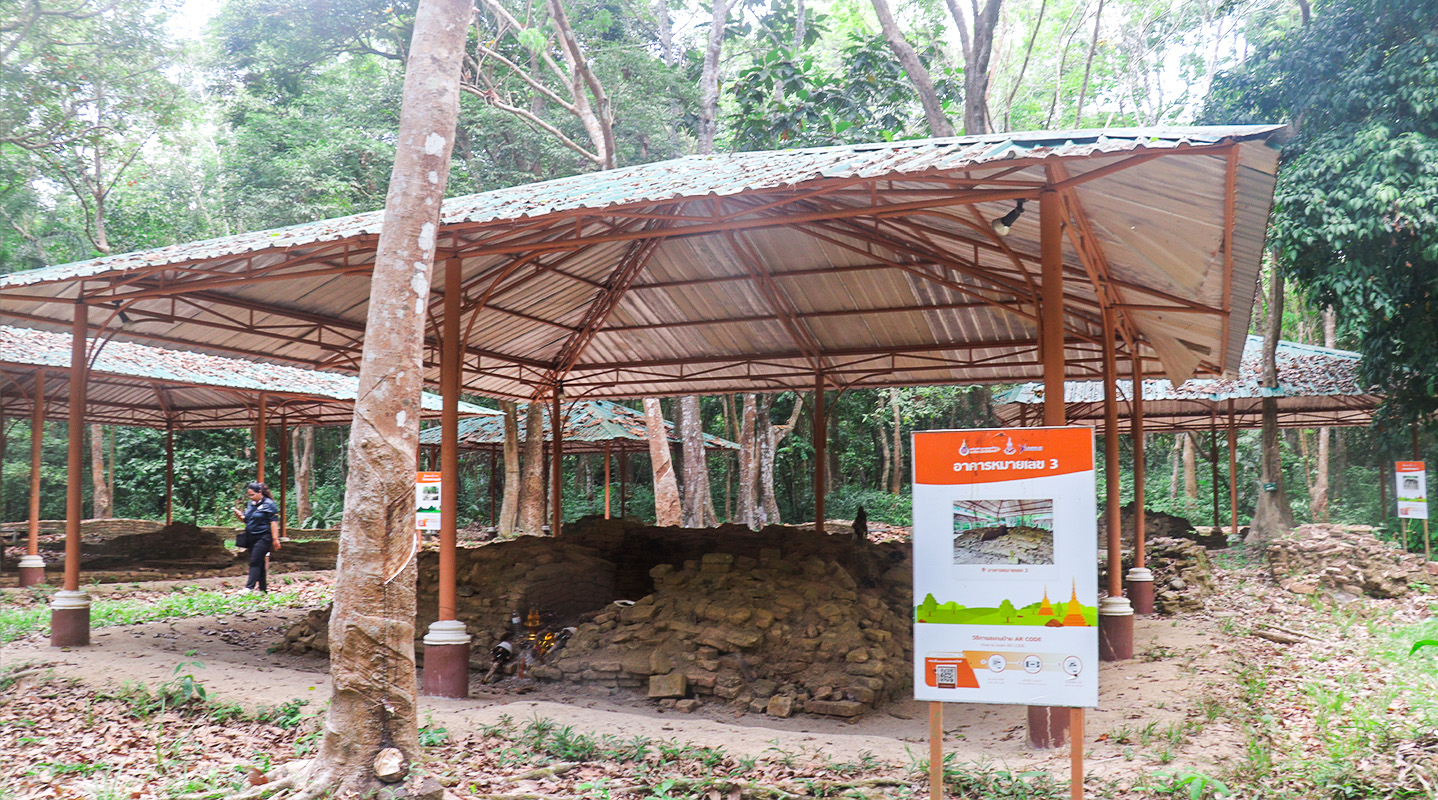
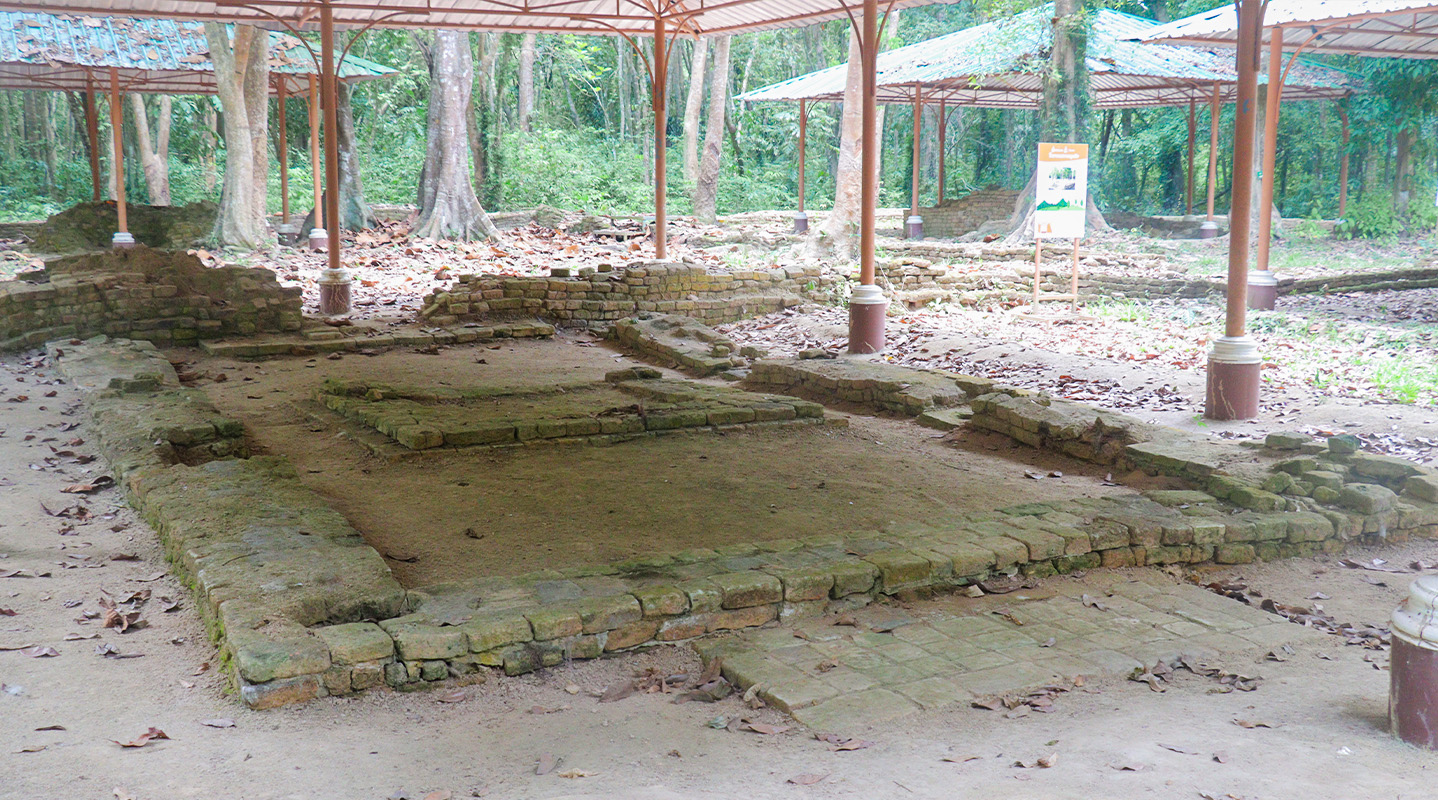
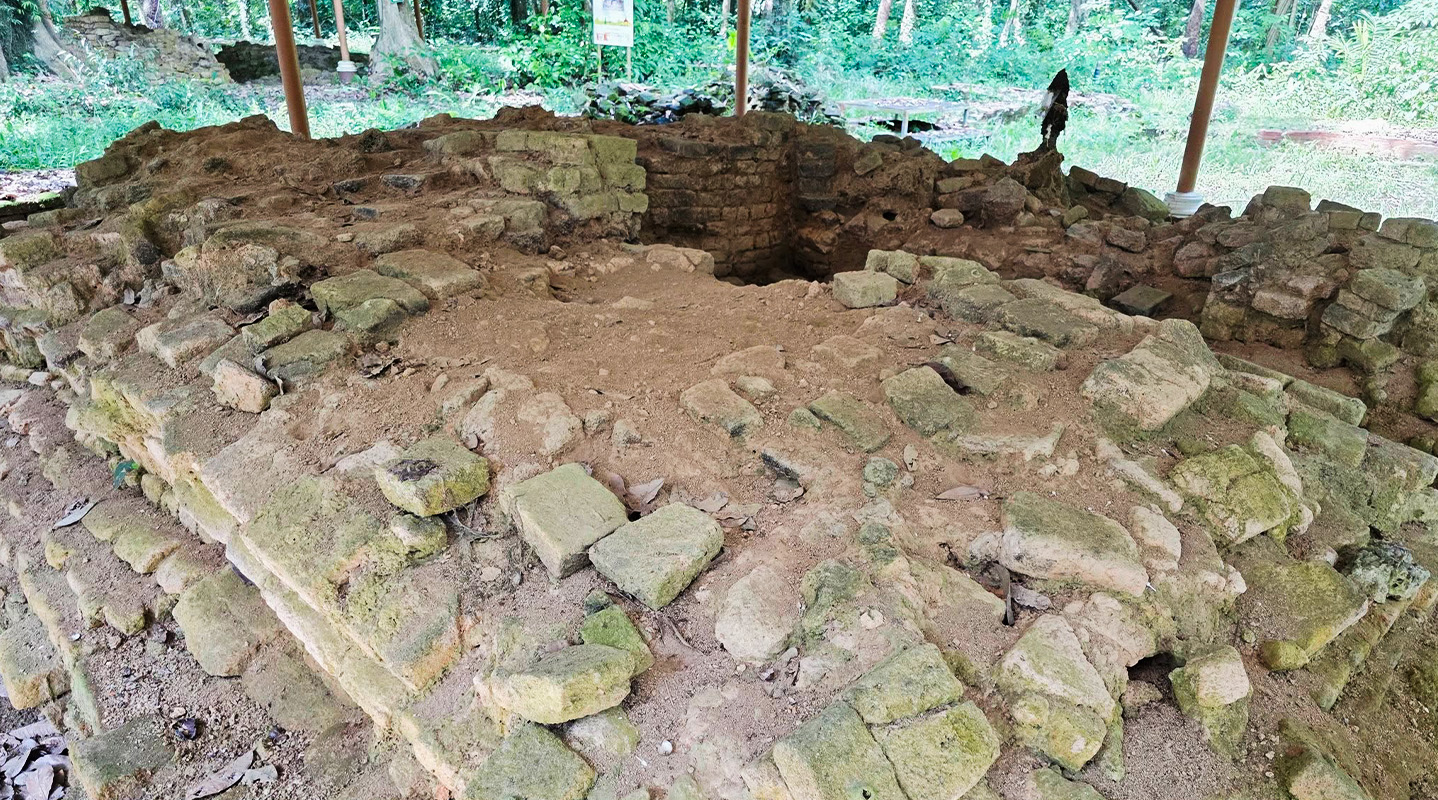
The archaeological site was officially recognized and published by the 12th Regional Office of the Fine Arts Department in Nakhon Si Thammarat in the Government Gazette, Volume 118, Special Issue 33 Ngor, dated April 9, B.E. 2544 (2001). Subsequent archaeological excavations conducted between 2002 and 2003 revealed four ancient brick structures enclosed by a perimeter wall, with an entrance gate facing east. Two rectangular ancient ponds are situated on either side of the pathway beyond the entrance, contributing to the site’s distinctive historical landscape and peaceful atmosphere.
The center also serves as a platform for researchers and academic institutions from across Southern Thailand to exchange knowledge, develop collaborative research, and provide academic and cultural services for society. By connecting academic research with local communities and the wider public, the museum strengthens the relationship between education, research, cultural preservation, and community engagement.
Covering a total area of approximately 7,850 square meters, the building itself reflects a dialogue between Southern architectural heritage and contemporary design. Its primary brick structure follows a square layout inspired by the ancient Tumpang Archaeological Site. The roof combines modern architectural elements with the traditional hip roof, or Pran Yha, which is characteristic of Southern vernacular architecture. The design of the walls also draws inspiration from the historic city walls of Nakhon Si Thammarat, incorporating elements of the region’s architectural heritage into the museum’s contemporary structure.
Inside, the center houses the Tumpang Archaeological Site Museum, featuring artifacts, cultural objects, and other materials of historical, archaeological, and artistic significance. Exhibitions explore the history and archaeology of the region, traditional Southern Thai lifestyles, local wisdom, arts, customs, and performing arts. These displays provide visitors with opportunities to experience Southern Thailand’s cultural heritage in an accessible and engaging environment.
By combining heritage preservation, academic research, public education, and community participation, the Tumpang Museum aspires to become an important center for cultural learning and living heritage in Upper Southern Thailand. With free public access at its core, the museum helps ensure that the cultural knowledge, traditions, and historical legacy of Southern Thailand remain accessible, meaningful, and relevant to present and future generations.
The Tumpang Archaeological Site comprises several important archaeological features and areas, including:
- Archaeological Site No. 1
- Archaeological Site No. 2
- Archaeological Site No. 3
- Archaeological Site No. 4
- The Pyramidal Temple Gateway (Gopura) and Low Wall
- Ancient Pond
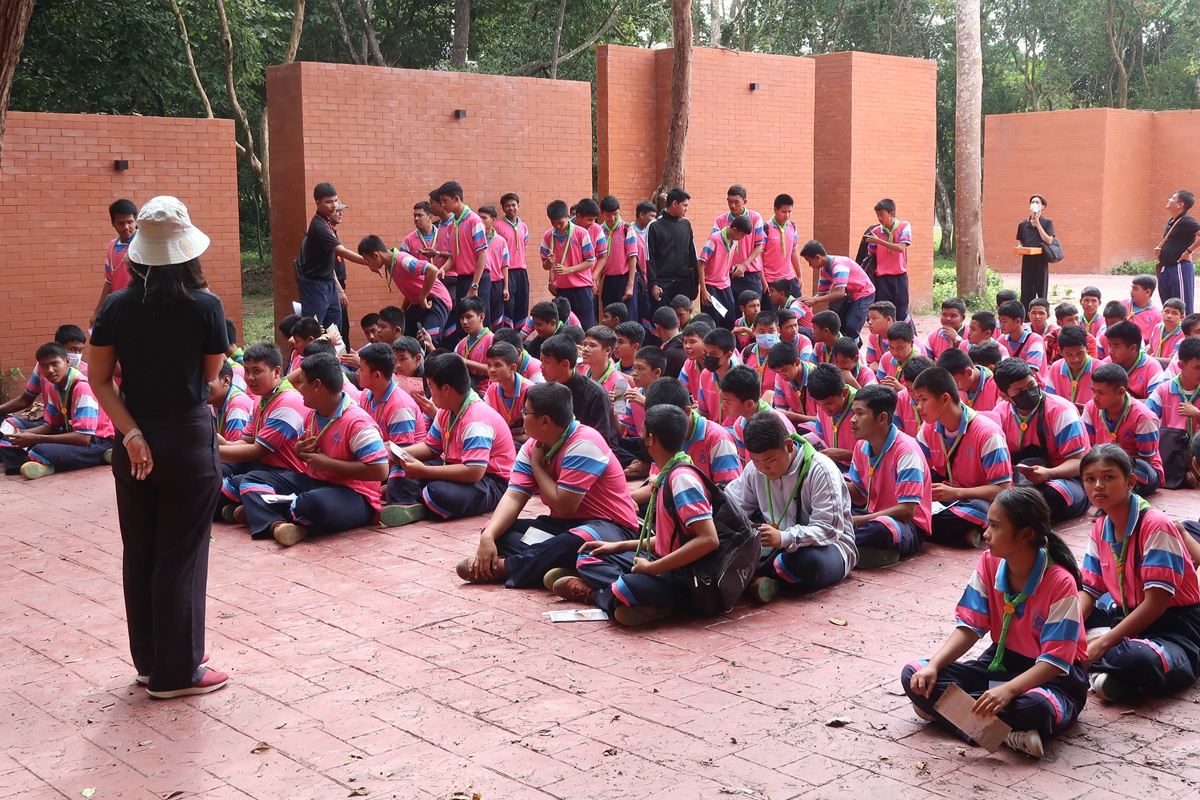
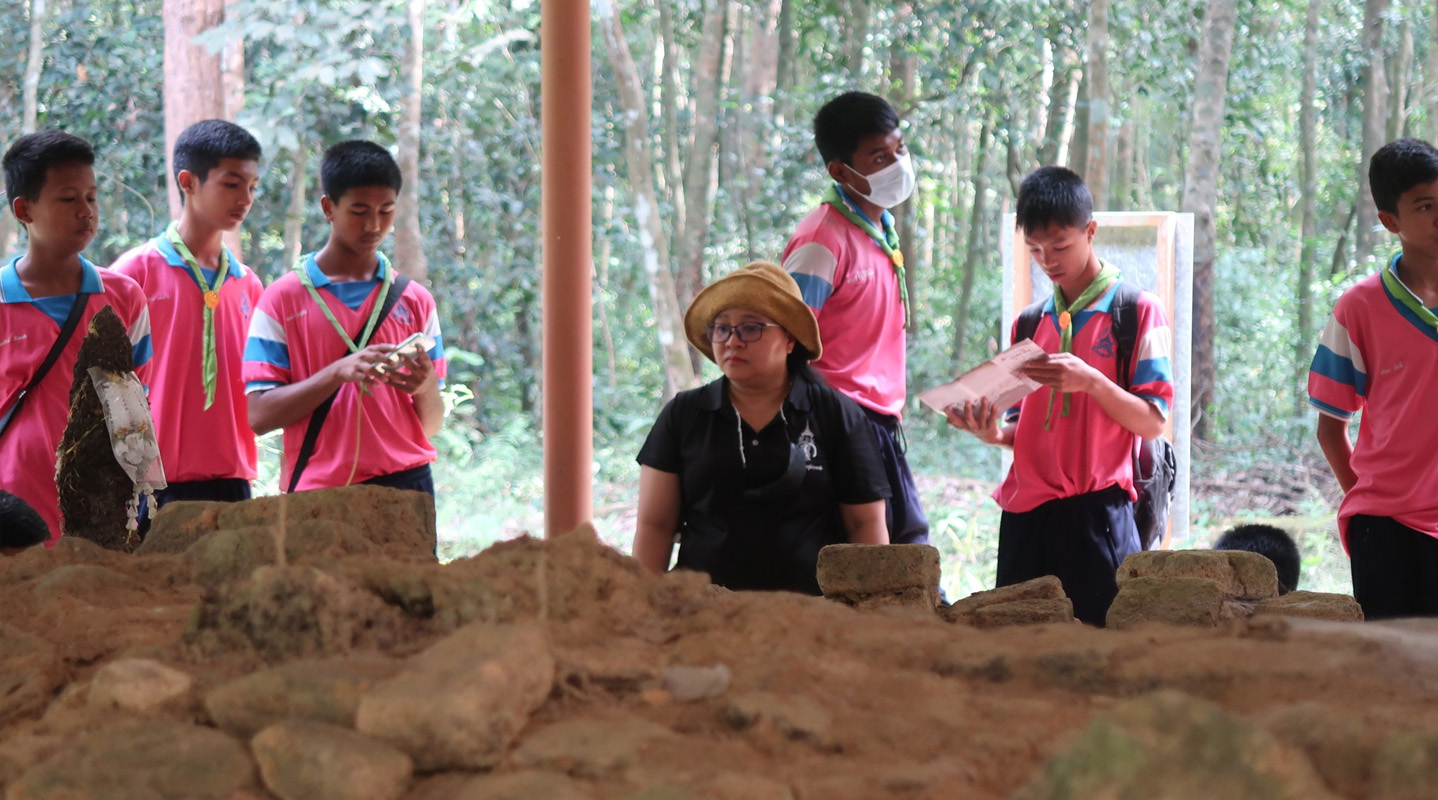
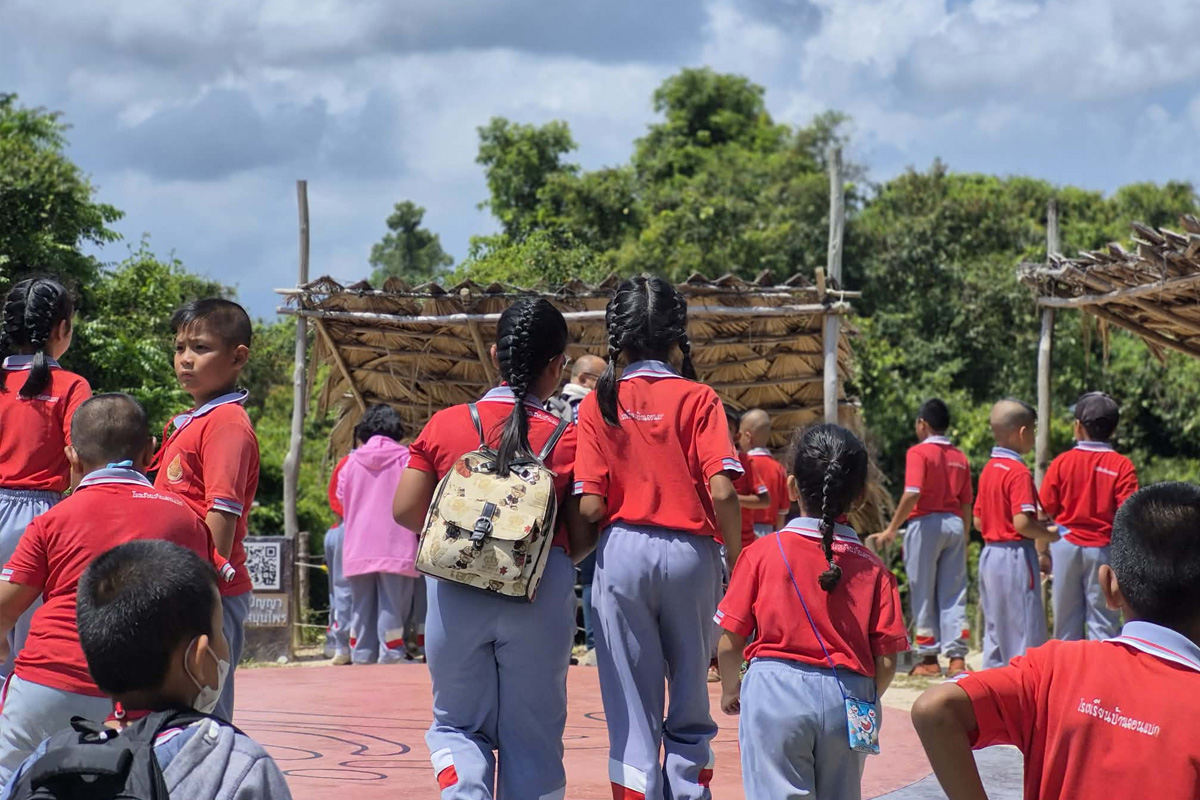
As a public heritage resource, the Tumpang Archaeological Site is open to visitors free of charge. Students, researchers, local communities, tourists, and members of the general public can visit the site in person and explore its archaeological features and surrounding landscape without an entrance fee. The site is open Monday to Friday, from 8:30 AM to 4:30 PM. Walailak University also provides guided tours led by WU students in Thai, English, and Chinese, helping visitors from different backgrounds gain a deeper understanding of the site’s history and cultural significance. The site attracts more than 15,000 visitors each year, demonstrating its role as an accessible cultural and educational destination for the public.
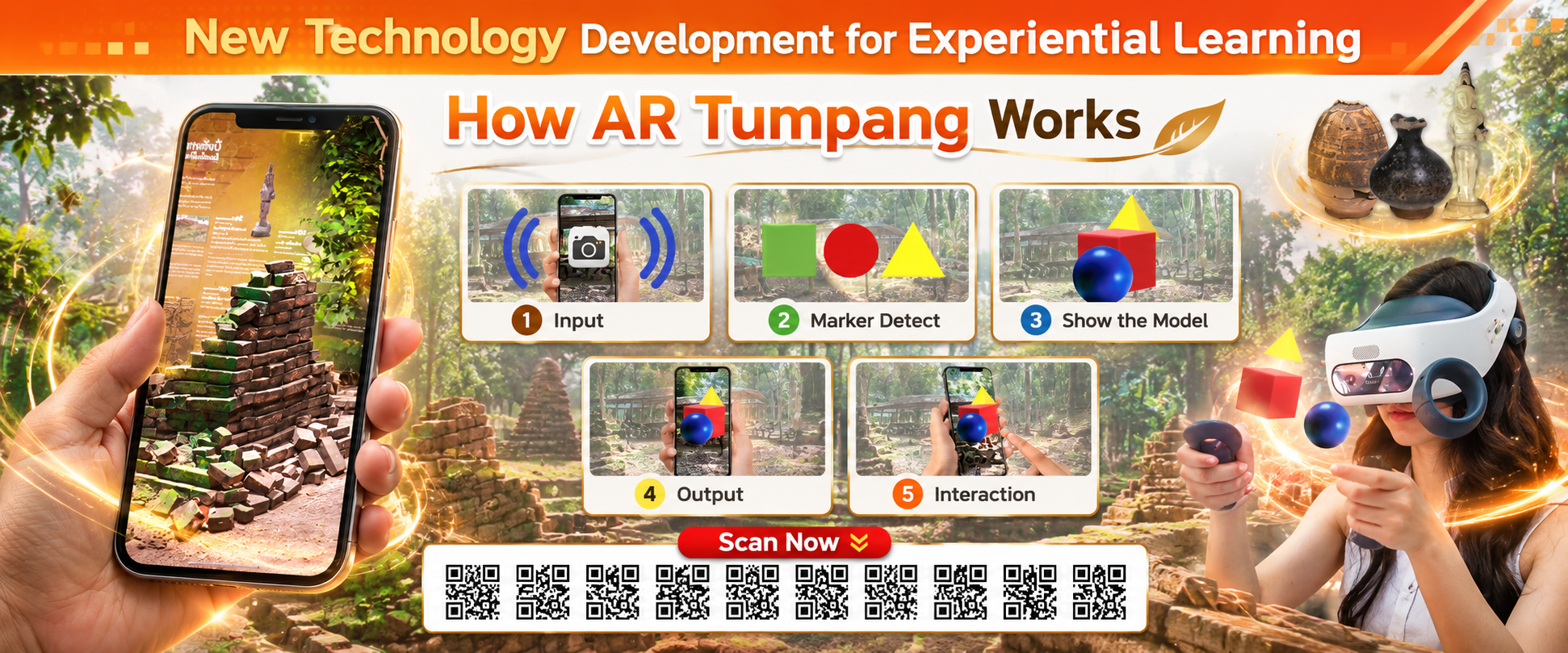
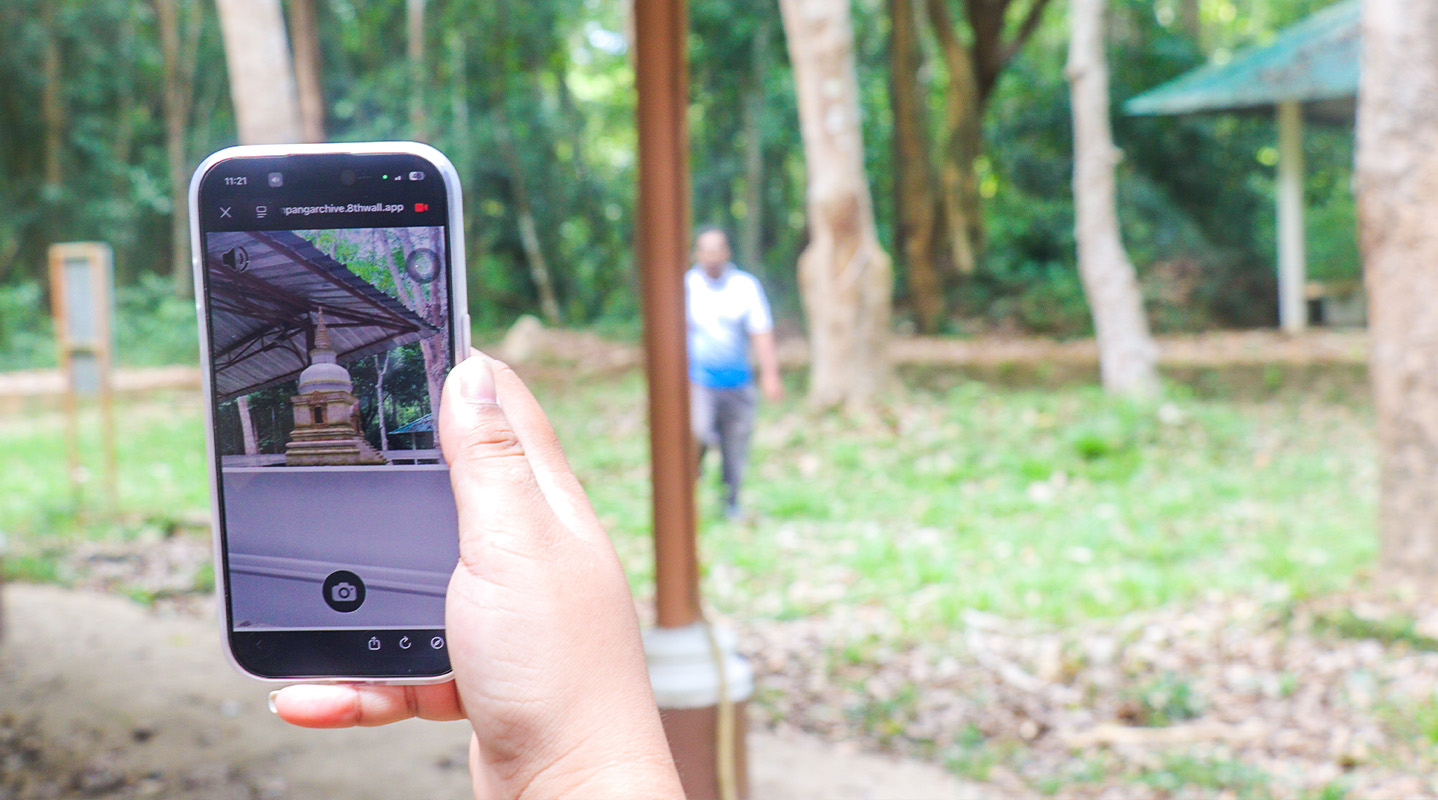
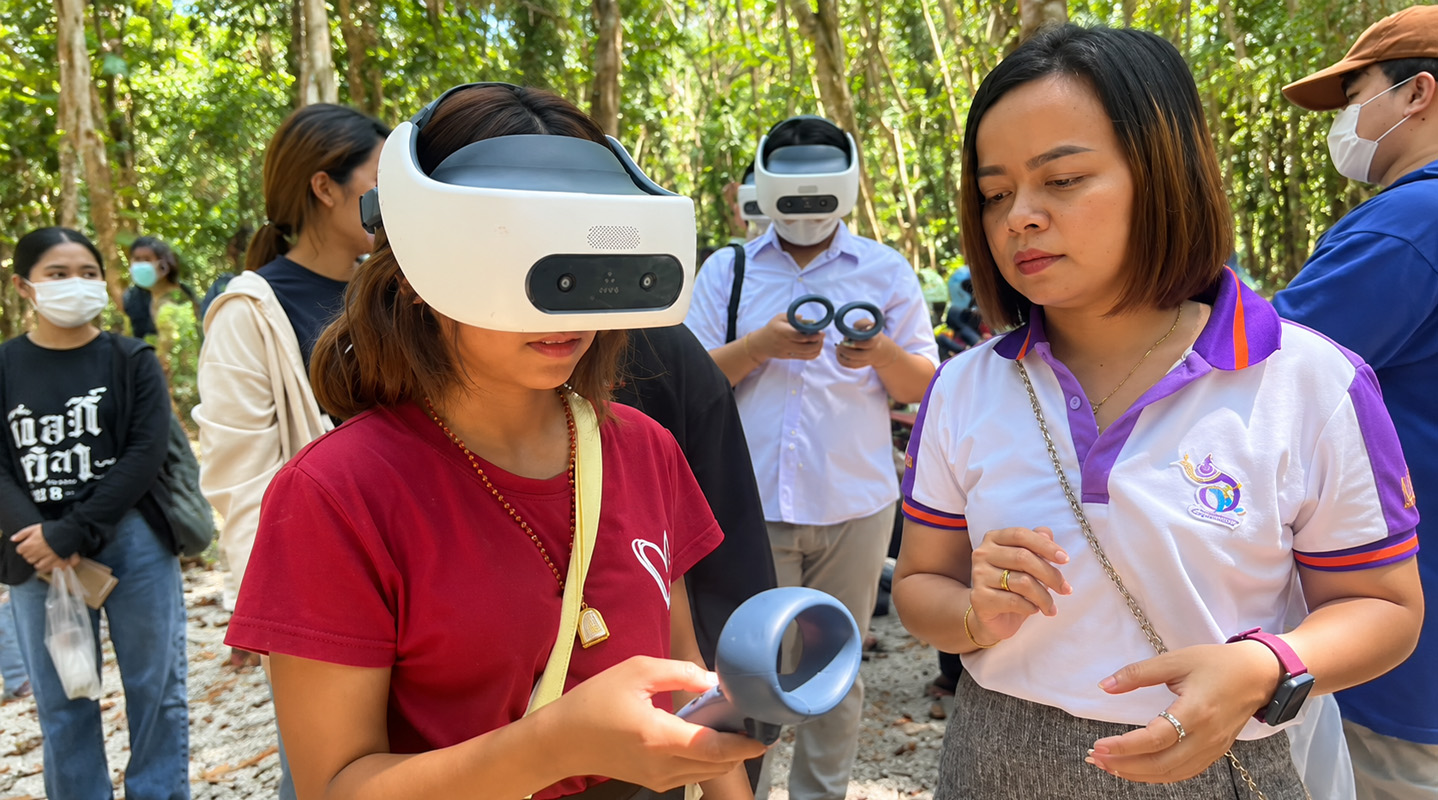
To further promote public engagement with Southern Thailand’s heritage, Walailak University has incorporated digital technologies into the interpretation and preservation of the site. Visitors can use the AR Tumpang mobile application and virtual reality (VR) equipment to explore archaeological features and access interactive information about the site’s history, structures, and cultural significance. These technologies provide an alternative way of experiencing the heritage site while making historical knowledge more engaging and accessible to younger generations.
For people who are unable to visit the site physically, the University has also employed 3D Laser Scanning technology to digitally document the archaeological structures and create detailed archaeological data. This information supports the preservation of the site’s physical heritage while enabling virtual access for people beyond the local area. Through the AR Tumpang Archive Application and dedicated online platform, users can explore the archaeological site virtually and learn about its historical significance regardless of their location.
The virtual platform is available at: https://tumpangmuseum.wu.ac.th/?page_id=4768
Through the combination of free public access, educational activities, guided tours, and digital preservation technologies, the Tumpang Archaeological Site demonstrates how historical heritage can be preserved while remaining accessible and relevant to contemporary society. The initiative supports the continued appreciation and transmission of Southern Thailand’s cultural heritage, connecting archaeological knowledge with education, community engagement, and lifelong learning.
Annual Merit-making Ceremony for the Tumpang Ancestors
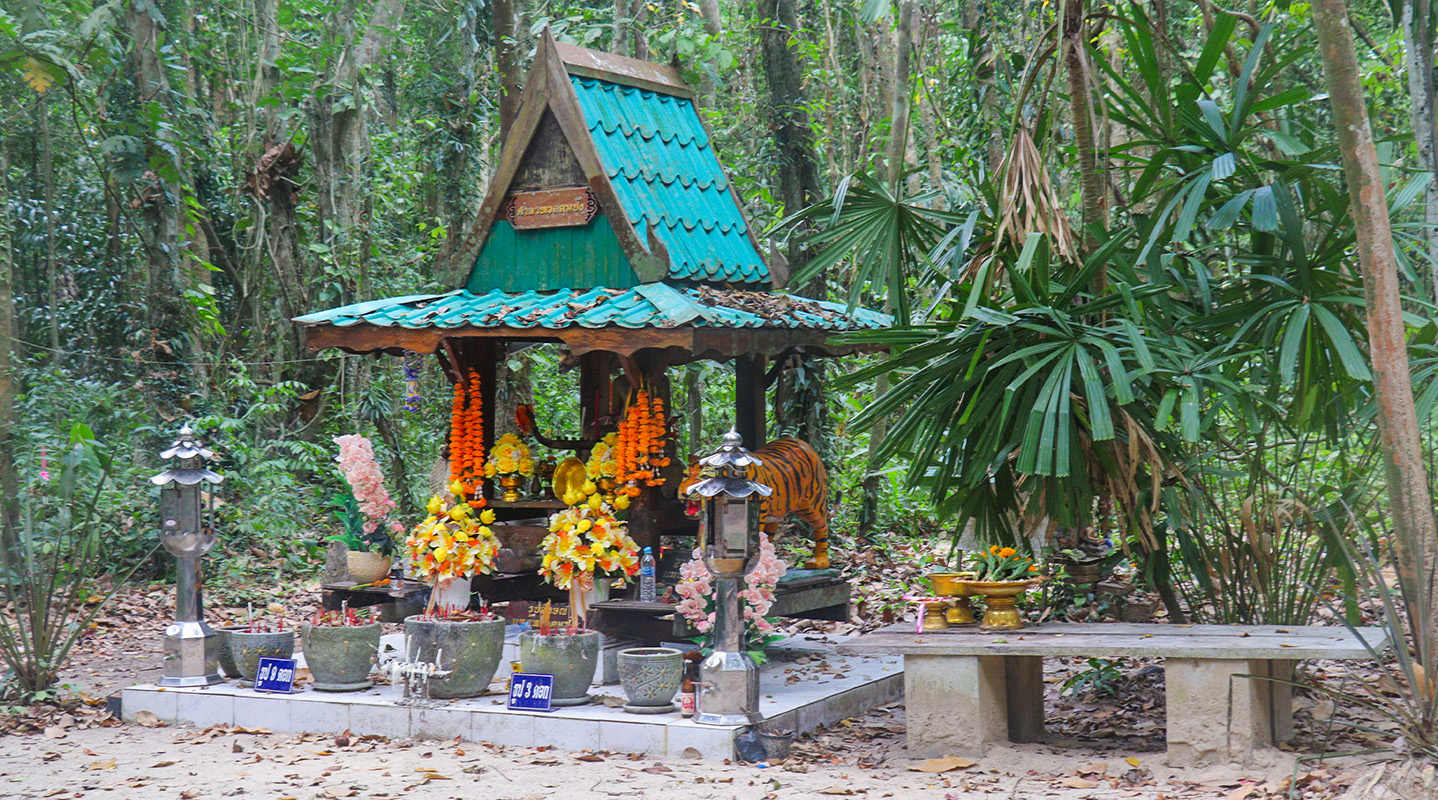
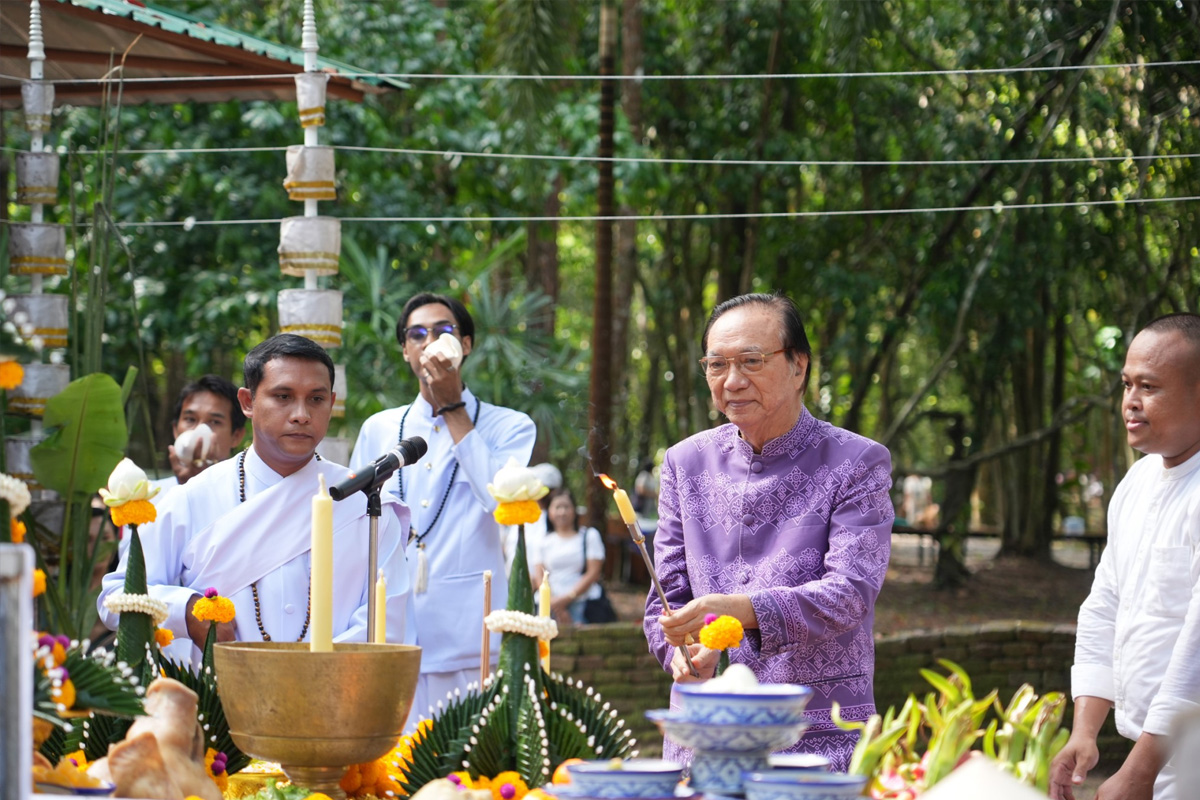
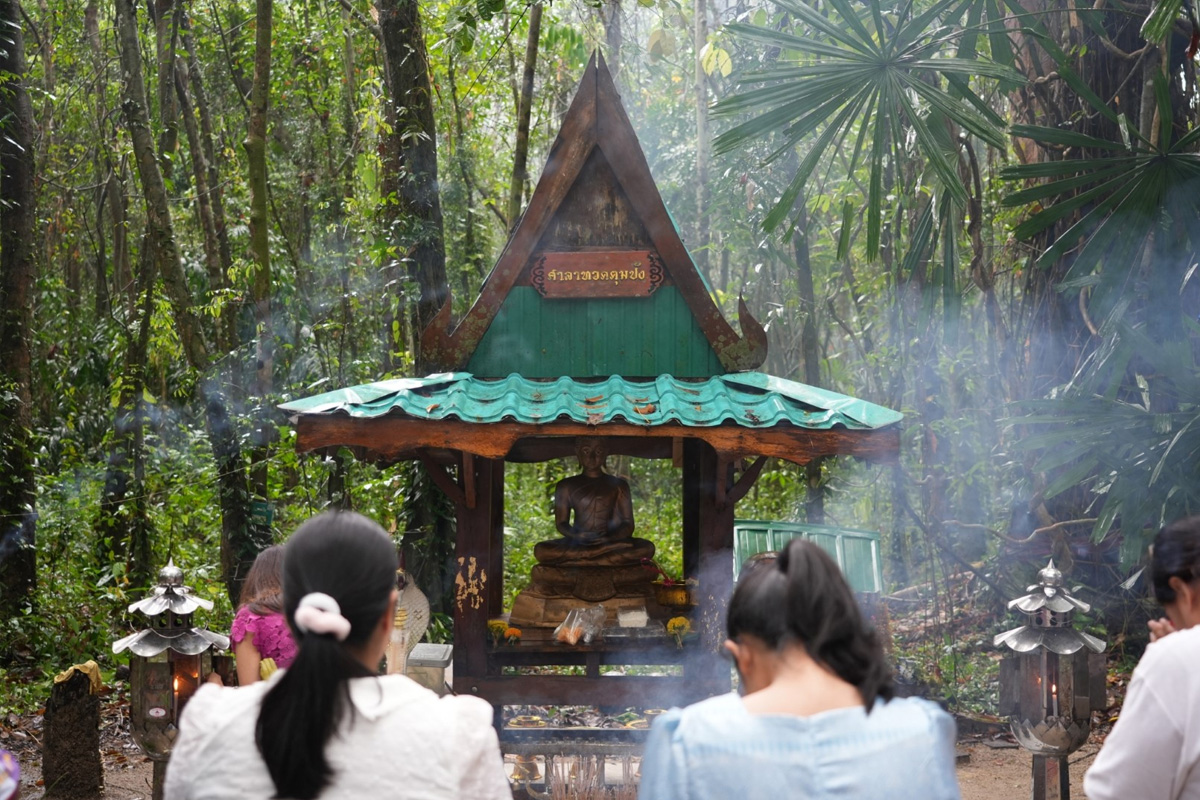
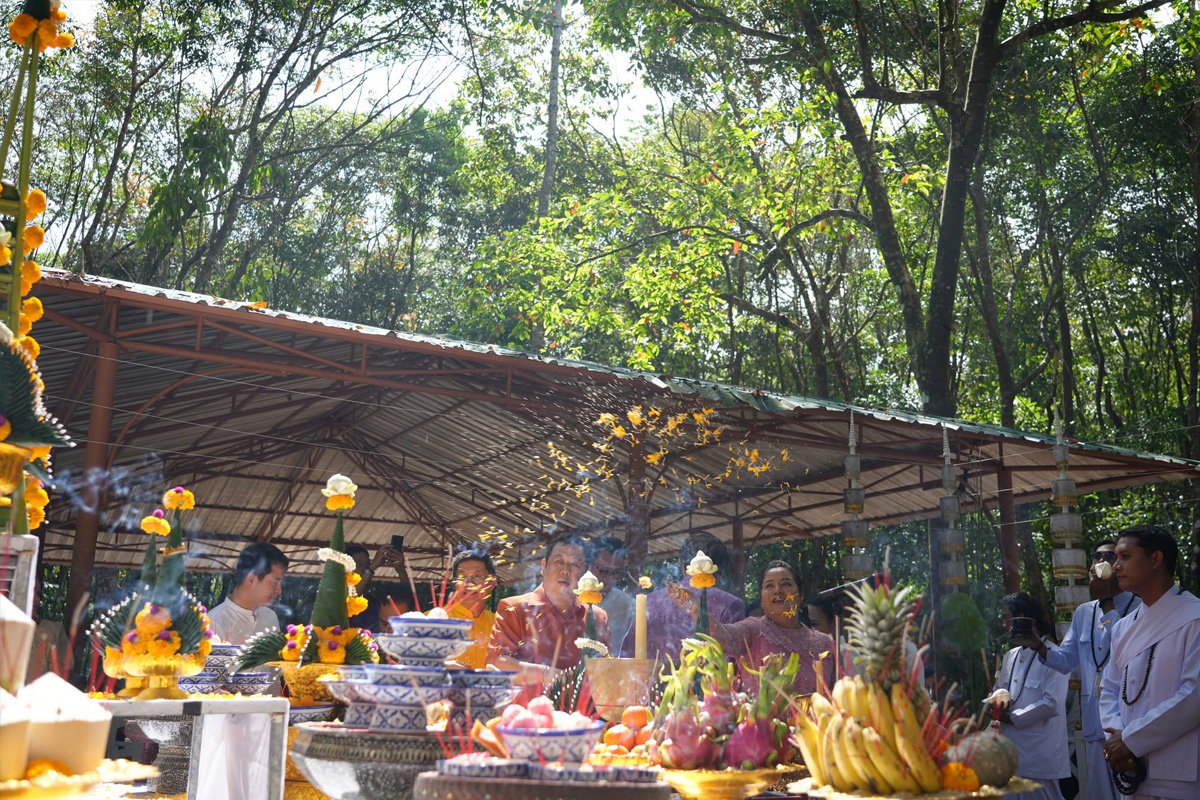
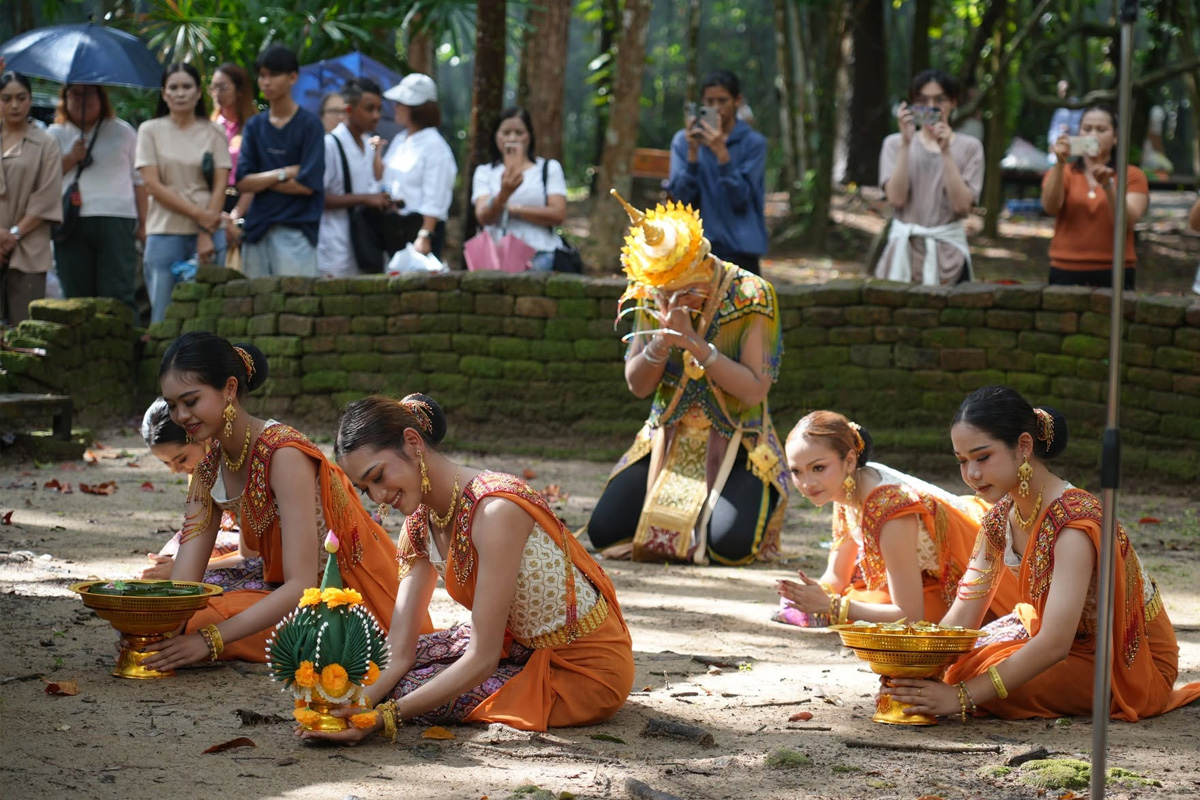
For more than a decade, Walailak University has hosted an annual merit-making ceremony dedicated to the “Tumpang Ancestors,” reflecting the belief that the Tumpang Archaeological Site once served as a religious and spiritual location associated with both Brahmanism and Buddhism. The ceremony is open to everyone, including university staff, students, local communities, and members of the general public, with free access to all participants. The event brings together traditional rituals and cultural practices from both faiths, providing visitors with an opportunity to experience and learn about the area’s longstanding spiritual heritage. In recent years, more than 650 members of the public have participated in the ceremony in 2025, demonstrating its role as an accessible cultural activity that connects the University’s heritage resources with the wider community.
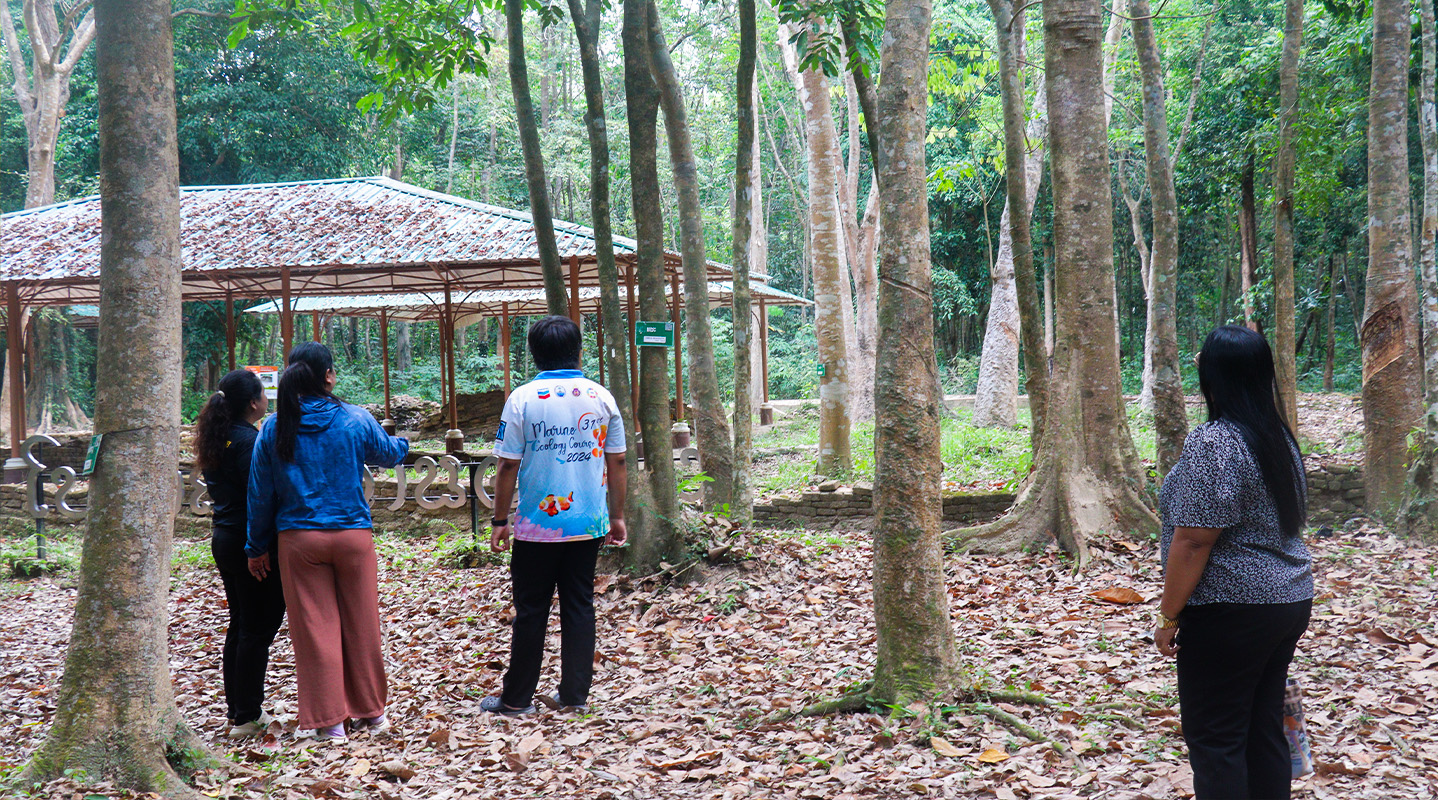
In addition to the annual ceremony, Walailak University has developed a comprehensive database of native plant species found at the Tumpang Archaeological Site. Each documented plant is linked to a QR code, allowing visitors to access detailed online information about its characteristics, ecological significance, and traditional uses. The surrounding forest has also been restored as a nature study trail, providing a free and accessible learning space where visitors can explore the area’s botanical diversity and cultural relationship with local plants. Plant species have been carefully selected and arranged to reflect the site’s original forest ecosystem, helping preserve its natural character while creating an immersive environment for public education, cultural appreciation, and lifelong learning.
Free Public Access to Monuments of Cultural Significance
The Golden Manorah Monument
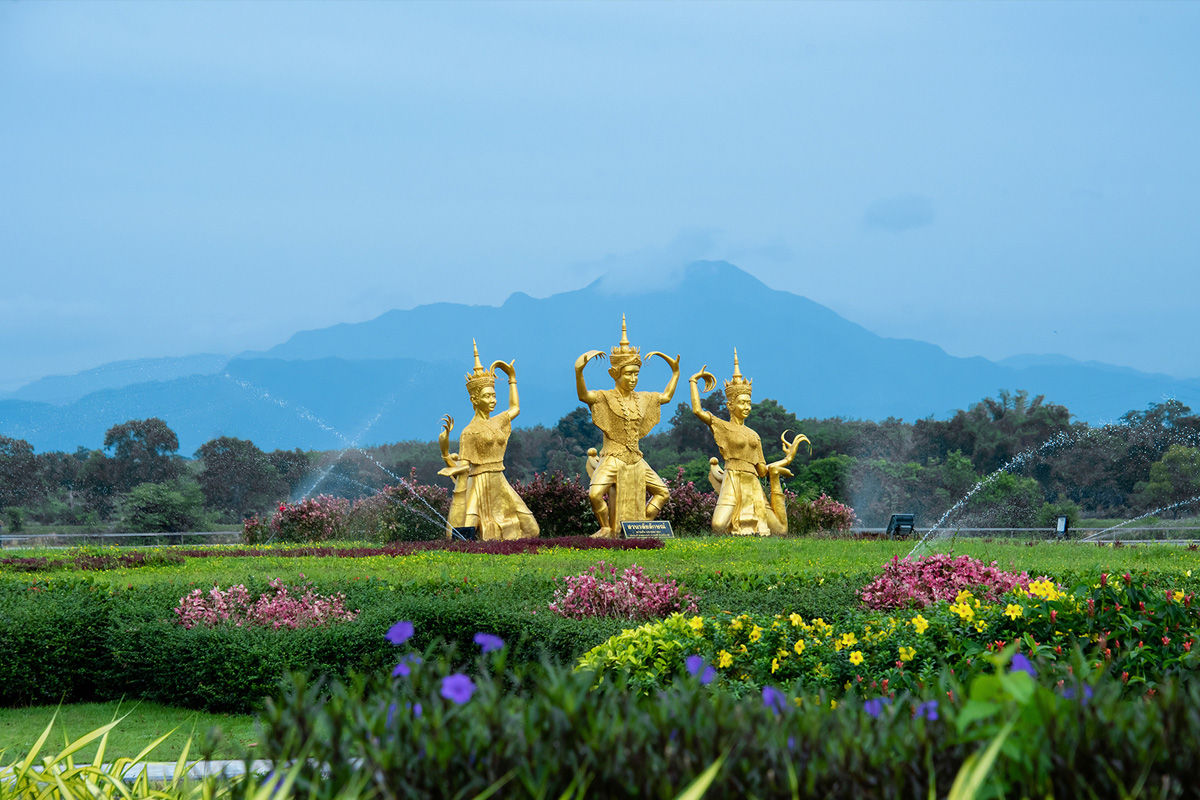
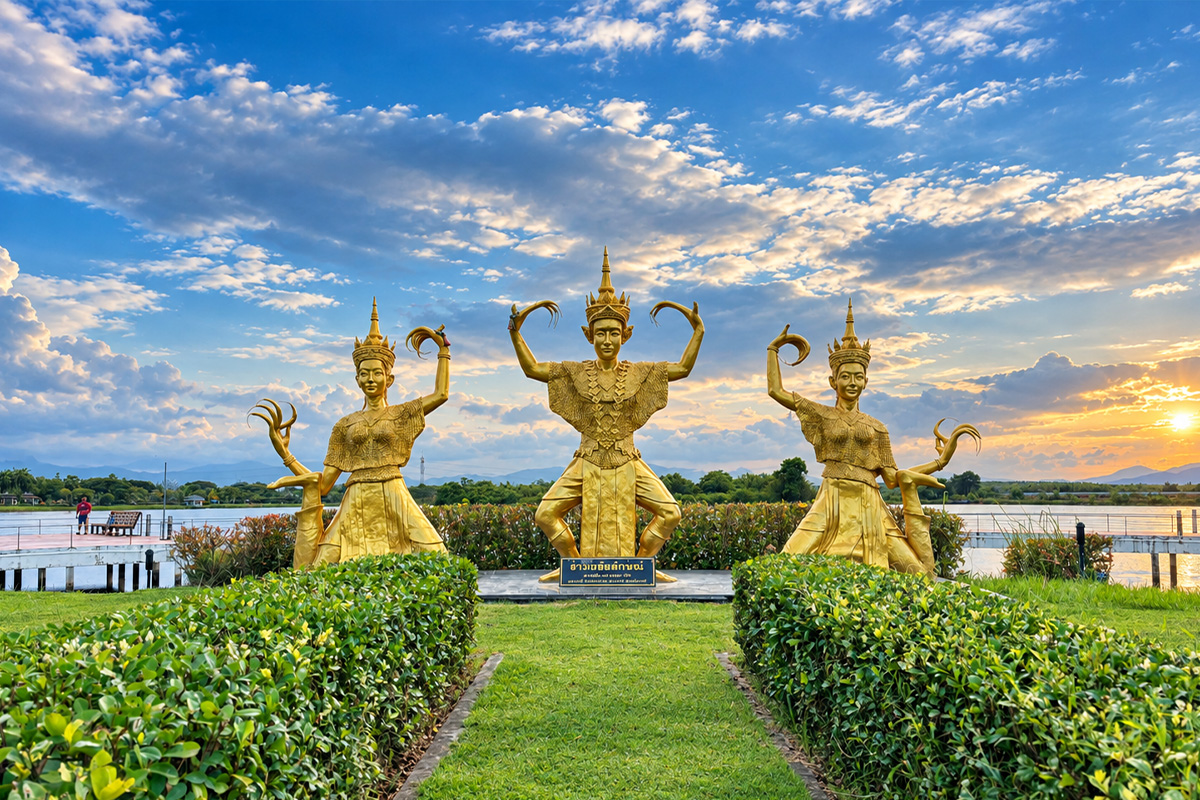
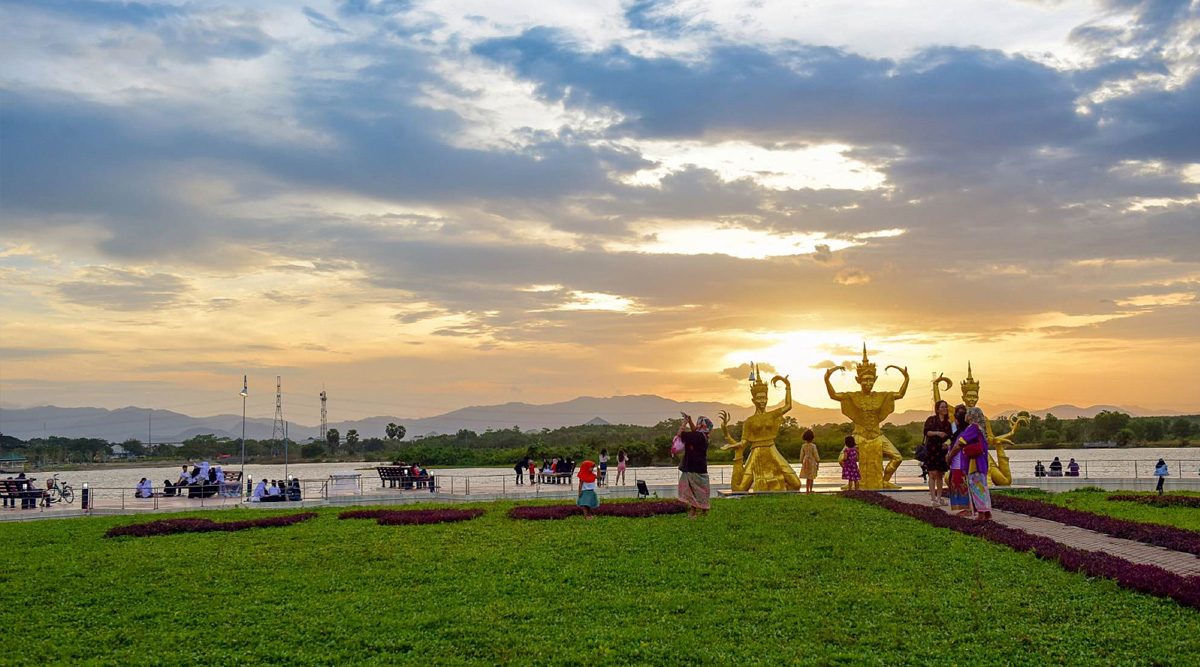
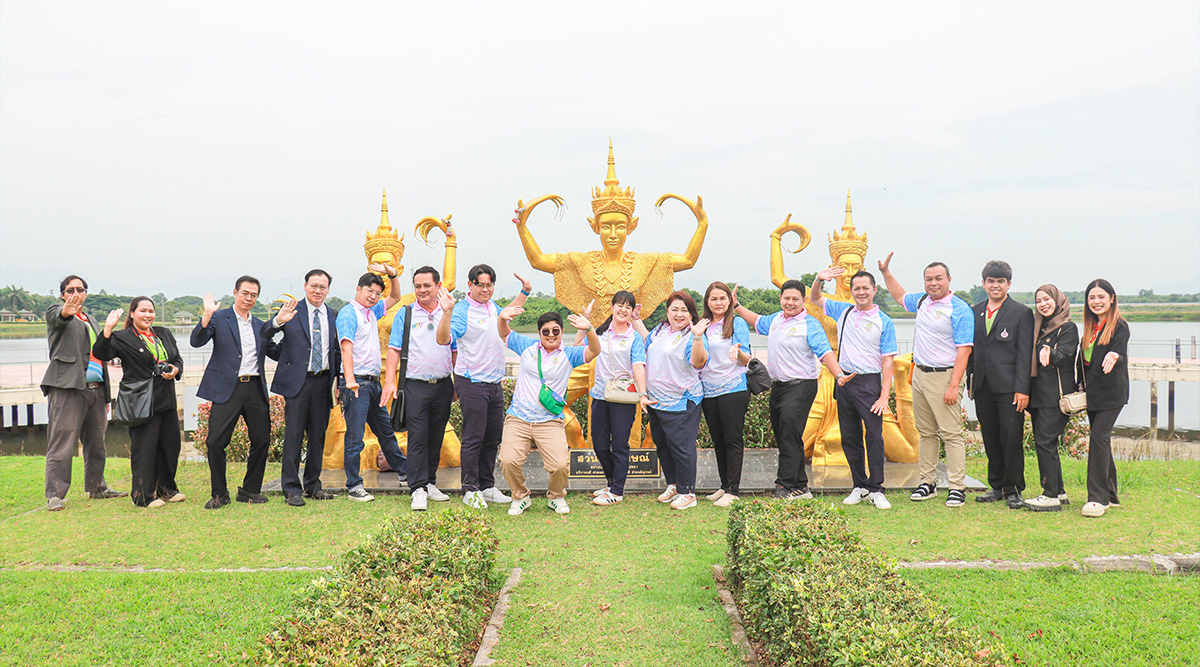
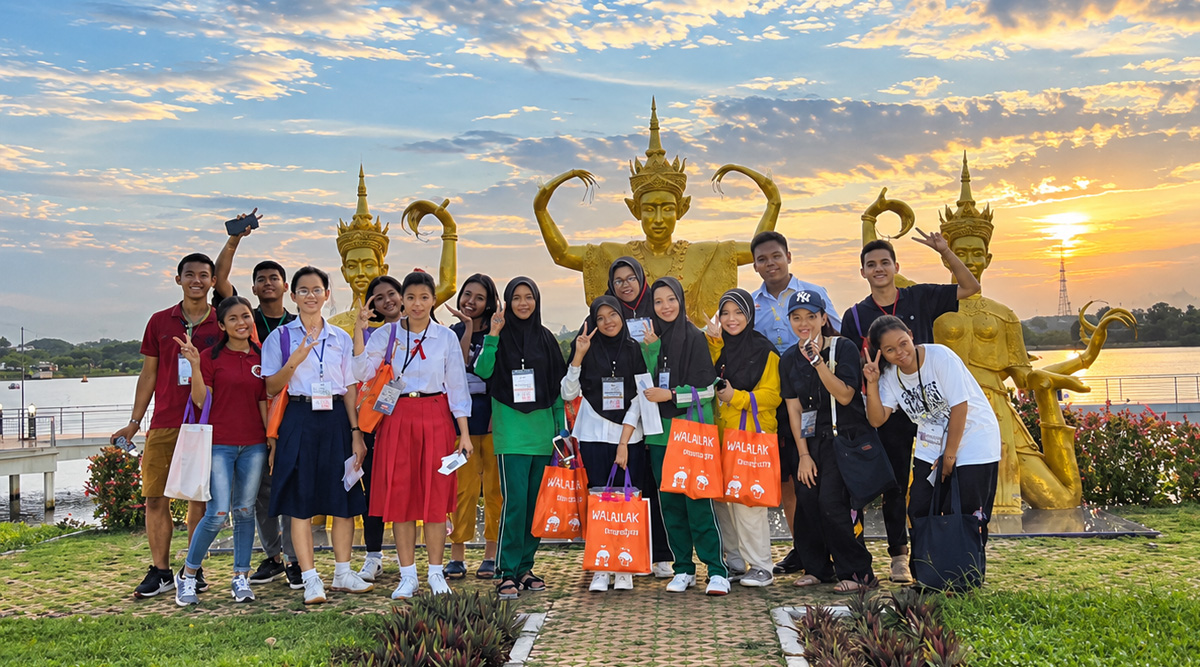
Walailak University provides free public access to the Golden Manorah Monument as part of its commitment to promoting awareness, appreciation, and preservation of Southern Thai cultural heritage. Located within WU Park, the monument serves as an open cultural space where students, staff, local communities, tourists, and members of the public can encounter and learn about an important element of the region’s cultural identity.
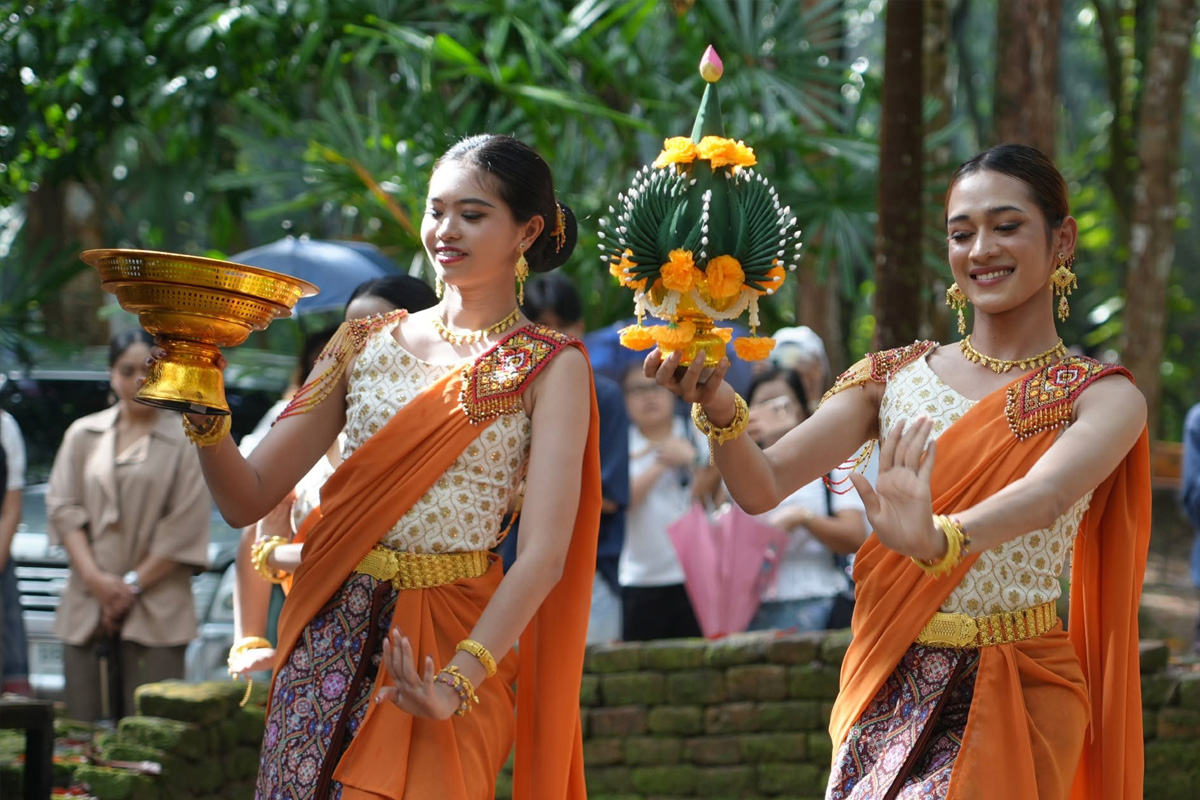
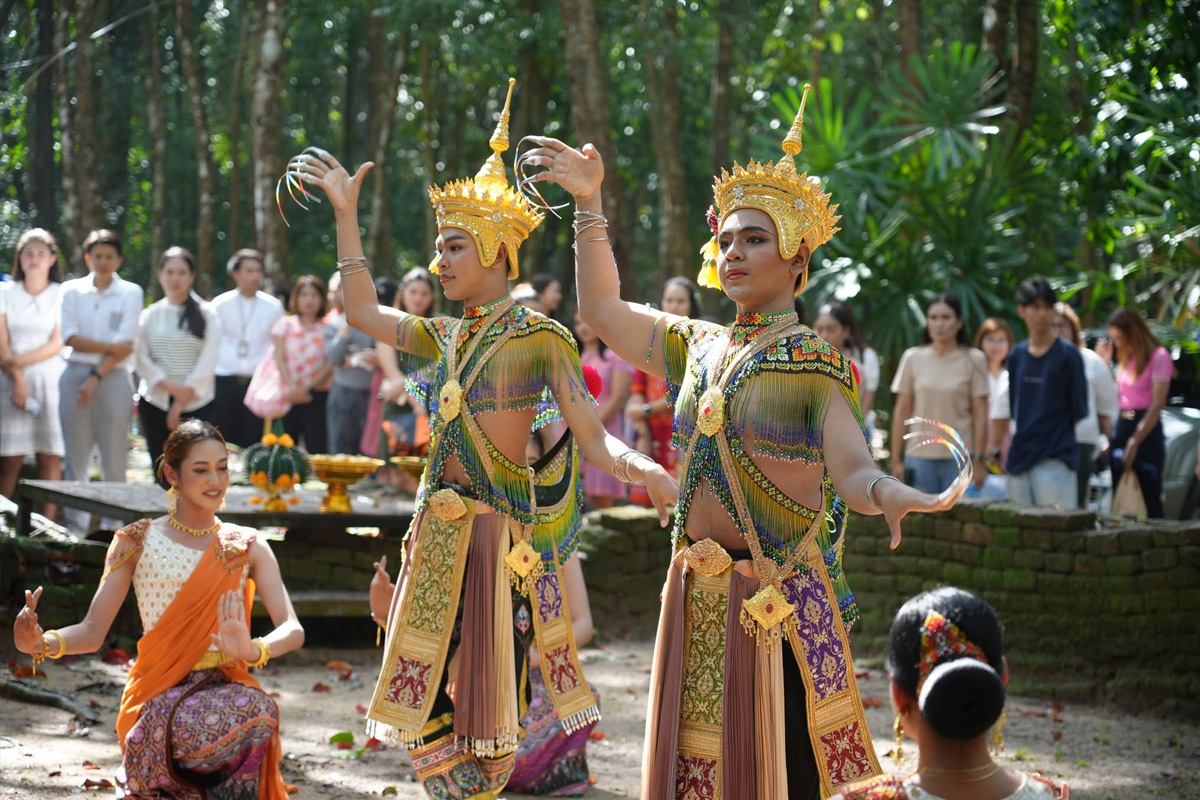
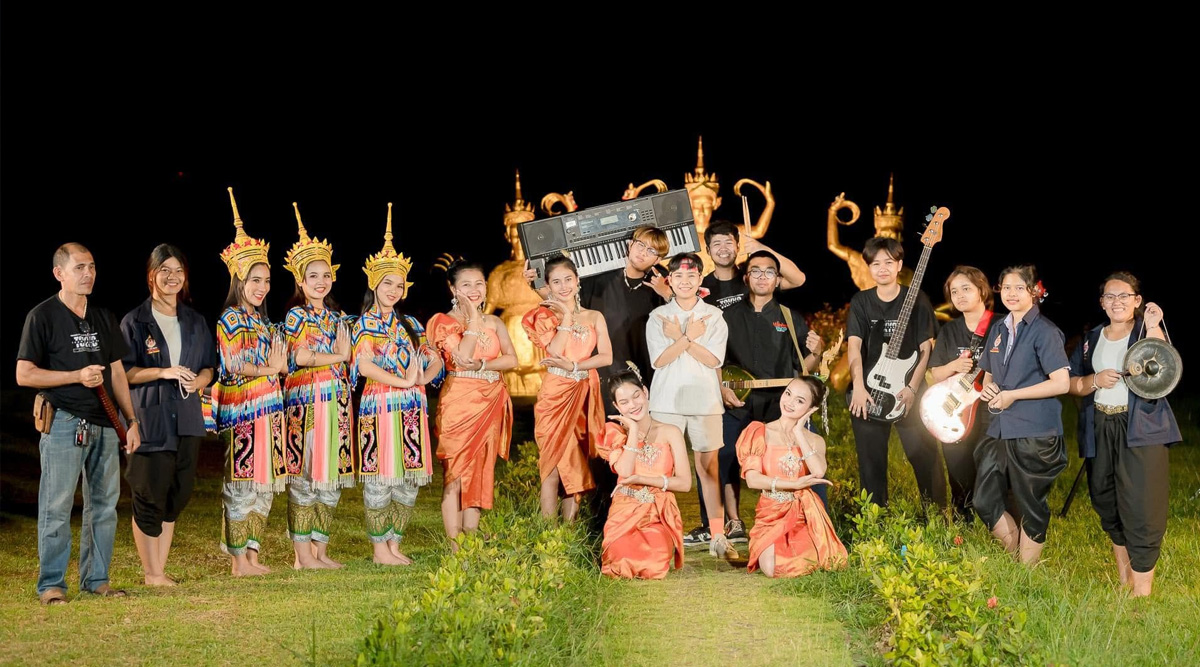
At the heart of the site stands the Golden Manorah sculpture, representing the traditional Manorah dance and the artistic heritage of Southern Thailand. By making the monument freely accessible, the University brings cultural heritage into an everyday public setting, creating opportunities for visitors to learn about, appreciate, and develop a stronger connection with local traditions.
Beyond serving as a cultural landmark, the monument provides a space for informal learning and intergenerational cultural exchange. Visitors of different ages can experience the site together, helping younger generations become familiar with Southern Thai traditions and understand the importance of preserving them. Free public access therefore contributes to keeping cultural heritage visible, accessible, and relevant within the community.
The site is designed as a welcoming public space for people of all ages and abilities. Wide pathways, ramps, and free entry support convenient access for children, older adults, persons with disabilities, and other visitors. Through this open-access approach, Walailak University encourages broader public participation in cultural heritage appreciation and helps foster a shared sense of responsibility for safeguarding and passing Southern Thai cultural traditions on to future generations.
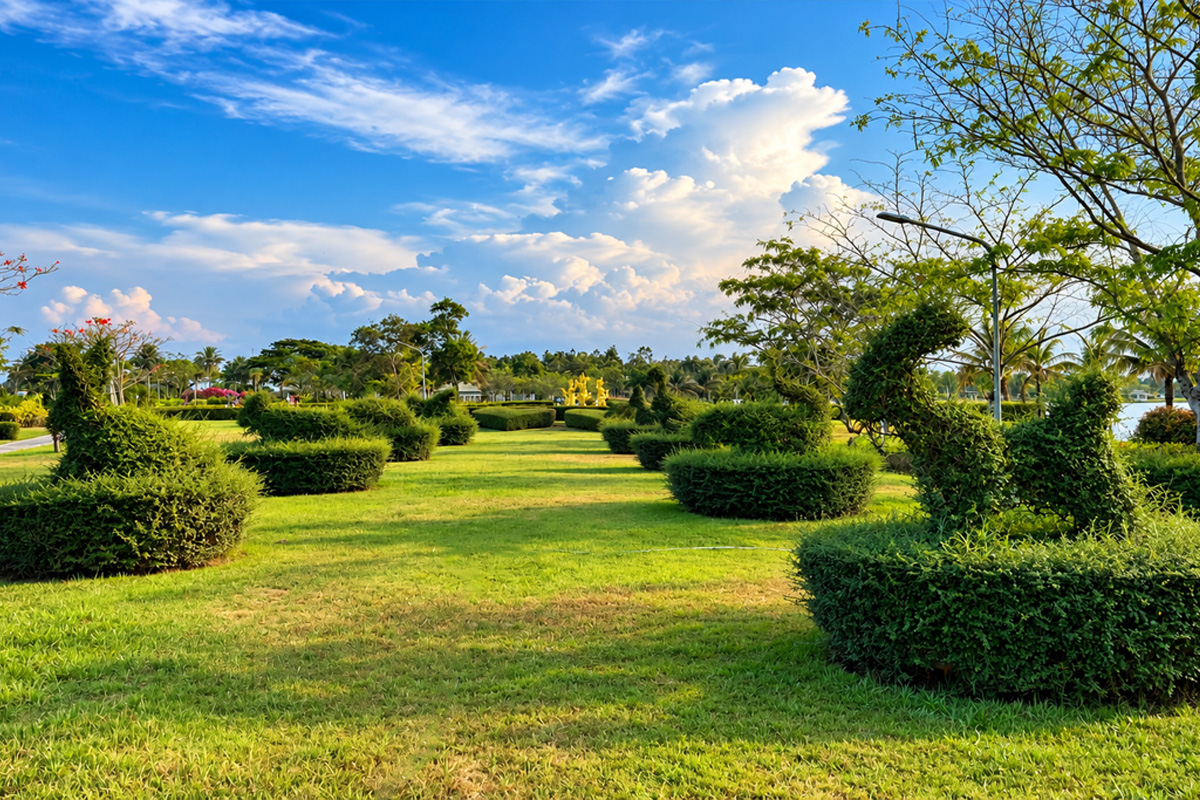
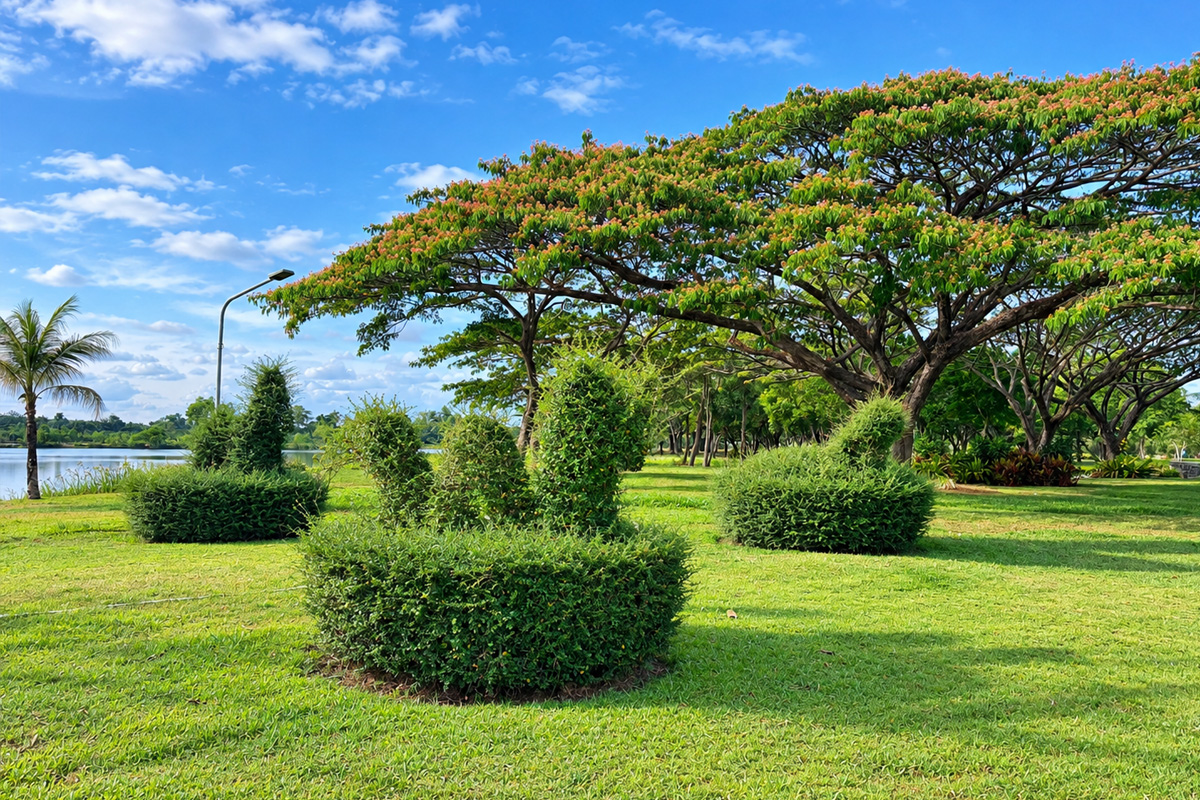
The 12 Animals of the Chinese Zodiac Garden
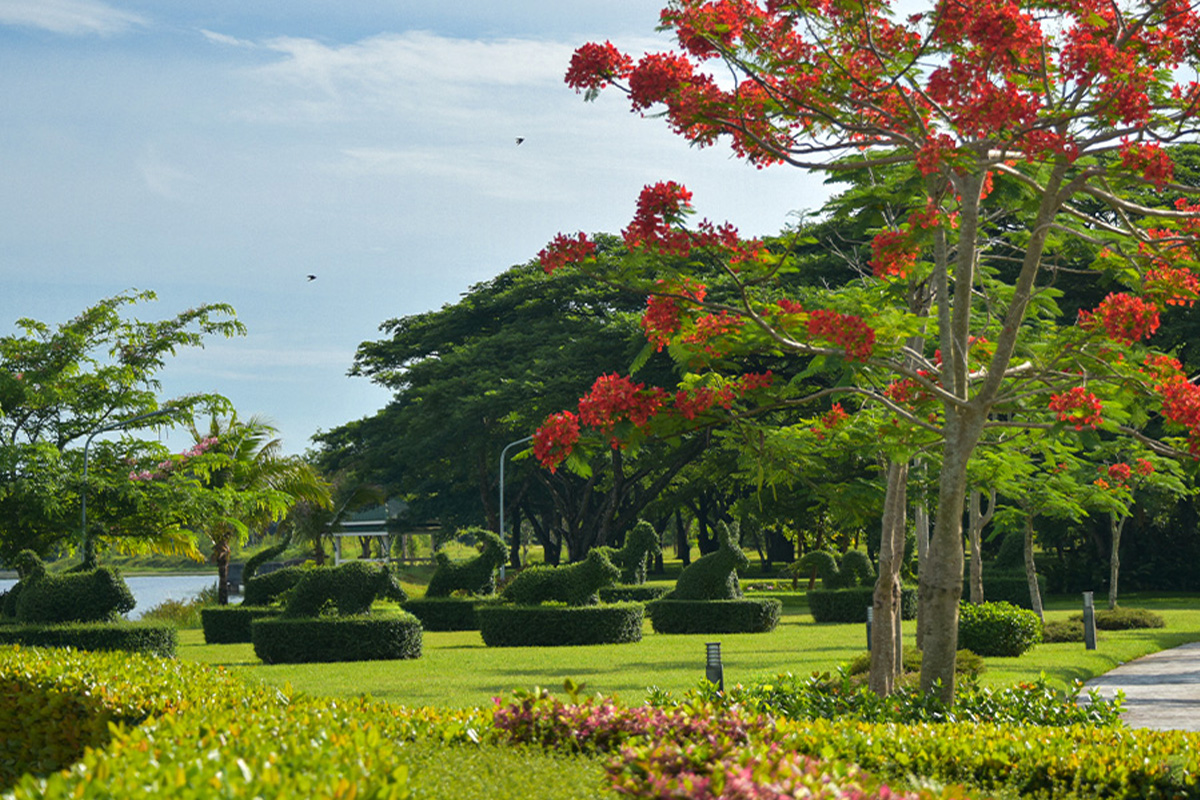
Walailak University provides free public access to the 12 Animals of the Chinese Zodiac Garden in WU Park, creating an open cultural and educational space where students, local communities, tourists, and members of the public can freely explore and learn about an important tradition in Asian cultural heritage.
The garden features the twelve animals of the Chinese zodiac and introduces visitors to their cultural meanings, symbolism, and connections with traditional beliefs and ways of life. The zodiac tradition also reflects historical cultural exchanges between Southern Thailand and broader Asian civilizations, including its reported political and cultural significance in the governance of the ancient Ligor Kingdom from the 13th century to 1782.
By making the garden freely accessible, the University brings this cultural heritage into a public setting where people can encounter it through informal learning and everyday visits. Visitors of different generations can learn about the traditions together, creating opportunities for cultural knowledge to be shared beyond formal educational settings and helping younger generations become more familiar with the region’s diverse cultural heritage.
The garden therefore serves not only as a cultural landmark but also as a space for heritage awareness and cross-cultural learning. By preserving and presenting these traditions in an accessible public environment, Walailak University helps keep historical cultural connections visible and encourages greater appreciation of the diverse influences that have shaped the cultural identity of Southern Thailand.
Maniq Ethnic Museum: Free Public Access to Cultural Monuments and Heritage
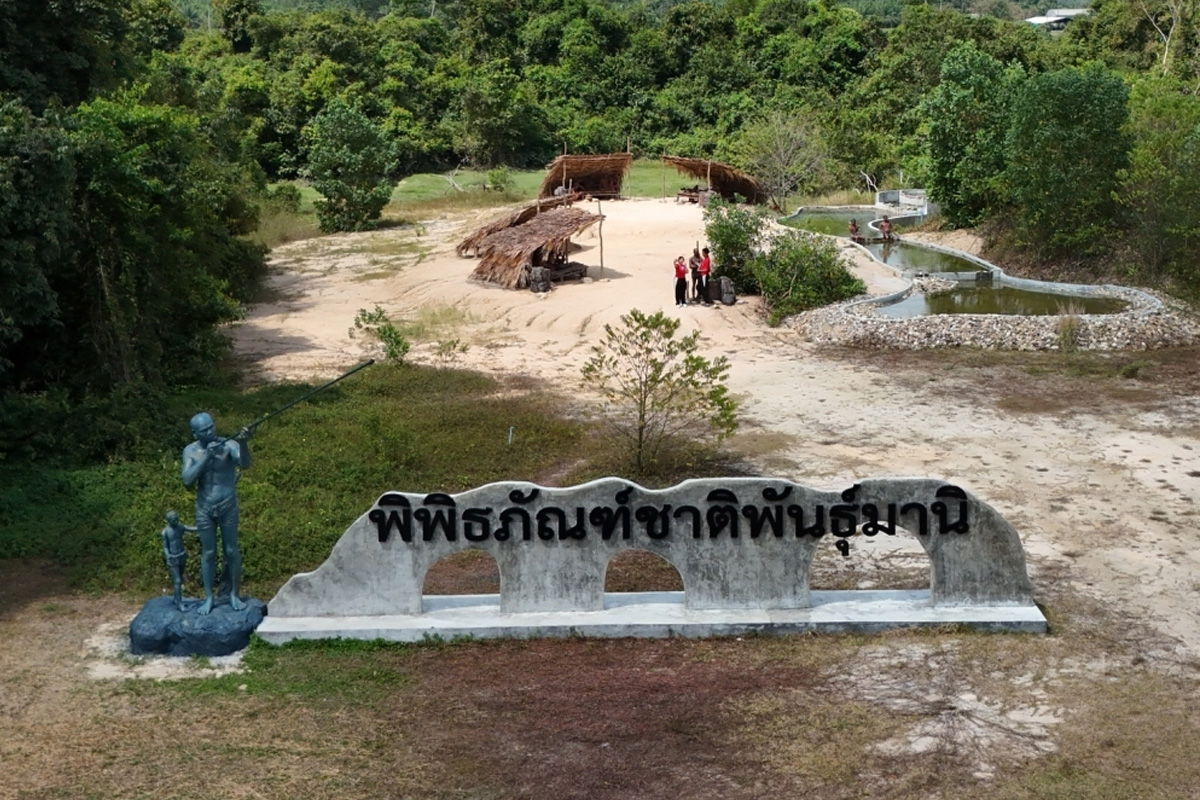
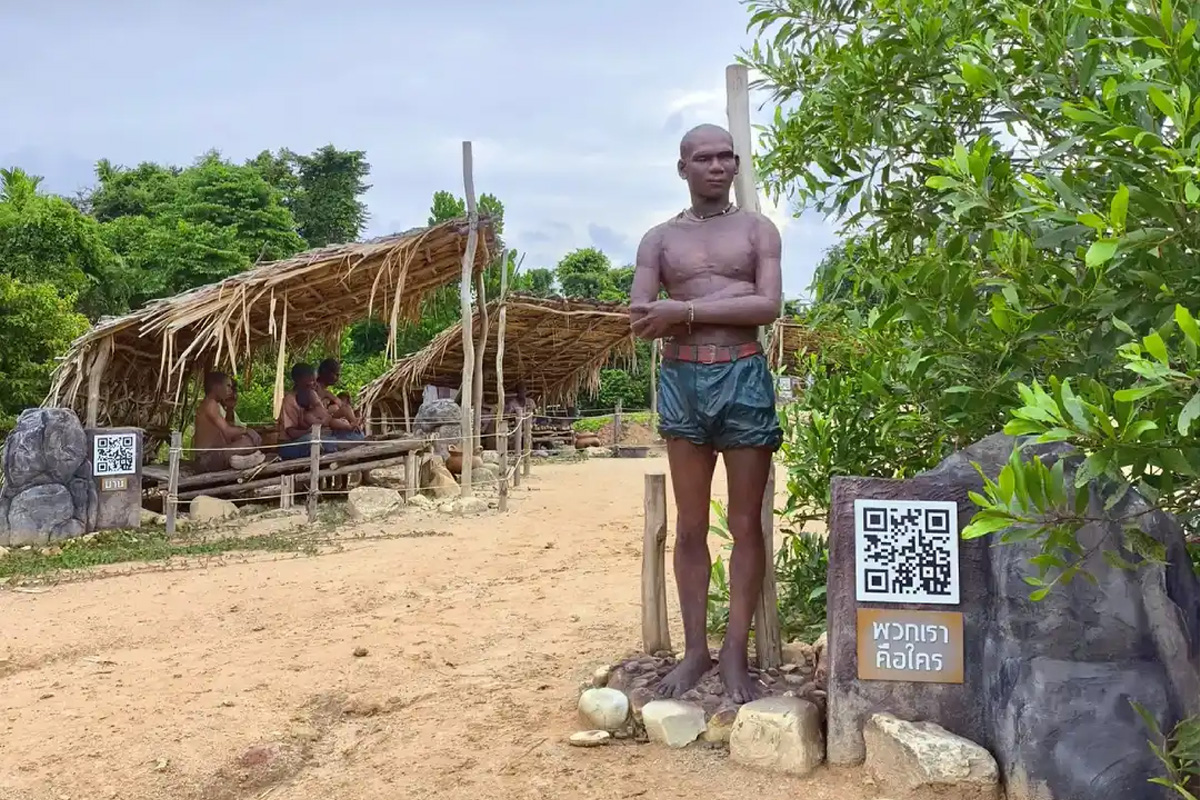
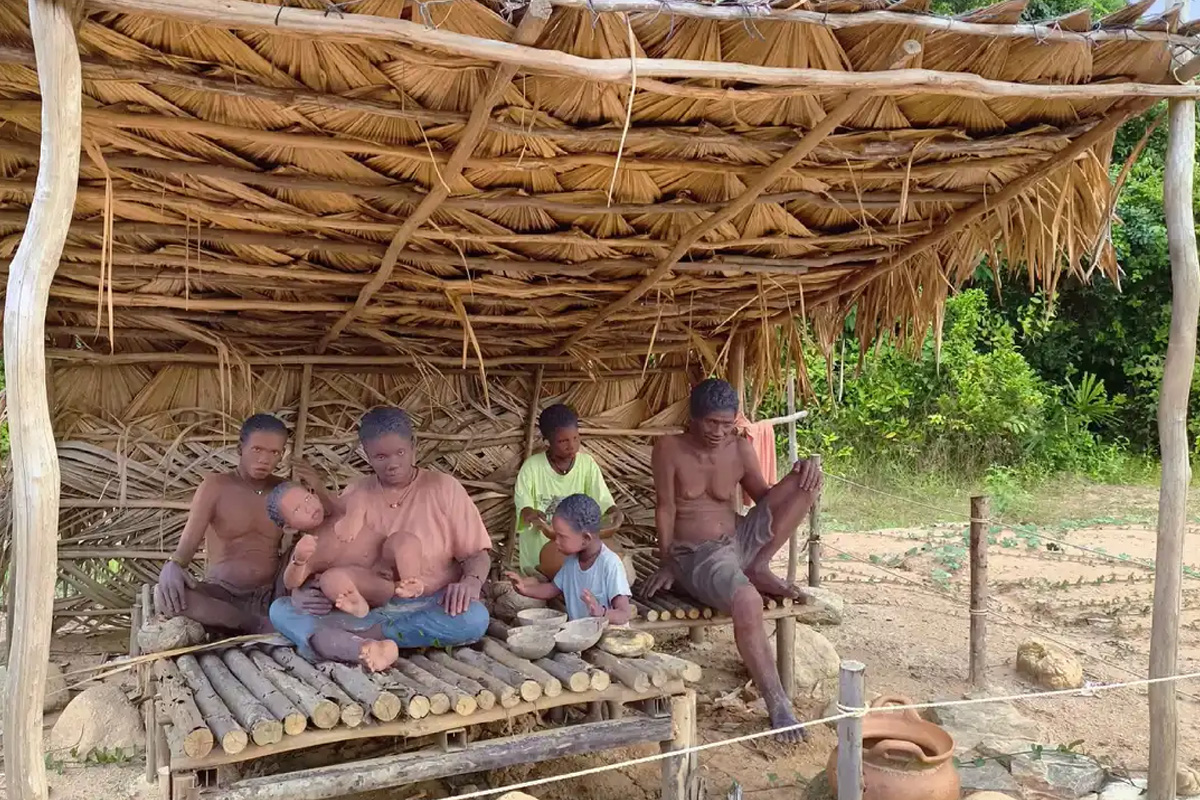
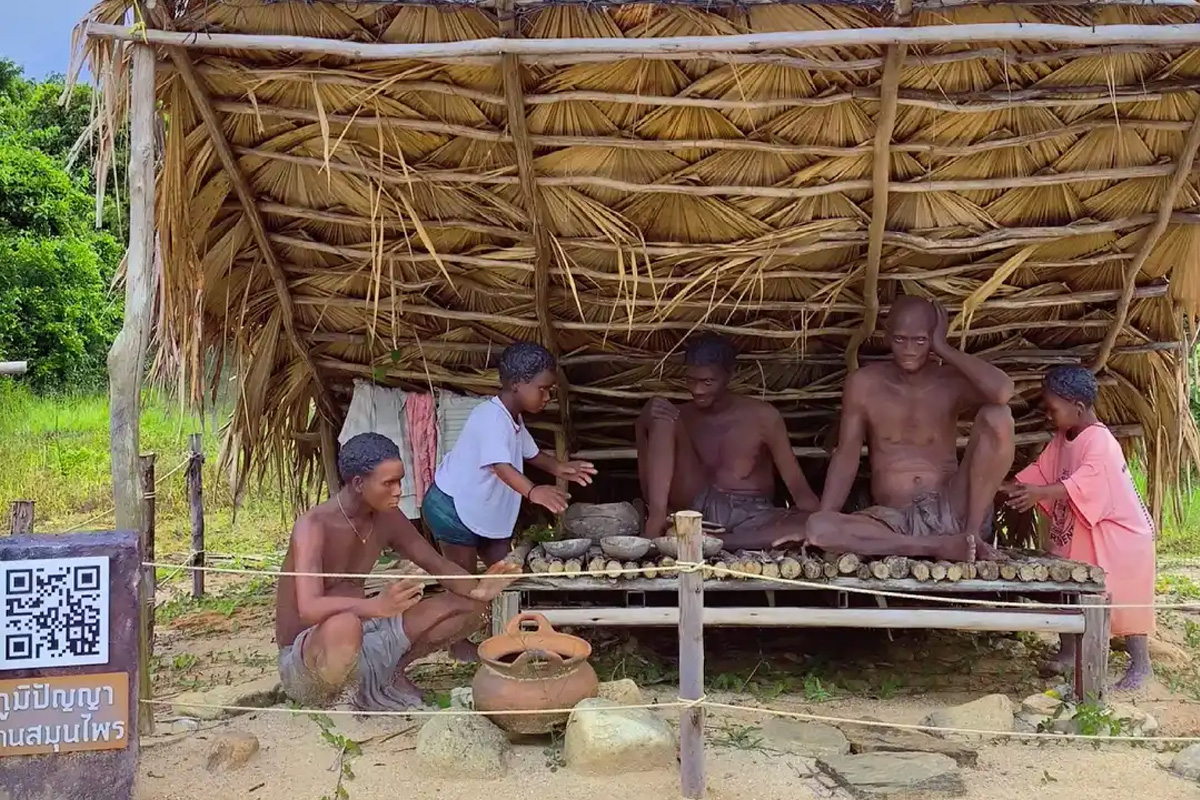
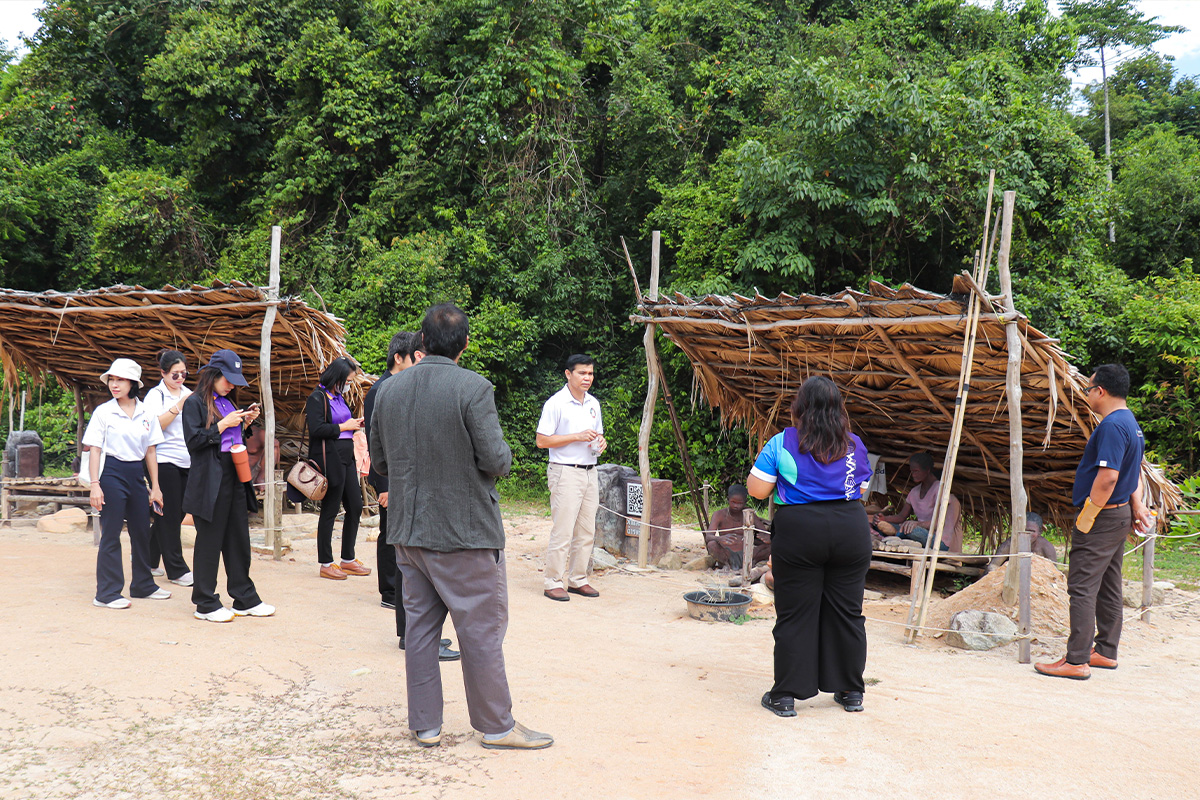
Walailak University established the Maniq Ethnic Museum as a publicly accessible cultural heritage site that provides free access to monuments, statues, sculptures, and other representations of the Maniq ethnic group in Southern Thailand. The museum provides students, researchers, local communities, and visitors with opportunities to access and experience cultural monuments that represent the history, identity, traditional knowledge, and ways of life of the Maniq people.
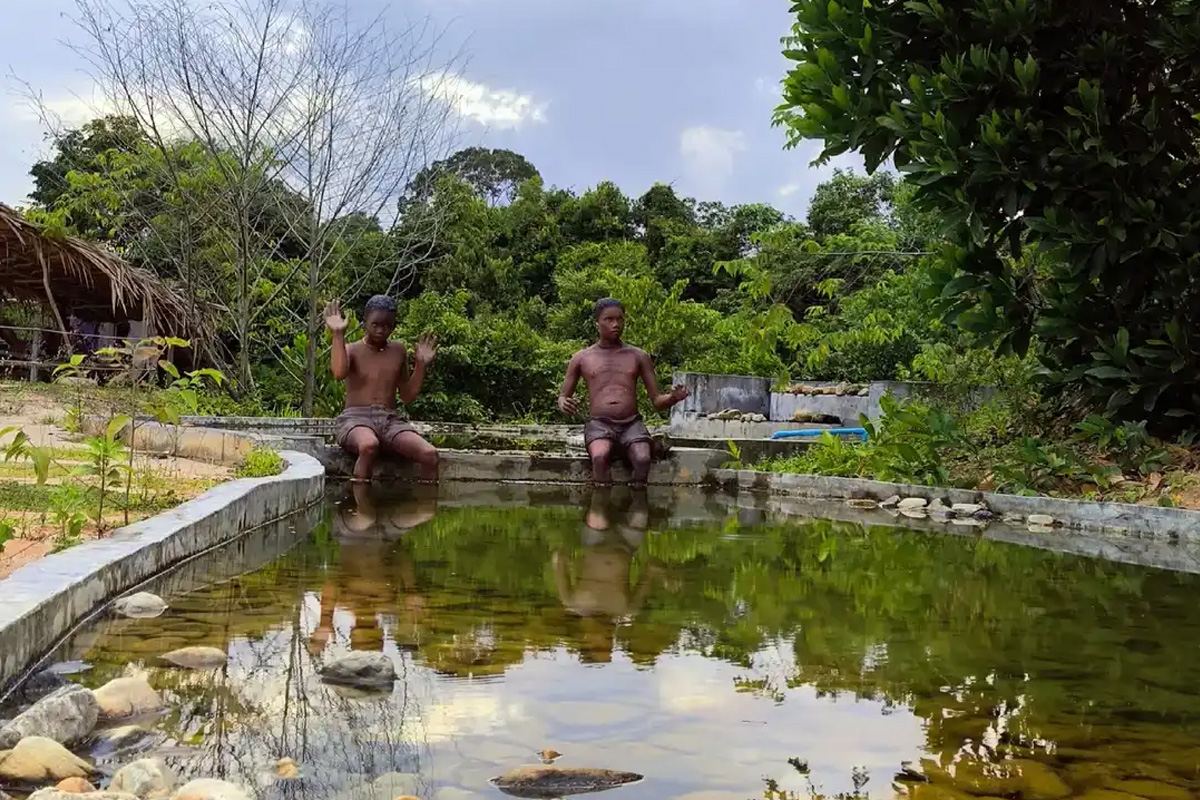
The museum features statues and sculptures depicting Maniq people, their daily activities, traditional ways of life, and cultural practices. These monuments provide visitors with tangible representations of Maniq cultural heritage and create an accessible space where the public can directly observe and learn about the community’s cultural identity. The displays illustrate aspects of traditional life and the close relationship between the Maniq people and the forest environment.
The museum’s cultural monuments are complemented by exhibits explaining traditional subsistence practices, including hunting, foraging, the use of herbal medicine, and the creation and use of simple tools for everyday life. Together, these resources help visitors understand traditional knowledge developed through generations of interaction with and adaptation to the natural environment.
The museum provides five learning stations that further contextualize the cultural monuments and heritage presented on site:
- Learning Station 1: “Understanding the Maniq Ethnic Group in Southern Thailand” – introduces the history, identity, and cultural characteristics of the Maniq people and their relationship with the forests of Southern Thailand.
- Learning Station 2: “The Houses of the Maniq” – presents traditional shelters and explains how the Maniq adapt their living spaces to their environment and way of life.
- Learning Station 3: “The Livelihoods of the Maniq” – explores traditional hunting, foraging, tool use, and other subsistence practices associated with life within the forest ecosystem.
- Learning Station 4: “Herbal Medicine and Health Care Practices of the Maniq” – introduces traditional knowledge of medicinal plants and health-care practices developed through generations of experience with the natural environment.
- Learning Station 5: “The Beliefs and Rituals of the Maniq Ethnic Group” – presents traditional beliefs, rituals, and cultural practices that contribute to the identity and continuity of Maniq heritage.
By providing free public access to the museum and its cultural monuments, Walailak University enables members of the public to experience cultural heritage without financial barriers. Students, local communities, researchers, and visitors can access the statues, sculptures, and associated heritage displays as part of an open cultural learning environment. This public access supports broader community engagement with ethnic heritage and creates opportunities for people from different backgrounds to learn about cultural diversity and traditional knowledge.
Through the Maniq Ethnic Museum, Walailak University contributes to the preservation, presentation, and public accessibility of culturally significant monuments and heritage. The museum demonstrates how cultural monuments can be made accessible to society while providing educational context that encourages understanding and respect for ethnic diversity. By offering free access to these cultural resources, the University supports the wider public’s opportunity to engage with and appreciate the cultural heritage of Southern Thailand.
Free Public Access to Natural Heritage of Cultural Significance
Krung Ching Waterfall Model Garden
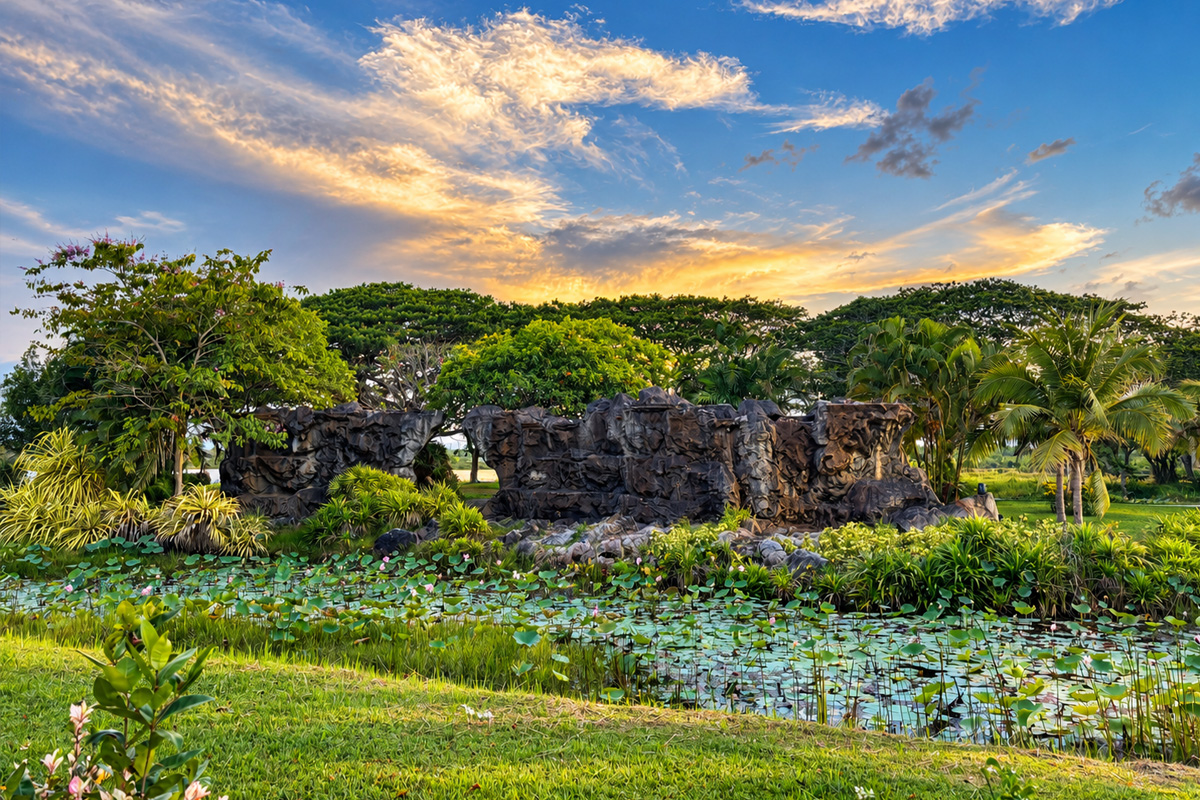
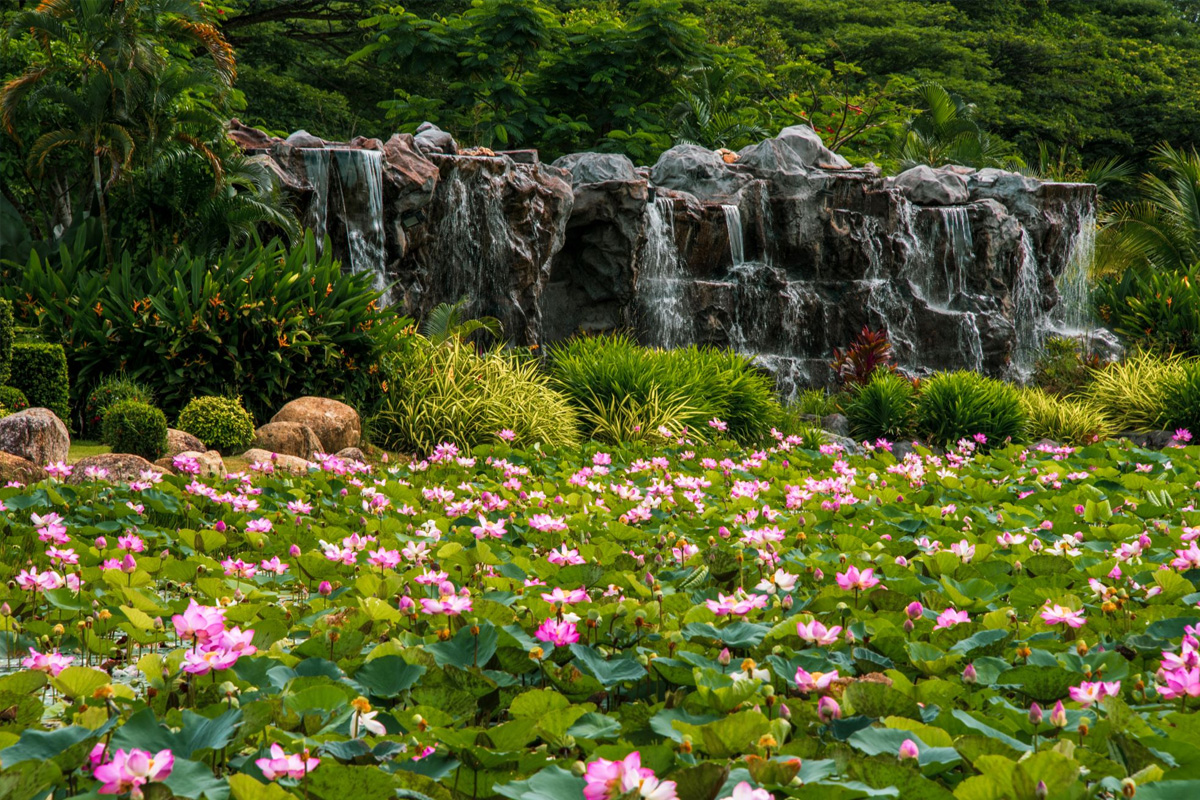
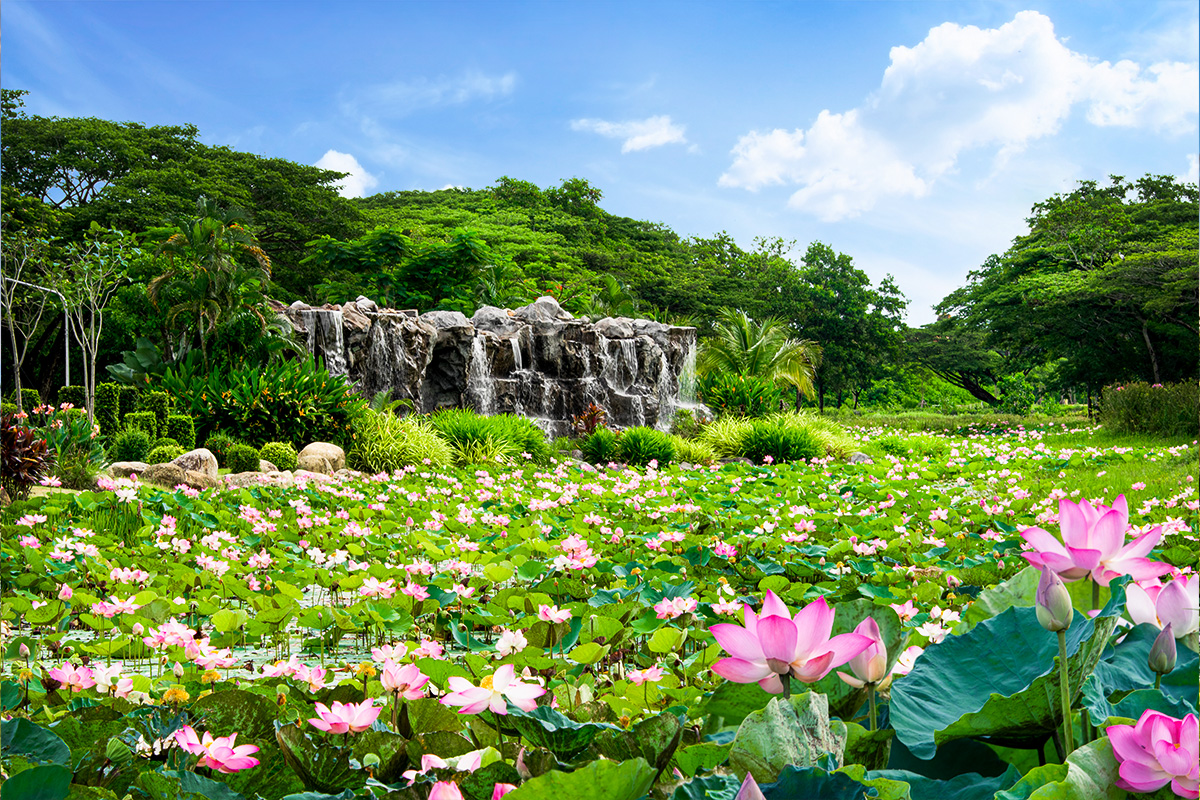
The Krung Ching Waterfall Model Garden, located within WU Park, provides free public access to a landscape that represents one of Nakhon Si Thammarat’s most distinctive natural heritage sites. Through a detailed landscape model of Krung Ching Waterfall and its surrounding vegetation, the garden allows members of the public, students, and visitors to experience and learn about the natural and cultural significance of this important Southern Thai landscape without having to travel to the remote waterfall itself.
Krung Ching Waterfall is not only renowned for its exceptional natural beauty and biodiversity but is also closely associated with the modern history of the region. The surrounding Krung Ching area was historically used as a base by the Communist Party of Thailand during the period of armed conflict in Southern Thailand. As a result, the landscape has become associated with an important chapter in the region’s political and social history. The waterfall and its surrounding forest therefore represent more than a natural attraction; they form part of a landscape in which natural heritage, local history, and cultural memory intersect.
The garden recreates elements of the natural environment surrounding the actual waterfall, including plant species naturally found in the Krung Ching area. Interpretive displays and learning activities introduce visitors to the ecological characteristics of the landscape, the relationships between plants and wildlife, and the importance of forest ecosystems and biodiversity conservation. At the same time, the garden provides an accessible setting in which visitors can learn about the historical significance of Krung Ching and understand how natural landscapes can become closely connected with the history and cultural identity of local communities.
By making this representation of Krung Ching’s natural and cultural landscape freely accessible within the university, Walailak University extends opportunities for the public to engage with the region’s natural heritage. The garden functions as an open learning space where environmental knowledge, historical awareness, and cultural heritage are brought together. It demonstrates how a natural heritage landscape can be preserved and interpreted through public education while encouraging appreciation of Southern Thailand’s ecosystems, history, and cultural memory for present and future generations.
Simese Bamboo Heritage Garden
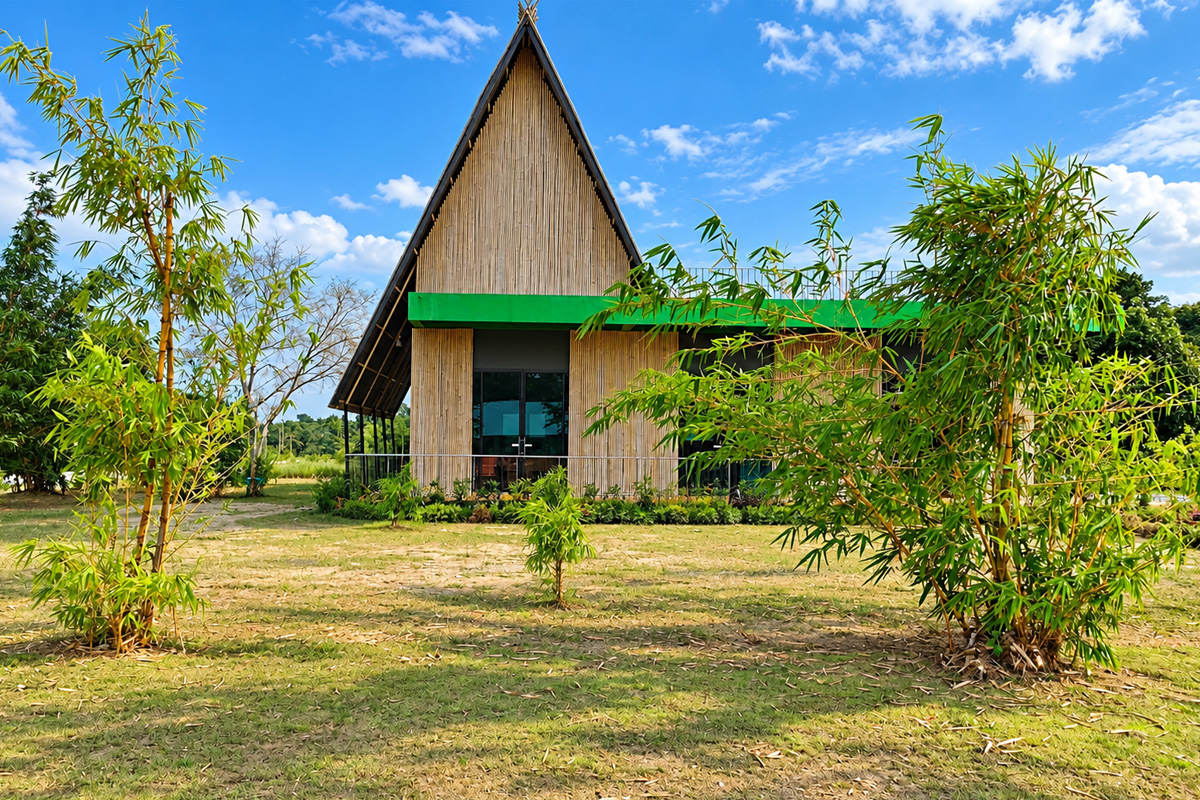
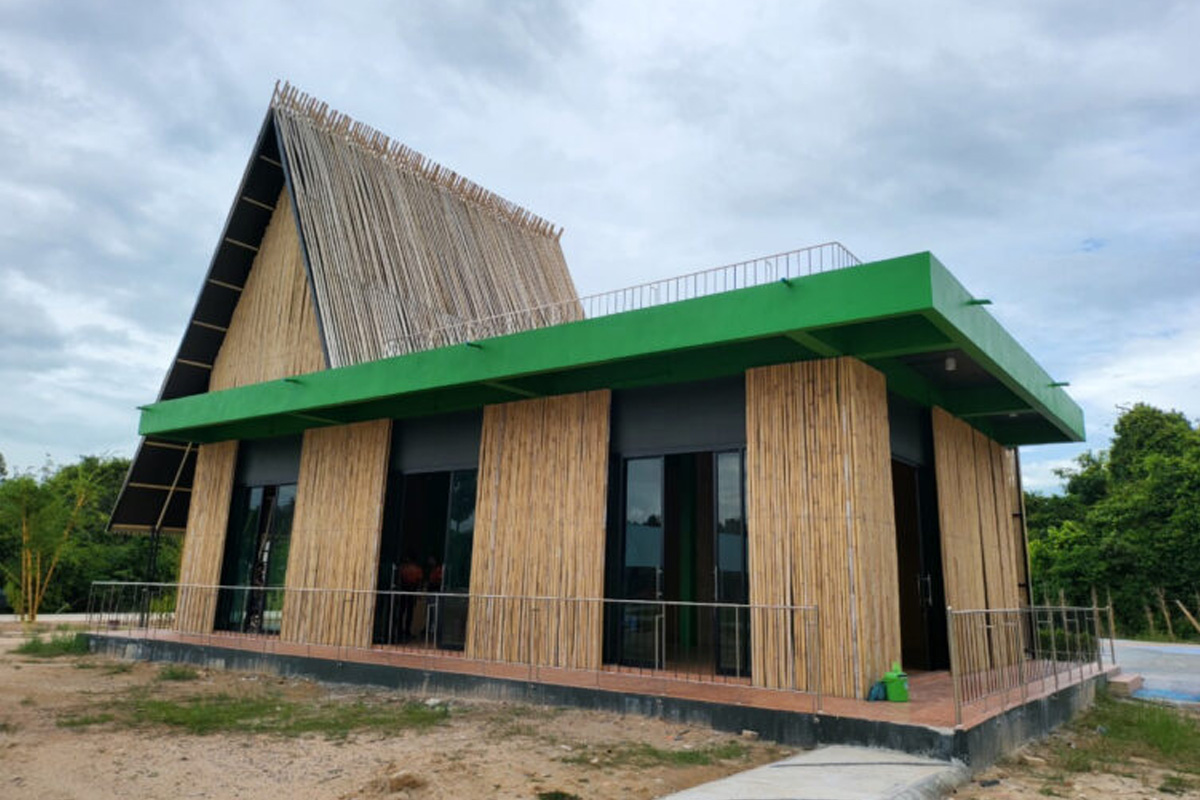
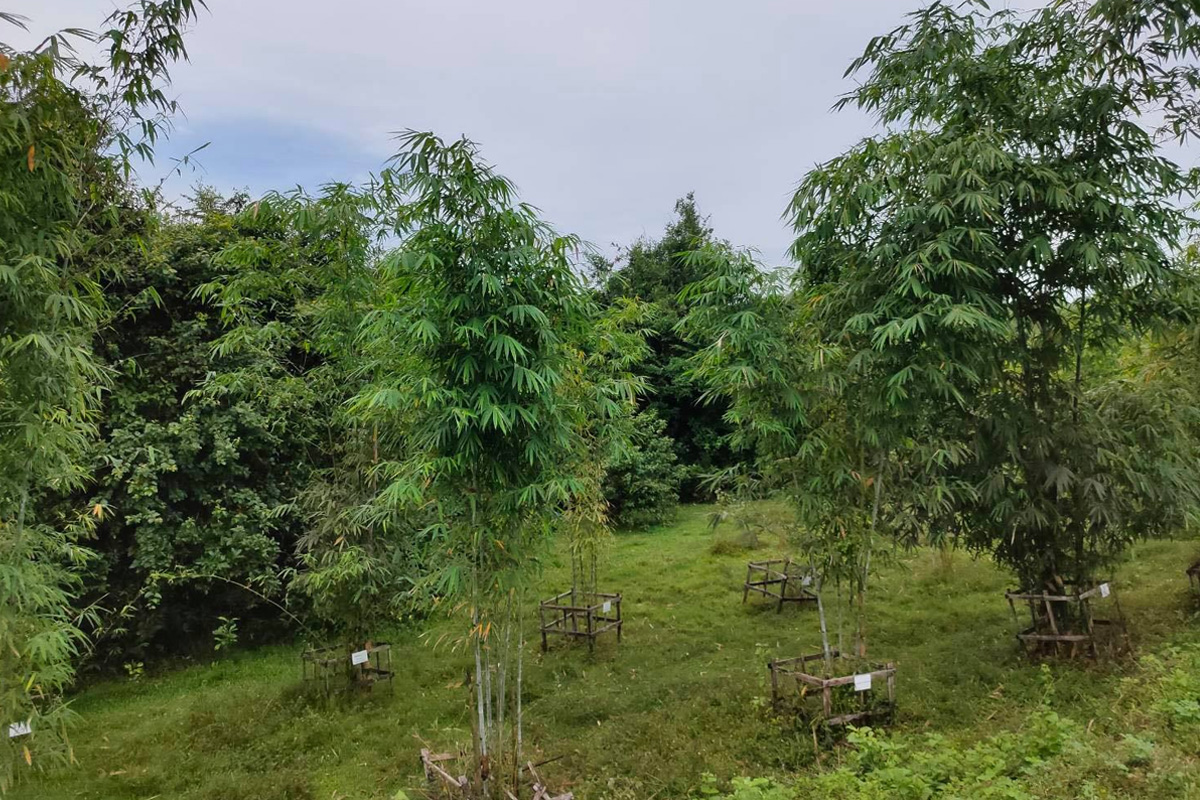
The Bamboo Garden provides free public access to a living landscape that showcases the natural and cultural heritage of bamboo in Thailand. Located alongside the Siam Traditional Style House, the garden brings together a diverse collection of bamboo species, including Bai Sang Mon, Gim Sung Bamboo, Bamboo for Feeding, Ruak Bamboo, and other varieties. By making this landscape freely accessible, Walailak University provides the public with an opportunity to experience, appreciate, and learn about bamboo as an important part of Thailand’s natural and cultural heritage.
Bamboo has long played an important role in traditional Thai life. Different species have traditionally been used for food, household items, handicrafts, agricultural purposes, and construction. The Bamboo Garden helps visitors understand this relationship between Thailand’s plant diversity and traditional ways of living by presenting different bamboo species within an accessible cultural landscape. Visitors can learn about the characteristics and uses of individual species, as well as practical knowledge concerning bamboo cultivation, pruning, maintenance, and landscape management.
The close relationship between the Bamboo Garden and the Siam Traditional Style House further demonstrates how natural resources have been incorporated into traditional Thai architecture and everyday life. The bamboo landscape provides a living context for understanding the materials and environmental knowledge behind traditional houses, while the house demonstrates how locally available natural materials were transformed into functional and culturally distinctive architecture. Together, the garden and the traditional house allow visitors to explore the connection between plants, traditional craftsmanship, architecture, and Thai cultural heritage.
Through this combination of living plants and traditional architecture, the Bamboo Garden functions as an open-air learning space where the public can experience natural heritage alongside cultural heritage. Its free accessibility enables students, local communities, tourists, and other visitors to learn about Thailand’s bamboo resources and the traditional knowledge associated with them. The garden therefore contributes to the preservation and transmission of knowledge about bamboo while encouraging greater appreciation of the relationship between people, natural resources, and cultural landscapes.
According to statistical data from 2025, Walailak University’s natural heritage areas welcomed more than 85,054 visitors throughout the year, including educators, scholars, students, and members of the general public. The visitor satisfaction rate exceeded 92.5%, demonstrating the effectiveness of these spaces as centers for cultural and environmental learning. This high level of public engagement reflects their role in raising awareness, encouraging appreciation of natural and cultural heritage, and promoting sustainable nature conservation.
Walailak University has conducted a diagnostic assessment of its cultural and natural heritage sites to support the development of inclusive learning spaces that remain freely accessible to the public. Through continued community engagement, the University promotes lifelong learning, heritage appreciation, and cultural preservation across sites such as the Tumpang Archaeological Site, Botanic Park, and Golden Manorah Monument. Regular monitoring of visitor participation and learning outcomes further enables the University to assess the effectiveness of these open-access initiatives in enhancing public knowledge, strengthening cultural appreciation, and contributing to sustainable development.
Across these sites, Walailak University’s commitment to public access extends beyond the preservation of individual buildings, monuments, archaeological remains, gardens, and landscapes. Together, these spaces form an open heritage environment where people can encounter Southern Thailand’s history, culture, natural resources, traditional knowledge, and living heritage through direct experience and informal learning.
By making culturally significant places and natural landscapes freely accessible, the University brings heritage into everyday public life and creates opportunities for students, local communities, tourists, international visitors, researchers, and future generations to learn from and engage with the region’s heritage. Through a combination of physical access, educational interpretation, cultural activities, and digital technologies, Walailak University continues to preserve, promote, and transmit natural and cultural heritage as a shared resource for society, ensuring that its value remains accessible and meaningful for present and future generations.
Related links:
https://www.facebook.com/WalailakNews/posts/pfbid02jkhFdZMYnVttztUpmPhr8bjXS7uQNJr99DZHmGXkDBQcv4Jm3m7FMViQnGwmvQyyl
https://tumpangmuseum.wu.ac.th/

Goal 11:
Sustainable Cities and Communities
Goal 4:
Quality Education
Goal 15:
Goal 15: Life on Land