
WU’s Provision of Free Public Access to Libraries, Books, and Publications
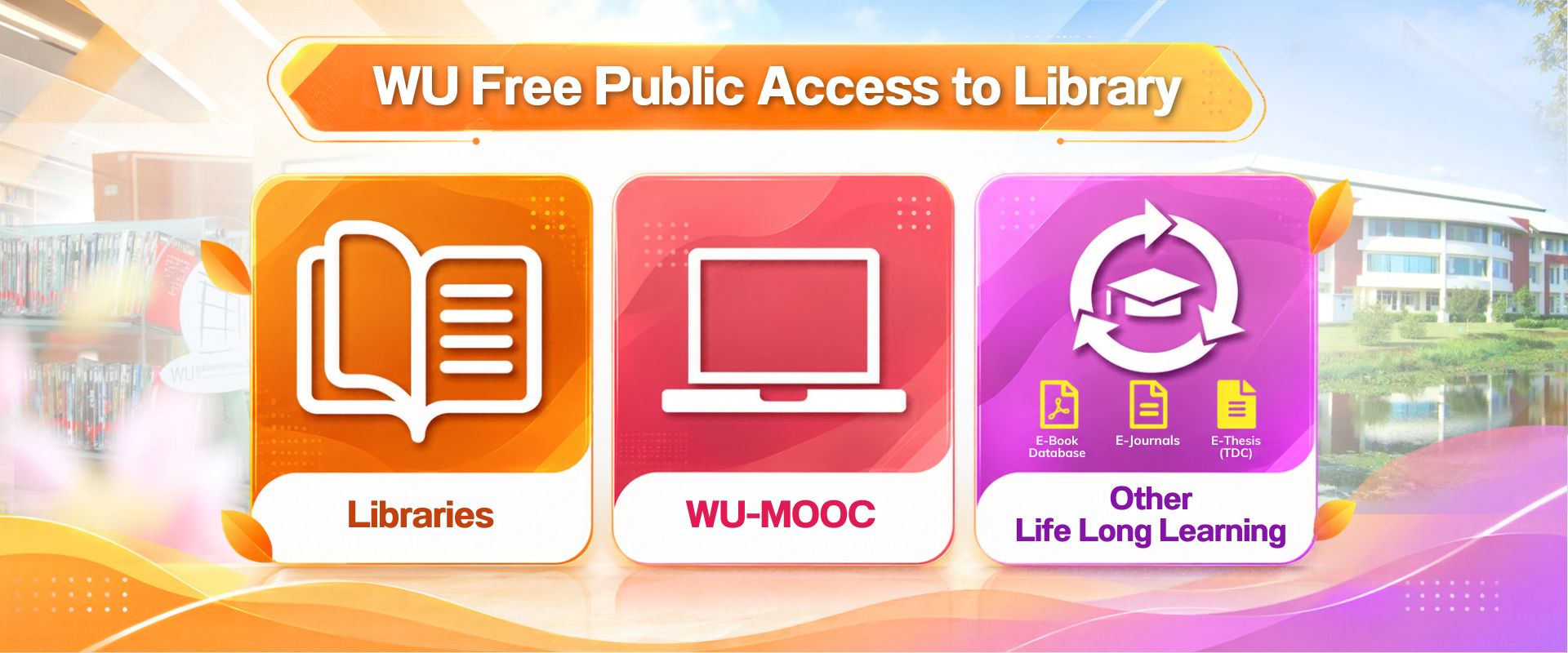
The Center for Library Resources and Educational Media, Walailak University, provides free public access to a wide range of library resources and educational facilities, including books, publications, digital resources, computers, and information systems available both offline and online. These services are open not only to students and staff but also to members of the surrounding community, providing opportunities for the public to access information, study, conduct research, and pursue self-directed learning without access fees.
As a community-oriented knowledge hub, the Center supports equitable access to information and learning resources for people within and beyond the university. Its services contribute to creating an inclusive and knowledge-based community by making educational and informational resources readily accessible to the public. The Center also develops and maintains diverse learning resources, produces educational materials, and provides academic support that can benefit the wider community.
The Center for Library Resources and Educational Media: Free Public Access to Libraries, Books and Publication
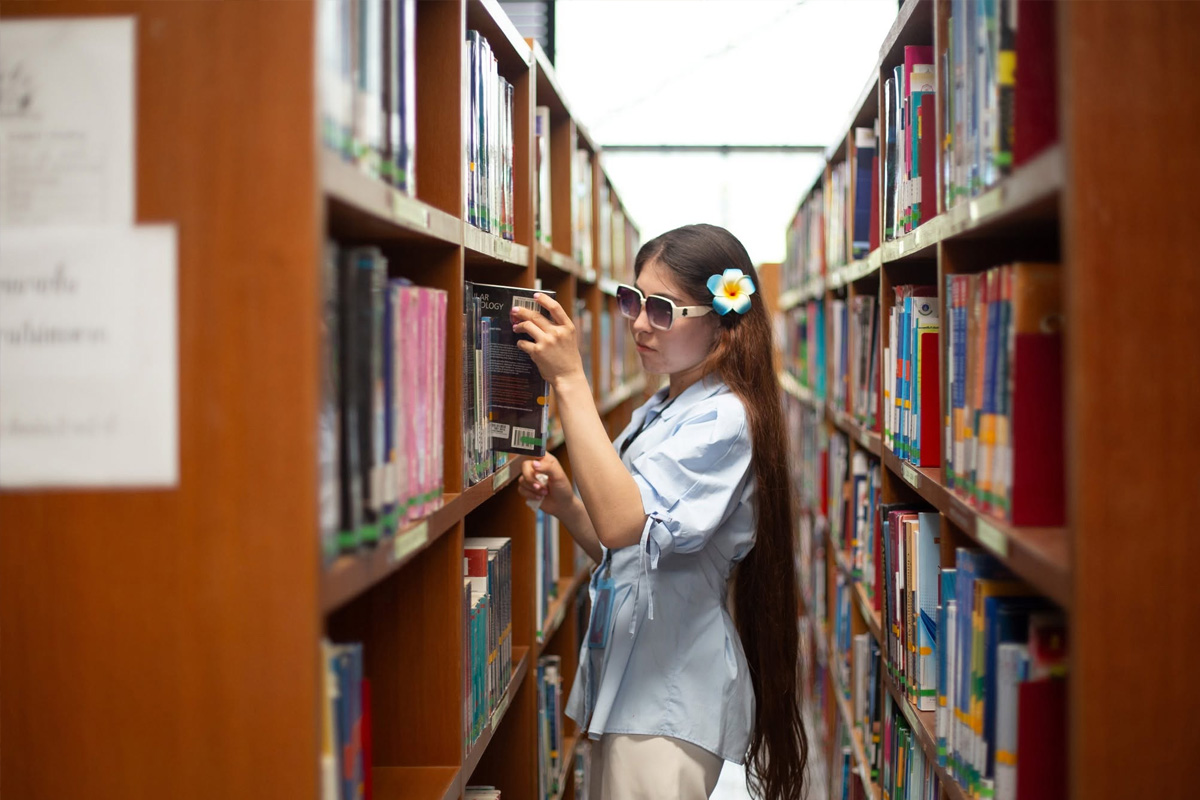
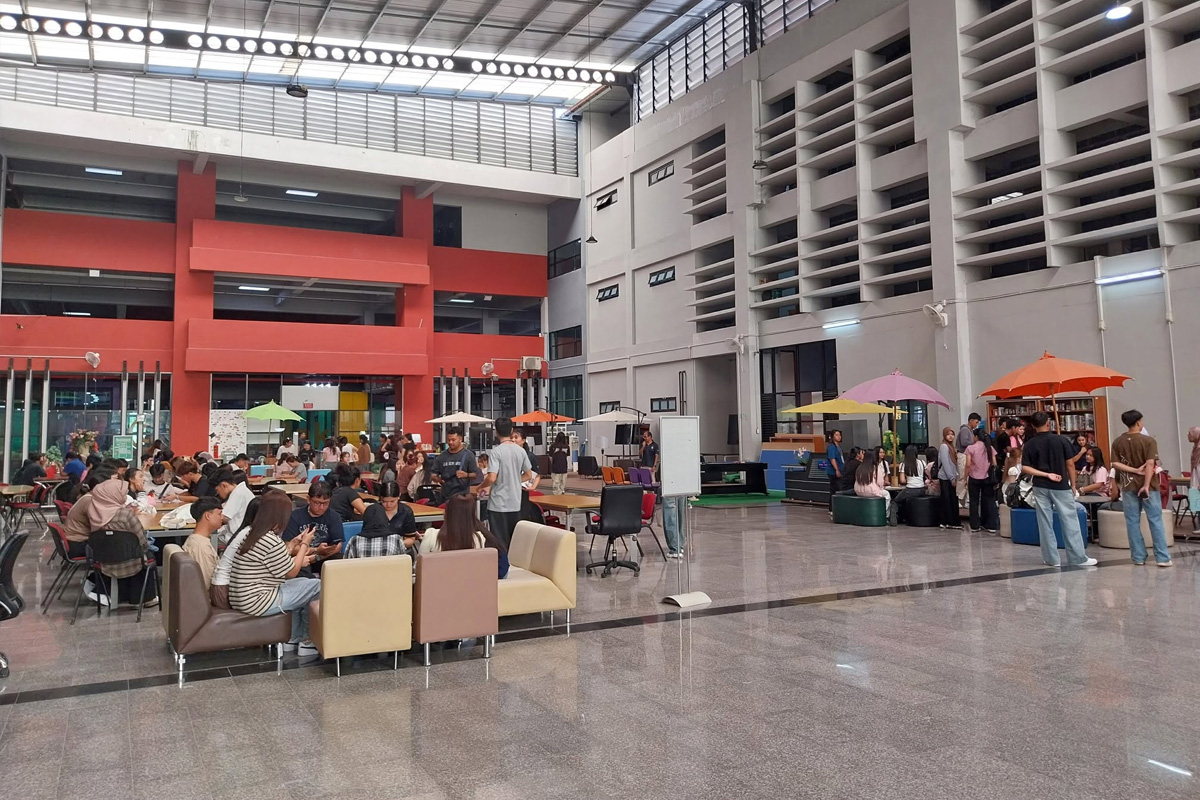
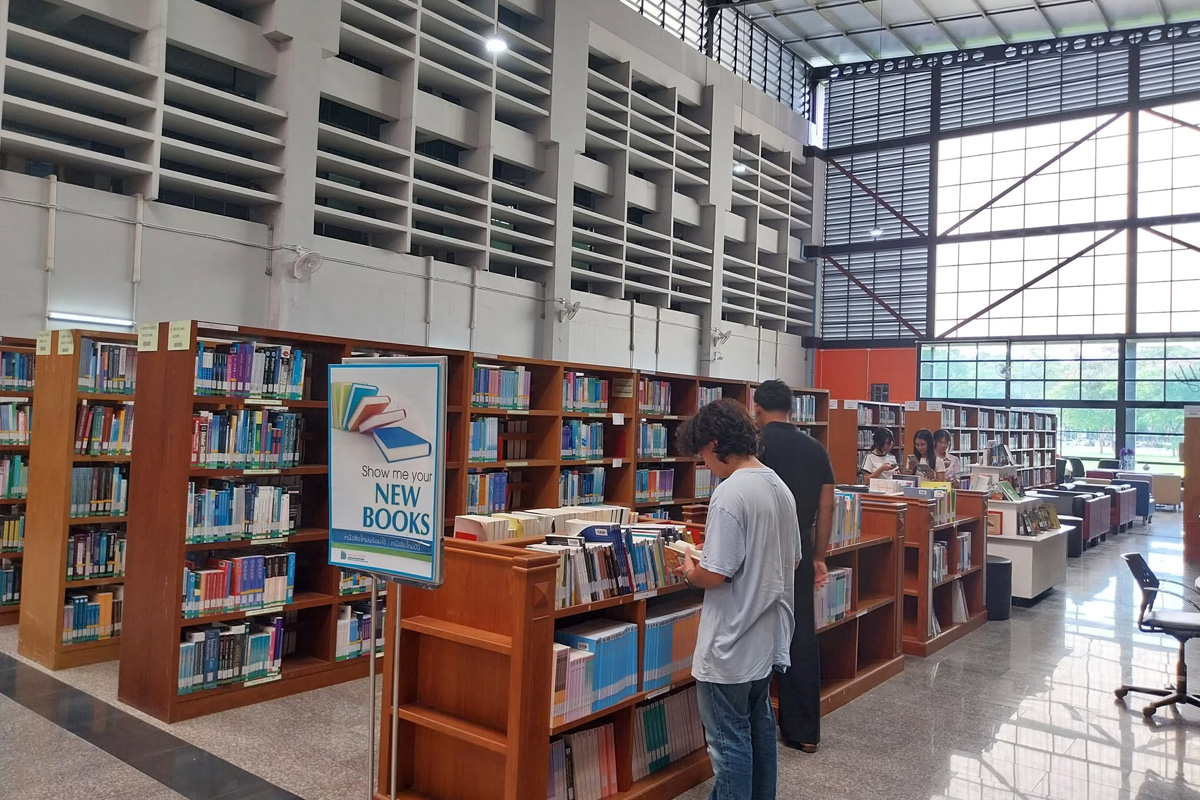
In 2025, the Center for Library Resources and Educational Media, Walailak University, continued to operate from its temporary location in the Architecture and Design Building while its main facility was undergoing renovation. Despite the temporary relocation, the Center continued to provide free and open access to its library resources for members of the general public. Visitors from outside the university can simply visit the temporary facility and inform the library officer that they wish to access the library. No complicated registration procedure or special membership is required for general access to the available resources.
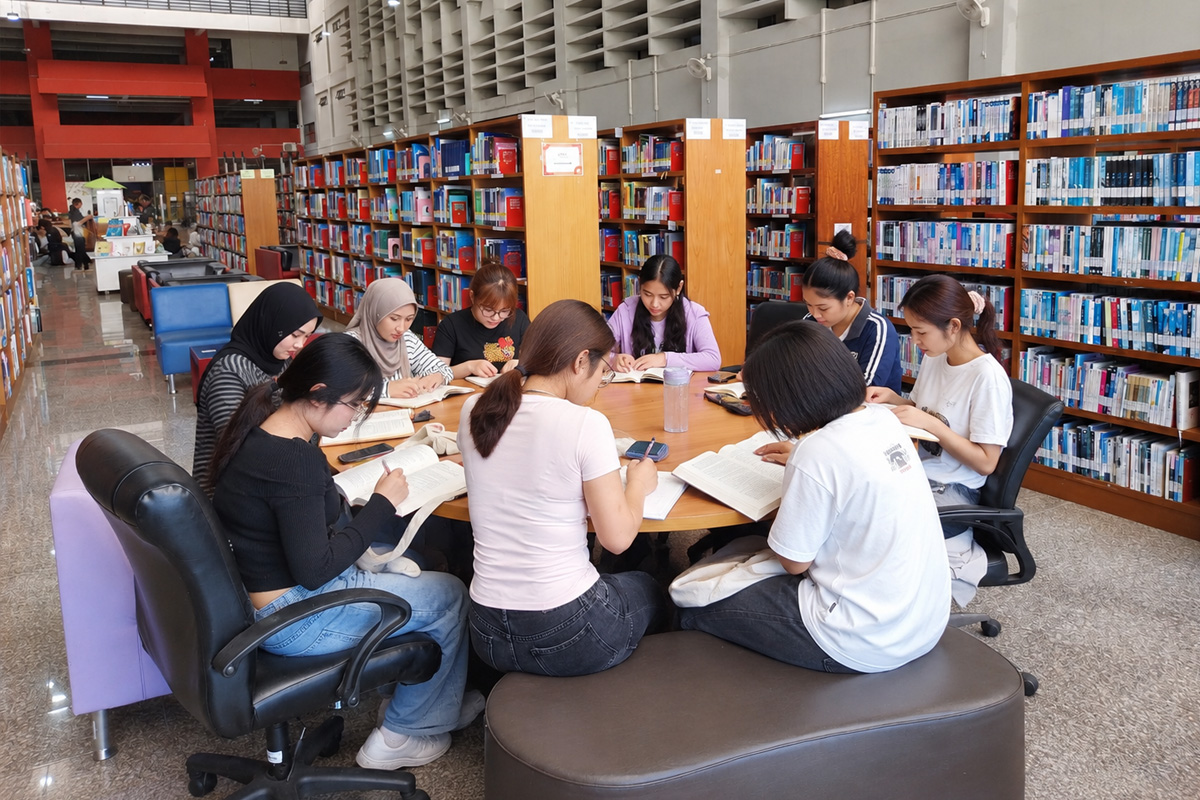
The Center provides a diverse collection of information resources that the public can access for reading, studying, research, and self-directed learning. These include textbooks, academic books, theses and dissertations, journals, magazines, newspapers, encyclopedias, and other printed and digital resources. By making these resources freely available, Walailak University extends its knowledge infrastructure beyond the university community and provides members of the surrounding community with opportunities to access reliable information and educational materials at no cost.
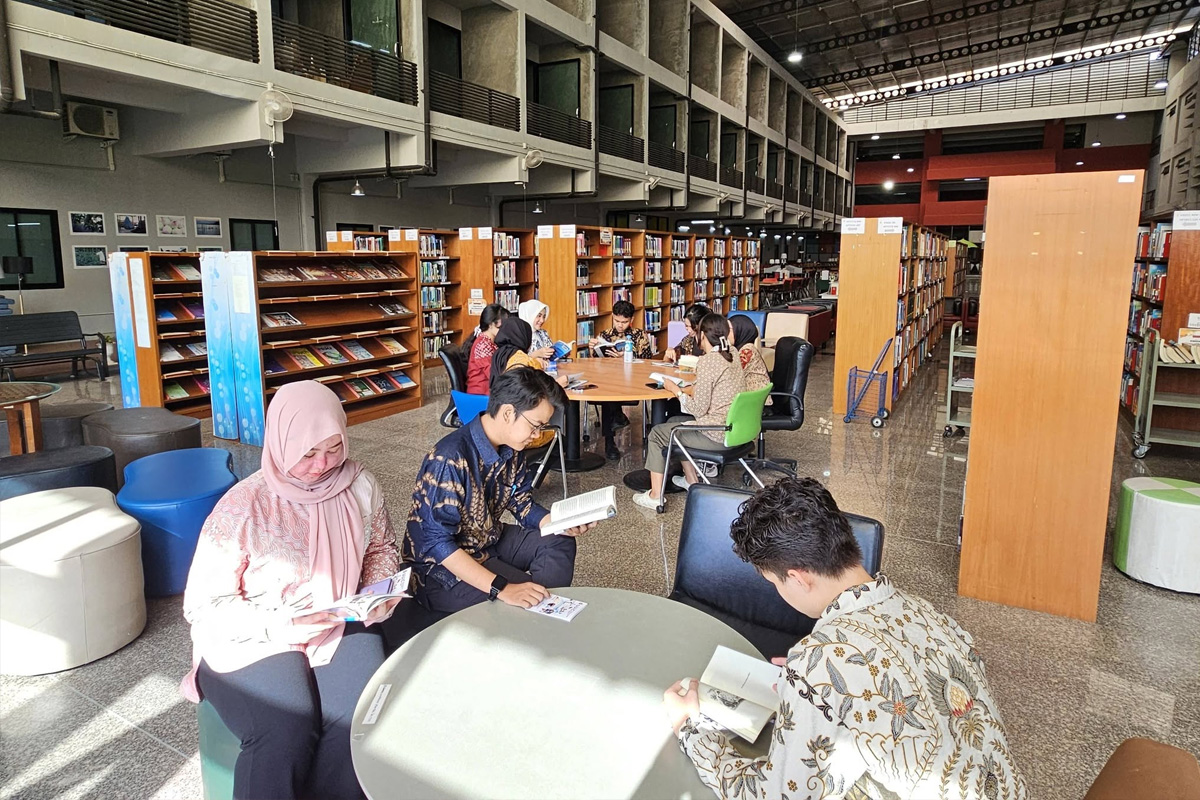
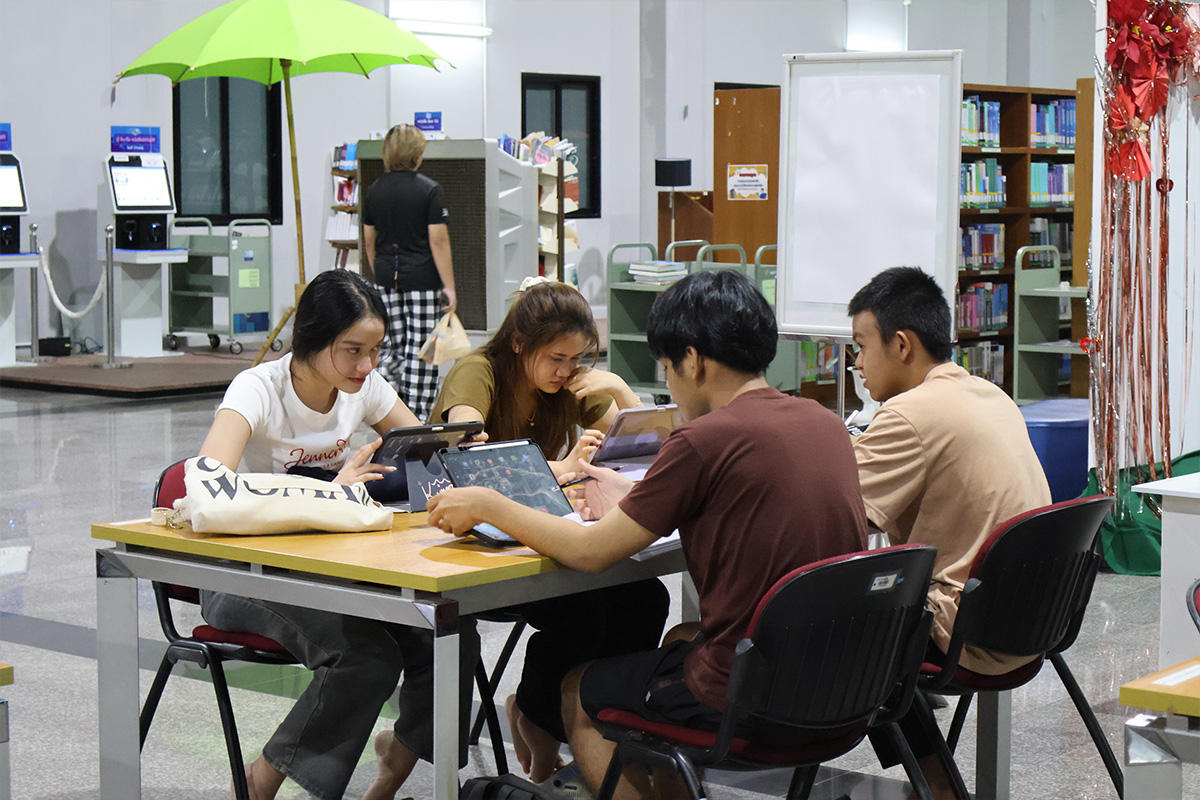
The Center also provides facilities that support public use of its resources, including spaces for reading and studying, computers, and information systems for accessing library materials. During examination periods, the Center extends its opening hours, remaining open until midnight to provide students with additional opportunities to study and access academic resources. Importantly, these extended opening hours are also available to members of the general public. Public users can access the Center during the extended service period under the same access conditions as students, allowing community members to make use of the facilities and resources beyond regular operating hours.
The Center provides a diverse collection of information resources that the public can access for reading, studying, research, and self-directed learning. These include textbooks, academic books, theses and dissertations, journals, magazines, newspapers, encyclopedias, and other printed and digital resources. By making these resources freely available, Walailak University extends its knowledge infrastructure beyond the university community and provides members of the surrounding community with opportunities to access reliable information and educational materials at no cost.
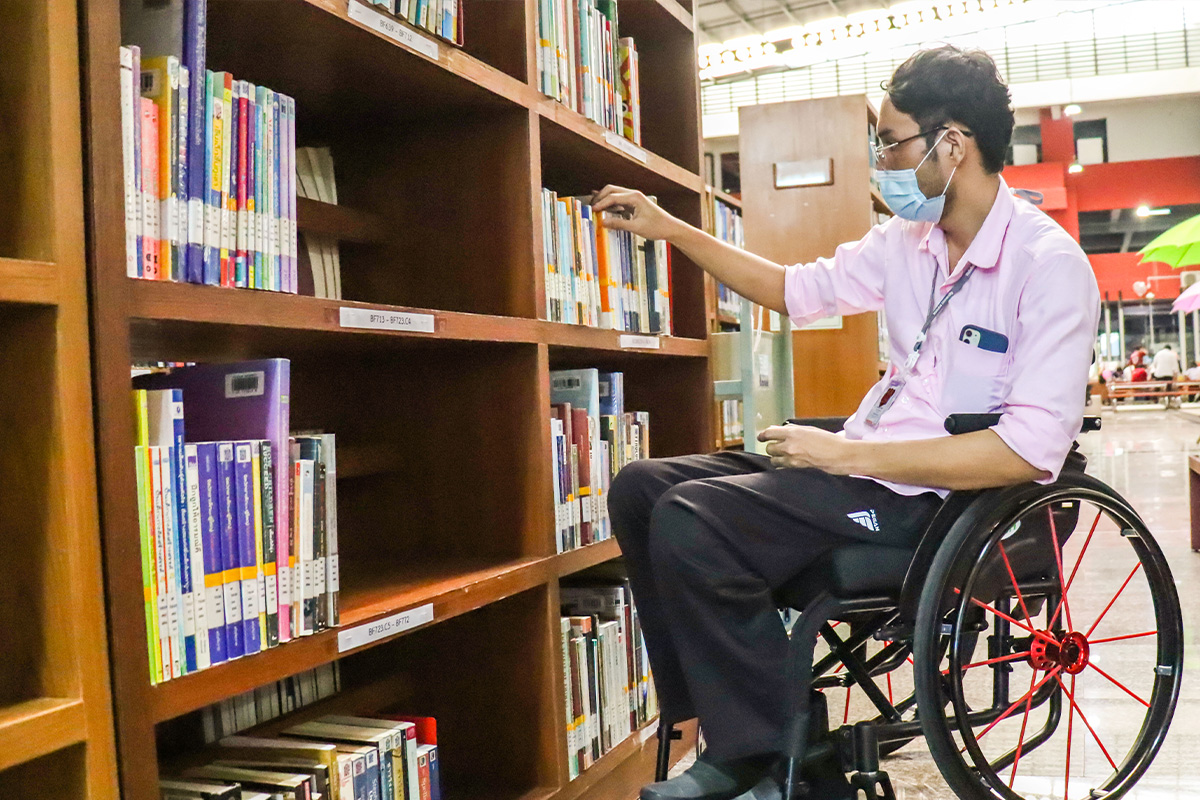
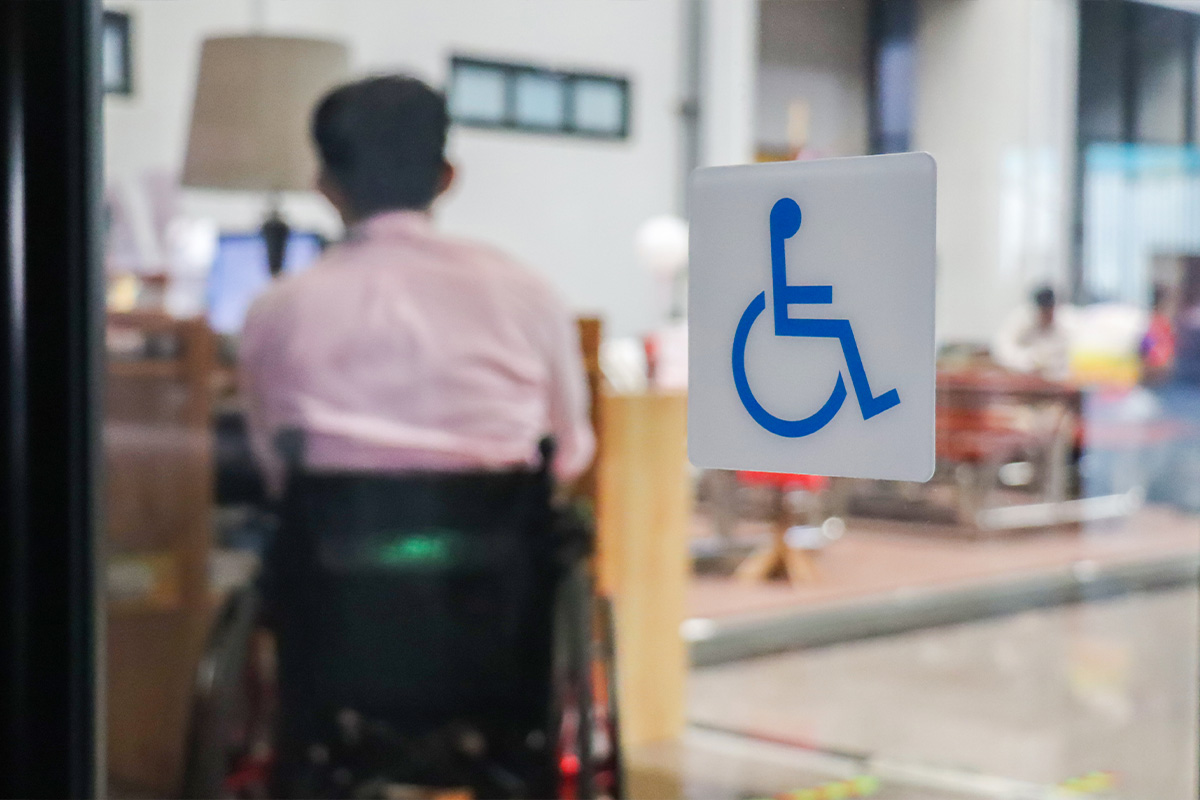
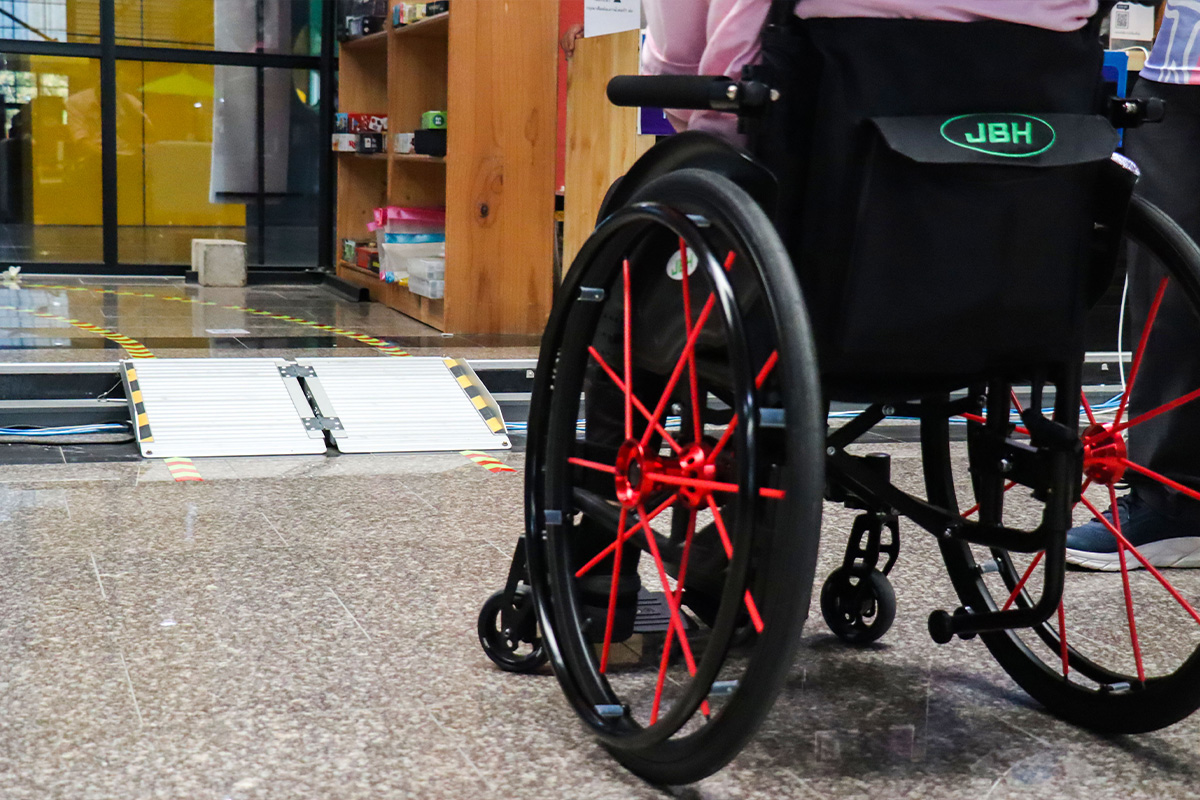
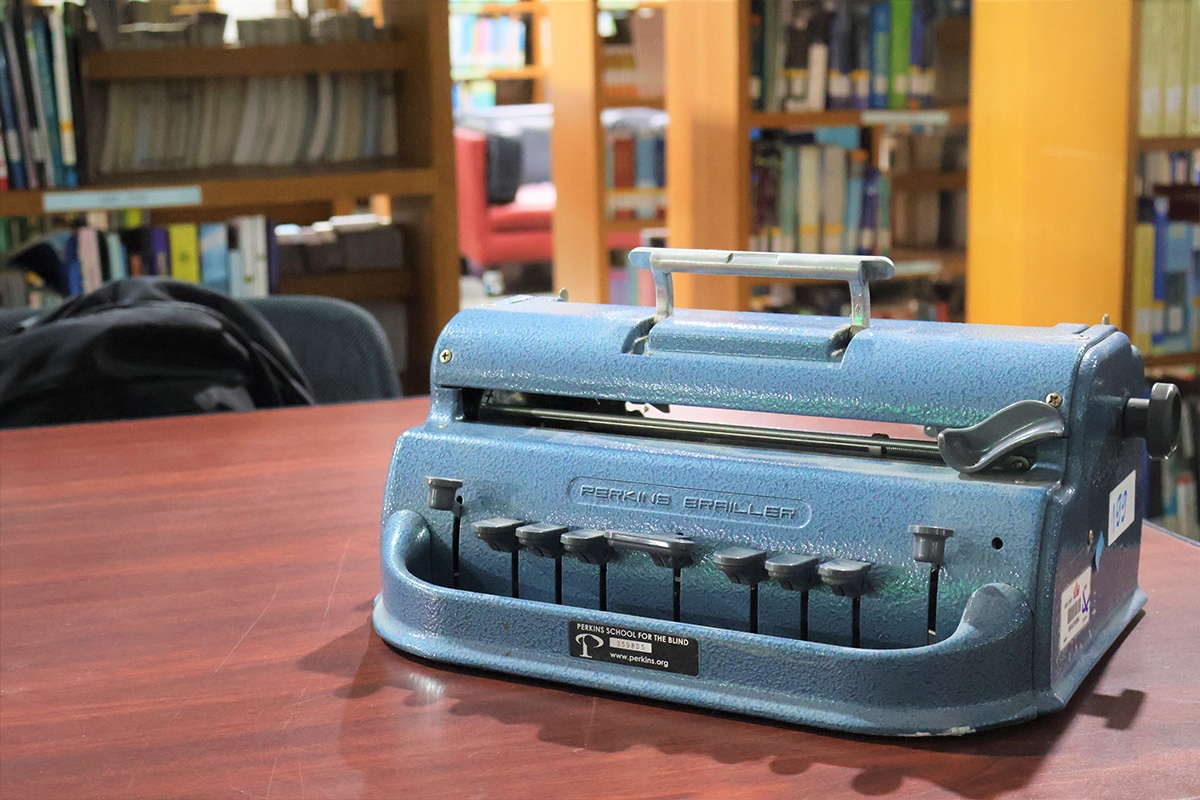
In addition, the Center is designed to promote inclusive access for people with disabilities. Facilities and resources include wheelchair ramps, Braille books, and other accessibility provisions that help users with different physical and information-access needs make use of the library. Through free public access, extended opening hours, accessible facilities, and a diverse collection of resources, the Center functions as a shared knowledge space that supports learning, information access, and self-directed study for both the university community and the wider public.
Free Access to Books and Publications
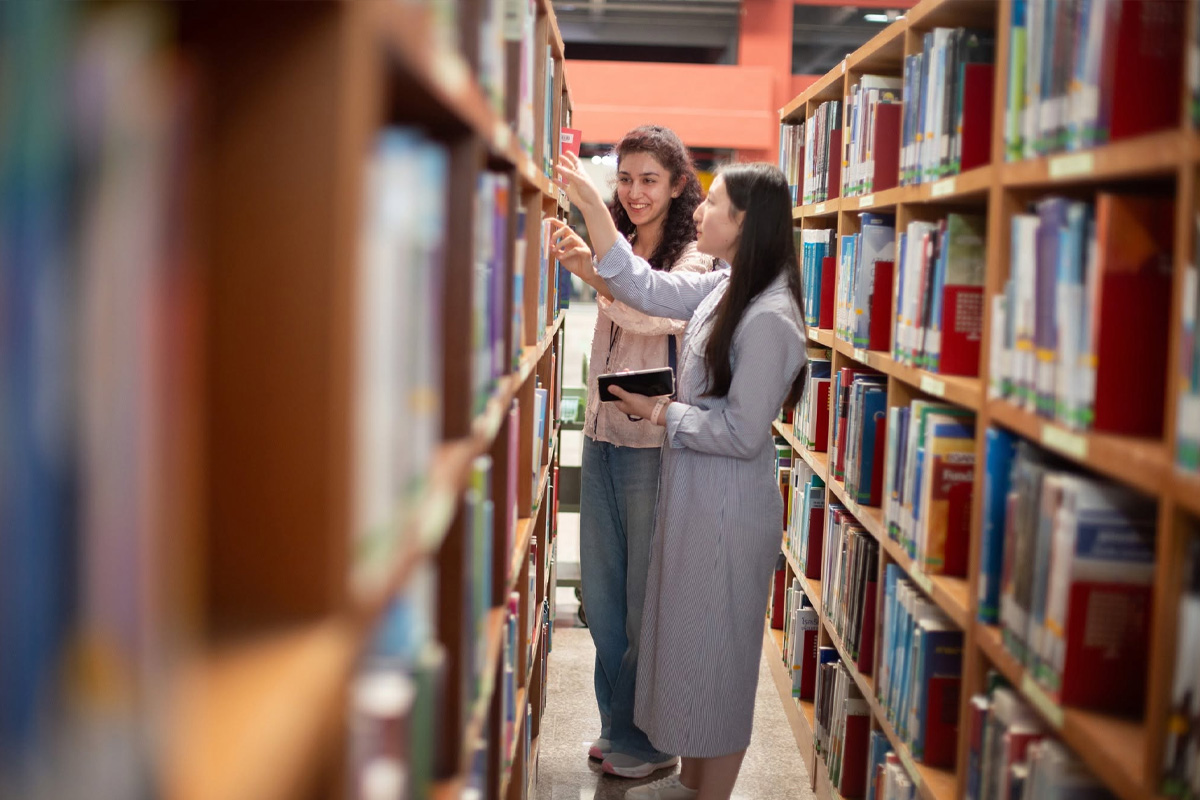
The Center’s book collection covers a wide range of subjects and reading interests, with these resources freely available for members of the public to access, read, and use. The collection includes textbooks and study materials, academic and reference books, novels, short stories, children’s and general reading materials, encyclopedias, dictionaries, and other educational resources. This variety enables visitors to use the library not only for formal study and research but also for leisure reading, developing new interests, and expanding their general knowledge. By providing free public access to books across different subjects and levels of complexity, the Center creates an inclusive learning environment that welcomes students, educators, researchers, and members of the wider community.
In addition to books, the Center provides free public access to a broad range of publications that reflect different areas of knowledge, culture, society, and human thought. These include daily newspapers, magazines, academic journals, research reports, conference materials, and other periodicals. The collection also includes religious and cultural publications, such as the Tipitaka (Buddhist scriptures), the Quran, and the Bible, allowing members of the public to freely explore religious knowledge and diverse cultural traditions. Visitors can access these publications without a library membership or special access fee, subject to the Center’s normal service conditions. Together, these freely accessible resources allow members of the public to keep up with current events, explore academic and professional knowledge, and learn about different cultural and religious perspectives. The availability of such diverse publications reinforces the Center’s role as an open and inclusive knowledge space that supports lifelong learning and provides the wider community with free access to information and educational resources.
Lifelong Learning: Free Public Access to Online Books and Publications
WUMOOC: Accessible Learning and Free Access to Online Educational Publications
Walailak University has continued to expand online education initiatives that respond to the needs of 21st-century learners by providing flexible learning opportunities for students, professionals, and members of the general public. These initiatives promote learner-centered education and help reduce barriers to learning by making educational materials accessible anytime and anywhere. Learners can study at their own pace and according to their personal schedules, while also having opportunities to interact with instructors or teaching assistants through online learning systems. The integration of digital technology into education further supports flexible and accessible learning in both academic and everyday contexts.
The Library and Media Center has also transformed into a Living and Digital Library, providing free public access to a broad range of information and learning resources through its automated “Senayan” library system. The Center focuses on five key areas: e-Resources, e-Services, e-Training, Digital Content, and Learning Space. These services provide users with access to books, research papers, theses, e-books, online databases, and other digital resources that support teaching, learning, research, and self-directed education. The establishment of a Smart Classroom further strengthens the University’s digital learning infrastructure by supporting online teaching, interactive learning, and technology-enhanced educational activities. Online courses and training programs are also made available to accommodate different learning needs and learning styles among students, faculty members, and the wider community.
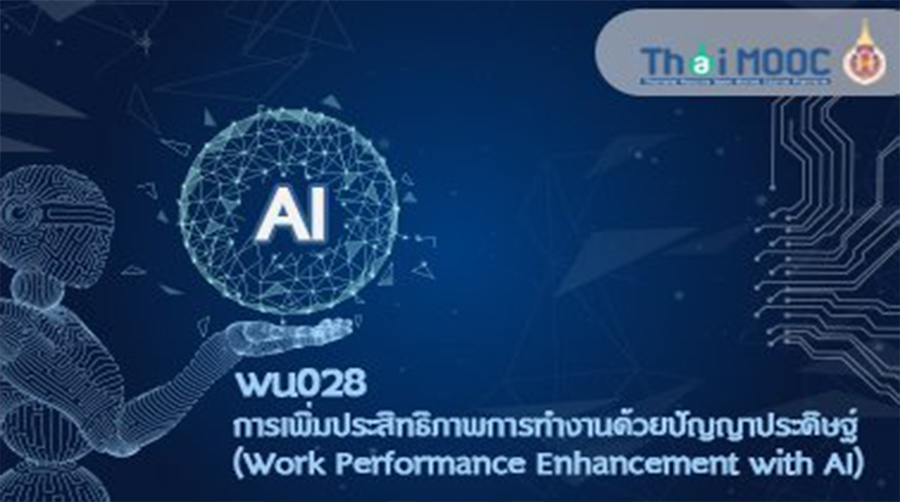
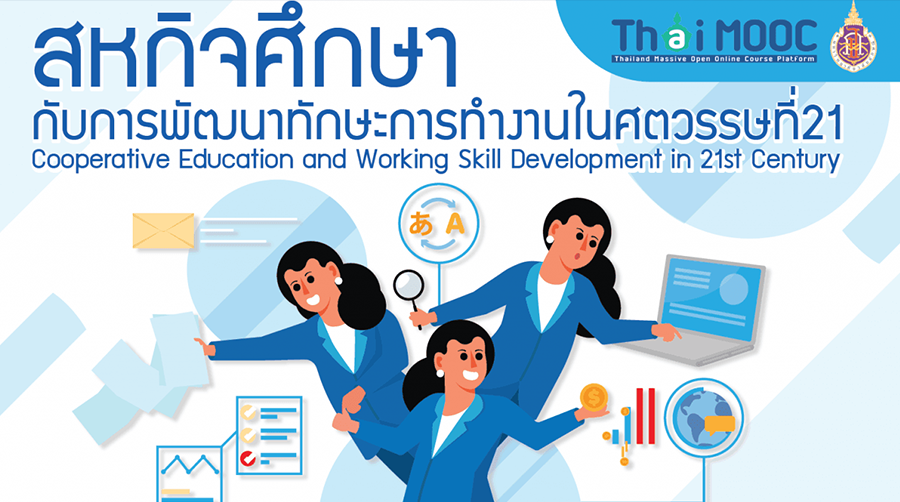
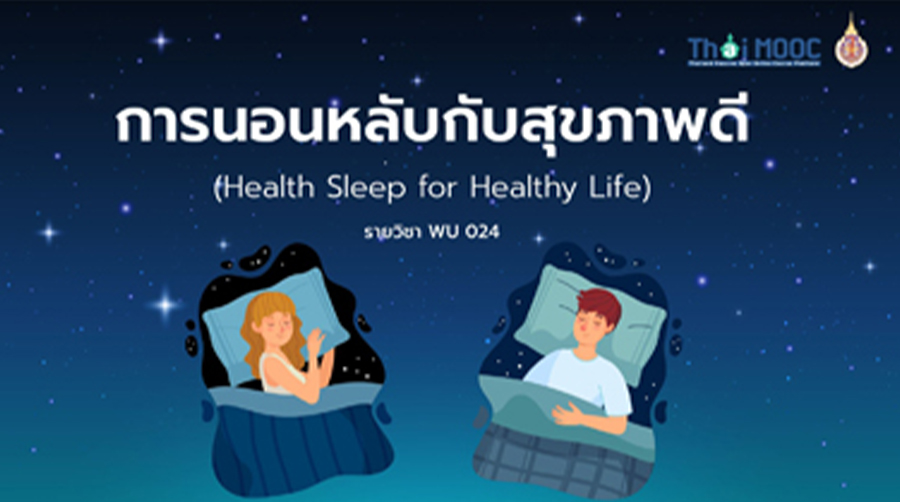
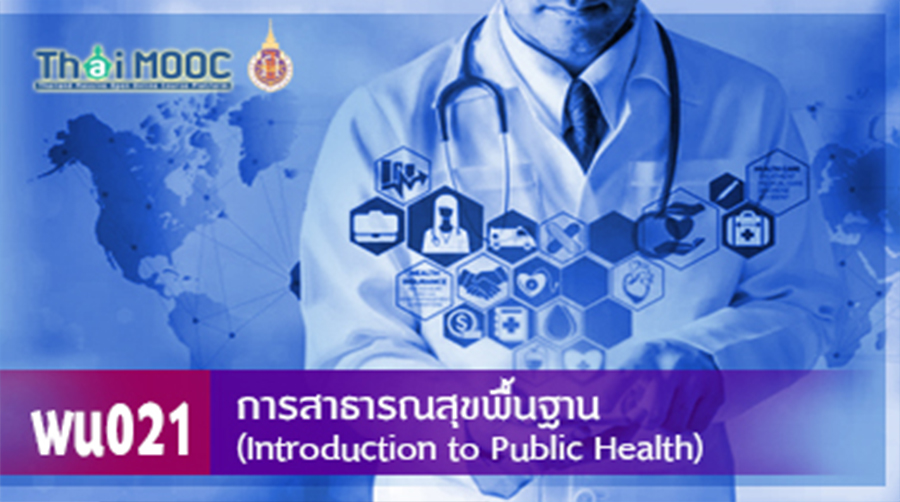
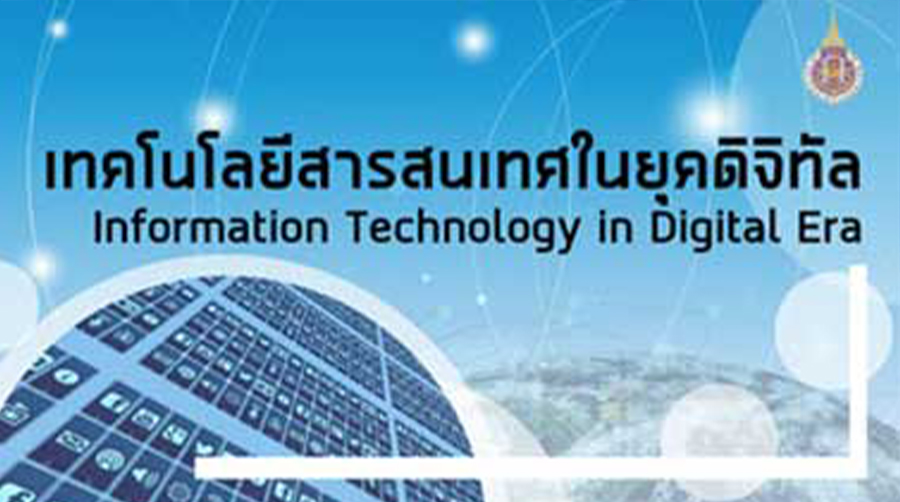
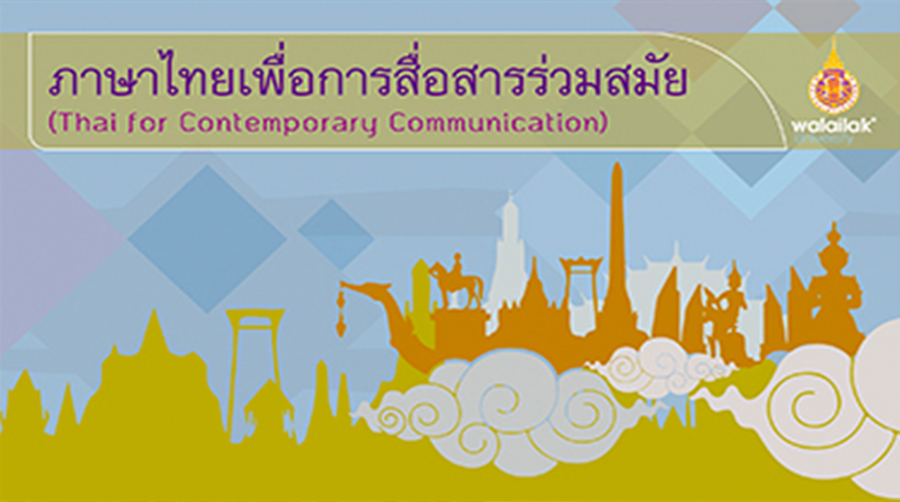
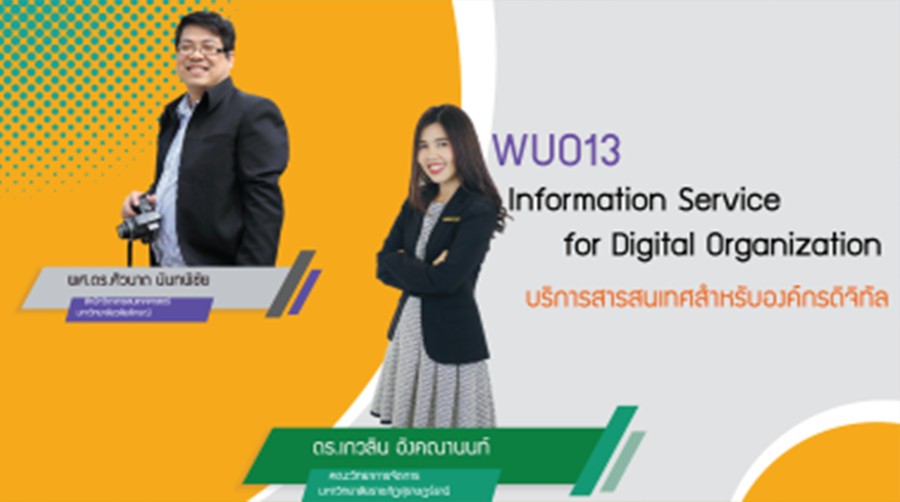
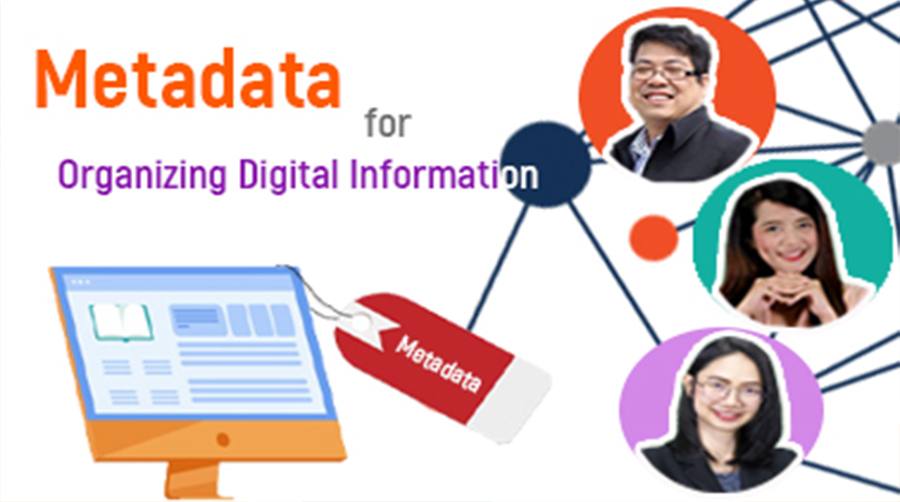
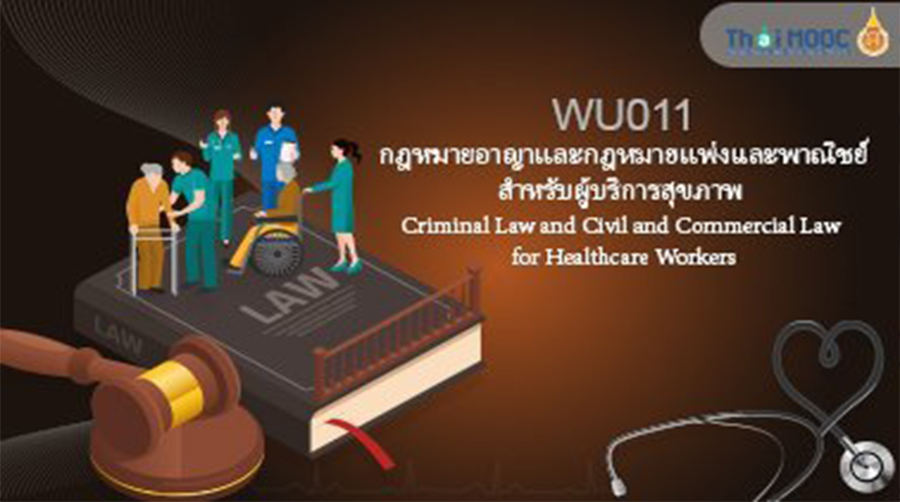
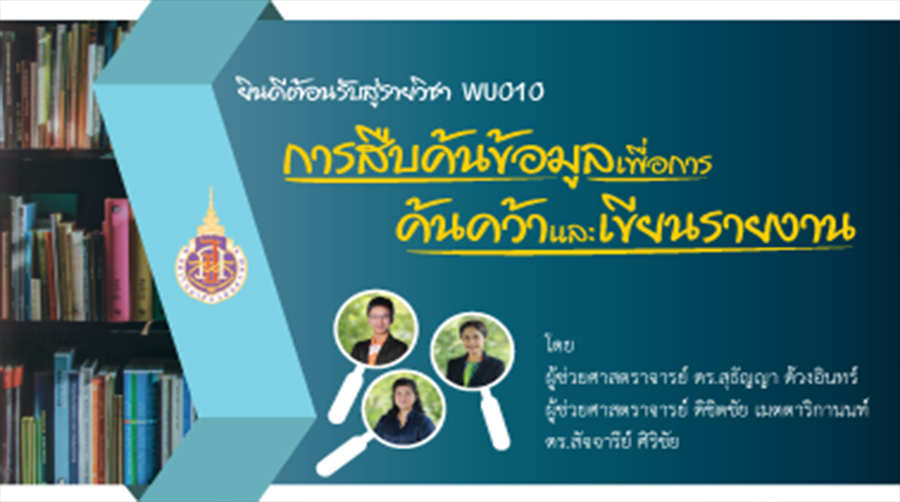
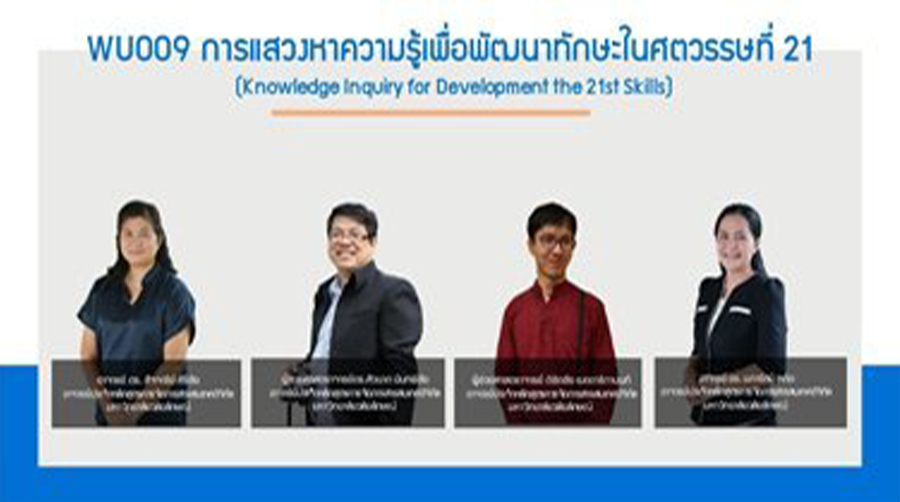
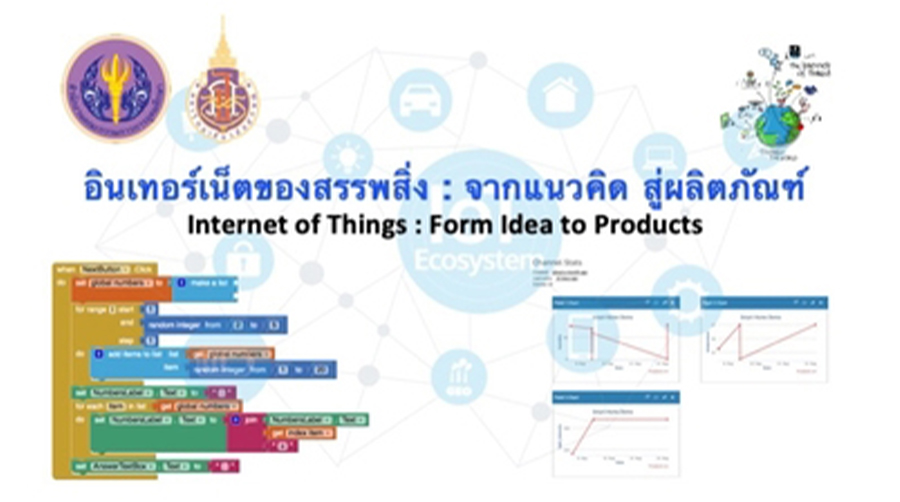
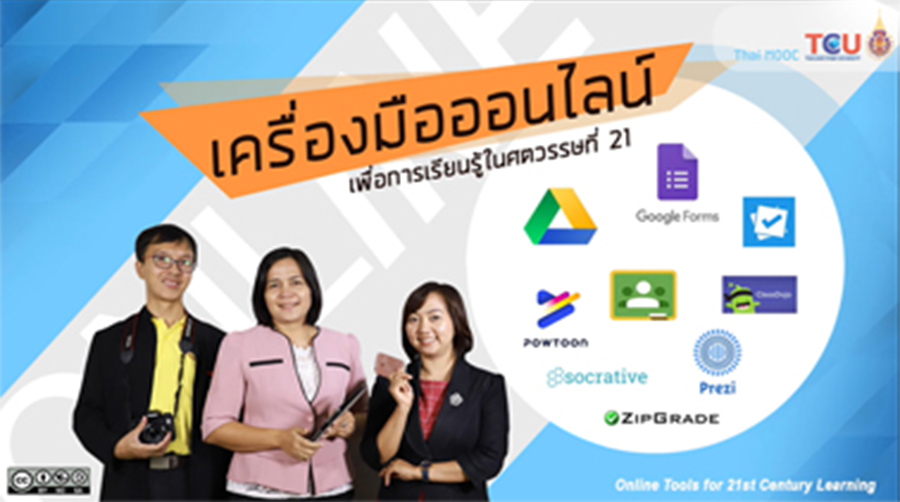
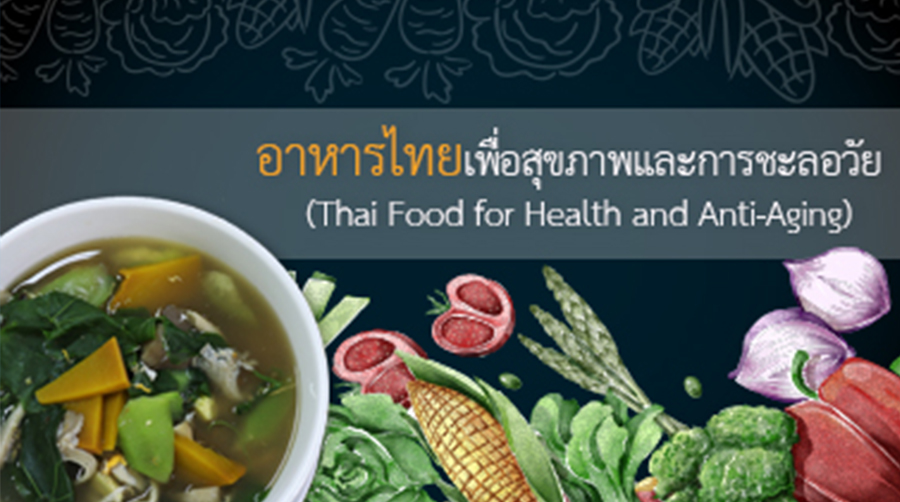
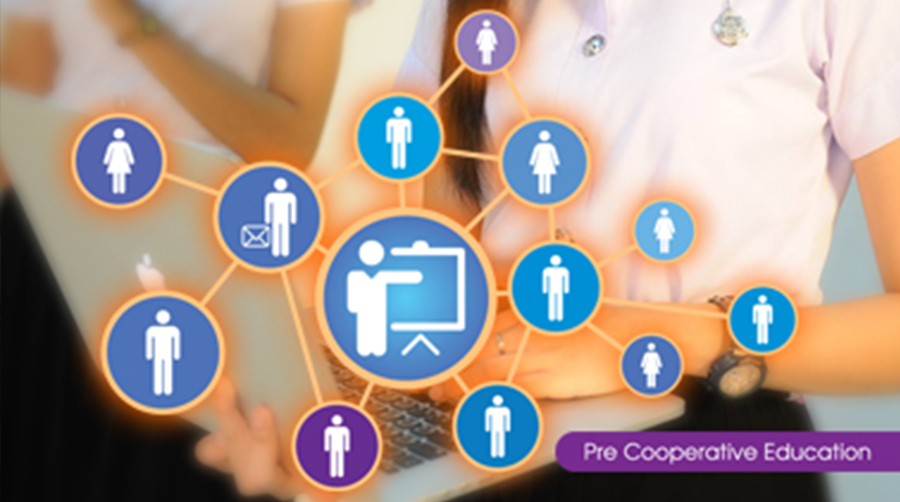
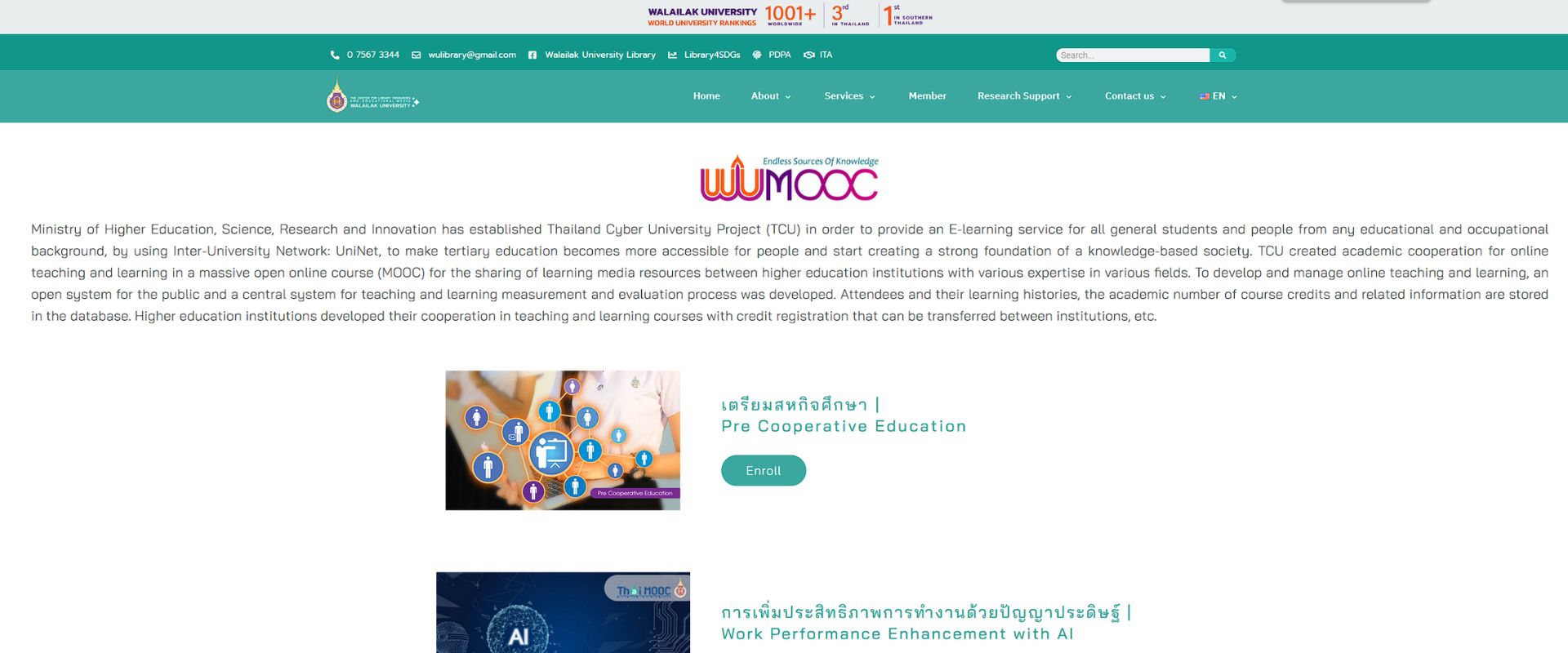
Walailak University’s Massive Open Online Course platform, WUMOOC, further extends these opportunities by providing free online learning to the public. Integrated with the Thai MOOC Learning Management System (LMS), WUMOOC supports lifelong learning by allowing individuals to develop new knowledge and skills, including opportunities for upskilling and reskilling. The platform is designed for convenient access across multiple devices, enabling learners to participate in courses regardless of their location, schedule, or educational background.
Thai MOOC, or Thailand Massive Open Online Course, is a national online learning initiative under the Thailand Cyber University (TCU), supported by the Ministry of Higher Education, Science, Research, and Innovation (MHESI). The initiative brings together more than 120 universities, educational institutions, and organizations across Thailand to expand access to quality online education. Through the sharing of digital courseware and learning resources, Thai MOOC complements conventional education and provides learners with additional opportunities to acquire knowledge and skills beyond the traditional classroom. It also supports institutions in making more efficient use of educational resources and addressing areas where specialized courses or teaching expertise may be limited.
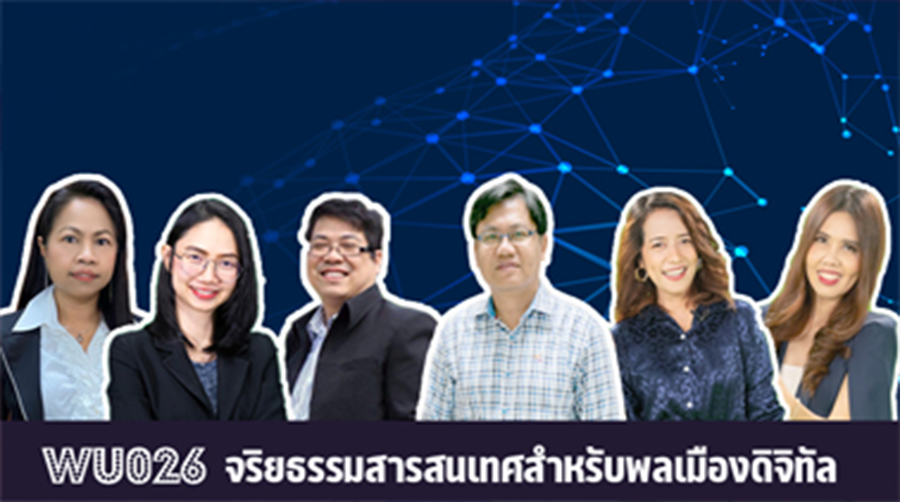
In 2025, Walailak University offered 23 courses through WUMOOC, all of which were available for free public access. Through these courses, the University opened its educational resources beyond its enrolled student population, enabling members of the public to participate in structured online learning without geographical or conventional classroom barriers. The initiative demonstrates Walailak University’s commitment to making knowledge and learning opportunities more accessible and supporting lifelong learning through digital education. The 23 courses can be accessed at https://library.wu.ac.th/?page_id=2516


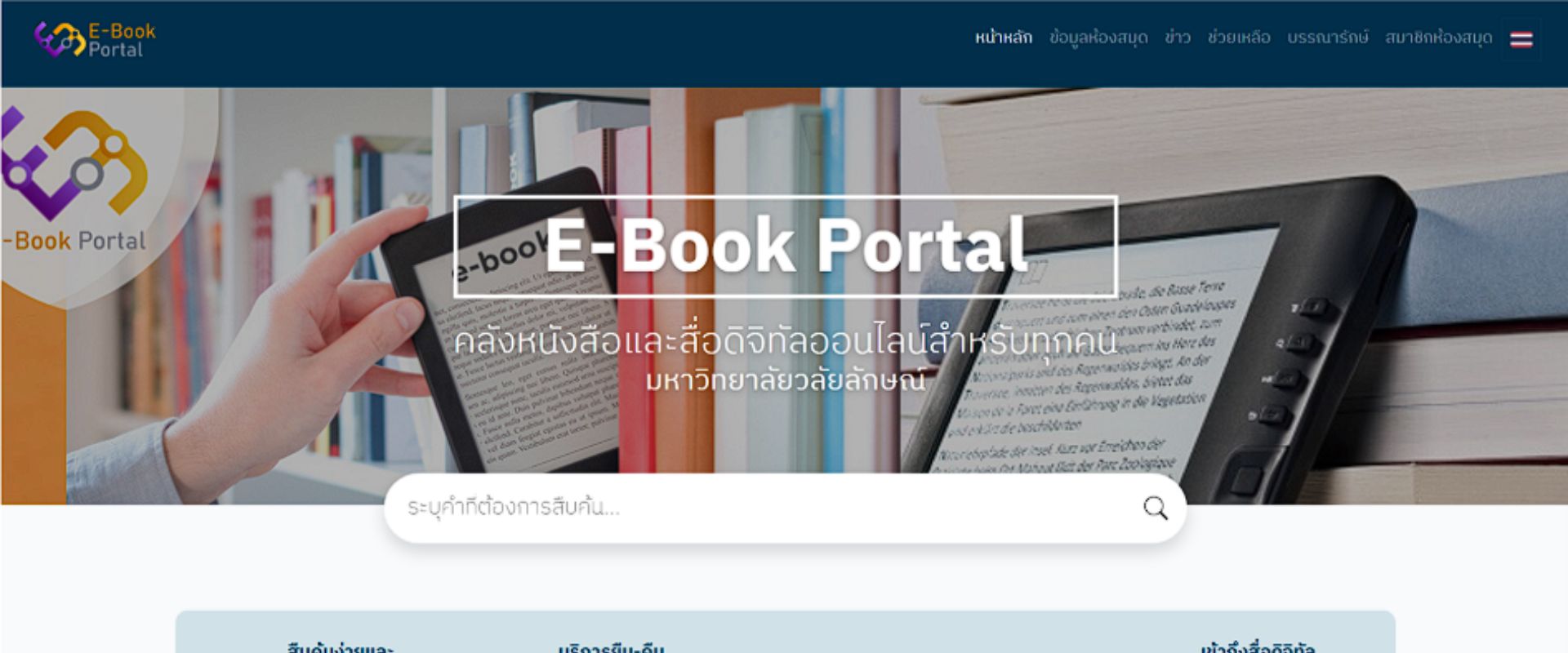
Lifelong Learning: E-Book Portal for Free Public Access to Online Books and Digital Publications
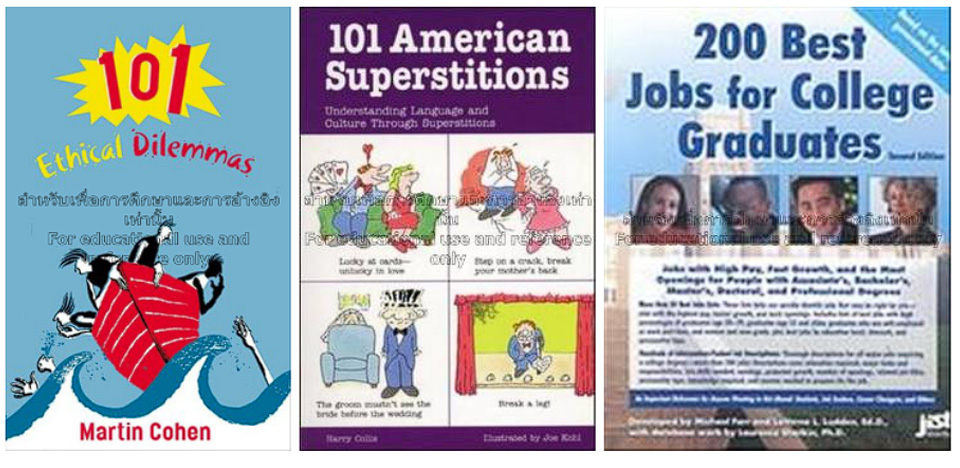
Walailak University provides an E-Book Portal that serves as an online collection of books and digital media available for public access. With more than 5,000 digital resources, the portal extends the University’s educational resources beyond its physical library and makes a wide range of reading and learning materials accessible to users through an online platform.
The E-Book Portal is designed to make searching for and accessing digital resources simple and convenient. Its Single Search function allows users to search across the available collection through a unified system, making it easier to locate books and other online publications without having to search through multiple platforms separately. The portal also enables users to read e-books and access digital media online, providing greater flexibility for learning, research, and self-directed study.
By making more than 5,000 online books and digital publications available to the public, the E-Book Portal helps reduce geographical and physical barriers to accessing educational resources. Members of the public can use the platform as an additional source of knowledge alongside traditional library services, supporting students, educators, researchers, professionals, and lifelong learners. The availability of digital resources also allows users to access learning materials beyond conventional library opening hours and from locations outside the University.
The E-Book Portal therefore complements Walailak University’s physical library and other digital learning initiatives by creating a more accessible and flexible knowledge environment. Through convenient online searching and access to thousands of digital resources, the University continues to extend its educational resources to the wider community and promote equitable access to knowledge and lifelong learning. It can be accessed at http://192.168.41.102/ebook/index.php
Free Access to Environmental Learning and Sustainability Education
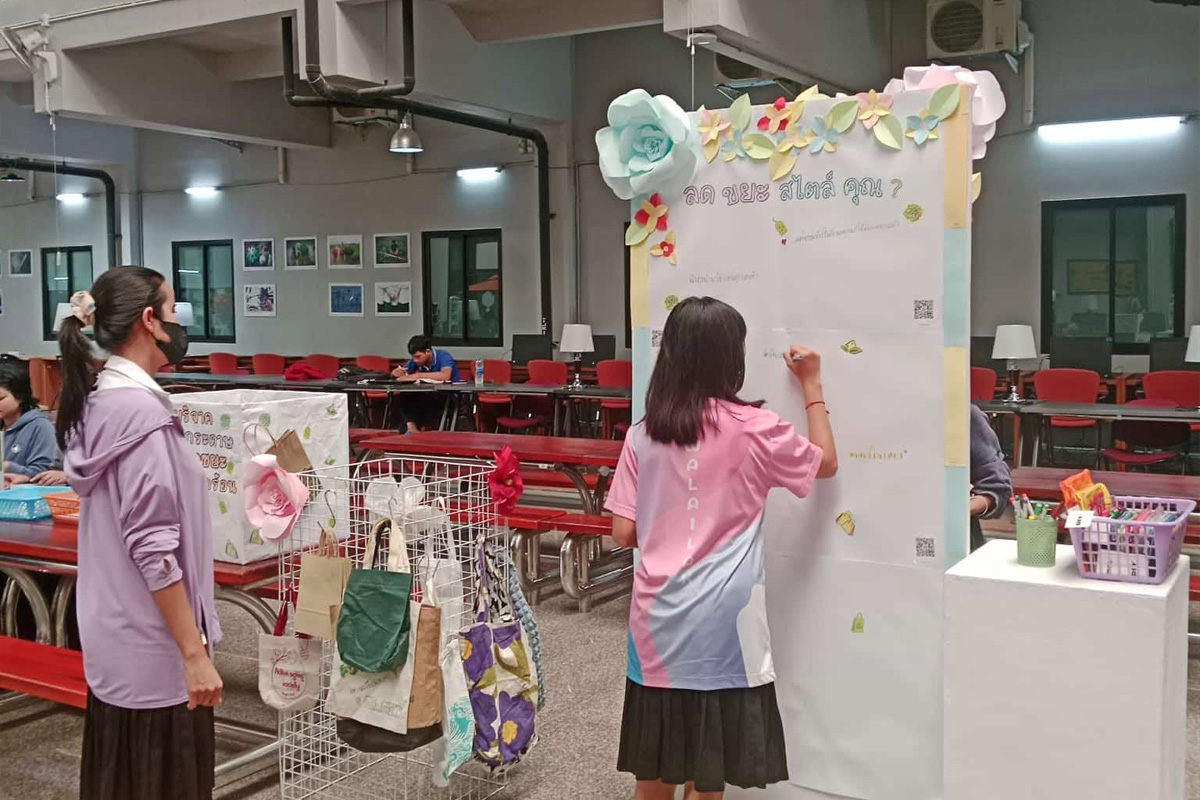
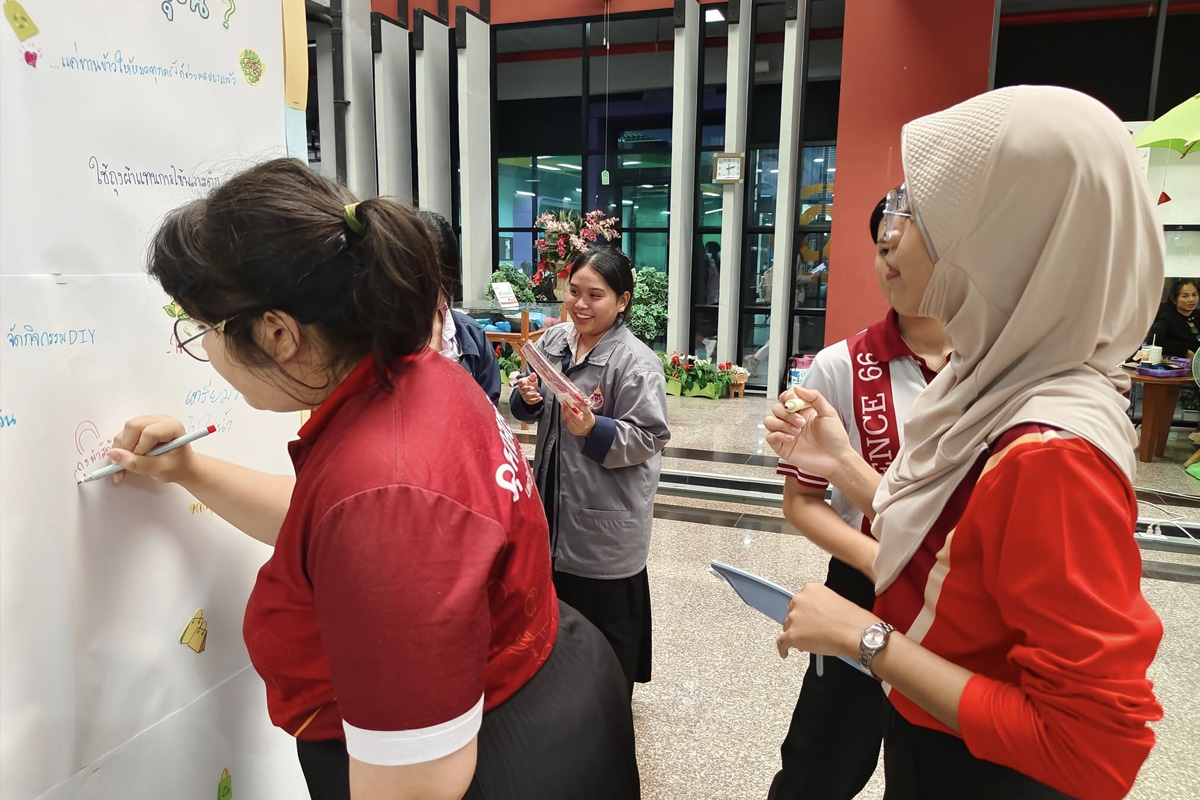
Beyond providing free access to books, academic publications, and educational media, the Center for Library Resources and Educational Media also provides free learning activities that promote environmental awareness and sustainable practices. As a member of the Green Library Network and a supporting unit of Walailak University’s green university initiatives, the Center uses its library space as a platform for sharing practical knowledge and encouraging environmentally responsible behaviors among students, staff, and members of the wider community.
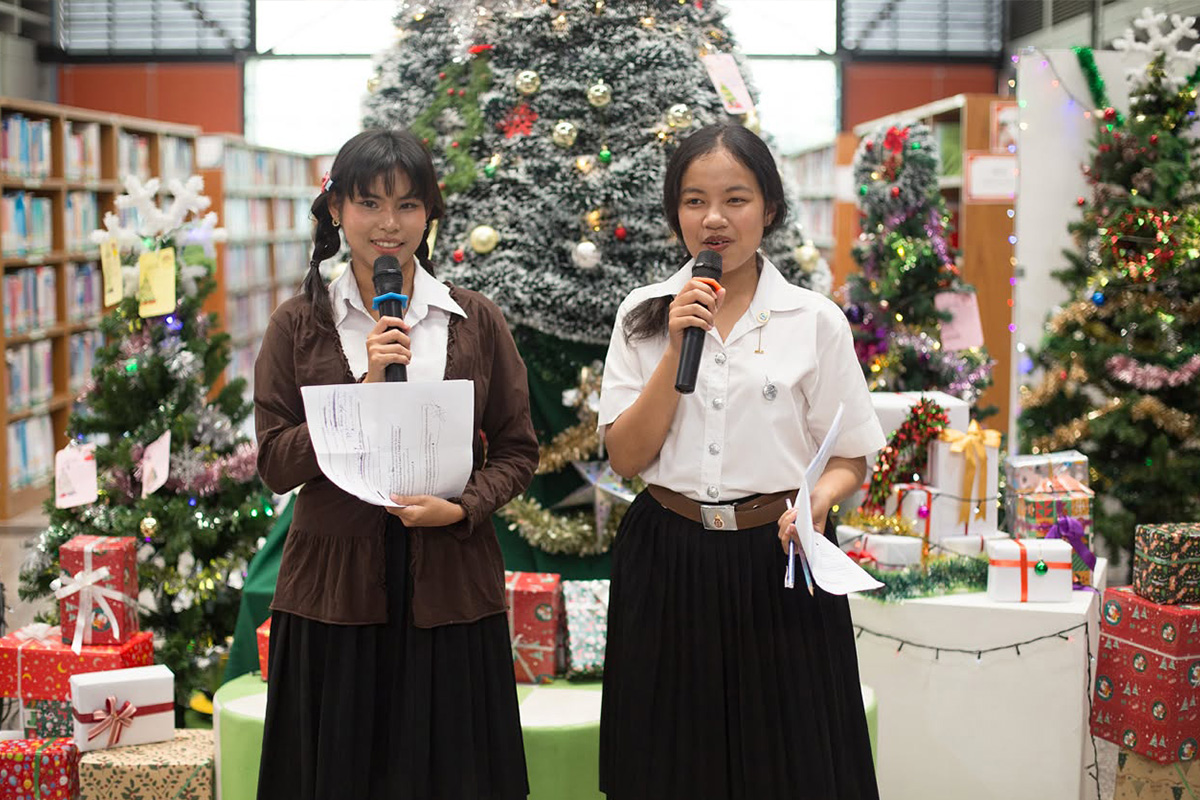
As part of its environmental learning activities, the Center organized a series of free educational activities designed to increase awareness of environmental conservation and sustainable resource use. These included a dedicated “CLM’s Green” knowledge corner, a demonstration model for waste separation, and educational displays presenting practical approaches to waste reduction, reuse, and recycling. The activities transformed everyday environmental concepts into accessible and practical learning experiences that visitors could explore while using the library.
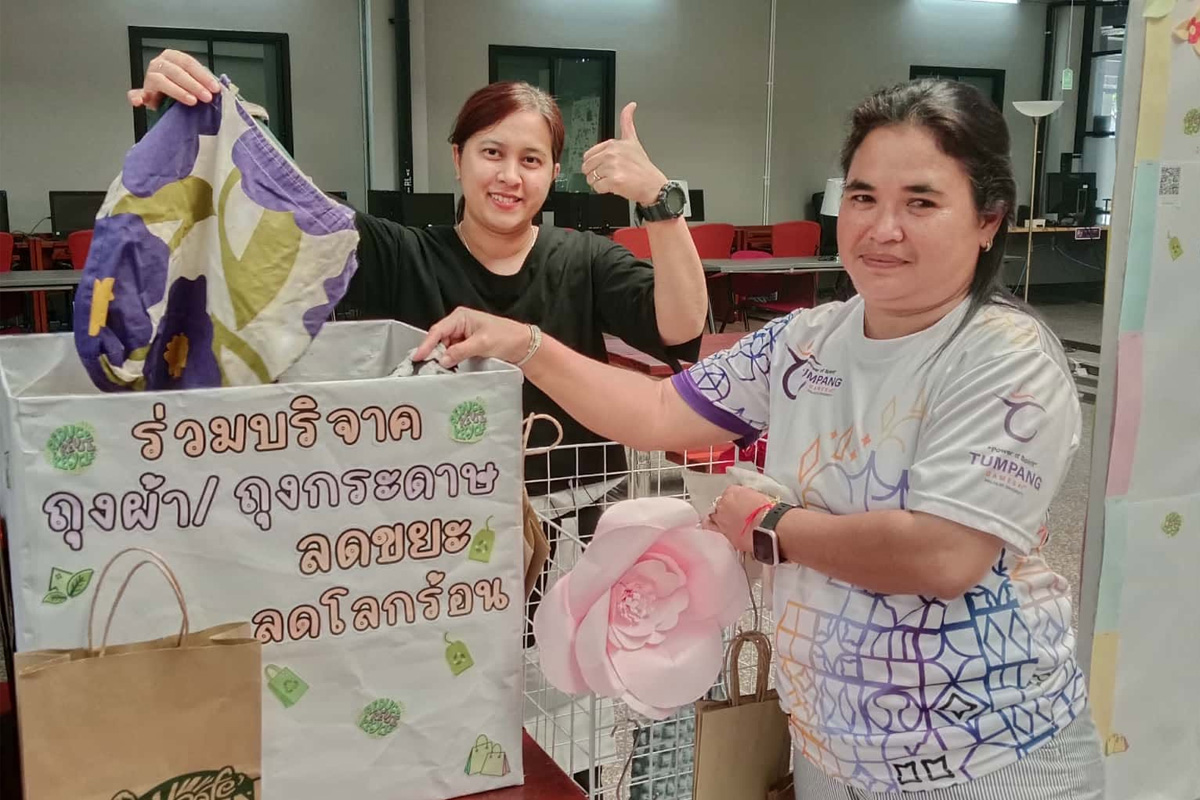
The Center also introduced a “Sufficiency Medicine Bag” initiative, encouraging the sharing and reuse of medicine bags as part of a simple approach to reducing waste and promoting resource sharing. Through these activities, the Center extends its role beyond providing access to information resources by creating an open learning environment where people can freely acquire knowledge, develop environmental awareness, and discover practical ways to contribute to sustainability in their everyday lives.
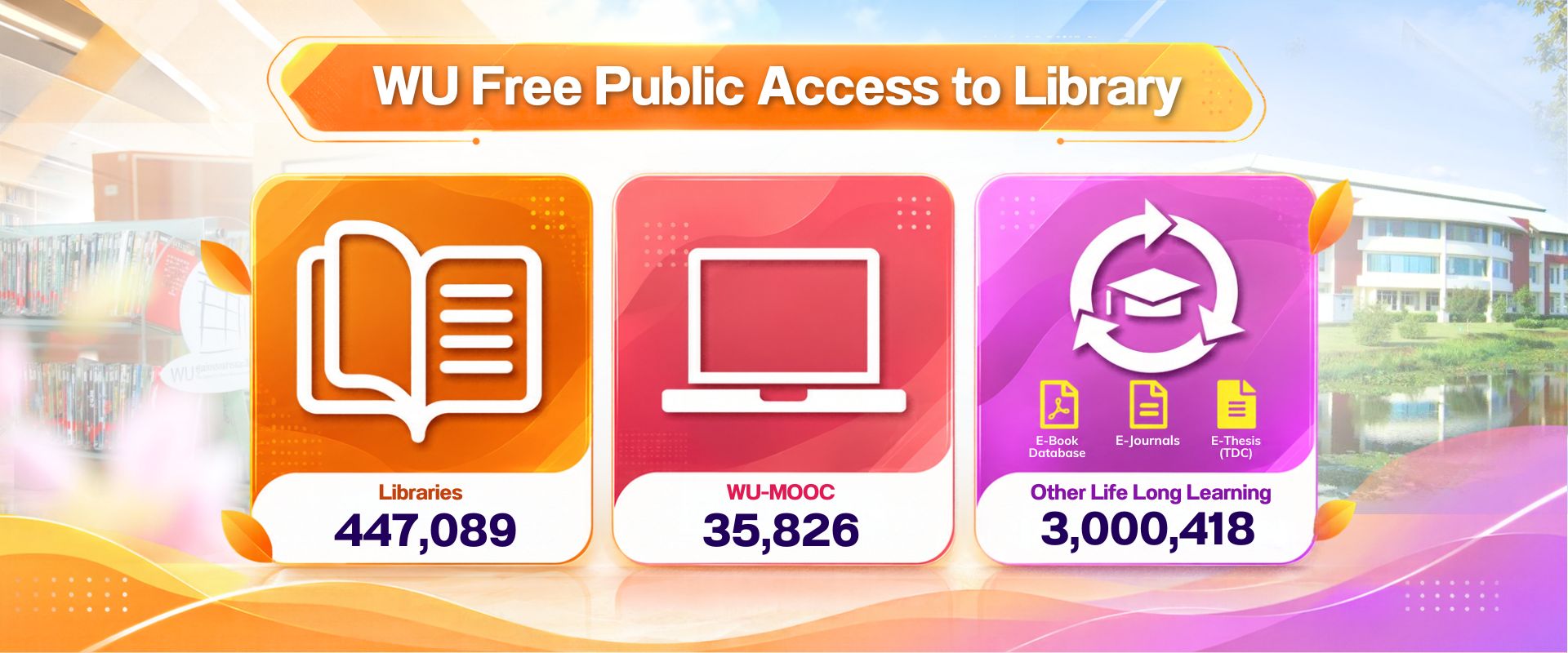
Together, these services demonstrate Walailak University’s commitment to extending learning opportunities beyond its enrolled student population. In 2025, the Center for Library Resources and Educational Media recorded 447,089 visits, with 32% of visits coming from members of the public, demonstrating substantial community use of the University’s library facilities and resources. During examination periods, the Center also extends its opening hours until midnight to provide students with greater access to study and learning resources, while members of the public can likewise benefit from the extended access. At the same time, WU MOOC recorded 35,826 accesses, reflecting the growing role of digital platforms in providing flexible learning opportunities beyond the physical campus.
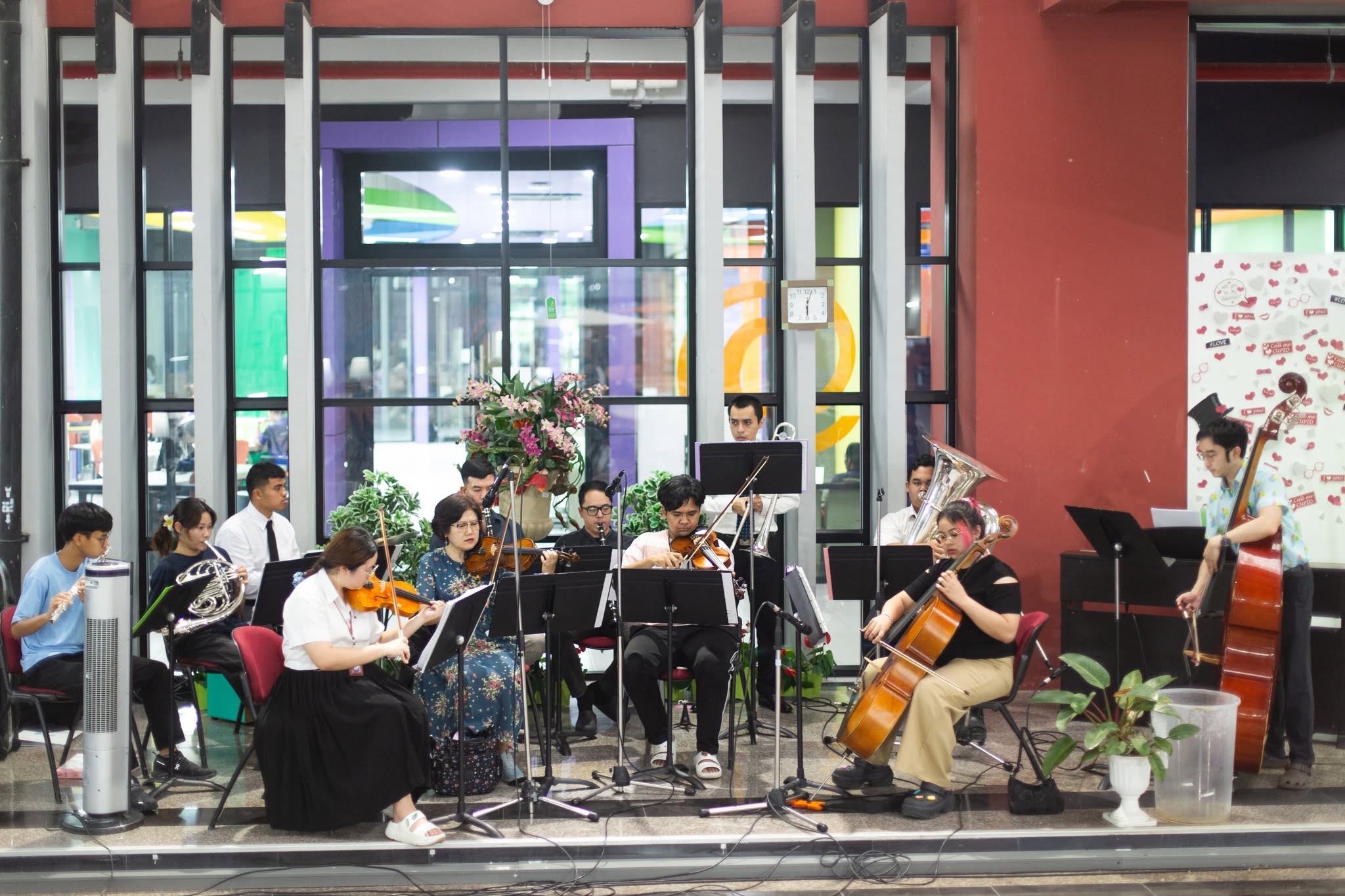
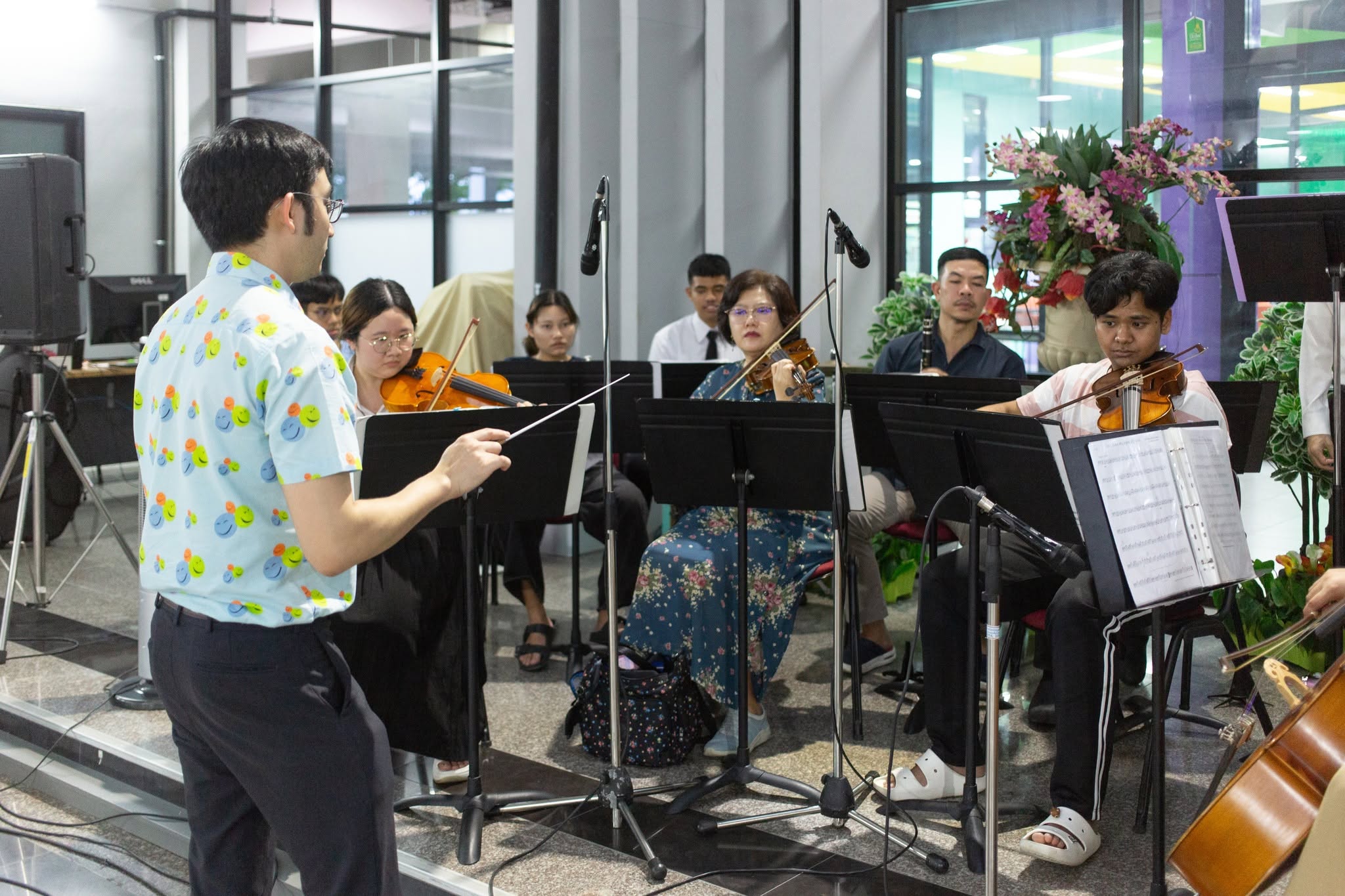
By combining free public access to physical library resources with online courses, digital publications, and other lifelong learning media, Walailak University provides multiple pathways for people to access knowledge according to their needs and circumstances. These services allow learners to study, read, conduct research, develop new skills, and pursue personal interests without being limited by conventional classroom settings. Through both physical and digital learning environments, the University continues to promote accessible, inclusive, and lifelong learning opportunities for the wider community, strengthening its role as a learning resource that serves not only its students but also the broader public.
Related links:
https://library.wu.ac.th/?
page_id=2516https://librarydashboard.wu.ac.th/visualization
https://www.facebook.com/walailakclm/posts/pfbid02dcLpyVJ3MX2ELe9GCeZJgHC4TyWutGpShUsj6ojHCG3zMG5zofHYVZKnhVEBZyfyl
https://www.facebook.com/walailakclm/posts/pfbid0rP7g1QZVvB7ZVPPyMXUmuoJyxv5zEoP82L9aaLobkKC4CDHydi9t5EBKJc3yLkD9l
https://www.facebook.com/walailakclm/posts/pfbid02wD27EPQc4DZyxYNkYUpdNSn8E5fWmfFRAR75SVgrWxSQiXTCE9dsxpBpVtaQhmoZl
https://www.facebook.com/walailakclm/posts/pfbid035hfeVrf3mh7CstunSpiFJvwesatL6yZHmB9Mhbacot6pCeLRNJqNNErbEMrphUJ6l

Goal 11:
Sustainable Cities and Communities
Goal 4: Quality Education
Goal 10: Reduced Inequalities
Goal 17: Partnerships for the Goals