Walailak University Promotes Sexual and Reproductive Health through Information and Education Services
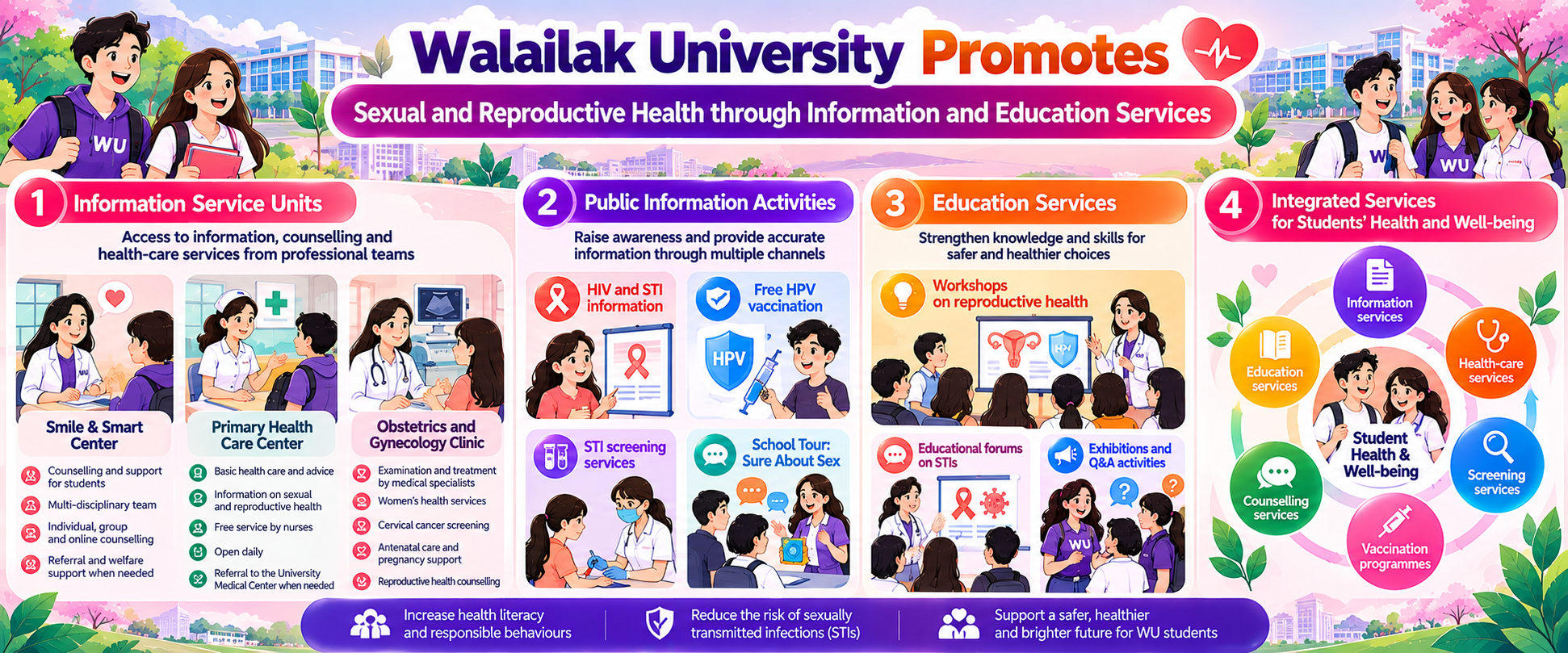
Walailak University (WU) is committed to promoting the sexual and reproductive health of its students by providing access to sexual and reproductive health-care services, including information and education services. Students can access reliable information on sexual and reproductive health through health-care units, public information activities, health screening services, vaccination programmes, counselling, and educational activities. These services aim to strengthen students’ health literacy, promote responsible health behaviours, and reduce the risks of sexually transmitted infections (STIs).
Information Services
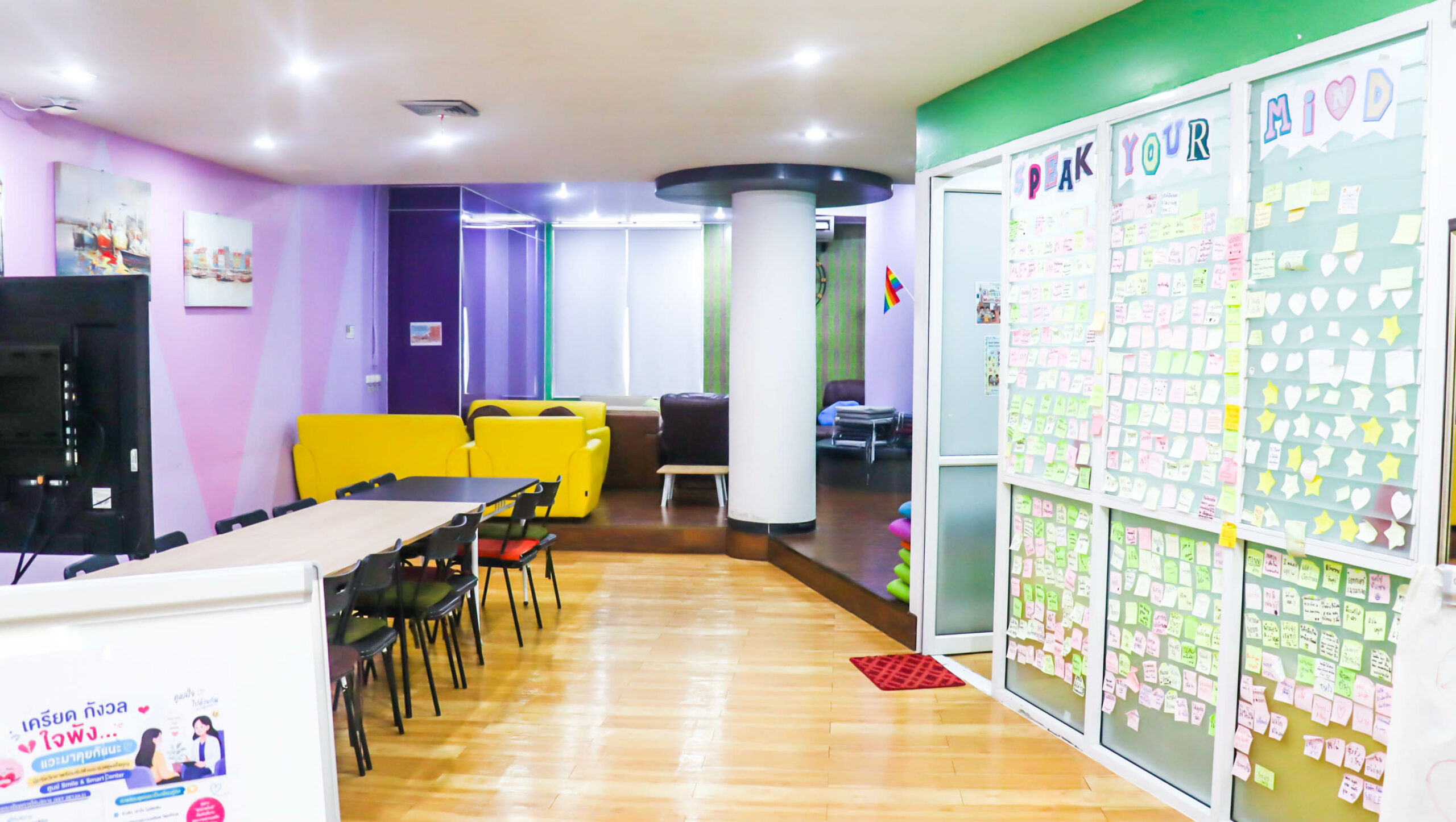
Walailak University provides information services on sexual and reproductive health through several health-care units, where students can receive health information, counselling, advice, and appropriate health-care services. Key service units include the Smile & Smart Center, Primary Health Care Center, and Obstetrics and Gynecology Clinic. These services enable students to obtain information and professional advice on sexual and reproductive health and to access appropriate health-care services when needed.
Information Service Units
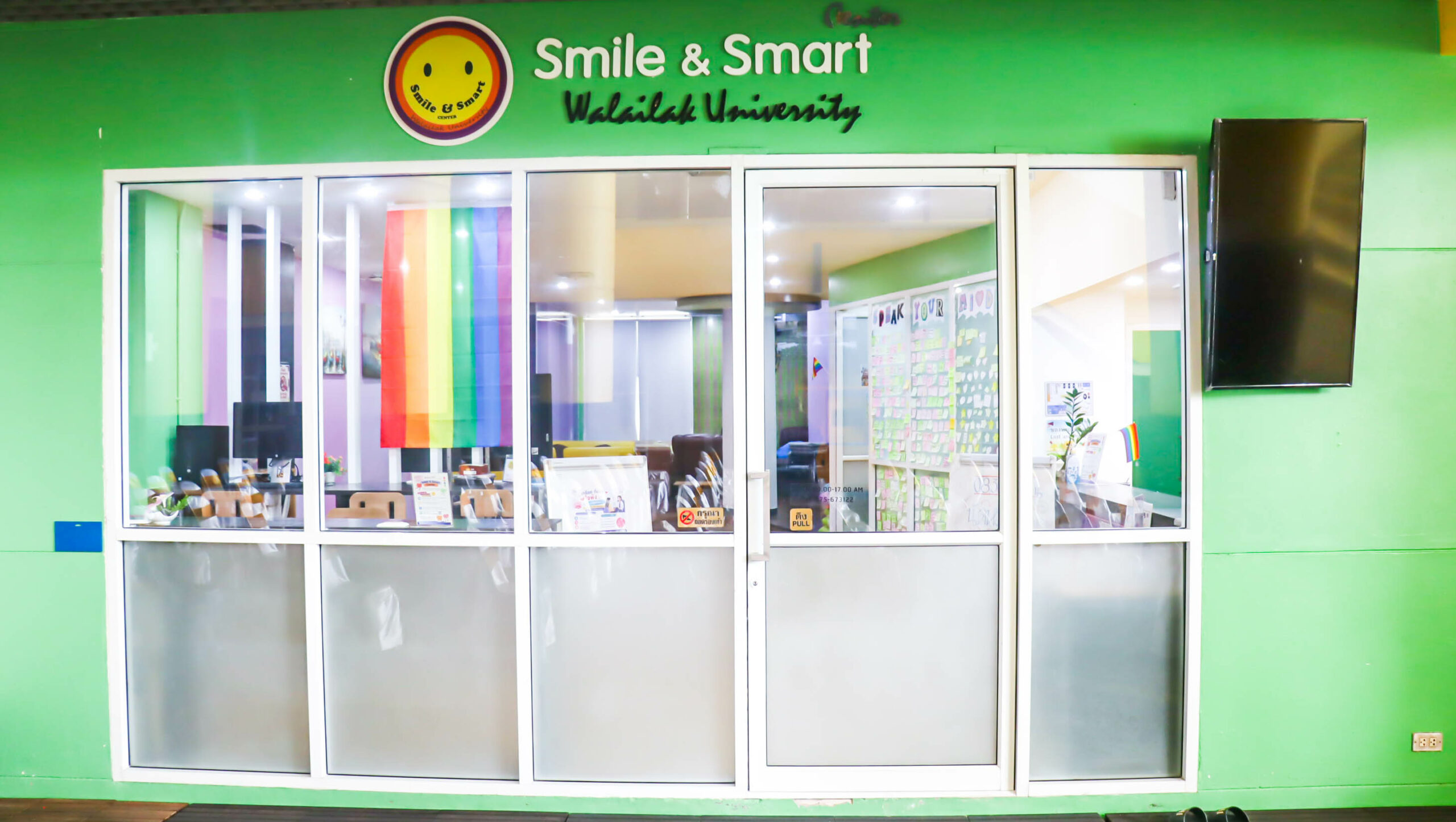
Smile & Smart Center
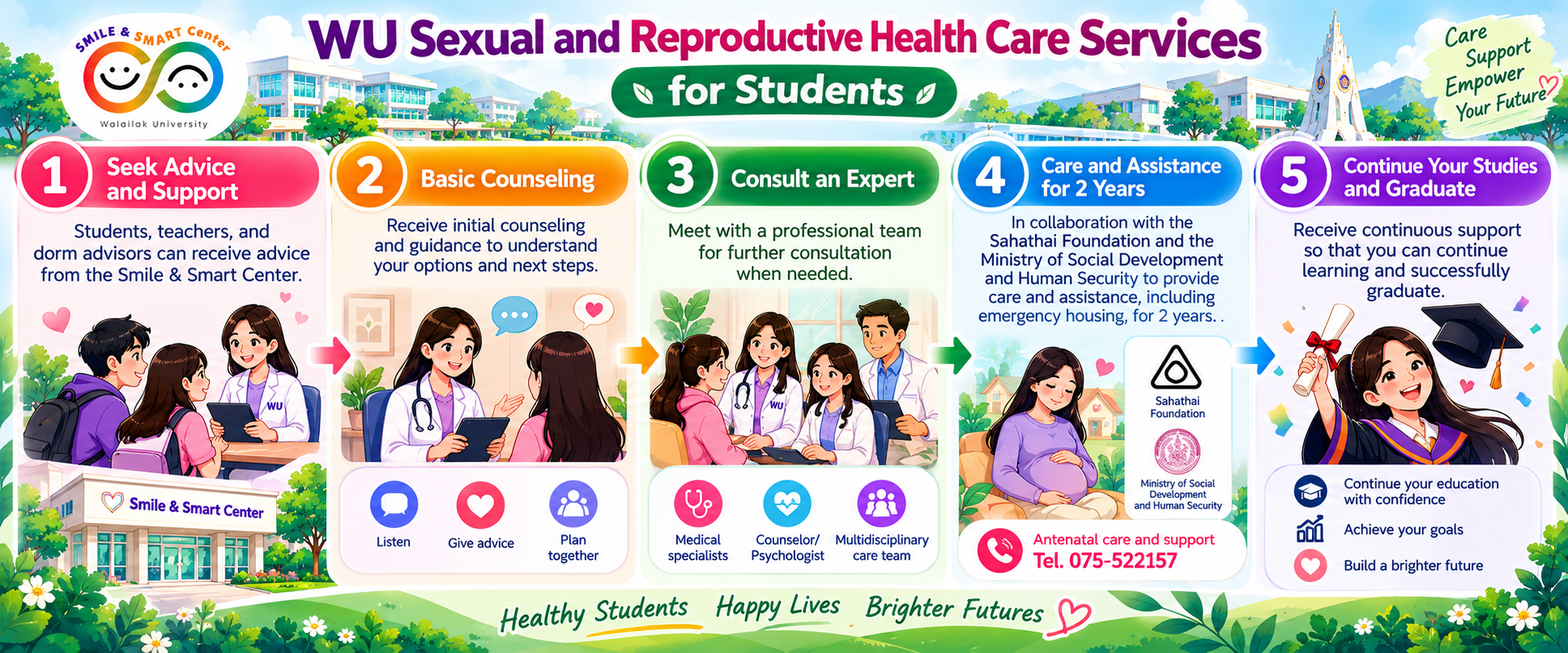
Walailak University promotes students’ sexual and reproductive health through the Smile & Smart Center, which provides counselling and support for students experiencing pregnancy during their studies. The service aims to support students in continuing their education and completing their studies while receiving appropriate care and assistance.
The Center provides an initial intake and Basic Counseling, followed by a Case Conference to develop an appropriate care plan. When necessary, students are referred to the Obstetrics and Gynecology Clinic at Walailak University Hospital for antenatal care and postpartum care. The Center can also coordinate with external networks to provide welfare support and assistance with childcare when necessary.
Services are provided by a multidisciplinary team consisting of psychiatrists, psychologists, psychiatric nurses, and counselling professionals. Counselling is available on an individual, group, and online basis.
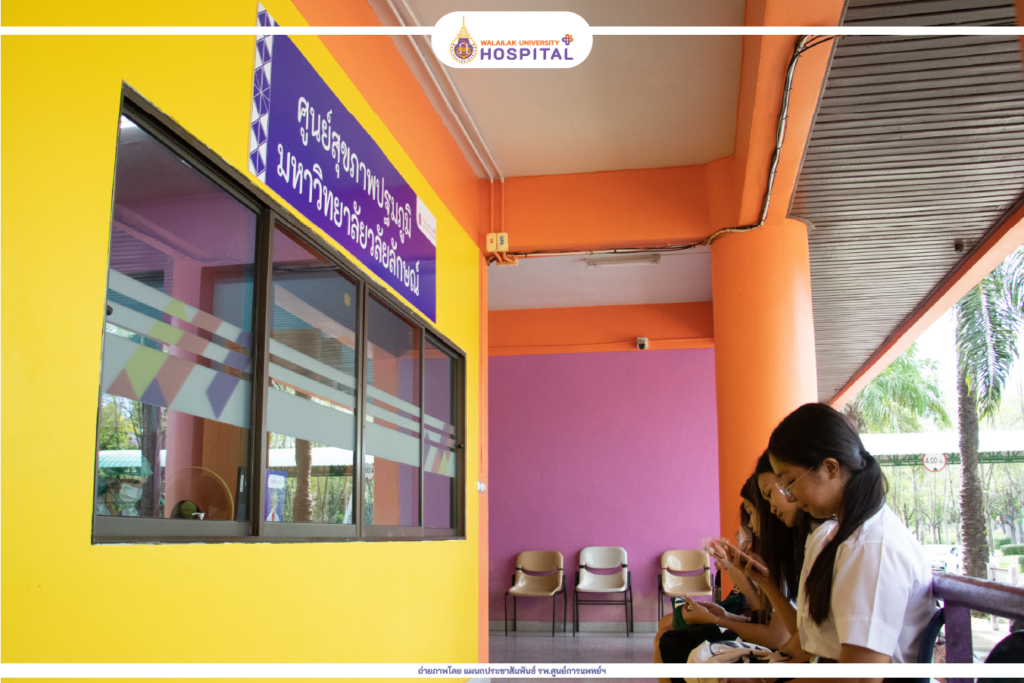
Primary Health Care Center
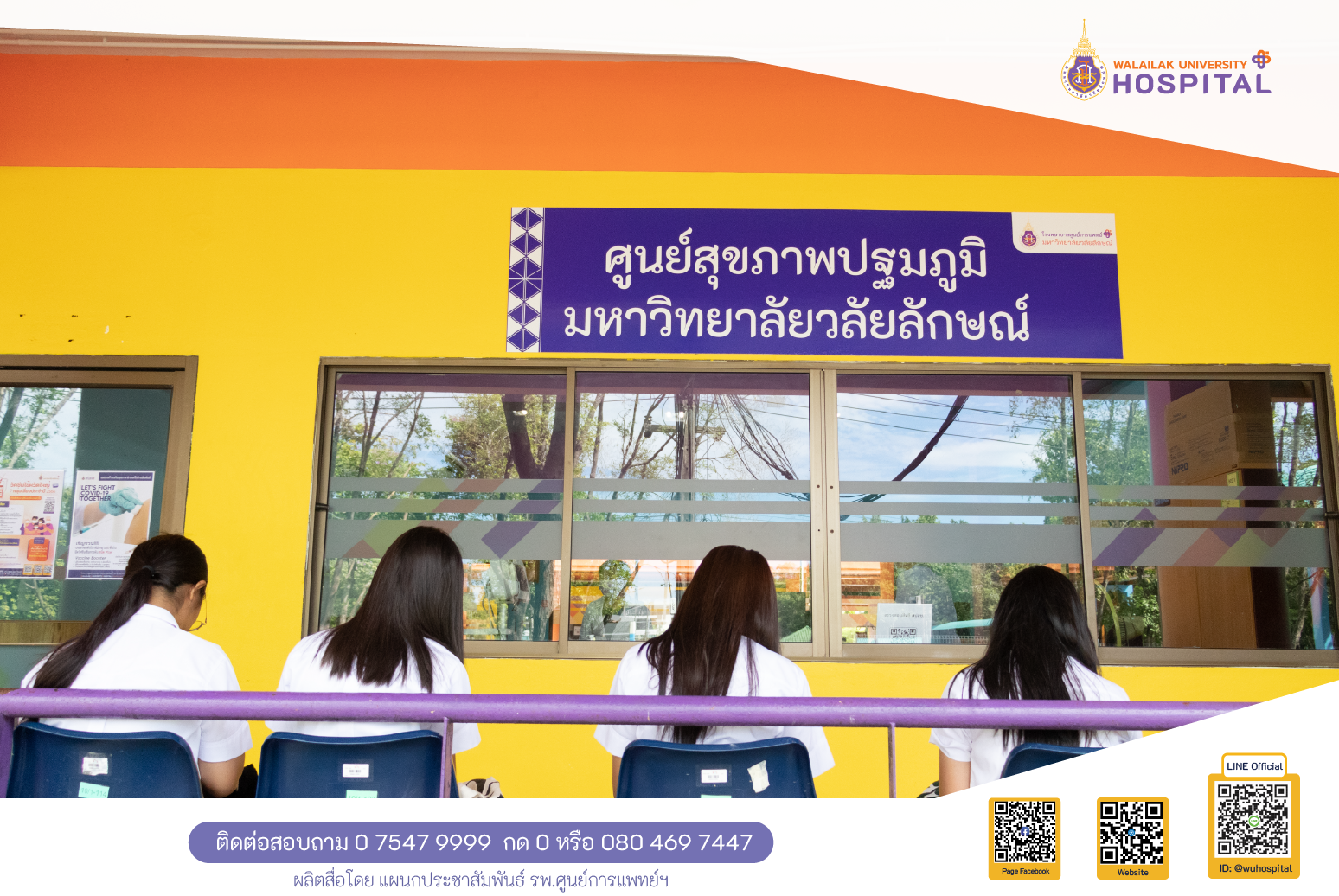
Walailak University promotes students’ access to health-care services through the Primary Health Care Center, located at the Activity Building. The Center provides services by general practice nurses free of charge, allowing students to receive basic health care and health advice, including information and advice related to sexual health and related well-being.
The Center is open daily and can promptly refer students to the University Medical Center and Walailak University Hospital when further medical assessment or treatment is required. This service provides an accessible entry point for students seeking health information, advice, and appropriate health-care services.
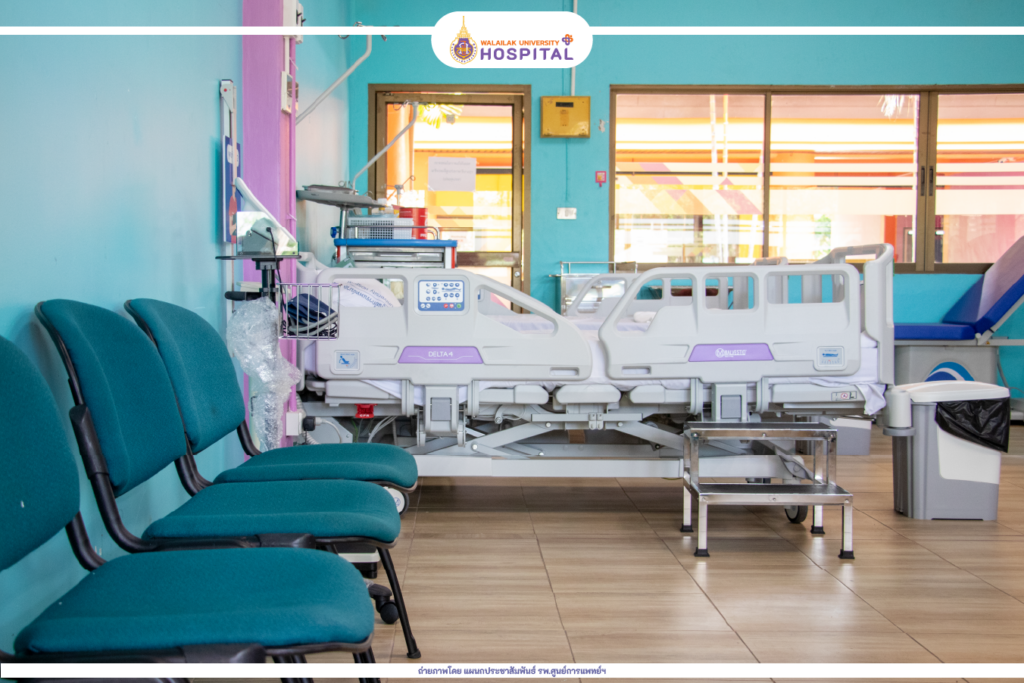
Obstetrics and Gynecology Clinic
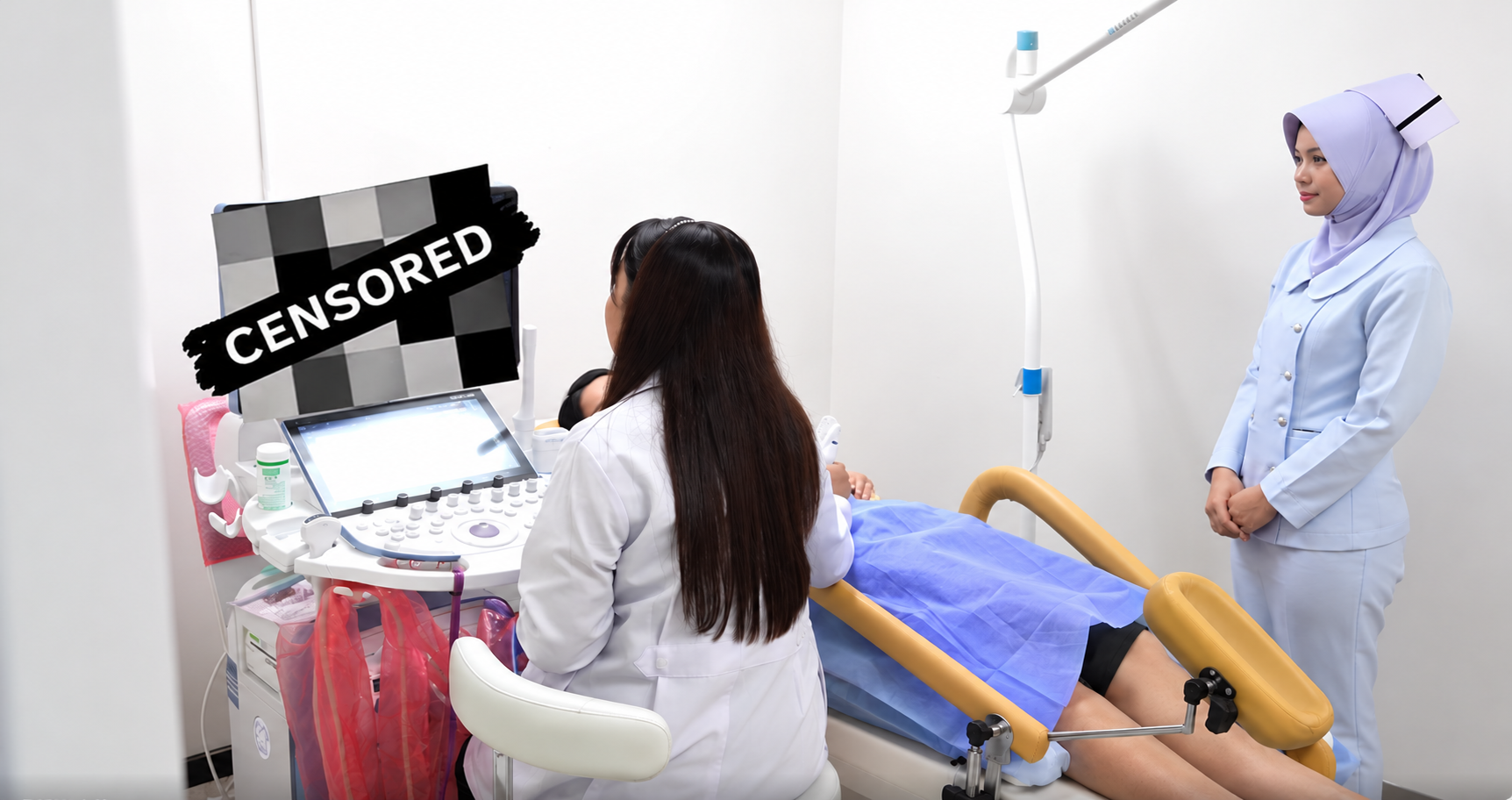
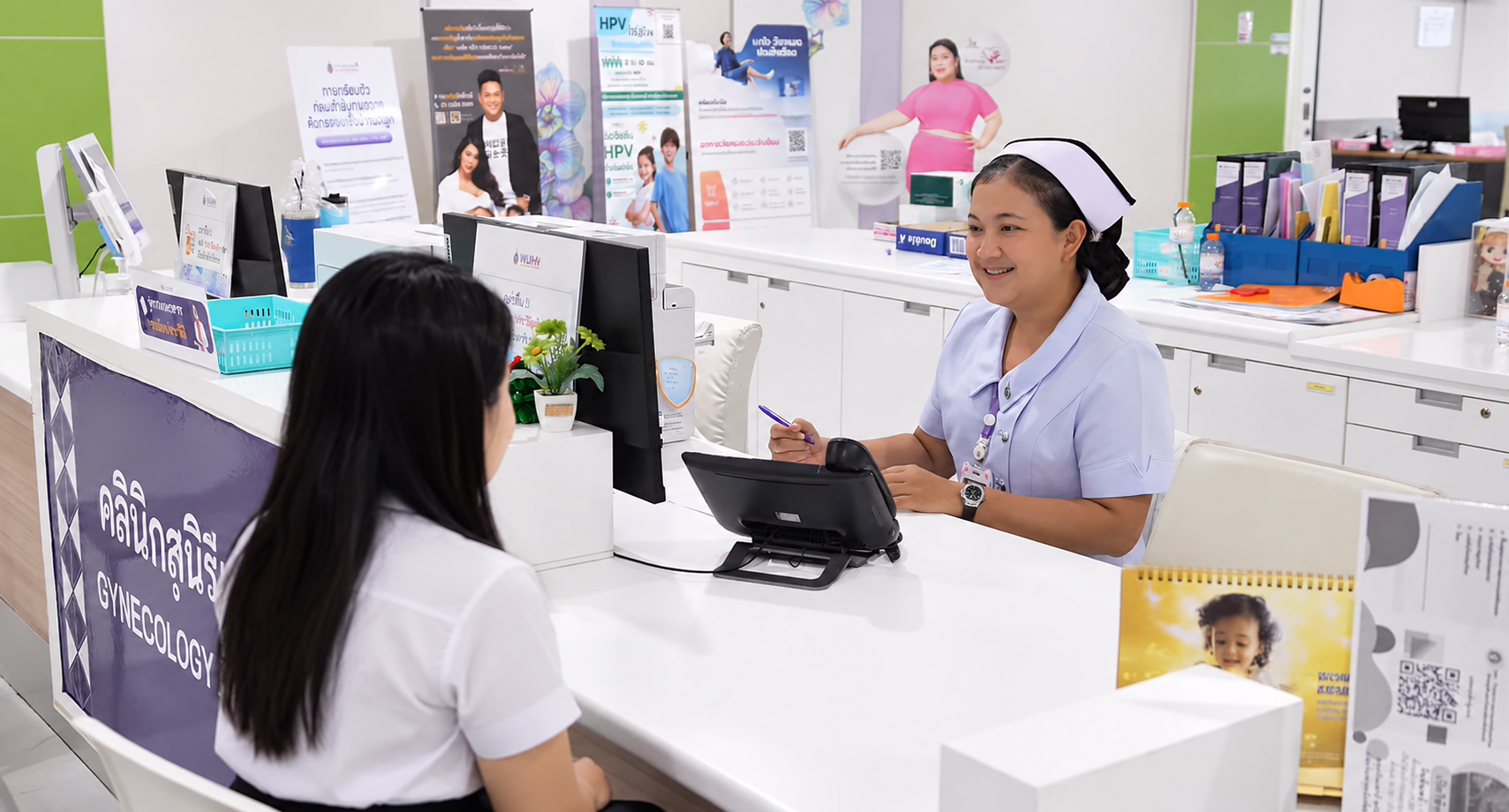
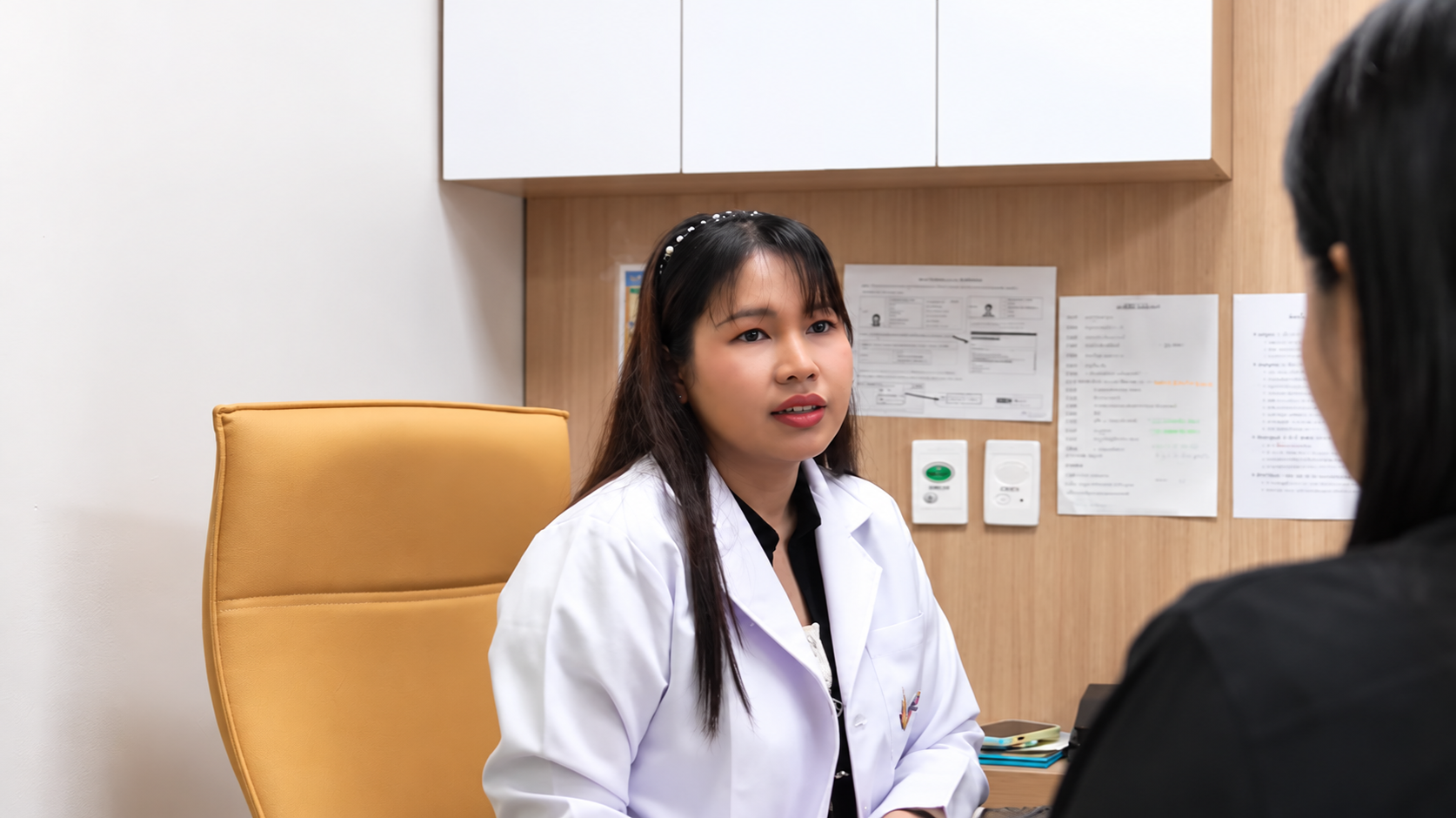
Walailak University also provides sexual and reproductive health-care services through the Obstetrics and Gynecology Clinic at Walailak University Hospital. The clinic provides examination, treatment, and counselling on women’s health by medical specialists.
Services include general women’s health examinations and pelvic examinations, cervical cancer screening, antenatal care and care during pregnancy, as well as reproductive medicine counselling. These services enable students and university personnel to access appropriate sexual and reproductive health-care services within an integrated health-care system.
Public Information Activities to Improve Students’ Access to Services
Walailak University also conducts public information activities to ensure that students are aware of available sexual and reproductive health-care services. These activities use communication materials and online media to provide accessible information about HIV, STIs, vaccination, screening, and available health services.
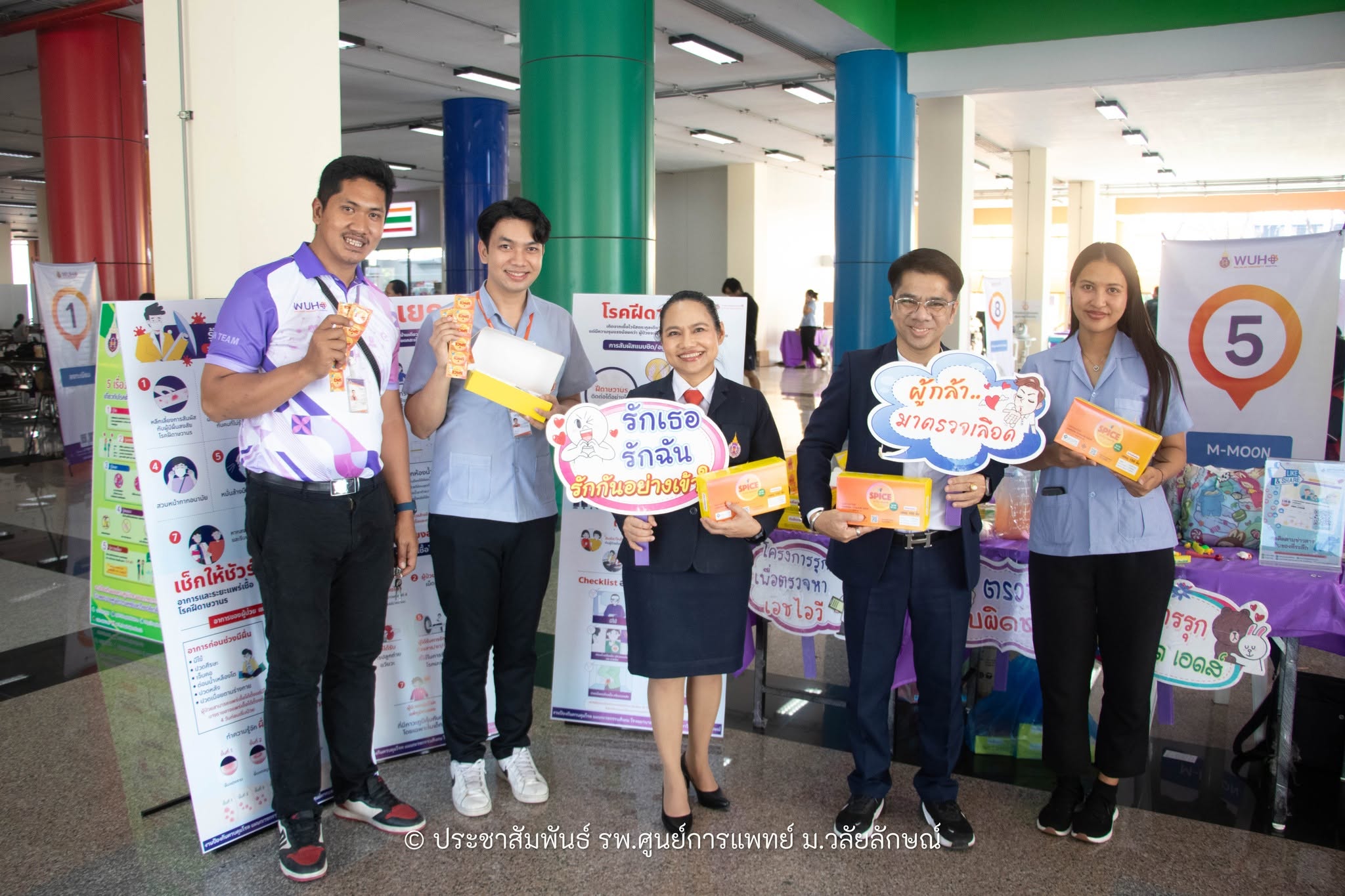
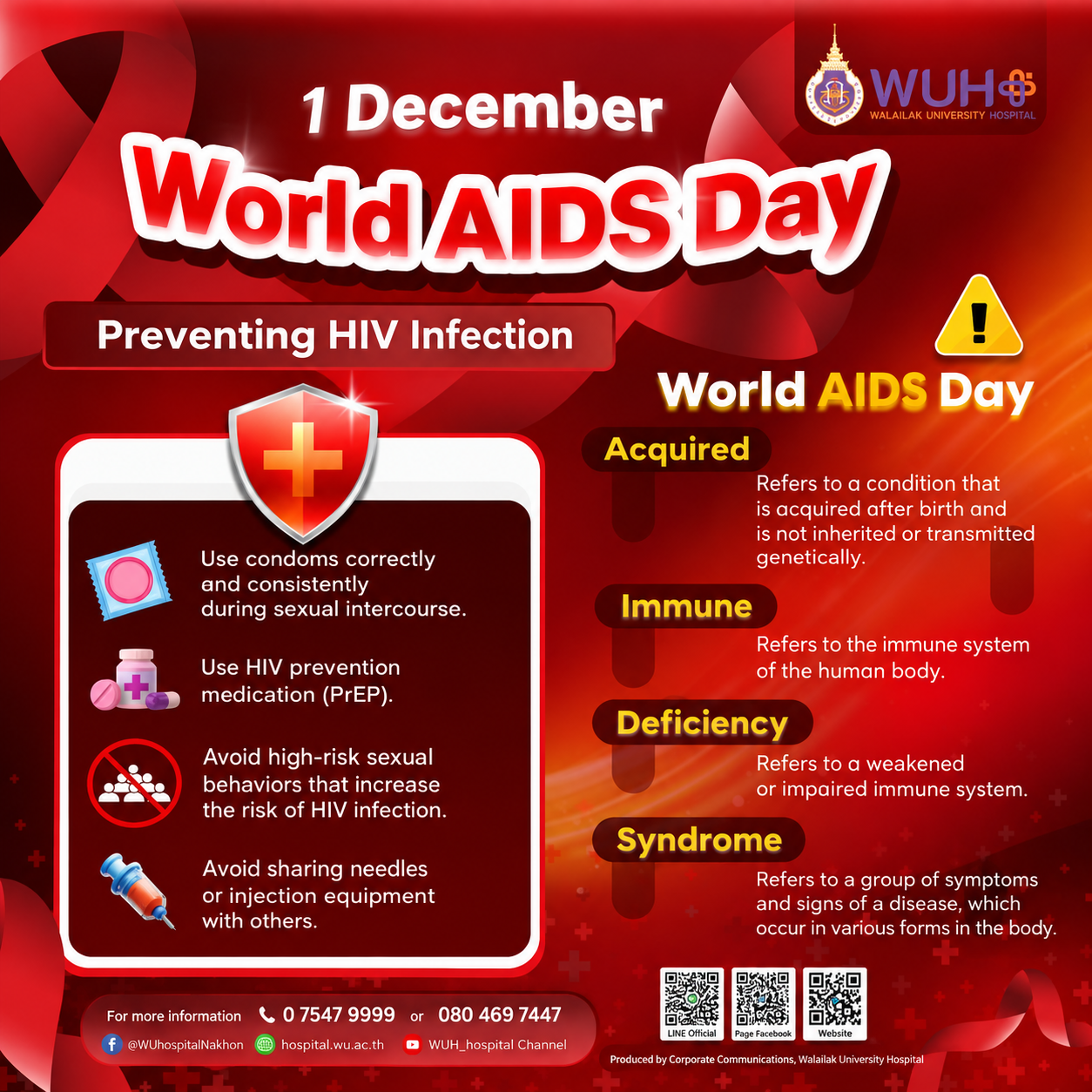
For example, Walailak University Hospital disseminated a World AIDS Day poster on the occasion of World AIDS Day, observed annually on 1 December, to raise public awareness of HIV/AIDS and promote HIV infection prevention. The poster explained the meaning of AIDS (Acquired Immunodeficiency Syndrome), highlighting how HIV affects the body’s immune system. It also provided practical guidance on preventing HIV transmission, including using condoms correctly and consistently during sexual intercourse, taking HIV pre-exposure prophylaxis (PrEP), avoiding sexual behaviors that increase the risk of infection, and refraining from sharing needles or injection equipment. Additionally, the poster provided the hospital’s contact information and digital communication channels, enabling individuals to access further health information. Through this health education initiative, the university aimed to improve public understanding of HIV/AIDS, encourage safer sexual practices, promote preventive health behaviors, and reduce the risk of HIV transmission among students, staff, and the wider community.
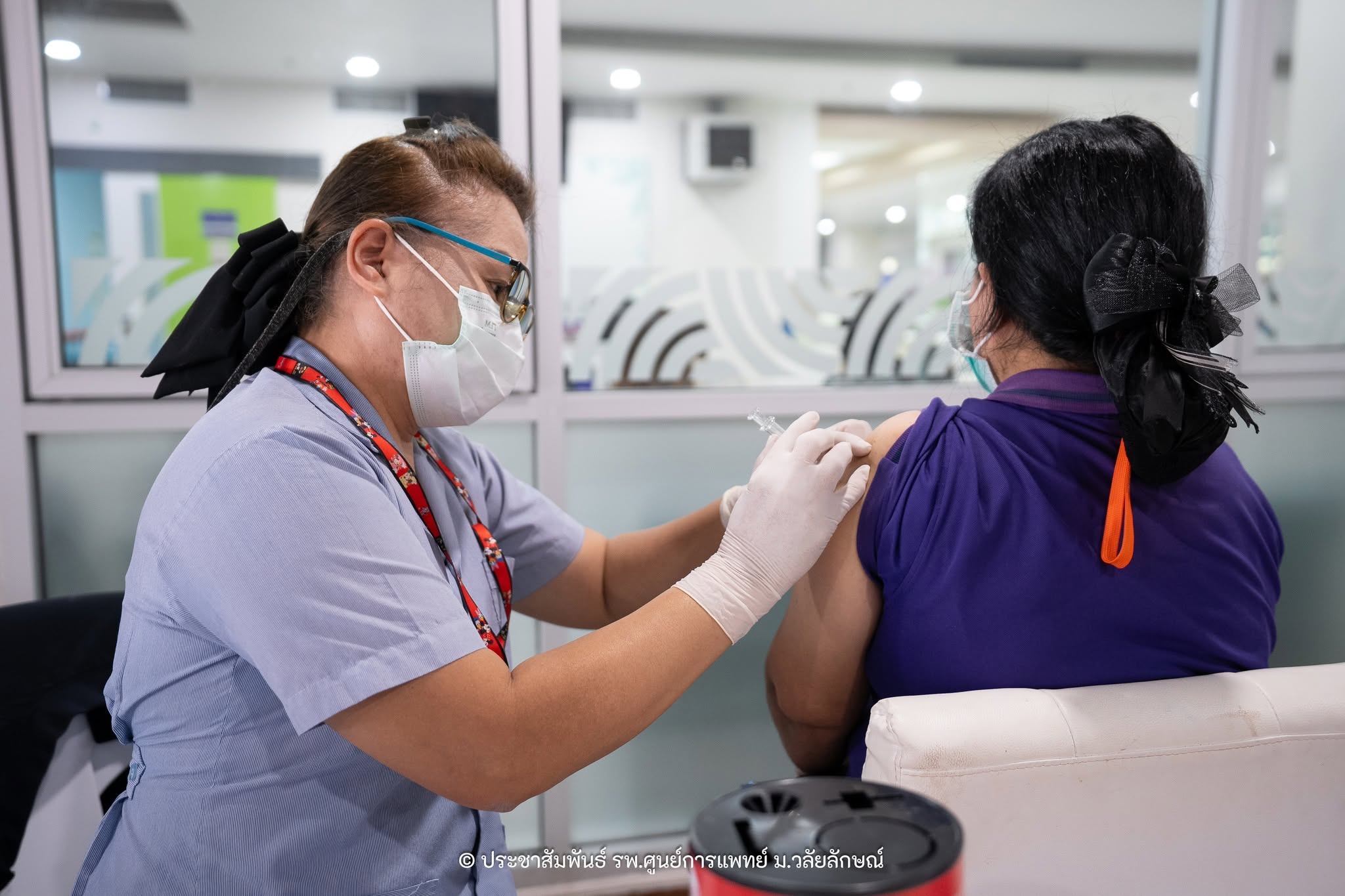
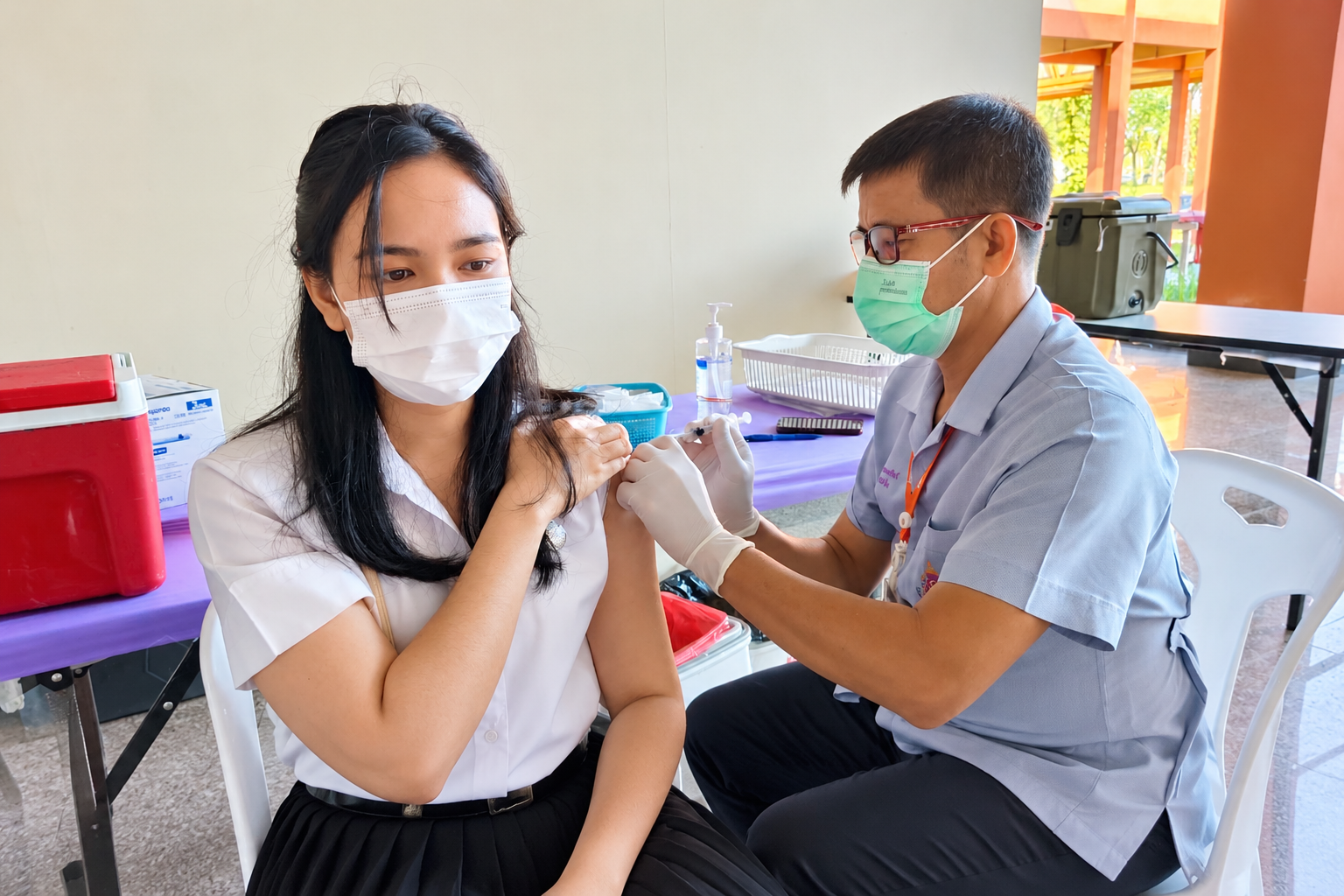
The university also publicized information about free Human Papillomavirus (HPV) vaccination services provided by Walailak University Hospital to raise awareness of cervical cancer prevention and encourage students to access preventive healthcare services. Through public health announcements and university communication channels, students received information about the importance of HPV vaccination, its role in preventing HPV infections associated with cervical cancer and other HPV-related diseases, and the availability of free vaccination services.
In 2025, a total of 1,955 female students received free HPV vaccinations through the university’s vaccination programme. The vaccinations were administered by Walailak University Hospital, enabling students to access preventive healthcare services through a trusted medical facility within the university. This arrangement improved the accessibility and convenience of vaccination services, reduced financial barriers, and minimized the need for students to seek vaccination services outside the university.
Through this initiative, Walailak University strengthened sexual and reproductive health education, disease prevention, and equitable access to preventive healthcare services. By combining health awareness campaigns with free vaccination services, the university encouraged students to take proactive measures to protect themselves against HPV-related diseases, contributing to their long-term health and well-being.
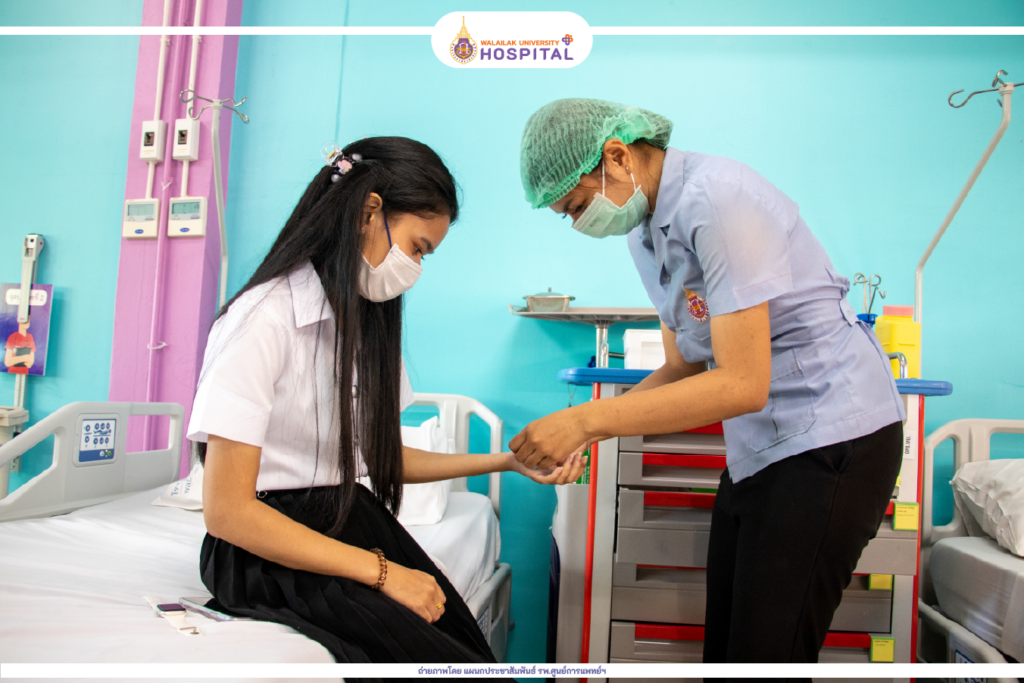
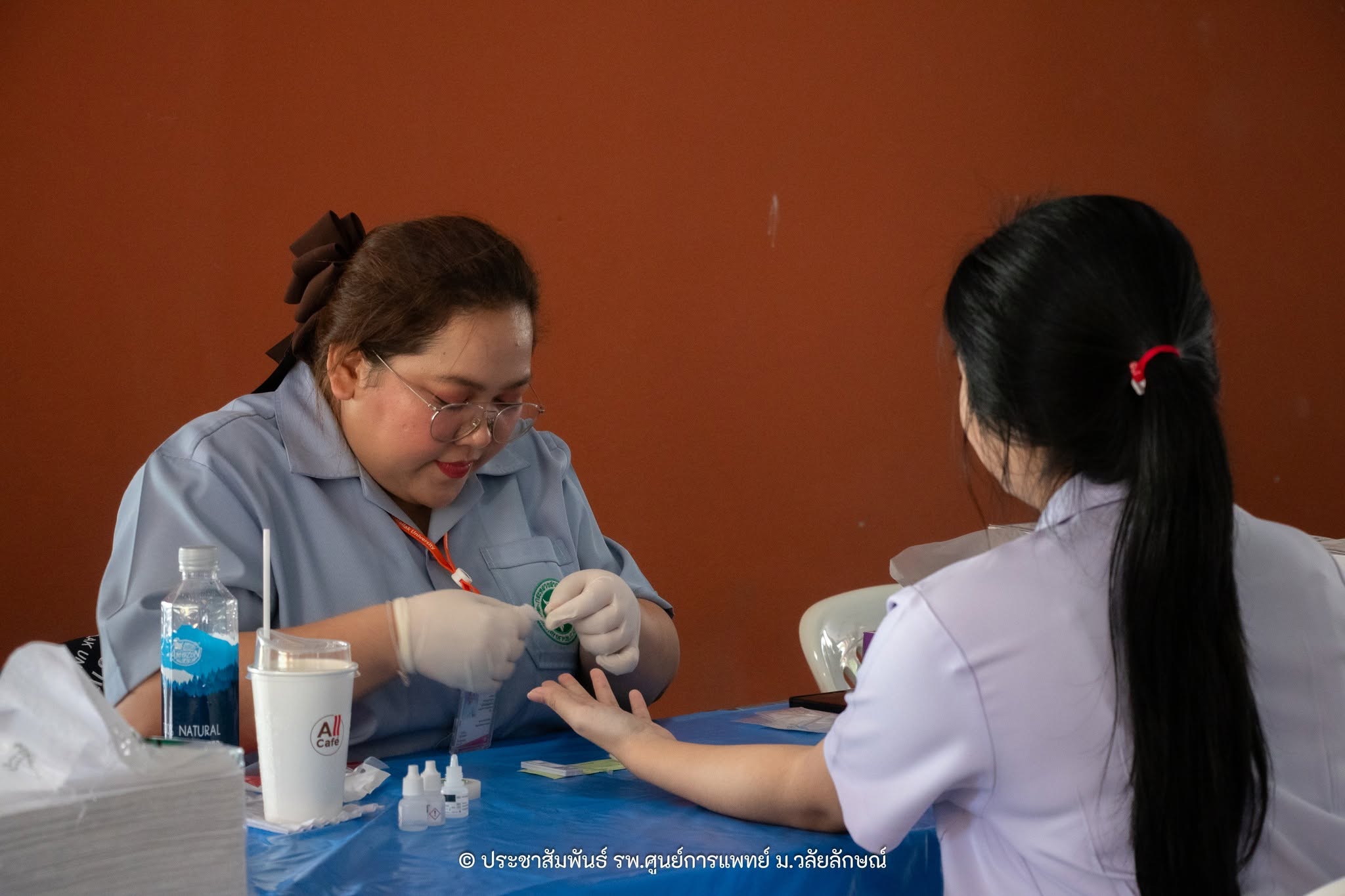
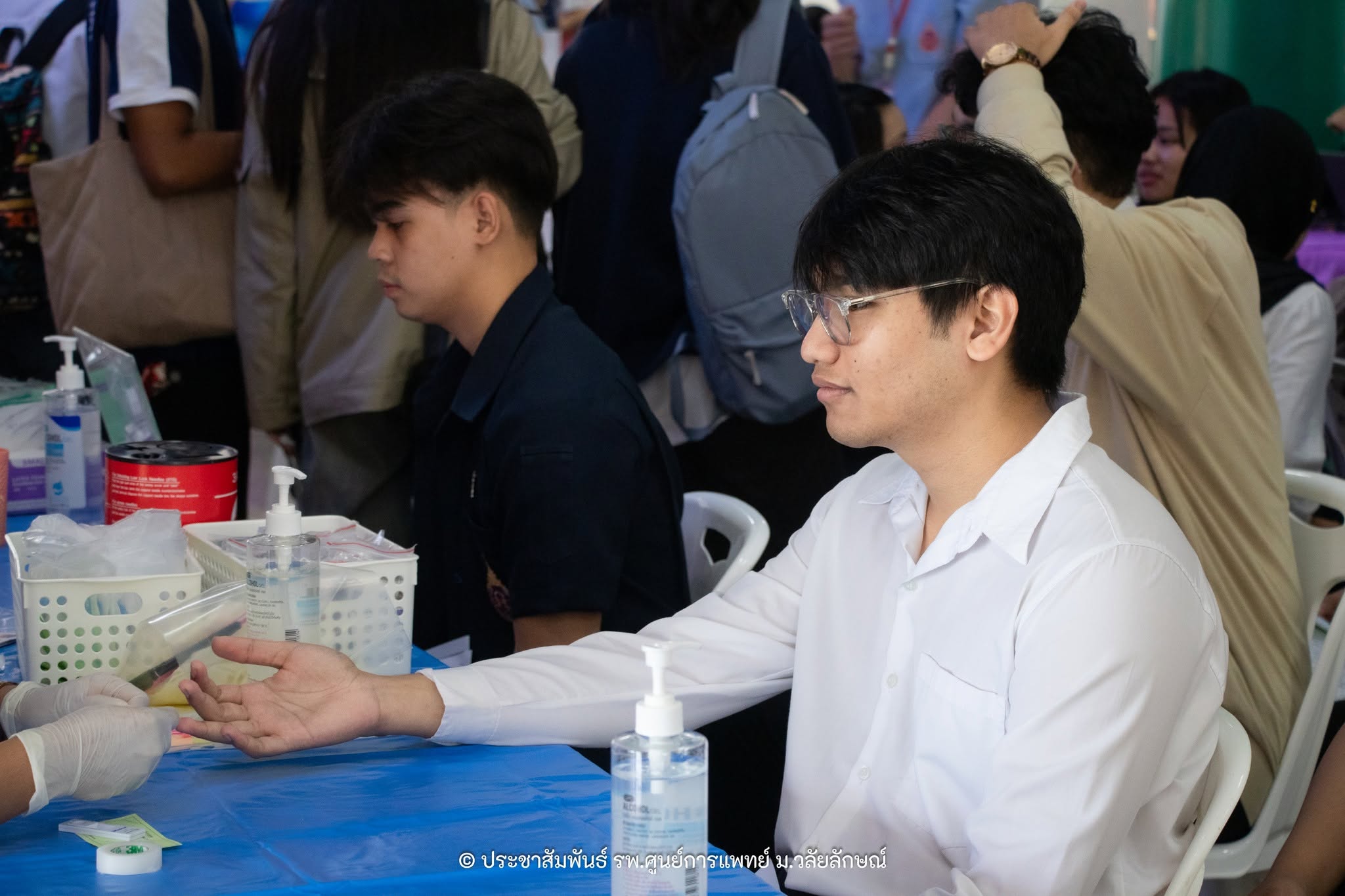
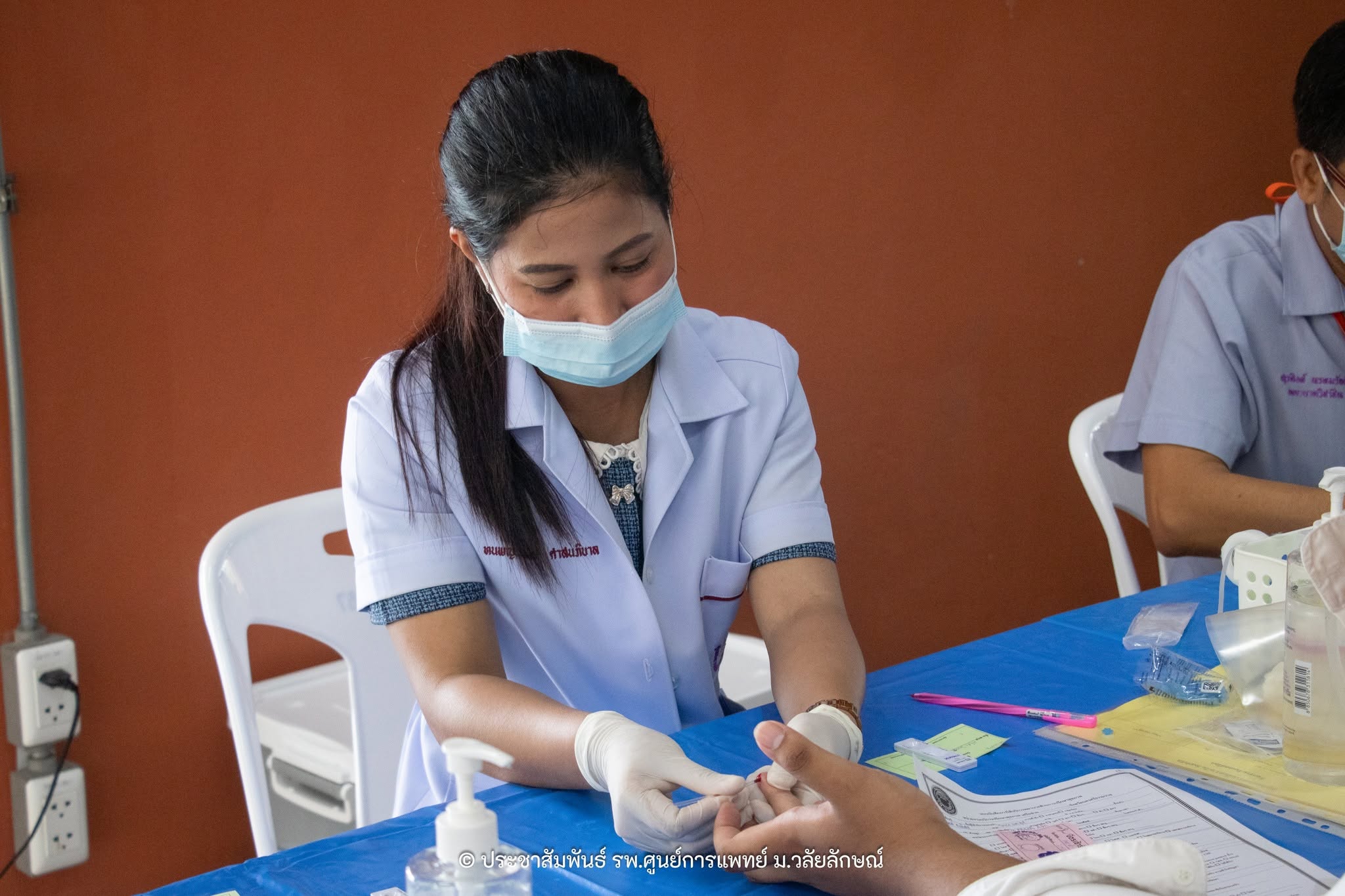
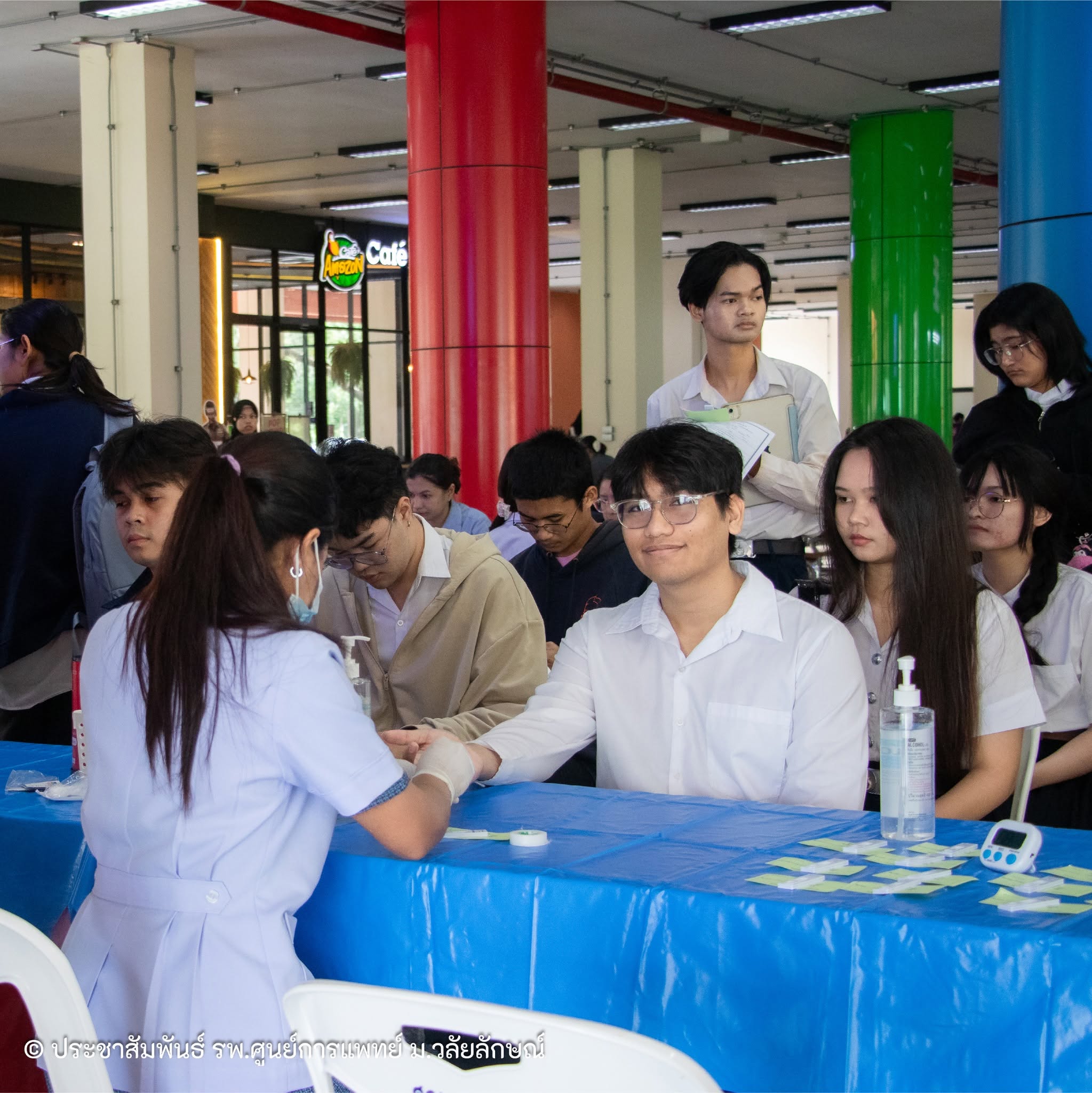
In addition, the Walailak University Hospital organized a health screening programme for the prevention of sexually transmitted infections. The programme provided students with access to health screening and related health information, including pre-test counselling. Individuals identified as being at risk could be referred to physicians for diagnosis and treatment according to their health-care entitlements. Blood testing was also provided as part of the university’s STI screening and prevention services.
These services enable students to access information, screening, vaccination, and advice from health-care professionals within the university’s health-care system. Students requiring additional care can receive counselling and referral to medical professionals for further diagnosis, treatment, and follow-up.
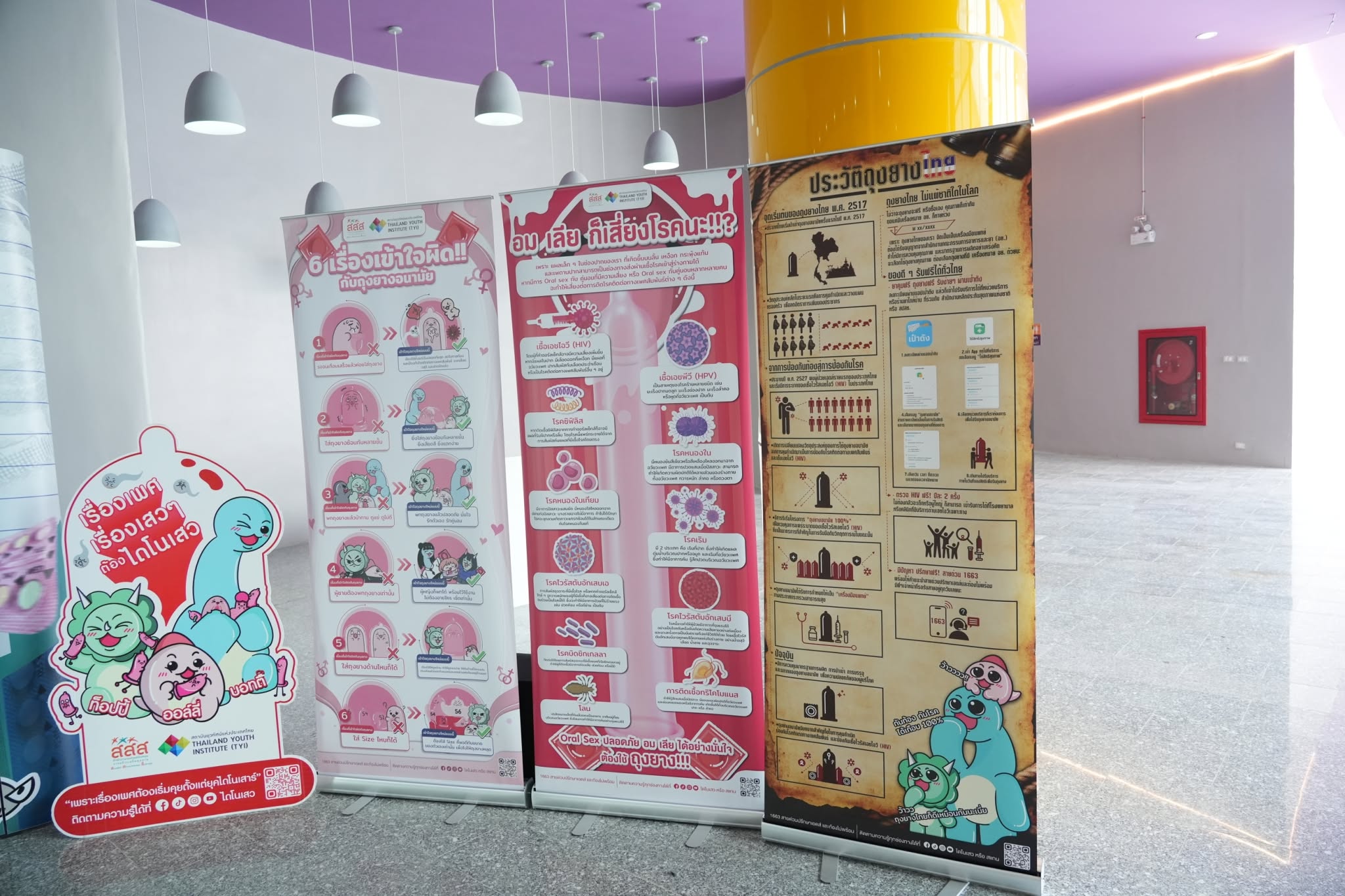
Another important activity is “School Tour: Sure About Sex”, which provides a safe and friendly environment for young people to learn and discuss sexual health. Through interactive learning activities and exhibitions, participants received information about condom use, HIV self-testing, HPV vaccination, and STI prevention. The activity supports access to accurate information and helps young people make informed decisions regarding their sexual and reproductive health.
Education Services
Walailak University also provides education services to strengthen students’ knowledge and understanding of sexual and reproductive health. These activities provide opportunities for students to learn about disease prevention, safer sexual practices, available health-care services, contraception, and approaches to reducing the risk of sexually transmitted infections and unintended pregnancy.
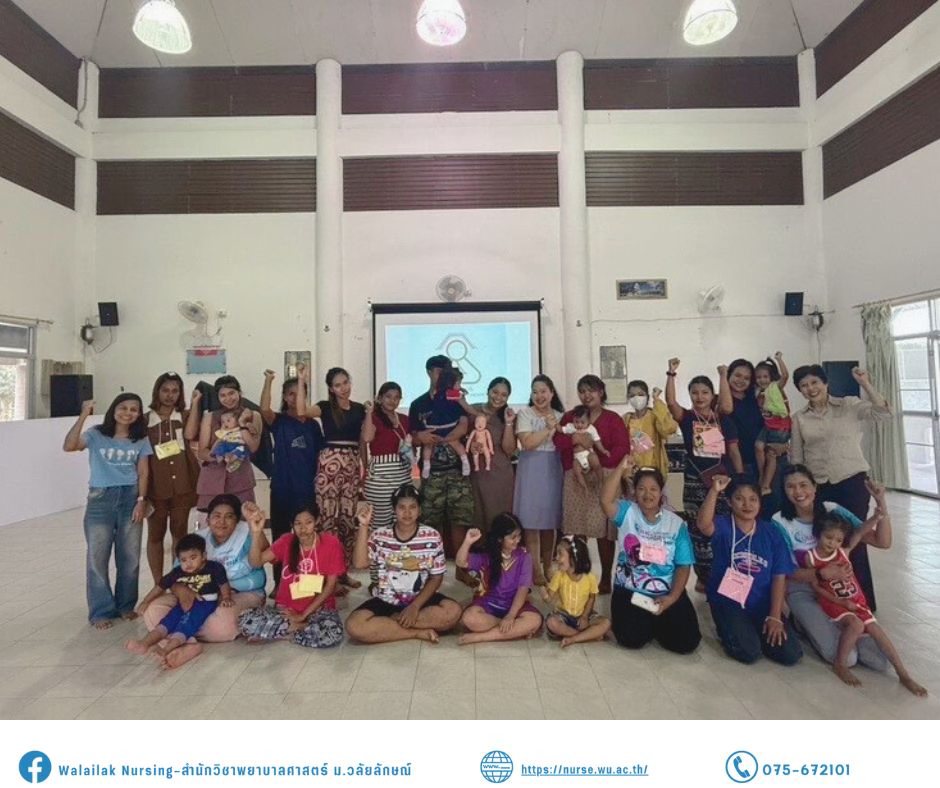
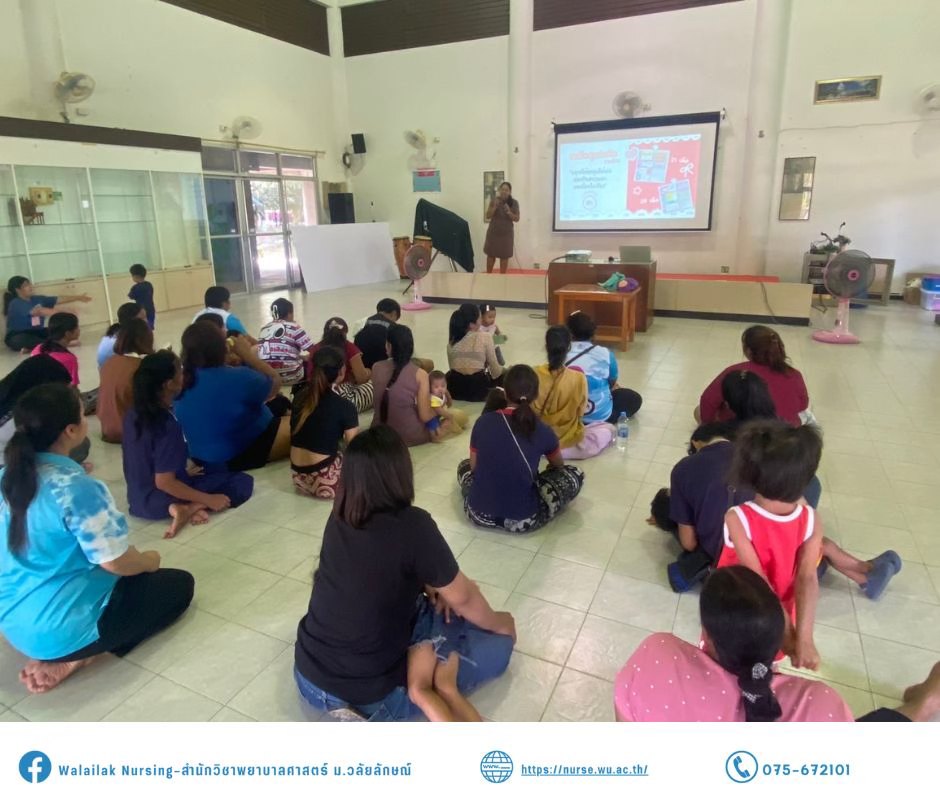
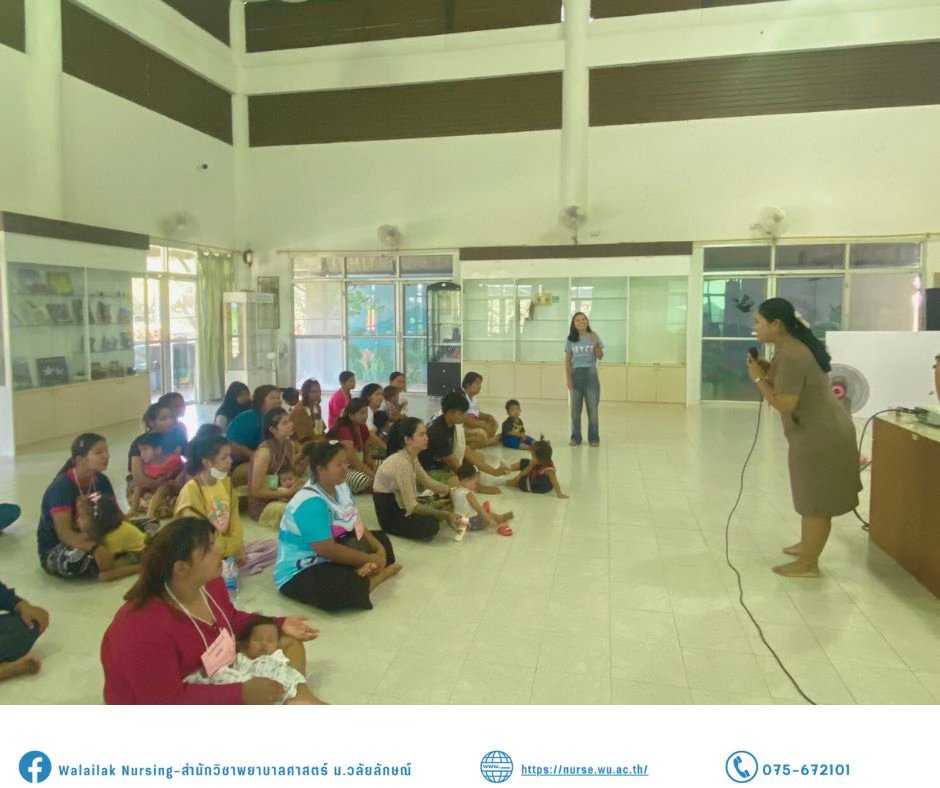
One important activity was a practical workshop on “Reproductive Health: Prevention of Unintended Pregnancy”, held on 12 September 2025 at Walailak Botanic Park. The activity was organized in collaboration with the Southern Office of the Sahathai Foundation, with lecturers from the School of Nursing. The workshop provided practical education on appropriate contraceptive methods, sexually transmitted infections, breastfeeding and infant care, and the risks associated with unsafe pregnancy. The activity aimed to strengthen participants’ knowledge of reproductive health, promote safer sexual practices, and support informed approaches to preventing unintended pregnancy and protecting sexual and reproductive health.
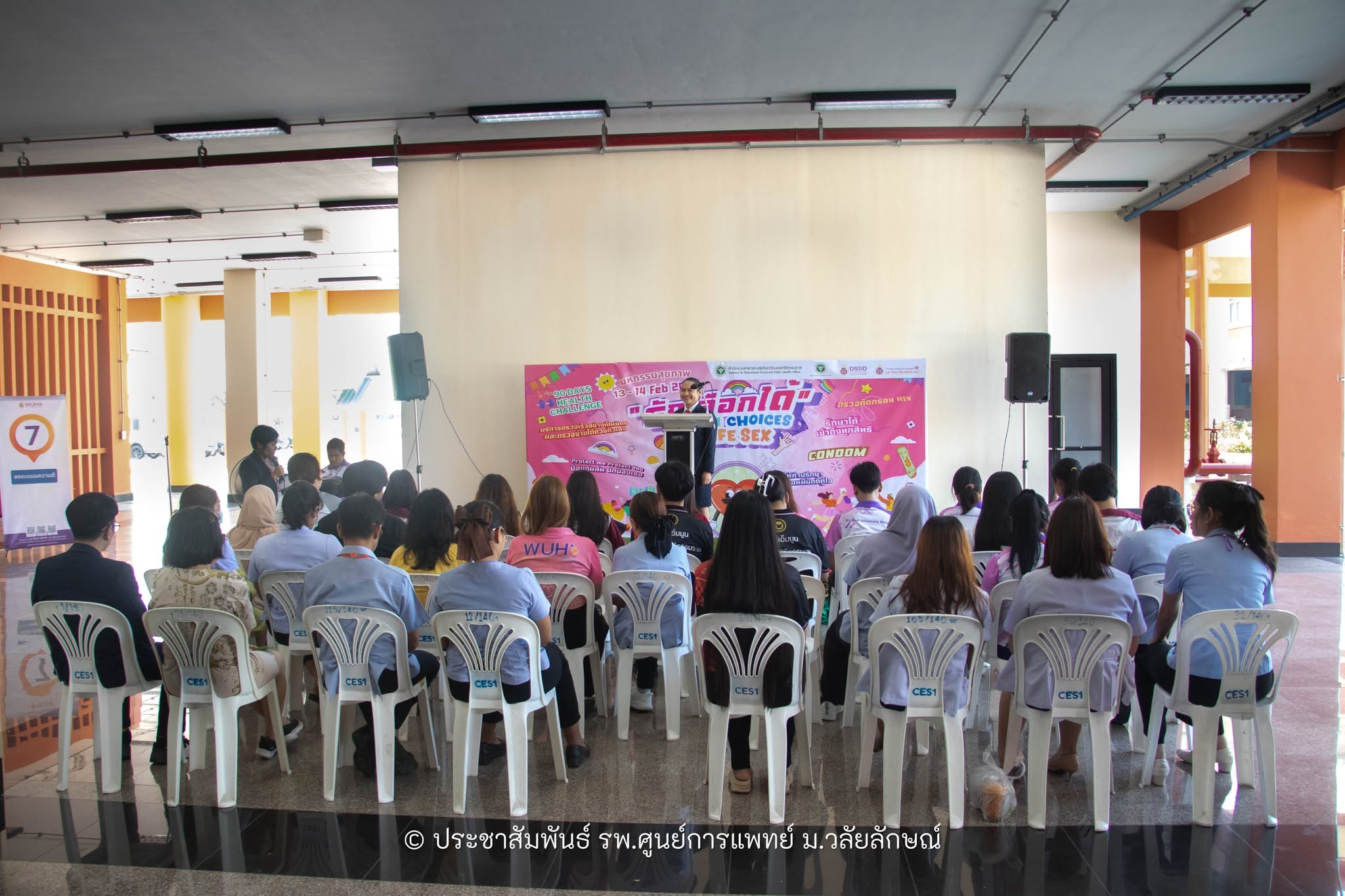
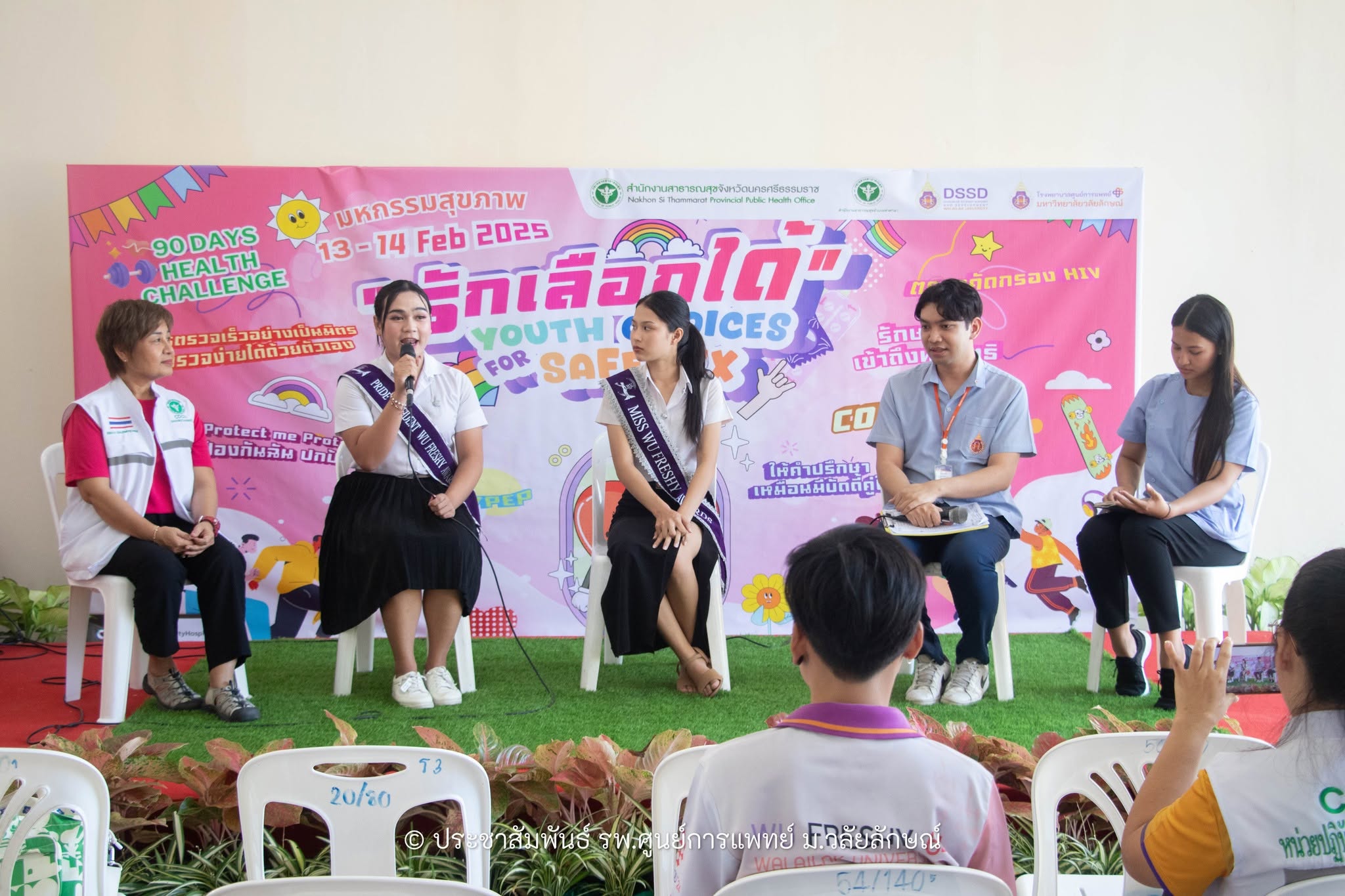
Another important activity was an educational forum on sexually transmitted infections, organized as part of the university’s World AIDS Day activities. The exhibition provided accessible information about HIV, STIs, prevention methods, and related health-care services. It also encouraged students to seek health counselling and screening when necessary.
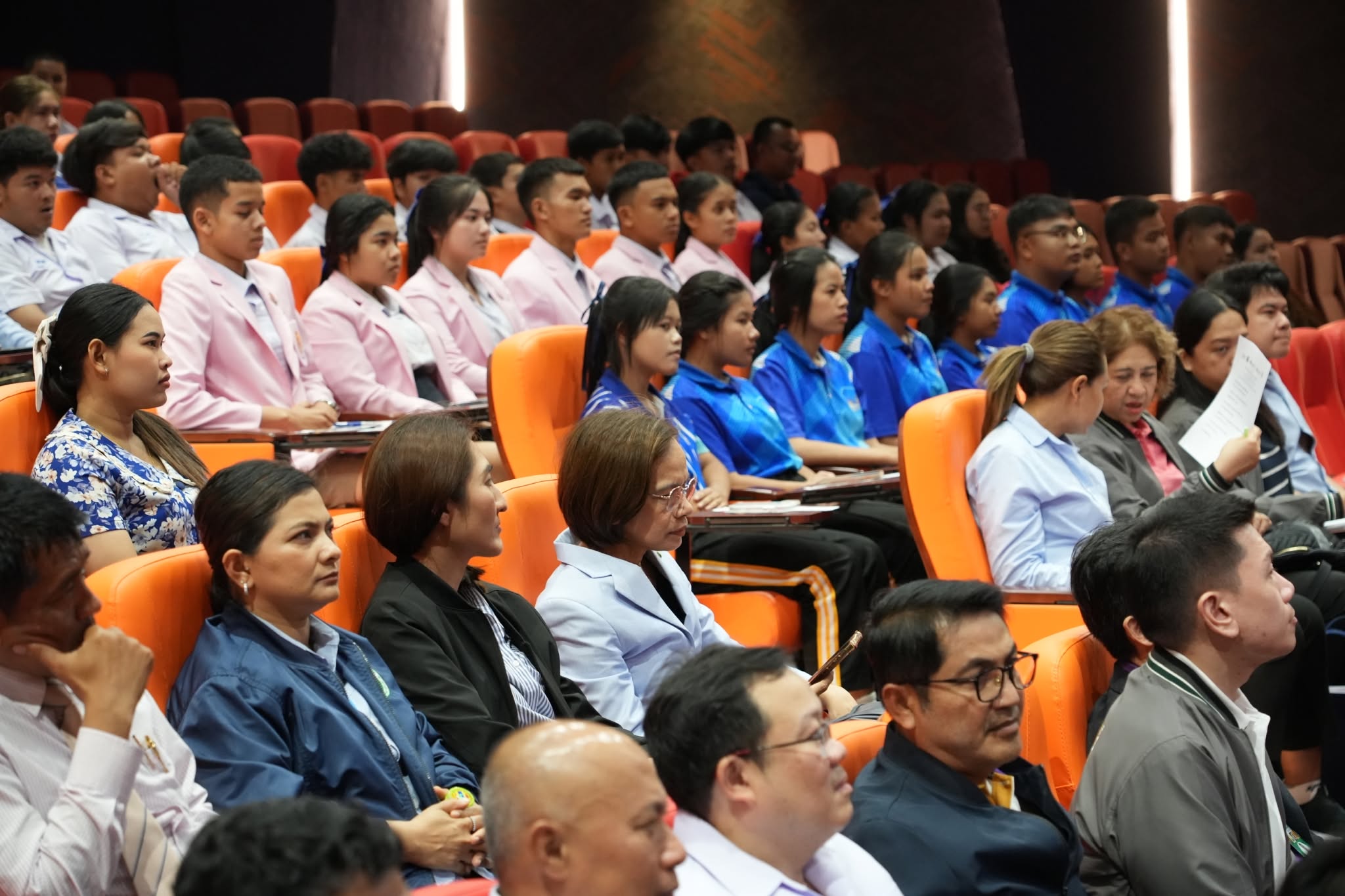
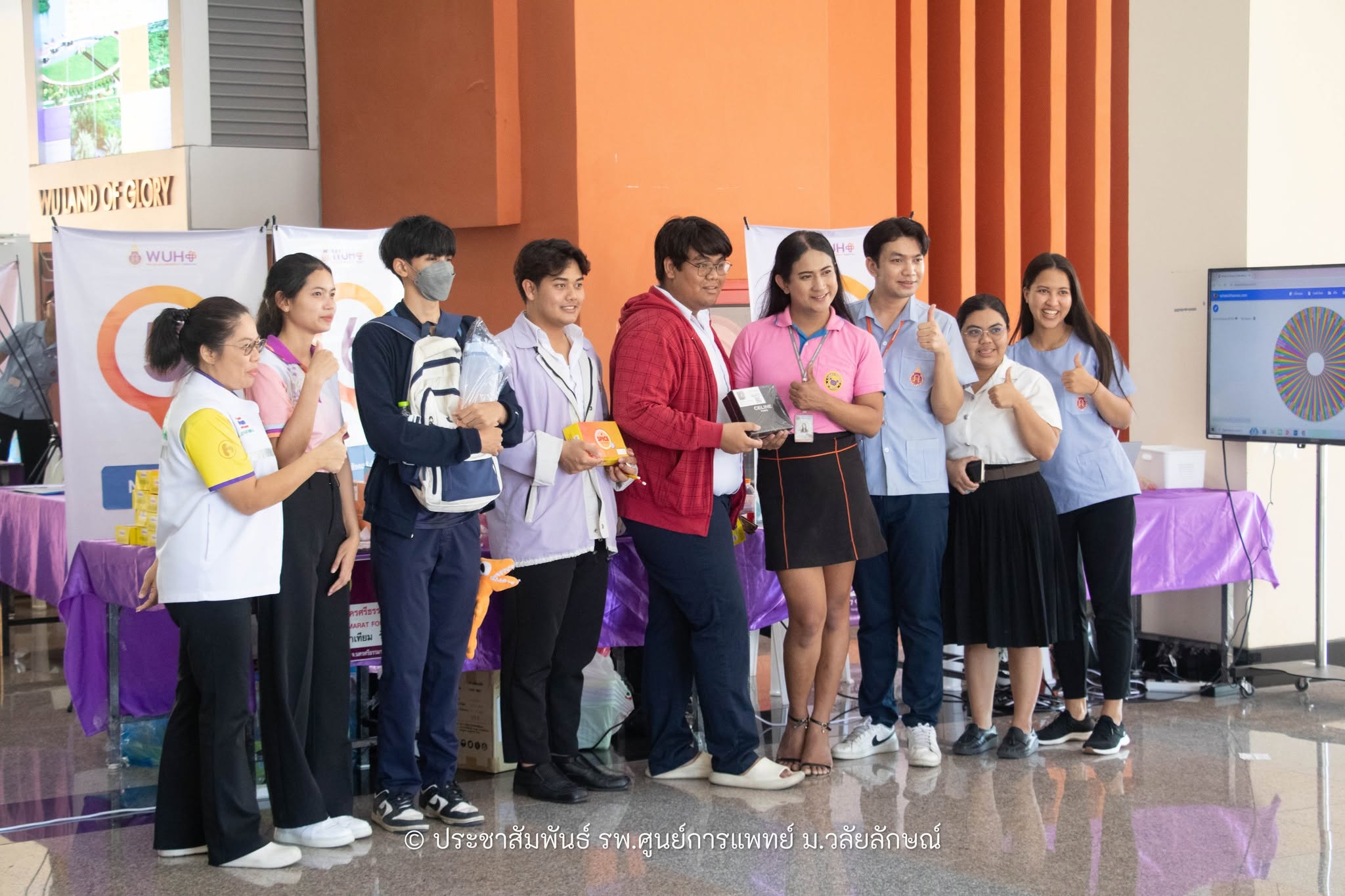
Furthermore, Walailak University Hospital organized the Health Screening Programme for the Prevention and Control of Sexually Transmitted Infections for students and university personnel in 2025. More than 235 participants took part in the programme, which included educational activities such as exhibitions, an educational forum, and a question-and-answer activity. The programme aimed to strengthen participants’ knowledge and understanding of STI prevention while providing opportunities to access screening and appropriate treatment.
Integrated Sexual and Reproductive Health-Care Services
Through the integration of information services, access to health-care services, screening, vaccination, counselling, and education services, Walailak University provides students with access to sexual and reproductive health-care services, including information and education services.
This integrated approach enables students to access reliable information, appropriate health-care services, screening, vaccination, counselling, diagnosis, treatment, and follow-up within the university’s health-care system. It also supports students in developing health literacy and awareness of sexual and reproductive health and in taking appropriate steps to prevent sexually transmitted infections and other health risks.
Related Links