
Free Educational Outreach Programs on Freshwater Ecosystems
Free Educational Outreach Programs on Freshwater Ecosystems
Freshwater ecosystems are essential for community livelihoods, agricultural production, biodiversity, and long-term water security. However, communities in Na Mai Phai Subdistrict, Thung Song District, Nakhon Si Thammarat Province, face seasonal water shortages, unpredictable rainfall, riverbank erosion, and degradation of freshwater habitats. Although the area is located near the Khao Luang Mountain Range and is connected by several natural streams, insufficient water retention during the dry season can affect agricultural activities, while intense monsoon flows can cause erosion, damage existing water-management structures, and disturb aquatic habitats. These challenges require a systematic diagnostic assessment of freshwater conditions and the factors affecting local water security and ecosystem health, as well as efforts to strengthen community knowledge and capacity in freshwater ecosystem conservation, sustainable water management, water conservation, irrigation practices, river restoration, biodiversity conservation, and climate-resilient water resource management. In response, Walailak University (WU) has implemented a long-term community outreach programme that combines diagnostic assessment, scientific knowledge, local wisdom, hands-on education, and nature-based solutions.
Building Nature-Based Weirs for Water Security and Freshwater Biodiversity Conservation
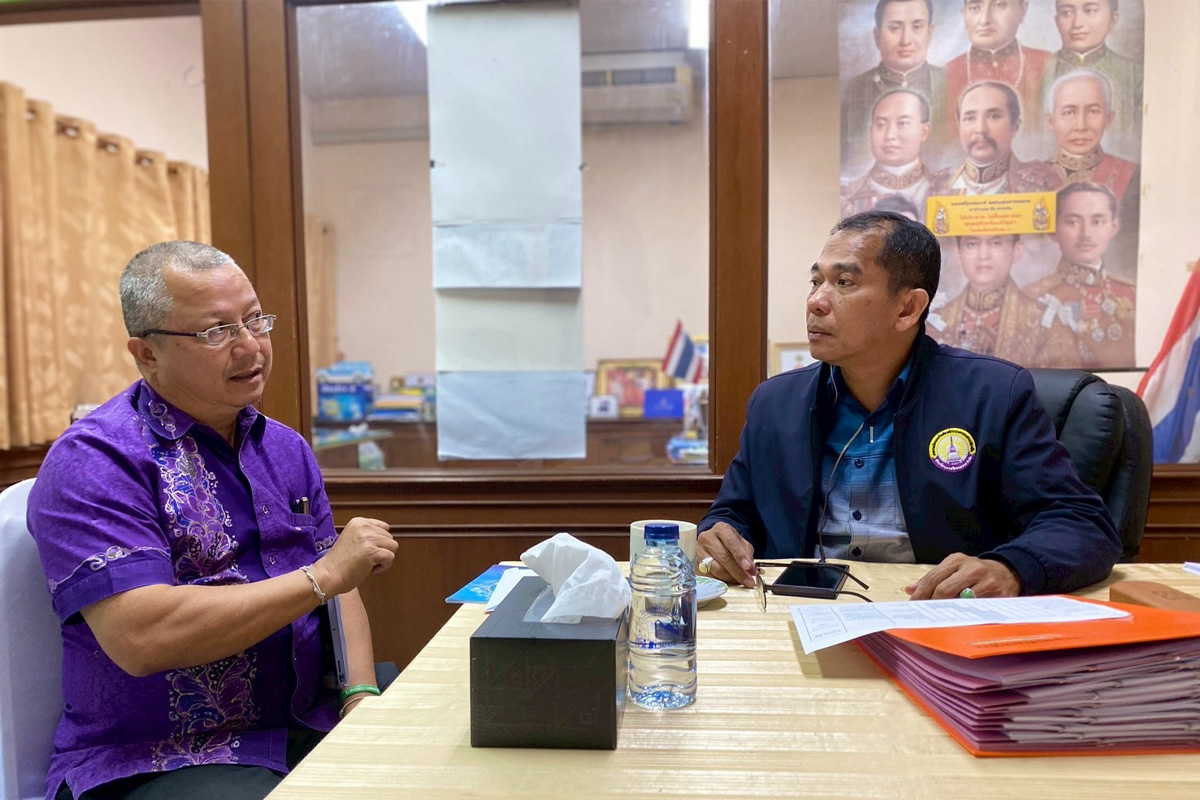
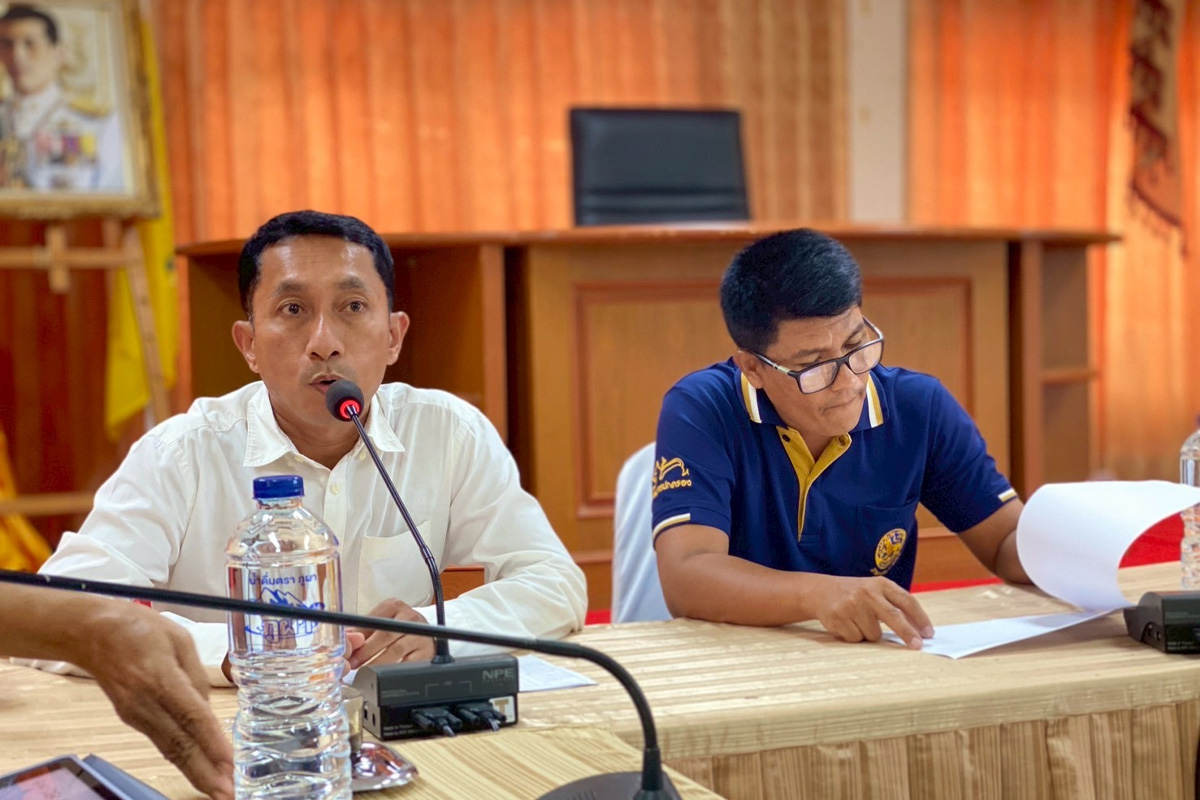
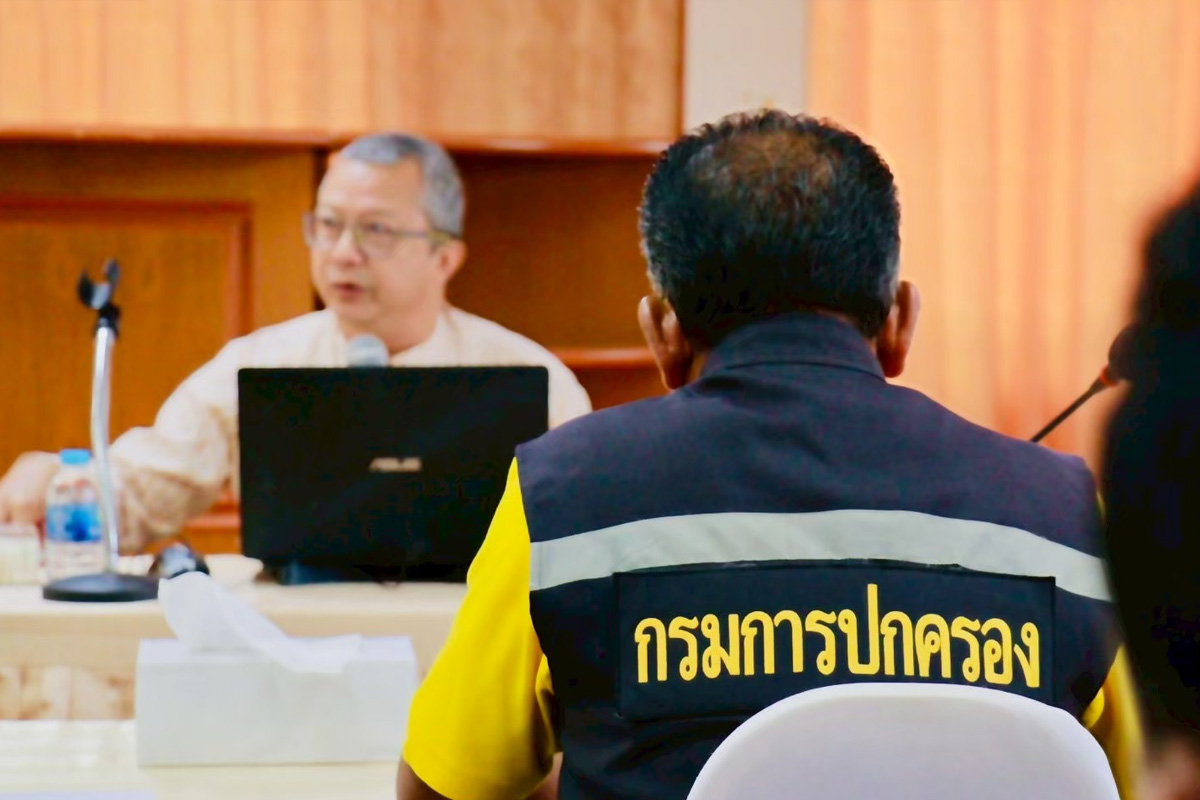
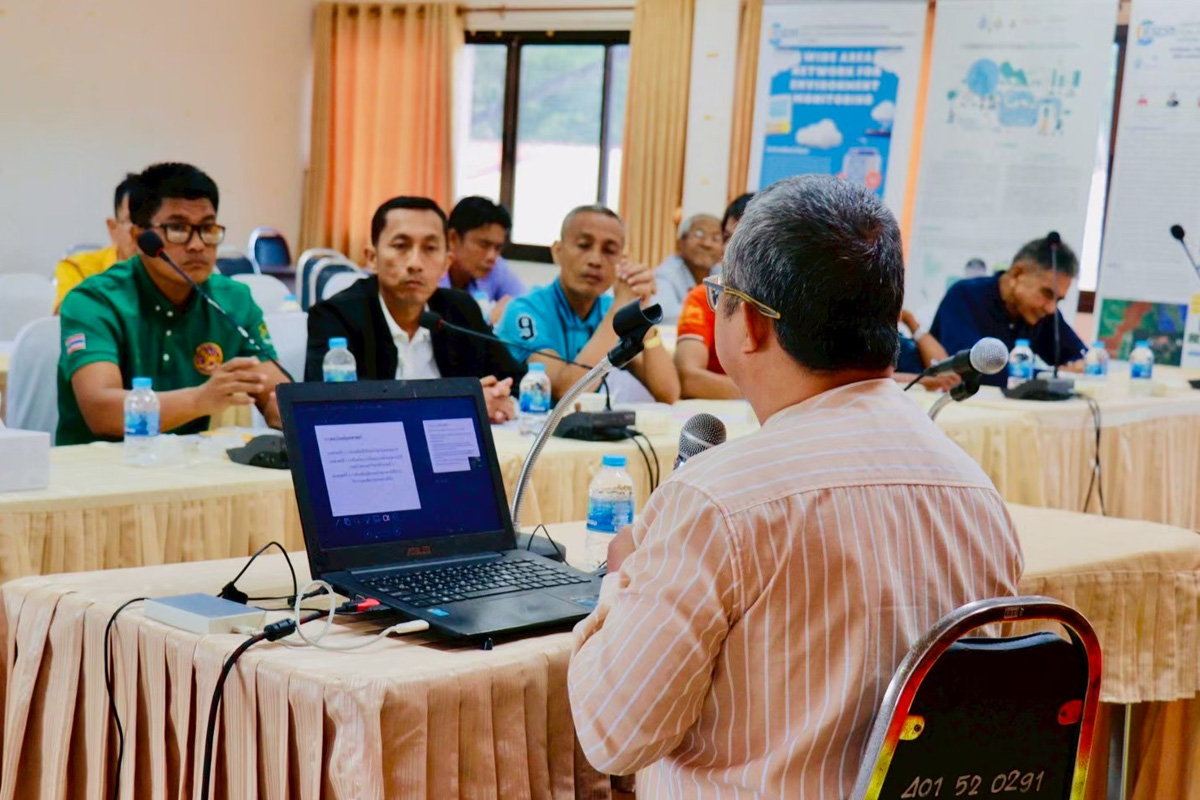
For more than five years, Walailak University has continuously implemented the Building Nature-Based Weirs in Na Mai Phai Subdistrict Project, locally known as the “Living Weir Project.” Led by Mr. Suthira Thongkao, a lecturer and researcher in aquatic science, the project is implemented in collaboration with local residents, community leaders, the Na Mai Phai Subdistrict Administrative Organization, government agencies, non-governmental organizations (NGOs), and international partners.
The project functions as both a freshwater ecosystem restoration initiative and a free educational programme for local communities. Rather than focusing solely on physical construction, WU transfers practical knowledge about freshwater conservation, water resource management, irrigation and water-retention practices, riverbank protection, aquatic biodiversity, ecological restoration, and nature-based engineering. Community members participate directly in identifying water-related problems, assessing river conditions, planning restoration activities, constructing nature-based weirs, and monitoring environmental changes. This approach enables local communities to develop the knowledge and practical skills needed to manage freshwater resources sustainably.
Collaborative Planning for Sustainable Water Management
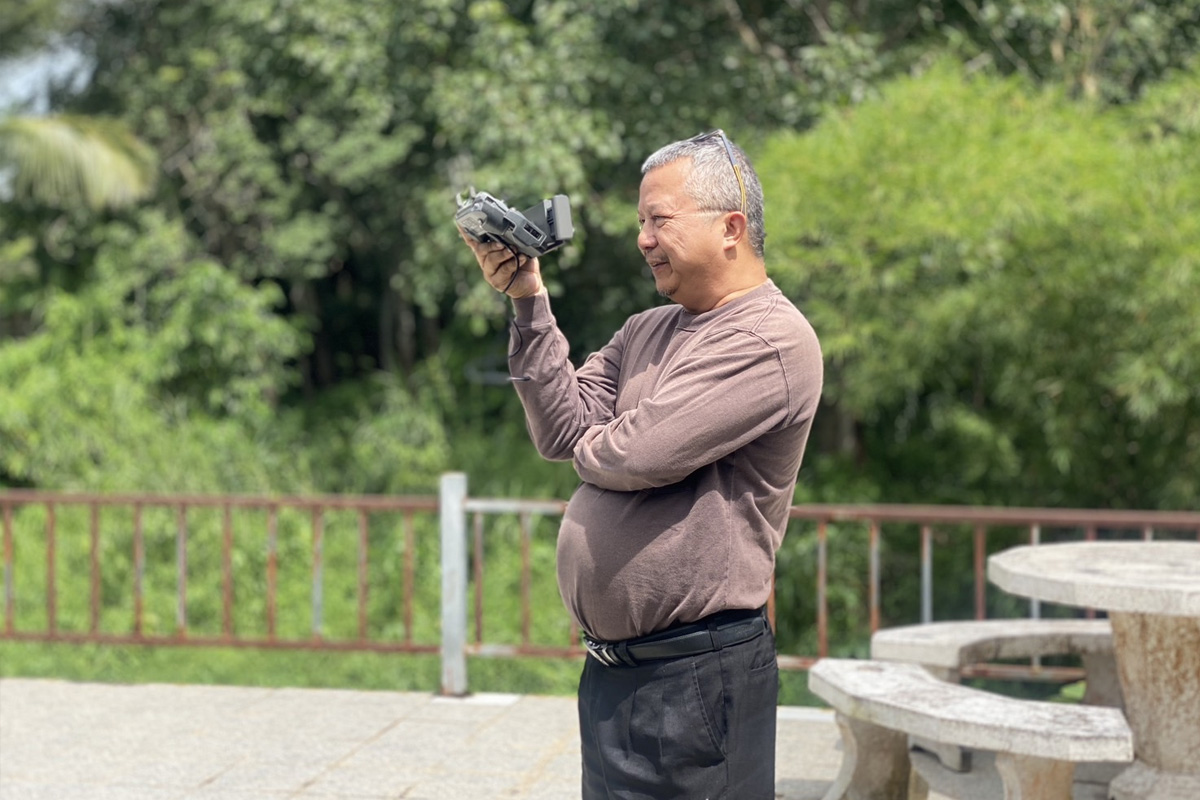
In 2025, WU continued the Living Weir Project through close collaboration with local communities and local government officers. Community meetings were organized to review previous restoration activities, identify continuing water-management challenges, and develop plans for further restoration. Local residents reported encouraging signs of ecological recovery, including a gradual increase in aquatic animals compared with previous years.
At the same time, the community identified limitations affecting the performance of existing weirs. Several structures had been partially damaged or washed away by strong monsoon currents, reducing their ability to retain water during the dry season. These observations demonstrated the importance of combining local environmental knowledge and scientific assessment when planning freshwater ecosystem restoration.
WU and its partners therefore agreed to conduct comprehensive field assessments before repairing existing weirs and constructing additional structures. This participatory planning process ensured that the educational programme responded directly to community needs, local water conditions, agricultural requirements, river dynamics, and freshwater ecosystem conditions.
Scientific Assessment of Rivers and Existing Weirs
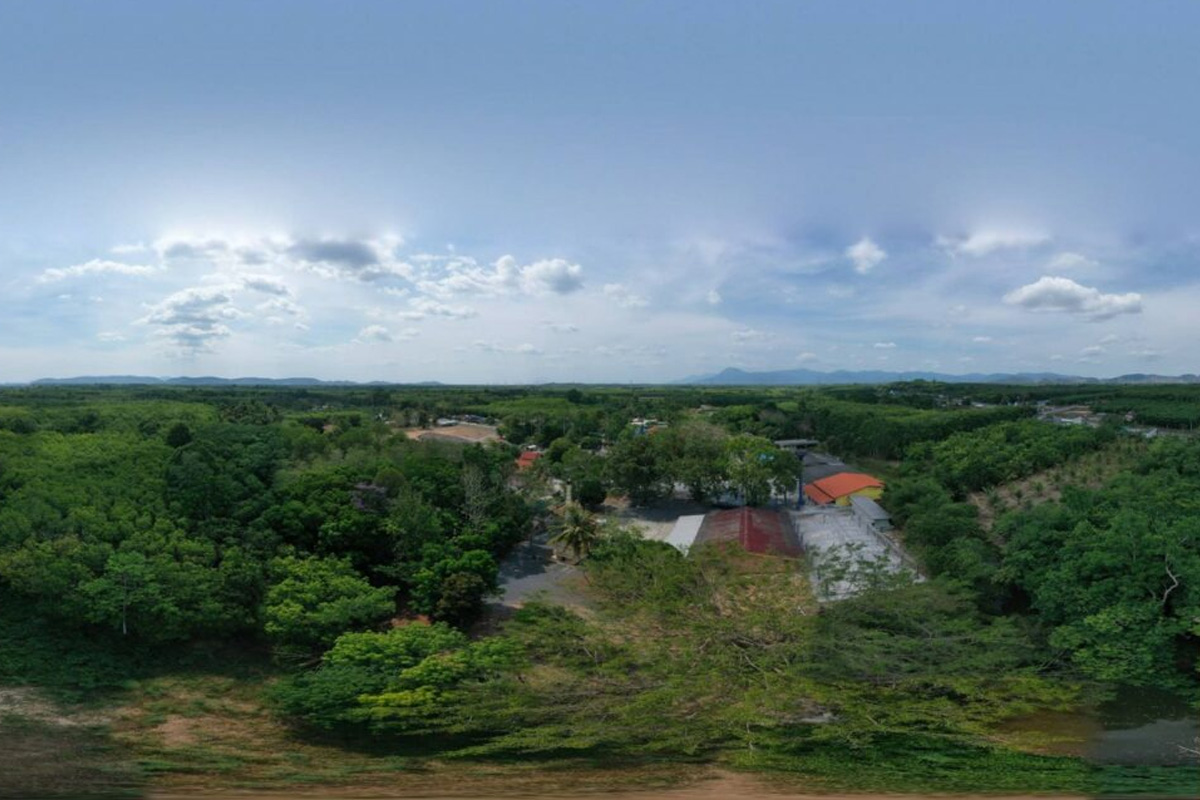
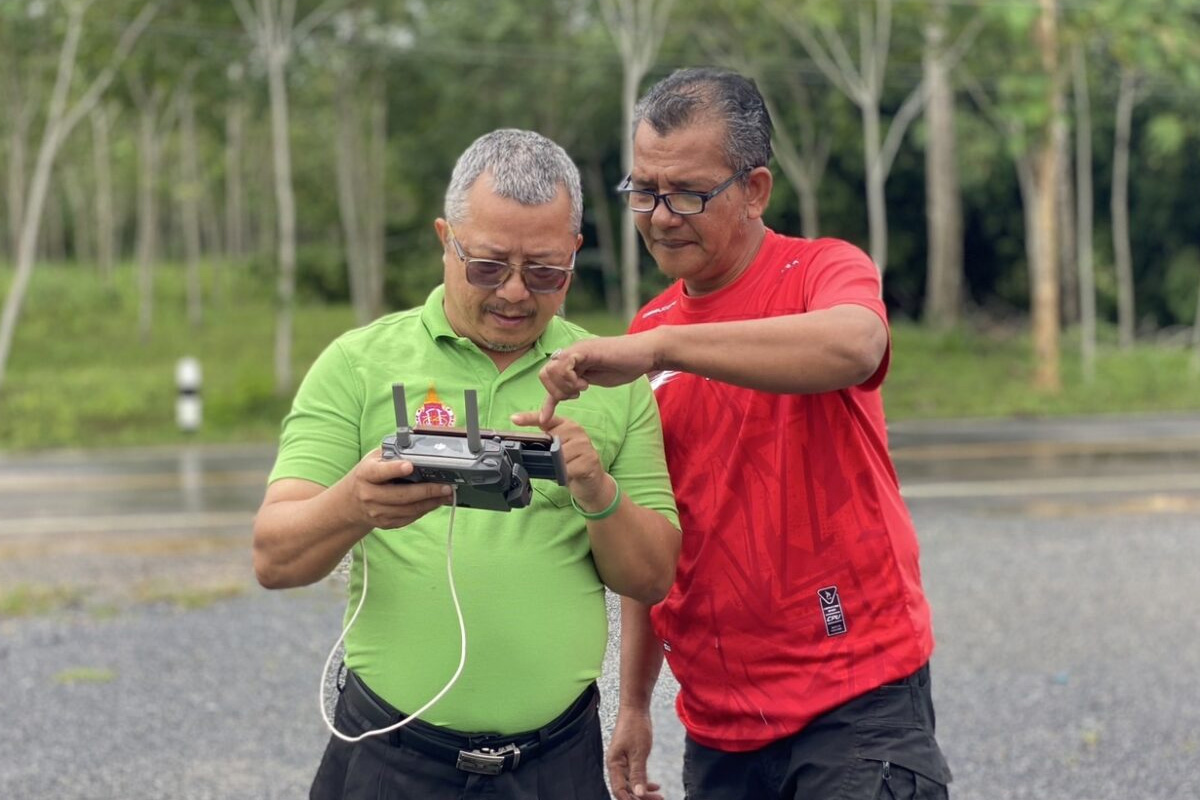
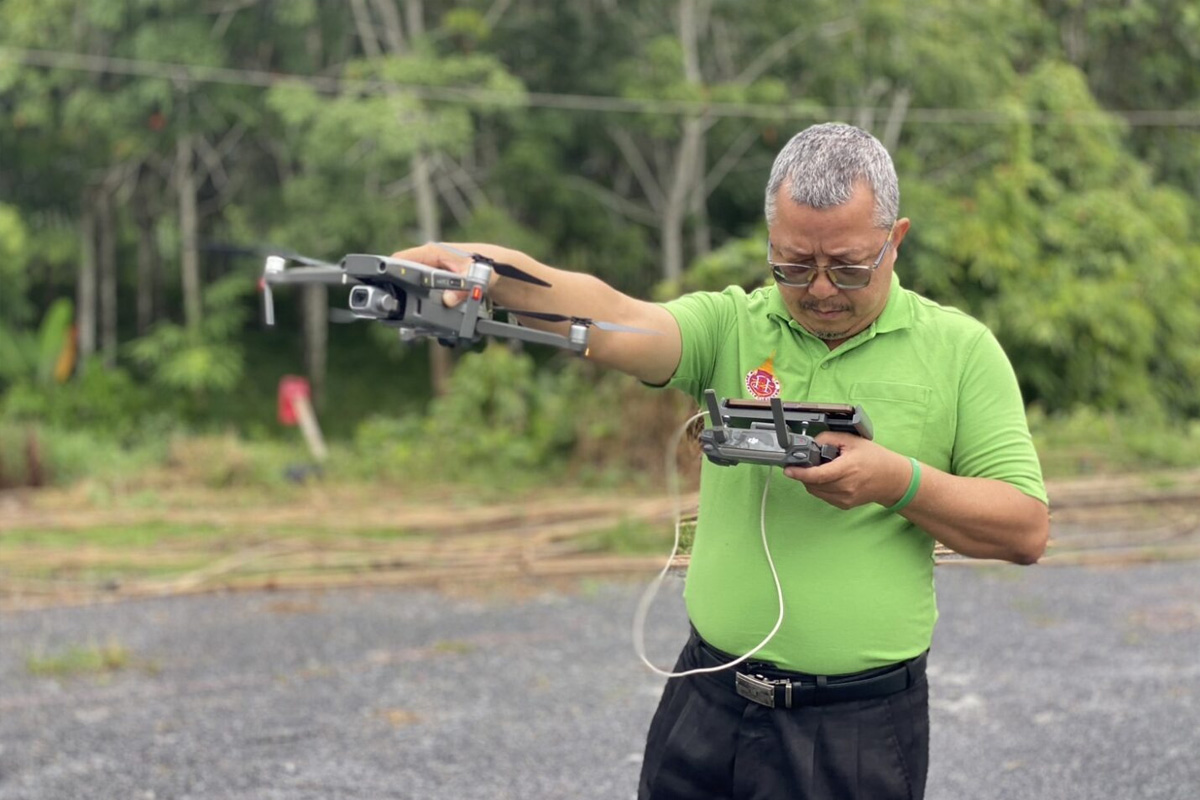
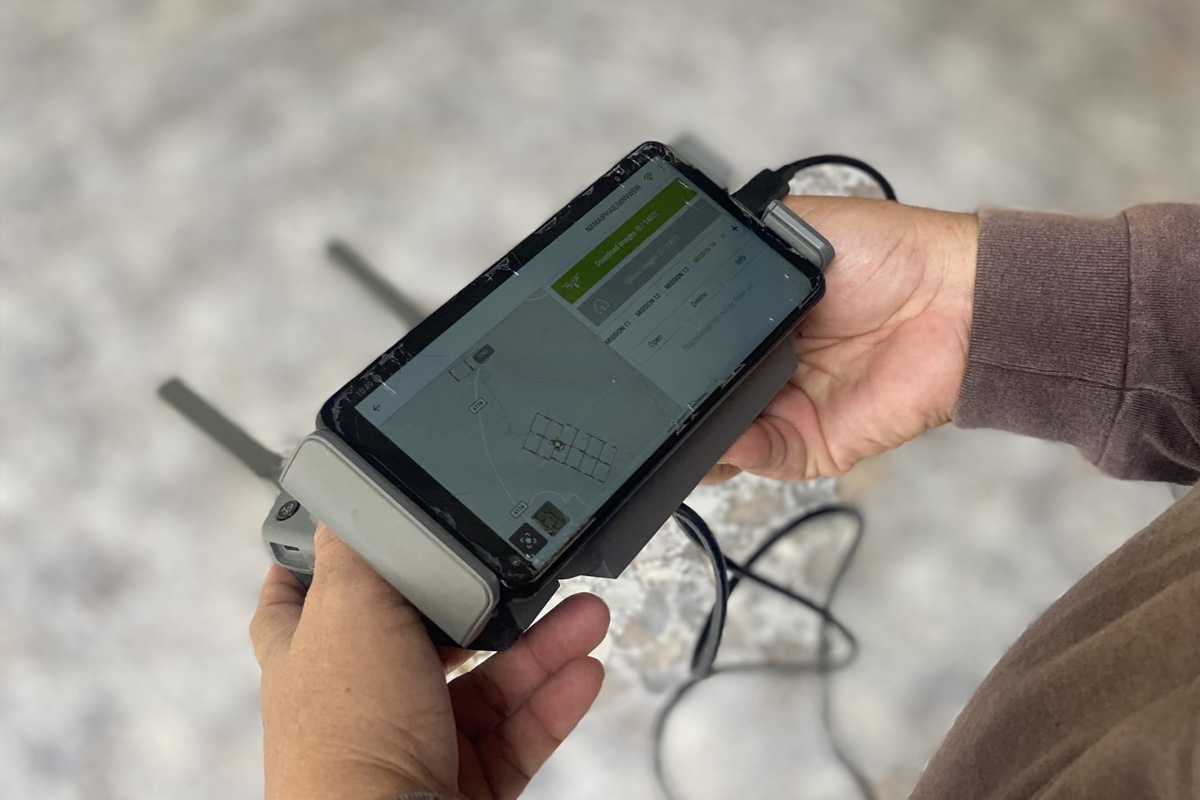
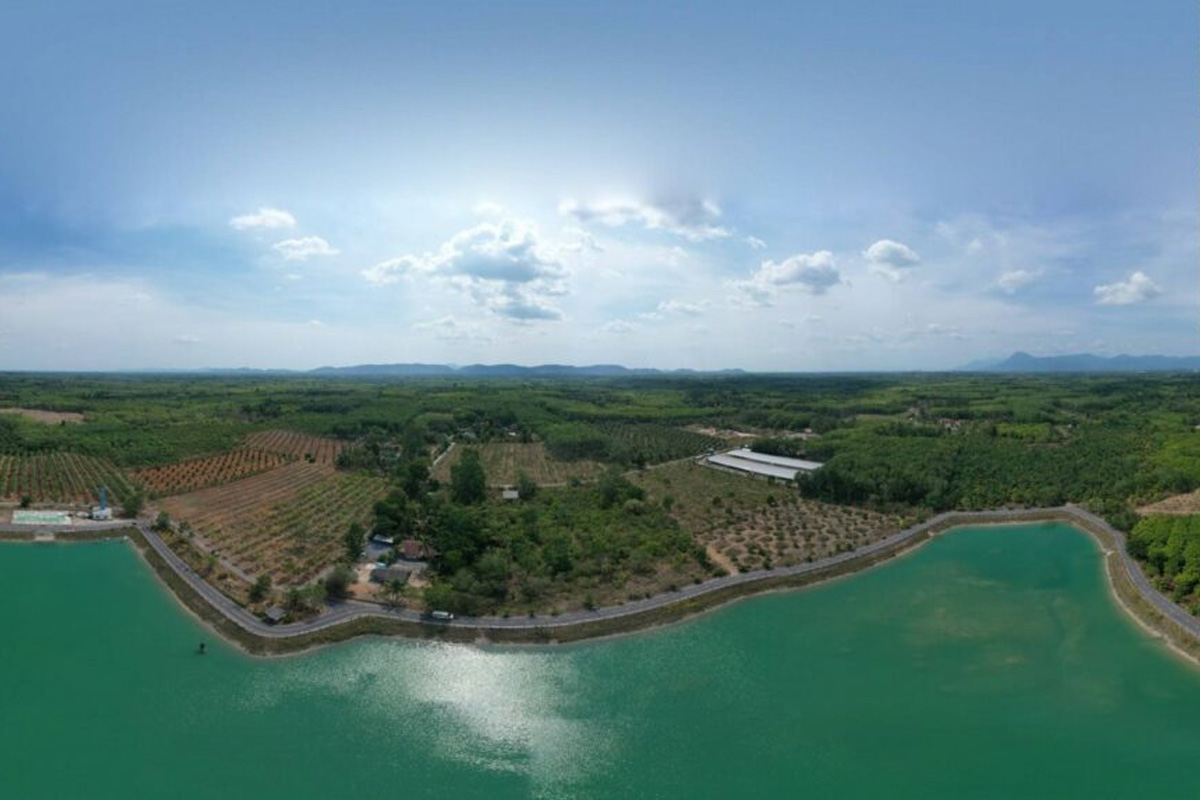
WU researchers worked together with community members to conduct field surveys of river conditions, water flow, erosion, existing weirs, and surrounding freshwater habitats. Drone technology and aerial surveys were used to obtain a broader understanding of river channels, water-flow patterns, erosion areas, and the structural conditions of existing nature-based weirs.
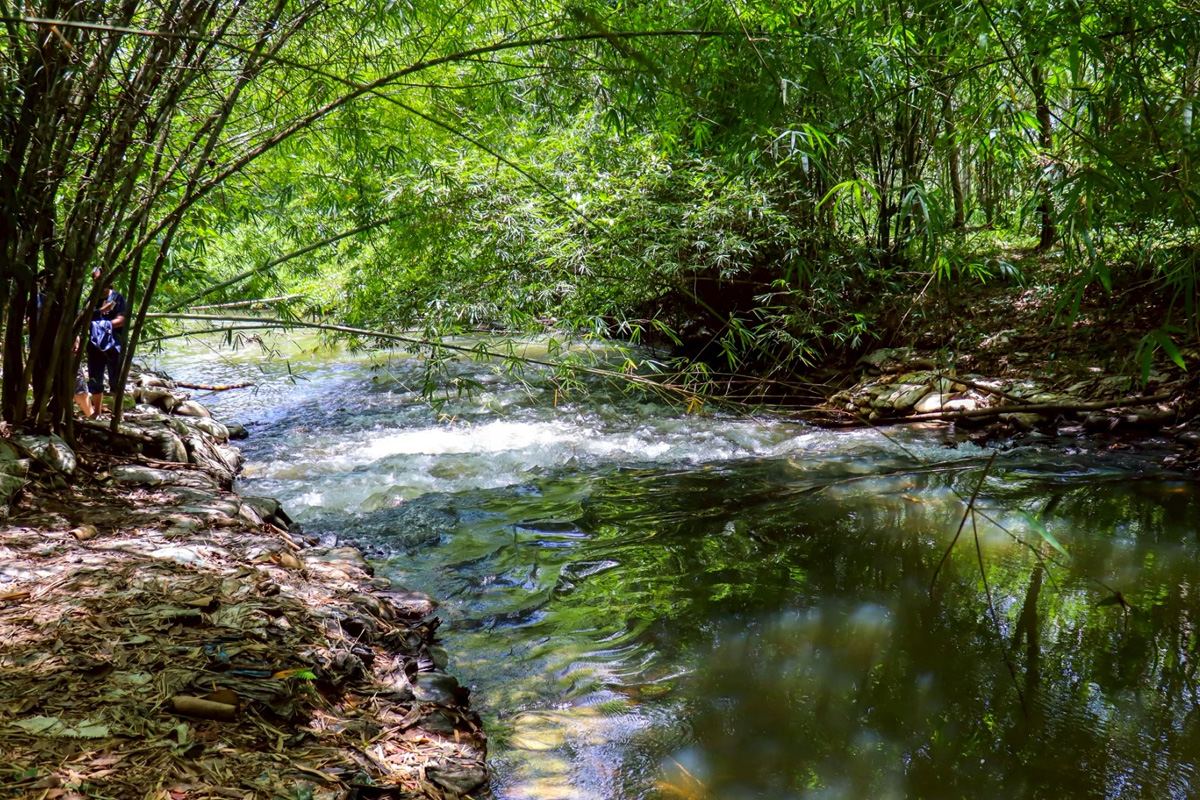
The assessment found that repeated seasonal flooding had caused deterioration of many structures. Bamboo frames had weakened, sandbags had deteriorated, and rocks had shifted under strong water currents. As a result, some weirs had become lower and less effective at retaining water, contributing to reduced water availability for agricultural activities during dry periods.
Following the aerial assessment, Mr. Suthira Thongkao conducted detailed on-site evaluations to determine appropriate restoration approaches. These assessments considered the shape, dimensions, construction techniques, materials, river characteristics, water flow, erosion conditions, ecological requirements, and structural stability of the weirs. Scientific assessment therefore provided the basis for practical community education and environmentally responsible freshwater management.
Free Educational Programme on Freshwater Ecosystems
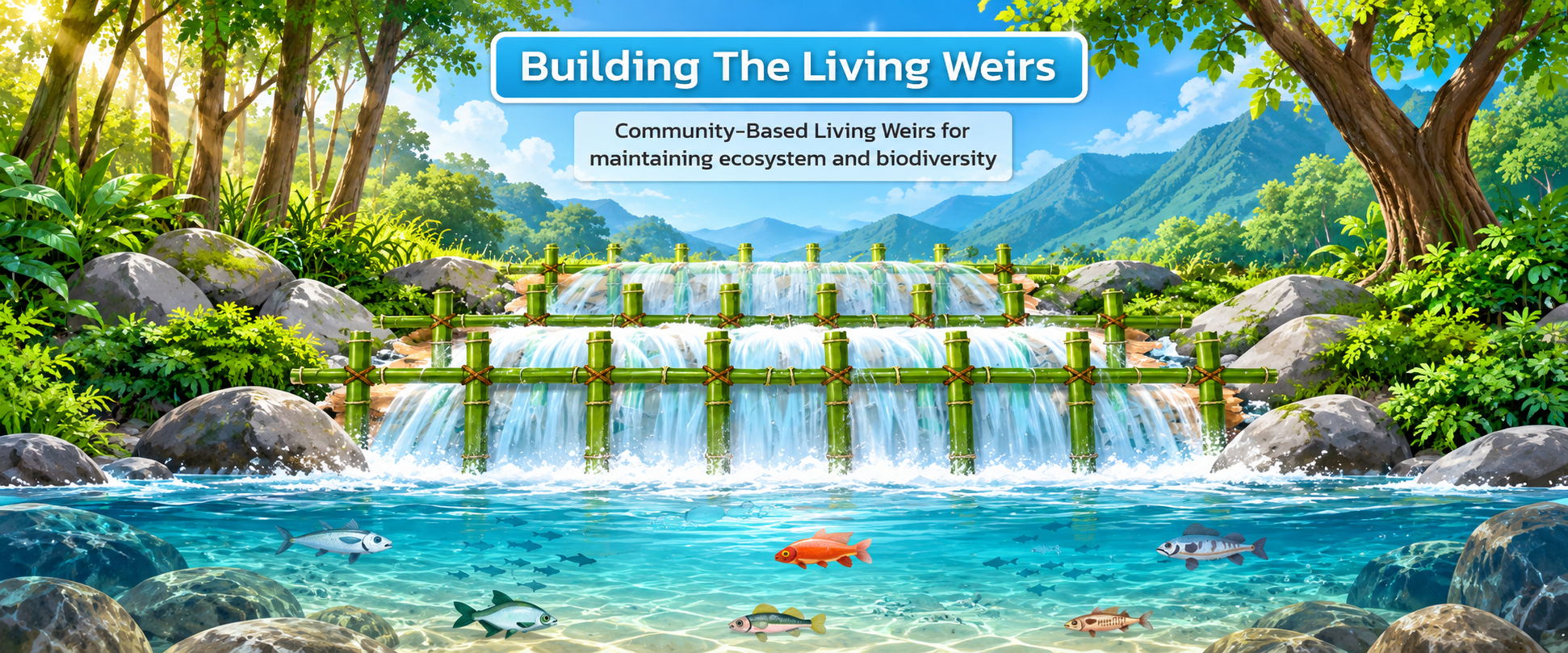
A key component of the Living Weir Project is the provision of a free educational programme on freshwater ecosystems and sustainable water management. The programme is designed for local residents, community leaders, local government officers, and WU student volunteers, providing opportunities for participants to learn directly from researchers and through practical field activities.
Educational activities cover freshwater ecosystem conservation, water management, water conservation, irrigation practices, river restoration, aquatic biodiversity, erosion prevention, water retention, nature-based solutions, ecological engineering, and climate-resilient water resource management. Participants learn through classroom discussions, community consultations, field surveys, demonstrations, and hands-on construction activities.
The programme emphasizes that freshwater management should work with natural processes rather than relying exclusively on rigid engineering structures. Participants therefore learn how river characteristics, water velocity, sediment movement, vegetation, aquatic organisms, and seasonal rainfall influence freshwater ecosystems and water-management practices.
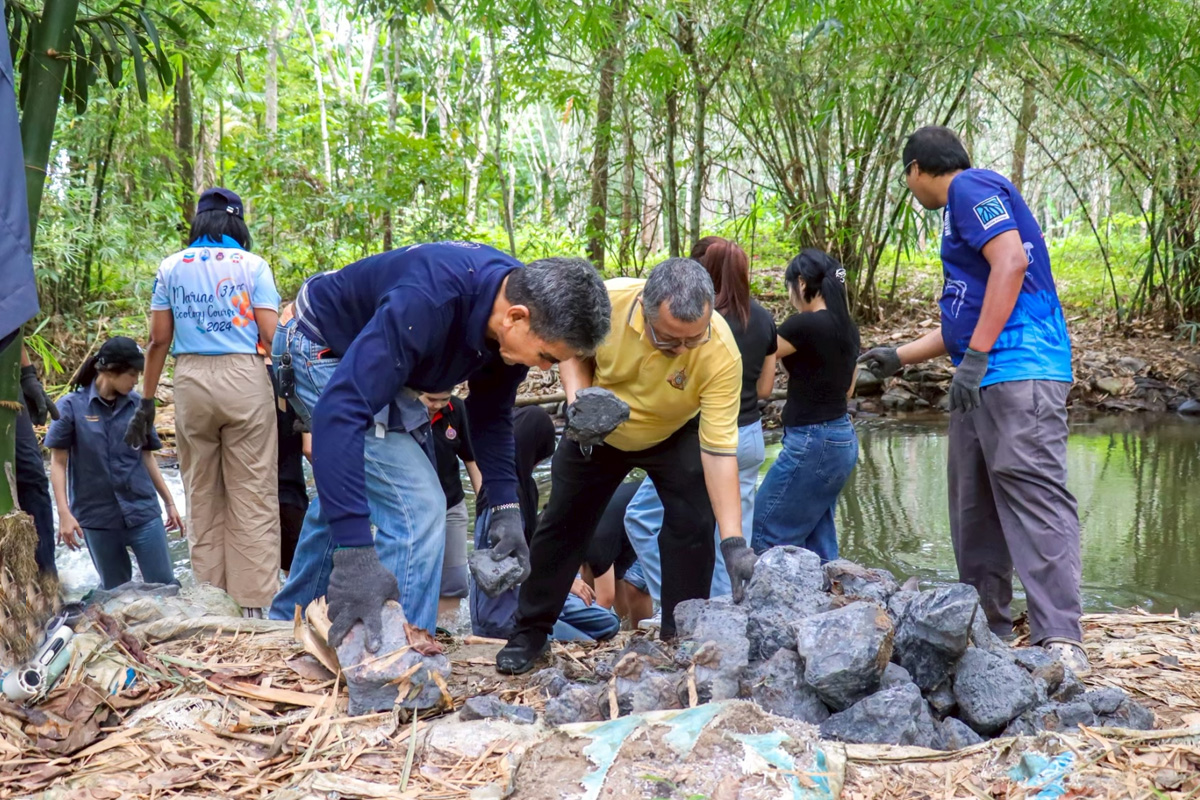
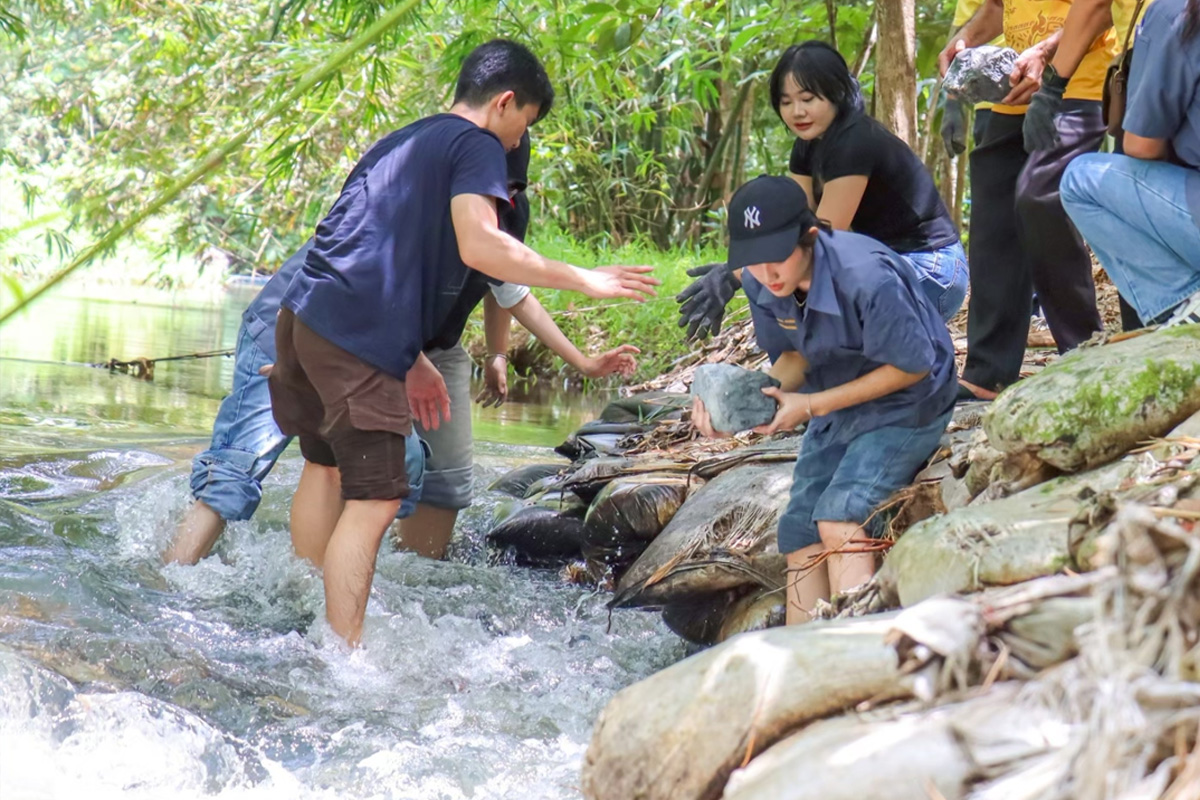
Participants gain practical experience by assisting with the construction and restoration of nature-based weirs using locally available and environmentally friendly materials, including small boulders, bamboo, coconut leaves, and sandbags. The structures are designed as stepped and permeable systems rather than rigid barriers, allowing water to flow gradually downstream.
Through hands-on participation, community members learn how to select appropriate construction materials, understand river dynamics, reduce water velocity, stabilize riverbanks, retain water, protect freshwater habitats, and construct environmentally responsible water-management structures. The practical nature of the programme enables participants to connect scientific concepts with real-world freshwater management.
The project also promotes community-based learning and knowledge transfer. By involving local people directly in surveying, planning, construction, and restoration, WU helps develop local skills that can be applied beyond the individual project sites. Community members can subsequently contribute to the maintenance of existing weirs and the development of similar freshwater conservation activities in other locations.
Water Conservation, Irrigation, and Riverbank Protection
The restored nature-based weirs provide an approach to water conservation and sustainable irrigation management by slowing water flow and increasing water retention within the river system. The resulting shallow pools can function as temporary water reserves during dry periods, helping improve water availability for agricultural activities and supporting local livelihoods.
The structures also contribute to riverbank stabilization, erosion control, soil moisture retention, and flood-risk reduction. By reducing the velocity of flowing water, nature-based weirs can help minimize the impacts of intense water flows on riverbanks while supporting the recovery of riparian vegetation.
These practices demonstrate how nature-based water management can simultaneously address community water needs and freshwater ecosystem conservation. Instead of treating water security and biodiversity conservation as separate objectives, the project integrates them into a community-based restoration approach.
Freshwater Biodiversity Conservation and Ecosystem Restoration
Freshwater biodiversity is an important component of healthy aquatic ecosystems. Stable water conditions and improved freshwater habitats can support fish, freshwater invertebrates, aquatic insects, riparian vegetation, and other aquatic organisms. The nature-based design of the weirs allows water to continue moving downstream and provides habitat conditions that are more compatible with aquatic ecosystems.
Local communities have observed a gradual increase in aquatic animals compared with previous years, providing an encouraging indication of ecological recovery. These observations also demonstrate the value of involving communities in environmental monitoring and freshwater biodiversity conservation, as local residents can contribute important knowledge about changes in aquatic ecosystems over time.
Community-Based Research for Sustainable Freshwater Management in the Pak Phanang River Basin
Walailak University researchers participated in discussions and planning for an action research project on the management of major water-control gates in the Pak Phanang River Basin, Nakhon Si Thammarat. The initiative was developed through collaboration among the Irrigation Office 15, the Pak Phanang Lower Operation and Maintenance Project, local communities, Walailak University researchers, and other relevant stakeholders. This collaborative approach brought together academic knowledge, water-management expertise, and community perspectives to address the challenges of managing freshwater resources in the basin.
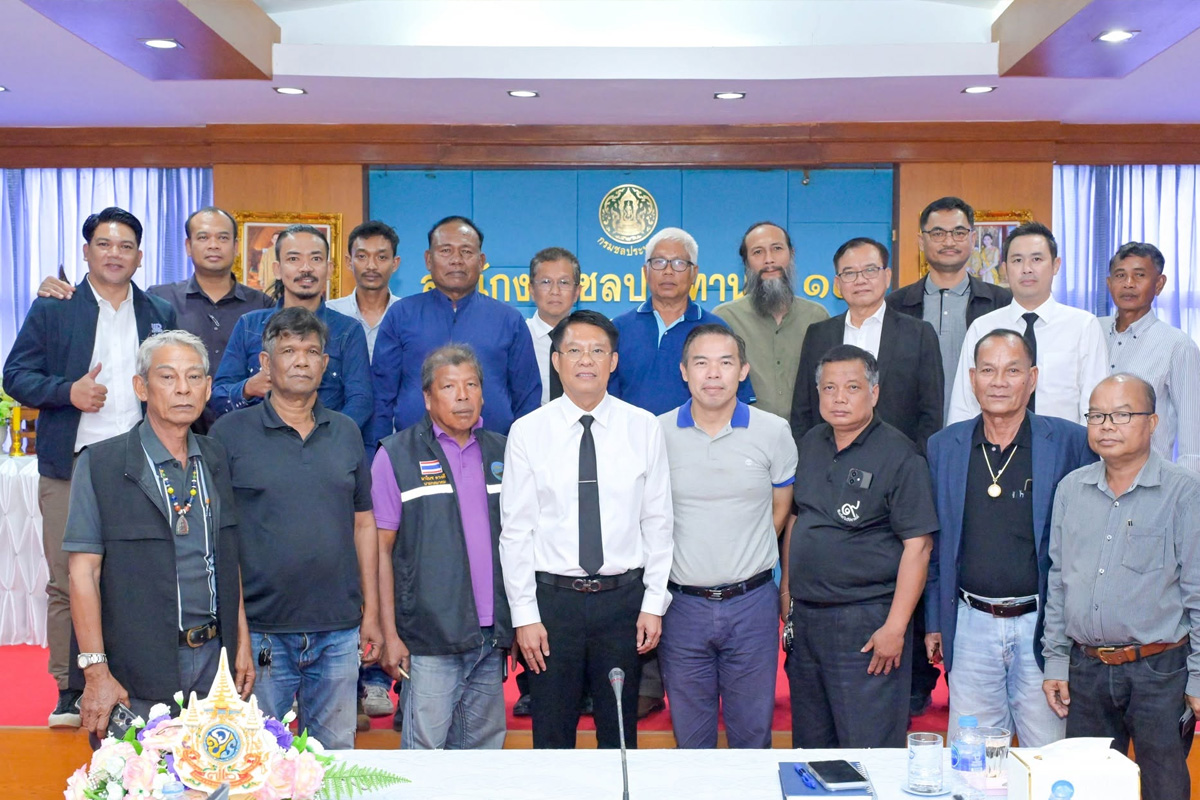
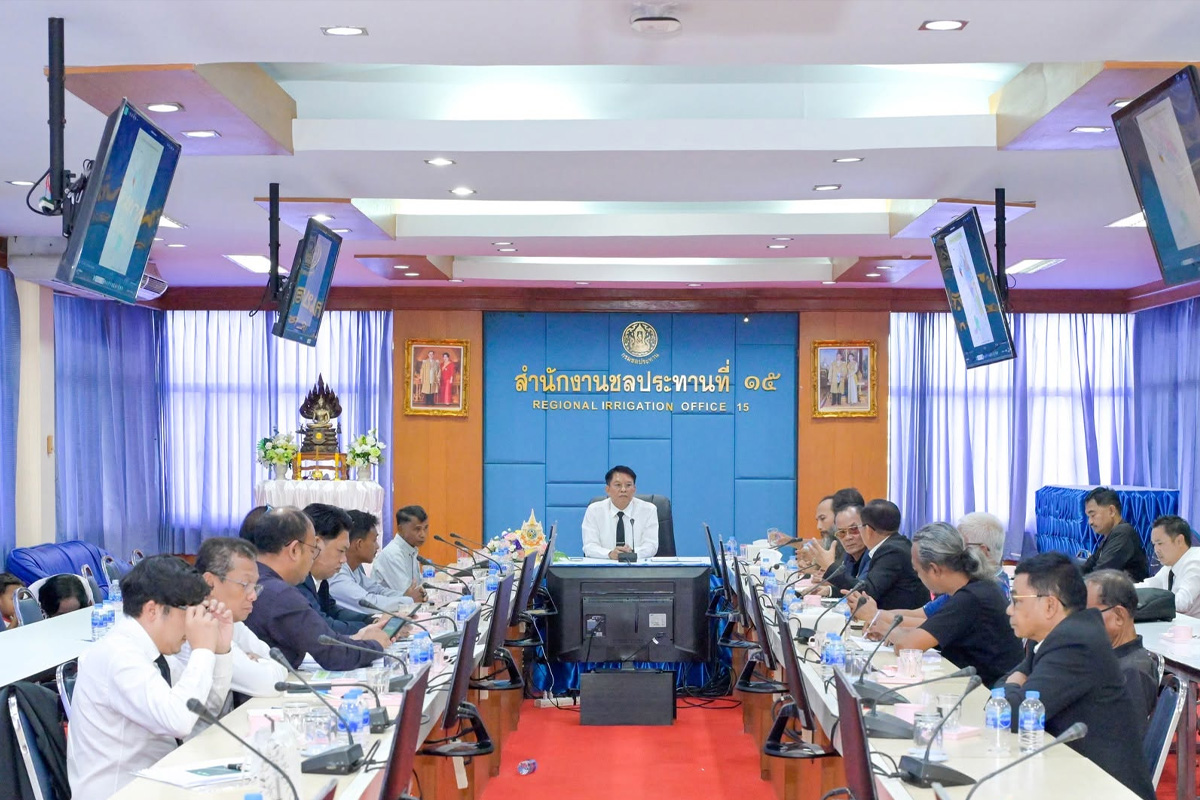
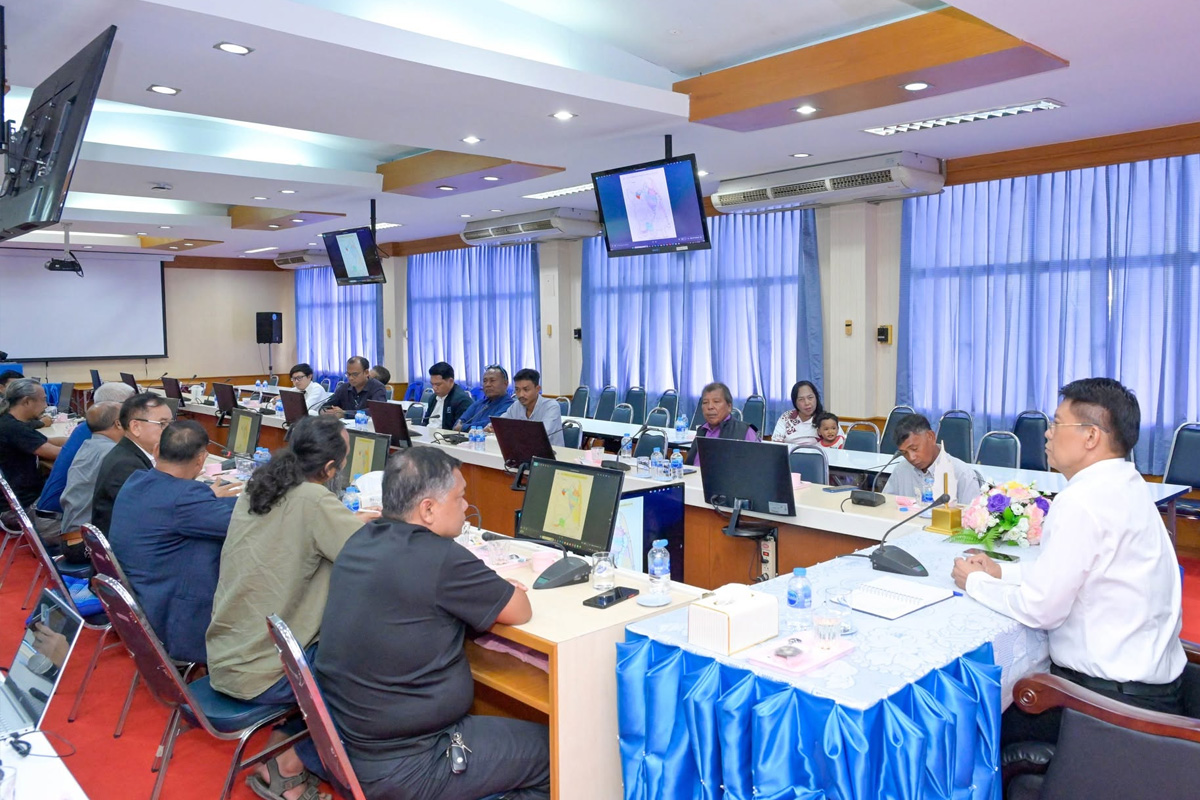
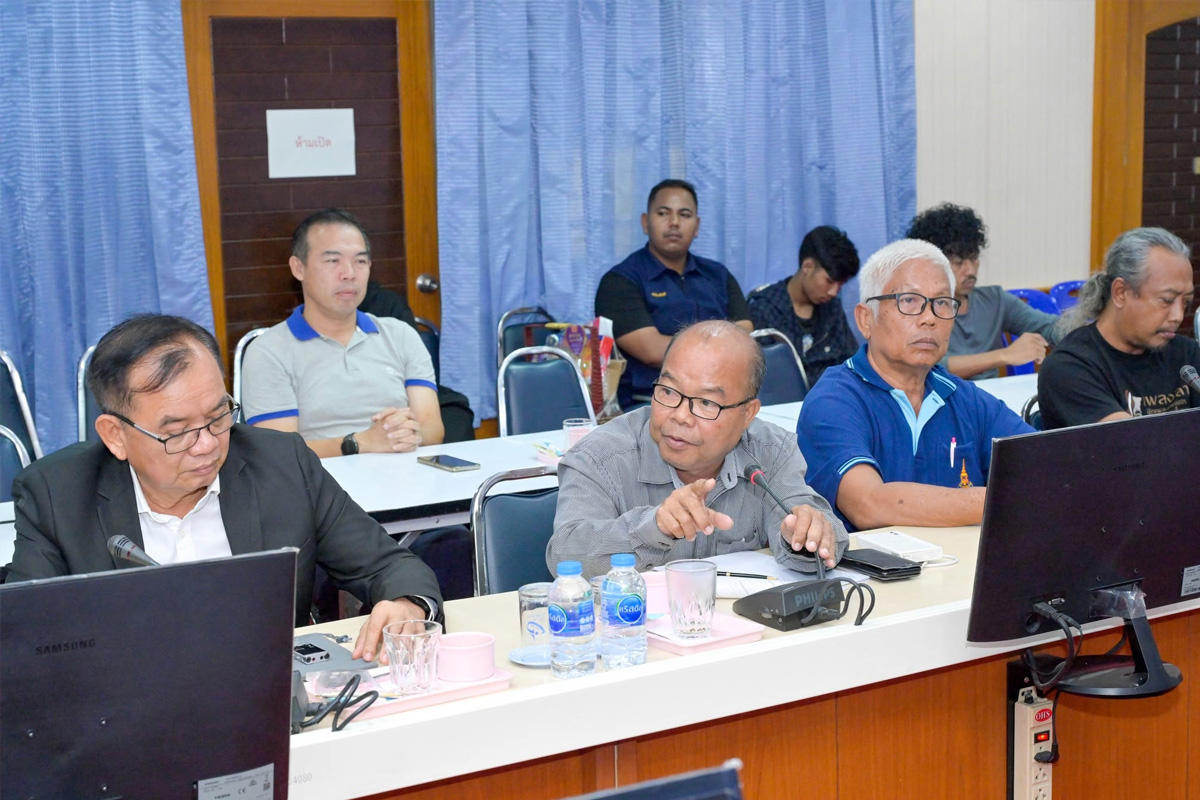
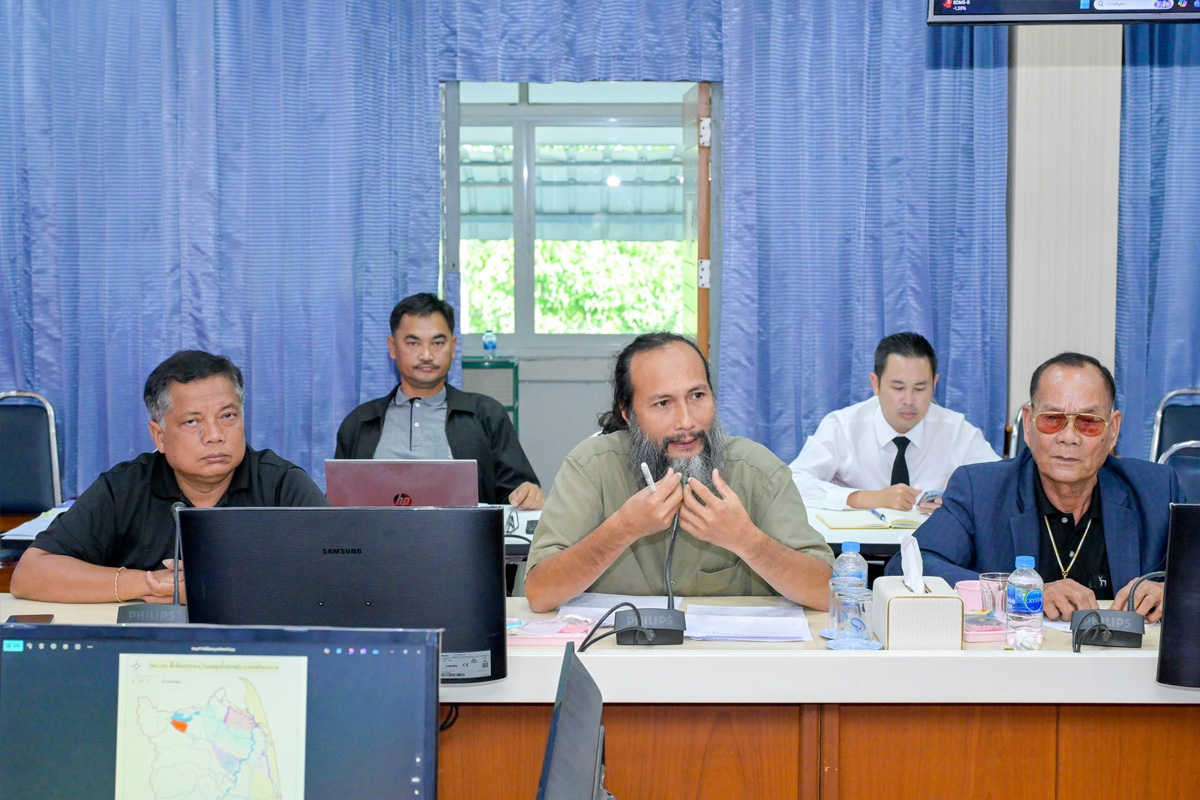
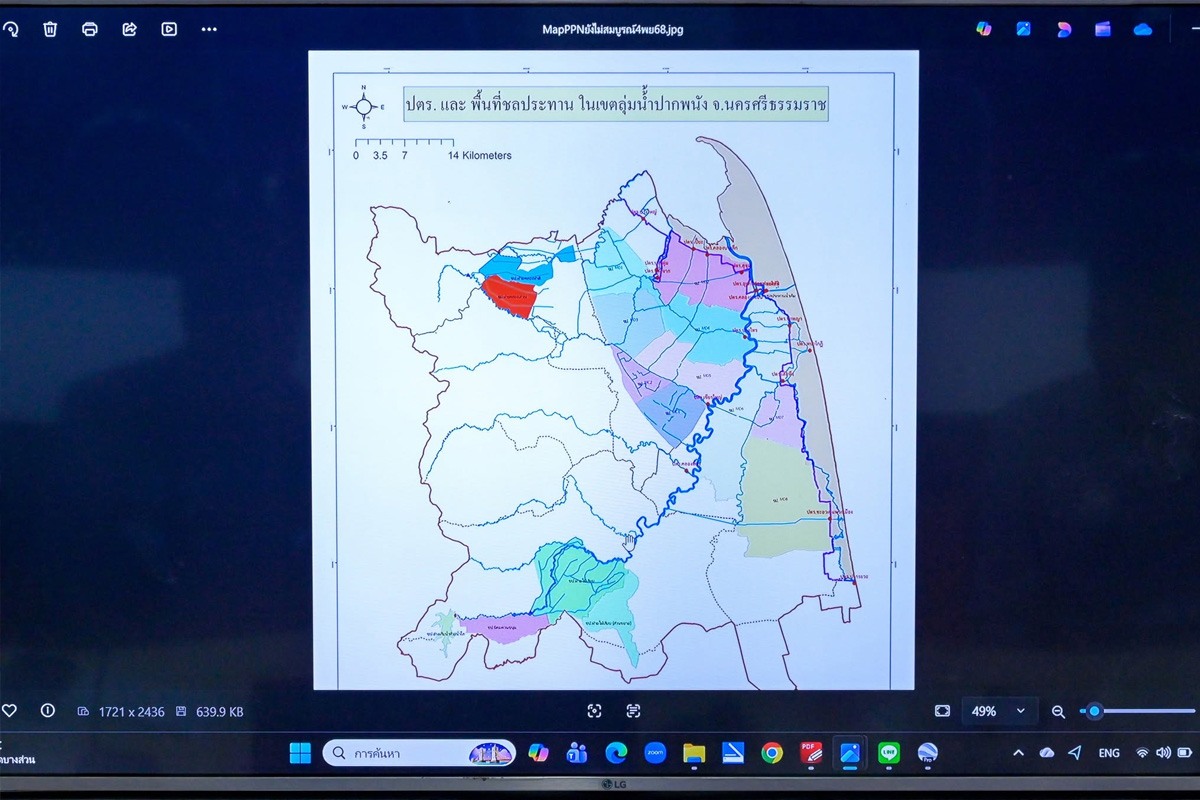
The proposed research focuses on developing effective approaches for managing major water-control gates and improving overall water management across 10 districts of Nakhon Si Thammarat Province. WU researchers contributed to the planning and development of the research framework, supporting the use of evidence-based approaches to understand local water-management conditions and identify practices that can improve the efficiency and sustainability of water allocation and management.
The collaboration also highlights the importance of involving local communities in freshwater-resource management. By bringing researchers, government water-management agencies, and community representatives together, the project provides a platform for exchanging knowledge and developing solutions that reflect local needs and conditions. Such participatory research can contribute to more effective water management, strengthen community capacity, and promote the sustainable use and conservation of freshwater resources in the Pak Phanang River Basin.
Walailak University’s nature-based weir construction and freshwater management initiatives demonstrate how scientific research, free community education, and participatory planning can generate long-term environmental and social benefits. Through the Living Weir Project, local residents gain practical knowledge and skills in water conservation, irrigation management, riverbank protection, and freshwater biodiversity conservation. The restoration of existing weirs and the construction of additional structures, guided by scientific assessments and local environmental knowledge, can improve water retention, support agricultural activities during dry periods, reduce riverbank erosion, and contribute to the recovery of freshwater habitats. Meanwhile, collaborative research in the Pak Phanang River Basin strengthens cooperation among academic institutions, government agencies, and local communities to improve water allocation and management across 10 districts. Together, these initiatives demonstrate the importance of integrating water security, ecosystem conservation, and community participation into sustainable freshwater management.
To strengthen the long-term effectiveness of these initiatives, WU promotes the importance of continuous monitoring, systematic measurement, and evidence-based evaluation of environmental and community outcomes. Potential measures include changes in water levels and retention capacity, the structural condition and durability of weirs, riverbank erosion, aquatic biodiversity, seasonal water availability, and the extent to which agricultural communities benefit from improved water management. Community participation in these measurement and monitoring activities can help identify emerging challenges, guide future restoration efforts, and support adaptive management in response to seasonal flooding and changing climatic conditions. By combining measurable environmental indicators with community observations and scientific research, WU aims to support more informed decision-making, strengthen local capacity for independent water management, and encourage the replication of successful nature-based solutions in other communities. These efforts contribute to the sustainable management of freshwater ecosystems while supporting resilient livelihoods, responsible resource use, and the long-term well-being of communities throughout Nakhon Si Thammarat Province.