
WU Offering Free Educational Outreach Programmes on Sustainable Fisheries, Aquaculture, and Tourism
WU Offering Free Educational Outreach Programmes on Sustainable Fisheries, Aquaculture, and Tourism
Sustainable management of marine and coastal resources is essential for protecting ecosystems, supporting livelihoods, and ensuring the long-term well-being of local communities. Fisheries, aquaculture, and tourism are closely connected to the marine environment and provide important economic, social, and cultural benefits. However, unsustainable practices and increasing environmental pressures can threaten marine resources and the communities that depend on them. Diagnostic assessments of these challenges can help identify environmental risks, gaps in local knowledge, and opportunities to improve resource management.
Walailak University (WU) recognizes the importance of sharing knowledge and promoting sustainable practices beyond the university. Through free educational outreach programmes, WU provides local and national communities with opportunities to learn about sustainable fisheries, responsible aquaculture, and environmentally responsible tourism. These activities help strengthen public awareness, encourage practical approaches to resource conservation, and support communities in balancing economic development with the protection of marine and coastal ecosystems. By incorporating diagnostic approaches to identifying local challenges and assessing community needs, WU can help ensure that educational activities and conservation measures respond to actual environmental conditions and support more effective, evidence-based marine and coastal resource management.
Community-Based Marine Conservation and Sustainable Fisheries Management
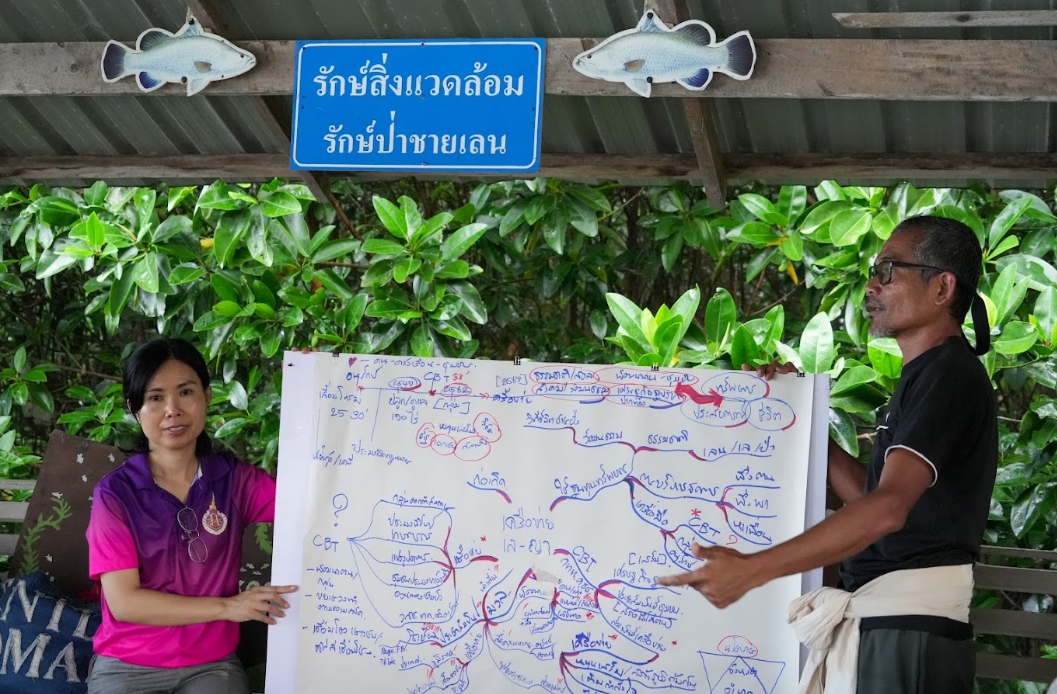
In 2025, Walailak University, in collaboration with the Thai Sea Watch Association, organized a consultation and knowledge-sharing event to discuss the development of community conservation zones into community-based marine protected areas. The event brought together government organizations, local fishermen, educational institutions, and other stakeholders from Nakhon Si Thammarat and Surat Thani to exchange knowledge and discuss approaches for the sustainable management of fisheries and aquaculture and the long-term conservation of marine resources.
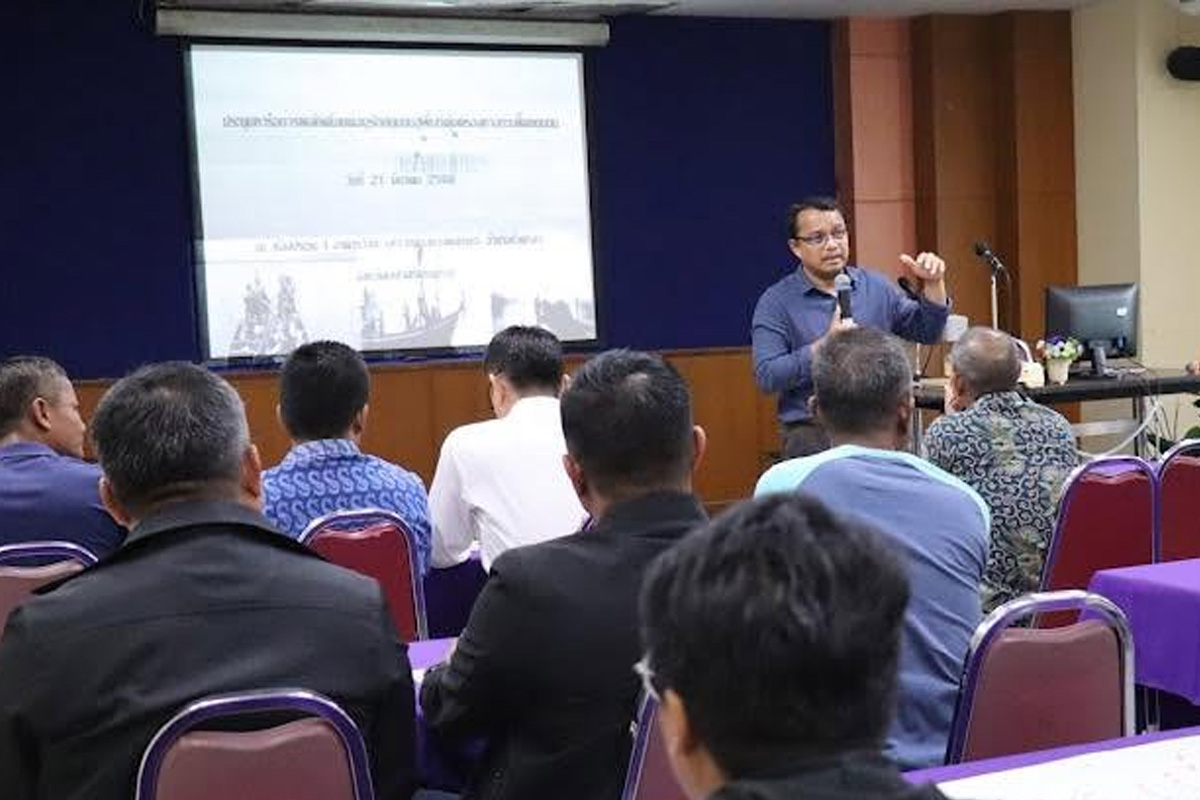
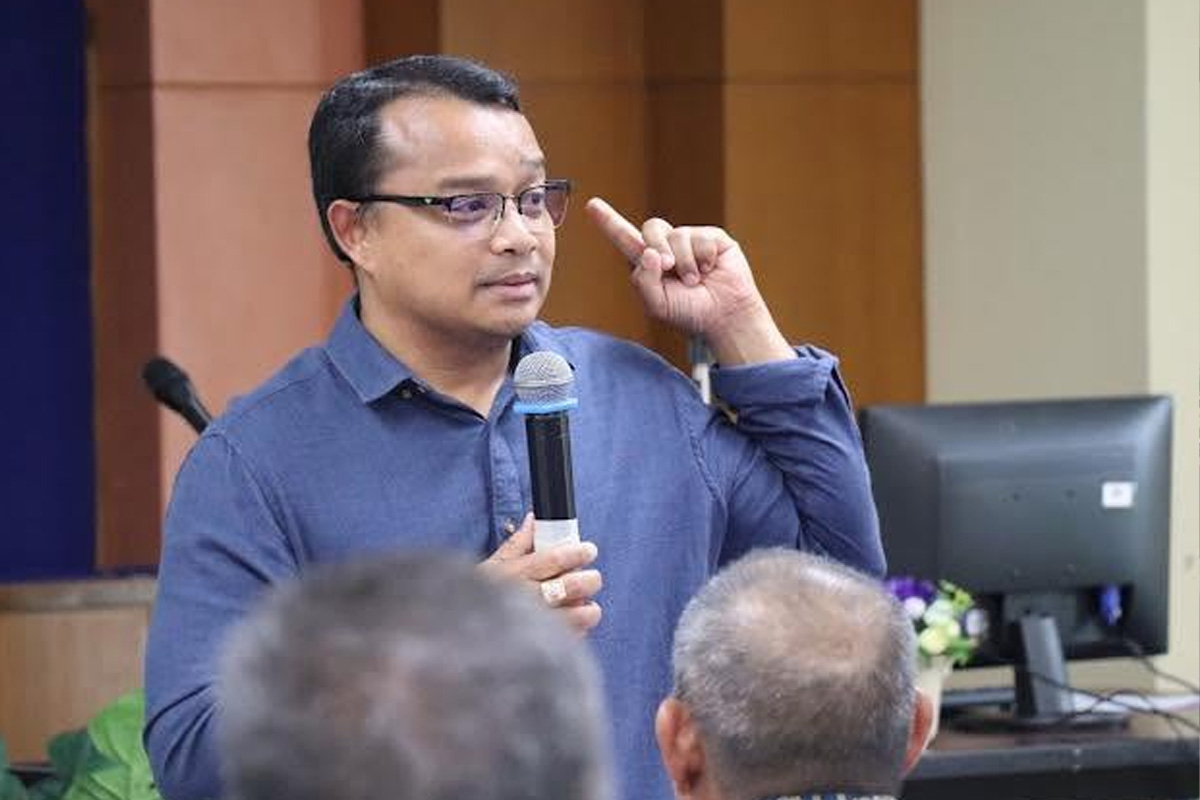
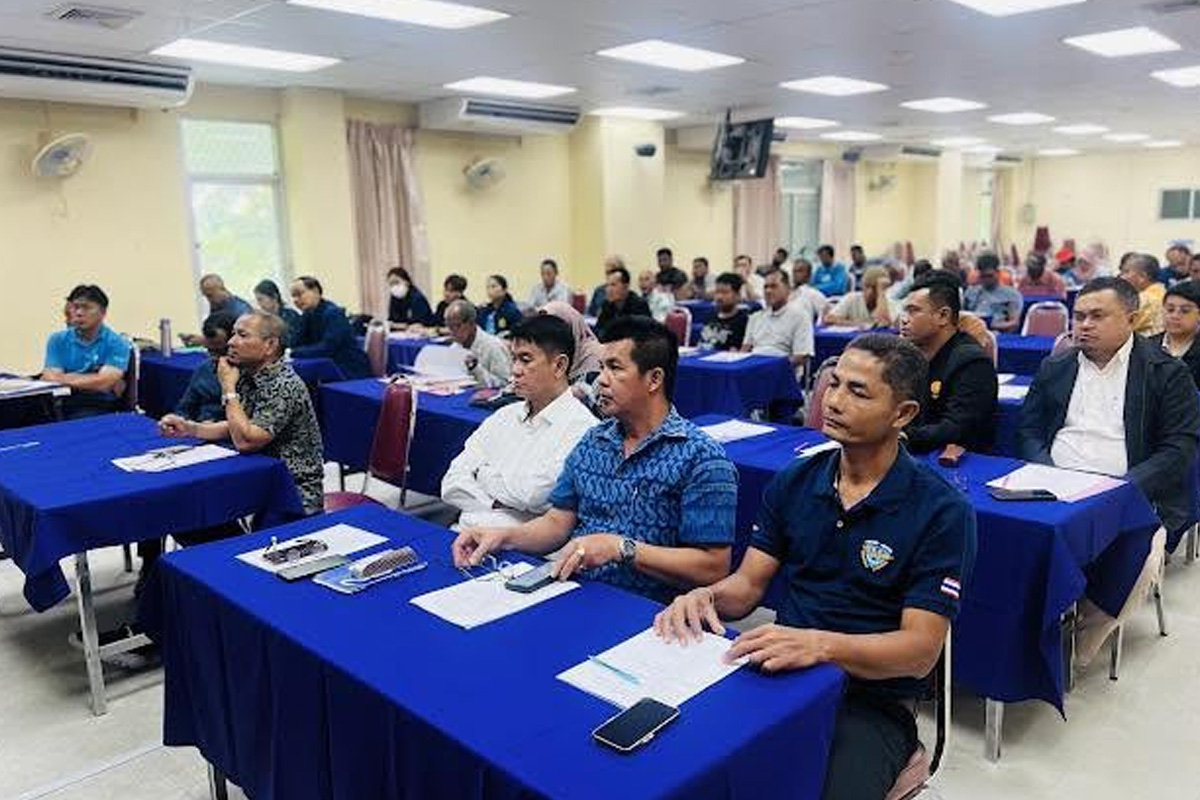
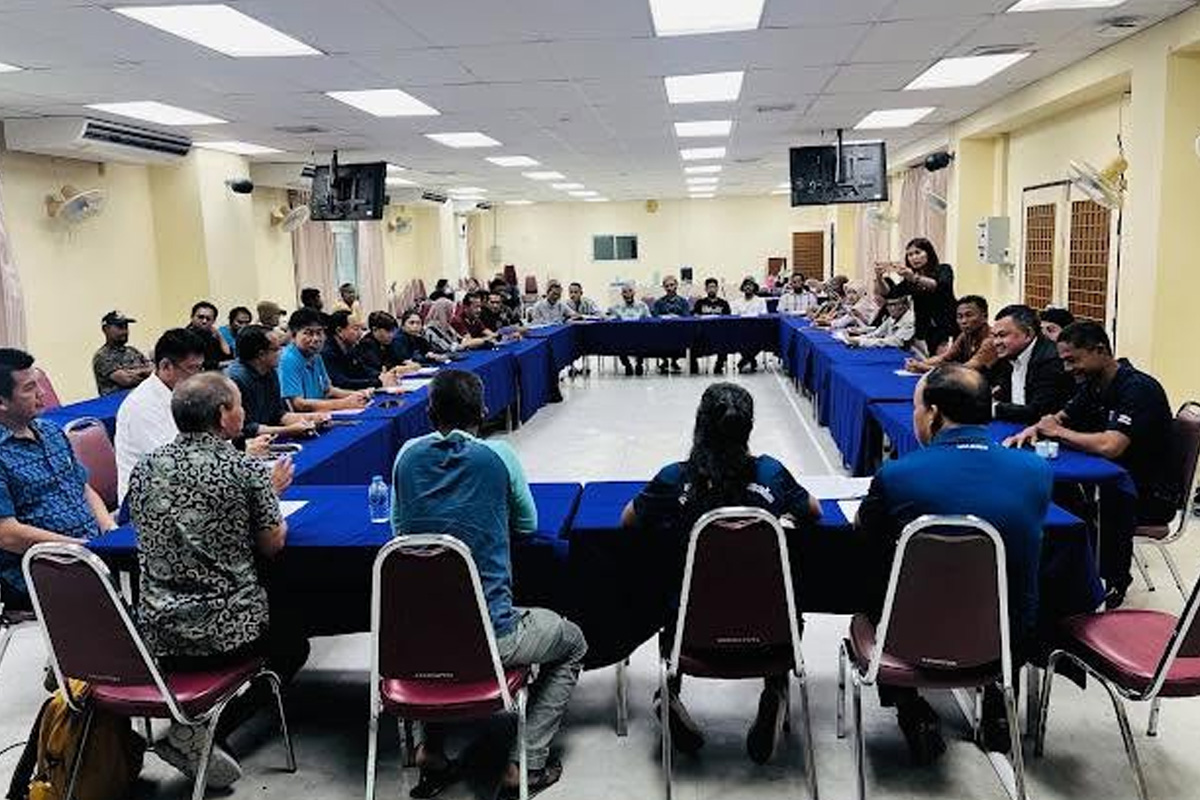
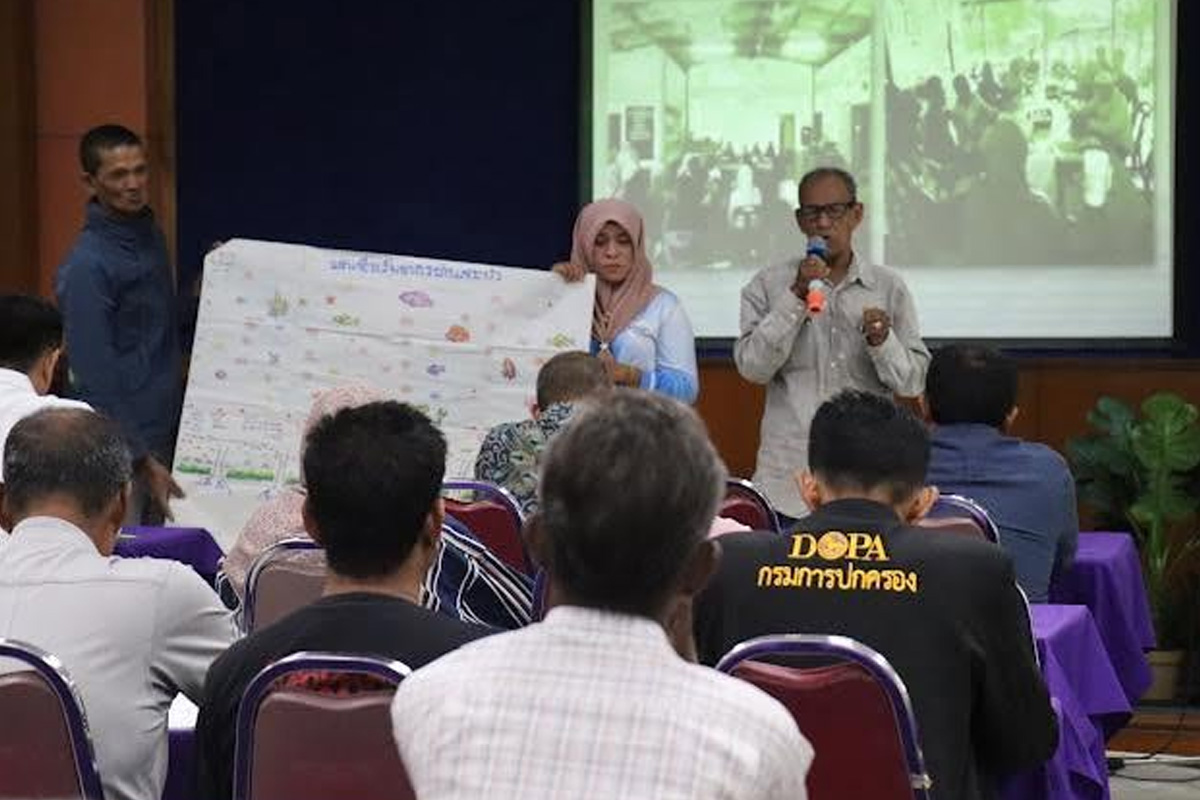
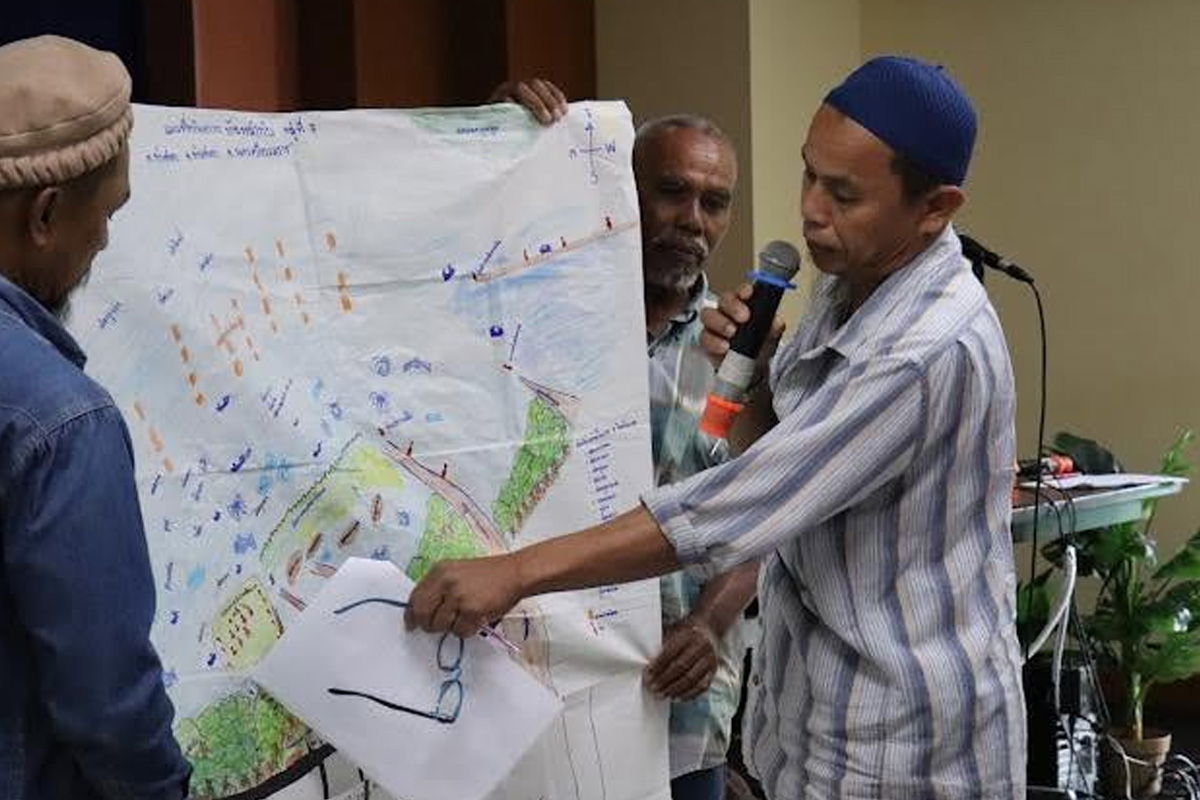
As part of the meeting, Walailak University provided educational knowledge on sustainable fisheries and aquaculture management to support the discussion on establishing and strengthening community-based marine conservation areas. The knowledge shared by WU covered the principles of Locally Managed Marine Areas (LMMAs), which emphasize the participation of local communities in managing and conserving marine and coastal resources. WU also introduced relevant fisheries-management principles and regulatory frameworks, including requirements and approaches associated with the European Union (EU), Regional Fisheries Management Organizations (RFMOs), and other relevant fisheries-management mechanisms. These perspectives helped participants understand how local conservation measures can be developed in accordance with broader principles for responsible and sustainable fisheries management.
The knowledge-sharing activities were linked directly to discussions on community conservation zones in Tha Sala District, including the communities of Ban Nai Thung, Ban Sa Bua, and Ban Na Thap. Participants discussed how these areas could be strengthened and developed into community-based marine protected areas through appropriate conservation measures, sustainable fishing practices, and cooperation among local communities and relevant organizations.
The meeting brought together representatives from the Department of Marine and Coastal Resources, Marine and Coastal Resources Office No. 5, the Nakhon Si Thammarat Provincial Fisheries Office, Tha Sala Subdistrict Administrative Organization, the Songkhla Fisheries Research and Development Centre, the Sichon Marine Fisheries Protection and Suppression Unit, Tha Sala District Fisheries Office, Nakhon Si Thammarat Rajabhat University, Ban Nai Thung School, and local fishing communities. The participation of these stakeholders enabled scientific knowledge, government regulations, and local fishing experience to be brought together in the planning of community-based marine conservation.
Through the educational outreach, WU helped participants understand how sustainable fisheries and aquaculture practices can contribute to the conservation of marine ecosystems while maintaining the livelihoods of coastal communities. The discussion emphasized the importance of appropriate fishing practices, protection of important marine habitats and breeding areas, responsible use of aquatic resources, and community participation in monitoring and managing local marine resources.
The application of LMMA principles provided a framework for enabling local communities to play an active role in determining how marine resources within their areas should be conserved and used. At the same time, knowledge of wider fisheries regulations and international and regional management frameworks, including EU requirements and RFMO-related principles, helped participants recognize the broader standards and responsibilities associated with sustainable fisheries management.
By combining local knowledge, scientific information, government regulations, and international fisheries-management principles, WU’s outreach contributed to the development of more informed and participatory approaches to marine conservation. The initiative supported local stakeholders in working together to establish community-based protected areas that can balance the conservation of marine resources with sustainable livelihoods, community economic development, and the rights of coastal communities.
Developing Youth as Champions of Sustainable Fisheries
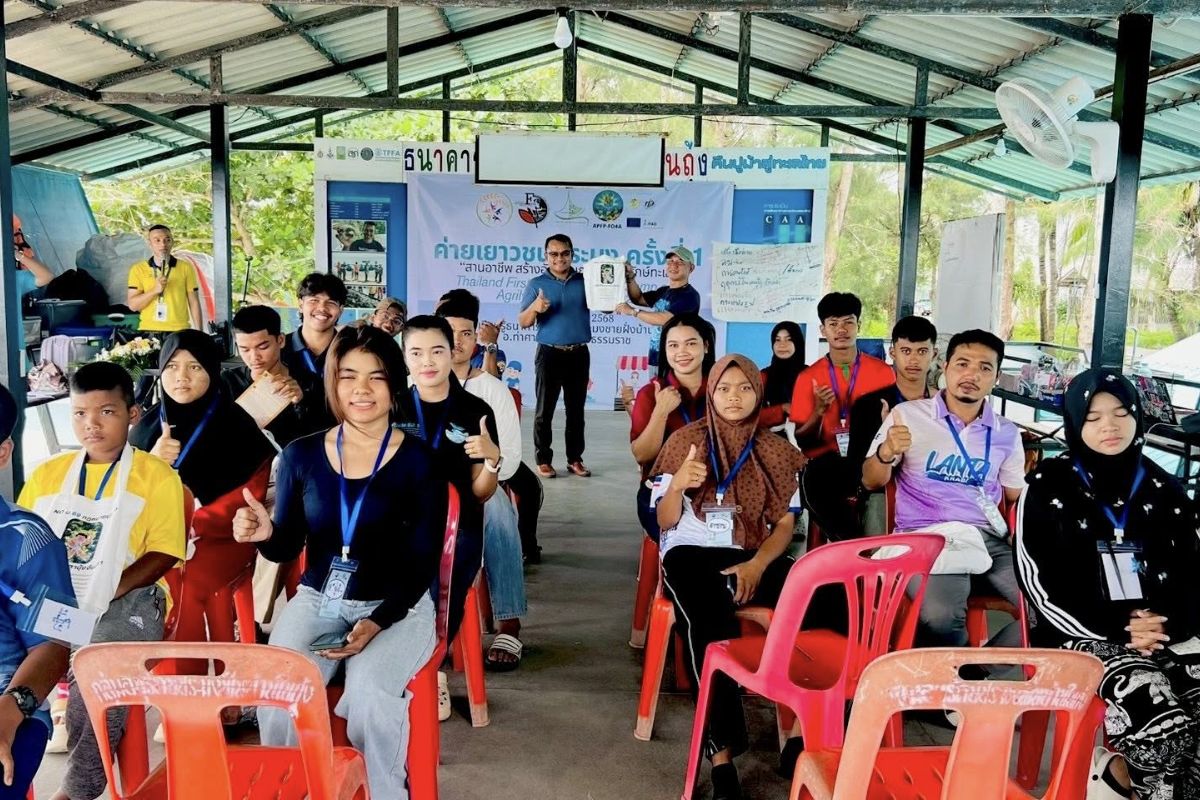
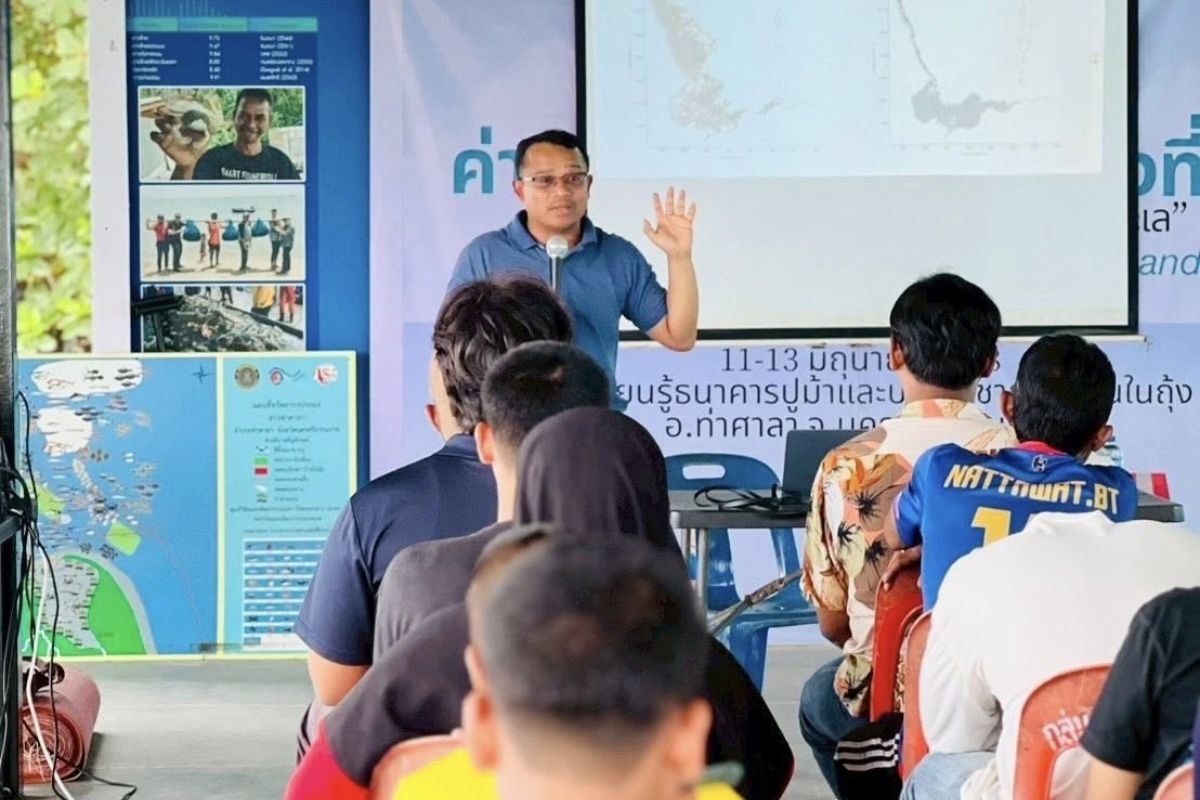
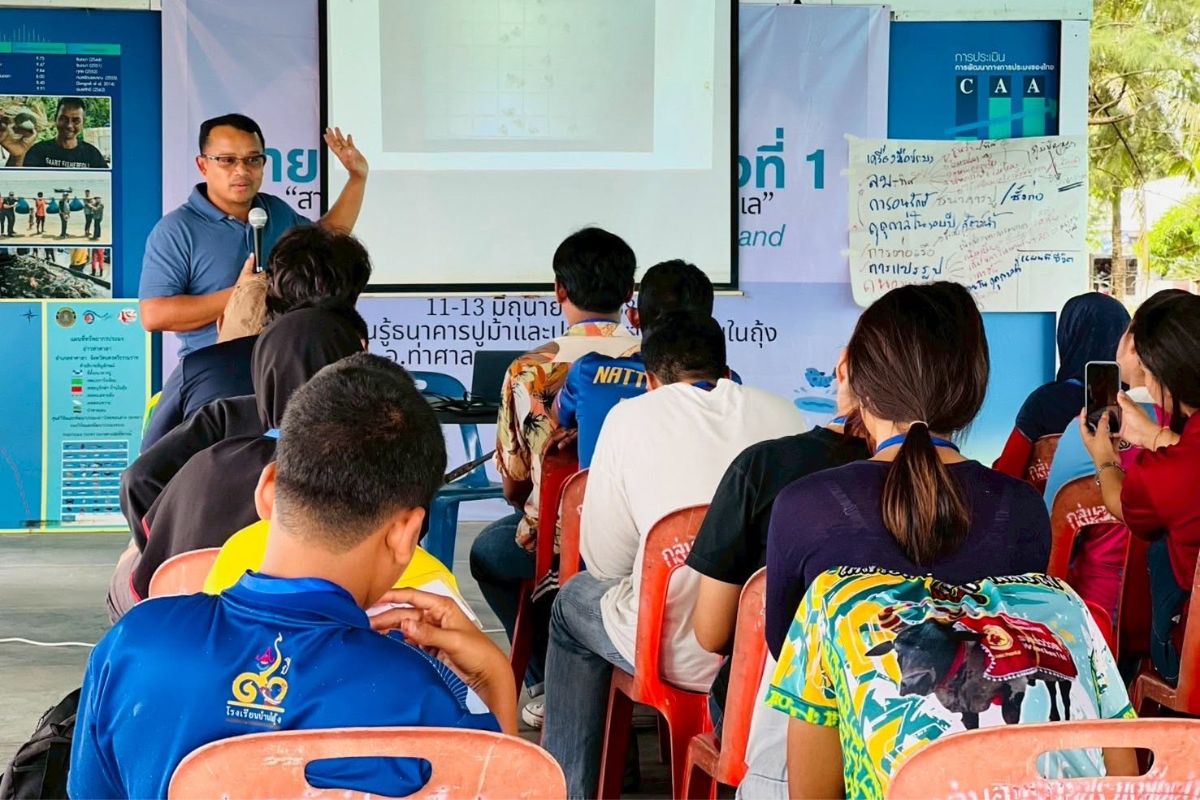
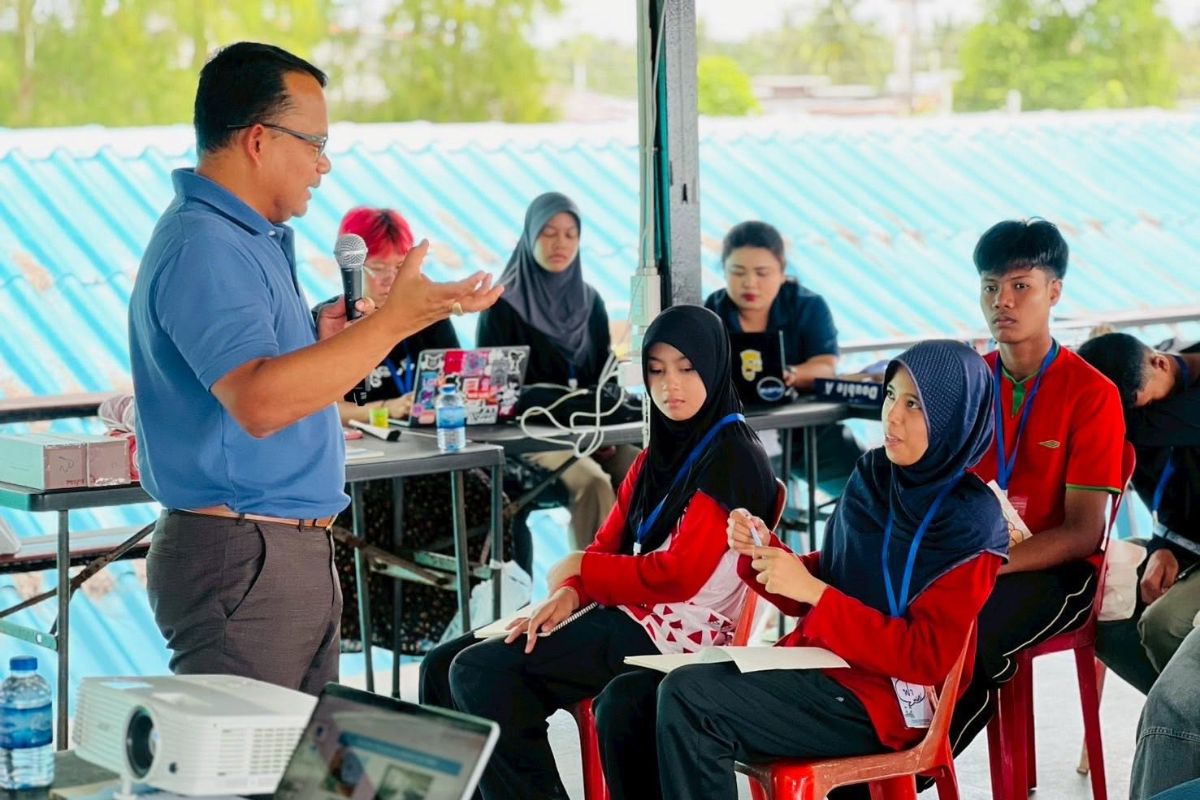
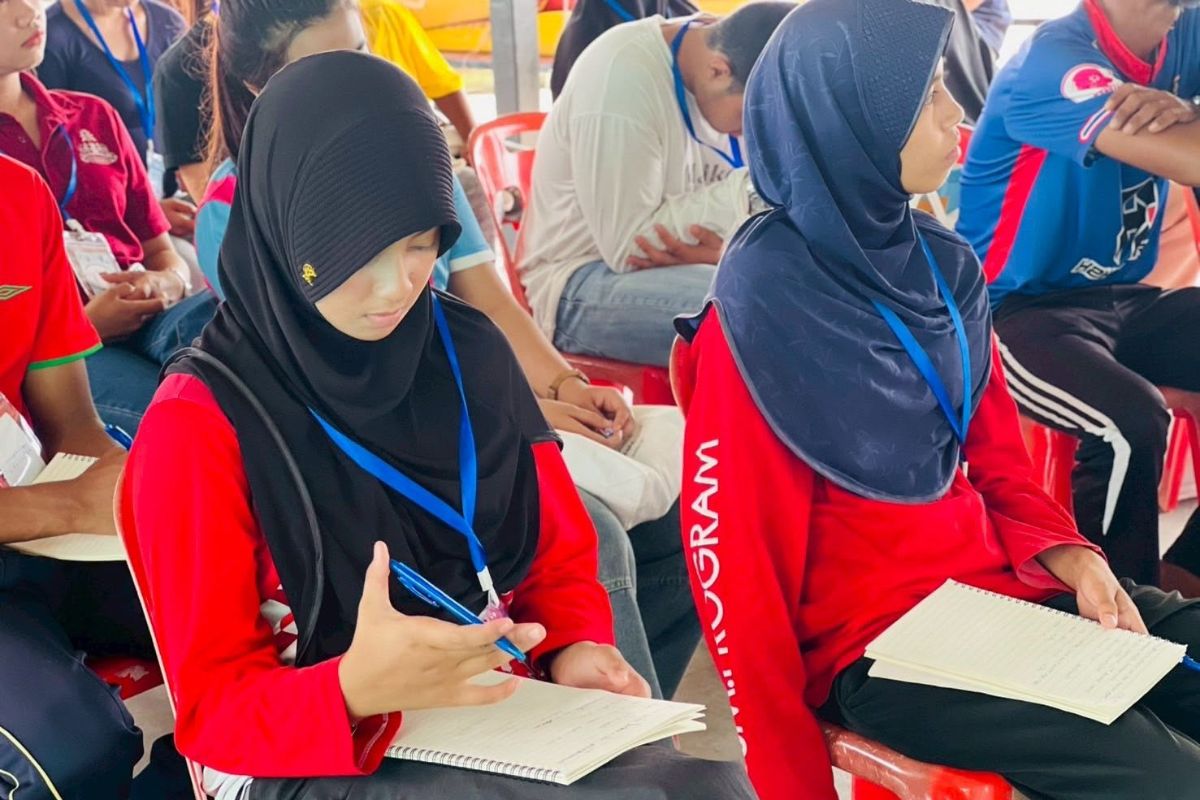
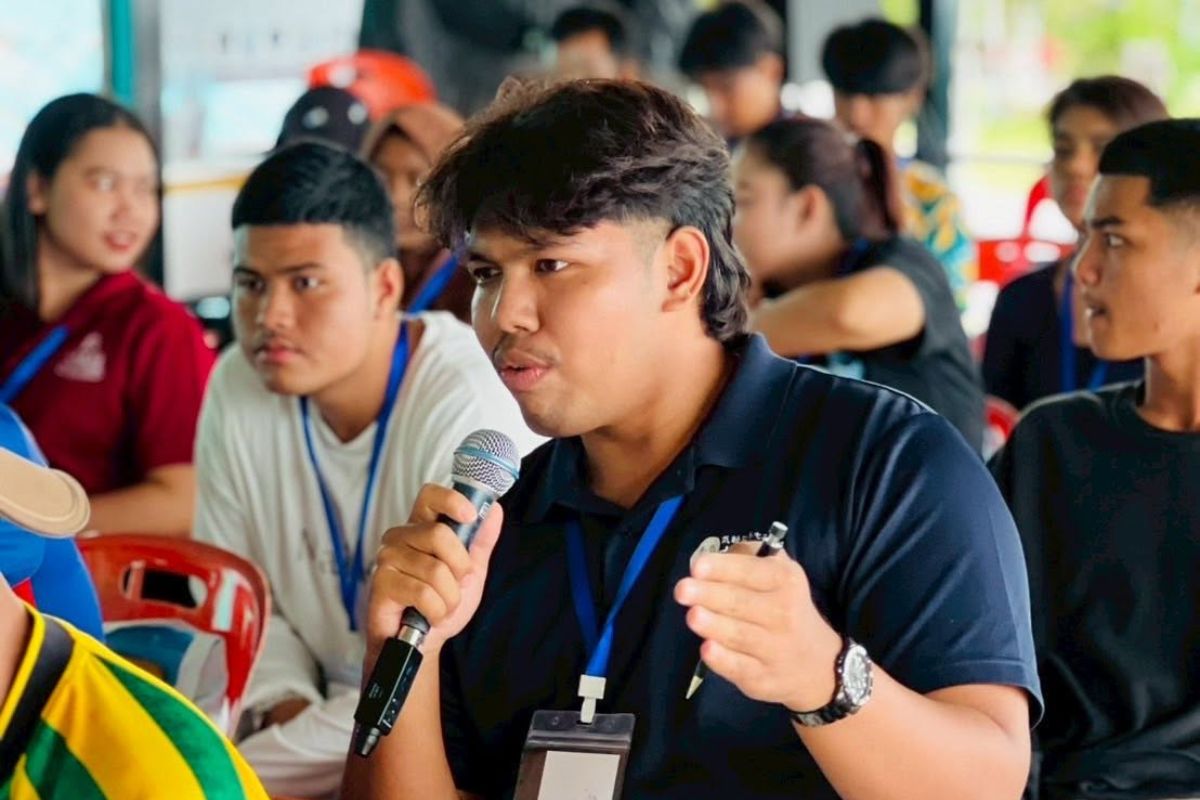
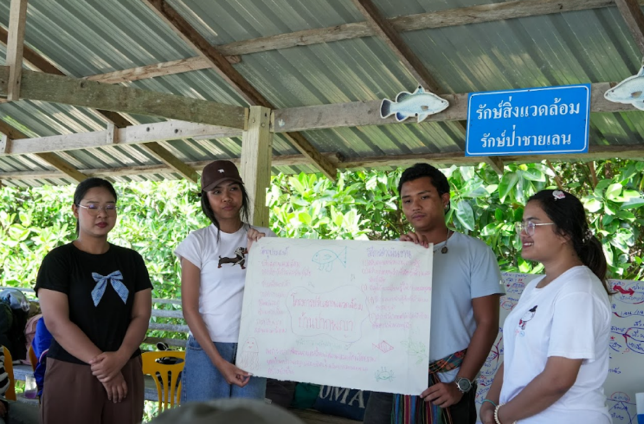
In 2025, Walailak University (WU) collaborated with the Ban Nai Thung Fisherfolk Association (NGO Partner) to expand its educational outreach to younger generations by organizing the Thailand First Young Farmers’ Camp and Agrilympics (YFCA) 2025. The camp provided young participants with opportunities to learn about the sustainable management of fisheries, aquaculture, and tourism while developing their understanding of the challenges facing marine and coastal resources.
The programme encouraged participants to understand the importance of responsible fishing practices and the consequences of overfishing and other unsustainable fishing activities. Through learning and engagement activities, young participants explored how excessive fishing pressure, illegal, unreported and unregulated (IUU) fishing, and destructive fishing practices can threaten marine biodiversity, deplete aquatic resources, and affect the livelihoods of coastal communities. The programme also emphasized the importance of conserving marine ecosystems, using fisheries resources responsibly, and promoting sustainable approaches to fisheries and aquaculture management.
Beyond classroom-based learning, participating students took part in practical educational activities supporting marine resource conservation, including the release of juvenile blue swimming crabs to help replenish natural populations. These hands-on activities enabled participants to connect their learning with practical conservation efforts and better understand the importance of protecting aquatic resources and maintaining healthy marine ecosystems. By combining education with direct participation in conservation activities, the camp encouraged young people to recognize their role in supporting sustainable fisheries and the long-term health of marine resources.
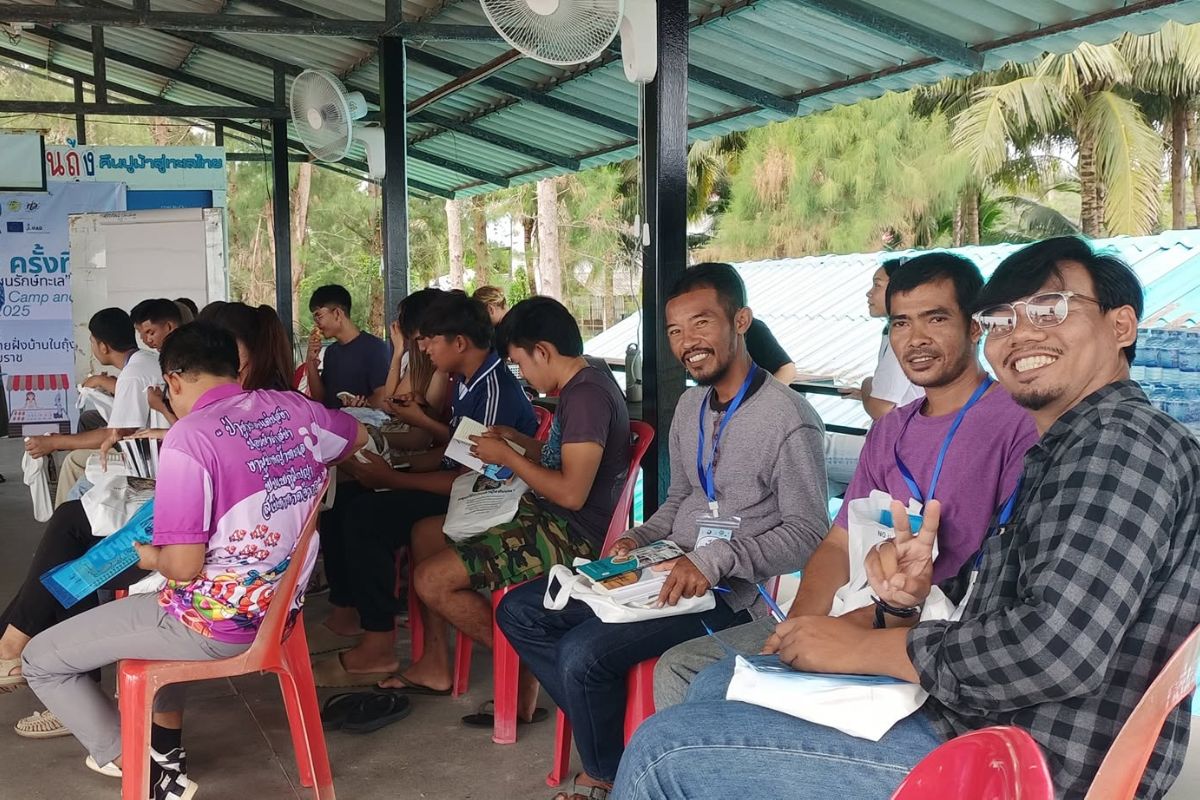
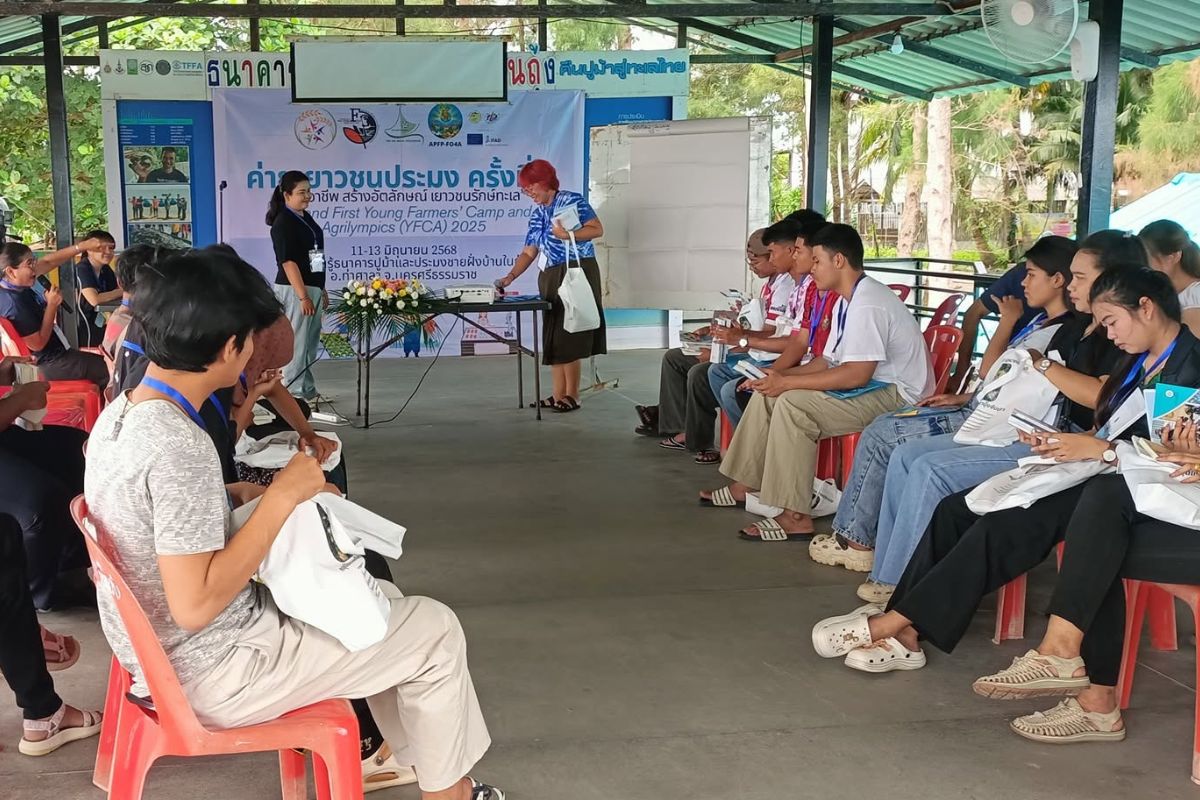
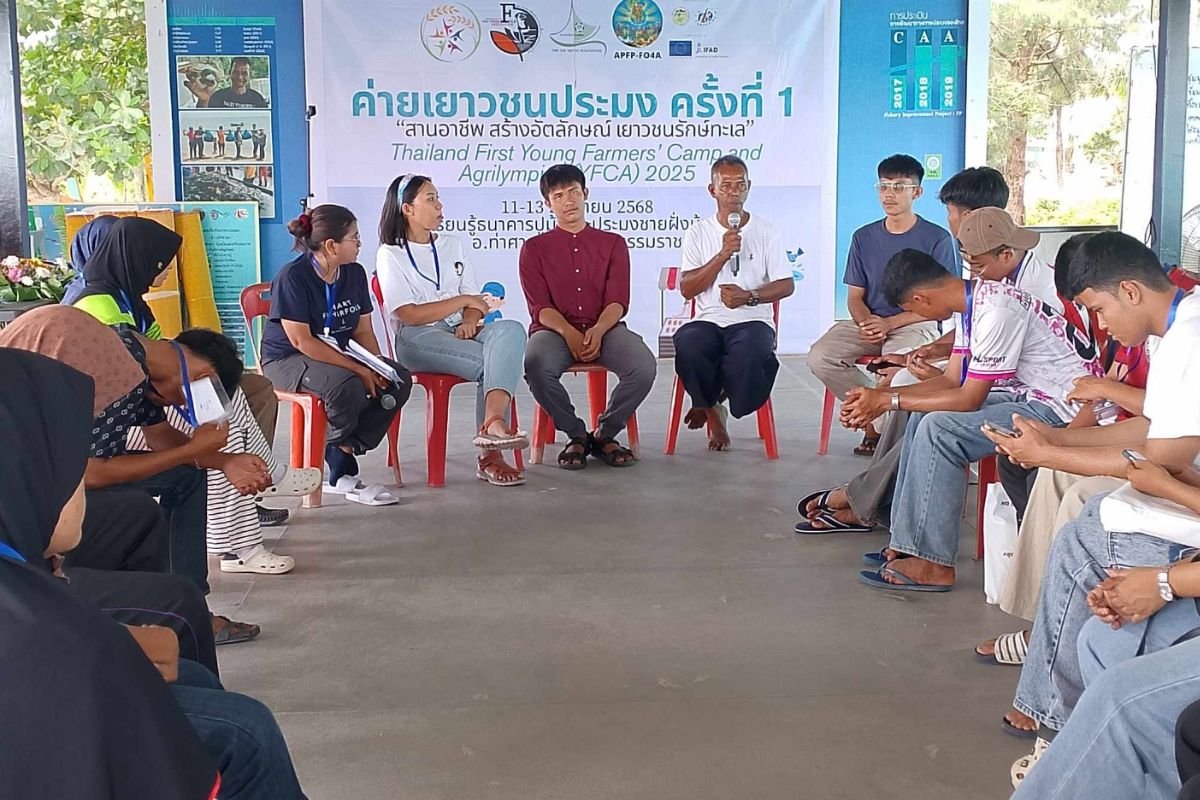
A key objective of the programme was to develop participants as model youth and volunteer educators who could communicate the knowledge they gained to their peers, families, younger generations, and members of the public. By equipping young people with knowledge about sustainable fisheries, aquaculture, marine conservation, and the impacts of overfishing and destructive fishing practices, WU encouraged them to become advocates for responsible fishing and the sustainable use of aquatic resources. Through community engagement and knowledge-sharing activities, these young volunteers could help raise public awareness and encourage wider participation in protecting marine and coastal environments.
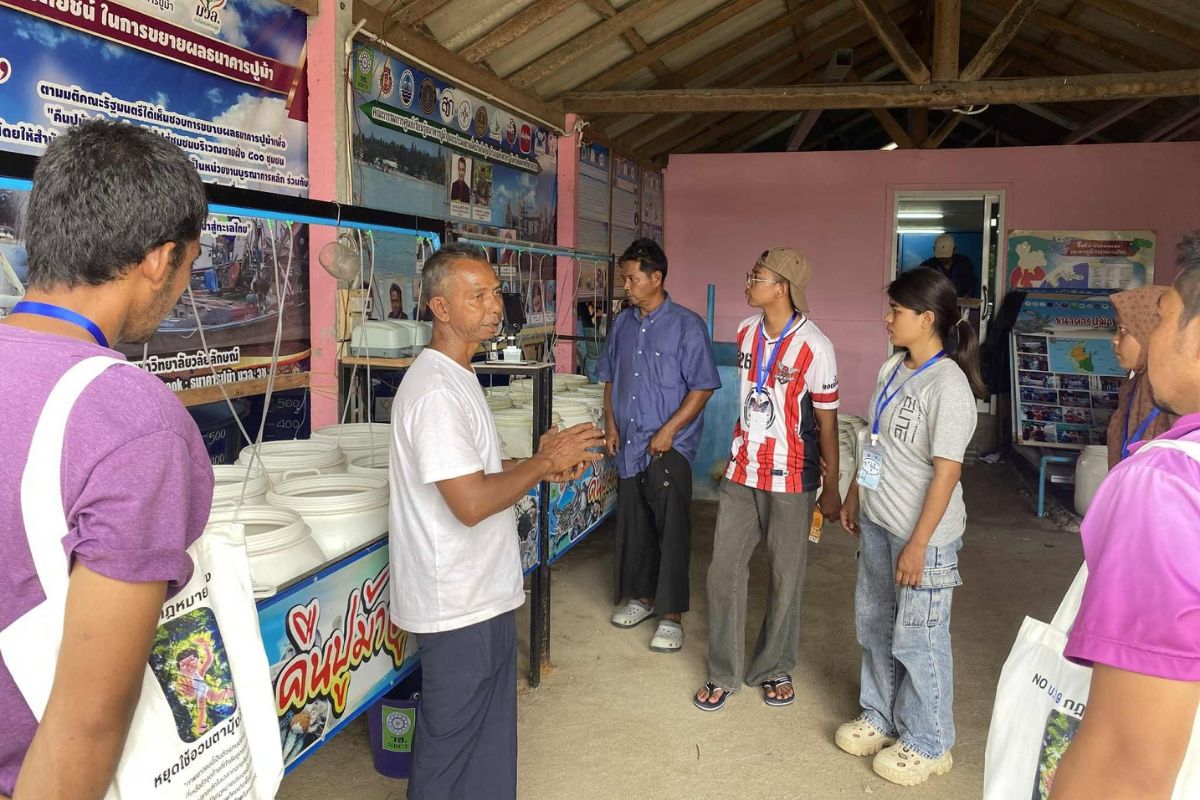
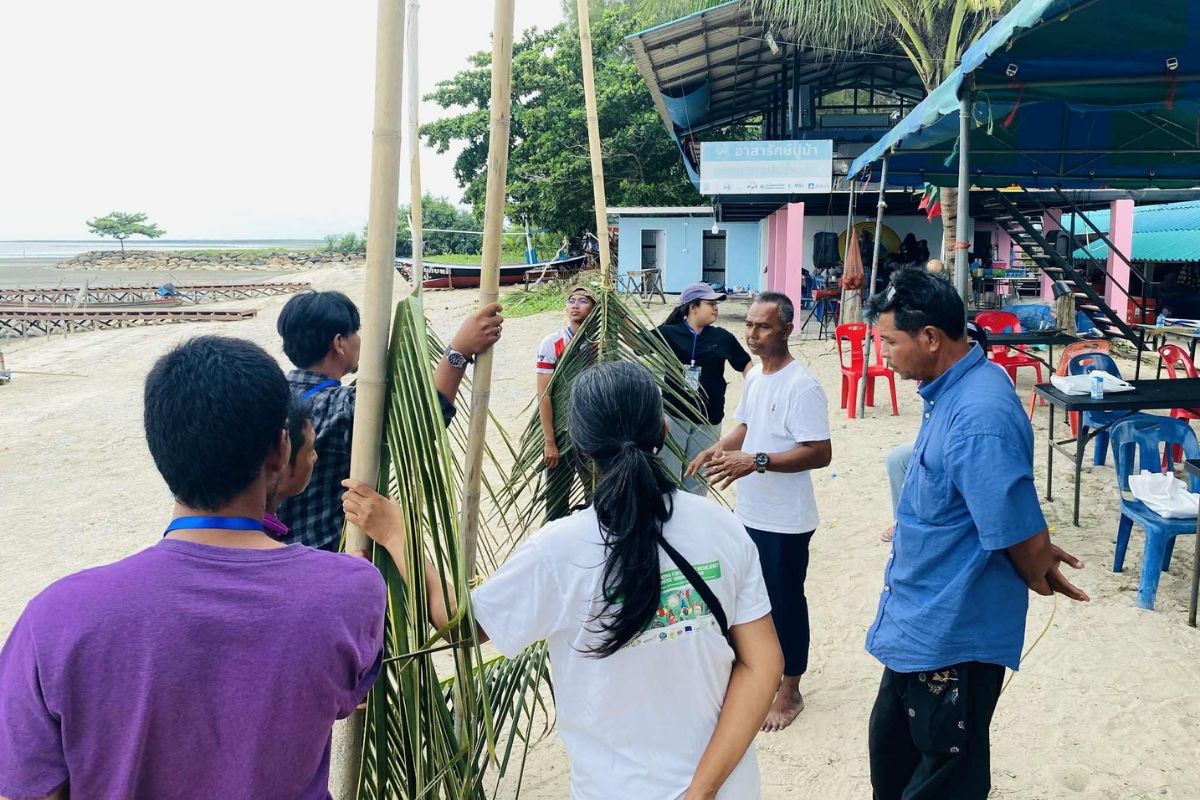
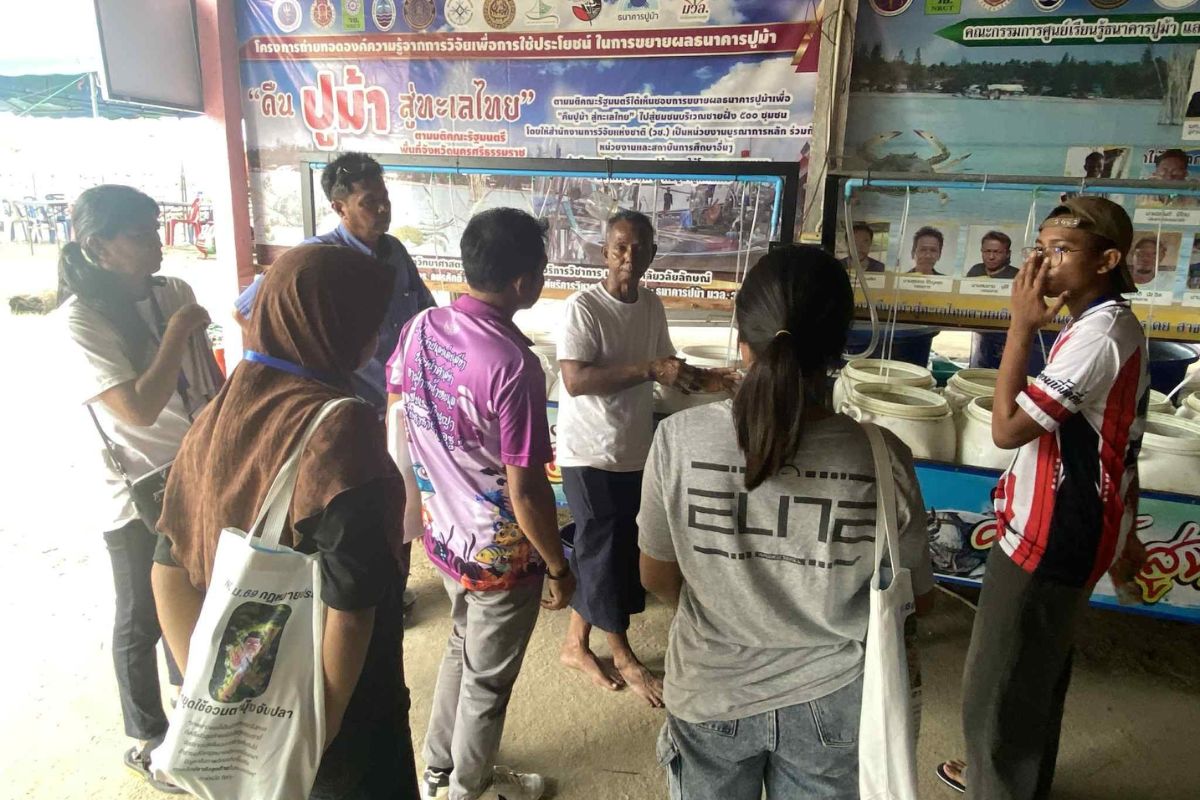
The initiative therefore extended WU’s educational outreach beyond the camp participants themselves. The knowledge and skills developed through the programme could be disseminated across schools, families, and local communities, helping to promote broader understanding of sustainable fisheries management and the need to prevent practices that threaten marine ecosystems. The programme’s contributions can be assessed through measures such as student participation, juvenile blue swimming crab releases, volunteer engagement, and the reach of educational and knowledge-sharing activities. In the long term, this approach can help strengthen community awareness, promote more responsible fishing practices, support the sustainable management of fisheries and aquaculture, and empower younger generations to contribute to marine resource conservation. Through its collaboration with the Ban Nai Thung Fisherfolk Association, WU demonstrated how community partnerships and youth-focused education can support both sustainable fisheries outreach and greater awareness of overfishing and destructive fishing practices.
Sustainable Aquaculture through Blue Swimming Crab Banks
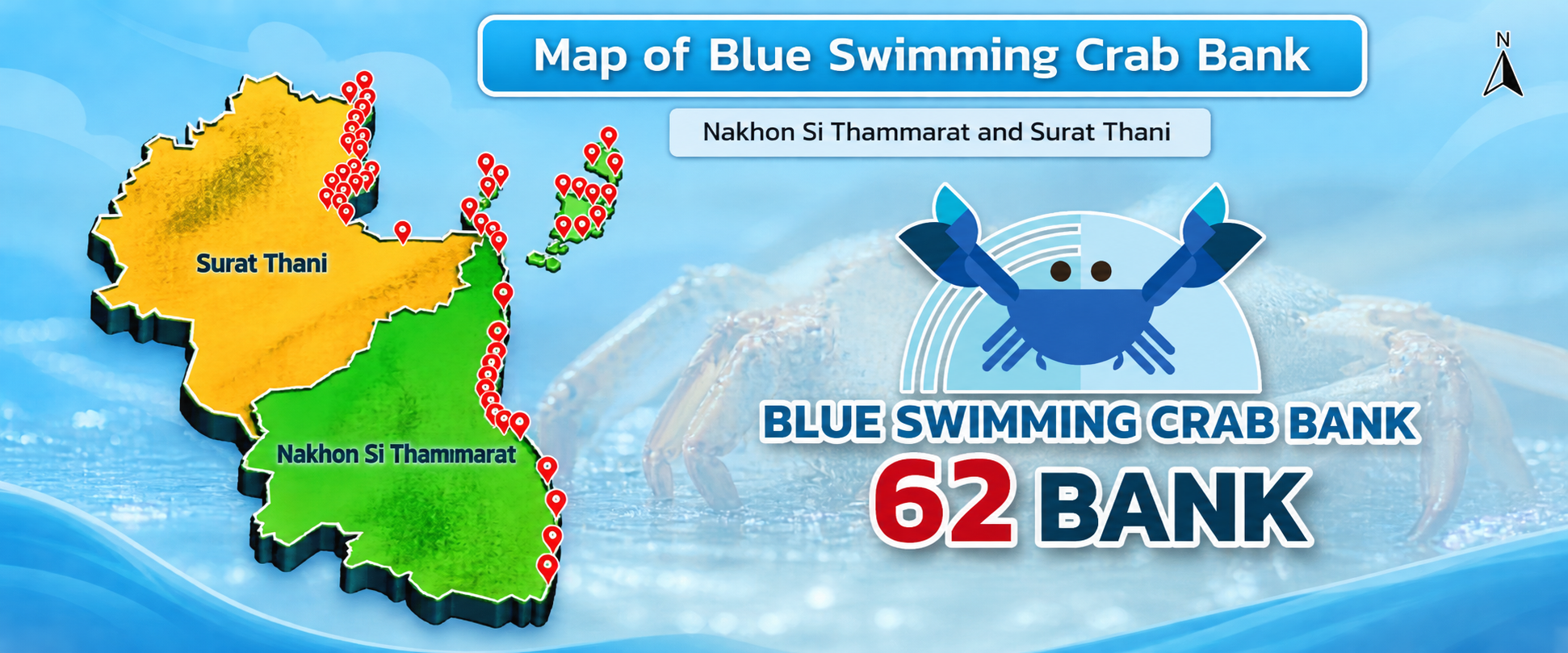
Walailak University continued to support blue swimming crab banks established through its community outreach efforts in Nakhon Si Thammarat and Surat Thani. In 2025, WU had established 62 blue swimming crab banks across the two provinces, creating a community-based mechanism for conserving and restoring blue swimming crab resources. The crab banks serve not only as facilities for hatching and releasing young crabs but also as important learning centres where local communities can gain practical knowledge about sustainable aquaculture and responsible fisheries management.
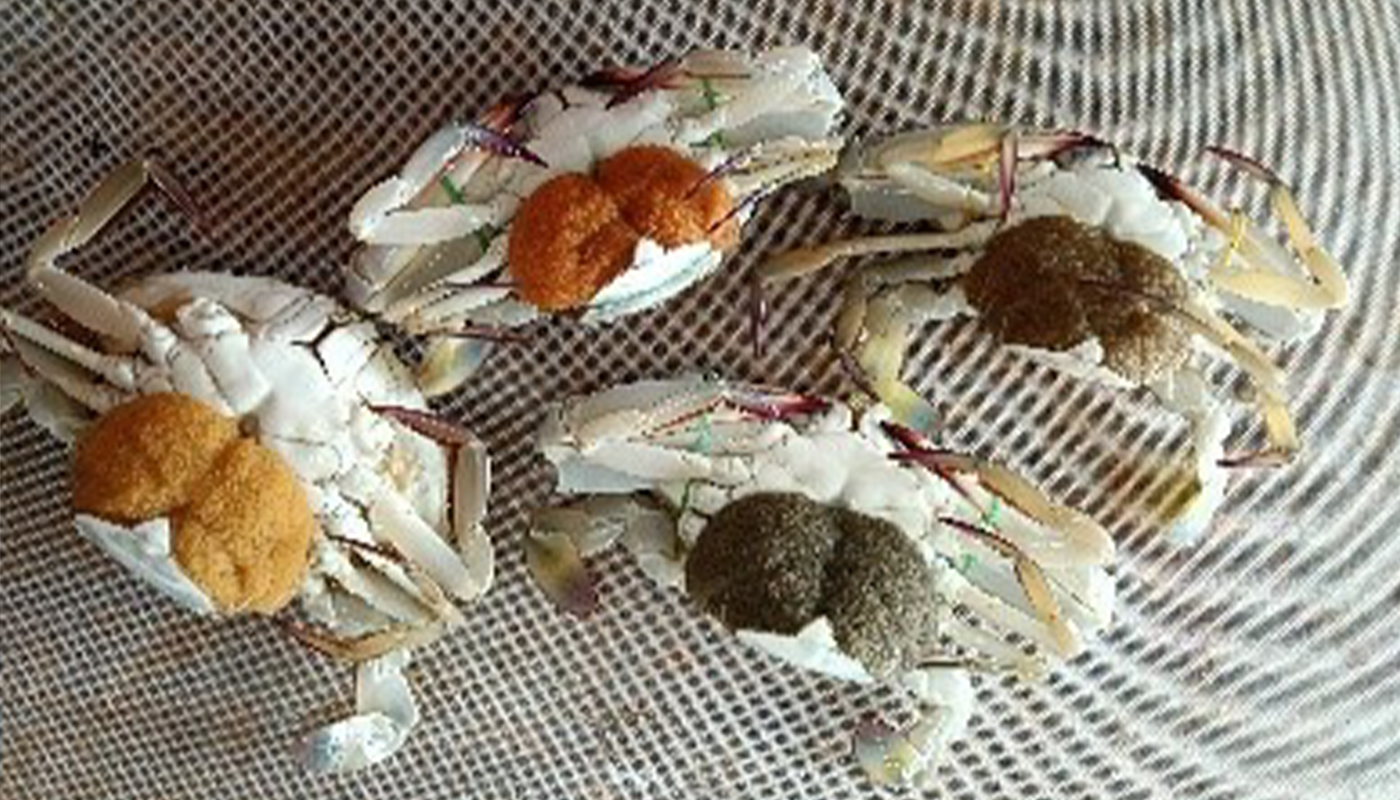
The establishment of the blue swimming crab banks aimed to increase community knowledge and participation in the sustainable management of blue swimming crab resources. WU provided educational outreach to local fishermen, local government authorities, NGO members, youth, and the general public on hatchery management, water quality, feeding, the rearing of berried female crabs, and the development of young crabs from the zoea stage until they are ready to be released into the sea. Participants also learned about appropriate management practices that can improve the survival rate of young crabs and increase the number of blue swimming crabs returning to natural marine ecosystems.
A key component of the programme was connecting sustainable aquaculture with responsible fishing practices. By understanding the importance of allowing young and breeding crabs to remain in the natural environment, local fishermen were encouraged to comply with sustainable fishing regulations and adopt appropriate fishing gear. For example, fishing gear must use mesh sizes that allow small blue swimming crabs to escape. For crab traps, the mesh size around the trap and on the bottom must be no smaller than 2.5 inches (approximately 6.35 centimetres), while crab gill nets should use mesh sizes of approximately 3.5–4 inches (9–10 centimetres) to reduce the capture of undersized crabs and allow smaller individuals to pass through.
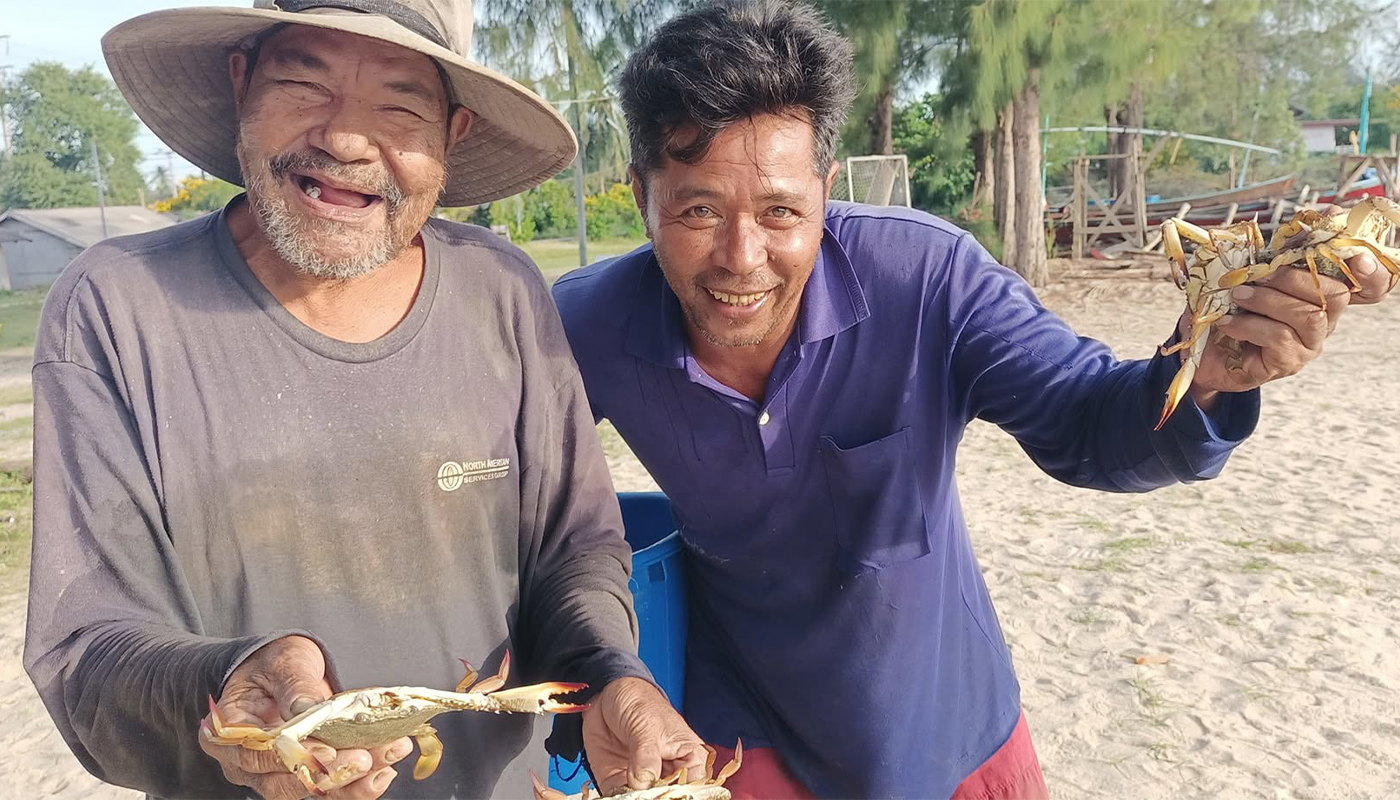
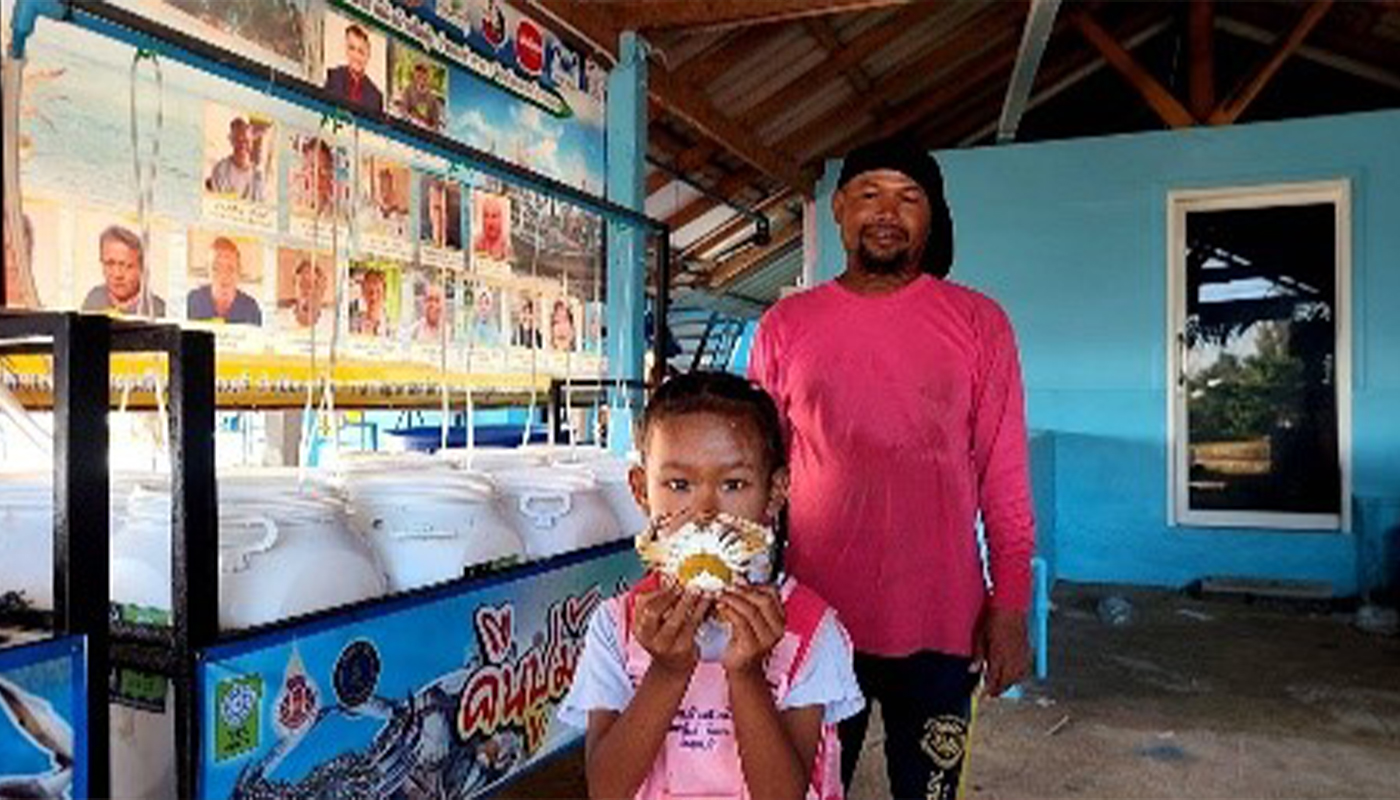
The programme also promoted awareness of legal size limits for blue swimming crabs. Under Department of Fisheries regulations, blue swimming crabs with a carapace width of less than 8.5 centimetres are prohibited from being caught or taken for utilization. In addition, research conducted by WU found that the appropriate size for harvesting begins at the size of first maturity, with a carapace width of approximately 9.84 centimetres or more. Promoting awareness of these requirements helps fishermen make informed decisions about which crabs can be harvested while allowing immature crabs to grow and reproduce.
The crab banks operate through a community-based conservation process. Local fishermen can contribute berried female blue swimming crabs that they catch, allowing the females to be placed in holding facilities until their eggs hatch. The eggs develop and hatch into larvae, which are subsequently released into the sea. This process helps return young crabs to their natural habitat and increases their opportunity to survive and contribute to the future crab population. At the same time, it provides fishermen and community members with direct experience of how sustainable aquaculture can support the restoration of natural aquatic resources.
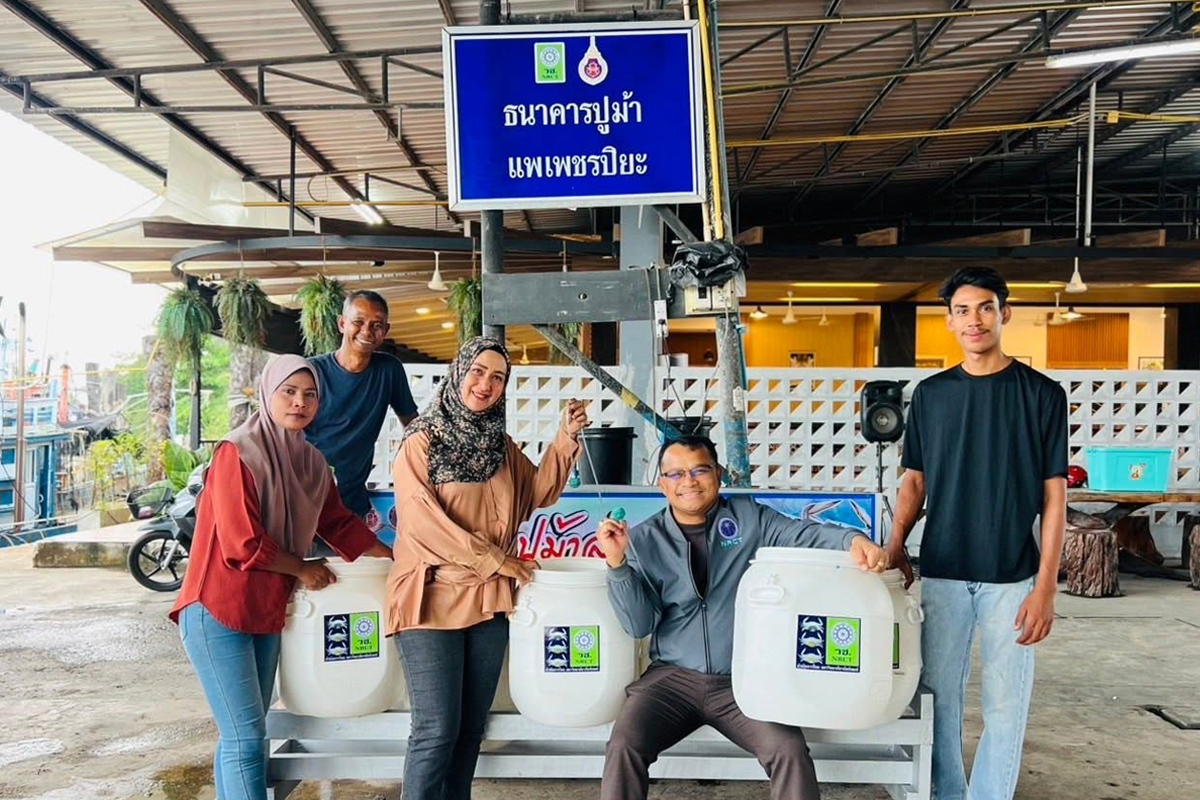
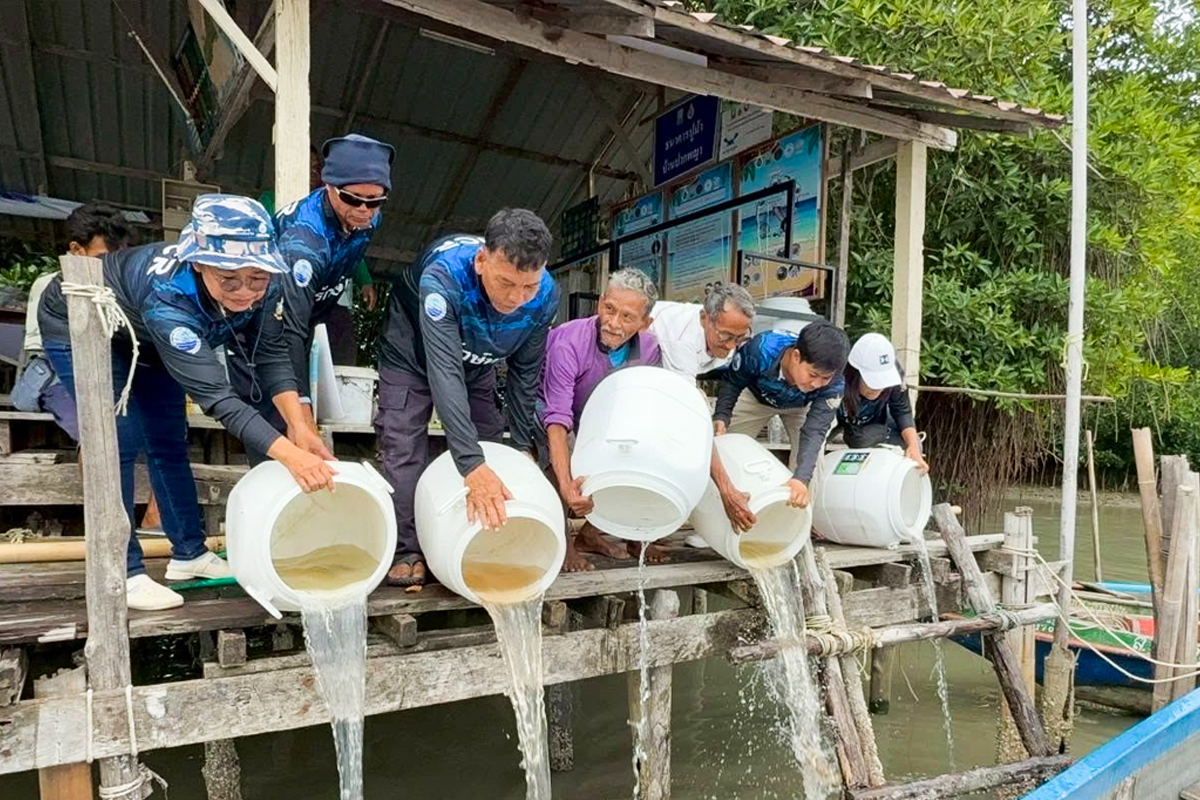
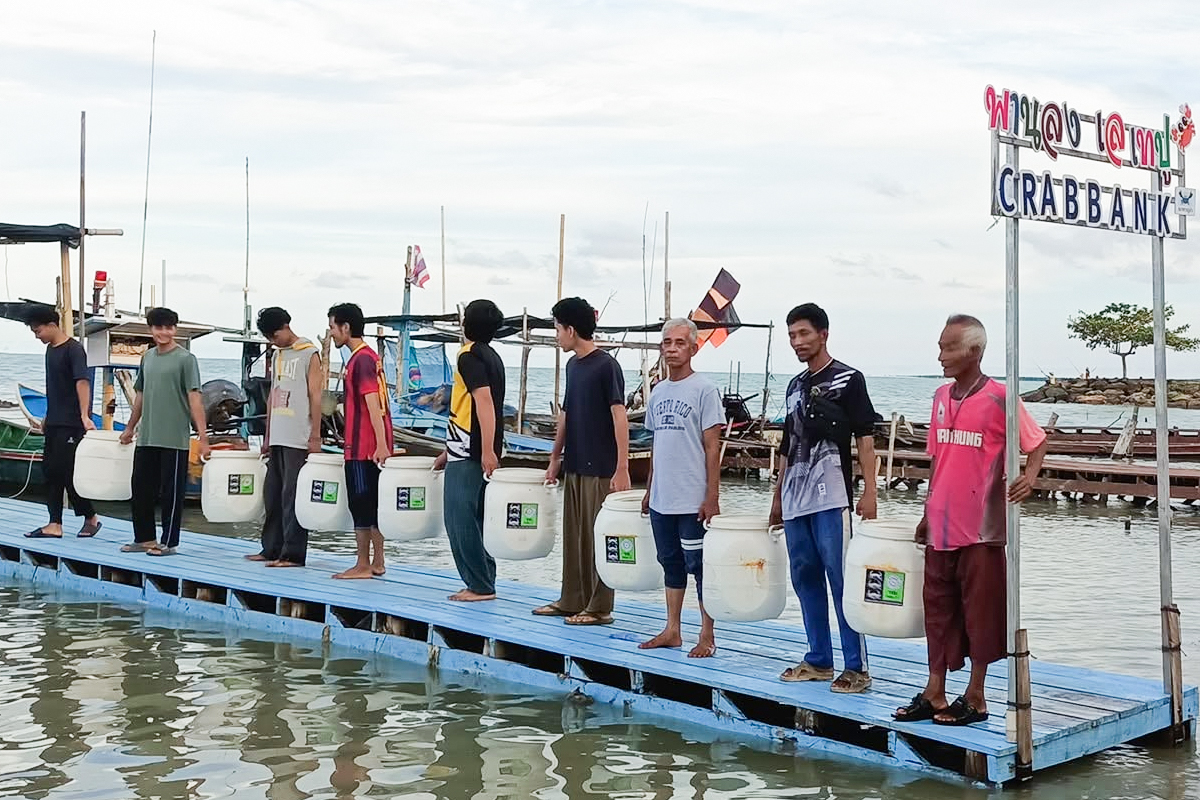
Through the blue swimming crab banks, WU has therefore integrated education, community participation, sustainable aquaculture, and responsible fisheries management into a single practical approach. The initiative helps communities understand that restoring crab populations is not achieved solely by increasing production, but also by protecting breeding stocks, allowing juvenile crabs to mature, using appropriate fishing gear, and following relevant fisheries regulations.
The initiative contributes to the long-term sustainability of both marine ecosystems and coastal livelihoods. By empowering local communities with scientific and practical knowledge, WU encourages fishermen to become active participants in the conservation of blue swimming crab resources rather than relying solely on external intervention. The community-based model also provides opportunities for knowledge to be shared among fishermen, young people, local authorities, and other stakeholders, strengthening collective responsibility for maintaining healthy marine resources for future generations.
Educational Programme on Sustainable Golden Snapper Aquaculture
Seasonal changes during the monsoon can create challenges for marine cage aquaculture. Changes in water temperature, salinity, water circulation, and the availability of natural food can affect fish growth, feeding behaviour, health, and overall aquaculture productivity. For local aquaculture operators, adapting farming practices to these changing environmental conditions is therefore important for maintaining production while minimizing impacts on surrounding marine ecosystems.
The Ban Khao Thong Aquaculturist Local Enterprise Group, a community-based enterprise farming golden snapper in marine cages in Krabi Province, has faced challenges associated with seasonal environmental changes. In addition to maintaining fish productivity, the group needed to ensure that its aquaculture practices did not contribute to the deterioration of surrounding coastal waters and marine habitats, particularly during periods of heavy rainfall and monsoon conditions.
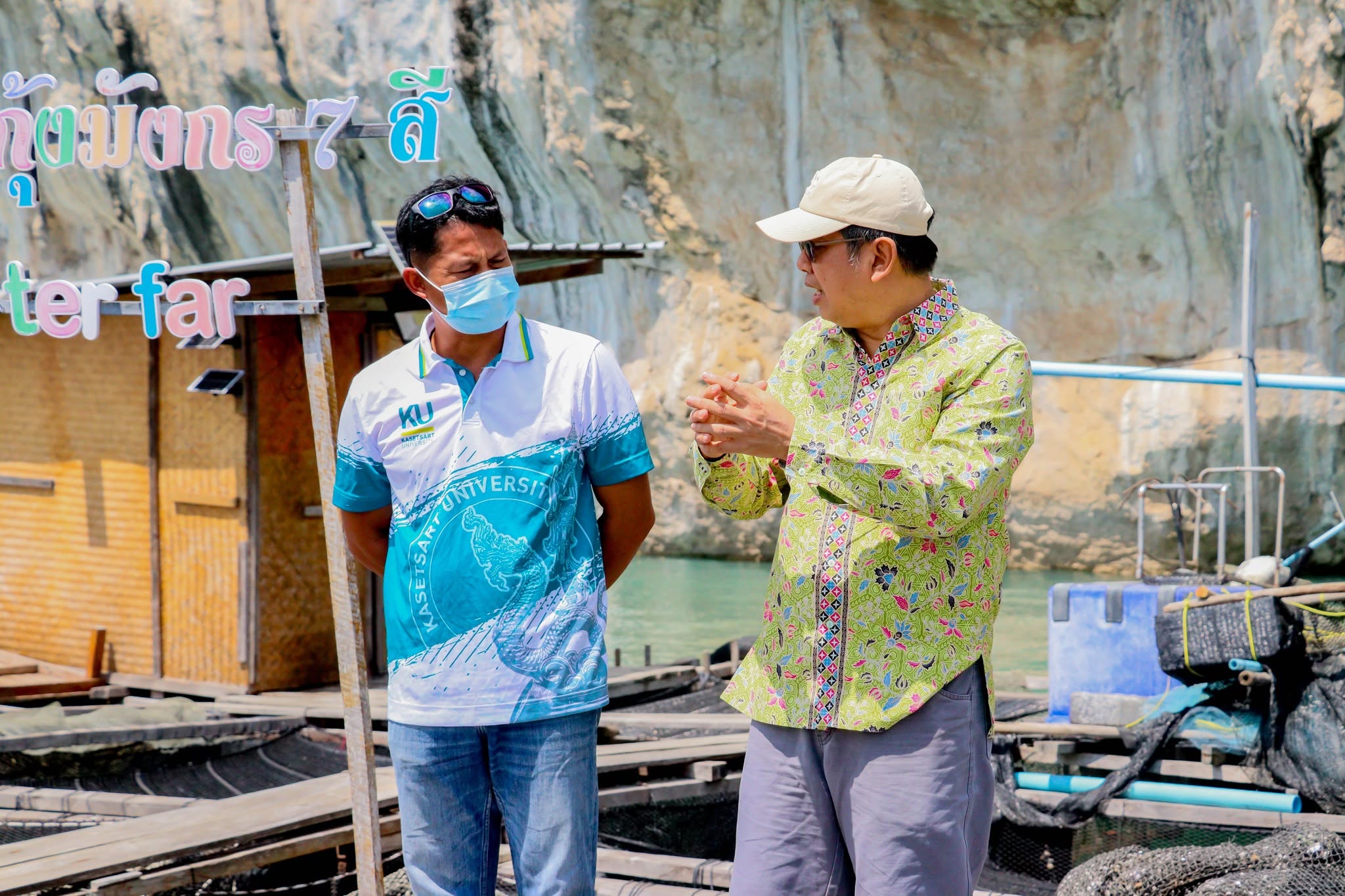
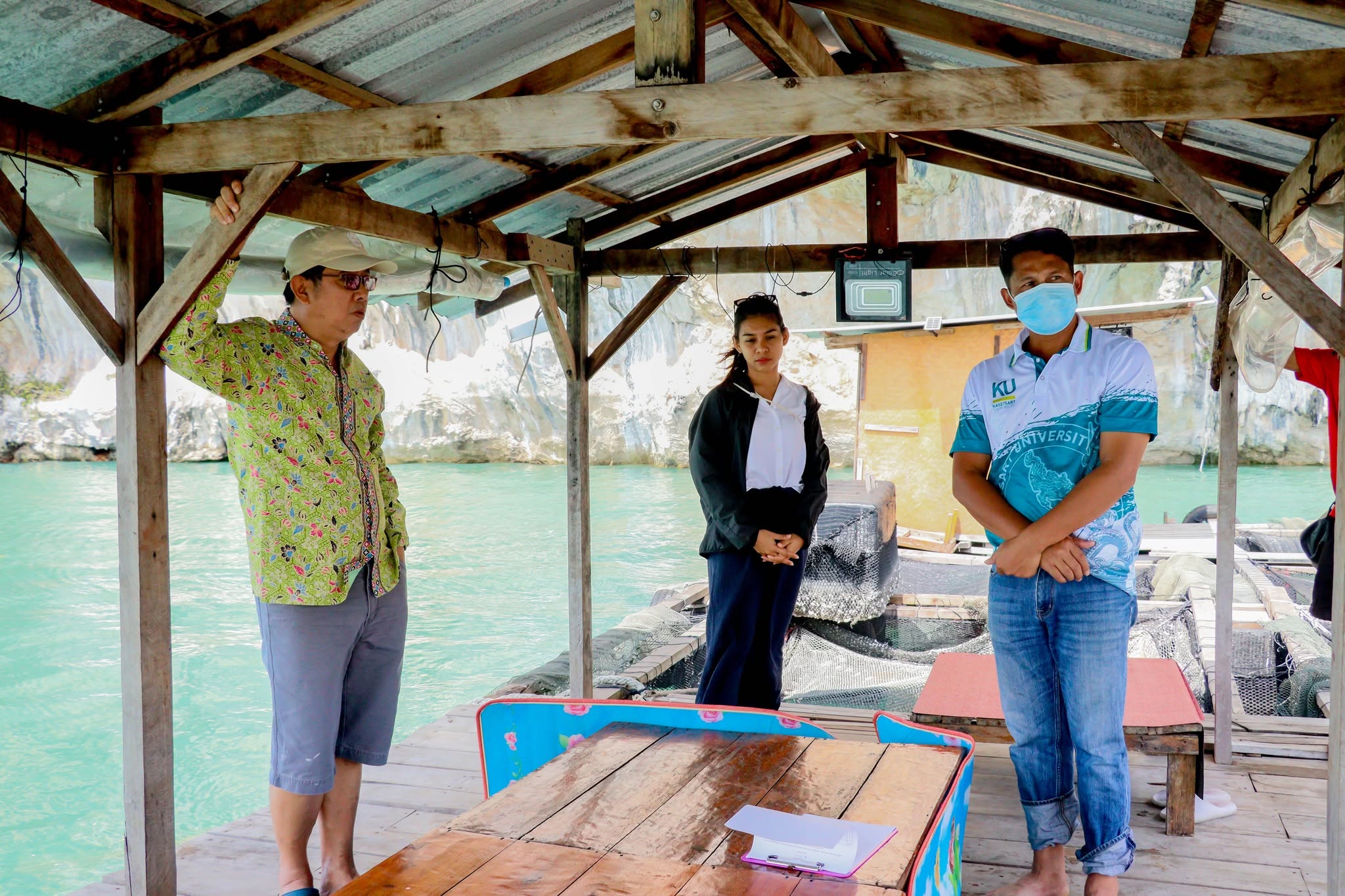
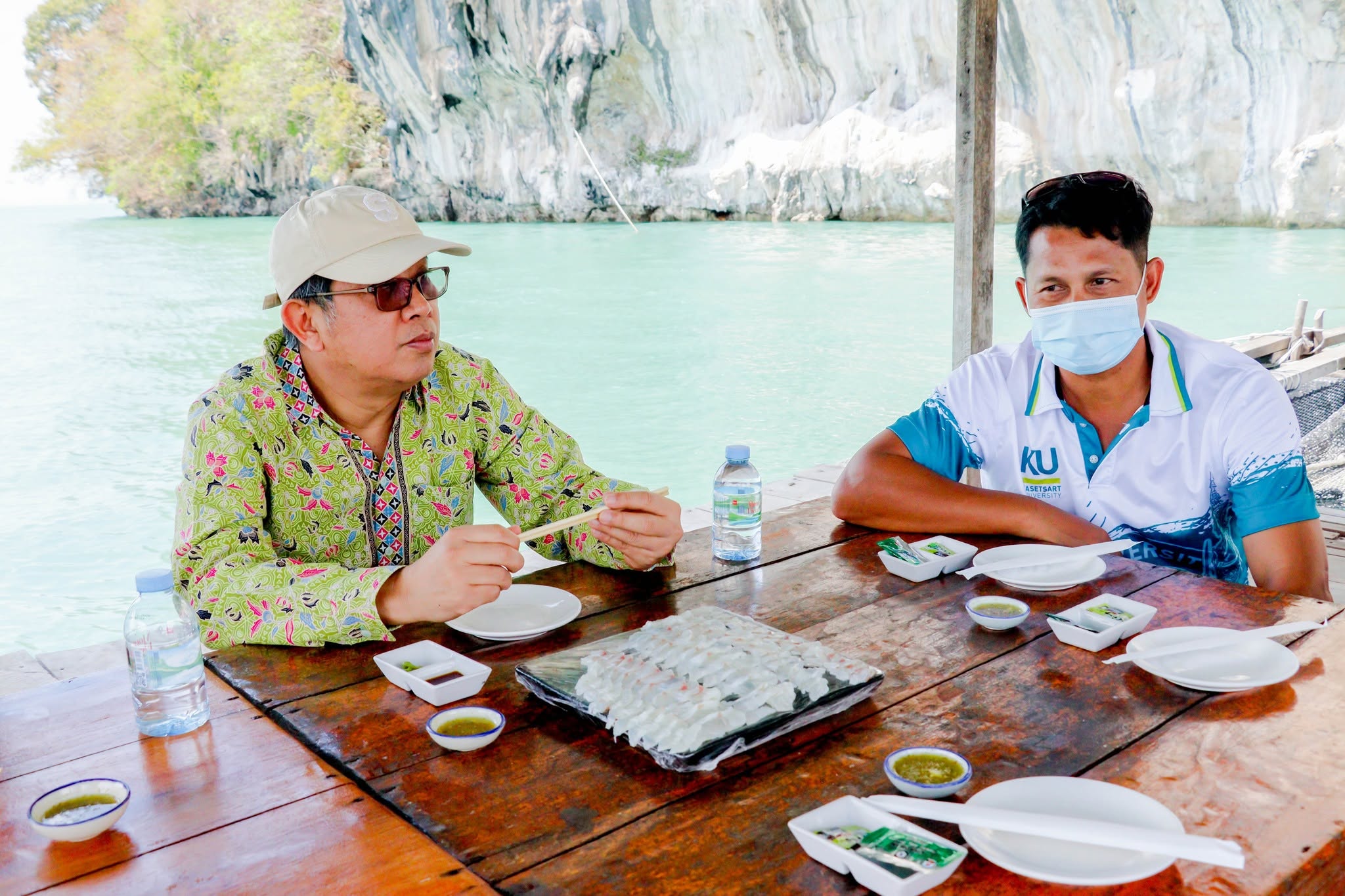
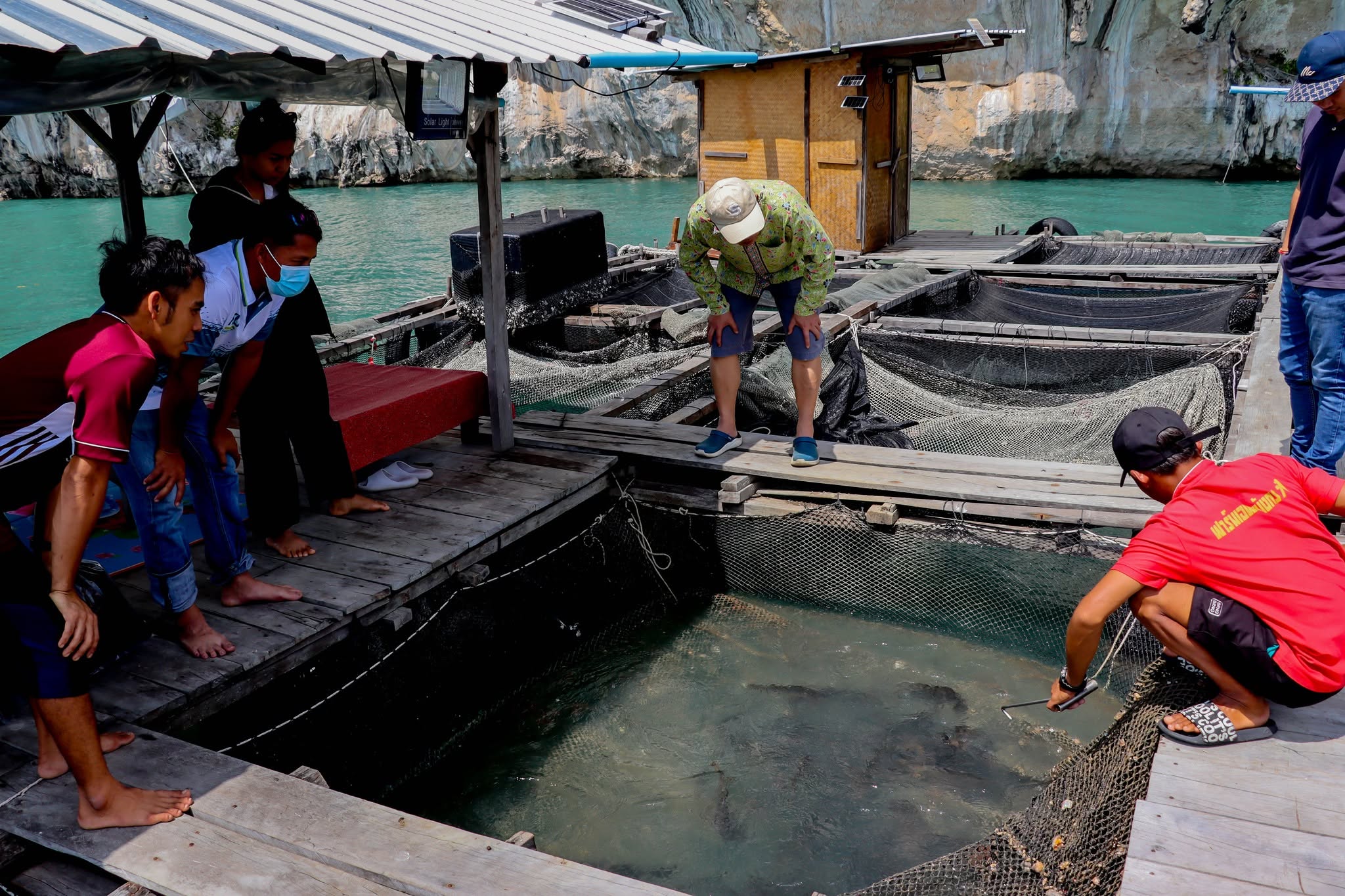
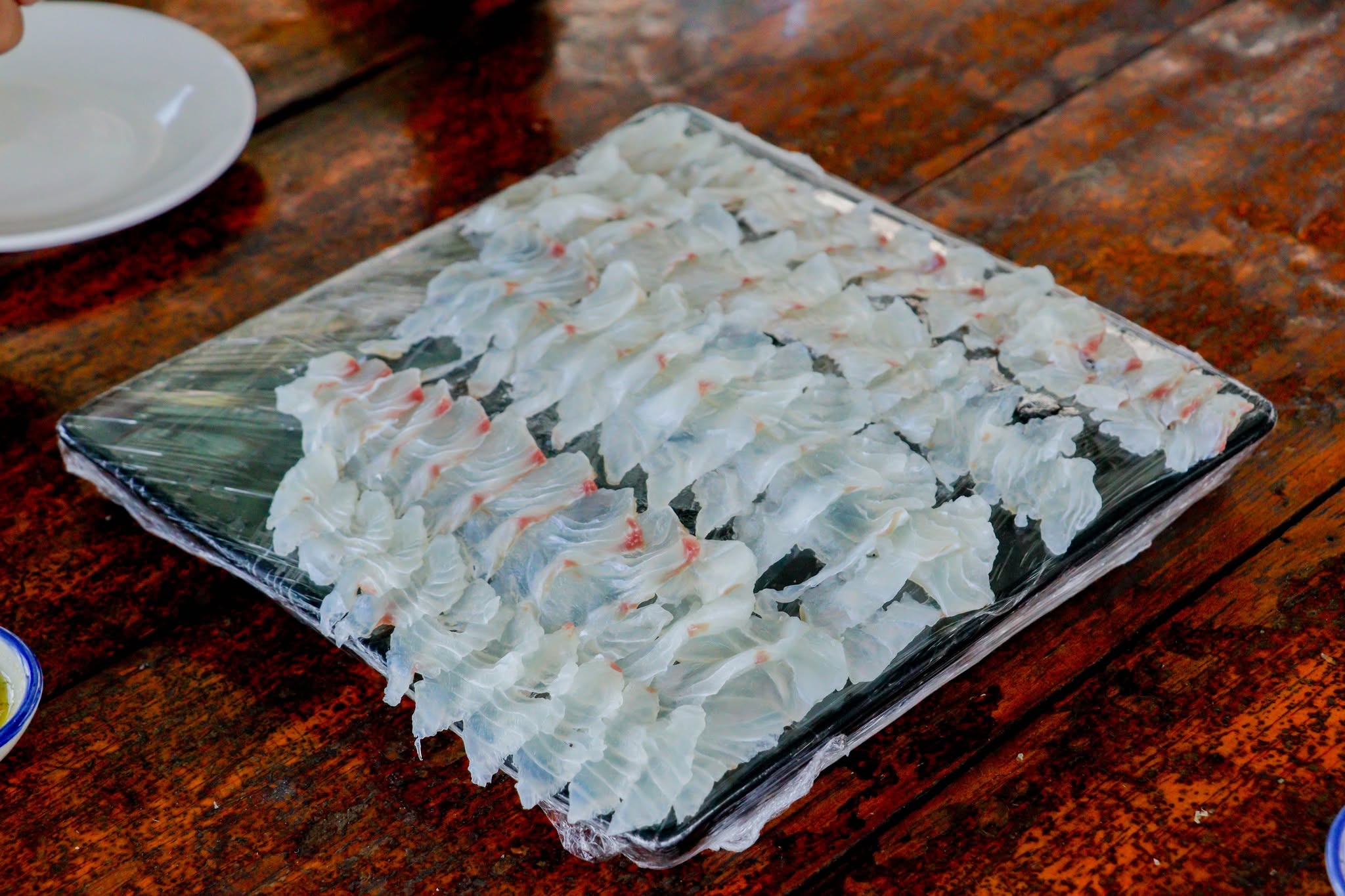
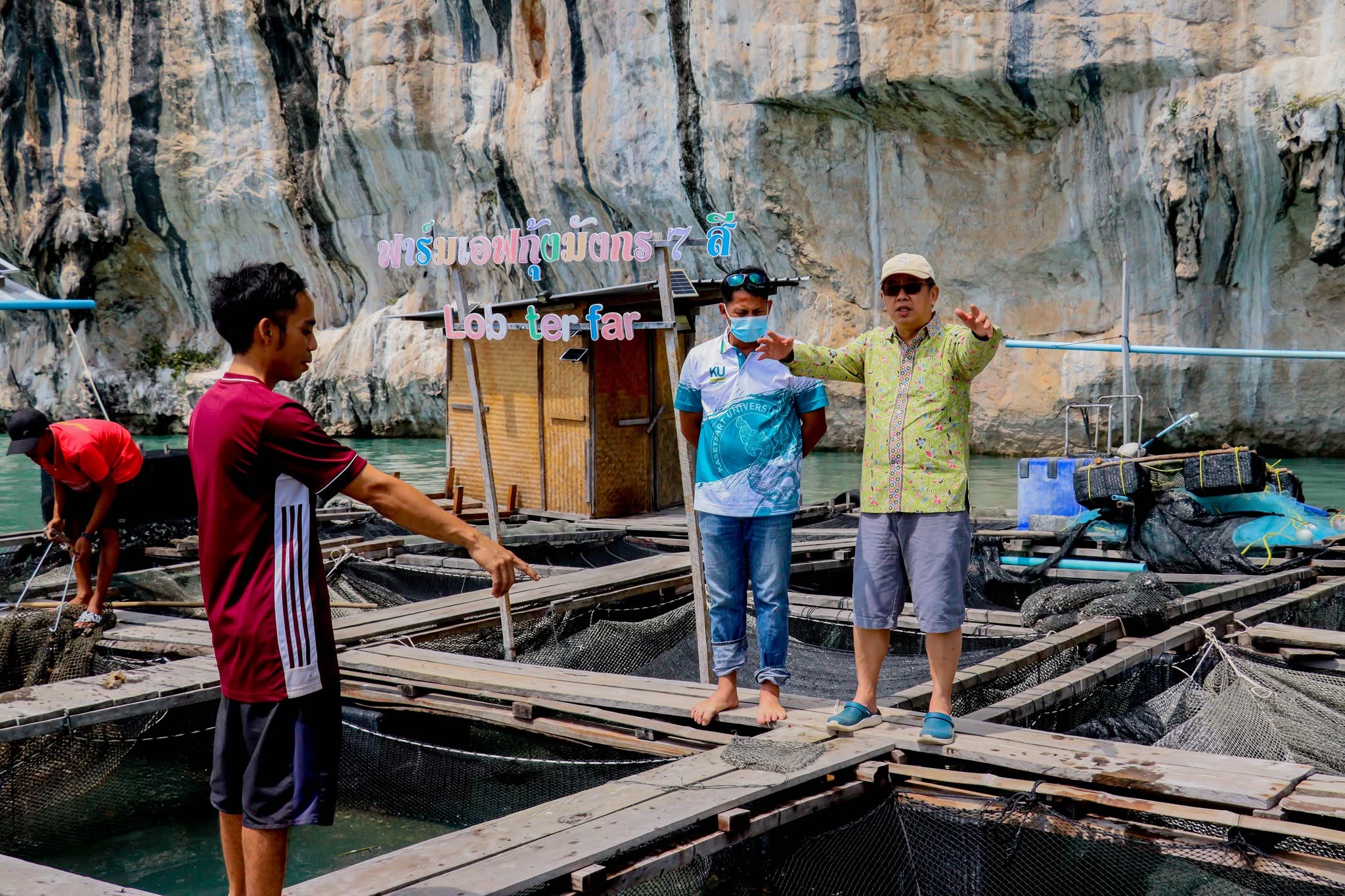
In response to these challenges, in 2025, the Science and Technology Park at Walailak University continued providing educational outreach to the local enterprise group on sustainable golden snapper aquaculture and environmental management. WU shared practical knowledge that could be directly applied to the group’s daily aquaculture operations, with an emphasis on improving feeding efficiency, maintaining water quality, and reducing environmental impacts from cage farming.
One of the key areas of knowledge provided by WU was appropriate feeding management. The group received guidance on suitable feed formulations, feeding methods, and appropriate quantities of feed according to the fish’s needs and farming conditions. Proper feed management helps reduce the amount of uneaten feed accumulating beneath the cages. Excess feed can increase the concentration of organic matter and nutrients in the surrounding water and sediments, potentially contributing to eutrophication, deterioration of water quality, and negative impacts on aquatic organisms.
WU also provided guidance on the appropriate installation and positioning of marine cages. Proper cage placement and installation can help minimize physical disturbance to the seabed and surrounding habitats, while allowing sufficient water circulation around the cages. Maintaining appropriate water circulation is particularly important for dispersing waste, supporting water quality, and reducing the accumulation of organic matter beneath the farming area.
The outreach also encouraged the local enterprise group to consider seasonal environmental conditions when planning and managing its aquaculture activities. Understanding changes in water conditions during the monsoon season enables farmers to adjust feeding and cage-management practices appropriately, helping maintain fish health and productivity while reducing pressure on the surrounding marine environment.
Through this educational programme, WU helped transfer scientific and technical knowledge to a local aquaculture enterprise and translate it into practical management practices. The initiative demonstrated how sustainable aquaculture can contribute to both economic livelihoods and marine environmental protection by improving resource efficiency, reducing waste, and minimizing impacts on coastal ecosystems.
By supporting local aquaculture operators with practical knowledge, WU contributes to the development of more environmentally responsible aquaculture practices and promotes the sustainable use of marine resources. The programme also demonstrates the importance of linking aquaculture productivity with ecosystem protection, ensuring that local communities can continue to benefit from marine resources while maintaining healthy coastal environments for the future.
Educational Outreach on Sustainable Fisheries through Artificial Fish Habitats
Walailak University continued its educational outreach efforts to promote the sustainable management of marine and coastal resources through the development of artificial fish habitats and the restoration of aquatic populations. In 2025, WU continued implementing artificial habitat activities in Nakhon Si Thammarat and Surat Thani, including the construction of artificial fish houses, the release of juvenile marine animals, and the collection of plastic debris from coastal waters. These activities aimed to create additional shelter and breeding areas for aquatic species, support the recovery of local fishery resources, enhance marine biodiversity, and reduce pollution in coastal ecosystems.
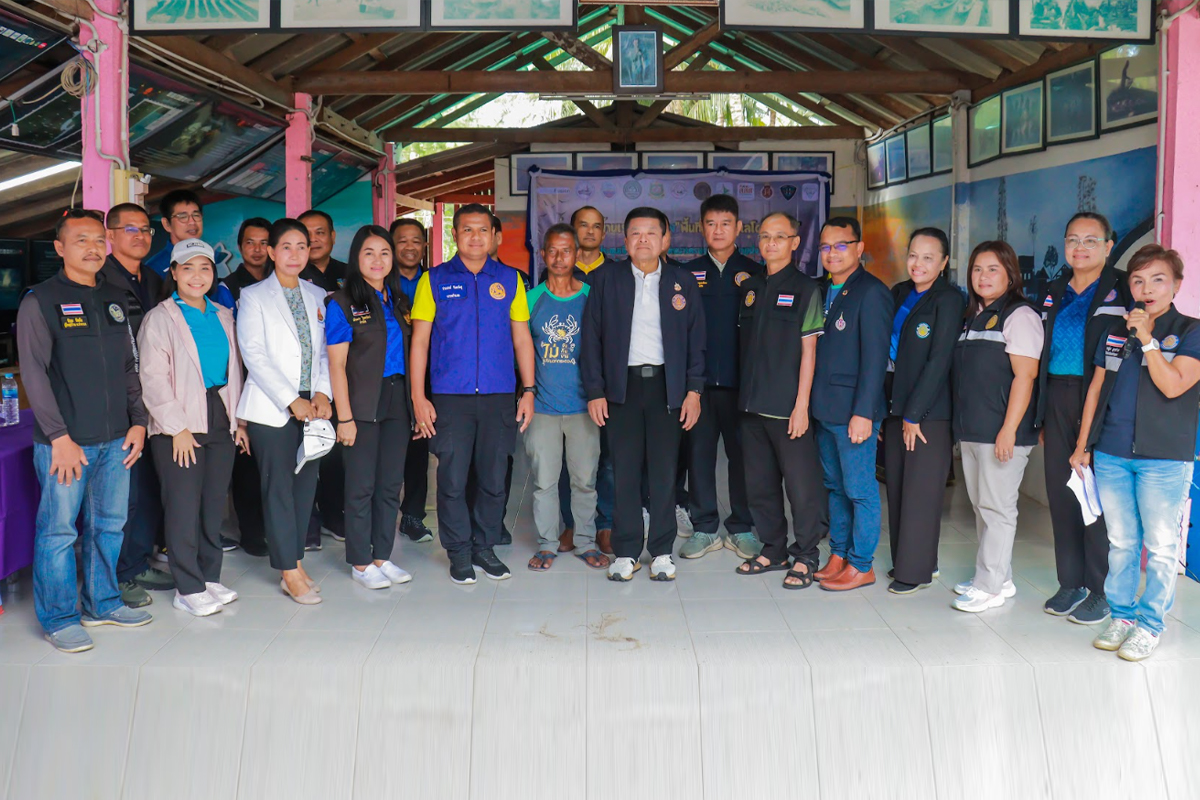
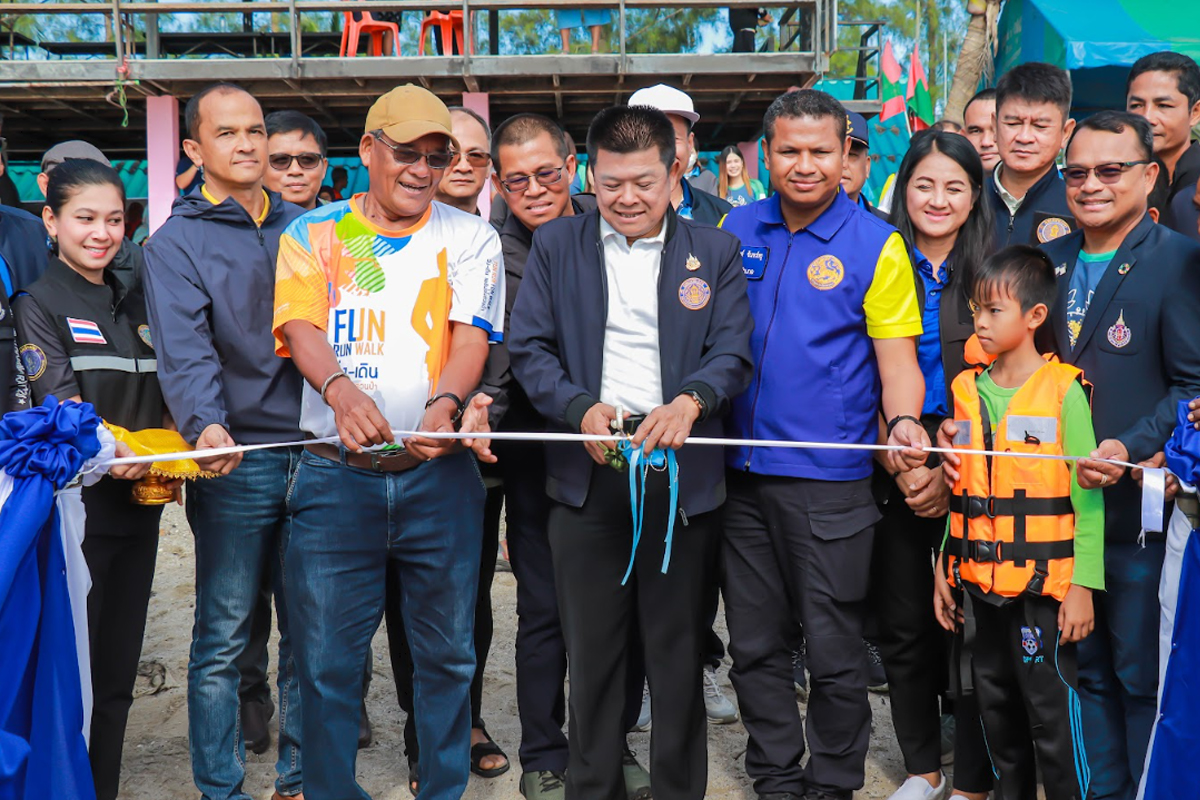
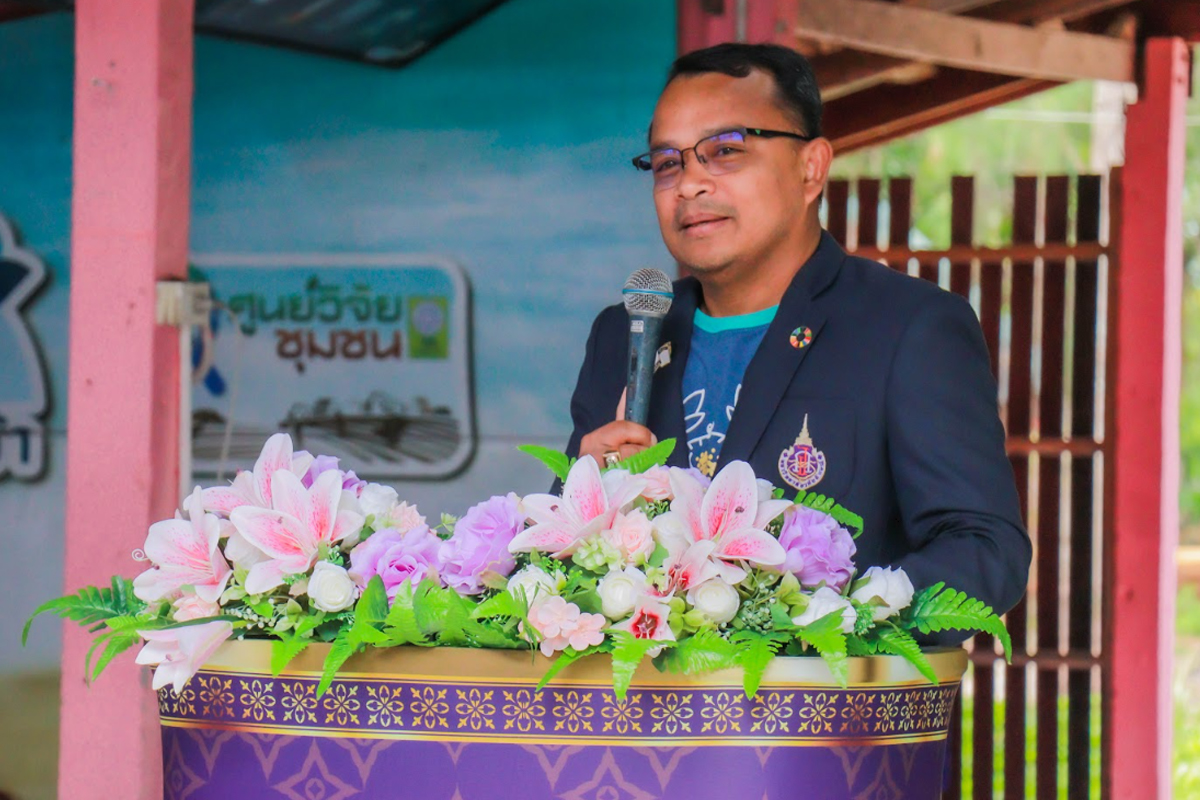
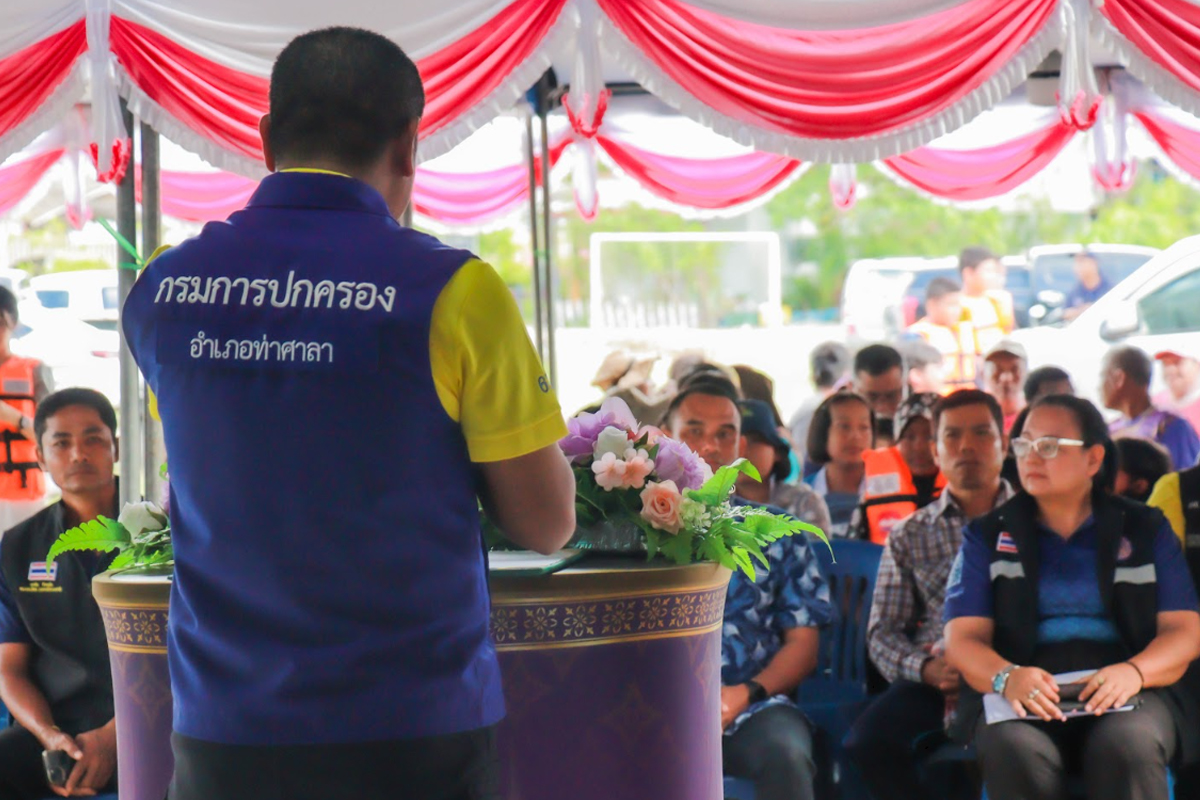
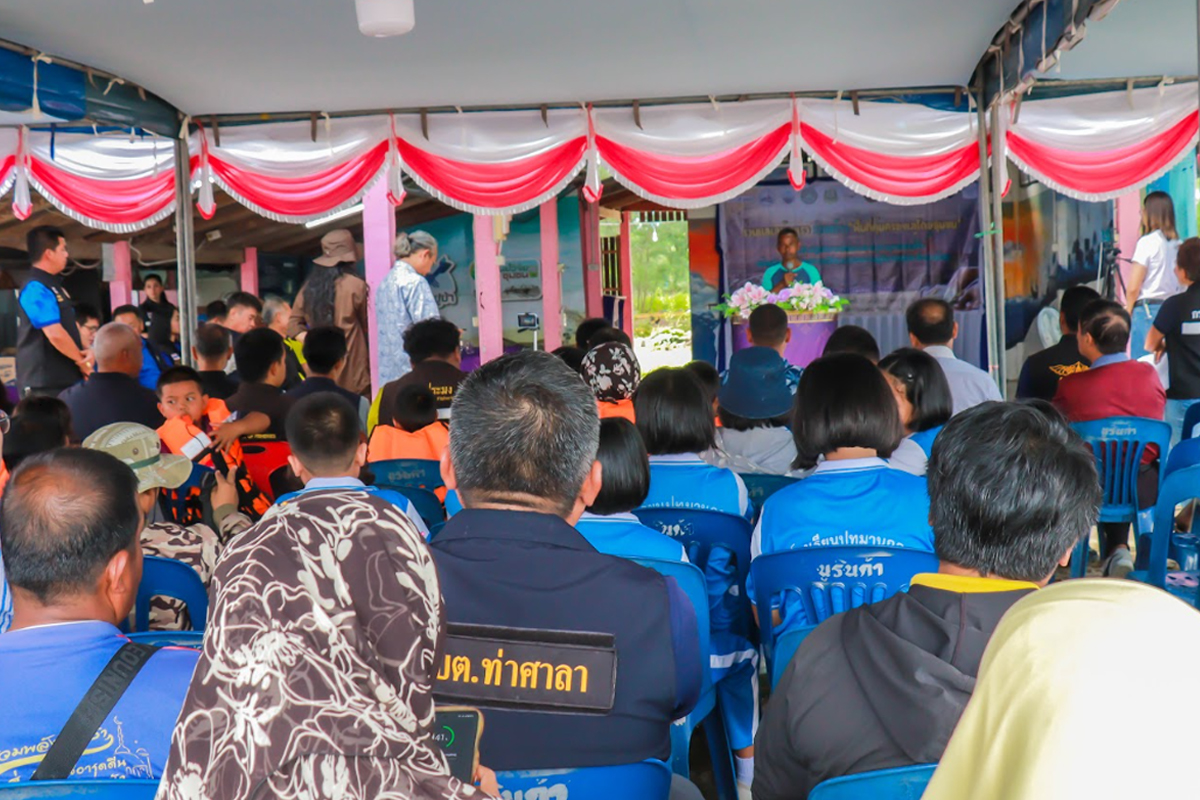
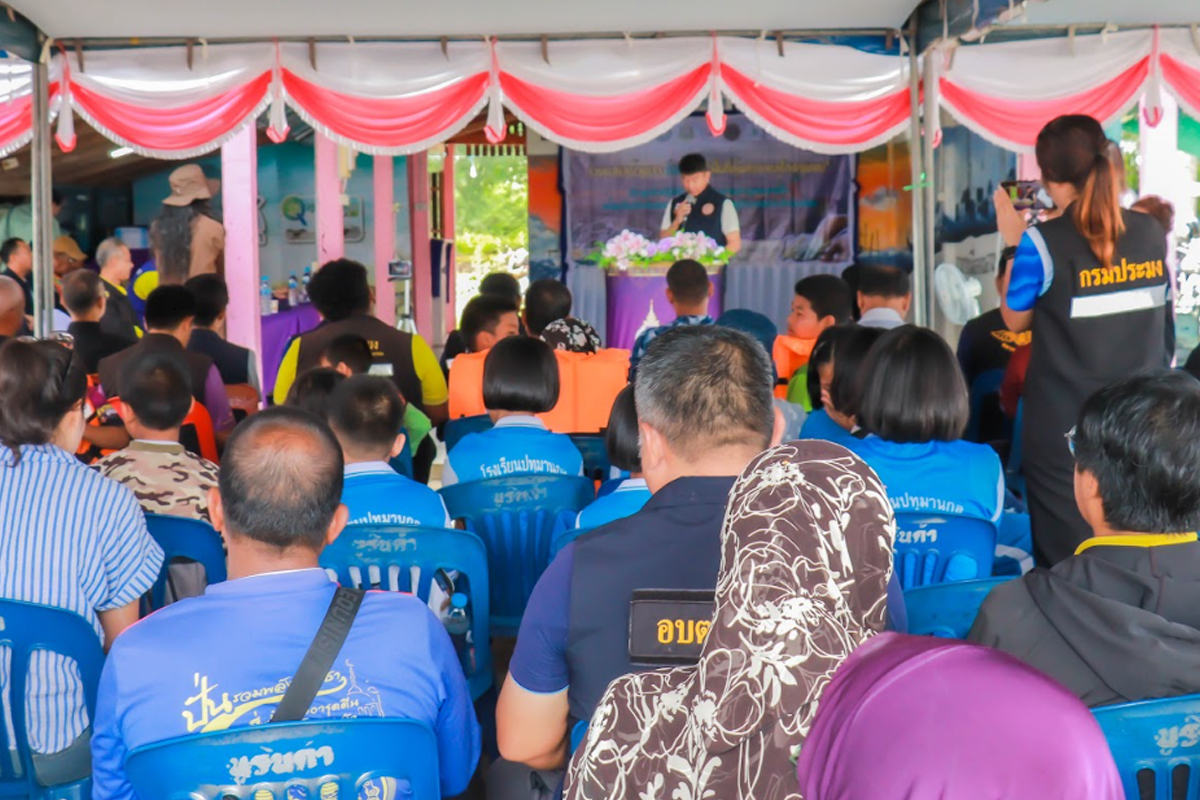
An important component of the initiative was the provision of educational knowledge on sustainable fisheries and aquaculture to participants during the artificial habitat activities. In particular, during the project in Ban Nai Thung Community in 2025, WU provided knowledge and awareness-raising activities for a diverse group of participants, including NGO members, local fishermen, local and national government officers, students from local schools, and members of the general public. This broad participation enabled WU to share scientific and practical knowledge with both resource users and other stakeholders involved in the management and conservation of marine resources.
The educational activities focused particularly on responsible fishing practices around artificial fish habitats. Participants learned that newly established artificial habitats can provide important shelter, nursery, and breeding areas for juvenile and other aquatic species. Therefore, fishing practices in and around these areas should be managed carefully to avoid catching small or immature marine animals before they have an opportunity to grow and reproduce. WU raised awareness of the importance of allowing juvenile aquatic animals to remain in the habitat and contribute to the replenishment of natural fishery stocks.
WU also promoted the appropriate selection and use of fishing gear as part of sustainable fisheries management. Participants were encouraged to use fishing gear with appropriate characteristics and mesh sizes that reduce the capture of undersized aquatic animals and minimize impacts on non-target species. Such practices can help ensure that artificial habitats function effectively as nursery and breeding areas while reducing unnecessary pressure on aquatic populations.
The outreach further emphasized the connection between artificial habitat restoration and sustainable aquaculture and fisheries management. The release of juvenile marine animals and the creation of suitable habitats can contribute to the recovery of aquatic populations, but these efforts need to be supported by responsible fishing practices. By providing knowledge alongside practical conservation activities, WU encouraged participants to understand that restoring marine resources requires both ecological rehabilitation and appropriate management of human activities.
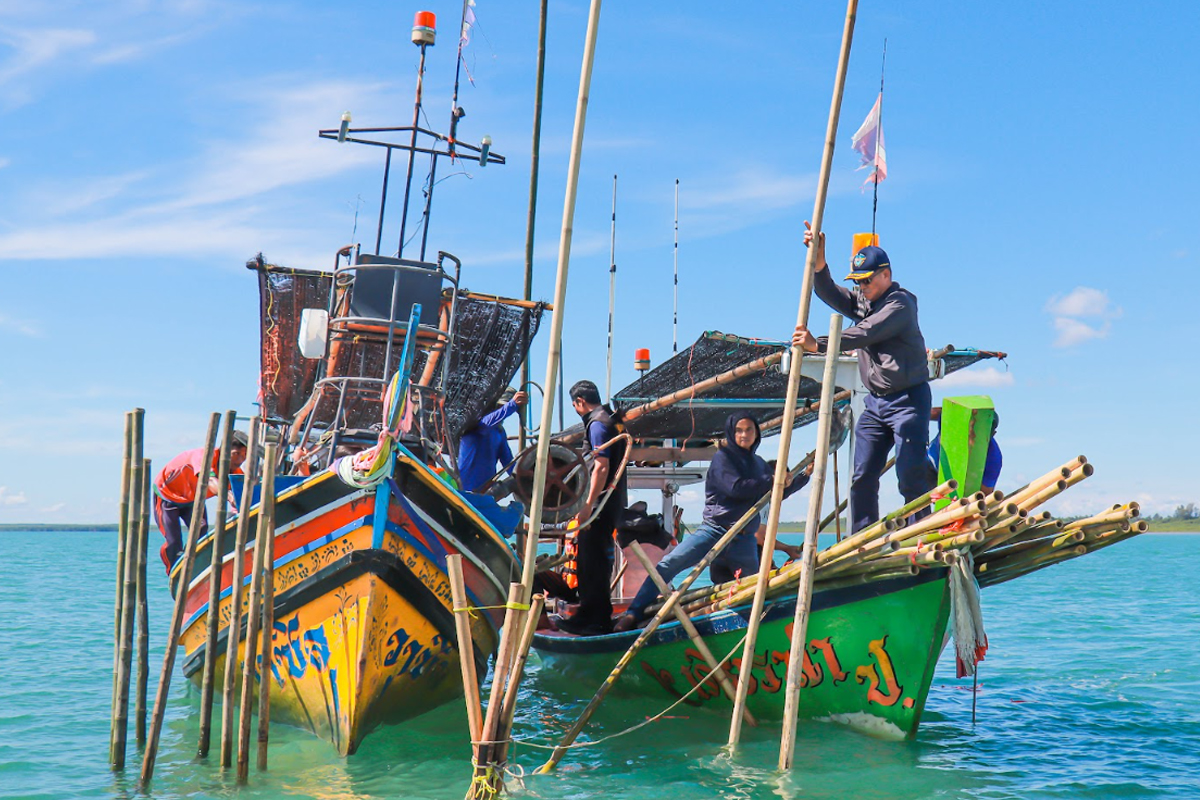
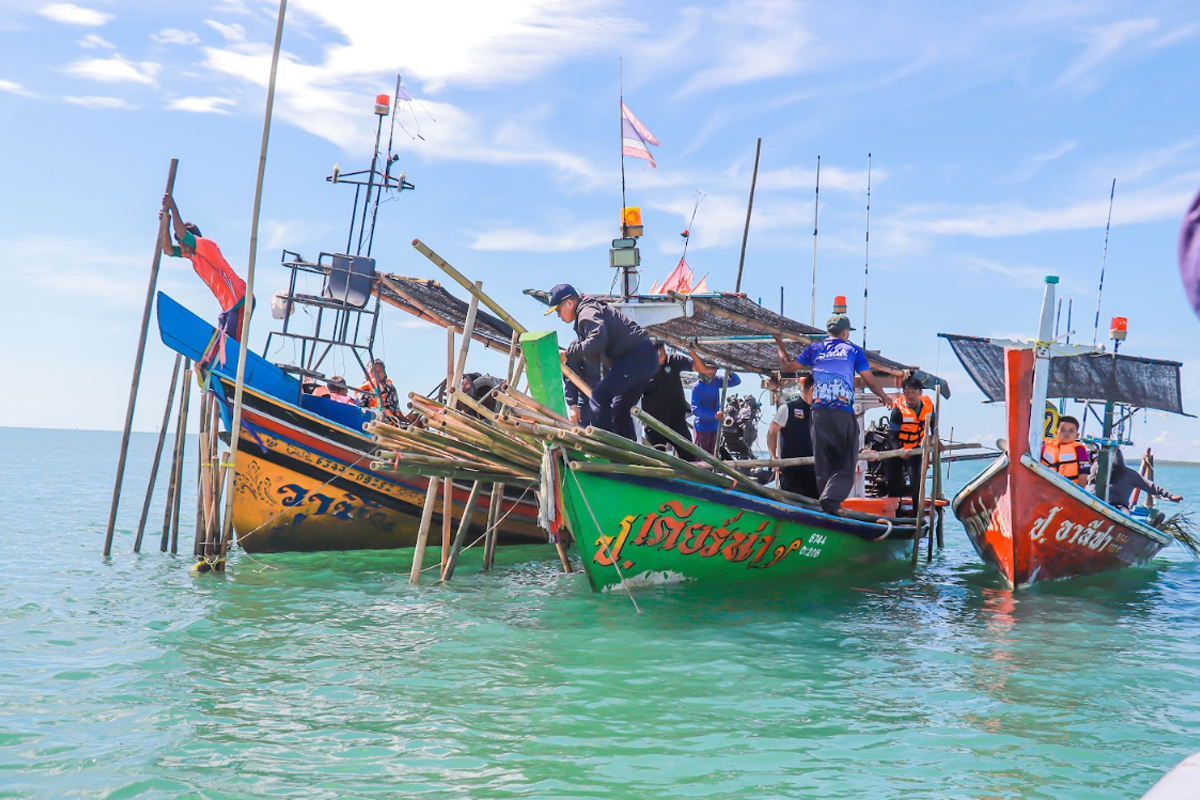
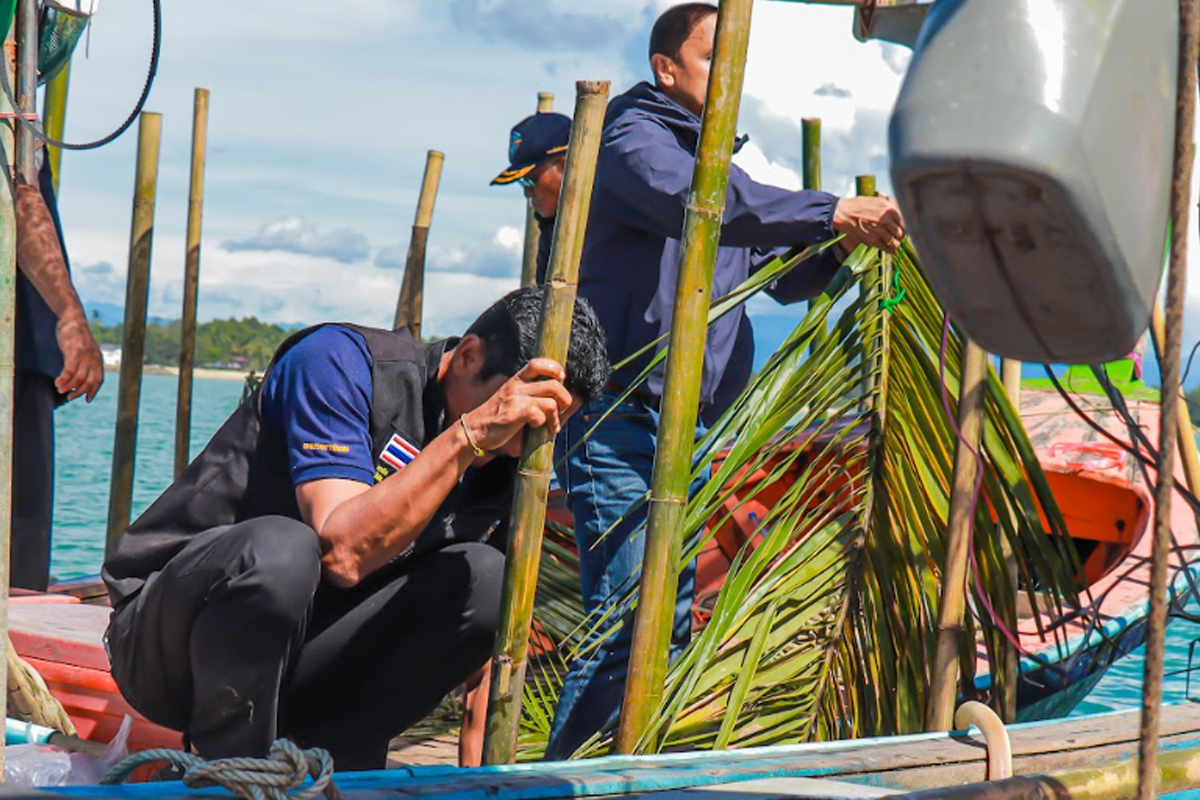
Through this integrated approach, WU connected education, habitat restoration, sustainable fisheries, aquaculture, and marine conservation. Participants were not only involved in practical environmental activities but also gained knowledge about how their fishing and resource-use practices can influence the recovery and long-term sustainability of marine ecosystems. The involvement of fishermen, government officers, NGOs, students, and the general public also encouraged shared responsibility for protecting and sustainably using local marine resources.
The initiative demonstrates WU’s commitment to using community-based educational outreach to support sustainable fisheries and aquaculture. By combining practical restoration activities with knowledge-sharing and awareness raising, WU helped communities recognize the importance of protecting juvenile aquatic species, using appropriate fishing gear, maintaining healthy marine habitats, and reducing pollution. These efforts contribute to the long-term recovery of fishery resources, conservation of marine biodiversity, and sustainable livelihoods of coastal communities.
Promoting Low-Carbon Coastal Tourism through Community Outreach
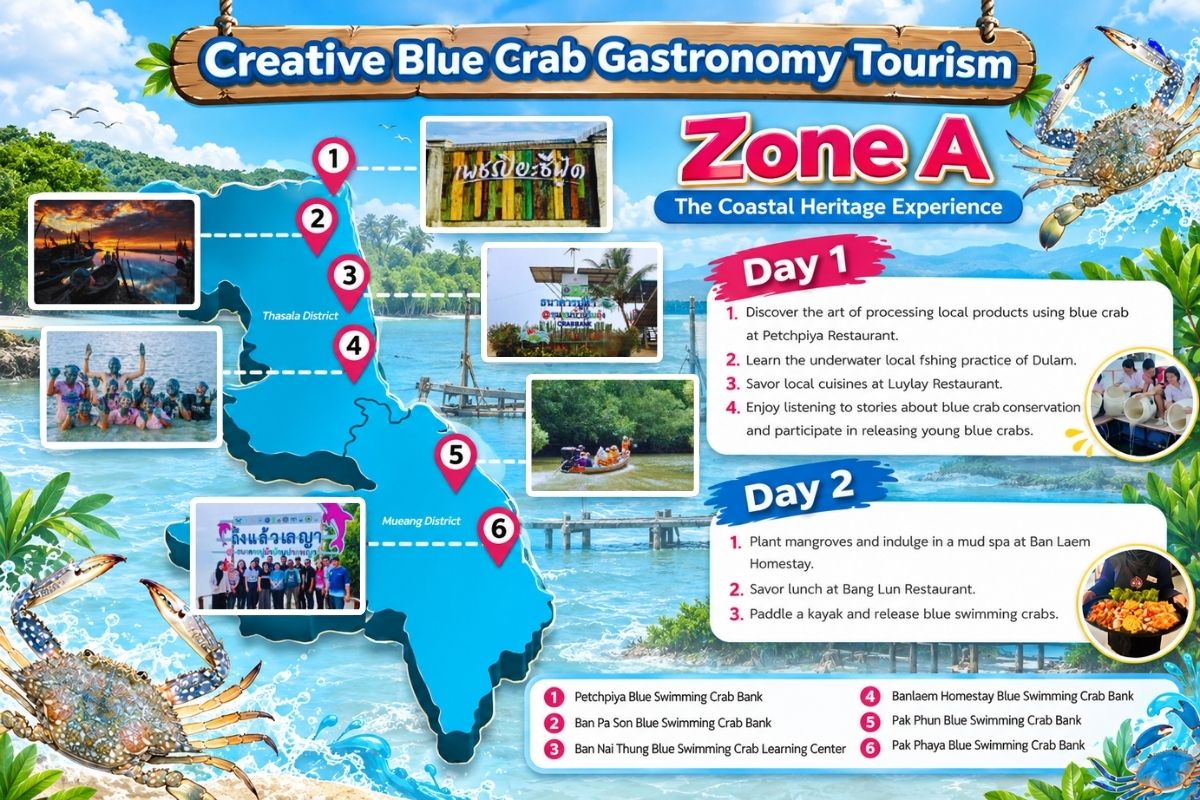
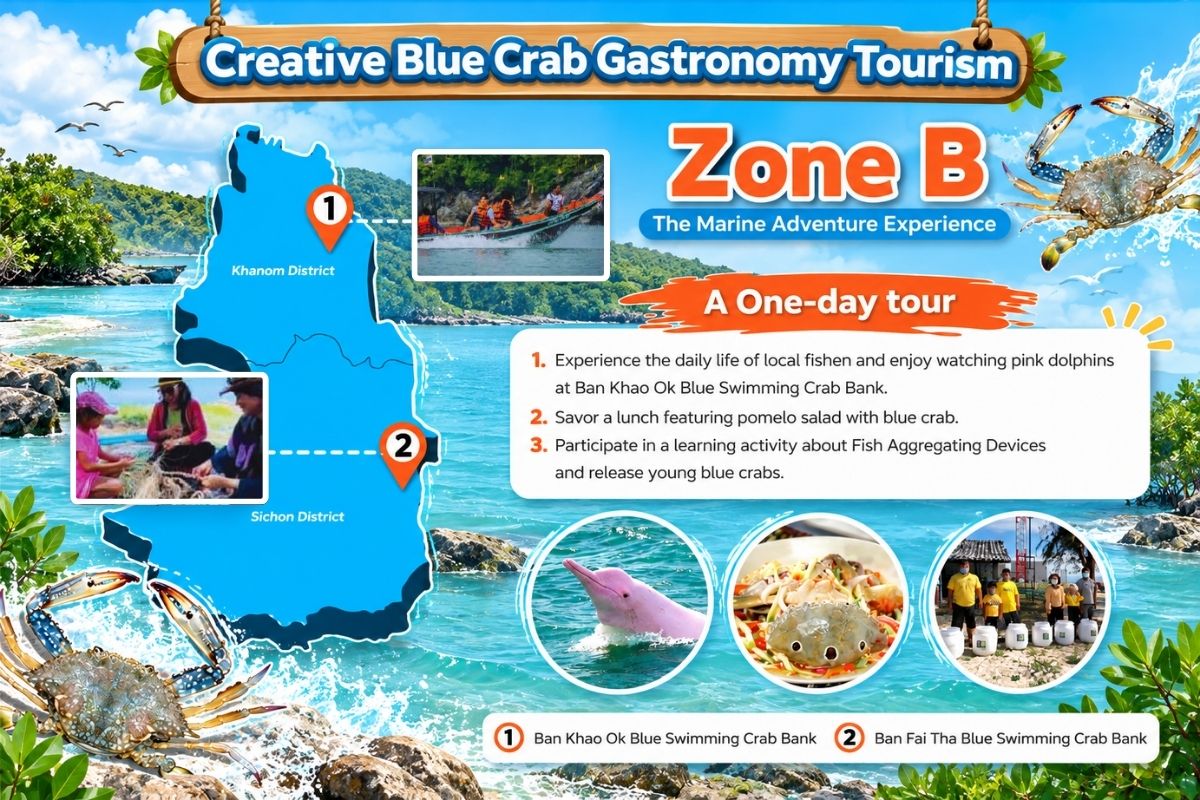
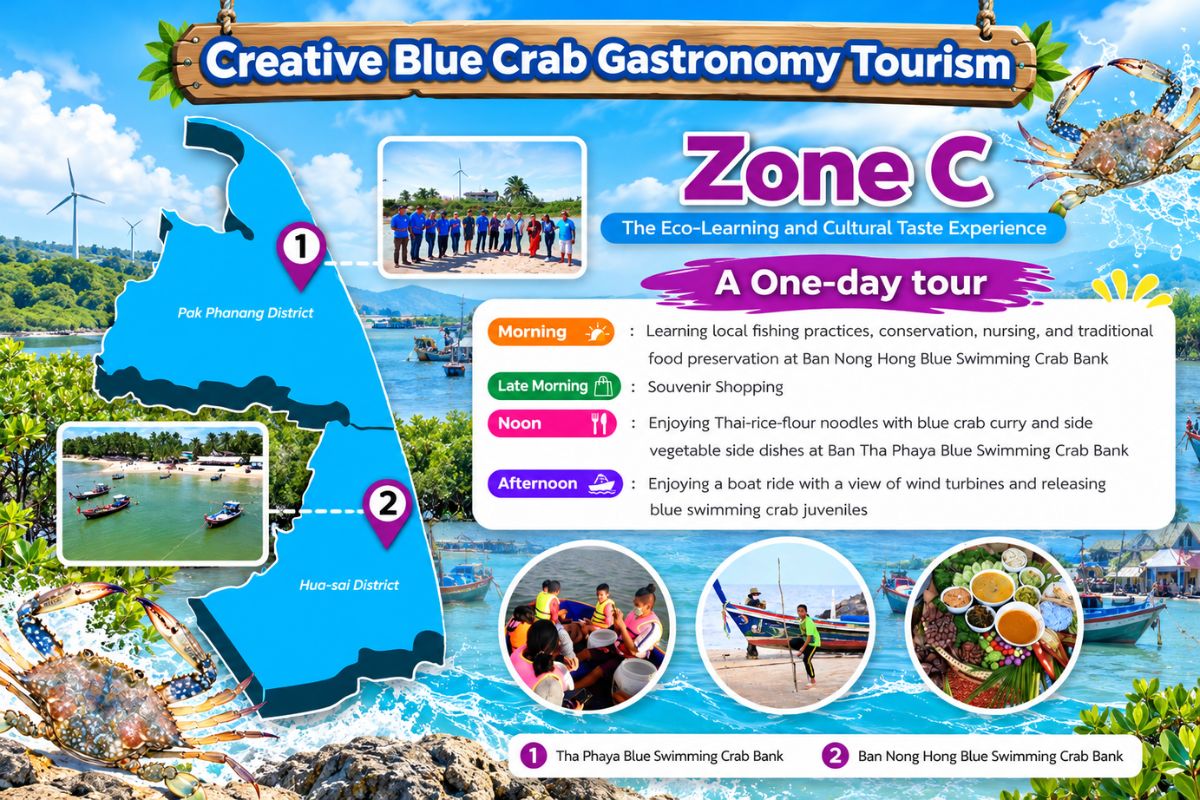
Coastal and marine communities face growing challenges from the degradation of marine and coastal resources, unsustainable resource use, climate change, pollution, and increasing tourism activities. These pressures can affect fisheries, aquaculture, marine biodiversity, coastal ecosystems, and the livelihoods of local fishing communities. In particular, tourism activities can increase carbon emissions and resource consumption while placing additional pressure on sensitive coastal environments. To diagnose these challenges and identify appropriate approaches for sustainable resource management, Walailak University (WU) has undertaken community outreach and educational activities that promote sustainable fisheries and coastal resource management while connecting fisheries, aquaculture, marine conservation, and sustainable tourism with local economic development.
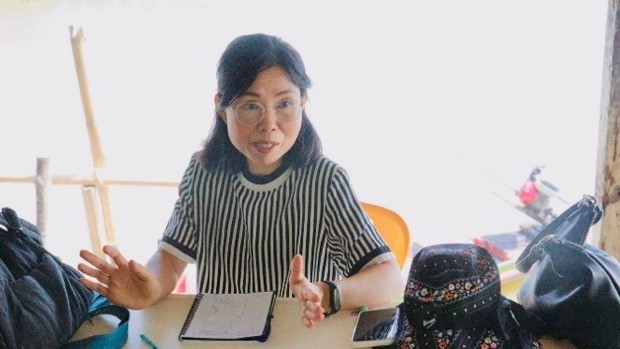
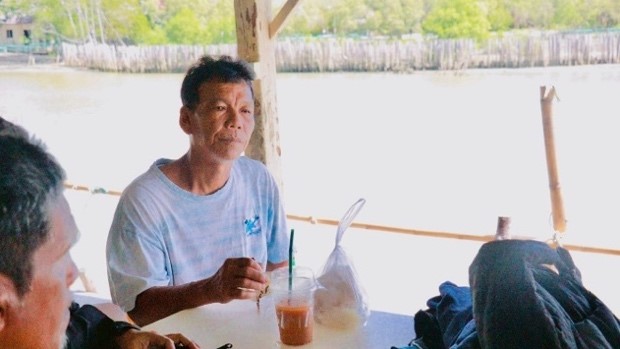
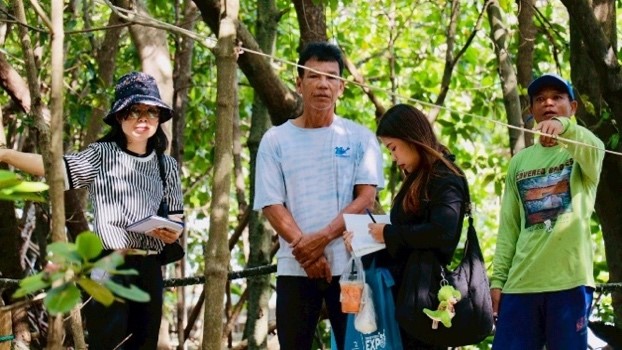
Walailak University organized activities to promote low-carbon fishing-based tourism, with a focus on reducing carbon emissions from tourism-related activities. The University conducted field visits to study the potential of selected coastal communities in Nakhon Si Thammarat Province and developed existing fishing-based tourism activities into low-carbon tourism initiatives. The activities promoted experiential tourism linked to the development of a low-carbon society and included surveys and assessments of tourism sites to identify their potential for developing interconnected tourism routes linked with blue swimming crab bank communities.
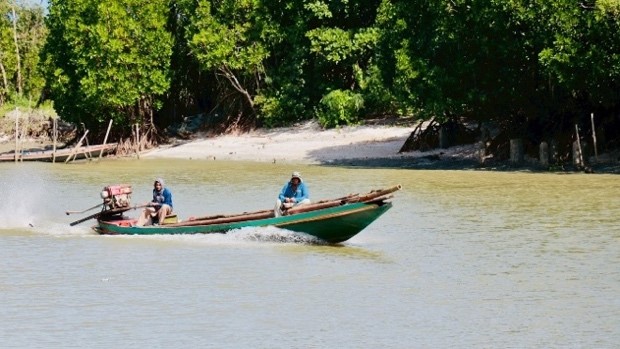
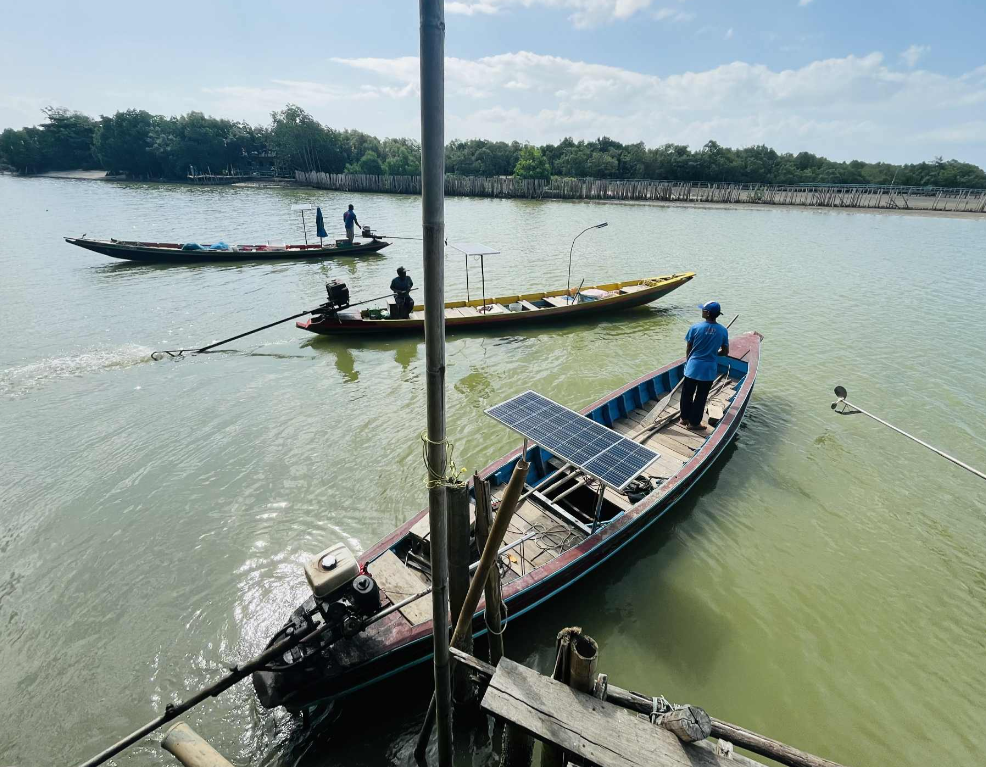
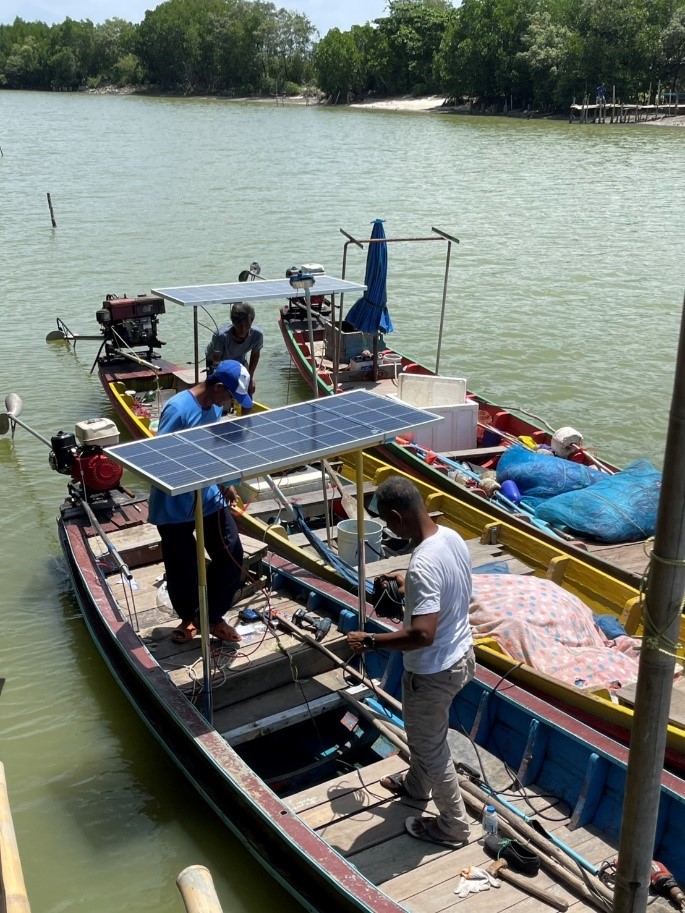
In addition, WU provided solar panel equipment, consisting of 180-watt solar panels and 150-ampere batteries, to support the conversion of five long-tail boats into low-carbon tourism boats. The boats were developed for fishermen from the Ban Nai Thung Blue Swimming Crab Bank and Ban Pak Phaya Blue Swimming Crab Bank communities.
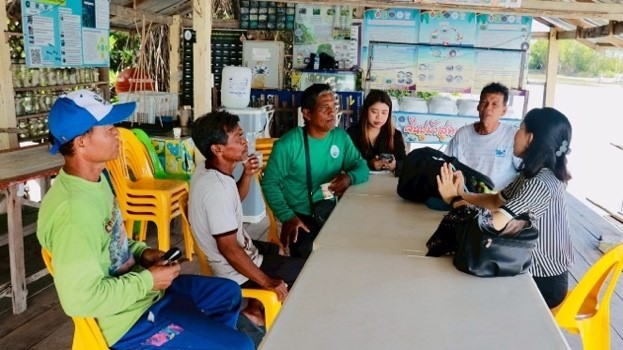
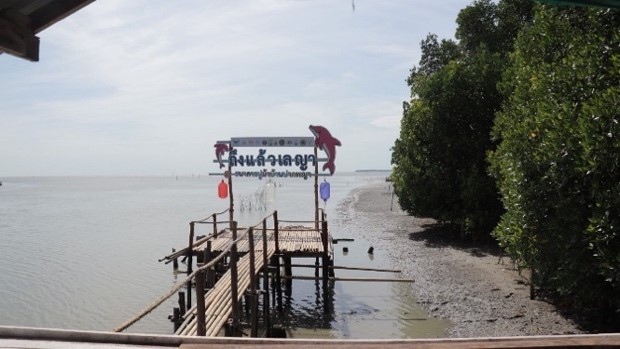
Analysis of Tourism Potential and Resources
Based on the study and collection of information on local resources, Ban Pak Phaya Community was found to possess a range of natural, cultural, and community-based resources with strong potential for sustainable tourism development. The key tourism resources identified are as follows:
1. Mangrove Forest Resources
The area surrounding the Ban Pak Phaya Blue Swimming Crab Bank is characterized by valuable mangrove forest resources, including mangrove trees, Avicennia species, Sonneratia species, and white mangroves. These mangrove ecosystems provide important habitats and nursery areas for aquatic species and contribute to the ecological functions of the coastal environment.
The mangrove area has strong potential to be developed as a community-based learning and ecotourism site, where visitors can learn about mangrove ecosystems, local plant species, coastal biodiversity, and the importance of mangrove forests to fisheries and coastal communities. Linking mangrove conservation with community tourism can also provide opportunities for local residents to communicate their knowledge and experiences of coastal resource management to visitors.
2. Marine Aquatic Animals and Coastal Biodiversity
The coastal waters of Ban Pak Phaya Community are connected to Tha Sak Canal, which flows into Pak Phanang Bay. The area serves as an important source of food and economic resources for the local community and supports a variety of aquatic species.
Important marine and coastal resources include blue swimming crabs, mud crabs, mangrove crabs, sea catfish, shrimp, mantis shrimp, mussels, and cockles. Many of these species have economic value and form an important part of the community’s food resources and livelihoods.
The diversity of aquatic resources provides potential for experiential tourism activities that allow visitors to learn about local fisheries, coastal ecosystems, aquatic biodiversity, and the relationship between marine resources and community livelihoods. Such activities can also promote greater awareness of the importance of responsible resource use and marine conservation.
3. Local Knowledge and Traditional Fishing Lifestyles
Ban Pak Phaya is a coastal community with a high level of dependence on marine and coastal resources. The community maintains a variety of traditional fishing practices and fishing knowledge associated with local livelihoods.
Fishing activities include shrimp gill-net fishing, blue swimming crab bottom-set gill-net fishing, hand collection of shellfish, and hand-catching of sea catfish. These practices reflect local knowledge and traditional fishing lifestyles that have been maintained within the community.
The traditional fishing practices and local knowledge of Ban Pak Phaya represent an important cultural resource for tourism development. They provide opportunities to develop experiential and community-based tourism activities in which visitors can observe and learn about traditional fishing methods, local livelihoods, and the relationship between coastal communities and marine resources.
Integrating these local practices into tourism can help communicate the value of traditional ecological knowledge while creating opportunities for the community to share its way of life and strengthen local economic activities through responsible tourism.
4. Ban Pak Phaya Blue Swimming Crab Bank
The Ban Pak Phaya Blue Swimming Crab Bank is an important community-based mechanism for increasing blue swimming crab populations in natural waters and promoting sustainable coastal resource management. Local fishermen work collectively to bring berried female blue swimming crabs carrying eggs outside their shells to the crab bank, where they are kept for spawning and the juvenile crabs are subsequently released back into the sea.
This practice contributes to the restoration of blue swimming crab populations and helps reduce the harvesting of immature crabs, particularly crabs smaller than 10 centimetres. The crab bank therefore supports the sustainable utilization of an economically important marine resource while contributing to the recovery and balance of coastal ecosystems.
The crab bank is also connected with mangrove restoration activities, recognizing the importance of healthy coastal habitats to marine species. Blue swimming crabs are economically important species and form part of the coastal food web; therefore, supporting their populations can contribute to the ecological and economic sustainability of the local marine environment.
Beyond its ecological function, the Ban Pak Phaya Blue Swimming Crab Bank serves as a community hub where local residents can come together to undertake conservation activities and share knowledge about marine resource management. The initiative involves a range of stakeholders, including local fishermen, youth, schools, local administrative organizations, universities, private-sector organizations, and non-governmental organizations (NGOs).
Design and Development of Low-Carbon Tourism
Based on the natural, cultural, and community resources identified in Ban Pak Phaya, Walailak University developed low-carbon tourism activities that emphasize environmental conservation, sustainable use of natural resources, and the strengthening of the local economy. The approach aims to provide visitors with meaningful experiences closely connected to marine and coastal ecosystems while promoting ecotourism, local cultural knowledge, and traditional fishing lifestyles.
The development of low-carbon tourism also incorporates environmentally friendly technologies and innovations, including clean-energy transportation and activities designed to reduce carbon dioxide emissions. The main approaches are as follows:
1. Improvement of Tourism Transportation
The community’s tourism boats were improved through the use of solar-powered systems. The initiative provides visitors with an opportunity to experience the natural surroundings while reducing dependence on conventional fuel and associated air pollution. The use of clean-energy boats also supports a quieter and more environmentally friendly tourism experience, particularly in mangrove forests, coastal areas, and other ecologically sensitive locations.
2. Experiential Learning of Traditional Fishing Lifestyles
Tourism activities were designed to allow visitors to actively learn about local fishing lifestyles rather than simply observe them. Activities include learning traditional fishing methods and equipment, participating in practical fishing-related activities, and learning how to prepare locally inspired seafood dishes using fresh ingredients sourced from the community.
The use of locally sourced and seasonal food can also help reduce the carbon footprint associated with food transportation by shortening the distance between food production and consumption. At the same time, these activities provide opportunities for local residents to share traditional knowledge and generate economic benefits from their cultural and occupational heritage.
3. Environmental Conservation Activities
Environmental activities were incorporated into the tourism programme to give visitors opportunities to participate directly in coastal conservation. These activities include planting mangrove seedlings, collecting marine debris, cleaning beaches, and participating in waste separation and recycling.
Such activities allow tourism to contribute directly to environmental awareness and conservation while encouraging visitors and community members to take shared responsibility for maintaining healthy coastal ecosystems.
4. Blue Swimming Crab Conservation Activities
The tourism programme also promotes conservation awareness through activities involving the release of blue swimming crabs into the sea. This activity connects tourism experiences with the community’s blue swimming crab bank and demonstrates the importance of restoring marine resources and maintaining sustainable fisheries.
Development and Improvement of Solar-Powered Boats
The conversion of conventional fuel-powered boats into solar-powered boats represents an important approach to developing low-carbon transportation for ecological and community-based tourism. The initiative provides environmental, economic, social, and tourism-related benefits.
1. Environmental Benefits
The use of solar-powered boats can reduce greenhouse gas emissions associated with conventional fuel consumption, thereby helping to reduce carbon dioxide emissions and air pollution.
Electric boat motors also produce less noise than conventional fuel-powered engines. This makes solar-powered boats particularly suitable for ecotourism destinations, mangrove areas, and locations where aquatic wildlife and other sensitive ecosystems need to be protected from unnecessary noise disturbance.
2. Economic Benefits
Solar-powered boats can reduce long-term fuel-related operating costs. Following the initial investment in solar panels and the electrical system, the community reports an electricity charging cost of approximately THB 30 per charging session. As the boats are charged every other day, the estimated charging cost is approximately THB 450 per month.
Electric motors can also require less maintenance than conventional fuel engines because they contain fewer moving components. This can reduce the likelihood of mechanical failures and lower maintenance requirements over time.
3. Social and Tourism Benefits
The use of solar-powered boats strengthens the community’s image as a low-carbon tourism destination and can enhance the reputation of local tourism operators as participants in sustainable tourism.
The quieter operation of electric boats can also improve the visitor experience by allowing tourists to enjoy the surrounding natural environment and observe aquatic ecosystems with less engine noise. This creates opportunities for visitors to experience the coastal environment more closely while learning about sustainable transportation and clean energy.
The boats can additionally serve as practical learning tools and case studies for clean-energy applications in coastal communities. Visitors, students, and community members can learn how renewable energy technologies can be applied to tourism and local transportation.
Community Participation
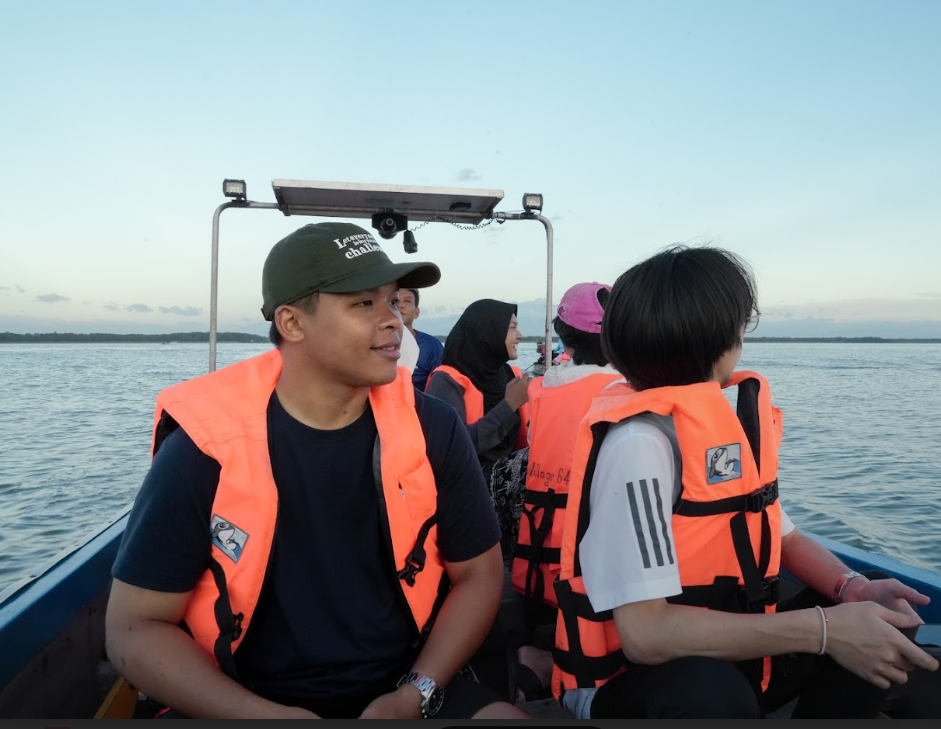
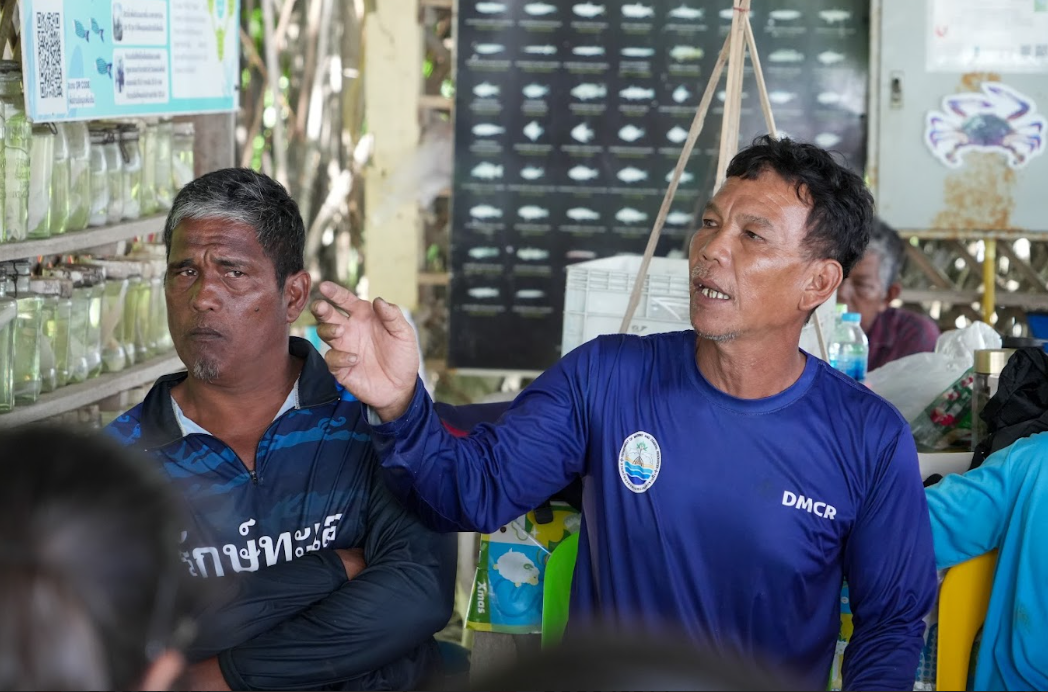
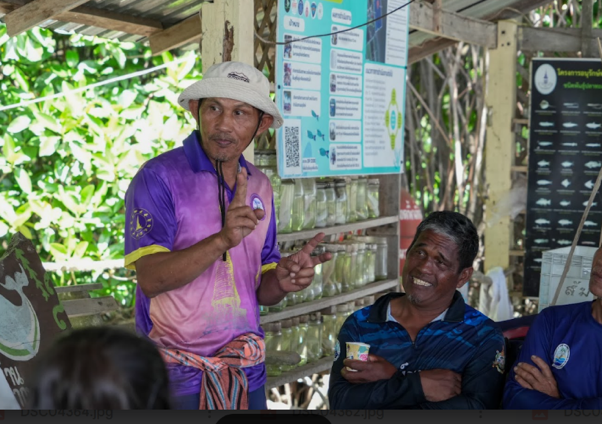
The development of tourism activities in the marine and coastal community of Ban Pak Phaya, Tha Sak Subdistrict, Mueang District, Nakhon Si Thammarat Province, was supported by field surveys and community consultation meetings. The consultations identified five community groups involved in local tourism, fisheries, community activities, and social development:
- Ban Pak Nam Pak Phaya Tourism Local Enterprise
- Tha Sak Local Fishery Group
- Local Floating Seine Fishery Group
- Park Run Thailand Club
- Ban Pak Phaya Processed Seafood Group
Through the collaboration of these groups and their collective efforts to promote community development across economic, environmental, and social dimensions, the community adopted the name “Leya,” meaning “the sea of Ban Pak Phaya Community.” The name reflects the community’s close connection with the sea and its coastal identity.
The establishment of these community groups and the shared identity of “Leya” have supported collective efforts to promote marine and coastal conservation and develop environmentally friendly tourism activities. These efforts have contributed to the development of low-carbon tourism in Ban Pak Phaya, linking community participation, sustainable resource use, environmental conservation, and local economic development.
Tourism Activities Along the Low-Carbon Tourism Route
The low-carbon tourism route in Ban Pak Phaya was designed as an experiential community-based tourism programme that connects marine and coastal ecosystems, traditional fishing lifestyles, local food, environmental conservation, and community livelihoods. The route allows visitors to learn through direct participation while using low-carbon transportation and supporting local products and services. The main activities along the route are as follows:
Point 1: Departure from the Ban Pak Phaya Blue Swimming Crab Bank
The tour begins at the Ban Pak Phaya Blue Swimming Crab Bank, where visitors depart by solar-powered boat. During the morning journey, visitors can enjoy the coastal scenery and experience the local fishing lifestyle. They learn about traditional fishing activities, including setting fishing nets, placing fish traps, and fishing for ingredients that will later be used to prepare lunch.
A local guide demonstrates and explains each fishing technique, after which visitors have the opportunity to participate and try the activities themselves. This experiential approach allows visitors to gain a better understanding of traditional fishing knowledge and the relationship between local livelihoods and marine resources.
Point 2: Morning Coffee and the Scenery of Laem Talumphuk
The boat then travels to Laem Talumphuk, where visitors can enjoy the scenic coastal landscape and have morning coffee accompanied by locally produced snacks. The activity provides an opportunity to appreciate the natural beauty of the area while supporting local food and community-based tourism products.
Visitors are also encouraged to participate in marine-debris collection during the visit. This activity combines recreation with environmental responsibility and raises awareness of the importance of keeping coastal environments clean.
Point 3: Hand-Collection of Shellfish
Visitors learn traditional techniques for collecting cockles by hand in the coastal area. All participants are encouraged to take part in the activity and collect shellfish themselves.
The shellfish collected during the activity can subsequently be used as local ingredients for the group’s lunch. This connects experiential tourism directly with local food production and traditional fishing practices while providing visitors with a practical understanding of how coastal resources contribute to community livelihoods.
Visitors then travel back to the Ban Pak Phaya Blue Swimming Crab Bank to continue the programme.
Point 4: Mangrove Planting
At the Ban Pak Phaya area, visitors participate in mangrove planting activities. Each planted mangrove tree can be marked with the visitor’s name, creating a personal connection with the conservation activity and encouraging visitors to return in the future to see the tree they planted.
The activity provides visitors with direct experience in coastal ecosystem restoration while highlighting the importance of mangrove forests as habitats for aquatic species and as important coastal carbon-storage ecosystems.
Point 5: Preparing and Eating a Local Seafood Meal
Visitors participate in preparing lunch together with local community members. The ingredients are sourced from the fishing and shellfish-collection activities experienced earlier in the route, allowing visitors to connect the entire process from marine resources and traditional fishing to local food preparation and consumption.
Local guides and community members teach visitors how to prepare the dishes step by step. Examples of low-carbon local dishes include:
- Blanched cockles
- Steamed blue swimming crab
- Sour curry with sea bass and locally grown vegetables
- Salt-baked shrimp
The use of fresh, locally sourced seafood and local vegetables helps strengthen community food systems while reducing the distance associated with transporting ingredients. It also creates opportunities for local residents to generate income through food preparation and tourism services.
Point 6: Mangrove Nature Study Trail
Visitors then walk along a nature-study trail through the mangrove forest. Local community members provide explanations throughout the route, introducing visitors to the importance of mangrove ecosystems, local biodiversity, and the relationship between mangroves and coastal fisheries.
The activity also raises awareness of natural-resource conservation and highlights the role of mangrove forests as important coastal carbon-storage ecosystems. By learning directly from local community members, visitors gain knowledge of the ecological importance of mangroves and the need to protect and restore coastal habitats.
Point 7: Releasing Blue Swimming Crabs into the Sea
Visitors learn about the operation of the Ban Pak Phaya Blue Swimming Crab Bank and participate in releasing juvenile blue swimming crabs back into the sea.
This activity provides a practical demonstration of community-based fisheries management and marine-resource restoration. It allows visitors to see how local fishermen and community members work together to maintain blue swimming crab populations and support the sustainable use of marine resources.
The activity also strengthens the connection between tourism and conservation by allowing visitors to directly participate in an initiative that supports local fisheries and coastal biodiversity.
Point 8: Purchasing Local Souvenirs
During the return journey, visitors have the opportunity to purchase souvenirs and processed seafood products produced by the Ban Pak Phaya community’s local seafood-processing group.
The products are made from local marine resources and are promoted for their freshness and quality. Purchasing community products provides direct economic benefits to local producers and creates an additional source of income from tourism.
Overall, the eight-point low-carbon tourism route integrates low-carbon transportation, traditional fishing lifestyles, local food, environmental conservation, mangrove restoration, blue swimming crab conservation, and community products into a single tourism experience. Rather than treating tourism as a separate activity from resource management, the route connects visitors directly with the ecosystems, livelihoods, knowledge, and conservation activities of Ban Pak Phaya.
The route therefore provides opportunities for visitors to learn through practical participation while supporting local communities economically and environmentally. Through solar-powered boat transportation, locally sourced food, conservation activities, and community-based services, the programme demonstrates how tourism can contribute to reducing environmental impacts while strengthening sustainable coastal livelihoods.
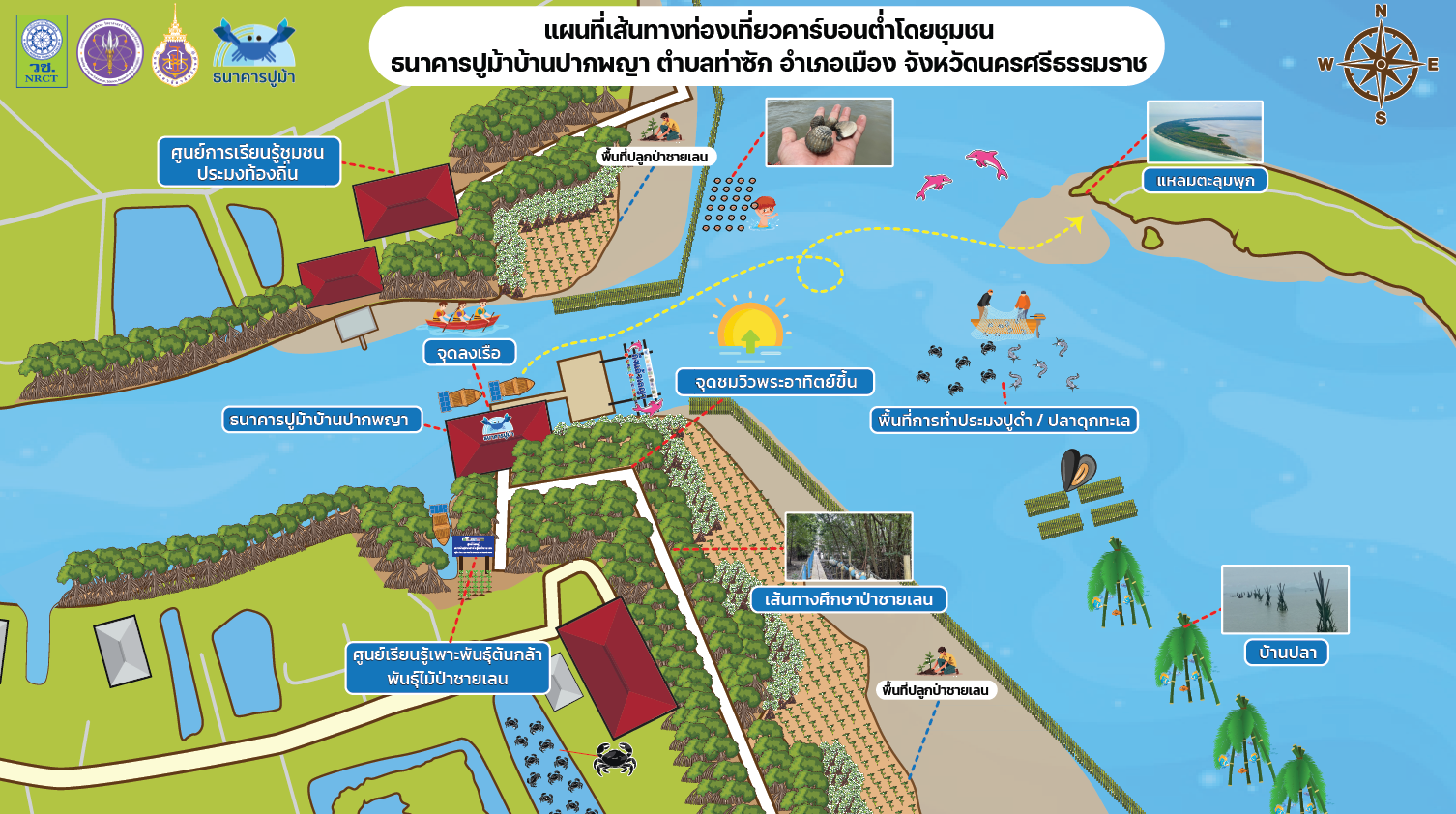
Walailak University has supported Ban Pak Phaya Community in connecting its marine and coastal resources, traditional fishing lifestyles, local knowledge, conservation activities, and community-based tourism. The route provides visitors with opportunities to experience the coastal environment directly while learning about local fisheries, mangrove ecosystems, blue swimming crab conservation, and traditional ways of life. By combining experiential learning with practical conservation activities, tourism becomes a means of communicating the value of marine resources and encouraging visitors to participate in their protection.
The use of solar-powered boats is an important component of this approach. By replacing conventional fuel-powered transportation with cleaner energy, the tourism route can reduce carbon emissions, lower operating costs, and provide a quieter and more environmentally friendly visitor experience. The integration of clean-energy transportation with activities such as mangrove planting, marine-debris collection, and blue swimming crab release demonstrates how low-carbon technologies can be combined with community-based conservation.
The programme also creates opportunities for local communities to benefit economically from tourism. Fishing communities, local guides, food providers, tourism groups, and seafood-processing enterprises can participate in different stages of the tourism experience, from providing transportation and guiding visitors to preparing local food and selling community products. This creates opportunities to generate additional income while maintaining the connection between tourism activities and local resources and livelihoods.
Importantly, the route places community members at the centre of tourism development. Local knowledge and traditional fishing practices are not simply presented as attractions but are incorporated into practical learning experiences in which visitors can participate. This strengthens the role of community members as knowledge holders, tourism providers, and resource stewards, while encouraging greater appreciation of local cultural and ecological knowledge.
Overall, the low-carbon tourism initiative demonstrates how coastal tourism can be developed in a way that integrates environmental conservation, climate action, sustainable fisheries, community participation, and local economic development. By linking solar-powered transportation with traditional fishing experiences, locally sourced food, mangrove conservation, blue swimming crab restoration, and community products, Ban Pak Phaya provides a practical model for developing tourism that supports both the sustainable use of marine and coastal resources and the long-term resilience of coastal communities.
Through these free educational outreach programmes, Walailak University has promoted sustainable management of fisheries, aquaculture, and tourism by connecting scientific and technical knowledge with the needs and experiences of local communities. The programmes engaged a wide range of stakeholders, including local fishermen, aquaculture operators, youth, government officers, NGO members, tourism operators, businesses, educational institutions, and members of the general public. Through workshops, consultations, practical demonstrations, participatory activities, and field-based learning, participants gained knowledge that could be applied to the sustainable use, management, and conservation of marine and coastal resources. These activities also provide opportunities to identify appropriate measures for addressing local environmental challenges and assessing community needs.
WU’s outreach activities also demonstrated that sustainable fisheries and aquaculture depend on both responsible resource use and healthy marine ecosystems. The blue swimming crab banks provided communities with practical knowledge and opportunities to restore crab populations through the management and release of juvenile crabs, while education on appropriate fishing gear, mesh sizes, harvesting sizes, and fisheries regulations encouraged fishermen to protect immature and breeding aquatic animals. Similarly, the artificial fish habitat activities combined habitat restoration with education on responsible fishing practices, encouraging participants to avoid catching small marine animals and use appropriate fishing gear to allow aquatic populations to recover and reproduce. Measures such as monitoring juvenile crab releases, observing changes in aquatic populations, and promoting compliance with fishing regulations can help assess the effectiveness of these conservation practices over time.
The outreach also extended sustainable marine resource management into the tourism sector. Through low-carbon tourism programmes, WU connected marine conservation, sustainable fisheries, community-based tourism, climate action, and local economic development. The activities demonstrated how coastal communities can develop tourism opportunities while reducing environmental impacts, conserving marine resources, and strengthening sustainable livelihoods. Appropriate measures, including monitoring resource use, reducing pollution, and assessing the environmental impacts of tourism activities, can further support responsible tourism development and the long-term protection of coastal ecosystems.
Importantly, WU’s approach places communities and other local stakeholders at the centre of sustainable resource management. Rather than providing knowledge only through conventional educational settings, WU delivered knowledge directly through fishing communities, aquaculture enterprises, conservation areas, artificial habitat projects, crab banks, youth programmes, and tourism activities. This approach enables participants to apply scientific knowledge to real-world resource-management challenges and encourages them to share sustainable practices with others. Community participation in identifying local challenges, implementing conservation measures, and monitoring environmental changes also helps ensure that management approaches remain relevant to local conditions.
The programmes also strengthened collaboration among communities, government agencies, academic institutions, NGOs, businesses, and other stakeholders. By bringing together local knowledge, scientific expertise, regulatory requirements, and community participation, WU supported the development of more informed and locally appropriate approaches to fisheries, aquaculture, marine conservation, and sustainable tourism. This collaborative framework creates opportunities to establish measurable objectives, identify suitable performance measures, and evaluate progress towards more sustainable marine and coastal resource management.
Overall, WU’s free educational outreach has contributed to building more knowledgeable, engaged, and resilient coastal communities. By combining education with practical action—including blue swimming crab restoration, sustainable aquaculture, artificial habitat development, responsible fishing, marine pollution reduction, community-based conservation, and low-carbon tourism—WU supports the sustainable use and conservation of marine resources while strengthening local livelihoods and economic opportunities. Continued monitoring and measurement of outcomes, such as changes in aquatic populations, participation in conservation activities, adoption of responsible fishing practices, reductions in environmental impacts, and improvements in community livelihoods, can help demonstrate the long-term benefits of these initiatives. These measures can also inform future programme development, strengthen accountability, and support the continuous improvement of community-based marine and coastal conservation efforts.
Related Links
https://www.facebook.com/coastal.marine.biology/posts/pfbid02CX84tXVF4bzRL3BB643QQnujDuj6Yw6BNVbA8Pg4NDfa8RQdrtQZVUvk5TEX1eAml
ศูนย์บริการวิชาการร่วมประชุมหารือการผลักดันเขตอนุรักษ์ชุมชนสู่พื้นที่คุ้มครองทางทะเลโดยชุมชน
https://www.facebook.com/coastal.marine.biology/posts/pfbid02xUrHnyeMsRxoWTzk2om1iB1FewQrs5bQyVCHrxJv7jWVdgKfb1Ltaiv6ZQ3Jmubql
https://www.facebook.com/walailak.sciencepark/posts/pfbid0PsSaUCHksFsYNgByPfCquBwgJuvohRxk5KuiGqxthUCFk3K9sxpMfreWWsyYqpWnl
ศูนย์บริการวิชาการ ม.วลัยลักษณ์ ระดมความคิดเห็นจัดทำแผนและเส้นทางการท่องเที่ยวคาร์บอนต่ำ (Low – Carbon Tourism) พื้นที่เกาะสมุย จังหวัดสุราษฎร์ธานี
ทางเลือกใหม่ “เที่ยวคาร์บอนต่ำ” ส่งเสริมเศรษฐกิจชุมชนเกาะสมุย
ศูนย์บริการวิชาการ ม.วลัยลักษณ์ ส่งเสริมการอนุรักษ์ฟื้นฟูระบบนิเวศทางทะเลตามแนวทางการพัฒนาที่ยั่งยืน SDG 14 (Life below water)
https://www.facebook.com/bang.mu.khn.ha.pla/posts/pfbid0232V5MSUUPPxY9GAbnwV1hg7kpSg8Gs1vLyEaZVJxQQA1KsJT5RbxG11yEKkJ3mAYl