
Free Educational Activities on Overfishing and Destructive Fishing Practices Awareness Raising
Free Educational Activities on Overfishing and Destructive Fishing Practices Awareness Raising
Walailak University recognizes the importance of promoting sustainable fisheries and protecting marine resources from the impacts of overfishing and destructive fishing practices. Through free educational and community outreach activities, the University raises awareness among local and national communities about responsible fishing practices, the conservation of marine ecosystems, and the long-term impacts of unsustainable fishing. These activities also help identify and diagnose challenges associated with unsustainable fishing practices, gaps in conservation awareness, and risks to marine biodiversity. By incorporating diagnostic assessments of local fishing practices and resource-management challenges, WU encourages participants to better understand the importance of protecting aquatic resources and supporting sustainable livelihoods for present and future generations.
Educational Outreach on Sustainable Fisheries and Marine Conservation
Walailak University recognizes the importance of raising awareness about overfishing and destructive fishing practices as part of efforts to promote sustainable fisheries and protect marine ecosystems. Through free educational and community outreach activities, the University provides local communities and fisheries stakeholders with knowledge about responsible fishing practices, sustainable use of aquatic resources, and the impacts of activities that can threaten marine biodiversity and coastal livelihoods.
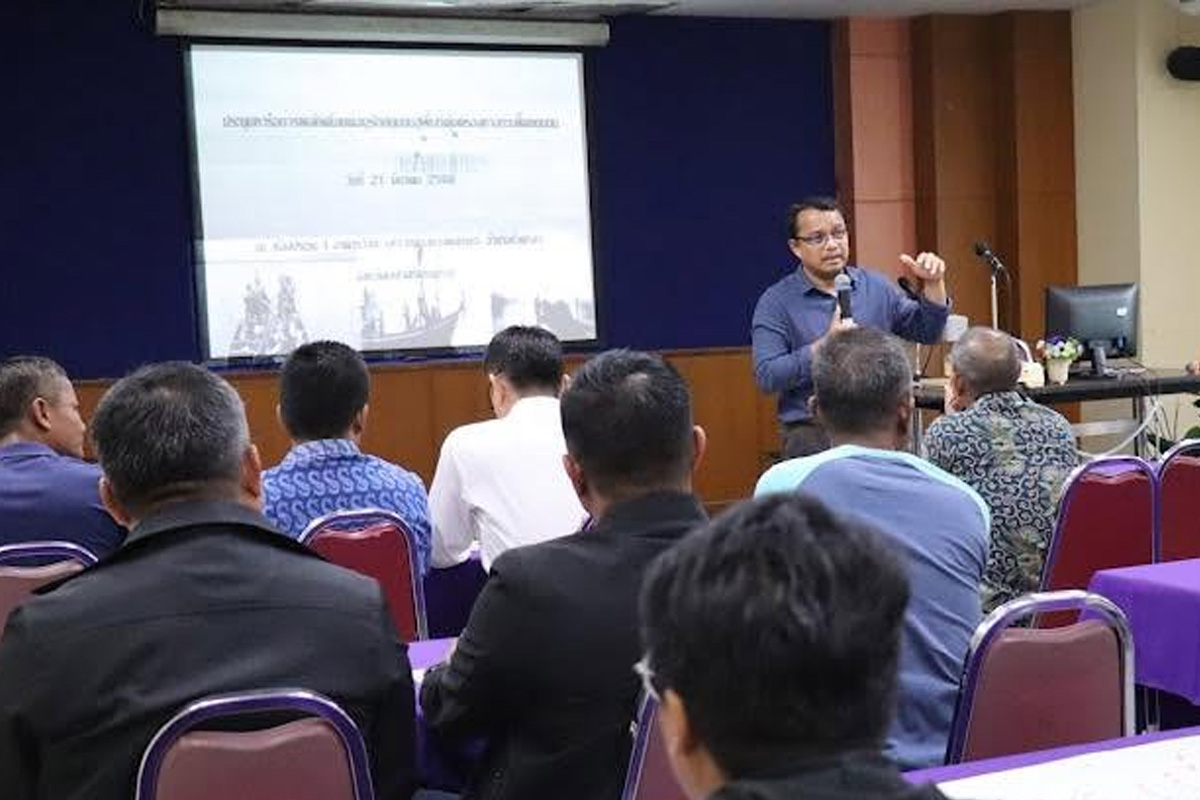
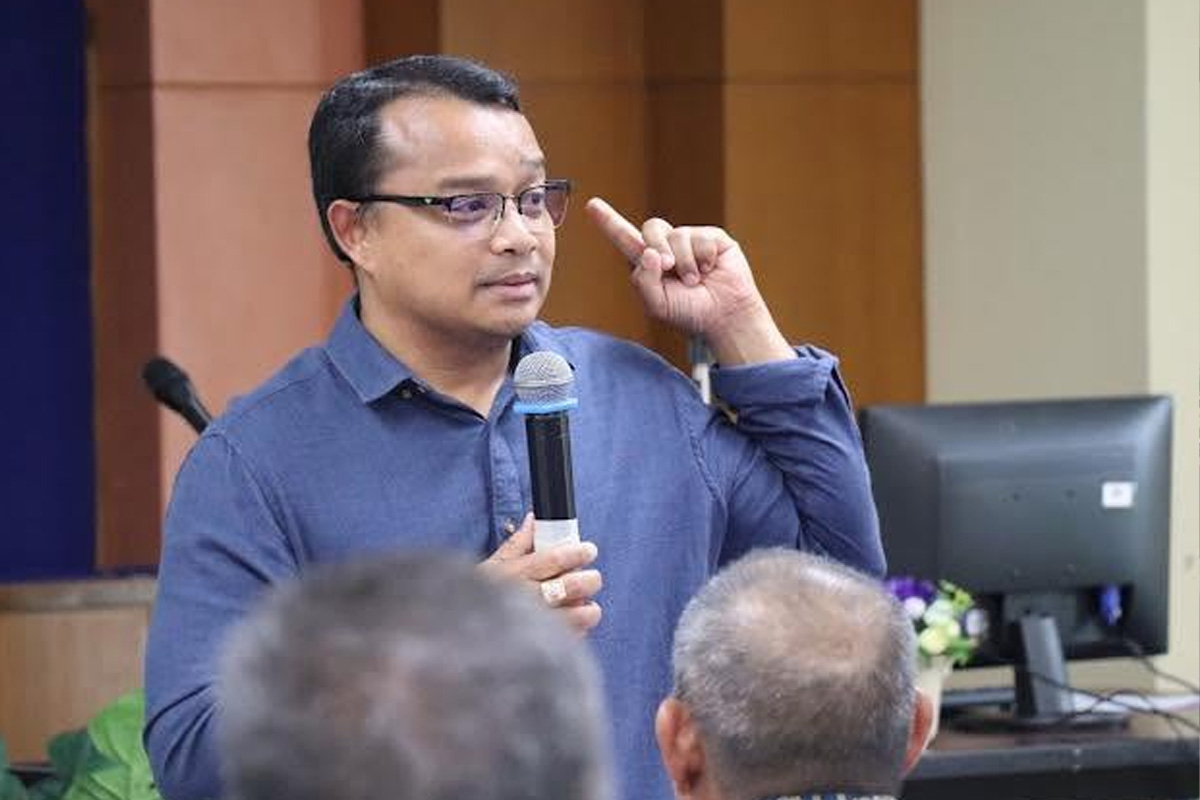
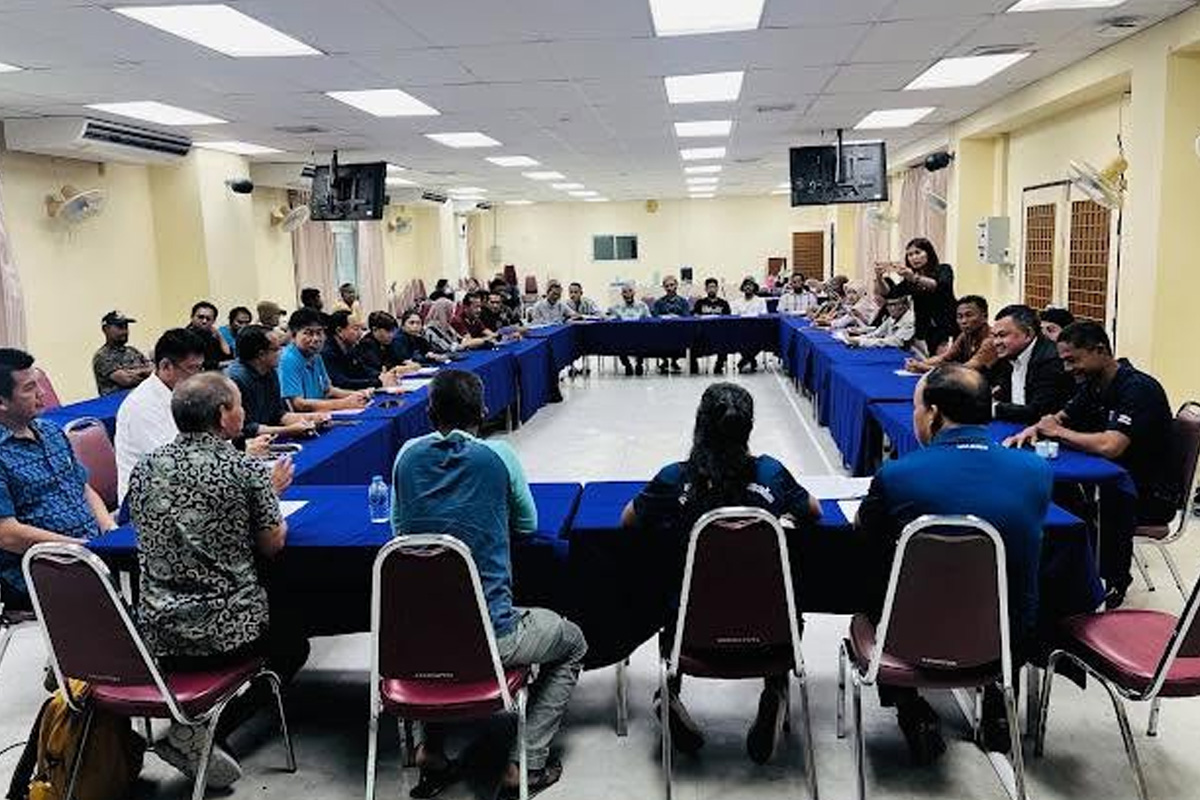
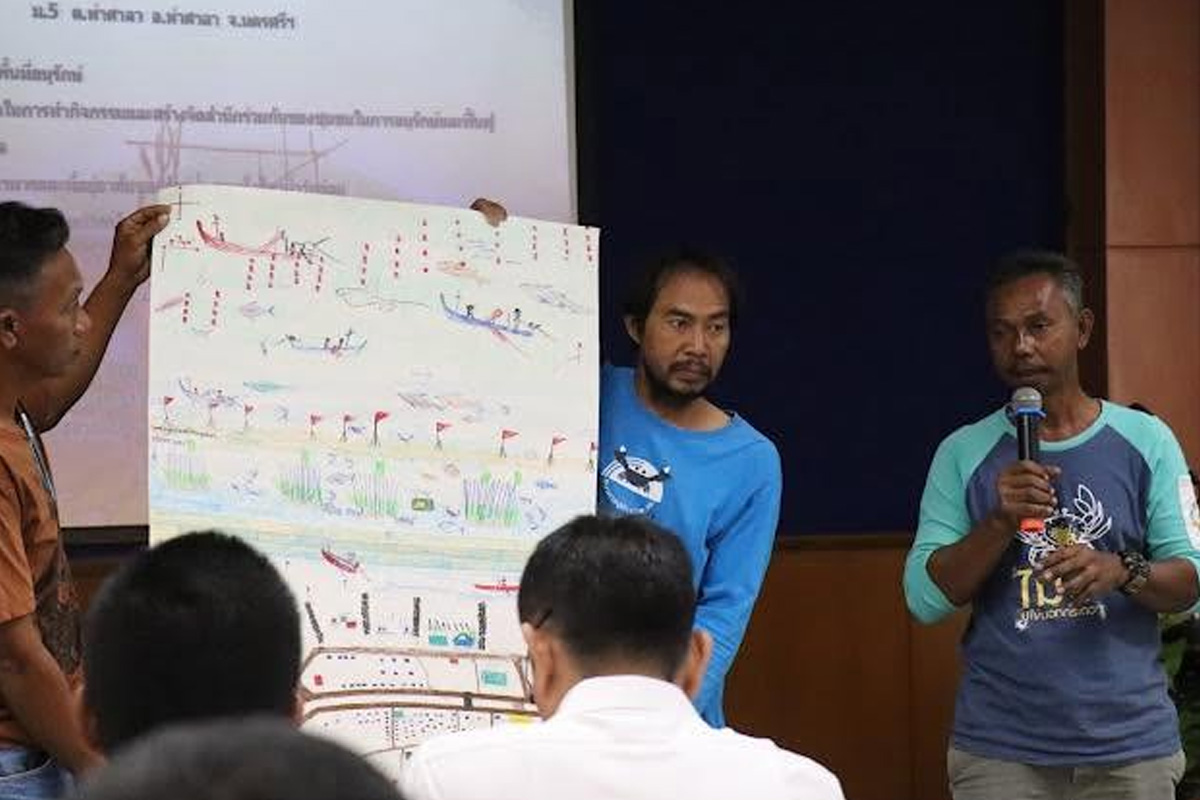
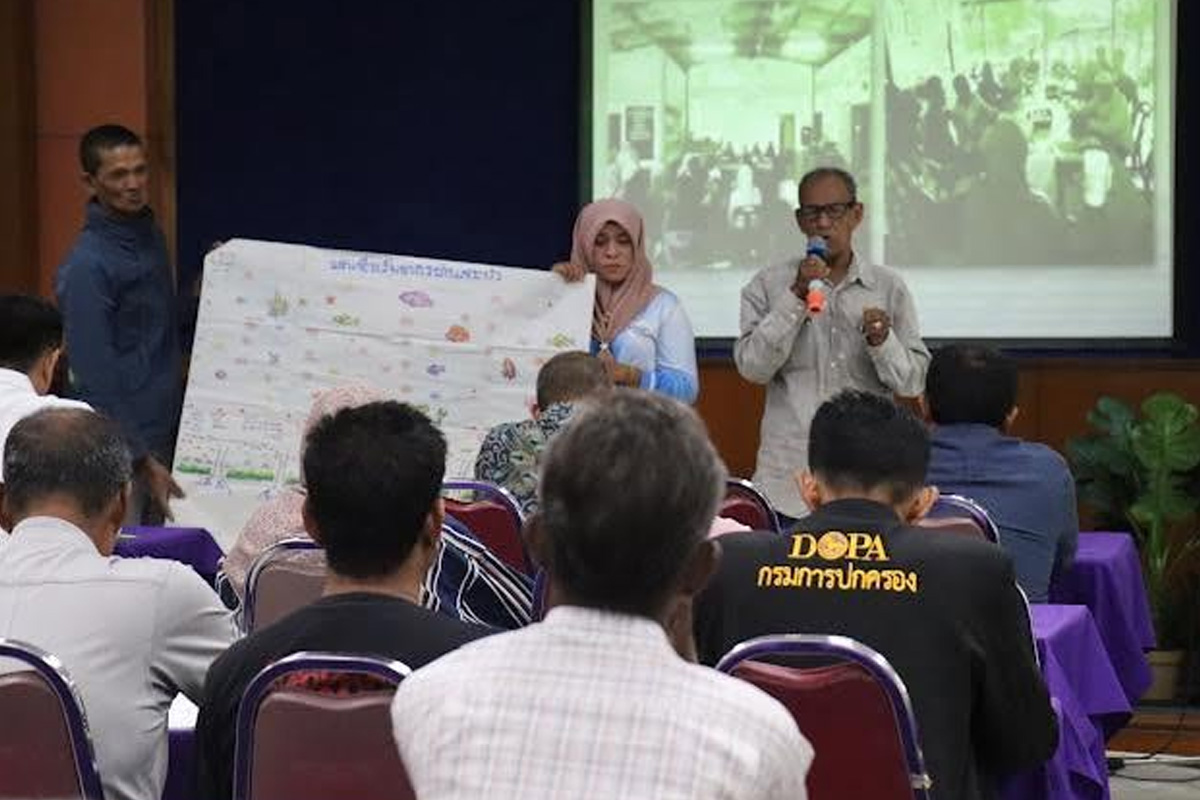
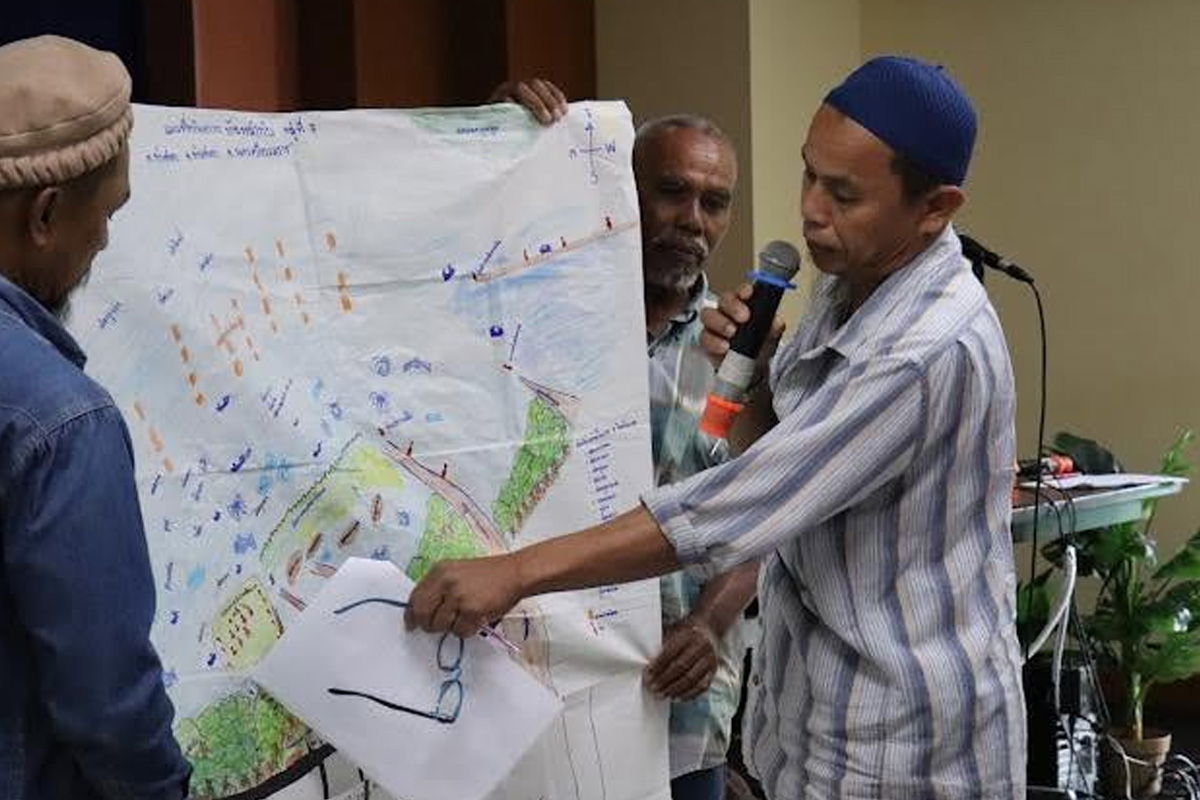
In 2025, Walailak University provided educational knowledge on sustainable fisheries and aquaculture management through its collaboration with the Thai Sea Watch Association and local stakeholders in Nakhon Si Thammarat and Surat Thani. The activities provided opportunities for local fishermen, government agencies, educational institutions, and community representatives to exchange knowledge and discuss approaches for reducing pressures on marine resources.
The educational content included principles for sustainable fisheries management and responsible fishing, with particular attention to the impacts of excessive fishing pressure and inappropriate fishing practices on marine ecosystems. Participants were encouraged to understand the importance of using fishing methods that minimize damage to marine habitats, protect aquatic species and breeding areas, and allow fishery resources to recover and remain available for future generations.
The outreach also introduced participants to relevant fisheries-management principles and regulatory frameworks, including approaches associated with the European Union (EU), Regional Fisheries Management Organizations (RFMOs), and other fisheries-management mechanisms. This knowledge helped participants recognize the importance of complying with fisheries regulations and supporting measures to address illegal, unreported and unregulated (IUU) fishing.
The activities were particularly relevant to coastal communities in Tha Sala District, including Ban Nai Thung, Ban Sa Bua, and Ban Na Thap, where local communities depend on marine resources for their livelihoods. By connecting educational knowledge with local fishing practices and community conservation efforts, WU encouraged participants to consider how responsible fishing can contribute to both marine ecosystem conservation and the long-term sustainability of local livelihoods.
Through these free educational outreach activities, Walailak University contributed to raising awareness of overfishing, IUU fishing, and destructive fishing practices among local stakeholders. The initiative promoted greater understanding of responsible fisheries management and encouraged community participation in protecting marine resources, supporting sustainable fisheries, and maintaining healthy coastal ecosystems.
Youth Education for Sustainable Fisheries and Marine Conservation
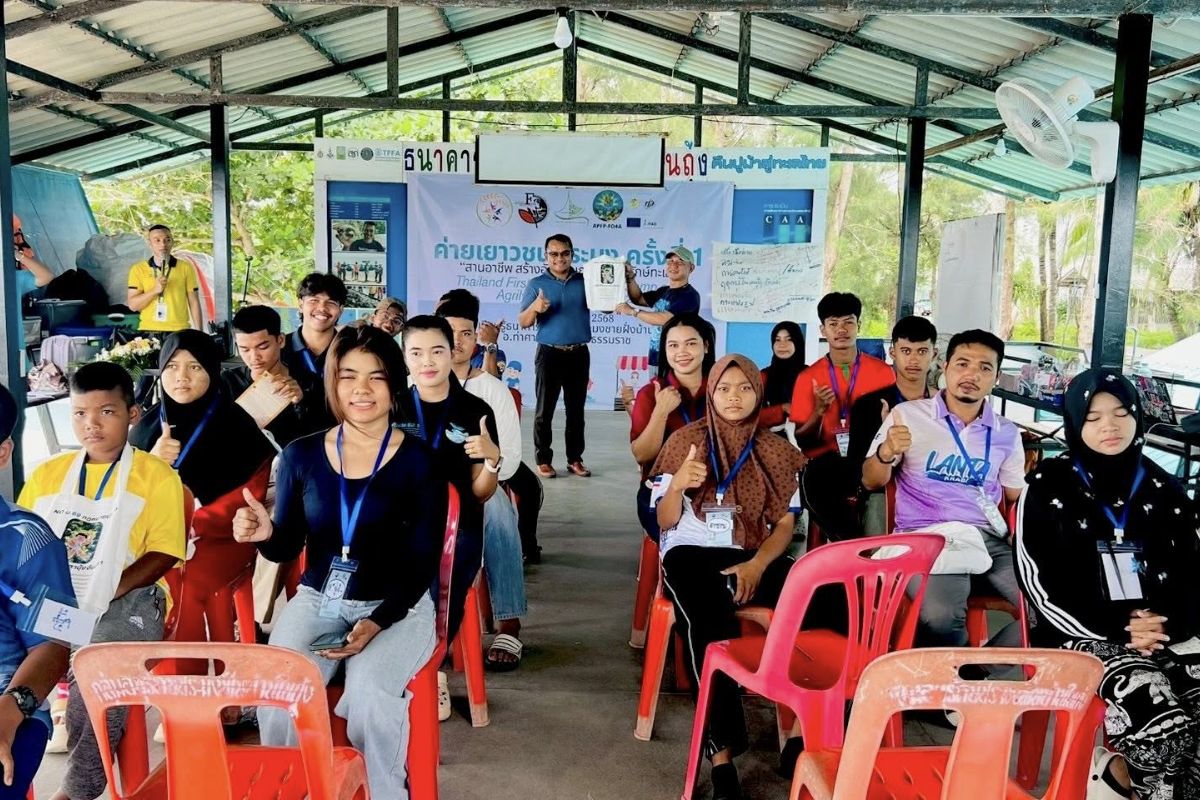
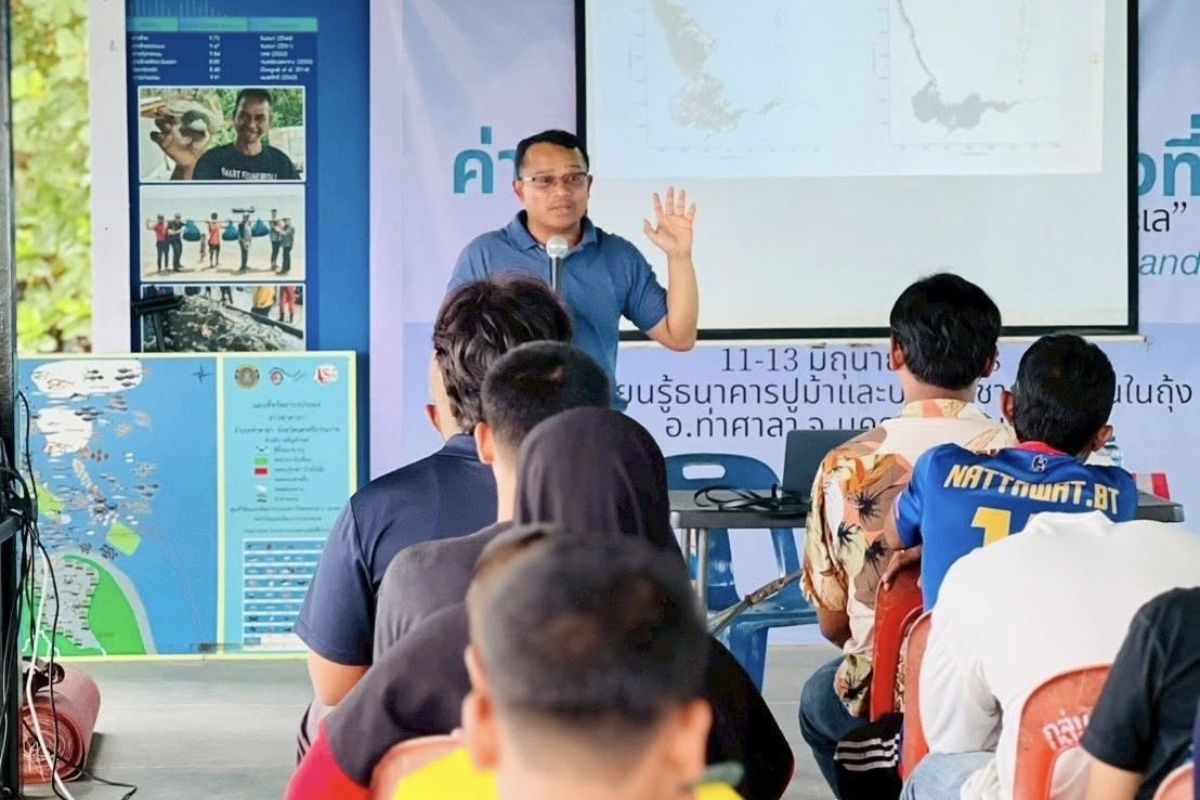
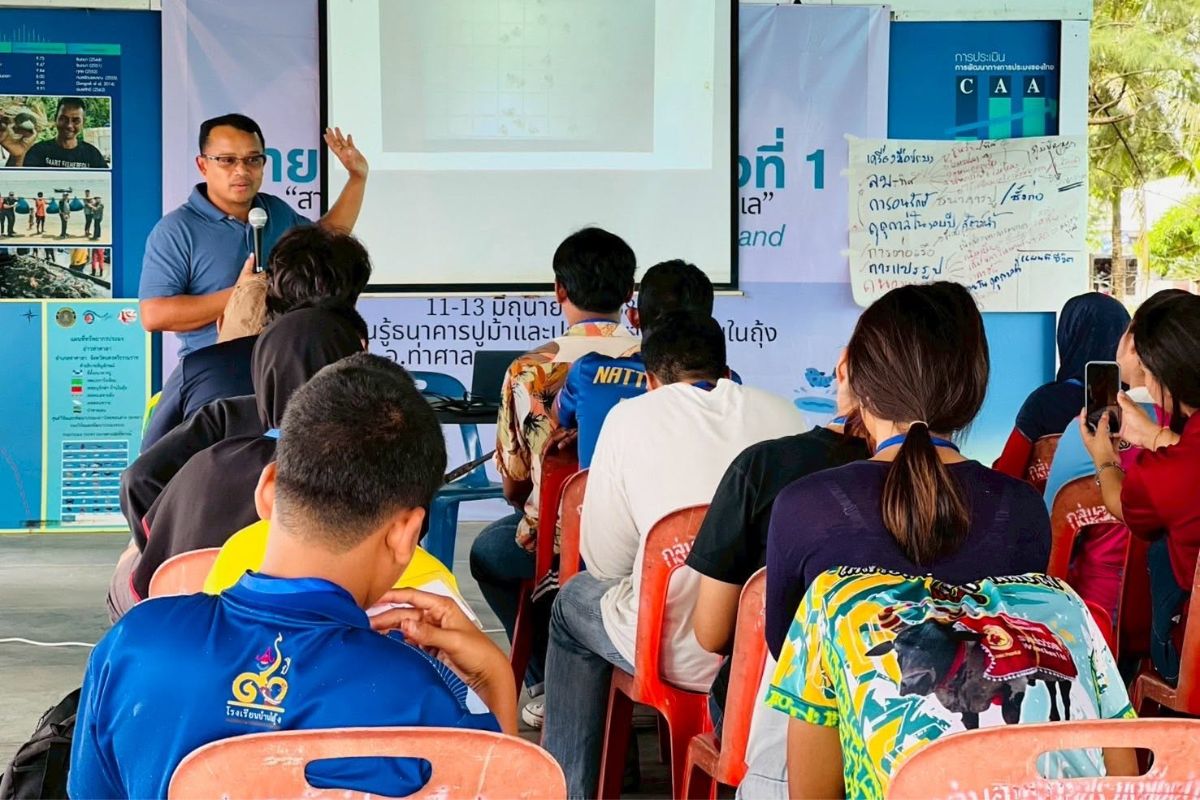
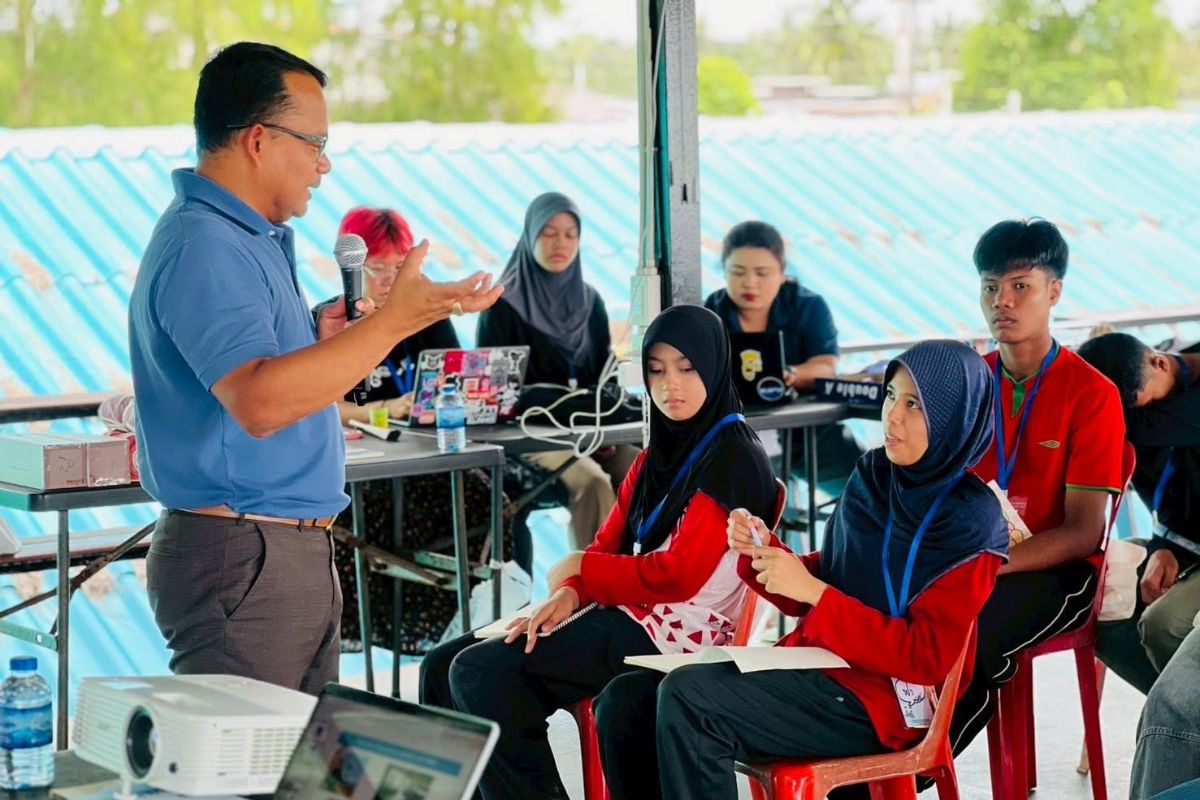
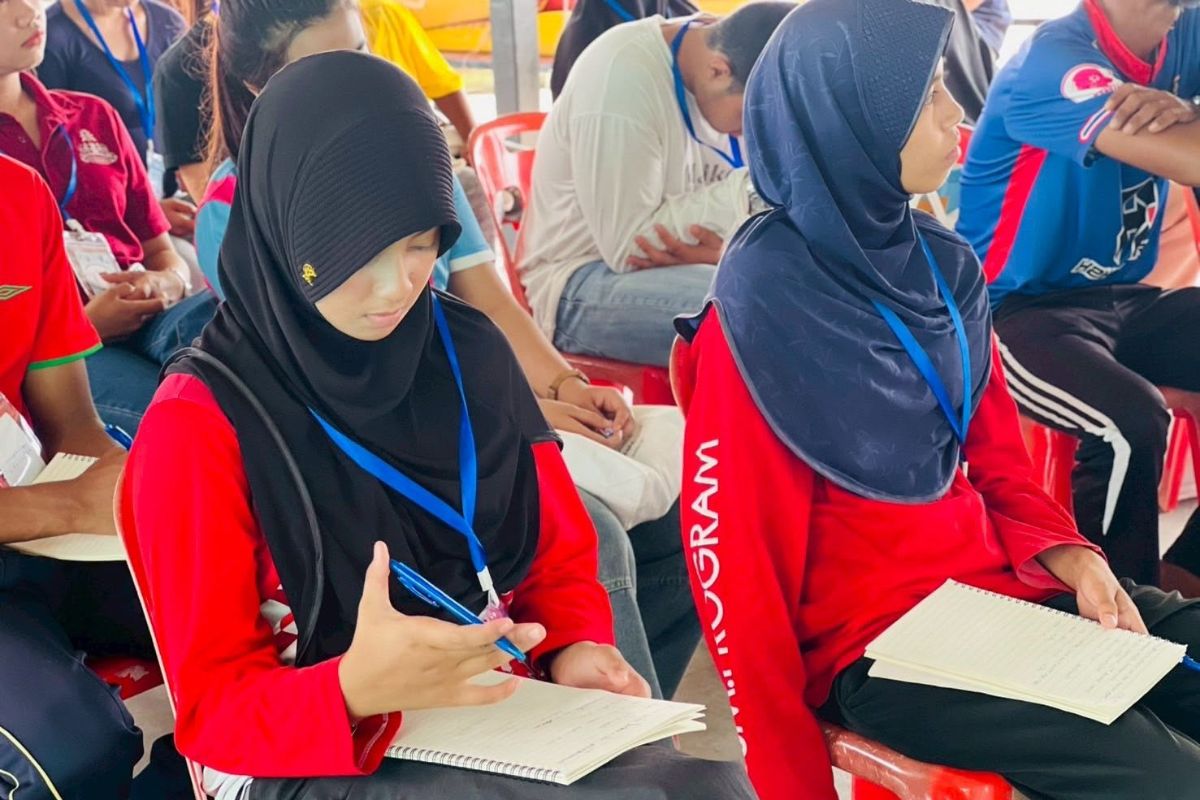
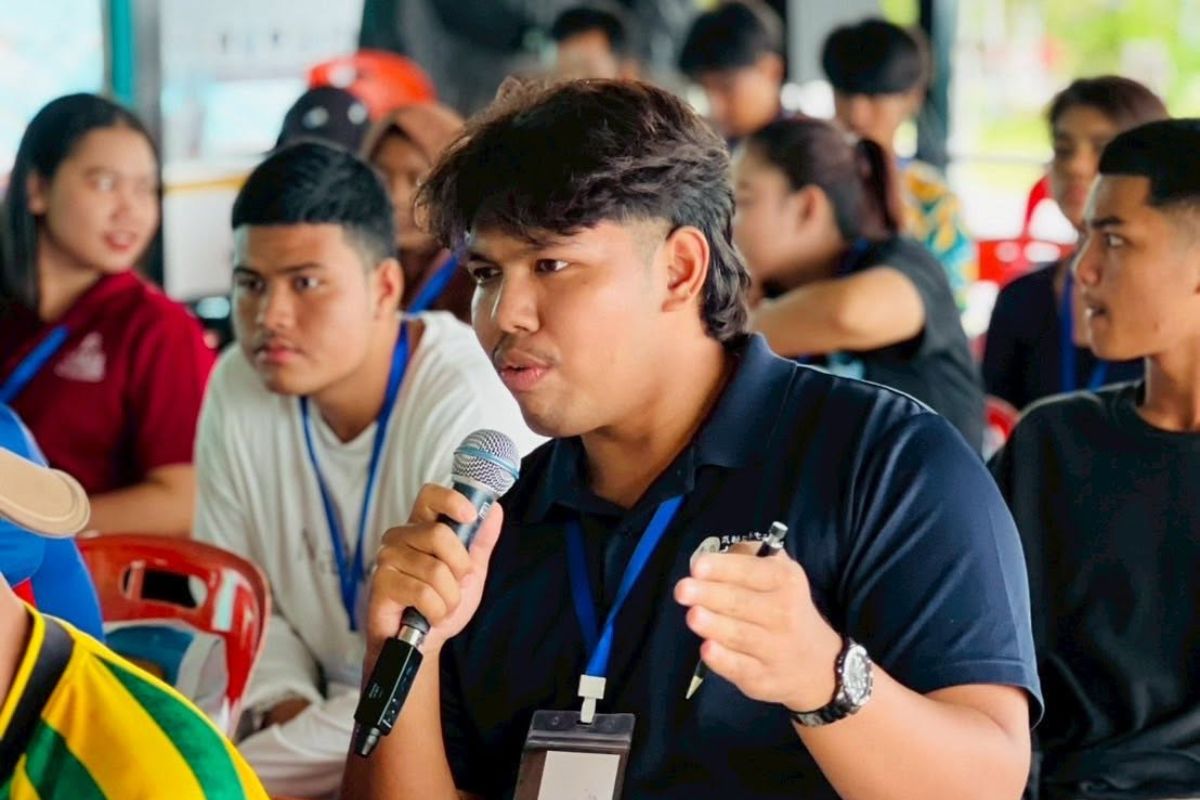
In 2025, Walailak University expanded its educational outreach to younger generations through the first Fisheries Youth Camp, “Youth for Marine Conservation: Driving Blue Swimming Crab Restoration towards Policy and Legal Responses.” The programme provided young participants with educational knowledge about sustainable fisheries, aquaculture, and marine conservation, while increasing their awareness of the pressures affecting marine and coastal resources.
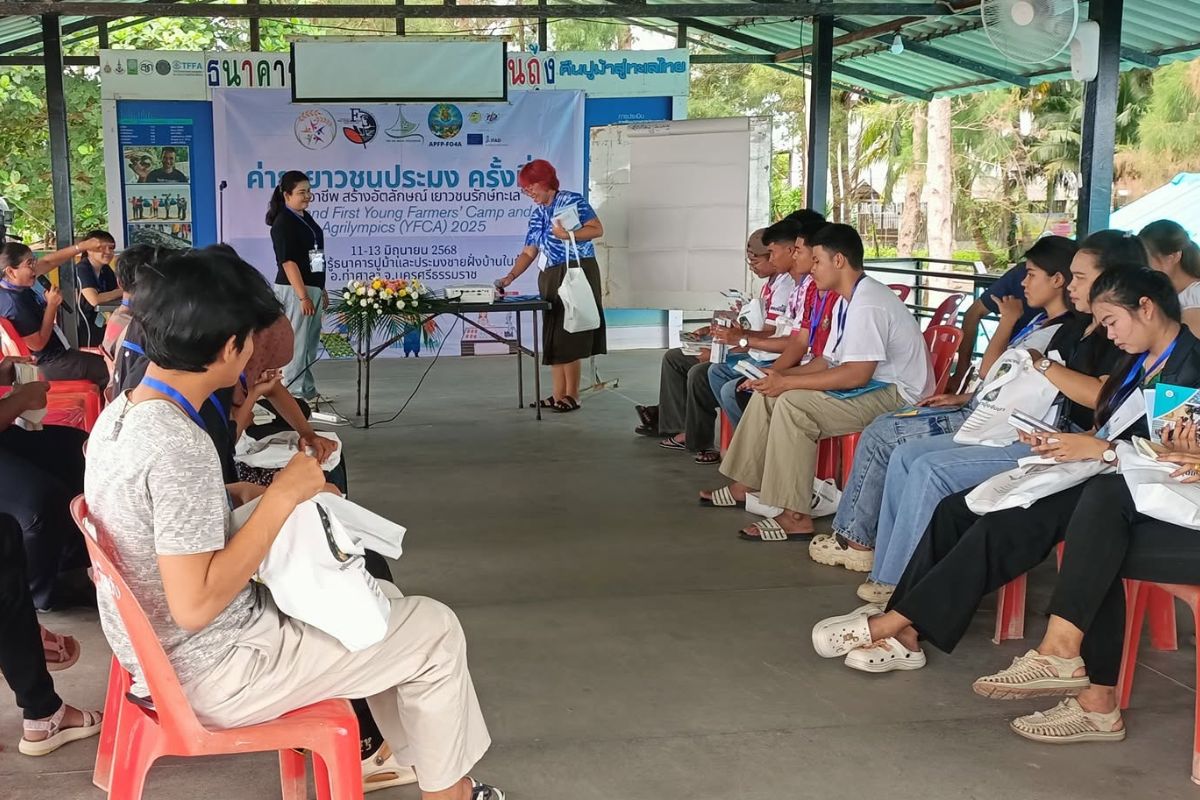
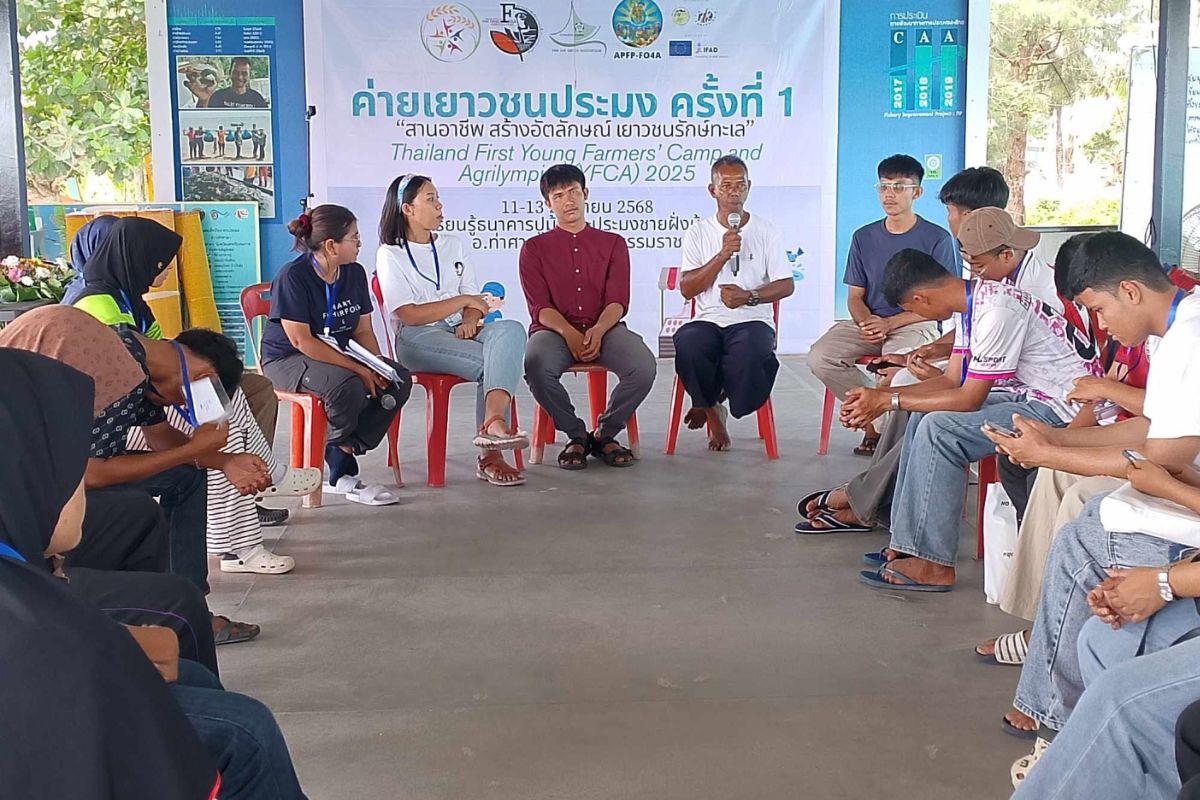
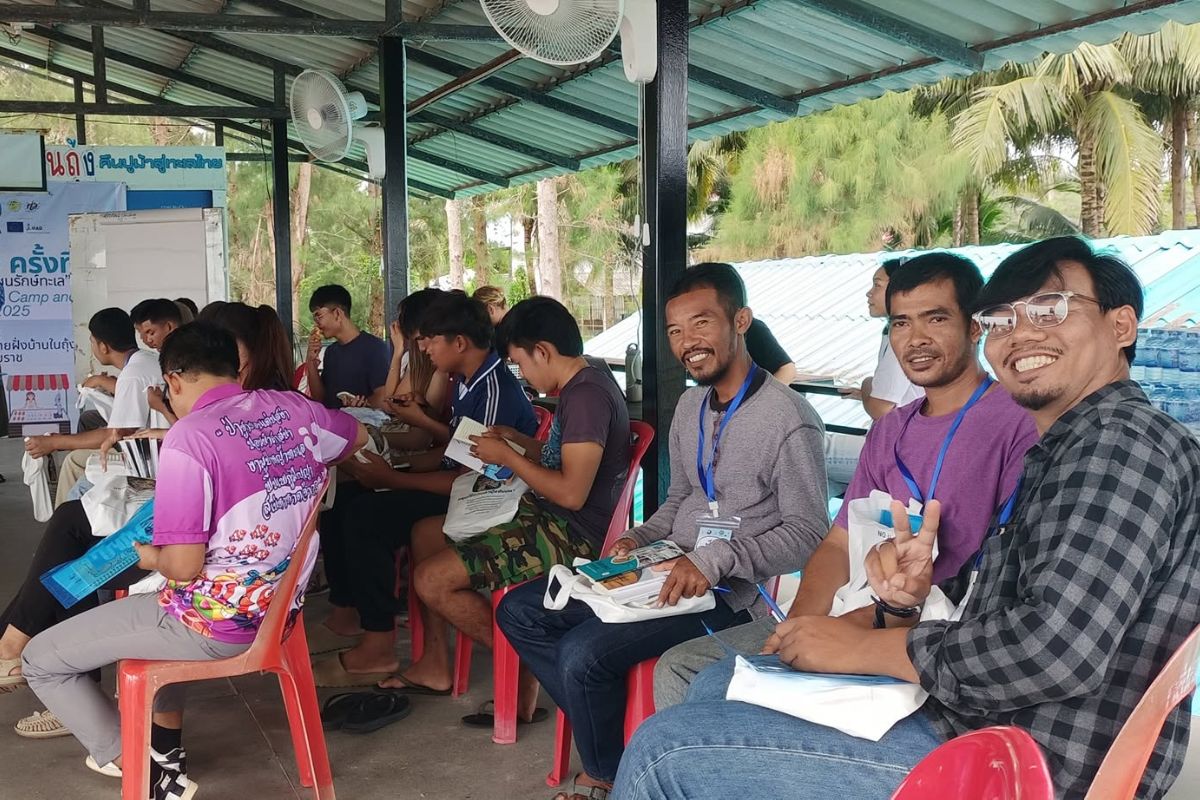
The camp encouraged participants to understand the importance of responsible fishing practices and the consequences of unsustainable fishing activities. Through learning and engagement activities, young participants explored how excessive fishing pressure and inappropriate fishing practices can affect marine biodiversity, aquatic resources, and the livelihoods of coastal communities. The programme also emphasized the importance of conserving marine resources and using fisheries resources responsibly.
A key objective of the programme was to develop participants as model youth who could communicate the knowledge they gained to their peers, families, and wider communities. By equipping young people with knowledge about sustainable fisheries and marine conservation, WU encouraged them to become advocates for responsible fishing practices and to contribute to raising awareness of the need to protect marine resources.
The Fisheries Youth Camp therefore extended WU’s educational outreach beyond the participants themselves. The knowledge and awareness gained through the programme could be shared within schools, families, and local communities, helping to promote broader understanding of sustainable fisheries and the importance of reducing practices that threaten marine ecosystems.
Through this youth-focused educational outreach, Walailak University contributed to raising awareness of sustainable and responsible fishing among younger generations. The initiative supported the development of informed young advocates who can help communicate the importance of protecting marine resources and promoting sustainable fisheries within their communities.
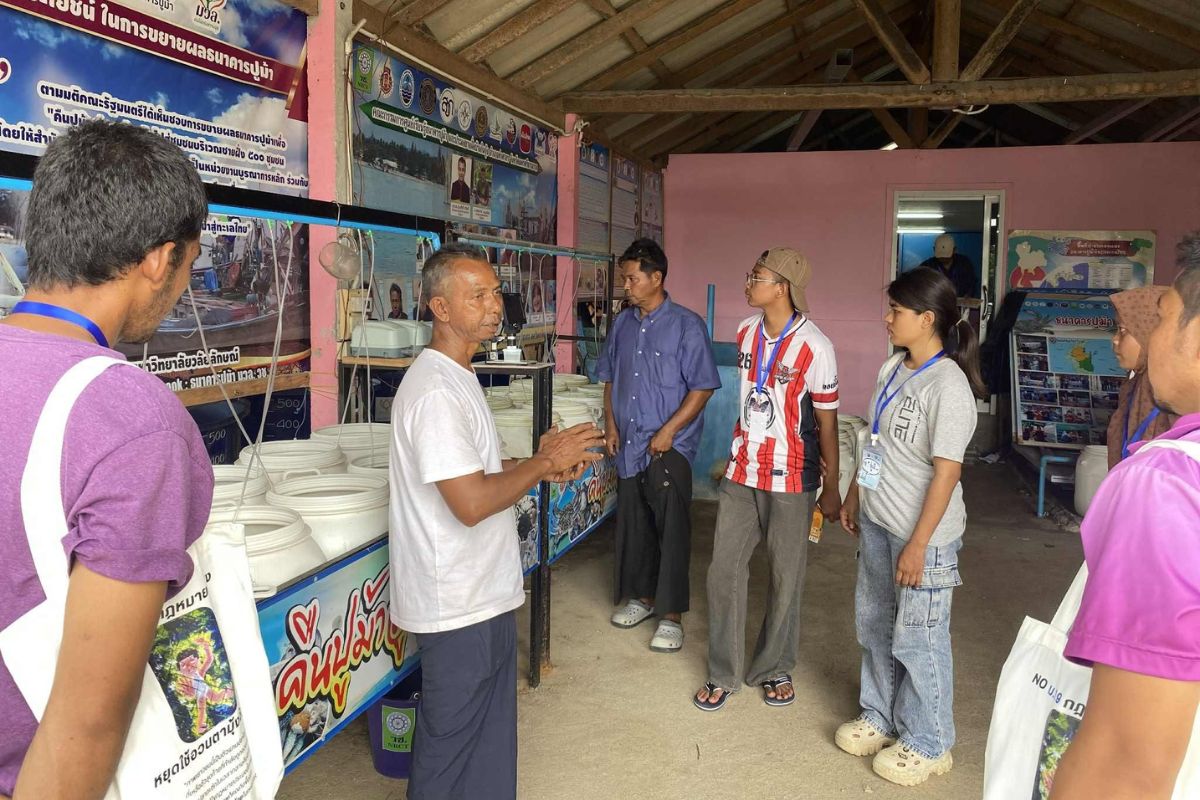
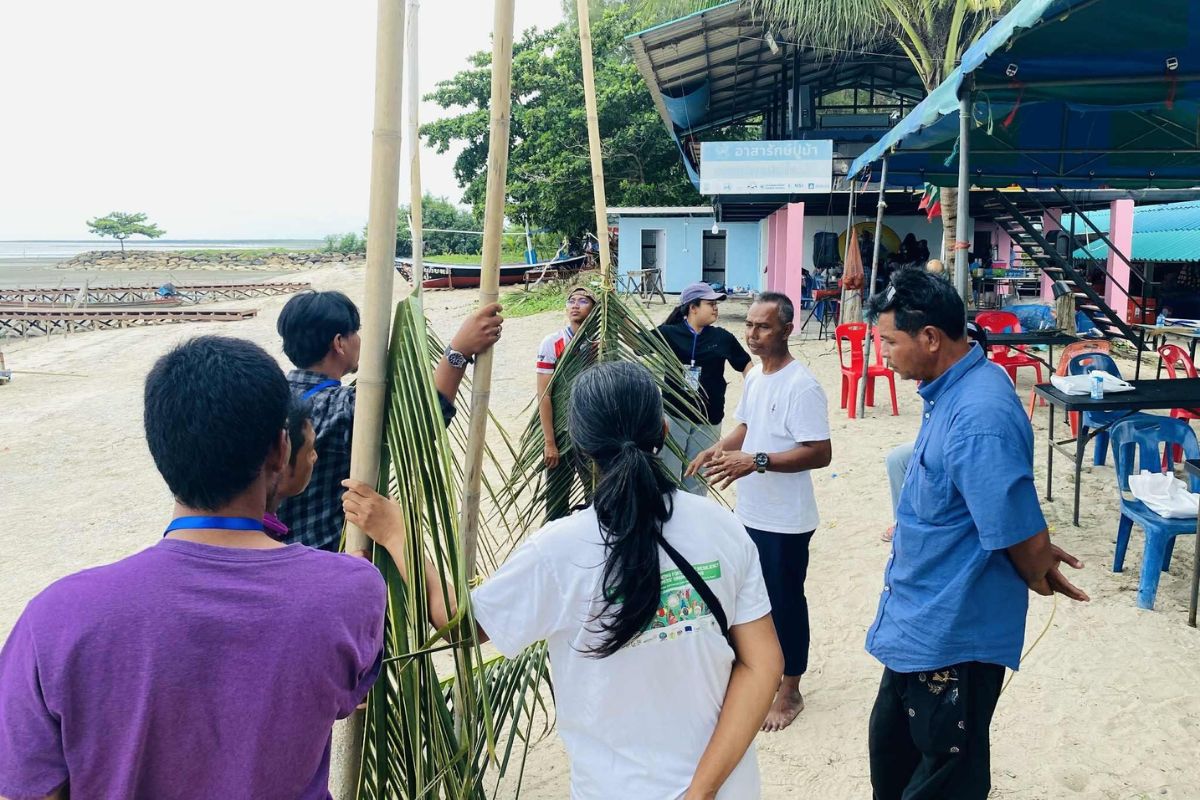
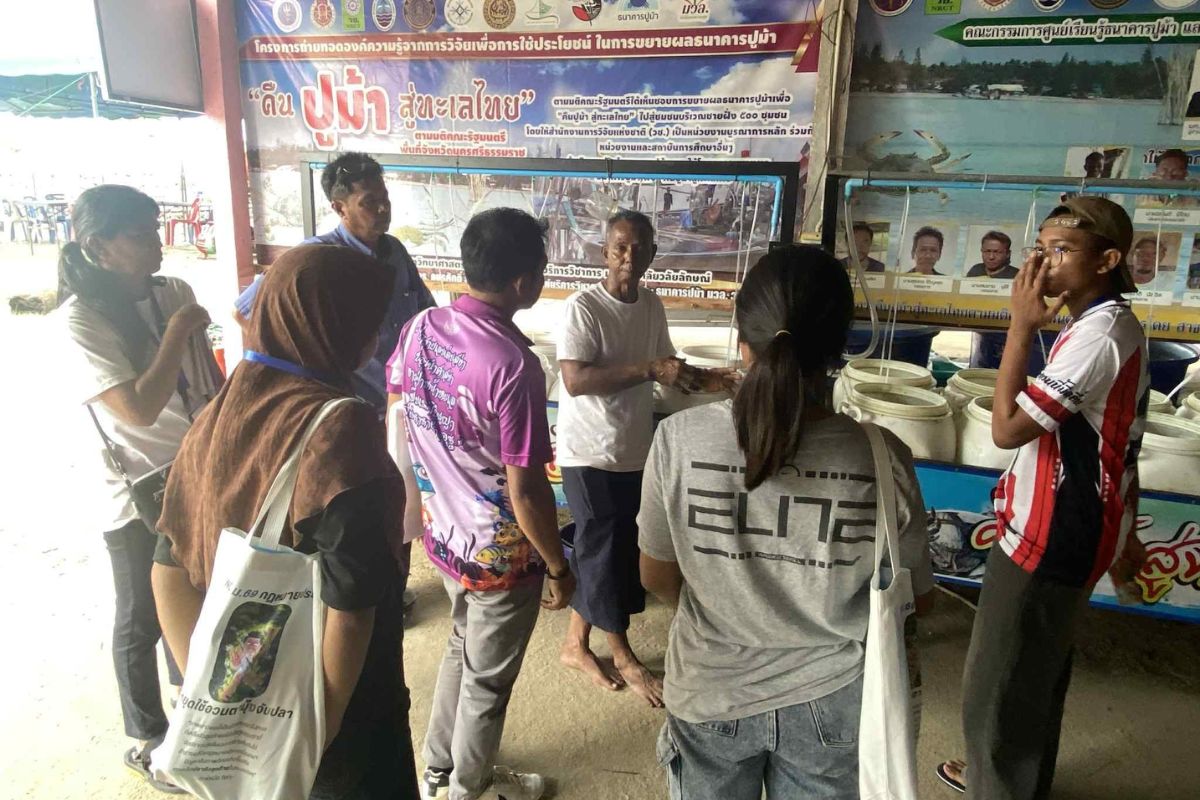
Educational Outreach on Overfishing, IUU Fishing, and Destructive Fishing Practices
In 2025, Walailak University continued its educational outreach to promote responsible and sustainable fisheries through community-based marine conservation activities in Nakhon Si Thammarat and Surat Thani. Alongside practical activities such as the development of artificial fish habitats, the release of juvenile marine animals, and coastal debris collection, WU provided opportunities for local communities and other stakeholders to learn about the challenges affecting marine resources, including overfishing, illegal, unreported and unregulated (IUU) fishing, and destructive fishing practices.
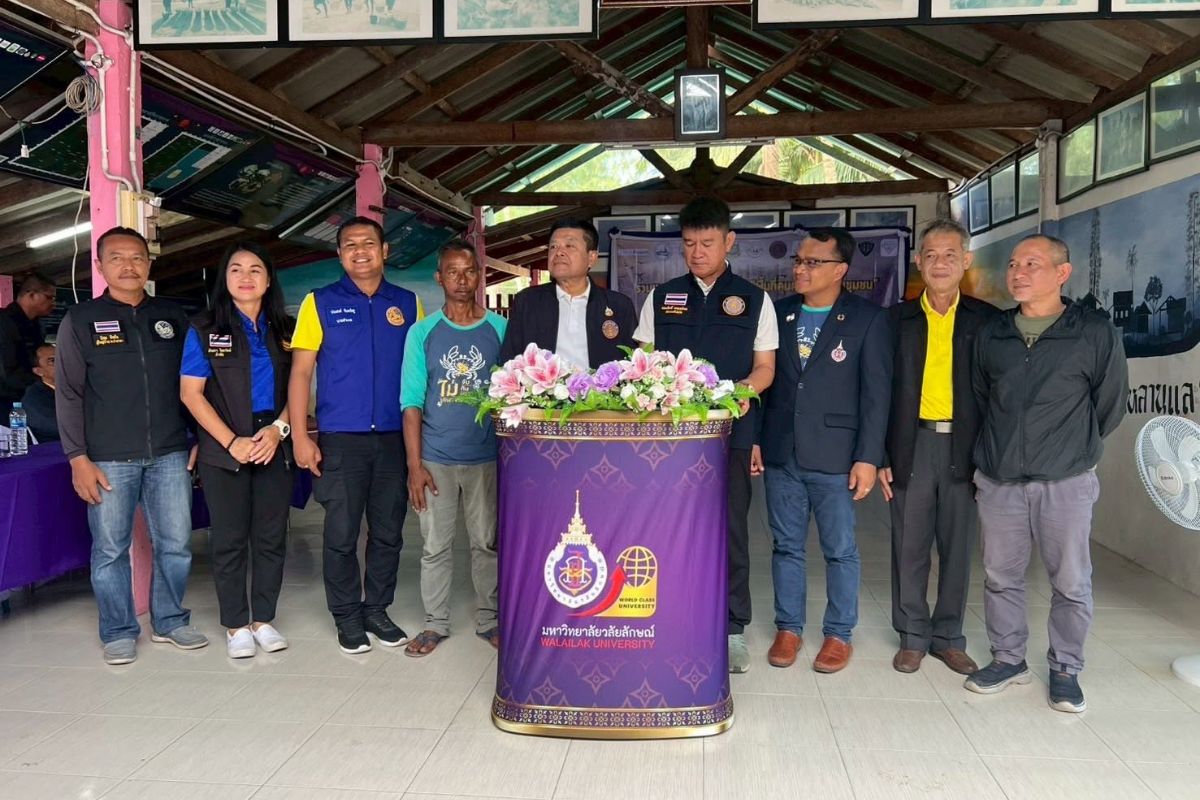
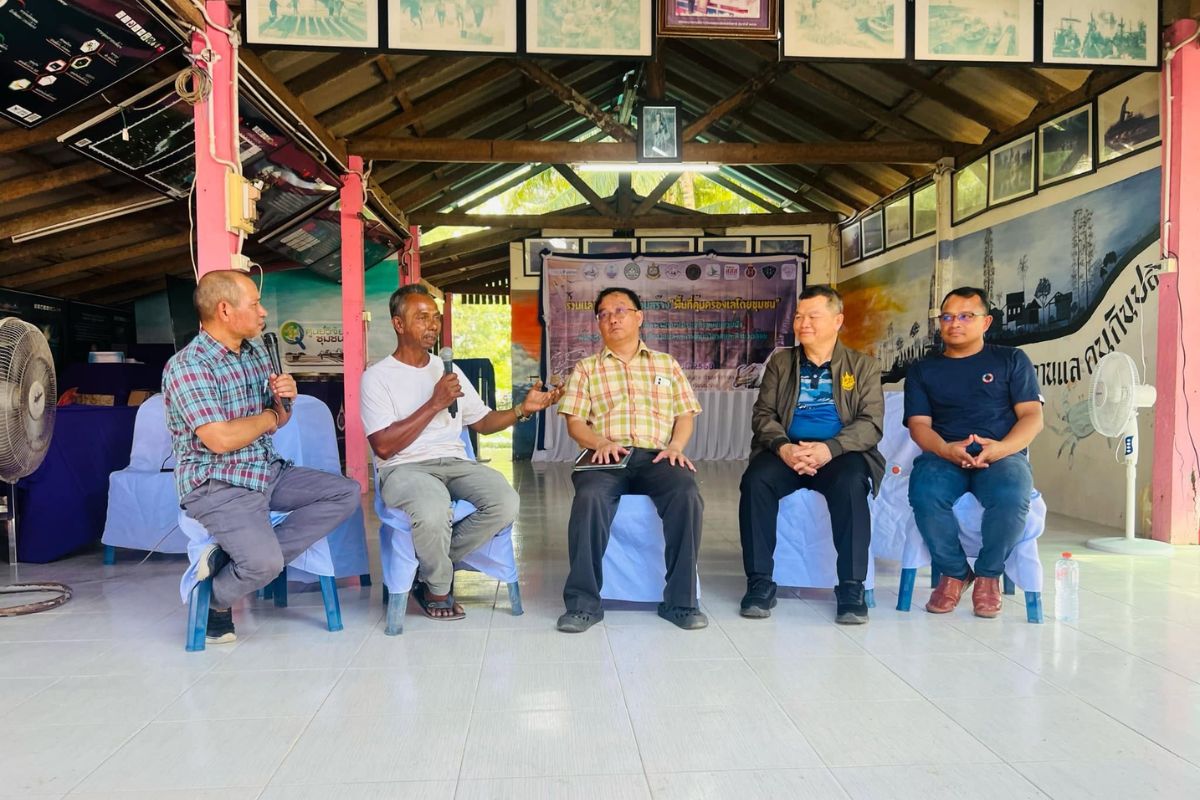
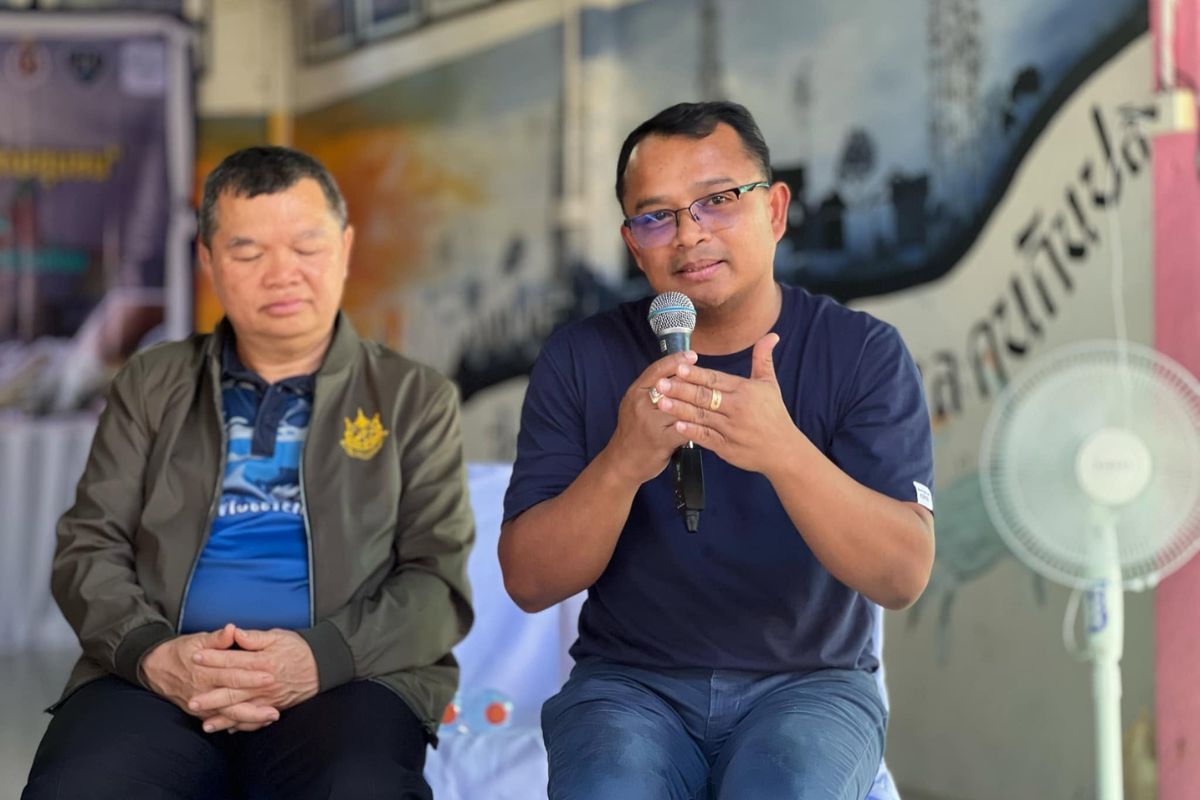
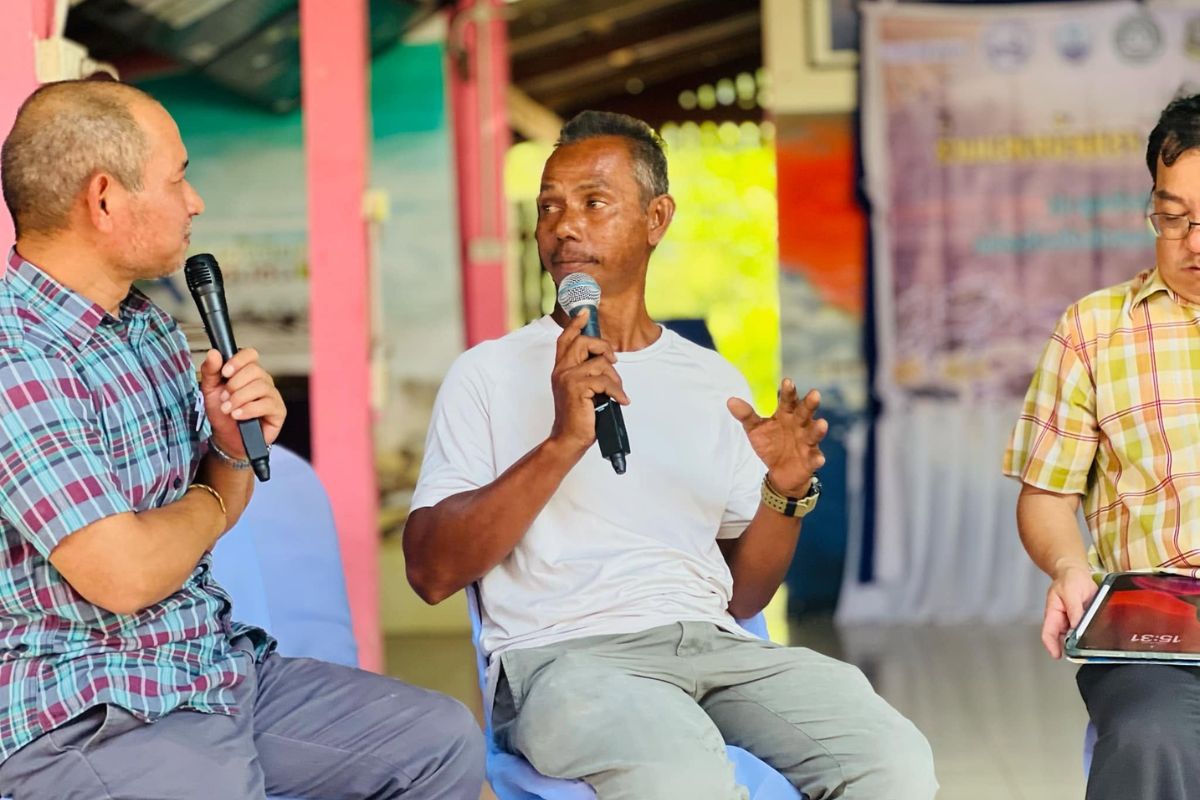
As part of the outreach activities, WU organized seminars and knowledge-sharing sessions to raise awareness of the importance of responsible fisheries management. One of the sessions was held under the theme “The Roles and Cooperation in Driving Community-Based Management of Ao Thong Kham towards Sustainability.” The discussion highlighted the role of local communities and cooperation among relevant stakeholders in managing marine resources and addressing pressures on coastal ecosystems.
Another seminar focused on the theme “Climate Change and Coastal Marine Environmental Changes: Work, Lessons Learned, and Progress in Coastal Management under Global Boiling from the Perspectives of Small-Scale Fishers, Local Conservationists, and Sea Guardians.” The session provided a platform for sharing experiences and knowledge concerning changes in coastal environments, the challenges faced by local fishing communities, and approaches to protecting and sustainably using marine resources.
The educational outreach raised awareness of how excessive fishing pressure and inappropriate fishing practices can reduce aquatic populations, damage marine habitats, and affect the long-term livelihoods of fishing communities. Participants were encouraged to recognize the importance of responsible fishing practices, including avoiding the capture of juvenile aquatic animals, protecting important breeding and nursery areas, and using appropriate fishing gear that minimizes impacts on non-target species and marine habitats.
The seminars also provided an opportunity to discuss the importance of addressing illegal, unreported and unregulated (IUU) fishing and destructive fishing practices. Participants were encouraged to understand that sustainable fisheries management requires not only the restoration of marine habitats but also cooperation among fishing communities, government agencies, educational institutions, civil society organizations, and other stakeholders to promote compliance with fisheries regulations and responsible resource use.
By combining practical marine conservation activities with seminars and knowledge-sharing, WU connected environmental restoration with awareness raising on sustainable fisheries management. The participation of local fishermen, government officers, NGOs, students, and members of the public enabled knowledge about overfishing, IUU fishing, destructive fishing practices, and coastal environmental changes to be shared among different groups involved in the use and management of marine resources.
Through these educational outreach activities, Walailak University contributed to strengthening community awareness of the impacts of unsustainable and destructive fishing practices and the importance of responsible fisheries management. The initiative encouraged stakeholders to work together to protect marine ecosystems, conserve aquatic resources, and support sustainable livelihoods for coastal communities.
Community Education on Marine Debris and Responsible Fishing Practices
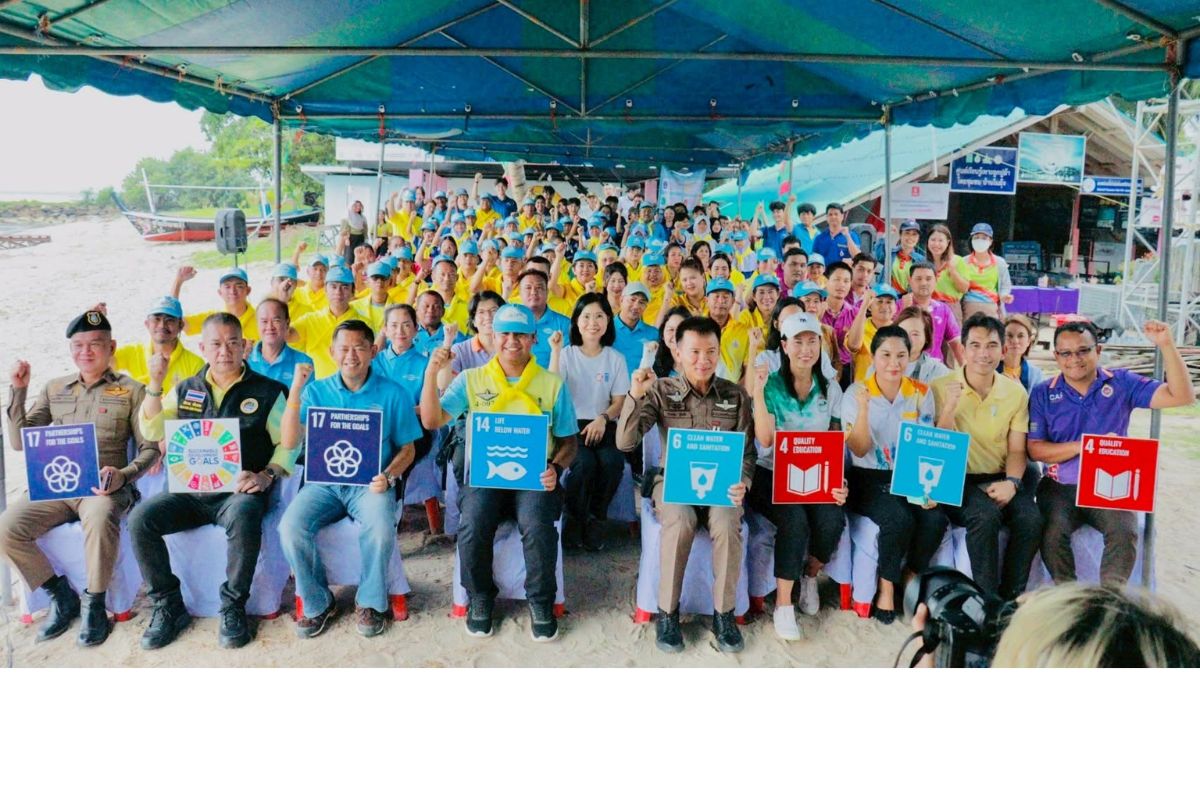
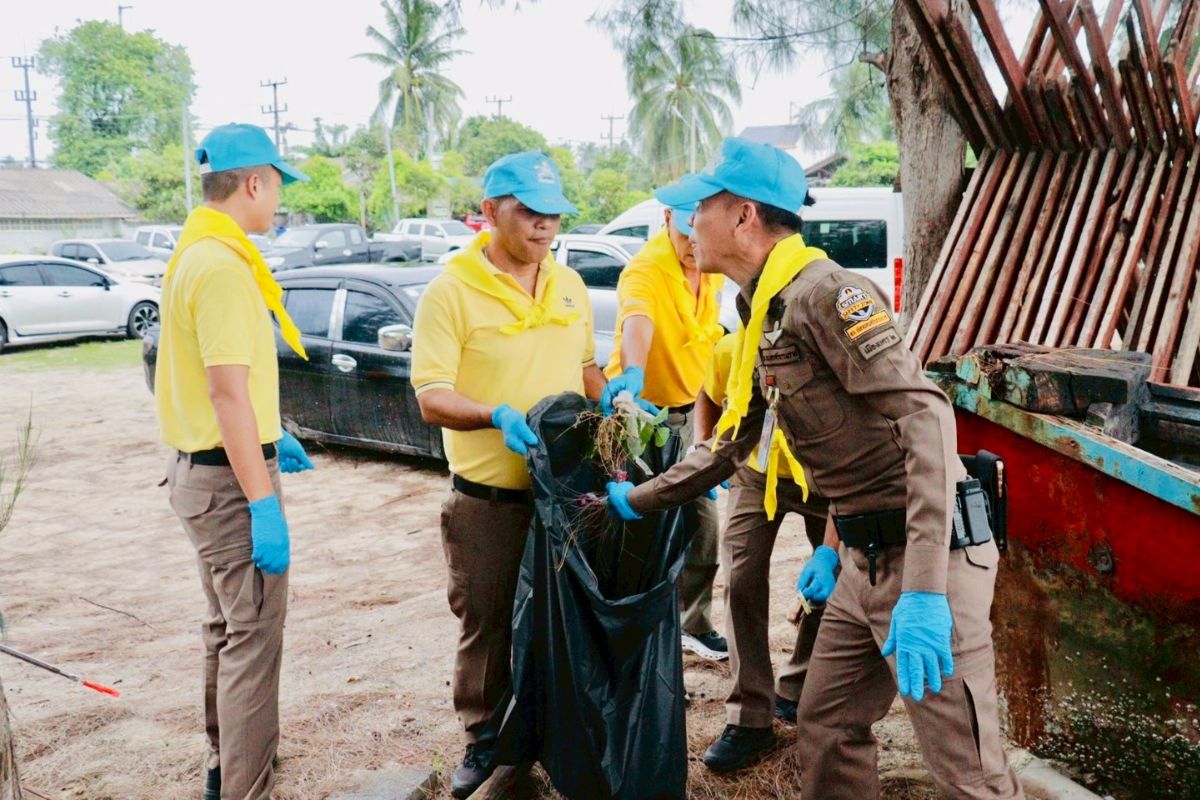
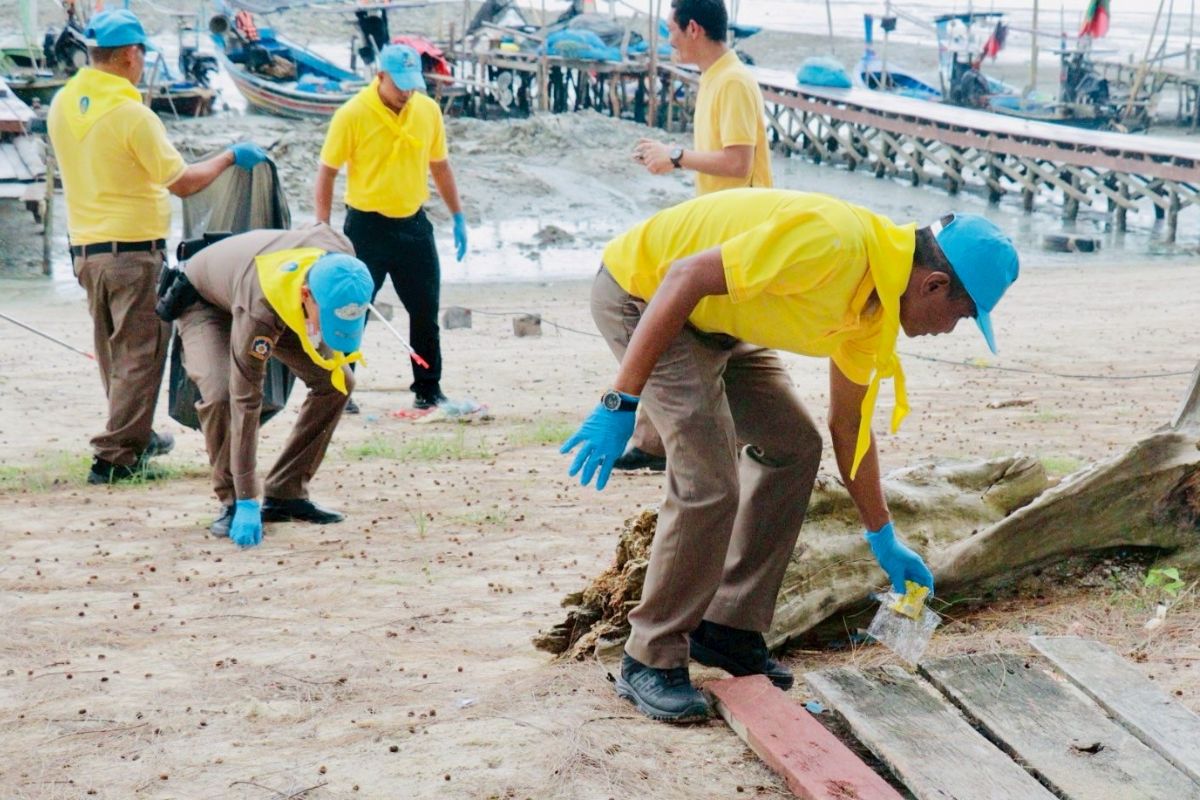
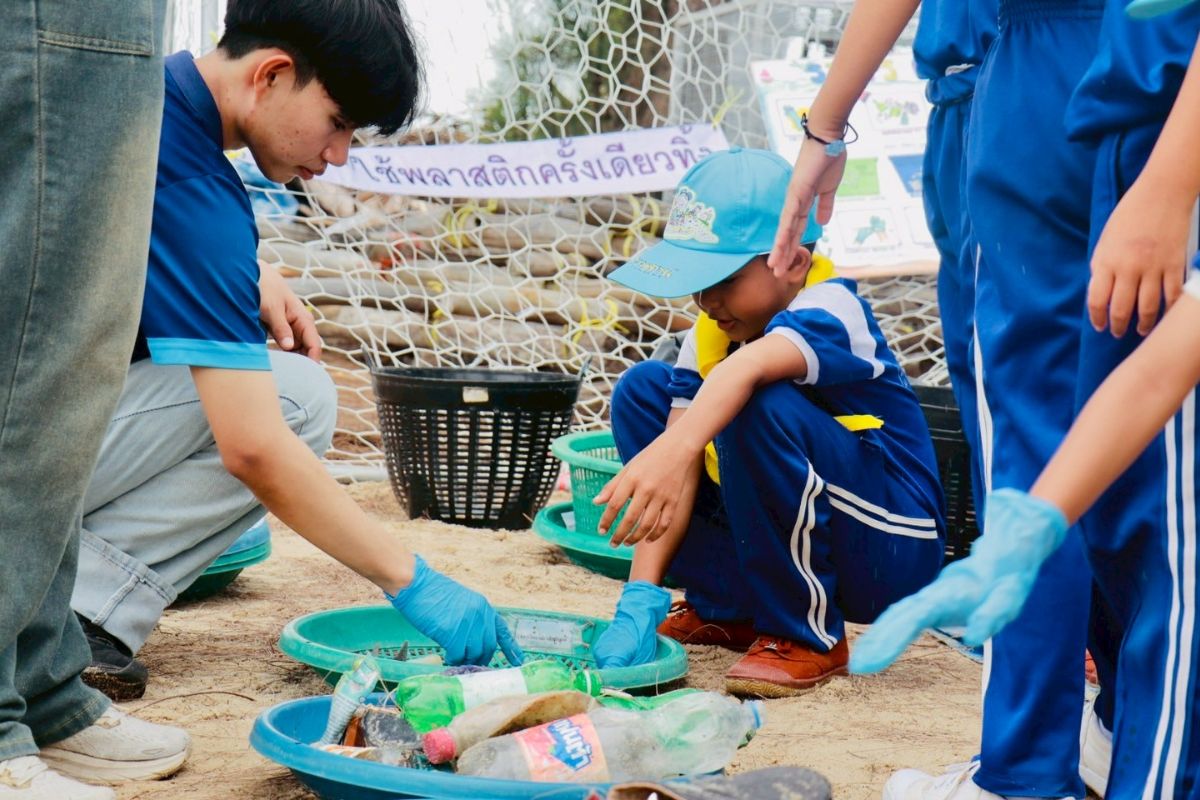
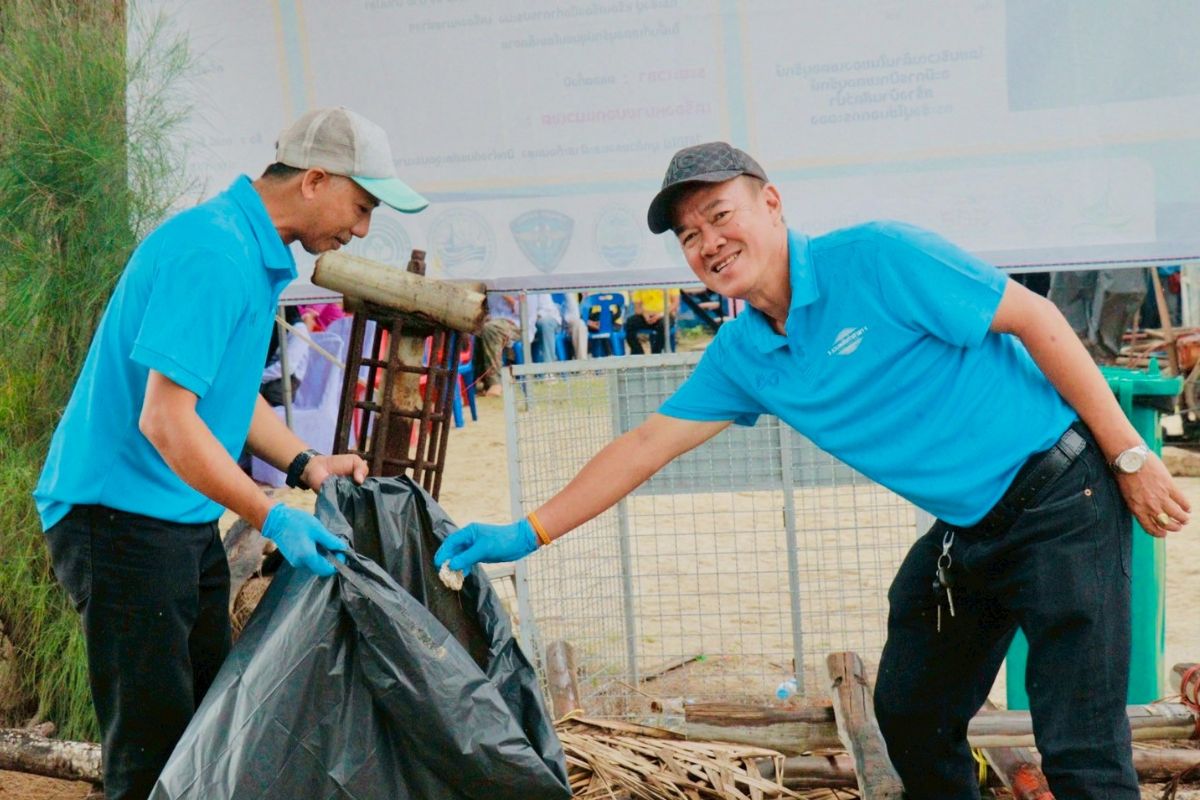
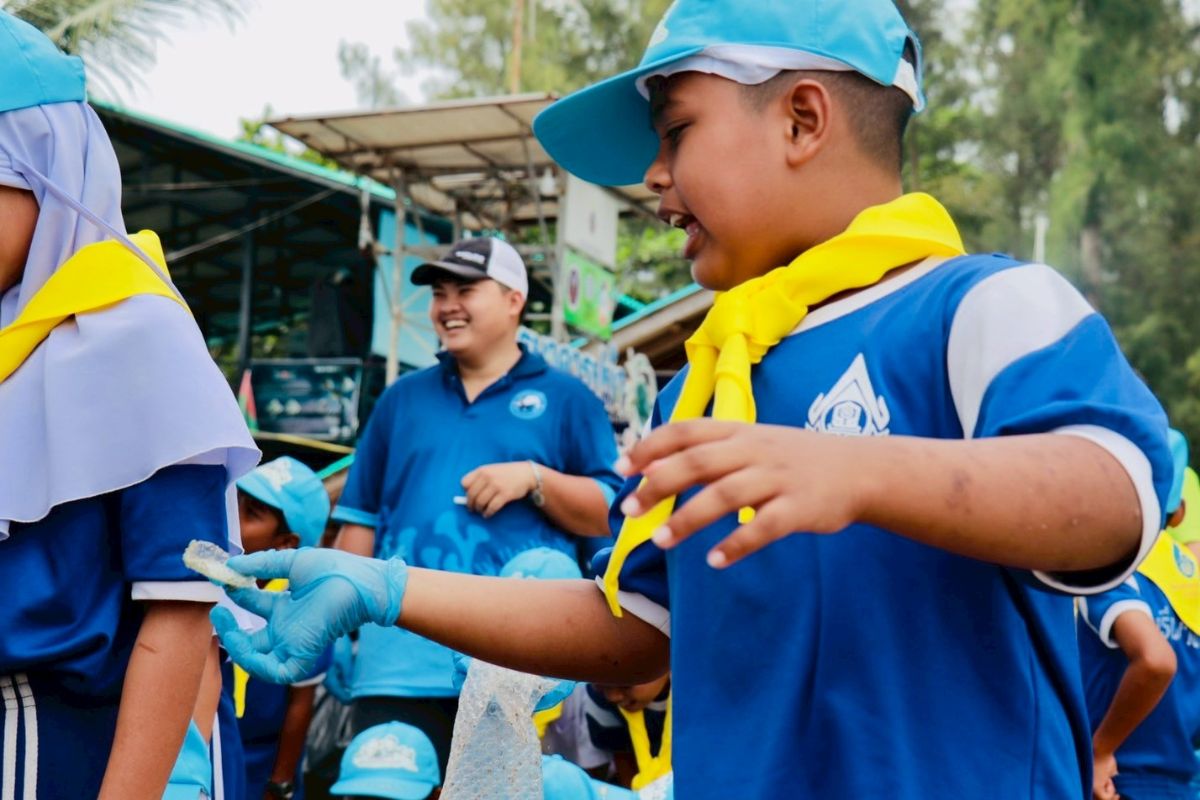
Walailak University organized a beach-cleaning and educational activity at the Ban Nai Thung Blue Swimming Crab Bank Center to promote awareness of sustainable marine and coastal resource management. The activity brought together more than 100 students, university students, and members of the public and combined practical coastal conservation with educational sessions on waste management, waste separation and recycling, fisheries management, and sustainable tourism.
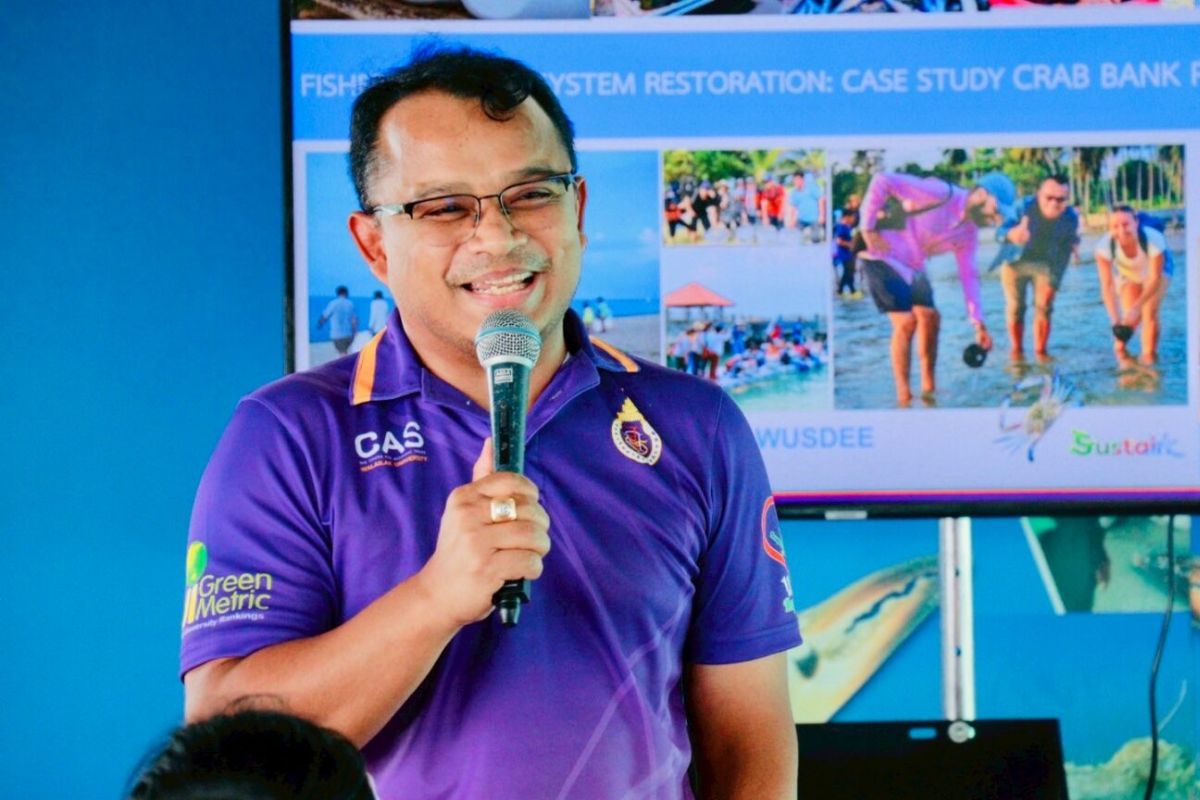
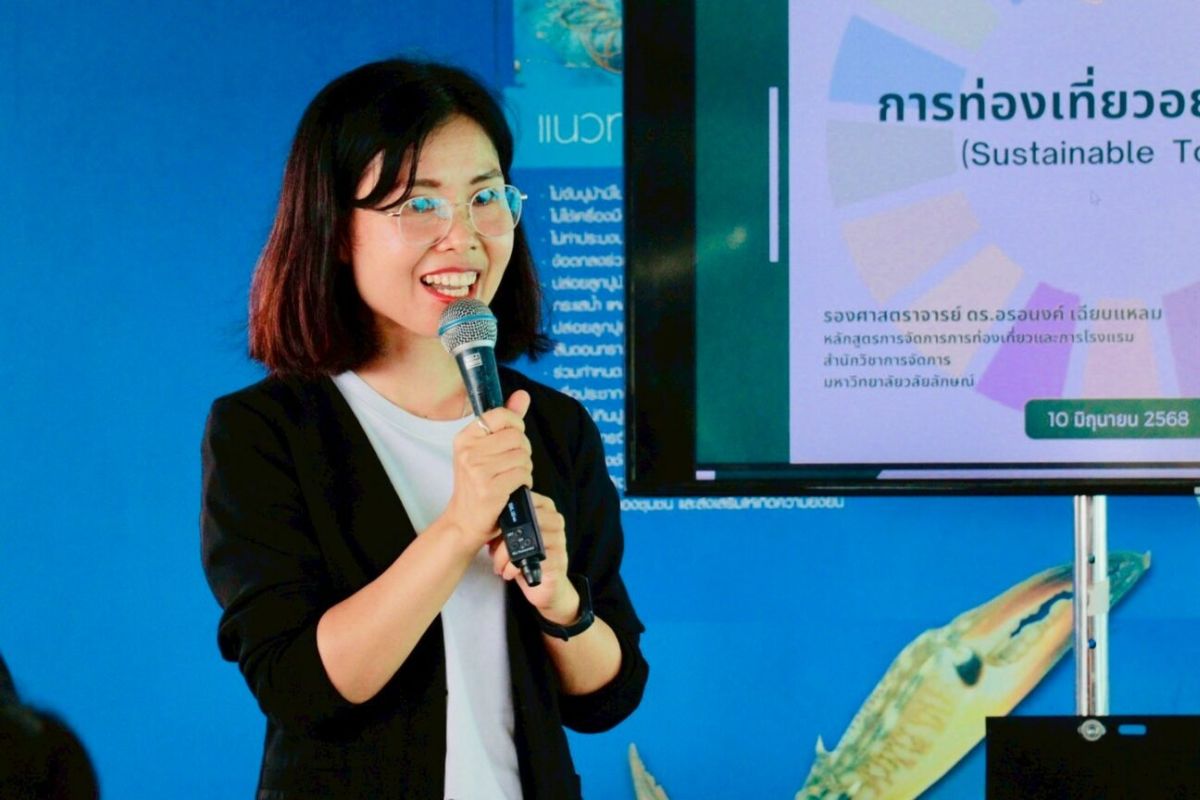
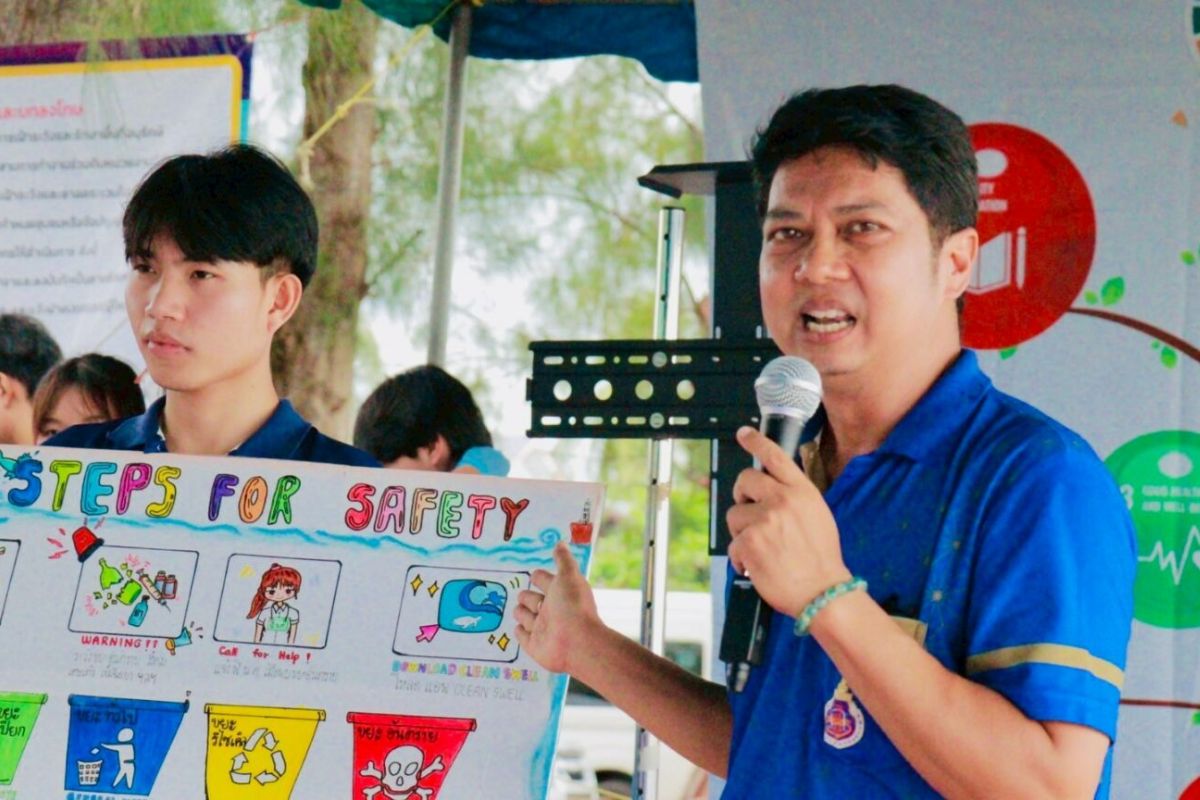
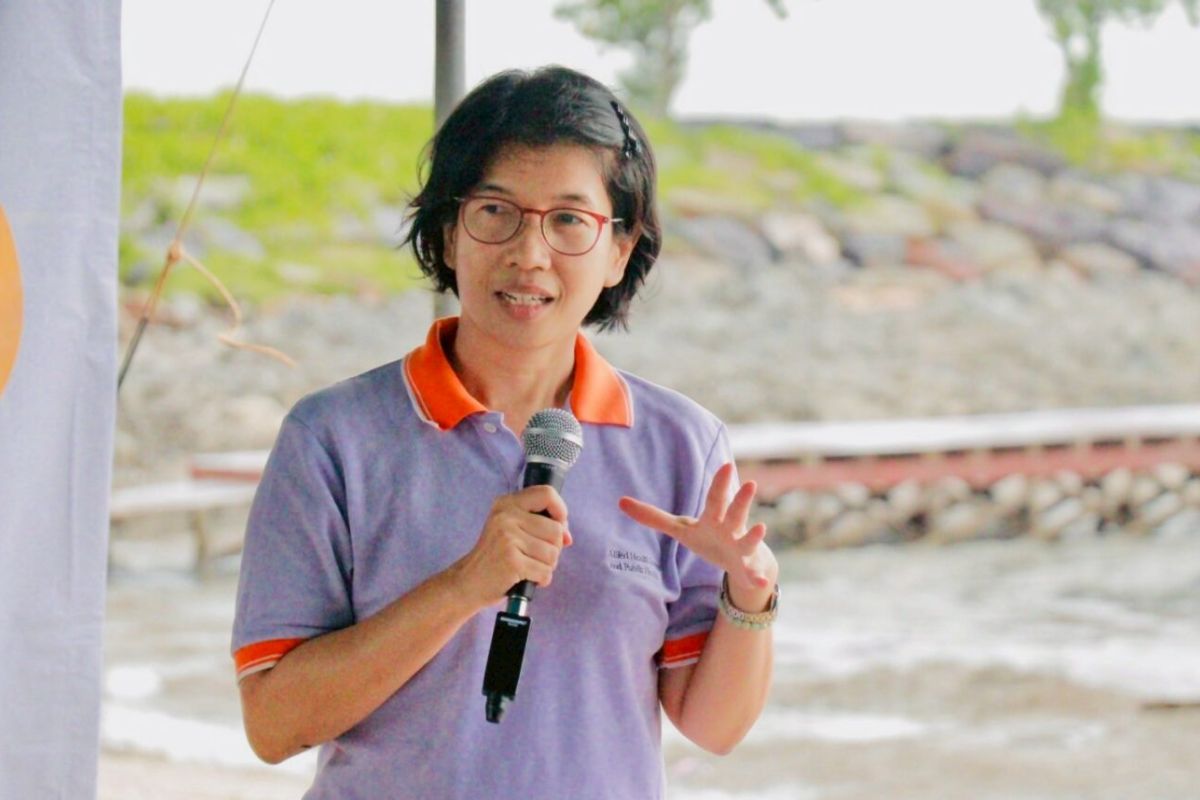
An important objective of the activity was to help participants understand how human activities can affect marine and coastal ecosystems. Through the educational sessions, WU provided knowledge about responsible fisheries management and encouraged participants to recognize the impacts of overfishing, inappropriate fishing practices, and activities that can damage marine habitats and reduce aquatic populations. Participants were encouraged to consider how responsible resource use and compliance with fisheries-management measures can contribute to the long-term sustainability of local fisheries.
The activity also connected marine debris with sustainable fisheries and responsible use of coastal resources. Participants learned about proper waste management, waste separation, and recycling while taking part in the collection of waste from the beach. Marine debris can enter coastal waters and create risks for marine organisms and habitats, particularly when fishing-related materials such as discarded fishing gear become marine debris. The activity therefore promoted greater awareness of the importance of preventing waste from entering the marine environment and reducing practices that can cause further harm to aquatic ecosystems.
The educational outreach also addressed the importance of preventing illegal, unreported and unregulated (IUU) fishing and destructive fishing practices. WU encouraged participants to understand that sustainable fisheries require responsible fishing behavior, appropriate use of fishing gear, protection of marine habitats, and cooperation among fishing communities and other stakeholders. These practices are particularly important in areas where communities depend on marine resources for food, income, and local economic activities.
The session on sustainable tourism further emphasized the connection between environmental protection and responsible use of coastal areas. Participants learned that tourism activities should be conducted in ways that minimize pollution, protect marine and coastal habitats, and maintain the natural resources that support local communities. Combining these topics enabled participants to see marine conservation as a shared responsibility involving fisheries, tourism, waste management, and everyday community activities.
With more than 100 participants, the activity provided WU with an opportunity to extend knowledge and awareness beyond the university to students, young people, local residents, and the wider public. The combination of classroom-style education and hands-on beach-cleaning activities allowed participants to apply the knowledge they gained directly in a coastal environment.
Through this community-based educational outreach, Walailak University contributed to raising awareness of overfishing, IUU fishing, destructive fishing practices, marine debris, and responsible use of coastal resources. The activity encouraged participants to adopt more responsible behaviors and to take part in protecting marine ecosystems, supporting sustainable fisheries, and maintaining healthy coastal environments for local communities and future generations.
Community Education on Sustainable Fisheries and Climate Change
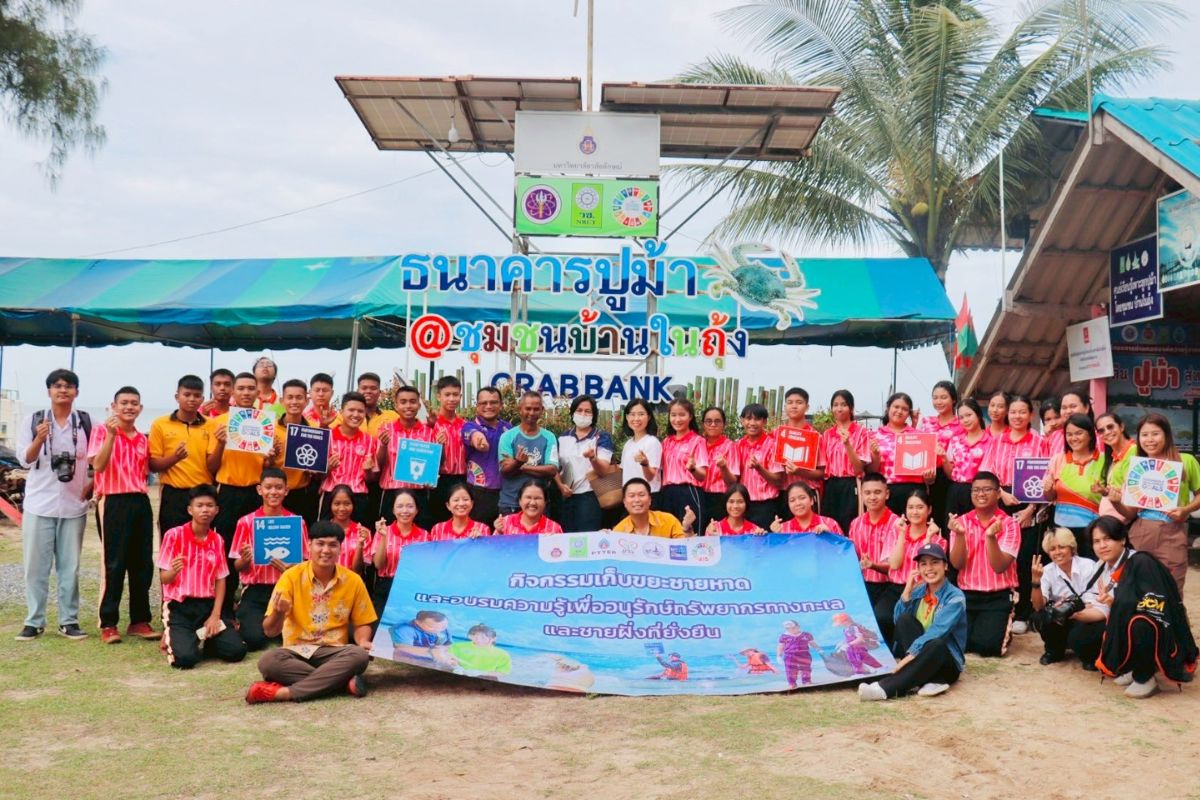
Walailak University organized a free community education and awareness-raising activity at the Blue Swimming Crab Bank Learning Center to strengthen community understanding of climate change and its impacts on marine and coastal resources. The activity provided an opportunity for local residents to learn about climate-related risks, mitigation, adaptation, and disaster preparedness, while discussing approaches that can help communities protect natural resources and maintain sustainable livelihoods.
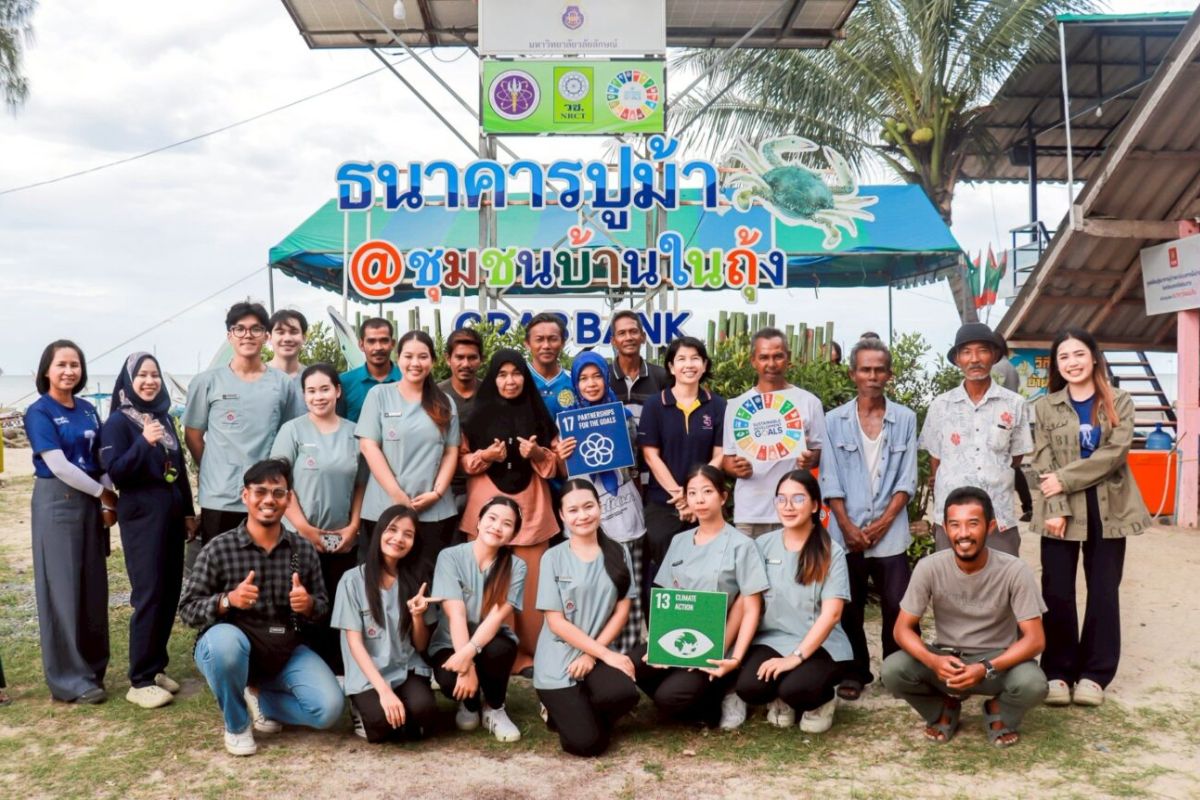
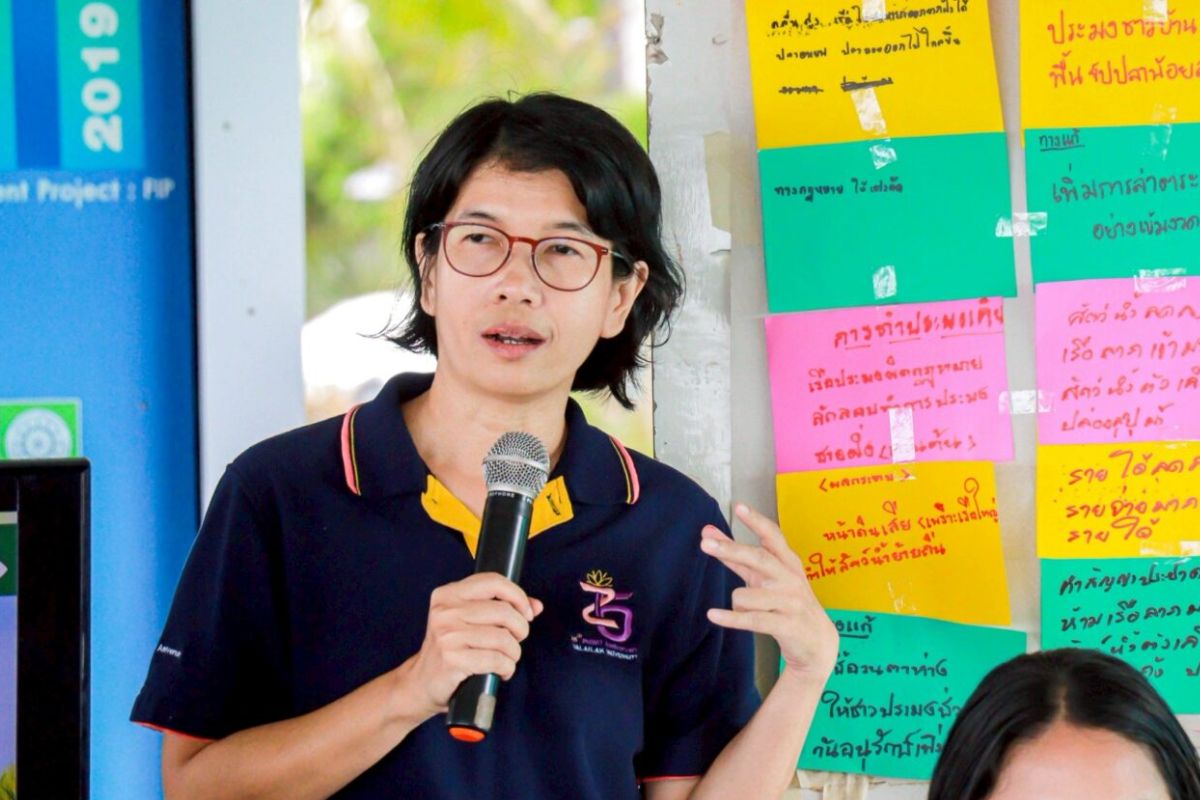
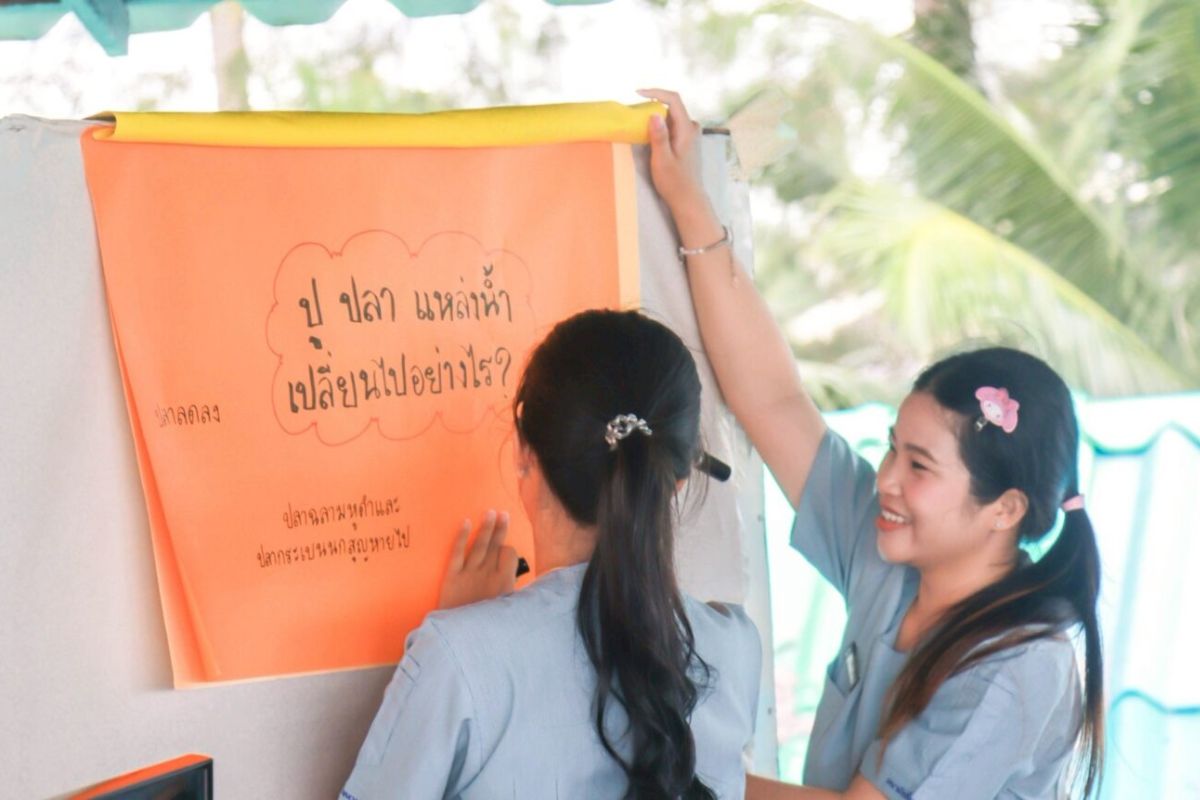
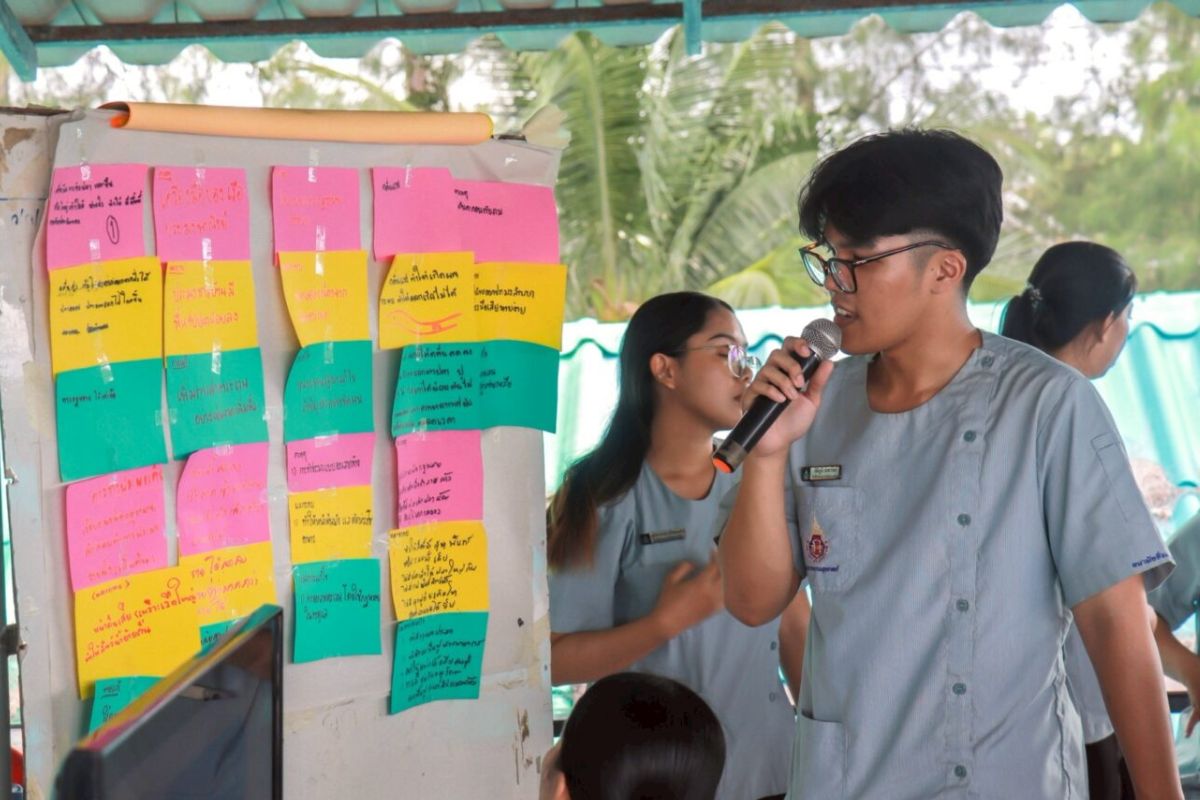
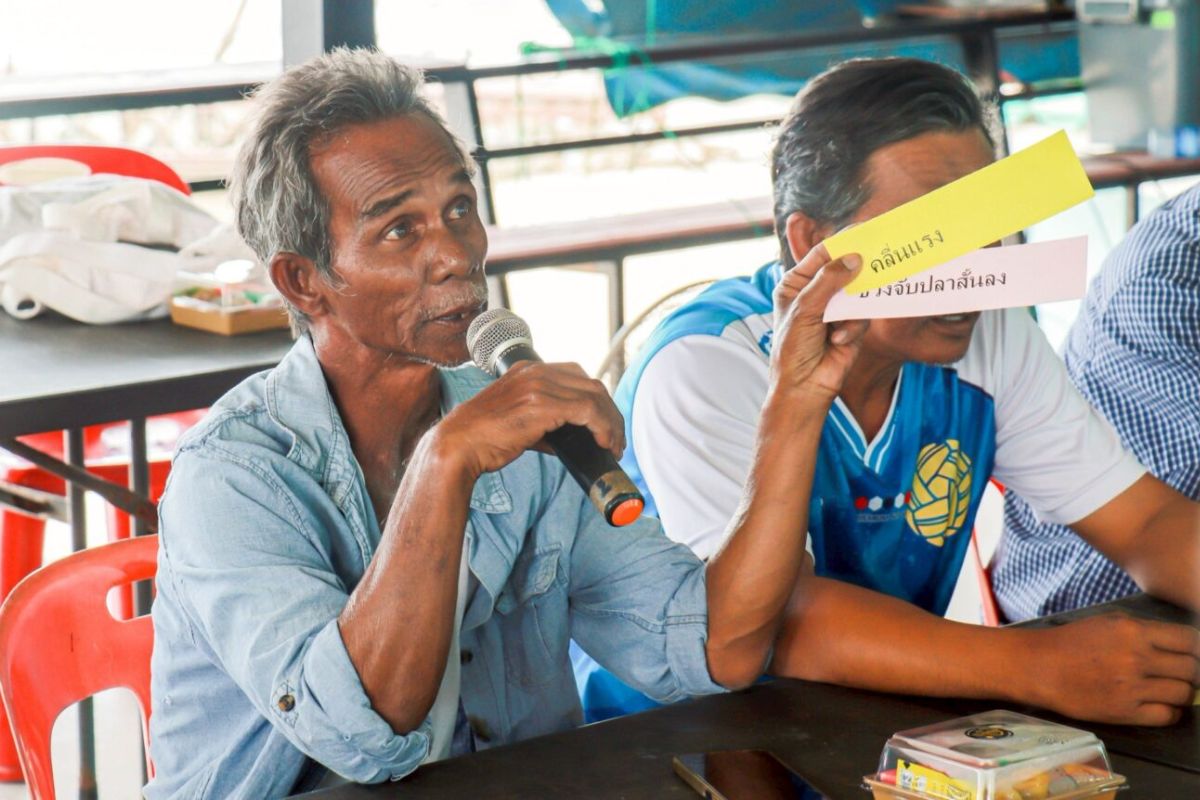
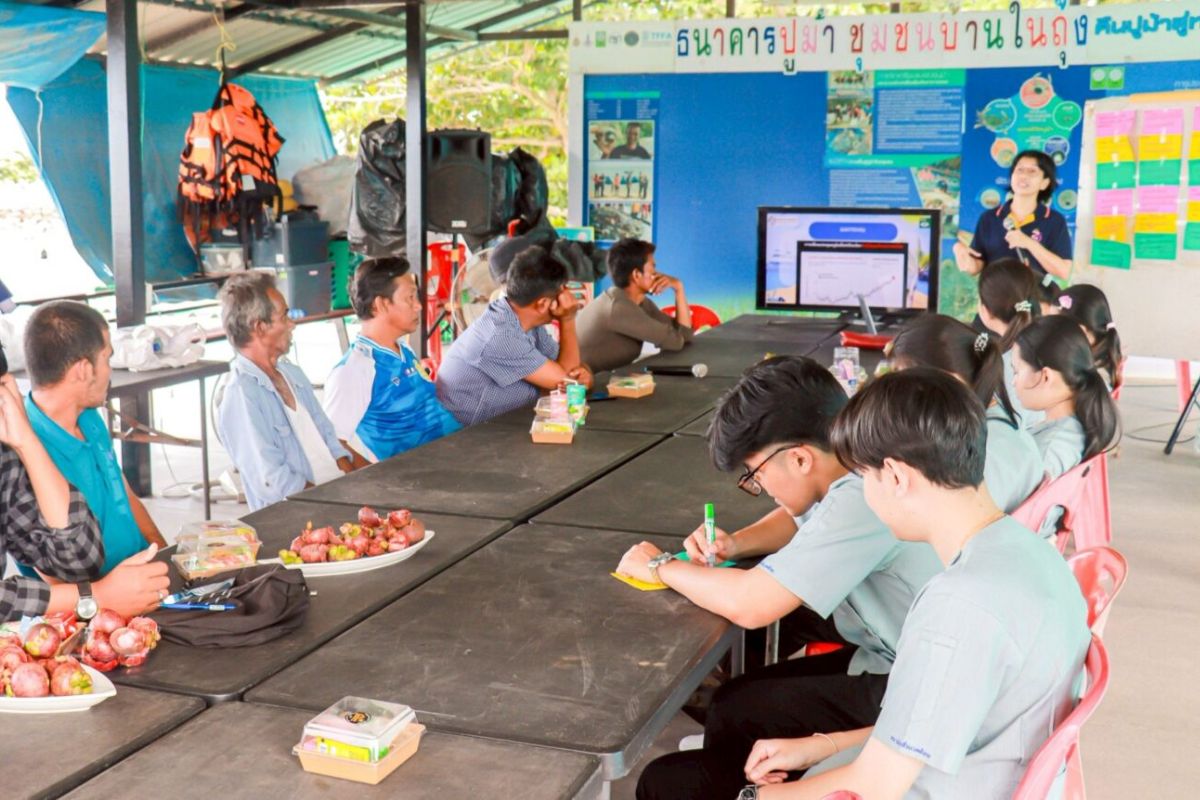
As part of the educational activities, WU faculty members and students shared knowledge on how changes in climate and coastal environmental conditions can affect marine ecosystems and fisheries. Changes in temperature, weather patterns, rainfall, sea conditions, and coastal environments can influence aquatic species, fishing activities, and the availability of fishery resources. The activity therefore emphasized the importance of adapting fisheries and resource-use practices to changing environmental conditions.
The educational sessions promoted sustainable fishing as an important approach for strengthening the resilience of marine resources and fishing communities. Participants were encouraged to understand that maintaining healthy fish populations and marine habitats is particularly important when ecosystems are exposed to additional pressures from climate change. Responsible fishing practices, appropriate use of fishing gear, protection of important breeding and nursery areas, and avoidance of excessive fishing pressure can help reduce stress on marine resources and support their capacity to recover.
The activity also encouraged community members to discuss and analyze climate-related risks affecting their local area. Through consultation, brainstorming, and knowledge exchange, participants identified potential impacts and considered practical approaches for reducing risks and adapting to changing environmental conditions. This participatory approach helped connect scientific knowledge with local experience and encouraged community members to take an active role in planning for future environmental challenges.
WU also emphasized the importance of integrating sustainable fisheries management with broader climate adaptation and disaster-preparedness efforts. For coastal communities whose livelihoods depend on marine resources, maintaining healthy fisheries can contribute to greater livelihood resilience. At the same time, responsible management of marine resources can help ensure that fishing activities do not place additional pressure on ecosystems already affected by environmental change.
Through the free educational outreach, WU provided local communities with knowledge that can support more informed decisions about fishing, marine resource use, climate adaptation, and environmental protection. The activity encouraged participants to work together in developing resilient communities and adopting practices that support the long-term sustainability of marine ecosystems and coastal livelihoods.
By linking climate-change education with sustainable fisheries and community participation, Walailak University contributed to increasing public understanding of how environmental changes and human activities interact to affect marine resources. The initiative supported community capacity to adapt to climate-related challenges while promoting responsible and sustainable use of fisheries resources.
Through these educational outreach activities, Walailak University has strengthened awareness among local communities, young people, fishermen, students, and other stakeholders about the importance of sustainable and responsible fisheries. By providing free knowledge through seminars, youth programmes, community activities, and practical environmental activities, WU has helped participants better understand the impacts of overfishing, illegal, unreported and unregulated (IUU) fishing, destructive fishing practices, marine debris, and other pressures on marine and coastal ecosystems.
The activities also encouraged participants to connect responsible fishing practices with broader environmental challenges, including marine pollution and climate change. Knowledge on appropriate fishing practices, responsible use of fishing gear, protection of breeding and nursery areas, waste reduction, and sustainable use of marine resources can help reduce pressures on aquatic populations and support the recovery and long-term health of marine ecosystems.
Another important outcome was the strengthening of community participation. By bringing together local fishing communities, students, government agencies, NGOs, educational institutions, and members of the public, WU created opportunities for different groups to exchange knowledge, share local experiences, and develop a shared understanding of sustainable marine-resource management. This collaborative approach can help communities become more actively involved in protecting and managing the marine resources on which they depend.
The outreach activities also extended the impact of education beyond individual participants. Young people, community members, and other participants were encouraged to share the knowledge they gained with their families, peers, and wider communities. This helps expand awareness of responsible fishing and environmental stewardship and supports the development of a broader culture of sustainable marine-resource use.
WU’s educational outreach has contributed to building community capacity to address pressures on marine resources while supporting sustainable fisheries and coastal livelihoods. By combining knowledge-sharing, awareness raising, practical environmental activities, and community participation, WU has helped promote more responsible behaviors and stronger cooperation for the conservation of marine ecosystems. Continued monitoring and measurement of changes in fishing practices, community participation, and marine resource conditions can help assess the effectiveness of these initiatives and identify further measures to strengthen conservation efforts. These efforts contribute to healthier marine resources, more resilient coastal communities, and the long-term sustainability of fisheries for present and future generations.