Walailak University Tracks and Measures Campus Food Waste from Food Served Across the University in 2025
Walailak University recognizes the importance of systematically reducing and managing food waste. The university has established a campus food waste tracking and measurement system to measure the amount of food waste generated from food served within the university, covering areas where food is prepared, provided, sold, and consumed across the university. This system enables the university to identify the actual amount of food waste generated, as well as the locations and stages where it occurs, and to use the data to develop appropriate measures to reduce food waste.

In 2025, Walailak University measured the amount of food waste generated from food served within the university continuously throughout the year. The Center for Smart Farming and Landscape Architecture is the main unit responsible for implementing the measurement and monitoring system. The system has been continuously implemented for more than 11 years, providing the university with data for tracking food waste and continuously improving its sustainable food waste management practices.
The measurement covers key areas of the university, including food service areas, markets, food centers, student and staff dormitories, academic buildings, administrative buildings, and other areas related to food provision, storage, and consumption. Data collected from each area are compiled and analyzed at the university-wide level.
Coverage of Food Waste Measurement Across the University
In 2025, food waste measurement covered 13 locations associated with food provision and consumption within the university. This coverage supported whole-university measurement and provided a comprehensive picture of food waste generated from food served within the university.
The locations included:
- WU Park
- The Khlong Din Market
- Large Animal Hospital
- Academic Buildings
- Administrative Building
- The Chan Pradu Market
- Staff Dormitories
- The Bota Green Market
- Student Activity Building Food Center
- Cho Pradu Food Center
- Student Dormitories
- Walailak Sports & Health Center
- Center for Smart Farm
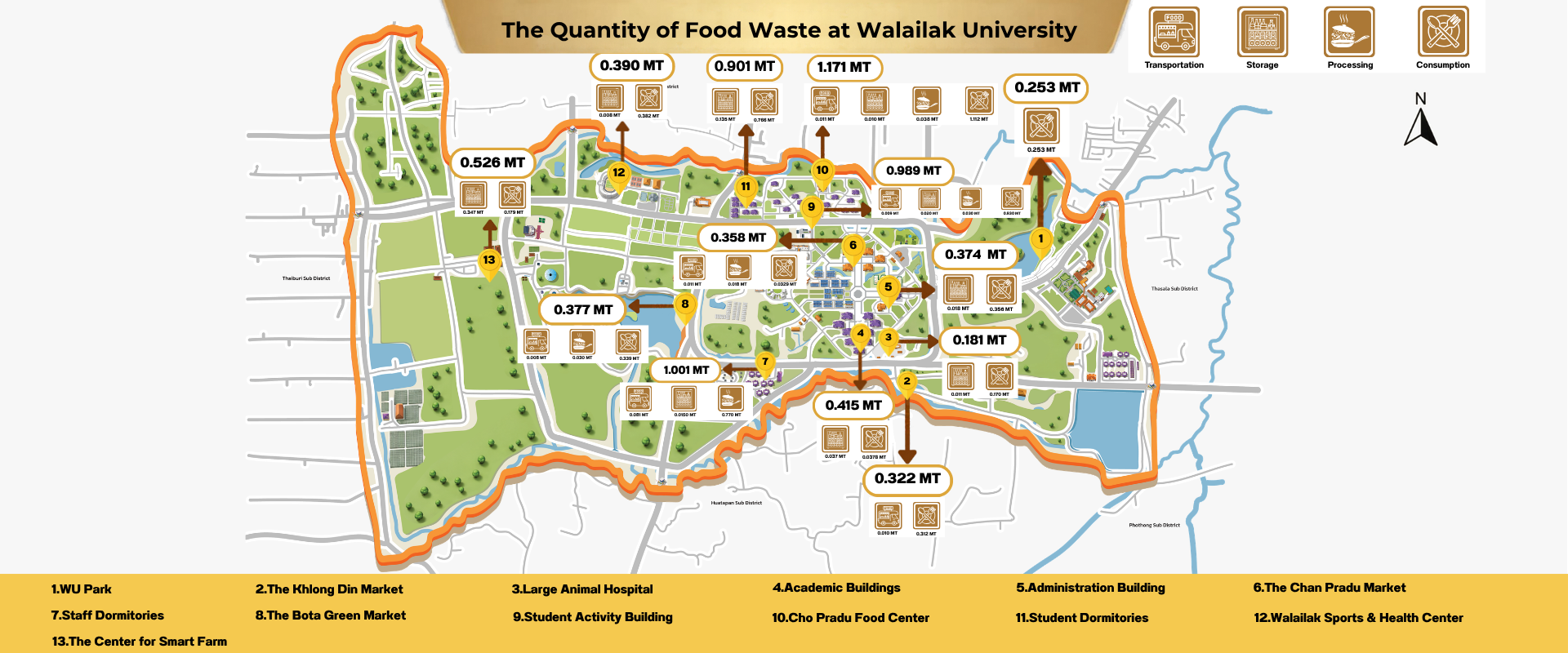
This coverage enables the university to measure food waste from food-related activities across different areas and contexts, rather than only at selected food centers or individual locations.
Method for Measuring and Recording Food Waste
Walailak University measures food waste through systematic weighing and recording to determine the actual amount of food waste generated in each measurement area. The process begins with the collection of food waste from designated points, followed by weighing and recording the amount generated. The data are recorded daily and compiled into monthly records before being summarized as annual data.
In addition to measuring the total amount of food waste, the university classifies food waste according to the stages where it is generated:
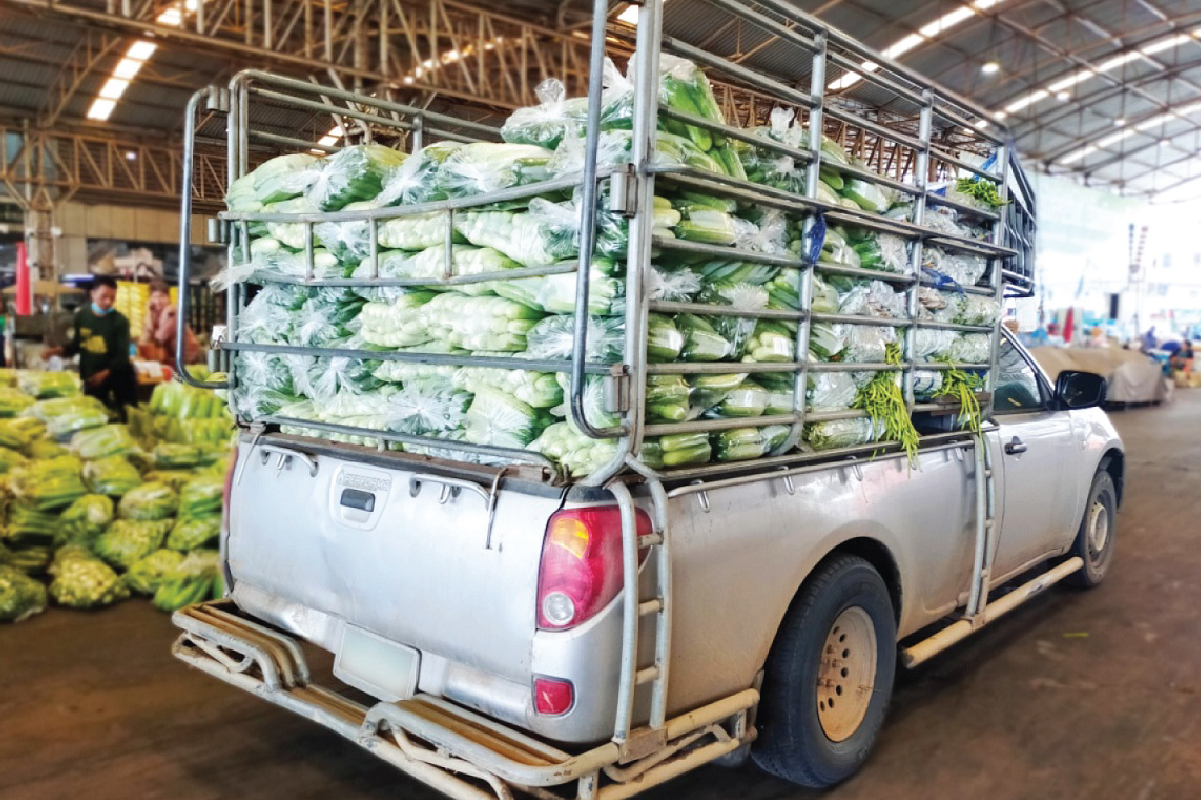
- Transportation – food waste or food losses generated during transportation.
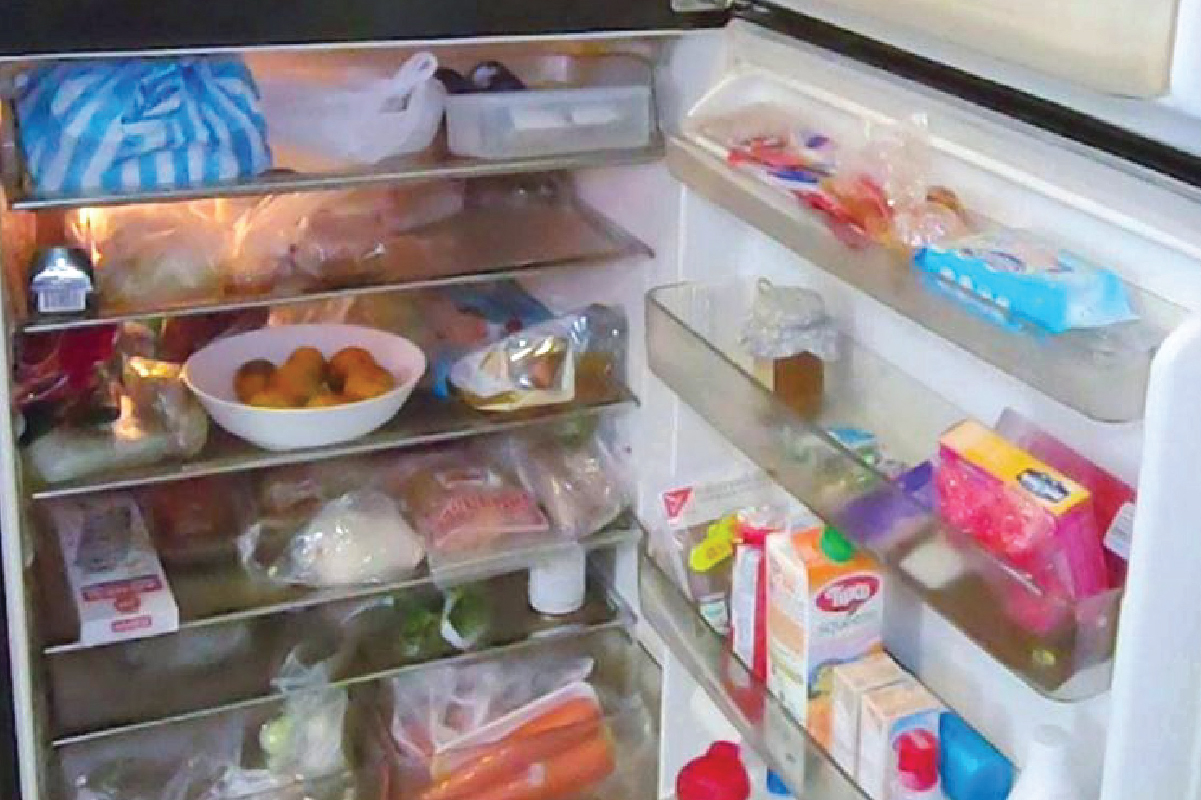
- Storage – food waste or food losses generated through storage.
- Processing – food waste generated during food preparation and processing.
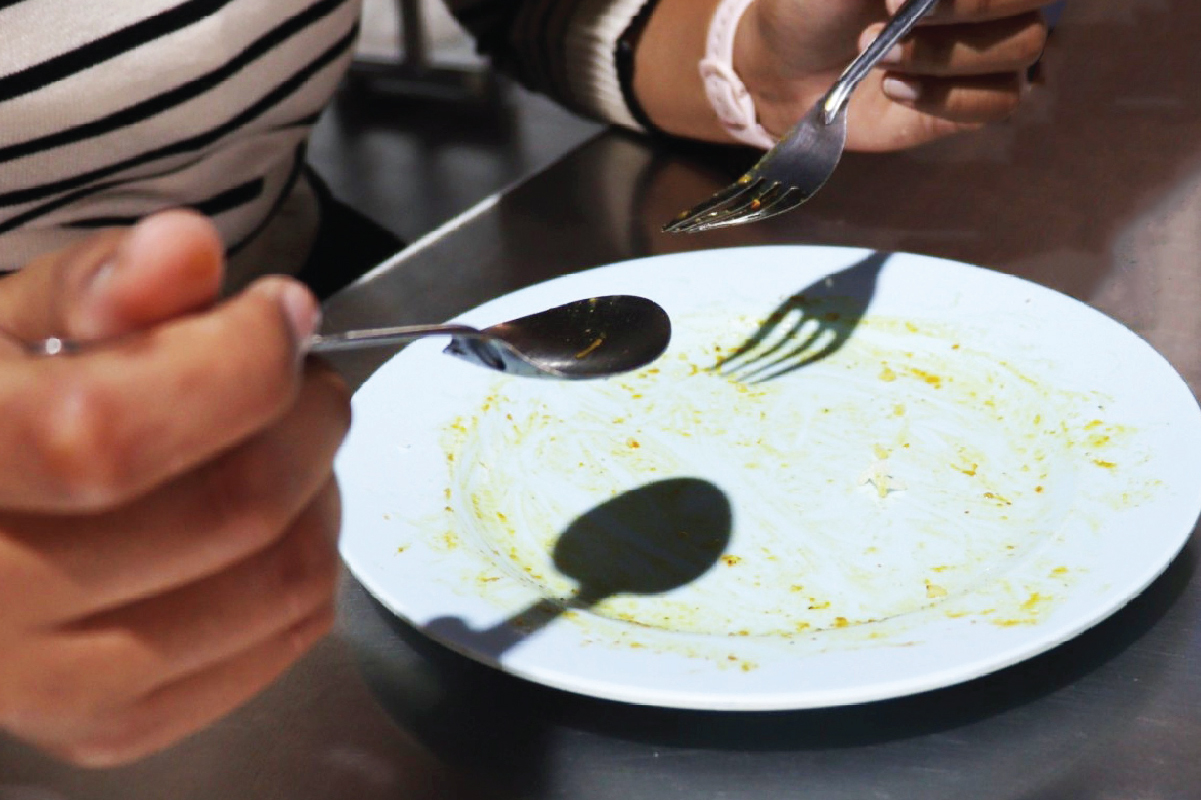
- Consumption – food waste remaining after food consumption.
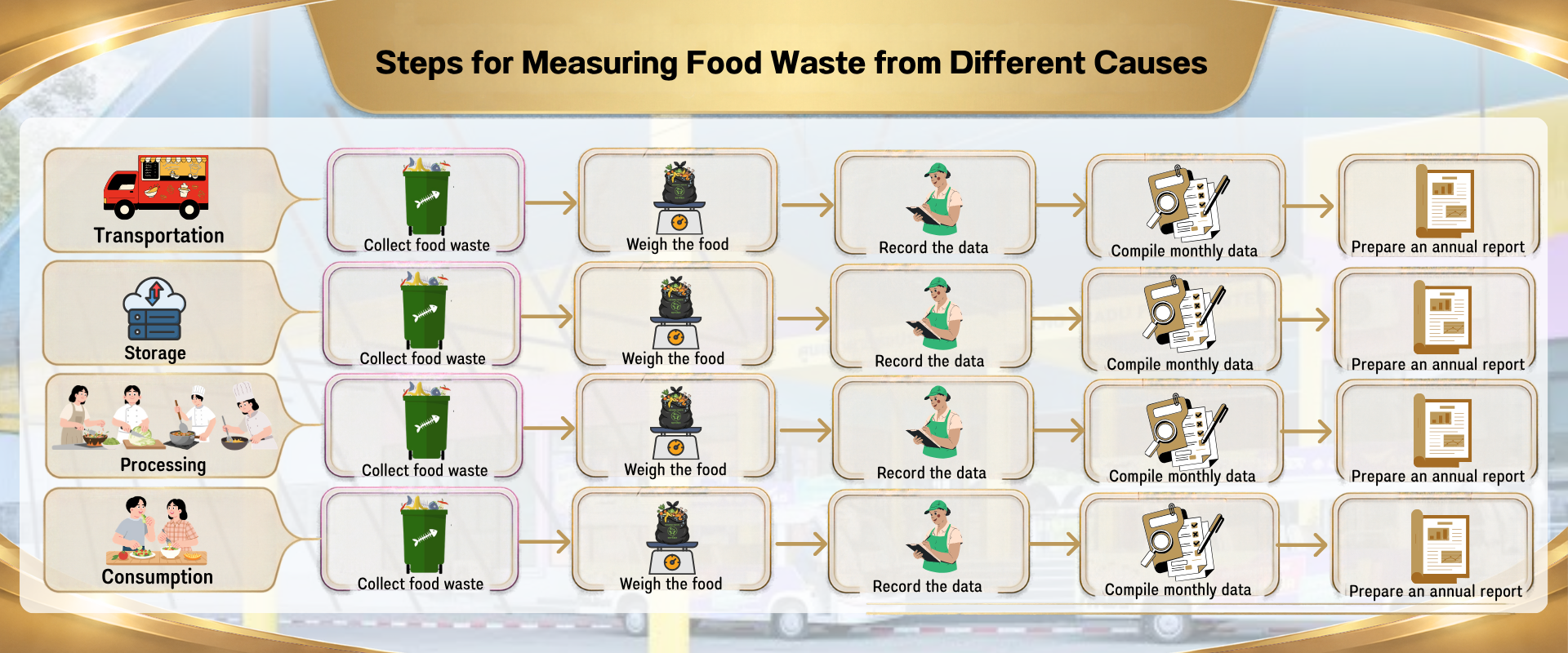
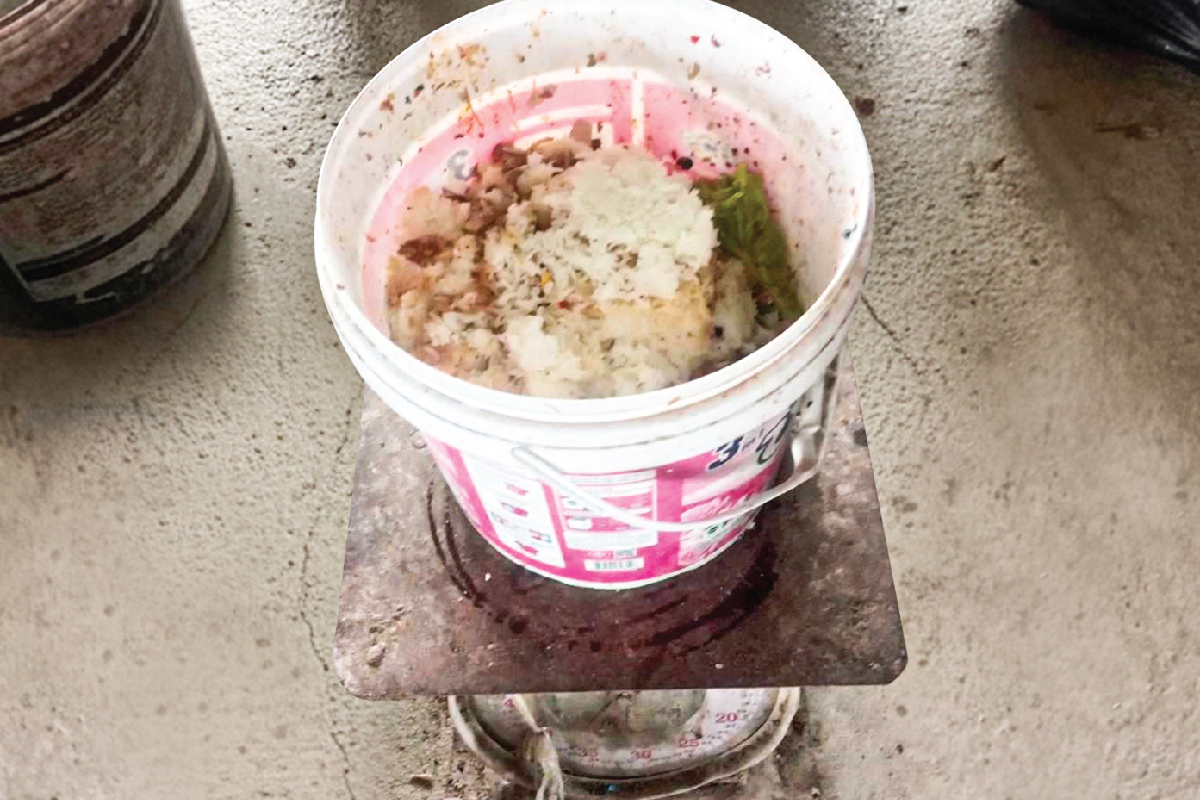
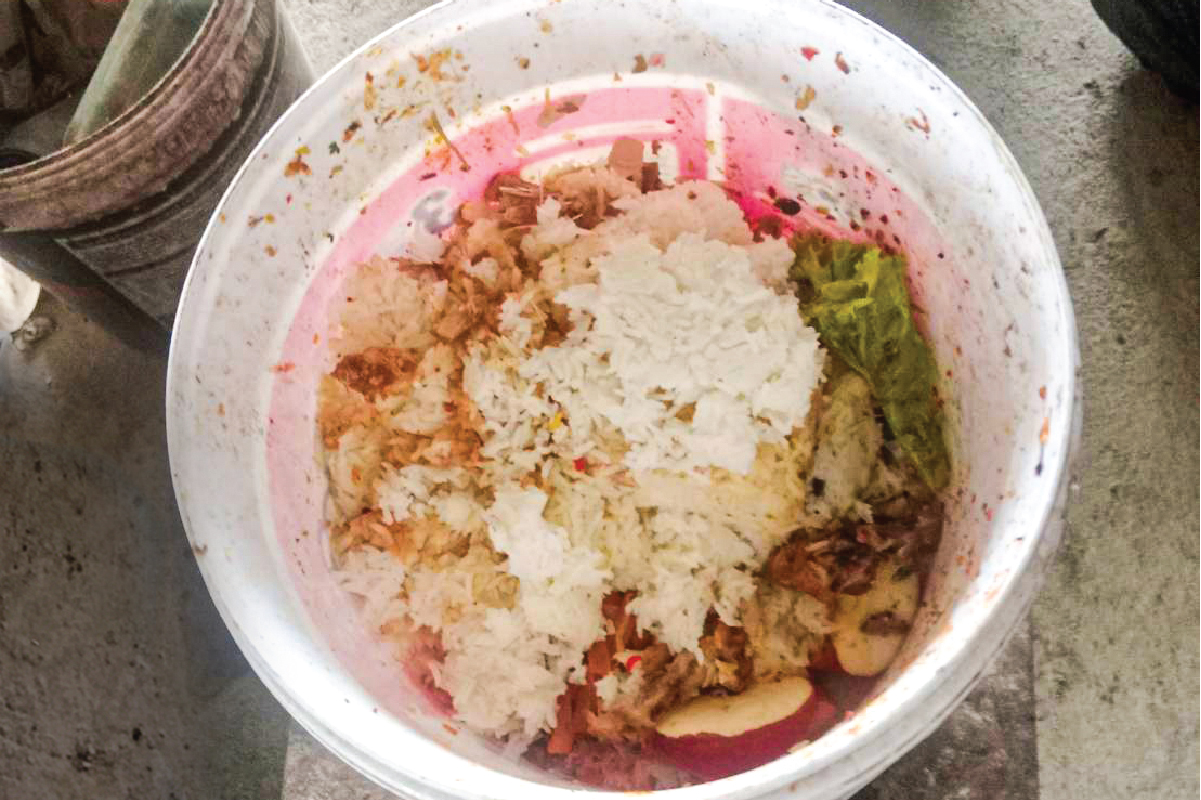
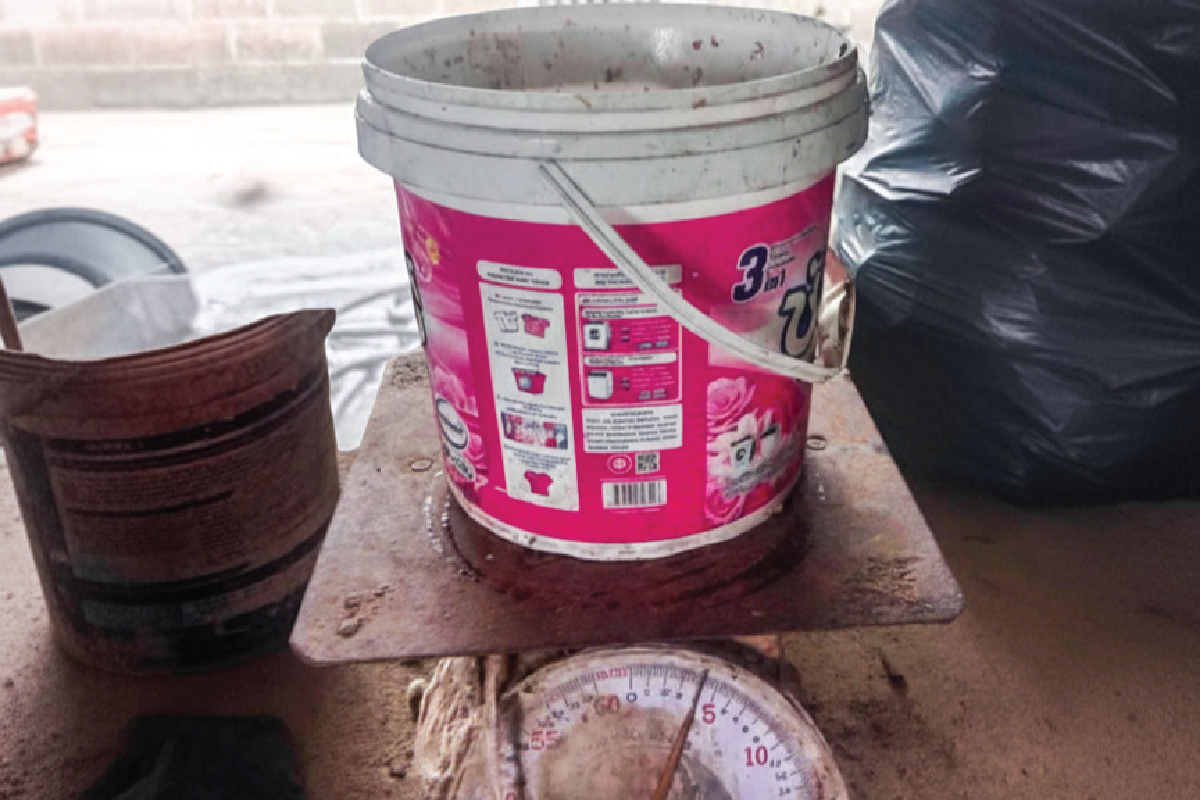
This classification enables the university to identify not only how much food waste is generated, but also where and at which stage food waste is generated. The information provides an evidence base for developing targeted food waste reduction measures.
Food Waste Measurement Results for 2025
Based on the measurement of food waste generated from food served within the university throughout 2025, Walailak University generated a total of xxx metric tons of food waste. The measured food waste was classified according to the stages where it was generated as follows:
These data represent the amount of food waste generated from food-related activities within the university during 2025 and provide a basis for campus food waste tracking at the university-wide level. In addition to the overall measurement, the university analyzes the data by location to identify areas generating higher amounts of food waste and to understand the causes of food waste in each area.
Food Waste Measurement by Location Across the University
The 2025 campus food waste tracking system enables Walailak University to report the amount of food waste measured at individual locations across the university.
The measurement results identify xxx as the location with the highest amount of food waste, at xxx metric tons, followed by xxx, at xxx metric tons, and xxx, at xxx metric tons. The lowest amount was recorded at xxx, at xxx metric tons.
The location-level data enable the university to develop measures appropriate to each area’s circumstances, including food quantity management, food storage, food preparation, management of food leftovers, and awareness-raising on food waste reduction.
Continuous Food Waste Tracking and Measurement
The university’s campus food waste tracking system is implemented as a continuous process rather than a one-time measurement. Food waste is regularly weighed, recorded, compiled, and analyzed throughout the year to establish a consistent record of food waste generation across the university.
Data collected during each measurement period are compiled into monthly records and summarized annually. The university analyzes these data to compare food waste quantities across different locations and time periods, identify trends, and detect areas where food waste levels increase or decrease significantly.
Continuous measurement and data analysis provide an evidence base for food and resource management. This information supports the planning and implementation of appropriate food waste reduction measures and strengthens long-term efforts to reduce food waste across the university.
Using Measurement Data to Reduce Food Waste
Data generated through the university’s campus food waste tracking and measurement system are used to support the planning and implementation of food waste reduction measures. The measurement results help identify locations and activities associated with higher levels of food waste, enabling the university to develop appropriate measures based on actual food waste generation.
Based on the findings, Walailak University implements awareness-raising and behavioral change activities to encourage students and staff to reduce food waste at the point of consumption. One example is the “Take Just Enough, Reduce Food Waste” campaign, which encourages individuals to take appropriate portions and avoid leaving excess food after meals.
Based on the findings, Walailak University implements awareness-raising and behavioral change activities to encourage students and staff to reduce food waste at the point of consumption. One example is the “Take Just Enough, Reduce Food Waste” campaign, which encourages individuals to take appropriate portions and avoid leaving excess food after meals.
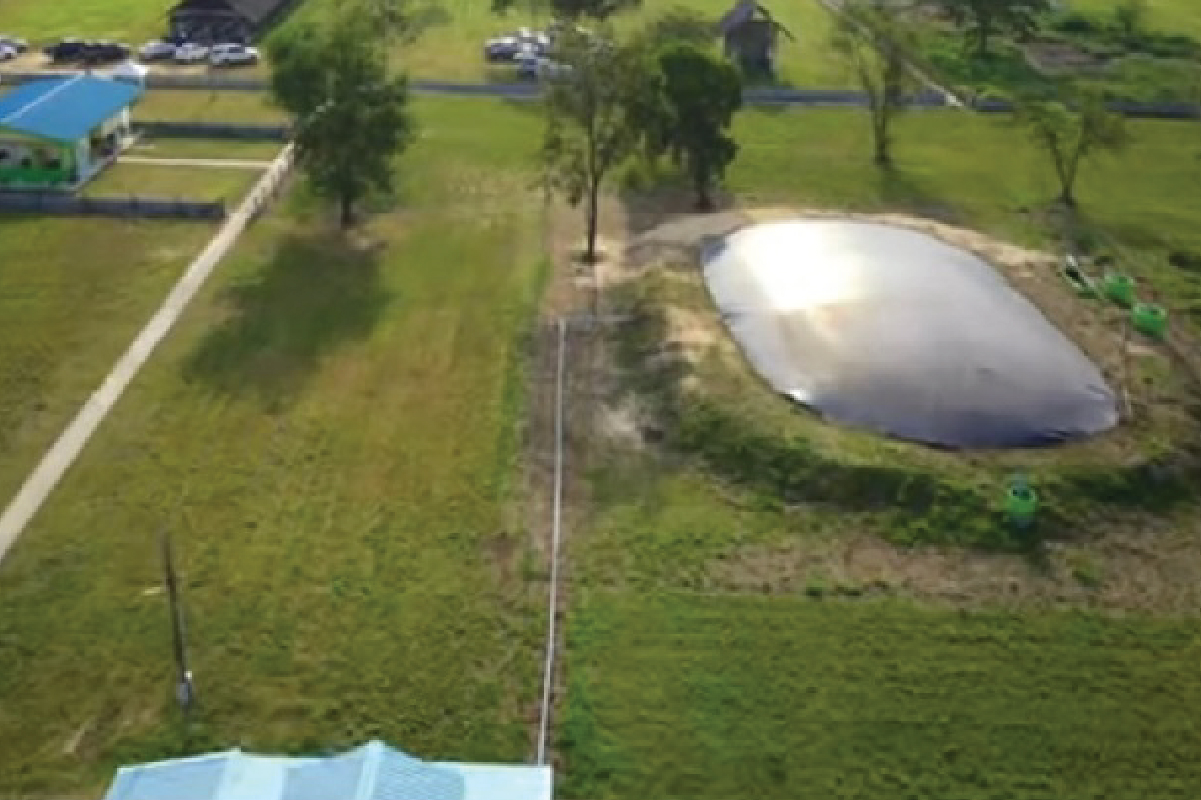
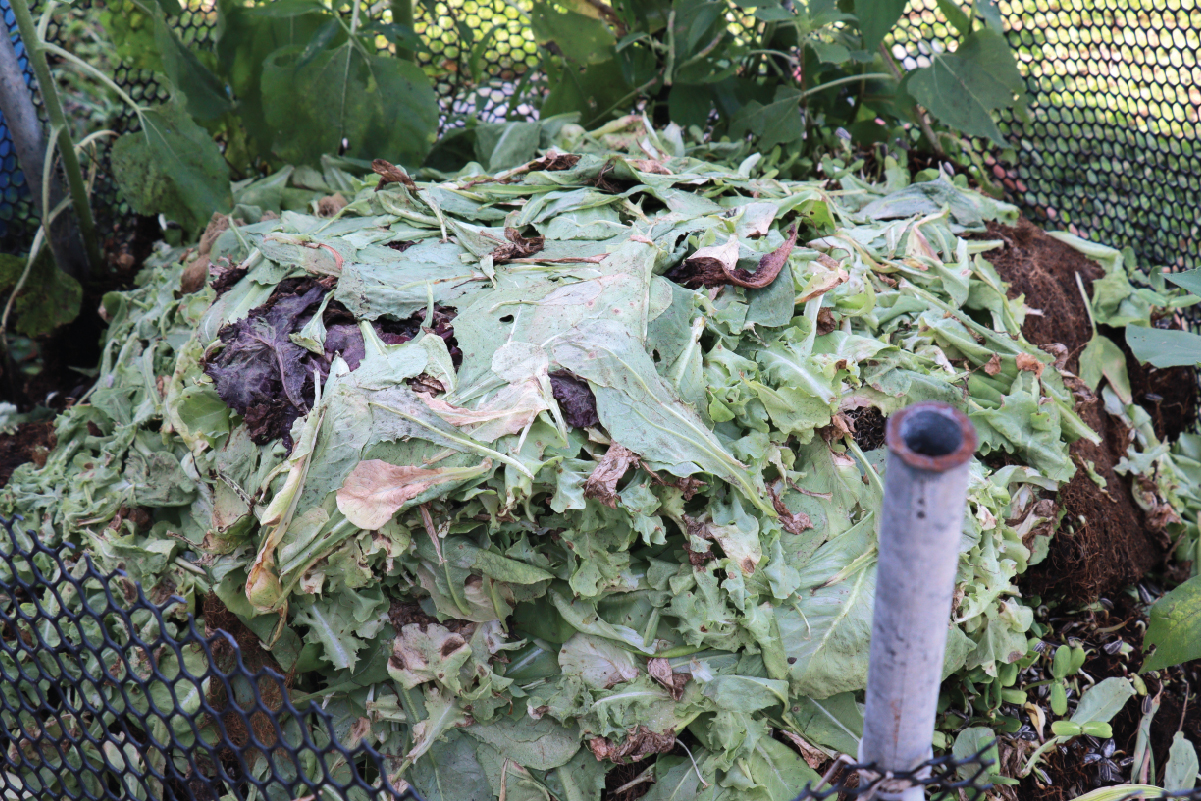
The university also promotes food waste separation at source and develops appropriate systems for collecting and managing food waste. Food waste that is suitable for resource recovery can be utilized through processes such as animal feed production, biogas production, and organic fertilizer production. These practices help divert food waste from disposal while recovering its potential value as a resource.
The university uses measurement results, data analysis, and observations from implementation to review the effectiveness of food waste reduction measures and identify opportunities for further improvement. This enables campus food waste tracking to function as an evidence-based management process, in which measurement data directly inform actions to reduce food waste and support continuous improvement across the university.
Food Waste Monitoring and Measurement System
Walailak University has established a systematic food waste monitoring and measurement system to support the continuous tracking, collection, measurement, recording, and management of food waste across the campus. The system integrates waste separation, real-time monitoring, scheduled collection, data recording, and resource recovery to ensure that food waste is managed efficiently and sustainably.
Source Separation and Initial Monitoring
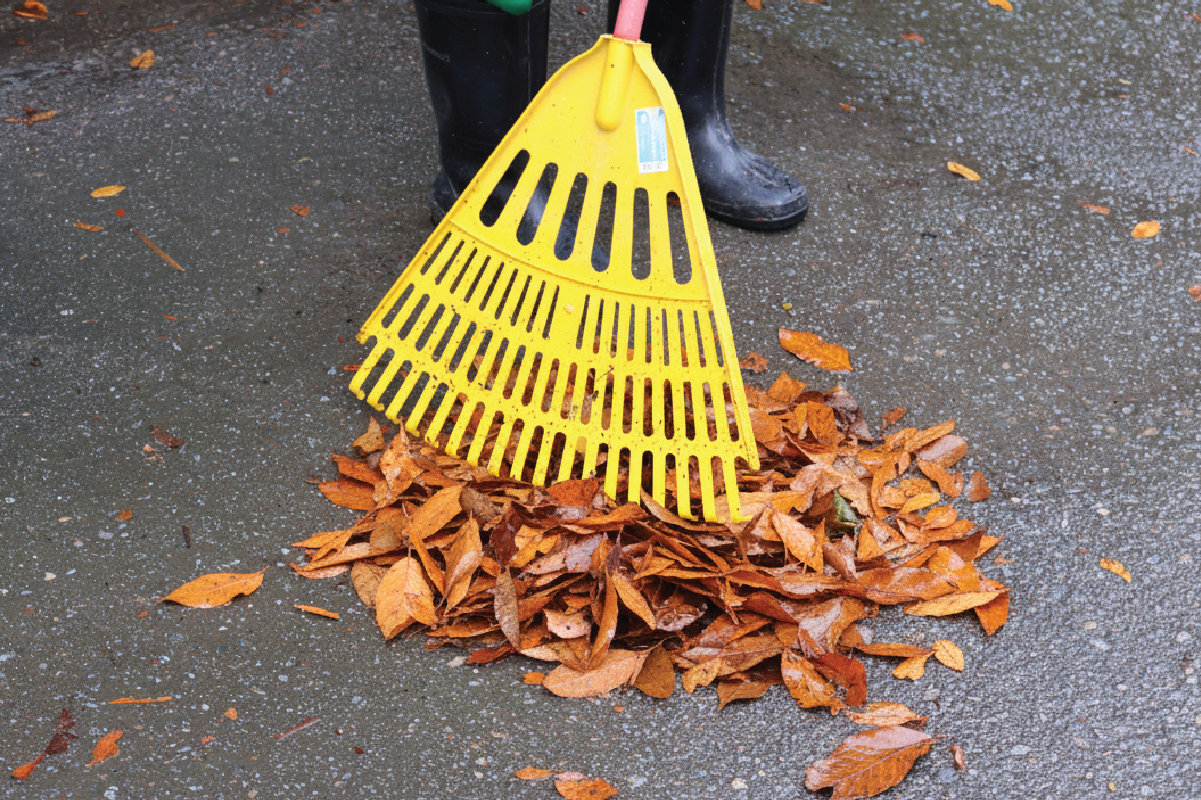
The initial stage focuses on raising awareness and promoting the separation of food waste at source. The university conducts awareness-raising activities for students and staff to encourage responsible waste handling and appropriate separation practices. Color-coded waste bins are provided at locations across the campus to facilitate the separation of food waste from other waste streams.
To improve the efficiency of waste collection, the university has also developed a full trash notification system using sensors to monitor the amount of waste in designated bins. When the waste reaches a specified level, the system sends an alert through a mobile application to the responsible staff. This enables timely collection before bins overflow and helps prevent the accumulation of waste, unpleasant odors, and related environmental problems.
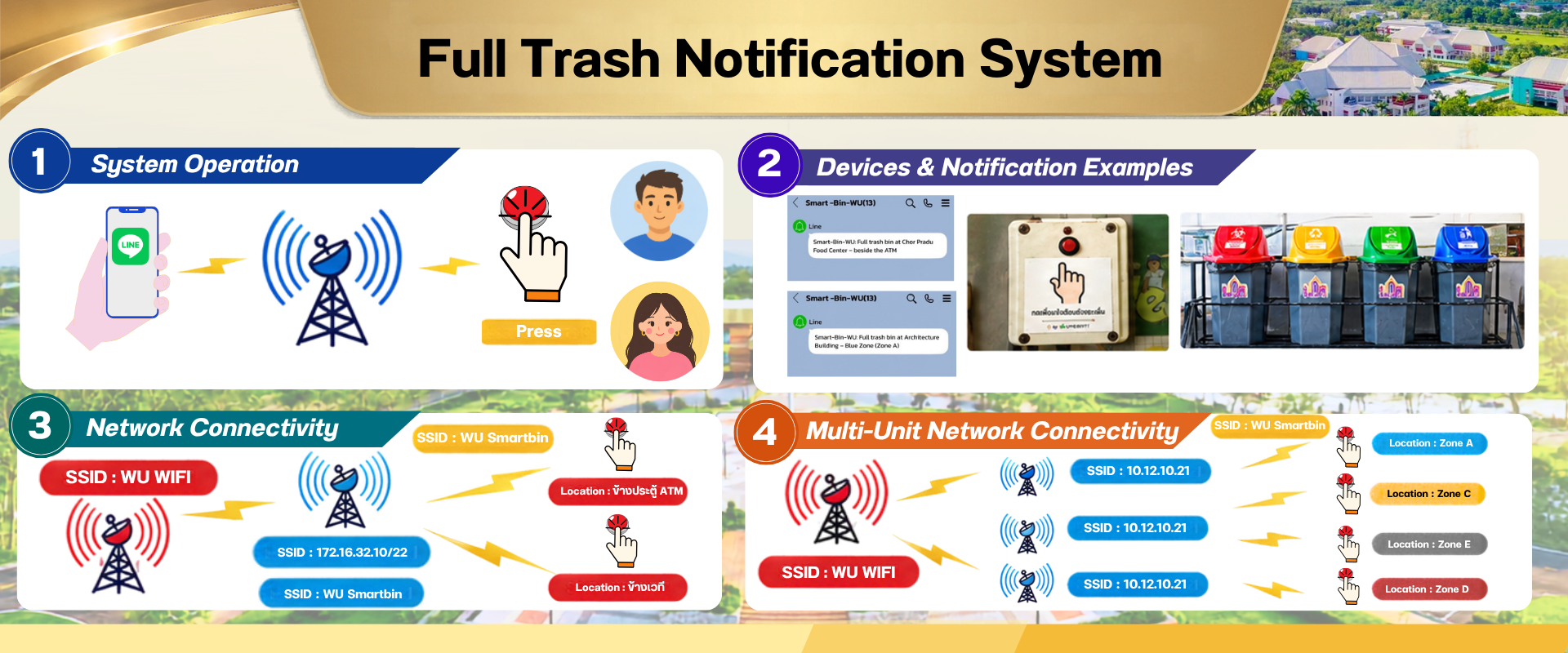
The real-time monitoring system also supports more efficient waste collection planning. By providing information on the status of individual bins, staff can prioritize collection points and plan collection activities more effectively, reducing unnecessary collection trips while maintaining cleanliness across the campus.
Food Waste Collection, Measurement, and Data Recording
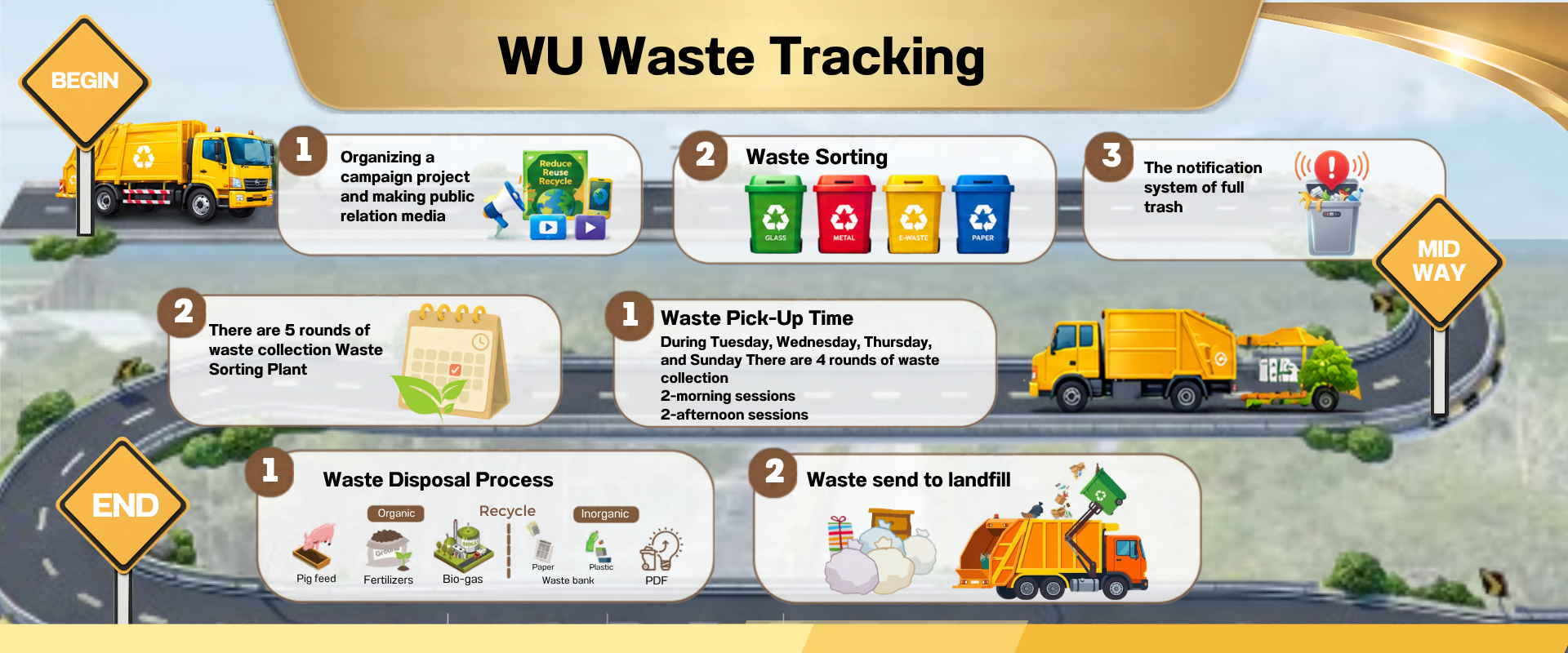
The intermediate stage focuses on the systematic collection, measurement, and recording of food waste data. The university has established a scheduled collection system for food waste from designated main collection points across the campus. Garbage trucks collect waste according to scheduled collection rounds throughout the week.
The collection schedule is organized into two main rounds. The first round covers Tuesday, Wednesday, and Sunday, with four collection rounds in total, while the second round covers Friday, Saturday, and Monday, with five collection rounds in total.
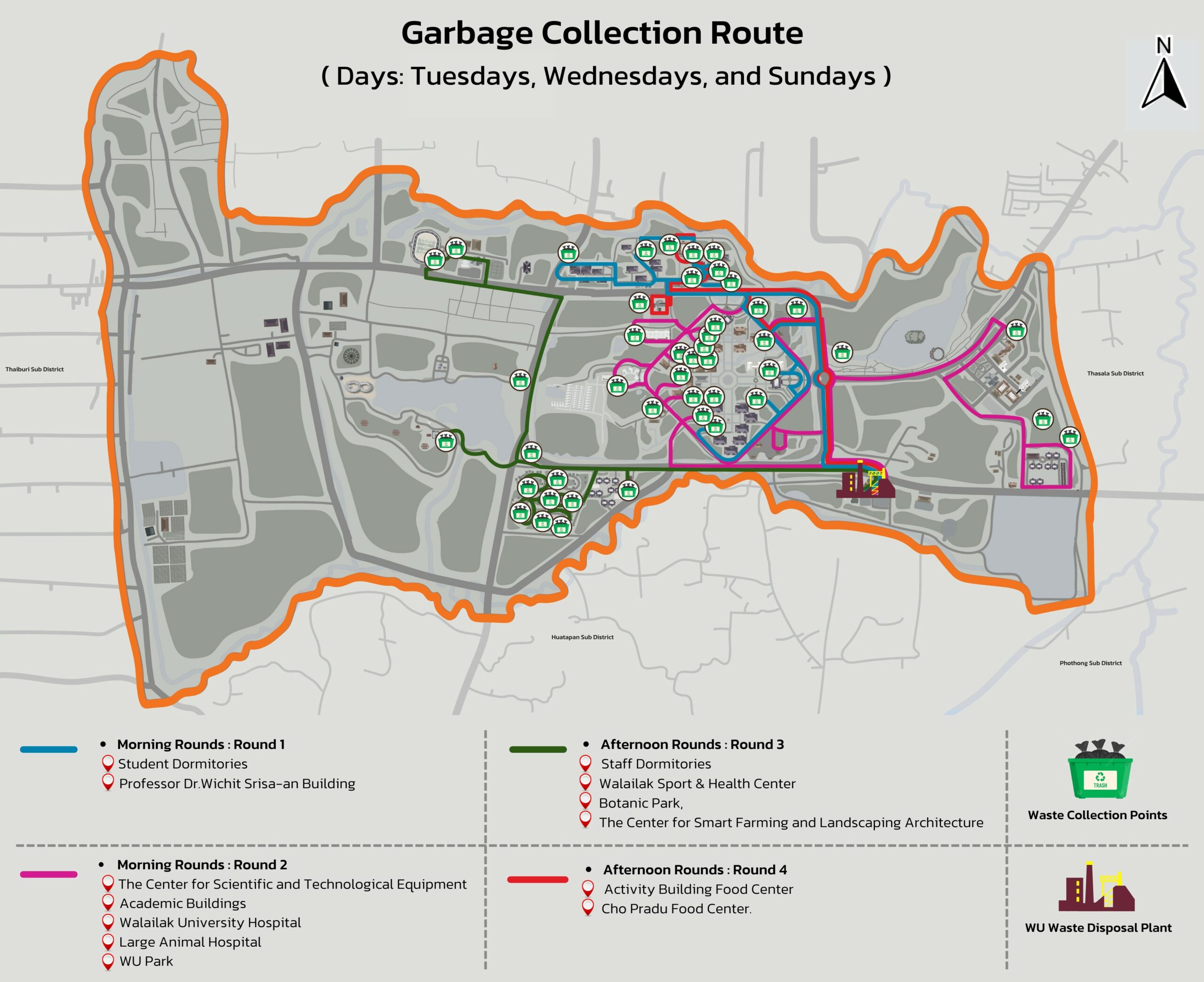
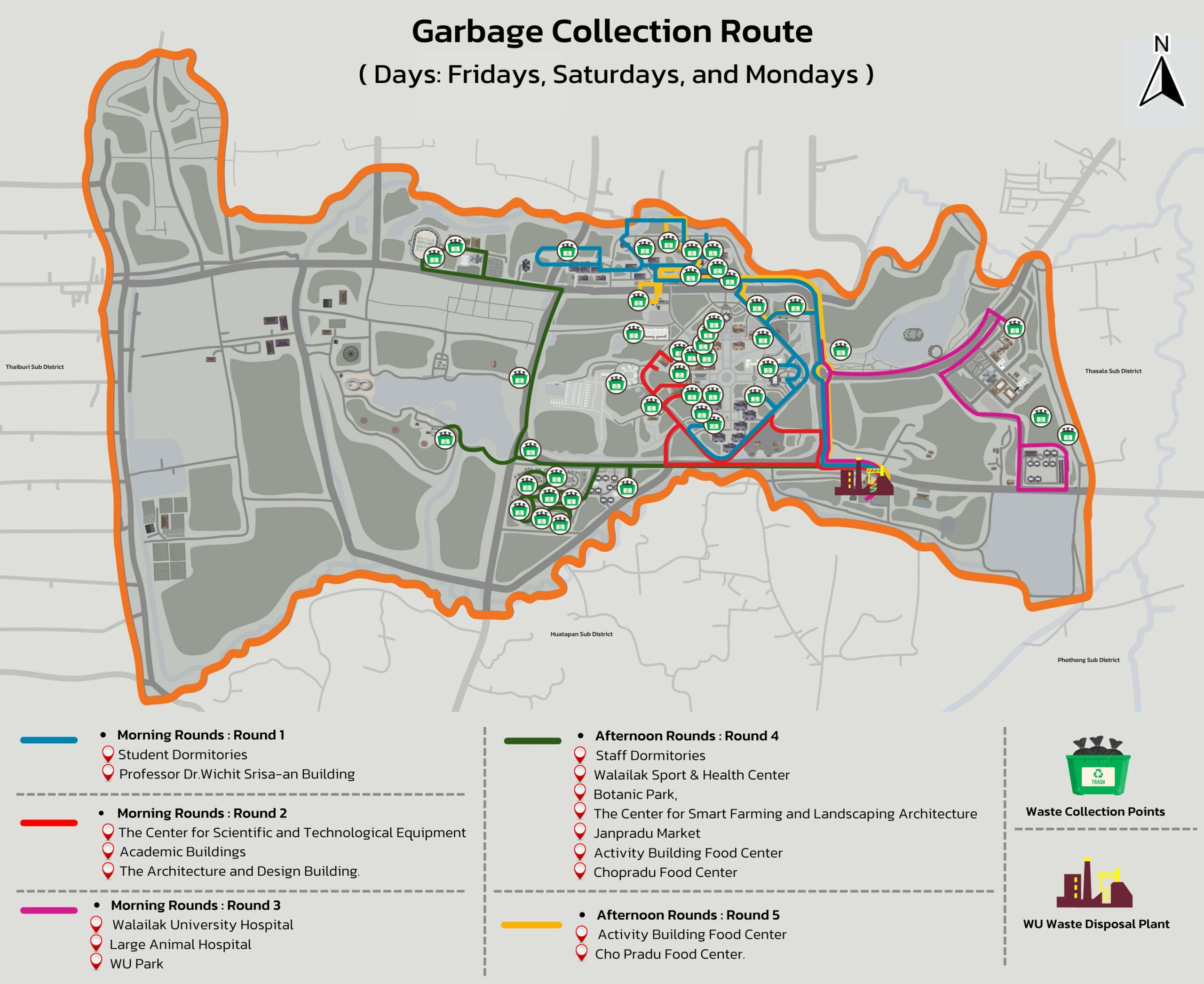
The first round: Tuesday, Wednesday, and Sunday
The second round: Friday, Saturday, and Monday
The amount of food waste collected during each round is systematically recorded and compiled on a monthly basis. These records provide quantitative data on food waste generation and allow the university to monitor changes over time, evaluate waste generation patterns, and assess the effectiveness of its food waste management practices.
The collected measurement data also provide an evidence base for planning and improving campus food waste management. By maintaining continuous records, the university can compare food waste quantities across different periods and use the findings to support appropriate waste reduction and management measures.
Food Waste Treatment and Resource Recovery
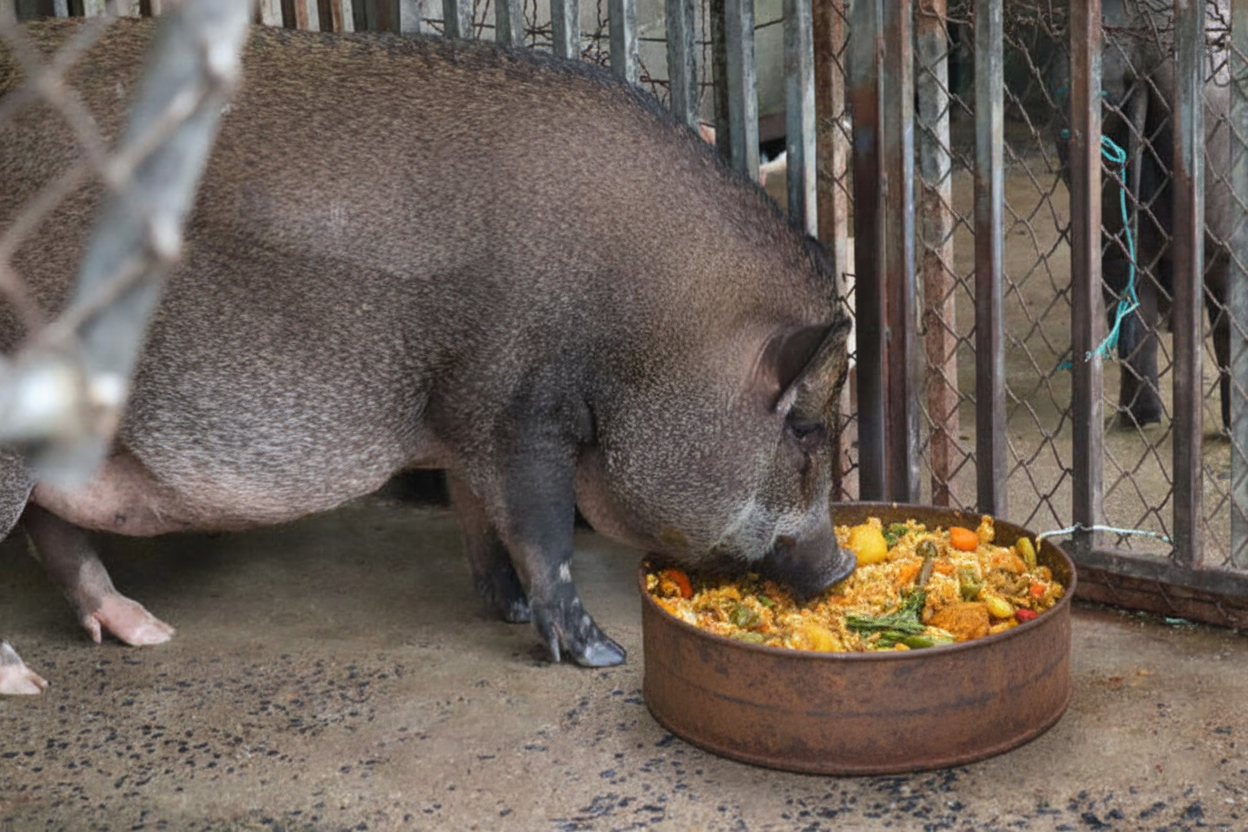
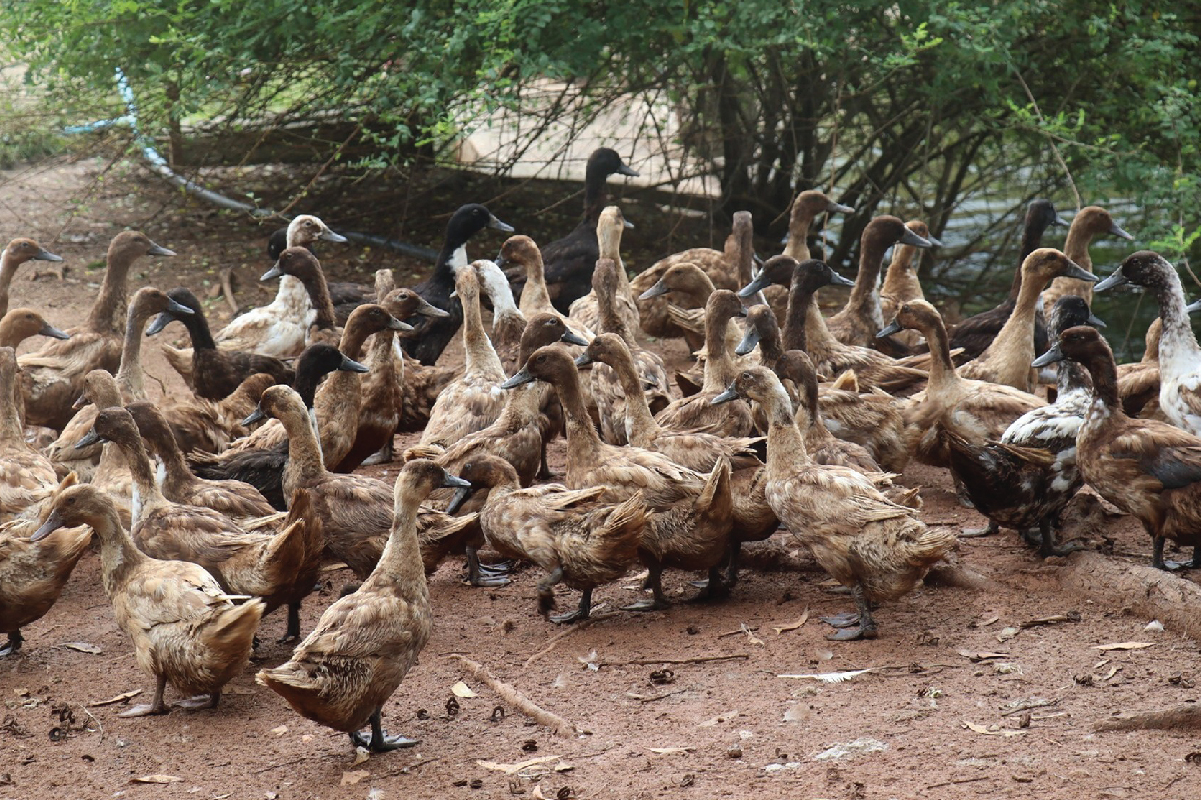
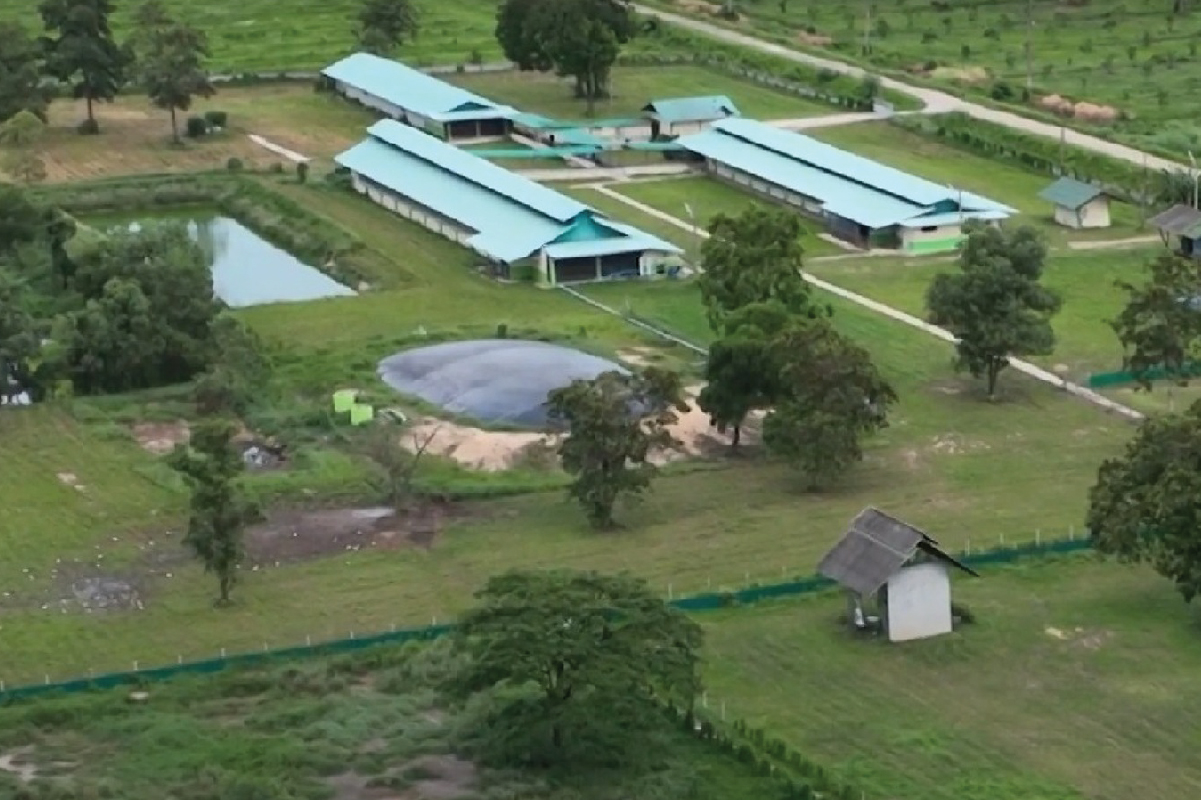
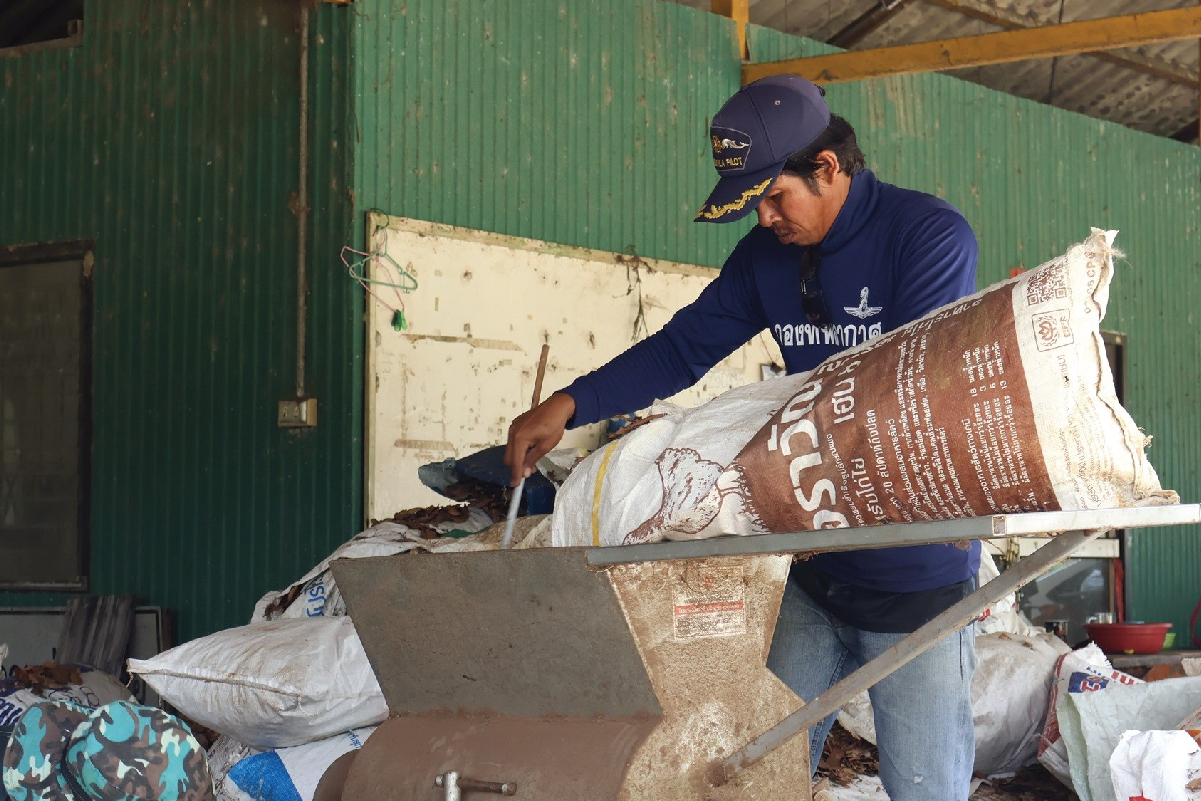
The final stage focuses on the treatment and utilization of collected food waste, with priority given to resource recovery. A portion of the food waste is reused as animal feed at the Center for Smart Farming and Landscape Architecture. This practice reduces the amount of food waste requiring disposal while also helping to reduce the cost of animal feed.
Food waste that cannot be reused or recovered is managed through controlled disposal methods, including incineration or landfill processes, in accordance with applicable pollution control and environmental management measures. These practices are intended to minimize potential environmental impacts and protect the surrounding community.
Through the integration of source separation, real-time monitoring, scheduled collection, continuous measurement and data recording, and resource recovery, Walailak University has developed a campus-wide food waste management system that supports continuous food waste tracking and evidence-based management. The system enables the university to monitor food waste generation, improve collection efficiency, recover resources from suitable food waste, and strengthen long-term efforts to reduce the environmental impacts of food waste.
Summary of Campus Food Waste Tracking and Measurement in 2025
In 2025, Walailak University conducted systematic campus food waste tracking and measurement to measure the amount of food waste generated from food served within the university. The measurement covered xxx locations across the university, with food waste continuously weighed, recorded, and classified according to four stages: Transportation, Storage, Processing, and Consumption.
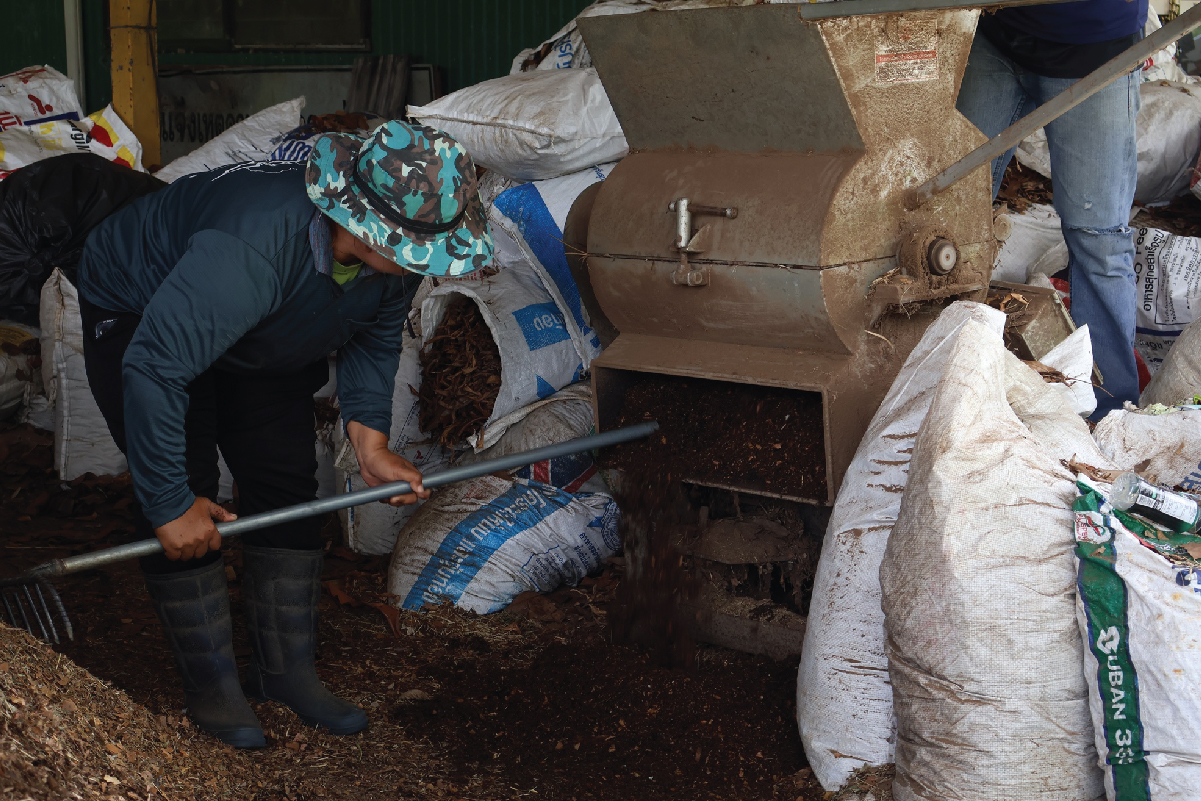
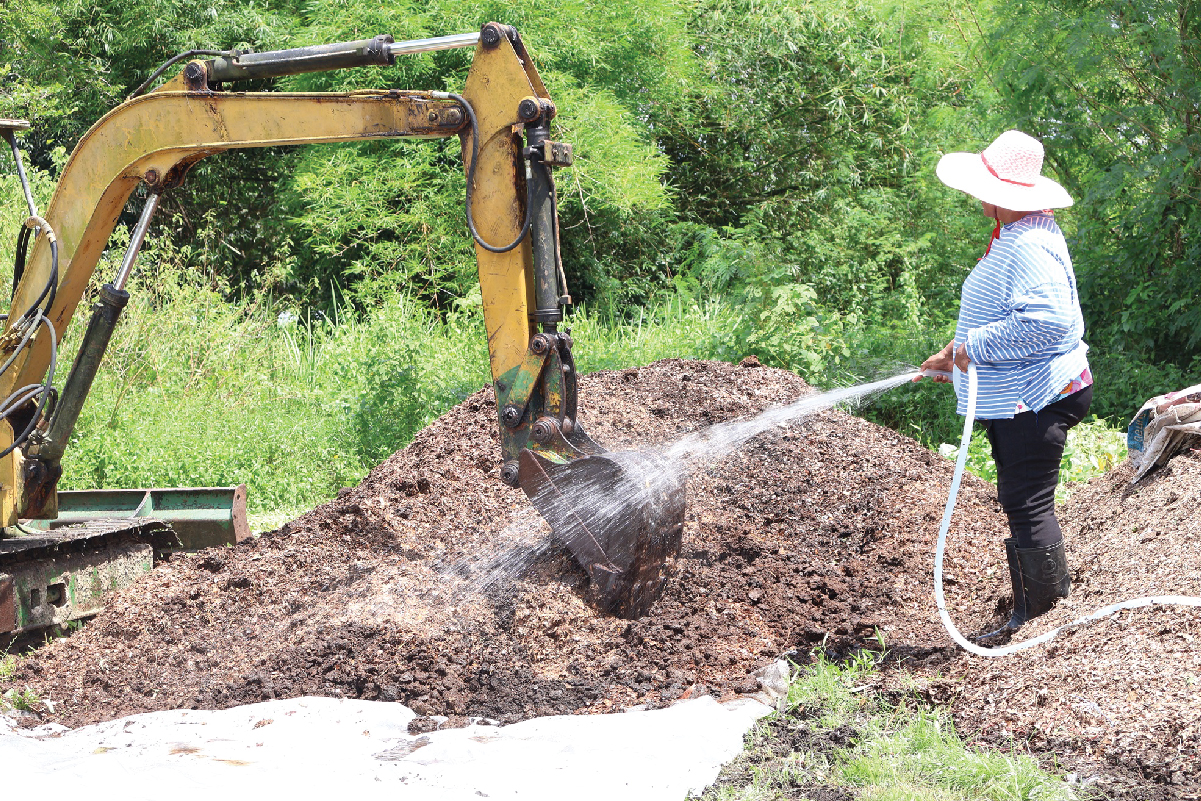
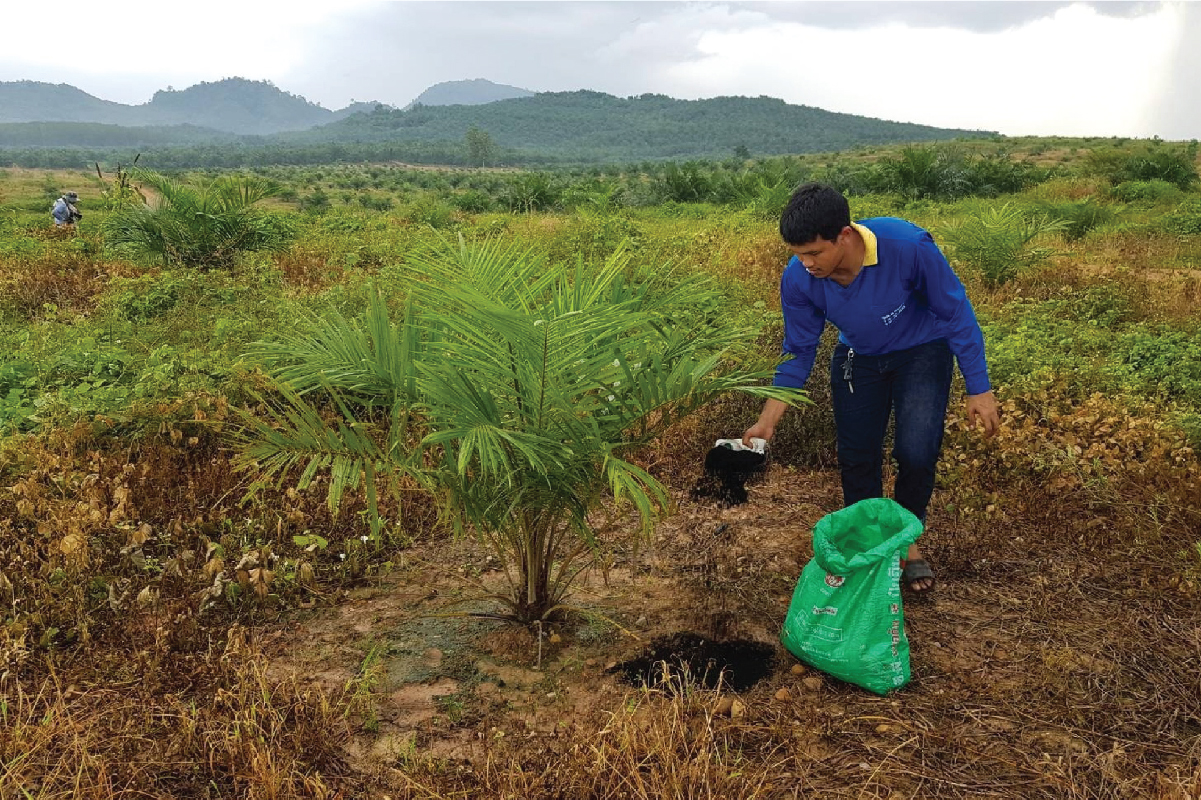
The measurement recorded a total of xxx metric tons of food waste in 2025, comprising xxx metric tons (xxx%) from Transportation, xxx metric tons (xxx%) from Storage, xxx metric tons (xxx%) from Processing, and xxx metric tons (xxx%) from Consumption.
The measured data were compiled, analyzed, and used as an evidence base to develop food waste reduction measures and improve food waste management across the university. The university also provides public evidence of its food waste measurement results through publicly accessible channels, allowing the amount of food waste generated from food served within the university to be reviewed and verified.
The system demonstrates an integrated approach linking measurement, tracking, data analysis, management actions, and public evidence. Through continuous campus food waste tracking, Walailak University strengthens its efforts to reduce food waste and promote efficient and sustainable use of food resources across the university.