
Walailak University Promotes Sustainable Food Choices for All on Campus, Including Vegetarian and Vegan Food
Walailak University Promotes Sustainable Food Choices for All on Campus, Including Vegetarian and Vegan Food
Walailak University prioritises the provision of sustainable food choices for students, staff, and other campus users by connecting food procurement from trusted sources with environmentally responsible production, support for local businesses, and food services that meet diverse dietary needs, including vegetarian and vegan food. In 2025, these efforts aimed to enable all on campus to access and choose food suited to their dietary preferences through a network of food courts, shops, food outlets, and campus markets.
The university’s approach to sustainable food extends from ingredient production to consumption. It considers food safety, responsible use of natural resources, reduced reliance on chemicals, protection of biodiversity and animal welfare, and income generation and economic opportunities for local communities. These activities are overseen by the Center for Property Management, which coordinates ongoing cooperation among producers, vendors, and consumers.
A Policy Connecting Food Procurement with Sustainable Consumption
The university uses its 2022 Policy on Guidelines for Sustainable Food Preparation and Consumption as a framework for food and beverage vendors on campus. The policy covers ingredient purchasing, transportation, storage, food preparation, service, and the management of waste generated by food-related activities.
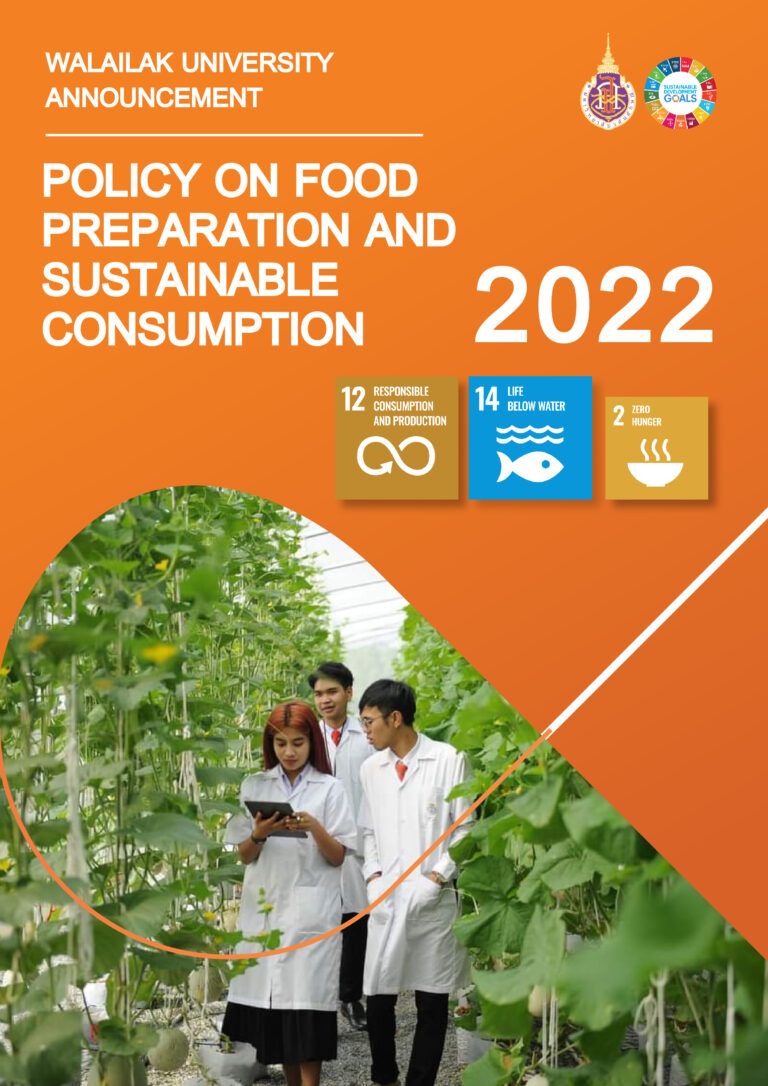
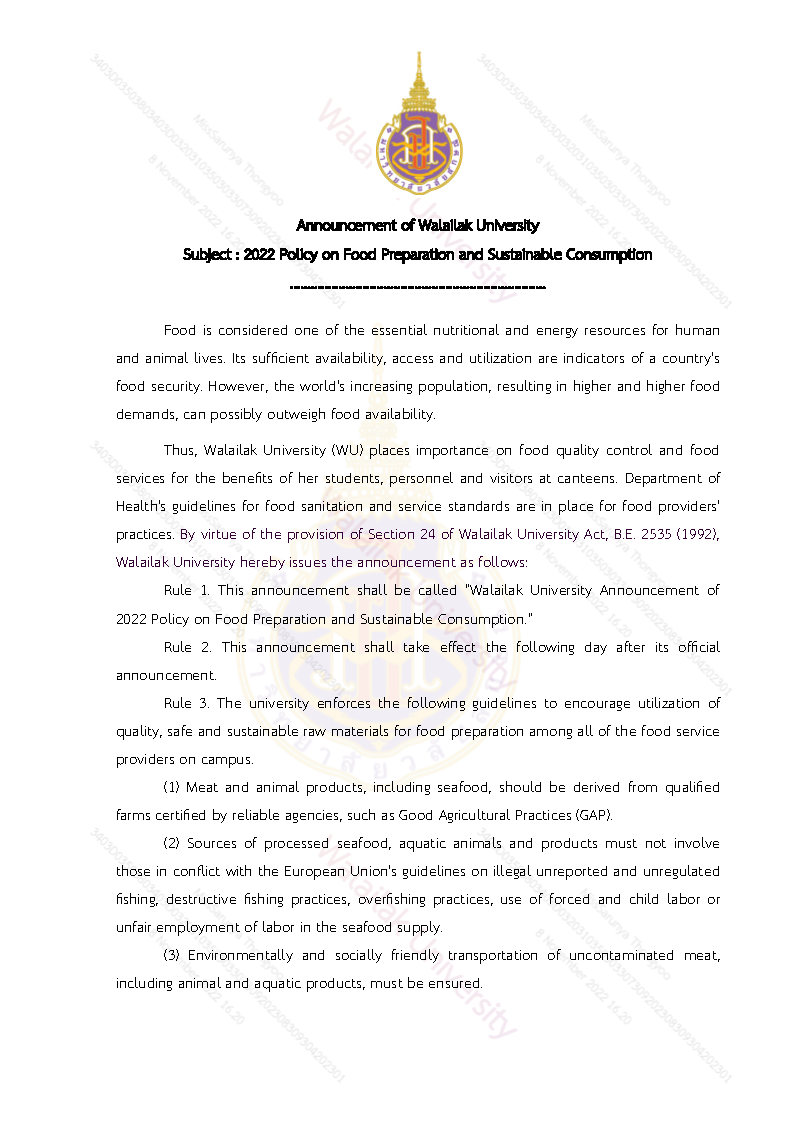
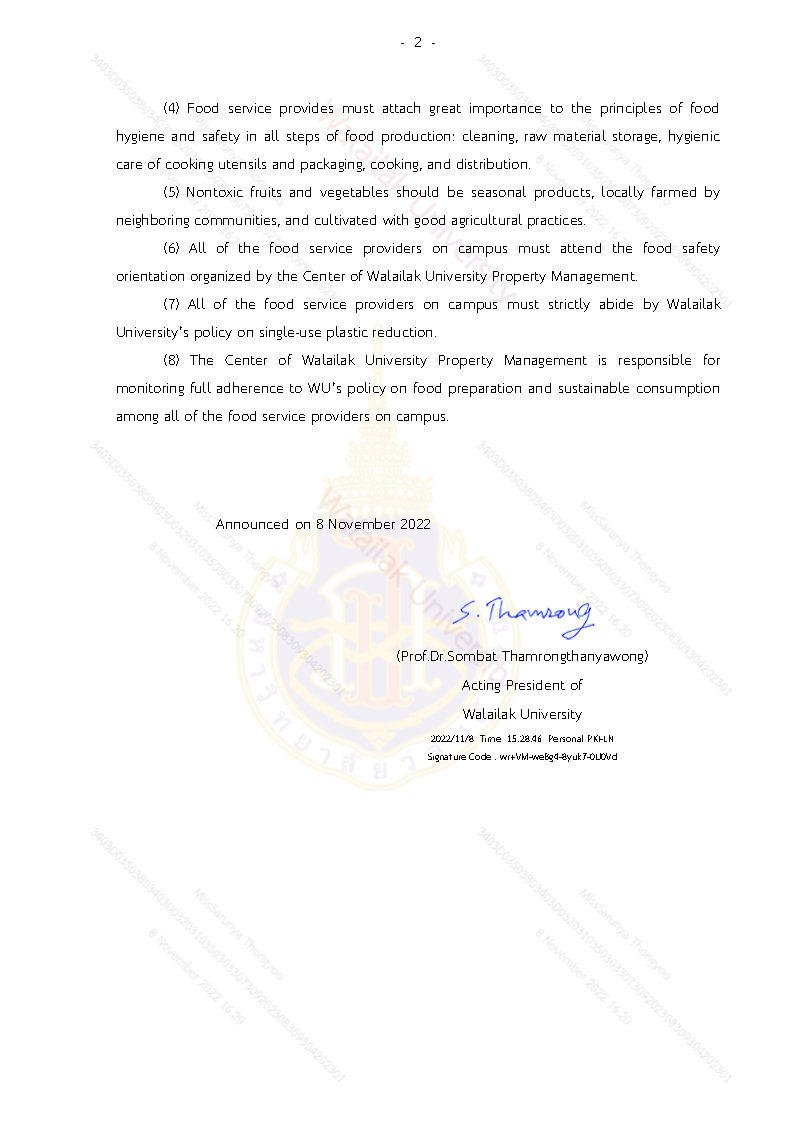
The guidelines prioritise ingredients from trusted sources with recognised and verifiable production standards, such as Good Agricultural Practices (GAP). They also address seafood procurement from legal fisheries that avoid damaging marine resources and take fair treatment of workers into account. The university additionally promotes seasonal fruit and vegetables, locally sourced ingredients, reduced use of single-use plastics, and efficient use of resources in food preparation. This policy framework helps vendors consider food quality and safety alongside environmental and social impacts when procuring ingredients. It provides a foundation for the development of sustainable food choices at food outlets across campus.
On-Campus Production: Trusted Sources and Responsible Use of Natural Resources
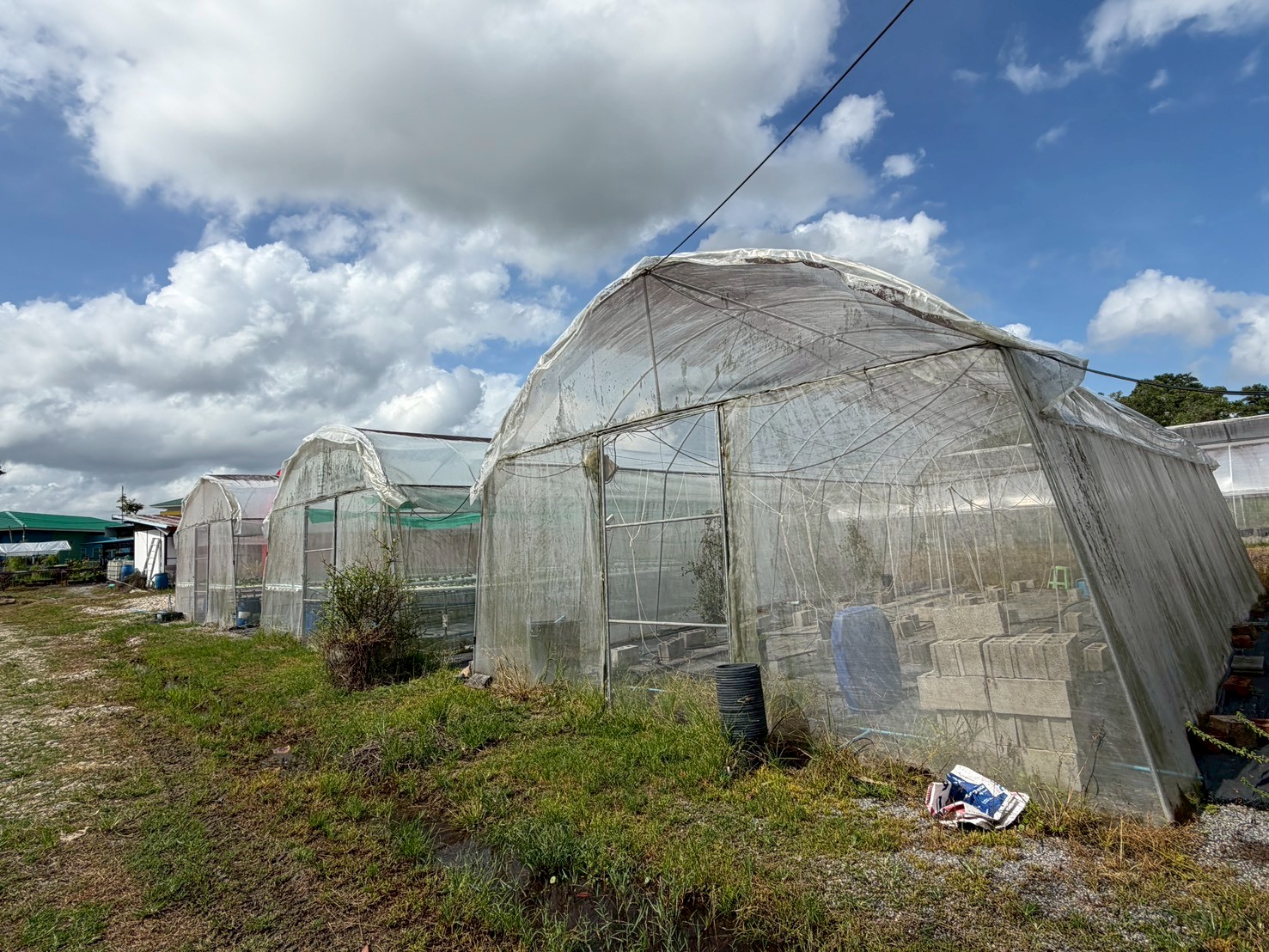
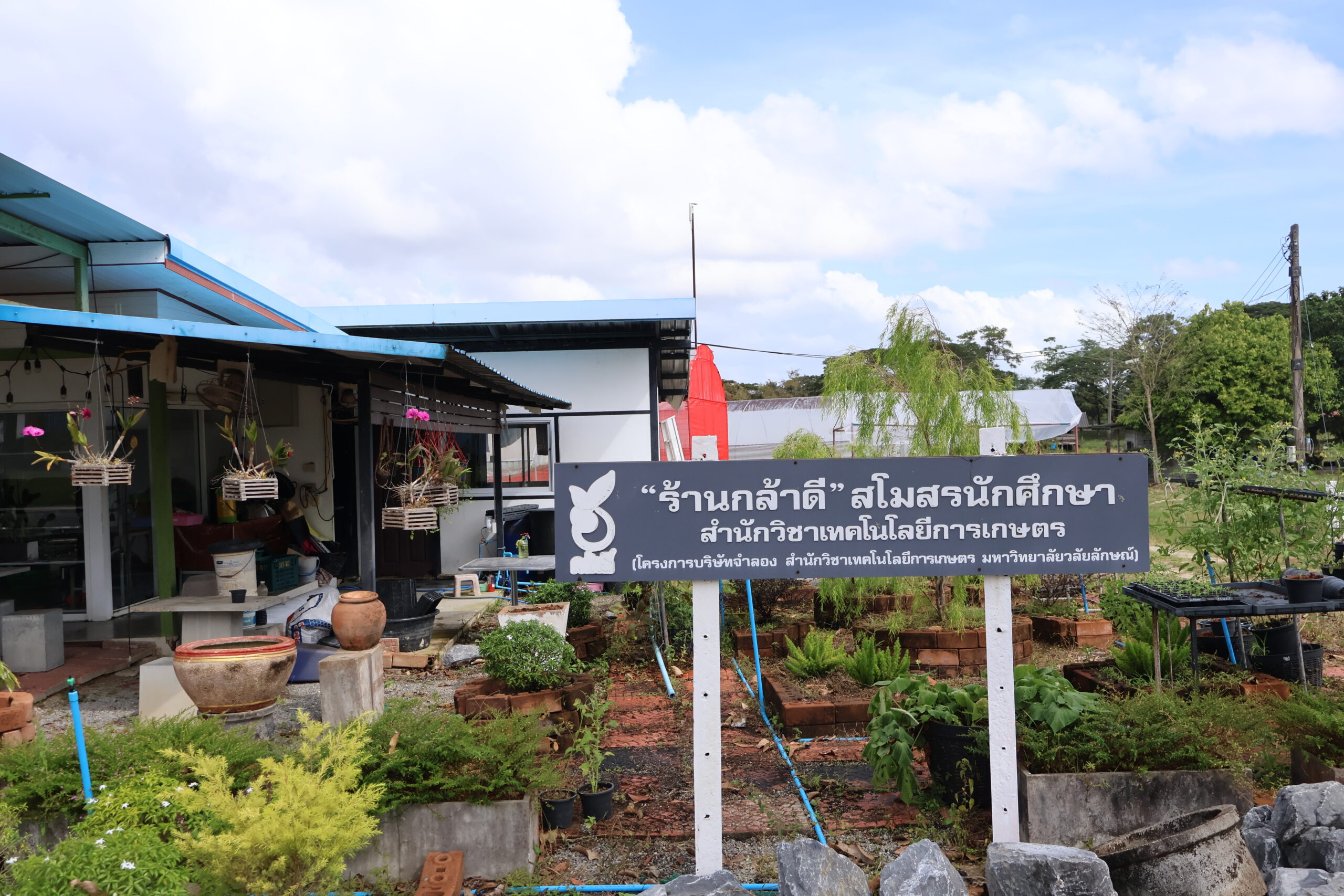
The university has on-campus food production facilities that supply ingredients to vendors and sell products directly to consumers. These include the Agricultural Demonstration and Innovation Development Center in Honour of His Majesty King Rama IX and the Smart Farm and Landscape Architecture Center, which connect food production, distribution, and consumption within the university.
the Agricultural Demonstration and Innovation Development Center in Honour of His Majesty King Rama IX
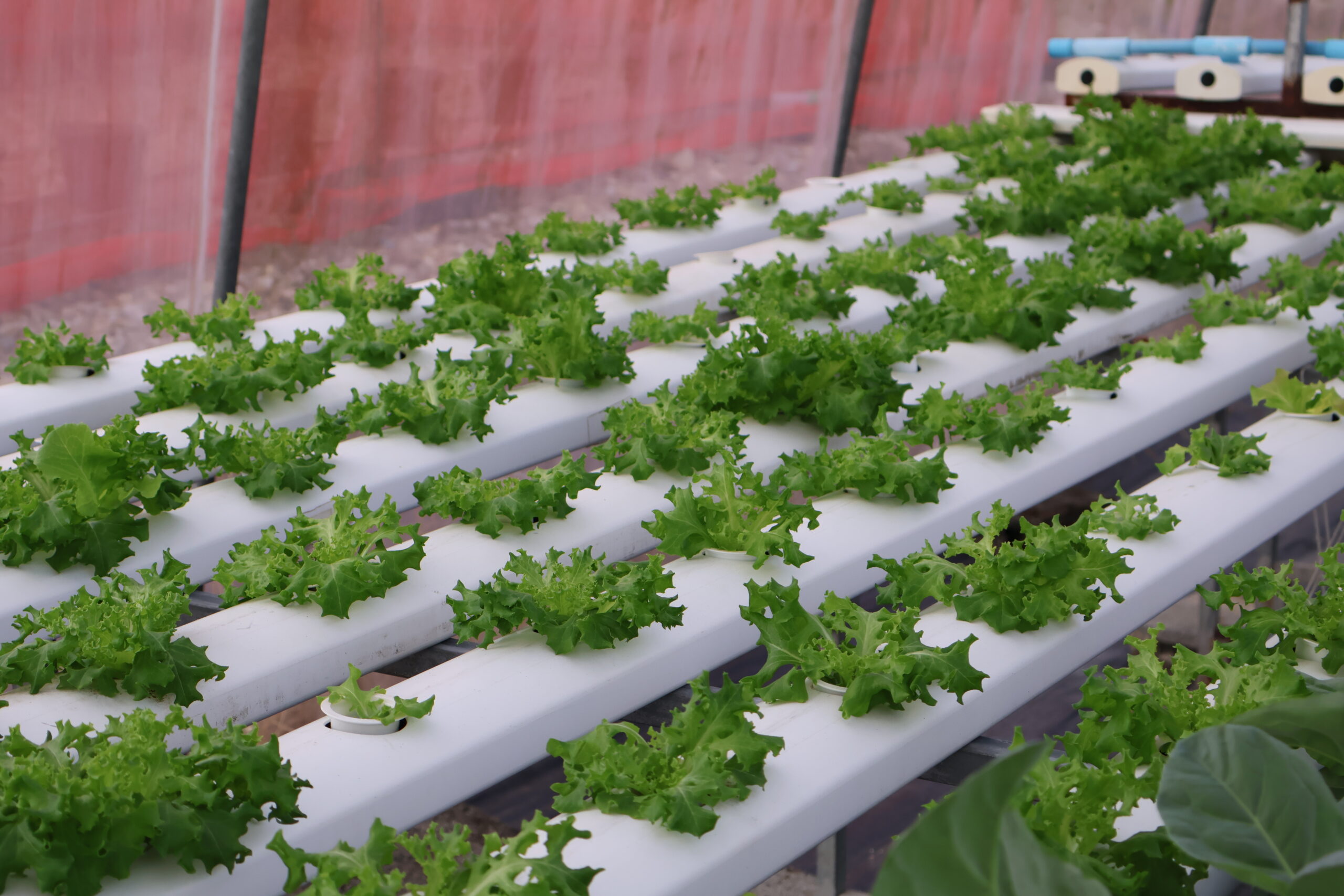
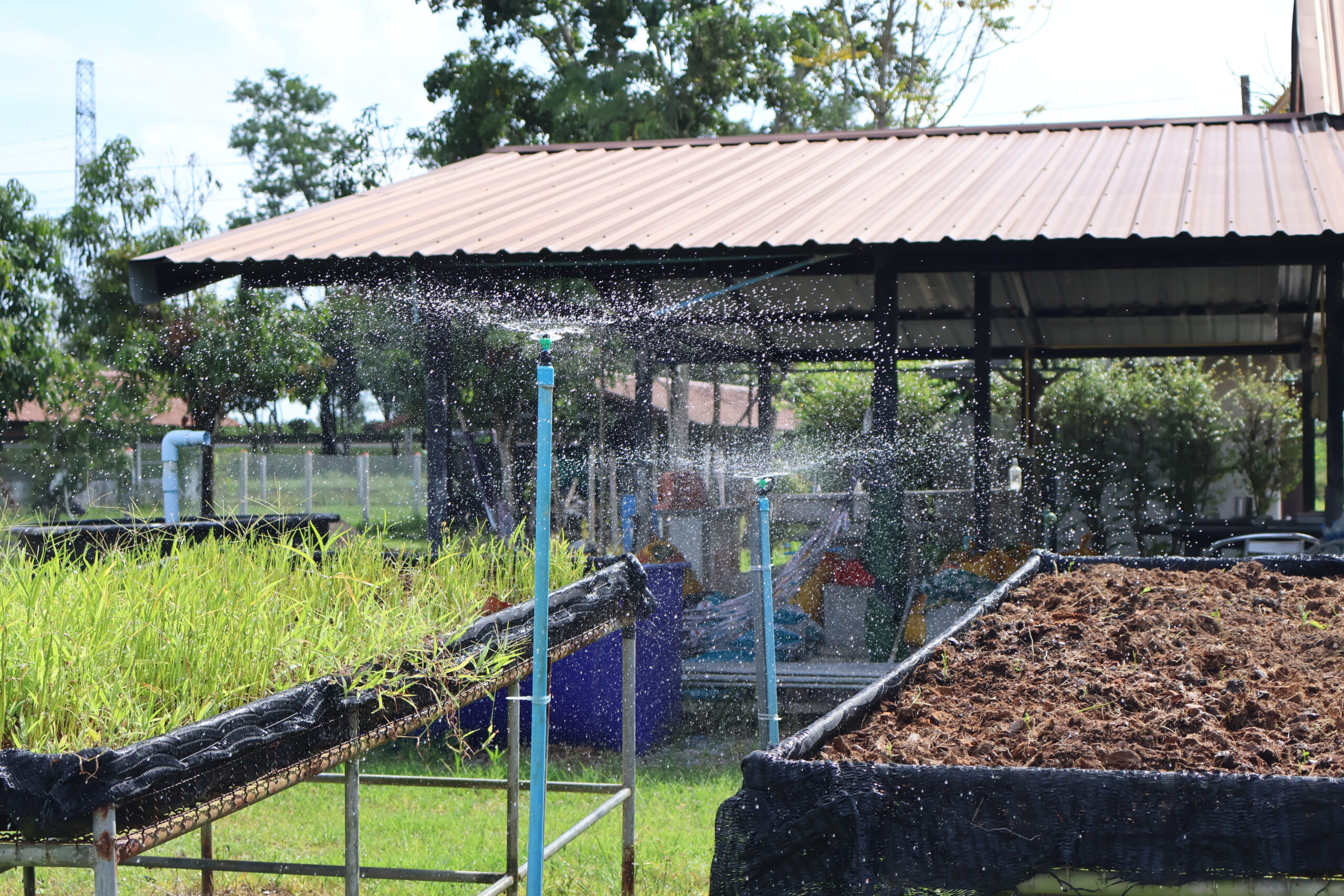
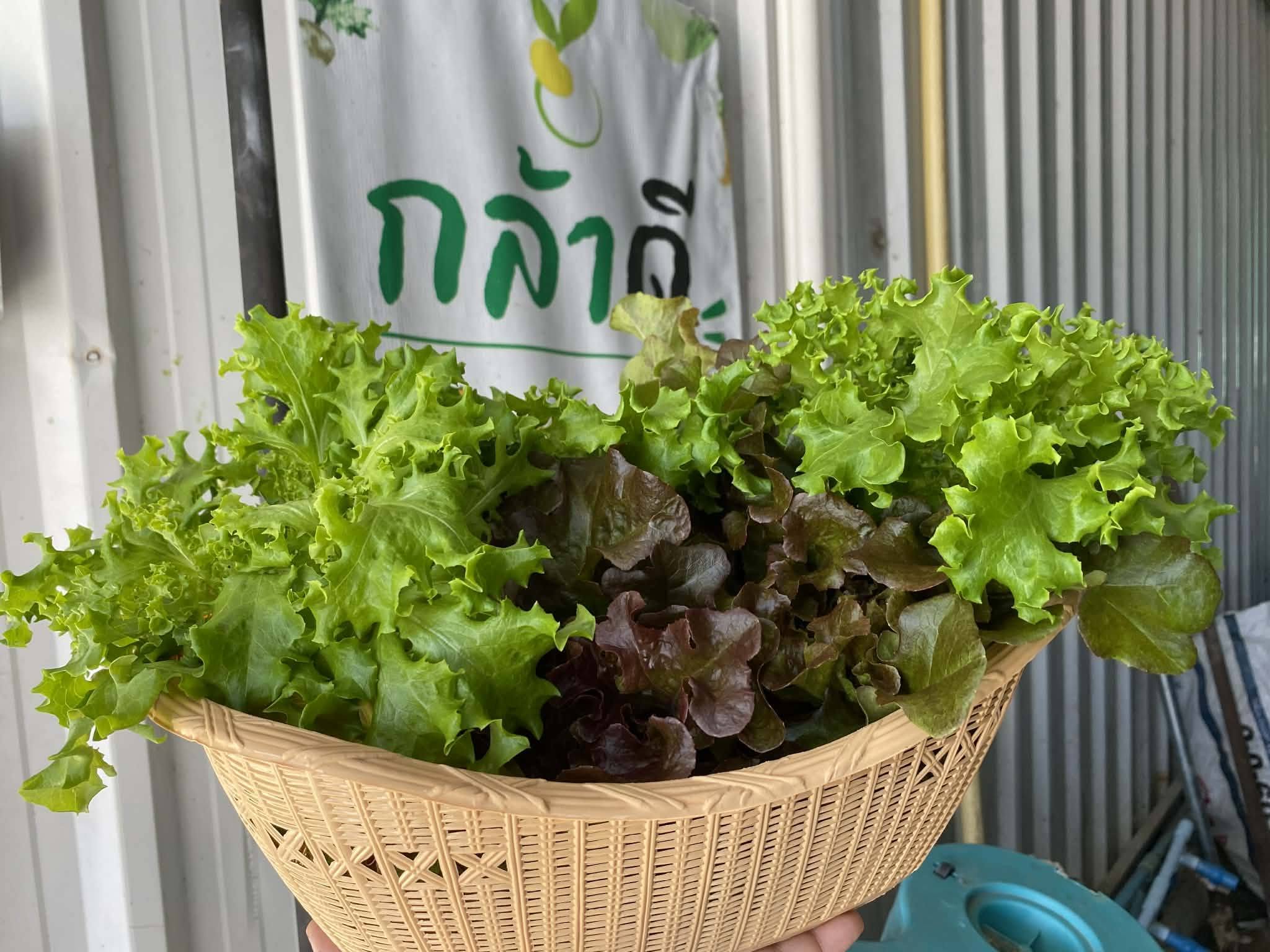
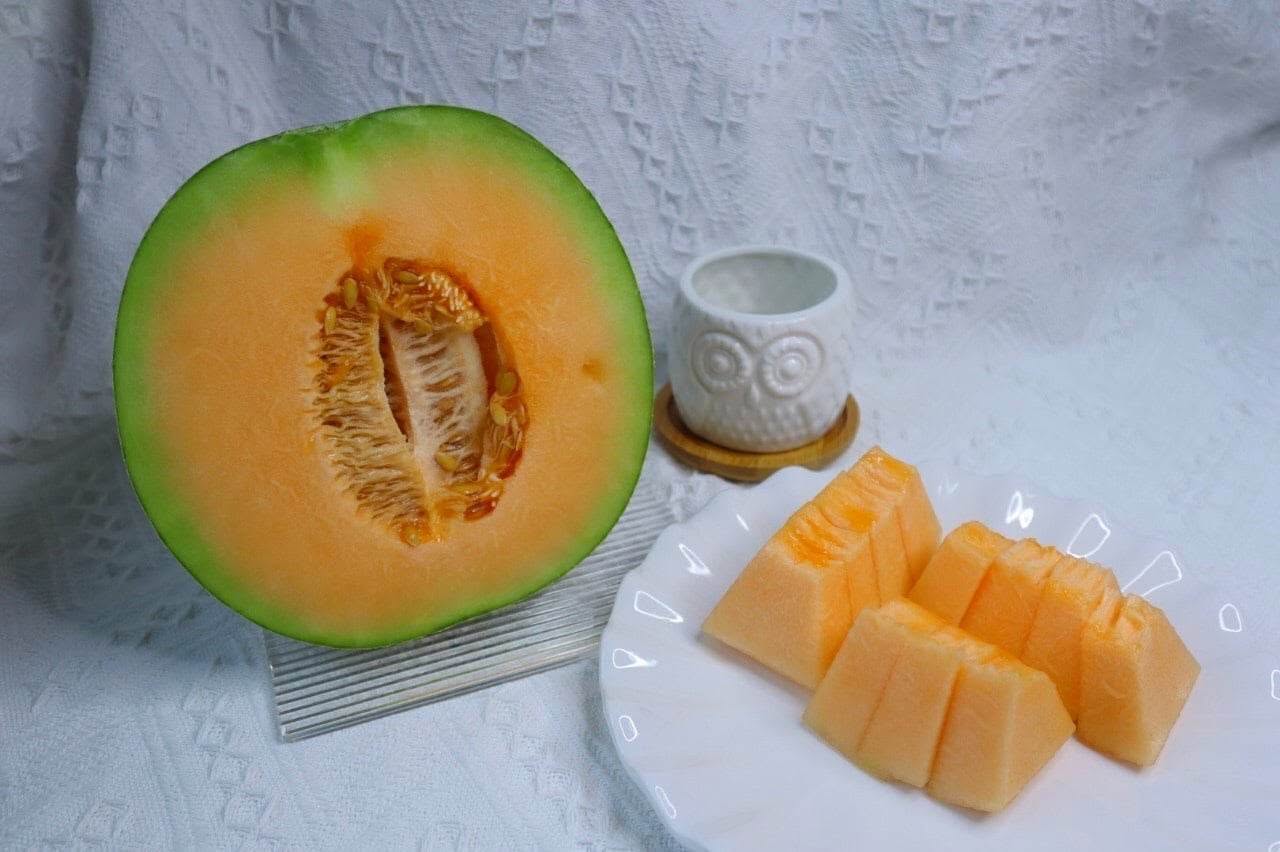
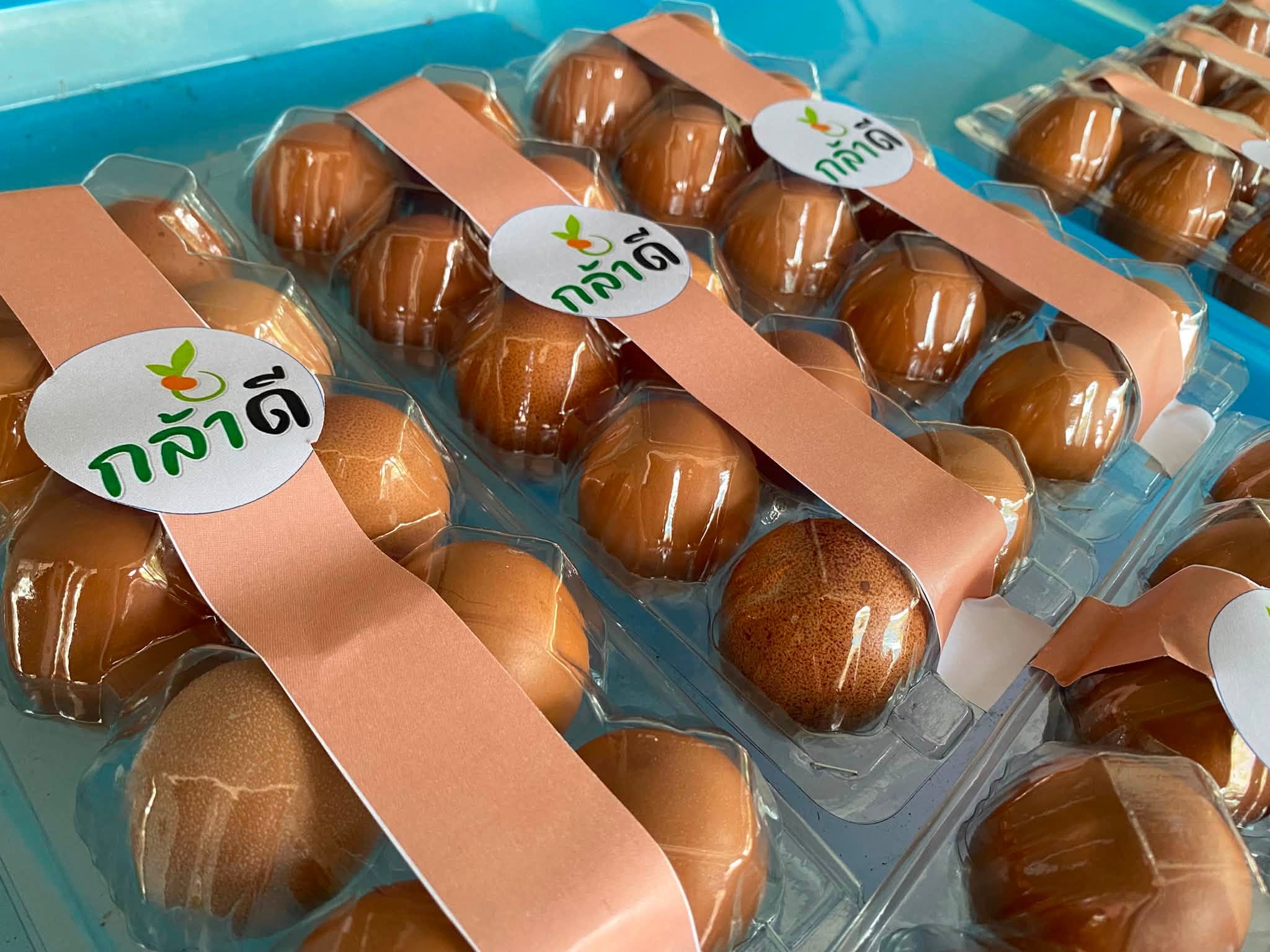
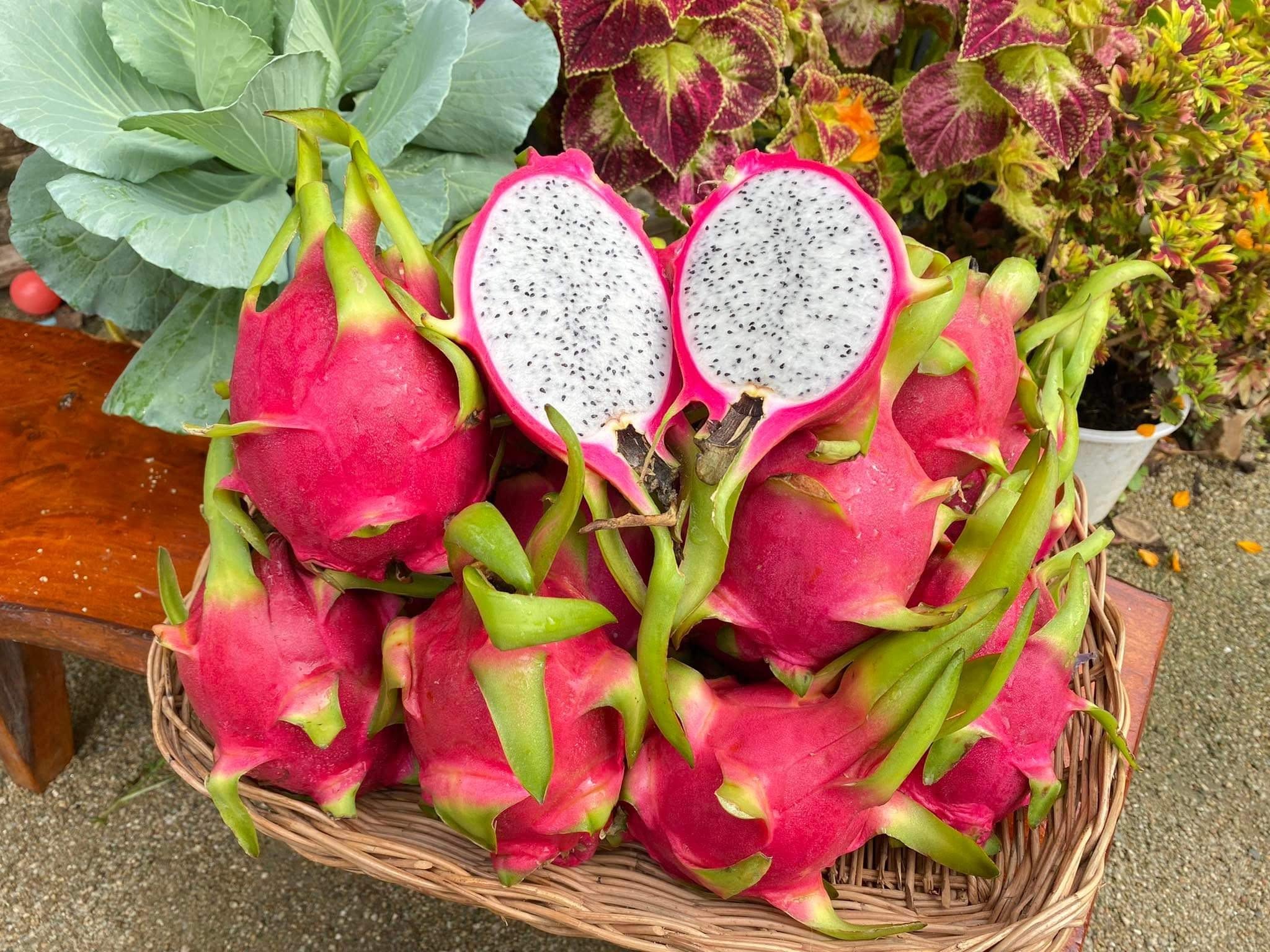
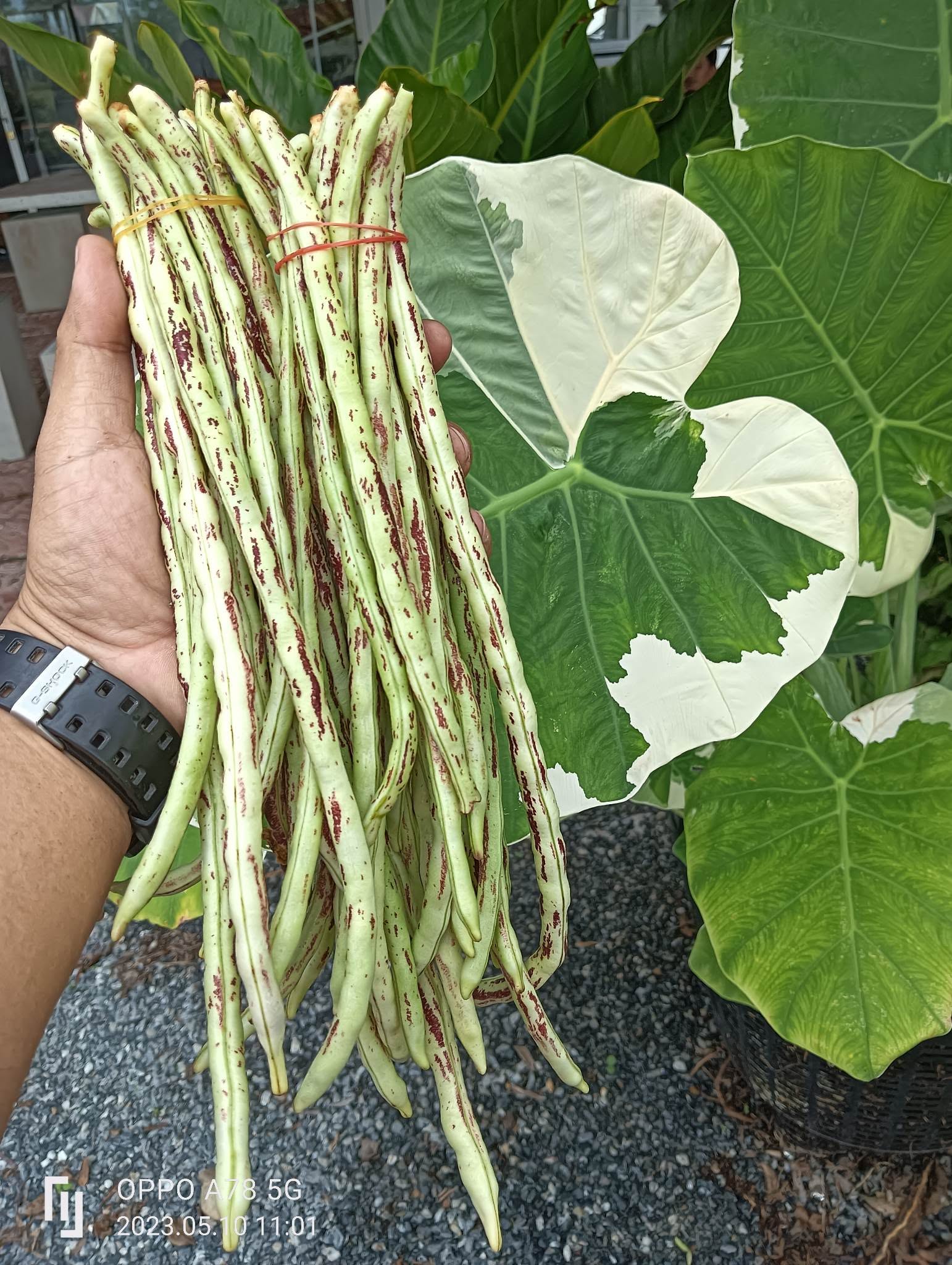
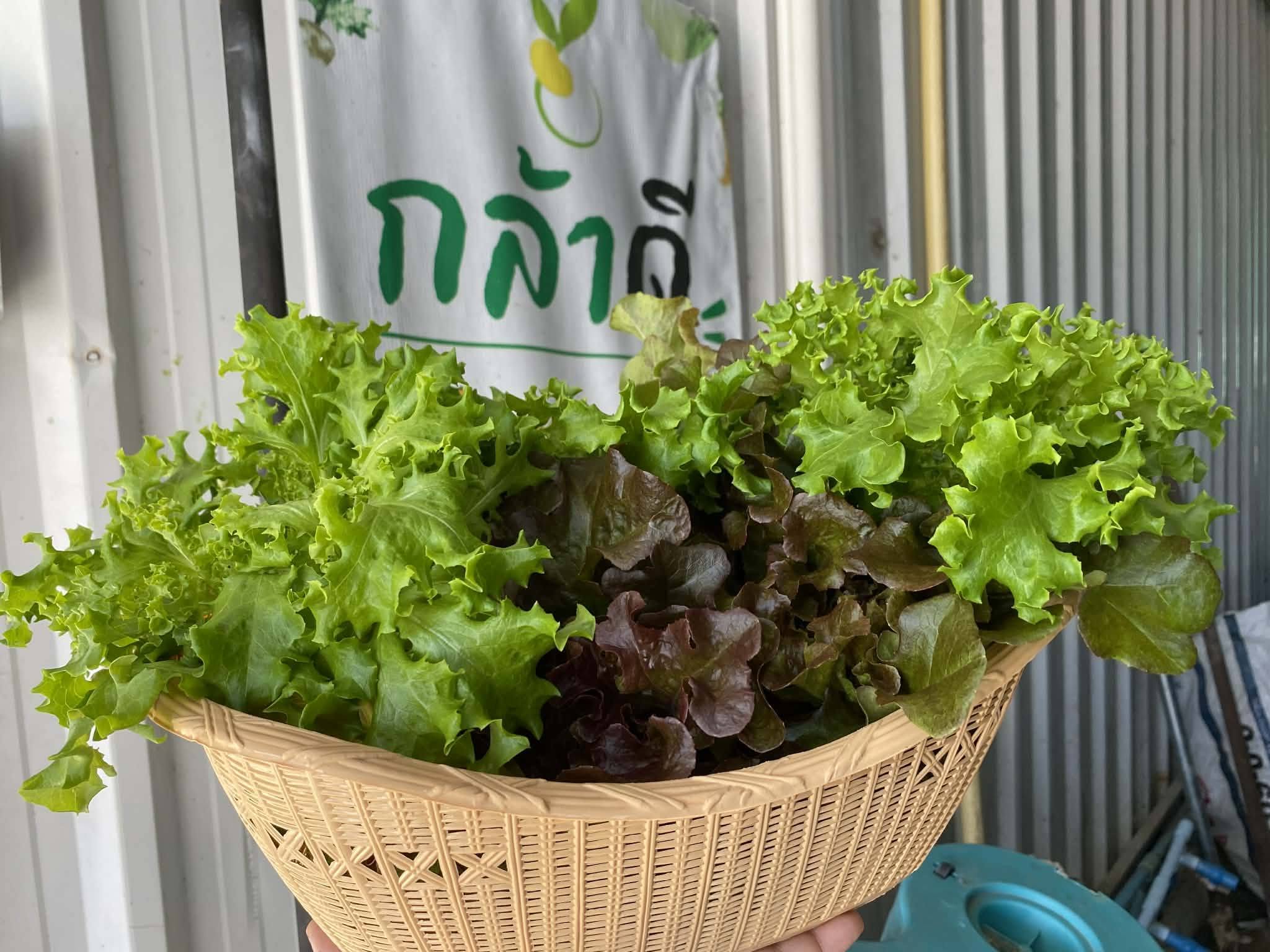
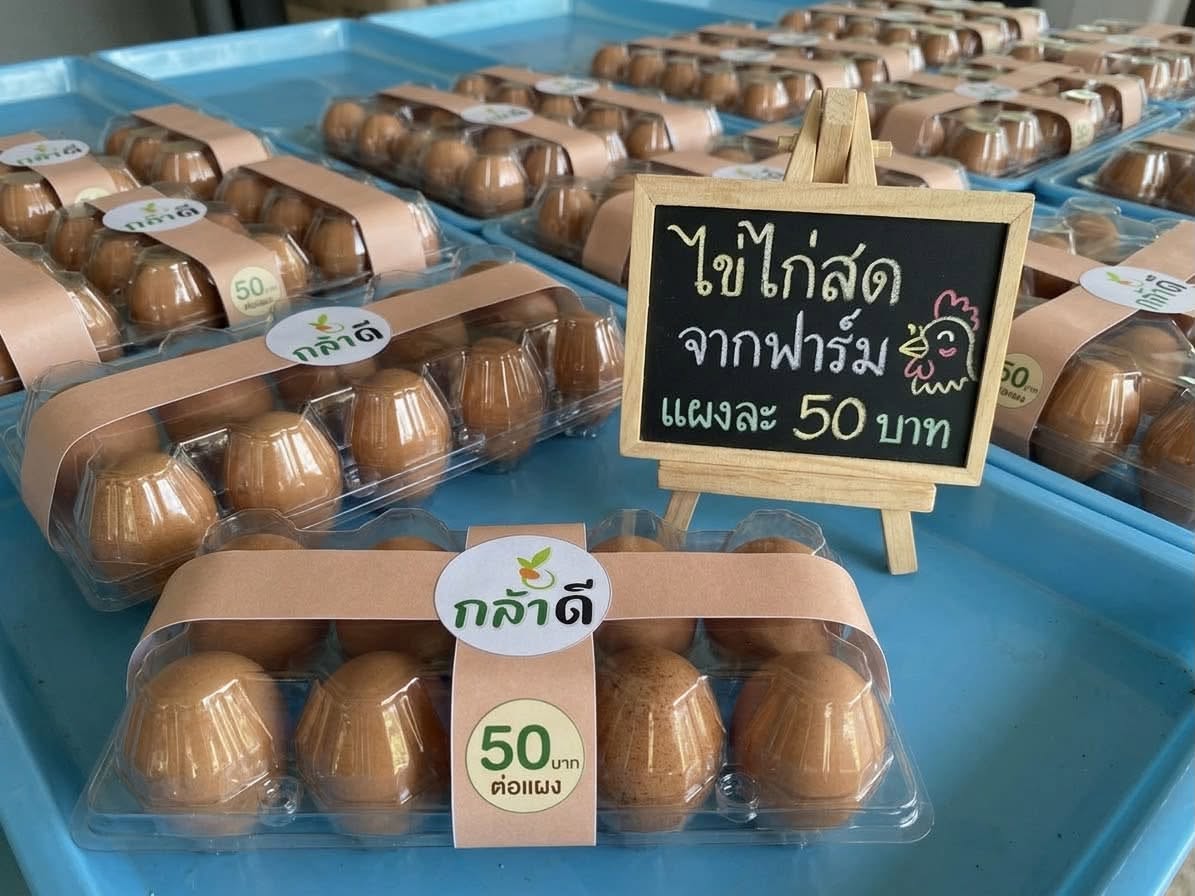
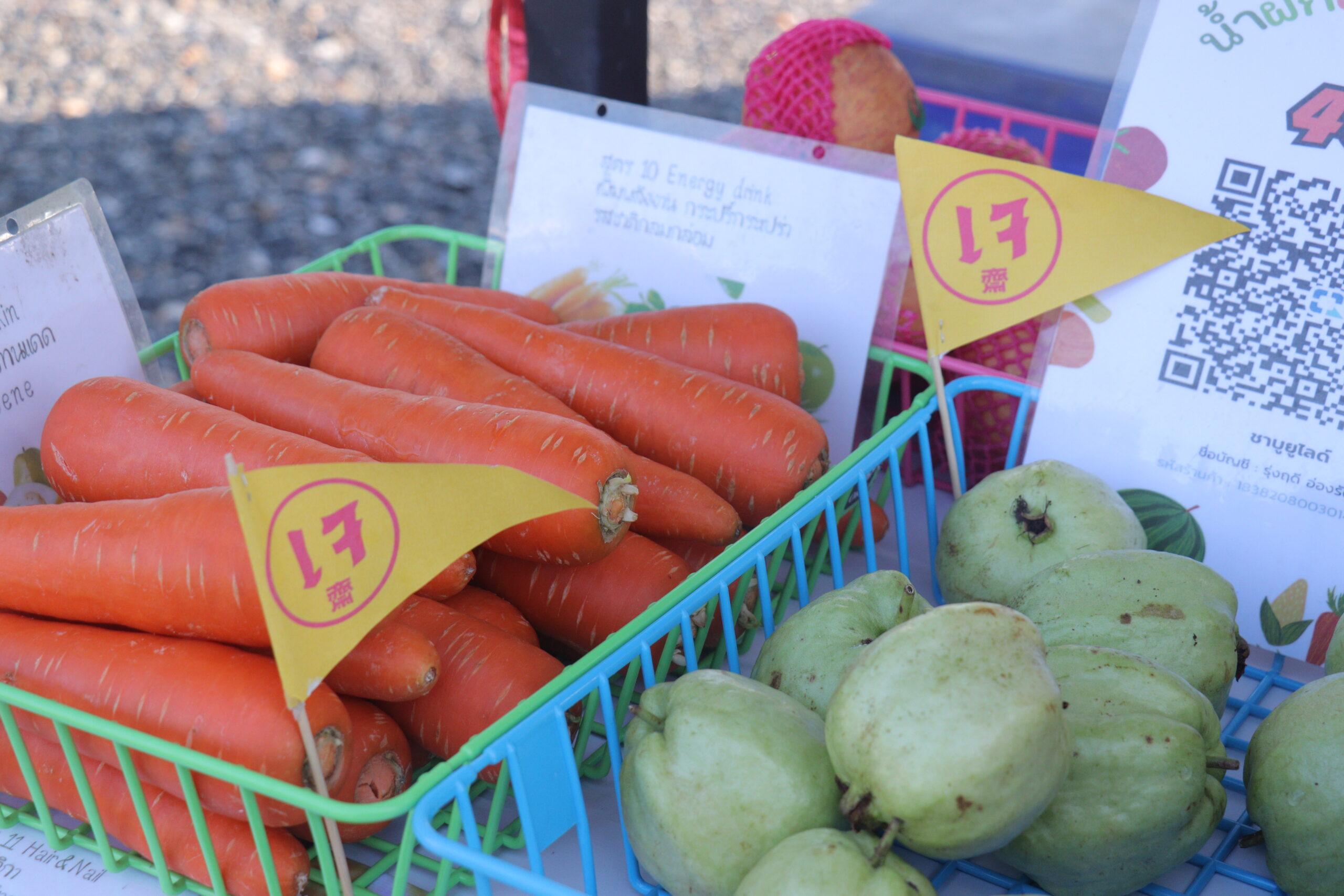
The Agricultural Demonstration and Innovation Development Center in Honour of His Majesty King Rama IX produces vegetables, fruit, rice, eggs, and a range of agricultural products. It emphasises production practices aligned with GAP standards and management that reduces reliance on chemicals. Products are sold through Kla-D Shop and other campus sales channels. The Center also coordinates with the Center for Property Management to support ingredient procurement by food vendors.
Sustainable Food Products from The Agricultural Demonstration and Innovation Development Center in Honnour of His Majesty King Rama IX Supporting All Food Outlets within the University
Examples of efficient resource use include growing vegetables using the hydroponic method, which requires neither water pumps nor electricity for water circulation; planning cultivation according to the seasons; and using trellises or support systems for selected crops to improve space management and airflow and reduce the risk of certain diseases. These practices support food production that takes local environmental conditions and resource use into account.
Sustainable Food Products from The Agricultural Demonstration and Innovation Development Center in Honnour of His Majesty King Rama IX Supporting All Food Outlets within the University
The Smart Farm and Landscape Architecture Center
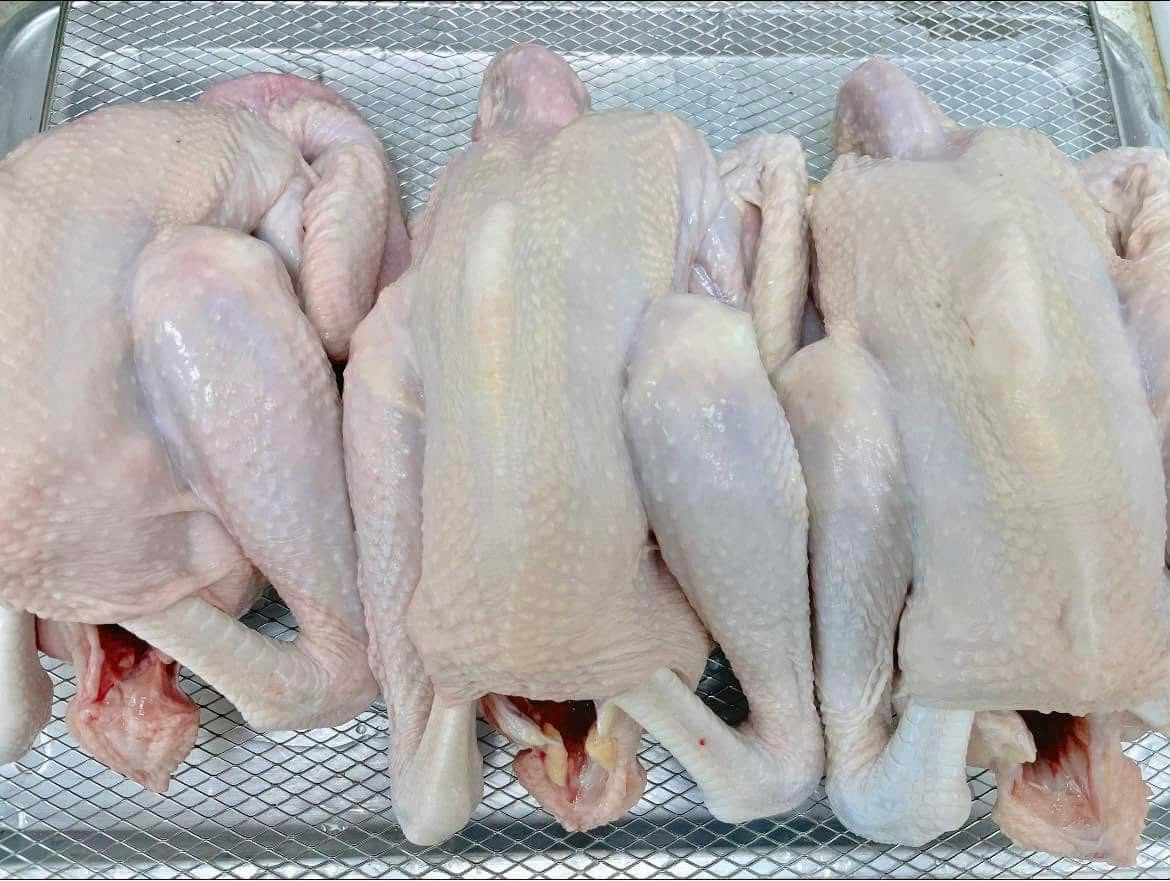
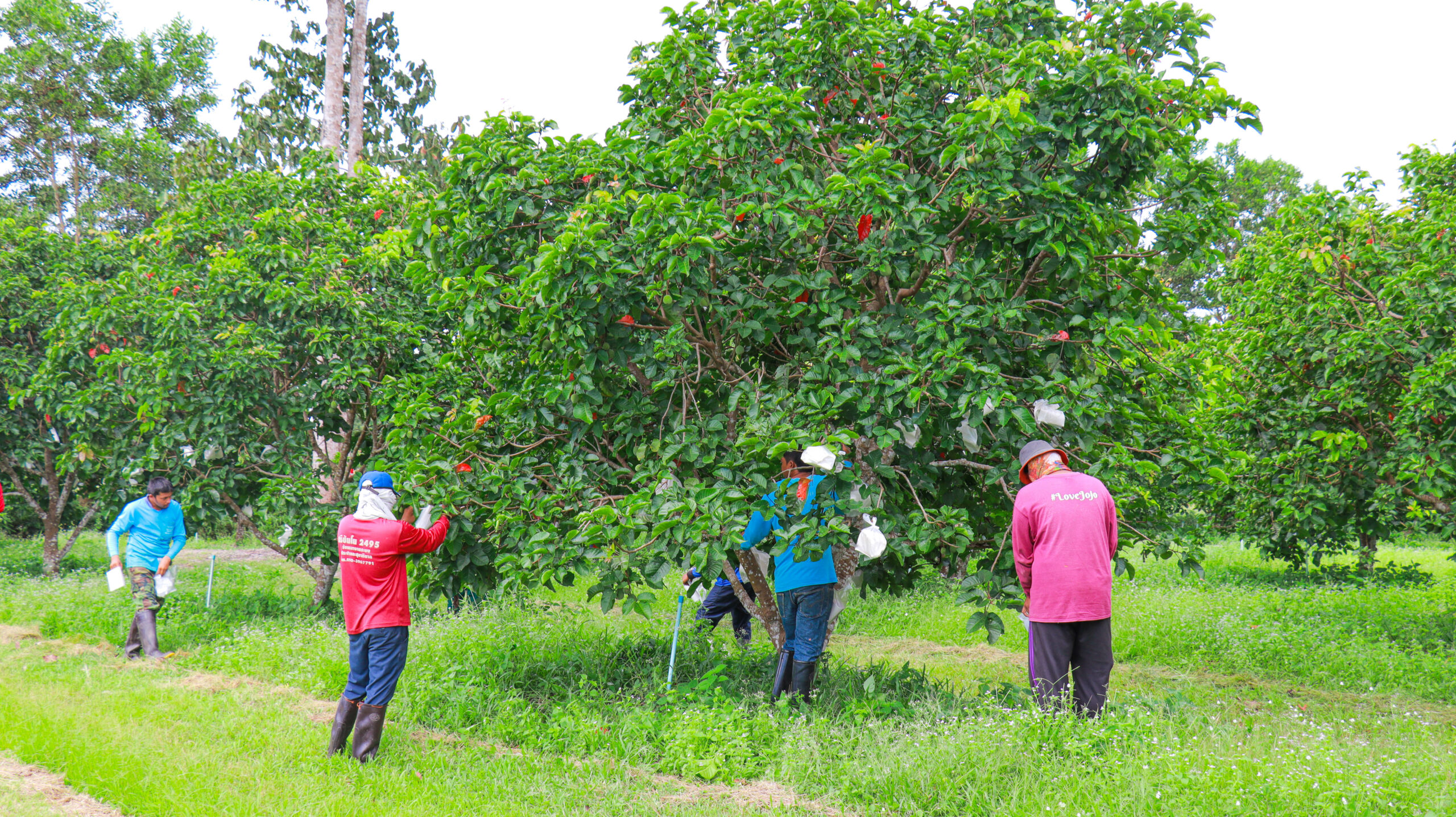
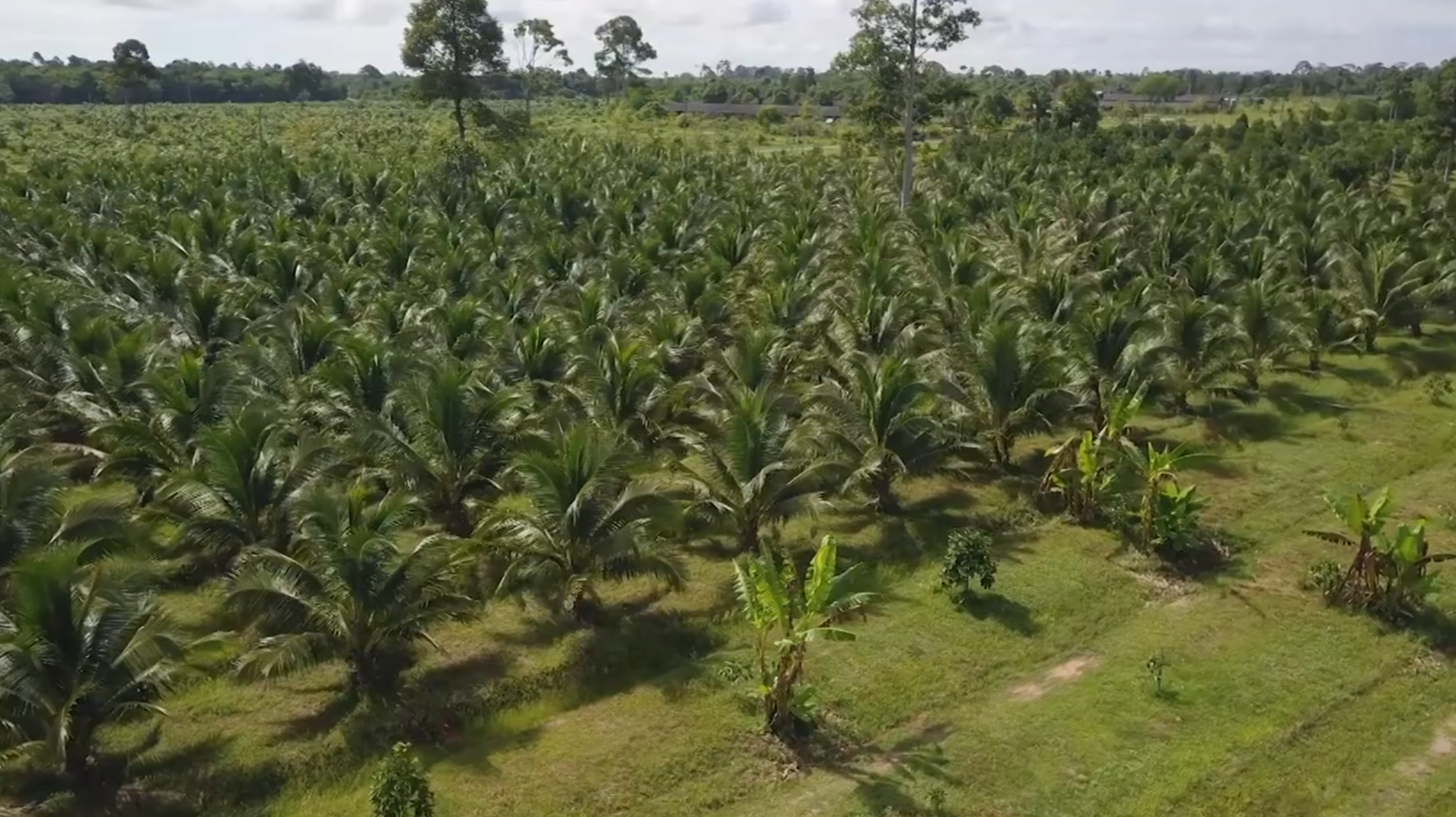
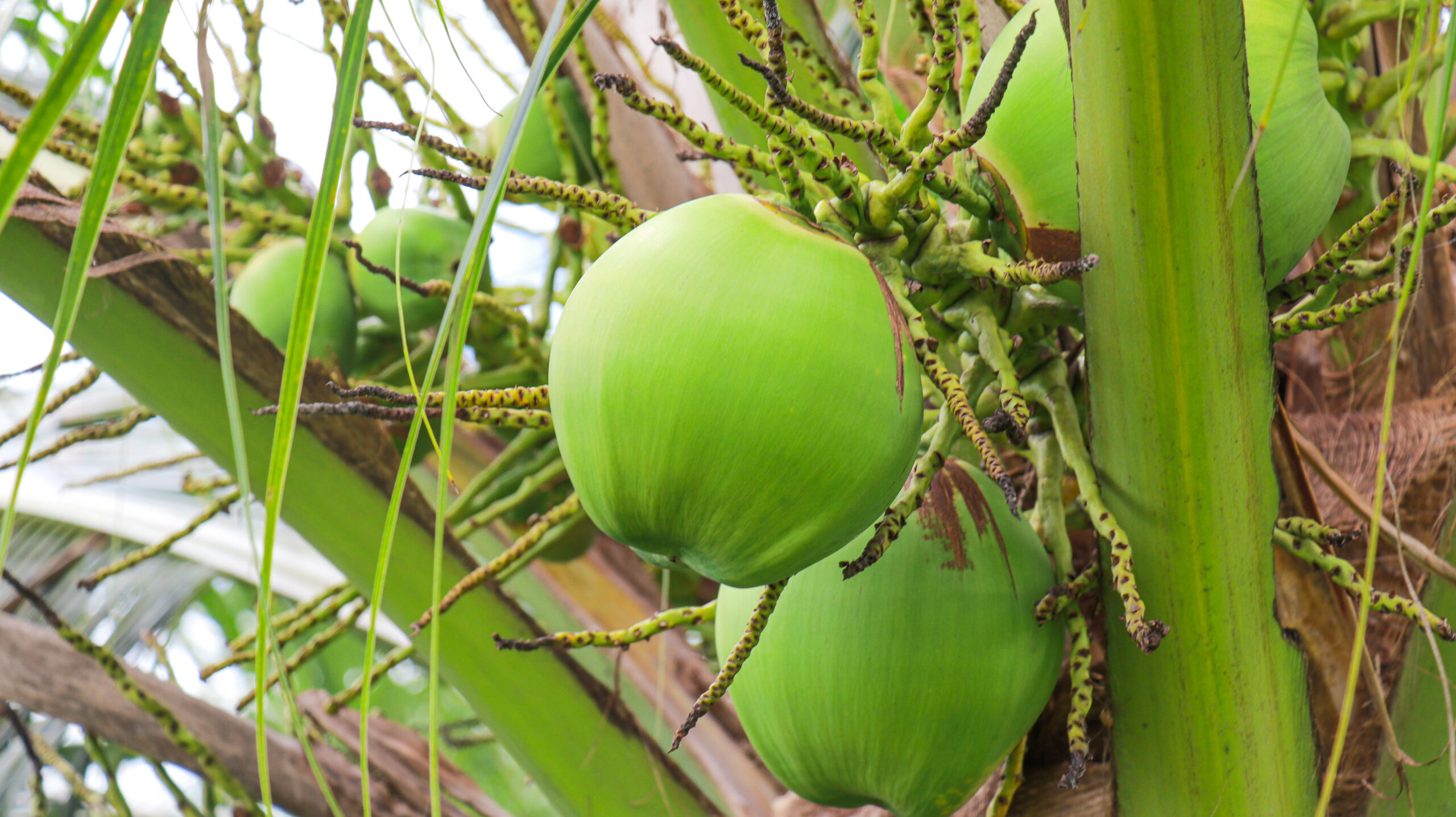
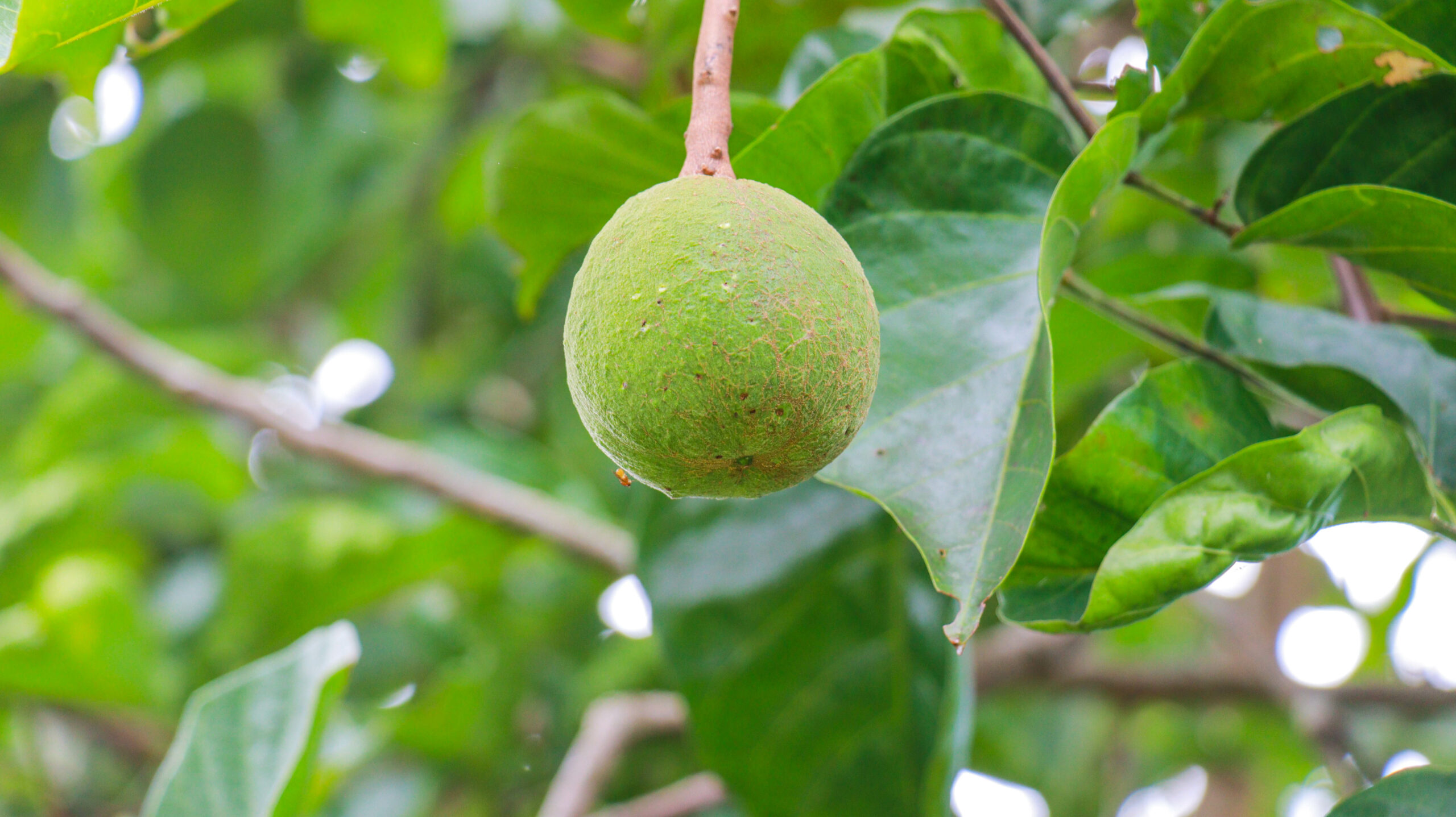
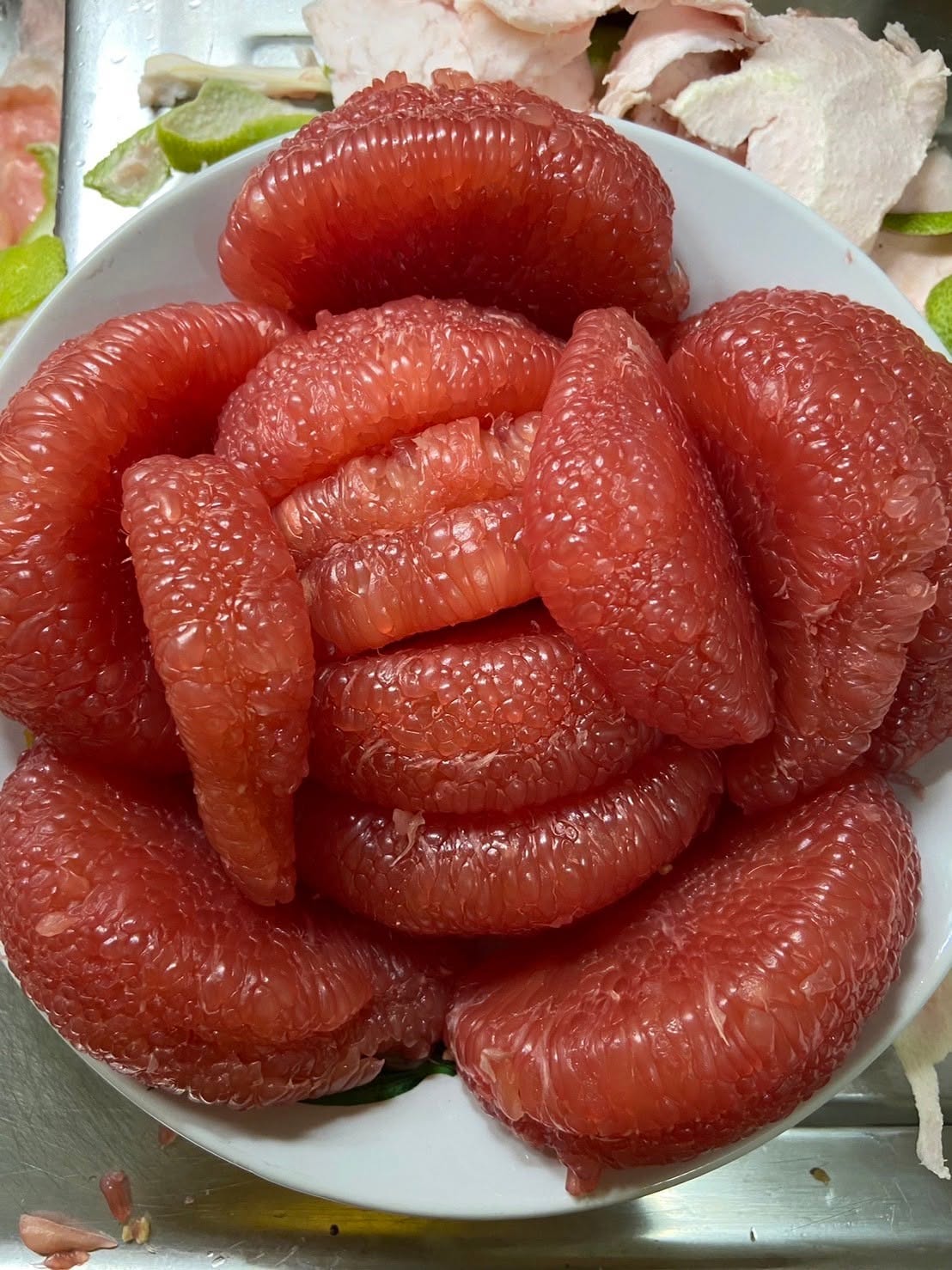
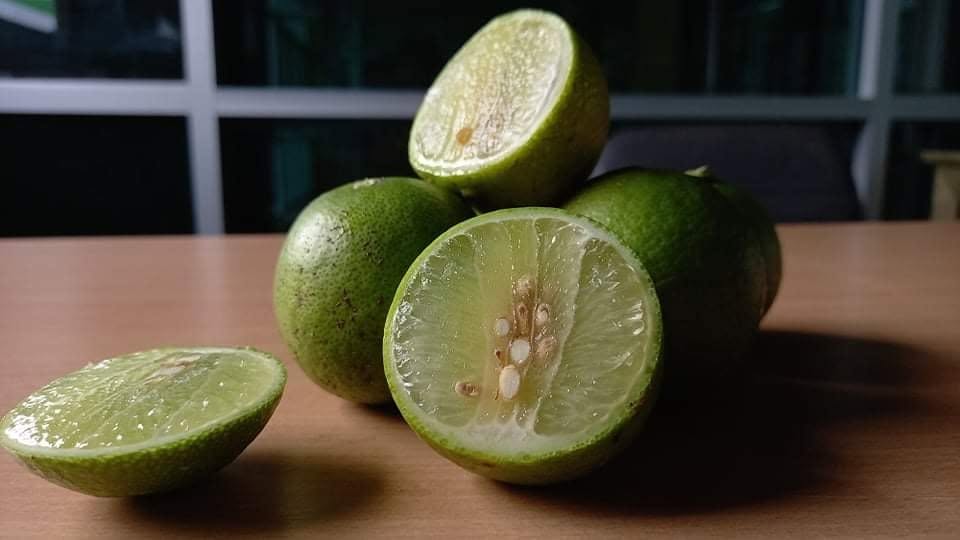
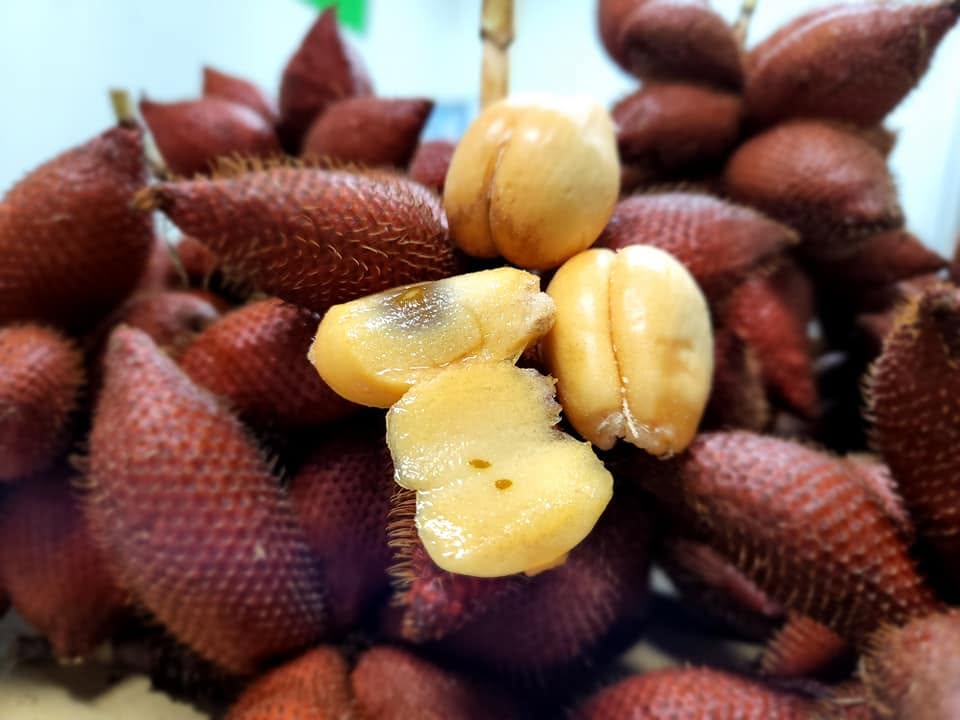
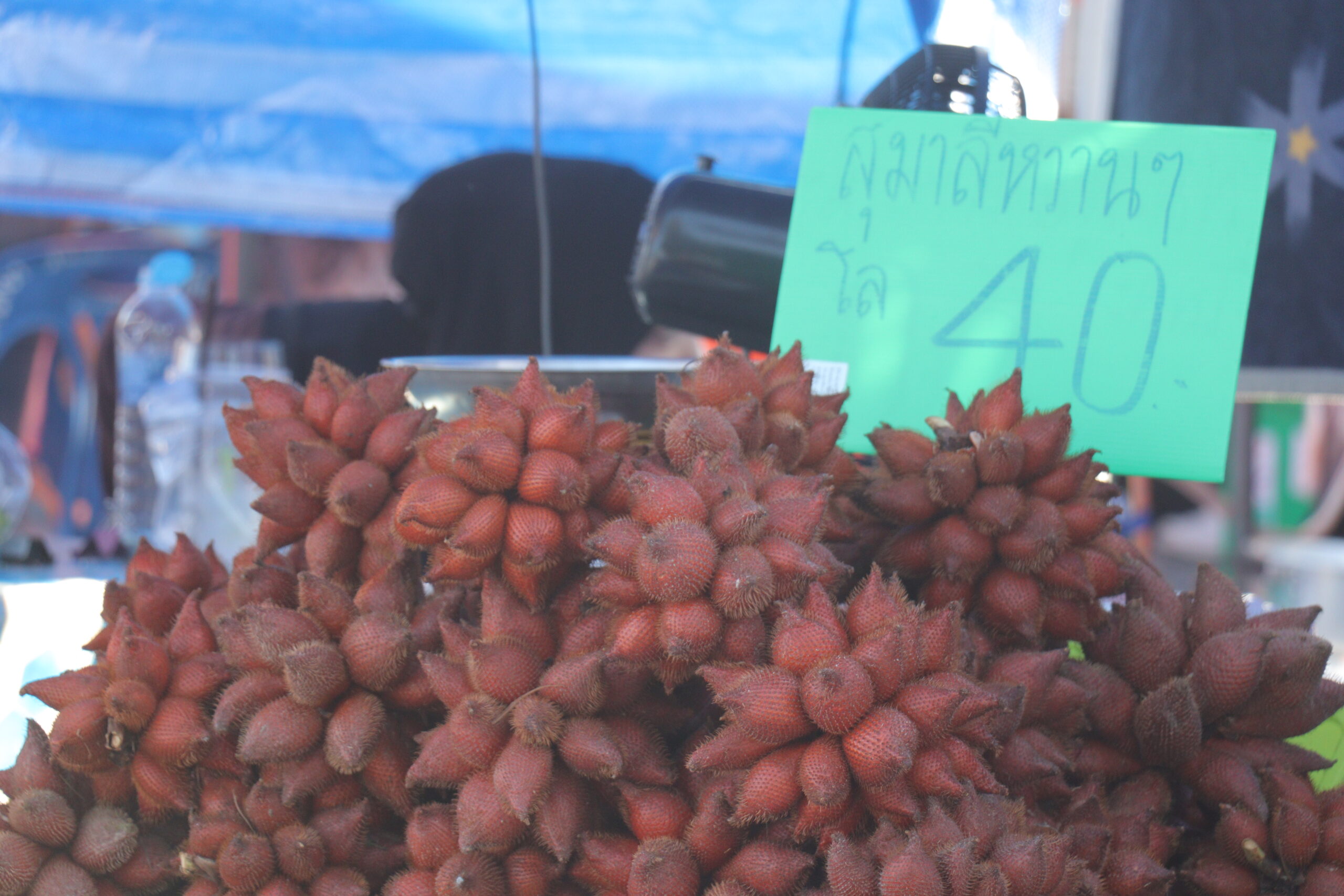
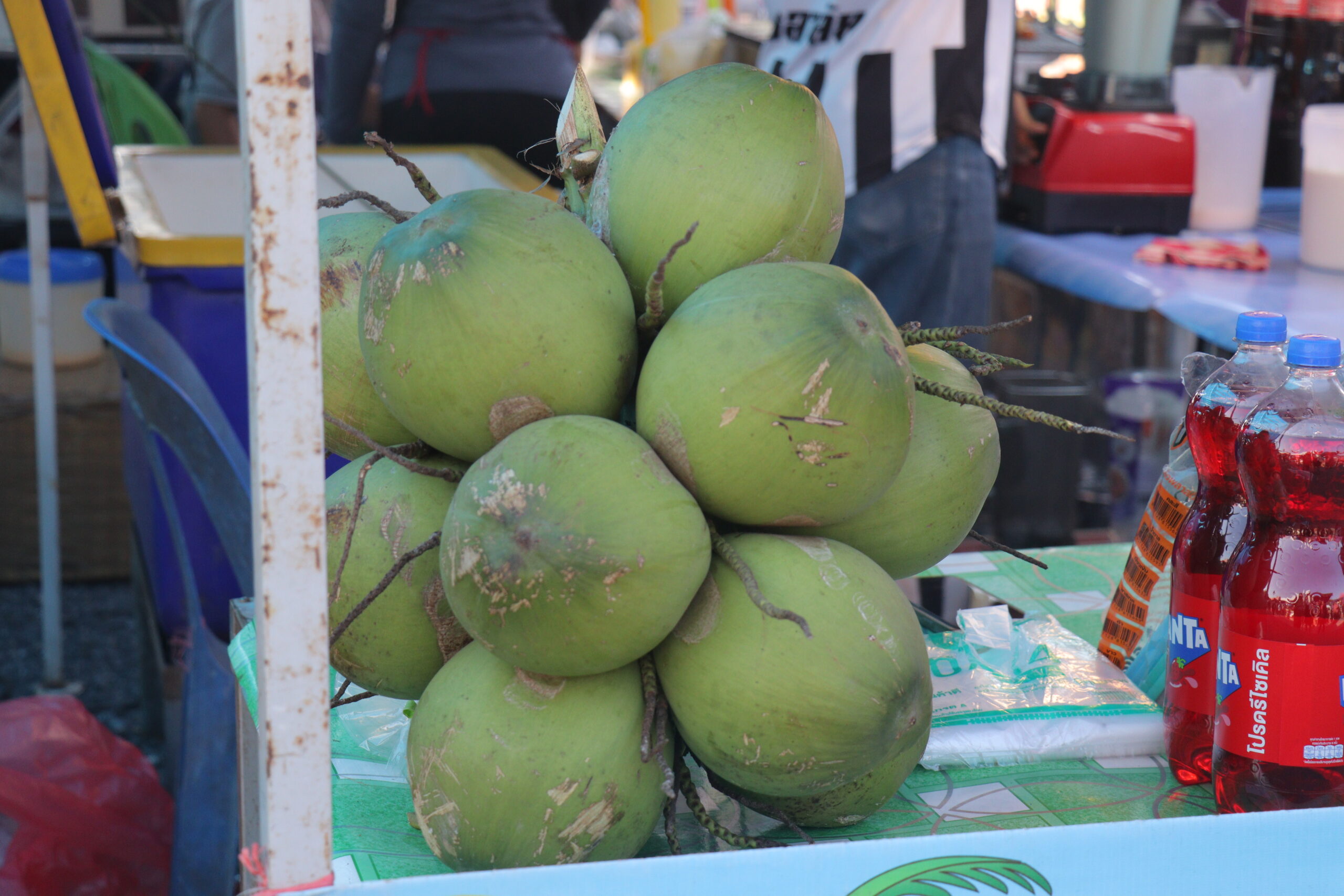
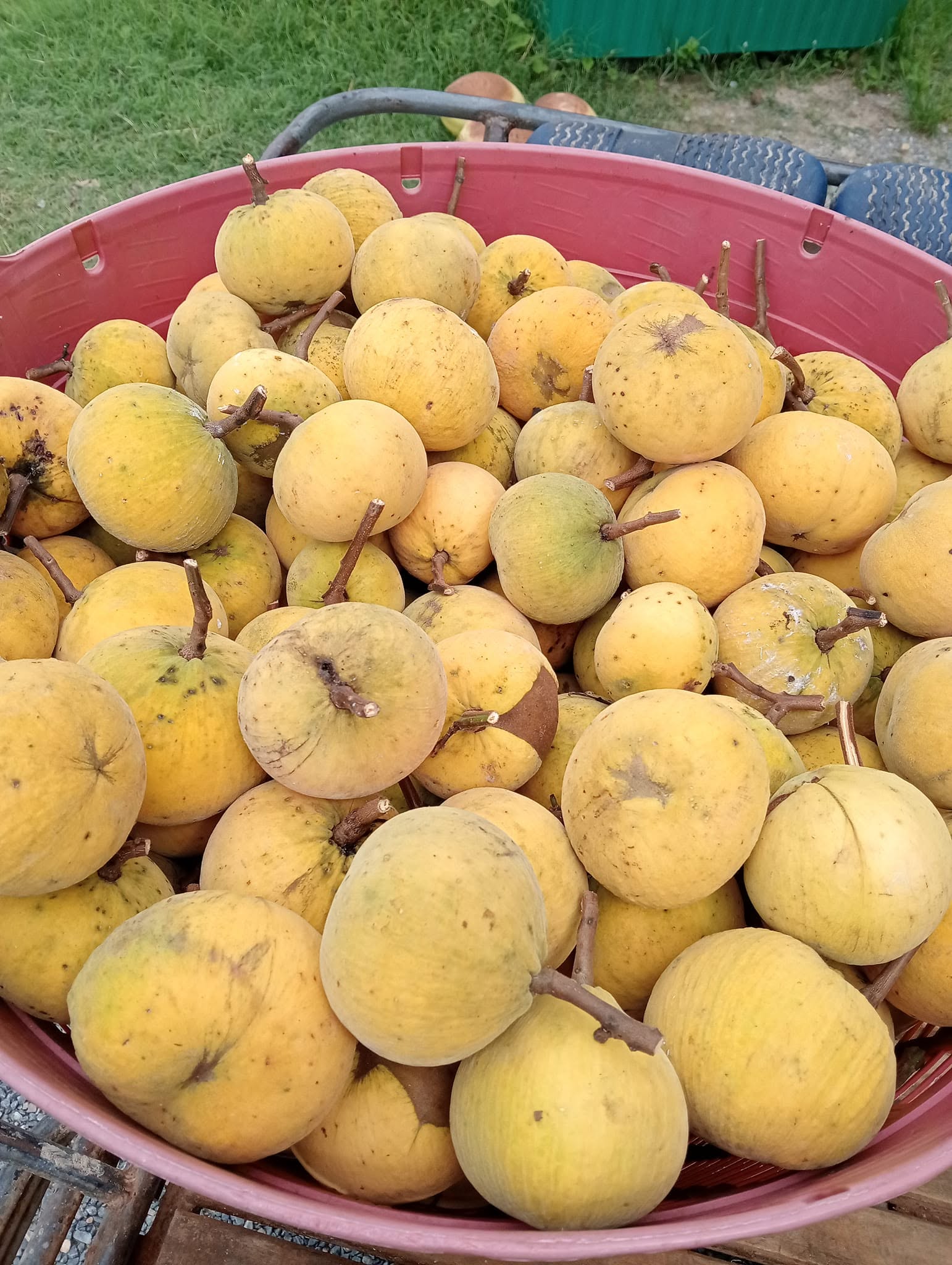
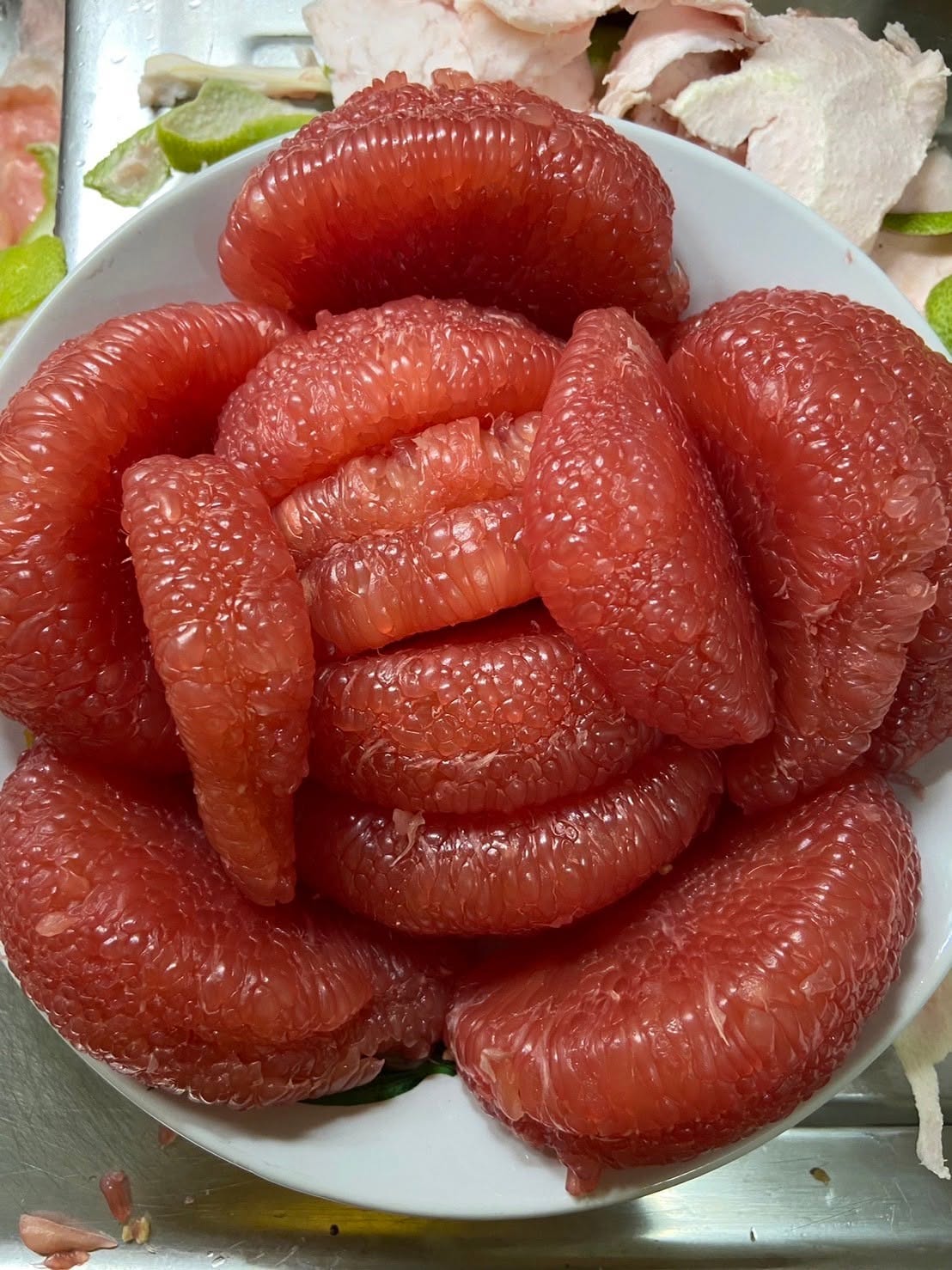
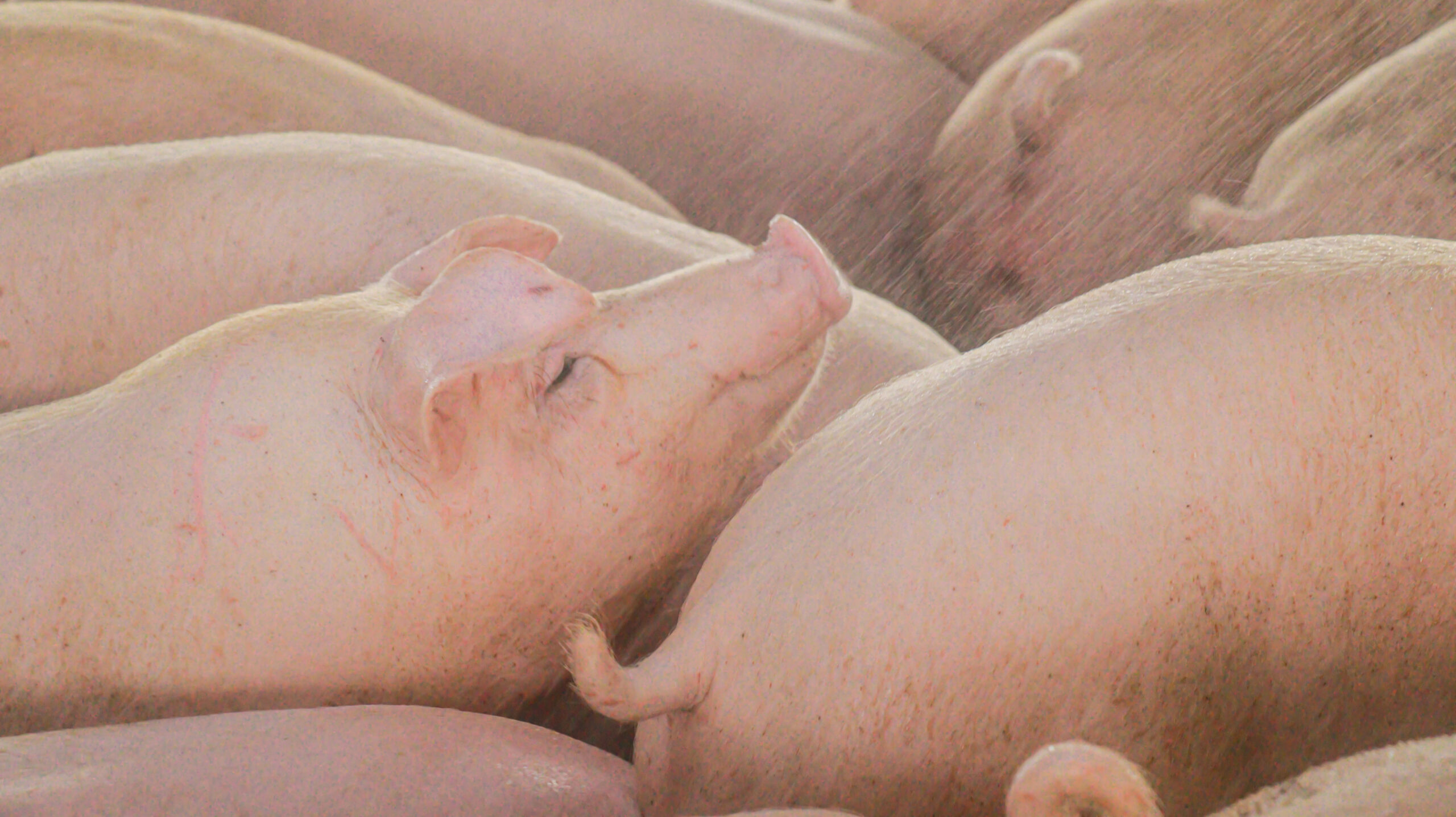
The Smart Farm and Landscape Architecture Center produces fruit and agricultural products, including rambutan, guava, pomelo, salak, coconut, bananas, and pork, under a Green Farm system, with certification under the Thai Agricultural Standard (TAS). It also uses campus leaves to produce compost and applies Trichoderma in production management. These practices make use of available materials, reduce reliance on external production inputs, and support environmentally sustainable management of the land and agricultural environment.
Sustainable Food Products from the Smart Farm and Landscape Architecture Center Supporting All Food Outlets within the University
On-campus production enables food vendors to access ingredients with traceable origins and reduces transportation distances for products that can be sourced locally. GAP and TAS certification demonstrate compliance with production standards within their respective certified scopes. Separate certification evidence is required to describe a product as organic.
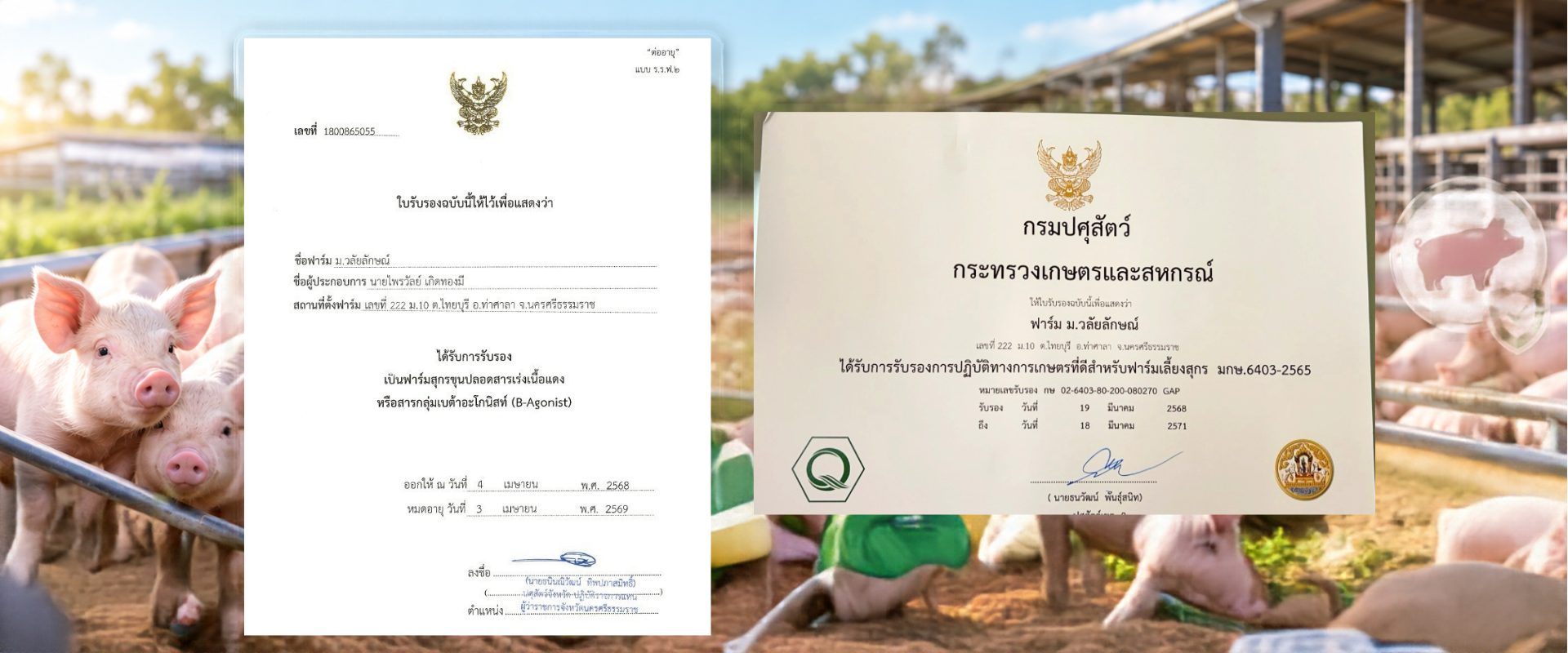
The Sustainable Food Products Supporting by GAP and TAS Certification
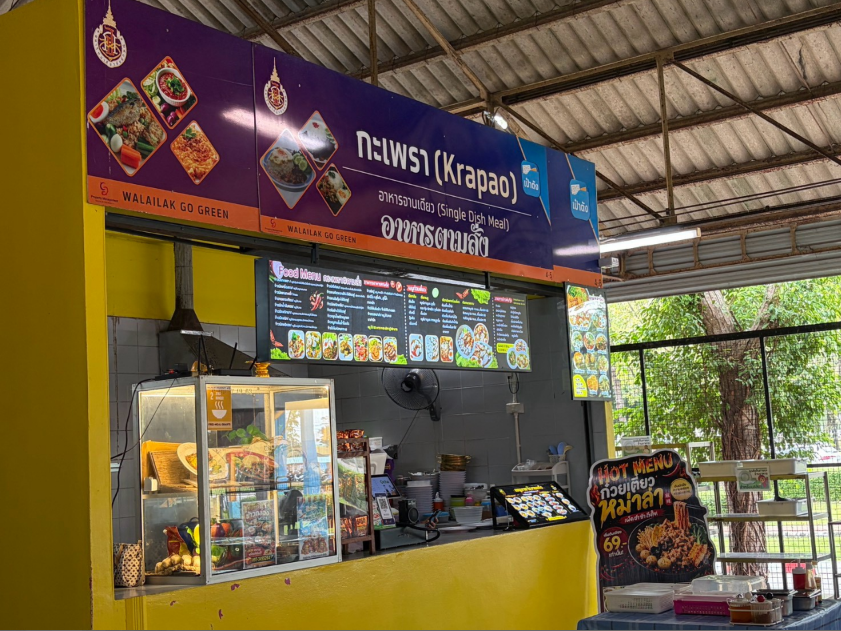
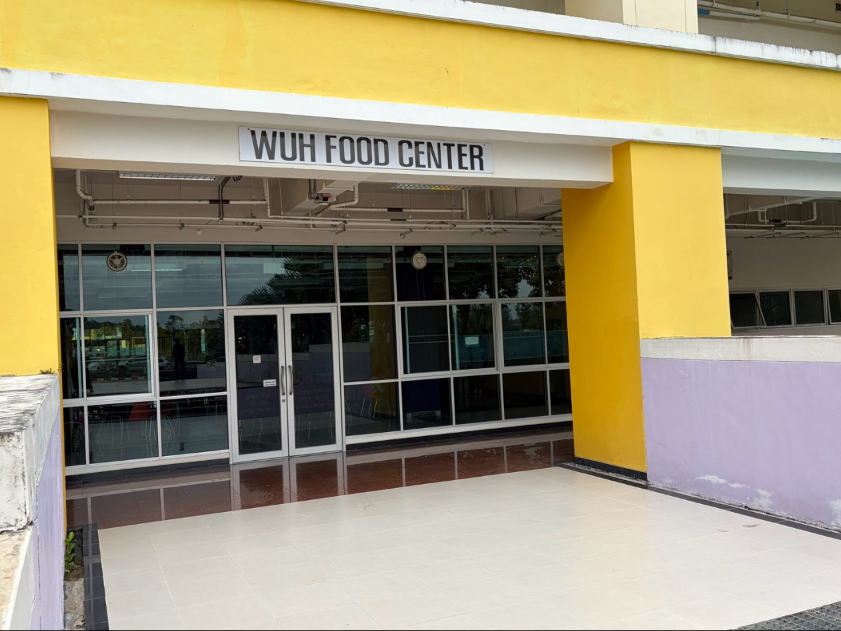
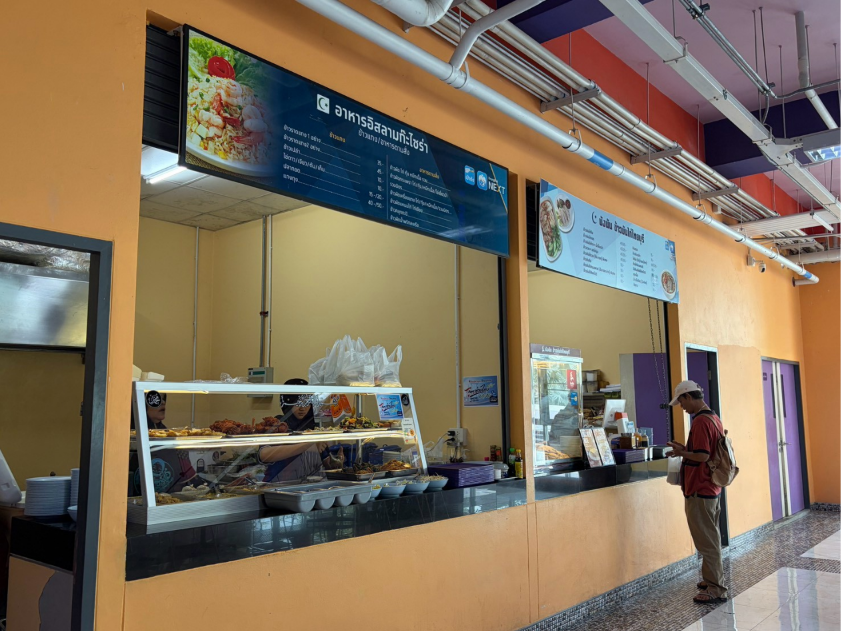
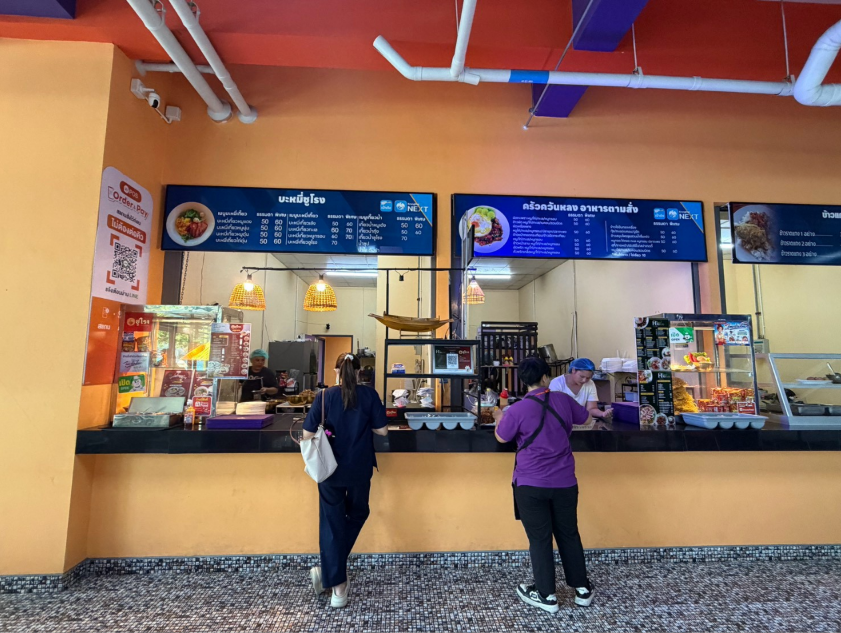
Sustainable Food Choices through a Network of Food Outlets Across Campus
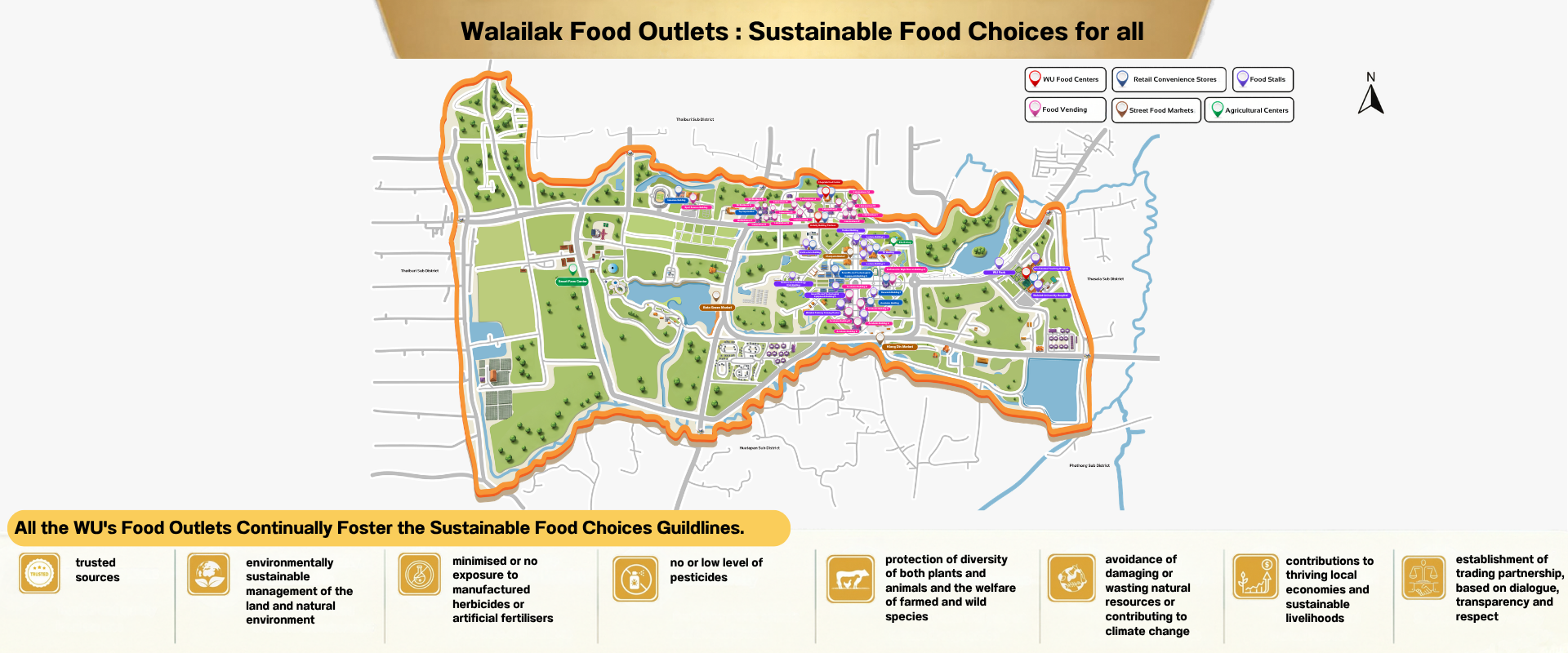
On-campus production enables food vendors to access ingredients with traceable origins and reduces transportation distances for products that can be sourced locally. GAP and TAS certification demonstrate compliance with production standards within their respective certified scopes. Separate certification evidence is required to describe a product as organic.
Cho Pradu Food Center
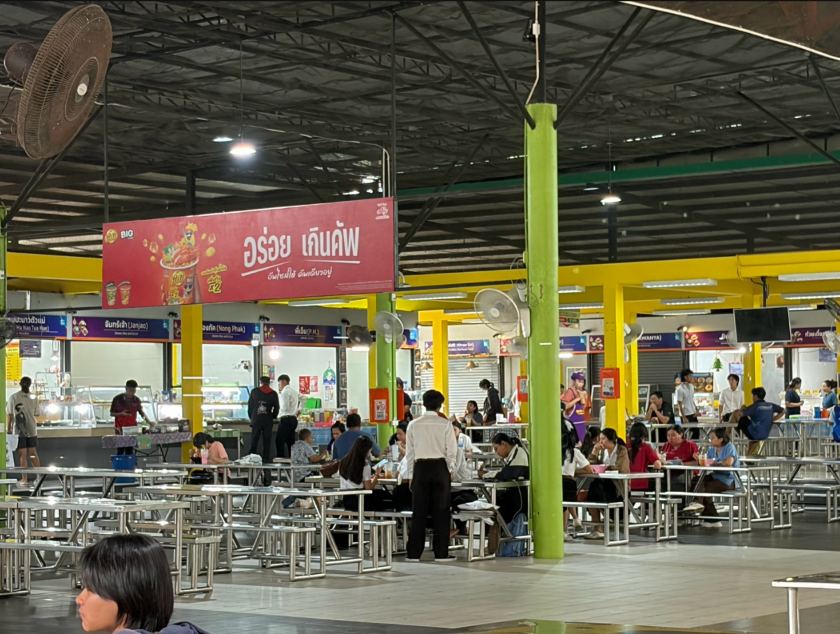
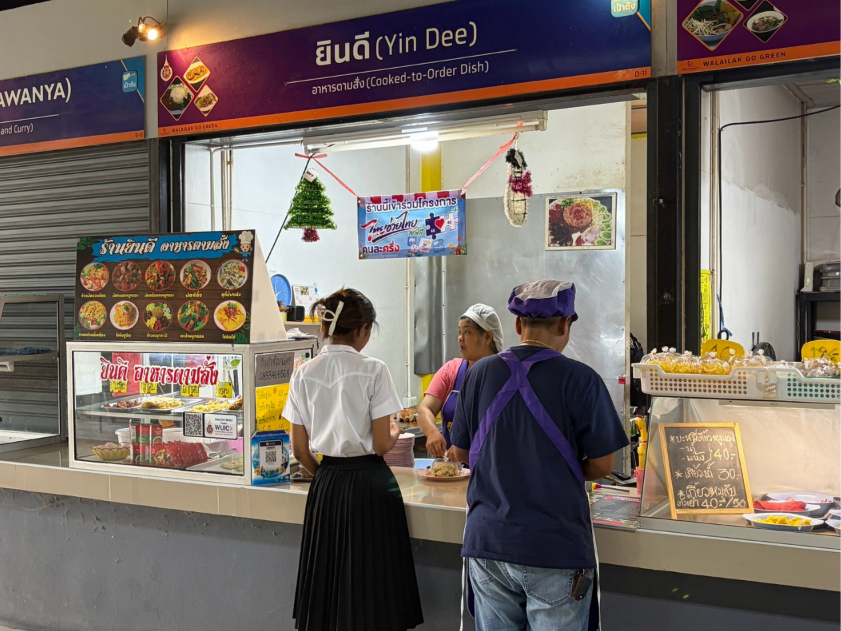
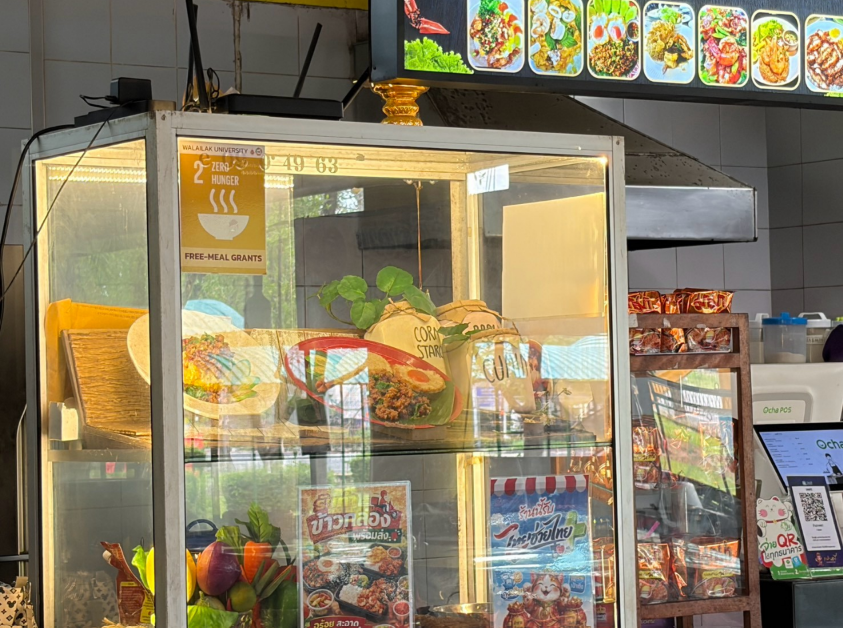
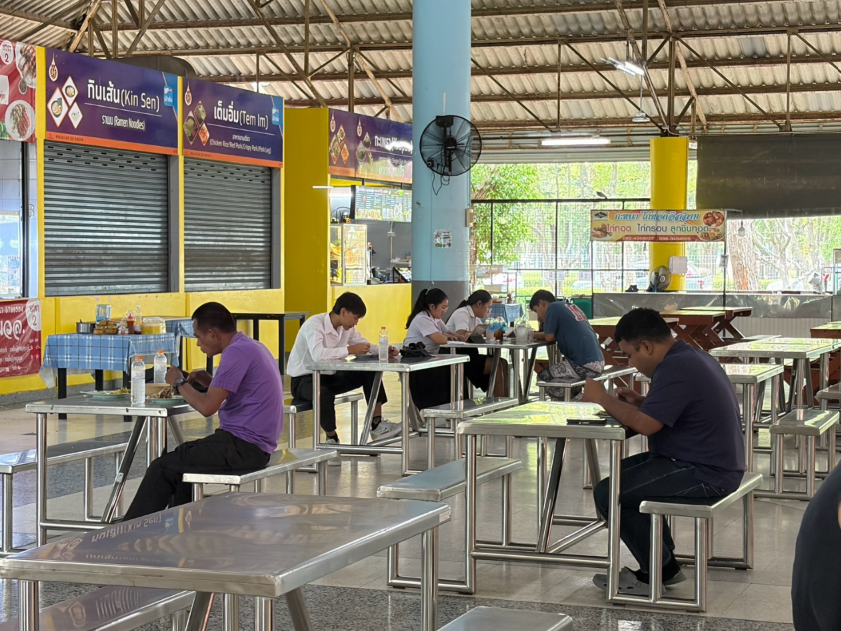
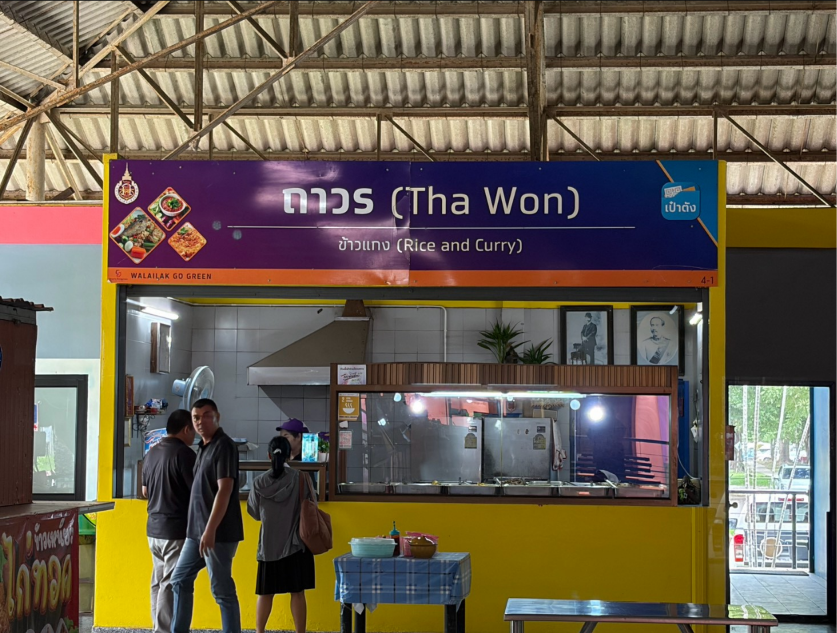
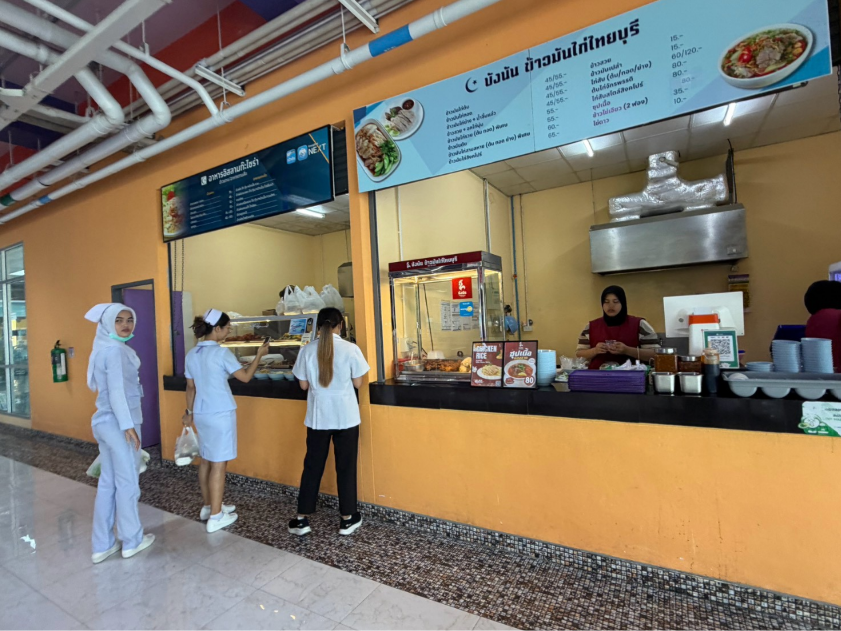
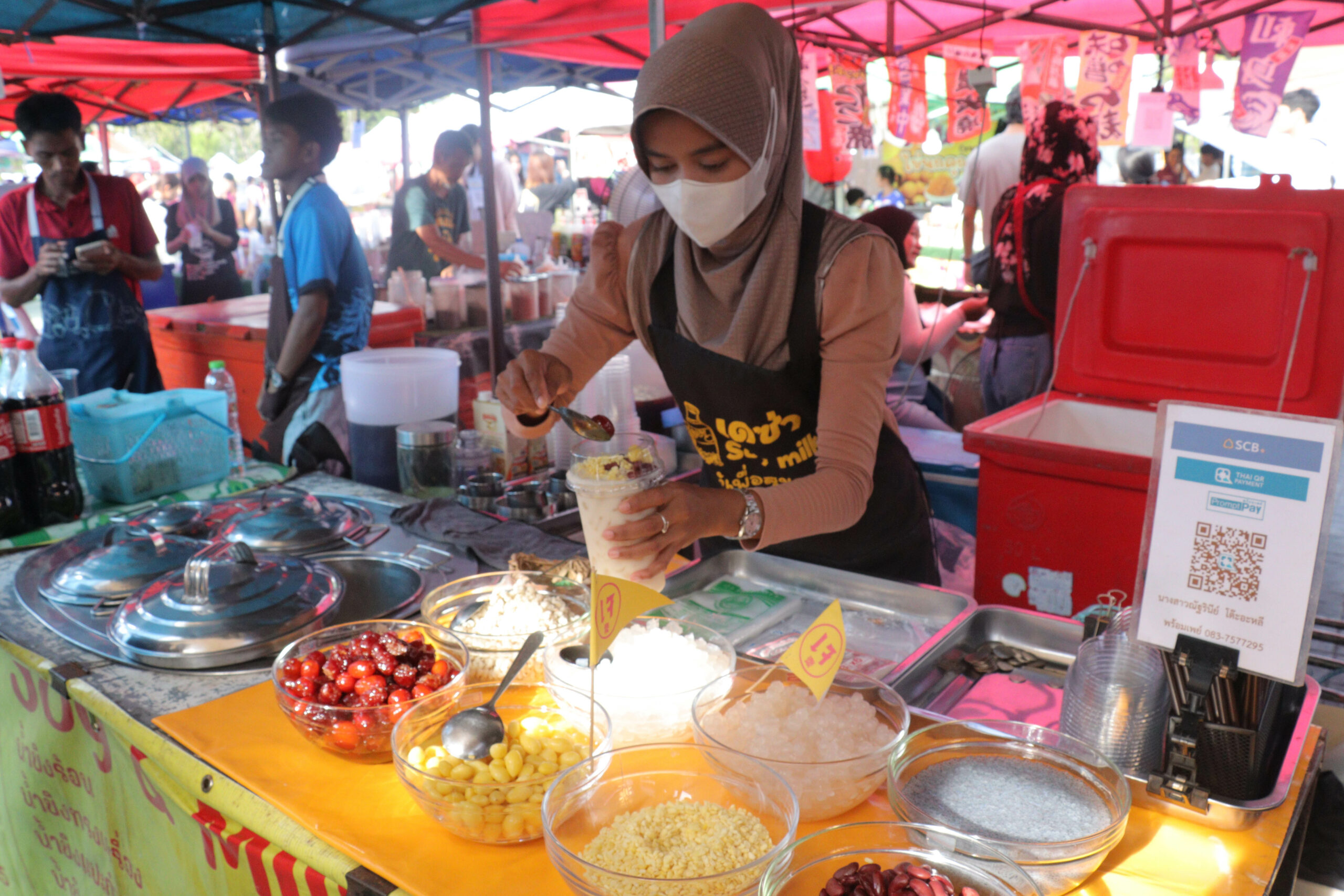
Cho Pradu Food Center comprises 66 food shops and 12 local food stalls, serving students, staff, and other campus users. It offers vegetarian food, vegan food, halal food, and fresh fruit to accommodate diverse dietary needs. The availability of vegetarian and vegan food enables consumers to choose plant-based meals and reduce their reliance on animal products. Local food stalls also provide community businesses with access to the campus market, supporting both food choices and contributions to thriving local economies.
Student Activities Building Food Center
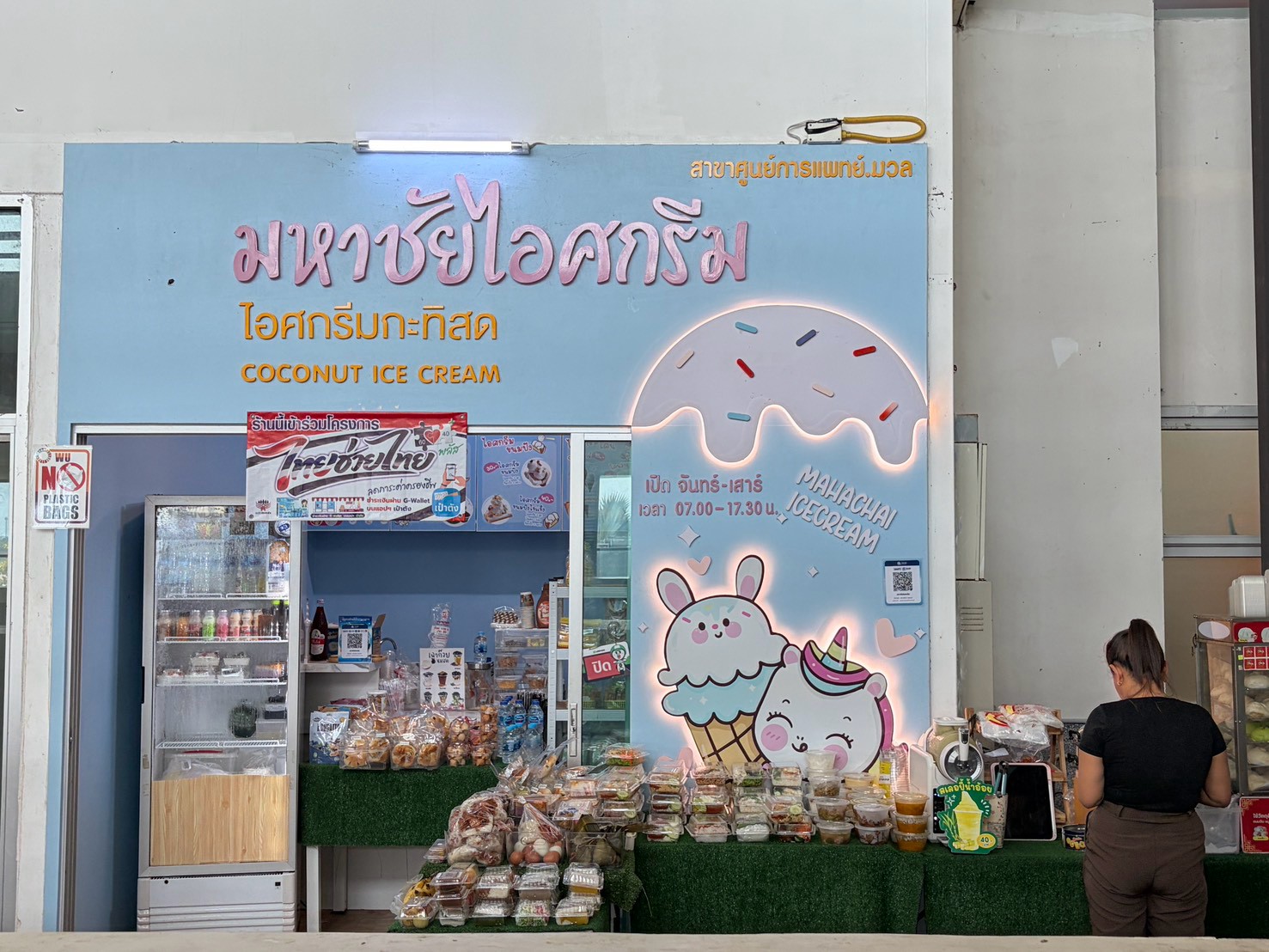
The Student Activities Building Food Center comprises 8 shops and 9 local food stalls, providing food in an area used for student activities and daily campus life. This location facilitates convenient access to plant-based meals, while space for local food stalls creates trading opportunities and income for community businesses. When identifying a dish as vegetarian or vegan food, its ingredients and seasonings should be clearly considered so that consumers can choose food that meets their dietary needs.
Walailak University Hospital Food Center
The Walailak University Hospital Food Center comprises 19 food shops, serving staff, service users, and visitors. It offers vegetarian food, vegan food, halal food, and fresh fruit. Vegetarian and vegan food choices in the hospital setting broaden access to plant-based meals for diverse users, while halal food accommodates religious dietary requirements. Food sustainability is also considered in relation to trusted sources of ingredients, production methods, and resource use under the university’s policy.
Campus Convenience Stores
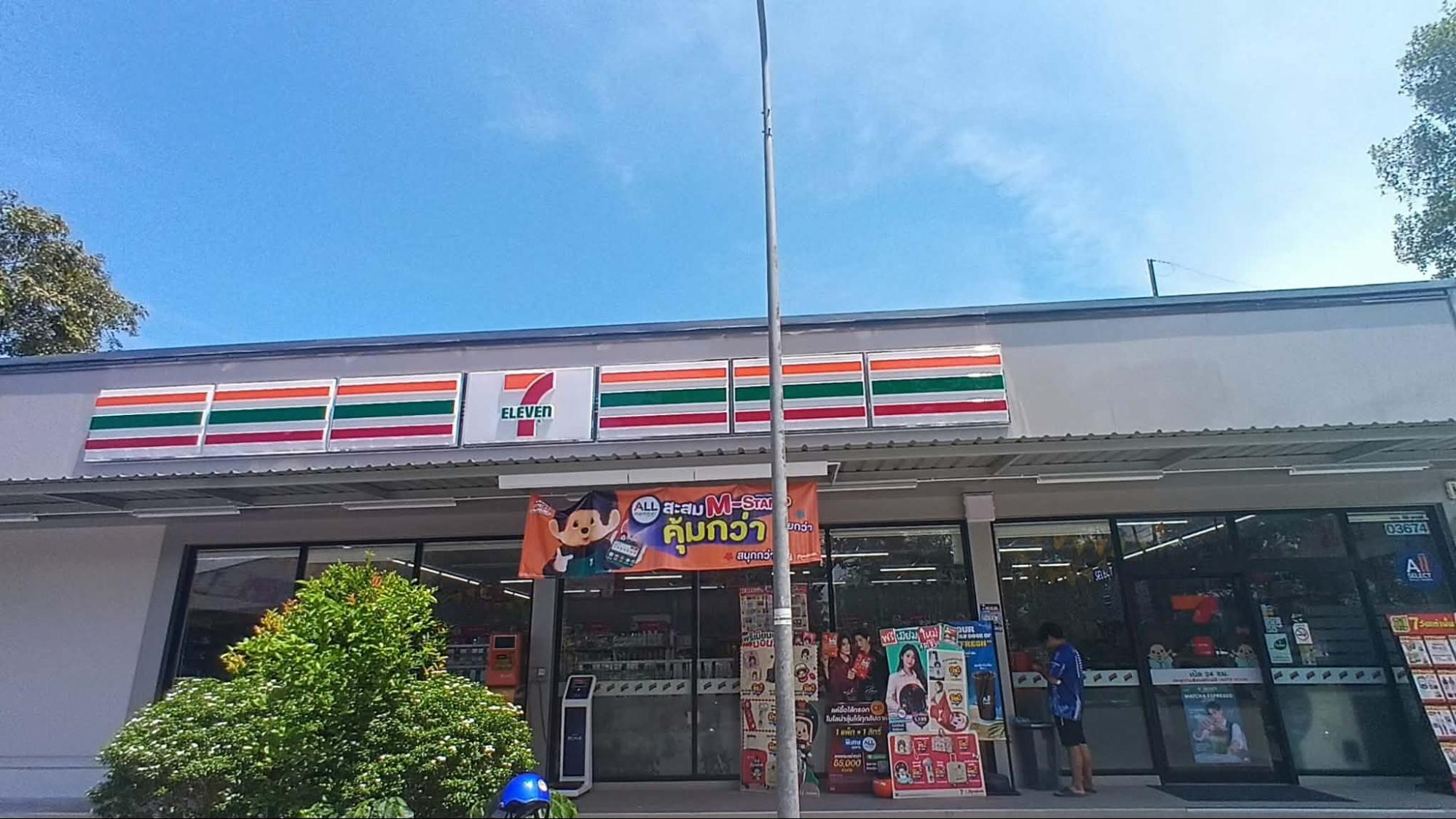
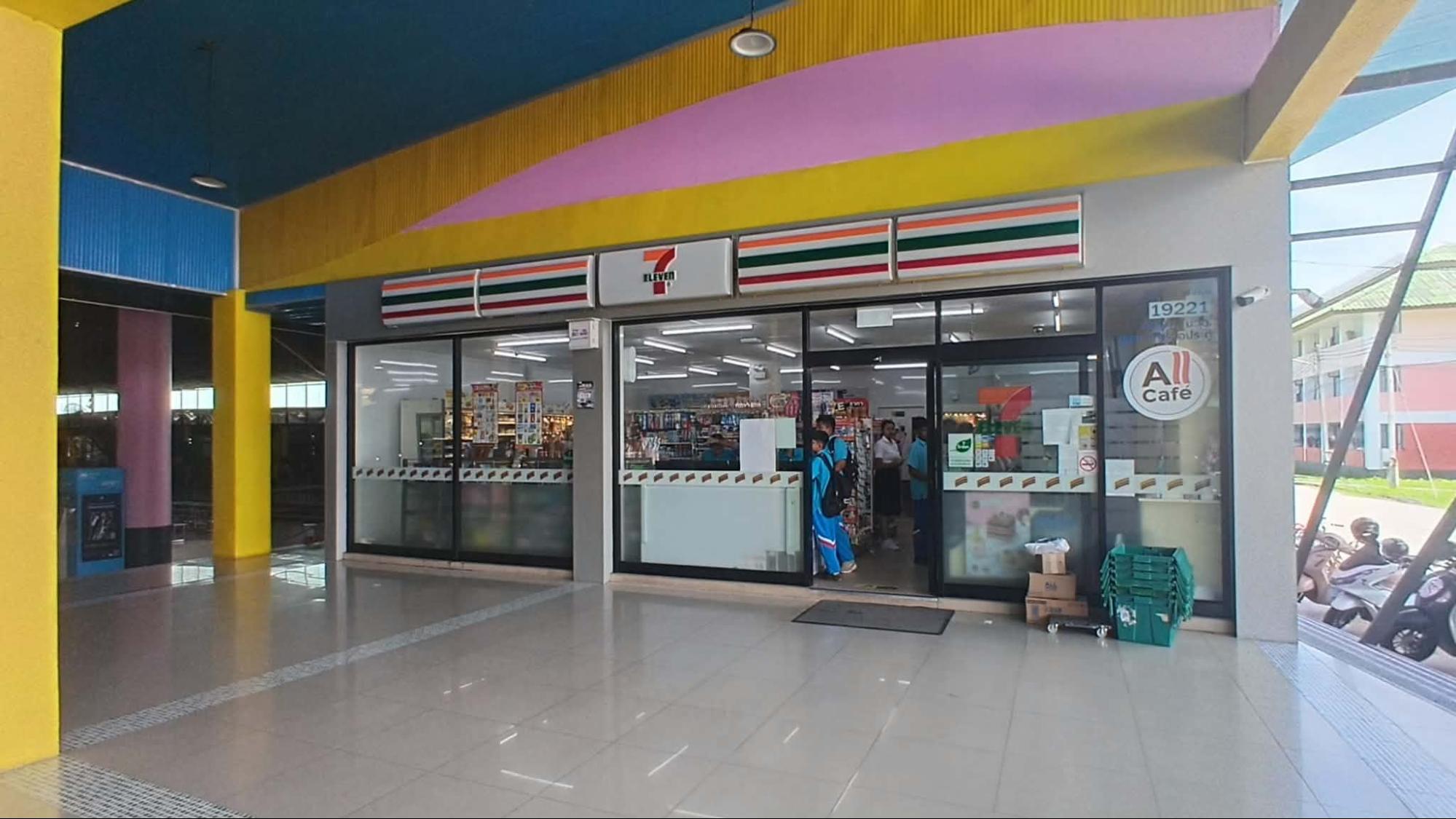
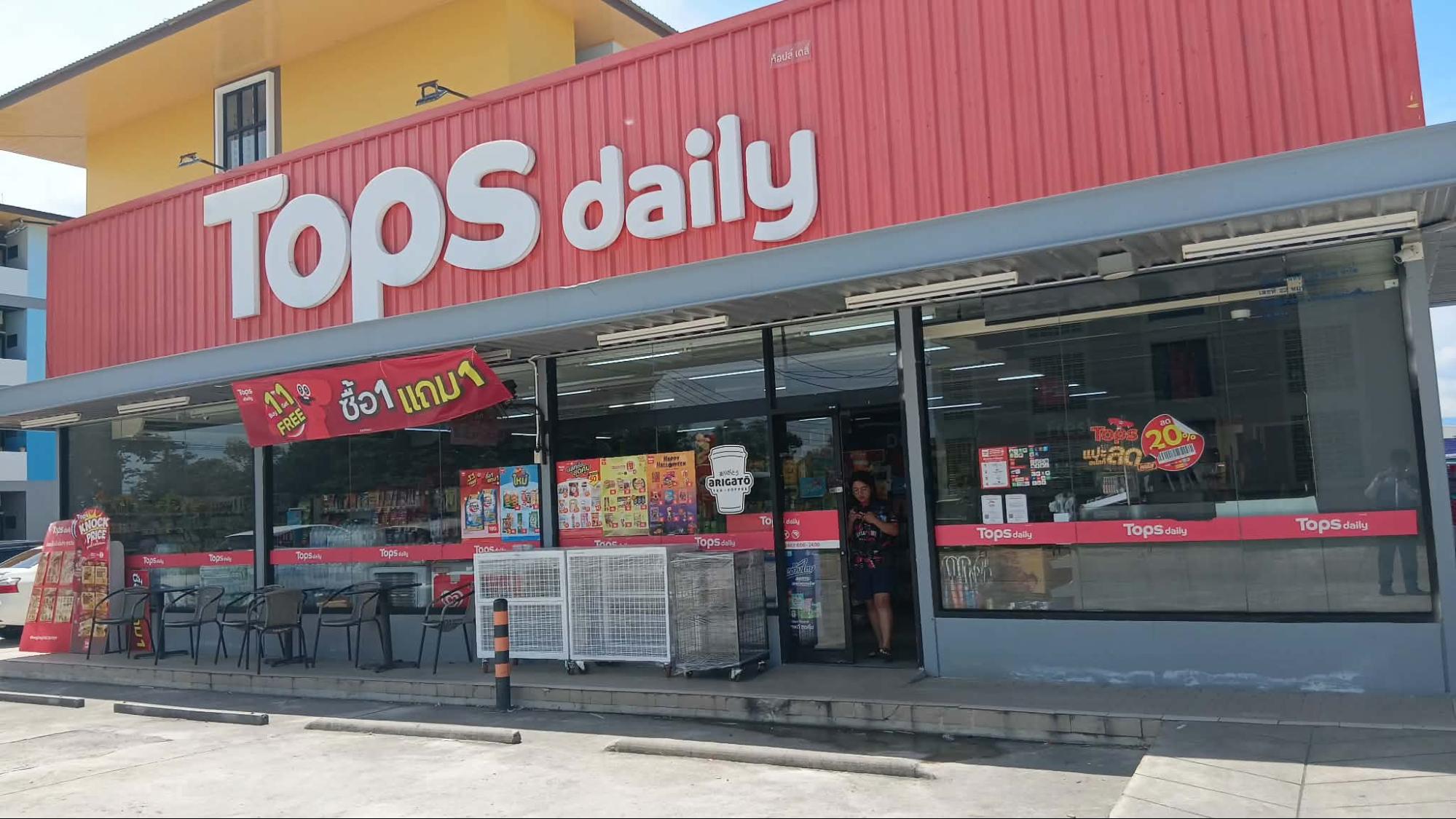
The university has 7 convenience stores selling vegetarian and vegan food products, as well as products from local businesses and small and medium-sized enterprises (SMEs). These stores provide convenient access to plant-based food choices in everyday campus life. Consumers can check ingredient information on product labels to inform their purchasing decisions. Selling products from local businesses and SMEs also expands market opportunities and supports producers’ sustainable livelihoods, an element of sustainable food choices under the indicator.
Food Kiosks in Various Campus Areas
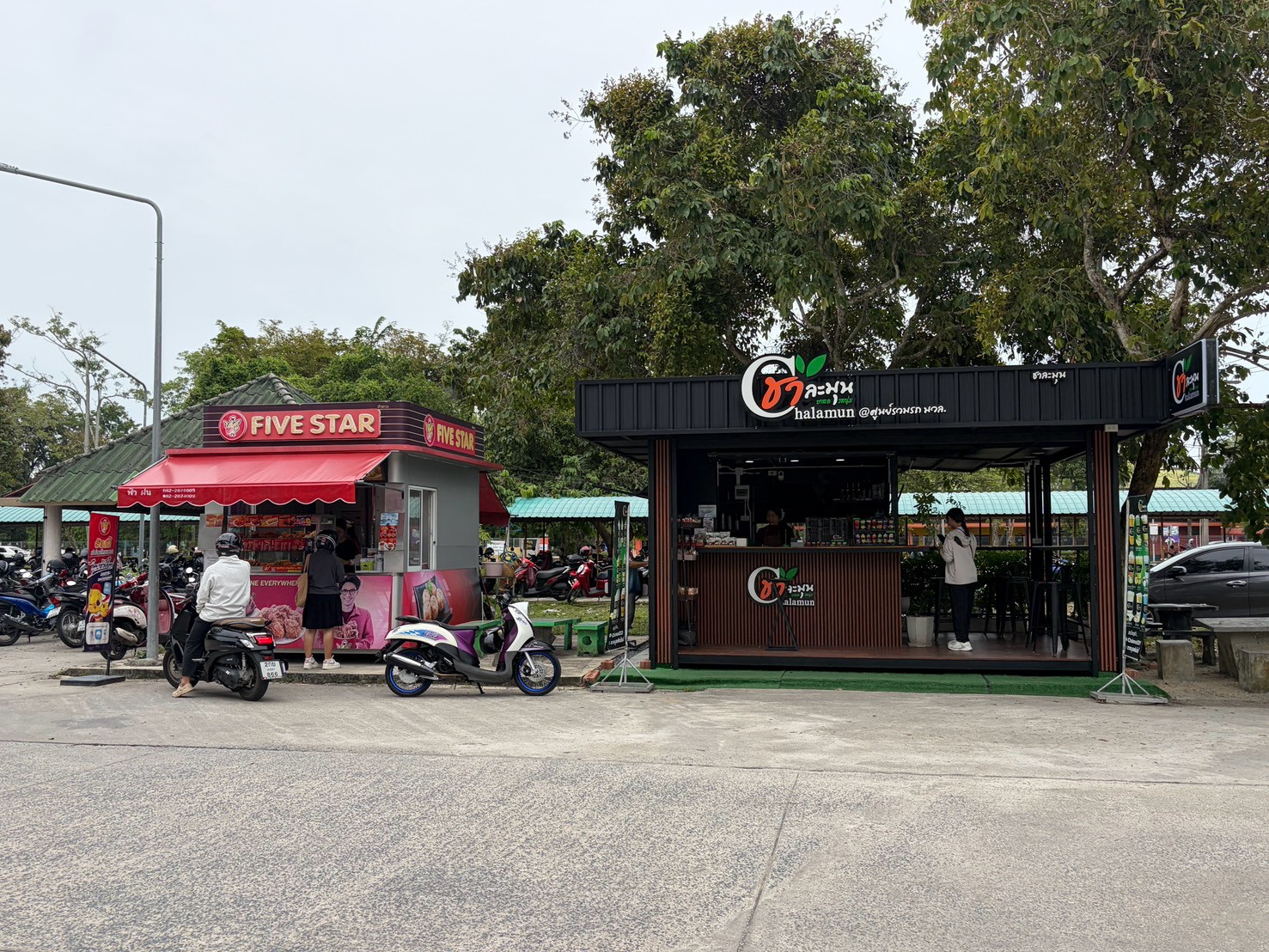
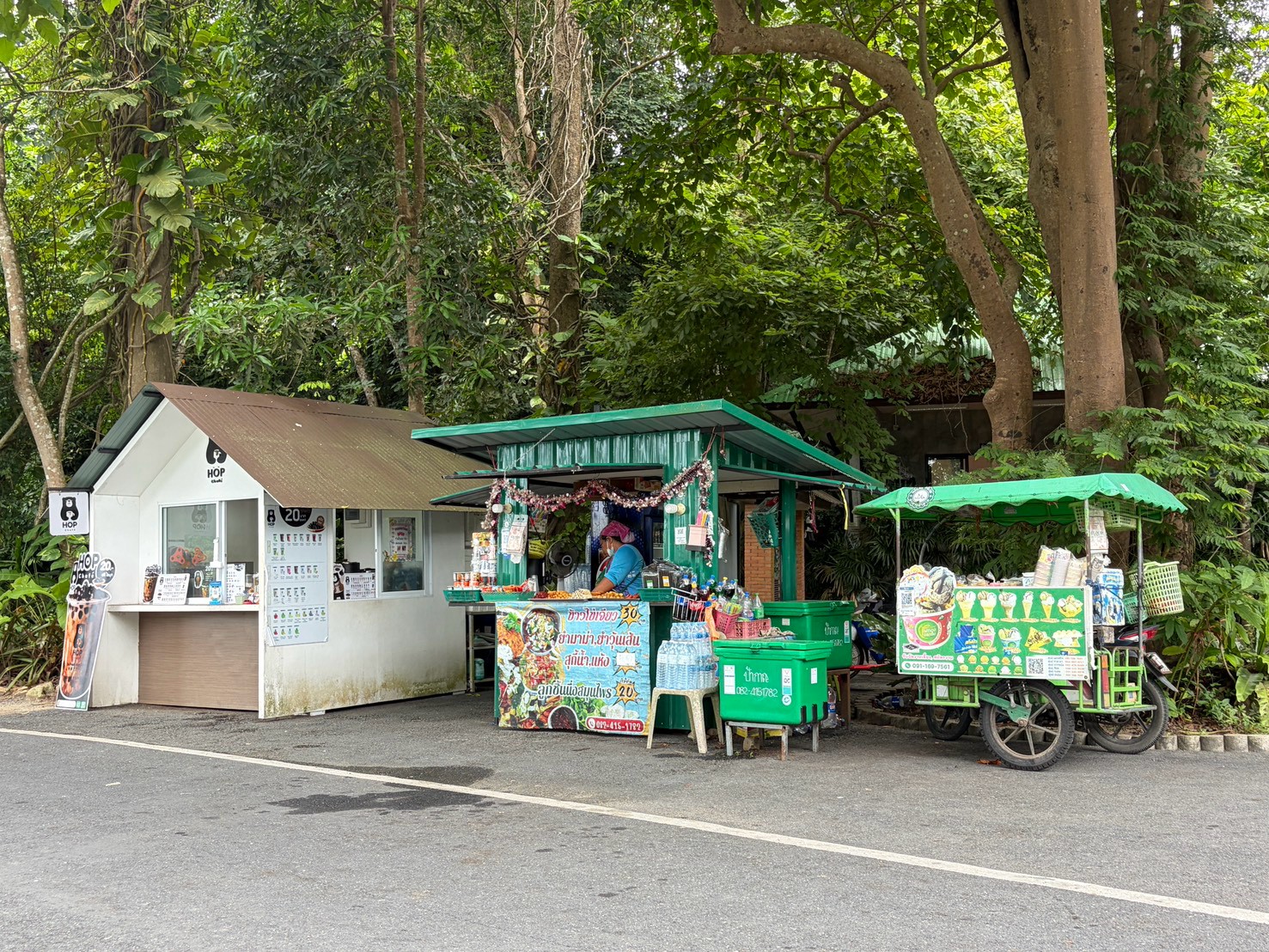
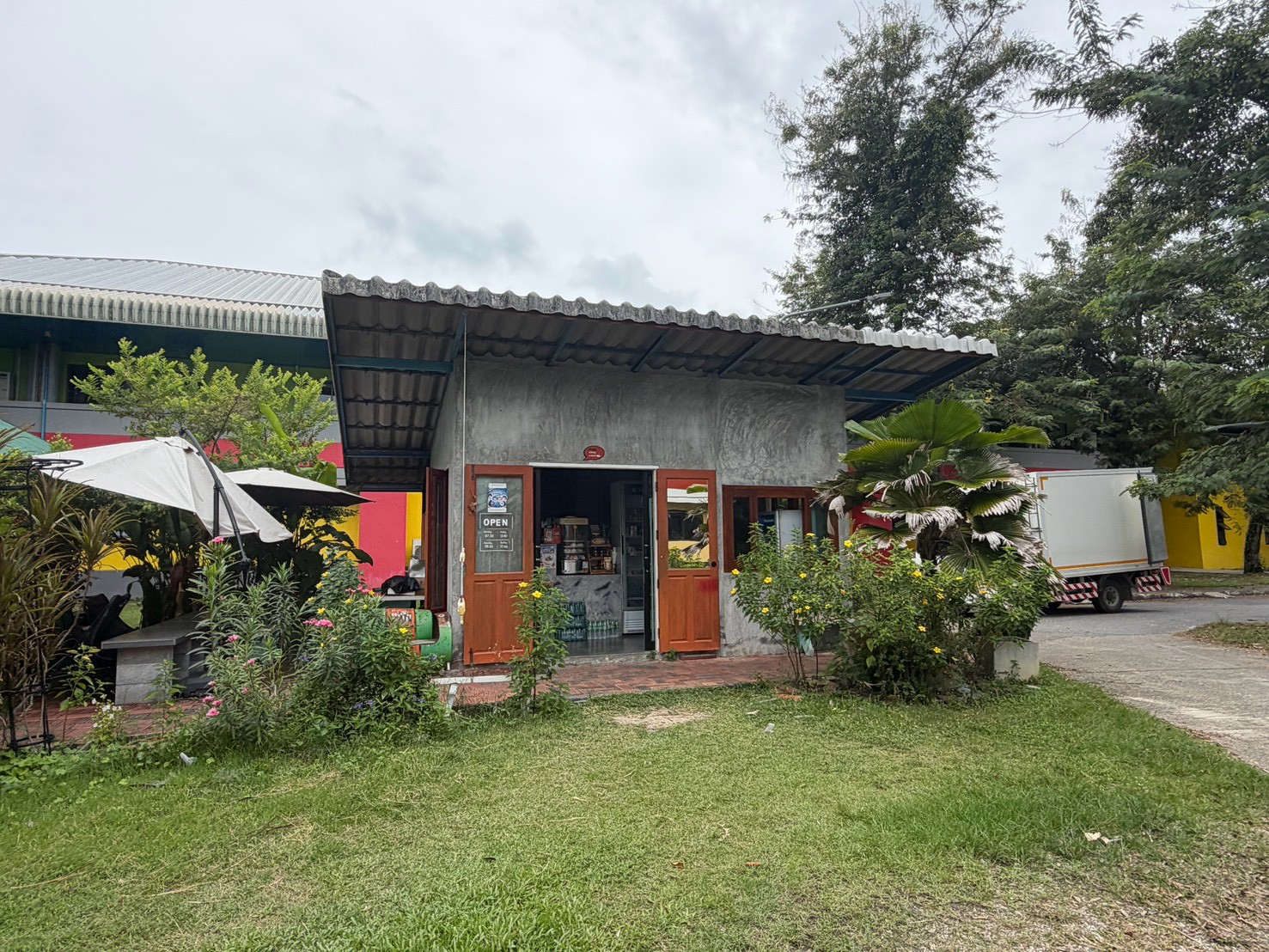
There are 15 food kiosk locations distributed across campus, providing food and beverages, including vegetarian and vegan food choices. These locations enable people studying, working, or living in different areas to conveniently access food suited to their dietary preferences. The university also encourages vendors to use ingredients from trusted sources with recognised and verifiable standards. This connects plant-based food services with responsible procurement, considering safety, environmental impacts, and resource use together.
Vending Machines
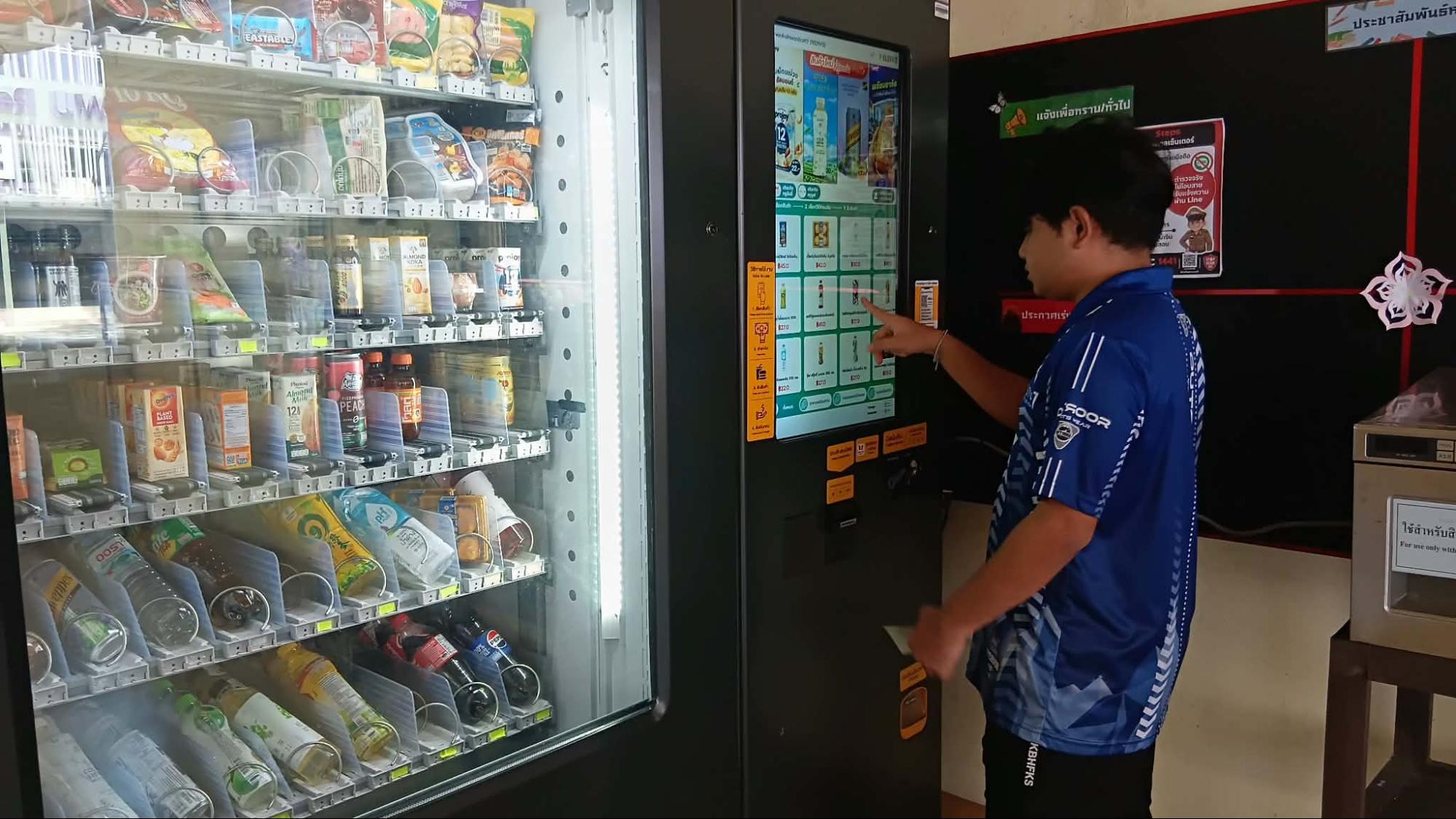
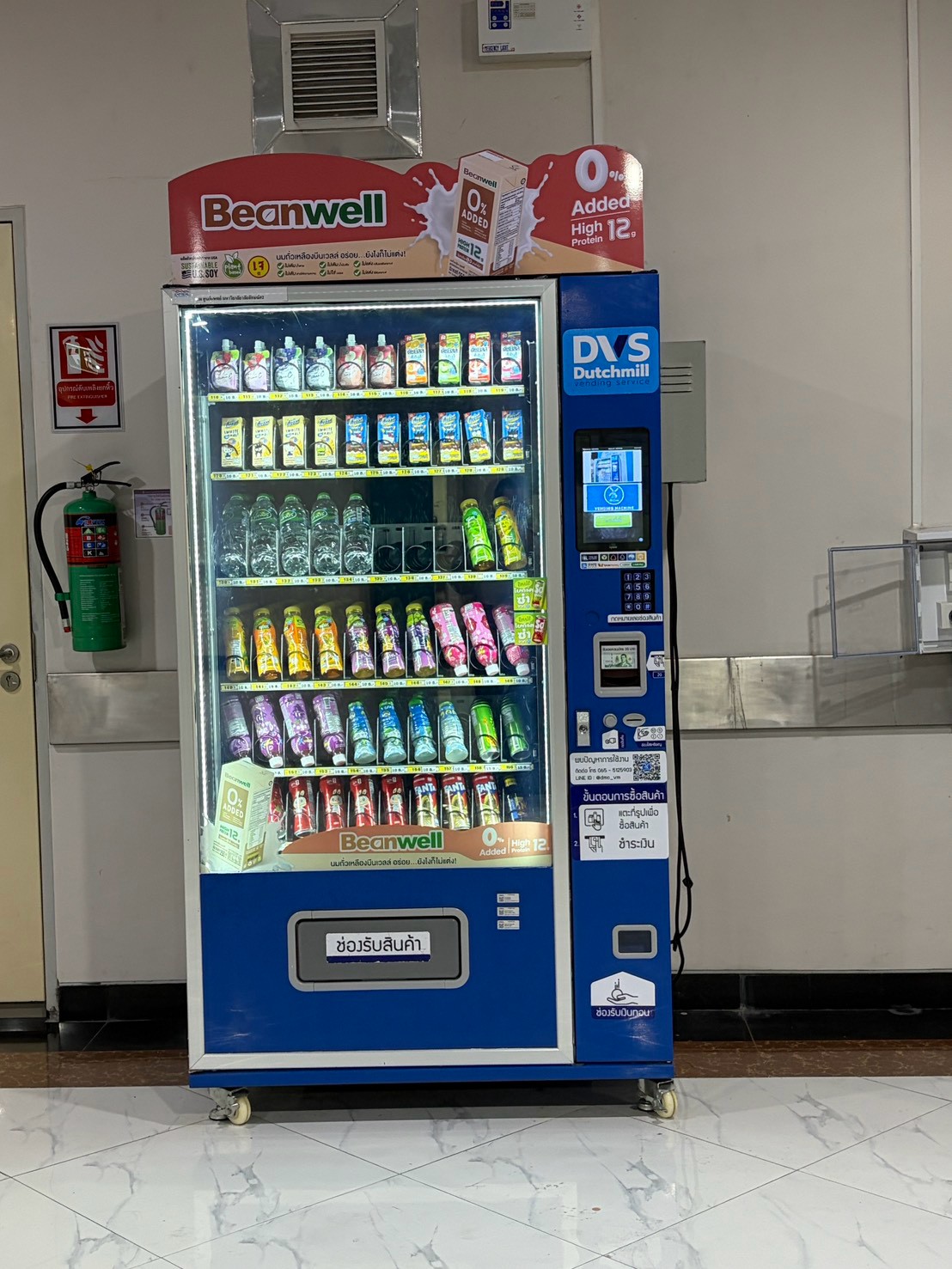
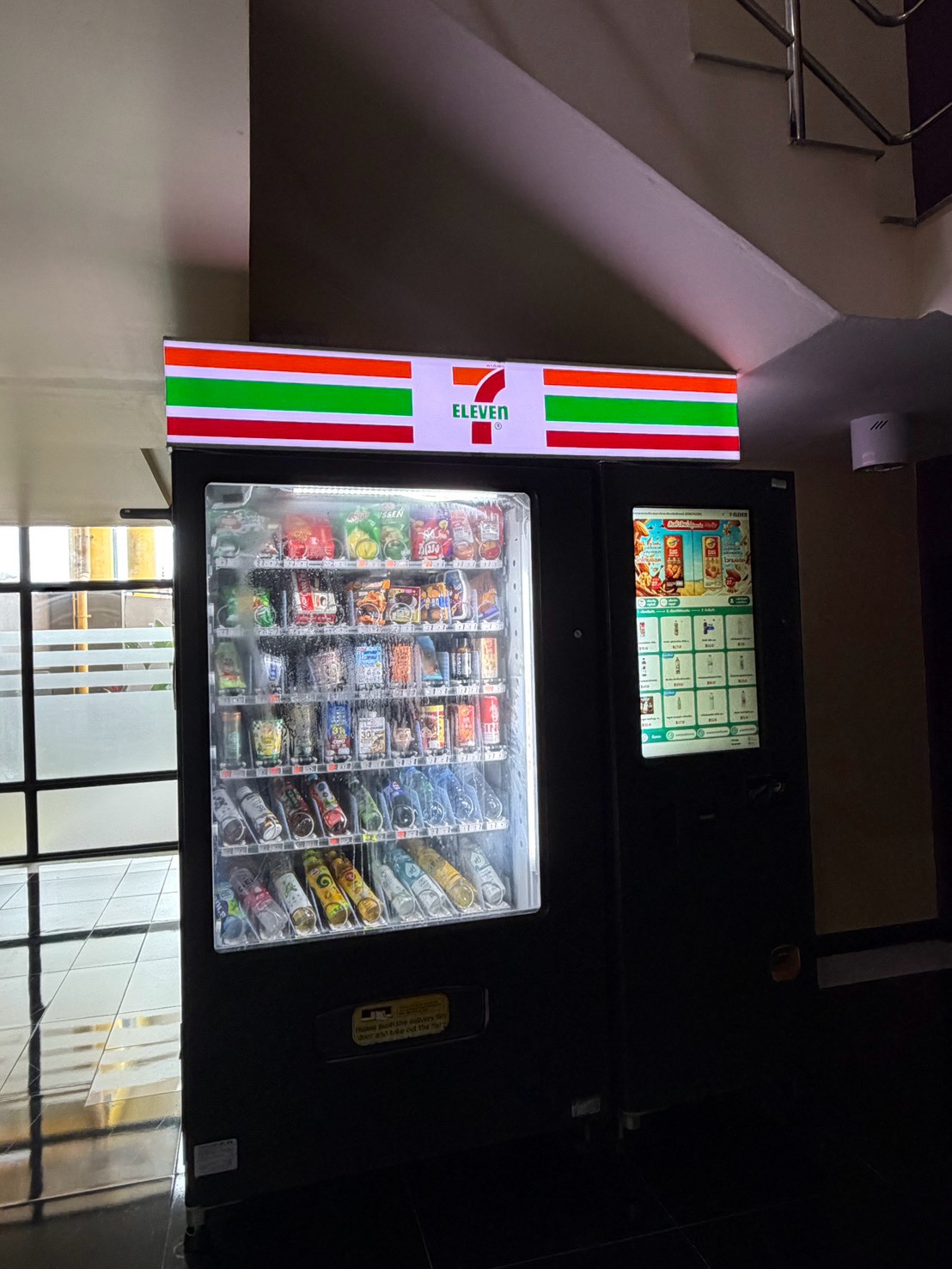
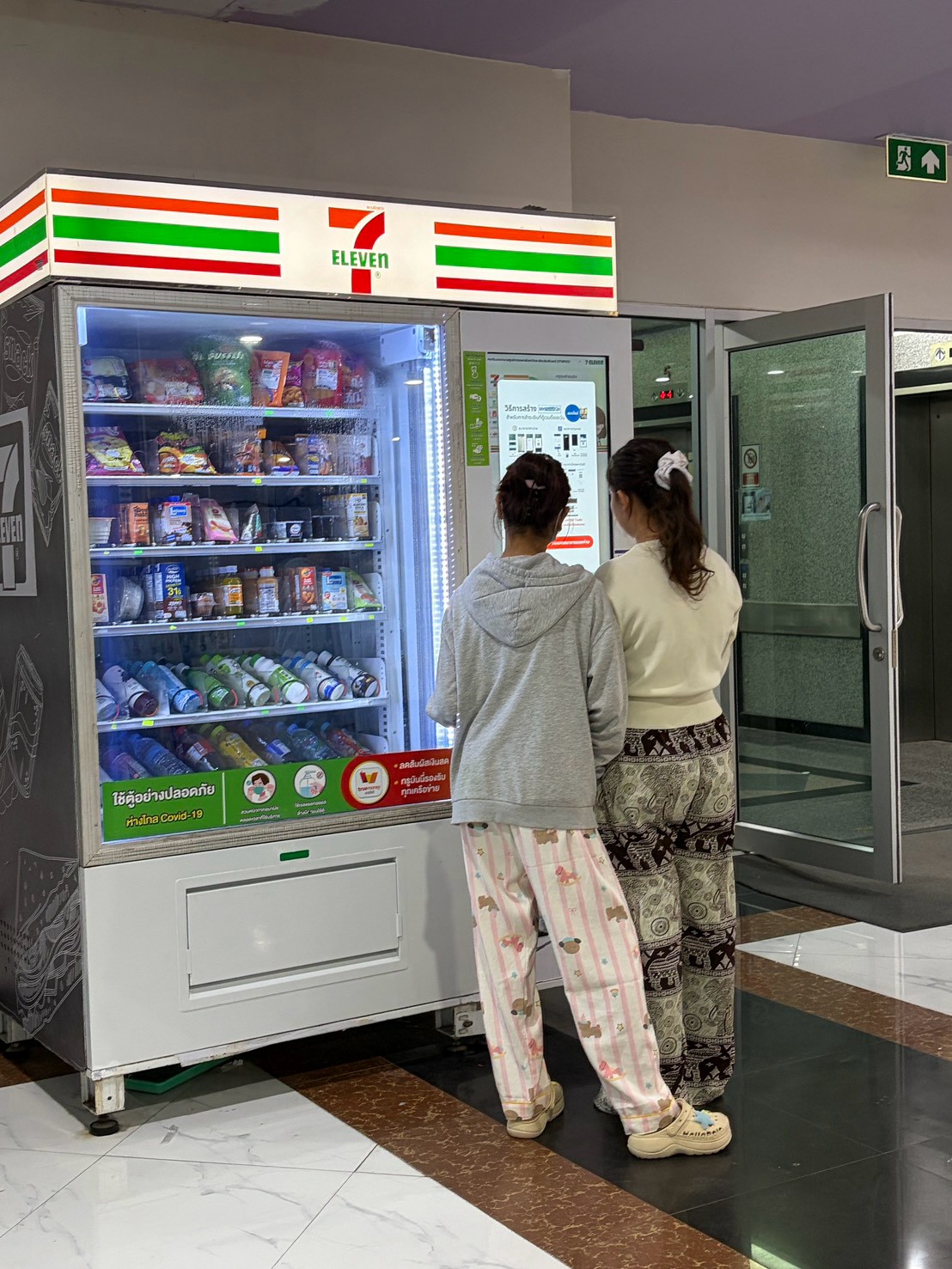
The university has 18 vending machines in key campus locations to facilitate access to food products from trusted producers. This channel supports the availability of food from trusted sources with traceable origins, with producer and ingredient information on packaging helping consumers make purchasing decisions. However, the available information does not identify the vegetarian or vegan products stocked in each machine. Additional information on the actual products is therefore needed to demonstrate the coverage of these choices under the indicator.
Kla-D Shop
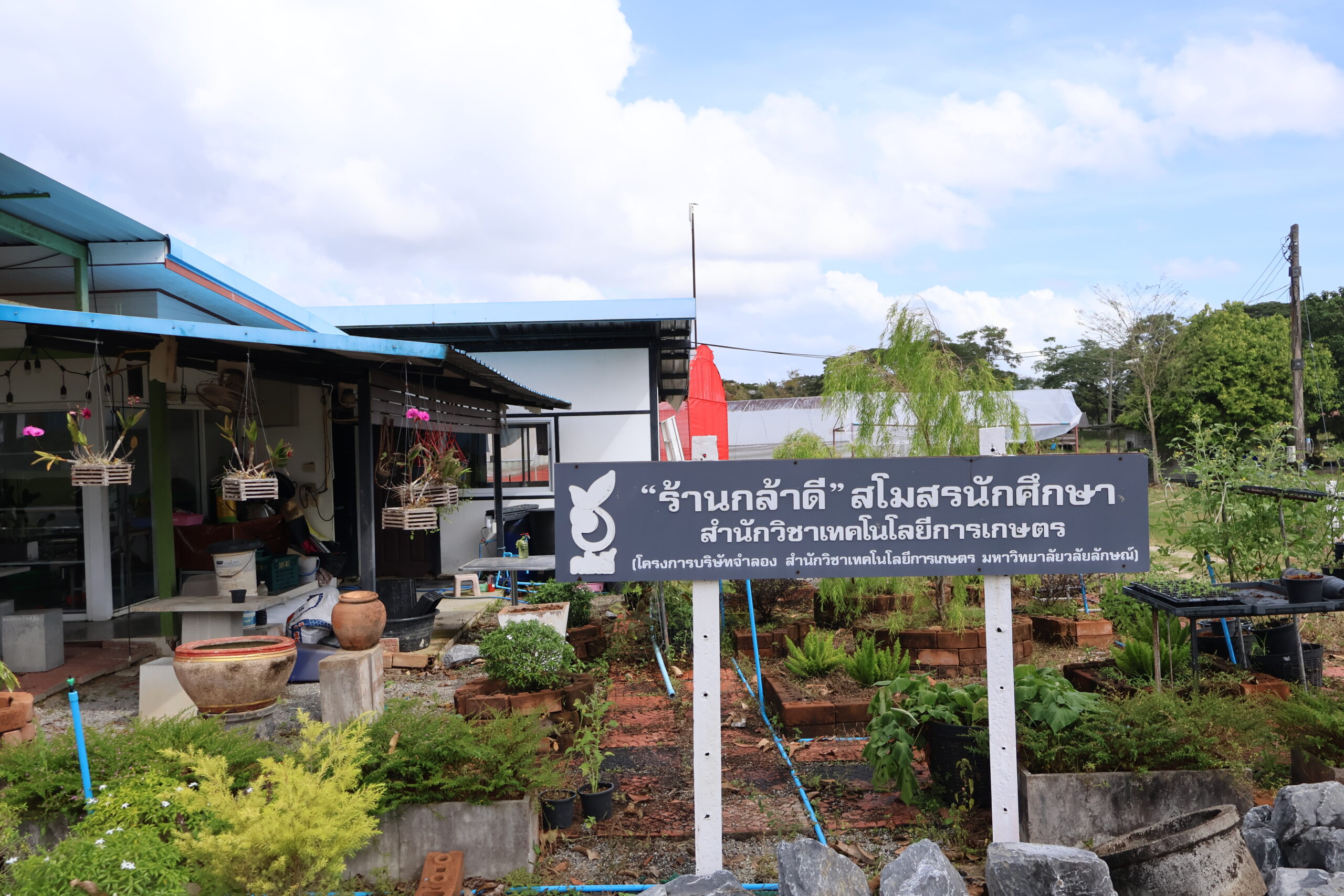
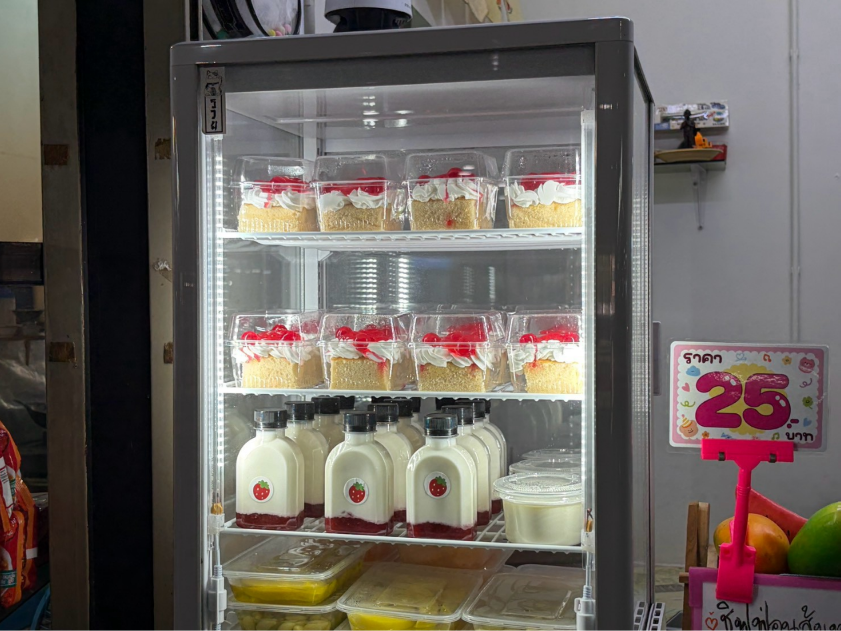
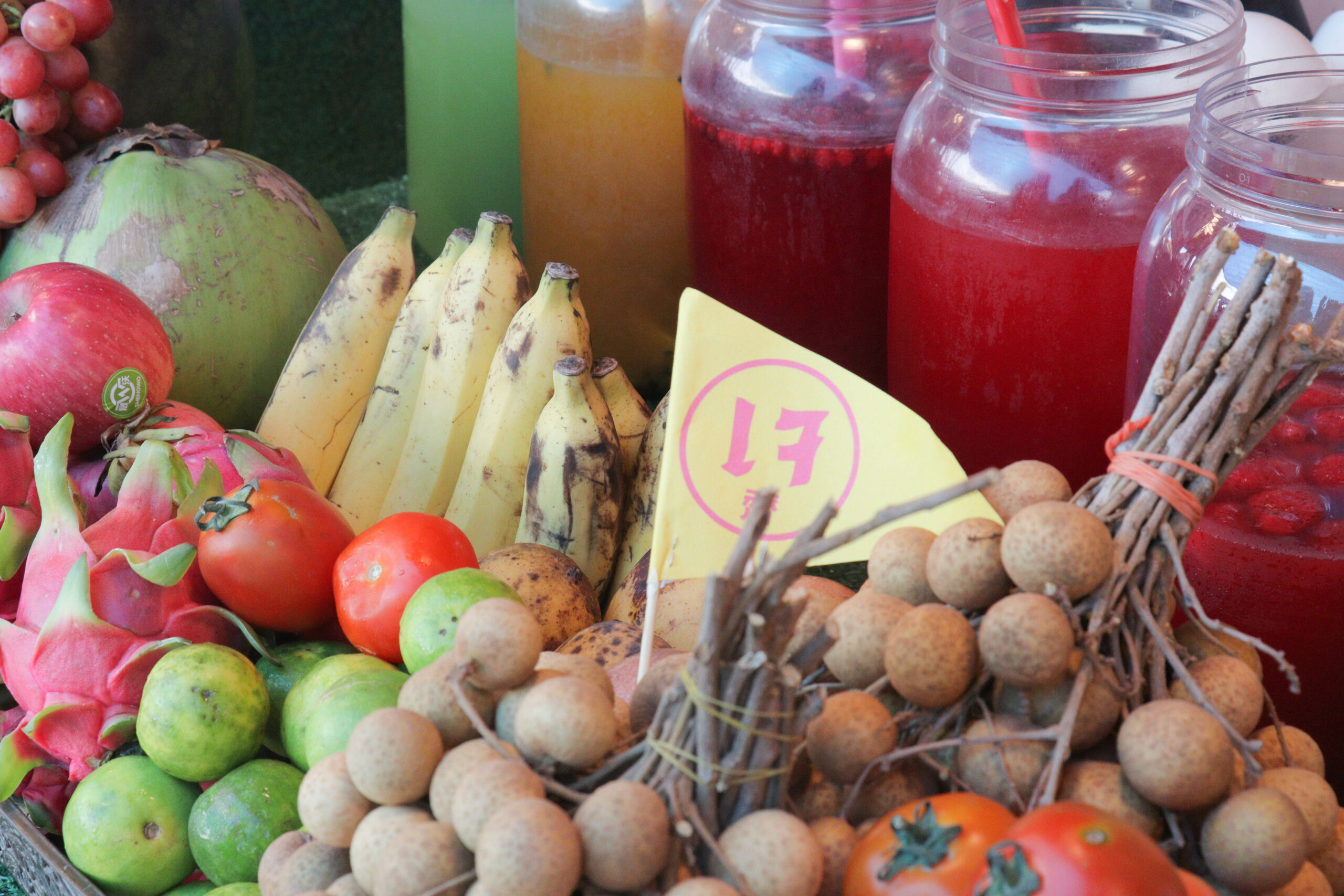
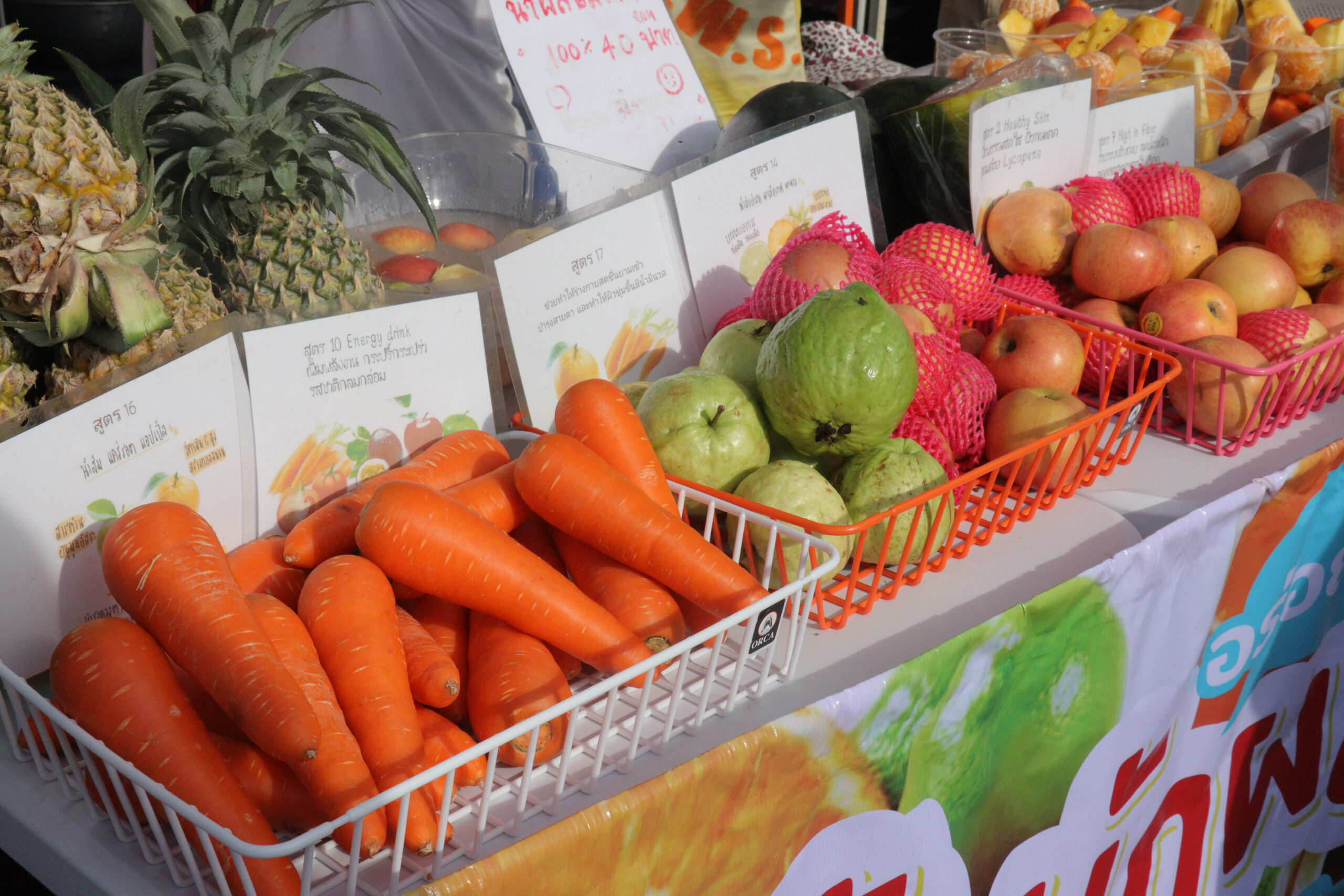
Kla-D Shop sells vegetables, fruit, and ingredients from on-campus production facilities. It enables consumers and food vendors to access produce with traceable origins for food preparation, including vegetarian and vegan meals. Connecting on-campus production with sales outlets reduces transportation distances for locally sourced produce and supports the consumption of seasonal products. For produce from facilities using compost, biological inputs, or practices that reduce reliance on chemicals, providing production information alongside each product would more clearly demonstrate its connection to environmentally sustainable management and responsible use of natural resources.
BOTA Green Market
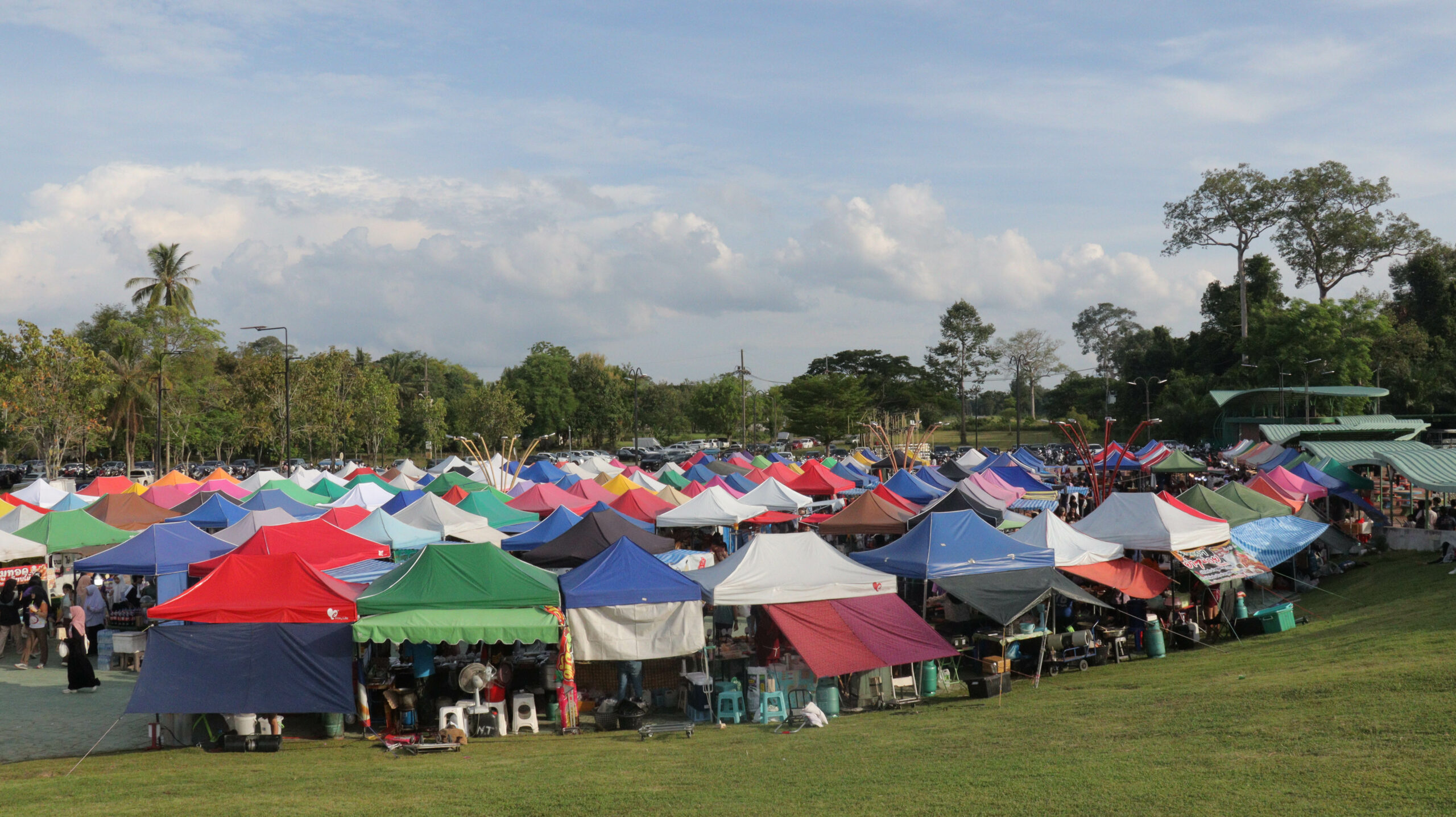
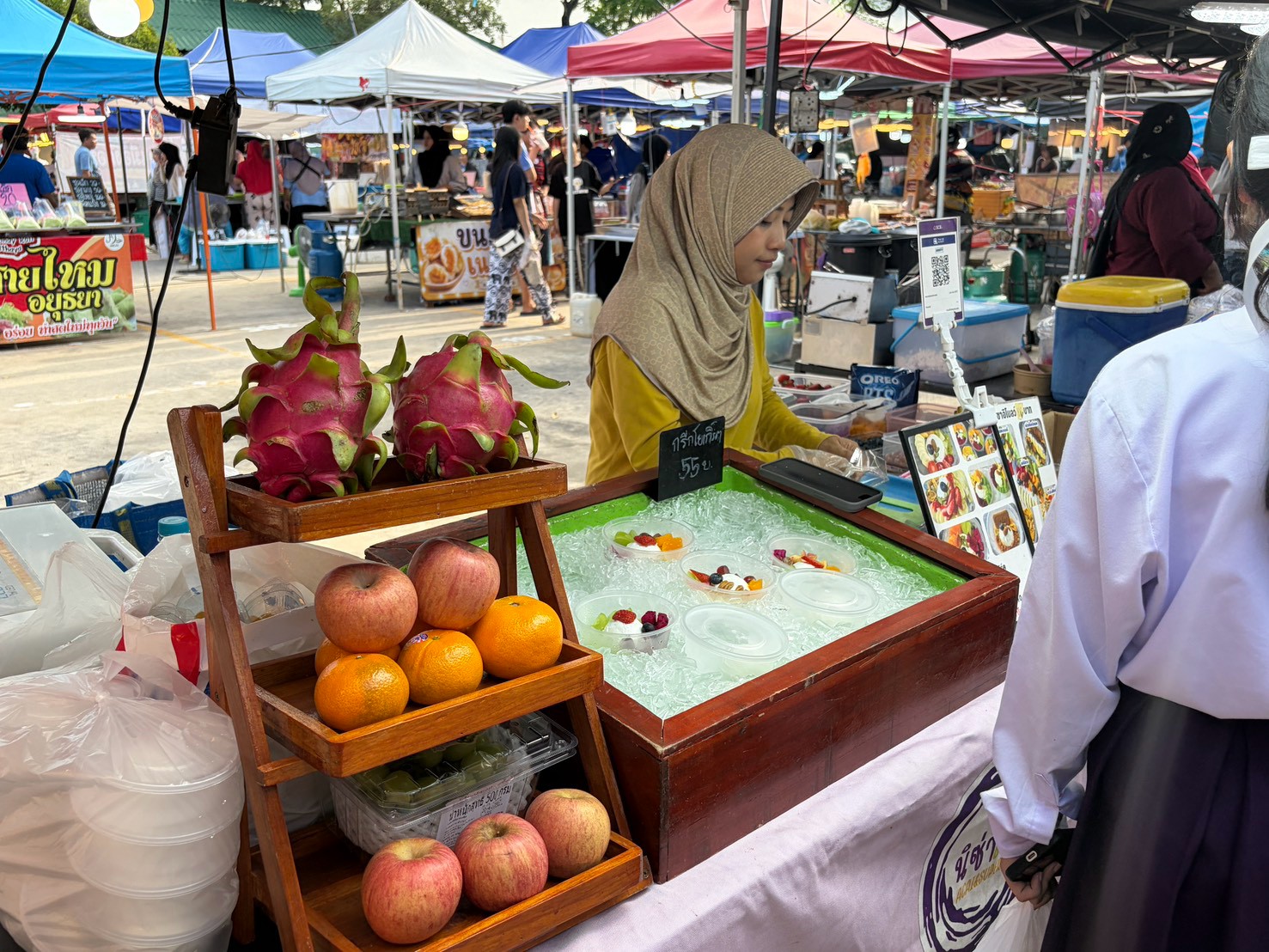
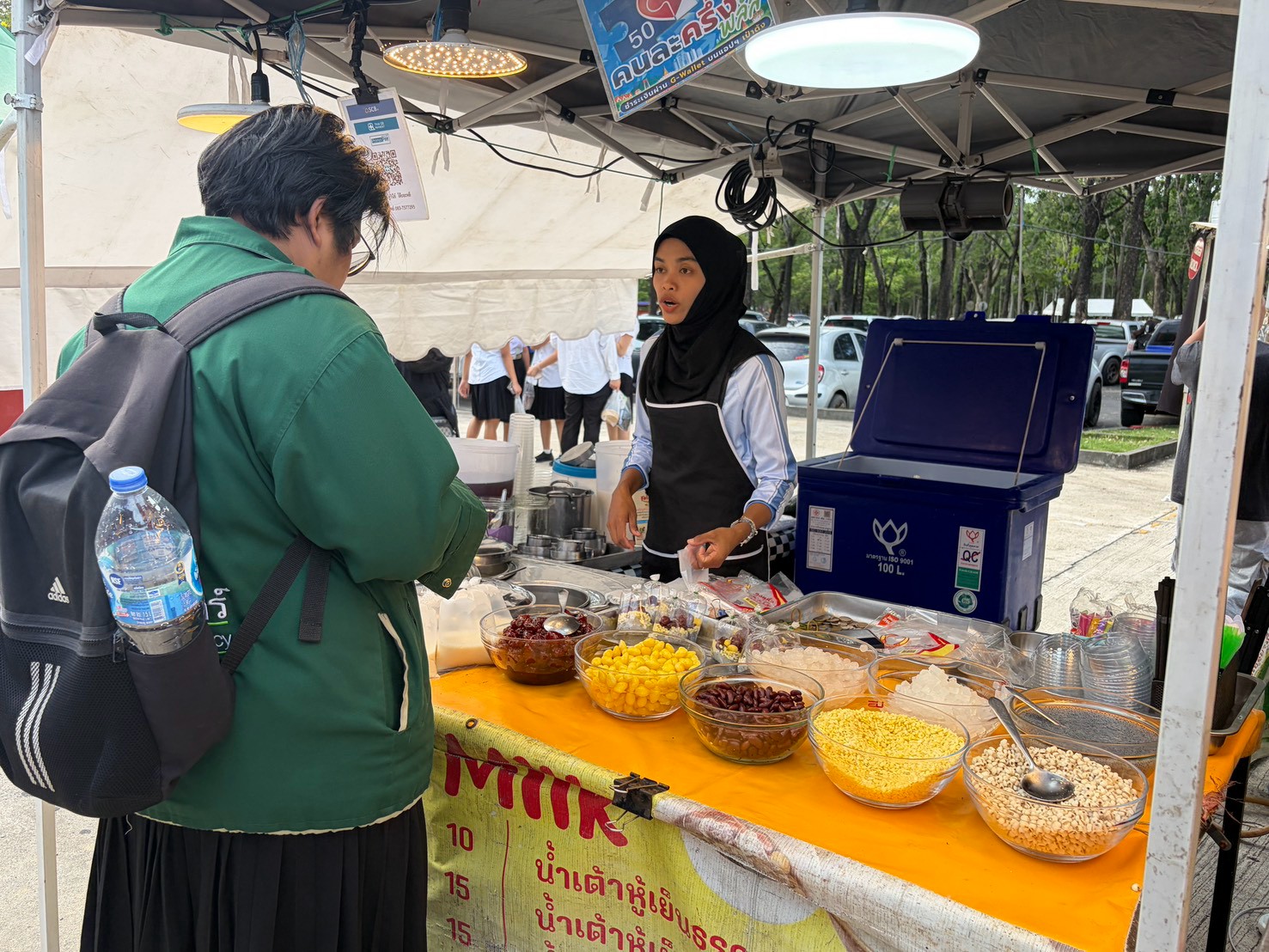
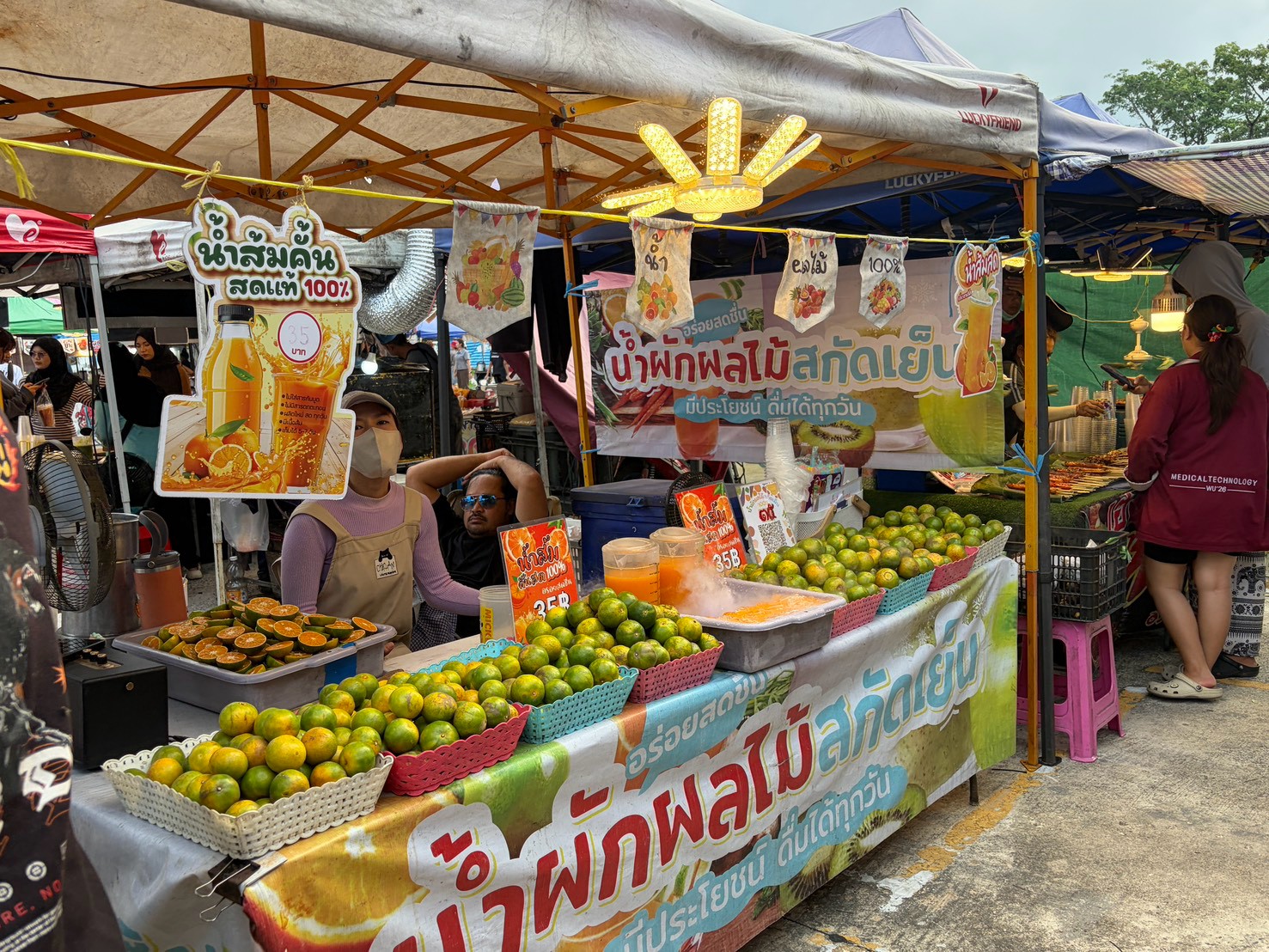
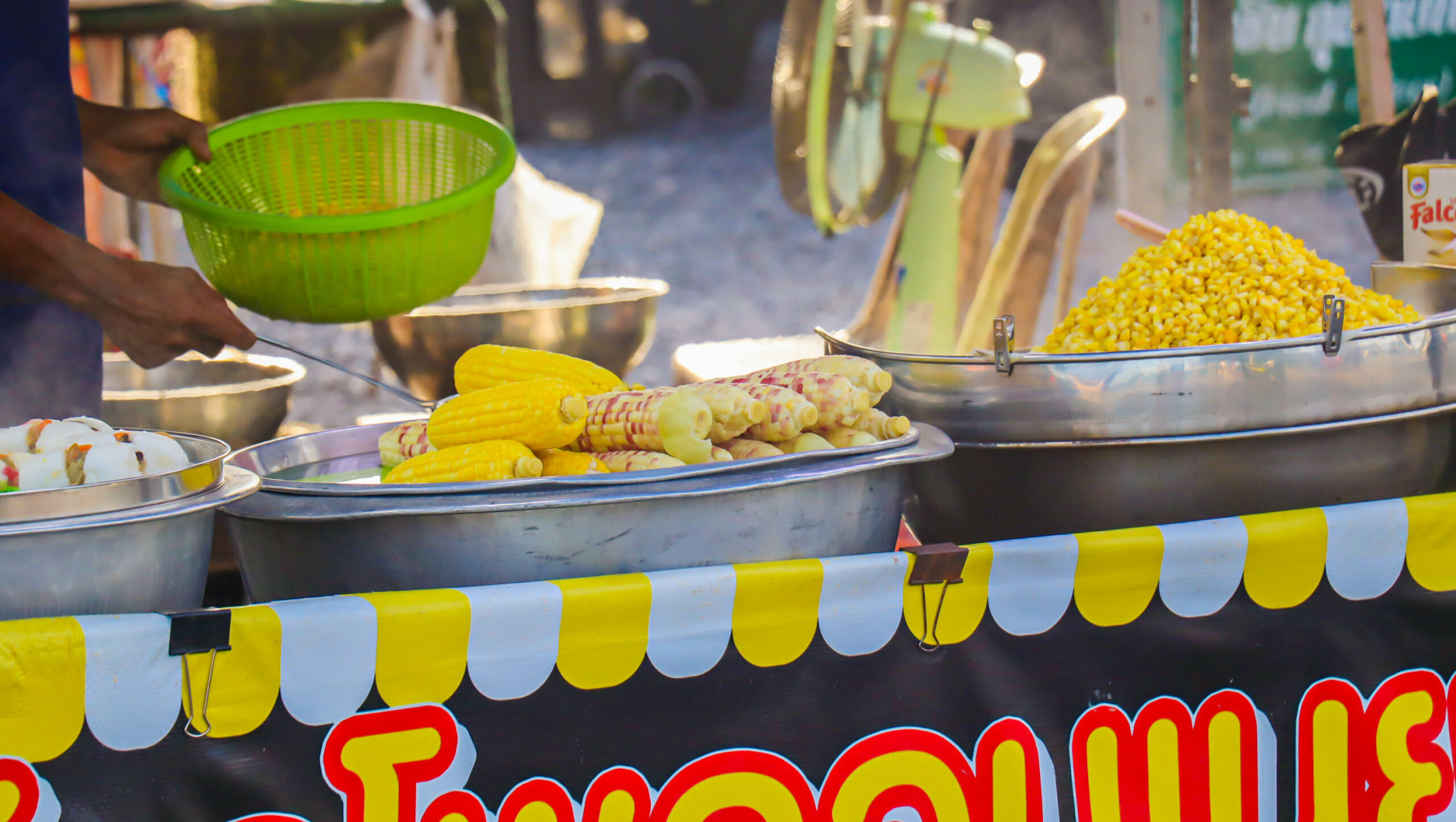
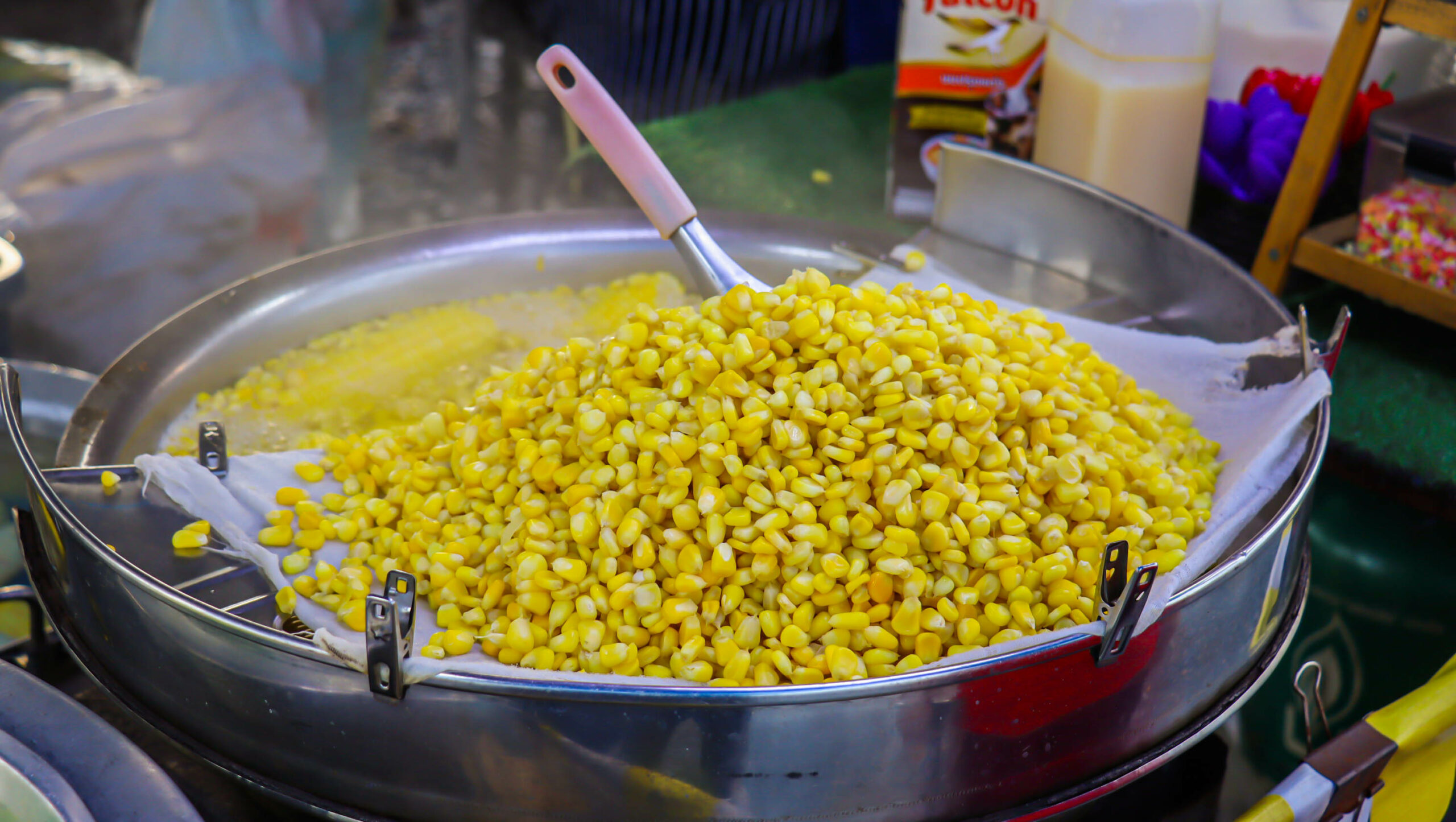
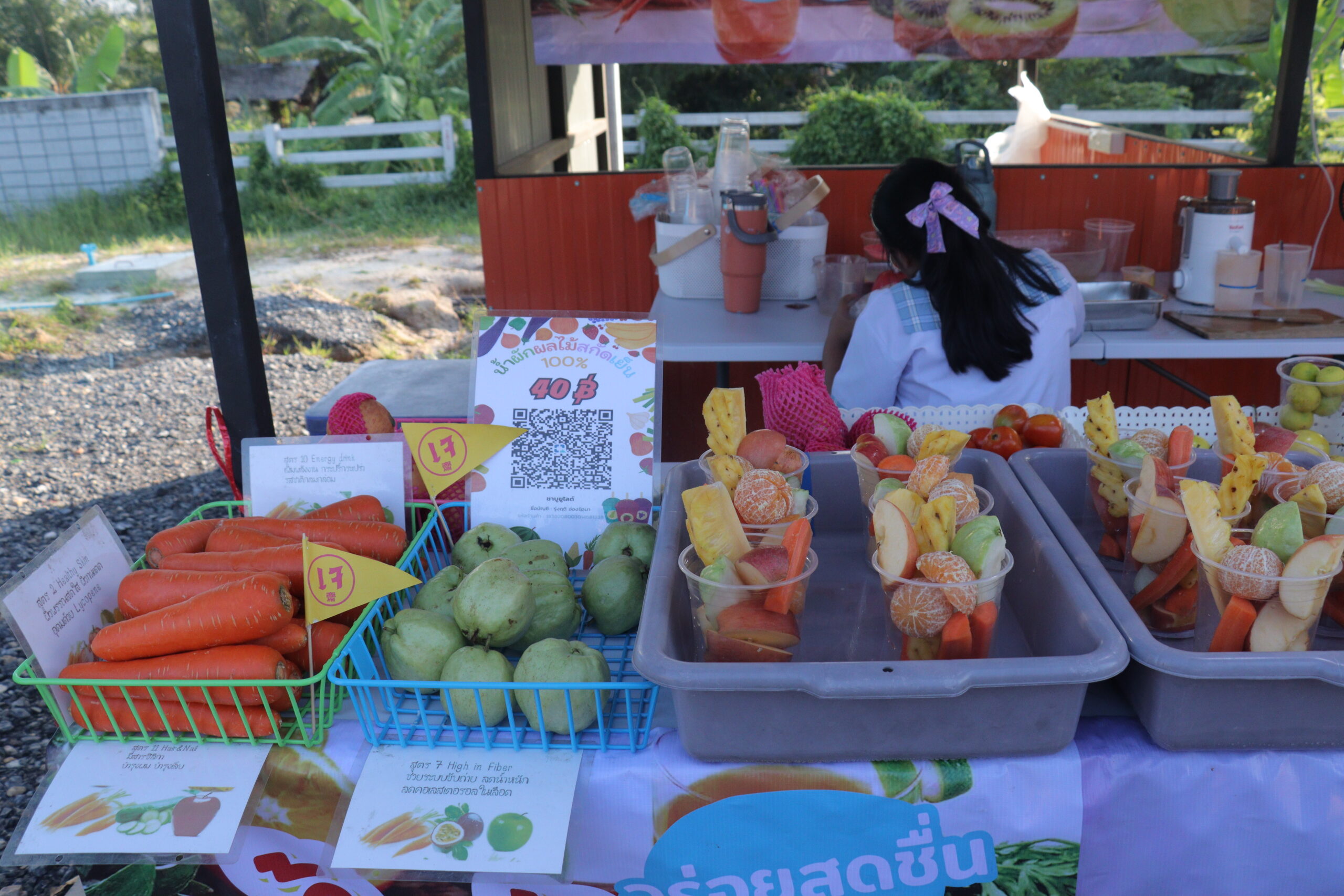
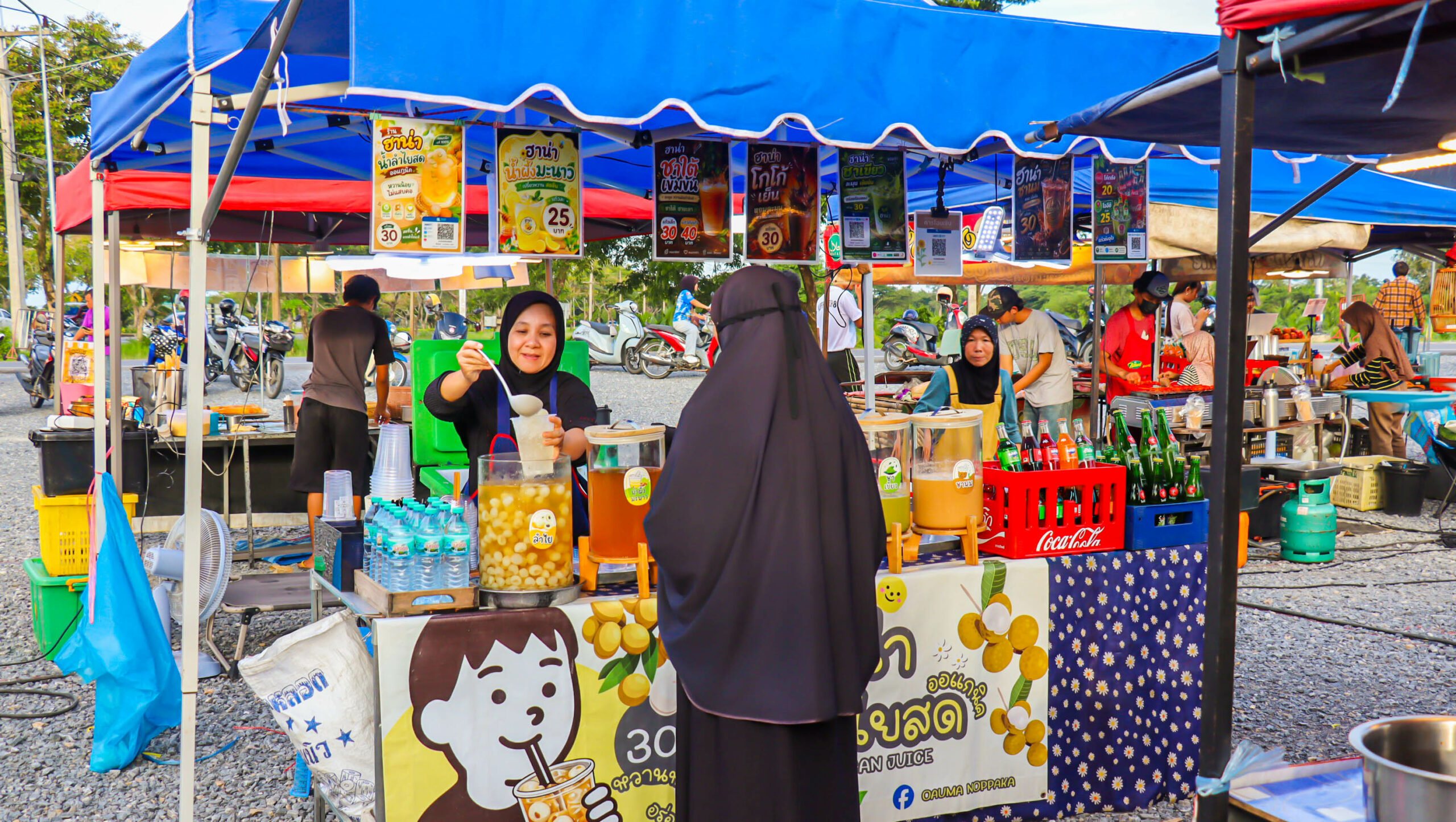
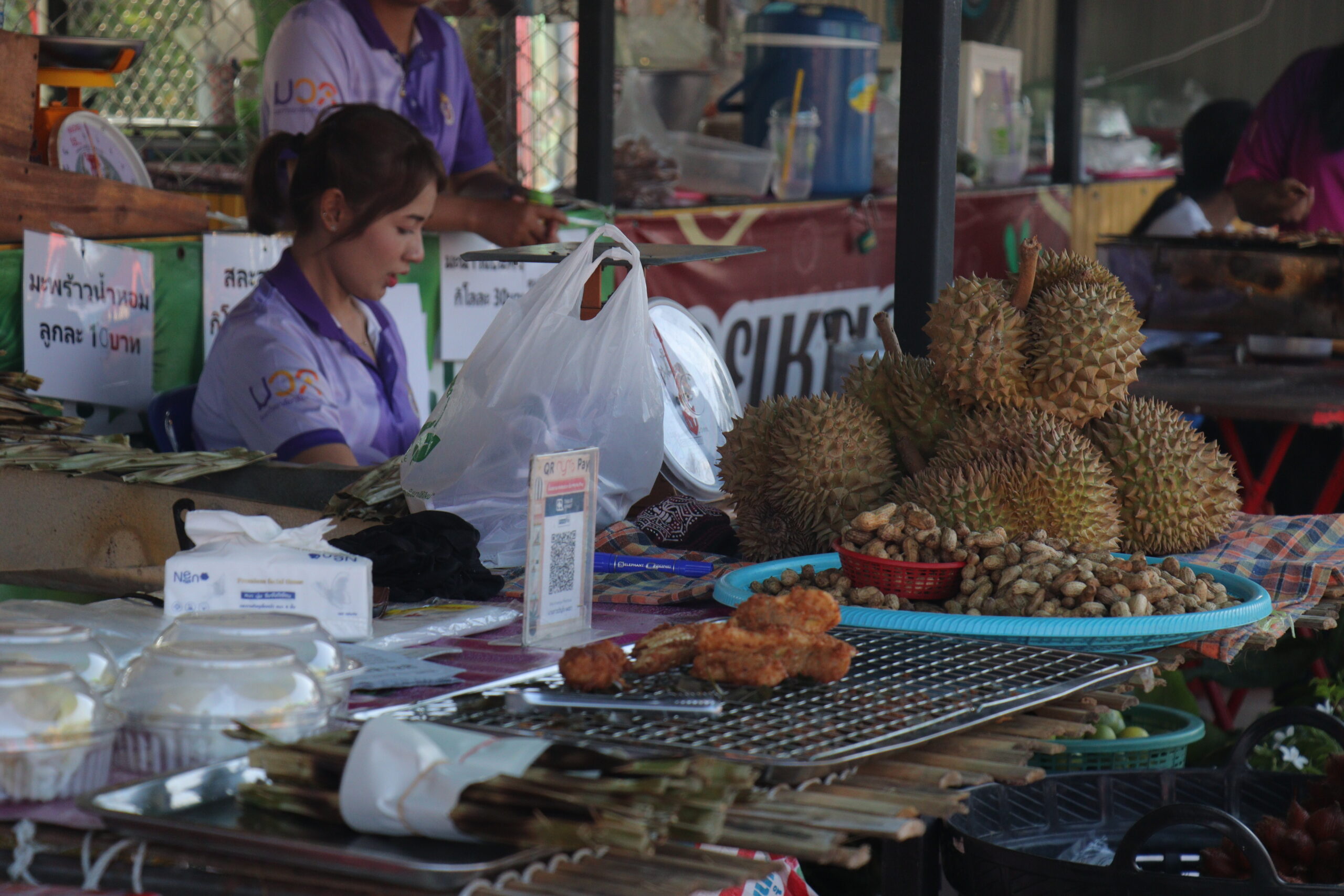
BOTA Green Market is held every Thursday at Walailak University Botanic Park and comprises 175 stalls operated by community vendors. It provides space for the sale of community food and goods, expanding the choices available to students, staff, and other campus users. Allowing community vendors to sell directly on campus creates trading opportunities, distributes income, and supports local businesses’ livelihoods. This aligns with the sustainable food criteria concerning contributions to thriving local economies and sustainable livelihoods.
Chan Pradu Market
Chan Pradu Market is held every Monday near Lecture Buildings 1 and 3 and comprises 174 stalls selling food and community products. Its operational information identifies vegetarian and vegan food choices, enabling students, staff, and other campus users to access plant-based food near academic buildings while accommodating diverse dietary preferences. The sale of community food and products also expands market opportunities for local businesses, connecting the availability of food choices under the indicator with support for thriving local economies.
Khlong Din Market
Khlong Din Market operates every Tuesday from 3:00 p.m. and comprises 10 stalls. It provides another channel for accessing local food and community products on campus. The market enables community vendors to reach consumers directly, increases income-generating opportunities, and promotes local economic circulation. Its operation therefore supports the sustainable food criteria concerning thriving local economies and sustainable livelihoods. The available information does not yet clearly identify vegetarian and vegan food choices at this market.
To support food selection, the University encourages the display of information through signs, symbols, and menus at food outlets offering these choices. This helps consumers clearly distinguish vegetarian food from vegan food. Vegan food must contain no animal-derived ingredients, including meat, eggs, milk, or other animal-derived components. Communicating ingredient information therefore helps consumers select food that meets their dietary needs.
Ingredient procurement that Considers the Natural Environment, Biodiversity, and Animal Welfare
The university encourages vendors to consider ingredient sources alongside production practices, prioritising reduced reliance on chemicals, control of residue risks, and appropriate management of production areas. The use of leaf compost, biological inputs, and seasonal cultivation at on-campus production facilities provides examples of management practices that support responsible use of natural resources.
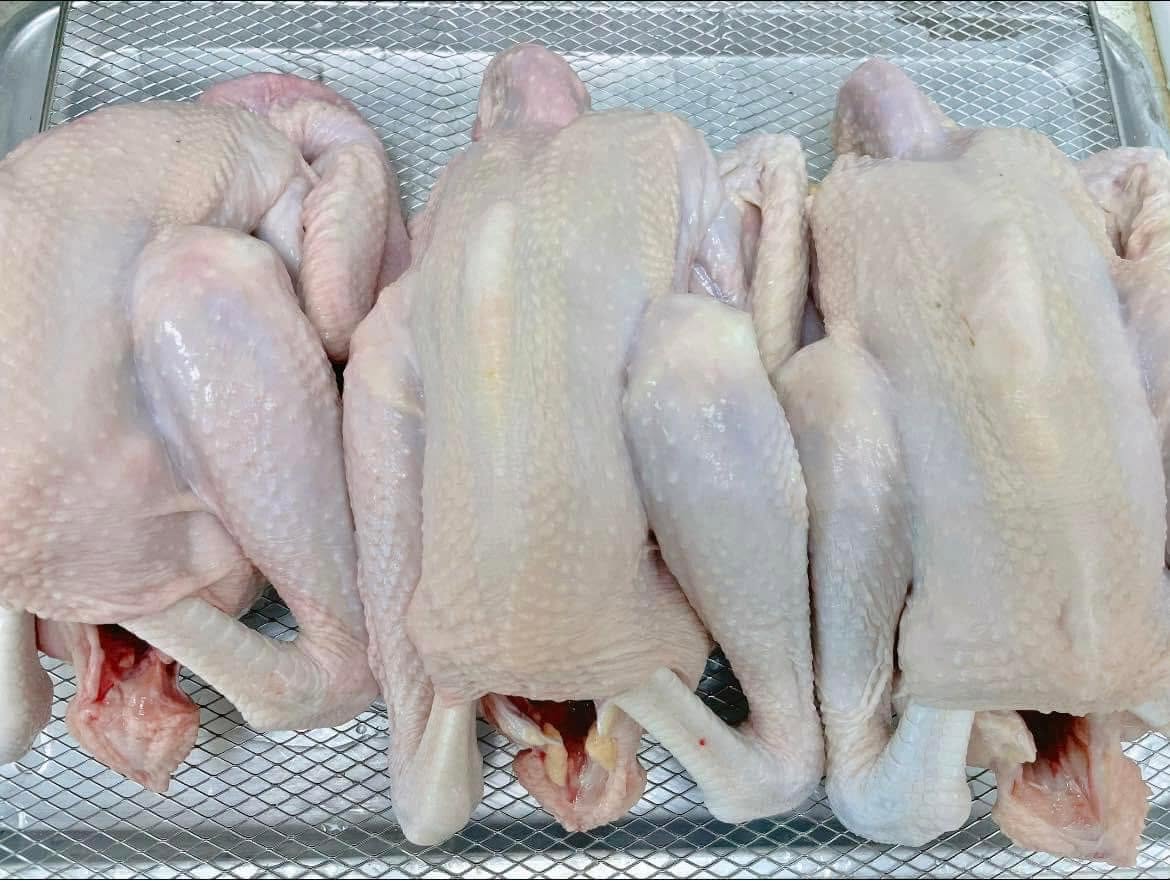
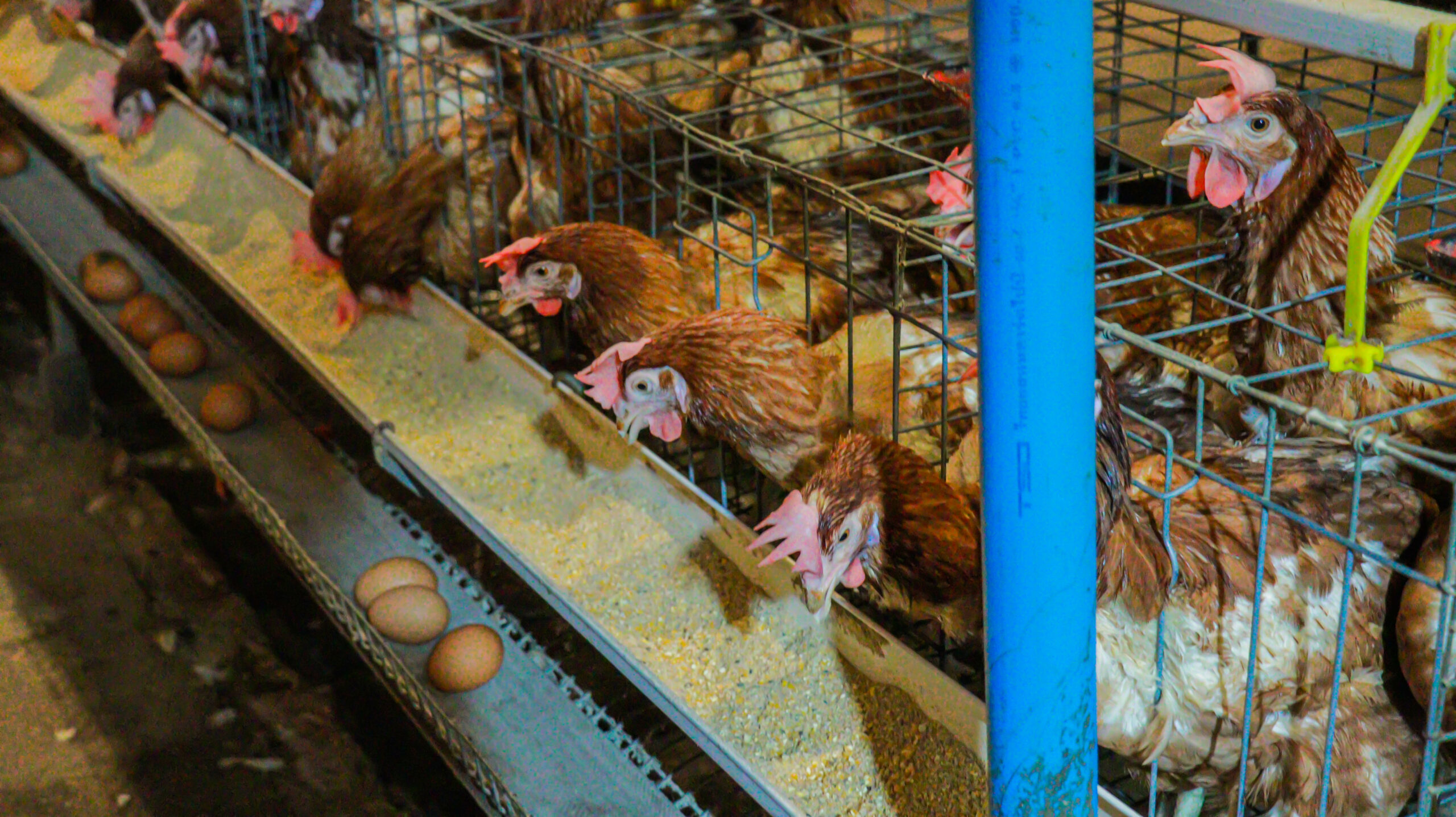
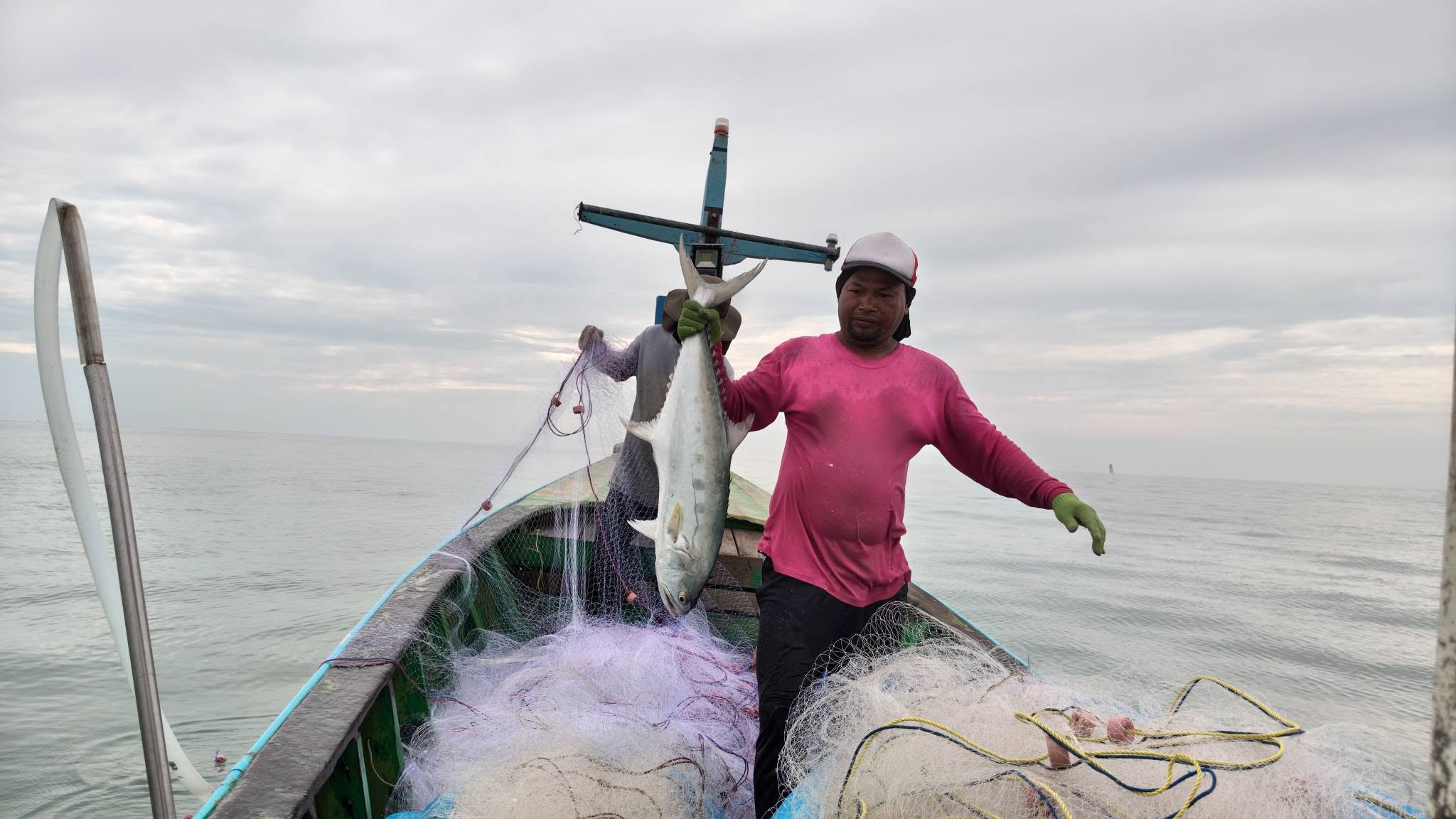
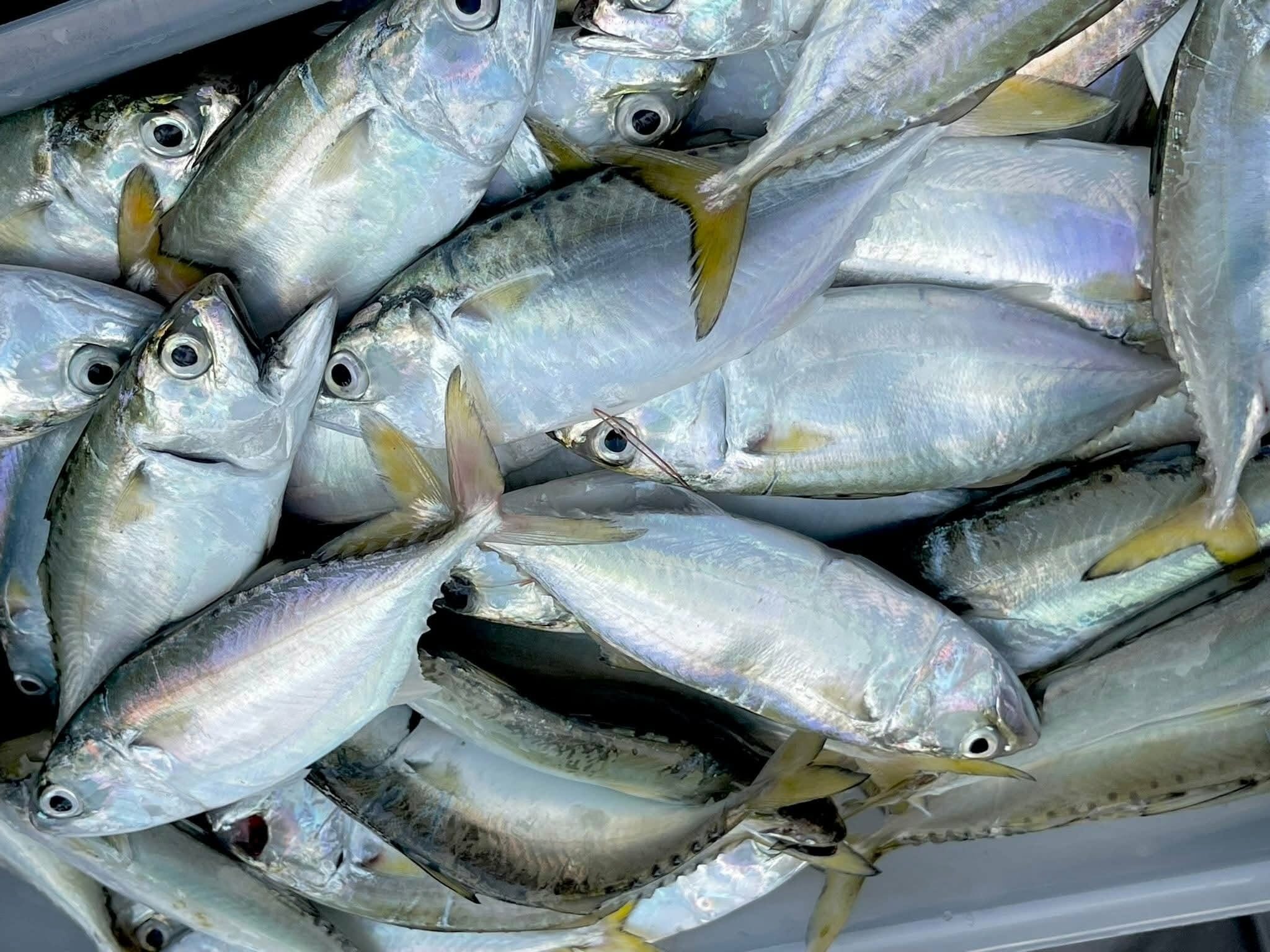
For meat and animal products, procurement guidelines prioritise sources with recognised production standards and consideration of animal welfare. Seafood must come from legal sources and avoid illegal, unreported, and unregulated (IUU) fishing, as well as fishing practices that damage ecosystems. This approach connects food consumption with the long-term protection of natural resources and the diversity of plants and animals.
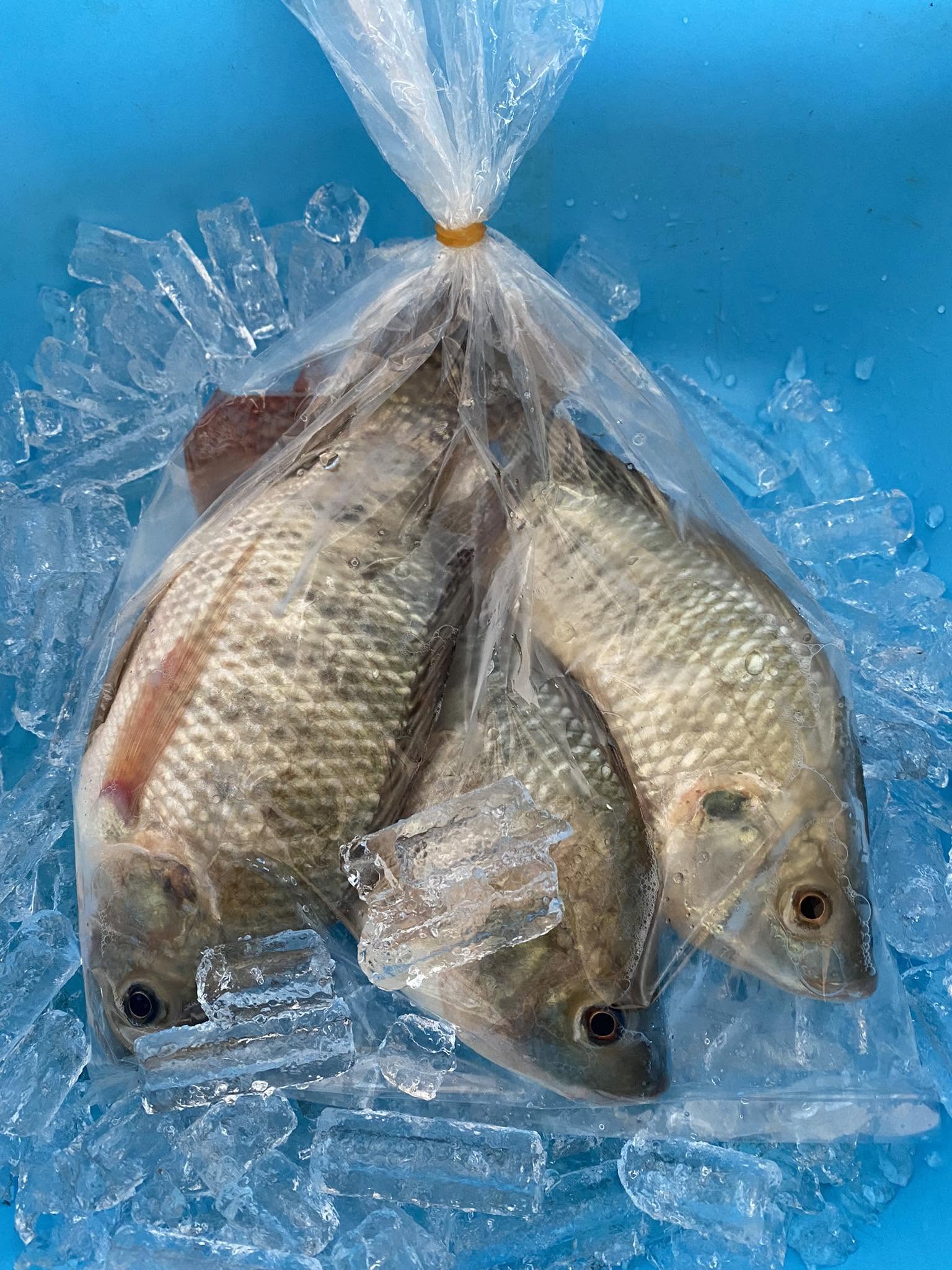
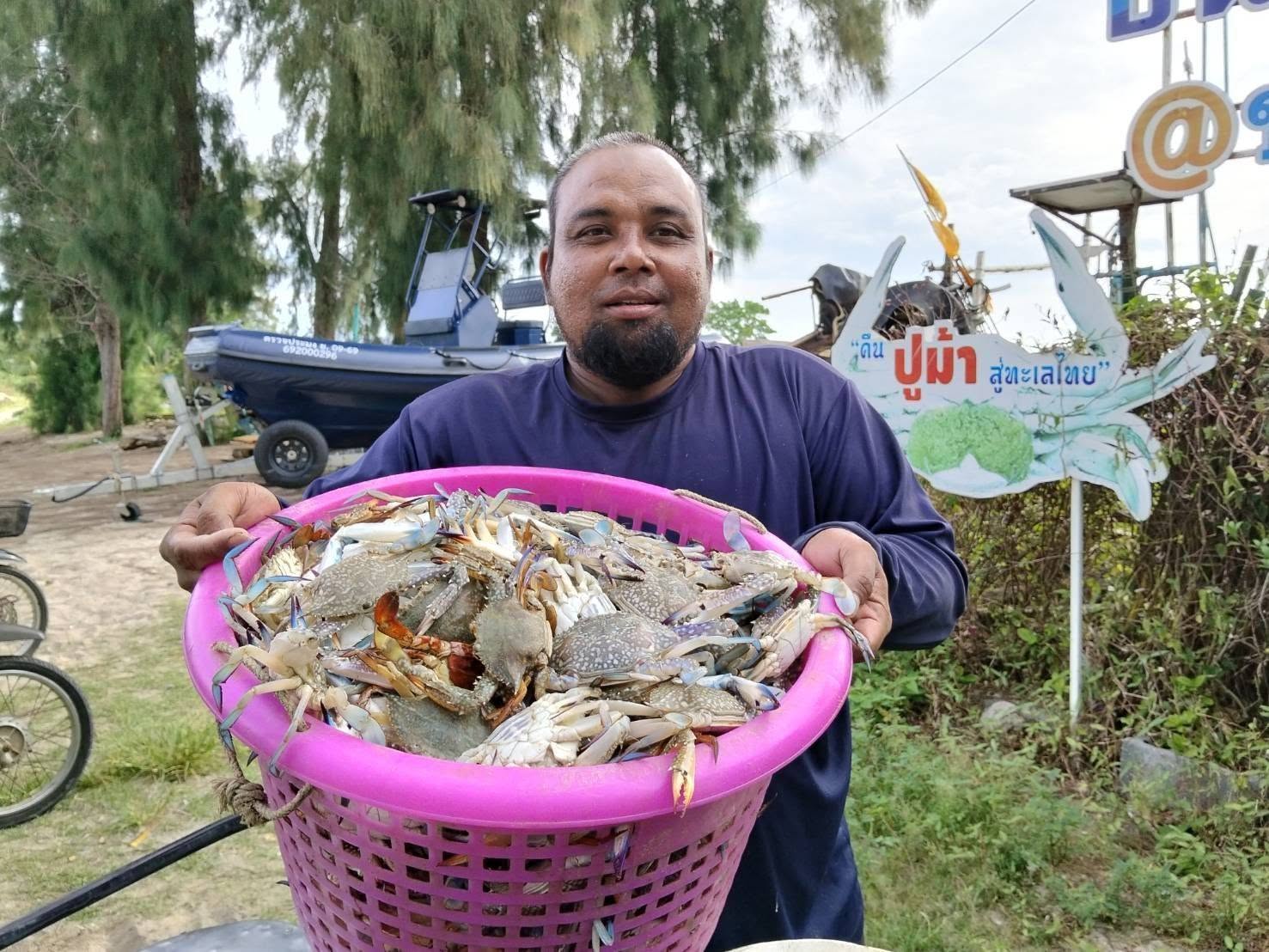
For seafood, the Ban Nai Thung Fisheries Group is a local source of ingredients whose operations align with sustainability criteria. It emphasises legal fishing, responsible use of marine resources, and avoidance of fishing methods that damage ecosystems. Procuring ingredients from this group therefore connects campus food consumption with the protection of natural resources and biodiversity, while supporting income, thriving local economies, and sustainable livelihoods in fishing communities surrounding the university.
Ongoing Monitoring and Development of Food Services
The Center for Property Management oversees and monitors food vendors’ implementation of university policy. Its remit covers ingredient sources, food storage and preparation, food hygiene, waste management, and environmental requirements. It also supports vendors’ knowledge and skills to enable practical implementation of the guidelines in food services.
These activities connect diagnostic assessment of ingredient sources and food access with the development of food policies and services, engagement with producers and vendors, and measurement through monitoring and evaluation to inform service improvements. Collecting information for each food outlet, including food types, menus, and ingredient sources, therefore plays an important role in assessing the coverage of sustainable food choices.
By connecting policy, on-campus production facilities, local businesses, and a network of food outlets, Walailak University promotes access to sustainable food choices for all on campus, including vegetarian and vegan food, while considering health, the environment, and social fairness. Through these efforts, the university develops a food system that supports responsible consumption and sustainable livelihoods in surrounding communities.

Goal 2:
Zero Hunger
Goal 14:
Life Below Water
Goal 15:
Life on Land
Goal 17:
Partnerships for the Goals