Walailak University Promotes Healthy and Affordable Food Choices, Creating Better Choices for Everyone on Campus
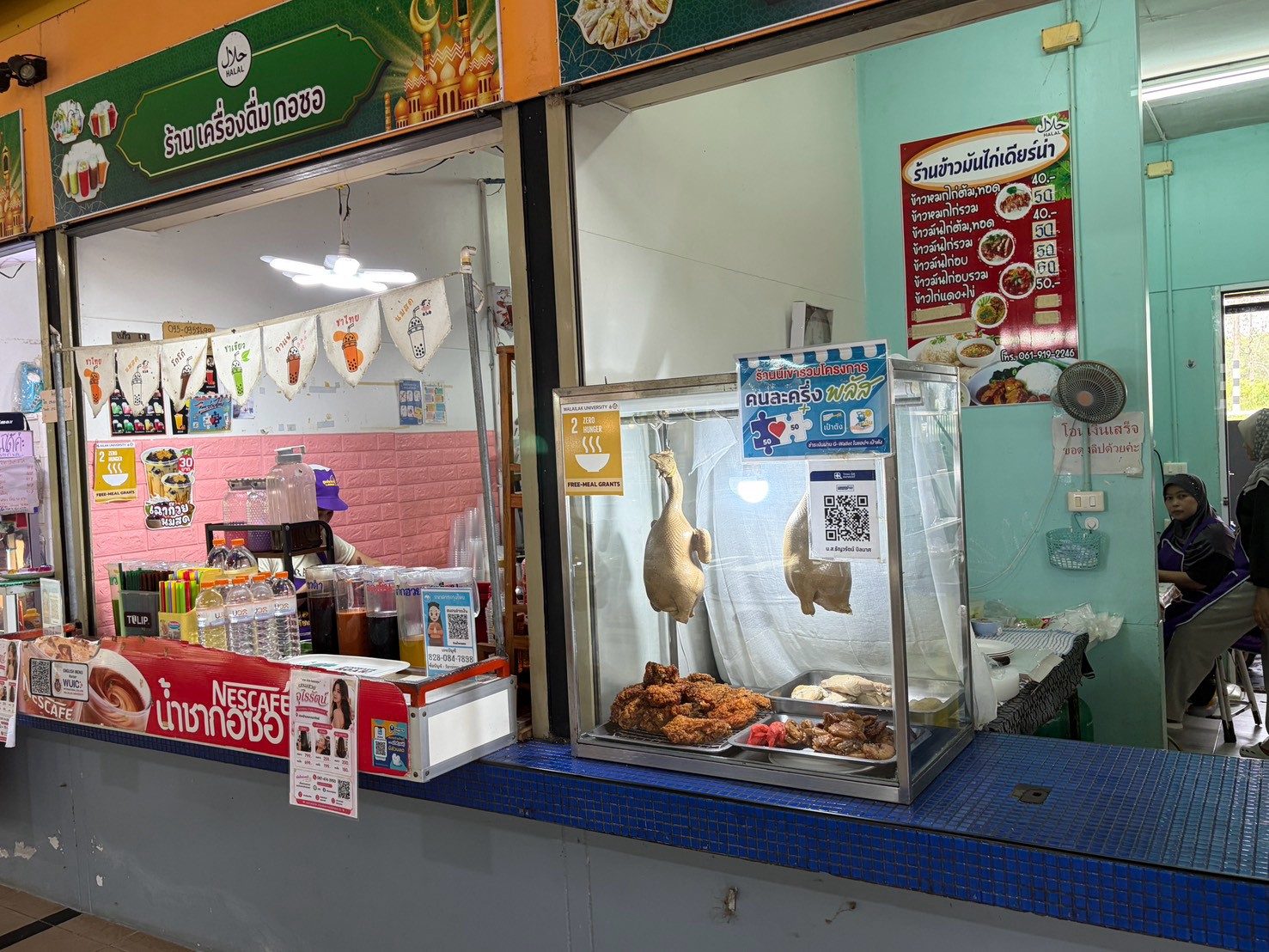
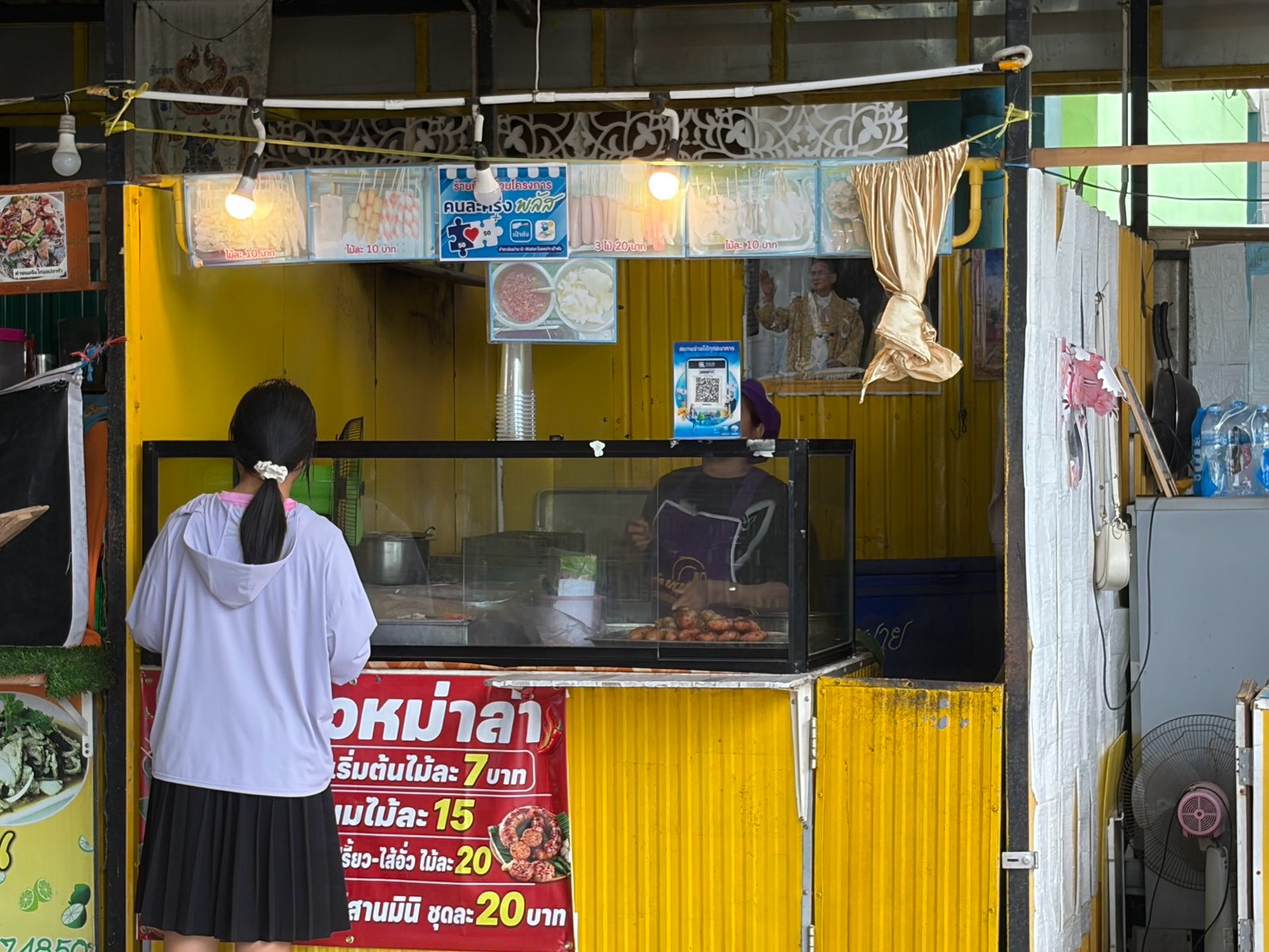
Walailak University places importance on creating a food environment that supports the health and daily well-being of students, staff, and service users on campus. The university promotes healthy food choices that provide nutritional value while ensuring that food remains affordable and accessible to meet the diverse needs of consumers. Its implementation covers the provision of diverse food and beverage choices, the management of food providers, the promotion of food sanitation standards, and consideration of appropriate food prices. The university aims to ensure that members of the university community can access appropriate food in their daily lives. This approach considers not only the availability of healthy food choices but also their affordability and accessibility in terms of location, providing choices that address nutritional value, diversity, and ability to pay, so that healthy food choices are genuinely accessible to students and staff.
Policies and Criteria for Promoting Healthy Food Choices and Appropriate Prices
Walailak University manages food services in accordance with policy and criteria related to sustainable food preparation and consumption, with emphasis on quality, safety, hygiene, and appropriate food services within the university area. These guidelines apply to food providers and restaurants operating on campus to ensure that food services contribute to a healthy food environment for users.
In addition, the university has established criteria for selecting healthy food outlets and controlling food prices to encourage food outlets and providers to offer healthy food choices while maintaining prices that are affordable for users. These criteria ensure that the promotion of healthy food choices is not dependent solely on individual consumer decisions but is incorporated into the management of the university’s on-campus food service system.
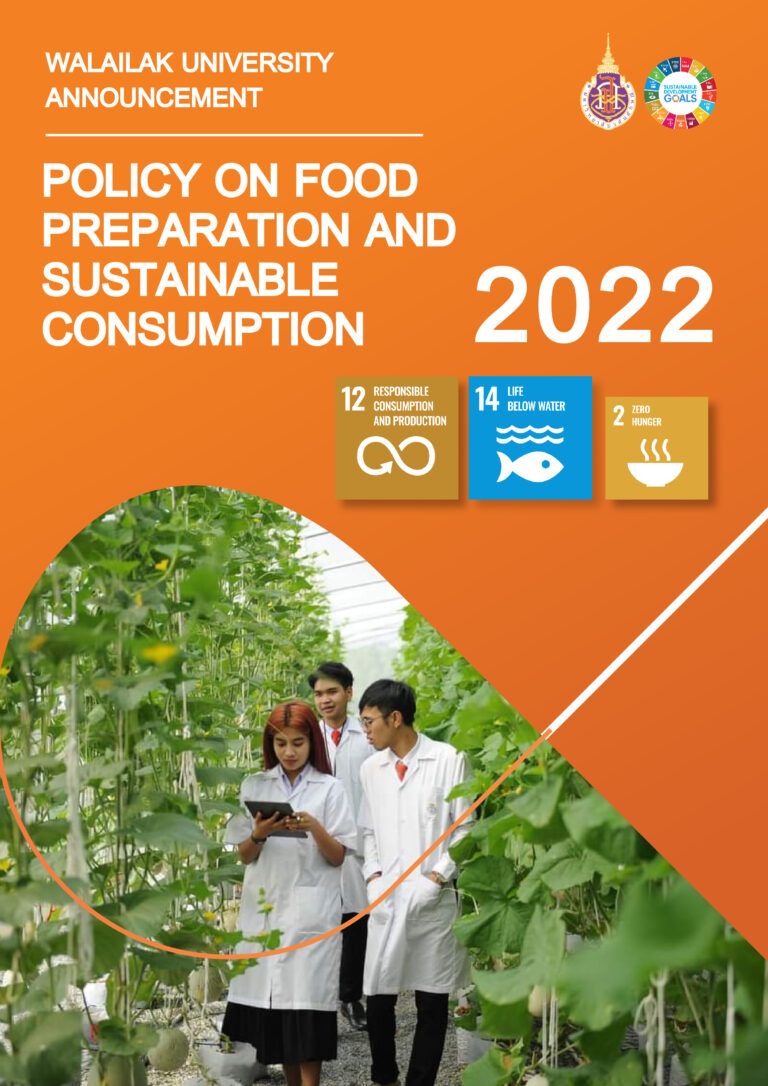
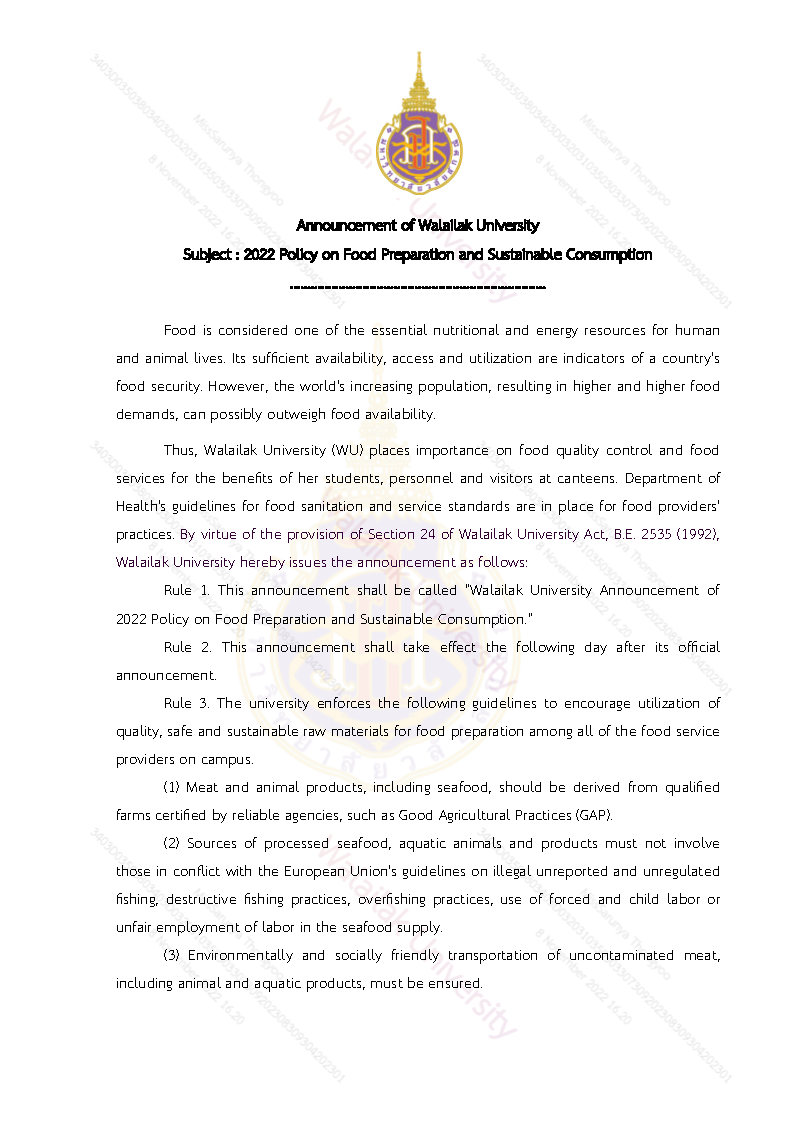
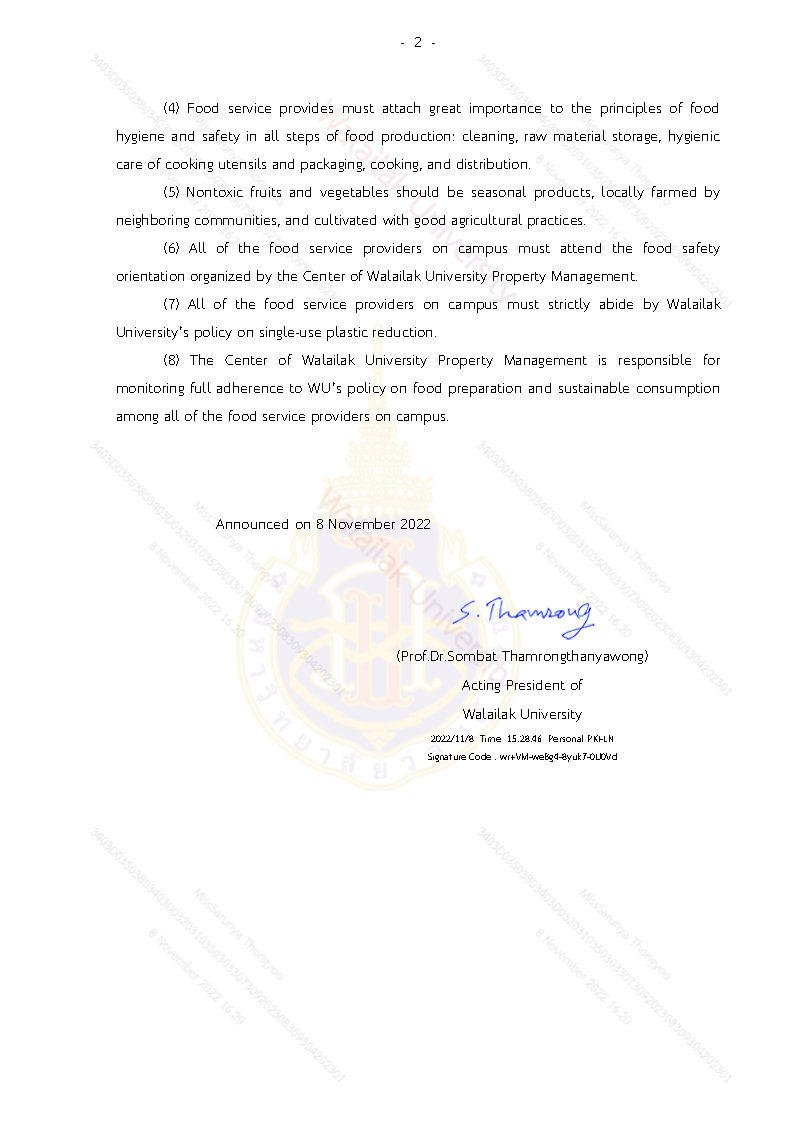
Announcement of Walailak University
Subject : 2022 Policy on Food Preparation and Sustainable Consumption
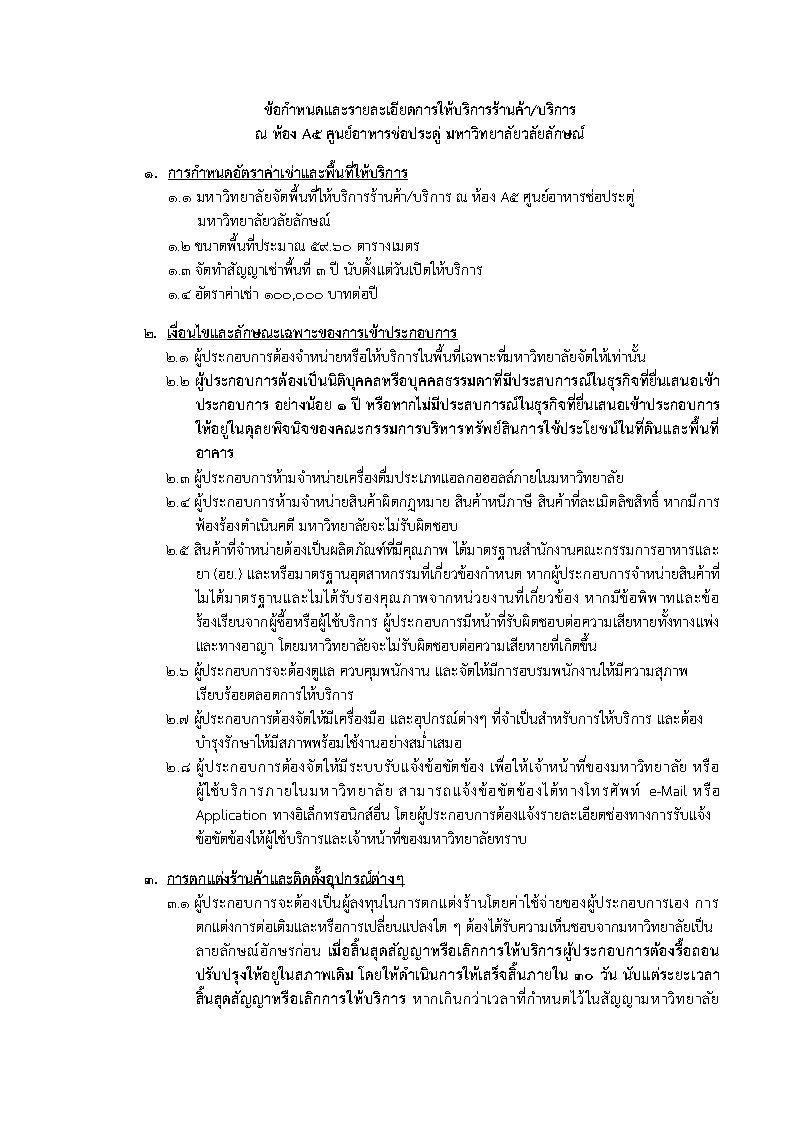
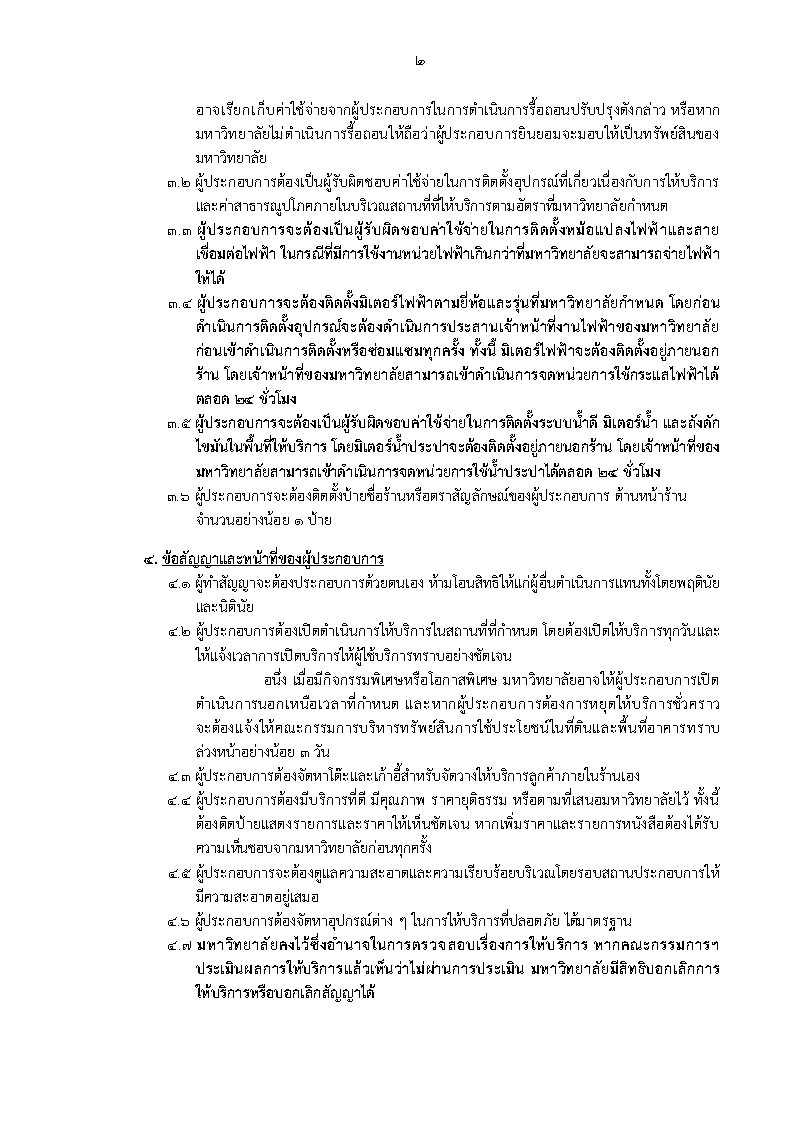
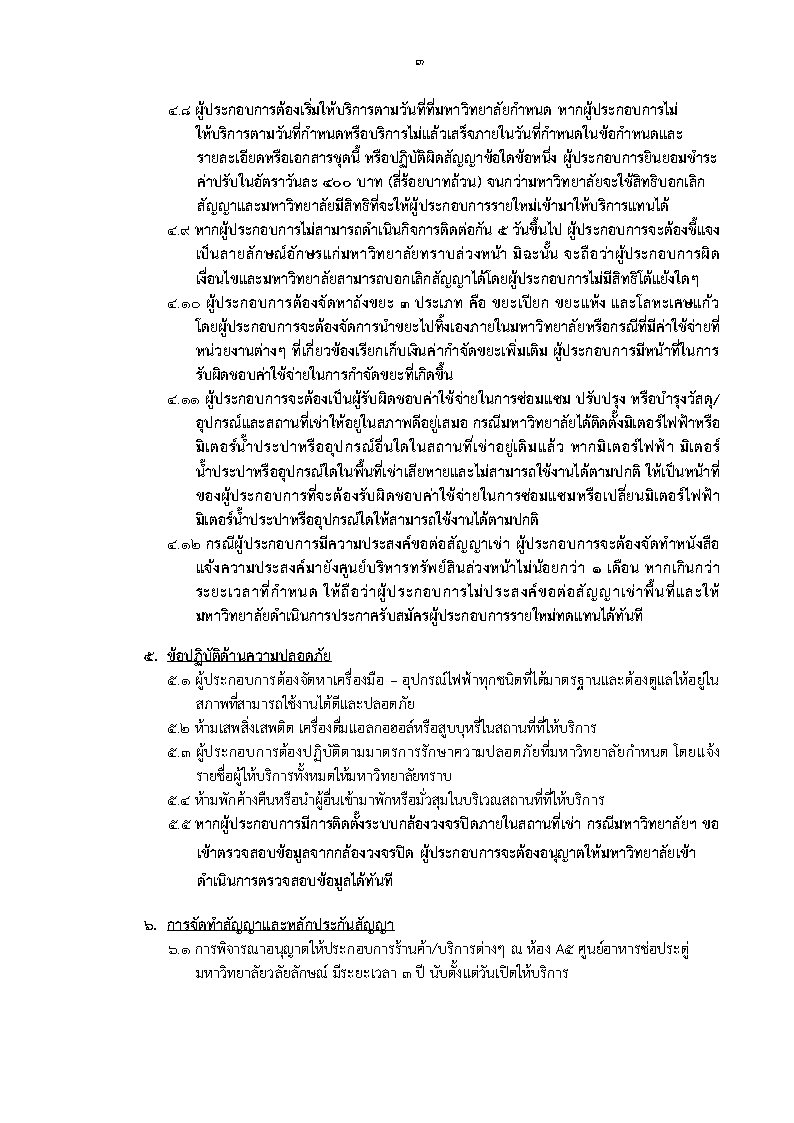
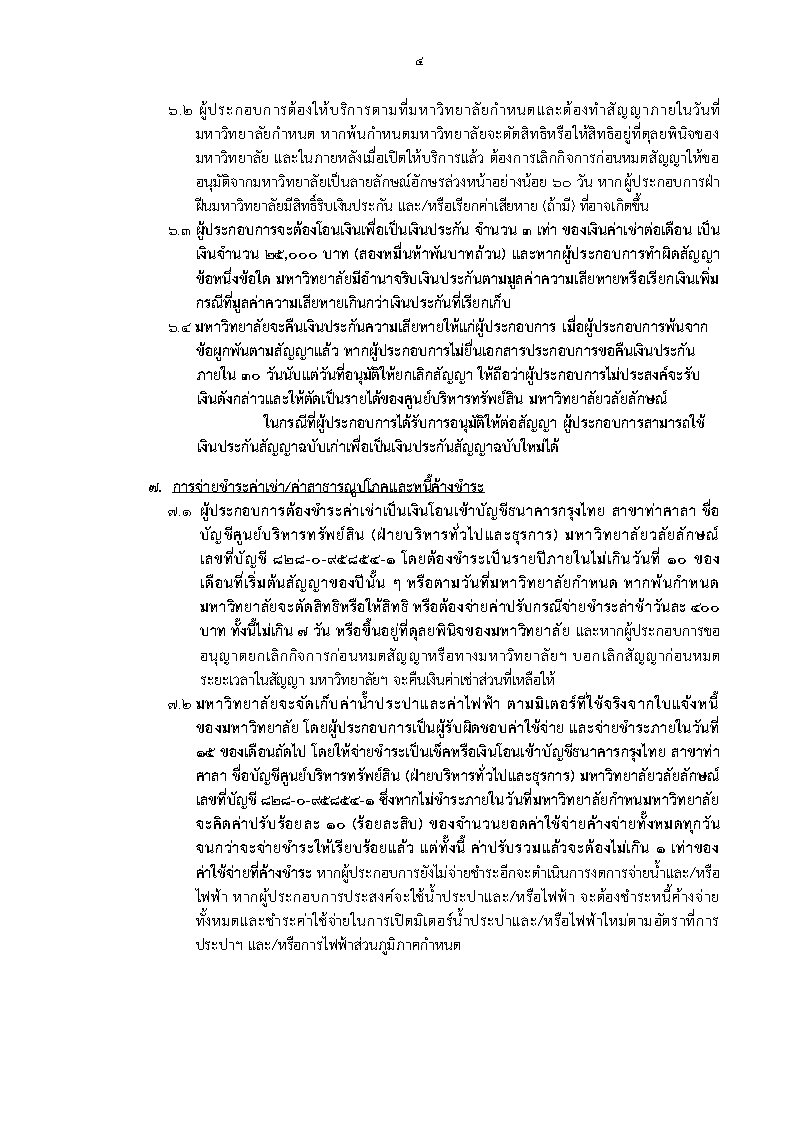
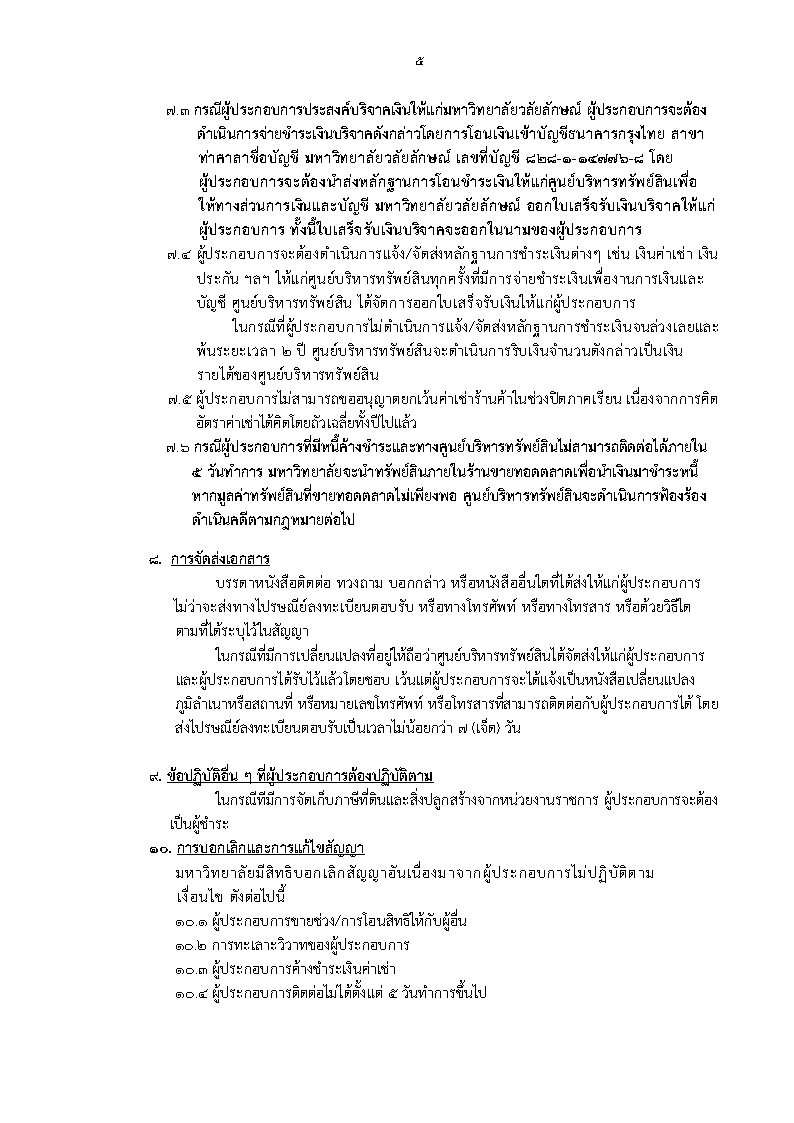
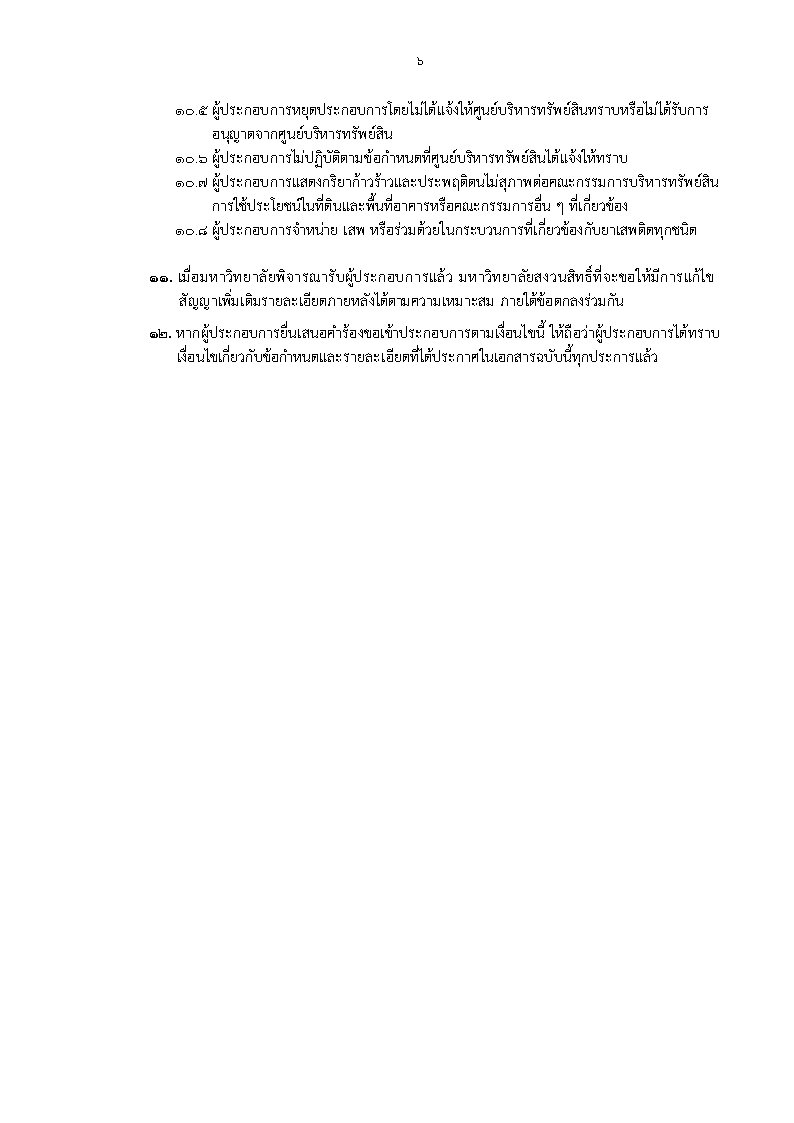
Terms and conditions of food service provision lelated to healthy and affordable food choices
Food service management therefore covers food centers, restaurants, retail shops, the campus market, convenience stores, and various food service providers, including food and beverage outlets, creating a food environment with diverse choices that are accessible within the daily context of the university community.
Diversity of Healthy Food Choices
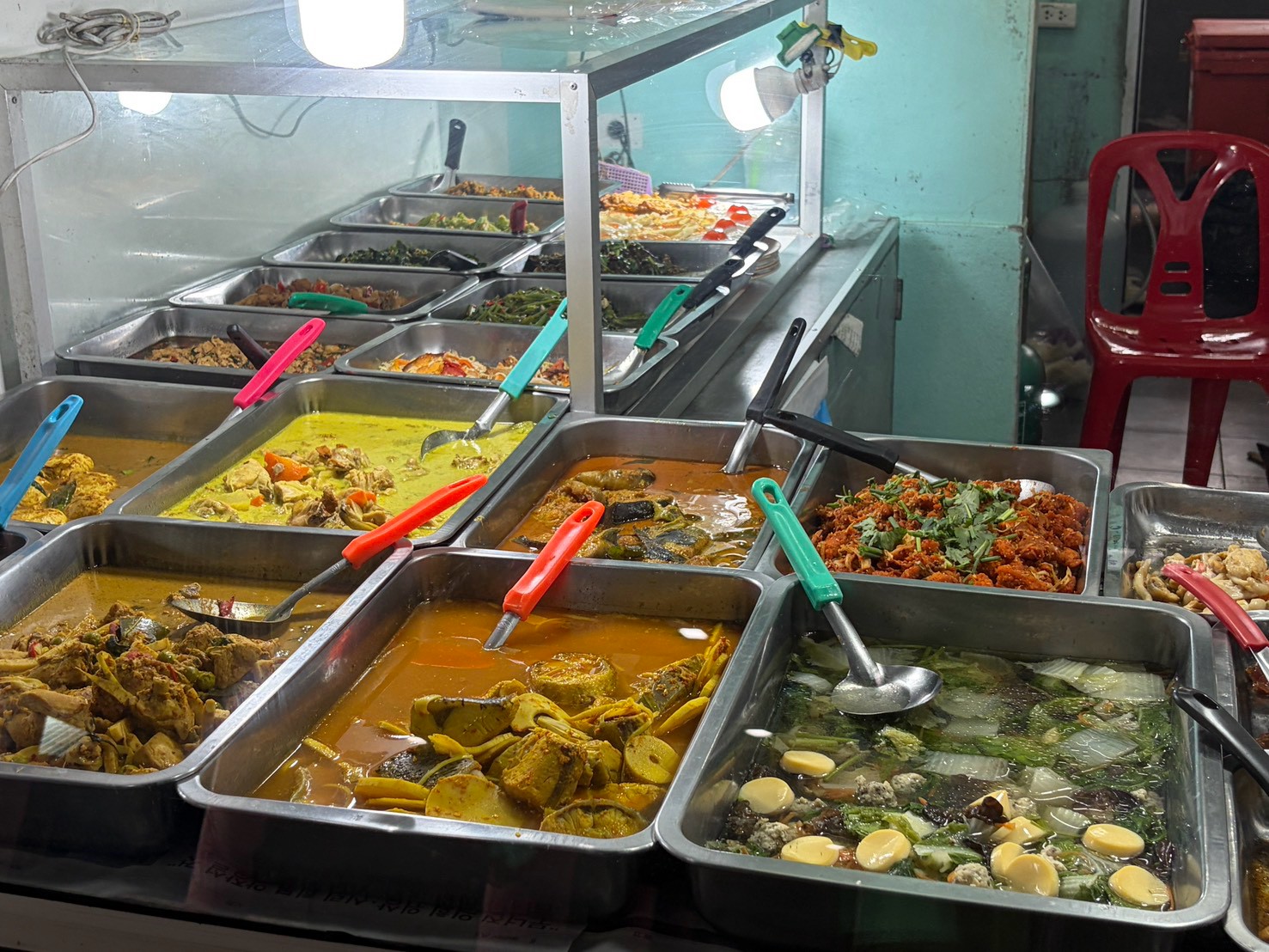
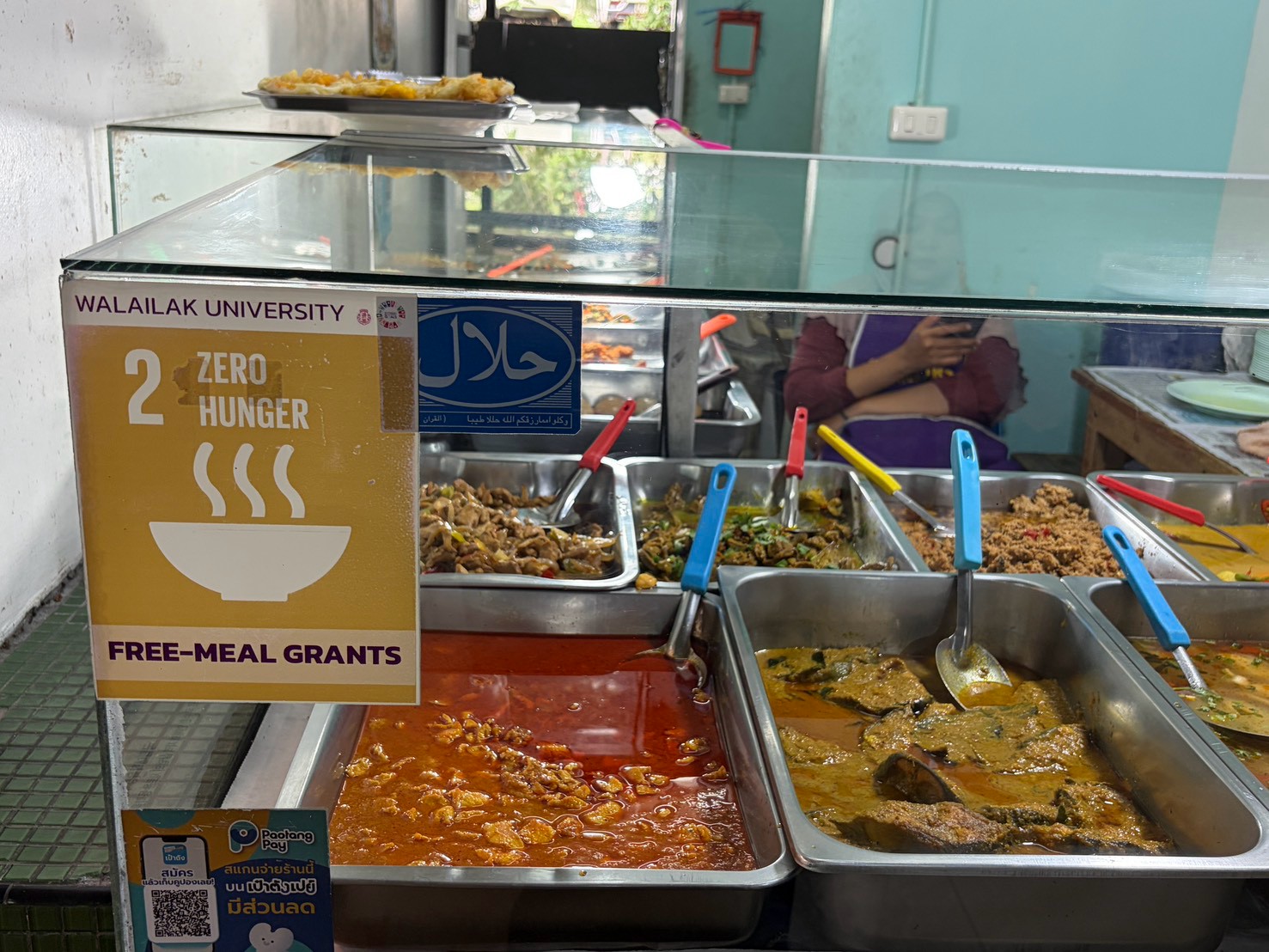
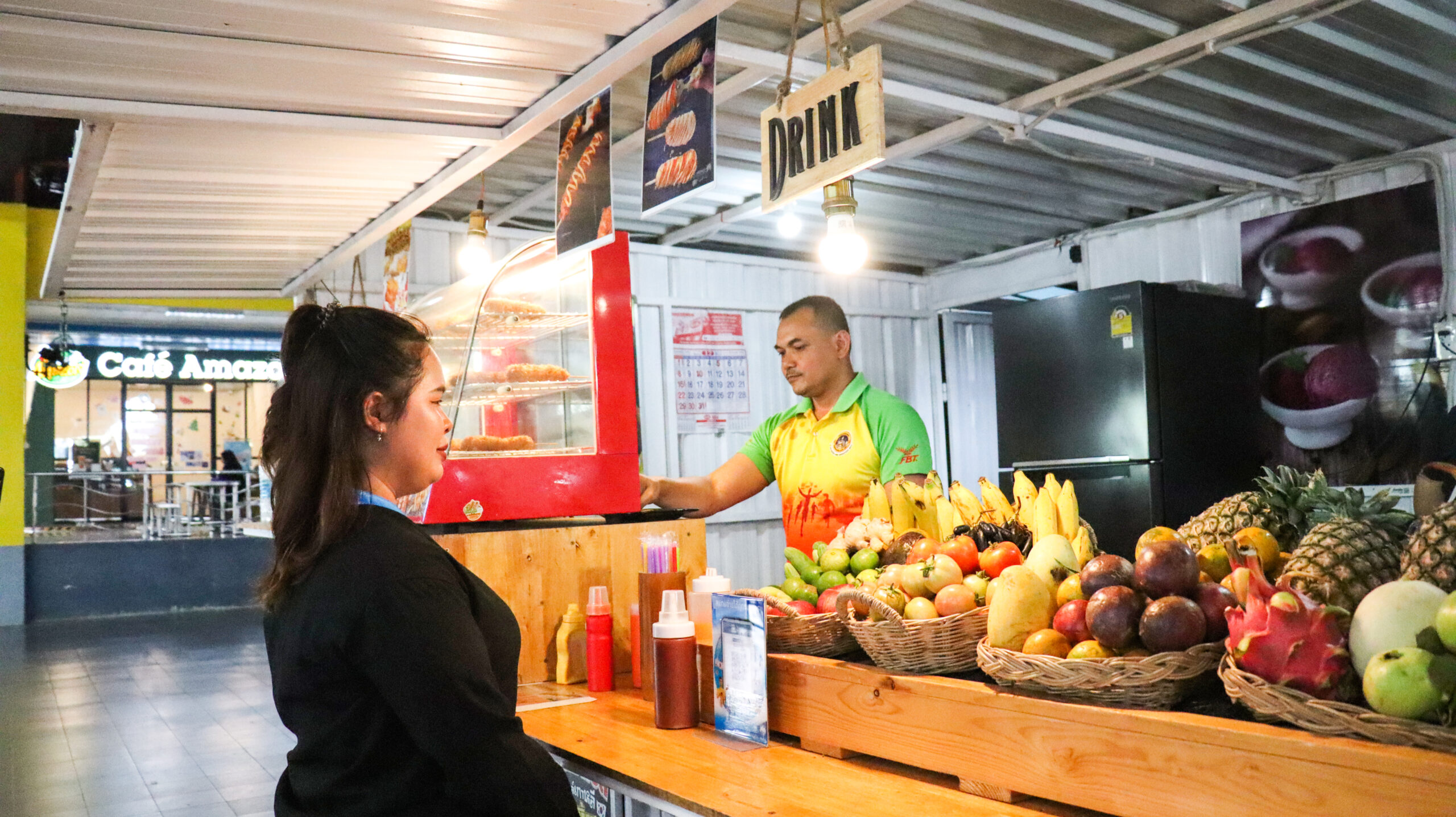
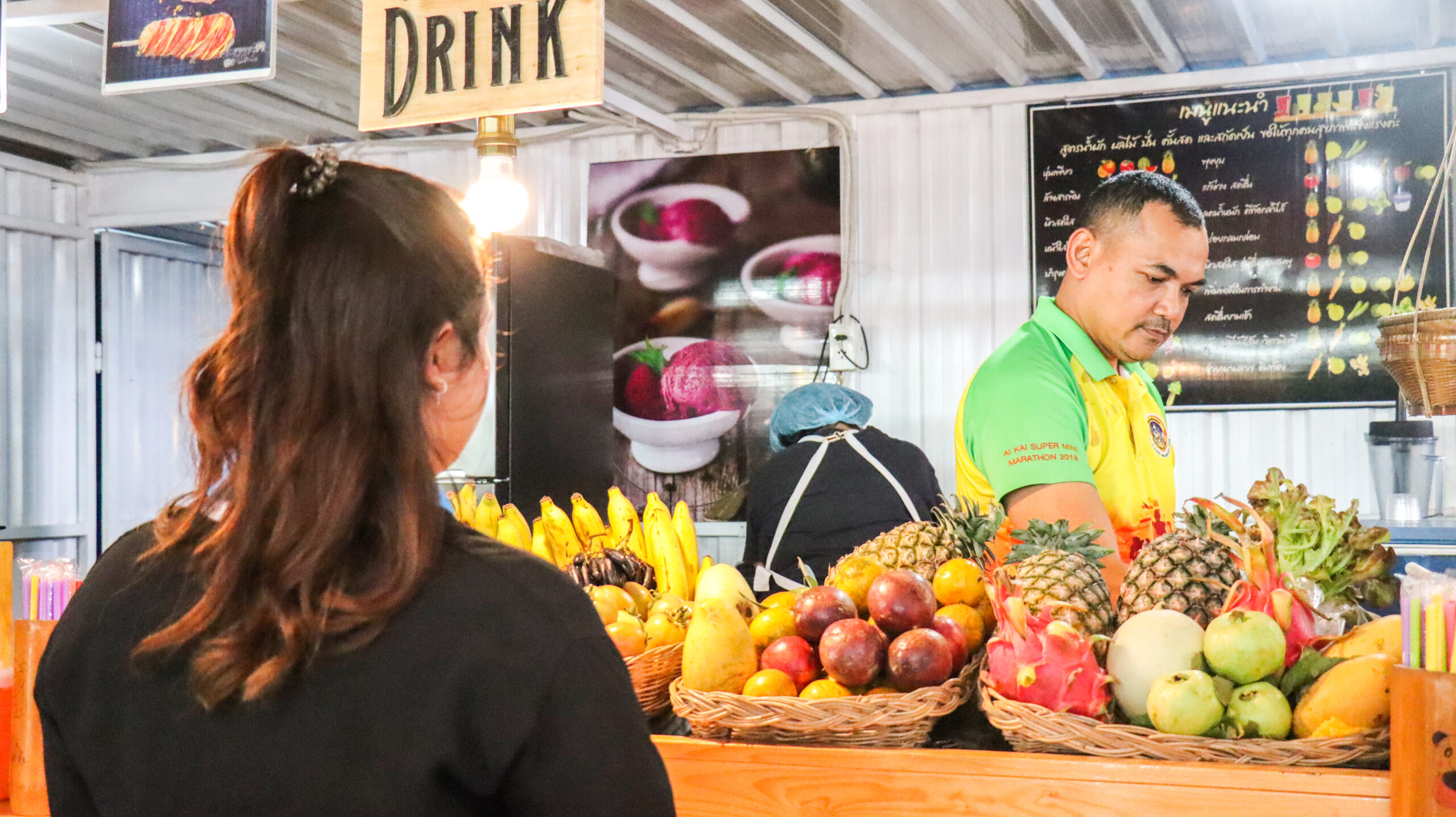
The university promotes diverse food choices across food service areas on campus, including main meals, snacks, fruits, and beverages, enabling users to select food according to their nutritional and daily needs. This approach considers food that provides essential nutrients, including fluids, macronutrients, micronutrients, and adequate calories. All food centers and restaurants on campus provide a variety of main meal choices, including rice and side dishes, freshly prepared meals, vegetable-based menus, and sources of protein, as well as meals at appropriate prices. These existence of choices for all food outlets allow users to select food according to their nutritional needs and individual budgets.
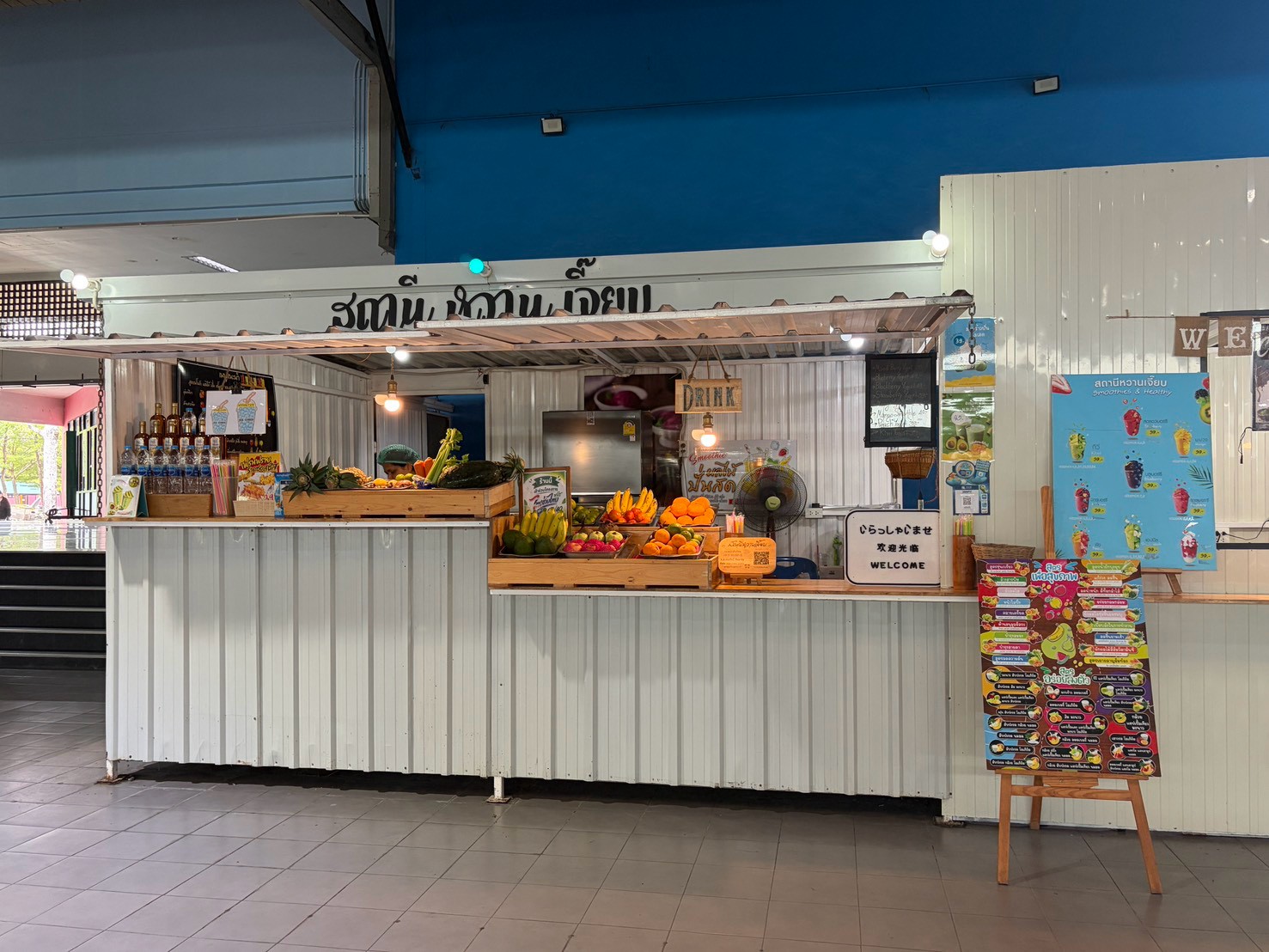
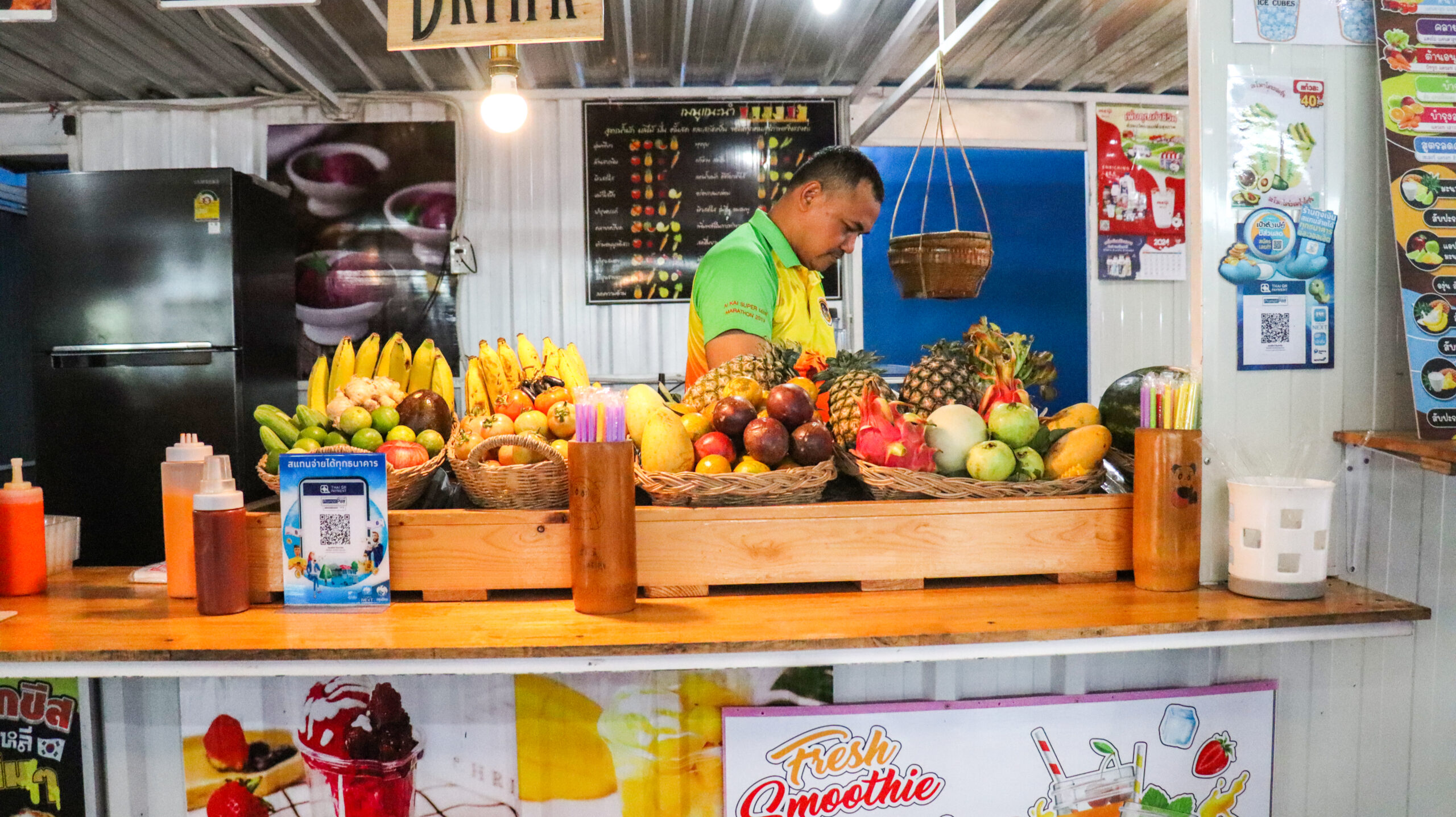
For snacks, fruits, and beverages, various choices are available, including fresh fruit, snacks, and drinking water. Retail shops, the campus market, and convenience stores also provide healthy food products and fresh fruit at appropriate prices. In addition, vending machines provide another channel for expanding beverage choices, including beverages with lower sugar content or appropriate energy levels.
The availability of different types of food and beverage choices across multiple food service points enables users to select food according to their nutritional needs and individual requirements. Healthy food choices therefore extend beyond main meals to include snacks, fruits, and beverages throughout the University’s food environment.
Food Sanitation and Safety Standards
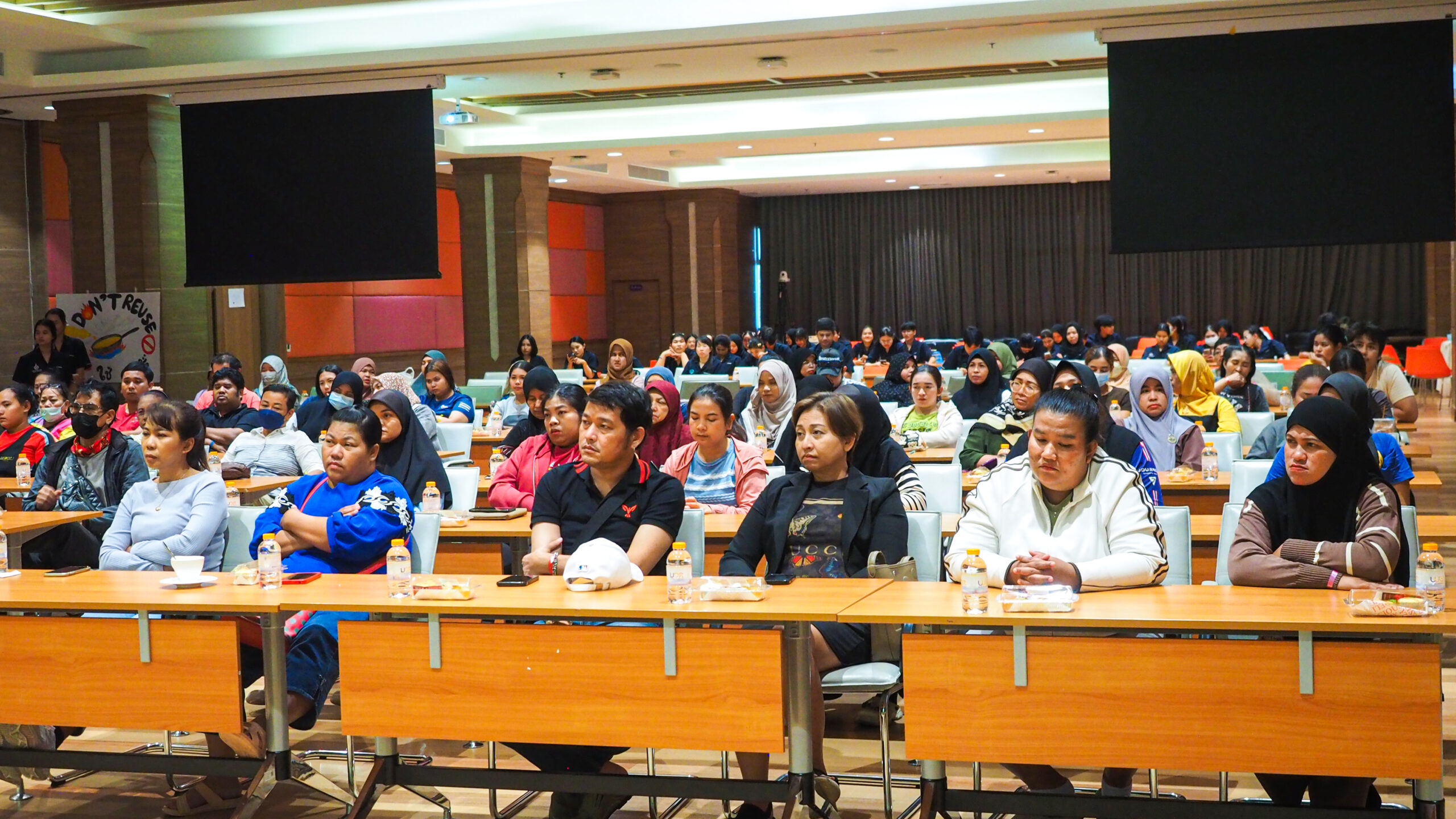
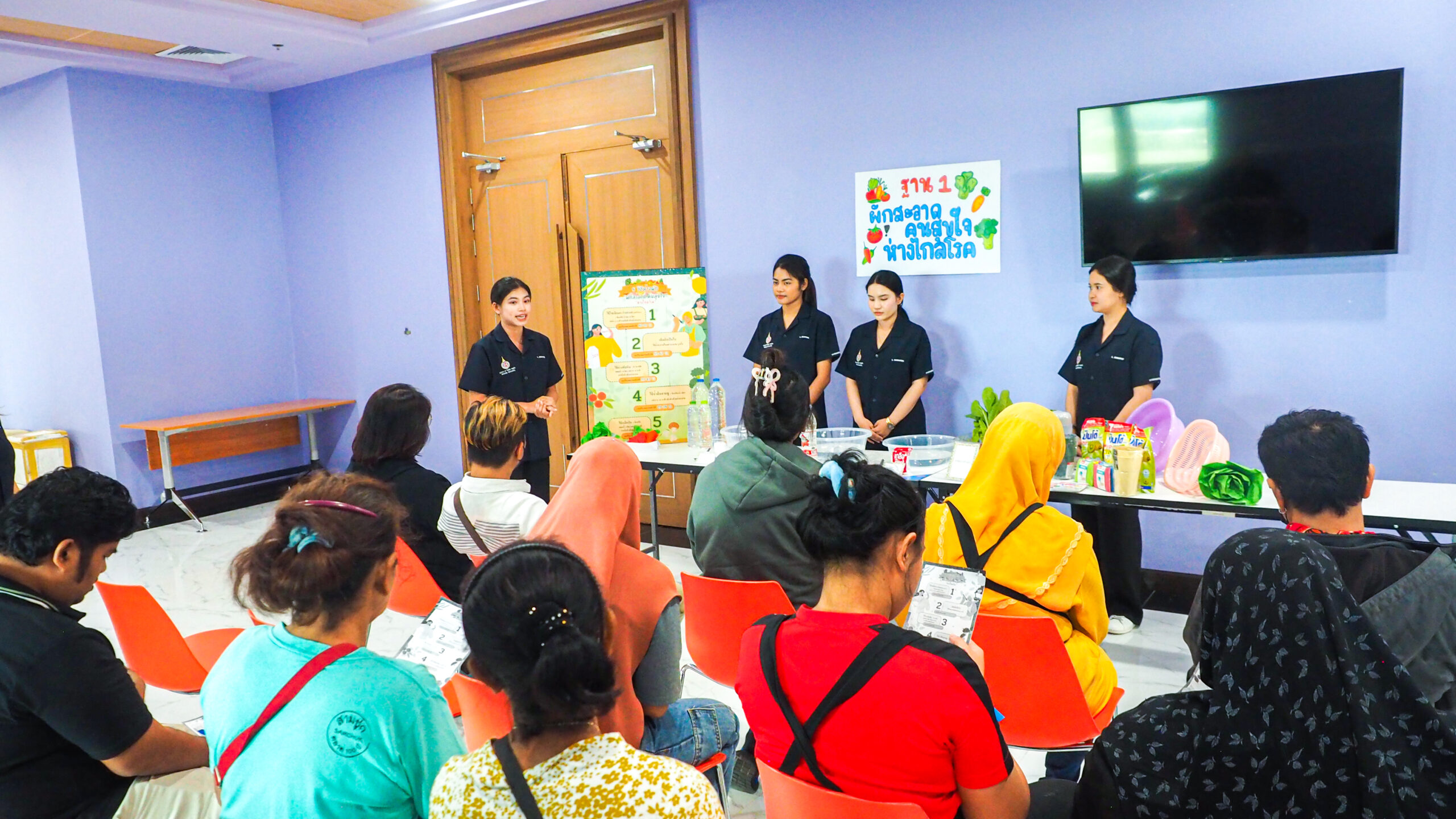
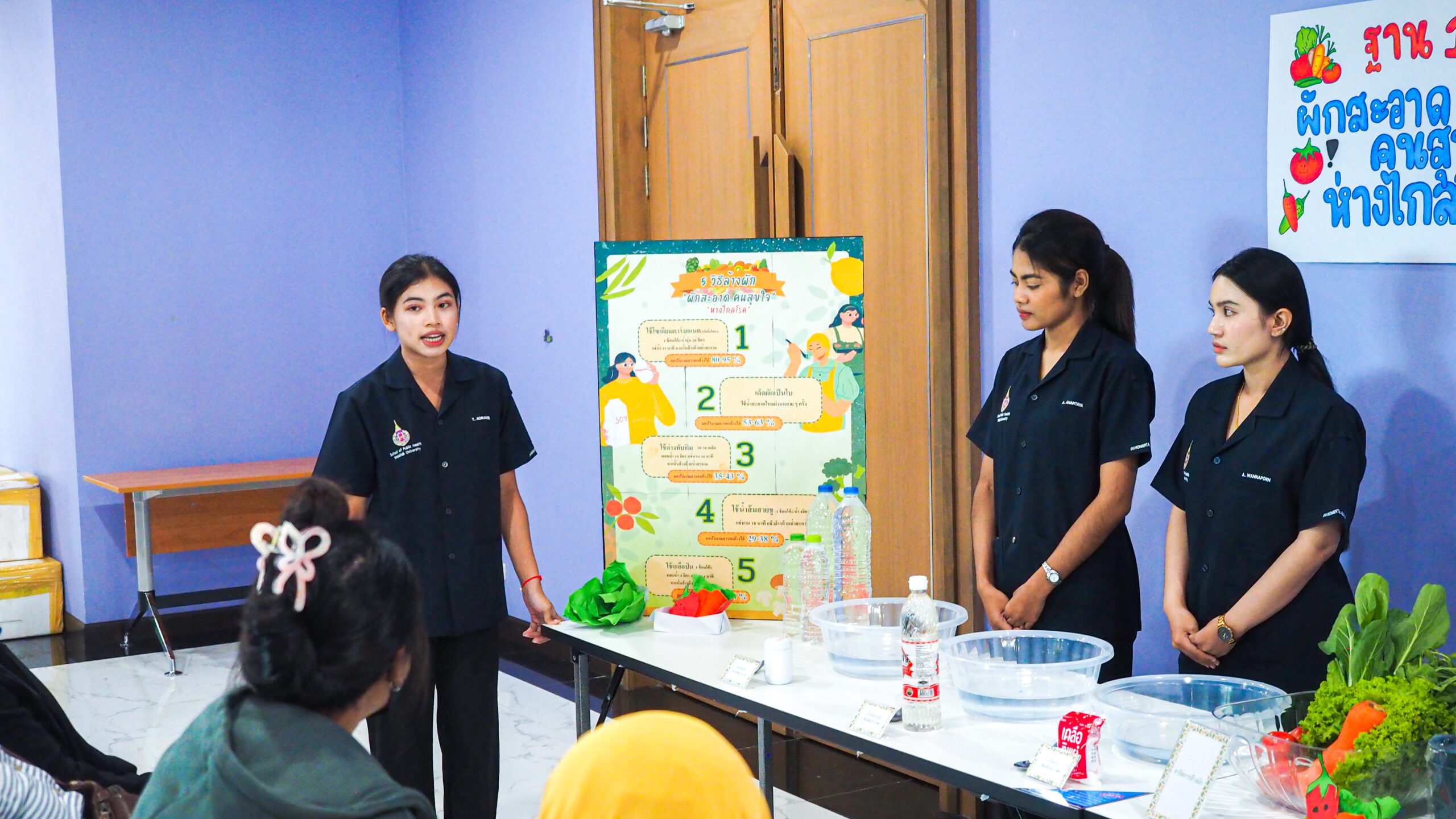
In addition to nutritional value, the university places importance on food safety and sanitation to ensure that healthy food choices are accompanied by safe food for consumers. Food providers and service operators receive knowledge and training in food sanitation in accordance with relevant standards. The university provides Food Sanitation Standard (SAN) training through the School of Public Health to strengthen knowledge among those involved in food preparation and service. In addition, training is provided on basic sanitation inspection based on a 15-item checklist for food stalls, enabling food operators to appropriately maintain and monitor their food service conditions.
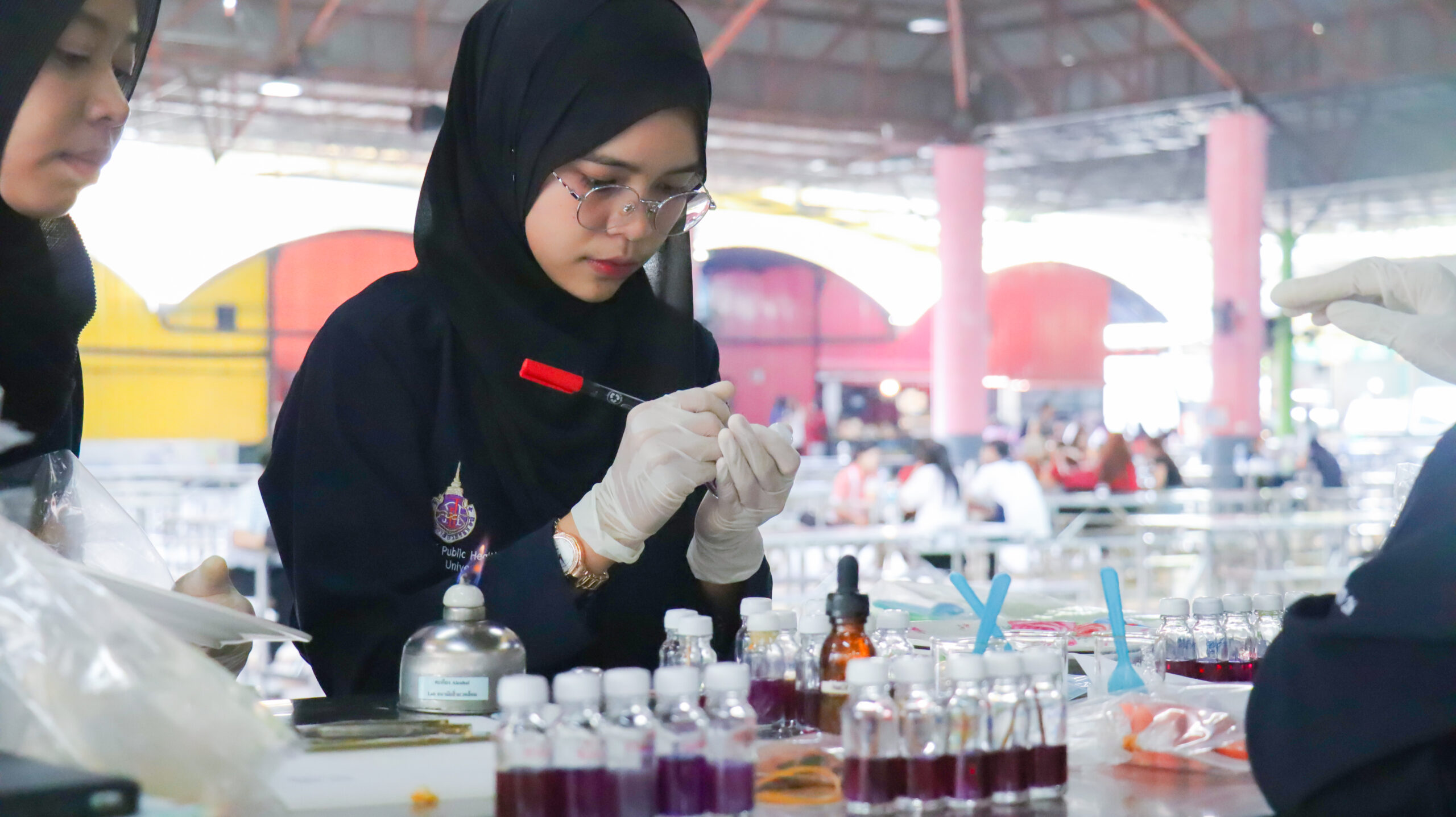
For food quality monitoring, the University conducts sanitation assessment activities for food outlets including Coliform testing by public health students to support monitoring of cleanliness and food safety in food service areas. The University also conducts sanitation inspections of restaurants and food service points twice a year to monitor and continuously improve service standards.
These sanitation measures strengthen the concept of healthy food choices by addressing both nutritional value and food safety, enabling users to make food choices on campus with greater confidence.
Healthy Food Choices at Affordable Prices
The university places importance on making food with nutritional value accessible in daily life by considering price alongside food quality and diversity. Food courts and food service areas therefore provide menus at different price levels, including budget-friendly meals and nutritionally valuable options, allowing users to select food according to their individual budgets. Affordability can be assessed through the average food price on campus compared with food prices off campus, as well as the average food price compared with students’ cost of living. These data provide a clearer reflection of users’ ability to pay than simply stating that food is cheap or inexpensive.
Average Food Prices on Campus Compared with Food Prices Off Campus
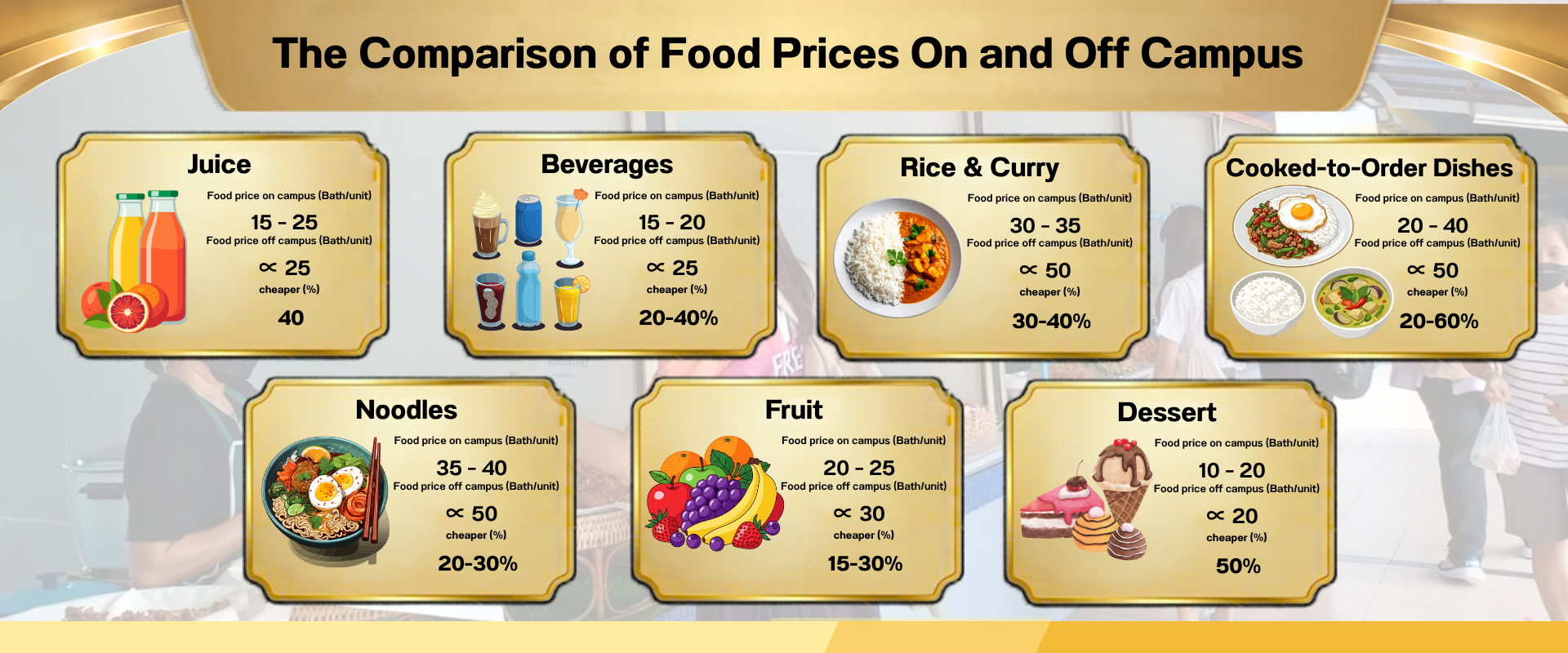
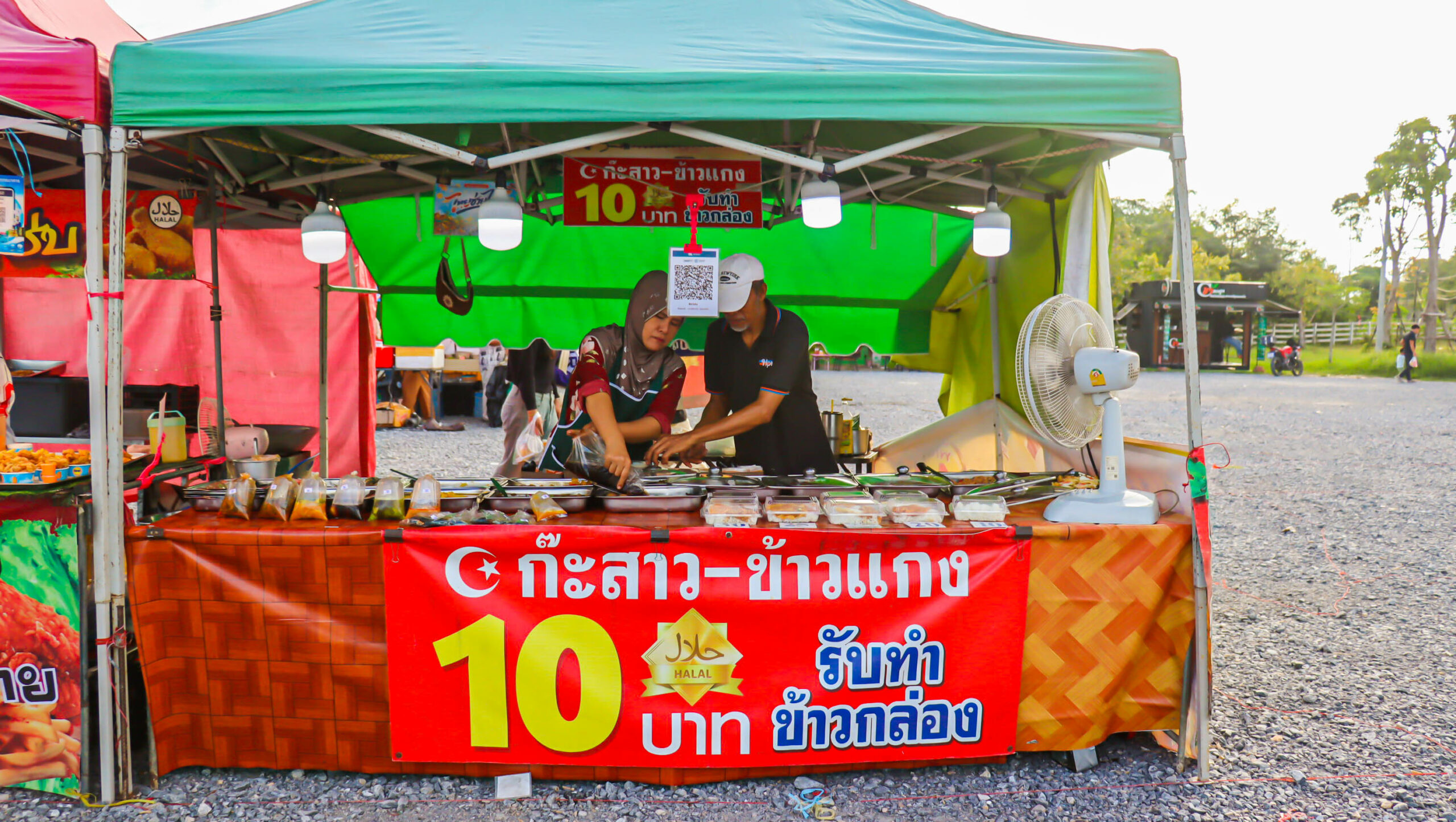
Walailak University compares food and beverage prices on campus with prices off campus to demonstrate the affordability of food for students and staff. The comparison shows that food on campus is less expensive than off-campus prices across several categories. For example, juice costs 15–25 baht on campus compared with 25 baht or more off campus, representing approximately 40% lower prices. Beverages cost 15–20 baht compared with 25 baht or more off campus, representing approximately 20–40% lower prices. Rice and curry costs 30–35 baht compared with 50 baht or more off campus, representing approximately 30–40% lower prices. Cooked-to-order dishes cost 20–40 baht compared with 50 baht or more off campus, representing approximately 20–60% lower prices. In addition, noodles cost 35–40 baht, fruit 20–25 baht, and desserts 10–20 baht, all of which are priced below or at an accessible level compared with off-campus prices, with desserts showing a price difference of approximately 50%. These data demonstrate that the university’s on-campus food system provides food choices at prices appropriate for daily living and helps reduce users’ food expenses compared with purchasing food outside the university.
Average Food Prices Compared with Students’ Cost of Living
Walailak University considers food prices on campus in relation to students’ cost of living, using the minimum wage in Nakhon Si Thammarat Province, where the University is located, of 349 baht per day as a reference. The survey found that food and beverages on campus cost approximately 10–40 baht per item. Main meals, such as rice and curry, cost 30–35 baht, while cooked-to-order dishes cost 20–40 baht. Fruit costs 20–25 baht and beverages cost 15–20 baht. When compared with the minimum daily wage, a main meal on campus represents approximately 5.7–11.5% of the minimum daily wage per item. This reflects the University’s provision of food choices at appropriate and affordable price levels for students, supporting access to food in daily life without placing an unnecessary financial burden on them.
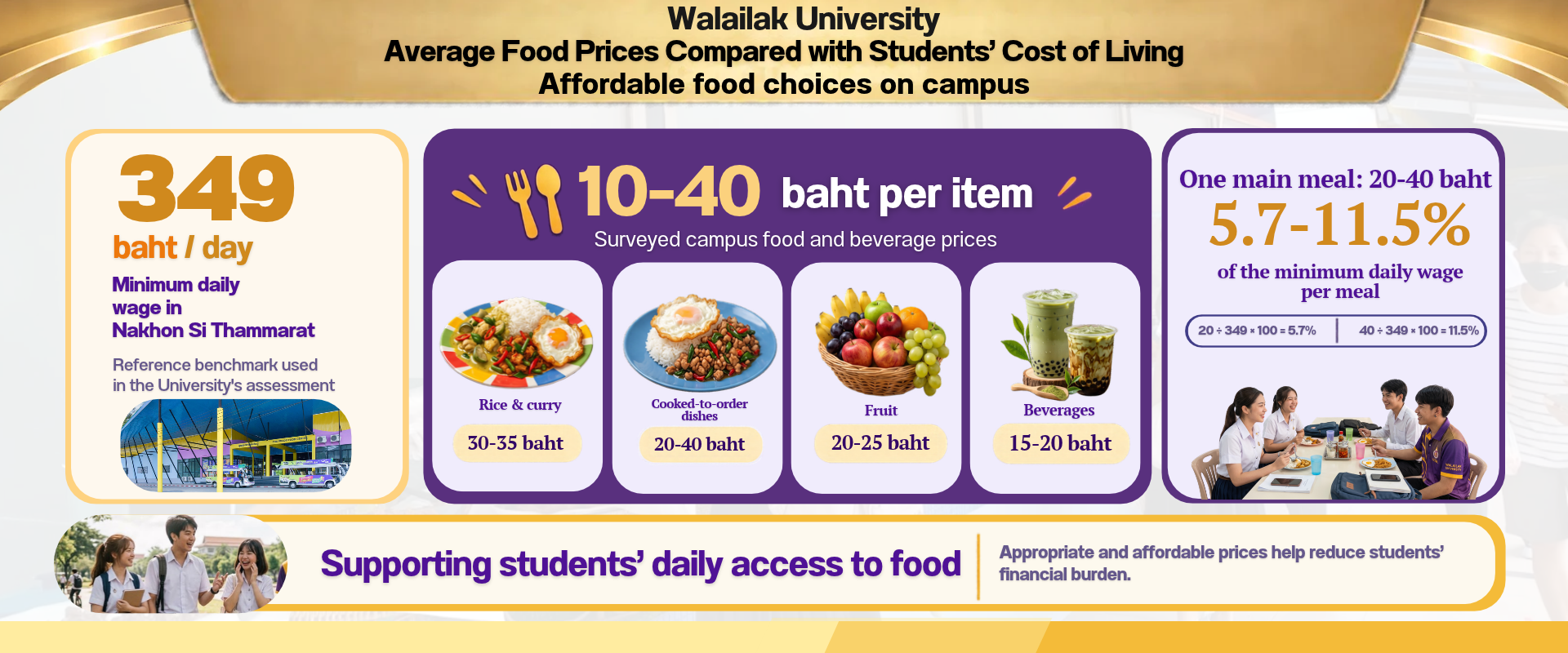
In addition, the availability of budget-friendly meals in food courts, healthy products and fresh fruit in retail shops, the campus market, and convenience stores, as well as beverages with different levels of sugar or energy at vending points, provides users with more choices according to their needs and budgets. This approach means that promoting healthy food choices does not mean simply increasing the availability of high-priced food, but rather creating choices that consumers can access in terms of both nutritional value and price.
Coverage of Food Service Points on Campus
Walailak University promotes the availability of healthy and affordable food choices across multiple types of food service areas on campus rather than limiting them to a particular restaurant or food court. These include food courts, restaurants, retail shops, the campus market, convenience stores, and vending machines.
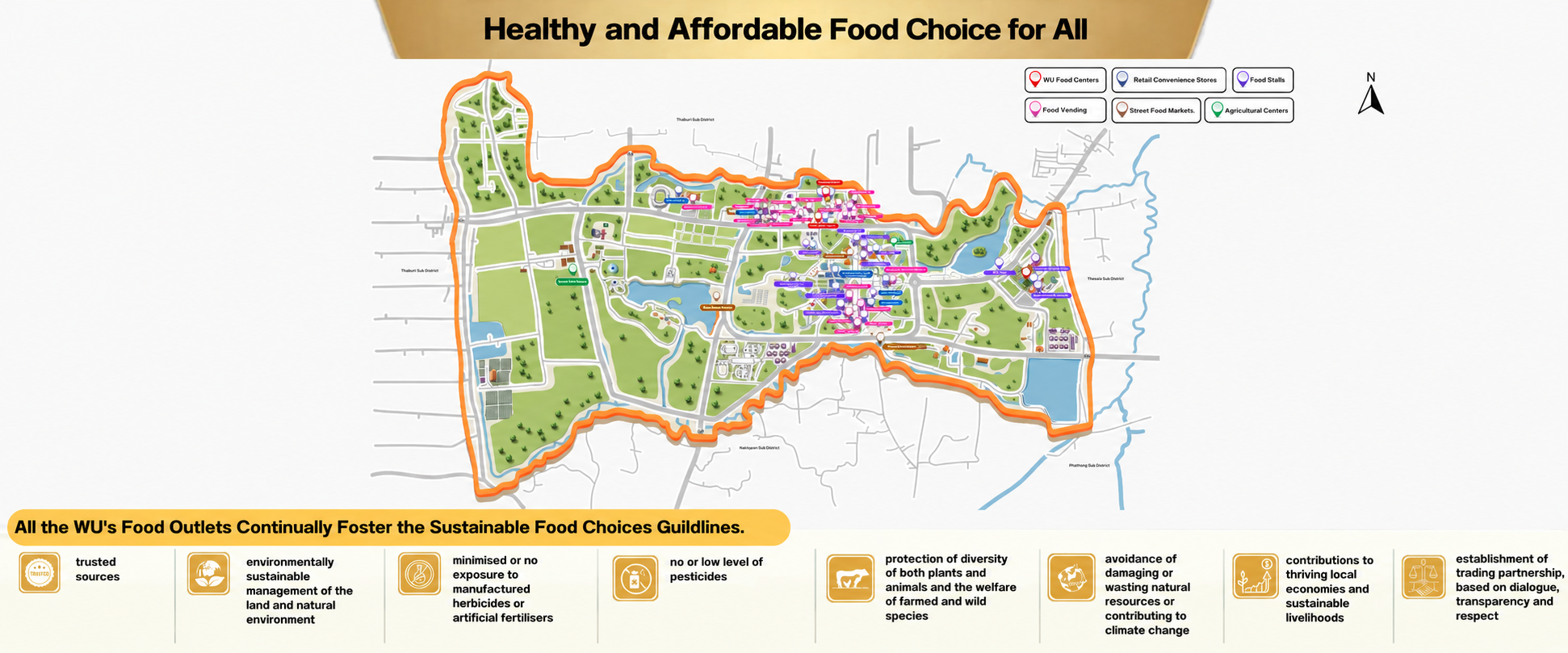
Food centers serve as major locations for accessing main meals, with restaurants offering both budget-friendly menus and nutritionally valuable options. Meanwhile, retail shops, the campus market, and convenience stores provide additional healthy food products, such as fresh fruit and various types of food, at appropriate prices. Vending machines provide an additional channel for accessing beverages and food throughout the day. They can offer choices with lower sugar content or appropriate energy levels, providing users with greater diversity in their food and beverage choices.
The availability of food and beverage choices across multiple locations makes Healthy and Affordable Food Choices part of the University’s everyday food environment and enables students and staff to access appropriate food according to their location, time, needs, and budget.
Monitoring, Evaluation, and Development of the Food System
The university continuously monitors and develops its food service system to ensure that food choices, quality, prices, and sanitation standards respond to users’ needs. Monitoring covers sanitation inspections of restaurants twice a year, food quality and cleanliness checks, price monitoring, and listening to the opinions and needs of students and staff. Data from monitoring and evaluation can be used to improve the operations of food outlets and providers, increase the availability of healthy food choices, improve service quality, and consider appropriate price levels for users. This approach enables the university’s food system to develop continuously in terms of health, safety, diversity, price, and accessibility, with data from actual operations supporting system improvement.
Outcomes and Evidence
The university’s food-related operations can be demonstrated through various forms of evidence, including policies and criteria related to sustainable food preparation and consumption, criteria for selecting healthy food outlets and controlling prices, the number and types of restaurants and food service points, food menus and prices, as well as food sanitation and quality inspection results.
For Healthy Food Choices, evidence can include the number of restaurants or food service points offering healthy food, types of food and beverages, fresh fruit, lower-sugar or appropriately energized beverage options, food sanitation standard training, Coliform testing, and food sanitation inspections conducted twice a year.
For Affordable Food Choices, key evidence includes food menus and prices, price ranges for main meals, budget-friendly menus, average food prices on campus compared with prices off campus, and average food prices compared with students’ cost of living. These data can demonstrate food affordability in a concrete manner.
At the same time, data on the number of restaurants, food service points, types of food, number of users, and satisfaction survey results can demonstrate the scope and outcomes of the university’s food system, including changes or improvements resulting from monitoring and evaluation. Walailak University therefore aims to create an on-campus food system that integrates nutritional value, safety, diversity, and affordability through established criteria, food provider management, the distribution of food choices across multiple locations, price control, food sanitation standards, and continuous monitoring and development. This enables students, staff, and service users to access food that is appropriate for their health and available at appropriate prices within the university.