Walailak University Provides Free Access to Food Security Knowledge, Sustainable Agriculture, and Aquaculture Technologies for Local Farmers and Food Producers
Walailak University Provides Free Access to Food Security Knowledge, Sustainable Agriculture, and Aquaculture Technologies for Local Farmers and Food Producers
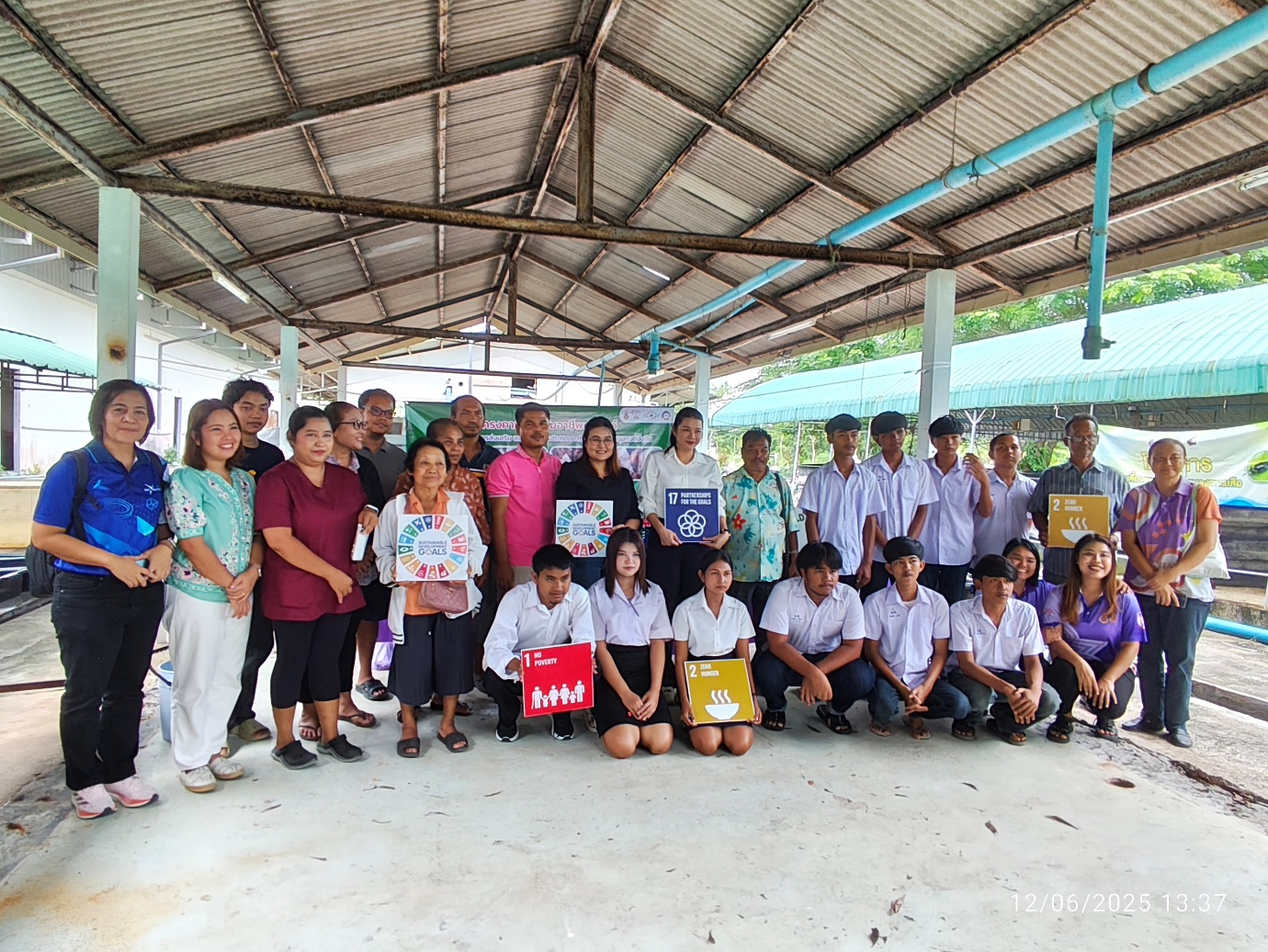
In 2025, Walailak University provided local farmers, food producers, and community enterprises with free access to knowledge, skills, and technologies supporting food security, sustainable agriculture, and sustainable aquaculture. Through academic services, practical training, workshops, consultations, demonstrations, knowledge exchange, and technology transfer, the university connected its expertise with local production needs.
These services covered crop and livestock production, farm management, pest and disease prevention, aquatic resource management, food processing, preservation, production standards, and value addition. Activities linked the identification of local problems and needs (diagnostics) with practical skills and technology development, community engagement, and the measurement of knowledge application and benefits.
Free Access to Food Security Knowledge, Sustainable Agriculture and Aquaculture through Five Service Channels
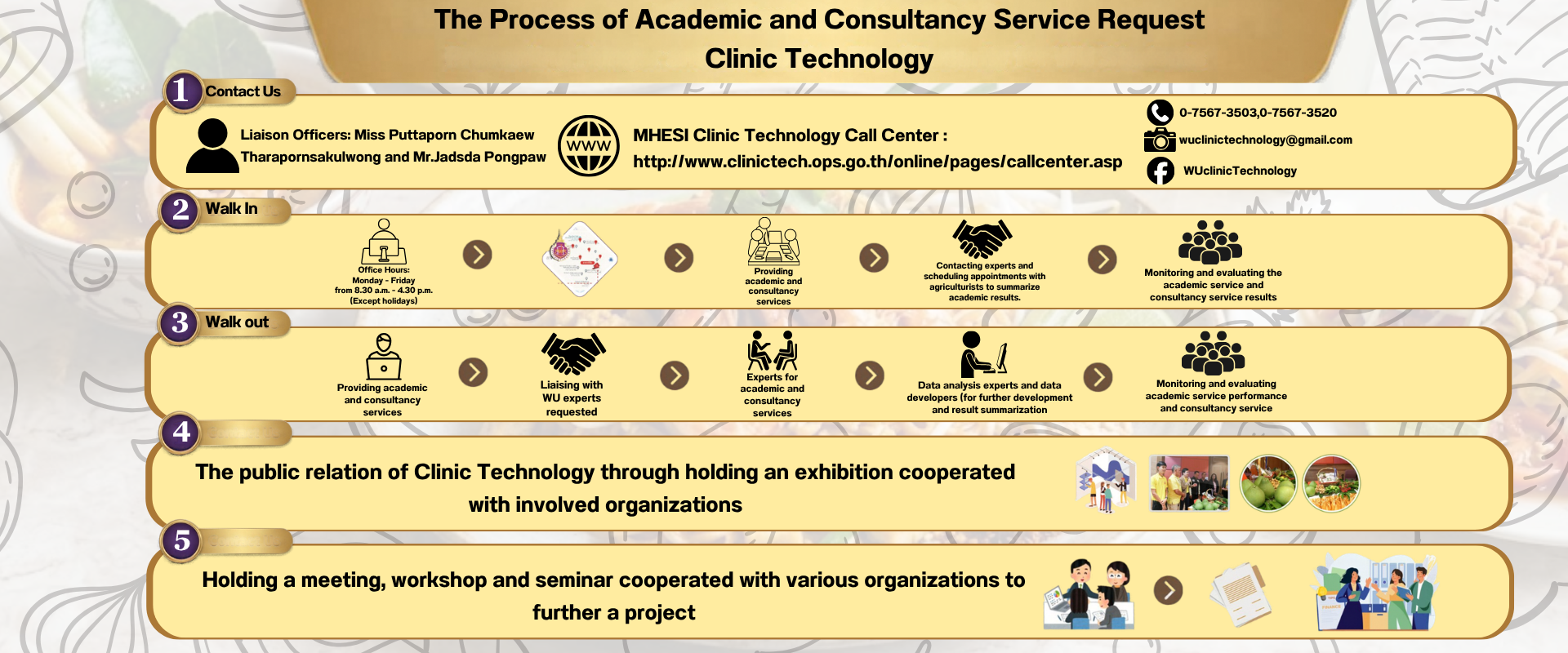
Walailak University’s Technology Clinic provided free technology consultation services through five main channels, enabling farmers and food producers to access support remotely, visit the university, or participate in activities within their communities:
- Telephone and online communication: Farmers and food producers could contact the Technology Clinic by telephone at 0-7567-3523 or 0-7567-3503, by email at wuclinictechnology@gmail.com, or through the Walailak University Technology Clinic Facebook Page. University information was also available through the Walailak University website.
- Walk-in consultation: Services were available at the Center for Academic Services, first floor of the Research Building, Walailak University, Thaiburi Sub-district, Tha Sala District, Nakhon Si Thammarat Province, Monday–Friday, 08:30–16:30, excluding official and public holidays.
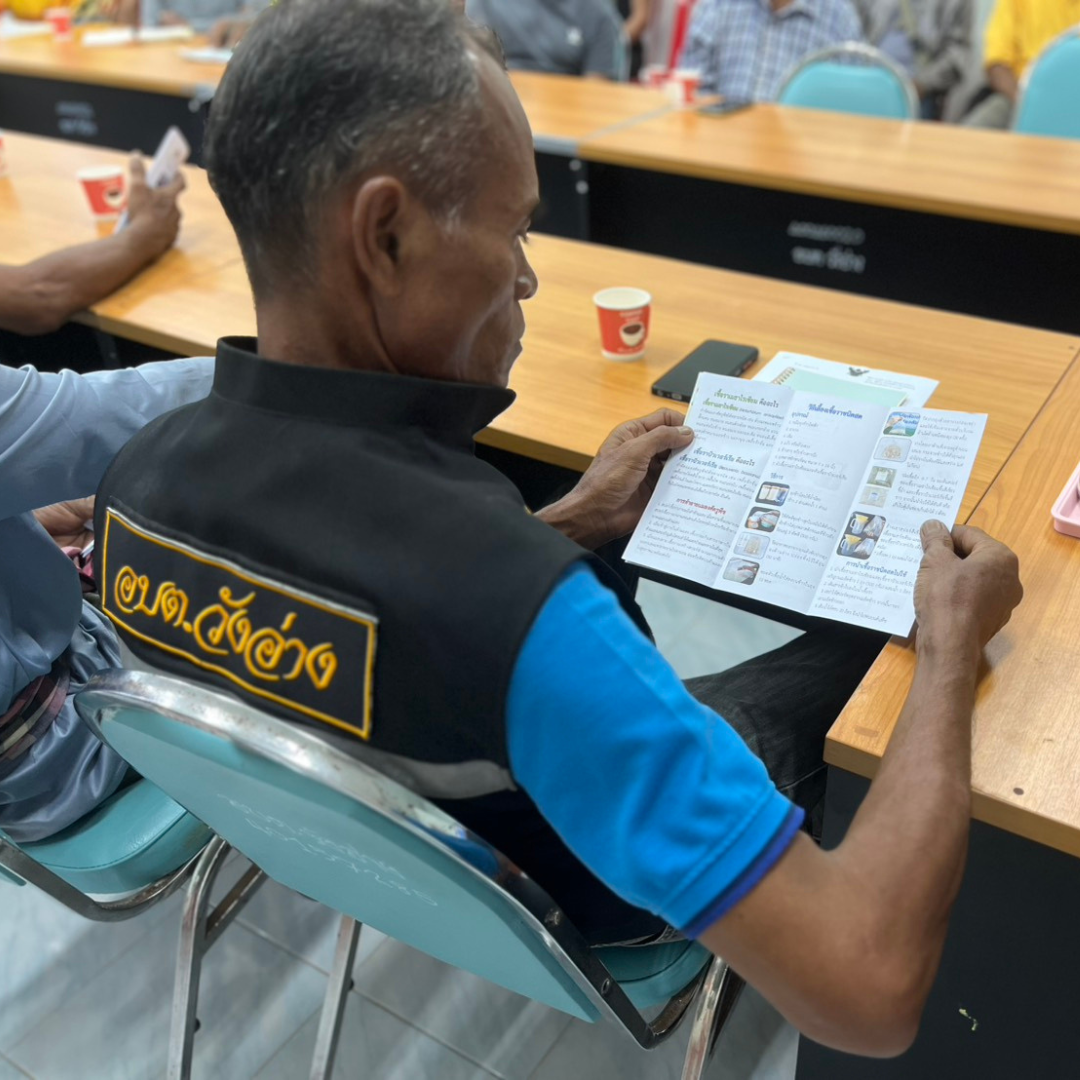
- On-site consultation and outreach: University staff and experts visited communities to provide individual or group consultations, address production problems, and transfer technologies directly to farmers, community enterprises, and local residents.
- Activities with partner organizations: Consultations and technology transfer were organized with university schools and external partners, including the provincial Ministry of Higher Education, Science, Research and Innovation operating unit, the Department of Learning Encouragement, sub-district health-promoting hospitals, and local administrative organizations.
- Exhibitions and academic events: Information and consultation booths were provided at seminars, community-engaged academic events, and outreach activities with the Southern Technology Clinic Network.
Food Security: Strengthening Food Production, Preservation, and Producer Capacity
Walailak University supported food security by helping local producers acquire practical knowledge to produce, preserve, and manage food safely and efficiently. Consultations connected diagnostics of producers’ needs with challenges involving raw material utilization, food deterioration, processing, packaging, production standards, and business management.
Indigenous Rice Processing into All-Purpose Rice Flour and Rice Vinegar
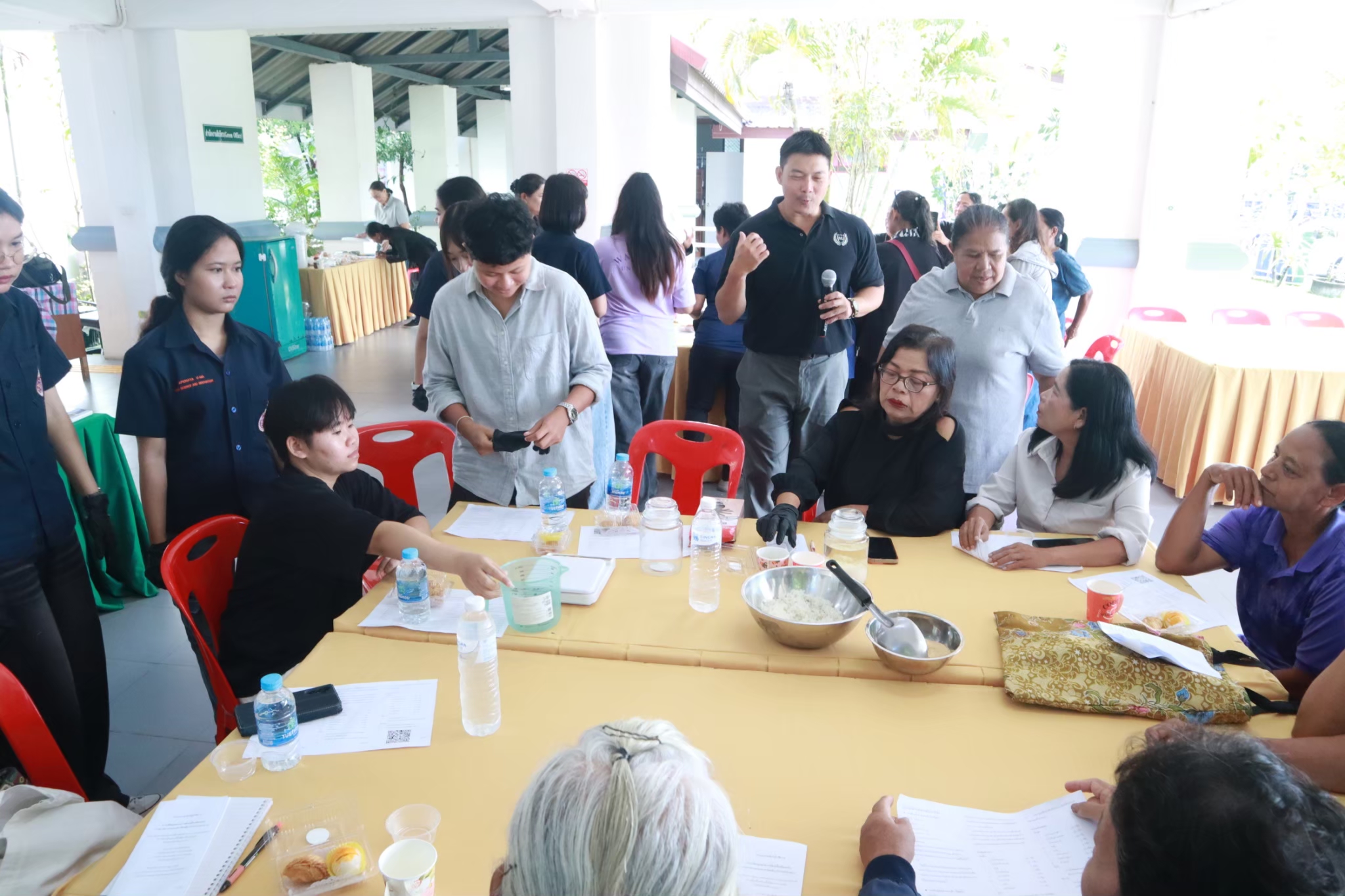
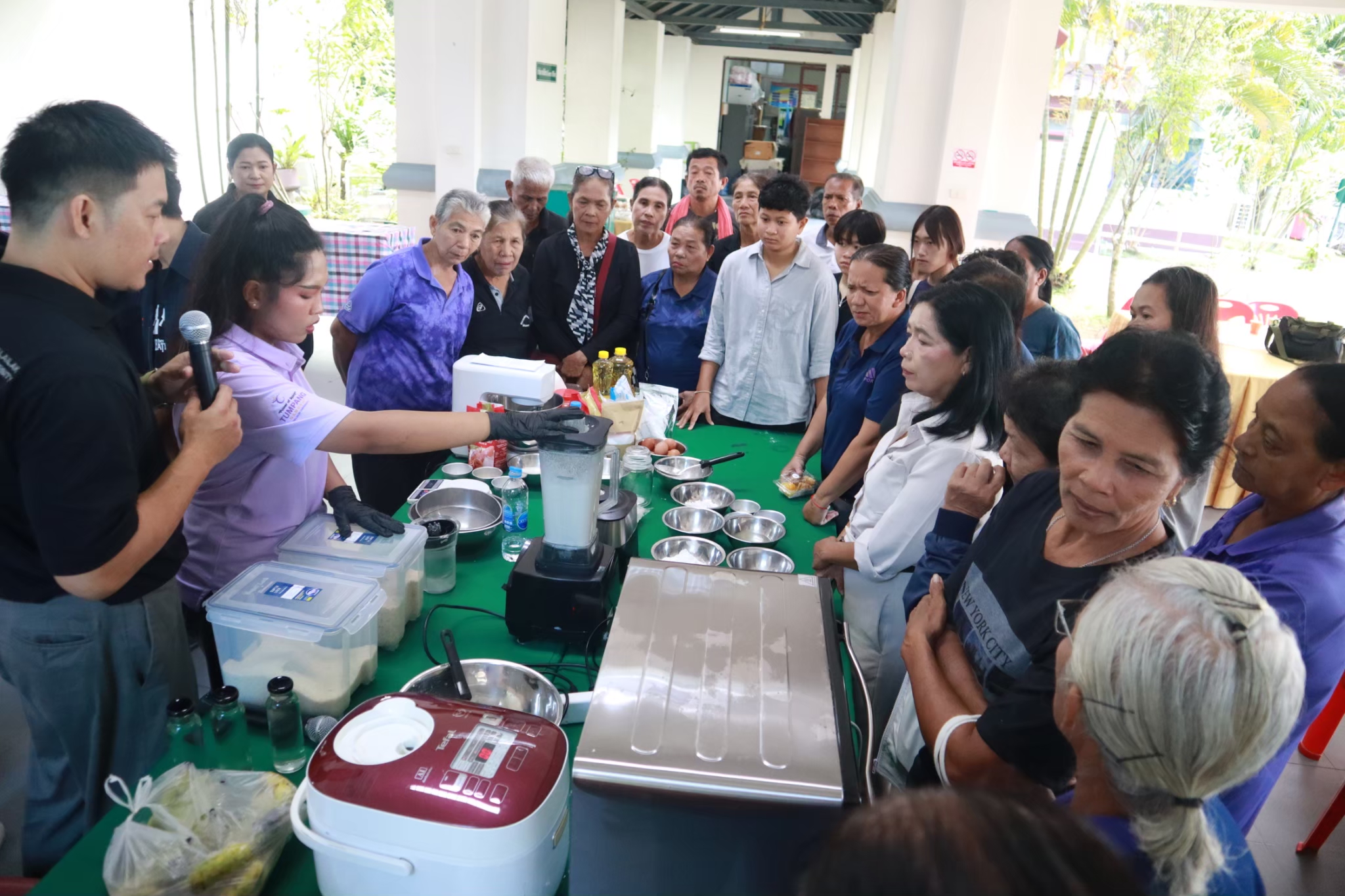
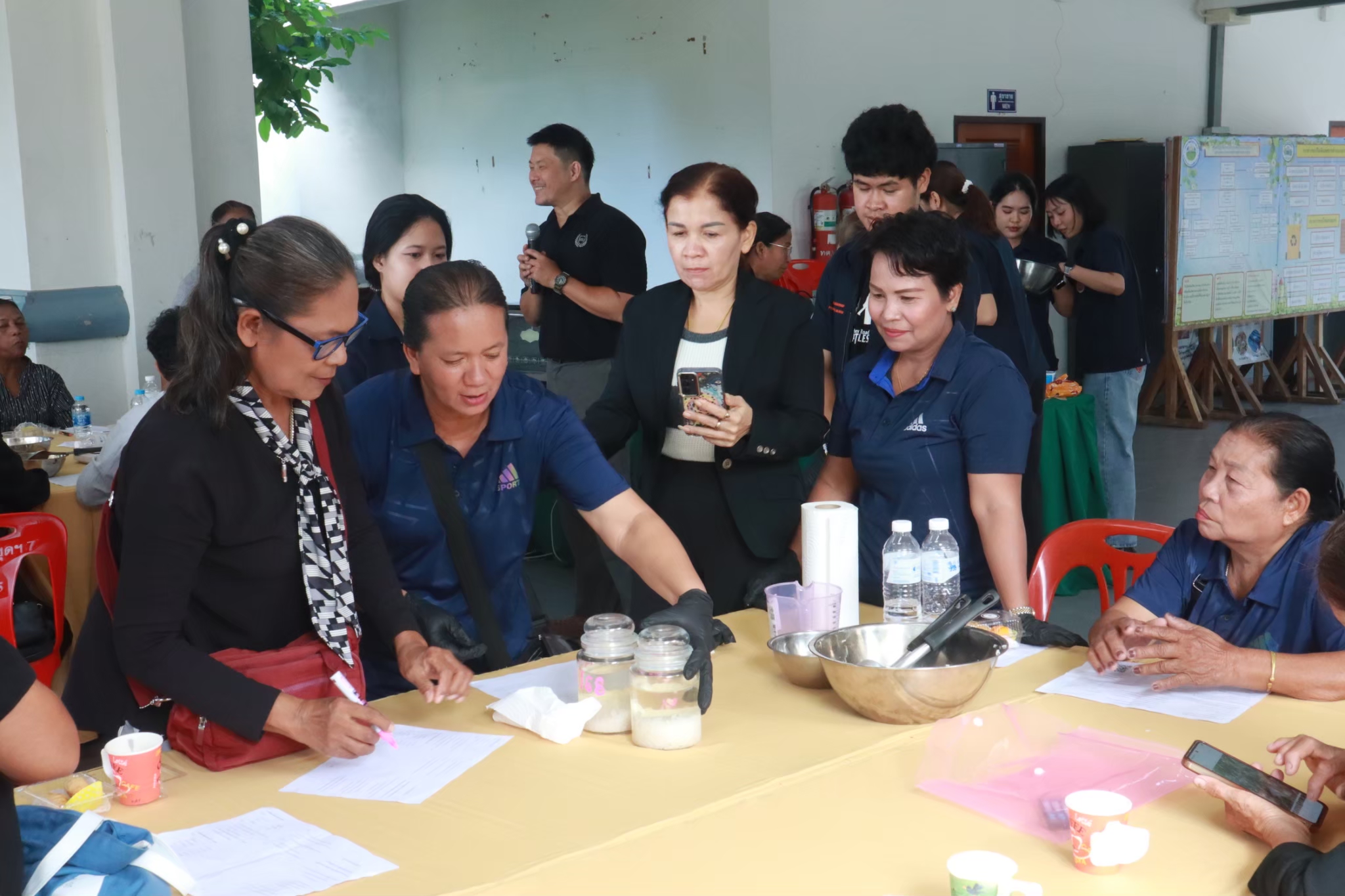
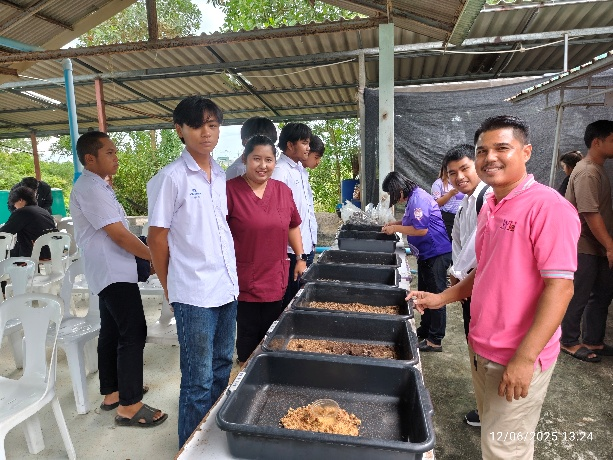
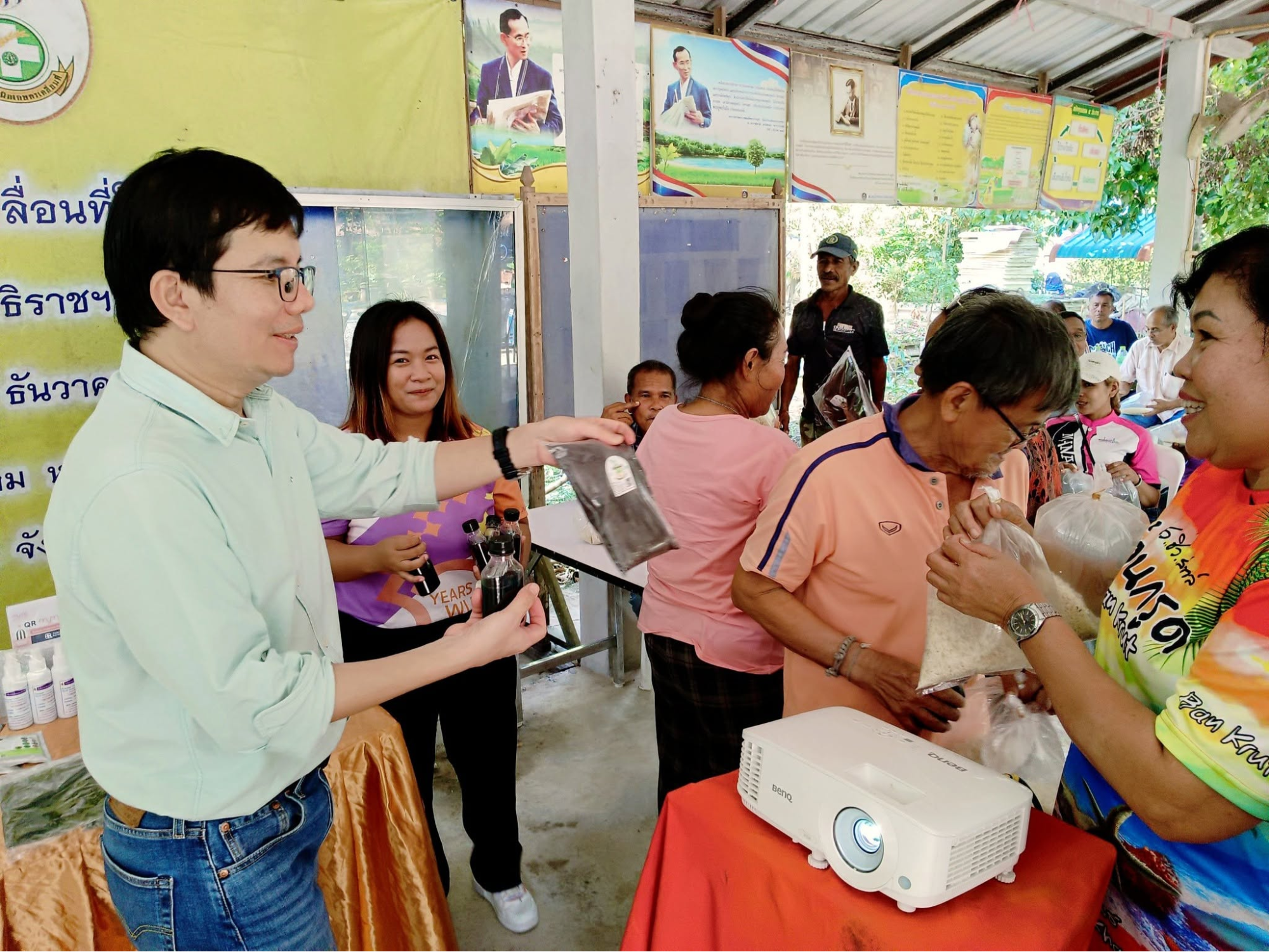
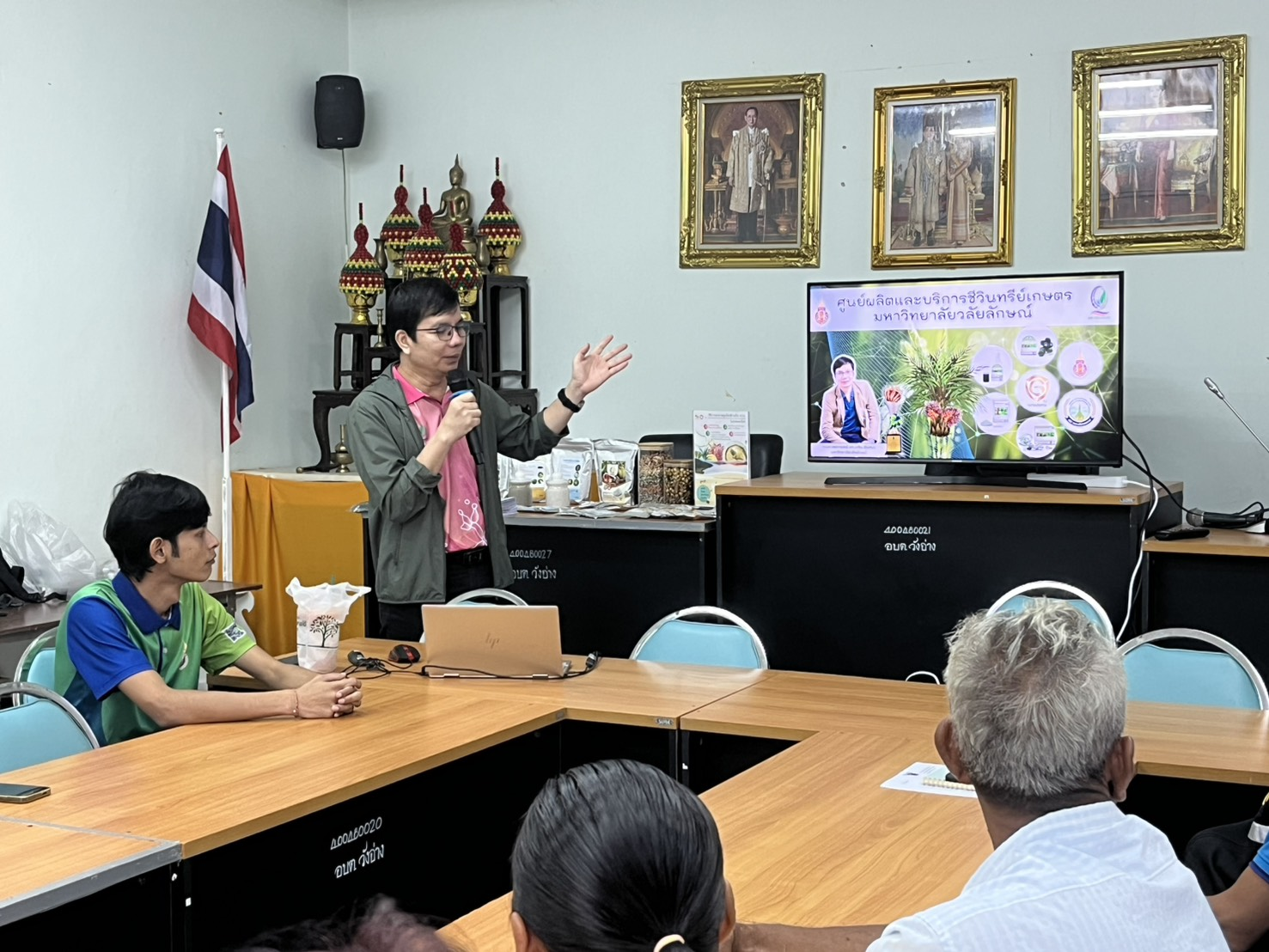
Practical skills development included training in food processing and preservation to help producers make better use of local agricultural and aquatic resources. For example, the university transferred knowledge on processing indigenous rice varieties to more than 40 community members, farmers from large-scale rice farming plots in Na San and Na Phru Sub-districts, Phra Phrom District, and representatives of relevant agencies in Nakhon Si Thammarat Province. The activity connected area-based research with community application by developing products such as all-purpose indigenous rice flour and indigenous rice vinegar.
Walailak University supports local food producers through practical training, product development, preservation technologies, packaging improvement, and community enterprise management. These services help producers apply knowledge to improve product quality, add value to local ingredients, and create income-generating opportunities.
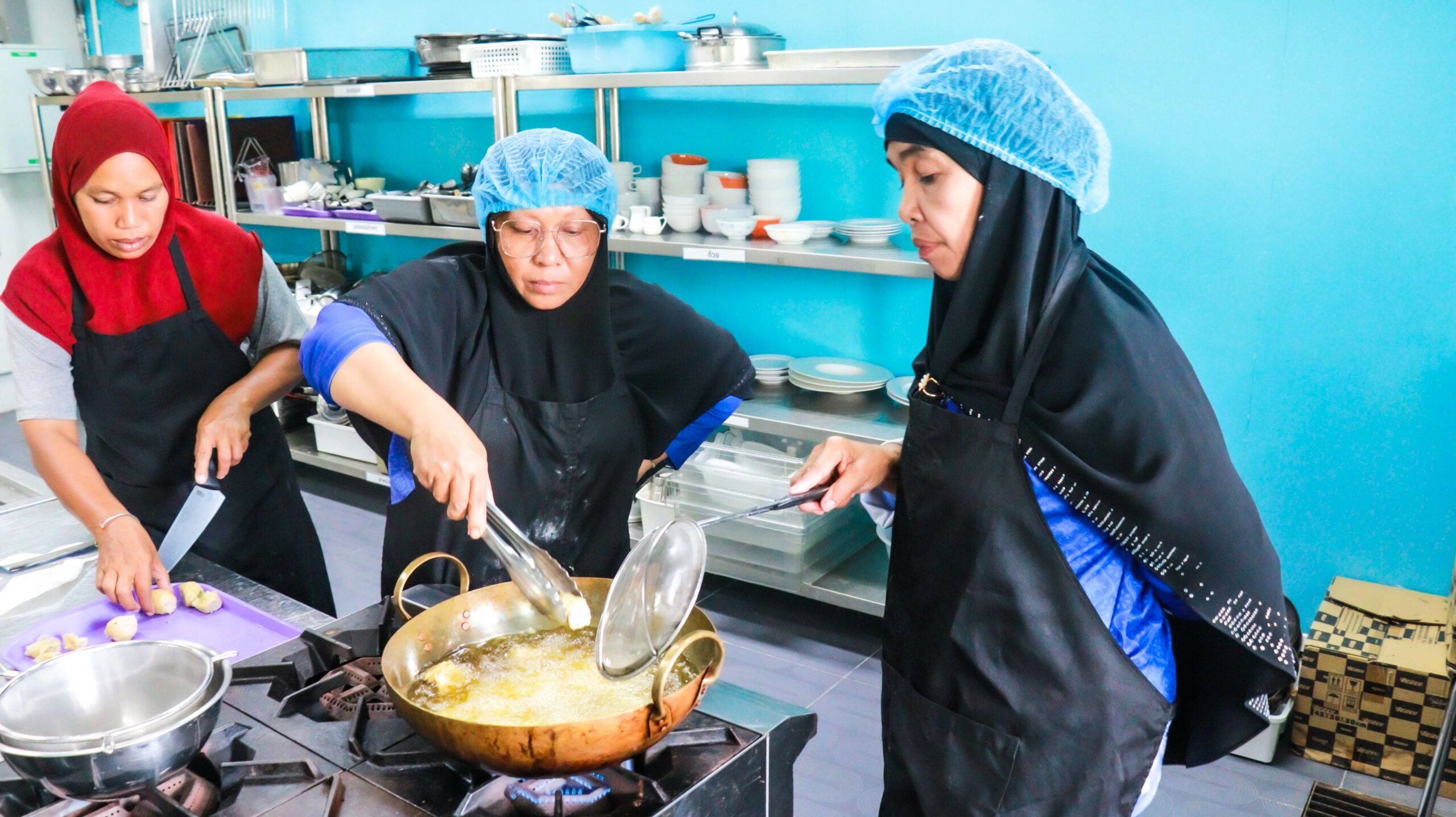
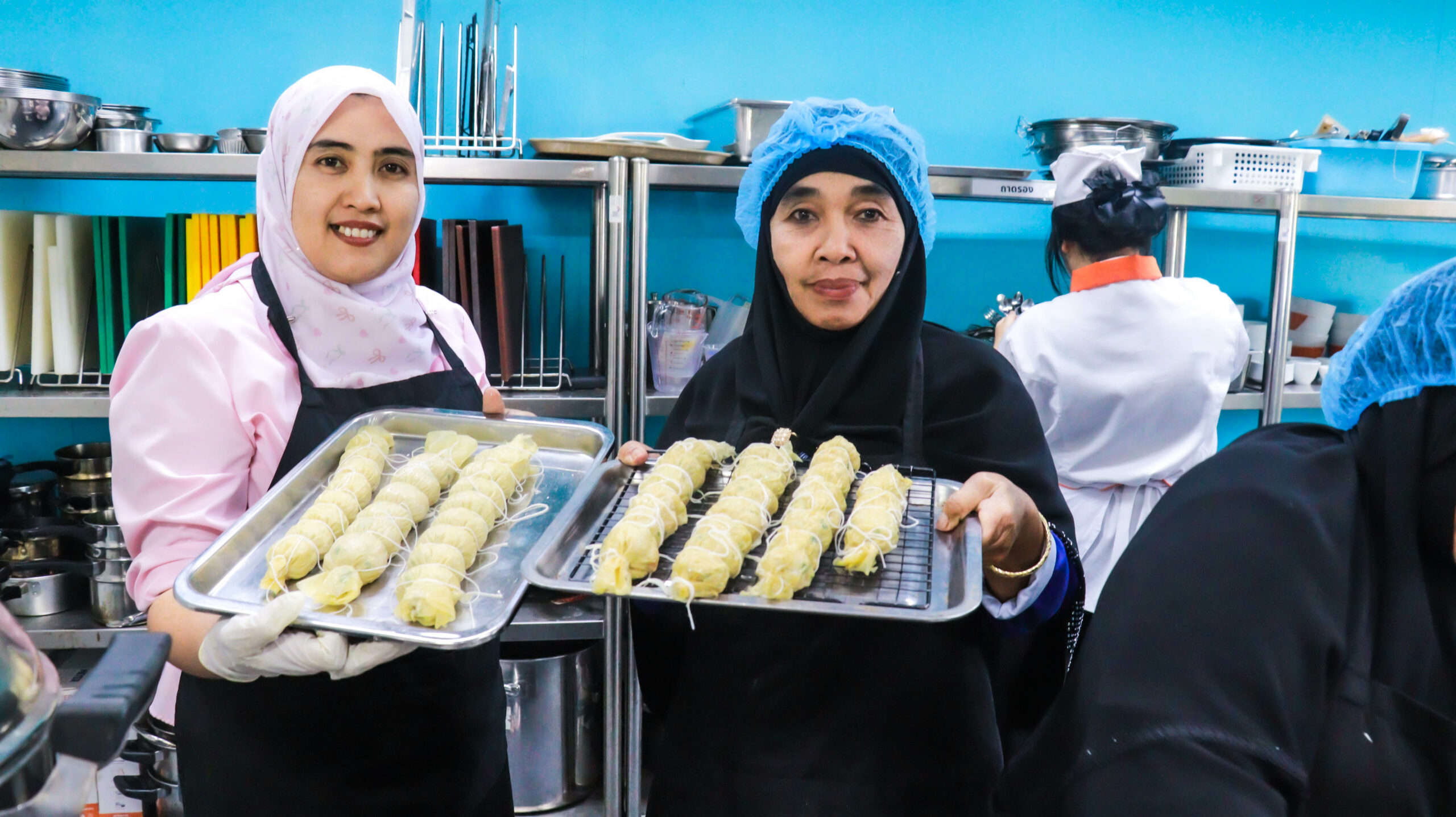
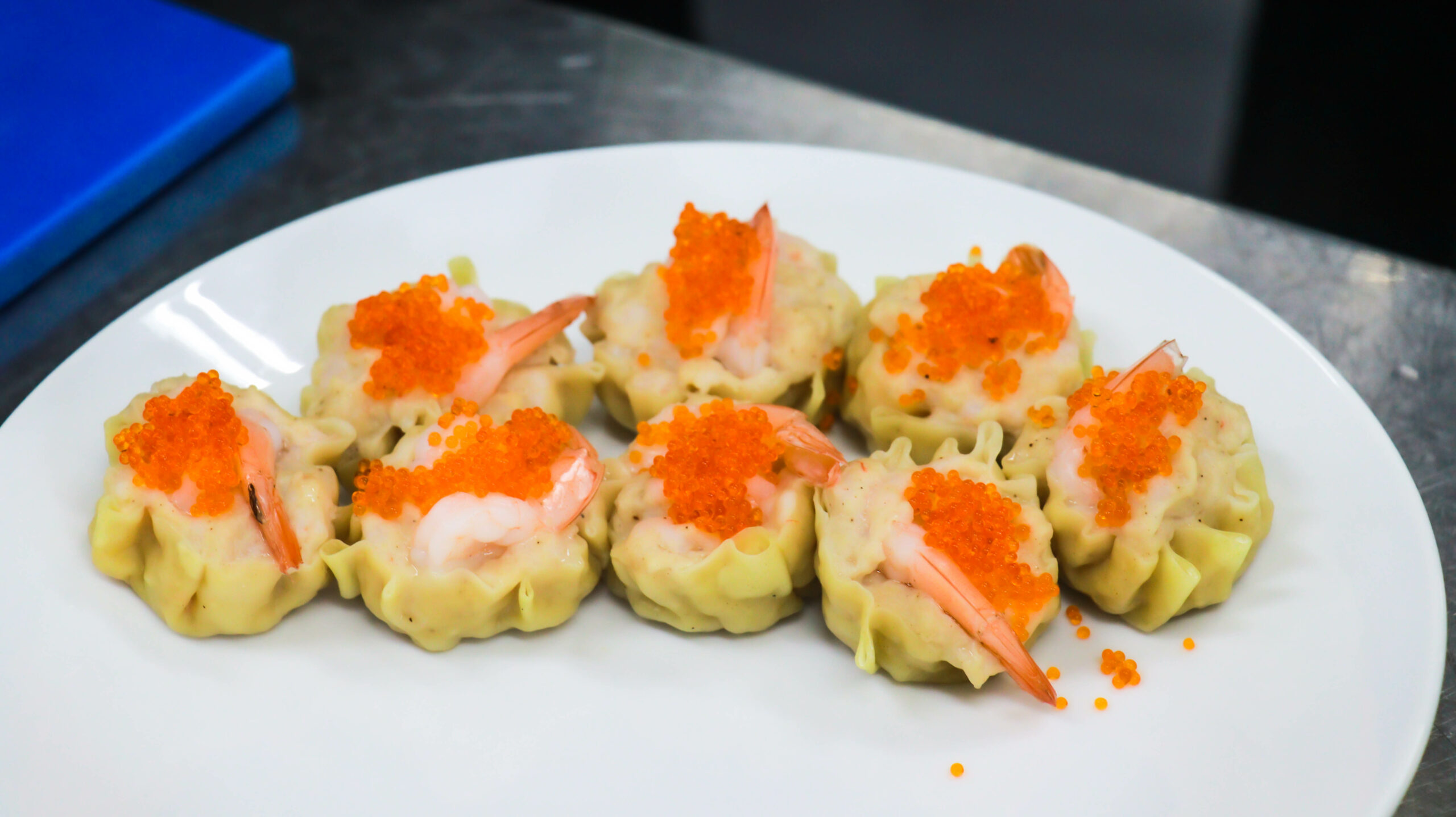
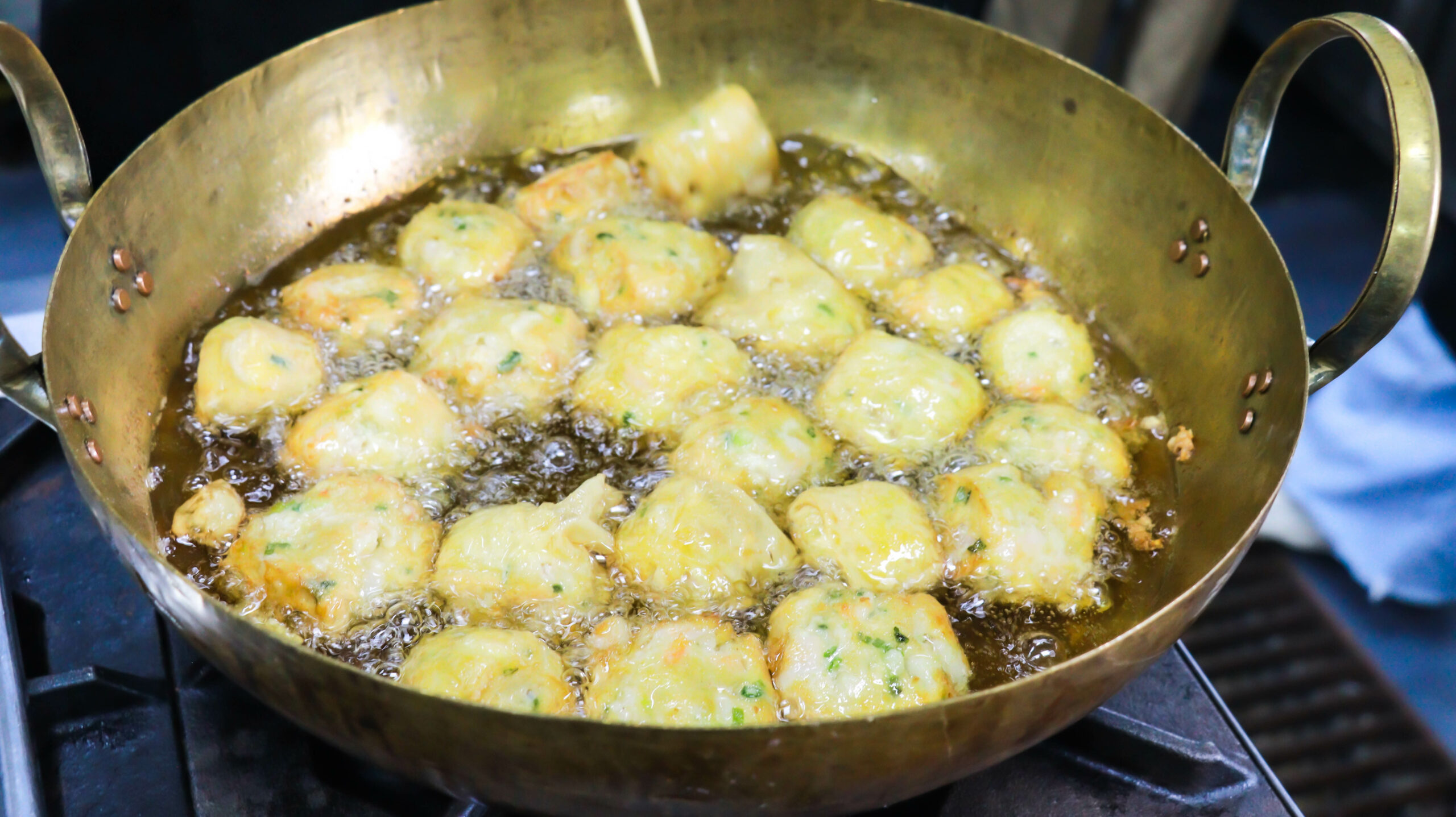
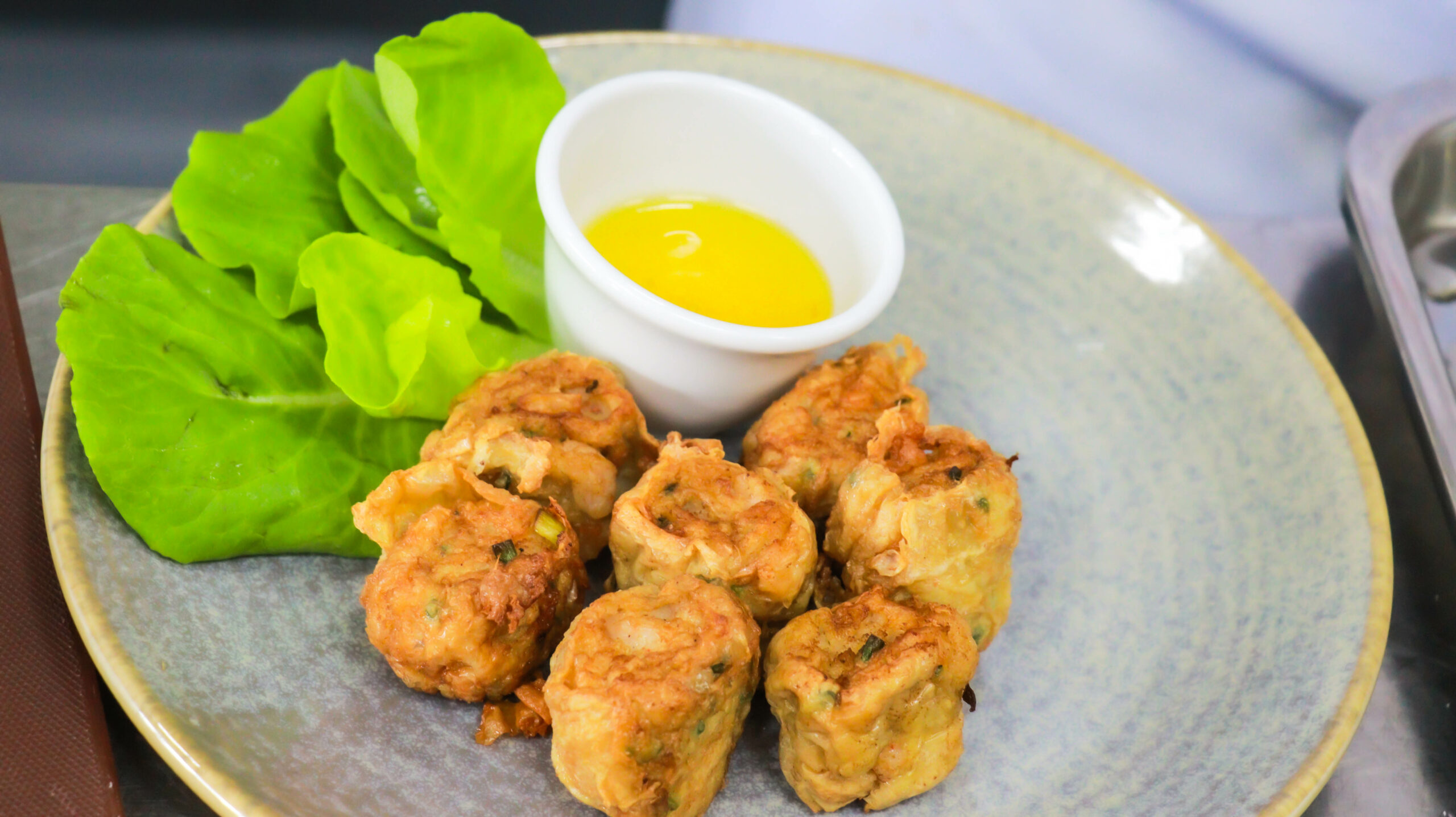
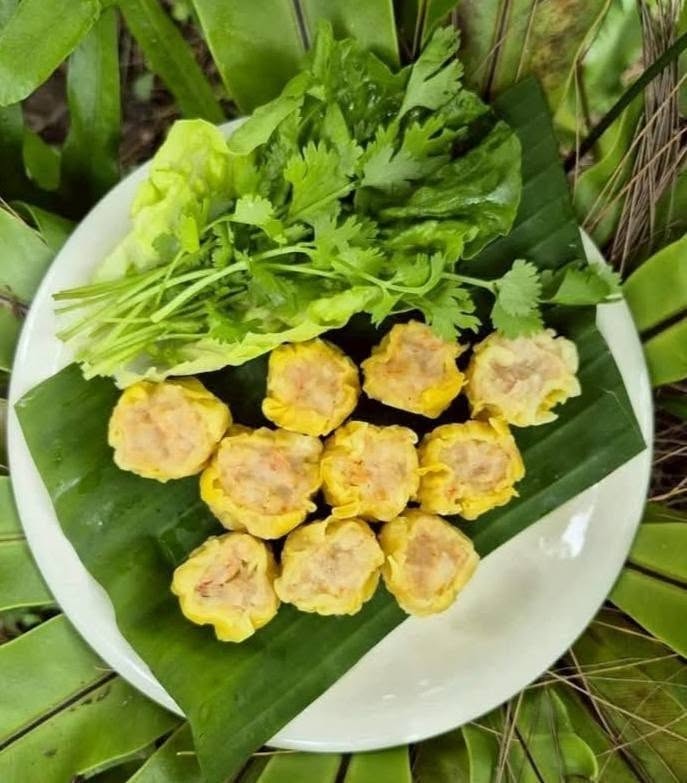
Seafood Processing: Deep-Fried Fish Meat Rolls and Steamed Shrimp Dumplings
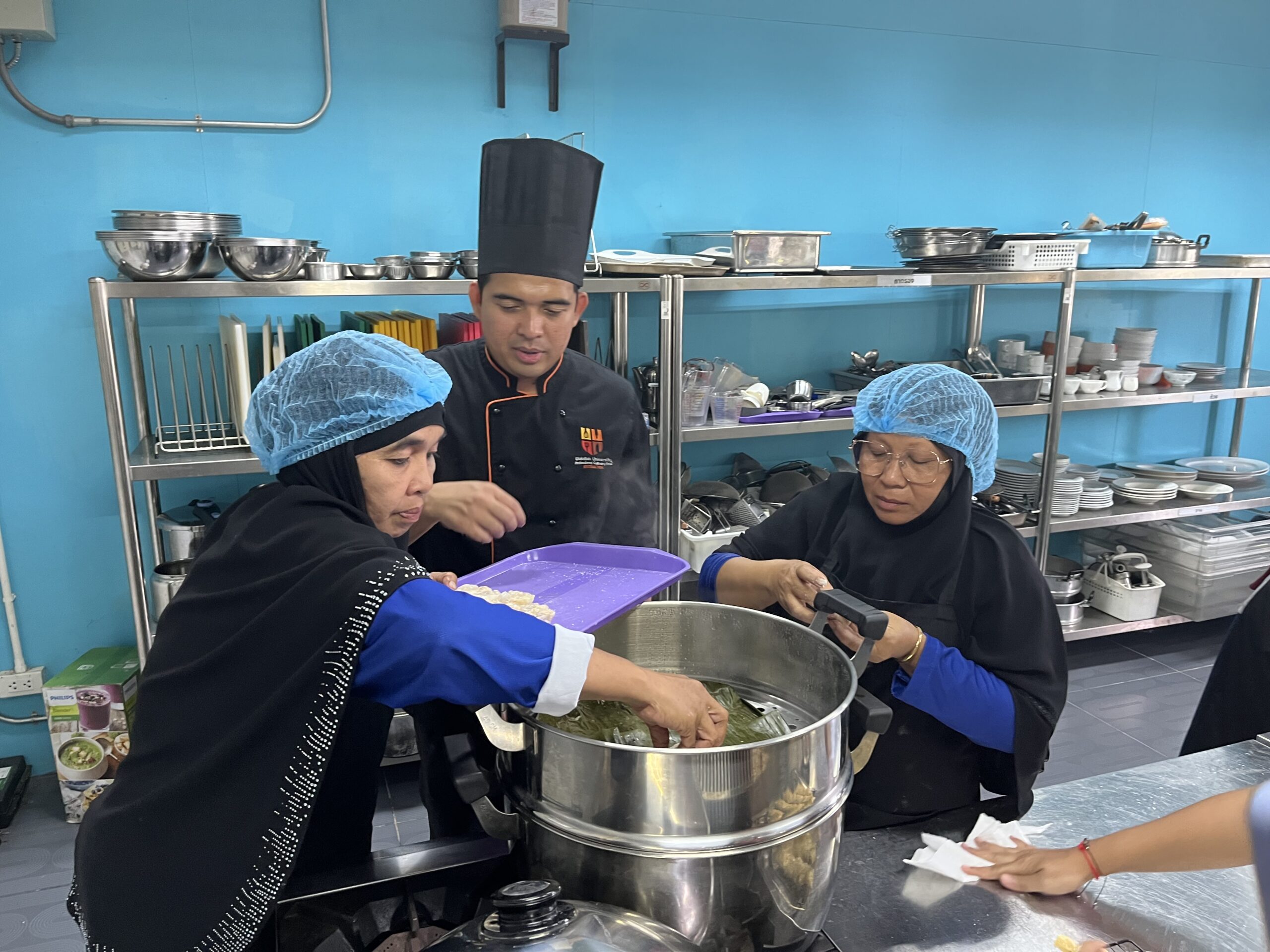
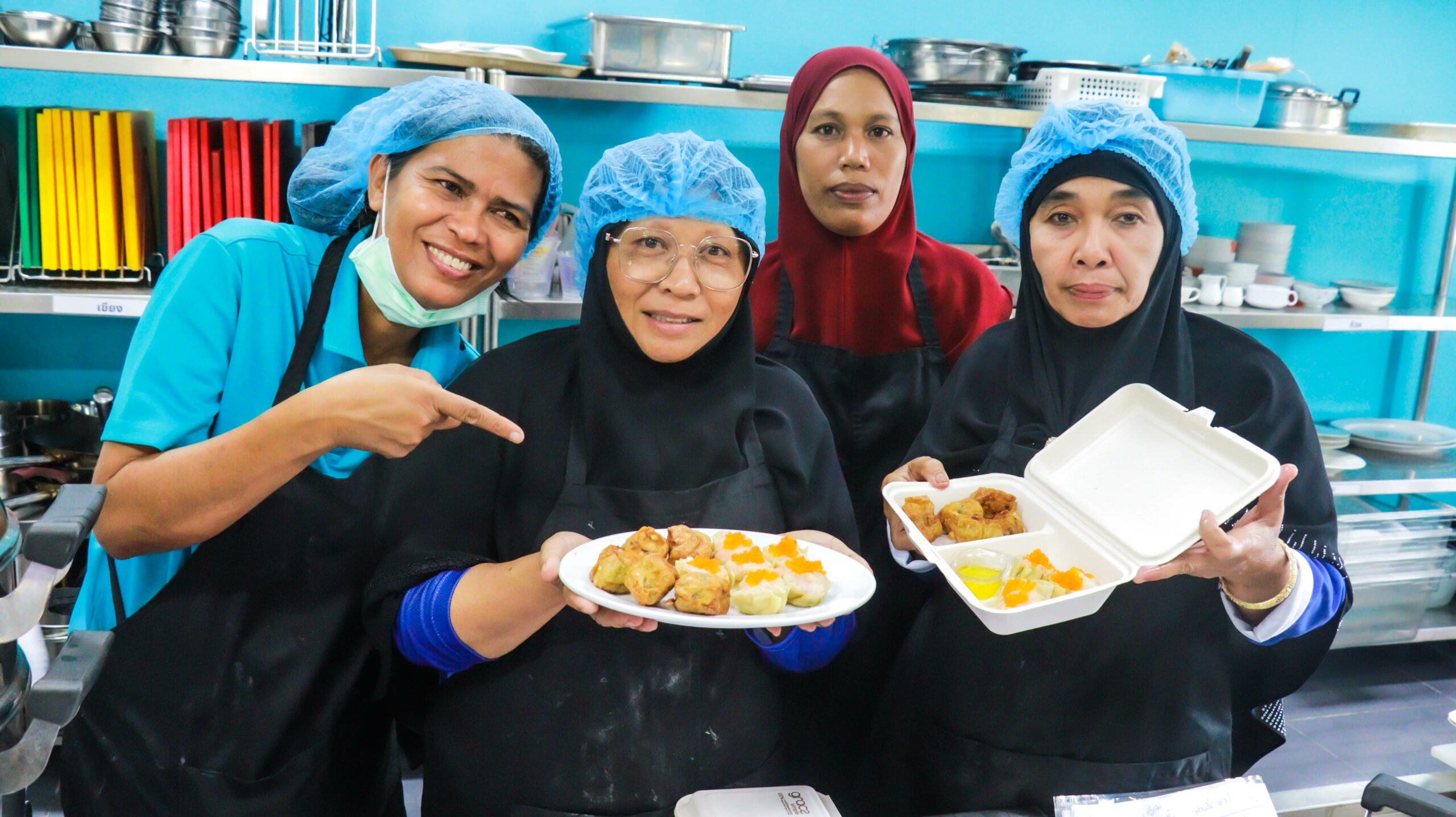
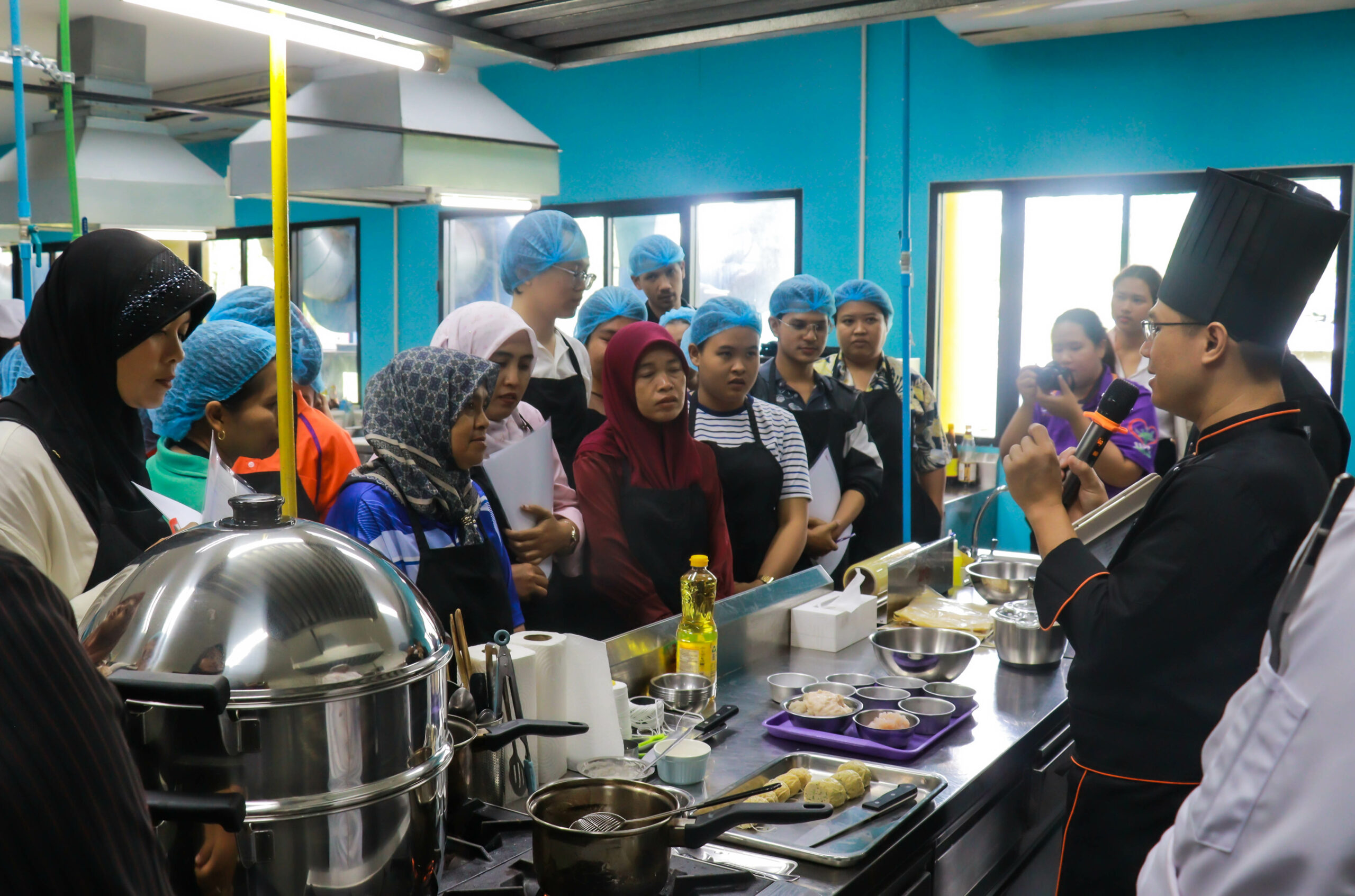
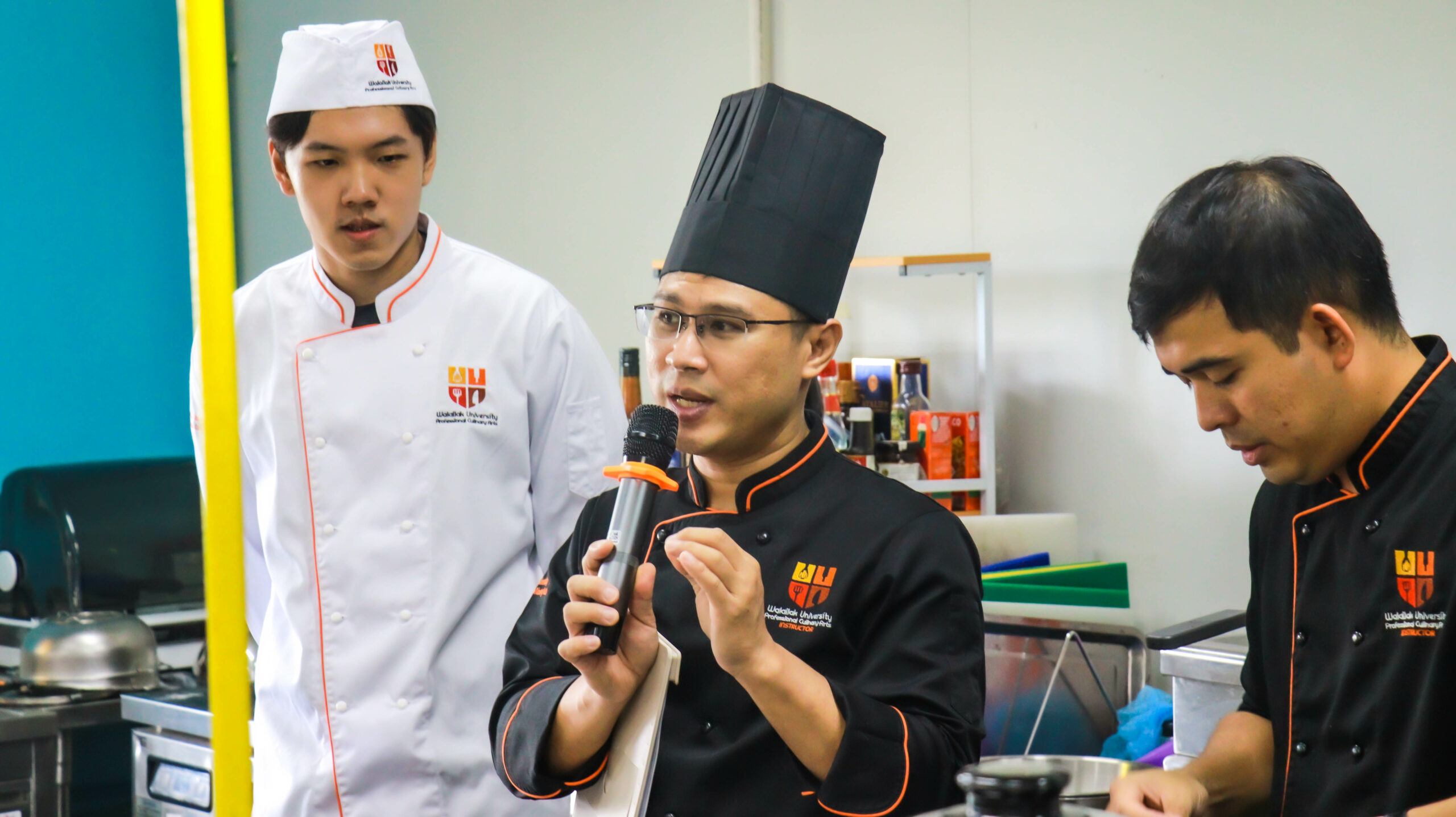
The university organized a practical workshop on “Coastal Fishery Product Processing Skills,” with Lecturer Pawit Tansakul from the School of Management providing instruction and demonstrations on transforming local seafood into value-added products, including deep-fried fish meat rolls and steamed shrimp dumplings.
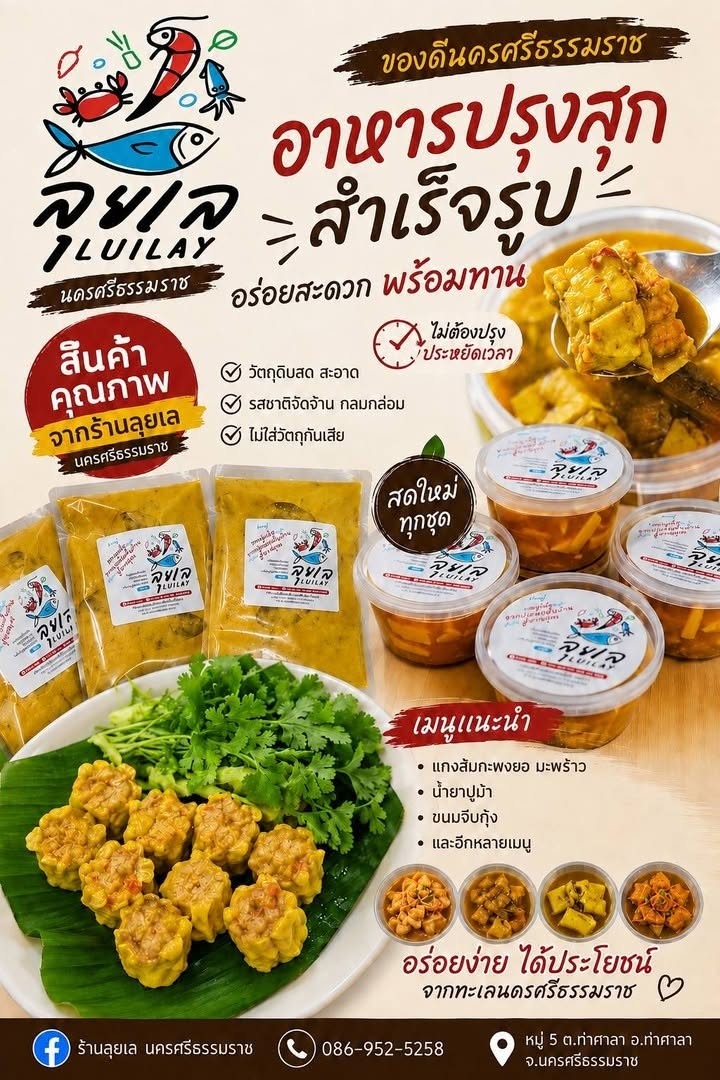
Following the training, the Ban Nai Thung Muslimah Group applied the knowledge to produce and sell these products under their brand, namely, LUILAY, demonstrating the transfer of practical skills into community income-generating activities. Additional support included knowledge on refrigerated and frozen seafood preservation, shelf-life extension, packaging development, and income-and-expenditure accounting, strengthening both food processing capabilities and community enterprise management.
Goat Meat Product Development
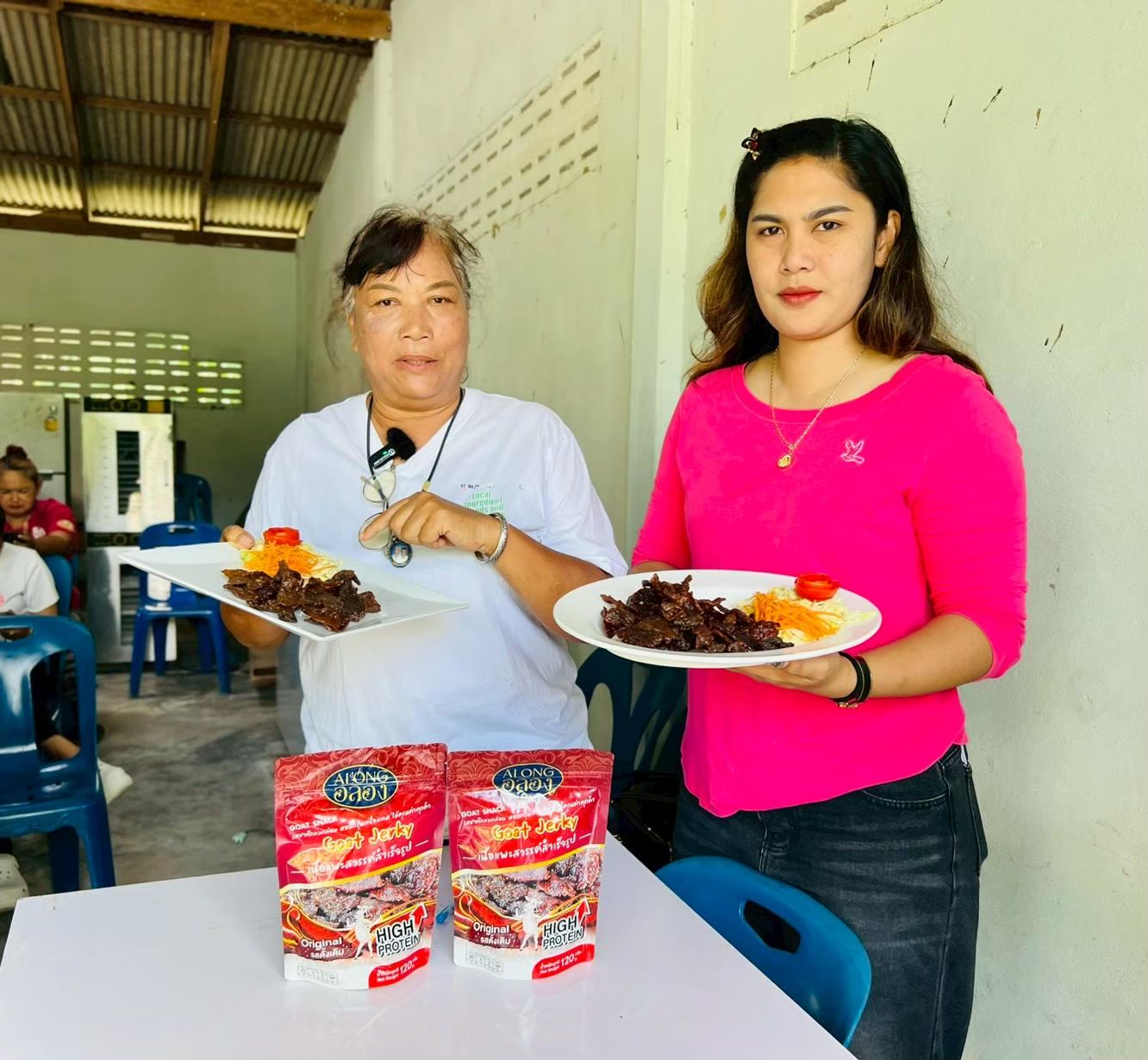
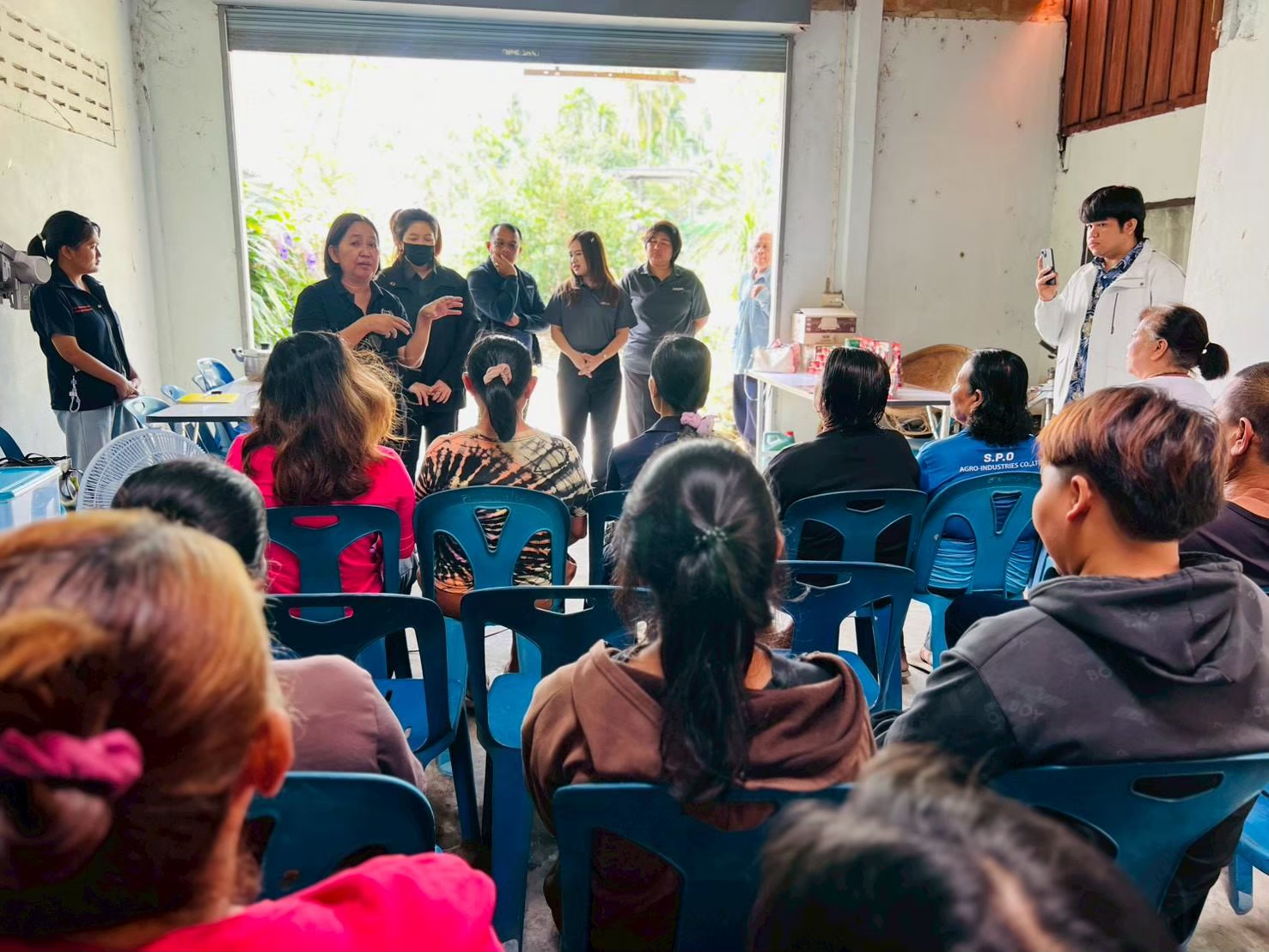
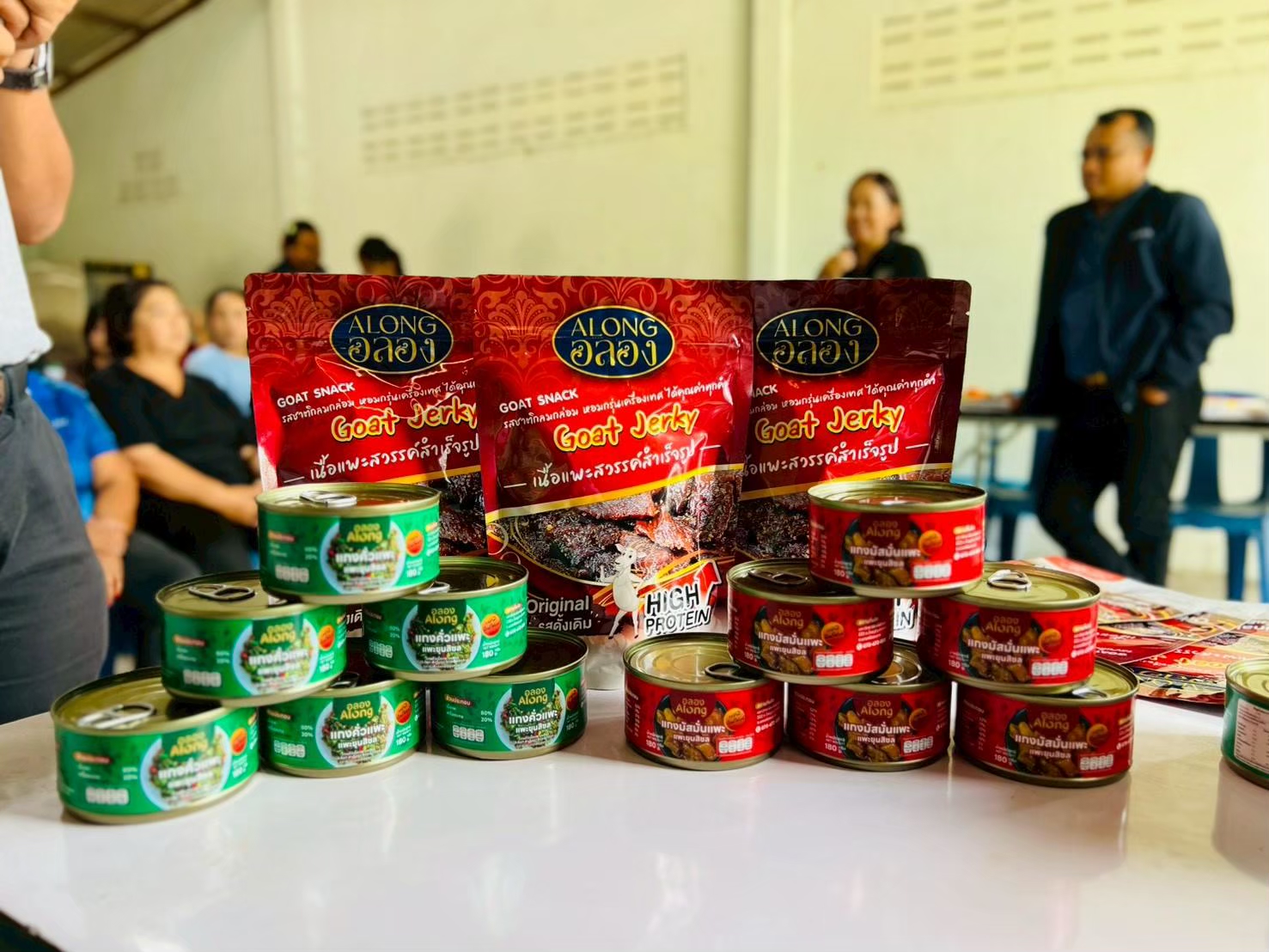
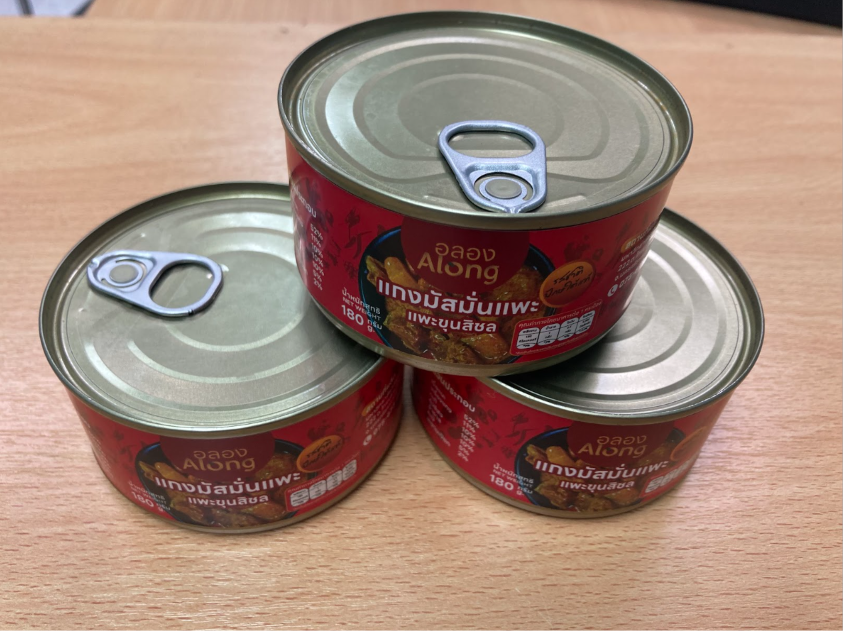
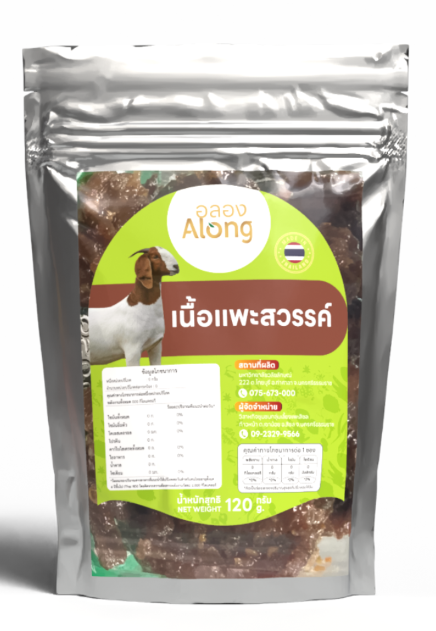
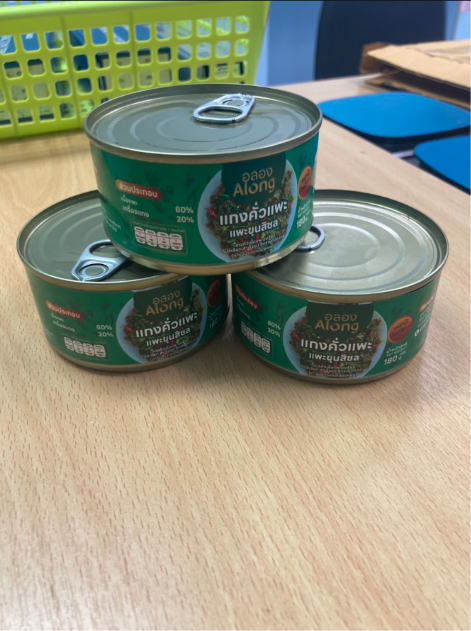
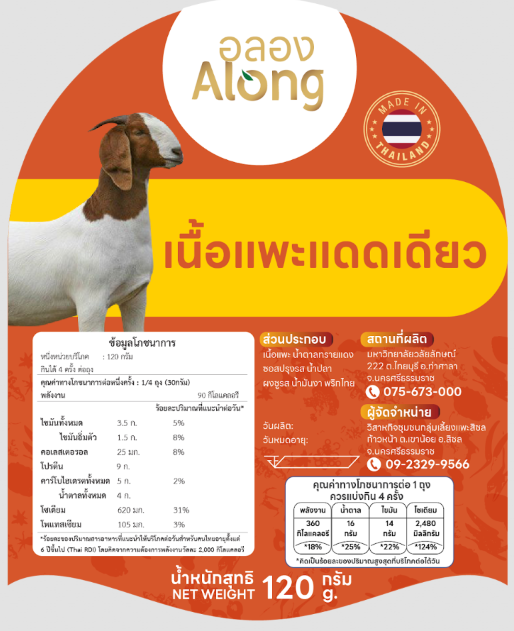
The university also worked with the Sichon Kao Na Goat Farmers Community Enterprise to develop processed goat meat products, including sweet seasoned goat meat, sun-dried goat meat, goat massaman curry, and goat curry. Activities covered product formulation, packaging and label development, consumer satisfaction testing, and market testing. Support for goat massaman curry also focused on improving the product in preparation for an application for standards certification. In July 2025, processing improvements included vacuum frying of sun-dried and sweet seasoned goat meat, combined with nitrogen-based modified-atmosphere packaging to extend shelf life. The enterprise also produced canned goat curry using retort sterilization. These activities connected food processing knowledge with practical production, preservation, and marketing, supporting the enterprise’s capacity to develop value-added goat meat products.
Moreover, community engagement extended to consultation and preparation for food production standards, including GMP and Halal certification. A concrete outcome was achieved by the Ban Nai Thung Muslimah Group, which obtained Halal certification for three dishes: blue swimming crab curry sauce, crab curry with wild betel leaves, and sour fish curry. This demonstrated the application of knowledge to improve community food production standards.
Measurement showed that 270 people accessed services, comprising 77 consultation recipients and 193 information service recipients. This represented 192.86% of the target of 140 people. Services covered 11 core technologies, while five communities applied seven bodies of knowledge. Follow-up covered all 77 consultation recipients, and 100% reported applying the knowledge received. Of these, 67 people (87.01%) used it to reduce expenses, and 10 people (12.99%) used it to increase income. Overall satisfaction reached 94.76%, exceeding the target of 85%. These figures represent outcomes across the Technology Clinic project.
Sustainable Agriculture: Supporting Crop and Livestock Production from Farm Management to Value Addition
Walailak University provided local farmers with free access to sustainable agriculture knowledge and technologies covering both crop and livestock production. Activities addressed production inputs, disease and pest prevention, feed costs, farm management, waste utilization, and agricultural product processing.
Sustainable Livestock Production and Farm Management
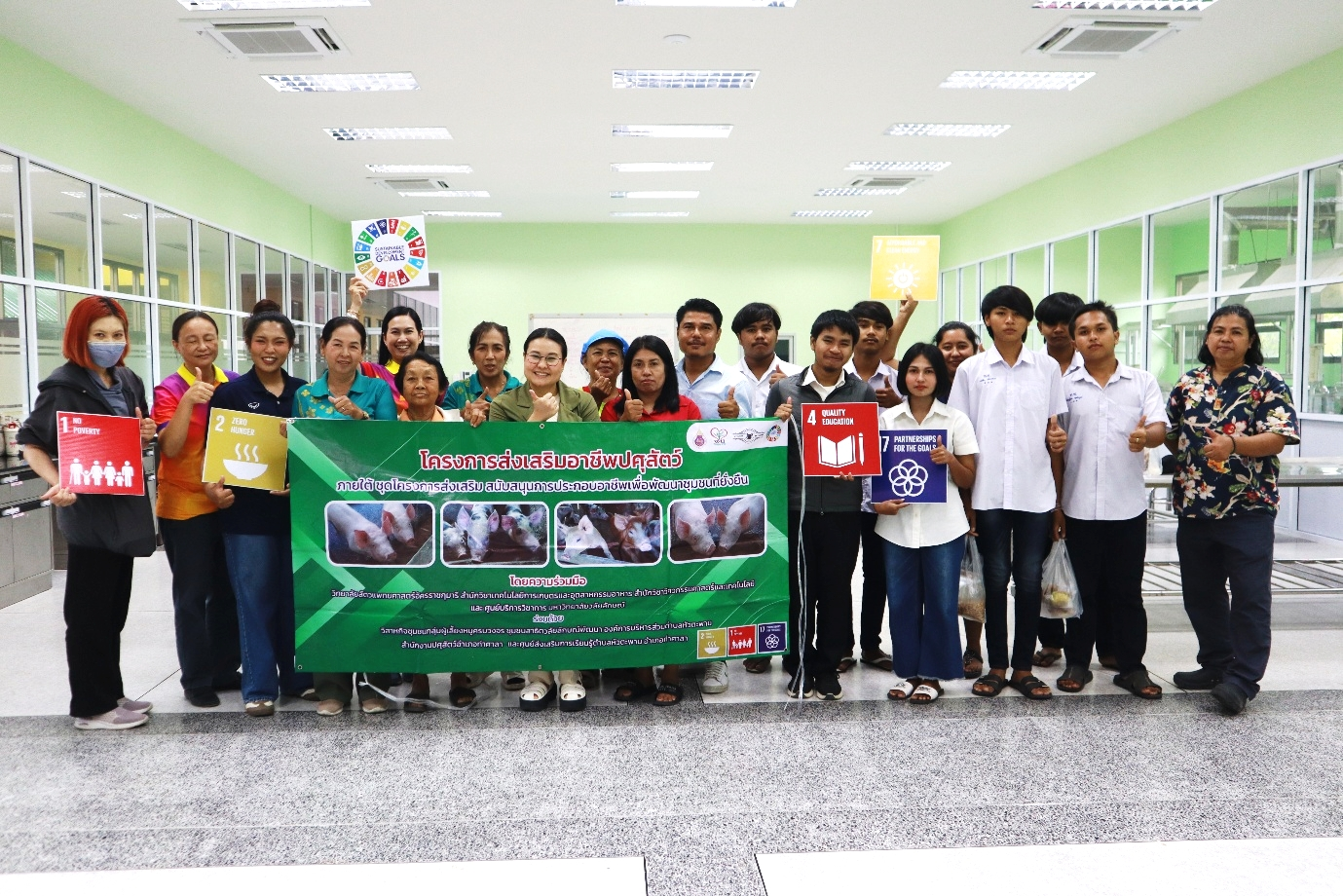
The Development of Swine Production and Farm Management System to Create Career Security Project supported the Local Pig Farming Enterprise Group of Satit Walailak Pattana Community. Its diagnostics focused on challenges in backyard pig farming, including breeding, feed, animal health, and farm management, linking these needs with practical improvements across the production chain.
The Upstream Stage
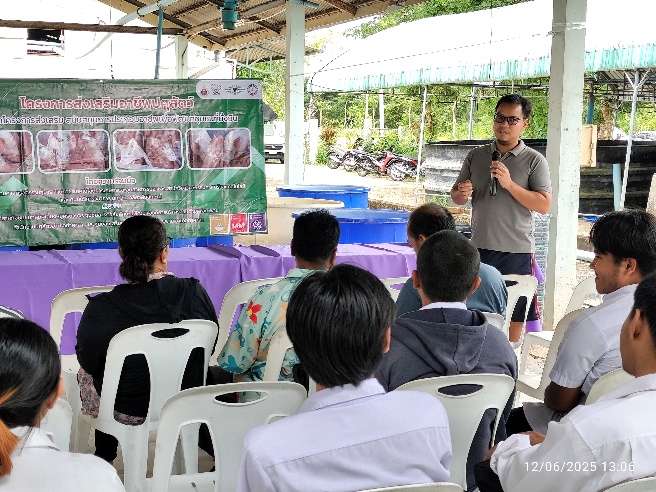
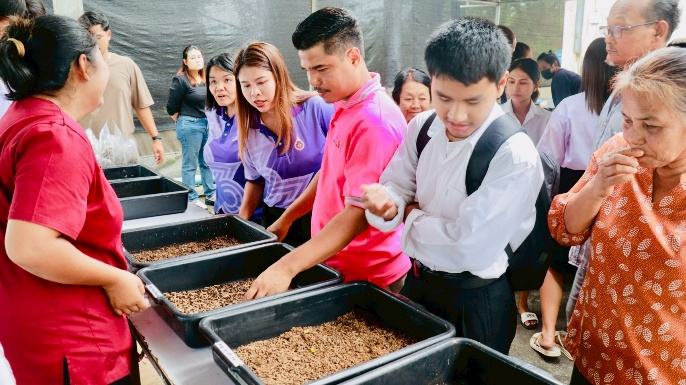
At the upstream stage, skills and technology development covered quality breeding stock selection, boar semen production, feed formulation, and biosecurity to prevent and reduce disease risks. The university also transferred technology for raising Black Soldier Fly (BSF) as an alternative protein source for pigs, supporting the use of available resources and reducing feed costs.
The Midstream Stage
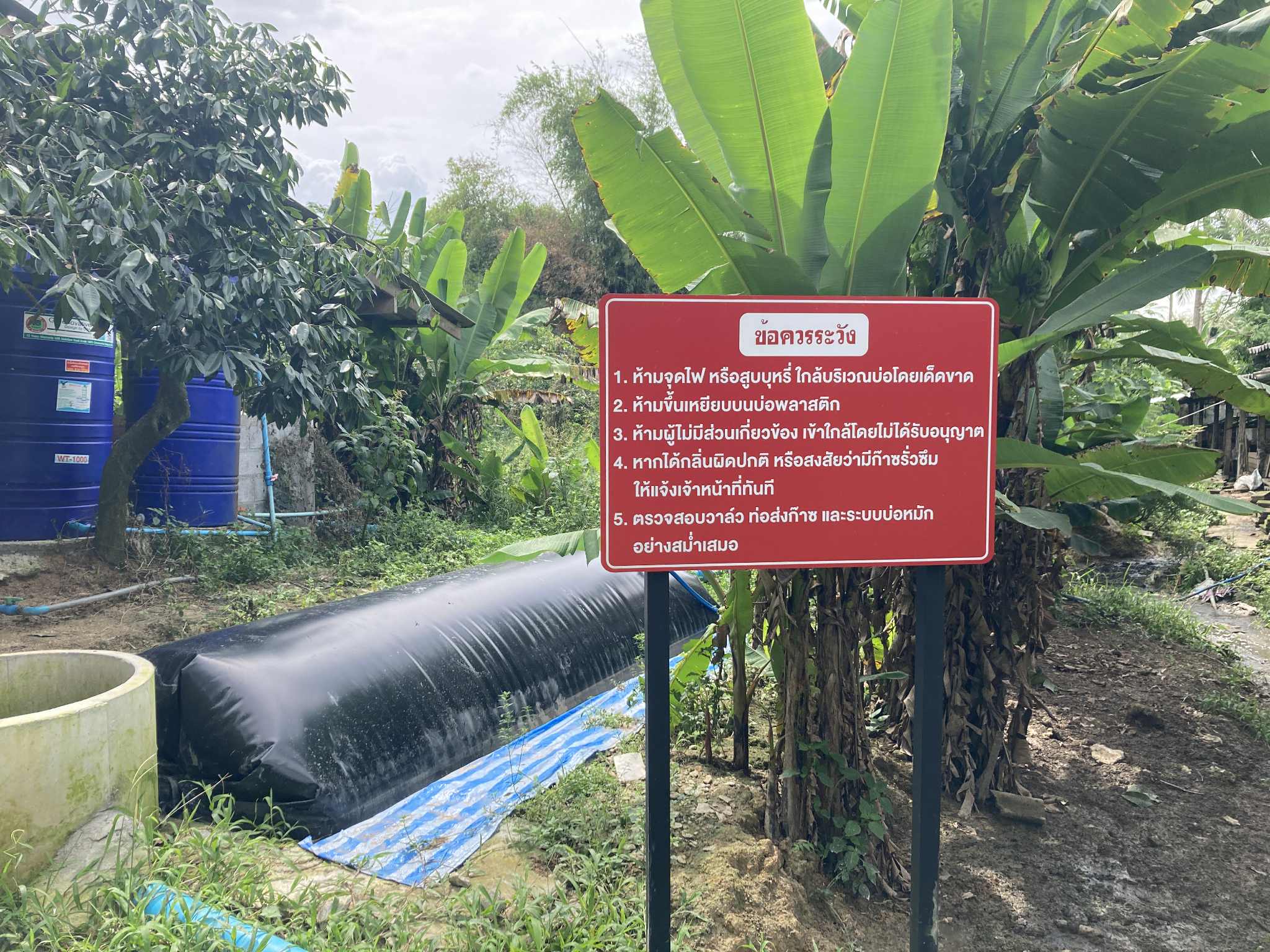
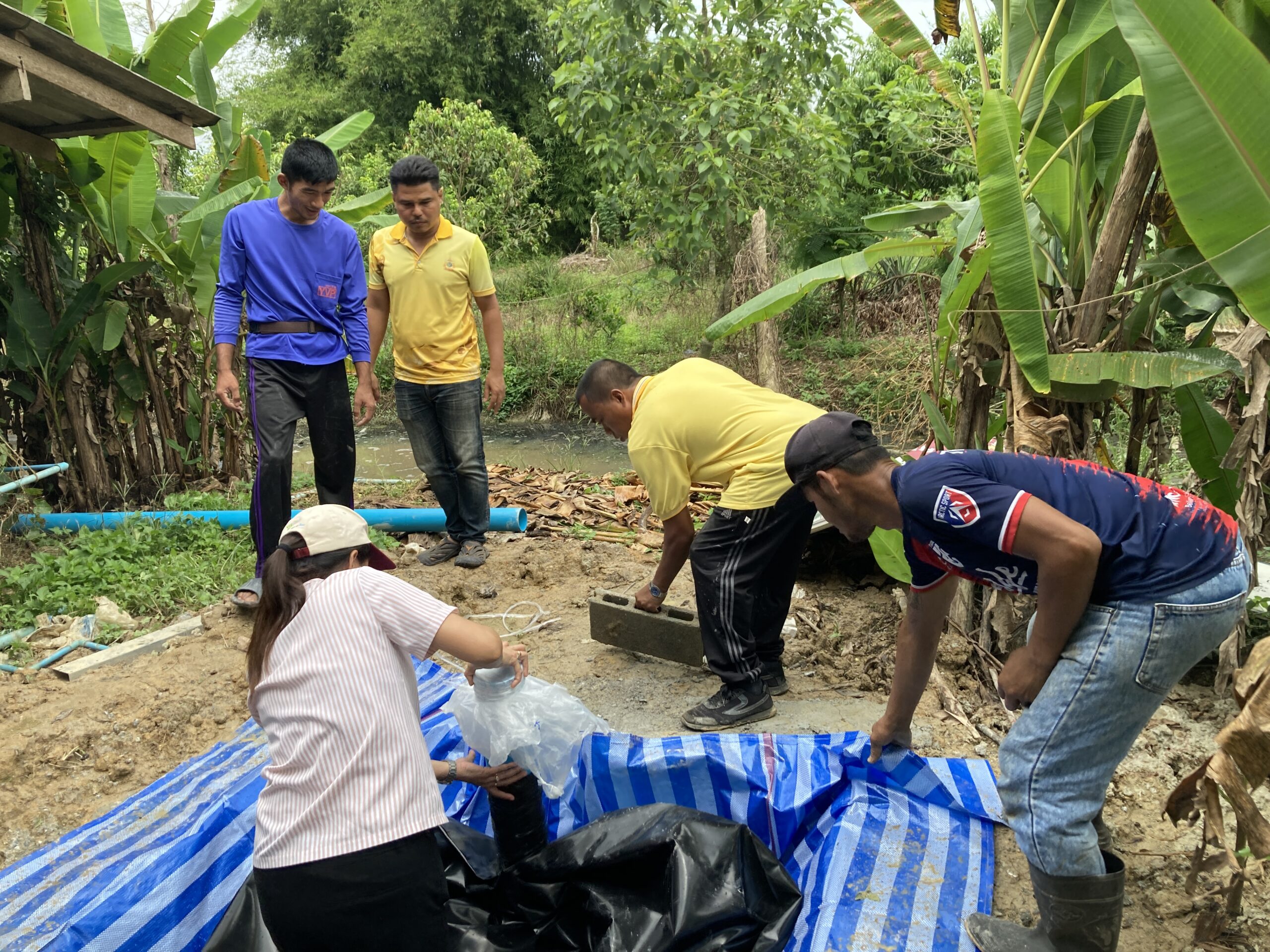
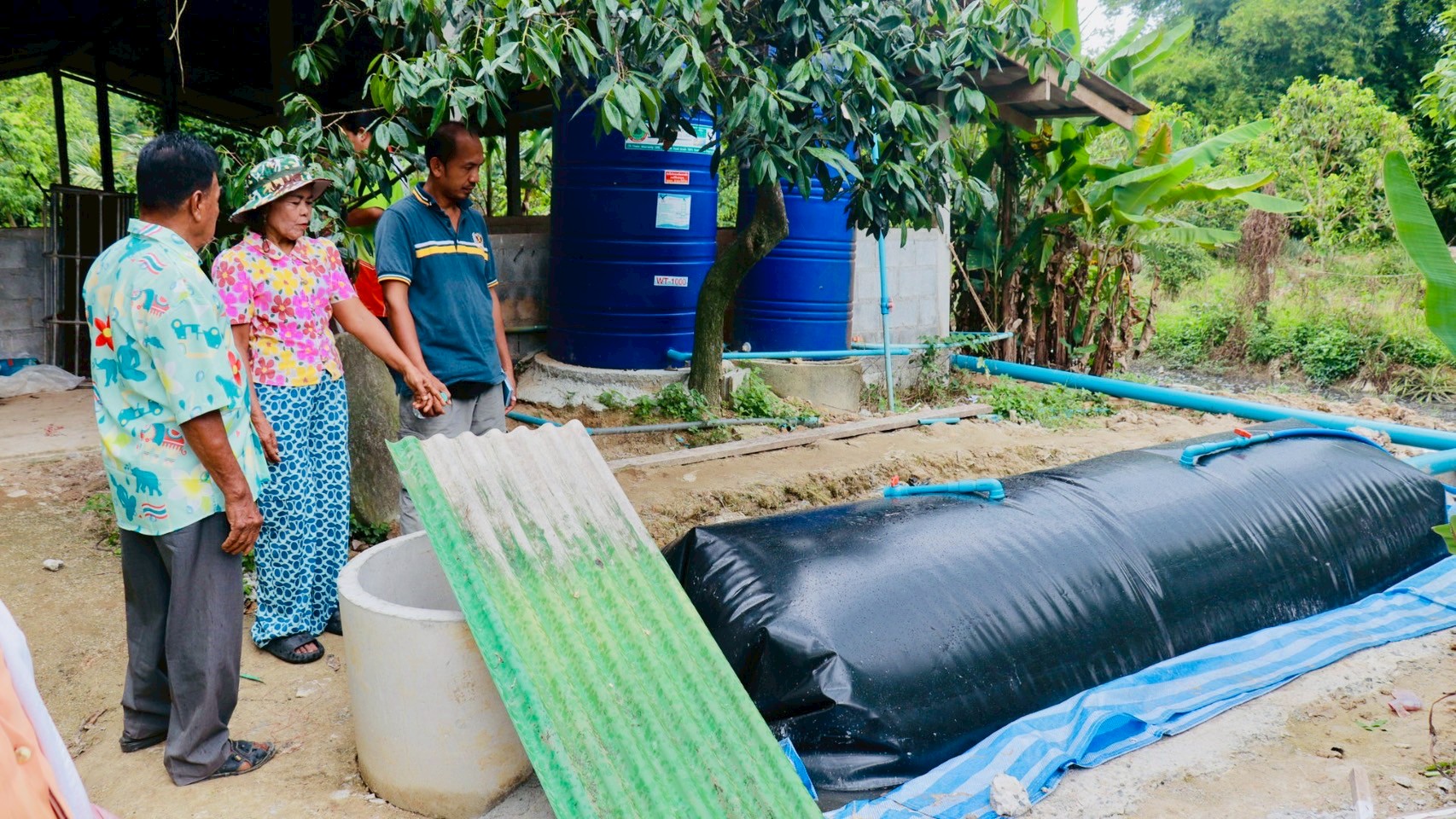
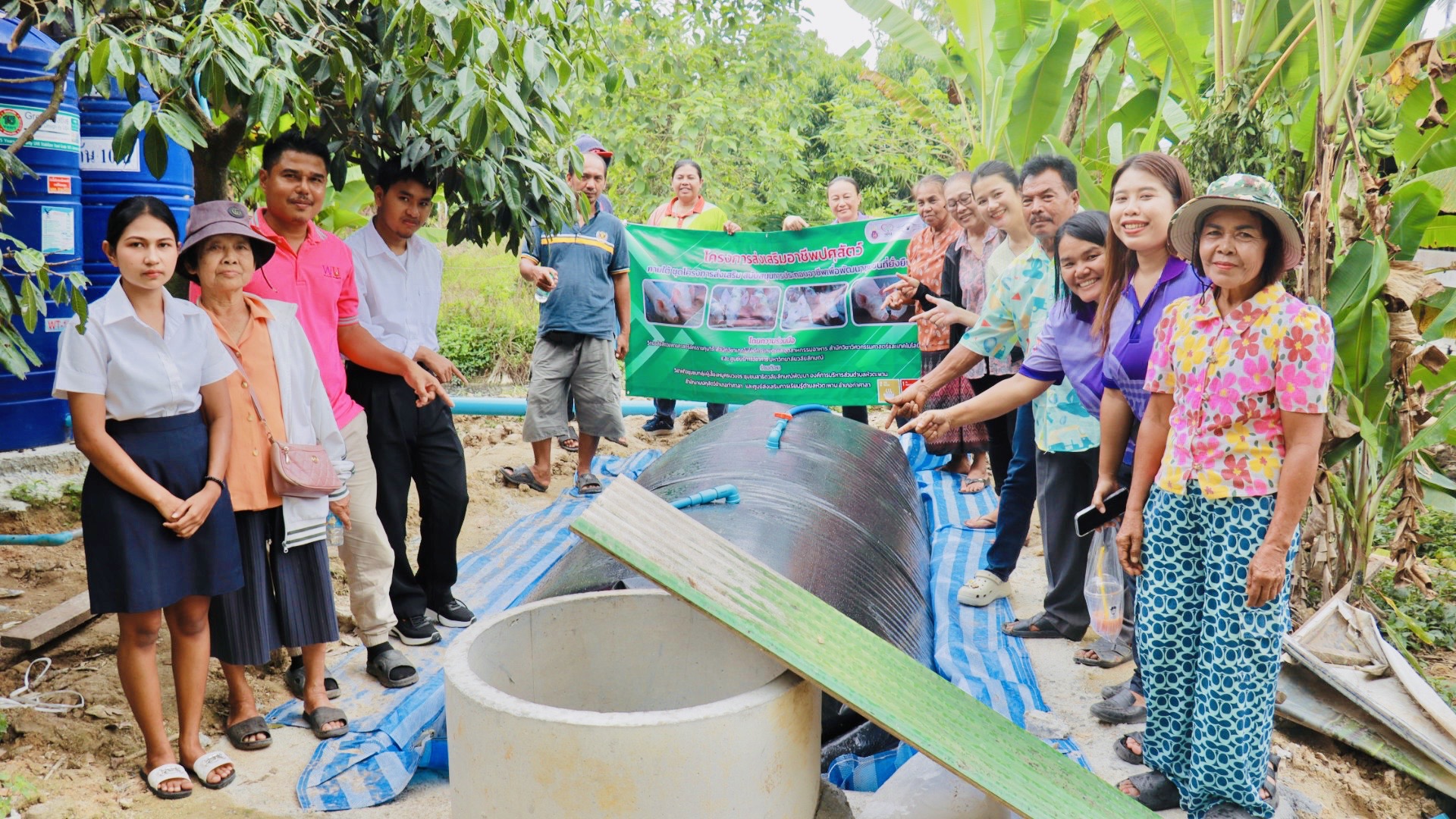
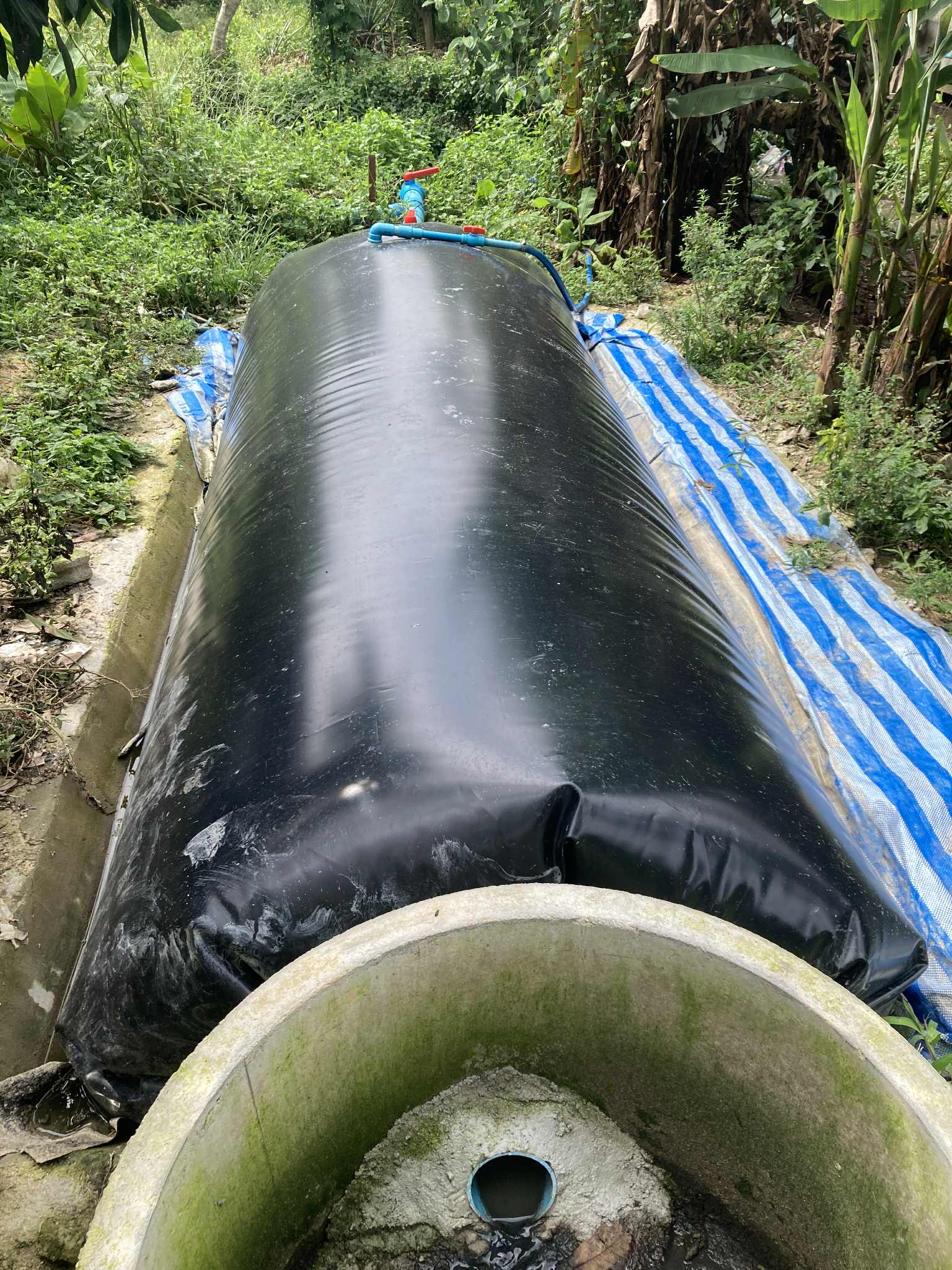
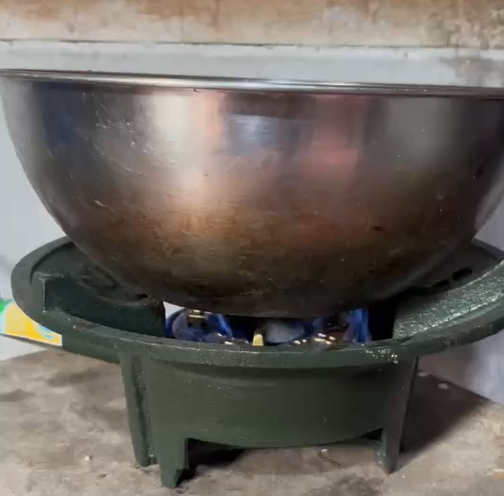
At the midstream stage, farmers received free access to facilities and learning resources, including BSF housing, a processing room, and the Center for Scientific and Technological Equipment. Training and knowledge exchange addressed sow health management and pig manure management for biogas production, connecting livestock production with resource and energy management.
The Downstream Stage
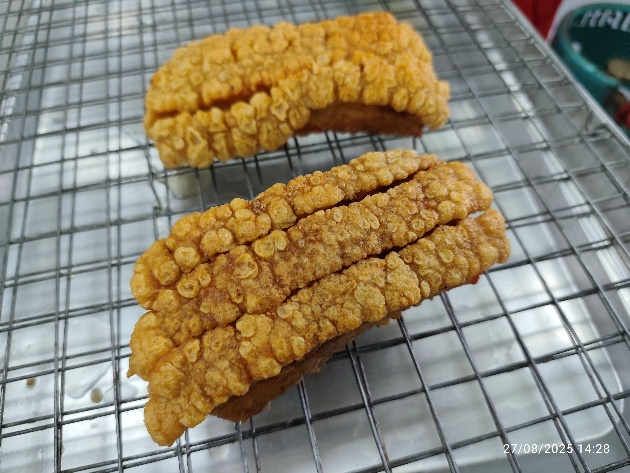
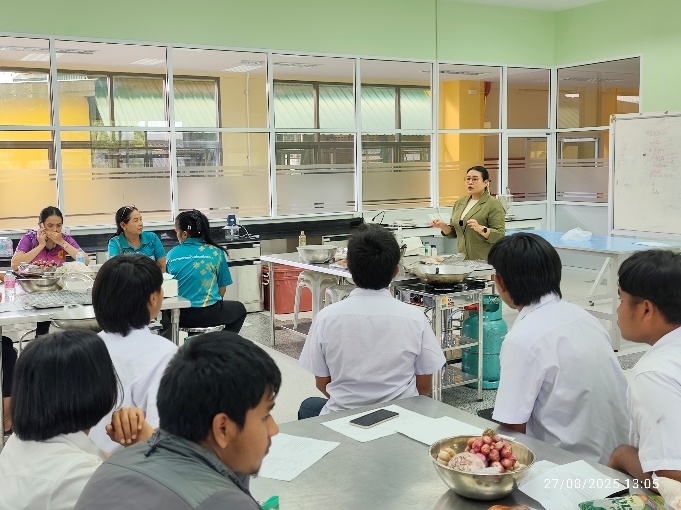
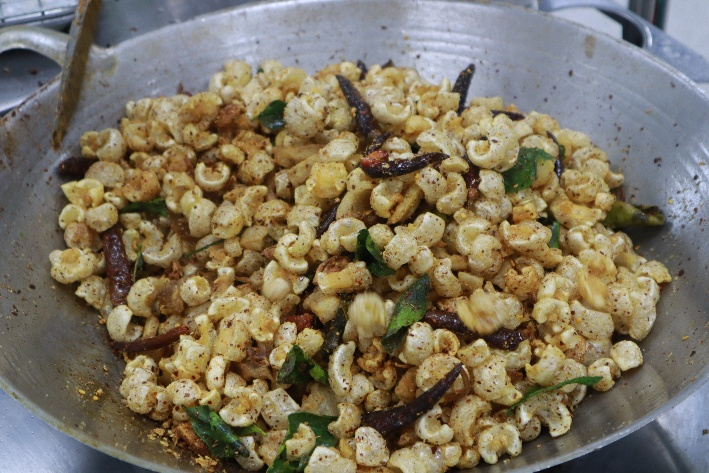
At the downstream stage, the university transferred technology for processing pork into food products, including crispy pork and pork chili paste. These activities offered food preservation options and opportunities to add value to livestock products.
Project measurement recorded an average participant satisfaction rate of 92.01%. Farmers reduced pig feed costs by 10%, equivalent to THB 45,552. The project assessment reported total economic and social benefits of THB 225,552and a Social Return on Investment (SROI) of 55.39 over 12 months. These results relate specifically to the swine production project.
Sustainable Crop Production and Biological Pest Management
For crop production, the University’s Technology Clinic connected diagnostics of plant diseases, insect pests, and production costs with biological alternatives appropriate for local crops, particularly durian and mangosteen. Skills development included consultation, demonstrations, and practical training in the production and propagation of Trichoderma, Metarhizium, and Beauveria fungal bioproducts for plant disease and pest management. Additional activities included durian pest management training, demonstrations of fresh Trichoderma production, and fungal bioproduct training for pest management in oil palm.
Through engagement with farmers and producer groups, including the Cha-uat Phunphon Mangosteen Group, biological pest management knowledge was extended to local orchards. This supported alternatives to chemical pesticides, lower production costs, and reduced risks of chemical residues in agricultural produce. Economic measurement under the Technology Clinic project reported THB 432,000 in expenditure savings from replacing chemical plant disease and pest control products with bioproducts. Compared with the total project budget of THB 216,000, the reported benefit–cost ratio (BCR) was 2.0. These outcomes demonstrate the economic benefits of access to biological crop protection technologies.
Sustainable Aquaculture: Access to Aquatic Production Knowledge and Coastal Resource Management
Walailak University provided local farmers, aquatic food producers, and fishing communities with free access to knowledge, practical skills, and technologies related to sustainable aquaculture, aquatic resource restoration, and responsible fisheries. Through practical training, demonstration plots, community learning centres, research, and partnerships, the university supported aquatic production and the sustainable management of marine and coastal food resources. The diagnostic process connected local production challenges and resource management needs with opportunities for knowledge exchange and technology development, supporting food security and local livelihoods.
Knowledge Exchange to Support Local Farmers in Sustainable Aquaculture
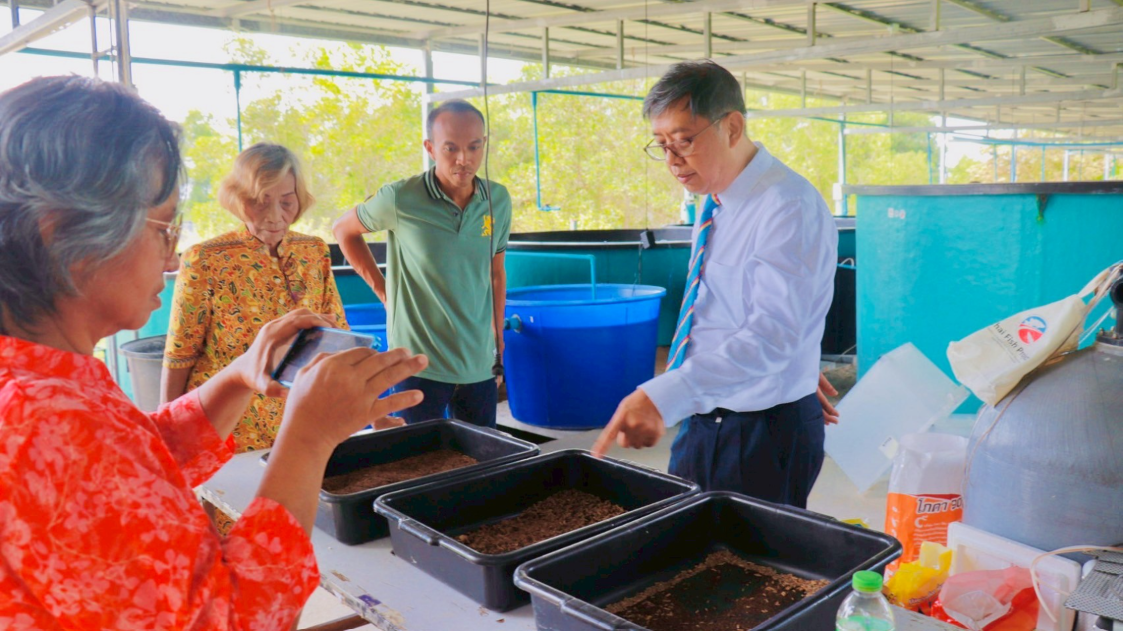
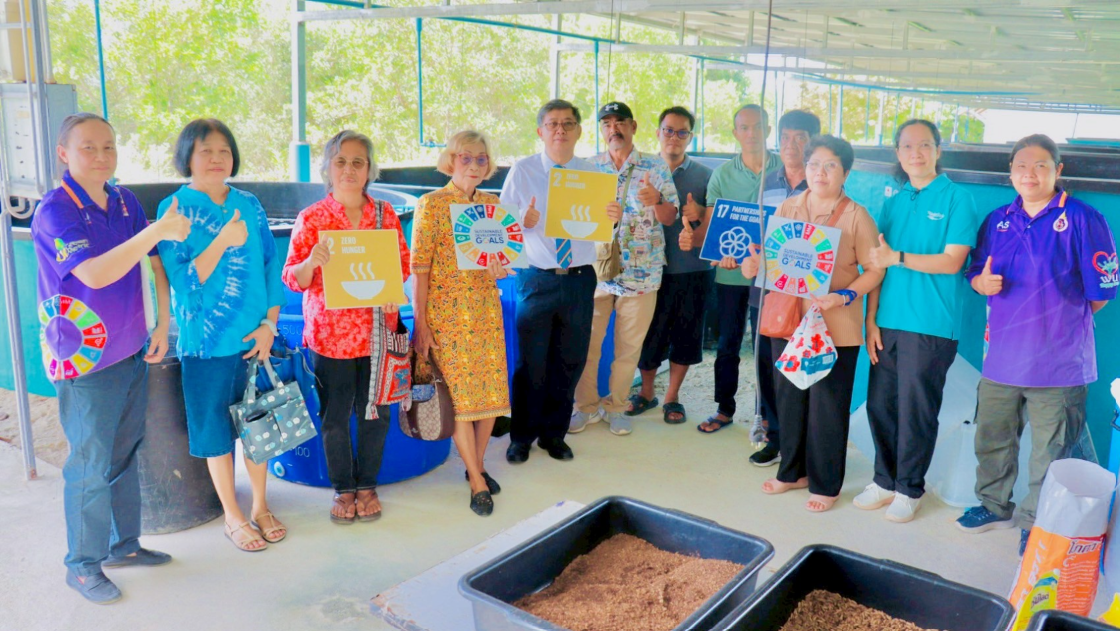
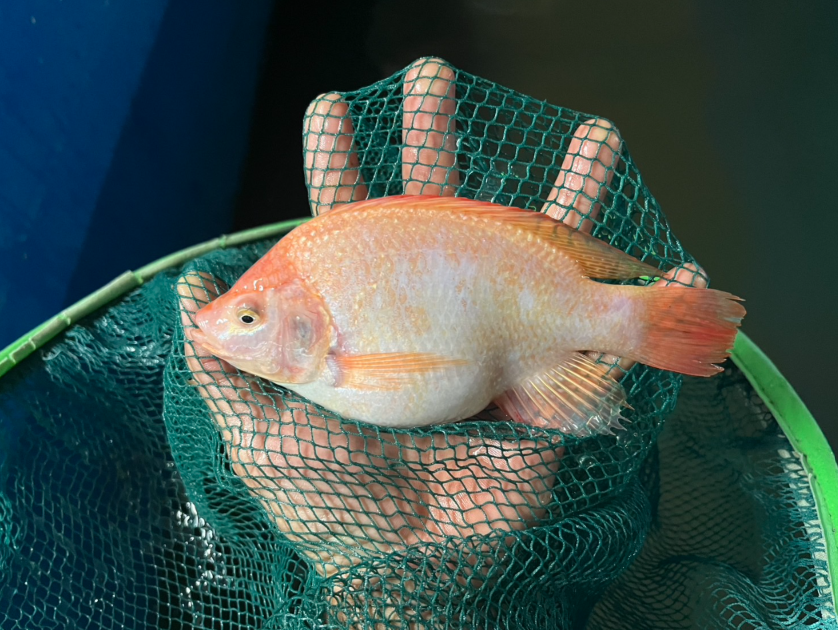
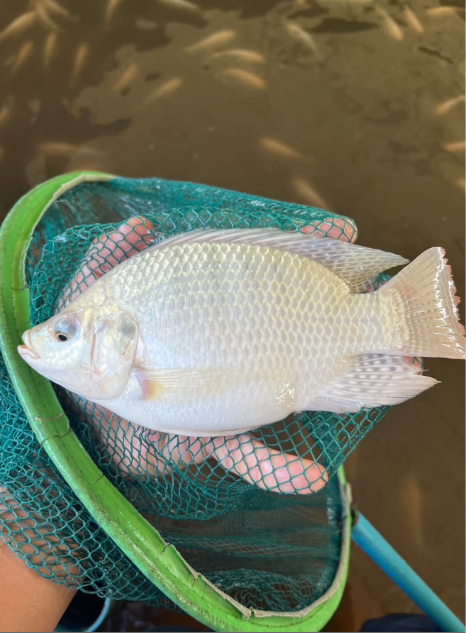
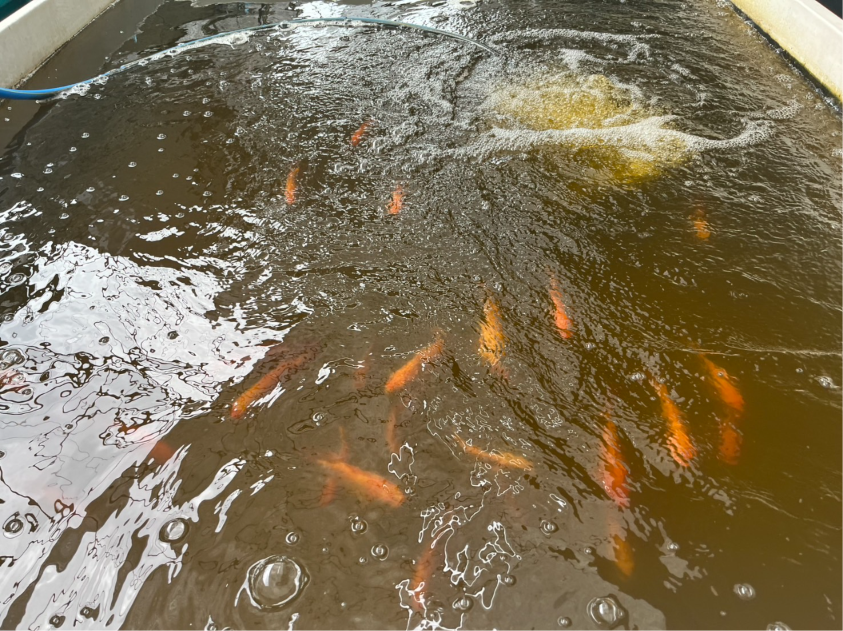
Through its aquaculture knowledge exchange activities, the university provided practical aquaculture training to farmers from Pak Phanang, Cha-uat, and Tha Sala districts in Nakhon Si Thammarat Province. Associate Professor Dr. Suwit Wuthisuthimethavee, WU Vice President, together with staff from the School of Agricultural Technology and Food Industry, shared technical expertise about Red Tilapia Farming in a Closed Seawater System and High-Density Marine Shrimp Farming with participants. Visits to the university’s aquaculture ponds provided opportunities for farmers to observe pond-based production practices, exchange experiences, and consider how to apply the knowledge to their own farming activities. Access to practical knowledge supported farmers’ capacity to manage aquatic production and use production resources appropriately. Applying suitable pond management practices can help reduce avoidable production losses and support the continued availability of locally produced aquatic food and farming livelihoods.
Practical Knowledge Transfer through Community Blue Swimming Crab Banks
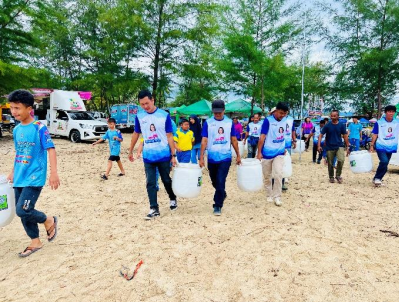
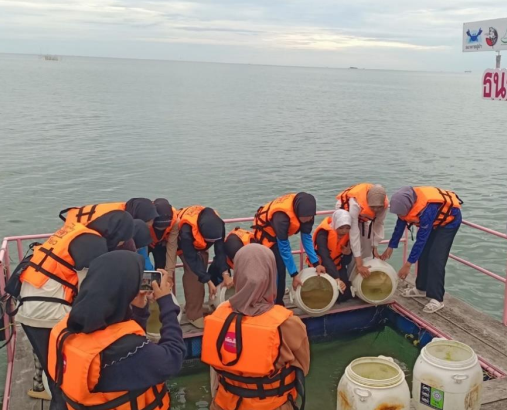
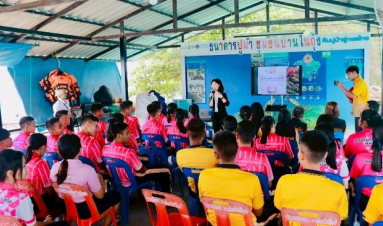
Community engagement included blue swimming crab banks linked to the Thailand Blue Swimming Crab Fishery Improvement Project (FIP). The university transferred knowledge and practical skills on caring for egg-bearing female crabs, egg hatching, larval nursing at the zoea and juvenile stages, water quality and feed management, and appropriate release practices. Community crab banks enabled local fishers and aquatic producers to learn and apply these techniques in coastal resource restoration.
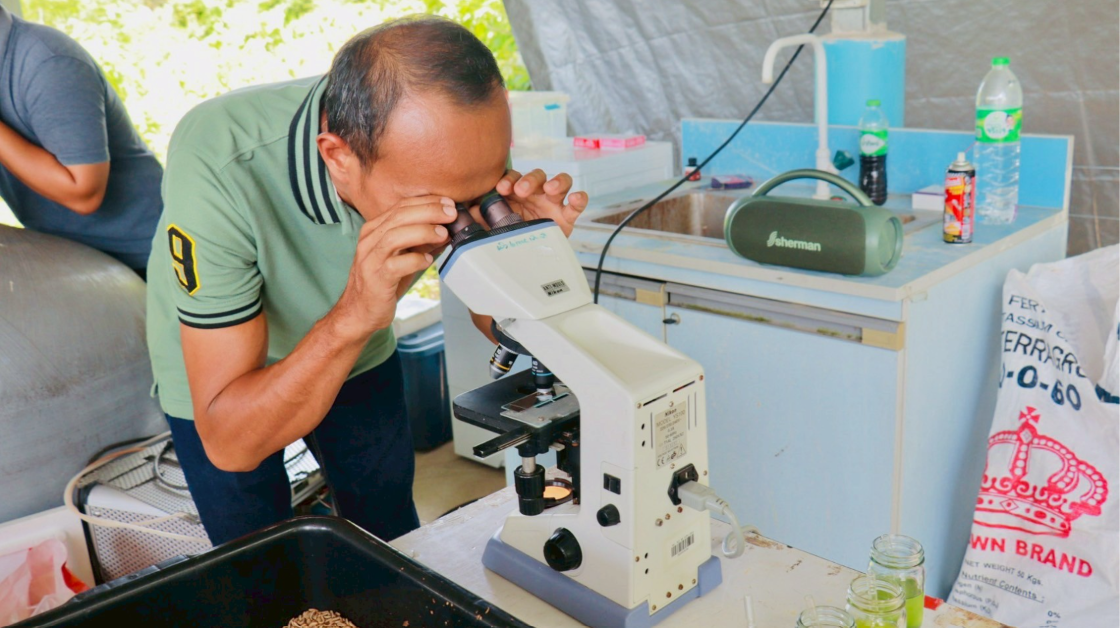
Also, the university provided, repaired, and replaced essential equipment, including holding tanks, cleaning equipment, larval observation tools, microscopes, and solar panel systems. Combining technical knowledge with equipment support helped communities maintain crab bank operations and resource restoration activities. These activities allowed crab eggs to hatch and offspring to develop before release, supporting efforts to replenish wild blue swimming crab populations. Practical training and equipment support strengthened communities’ capacity to sustain restoration activities, contributing to the continued availability of crabs as a local food resource and supporting fishing livelihoods.
Mussel Cultivation Demonstration Plots
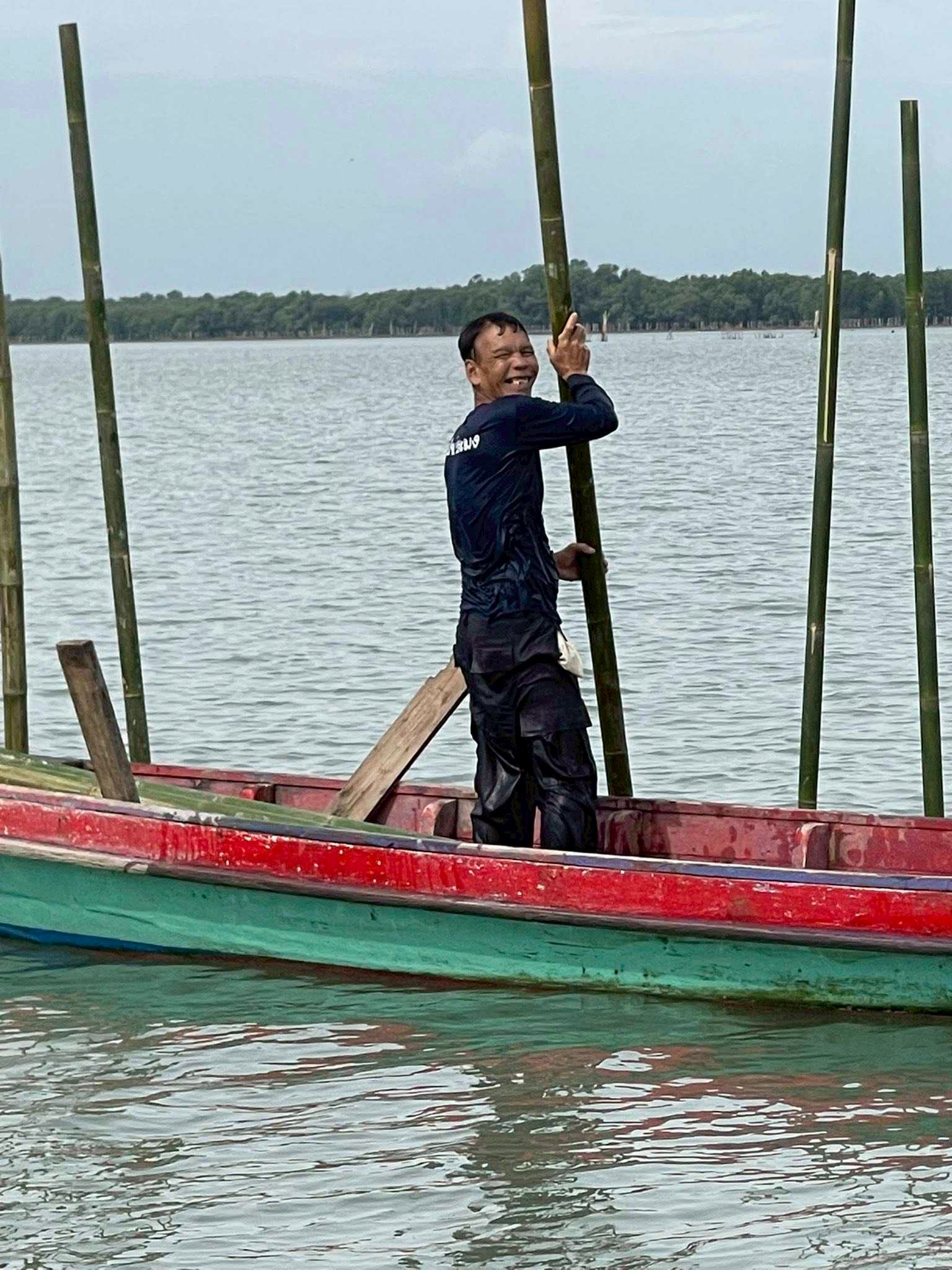
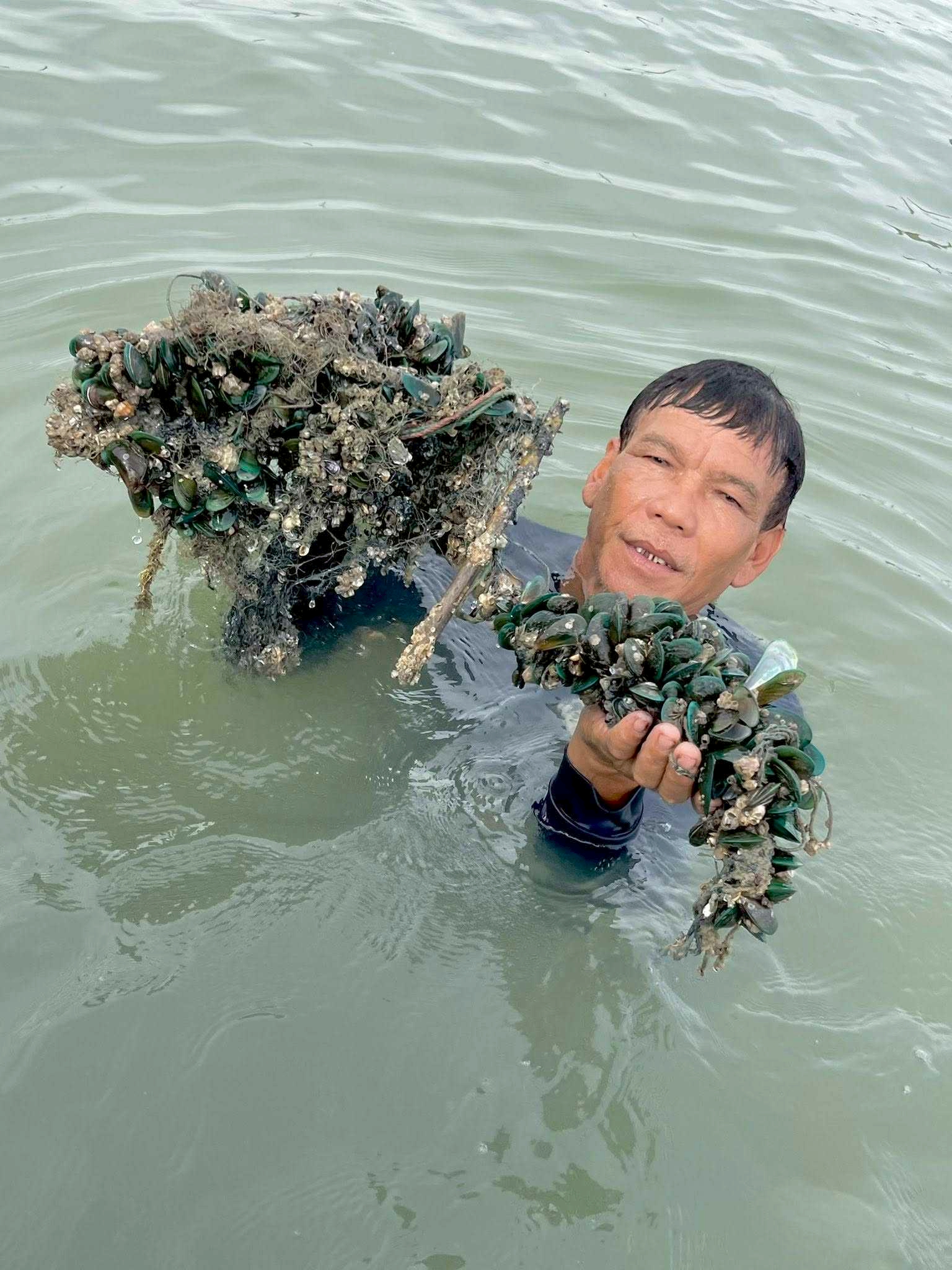
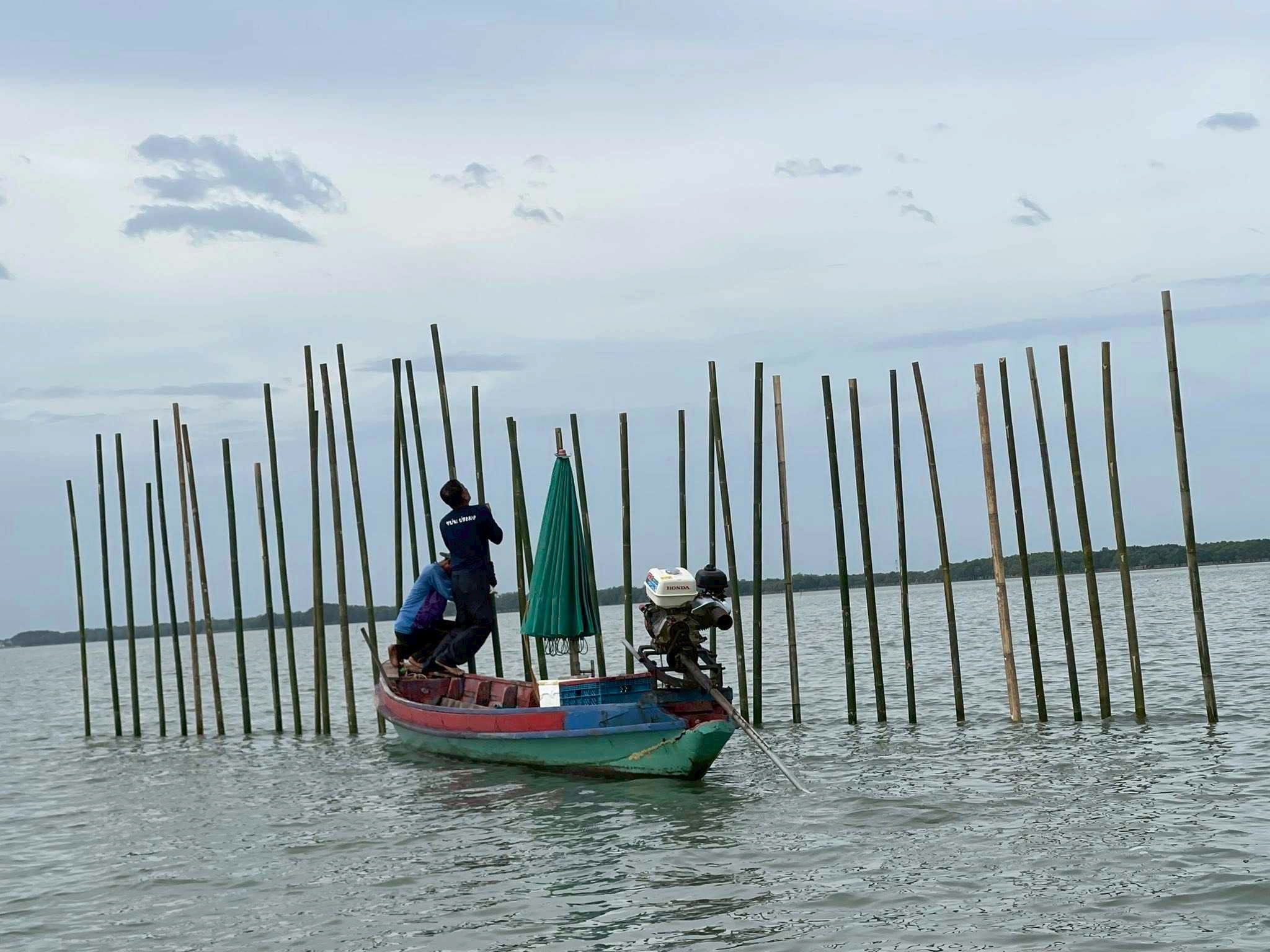
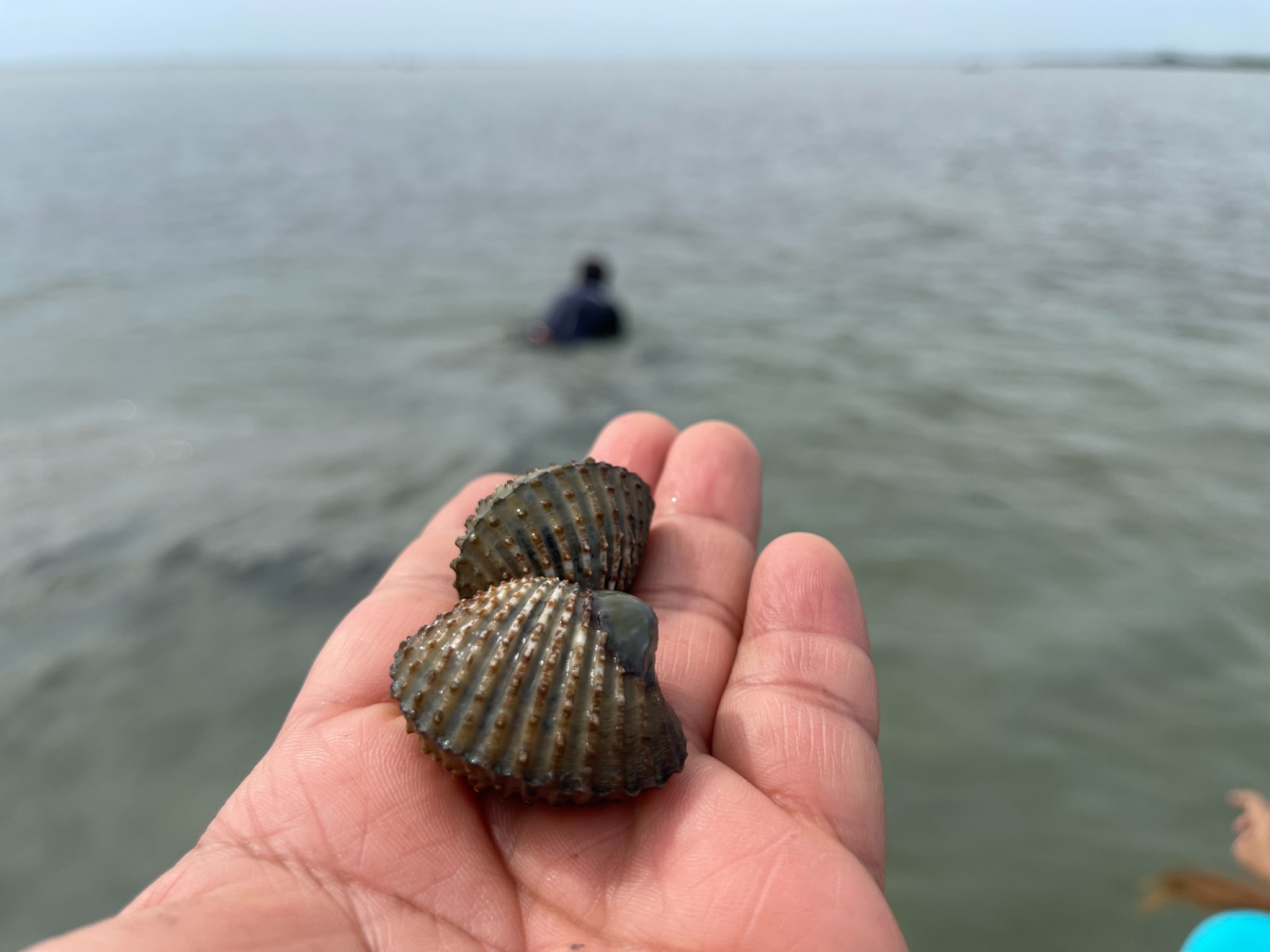
Mussel cultivation demonstration plots provided local producers with practical learning opportunities in coastal aquaculture. Bamboo poles were installed as attachment surfaces for naturally settling mussels, enabling community members to learn cultivation techniques suited to local coastal conditions and explore opportunities for supplementary income. So, mussel cultivation uses naturally available seed and food, as mussels filter naturally occurring food particles from the water without requiring formulated feed. This approach can reduce dependence on external production inputs and diversify local aquatic food sources. Appropriate site selection and stocking densities remain essential to maintaining production within the capacity of the coastal environment.
Detail of Each Sustainable Food Sources
Community crab bank learning centres provided spaces for practical learning and knowledge exchange on blue swimming crab biology, egg hatching, larval nursing, aquatic resource restoration, and responsible fisheries. These centres connected technical knowledge with community activities, supporting local fishers and aquatic producers in developing skills for sustainable resource use. Consequently, knowledge exchange helped communities understand the relationship between aquatic reproduction, healthy coastal ecosystems, and continued food availability. Sharing these skills supported their capacity to maintain crab banks, restore aquatic resources, and make informed decisions about harvesting, contributing to the continuity of local food supplies and livelihoods.
Marine Resource Assessment, Measurement, and Follow-up
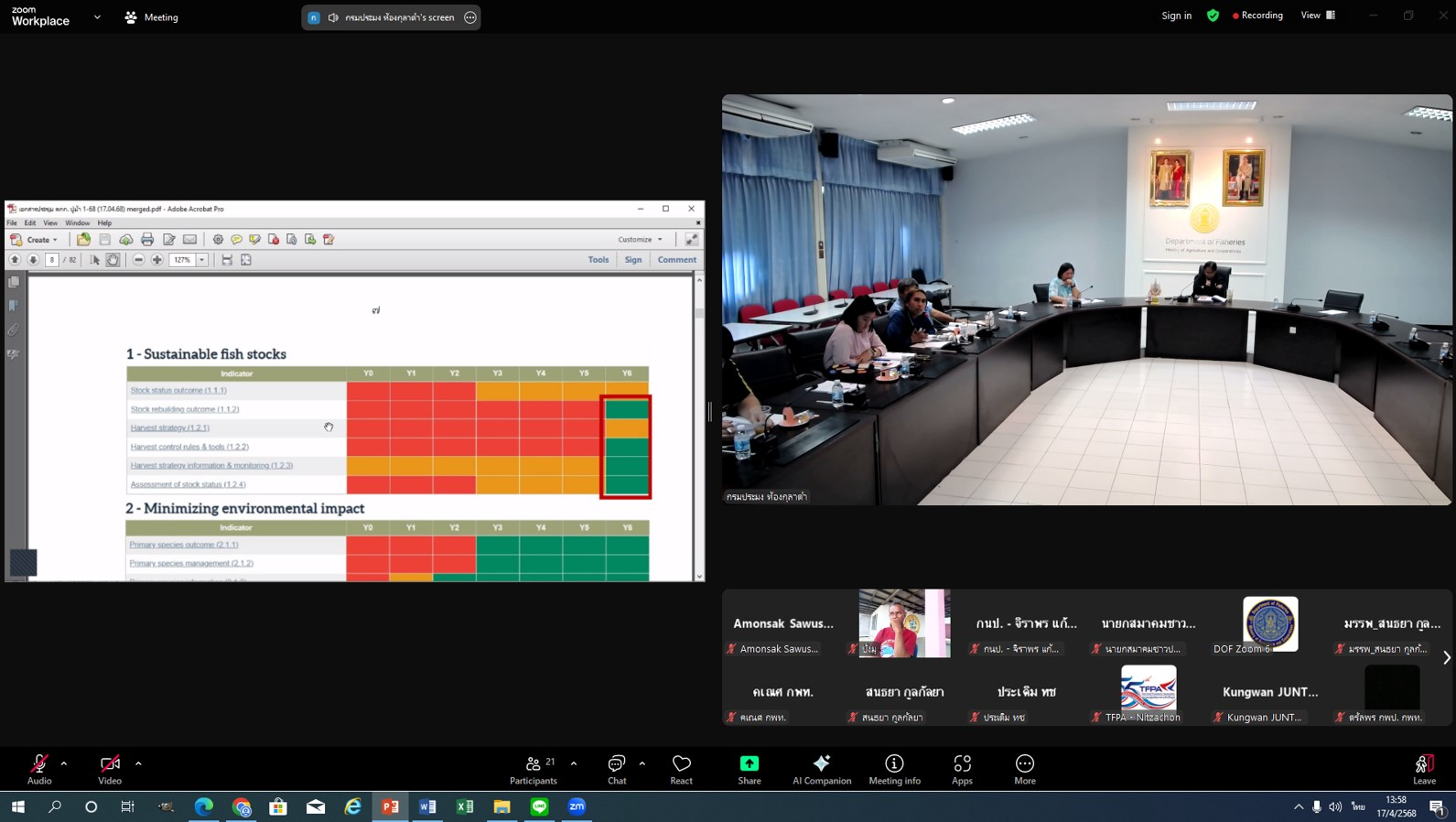
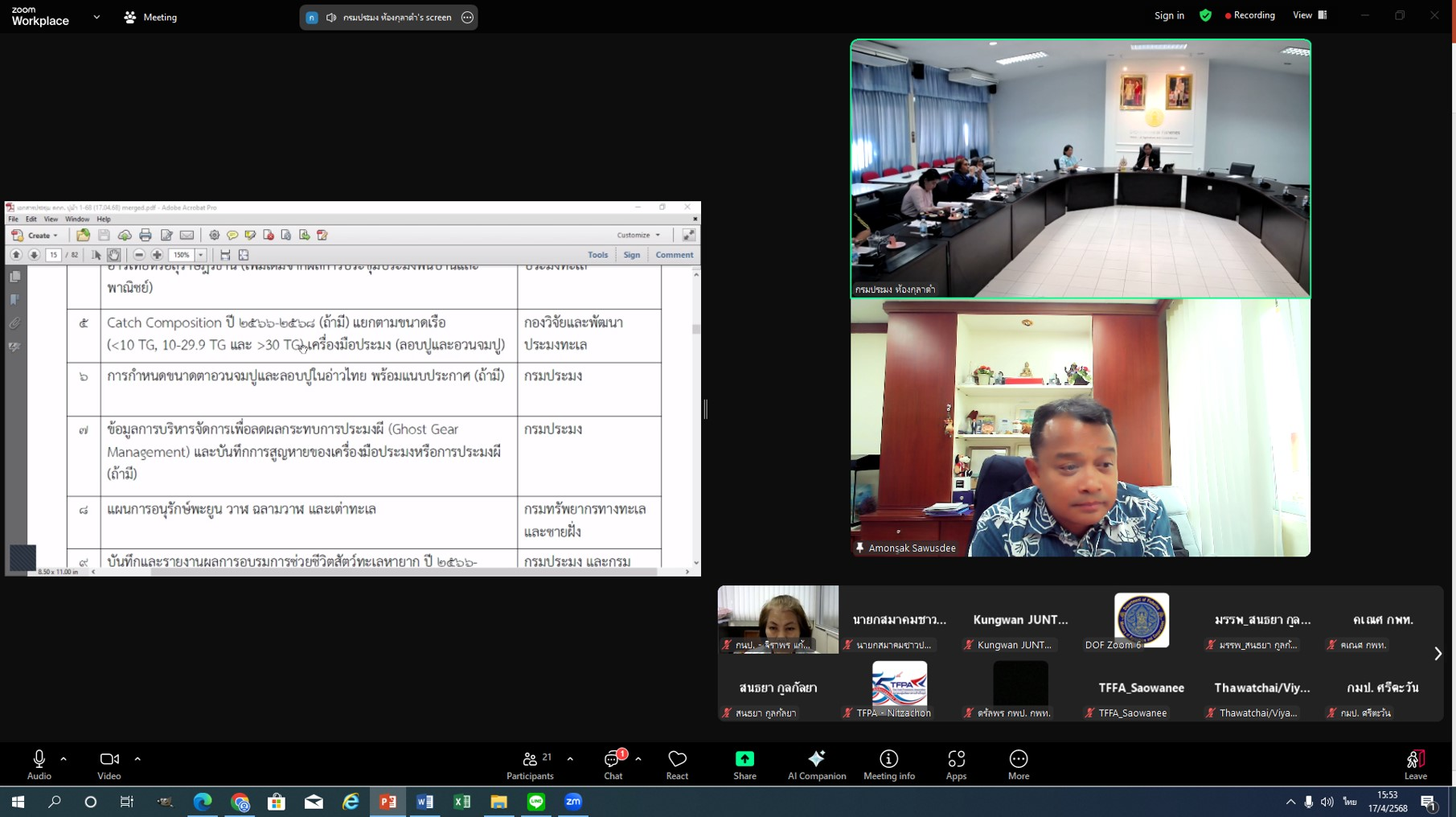
For measurement and follow-up, the university’s five years of continuing crab bank research contributed to the wider FIP’s progress. In 2025, the university continued reporting Length-Based Spawning Potential Ratio (LB-SPR) analyses and participating in the monitoring of the blue swimming crab resource management plan. These activities connected community-based restoration with scientific assessment to inform responsible fisheries management.
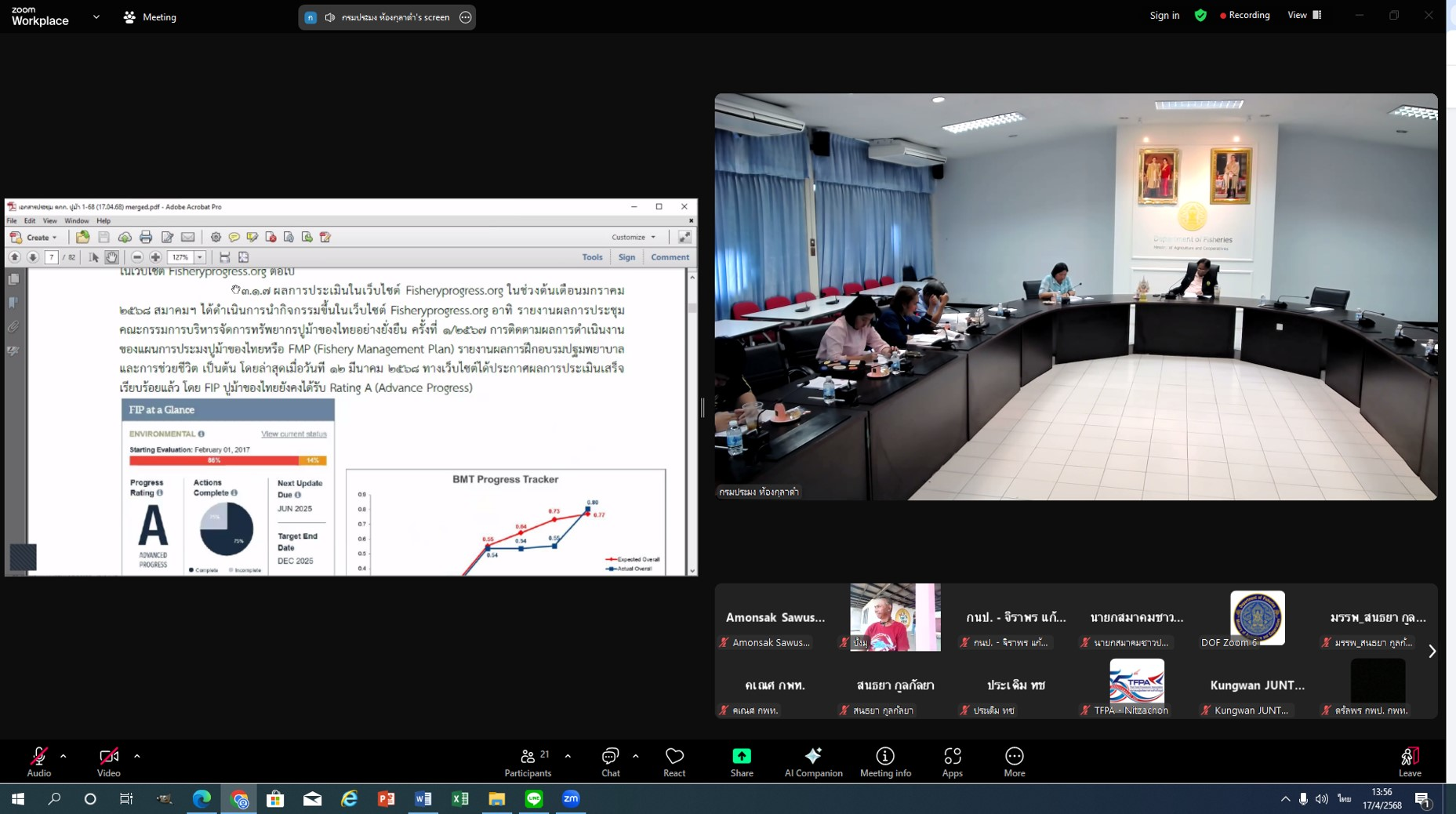
The Thai blue swimming crab FIP retained an A rating (Advanced Progress) in the assessment announced on 12 March 2025. This rating reflected progress in implementing the wider fisheries improvement project. The university’s hatchery and nursing activities, community partnerships, and resource assessments supported the connection between aquatic resource restoration and sustainable fisheries management.
By providing free access to expertise, practical training, equipment, and community learning opportunities, Walailak University supported freshwater farmers in developing production skills and coastal communities in strengthening marine aquaculture and resource restoration practices. Together, these activities contributed to aquatic food availability and the long-term livelihoods of farming and fishing communities.
Related Links
– https://cas.wu.ac.th/archives/38185
– https://cas.wu.ac.th/archives/34381