Walailak University Promotes Sustainable Food Purchases by Supporting Products from Local and Sustainable Sources
Walailak University Promotes Sustainable Food Purchases by Supporting Products from Local and Sustainable Sources
Walailak University (WU) is committed to prioritising the purchase of food products from local, sustainable sources as part of its approach to sustainable food procurement and consumption. The university has established a Policy on Food Preparation and Sustainable Consumption as an institutional framework for promoting sustainable food management across the university, covering food preparation, product selection, procurement, and consumption. A key component of this policy is the prioritisation of food purchases from local producers and sustainable sources, encouraging the selection of products that support responsible production practices and environmental sustainability.
Through the implementation of sustainable food purchasing priorities, the university supports local farmers, food producers, and businesses in surrounding communities while promoting the procurement of products that meet relevant quality and sustainability standards. This approach strengthens connections between the university’s food procurement practices, local economic development, and sustainable food systems, contributing to responsible consumption and long-term sustainability within the university and surrounding communities.
Prioritising the Purchase of Products from Local Sources
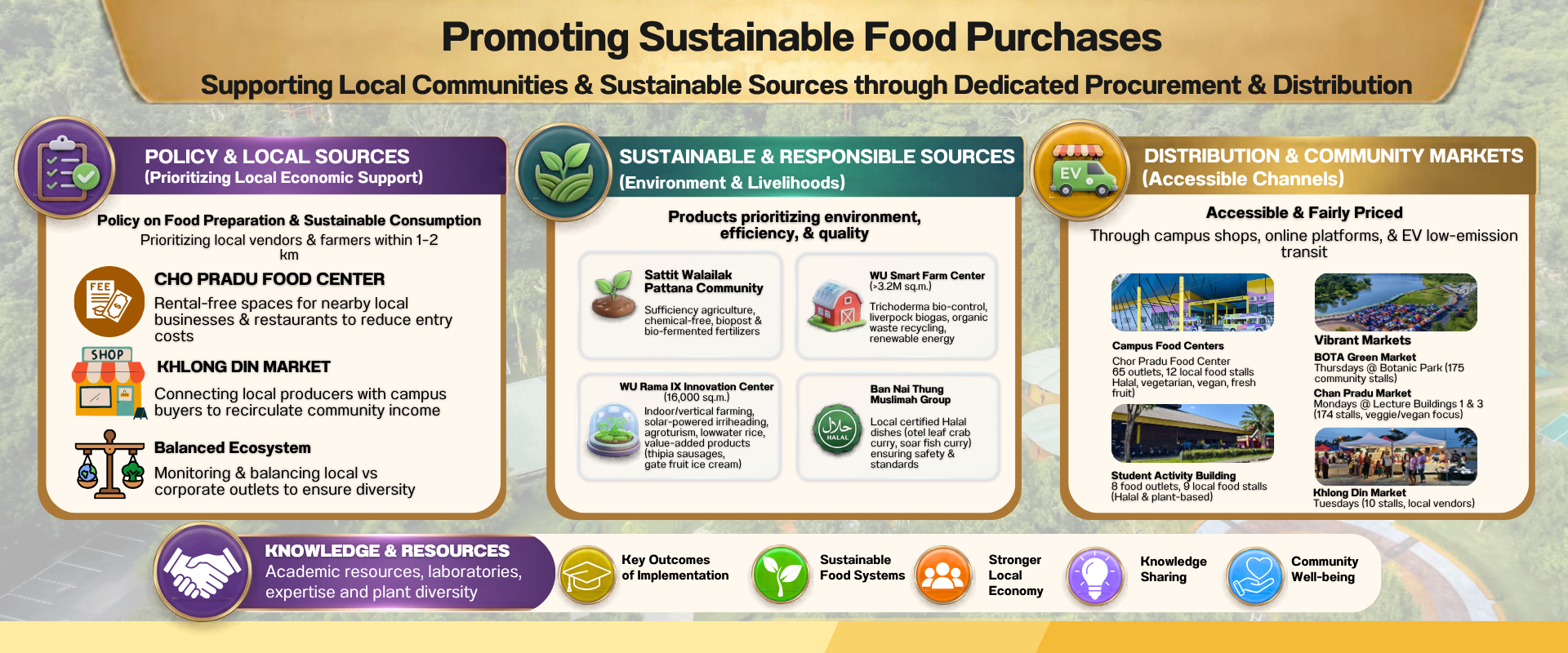
Walailak University promotes food procurement from local sources by prioritising local businesses, restaurants, farmers, and food producers in areas surrounding the university. This approach provides opportunities for local producers to supply products to the university’s food system while creating economic opportunities for local businesses.
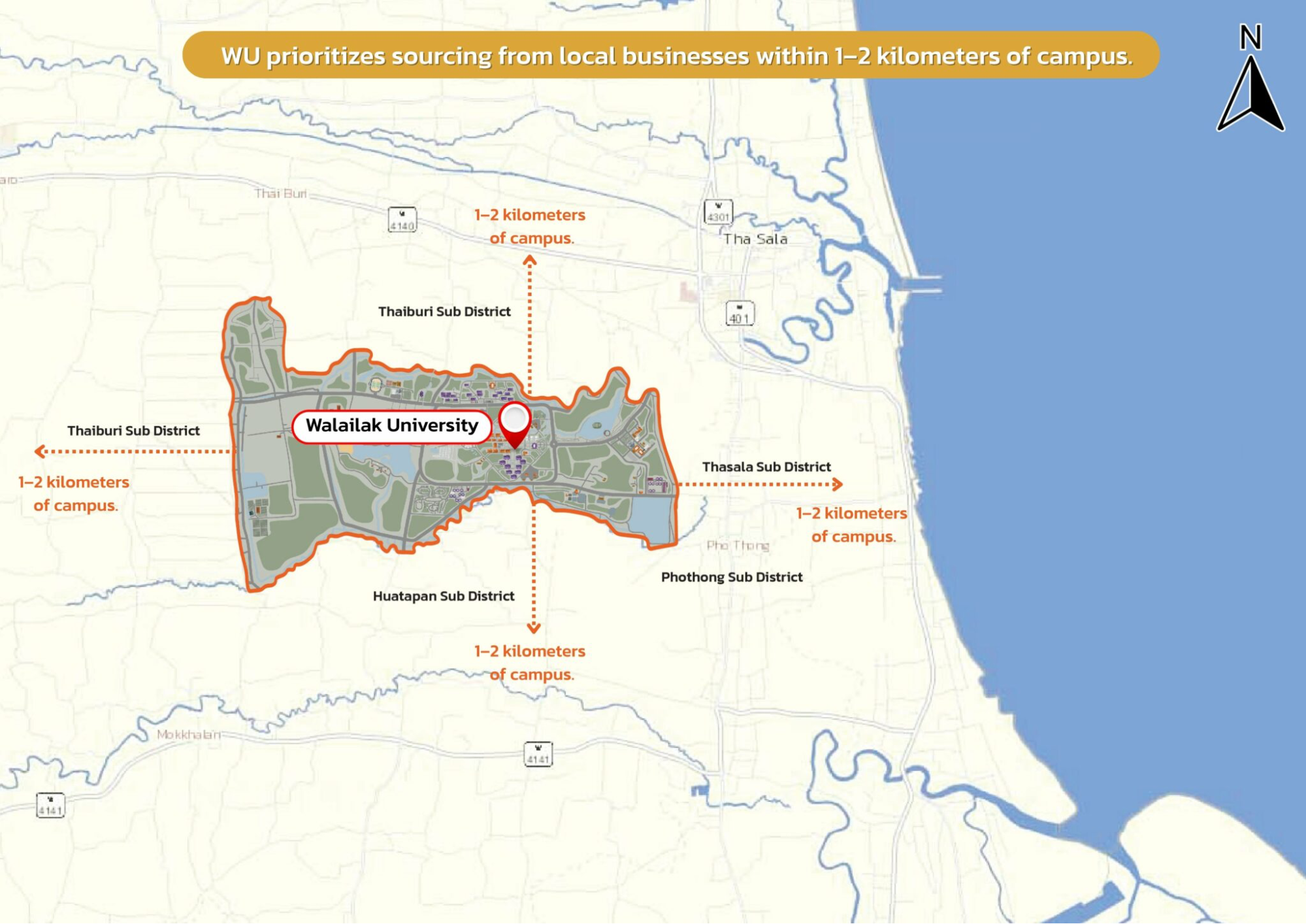
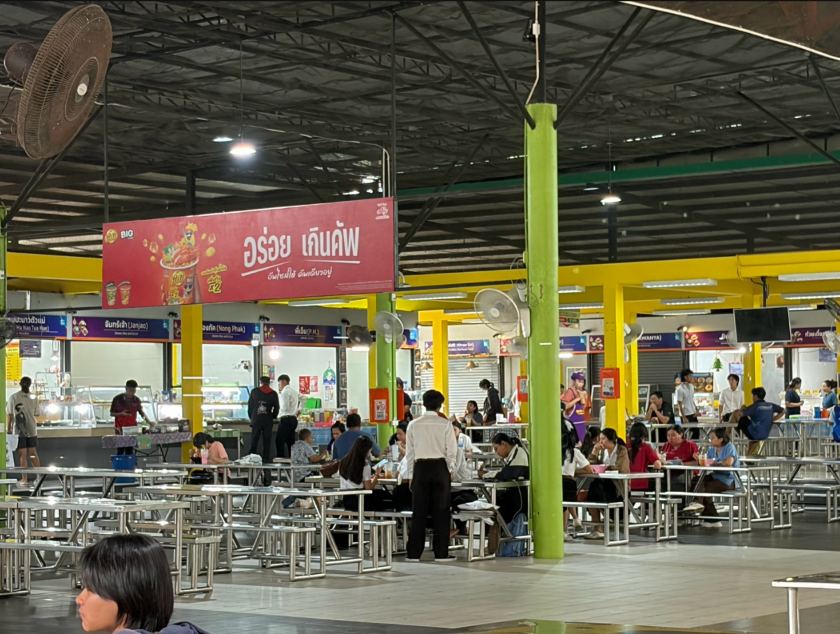
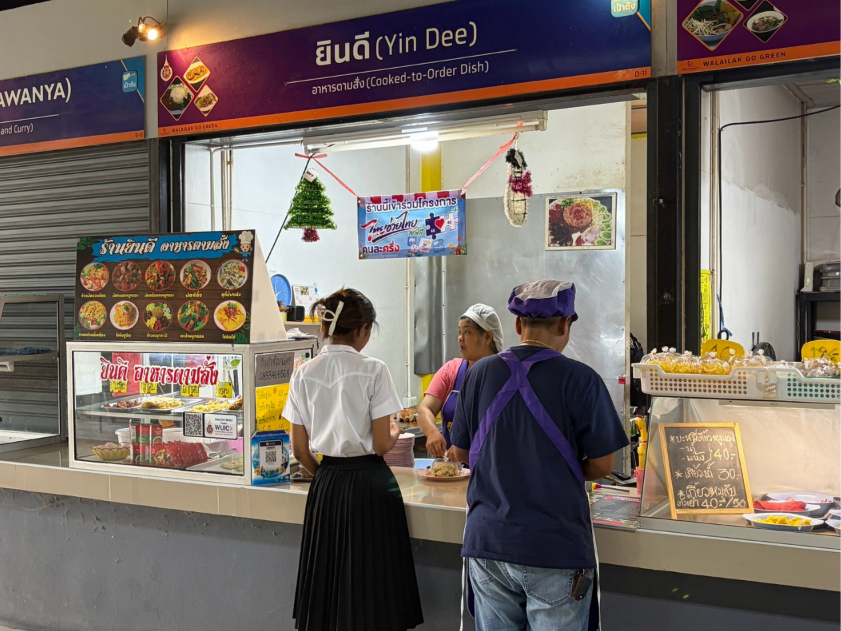
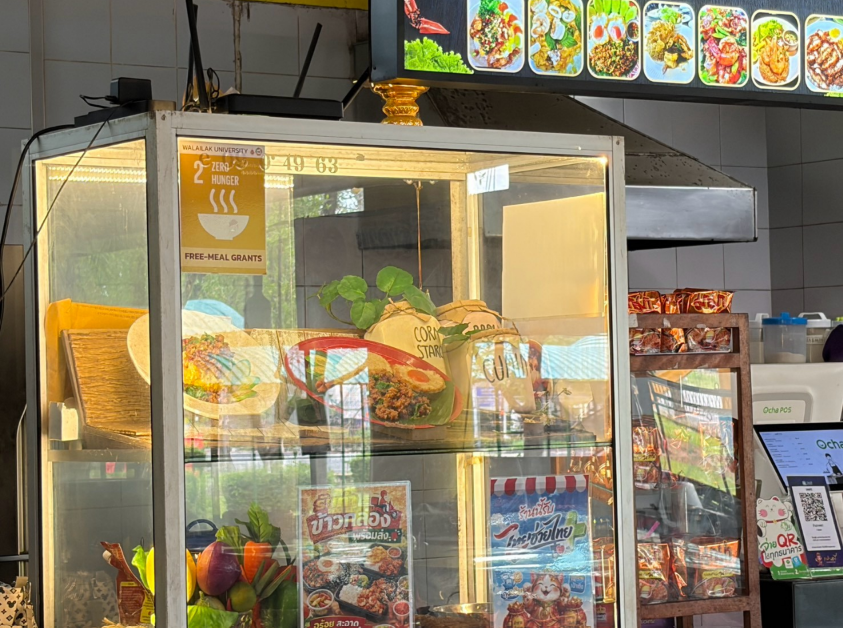
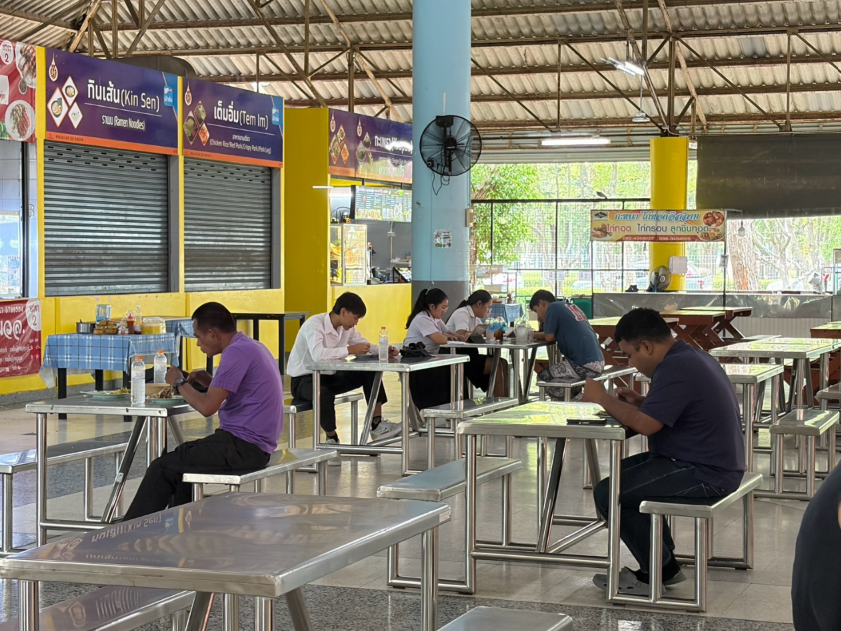
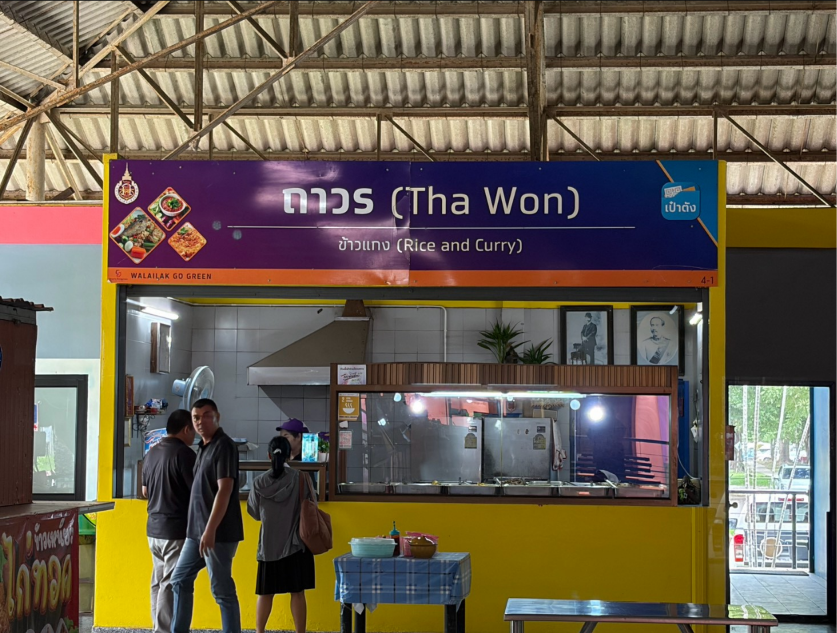
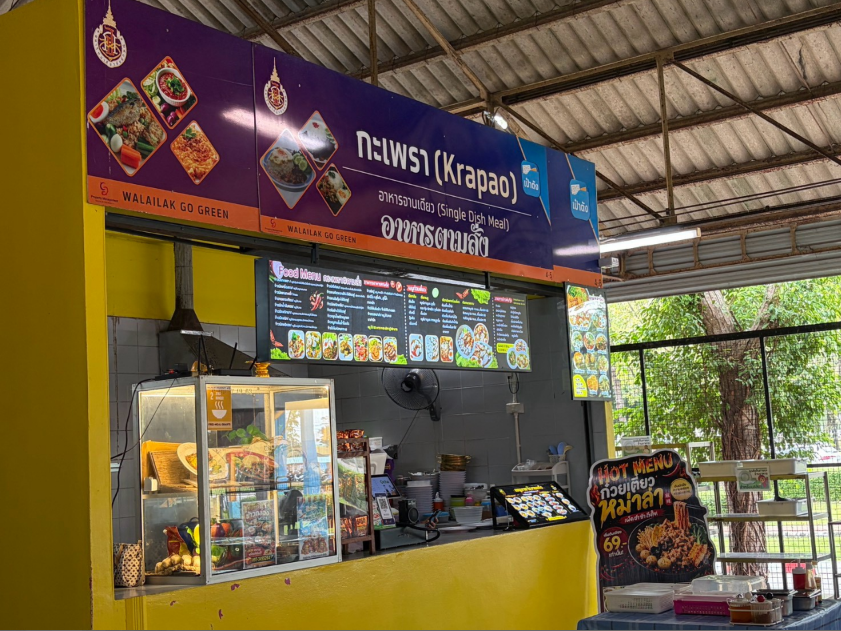
The university prioritises restaurants located within approximately 1–2 kilometres of the university and provides spaces within the university for businesses from nearby communities to sell food. In particular, the Cho Pradu Food Center supports local restaurants and businesses from nearby areas by allowing them to operate without paying rental fees. This reduces the costs of entering the university’s food system and increases opportunities for local businesses to directly reach consumers within the university.
Also, the university supports the Khlong Din Market, which provides space for farmers, producers, and local residents to bring food products and other products to sell. Local community businesses are given priority opportunities to participate. This creates a direct connection between the university’s food system and local producers while supporting the circulation of income back to the surrounding community.
Additionally, The university monitors and gives importance to the proportion of local restaurants compared with restaurants operated by large companies. This reflects the diversity of food businesses within the university’s food system and demonstrates the university’s efforts to provide local businesses with access to its food market.
Purchasing Food Products from Sustainable Sources
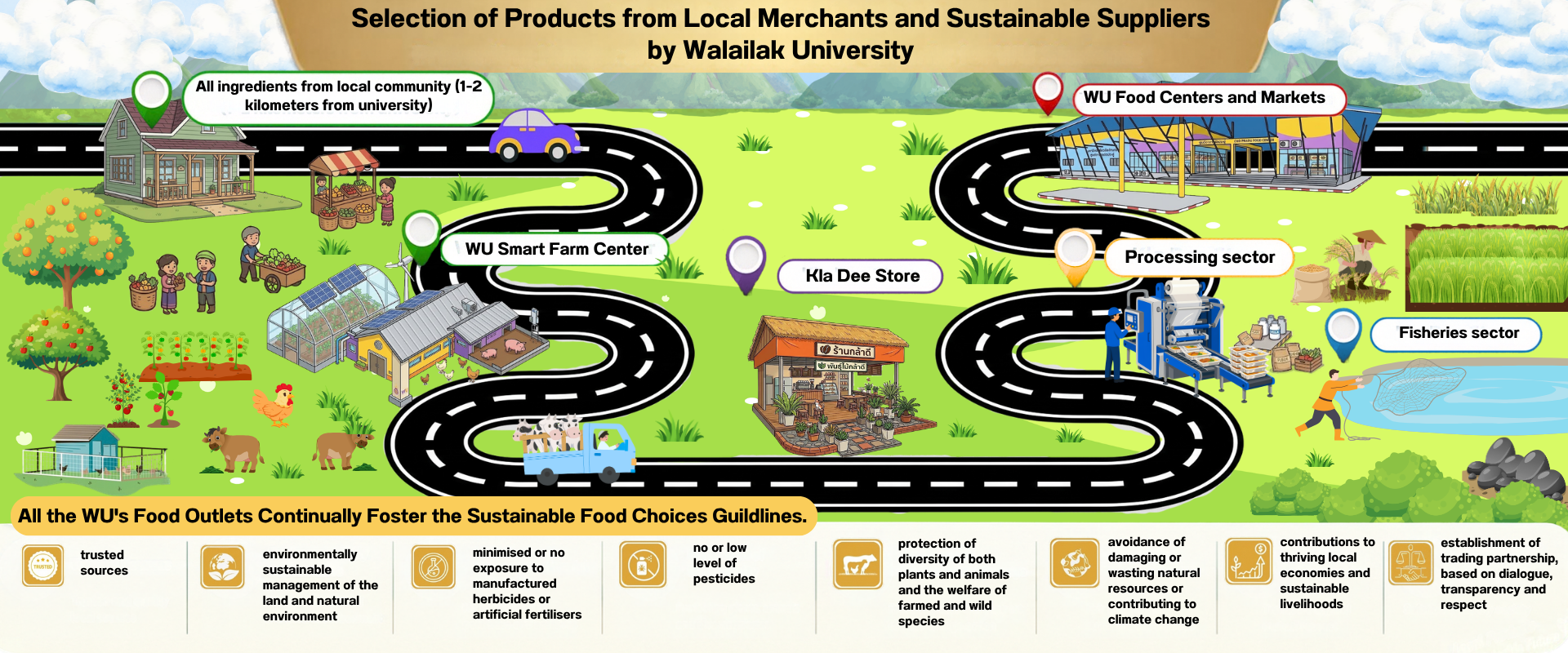
In addition to considering the origin of food products, Walailak University places importance on purchasing food products from sources that demonstrate environmentally responsible production, efficient resources use, recognised quality standards, and support for local livelihoods. In addition to considering where food originates, the university supports producers whose practices contribute to sustainable agriculture and community development.
Detail of Each Sustainable Food Sources
Satit Walailak Pattana Community
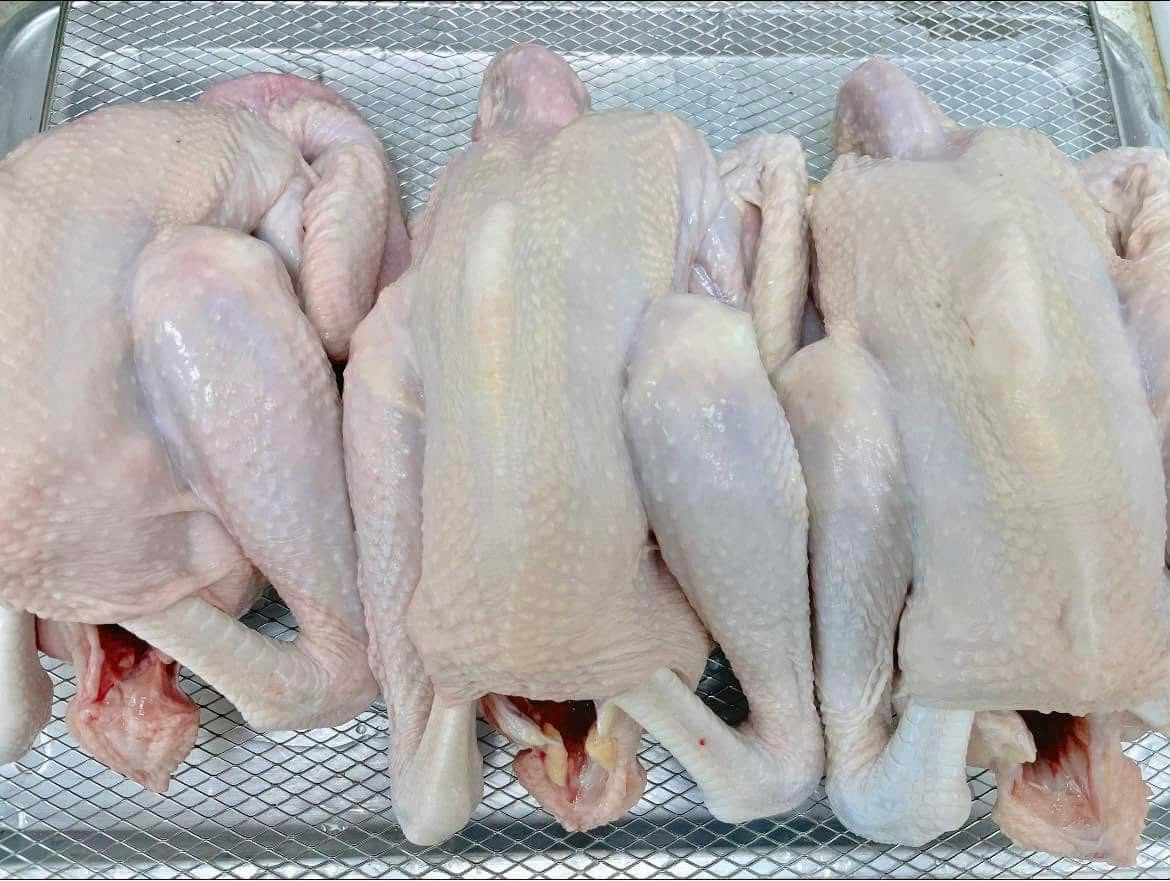
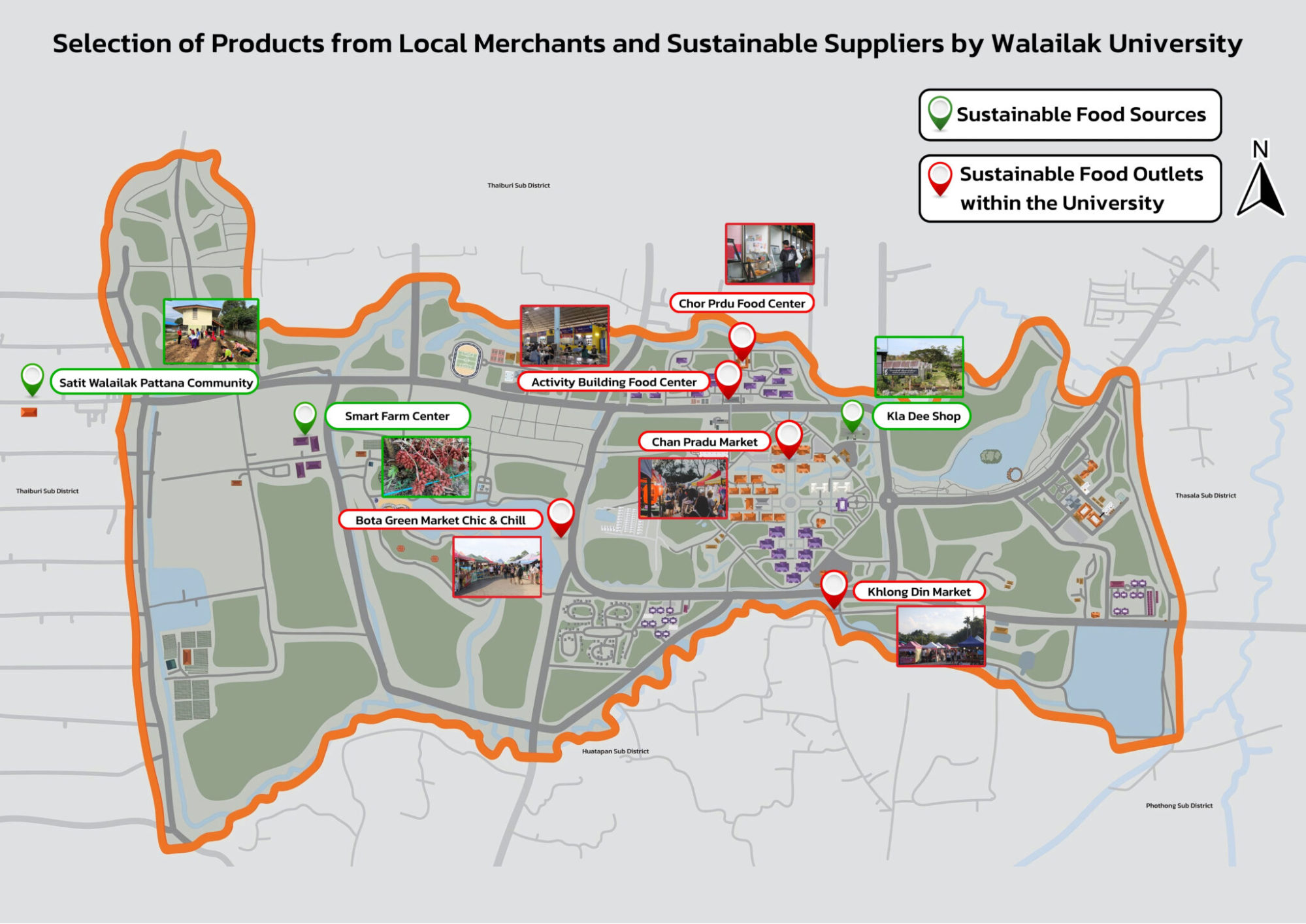
The university supports purchasing food products from Satit Walailak Pattana Community, a neighbouring community encouraged to practise sufficiency agriculture through sustainable crop cultivation and livestock farming. Community producers reduce or avoid manufactured herbicides, synthetic fertilisers, and pesticides, using alternatives such as compost and bio-fermented liquid fertilisers. Purchasing from this source supports agricultural practices that reduce chemical inputs while generating income for local producers and strengthening the connection between the university and its surrounding community.
Smart Farm Center
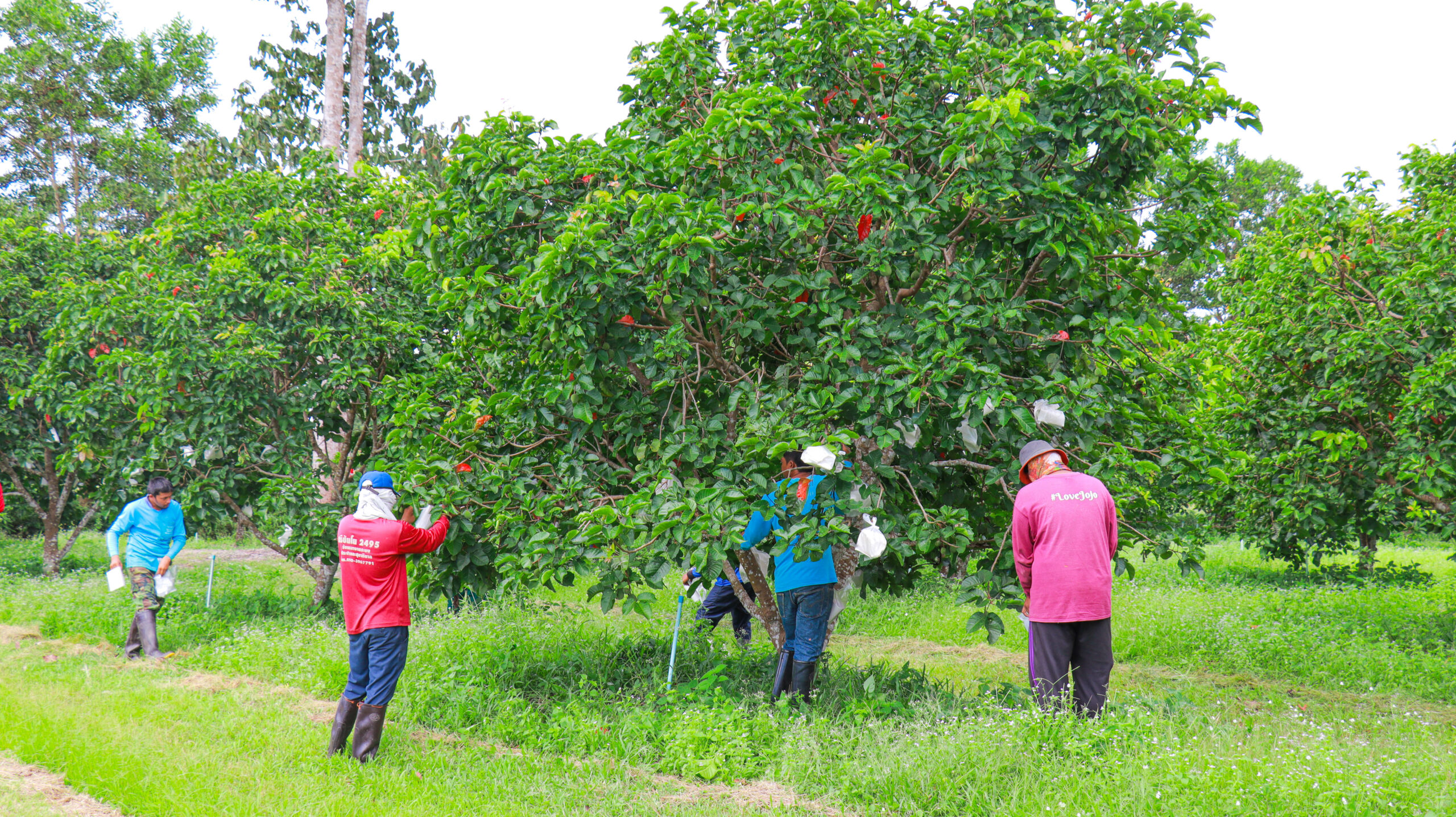
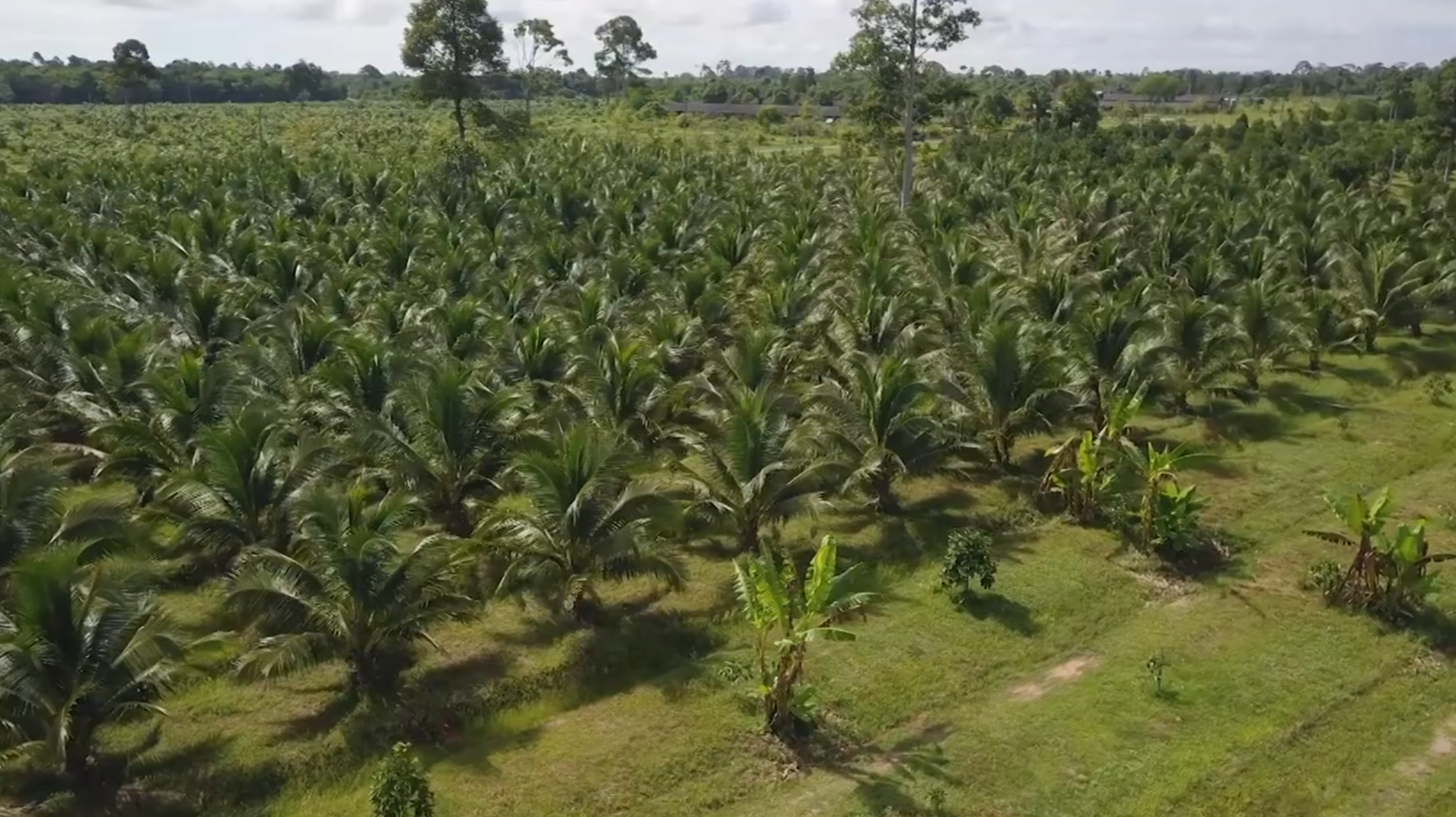
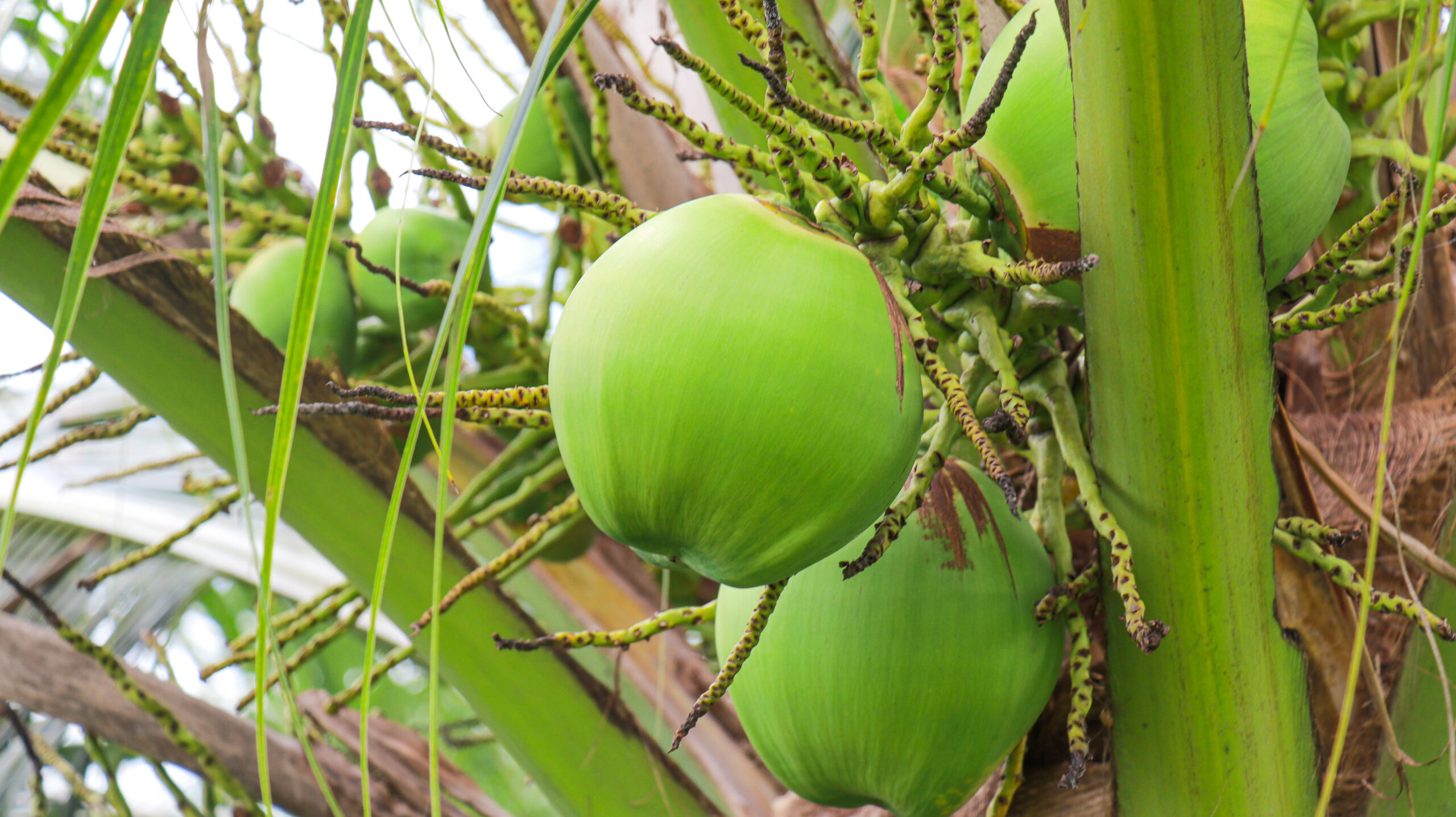
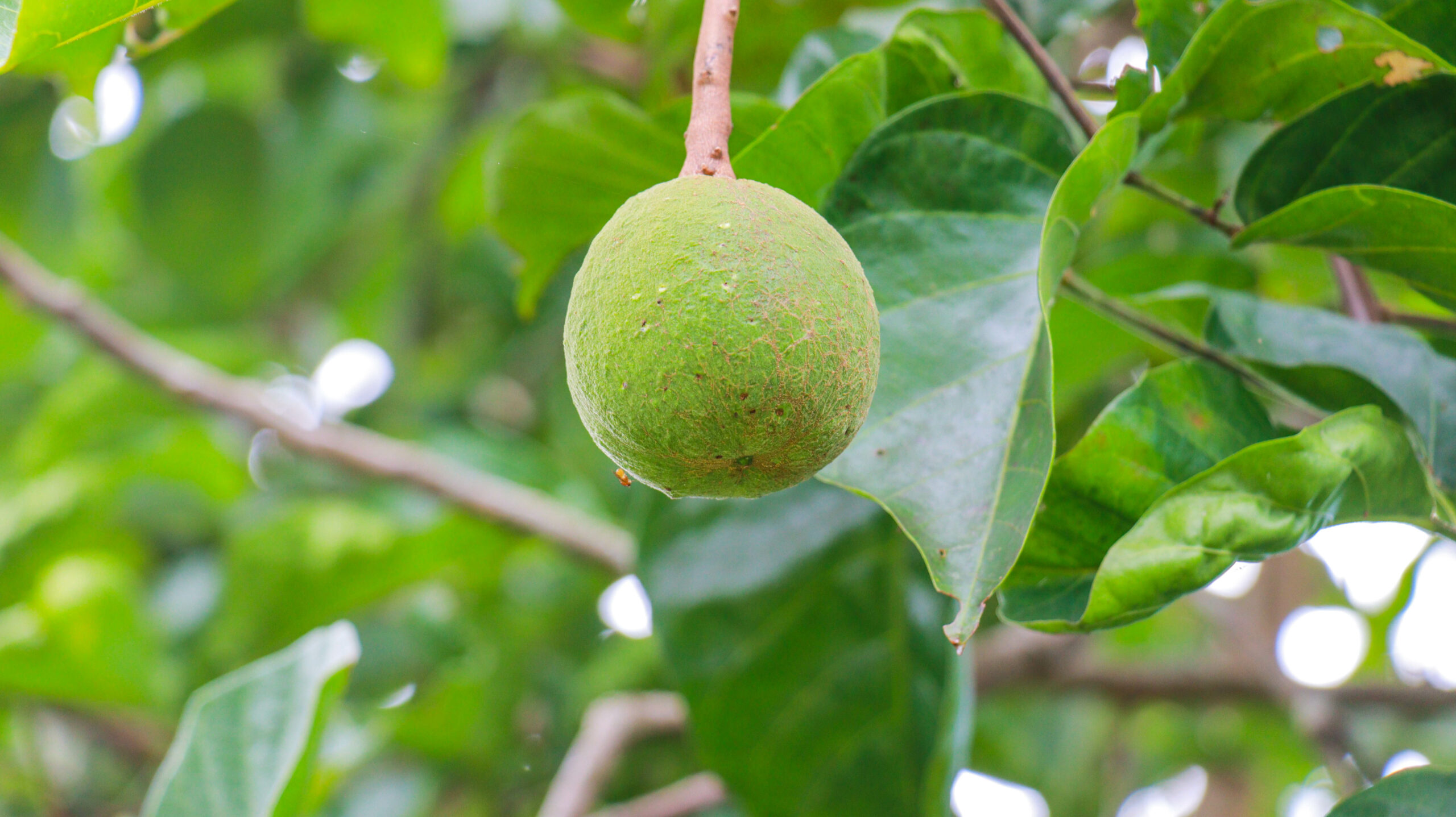
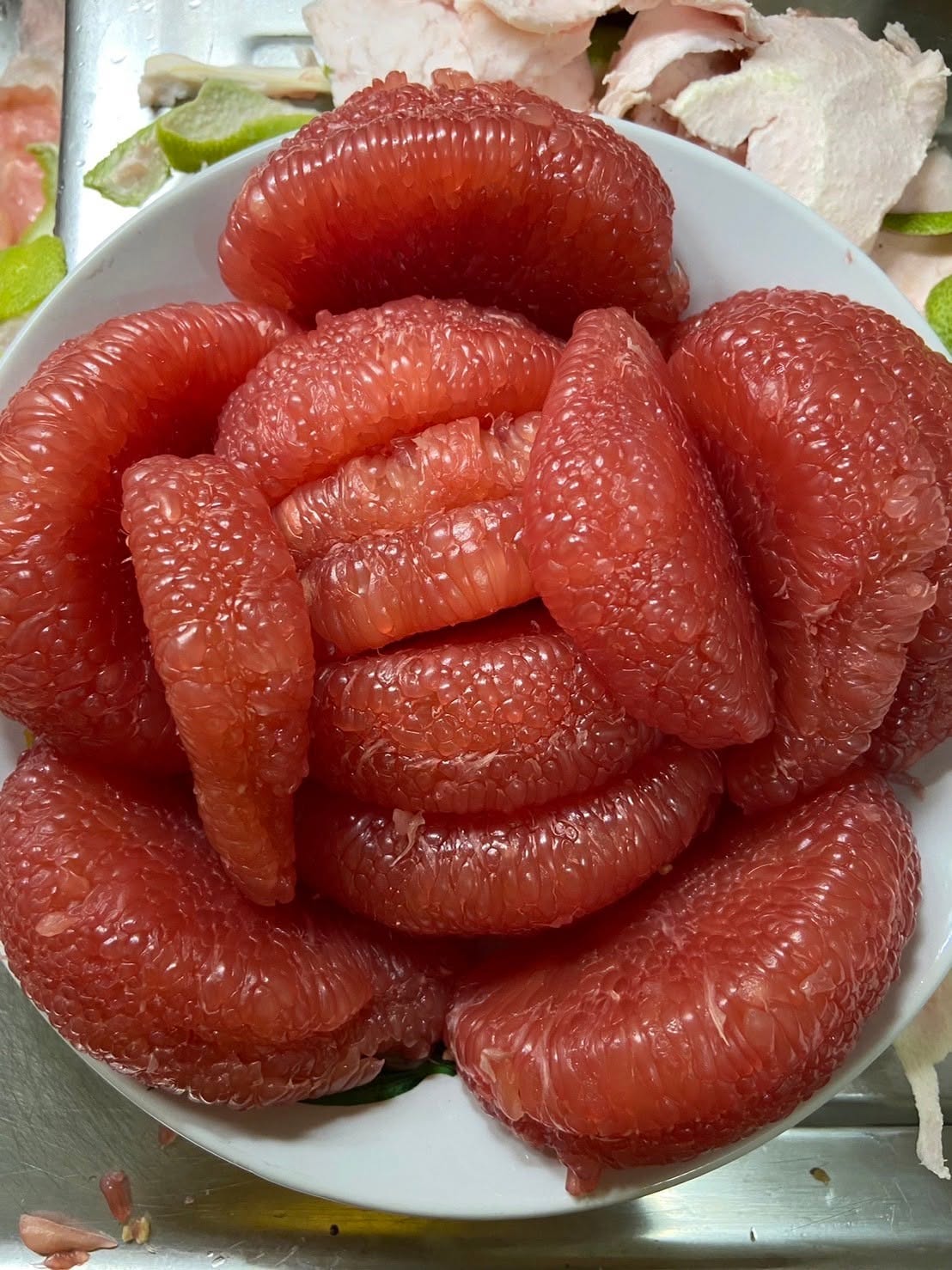
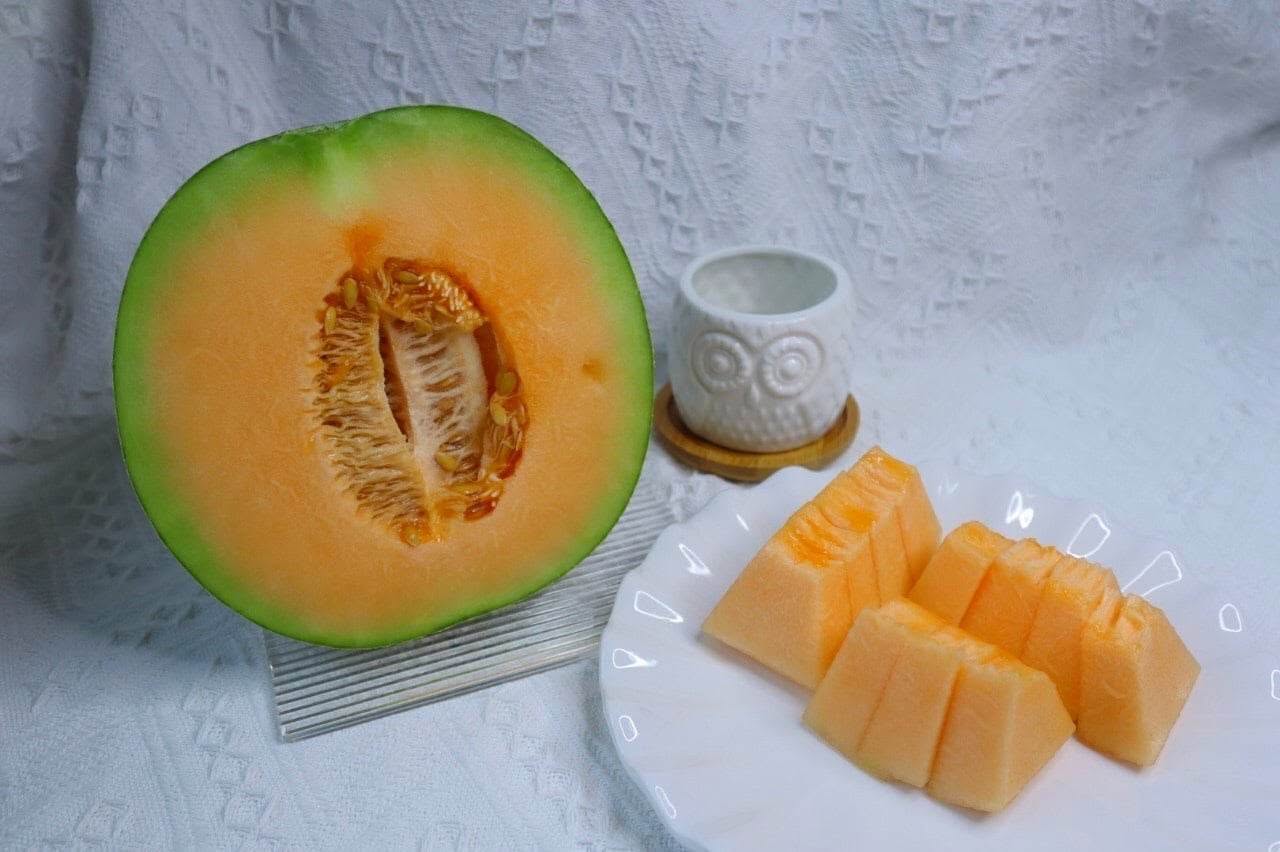
The university supports food products from the Smart Farm Center, which covers more than 3,200,000 square metres within the campus and produces fruit crops and livestock products through the application of agricultural knowledge and technology. The centre uses Trichoderma as a biological control agent, produces organic fertiliser from campus plant residues, and uses biogas energy in livestock housing. Purchasing products from this source supports production practices that reduce reliance on chemical treatments and fertilisers, reuse organic resources, and incorporate renewable energy into food production.
WU Agricultural Innovative Demonstration and Development Center in Honor of Rama IX
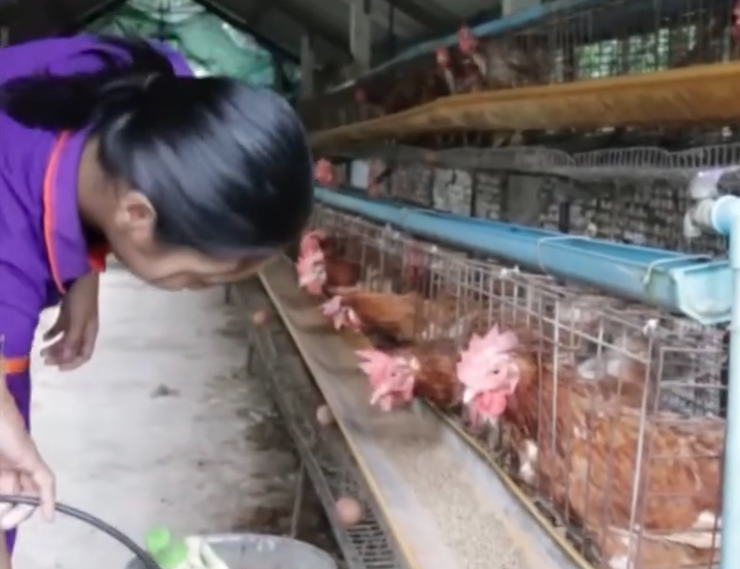
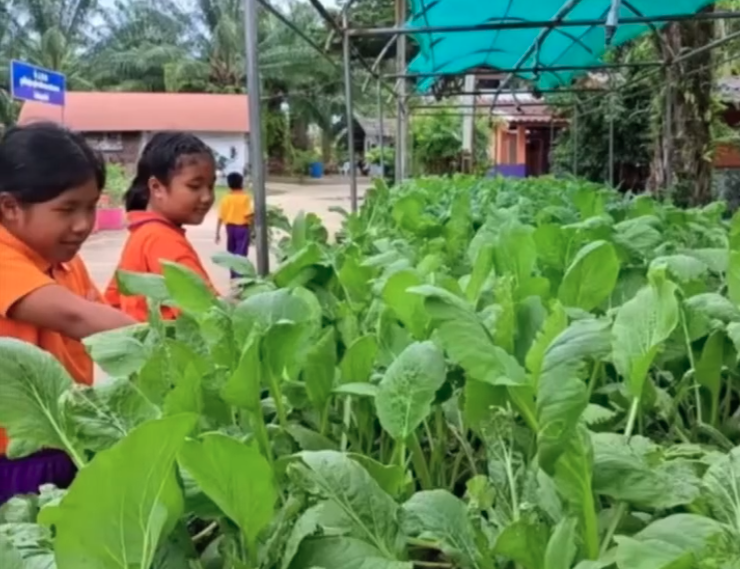
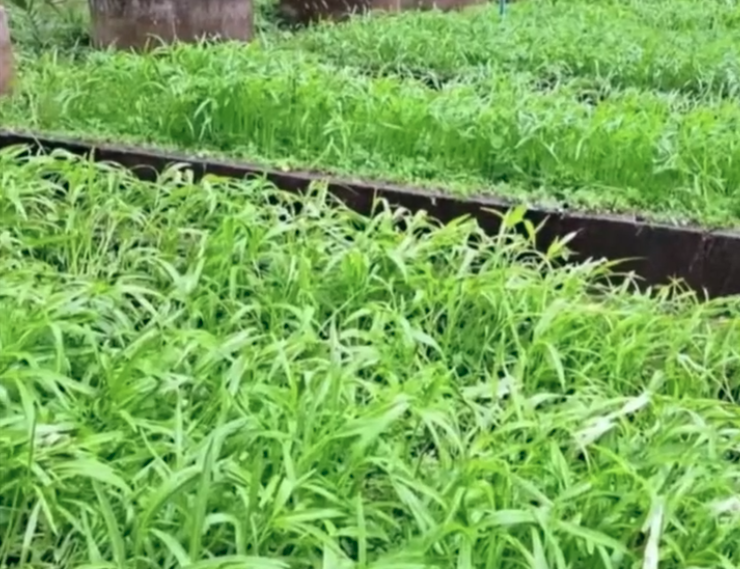
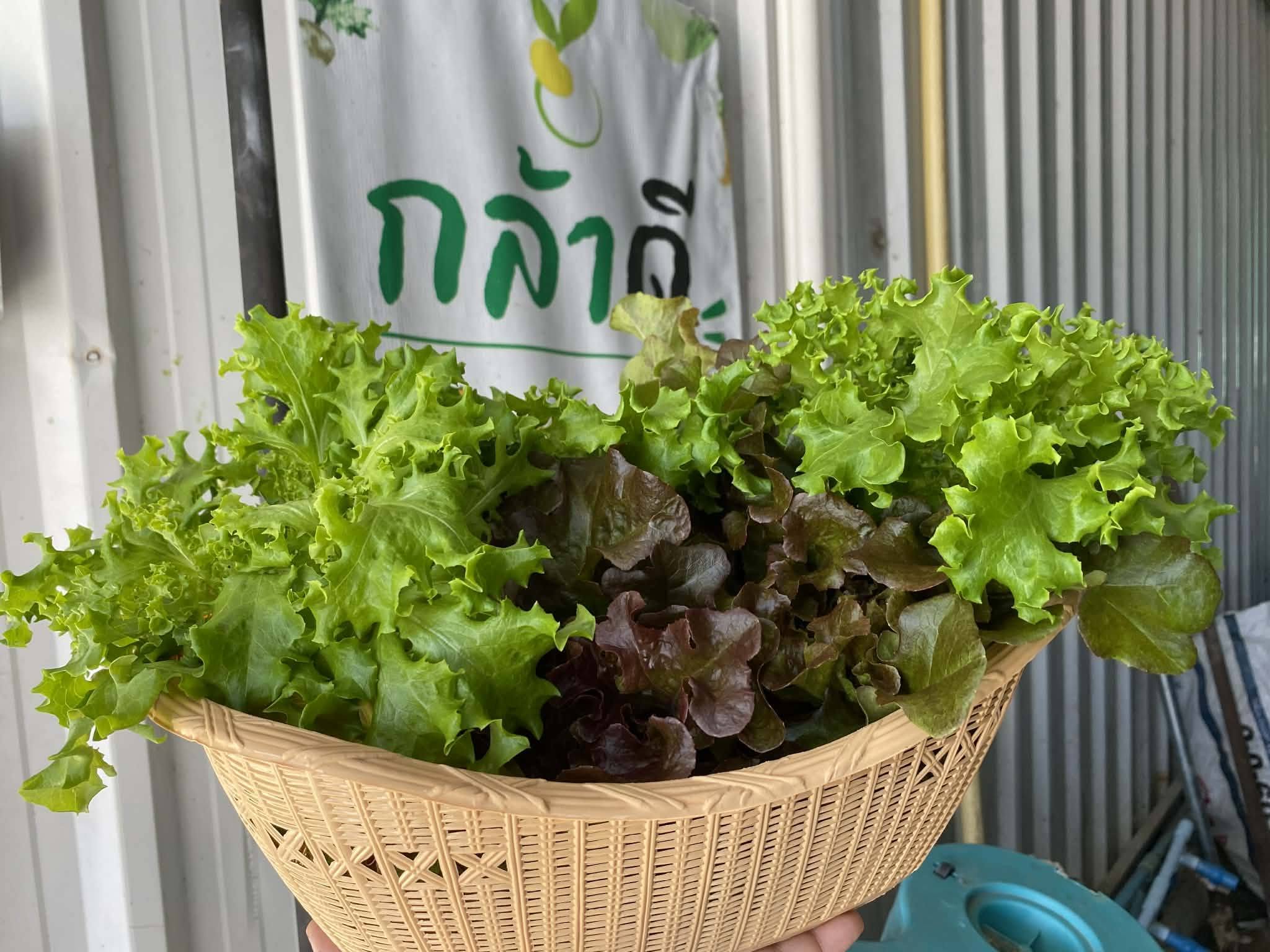
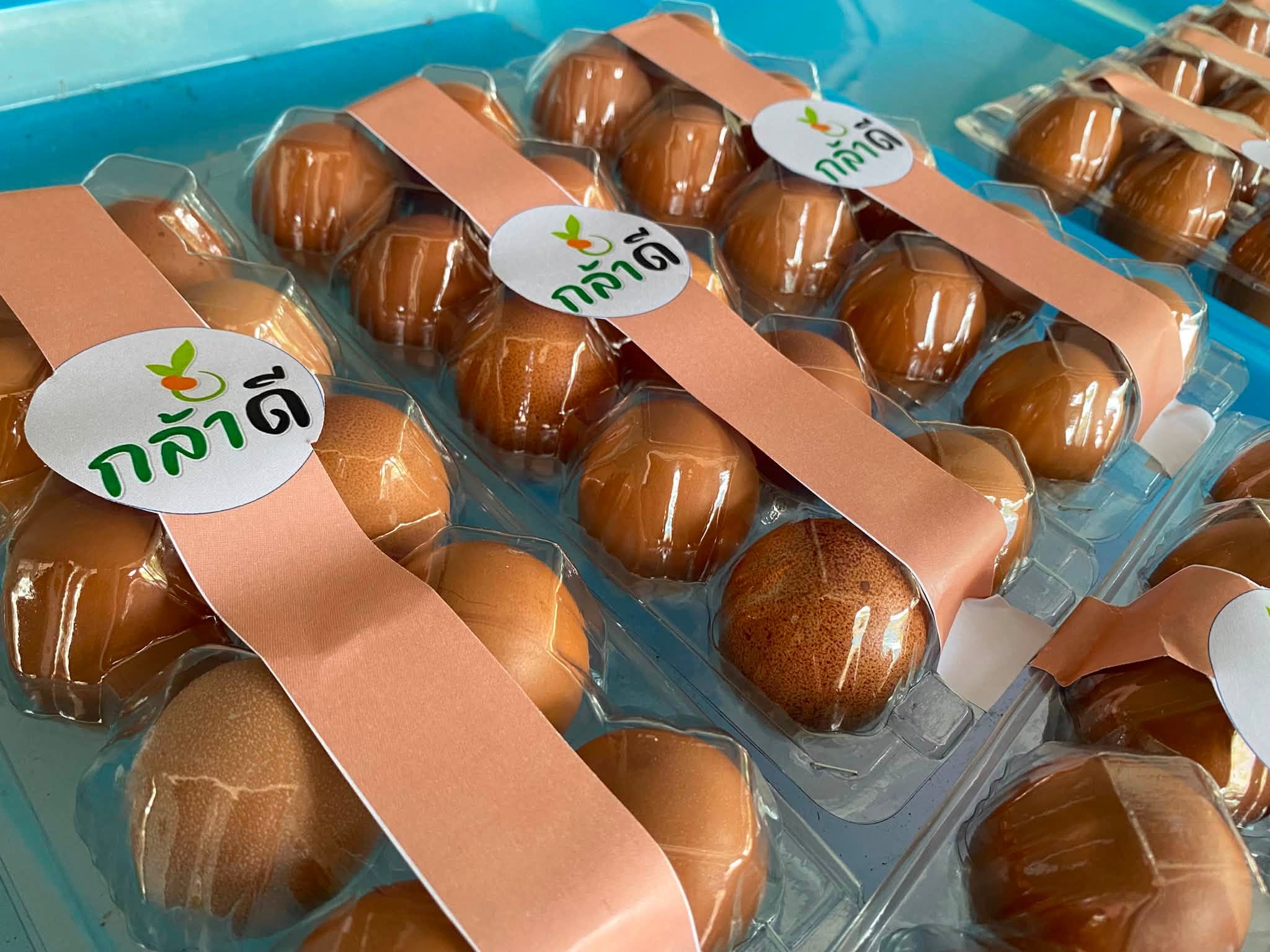
The university also supports purchasing products from the WU Agricultural Innovative Demonstration and Development Center in Honor of Rama IX, a 16,000-square-metre production and demonstration area within the campus. The centre integrates sustainable practices across crop cultivation, livestock farming, fisheries, and food processing. These include organic vegetable production in net houses, vertical farming using research-developed planting materials, low-water rice cultivation, seed conservation, and livestock production using organic feed. Fisheries activities include red tilapia cage culture, pilot testing of solar-powered fish feeders, and aquaponics systems combining plant cultivation with aquaculture. Products available for distribution include fresh vegetables, tilapia sausages, salted eggs, gac fruit ice cream, gac fruit yoghurt, and fruit cider and vinegar. Purchasing these products supports food production that incorporates resource efficiency, agricultural innovation, and value creation.
Muslimah Group of Ban Nai Thung
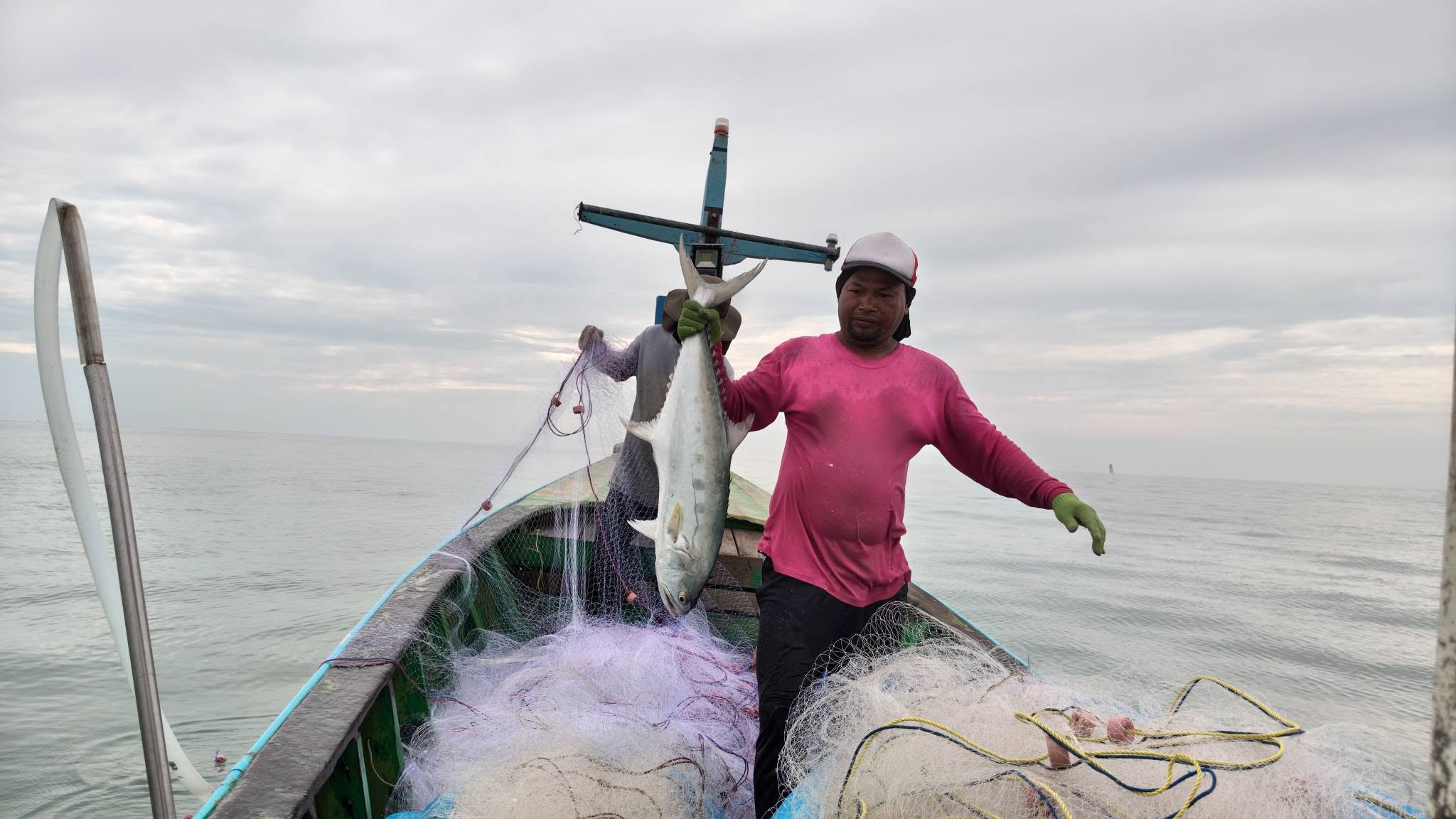
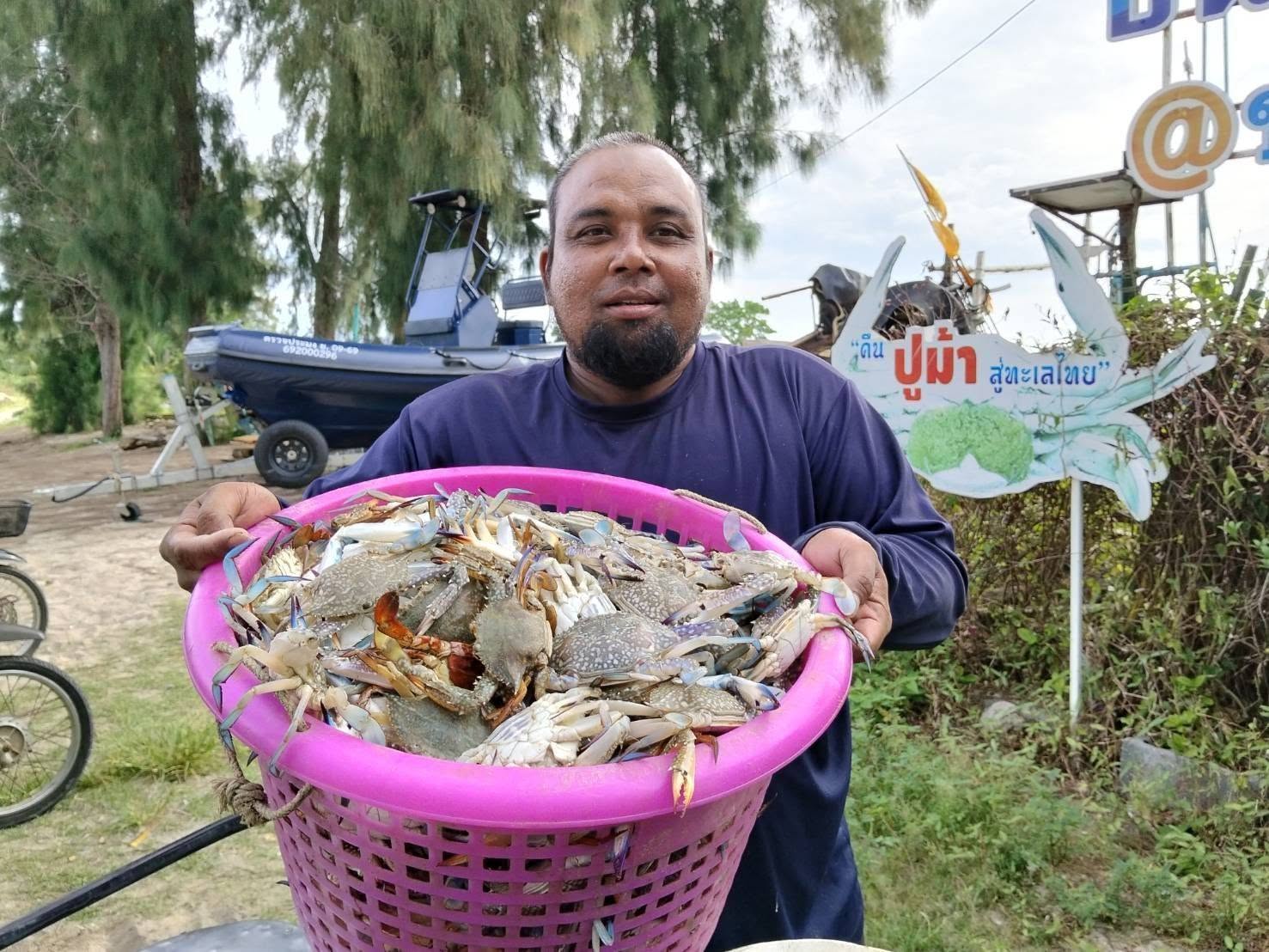
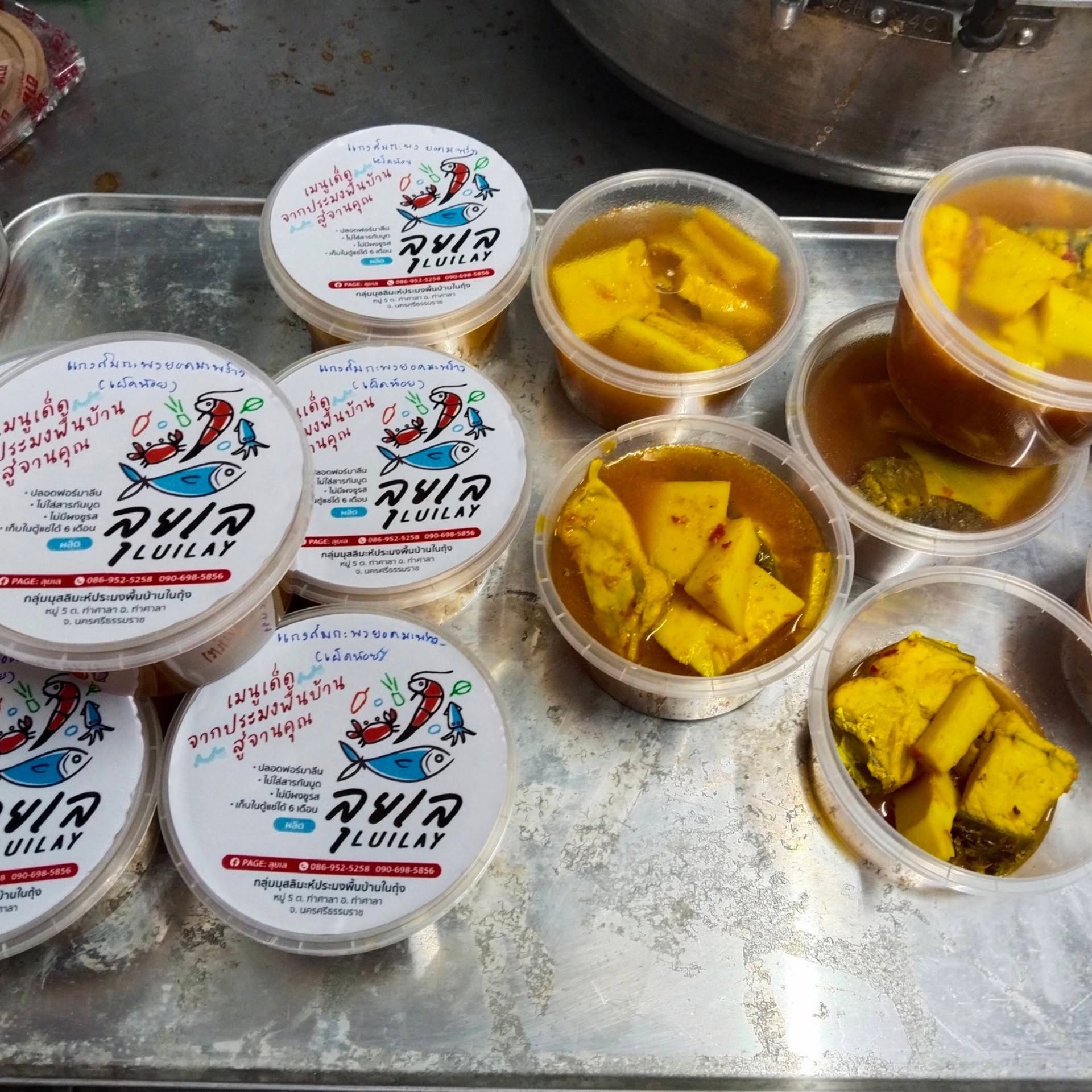
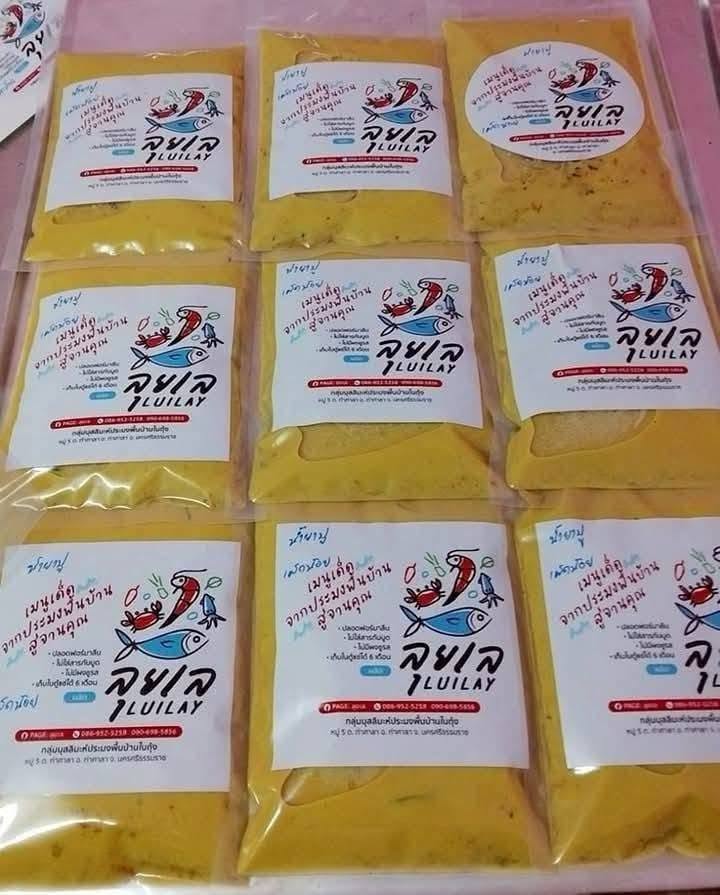
The university supports purchasing food products from the Muslimah Group of Ban Nai Thung, a local producer group whose certified Halal dishes include blue swimming crab curry sauce, crab curry with wild betel leaves, and sour fish curry. Support for this group considers both recognised production standards and community development. Purchasing its products creates market opportunities for local producers while supporting food quality, safety, and traceability. Halal certification provides assurance of compliance with Halal requirements, while the university’s support contributes to the development of local food enterprises.
Distribution Channels Prioritising Sustainable Food Purchasing
Products from the two agricultural production sites are available through on-campus shops and online platforms, enabling consumers within and outside the university to purchase from these sources. Electric vehicles are used for transportation to help reduce emissions associated with distribution. Products are offered at fair prices, below those of comparable agricultural products in the general market, helping make sustainably produced food more accessible. Additionally, the university promotes food centres and community markets as channels through which students, staff, and the public can access food from local producers and trusted suppliers:
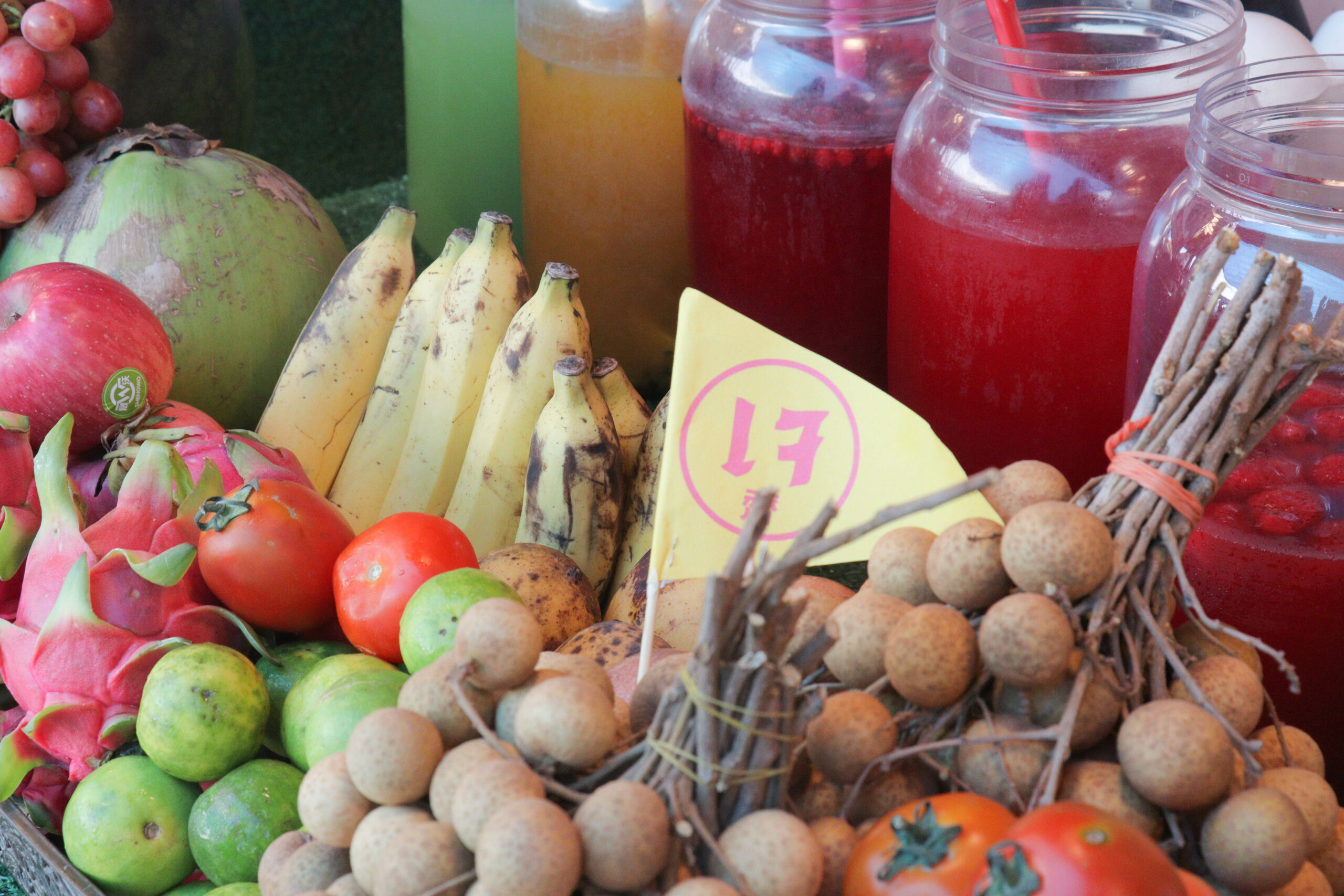
Chor Pradu Food Center: Comprises 66 food outlets and 12 local food stalls, offering Halal, vegetarian and vegan meals, and fresh fruit.
Student Activity Building Food Center: Includes 8 food outlets and 9 local food stalls, providing options such as Halal and plant-based meals.
BOTA Green Market Chic & Chill: Held every Thursday at Walailak University Botanic Park, with 175 community-based stalls. Its emphasis on environmental standards and community income generation supports opportunities to purchase local food and products.
Chan Pradu Market: Held every Monday near Lecture Buildings 1 and 3, with 174 stalls. The market promotes food safety, environmentally responsible practices, and sourcing from trusted suppliers, alongside vegetarian and vegan options.
Khlong Din Market: Opens every Tuesday from 3:00 p.m. onwards, with 10 stalls, providing opportunities to purchase food and other products from local vendors.
Through support for these production sources and distribution channels, Walailak University connects food purchasing with responsible production, affordable access, and local economic development.
Connecting Food Purchases with Local Economic and Community Support
Walailak University’s promotion of local and sustainable food sources forms part of its approach to developing a food system that is connected with surrounding communities. The university does not limit food procurement opportunities to large businesses but also provides opportunities for restaurants, farmers, producers, and community groups to participate in the university’s food system.
Supporting restaurants in areas surrounding the university, providing space at the Cho Pradu Food Center without rental fees for local businesses, and opening the Khlong Din Market to local producers and residents are mechanisms that help reduce barriers for local businesses to access the university’s food market. At the same time, support for products from Smart Farm, Kla Dee, Satit Walailak Pattana Community, and the Muslimah Group of Ban Nai Thung creates opportunities for products from local producers to enter the University’s food system and reach its consumers.
This approach connects food purchases with the creation of economic opportunities at the local level and enables food-related expenditure within the University to contribute to supporting local producers and businesses in surrounding communities.