
Events Promoting Ocean and Marine Resource Conservation and Sustainable Utilisation
Events Promoting Ocean and Marine Resource Conservation and Sustainable Utilisation
Oceans, seas, rivers, and other aquatic ecosystems play a vital role in sustaining biodiversity, supporting livelihoods, providing food, and maintaining the environmental balance of communities. However, these ecosystems are increasingly affected by pollution, overfishing, habitat degradation, climate change, and other human activities. Diagnostic assessments of these pressures are important for identifying environmental risks, understanding the causes of ecosystem degradation, and determining appropriate conservation priorities. Promoting conservation and the sustainable utilisation of marine and aquatic resources is therefore essential to protect ecosystems while ensuring that communities can continue to benefit from these resources in the future.
Recognising the importance of healthy aquatic ecosystems, Walailak University supports and organises events and activities that promote awareness, conservation, and sustainable use of marine and aquatic resources. These activities bring together students, researchers, local communities, government agencies, and other stakeholders to exchange knowledge, encourage responsible resource use, and take part in practical conservation efforts. Through these initiatives, the University aims to strengthen community participation, diagnose local environmental challenges through stakeholder engagement and field-based observations, and contribute to the long-term protection and sustainable management of oceans, seas, rivers, and marine resources.
Promoting Freshwater Ecosystem Conservation through Nature-Based Weir Preservation and Community Engagement
Walailak University promotes the conservation and sustainable utilisation of freshwater ecosystems and rivers through educational and community-based activities under the Living Weir Project. The programme aims to raise awareness of the importance of freshwater ecosystems as sources of water, habitats for aquatic biodiversity, and resources that support local communities and livelihoods. Local residents, community leaders, local government officers, and WU student volunteers are provided with opportunities to learn directly from researchers through classroom discussions, community consultations, field surveys, demonstrations, and hands-on conservation activities. The programme covers freshwater ecosystem conservation, water management, water conservation, sustainable irrigation, river restoration, aquatic biodiversity, erosion prevention, water retention, nature-based solutions, ecological engineering, and climate-resilient water resource management. Through these activities, participants gain a better understanding of how river characteristics, water flow, sediment movement, vegetation, aquatic organisms, and seasonal rainfall influence freshwater ecosystems and how water resources can be managed while maintaining their ecological functions.
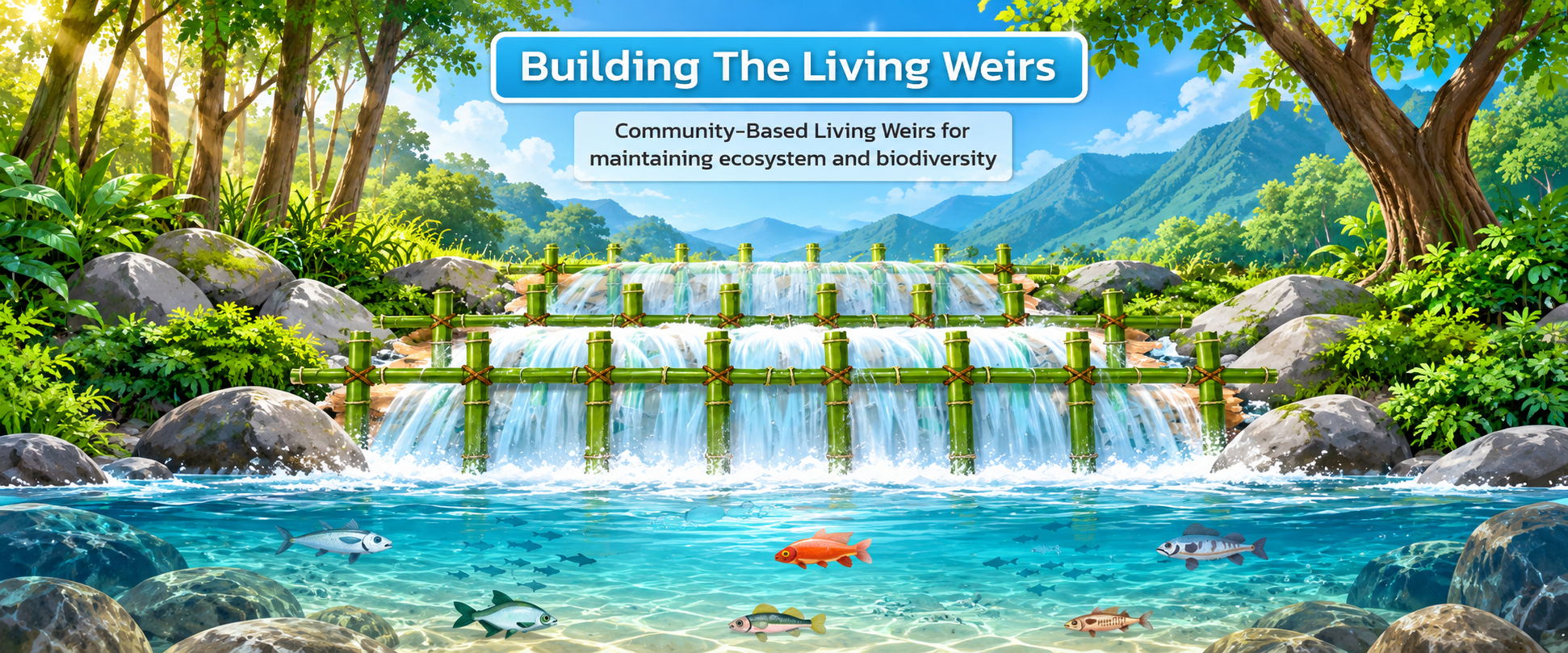
A key focus of the programme is raising awareness of the importance of preserving and maintaining nature-based weirs as part of freshwater ecosystem conservation. Participants gain practical experience in the construction and restoration of weirs using locally available and environmentally friendly materials, including small boulders, bamboo, coconut leaves, and sandbags. The weirs are designed as stepped and permeable structures that slow water flow, retain water, and allow water to continue moving naturally downstream. Through hands-on participation, community members learn about river dynamics, water retention, erosion prevention, riverbank stabilisation, freshwater habitat protection, and environmentally responsible water-management practices. This practical approach helps participants understand that the weirs are not simply water-management structures, but also contribute to the conservation and restoration of river ecosystems. By directly participating in surveying, planning, construction, restoration, and maintenance, local communities develop knowledge and skills that can support the continued preservation of existing weirs and the sustainable management of freshwater resources in other areas.
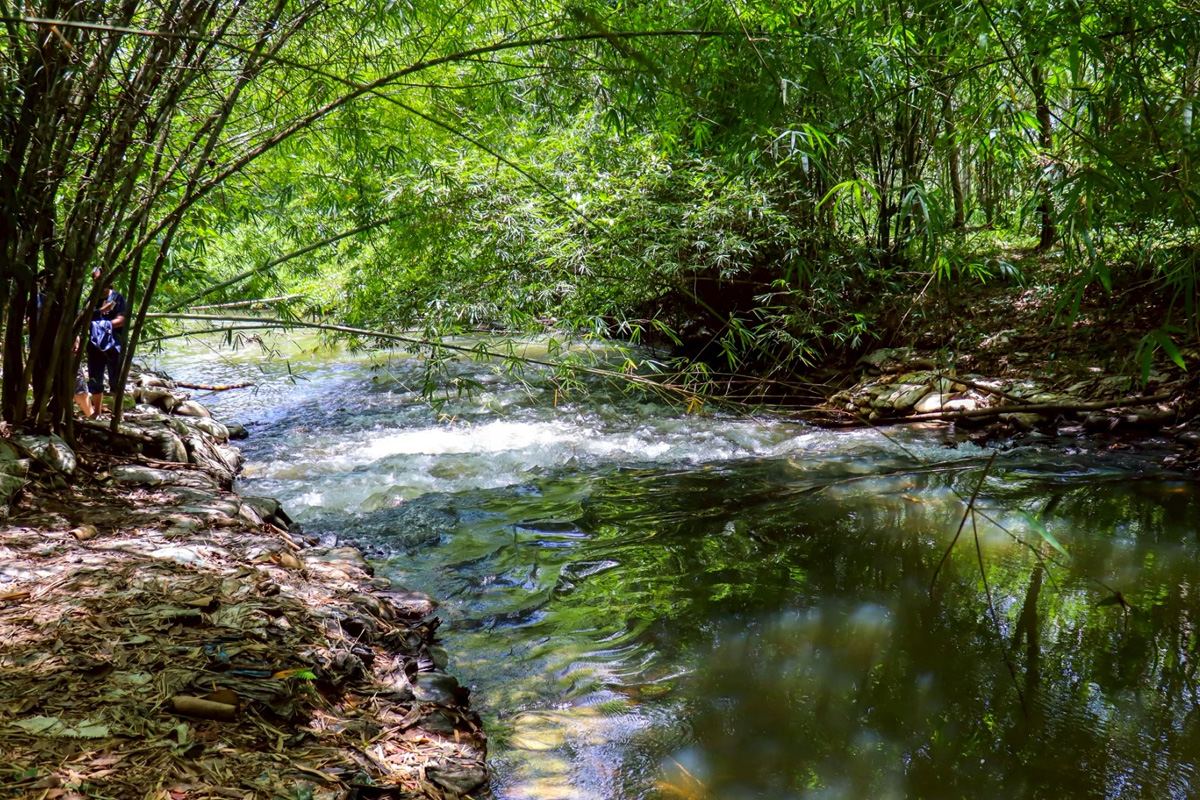
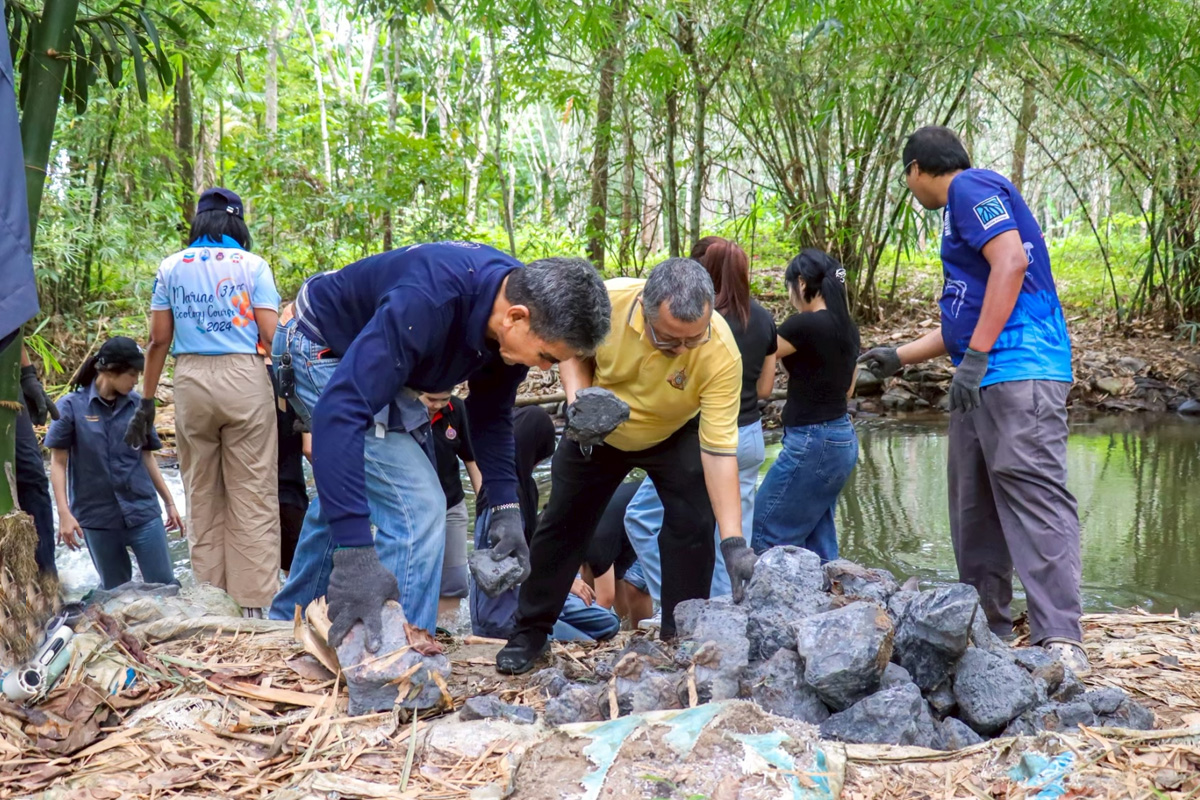
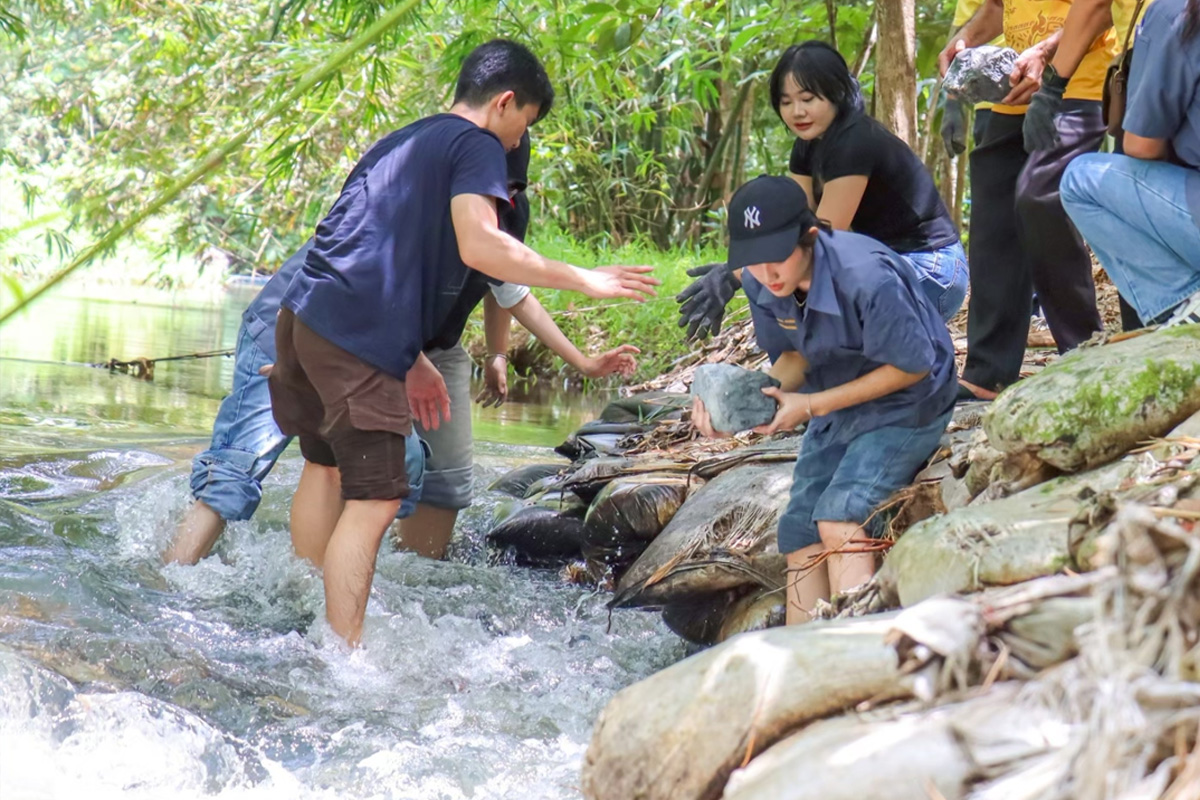
The restored nature-based weirs also demonstrate how water conservation and ecosystem protection can be addressed together. By slowing water flow and increasing water retention, the structures can improve water availability for local agricultural activities, support soil moisture retention, reduce erosion, and contribute to riverbank protection. The shallow pools created by the weirs can also provide suitable habitats for fish, freshwater invertebrates, aquatic insects, riparian vegetation, and other aquatic organisms. Local communities have observed an increase in aquatic animals compared with previous years, providing an encouraging indication of ecological recovery and reinforcing the importance of protecting freshwater habitats. Through community-based learning and environmental stewardship, the programme encourages participants to recognize the connection between responsible water use, biodiversity conservation, and healthy river ecosystems.
Through the Living Weir Project, Walailak University therefore combines education, practical conservation, and community participation to promote greater awareness of freshwater ecosystem conservation and the sustainable utilisation of river resources. By involving local communities directly in the preservation and maintenance of nature-based weirs, the programme strengthens local capacity and encourages shared responsibility for protecting rivers and aquatic biodiversity. These activities contribute to the long-term conservation of freshwater ecosystems while supporting the sustainable use of water resources for communities and future generations.
Promoting Marine Conservation and Sustainable Resource Use through Artificial Fish Habitat Activities
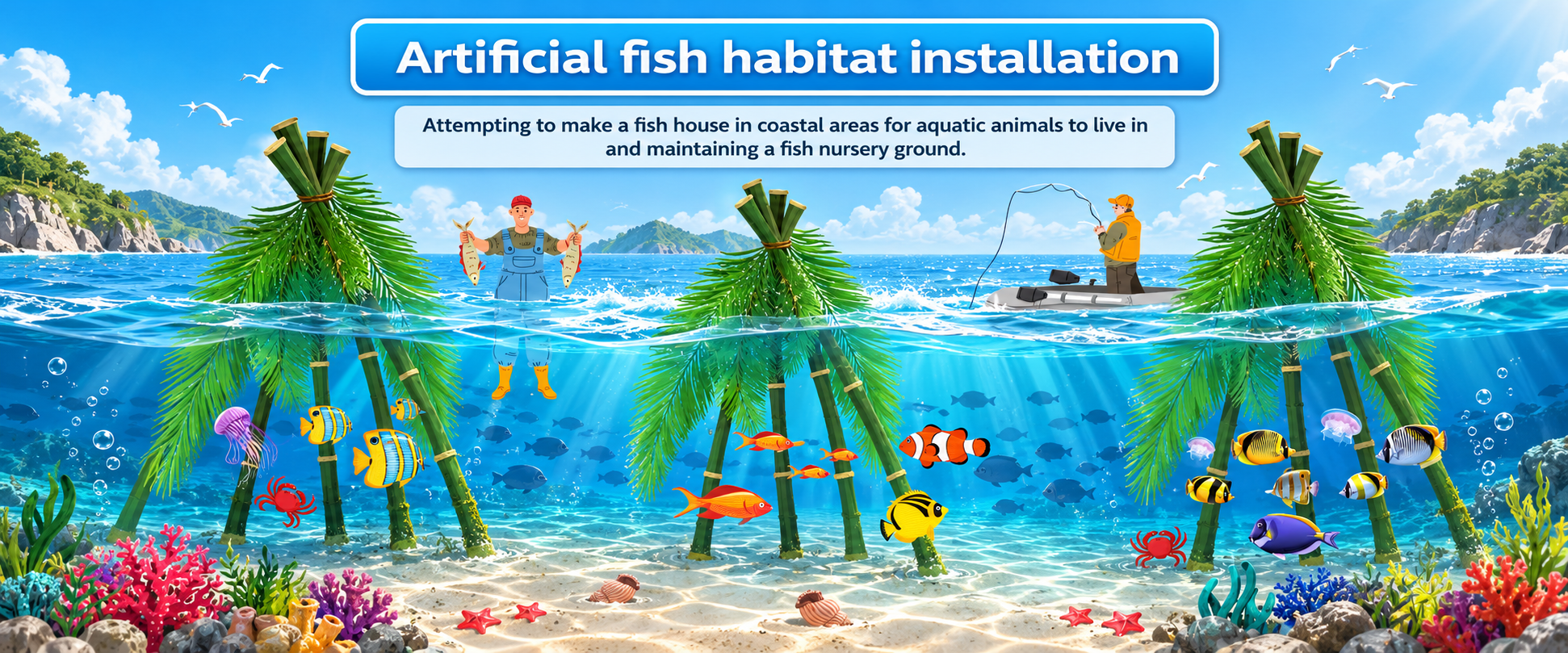
Walailak University organised community-based activities to promote the conservation and sustainable utilisation of oceans, seas, and marine resources through the development of artificial fish habitats in coastal areas of Nakhon Si Thammarat and Surat Thani. In 2025, the University continued its artificial habitat activities, bringing together local communities, fishermen, government agencies, NGOs, students, and members of the public to participate in practical marine conservation activities. The events combined the construction and deployment of artificial fish habitats with the release of juvenile marine animals and the collection of plastic debris from coastal waters, providing participants with direct opportunities to contribute to the restoration and protection of marine ecosystems.
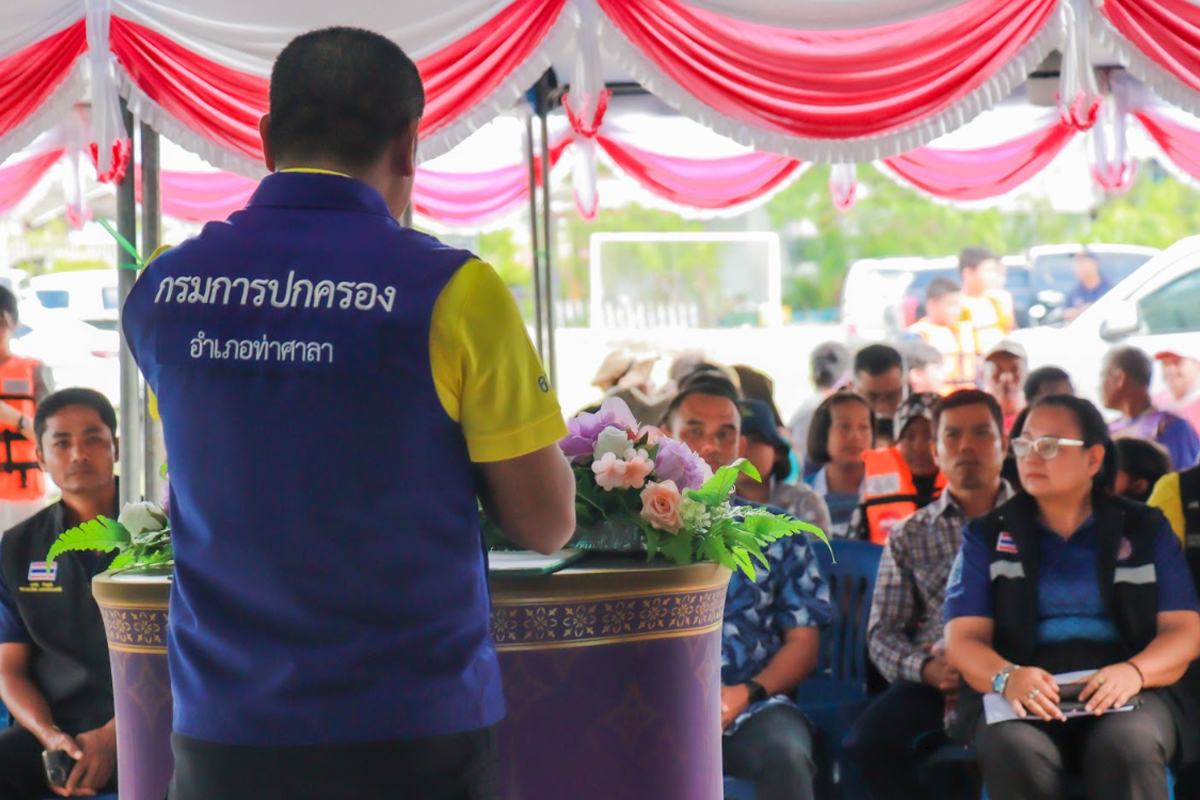
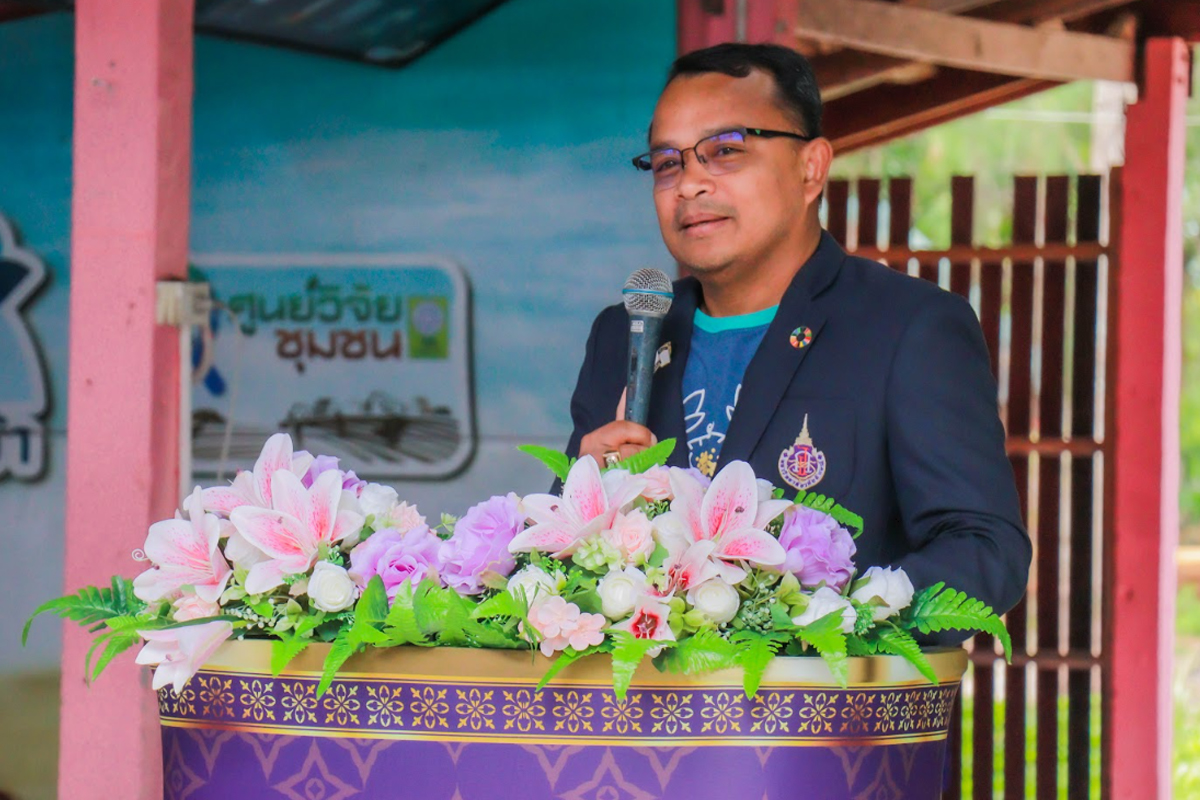
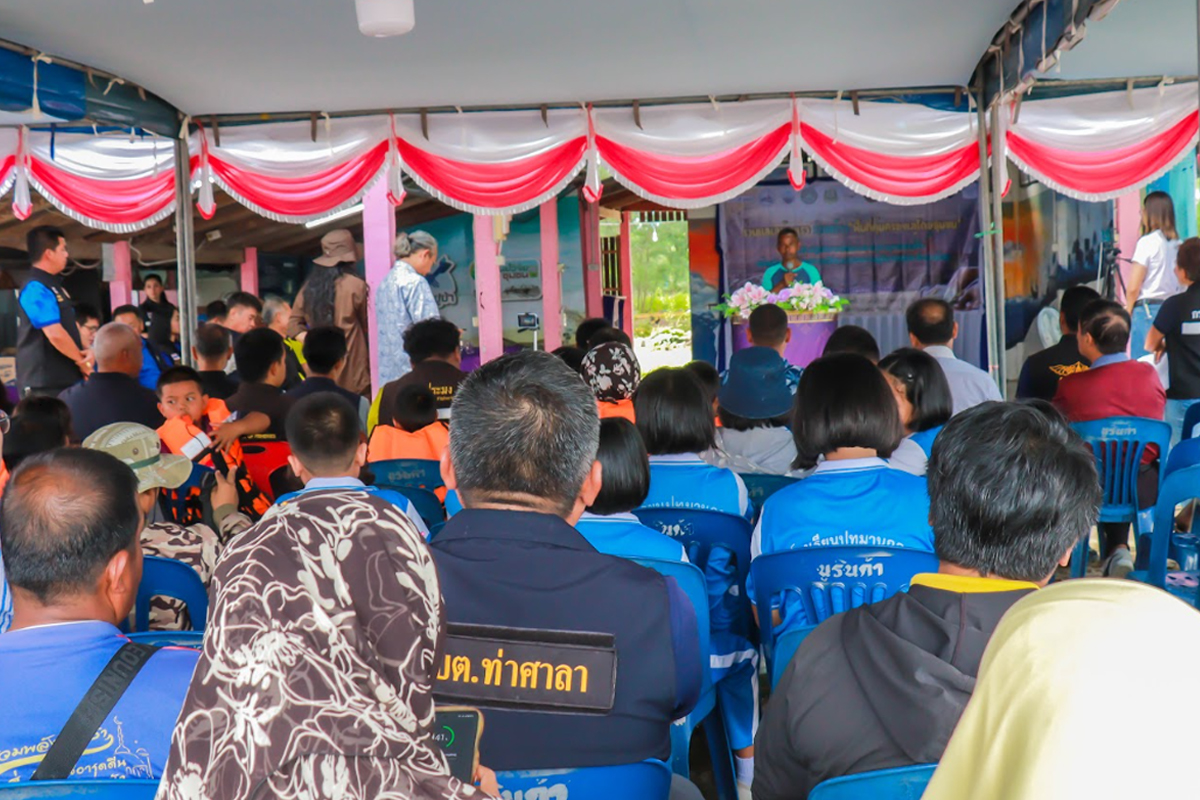
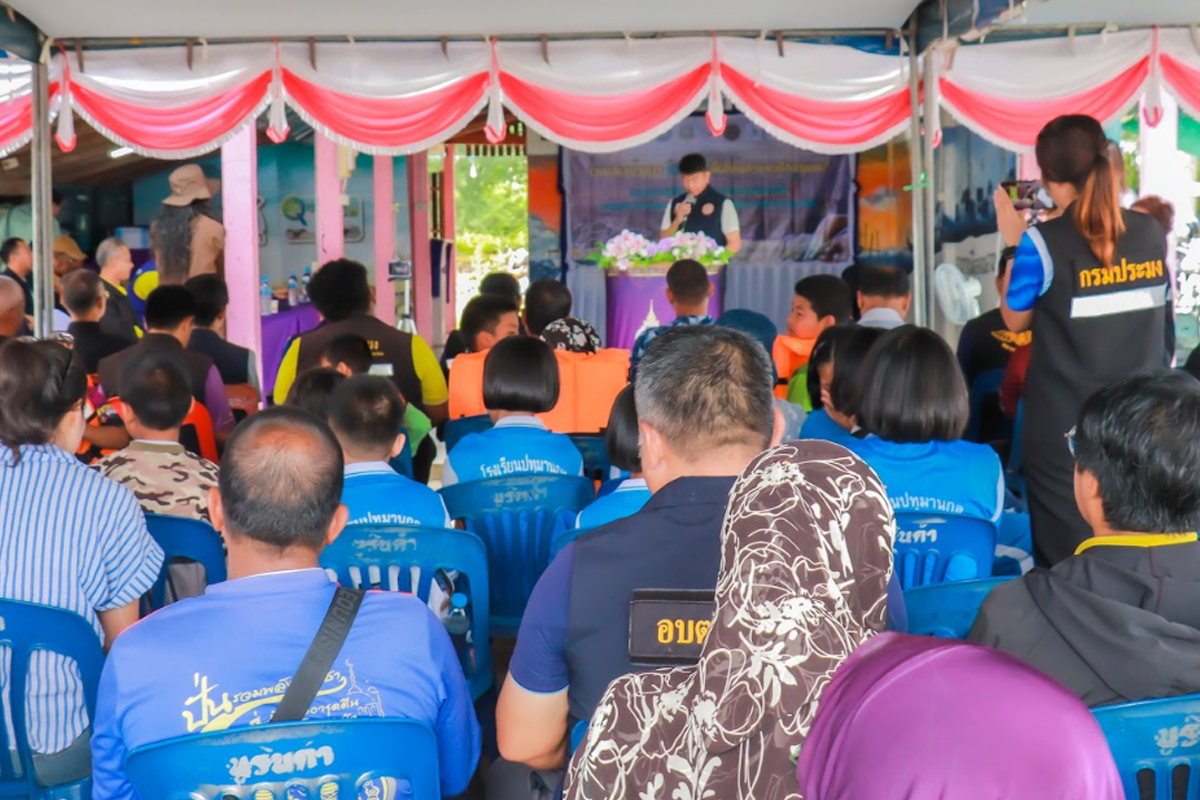
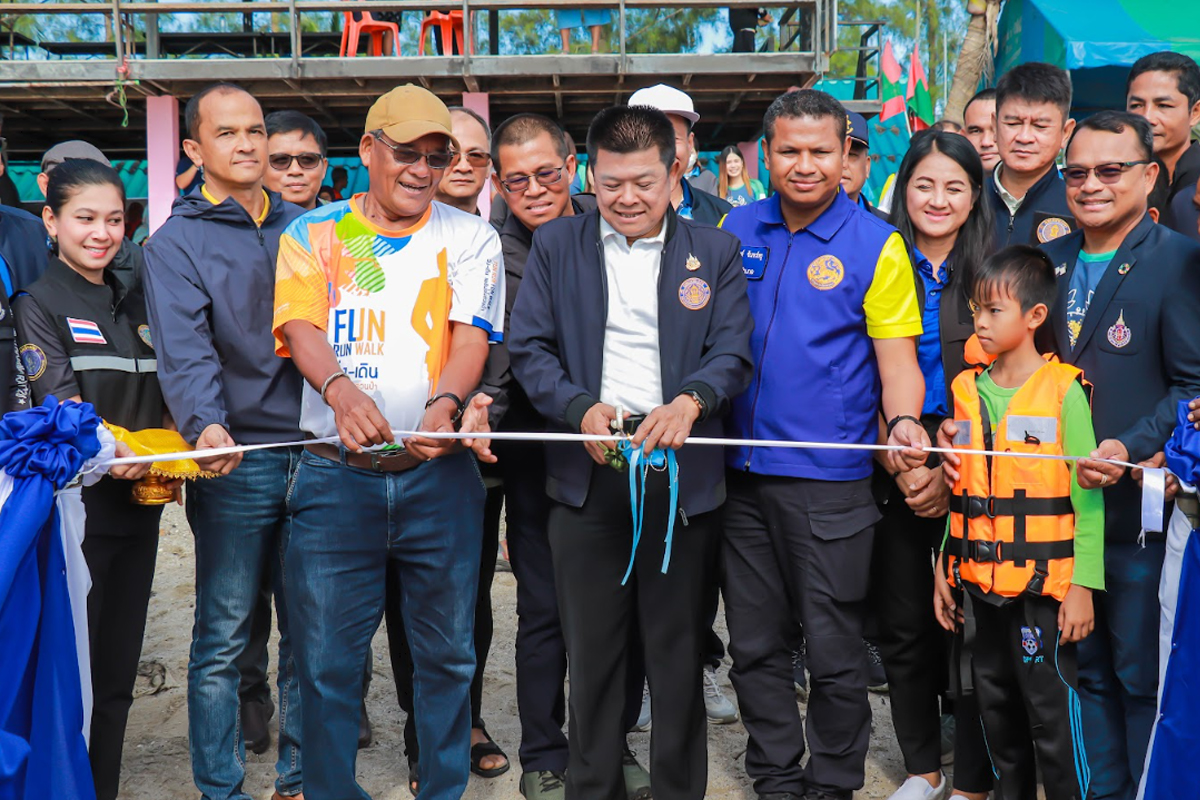
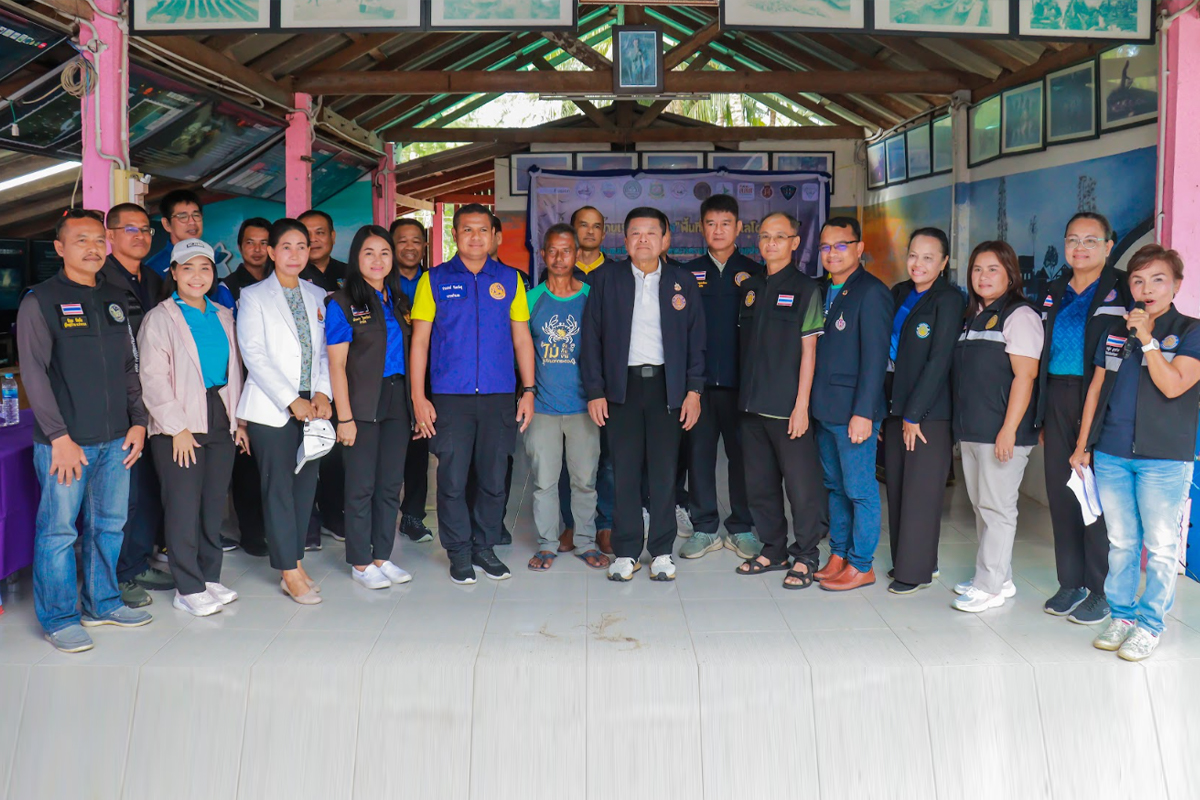
A key activity was the construction of artificial fish houses designed to provide additional shelter, nursery areas, and potential breeding habitats for aquatic species. The structures help increase the availability of suitable habitats in coastal waters and can support the recovery of local aquatic populations and marine biodiversity. By creating areas where juvenile and other aquatic animals can seek shelter and grow, the activity contributes to the restoration of marine habitats and strengthens the ecological functions of coastal areas. The construction process also provided an opportunity for participants to learn about the relationship between healthy marine habitats, biodiversity, and sustainable fisheries.
The artificial habitat activities also served as an important awareness-raising event for sustainable utilisation of marine resources. During activities in the Ban Nai Thung Community, WU shared knowledge with local fishermen, NGO members, government officers, school students, and members of the general public about responsible fishing and the importance of protecting marine habitats. Participants learned that artificial habitats require appropriate protection and management to allow aquatic animals, particularly juvenile species, to grow and reproduce. The activities therefore encouraged responsible fishing practices around habitat areas and promoted the understanding that marine resources should be harvested at levels that allow aquatic populations to recover and remain available for future generations.
The event also promoted the responsible use of fishing gear as part of sustainable marine resource management. Participants were encouraged to select appropriate fishing equipment and mesh sizes that reduce the capture of undersized aquatic animals and minimise impacts on non-target species. Such knowledge is particularly important around nursery and breeding habitats, where excessive or inappropriate fishing can reduce the effectiveness of habitat restoration efforts. By connecting habitat construction with responsible fishing practices, WU demonstrated that marine conservation requires both the restoration of ecosystems and the sustainable management of human activities.
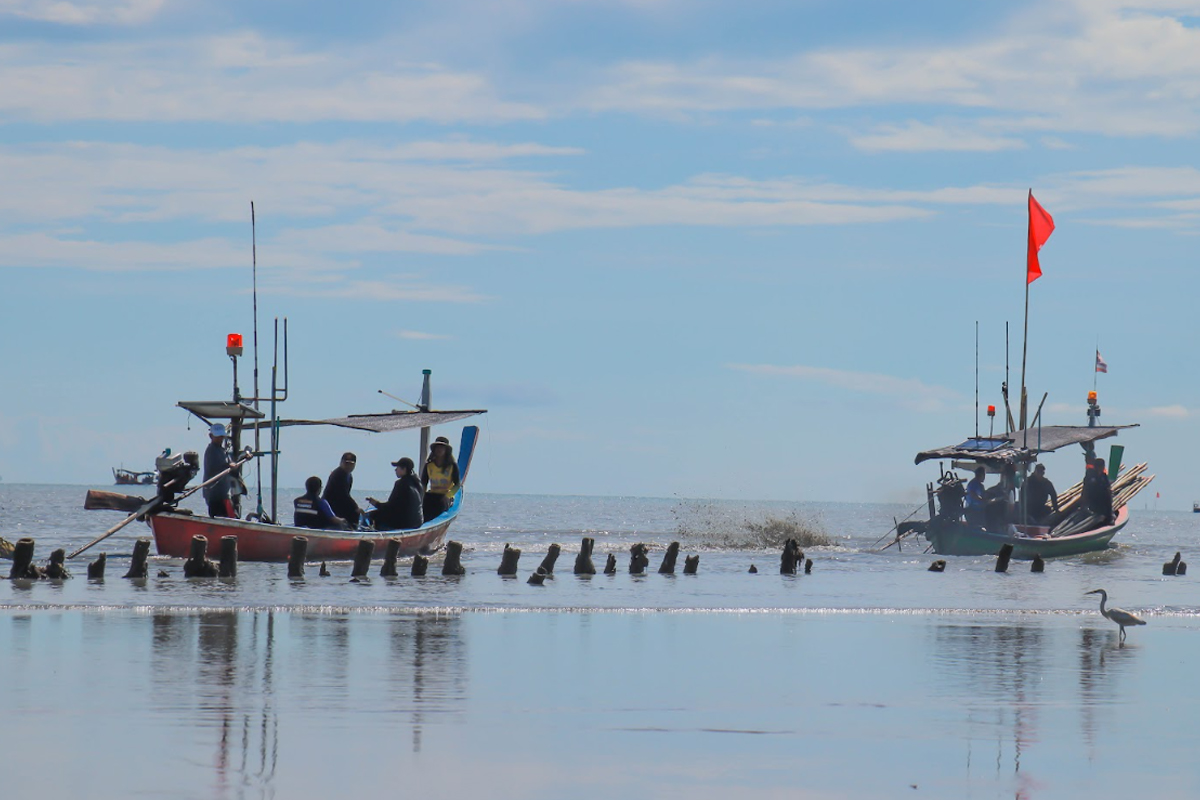
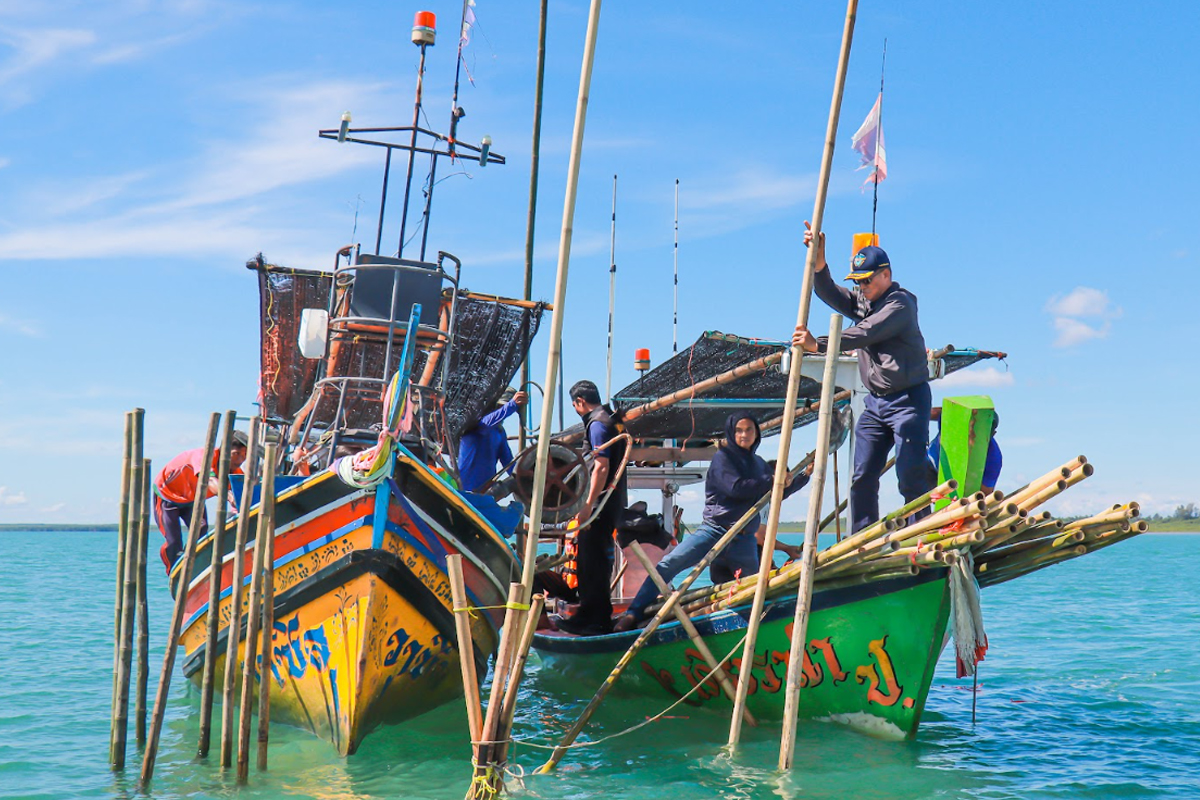
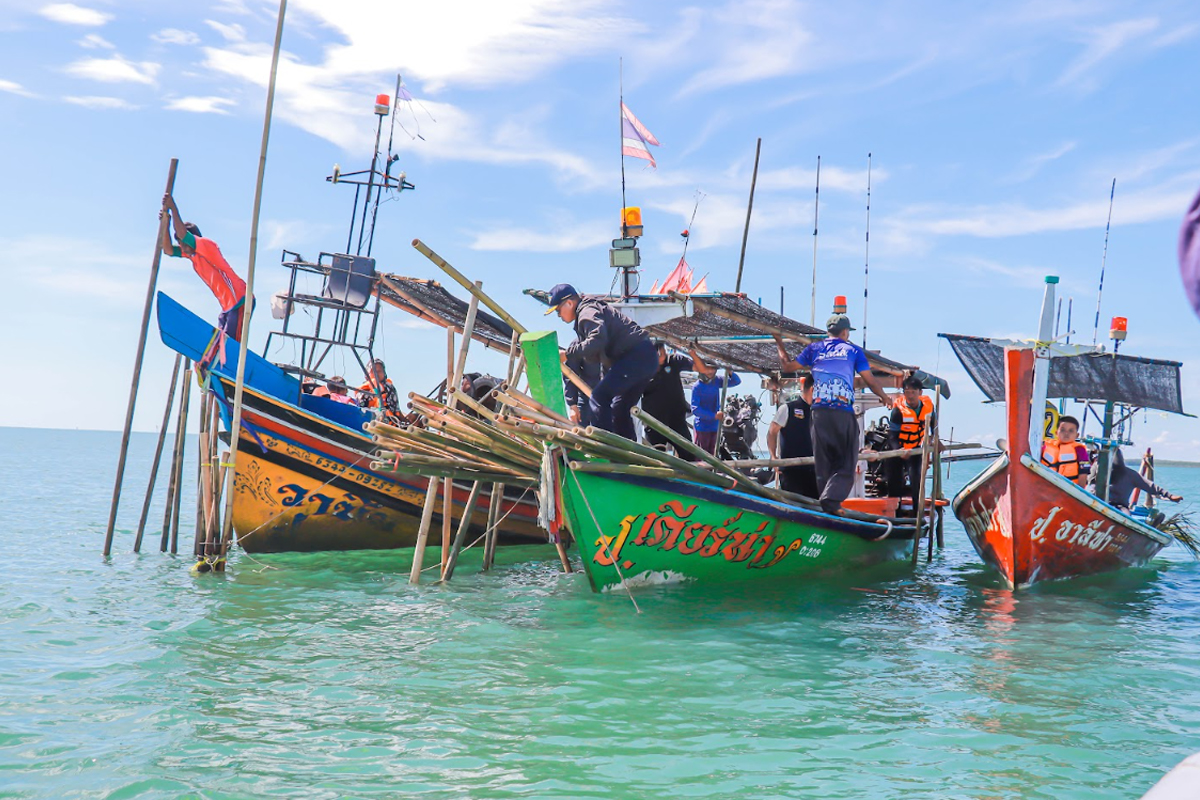
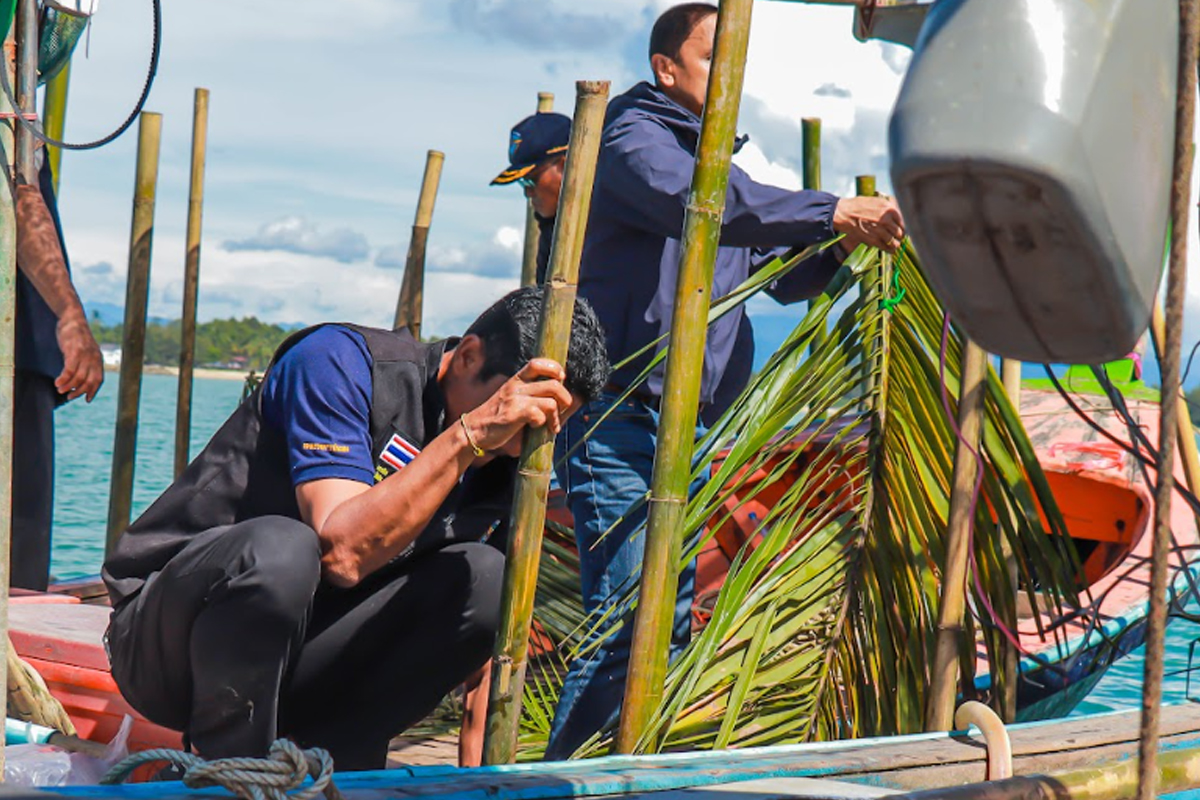
In addition to habitat construction, participants took part in the release of juvenile marine animals to support the replenishment of aquatic populations and the collection of plastic debris from coastal waters to reduce pollution and improve marine environmental conditions. These activities demonstrated the interconnected nature of marine conservation, showing participants that protecting oceans and coastal ecosystems requires action to restore habitats, support aquatic populations, reduce pollution, and promote responsible use of marine resources.
The involvement of different groups in the activities strengthened community participation and shared responsibility for marine conservation. Fishermen and local residents contributed practical knowledge and experience, while researchers and government officers provided scientific and technical information. Students and members of the public gained first-hand experience of marine conservation through direct participation. This collaborative approach helped transform the activities from individual restoration actions into community-based events that promote long-term awareness and stewardship of marine resources.
Through these artificial habitat activities, Walailak University demonstrates how practical conservation events can simultaneously restore marine habitats, support aquatic biodiversity, promote sustainable fisheries, reduce coastal pollution, and raise awareness of responsible marine resource use. By bringing stakeholders together to participate directly in habitat construction and other conservation activities, WU encourages communities to recognise the importance of healthy oceans and coastal ecosystems and to take an active role in protecting marine resources. These efforts contribute to the long-term conservation and sustainable utilisation of oceans, seas, and marine resources while supporting the livelihoods of coastal communities and t
Artificial Fish Habitat Construction and Coastal Conservation Activities at Ban Haad Somboon Blue Swimming Crab Learning Center, Surat Thani
Walailak University organised an Artificial Fish Habitat Construction Project at the Ban Haad Somboon Blue Swimming Crab Learning Center in Surat Thani to promote the conservation and sustainable utilisation of oceans, seas, and marine resources. The activity brought together local residents, local fishermen, teachers and students from Tha Chana School, and other community participants to take part in practical coastal conservation activities. Through direct participation, the event provided an opportunity for participants to learn about the importance of healthy marine ecosystems and contribute to the restoration and sustainable management of local marine resources.
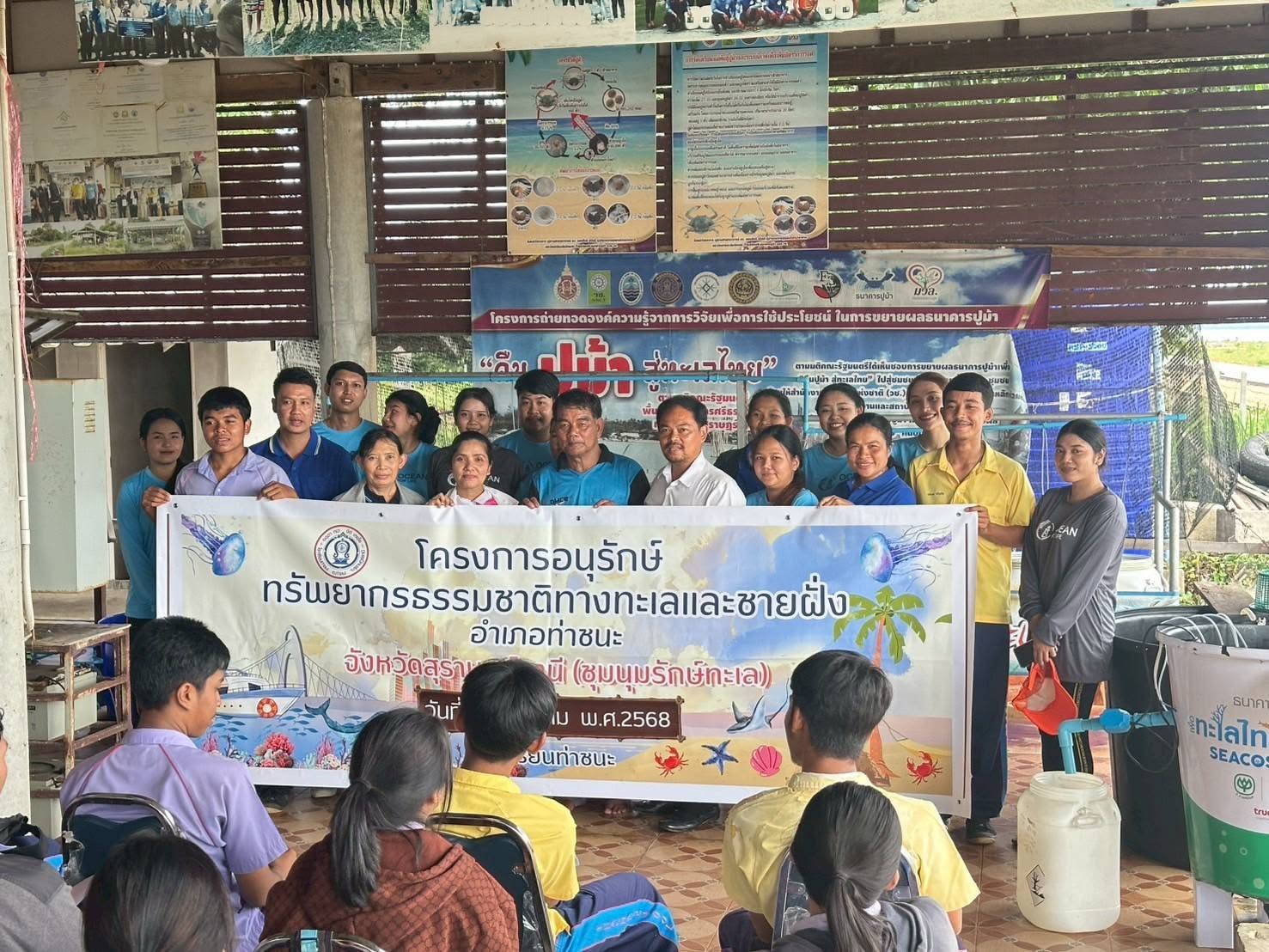
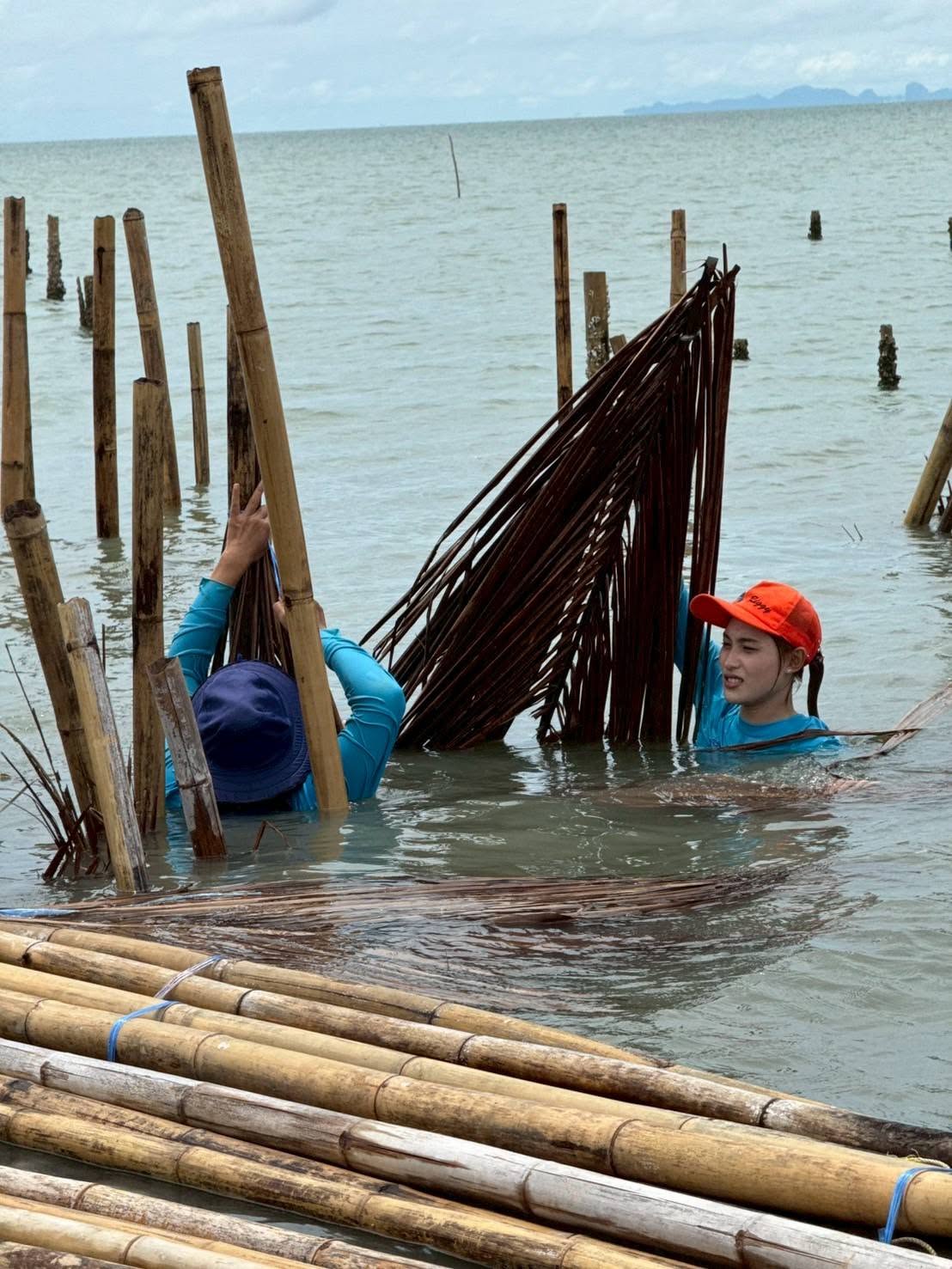
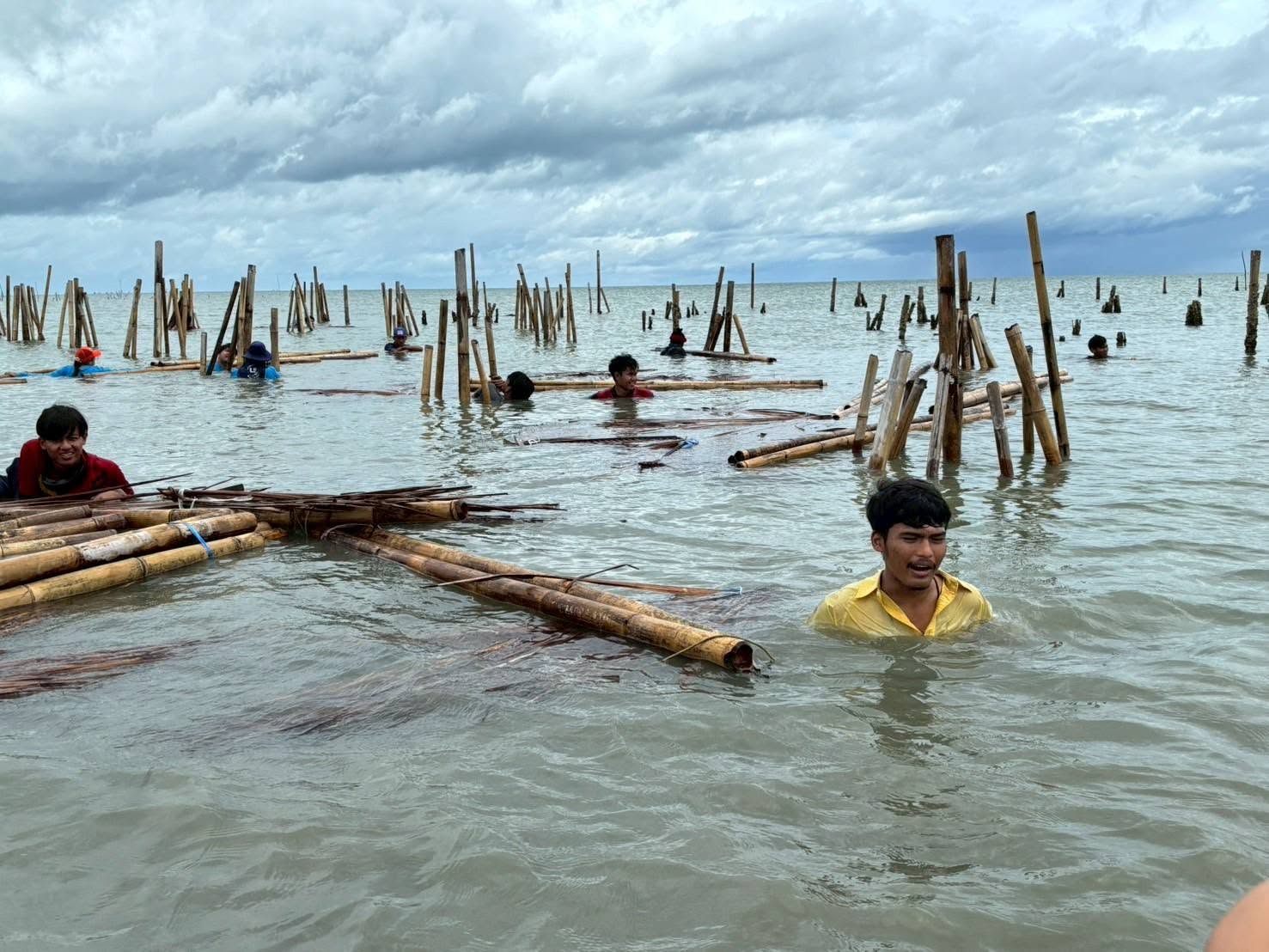
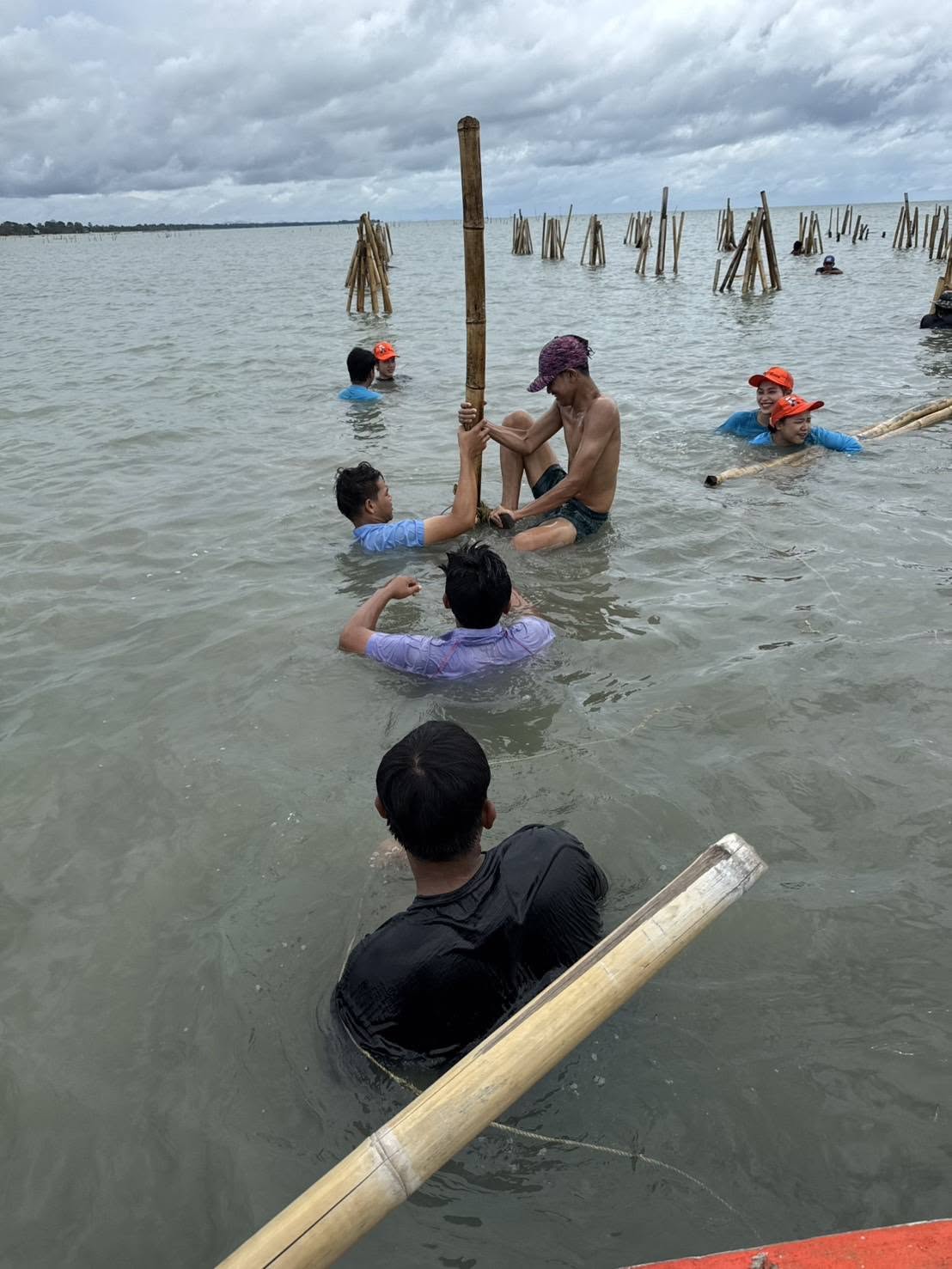
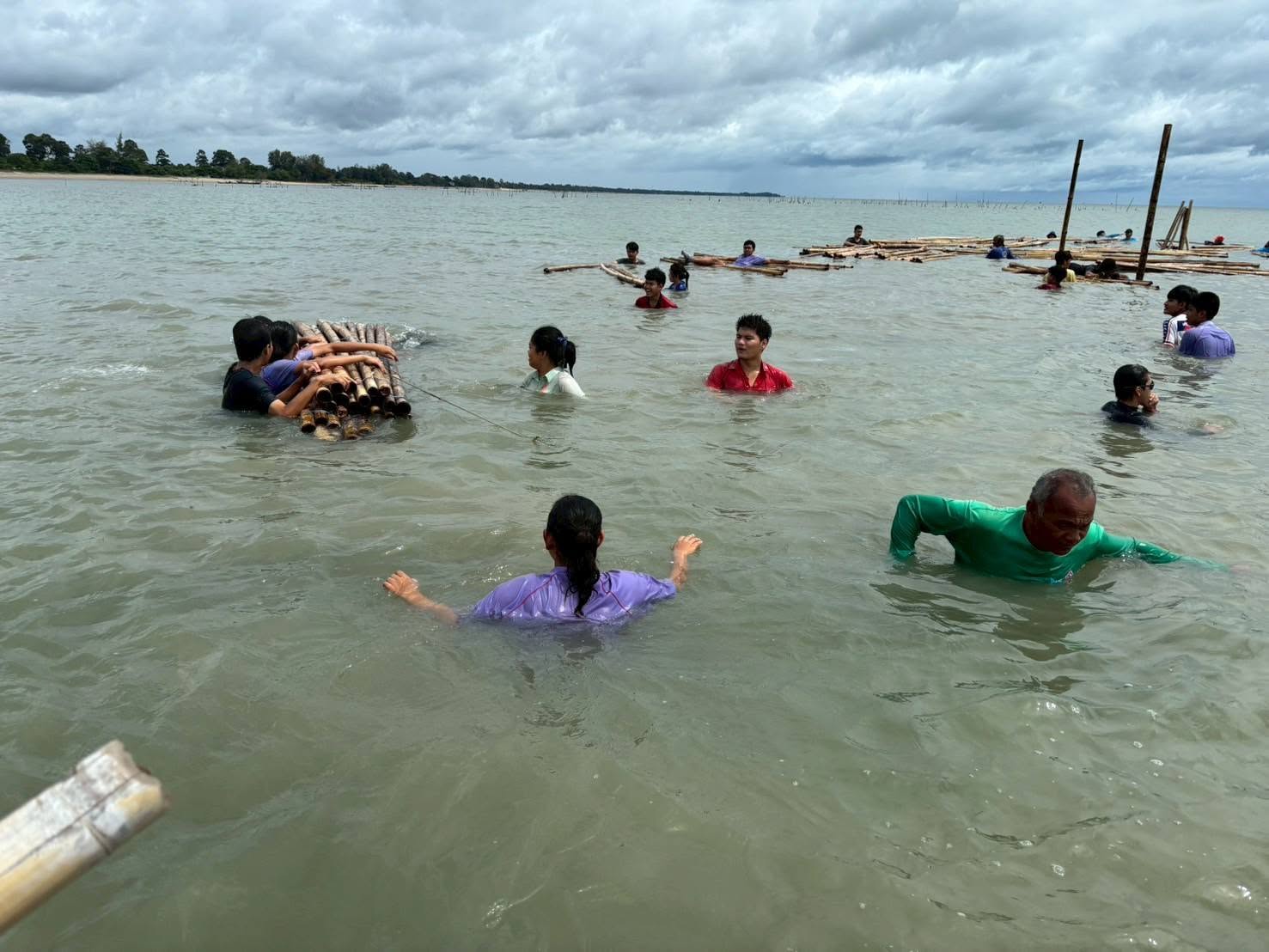
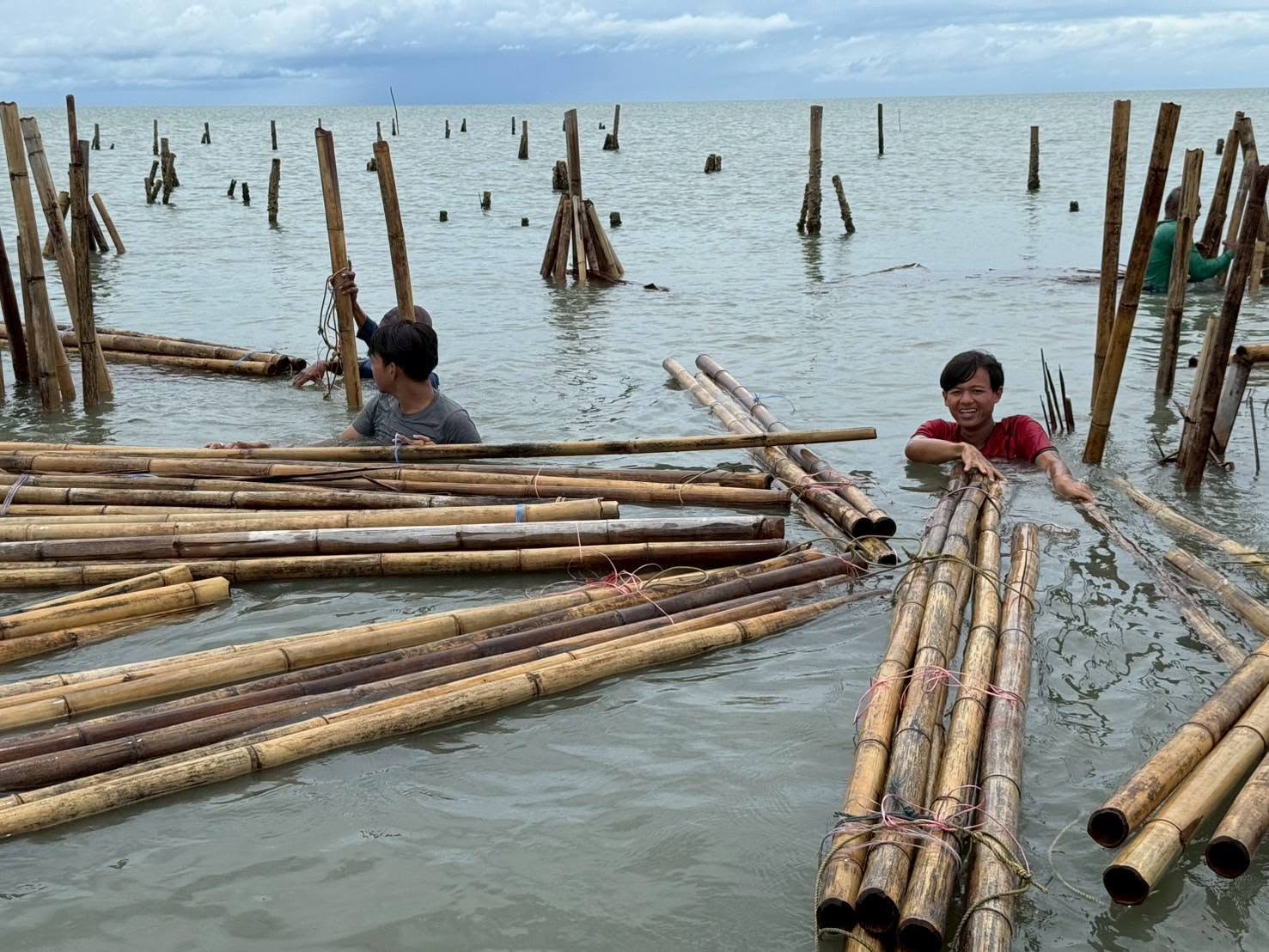
As part of the activity, participants worked together to construct artificial fish habitats that provide additional shelter and suitable areas for aquatic animals to live, grow, and reproduce. The artificial habitats can help increase available refuge areas for marine species, particularly juvenile aquatic animals, and contribute to the restoration of coastal habitats. The hands-on construction activity also allowed local fishermen and community members to share their practical knowledge of local marine environments while learning about approaches to marine habitat conservation and sustainable fisheries management.
The event also included the collection of plastic and other waste from the coastal environment. This activity raised awareness of the impacts of marine pollution on aquatic organisms and coastal ecosystems while encouraging participants to take responsibility for maintaining clean and healthy marine habitats. Removing waste from coastal areas helps reduce potential threats to marine animals and demonstrates that sustainable utilisation of marine resources must be accompanied by efforts to protect the environmental conditions that support those resources.
Another important activity was the release of juvenile blue swimming crabs into the marine environment as part of the coastal nature conservation initiative. The activity aimed to support the replenishment of local blue swimming crab populations and raise awareness of the importance of protecting aquatic species during their early life stages. Participants learned that maintaining healthy nursery habitats and allowing juvenile marine animals to grow and reproduce are important elements of sustainable fisheries and long-term resource conservation.
The participation of local fishermen and community members was particularly important because their livelihoods are closely connected to marine resources. By involving resource users directly in habitat construction, waste collection, and the release of juvenile blue swimming crabs, the event encouraged a sense of shared responsibility for protecting the marine environment. At the same time, the participation of teachers and students provided an opportunity to introduce younger generations to practical marine conservation and encourage them to understand the relationship between biodiversity, healthy coastal ecosystems, and sustainable resource use.
Through the Artificial Fish Habitat Construction Project, Walailak University combined practical habitat restoration, marine pollution reduction, aquatic population conservation, and environmental education within a single community-based event. The activities encouraged participants to actively contribute to the protection of coastal ecosystems while gaining knowledge about responsible and sustainable use of marine resources. By working together with local communities, fishermen, schools, and other stakeholders, WU supports continued awareness and community participation in marine conservation and contributes to the long-term sustainability of oceans, coastal ecosystems, and local fisheries.
Artificial Fish Habitat Construction and Mangrove Restoration in Ban Pak Phaya Community
Walailak University, in collaboration with the Thai Rak Pa Foundation, the Department of Marine and Coastal Resources, local fishermen in Ban Pak Phaya Community, and local residents, organised an Artificial Fish Habitat Construction activity to promote the conservation and sustainable utilisation of coastal and marine resources. The community-based event brought together university personnel, conservation organisations, local fishermen, and community members to participate directly in activities aimed at restoring marine and coastal ecosystems and strengthening awareness of responsible resource use.
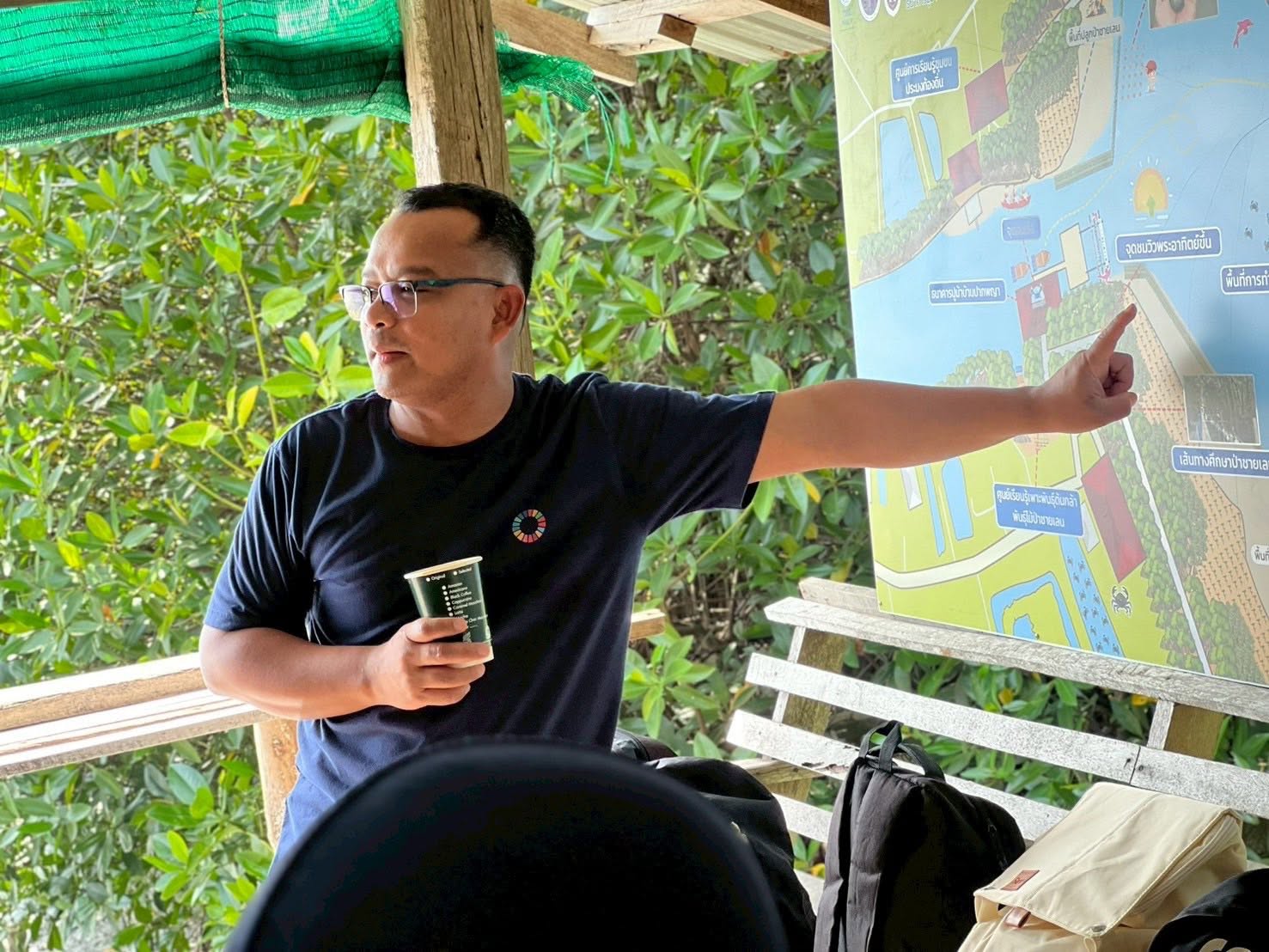
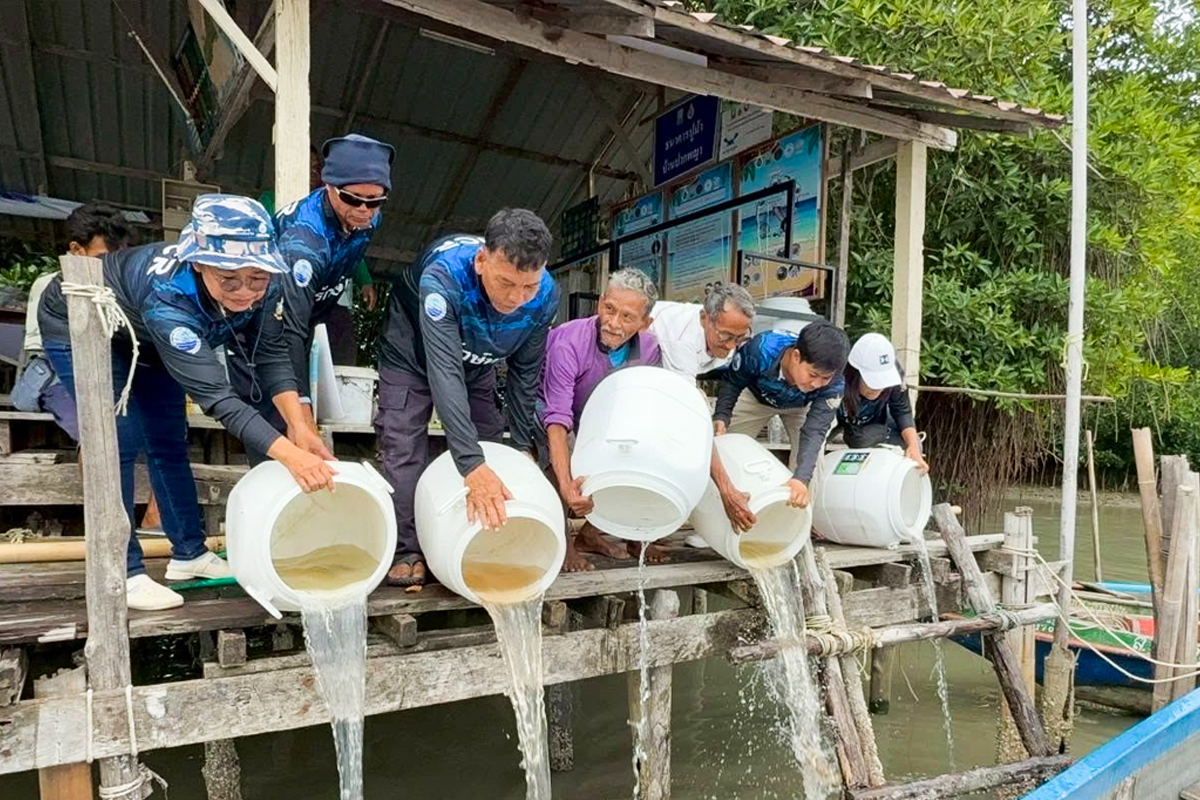
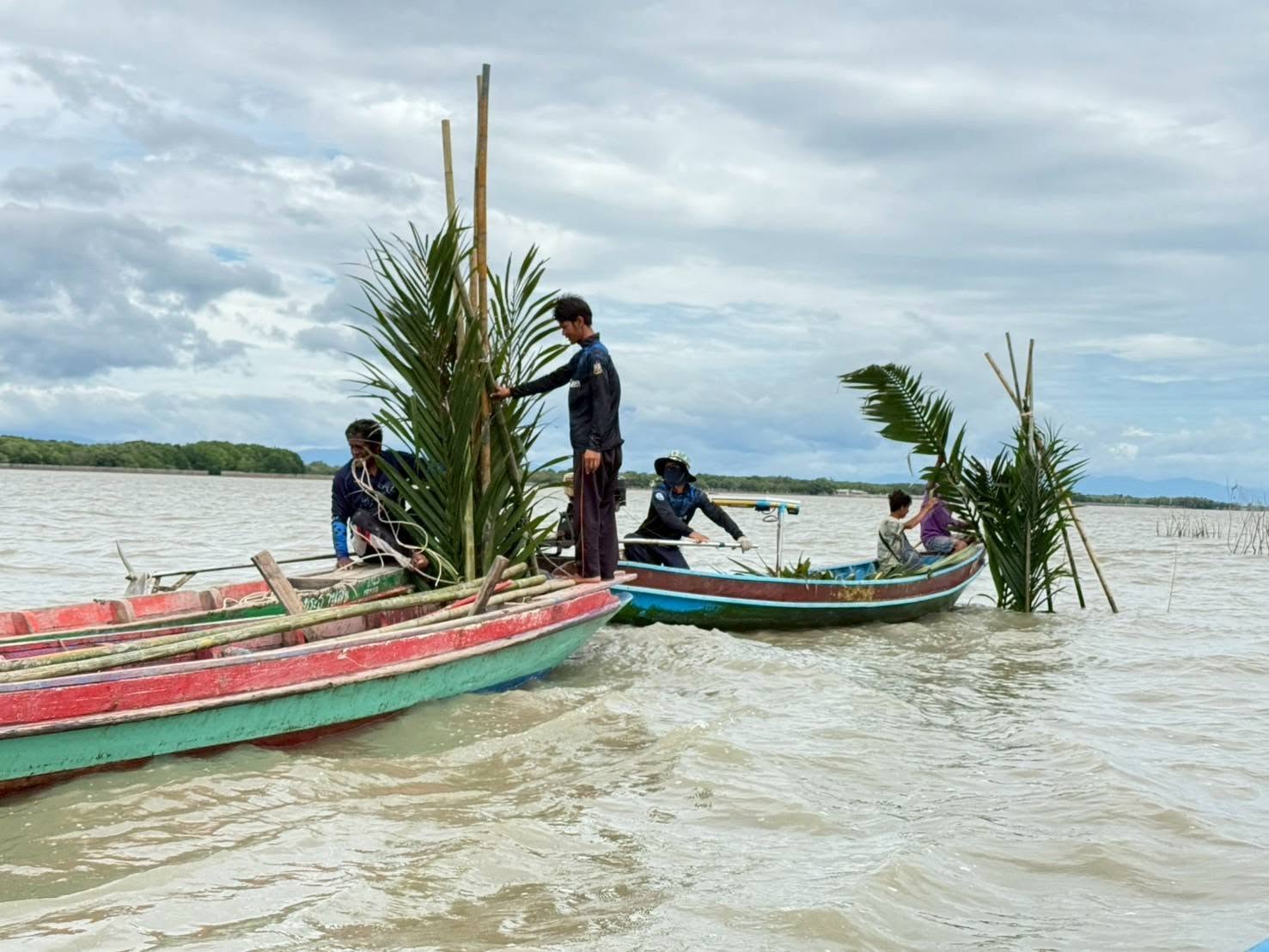
A key activity was the construction of artificial fish habitats to provide additional shelter and suitable areas for aquatic animals to live, grow, and reproduce. The habitats can support the recovery of aquatic populations and contribute to the restoration of coastal biodiversity. Local fishermen played an important role in the activity by contributing their knowledge and experience of the local marine environment, while WU and its partners supported the conservation activity with knowledge and practical approaches to sustainable marine resource management. Through direct participation, community members gained a better understanding of the importance of maintaining healthy habitats for the long-term sustainability of local fisheries.
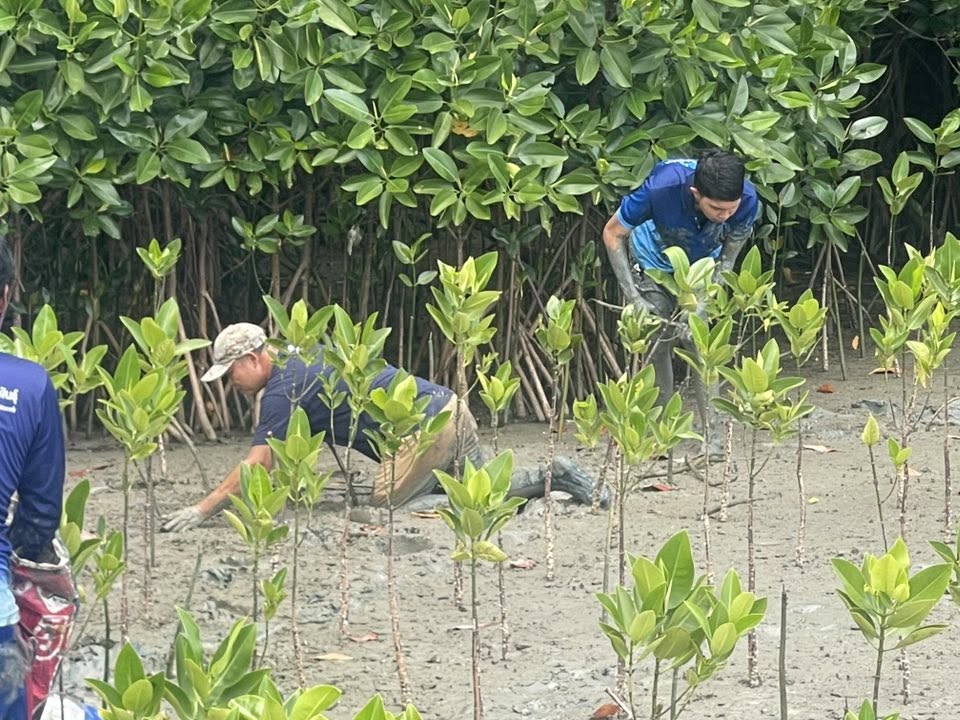
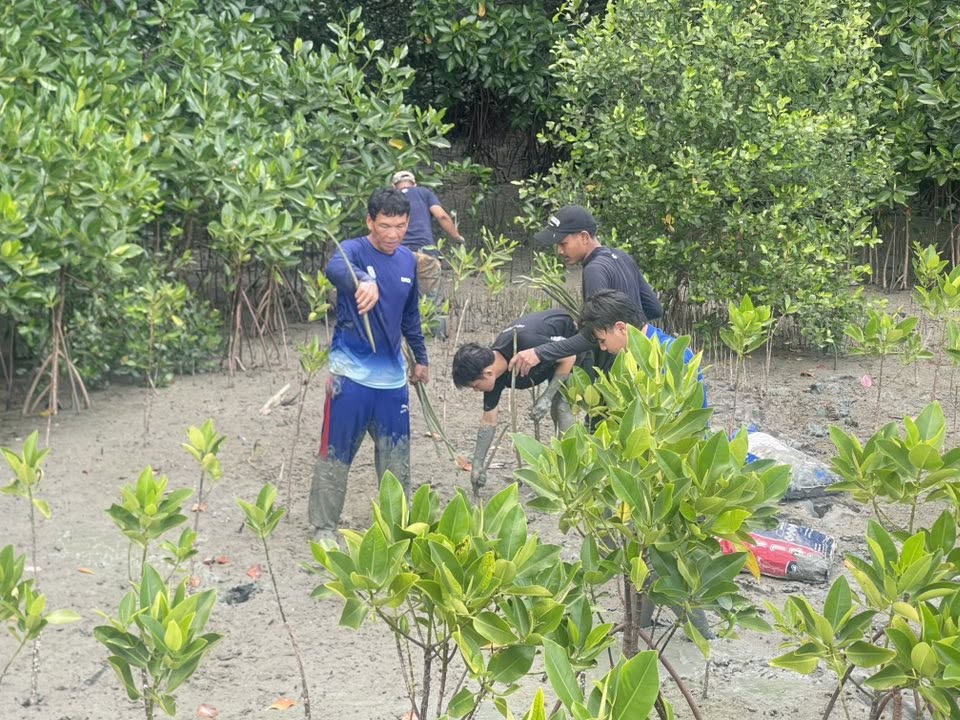
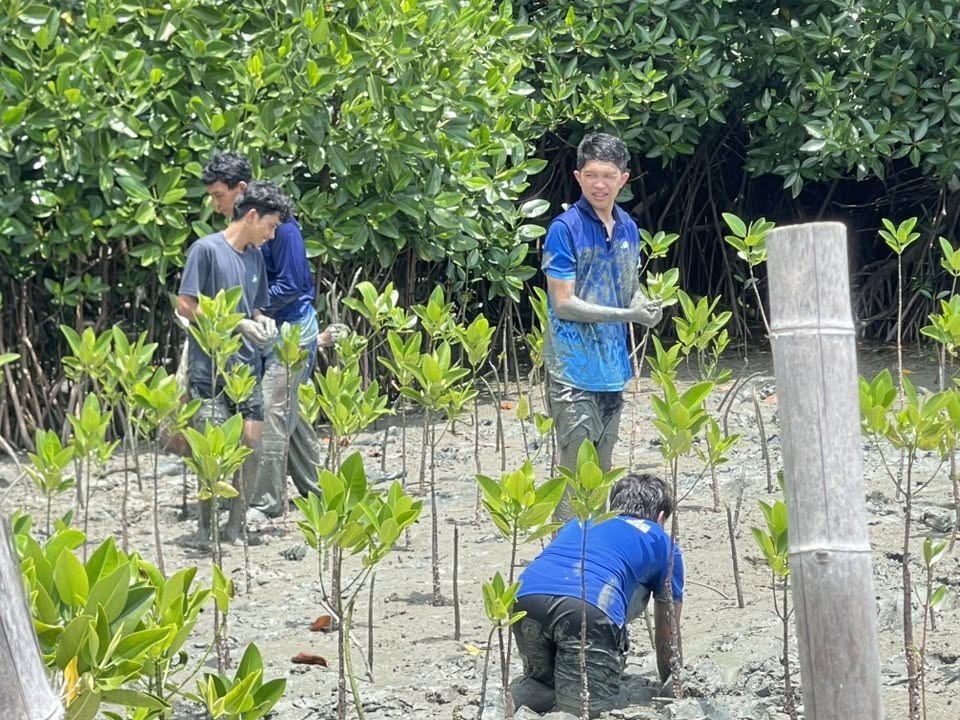
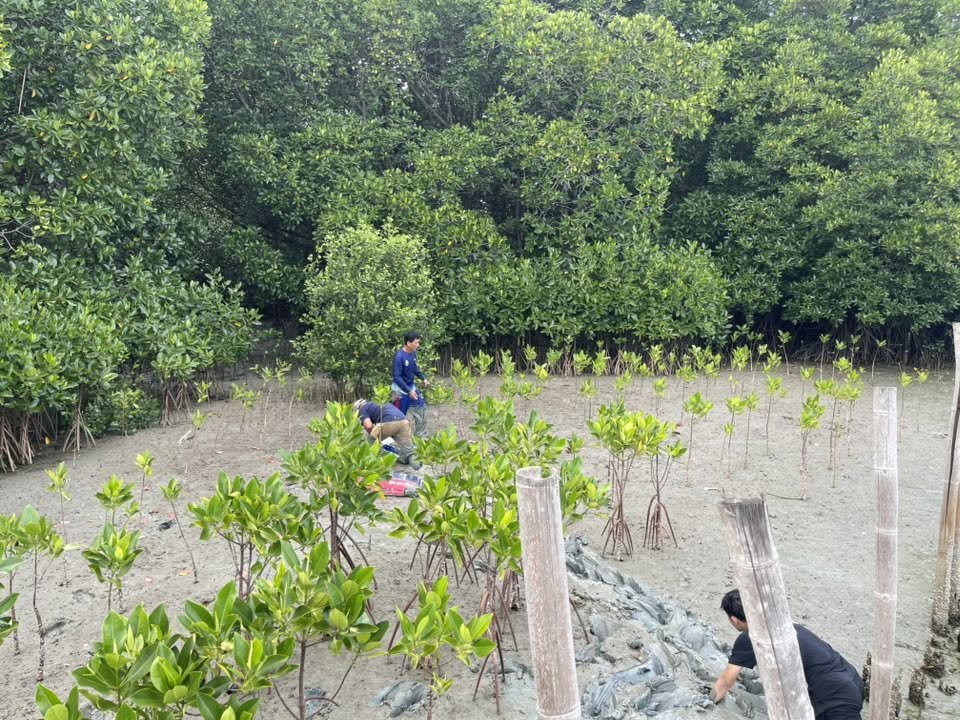
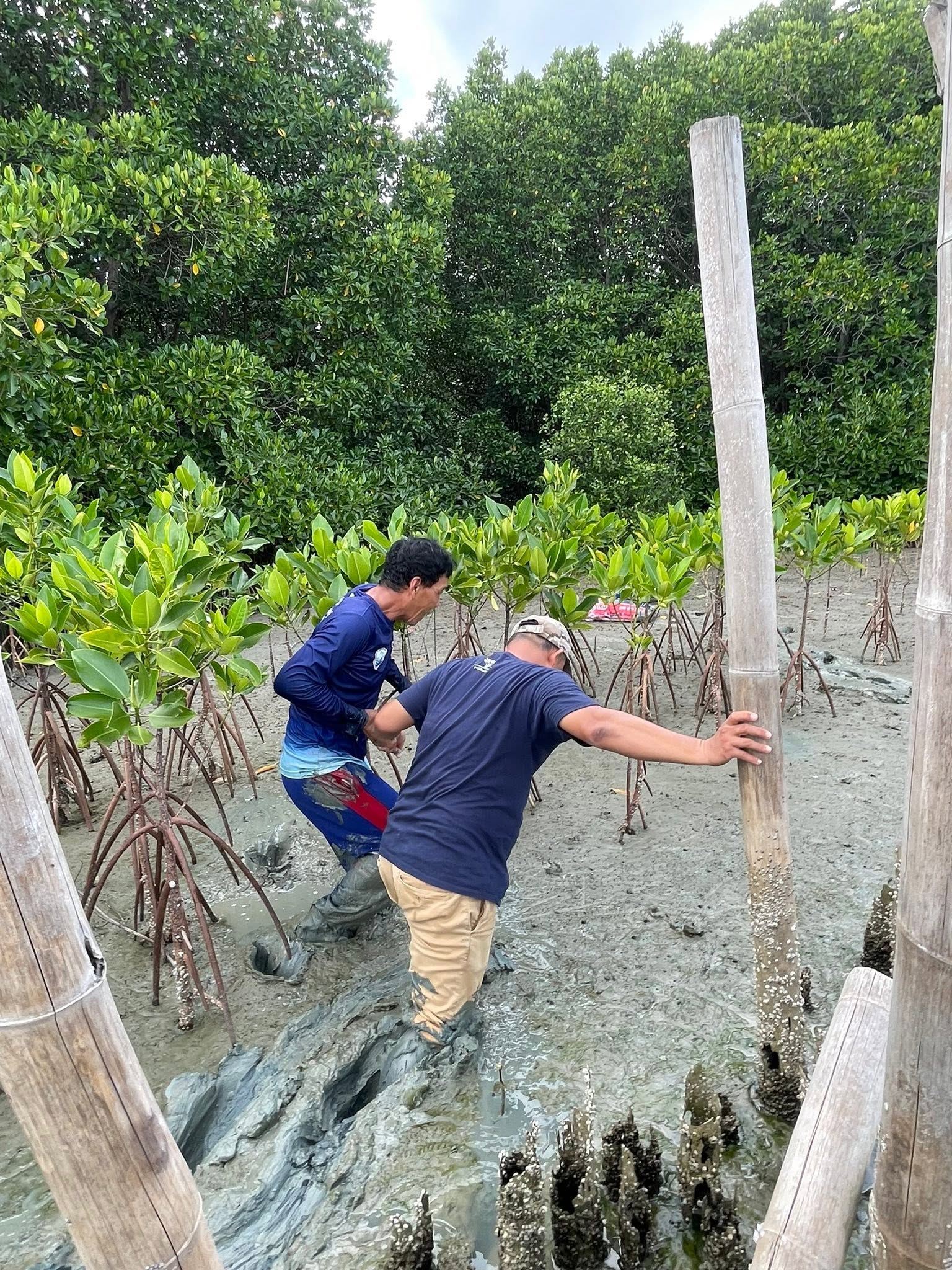
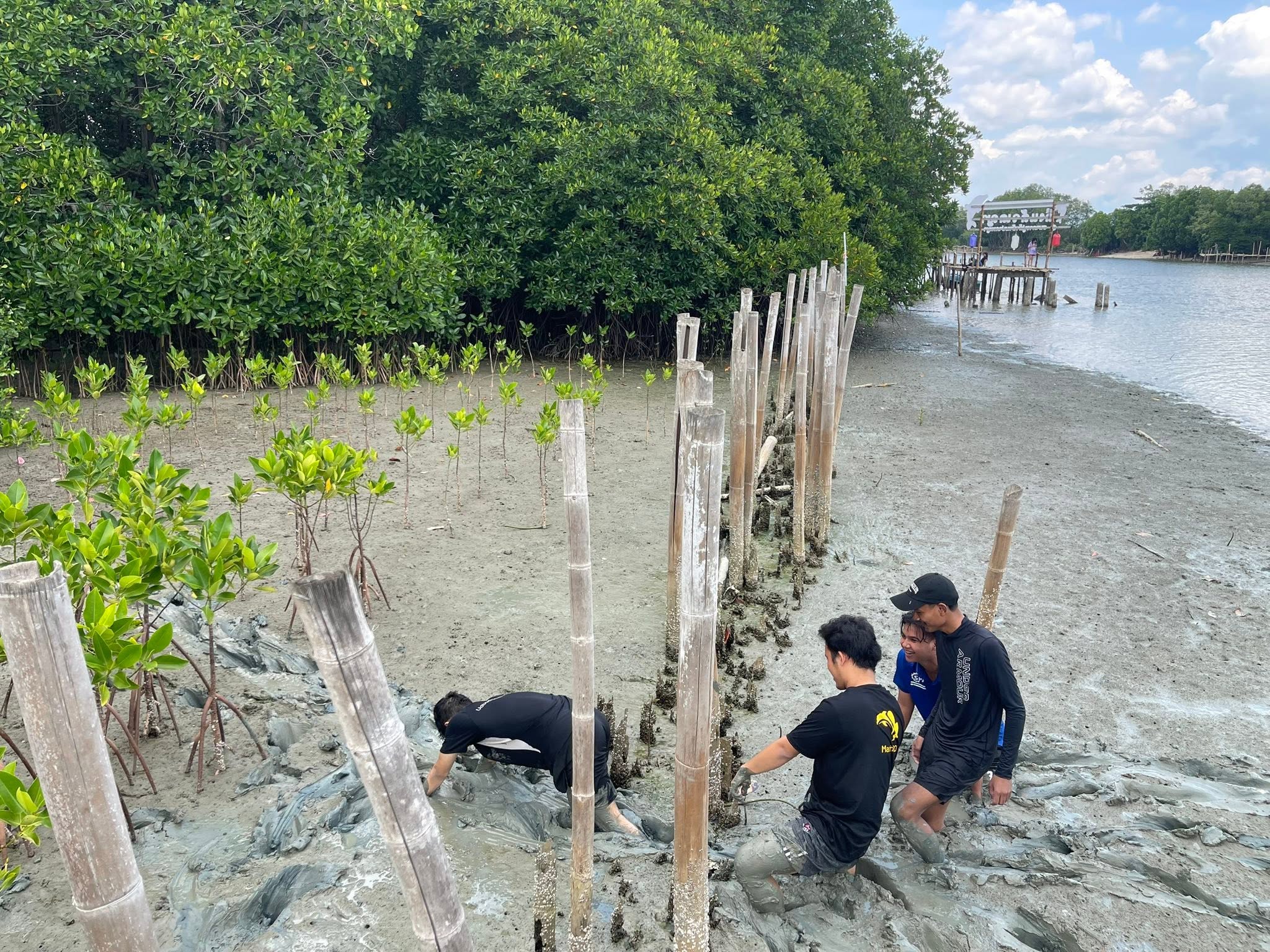
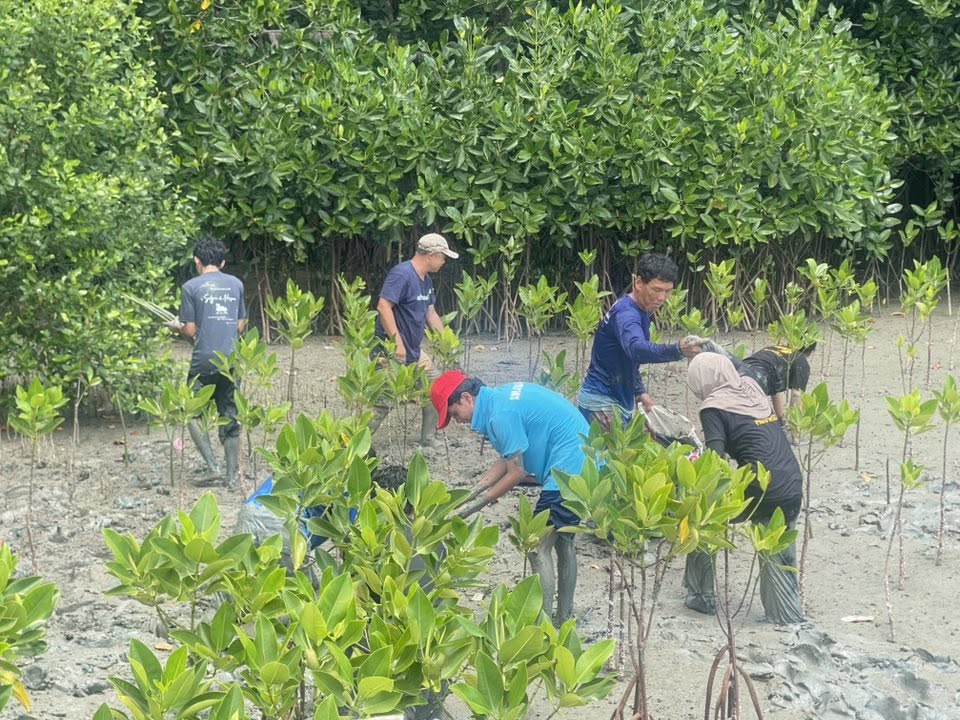
The activity also included mangrove planting to restore and strengthen coastal ecosystems. Mangrove forests provide important nursery and feeding habitats for fish, crabs, shellfish, and other marine organisms, while also helping protect coastal areas from erosion and supporting biodiversity. Participants were able to contribute directly to the restoration of mangrove vegetation and learn about its role in maintaining productive and resilient coastal ecosystems. The activity therefore connected artificial habitat construction with the wider conservation of interconnected marine and coastal habitats.
In addition, participants took part in clam and shell collection activities, providing an opportunity to learn about local aquatic resources and the importance of using them responsibly. The activity encouraged participants to recognise the ecological and economic value of coastal organisms and the need to maintain healthy habitats that allow marine resources to reproduce and replenish naturally. By involving local fishermen and residents, the event also supported the sharing of local ecological knowledge and encouraged community participation in the sustainable management of coastal resources.
The combination of artificial habitat construction, mangrove restoration, and clam and shell-related activities demonstrated an integrated approach to marine conservation. Rather than focusing on a single species or habitat, the event highlighted the connections between marine biodiversity, mangrove ecosystems, aquatic habitats, fisheries, and local livelihoods. Participants were encouraged to understand that sustainable utilisation of marine resources depends on protecting the ecosystems that support them and ensuring that natural resources remain productive for future generations.
Through collaboration among Walailak University, the Thai Rak Pa Foundation, local fishermen, and the Ban Pak Phaya community, the activity strengthened community involvement in coastal conservation and promoted shared responsibility for marine resources. The event provided practical learning opportunities while encouraging local stakeholders to participate in habitat restoration, biodiversity conservation, and responsible resource use. These efforts contribute to the long-term conservation and sustainable utilisation of coastal and marine resources and support the resilience of local communities that depend on healthy marine ecosystems.
Marine Debris Management, Waste Separation, and Recycling for Coastal Conservation
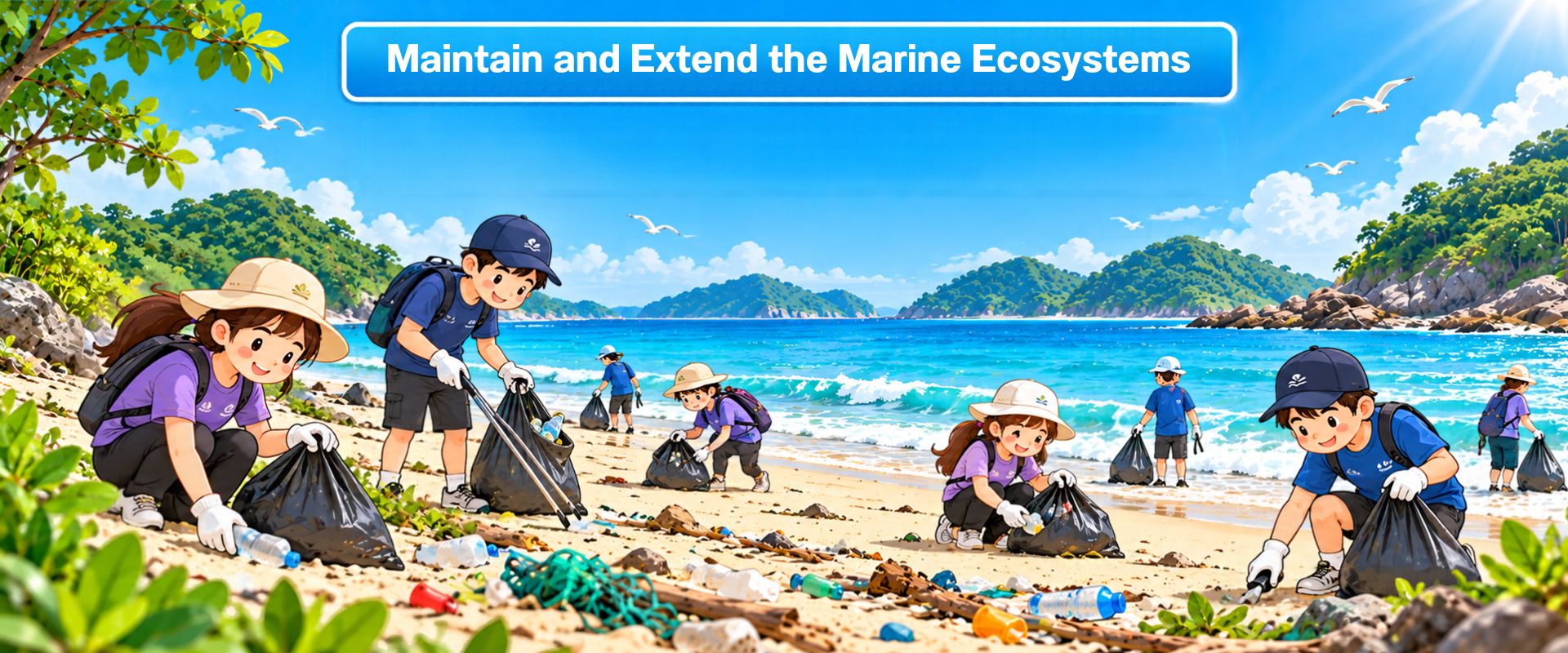
Walailak University organised a community-based marine conservation event at the Ban Nai Thung Blue Swimming Crab Bank Center to promote the conservation and sustainable utilisation of oceans, seas, and marine resources. The activity brought together more than 100 participants, including school students, university students, local residents, and members of the public, who took part in practical coastal conservation and educational activities. A major focus of the event was marine debris management, including beach cleaning, marine waste collection, waste separation, recycling, and awareness raising on how responsible waste management can help protect marine ecosystems and aquatic resources.
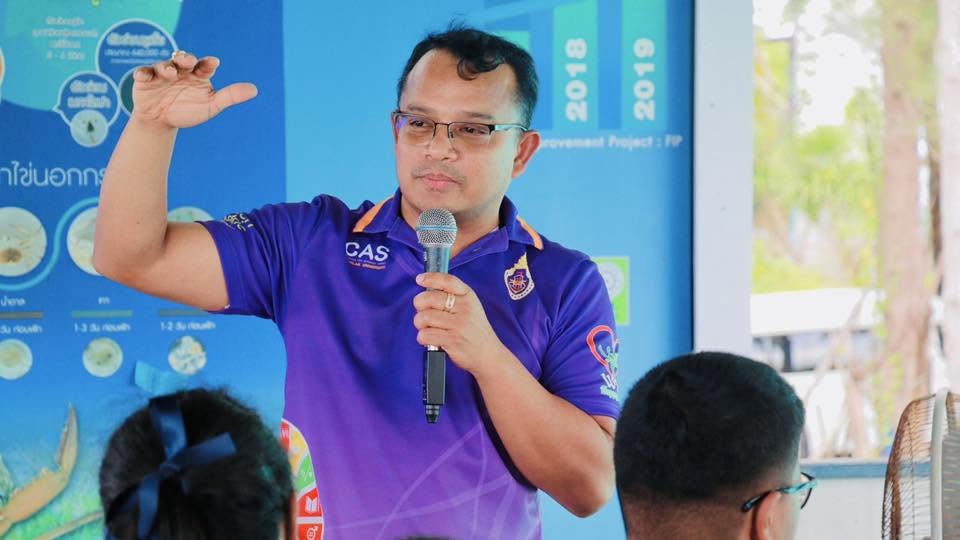
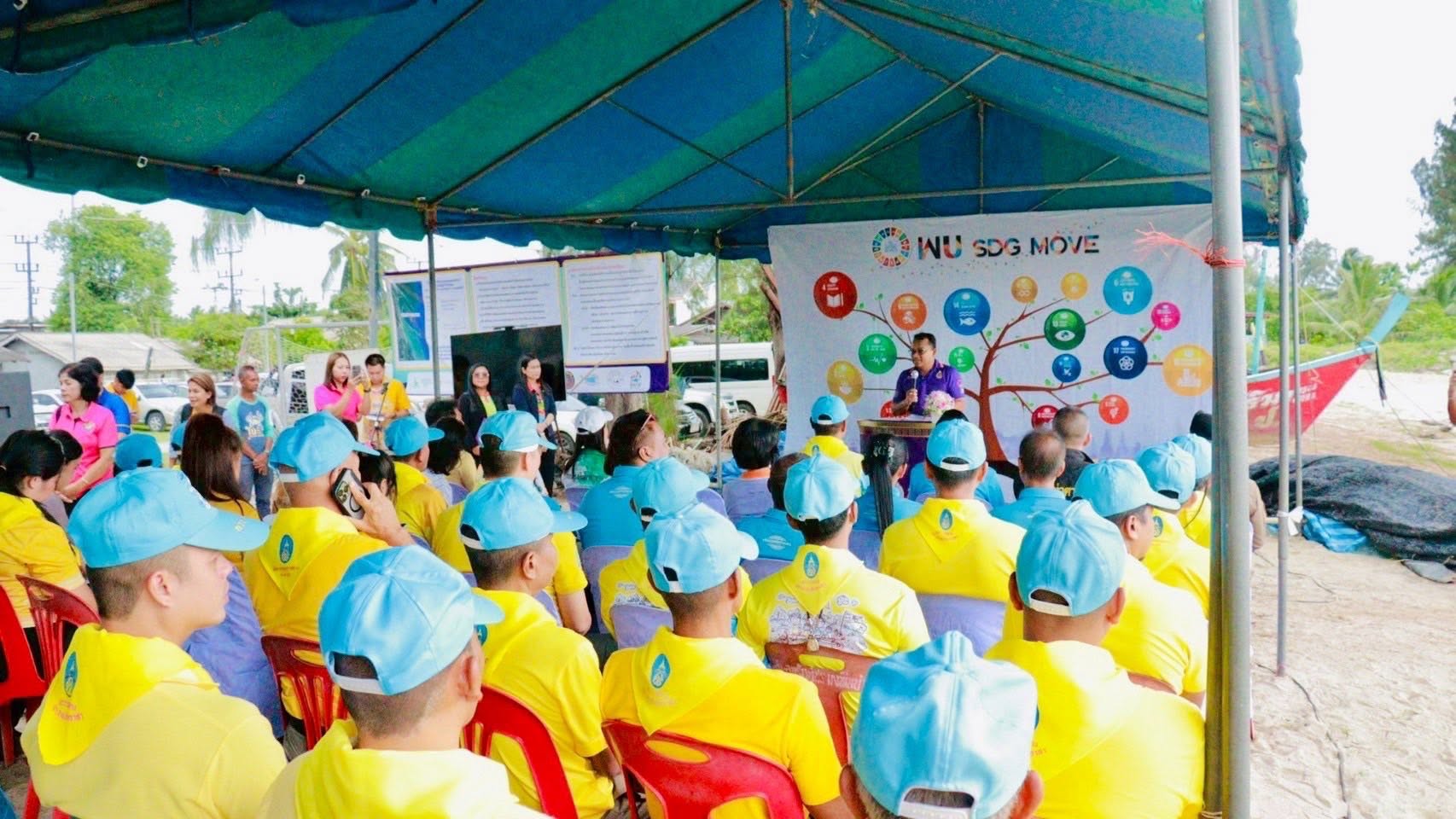
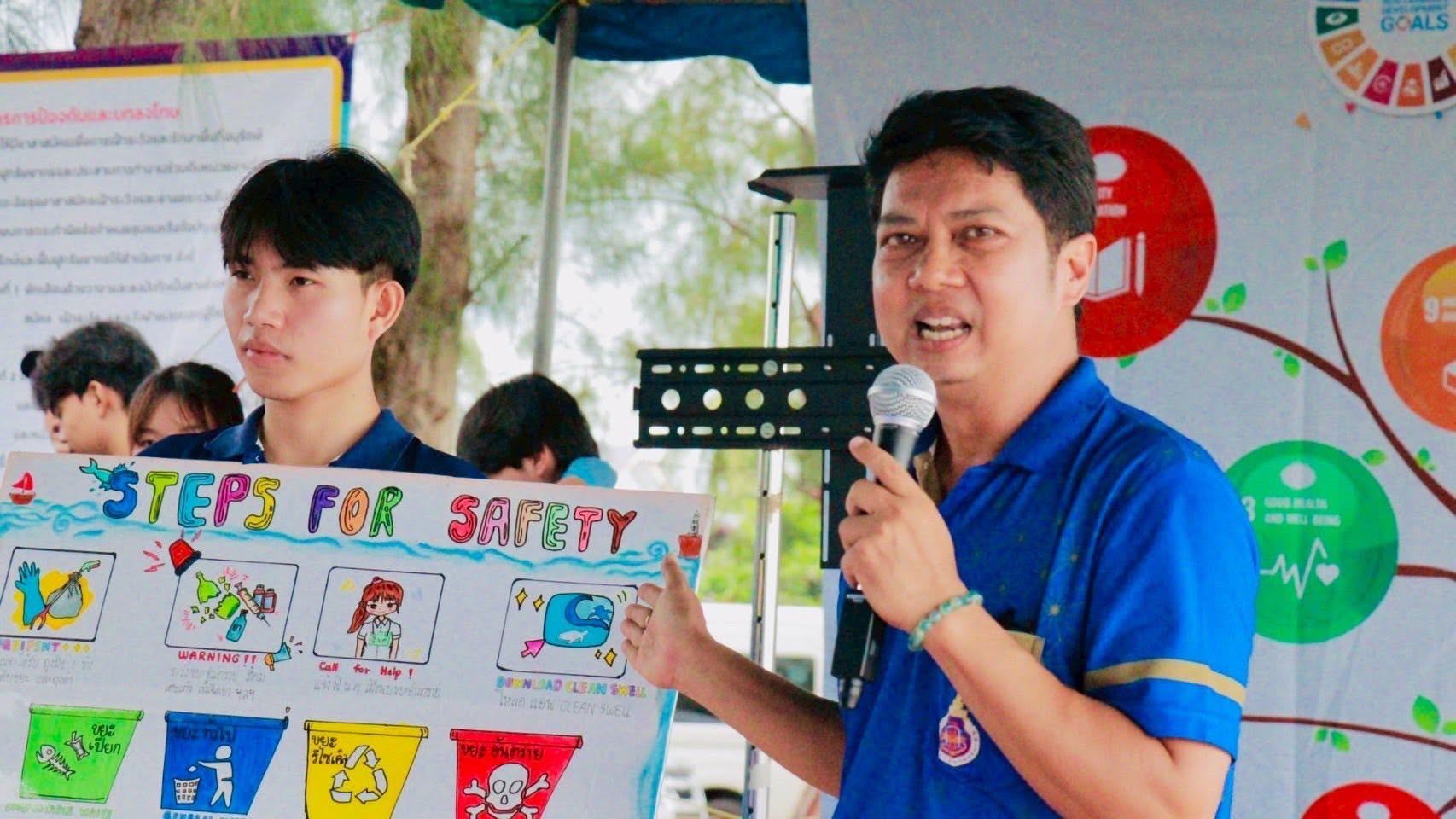
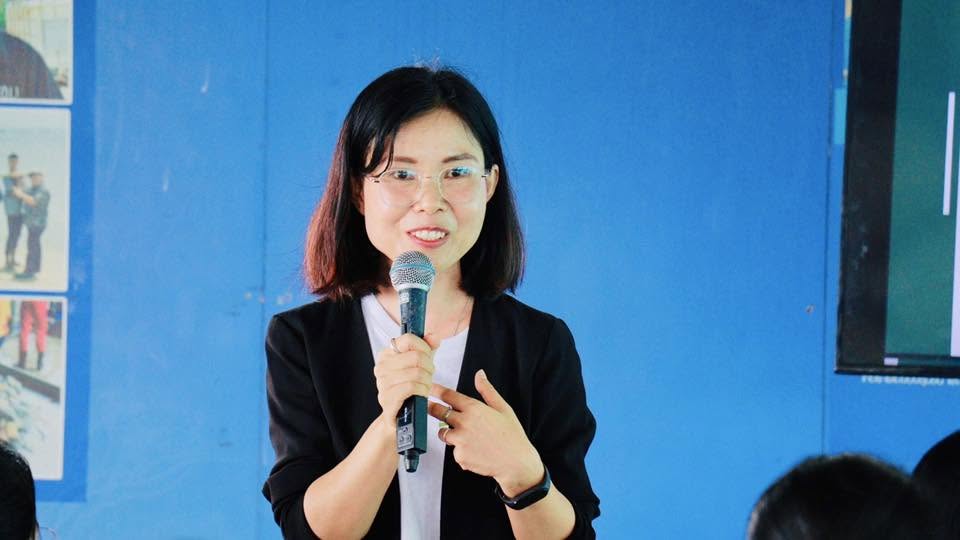
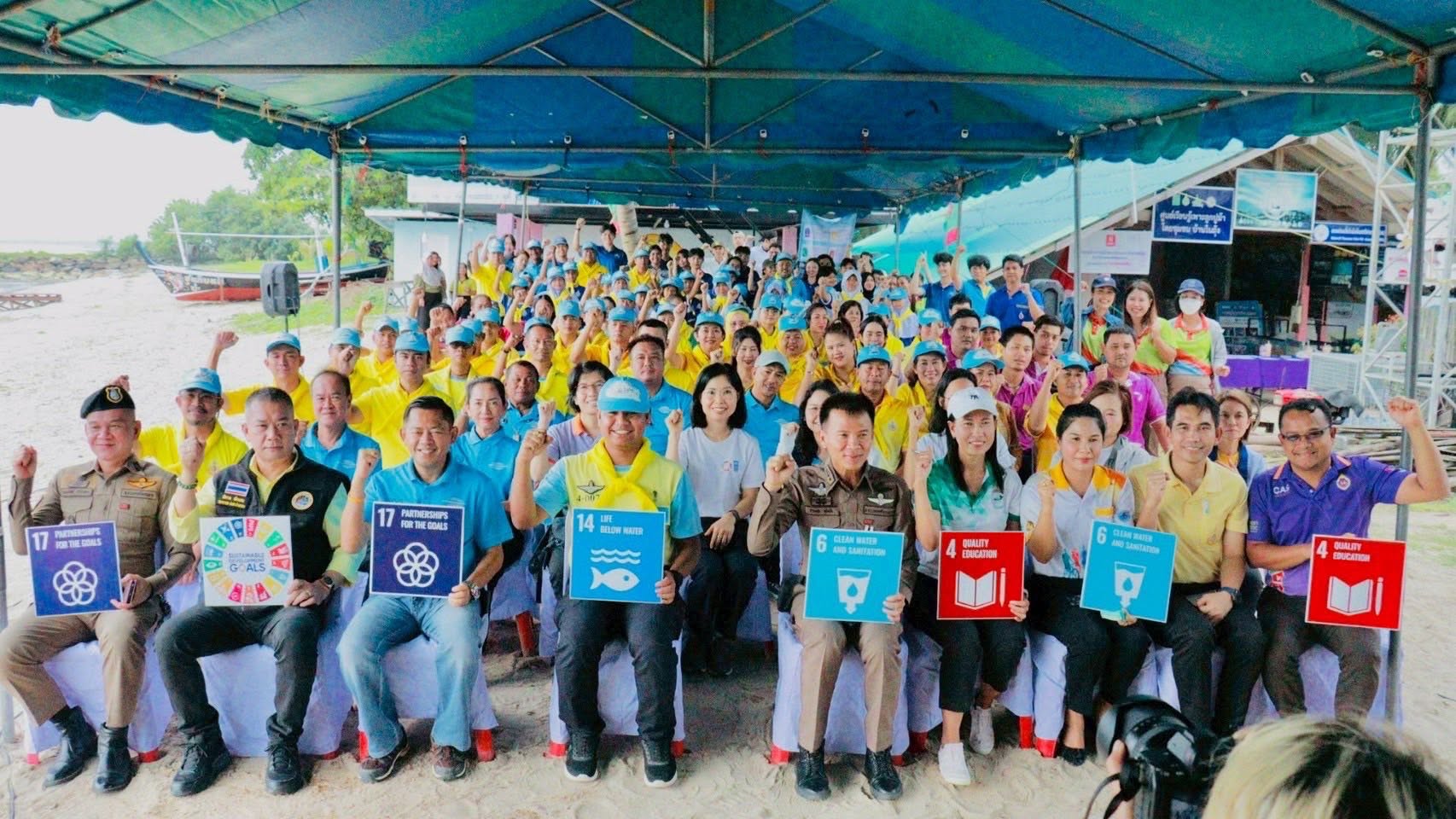
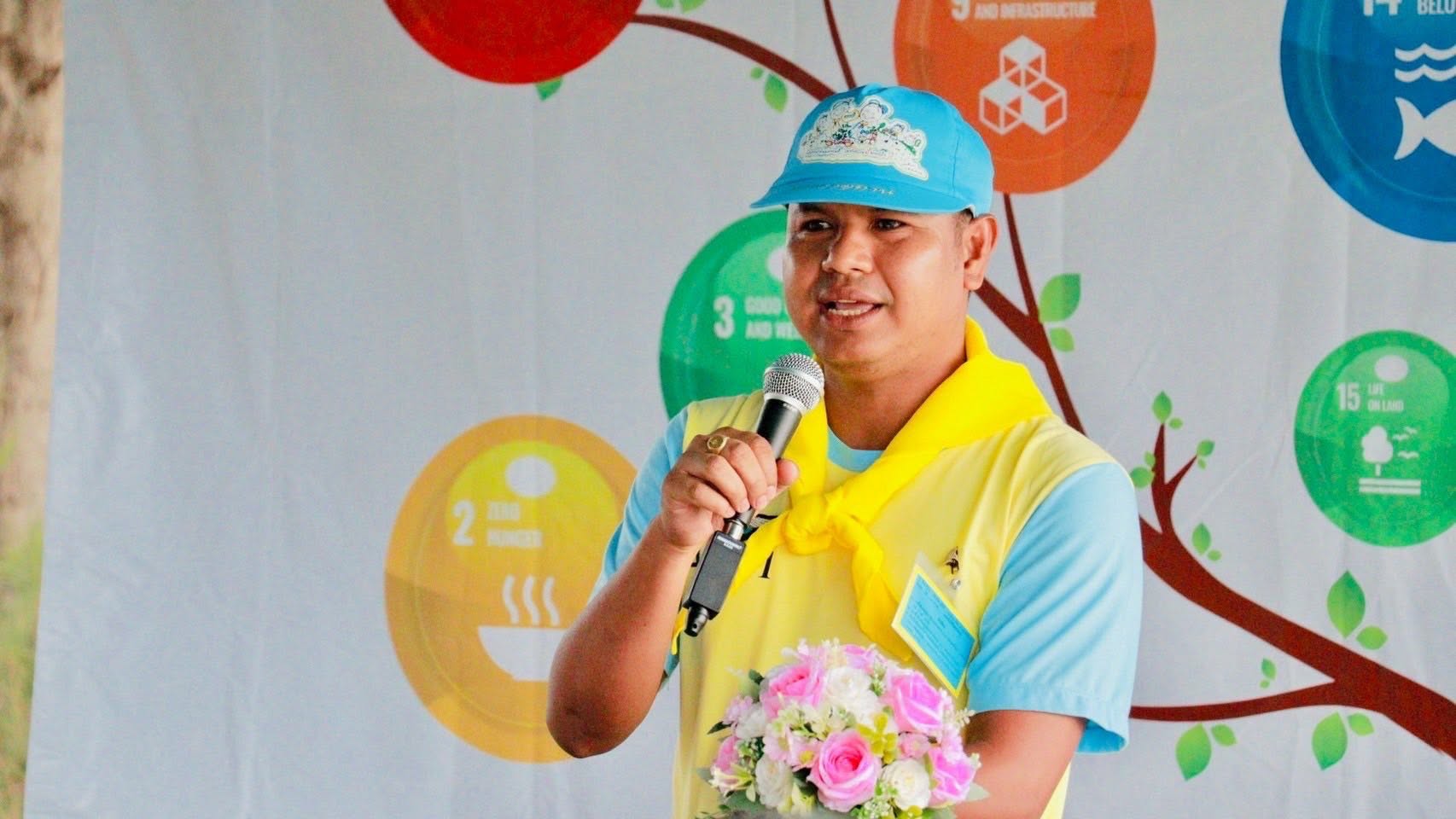
Participants took part in collecting waste and marine debris from the coastal area surrounding the Blue Swimming Crab Bank Center. The activity provided direct experience of the types of waste that can accumulate along coastal areas and demonstrated how improperly managed waste can eventually enter the sea. Participants were encouraged to understand that preventing waste at its source and removing existing debris are important parts of protecting marine habitats and maintaining healthy coastal ecosystems. The beach-cleaning activity therefore served not only as a practical conservation action but also as an opportunity to build greater awareness of shared responsibility for the marine environment.
An important component of the event was education on marine waste separation and recycling. Participants learned how to separate collected waste according to its characteristics and potential for reuse or recycling. Recyclable materials were identified and separated from general waste and other materials requiring appropriate disposal. Through this process, participants gained practical knowledge of how waste can be managed after collection and how recycling can reduce the amount of material that may otherwise be transported into rivers, coastal areas, and the ocean. The activity promoted the principles of reducing waste, reusing materials where possible, and recovering recyclable materials as part of more sustainable coastal resource management.
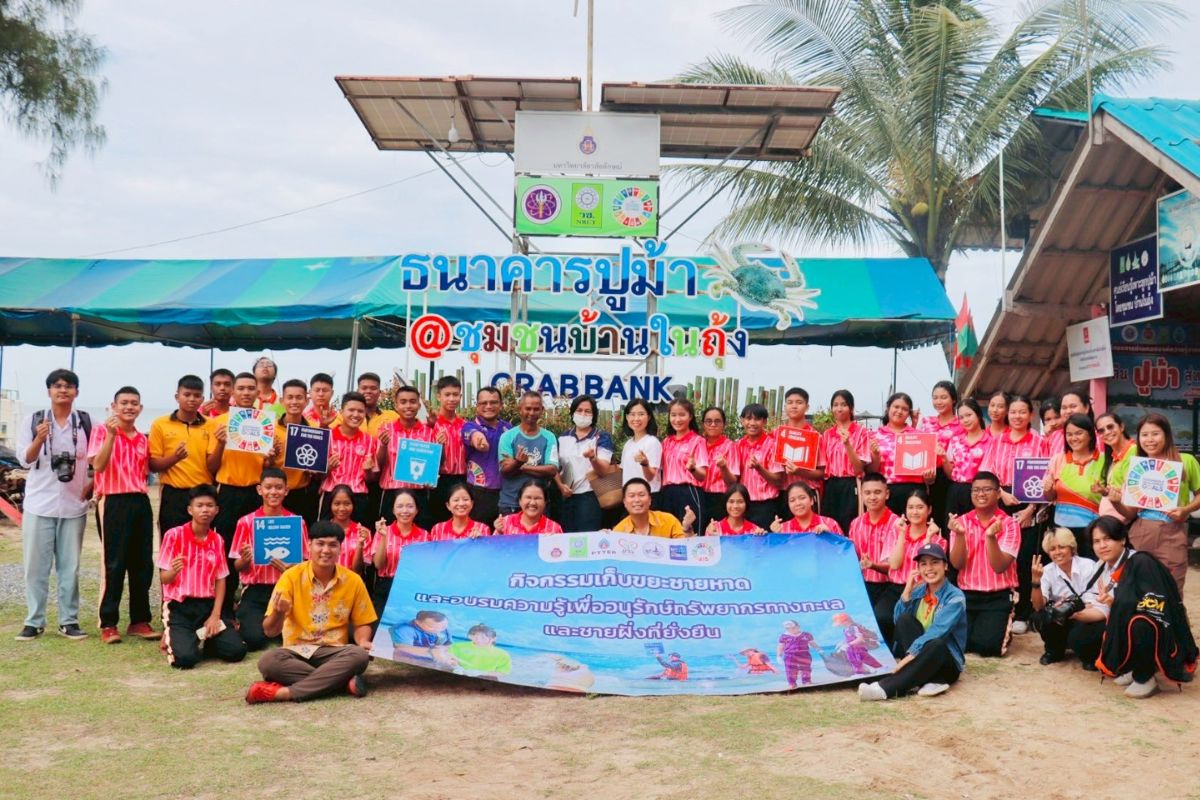
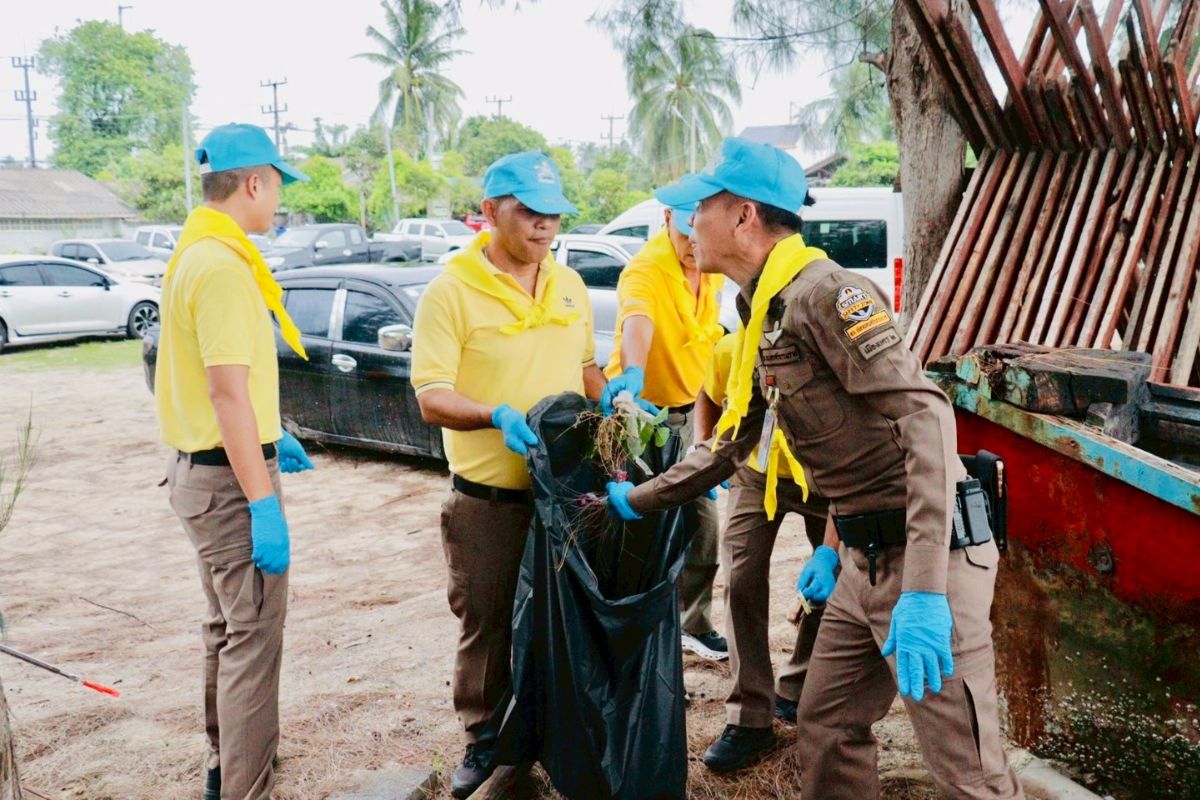
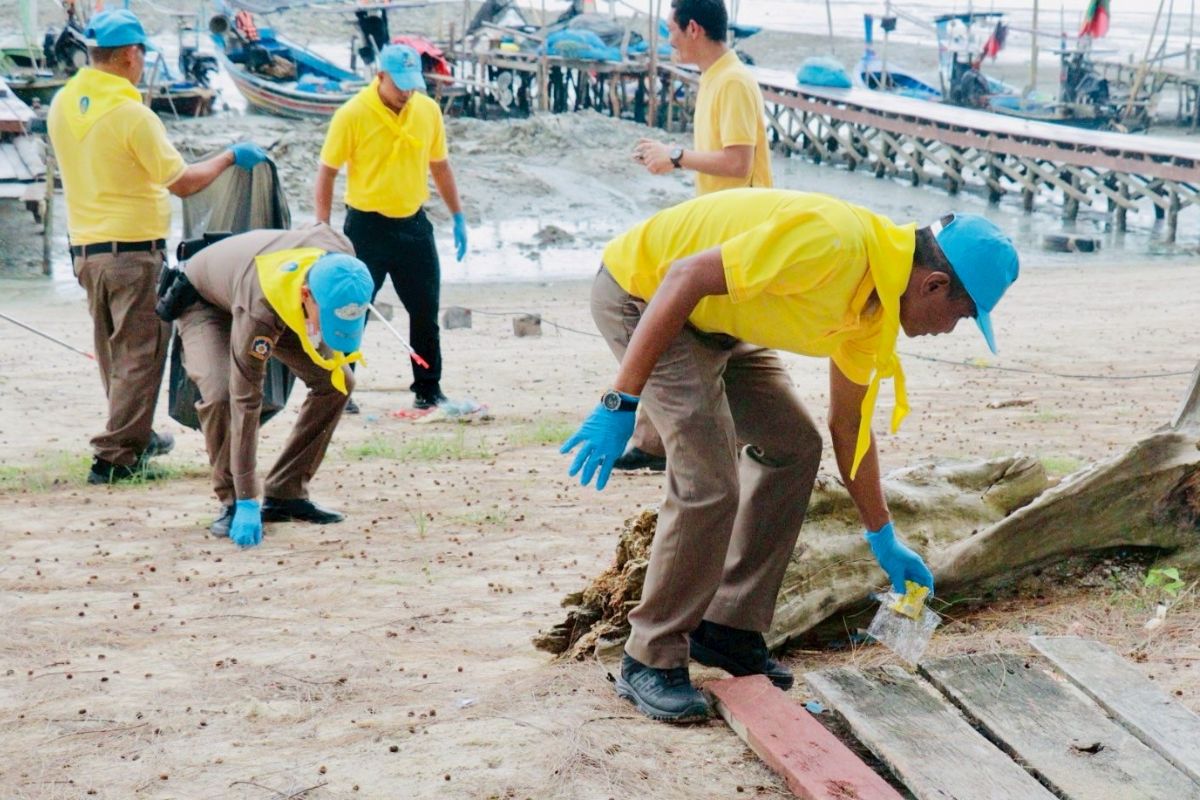
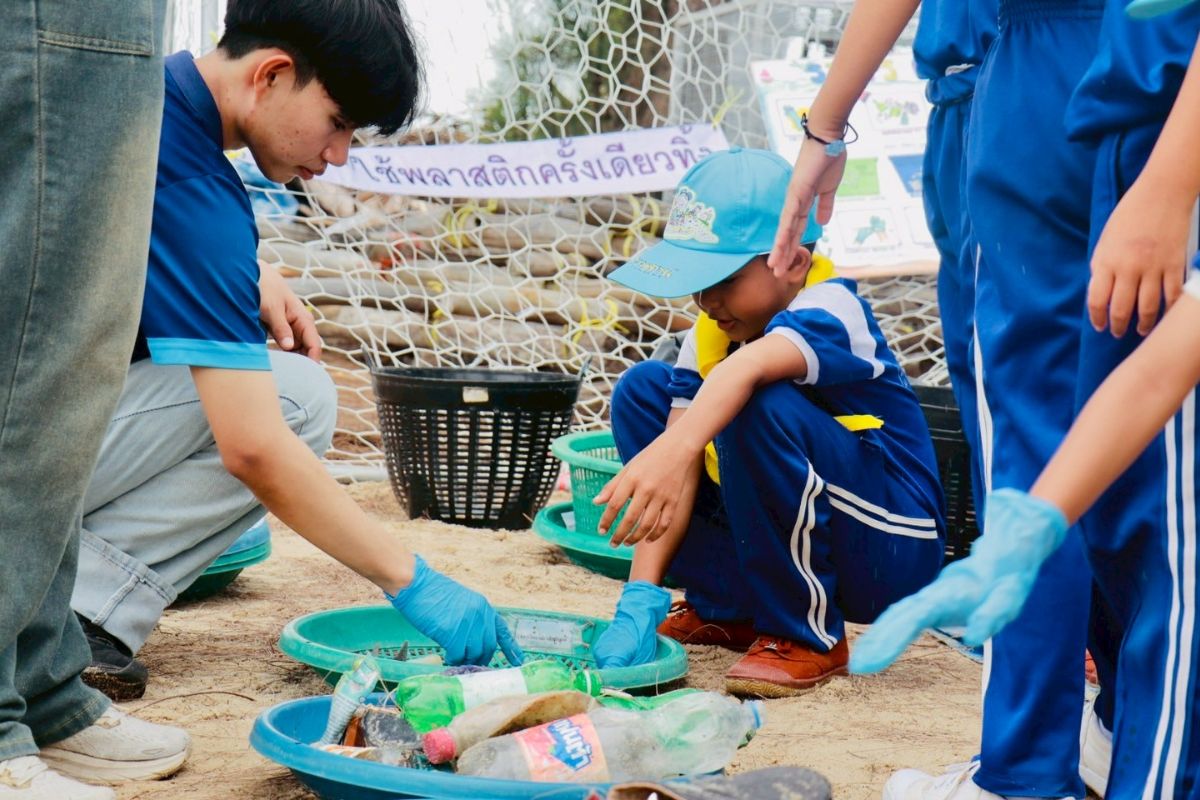
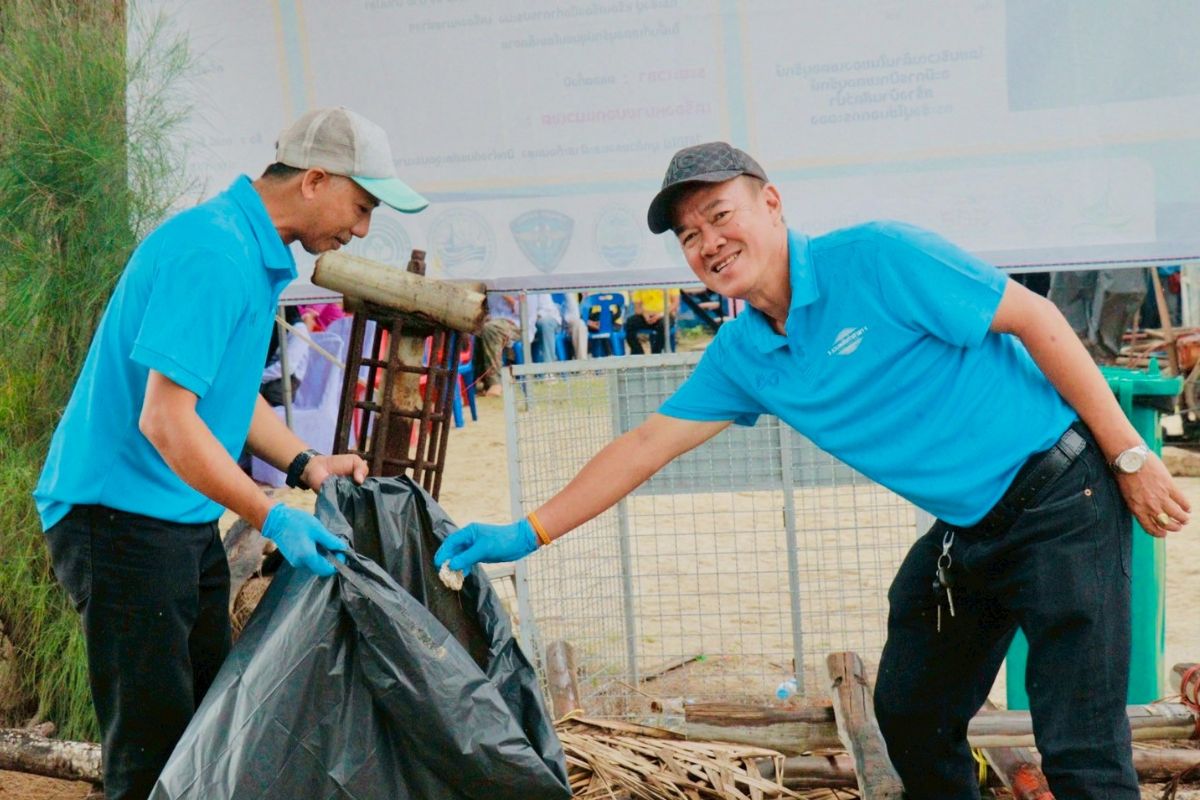
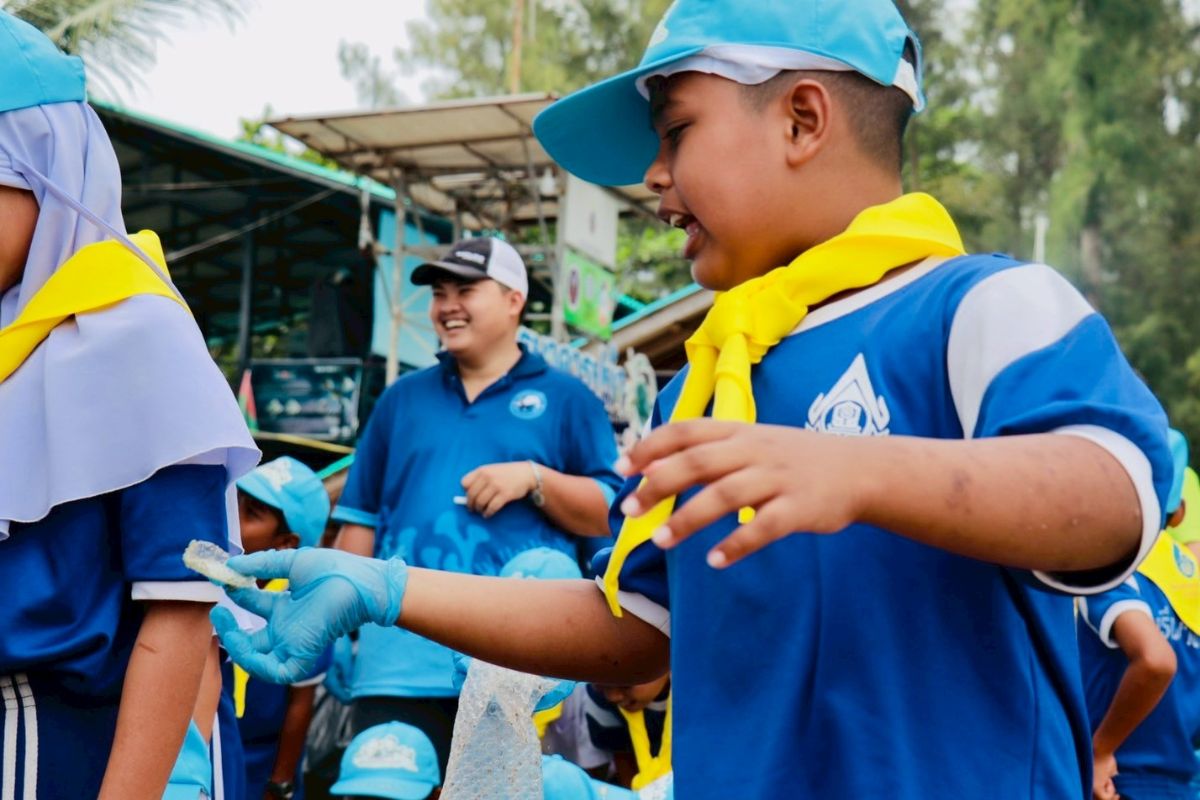
The event also raised awareness of the relationship between marine debris and aquatic biodiversity. Plastic waste, discarded materials, and fishing-related debris can create hazards for marine animals and damage coastal habitats. Participants learned that maintaining clean marine environments is essential for protecting aquatic organisms and supporting the ecological conditions needed for fisheries and other marine resources. By connecting waste management with marine ecosystem conservation, WU encouraged participants to recognise that sustainable utilisation of marine resources depends not only on how resources are harvested but also on how human activities affect the surrounding environment.
The activity further addressed responsible fishing practices and the importance of preventing fishing-related waste from becoming marine debris. Participants learned about the responsible use and disposal of fishing gear and the need to avoid practices that can damage marine habitats or contribute to pollution. Local fishing communities and other participants were encouraged to consider how everyday resource-use decisions can influence the health and productivity of marine ecosystems. These discussions complemented the practical waste-collection and recycling activities by connecting marine pollution prevention with sustainable fisheries management.
The event also incorporated awareness of sustainable coastal tourism, highlighting the importance of responsible behaviour when visiting beaches and other marine environments. Participants were encouraged to minimise waste, use appropriate waste-disposal facilities, separate recyclable materials, and avoid activities that could damage coastal ecosystems. This helped demonstrate that conservation of marine resources is a shared responsibility involving fishermen, tourists, students, local communities, and the wider public.
By combining marine debris collection, waste separation, recycling education, fisheries awareness, and practical coastal conservation, the event provided participants with both knowledge and direct experience in protecting marine resources. The involvement of more than 100 participants also enabled WU to extend marine conservation awareness beyond the university and into the wider community. Participants were encouraged to apply the knowledge gained from the event in their homes, schools, workplaces, fishing activities, and everyday interactions with coastal environments.
Through this event, Walailak University promoted a practical and community-based approach to the conservation and sustainable utilisation of oceans, seas, and marine resources. The activities demonstrated that effective marine conservation requires not only restoration and protection of aquatic habitats but also responsible management of waste and human activities on land and along the coast. By encouraging marine debris prevention, waste separation, recycling, responsible fishing, and community participation, WU contributed to building greater awareness and shared responsibility for maintaining clean, healthy, and sustainable marine ecosystems for present and future generations.
Blue Swimming Crab Conservation Exhibition and Juvenile Crab Release at “Klai Sea Festival”
Walailak University, in collaboration with Trash Hero Tha Sala as an NGO partner, participated in the “Klai Sea Festival” to promote awareness of the conservation and sustainable utilisation of oceans, seas, and marine resources. The event provided an opportunity for local students, visitors, local residents, and members of the general public to learn about the importance of marine ecosystems and the sustainable management of blue swimming crab resources. Through an exhibition, knowledge-sharing activities, and practical conservation activities, WU encouraged participants to understand the connection between healthy marine ecosystems, biodiversity conservation, and sustainable coastal livelihoods.
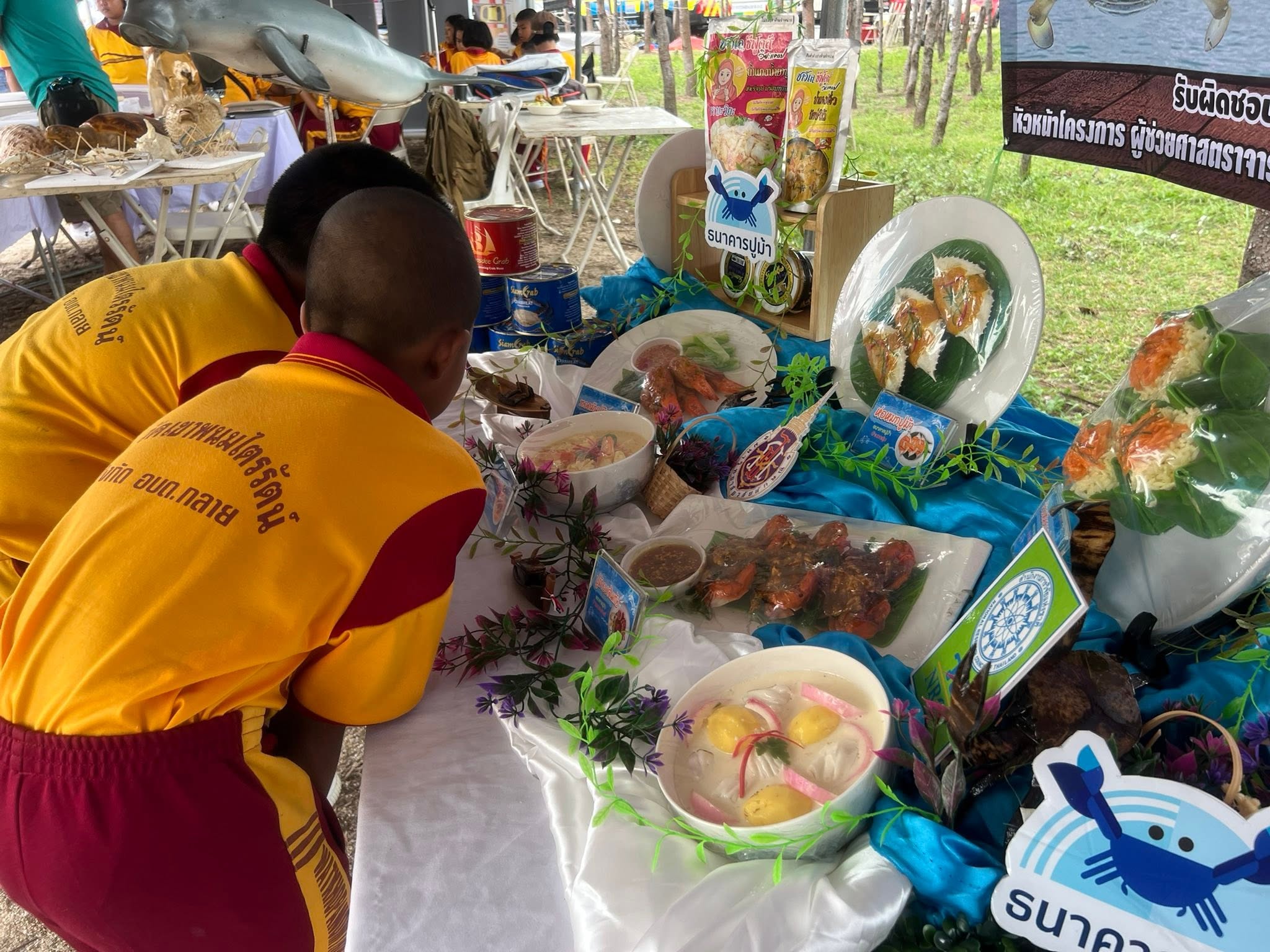
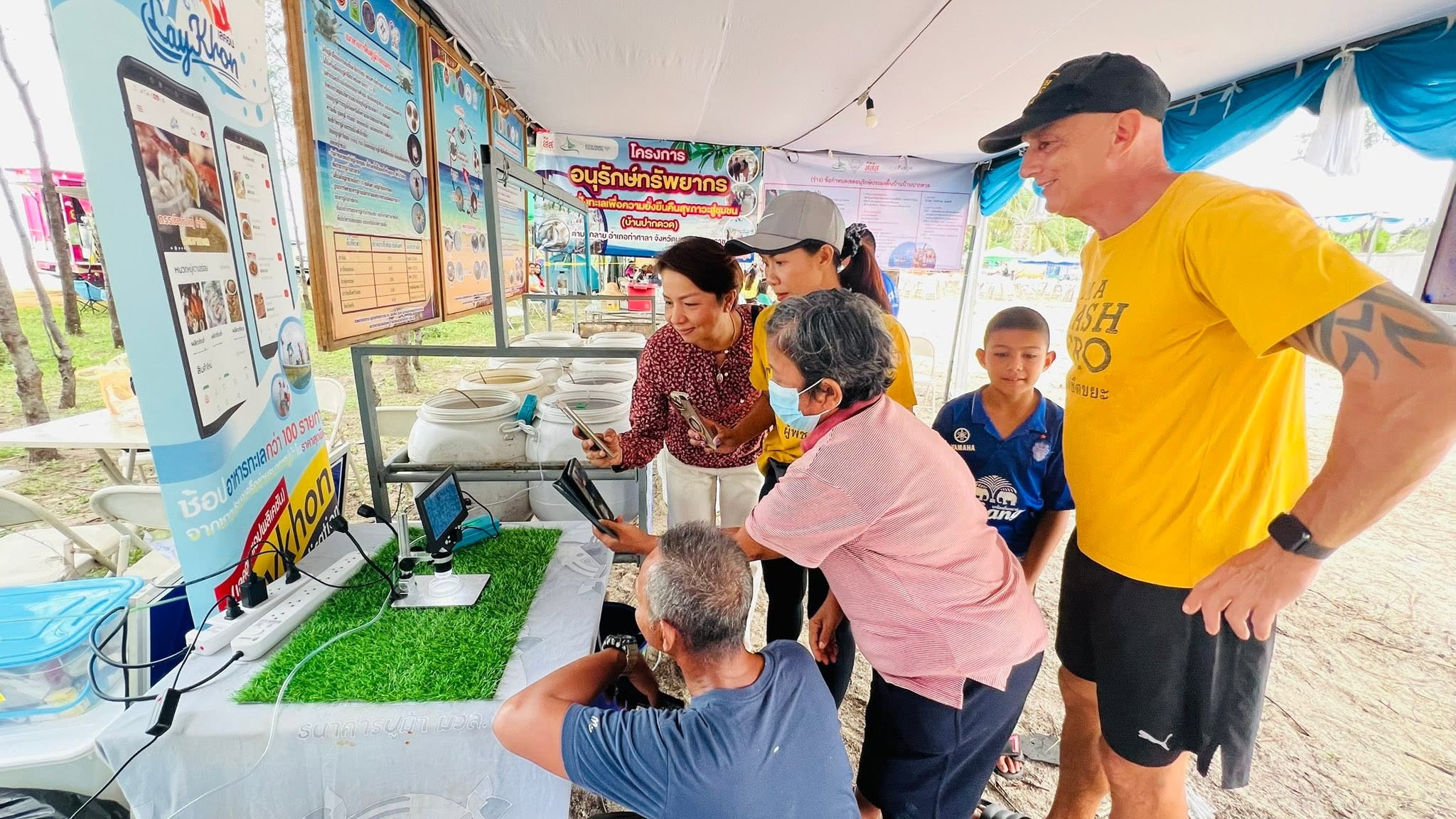
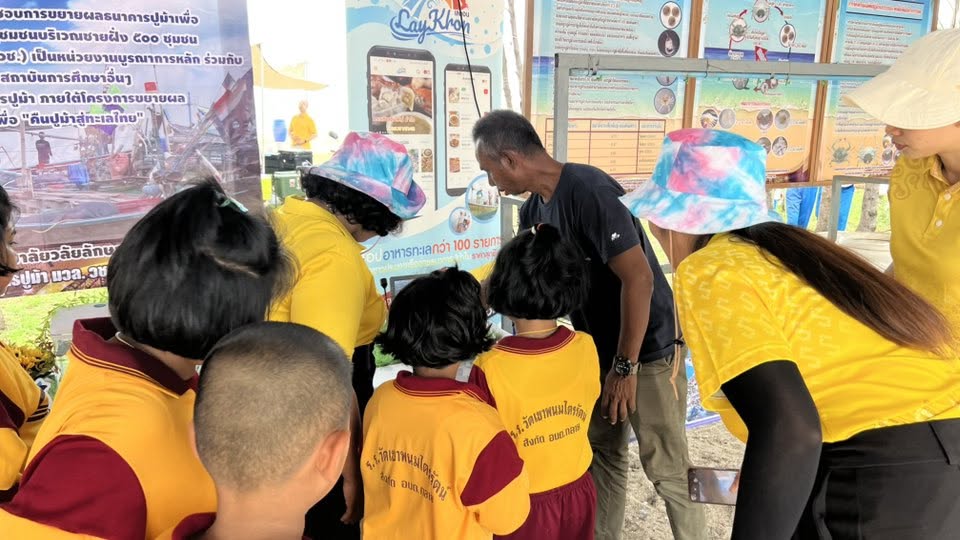
A key component of the event was an exhibition dedicated to blue swimming crab conservation. WU presented real blue swimming crabs together with information on successful case studies from blue swimming crab conservation and resource-management initiatives. The exhibition introduced participants to the ecological importance of blue swimming crabs and the importance of maintaining healthy coastal habitats to support their populations. The use of real specimens also provided an engaging and accessible learning experience, particularly for students and members of the public, allowing them to learn more directly about marine species and the resources found in their local coastal environment.
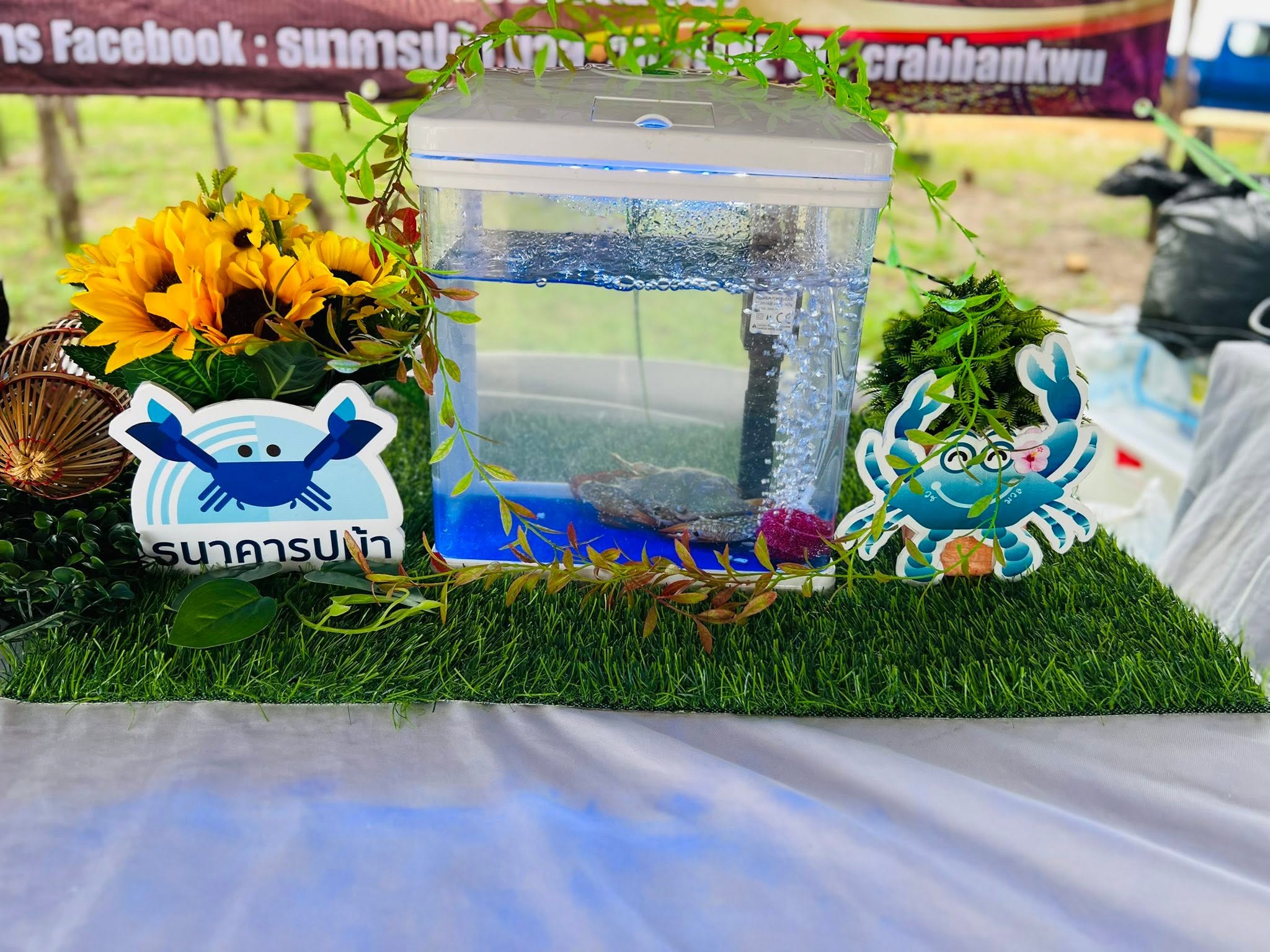
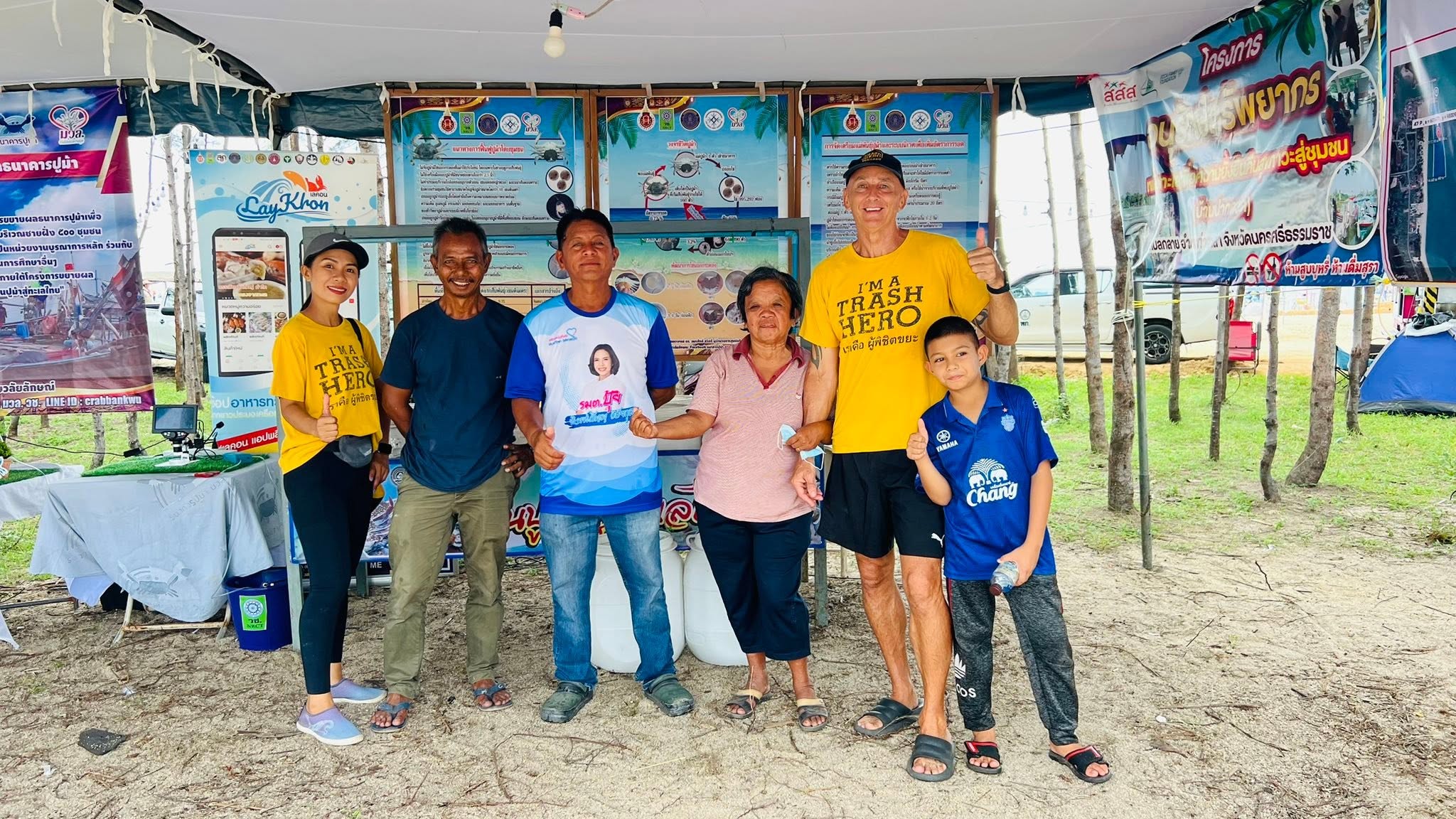
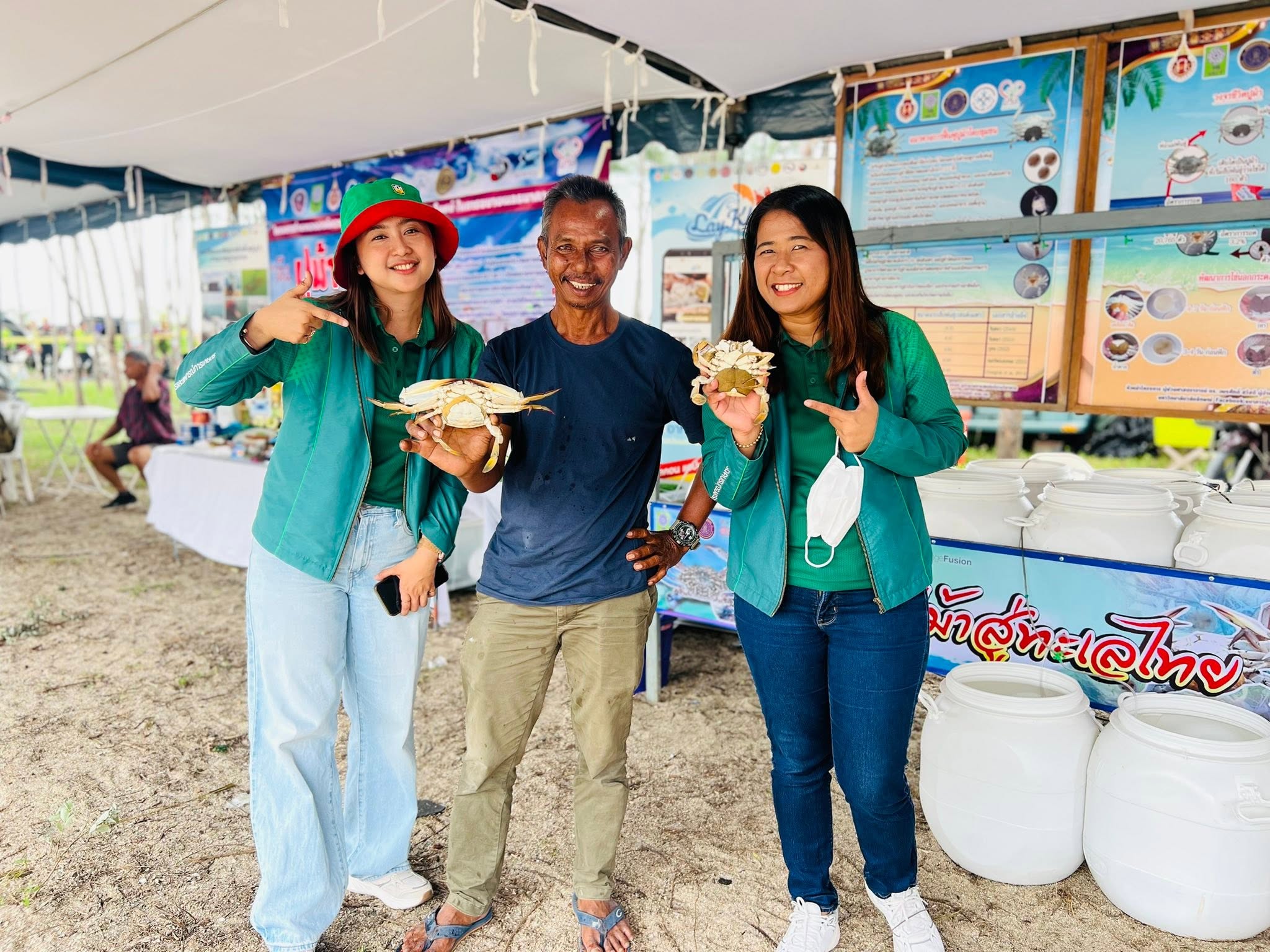
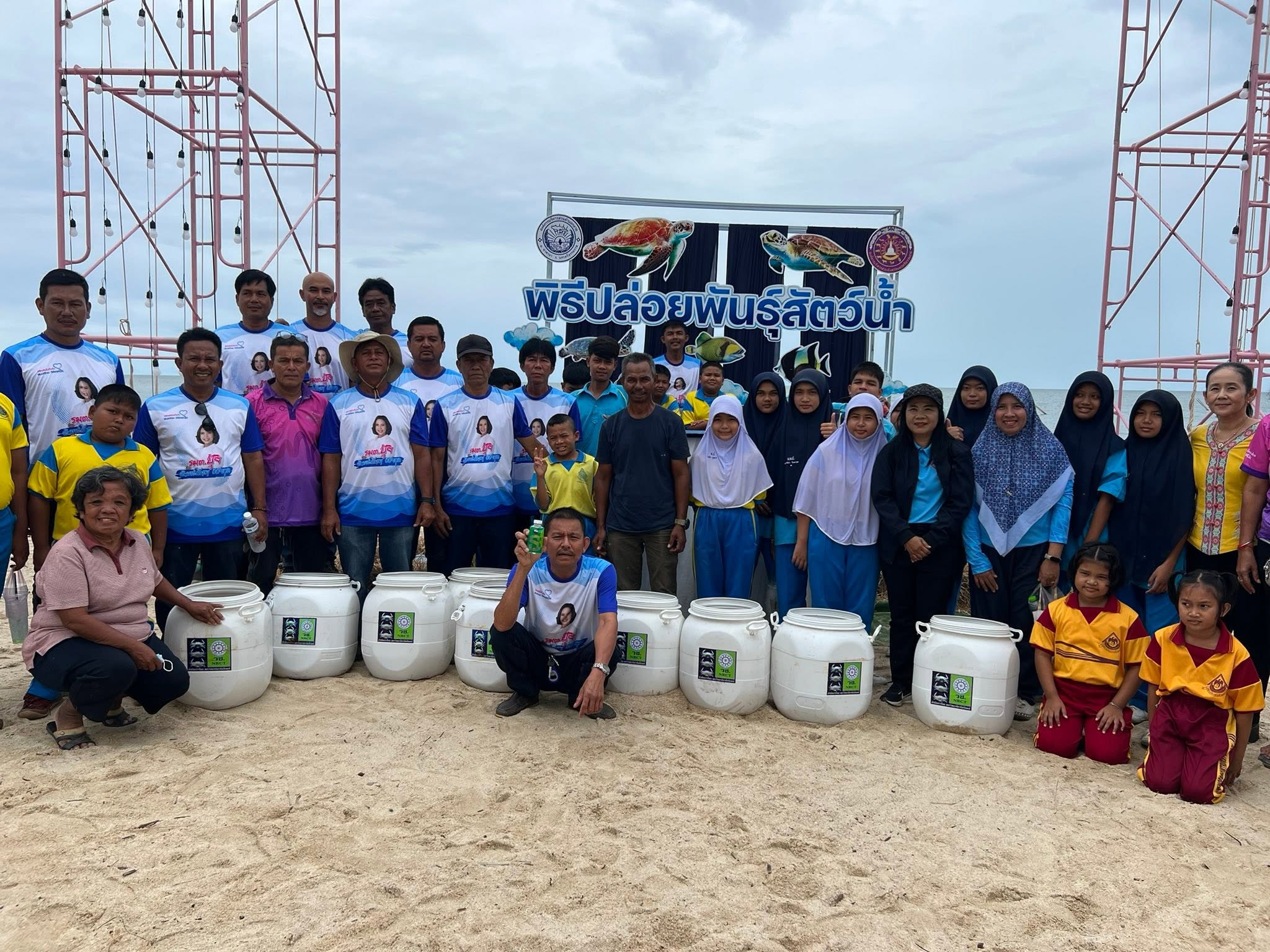
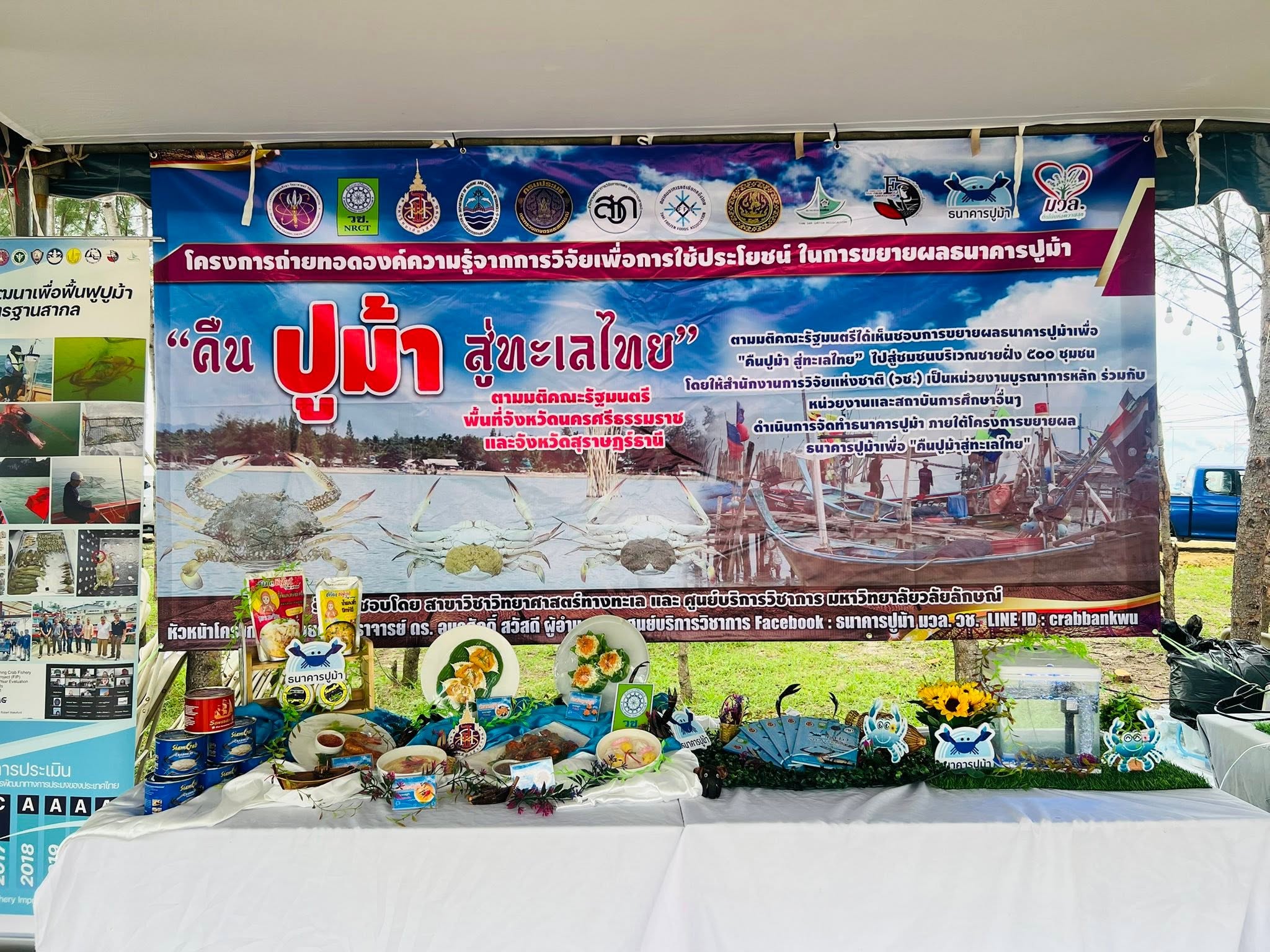
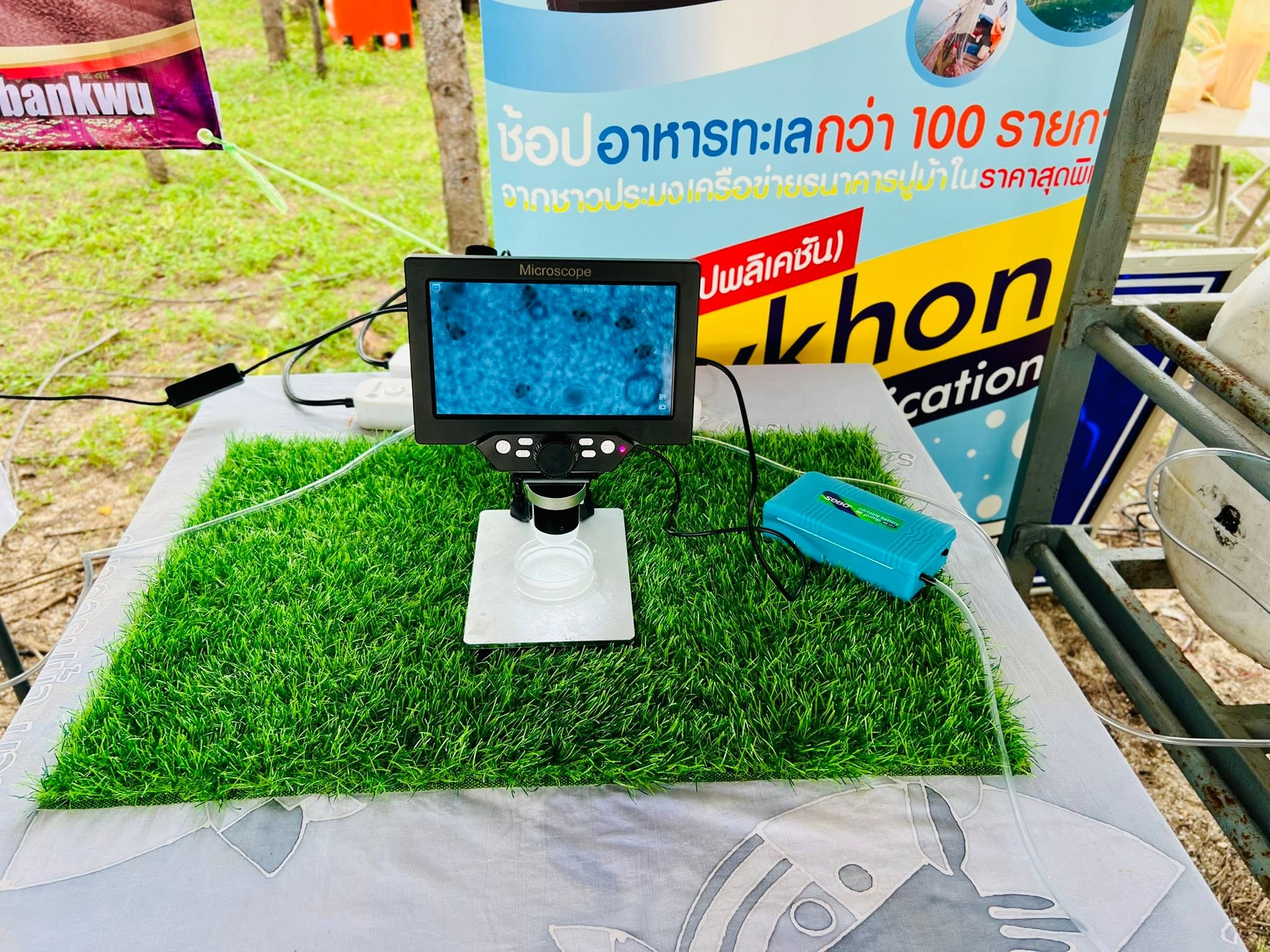
The exhibition also highlighted practical approaches to the conservation and sustainable utilisation of blue swimming crab resources. Participants were introduced to examples of successful conservation initiatives and community-based approaches that support the recovery and sustainable management of local crab populations. These case studies demonstrated the importance of cooperation among universities, local communities, fishermen, NGOs, and other stakeholders in protecting marine resources. Participants were encouraged to recognise that sustainable fisheries depend on both healthy marine habitats and responsible management of aquatic populations.
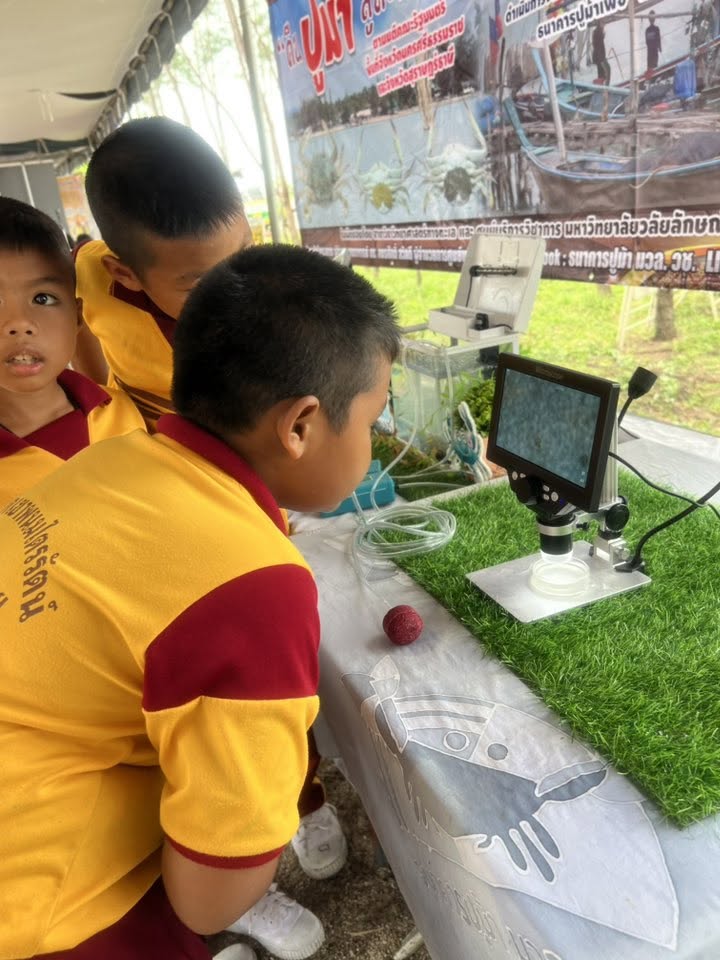
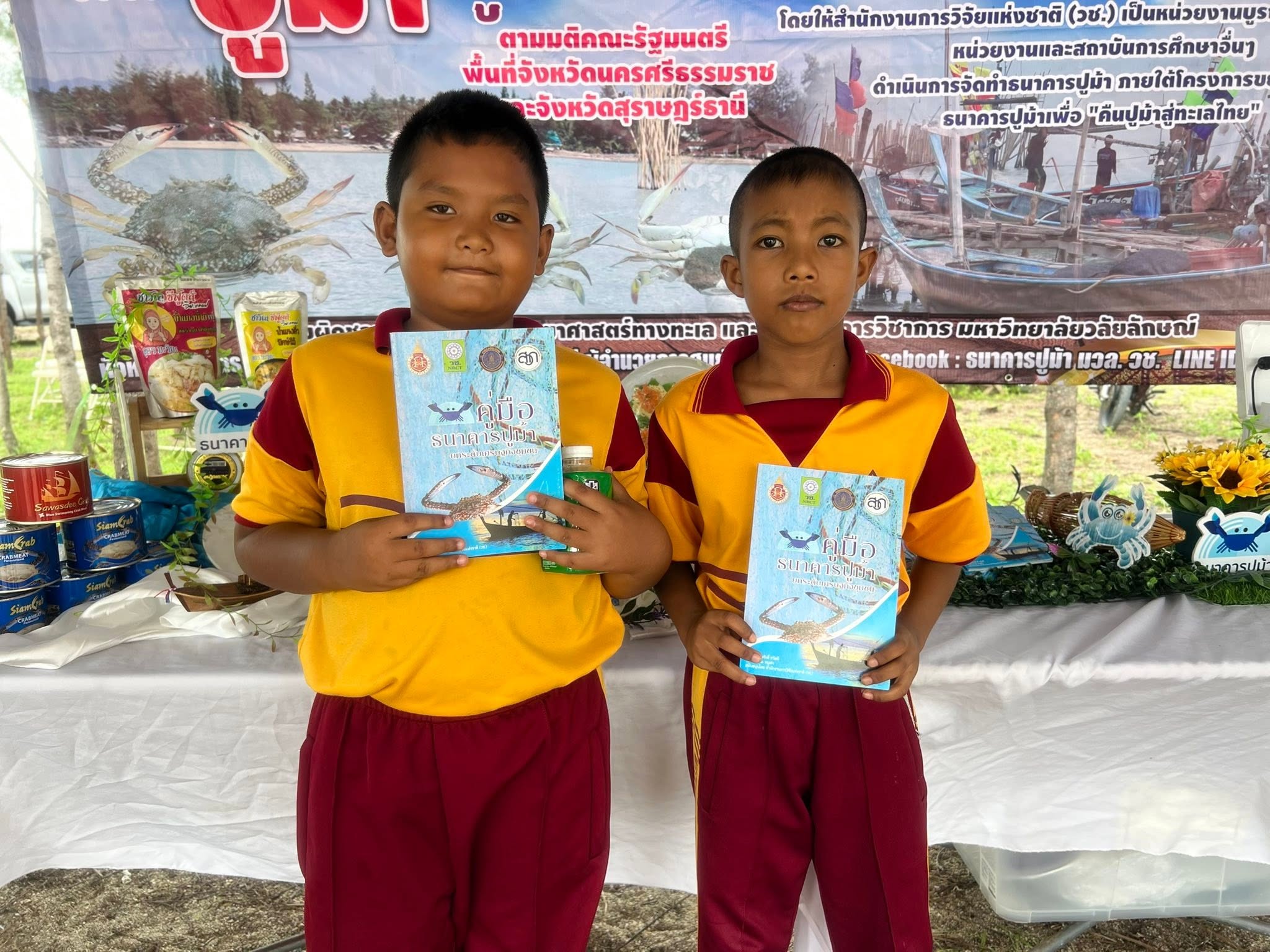
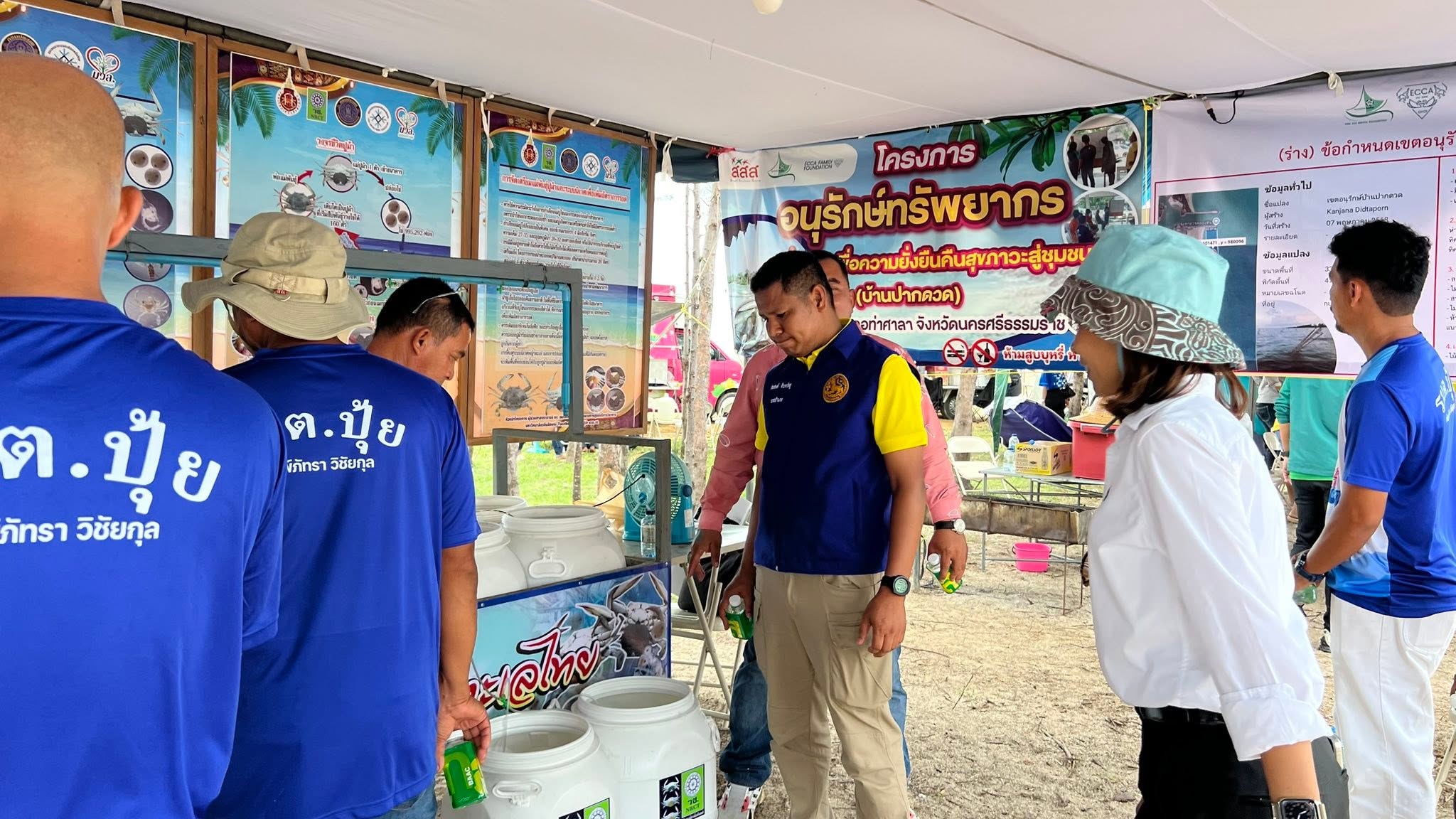
As part of the festival, WU and its partners also participated in the release of juvenile blue swimming crabs back into the sea. This practical conservation activity aimed to support the replenishment of local crab populations while raising awareness of the importance of protecting marine species during their early life stages. Participants had the opportunity to observe and take part in a direct marine conservation activity, helping connect the knowledge presented through the exhibition with practical action in the natural environment.
The event placed particular emphasis on engaging younger generations and the wider community. Local students were able to learn about marine biodiversity, blue swimming crab conservation, and sustainable resource use through accessible educational materials and practical activities. Local residents and visitors were also encouraged to recognise the ecological and economic importance of marine resources and the need to use them responsibly. The participation of Trash Hero Tha Sala further strengthened community engagement and environmental awareness by bringing together organisations and members of the public around shared marine conservation objectives.
By combining a blue swimming crab exhibition, real marine specimens, successful conservation case studies, and the release of juvenile crabs, the “Klai Sea Festival” provided an engaging platform for promoting marine conservation and sustainable resource use. The activities demonstrated how scientific knowledge, community experience, public education, and practical conservation actions can work together to strengthen awareness of marine resource protection. Through collaboration with local communities and NGO partners, Walailak University contributed to encouraging shared responsibility for conserving marine biodiversity and ensuring the sustainable utilisation of oceans, seas, and marine resources for present and future generations.
Through these diverse community-based events, Walailak University has strengthened public awareness and participation in the conservation and sustainable utilisation of oceans, seas, rivers, and marine resources. The activities provided opportunities for students, fishermen, local residents, community leaders, government officers, NGOs, and members of the public to move beyond learning about environmental conservation and become directly involved in practical actions. This approach has helped connect scientific and local knowledge with real-world conservation activities and encouraged communities to take greater responsibility for the natural resources on which they depend. These initiatives also provide opportunities to identify appropriate measures for addressing environmental challenges and assessing progress towards sustainable resource management.
The activities also demonstrated that sustainable management of aquatic resources requires an integrated approach. Artificial fish habitats and nature-based weirs help restore and maintain aquatic habitats, while mangrove restoration and juvenile animal releases support biodiversity and the replenishment of aquatic populations. Marine debris collection, waste separation, and recycling help reduce pollution and protect coastal ecosystems, while education on responsible fishing and sustainable resource use encourages communities to reduce pressure on aquatic populations. Together, these activities address both the conservation of ecosystems and the responsible utilisation of the resources they provide. Measures such as monitoring habitat conditions, recording the quantities of waste collected, and observing changes in aquatic populations can help assess the effectiveness of these conservation activities.
Another important outcome is the development of environmental knowledge and practical skills among participants. Through hands-on activities, participants learned how their everyday actions, fishing practices, waste-management behaviour, and use of natural resources can influence aquatic ecosystems. Students and young people gained direct experience in environmental stewardship, while local fishermen and communities were able to contribute their knowledge and experience to conservation activities. Measuring participation, evaluating knowledge gained, and assessing the adoption of responsible practices can help WU understand the educational benefits of these programmes and identify measures for improving future activities. This strengthens the potential for knowledge and responsible practices to continue beyond individual events and become part of community-based resource management.
The activities have also strengthened collaboration among Walailak University, local communities, fishermen, schools, government agencies, NGOs, and other stakeholders. Such partnerships create opportunities to share knowledge, coordinate conservation efforts, and develop locally appropriate approaches to environmental management. By working together, stakeholders can contribute to healthier aquatic habitats, improved biodiversity, reduced pollution, and more sustainable fisheries and coastal livelihoods. Continued measurement and monitoring of environmental conditions and conservation outcomes can also support evidence-based decision-making and help stakeholders determine which measures are most effective in addressing local environmental challenges.
In the longer term, these initiatives contribute to building resilient communities that can continue to benefit from healthy aquatic ecosystems while protecting them for future generations. By combining education, practical restoration, pollution reduction, biodiversity conservation, and responsible resource use, Walailak University continues to promote a culture of environmental stewardship and shared responsibility. Ongoing measurement of conservation outcomes, including habitat restoration, waste reduction, biodiversity recovery, and community participation, can help demonstrate progress, guide future planning, and strengthen the long-term impact of these initiatives. These efforts contribute to the conservation and sustainable utilisation of aquatic ecosystems and support the long-term health of oceans, seas, rivers, and marine resources.
Related Links
https://cas.wu.ac.th/archives/32615
https://cas.wu.ac.th/archives/32816
บังมุ คนหาปลา – สร้างบ้านให้ปลา ปล่อยลูกปูม้า คืนสู่ทะเล… | Facebook
ปิยะ แซ่เอีย – 15/8/68… | Facebook
วันอาทิตย์ รับแขกจากมูลนิธิไทยรักษ์ป่า… – Amonsak Sawusdee | Facebook
Prayut Sae-lim – 30 สิงหาคม 2568… | Facebook
Prayut Sae-lim – Half Day@เลญา สายน้ำ แห่งประวัติศาสตร์… | Facebook
(1) นิยมกินปูปลา ก็ต้องรู้จักสร้างบ้านให้ปลาปู… – Bunchar Pongpanich | Facebook
🎉กิจกรรมจัดการขยะ การฟื้นฟูอนุรักษ์… – Amonsak Sawusdee | Facebook
https://cas.wu.ac.th/archives/34445