
Direct Engagement in the Conservation of Freshwater, Coastal, and Marine Ecosystems and Biodiversity
Direct Engagement in the Conservation of Freshwater, Coastal, and Marine Ecosystems and Biodiversity
Freshwater, coastal, and marine ecosystems play a vital role in sustaining biodiversity, maintaining ecological balance, and supporting human well-being. These ecosystems provide habitats for diverse plant and animal species, contribute to food security and local livelihoods, and help maintain essential environmental processes. However, habitat degradation, pollution, overexploitation of natural resources, and climate change continue to threaten ecosystems and the species that depend on them. Addressing these challenges requires more than raising awareness; it calls for direct conservation efforts, scientific research, habitat restoration, diagnostic assessments to identify ecosystem pressures and conservation needs, and active collaboration among universities, local communities, government agencies, and relevant industries.
Walailak University is committed to contributing to ecosystem conservation and biodiversity protection through research, community engagement, and practical conservation initiatives. By working directly with local communities and relevant stakeholders, the University seeks to diagnose environmental challenges, protect existing ecosystems, restore degraded habitats, support the sustainability of aquatic and terrestrial species, and promote the responsible use of natural resources. These efforts aim to strengthen ecosystem resilience, safeguard biodiversity for future generations, and support the long-term sustainability of communities and the natural environments on which they depend. Through scientific investigation and diagnostic assessments of ecosystem conditions, WU also seeks to inform conservation priorities and encourage evidence-based approaches to environmental management.
Community-Based Marine Conservation and Sustainable Fisheries Management
In 2025, Walailak University (WU), in collaboration with the Thai Sea Watch Association, marine industry partners, non-governmental organizations (NGOs), government agencies, educational institutions, and local fishing communities, strengthened collaborative efforts to conserve marine and coastal ecosystems and protect biodiversity. The initiative focused on strengthening community conservation zones through research, knowledge exchange, stakeholder engagement, and sustainable fisheries management. By bringing together academic expertise, local ecological knowledge, government support, and industry experience, the collaboration aimed to maintain and enhance existing marine habitats, protect aquatic species, restore natural resources, and promote the long-term sustainability of marine and coastal ecosystems.
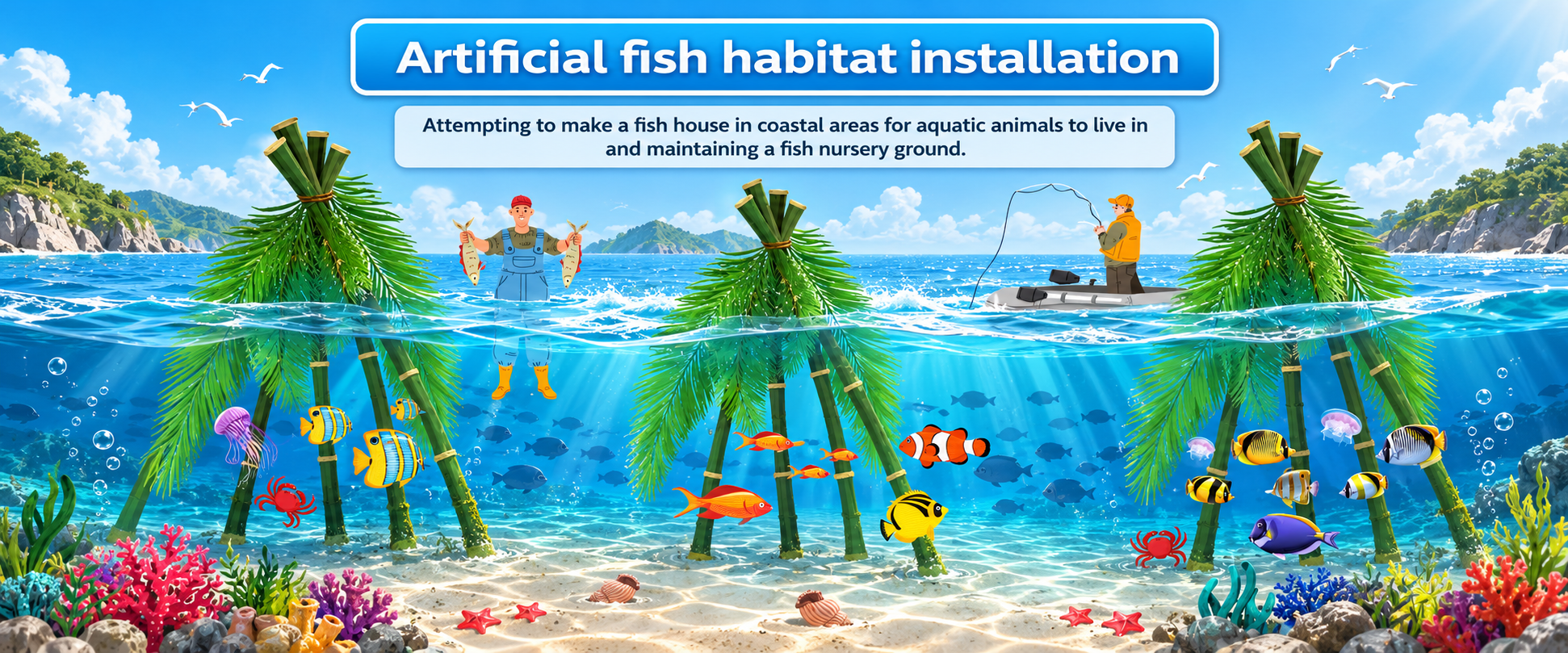
A major outcome of this collaboration was the development of a Memorandum of Understanding (MOU) and mutual agreement on community-based marine and coastal resource protection under the Locally Managed Marine Area (LMMA) initiative. The agreement was discussed during a consultation meeting at Walailak University and involved the communities of Ban Nai Thung, Ban Sa Bua, and Ban Na Thap (Rong Ruea 3) in Tha Sala District, Nakhon Si Thammarat Province. The MOU established a collaborative framework for managing and conserving marine and coastal resources in a balanced and sustainable manner while supporting community livelihoods, local economic development, and human rights. It reflects the shared recognition that marine ecosystems are essential to biodiversity, food security, environmental stability, and the social and economic well-being of coastal communities.
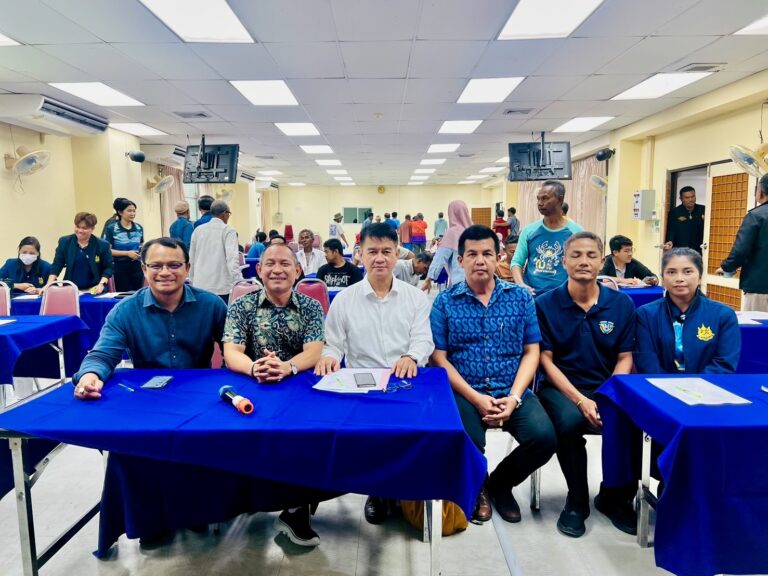
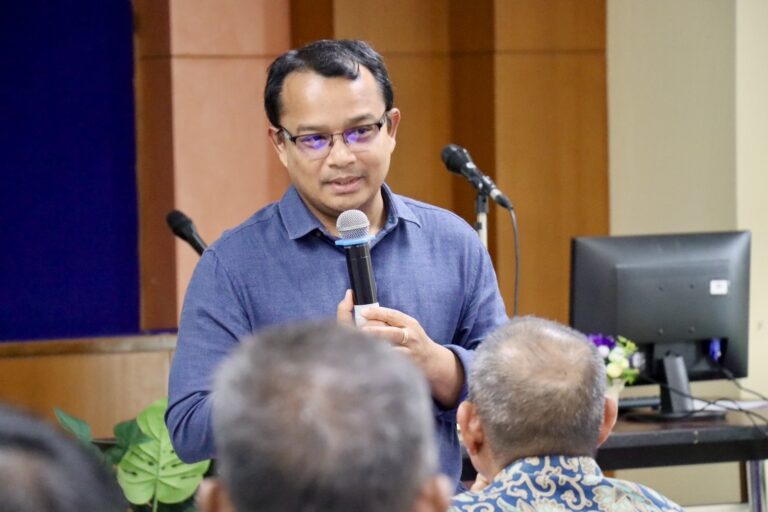
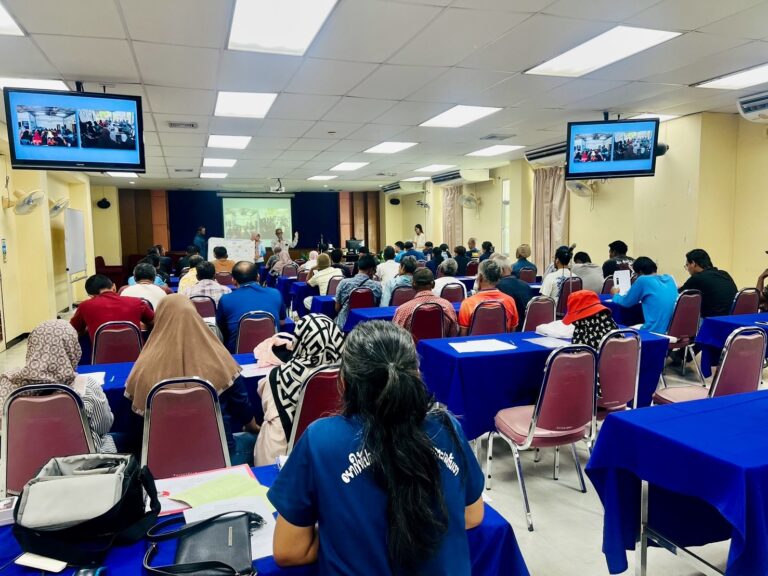
A key component of the MOU is the establishment and strengthening of community conservation zones covering approximately 3,900 rai (624 hectares). These areas comprise approximately 600 rai in Ban Nai Thung, 1,600 rai in Ban Sa Bua, and 1,700 rai in Ban Na Thap. Developed through community consultation and participation, the conservation zones are intended to provide safe habitats for juvenile aquatic animals, support the replenishment of aquatic populations, protect important breeding and nursery grounds, and strengthen community surveillance against illegal fishing activities. The community conservation rules also establish a basis for regulating resource use, encouraging responsible fishing practices, and supporting the release of additional aquatic species where appropriate. Through these measures, the LMMA initiative seeks to maintain and enhance the ecological functions of existing marine and coastal habitats, protect biodiversity, and sustain the natural resources on which local fisheries and coastal livelihoods depend.
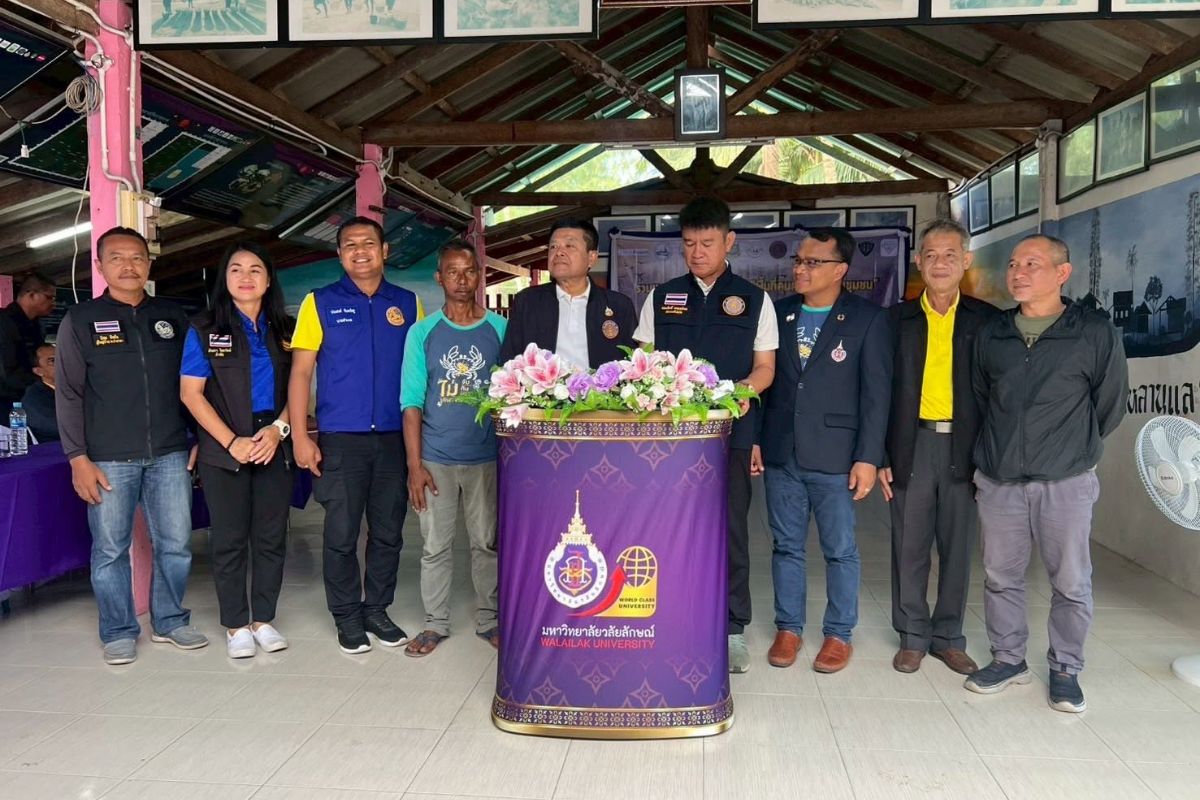
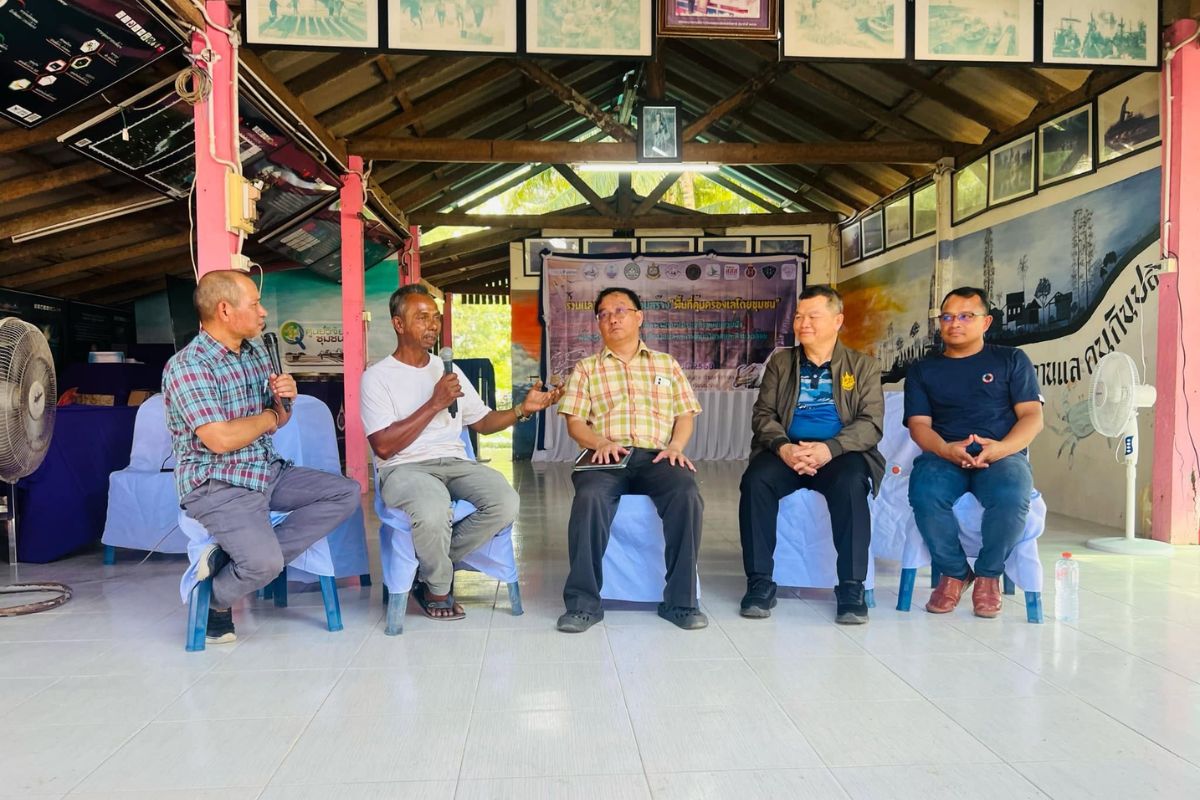
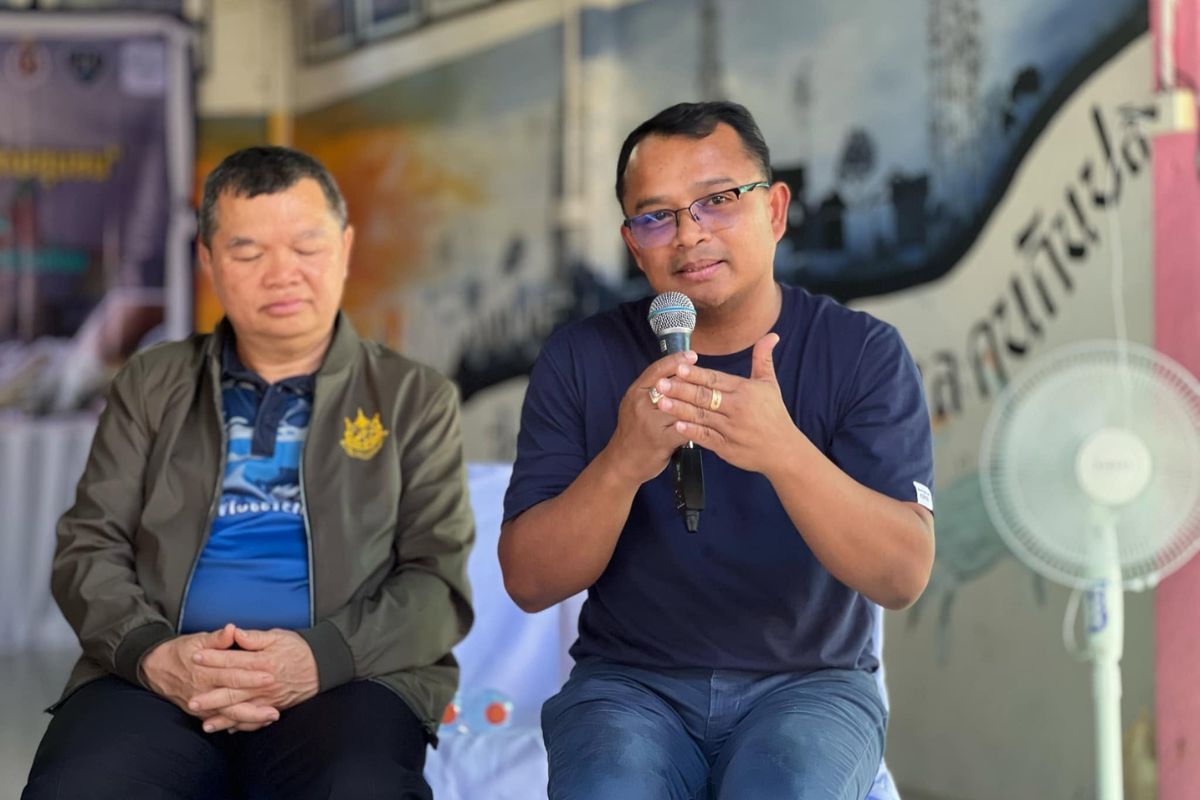
The collaboration brought together marine industry partners, including Khon Kaen Fishing Net Factory Co., Ltd., the Thai Frozen Foods Association, and PTT Public Company Limited, as well as NGOs such as the Thai Sea Watch Association and the Federation of Thai Small-Scale Fisherfolk Associations. Their involvement created opportunities to connect conservation objectives with industry knowledge, responsible fisheries practices, and the practical challenges of managing marine resources sustainably. Government agencies, educational institutions, researchers, and local fishing communities also contributed their knowledge and experience to discussions on strengthening community-based conservation areas. This multi-stakeholder approach is important because maintaining marine ecosystems and their biodiversity requires coordinated action among those responsible for resource management, those who depend on natural resources, and those whose activities influence the marine environment.
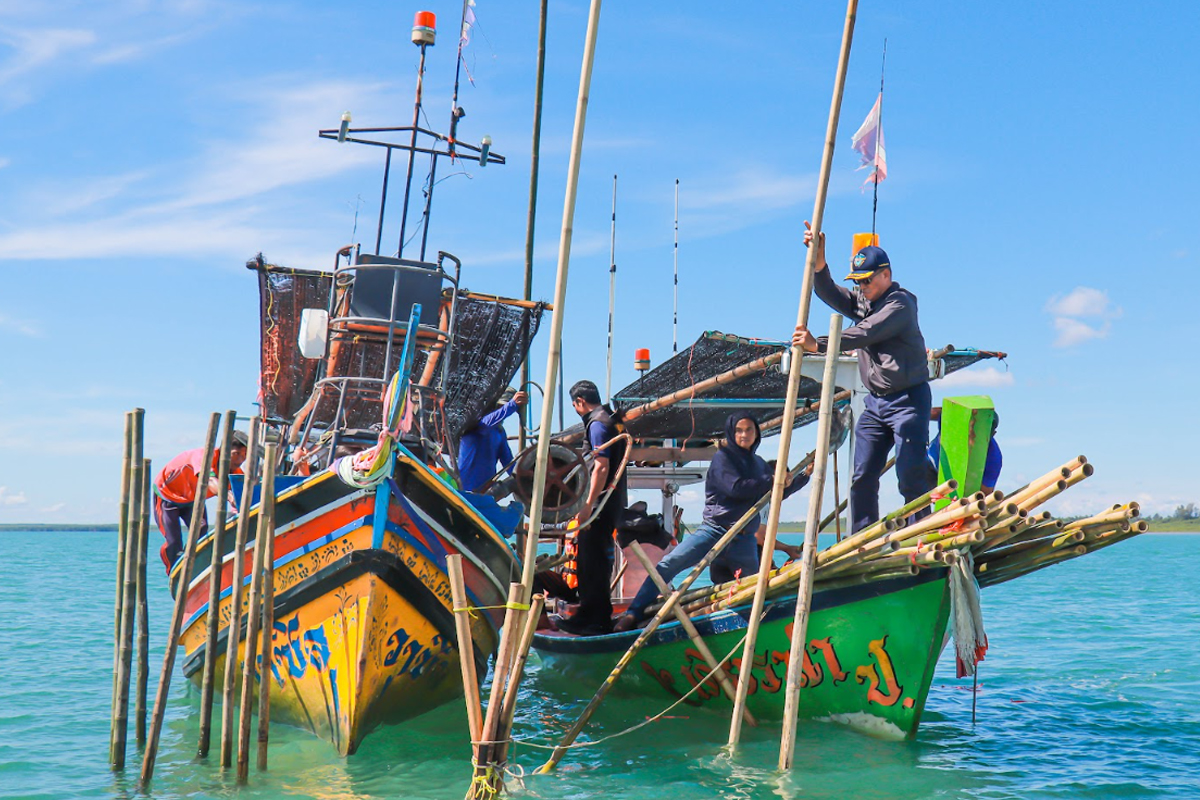
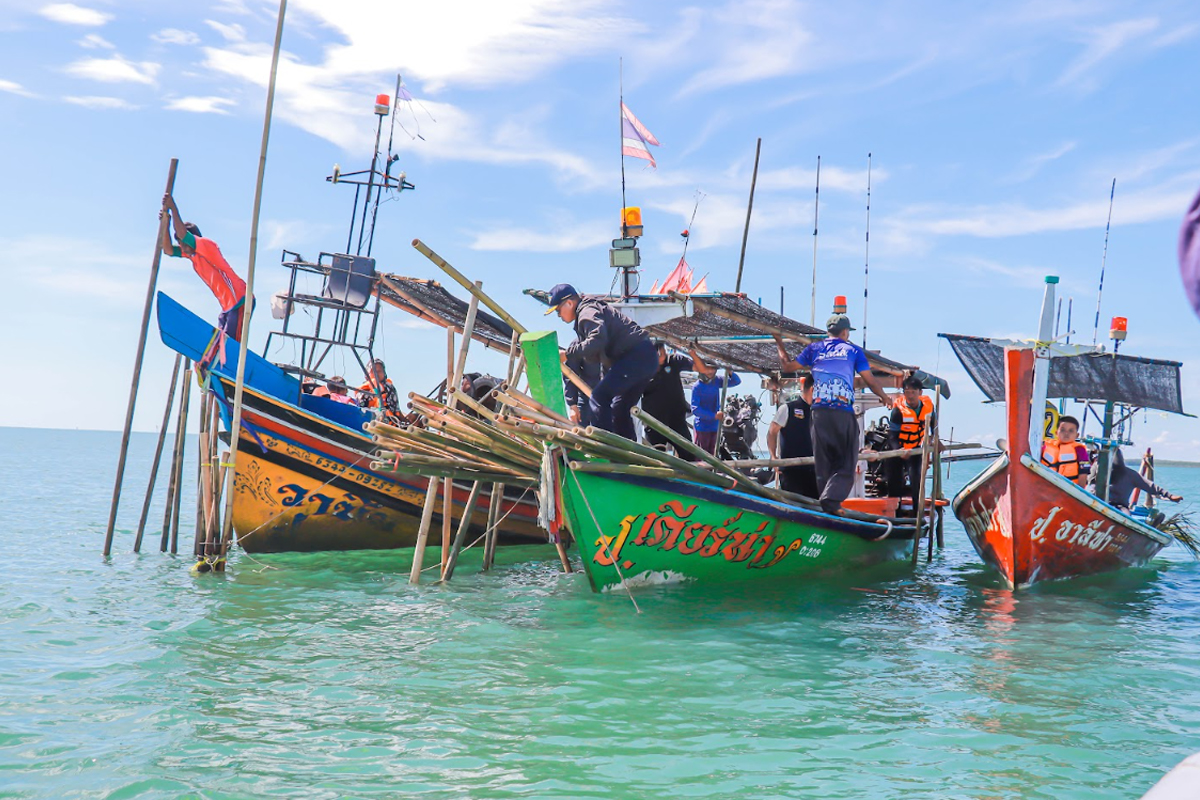
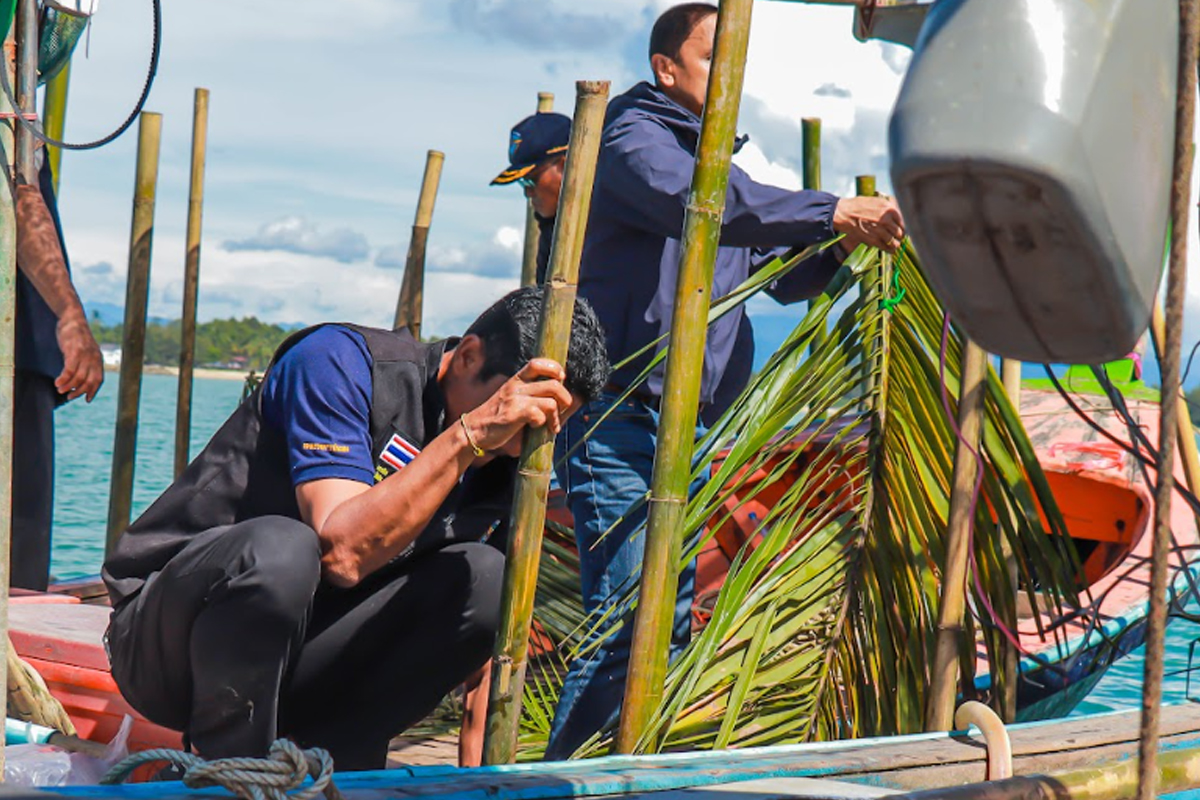
Under the LMMA framework, Walailak University contributed academic knowledge on sustainable fisheries and aquaculture management, community participation, and relevant fisheries-management principles and regulatory frameworks. The knowledge-sharing activities introduced approaches that enable local communities to participate directly in managing and conserving marine and coastal resources. Participants also discussed relevant fisheries regulations and management mechanisms, including European Union (EU) requirements and Regional Fisheries Management Organization (RFMO) frameworks, to improve their understanding of responsible fisheries management. By connecting local conservation practices with scientific knowledge and wider fisheries-management principles, WU helped stakeholders consider how community-based measures could contribute to the sustainable use of marine resources.
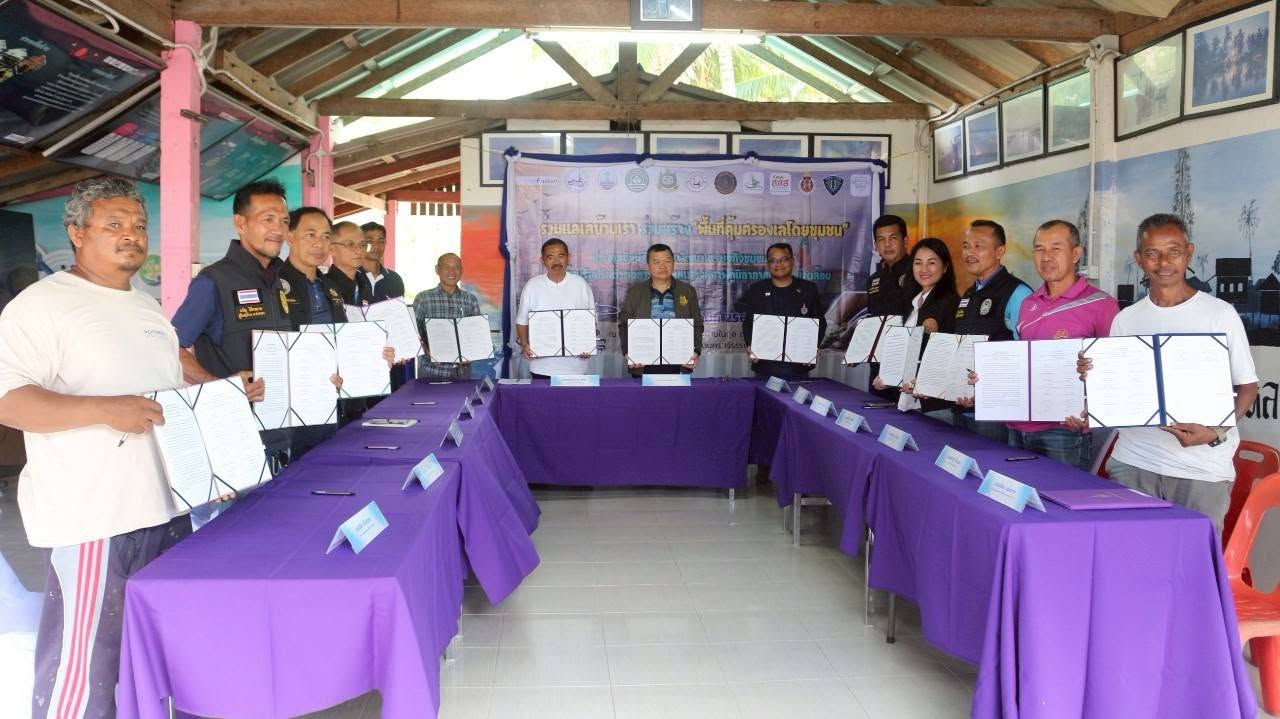
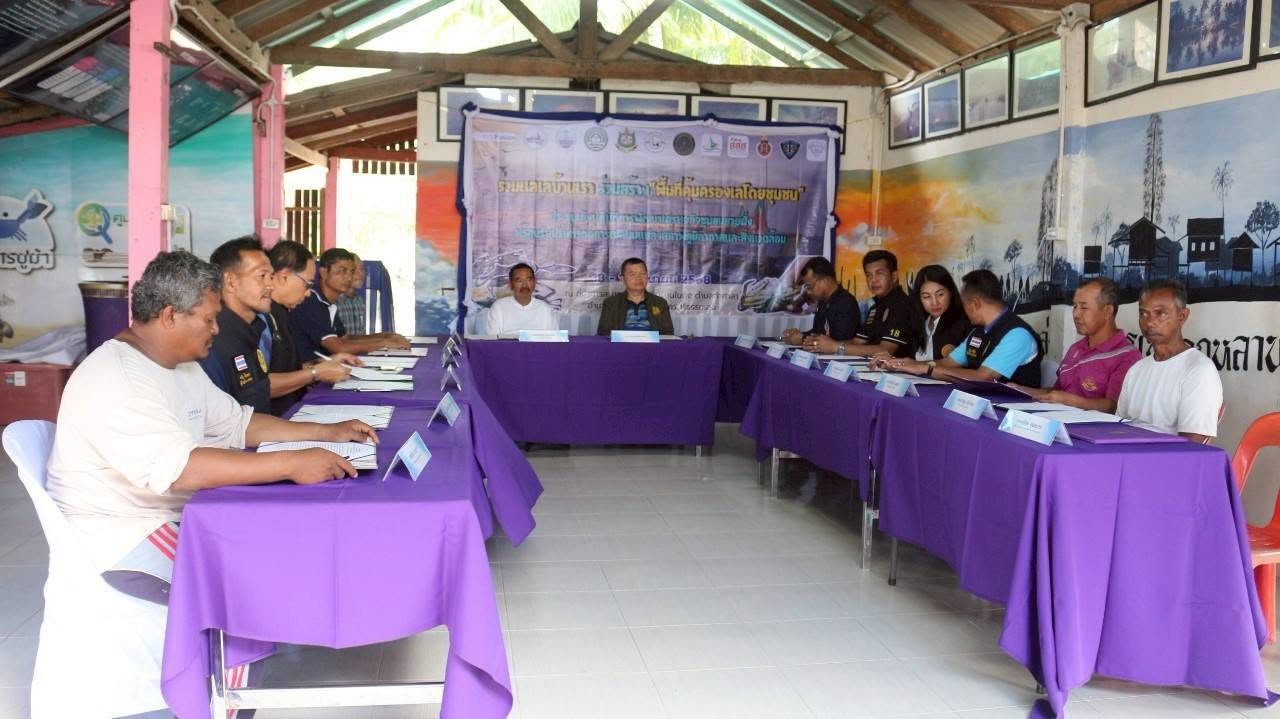
The MOU also identifies Walailak University and Nakhon Si Thammarat Rajabhat University as academic partners responsible for providing scientific knowledge, technology, innovation, and research expertise to support sustainable marine and coastal resource management. Their commitments include transferring knowledge to local communities, strengthening community capacity, supporting the development and management of blue swimming crab banks, and conducting research on ecosystem and environmental restoration associated with coastal resources. These responsibilities provide a basis for linking academic research with practical conservation interventions, community experience, and local resource-management needs. In particular, research related to blue swimming crab banks and other habitat-supporting initiatives can contribute to understanding how conservation measures may help maintain aquatic populations and improve the ecological conditions necessary for marine life.
Other signatories and participating organizations contribute complementary expertise and support. The Nakhon Si Thammarat Provincial Fisheries Office and the Sichon Marine Fisheries Protection and Suppression Unit support technical knowledge, sustainable fishing practices, law enforcement, and surveillance of conservation areas. The Songkhla Marine Fisheries Research and Development Centre contributes fisheries-related research and technical expertise, while relevant marine and coastal resource agencies support sustainable coastal management and the conservation and restoration of community mangrove forests. Tha Sala Subdistrict Administrative Organization is expected to promote awareness of and compliance with community conservation rules and support their integration into local policy and regulations. These contributions strengthen the institutional and technical support available to communities as they work to maintain marine habitats, protect aquatic biodiversity, and manage natural resources sustainably.
The Thai Sea Watch Association and the three local fishing community organizations also play important roles in advancing community participation and long-term conservation. Under the agreement, local fishing groups committed to serving as volunteer conservation monitors, continuing conservation activities, and cooperating with relevant authorities to prevent illegal fishing and protect marine resources. The Thai Sea Watch Association supports local fishing communities in promoting equitable and sustainable resource management, developing conservation activities, improving aquatic product processing, and strengthening community-based economic opportunities. This approach connects biodiversity conservation with the rights, livelihoods, and economic resilience of the people who depend directly on healthy marine and coastal ecosystems.
Building on the MOU, Walailak University and its partners intend to use the LMMA initiative as a foundation for continued collaborative research, stakeholder engagement, and assessment of conservation outcomes. Through research and monitoring, the partners can investigate the effectiveness of community conservation measures in protecting juvenile aquatic animals, supporting the recovery of aquatic populations, maintaining important habitats, and promoting sustainable fishing practices. Research may also examine changes in habitat conditions, the implementation of community conservation rules, the effectiveness of local surveillance, and the relationship between ecosystem conservation and community livelihoods. By combining scientific evidence, community observations, fisheries-management expertise, and industry experience, the partners can identify effective approaches, address implementation challenges, and develop recommendations for improving conservation practices over time.
The research-oriented approach is intended to help translate the MOU’s commitments into evidence-based conservation and management practices. Findings from ongoing research and monitoring can inform improvements to local conservation rules, guide future habitat restoration and aquatic resource management activities, and provide insights into the potential application of successful approaches in other coastal communities. In this way, the partnership supports not only the protection of existing ecosystems but also efforts to restore degraded habitats and strengthen the ecological conditions needed to sustain marine biodiversity in the long term.
Through this collaboration, Walailak University, marine industry partners, NGOs, government agencies, educational institutions, and local fishing communities have established a shared framework for direct engagement in marine and coastal conservation. The LMMA initiative combines community conservation zones, protection of breeding and nursery areas, research on ecosystem restoration, sustainable fisheries management, and community-based monitoring to support the long-term stewardship of marine resources. Ultimately, these efforts aim to maintain and enhance marine ecosystems and their biodiversity while strengthening food security, sustaining local livelihoods, and promoting the responsible use of natural resources for present and future generations.
Community-Engagement with Chevron Thailand Exploration and Production Ltd. to Maintain and Extend the Marine Ecosystems of the Andaman Sea
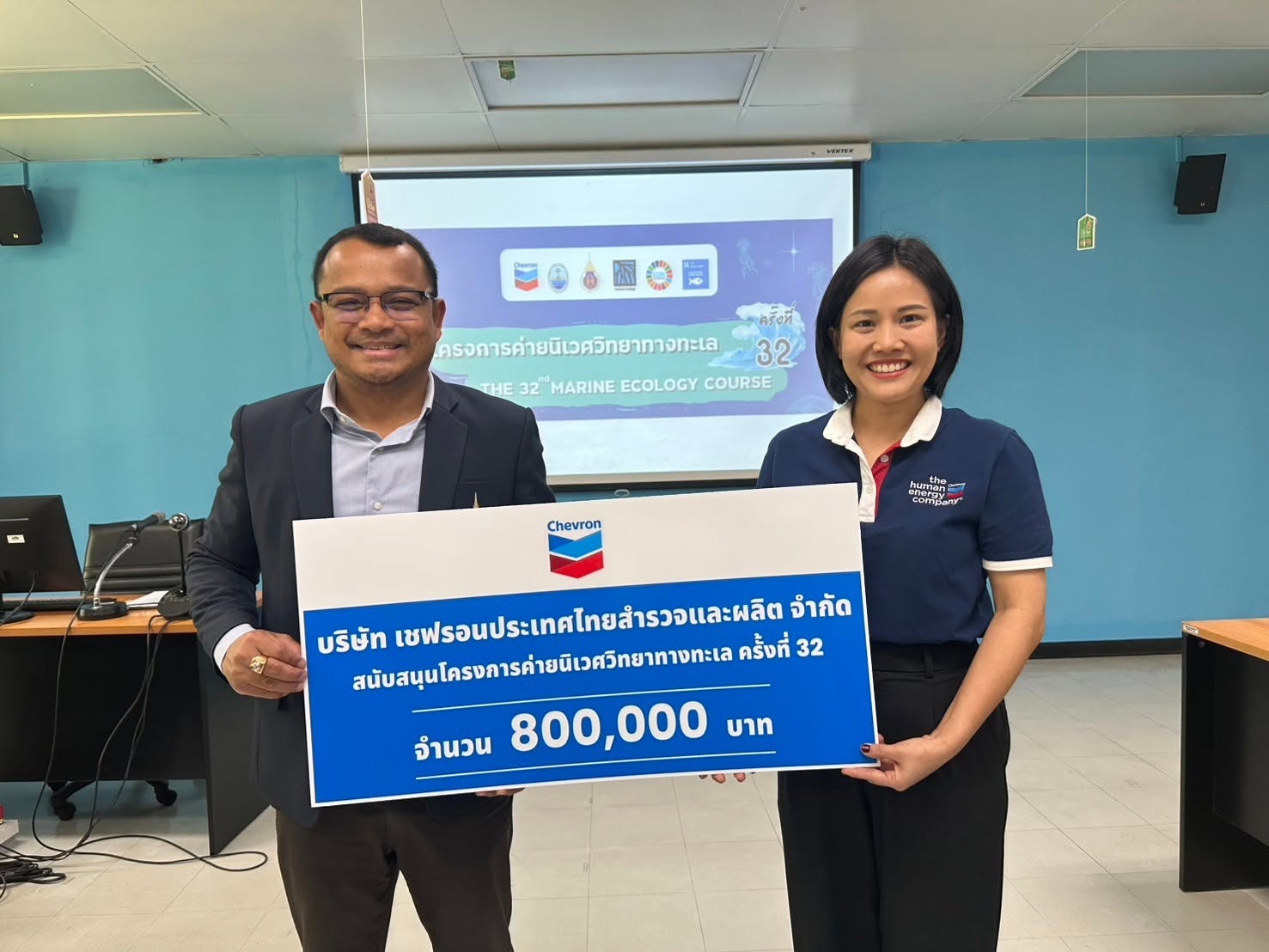
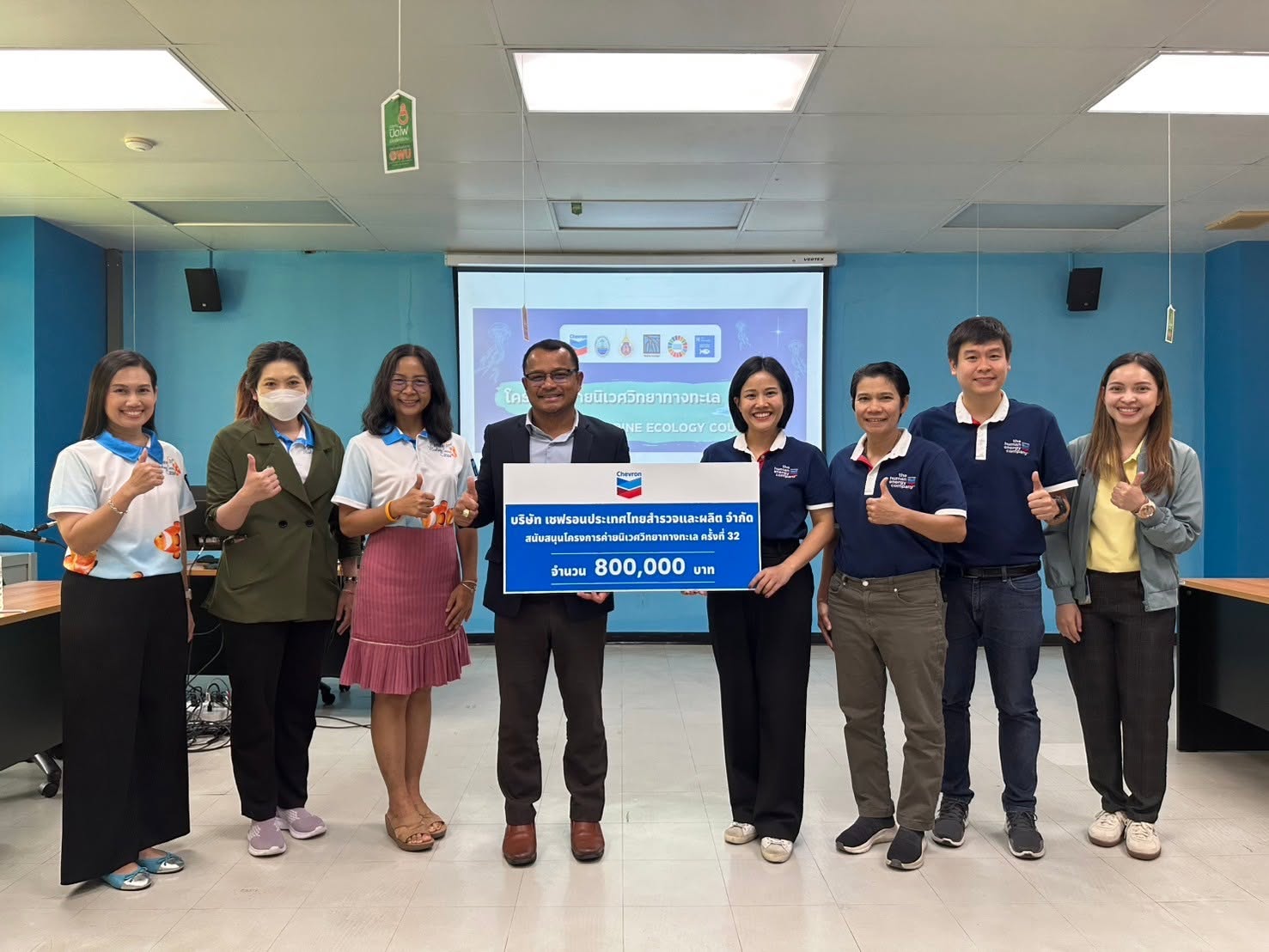
In 2025, Walailak University (WU), in collaboration with Chevron Thailand Exploration and Production Ltd., Save Andaman Network Foundation (NGO Partner), Marine and Coastal Resources Research Center (Upper Andaman Sea) and the Department of Fishery, conducted the 32nd Marine Ecology Summer Course as part of their ongoing collaboration to advance marine ecological research, biodiversity conservation, and the sustainable management of marine ecosystems. The initiative focused on collecting scientific data, monitoring environmental conditions, and investigating the diversity of marine habitats and species, particularly in the Andaman Sea. As a region of significant ecological importance and a popular tourism destination, the Andaman Sea supports diverse marine life and coastal livelihoods but also faces environmental pressures associated with human activities. Through direct engagement with the marine industry, WU sought to strengthen scientific understanding of marine ecosystems and support evidence-based approaches to their long-term conservation.
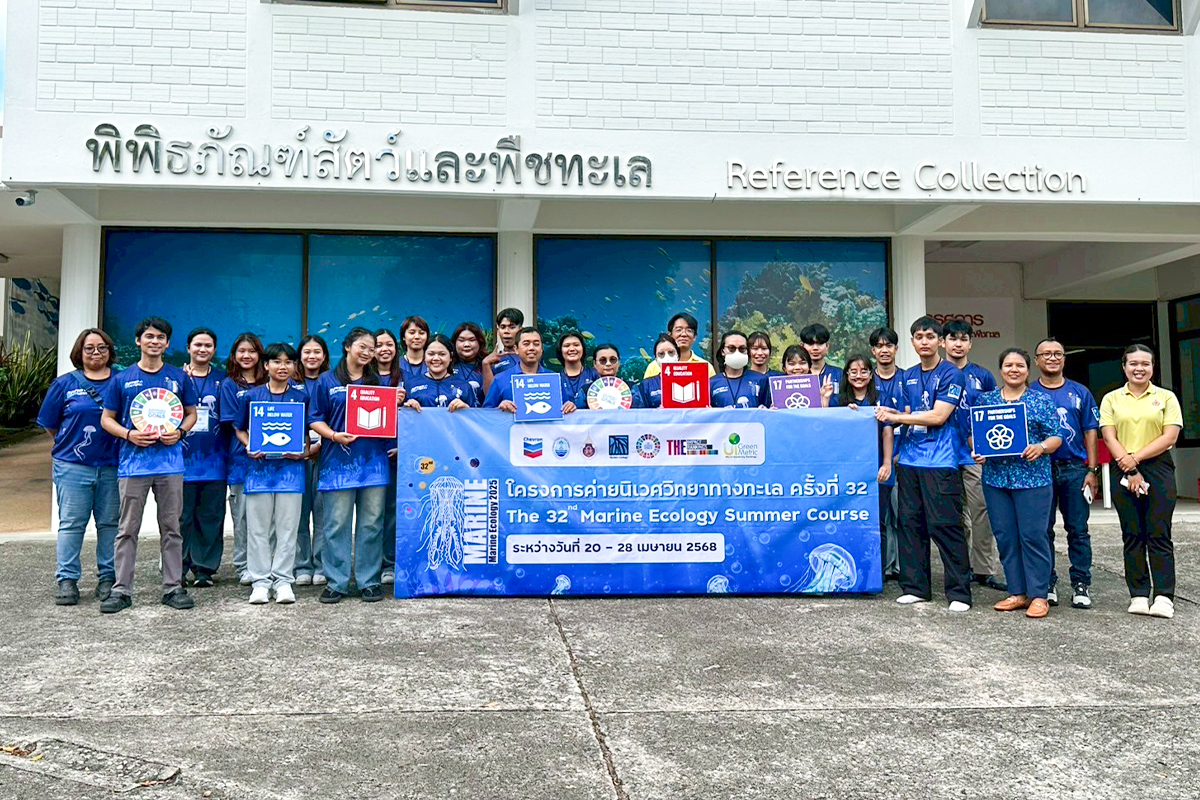
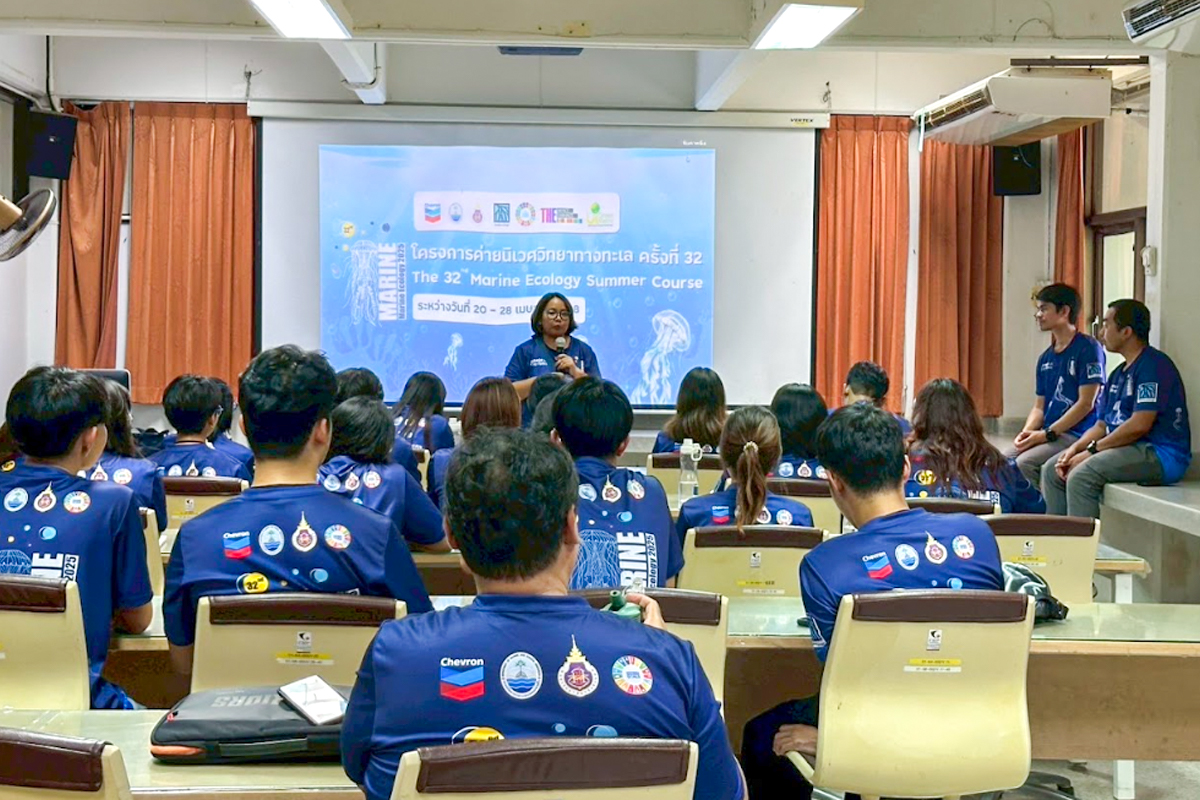
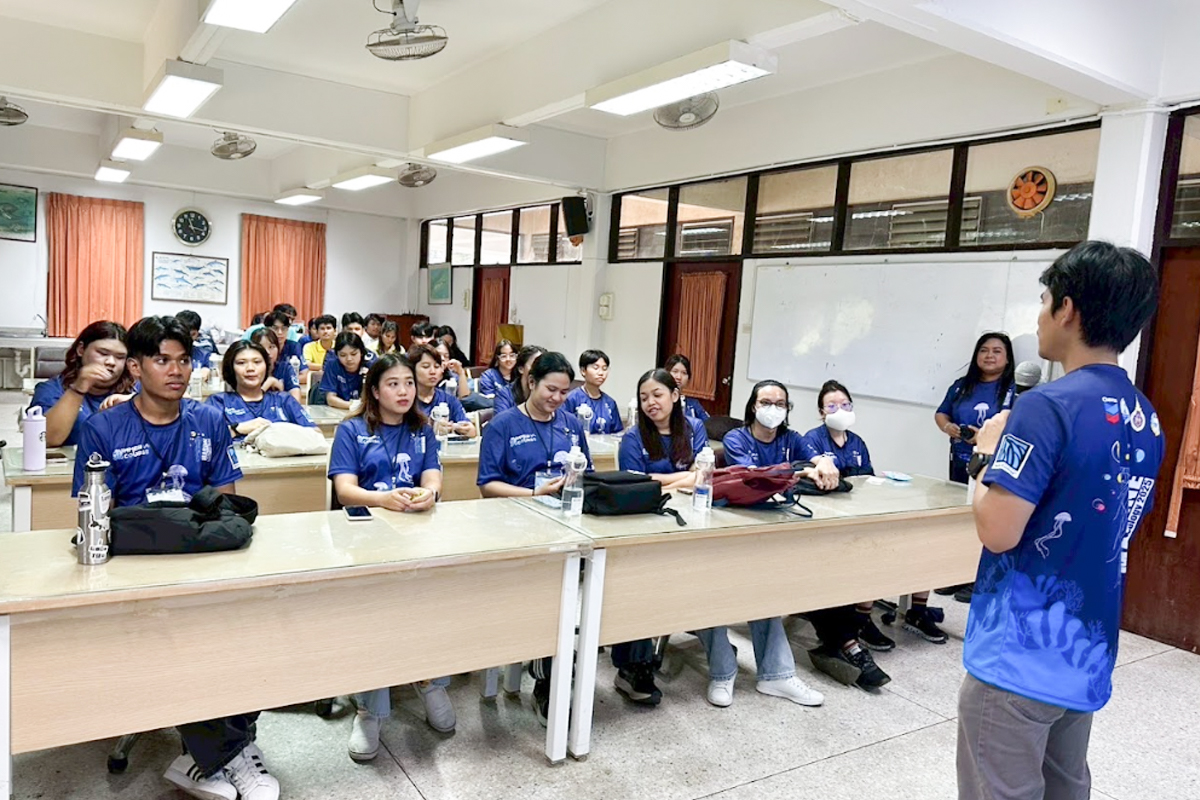
The 32nd Marine Ecology Summer Course brought together graduate and postgraduate students, including early-career researchers, to develop practical skills in marine ecology, environmental assessment, and scientific research. The course combined academic lectures, field investigations, and hands-on research activities to help participants understand the ecological relationships that sustain marine environments. Rather than focusing solely on classroom learning, participants undertook research projects involving the direct observation, sampling, and analysis of marine and coastal environments. This approach enabled them to investigate environmental conditions, identify potential pressures on marine ecosystems, and develop research skills relevant to biodiversity conservation and ecosystem management.
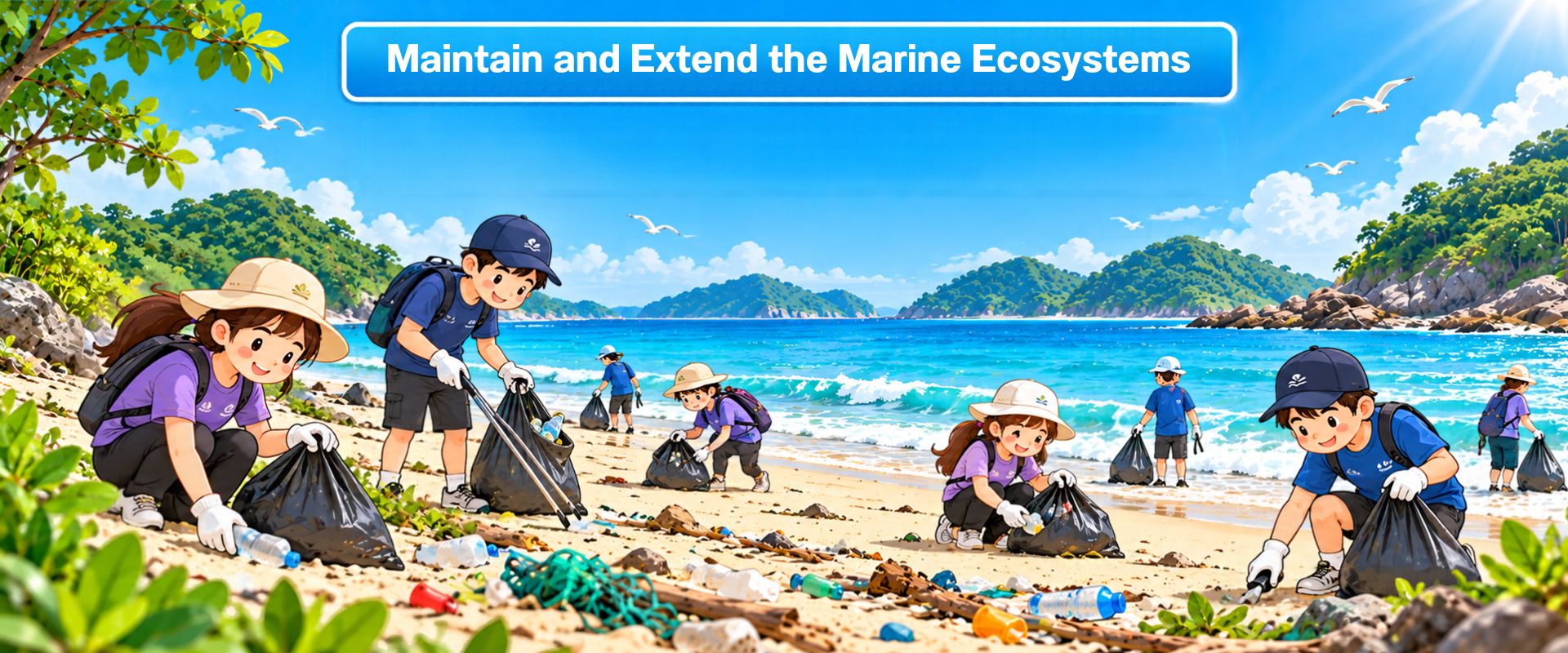
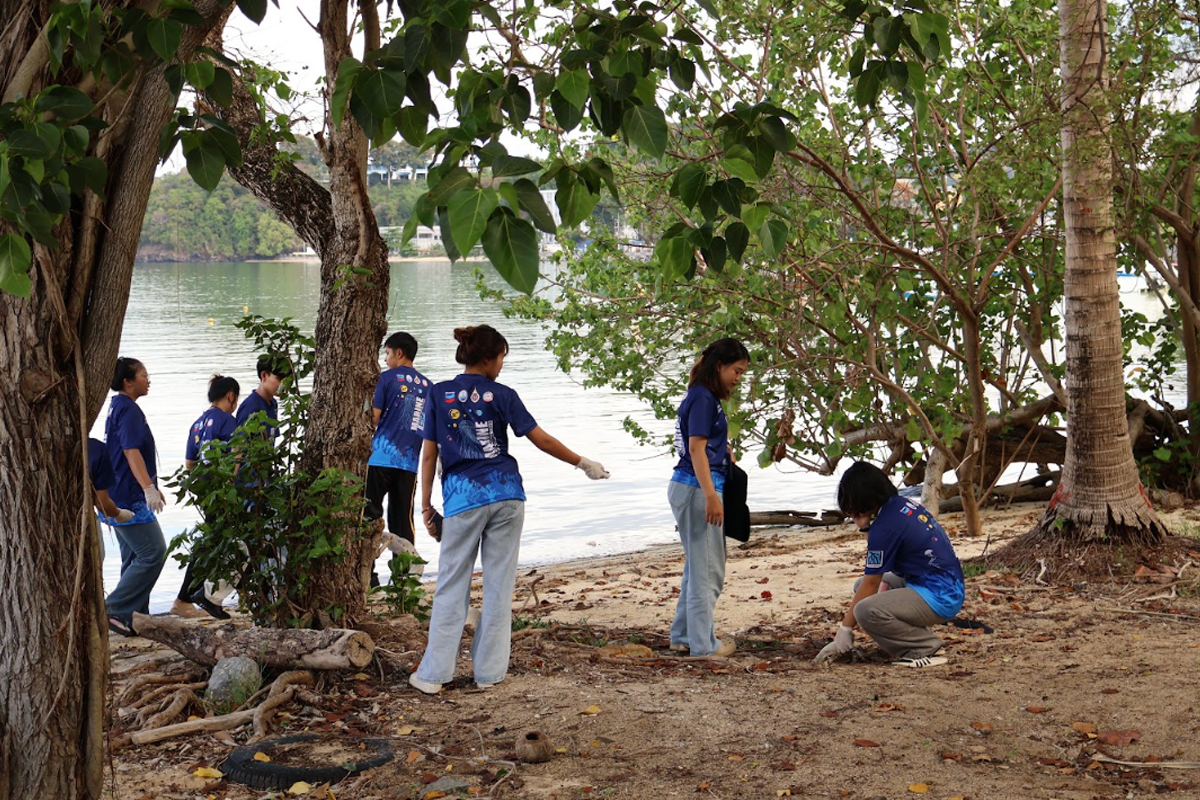
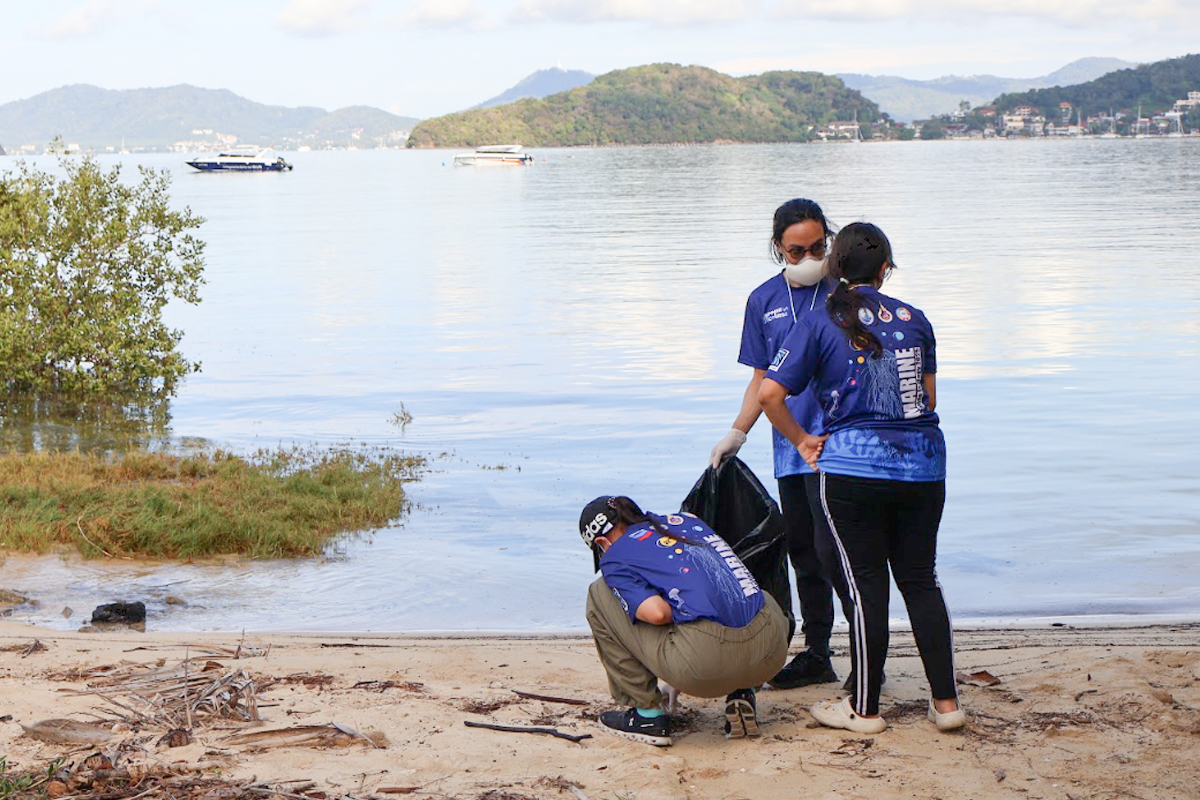
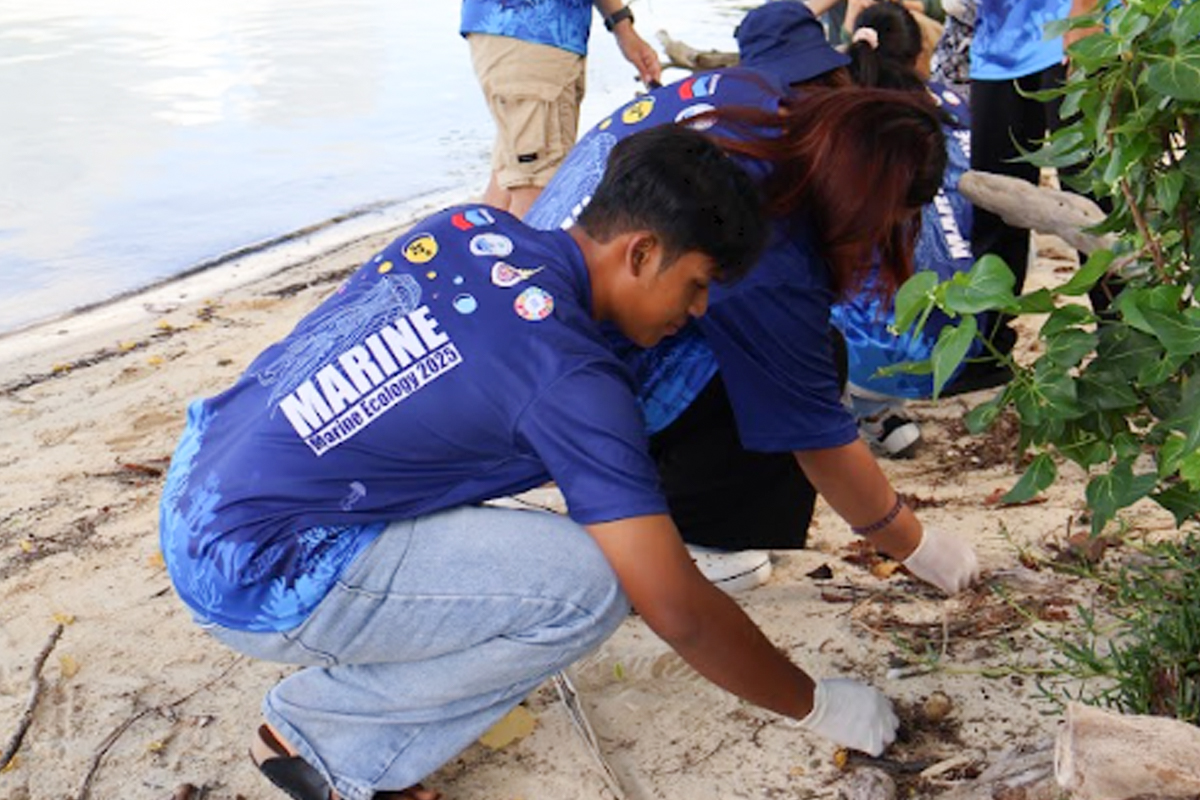
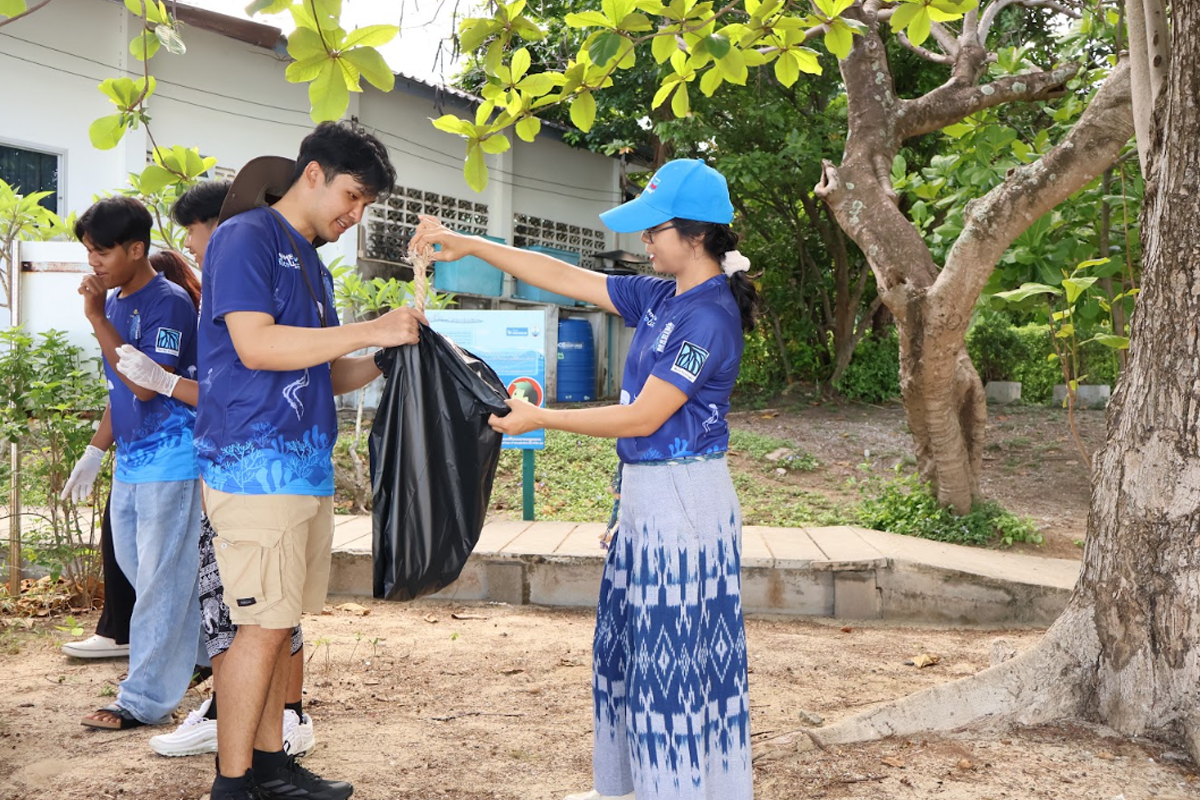
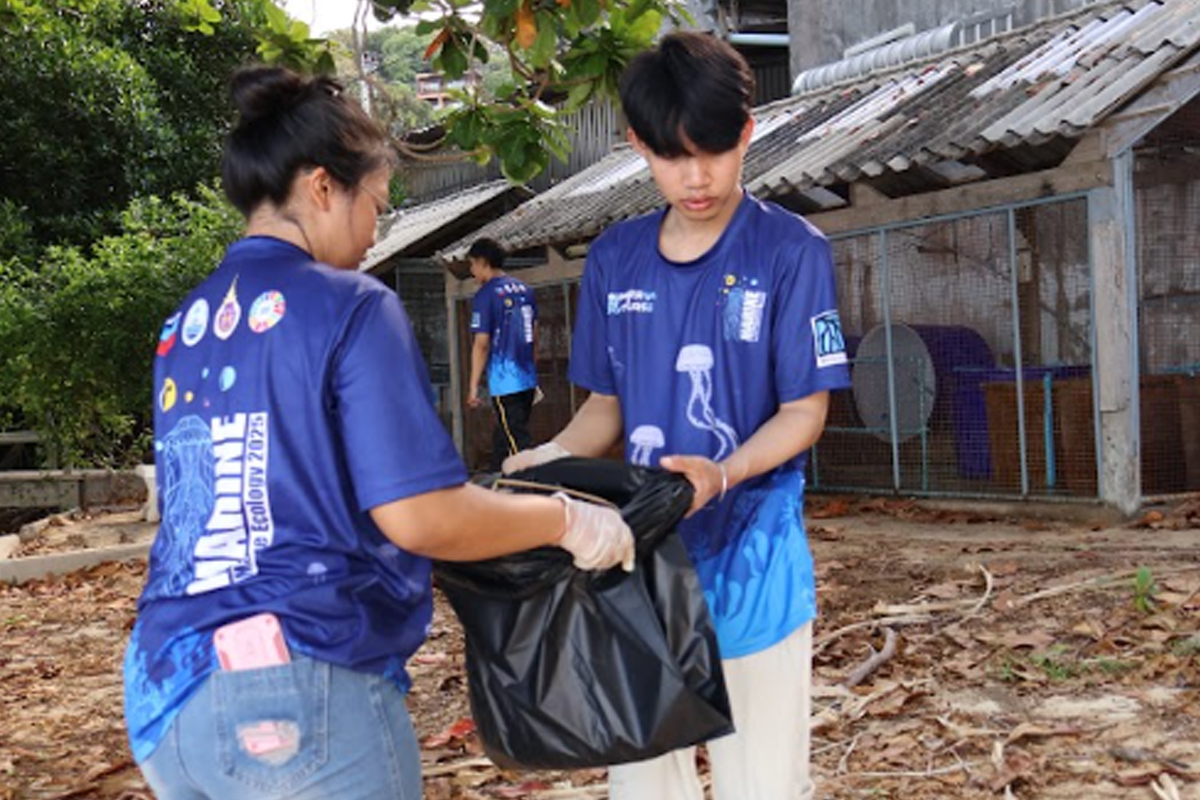
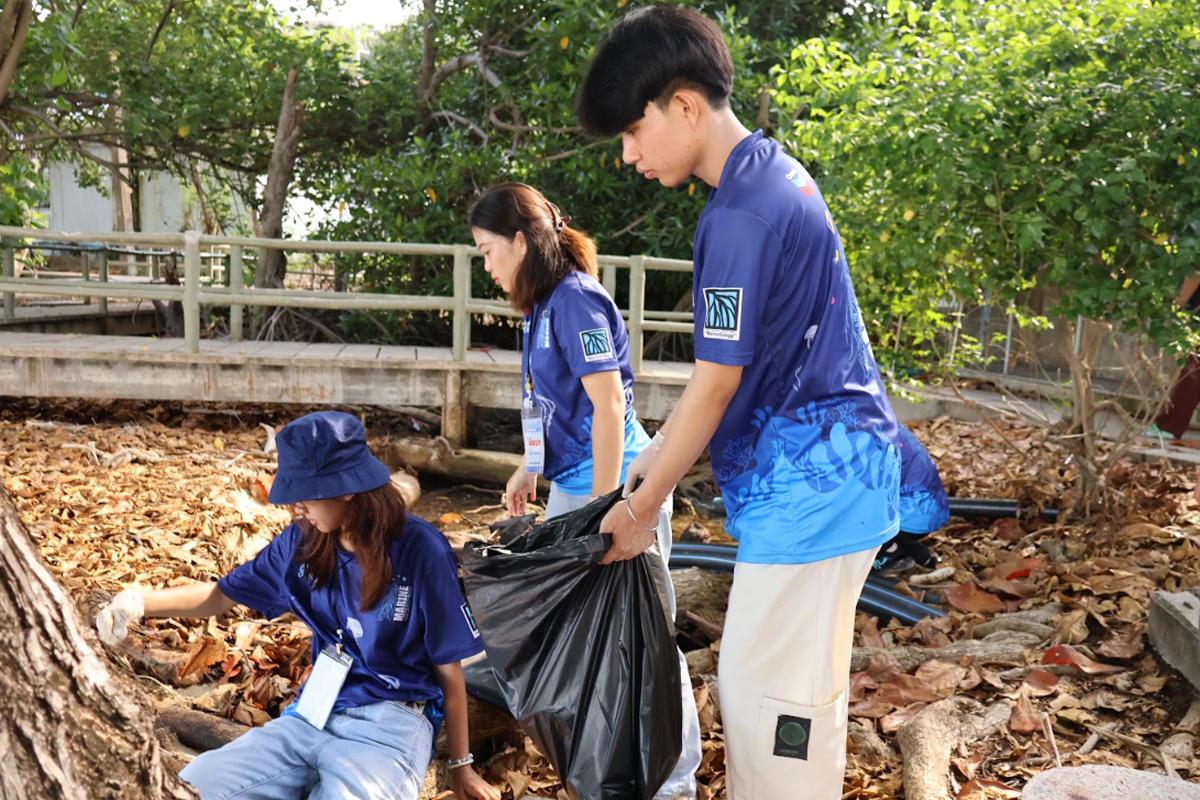
A key component of the course was the collection and analysis of scientific data from marine environments around Phuket and the Andaman Sea. Participants undertook a range of research activities covering different aspects of marine ecology and environmental quality. These included oceanographic investigations involving seawater sampling around islands near Phuket, studies of microplastics in marine environments, and assessments of rocky shore ecosystems and seagrass habitats. Participants also conducted beach-profile surveys to examine coastal characteristics and used scientific equipment to collect sediment and plankton samples and assess water quality. Coral reef surveys formed another important component of the fieldwork, providing opportunities to investigate reef environments and the ecological conditions that support marine biodiversity.
These research activities addressed complementary aspects of marine ecosystem health. Oceanographic sampling and water-quality assessments provided information about the physical and environmental conditions of marine waters, while sediment and plankton sampling supported investigations of marine environmental characteristics and biological communities. Microplastic studies addressed the presence of plastic pollution in marine environments, an issue of concern for marine organisms and ecosystem health. Rocky shore and seagrass investigations focused on habitats that support diverse organisms and contribute to the ecological functioning of coastal environments. Meanwhile, beach-profile surveys helped document coastal conditions, and coral reef surveys provided opportunities to assess reef ecosystems that support marine biodiversity and are important to the ecological and tourism value of the Andaman Sea.
Beyond its educational objectives, the Marine Ecology Course served as a platform for collaborative research and direct engagement between WU and Chevron Thailand Exploration and Production Ltd. Through this collaboration, the participating institutions supported the collection and analysis of ecological information to improve understanding of marine habitats, environmental conditions, and species diversity. The course’s research-based structure enabled participants to contribute to field investigations while developing the scientific knowledge and practical competencies needed to study marine ecosystems. The resulting datasets can provide useful reference information for further scientific investigation, comparisons of environmental conditions, and the identification of potential conservation priorities, subject to the scope and availability of the collected data.
The collaboration is particularly relevant to maintaining and extending existing marine ecosystems and their biodiversity because effective conservation requires reliable information about the condition of habitats and the environmental factors affecting marine organisms. Research on coral reefs, seagrass beds, rocky shores, plankton, sediments, seawater quality, and microplastics can help researchers develop a broader understanding of the ecological conditions supporting marine life. Such information can inform future studies, guide the identification of environmental pressures, and support the development of appropriate measures to protect vulnerable habitats and the species that depend on them. By connecting academic research with the marine industry’s expertise and resources, the partnership creates opportunities to strengthen marine ecological research and promote informed approaches to ecosystem conservation.
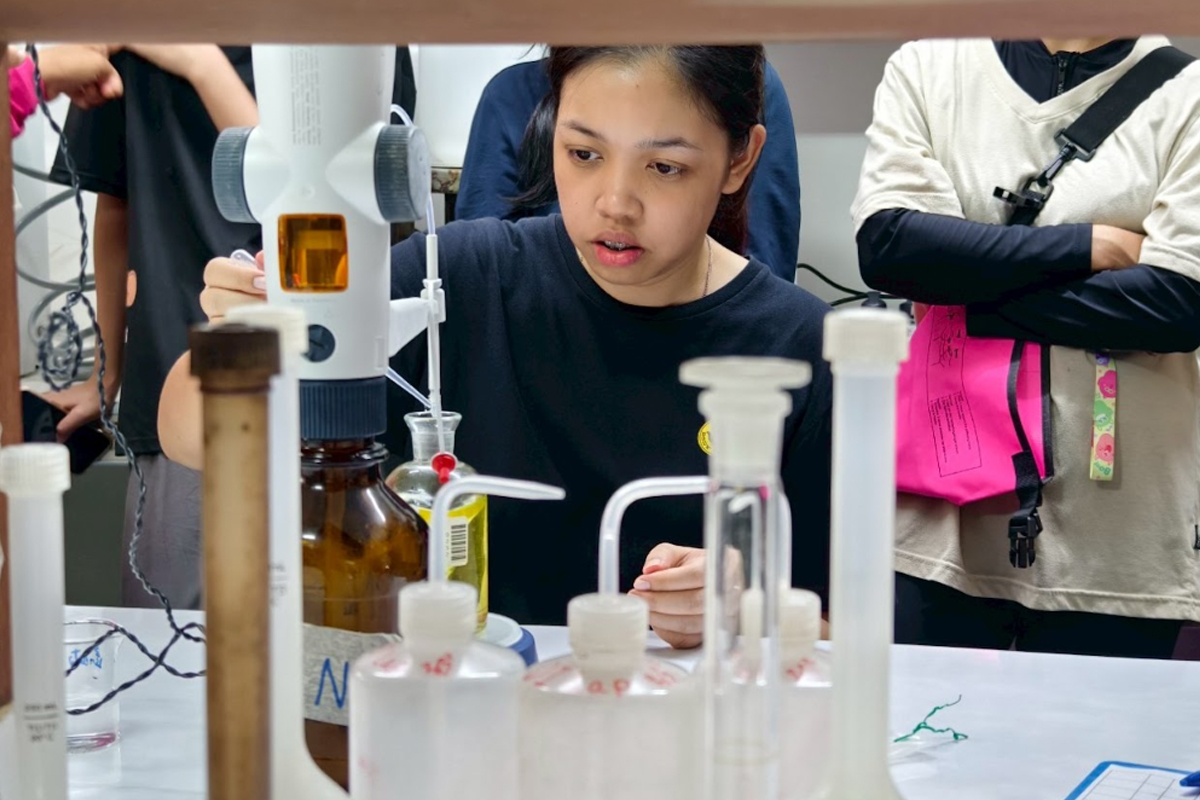
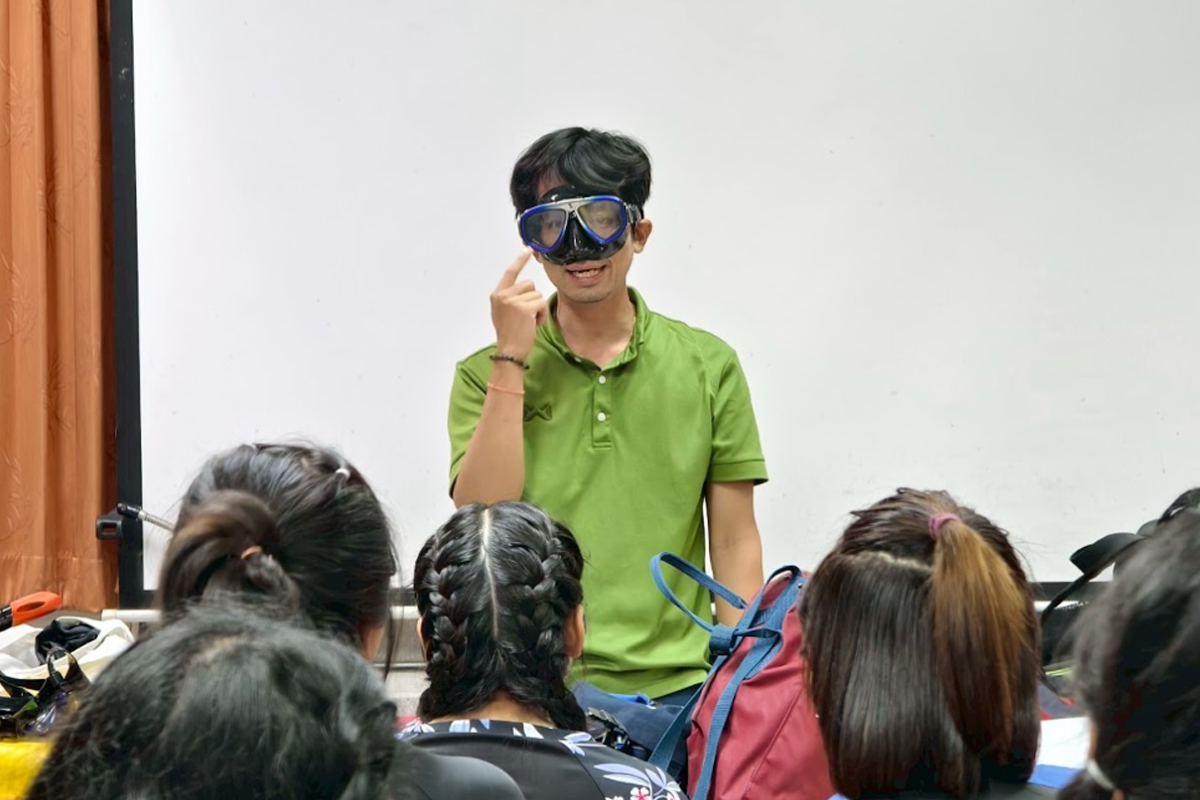
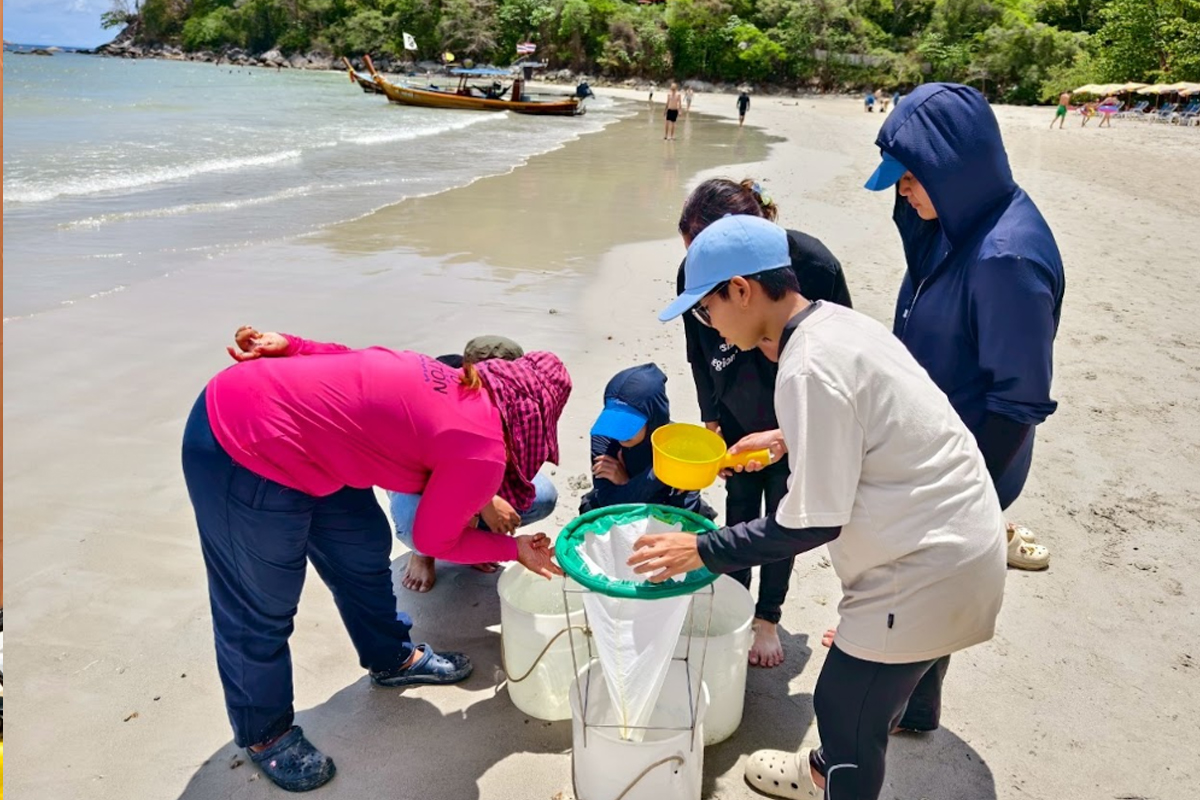
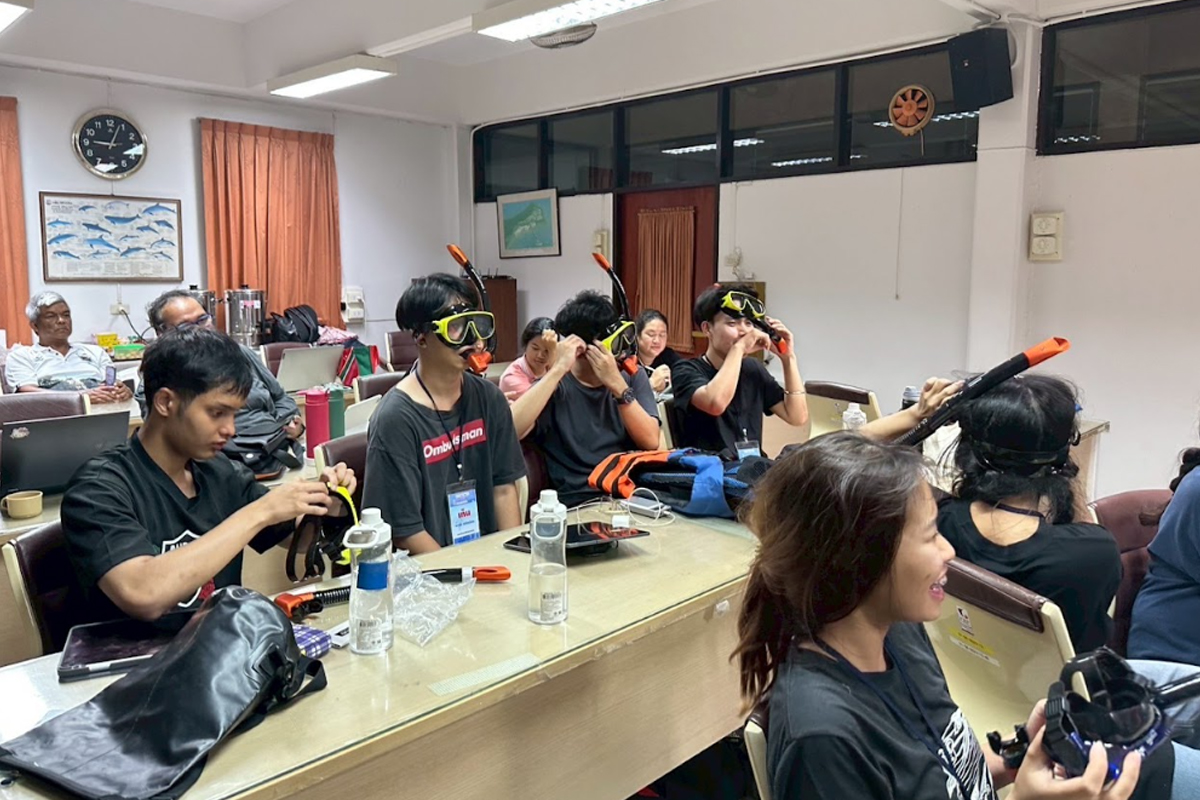
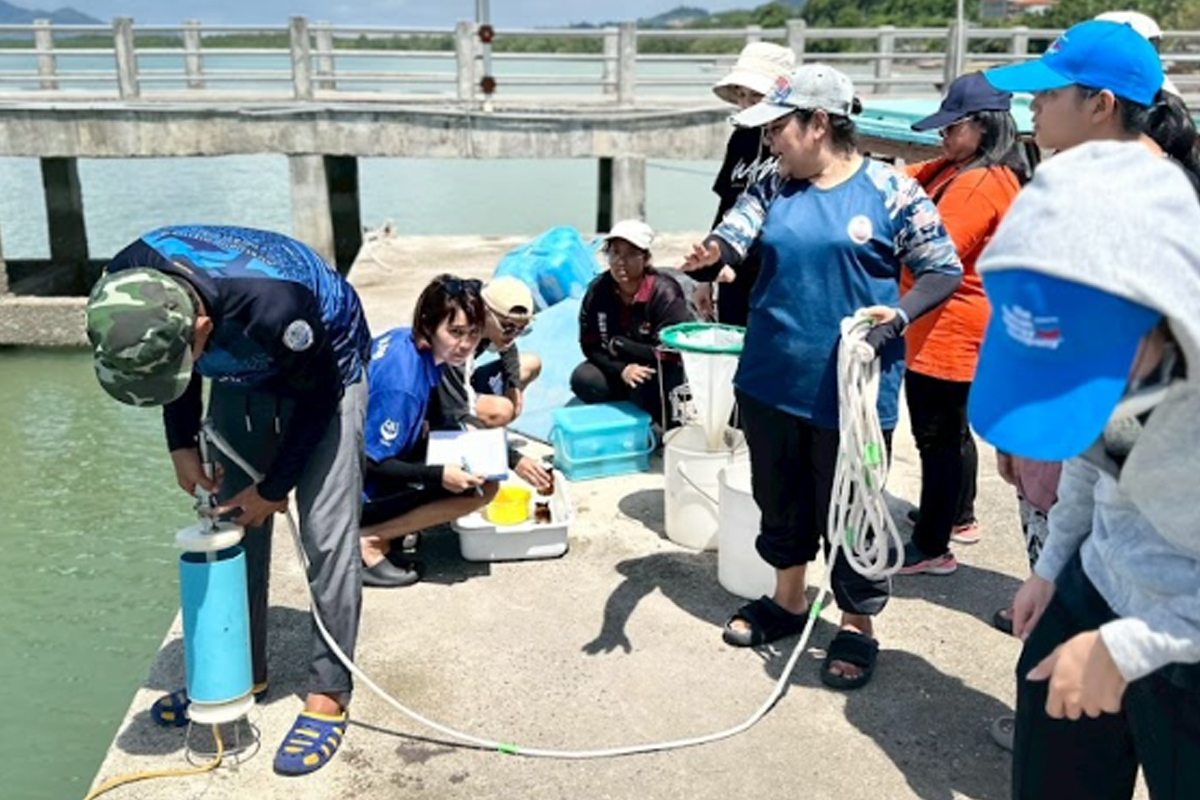
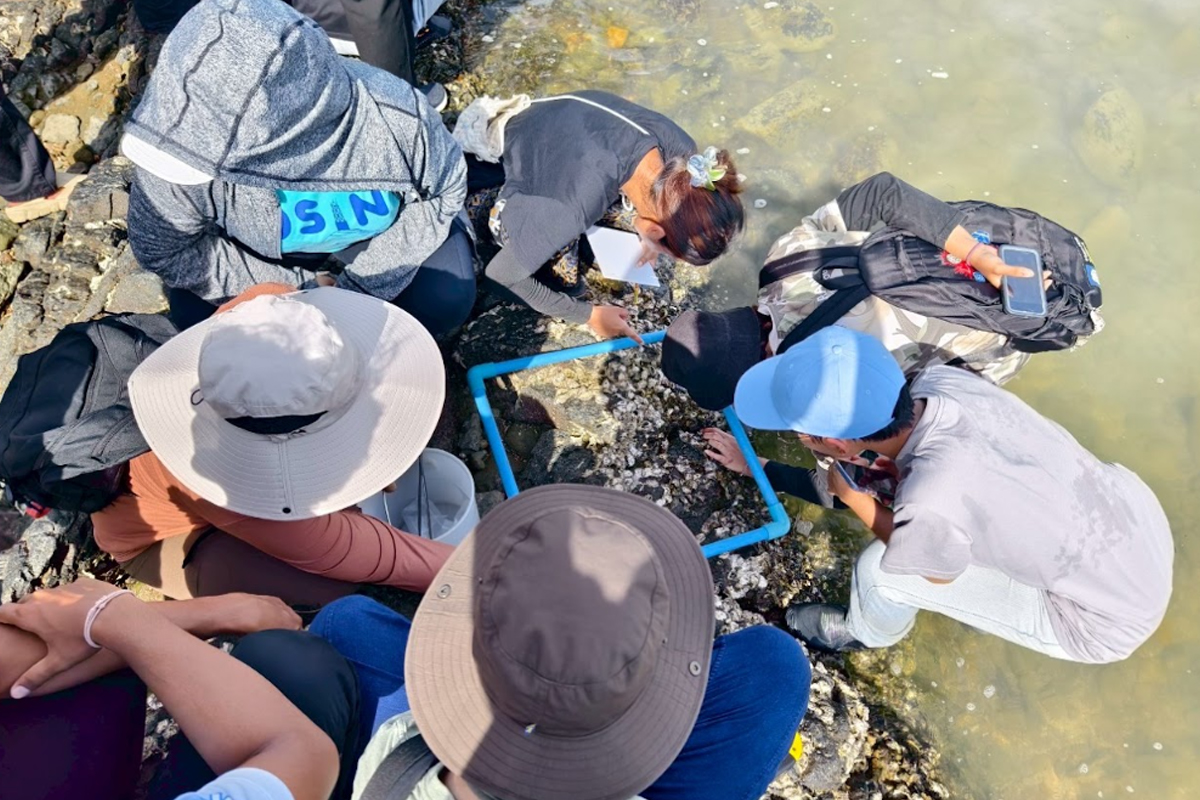
The course also contributed to the development of future marine scientists and researchers by providing practical experience in scientific sampling, field observation, environmental assessment, and research design. Participants were required to undertake research projects during the course, encouraging them to engage directly with marine ecological questions and develop evidence-based approaches to investigating environmental challenges. These experiences can support future research on marine biodiversity, habitat conservation, pollution, and ecosystem sustainability, helping build the scientific capacity needed to address emerging environmental concerns.
Through its collaboration with Chevron Thailand Exploration and Production Ltd., Walailak University demonstrates how partnerships between universities and marine industries can support direct research and engagement to maintain and enhance marine ecosystems and biodiversity. The 32nd Marine Ecology Course combined field-based investigation, environmental monitoring, and research training to generate scientific information about marine and coastal environments in the Andaman Sea. By supporting continued research, strengthening scientific capacity, and improving understanding of marine habitats and environmental pressures, this collaboration contributes to the broader goal of conserving marine biodiversity and promoting the long-term sustainability of Thailand’s marine ecosystems.
The collaboration between Walailak University and Chevron Thailand Exploration and Production Ltd. through the 32nd Marine Ecology Course demonstrates how partnerships between academic institutions and the marine industry can contribute directly to maintaining and enhancing marine ecosystems and biodiversity. By combining scientific research, field-based investigations, environmental monitoring, and practical training, the initiative supports a better understanding of the ecological conditions of the Andaman Sea and the environmental pressures affecting its marine habitats. The collection and analysis of data on seawater quality, microplastics, plankton, sediments, rocky shore ecosystems, seagrass beds, beach profiles, and coral reefs provide valuable scientific information that can inform future research and help identify priorities for marine conservation. These activities also establish important baseline measurements and provide methods for assessing changes in marine environmental conditions over time.
The initiative also generates important educational and scientific benefits by equipping graduate students and early-career researchers with practical skills in marine ecological research, environmental assessment, and data collection. These experiences help develop future generations of marine scientists who can contribute to biodiversity protection, habitat conservation, and the sustainable management of marine resources. Continued research and monitoring can establish useful reference data and measurable indicators for assessing environmental conditions over time, identifying potential threats to marine organisms, and informing appropriate responses to ecosystem degradation. Measurements of water quality, microplastic concentrations, plankton abundance, sediment characteristics, and coral reef conditions can help researchers detect environmental changes and evaluate the effectiveness of conservation interventions. This evidence-based approach can help strengthen conservation planning and support efforts to protect vulnerable habitats and the diverse species they sustain.
Furthermore, the partnership encourages stronger cooperation between universities and industry in addressing shared environmental challenges. By connecting academic expertise with industry engagement and practical research, Walailak University and Chevron Thailand Exploration and Production Ltd. help promote a culture of scientific collaboration and environmental responsibility. The knowledge generated through the course can support future investigations and inform the development of appropriate conservation and management measures for marine environments. Regular environmental measurements and systematic monitoring can also help establish reliable evidence for decision-making, identify emerging ecological pressures, and guide the prioritisation of conservation activities. Ultimately, these efforts contribute to maintaining the ecological integrity of the Andaman Sea, protecting marine biodiversity, and promoting the sustainable use of marine resources. Through continued research, knowledge exchange, measurement of environmental changes, and collaboration, the initiative supports the long-term resilience of marine ecosystems and helps preserve their ecological, economic, and social benefits for coastal communities and future generations.
Related Links
https://cas.wu.ac.th/archives/32816
ร่วมจับมือ 🤝 ประชุมหารือกับเครือข่ายภาคีภาครัฐ… – Amonsak Sawusdee | Facebook
บันทึกความเข้าใจและข้อตกลงร่วม… – จินดา เจี๊ยบ จิตตะนัง | Facebook
https://cas.wu.ac.th/archives/32615
https://www.youtube.com/playlist?list=PLn1M6nhsvhDWhgcXLOG3R9n94VzxO0dg1
เมื่อวันที่ 31 มกราคม… – ศูนย์บริการวิชาการ มหาวิทยาลัยวลัยลักษณ์ | Facebook
โครงการค่ายนิเวศวิทยาทาง… – ศูนย์บริการวิชาการ มหาวิทยาลัยวลัยลักษณ์ | Facebook
ค่ายนิเวศวิทยาทางทะเล 32 พลังคนรุ่นใหม่อนุรักษ์ท้องทะเลอย่างยั่งยืน
https://cas.wu.ac.th/archives/33537
เชฟรอนสานต่อภารกิจสร้างนักวิทย์ทะเลรุ่นใหม่เพื่อขับเคลื่อนโลกสู่ความยั่งยืน — ประเทศไทย.chevron.com