
WU Collaborating with Marine Industries to Minimize Environmental Damage
WU Collaborating with Marine Industries to Minimize Environmental Damage
Walailak University (WU) advances Sustainable Development Goal 14 by conducting research and collaborating directly with marine industry partners to develop scientific knowledge and practices that minimise or prevent damage to aquatic ecosystems. Through industry engagement, field-based research, and environmental monitoring, the University supports efforts to understand marine habitats, diagnose potential environmental risks, and inform appropriate measures for protecting aquatic biodiversity. These activities are particularly important for ensuring that marine industrial activities are undertaken with due consideration for environmental conditions and ecosystem sensitivity. By establishing scientific baseline information, conducting diagnostic assessments of marine environmental conditions, and strengthening research capacity, WU’s collaborations can help inform the development of responsible industry practices, environmental monitoring programmes, and preventive measures to safeguard marine ecosystems. The following initiatives demonstrate how research and direct engagement with marine industry partners can contribute to evidence-based approaches for diagnosing environmental challenges, maintaining marine biodiversity, and reducing the environmental impacts of industrial activities.
Applying Collaborative Research and Practices to Prevent Damage to Aquatic Ecosystems
In 2025, Walailak University (WU), in collaboration with marine industry partners, the Thai Sea Watch Association, non-governmental organizations (NGOs), government agencies, educational institutions, and local fishing communities, strengthened research and collaborative efforts to prevent damage to marine and coastal ecosystems. The initiative formed part of research conducted through collaboration between WU and marine industry partners, connecting academic expertise with industry experience, community knowledge, and fisheries-management practices. A key outcome of this collaboration was the development of a Memorandum of Understanding (MOU) under the Locally Managed Marine Area (LMMA) initiative. The MOU established a framework for cooperation in marine and coastal resource protection, promoting responsible fishing practices and preventing harmful activities, particularly the use of illegal fishing gear that can damage aquatic ecosystems. By linking research with stakeholder engagement and agreed conservation practices, the initiative sought to support practical approaches that minimise or prevent environmental damage while promoting sustainable marine resource use.
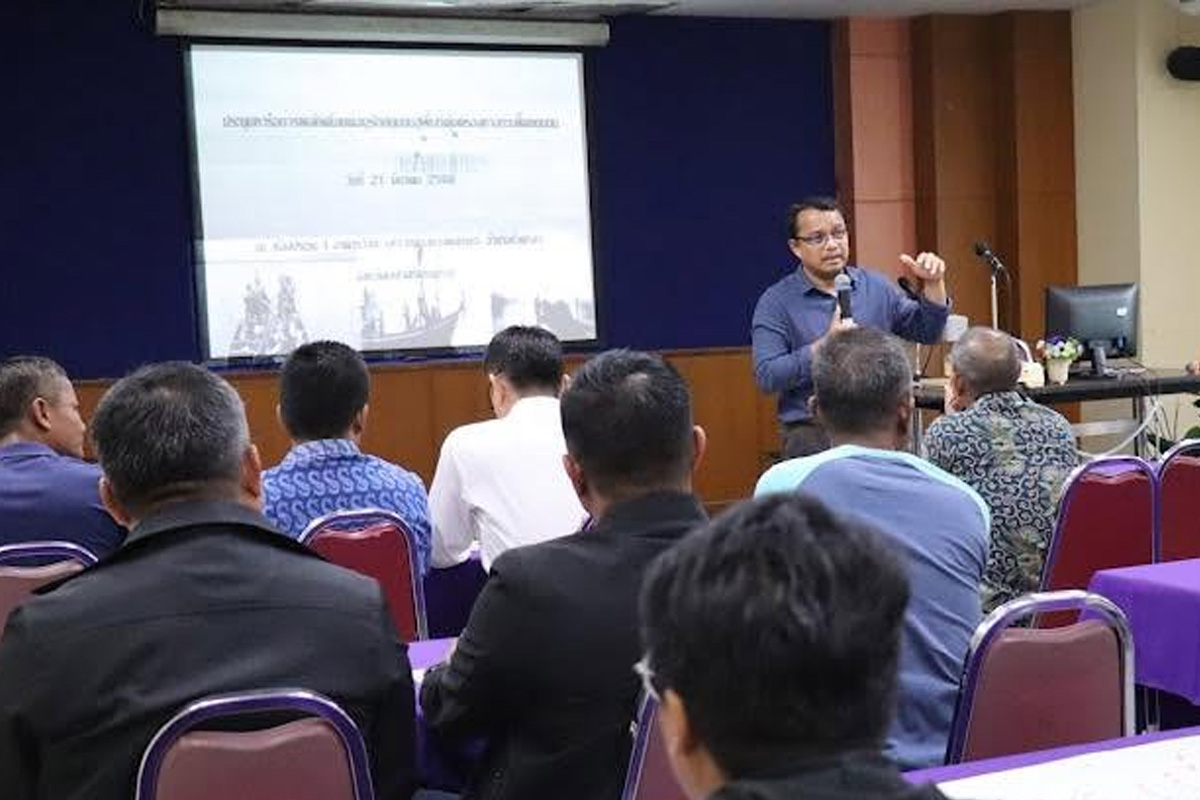
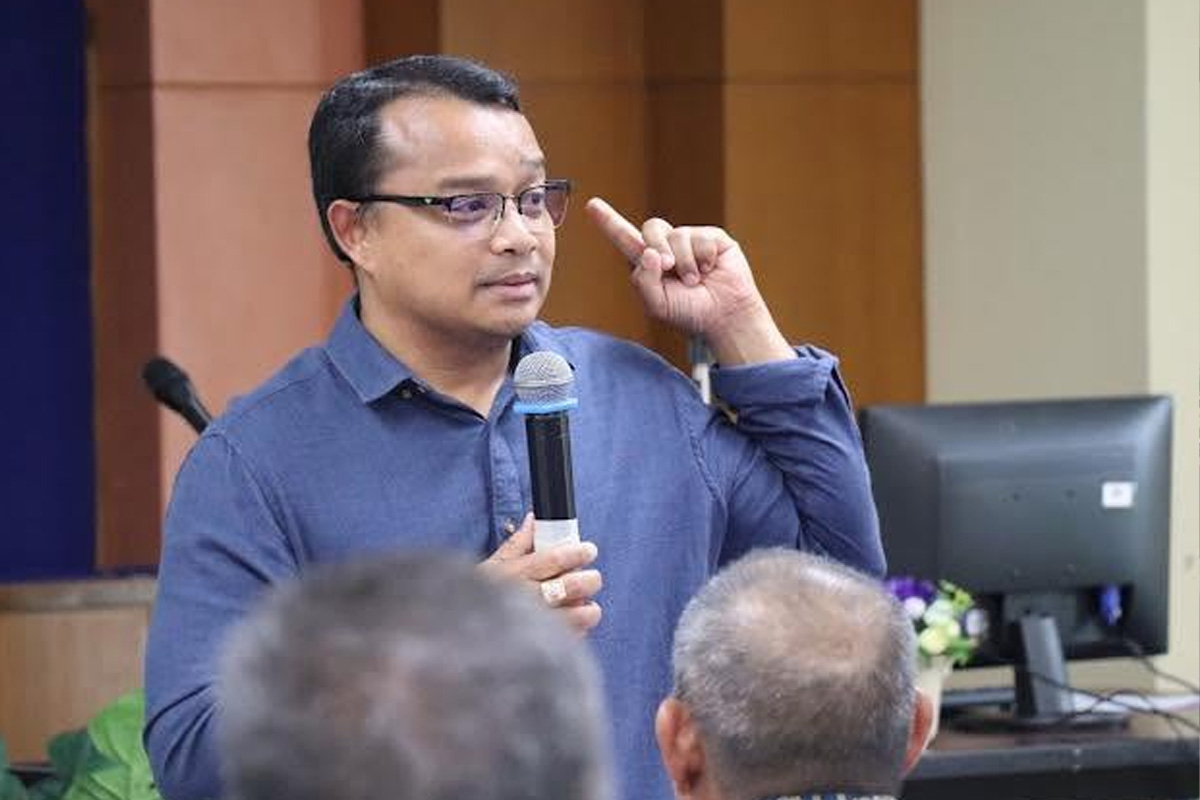
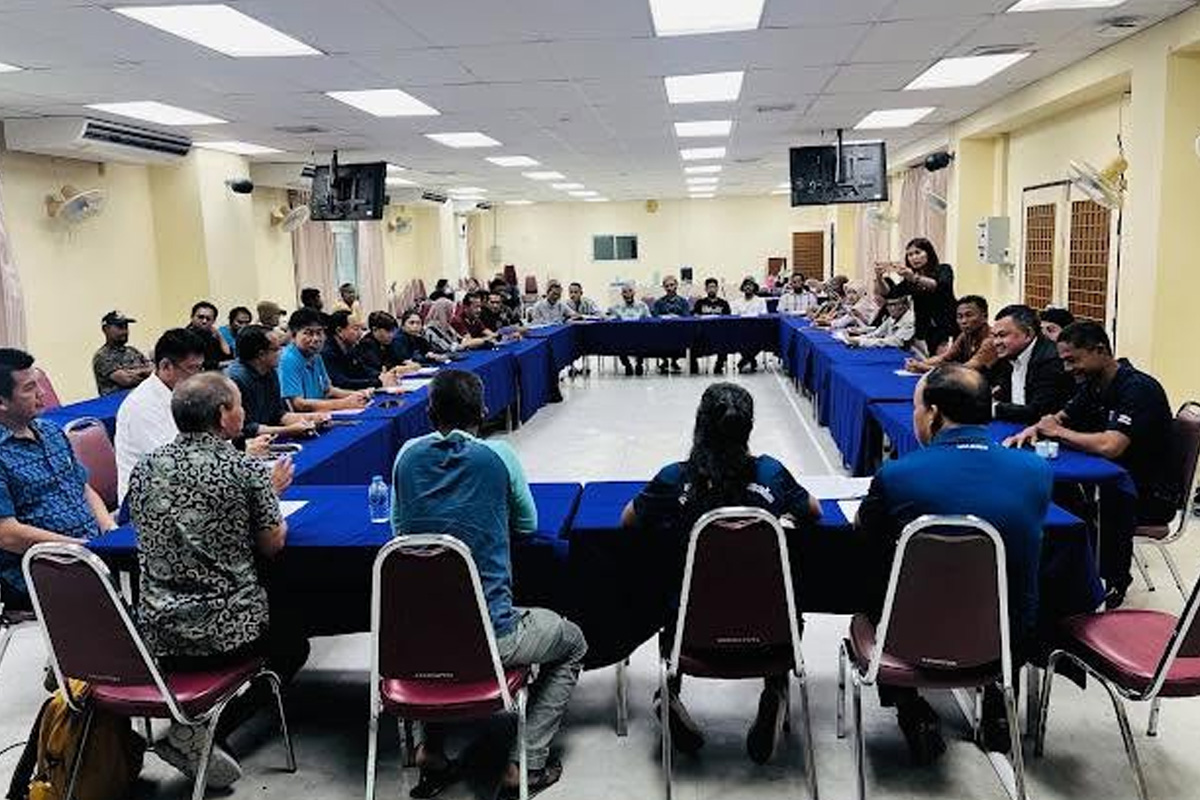
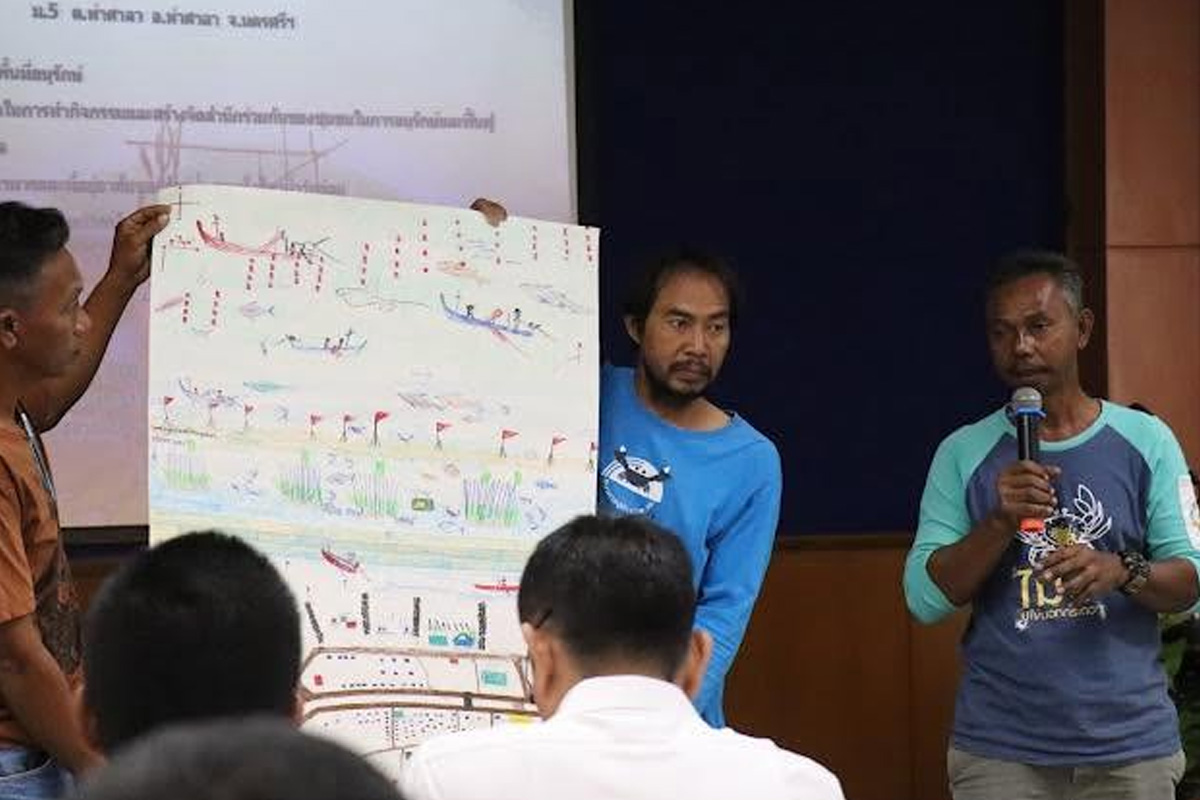
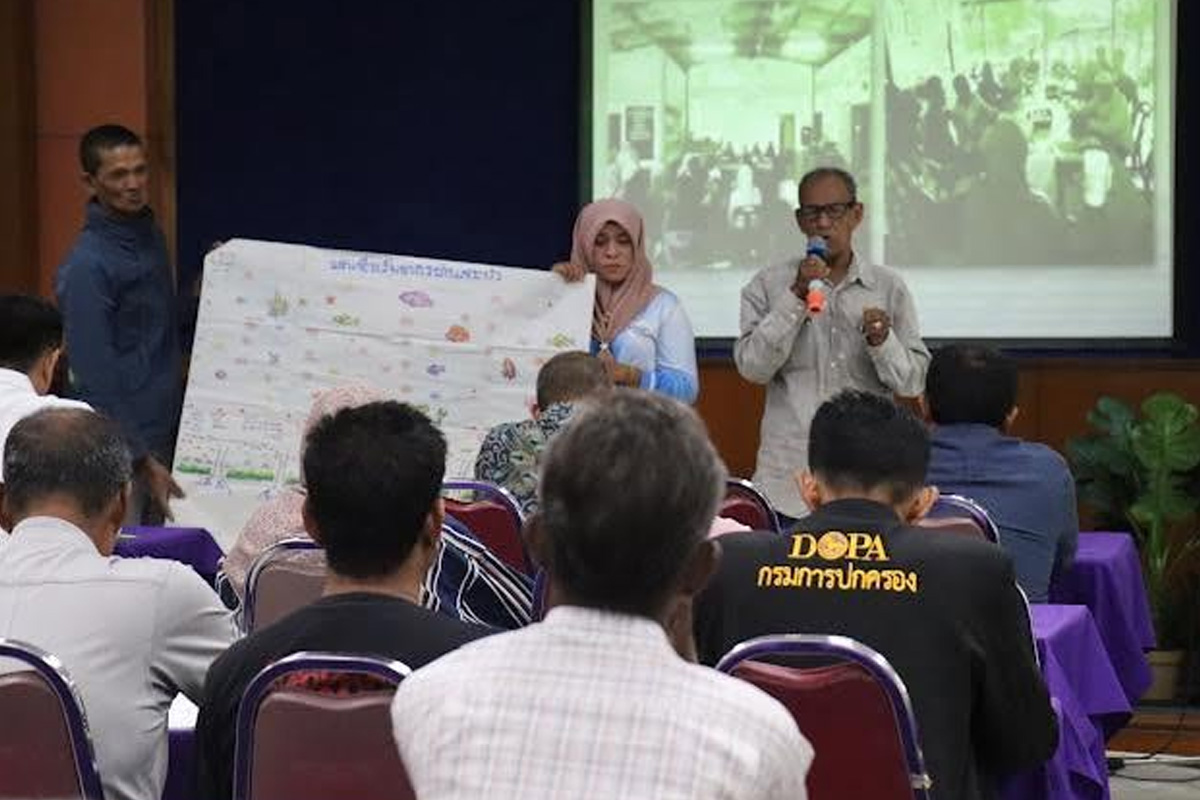
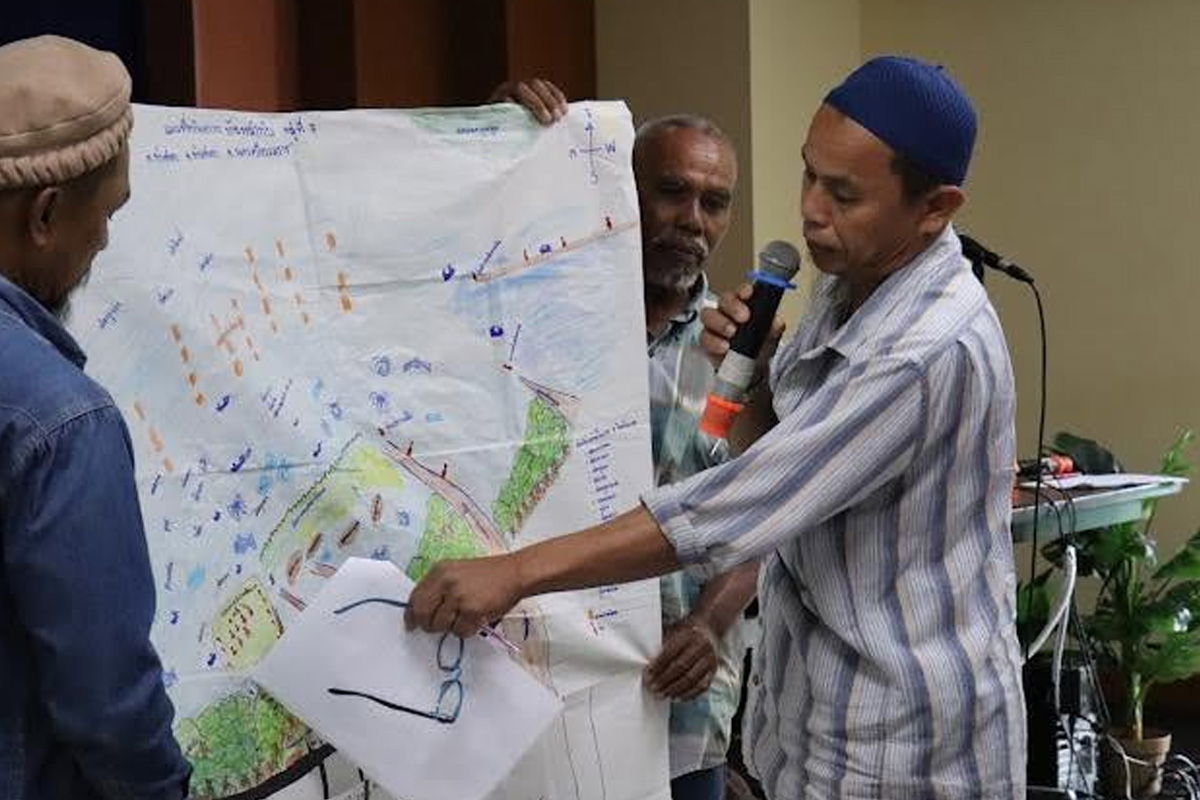
A consultation meeting at Walailak University brought together representatives from the communities of Ban Nai Thung, Ban Sa Bua, and Ban Na Thap in Tha Sala District, Nakhon Si Thammarat Province, to discuss the MOU and mutual commitments to marine and coastal resource protection. The discussions provided a platform for WU, marine industry partners, community representatives, and other stakeholders to consider how scientific knowledge, industry experience, and community participation could inform practical conservation measures. The agreement promotes balanced and sustainable resource management while supporting community livelihoods, local economic development, and human rights. It reflects a shared understanding that protecting marine ecosystems is essential to biodiversity, food security, environmental stability, and the long-term sustainability of coastal economies.
A key component of the MOU is the establishment and strengthening of community conservation zones covering approximately 3,900 rai (624 hectares). These areas comprise approximately 600 rai in Ban Nai Thung, 1,600 rai in Ban Sa Bua, and 1,700 rai in Ban Na Thap. Developed through community consultation and participation, the conservation zones are intended to provide safe habitats for juvenile aquatic animals, protect breeding and nursery grounds, support the replenishment of aquatic populations, and strengthen community surveillance against illegal fishing. The conservation framework also provides a basis for regulating resource use and encouraging fishing practices that avoid unnecessary damage to marine habitats and aquatic organisms. By promoting compliance with conservation rules and preventing the use of illegal fishing gear, the initiative seeks to reduce harmful fishing activities, maintain ecological functions, and protect the natural resources on which local fisheries and coastal livelihoods depend.
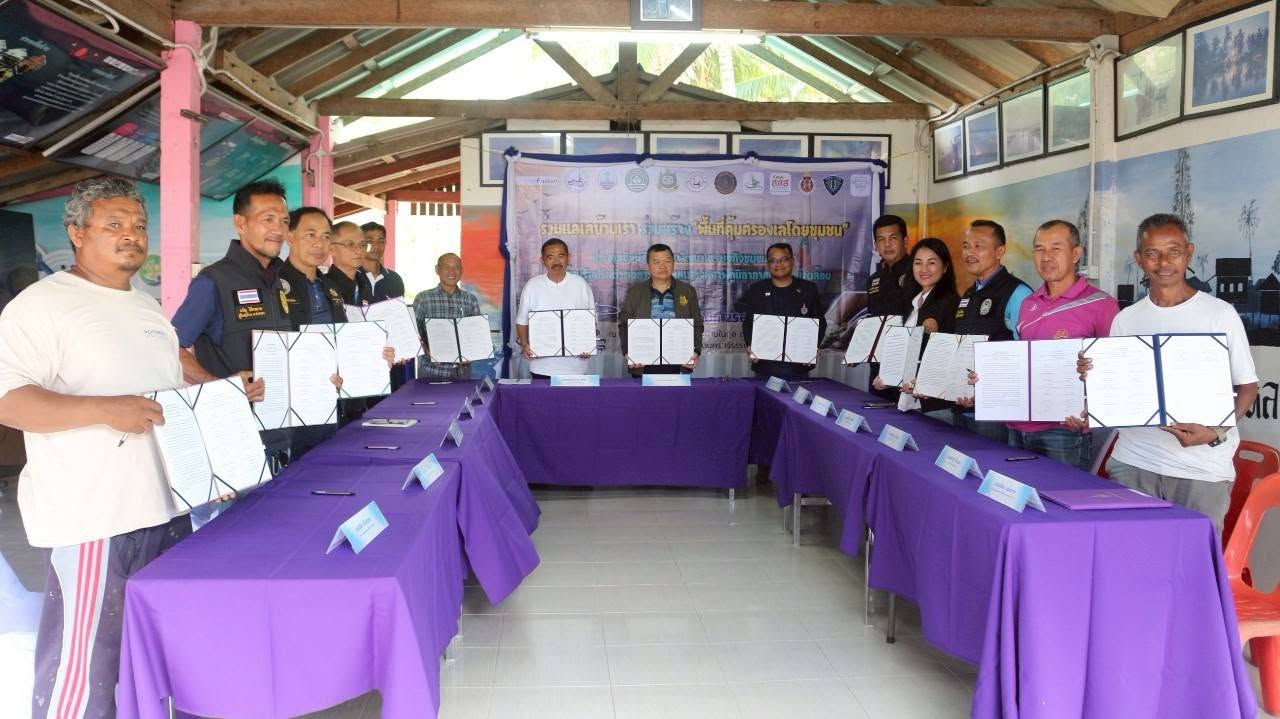
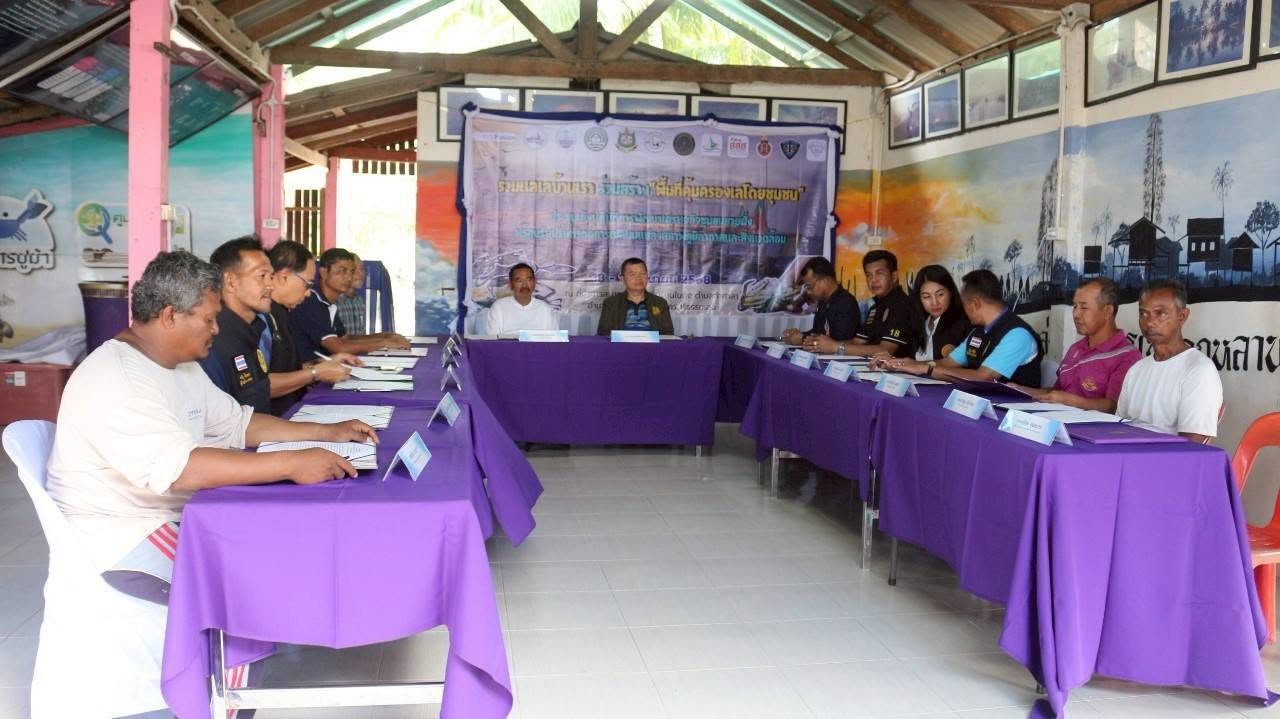
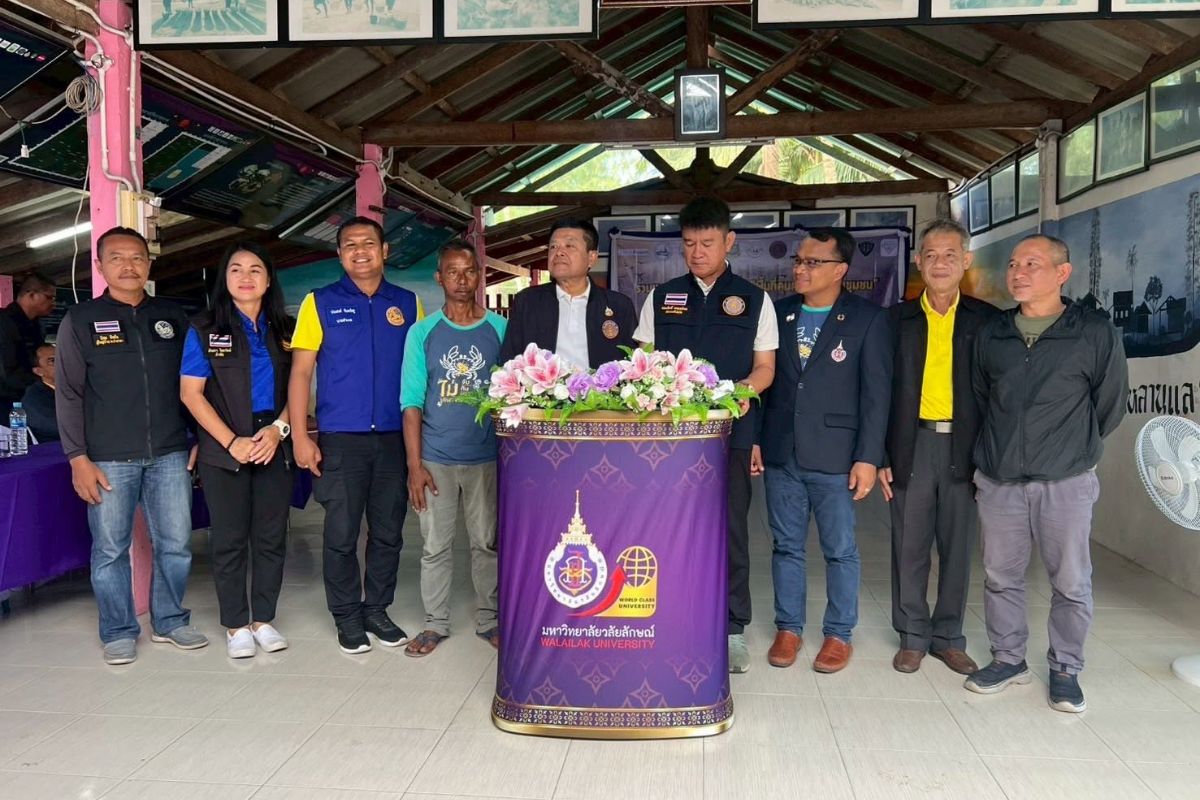
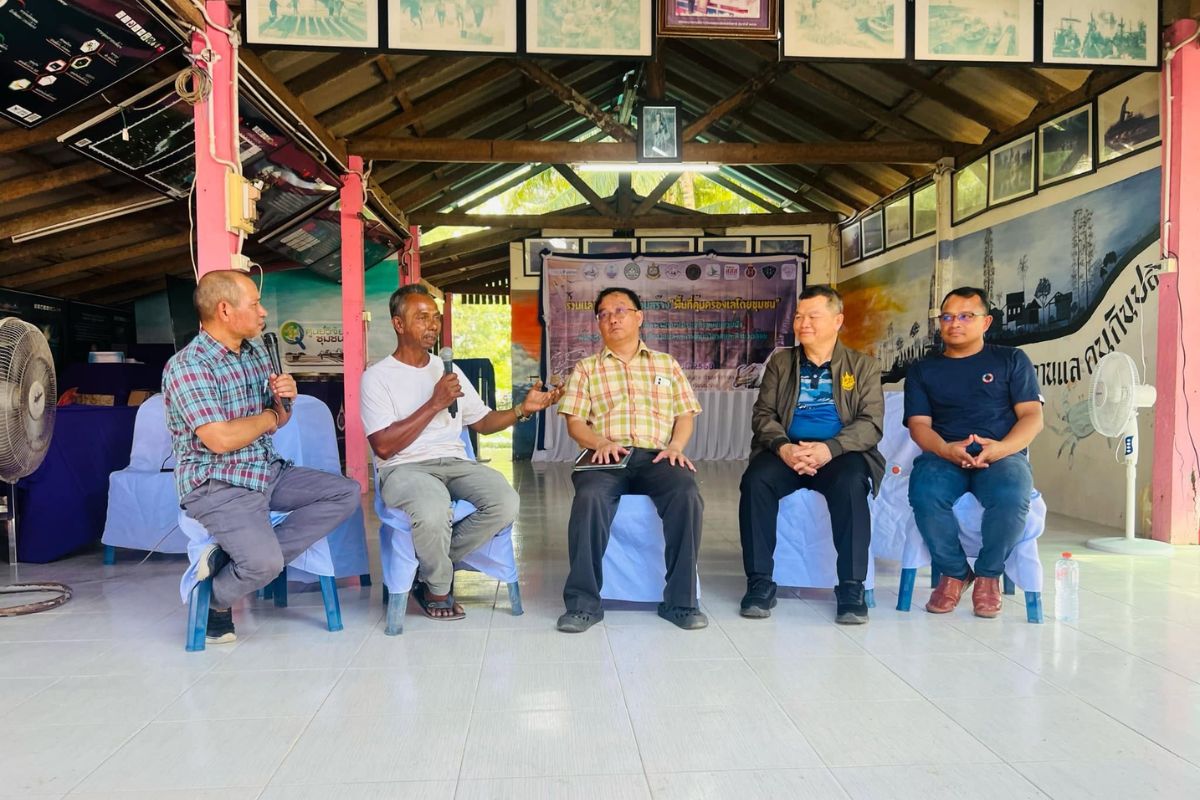
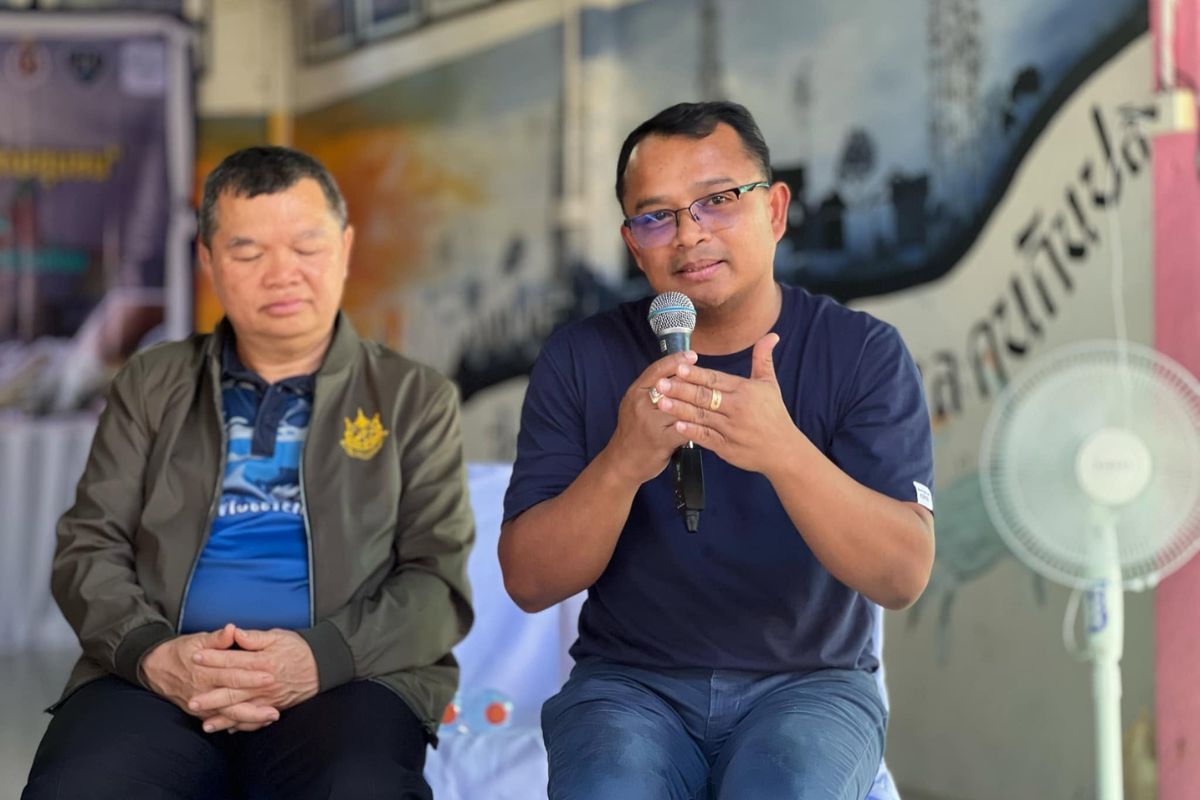
The research collaboration brought together marine industry partners, including Khon Kaen Fishing Net Factory Co., Ltd., the Thai Frozen Foods Association, and PTT Public Company Limited, alongside NGOs such as the Thai Sea Watch Association and the Federation of Thai Small-Scale Fisherfolk Associations. Their involvement created opportunities to connect conservation objectives with industry knowledge, responsible fisheries practices, and practical approaches to reducing environmental damage. Through this multi-stakeholder framework, participants could consider how marine-related activities might be conducted responsibly, how conservation rules could be supported, and how cooperation among industry, communities, and academic institutions could help prevent practices that threaten aquatic biodiversity. The engagement of marine industry partners was particularly important because sustainable marine resource management requires cooperation among stakeholders whose activities influence aquatic ecosystems and those responsible for protecting them.
Under the LMMA initiative, Walailak University contributed academic knowledge and research expertise in sustainable fisheries and aquaculture management, community participation, and relevant fisheries-management principles and regulatory frameworks. The research collaboration provided a basis for connecting scientific knowledge with practical challenges in marine resource management. Knowledge-sharing activities introduced approaches that enable local communities and other stakeholders to participate directly in the management and conservation of marine and coastal resources. Participants also discussed relevant fisheries regulations and management mechanisms, including European Union (EU) requirements and Regional Fisheries Management Organization (RFMO) frameworks, to improve their understanding of responsible fisheries management. By linking local conservation practices with scientific evidence and wider fisheries-management principles, WU supported efforts to identify and promote approaches that minimise damage to aquatic ecosystems and encourage compliance with applicable regulations.
The MOU identifies Walailak University and Nakhon Si Thammarat Rajabhat University as academic partners responsible for providing scientific knowledge, technology, innovation, and research expertise to support sustainable marine and coastal resource management. Their commitments include transferring knowledge to local communities, strengthening community capacity, supporting the development and management of blue swimming crab banks, and conducting research on ecosystem and environmental restoration associated with coastal resources. These responsibilities create opportunities to link academic research with practical conservation interventions, industry experience, and community resource-management needs. Research related to blue swimming crab banks and habitat-supporting initiatives can contribute to understanding how conservation measures may help maintain aquatic populations and improve the ecological conditions necessary for marine life. Such research can also inform the development and improvement of practices intended to prevent environmental damage and support the responsible use of aquatic resources.
Other signatories and participating organizations contribute complementary technical and institutional support. The Nakhon Si Thammarat Provincial Fisheries Office and the Sichon Marine Fisheries Protection and Suppression Unit support fisheries-management knowledge, sustainable fishing practices, law enforcement, and surveillance of conservation areas. The Songkhla Marine Fisheries Research and Development Centre contributes fisheries-related research and technical expertise, while relevant marine and coastal resource agencies support sustainable coastal management and the conservation and restoration of community mangrove forests. Tha Sala Subdistrict Administrative Organization promotes awareness of community conservation rules and supports their integration into local policy and regulations. These complementary responsibilities strengthen the technical and institutional support available to communities and marine industry stakeholders, helping establish the conditions necessary for responsible fishing, stronger compliance, and the prevention of activities that threaten aquatic habitats and biodiversity.
A central element of the MOU is the participation of local fishing groups in protecting marine resources and preventing illegal fishing. The three participating community organizations committed to serving as volunteer conservation monitors, continuing conservation activities, and cooperating with relevant authorities to prevent illegal fishing and protect marine resources. This framework reinforces the importance of avoiding illegal fishing gear and other prohibited practices that may damage habitats, capture juvenile aquatic animals, or threaten non-target species. Community-based monitoring also provides a mechanism for identifying potentially harmful activities and reporting suspected violations to the relevant authorities. Through these measures, conservation responsibilities extend beyond government enforcement and become part of a shared approach involving fishing communities, industry-related stakeholders, and academic partners. These practices are intended to reduce pressures on aquatic ecosystems and reinforce responsible resource use.
The Thai Sea Watch Association and the Federation of Thai Small-Scale Fisherfolk Associations also play important roles in advancing community participation and long-term conservation. The Thai Sea Watch Association supports local fishing communities in promoting equitable and sustainable resource management, developing conservation activities, improving aquatic product processing, and strengthening community-based economic opportunities. This approach connects environmental protection with the livelihoods and economic resilience of people who depend directly on healthy marine and coastal ecosystems. Responsible fishing practices can help maintain aquatic populations and productive habitats, while preventing the use of illegal fishing gear can reduce the risk of physical damage to marine environments and unnecessary harm to aquatic organisms. The collaboration therefore promotes the understanding that ecosystem protection is essential not only for biodiversity conservation but also for sustainable fisheries, food security, and coastal economic development.
Building on the MOU, Walailak University and its partners intend to continue collaborative research, stakeholder engagement, and assessment of conservation outcomes under the LMMA initiative. Research and monitoring can investigate the effectiveness of community conservation measures in protecting juvenile aquatic animals, supporting the replenishment of aquatic populations, maintaining important habitats, and promoting sustainable fishing practices. Monitoring can also examine the implementation of conservation rules, the effectiveness of community surveillance, compliance with restrictions on illegal fishing gear, and the relationship between ecosystem conservation and community livelihoods. By combining scientific evidence, community observations, fisheries-management expertise, and industry experience, the partners can identify effective approaches, address implementation challenges, and develop recommendations for improving conservation practices over time.
This research-oriented approach provides a basis for translating the MOU’s commitments into evidence-informed management practices. Findings from ongoing research and monitoring can inform improvements to community conservation rules, guide future habitat restoration and aquatic resource management activities, and support the development of practical approaches for reducing the environmental impacts of fishing-related activities. The research may also help identify opportunities for strengthening collaboration between academic institutions and marine industry partners, particularly in promoting compliance with relevant regulations and avoiding practices that damage aquatic ecosystems. Lessons learned from the initiative could inform the application of appropriate conservation approaches in other coastal communities facing similar challenges.
Through this collaboration, Walailak University, marine industry partners, NGOs, government agencies, educational institutions, and local fishing communities have established a shared framework for research-informed marine and coastal conservation. The MOU connects community conservation zones, scientific research, fisheries-management guidance, local monitoring, and stakeholder cooperation with the prevention of harmful fishing practices, particularly the use of illegal fishing gear. By promoting compliance with applicable regulations and community conservation rules, the initiative supports efforts to protect breeding and nursery habitats, maintain aquatic biodiversity, and sustain marine resources. Ultimately, the collaboration demonstrates how research partnerships, formal agreements, and coordinated stakeholder practices can contribute to minimising or preventing damage to aquatic ecosystems while supporting a more sustainable marine industry, strengthening coastal livelihoods, and safeguarding marine resources for future generations.
Engagement with Chevron Thailand Exploration and Production Ltd. to Develop Research-Based Practices for Preventing Damage to Marine Ecosystems
In 2025, Walailak University (WU), in collaboration with Chevron Thailand Exploration and Production Ltd., conducted the 32nd Marine Ecology Summer Course as part of their ongoing collaboration to advance marine ecological research, biodiversity conservation, and the sustainable management of marine ecosystems. The initiative focused on collecting scientific data, monitoring environmental conditions, and investigating the diversity of marine habitats and species, particularly in the Andaman Sea. Through direct engagement with the marine industry, WU sought to strengthen scientific understanding of marine ecosystems and generate foundational information that could help inform environmental protection measures, risk assessment, and responsible decision-making concerning marine-related industrial activities.
The collaboration is particularly relevant to the development of practices that enable the marine industry to minimise or prevent damage to aquatic ecosystems. Marine industrial activities, including potential future offshore petroleum exploration and drilling where permitted by the Thai government, require an understanding of existing environmental conditions and the ecological sensitivity of surrounding marine habitats. Establishing scientific baseline information before such activities are undertaken can help identify vulnerable ecosystems, assess potential environmental pressures, and inform appropriate monitoring and mitigation measures. Although the Marine Ecology Summer Course was a research and educational initiative rather than an offshore drilling project, the information collected through its field investigations can provide a foundation for further research and contribute to evidence-based approaches to marine environmental protection.
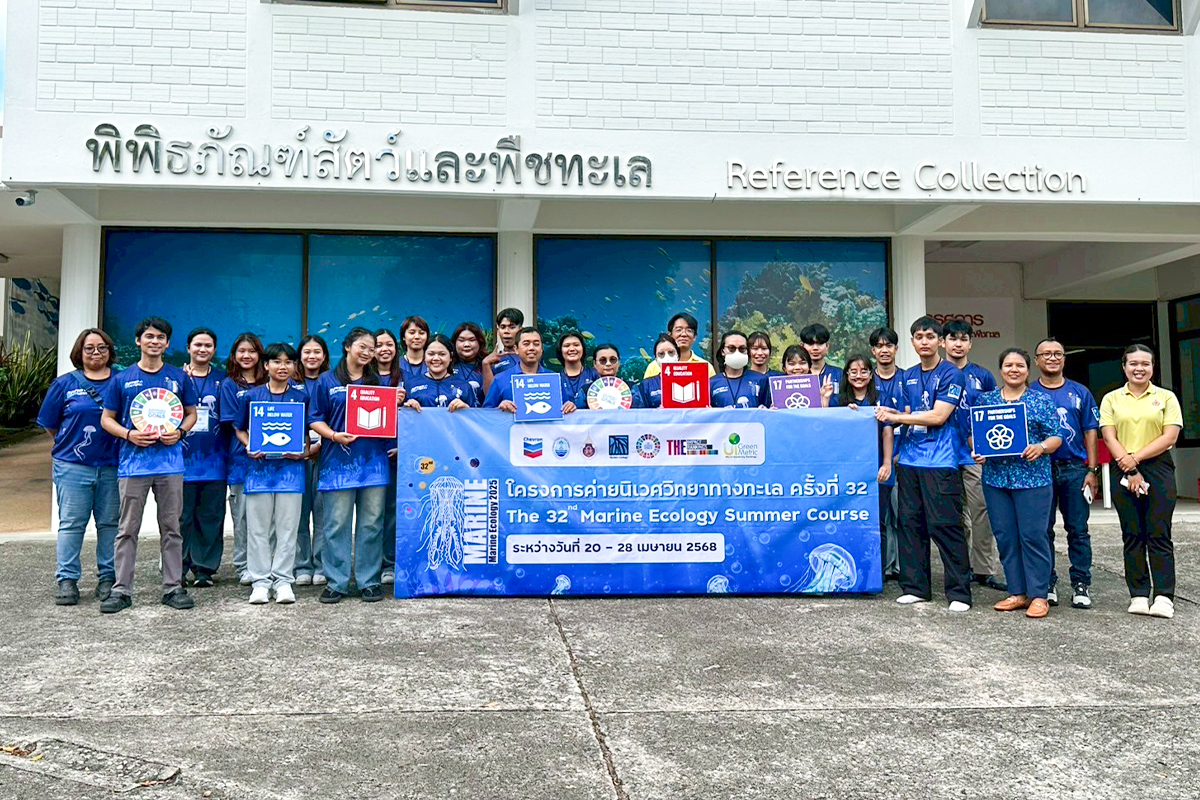
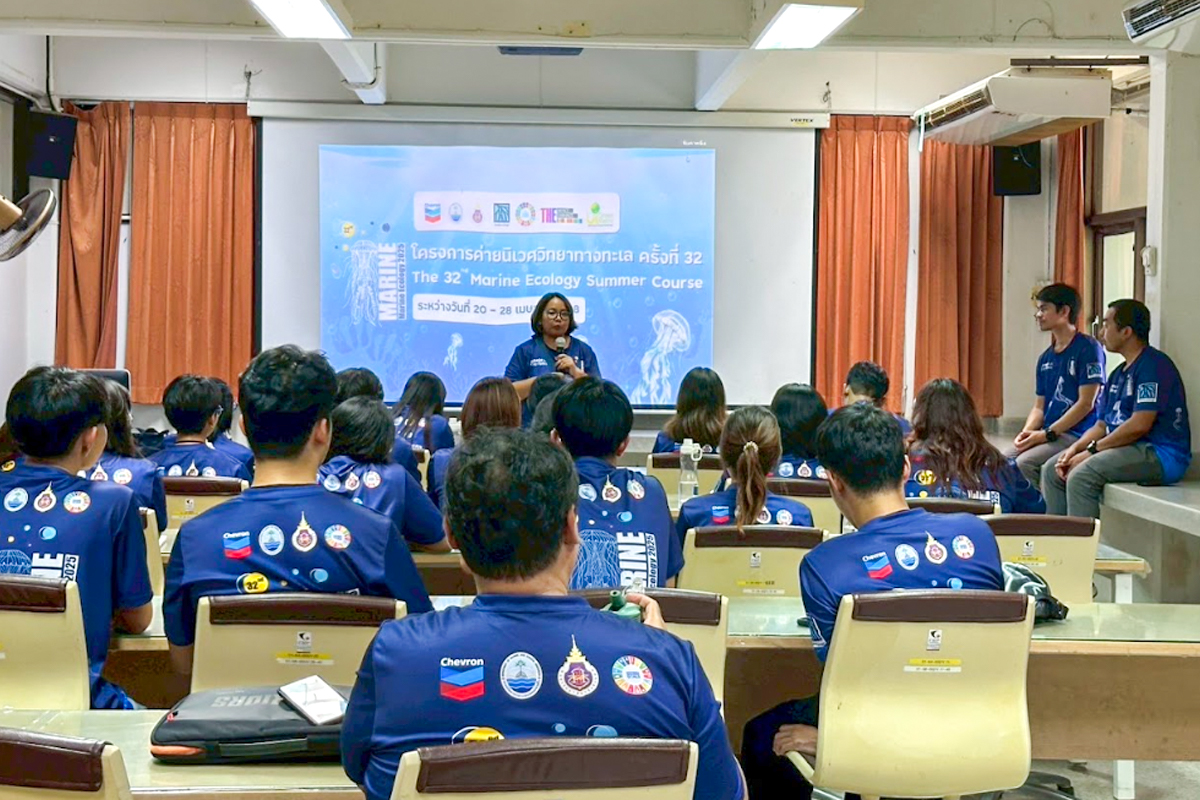
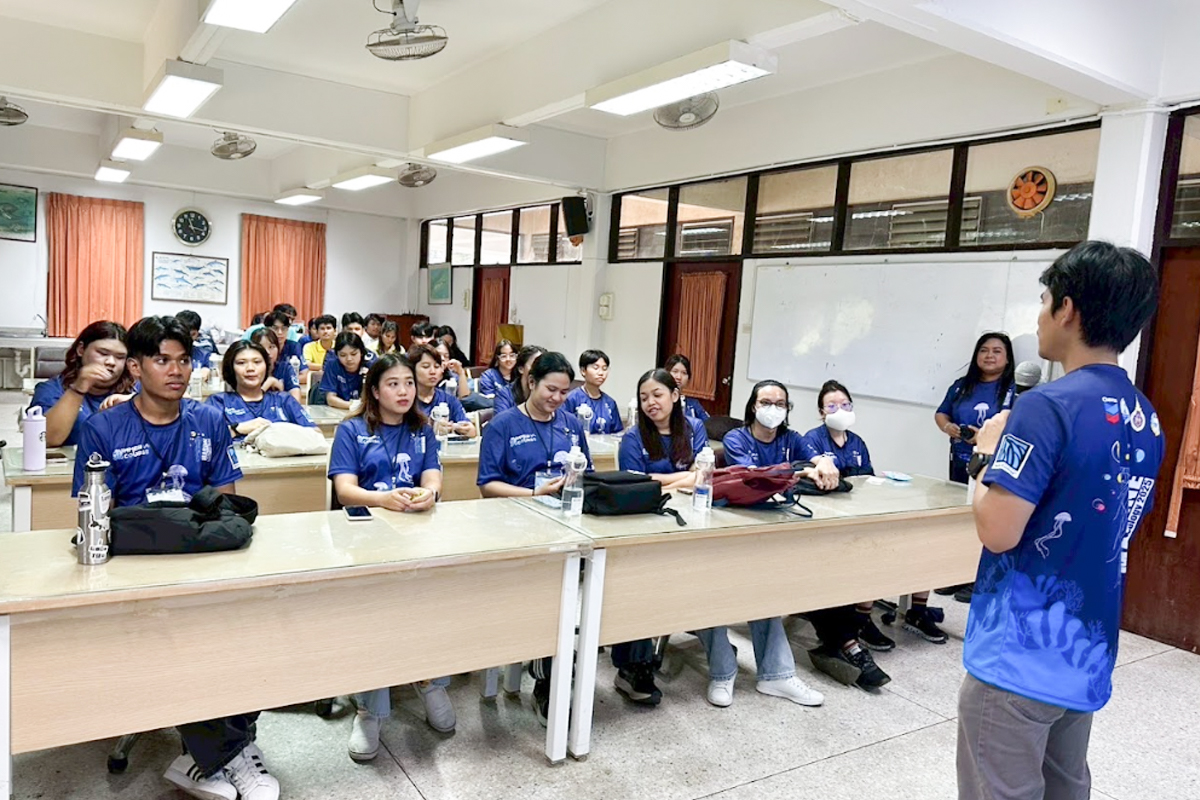
The 32nd Marine Ecology Summer Course brought together graduate and postgraduate students, including early-career researchers, to develop practical skills in marine ecology, environmental assessment, and scientific research. The course combined academic lectures, field investigations, and hands-on research activities, enabling participants to investigate marine and coastal environments through direct observation, sampling, and scientific analysis. These activities helped participants understand the ecological relationships that sustain marine habitats, identify environmental conditions that may affect aquatic organisms, and develop research competencies relevant to environmental monitoring and ecosystem management. By strengthening scientific capacity and producing environmental information, the collaboration supported the development of knowledge that could inform future marine conservation and industrial environmental management.
A major component of the course involved collecting and analysing scientific data from marine environments around Phuket and the Andaman Sea. Participants undertook research activities covering oceanographic conditions, seawater quality, microplastics, rocky shore ecosystems, seagrass habitats, coastal profiles, sediments, plankton, and coral reefs. These investigations provided opportunities to examine different components of marine ecosystem health and develop a broader understanding of the environmental conditions that sustain marine biodiversity.
Oceanographic investigations and seawater sampling helped participants examine the physical and environmental characteristics of marine waters. Water-quality assessments, sediment sampling, and plankton studies provided information relevant to understanding marine environmental conditions and biological communities. Research on microplastics addressed plastic pollution, which can affect marine organisms and ecosystem health. Rocky shore and seagrass investigations focused on coastal habitats that support diverse aquatic organisms, while beach-profile surveys documented coastal characteristics. Coral reef surveys provided opportunities to investigate ecologically important habitats that support marine biodiversity and contribute to the ecological and economic value of the Andaman Sea.
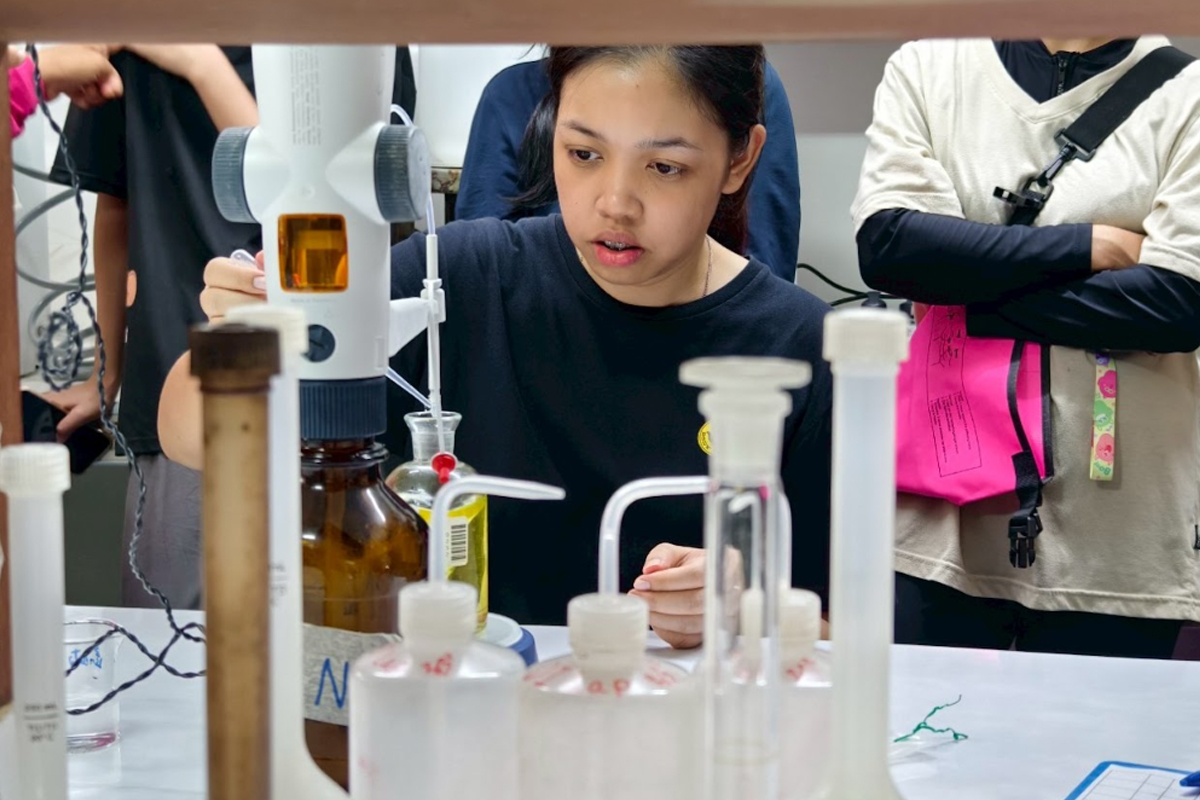
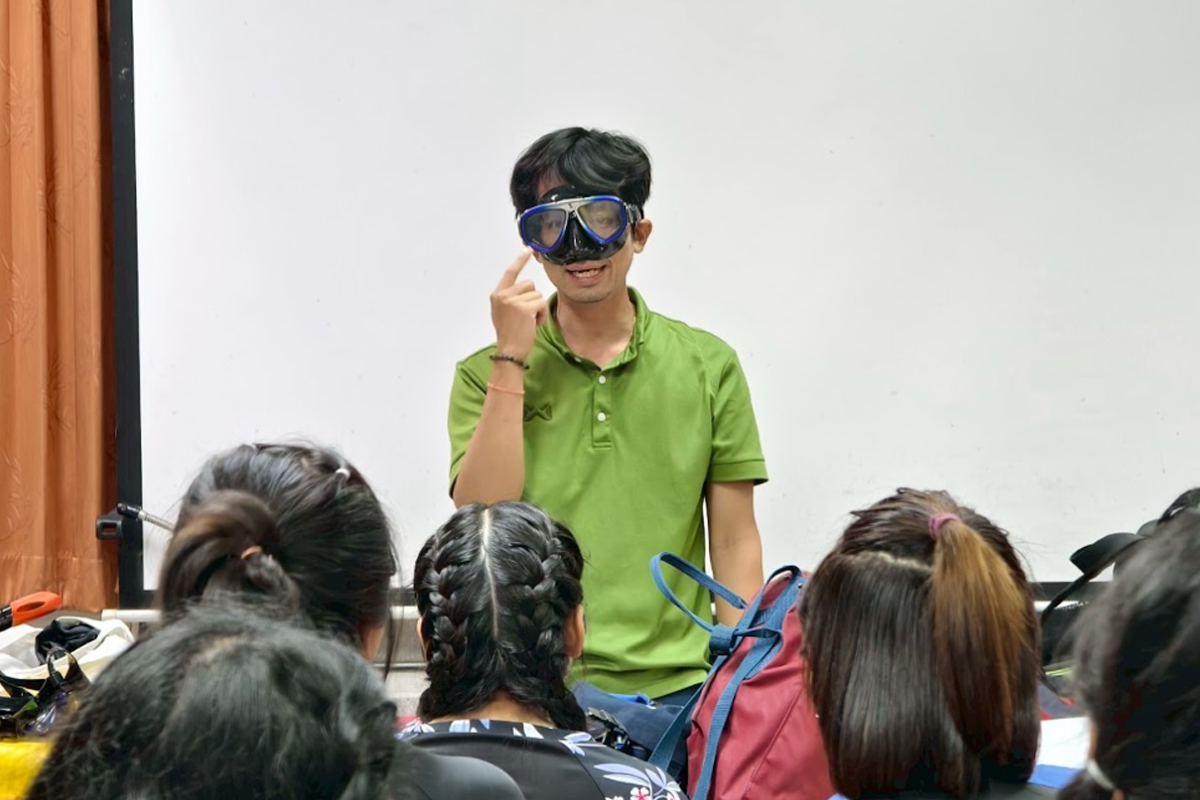
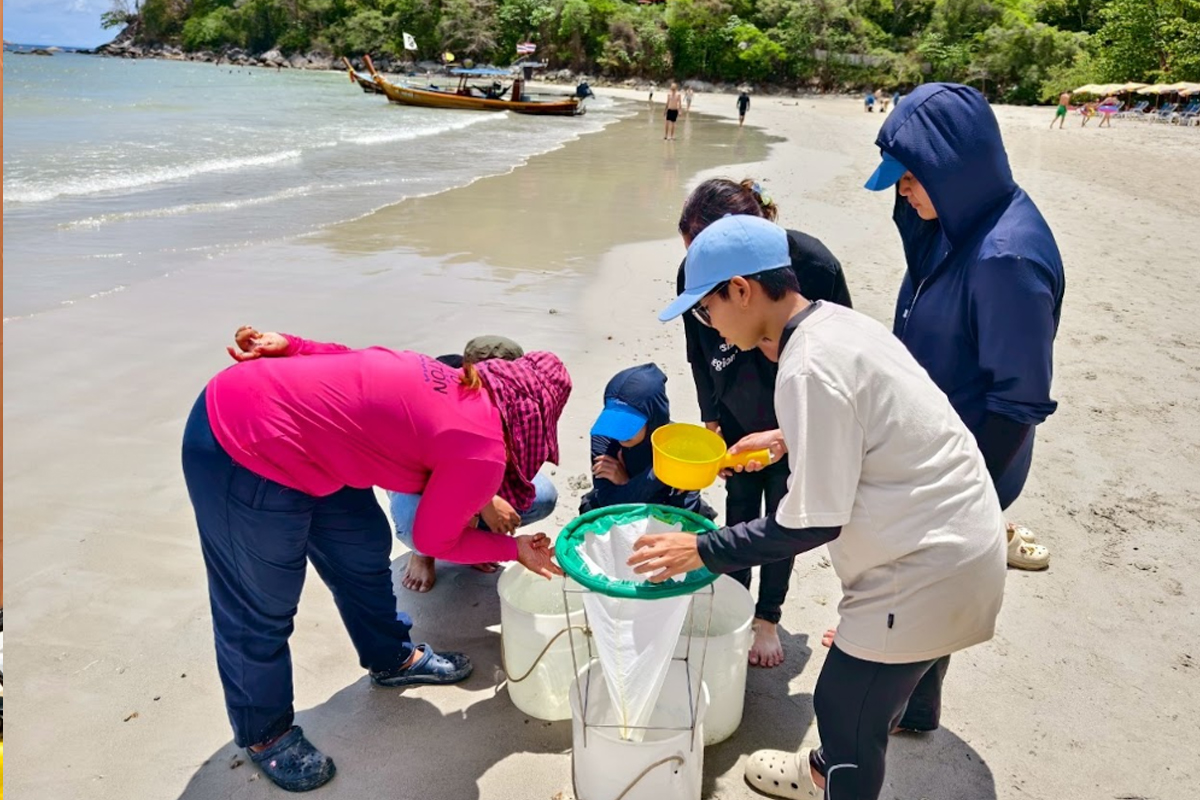
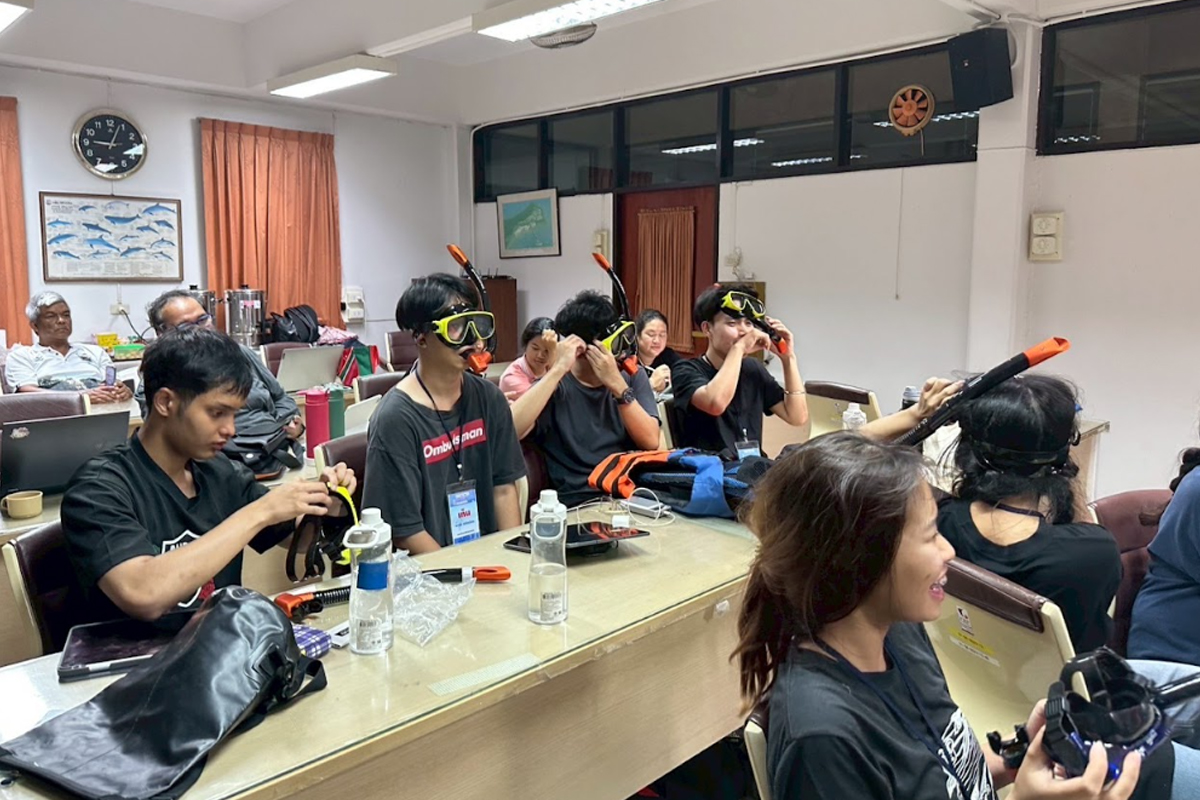
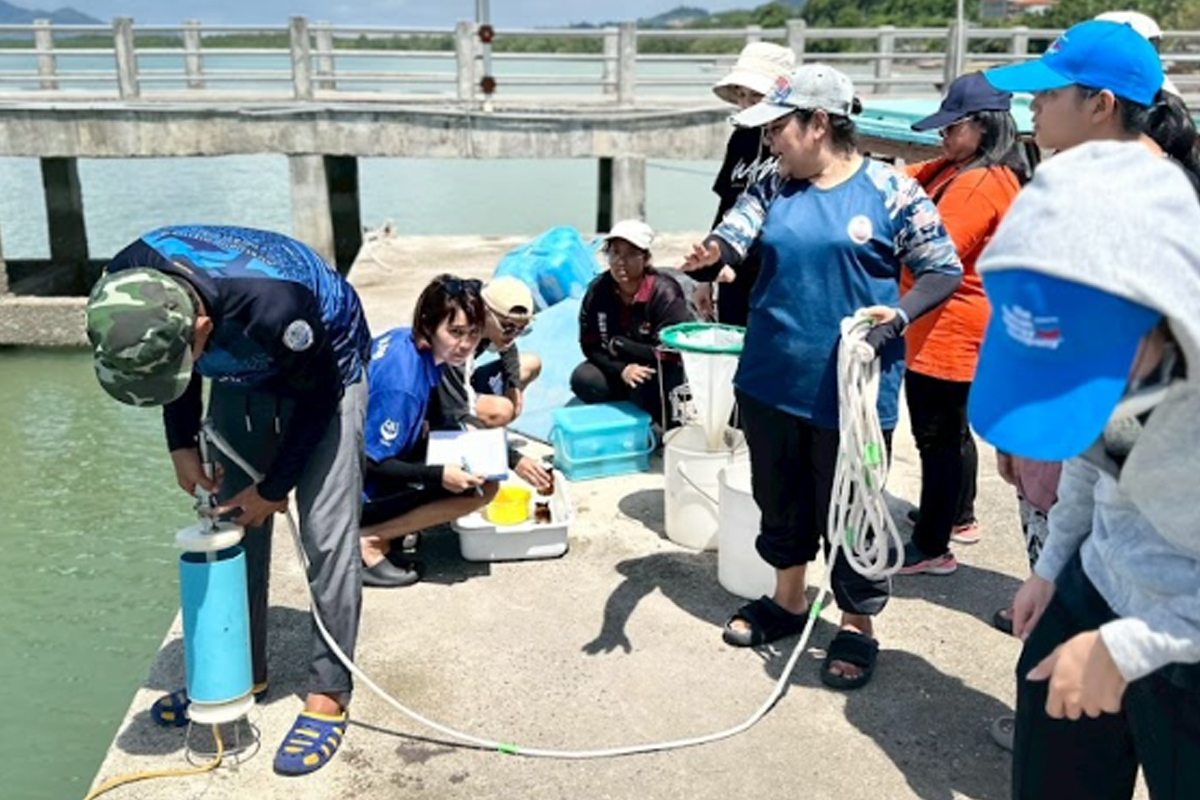
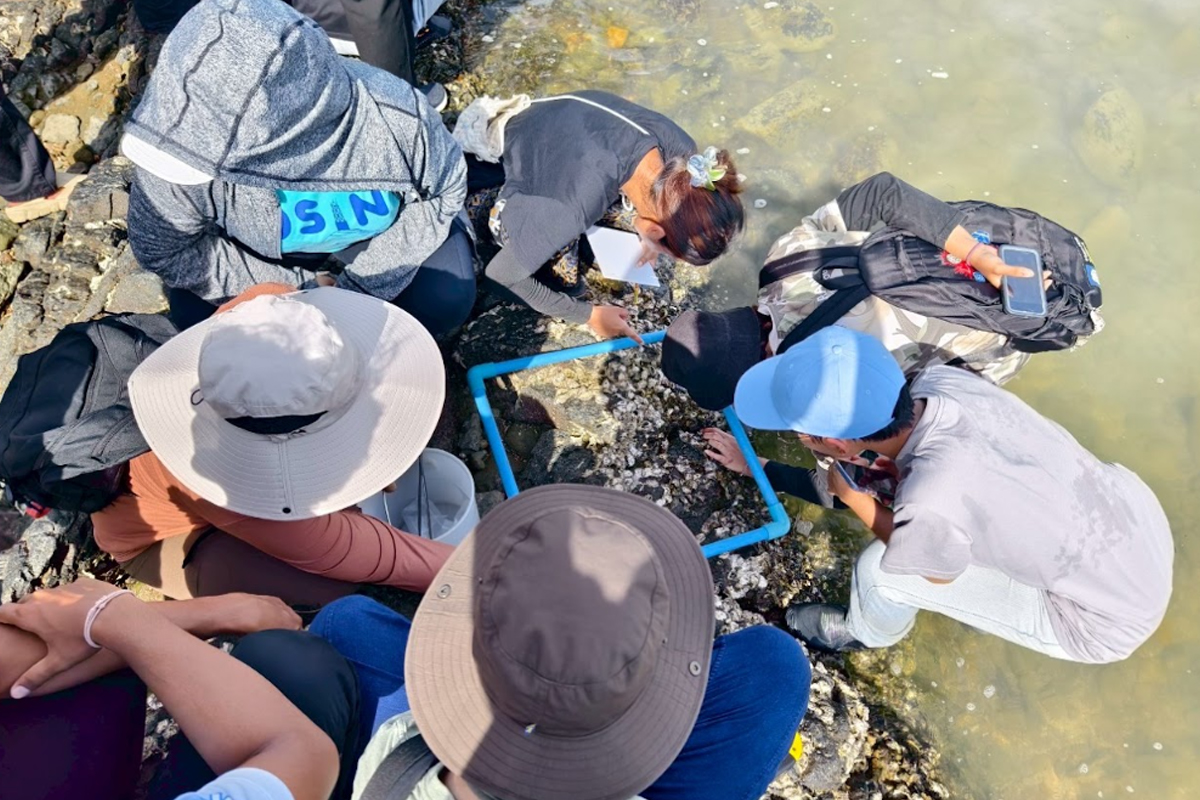
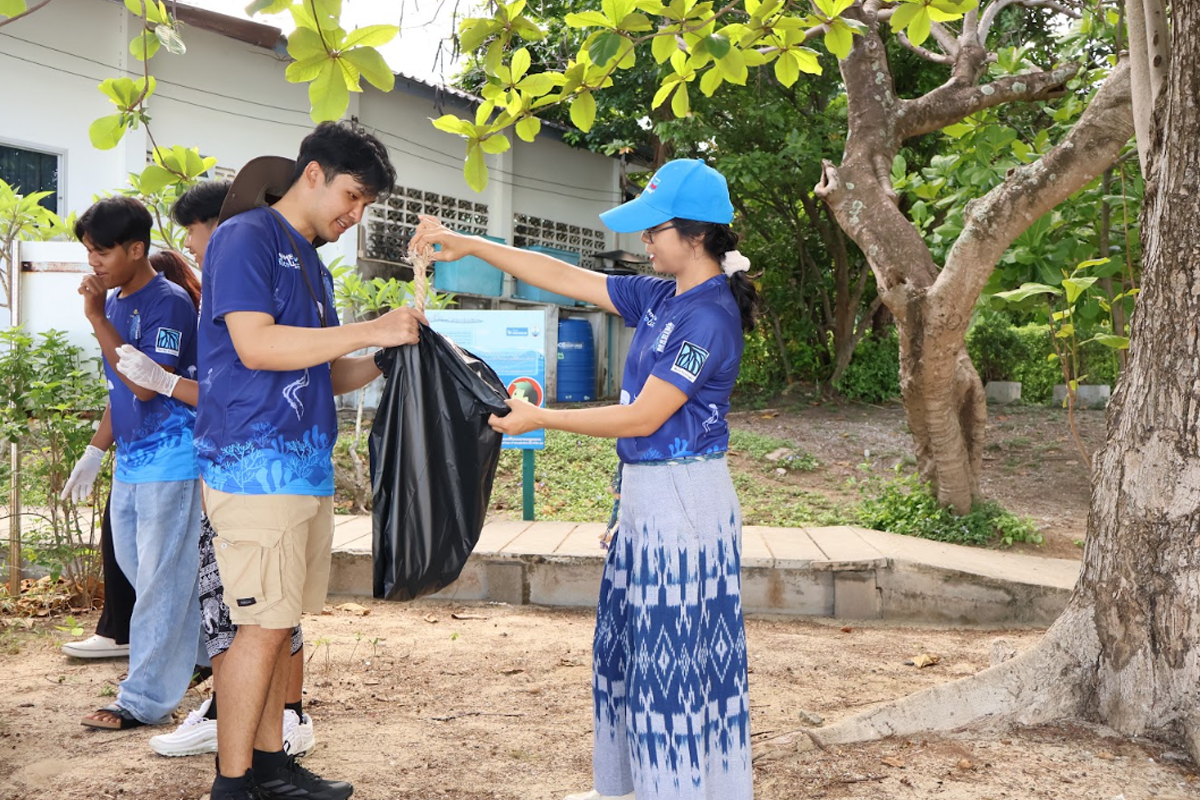
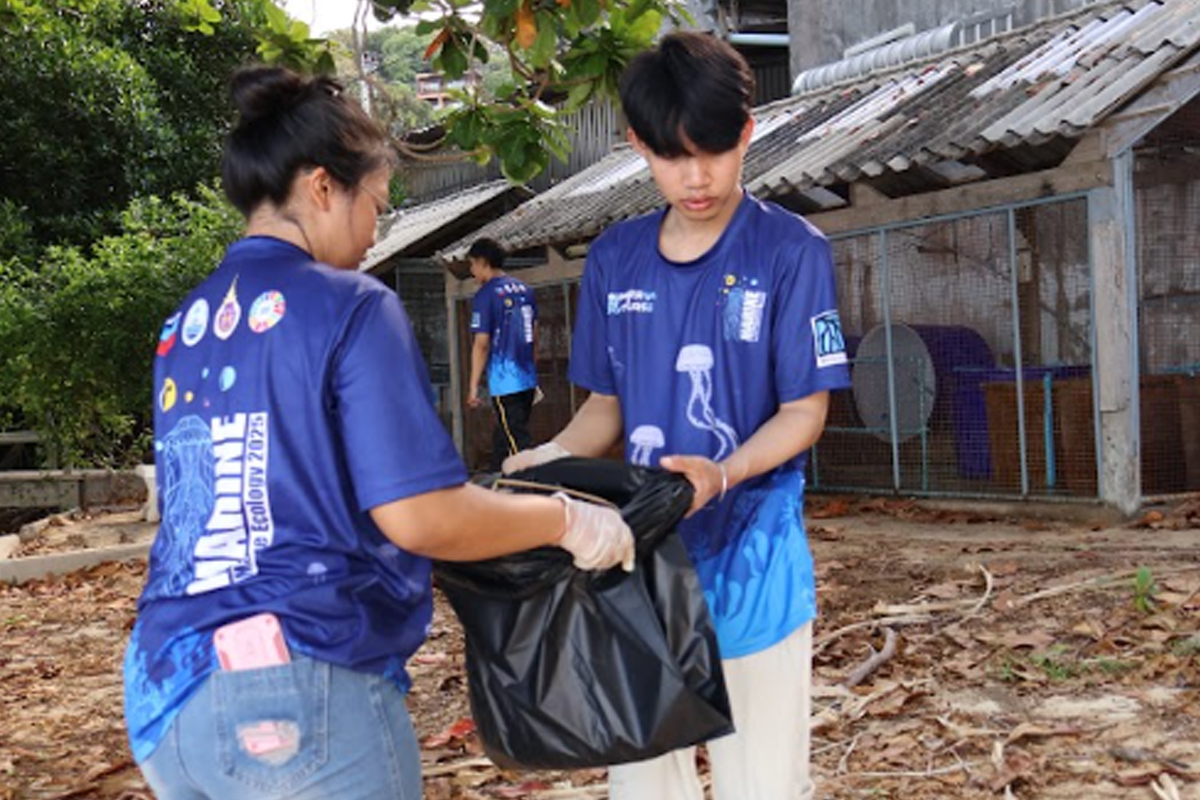
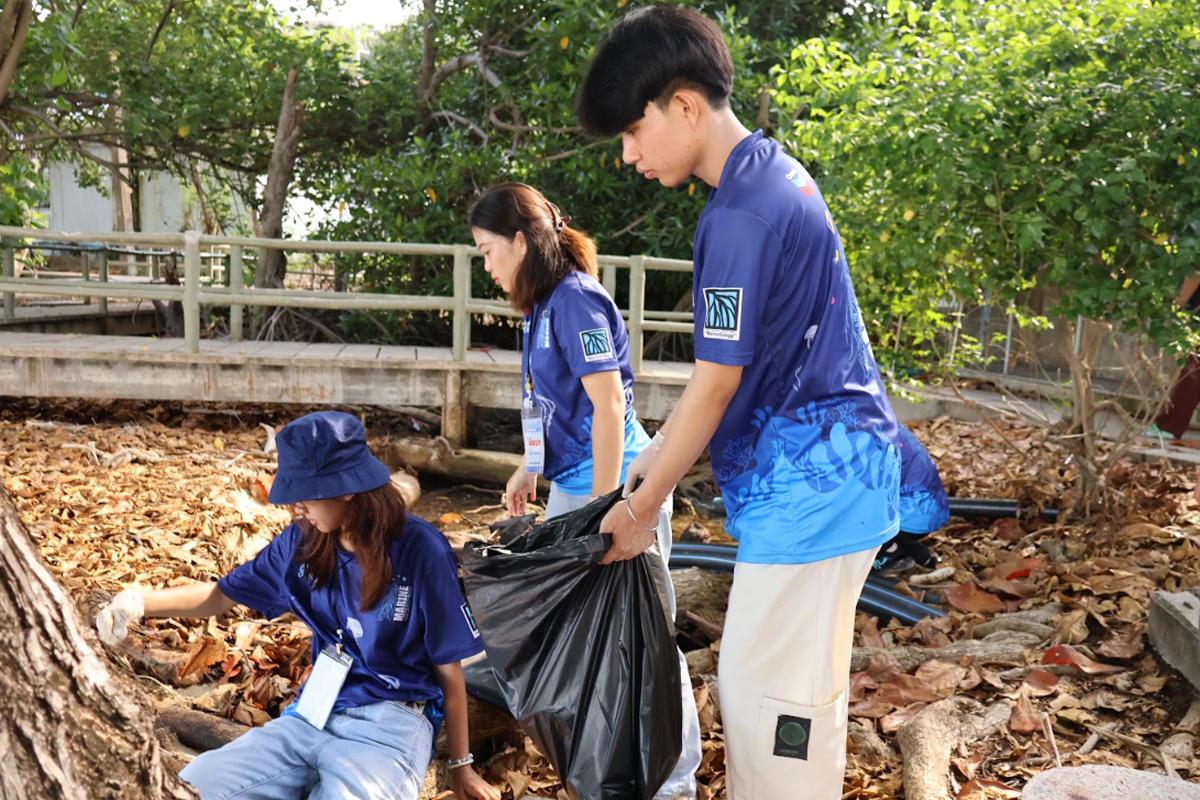
Collectively, these research activities can contribute to establishing reference information about marine environmental conditions and the ecological characteristics of different habitats. Such information is important for identifying sensitive areas, recognising potential environmental changes, and informing future assessments of human and industrial impacts. For example, baseline information on water quality, sediments, plankton, coral reefs, and seagrass habitats could help guide the design of environmental monitoring programmes if offshore industrial activities are proposed in areas where these ecosystems may be affected. Repeated surveys and comparisons with subsequent measurements could also help researchers investigate whether environmental conditions have changed over time and identify areas requiring further investigation.
The collaboration between WU and Chevron Thailand Exploration and Production Ltd. provided a platform for direct engagement between an academic institution and a marine industry partner on research relevant to marine environmental protection. Through the course, participants gained practical experience in field investigations and environmental assessment, while the collaboration supported the collection and analysis of ecological information about marine habitats and environmental conditions. The resulting data and research experience can inform further scientific investigations and help identify conservation priorities, subject to the availability, quality, and scope of the collected data. This approach connects marine ecological research with the practical need to understand and manage environmental risks associated with activities in marine environments.
The potential application of this research extends to environmental planning and monitoring for future offshore petroleum activities, should they be proposed and authorised in the Andaman Sea. Offshore exploration and drilling can present environmental risks that require appropriate assessment and management, including potential effects on water quality, seabed sediments, marine organisms, and sensitive habitats. Scientific information about existing ecological conditions can help identify which environmental characteristics should be monitored and which habitats may require particular protection. The research conducted through the Marine Ecology Summer Course could therefore provide a useful starting point for further baseline studies and more comprehensive environmental assessments, rather than serving as a substitute for project-specific environmental impact assessments or regulatory requirements.
For the marine industry, reliable baseline information can support the development of more informed environmental management practices. If future offshore petroleum activities are permitted, relevant scientific findings could help inform the selection of monitoring locations, the identification of sensitive habitats, the assessment of potential environmental changes, and the design of appropriate preventive or mitigating measures. Depending on the findings of further research, these measures could include avoiding or minimising disturbance in ecologically sensitive areas, monitoring water and sediment quality, assessing potential effects on marine organisms, and strengthening procedures for responding to environmental incidents. These are potential applications of the research and would require further assessment, appropriate technical expertise, and coordination with relevant authorities before implementation.
The research also has relevance to environmental monitoring throughout the lifecycle of marine industrial activities. Baseline data collected before an activity begins can be compared with measurements obtained during and after operations to investigate changes in environmental conditions. Such comparisons can help distinguish existing natural variability from changes that may be associated with human activities, although establishing causation requires appropriate study designs and supporting evidence. By encouraging systematic data collection and continued scientific investigation, the collaboration can help build the knowledge base necessary for more effective environmental monitoring, early identification of potential problems, and informed decisions about protective measures.
Beyond its potential industrial applications, the Marine Ecology Summer Course contributed to the development of future marine scientists and researchers. Participants gained practical experience in scientific sampling, field observation, environmental assessment, and research design. Undertaking research projects during the course encouraged them to investigate marine ecological questions and develop evidence-based approaches to environmental challenges. These competencies can support future work on marine biodiversity, habitat conservation, pollution, and ecosystem sustainability. Building scientific capacity is particularly important for developing the expertise required to assess environmental risks, evaluate monitoring results, and improve conservation and management practices over time.
The collaboration also demonstrates the value of connecting academic expertise with industry engagement to address shared environmental challenges. Marine industries require reliable environmental information to understand the ecological settings in which their activities take place, while universities contribute scientific research capabilities, technical knowledge, and opportunities to train future specialists. Through their collaboration, WU and Chevron Thailand Exploration and Production Ltd. supported research-based learning and the collection of marine ecological information that can contribute to future investigations and environmental management planning. Continued cooperation could strengthen this foundation through additional field surveys, long-term monitoring, data analysis, and research into effective approaches for protecting sensitive marine habitats.
Building on the outcomes of the course, further research could examine changes in water quality, sediment characteristics, microplastic concentrations, plankton communities, coral reef conditions, and seagrass habitats over time. These investigations could help identify ecological trends, establish more detailed environmental reference points, and improve understanding of the pressures affecting marine ecosystems. Where appropriate, research findings could be shared with relevant industry stakeholders and regulatory authorities to inform environmental planning, monitoring priorities, and the development of measures to prevent or minimise ecosystem damage. Such future work would strengthen the practical connection between academic research and responsible marine industry operations.
Through the 32nd Marine Ecology Summer Course, Walailak University and Chevron Thailand Exploration and Production Ltd. demonstrated how university–industry collaboration can support marine ecological research, scientific capacity building, and the development of foundational information relevant to environmental protection. The collection and analysis of data on water quality, microplastics, sediments, plankton, rocky shore ecosystems, seagrass habitats, beach profiles, and coral reefs can contribute to a better understanding of marine environmental conditions and provide a basis for further research and monitoring. If future offshore petroleum exploration or drilling is proposed and authorised in the Andaman Sea, this research foundation could help inform the assessment of environmental risks and the development of appropriate protective measures.
Ultimately, the initiative supports the broader objective of enabling the marine industry to make more informed, environmentally responsible decisions. By strengthening scientific knowledge, developing research expertise, and creating opportunities for continued collaboration, WU and Chevron Thailand Exploration and Production Ltd. contribute to the evidence base needed to identify vulnerable habitats, monitor environmental conditions, and inform practices intended to minimise or prevent damage to aquatic ecosystems. Continued research, supported by appropriate environmental assessments and regulatory oversight, can help ensure that decisions concerning marine industrial activities give due consideration to biodiversity conservation and the long-term ecological integrity of Thailand’s marine environments.
Collaborating with PTT Public Company Limited to Reduce Plastic Pollution and Protect Aquatic Ecosystems
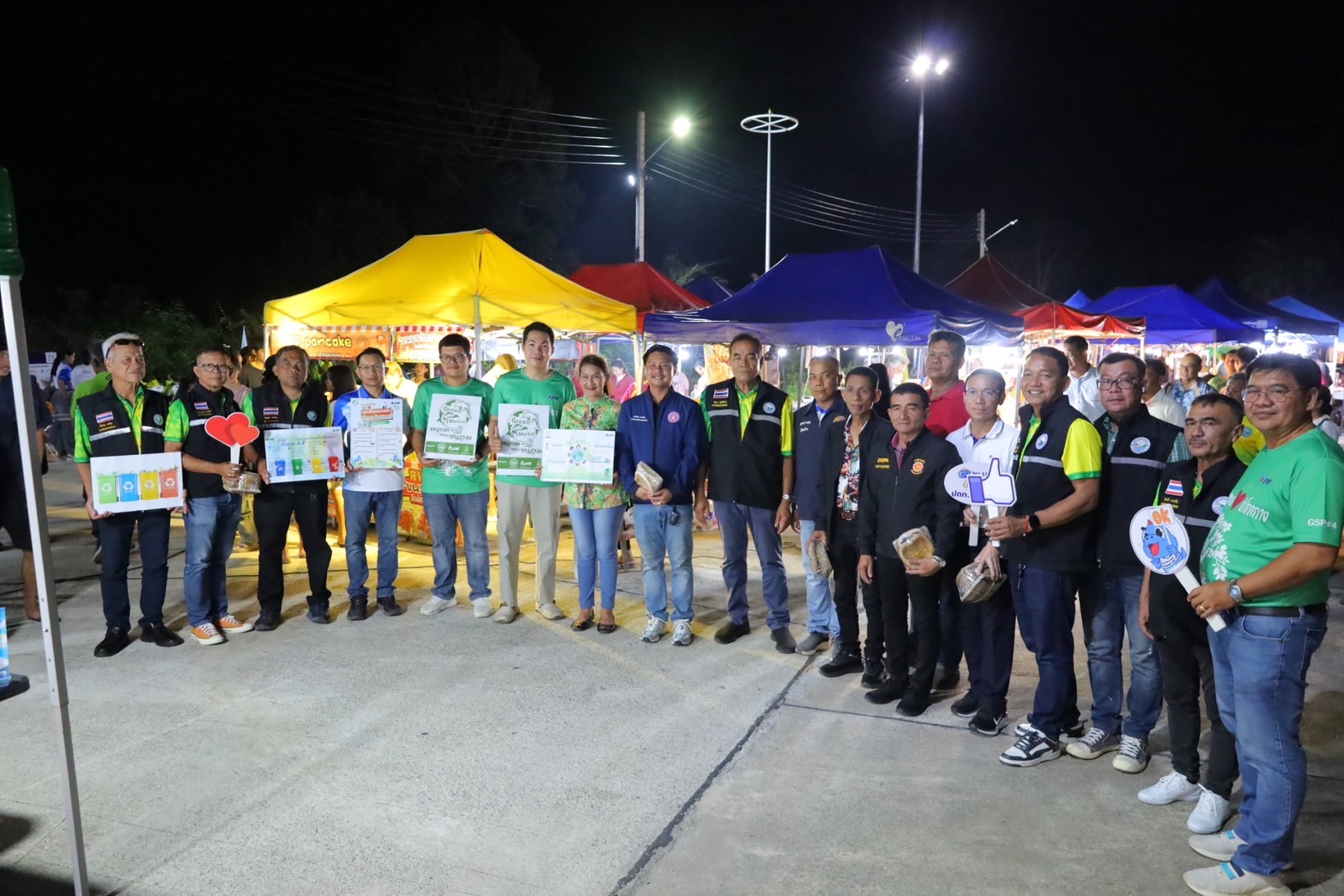
In 2025, Walailak University (WU) collaborated with PTT Public Company Limited, through its Khanom Natural Gas Separation Plant, and Khanom Subdistrict Municipality to promote environmentally responsible practices through the Khanom Green Market project. The initiative addressed the growing problem of plastic waste and expanded polystyrene foam food containers generated by vendors and consumers at the local riverside market. Recognising the environmental challenges associated with single-use packaging and improper waste disposal, the partners promoted plastic reduction, environmentally friendly alternatives, waste separation, and recycling. These practices contribute to preventing pollution at its source and can help minimise the amount of plastic waste entering drainage systems, waterways, and coastal environments. Through direct engagement with an industry partner, WU helped promote practical waste-reduction measures that support the protection of aquatic ecosystems and the sustainable management of natural resources.
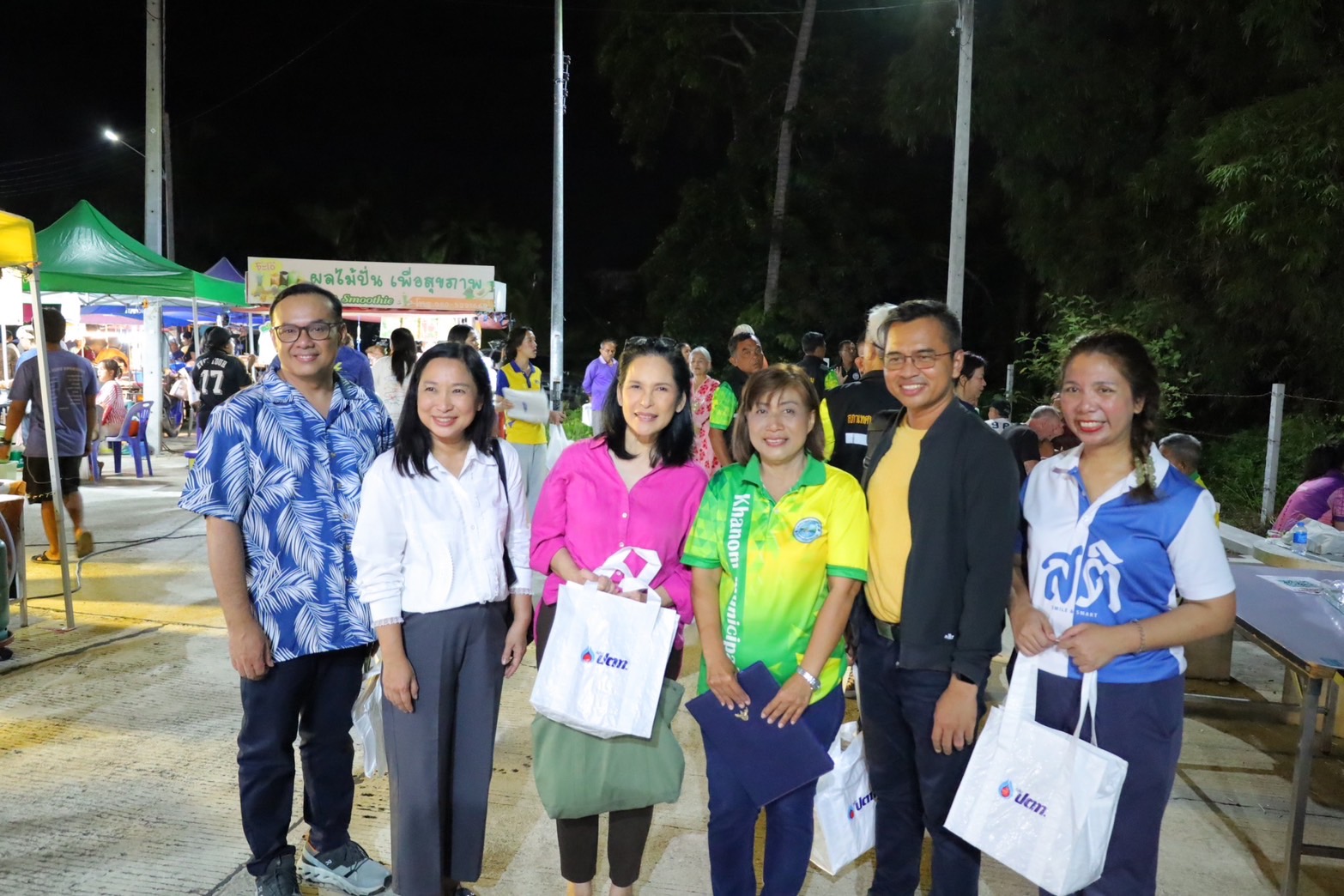
Plastic pollution poses a significant environmental challenge because discarded plastic products can persist in the environment, fragment into smaller particles, and threaten aquatic organisms when they enter rivers, estuaries, and marine waters. Plastic waste carried by rainfall, drainage systems, and waterways can eventually reach coastal and marine ecosystems, where it may be ingested by aquatic animals or contribute to habitat pollution. Expanded polystyrene foam food containers can also break into smaller pieces that are difficult to collect once dispersed into the environment. Reducing the use of disposable plastics and foam packaging, therefore, represents a practical preventive measure that can reduce waste generation before it becomes an aquatic pollution problem. The Khanom Green Market project applied this principle by encouraging vendors and consumers to adopt more responsible packaging and waste-management practices.
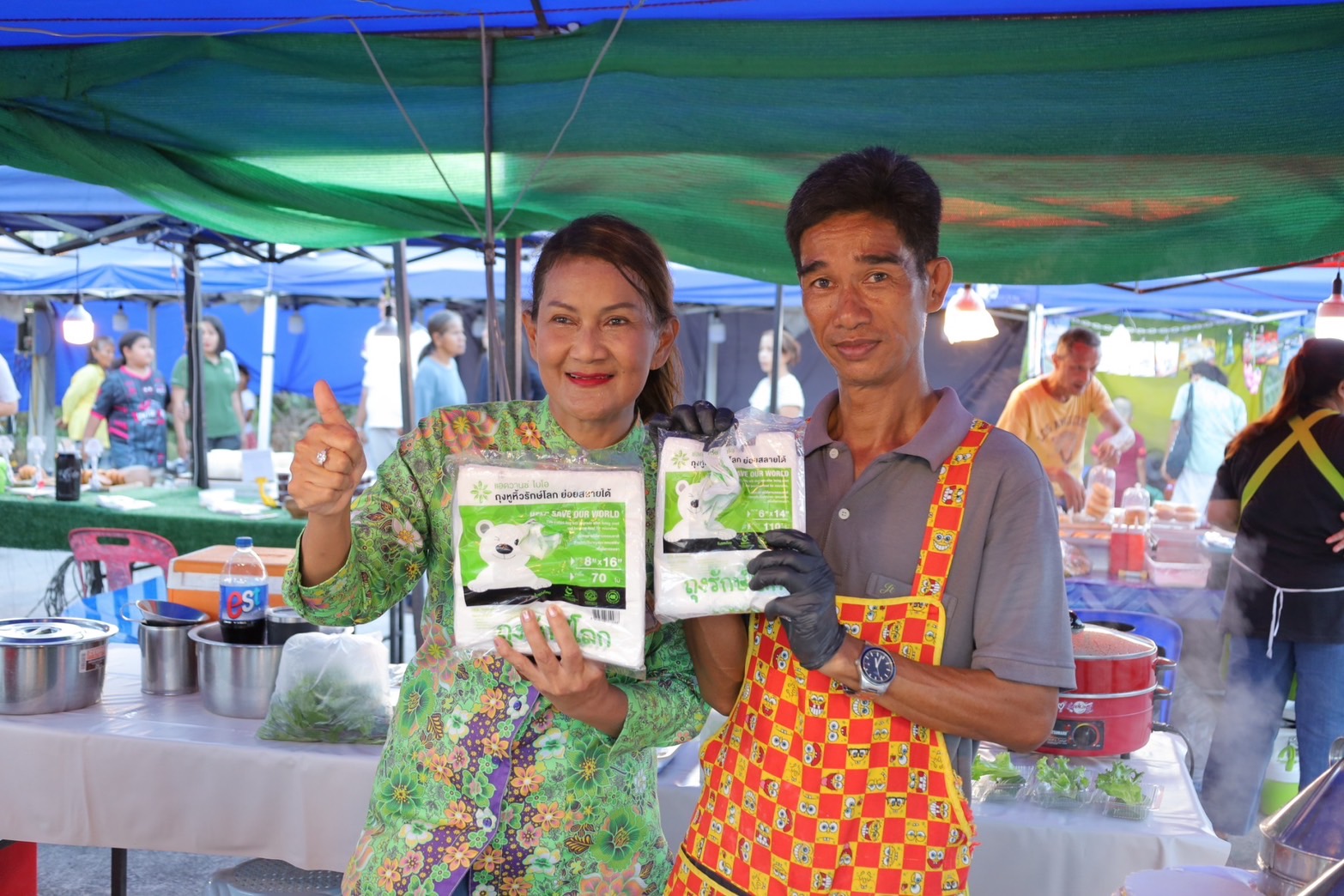
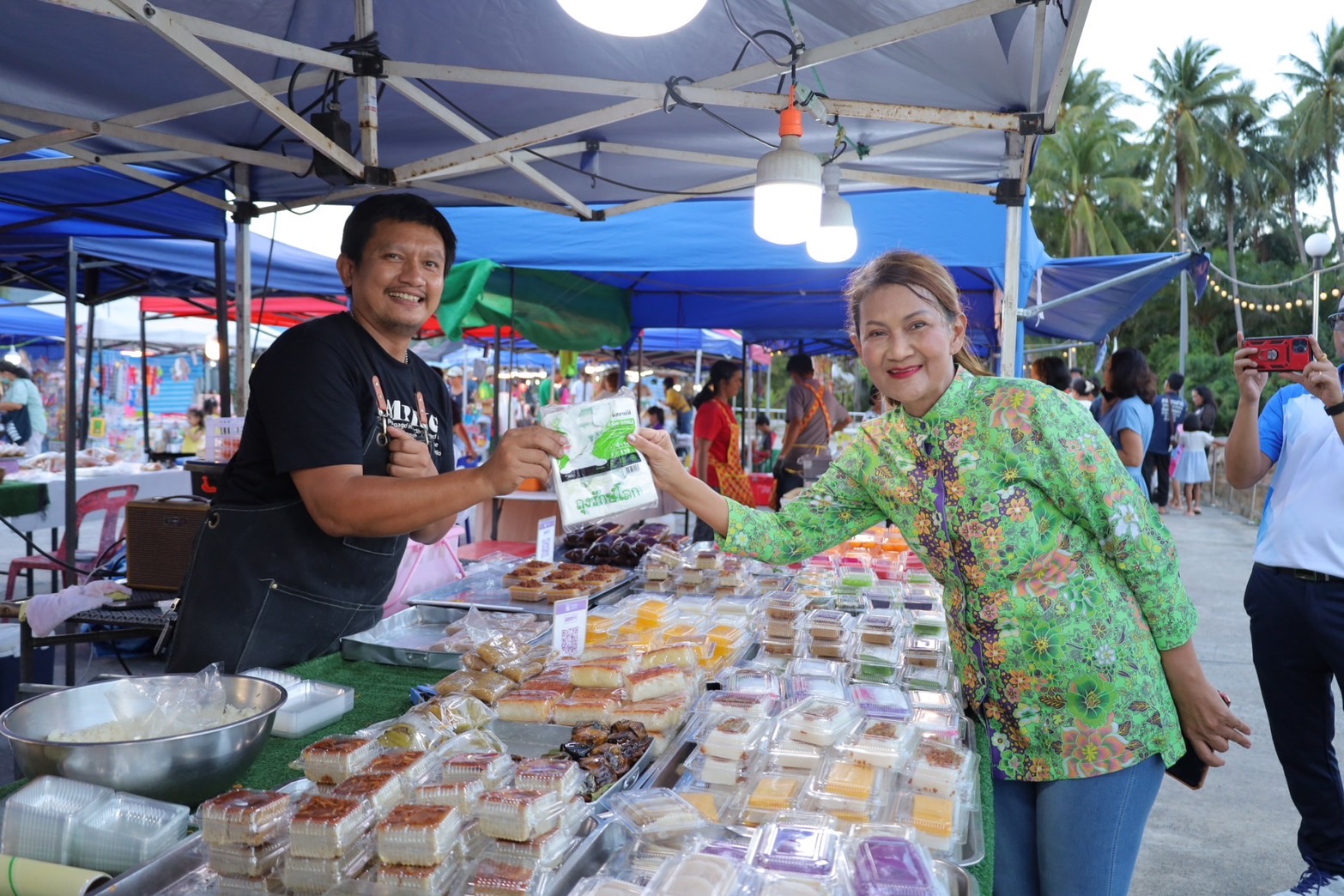
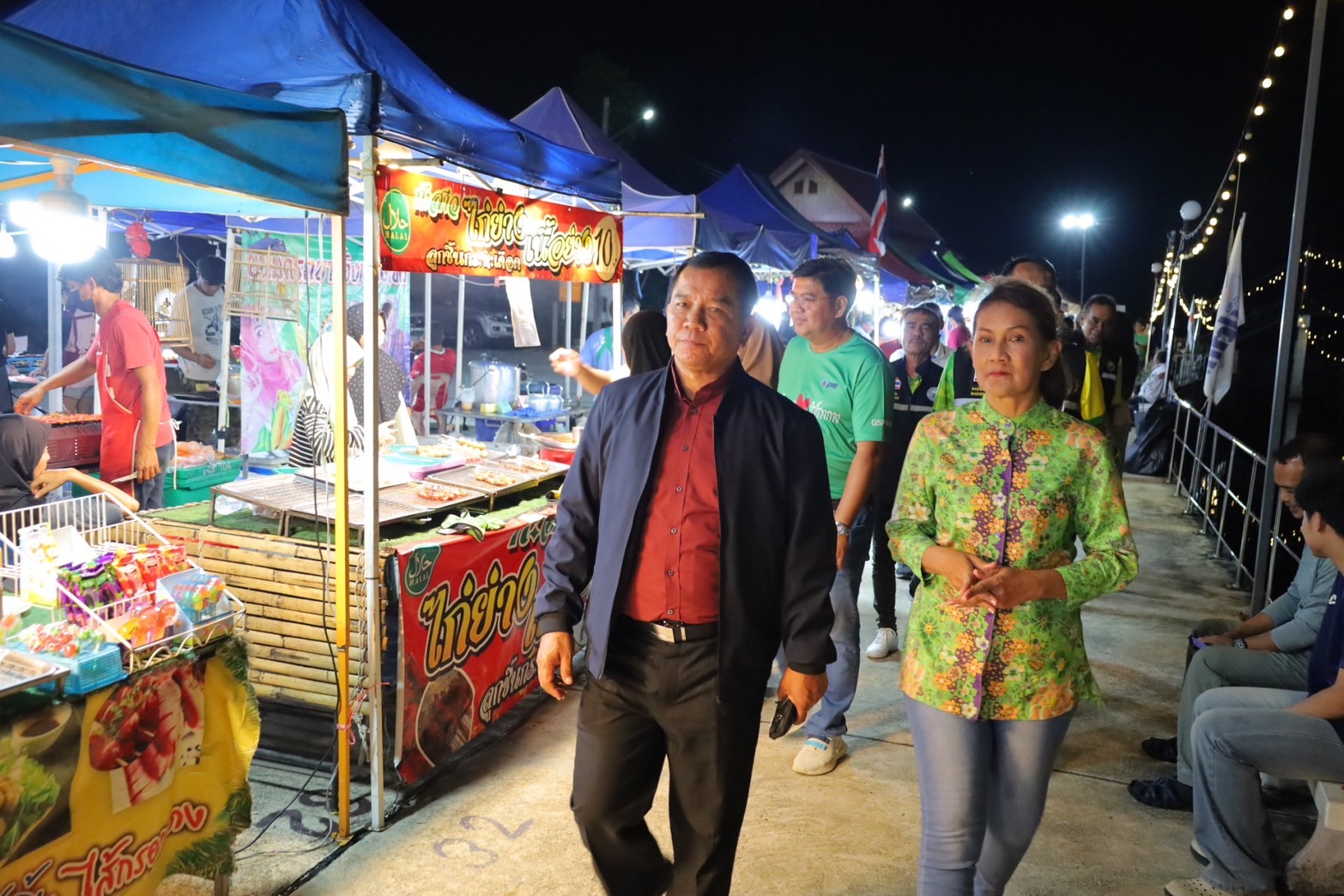
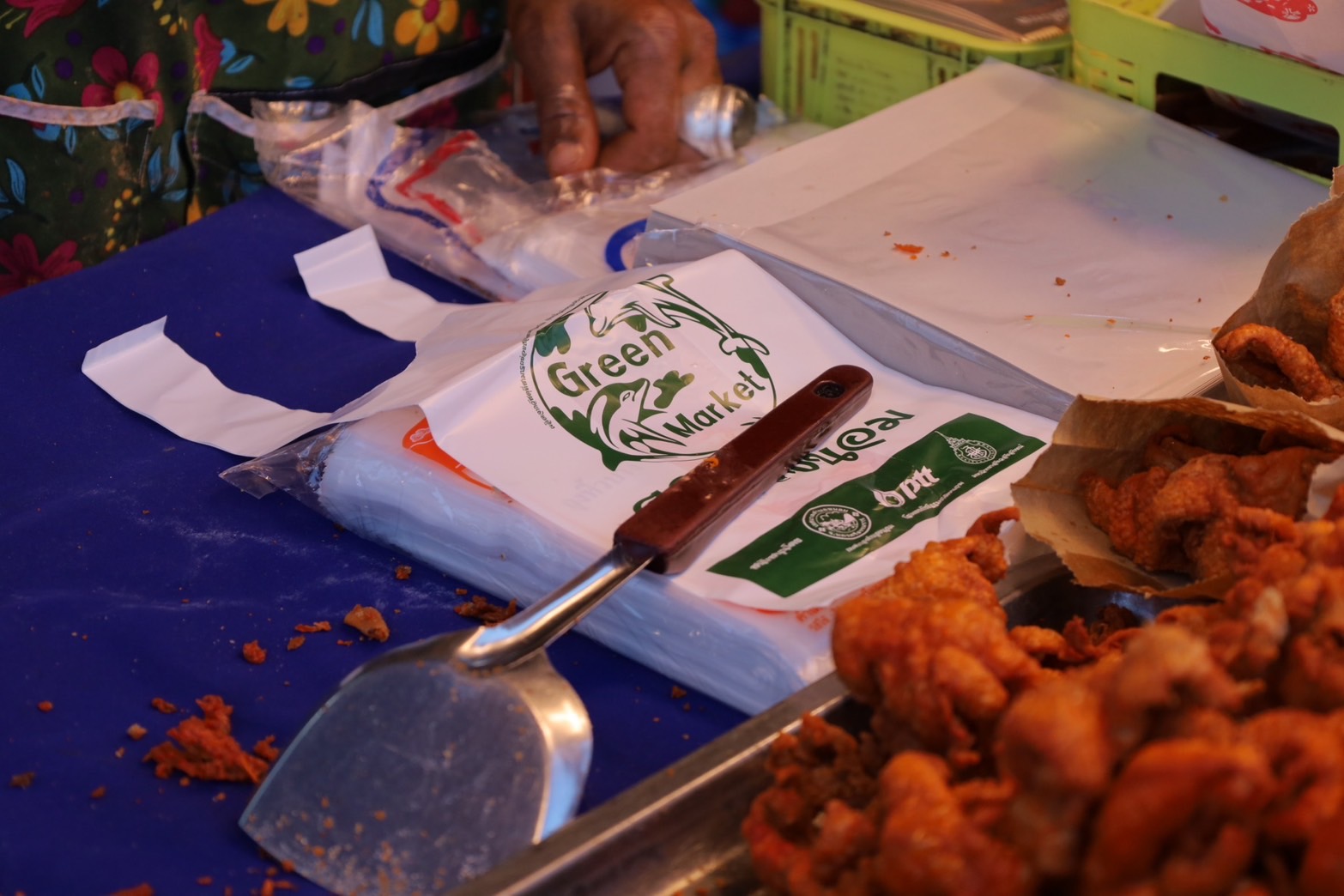
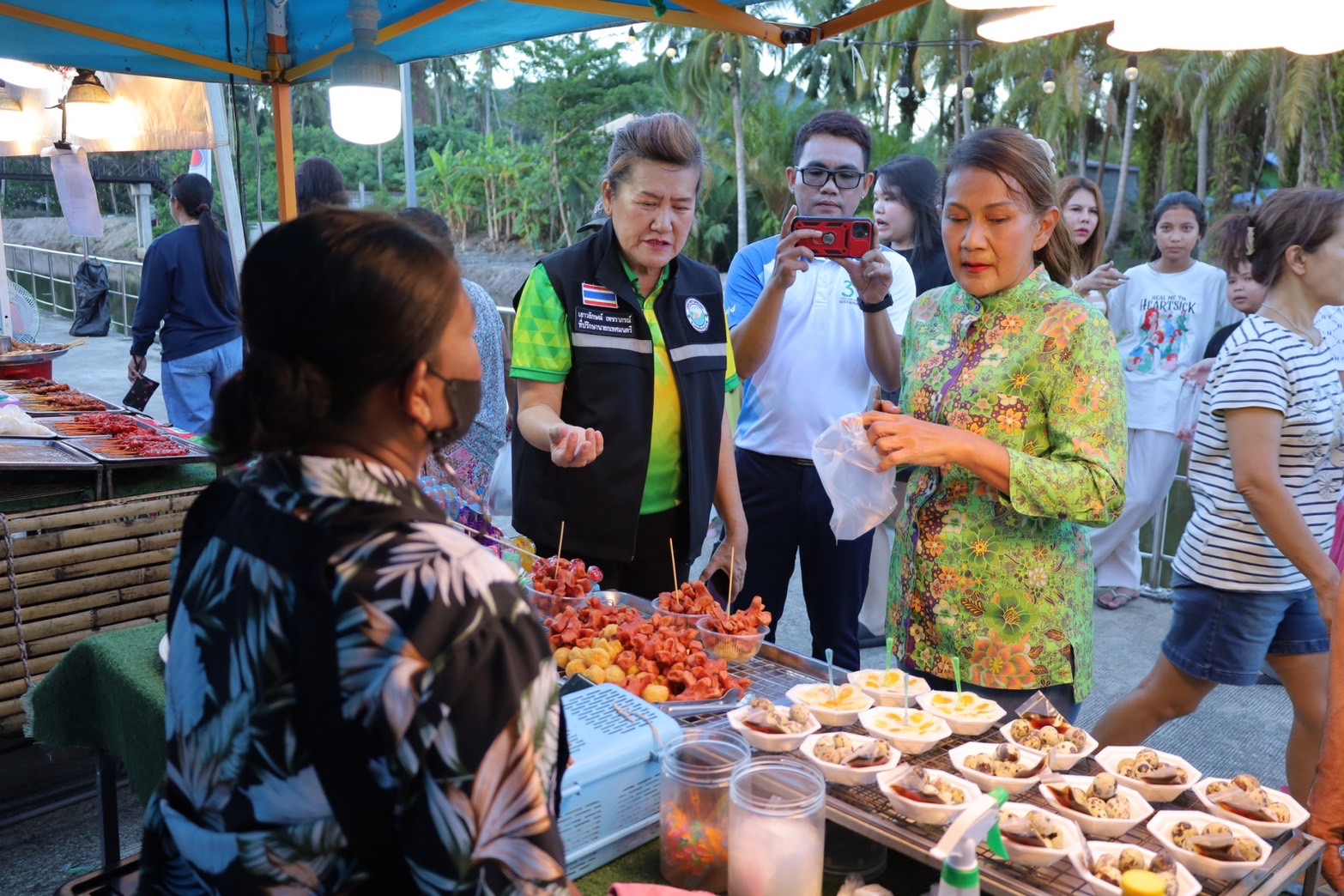
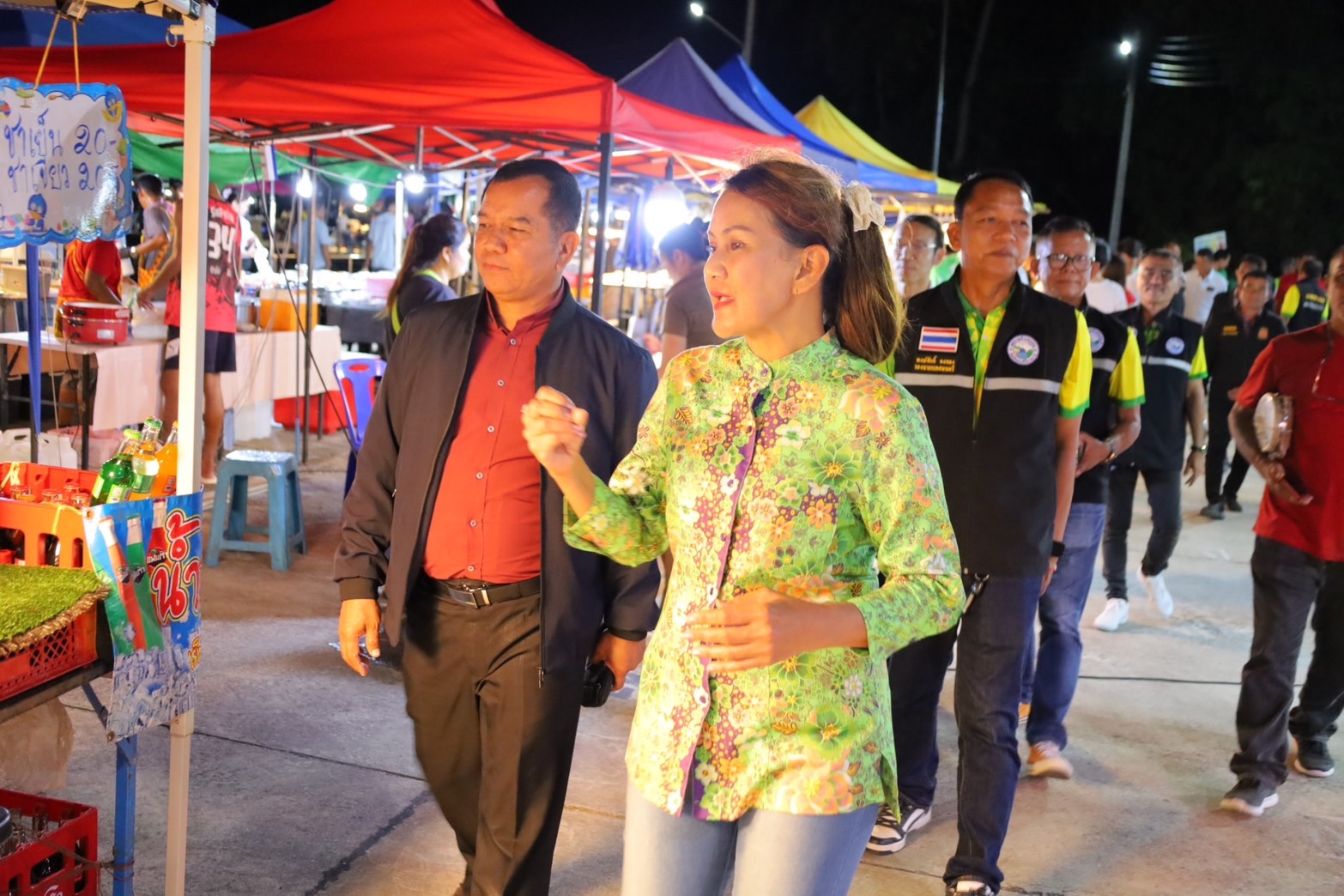
The project was developed in response to observations at the riverside market, where vendors and consumers commonly used plastic bags to package goods and foam containers for prepared food. These practices generated substantial amounts of persistent waste and created challenges for local waste management. In response, PTT’s Khanom Natural Gas Separation Plant worked with Khanom Subdistrict Municipality and Walailak University to encourage collective action among market vendors, consumers, local authorities, and community members. The collaboration aimed to reduce dependence on single-use plastic bags, discourage foam food containers, encourage reusable cloth bags and packaging made from natural materials, and promote proper waste separation and disposal. By addressing waste generation at the point of consumption, the initiative sought to establish practical behaviours that could reduce the risk of plastic pollution affecting surrounding waterways and coastal ecosystems.
A central component of the Khanom Green Market initiative was public engagement and awareness-raising. The project encouraged both vendors and consumers to reconsider their everyday packaging choices and recognise the environmental consequences of excessive disposable packaging. Vendors were encouraged to adopt alternatives to plastic bags and foam containers, while consumers were encouraged to bring reusable bags and support packaging choices that generate less persistent waste. The initiative also promoted the use of food containers made from natural materials where appropriate. These practices can help reduce the amount of plastic and foam waste generated at the market, making waste prevention part of everyday commercial activity rather than relying exclusively on waste collection after disposal.
The project also promoted the separation of waste into appropriate categories and the recycling of recoverable materials. Proper waste segregation can help prevent recyclable materials from being mixed with general waste and reduce the quantity of waste requiring disposal through landfilling or incineration. When combined with responsible collection and disposal systems, these practices can also reduce the risk of lightweight plastic waste being dispersed by wind or carried by rainwater into drainage channels and waterways. By encouraging market users to separate waste and dispose of it correctly, WU and its partners supported a more systematic approach to pollution prevention that complements efforts to reduce disposable packaging at its source.
The involvement of PTT Public Company Limited is particularly relevant to SDG 14.3.4 because the initiative demonstrates direct engagement between a university and an industrial partner to promote practices that can minimise environmental damage. Although the project focused on waste management at a community market rather than on an industrial production site, it provided an opportunity for industry, academia, local government, and the public to work together on a shared environmental challenge. The Khanom Natural Gas Separation Plant participated in a collaborative initiative that connected environmental responsibility with local commercial practices and community participation. Through this partnership, WU helped translate environmental awareness into practical actions aimed at reducing waste generation and preventing pollution.
The project also sought to establish the Khanom Green Market as a model for environmentally responsible local markets. By encouraging reduced consumption of disposable plastics, alternatives to foam food containers, proper waste separation, and recycling, the initiative promoted a more resource-efficient approach to market operations. The involvement of municipal representatives, community leaders, educational institutions, local businesses, and residents helped bring together stakeholders with different responsibilities and influence over local waste practices. This collective approach is important because preventing aquatic pollution requires action not only from environmental authorities but also from businesses, consumers, and communities whose everyday activities influence the movement of waste into the natural environment.
The practices promoted through the project can contribute to aquatic ecosystem protection by reducing the quantity of plastic waste available to enter waterways and marine environments. Preventing waste generation is particularly important because plastic materials that escape into natural environments can be difficult and costly to recover. Reducing disposable packaging at the source, encouraging reusable alternatives, and improving waste segregation can help limit the environmental pathways through which plastic pollution reaches aquatic habitats. While the project information does not establish a measured reduction in marine plastic pollution, its preventive approach addresses waste-management practices that can contribute to reducing the risk of aquatic contamination over time.
The Khanom Green Market initiative also provides a foundation for continued cooperation among WU, PTT Public Company Limited, local authorities, market vendors, and consumers. Future activities could strengthen the project’s contribution through monitoring the use of single-use plastics, measuring changes in the consumption of plastic bags and foam containers, assessing the quantity of waste separated for recycling, and evaluating the effectiveness of reusable packaging campaigns. Where feasible, monitoring waste entering nearby drainage systems and waterways could help determine whether improved market practices are contributing to reduced plastic leakage into the surrounding environment. Such assessments would provide evidence for refining the initiative and identifying practices that could be adopted by other markets and coastal communities.
Through the Khanom Green Market project, Walailak University, PTT Public Company Limited, and Khanom Subdistrict Municipality promoted practical approaches to reducing plastic waste and improving local waste management. By encouraging reusable bags, alternatives to foam food containers, waste separation, recycling, and responsible disposal, the collaboration addressed sources of pollution that can threaten aquatic ecosystems when waste enters waterways and coastal environments. The initiative also demonstrated the value of direct engagement between academia, industry, local government, and communities in promoting environmental responsibility through everyday practices.
Ultimately, the project supports the broader objective of preventing damage to aquatic ecosystems by reducing pollution at its source. Although the initiative was not a marine technology project, its emphasis on plastic reduction and improved waste-management practices provides a practical example of pollution prevention through industry–university collaboration. Continued implementation and monitoring could help strengthen its environmental benefits, provide evidence of changes in waste-generation practices, and inform the wider adoption of responsible packaging and waste-management approaches. Through sustained cooperation, WU and its partners can help promote cleaner waterways, reduce the risk of plastic waste reaching marine habitats, and support the long-term conservation of aquatic biodiversity.
The initiatives undertaken by Walailak University (WU) and its industry partners demonstrate how research collaboration, environmental monitoring, and practical pollution-prevention measures can contribute to protecting aquatic ecosystems and promoting sustainable marine resource management. Through collaboration with marine industry partners, government agencies, academic institutions, non-governmental organisations, and local communities, WU supports the development of evidence-based approaches to reduce environmental risks, protect sensitive habitats, and maintain marine biodiversity. Establishing appropriate environmental measures and measurable indicators can further support the assessment of progress towards these objectives.
The collaboration with Chevron Thailand Exploration and Production Ltd. through the Marine Ecology Summer Course strengthens research capacity and generates valuable ecological information on marine environments, including coral reefs, seagrass habitats, rocky shores, plankton, sediment, and seawater quality. Such information can provide baseline references for environmental assessment and monitoring, helping inform decisions about potential environmental risks and appropriate mitigation measures if future marine industrial activities are proposed and authorised. Repeated measurements of environmental conditions can help identify changes over time, establish reference points for comparison, and support the evaluation of potential environmental impacts. Meanwhile, the Locally Managed Marine Area (LMMA) initiative promotes practical conservation measures, including the protection of breeding and nursery grounds, the establishment of community conservation zones, cooperation in preventing illegal fishing, and the sustainable management of marine resources. These efforts bring scientific knowledge, industry engagement, and community participation together to address threats to aquatic ecosystems.
Complementing these research and conservation activities, the Khanom Green Market project, developed in collaboration with PTT Public Company Limited and local partners, addresses pollution at its source by encouraging the reduction of single-use plastics, alternatives to foam food containers, waste separation, and recycling. By promoting more responsible waste management, the project can help reduce the risk of plastic waste entering waterways and coastal environments, where it may threaten aquatic organisms and degrade ecosystem quality. Measures such as recording the quantities of waste collected, monitoring the use of single-use plastics, and measuring participation in waste separation and recycling activities can help assess progress towards pollution reduction. The project also encourages environmental awareness and demonstrates how everyday practices in local markets can contribute to broader pollution-prevention efforts.
Taken together, these initiatives illustrate WU’s commitment to working directly with industry and other stakeholders to prevent or minimise damage to aquatic ecosystems through scientific research, responsible practices, and collaborative environmental management. They address environmental challenges at different stages, from generating knowledge to inform industrial decision-making and strengthening marine conservation to reducing pollution before it reaches aquatic environments. Continued collaboration, implementation, and monitoring can help assess the effectiveness of these approaches, identify opportunities for improvement, and support their wider adoption in other communities and industries. Regular measurement of environmental conditions, conservation outcomes, and pollution-prevention progress can provide evidence to guide future planning and strengthen accountability among participating stakeholders. Through these partnerships, WU contributes to protecting aquatic biodiversity, sustaining marine and coastal resources, and advancing more environmentally responsible industrial and community practices for the benefit of present and future generations.
Related Links
https://cas.wu.ac.th/archives/32816
ร่วมจับมือ 🤝 ประชุมหารือกับเครือข่ายภาคีภาครัฐ… – Amonsak Sawusdee | Facebook
บันทึกความเข้าใจและข้อตกลงร่วม… – จินดา เจี๊ยบ จิตตะนัง | Facebook
https://cas.wu.ac.th/archives/32615
https://www.youtube.com/playlist?list=PLn1M6nhsvhDWhgcXLOG3R9n94VzxO0dg1
เมื่อวันที่ 31 มกราคม… – ศูนย์บริการวิชาการ มหาวิทยาลัยวลัยลักษณ์ | Facebook
โครงการค่ายนิเวศวิทยาทาง… – ศูนย์บริการวิชาการ มหาวิทยาลัยวลัยลักษณ์ | Facebook
ค่ายนิเวศวิทยาทางทะเล 32 พลังคนรุ่นใหม่อนุรักษ์ท้องทะเลอย่างยั่งยืน
https://cas.wu.ac.th/archives/33537
เชฟรอนสานต่อภารกิจสร้างนักวิทย์ทะเลรุ่นใหม่เพื่อขับเคลื่อนโลกสู่ความยั่งยืน — ประเทศไทย.chevron.com