
Wastewater Management Standards and Treatment Guidelines to Protect Aquatic Ecosystems and Public Health
Wastewater Management Standards and Treatment Guidelines to Protect Aquatic Ecosystems and Public Health
Walailak University (WU) recognizes wastewater management as an important component of environmental protection and sustainable water resource management. By establishing and continuously improving its wastewater treatment system, the University seeks to maintain water quality, minimize pollution entering natural water sources, and protect aquatic ecosystems, wildlife, and human health. The University’s approach incorporates systematic wastewater collection, multi-stage treatment, scientific water quality assessment, diagnostic monitoring of treatment performance, and the application of effluent discharge standards established by Thailand’s Pollution Control Department.
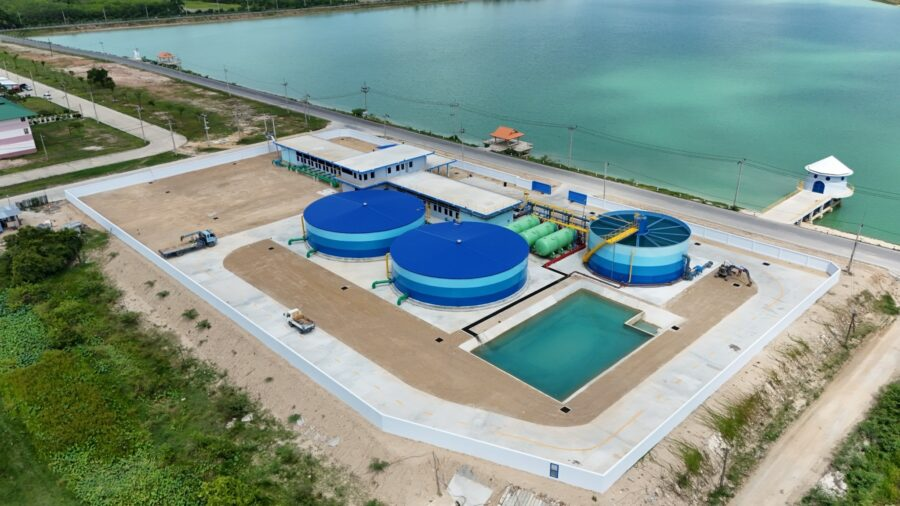
The University’s commitment to wastewater management dates back to 2002, when the Wastewater Management Development Project was established to accommodate wastewater generated across the campus. Covering an area of more than 9,600 square meters, the facility has a treatment capacity of up to 4,000 cubic meters per day. Over the years, the system has undergone continuous improvements, including upgrades to its treatment mechanisms and technologies to enhance operational efficiency and maintain effective wastewater treatment. Regular diagnostic assessments can help identify operational issues, evaluate treatment performance, and determine where further improvements are needed to ensure compliance with applicable effluent discharge standards.
Comprehensive Wastewater Treatment and Discharge Management
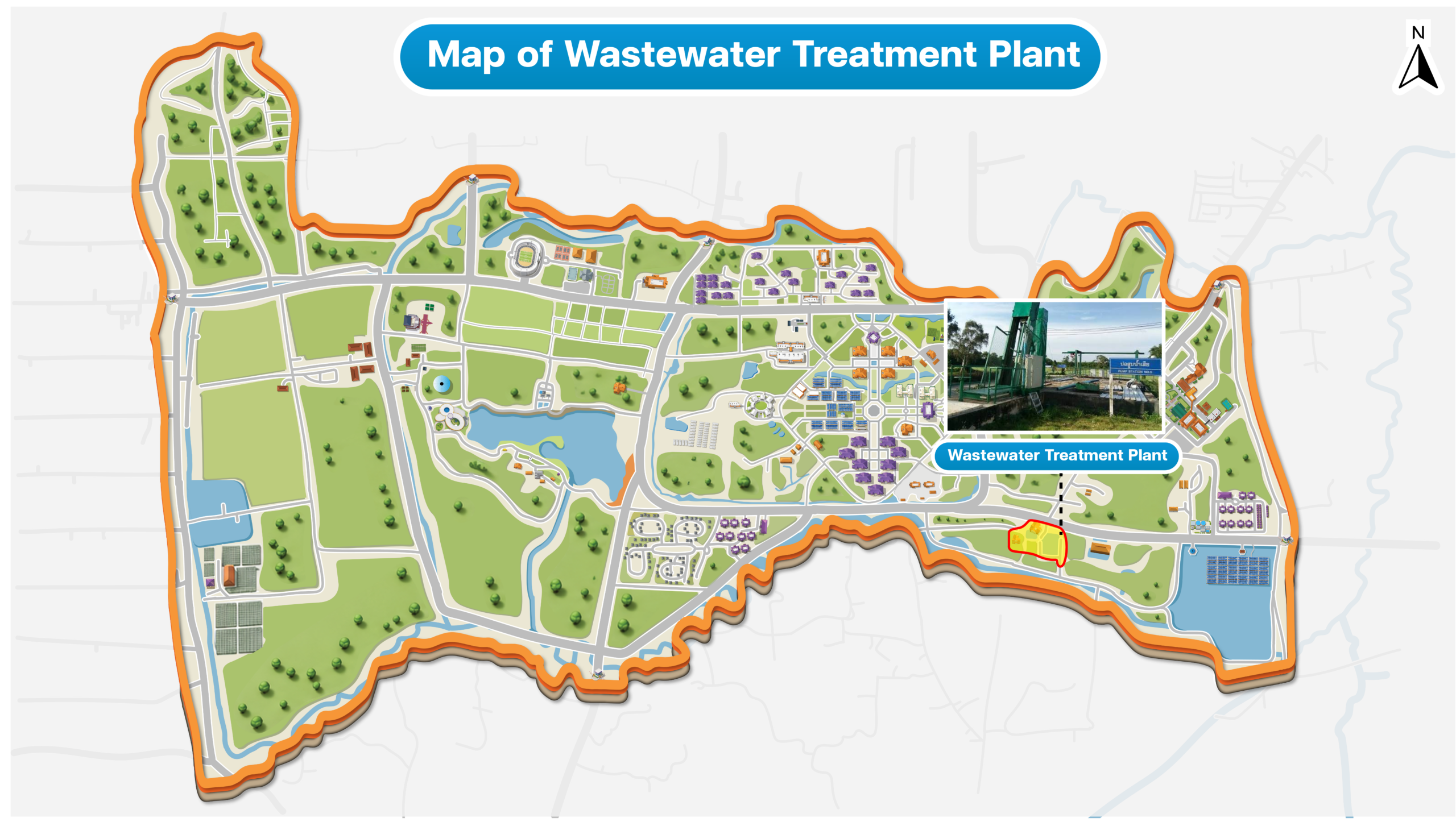
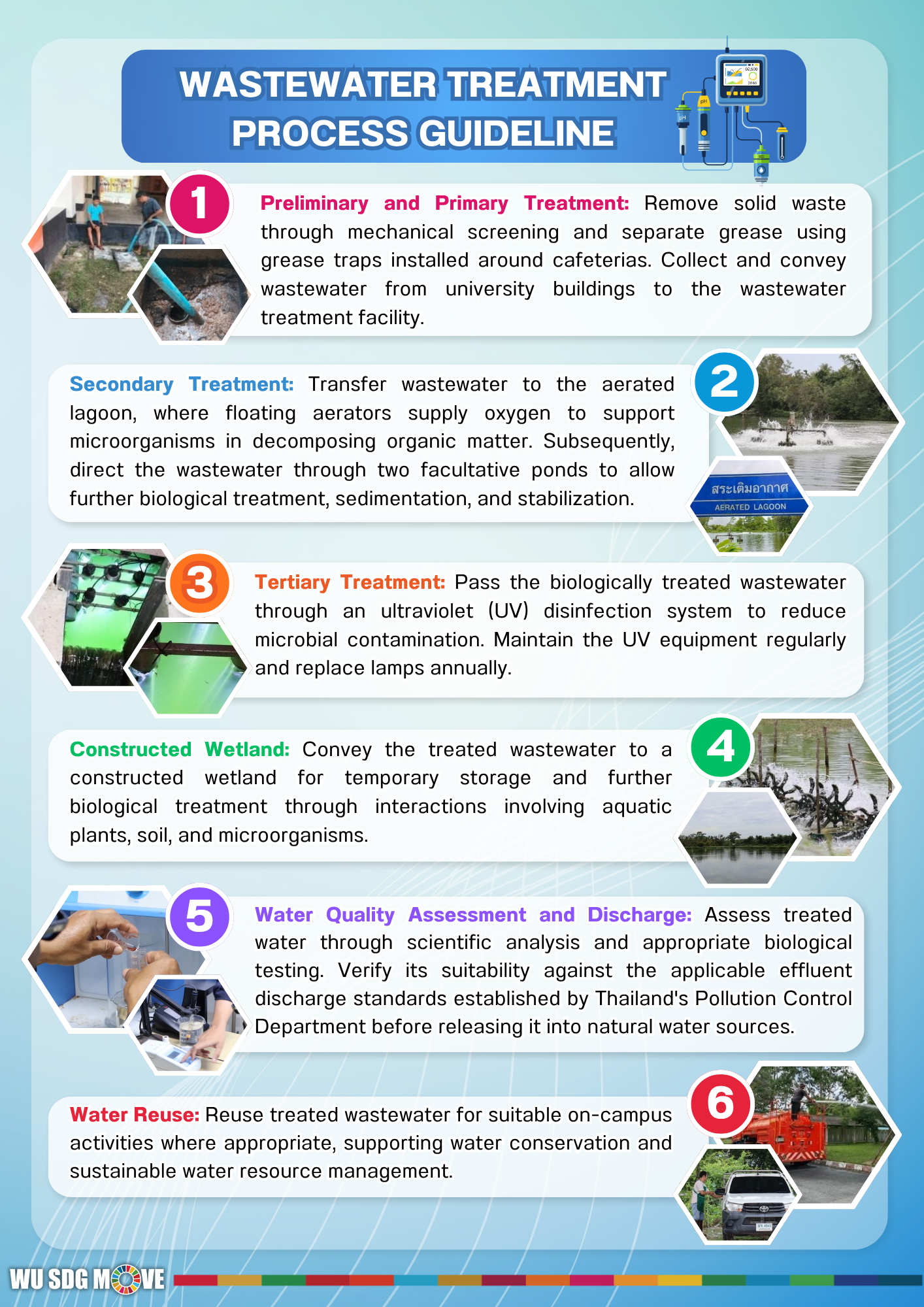
Walailak University’s wastewater management system follows a biological treatment process comprising three main stages: preliminary and primary treatment, secondary treatment, and tertiary treatment. These stages are designed to remove solid waste, reduce organic pollutants, and control microbial contamination before treated water is considered for reuse or discharge.
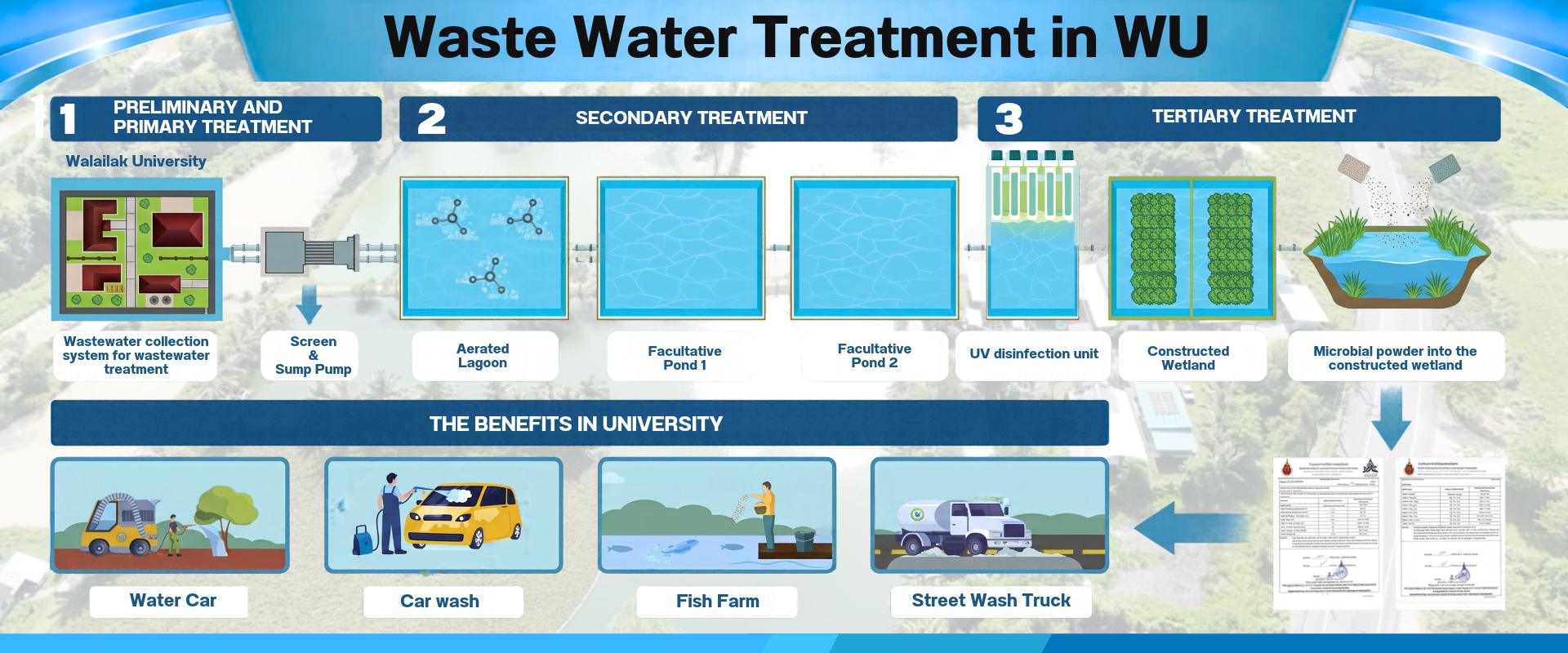
1. Preliminary and Primary Treatment
Wastewater management begins at the source, where solid waste and grease are separated from wastewater before it enters the main treatment system. Grease traps are installed around university cafeterias, and the accumulated grease is removed regularly to prevent blockages and reduce the risk of interference with subsequent treatment processes.

Wastewater collected from university buildings is then conveyed to the treatment facility. At the pumping station, a motor-driven mechanical screen removes solid debris that could obstruct or damage the submersible pumps. A fine mechanical screening system equipped with an automatic cleaning brush further supports the removal of solid materials. Following screening and grease separation, the wastewater is pumped into the aerated lagoon for biological treatment.
These preliminary processes help maintain the reliability of the treatment system and reduce the amount of solid waste entering subsequent treatment stages.
2. Secondary Treatment
Secondary treatment is the core of the university’s wastewater management system. It uses aerobic and anaerobic microorganisms to decompose organic matter and reduce the pollution load in wastewater.
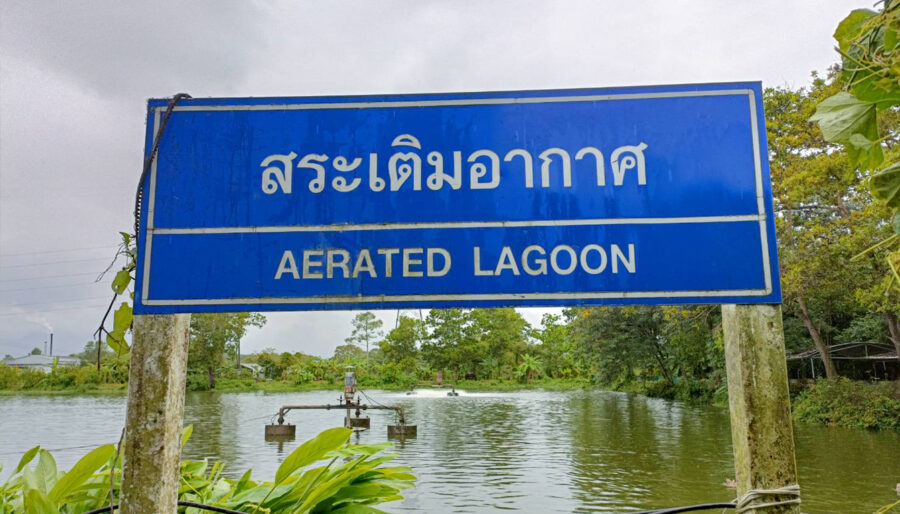
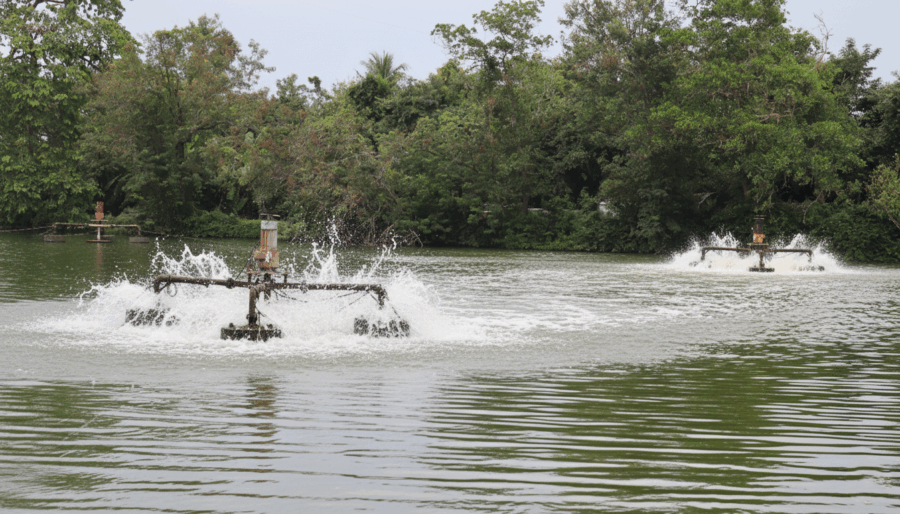
The process begins in an aerated lagoon approximately five meters deep, with a capacity of 18,903 cubic meters. Four low-speed floating surface aerators, each with a power rating of 15 kilowatts, supply oxygen and circulate the water. This creates suitable conditions for aerobic microorganisms to break down organic pollutants, with the process described as capable of reducing biochemical oxygen demand (BOD) by up to 70%.
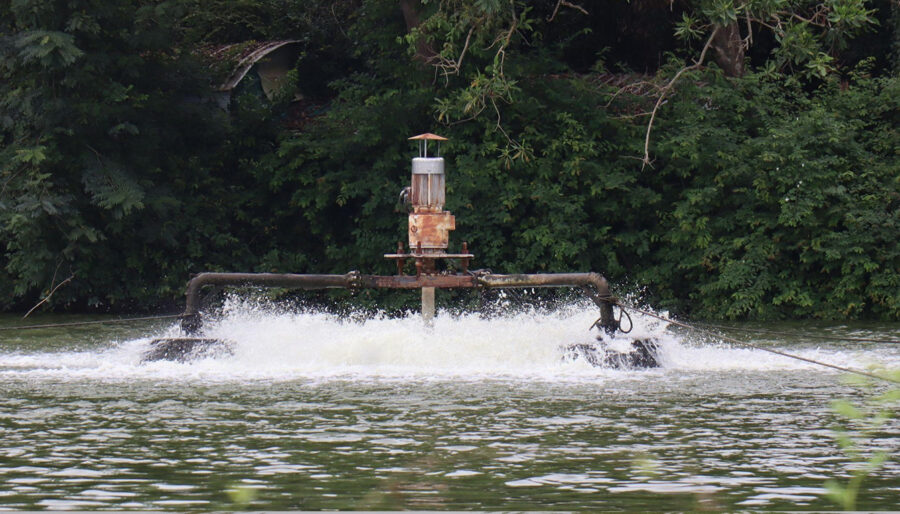
The wastewater then flows into Facultative Pond 1, which is approximately two meters deep and has a capacity of 18,217 cubic meters. With a retention time exceeding four days, the pond supports sedimentation and further biological decomposition through the combined activities of aerobic and anaerobic microorganisms. This stage is reported to provide an additional reduction in BOD.
The water subsequently enters Facultative Pond 2, also approximately two meters deep, with a capacity of 37,752 cubic meters. A retention time exceeding seven days allows further settling and stabilization while microorganisms continue to decompose organic matter.
Together, these treatment ponds provide an extended biological treatment process that helps reduce organic pollution before the wastewater proceeds to disinfection. Reducing BOD is particularly important because excessive organic matter in receiving waters can deplete dissolved oxygen, potentially harming fish and other aquatic organisms.
3. Tertiary Treatment and Disinfection
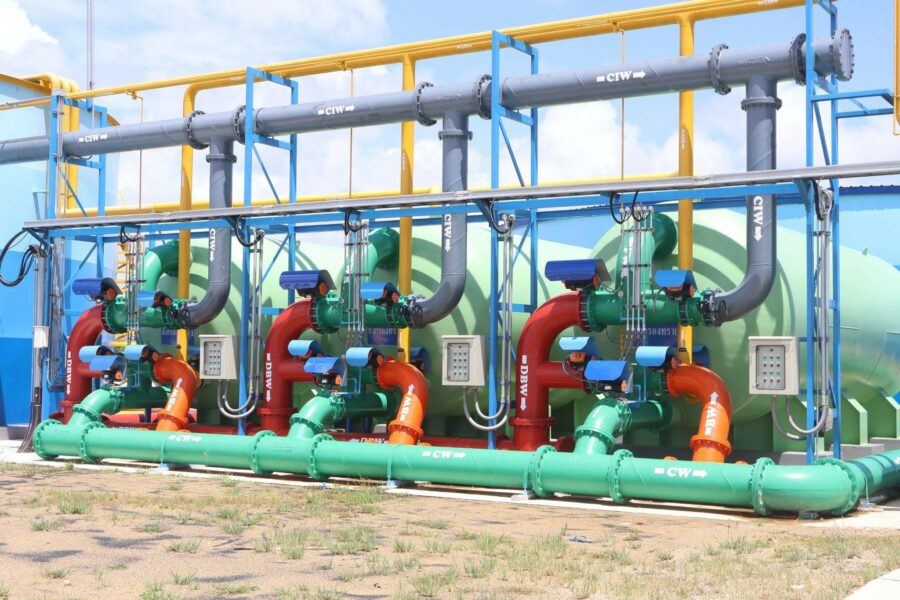
Following biological treatment, the wastewater passes through an ultraviolet (UV) disinfection system designed to reduce microbial contamination. The system uses UV light at a wavelength of approximately 254 nanometers to damage the genetic material of microorganisms, including bacteria and viruses, preventing them from reproducing.
The UV equipment is maintained regularly, with its lamps replaced annually to support effective operation. This disinfection stage provides an additional barrier against microbial risks before the treated water proceeds to the next stage of management.
The treated wastewater then enters a constructed wetland, which serves as a temporary storage area and supports further treatment through interactions among aquatic plants, soil, and biological processes. The wetland also functions as an environmental learning site for students and researchers, providing opportunities to study water management, aquatic ecosystems, and environmental sustainability.
Water Quality Assessment and Effluent Discharge Standards
An essential component of Walailak University’s wastewater management approach is the assessment of treated water quality before reuse or discharge into natural water sources. The university reports that treated wastewater undergoes scientific analysis and biological testing, including testing involving Nile tilapia ponds, as part of its water quality assessment procedures.
The university identifies the effluent discharge standards established by Thailand’s Pollution Control Department as the benchmark for determining whether treated water is suitable for discharge. This links the treatment process to an established regulatory framework intended to control water pollution and safeguard environmental quality.
The use of discharge standards is important because wastewater treatment must address not only the physical appearance of water but also pollutants that may affect receiving environments. Appropriate water quality assessment helps inform decisions about whether treated wastewater is suitable for its intended destination and use.
By integrating wastewater treatment with water quality assessment and reference to established effluent standards, Walailak University demonstrates an institutional approach to managing the environmental risks associated with wastewater discharge. This approach also provides a basis for maintaining treatment performance and identifying areas where further operational improvements may be needed.
Promoting Water Reuse and Environmental Protection
In addition to treating wastewater before discharge, Walailak University reuses treated water for various on-campus activities. This practice supports more efficient water resource management by creating opportunities to use treated wastewater for suitable purposes rather than relying exclusively on freshwater supplies.
The constructed wetland further connects wastewater management with environmental education and research. By providing a setting for students and researchers to study biological treatment processes and aquatic environments, the facility supports knowledge development and greater awareness of the relationship between water quality and ecosystem health.
The university’s continuing improvements to its wastewater treatment system, including the upgrades undertaken in 2025, reflect an ongoing effort to maintain treatment efficiency and strengthen environmental management. The combination of physical screening, biological treatment, disinfection, water quality assessment, and water reuse provides a structured approach to reducing pollution risks and managing wastewater responsibly.
Water Quality Monitoring and Assessment Guidelines
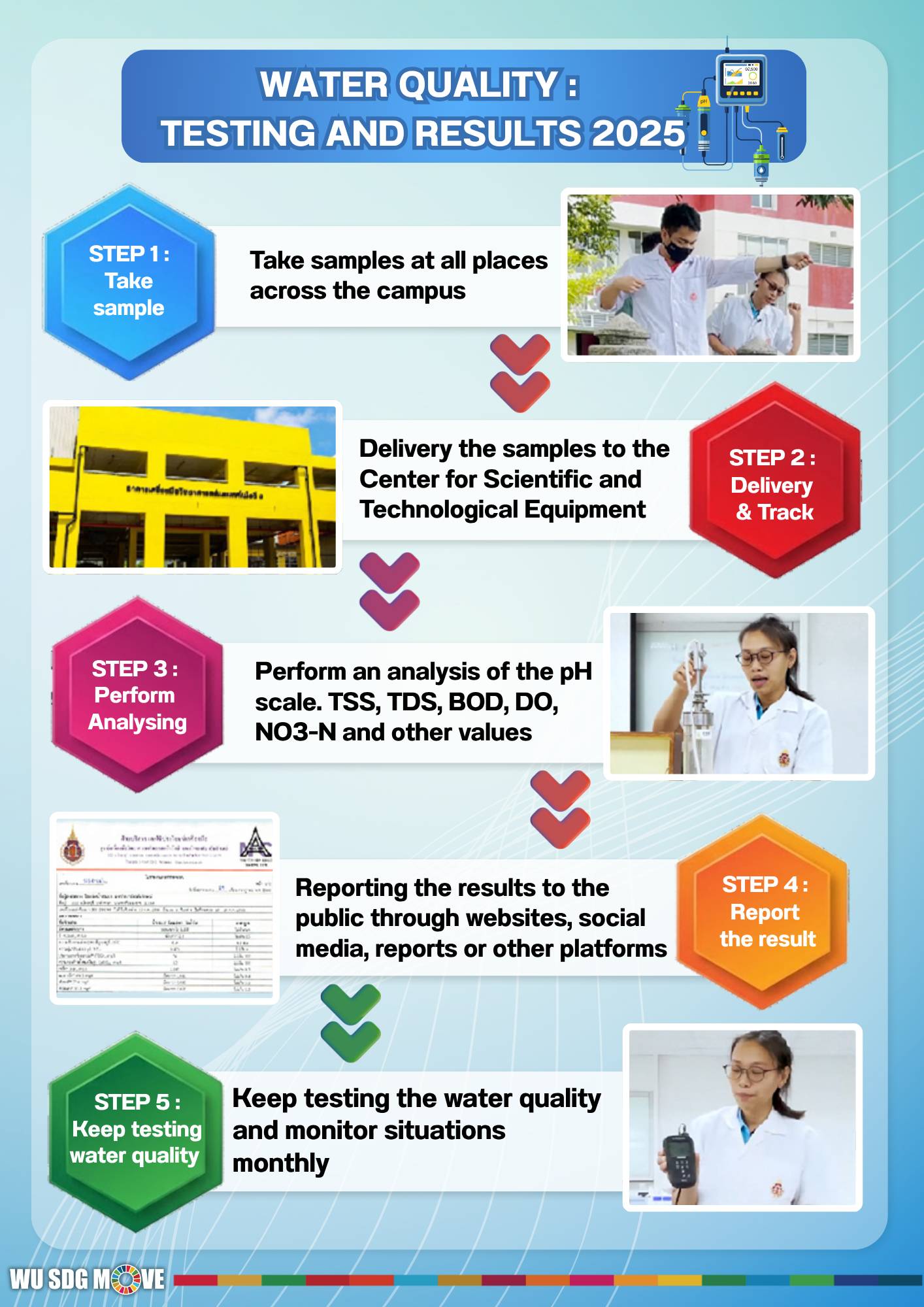
Walailak University monitors water quality through a systematic process involving sample collection, laboratory analysis, reporting, and regular monitoring. The process supports the assessment of water quality conditions and helps identify potential environmental concerns that may require further investigation.

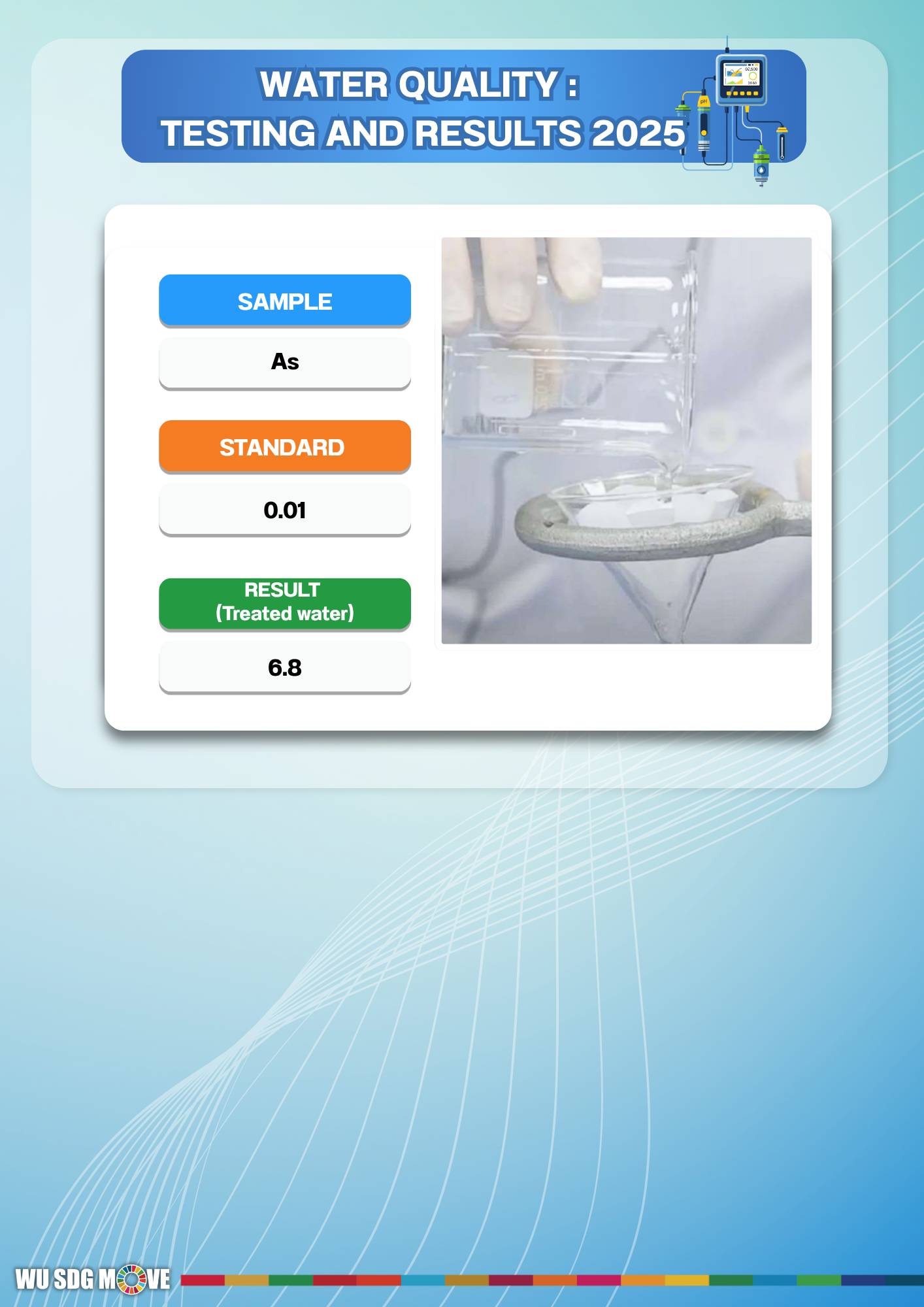
Step 1: Water Sampling
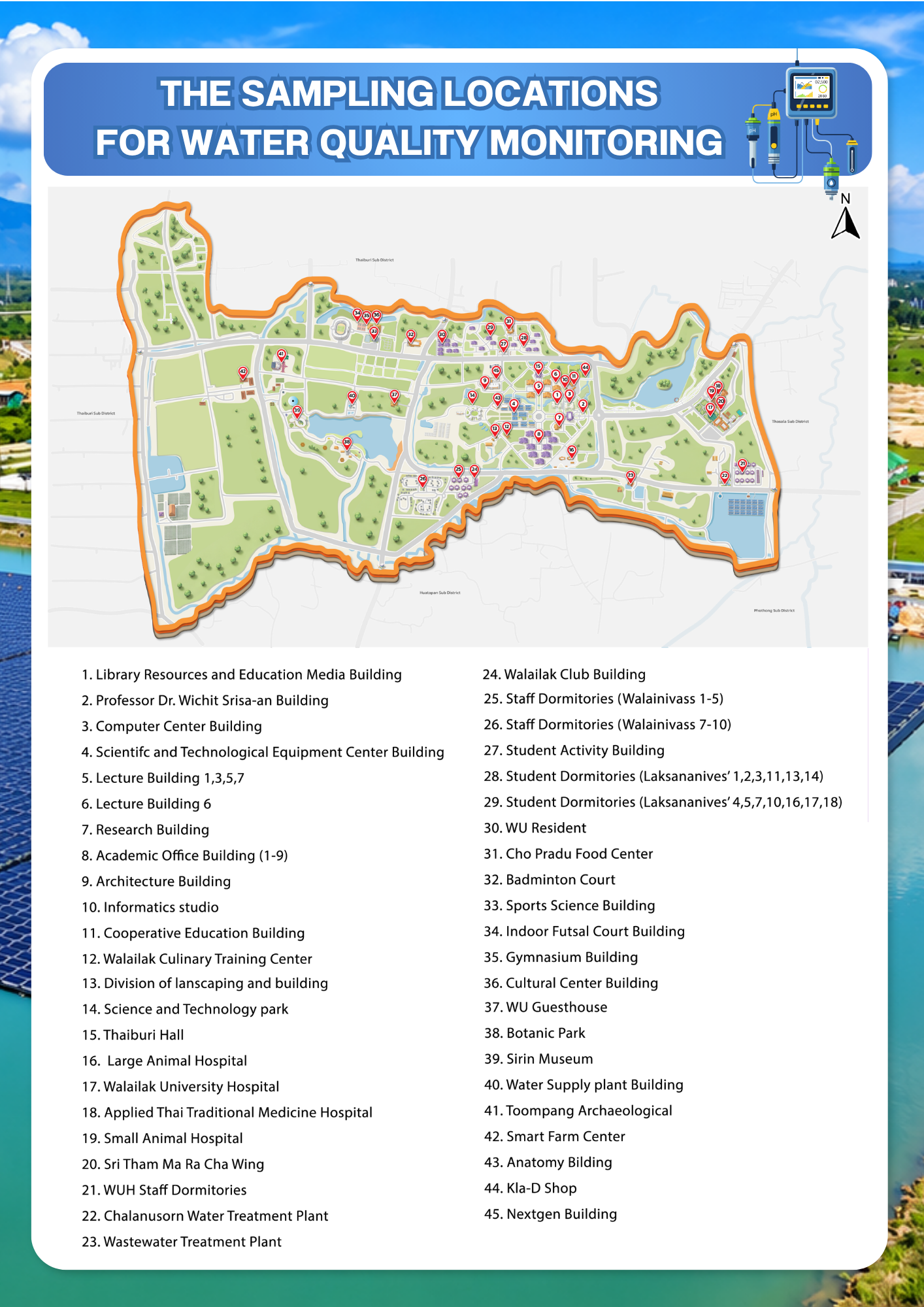
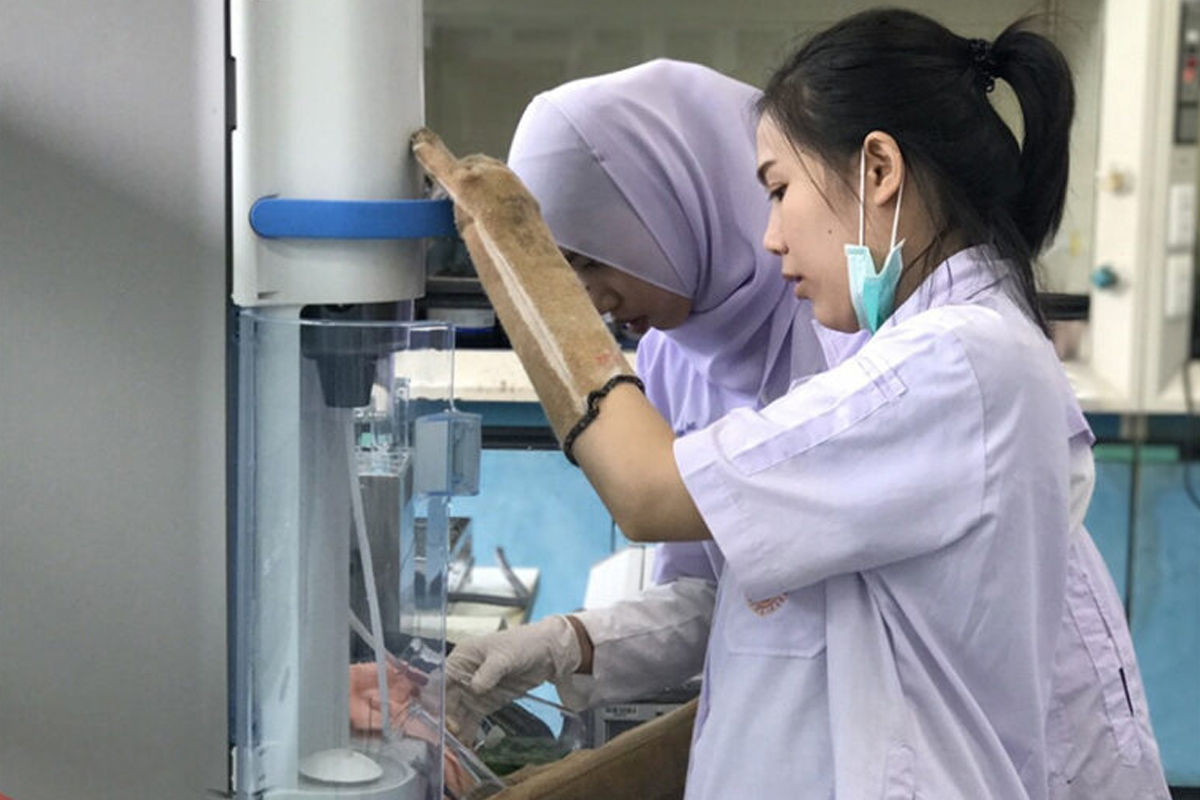
Collect water samples from designated locations across the university campus to assess water quality conditions. Ensure that samples are collected and handled appropriately before being delivered to the Center for Scientific and Technological Equipment for analysis.
Step 2: Sample Delivery and Tracking
Deliver collected samples to the Center for Scientific and Technological Equipment. Maintain appropriate records to track sample identification, collection locations, and submission details to support accurate analysis and reporting.
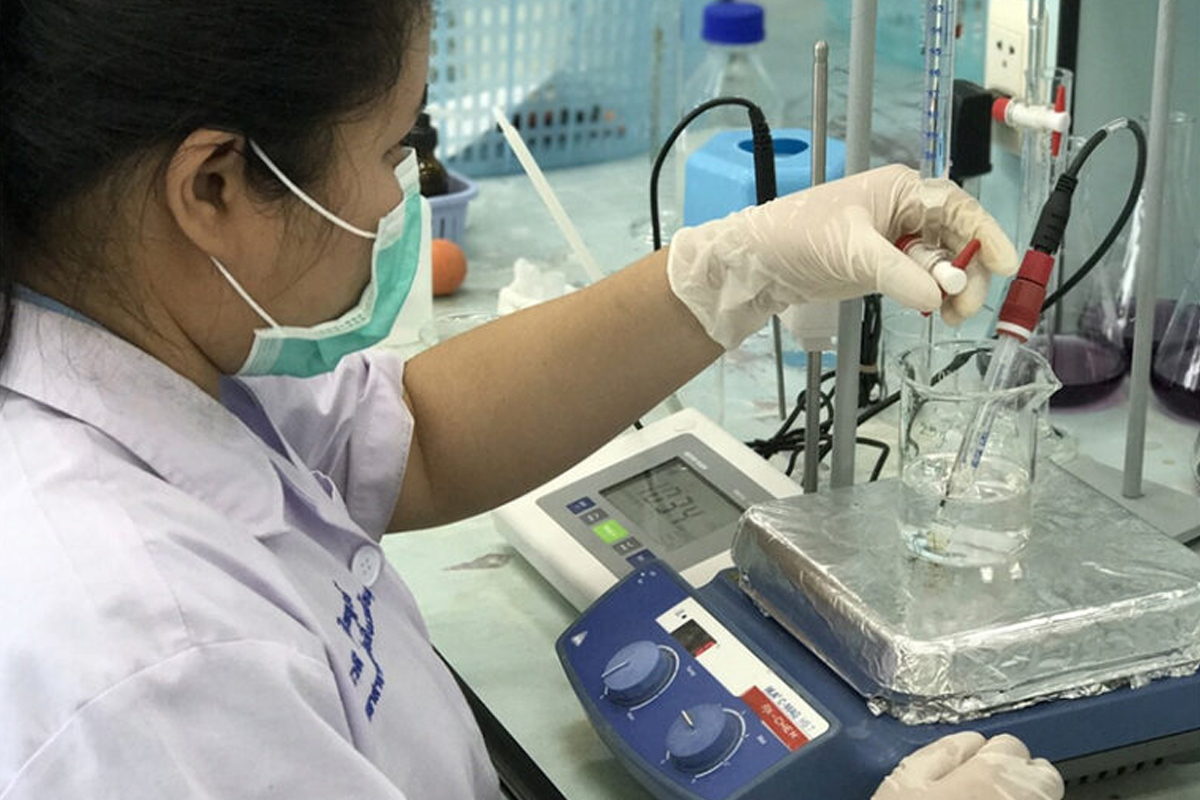
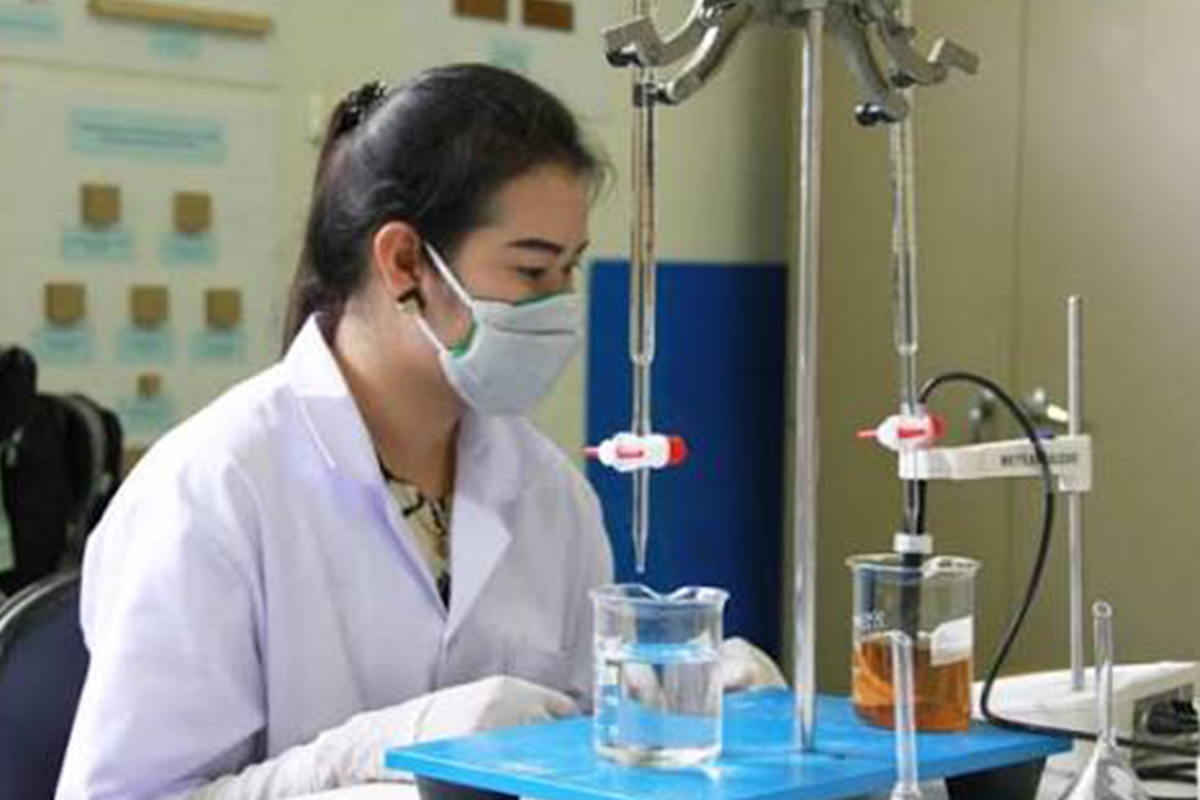
Step 3: Laboratory Analysis
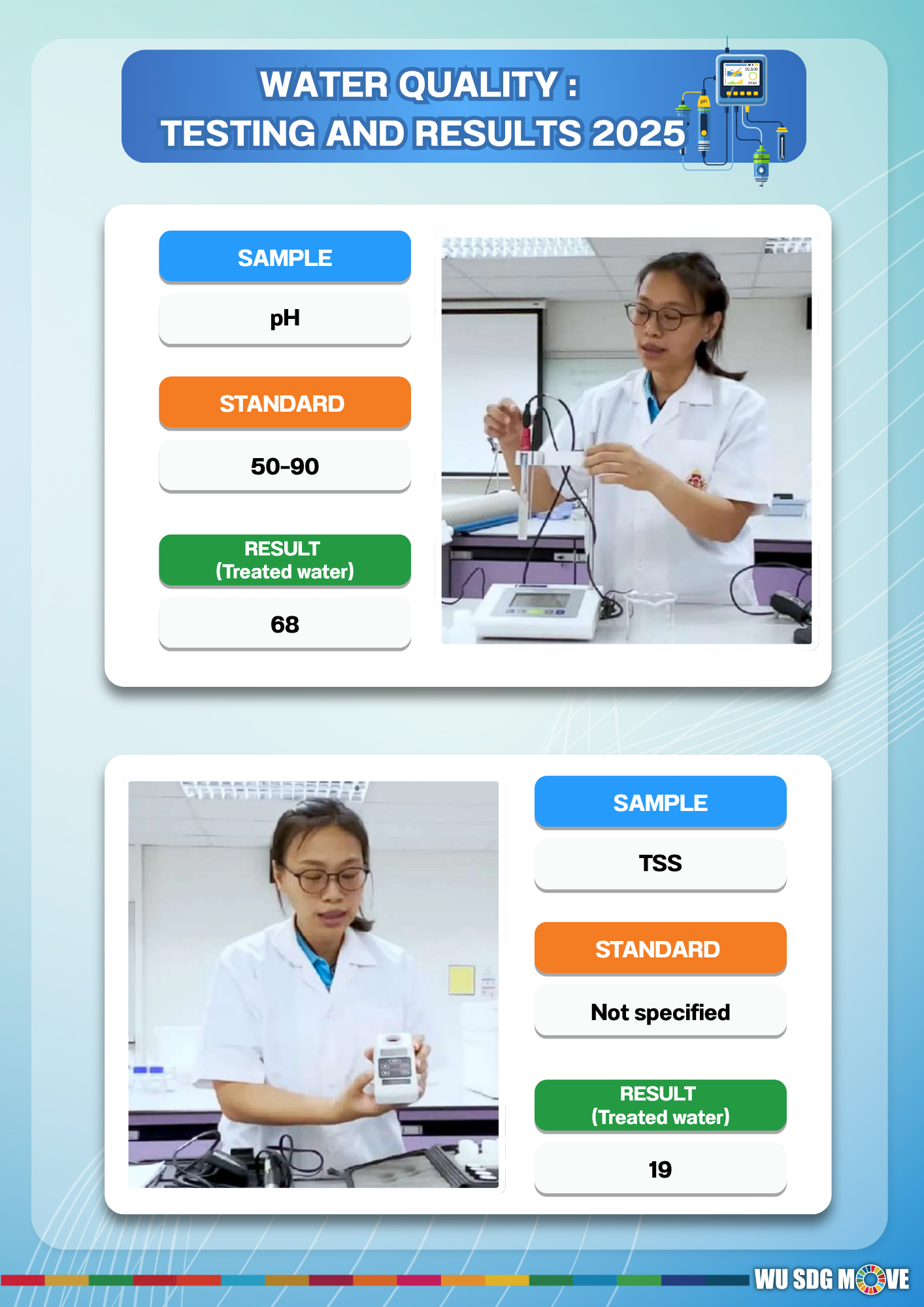
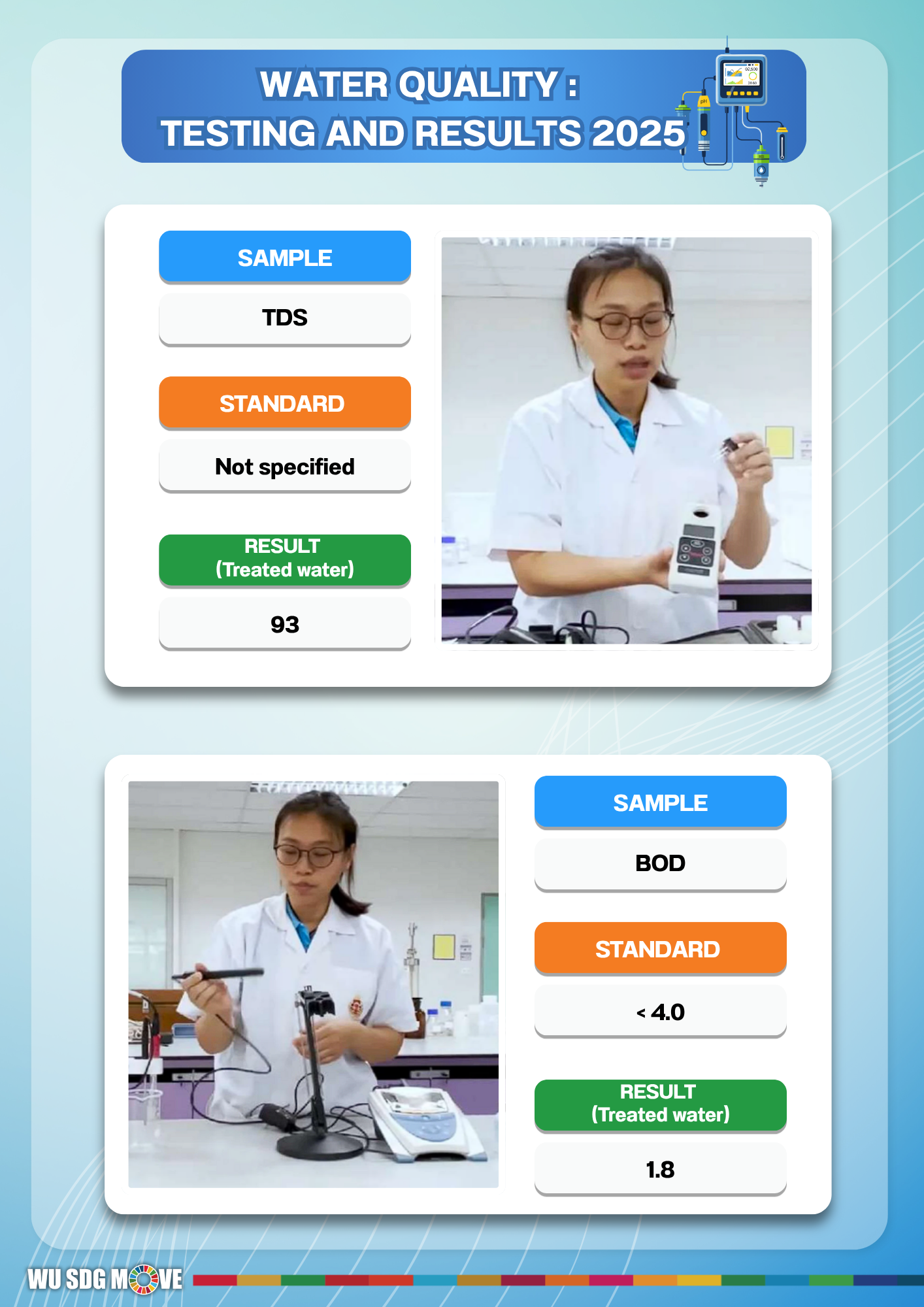
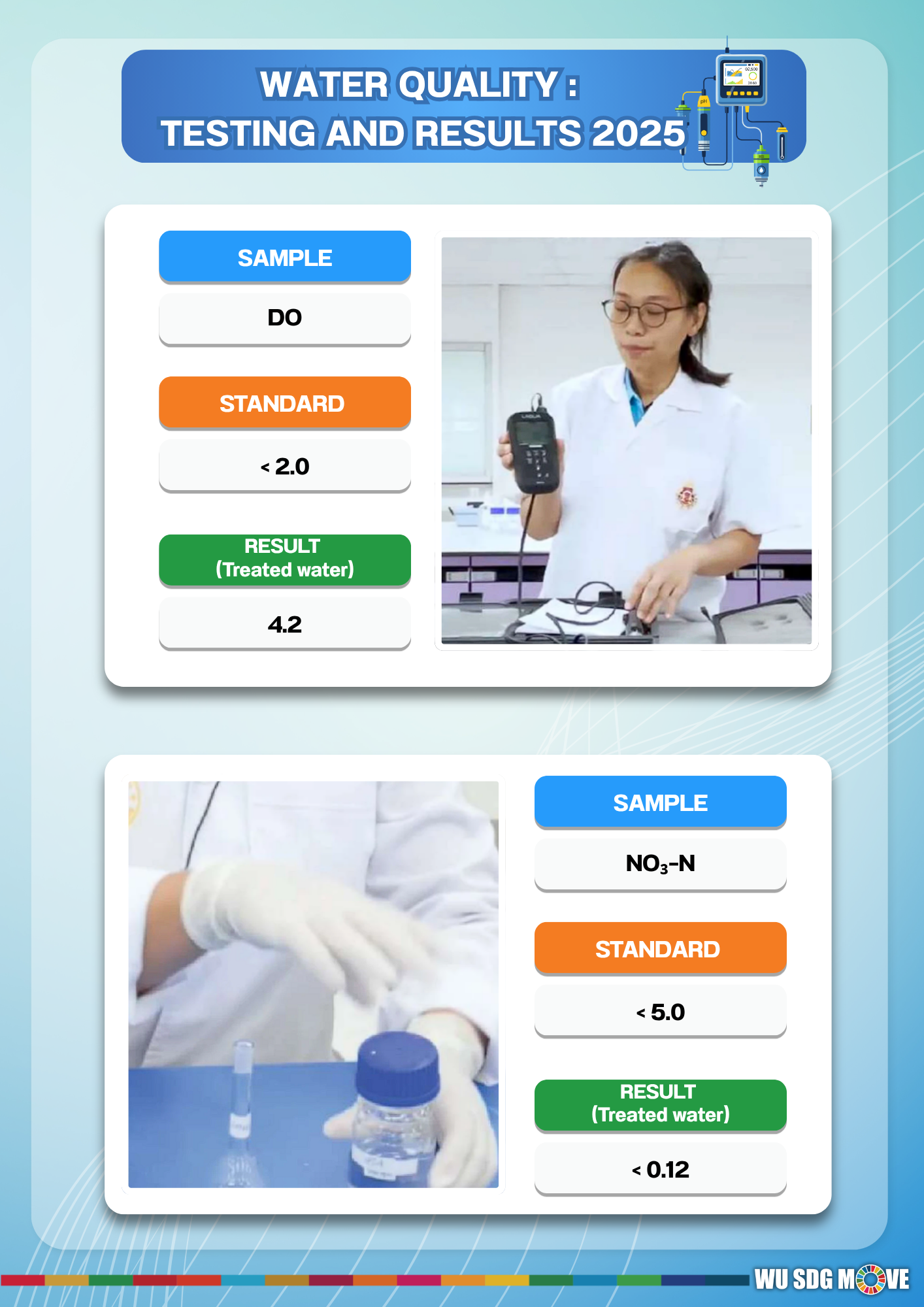
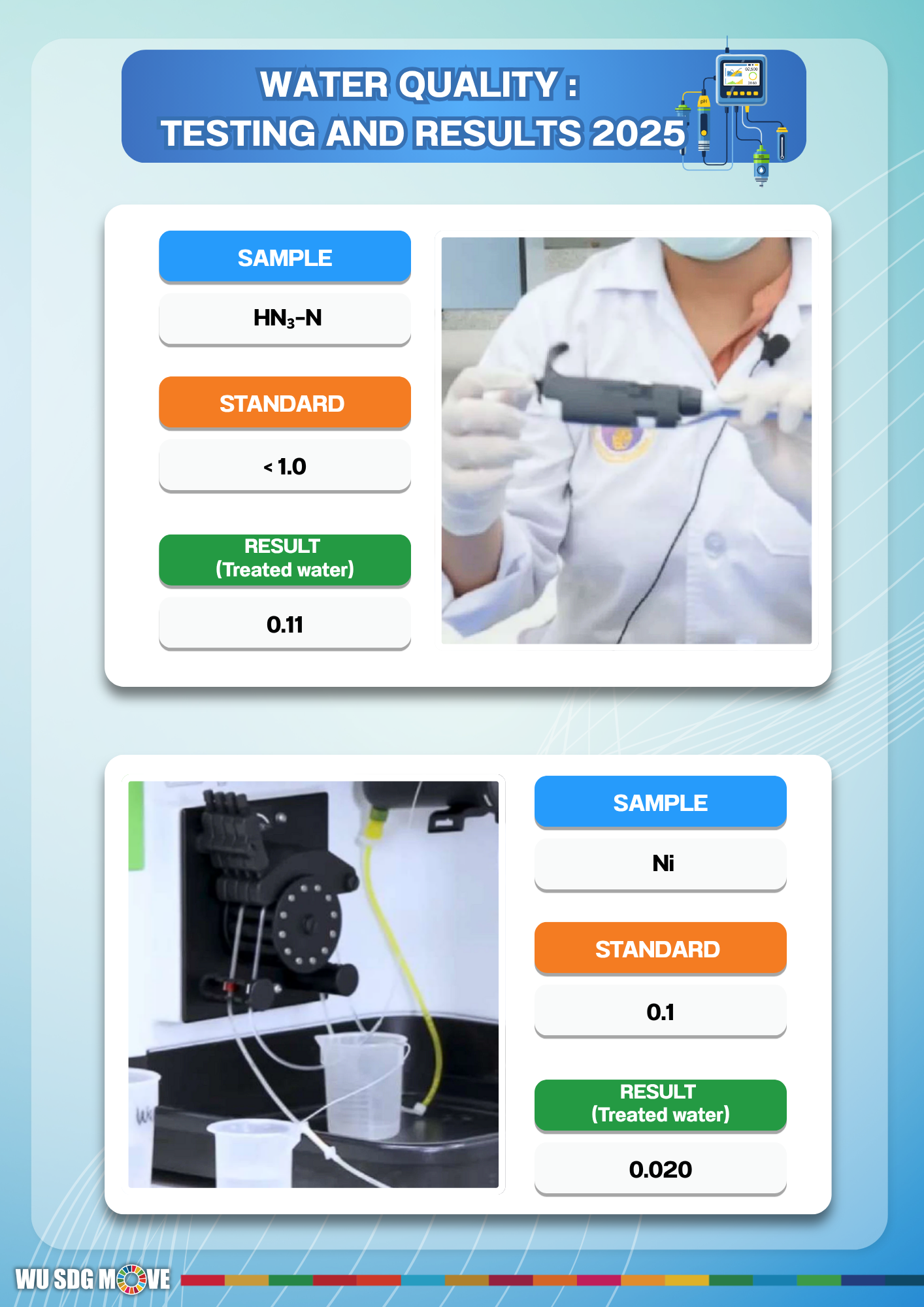
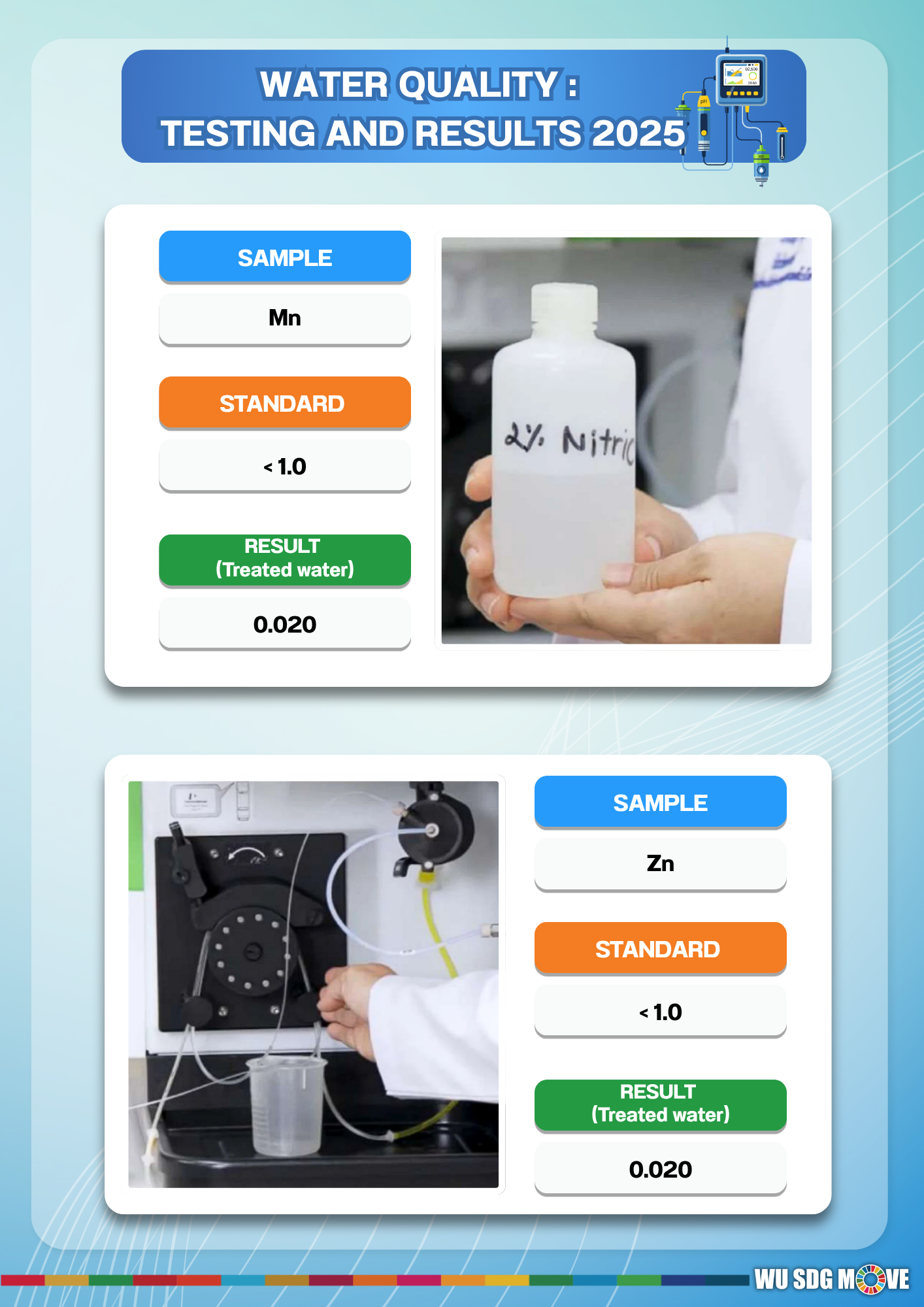
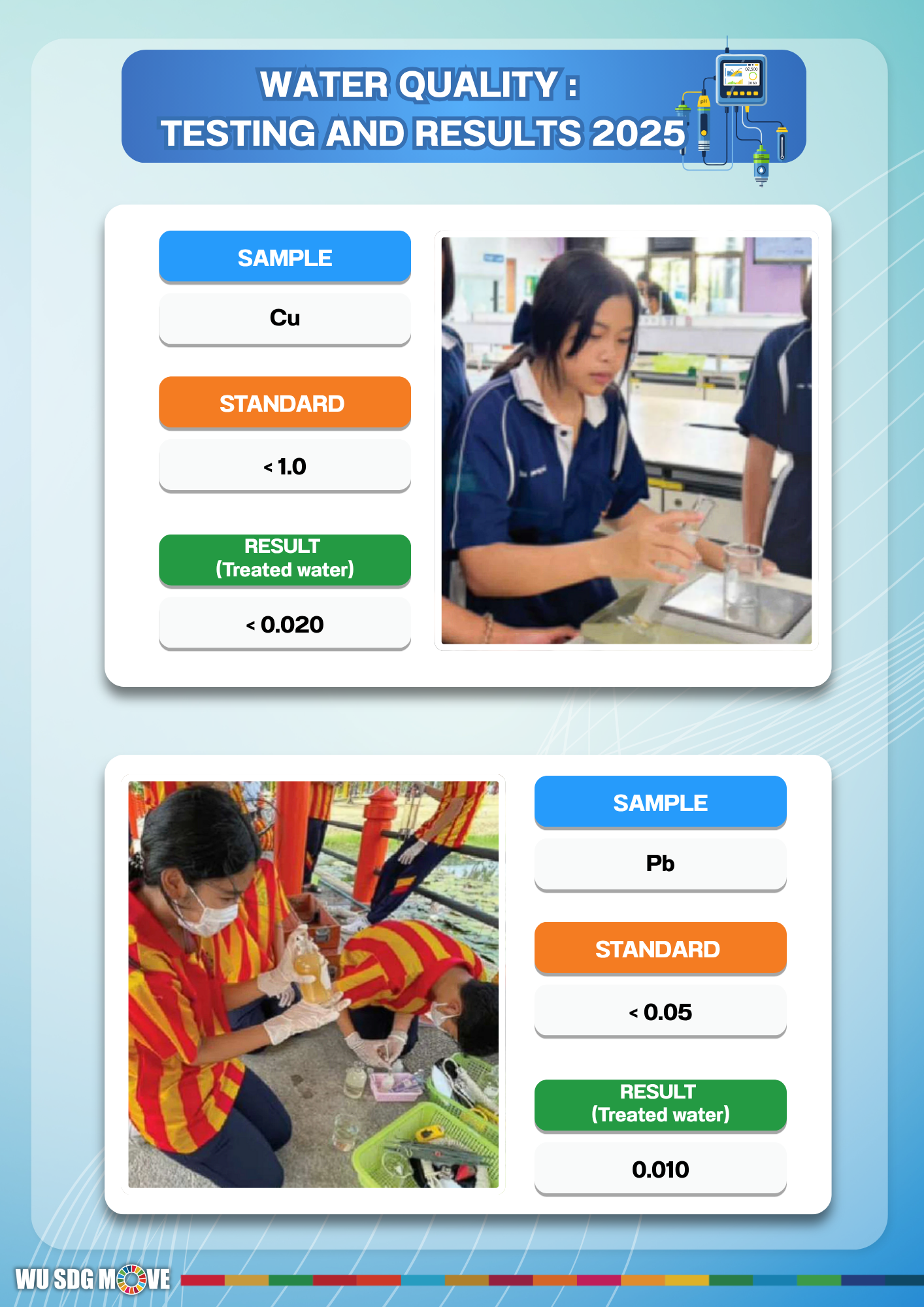
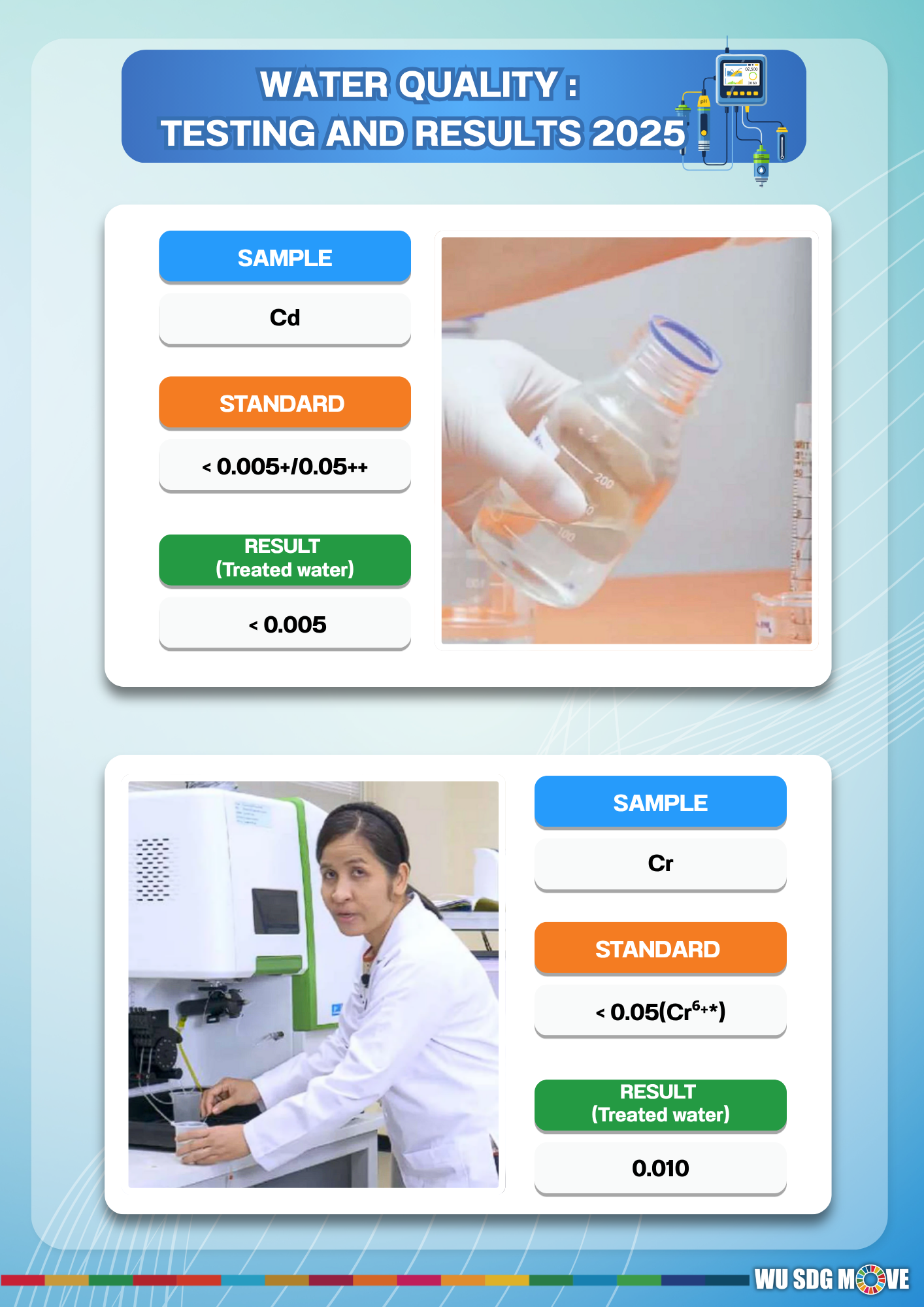
Analyze the collected samples using appropriate scientific methods. Water quality parameters may include pH, total suspended solids (TSS), total dissolved solids (TDS), biochemical oxygen demand (BOD), dissolved oxygen (DO), nitrate nitrogen (NO₃-N), and other relevant indicators, depending on the purpose of the assessment.
For wastewater discharge assessment, applicable effluent quality parameters and regulatory limits should be used to evaluate whether the water meets the relevant discharge requirements.
Step 4: Reporting and Communication of Results
Compile and report water quality assessment results through appropriate channels, such as institutional reports, university websites, social media, or other public communication platforms, where applicable. Communicate findings clearly to support environmental awareness, transparency, and informed water management.
Step 5: Continued Monitoring
Conduct water quality monitoring regularly, with monthly monitoring indicated in the documented process. Review the results over time to identify changes in water quality and potential environmental concerns. Where necessary, further investigation and appropriate corrective measures should be undertaken.
Positive Environmental Impacts and Contributions to Sustainable Development
Through its established wastewater treatment infrastructure, water quality assessment procedures, and ongoing improvements to environmental management, Walailak University demonstrates its commitment to responsible water discharge management and the protection of aquatic environments. The integration of preliminary screening, biological treatment, UV disinfection, and constructed wetlands helps reduce pollutants and microbial contamination before treated wastewater is reused or released into natural water sources. By referring to the effluent discharge standards established by Thailand’s Pollution Control Department, the university incorporates regulatory water quality requirements into its wastewater management approach.
The university’s systematic water quality monitoring process further supports environmental protection by providing a framework for collecting water samples, conducting scientific analyses, reporting results, and monitoring changes over time. Assessing relevant parameters, including pH, total suspended solids, total dissolved solids, biochemical oxygen demand, dissolved oxygen, and other indicators, can help identify potential water quality concerns and inform appropriate management responses. Regular monitoring also supports the evaluation of treatment performance and provides a basis for identifying opportunities to improve wastewater management practices.
These measures offer several important environmental and social benefits. Reducing organic pollutants can help prevent excessive oxygen depletion in receiving waters, supporting conditions necessary for fish and other aquatic organisms. Effective wastewater treatment and disinfection can also reduce potential risks associated with microbial contamination, contributing to the protection of public health and the surrounding environment. Meanwhile, the reuse of treated wastewater for suitable on-campus activities helps conserve freshwater resources and promotes more efficient water use. Regular measurement of water quality parameters, including organic pollutant concentrations, dissolved oxygen, and microbial indicators, can help assess treatment effectiveness and verify compliance with applicable environmental standards.
The university’s constructed wetland provides an additional opportunity to connect environmental management with education and research. By serving as a learning site for students and researchers, it supports greater understanding of biological treatment processes, water quality, and aquatic ecosystem conservation. The university’s continued investment in wastewater treatment improvements, including the upgrades undertaken in 2025, also reflects the importance of maintaining effective infrastructure and adapting management practices to support long-term environmental sustainability. Ongoing measurement of treatment performance, effluent quality, and treated wastewater reuse can help identify opportunities for improvement, inform operational decisions, and evaluate the long-term environmental benefits of these initiatives.