
WU’s Plan to Minimize Alterations to Aquatic Ecosystems
WU’s Plan to Minimize Alterations to Aquatic Ecosystems
Aquatic ecosystems are essential for maintaining biodiversity, supporting food security, sustaining local livelihoods, and preserving the ecological balance of rivers, wetlands, coastal areas, and marine environments. However, human activities can cause physical alterations, such as habitat degradation and changes to natural waterways; chemical alterations resulting from pollution and the release of harmful substances; and biological alterations that affect aquatic species, biodiversity, and ecosystem health. These changes can disrupt ecological processes, reduce the resilience of aquatic environments, and threaten the long-term sustainability of natural resources.
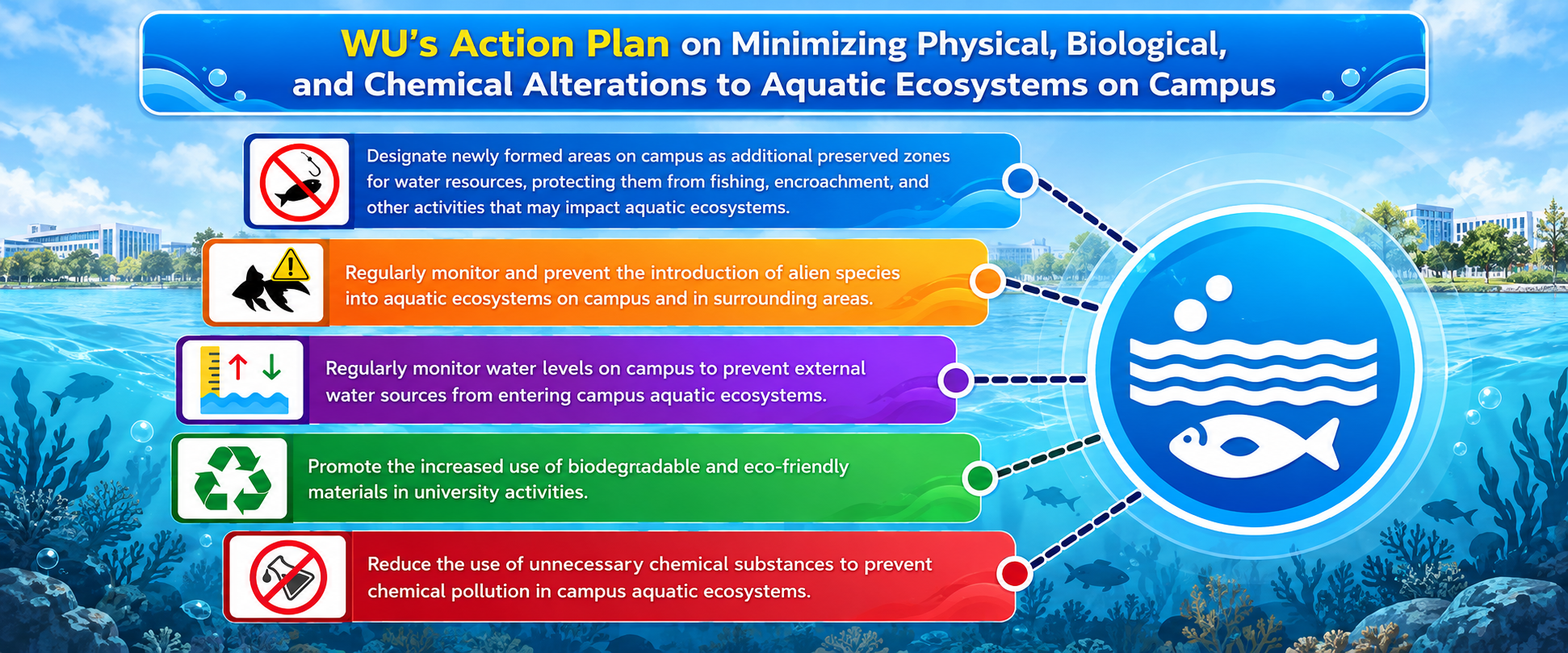
To address these challenges, Walailak University recognises the importance of proactive environmental planning and systematic measures to minimise alterations to aquatic ecosystems. Having an established plan to minimise physical, chemical, and biological alterations is essential for identifying potential environmental risks, preventing ecosystem degradation, and guiding appropriate management and conservation measures. Environmental monitoring, diagnostic assessments, and evidence-based evaluations can help diagnose potential environmental problems, identify the causes of ecosystem disturbances, and assess the effectiveness of existing management practices. These processes support the implementation of timely preventive and corrective actions to protect aquatic ecosystems.
Through its environmental management and conservation initiatives, Walailak University demonstrates its commitment to minimising physical, chemical, and biological alterations to related aquatic ecosystems. This commitment supports the protection of aquatic habitats, the maintenance of water quality, the conservation of biodiversity, and the sustainable use of aquatic resources. By incorporating environmental diagnostics, ongoing monitoring, and appropriate management practices into its planning and operations, the University seeks to identify and address environmental threats, strengthen ecosystem resilience, and contribute to the long-term health and sustainability of aquatic ecosystems.
The University assigns relevant responsibilities to specialised internal organizations that monitor environmental conditions, assess potential impacts, and implement measures to protect and improve aquatic ecosystem health. These units include the Center for Smart Farming and Landscaping Architecture, the School of Science (Marine Science), and the Center for Scientific and Technological Equipment. Through their respective roles in research, environmental monitoring, scientific analysis, and sustainable management practices, these organisations contribute to identifying environmental risks, minimising adverse impacts, and maintaining the ecological integrity of aquatic ecosystems within the University’s campus environment.
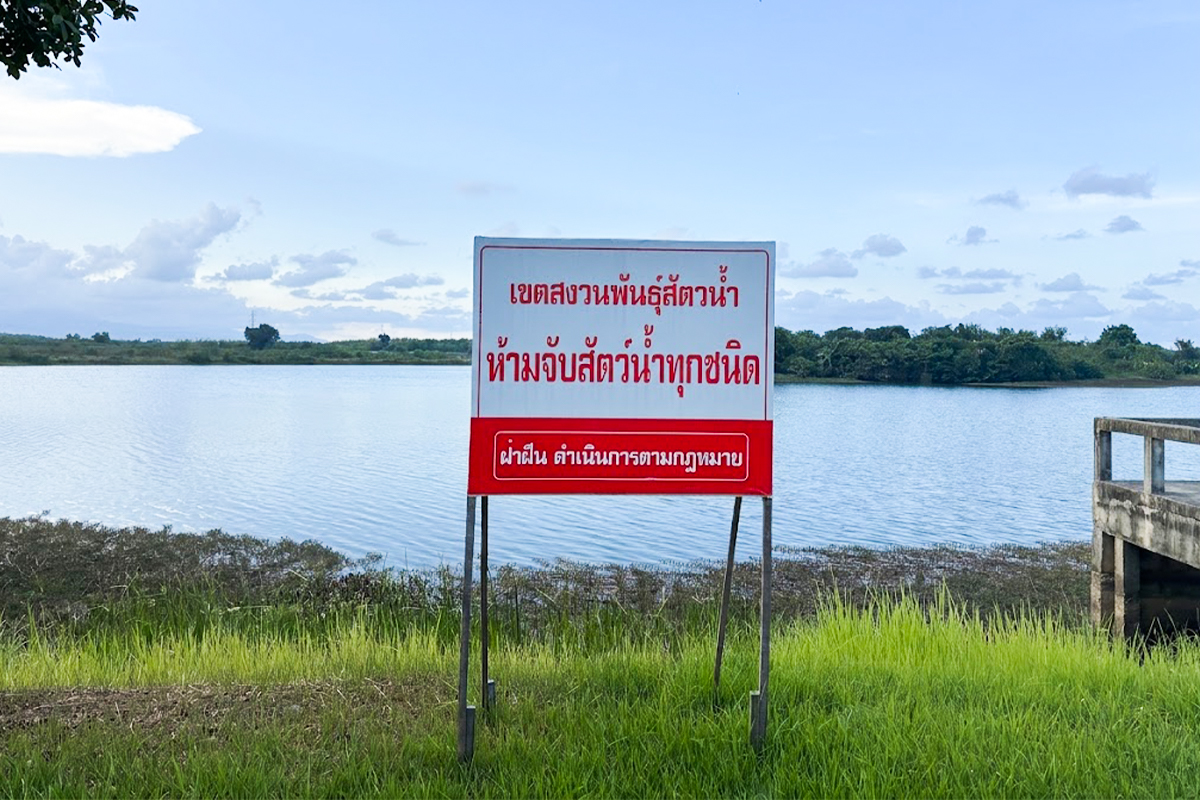
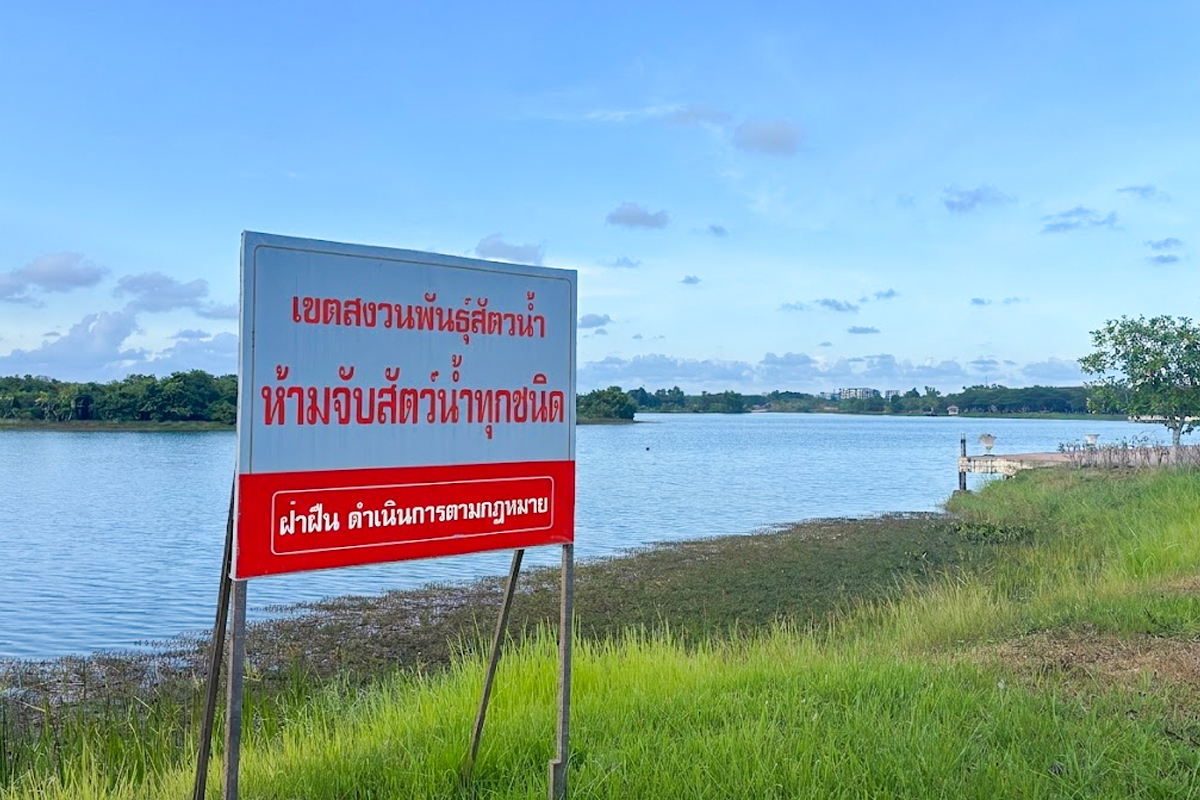
To designate newly formed areas on campus as additional preserved zones for water resources, protecting them from fishing, encroachment, and other activities that may impact aquatic ecosystems
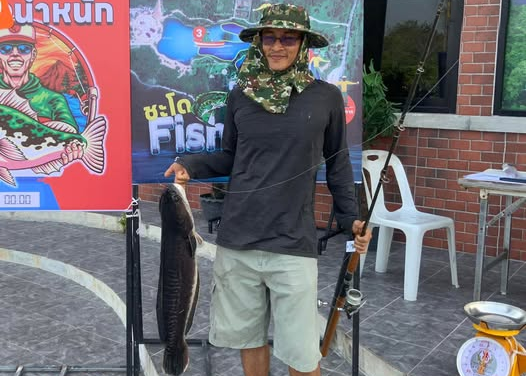
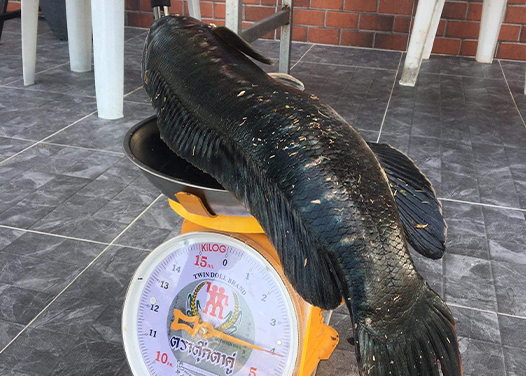
Walailak University (WU) conducts regular surveys of aquatic animals and other organisms within its campus ecosystems to monitor ecological health, assess biodiversity, and identify alien species that may threaten native flora and fauna. In 2025, researchers from the School of Science (Marine Science) reported a decrease in the population of snakehead fish in Pruk Sachon Reservoir. Although this decline indicated progress in controlling their numbers, continued management remained important because snakehead fish are carnivorous predators that can prey on other aquatic animals and potentially disrupt the ecological balance when their populations become excessive. Therefore, WU continued organising snakehead fish fishing activities, allowing students, staff, and members of the public to participate in legally catching these fish as a population control measure. This ongoing initiative aims to further manage snakehead fish numbers, reduce potential pressure on native aquatic species, and maintain a balanced aquatic ecosystem within the campus reservoir. Through regular monitoring and continued management efforts, WU seeks to protect aquatic biodiversity and minimise biological alterations to its aquatic ecosystems.
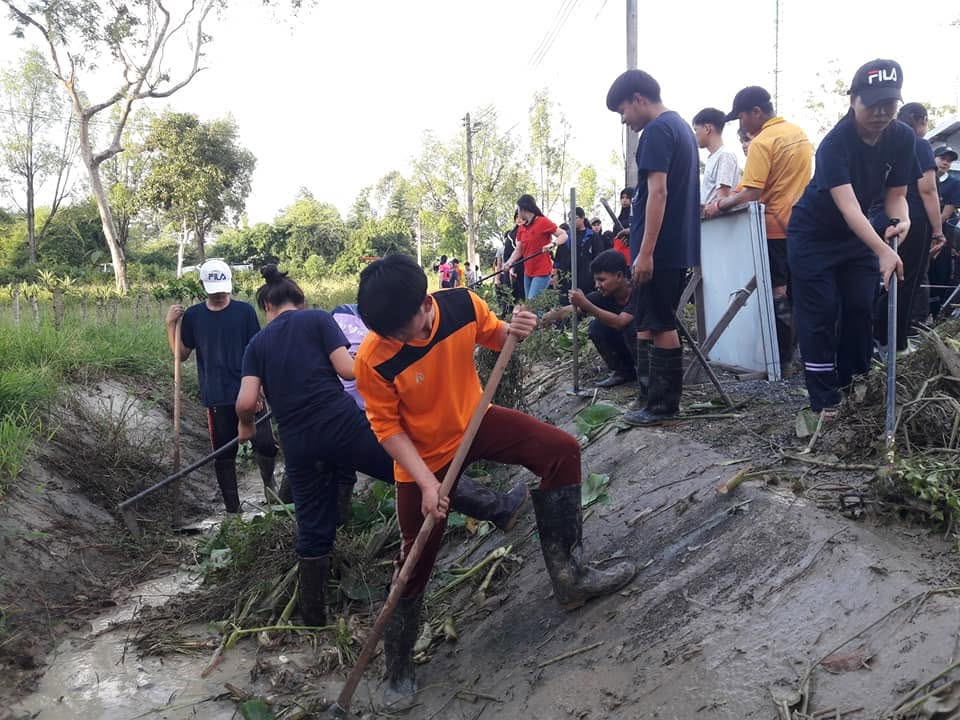
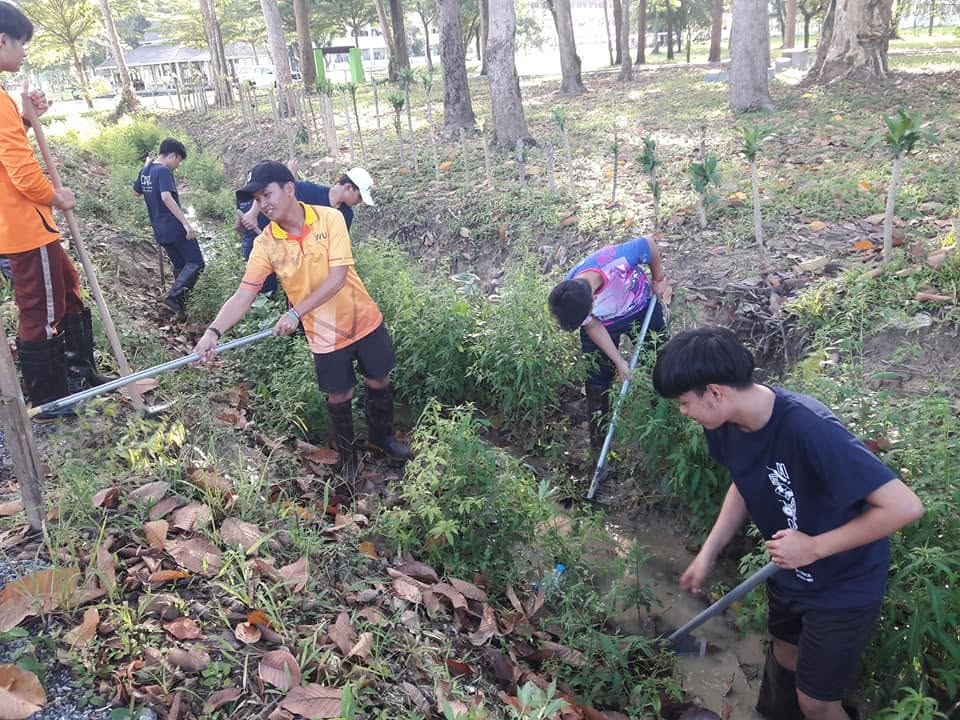
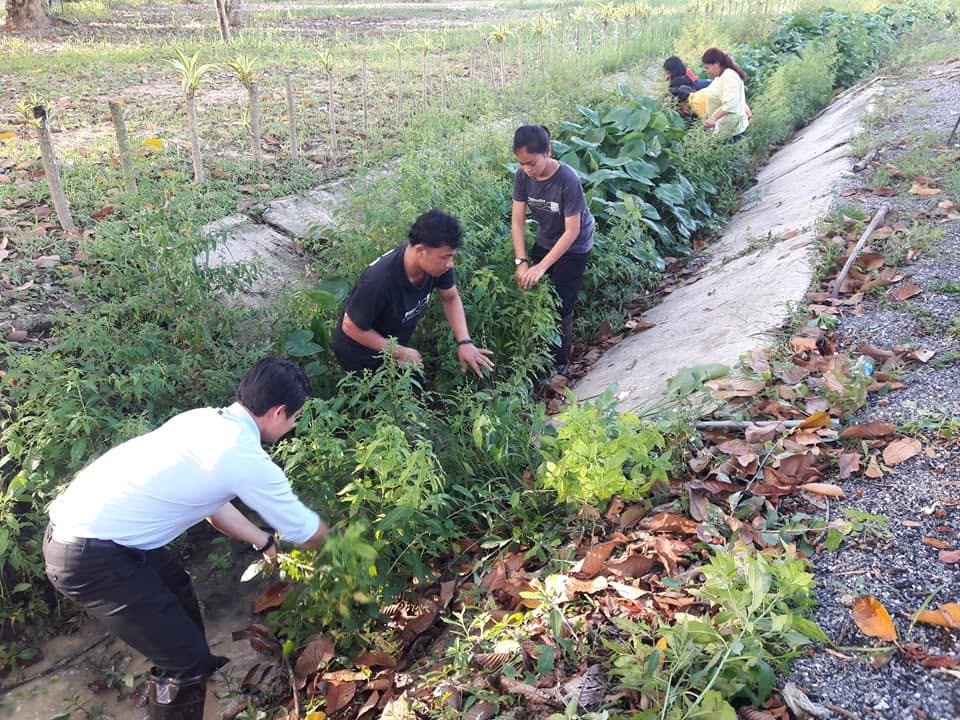
In addition to monitoring aquatic animals, WU recognises the ecological threats posed by invasive alien plants, including giant sensitive plants (Mimosa pigra), which are also found on campus. This invasive species can spread into wetland areas, displace native vegetation, and compete with indigenous plants for space, sunlight, nutrients, and other essential resources. As a result, native plant populations may decline, reducing local plant diversity and altering wetland habitats. Effective monitoring and management of invasive alien species are therefore important components of the University’s broader efforts to minimise biological alterations to aquatic ecosystems.
To regularly monitor and prevent the introduction of alien species into aquatic ecosystems on campus and in surrounding areas
Walailak University (WU) conducts regular surveys of aquatic animals and other organisms within its campus ecosystems to monitor ecological health, assess biodiversity, and identify alien species that may threaten native flora and fauna. In 2025, researchers from the School of Science (Marine Science) reported a decrease in the population of snakehead fish in Pruk Sachon Reservoir. Although this decline indicated progress in controlling their numbers, continued management remained important because snakehead fish are carnivorous predators that can prey on other aquatic animals and potentially disrupt the ecological balance when their populations become excessive. Therefore, WU continued organising snakehead fish fishing activities, allowing students, staff, and members of the public to participate in legally catching these fish as a population control measure. This ongoing initiative aims to further manage snakehead fish numbers, reduce potential pressure on native aquatic species, and maintain a balanced aquatic ecosystem within the campus reservoir. Through regular monitoring and continued management efforts, WU seeks to protect aquatic biodiversity and minimise biological alterations to its aquatic ecosystems.
In addition to monitoring aquatic animals, WU recognises the ecological threats posed by invasive alien plants, including giant sensitive plants (Mimosa pigra), which are also found on campus. This invasive species can spread into wetland areas, displace native vegetation, and compete with indigenous plants for space, sunlight, nutrients, and other essential resources. As a result, native plant populations may decline, reducing local plant diversity and altering wetland habitats. Effective monitoring and management of invasive alien species are therefore important components of the University’s broader efforts to minimise biological alterations to aquatic ecosystems.
To regularly monitor water levels on campus to prevent external water sources from entering campus aquatic ecosystems
Walailak University (WU) has developed the Bot CDT Mobile Application, a flood alert system designed to provide timely and reliable information on flood conditions and encourage collaboration among relevant stakeholders. By integrating digital technology and environmental monitoring, the application supports early warning, risk assessment, and flood management. These capabilities help the University monitor water-related risks that could affect campus water resources and surrounding ecosystems, including potential physical alterations caused by flooding and the possible introduction of pollutants or other harmful substances into aquatic environments.


The application incorporates several key functions to support effective monitoring and timely decision-making, including:
- IoT Sensor Data Analysis: Collecting and analysing data from Internet of Things (IoT) sensors installed at various water sources to support environmental monitoring and situation assessment.
- Real-Time Water Level Alerts: Providing timely notifications when water levels reach critical conditions, enabling relevant personnel and stakeholders to respond promptly to potential flooding.
- Comprehensive Weather Information: Delivering real-time weather data, including temperature and rainfall, for monitored areas and locations at risk of flooding.
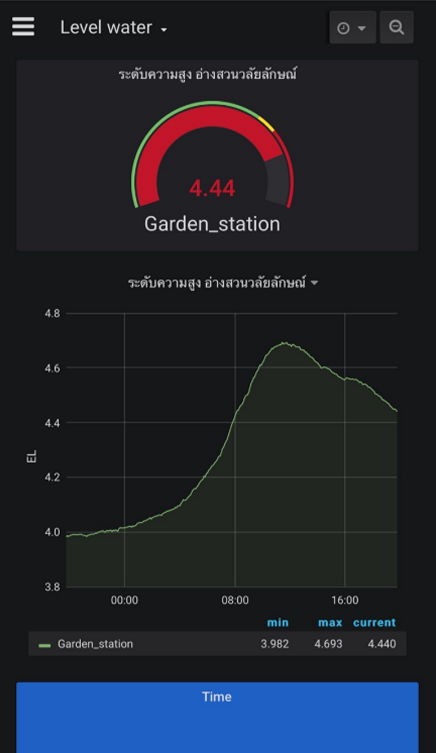
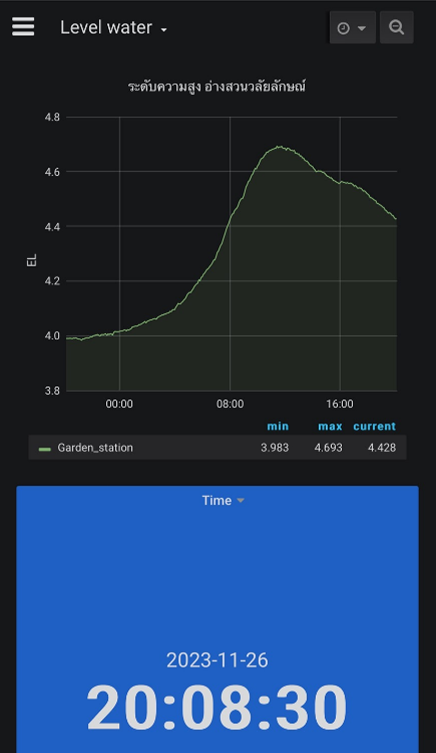
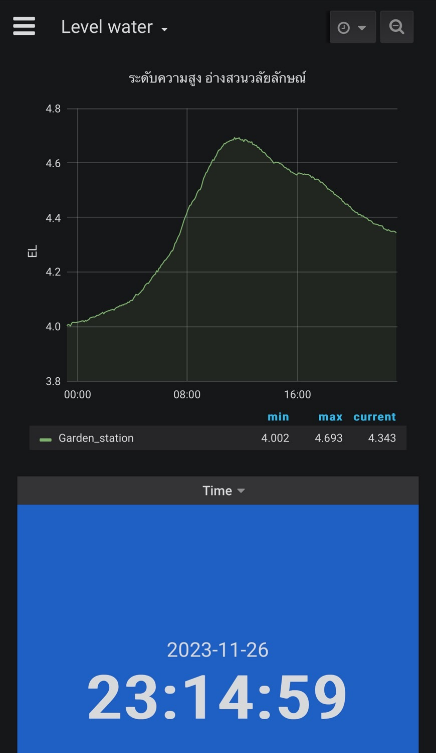
Through these functions, the Bot CDT Mobile Application strengthens the University’s capacity to identify and respond to flood-related risks. The timely information it provides can support diagnostic assessments of changing water conditions, inform preventive and corrective measures, and help reduce potential damage to campus infrastructure and surrounding environments. By improving access to environmental information and supporting evidence-based decision-making, the application contributes to more effective water resource management and the protection of aquatic ecosystems.
To reduce the use of unnecessary chemical substances to prevent chemical pollution in campus aquatic ecosystems
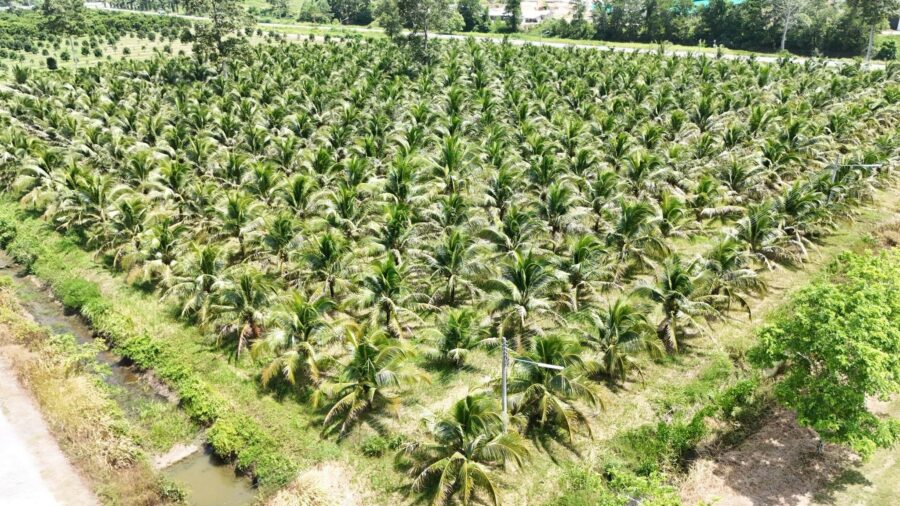
Although some operational activities at Walailak University (WU) require the use of chemical substances, the University adopts proactive measures to minimise potential environmental impacts and protect aquatic and terrestrial ecosystems. For example, in agricultural operations, WU promotes the use of Trichoderma, a beneficial microorganism that helps control plant diseases caused by various pathogens. This biological approach reduces dependence on chemical pesticides and supports soil health, ecological balance, and biodiversity. By adopting environmentally responsible cleaning practices and biological alternatives to chemical pest control, WU seeks to minimise chemical pollution, protect water quality, and reduce adverse impacts on campus ecosystems. These initiatives reflect the University’s commitment to sustainable environmental management and the prevention of physical, chemical, and biological alterations to aquatic environments.
To promote the increased use of biodegradable and eco-friendly materials in university activities
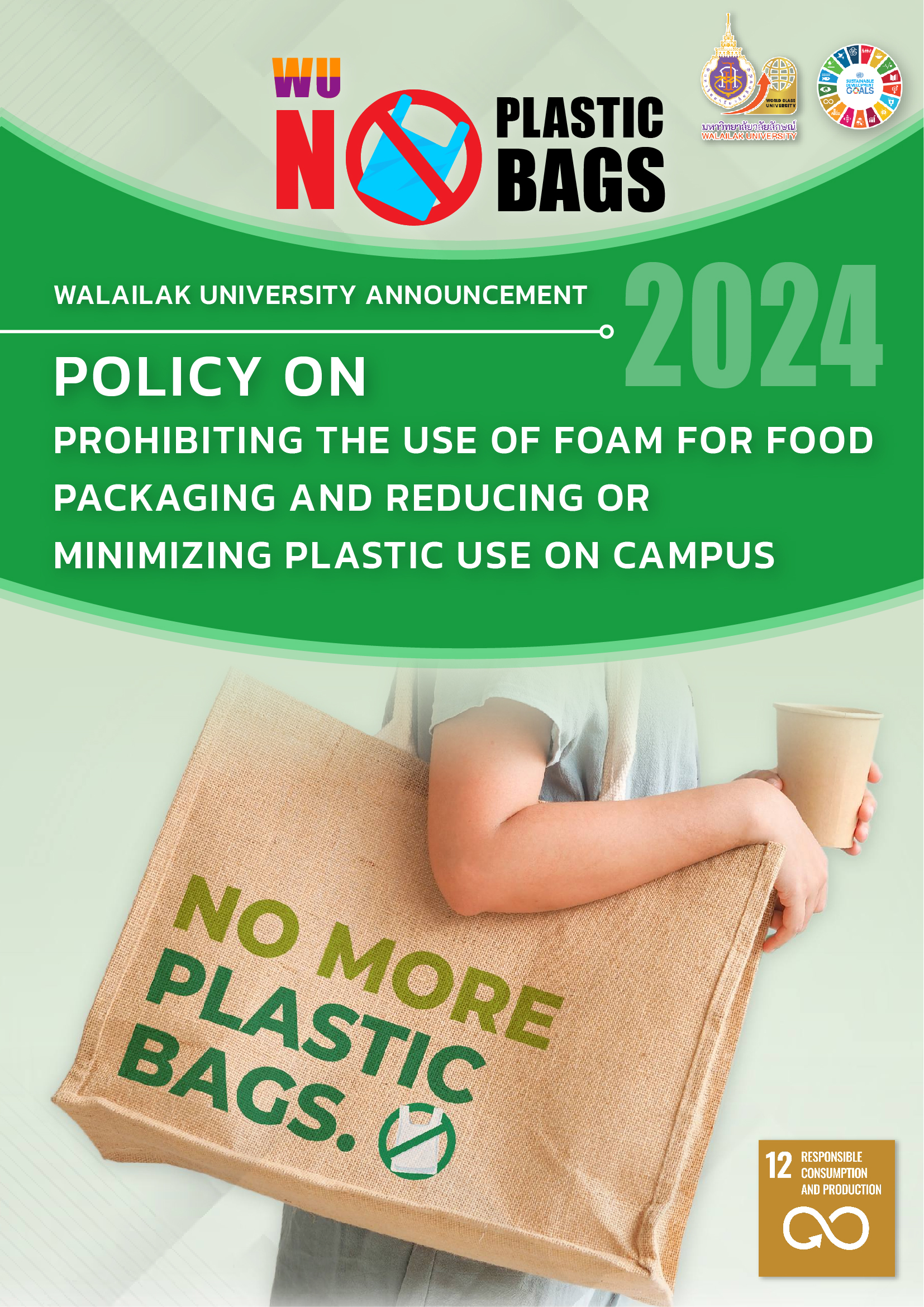
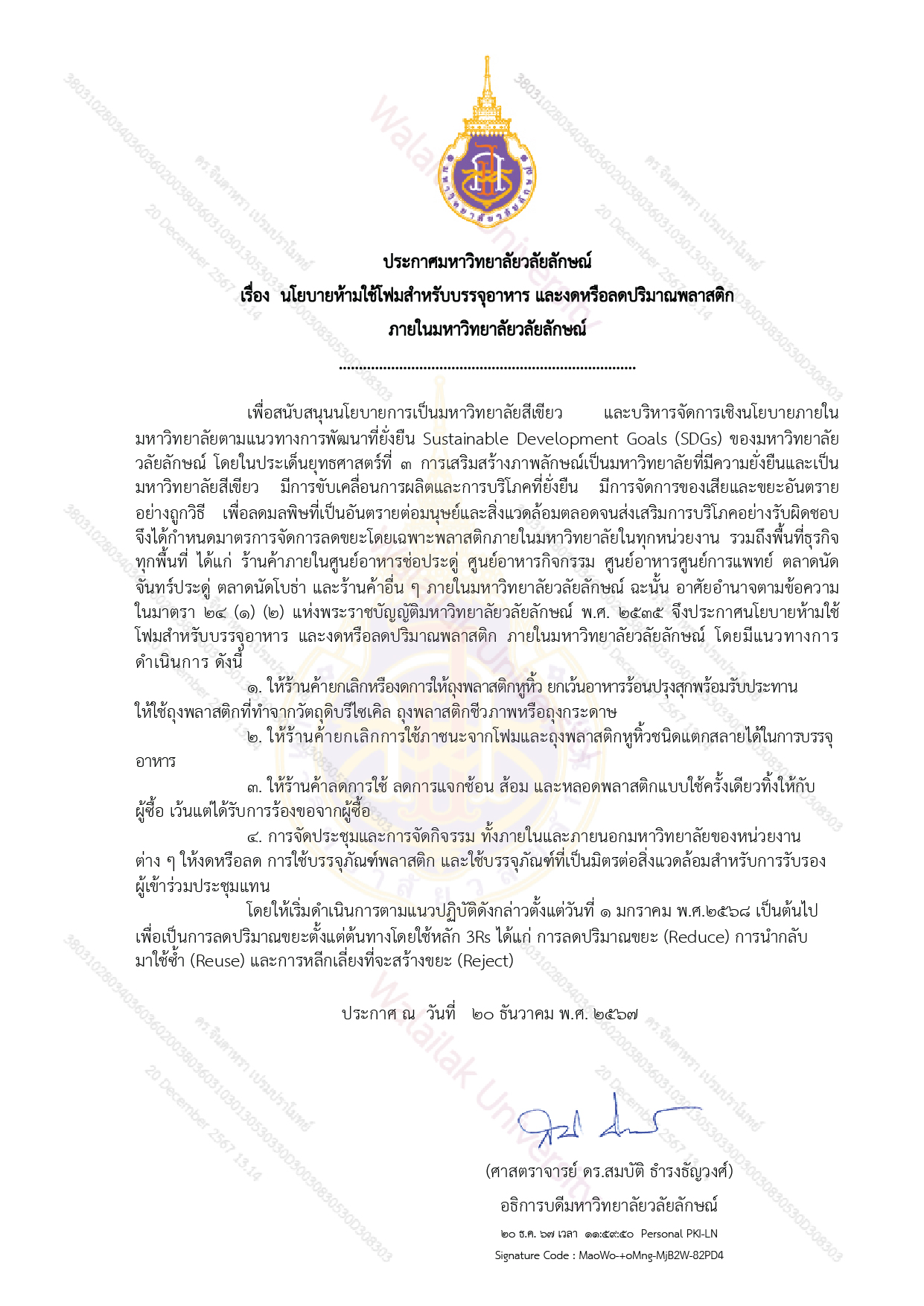
Walailak University (WU) promotes environmental responsibility across its campus community by encouraging the use of biodegradable and environmentally friendly materials in university activities. As part of this commitment, the University has implemented a policy prohibiting foam food containers and reducing or eliminating plastic use across campus to minimise the environmental impacts of non-biodegradable waste.
The policy encourages all members of the WU community, including students, staff, and visitors, to reduce their reliance on single-use plastics and foam food packaging that can contribute to environmental pollution and threaten aquatic and terrestrial ecosystems. By reducing plastic consumption at its source, WU aims to prevent waste accumulation, minimise the risk of plastic leakage into natural waterways, and reduce pollution that may harm wildlife and degrade aquatic habitats. Where the use of plastic materials is unavoidable, the University encourages the adoption of biodegradable and other environmentally responsible alternatives, where appropriate, to reduce potential ecological harm. These initiatives reflect WU’s commitment to responsible resource use, pollution prevention, and the protection of environmental quality both on and beyond its campus.
Action Plans to Minimise Off-Campus Physical, Chemical, and Biological Alterations to Aquatic Ecosystems
Walailak University (WU) recognises that protecting aquatic ecosystems requires coordinated environmental management both on and beyond its campus. Through research, policy engagement, and collaboration with local communities and relevant organisations, the University supports efforts to minimise physical, chemical, and biological disturbances to aquatic environments and promote the sustainable use of marine resources.
Bandon Bay, located in the Gulf of Thailand, is an important marine and coastal area associated with Walailak University’s long-standing research and conservation activities. For years, WU researchers have conducted research and supported initiatives relating to marine resources, fisheries management, and the conservation of aquatic biodiversity in the area. The bay provides important habitats for marine species, including the blue swimming crab, while also supporting local fisheries and coastal livelihoods. However, unsustainable fishing practices, abandoned fishing gear, marine pollution, and pressure on aquatic populations can threaten ecosystem health and biodiversity. Consequently, WU has continued to develop and support management approaches that address these threats and promote the long-term sustainability of the bay’s aquatic ecosystems.
Sustainable Fisheries Management and Policy Development
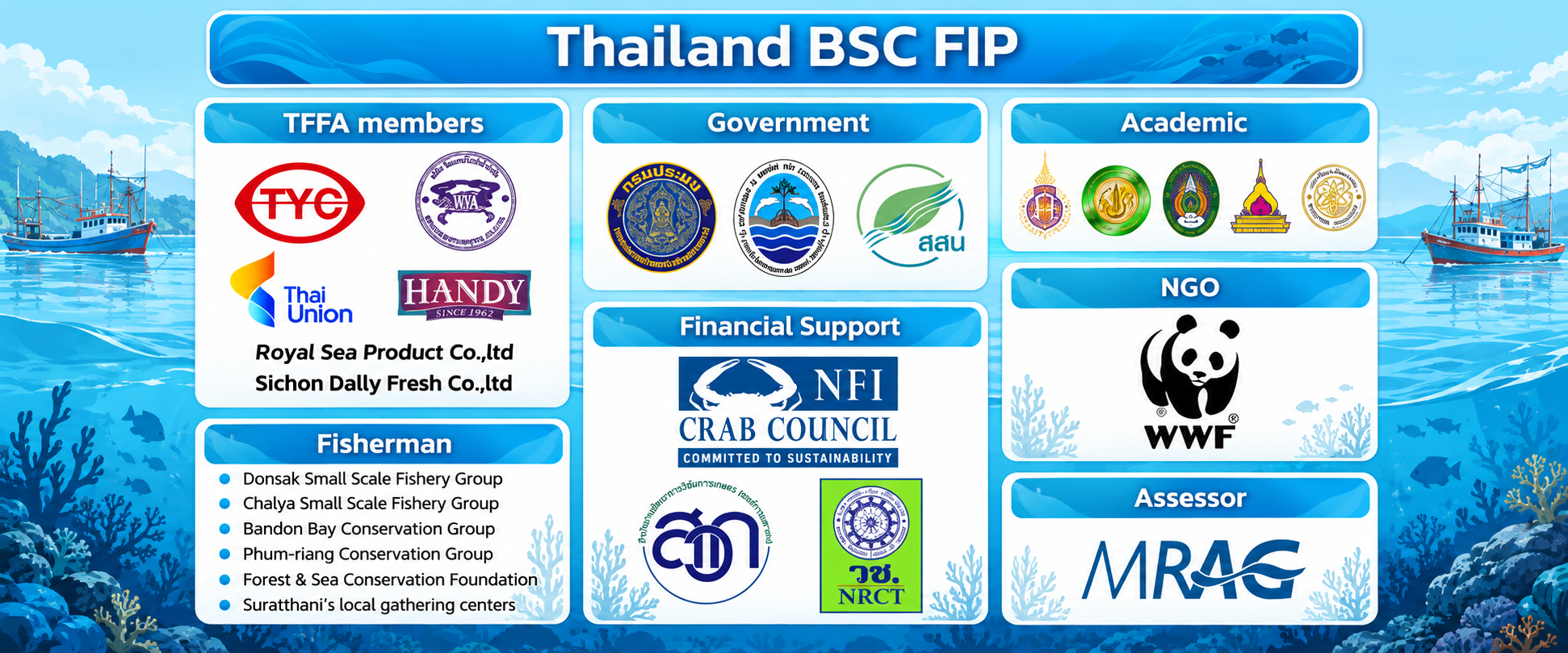
In 2025, WU continued its involvement in policy discussions and advisory activities under the Thai Fishery Improvement Project (FIP), supporting efforts to improve fisheries management, address overfishing, and reduce the environmental impacts of unsustainable fishing practices. The University also strengthened collaboration through the Thai Blue Swimming Crab Fishery Improvement Project (BSC FIP), working with relevant government agencies, non-governmental organisations, and international partners, including the Marine Resources Assessment Group (MRAG), the NFI Crab Council in the United States, and the Thai Sea Watch Association.
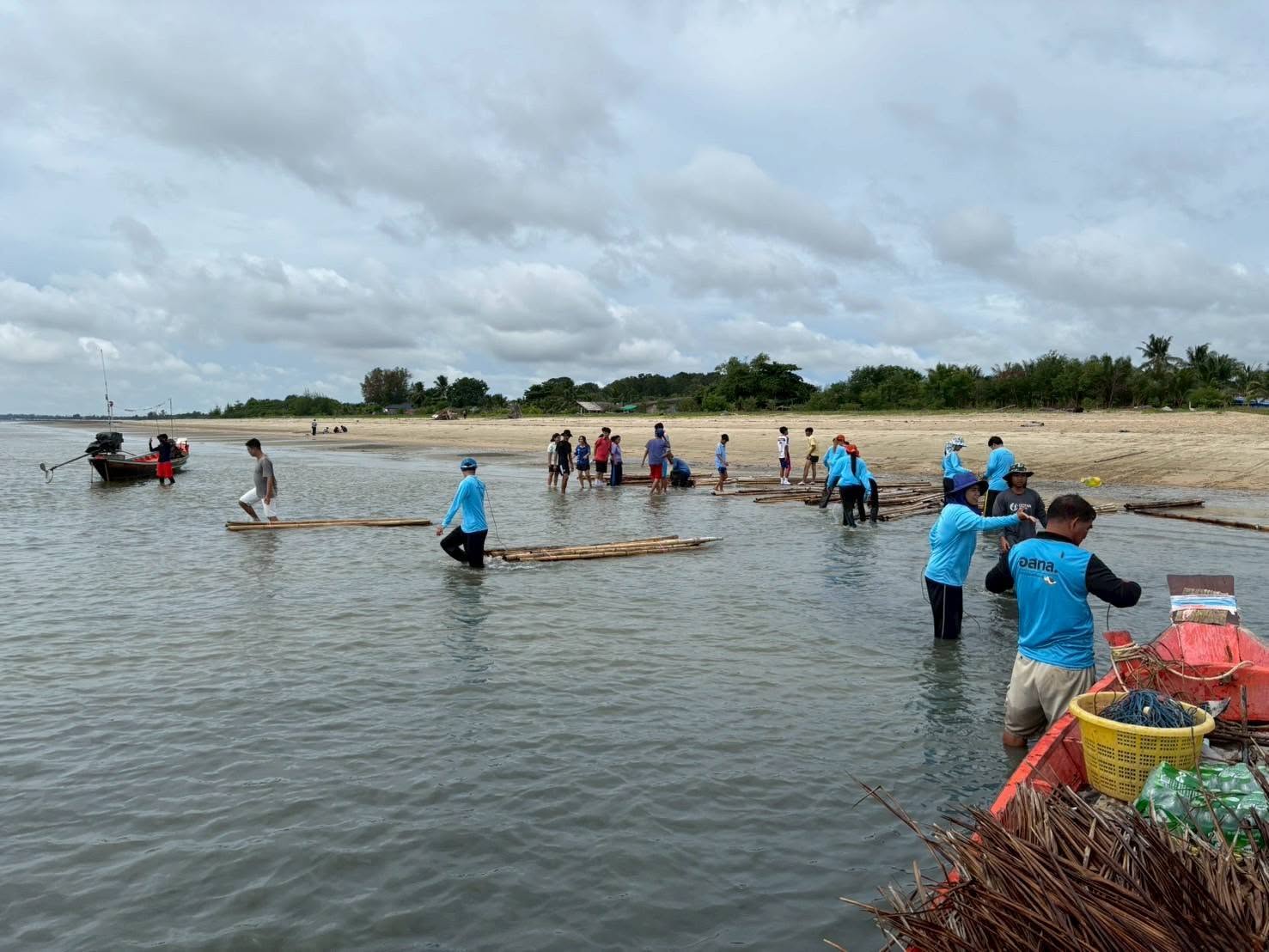
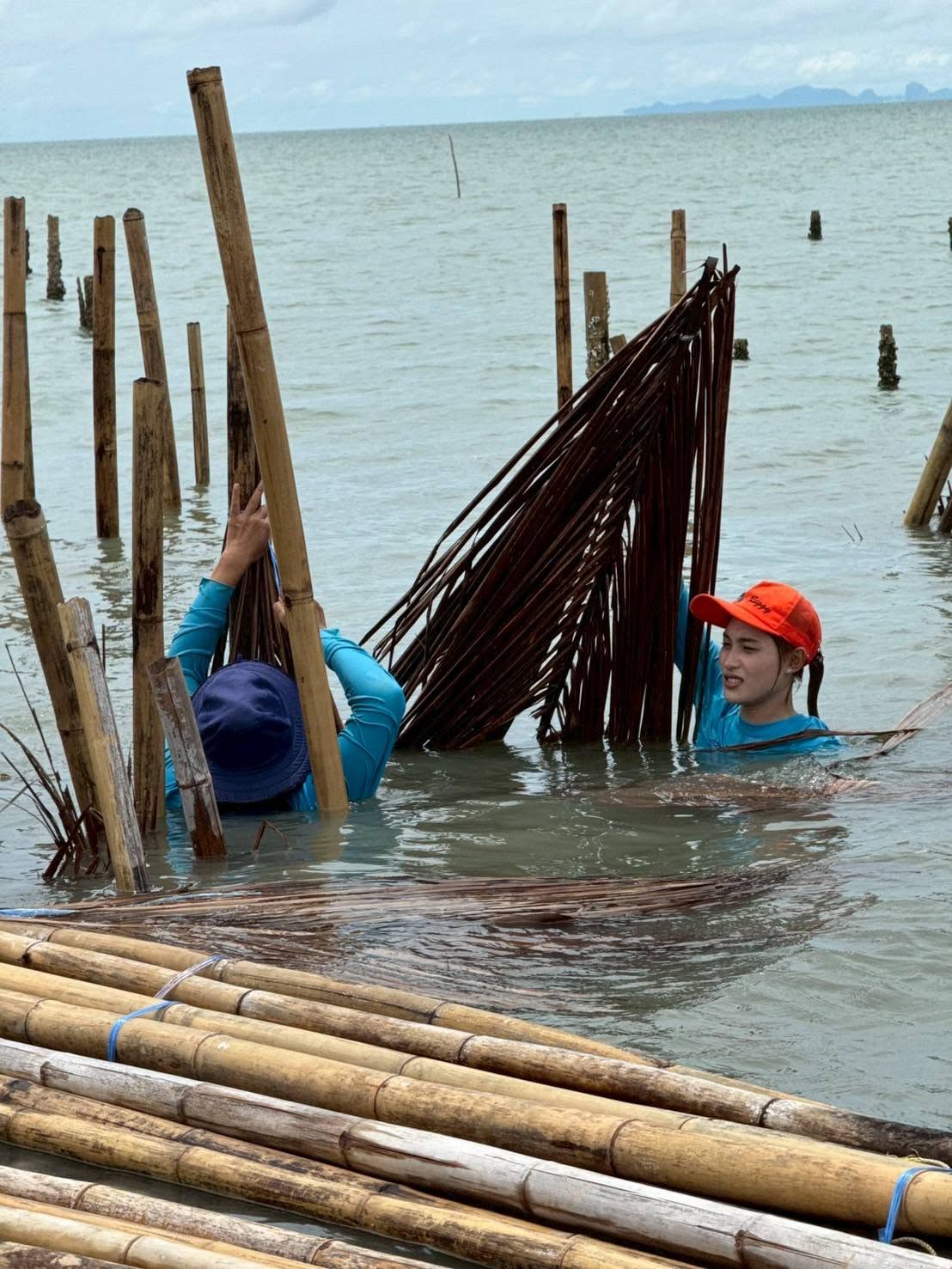
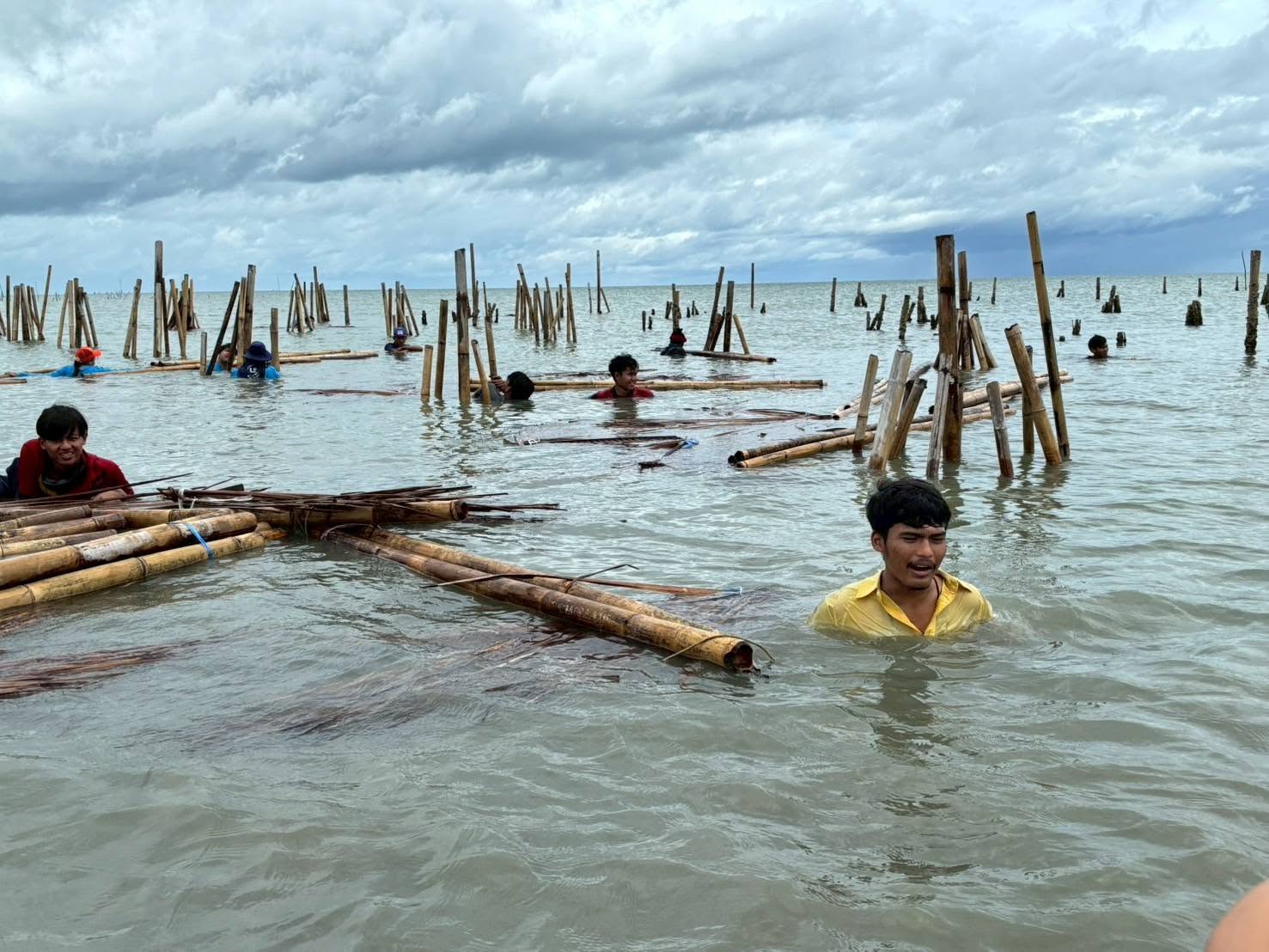
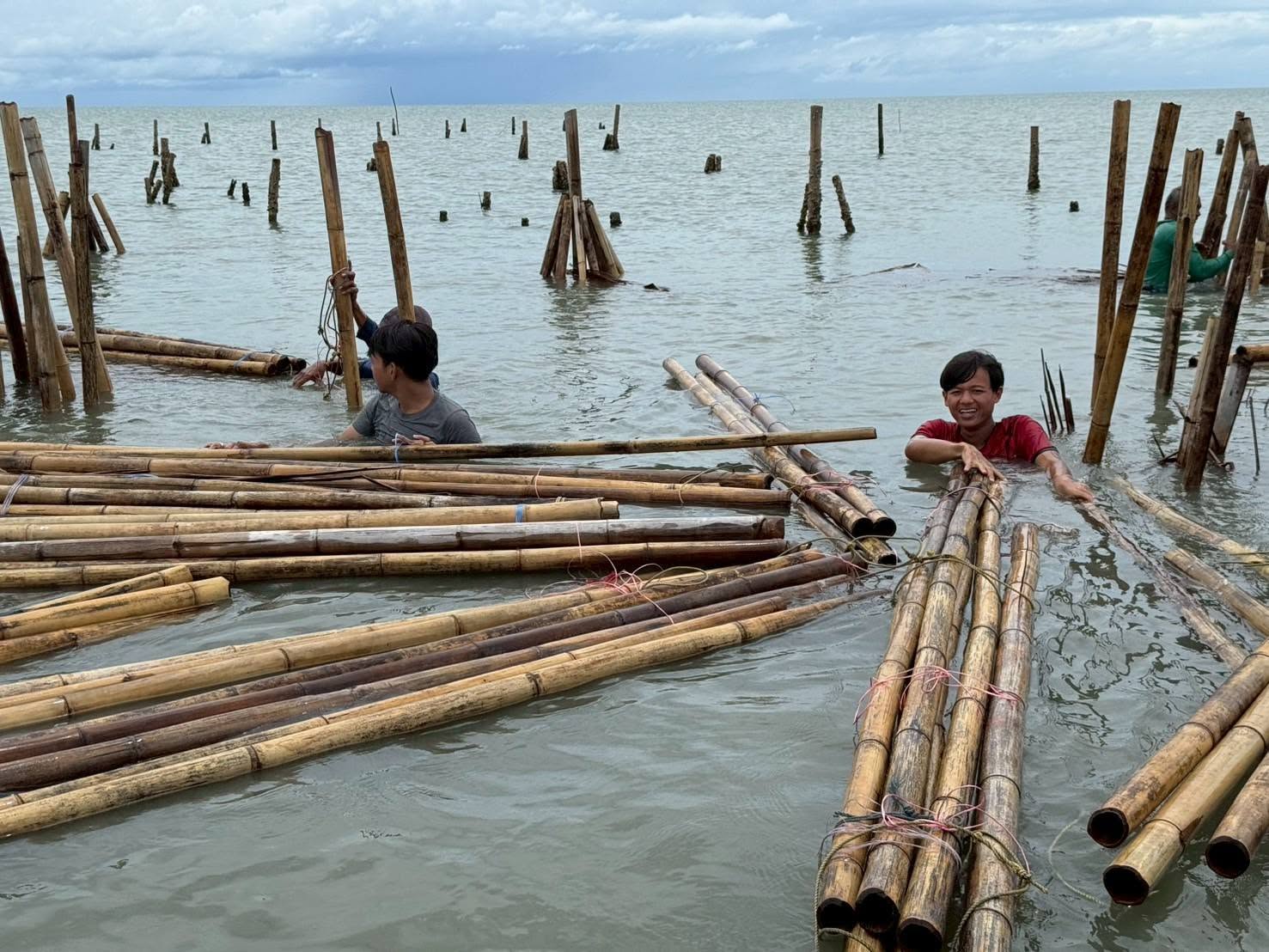
Through these partnerships, WU contributed research-based recommendations and policy proposals on blue swimming crab conservation and sustainable fisheries management to the Department of Fisheries. These efforts aim to encourage responsible harvesting, protect marine habitats, and support management decisions informed by scientific evidence and local knowledge. By connecting research with policy development and community participation, the University helps promote coordinated action to minimise biological disturbances and protect the ecological integrity of marine ecosystems in the Gulf of Thailand.
Biological Management Plan
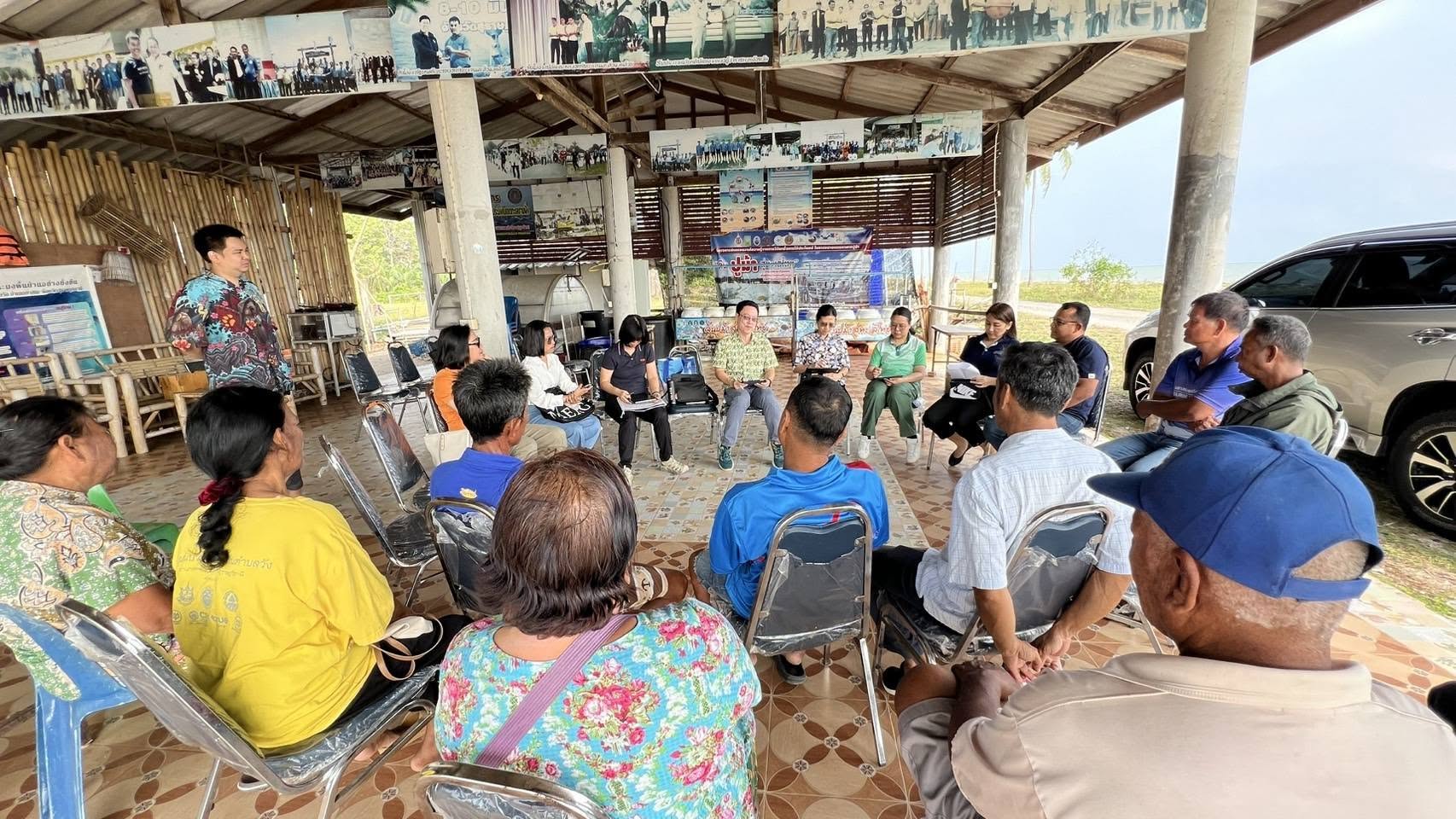
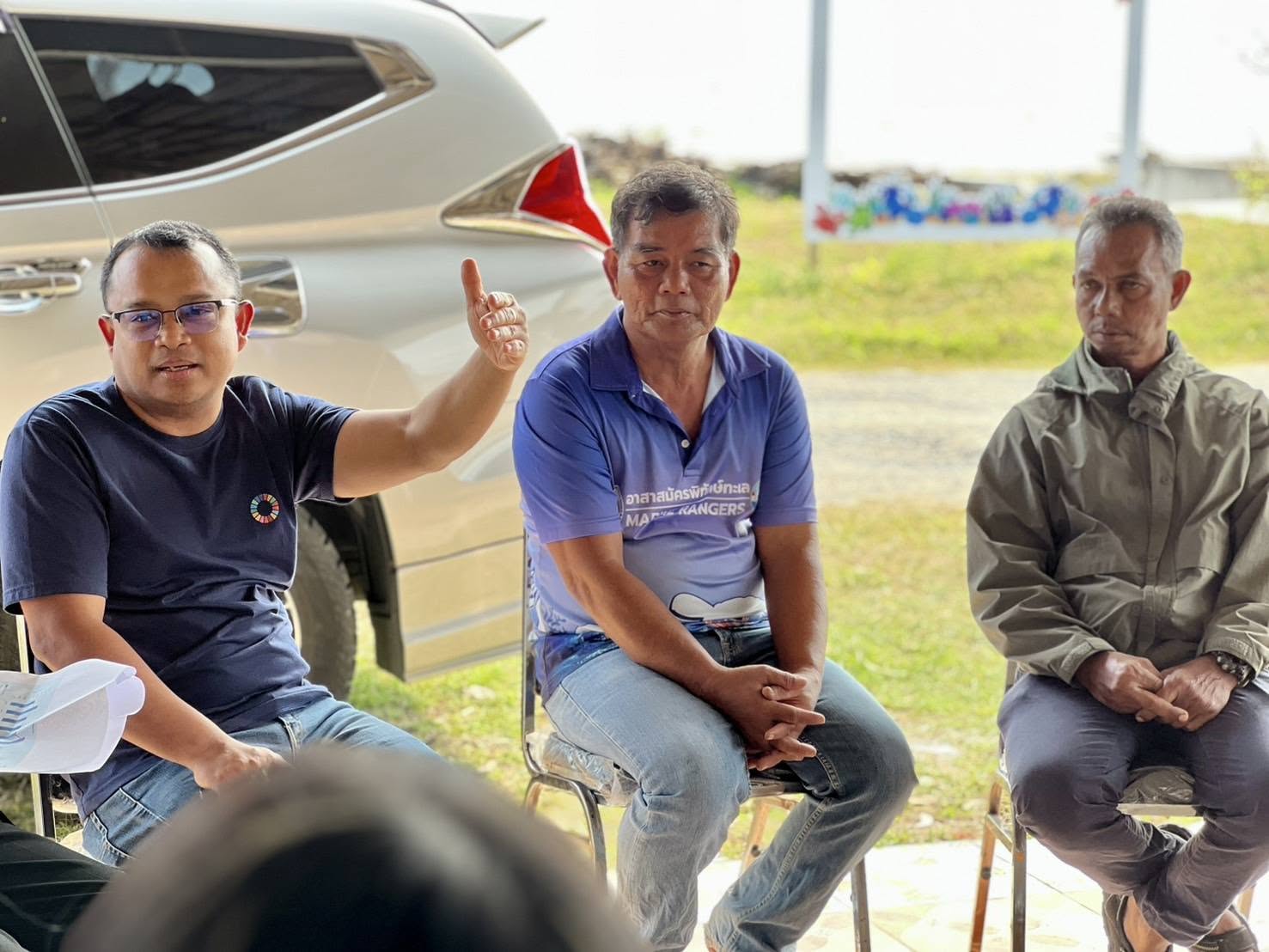
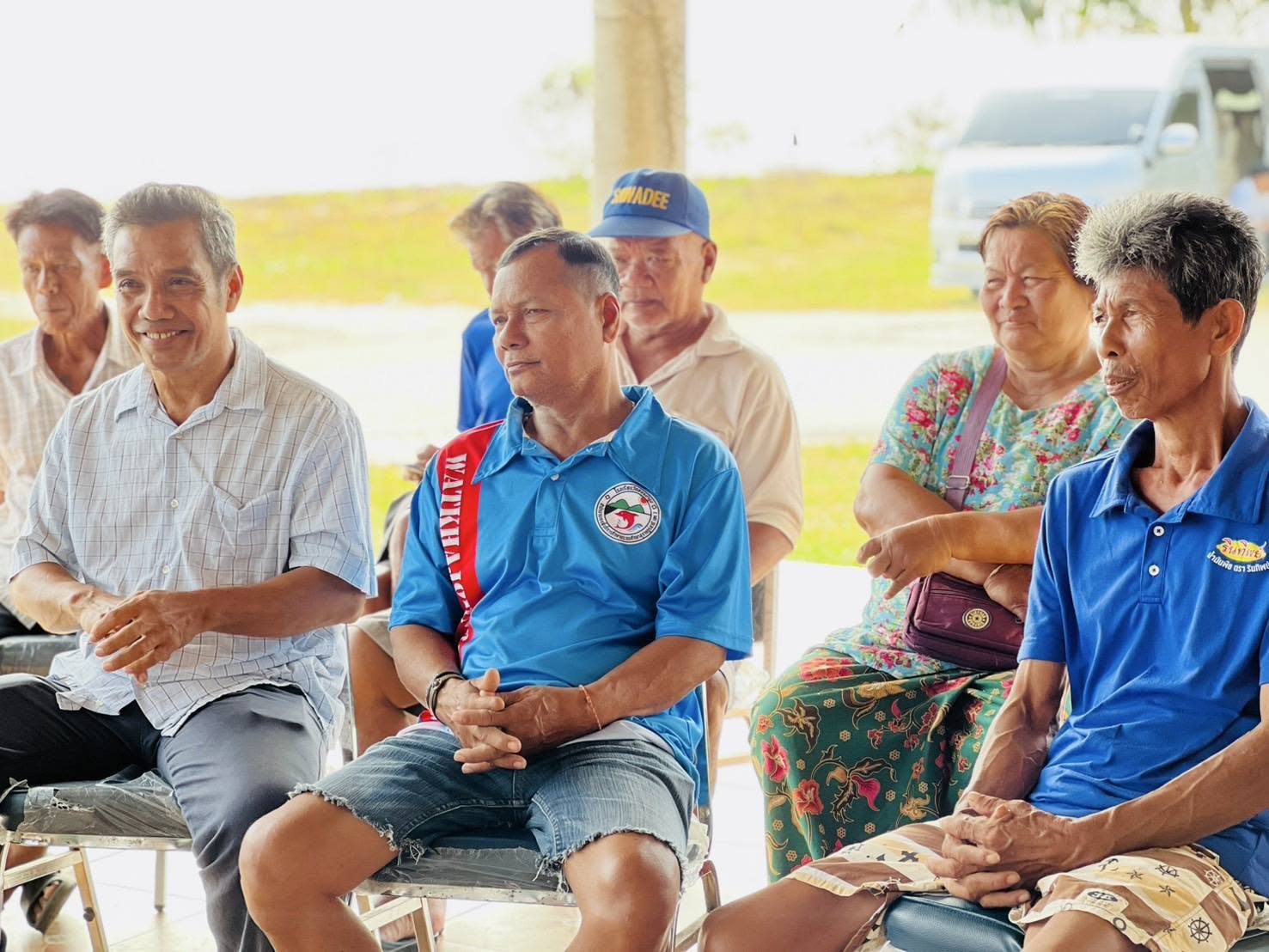
WU supports a range of research-based and community-oriented measures to conserve blue swimming crab populations and maintain the ecological balance of Bandon Bay. These measures focus on responsible harvesting, population recovery, habitat protection, and continuous monitoring.
1. Promoting Responsible Harvesting and Spawning Protection
WU supports community education and awareness activities that encourage fishers to harvest blue swimming crabs responsibly, observe appropriate minimum catch sizes, and release berried females to protect their reproductive potential. Recommended practices include harvesting mature crabs, applying locally agreed size limits within the 10–15 cm range where appropriate, and avoiding the capture of egg-bearing females. These measures help maintain the breeding population, improve recruitment, and support the long-term recovery of crab stocks.
2. Strengthening Conservation Zones and Population Monitoring
Under the guidance of Asst. Prof. Dr. Amonsak Sawusdee, WU has advocated for stronger blue swimming crab conservation measures, including the expansion of community-supported conservation zones and continued population monitoring. Relevant management approaches include establishing minimum catch sizes through community agreements, monitoring spawning potential ratio (SPR), and assessing changes in crab populations over time. These activities provide diagnostic information on the condition of crab stocks and help stakeholders evaluate whether existing conservation measures are effective. The findings can inform adjustments to fisheries management and support more sustainable harvesting practices.
3. Reducing Ghost Fishing and Marine Debris
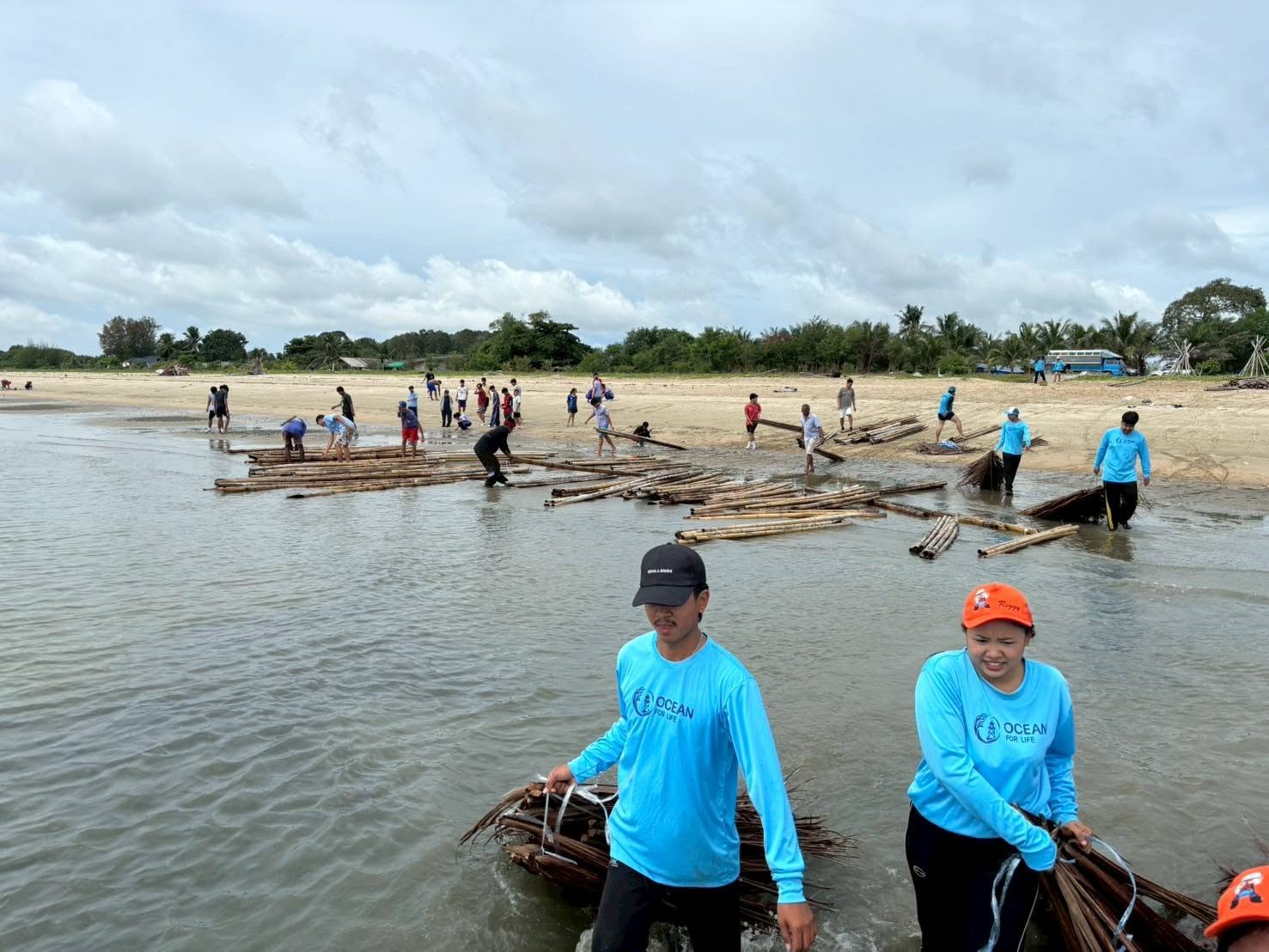
Lost and abandoned fishing gear can continue capturing marine animals long after it has been discarded, a phenomenon known as ghost fishing. WU supports efforts to address this threat through the development of a database to track lost and abandoned fishing gear and collaborative clean-up activities with local partners. Removing abandoned nets and other marine debris helps reduce avoidable harm to aquatic animals, minimise physical disturbances to marine habitats, and improve the environmental condition of coastal and marine areas.
4. Protecting Berried Female Blue Swimming Crabs
WU has organised awareness campaigns encouraging local fishers and consumers not to catch or consume berried female blue swimming crabs. Protecting these females allows them to release their eggs and contribute to the replenishment of crab populations. This approach supports natural reproduction, strengthens the sustainability of local fisheries, and reduces the risk of continued population decline caused by excessive harvesting of reproductive individuals.
5. Supporting Crab Larval Release and Population Recovery
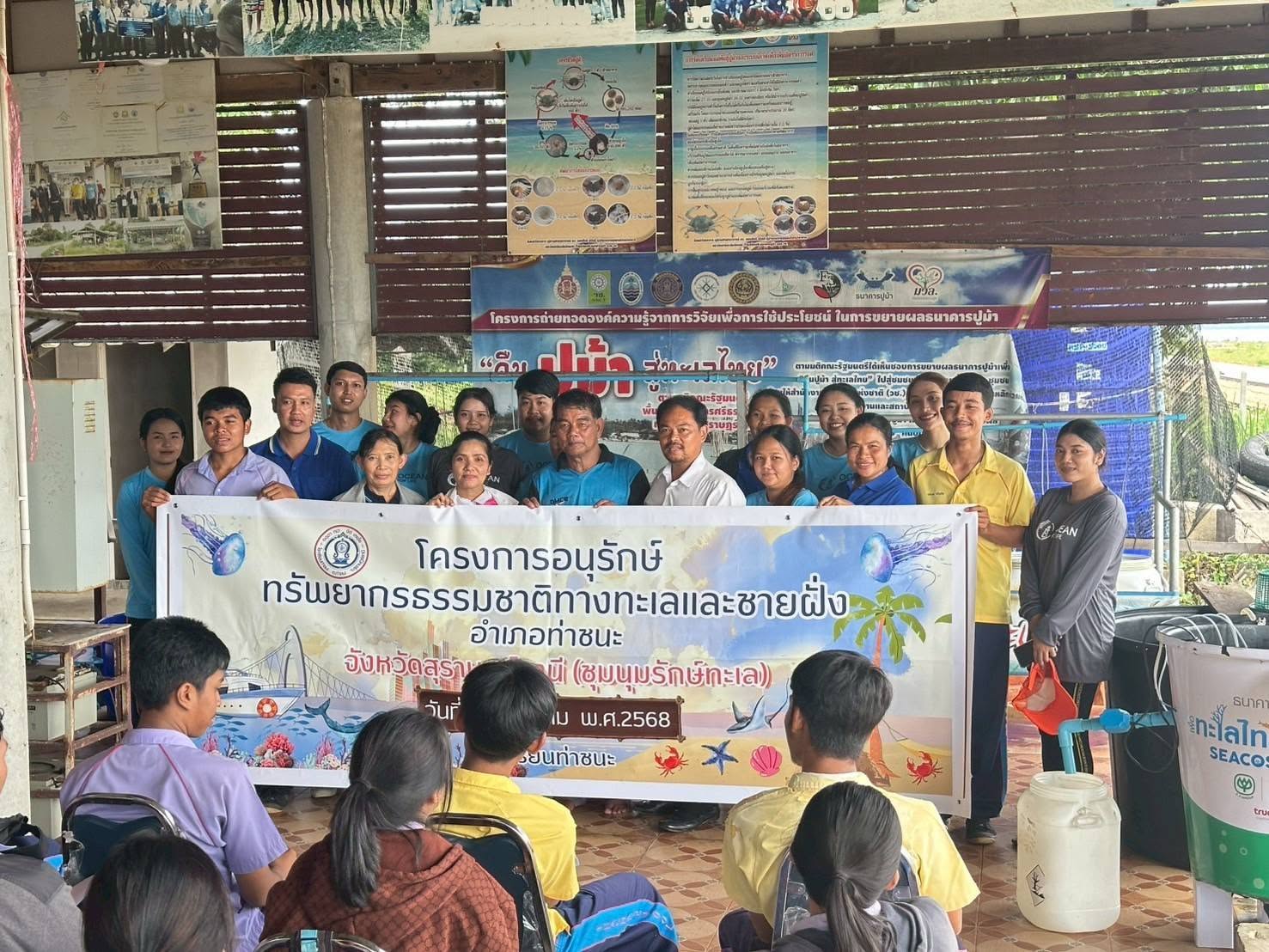
WU has also supported blue swimming crab conservation through larval release activities and community participation in coastal districts, including Tha Chana, Chaiya, Don Sak, and Kanchanadit. Conducted in coordination with local stakeholders and conservation efforts, these activities aim to supplement natural recruitment and raise awareness of the importance of protecting marine resources. Combined with responsible harvesting and habitat conservation, larval release initiatives can contribute to population recovery, although their long-term effectiveness depends on suitable environmental conditions, juvenile survival, and continued monitoring.
The effectiveness of aquatic ecosystem management depends on regular environmental monitoring, scientific research, and the ability to diagnose emerging threats. WU’s continuing research and collaboration with fisheries stakeholders help identify pressures on marine populations, assess the condition of aquatic resources, and guide appropriate conservation responses. In addition to addressing biological threats such as overfishing and declining crab populations, responsible fisheries management and marine debris reduction can help prevent physical damage to habitats and reduce pollution risks associated with fishing activities.
Through its long-standing engagement with Bandon Bay and its partnerships under the Thai Fishery Improvement Project, Walailak University demonstrates its commitment to minimising alterations to aquatic ecosystems beyond its campus. By combining research, policy recommendations, community education, responsible harvesting, and habitat protection, the University contributes to the conservation of marine biodiversity, the sustainability of local fisheries, and the resilience of coastal ecosystems in the Gulf of Thailand.
Community-Based Marine Conservation and Sustainable Fisheries Management Plan for Minimising Alterations to Aquatic Ecosystems
Walailak University (WU) recognises that protecting aquatic ecosystems requires coordinated action beyond its campus, particularly in marine and coastal areas associated with the University’s research, academic engagement, and community conservation activities. Located in Nakhon Si Thammarat Province on the Gulf of Thailand, WU has maintained long-standing research and collaborative engagement in marine resource conservation and sustainable fisheries management. The Gulf of Thailand supports diverse aquatic species, coastal habitats, fisheries, and the livelihoods of local communities. However, unsustainable fishing practices, habitat degradation, marine pollution, and the inappropriate disposal of waste can cause physical, chemical, and biological alterations that threaten the health and resilience of these ecosystems.
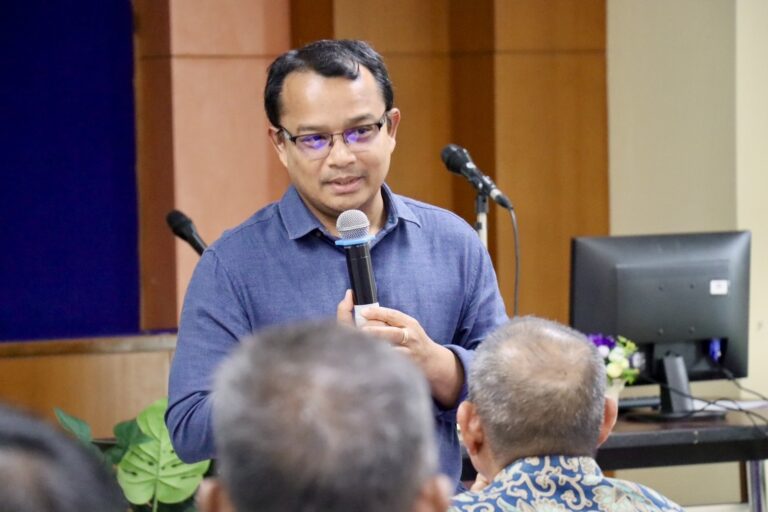
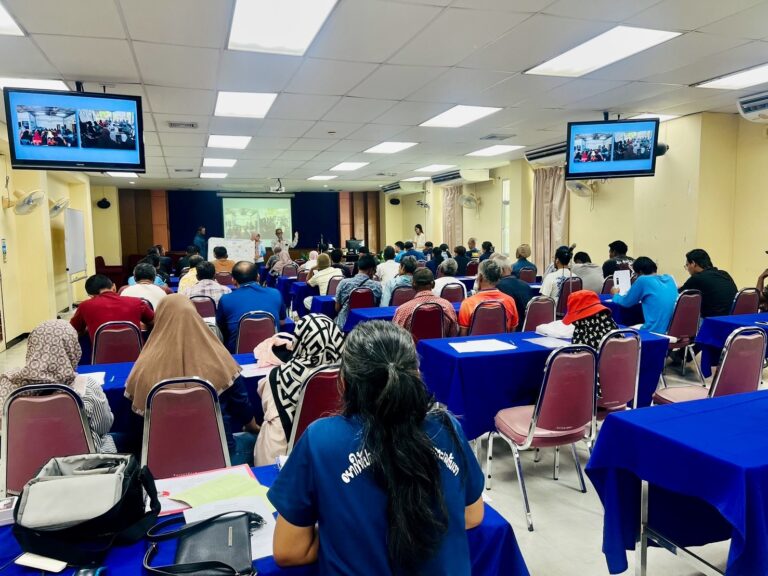
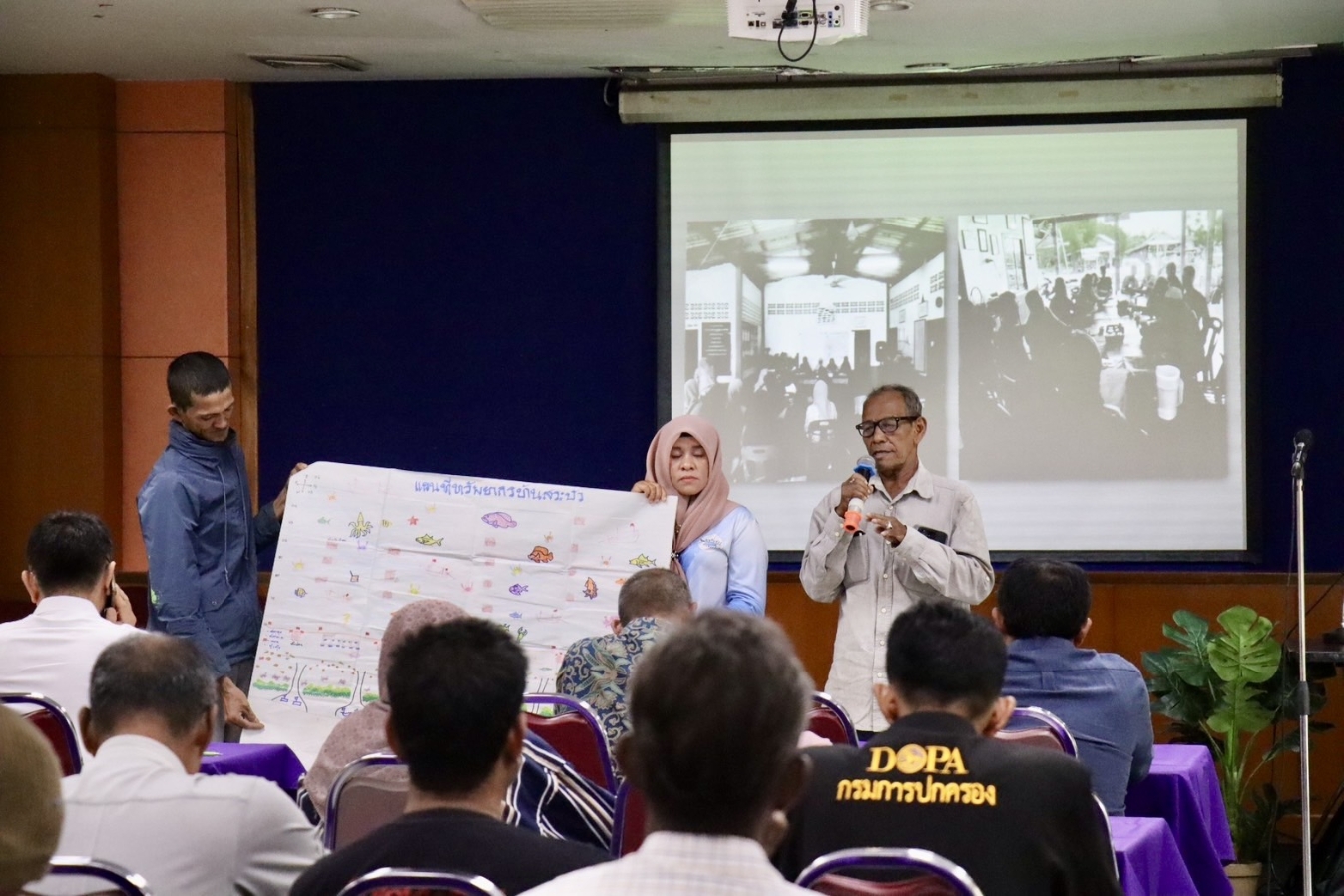
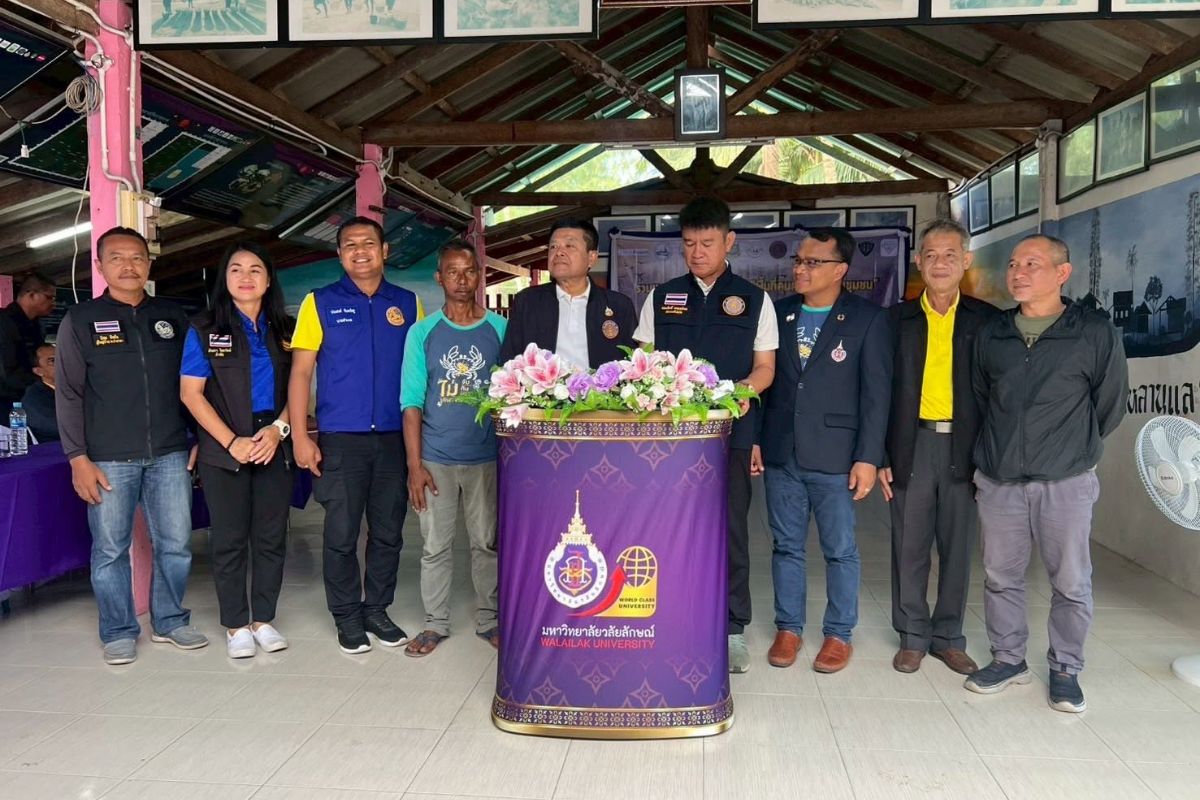
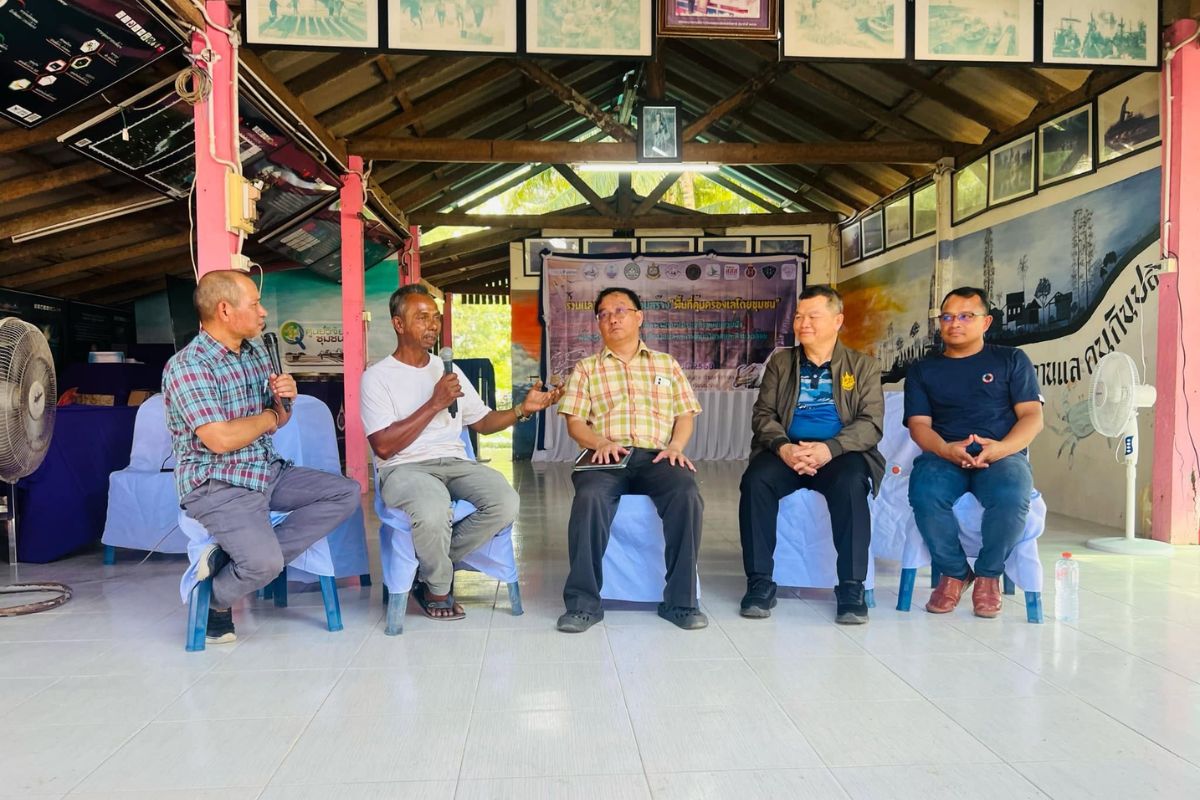
To address these challenges, WU has supported the development of a Memorandum of Understanding (MOU) under the Locally Managed Marine Area (LMMA) initiative. The agreement provides a collaborative framework and action plan for the conservation and sustainable management of marine and coastal resources, particularly through community-based conservation zones in Tha Sala District, Nakhon Si Thammarat Province. Developed through consultation among WU, government agencies, educational institutions, non-governmental organisations (NGOs), marine industry partners, and local fishing communities, the MOU establishes shared responsibilities for protecting aquatic habitats, preventing destructive fishing practices, reducing pollution, and conserving marine biodiversity. It therefore serves as a practical framework for minimising physical, chemical, and biological alterations to aquatic ecosystems associated with the University’s wider area of engagement in the Gulf of Thailand.
Establishment of Community Conservation Zones
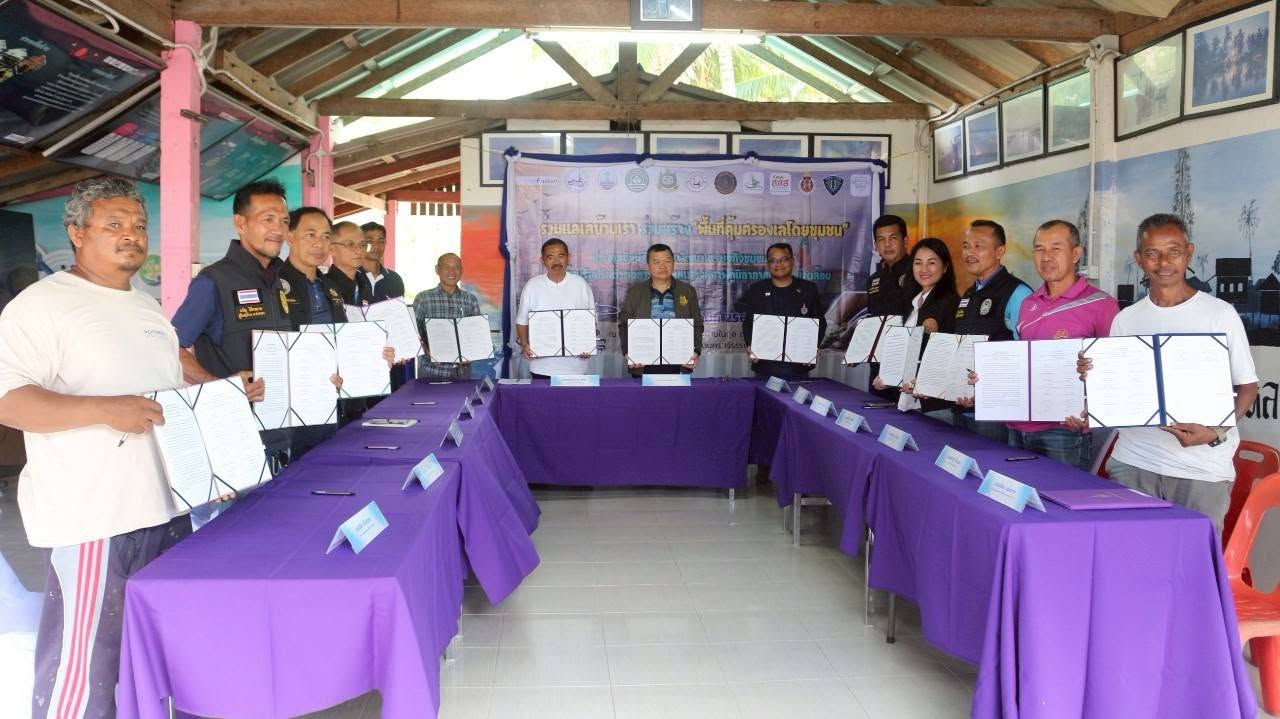
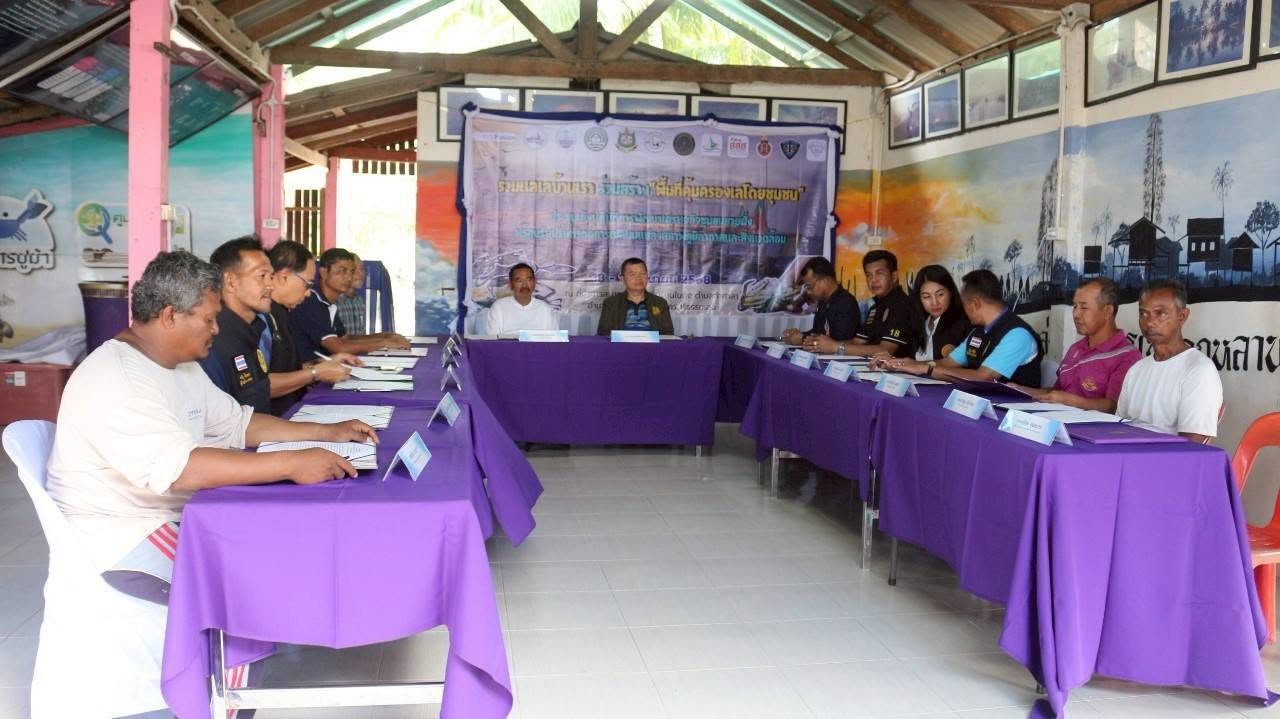
A major component of the MOU is the establishment and strengthening of community-based marine and coastal conservation zones covering approximately 3,900 rai (624 hectares). These areas comprise approximately 600 rai in Ban Nai Thung, 1,600 rai in Ban Sa Bua, and 1,700 rai in Ban Na Thap (Rong Ruea 3), all in Tha Sala District. The designated zones are intended to protect important marine habitats, provide safe areas for juvenile aquatic animals, preserve breeding and nursery grounds, and support the replenishment of aquatic populations.
Under the community conservation framework, fishing is prohibited within designated protected zones in accordance with the agreed community rules. These restrictions help prevent direct disturbances to sensitive habitats and reduce pressure on aquatic populations, particularly during vulnerable stages of their life cycles. Community members and participating organisations are also expected to cooperate in monitoring the conservation areas, identifying prohibited activities, and reporting violations to the relevant authorities.
By establishing clearly defined conservation areas and shared management responsibilities, the MOU provides a basis for minimising physical alterations caused by damaging fishing activities, biological alterations resulting from excessive harvesting and disturbance of aquatic populations, and other pressures that may compromise the ecological functions of marine and coastal habitats.
Preventing Destructive Fishing Practices and Protecting Marine Biodiversity
The MOU promotes responsible fishing practices among local fishing communities and marine industry partners to minimise damage to aquatic ecosystems. Participating stakeholders, including local fishers, are expected to refrain from using illegal fishing gear and prohibited fishing methods that could damage habitats, capture non-target species, or threaten juvenile and breeding aquatic animals. Fishing practices that disturb, damage, or undermine the conservation objectives of designated protected areas are likewise prohibited under the applicable community rules and relevant regulations.
Community fishing organisations are committed to supporting conservation activities, serving as volunteer monitors, and cooperating with relevant authorities to prevent illegal fishing and protect marine resources. Government partners, including the Nakhon Si Thammarat Provincial Fisheries Office and the Sichon Marine Fisheries Protection and Suppression Unit, contribute technical expertise, fisheries management support, surveillance, and law enforcement within their respective mandates.
These measures aim to reduce physical damage to marine habitats, minimise the unintended capture and loss of aquatic animals, and support the recovery of marine populations. They also encourage fishers and industry stakeholders to adopt more responsible practices that balance resource use with long-term ecological sustainability.
Preventing Marine Pollution and Chemical Alterations
In addition to regulating fishing activities, the MOU establishes a collaborative basis for protecting marine and coastal environments from pollution and inappropriate waste disposal. Participating organisations and community members are expected to refrain from releasing pollutants into aquatic environments and from disposing of solid waste, fishing debris, or other refuse in conservation zones and surrounding coastal waters. Waste must be handled and disposed of appropriately to prevent contamination of marine habitats and waterways.
These pollution-prevention measures are important for minimising chemical alterations caused by contaminants that can degrade water quality, harm aquatic organisms, and disrupt ecological processes. Preventing waste accumulation also helps reduce physical disturbances to habitats and the risk of aquatic animals becoming entangled in discarded fishing gear or ingesting plastic debris.
Through community awareness, local surveillance, stakeholder cooperation, and engagement with relevant environmental and fisheries authorities, the partnership aims to encourage responsible waste management and strengthen the prevention of marine pollution. These actions complement habitat conservation and sustainable fisheries management by addressing multiple sources of environmental pressure within the same management framework.
Academic Research, Environmental Monitoring, and Diagnostic Assessment
Walailak University and Nakhon Si Thammarat Rajabhat University are identified in the MOU as academic partners responsible for contributing scientific knowledge, technology, innovation, and research expertise to marine and coastal resource management. Their roles include transferring knowledge to local communities, strengthening community capacity, supporting blue swimming crab banks, and conducting research associated with ecosystem and environmental restoration.
These academic contributions help connect conservation commitments with scientific evidence and practical management. Research and environmental monitoring can be used to diagnose ecological problems, identify pressures affecting aquatic populations and habitats, and evaluate the implementation and effectiveness of conservation measures. Relevant assessments may include changes in aquatic animal populations, the condition of breeding and nursery habitats, compliance with community fishing rules, the presence of marine debris, and environmental conditions that may indicate pollution or habitat degradation.
The findings can help participating organisations identify emerging threats, determine whether existing measures are achieving their intended objectives, and recommend appropriate adjustments. Where necessary, the results can also inform additional habitat restoration, pollution prevention, and aquatic resource management activities. This evidence-based approach supports continuous improvement and helps ensure that conservation decisions respond to actual environmental conditions.
Multi-Stakeholder Cooperation and Community-Based Management
The implementation of the MOU depends on coordinated participation among academic institutions, government agencies, NGOs, industry partners, and local fishing communities. Industry partners, including Khon Kaen Fishing Net Factory Co., Ltd., the Thai Frozen Foods Association, and PTT Public Company Limited, contribute industry knowledge and opportunities to promote responsible practices. The Thai Sea Watch Association and the Federation of Thai Small-Scale Fisherfolk Associations support community participation, conservation awareness, and sustainable resource management.
Government agencies provide relevant technical expertise, regulatory support, and enforcement, while local administrative organisations help promote awareness of community conservation rules and support their integration into local policy where appropriate. Local fishing organisations contribute practical ecological knowledge, volunteer monitoring, and direct participation in conservation activities.
This collaborative arrangement is essential because marine ecosystems are affected by activities across multiple sectors. Shared responsibilities encourage stakeholders to prevent harmful practices, report environmental threats, and participate in protecting the resources on which coastal communities depend. The framework also recognises the importance of safeguarding local livelihoods, food security, equitable resource access, and community economic resilience alongside environmental conservation.
Long-Term Evaluation and Continuous Improvement
The MOU provides a foundation for continued collaboration, research, monitoring, and assessment of conservation outcomes in the designated marine and coastal areas. Through these activities, WU and its partners can examine whether conservation zones are helping protect juvenile aquatic animals, whether fishing restrictions are being followed, whether pollution prevention practices are effective, and whether aquatic populations and habitats are showing signs of improvement.
The results of these assessments can inform revisions to community management practices, improvements in local surveillance, further habitat restoration, and the development of additional measures where environmental threats persist. This process enables the partnership to respond to changing ecological conditions and strengthen the long-term effectiveness of its conservation efforts.
Through the LMMA initiative, Walailak University and its partners have established a framework for minimising physical, chemical, and biological alterations to aquatic ecosystems beyond the University campus. The MOU brings together protected conservation zones, restrictions on fishing and destructive gear, pollution prevention, academic research, environmental diagnostics, and community-based monitoring within a coordinated management approach. These measures aim to protect marine habitats, conserve biodiversity, maintain water quality, and promote the sustainable use of aquatic resources in the Gulf of Thailand.
Through its comprehensive environmental management plans, Walailak University (WU) demonstrates its commitment to protecting aquatic ecosystems both on and beyond its campus. By combining protected water resource areas, ecological surveys, invasive species management, pollution prevention, environmentally friendly products, biological pest control, and digital flood monitoring, the University seeks to minimise physical, chemical, and biological alterations to aquatic environments. These initiatives help protect aquatic habitats, maintain water quality, conserve native biodiversity, and reduce the potential impacts of human activities on natural ecosystems. The University’s policy to prohibit foam food containers and reduce plastic use further supports pollution prevention by encouraging responsible consumption and reducing the risk of waste entering waterways.
Beyond the campus, WU’s long-standing research and collaboration with fisheries stakeholders in Bandon Bay and other coastal communities in the Gulf of Thailand extend these conservation efforts to marine and coastal ecosystems. Through sustainable blue swimming crab fisheries management and the Locally Managed Marine Area (LMMA) initiative, the University works with local fishing communities, government agencies, non-governmental organisations, educational institutions, and marine industry partners to strengthen conservation zones, protect breeding and nursery habitats, discourage illegal and destructive fishing practices, and prevent marine pollution. The Memorandum of Understanding provides a collaborative framework for coordinating these activities and promoting responsible resource use while supporting local livelihoods, food security, and community participation in environmental stewardship.
Ongoing environmental monitoring, diagnostic assessments, and the measurement of relevant indicators are essential for evaluating the effectiveness of these initiatives. Measurements of water quality, aquatic species populations, habitat conditions, waste generation, and compliance with conservation requirements can help identify emerging environmental threats, assess progress, and guide improvements to management practices. Digital monitoring systems, scientific research, and local ecological knowledge can further support evidence-based decisions and timely responses to environmental risks. By integrating these approaches into its campus operations, research, and community engagement, WU strengthens its capacity to prevent ecosystem degradation, improve environmental awareness, and promote the sustainable management of aquatic resources. Collectively, these efforts contribute to healthier aquatic ecosystems, the conservation of marine and freshwater biodiversity.