
Monitoring Aquatic Ecosystem Health to Support Sustainable Marine and Coastal Environments
Monitoring Aquatic Ecosystem Health to Support Sustainable Marine and Coastal Environments
Monitoring the health of aquatic ecosystems is essential for understanding environmental conditions, identifying potential threats, and maintaining the ecological balance of marine and freshwater environments. Regular monitoring and diagnostic assessments help detect changes in water quality, aquatic biodiversity, habitat conditions, and other ecological indicators that may signal environmental degradation. By diagnosing emerging problems at an early stage, institutions and communities can develop appropriate evidence-based measures to prevent further damage, protect aquatic species, and support the sustainable management of aquatic resources. These efforts are particularly important for preserving ecosystem resilience, maintaining biodiversity, and safeguarding the environmental benefits that aquatic ecosystems provide to local communities and future generations.
Walailak University Monitors Aquatic Ecosystem Health Through Marine Wildlife Surveys in Trang Province
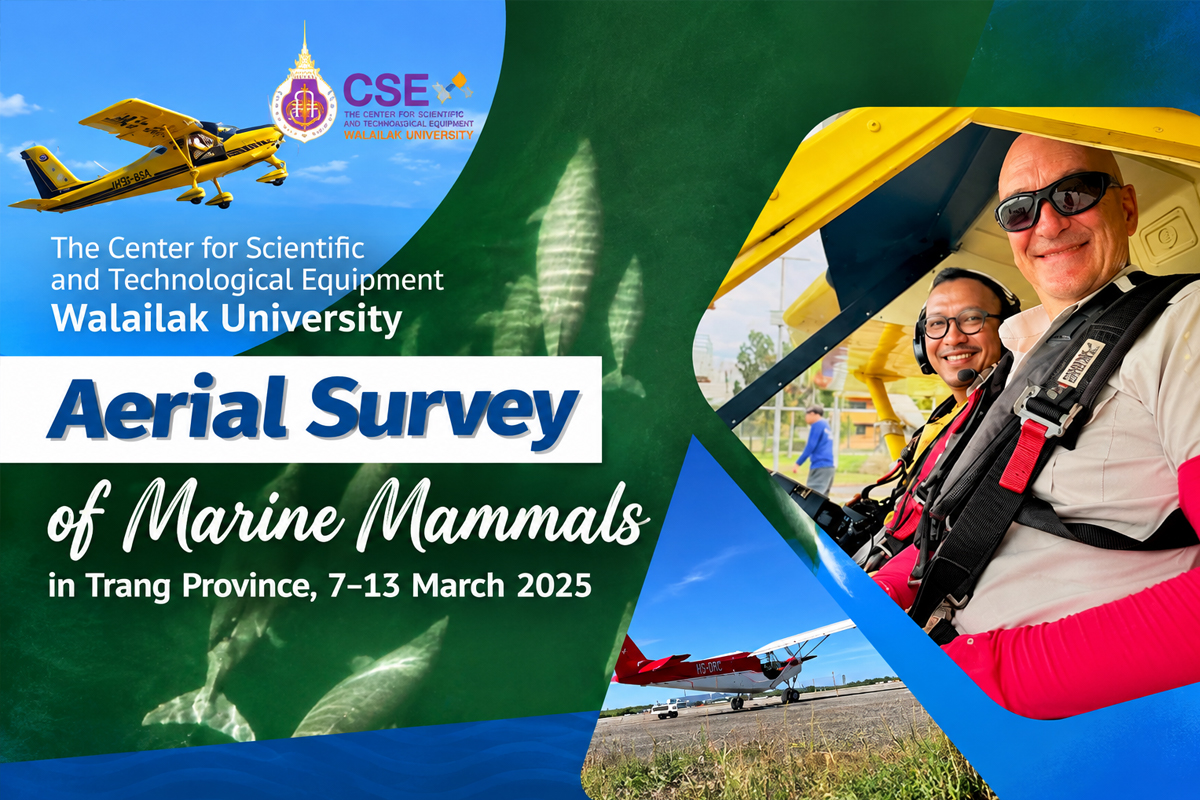
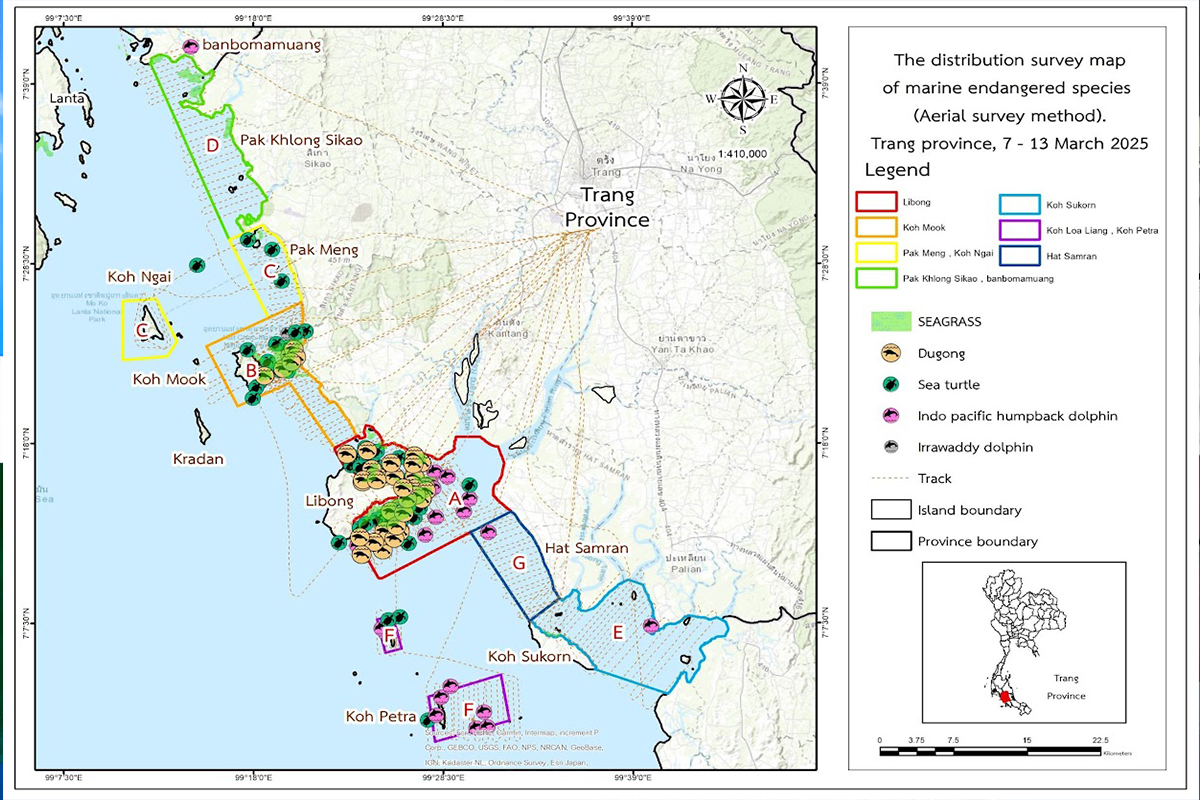
Monitoring the health of aquatic ecosystems is essential for understanding environmental conditions, identifying potential threats, and protecting marine biodiversity. Regular monitoring and diagnostic assessments of marine wildlife populations, distribution patterns, and physical condition provide valuable evidence of ecosystem health and help identify changes that may require conservation interventions. By combining scientific surveys with systematic observations of animal health and behavior, researchers can assess the condition of marine ecosystems, support evidence-based conservation planning, and contribute to the long-term protection of threatened and endangered species.
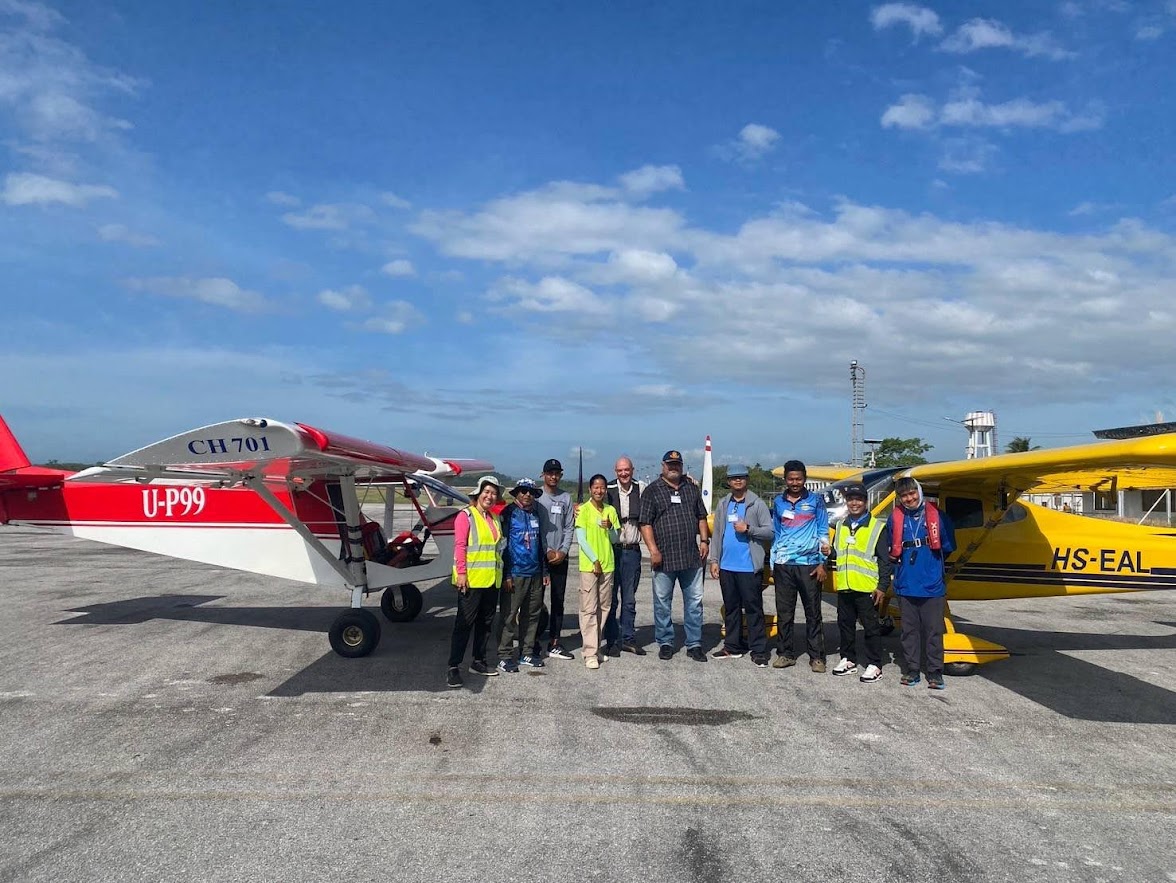
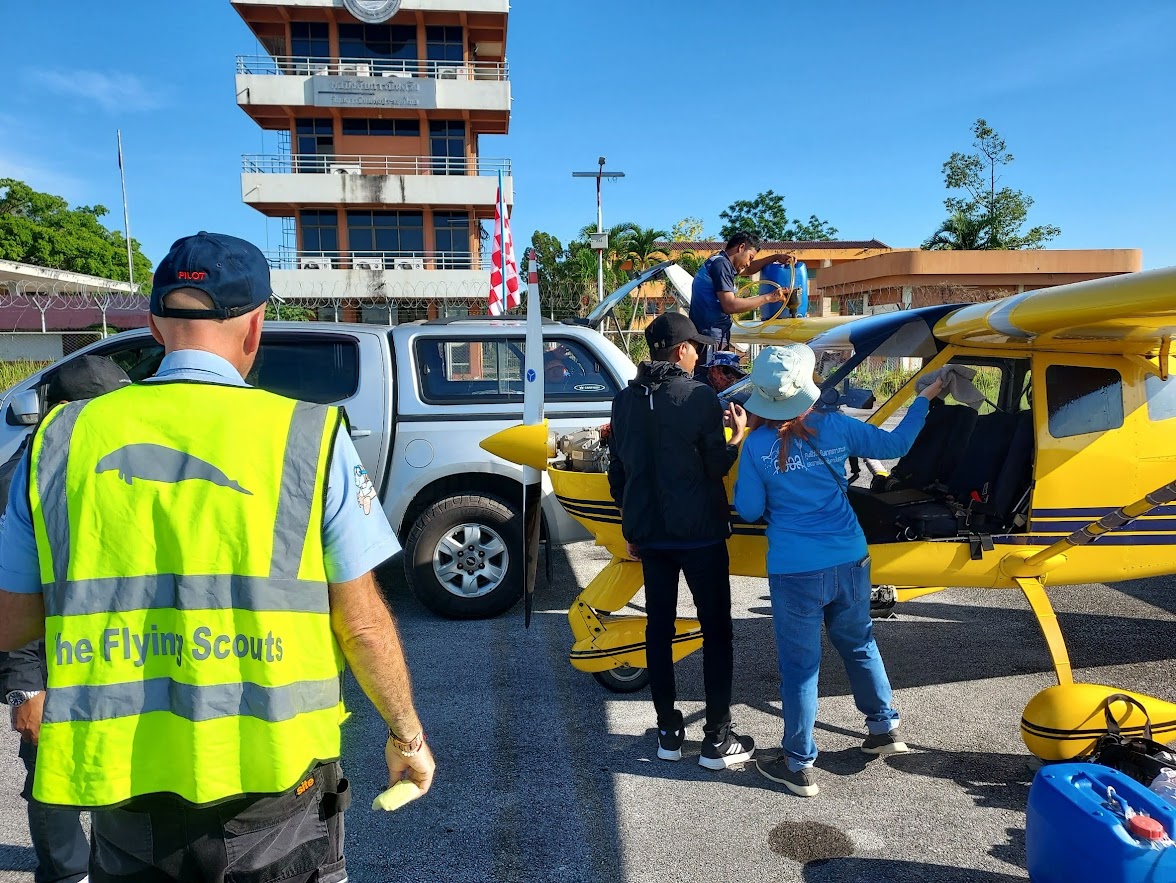
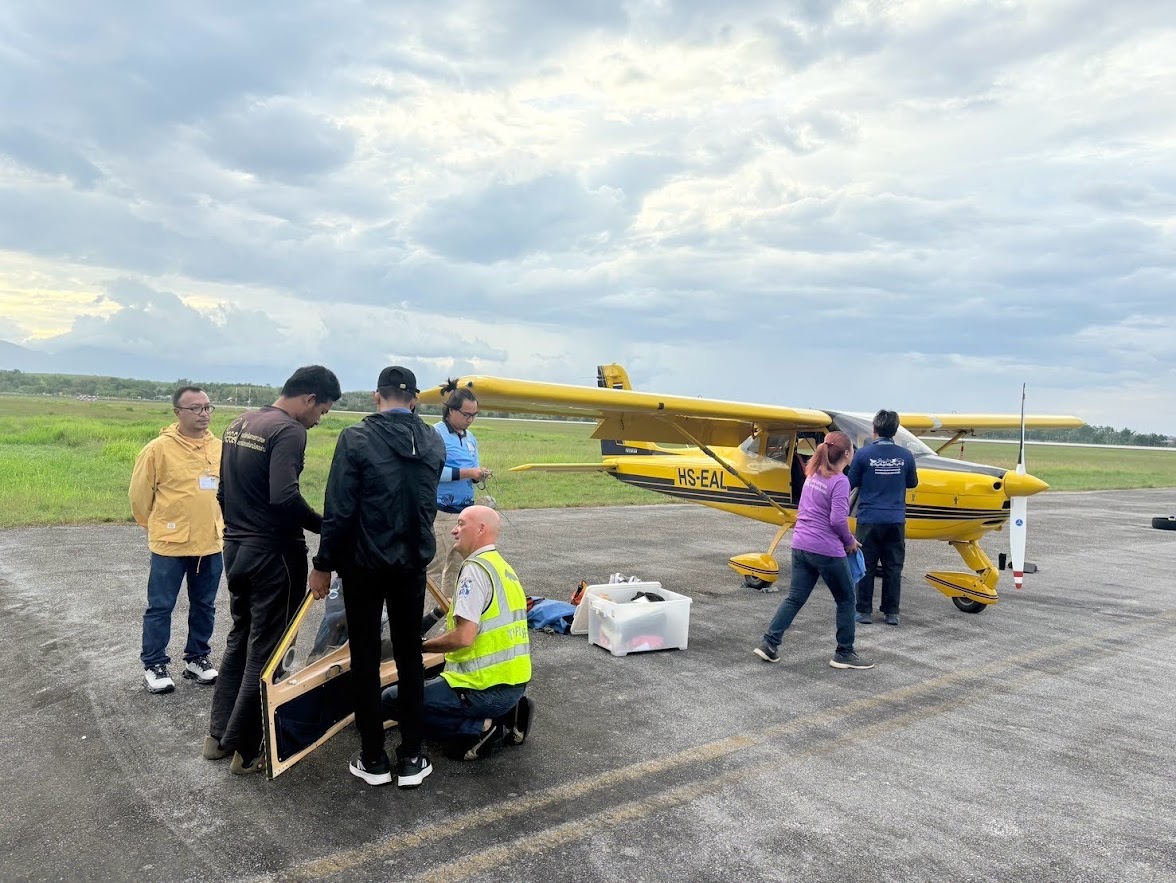
In 2025, Walailak University collaborated with the Lower Andaman Sea Marine and Coastal Resources Research Center and the Lower Gulf of Thailand Marine and Coastal Resources Research Center to investigate the population and distribution of rare marine wildlife in Trang Province, Thailand. The surveys covered Koh Libong, Koh Muk, Pak Meng Beach, Ban Pak Khlong, Sikao Bay, Laem Sai, Koh Sukorn, Koh Petra, and nearby islands. The assessment focused on dugongs, sea turtles, and dolphins, including Indo-Pacific humpback dolphins and Irrawaddy dolphins, which are important indicators of marine biodiversity and coastal ecosystem conditions.
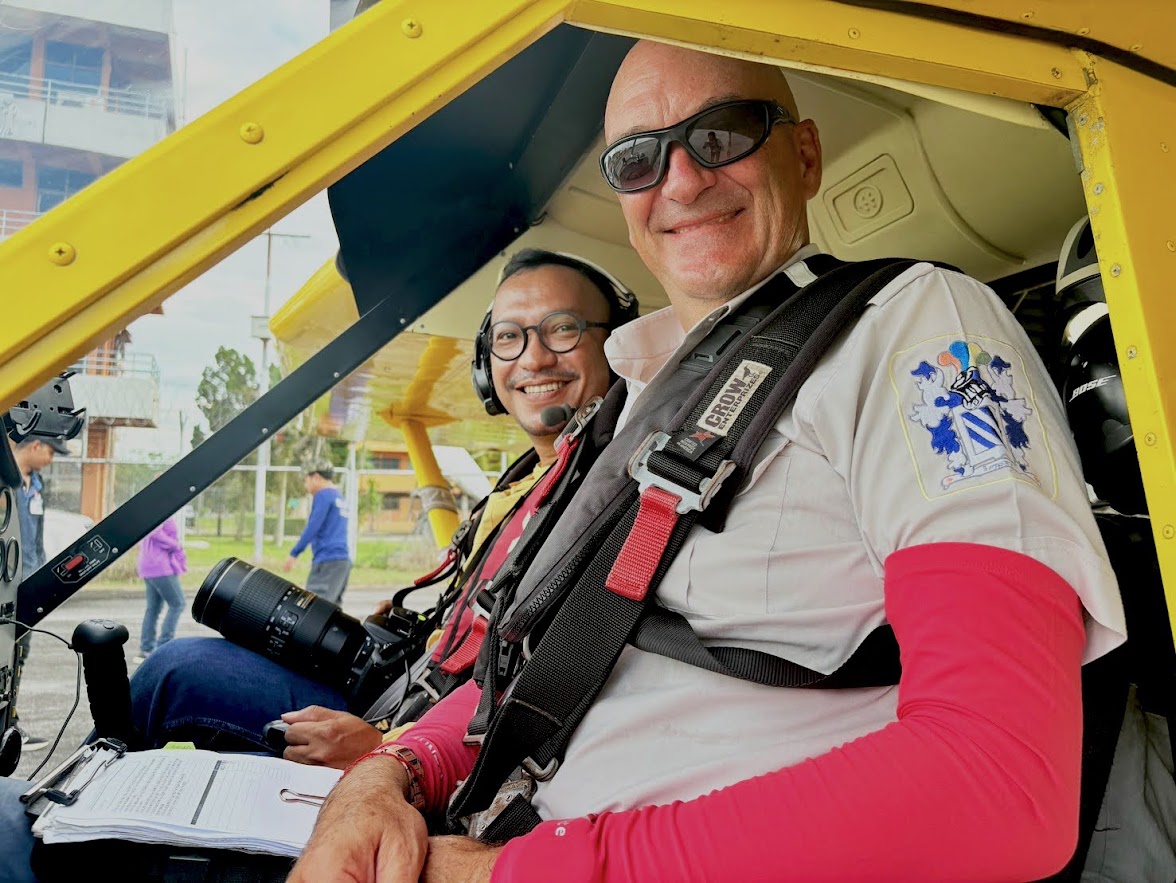
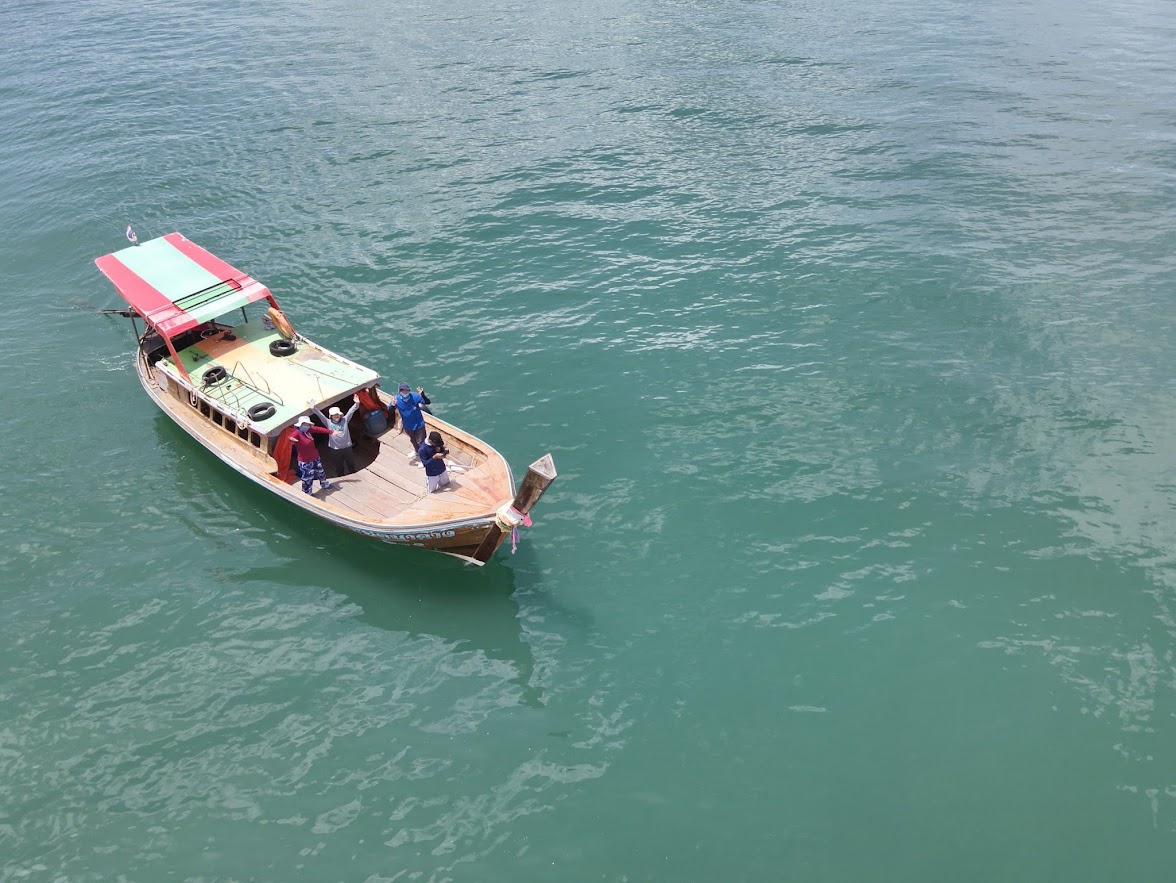
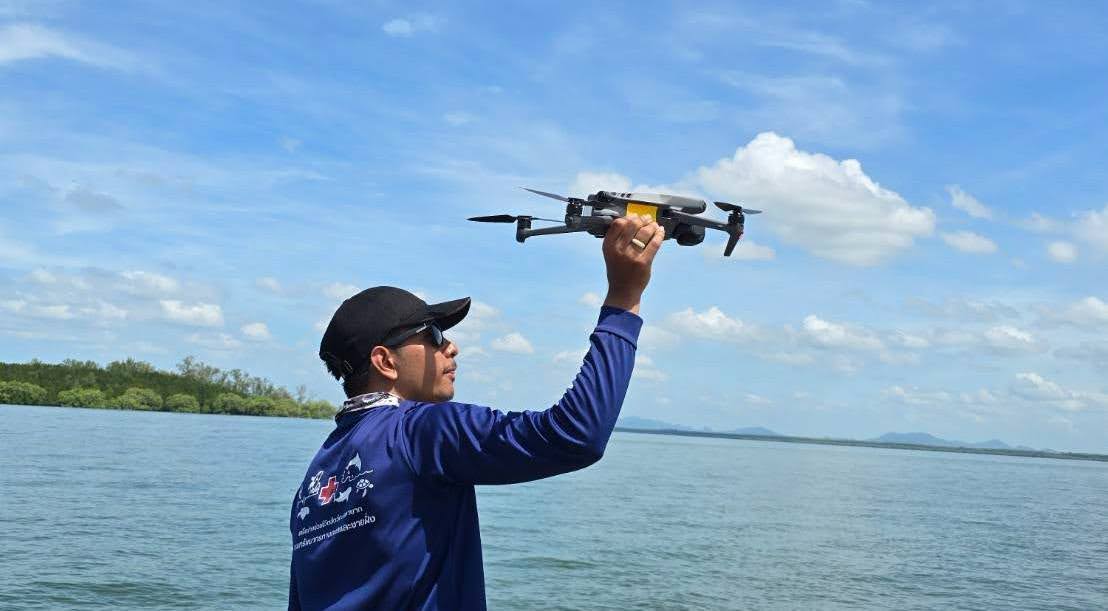
The research team employed multiple survey techniques to improve wildlife detection and assess distribution across the study area. These included boat-based surveys, observations using a multirotor unmanned aerial vehicle (UAV), and aerial surveys using two two-seat fixed-wing aircraft. The aerial surveys followed the line-transect method and were conducted in collaboration with volunteer pilots Mr. Eduardo Angelo Loigorri and Ms. Phinyada Raksa-ngob. The combined survey activities covered a total area of 616 square kilometres, providing a broad assessment of marine wildlife occurrence across the coastal waters and surrounding islands of Trang Province.
Preliminary survey results recorded more than 19 dugongs, 34 sea turtles, 40 Indo-Pacific humpback dolphins, and five Irrawaddy dolphins. Koh Libong recorded 17 dugongs, 25 sea turtles, and at least 40 Indo-Pacific humpback dolphins, while Koh Muk recorded two dugongs, six sea turtles, and five Irrawaddy dolphins. Six sea turtles were observed near Pak Meng Beach, and four Indo-Pacific humpback dolphins were recorded in each of the Hat Samran and Koh Sukorn areas. Around Koh Petra, the team recorded one sea turtle and 16 Indo-Pacific humpback dolphins. No rare marine wildlife was detected during the surveys in the Ban Pak Khlong, Sikao Bay, and Laem Sai areas. These findings provide preliminary information on the distribution of marine wildlife and identify areas where further monitoring may be valuable. However, the absence of observed animals during a survey does not necessarily indicate their absence from an area.
In addition to counting and mapping marine wildlife, the research team conducted visual assessments of animal health and behavior. Dugongs were observed swimming and feeding over seagrass beds, demonstrating their use of these habitats as feeding grounds. Their observed respiration rates ranged from three to five breaths over five minutes. Body condition assessments classified six dugongs as thin (BCS 2/5), nine as being in good condition (BCS 3/5), and four as relatively fat (BCS 4/5). The identification of individuals in different body-condition categories provides a useful diagnostic measure for understanding the physical condition of the observed population and may help guide future investigations into habitat quality and food availability.
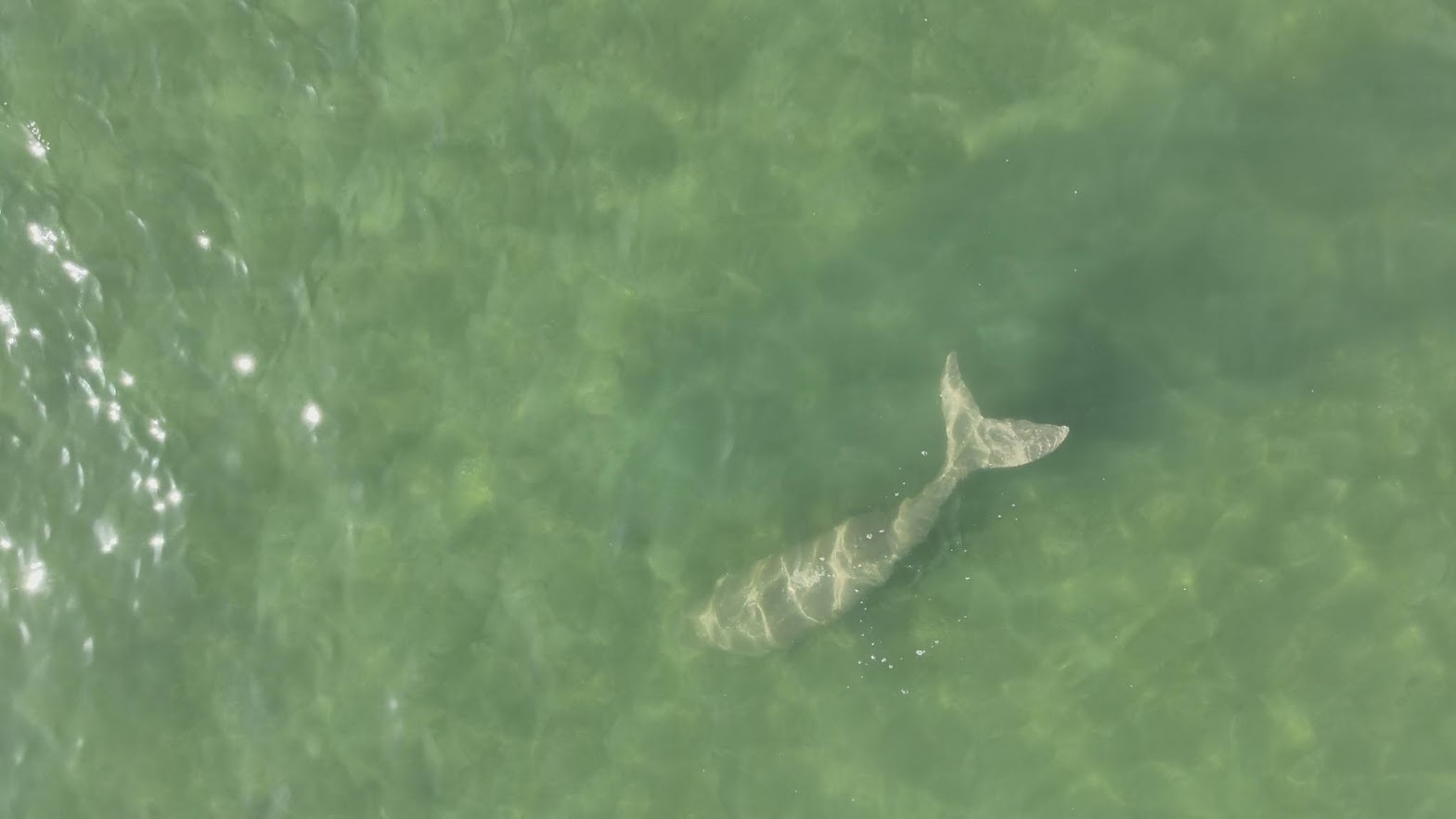
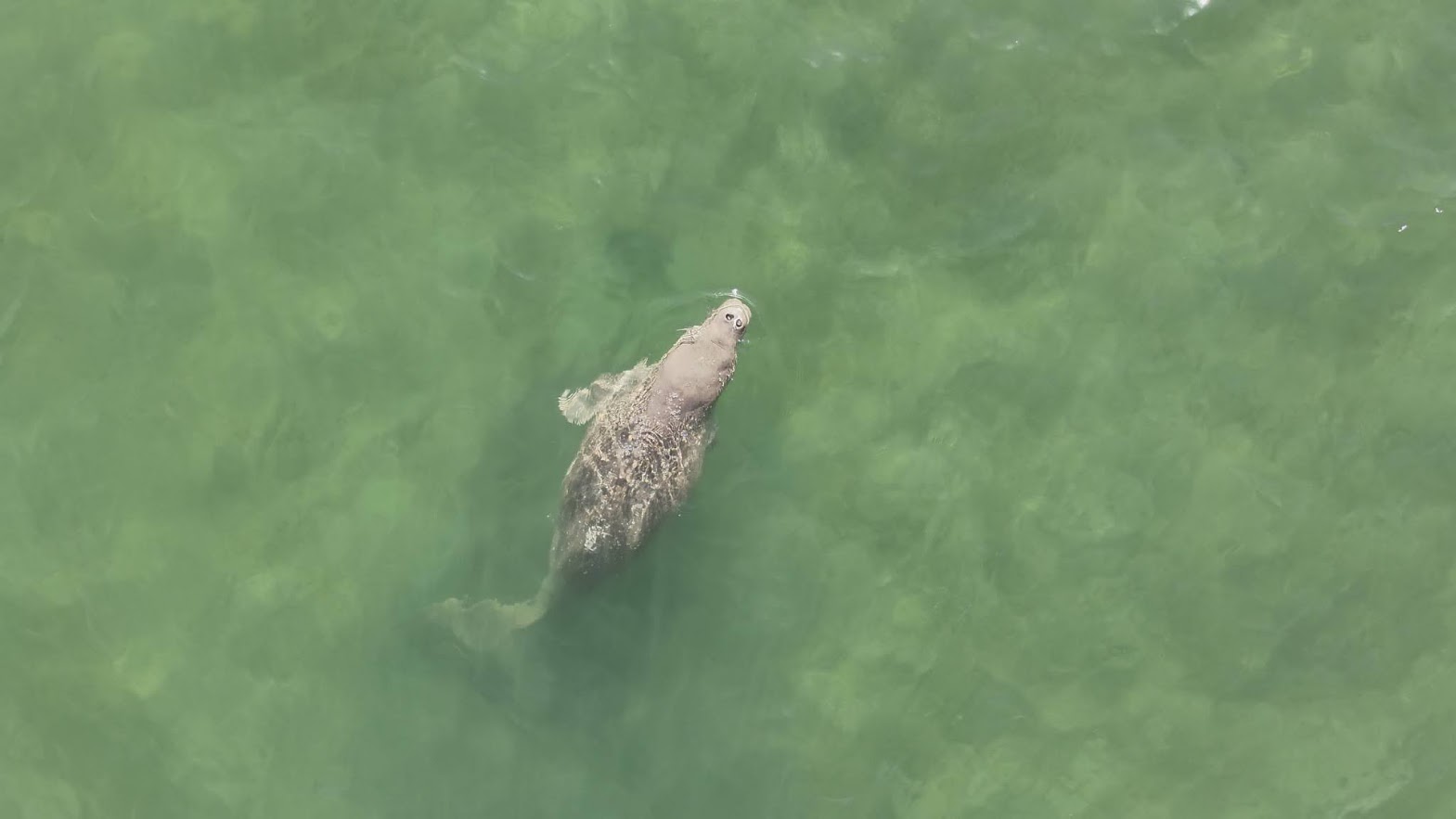
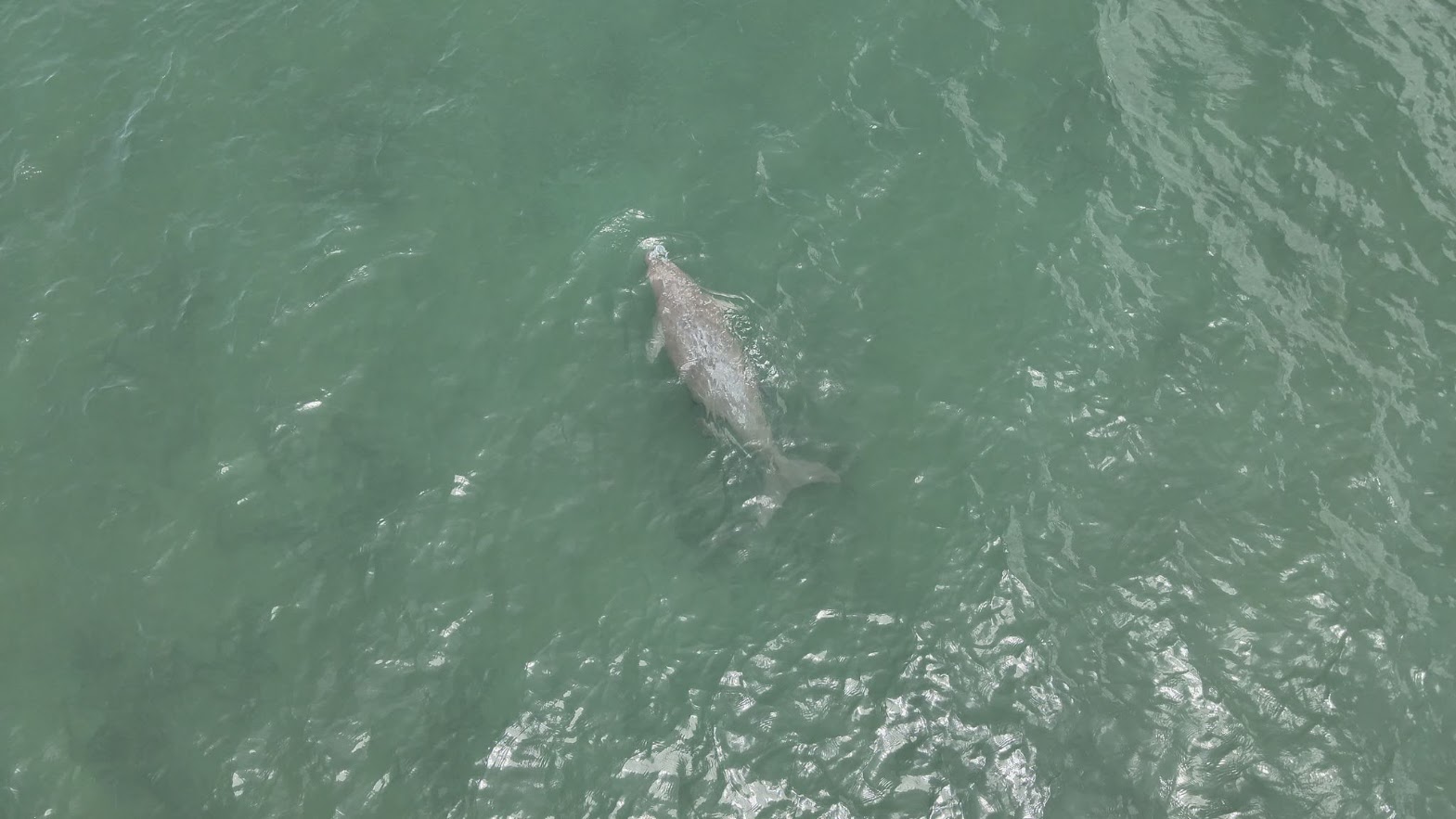
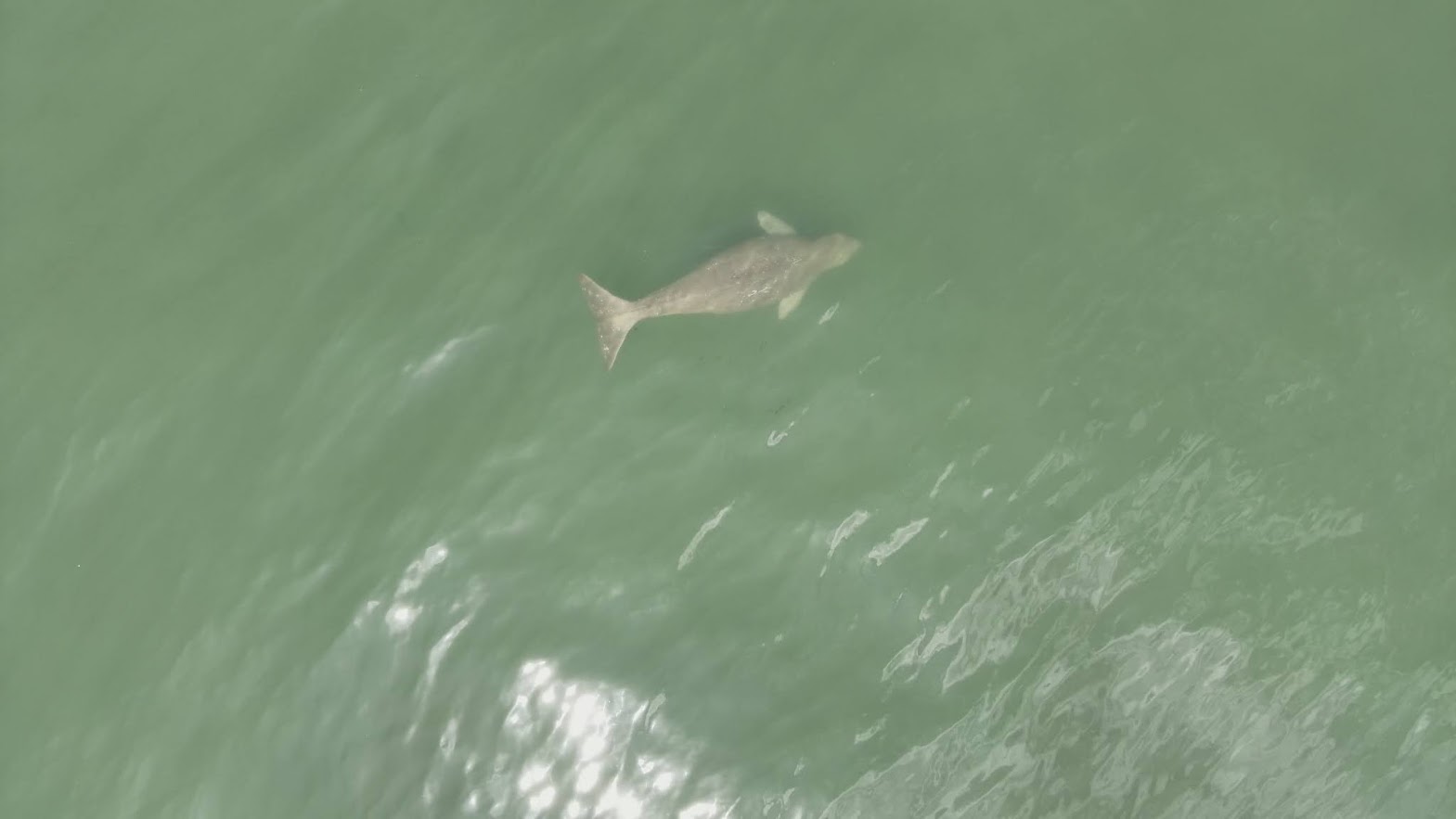
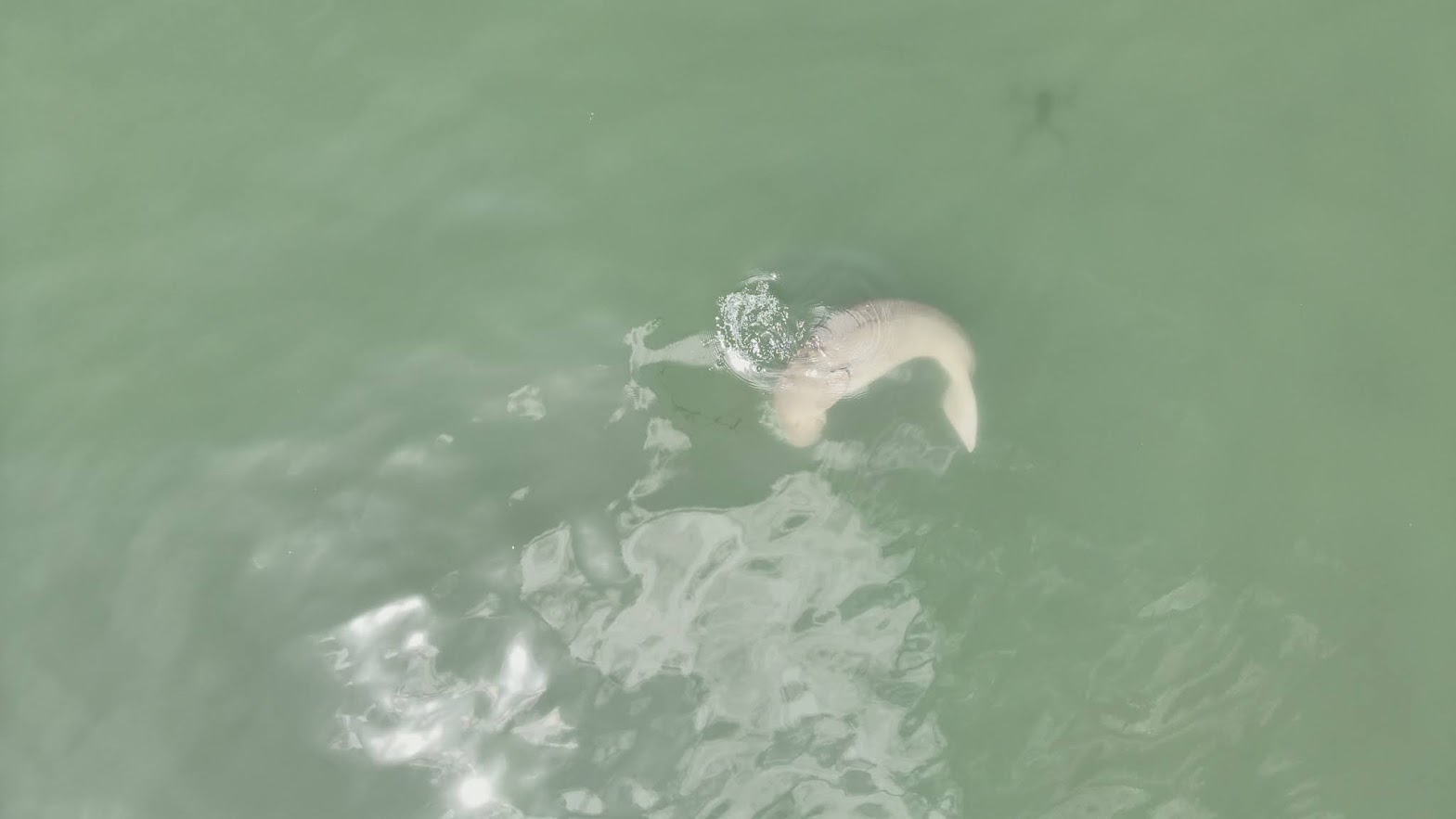
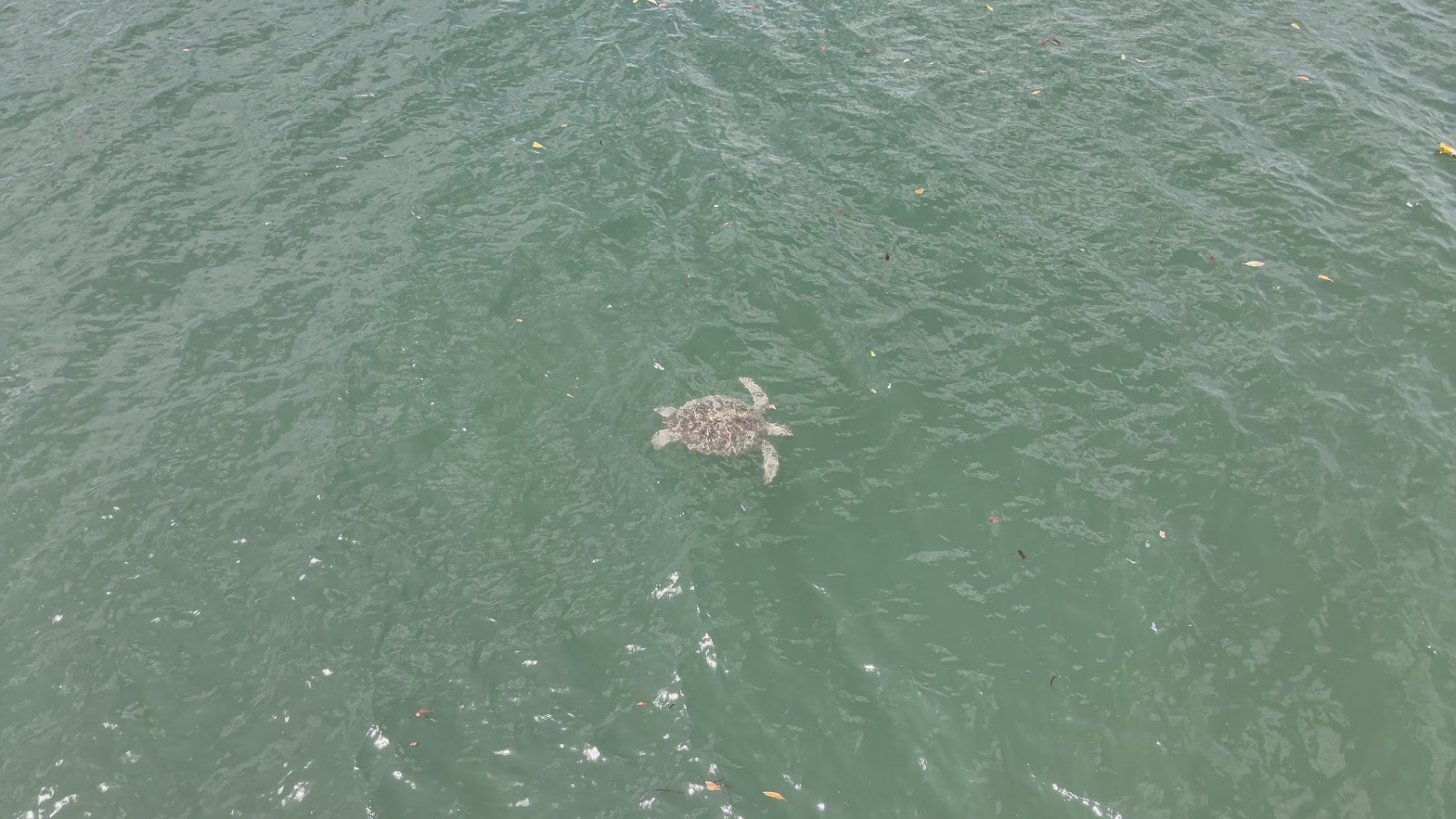
The team also observed a mother-and-calf pair of Indo-Pacific humpback dolphins, providing evidence of reproductive activity in the surveyed area. Overall, the observed marine animals appeared to be in normal condition, with no visible abnormal behavior, injuries, or signs of entanglement in fishing gear or marine debris. Although these observations offer an encouraging initial assessment, continued monitoring is important to detect potential threats and changes that may not be apparent during a single survey.
The survey data and photographic records will also support photo-identification (Photo-ID), a technique used to recognize individual animals from their distinguishing physical features. By comparing photographs collected over time, researchers can improve individual identification and develop more reliable estimates of marine wildlife population sizes. These follow-up analyses will help establish a stronger baseline for evaluating population trends, identifying important habitats, and assessing the effectiveness of marine conservation measures.
Through this collaborative research, Walailak University contributes to the systematic monitoring and diagnostic assessment of aquatic ecosystem health by documenting marine wildlife populations, distribution, physical condition, and behavior. The preliminary findings provide valuable baseline information for future assessments while highlighting the importance of repeated surveys and long-term data collection. By integrating aerial observations, field surveys, and photo-identification, the initiative supports evidence-based decisions to protect marine biodiversity, conserve seagrass habitats, and strengthen the sustainable management of coastal and marine ecosystems.
Monitoring Gulf of Thailand Ecosystem Health and Assesses Artificial Fish Habitats in Local Fishing Communities
Monitoring aquatic ecosystem health is essential for understanding changes in marine biodiversity, evaluating the effectiveness of conservation measures, and supporting the sustainable management of fisheries. Regular diagnostic assessments of aquatic species and their distribution can help determine whether conservation areas and artificial fish habitats are providing suitable conditions for marine organisms to inhabit and thrive. By comparing aquatic species inside and outside conservation areas, researchers can identify differences in species composition and abundance, evaluate the outcomes of habitat restoration initiatives, and generate evidence to guide future conservation planning.
In 2025, Walailak University conducted surveys and monitoring activities in two important fishing communities along the Gulf of Thailand: Ban Nai Thung Community in Tha Sala District and Ban Pak Phaya Community in Mueang District, Nakhon Si Thammarat Province. These communities are important local fishing areas where marine resources support livelihoods and food security. The surveys aimed to assess the condition of aquatic ecosystems and examine changes in aquatic animal populations following the establishment of artificial fish habitats, the designation of conservation areas, and community-based surveillance to prevent fishing activities within protected zones.
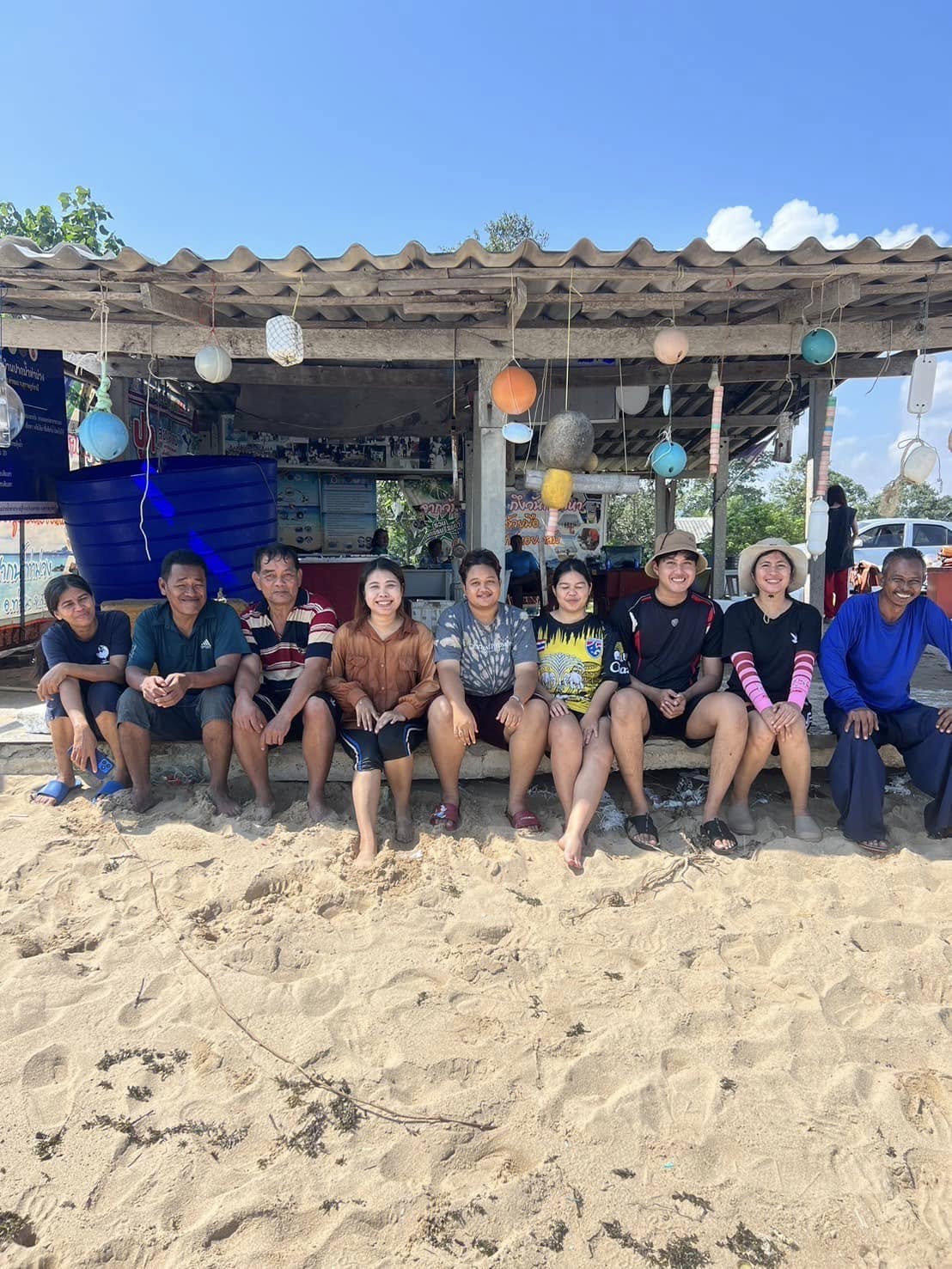
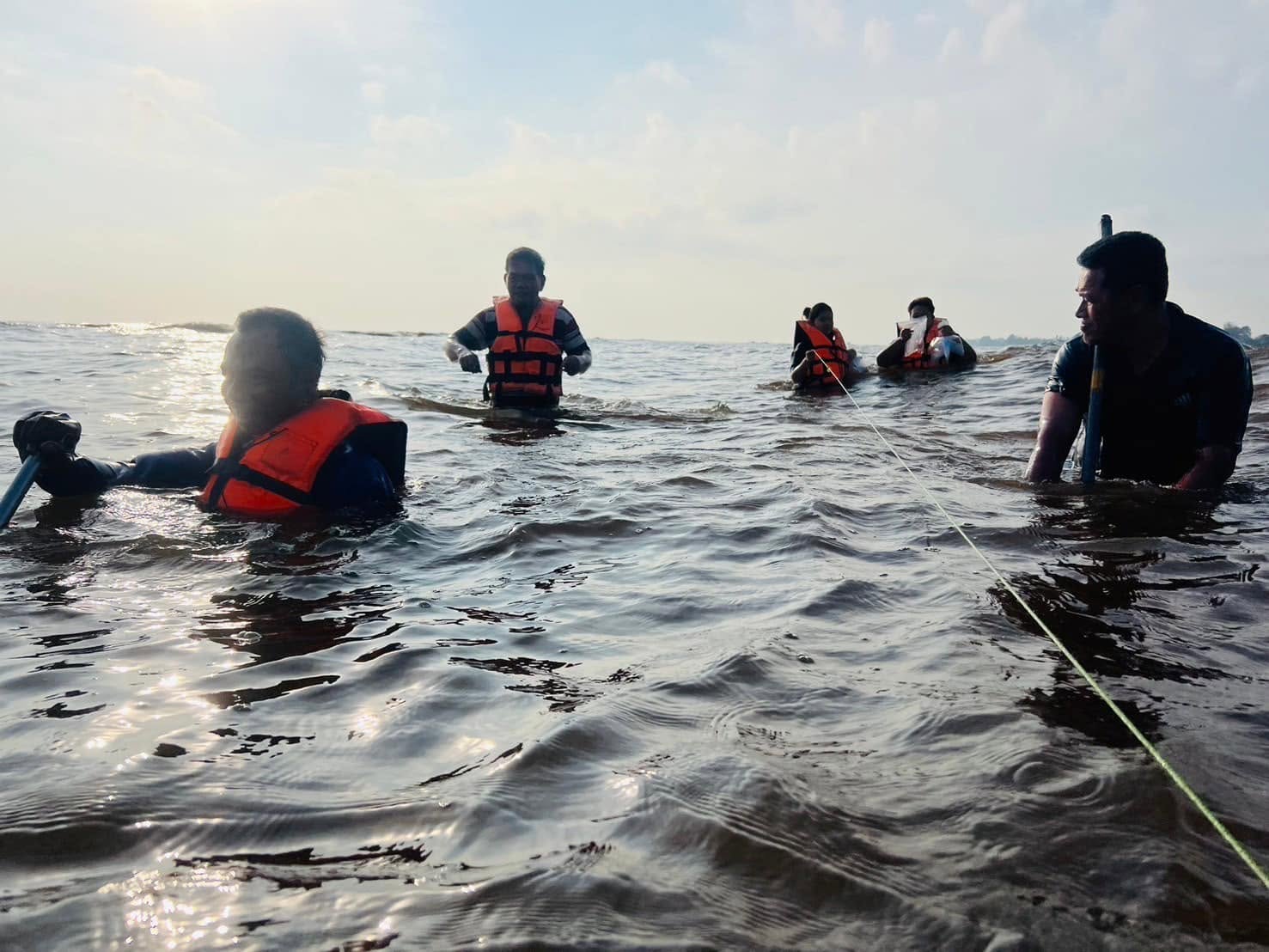
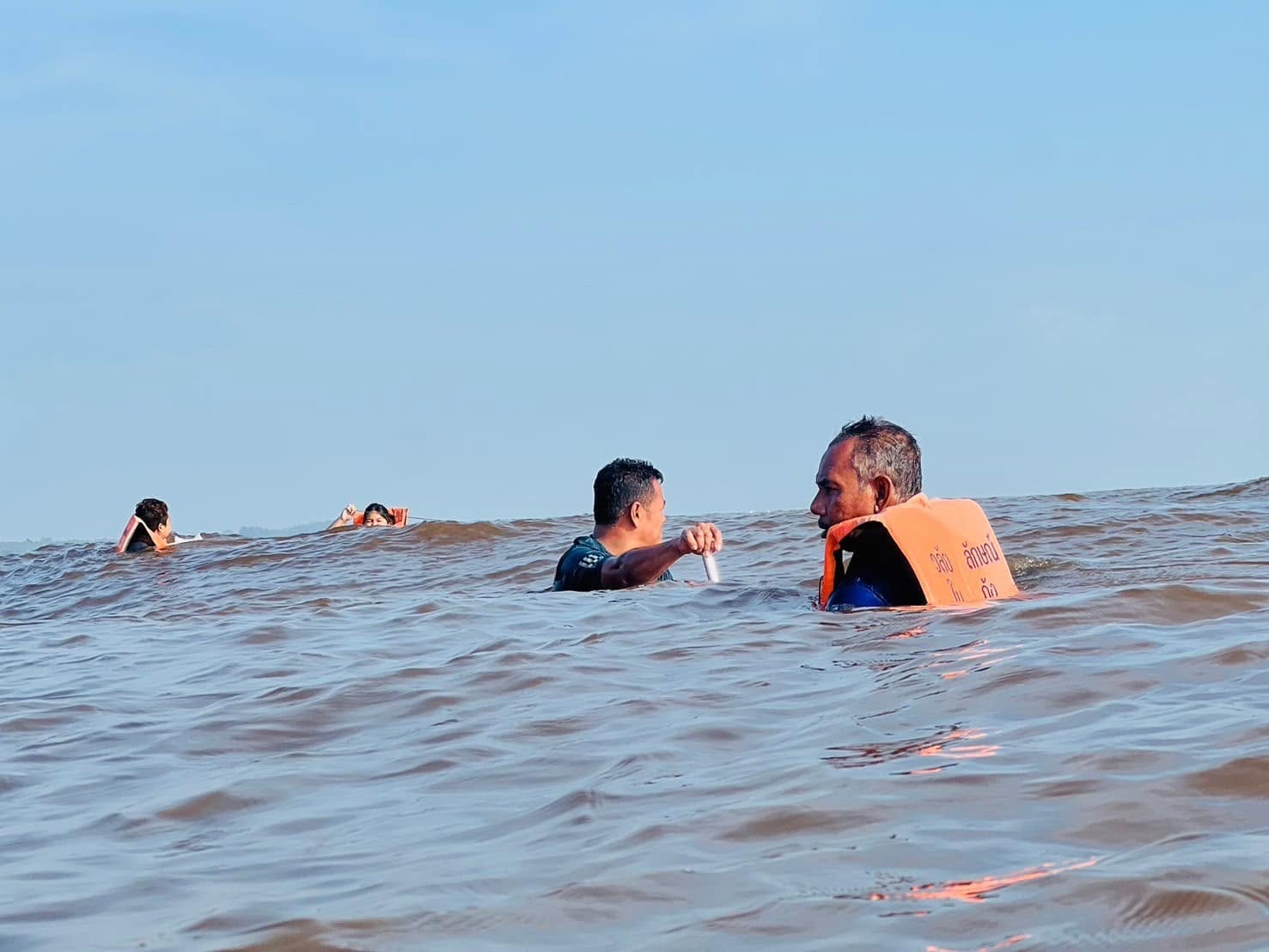
At Ban Nai Thung Community, the University investigated changes in aquatic species inside and outside the conservation area following the installation of artificial fish habitats, locally known as fish houses, and the implementation of fishing restrictions and monitoring measures. Researchers used a fish net with a mesh size of 3.8 centimetres to conduct six sampling operations: three inside the conservation area and three outside it. The survey recorded a total of 42 aquatic species, including several types of croakers, barracudas, mackerels, sardines, silver-biddy fish, and other coastal fish, as well as whiteleg shrimp, other shrimp species, blue swimming crabs, cuttlefish, mantis shrimp, sea cucumbers, and sea stars.
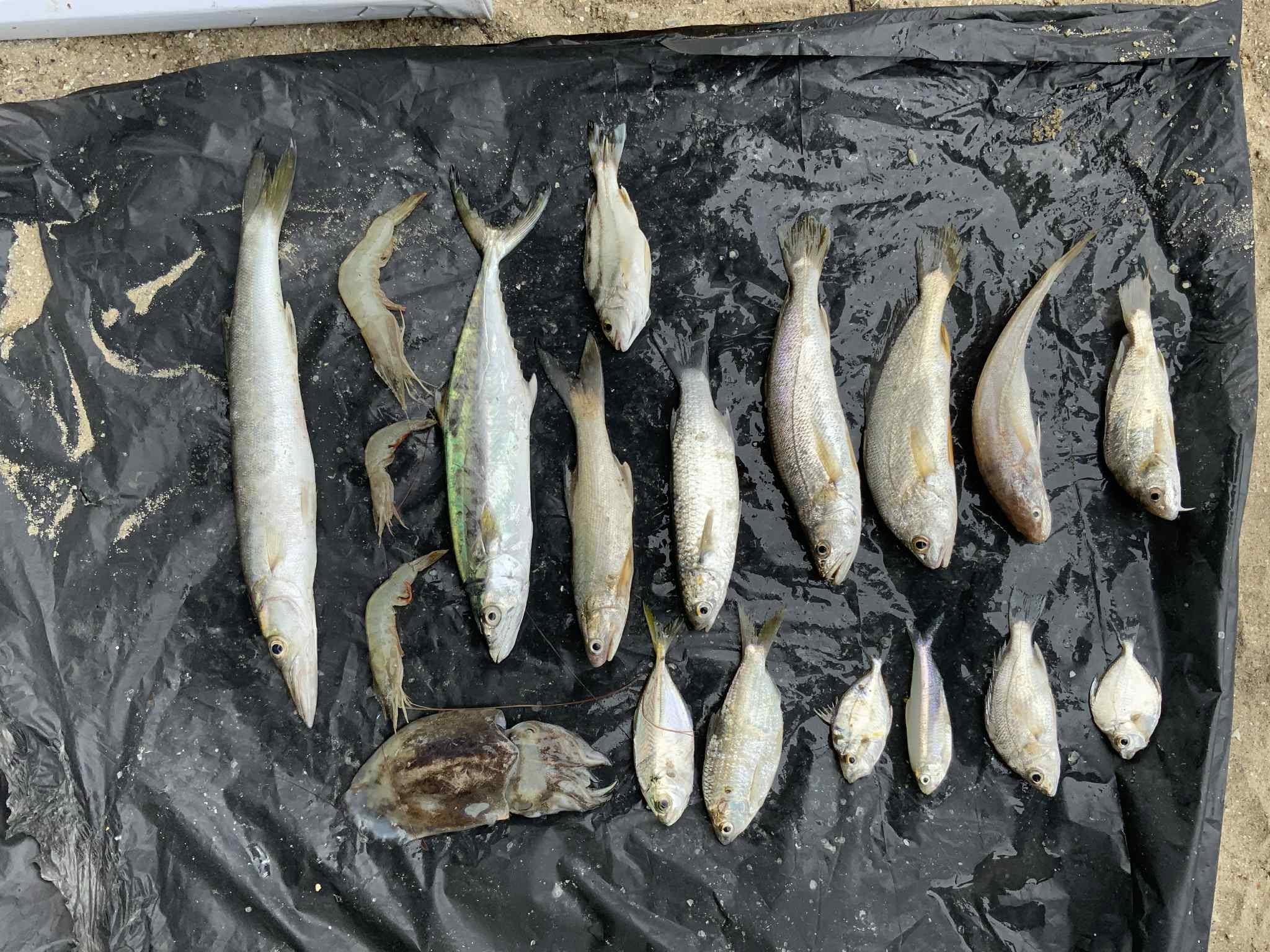
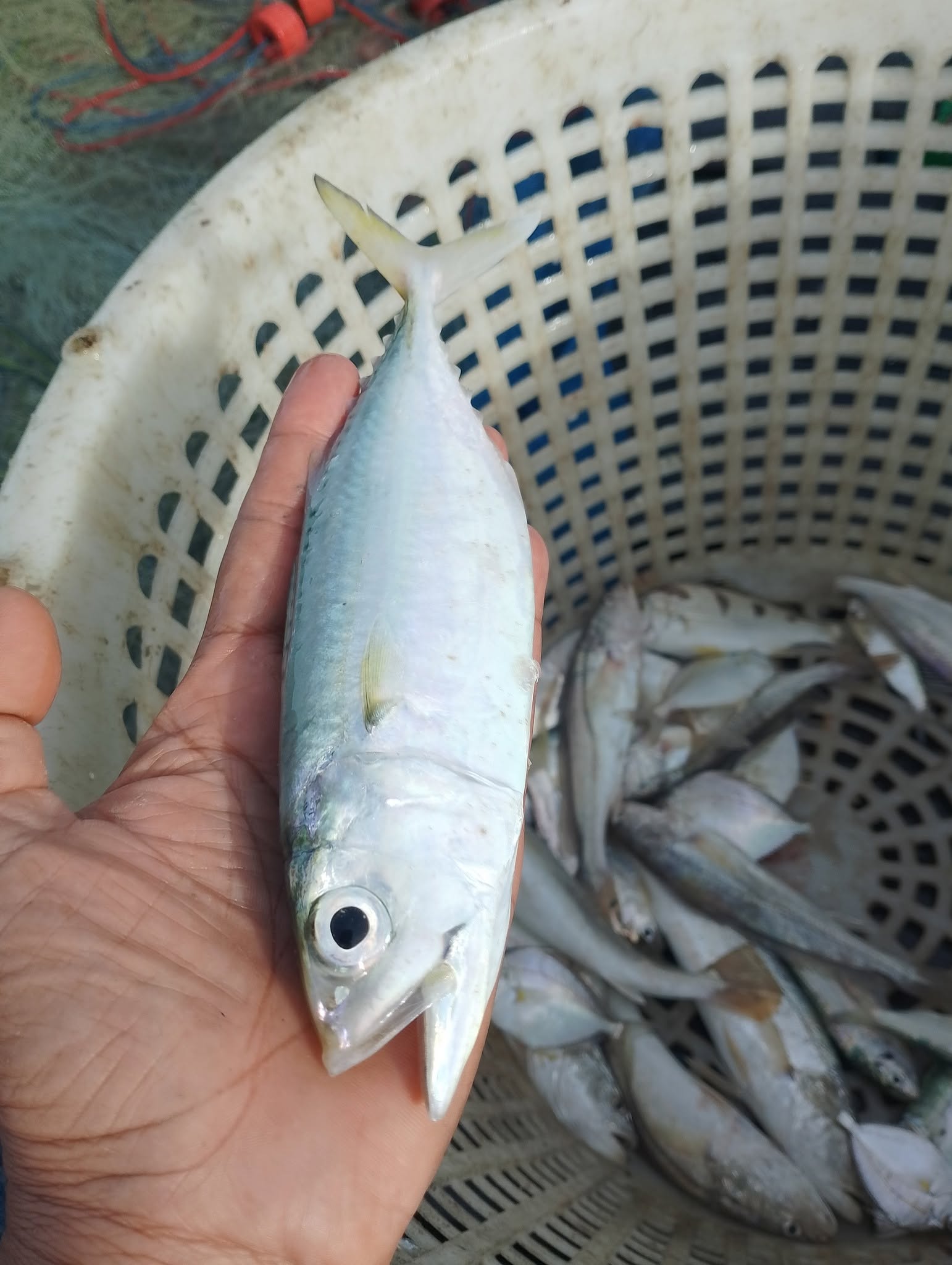
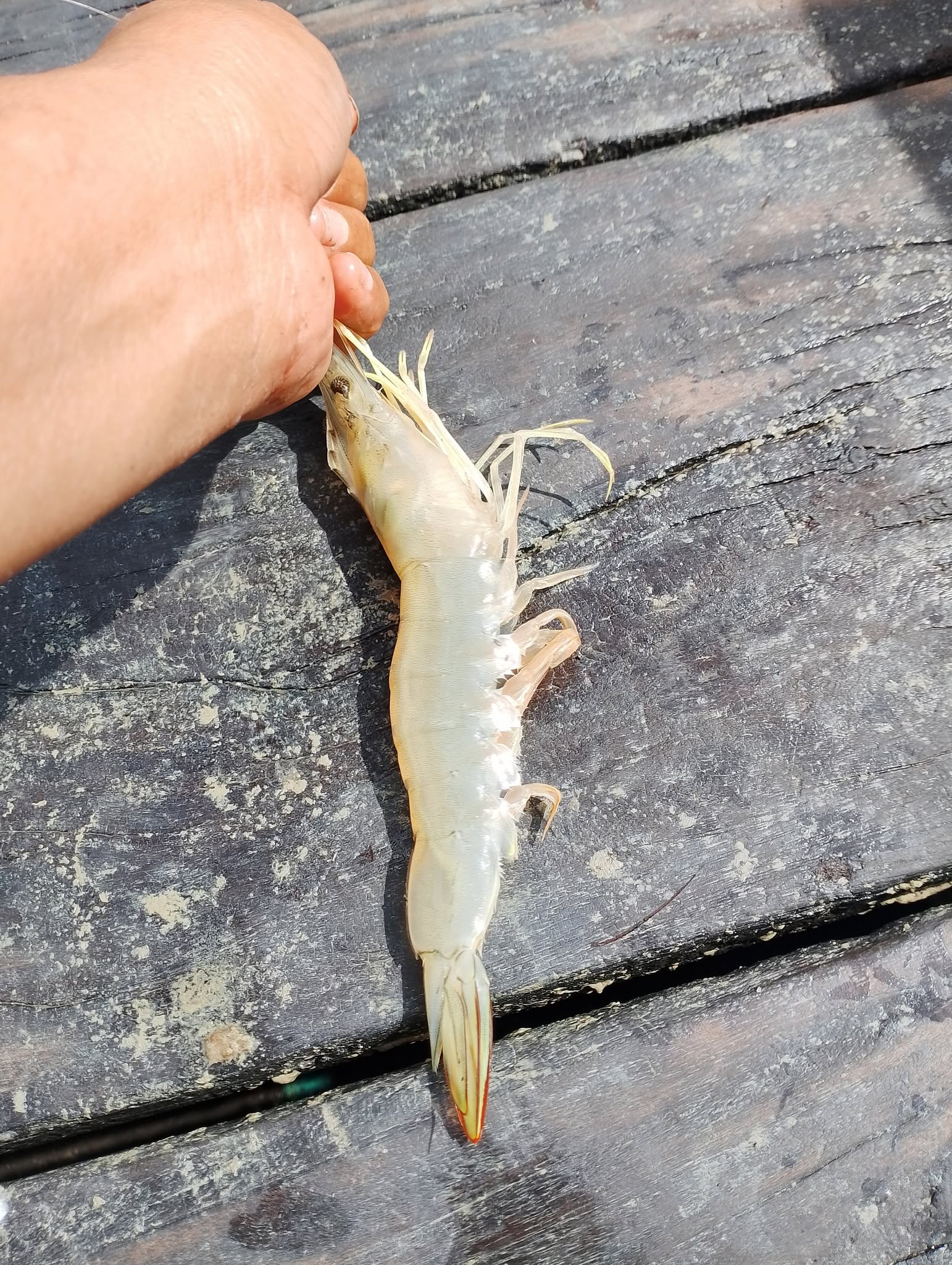
The findings indicated that more aquatic animals were inhabiting the conservation area than had been recorded in surveys conducted before the artificial fish habitats were established. The observed increase involved both the variety of aquatic species and their abundance. These results provide encouraging evidence that the combination of artificial fish habitats, designated conservation areas, and community-based surveillance may be contributing to improved habitat use by aquatic organisms. However, further standardized monitoring over time is necessary to determine the extent to which these changes can be attributed to the interventions and to assess whether the observed patterns persist.
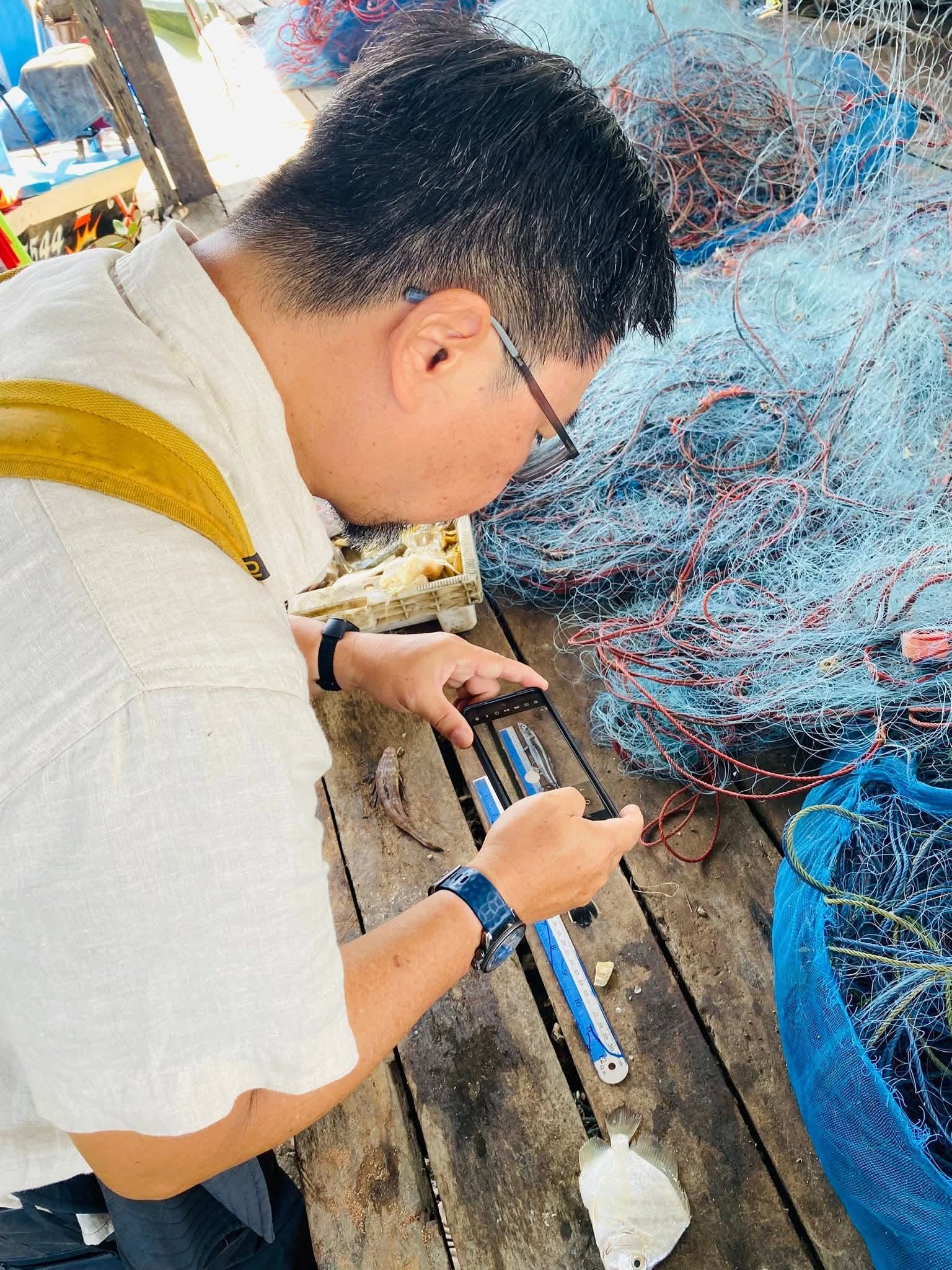
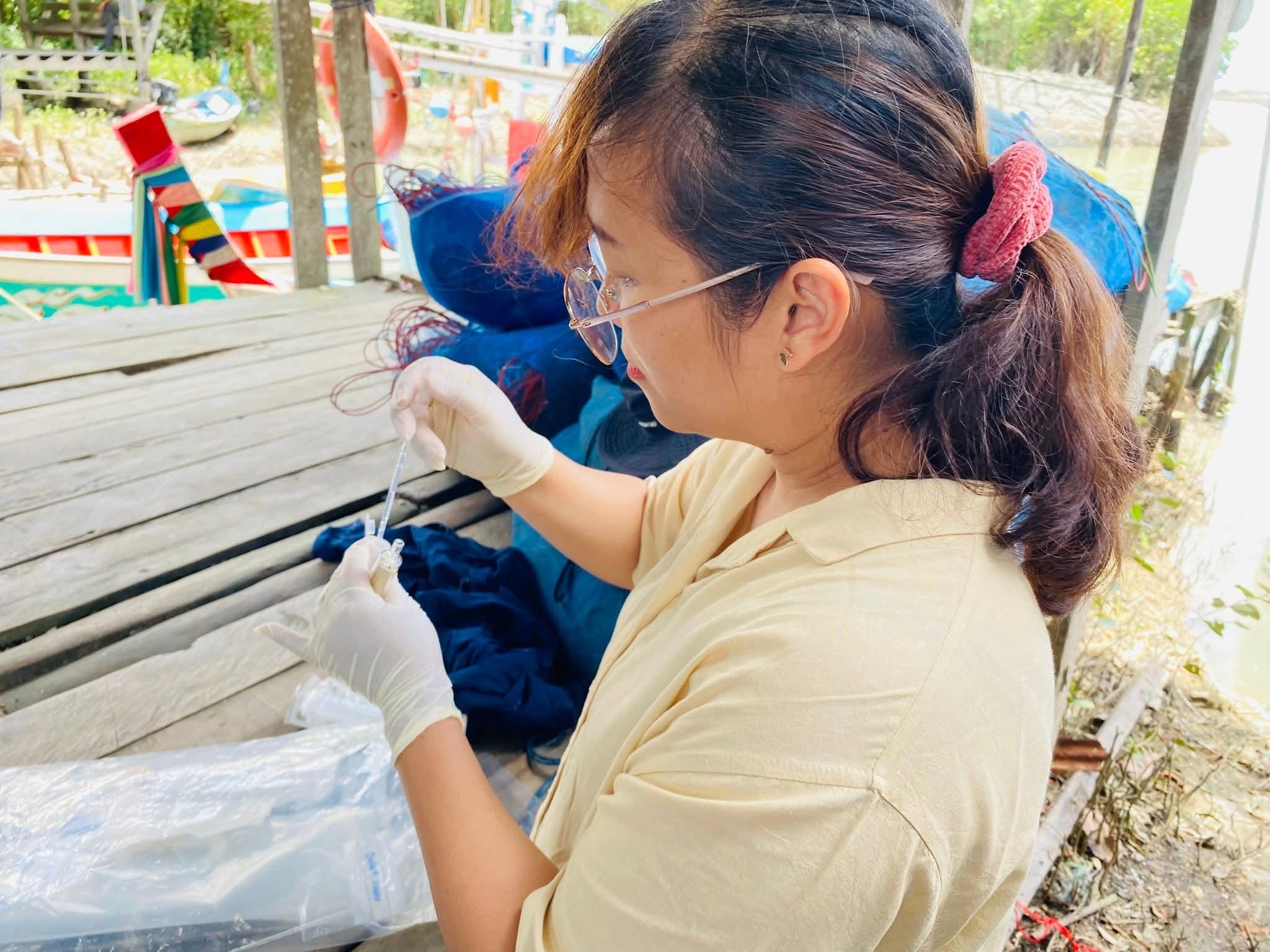
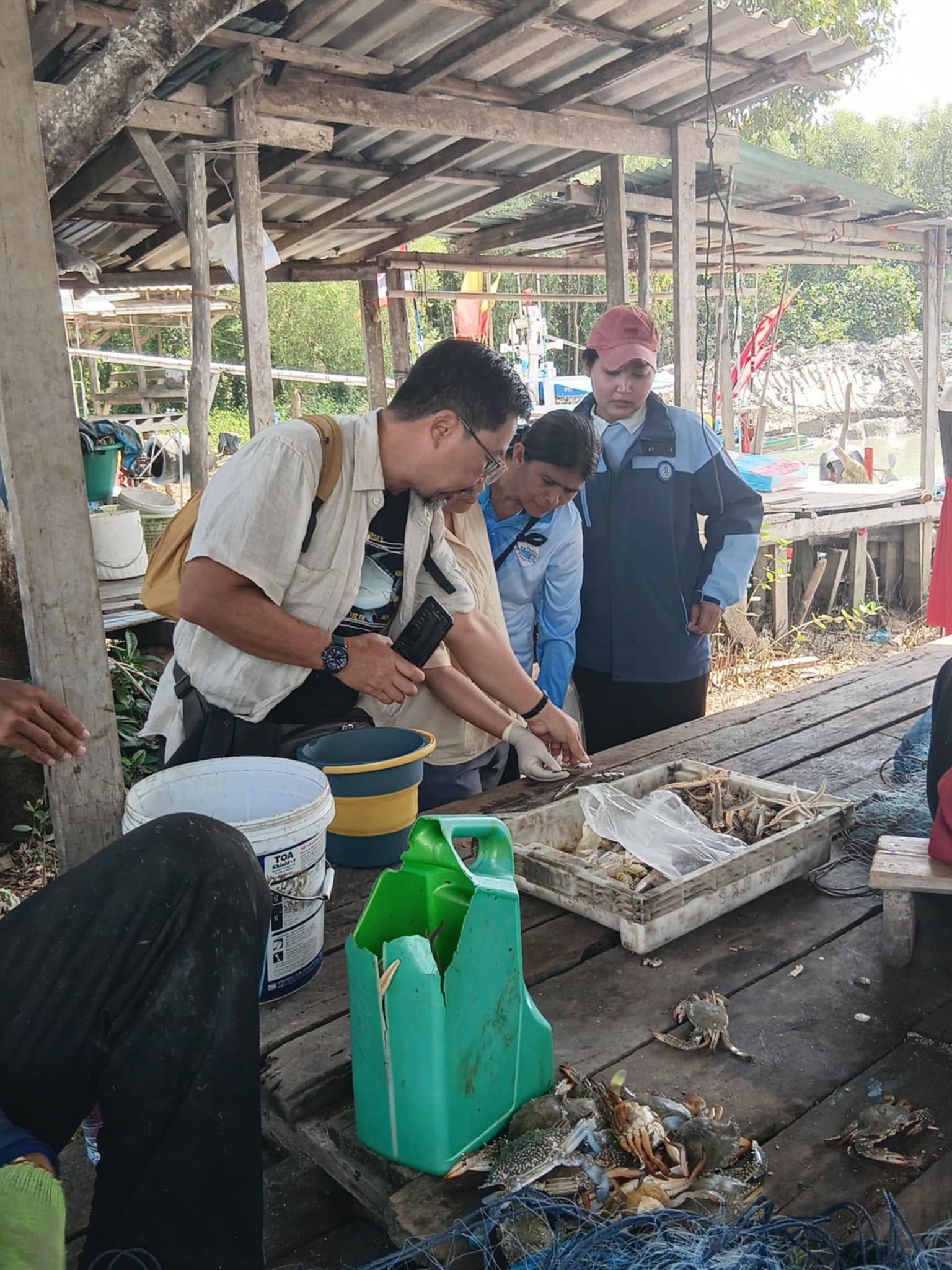
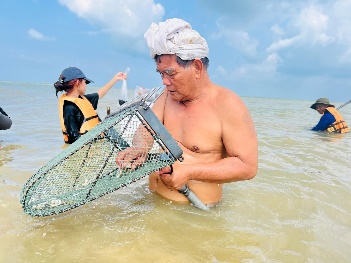
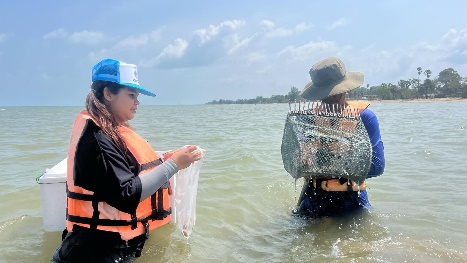
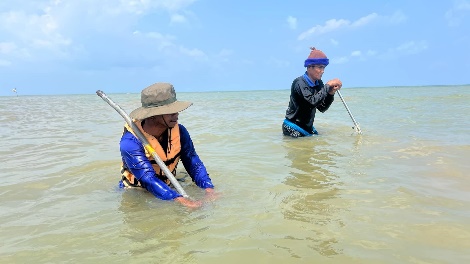
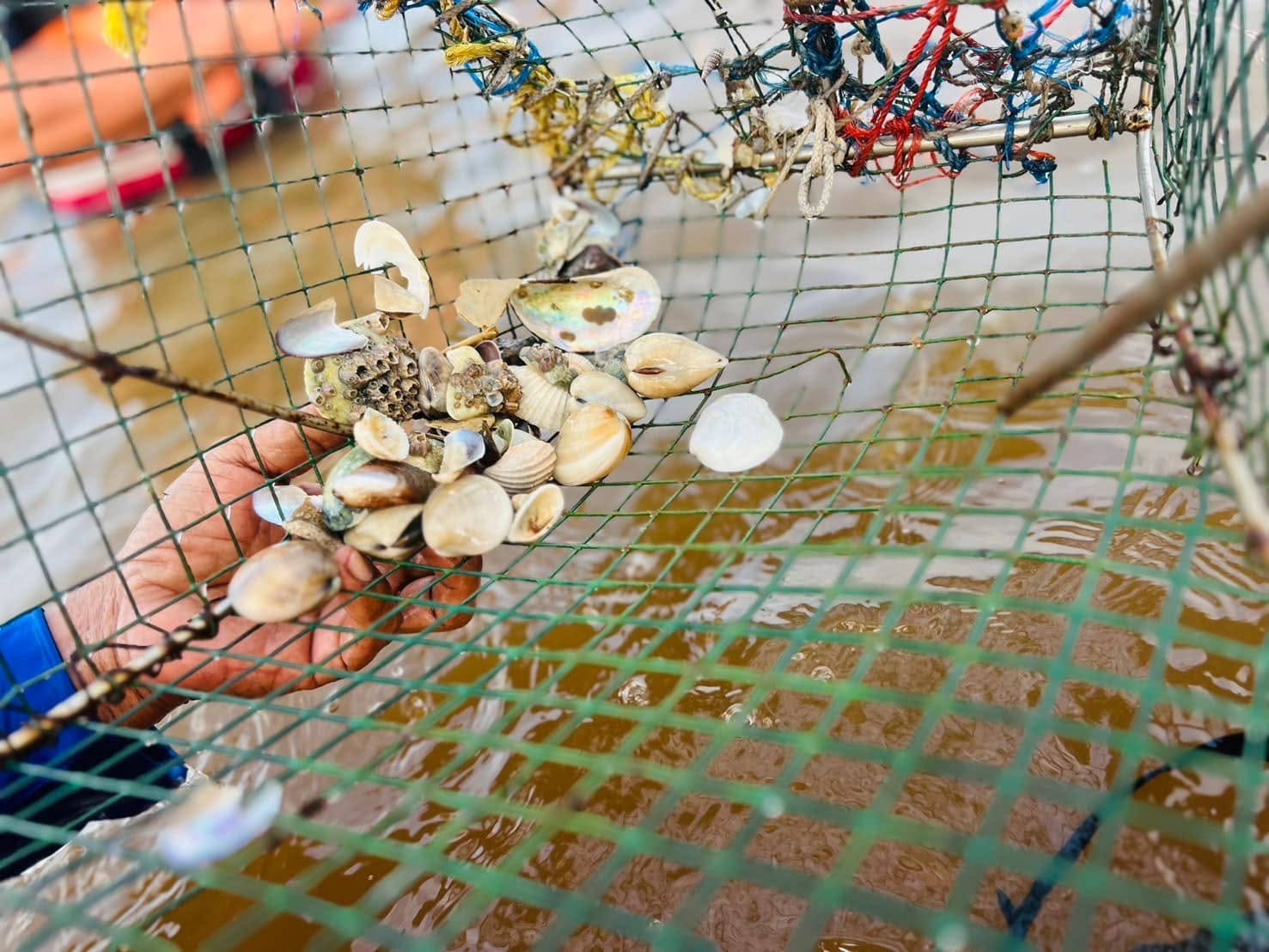
At Ban Pak Phaya Community, Walailak University also surveyed changes in aquatic species inside and outside the conservation area following the establishment of artificial fish habitats, the designation of protected zones, and measures to monitor fishing activities. The survey identified several aquatic species, including blood cockles, marine catfish, clams, red snapper, orange-spotted grouper and blue swimming crabs. These observations provide additional information about the aquatic organisms present in the area and contribute to the broader assessment of the condition of local marine resources. Continued surveys can help establish a more comprehensive baseline for comparing species composition and abundance between conservation and non-conservation areas.
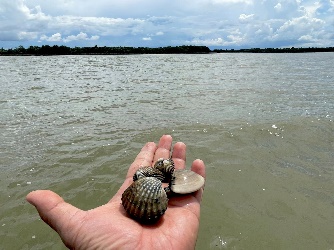
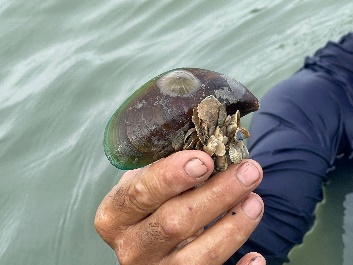
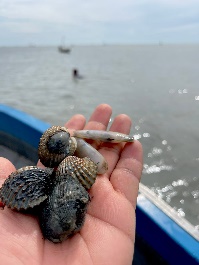
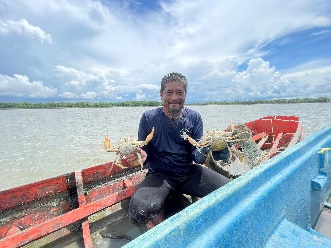
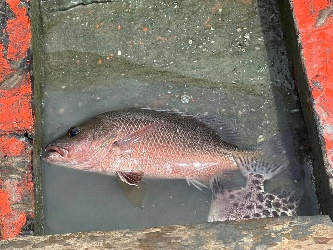
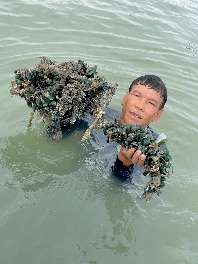
Together, the surveys in Ban Nai Thung and Ban Pak Phaya provide a practical approach to monitoring Gulf of Thailand ecosystem health through field-based observations of aquatic biodiversity and assessments of community-led conservation interventions. Comparing findings from protected and unprotected areas enables researchers to investigate differences in aquatic species occurrence and to diagnose potential changes in habitat conditions following the installation of artificial fish habitats. The resulting evidence can inform decisions on the location, management, and long-term maintenance of conservation areas.
Through these monitoring activities, Walailak University supports the development of evidence-based and community-driven approaches to marine resource management. The findings from Ban Nai Thung, in particular, indicate an increase in the variety and abundance of aquatic animals recorded in the conservation area compared with surveys conducted before the artificial fish habitats were installed. By continuing systematic monitoring and involving local fishing communities in conservation efforts, the University aims to support healthier aquatic ecosystems, sustainable fisheries, and the long-term resilience of coastal livelihoods in Nakhon Si Thammarat Province.
Together, these initiatives demonstrate Walailak University’s commitment to monitoring and measuring aquatic ecosystem health through scientific surveys, diagnostic assessments, and community-based conservation activities. From documenting the population, distribution, physical condition, and behavior of rare marine wildlife in Trang Province to assessing changes in aquatic species in the Gulf of Thailand, the University generates valuable evidence to support the protection of marine biodiversity and the sustainable management of coastal resources. These monitoring activities establish important baseline measurements that can help researchers identify environmental changes, evaluate the effectiveness of conservation interventions, and determine where additional protection or management measures may be needed.
The findings also highlight the practical benefits of integrating scientific monitoring with local conservation efforts. Observations of dugongs feeding in seagrass habitats, the presence of a mother-and-calf dolphin pair, and the diversity of aquatic species recorded in community conservation areas provide useful information for understanding wildlife distribution and habitat use. In Ban Nai Thung, the observed increase in aquatic species variety and abundance following the establishment of artificial fish habitats offers encouraging evidence of potential ecological benefits. Continued measurements and comparisons between conservation and non-conservation areas can further clarify these outcomes and help communities establish appropriate, effective, and sustainable fisheries management measures.
Beyond improving scientific understanding, these initiatives support evidence-based decision-making, strengthen collaboration between researchers and local fishing communities, and promote greater awareness of marine conservation. The collected data can inform future population assessments, habitat protection strategies, conservation-area management, and the evaluation of long-term ecological trends. By maintaining systematic monitoring, refining diagnostic methods, and using measurable indicators to evaluate progress, Walailak University contributes to healthier aquatic ecosystems, the conservation of threatened marine species, more sustainable fisheries, and the long-term well-being of coastal communities. These efforts reinforce the importance of continuous measurement as a foundation for adaptive conservation management and the sustainable use of marine resources for future generations.
Related Links
21 ต.ค. 2568 สมาคมประมงพื้นบ้านในถุ้ง… – จินดา เจี๊ยบ จิตตะนัง | Facebook
Blue Crab 🦀 Blue Carbon 🦀 Blue Economy… – Amonsak Sawusdee | Facebook
ลงพื้นที่วางแปลงหอยแมลงภู่… – Amonsak Sawusdee | Facebook
27 สิงหาคม 2568 สมาคมรักษ์ทะเลไทย… – จินดา เจี๊ยบ จิตตะนัง | Facebook
บังมุ คนหาปลา – ต้องรอน้ำลงรีบเก็บให้เสร็จก่อนตะวันตกดิน… | Facebook