
Supports Aquatic Stewardship Through Community Engagement and Conservation Initiatives
Supports Aquatic Stewardship Through Community Engagement and Conservation Initiatives
Aquatic ecosystems play a vital role in maintaining biodiversity, supporting food security, sustaining livelihoods, and preserving environmental balance. However, pressures from unsustainable fishing practices, pollution, habitat degradation, and other human activities can threaten the health and long-term productivity of marine and freshwater environments. Promoting good aquatic stewardship is therefore essential to protecting these ecosystems and ensuring that their resources remain available for future generations. Effective stewardship requires not only raising environmental awareness but also developing and supporting programmes and incentives that encourage individuals, fishing communities, and other stakeholders to adopt and maintain responsible practices. Diagnostic assessments can help identify environmental challenges, evaluate existing management practices, and determine where targeted support is most needed. Through community engagement, capacity building, collaborative conservation, and appropriate incentives, Walailak University (WU) seeks to encourage responsible aquatic resource management, strengthen local participation in conservation, and contribute to the long-term sustainability of aquatic ecosystems.
Walailak University Encourages Good Aquatic Stewardship Through the Living Weir Project
Aquatic ecosystems play a vital role in maintaining biodiversity, supporting food security, providing water resources, and sustaining local livelihoods. However, freshwater ecosystems face growing pressures from seasonal water shortages, strong currents, riverbank erosion, habitat degradation, and changes in aquatic biodiversity. Encouraging good aquatic stewardship is therefore essential to maintaining healthy freshwater environments while ensuring that communities can continue to access and manage water resources sustainably. Providing communities with practical knowledge, opportunities to participate in conservation, and benefits that support their water-management needs can encourage the adoption and long-term maintenance of responsible aquatic stewardship practices.
For more than five years, Walailak University (WU) has continuously implemented the Building Nature-Based Weirs in Na Mai Phai Subdistrict Project, locally known as the “Living Weir Project.” Led by Mr. Suthira Thongkao, a lecturer and researcher in aquatic science, the project brings together local residents, community leaders, the Na Mai Phai Subdistrict Administrative Organization, government agencies, non-governmental organizations (NGOs), and international partners to restore freshwater ecosystems and strengthen community-based water management. By combining ecological restoration, practical education, and collaborative planning, the project encourages local communities to take an active role in protecting aquatic environments and maintaining the natural resources on which their livelihoods depend.
A central component of the project is a free educational programme that provides local residents, community leaders, local government officers, and WU student volunteers with practical knowledge of freshwater conservation, water resource management, irrigation, water retention, riverbank protection, aquatic biodiversity, ecological restoration, and nature-based engineering. Through classroom discussions, community consultations, field surveys, demonstrations, and hands-on construction activities, participants learn how to identify water-related challenges, assess river conditions, select suitable construction materials, and apply environmentally responsible methods to freshwater management. Making this educational programme freely accessible serves as a non-financial incentive by reducing barriers to participation and providing communities with useful knowledge and skills to improve local water management and aquatic conservation.
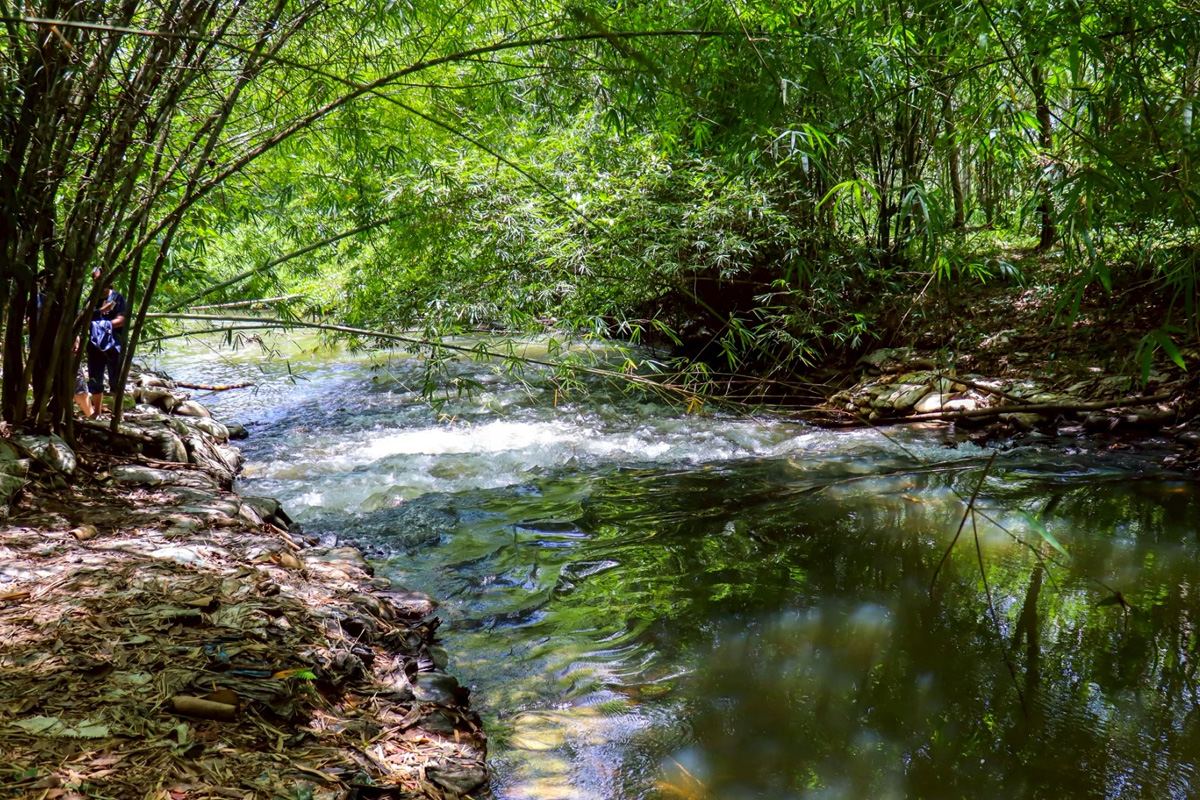
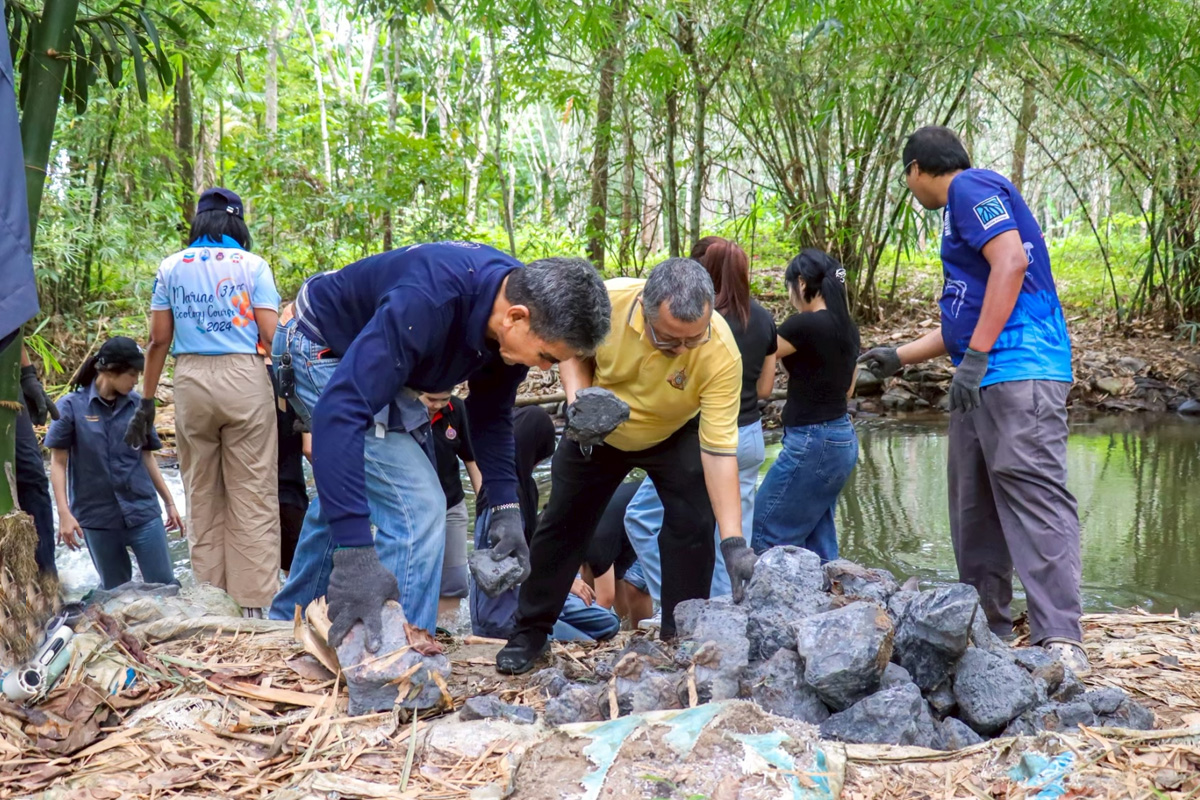
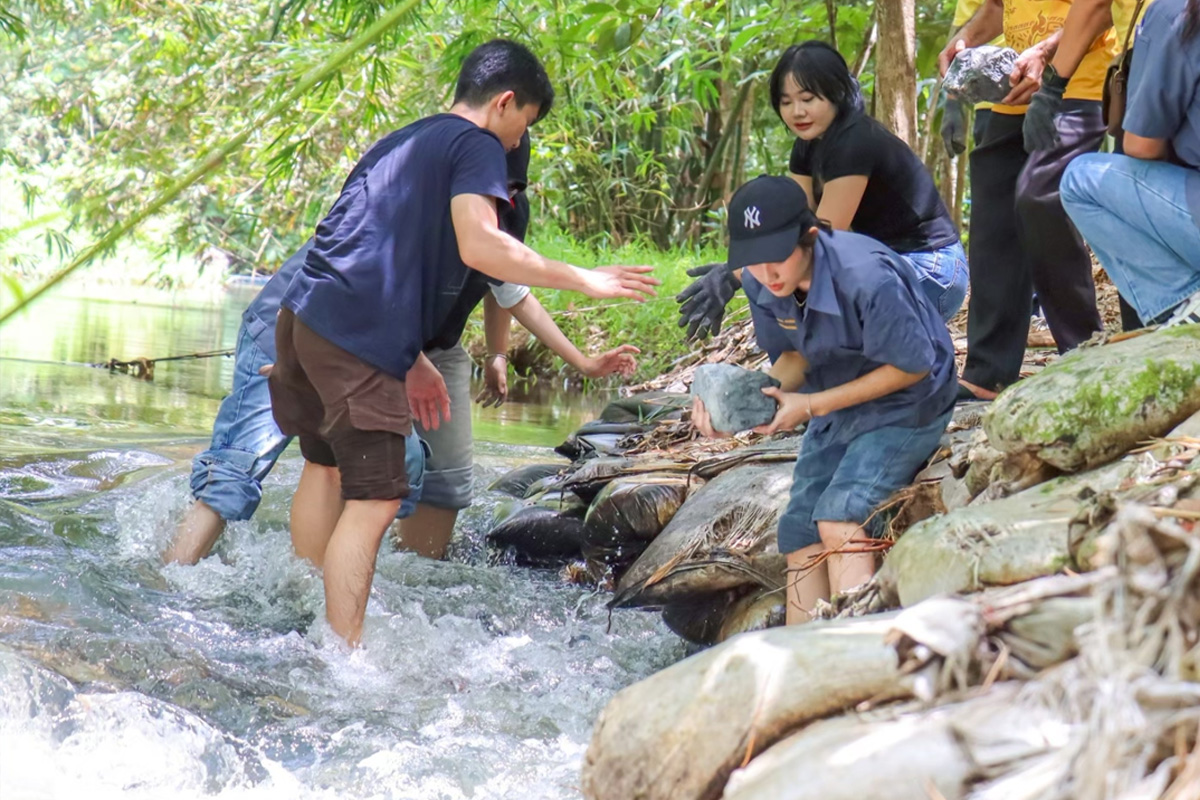
In 2025, WU continued working closely with local communities and local government officers to review previous restoration activities, identify ongoing water-management challenges, and plan further interventions. Community members reported encouraging signs of ecological recovery, including a gradual increase in aquatic animals compared with previous years. These observations reinforced the importance of maintaining freshwater habitats that provide suitable conditions for local aquatic species while supporting community access to water resources. At the same time, residents identified weaknesses in existing weirs, several of which had been partially damaged or washed away by strong monsoon currents, reducing their capacity to retain water during the dry season. These findings highlighted the need for continued maintenance, diagnostic field assessments, and adaptive restoration measures informed by both local knowledge and scientific evaluation.
In response, WU and its partners agreed to conduct comprehensive field assessments before repairing existing weirs and constructing additional structures. This process helps identify suitable restoration locations and determine appropriate interventions based on river conditions, seasonal water availability, agricultural requirements, and freshwater ecosystem needs. By involving community members in identifying problems, evaluating existing structures, and planning improvements, the project encourages shared responsibility for aquatic resource management. It also provides a practical opportunity for local residents to develop the skills needed to monitor environmental changes, recognize emerging problems, and maintain restoration structures over time.
The Living Weir Project further encourages responsible aquatic stewardship through the construction and restoration of nature-based weirs using locally available materials, including small boulders, bamboo, coconut leaves, and sandbags. Designed as stepped and permeable structures rather than rigid barriers, these weirs allow water to flow gradually downstream while helping retain water and manage its movement. Through hands-on participation, community members learn how to reduce water velocity, stabilize riverbanks, retain water for periods of lower availability, and support freshwater habitats. These practices can help maintain aquatic environments that provide shelter and resources for local species while improving the availability of water for community and agricultural needs. Their effectiveness, however, depends on appropriate site selection, regular maintenance, and continued assessment of local hydrological and ecological conditions.
Beyond the immediate benefits of restoration, the project offers local communities a practical incentive to adopt and maintain better aquatic stewardship practices. By participating in a free educational programme and gaining access to technical knowledge, practical skills, and collaborative support, residents can strengthen their capacity to manage local water resources, maintain water-retention structures, and protect freshwater habitats. These benefits can encourage continued community participation because responsible management contributes to shared interests, including water availability, ecological recovery, and the preservation of aquatic environments for future generations. The project also supports knowledge transfer, enabling participants to apply what they learn to the maintenance of existing weirs and the development of similar conservation activities in other locations.
Through the Living Weir Project, WU demonstrates how accessible education, community participation, nature-based engineering, and ongoing environmental assessment can work together to encourage good aquatic stewardship. By supporting communities in diagnosing local water-management challenges, implementing appropriate restoration measures, and maintaining freshwater habitats, the university helps build local capacity for more sustainable aquatic resource management. The project connects environmental conservation with practical community benefits, encouraging residents to become active stewards of freshwater ecosystems while supporting biodiversity, water security, climate resilience, and the long-term sustainability of local livelihoods.
Walailak University Encourages Sustainable Fisheries Through the Blue Swimming Crab Bank Project
Marine and coastal ecosystems play a vital role in maintaining aquatic biodiversity, supporting food security, and sustaining the livelihoods of coastal communities. However, excessive harvesting and the depletion of natural crab populations can threaten marine biodiversity, disrupt food webs, and undermine the long-term economic security of fishing communities. Encouraging and maintaining good aquatic stewardship practices is therefore essential to balancing the use of marine resources with conservation and ecological restoration. Providing local communities with practical knowledge, opportunities to participate in conservation, and tangible benefits from healthier aquatic ecosystems can motivate them to adopt responsible fishing practices and protect marine resources for future generations.
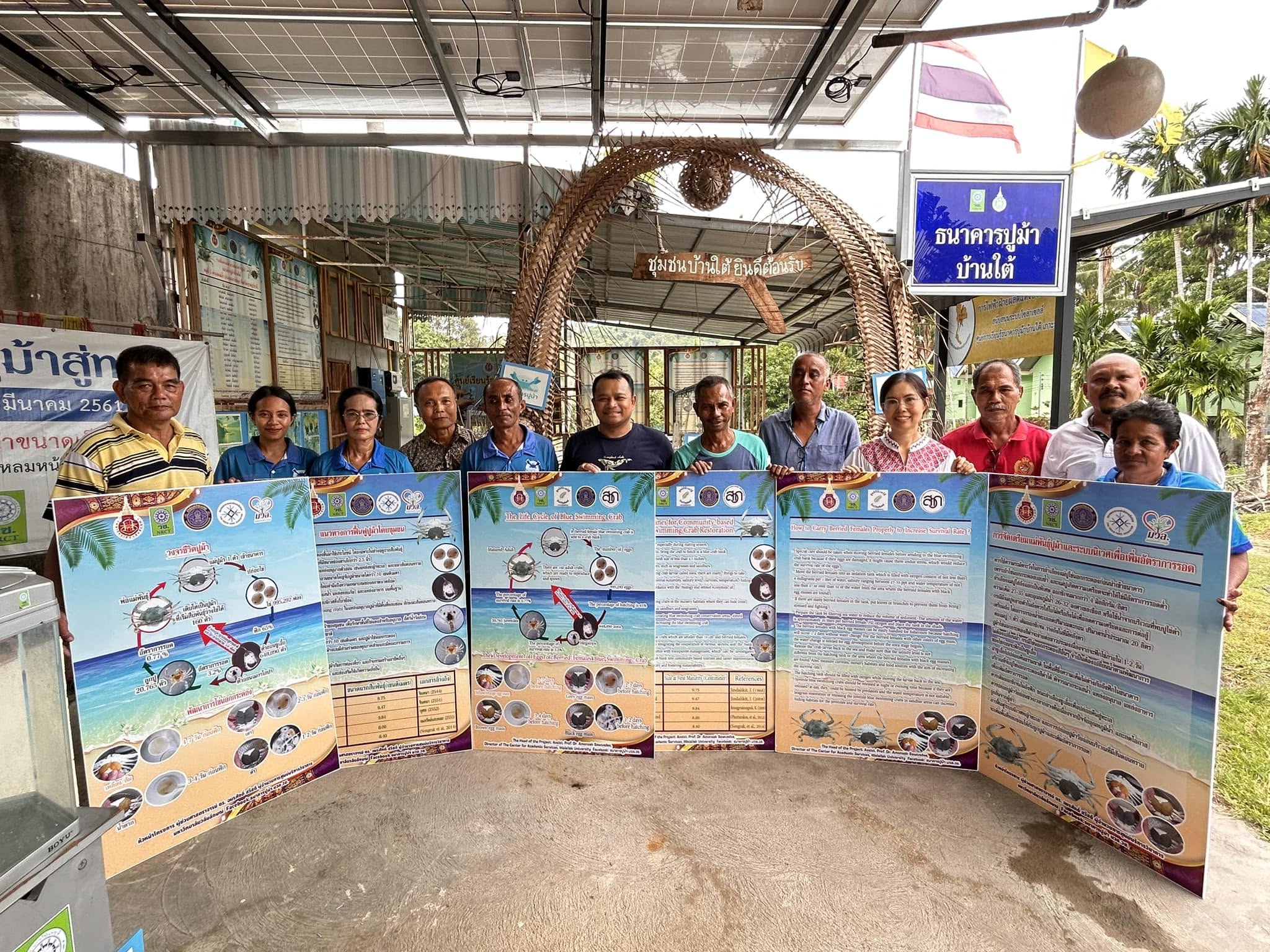
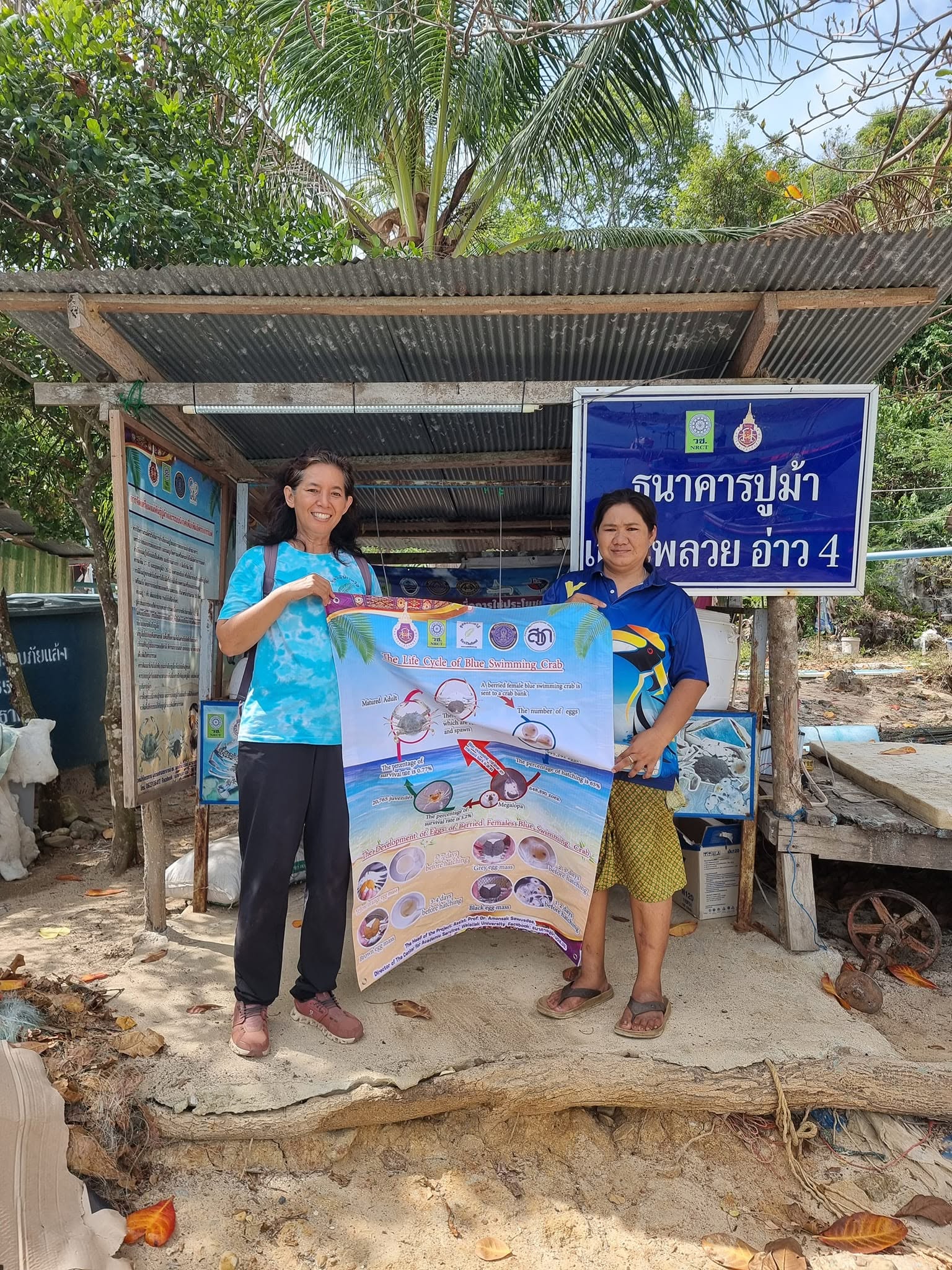
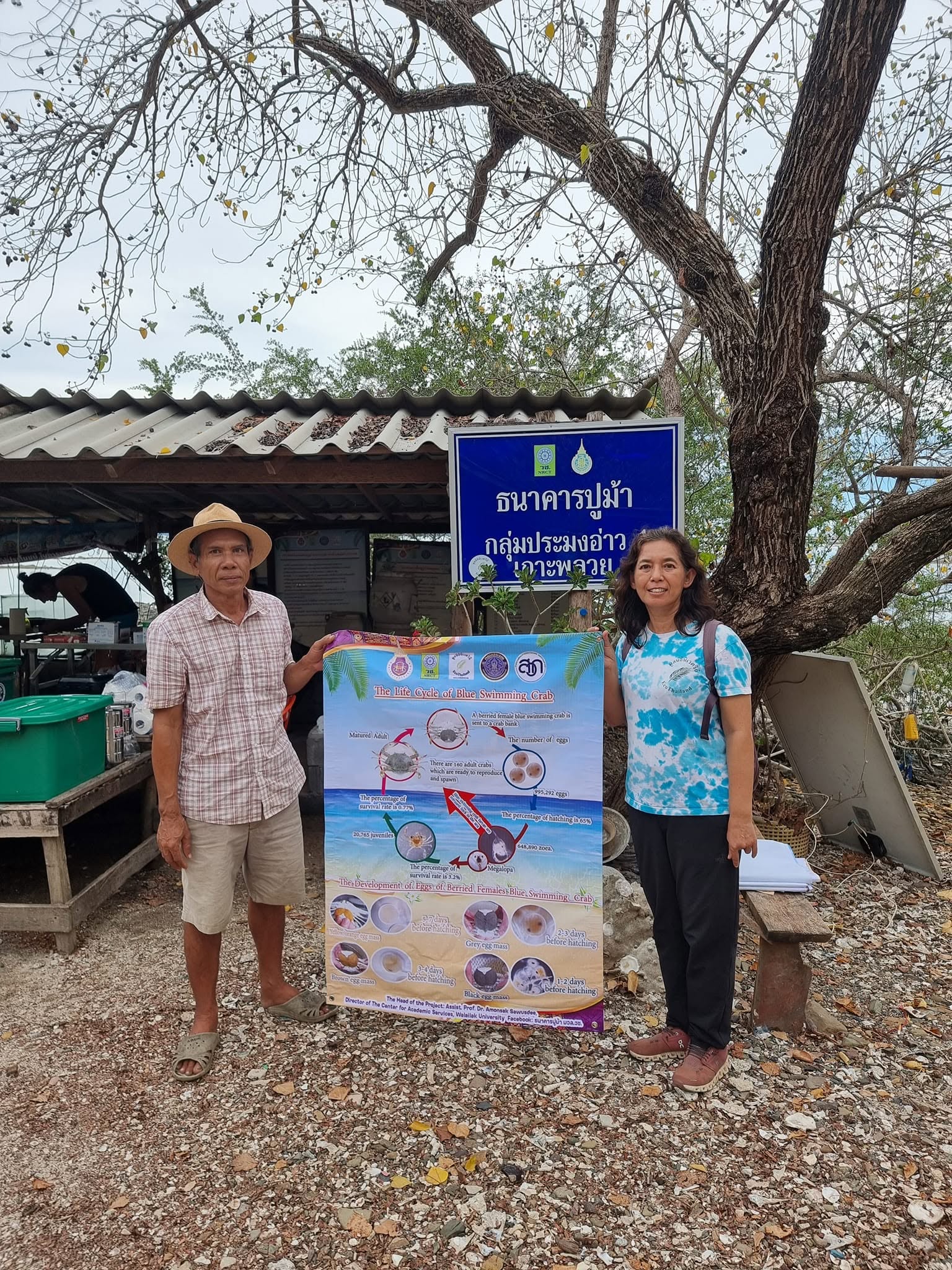
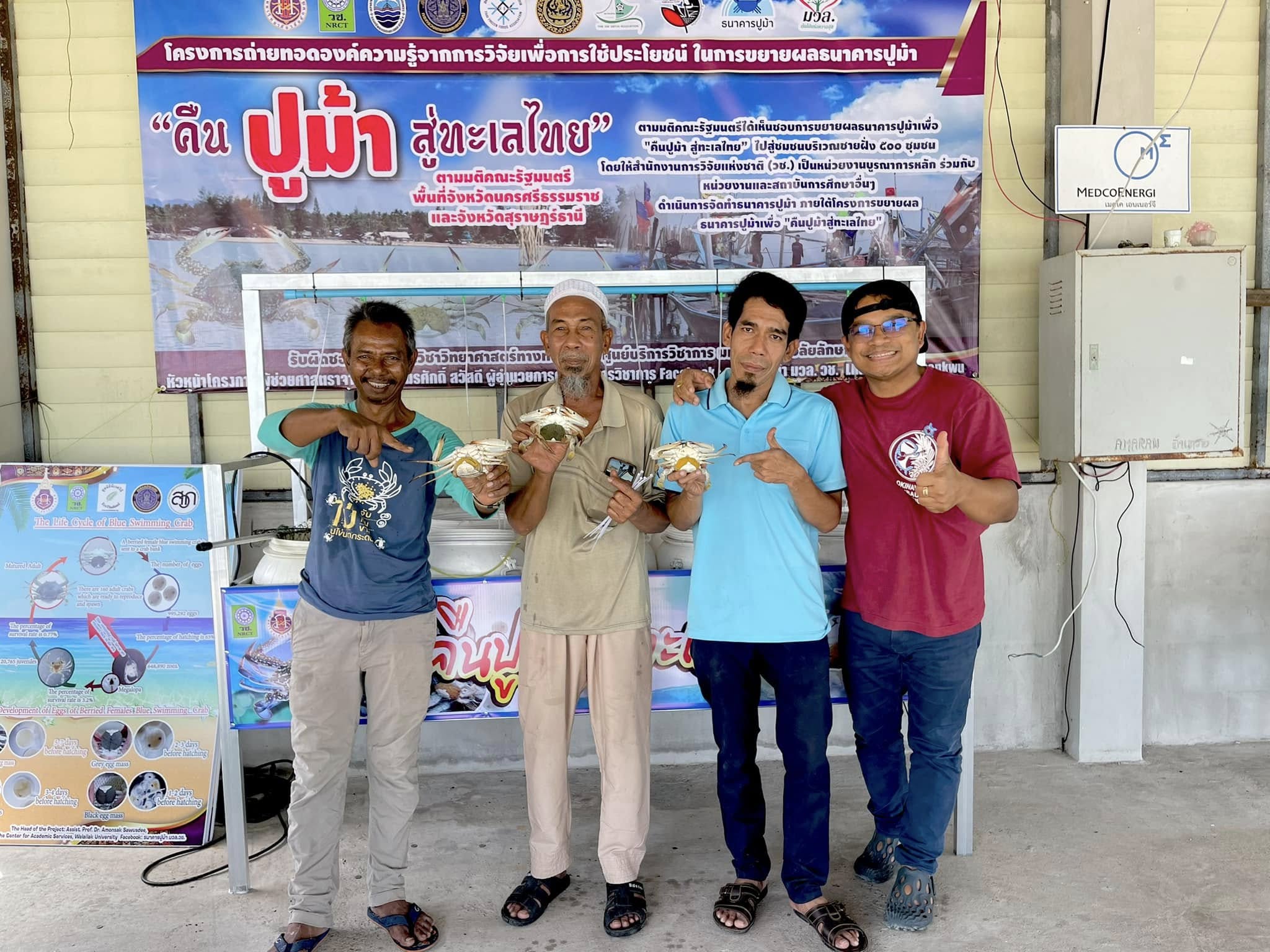
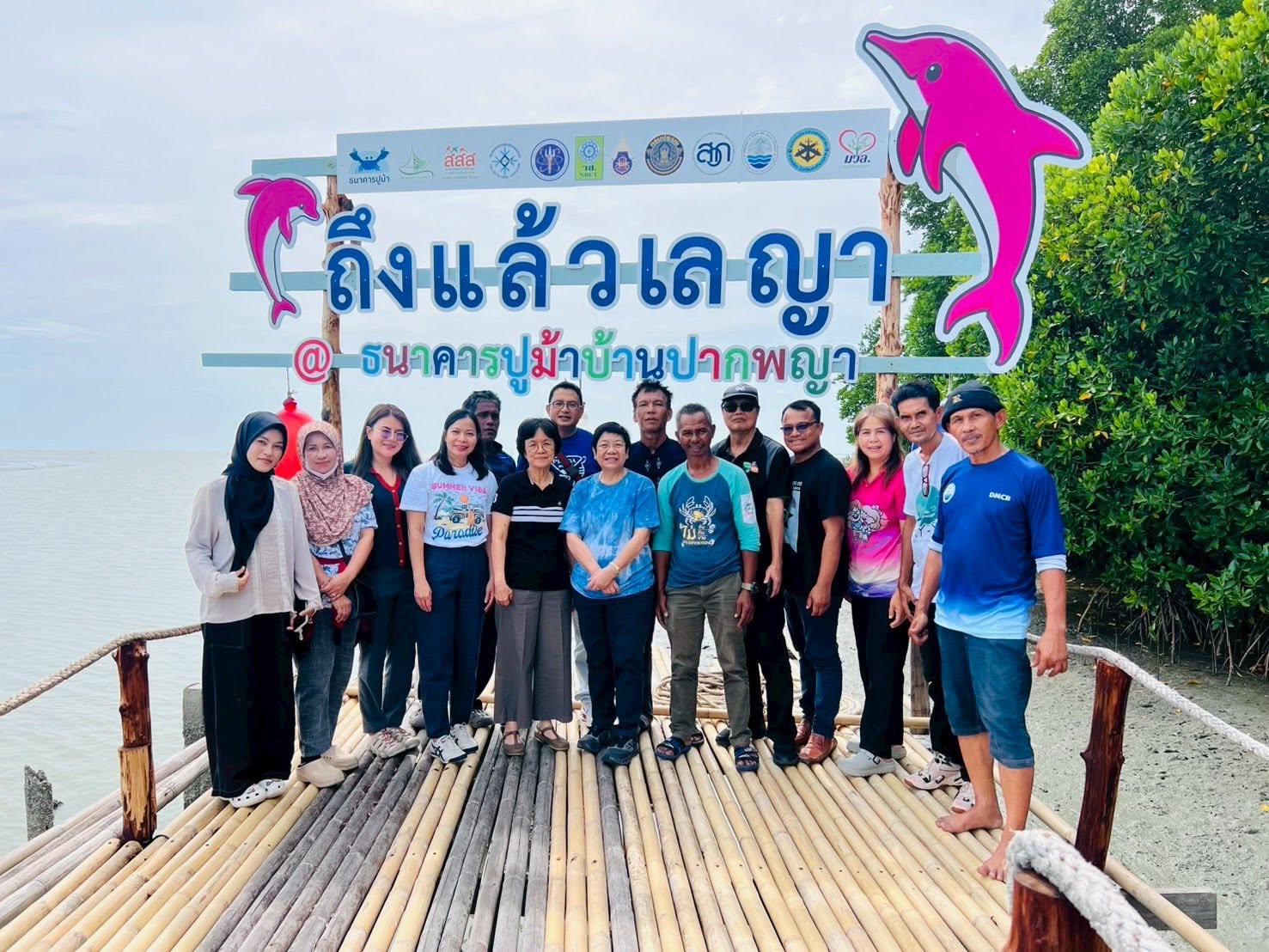
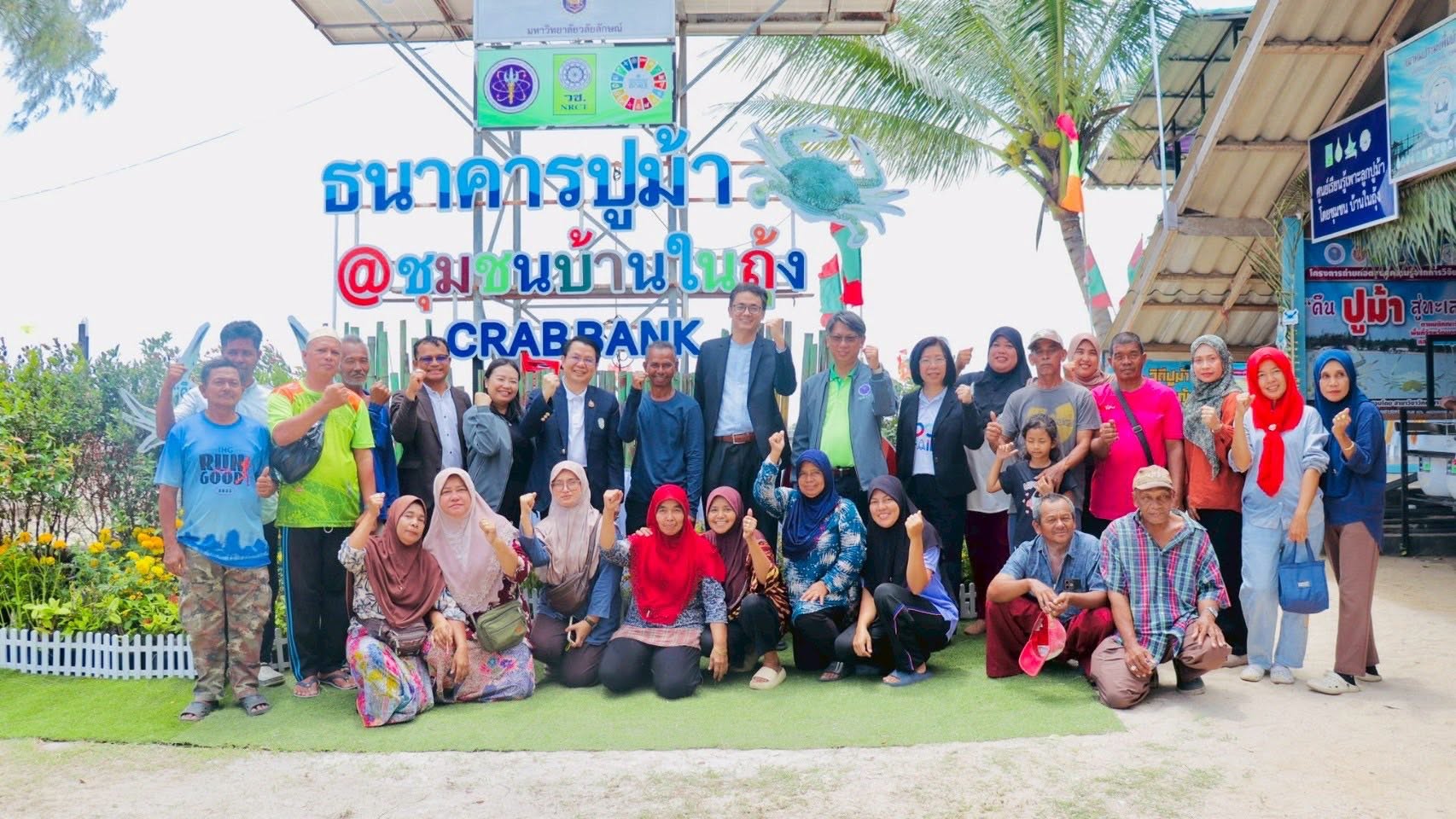
Since 2018, Walailak University (WU) has implemented the Blue Swimming Crab Bank Project, supported by Thailand’s National Research Council of Thailand (NRCT) through funding for research promotion and support activities. The project aims to restore blue swimming crab resources by increasing the number of juvenile crabs returned to their natural habitats. As blue swimming crabs are an important economic resource for Thailand’s domestic seafood market and international exports, maintaining healthy natural populations is essential for both marine conservation and the sustainability of coastal fisheries. The project operates in Nakhon Si Thammarat and Surat Thani provinces, bringing together coastal communities, local fishers, academic institutions, government agencies, and other stakeholders to strengthen collaborative fisheries management.
A central feature of the project is the establishment of community-based blue swimming crab banks, which provide a practical means of conserving crab populations while promoting responsible resource use. Because fishing gear may capture egg-bearing female crabs, including those carrying eggs externally, fishers can bring these crabs to community-managed facilities, where their eggs are allowed to hatch under appropriate conditions. The resulting larvae and juvenile crabs are subsequently released into the sea, supporting the replenishment of natural populations. This approach turns an unavoidable challenge in fishing operations into an opportunity for conservation, allowing coastal communities to participate directly in restoring a commercially valuable aquatic species rather than relying exclusively on harvesting existing wild populations.
The project also provides free knowledge transfer, practical training, and opportunities for community participation in aquatic resource management. Its activities include establishing crab banks in suitable locations where communities have expressed a need for conservation support, developing community learning centres, sharing knowledge about blue swimming crab biology and restoration techniques, training participants in rearing larvae at the zoea stage and developing young crabs, and organizing activities to release juvenile crabs into the sea. Through these activities, fishers and residents develop practical skills in crab reproduction, hatchery management, resource conservation, and community-based fisheries restoration. The learning centres also enable knowledge and experience to be shared with neighbouring communities, helping extend good aquatic stewardship practices beyond the original project sites.
These educational and technical benefits serve as non-financial incentives for communities to adopt and maintain better aquatic management practices. By gaining access to conservation knowledge, practical training, and the technical support needed to operate crab banks, local fishers can strengthen their capacity to protect breeding populations and contribute to the recovery of natural crab stocks. Healthier crab populations can, in turn, create opportunities for more sustainable fishing yields and improved livelihoods over time, provided that harvesting remains within ecologically sustainable limits. The project therefore links conservation with the long-term economic interests of fishing communities, encouraging residents to recognize that protecting aquatic resources can support their livelihoods rather than simply restrict their access to marine resources.
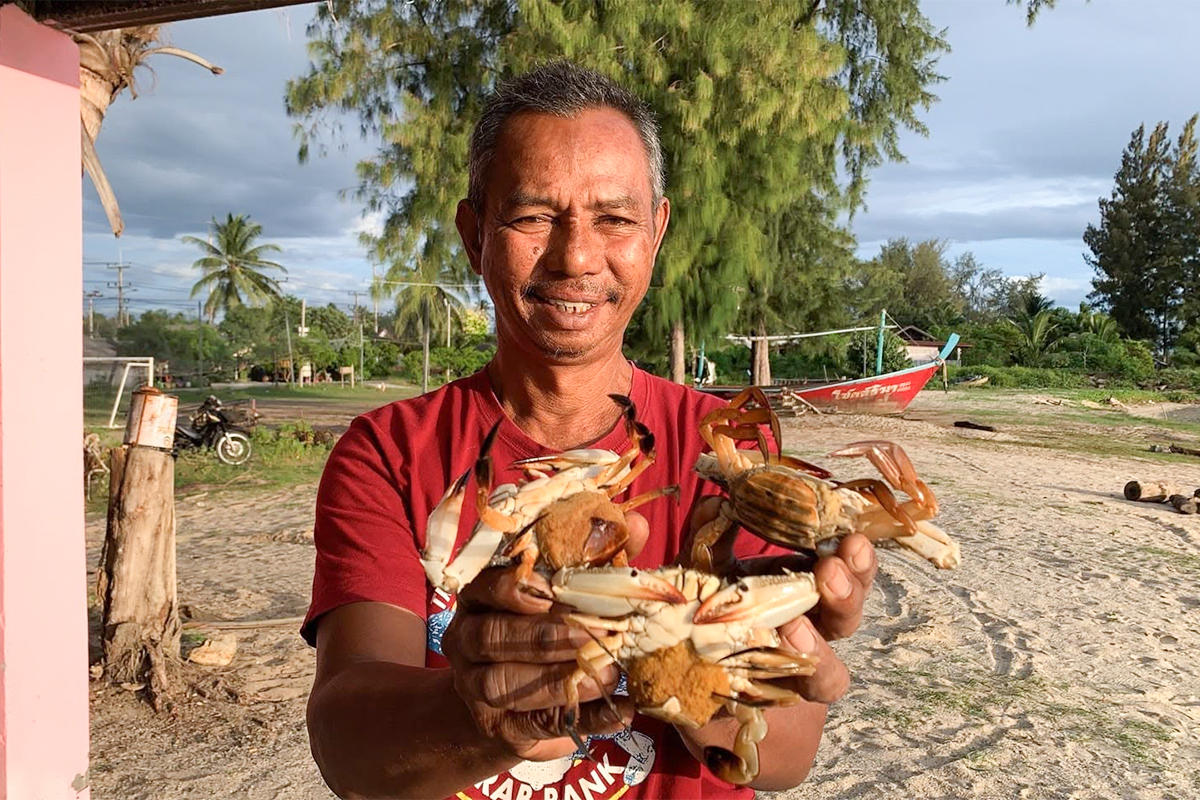
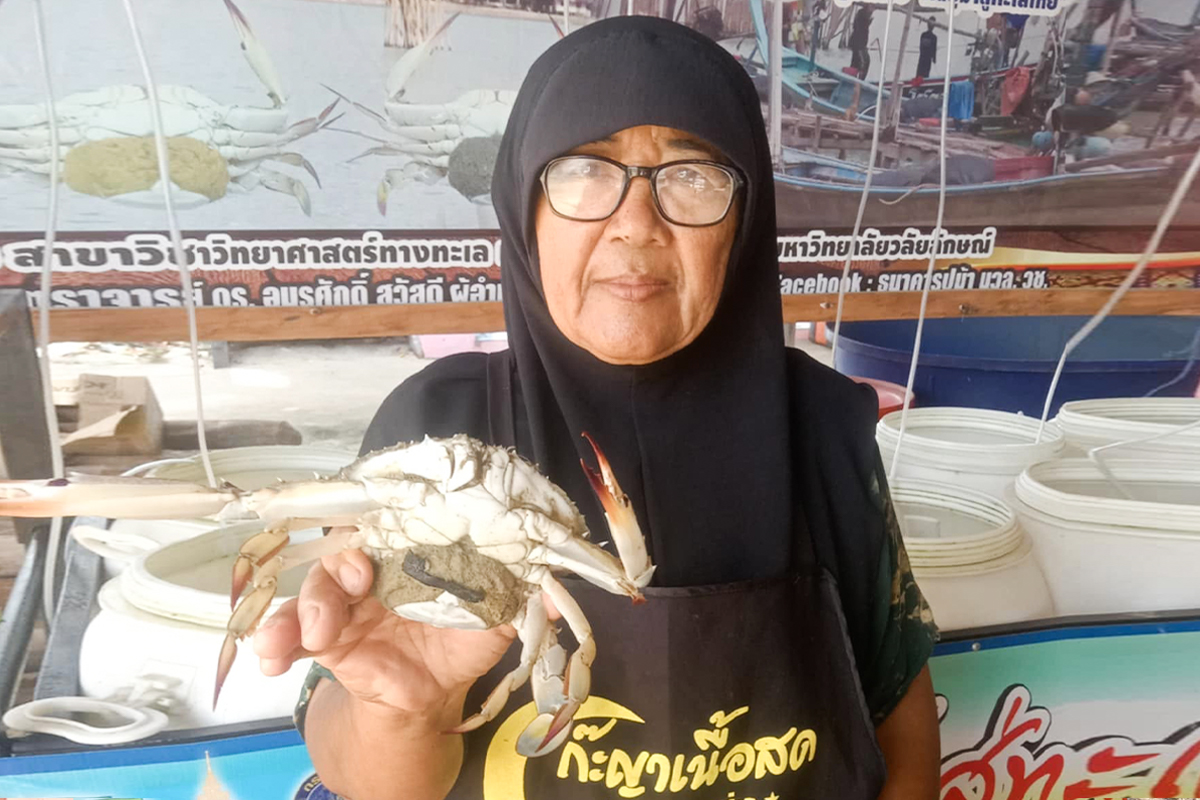
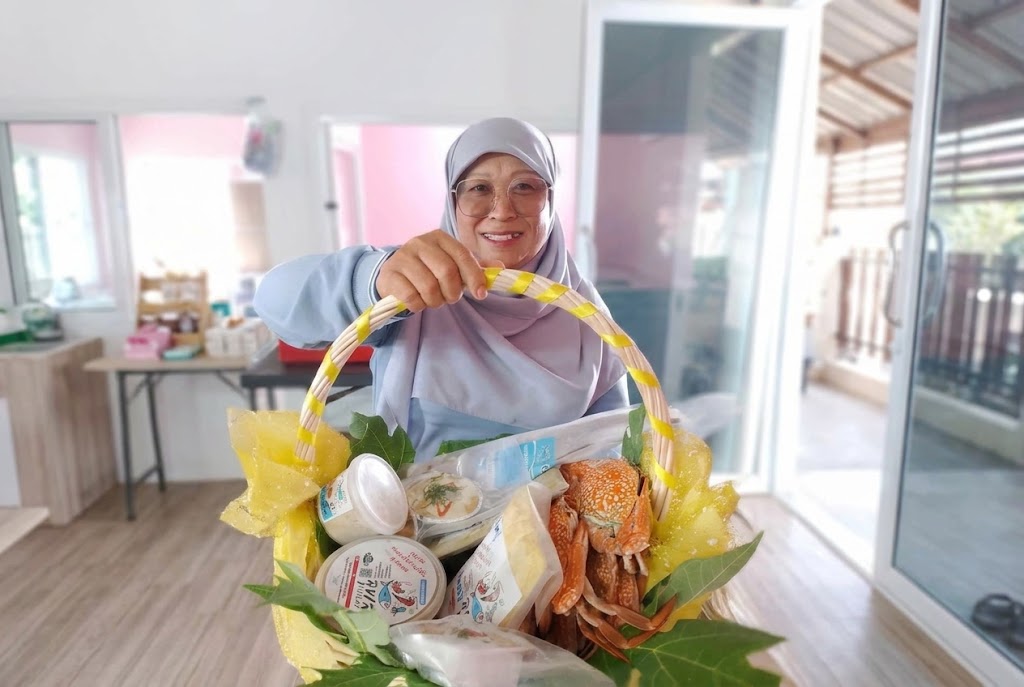
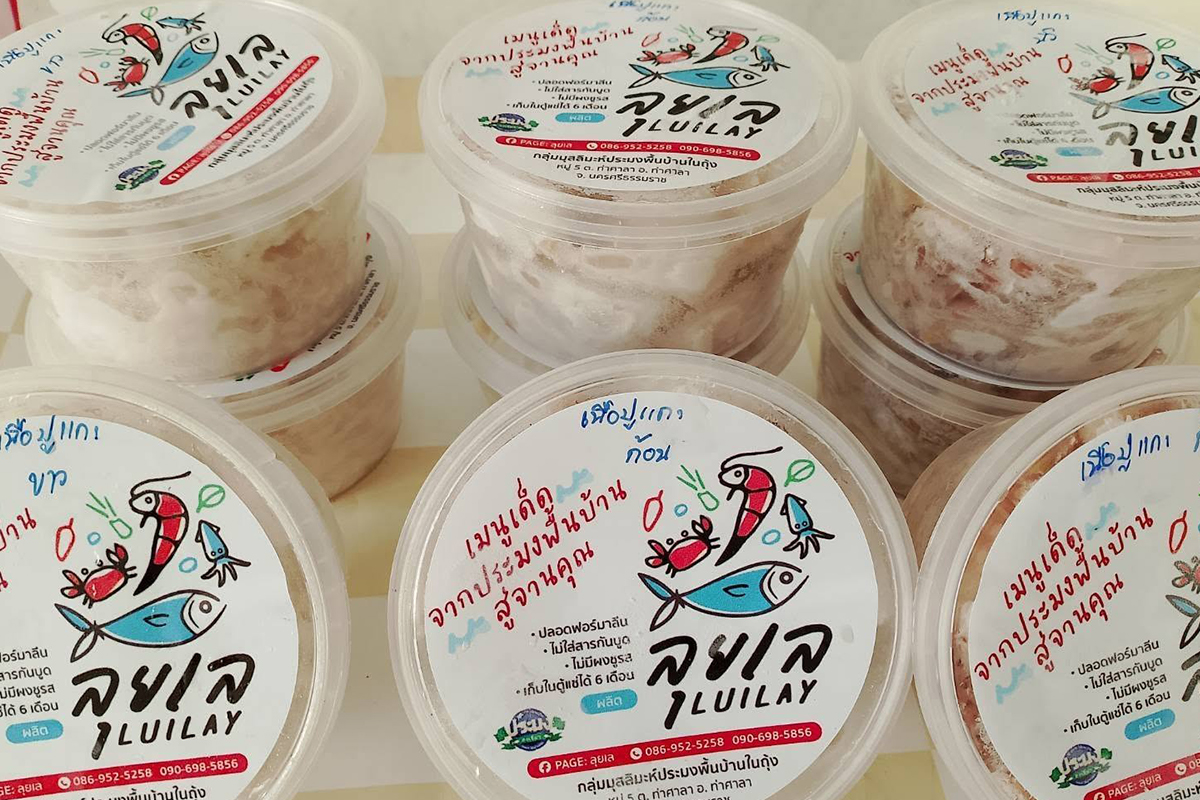
The Blue Swimming Crab Bank Project also encourages broader stewardship of coastal and marine ecosystems. By developing community networks and promoting shared responsibility for resource conservation, the initiative supports complementary activities such as establishing community aquatic conservation zones, restoring seagrass and mangrove habitats, creating fish shelters, and protecting other economically and ecologically important coastal species, including mangrove crabs, mud crabs, mussels, and clams. These activities can help preserve habitats, provide shelter and breeding areas for aquatic organisms, and maintain the ecological relationships that support productive coastal environments. Such complementary conservation measures also demonstrate the importance of managing aquatic ecosystems as interconnected systems rather than focusing exclusively on a single commercial species.
In addition to its environmental objectives, the project seeks to strengthen community capacity and promote economic resilience. Its reported outcomes include the development of five recognized model community learning centres and the training of at least 30 community knowledge holders, innovators, and researchers. By building local expertise and encouraging collaboration among universities, coastal communities, public agencies, and private-sector partners, the project helps establish a foundation for the continued management and replication of community-based conservation initiatives. More sustainable fisheries may also create opportunities for complementary coastal livelihoods, including marine ecotourism, local seafood businesses, and community-based accommodation, potentially diversifying income sources and reducing dependence on intensive harvesting alone.
To support continued improvement, participatory monitoring and diagnostic assessments can help communities and project partners identify changes in crab populations, evaluate the effectiveness of hatchery and release activities, assess fishing pressures, and determine where habitat restoration or additional conservation measures are needed. Monitoring catch trends, juvenile survival, community participation, and habitat conditions can provide evidence for refining management practices and maintaining the effectiveness of the programme. This adaptive approach helps ensure that conservation activities respond to changing environmental conditions and community needs, while supporting the responsible use of marine resources.
Through the Blue Swimming Crab Bank Project, WU demonstrates how research, education, community participation, and practical conservation benefits can encourage and maintain good aquatic stewardship practices. By enabling local communities to participate in restoring blue swimming crab populations, acquire valuable management skills, protect coastal habitats, and pursue more sustainable livelihoods, the project connects marine conservation with long-term community well-being. Its collaborative approach supports the replenishment of aquatic resources, the preservation of biodiversity, and the development of more resilient coastal fisheries, contributing to the sustainable management of marine ecosystems for present and future generations.
Walailak University Encourages Good Aquatic Stewardship Through Community-Based Marine Conservation and Waste Management
Marine and coastal ecosystems are essential for maintaining biodiversity, supporting fisheries, providing food resources, and sustaining coastal livelihoods. However, marine debris, plastic pollution, improperly discarded fishing gear, and other human activities can threaten aquatic organisms, degrade marine habitats, and undermine the long-term sustainability of marine resources. Encouraging good aquatic stewardship is therefore essential to protecting ocean health while ensuring that marine resources remain available for future generations. Providing accessible environmental education, practical conservation opportunities, and community-based support can encourage people to adopt and maintain responsible waste management practices and contribute to the sustainable use of aquatic resources.
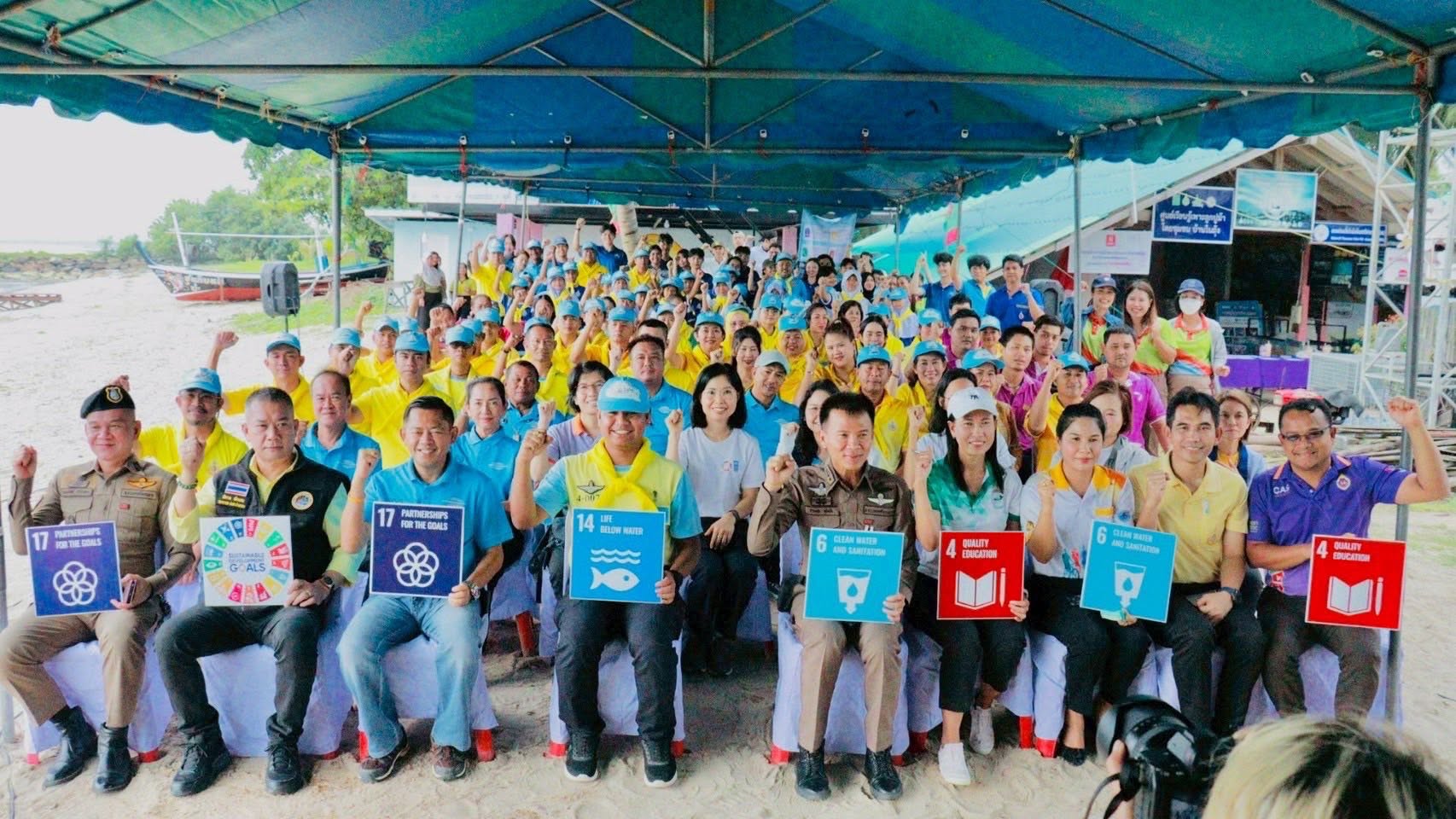
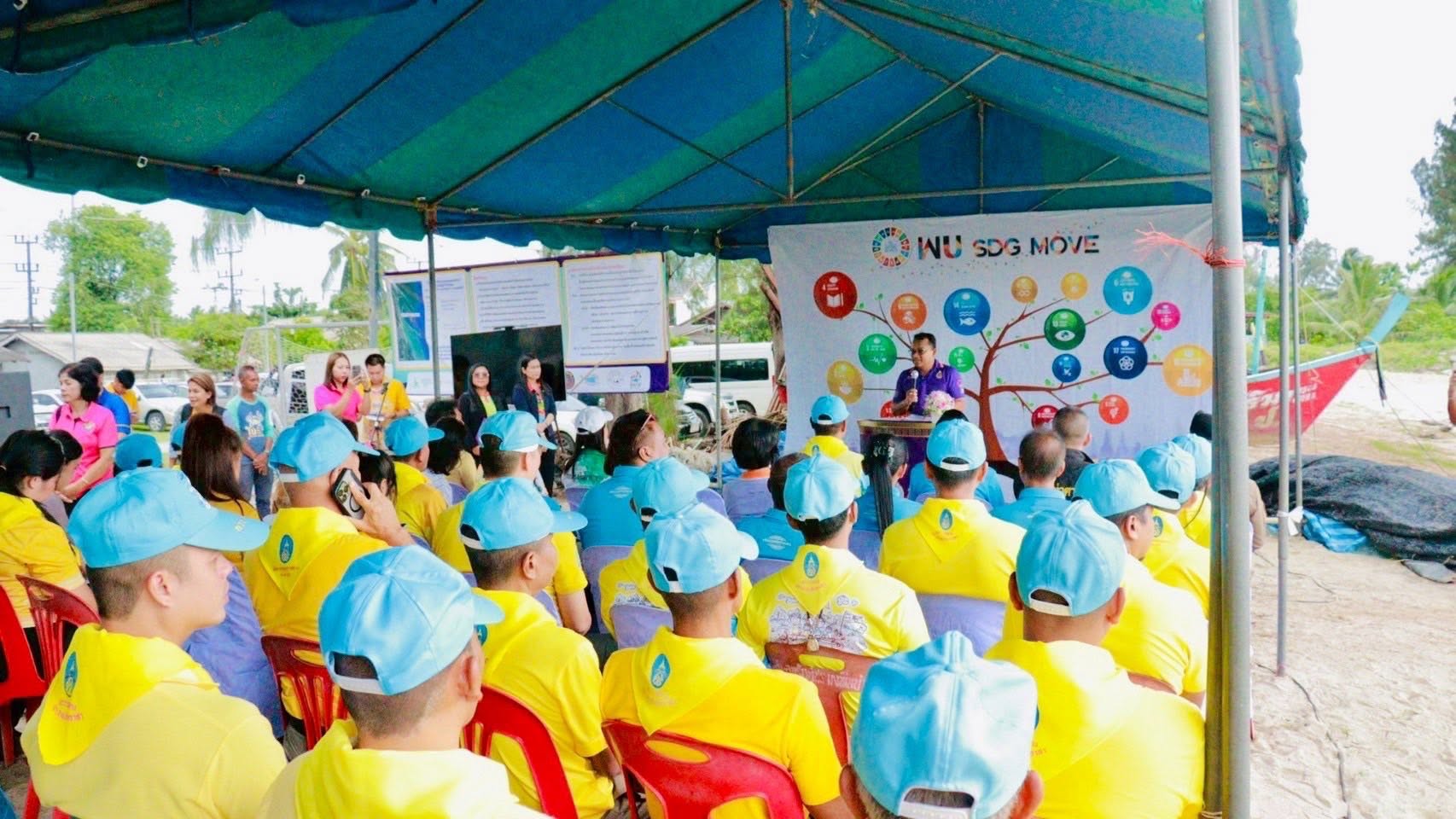
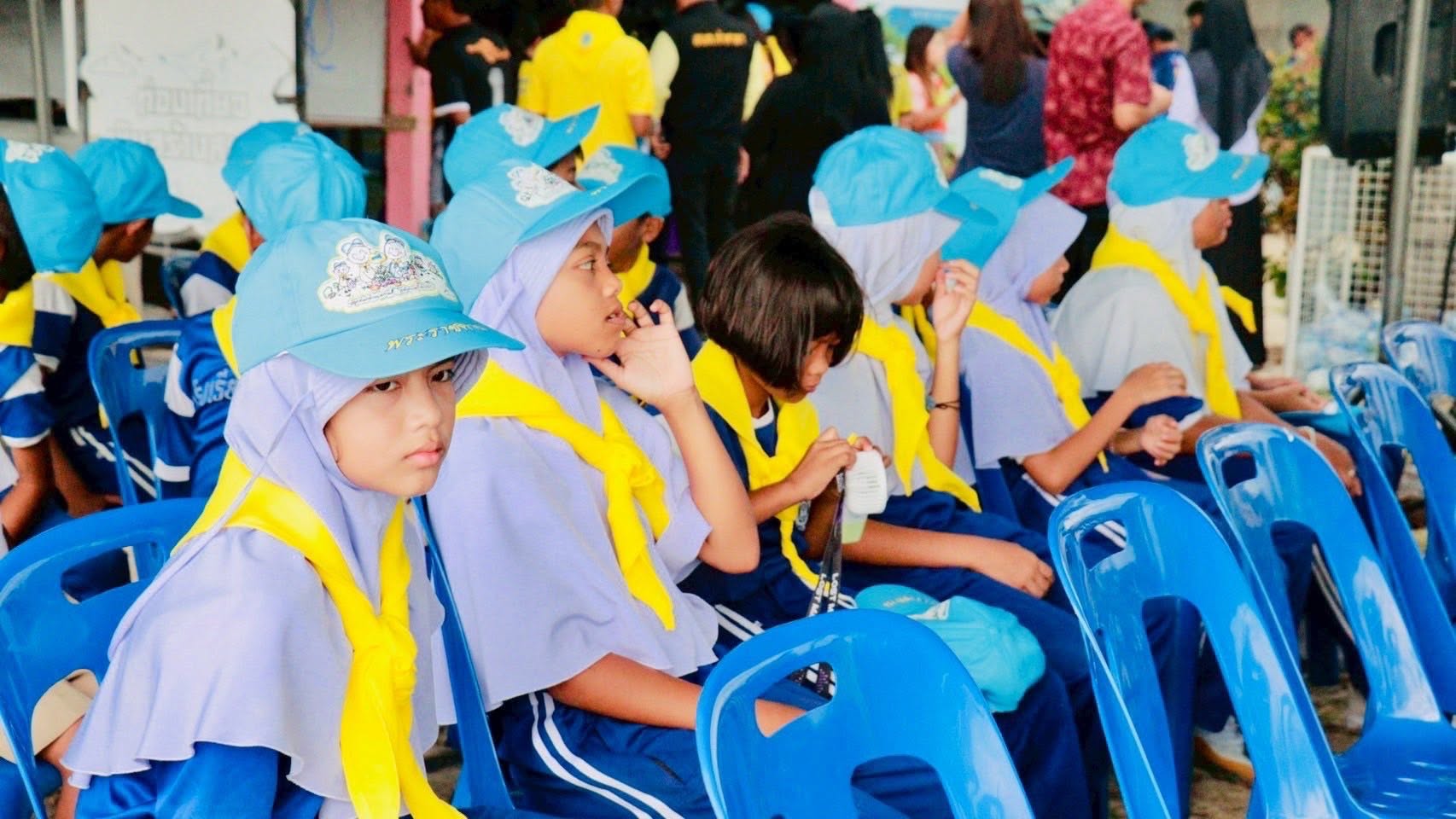
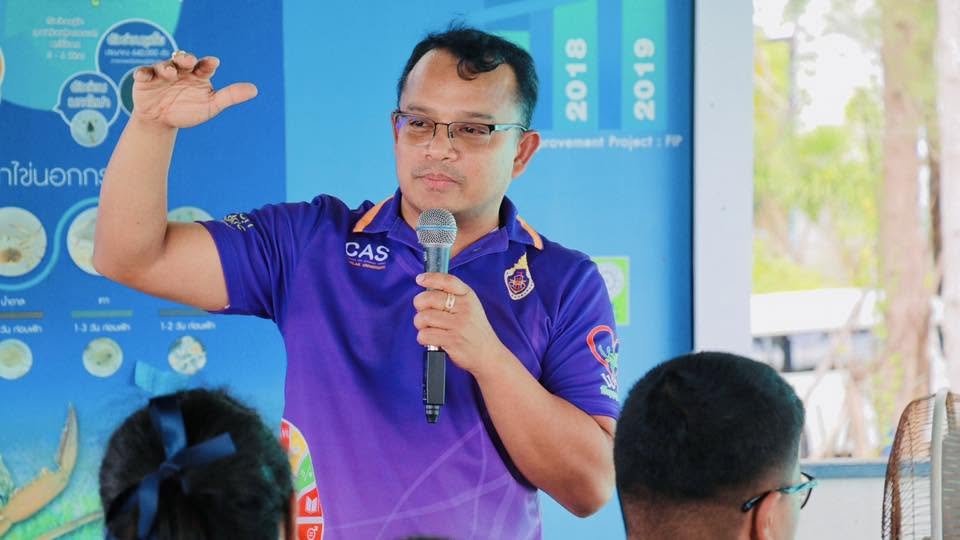
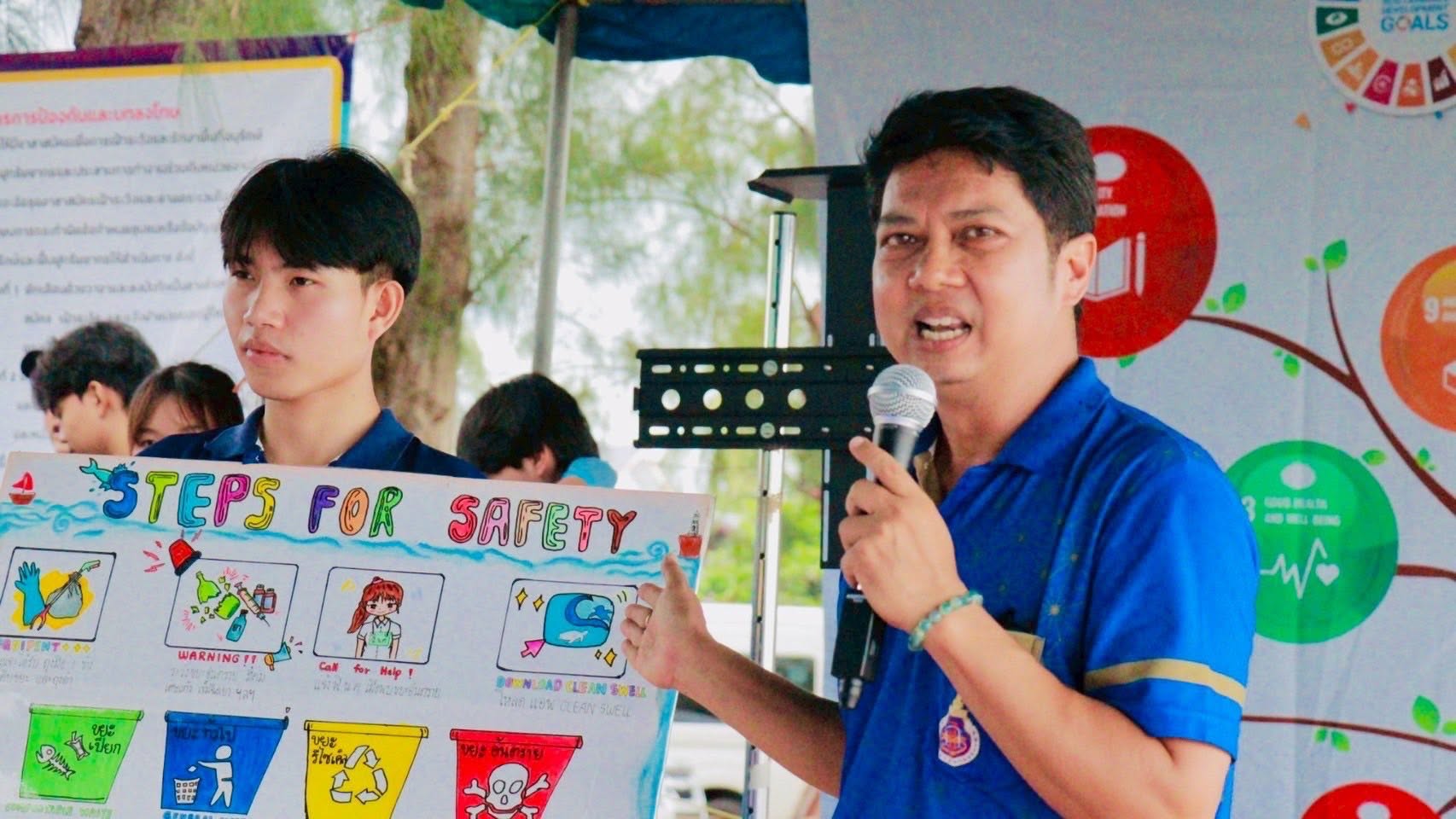

Walailak University (WU) promotes good aquatic stewardship through community-based marine conservation activities at the Ban Nai Thung Blue Swimming Crab Bank Center. The initiative brings together students, local residents, fishing communities, and members of the public to participate in practical coastal conservation and environmental education. Through these activities, WU encourages participants to understand the relationship between responsible human activities, marine pollution prevention, and the conservation of aquatic ecosystems. By connecting marine waste management with the sustainable utilisation of marine resources, the university supports community participation in protecting coastal environments and maintaining the ecological conditions on which local fisheries and livelihoods depend.
A key component of the programme is the collection of marine debris and waste from coastal areas surrounding the Blue Swimming Crab Bank Center. More than 100 participants, including school students, university students, local residents, and members of the public, took part in beach-cleaning activities that provided direct experience of the types of waste accumulating along the coastline. Participants learned how improperly managed waste can be transported through waterways and eventually enter the sea, where it may threaten marine organisms and damage aquatic habitats. The activity encouraged participants to take greater responsibility for preventing pollution at its source while contributing directly to the removal of existing debris from the coastal environment.
The programme also provides practical education on waste separation, recycling, and responsible waste disposal. Participants learned to distinguish recyclable materials from general waste and other materials requiring appropriate disposal. Through hands-on activities, they gained knowledge of how collected waste can be managed more effectively and how recycling can reduce the amount of waste entering rivers, coastal areas, and marine environments. These educational opportunities serve as a non-financial benefit that encourages participants to develop environmentally responsible habits and apply waste management practices in their homes, schools, workplaces, and communities. By equipping participants with practical knowledge rather than focusing solely on waste collection, WU seeks to encourage continued engagement in marine pollution prevention beyond the event itself.
Another important aspect of the programme is raising awareness of the relationship between marine debris and aquatic biodiversity. Participants learned how plastic pollution, discarded materials, and abandoned or improperly disposed fishing gear can endanger marine animals and degrade coastal habitats. The activities highlighted the importance of maintaining clean marine environments to protect aquatic organisms and preserve the ecological conditions necessary for healthy fisheries. By connecting waste management with marine ecosystem conservation, WU encourages participants to recognise that sustainable utilisation of marine resources depends not only on responsible harvesting but also on preventing pollution and protecting the habitats that support aquatic life.
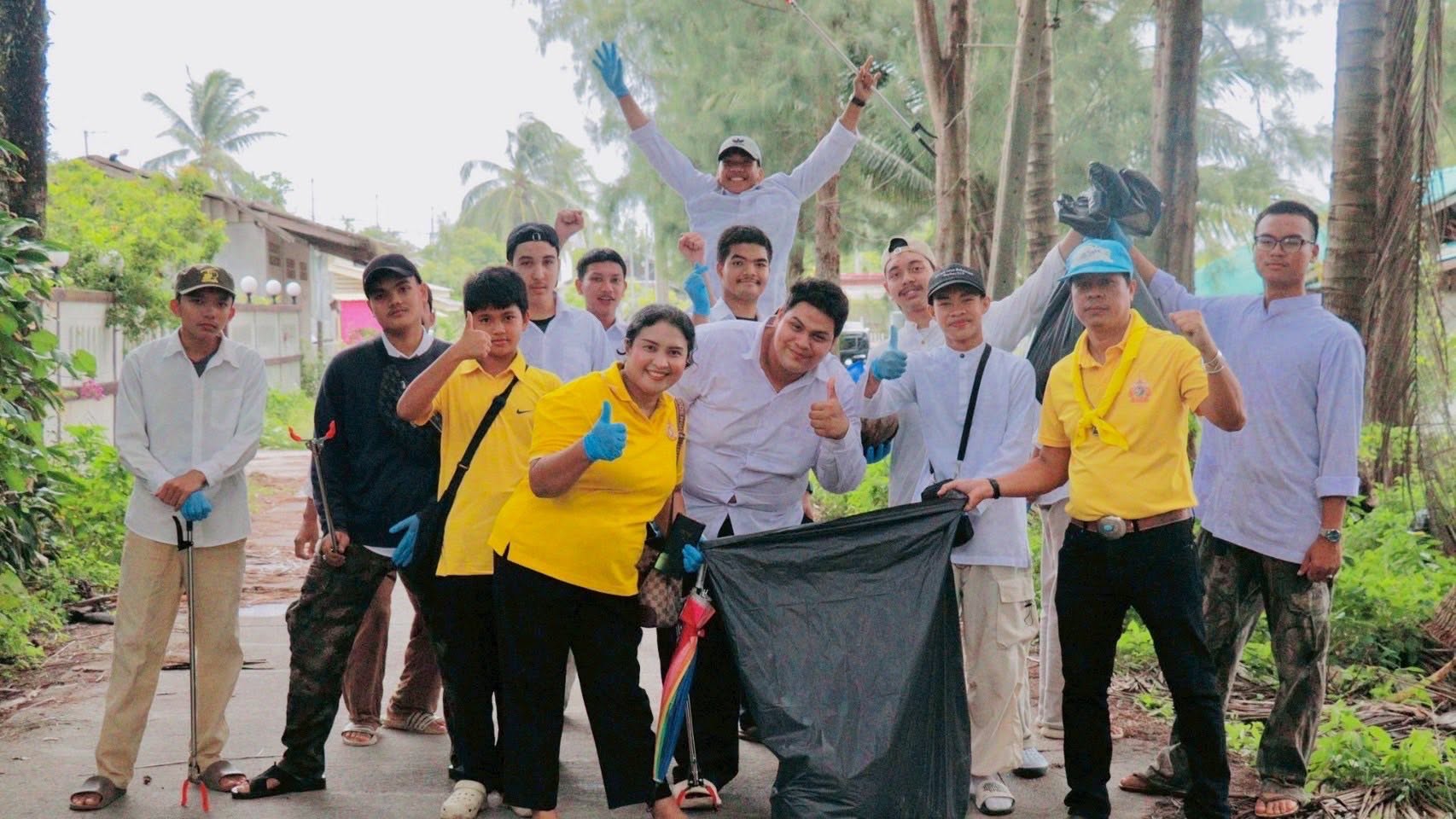
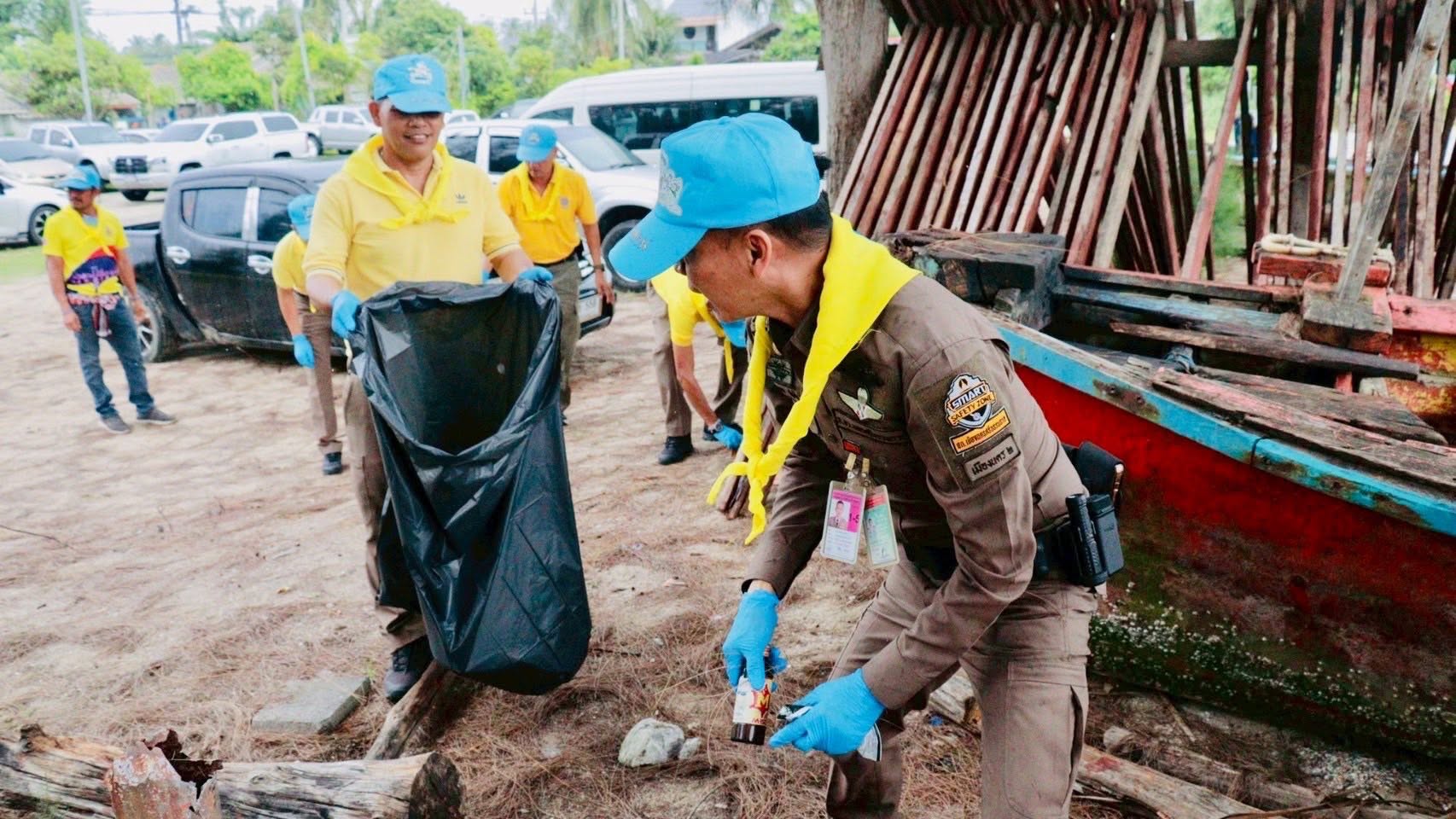
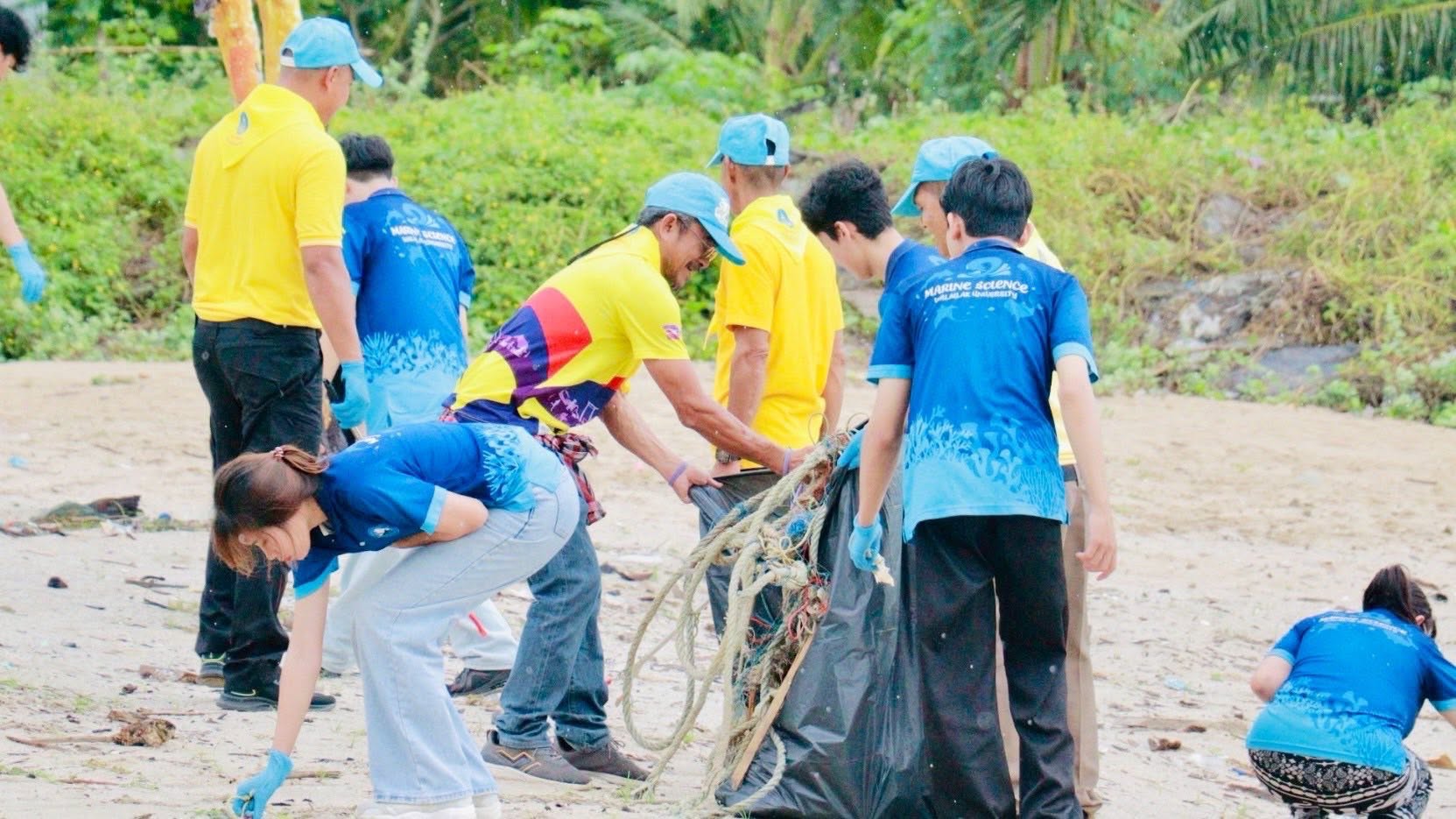
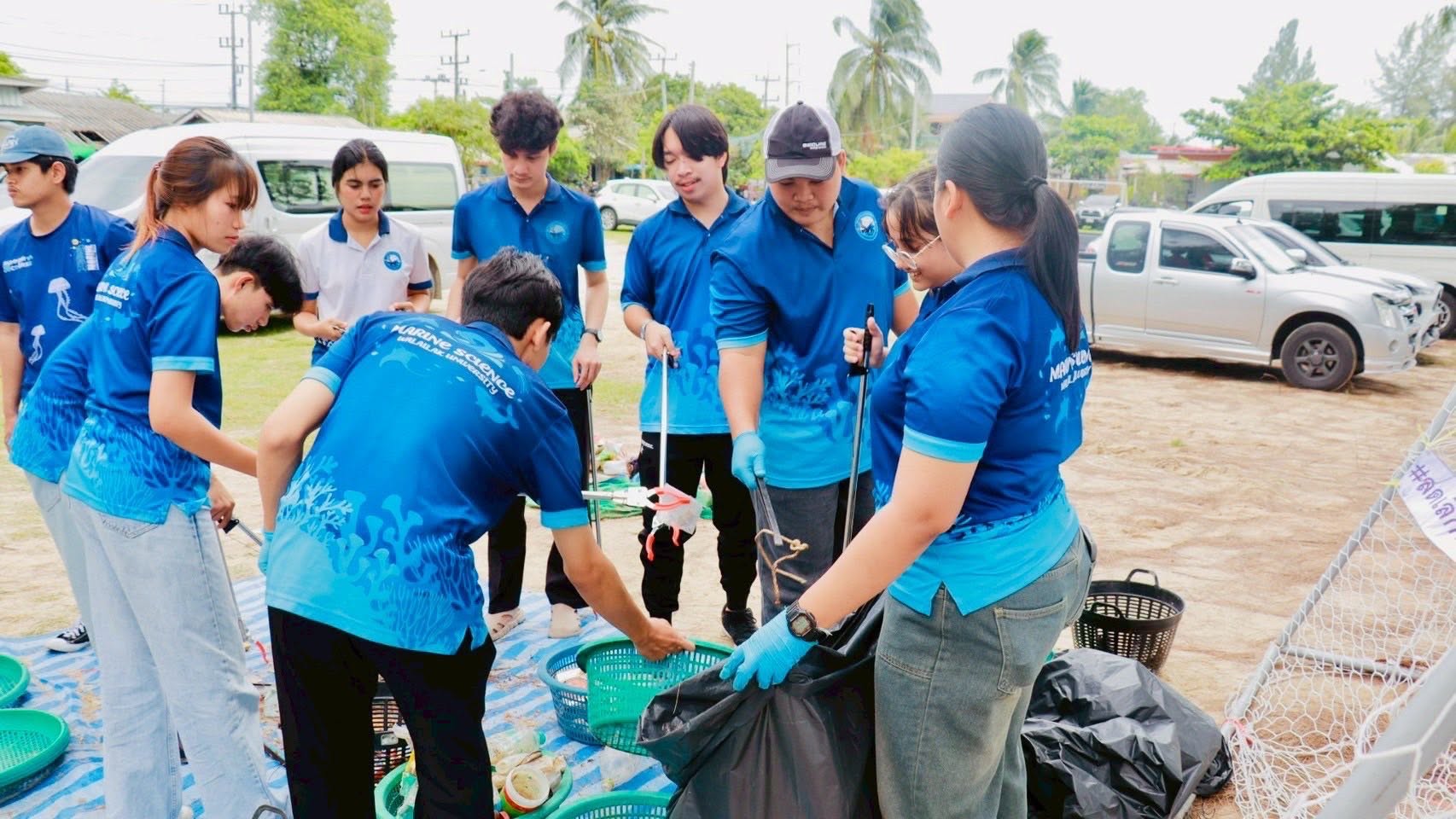
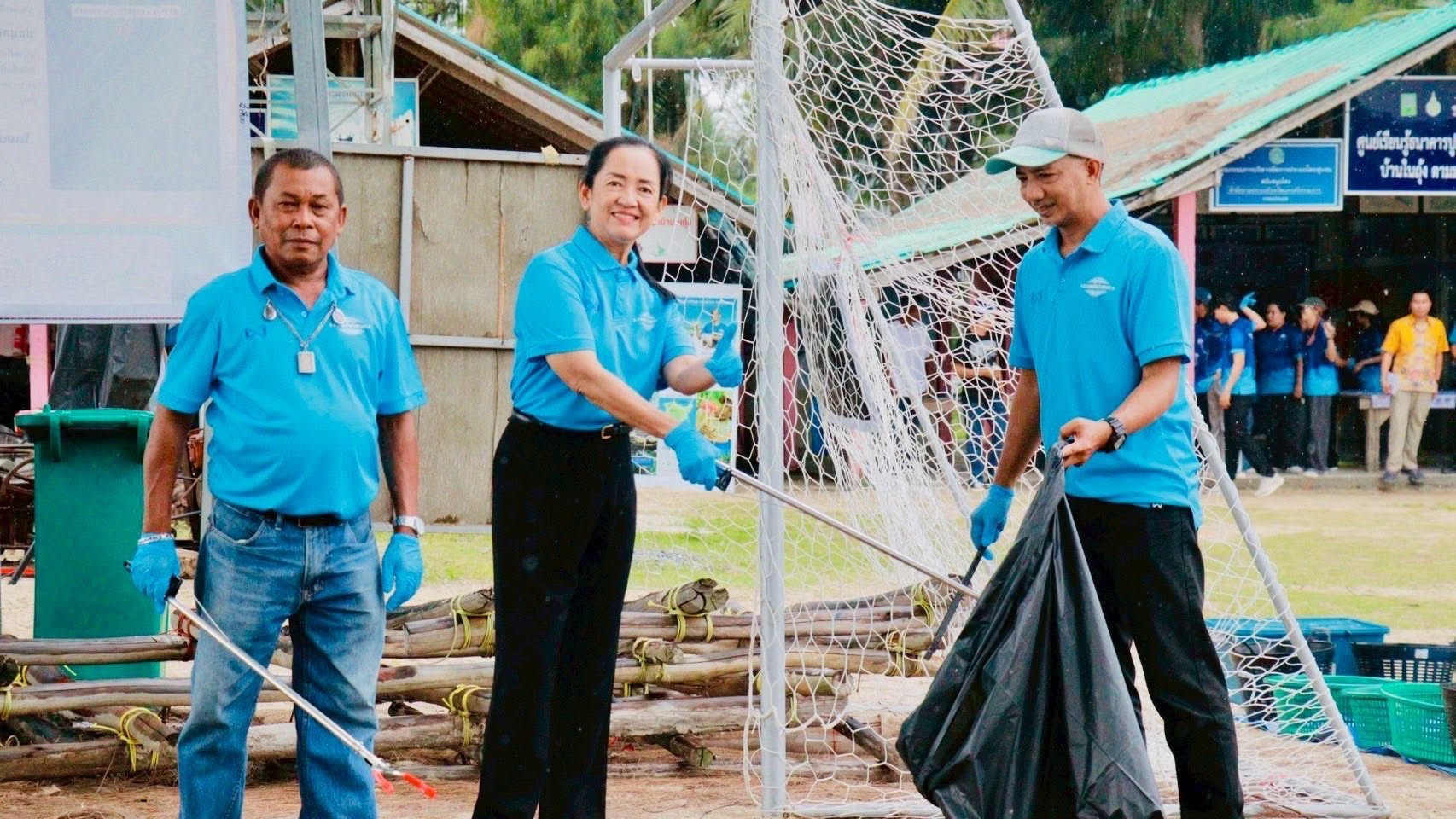
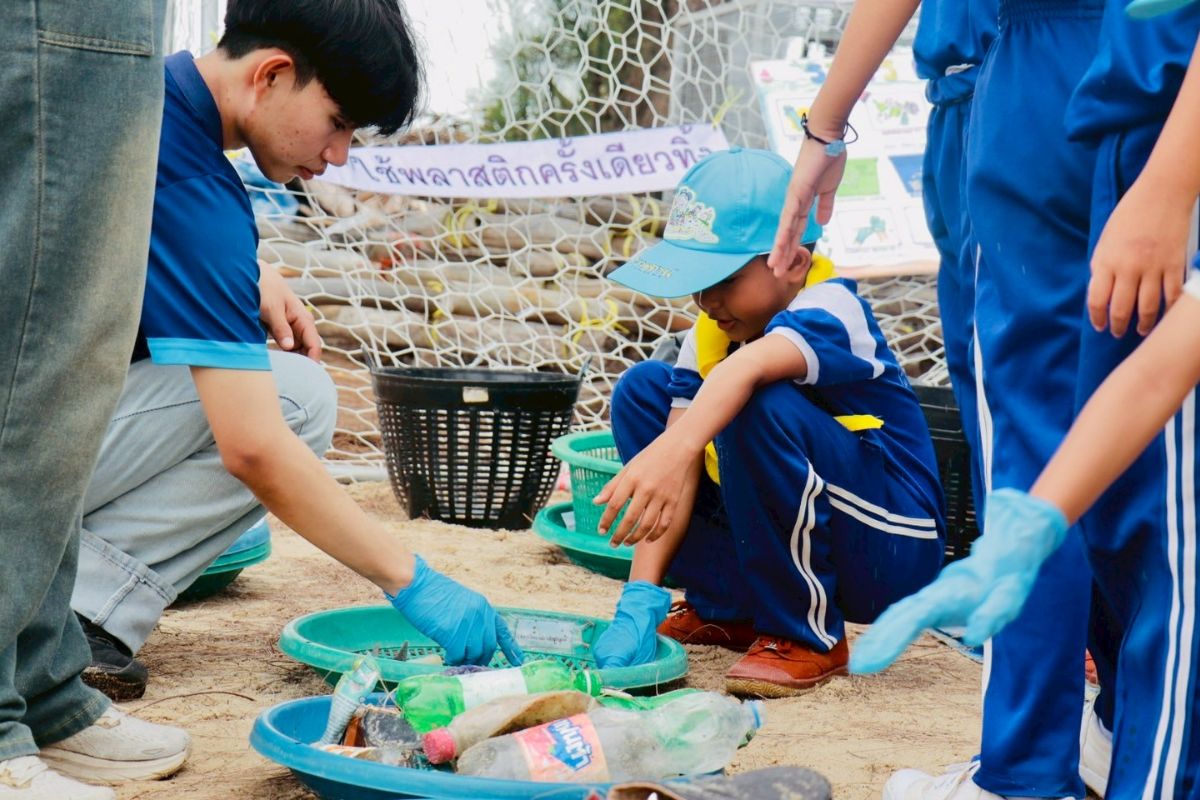
The initiative further promotes responsible fishing practices and sustainable coastal tourism. Participants were encouraged to understand the importance of properly handling and disposing of fishing gear, preventing fishing-related waste from entering the sea, and avoiding activities that could damage marine habitats. Awareness activities also highlighted the responsibility of beach visitors and tourists to minimise waste, use appropriate disposal facilities, and separate recyclable materials where possible. By engaging people from different backgrounds, the programme promotes shared responsibility among fishing communities, students, tourists, and the wider public for protecting marine ecosystems.
The programme’s educational and participatory approach helps encourage good aquatic stewardship by making conservation knowledge accessible and enabling participants to put that knowledge into practice. The opportunity to participate in coastal cleanup activities, learn waste separation techniques, and understand marine pollution prevention provides practical benefits that can motivate more responsible environmental behaviour. To support the maintenance of these practices over time, continued community engagement, recurring conservation activities, and follow-up environmental assessments can help reinforce learning and identify opportunities for further improvement. Diagnostic assessments of coastal waste accumulation and the types of debris collected can also help identify pollution sources, inform waste management priorities, and guide more targeted prevention measures.
Through community-based marine waste collection, recycling education, responsible fishing awareness, and coastal conservation activities, Walailak University demonstrates how practical learning and public participation can support good aquatic stewardship. By encouraging individuals and communities to prevent marine pollution, manage waste responsibly, and protect aquatic habitats, the initiative contributes to cleaner coastal environments and greater awareness of the need to conserve marine resources. These efforts support the development of a shared conservation ethic in which responsible daily practices complement broader marine restoration and fisheries management initiatives, helping safeguard aquatic biodiversity and the sustainable use of oceans and seas for present and future generations.
Walailak University Encourages Aquatic Stewardship Through Plastic Waste Recycling and Community Incentives
Marine pollution, particularly plastic waste, poses a significant threat to aquatic biodiversity, coastal habitats, and the sustainability of marine resources. Discarded plastic materials can enter rivers and oceans, where they may harm marine organisms, degrade habitats, and undermine the environmental quality of coastal communities. Encouraging good aquatic stewardship therefore requires not only collecting and reducing marine waste but also providing practical incentives that motivate people to adopt and maintain responsible waste management practices. By transforming discarded materials into useful products, communities can participate in pollution prevention while creating additional economic value from resources that would otherwise become waste.
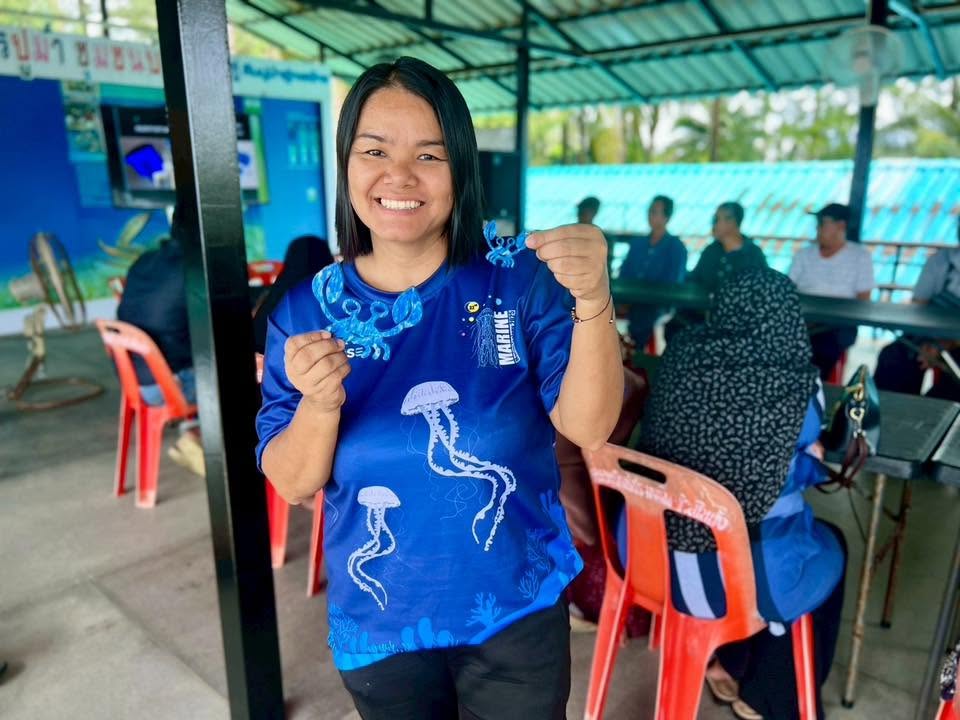
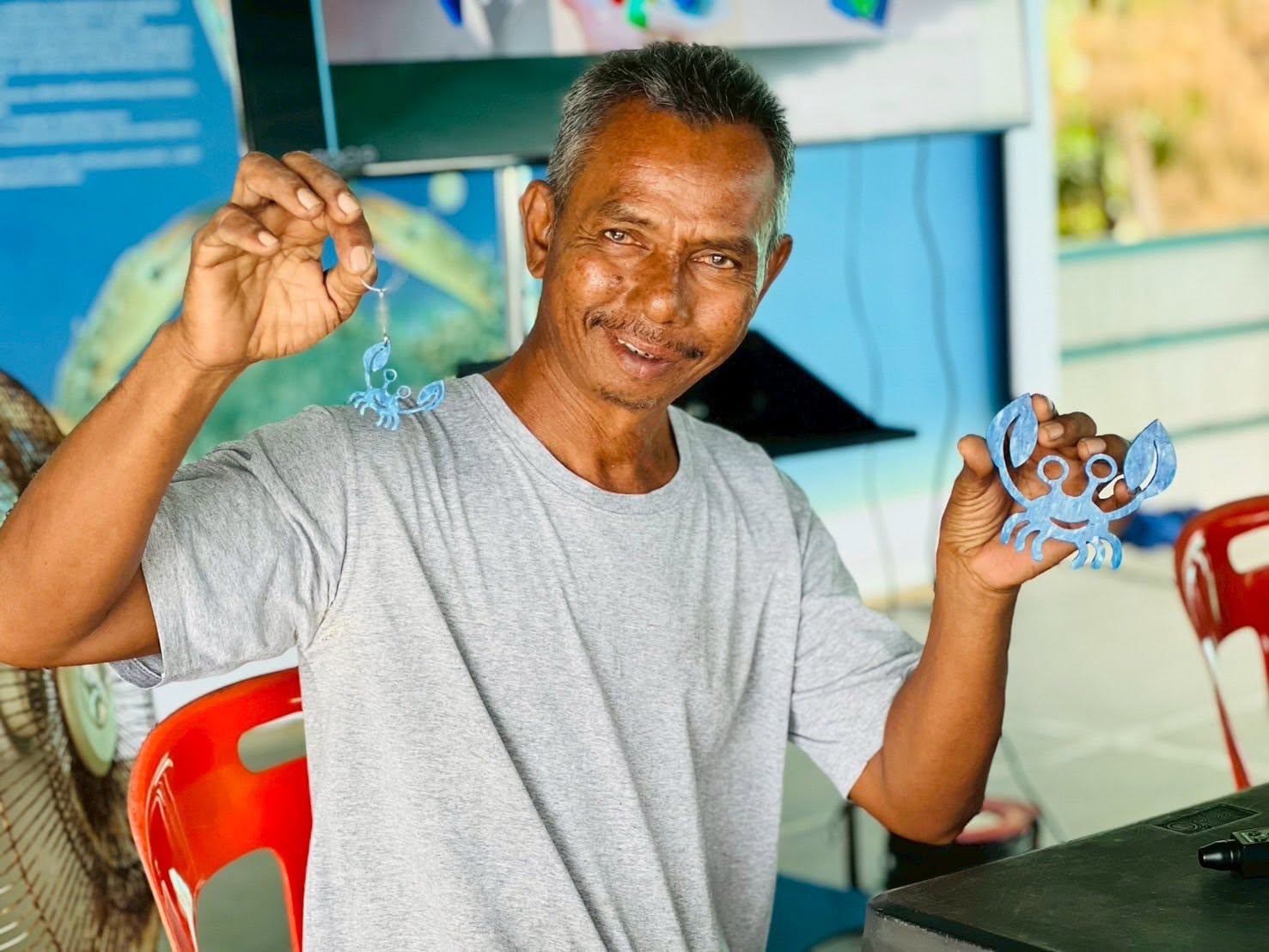
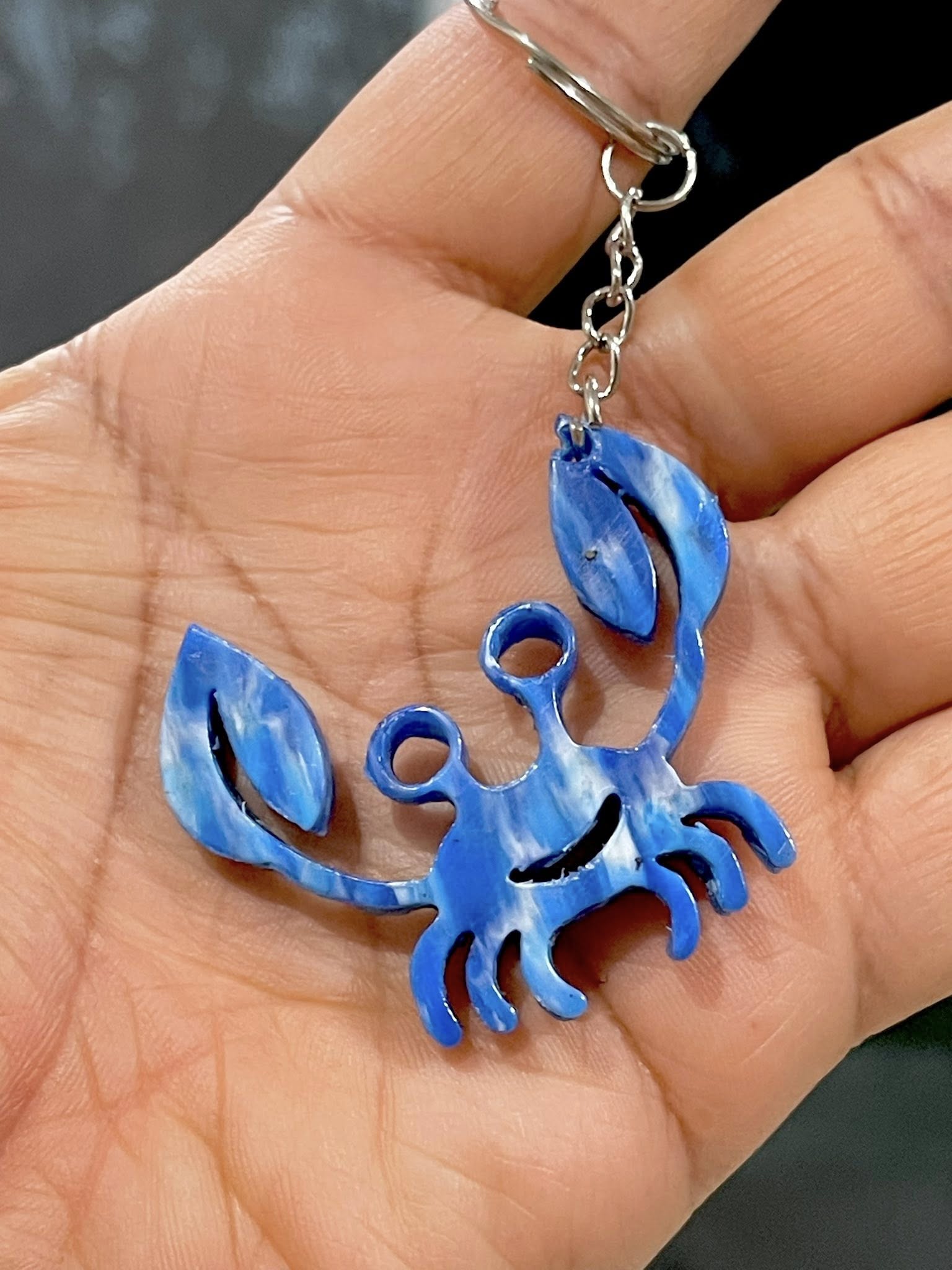
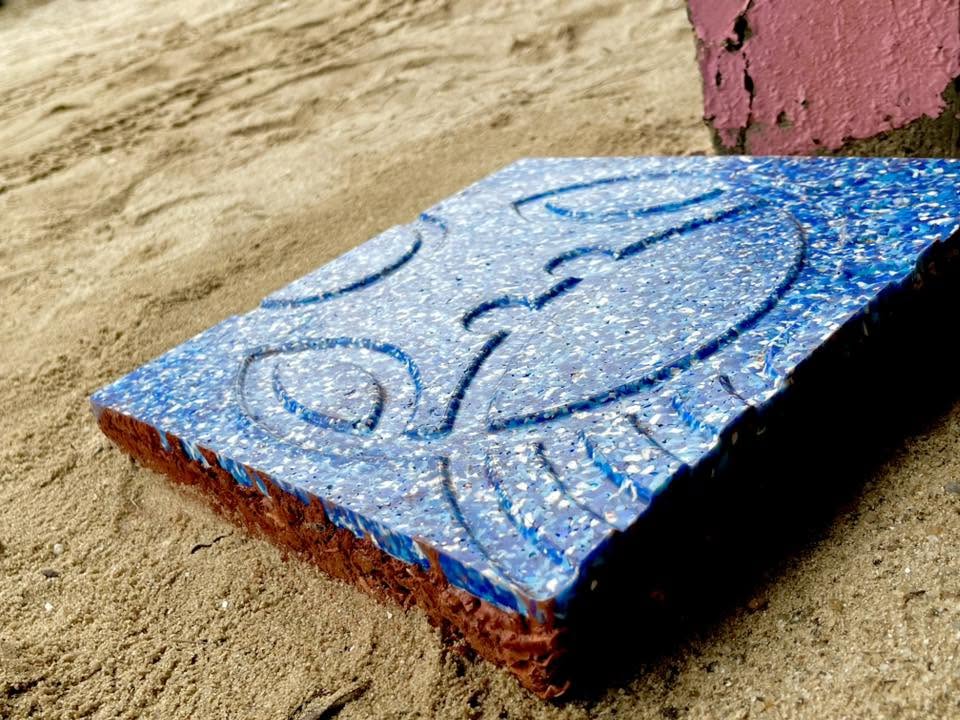
Walailak University (WU), in collaboration with PTT Public Company Limited, has supported a community-based plastic recycling initiative that connects marine conservation with waste reduction, resource recovery, and local economic opportunities. Through the ReCyCrab initiative, the project promotes the transformation of discarded plastic bottle caps into souvenirs, including keychains, while also producing paving tiles from discarded blue swimming crab shells and plastic bottle caps. These activities demonstrate how waste materials generated by everyday consumption and fishing-related activities can be repurposed into useful products, supporting a zero-waste approach and encouraging more responsible management of coastal resources.
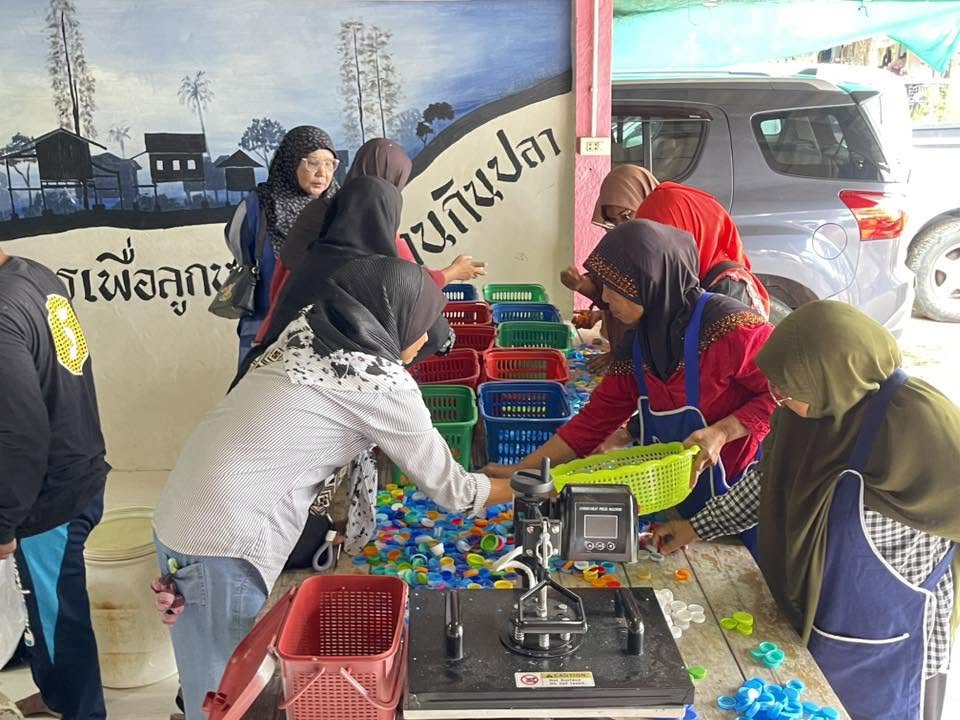
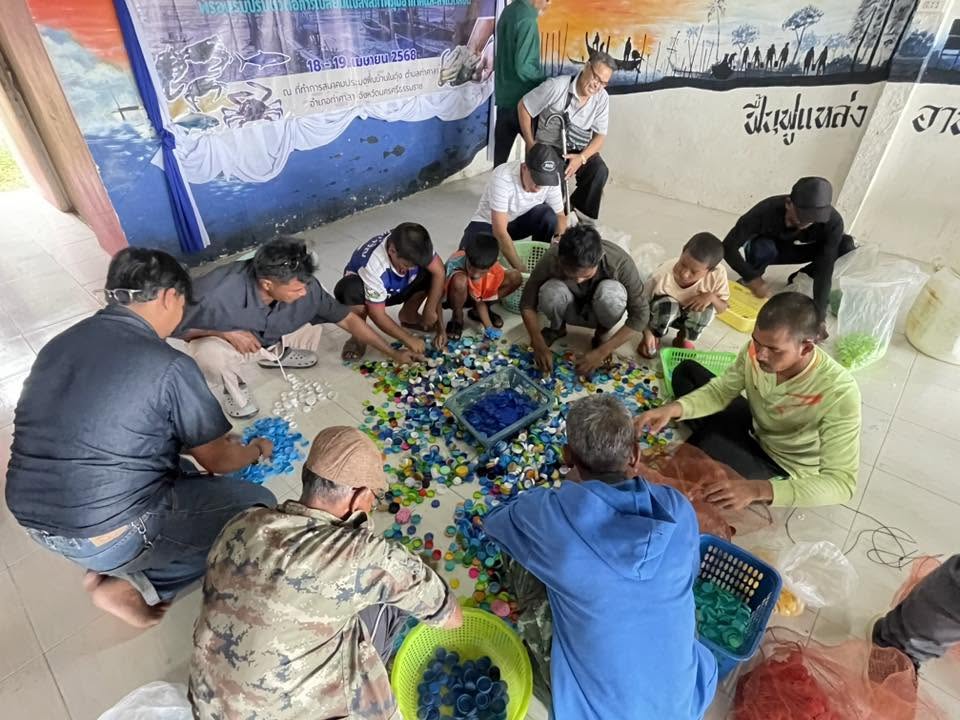
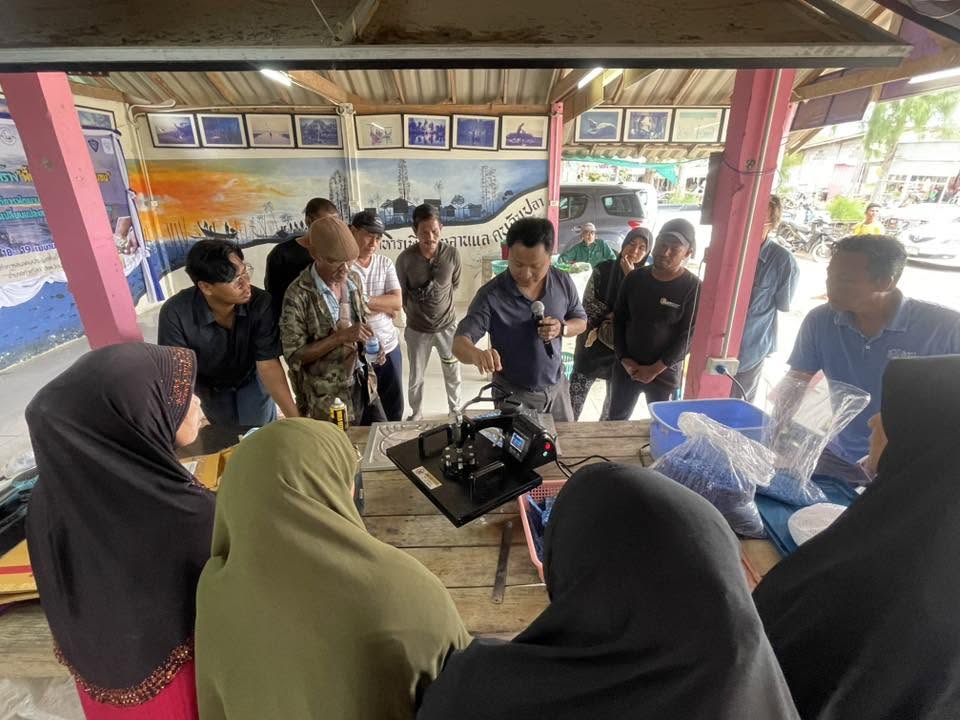
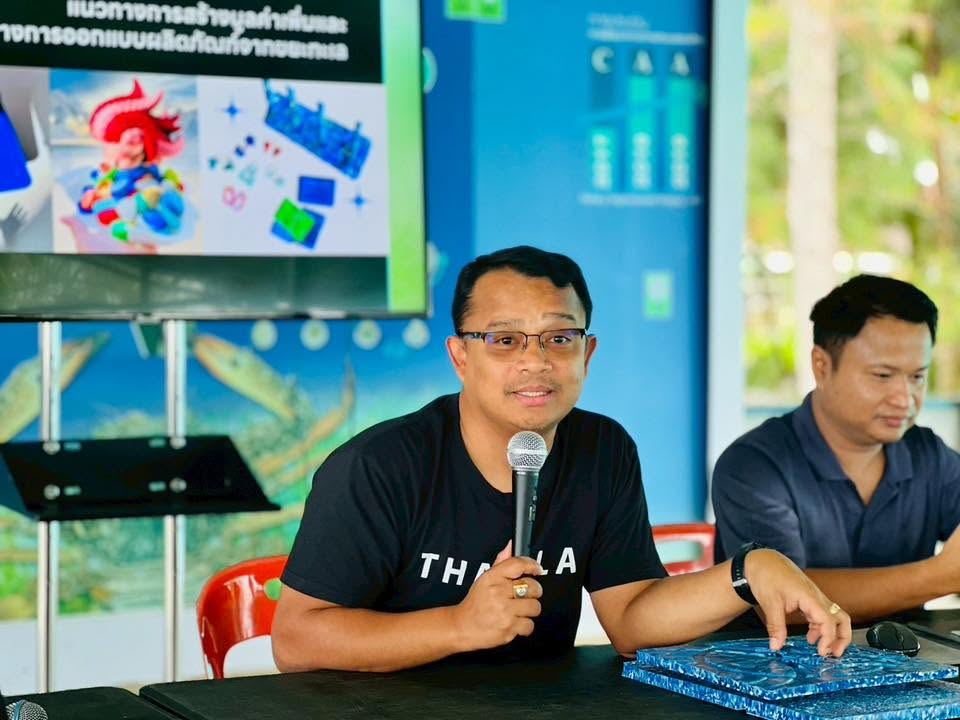
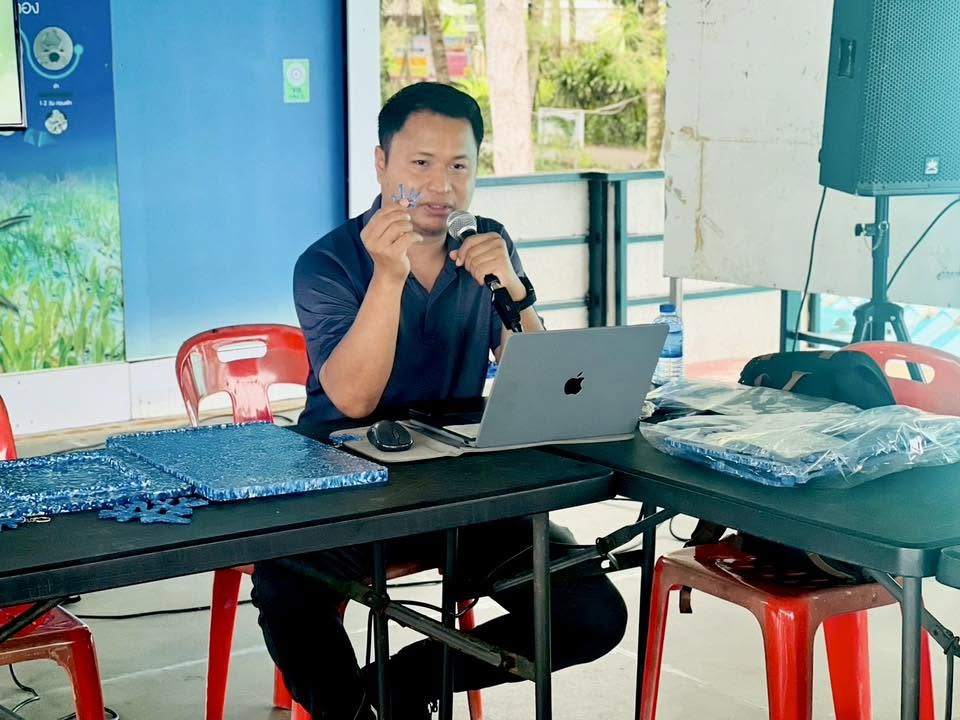
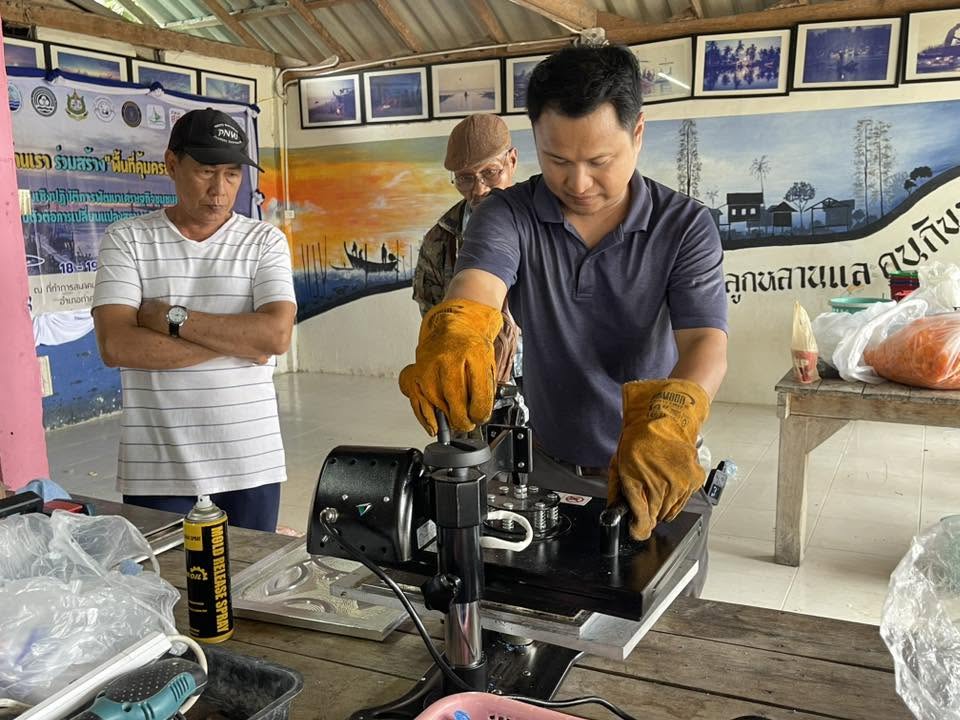
A central component of the initiative is a practical workshop that equips local fishing communities with skills in processing plastic waste and producing value-added items. Participants learn techniques for shaping discarded bottle caps into souvenirs and combining crab shell residues with plastic waste to create paving tiles. The initiative highlights the potential economic value of recycling: according to the project information, plastic bottle caps purchased at no more than THB 20 per kilogram can be transformed into keychains with a reported value exceeding THB 1,500. This illustrates how practical knowledge and appropriate processing techniques can turn low-value waste into products with greater economic potential, while reducing the amount of plastic requiring disposal.
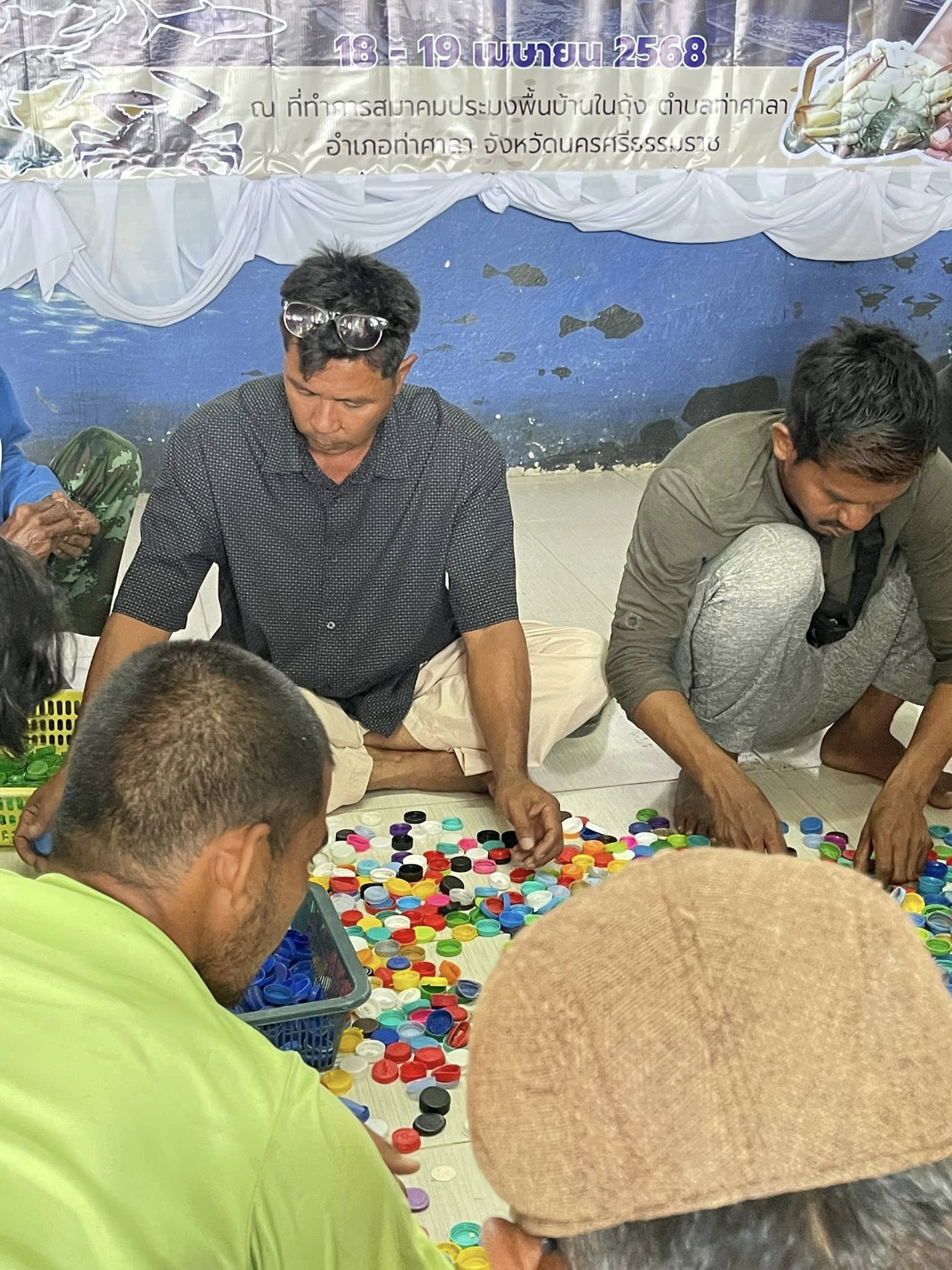
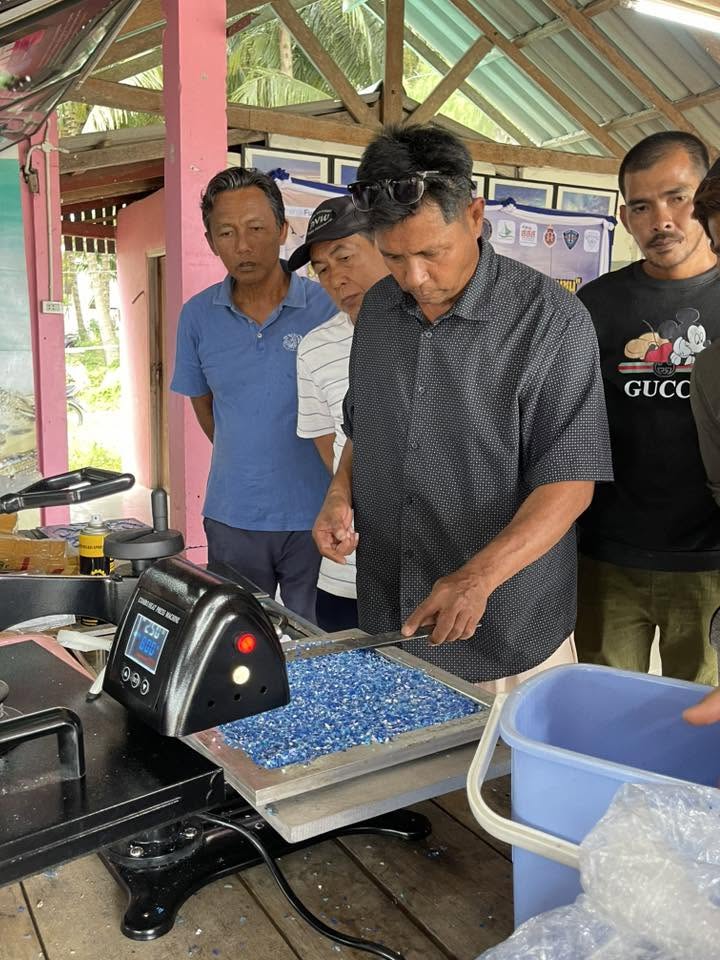
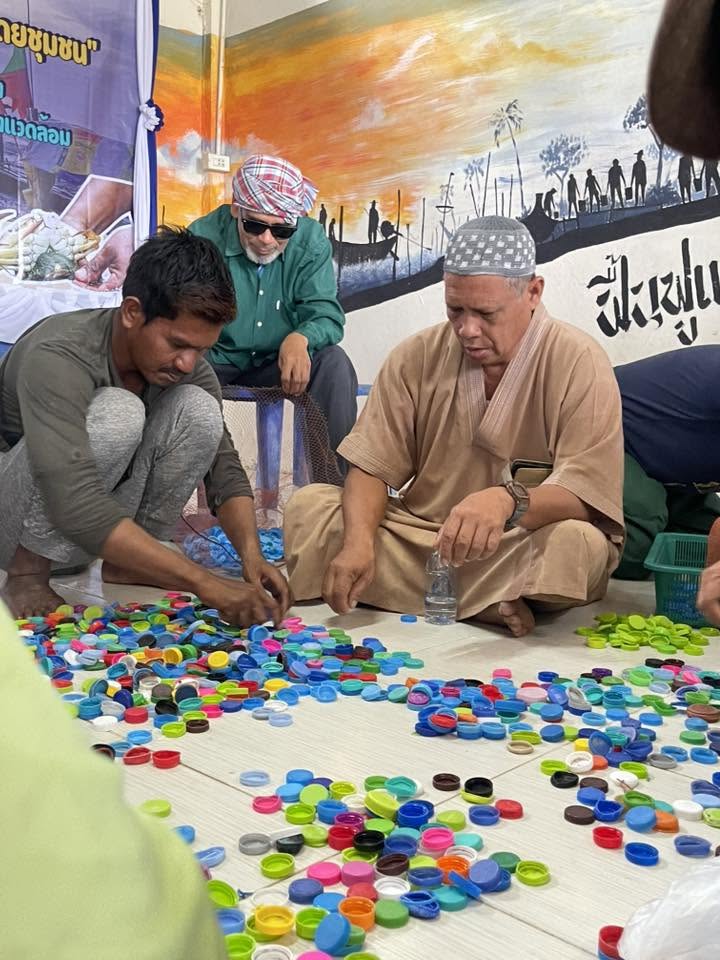
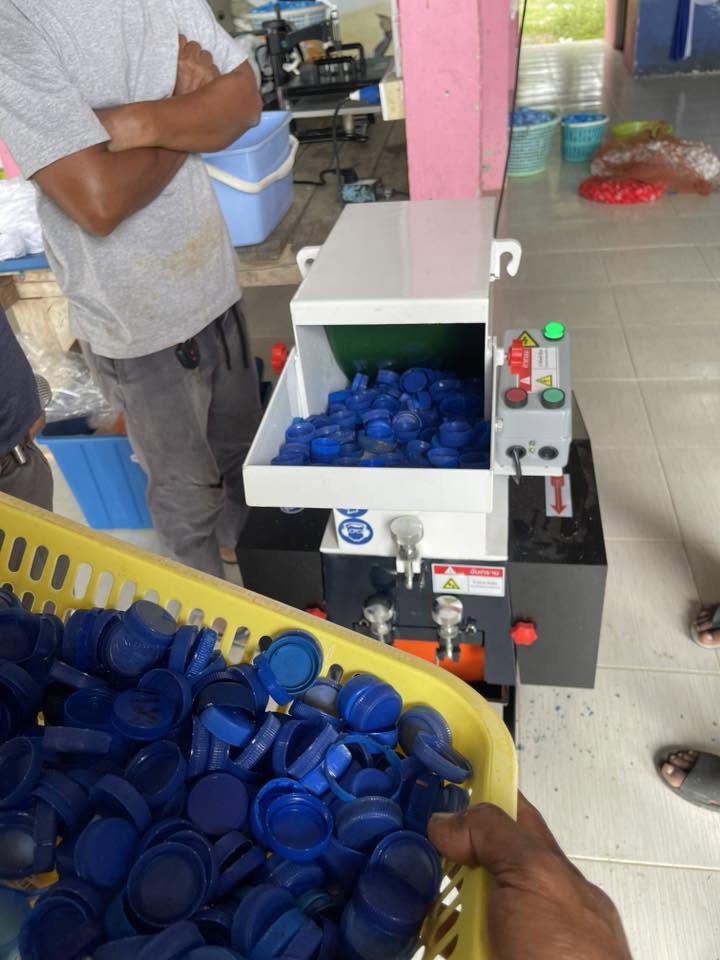
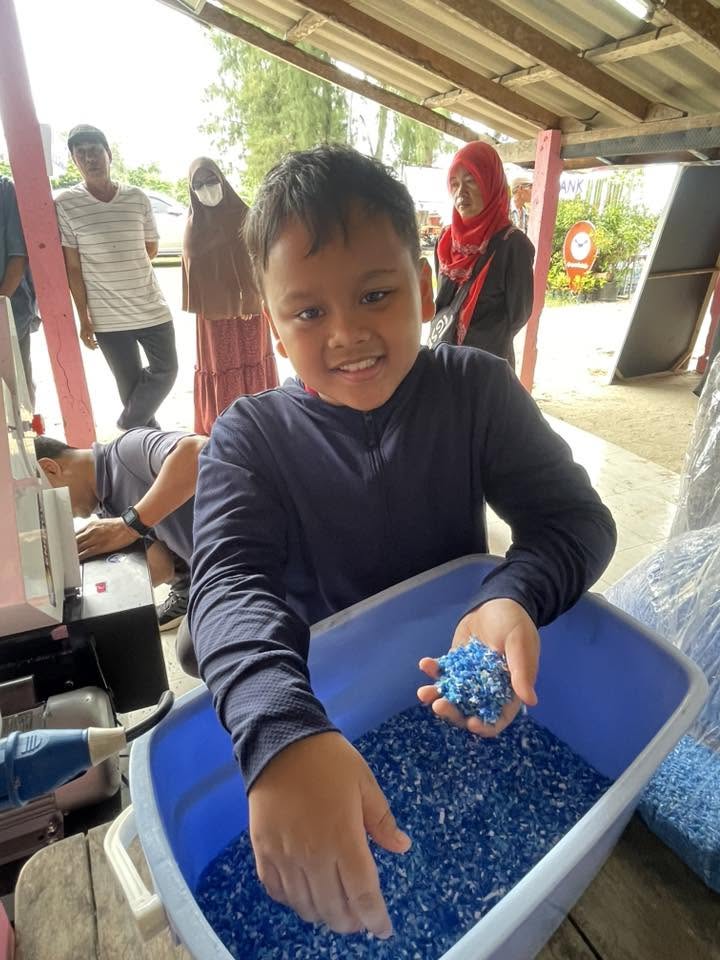
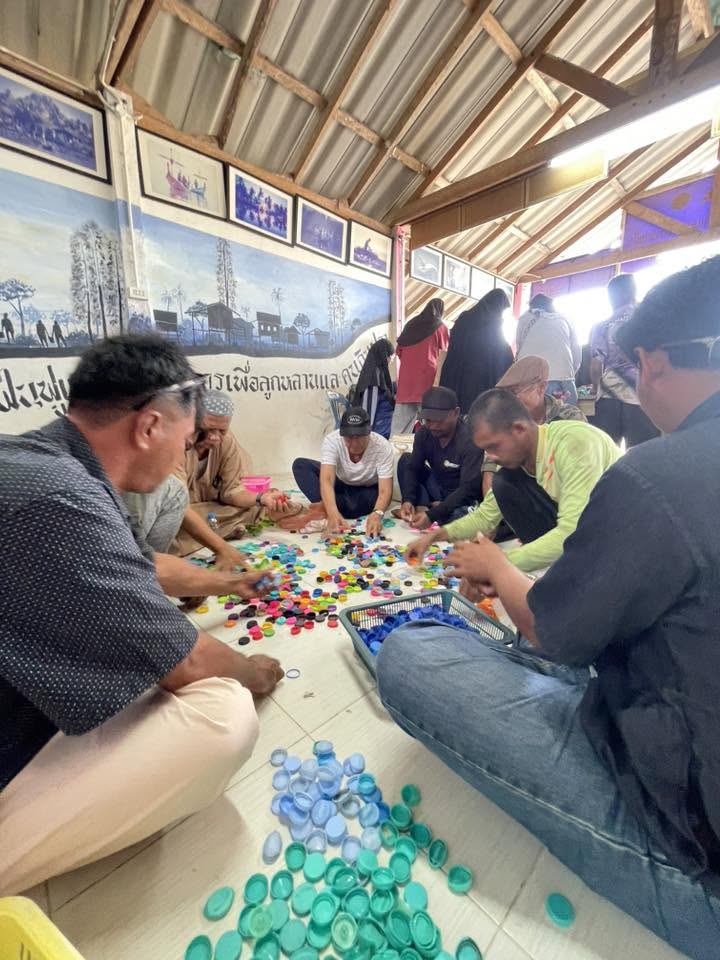
Importantly, the initiative incorporates a direct, non-financial incentive to encourage good aquatic stewardship practices. Local residents and fishers in Ban Nai Thung Community who collect and bring in plastic bottle caps can receive keychains and paving tiles made from recycled bottle caps and discarded blue swimming crab shells free of charge. By offering useful products in return for collecting recyclable materials, the initiative gives community members a tangible benefit for participating in waste recovery and responsible resource management. This approach can encourage residents and fishing communities to collect plastic waste, separate recyclable materials, and prevent discarded plastics from reaching coastal waters. It also helps demonstrate that marine waste can be treated as a recoverable resource rather than simply an environmental burden.
The initiative further supports community participation by linking environmental responsibility with opportunities to develop practical skills and generate supplementary income. Through training in recycling and product development, local fishing communities can explore ways to produce and potentially market value-added souvenirs and recycled paving materials. These opportunities may diversify local income sources while strengthening awareness of the relationship between waste management, marine conservation, and sustainable livelihoods. By demonstrating the potential benefits of recycling, WU and its partner encourage communities to see responsible waste collection as an activity that can contribute to both environmental protection and local economic resilience.
From an aquatic stewardship perspective, the programme extends beyond recycling itself. Collecting plastic bottle caps and recovering discarded materials can help prevent litter from accumulating in coastal environments and entering the marine ecosystem. Reusing crab shell residues also supports more efficient use of materials associated with local fisheries. Together, these practices encourage a more circular approach to resource management in which waste reduction, recycling, and product reuse complement broader efforts to protect marine habitats and aquatic biodiversity. Continued participation, appropriate handling of collected waste, and monitoring of recycling outcomes can help reinforce these practices and identify opportunities for improvement.
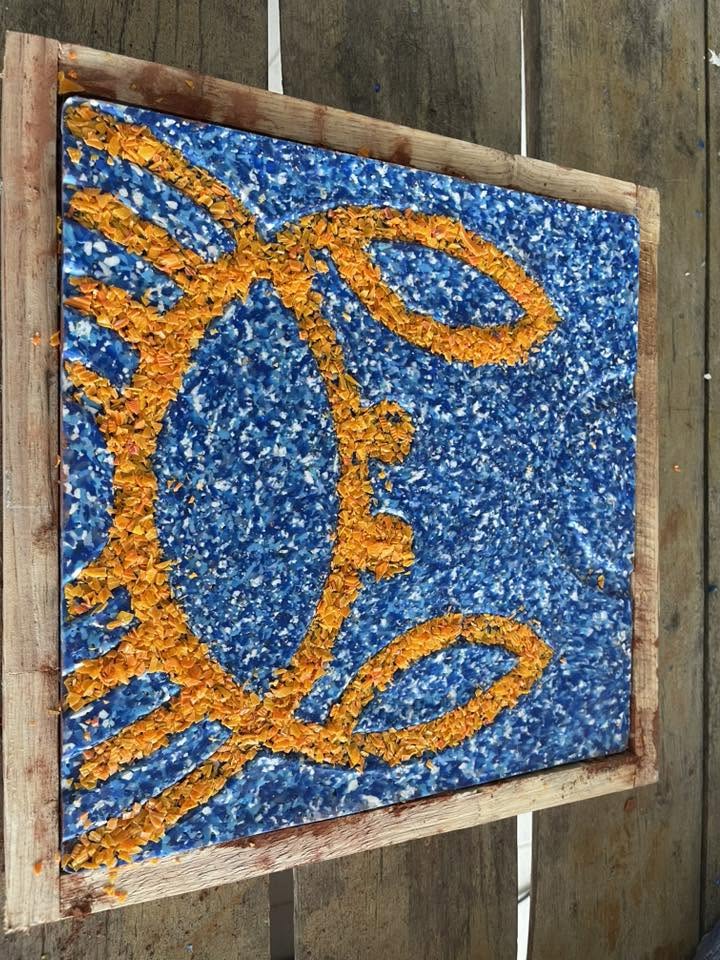
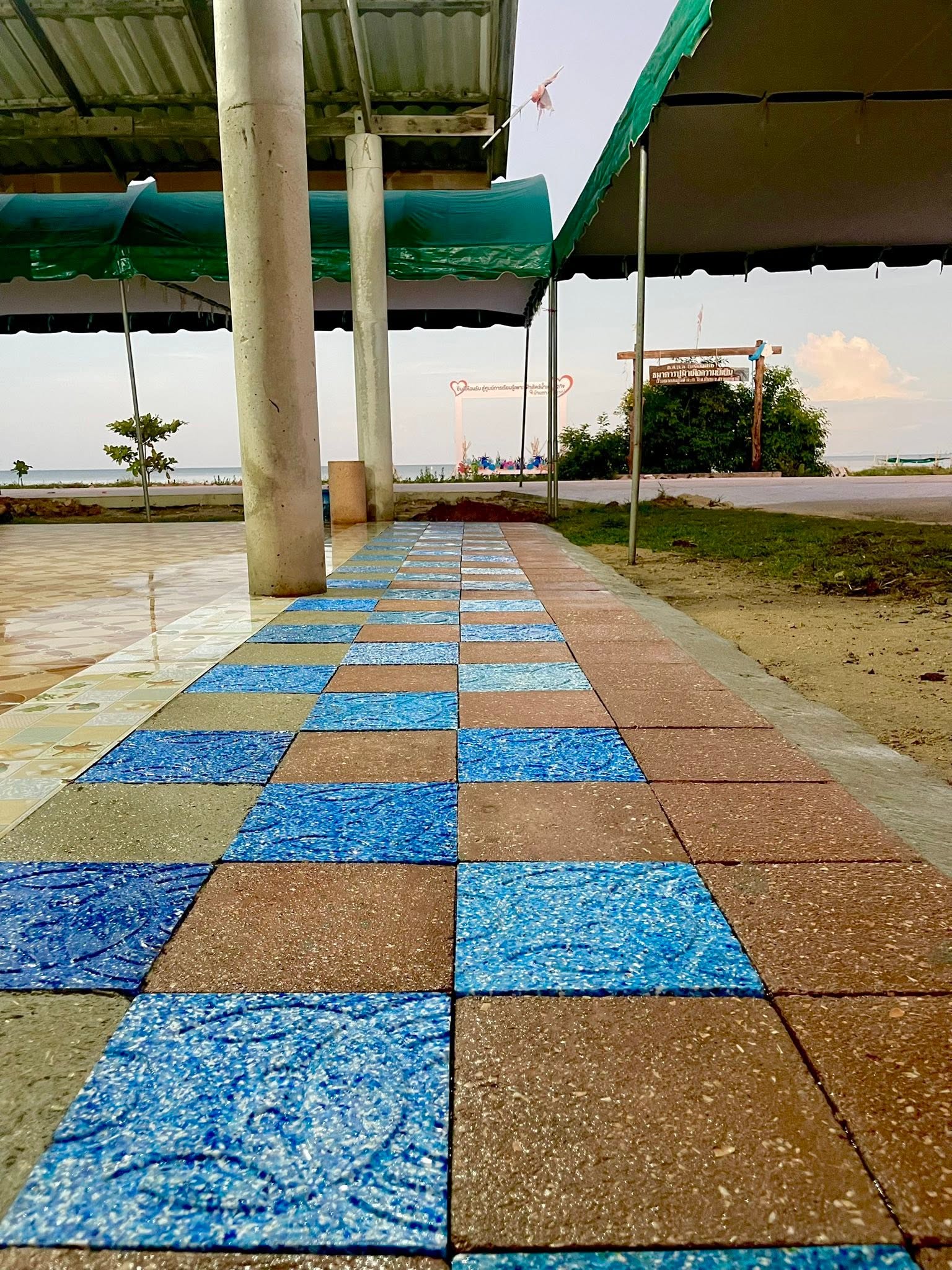
Through collaboration with PTT Public Company Limited and the Ban Nai Thung Community, Walailak University demonstrates how practical training, resource recovery, and tangible community benefits can encourage and maintain good aquatic stewardship practices. By providing free recycled products to participating residents and fishers, the initiative offers an incentive to collect plastic waste while promoting skills development and potential income-generating opportunities. The project connects marine pollution prevention with community participation and circular resource use, supporting efforts to reduce plastic leakage into aquatic environments and encourage more sustainable management of coastal resources for present and future generations.
Together, these programmes demonstrate Walailak University’s commitment to promoting good aquatic stewardship through community participation, practical education, environmental conservation, and tangible incentives. From restoring freshwater ecosystems through nature-based living weirs to strengthening blue swimming crab populations and transforming discarded plastic and crab-shell waste into useful products, the initiatives address aquatic environmental challenges at multiple levels. They encourage local residents, fishers, students, and other participants to take an active role in protecting water resources, conserving marine biodiversity, and reducing pollution at its source.
Measurement and ongoing assessment are important for understanding the effectiveness of these programmes and identifying opportunities for improvement. Monitoring aquatic ecosystems, observing changes in aquatic resources, assessing waste collection and recycling activities, and gathering feedback from participating communities can help Walailak University and its partners evaluate progress and refine their approaches. These measures also provide opportunities to connect environmental conservation with practical community benefits, including improved knowledge, new skills, access to useful recycled products, and potential supplementary income.
By combining free training, hands-on learning, community collaboration, and meaningful incentives, Walailak University helps make responsible environmental practices more accessible and rewarding. These initiatives demonstrate that aquatic stewardship extends beyond protecting ecosystems; it can also strengthen local capacity, support community livelihoods, and encourage shared responsibility for natural resources. Through continued measurement, monitoring, and collaboration, the University seeks to support the long-term adoption of good aquatic stewardship practices and contribute to healthier freshwater and marine environments for future generations.
Related Links
ธนาคารปูม้า โครงการฟื้นฟูและคืนปูม้าสู่ทะเลไทย – หอจดหมายเหตุมหาวิทยาลัยวลัยลักษณ์
[English please scroll down] 🦀มูลนิธินิเวศวิถี… – Jinta EcoThailand | Facebook
ต้อนรับ คณะผู้ตรวจราชการกระทรวง อว. เยี่ยมชม… – Amonsak Sawusdee | Facebook
ธนาคารปูม้า มวล.วช. ขอขอบคุณท่านผู้ทรงคุณวุฒิ… – Amonsak Sawusdee | Facebook
🎉กิจกรรมจัดการขยะ การฟื้นฟูอนุรักษ์… – Amonsak Sawusdee | Facebook
🎉จากฝาขวดน้ำราคากิโลกรัมละไม่เกิน 20 บาท… – Amonsak Sawusdee | Facebook
Zero waste, Recycle and value added… – Amonsak Sawusdee | Facebook
บังมุ คนหาปลา – ฝาขวดพลาสติกทำไรใด้มั้ง ทีเพิ่มมูลค่า ธนาคารปูม้า… | Facebook