
Walailak University Collaborates with Local Communities to Maintain and Sustainably Manage Shared Aquatic Ecosystems
Walailak University Collaborates with Local Communities to Maintain and Sustainably Manage Shared Aquatic Ecosystems
Shared aquatic ecosystems, including coastal waters, estuaries, rivers, wetlands, and other interconnected water bodies, are essential for biodiversity conservation, food security, livelihoods, and community well-being. However, these ecosystems face increasing pressures from pollution, habitat degradation, unsustainable resource use, and environmental changes that can threaten their long-term health and productivity. Maintaining these ecosystems therefore requires continuous monitoring, effective management, and active collaboration among universities, local communities, government agencies, and other relevant stakeholders. Community participation is particularly important because local residents and resource users possess valuable knowledge of aquatic environments and experience the direct impacts of environmental changes. Through collaborative conservation initiatives, diagnostic assessments of ecosystem conditions, and evidence-based management measures, Walailak University seeks to identify environmental challenges, support appropriate interventions, and strengthen the sustainable management of shared aquatic resources. These efforts help protect biodiversity, sustain local livelihoods, and promote the long-term ecological health of aquatic ecosystems for present and future generations.
Walailak University Collaborates with Local Communities to Maintain and Sustainably Manage Shared Aquatic Ecosystems
In 2025, Walailak University (WU) collaborated with local fishing communities, the Thai Sea Watch Association, marine industry partners, non-governmental organizations (NGOs), government agencies, and educational institutions to maintain and conserve shared marine and coastal ecosystems and protect aquatic biodiversity. These ecosystems support food security, local livelihoods, ecological balance, and the long-term availability of aquatic resources. Maintaining their health requires coordinated action to protect habitats, conserve aquatic species, regulate resource use, and prevent illegal fishing. Through community engagement, scientific knowledge exchange, sustainable fisheries management, and diagnostic assessments of environmental conditions and conservation needs, WU and its partners sought to strengthen community capacity and establish a collaborative framework for the long-term stewardship of shared aquatic resources.
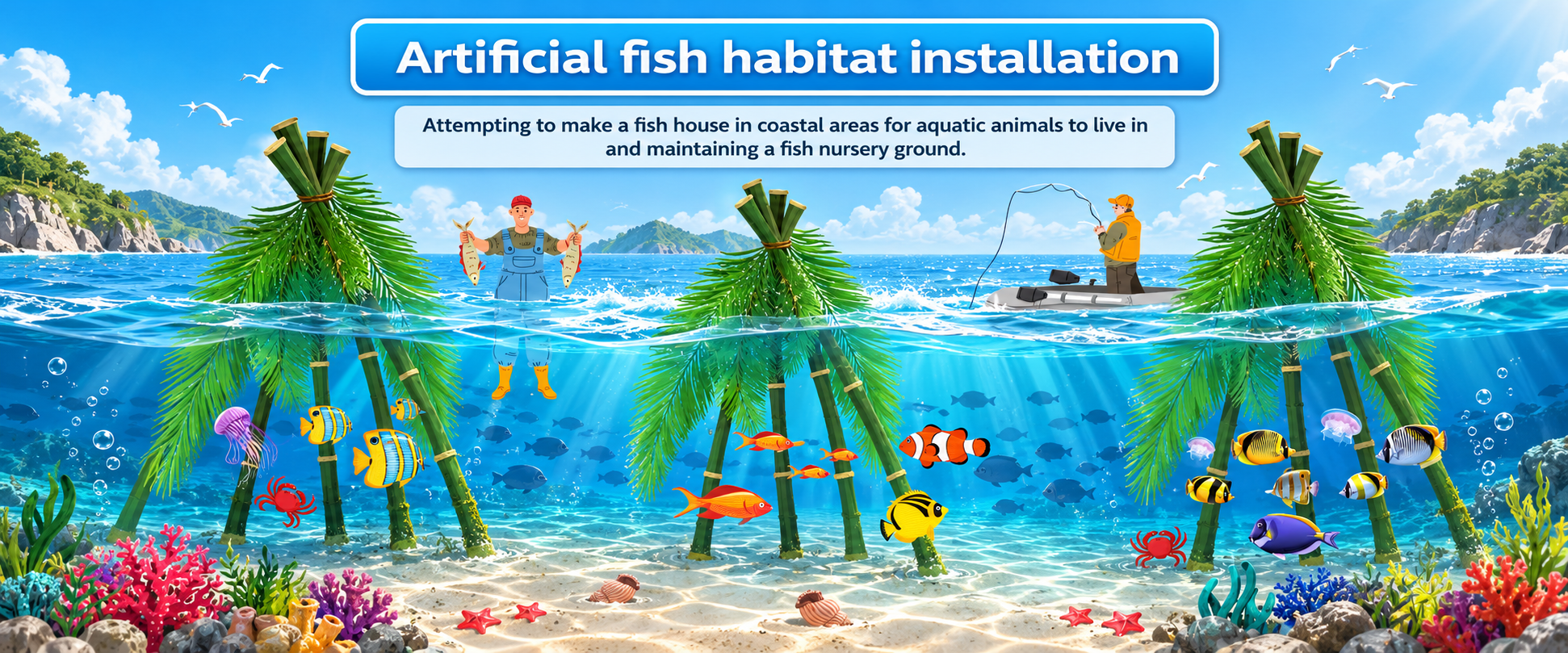
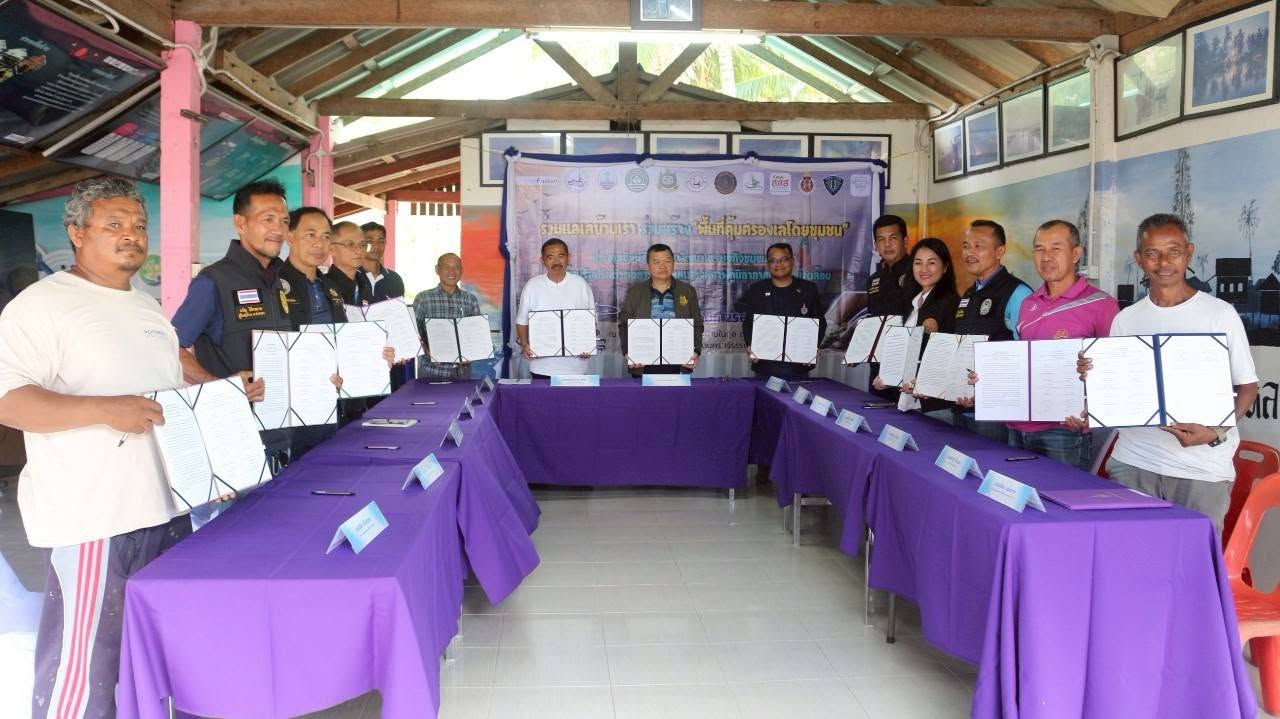
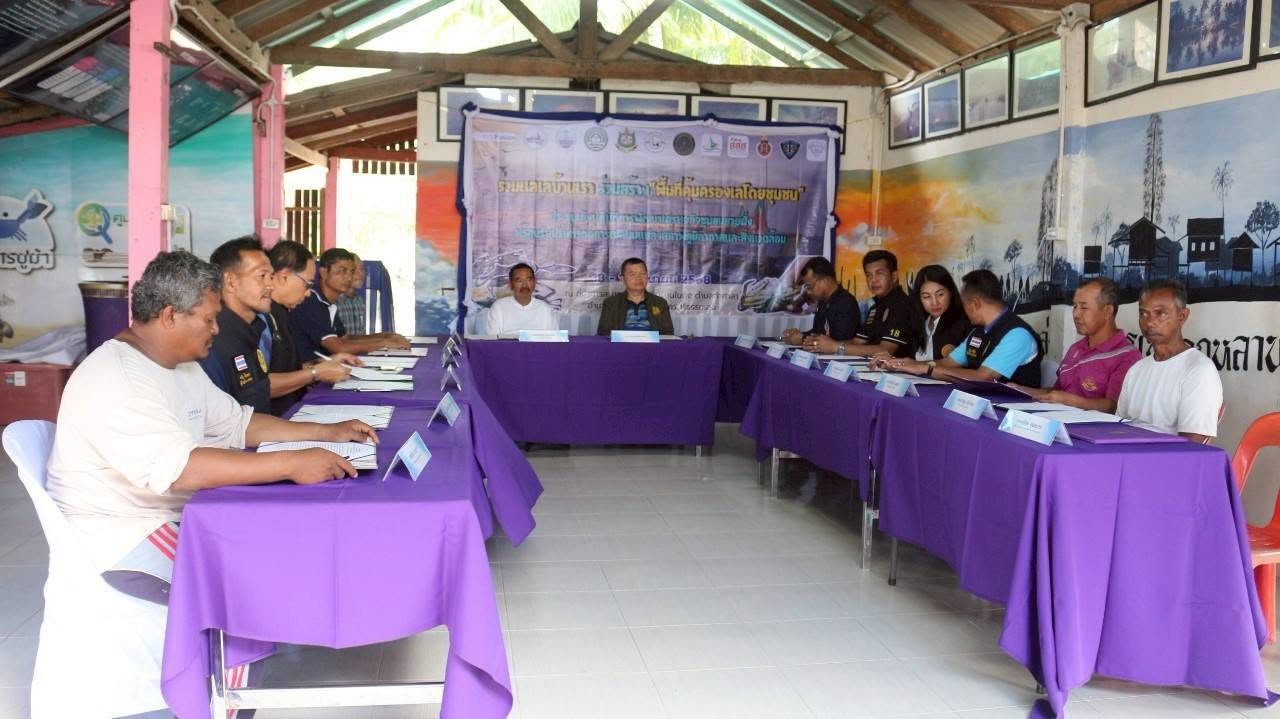
A major outcome of this collaboration was the development of a Memorandum of Understanding (MOU) and mutual agreement on community-based marine and coastal resource protection under the Locally Managed Marine Area (LMMA) initiative. Discussed during a consultation meeting at WU, the agreement involved the communities of Ban Nai Thung, Ban Sa Bua, and Ban Na Thap (Rong Ruea 3) in Tha Sala District, Nakhon Si Thammarat Province. The MOU established a framework for cooperation in conserving and managing marine and coastal resources while supporting community livelihoods, local economic development, and human rights. By bringing together academic institutions, local resource users, public agencies, and other stakeholders, the initiative recognized that maintaining shared aquatic ecosystems requires collective responsibility, locally informed decision-making, and sustained participation by the communities that depend on these environments.
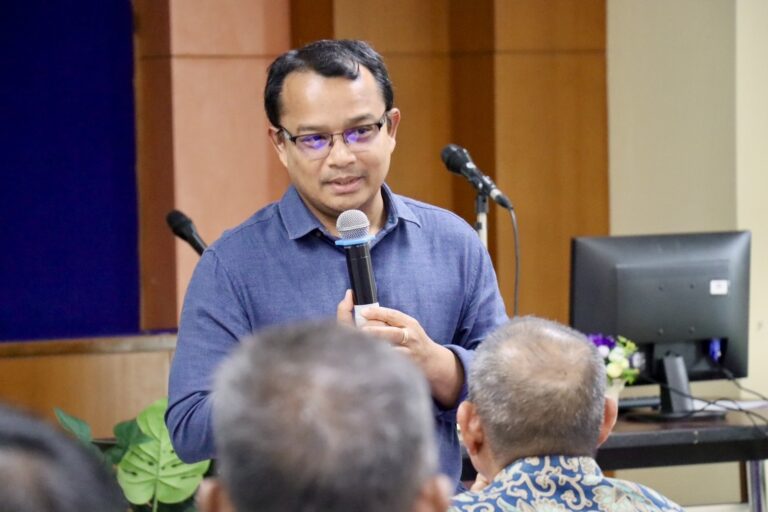
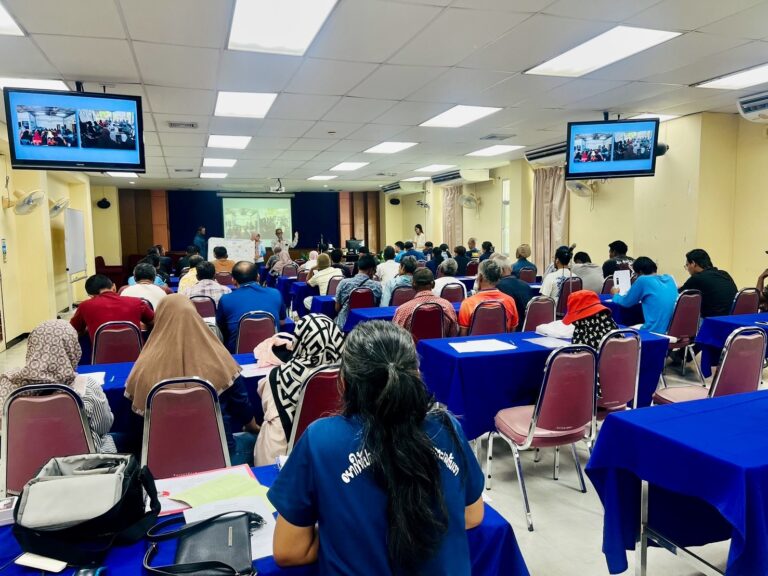
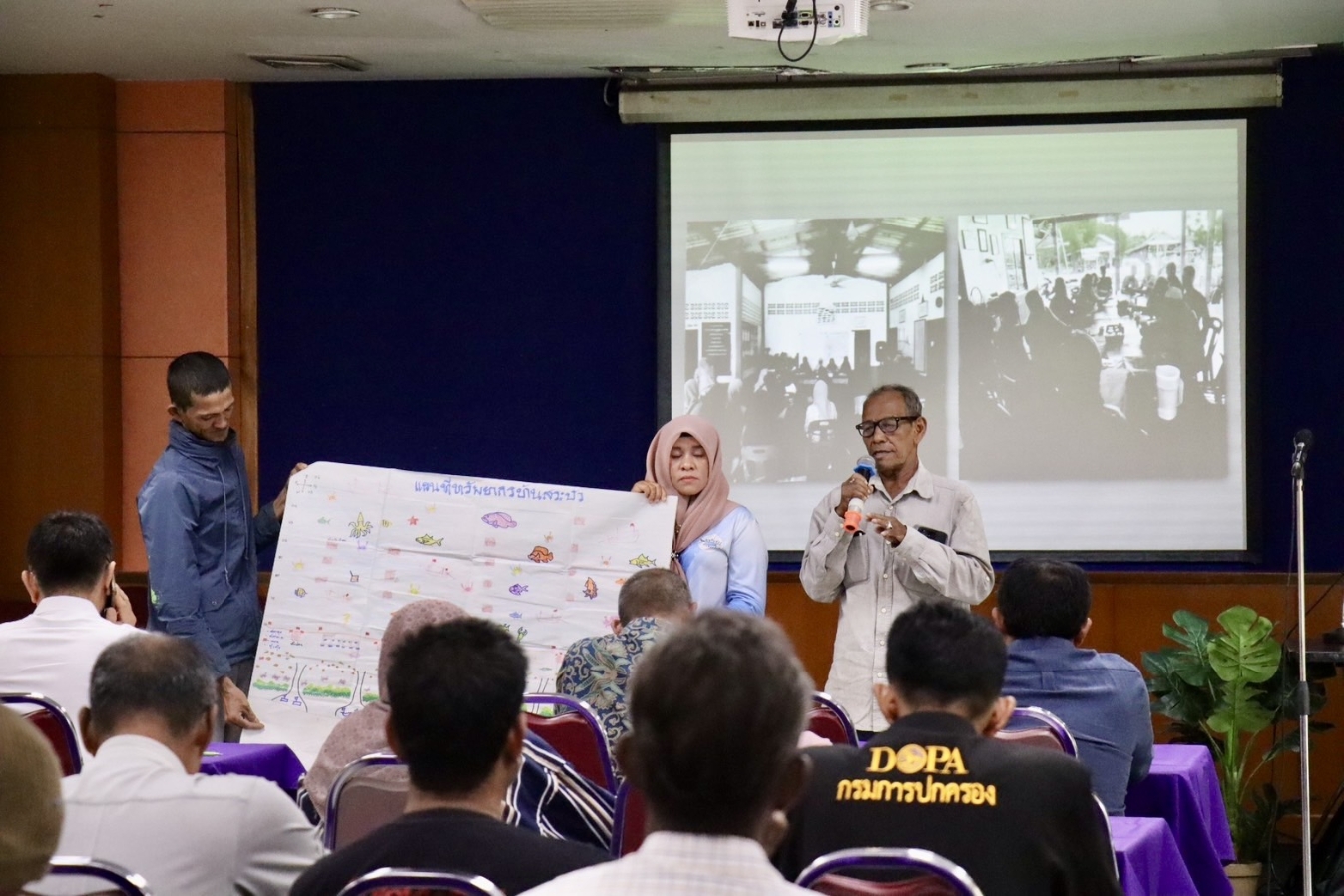
A central component of the LMMA initiative is the establishment and strengthening of community conservation zones covering approximately 3,900 rai (624 hectares). These areas comprise approximately 600 rai in Ban Nai Thung, 1,600 rai in Ban Sa Bua, and 1,700 rai in Ban Na Thap. Developed through community consultation and participation, the conservation zones are intended to protect important marine and coastal habitats, provide safer areas for juvenile aquatic animals, support the replenishment of aquatic populations, and conserve breeding and nursery grounds. Community conservation rules also provide a basis for regulating resource use, promoting responsible fishing practices, and strengthening surveillance against illegal fishing. Where appropriate, the framework supports the release of aquatic species as a complementary conservation measure. Together, these measures aim to maintain the ecological functions of shared marine habitats and safeguard the natural resources that sustain local fisheries and coastal communities.
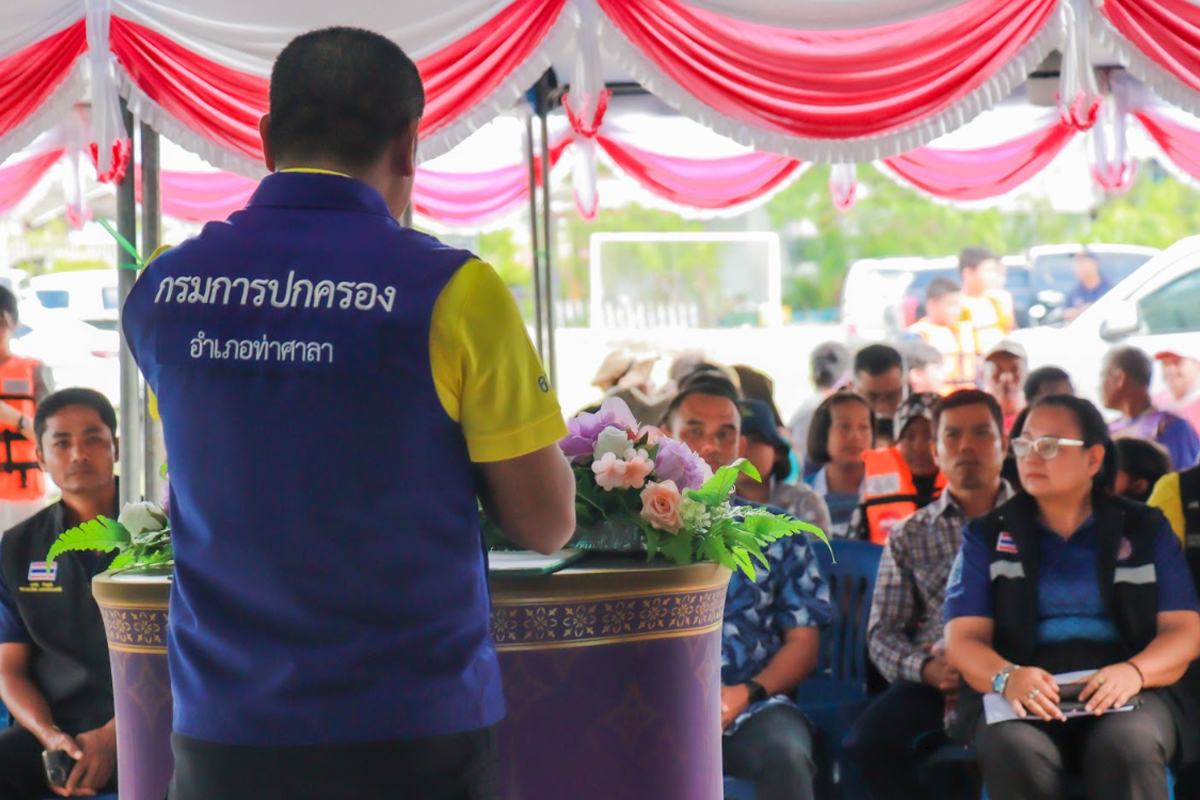
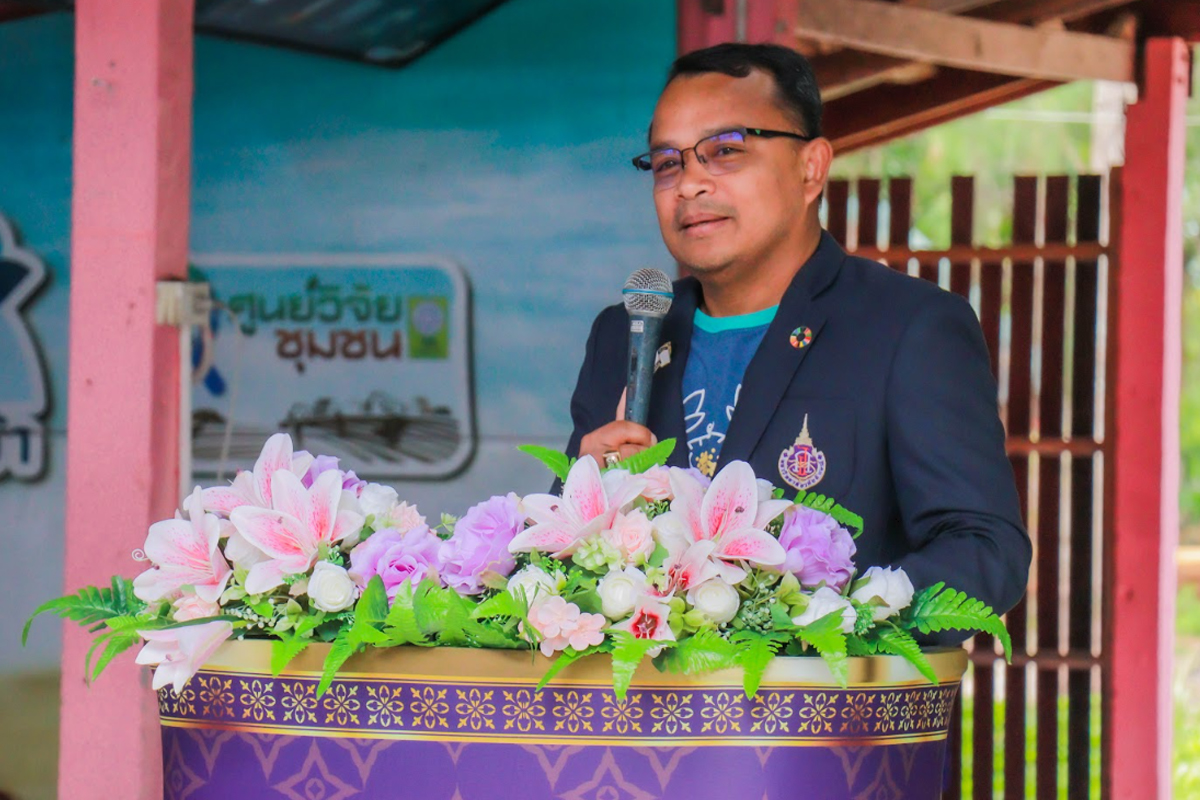
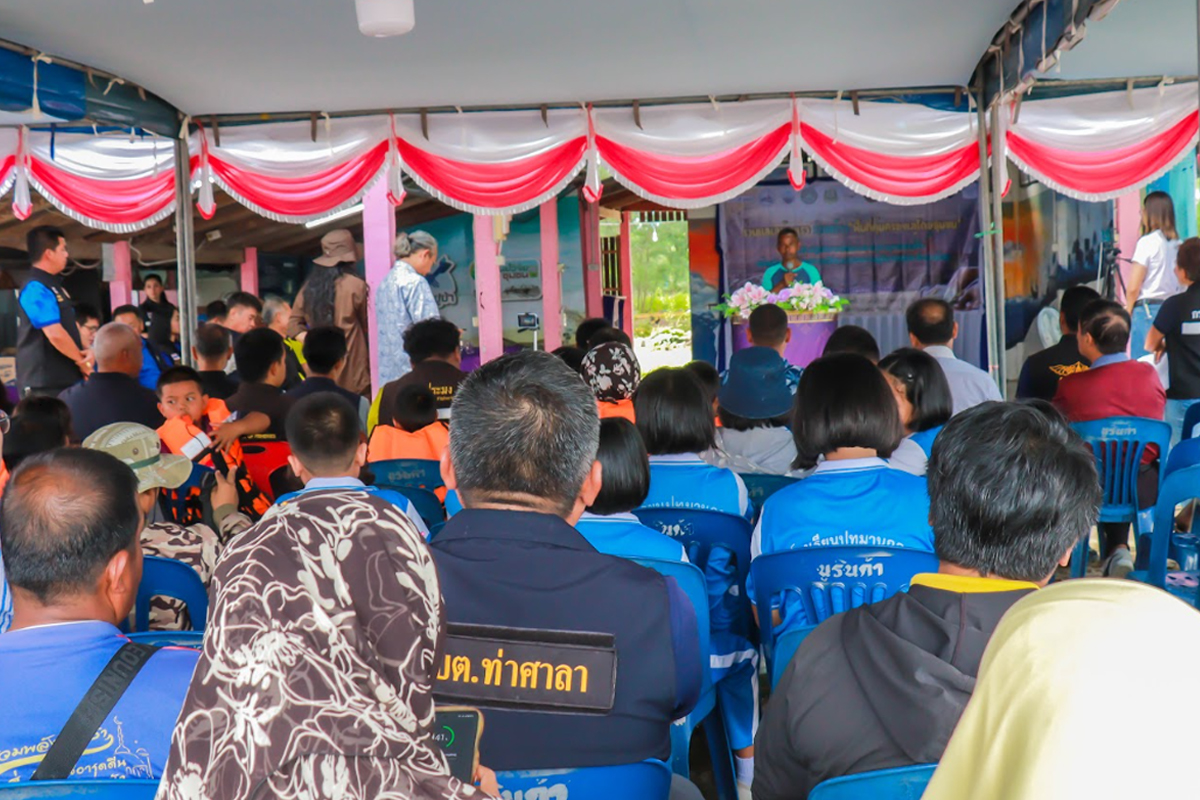
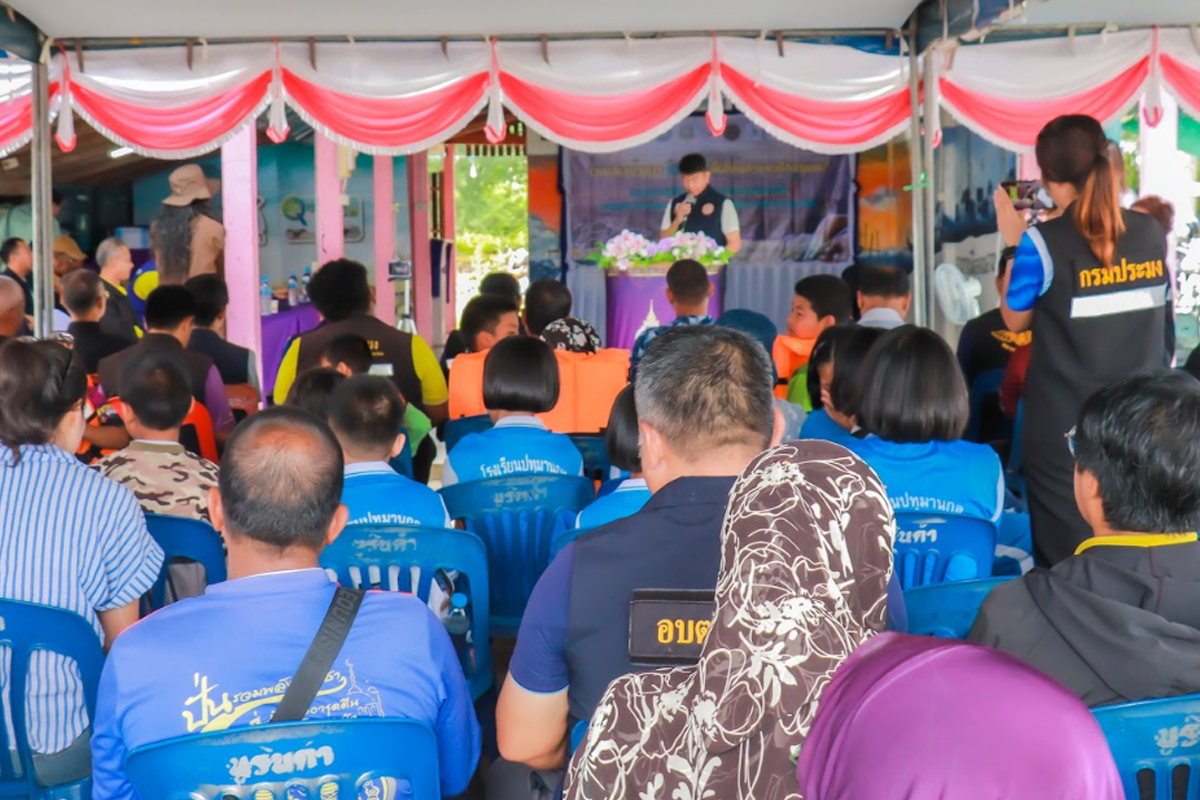
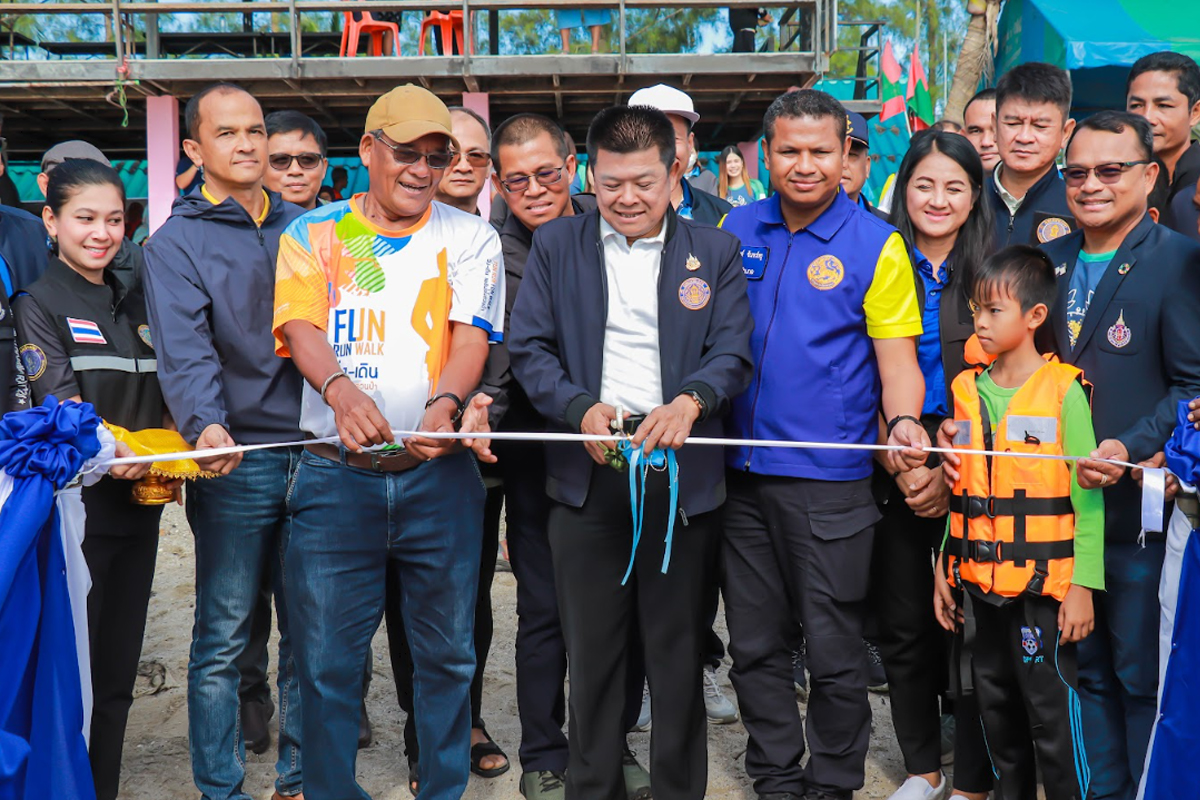
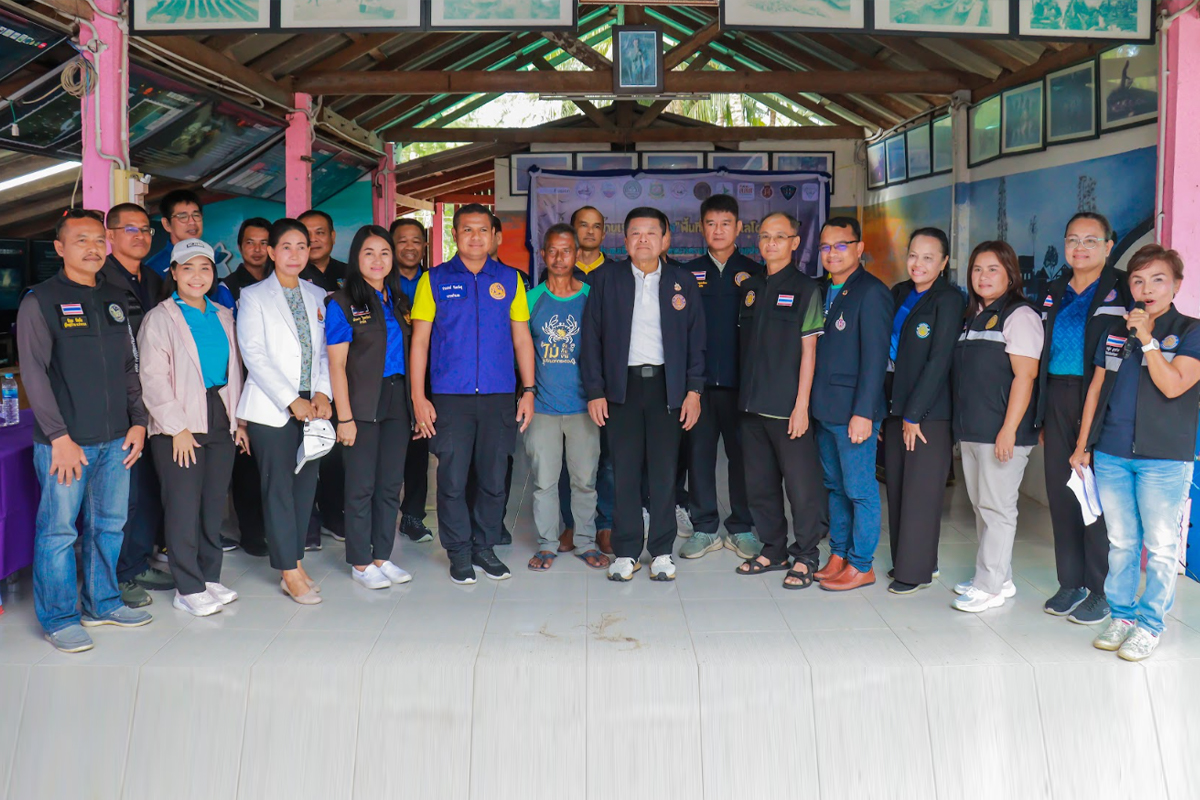
The initiative is supported by a multi-stakeholder partnership involving Khon Kaen Fishing Net Factory Co., Ltd., the Thai Frozen Foods Association, PTT Public Company Limited, the Thai Sea Watch Association, and the Federation of Thai Small-Scale Fisherfolk Associations. Government agencies, educational institutions, researchers, and local fishing communities also contribute knowledge and experience to discussions on community-based conservation and sustainable fisheries management. This collaboration connects scientific expertise and industry experience with local ecological knowledge, enabling stakeholders to identify conservation priorities, consider practical management measures, and coordinate their responsibilities for maintaining aquatic ecosystems. The involvement of organizations with different areas of expertise also creates opportunities to address environmental pressures through complementary conservation, research, and resource-management approaches.
Walailak University contributes academic expertise in sustainable fisheries and aquaculture management, community participation, and relevant fisheries-management principles and regulatory frameworks. Through knowledge exchange, the University supports local communities in understanding approaches to conserving marine and coastal resources and managing fisheries sustainably. Discussions have also addressed relevant fisheries regulations and management mechanisms, including European Union (EU) requirements and Regional Fisheries Management Organization (RFMO) frameworks, to strengthen stakeholders’ understanding of responsible fisheries management. These activities connect local conservation practices with broader principles of sustainable resource use and provide a foundation for identifying management challenges and potential improvements through diagnostic assessments, scientific research, and community observations.
Under the MOU, WU and Nakhon Si Thammarat Rajabhat University are identified as academic partners responsible for providing scientific knowledge, technology, innovation, and research expertise to support sustainable marine and coastal resource management. Their commitments include transferring knowledge to local communities, strengthening local capacity, supporting the development and management of blue swimming crab banks, and conducting research on ecosystem and environmental restoration associated with coastal resources. These responsibilities help connect academic research with practical conservation needs and community-based management. Research on blue swimming crab banks and habitat restoration can also contribute to assessing the effectiveness of conservation interventions, identifying factors that influence aquatic populations, and informing future measures to maintain suitable habitats and support the replenishment of marine resources.
Government agencies provide complementary technical, regulatory, and enforcement support. The Nakhon Si Thammarat Provincial Fisheries Office and the Sichon Marine Fisheries Protection and Suppression Unit contribute expertise in fisheries management, responsible fishing practices, law enforcement, and surveillance of conservation areas. The Songkhla Marine Fisheries Research and Development Centre contributes fisheries research and technical knowledge, while relevant marine and coastal resource agencies support coastal management and the conservation and restoration of community mangrove forests. Tha Sala Subdistrict Administrative Organization is expected to promote awareness of and compliance with community conservation rules and support their integration into local policies and regulations. These coordinated responsibilities help establish the institutional support needed to maintain shared aquatic ecosystems, address threats to biodiversity, and encourage the continued implementation of community conservation measures.
Local fishing communities are central to the implementation and continuity of the initiative. Under the agreement, local fishing groups committed to serving as volunteer conservation monitors, continuing conservation activities, and cooperating with relevant authorities to prevent illegal fishing and protect marine resources. The Thai Sea Watch Association supports community-based resource management, conservation activities, improved aquatic product processing, and the development of local economic opportunities. By involving local resource users directly in conservation and monitoring, the LMMA initiative encourages communities to take an active role in protecting the ecosystems on which their livelihoods depend. This approach also recognizes that effective long-term conservation must account for the relationship between environmental protection, equitable resource access, and community well-being.
To strengthen the effectiveness of these collaborative efforts, research and monitoring can be used to assess the condition of aquatic habitats and the implementation of community conservation measures. Relevant diagnostic assessments may examine habitat quality, the presence and condition of breeding and nursery grounds, aquatic population trends, compliance with conservation rules, and the effectiveness of community surveillance. Community observations can complement scientific data by identifying local environmental changes, emerging threats, and practical management challenges. These findings can then inform decisions on habitat protection, restoration priorities, sustainable fishing practices, and improvements to community-based resource management. Such an evidence-based approach provides a means of measuring progress and identifying areas where additional action may be needed to maintain and improve ecosystem health.
The LMMA framework also provides a basis for continued collaboration beyond individual conservation activities. By combining scientific research, local ecological knowledge, community participation, institutional support, and industry engagement, the partners can review conservation needs and adapt management approaches as environmental conditions and resource pressures change. Lessons from the three participating communities may also inform future cooperation with other coastal communities facing similar challenges. The potential for wider application depends on continued implementation, appropriate monitoring, and evidence that the approaches are effective under local conditions.
Through the LMMA initiative, Walailak University and its partners have established a collaborative framework for maintaining shared aquatic ecosystems through community conservation zones, habitat protection, sustainable fisheries management, local monitoring, and research-supported decision-making. The initiative brings together the people and organizations responsible for managing marine resources and those who rely on them, reinforcing shared responsibility for biodiversity conservation and sustainable resource use. By supporting diagnostic assessments, ongoing monitoring, and evidence-based improvements to conservation practices, the collaboration can strengthen the measurement of environmental progress, help identify emerging threats, and guide future management decisions. Ultimately, these efforts aim to maintain healthy marine and coastal ecosystems, sustain aquatic biodiversity, support local livelihoods and food security, and preserve aquatic resources for future generations.
Walailak University Collaborates with Local Communities to Restore and Maintain Shared Aquatic Ecosystems
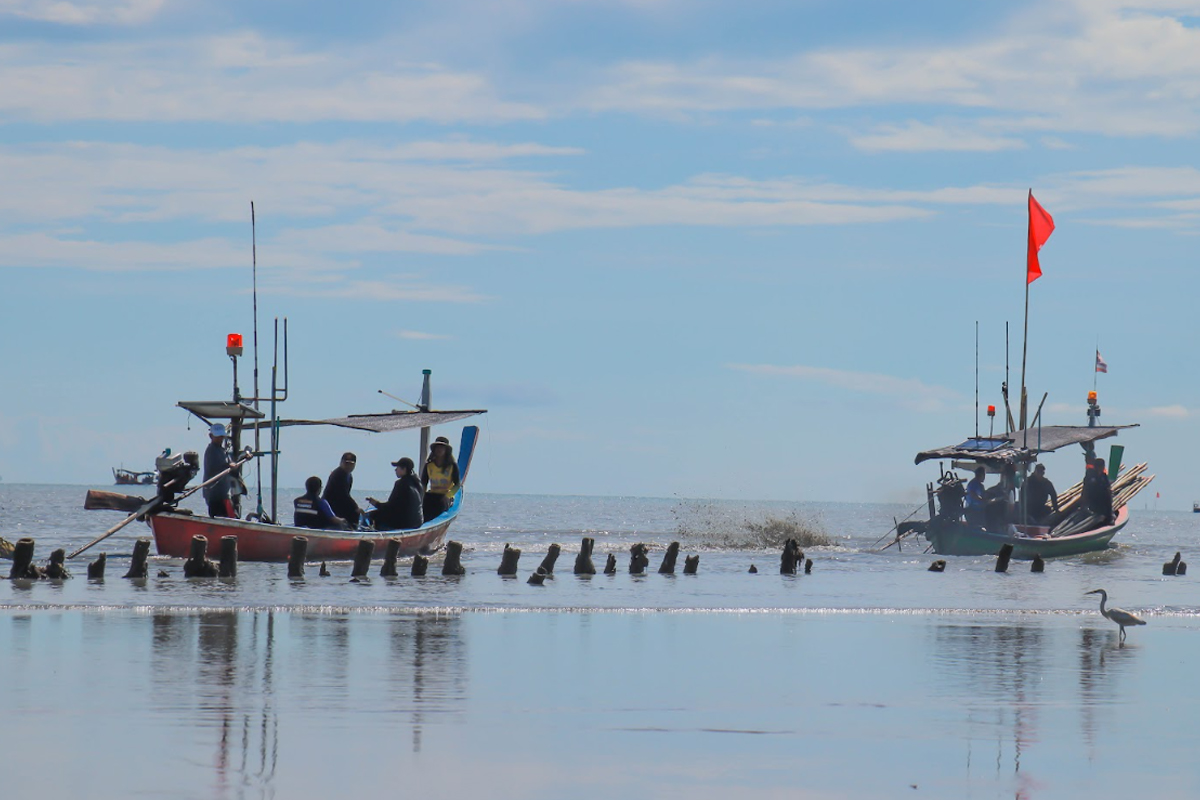
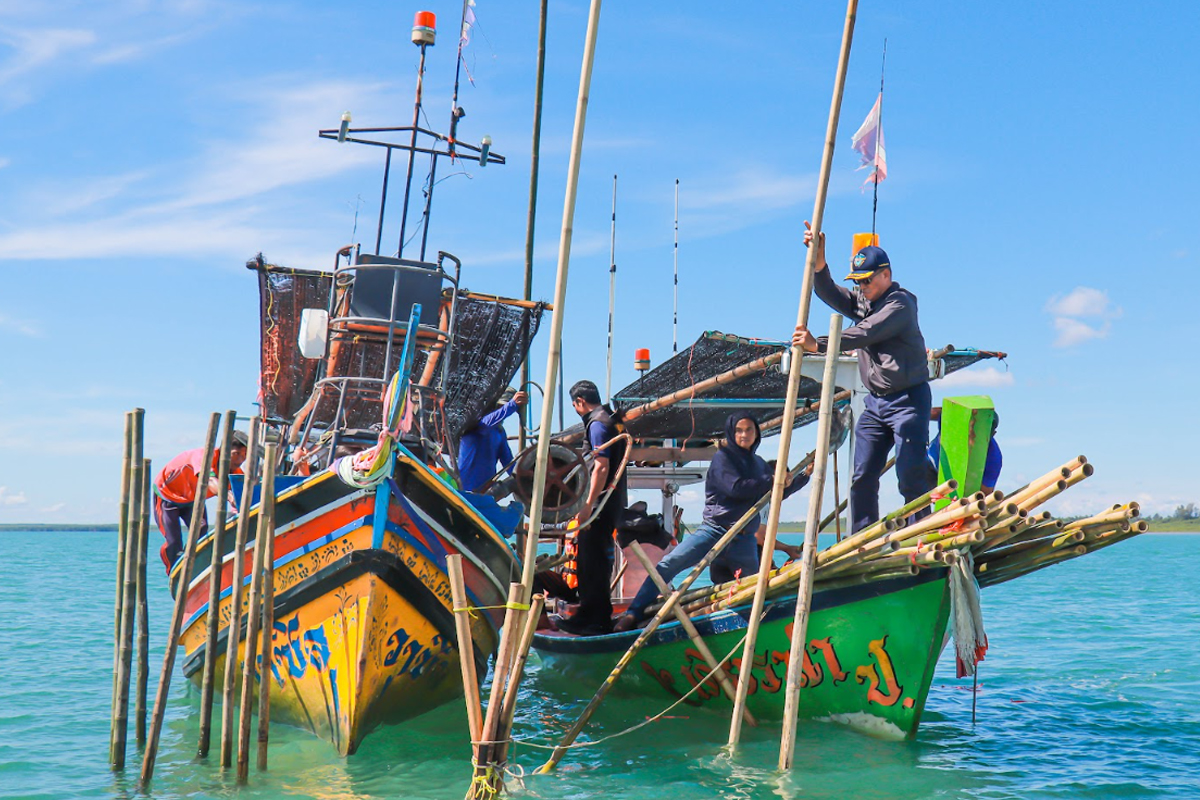
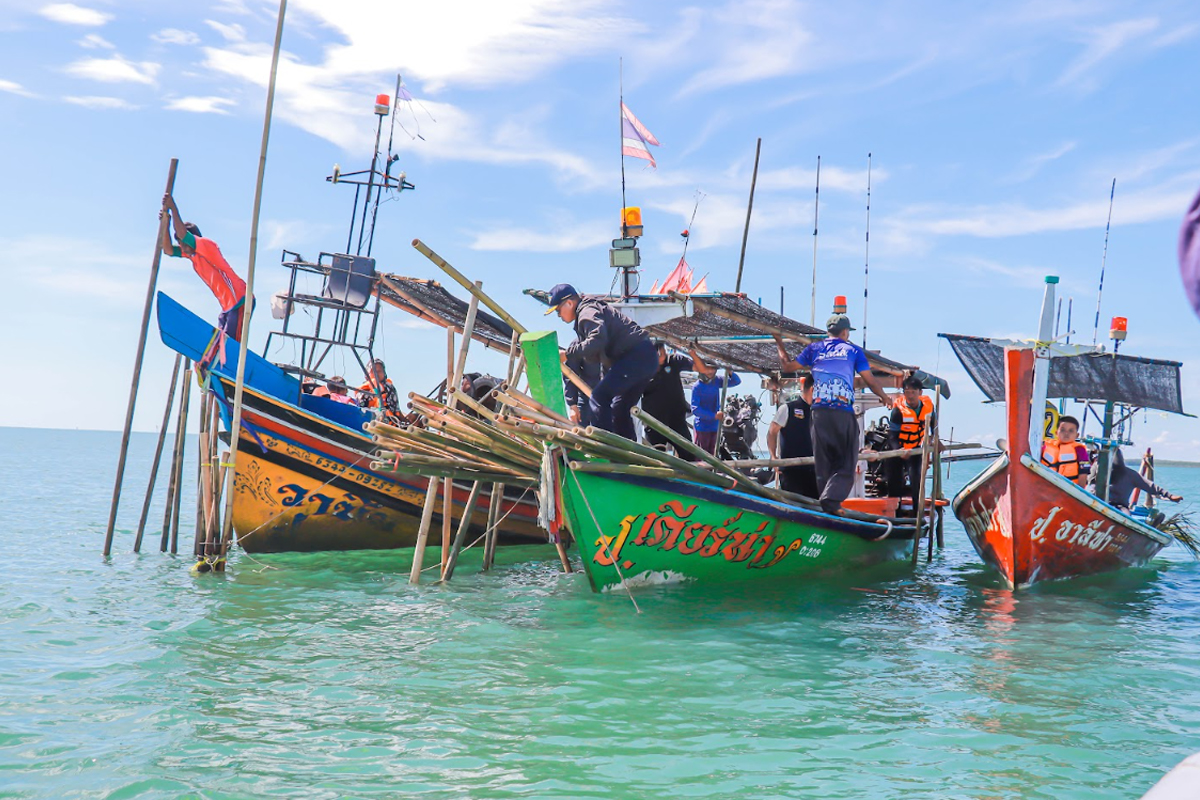
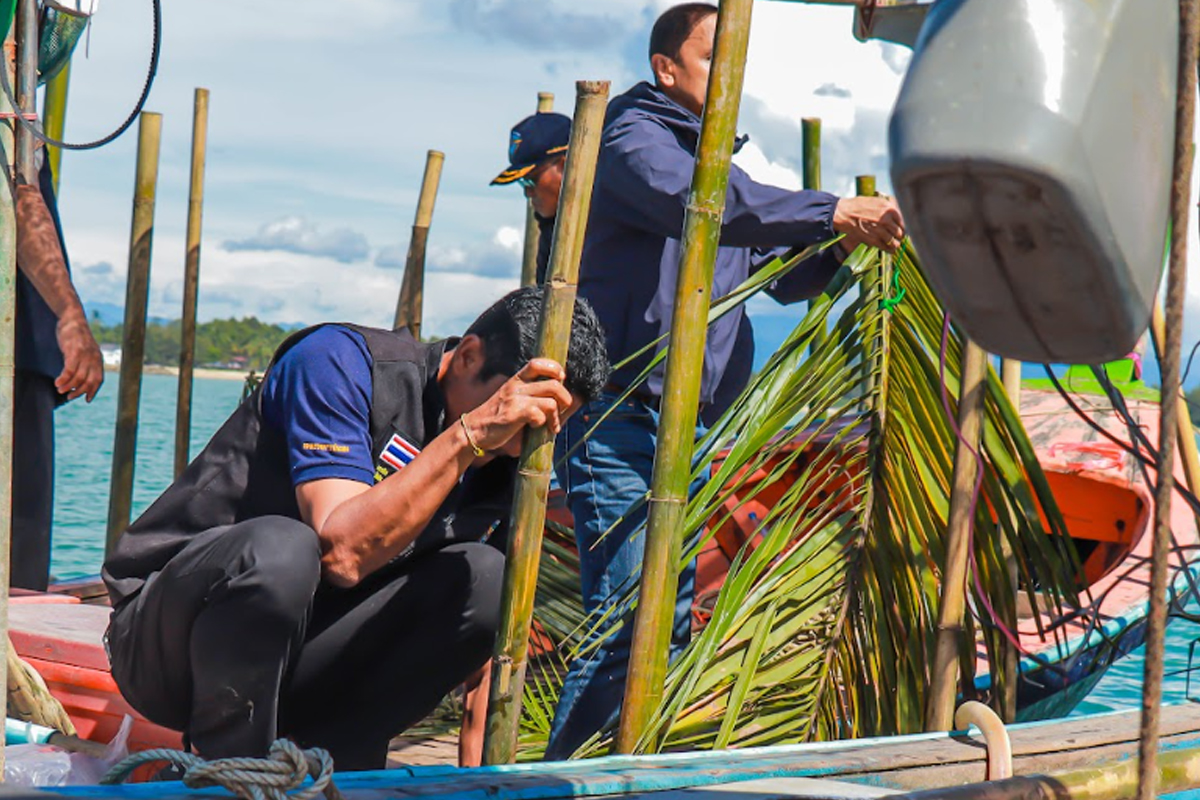
Walailak University (WU), in collaboration with the Thai Rak Pa Foundation, the Department of Marine and Coastal Resources, local fishermen in Ban Pak Phaya Community, and local residents, organised an Artificial Fish Habitat Construction activity to maintain and restore shared marine and coastal ecosystems. These ecosystems provide essential habitats for aquatic species, support biodiversity, sustain local fisheries, and contribute to community livelihoods. Maintaining their ecological health requires collaborative conservation measures that address habitat degradation, protect aquatic populations, and promote the sustainable utilisation of natural resources. By bringing together academic expertise, government agencies, conservation organisations, and local resource users, the activity encouraged community participation in practical habitat restoration and strengthened shared responsibility for the long-term management of coastal and marine environments.
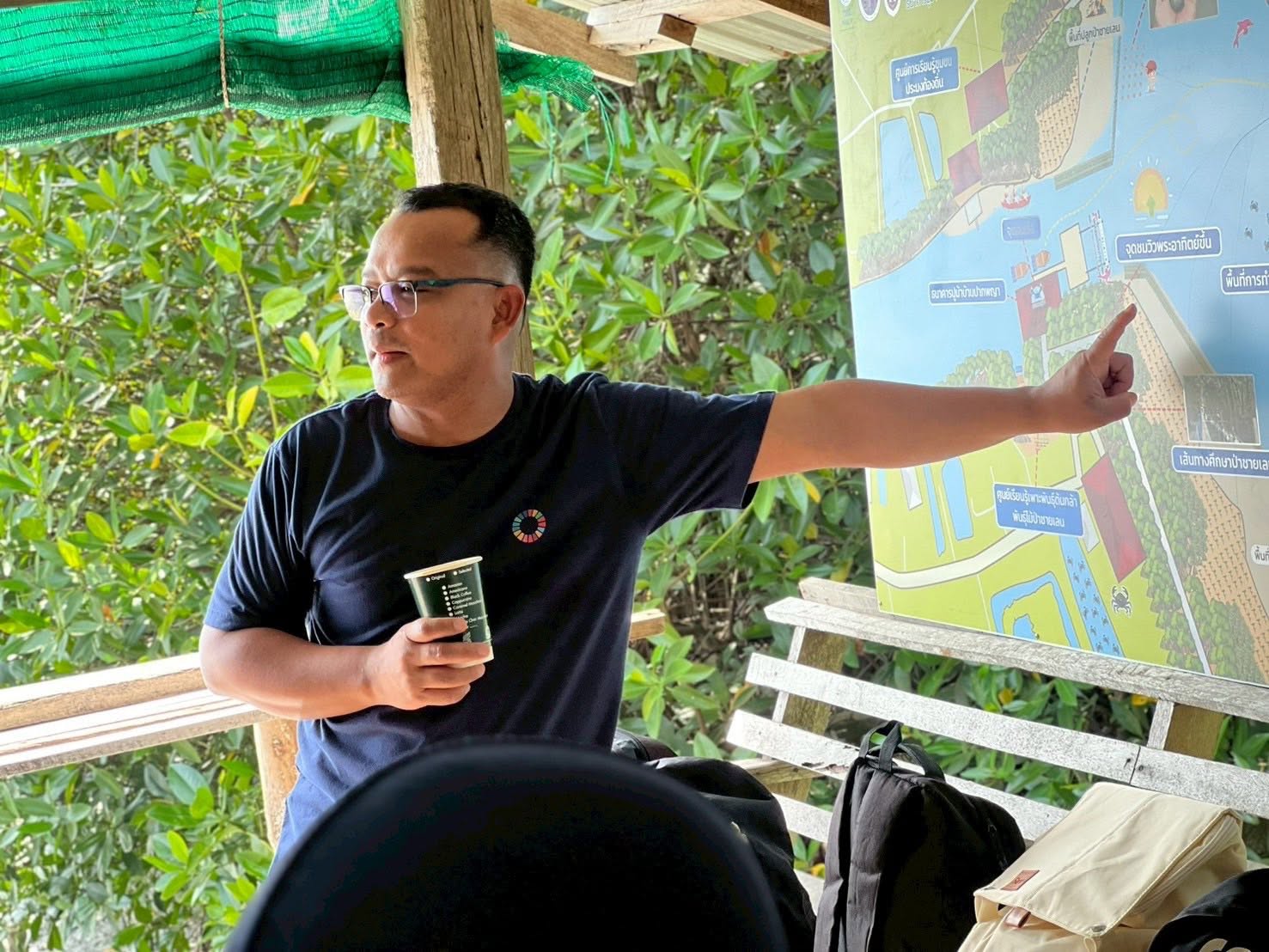
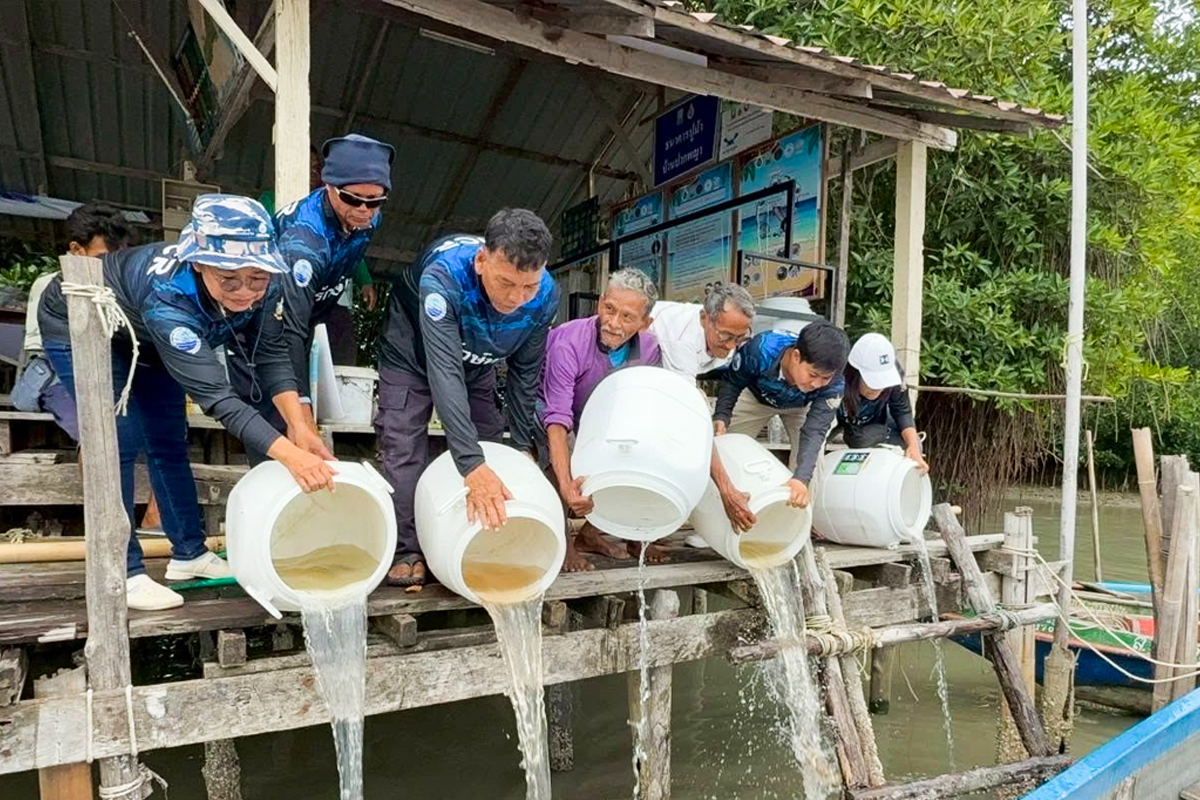
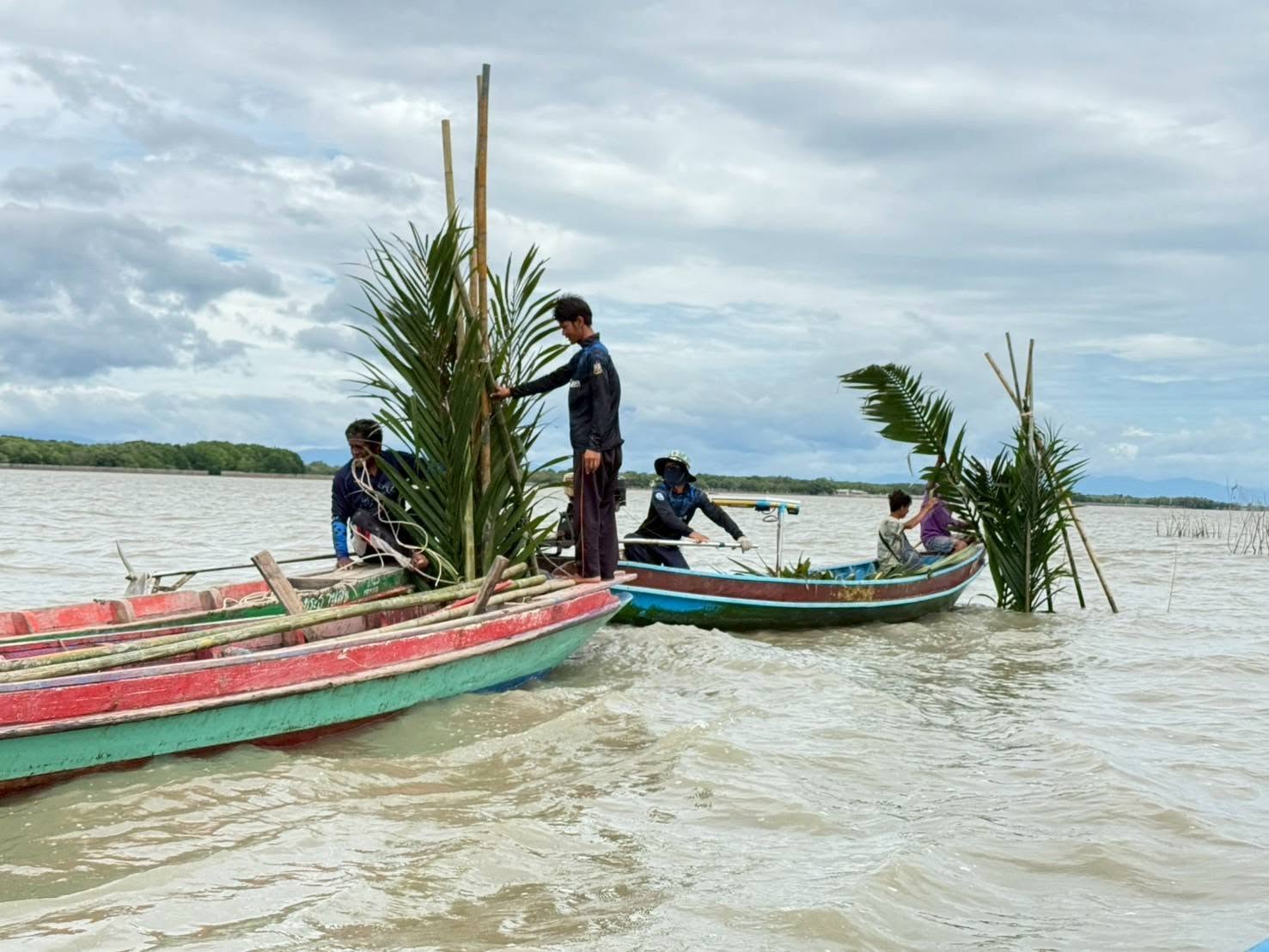
A major component of the activity was the construction of artificial fish habitats to provide additional shelter and suitable living, feeding, and breeding areas for aquatic organisms. These structures are intended to enhance habitat availability, support aquatic populations, and contribute to marine biodiversity conservation. Local fishermen contributed their knowledge and experience of local marine conditions, while WU and its partners supported the initiative through conservation knowledge and practical approaches to sustainable marine resource management. This collaboration connected local ecological knowledge with institutional expertise, enabling community members to participate directly in maintaining aquatic habitats and understanding their importance to sustainable fisheries. Continued monitoring and diagnostic assessments of habitat conditions and aquatic populations can help evaluate the effectiveness of these measures and identify opportunities for improving local conservation practices.
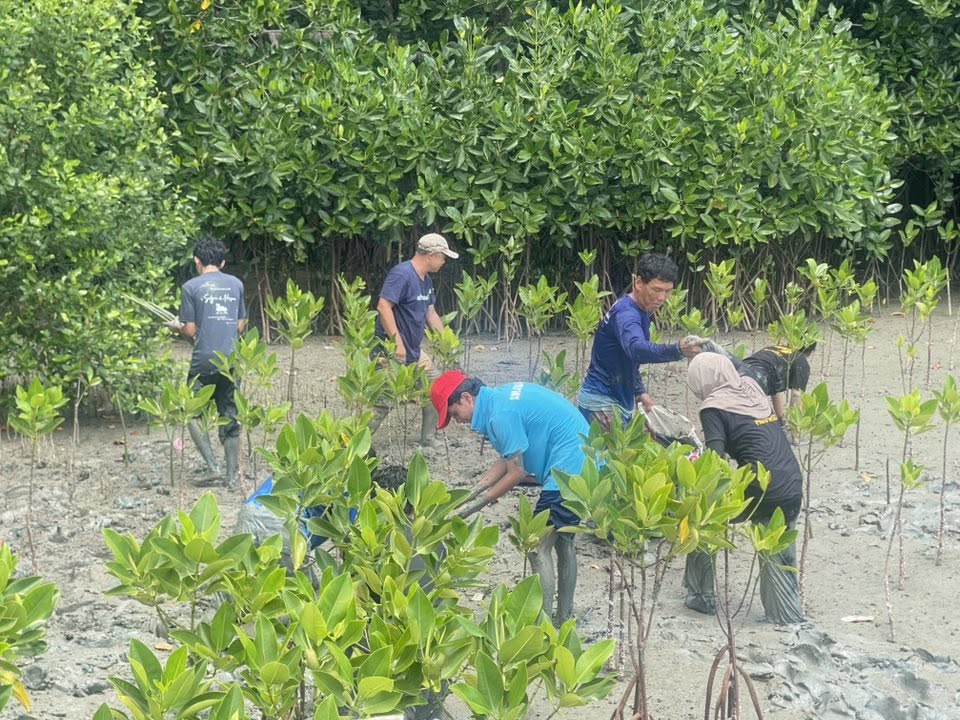
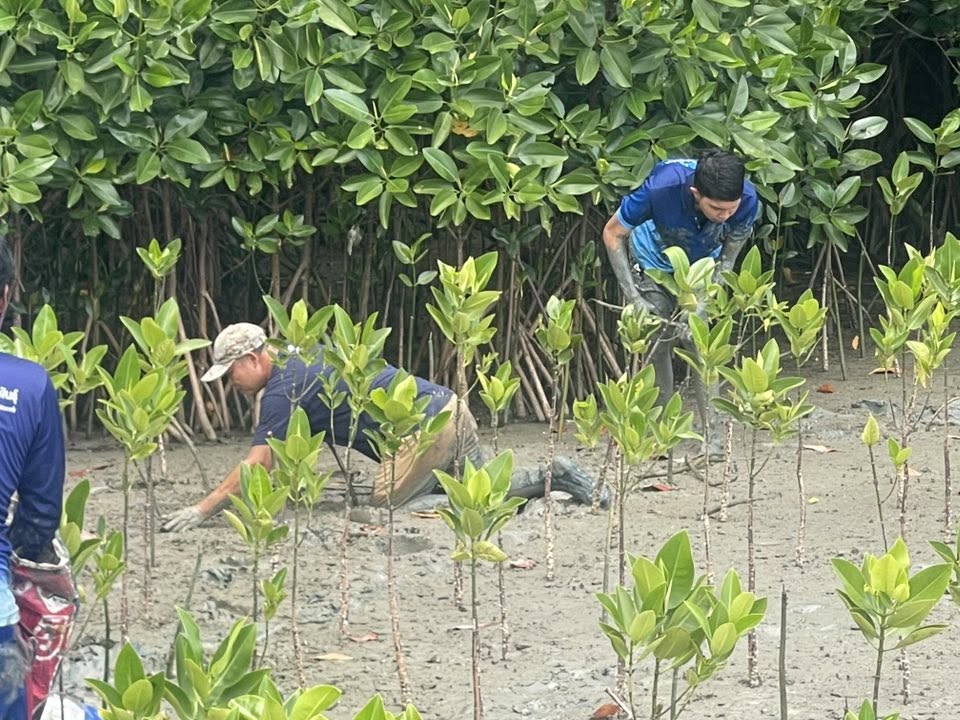
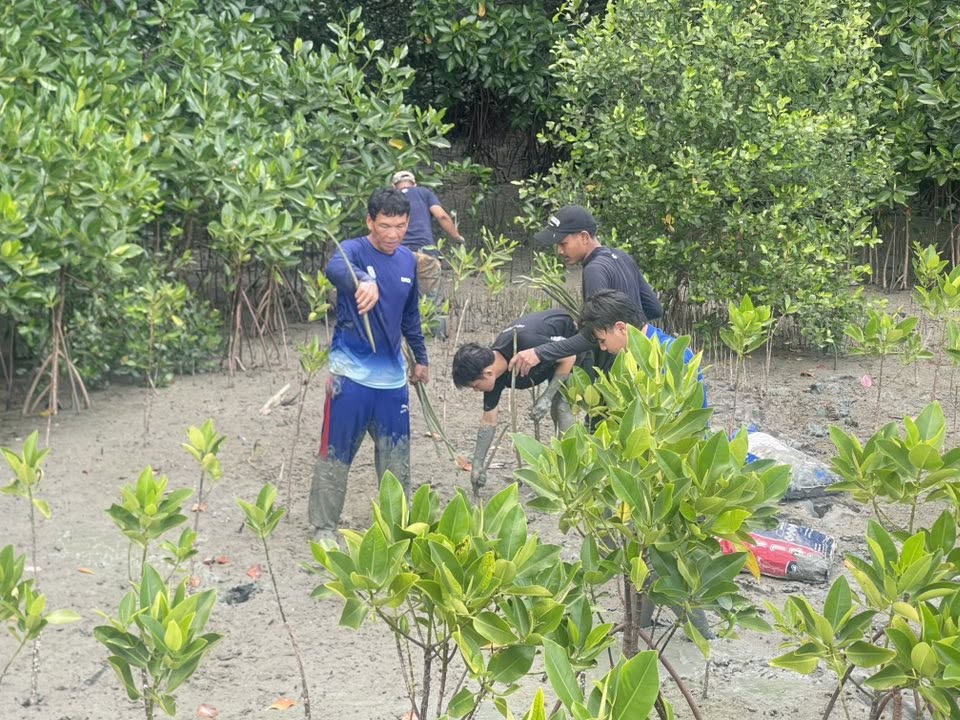
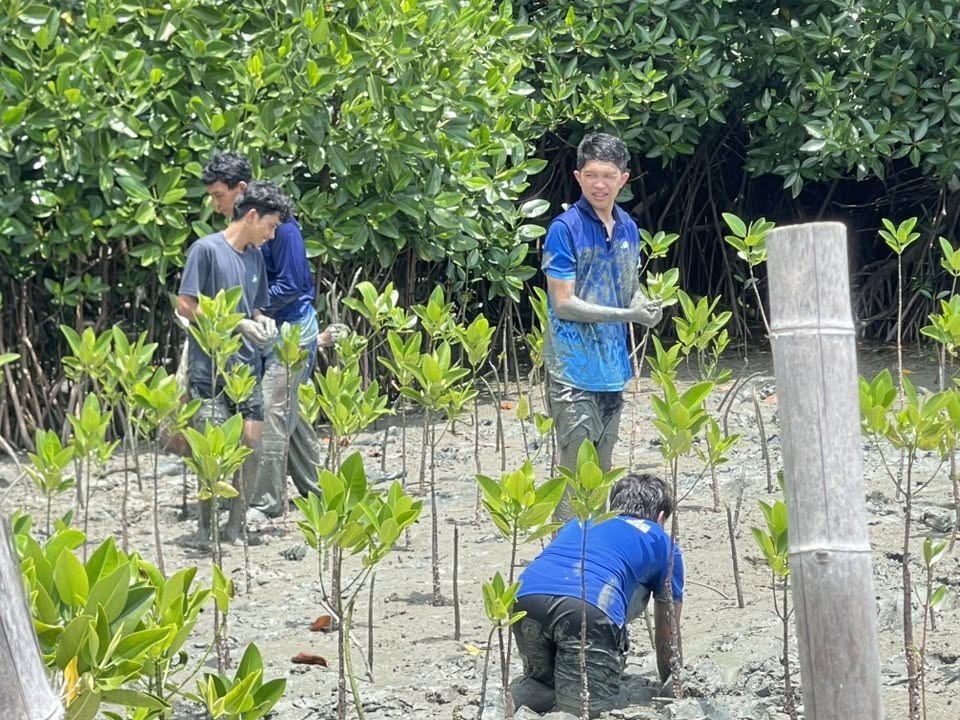
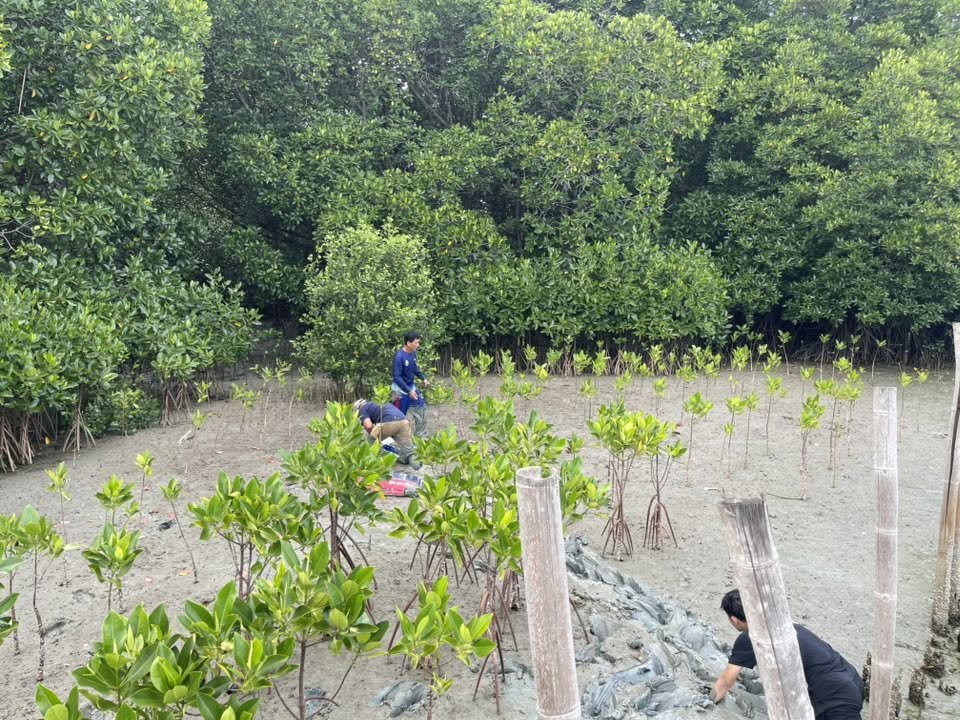
The activity also included mangrove planting to restore and maintain coastal ecosystems that support interconnected marine habitats. Mangrove forests provide important nursery, feeding, and shelter areas for fish, crabs, shellfish, and other aquatic organisms. They also help stabilise shorelines, reduce coastal erosion, and sustain biodiversity. Through direct participation in mangrove planting, local fishermen, residents, and other participants contributed to habitat restoration while developing a greater understanding of the ecological functions of mangrove forests. Maintaining these habitats alongside artificial fish habitats can help strengthen the ecological connections between coastal vegetation and nearby aquatic environments, supporting the long-term productivity and resilience of shared marine and coastal ecosystems.
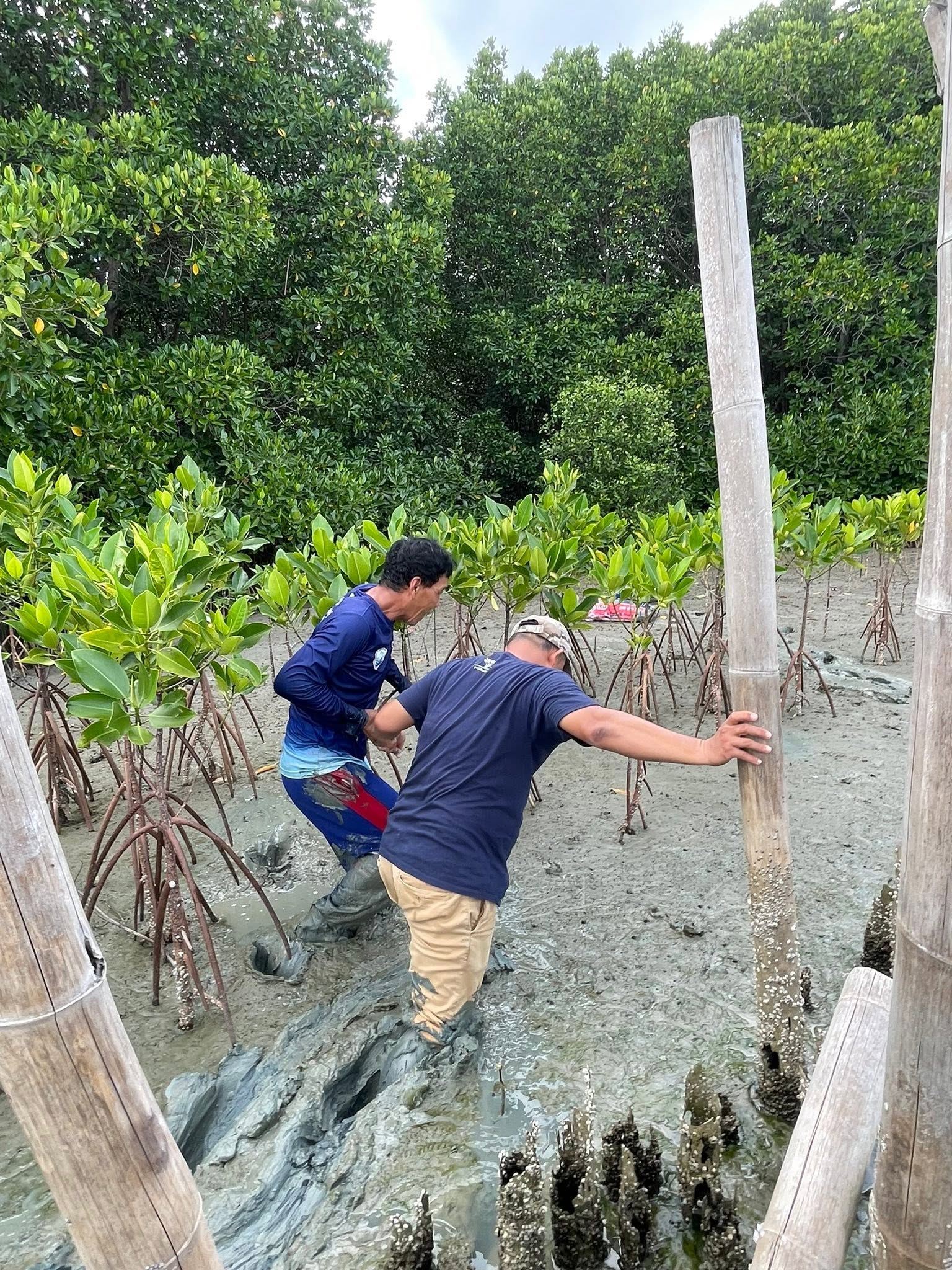
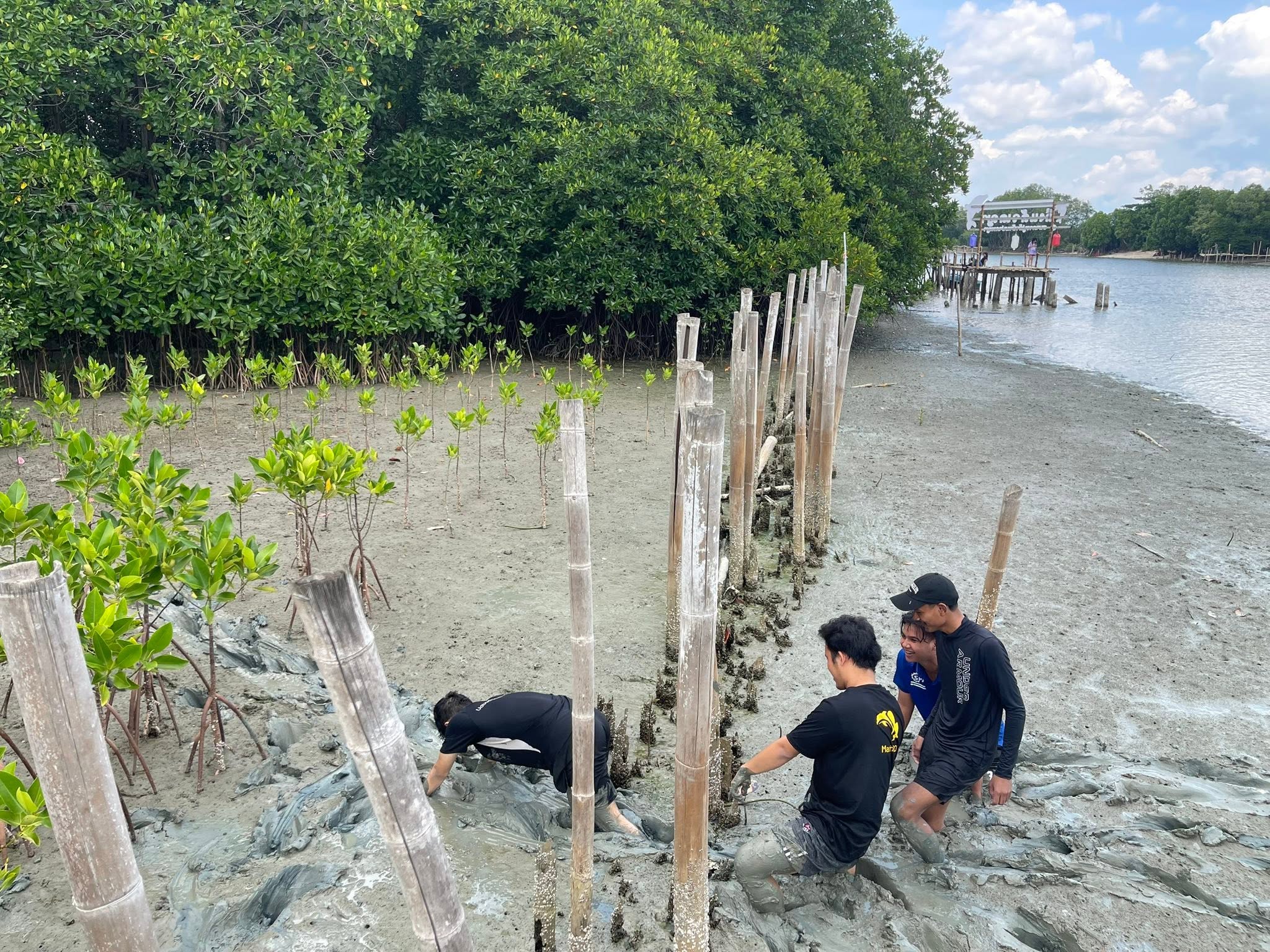
In addition, participants took part in clam and shell collection activities that provided opportunities to engage with local aquatic resources and understand their ecological and economic importance. These activities highlighted the relationship between healthy aquatic habitats, the natural replenishment of marine organisms, and the continued availability of resources for local communities. By involving local fishermen and residents, the initiative encouraged the exchange of local ecological knowledge and promoted awareness of responsible resource use. Such community engagement can support more informed resource-management decisions and help identify the need for appropriate conservation measures to maintain aquatic populations and their habitats.
The integration of artificial fish habitat construction, mangrove planting, and clam and shell-related activities demonstrated a collaborative approach to maintaining shared aquatic ecosystems. Rather than focusing exclusively on individual species, the initiative addressed different aspects of marine and coastal conservation, including habitat availability, coastal vegetation, aquatic biodiversity, and sustainable resource utilisation. These activities also created opportunities for WU, conservation organisations, government agencies, and community members to exchange knowledge and strengthen their understanding of the environmental pressures affecting local aquatic resources. Diagnostic assessments of habitat conditions, combined with community observations and scientific monitoring, can provide useful evidence for identifying environmental challenges, measuring conservation progress, and informing future restoration and management interventions.
Through this collaboration, WU and its partners promoted direct community participation in maintaining and restoring aquatic habitats while reinforcing the connection between ecosystem health and local livelihoods. The involvement of fishermen and residents was particularly important because their experience and continued interaction with the marine environment can contribute to the ongoing stewardship of local resources. By combining practical conservation activities, knowledge exchange, and opportunities for monitoring, the initiative established a foundation for continued cooperation in protecting aquatic biodiversity and sustaining coastal resources.
Overall, the Artificial Fish Habitat Construction activity demonstrated how collaboration between a university, conservation organisations, government agencies, and local communities can contribute to maintaining shared aquatic ecosystems. Artificial habitat construction and mangrove planting supported practical habitat conservation, while community participation strengthened awareness of responsible resource use and the importance of protecting interconnected marine and coastal environments. Continued measurement of habitat conditions, aquatic population trends, and restoration outcomes can help assess the effectiveness of these interventions and guide future conservation priorities. These collective efforts contribute to the long-term maintenance of aquatic ecosystems, the sustainable utilisation of marine resources, and the resilience of communities that depend on healthy coastal environments.
Walailak University Collaborates with Local Communities to Maintain and Restore Shared Freshwater Ecosystems through the Living Weir Project
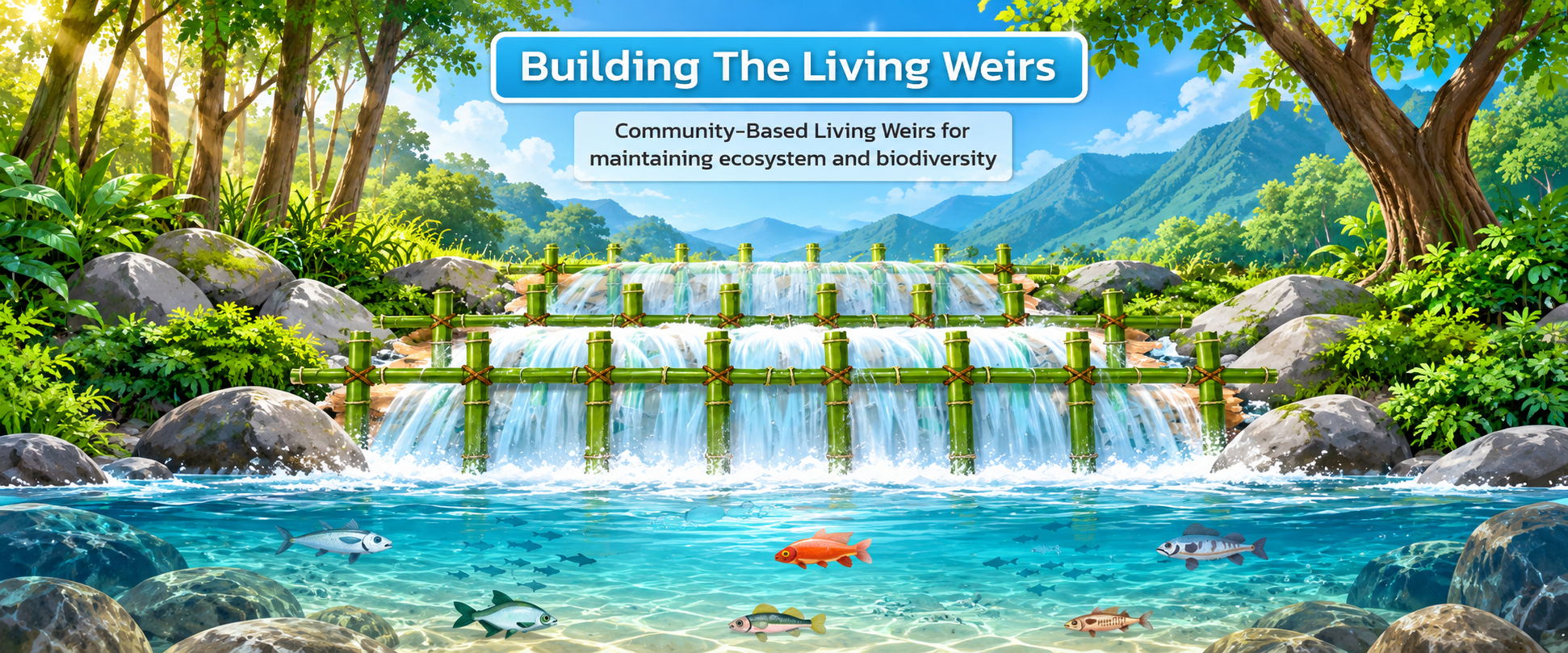
Walailak University (WU) promotes the conservation and sustainable utilisation of shared freshwater ecosystems through its Living Weir Project, which combines environmental education, nature-based solutions, and community participation in river conservation and management. Freshwater ecosystems are essential for water security, aquatic biodiversity, agricultural activities, and local livelihoods. However, maintaining their ecological functions requires appropriate water management, habitat protection, erosion prevention, and the active involvement of communities that depend on these resources. Through collaboration among WU researchers, local residents, community leaders, local government officers, and student volunteers, the project encourages shared responsibility for maintaining rivers and freshwater habitats while strengthening local capacity to manage water resources sustainably.
An important component of the project is community-based learning that helps participants understand freshwater ecosystem functions and the environmental factors affecting river health. Through classroom discussions, community consultations, field surveys, demonstrations, and hands-on conservation activities, WU researchers share knowledge about freshwater ecosystem conservation, water management, sustainable irrigation, river restoration, aquatic biodiversity, erosion prevention, water retention, ecological engineering, and climate-resilient water resource management. Participants learn how water flow, sediment movement, vegetation, aquatic organisms, and seasonal rainfall influence river ecosystems. These activities also provide opportunities to identify local water-management challenges and discuss appropriate conservation measures based on scientific knowledge and community experience. Such diagnostic assessments of river conditions and resource-management needs can help guide practical interventions and support the continued maintenance of shared freshwater ecosystems.
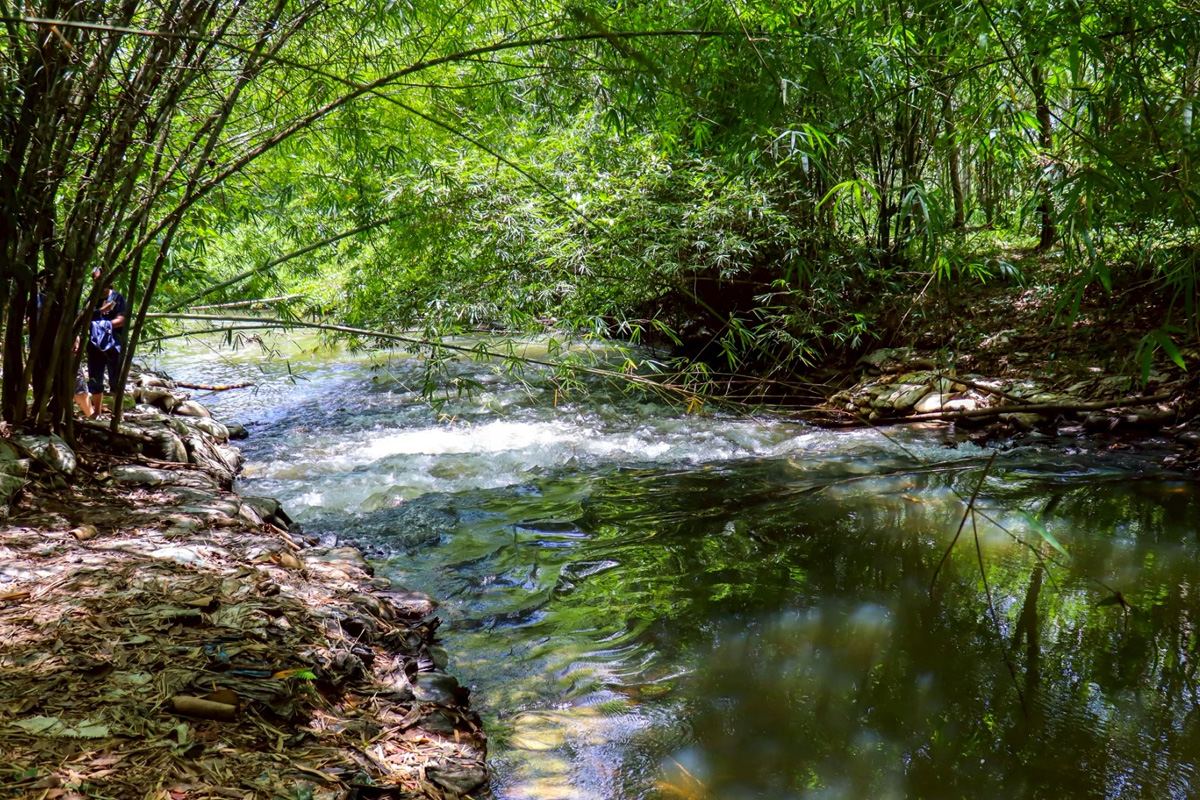
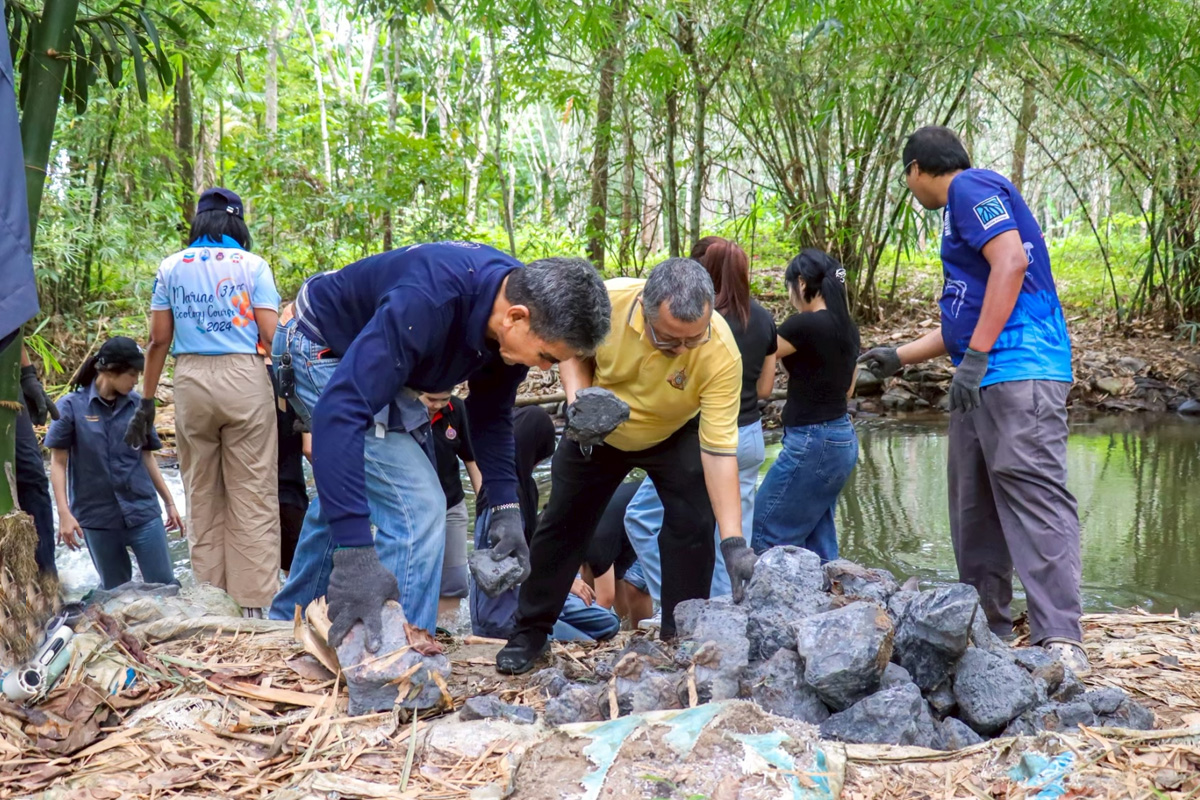
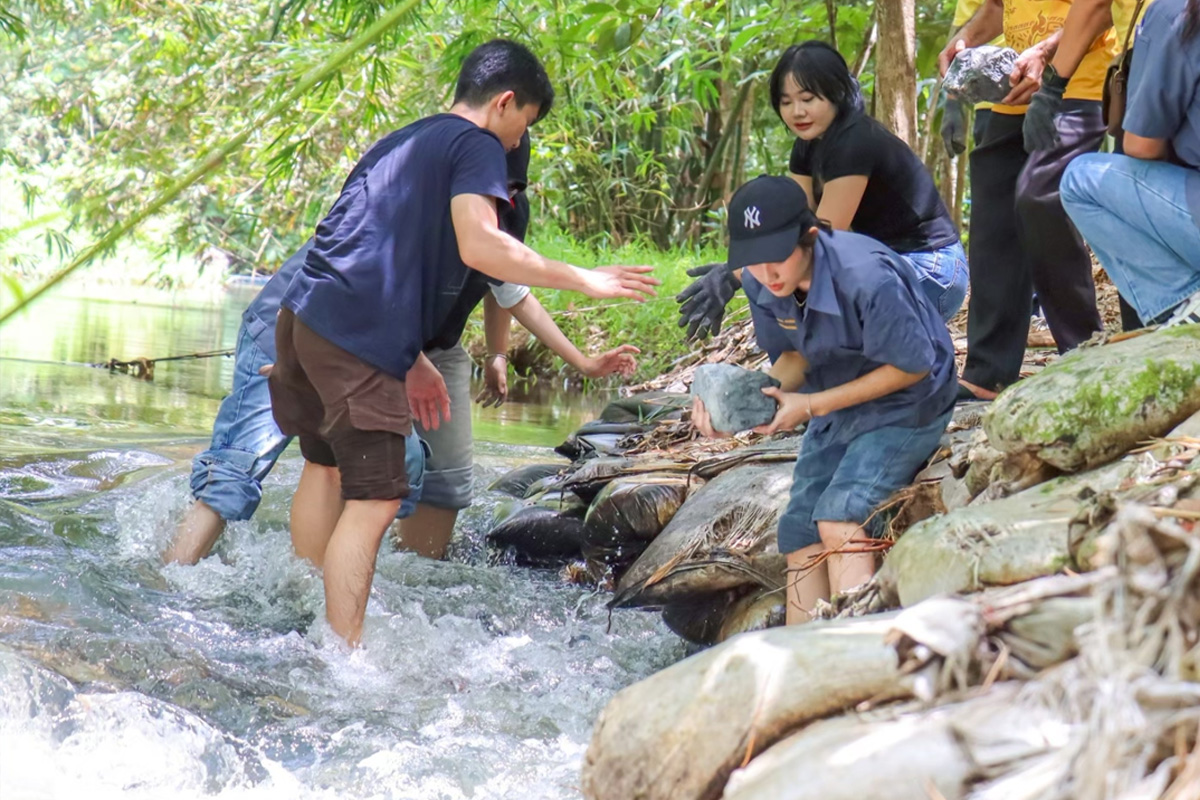
A central focus of the Living Weir Project is the preservation, restoration, and maintenance of nature-based weirs that support freshwater conservation and sustainable water management. WU works with local communities to provide practical experience in constructing and restoring weirs using locally available materials, including small boulders, bamboo, coconut leaves, and sandbags. Designed as stepped and permeable structures, the weirs slow water flow, retain water, and allow water to continue moving downstream. Through direct participation in site surveys, planning, construction, restoration, and maintenance, community members develop practical skills and a better understanding of how nature-based water-management structures can contribute to both water conservation and river ecosystem protection.
The maintenance of these weirs supports several interconnected environmental functions. By slowing water flow and increasing water retention, the structures can help maintain water availability for local agricultural activities, retain soil moisture, reduce erosion, and stabilise riverbanks. The pools and aquatic habitats associated with the weirs may also provide suitable conditions for fish, freshwater invertebrates, aquatic insects, and riparian vegetation. These ecological functions demonstrate how community-based water management can support freshwater biodiversity while addressing local water needs. Local community observations of increased aquatic animals compared with previous years provide an encouraging indication of possible ecological improvement, although continued monitoring would be needed to determine the extent and causes of these changes.
Community participation is essential to maintaining these shared freshwater ecosystems over time. Local residents and community leaders contribute knowledge of river conditions, seasonal changes, and water-use needs, while WU researchers provide scientific guidance and technical knowledge. Local government officers and student volunteers also participate in educational and practical activities that strengthen environmental awareness and encourage collective stewardship. This collaborative approach helps connect local experience with scientific understanding, allowing participants to recognise potential environmental problems, identify maintenance needs, and consider appropriate responses. By developing local knowledge and practical skills, the project supports the continued preservation of existing weirs and encourages the application of suitable nature-based approaches to freshwater management in other communities.
To strengthen the effectiveness of these efforts, ongoing monitoring and diagnostic assessments can be used to evaluate river conditions, water retention, erosion, aquatic habitats, and the maintenance requirements of nature-based weirs. Community observations can complement scientific measurements by helping identify changes in water availability, aquatic populations, and riverbank conditions. These findings can inform decisions about weir maintenance, river restoration, habitat protection, and improvements to local water-management practices. Measuring these environmental conditions over time can also help the university and participating communities assess progress, identify emerging challenges, and adapt conservation measures to changing rainfall patterns and local water demands.
Through the Living Weir Project, Walailak University demonstrates how collaboration with local communities can contribute to maintaining shared freshwater ecosystems through nature-based infrastructure, practical conservation, environmental education, and community-led stewardship. The project connects water retention and sustainable water use with river habitat protection and aquatic biodiversity conservation, recognising that freshwater resources must be managed in ways that maintain their ecological functions. By combining local participation, scientific knowledge, and continued measurement of environmental conditions, the initiative provides a foundation for evidence-based management and the long-term conservation of rivers. These collaborative efforts aim to sustain freshwater biodiversity, strengthen local water security, support community livelihoods, and preserve healthy aquatic ecosystems for future generations.
Walailak University Collaborates with Local Communities to Maintain Shared Marine Ecosystems through Blue Swimming Crab Banks and Fisheries Improvement
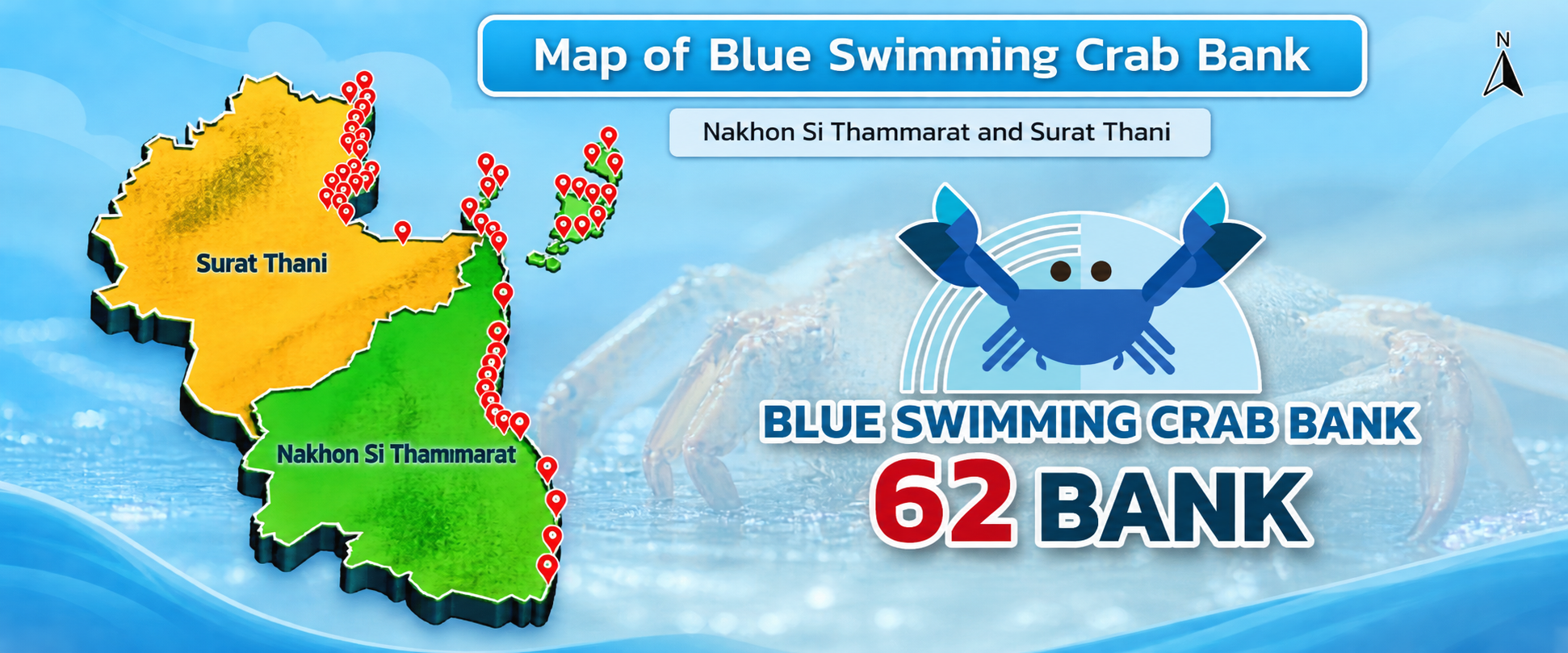
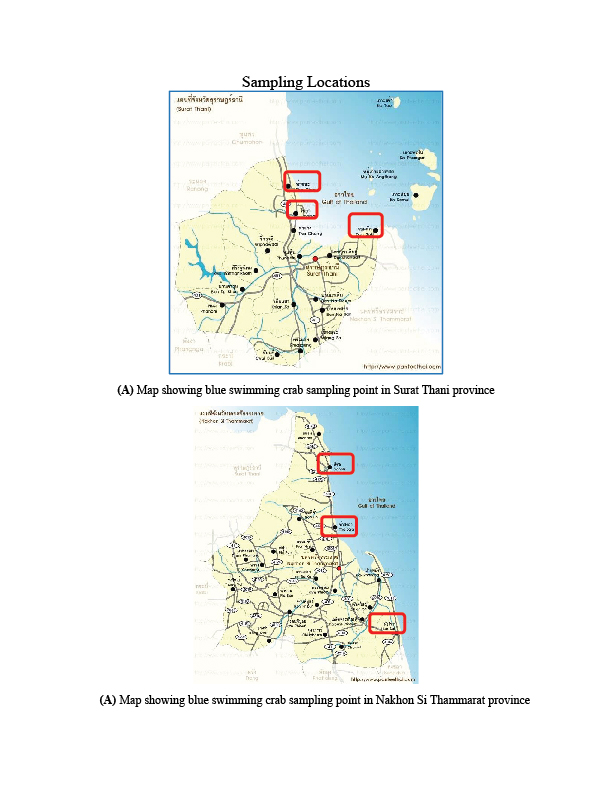
Walailak University (WU) collaborates with local fishing communities, government authorities, non-governmental organizations (NGOs), young people, and other stakeholders to maintain shared marine ecosystems through community-based blue swimming crab banks and sustainable fisheries management. Marine ecosystems provide essential habitats for aquatic species, support biodiversity, sustain food security, and underpin the livelihoods of coastal communities. Maintaining these ecosystems requires coordinated action to protect breeding populations, replenish aquatic resources, monitor fisheries conditions, and promote responsible harvesting practices. In 2025, WU supported a network of 62 blue swimming crab banks across Nakhon Si Thammarat and Surat Thani provinces. The University also collaborated with all local fishermen participating in the Blue Swimming Crab Bank Project to monitor crab populations under the Thai Blue Swimming Crab Fishery Improvement Project (BSC FIP). By integrating sustainable aquaculture, community participation, scientific assessment, and responsible fisheries management, these initiatives strengthened collaborative efforts to conserve aquatic biodiversity and maintain marine resources for future generations.
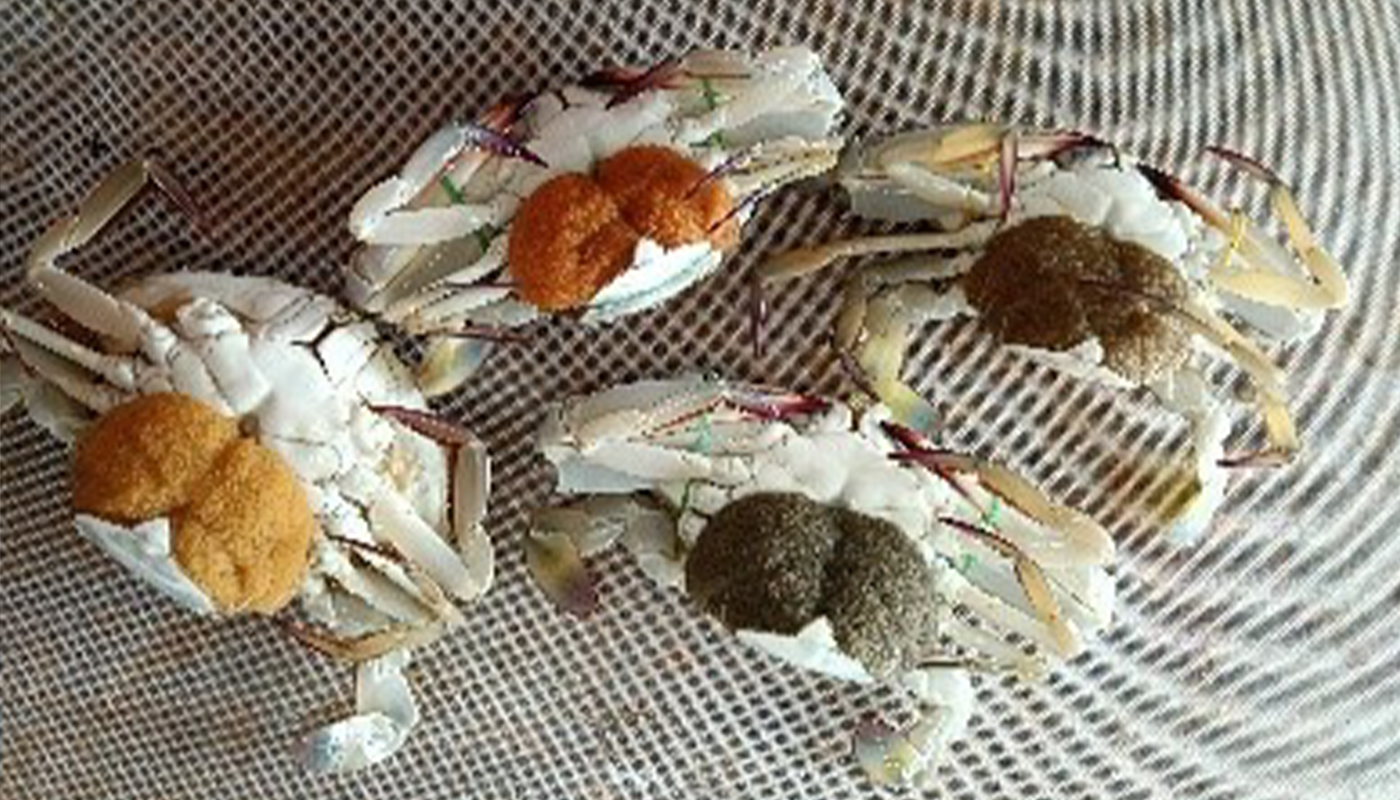
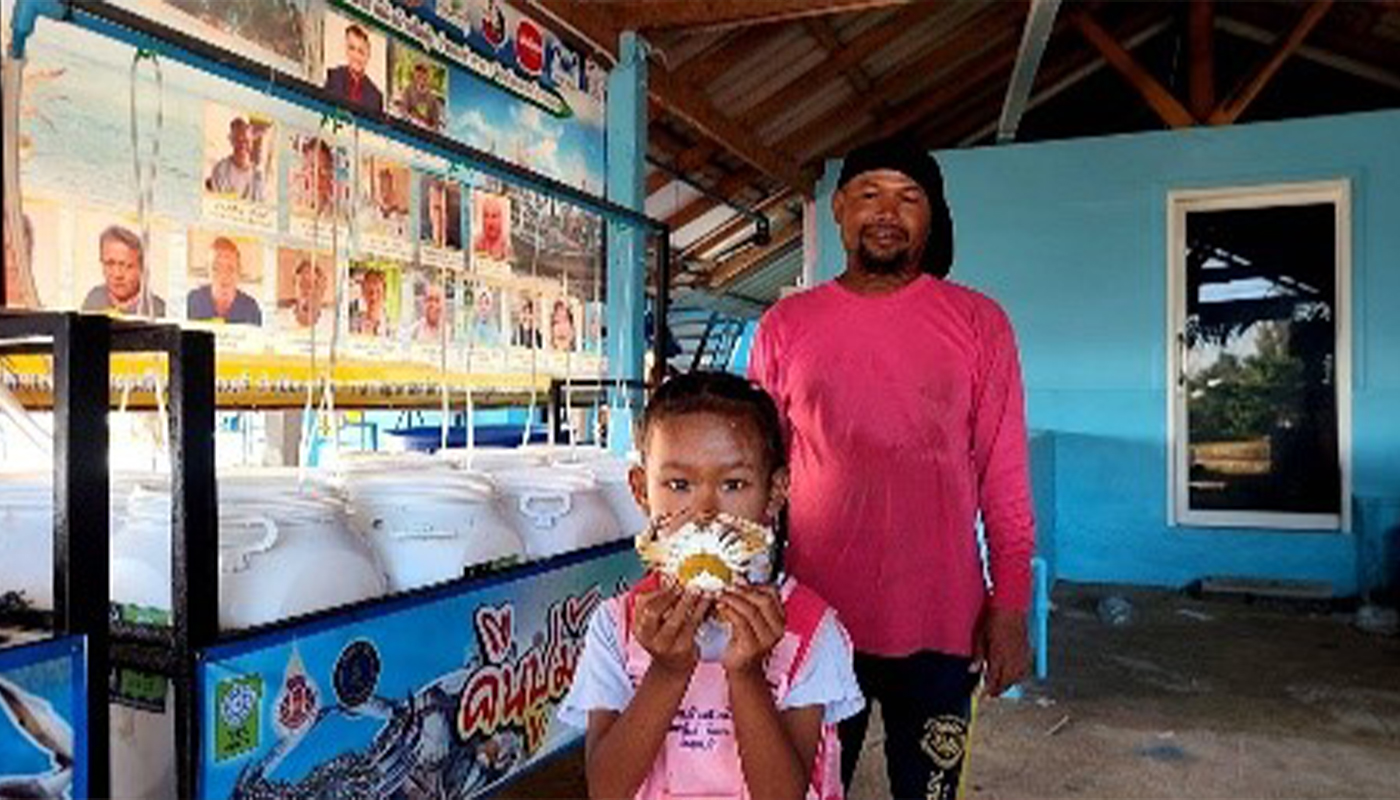
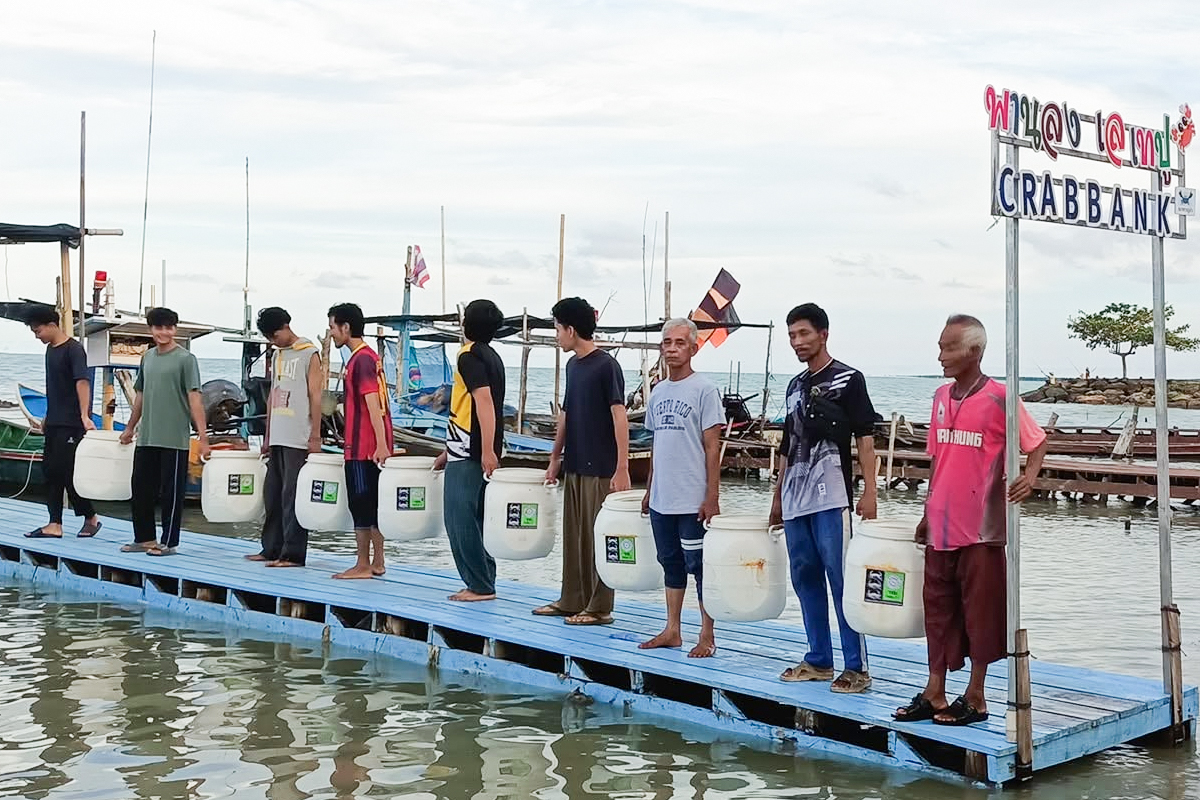
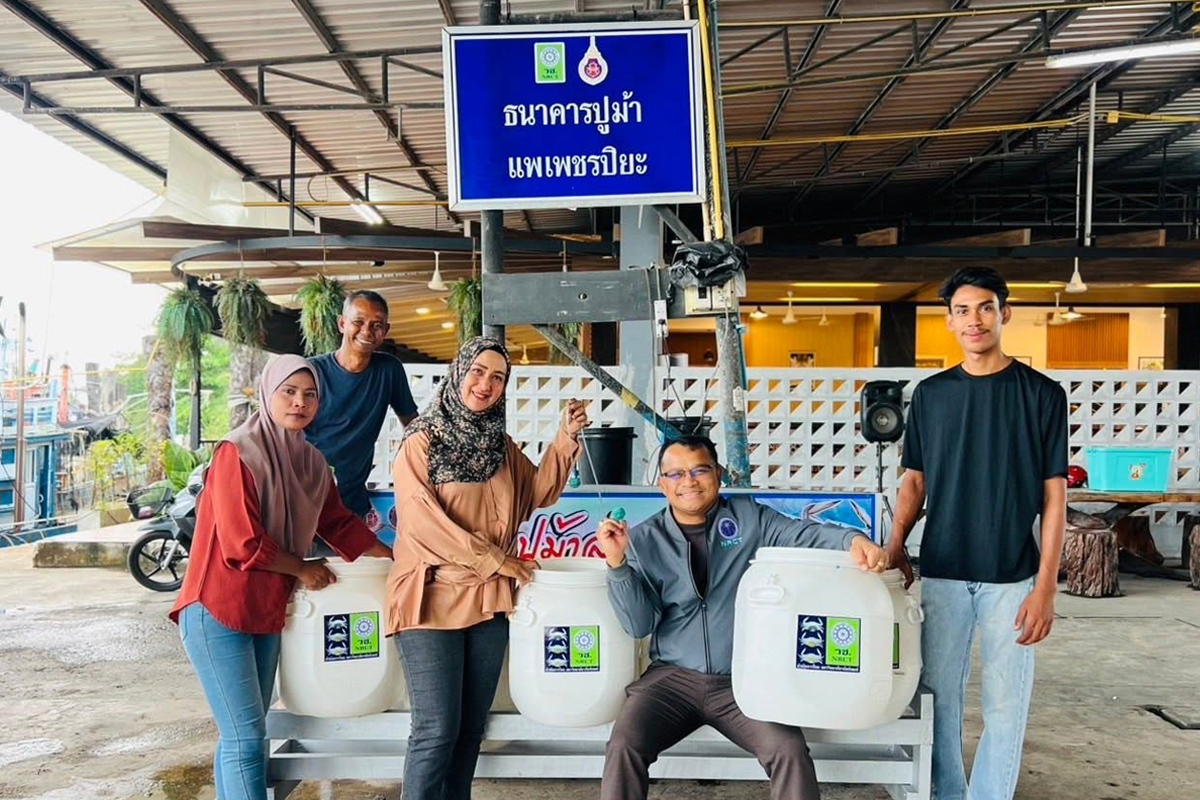
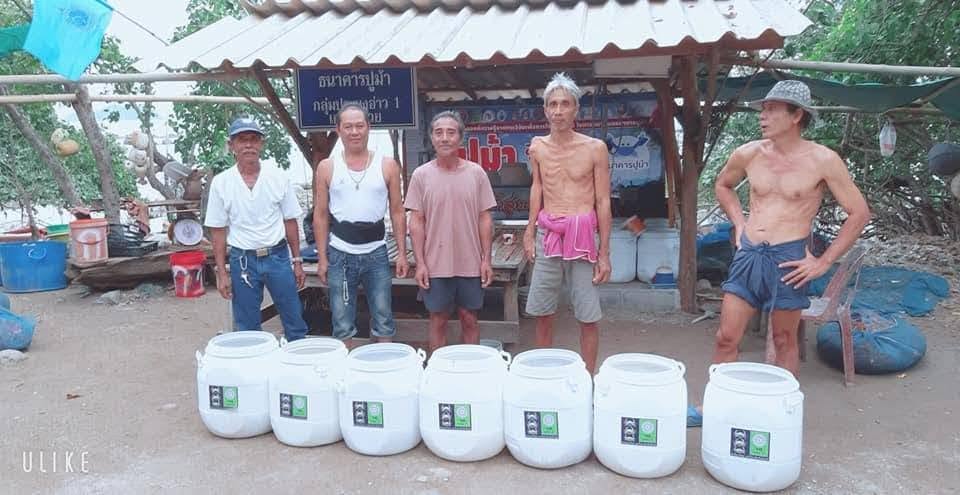
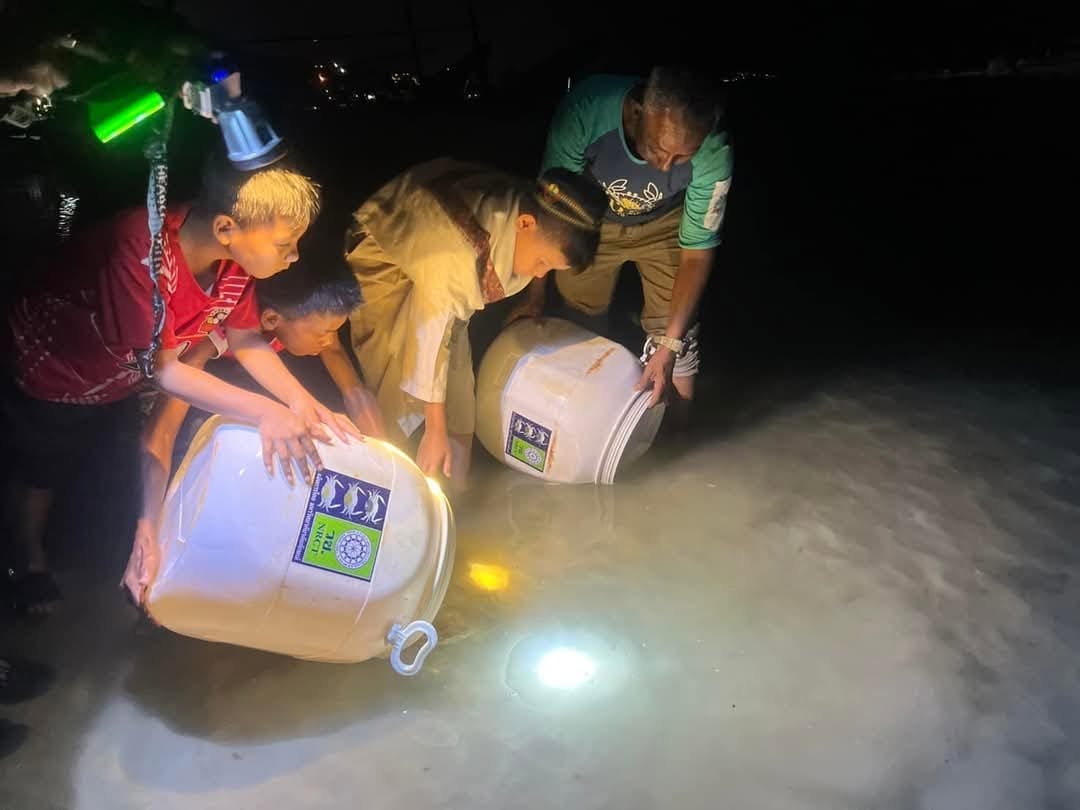
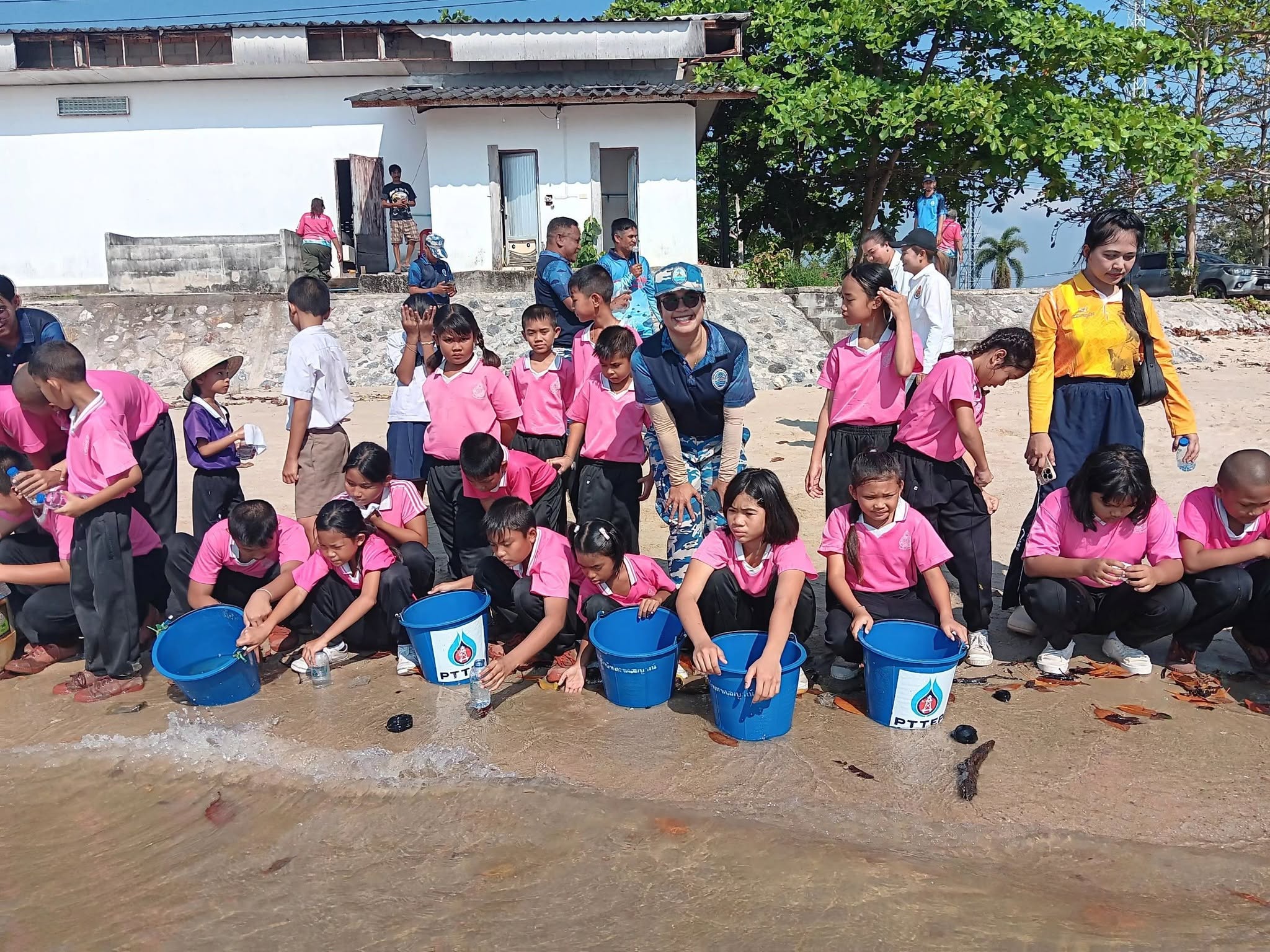
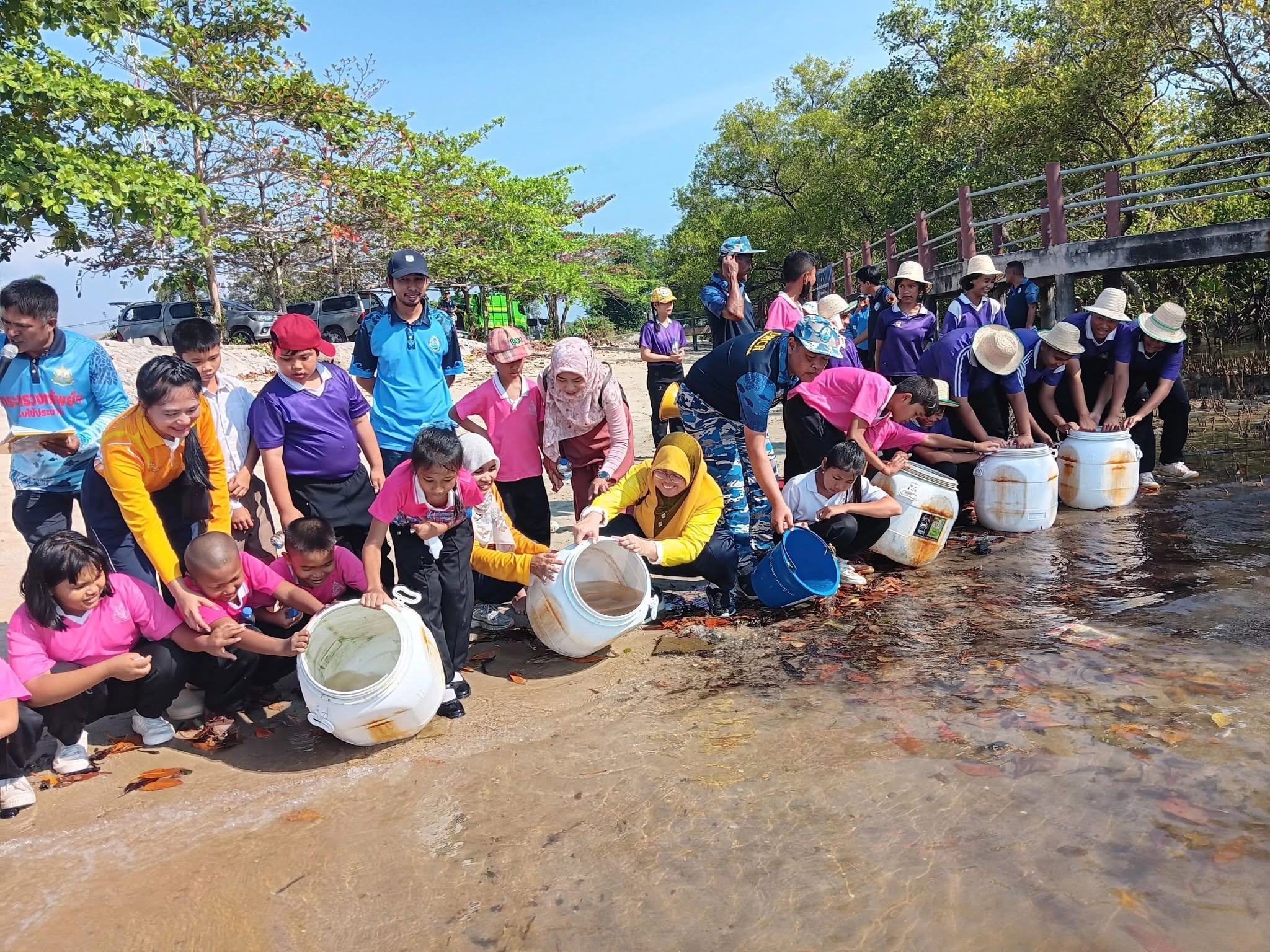
The blue swimming crab banks serve as community-based facilities for hatching and releasing young crabs, as well as learning centres for sustainable aquaculture and fisheries management. WU provided educational outreach to local fishermen, local government authorities, NGO members, young people, and the general public on hatchery management, water quality, feeding, the care of berried female crabs, and the development of young crabs from the zoea larval stage until they are ready for release into the sea. These activities help participants understand the crab life cycle and the importance of protecting breeding stocks and supporting the replenishment of natural aquatic populations. By combining scientific knowledge with local experience, the programme strengthens community capacity to participate directly in maintaining shared marine resources and managing fisheries sustainably.
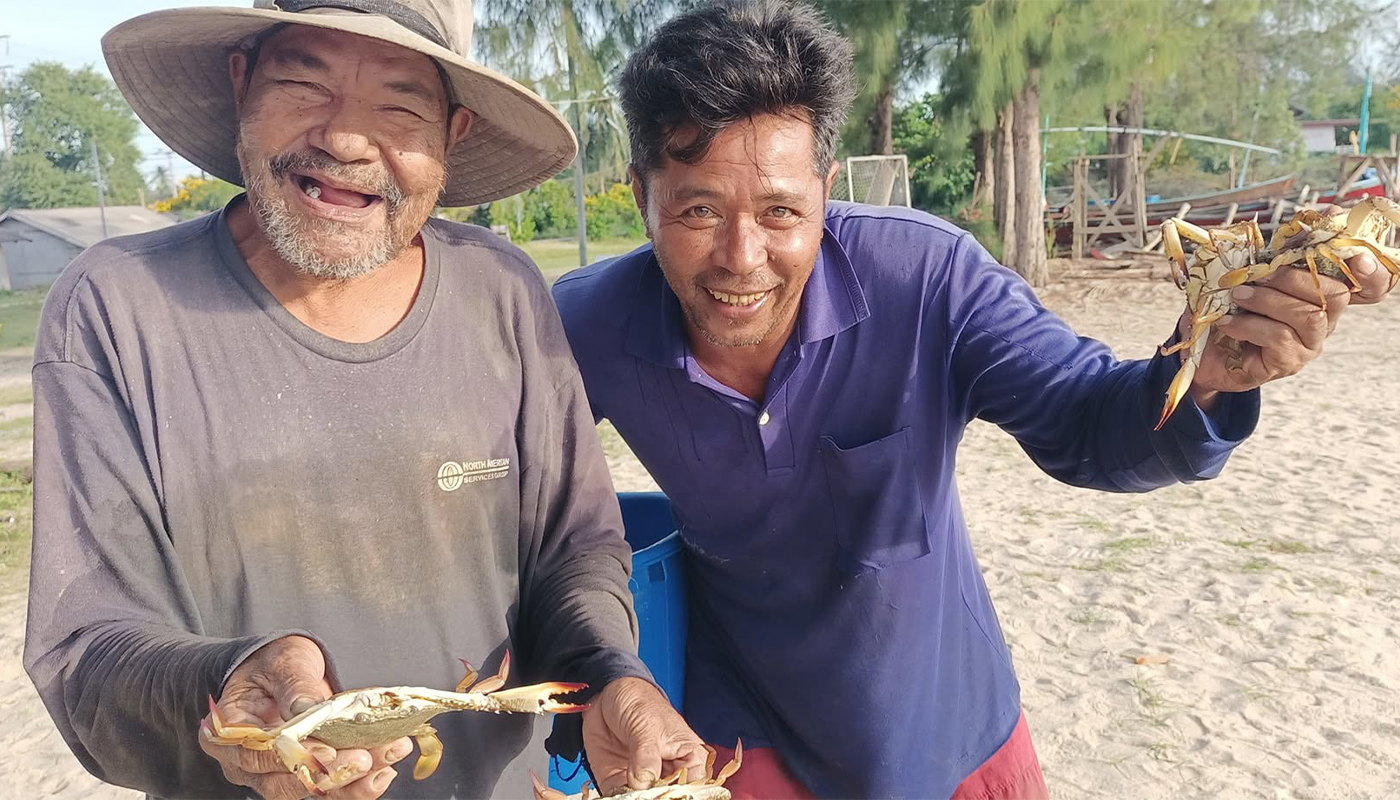
A central component of the initiative is the collaborative process through which local fishermen contribute berried female blue swimming crabs caught during fishing activities. The females are placed in holding facilities until their eggs hatch, after which the larvae are released into the sea. This process provides an opportunity for young crabs to return to their natural marine environment and contribute to future populations. The crab banks also provide practical learning opportunities through which fishermen and community members can understand how sustainable aquaculture complements the conservation of natural populations. Together, hatchery operations, larval releases, and responsible fisheries practices form a community-based approach to supporting crab population replenishment and maintaining the ecological resources on which local fisheries depend.
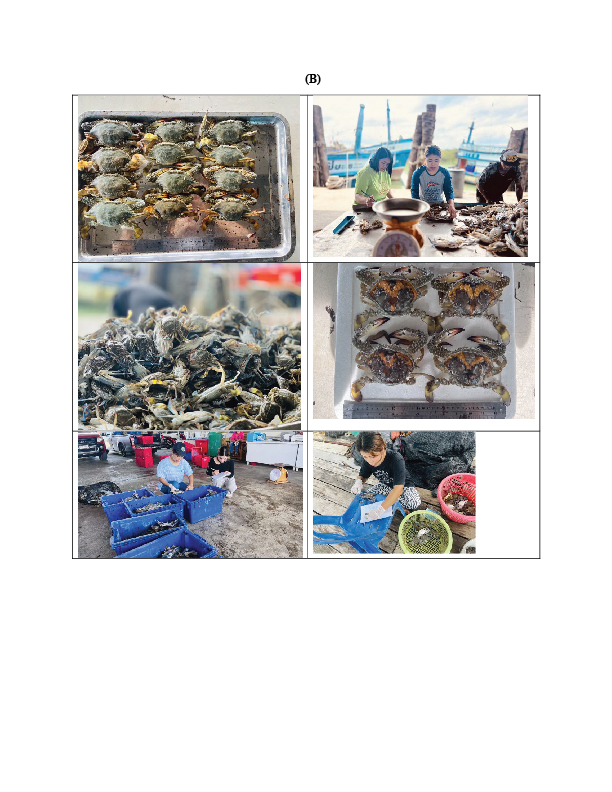
In 2025, WU and all participating local fishermen collaborated to monitor blue swimming crab populations in Nakhon Si Thammarat and Surat Thani under the Thai Blue Swimming Crab Fishery Improvement Project (BSC FIP). The monitoring aimed to determine whether crab populations were increasing or decreasing and to provide information for maintaining crab stocks and informing fisheries management. Local fishermen contributed their knowledge of fishing activities and local marine conditions, while WU provided academic and scientific support for assessing the status of crab resources. This collaboration connected observations from fishing communities with scientific assessment, strengthening the involvement of local resource users in monitoring aquatic resources and identifying potential conservation needs. By participating in population monitoring, fishermen became active partners in assessing the condition of the marine resources on which their livelihoods depend.
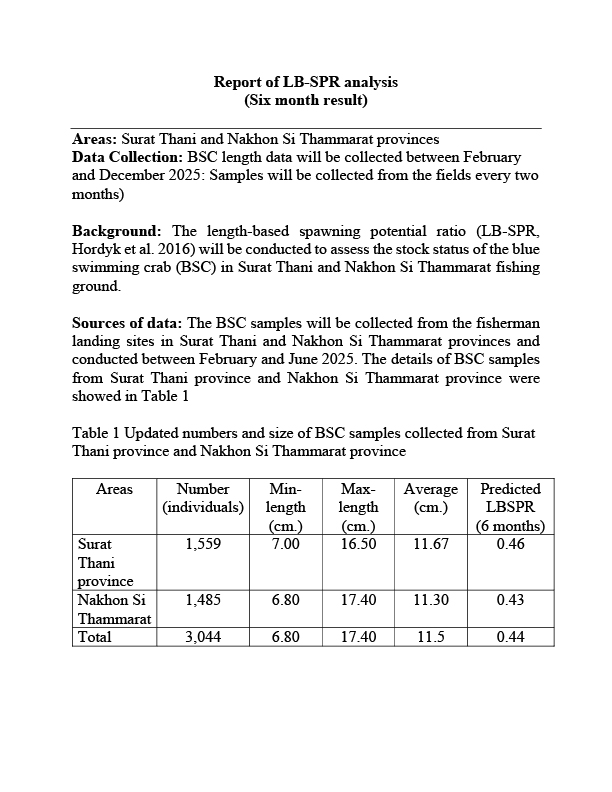
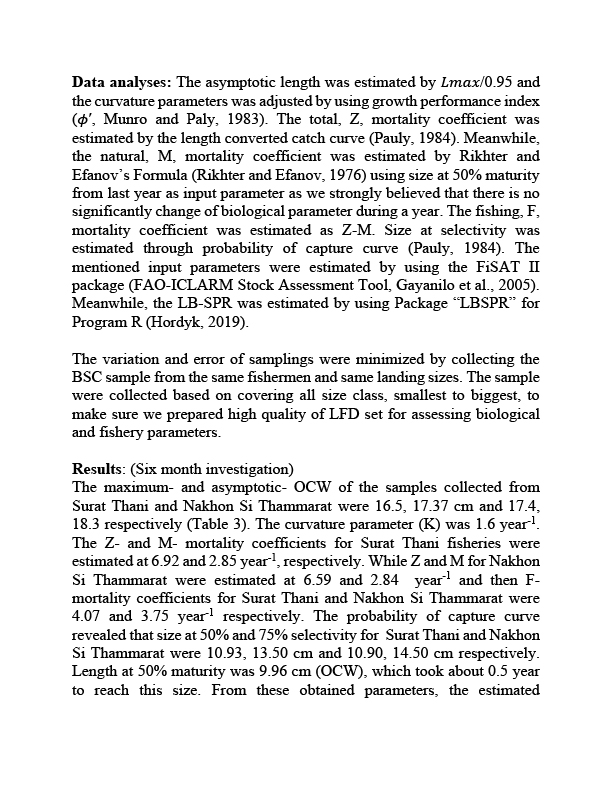
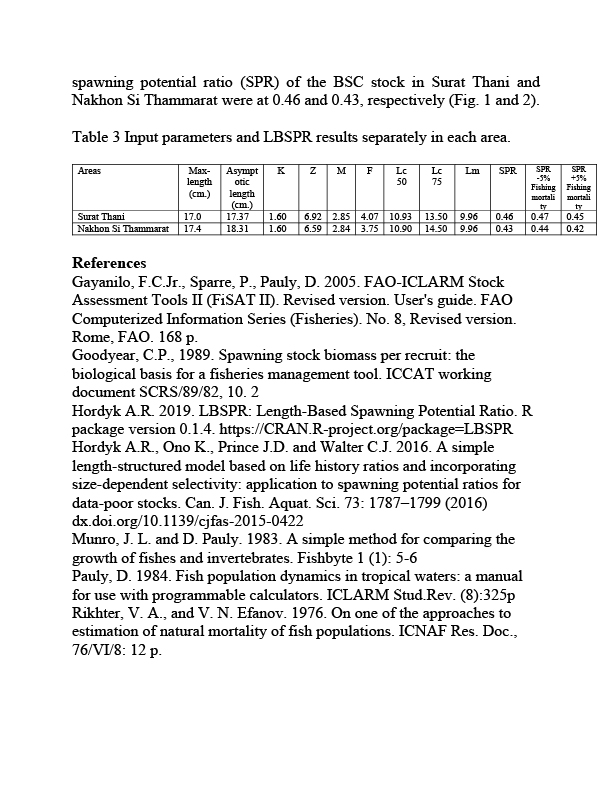
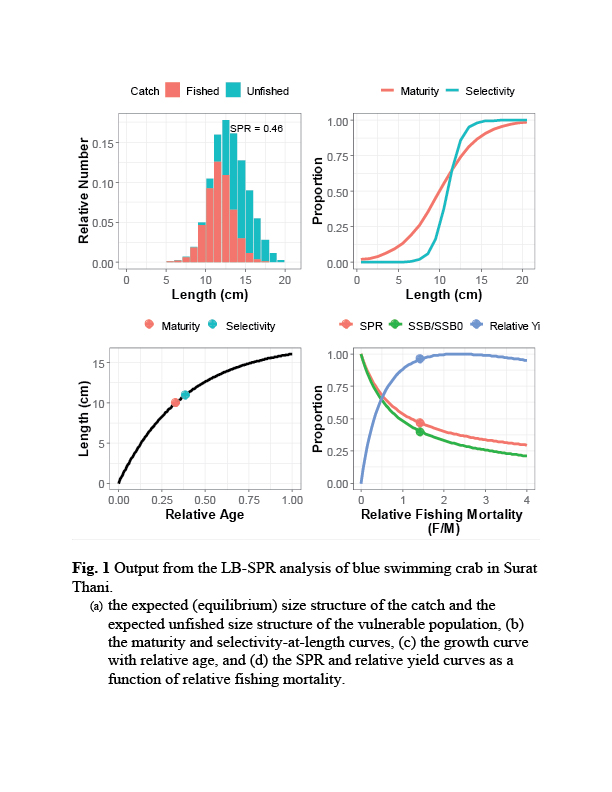
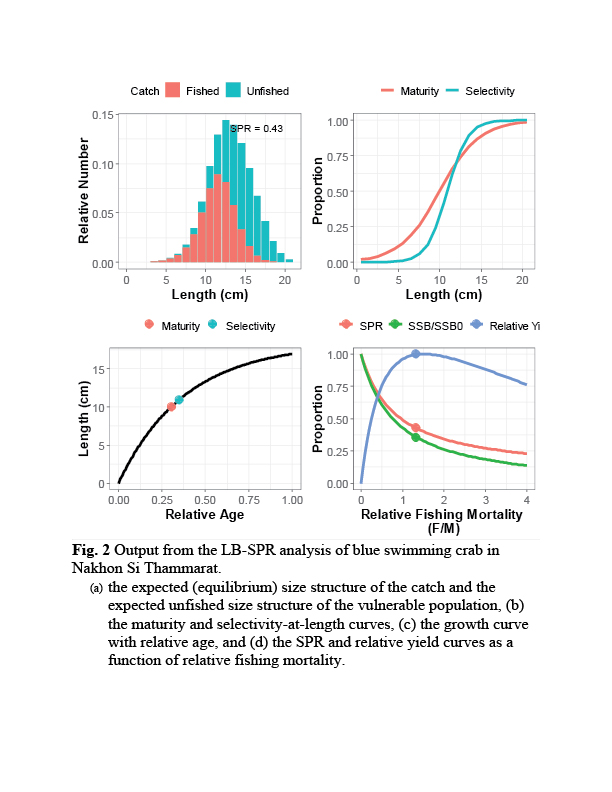
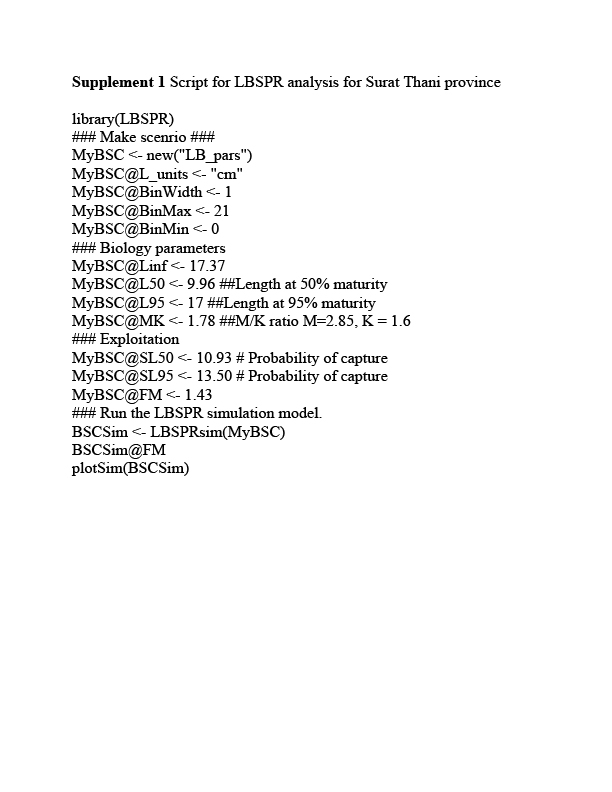
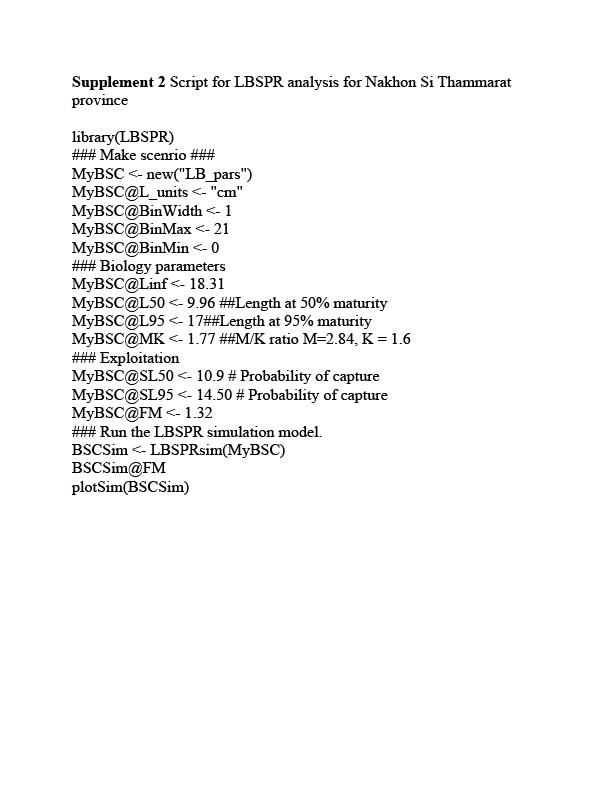
The collaboration was supported by an official technical report entitled Report of LB-SPR Analysis. Length-Based Spawning Potential Ratio (LB-SPR) analysis is a fisheries assessment method that uses the size distribution of animals in catches to estimate their spawning potential relative to an unfished population. When appropriately applied, this method can help assess the reproductive status of a population and provide evidence relevant to understanding fishing pressure and the sustainability of harvesting practices. The report provides a documented technical reference associated with the fisheries assessment conducted under the improvement initiative. Together, the BSC FIP framework, fishermen’s participation, and the use of scientific assessment demonstrate how community collaboration and technical evidence can support informed decisions about maintaining blue swimming crab resources. Although LB-SPR analysis provides information about spawning potential rather than directly measuring total population abundance, its findings can contribute to broader fisheries management when considered alongside other monitoring data and local observations.
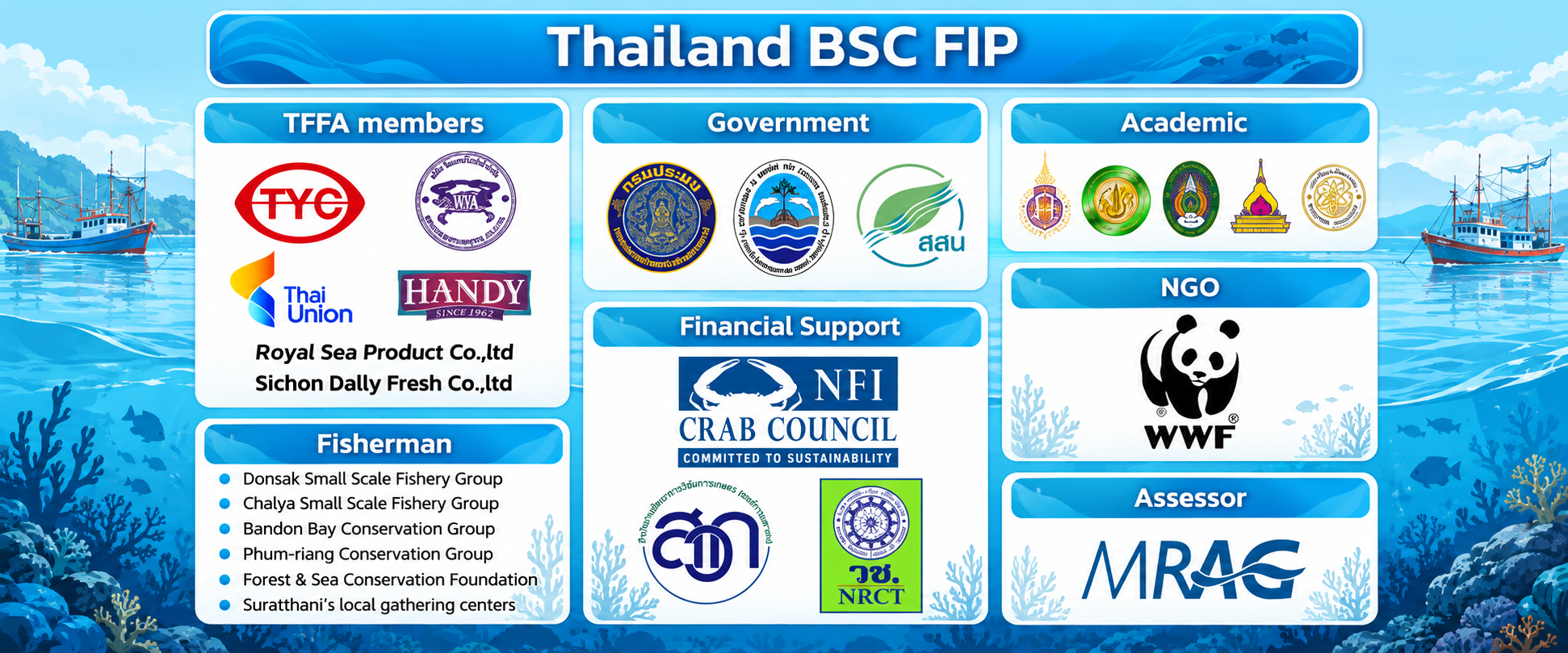
Population monitoring complements the crab banks’ hatchery and release activities by providing information that can help stakeholders evaluate the status of crab resources over time. Monitoring whether crab populations are increasing, decreasing, or remaining relatively stable can help identify potential management concerns and determine whether additional investigation or conservation measures may be necessary. Scientific assessments, including LB-SPR analysis, can also help stakeholders examine whether the size composition and reproductive potential of harvested crab populations indicate a need to strengthen fisheries management. By combining community observations with scientific evidence, WU and participating fishermen can support more informed discussions about conservation priorities, the protection of breeding stocks, and improvements to sustainable fisheries practices.
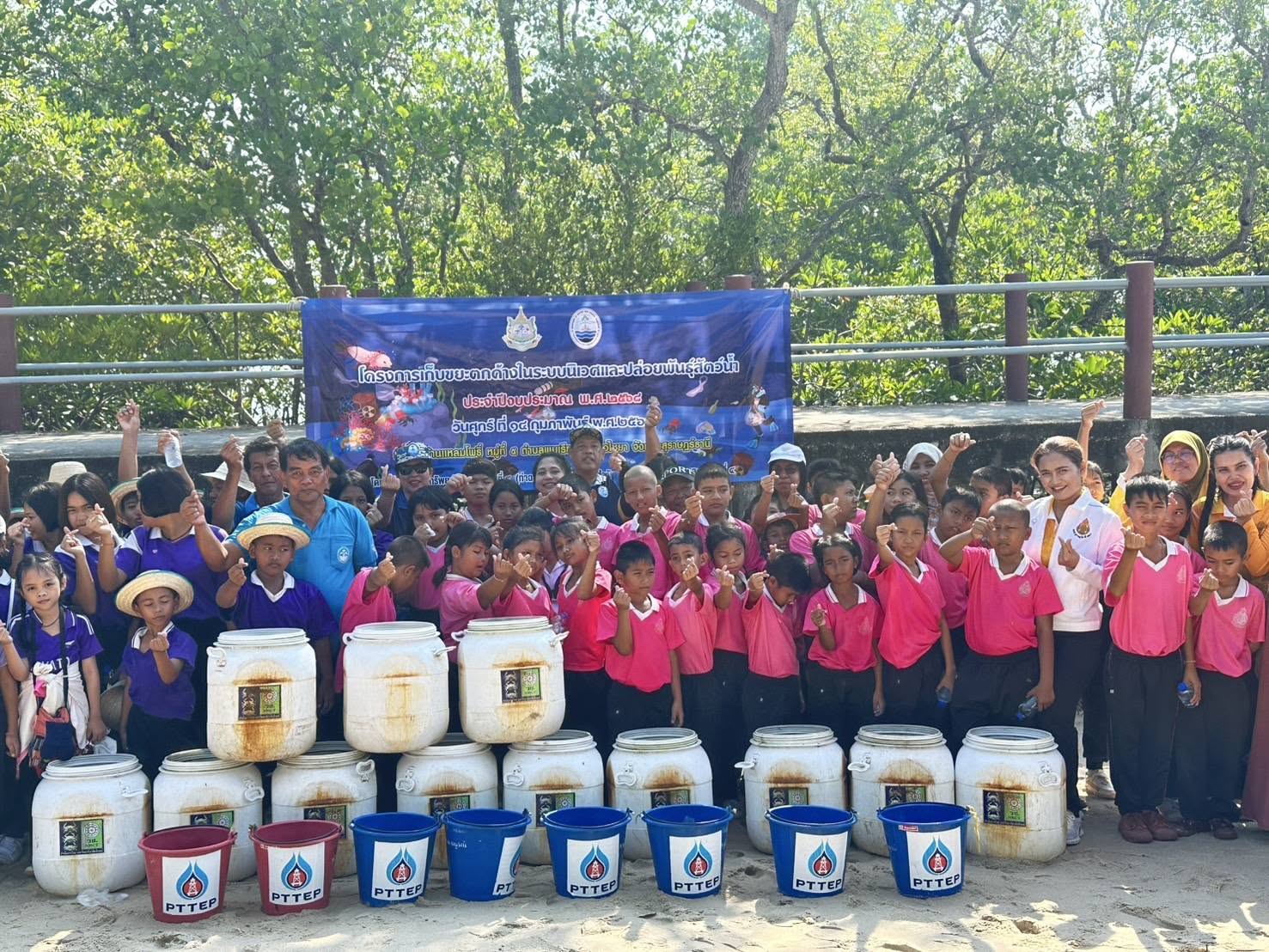
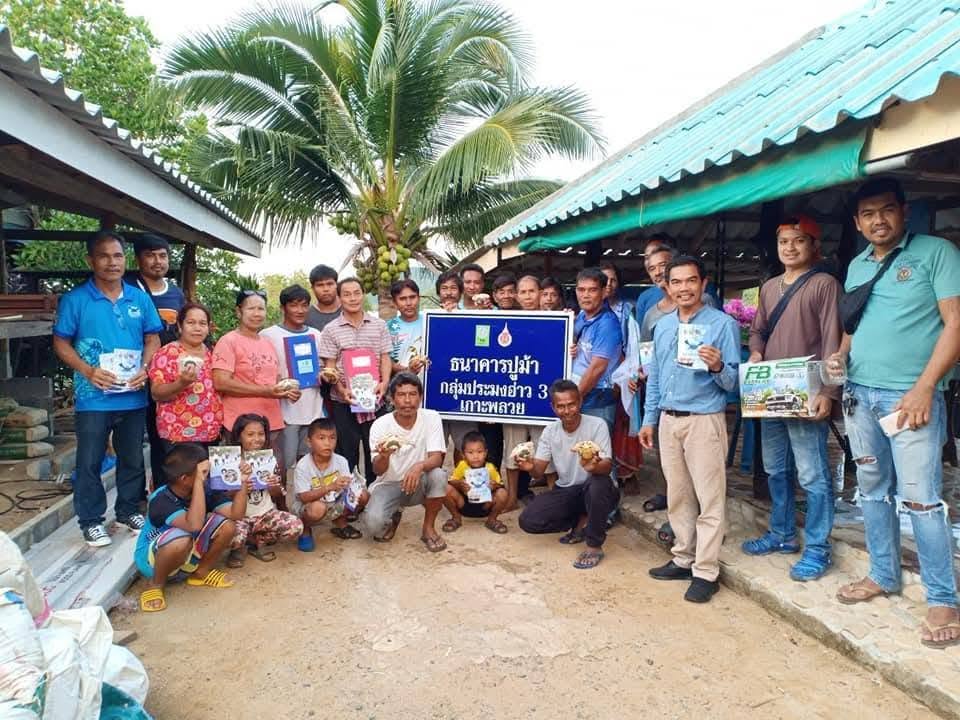
In addition to hatchery operations and population monitoring, WU promotes responsible fishing practices that help maintain aquatic resources and reduce the capture of undersized crabs. Through educational activities, fishermen learn about appropriate fishing gear, mesh sizes, and fisheries regulations. For example, the programme’s guidance identifies minimum mesh sizes of 2.5 inches (approximately 6.35 centimetres) for crab traps and approximately 3.5–4 inches (9–10 centimetres) for crab gill nets. These measures are intended to allow smaller crabs to escape, giving them opportunities to grow and reproduce before being harvested. Promoting appropriate fishing gear complements the conservation activities of crab banks by addressing fishing practices that can affect the survival of immature crabs and the sustainability of natural populations.
The programme also raises awareness of legal harvesting requirements and the biological importance of allowing crabs to reach maturity. Under the Department of Fisheries regulations referenced by the programme, blue swimming crabs with a carapace width of less than 8.5 centimetres are prohibited from being caught or taken for utilisation. WU research has identified approximately 9.84 centimetres or more as an appropriate harvesting size based on the size at first maturity. Communicating these requirements helps fishermen make informed harvesting decisions and understand the relationship between protecting immature crabs, maintaining breeding populations, and sustaining future catches. Combined with community-based hatchery operations and fisheries assessment, these educational efforts encourage responsible resource use and strengthen the foundations for long-term marine conservation.
The blue swimming crab banks and BSC FIP activities also provide a platform for collaboration among fishermen, educational institutions, government authorities, NGOs, and other community stakeholders. Local fishermen contribute practical knowledge of fishing conditions and changes observed in crab resources, while WU provides scientific and technical expertise to support aquaculture, monitoring, and fisheries management. Government authorities and other stakeholders can contribute relevant regulatory knowledge and management support. This collaborative approach recognises that maintaining shared aquatic ecosystems requires cooperation between those who use marine resources, those who study their condition, and those responsible for supporting sustainable fisheries management. It also creates opportunities to exchange knowledge and strengthen community capacity to address emerging challenges affecting marine biodiversity and fisheries sustainability.
To strengthen these efforts, ongoing monitoring and diagnostic assessments can be used to evaluate crab population trends, hatchery conditions, larval releases, fishing practices, and relevant indicators of reproductive potential. Comparing monitoring results over time can help identify changes in crab resources, while combining scientific findings with local observations can help stakeholders investigate possible contributing factors. Measurements of catch size composition, spawning potential, and other appropriate fisheries indicators can support the assessment of resource conditions and inform future management decisions. Such evidence-based monitoring is important for identifying potential risks, reviewing conservation approaches, and determining where additional measures may be needed to maintain crab stocks and the wider marine ecosystems that support them.
Through its network of 62 blue swimming crab banks and its collaboration with local fishermen under the Thai Blue Swimming Crab Fishery Improvement Project, Walailak University demonstrates how community participation, sustainable aquaculture, and scientific fisheries assessment can contribute to maintaining shared marine ecosystems. The initiative connects the replenishment of natural crab populations with population monitoring, protection of breeding stocks, responsible fishing practices, and the application of technical assessment methods. By involving local fishermen in both practical conservation and the monitoring of fisheries resources, WU promotes shared responsibility for marine biodiversity and sustainable resource use. Continued measurement of population trends and reproductive indicators, supported by scientific evidence and community knowledge, can help inform adaptive management and strengthen conservation efforts over time. Ultimately, these collaborative activities aim to maintain healthy marine ecosystems, sustain blue swimming crab resources, support food security and coastal livelihoods, and preserve aquatic biodiversity for future generations.
Through its collaboration with local communities on Locally Managed Marine Areas (LMMAs), artificial fish habitat construction, the Living Weir Project, and blue swimming crab conservation, Walailak University (WU) demonstrates how collective action can support the long-term sustainability of shared aquatic ecosystems. These initiatives address marine and freshwater conservation at multiple levels, from protecting breeding and nursery grounds and restoring aquatic habitats to improving water retention and supporting the sustainable use of fisheries resources. By engaging local fishermen, community leaders, government agencies, non-governmental organisations, and student volunteers, WU helps strengthen local capacity, promote environmental awareness, and encourage communities to take an active role in managing the aquatic ecosystems on which their livelihoods depend.
An important benefit of these collaborations is the integration of local knowledge, scientific research, and practical conservation measures. Community participation helps identify environmental challenges and implement locally appropriate solutions, while ongoing monitoring and diagnostic assessment can provide evidence to guide future management decisions. Measurement of relevant indicators, such as aquatic habitat conditions, water quality, crab size composition, spawning potential, and observations of aquatic species, can help stakeholders evaluate conservation progress, identify emerging pressures, and adjust their approaches when necessary. Although ecological changes may take time to become evident, consistent monitoring provides a stronger basis for assessing the effectiveness of these interventions rather than relying solely on short-term observations.
By combining habitat restoration, responsible fishing practices, community-based resource management, and fisheries assessment under the Thai Blue Swimming Crab Fishery Improvement Project, WU contributes to a more coordinated approach to conserving shared aquatic ecosystems. These efforts can help maintain biodiversity, support the recovery and reproduction of aquatic species, strengthen the resilience of local fisheries, and safeguard food security and community livelihoods. Continued collaboration, systematic measurement, and the sharing of monitoring results will be essential to understanding long-term impacts and ensuring that conservation measures remain effective. Through these partnerships, WU reinforces the principle that maintaining healthy aquatic ecosystems is a shared responsibility and that meaningful, evidence-informed community action is fundamental to sustainable resource management.
Related Links
LBSPR REPORT_2025_6 months_0.pdf
🙏🙏ร่วมทำสิ่งดีๆ เมื่อ 5 ปีที่แล้ว… – Phaiboon Phetthong | Facebook
บังมุ คนหาปลา – ปล่อยแม่พร้อมลูก ปู’ม้า ธนาคารปูม้าบ้านหัวถนน | Facebook
เยี่ยมเยียนปรับปรุงธนาคารปูม้า… – Amonsak Sawusdee | Facebook
อาทิตยา แซ่เอีย – 14/2/68 กิจกรรมเก็บขยะ#ปล่อยพันธุ์สัตว์น้ำ…
https://cas.wu.ac.th/archives/32615
https://cas.wu.ac.th/archives/38157
https://cas.wu.ac.th/archives/32586