
Strengthening Collaboration with Government Agencies and NGOs to Advance Marine Resource Conservation and Societal Well-being
Strengthening Collaboration with Government Agencies and NGOs to Advance Marine Resource Conservation and Societal Well-being
Achieving the Sustainable Development Goals (SDGs) requires strong collaboration between universities, government agencies, and regional non-governmental organizations (NGOs) to address complex social, economic, and environmental challenges. These partnerships play an important role in identifying and diagnosing problems, developing evidence-based policies and strategies, assessing potential outcomes, and monitoring the effectiveness of interventions. Through active participation in policy development and knowledge exchange, universities can contribute research, expertise, and practical recommendations to support informed decision-making. Such collaboration also enables stakeholders to evaluate progress, adapt strategies to changing circumstances, and strengthen accountability, ensuring that policies respond effectively to regional needs and contribute to long-term sustainable development.
Walailak University Contributes Academic Expertise to Thailand’s Alcohol Control Policy Development through Government and Civil Society Collaboration
Effective alcohol control requires evidence-based policies that protect public health, reduce social harm, and respond to changing economic and societal conditions. Governments must regularly diagnose regulatory gaps, assess emerging challenges, and develop strategies that balance public safety with economic development. This process is particularly important for alcohol regulation, as the availability, marketing, and consumption of alcoholic beverages can affect not only individual health but also road safety, family relationships, community well-being, and the wider economy. Collaboration among universities, government agencies, and non-governmental organizations (NGOs) is therefore essential to developing effective policies, monitoring their implementation, and adapting regulatory measures in response to new evidence.
In Thailand, the Alcoholic Beverage Control Act, B.E. 2551 (2008), established the legal framework for regulating alcohol sales, consumption, and advertising. However, evolving commercial practices, changing social conditions, and emerging public health challenges highlighted the need to review and strengthen the existing legislation. The Office of the Alcohol Control Committee, the Department of Disease Control, and the Ministry of Public Health undertook assessments of regulatory gaps and policy challenges to inform the development of updated legislation. These efforts supported Thailand’s commitment to the United Nations Sustainable Development Goals (SDGs), particularly SDG 3: Good Health and Well-Being, including Target 3.5 on preventing and treating substance abuse, including harmful alcohol use, and Target 3.6 on reducing deaths and injuries from road traffic accidents.
Walailak University’s Direct Contribution to National Policy Development

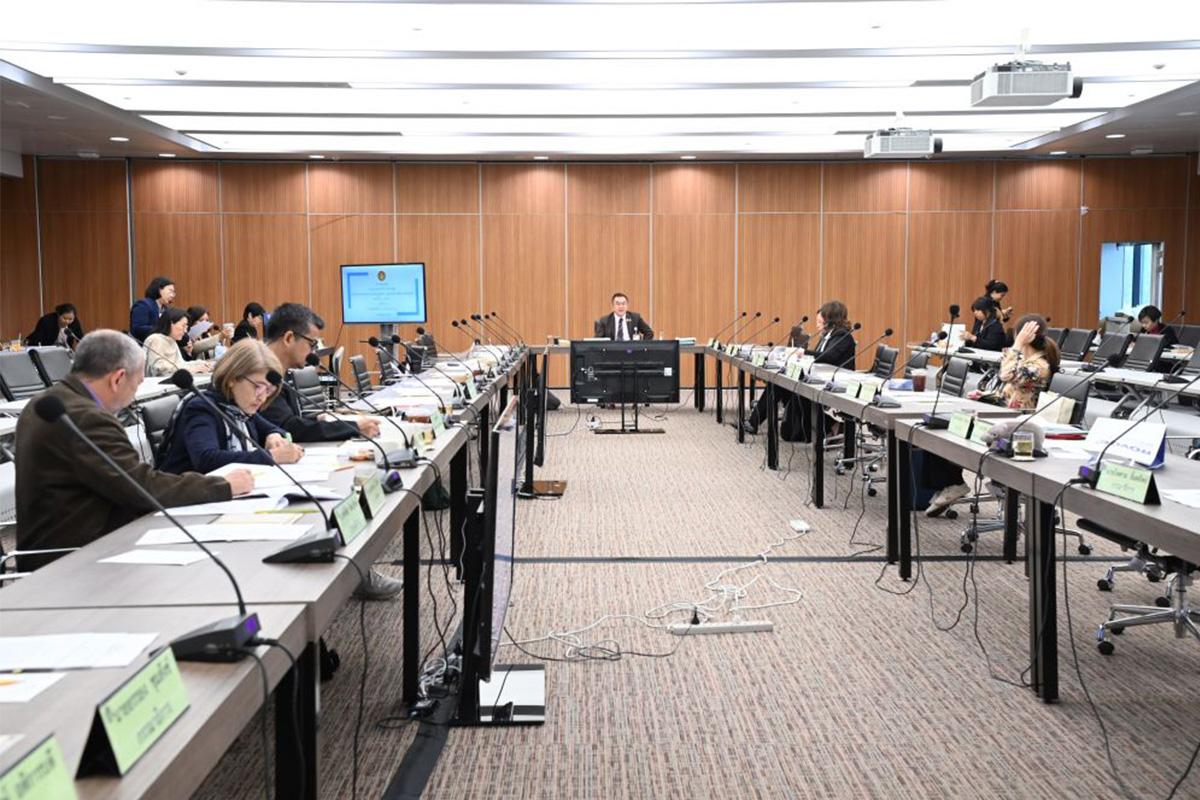
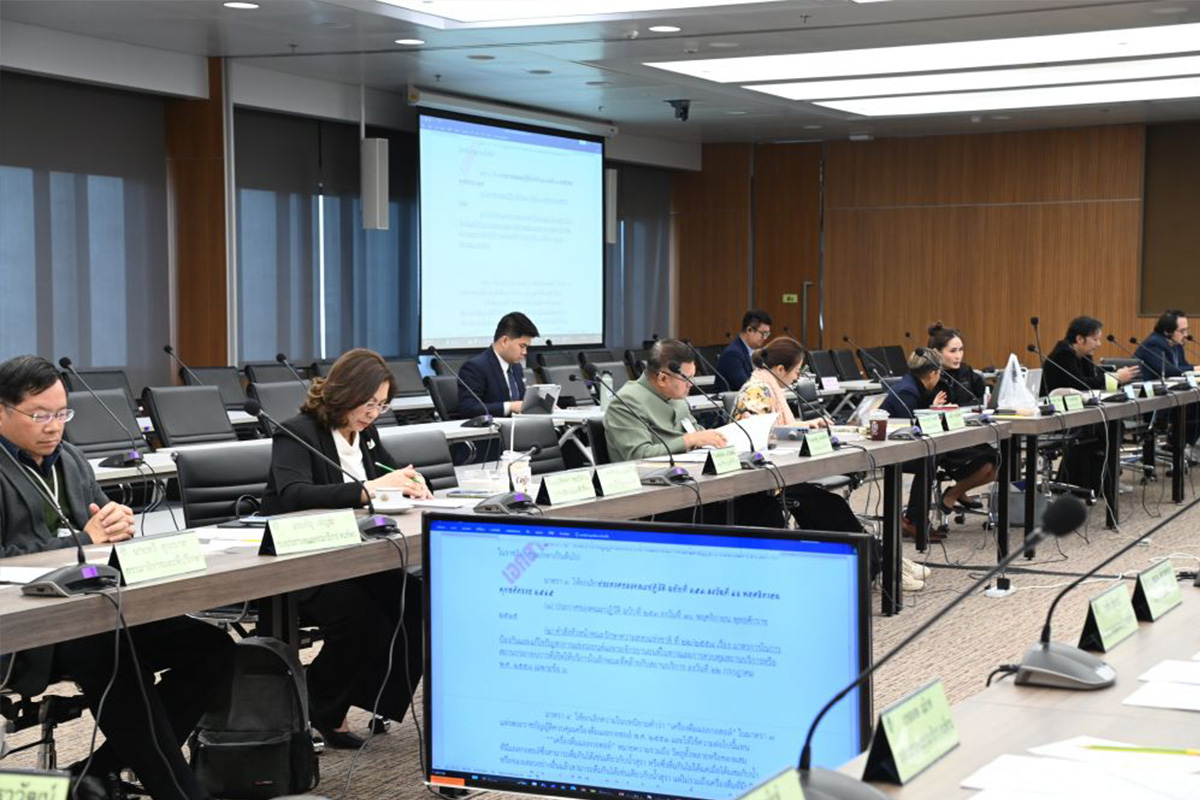
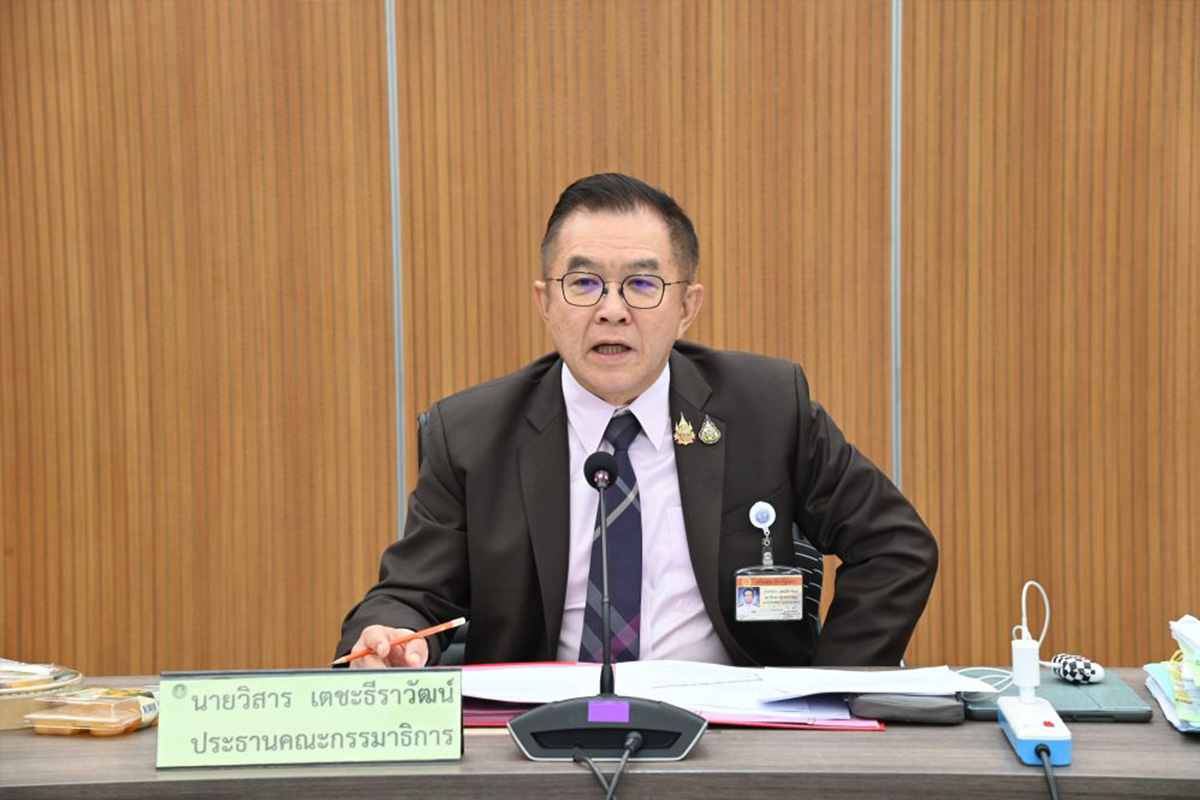
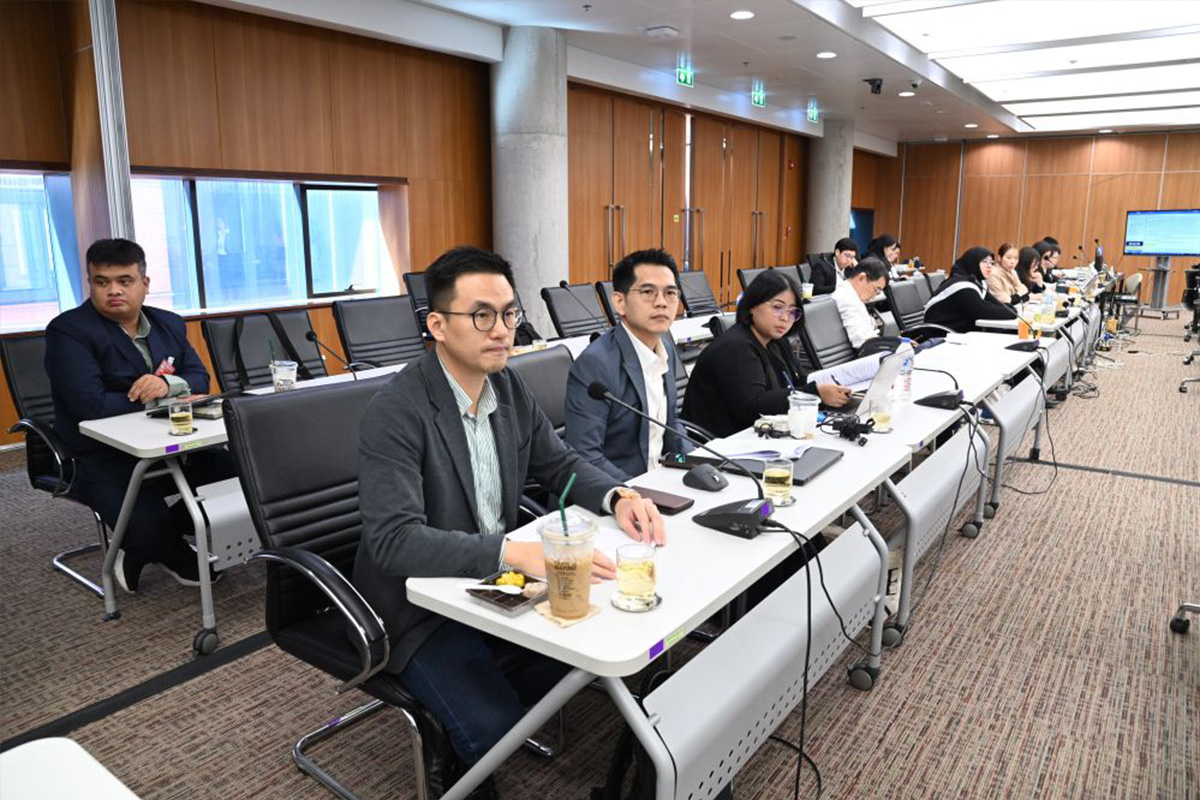
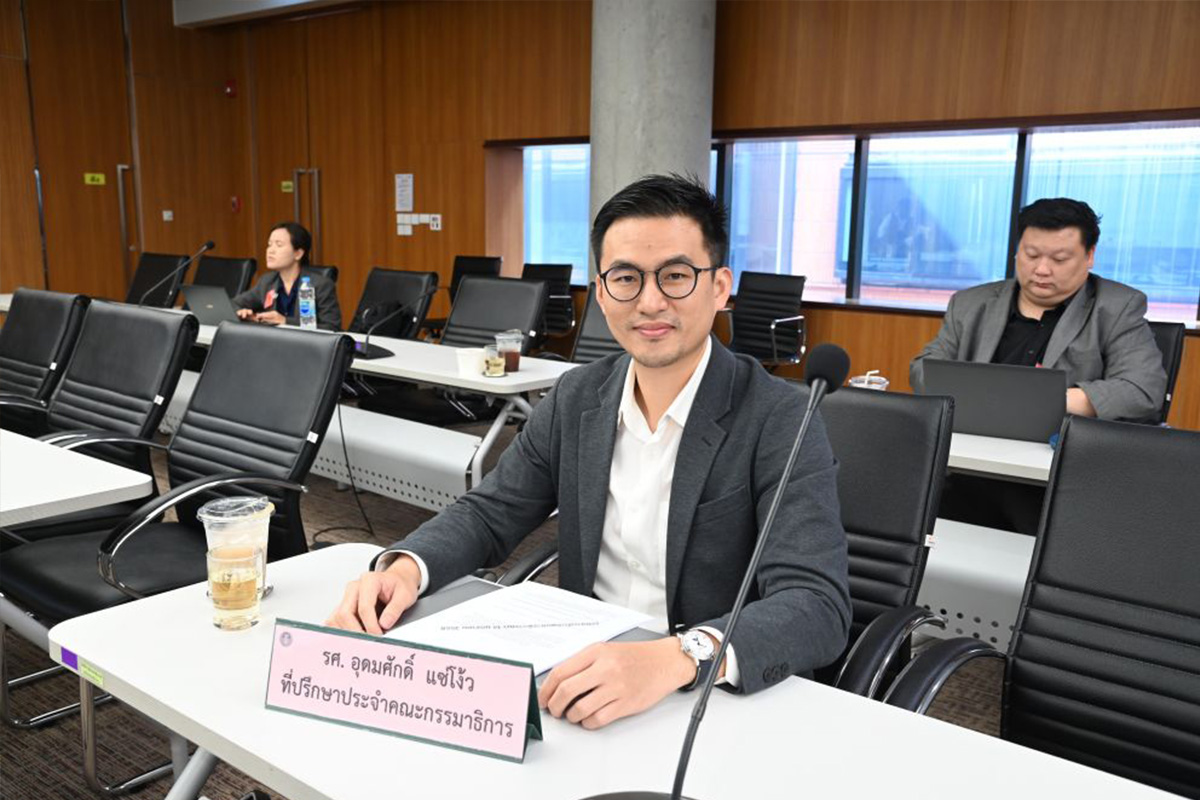
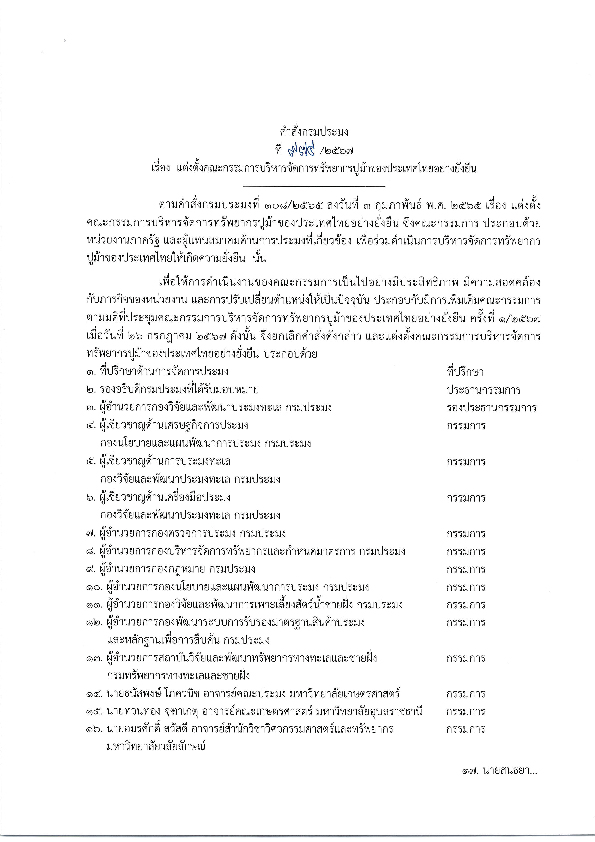
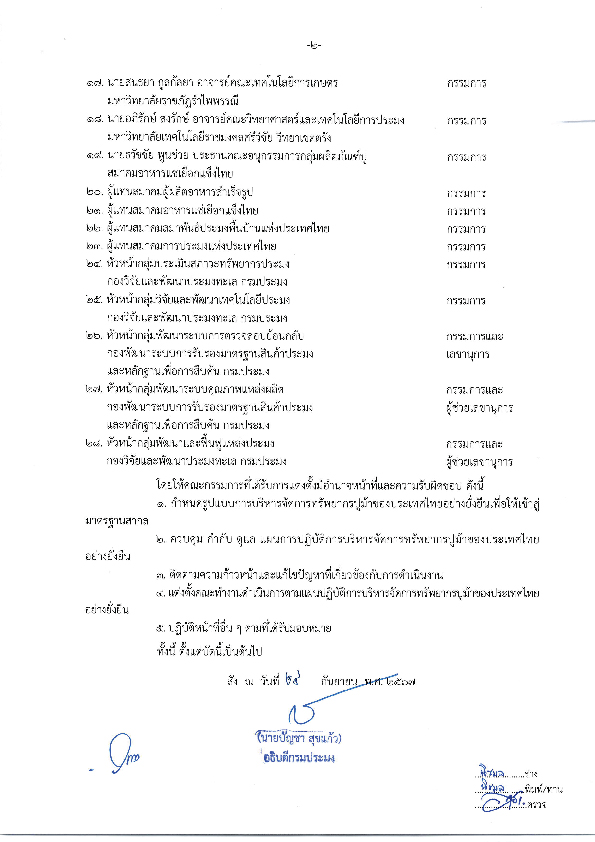
In 2025, Assoc. Prof. Dr. Udomsak Saengow of Walailak University served as a member of the advisory team to the Ad-hoc Committee on Alcoholic Beverage Control Act Consideration. Through this role, he contributed academic expertise and evidence-informed recommendations to the legislative development process, reinforcing the university’s engagement with national government policy and public health advocacy.
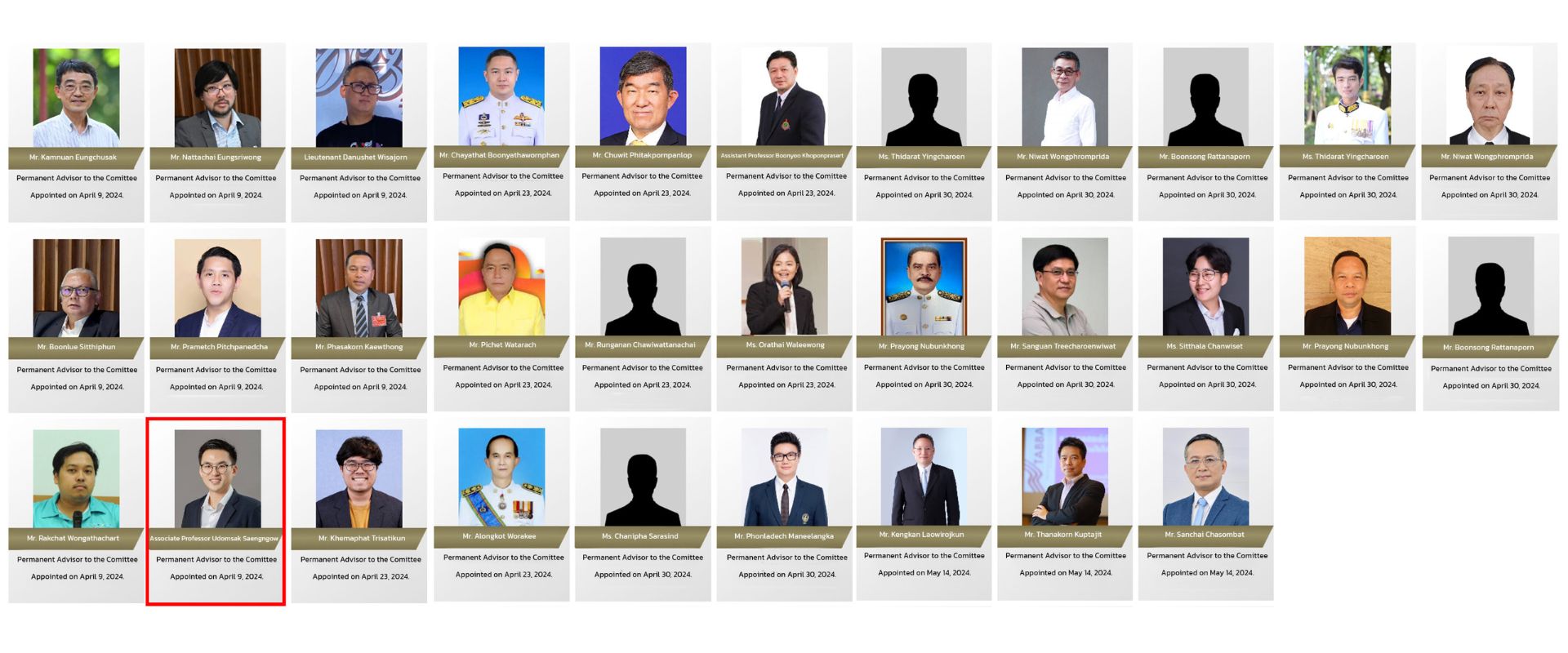
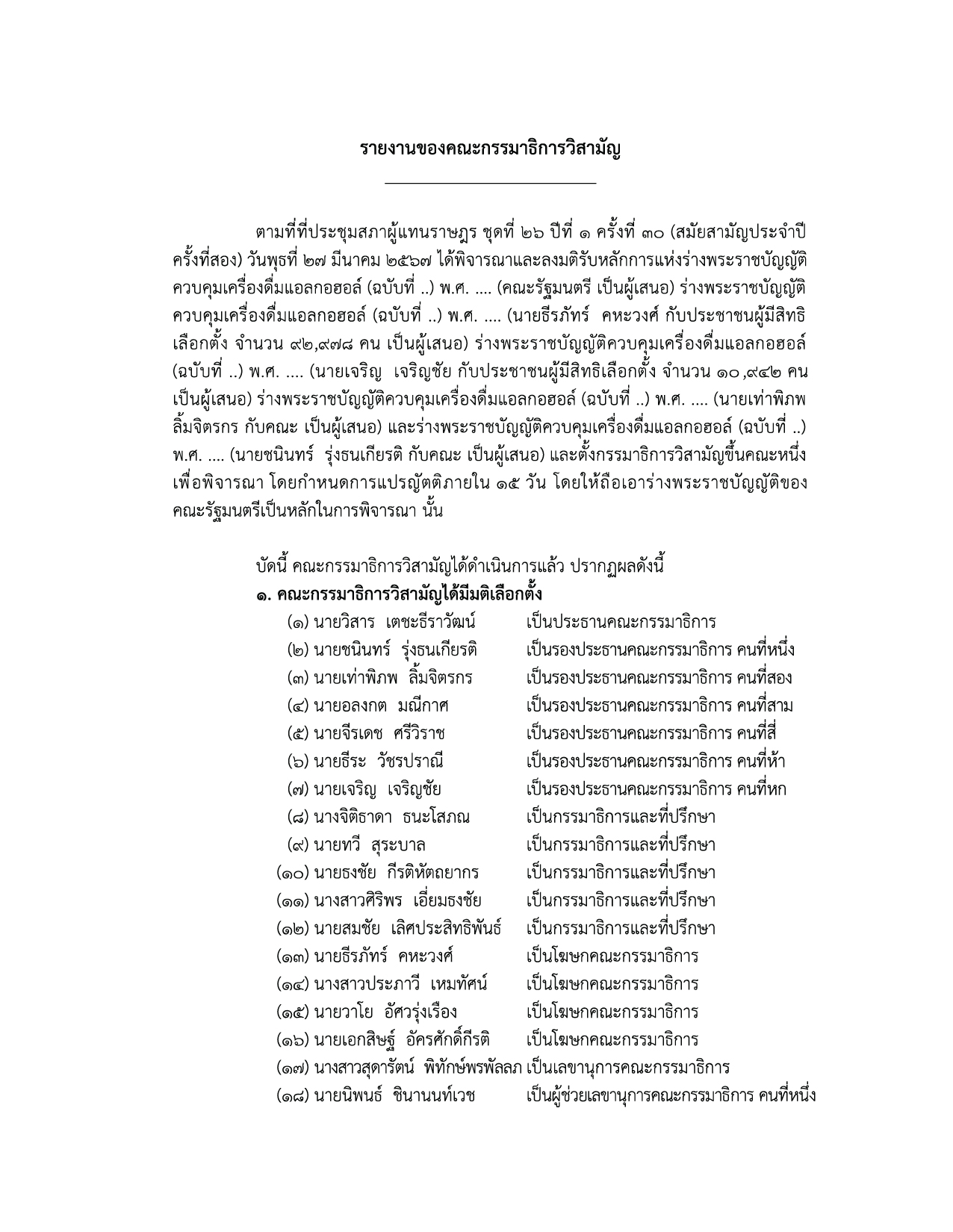
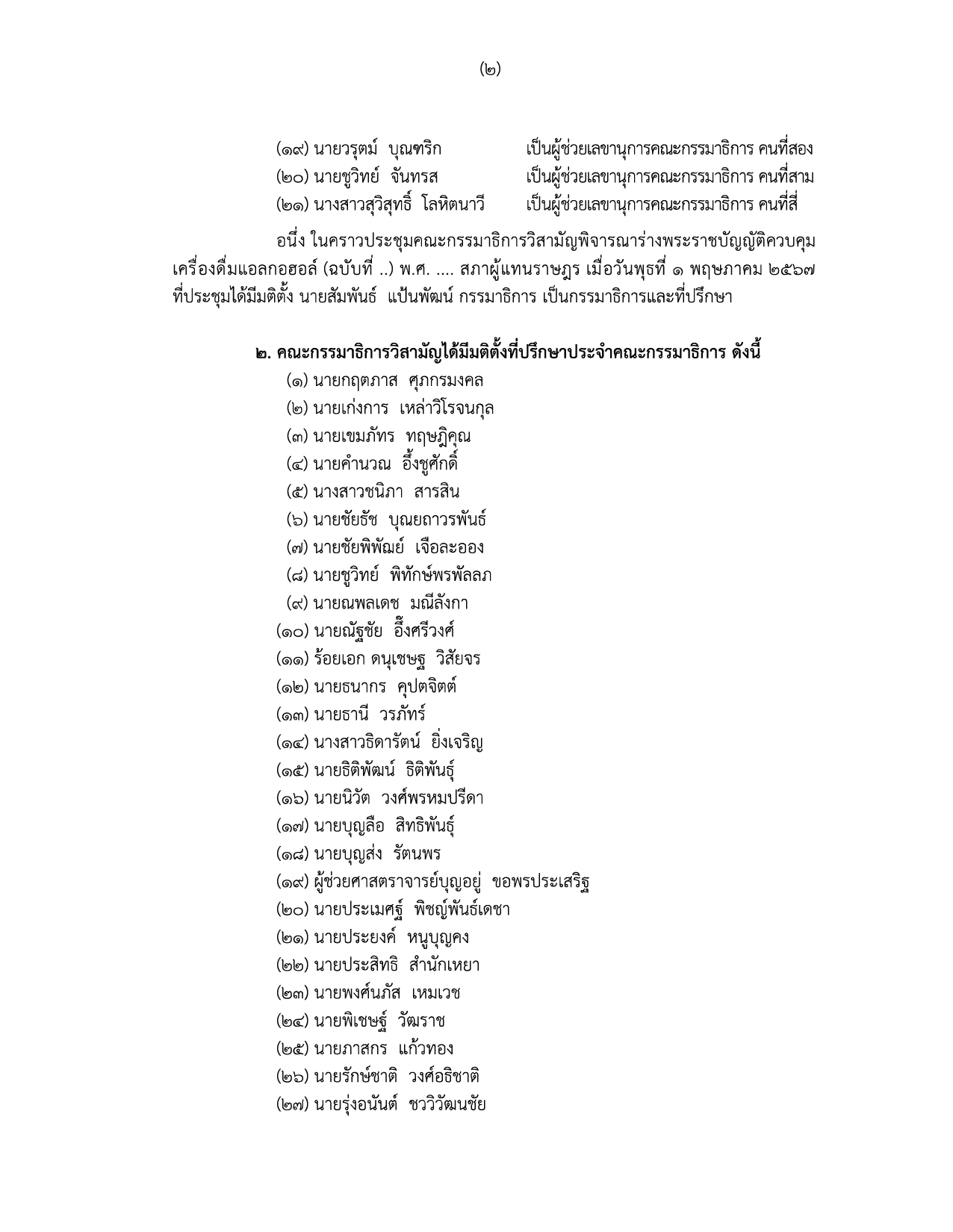
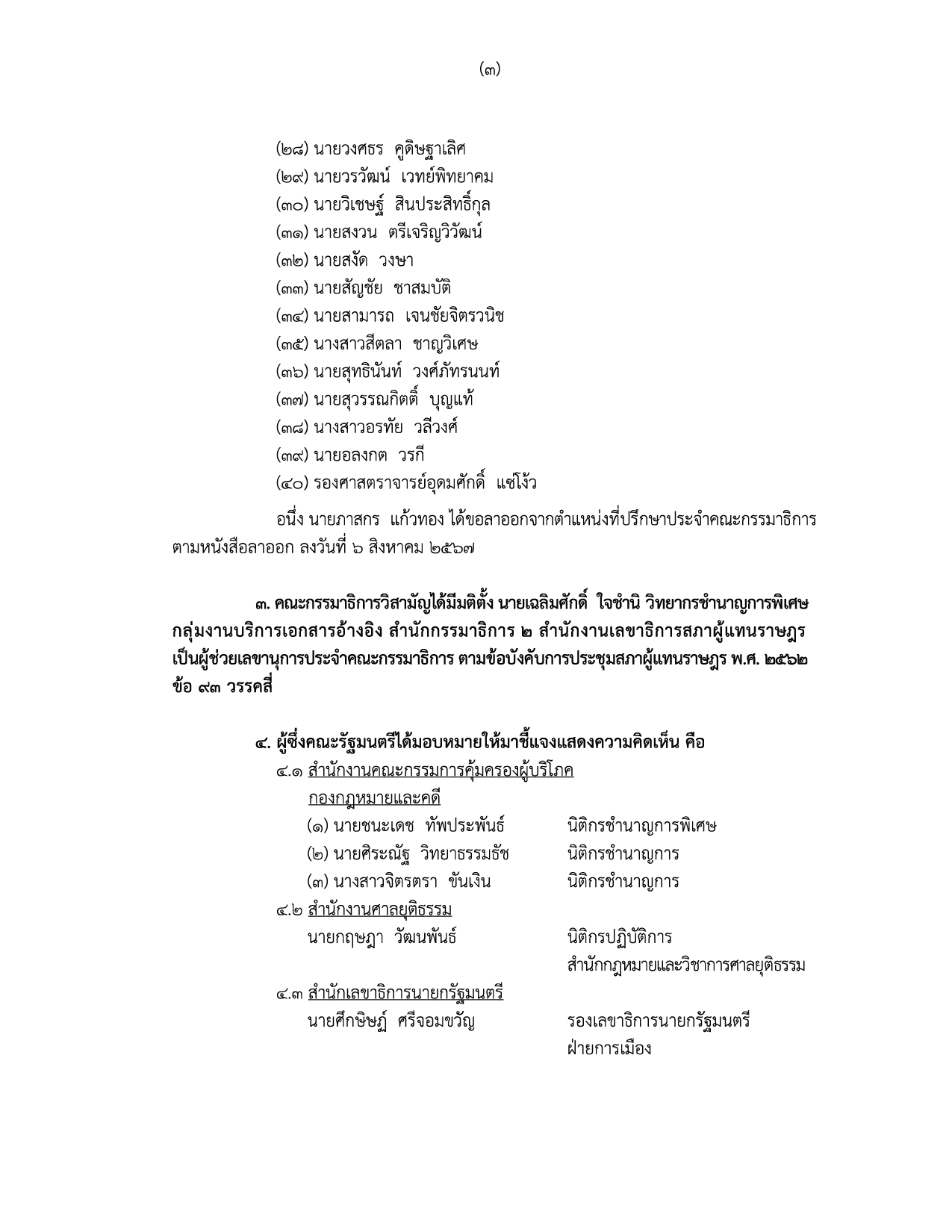
The advisory team comprised 40 members representing a broad range of institutions and sectors, including higher education institutions, government agencies, the private sector, political parties, public health organizations, and civil society networks. Participating organizations included Chulalongkorn University, the Thai Health Promotion Foundation (ThaiHealth), the Secretariat of the House of Representatives, the StopDrink Network, the Witee Suk Foundation, the Women and Men Progressive Movement Foundation, the Social Synergy Network Foundation, the Life Quality Development Network, and the Youth Health Promotion Movement, among others. This multidisciplinary composition enabled different perspectives and areas of expertise to inform the development of Thailand’s alcohol-control framework.
To see the full list of advisors of the Ad-hoc Committee on Alcoholic Beverage Control Act Consideration shown on the official website of the Secretariat of the House of Representatives, click https://shorturl.at/Z5p9V
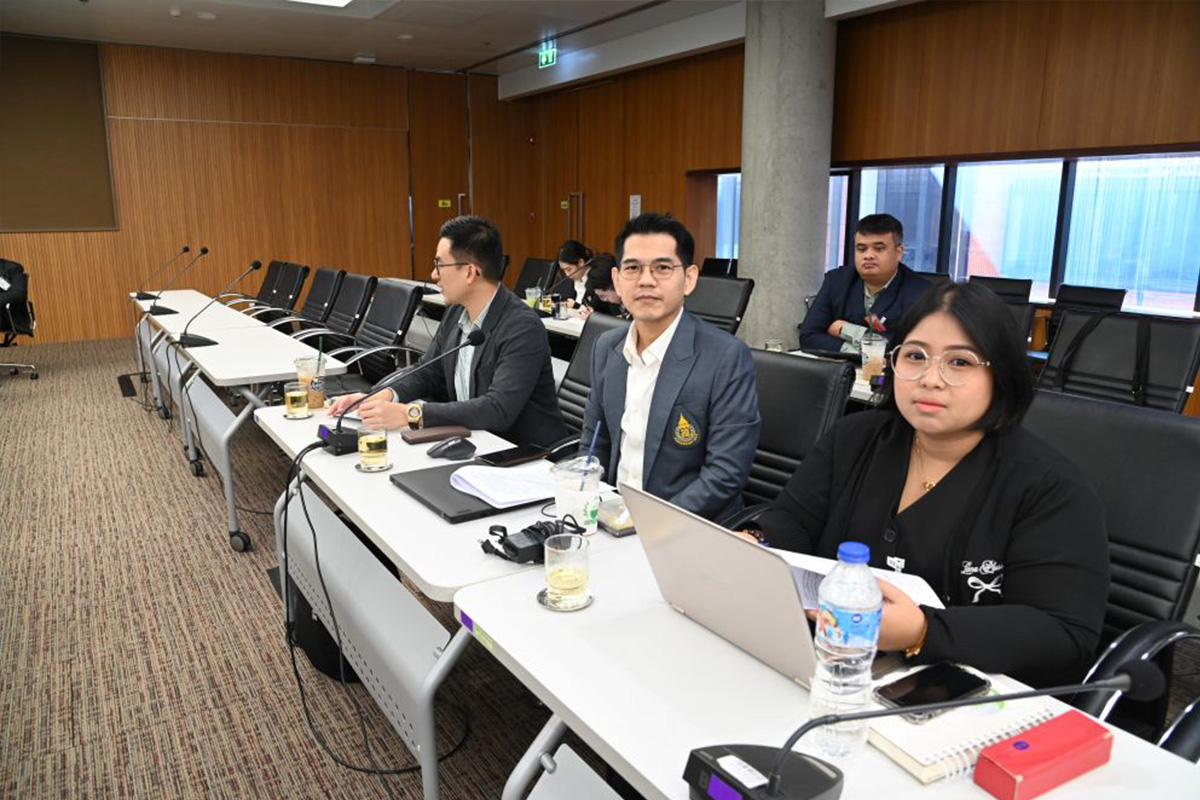
The advisory team was appointed to provide consultations, guidelines, and academic insights to support the legislative review. Its members participated in meetings at the Thai Parliament Building in Bangkok alongside the ad-hoc committee, Members of the House of Representatives, Ministry of Public Health representatives, Department of Disease Control officials, NGOs, civil society representatives, and other government agencies. These engagements provided a mechanism for translating research findings and practical experience into policy recommendations for consideration by national decision-makers.
Walailak University’s contribution demonstrates the role that academic institutions can play beyond conducting research and disseminating knowledge. By engaging directly with government committees and collaborating with organizations concerned with public health and social welfare, the university helped bring evidence and interdisciplinary perspectives into discussions on national legislation.
Diagnosing Regulatory Gaps and Developing Evidence-Informed Recommendations
A central element of the policy development process was identifying weaknesses in existing alcohol-control measures and determining how legislation could better protect the public. Assoc. Prof. Dr. Udomsak Saengow and other members of the advisory team proposed recommendations addressing regulatory loopholes, alcohol availability, public events, and the protection of people from alcohol-related harm.
Their recommendations included prohibiting the sponsorship of events that undermine alcohol-control legislation, promote alcohol consumption, or conflict with Ministry of Public Health policies. They also proposed defining traditional banquets as a specific category of event in which alcohol consumption could be permitted under ministerial regulations, restricting alcohol consumption at designated alcohol-sales or commercial consumption locations, and allowing restrictions on alcohol sales on particular days as determined by the Alcohol Control Committee.
These recommendations reflected an effort to establish clearer regulatory boundaries while recognizing that different circumstances may require specific legal definitions and conditions. By addressing potential gaps in the interpretation and implementation of existing rules, the advisory process sought to support more consistent enforcement and reduce opportunities for commercial or social activities to undermine public health objectives.
Applying Research Evidence to Assess Policy Risks and Future Outcomes
In addition to reviewing legislative provisions, Assoc. Prof. Dr. Udomsak Saengow provided expert opinions on emerging policy challenges and the potential consequences of relaxing alcohol-control measures. His recommendations emphasized the importance of using academic evidence to assess possible outcomes before changing existing restrictions.
One issue concerned the enforcement of alcohol-control laws during major public holidays and tourism campaigns. Although Thailand sought to promote tourism through initiatives such as Amazing Thailand Grand Tourism and Sports Year 2025, the advisory perspective emphasized that tourism development should not weaken public safety protections. Evidence from Thailand and other countries indicates that longer alcohol-sales hours and greater concentrations of alcohol outlets can be associated with increased alcohol consumption and interpersonal violence. Consequently, the expansion of tourism and recreational activities should be accompanied by appropriate measures to protect residents and visitors.
This approach highlights the importance of assessing policy options against multiple outcomes rather than considering commercial activity or tourism growth in isolation. Before relaxing restrictions, policymakers should examine the potential implications for public health, violence prevention, road safety, and the confidence of domestic and international visitors. Such assessment supports more informed decisions about whether an intervention is likely to deliver its intended benefits without creating disproportionate social costs.
Another important area of advice concerned the potential influence of the alcohol industry on public policy. The recommendations drew attention to international research examining how commercial interests can shape policy debates, including efforts to emphasize individual responsibility or selected drinking-related harms while giving less attention to broader health and social consequences. They also highlighted the need to consider how industry networks, lobbying, and commercial partnerships may influence regulatory discussions.
For Thailand, these concerns reinforced the importance of transparent policy development, independent academic input, and careful assessment of proposed regulatory changes. The objective was not simply to respond to commercial demands for fewer restrictions, but to evaluate whether amendments were justified by evidence and consistent with the public interest. Incorporating these perspectives into policy deliberations can help decision-makers identify competing interests and make more balanced assessments of the likely consequences of different interventions.
Tourism statistics provided another example of how evidence could inform policy evaluation. Data for 2007–2019 showed that international tourist arrivals in Thailand increased from approximately 14.5 million to 39.9 million, while tourism revenue rose from approximately 548 billion baht to 1.9 trillion baht during a period in which alcohol-control legislation and related restrictions were in place. Research examining extended operating hours in five pilot provinces also found that tourist growth was lower than in comparison provinces that did not extend operating hours.
These findings do not establish that alcohol restrictions caused tourism growth or that relaxing restrictions would necessarily reduce tourism. Rather, they illustrate why policymakers should avoid assuming that less restrictive alcohol policies automatically produce better economic outcomes. Evaluating the costs and benefits of regulatory changes requires comparisons, appropriate evidence, and consideration of alternative approaches to tourism development. Promoting cultural attractions, creative activities, and safe nighttime experiences can provide additional ways to strengthen tourism while maintaining public health safeguards.
Strengthening the Legislative Framework through Policy Recommendations
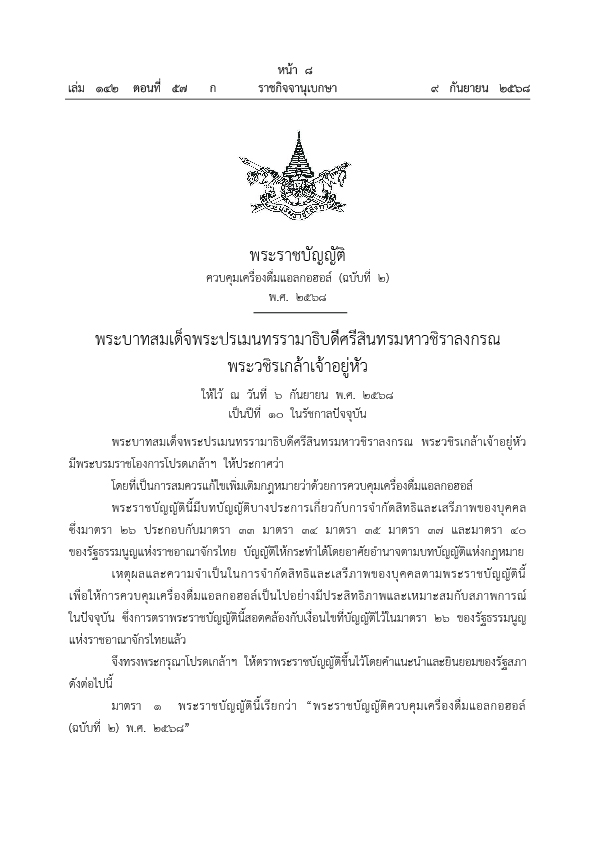
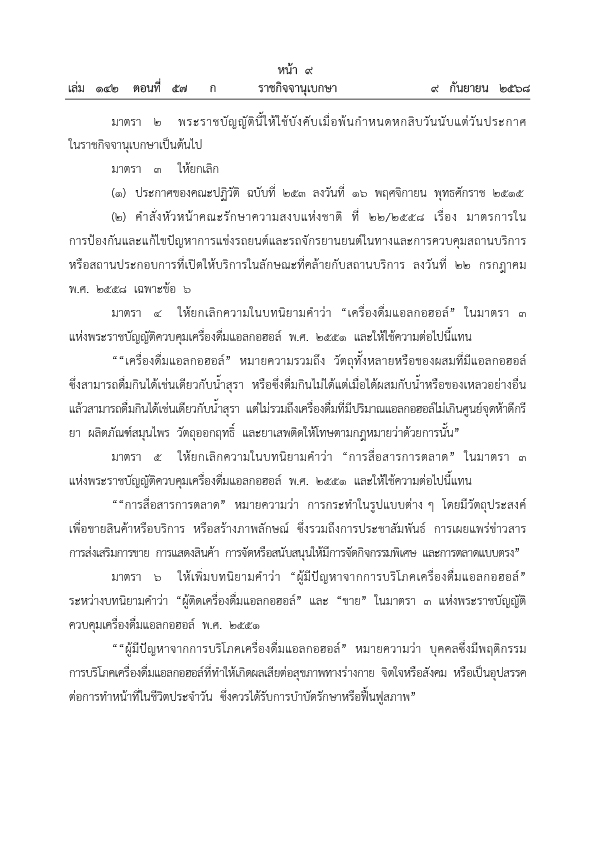
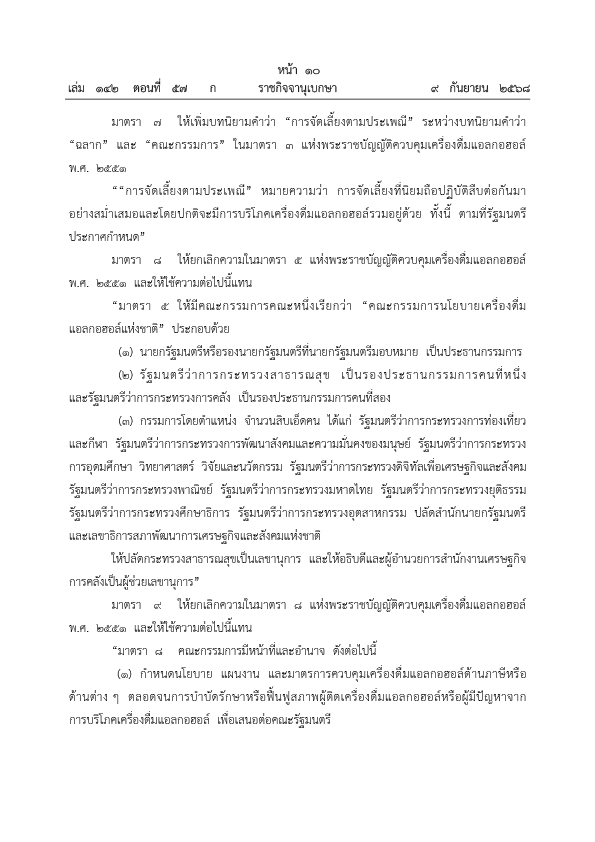
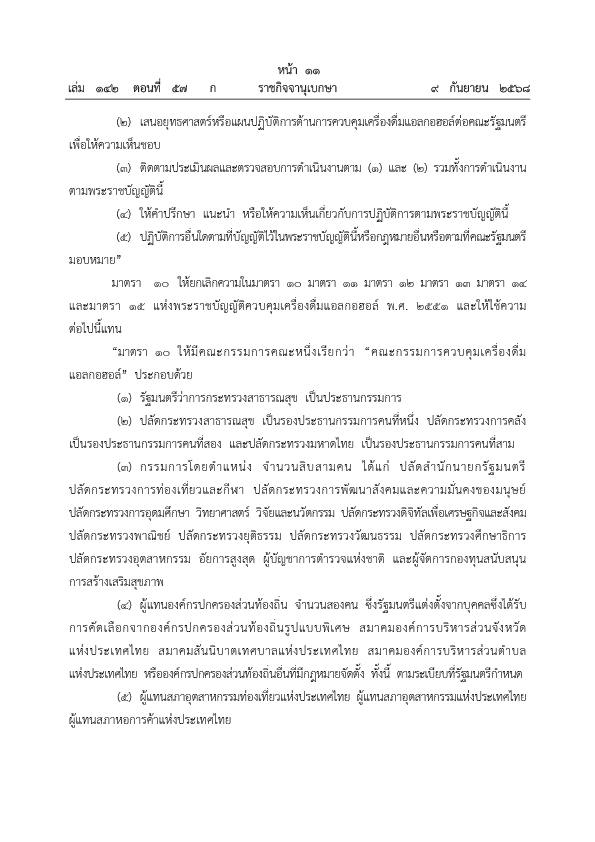
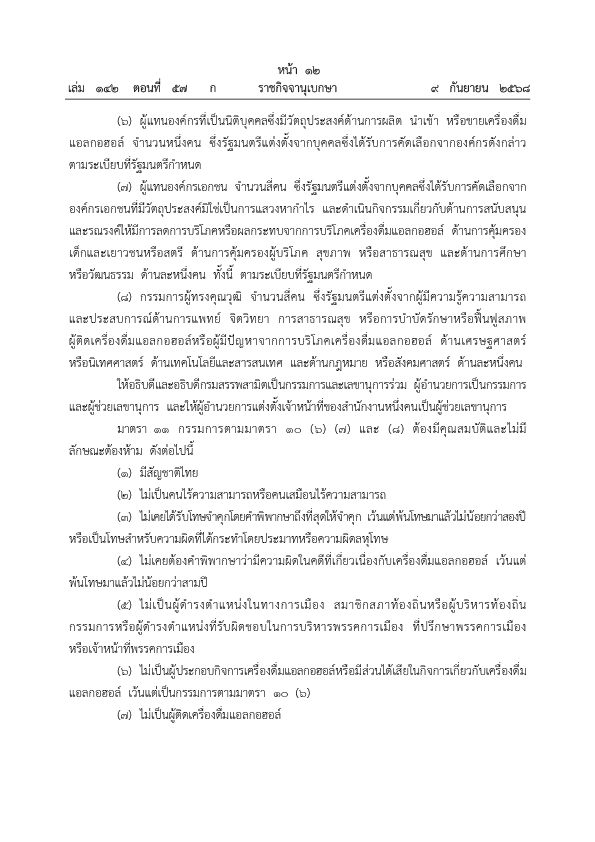
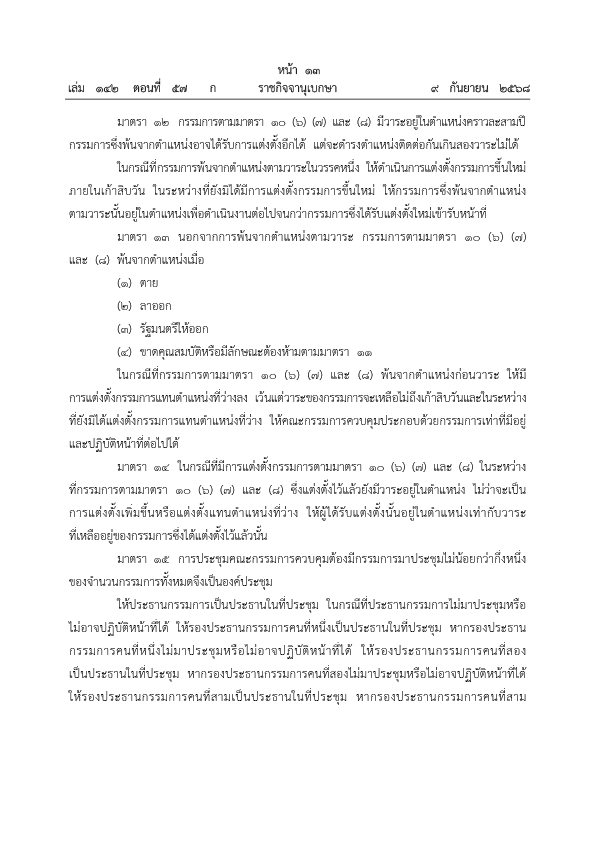
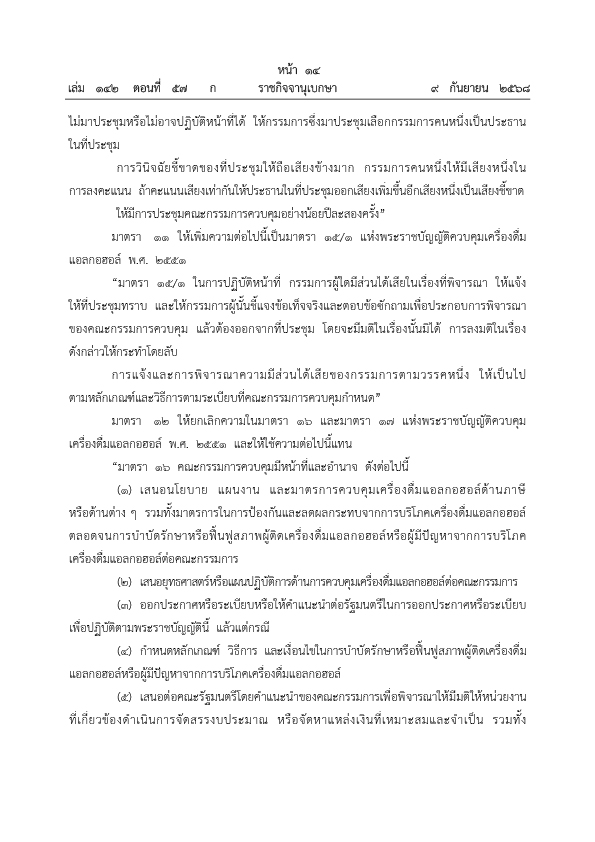
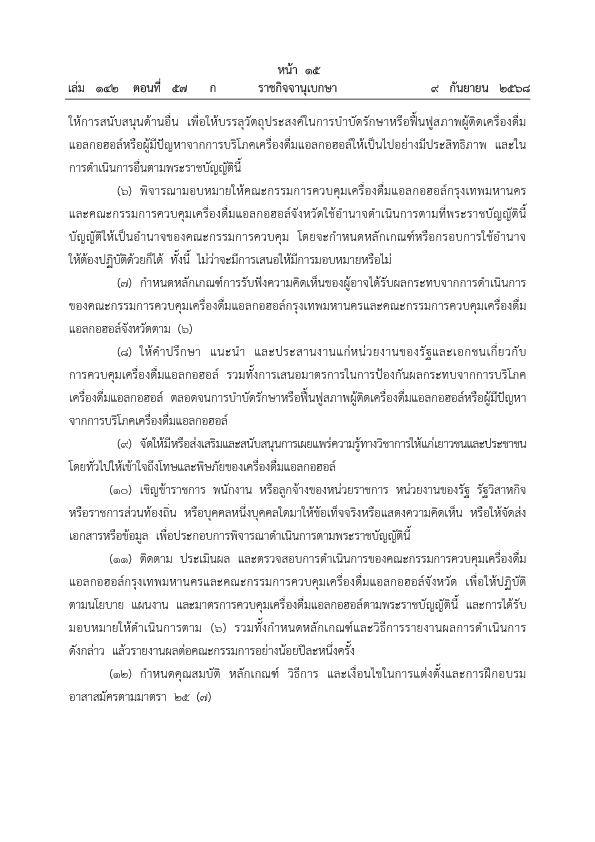
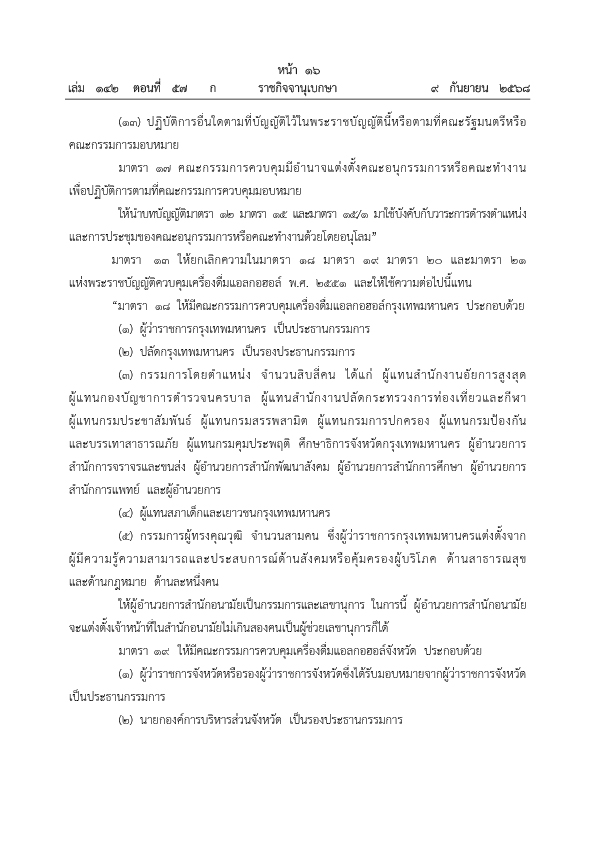
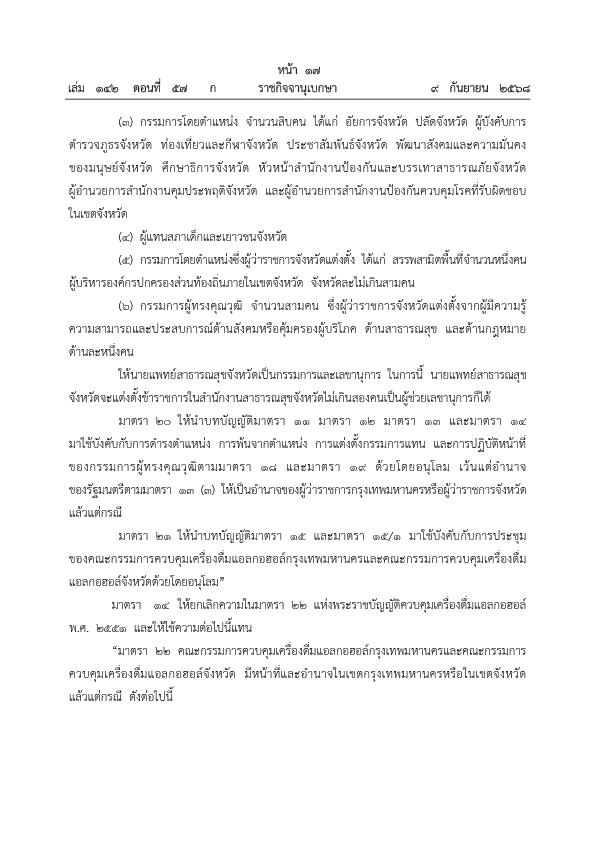
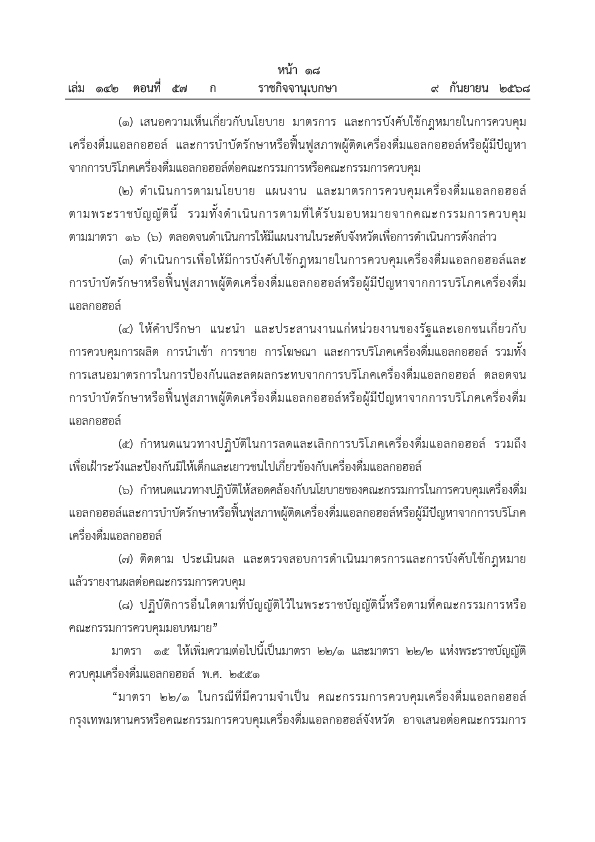
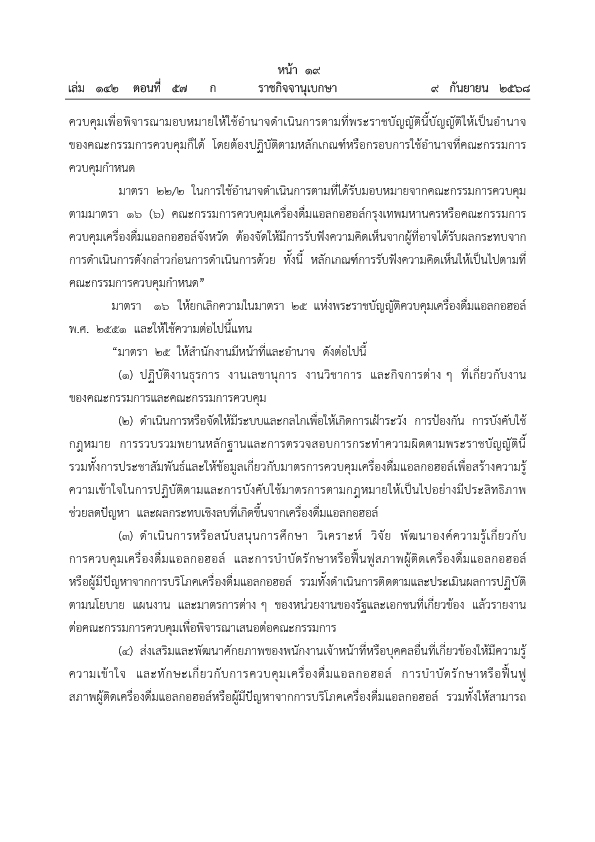
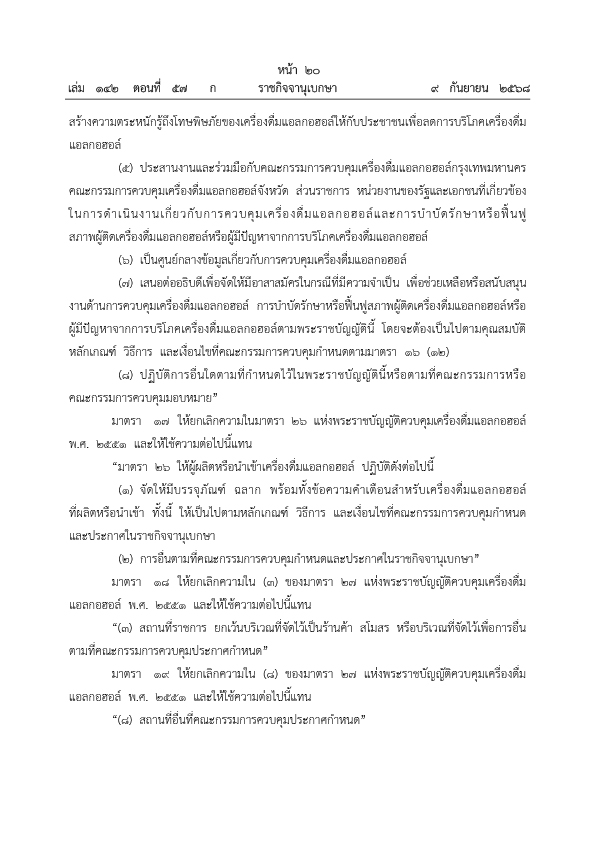
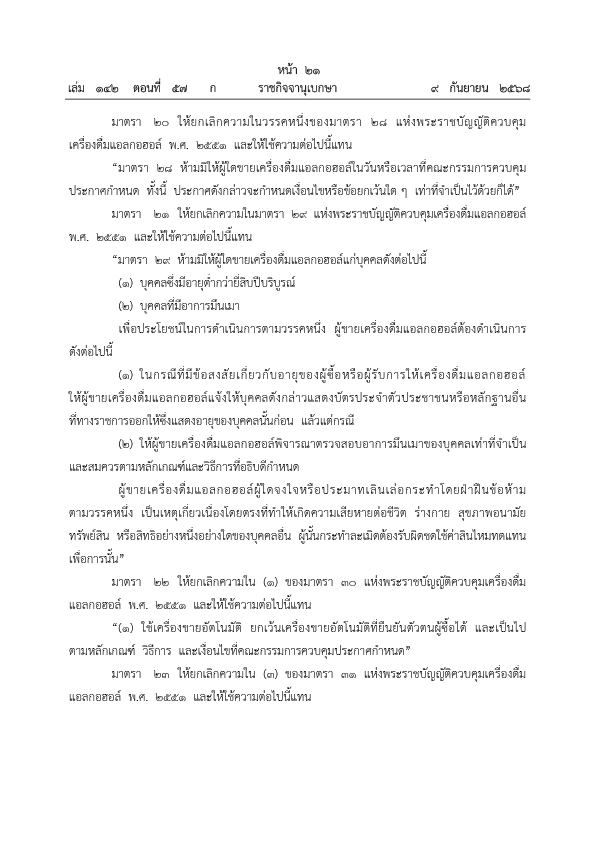
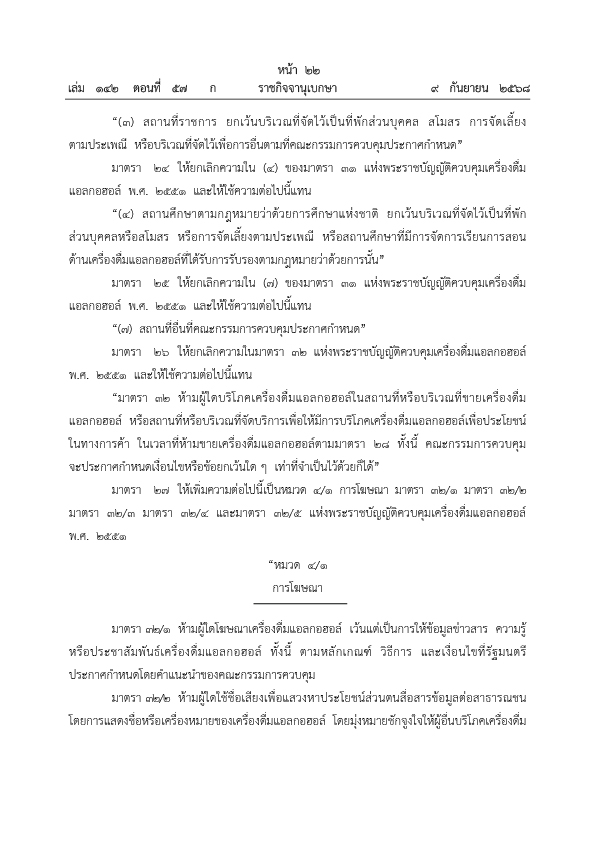
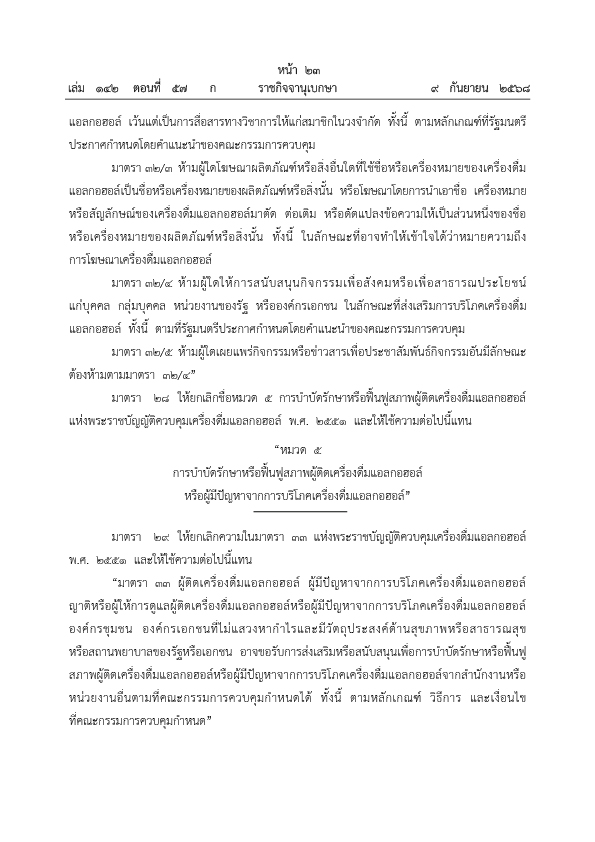
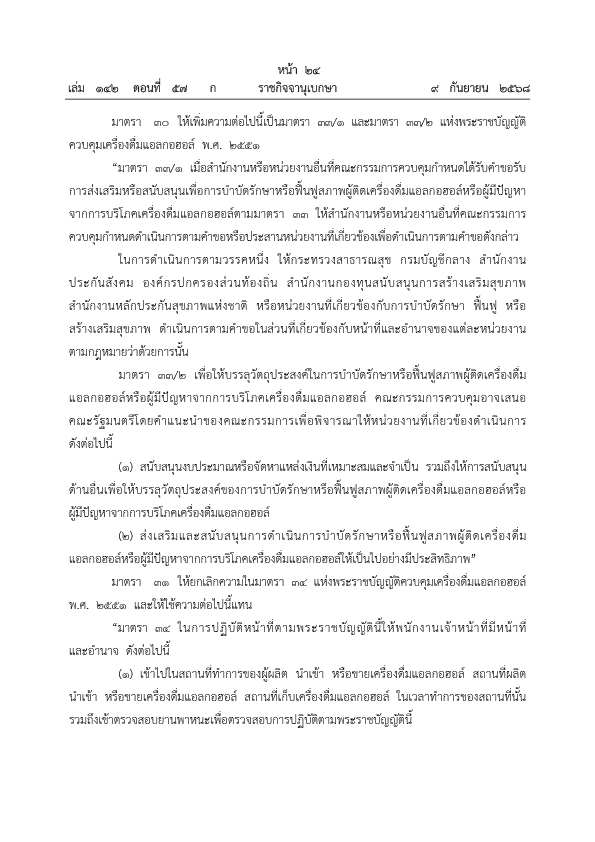
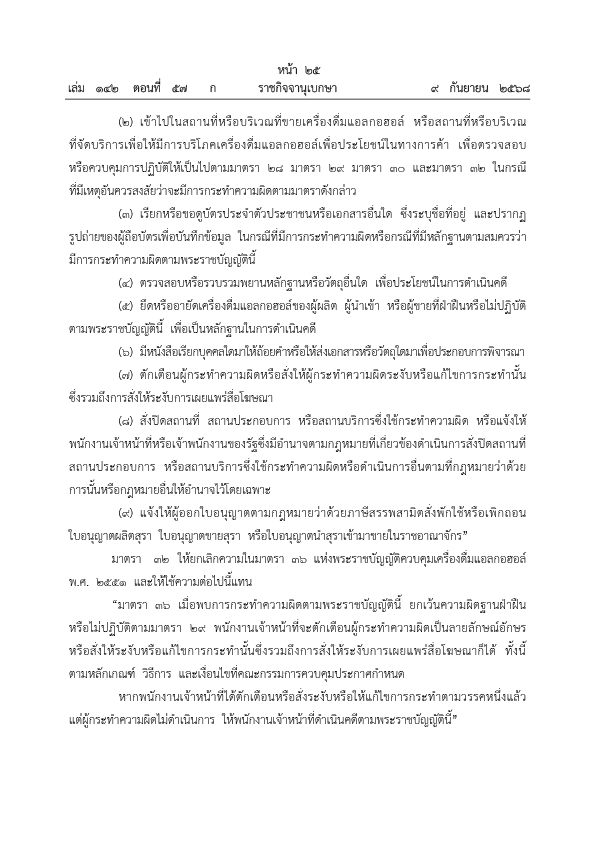
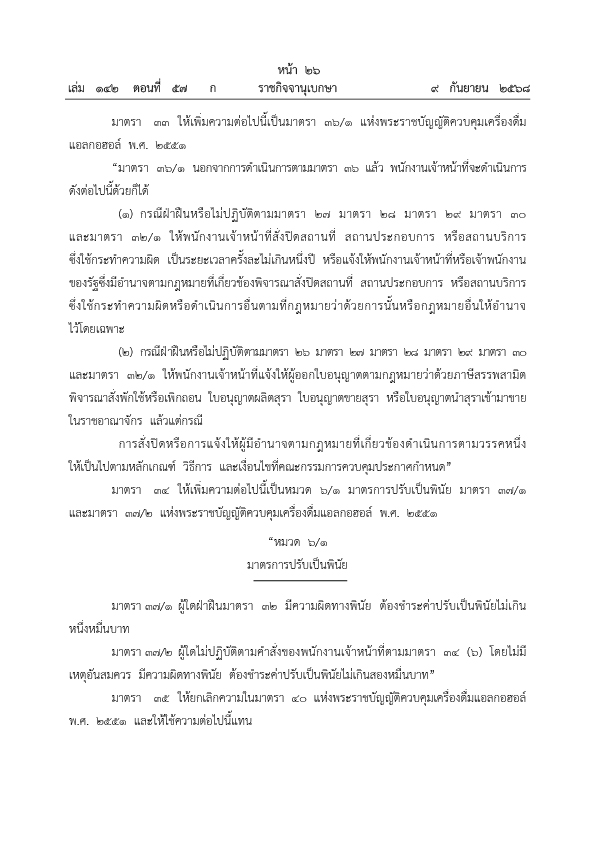
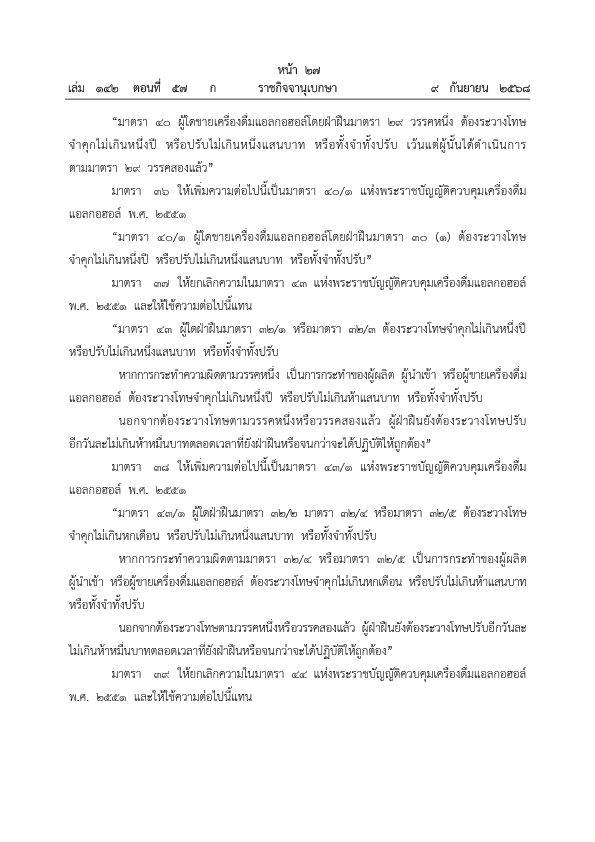
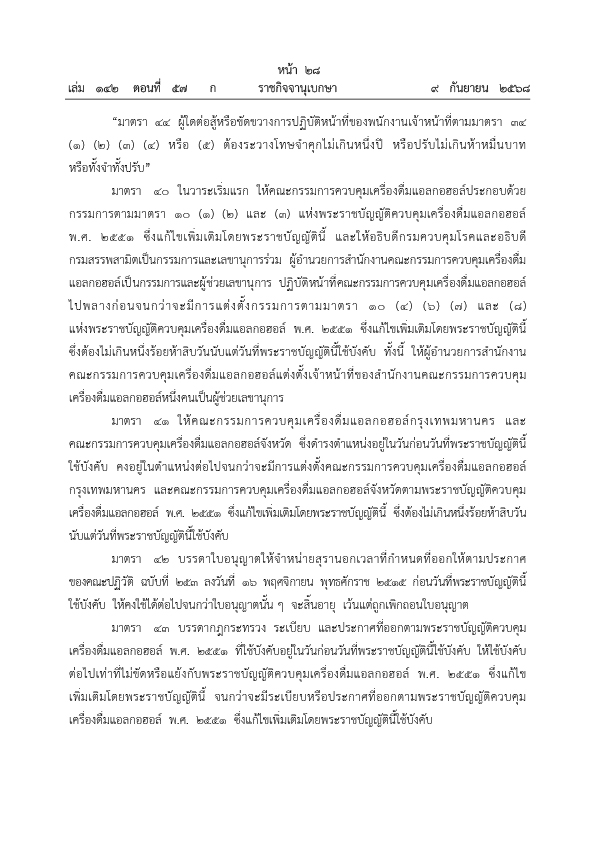
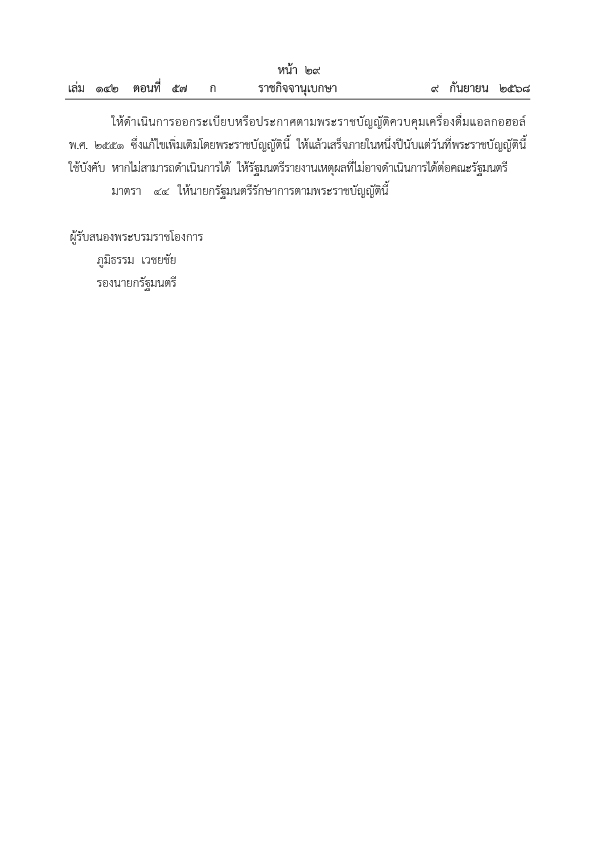
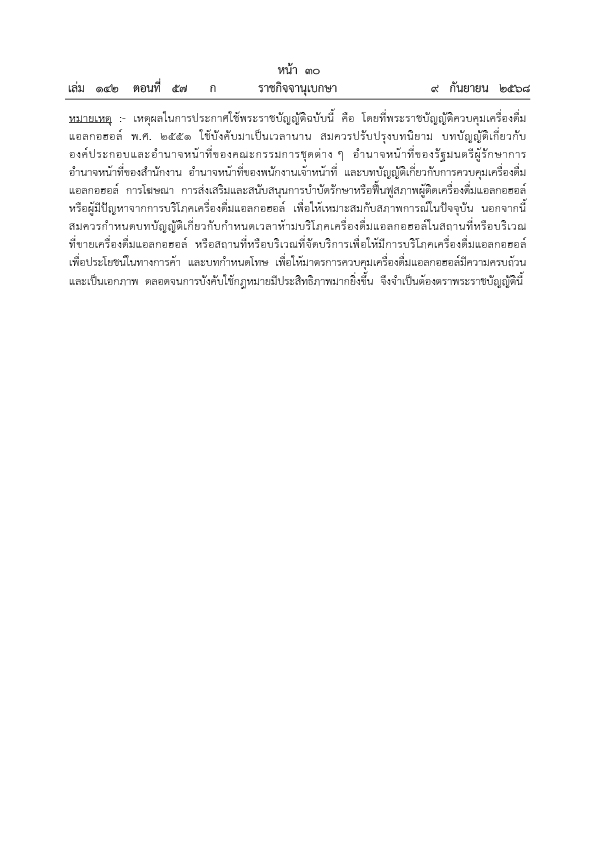
The policy development process culminated in the Alcoholic Beverage Control Act (No. 2), B.E. 2568 (2025), which was published in the Royal Gazette on September 9, 2025, and came into effect on November 8, 2025. The amended legislation introduced changes to several aspects of Thailand’s alcohol-control framework, including marketing communications, advertising, sales practices, administrative enforcement, and support for people experiencing alcohol-related problems.
The amended framework expanded or clarified important legal definitions, including marketing communications, traditional banquets, and people experiencing problems related to alcohol consumption. It also adjusted the composition and responsibilities of alcohol-control committees, creating provisions for broader representation and strengthening mechanisms for policy formulation and implementation at national and local levels.
Additional provisions addressed the sale of alcoholic beverages to intoxicated persons, including duties for sellers to assess intoxication when reasonably necessary and appropriate. The legislation also introduced provisions concerning potential civil liability where a seller intentionally or negligently violates the relevant prohibition and directly causes harm to another person.
Advertising and marketing provisions were another significant area of reform. New sections addressed alcohol advertising, the use of reputation or public recognition to encourage consumption, the use of alcohol brand names or logos on other products, and sponsorship of certain social or public-benefit activities in ways that promote alcohol consumption. Related restrictions addressed the dissemination of publicity for prohibited activities. These measures strengthened the legal framework for addressing forms of marketing and promotion that may influence drinking behavior.
The amendments also broadened the framework for treatment and support. Rather than focusing exclusively on people classified as alcohol-dependent, the legislation recognized a wider category of people experiencing alcohol-related problems. It provided for support mechanisms involving affected individuals, relatives, caregivers, community organizations, nonprofit health organizations, and healthcare facilities. Additional enforcement provisions addressed written warnings, corrective orders, the closure of certain premises, licensing consequences, and penalties for specified violations.
Taken together, these changes illustrate how legislative reform can address several interconnected dimensions of alcohol-related harm. Prevention and enforcement measures can be complemented by treatment and rehabilitation support, while clearer administrative responsibilities can help strengthen implementation. These provisions are relevant to the wider objectives of SDG 3 because they connect regulatory measures with efforts to prevent harmful alcohol use, protect public safety, and improve access to assistance.
The enacted legislation should be understood as the outcome of a wider legislative process involving the responsible government bodies, the ad-hoc committee, and multiple stakeholders. Walailak University’s contribution was through the provision of expert advice and evidence-informed recommendations, rather than sole responsibility for the final statutory provisions.
Supporting Monitoring, Evaluation, and Adaptive Policy Management
Effective policy development does not end when legislation is enacted. Continued monitoring and evaluation are necessary to determine whether regulatory interventions achieve their intended objectives and whether further adjustments are required. Through his advisory role, Assoc. Prof. Dr. Udomsak Saengow emphasized the importance of maintaining rigorous enforcement of existing alcohol-control laws, examining emerging evidence, and assessing the public health and social implications of proposed policy changes. His recommendations highlighted that policy effectiveness depends not only on the wording of legislation but also on consistent implementation, evidence-based decision-making, and the ability to respond to emerging risks.
One immediate concern was the potential weakening of enforcement before the amended Alcoholic Beverage Control Act came into effect. Assoc. Prof. Dr. Udomsak cautioned that government signals suggesting greater flexibility in alcohol sales on major Buddhist holidays and on trains and railway stations could undermine the consistent enforcement of existing restrictions. At the time of his comments, the proposed amendments had not yet entered into force, meaning that the existing legal requirements remained applicable. He therefore emphasized the need for the government to maintain strict enforcement, particularly during major tourism periods such as the Songkran festival. This recommendation demonstrated the importance of monitoring not only formal legislative changes but also administrative practices and policy signals that could influence compliance before new provisions become legally effective.
To support this position, he drew attention to evidence from Thailand and other countries concerning the relationship between alcohol availability and social harm. Research from Western Australia found that hotels granted extended alcohol-trading hours experienced approximately three times as many assaults as hotels that did not receive such extensions. Evidence from 18 Norwegian cities also associated an additional hour of alcohol sales with a 13–22% increase in assaults. In Thailand, research has identified a relationship between greater alcohol-outlet density and higher alcohol consumption. Although these findings arise from different regulatory and social contexts and do not establish that every relaxation of restrictions will produce identical outcomes, they provide important evidence for assessing the potential risks of expanding alcohol availability.
These findings informed a precautionary approach to policy evaluation. Rather than assuming that longer sales hours or fewer restrictions would automatically generate economic benefits, policymakers were encouraged to consider the possible consequences for violence prevention, public safety, and alcohol-related harm. Assoc. Prof. Dr. Udomsak also stressed that tourists should not be regarded solely as consumers of nightlife and recreational services, as many do not drink alcohol. Their safety deserves equal consideration, and serious incidents involving visitors could damage Thailand’s international reputation. This perspective illustrates how monitoring and evaluation can help policymakers consider the wider consequences of regulatory decisions, including impacts on people who may otherwise be overlooked in discussions focused primarily on commercial activity.
Another important dimension of his policy analysis concerned the influence of commercial interests on alcohol-control legislation. Assoc. Prof. Dr. Udomsak distinguished among three broad groups in Thailand’s alcohol market: large domestic businesses, smaller businesses seeking to expand their operations, and large multinational companies seeking greater market access. He explained that these groups may pursue different approaches to regulatory reform, ranging from maintaining existing market conditions to advocating changes that reduce barriers to business expansion. Multinational companies may also use lobbying, trade organizations, partnerships with domestic businesses, sponsored campaigns, and engagement with think tanks to advance their preferred policy positions.
This analysis highlighted the importance of examining not only the stated objectives of proposed amendments but also the distribution of their potential benefits and costs. Relaxing alcohol-control measures could increase market competition and make business operations easier, but the long-term consequences may differ among market participants. Assoc. Prof. Dr. Udomsak noted that smaller businesses with distinctive products can eventually become acquisition targets for larger companies. He also raised concerns that international trade pressures could encourage multinational alcohol producers to seek additional markets in emerging economies, including Thailand. These considerations reinforced the need for independent evidence and transparent policy deliberations when assessing proposals to relax existing restrictions.
From a monitoring and evaluation perspective, this analysis provides a basis for examining whether regulatory changes achieve their stated economic objectives and how their benefits and risks are distributed across society. Relevant questions include whether increased market access produces sustained opportunities for smaller businesses, whether market concentration changes over time, and whether economic gains are accompanied by increased alcohol-related social and health costs. Such questions can help government agencies and researchers distinguish between claims made in policy debates and outcomes demonstrated through evidence.
Tourism performance offers another example of why policy evaluation should consider multiple indicators. Historical data for 2007–2019 showed that international tourist arrivals in Thailand increased from approximately 14.5 million to 39.9 million, while tourism revenue rose from approximately 548 billion baht to 1.9 trillion baht during a period in which alcohol-control legislation and related restrictions were in place. Research examining extended operating hours in five pilot provinces also found that tourist growth was lower than in comparison provinces that did not extend operating hours. These observations do not establish that alcohol restrictions caused tourism growth or that relaxing restrictions would necessarily reduce tourism. Instead, they challenge the assumption that loosening alcohol controls automatically produces stronger tourism outcomes and demonstrate the importance of examining comparative evidence before introducing policy changes.
The findings suggest that tourism strategies should be evaluated using a broader range of indicators, including visitor numbers, tourism revenue, public safety, alcohol-related incidents, and the quality of the visitor experience. Policymakers can also explore alternative approaches to strengthening the nighttime economy through cultural activities, creative industries, and safe recreational environments rather than relying primarily on increased alcohol sales. This provides a more balanced basis for assessing economic development alongside public health and social well-being.
The amended Alcoholic Beverage Control Act, B.E. 2568 (2025), introduced additional provisions concerning advertising, marketing communications, sales to intoxicated persons, administrative enforcement, and support for people experiencing alcohol-related problems. These provisions create a strengthened legal framework for addressing several aspects of alcohol-related harm. However, their effectiveness must ultimately be assessed through implementation and outcome data rather than inferred from legislative changes alone. Continued evaluation could examine compliance with marketing restrictions, enforcement consistency, patterns of alcohol consumption, alcohol-related injuries and road traffic incidents, interpersonal violence, access to treatment and rehabilitation, and the economic and social consequences of regulatory changes.
This approach supports adaptive management by enabling policymakers to review measures in response to observed outcomes, emerging research, and changing social conditions. Where evidence indicates that an intervention is not achieving its objectives or is producing unintended consequences, government agencies can use the findings to reconsider implementation strategies, strengthen enforcement, or evaluate the need for further policy adjustments. Universities can contribute by conducting independent research, interpreting evidence, identifying emerging risks, and communicating findings to government agencies and civil society partners.
Through his participation in national legislative deliberations, Assoc. Prof. Dr. Udomsak Saengow brought research-based perspectives on alcohol availability, tourism, commercial influence, and public safety into discussions concerning Thailand’s regulatory framework. His recommendations illustrate how academic expertise can support the diagnosis of policy challenges, the assessment of potential interventions, and the development of evidence-informed approaches to implementation and future evaluation. This engagement reinforces Walailak University’s contribution to cross-sector policy development under SDG 17 while supporting the broader public health objectives of SDG 3.
Positive Impacts and Contribution to SDGs
Walailak University’s engagement in Thailand’s alcohol-control policy development demonstrates how collaboration between higher education institutions, government agencies, and NGOs can strengthen evidence-informed national policymaking. Through Assoc. Prof. Dr. Udomsak Saengow’s participation in the advisory team, the university contributed academic knowledge to legislative deliberations, helped bring research-based perspectives into discussions of regulatory challenges, and supported consideration of public health and social welfare in the development of alcohol-control measures.
The collaboration also illustrates the value of bringing together experts from different sectors. Government agencies contribute regulatory authority and implementation capacity; researchers provide evidence and analytical expertise; and NGOs and civil society organizations bring experience of community needs and the practical consequences of alcohol-related harm. Their interaction can help identify policy gaps, assess competing interests, develop appropriate interventions, and strengthen accountability.
In the context of SDG 17, this case demonstrates a substantive relationship between a university and national government and civil society partners for policy development. Its contribution extends beyond general institutional cooperation to direct participation in an advisory process supporting national legislation. The case also connects SDG 17 with SDG 3 by showing how cross-sector partnerships can help translate research and public health priorities into policy recommendations and a strengthened legal framework.
Going forward, continued measurement of policy implementation and outcomes will be important for determining whether the amended legislation achieves its intended benefits. Through sustained research, stakeholder engagement, and evidence-based evaluation, Walailak University can continue supporting government and civil society efforts to improve alcohol-control policies and respond to emerging challenges. This collaborative approach reinforces the university’s role in advancing informed public policy, protecting community well-being, and contributing to Thailand’s progress toward the Sustainable Development Goals.
Walailak University Collaborates with the Department of Fisheries to Strengthen Evidence-Based Policies for Marine Resource Conservation
Effective marine resource conservation requires strong collaboration between universities, government agencies, non-governmental organizations (NGOs), and fishing communities. Sustainable fisheries policies depend on reliable scientific data, accurate assessments of resource conditions, and management measures that respond to changes in fish populations, fishing pressure, and marine ecosystems. When uncertainty affects resource assessments, policymakers must be able to identify data limitations, evaluate alternative management scenarios, and adjust fishing regulations to prevent overexploitation. Partnerships that connect academic research with government decision-making are therefore essential to advancing the United Nations Sustainable Development Goals (SDGs), particularly SDG 14: Life Below Water, and SDG 17: Partnerships for the Goals.
In Thailand, the Department of Fisheries uses scientific assessments of fisheries resources to inform fishing-license decisions and establish appropriate limits on harvesting. However, uncertainties associated with data collection, annual fluctuations in resource conditions, and climate change can affect estimates of fish populations and sustainable fishing levels. Strengthening resource assessments and monitoring systems is consequently important to ensuring that fisheries policies remain effective, scientifically justified, and responsive to changing environmental conditions.
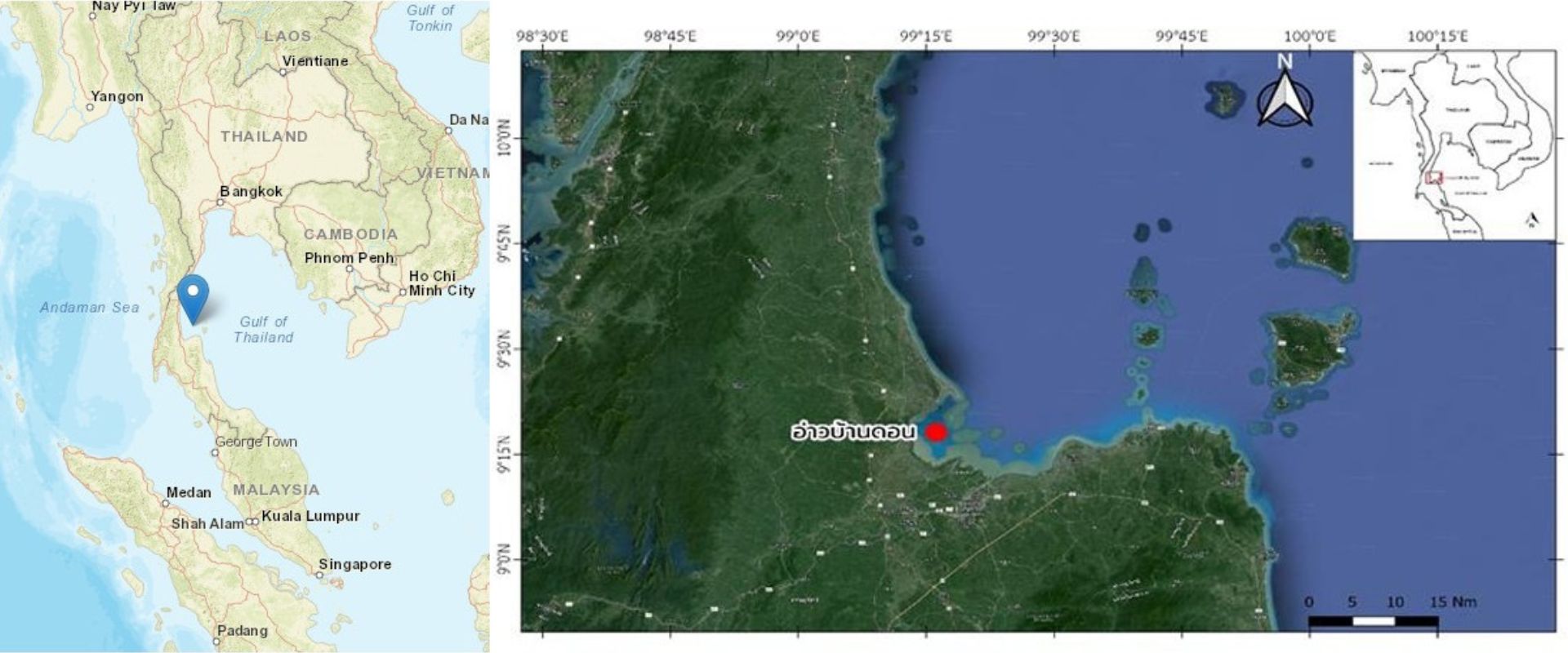
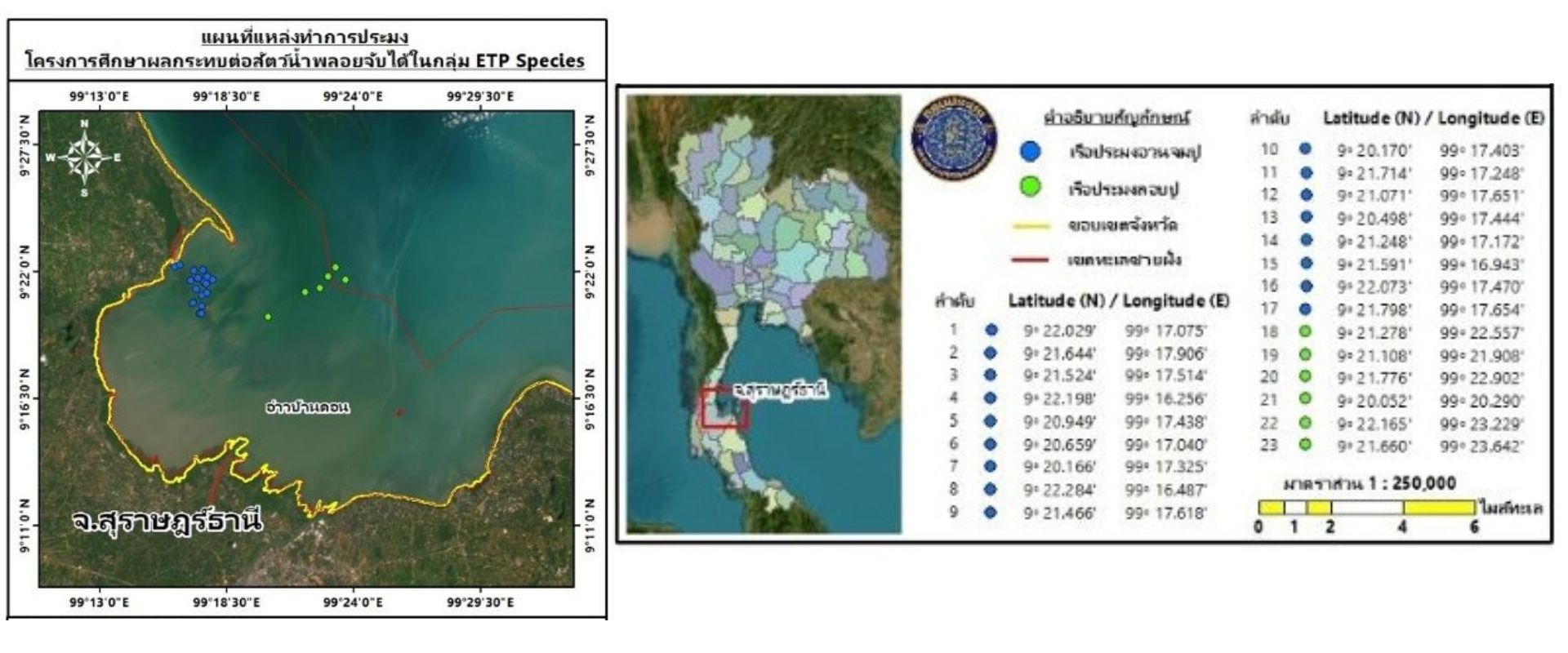
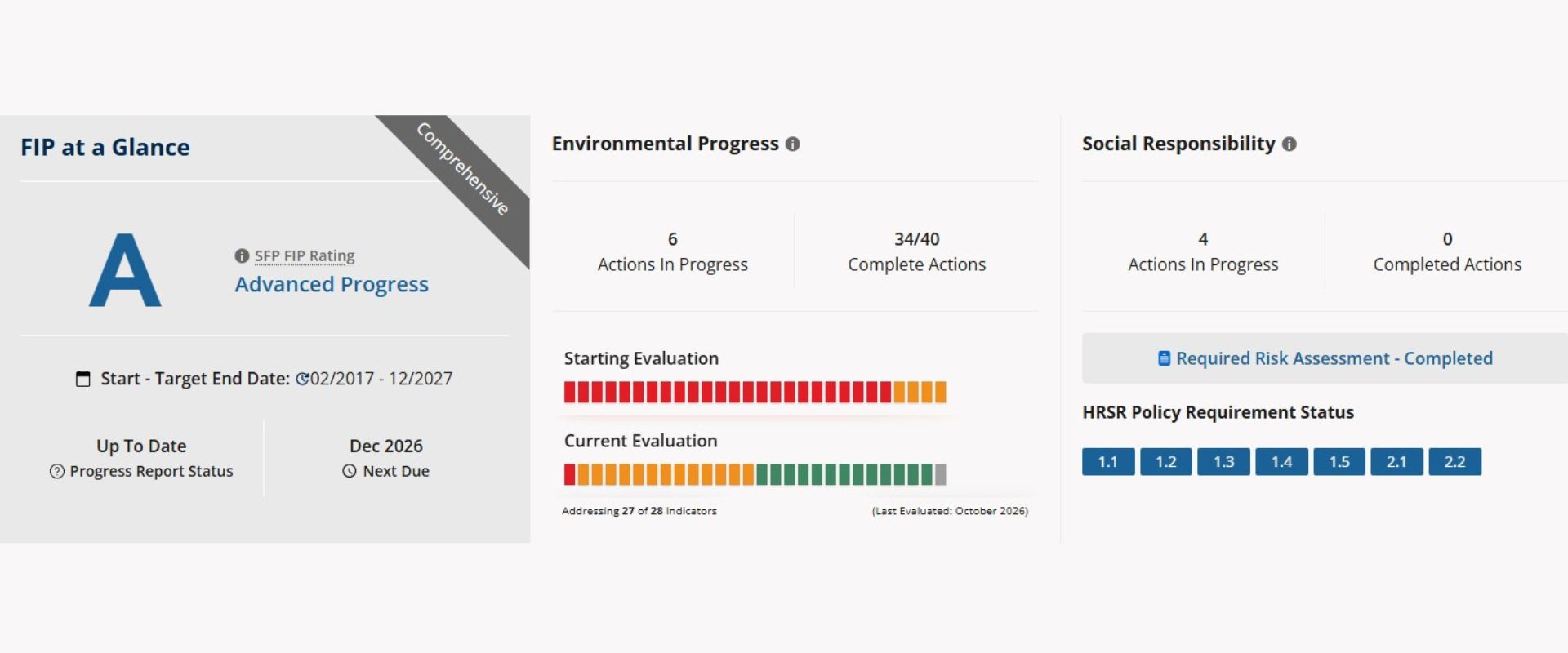
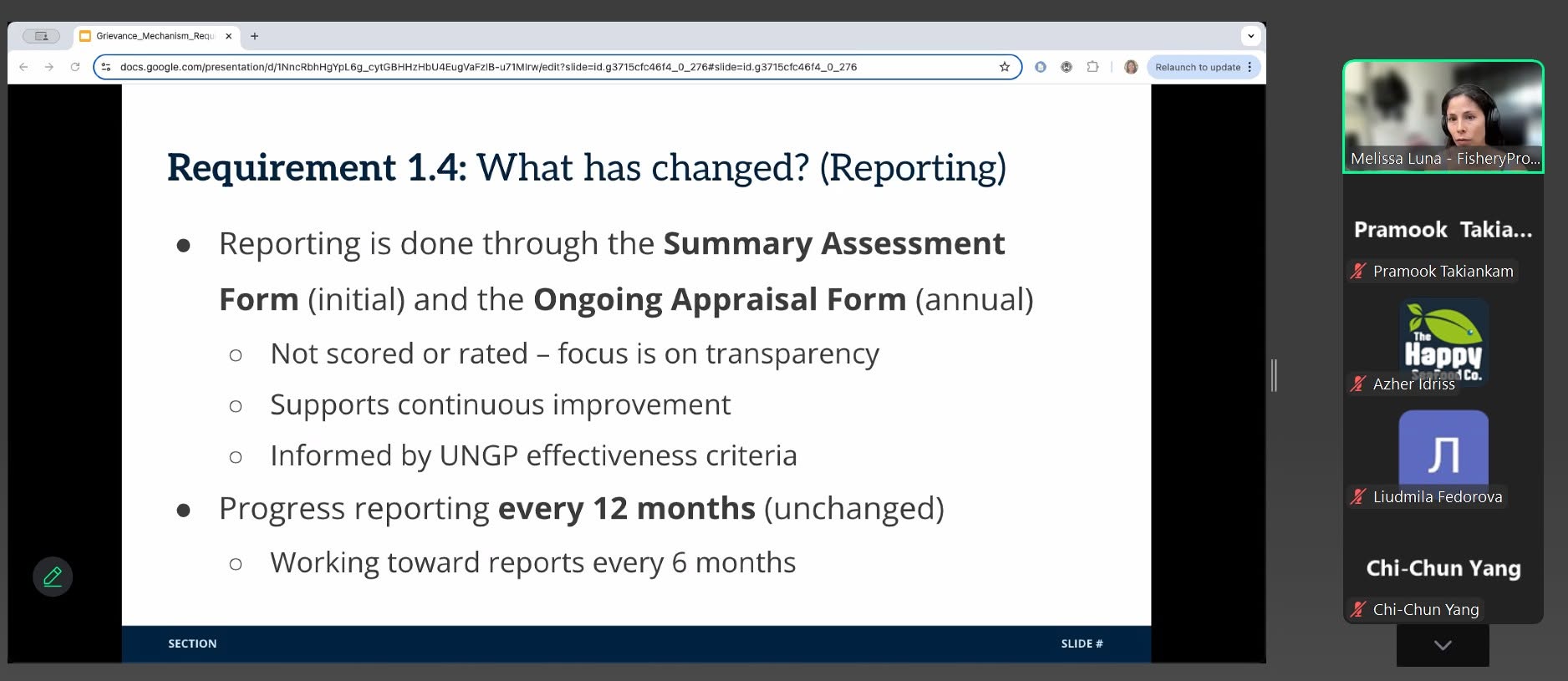
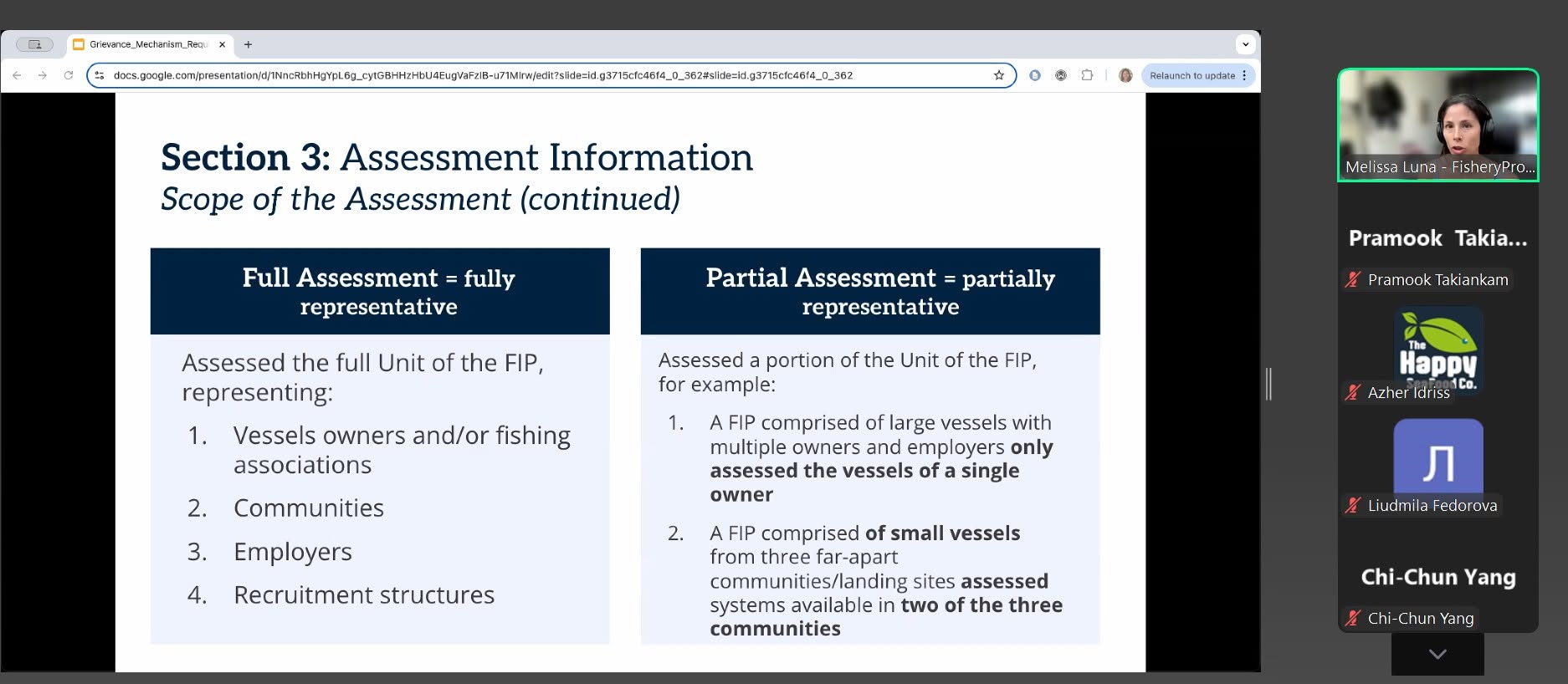
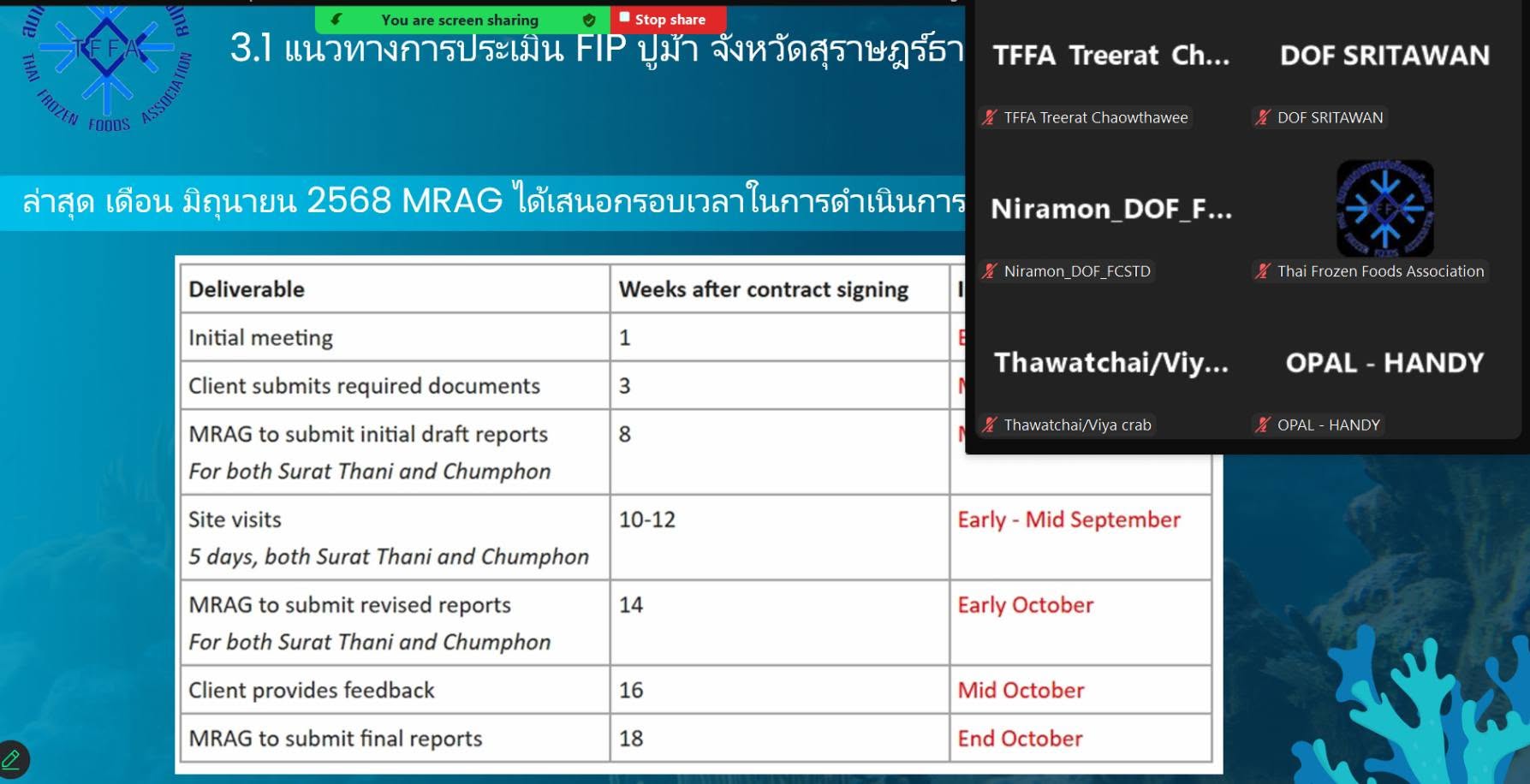
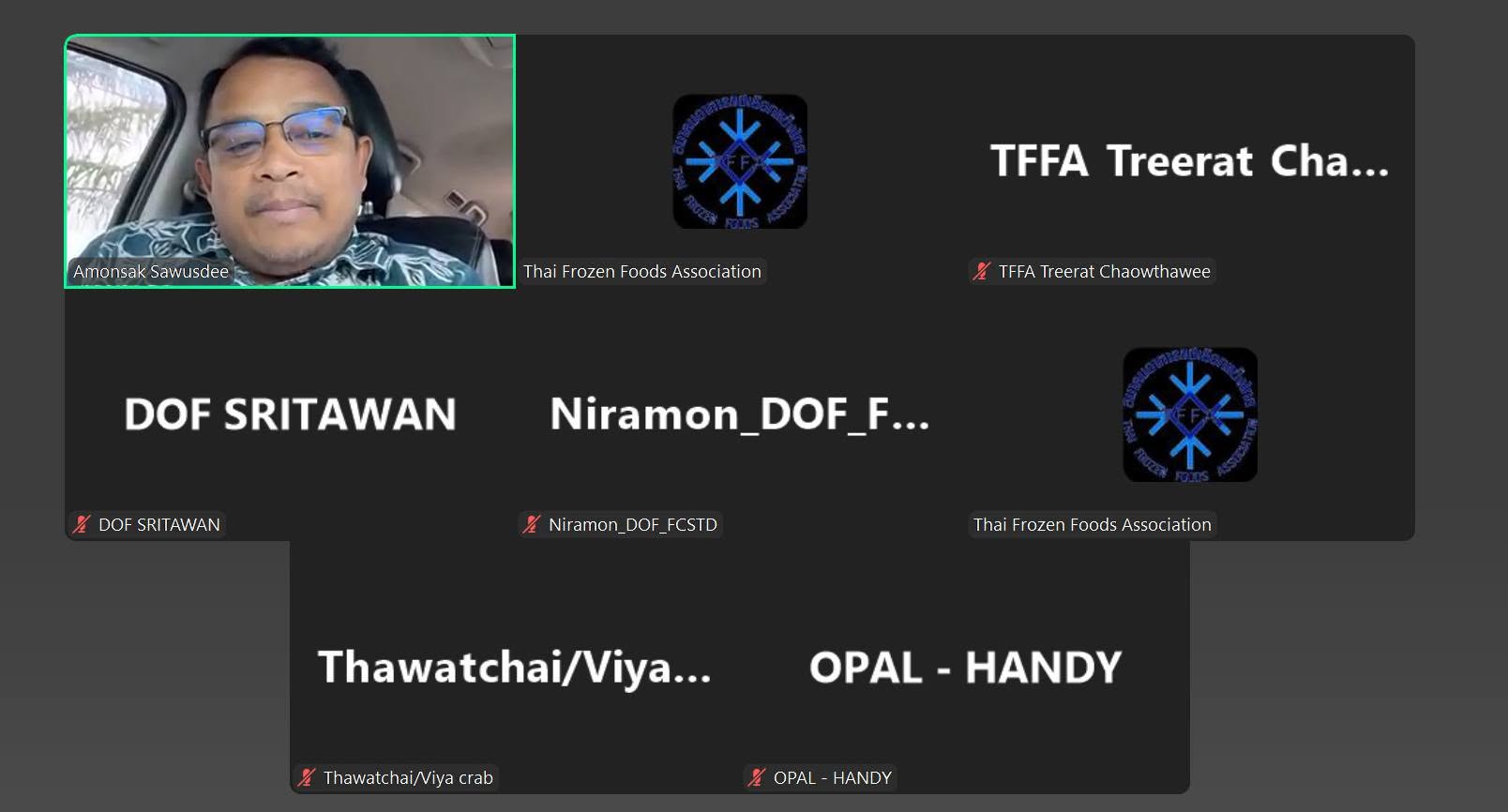
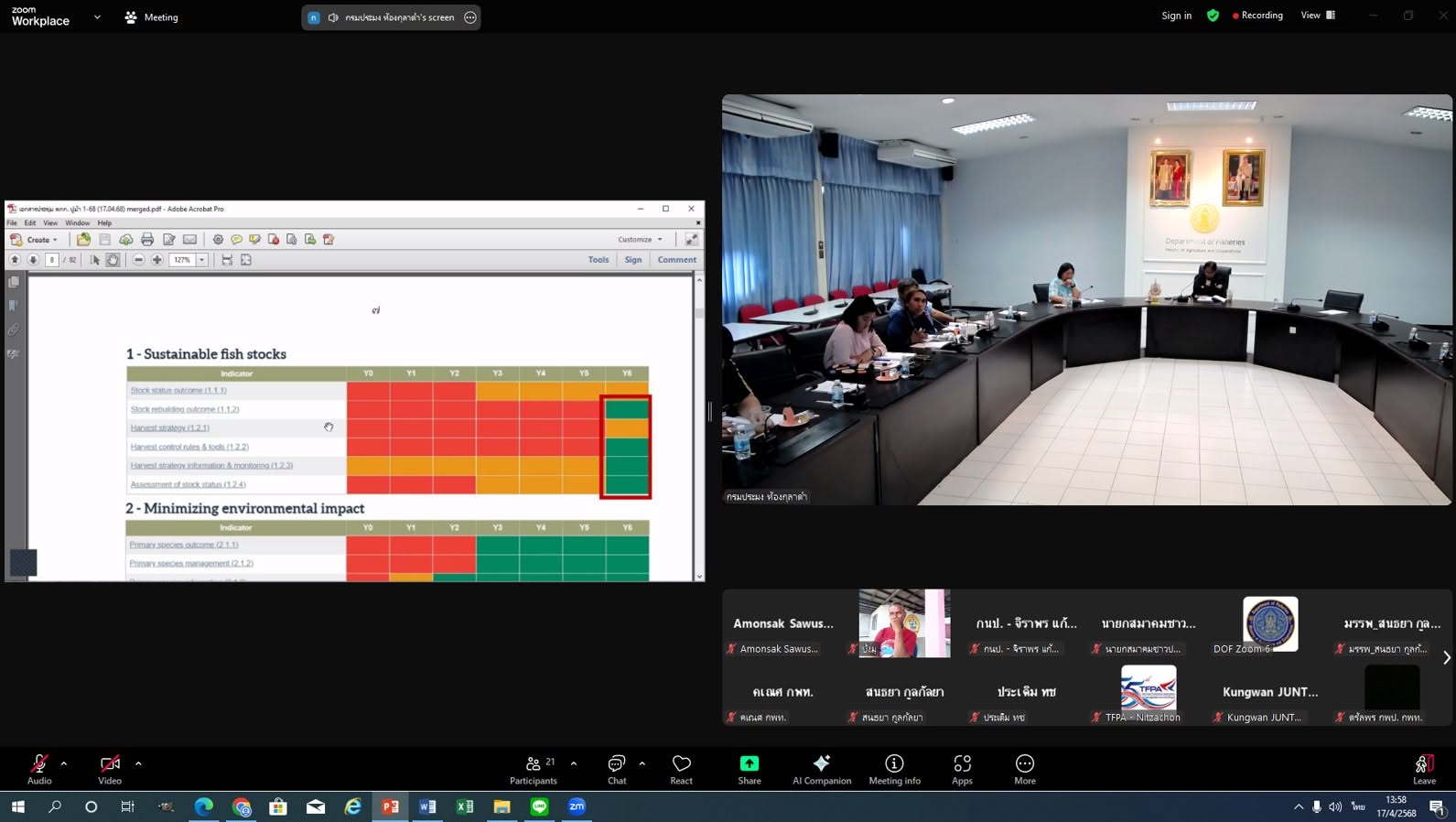
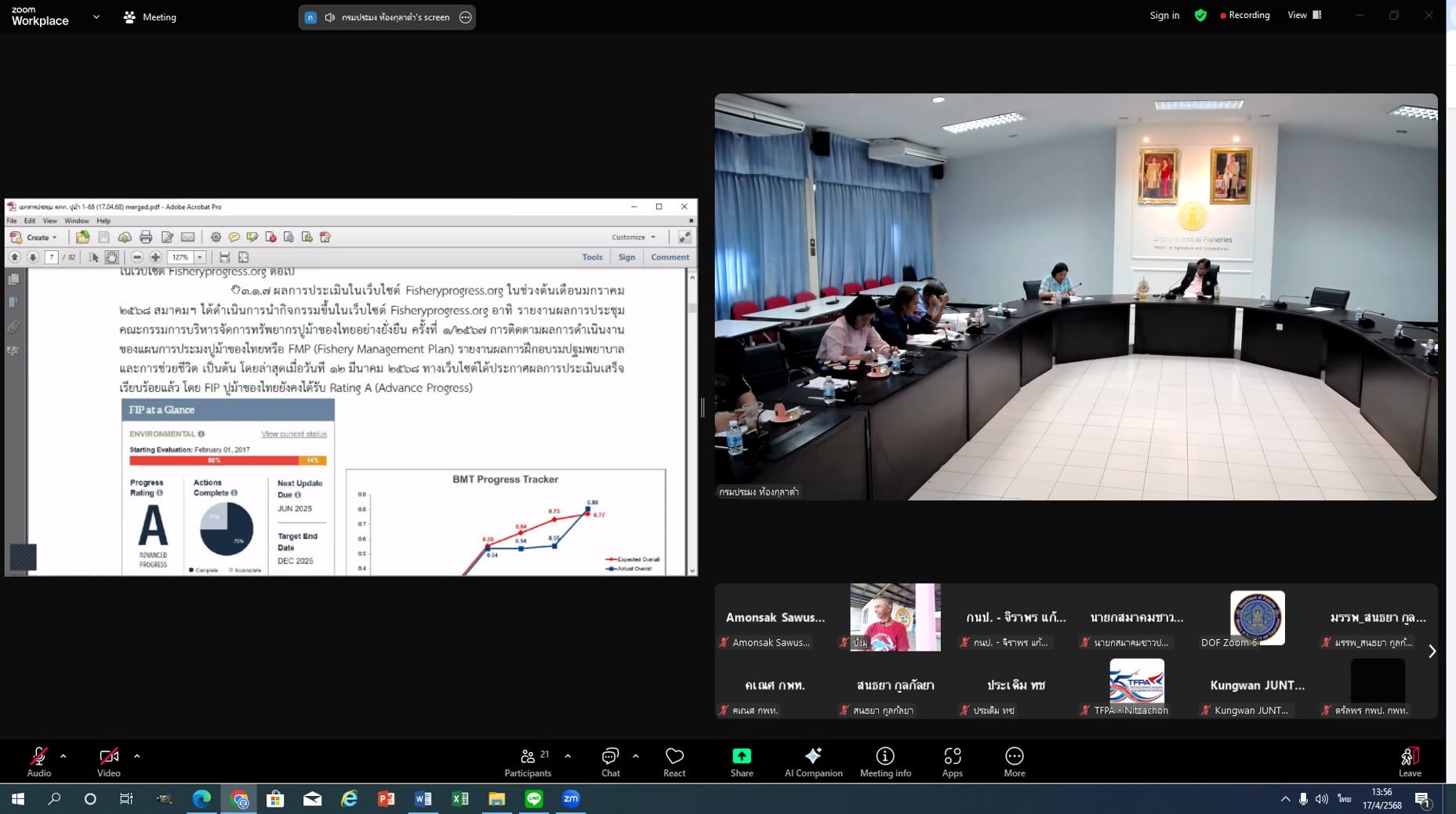
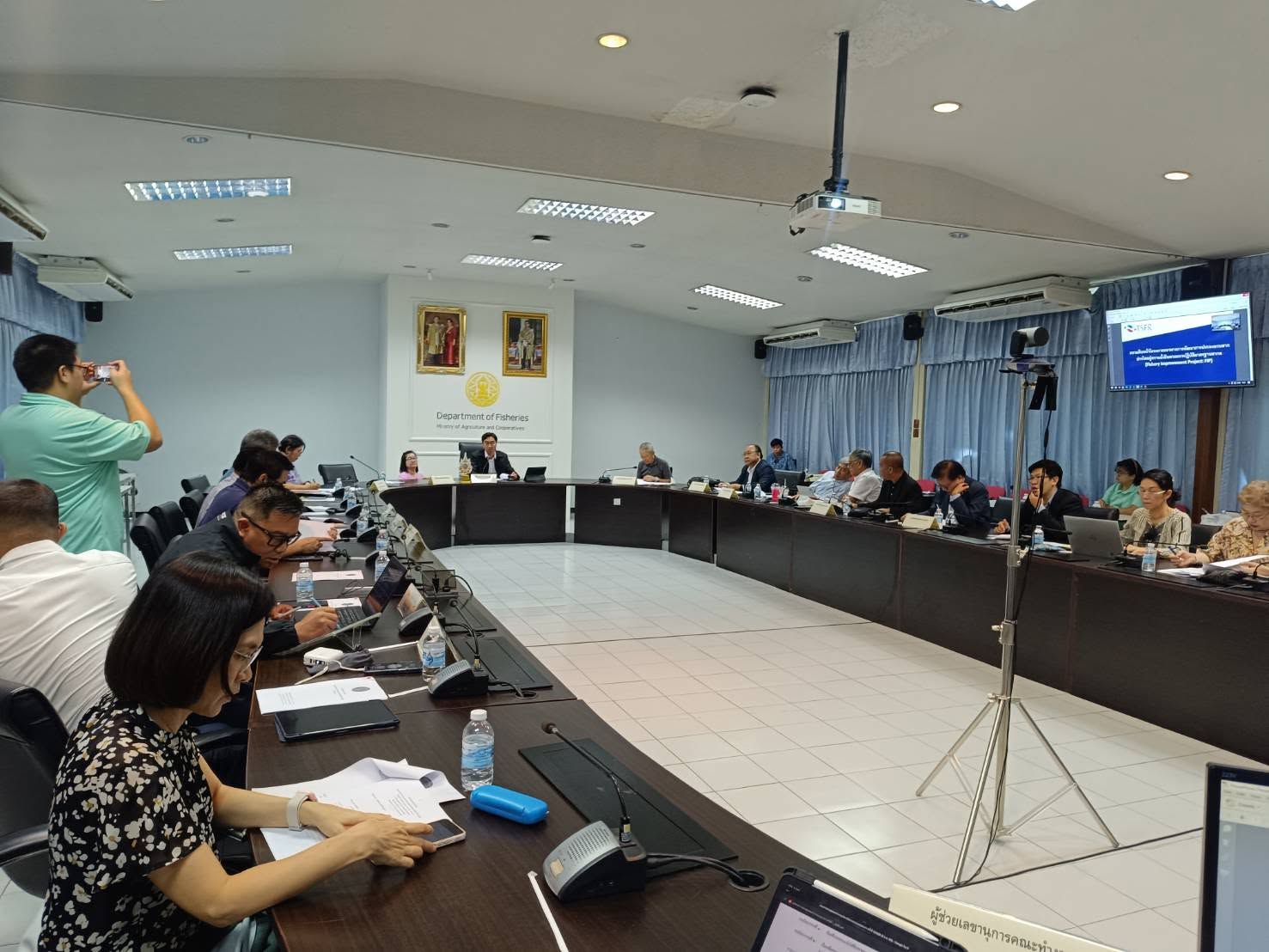
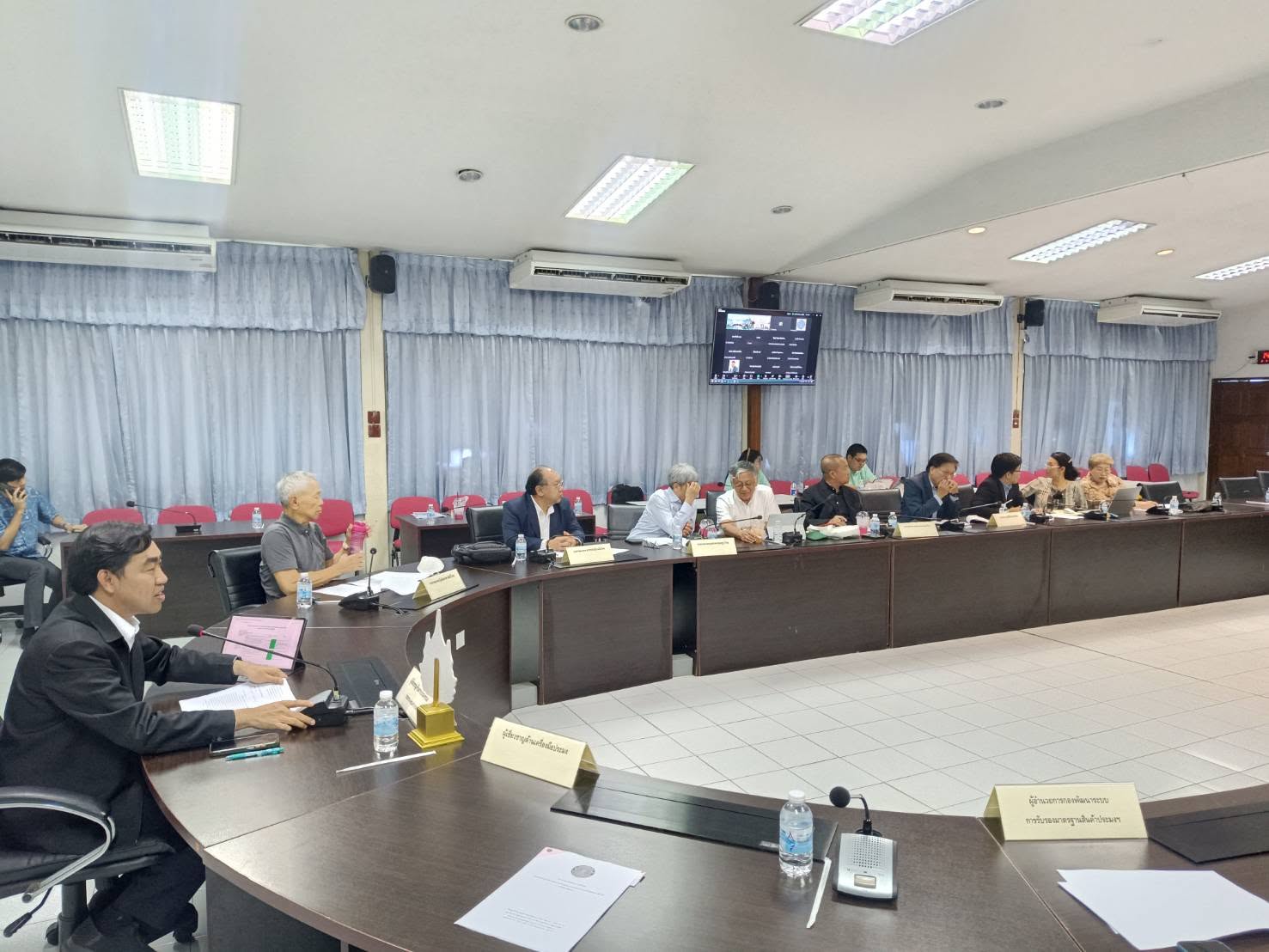
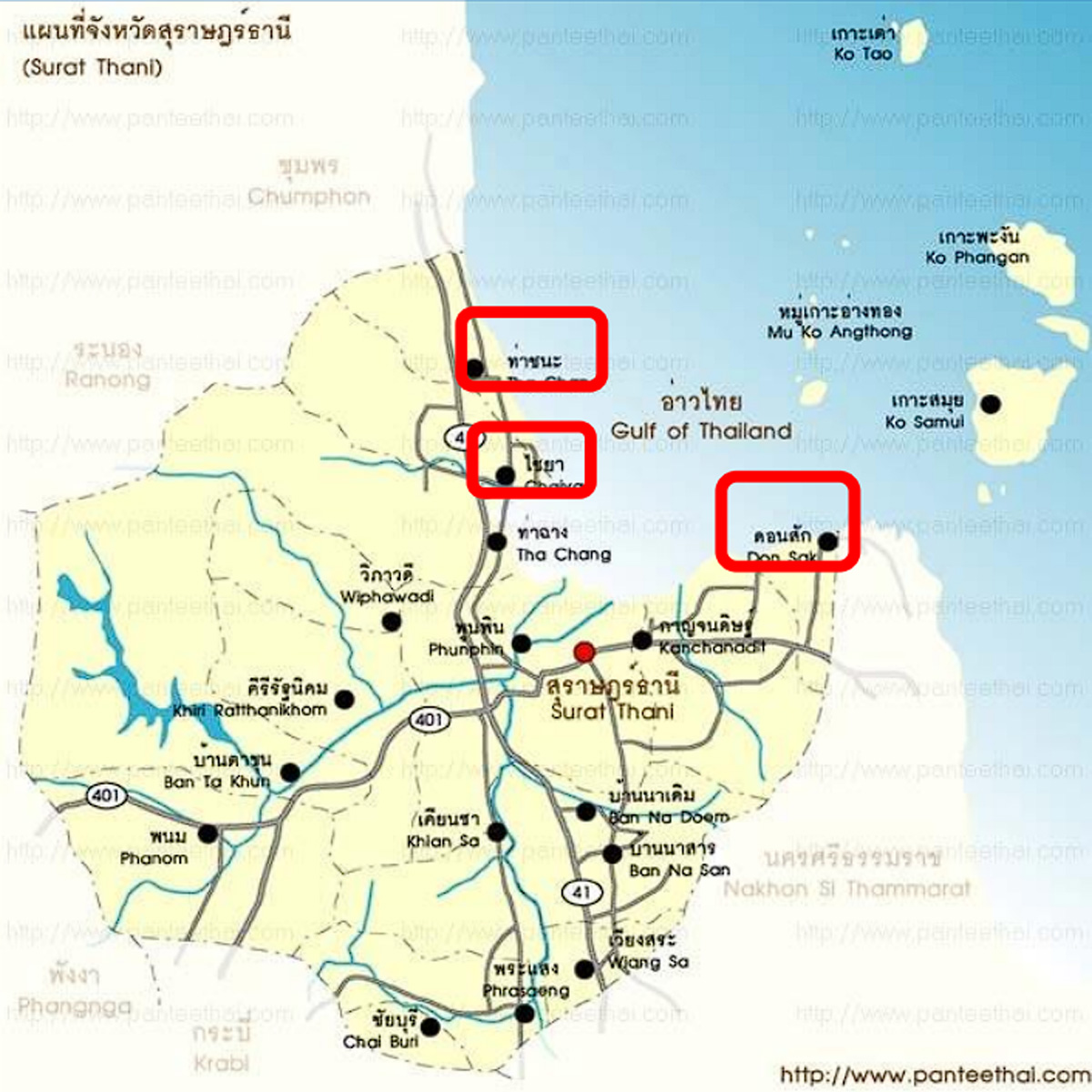
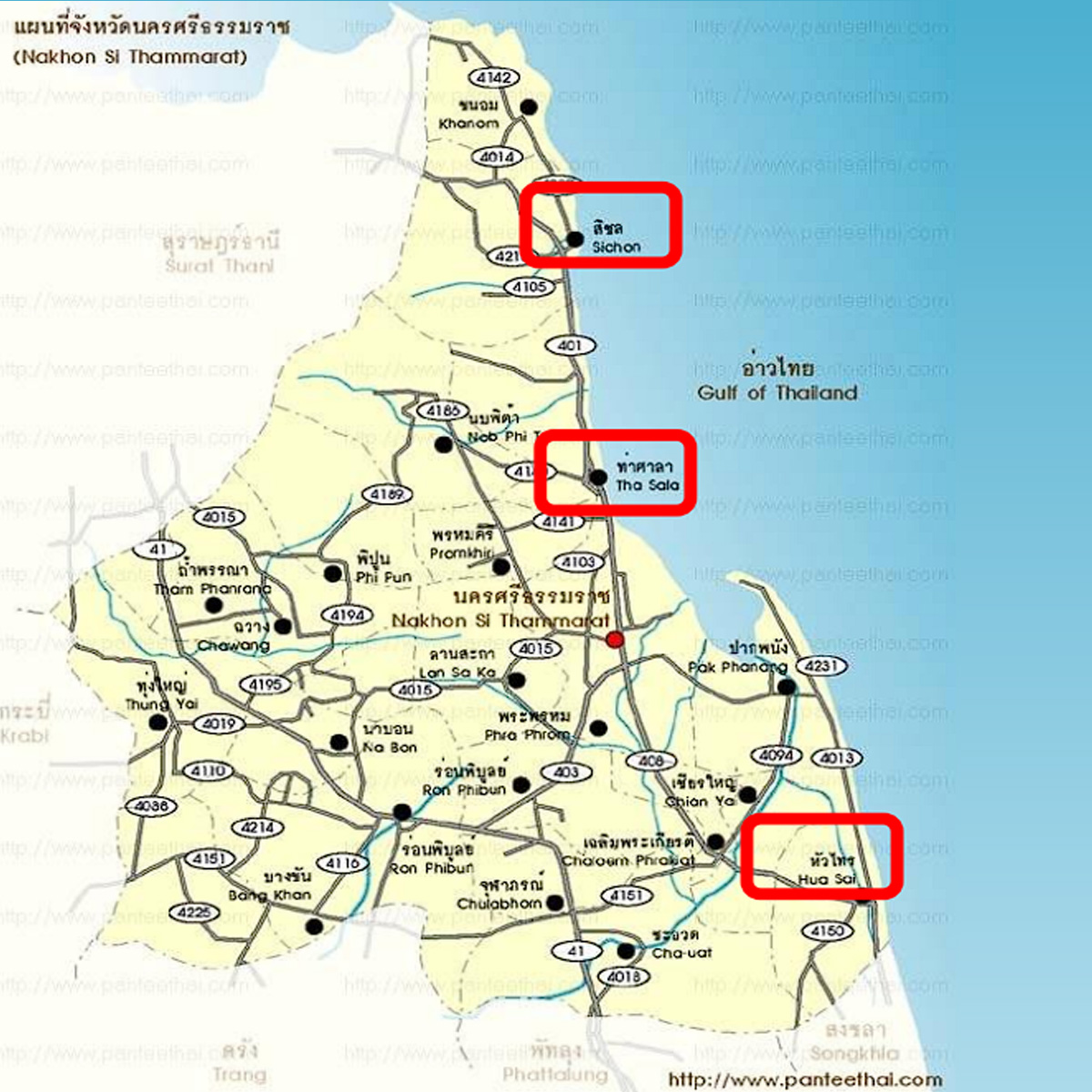
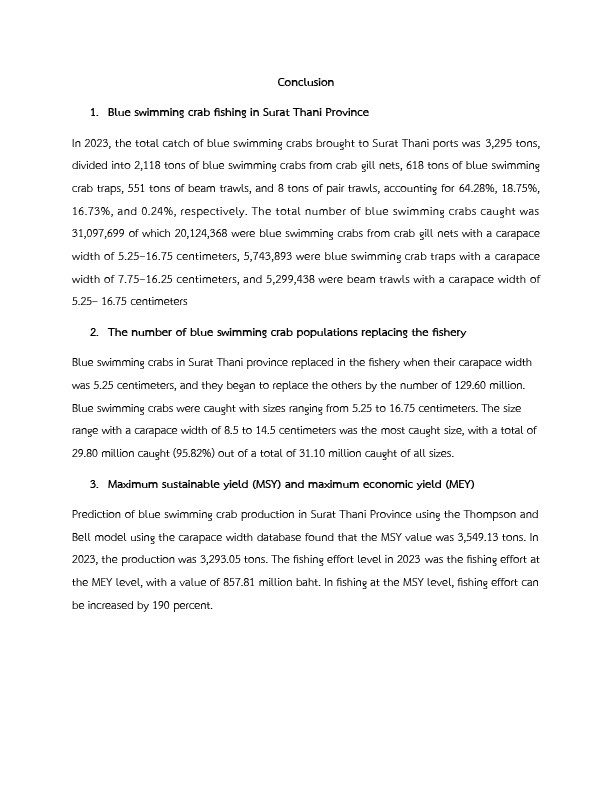
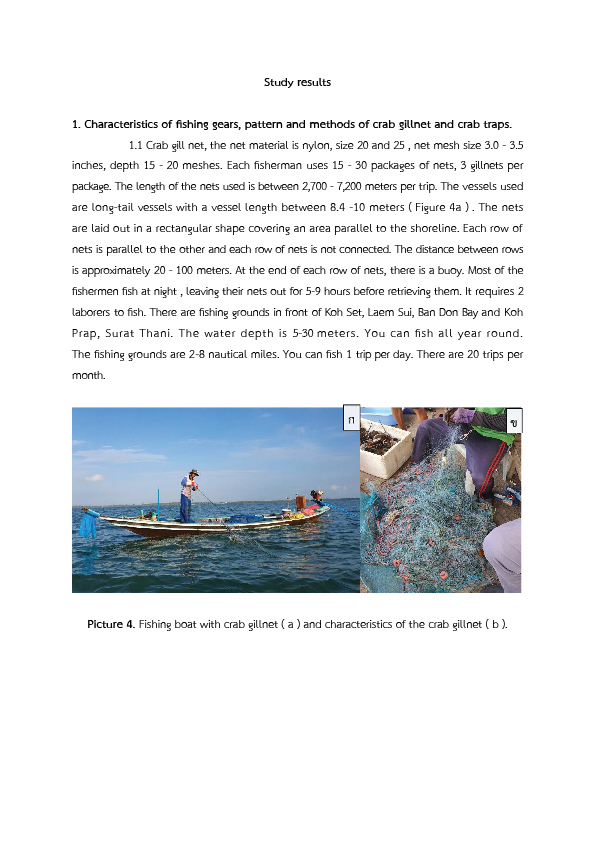
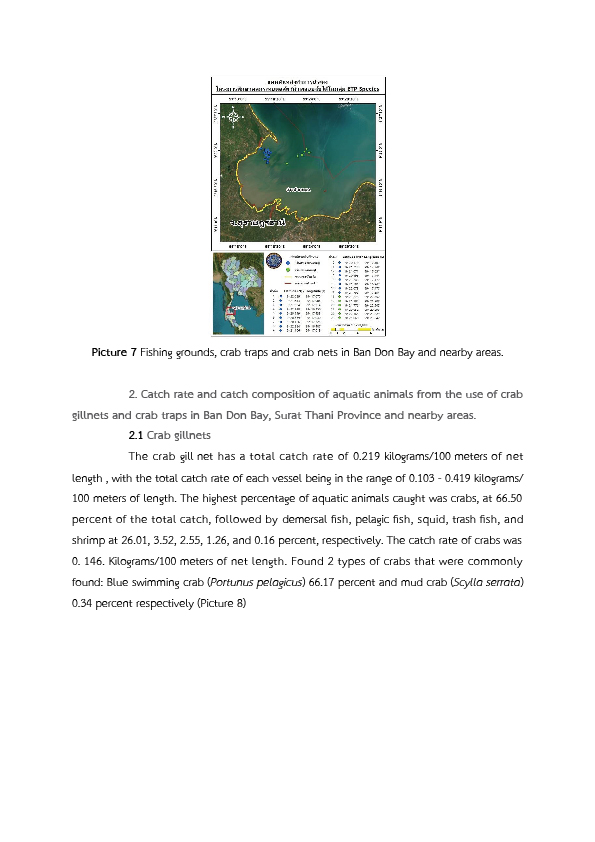
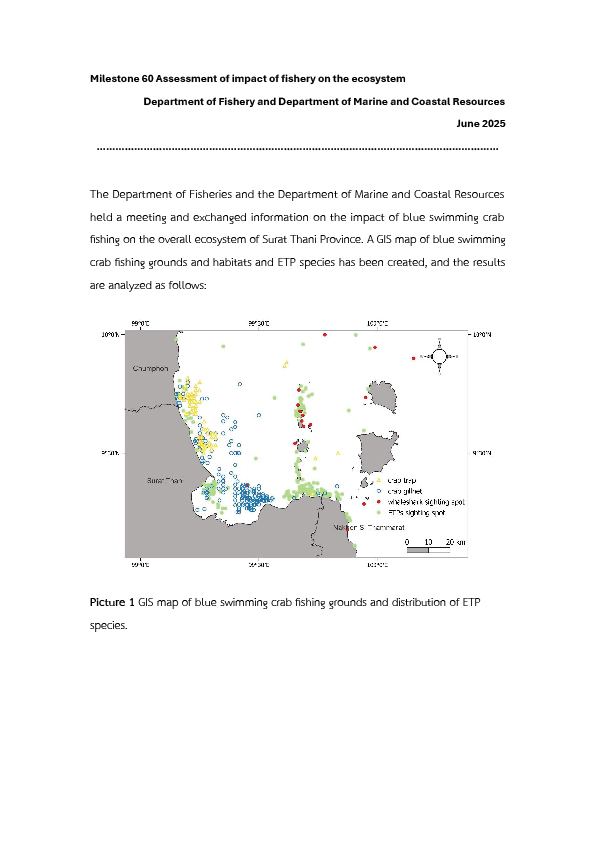
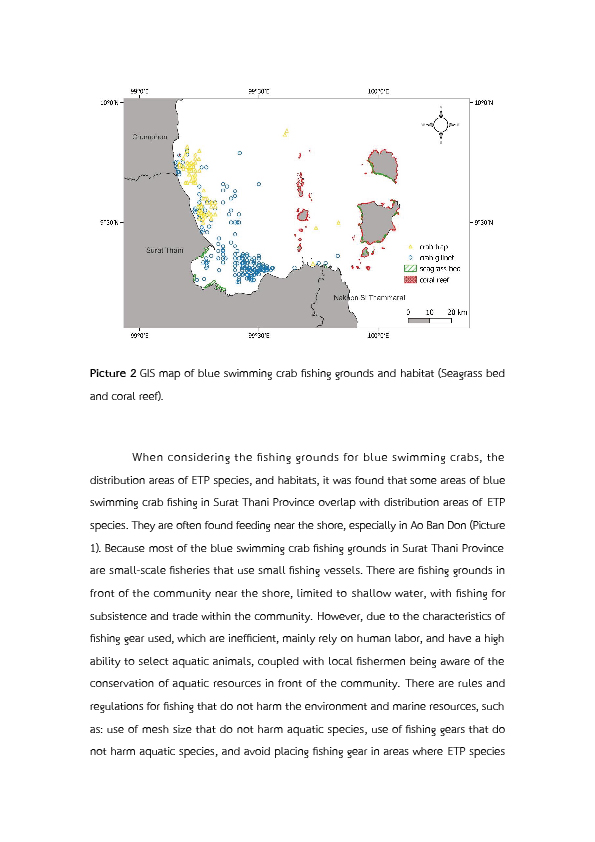
In 2025, Walailak University continued its contribution to fisheries policy development through the Thai Blue Swimming Crab Fishery Improvement Project (BSC FIP). Led by Asst. Prof. Dr. Amonsak Sawusdee and implemented with national and international partners, the initiative brought together academic institutions, government agencies, NGOs, and fishing-sector organizations to support the conservation and sustainable management of blue swimming crab resources, particularly in Ban Don Bay and surrounding coastal areas.
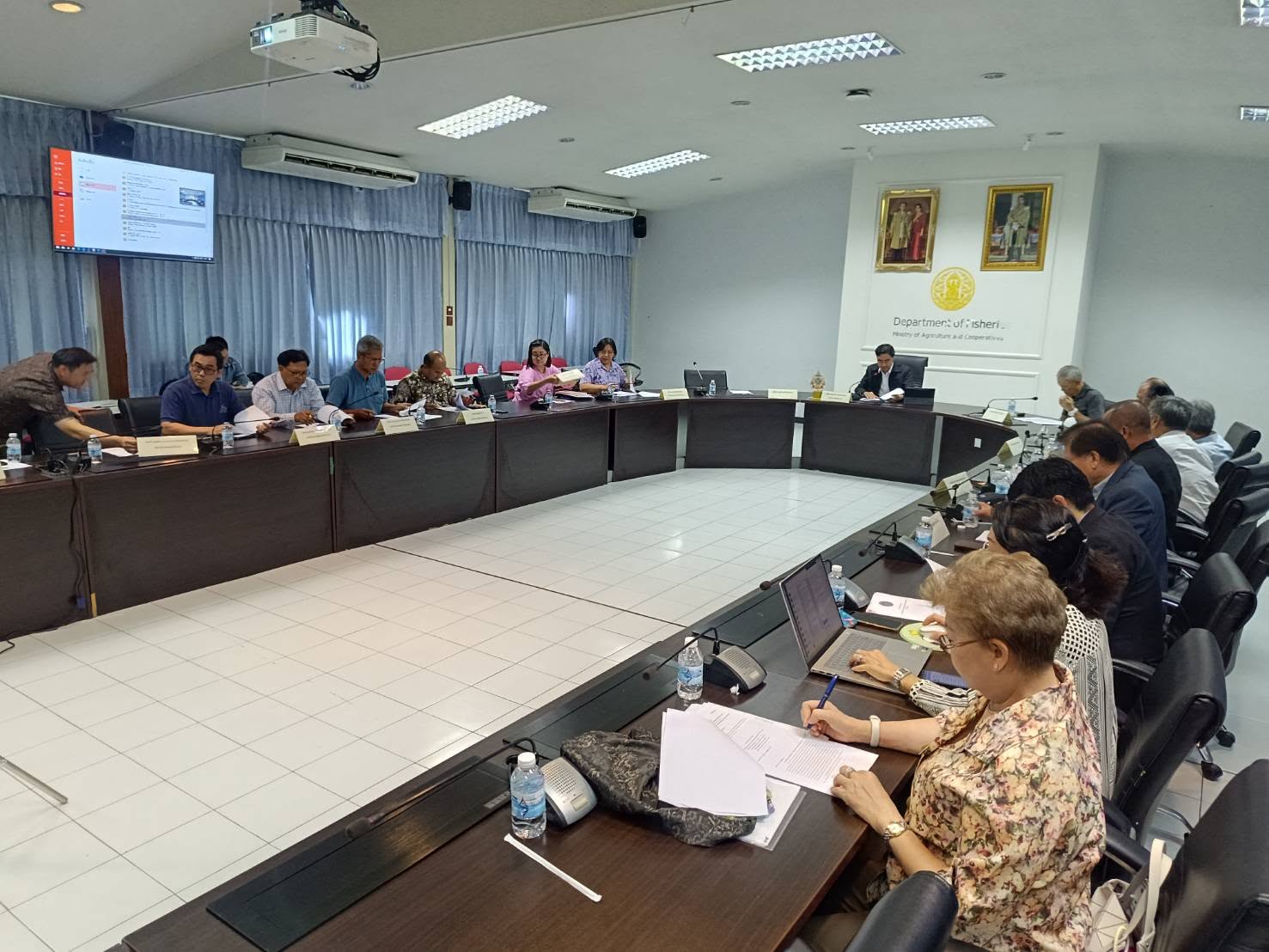
The collaboration involved the Marine Resources Assessment Group (MRAG), the NFI Crab Council in the United States, local fishery associations in Surat Thani, Thai Sea Watch Association, Kasetsart University, Ubon Ratchathani University, the Department of Fisheries, the Department of Marine and Coastal Resources, and the Hydro-Informatics Institute, among other partners. Through this network, Walailak University and its partners presented recommendations to the Department of Fisheries on measures to reduce uncertainty in fisheries resource assessments and strengthen the scientific basis of fisheries management. This engagement demonstrates the university’s direct contribution to government policy discussions, connecting research expertise and stakeholder knowledge with national efforts to improve marine resource governance.
Diagnosing Uncertainty in Fisheries Resource Assessments
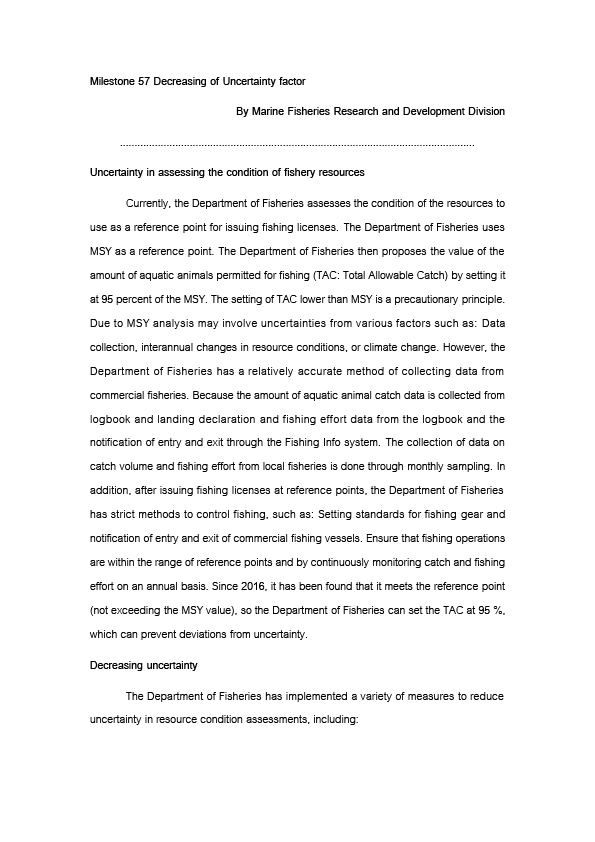
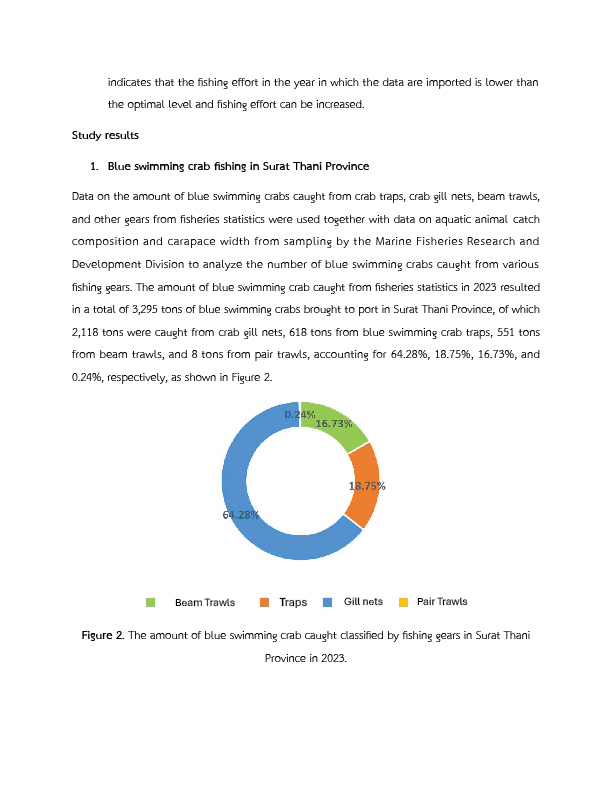
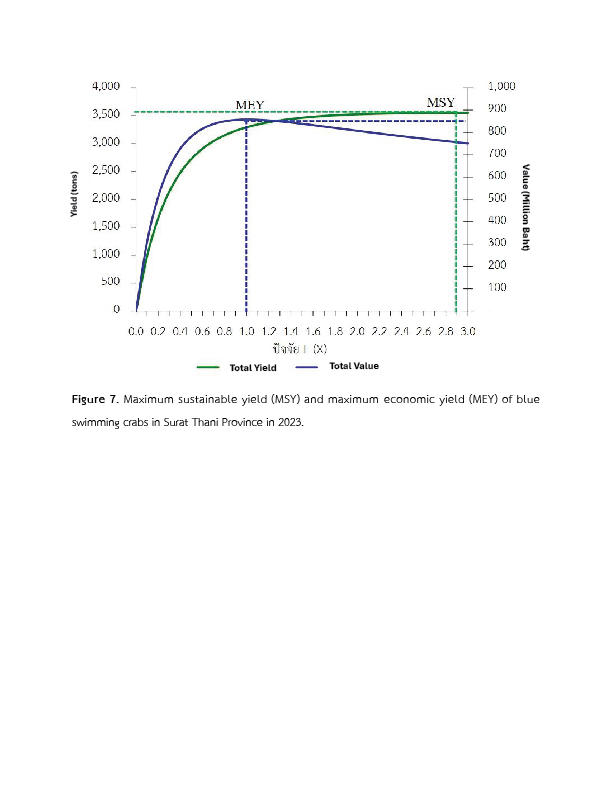
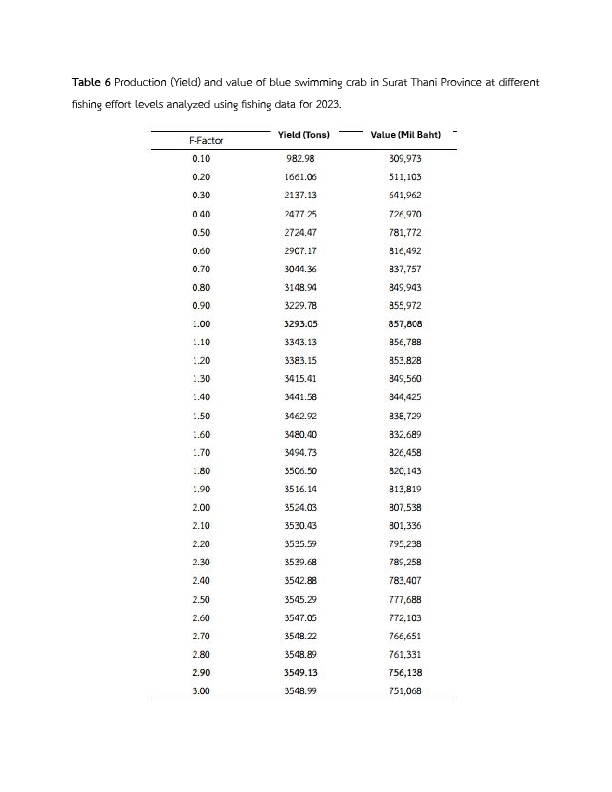
A central challenge in sustainable fisheries management is ensuring that estimates of resource conditions accurately reflect the status of aquatic populations. The Department of Fisheries uses Maximum Sustainable Yield (MSY) as a reference point for fisheries management and establishes the Total Allowable Catch (TAC) at 95% of the estimated MSY. Setting TAC below MSY represents a precautionary approach intended to maintain a buffer against uncertainty and reduce the risk of exceeding sustainable harvesting levels.
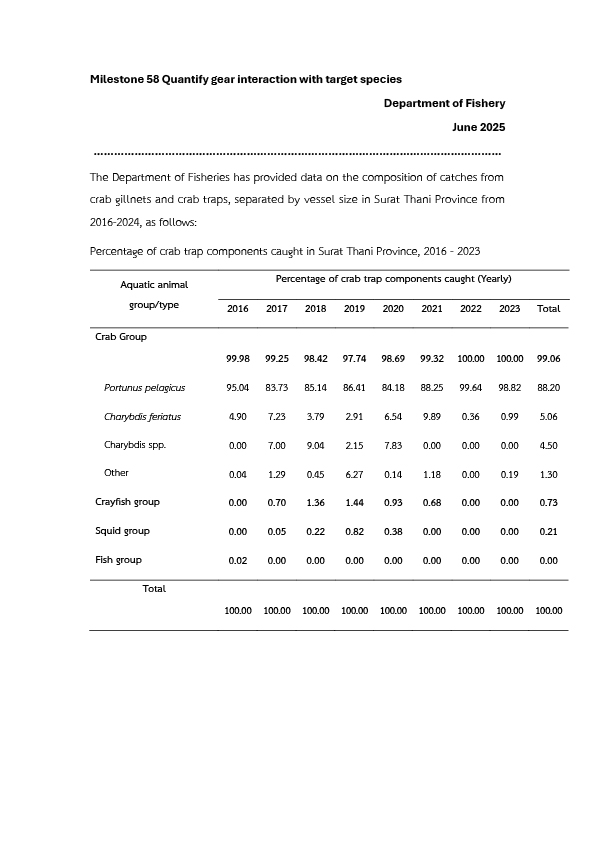
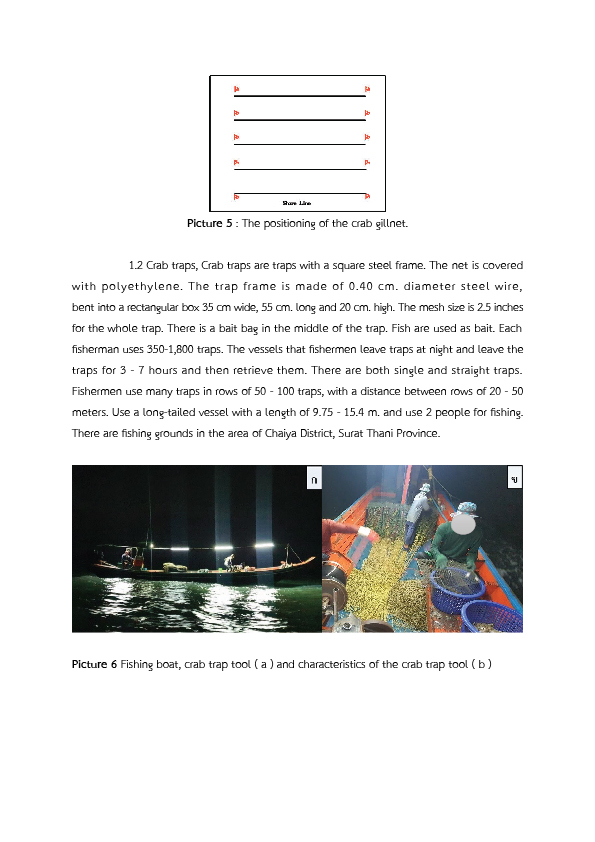
Thailand has established systems to collect fisheries data and regulate fishing activities. For commercial fisheries, catch volumes are recorded through fishing logbooks and Landing Declarations, while fishing effort information is collected through logbooks and notifications of vessel entry and exit through the Fishing Info system. Data from local fisheries are collected through monthly sampling. These information sources support the assessment of catch volumes, fishing effort, and changes in resource conditions.
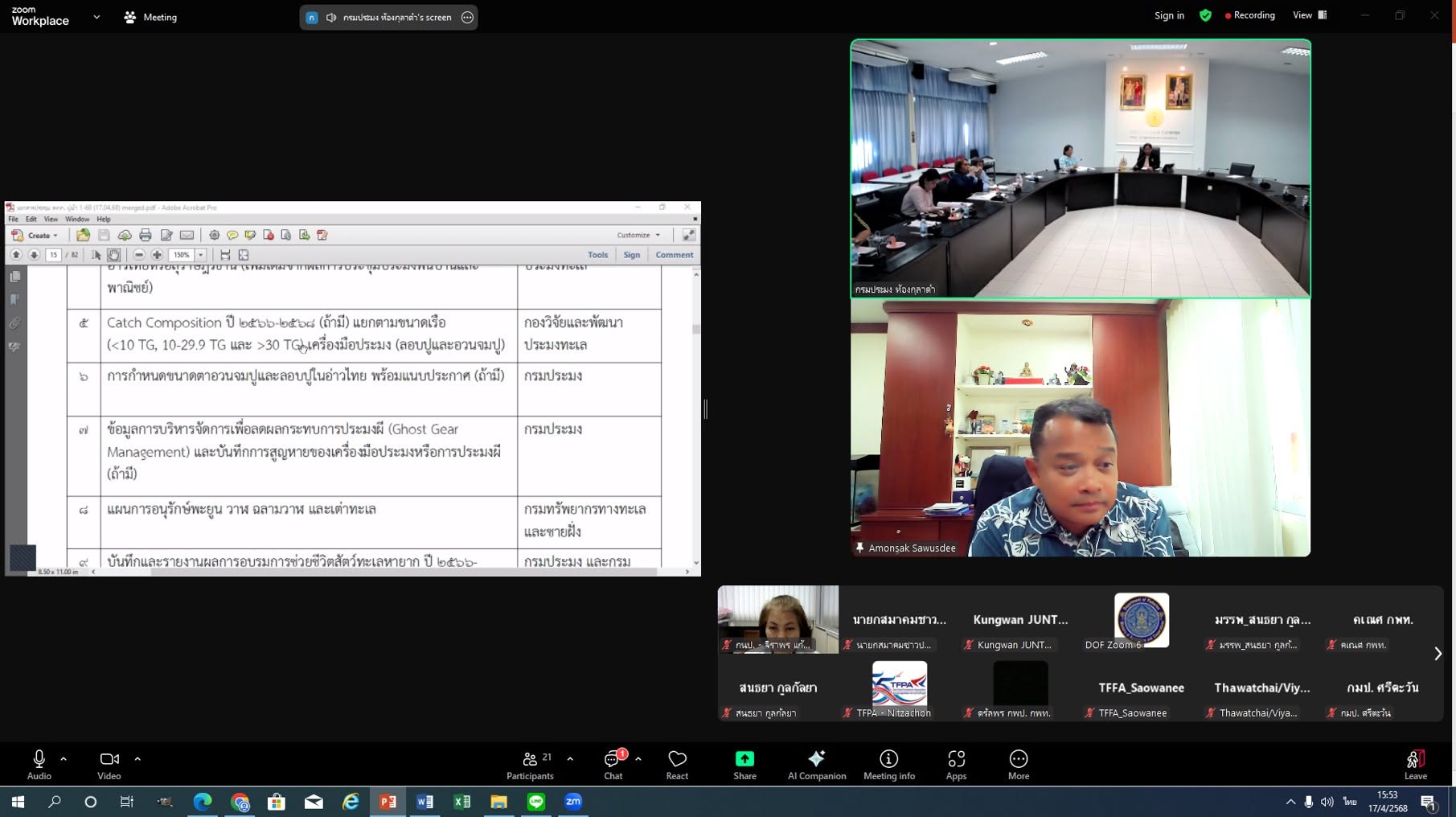
The Department of Fisheries also applies controls such as fishing-gear standards, vessel entry and exit reporting requirements, and ongoing monitoring of catches and fishing effort. According to the information provided on the national assessment system, fisheries assessments have remained within the established reference point, without exceeding the MSY value, since 2016. This has supported the continued application of a TAC set at 95% of MSY as a precautionary measure.
Nevertheless, MSY estimates may still be affected by limitations in sampling coverage, year-to-year changes in resource abundance, and climate-related environmental changes. Reliable commercial catch statistics alone cannot eliminate every source of uncertainty, making it important to compare different data sources, improve biological information, and evaluate alternative assessment methods.
Against this background, Walailak University and its partners proposed additional measures to strengthen the Department of Fisheries’ assessment and management systems. The recommendations were intended to improve the coverage, reliability, and interpretation of fisheries data while supporting decisions that reflect actual resource conditions. They also highlighted the importance of connecting national fisheries management with community-based conservation initiatives, including blue swimming crab banks.
Eight Policy Recommendations to Strengthen Fisheries Management
1. Expanding Fisheries Sampling and Geographical Coverage
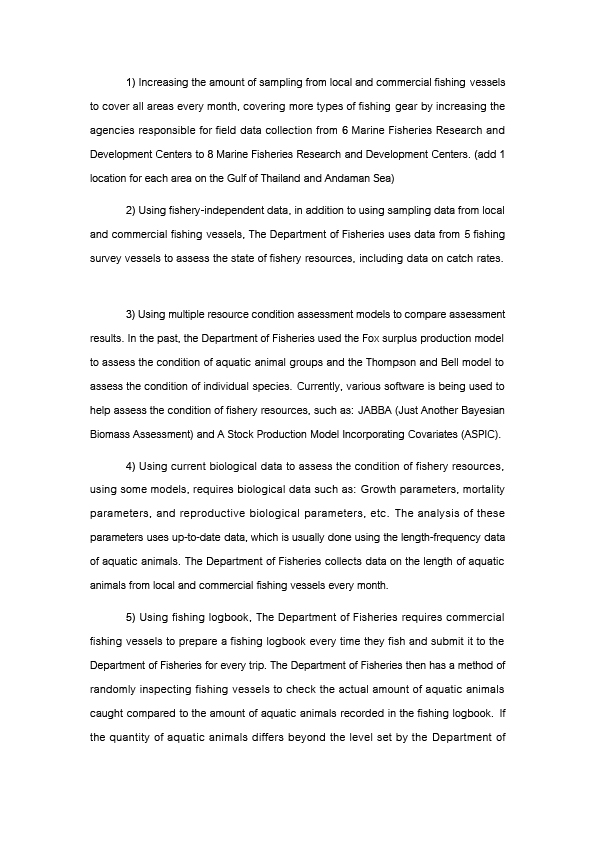
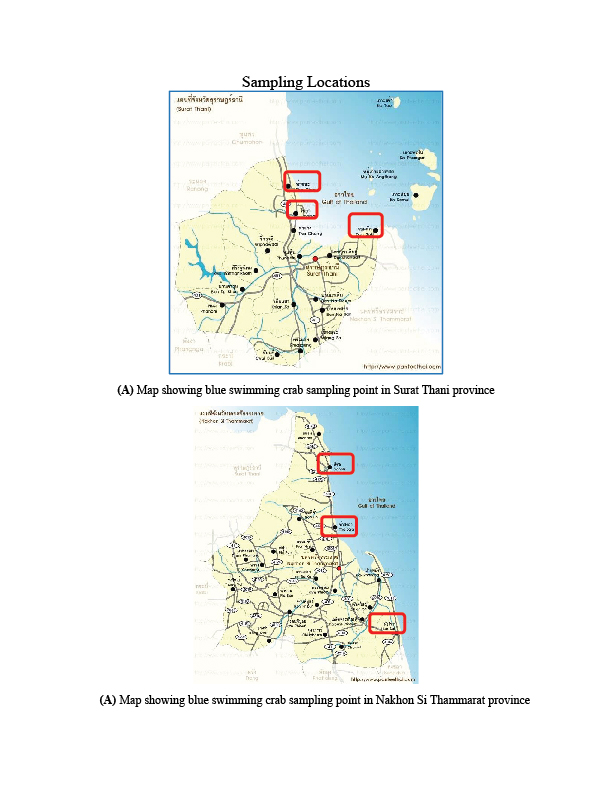
The first recommendation concerned increasing the geographical coverage and frequency of fisheries sampling. The proposed approach involved expanding the number of Marine Fisheries Research and Development Centers responsible for field data collection from six to eight, adding one location in each of the Gulf of Thailand and Andaman Sea areas.
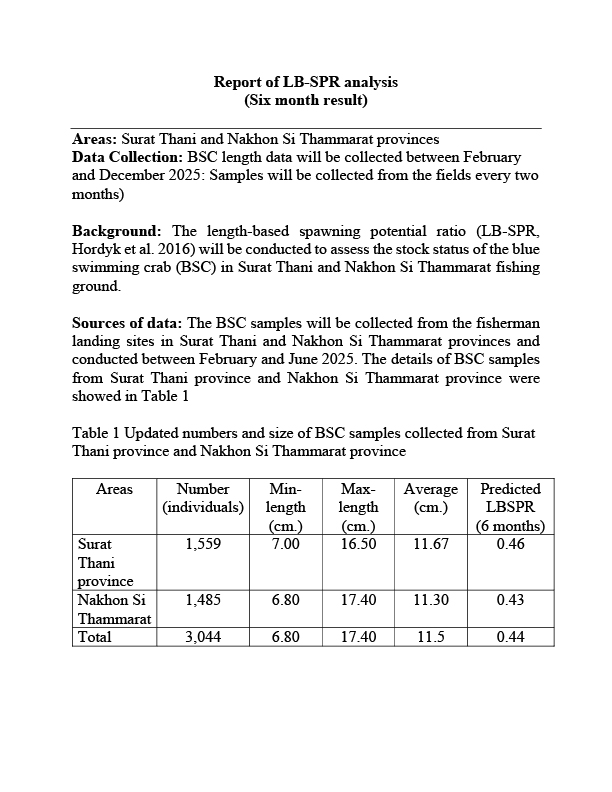
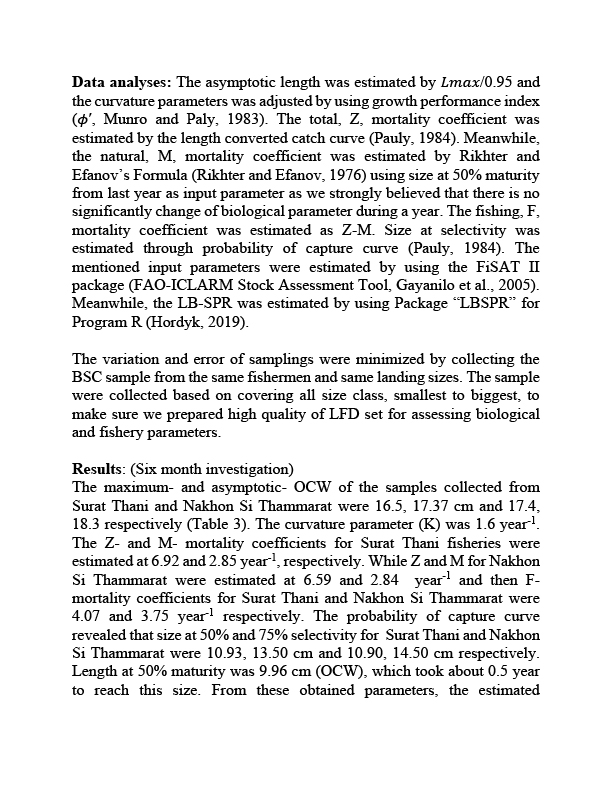
Broader sampling coverage could improve the representativeness of fisheries data across different fishing grounds and help identify geographical differences in resource conditions. More comprehensive monthly sampling would also support the early identification of changes in catch rates and fishing patterns. These improvements would give policymakers a stronger evidence base for diagnosing resource conditions and evaluating whether existing management measures remain appropriate.
2. Integrating Fishery-Independent Survey Data
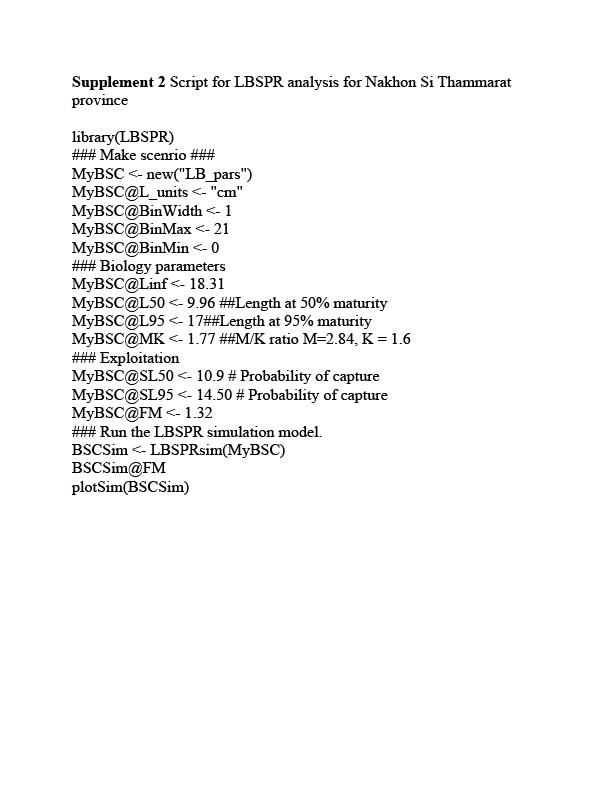
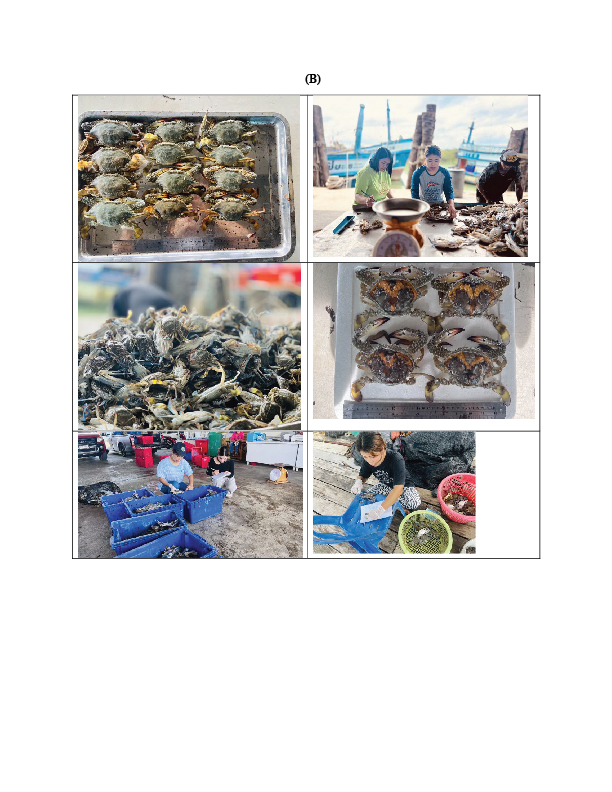
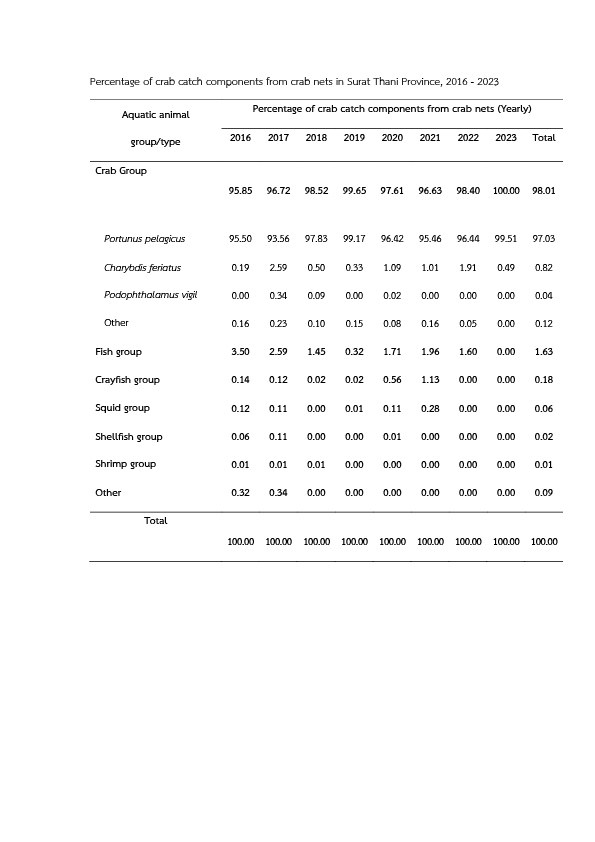
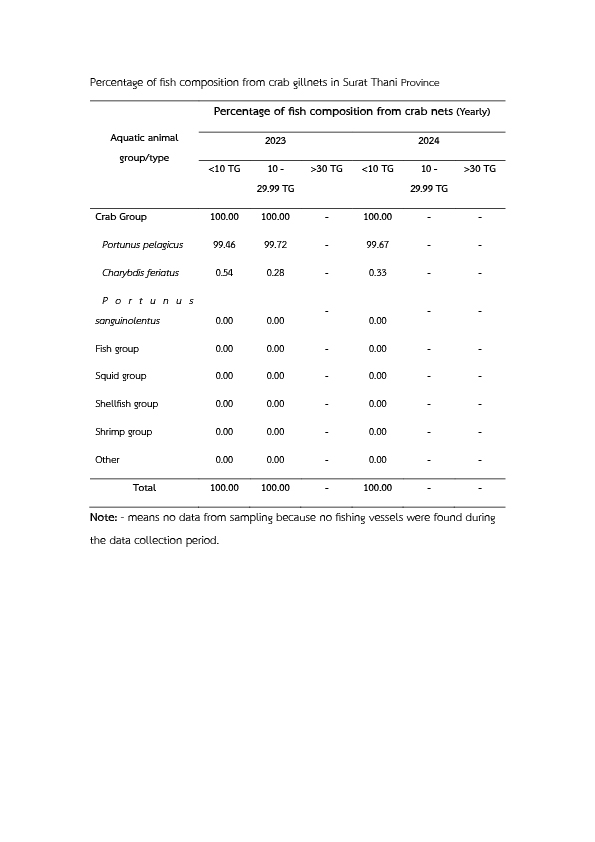
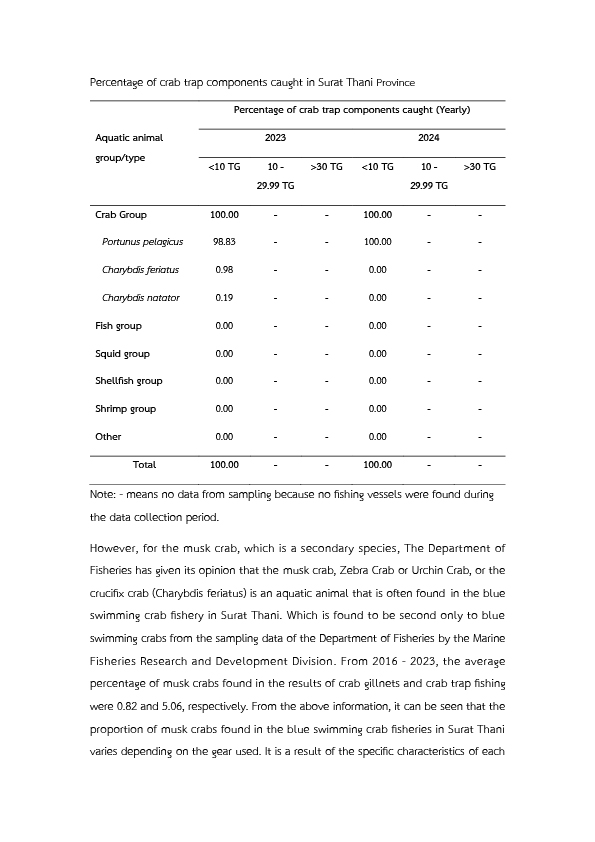
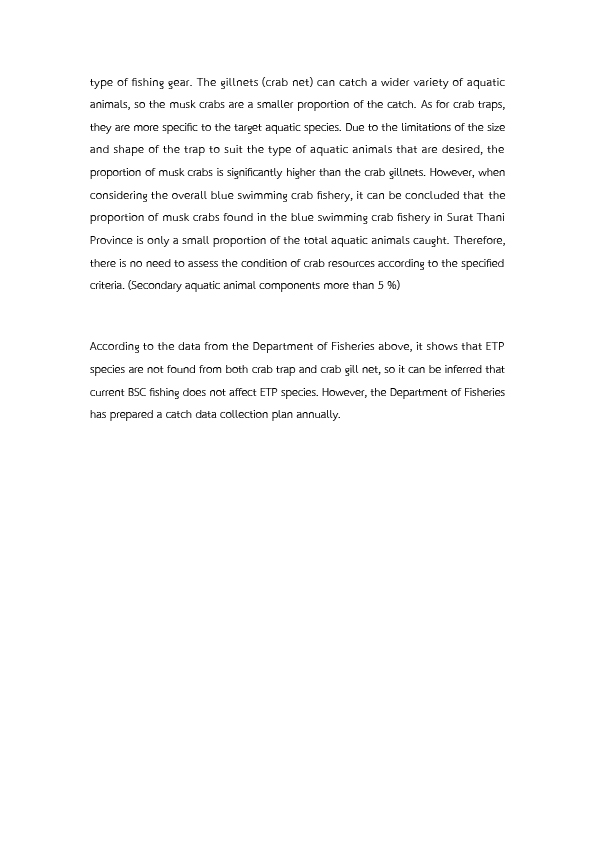
The second recommendation was to complement data collected from local and commercial fishing vessels with fishery-independent survey information. The proposed approach included incorporating data from five fisheries survey vessels to provide an additional source of evidence on resource conditions and catch rates.
Commercial catch data are important for understanding fishing activity, but they can also reflect changes in fishing effort, gear, fishing locations, and fishers’ behavior. Survey information collected independently of commercial fishing activities can help provide a broader perspective on resource abundance and distribution.
Integrating these sources would enable fisheries managers to compare findings, identify inconsistencies, and assess whether observed changes in commercial catches reflect changes in fish populations or changes in fishing practices. This would help reduce reliance on any single data source and strengthen the scientific basis of fisheries policy.
3. Comparing Multiple Fisheries Assessment Models
The third recommendation involved comparing the results of different fisheries resource assessment models, including JABBA (Just Another Bayesian Biomass Assessment) and ASPIC (A Stock Production Model Incorporating Covariates).
Different assessment models may rely on different assumptions and approaches to interpreting fisheries data. Comparing their results can help identify uncertainty, assess the sensitivity of estimated resource conditions to modelling assumptions, and determine whether alternative analytical approaches produce consistent conclusions.
For policymakers, this comparison would provide a more transparent basis for understanding the strengths and limitations of resource estimates. It could also help inform decisions on MSY and TAC by showing where additional data collection or further analysis may be necessary before management measures are adjusted.
4. Updating Biological Information
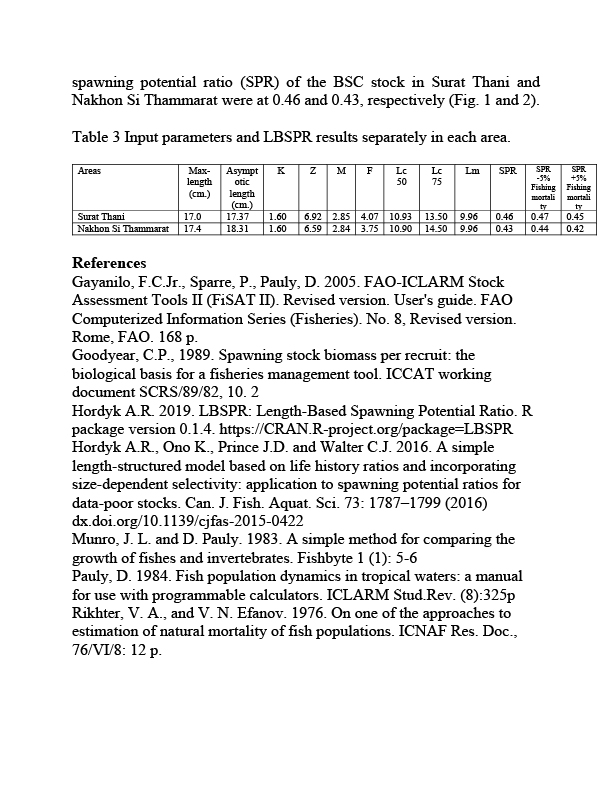
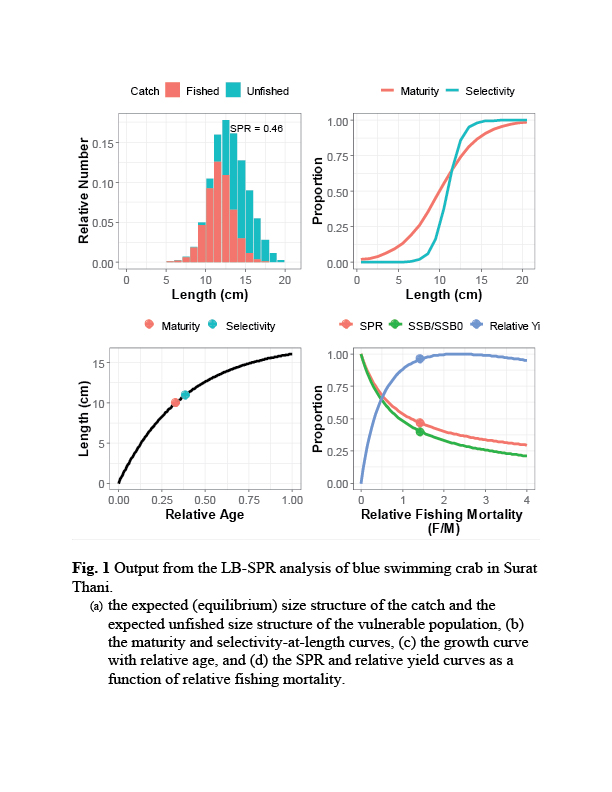
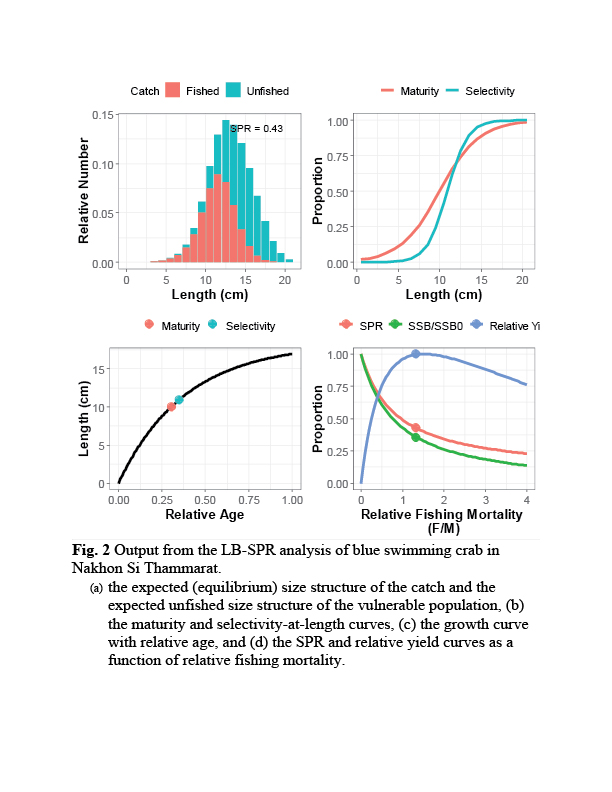
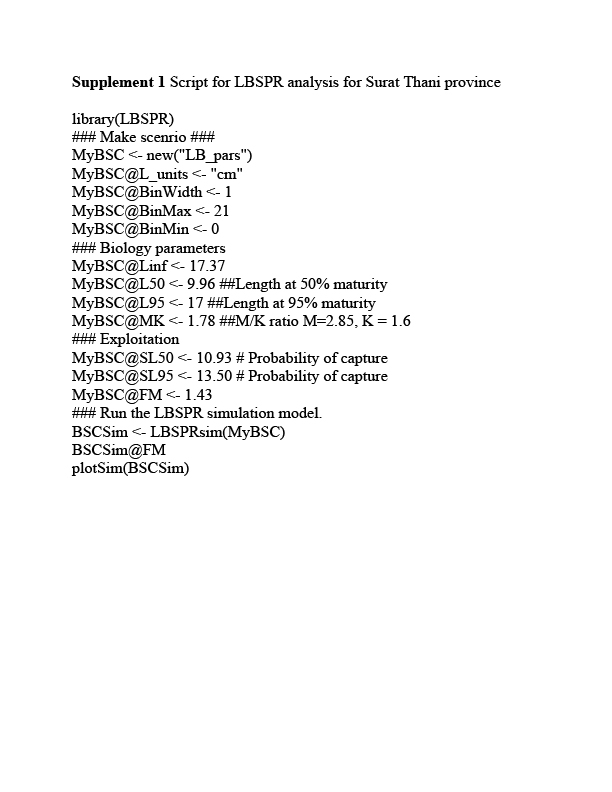
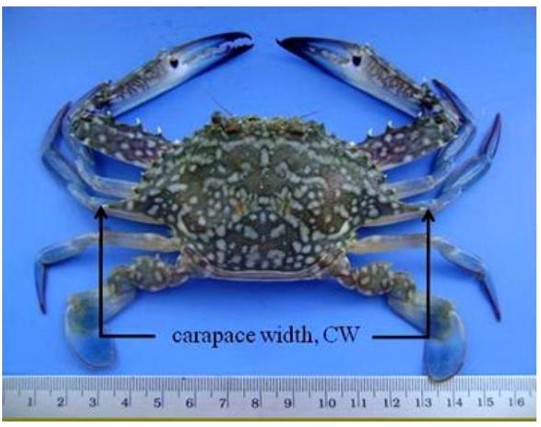
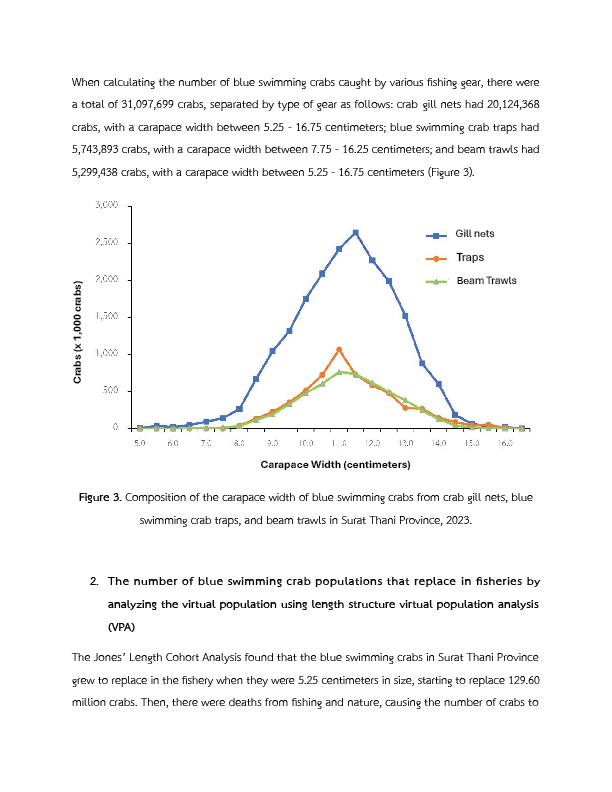
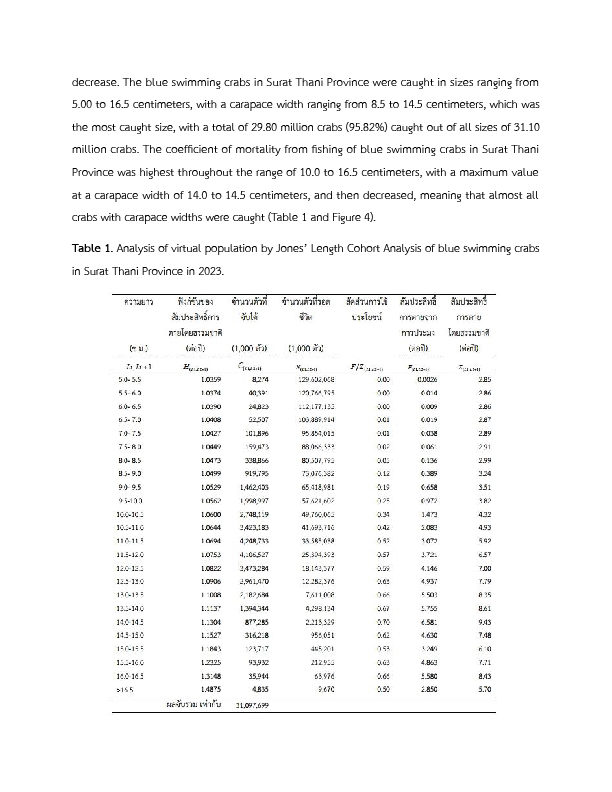
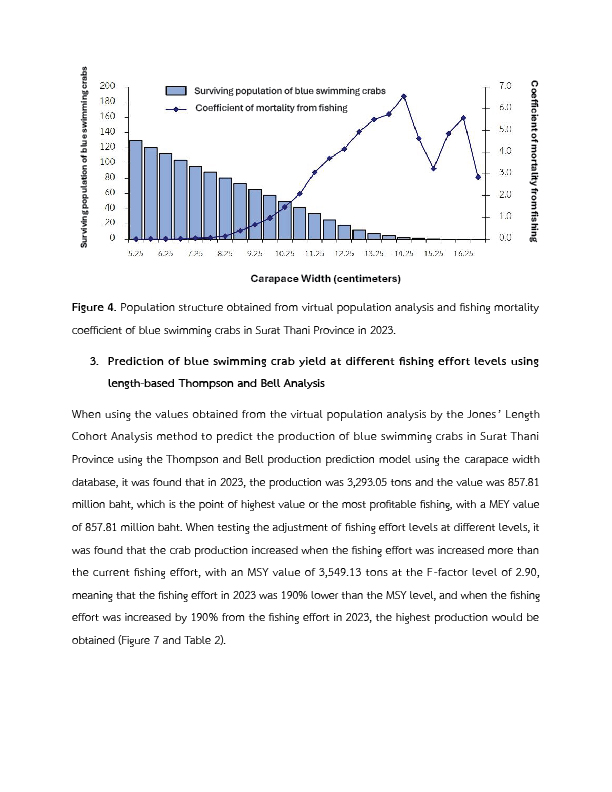
The fourth recommendation focused on regularly collecting length-frequency data and updating biological parameters, including growth, mortality, and reproductive characteristics.
These parameters help explain how aquatic populations develop, reproduce, and respond to fishing pressure. Outdated biological information can weaken resource assessments, particularly when environmental conditions or population characteristics change over time.
Regularly updating these data would support more accurate evaluations of population dynamics and the sustainability of harvesting practices. For blue swimming crab conservation, improved biological information could help researchers and fisheries managers better assess population recovery and the potential effectiveness of conservation interventions.





5. Improving Catch Data Verification and Traceability
The fifth recommendation addressed the reliability and verification of fisheries statistics. Proposed measures included requiring commercial fishing vessels to submit fishing logbooks, conducting random inspections, and verifying reported catches against actual landings.
The recommendations also highlighted the importance of Landing Declarations and the Thai-flagged catch certificate system in compiling catch statistics and supporting fisheries resource assessments.
These measures would help identify discrepancies between reported and observed catches, improve the consistency of fisheries records, and strengthen confidence in the data used for management decisions. More reliable catch and fishing-effort information would enable the Department of Fisheries to assess whether harvesting remains within established reference points and whether additional interventions are required.
6. Applying the Precautionary Principle to Fishing Limits
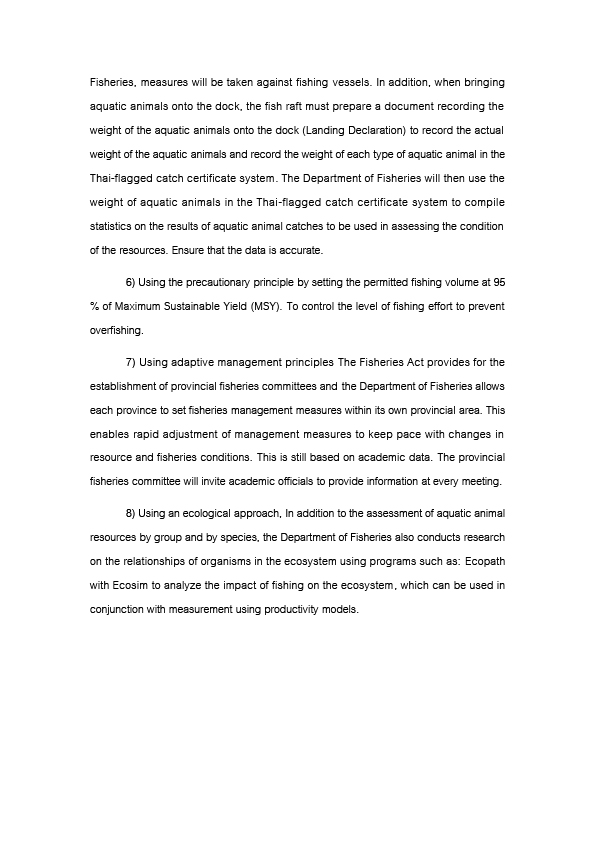
The sixth recommendation concerned the continued application of precautionary fishing limits. Thailand’s existing approach sets TAC at 95% of estimated MSY, providing a buffer intended to reduce the risk that uncertainty in resource assessments will result in excessive harvesting.
However, the effectiveness of this measure depends on the reliability of MSY estimates, the quality of catch and fishing-effort data, and continued monitoring of resource conditions. Uncertainty arising from incomplete data, annual population fluctuations, or climate change must therefore remain part of the assessment process.
The recommendations emphasized the value of strengthening these supporting systems so that fishing limits are based on the best available evidence. Periodic reassessment would help ensure that TAC remains appropriate as new information becomes available and resource conditions change.
7. Strengthening Adaptive Management through Provincial Fisheries Committees
The seventh recommendation focused on strengthening the role of provincial fisheries committees established under the Fisheries Act. These committees provide a mechanism for considering fisheries management issues in the context of local conditions.
Regular consultation with academic experts could help provincial decision-makers interpret fisheries data, assess emerging resource challenges, and adjust management measures where necessary. Such collaboration would also provide opportunities to incorporate the experience of local fishers and community conservation groups into policy discussions.
By connecting scientific assessments with local knowledge and institutional decision-making, this approach could improve the responsiveness of fisheries governance. It would also help align national fisheries policies with the practical needs of coastal communities and community-based conservation initiatives.
8. Adopting an Ecosystem-Based Approach
The eighth recommendation involved using Ecopath with Ecosim to examine ecological relationships and the wider effects of fishing activities on marine ecosystems.
Conventional fisheries assessments often focus on individual species or groups of aquatic animals. An ecosystem-based approach complements these assessments by considering interactions among species, food-web relationships, and the broader consequences of fishing pressure.
Integrating ecosystem analysis with fisheries productivity models would provide a more comprehensive basis for evaluating management scenarios. It could help decision-makers consider how changes in harvesting practices may affect other marine resources and ecosystem functions, supporting conservation strategies that extend beyond the management of a single target species.

Integrating Scientific Assessment with Blue Swimming Crab Bank Conservation
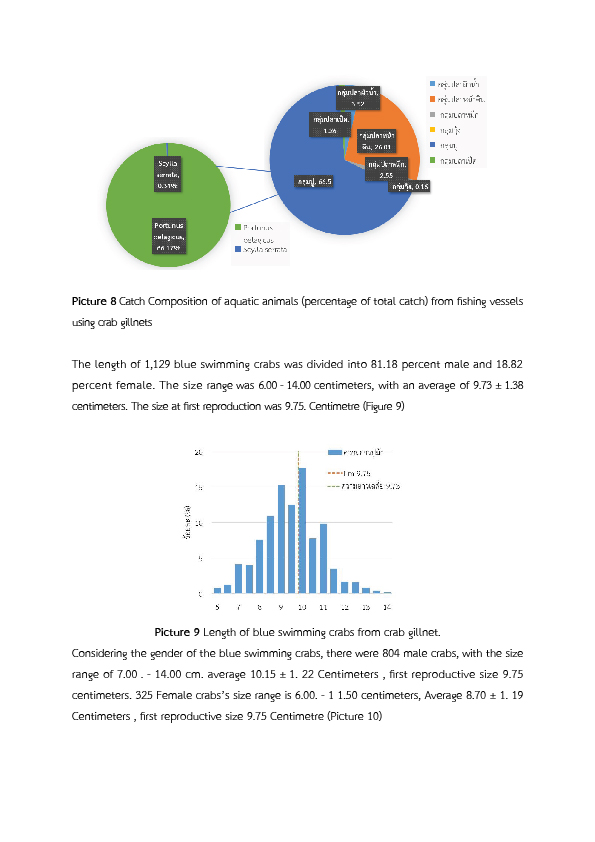
The proposed measures have particular relevance to Thailand’s blue swimming crab conservation efforts. Blue swimming crab banks provide a community-based mechanism for supporting crab populations and promoting more sustainable coastal fisheries. Their long-term effectiveness depends on local conservation activities as well as the wider fisheries management system governing fishing pressure, catch monitoring, and resource recovery.
Through the BSC FIP, Walailak University and its partners sought to strengthen the connection between community-based conservation and national fisheries policy. More reliable catch statistics, improved biological information, and more comprehensive resource assessments could help decision-makers evaluate changes in crab populations and determine whether existing management measures are achieving their objectives.
The recommendations could also support more informed assessments of fishing pressure in areas connected to blue swimming crab banks. By combining monitoring information with precautionary fishing limits and ecosystem-based analysis, fisheries managers would have additional tools for evaluating conservation outcomes and identifying where management adjustments may be necessary.
These benefits should be understood as intended contributions of the proposed measures rather than confirmed outcomes of their implementation. Demonstrating their actual effectiveness would require continued monitoring of crab populations, fishing activity, catch rates, and the livelihoods of local fishing communities.
Monitoring, Evaluation, and Adaptive Fisheries Management
The collaboration illustrates that effective fisheries policy requires continuous monitoring and evaluation rather than reliance on a single assessment or management decision. Even when existing catch statistics and controls provide a useful foundation, changing environmental conditions and uncertainty in resource estimates make it necessary to review the evidence regularly.
The proposed improvements provide several opportunities for evaluating fisheries management performance. Expanded sampling could be assessed through geographical coverage, sampling frequency, and the representativeness of collected data. Comparisons between commercial catch information and fishery-independent surveys could help determine whether different sources provide consistent assessments of resource conditions. Comparing assessment models could reveal the extent to which management conclusions depend on particular analytical assumptions.
Similarly, updated biological parameters and improved catch verification could strengthen the reliability of estimates used to establish fishing limits. Monitoring compliance with TAC, evaluating changes in catch rates, and tracking biological indicators would help determine whether harvesting remains consistent with sustainable resource management objectives.
At the provincial level, collaboration between researchers, fisheries committees, and local stakeholders could support the identification of emerging challenges and the adjustment of management measures. Ecosystem-based assessments could provide additional evidence on whether interventions affecting individual fisheries are consistent with wider marine conservation objectives.
These approaches support adaptive management by creating a continuing feedback process: resource conditions are assessed, management measures are implemented, outcomes are monitored, and policies are reviewed in light of new evidence. Where the findings reveal gaps or unintended consequences, decision-makers can evaluate whether changes to sampling methods, fishing limits, enforcement, or conservation strategies are warranted.
Walailak University’s collaboration with the Department of Fisheries demonstrates how academic institutions can contribute directly to government policy development through scientific expertise and multi-stakeholder engagement. Through the BSC FIP, Asst. Prof. Dr. Amonsak Sawusdee and project partners presented recommendations designed to strengthen fisheries resource assessments, reduce uncertainty in management decisions, and improve the evidence available for marine conservation policies.
The initiative also illustrates the complementary roles of different stakeholders. Government agencies provide regulatory authority and fisheries management systems; universities contribute scientific research and analytical expertise; NGOs and international organizations support collaboration and technical knowledge; and local fishing associations provide experience of fishing practices and community needs. Bringing these perspectives together can help policymakers diagnose resource management challenges and evaluate potential responses more comprehensively.
The contribution is relevant to SDG 17.2.1 because it concerns direct engagement with a national government agency in the development and improvement of policy approaches. It demonstrates how research-based recommendations can inform discussions on resource assessment, precautionary fishing limits, monitoring, and adaptive management. The recommendations should not, however, be interpreted as evidence that every proposed measure has already been adopted or implemented by the Department of Fisheries.
At the same time, the initiative supports SDG 14 by addressing the scientific and governance conditions needed for sustainable fisheries and marine resource conservation. By linking stronger national assessment systems with community-based blue swimming crab conservation, the collaboration offers a pathway toward more reliable fisheries management, healthier marine ecosystems, and more resilient coastal livelihoods.
Continued cooperation, systematic measurement, and transparent evaluation will be important for determining the extent to which these recommendations improve resource assessments and conservation outcomes. Through sustained engagement with government agencies, research institutions, NGOs, and fishing communities, Walailak University can continue contributing to evidence-informed fisheries policy and the long-term sustainability of Thailand’s marine resources.
Walailak University’s engagement in alcohol-control policy and marine fisheries management demonstrates how universities can contribute to evidence-based policymaking through collaboration with government agencies, academic experts, industry stakeholders, international organisations, and local communities. Although these initiatives address different challenges, both highlight the importance of diagnosing policy gaps, evaluating available evidence, and developing practical measures that respond to complex social, economic, and environmental needs. In alcohol-control policy, research and expert advice can help policymakers assess the potential public health implications of regulatory changes while considering their economic and tourism-related implications. In marine fisheries management, scientific assessment and improved monitoring can help reduce uncertainty in resource assessments, strengthen precautionary decision-making, and support the sustainable use of marine resources. Together, these efforts demonstrate the value of applying research and expert knowledge to policy discussions before decisions are made and as policies evolve.
The positive impacts of these partnerships extend beyond the exchange of academic knowledge. Evidence-based recommendations can help government agencies improve regulatory design, strengthen monitoring and evaluation, and identify areas where existing measures may require adjustment. In alcohol-control policy, continued measurement of public health indicators, alcohol-related harms, tourism trends, and regulatory outcomes can support a more balanced assessment of policy effectiveness. In fisheries management, measurement of catch levels, fishing effort, resource conditions, and conservation outcomes can help authorities evaluate whether management measures are supporting sustainable fish populations and coastal livelihoods. In both areas, systematic data collection and transparent evaluation provide a stronger foundation for identifying emerging challenges, diagnosing unintended consequences, and making informed adjustments. These approaches can also encourage more constructive dialogue among stakeholders whose interests and responsibilities may differ.
These collaborations directly support Sustainable Development Goal (SDG) 17, particularly the role of partnerships in strengthening institutional capacity, sharing expertise, and translating knowledge into policy recommendations. They also demonstrate how cross-sector collaboration can advance other Sustainable Development Goals, including SDG 3 (Good Health and Well-being) through evidence-informed alcohol-control policies and SDG 14 (Life Below Water) through improved fisheries governance and marine conservation. By connecting academic research with government decision-making and stakeholder experience, Walailak University helps create opportunities for more responsive, accountable, and sustainable public policies. Continued measurement of policy implementation and outcomes will be essential to determine the effectiveness of these efforts, identify opportunities for improvement, and inform future decisions. While policy recommendations must be considered and implemented by the relevant authorities, these initiatives illustrate the important contribution universities can make to diagnosing societal challenges, supporting informed decision-making, and building long-term partnerships that benefit communities, public health, and the environment.
Related Links
ห่วง! รัฐแก้กฎหมายคลายมาตรการคุมเหล้า ทำสงกรานต์ปีนี้เสี่ยงอุบัติเหตุพุ่ง | Hfocus
วงเสวนา ห่วงรัฐแก้กฎหมาย คลายมาตรการควบคุมเหล้า ทำสงกรานต์ปีนี้เสี่ยง คนเมาเต็มถนน อุบัติเหตุ
“ชี้งานวิจัยทั่วโลก ยืนยันชัด “ธุรกิจน้ำเมา” หวังแค่รายได้ ไม่สนมาตรการลดผลกระทบ
ย้อนดูสถิติ นักท่องเที่ยวต่างชาติเพิ่มต่อเนื่องแม้รัฐคุมการขายเหล้า-เบียร์เข้ม | Hfocus
“หมออุดมศักดิ์” ชี้งานวิจัยทั่วโลกยัน “ธุรกิจน้ำเมา” หวังแค่รายได้ ไม่สนมาตรการลดผลกระทบ | Hfocus
“หมออุดมศักดิ์” เปิด 10 มายาคติ เกี่ยวกับมาตรการควบคุม “เครื่องดื่มแอลกอฮอล์” | Hfocus
ใครหนุน-ใครค้าน กม.คุมแอลกอฮอล์ ห้ามดื่มเหล้าหลังเที่ยงคืน – BBC News ไทย
“หมออุดมศักดิ์” เปิด 10 มายาคติ… – เครือข่ายงดเหล้า | Facebook
“รัฐบาลเร่งปลดล็อกขายสุรา… – เครือข่ายงดเหล้า | Facebook
ภาพการประชุม ครั้งที่ 50 (วันอังคารที่ 14 มกราคม 2568)
ภาพการประชุม ครั้งที่ 46 (วันอังคารที่ 3 ธันวาคม 2567)
วันอังคารที่ 24 มิถุนายน 2568 เวลา 14.30-16.00… – Thailand BSC FIP | Facebook
สมาคมอาหารแช่เยือกแข็งไทย โดย… – Thai Frozen Foods Association | Facebook
วันพฤหัสบดีที่ 7 สิงหาคม 2568 เวลา… – Thai Frozen Foods Association | Facebook