
Strengthening Cross-Sectoral Dialogue to Advance the Sustainable Development Goals
Strengthening Cross-Sectoral Dialogue to Advance the Sustainable Development Goals
Achieving the Sustainable Development Goals (SDGs) requires coordinated efforts, shared understanding, and continuous dialogue among government agencies, academic institutions, non-governmental organizations (NGOs), the private sector, and civil society. Cross-sectoral dialogue provides an essential platform for exchanging knowledge, sharing experiences, identifying challenges, and developing collaborative approaches to complex sustainable development issues. It also enables stakeholders to diagnose existing gaps, assess the effectiveness of current policies and practices, and identify opportunities for improvement through evidence-based discussion. By fostering open communication and strengthening partnerships across sectors, these dialogues can support more inclusive decision-making, encourage the integration of the SDGs into policies and organizational strategies, and promote coordinated action towards sustainable development. Such engagement is essential to ensuring that collective efforts address societal needs, respond to emerging challenges, and generate meaningful, measurable, and long-term benefits for communities and the environment.
WU Initiates a Cross-Sectoral Dialogue on the Role of Higher Education in Promoting Sustainability and Blue Carbon
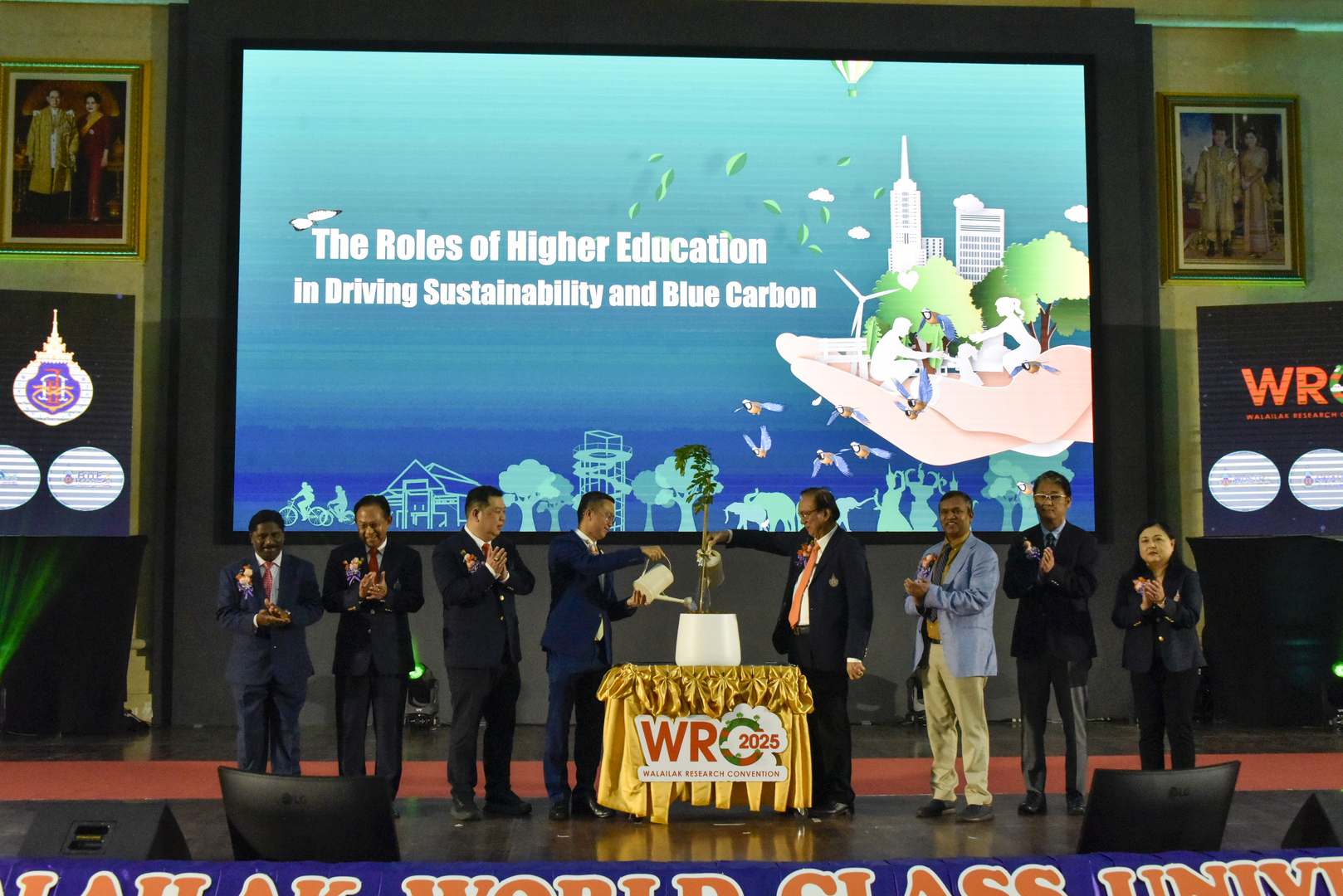
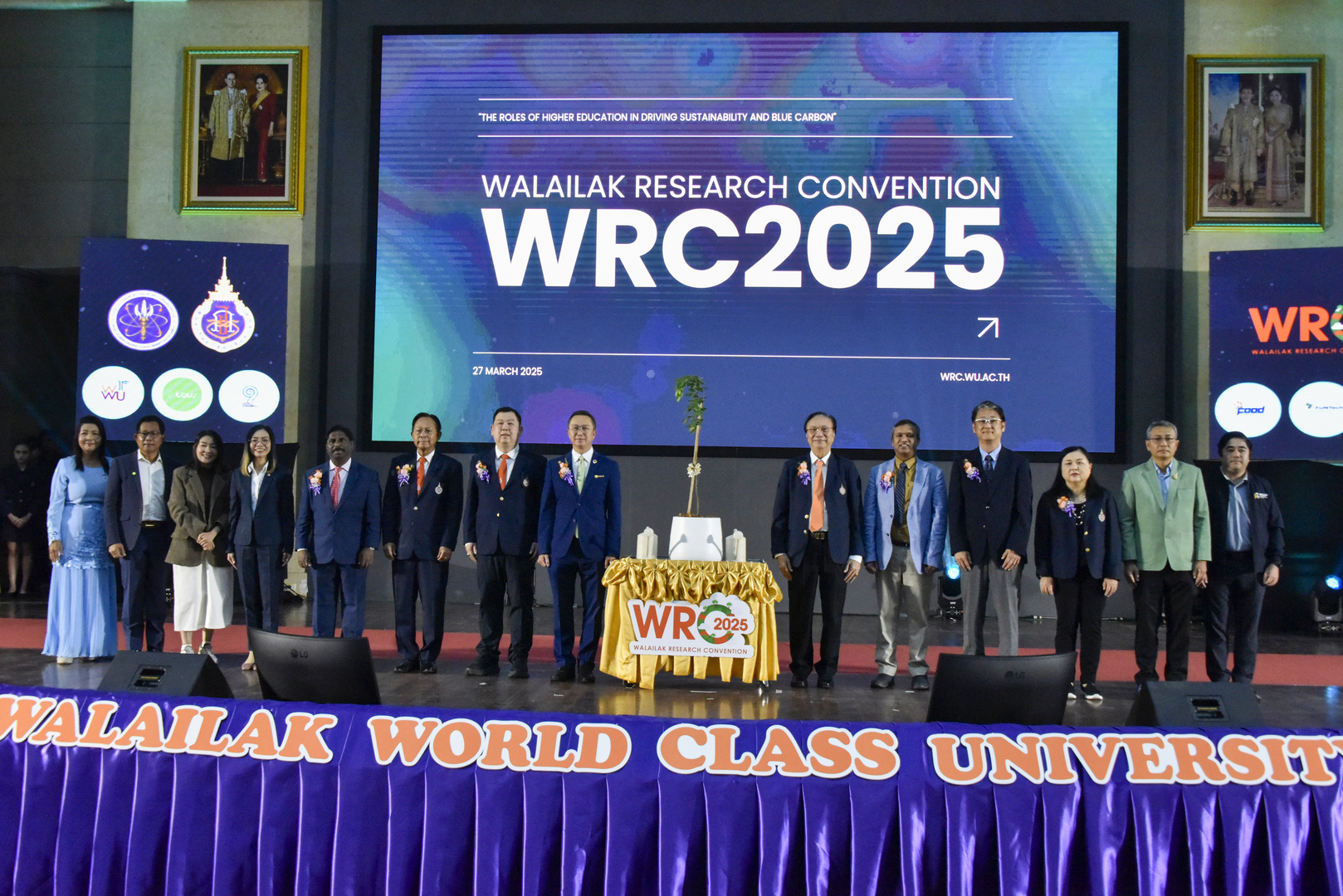
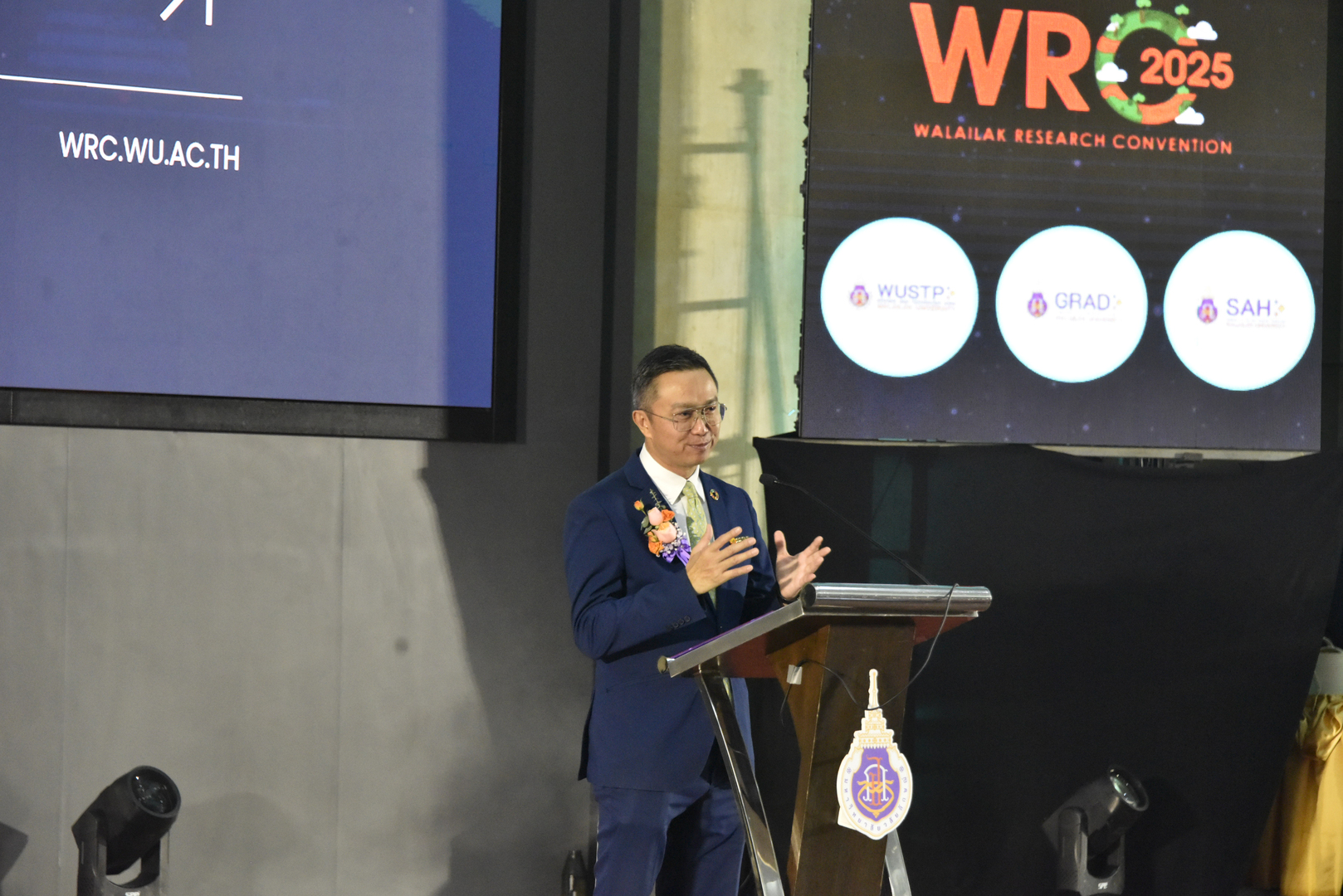
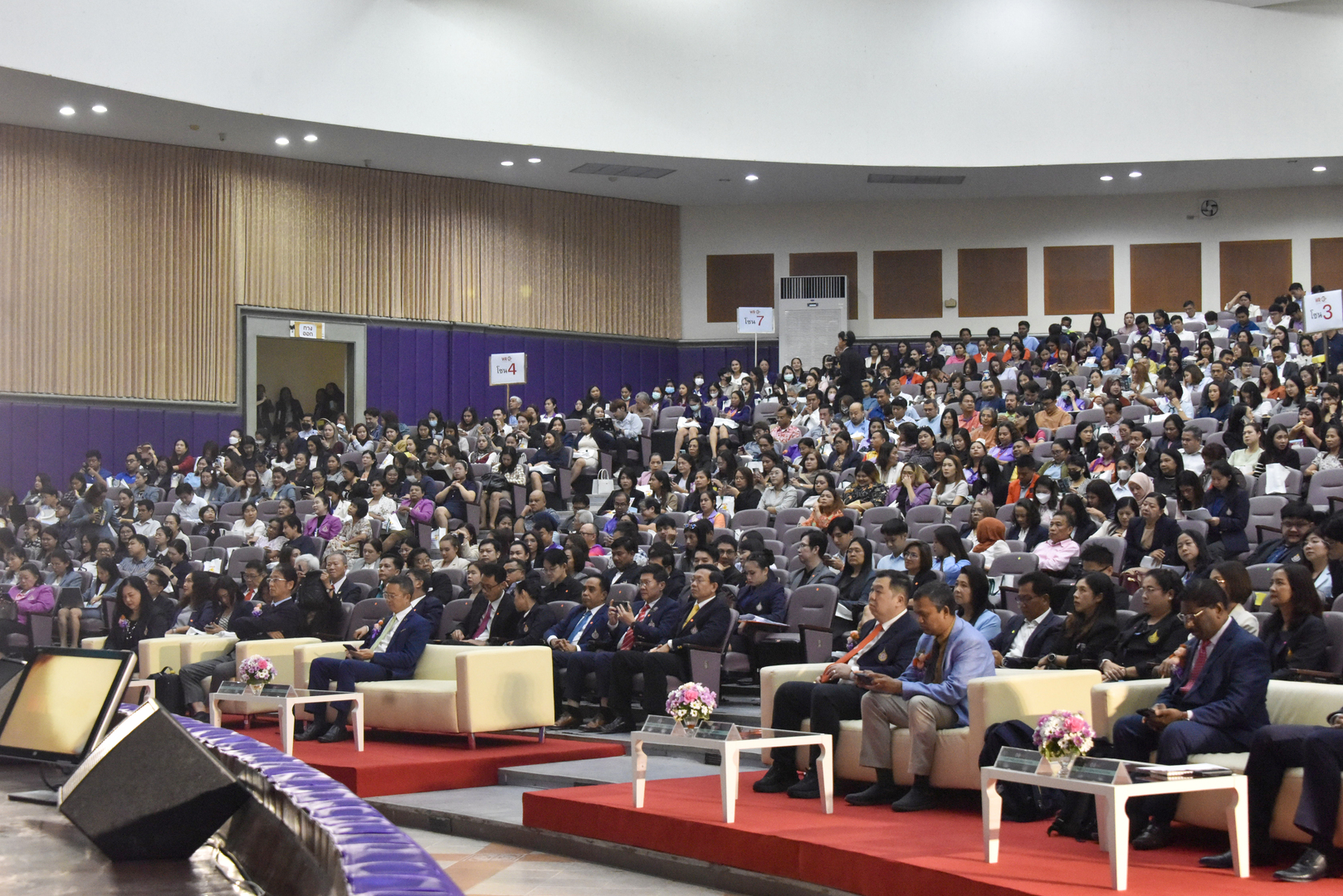
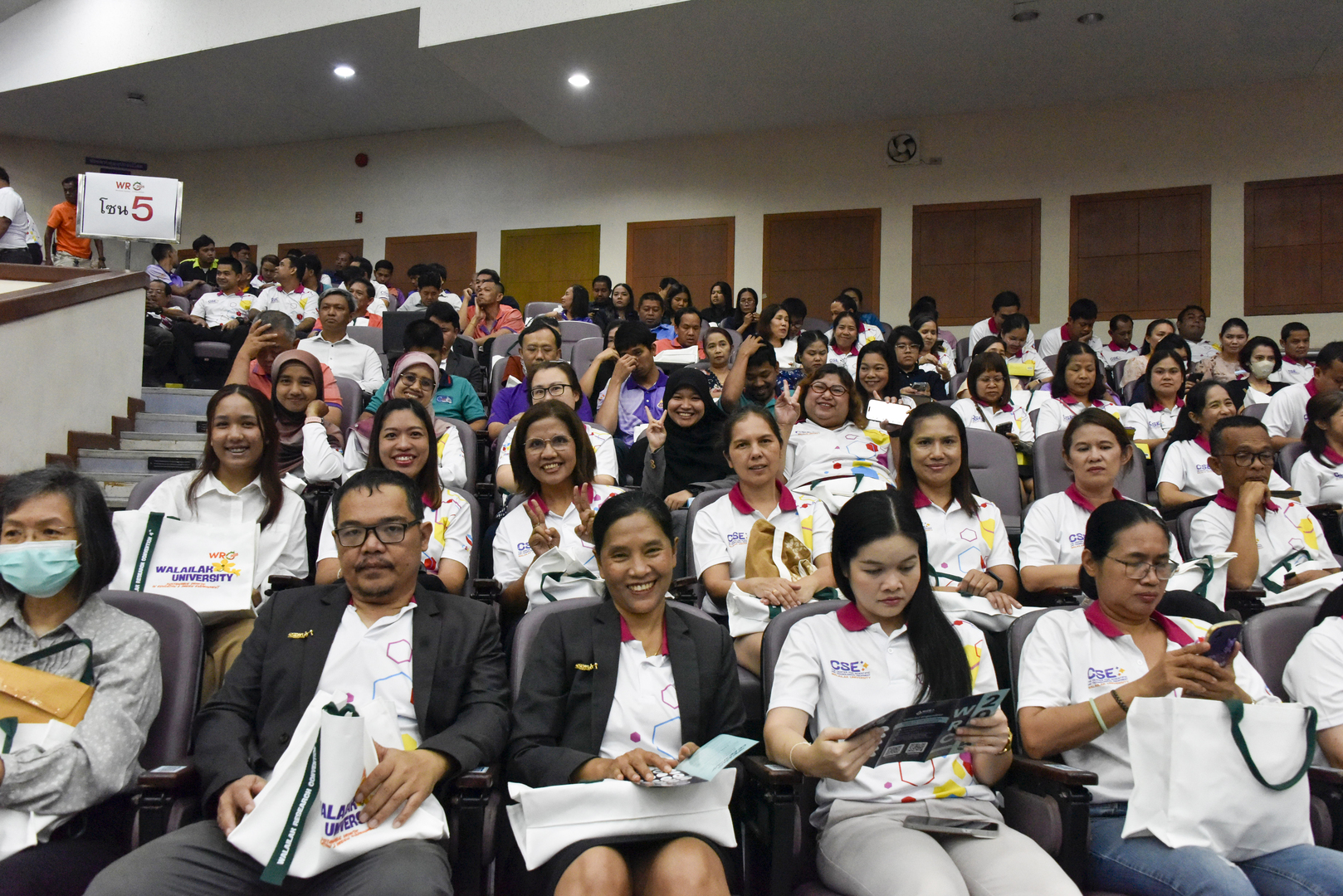
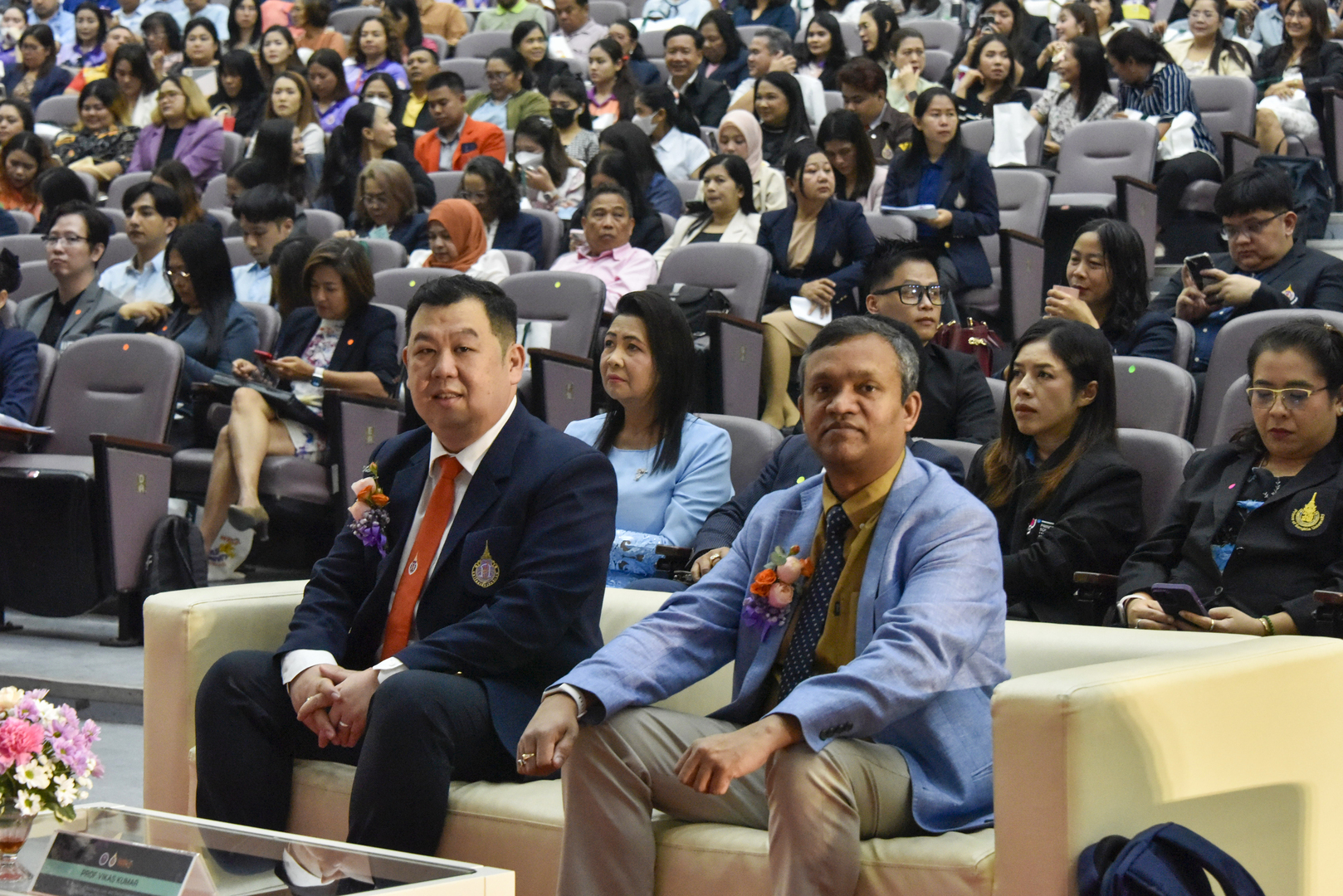
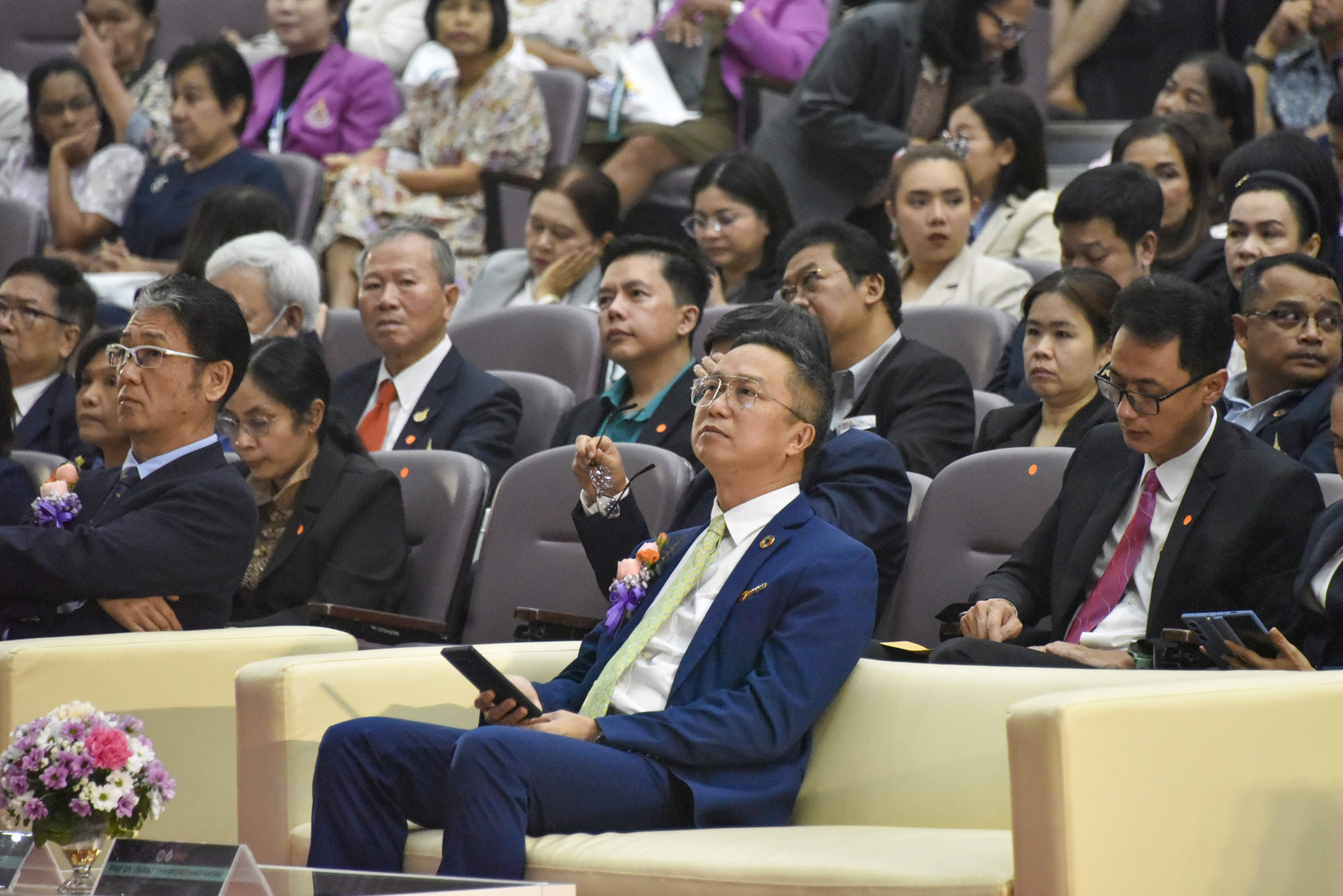
Walailak University hosted the Walailak Research Convention 2025 at the Thaiburi Building, bringing together international researchers, university professors, students, members of the public, and representatives from numerous non-governmental organizations (NGOs) invited by the university. The convention provided a platform for cross-sectoral dialogue on the role of higher education in advancing sustainability, blue carbon research, and the United Nations Sustainable Development Goals (SDGs). By bringing together stakeholders from different sectors and countries, the event encouraged the exchange of scientific knowledge, policy perspectives, practical experiences, and innovative approaches to addressing global and local sustainability challenges.
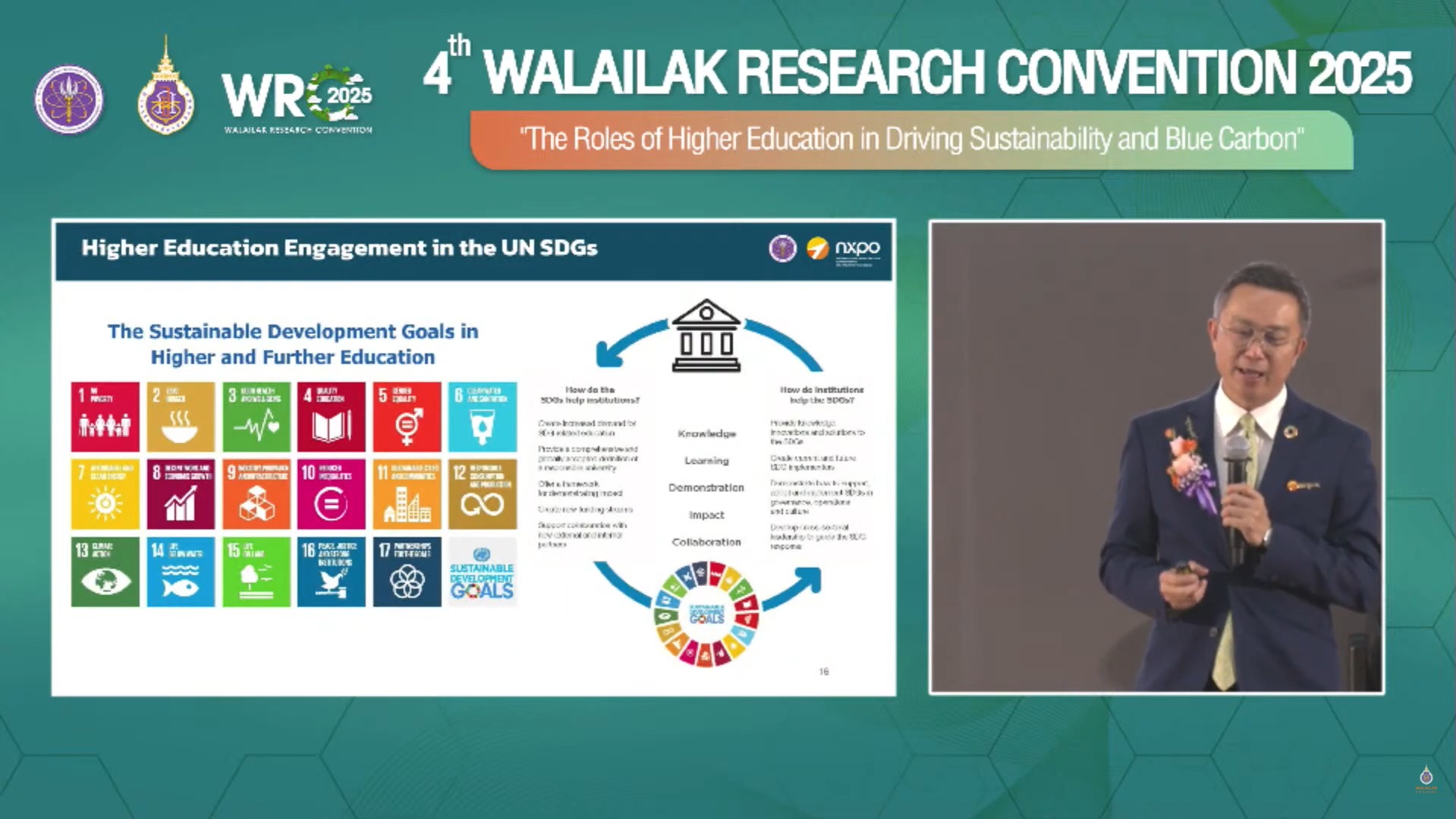
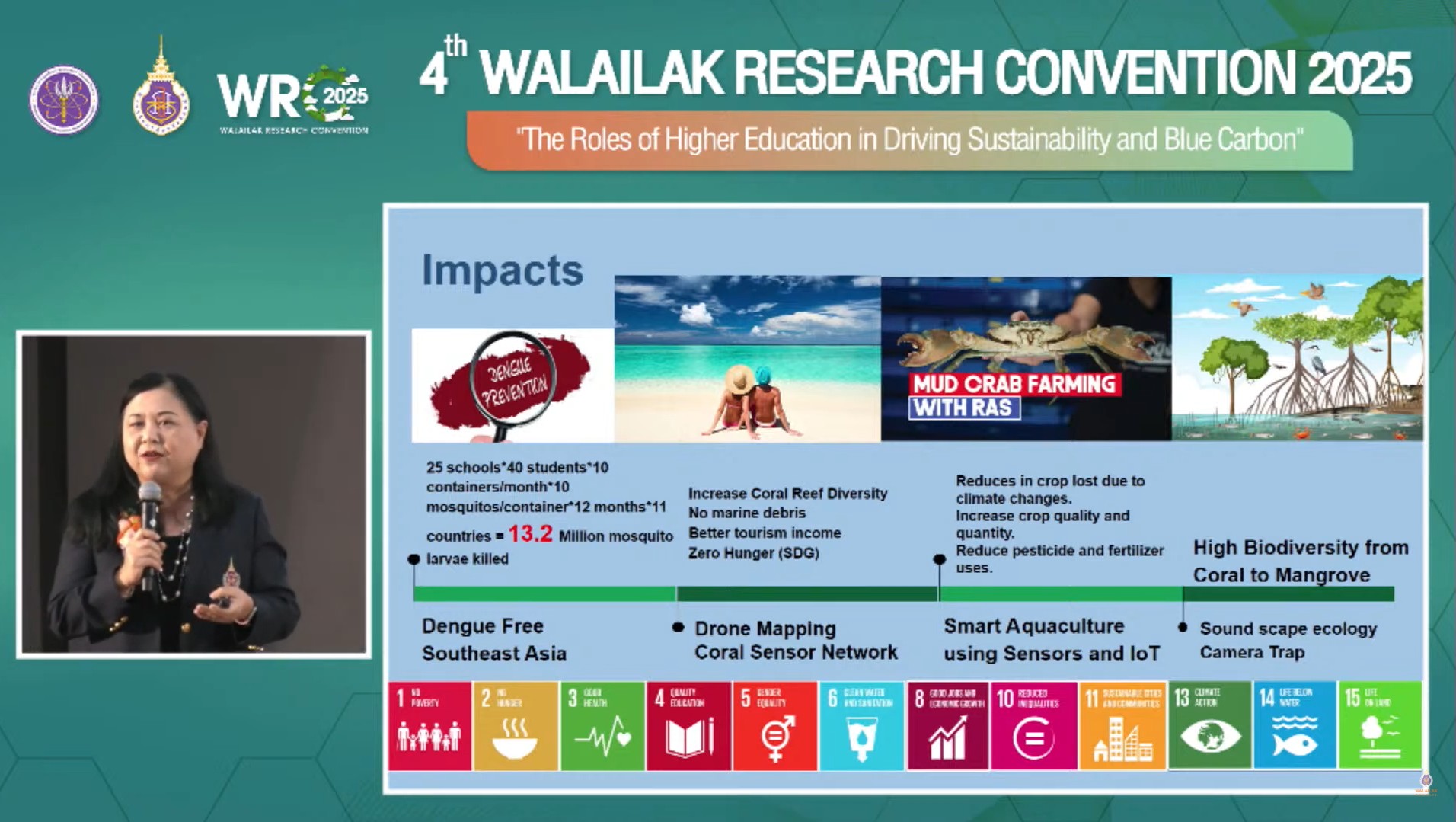
Cross-sectoral dialogue is essential to achieving the SDGs because complex challenges, including climate change, marine ecosystem degradation, food security, economic inequality, and sustainable resource management, cannot be addressed effectively by any single institution or sector. Engagement among universities, government agencies, NGOs, the private sector, and communities enables stakeholders to diagnose existing problems, identify gaps in policies and practices, evaluate potential solutions, and develop coordinated responses based on evidence and shared expertise. Such dialogue also helps connect academic research with policymaking and community needs, ensuring that scientific knowledge can inform practical action and generate measurable benefits for society and the environment.
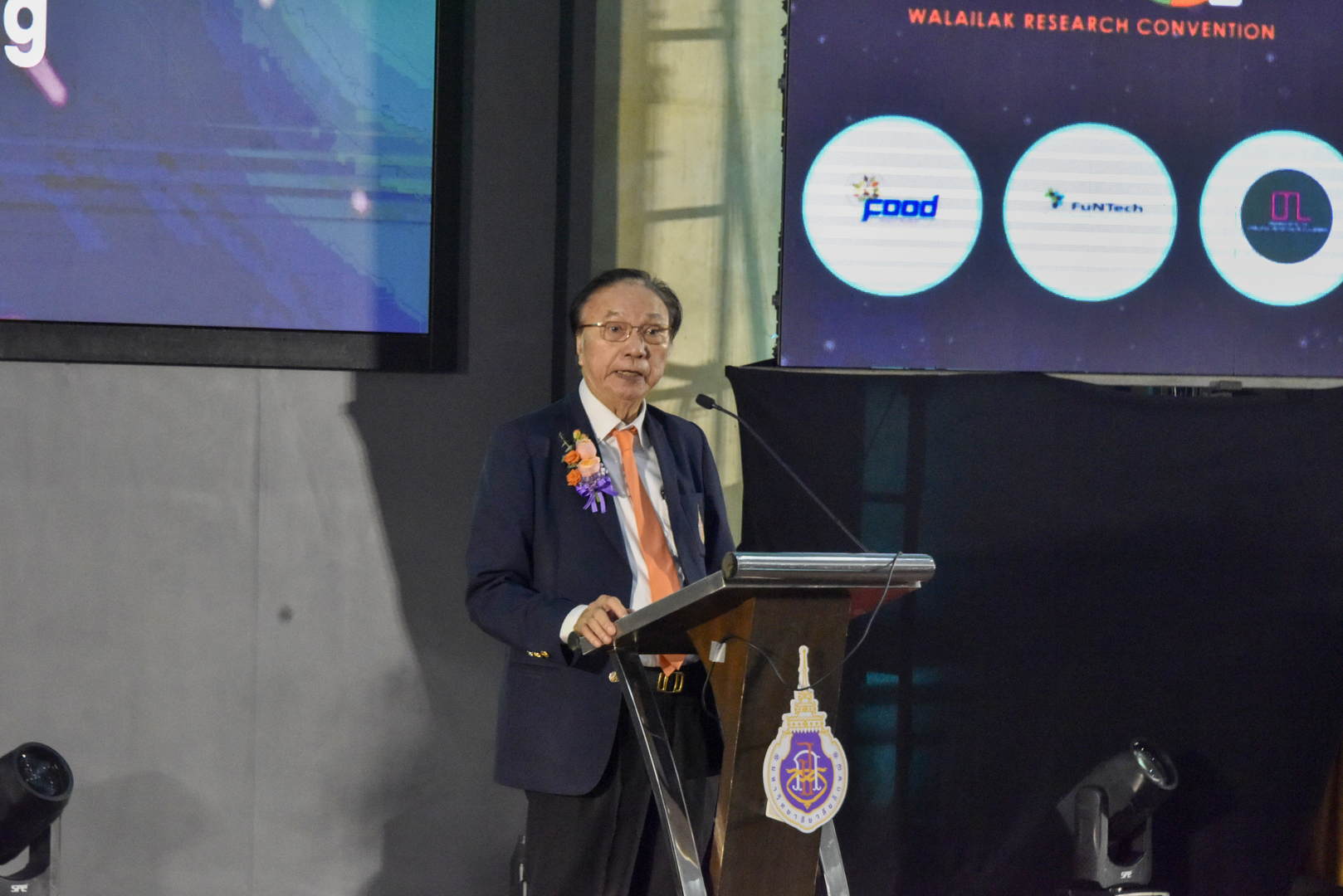
During the convention, Dr. Surachai Sathitkunarat, President of Thailand’s Office of the National Higher Education, Science, Research and Innovation Policy Council, delivered a keynote address highlighting the importance of higher education and research as drivers of sustainability, scientific discovery, policy innovation, and technological advancement. He emphasized Thailand’s commitment to leveraging research and innovation to support environmental conservation, sustainable economic growth, and social well-being. He also outlined national goals for 2023–2027, including strengthening grassroots economies, reducing inequality, lowering greenhouse gas emissions, developing a highly skilled workforce, and promoting innovation-driven businesses. These perspectives provided a policy-oriented foundation for discussion among academic and other stakeholders on how research and innovation can contribute to national development and the SDGs.
Walailak University highlighted its contributions to blue carbon research through its Center of Excellence for Ecoinformatics, which conducts research and develops databases on marine and coastal ecosystems, environmental management, and informatics. The university also advances the integration of blue carbon knowledge into sustainable tourism practices in coastal areas through its Center of Excellence for Tourism Business Management and Creative Economy. Furthermore, Walailak University has established international research networks with institutions such as the University of Malaya in Malaysia, Birmingham City University in the United Kingdom, Tokyo University of Marine Science and Technology in Japan, and Universiti Sains Malaysia. These partnerships demonstrate how international academic cooperation can strengthen research capacity, facilitate knowledge exchange, and support evidence-based approaches to sustainable development.
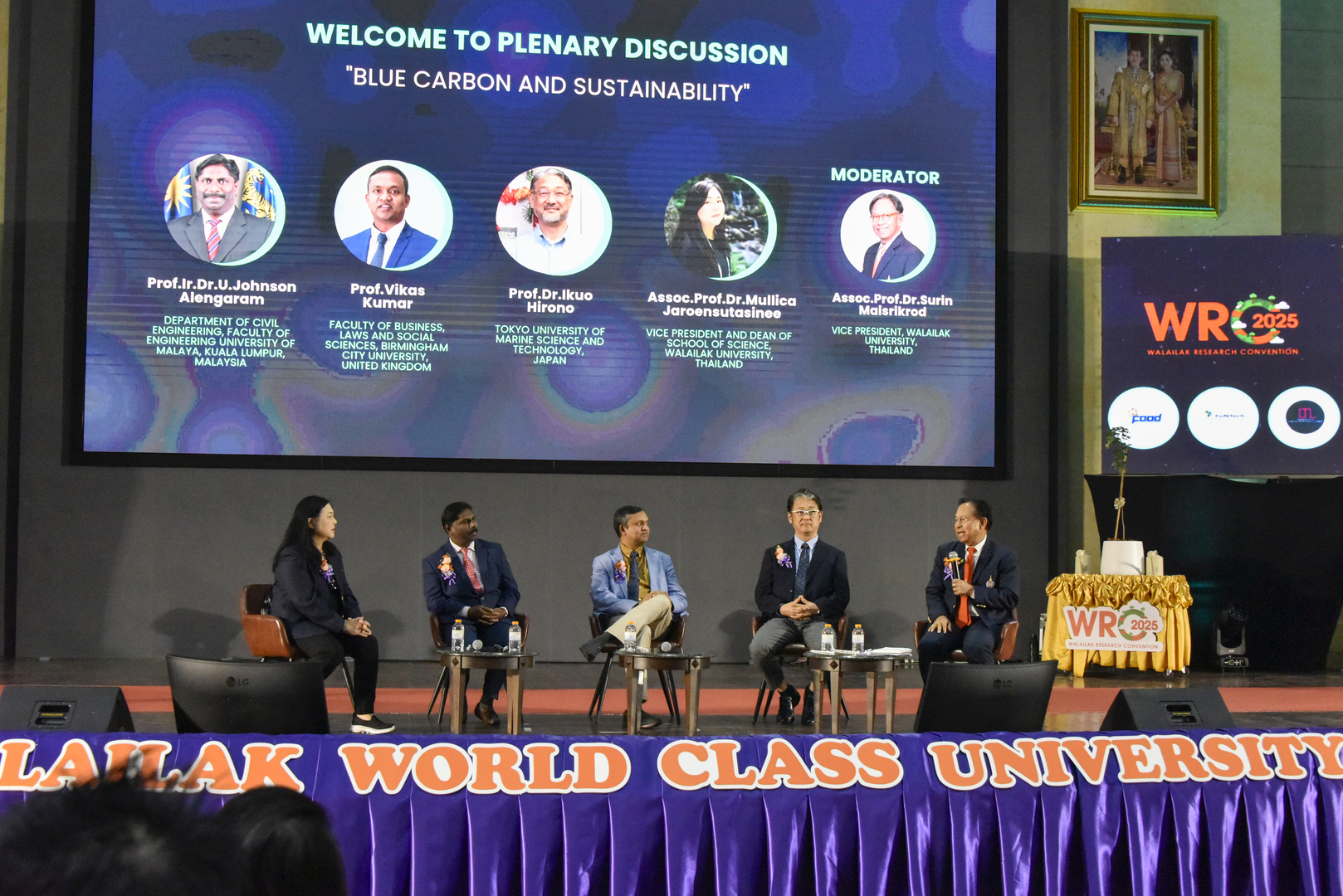
A major highlight of the convention was a panel discussion featuring international and Thai experts who shared their perspectives on sustainability and blue carbon. Prof. Ir. Dr. U. Johnson Alengaram of the University of Malaya presented research on sustainable construction materials, including oil palm shells and industrial byproducts, as alternatives to conventional cement. Prof. Vikas Kumar of Birmingham City University discussed challenges affecting blue carbon ecosystems, including ecosystem degradation, limited public awareness, restoration and conservation difficulties, policy gaps, and socioeconomic impacts. He also highlighted the need for international coordination to address these interconnected issues. Meanwhile, Prof. Dr. Ikuo Hirono of Tokyo University of Marine Science and Technology emphasized the importance of sustainable aquaculture in supporting food security amid projected global population growth. These discussions illustrated how research from different disciplines can contribute complementary perspectives to the diagnosis of sustainability challenges and the development of practical responses.
Assoc. Prof. Dr. Mullica Jaroensutasinee of Walailak University presented research on marine biodiversity monitoring using sensors deployed at Racha Island, observations of changes in fish populations and coral reef recovery during the COVID-19 pandemic, blue swimming crab restoration, the influence of government policies on land-use and land-cover changes, and drone-based mangrove monitoring. Her presentation demonstrated the importance of combining environmental monitoring, scientific research, and policy analysis to understand ecosystem changes and guide conservation measures. By sharing these findings with an international audience and other participating stakeholders, the convention helped create opportunities to discuss how scientific evidence can inform marine conservation, biodiversity protection, and sustainable coastal management.
The participation of numerous NGOs invited by Walailak University further strengthened the convention’s cross-sectoral character. NGOs can contribute practical experience in environmental conservation, community engagement, public awareness, and the implementation of sustainability initiatives. Their participation alongside academics, researchers, and other stakeholders provided an opportunity to exchange perspectives beyond the university sector and connect scientific knowledge with the needs and experiences of society. This inclusive approach is important for identifying challenges that may not be fully captured by academic research alone, improving the relevance of proposed solutions, and encouraging collaboration among organizations with complementary expertise and responsibilities.
Through the Walailak Research Convention 2025, Walailak University demonstrated its commitment to facilitating dialogue that connects research, public policy, environmental management, and societal development. The convention supported SDG 17 by creating opportunities for knowledge exchange and cross-sectoral engagement, while its substantive discussions contributed to SDG 13 (Climate Action), SDG 14 (Life Below Water), SDG 2 (Zero Hunger), SDG 9 (Industry, Innovation and Infrastructure), and SDG 11 (Sustainable Cities and Communities). More broadly, the event highlighted the importance of using scientific evidence to diagnose sustainability challenges, assess potential interventions, and inform decisions across sectors. By bringing together international scholars, academic institutions, NGOs, and other participants, Walailak University helped strengthen the relationships and shared understanding necessary to turn research findings into collaborative action, supporting more effective policies, resilient communities, and lasting progress towards the SDGs.
Strengthening Cross-Sectoral Dialogue on Sustainable Fisheries and Coastal Community Development at Thailand Research Expo 2025
Cross-sectoral dialogue is essential to achieving the United Nations Sustainable Development Goals (SDGs), particularly when addressing complex challenges involving natural resource conservation, environmental sustainability, and community livelihoods. Sustainable fisheries management requires coordinated efforts among universities, government agencies, private companies, non-governmental organizations (NGOs), and local fishing communities. By bringing these stakeholders together, dialogue provides opportunities to exchange knowledge, diagnose challenges, share practical experiences, and develop collaborative solutions that balance marine ecosystem conservation with economic and social well-being.
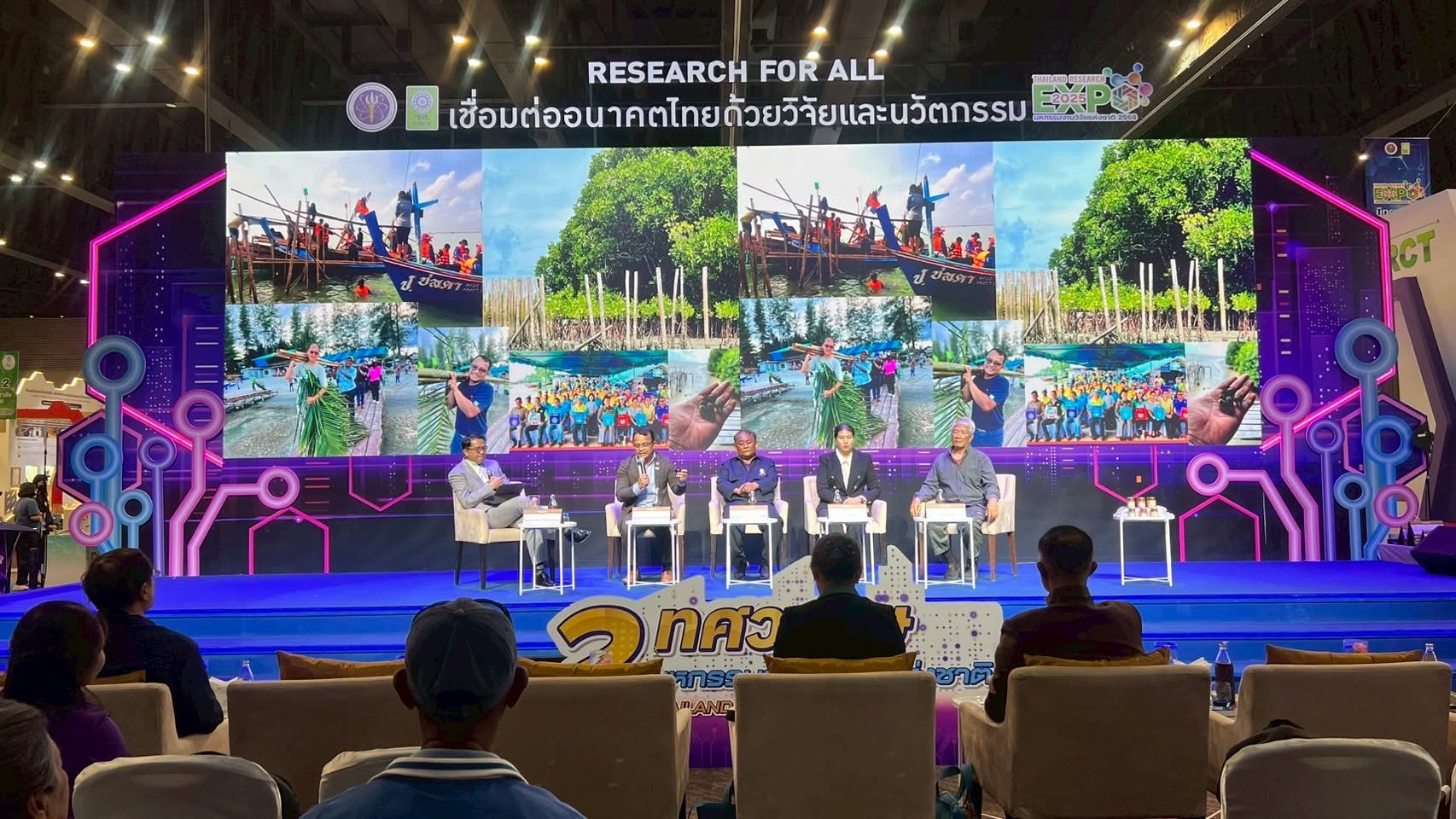
Walailak University actively contributed to this cross-sectoral dialogue at the National Research Expo 2025 (Thailand Research Expo 2025), held in Thailand, through a panel discussion entitled “Sustainable Blue Swimming Crab Banks Through the Collective Power of Coastal Communities.” The university was represented by Asst. Prof. Dr. Amonsak Sawusdee, Director of the Center for Academic Services and Head of the Blue Swimming Crab Initiative. The discussion brought together representatives from academic institutions, the private sector, and local fishing communities to exchange perspectives on strengthening blue swimming crab conservation through research, community participation, and cross-sectoral cooperation. Walailak University also invited numerous NGO organizations to participate in the event, further broadening opportunities for dialogue and collaboration among stakeholders working towards sustainable development.
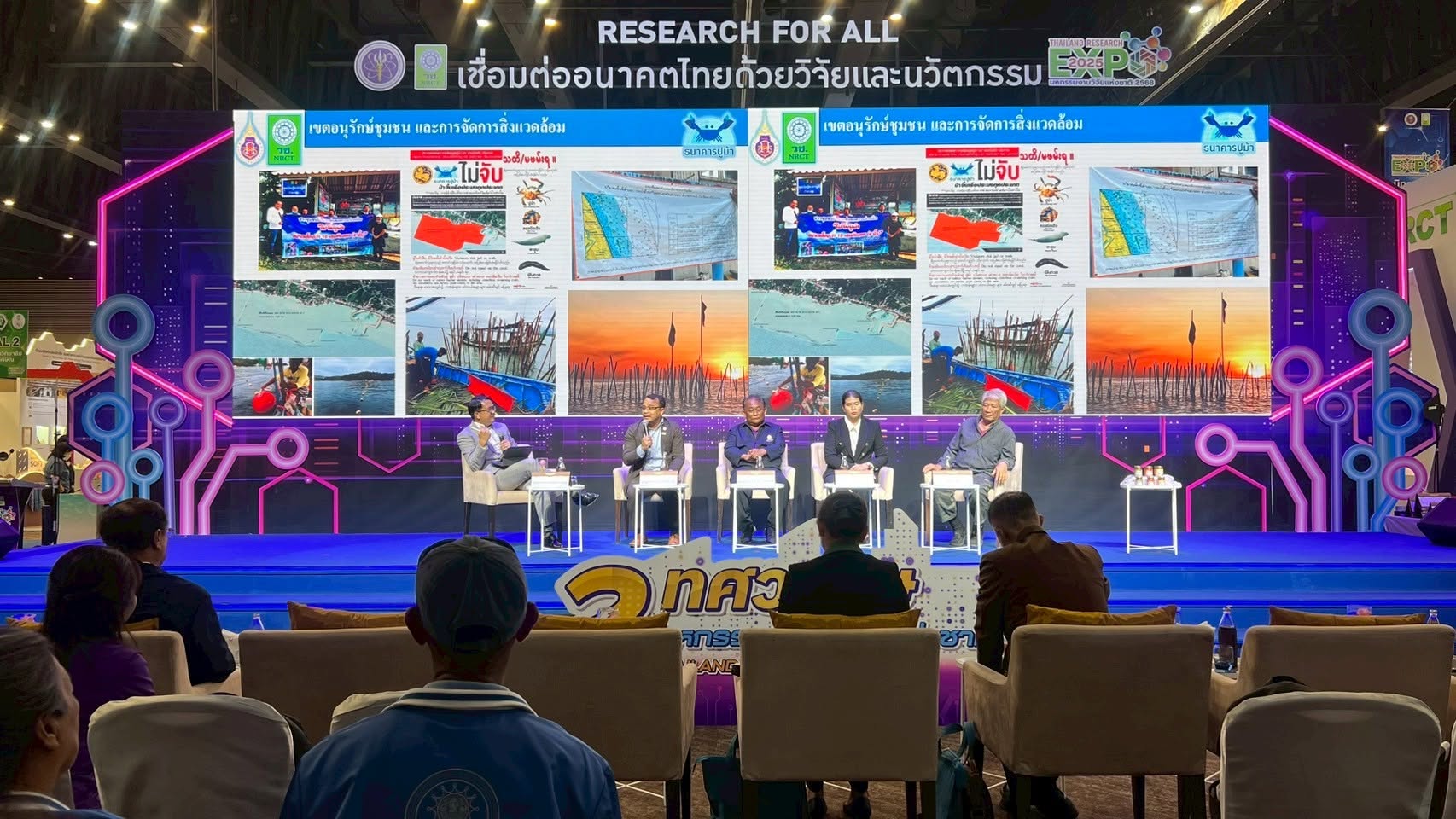
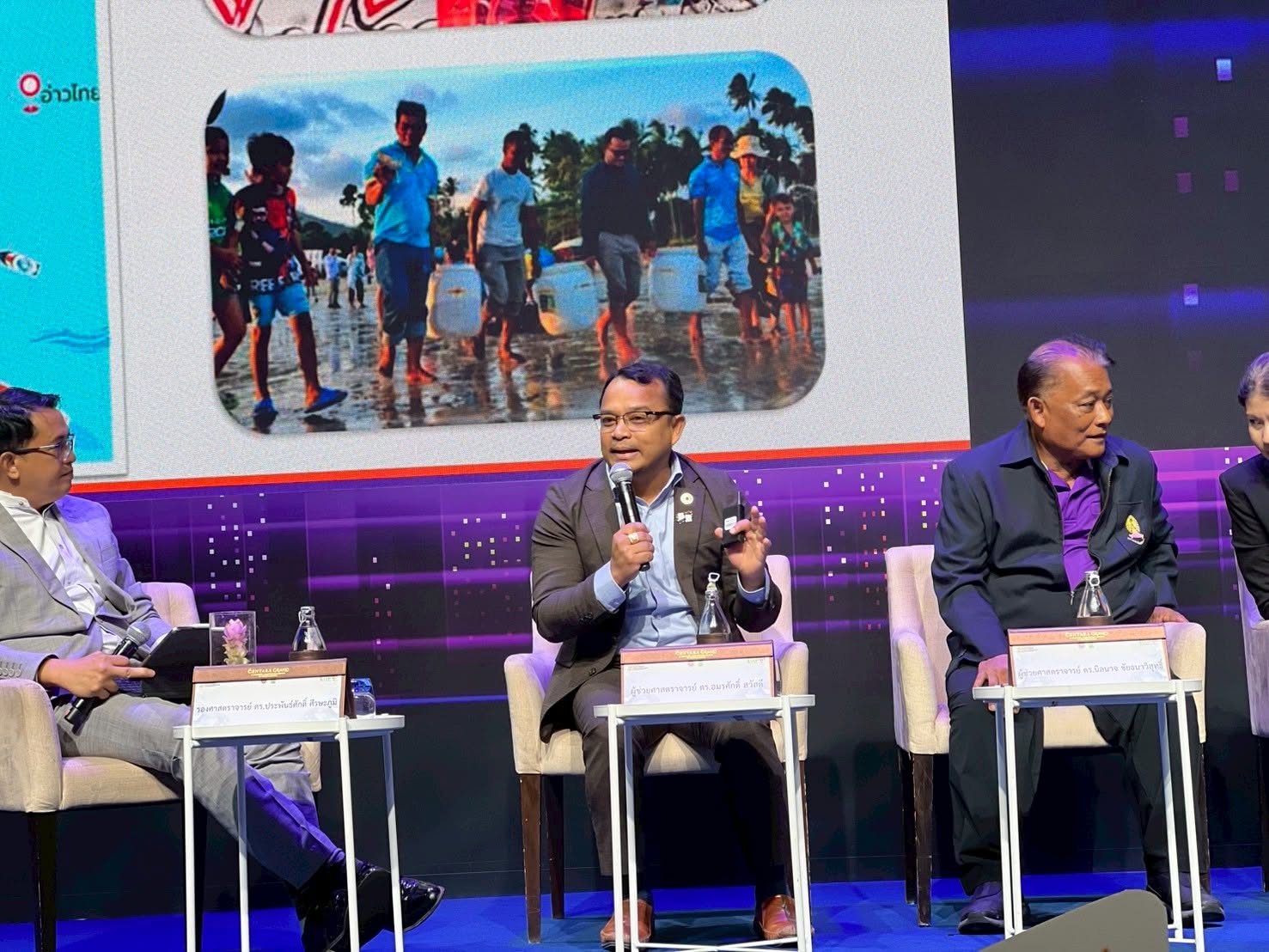
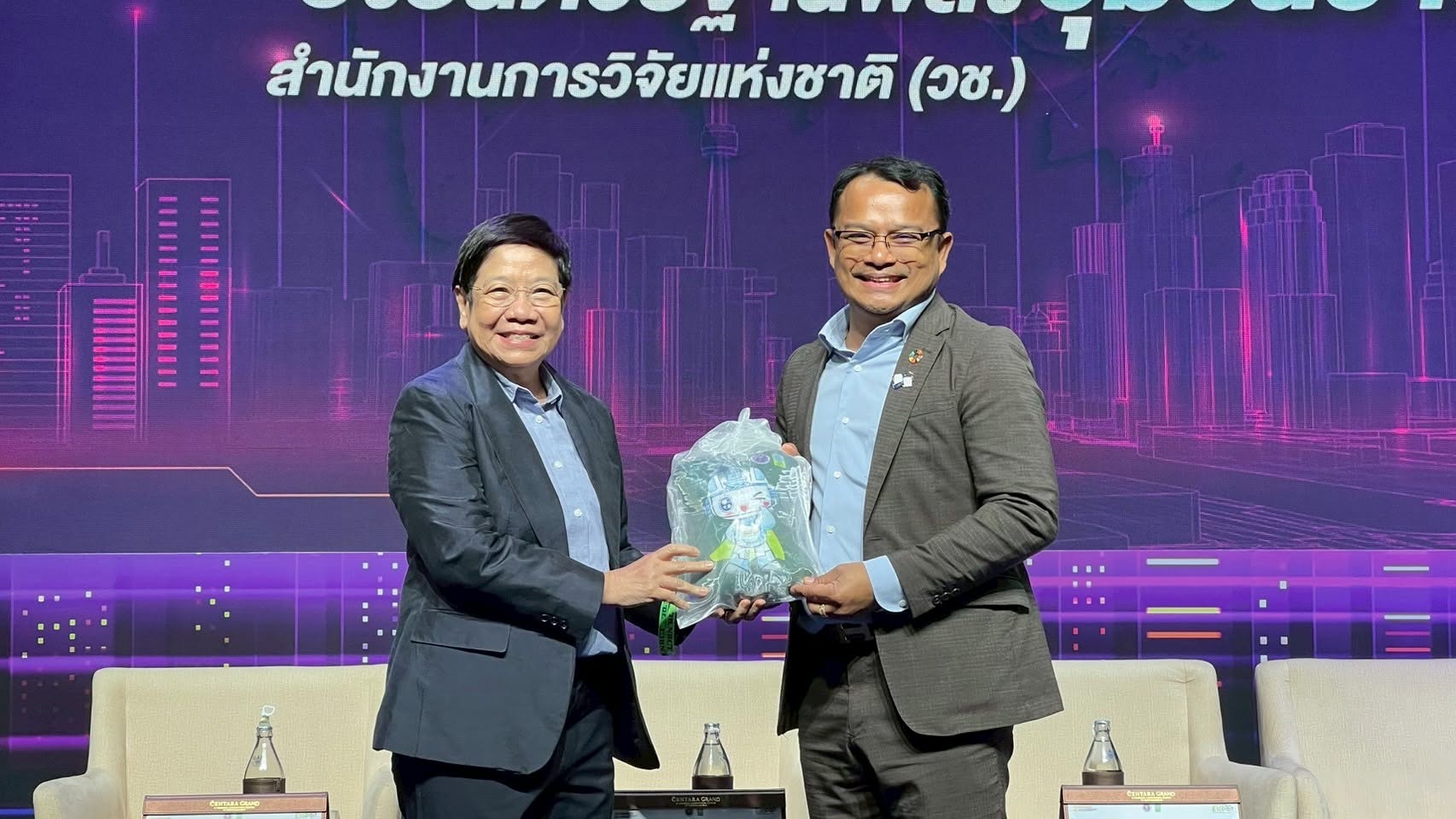
The panel featured Assistant Professor Dr. Nilnaja Chaitanavisut, Chair of the Working Group of the Sea Animal Bank Learning Center on Koh Sichang under Royal Patronage; Ms. Kanittha Chansri of PTT Tank Terminal Company Limited; Mr. Somphap Witthaya, Vice Chairman of the Blue Swimming Crab Bank of the Ban Phla Small-Scale Fishing Group in Rayong Province; and Associate Professor Dr. Prapansak Srisapoome, Director of the Center of Excellence for Aquatic Animal Health Management at Kasetsart University. Their participation provided a platform for sharing different perspectives on marine resource conservation, scientific research, private-sector engagement, and community-led fisheries management.
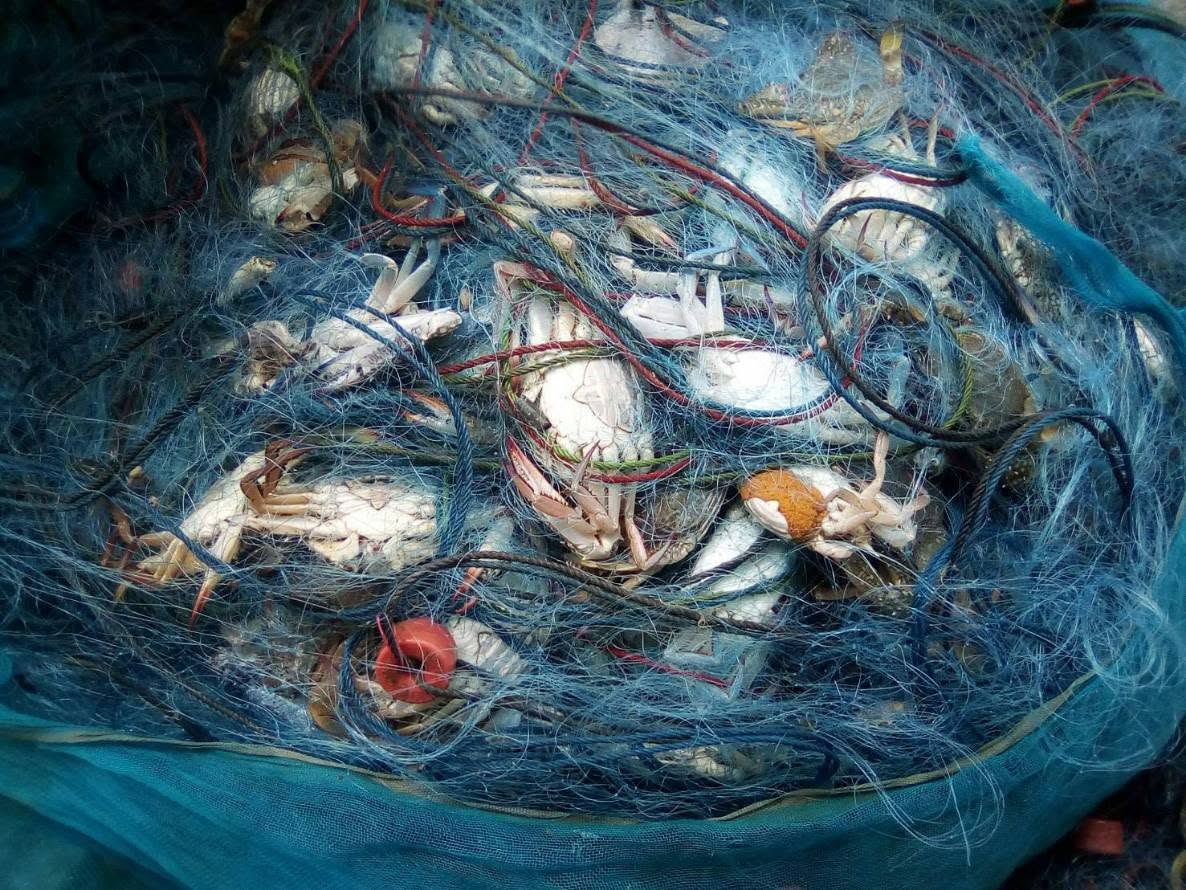
During the discussion, Asst. Prof. Dr. Amonsak Sawusdee presented Walailak University’s initiative to expand blue swimming crab banks under the concept of “Returning Blue Swimming Crabs to Thailand’s Seas.” The initiative supports research-based natural resource management and promotes conservation activities in which local fishing communities play an active role. Traditionally, fishing communities established blue swimming crab banks by collecting female blue swimming crabs carrying external eggs and allowing the eggs to hatch in dedicated facilities before releasing the larvae into the sea. This community-based practice helps replenish crab populations through natural reproduction. Research and scientific knowledge have further strengthened the approach by improving larval survival rates and developing methods to increase the survival of young crabs before their release into marine habitats.
The discussion also highlighted the importance of documenting and sharing lessons from successful blue swimming crab banks. Collaboration among government agencies, private companies, researchers, and local fishers enables communities to combine traditional knowledge with scientific evidence, improve conservation practices, and strengthen the management of marine resources. By exchanging experiences across different locations and stakeholder groups, participants could identify practical approaches, diagnose implementation challenges, and explore opportunities to expand successful models to other coastal communities.
The participation of numerous NGOs invited by Walailak University further reinforced the importance of inclusive, multi-stakeholder engagement. NGOs can contribute expertise in environmental conservation, community empowerment, public awareness, and the facilitation of local partnerships. Their involvement alongside researchers, businesses, and fishing communities creates opportunities to discuss shared concerns, exchange field experiences, and identify complementary roles in implementing conservation initiatives. Such dialogue can help bridge the gap between research and practice, strengthen community participation, and support the development of locally appropriate and sustainable fisheries management measures.
The initiative is expected to generate interconnected environmental, social, and economic benefits. Improving the survival of young blue swimming crabs and supporting their return to natural habitats can contribute to the replenishment of marine resources. More abundant crab populations can, in turn, support fishing opportunities, strengthen local livelihoods, and improve the well-being of coastal communities. By linking scientific research with community knowledge and cooperation across sectors, the initiative also helps reinforce the foundations of the local economy and promotes the long-term sustainability of Thailand’s coastal resources.
Through its participation in Thailand Research Expo 2025, Walailak University demonstrated its commitment to facilitating cross-sectoral dialogue and translating research into practical solutions for sustainable development. The activity supports SDG 17 (Partnerships for the Goals) by promoting cooperation and knowledge exchange among academic institutions, businesses, NGOs, and local communities. It also contributes to SDG 14 (Life Below Water) through marine resource conservation, SDG 8 (Decent Work and Economic Growth) through support for sustainable fishing livelihoods, and SDG 1 (No Poverty) through efforts to strengthen coastal community resilience. More importantly, the dialogue illustrated how coordinated action, evidence-based measures, and continuous assessment can help diagnose challenges, improve conservation practices, and deliver measurable benefits for marine ecosystems and the people who depend on them.
Advancing Cross-Sectoral Dialogue on Good Governance, Health, and Community Sustainability at the Cambridge Global Good Governance Programme 2025
Achieving the United Nations Sustainable Development Goals (SDGs) requires effective governance, strong institutions, and sustained dialogue among stakeholders from different sectors. Governments, universities, private companies, financial institutions, charitable foundations, and civil society organizations each have important roles in addressing interconnected challenges involving health, environmental protection, education, and community well-being. Cross-sectoral dialogue provides an essential platform for exchanging knowledge, sharing institutional experiences, diagnosing gaps in existing policies and practices, and identifying collaborative approaches to sustainable development. By bringing together diverse perspectives, such dialogue can strengthen institutional accountability, improve decision-making, and encourage the development of policies and initiatives that deliver measurable and lasting benefits for society.
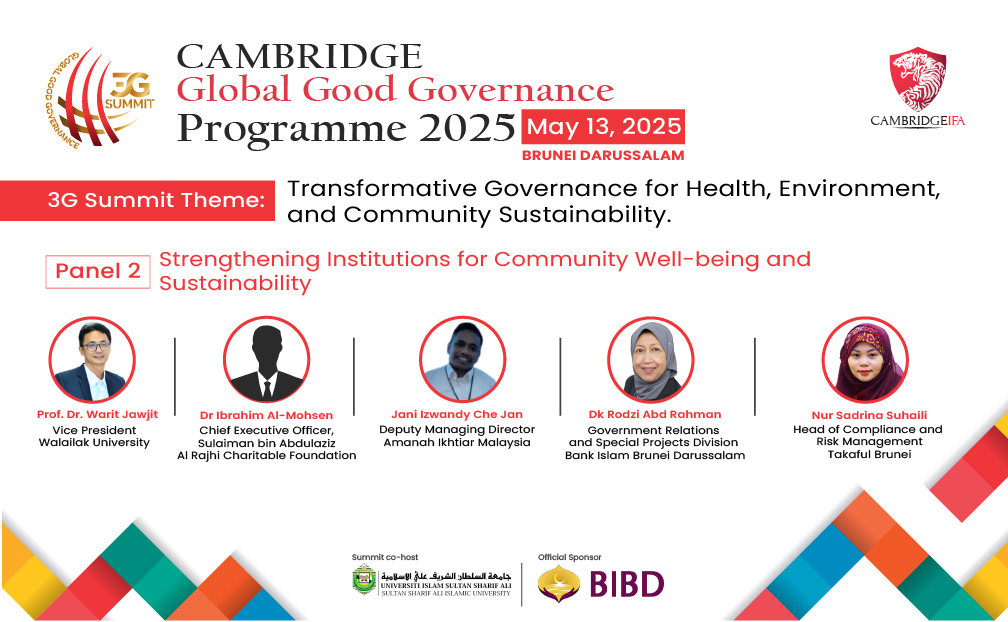
Walailak University contributed to this international dialogue through the participation of Assoc. Prof. Dr. Warit Jawjit, Vice President of Walailak University, as a distinguished panelist at the Cambridge Global Good Governance Programme 2025. The event was held as part of the Global Good Governance Summit & Awards 2025 at Balai Khazanah Islam Sultan Haji Hassanal Bolkiah in Brunei Darussalam and was organized by Cambridge IFA. The programme brought together representatives from public and private sector institutions and organizations from more than 15 countries to exchange perspectives on good governance, sustainable development, and institutional contributions to community well-being.
The panel discussion, entitled “Transformative Governance for Health, Environment, and Community Sustainability: Strengthening Institutions for Community Well-being and Sustainability,” provided an international platform for dialogue on how institutions can integrate sustainability into governance, organizational strategies, and service delivery. Alongside Assoc. Prof. Dr. Warit Jawjit, the speakers included Dr. Ibrahim Al-Mohsen of the Sulaiman bin Abdulaziz Al Rajhi Charitable Foundation; Jani Izwandy Che Jan, Deputy Managing Director of Amanah Ikhtiar Malaysia; Dk Rodzi Abd Rahman of the Government Relations and Special Projects Division at Bank Islam Brunei Darussalam; and Nur Sadrina Suhaili, Head of Compliance and Risk Management at Takaful Brunei. Their participation brought together academic leadership, charitable organizations, financial institutions, and private-sector representatives, enabling the exchange of institutional perspectives on governance and sustainability.
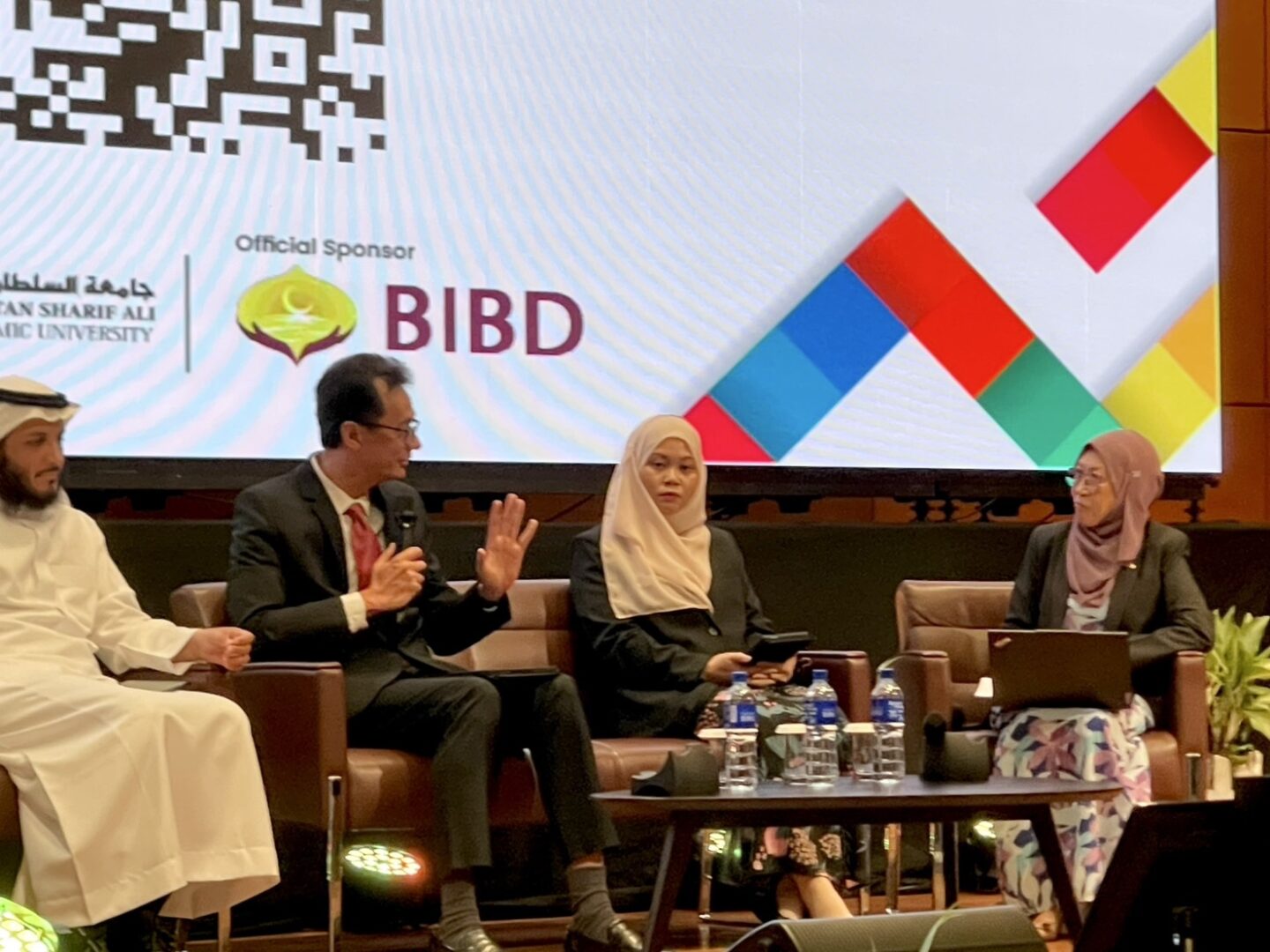
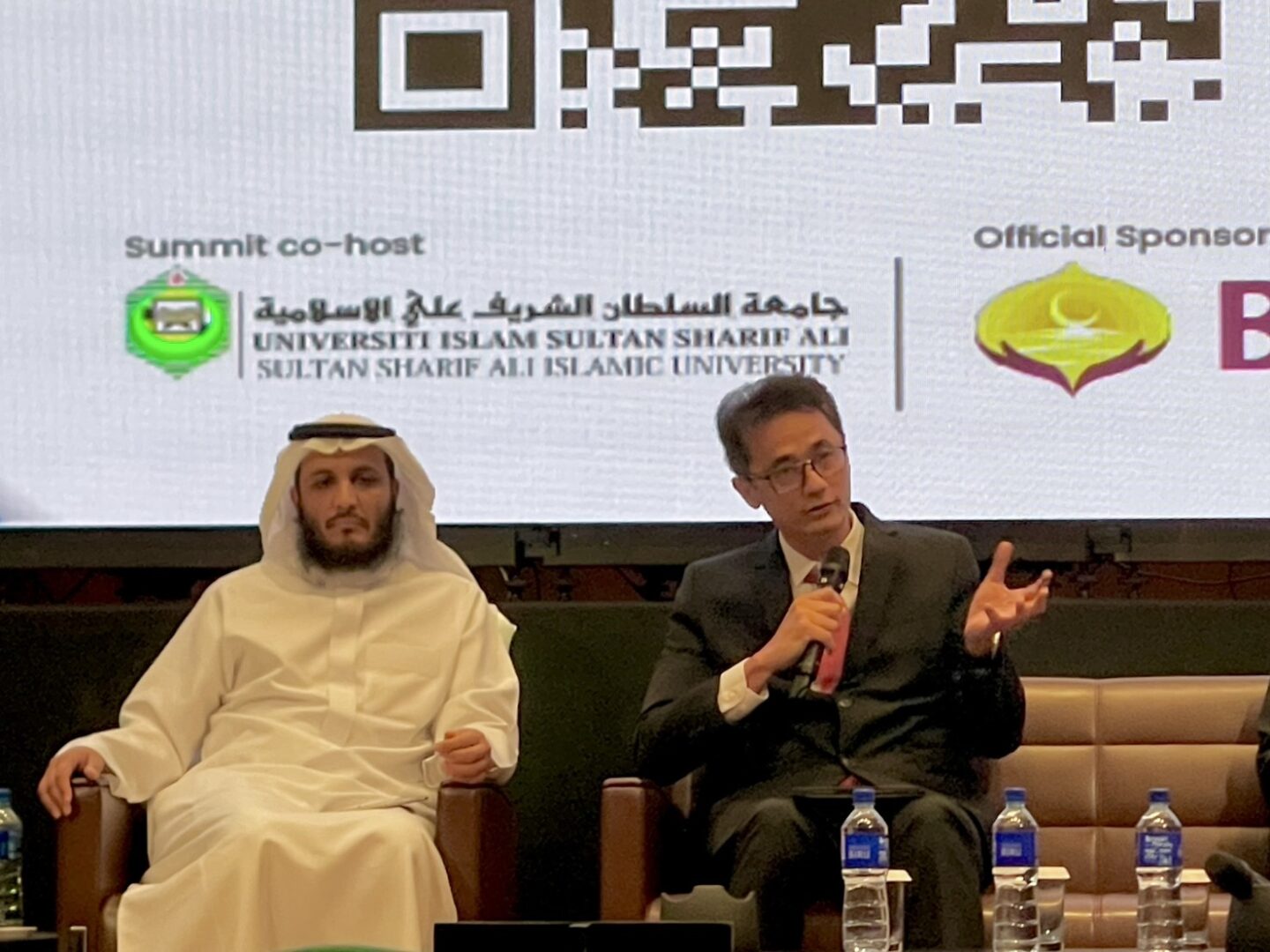
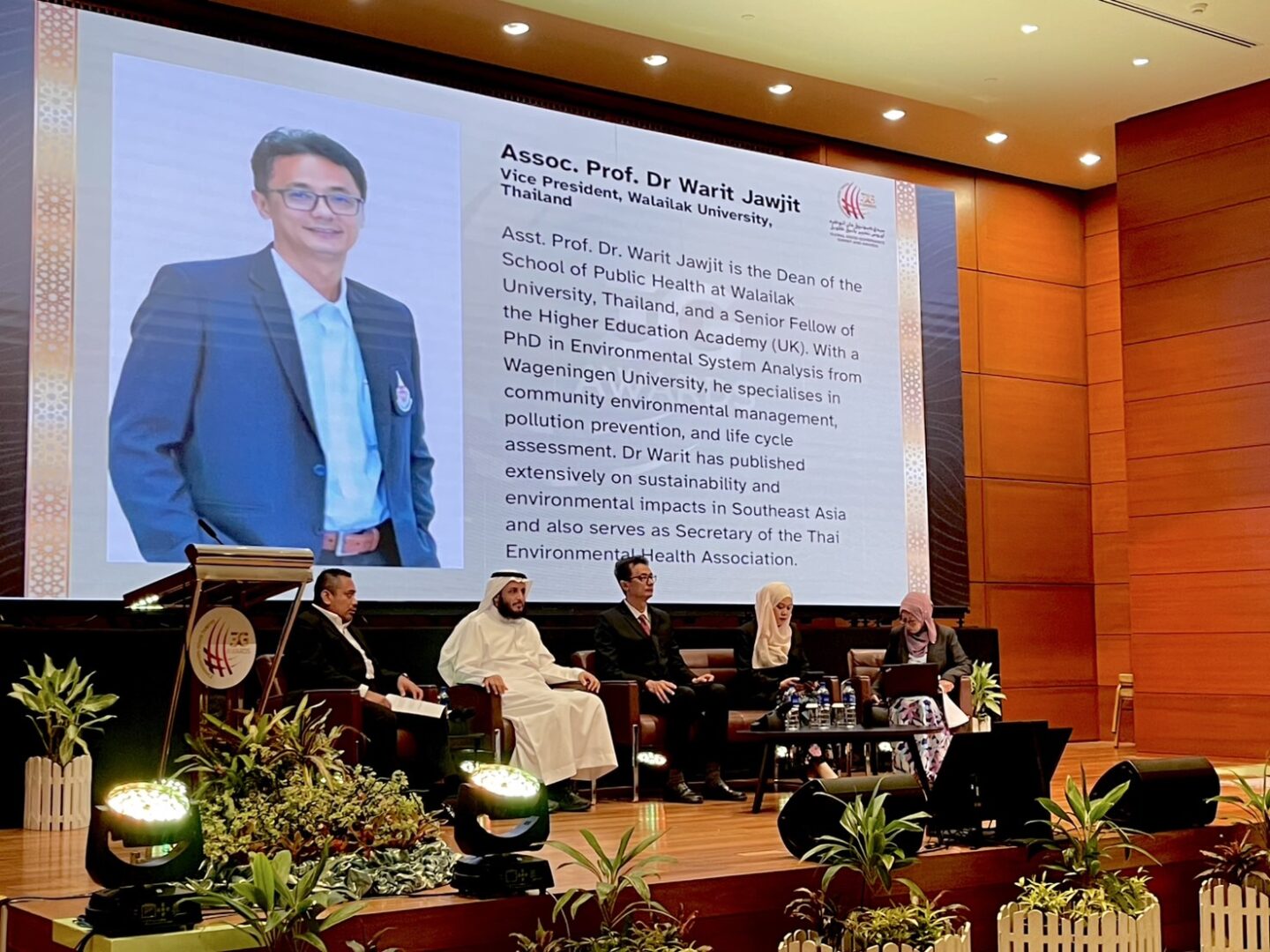
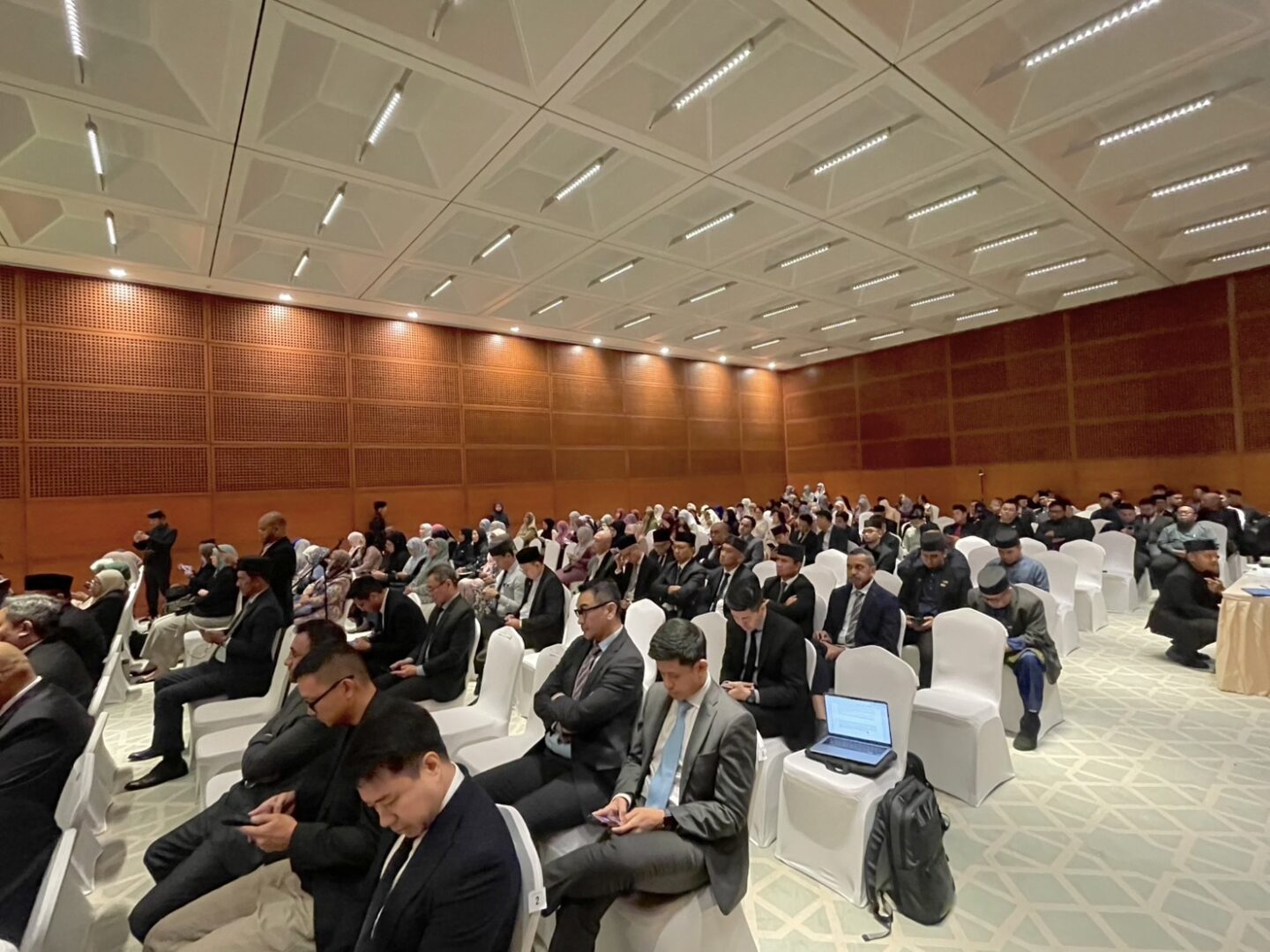
During the discussion, Assoc. Prof. Dr. Warit Jawjit presented Walailak University’s strategies, development approaches, and achievements across multiple dimensions of sustainability and good governance. His presentation highlighted the university’s efforts to improve teaching and learning, integrate sustainable development principles into educational programmes, strengthen student support services through the Smile and Smart Center, and advance research quality and international research collaboration. He also discussed the development of contemporary sustainability policies, the adoption of green technologies across the university, and academic services designed to respond to community needs and generate tangible social impacts.
These institutional experiences contributed to the wider discussion on how higher education institutions can translate sustainability commitments into practical governance and development outcomes. By sharing Walailak University’s approaches with international representatives from different sectors, the university helped demonstrate how education, research, student welfare, environmental management, and community engagement can be integrated into an institutional framework for sustainable development. The exchange also provided an opportunity to compare perspectives on institutional challenges, identify areas for improvement, and explore approaches that could be adapted to different organizational and national contexts.
The cross-sectoral nature of the programme was particularly important because sustainable development requires cooperation beyond the boundaries of individual institutions. Universities can contribute scientific evidence, research expertise, and educational innovation, while charitable foundations can support social development, financial institutions can promote responsible financial practices, and businesses can integrate sustainability into their operations and governance. Dialogue among these stakeholders helps diagnose common challenges, identify opportunities for cooperation, and strengthen the alignment between institutional policies and community priorities. International platforms such as this programme also enable participants to exchange lessons learned and consider how successful practices can be adapted to address different local circumstances.
Walailak University’s participation in the Cambridge Global Good Governance Programme 2025 reinforced its commitment to international engagement and cross-sectoral dialogue on sustainable development. The activity directly supports SDG 17 (Partnerships for the Goals) by facilitating knowledge exchange and engagement among institutions from different sectors and countries. It also aligns with SDG 16 (Peace, Justice and Strong Institutions) through its emphasis on good governance and institutional effectiveness, SDG 3 (Good Health and Well-being) through discussions on health and community welfare, SDG 4 (Quality Education) through educational development, and SDG 13 (Climate Action) through sustainability policies and green technologies.
Ultimately, the programme demonstrated the value of international dialogue in strengthening institutional capacity and advancing shared sustainability objectives. By contributing its experiences and learning from organizations operating in different sectors, Walailak University helped promote a collaborative approach to governance that connects institutional development with the well-being of communities and the environment. Continued engagement of this kind can support evidence-based policy development, encourage the adoption of effective sustainability measures, and strengthen partnerships that contribute to measurable and long-term progress towards the SDGs.
Taken together, Walailak University’s participation in the Walailak Research Convention 2025, Thailand Research Expo 2025, and the Cambridge Global Good Governance Programme 2025 demonstrates the university’s commitment to initiating and engaging in cross-sectoral dialogue to advance the Sustainable Development Goals (SDGs). These activities connected international researchers, academic institutions, government representatives, private companies, NGOs, charitable foundations, financial institutions, and local fishing communities, creating opportunities to exchange knowledge, share practical experiences, and identify collaborative solutions to sustainability challenges. Through these platforms, Walailak University helped bridge the gap between scientific research, institutional governance, public policy, and community needs, encouraging stakeholders to work together towards shared development objectives.
The benefits of these dialogues extend across environmental, social, economic, and institutional dimensions. Discussions on blue carbon research and marine sustainability helped highlight the importance of scientific evidence, environmental monitoring, and international research cooperation in addressing climate change and protecting coastal ecosystems. The exchange of experiences on community-based blue swimming crab banks demonstrated how traditional knowledge, scientific research, and cooperation among universities, businesses, NGOs, and fishing communities can support marine resource replenishment, strengthen local livelihoods, and improve the long-term resilience of coastal economies. Meanwhile, international dialogue on transformative governance highlighted how higher education institutions can integrate sustainability into teaching, research, student welfare, green technologies, and community engagement while learning from the governance practices of organizations across different countries and sectors.
Furthermore, these activities provide opportunities to establish shared measures for assessing progress, diagnosing implementation gaps, and identifying areas for improvement. Potential measures include the number and diversity of participating organizations, cross-sectoral partnerships developed, collaborative research initiatives established, sustainability policies informed by dialogue, community conservation activities implemented, and environmental or social outcomes achieved. Measurement of these outcomes can help institutions evaluate the effectiveness of stakeholder engagement, monitor the translation of discussions into practical action, and strengthen accountability for progress towards the SDGs. Continued follow-up and impact assessment are important to ensure that dialogue produces tangible results rather than remaining limited to information exchange or one-time events.
Overall, Walailak University’s engagement in these three initiatives illustrates the importance of sustained, inclusive, and evidence-based dialogue in accelerating sustainable development. By connecting stakeholders across disciplines, sectors, and national boundaries, the university contributes to stronger partnerships under SDG 17 (Partnerships for the Goals), while supporting progress towards SDG 14 (Life Below Water), SDG 13 (Climate Action), SDG 16 (Peace, Justice and Strong Institutions), SDG 4 (Quality Education), and other interconnected goals. Through continued collaboration, appropriate measurement, and the implementation of jointly developed solutions, these cross-sectoral engagements can help transform shared knowledge into effective policies, improved environmental management, stronger institutions, and lasting benefits for communities and future generations.