
International Collaboration to Advance Research and Best Practices in Blue Swimming Crab Resource Management
International Collaboration to Advance Research and Best Practices in Blue Swimming Crab Resource Management
The sustainable management of blue swimming crab resources is essential for maintaining marine biodiversity, supporting coastal livelihoods, and ensuring the long-term sustainability of fisheries. However, increasing pressure on marine resources and changes in coastal ecosystems require effective, evidence-based approaches to assess resource conditions, diagnose challenges, and develop appropriate conservation and management strategies. International collaboration and research play an important role in facilitating knowledge exchange, reviewing comparative management approaches, and identifying best practices that can be adapted to local contexts. Through sustained cooperation with international research institutions and fisheries stakeholders, Walailak University contributes to strengthening diagnostic assessments, improving resource management practices, and promoting science-based solutions that support the sustainable use of blue swimming crab resources.
International Collaboration to Advance Best Practices in Blue Swimming Crab Fisheries Management
Sustainable fisheries management requires international cooperation, reliable scientific evidence, and effective governance to protect marine biodiversity while supporting the livelihoods of coastal communities. Fisheries face interconnected challenges, including overfishing, declining aquatic populations, inadequate monitoring, and uncertainty in resource assessments. Addressing these challenges requires more than isolated conservation activities; it requires the systematic review of comparative management approaches, the exchange of international research and expertise, and the development of best practices that can be adapted to different fisheries and local contexts. Through international collaboration, universities, government agencies, research organizations, and fishing-sector stakeholders can identify effective solutions, diagnose management gaps, and strengthen evidence-based policies that advance the United Nations Sustainable Development Goals (SDGs), particularly SDG 14: Life Below Water, and SDG 17: Partnerships for the Goals.
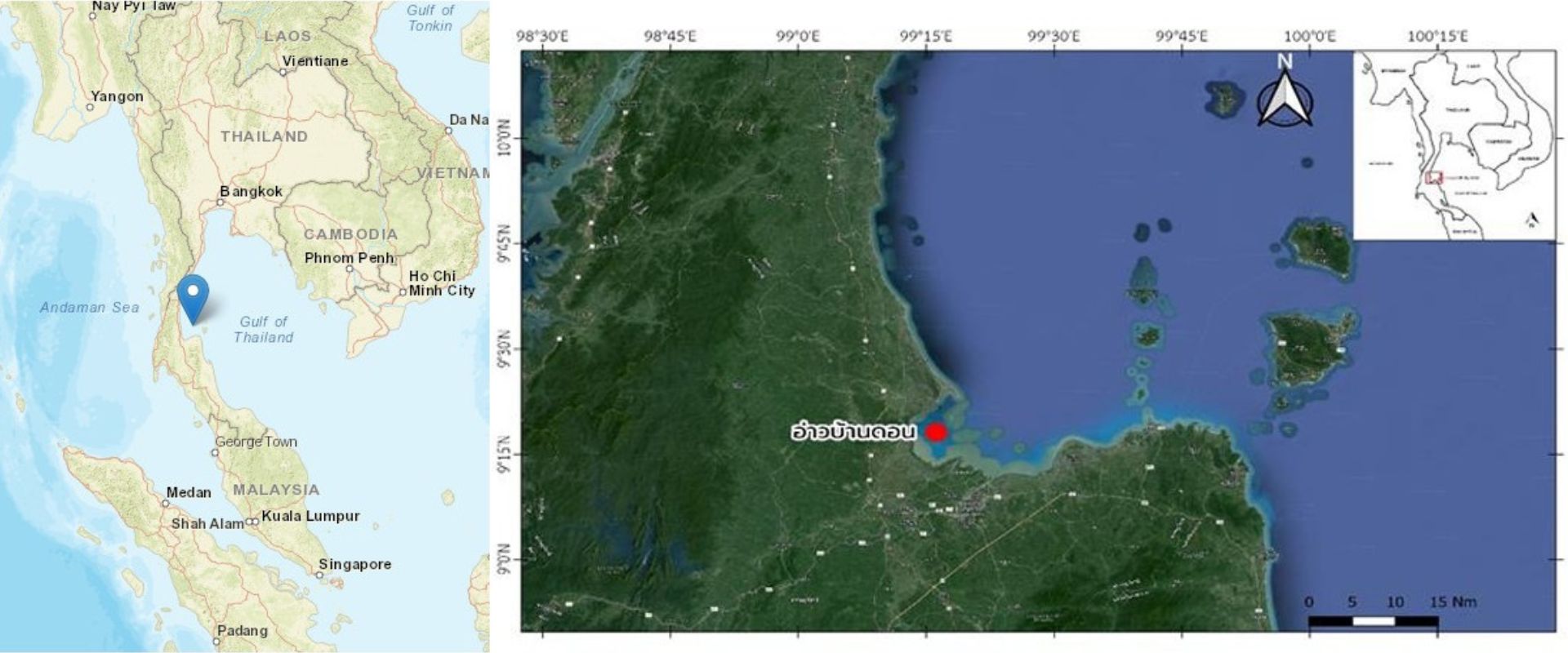
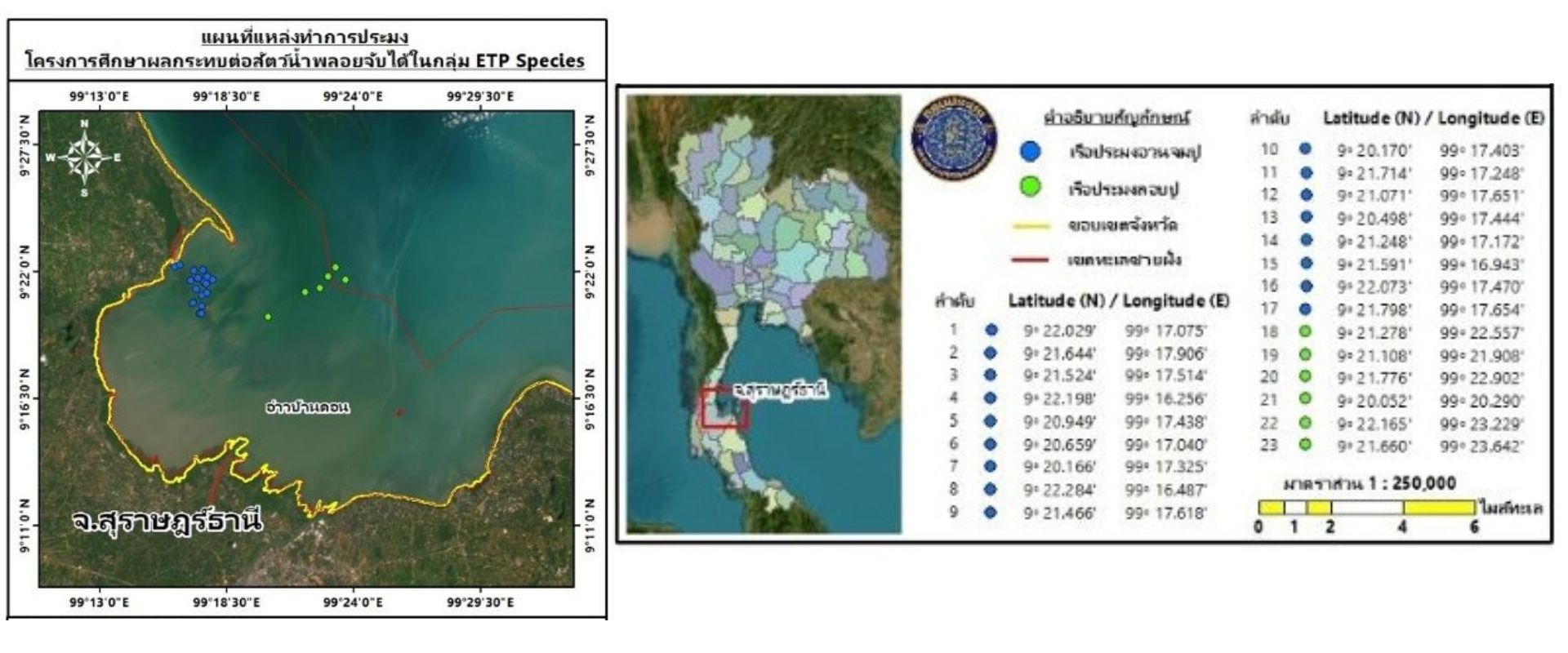
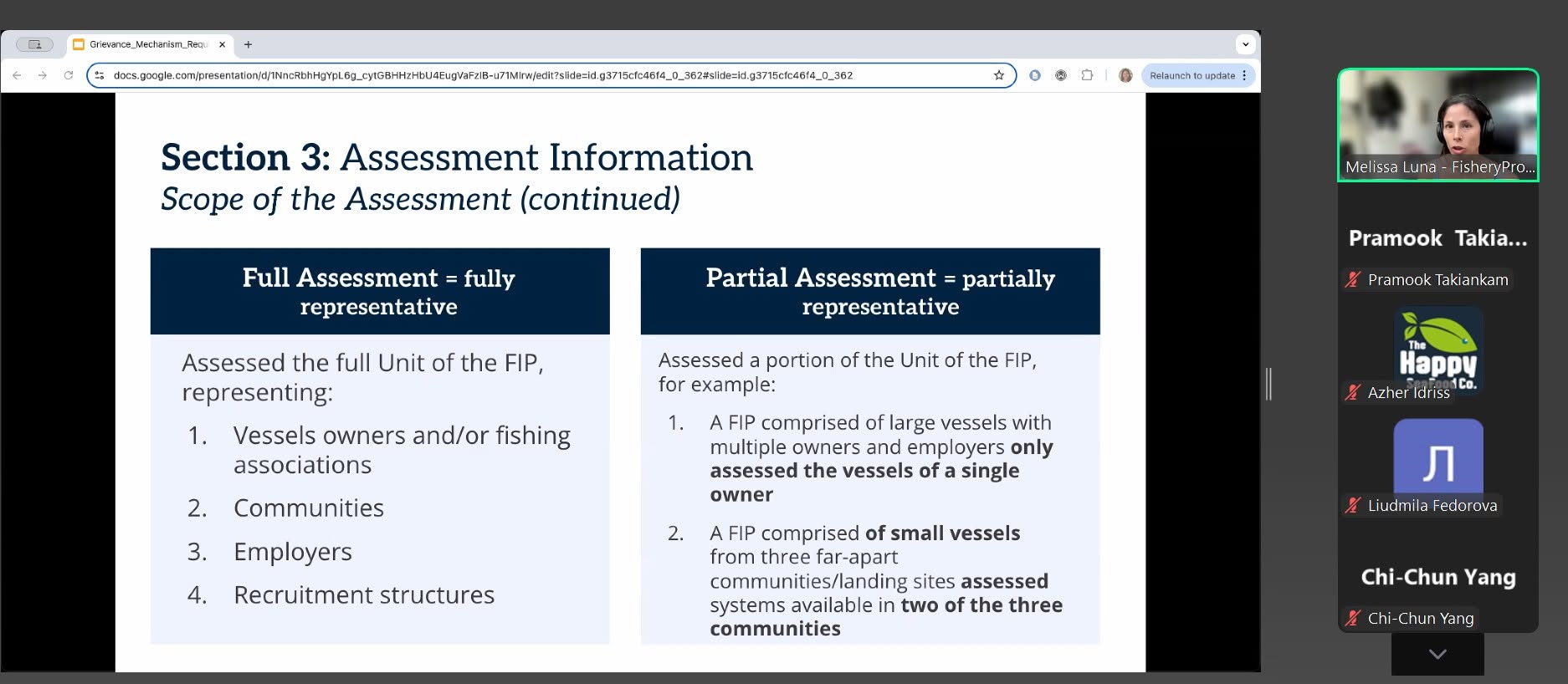
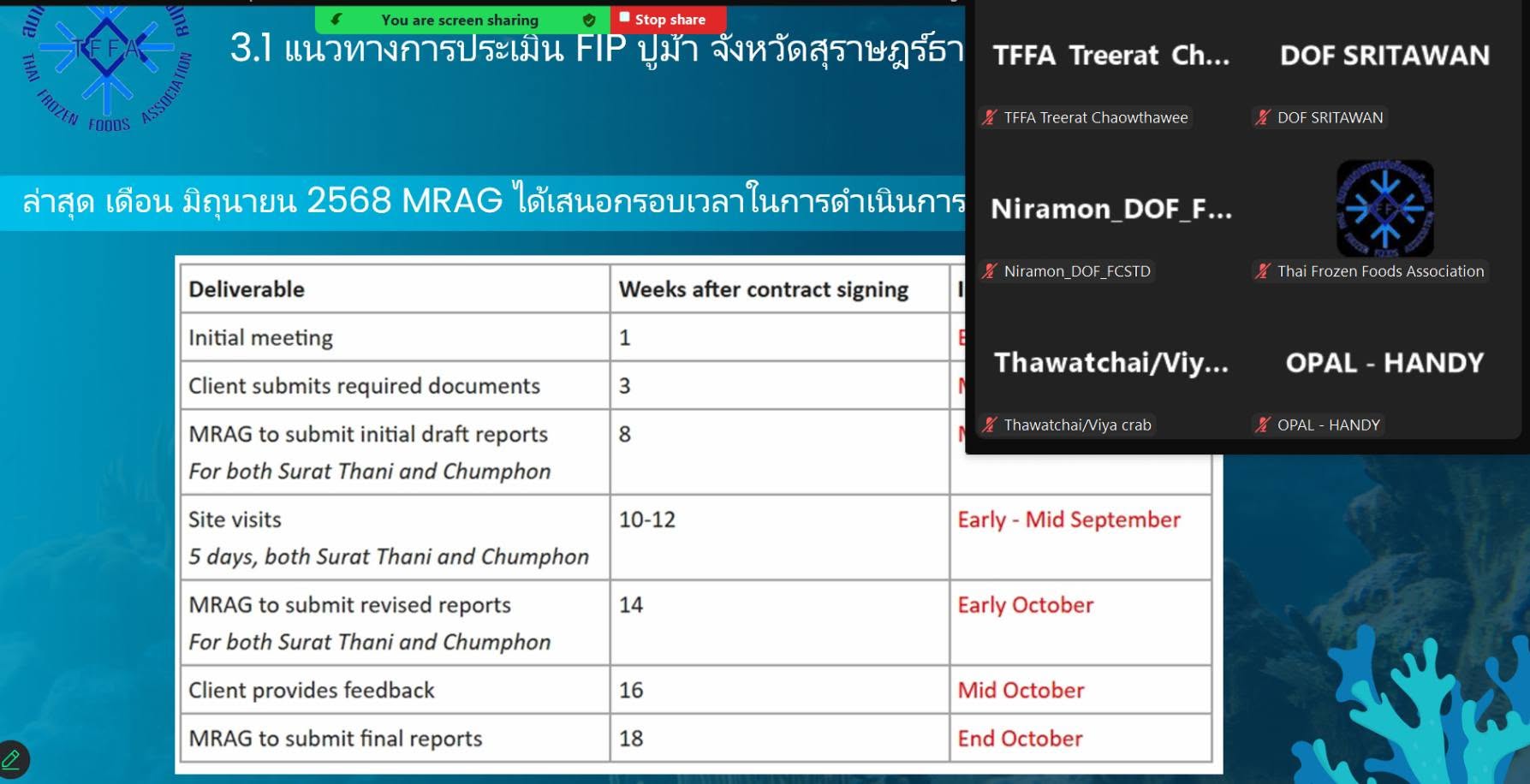
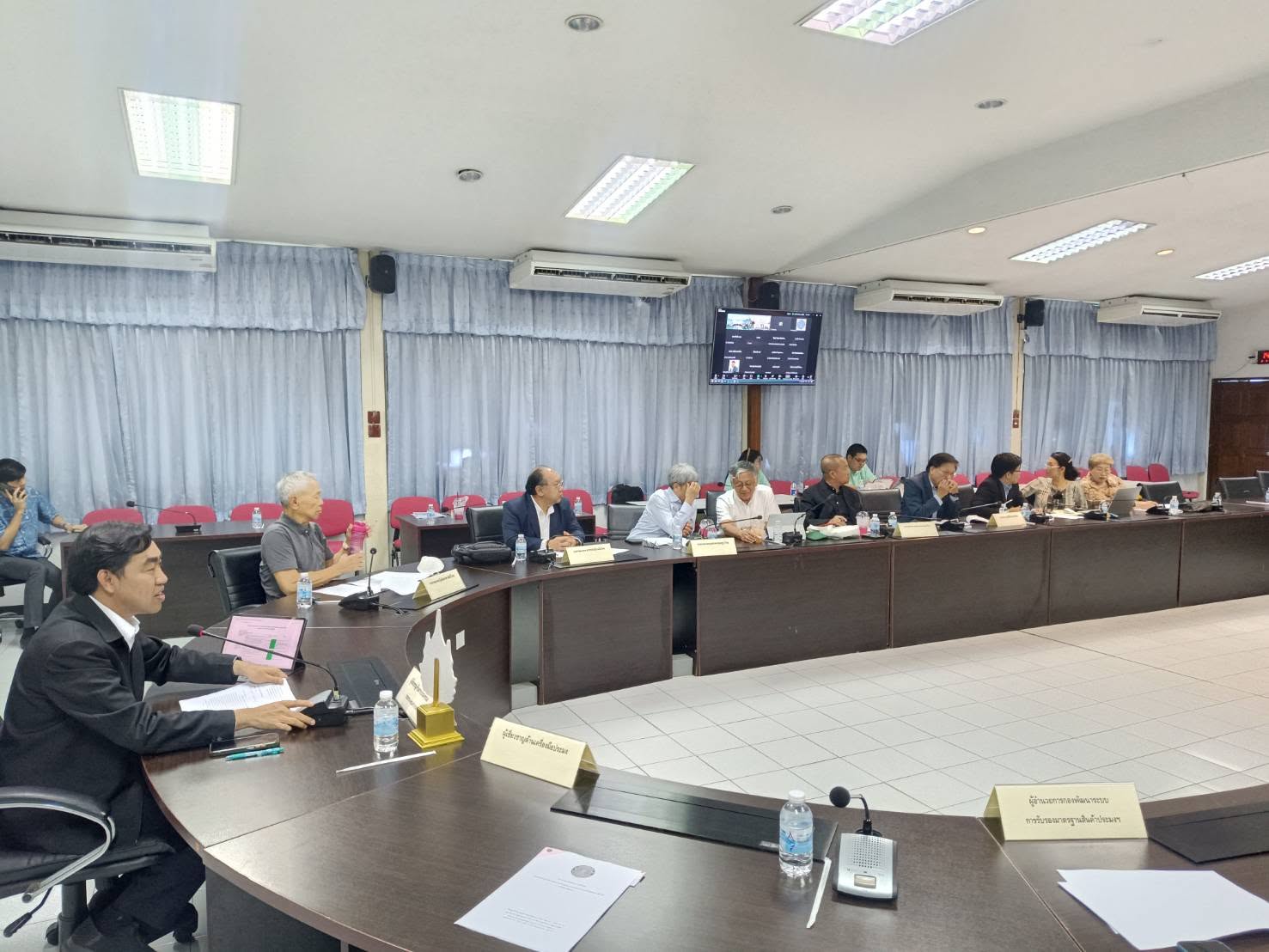
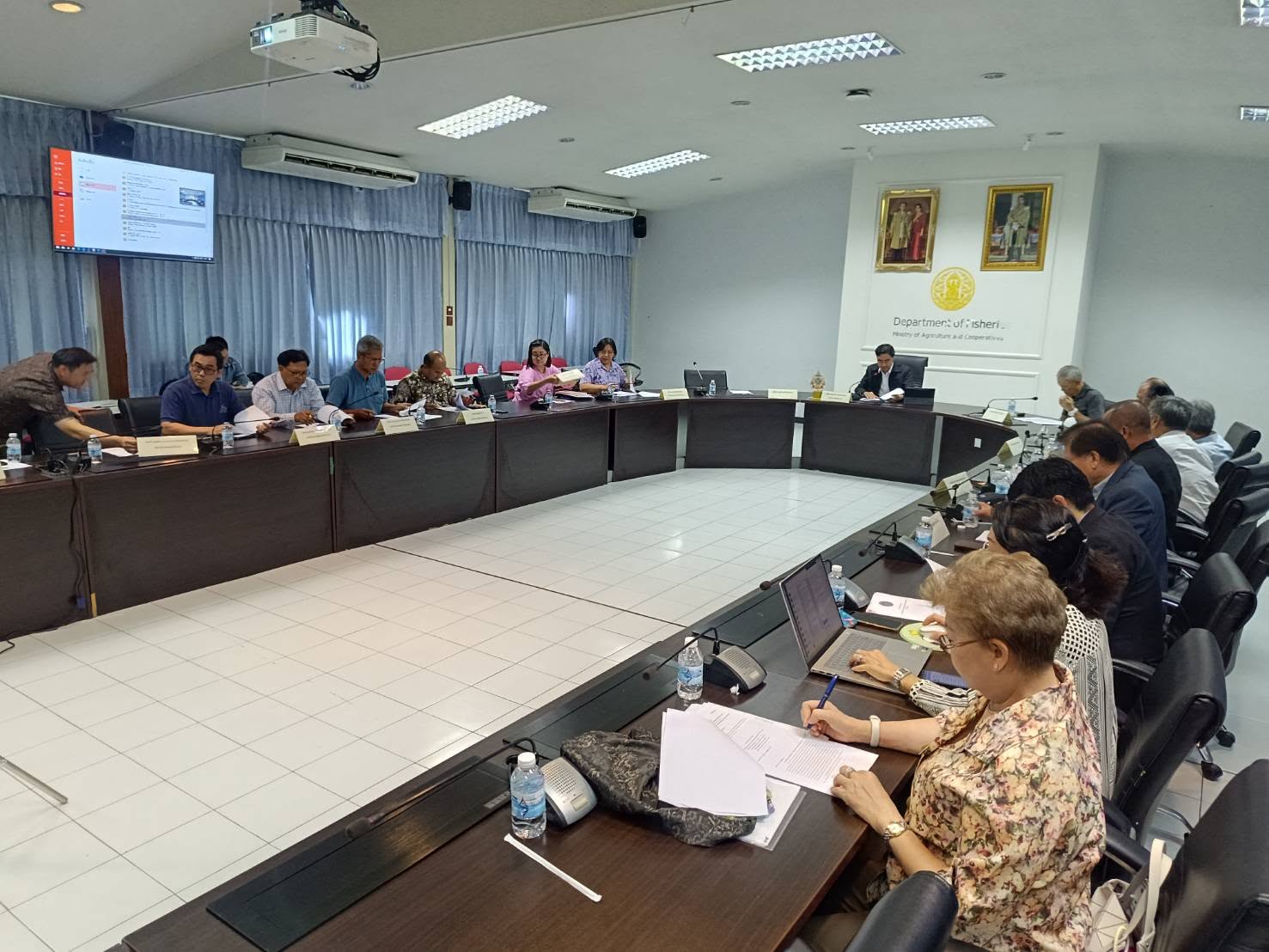
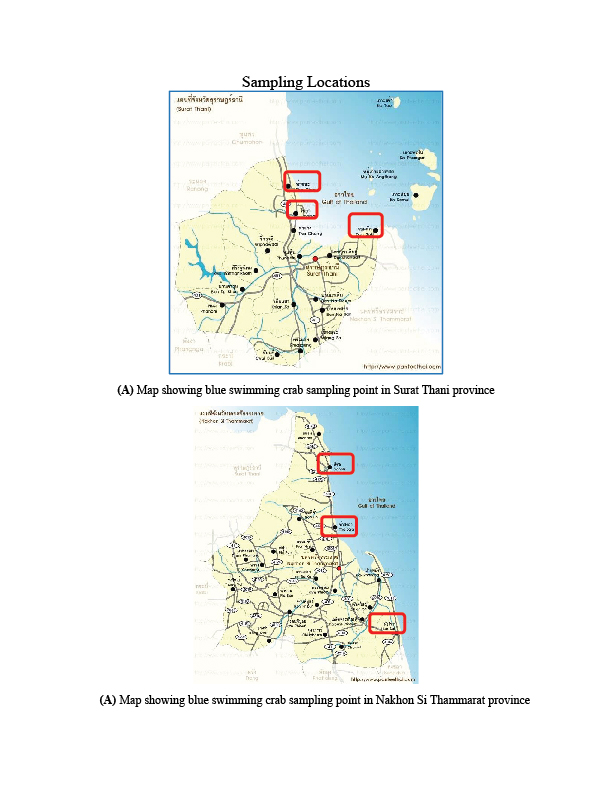
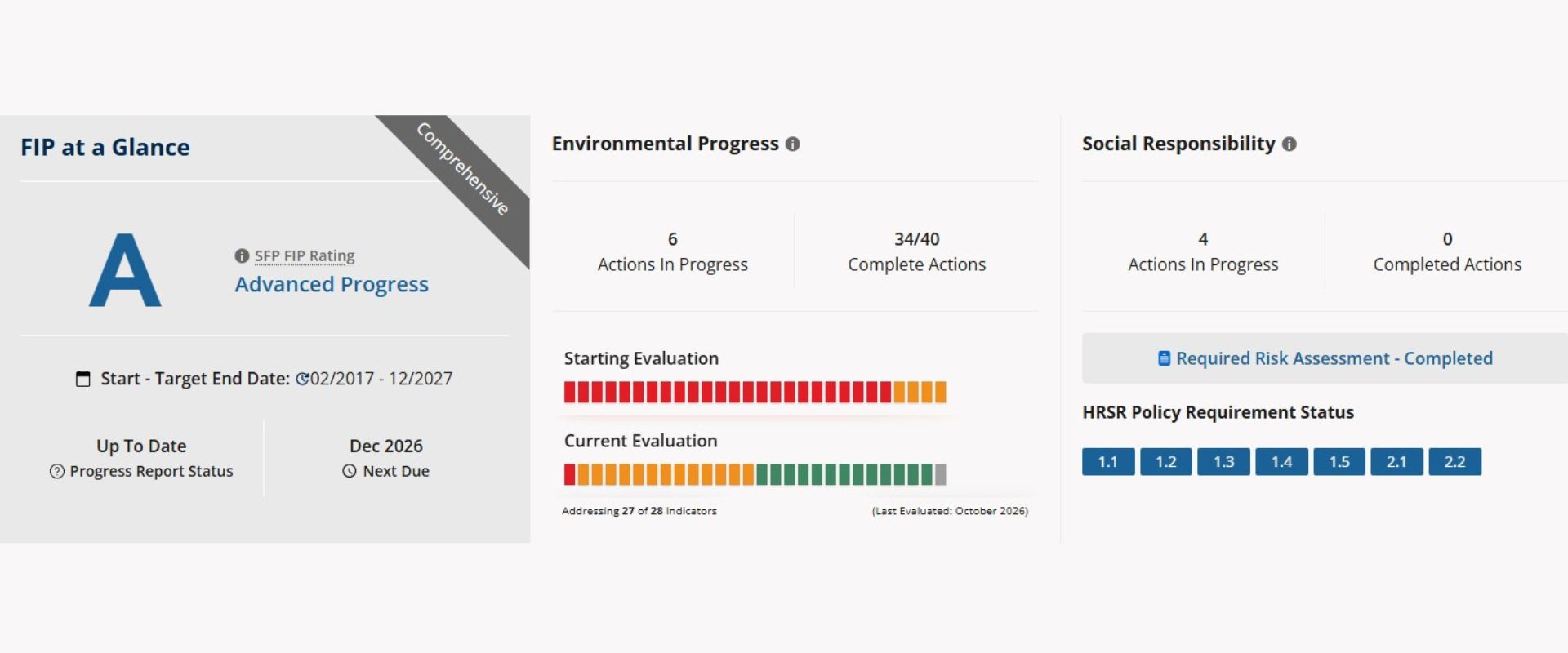
In 2025, Walailak University (WU) continued its contribution to collaborative fisheries research through the Thailand Blue Swimming Crab Fishery Improvement Project (Thailand BSC FIP). Working with the World Wide Fund for Nature (WWF), the Marine Resources Assessment Group (MRAG), the Marine Science Association of Thailand, and the National Fisheries Institute (NFI) Crab Council, WU supported collaborative efforts to improve the scientific understanding and management of blue swimming crab fisheries in Ban Don Bay, Surat Thani Province. The initiative also involved government agencies, academic institutions, fisheries associations, and other stakeholders, bringing together expertise in fisheries science, resource assessment, marine conservation, and fisheries governance.
International Collaboration to Improve Blue Swimming Crab Management
Fishery Improvement Projects (FIPs) are collaborative, multi-stakeholder initiatives designed to improve fishing practices and fisheries management systems. They bring together participants from across the fishing sector, government, academia, civil society, and international organizations to identify sustainability challenges and implement improvements. FIPs can also help translate technical knowledge and private-sector engagement into broader improvements in fisheries governance and public policy.
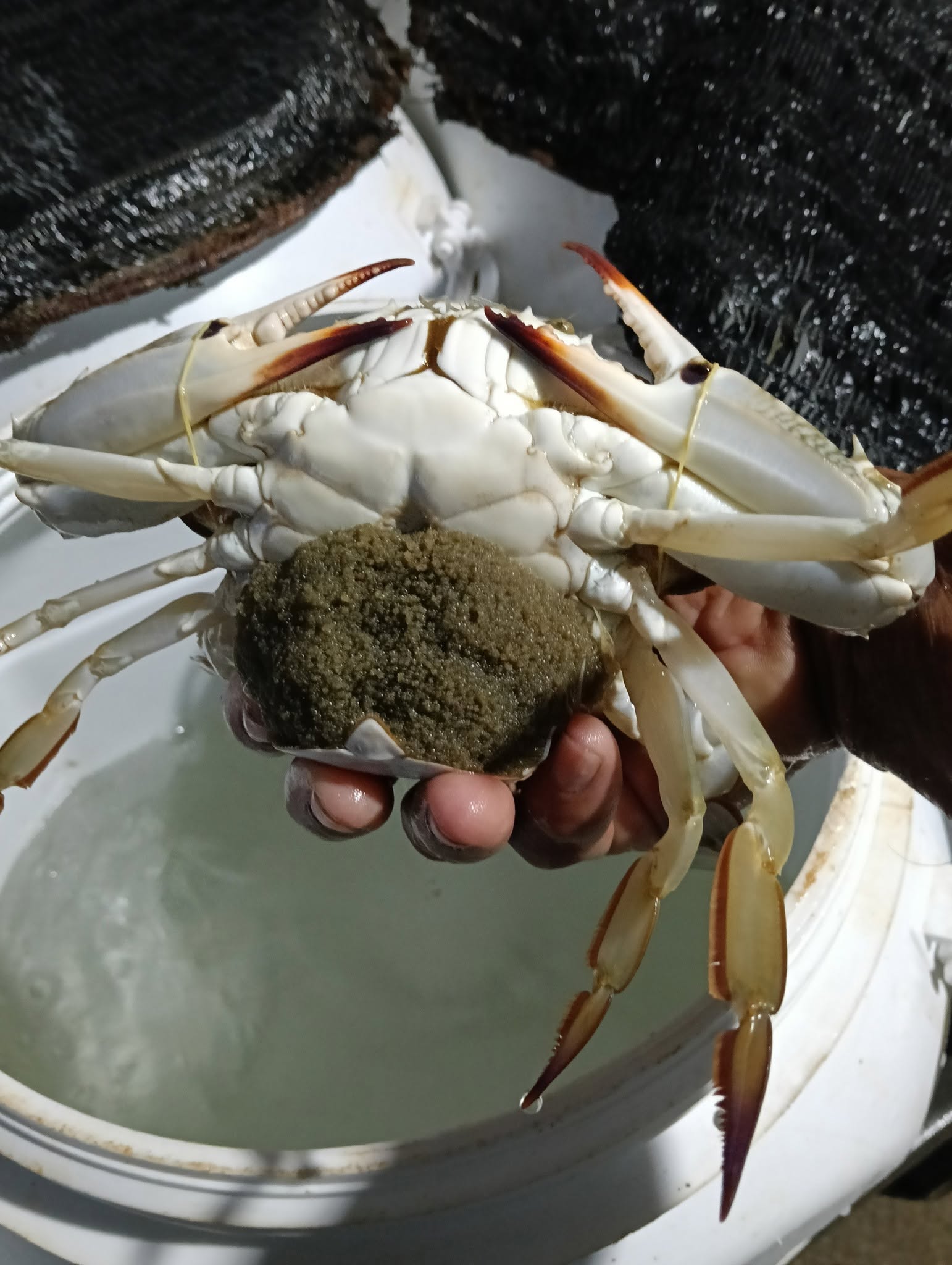
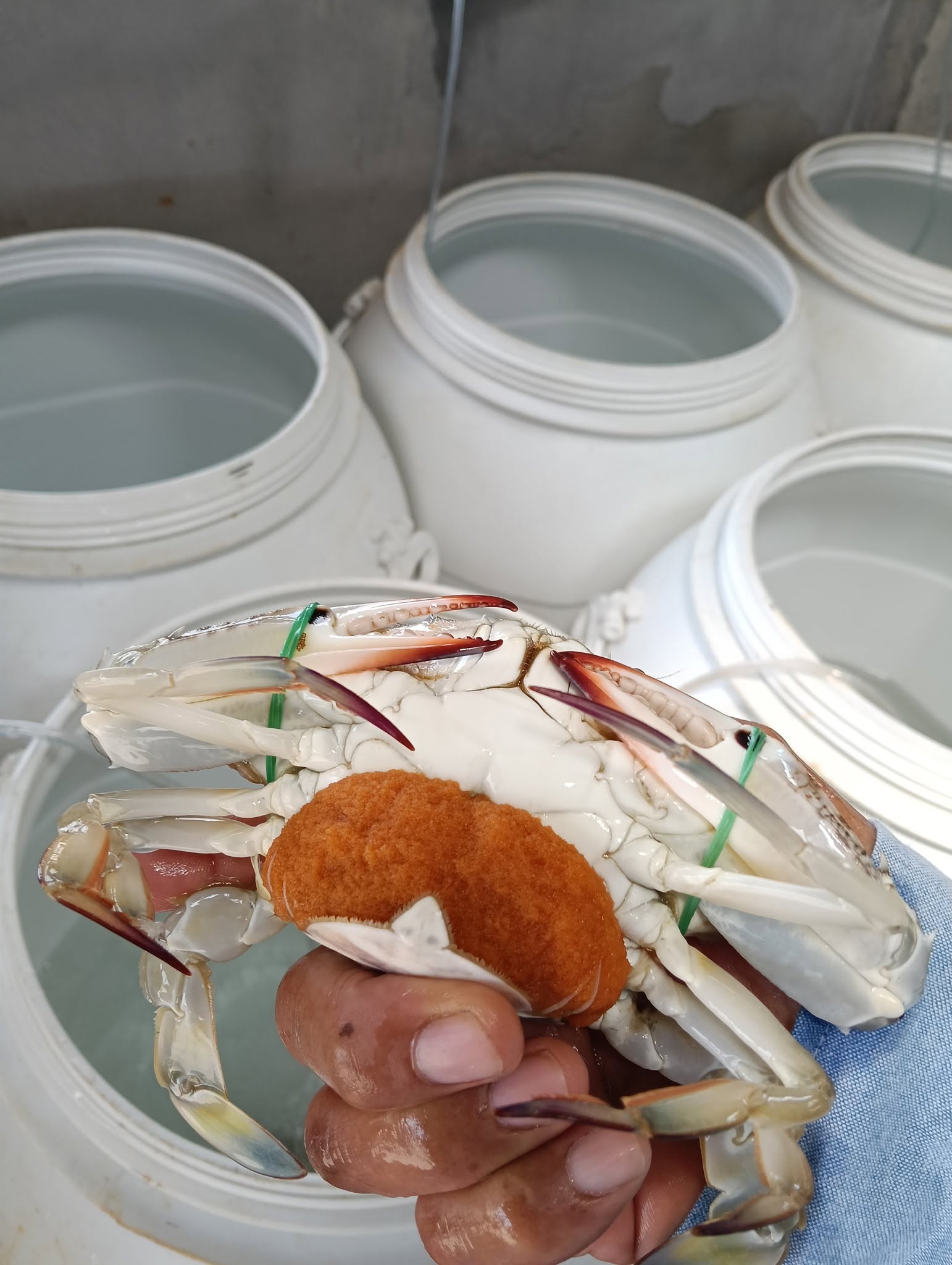
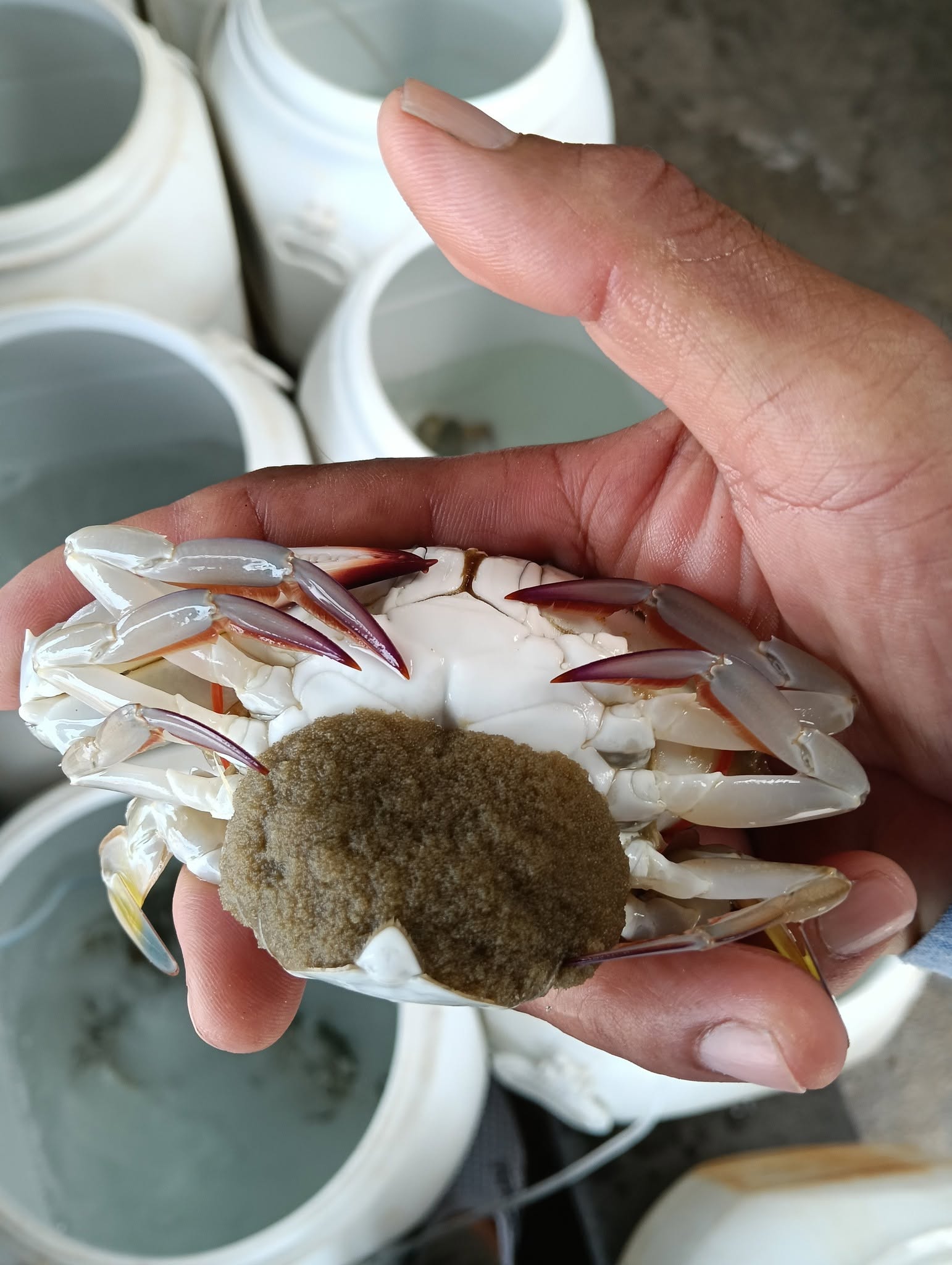
In Ban Don Bay, blue swimming crab populations experienced significant declines before the establishment of the BSC FIP. Major challenges included intensive fishing in inshore areas, the harvesting of undersized crabs and gravid females, and insufficient management plans, harvest strategies, and enforcement mechanisms. These conditions highlighted the need for a more comprehensive approach that combined scientific assessment, responsible fishing practices, effective management, and community participation.
The Thailand BSC FIP was established to support the sustainable management of blue swimming crab resources through coordinated research and collaboration. Its diagnostic approach helps identify ecological, social, and governance challenges that may undermine fisheries sustainability. By examining these challenges alongside established fisheries management approaches and international expertise, the initiative provides a basis for evaluating potential improvements and developing practices suited to Thailand’s fisheries context.
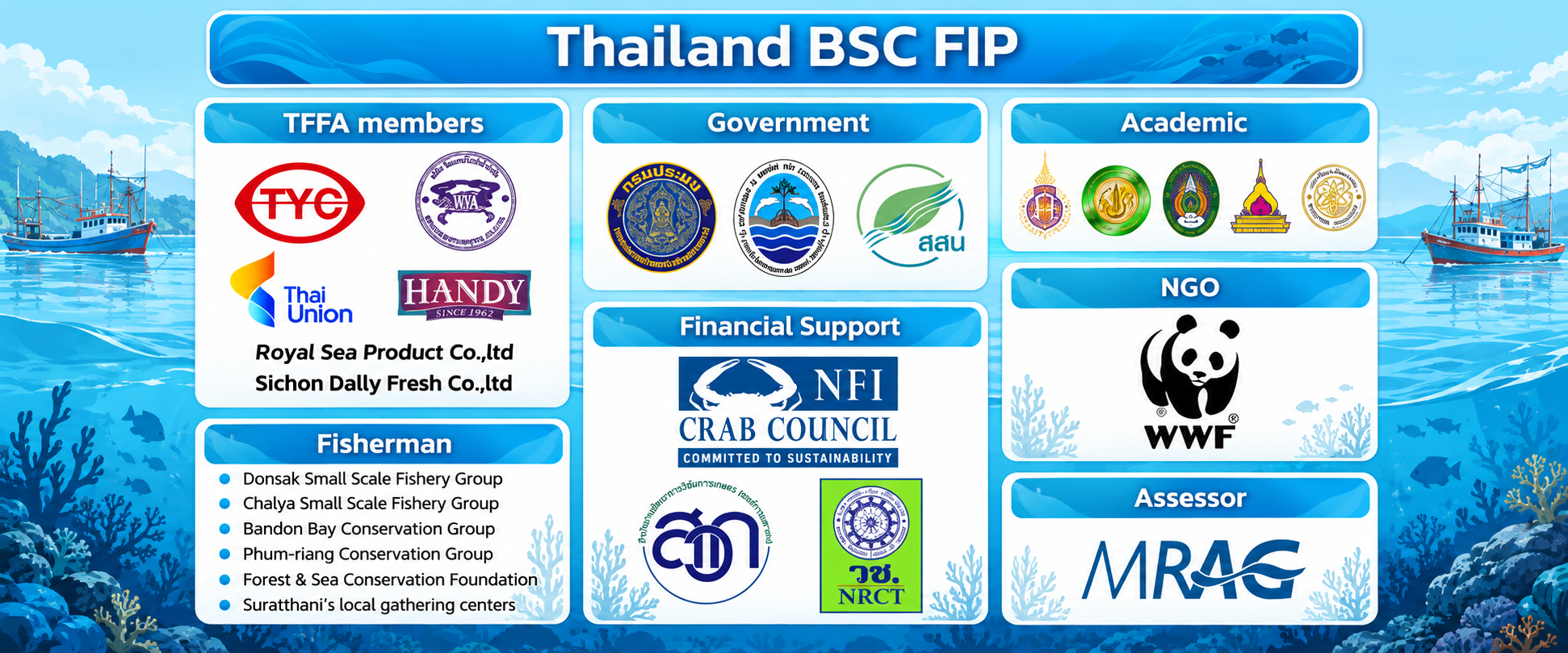
The collaboration connects Walailak University with a broad network of organizations, including the Marine Resources Assessment Group (MRAG), the NFI Crab Council in the United States, the World Wide Fund for Nature (WWF), the Department of Fisheries, the Department of Marine and Coastal Resources, the Thai Frozen Foods Association, the Thai Sea Watch Association, local fisheries associations in Surat Thani, Kasetsart University, and Ubon Ratchathani University, among other partners.
This network brings together complementary knowledge and experience in fisheries science, resource assessment, conservation, seafood supply chains, public administration, and community-based fisheries management. International collaboration enables participating organizations to examine fisheries challenges from different perspectives and consider how approaches developed in different institutional and ecological settings may inform improvements in Thailand. It also creates opportunities to share lessons that could be relevant to other fisheries facing similar sustainability challenges.
Walailak University’s Contribution to Research-Based Fisheries Policy
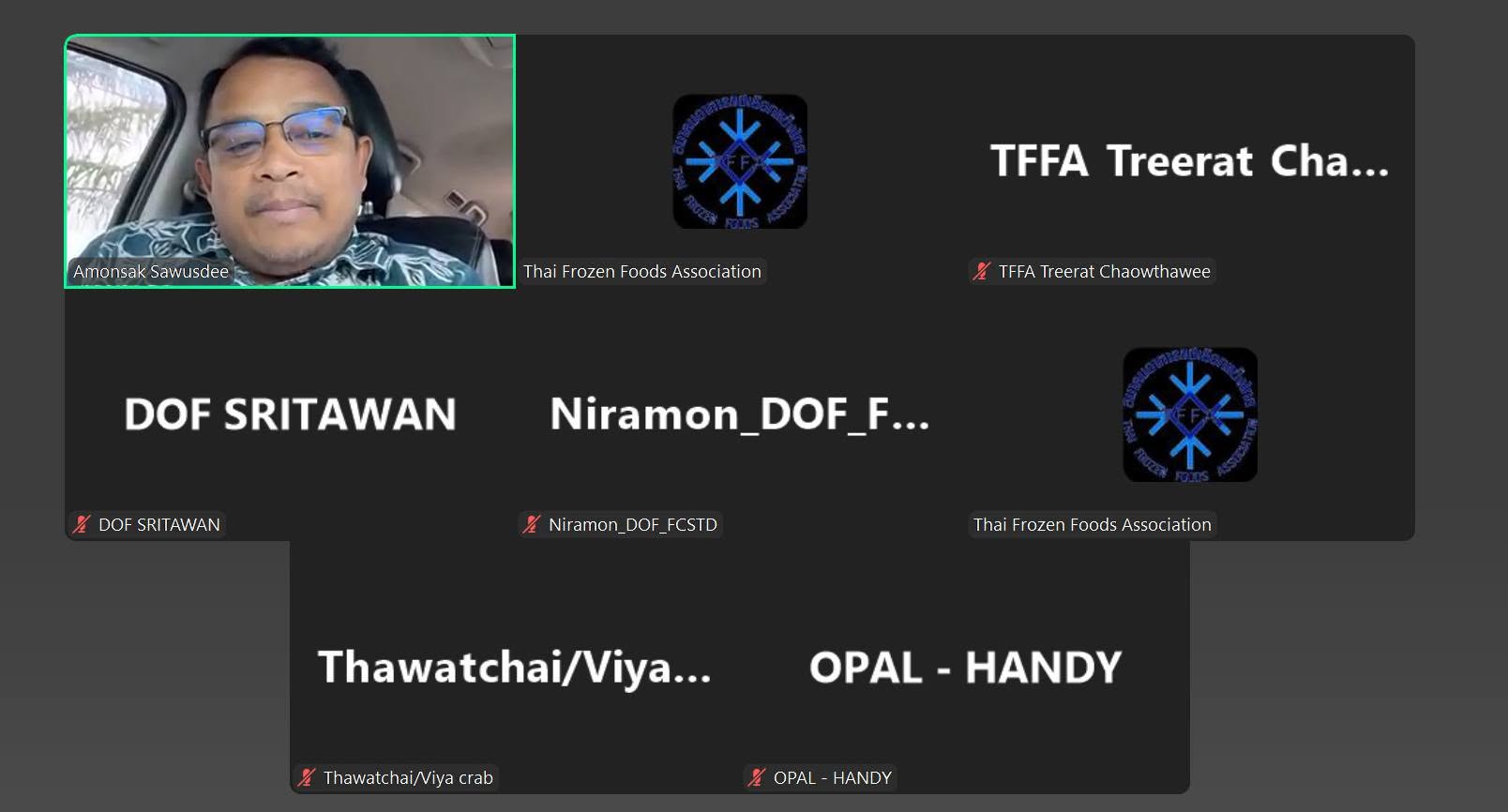
Walailak University has contributed to the initiative through the expertise of Asst. Prof. Dr. Amonsak Sawusdee, a marine scientist with more than a decade of experience in blue swimming crab research and coastal community engagement in southern Thailand. He also serves as a member of the National Scientific and Technical Committee appointed by the Department of Fisheries.
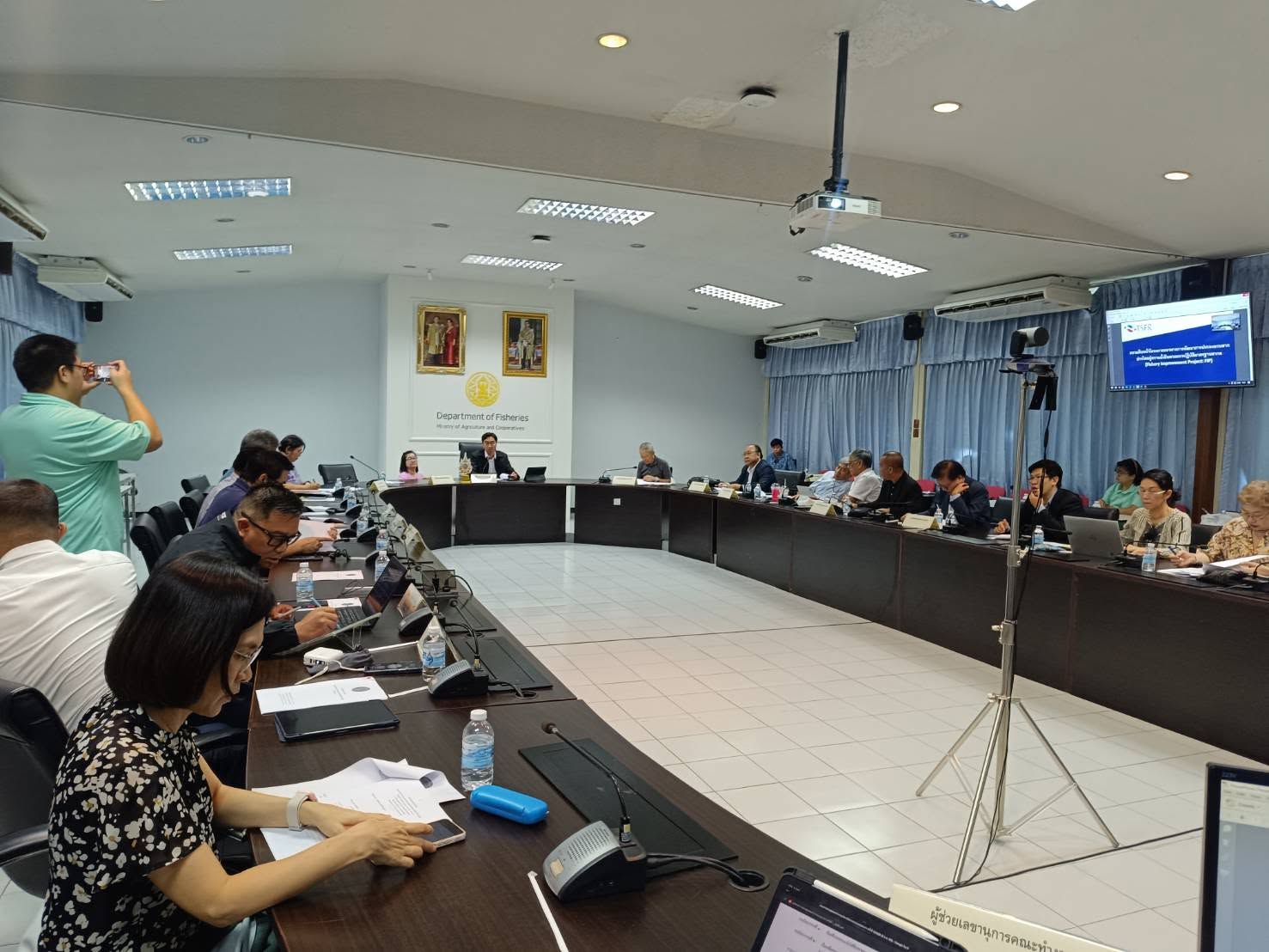
Through this combination of academic research and engagement with fisheries policy, Walailak University helps connect scientific evidence with practical management needs. The university’s contribution includes supporting the identification of weaknesses in resource assessment systems, examining potential approaches to reducing uncertainty, and presenting recommendations to the Department of Fisheries to strengthen the scientific basis of fisheries management.
This work is particularly important because sustainable fisheries decisions depend on the quality of the evidence used to estimate resource conditions and determine appropriate harvesting levels. Uncertainty may arise from incomplete sampling, changes in fishing effort, annual fluctuations in resource abundance, and climate-related environmental changes. A systematic diagnostic assessment can help identify these limitations, compare available methods, and determine where additional data or improved analytical approaches are needed.
The BSC FIP therefore provides an example of how international partnerships can support the development of practical, research-informed management recommendations. Rather than relying on a single assessment method or management intervention, the collaboration considers complementary approaches that can strengthen data collection, improve scientific interpretation, and support more responsive fisheries policies.
Reviewing Comparative Approaches to Strengthen Fisheries Assessments
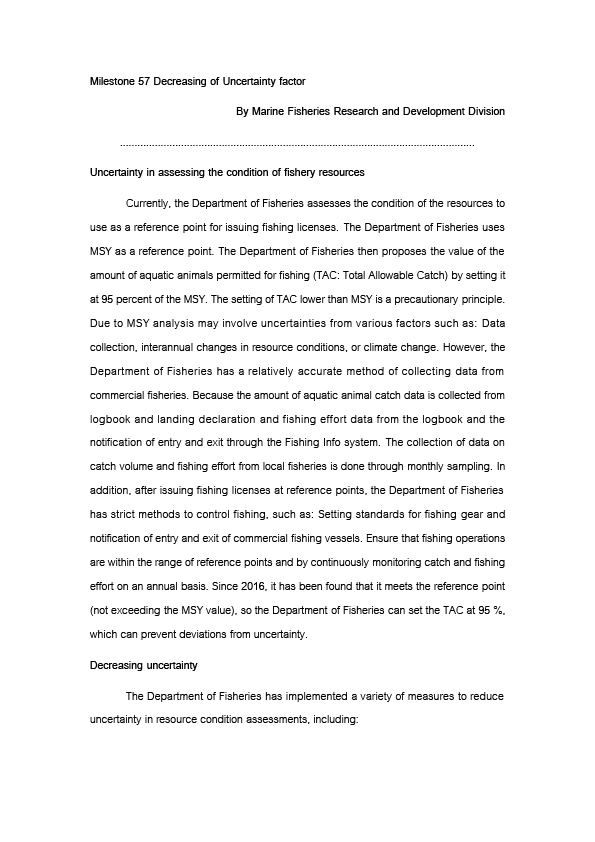
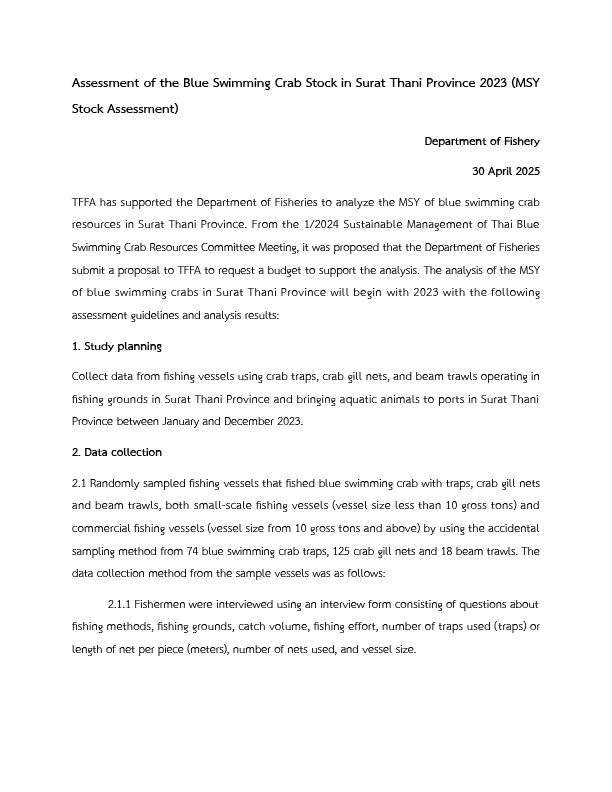
A central issue in sustainable fisheries management is the reliability of resource assessments. The Department of Fisheries uses Maximum Sustainable Yield (MSY) as a reference point for fisheries management and establishes the Total Allowable Catch (TAC) at 95% of estimated MSY. This precautionary approach is intended to provide a buffer against uncertainty and reduce the risk of harvesting beyond sustainable levels.
Thailand’s fisheries monitoring systems include commercial fishing logbooks, Landing Declarations, vessel entry and exit notifications through the Fishing Info system, and monthly sampling of local fisheries. These information sources help assess catch volumes, fishing effort, and changes in resource conditions. Nevertheless, the accuracy of management decisions depends on the representativeness of the data, the suitability of assessment models, and the ability to account for changes in marine ecosystems.
In collaboration with its partners, Walailak University contributed recommendations to strengthen these systems. The recommendations demonstrate how comparative scientific approaches can be considered when reviewing existing fisheries management practices and identifying opportunities for improvement.
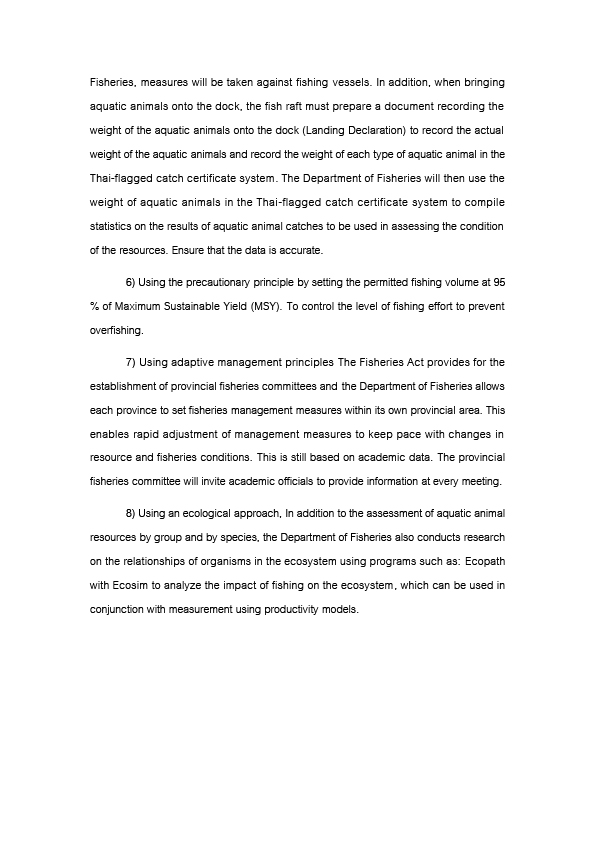
- Expanding sampling coverage and geographical representation
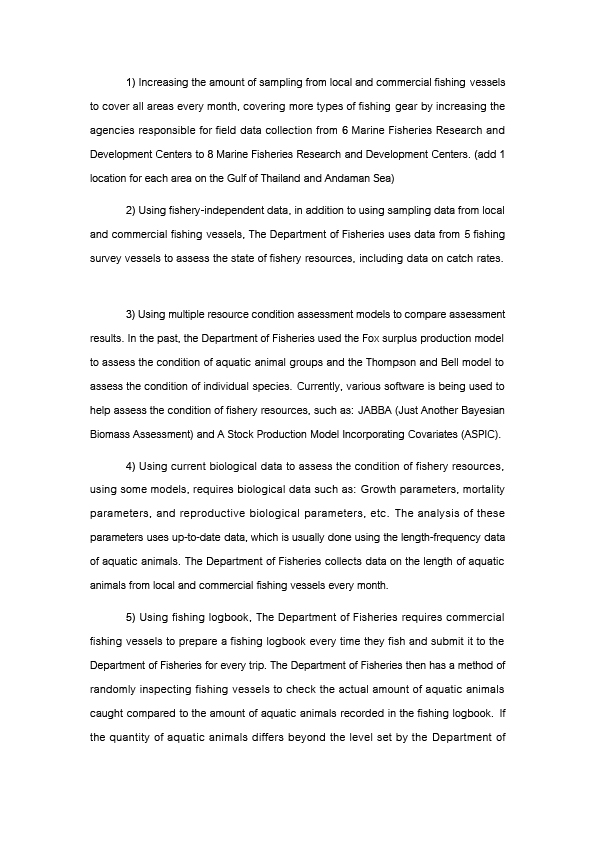
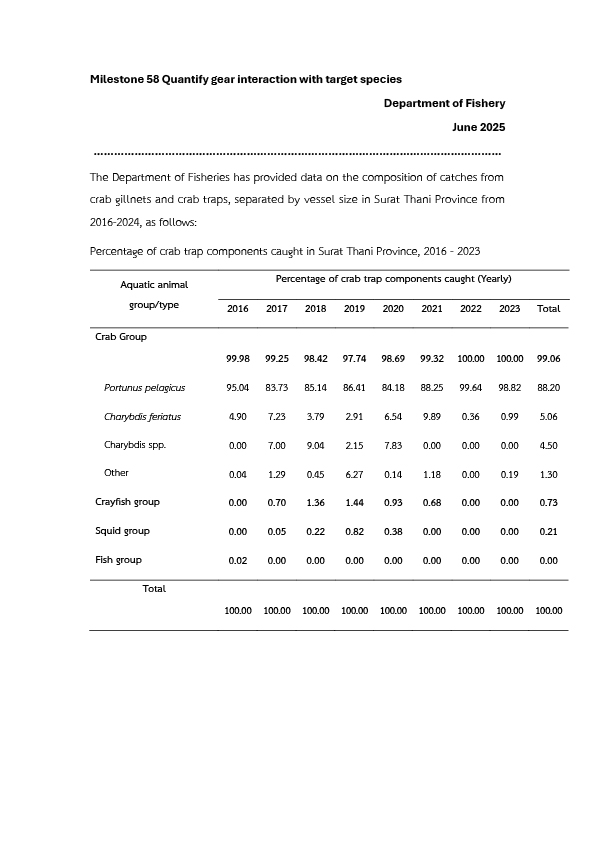
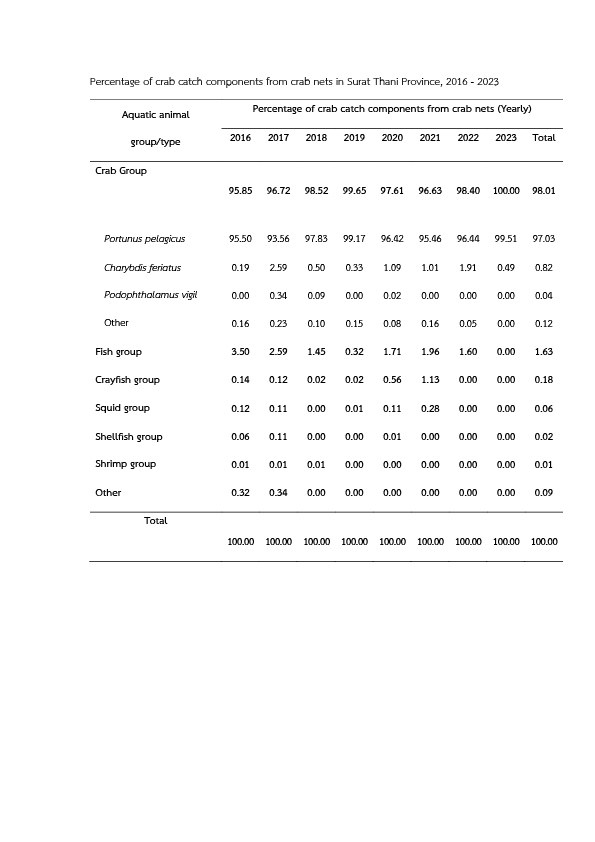
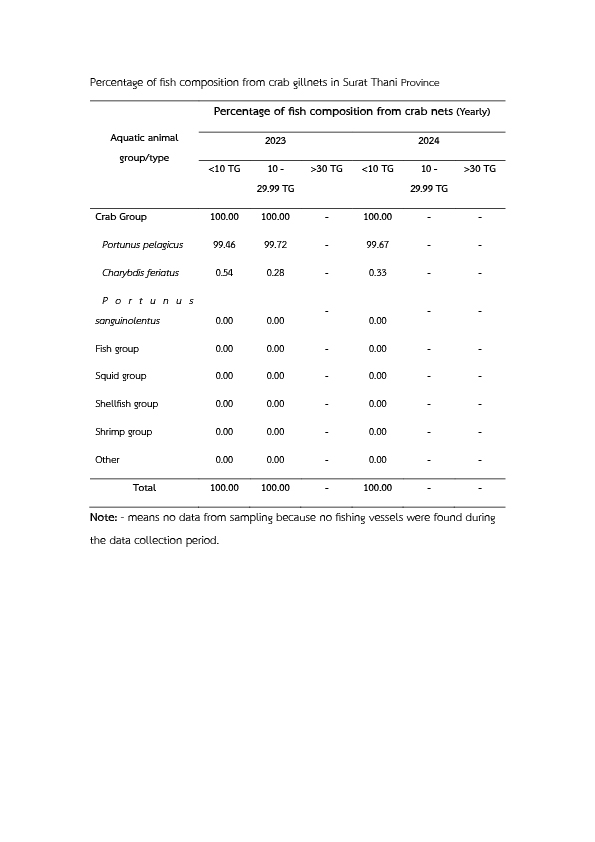
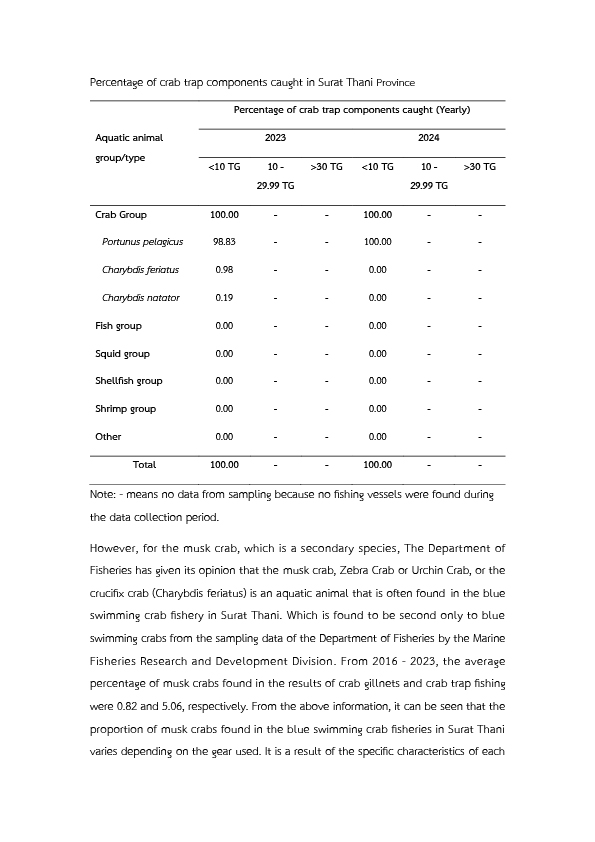
The first recommendation proposed expanding the number of Marine Fisheries Research and Development Centers responsible for field data collection from six to eight, adding one location in each of the Gulf of Thailand and Andaman Sea areas. The objective is to improve the geographical representation of fisheries sampling and strengthen the evidence available for assessing resource conditions.
Broader sampling coverage can help identify differences among fishing grounds and reduce the risk that assessments rely on data from a limited number of locations. More comprehensive monthly sampling can also support the early identification of changes in catch rates and fishing patterns.
For international best-practice development, this approach highlights the importance of matching sampling coverage to the geographical distribution and variability of fisheries resources. Its potential effectiveness can be evaluated through measures such as sampling frequency, geographical coverage, data completeness, and the consistency of resource estimates across locations.
2. Integrating fishery-independent survey information
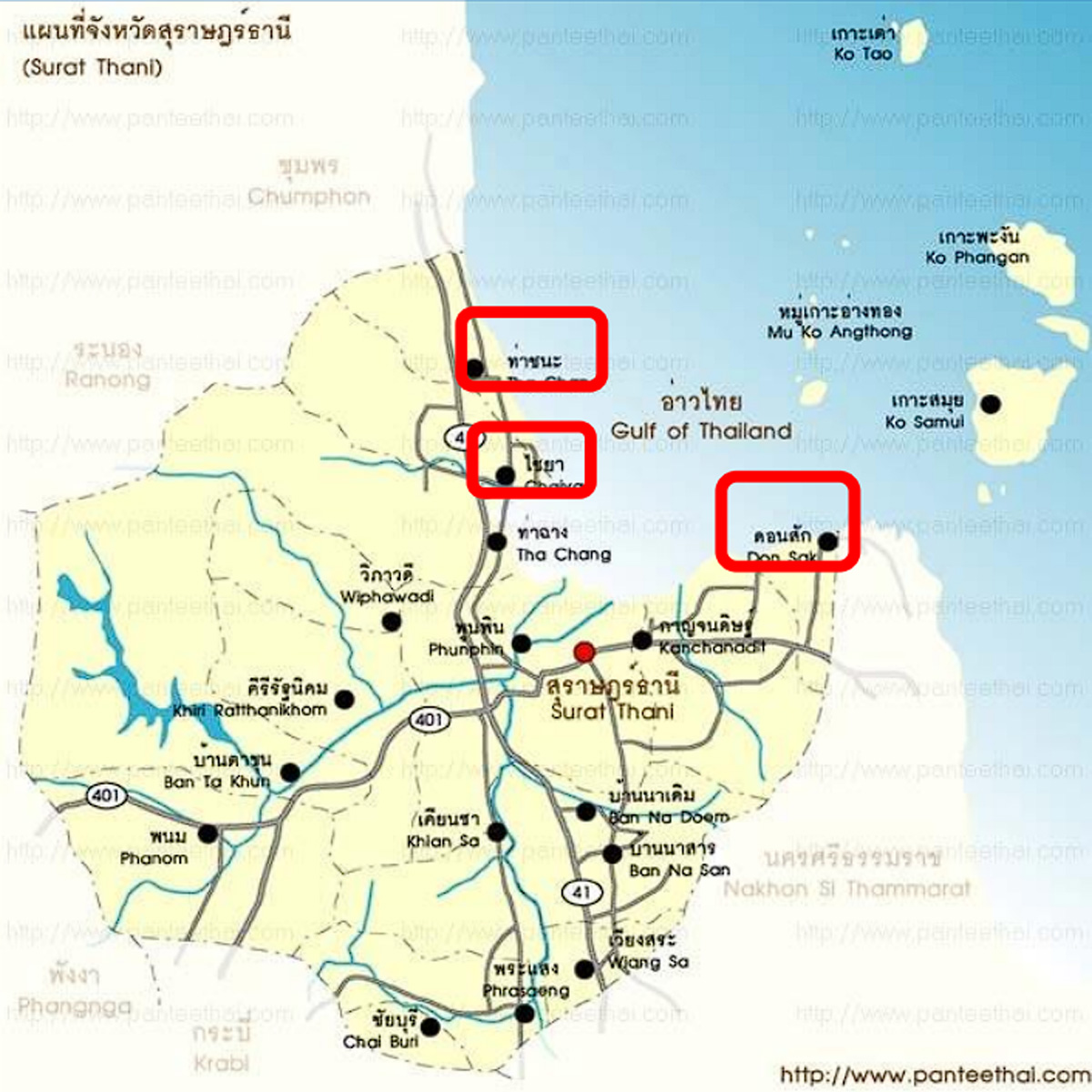
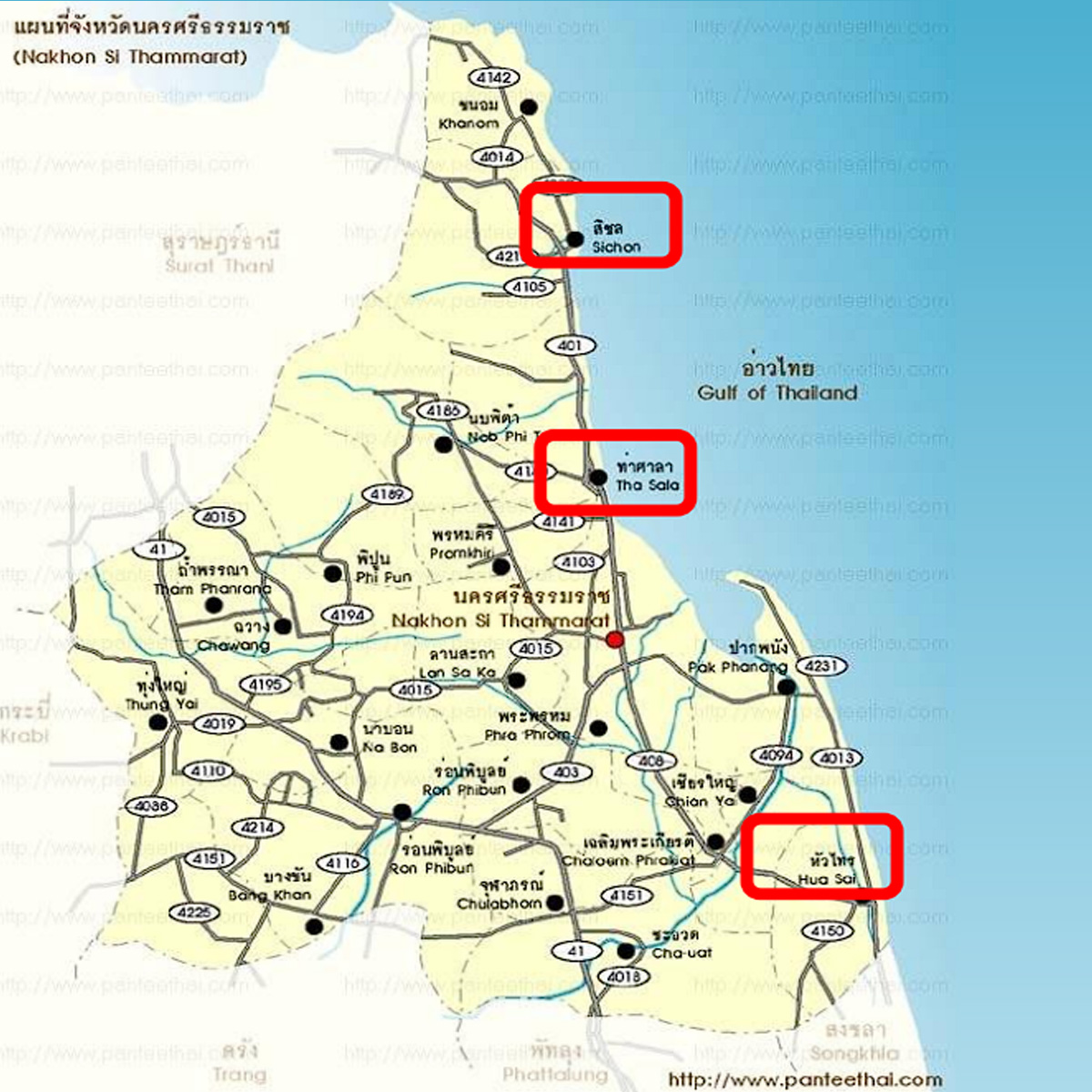
The second recommendation proposed complementing information collected from fishing vessels with fishery-independent survey data, including information from five fisheries survey vessels.
Commercial catch data provide valuable information about fishing activities, but catches may also change because of variations in fishing effort, gear, fishing locations, and fishers’ behaviour. Survey data collected independently of commercial fishing activities can provide an additional perspective on resource abundance and distribution.
Comparing these different sources can help researchers diagnose discrepancies, assess the reliability of resource estimates, and distinguish potential changes in fish populations from changes in fishing practices. This approach reflects a broader fisheries assessment principle: decisions should draw on complementary sources of evidence rather than depend exclusively on commercial catch statistics.
3. Comparing fisheries assessment models
The third recommendation involved comparing the results of different fisheries assessment models, including JABBA (Just Another Bayesian Biomass Assessment) and ASPIC (A Stock Production Model Incorporating Covariates).
Different models may rely on different assumptions and analytical methods. Comparing their results can reveal the extent to which estimates depend on particular assumptions and whether alternative approaches produce consistent conclusions about resource conditions.
This comparative approach supports more transparent and robust decision-making. It can help identify situations in which additional data or further analysis may be needed before adjusting MSY estimates, TAC, or other management measures.
The broader lesson is that fisheries management can benefit from evaluating alternative analytical methods systematically, documenting uncertainty, and selecting approaches appropriate to the available data and characteristics of the fishery.
4. Updating biological information
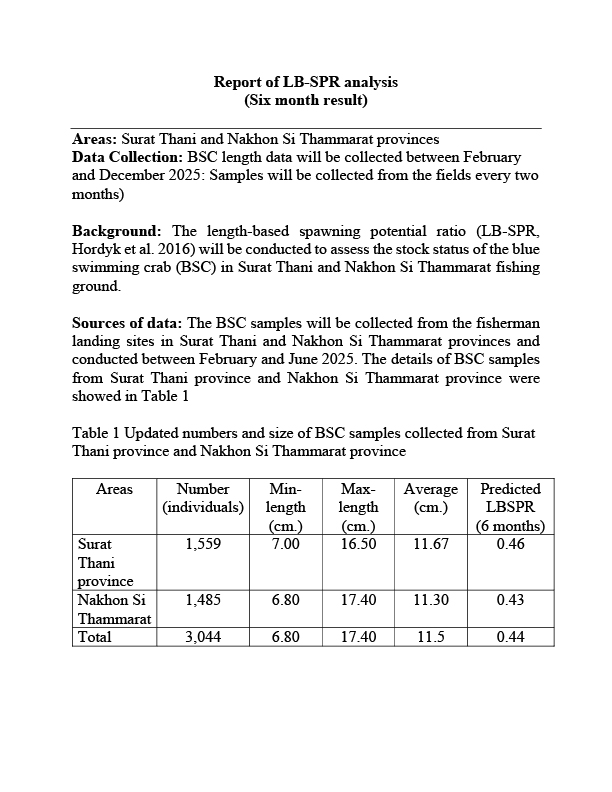
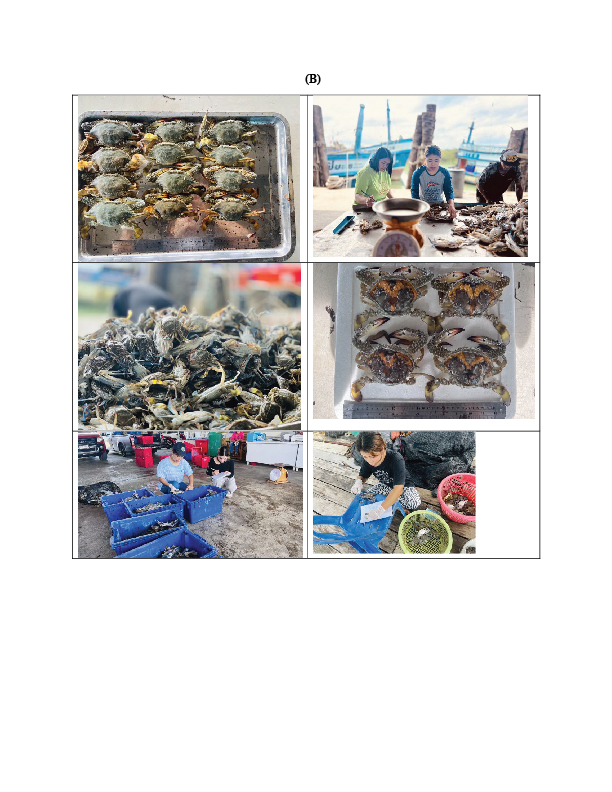
The fourth recommendation focused on regularly collecting length-frequency data and updating biological parameters, including growth, mortality, and reproductive characteristics.
These parameters help researchers understand population dynamics and evaluate how fishing pressure affects the capacity of aquatic populations to recover. When biological information becomes outdated, resource assessments may no longer accurately reflect current population characteristics.
Regular updates can strengthen the scientific basis for evaluating sustainable harvesting levels and assessing the potential effectiveness of conservation measures. For blue swimming crabs, improved biological information may also support the evaluation of population recovery and the role of community-based conservation initiatives.
This approach highlights the value of sustained biological monitoring as a foundation for adaptive fisheries management.
5. Strengthening catch verification and traceability
The fifth recommendation concerned improving the reliability of fisheries statistics through mandatory logbook submissions, random inspections, and verification of reported catches against actual landings. The recommendations also highlighted the importance of Landing Declarations and the Thai-flagged catch certificate system in compiling catch information.
Reliable and verifiable fisheries records are essential for assessing fishing effort, evaluating compliance, and estimating resource conditions. Improved verification can help identify discrepancies between reported and observed catches, strengthen data consistency, and increase confidence in the information used for policy decisions.
The approach demonstrates how monitoring and traceability mechanisms can complement scientific assessments. It also offers a practical lesson for fisheries governance: the quality of management decisions depends not only on analytical methods but also on the reliability of the underlying data.
6. Maintaining precautionary harvesting limits
The sixth recommendation concerned the application of precautionary fishing limits, including Thailand’s approach of setting TAC at 95% of estimated MSY.
Although this approach provides a buffer against uncertainty, its effectiveness depends on the reliability of resource estimates, the quality of fisheries data, and continued monitoring of changing conditions. A precautionary limit cannot eliminate uncertainty if the underlying assessment is incomplete or no longer reflects the status of the resource.
The recommendations therefore emphasized the importance of strengthening the monitoring and assessment systems that support fishing limits. Periodic reviews can help determine whether management measures remain appropriate as new evidence becomes available.
This approach demonstrates how precautionary management can be strengthened through the combination of scientific assessment, uncertainty analysis, and regular policy review.
7. Strengthening provincial fisheries governance
The seventh recommendation proposed strengthening the role of provincial fisheries committees established under the Fisheries Act, including regular consultation with academic experts.
Provincial committees provide a mechanism for considering fisheries management in the context of local resource conditions and community needs. Collaboration with researchers can help decision-makers interpret fisheries data, identify emerging challenges, and evaluate potential management responses.
Engagement with local fishers and conservation groups can further enrich this process by incorporating practical knowledge of fishing activities and community-based resource management.
This approach demonstrates the importance of connecting scientific expertise with local governance. It also provides a transferable lesson for other fisheries: management systems are more responsive when research, government decision-making, and stakeholder participation are connected through regular consultation.
8. Applying ecosystem-based fisheries assessment
The eighth recommendation involved using Ecopath with Ecosim to examine ecological relationships and the wider effects of fishing activities on marine ecosystems.
Where conventional assessments focus on individual species or fisheries, ecosystem-based approaches can provide a broader understanding of interactions among species, food webs, and ecological processes. This perspective can help decision-makers evaluate the potential consequences of alternative management scenarios beyond the immediate target species.
Integrating ecosystem analysis with fisheries assessment can support a more comprehensive understanding of marine resource sustainability. It also aligns with the principle that effective conservation should consider the functioning of marine ecosystems as a whole rather than treat individual fisheries in isolation.

Connecting International Research with Community-Based Blue Swimming Crab Conservation
The recommendations for strengthening fisheries assessments are relevant to community-based conservation initiatives, including blue swimming crab banks. These initiatives provide a mechanism for local stakeholders to contribute to crab conservation and promote more sustainable coastal fisheries.
However, the long-term effectiveness of community-based conservation depends partly on conditions beyond individual communities, including overall fishing pressure, compliance with fishing regulations, the reliability of resource assessments, and the effectiveness of broader fisheries governance.
The BSC FIP provides a platform for connecting local conservation experience with scientific research and national fisheries management. Improved catch information and biological monitoring can help assess changes in crab populations, while more robust assessment methods can support the evaluation of fishing pressure and the sustainability of harvesting practices.
Combining these approaches may also help researchers and policymakers evaluate whether conservation measures are contributing to resource recovery and where additional interventions may be necessary. Such evaluations should consider measurable indicators, including changes in catch rates, population characteristics, fishing effort, compliance, and the livelihoods of fishing communities.
The wider significance is that international collaboration can help connect local conservation practices with broader scientific and policy frameworks. This creates opportunities to document lessons learned, assess their effectiveness, and identify practices that may be adapted to other coastal fisheries.
Developing and Sharing Best Practices for Sustainable Fisheries
The Thailand BSC FIP illustrates several principles relevant to international best-practice development in fisheries management.
First, fisheries assessments benefit from multiple sources of evidence. Combining commercial catch information, fishery-independent surveys, biological data, and ecosystem analysis can provide a more comprehensive understanding of resource conditions.
Second, comparative assessment methods can help diagnose uncertainty and reveal the limitations of individual models or data sources. Evaluating alternative approaches provides a stronger basis for transparent, evidence-informed decisions.
Third, effective fisheries management requires coordination across institutional levels. National government agencies, academic institutions, international organizations, private-sector participants, and local fishing communities each contribute different expertise and perspectives. Sustained collaboration helps connect these contributions and identify solutions that are scientifically credible and practically relevant.
Fourth, fisheries policies require ongoing monitoring and evaluation. Measures such as TAC, catch verification, and community-based conservation should be reviewed in light of new evidence and changing resource conditions. Systematic measurement makes it possible to evaluate performance, identify gaps, and adapt management approaches when necessary.
These principles can inform future fisheries improvement initiatives in Thailand and provide lessons for other contexts where fisheries face comparable challenges. However, establishing international best practices requires documenting implementation, evaluating outcomes, and sharing verified lessons with other institutions and stakeholders. The recommendations developed through the BSC FIP provide a basis for this process, while their effectiveness must be assessed through continued monitoring and evaluation.
Advancing SDG 14 and SDG 17 through International Collaboration
Walailak University’s participation in the Thailand BSC FIP demonstrates how international collaboration and research can contribute to sustainable development by connecting scientific knowledge with fisheries policy and community-based conservation.
The initiative supports SDG 14: Life Below Water by addressing challenges associated with overfishing, resource assessment, responsible harvesting, and the sustainable management of marine resources. Its emphasis on stronger data collection, precautionary management, and ecosystem-based assessment provides a foundation for improving the evidence used to protect aquatic populations and marine ecosystems.
The collaboration also contributes to SDG 17: Partnerships for the Goals by bringing together international organizations, national government agencies, universities, NGOs, private-sector groups, and local fishing associations. These partnerships create opportunities to exchange expertise, review comparative approaches, and develop recommendations that reflect both international experience and local conditions.
For Walailak University, the initiative demonstrates the value of sustained partnerships in translating research into practical recommendations for public policy. It also highlights the importance of diagnostic assessment, comparative analysis, and measurable indicators in evaluating whether proposed management improvements address the challenges identified.
Continued cooperation will be important for determining how the recommendations are implemented and whether they lead to measurable improvements in fisheries assessment, resource sustainability, and community livelihoods. By documenting evidence, evaluating outcomes, and sharing lessons with relevant stakeholders, Walailak University and its partners can help strengthen the development of transferable best practices for sustainable fisheries management.
Ultimately, the Thailand BSC FIP illustrates how international collaboration can support a more systematic approach to marine conservation: diagnosing challenges through research, comparing alternative solutions, informing policy recommendations, and measuring progress over time. This approach contributes to the broader objectives of SDG 14 and SDG 17 while offering a foundation for continued learning and cooperation in addressing shared fisheries sustainability challenges.
Related Links
วันอังคารที่ 24 มิถุนายน 2568 เวลา 14.30-16.00… – Thailand BSC FIP | Facebook
สมาคมอาหารแช่เยือกแข็งไทย โดย… – Thai Frozen Foods Association | Facebook
วันพฤหัสบดีที่ 7 สิงหาคม 2568 เวลา… – Thai Frozen Foods Association | Facebook
ผศ.ดร.อมรศักดิ์ สวัสดี… – Grissada Srisavang | Facebook
วิรชัช เจะเหล็ม – สมาคมประมงพื้นบ้านหัวไทรขอขอบคุณเรือลอบปูม้าแคทรี… | Facebook