Walailak University Integrates the SDGs Across All Courses to Promote Meaningful Education for Sustainable Development
Walailak University Integrates the SDGs Across All Courses to Promote Meaningful Education for Sustainable Development
The Sustainable Development Goals (SDGs) provide a shared global framework for addressing interconnected challenges, including poverty, inequality, environmental degradation, climate change, and access to quality education. Higher education institutions play a vital role in advancing these goals by equipping students with the knowledge, skills, and critical thinking necessary to understand sustainability challenges and contribute to meaningful solutions. Integrating the SDGs into university curricula enables students to recognize the connections between their academic disciplines and sustainable development, apply their knowledge to real-world situations, and develop the capacity to diagnose existing problems, conduct diagnostic assessments, and identify evidence-based approaches to addressing social, economic, and environmental challenges.
Walailak University (WU) recognizes that meaningful education for sustainable development must extend beyond individual courses or extracurricular activities to become an integral part of the university’s educational system. By embedding the SDGs into curriculum planning and course design across all faculties and academic programmes, WU aims to ensure that students are exposed to relevant sustainability perspectives regardless of their fields of study. This university-wide approach supports the development of SDG literacy, strengthens students’ ability to critically assess and diagnose sustainability issues, and encourages them to translate academic knowledge into practical actions that contribute to sustainable development at local, national, and global levels.
Walailak University Integrates the SDGs Across All Courses to Promote Meaningful Education for Sustainable Development
The Sustainable Development Goals (SDGs) provide a shared global framework for addressing interconnected challenges, including poverty, inequality, environmental degradation, climate change, and access to quality education. Higher education institutions have a critical responsibility to equip students with the knowledge, skills, and values necessary to understand these challenges, diagnose underlying problems, and develop evidence-based solutions that contribute to sustainable development. Integrating the SDGs into university curricula helps students recognize the relationships between their academic disciplines and global sustainability priorities, apply their knowledge to real-world situations, and develop the competencies required to address social, economic, and environmental challenges throughout their professional careers and everyday lives.
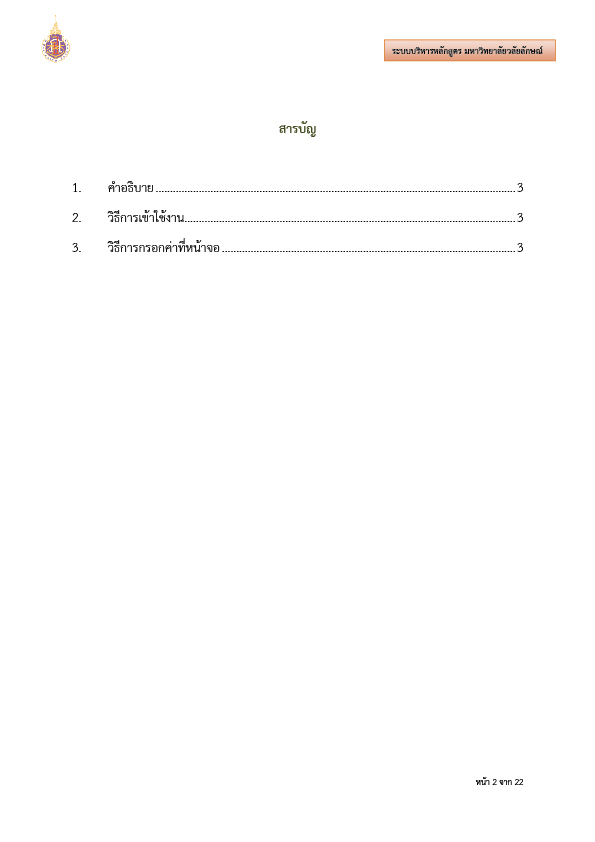
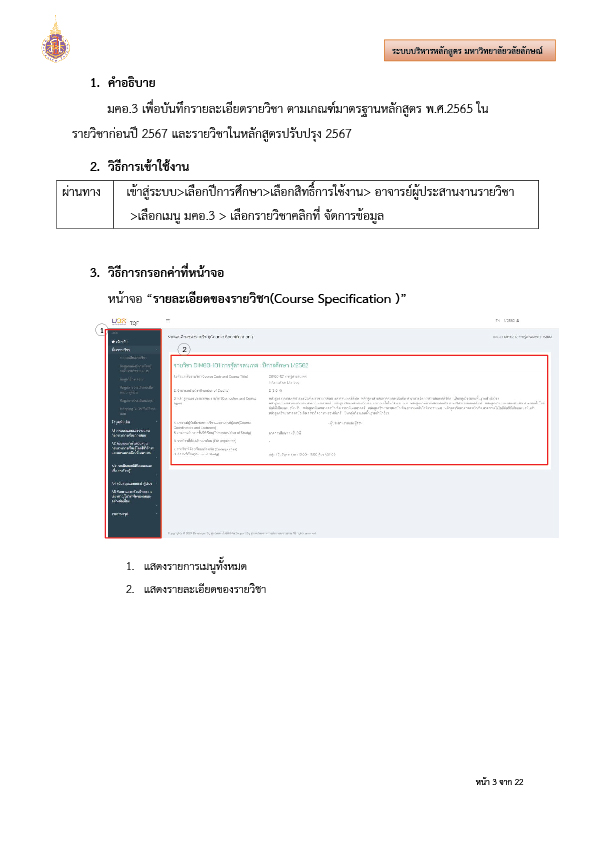
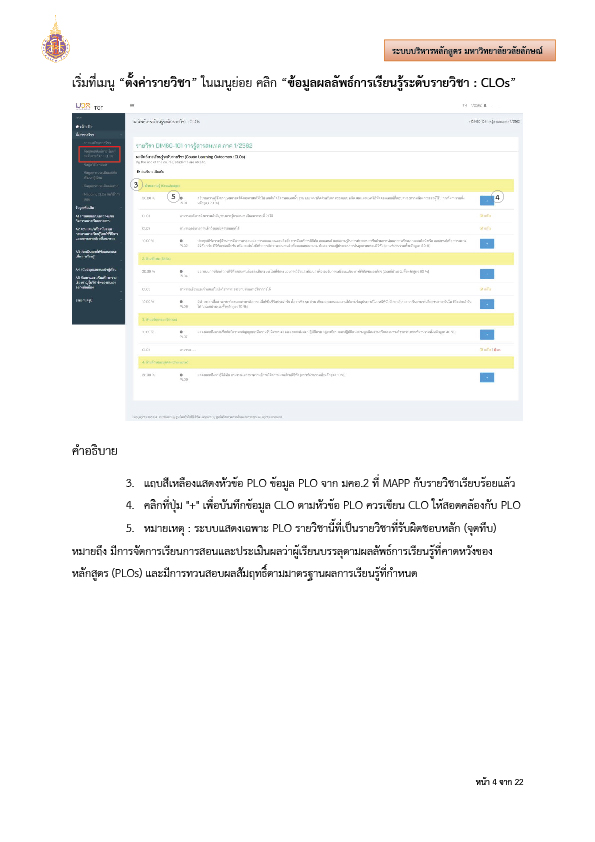
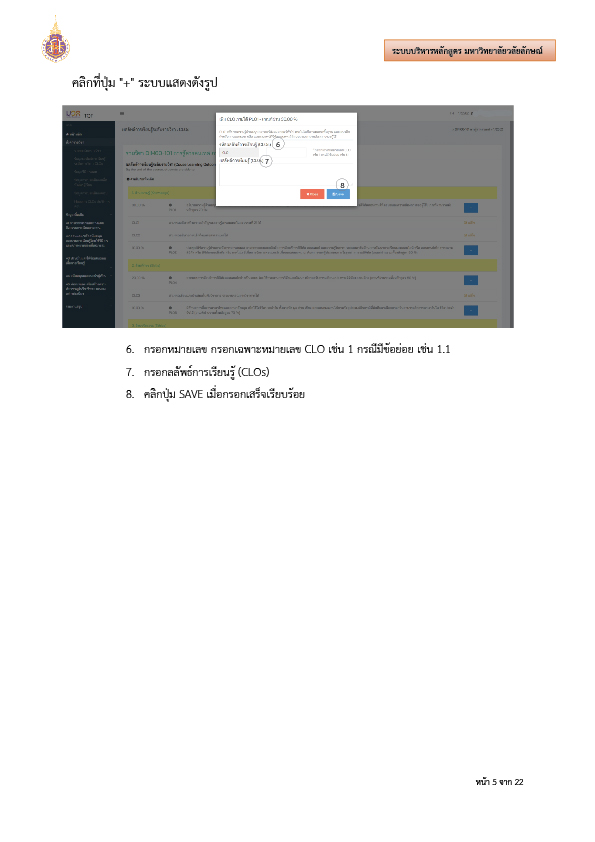
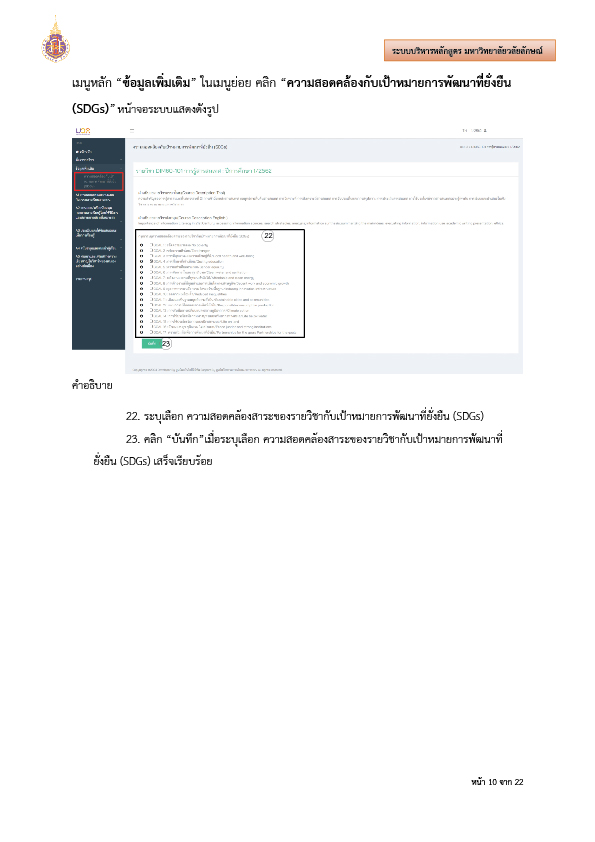
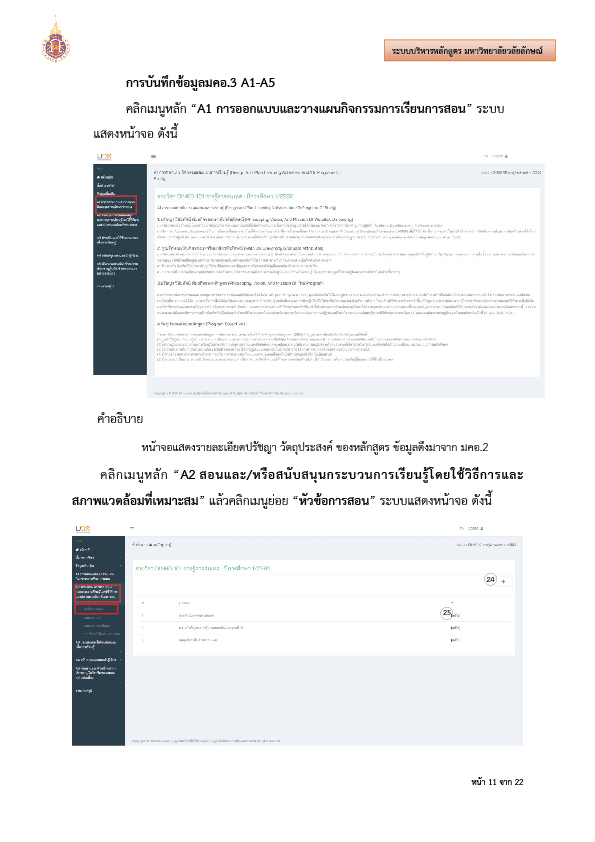
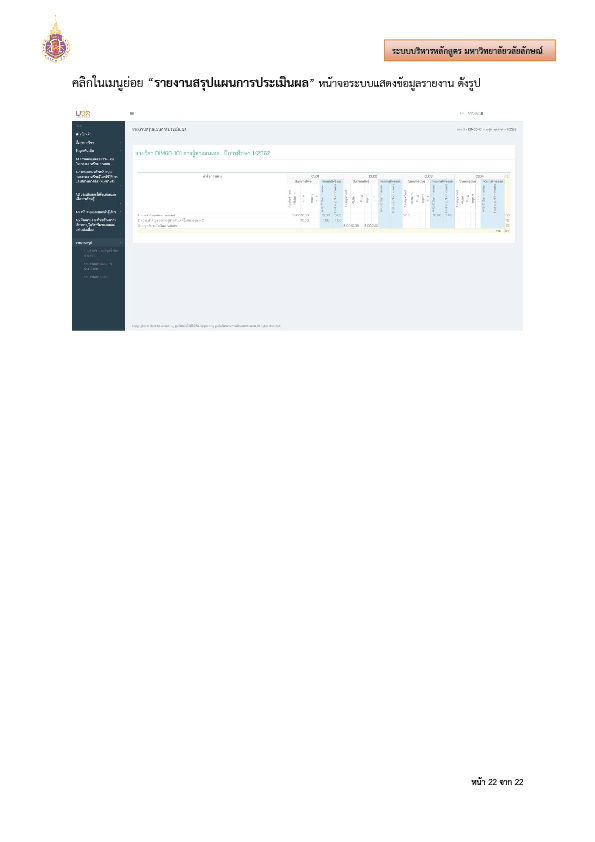
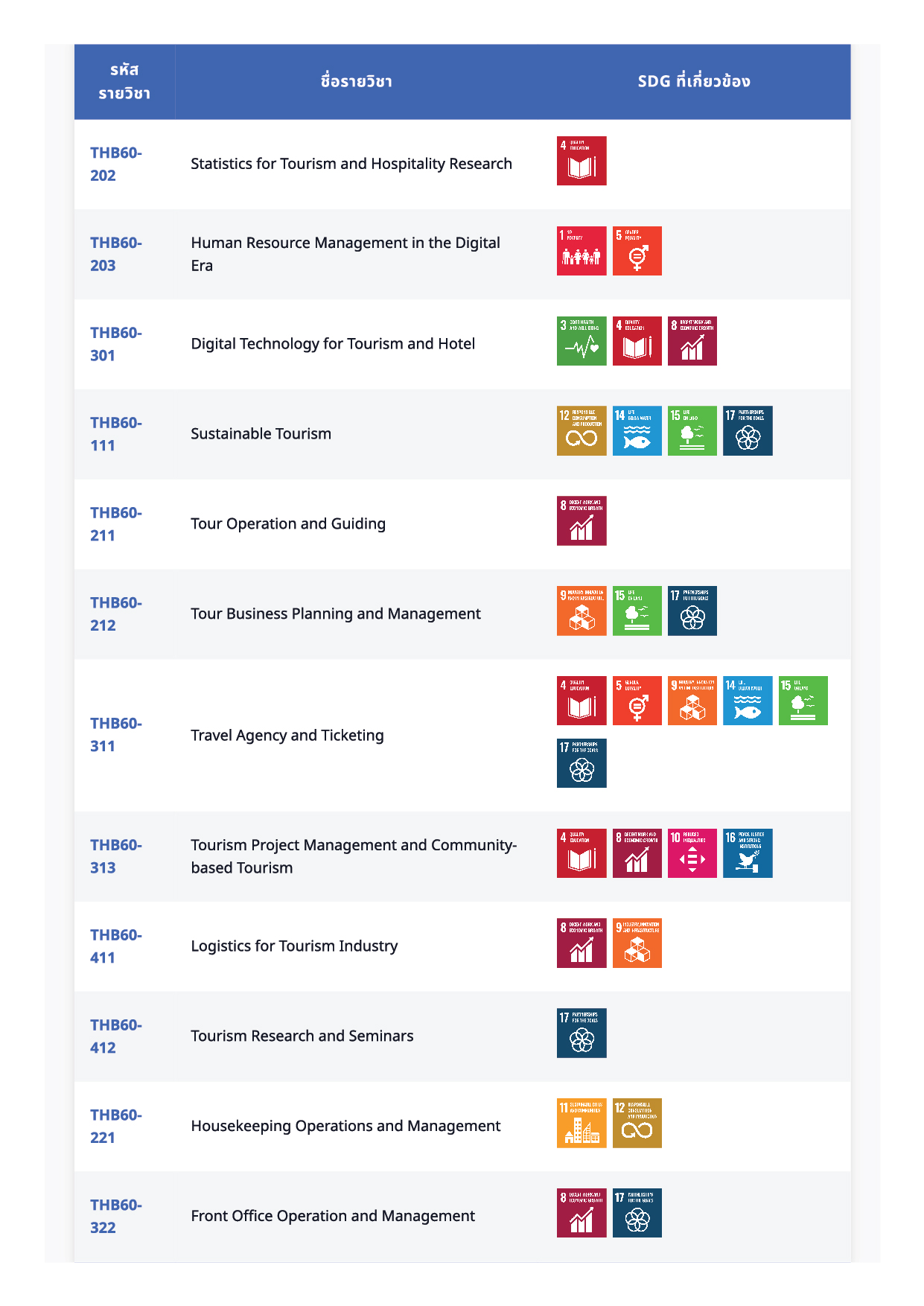
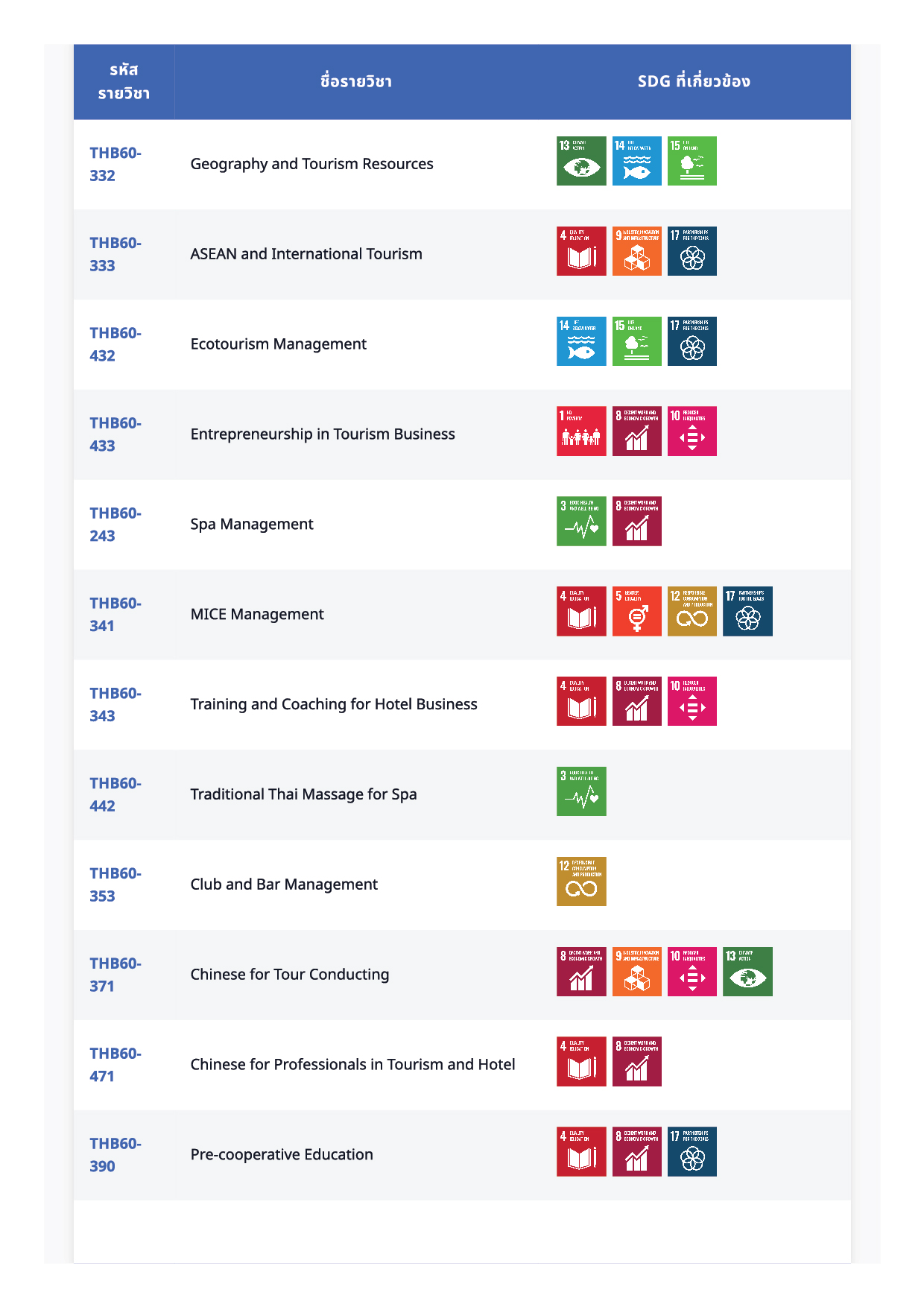
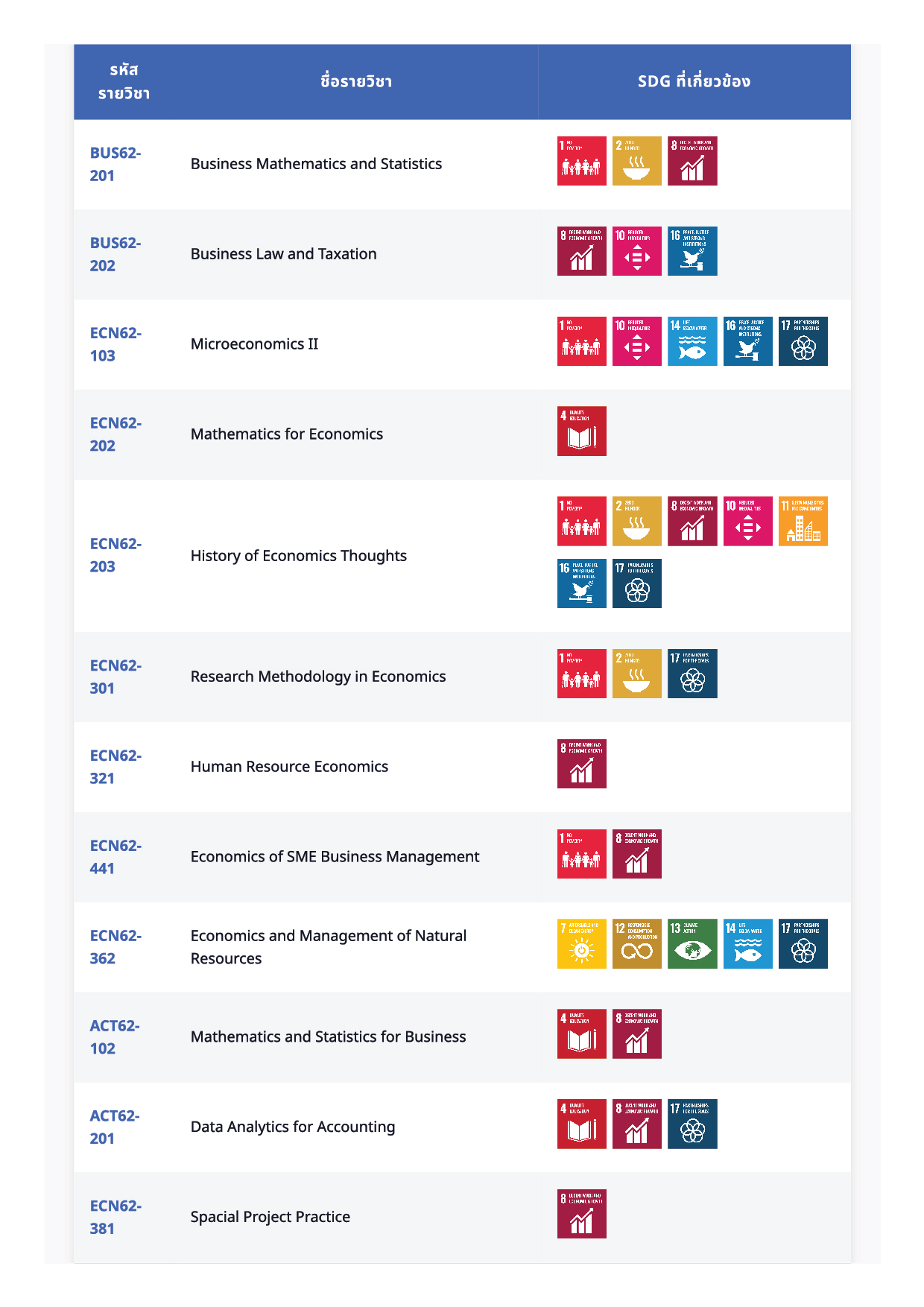
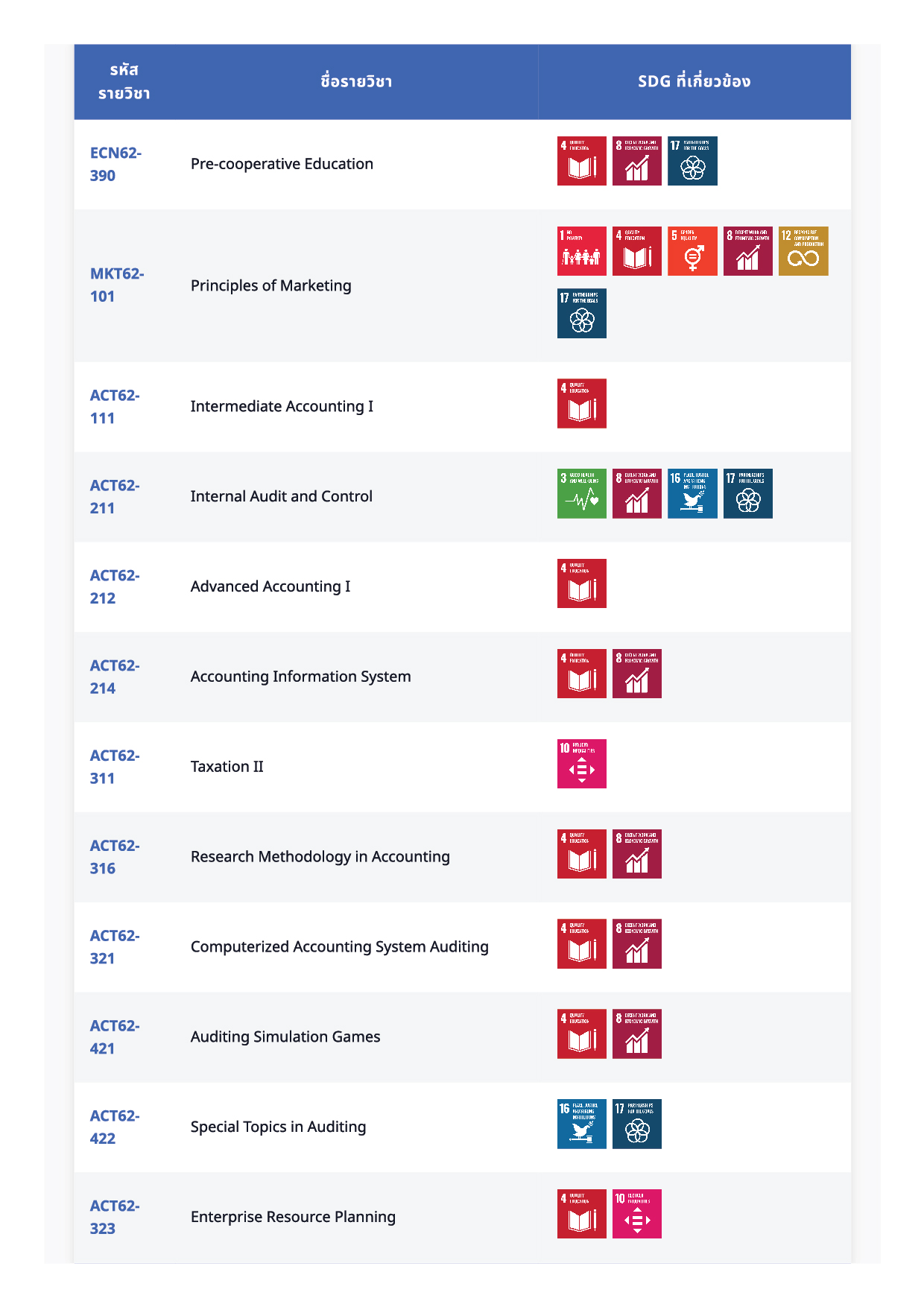
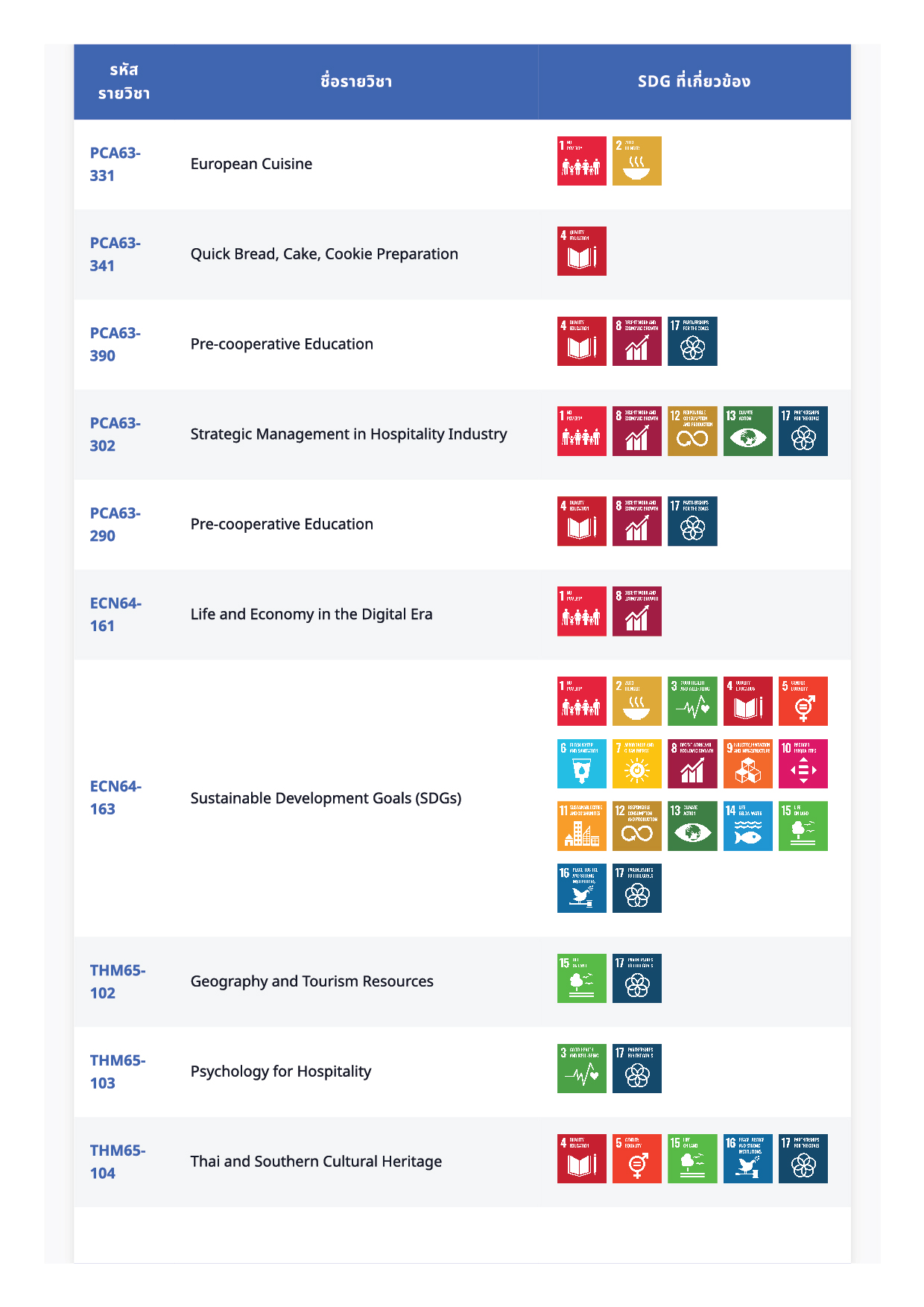
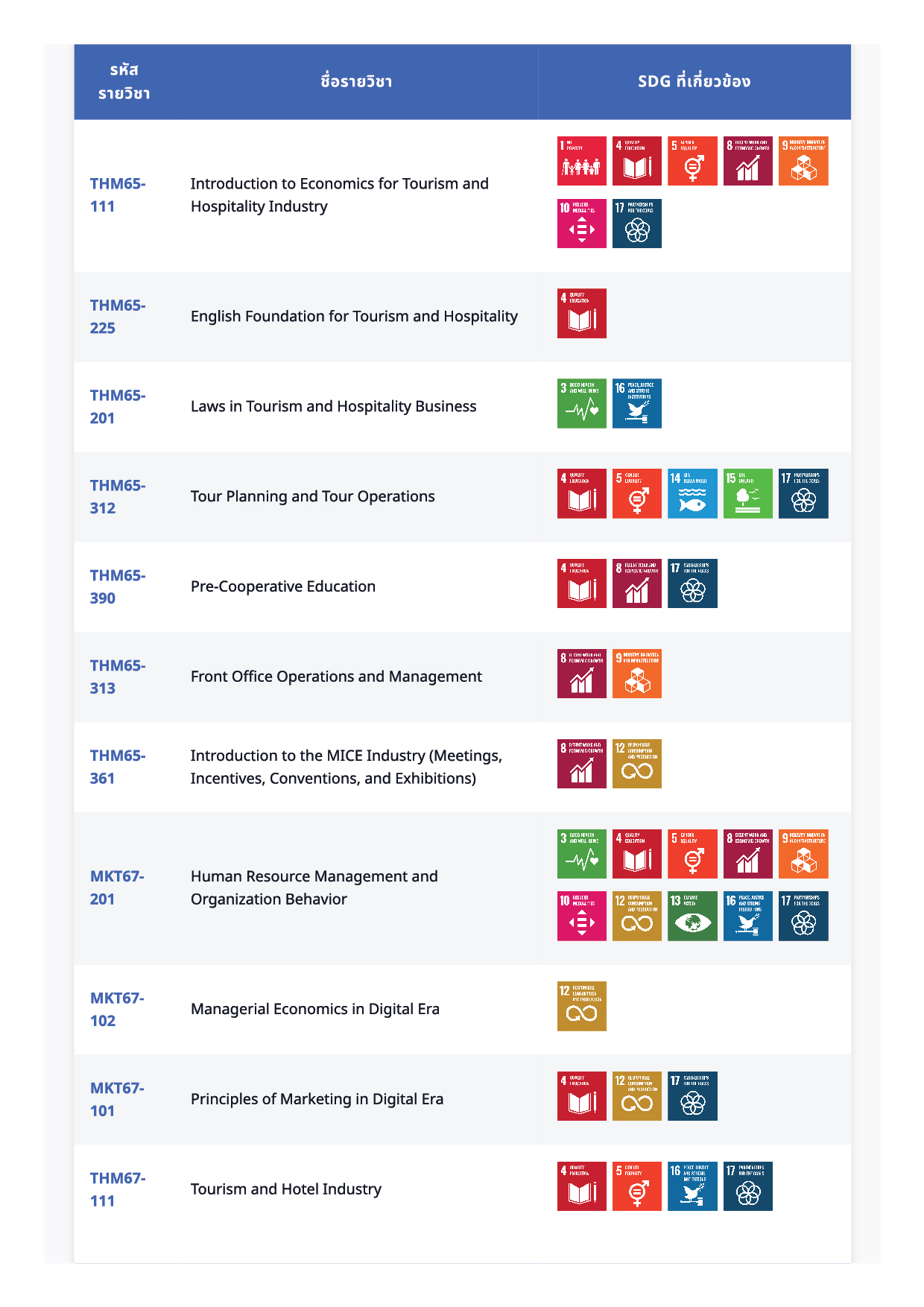
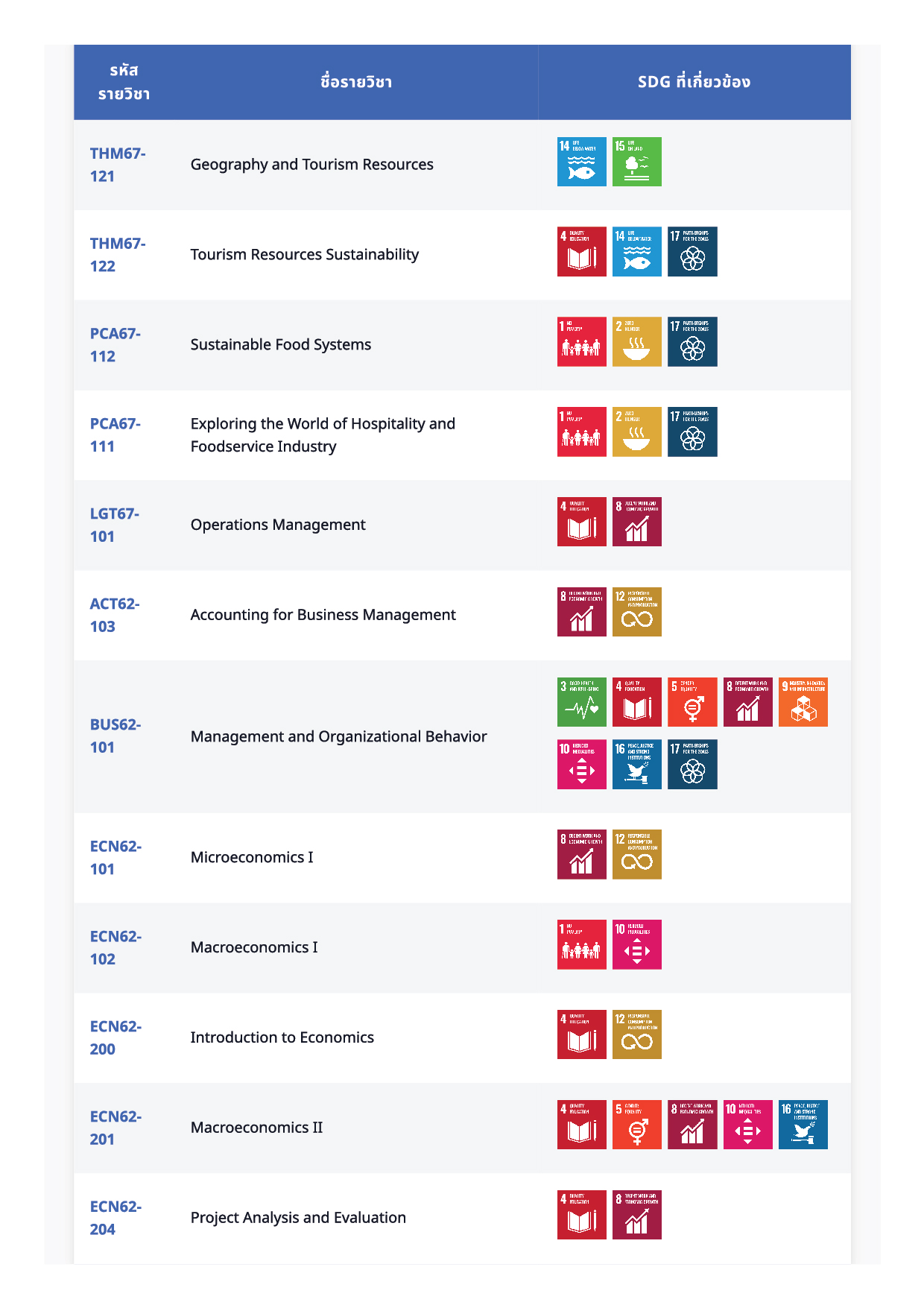
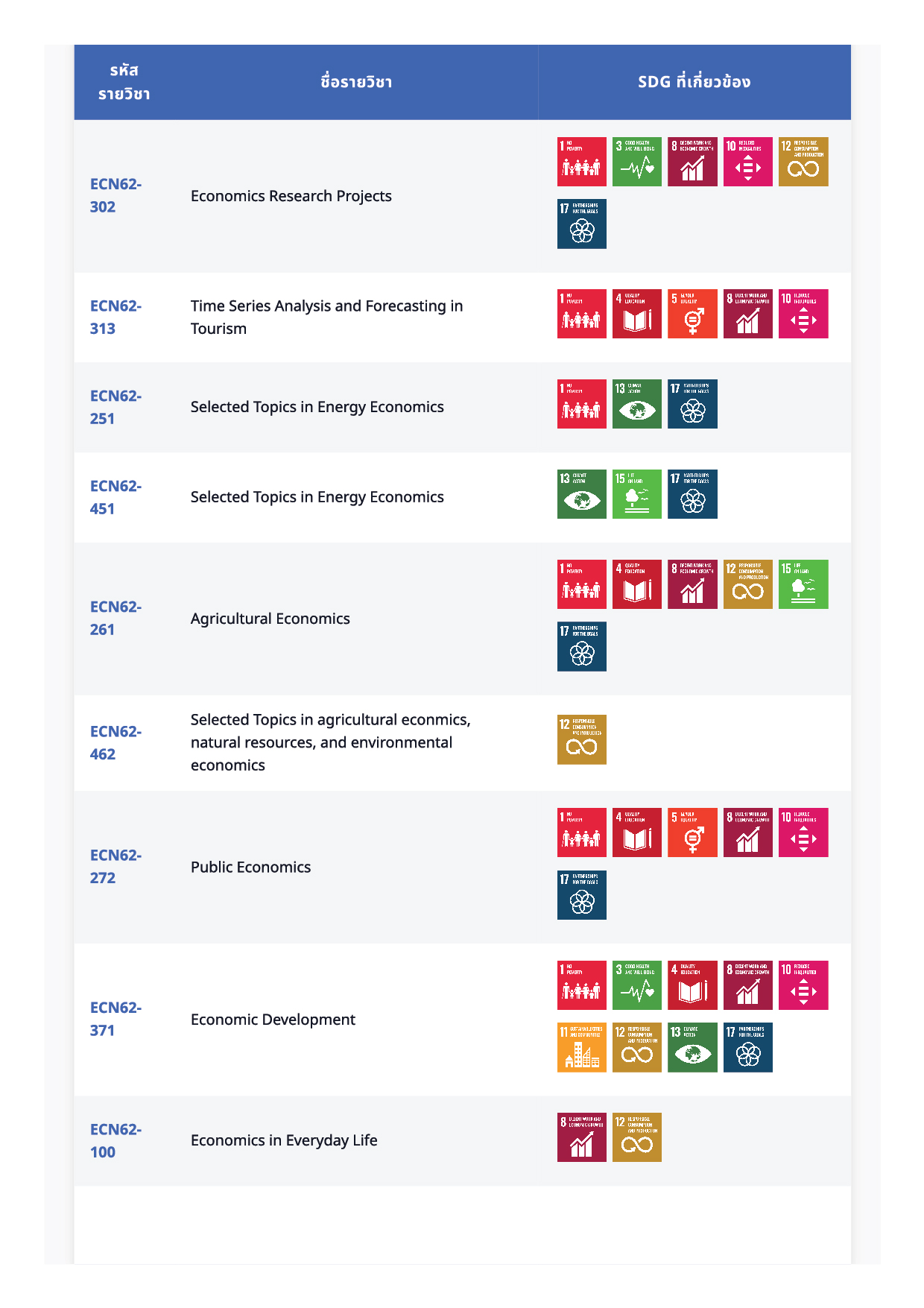
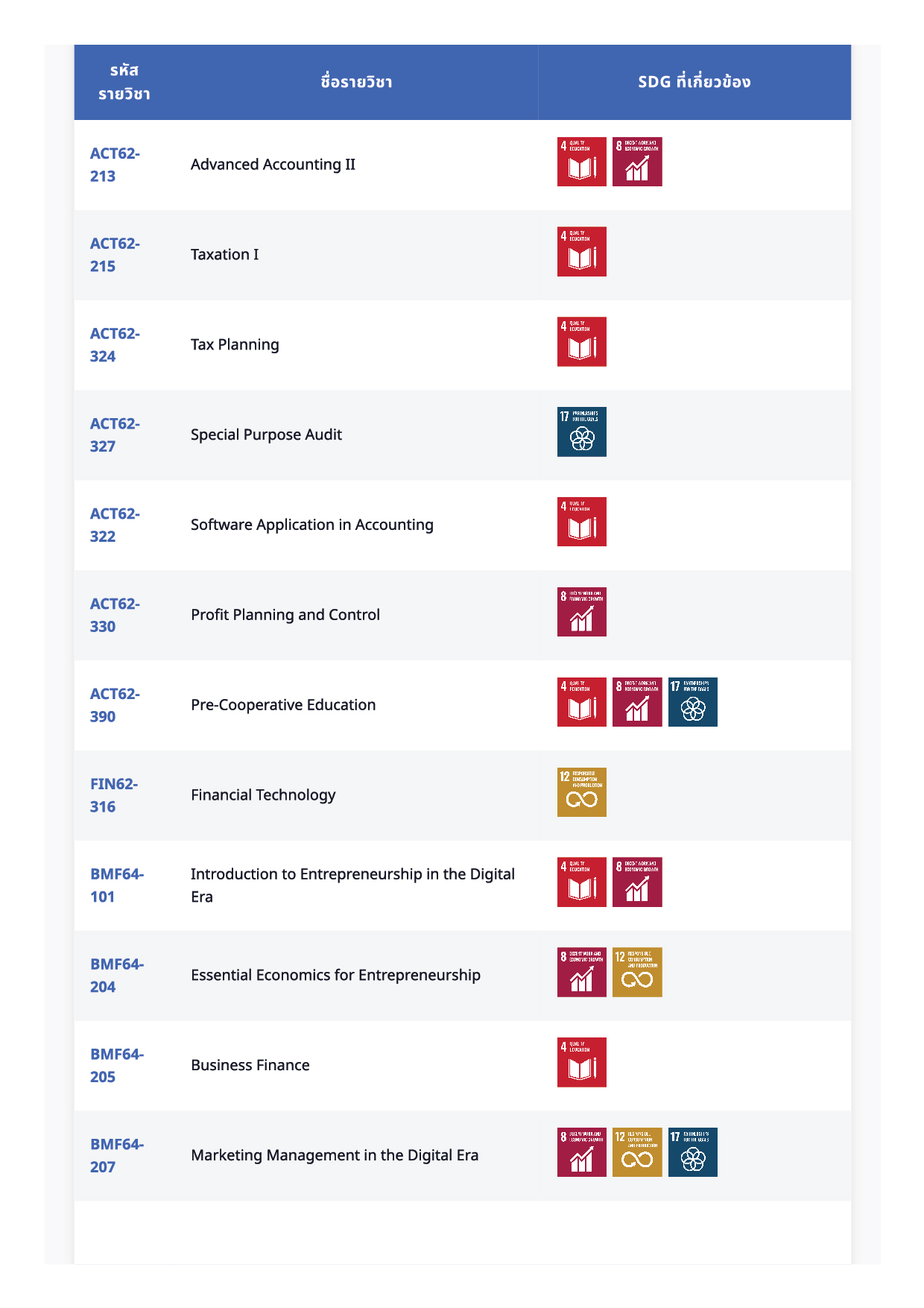
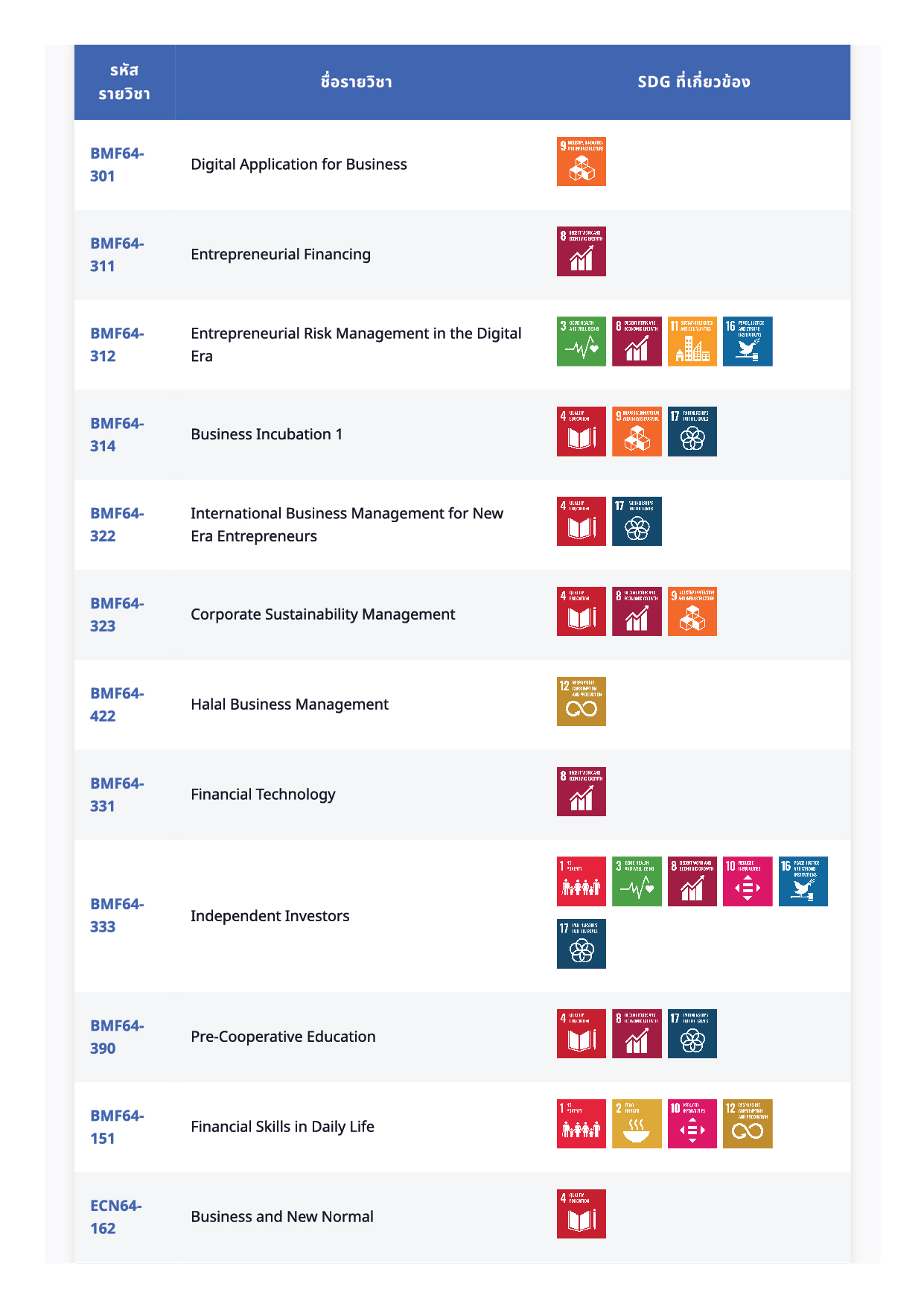
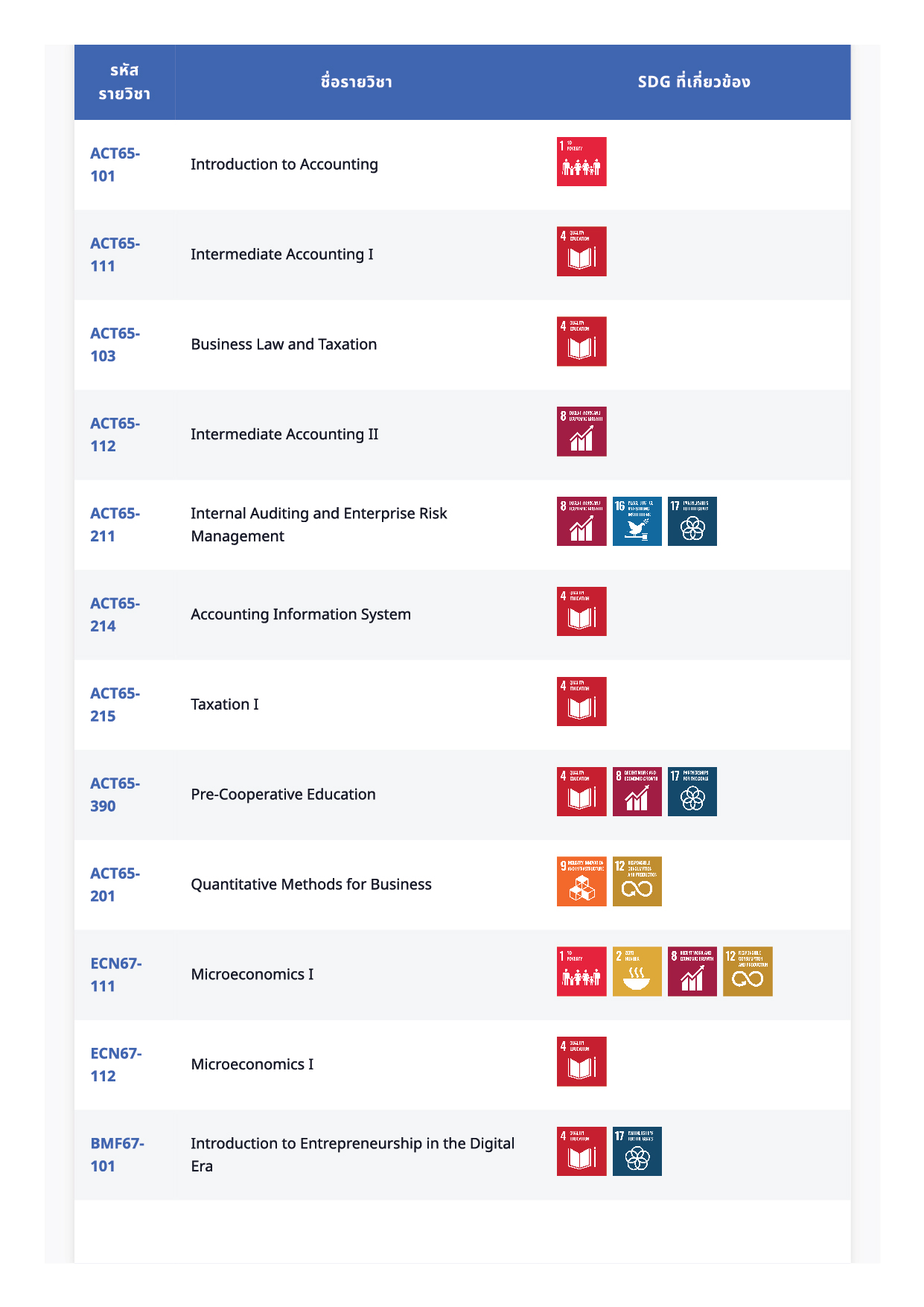
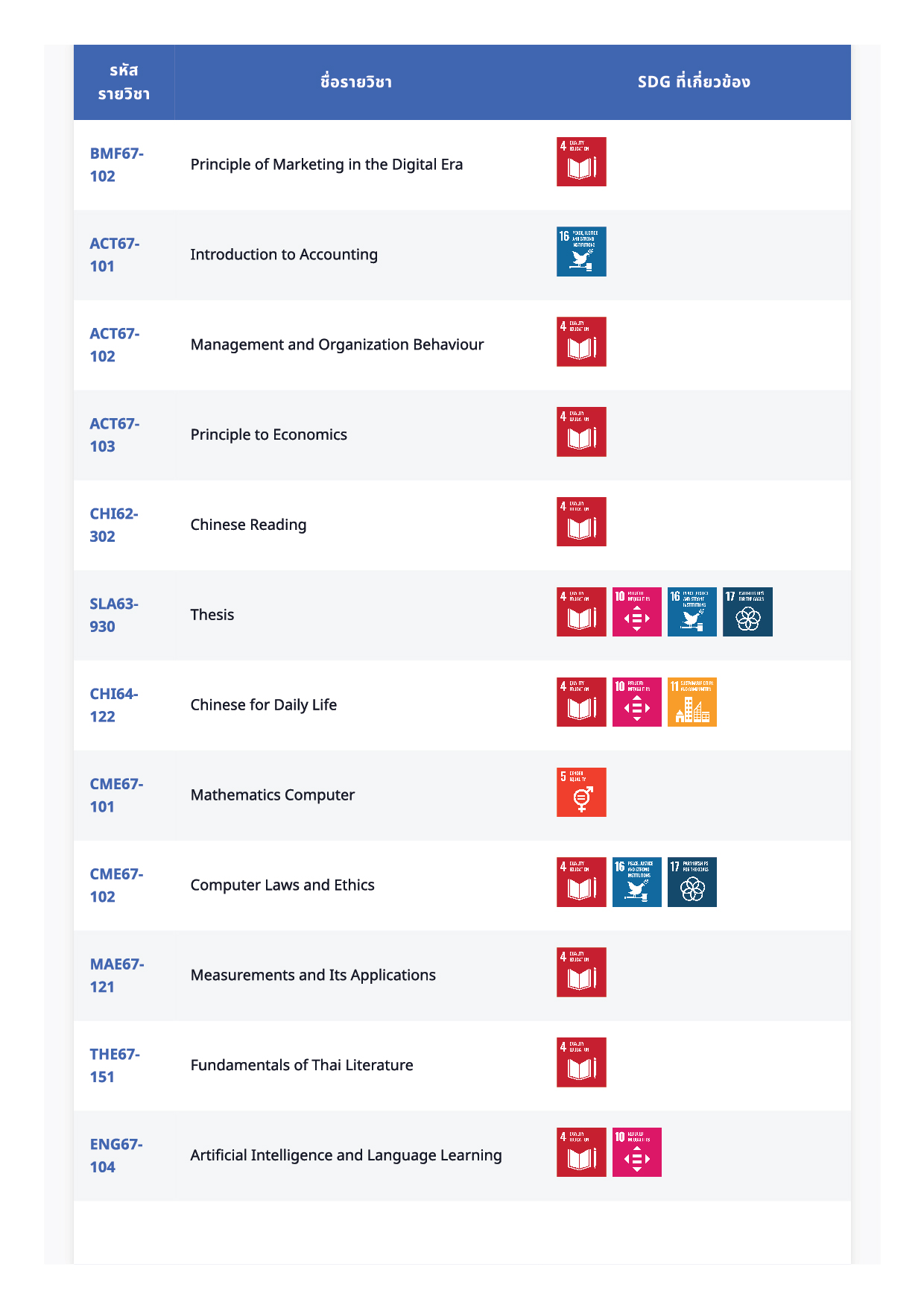
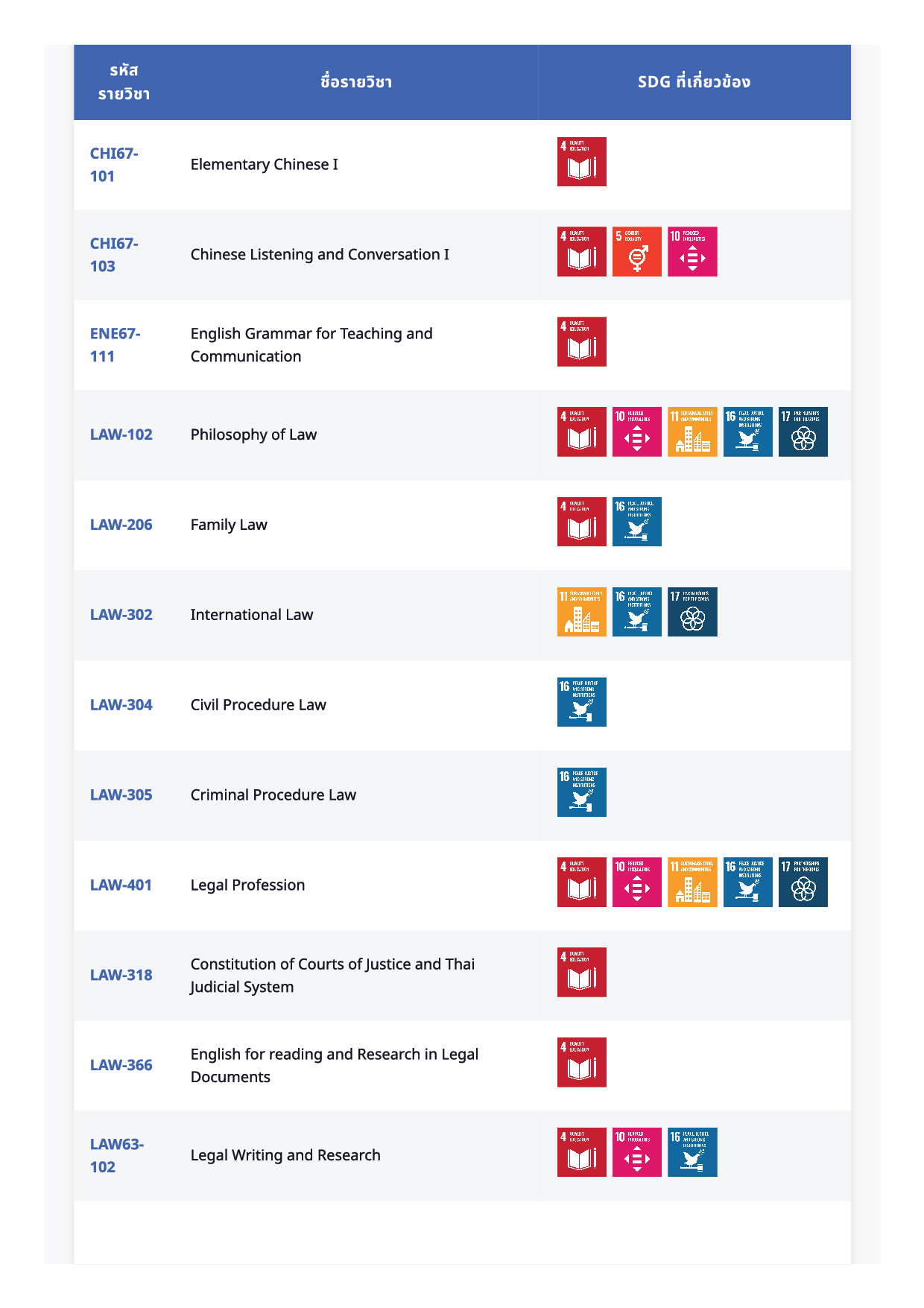
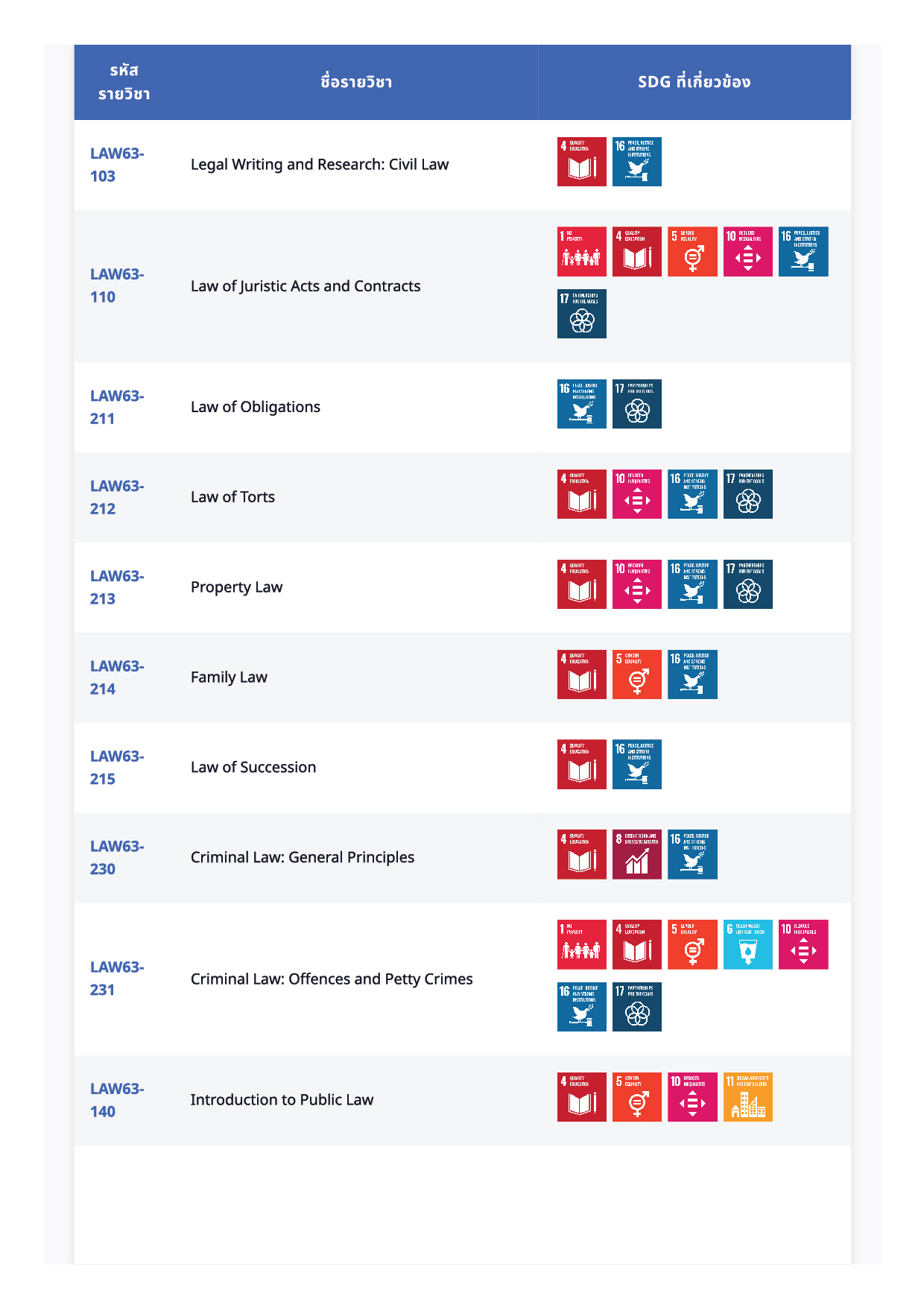
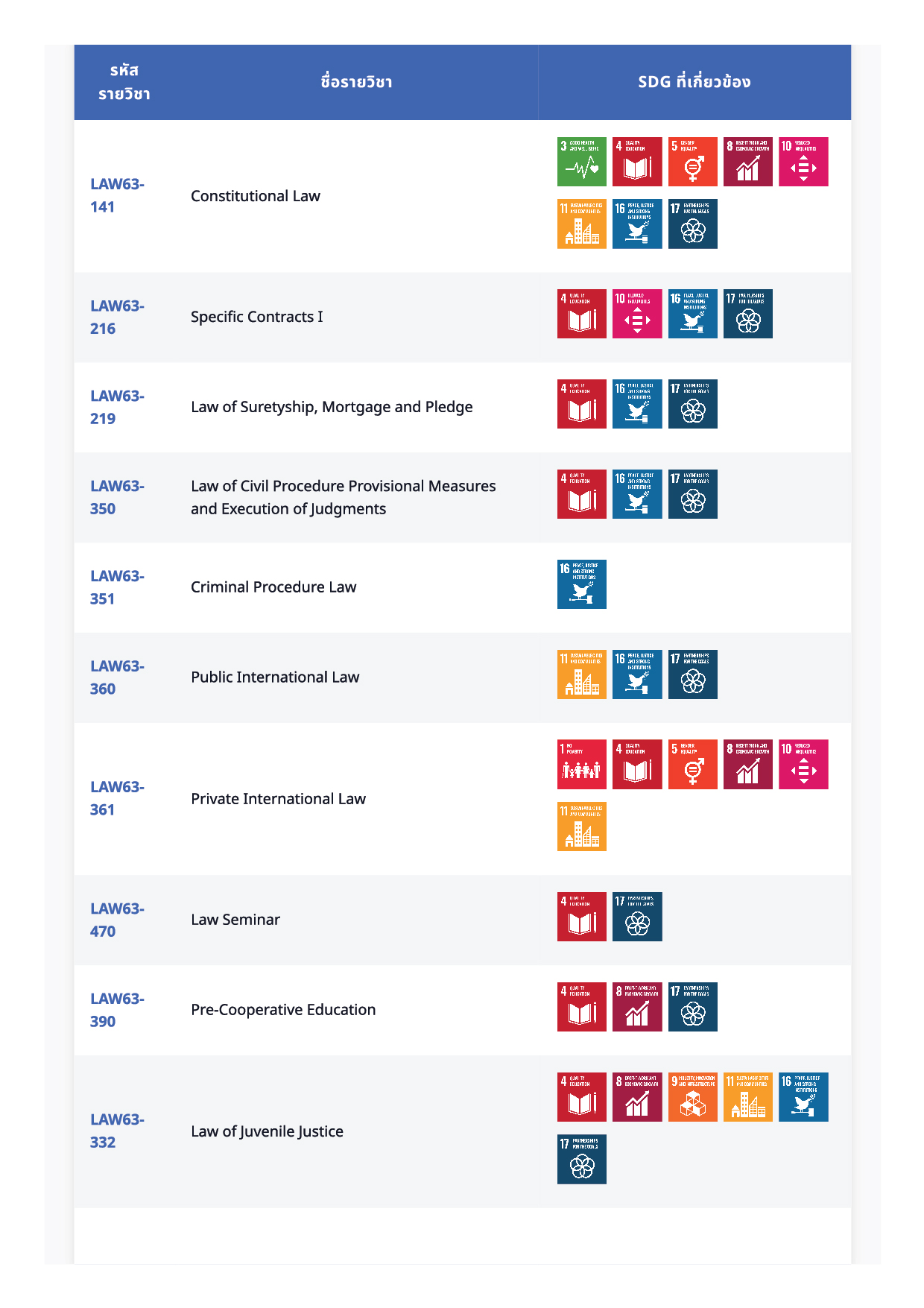
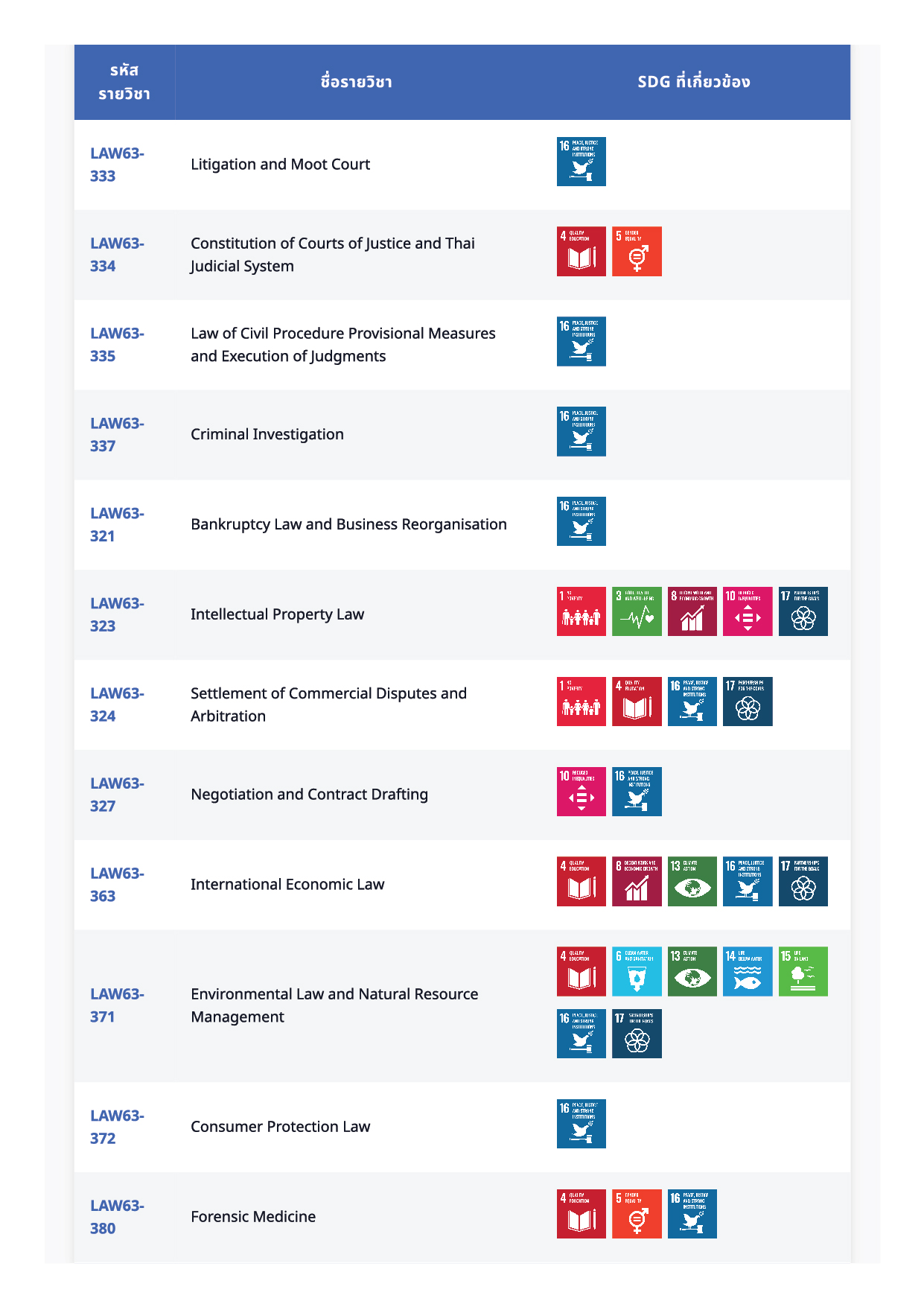
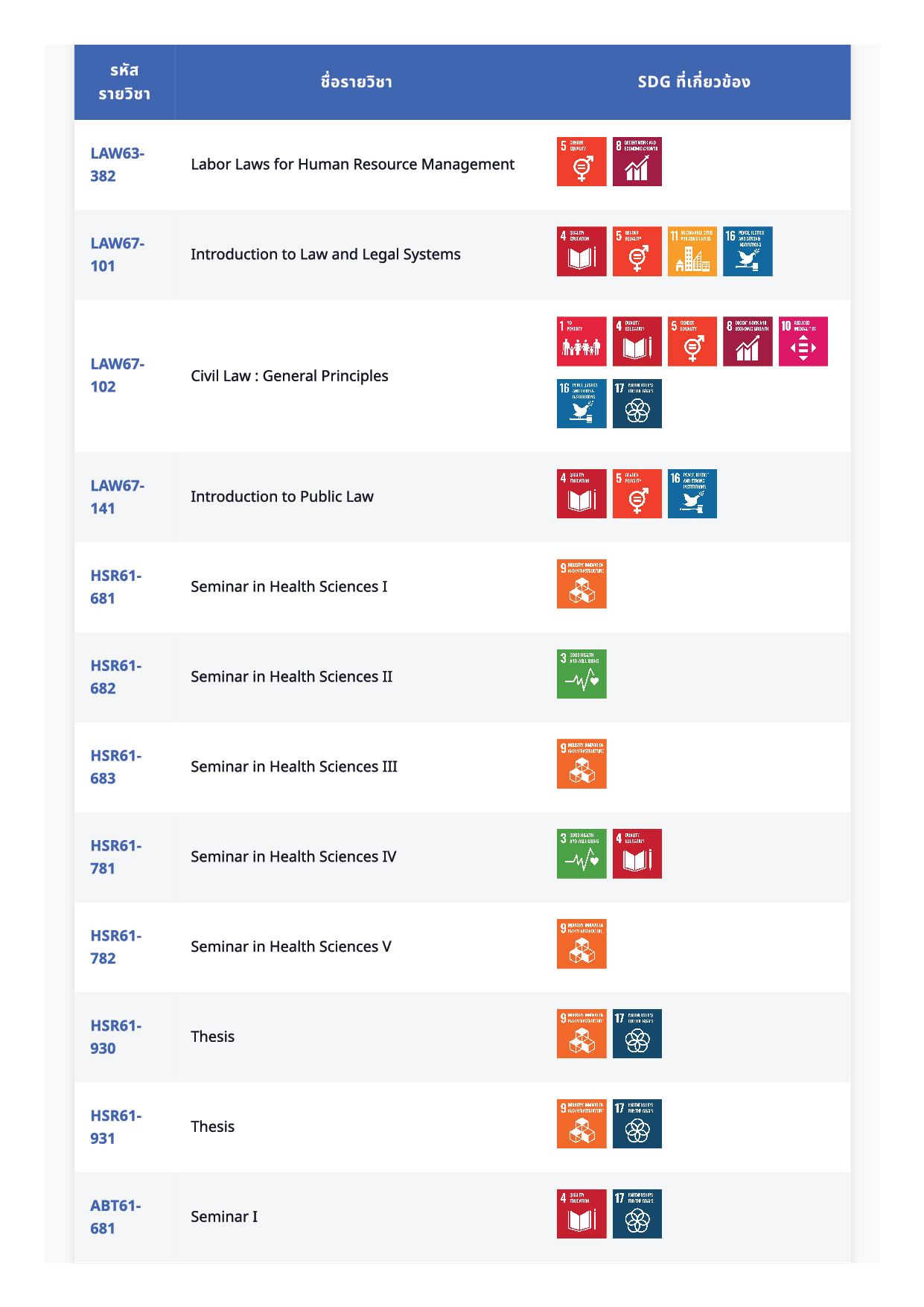
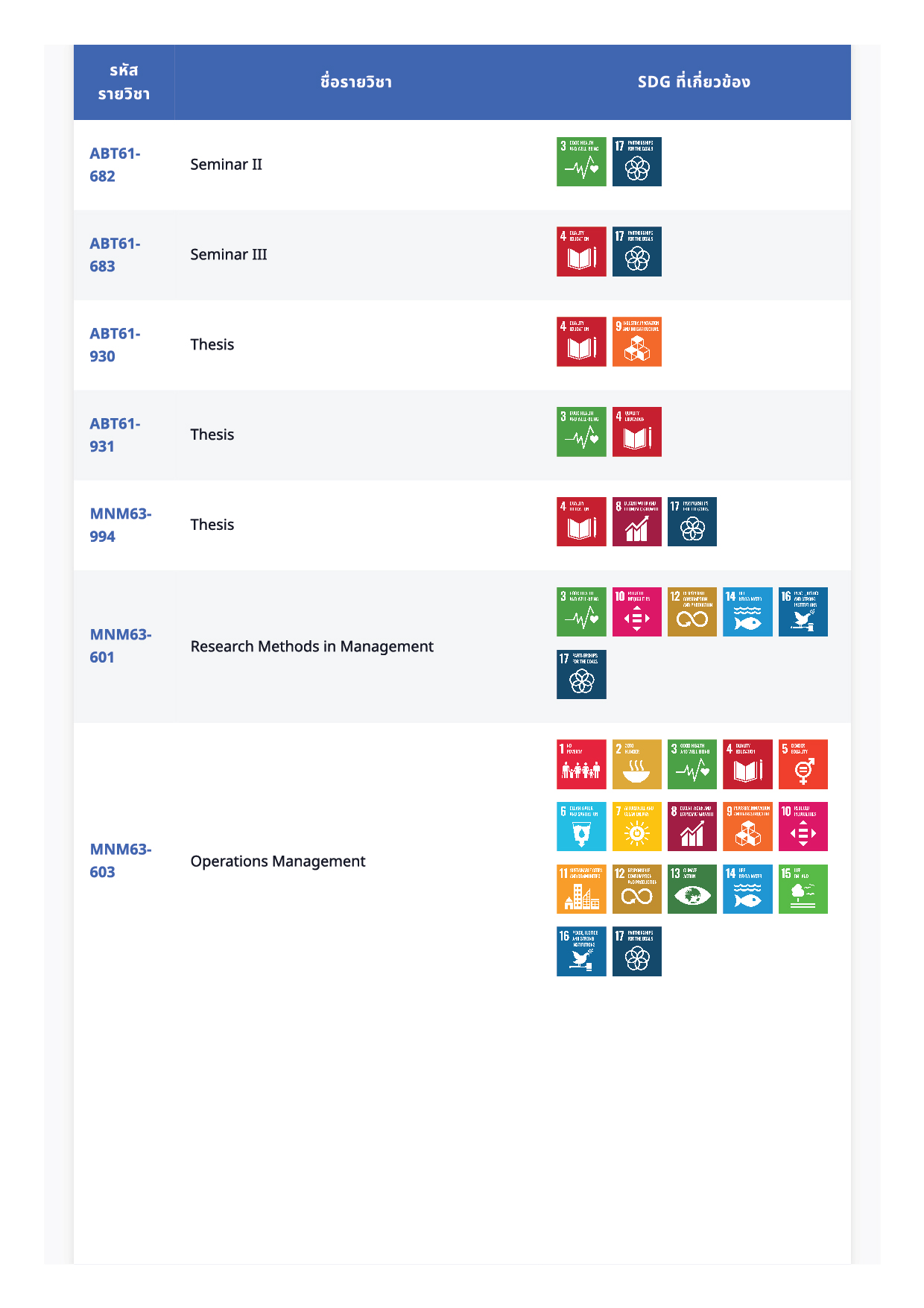
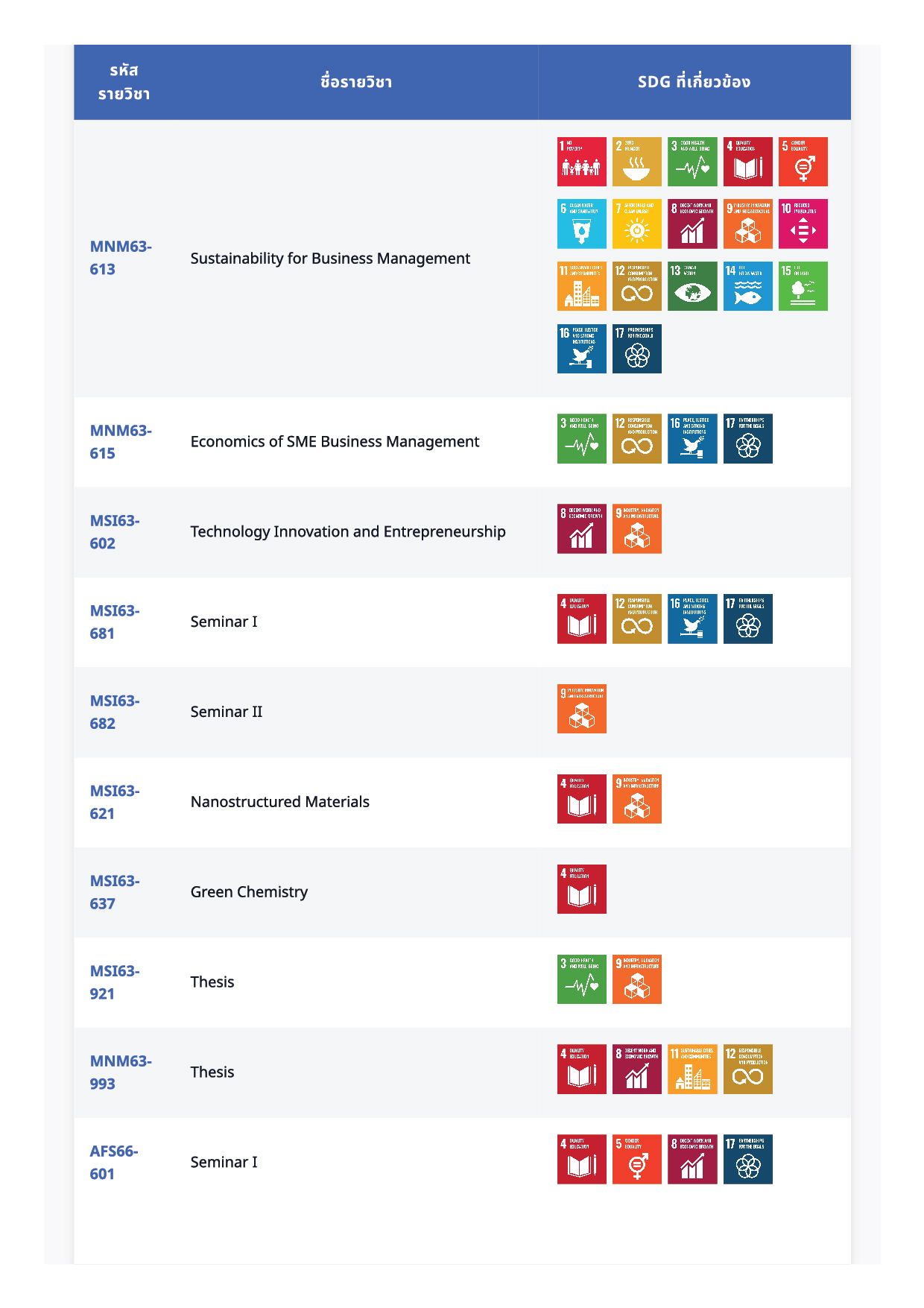
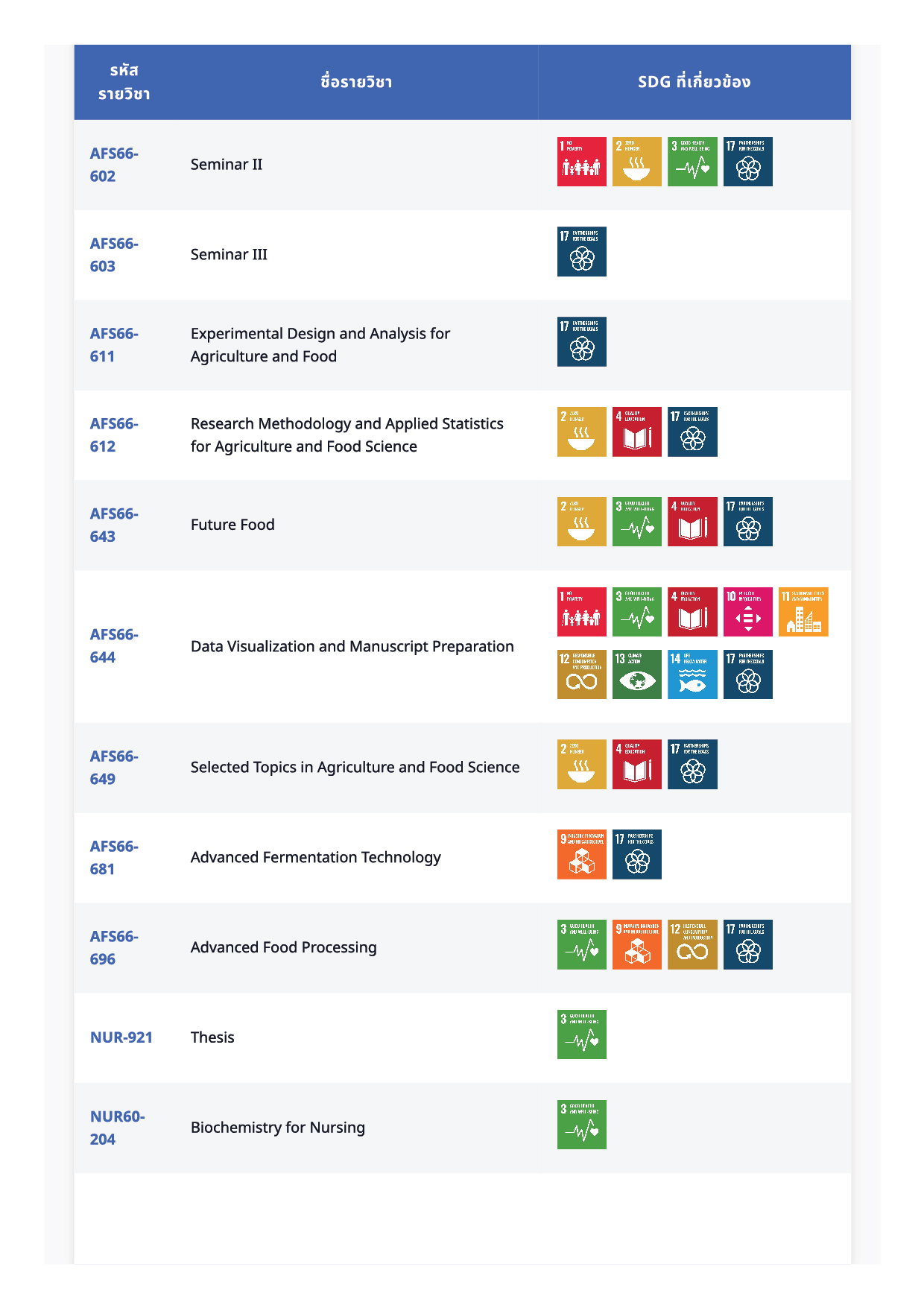
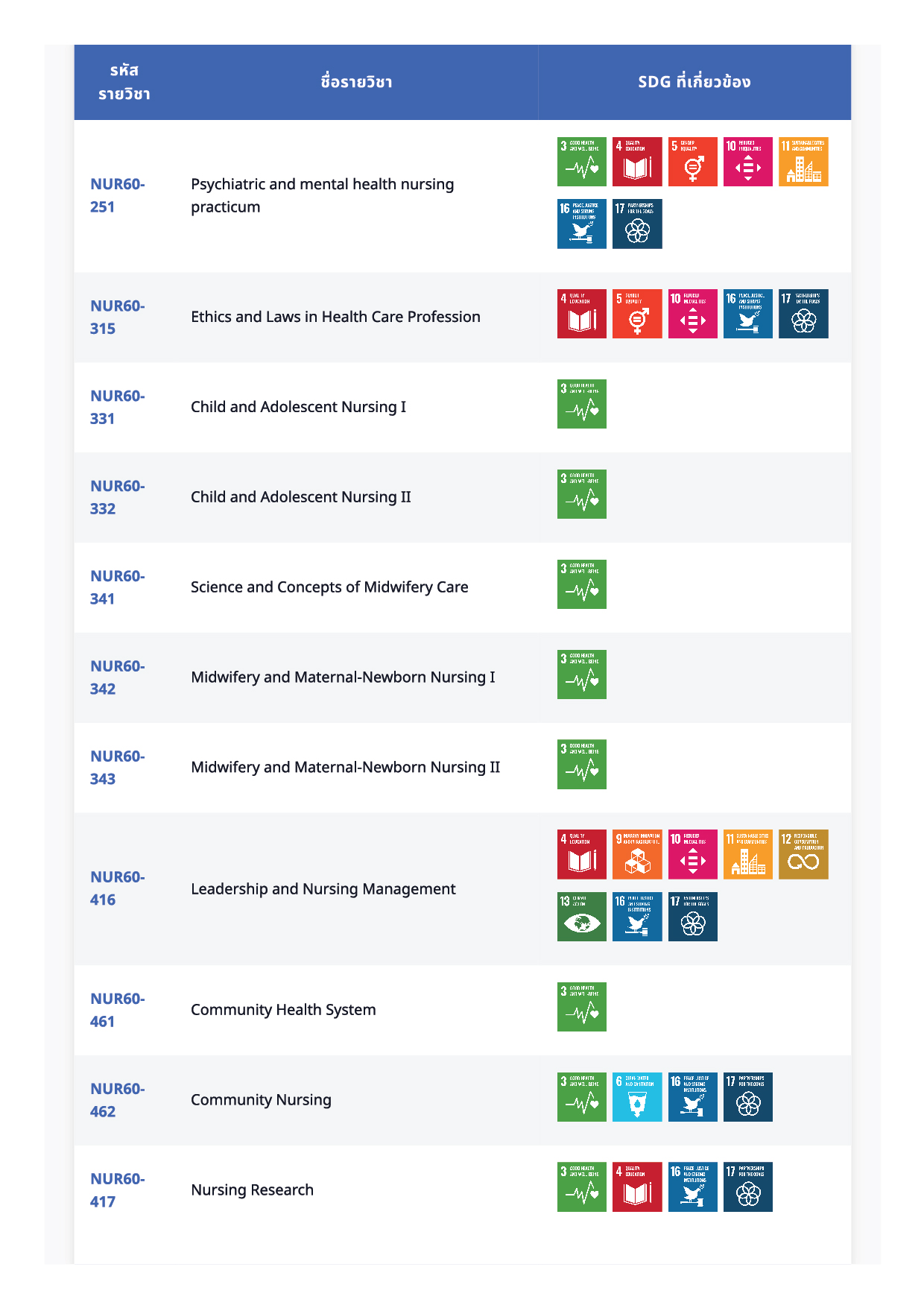
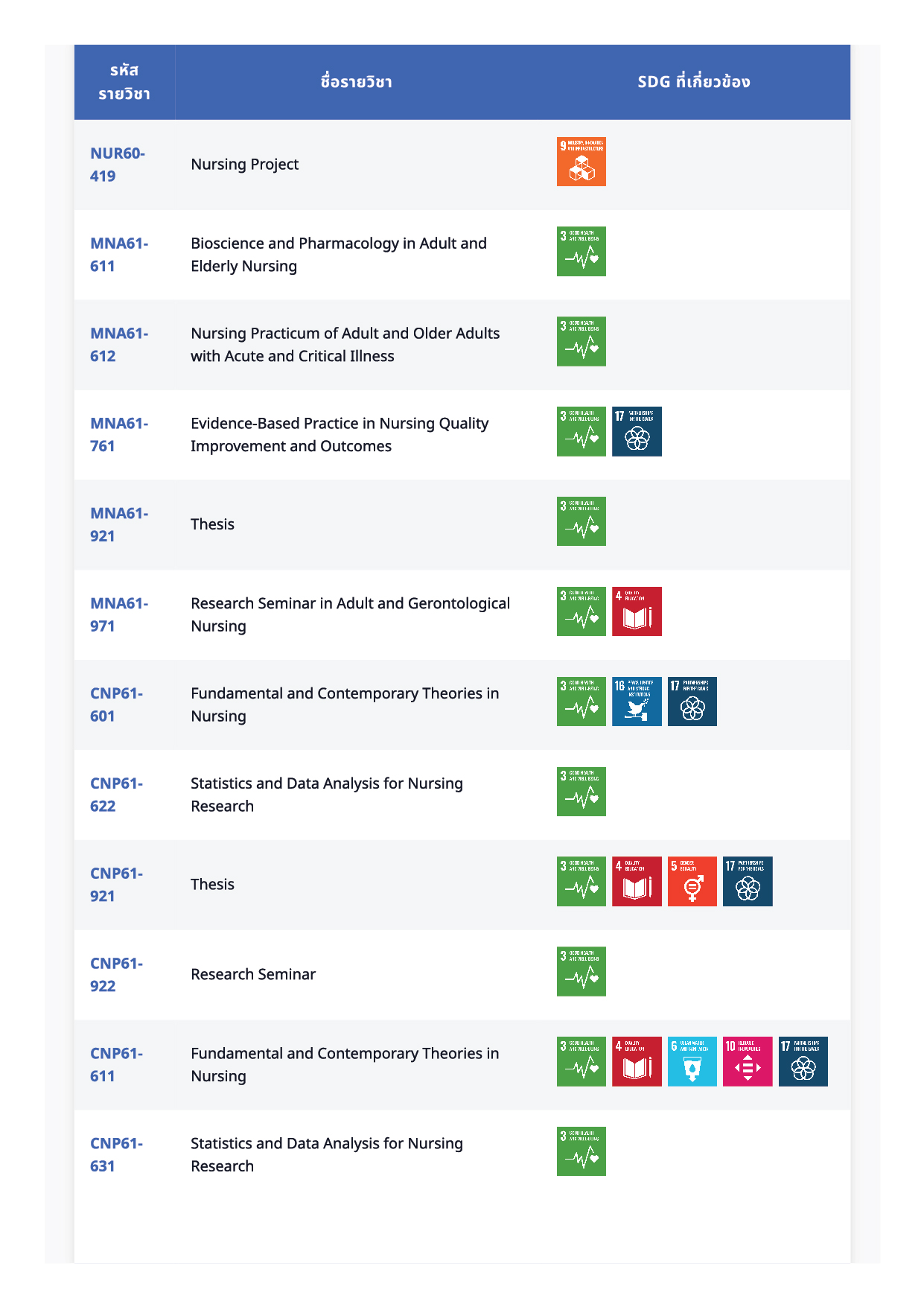
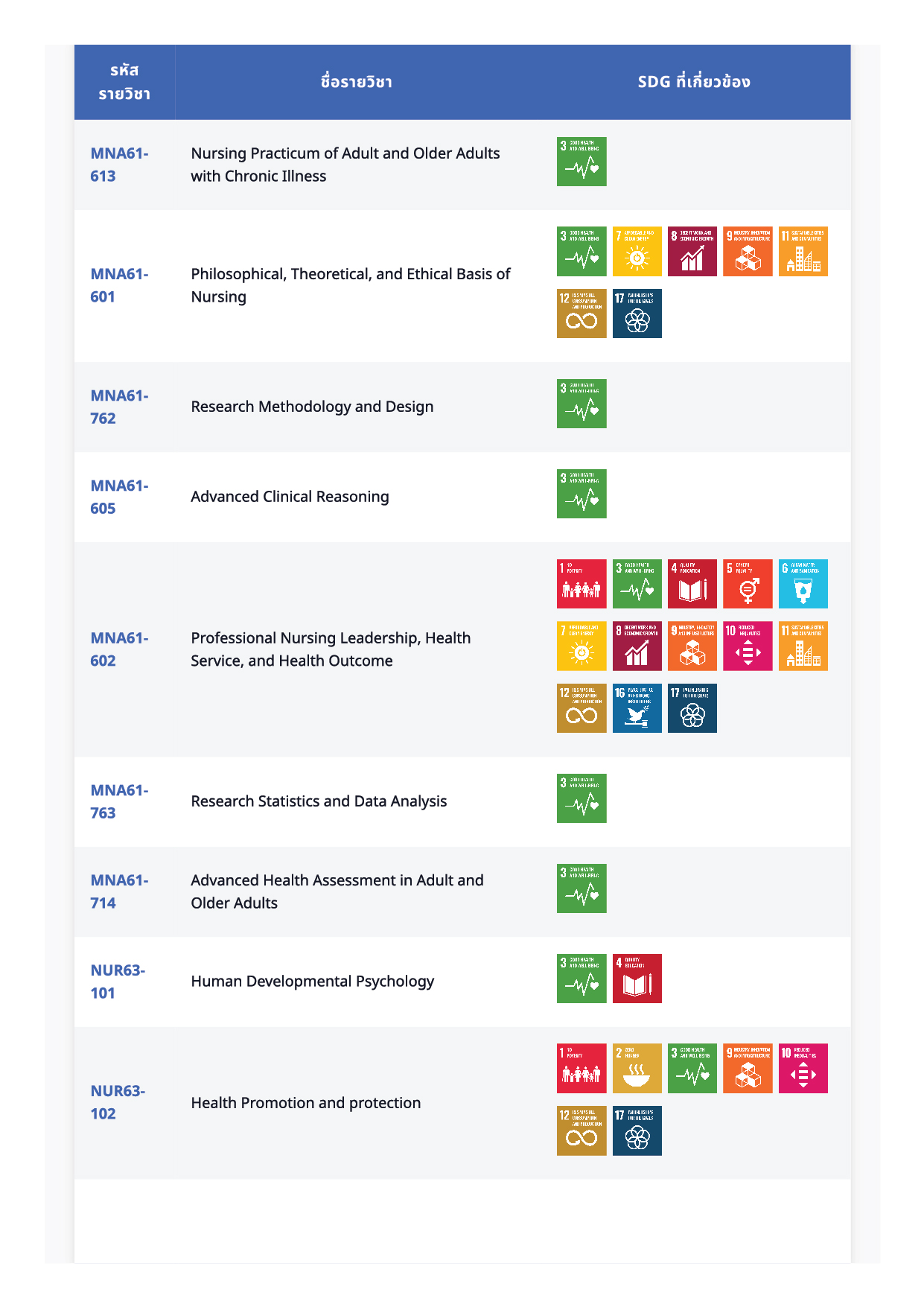
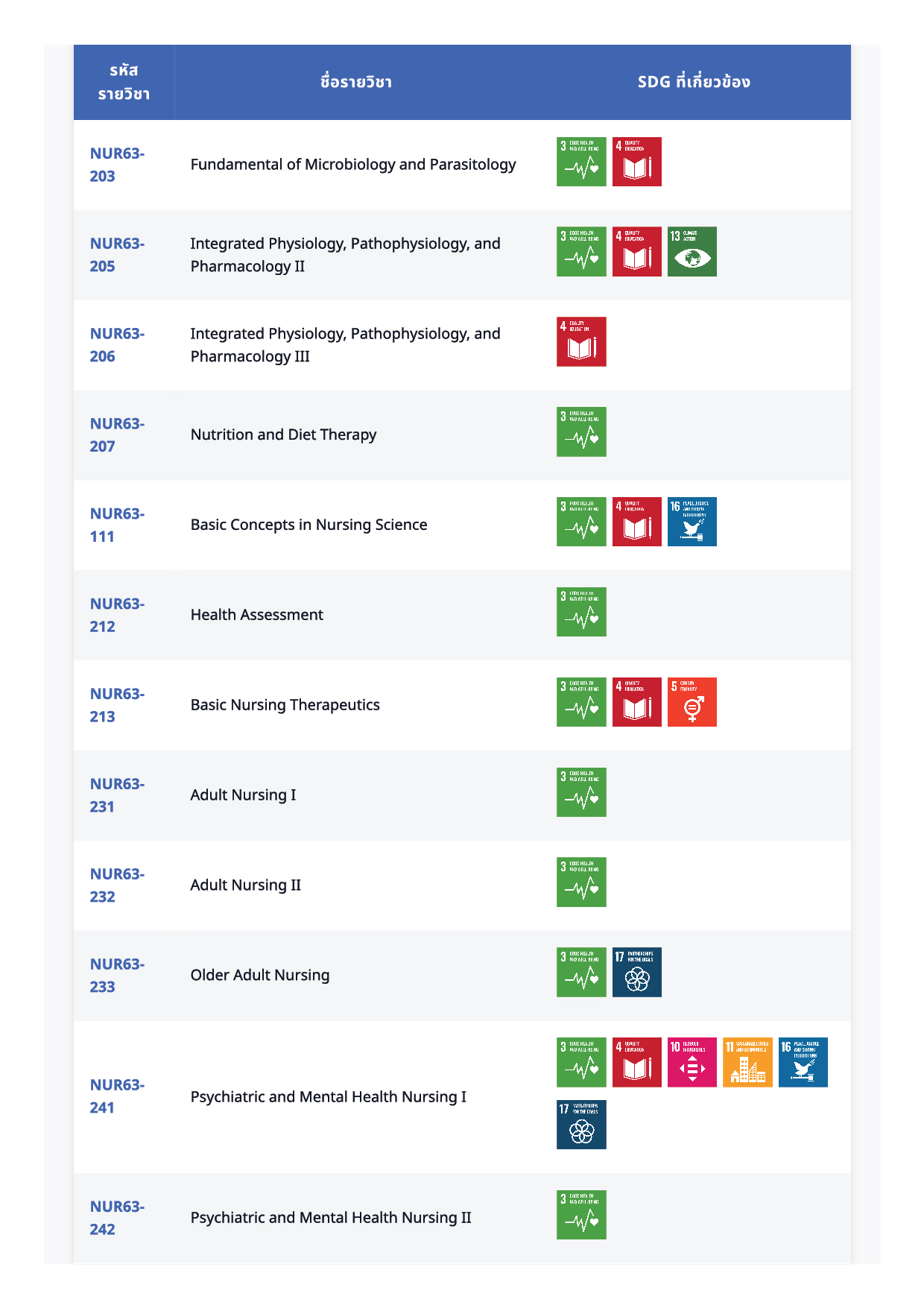
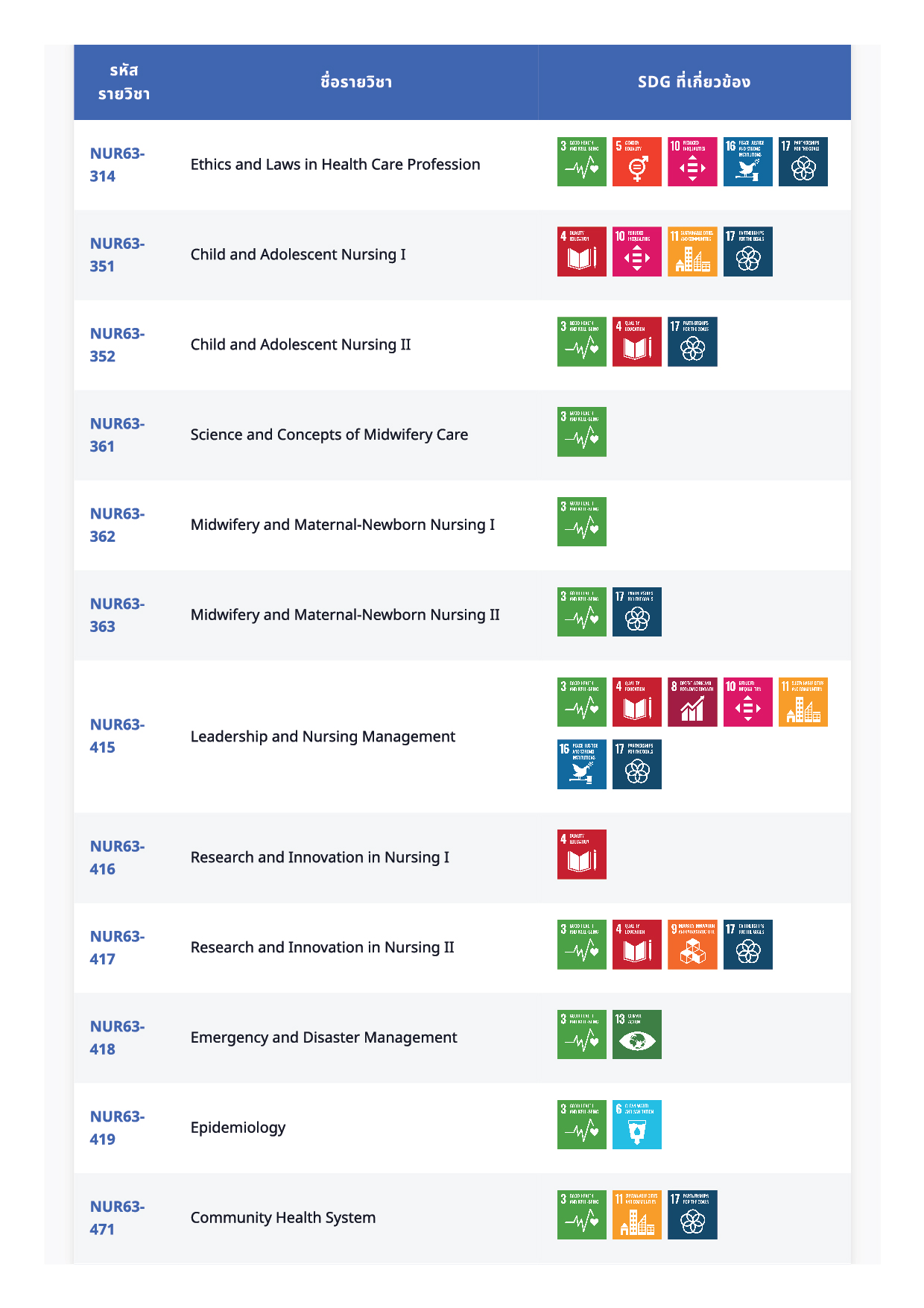
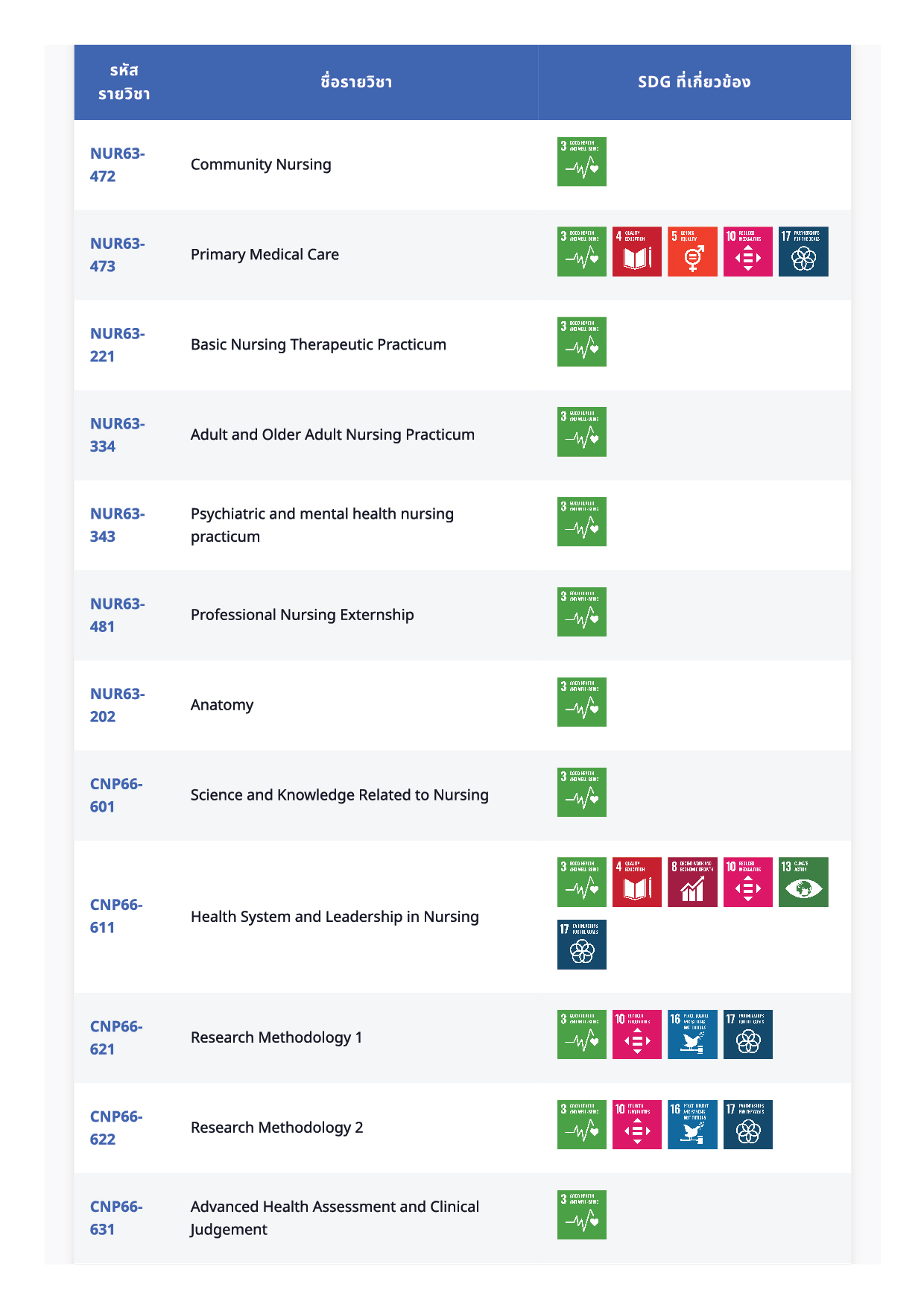
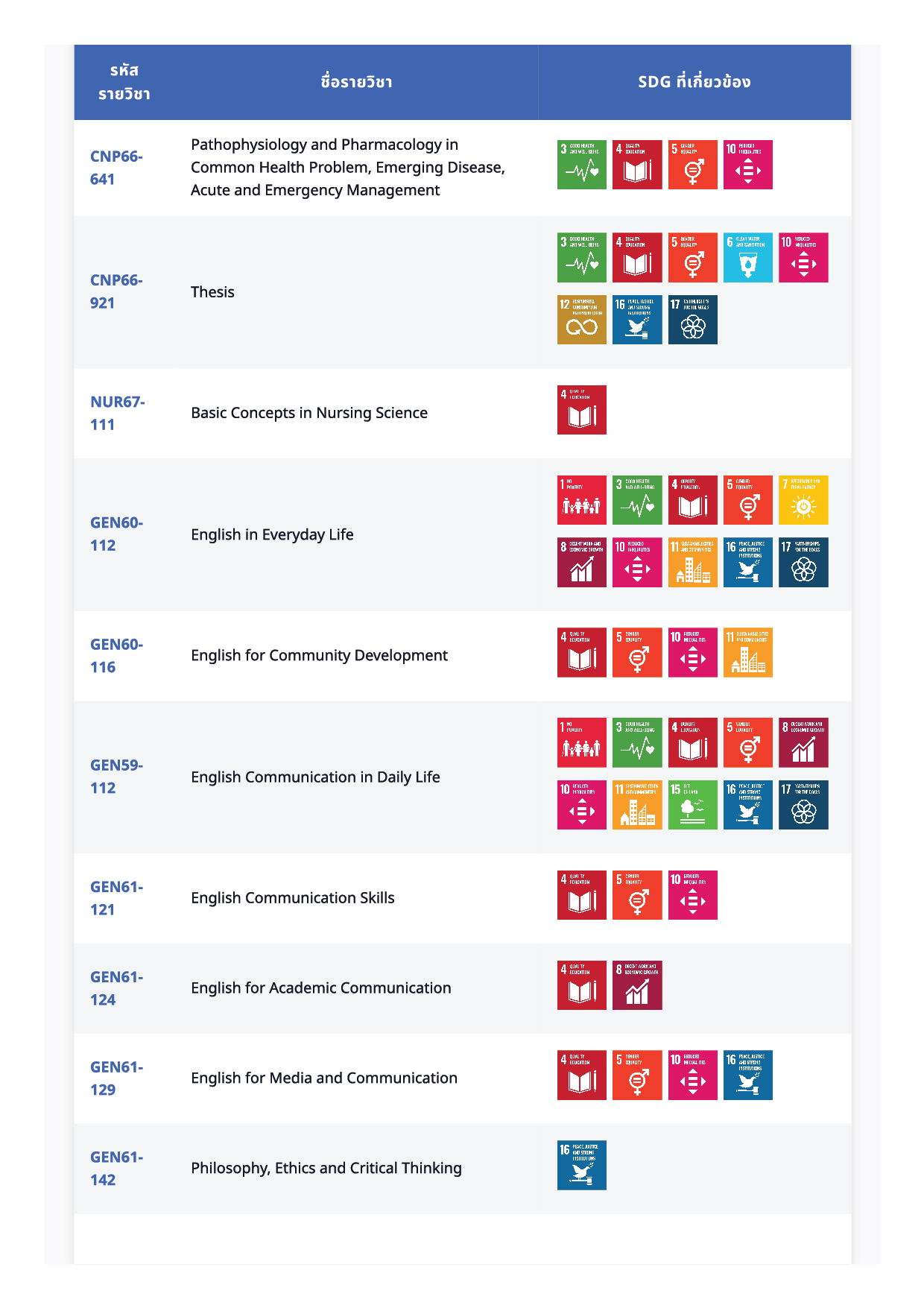
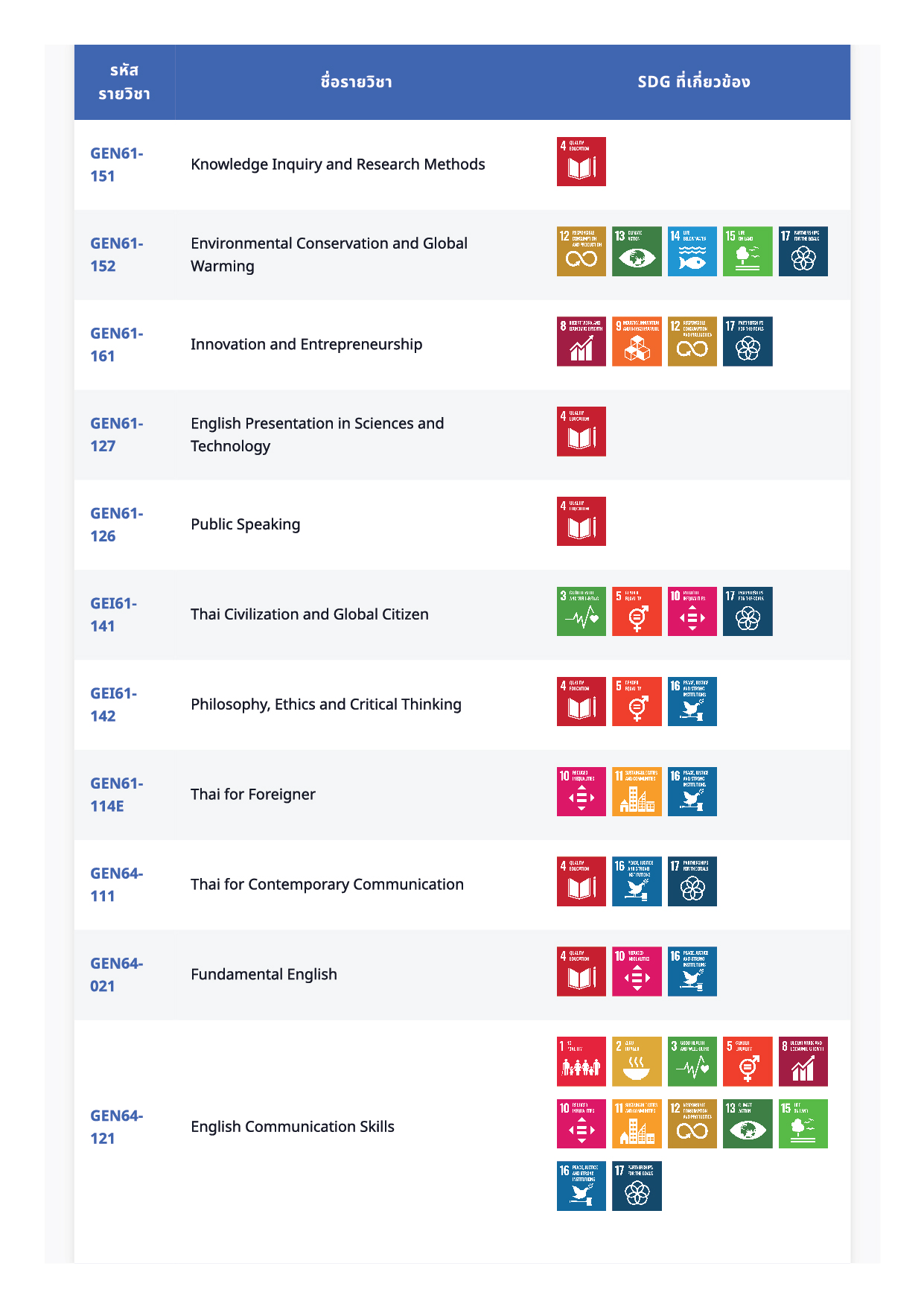
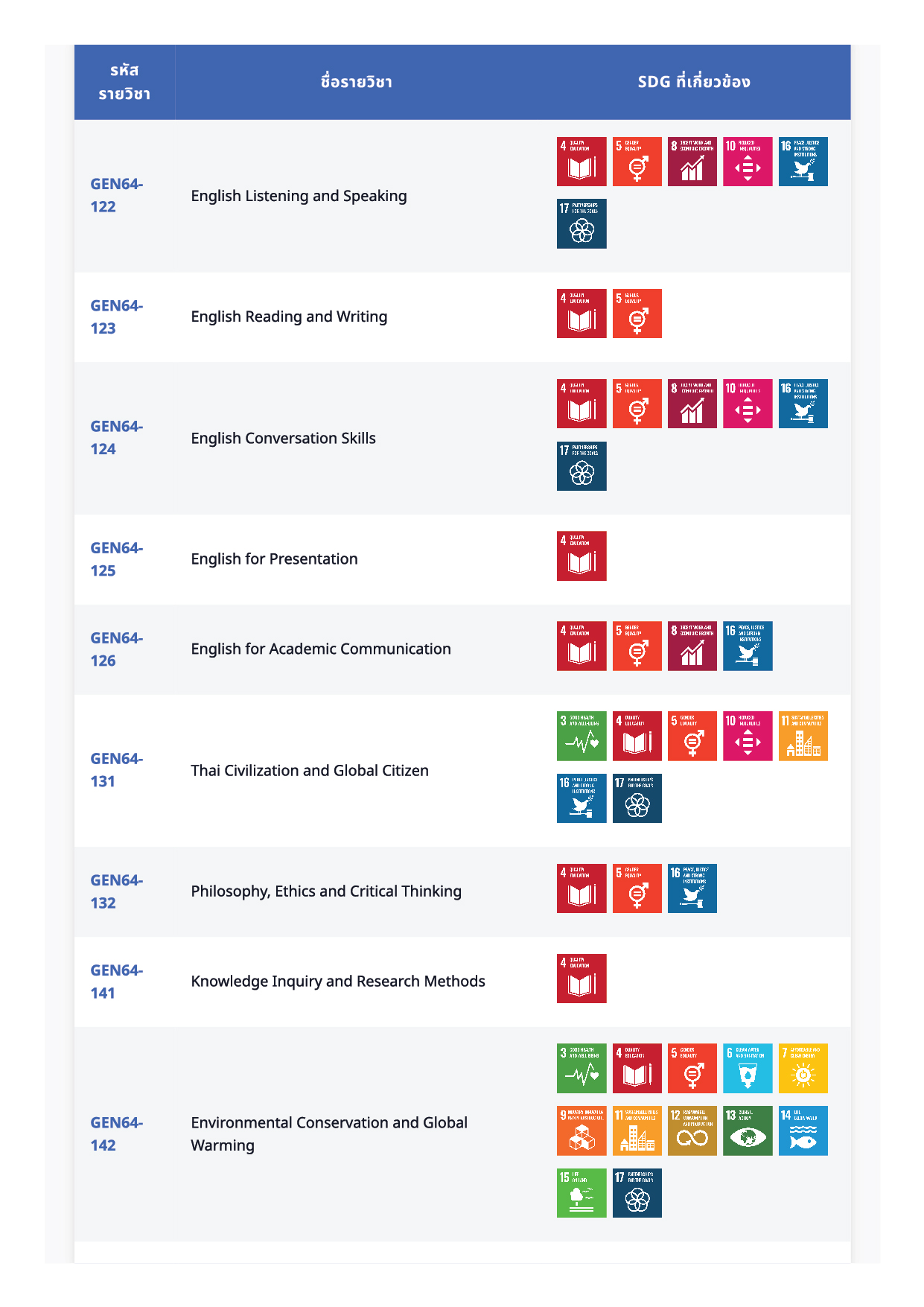
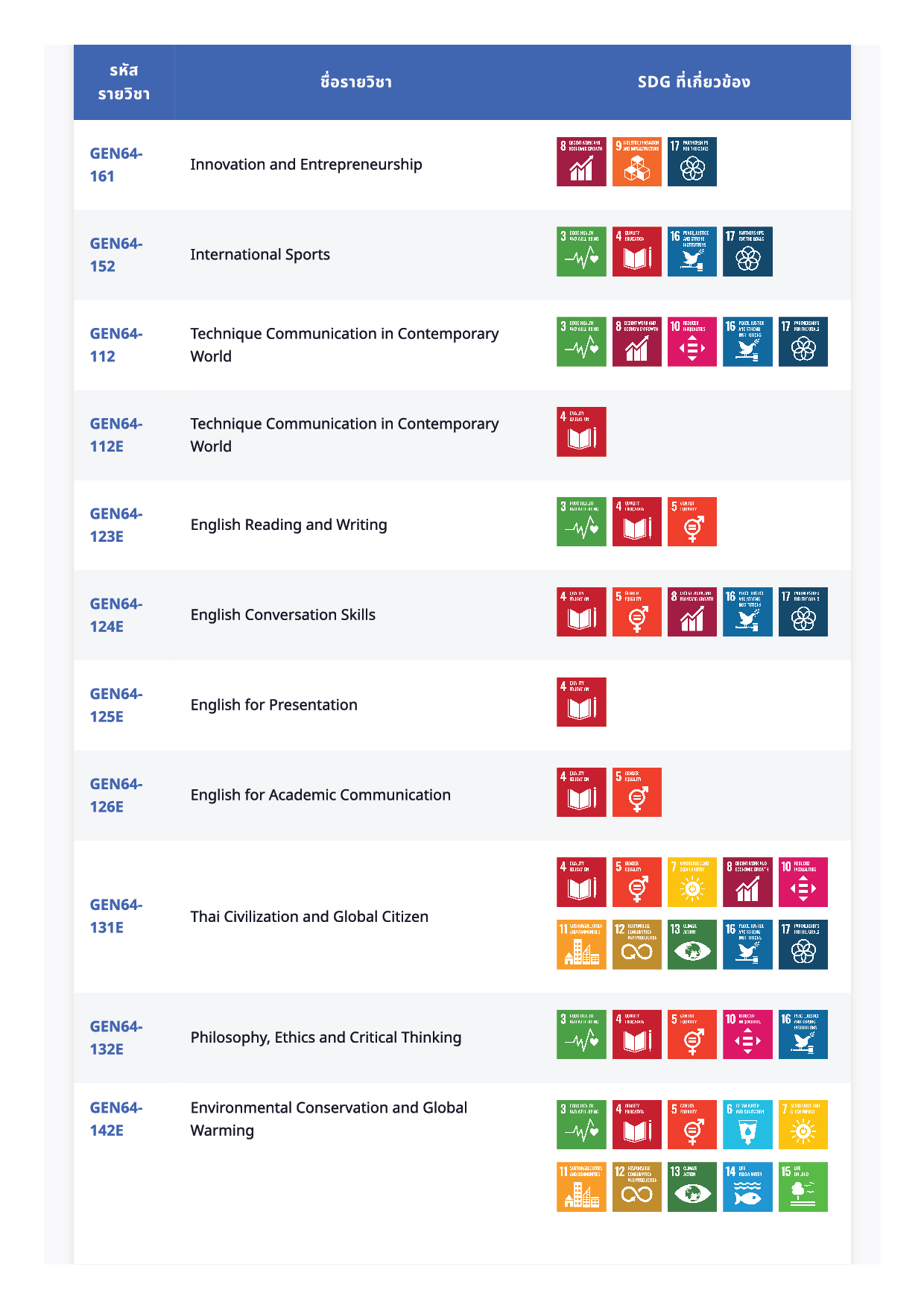
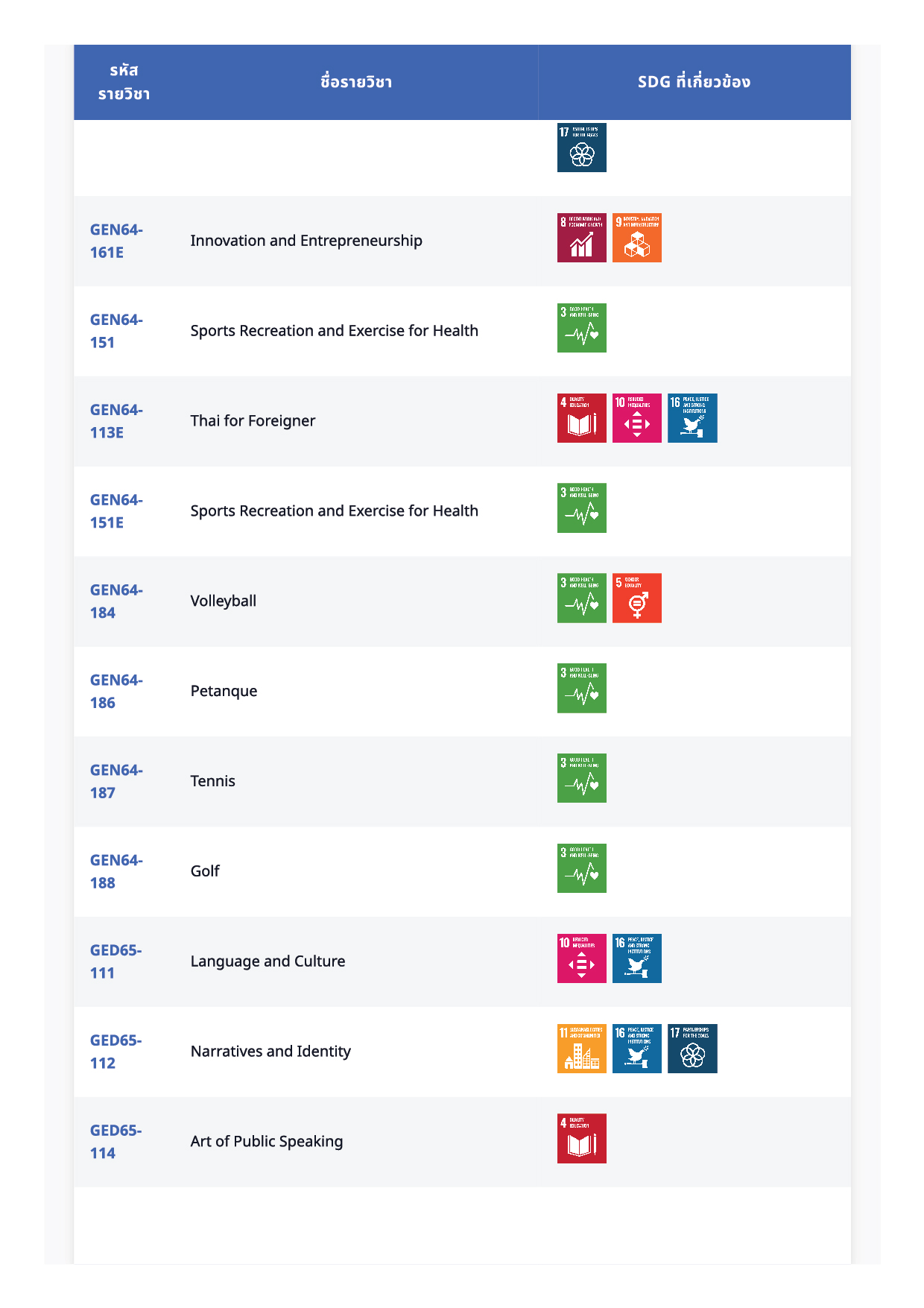
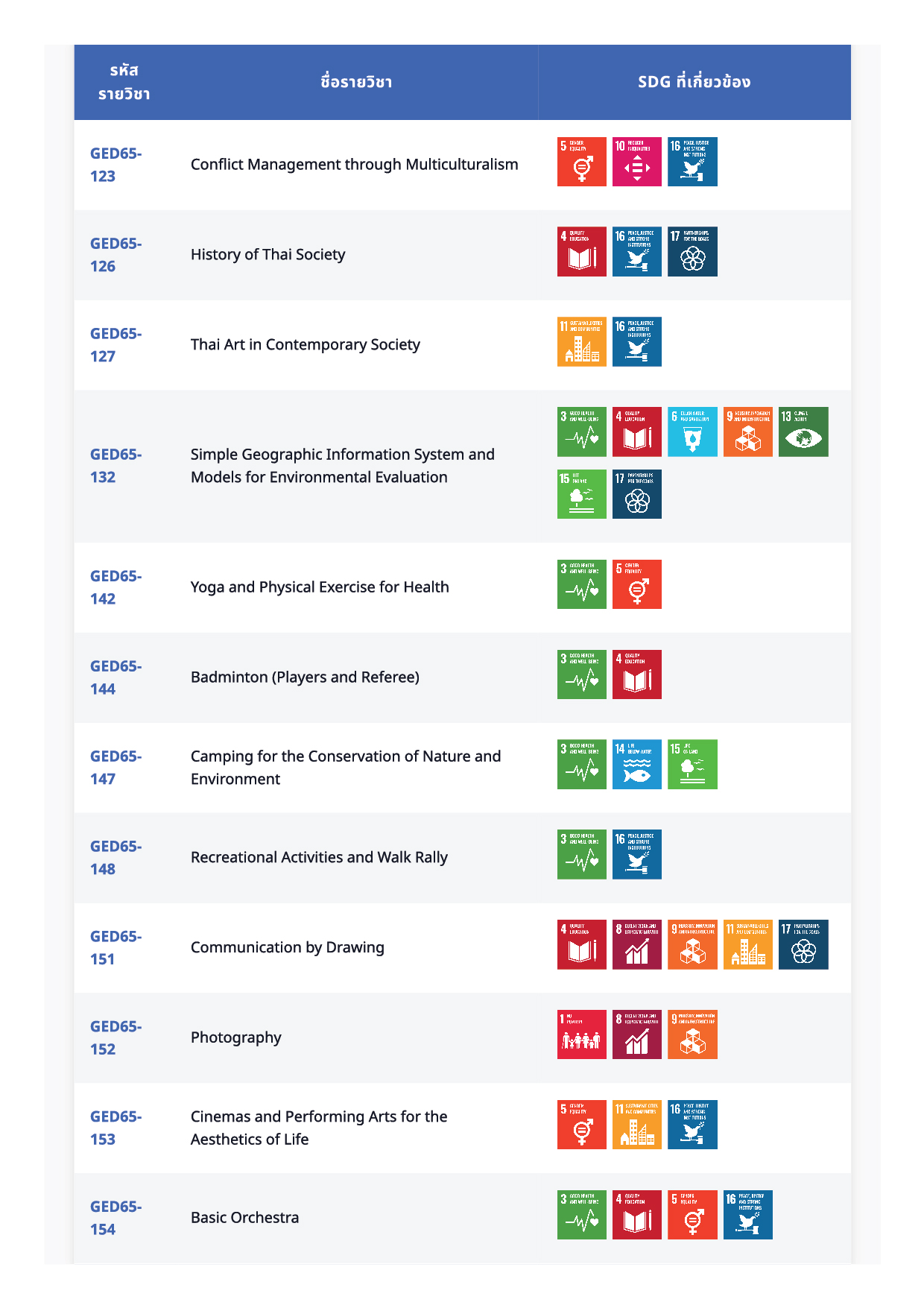
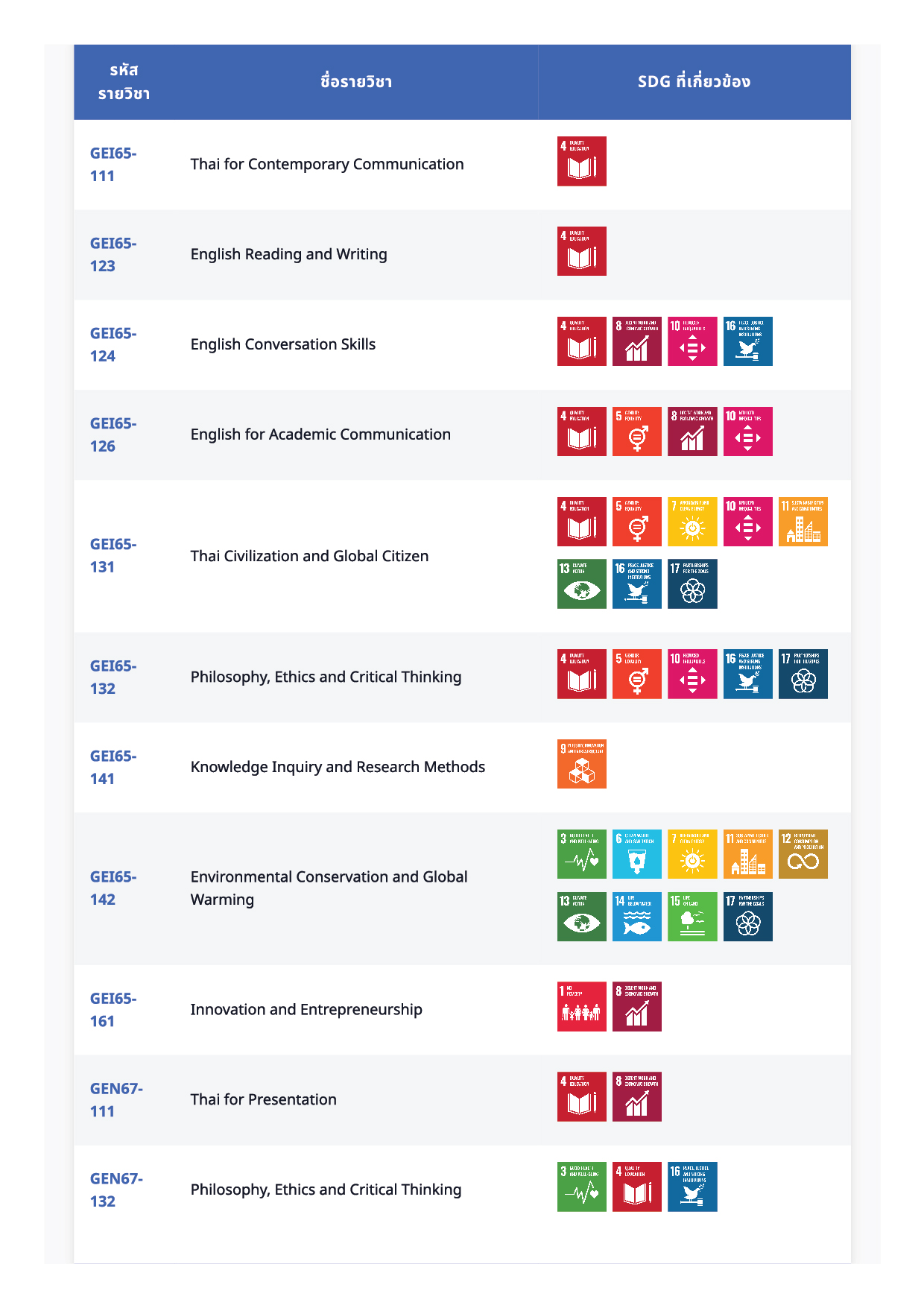
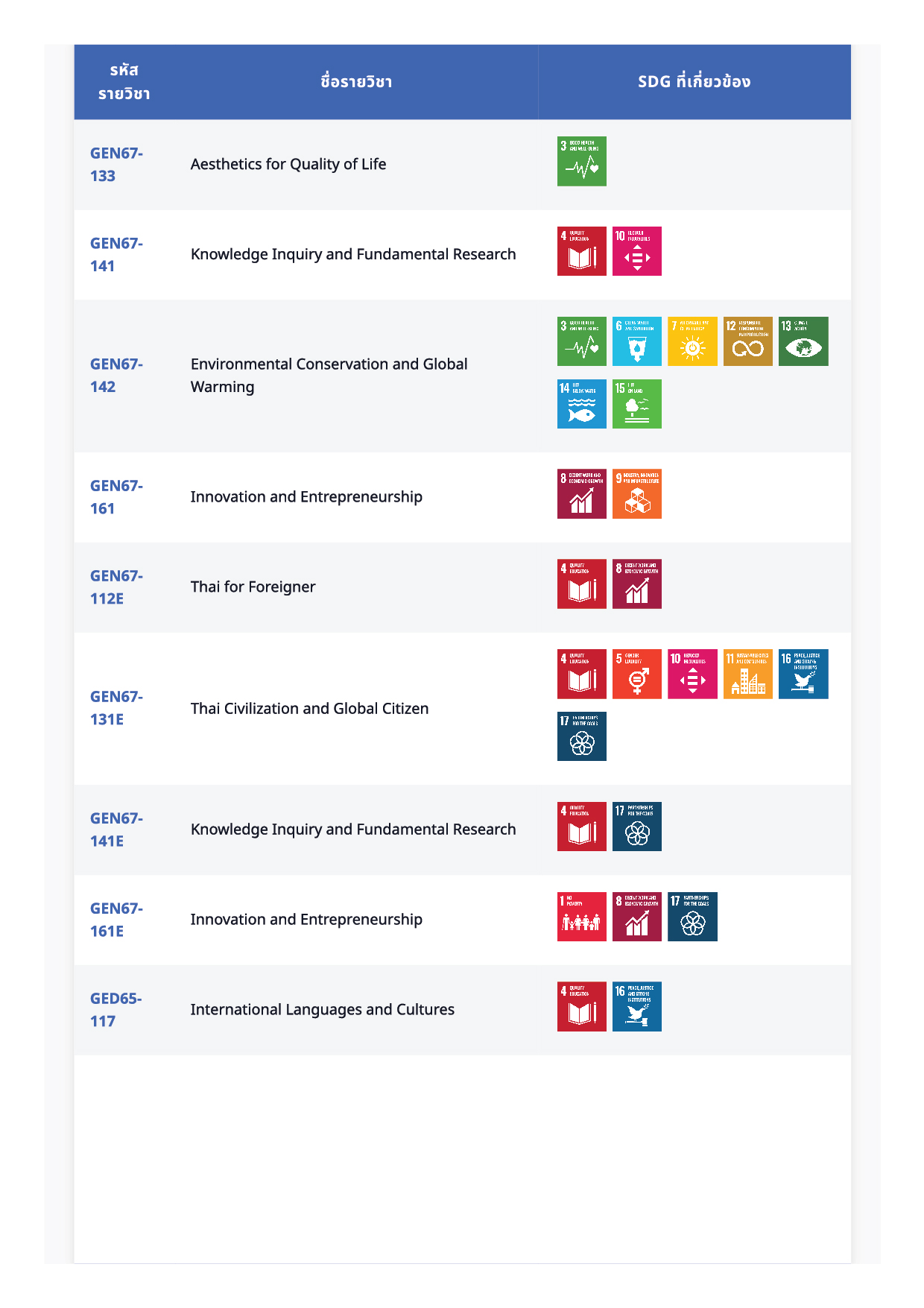
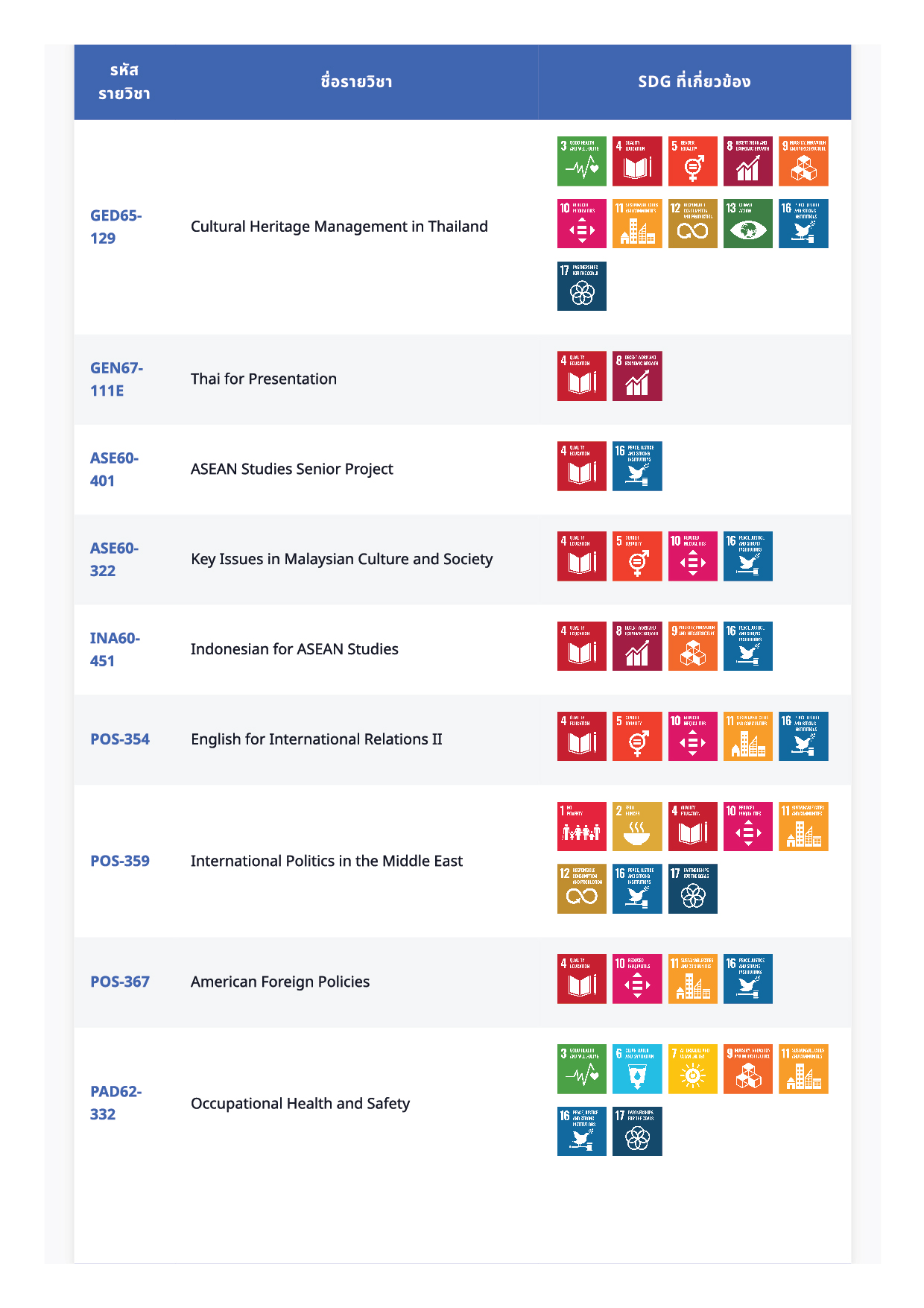
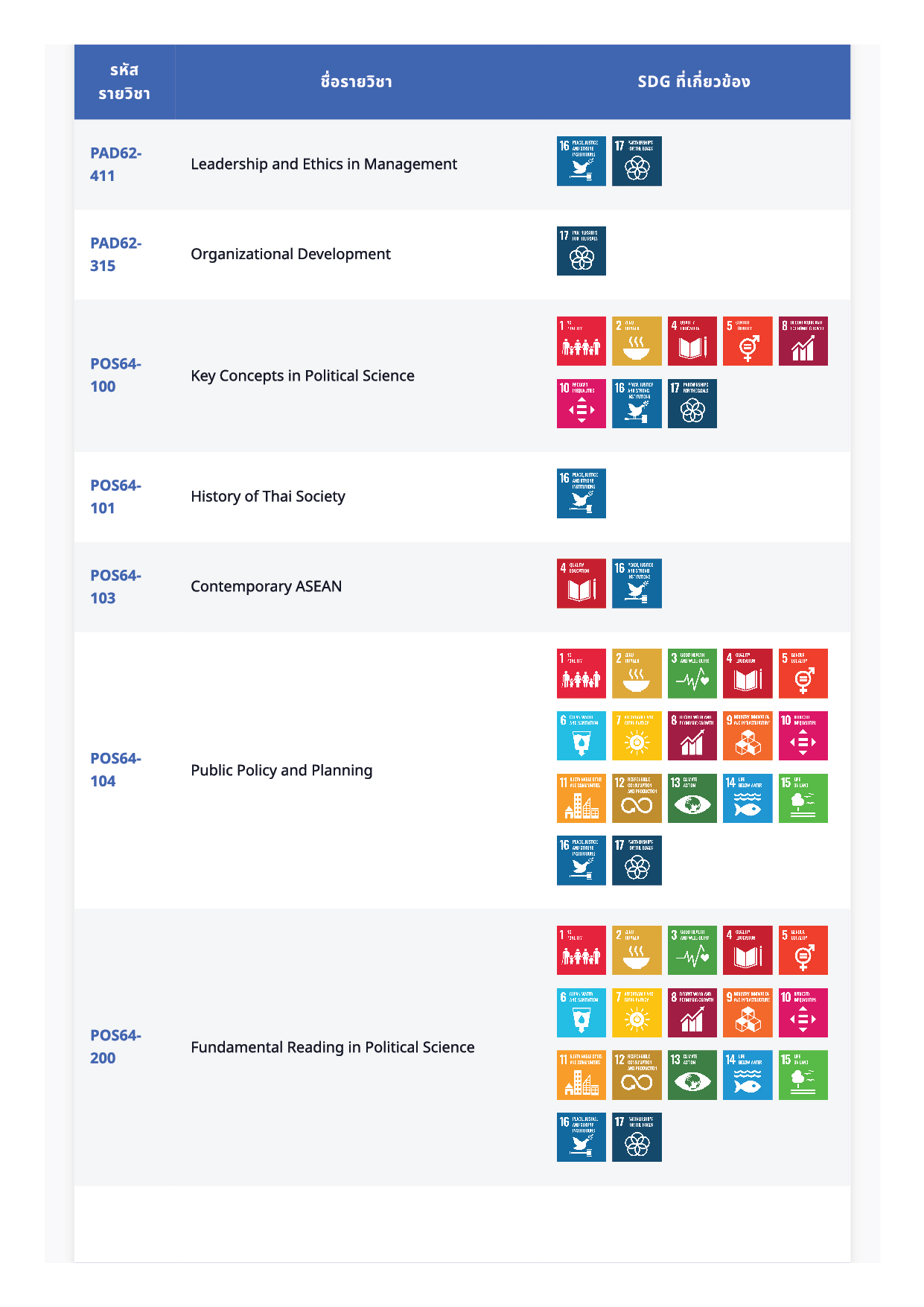
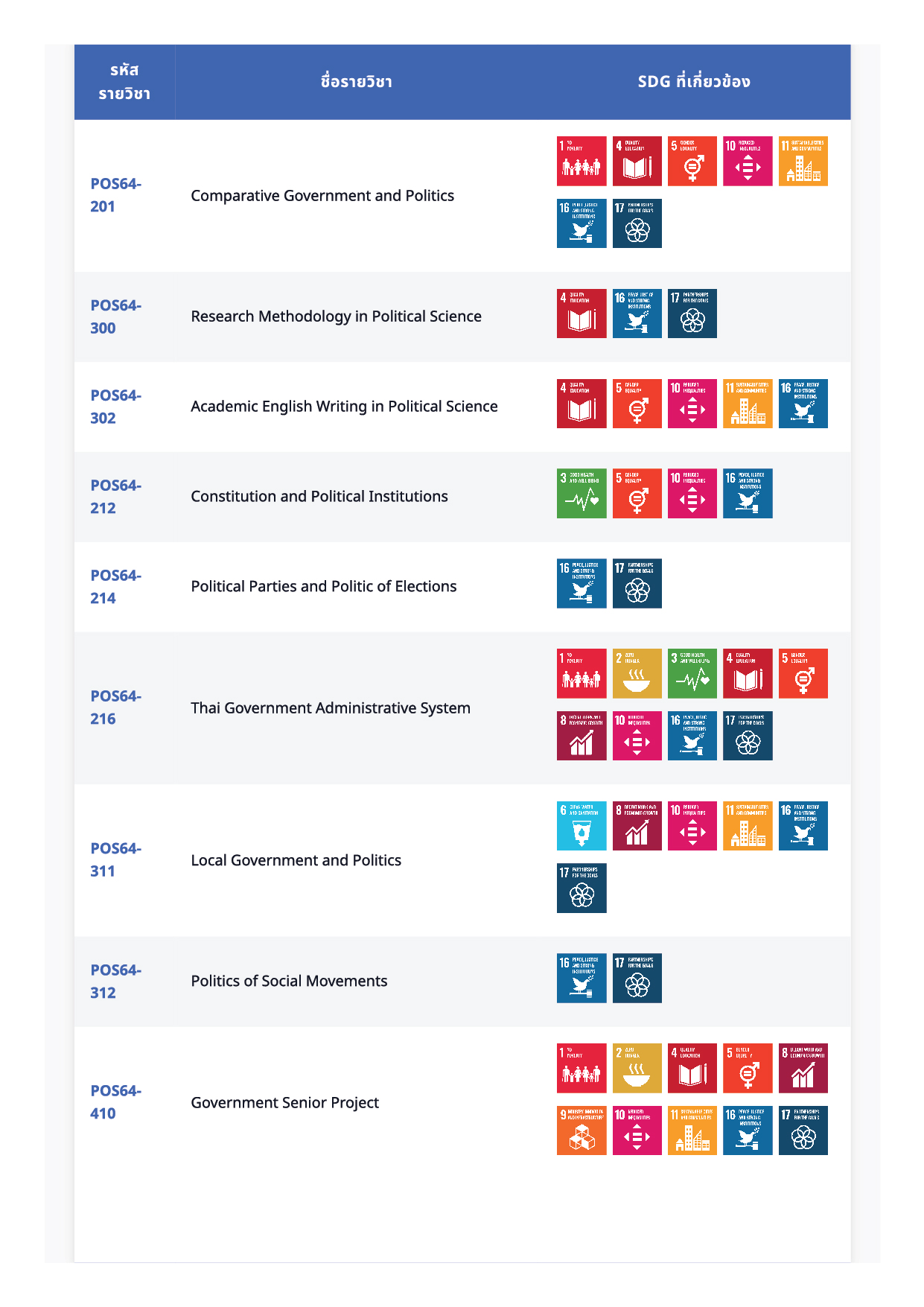
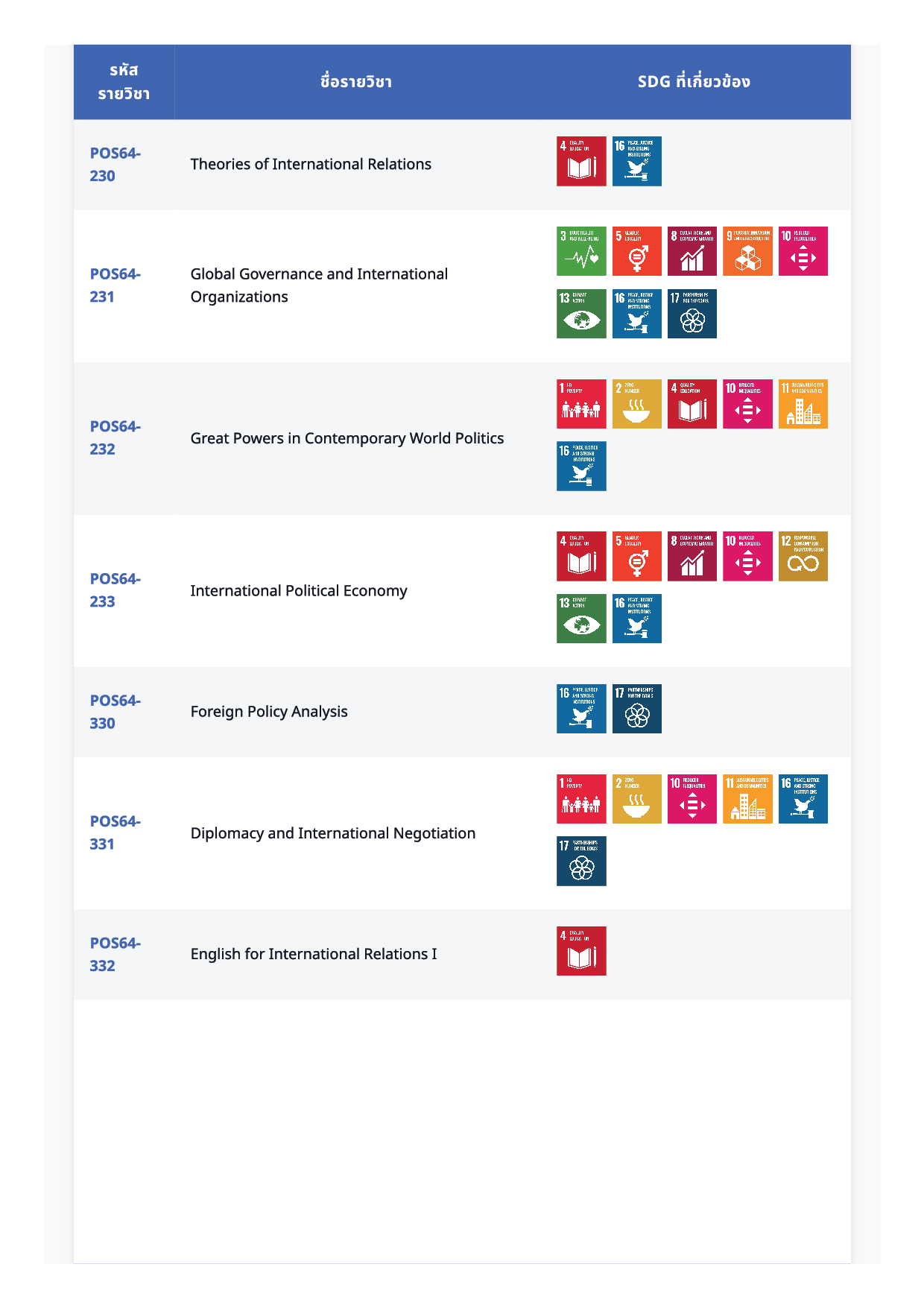
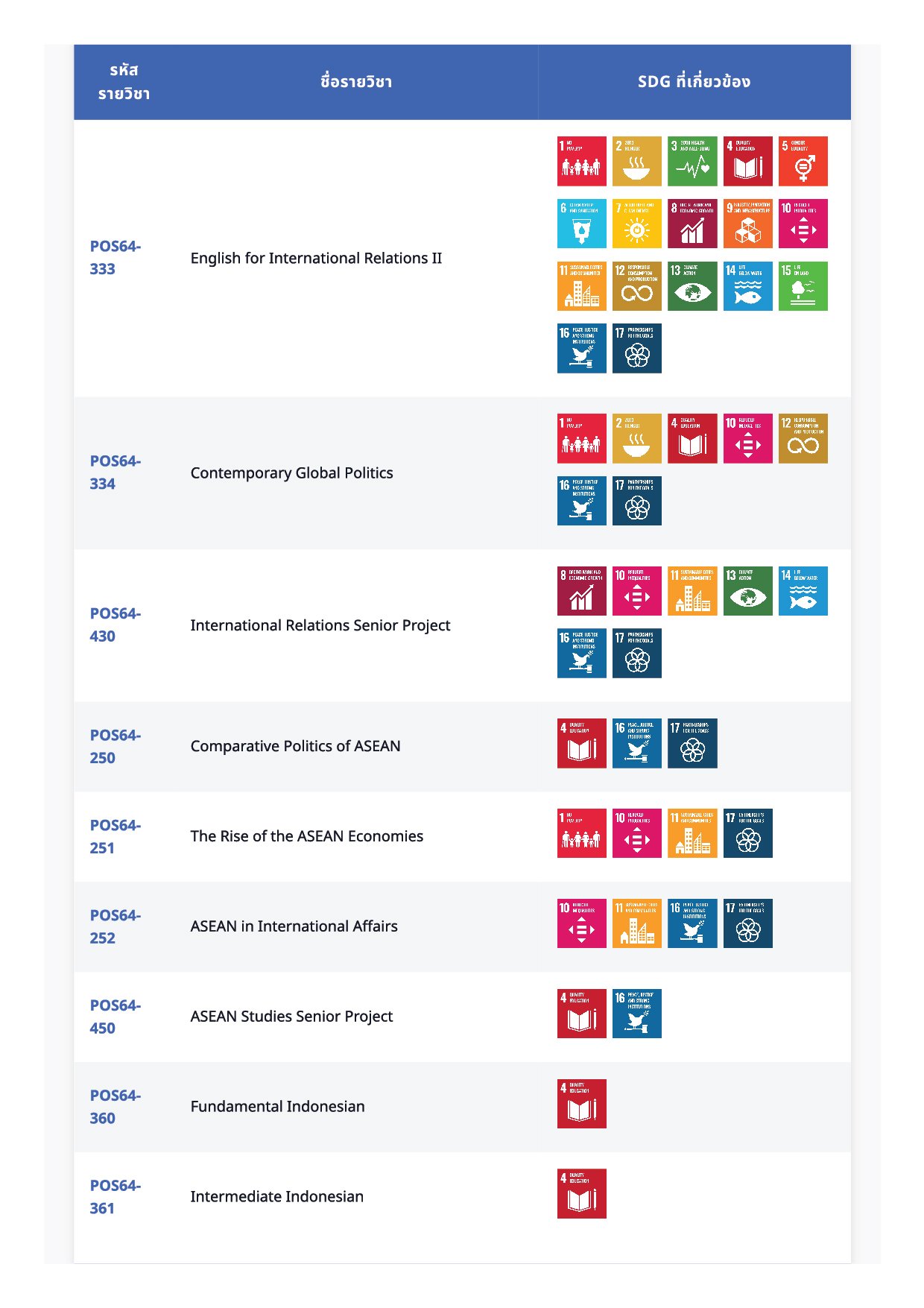
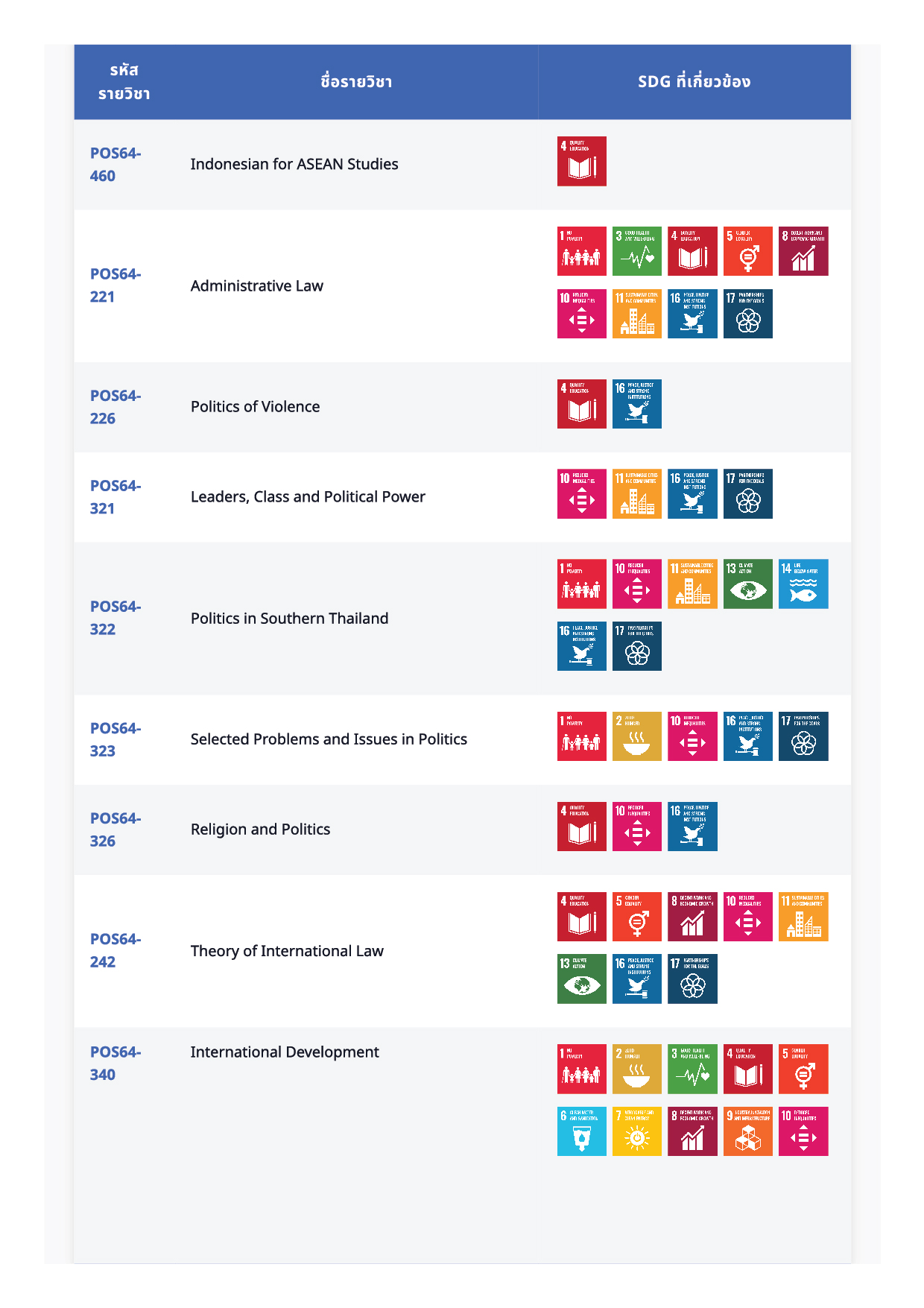
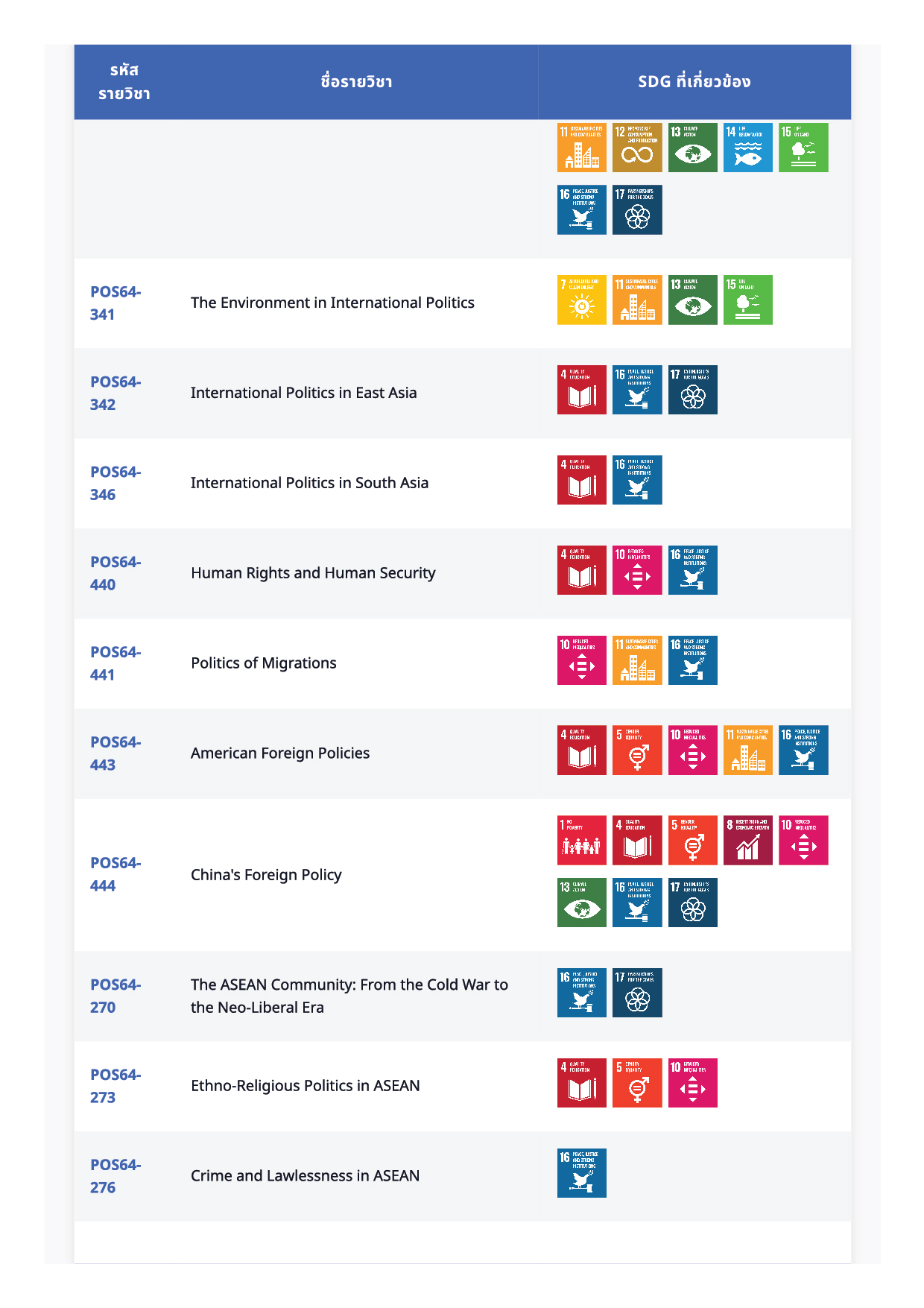
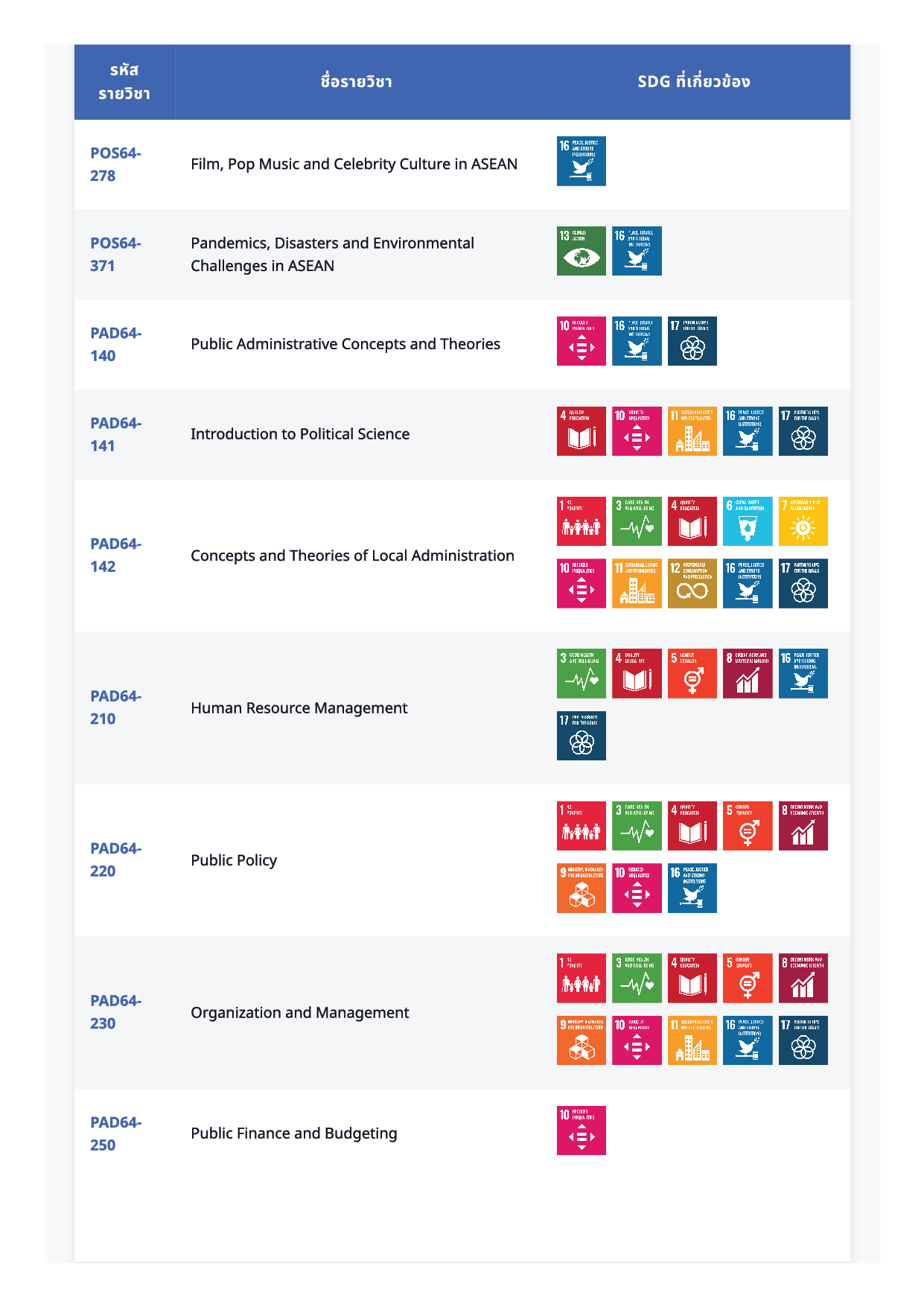
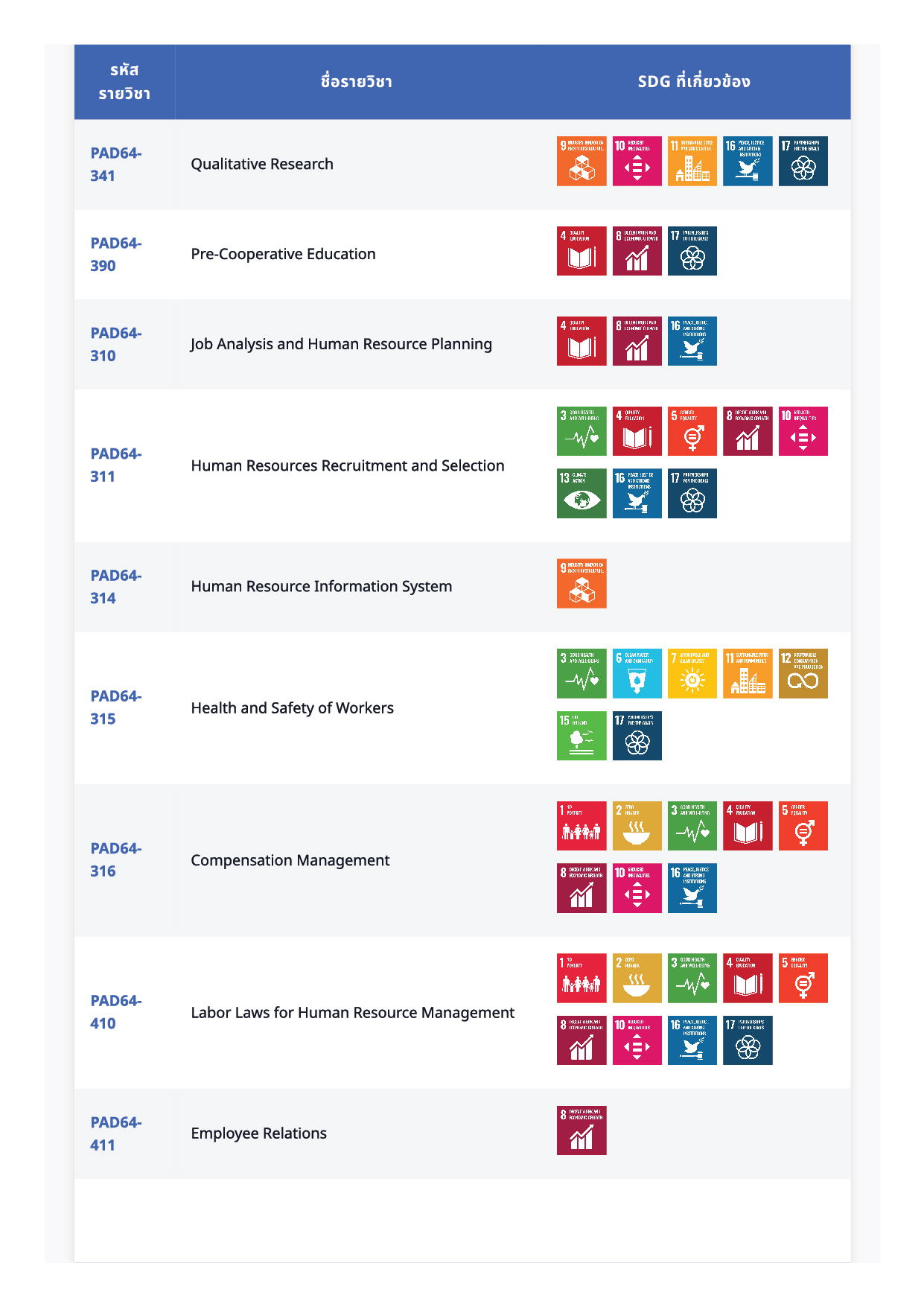
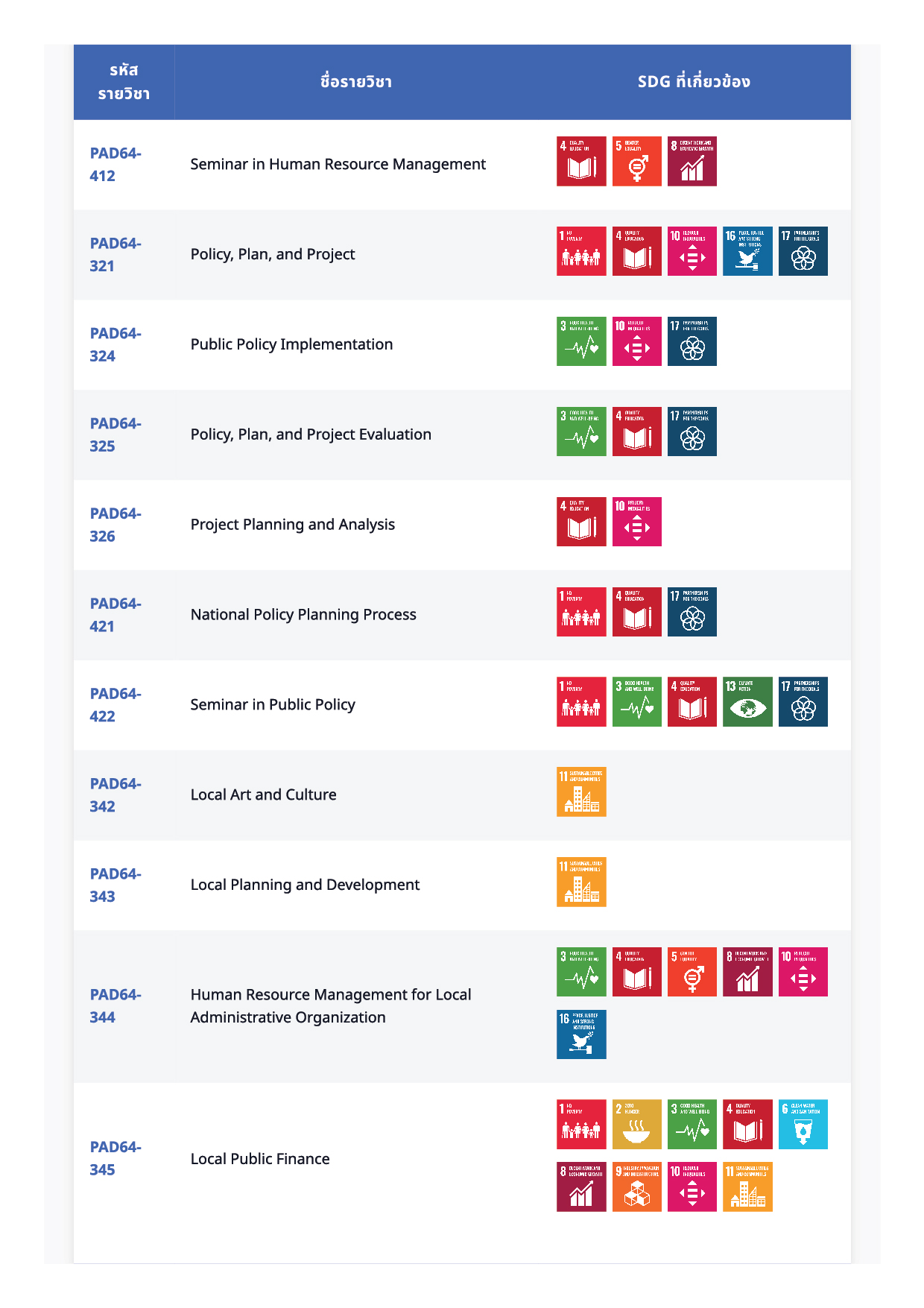
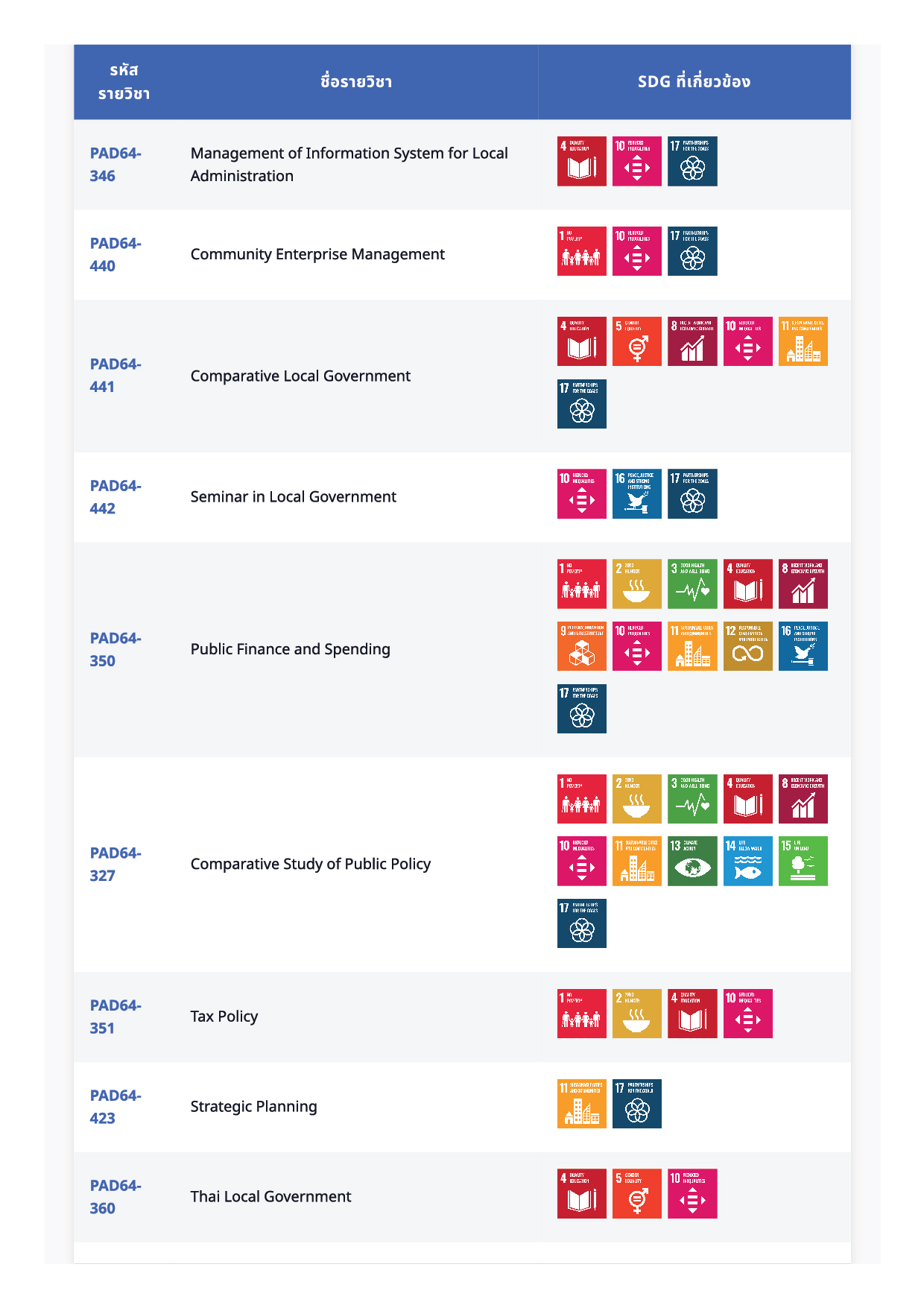
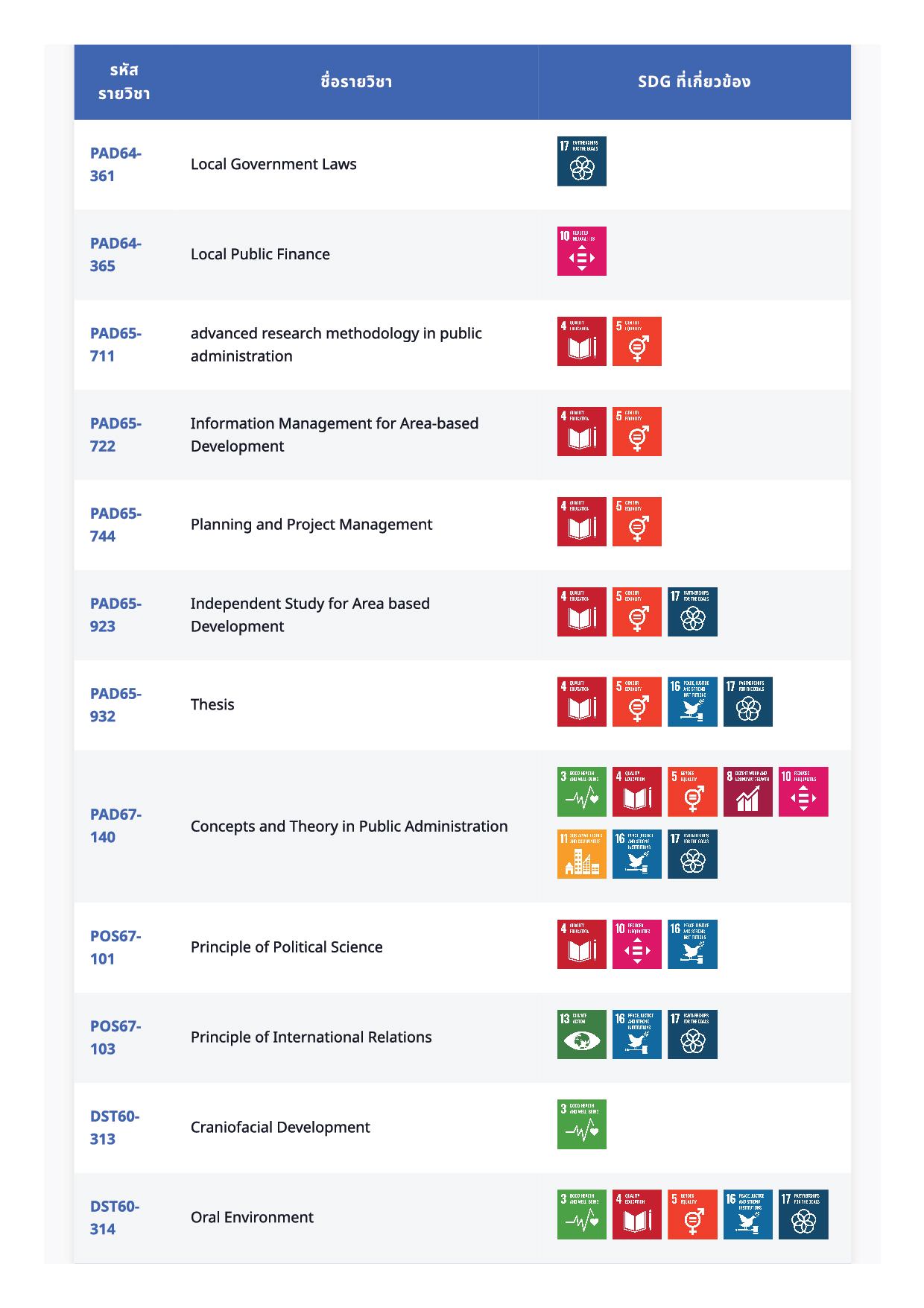
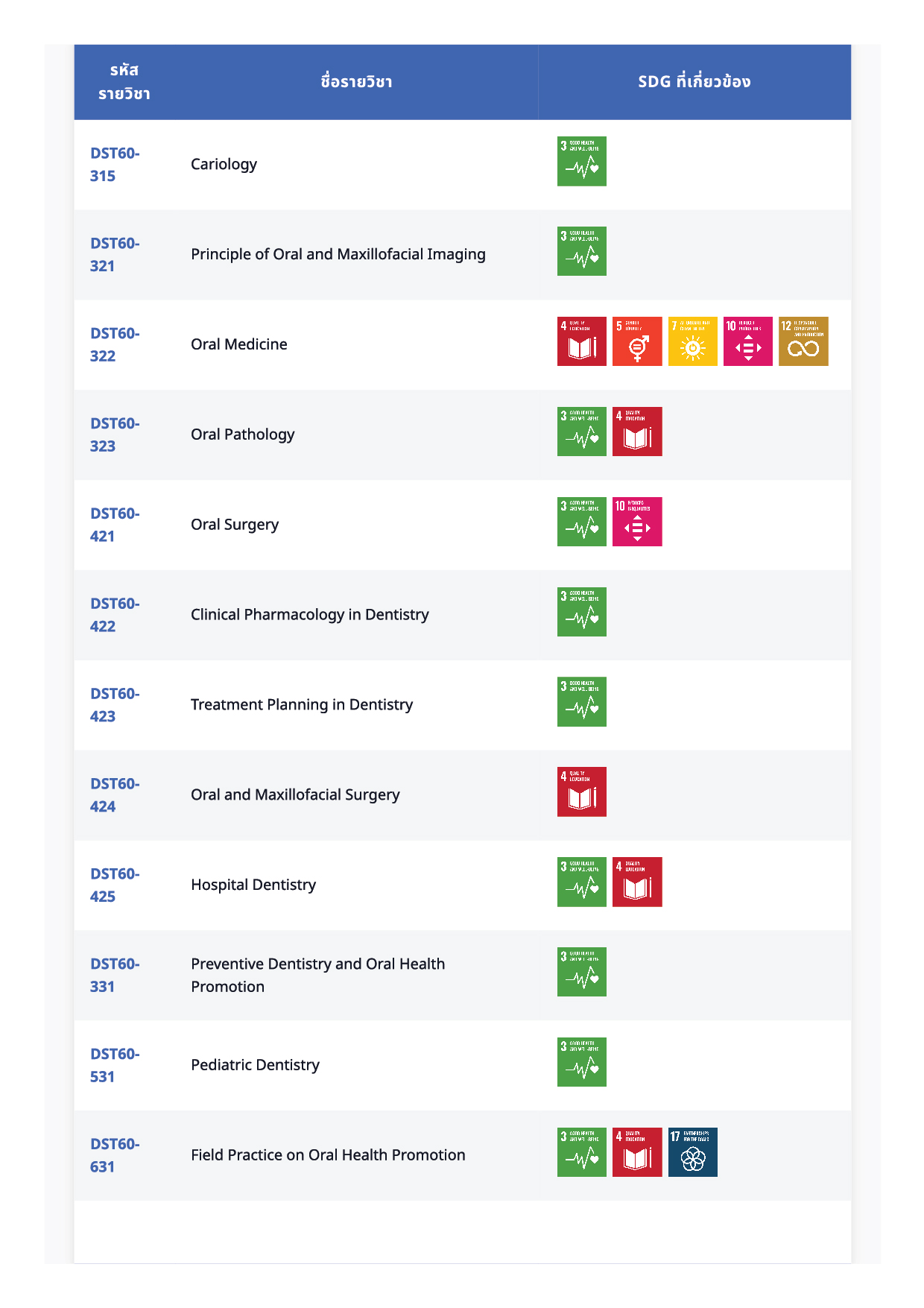
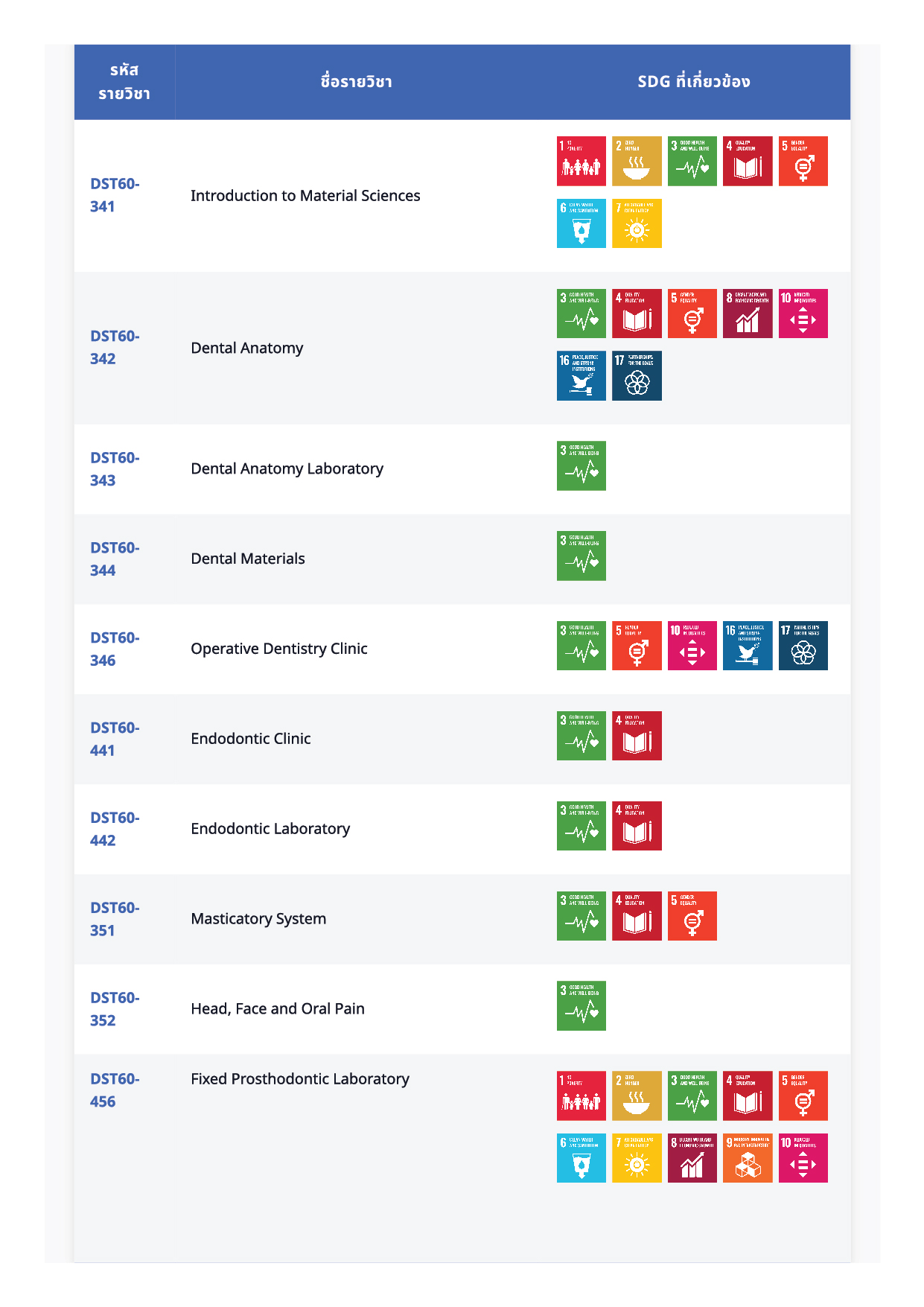
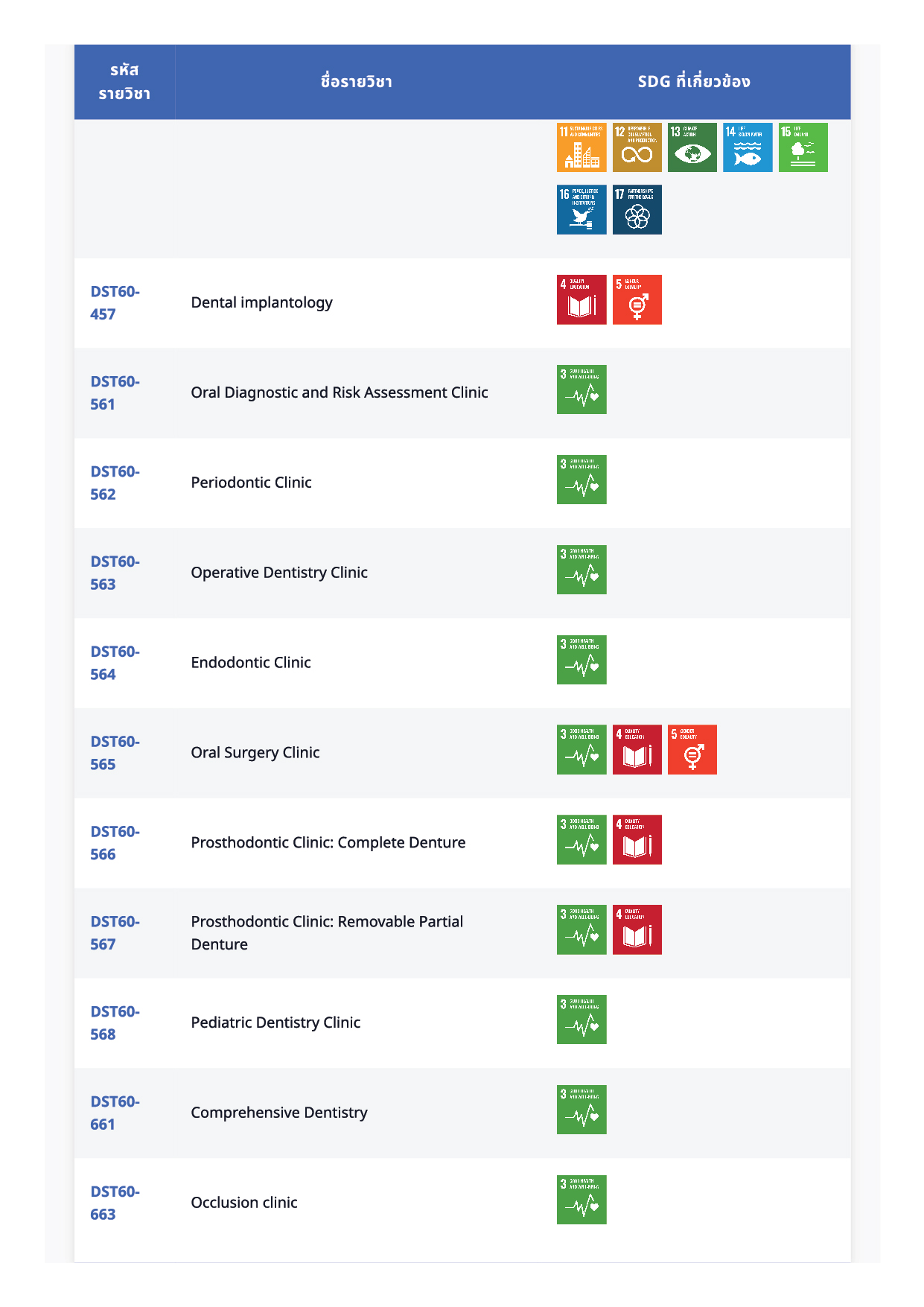
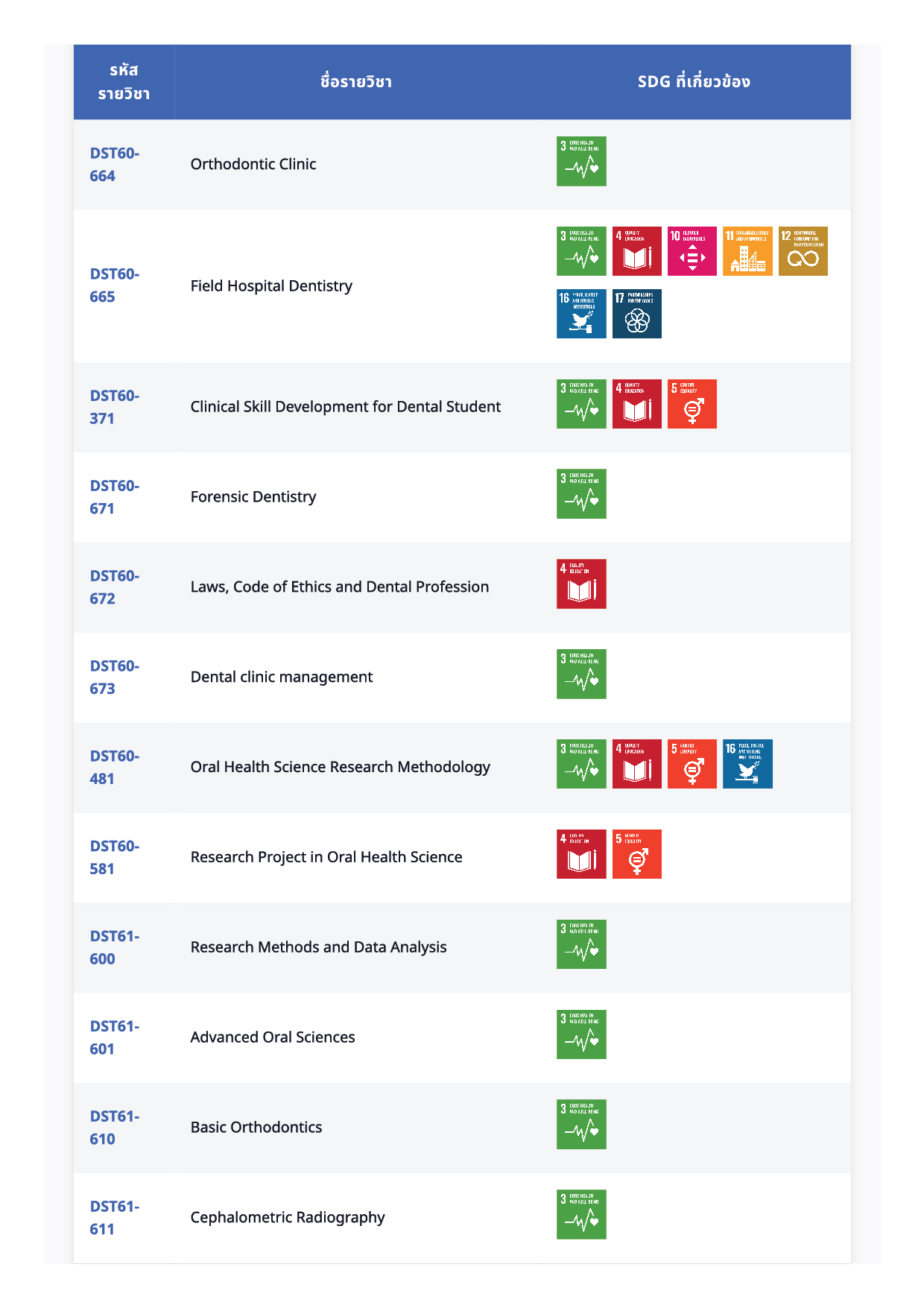
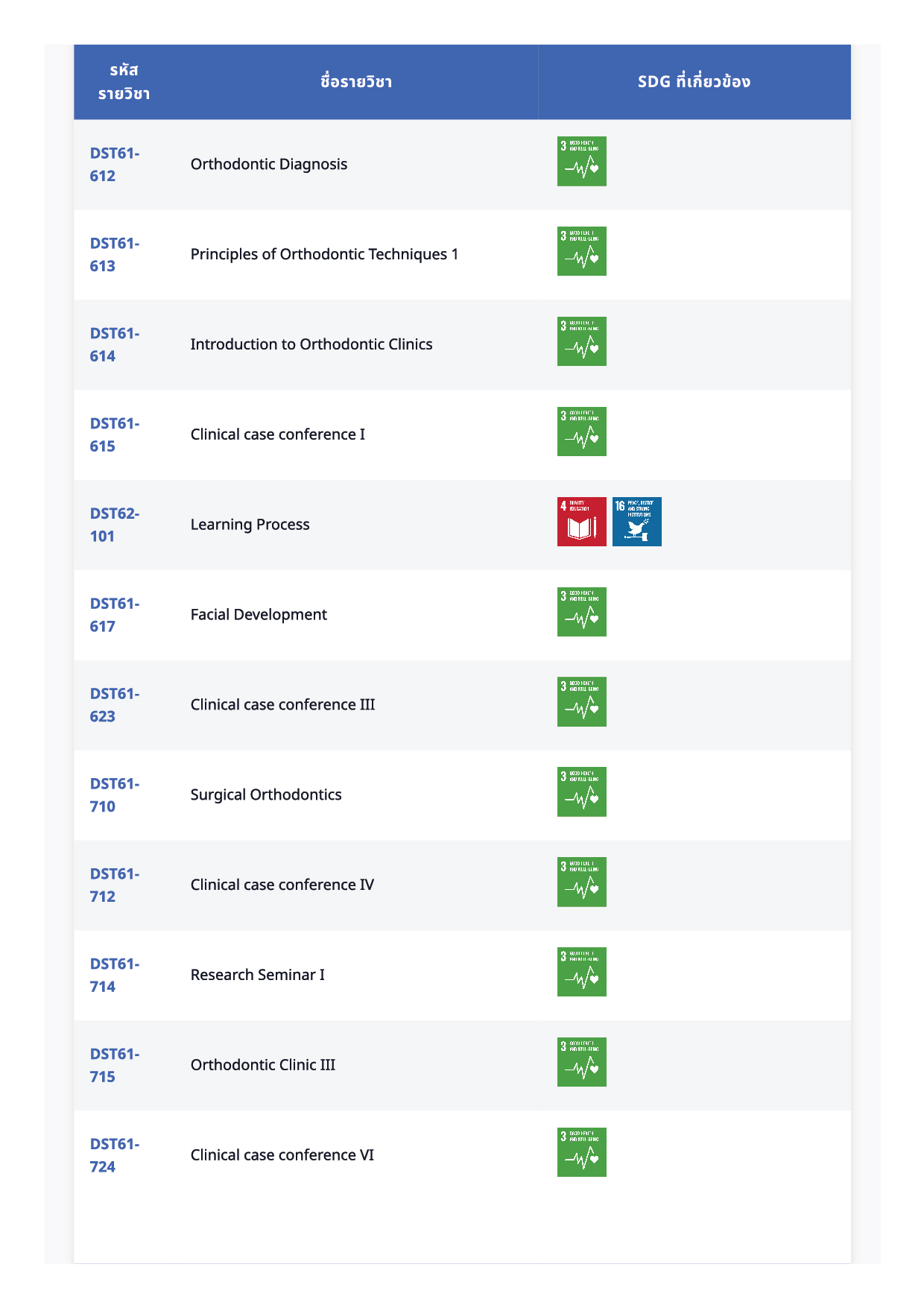
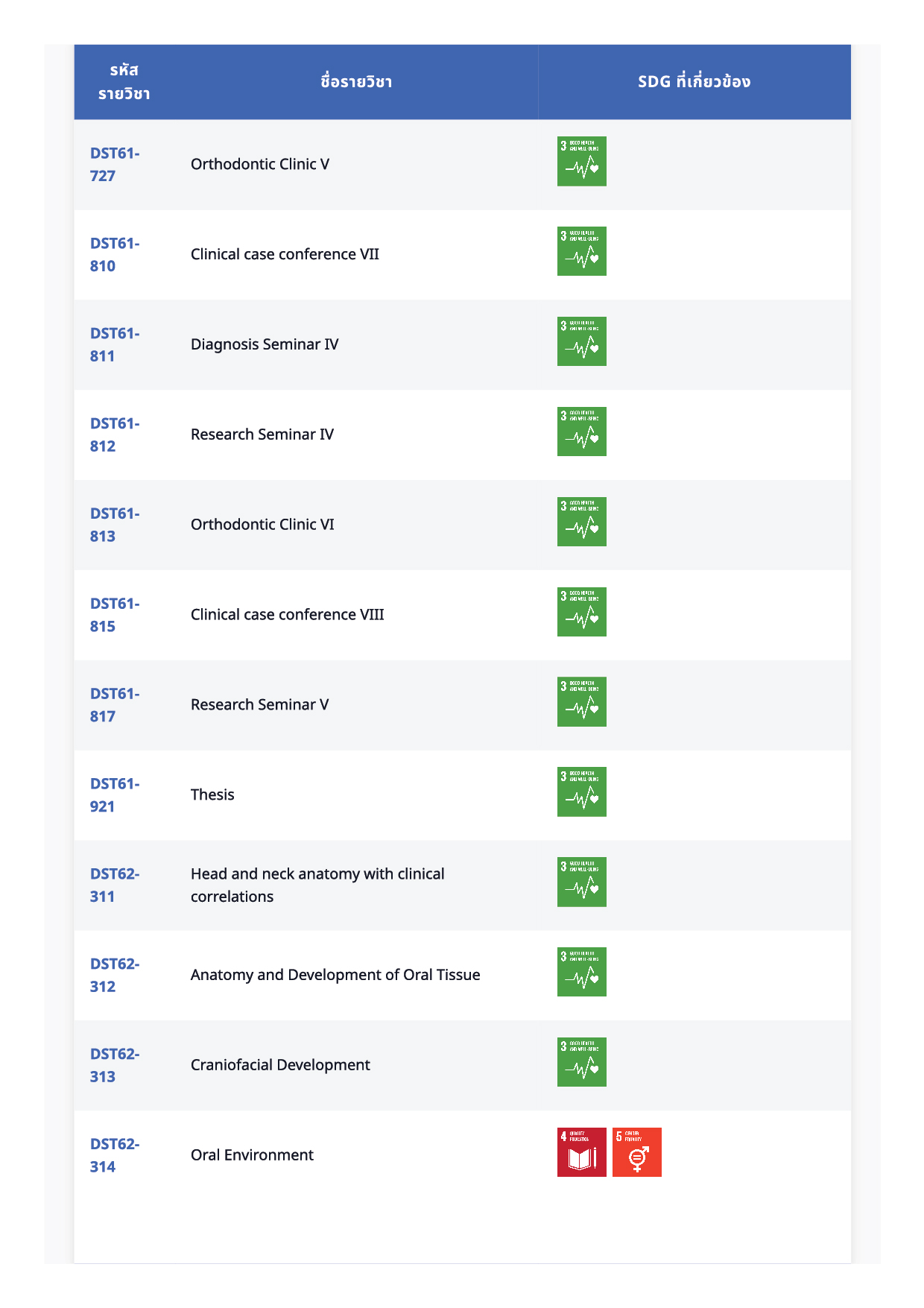
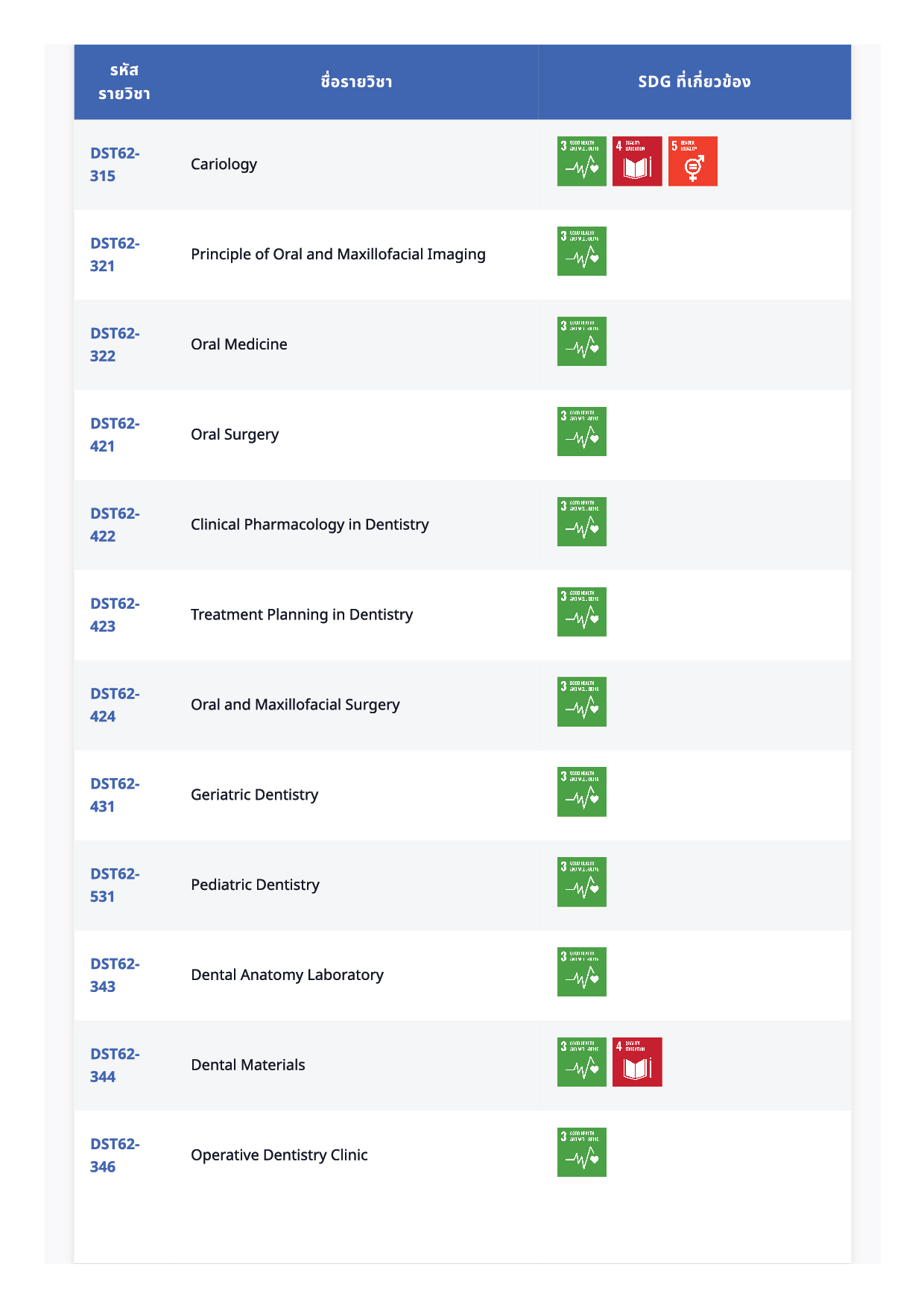
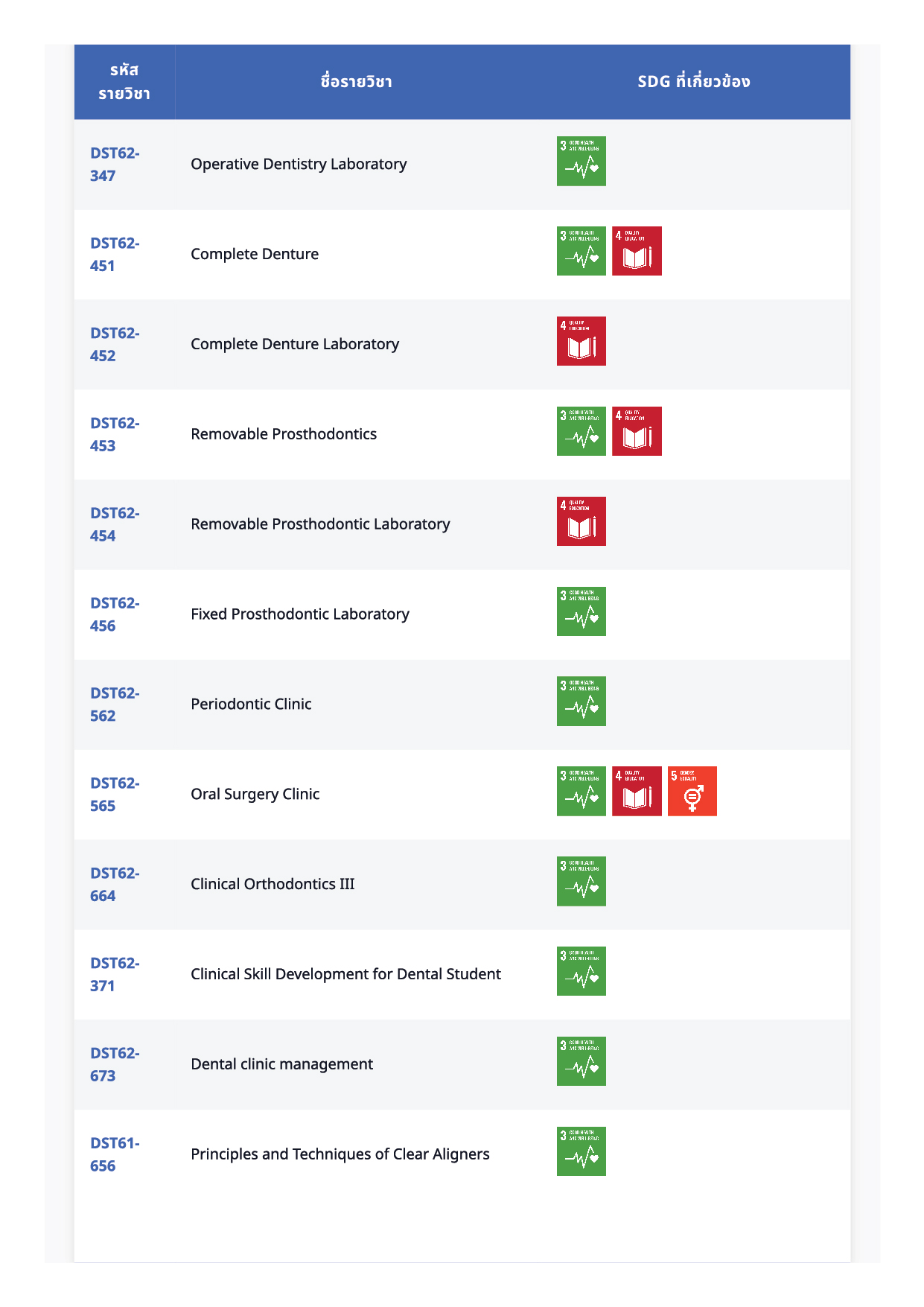
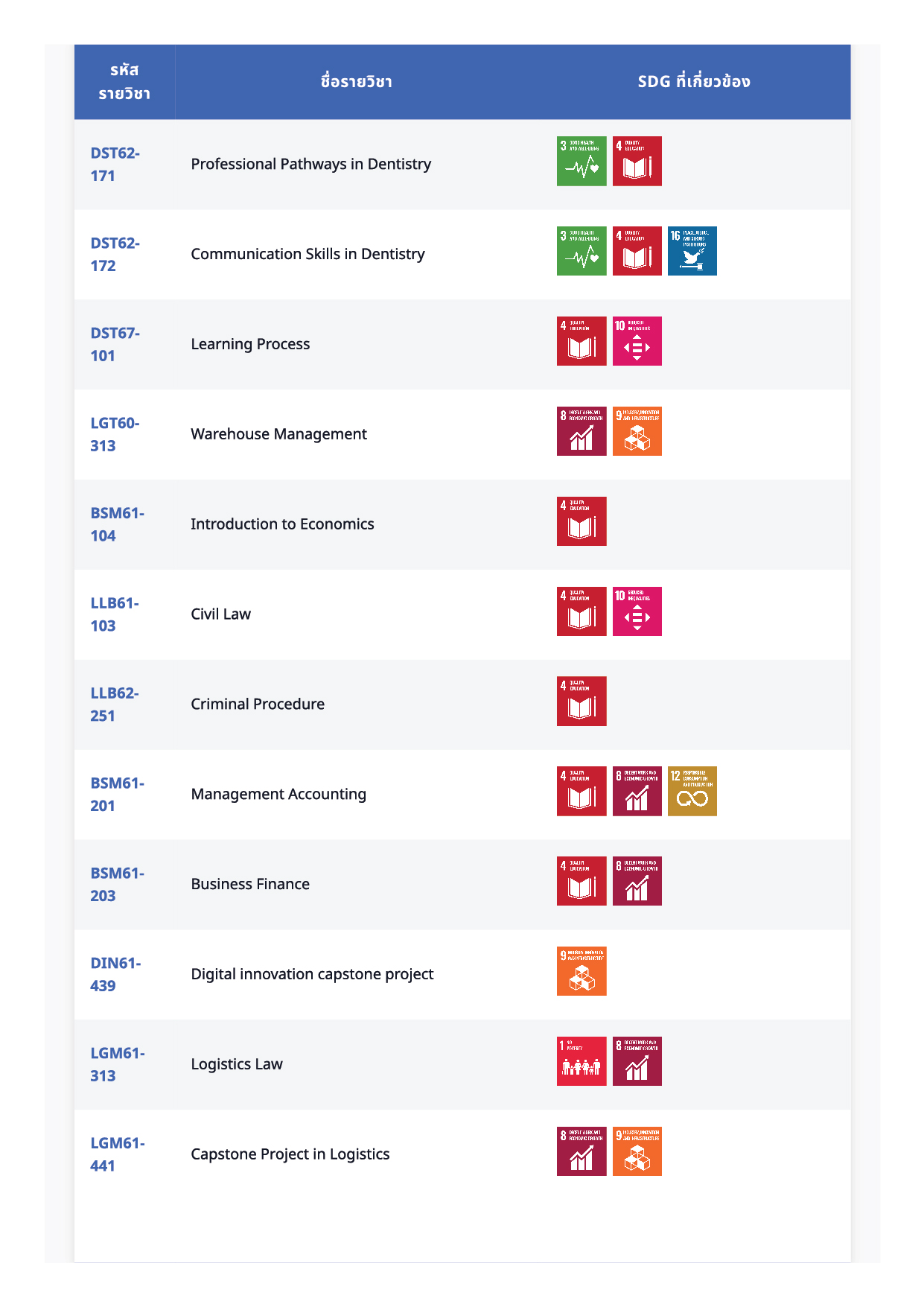
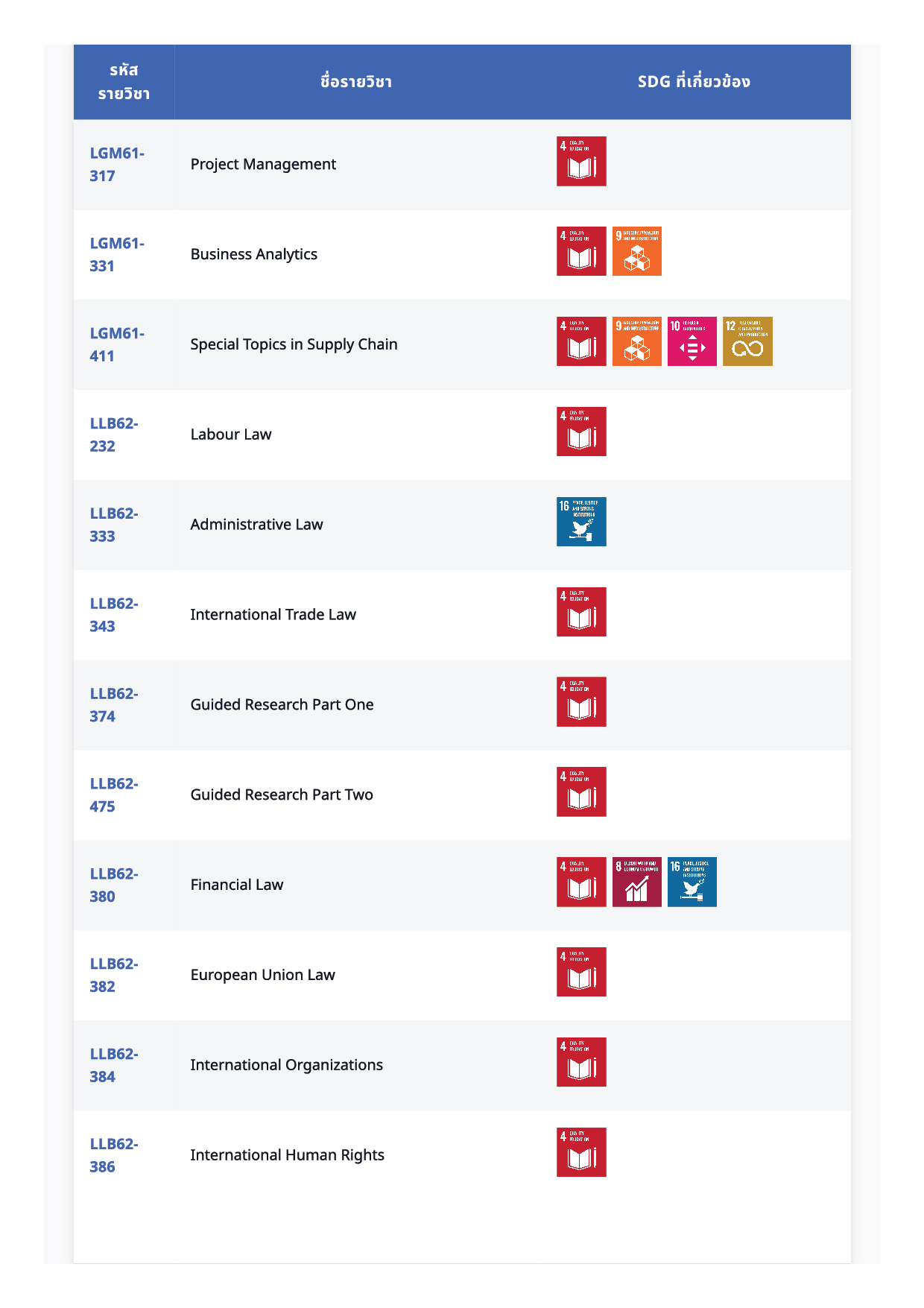
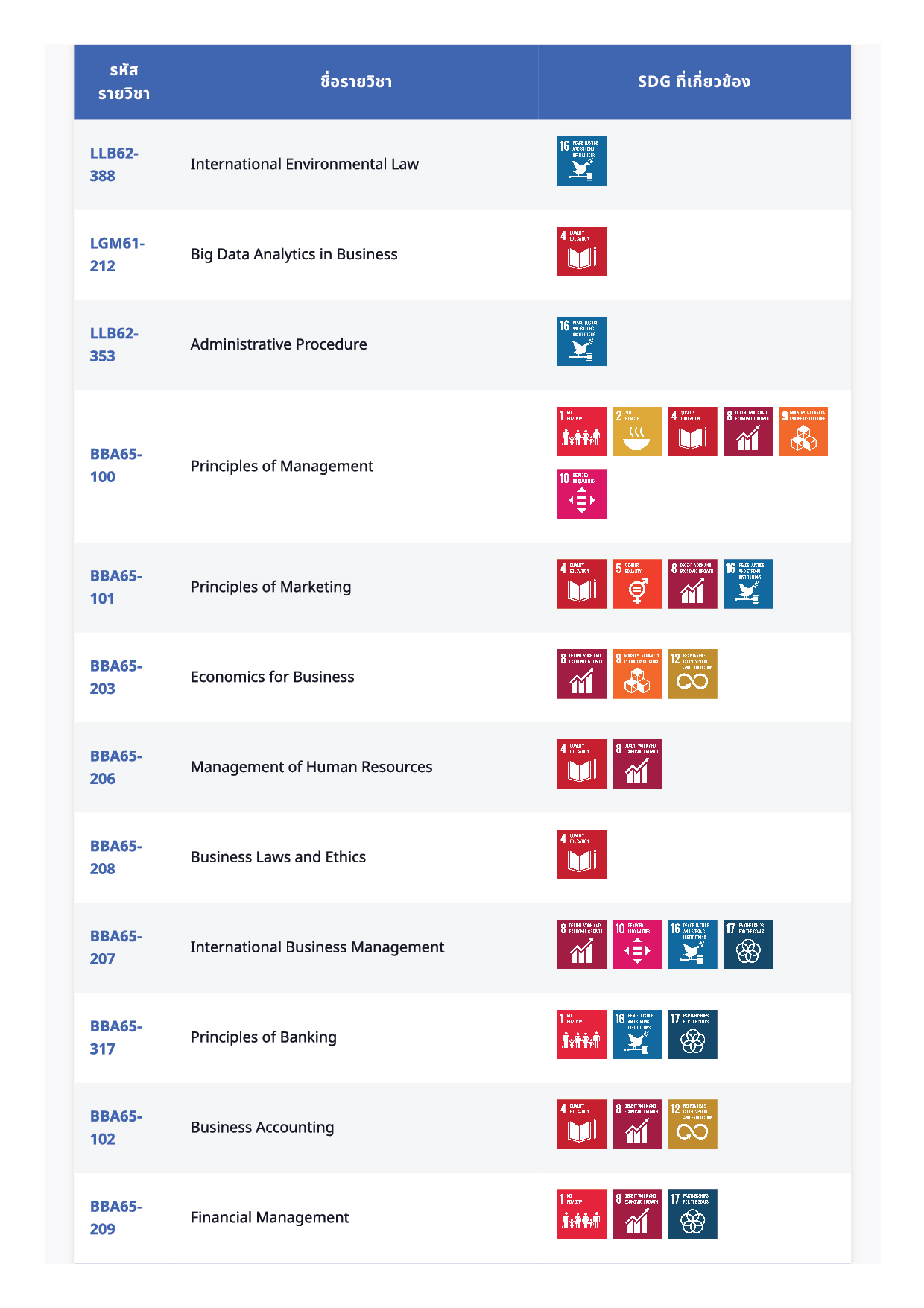
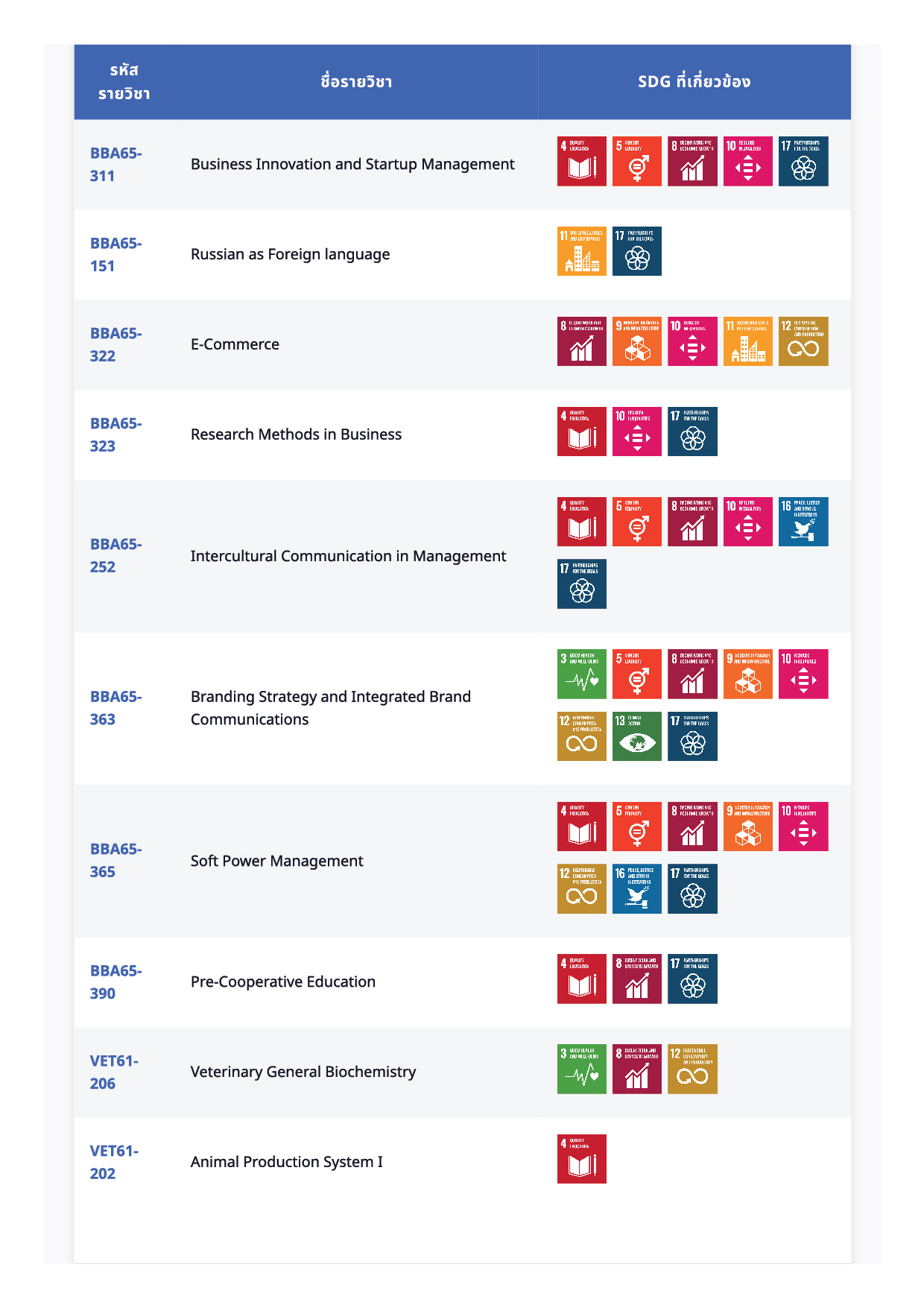
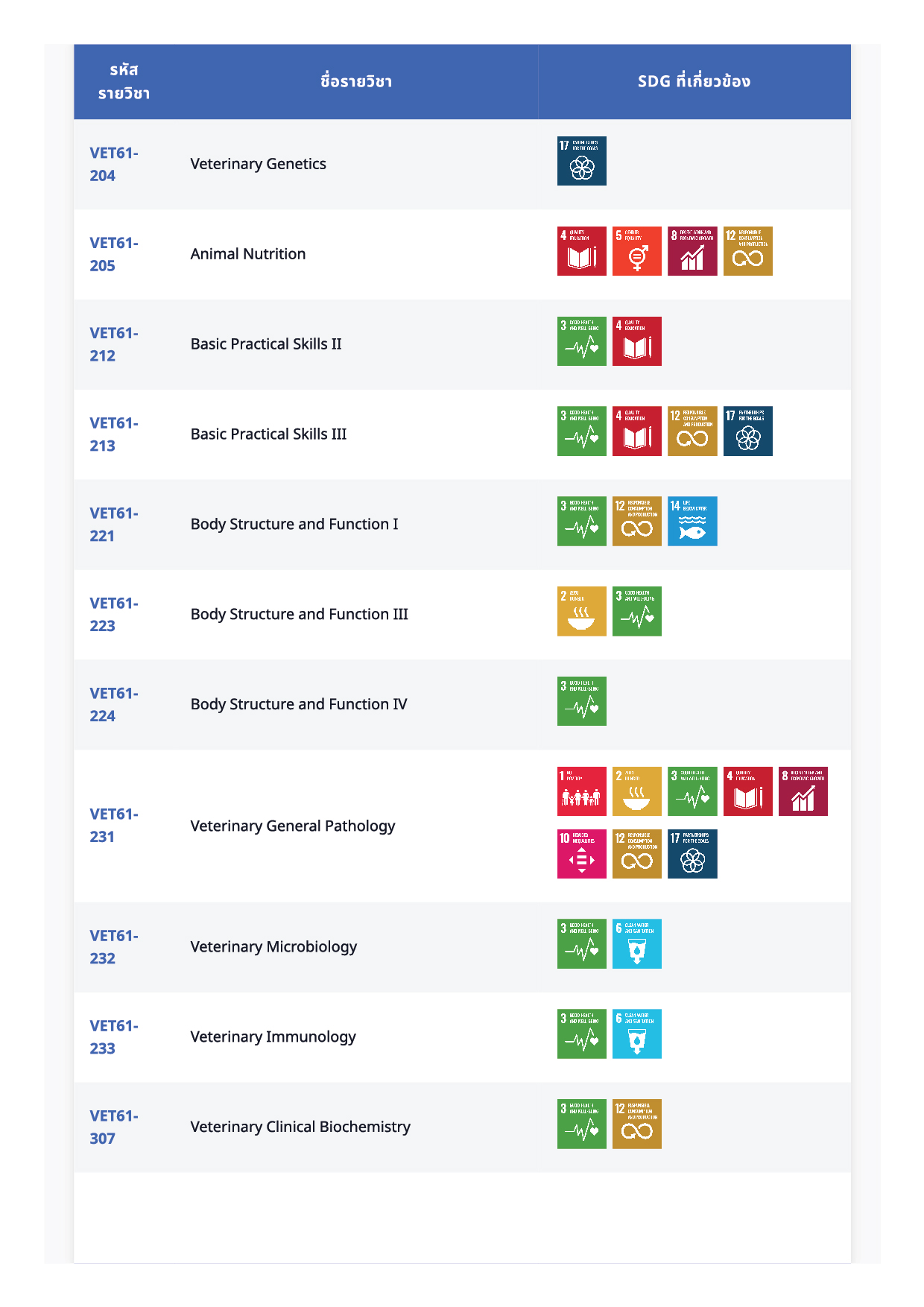
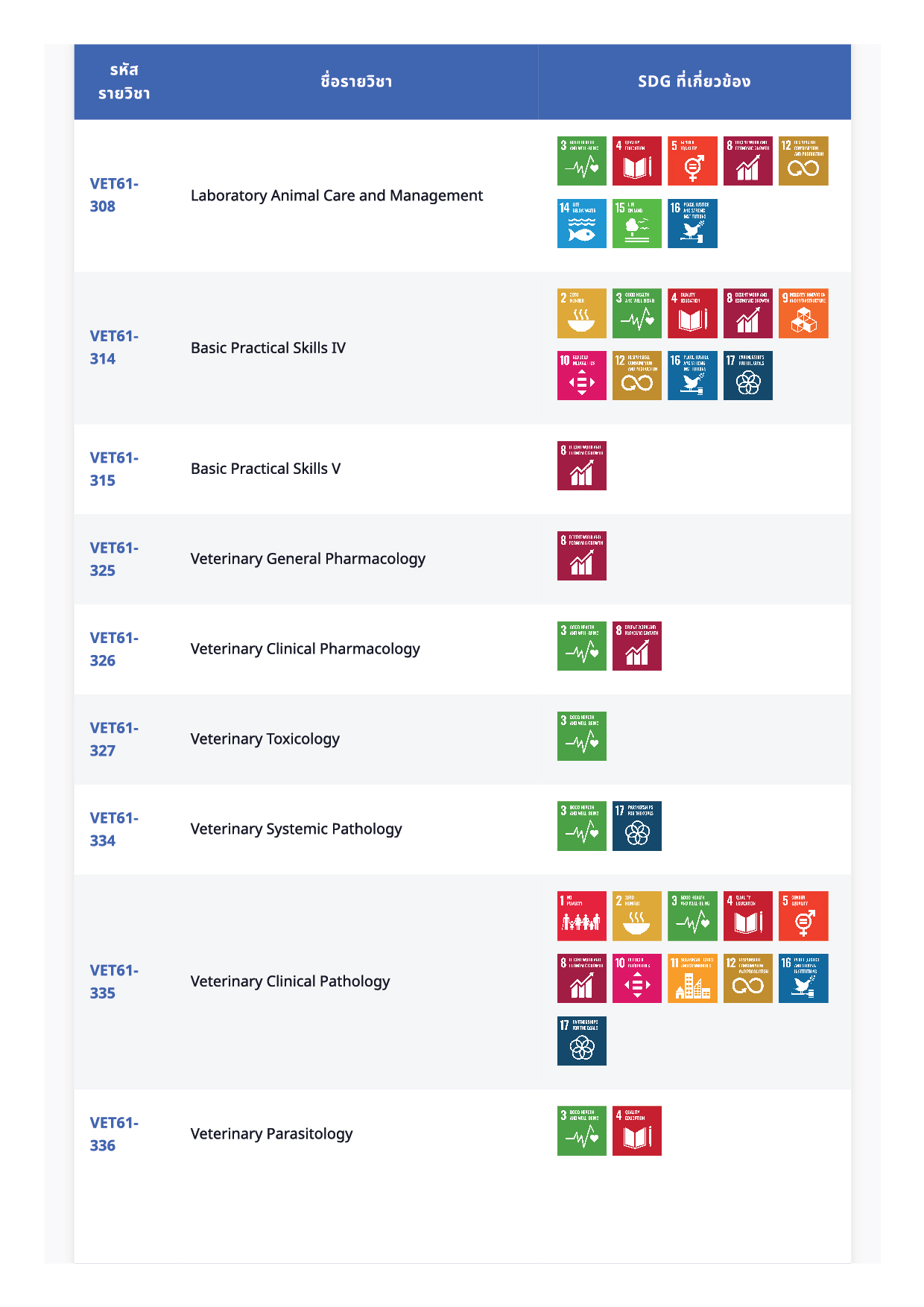
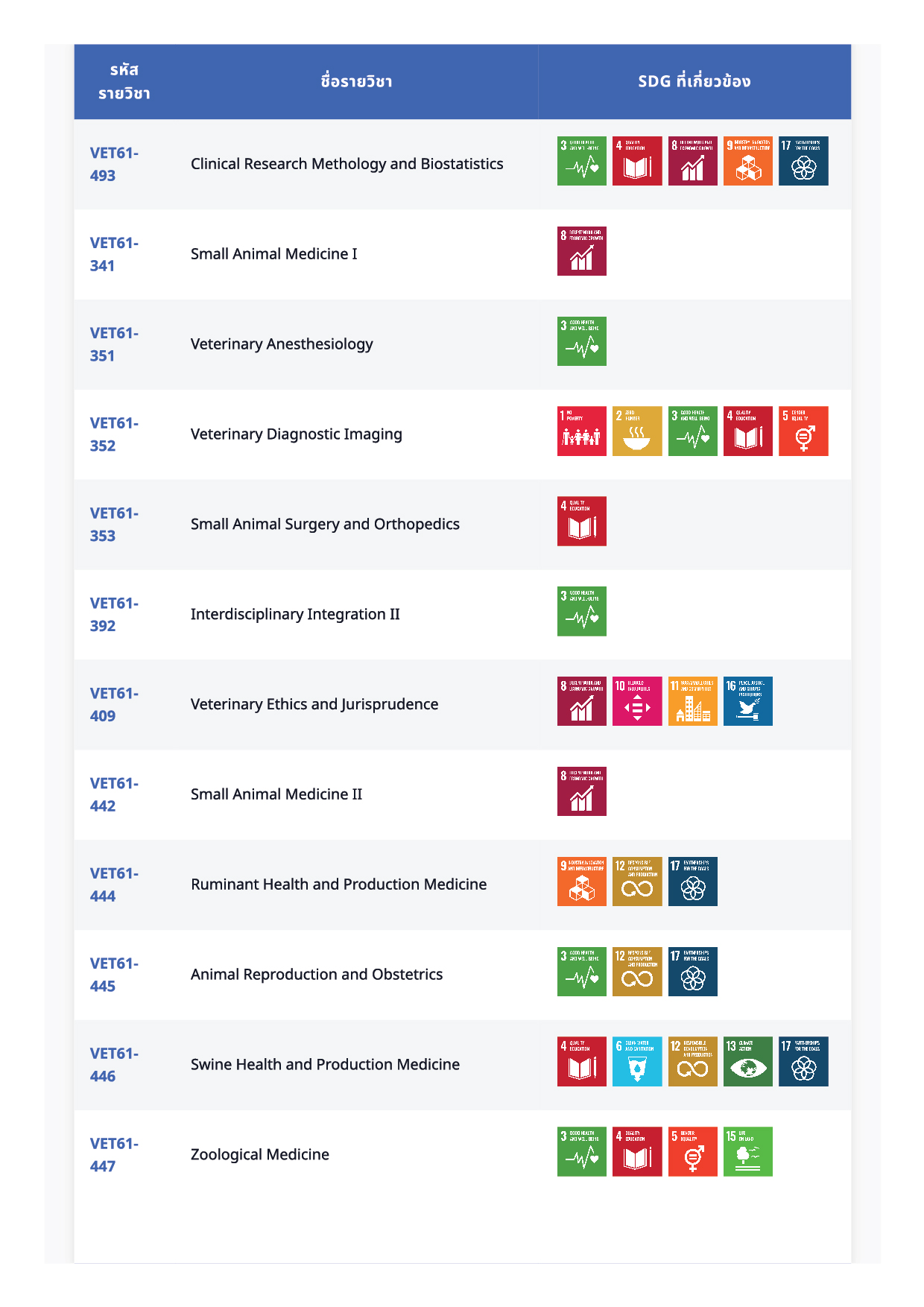
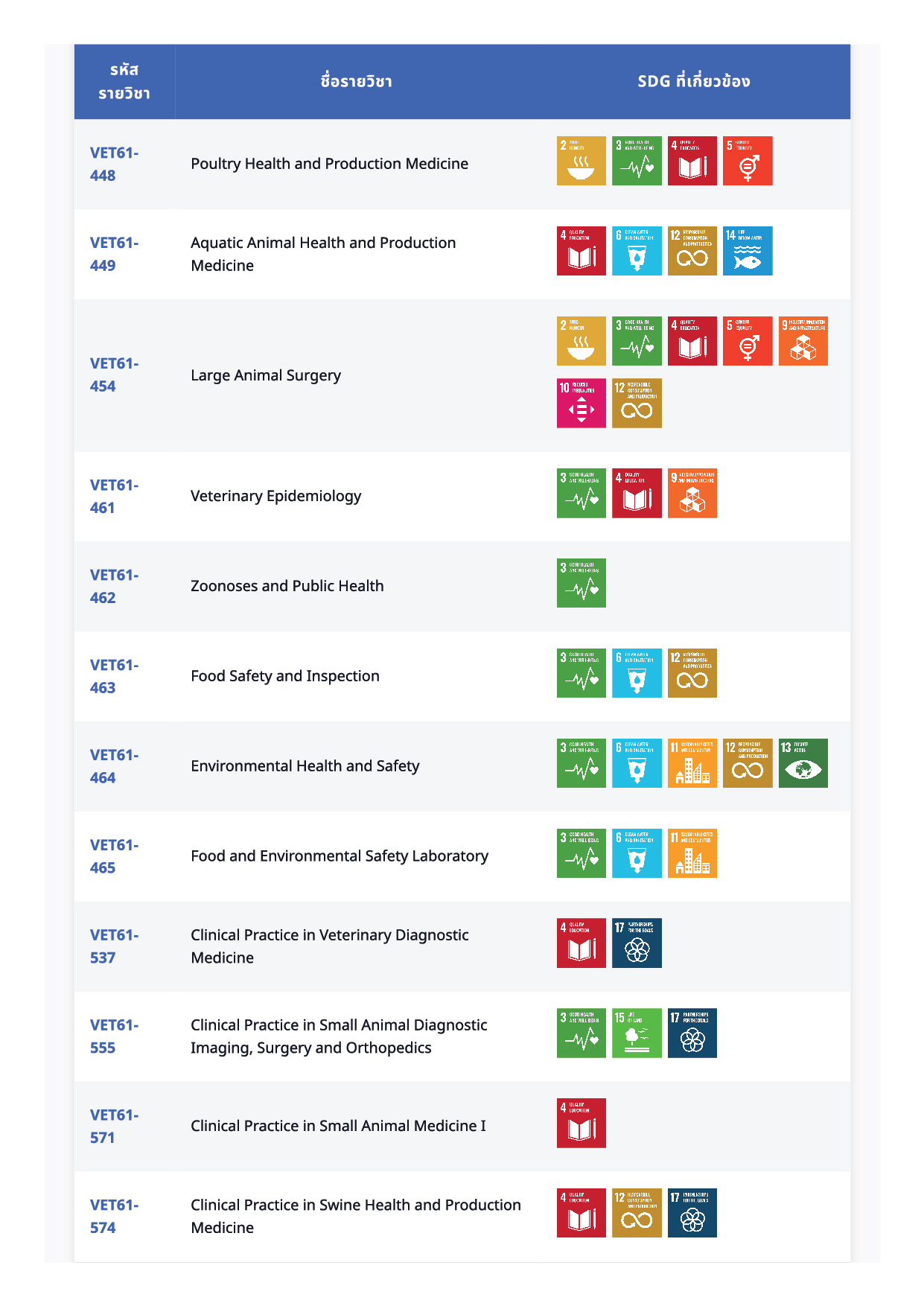
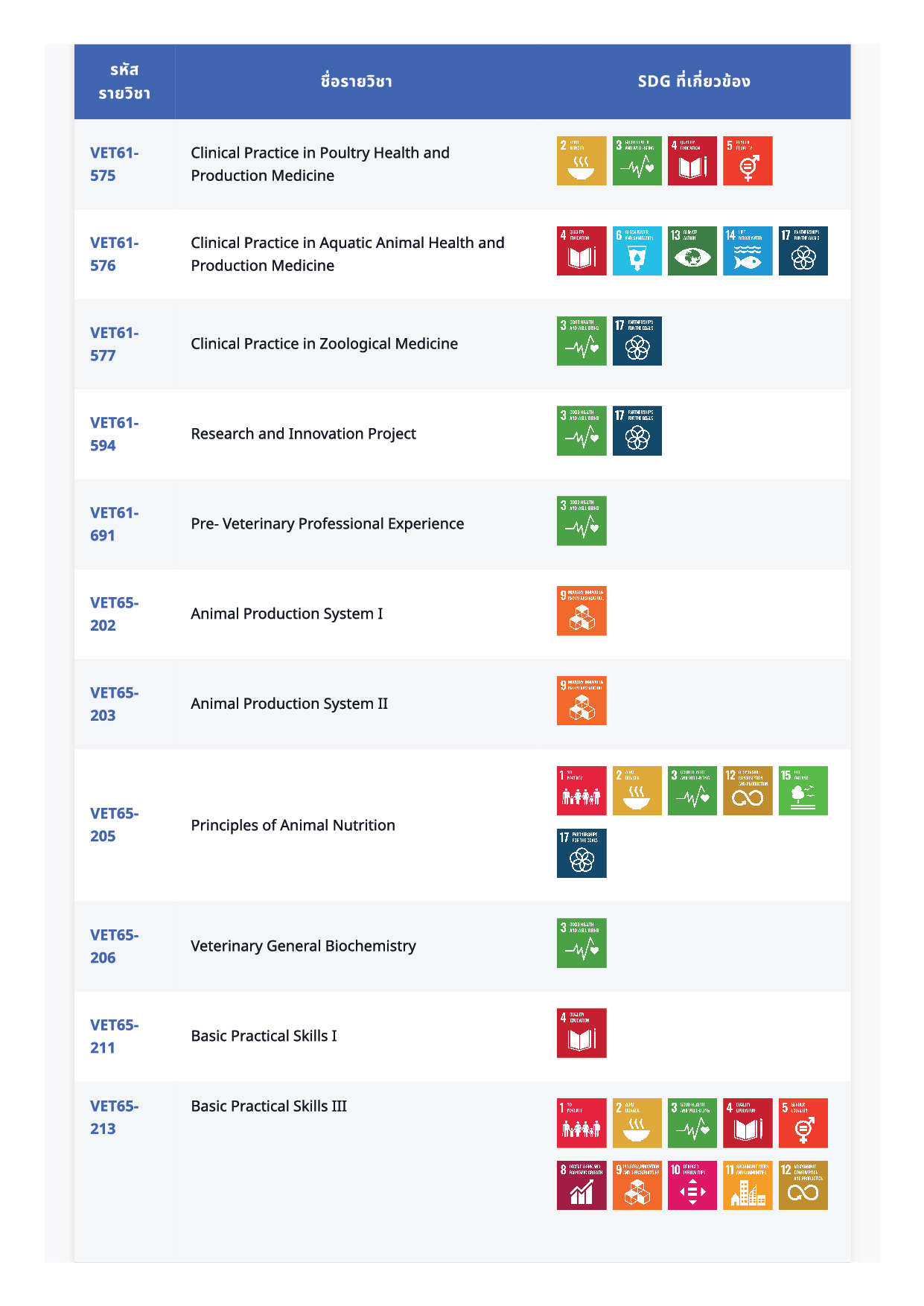
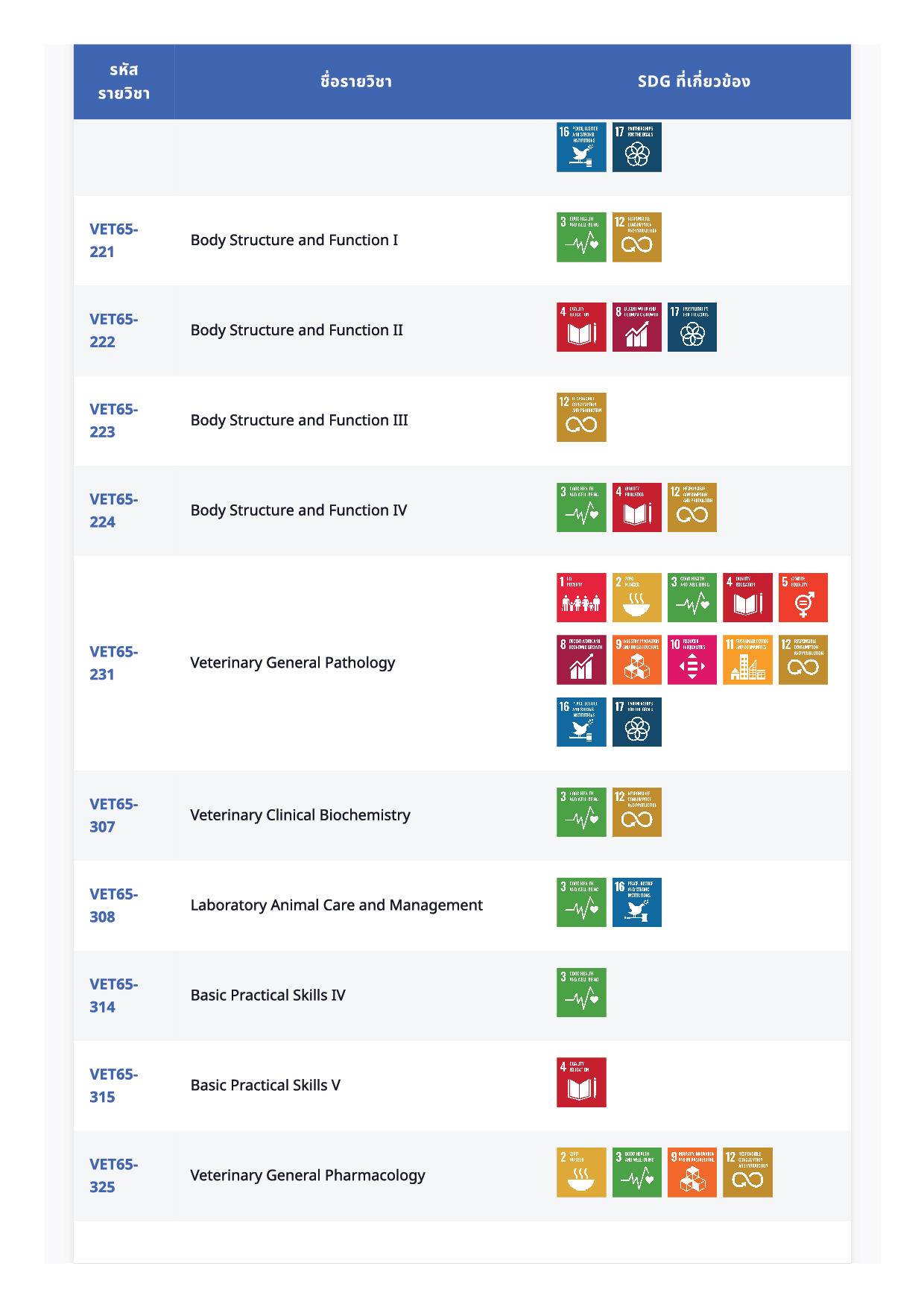
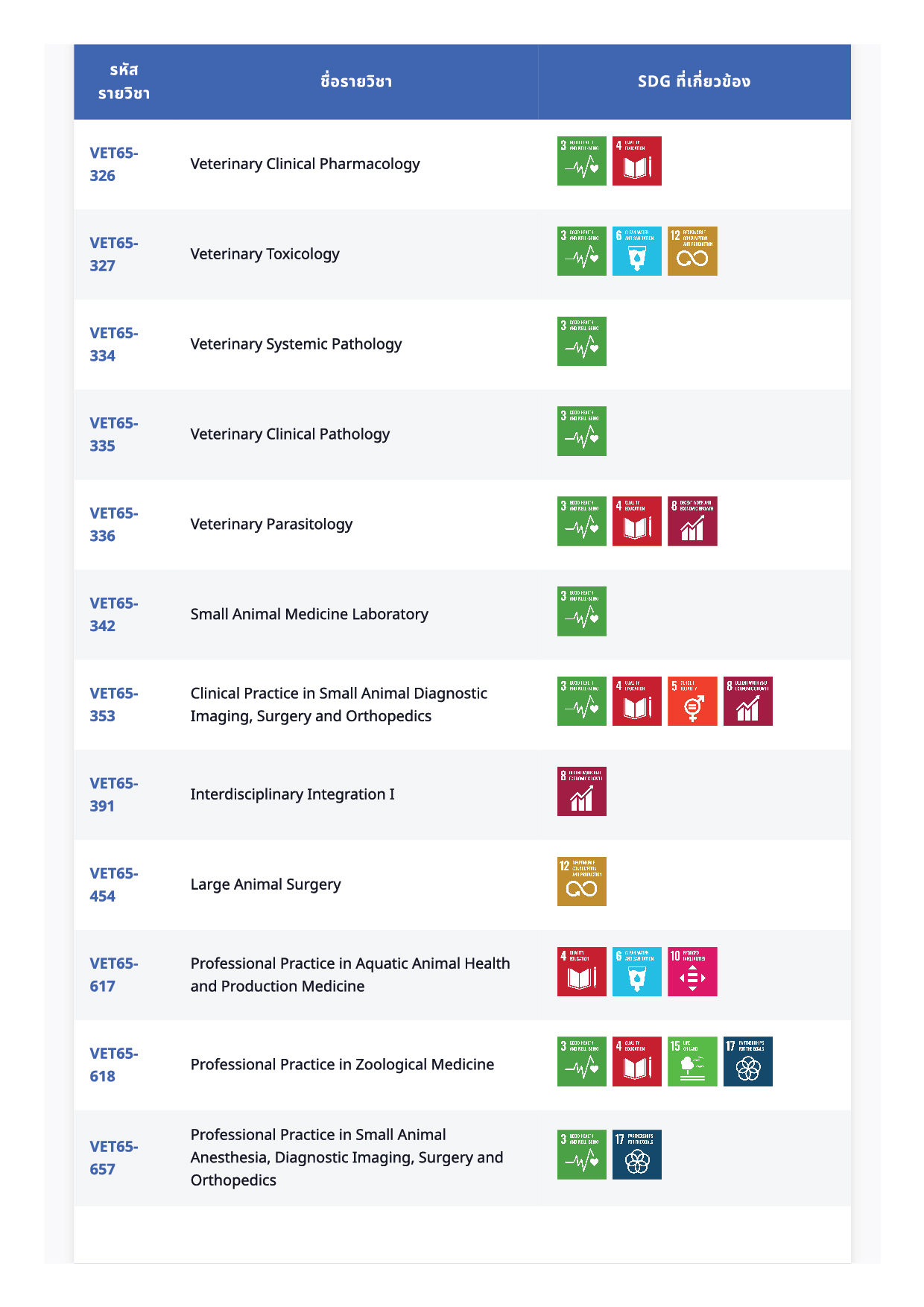
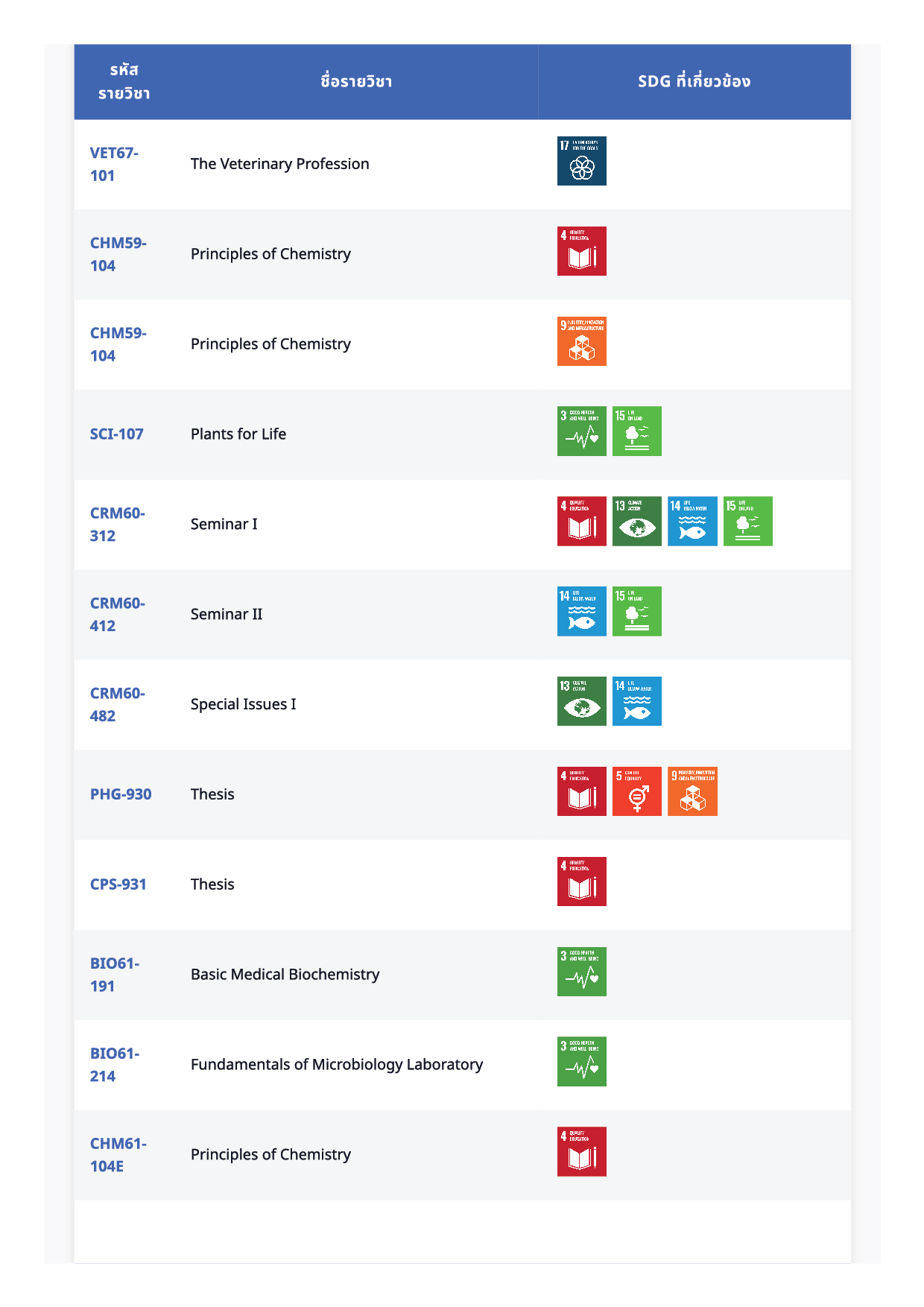
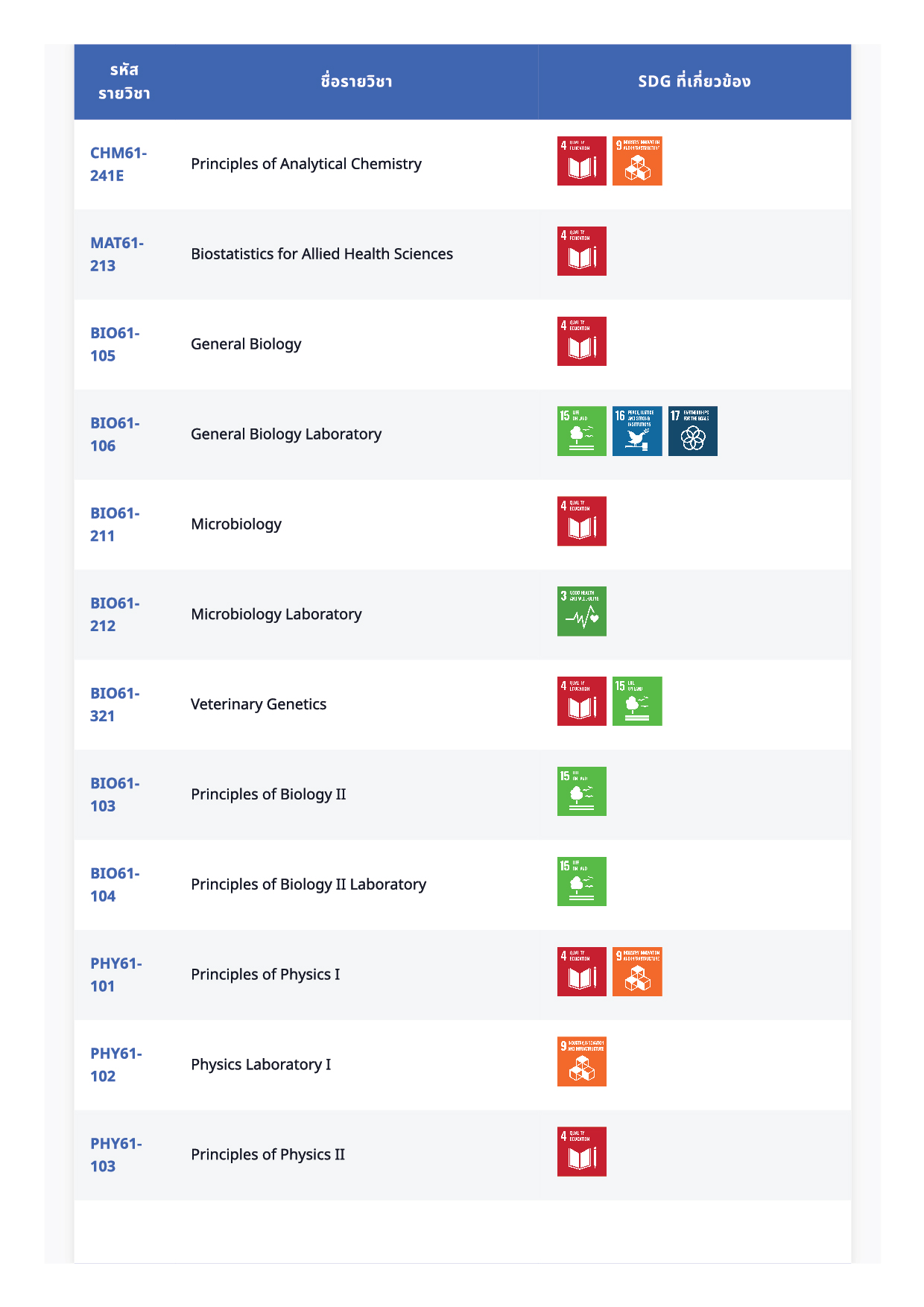
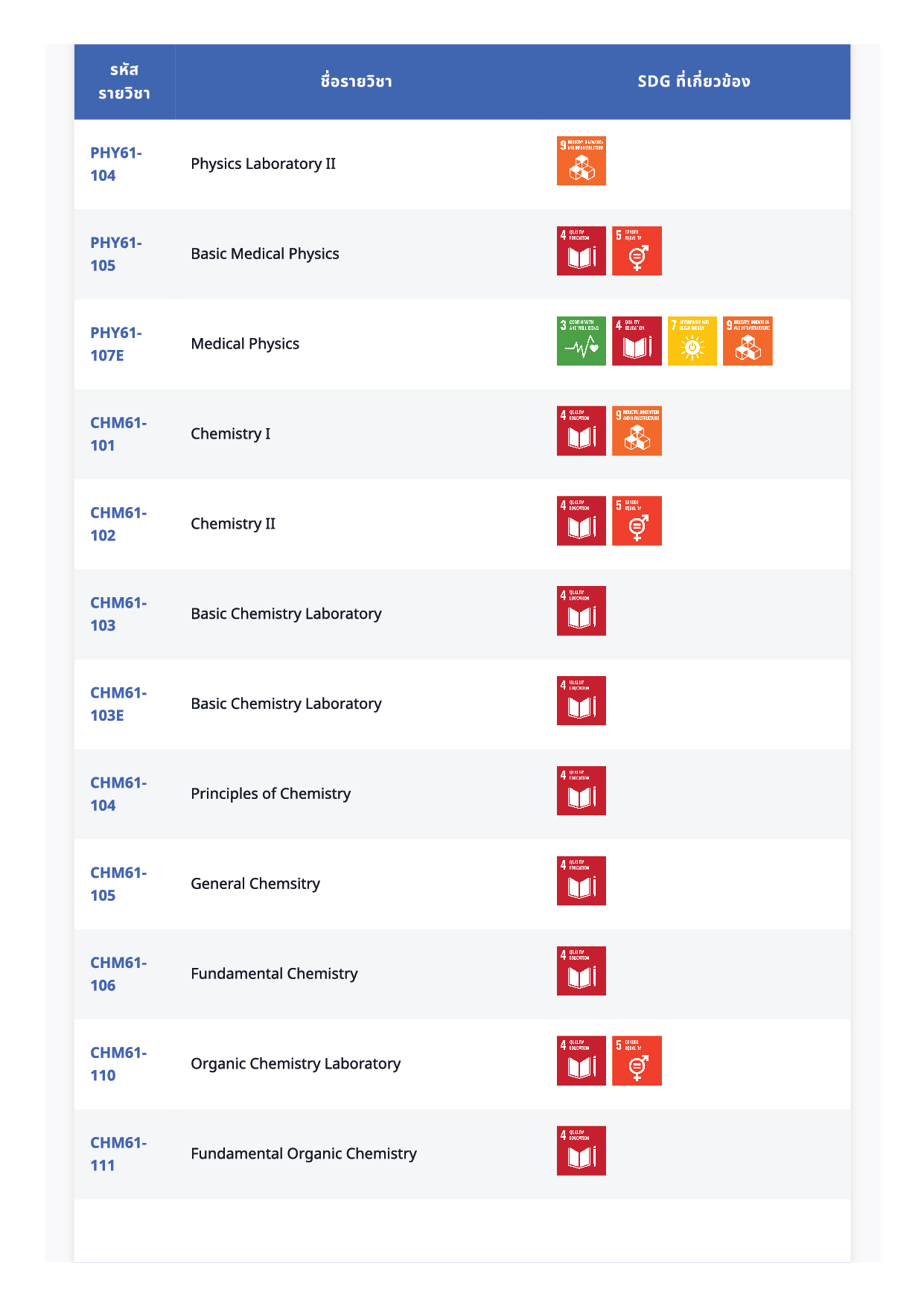
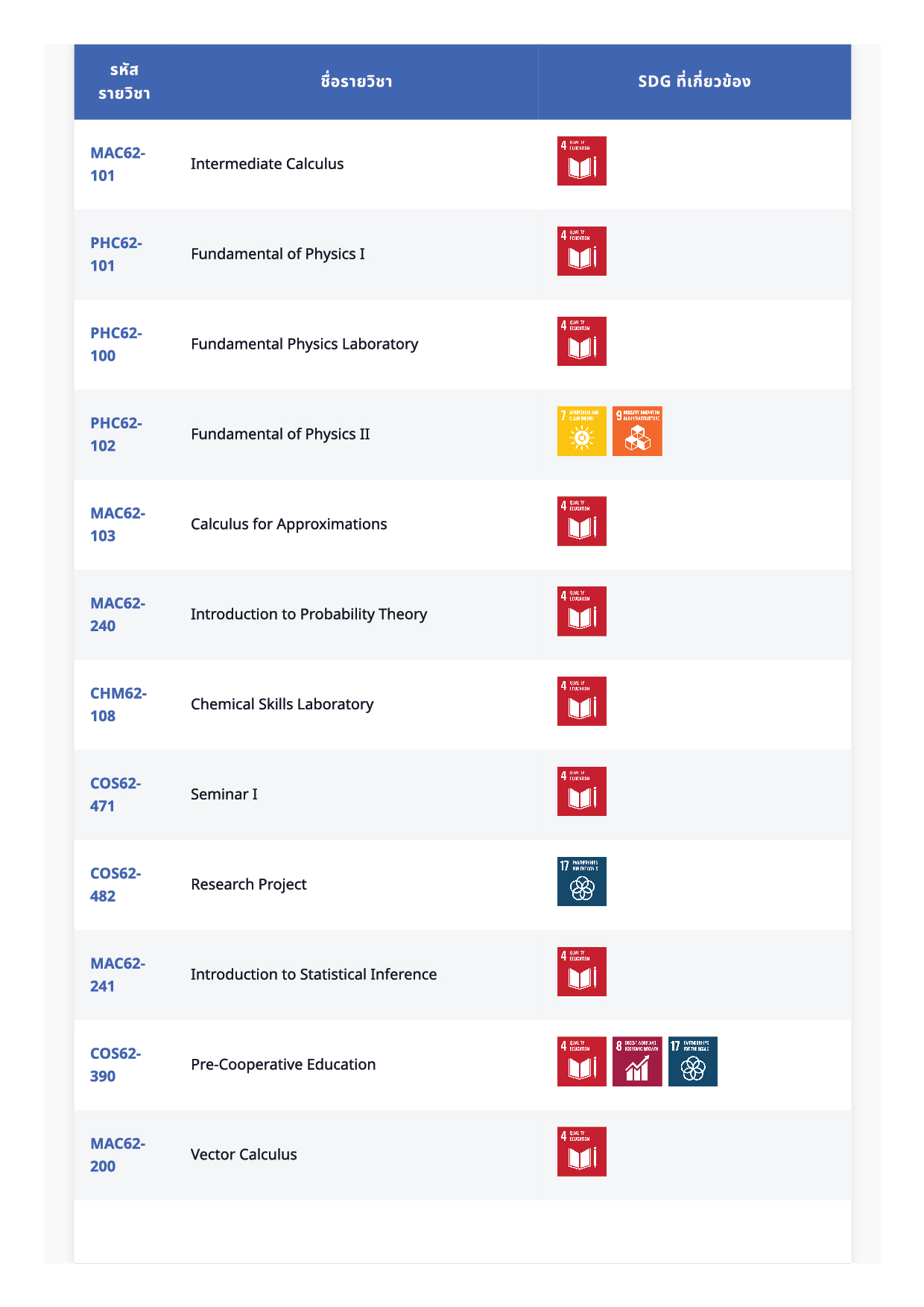
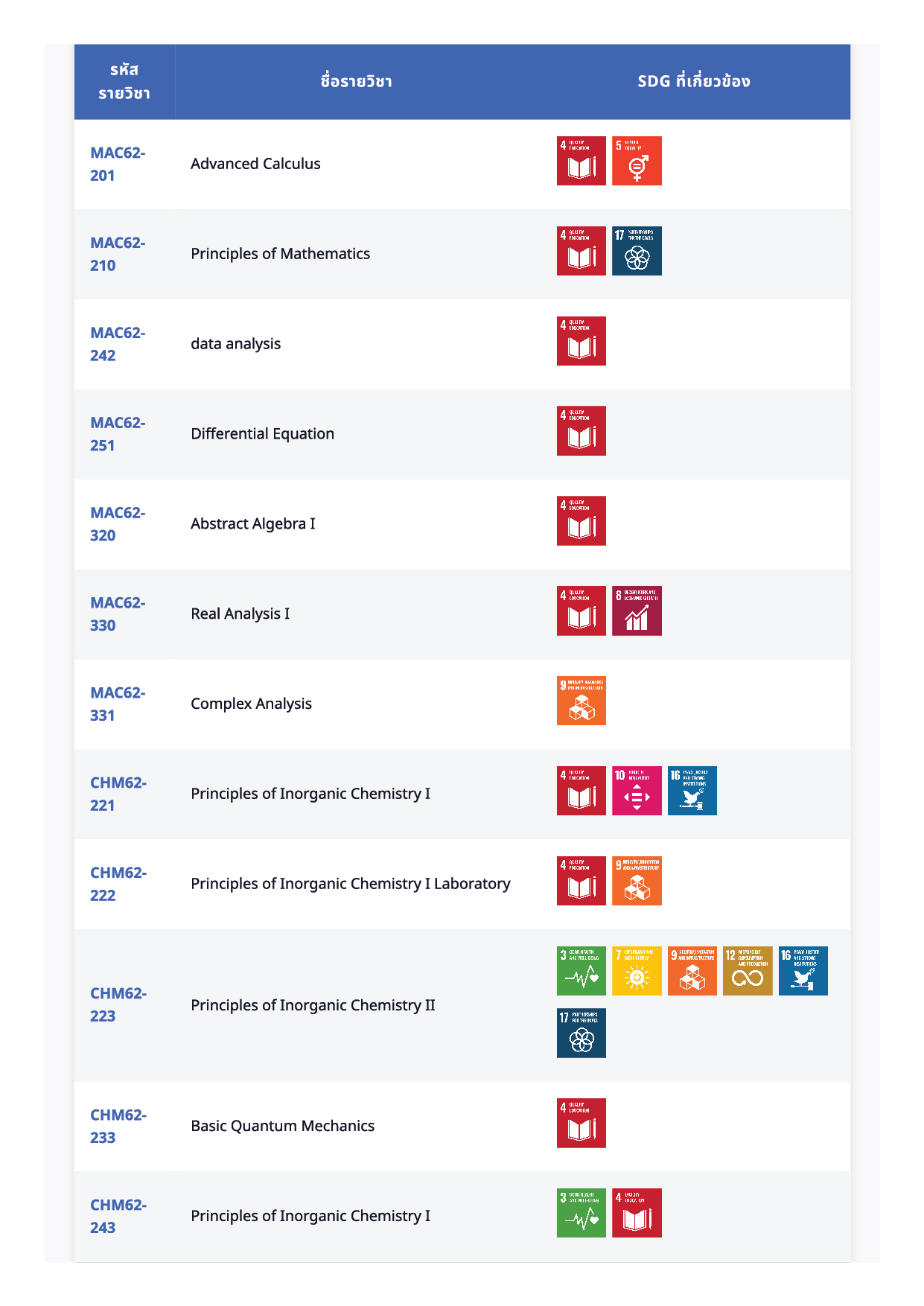
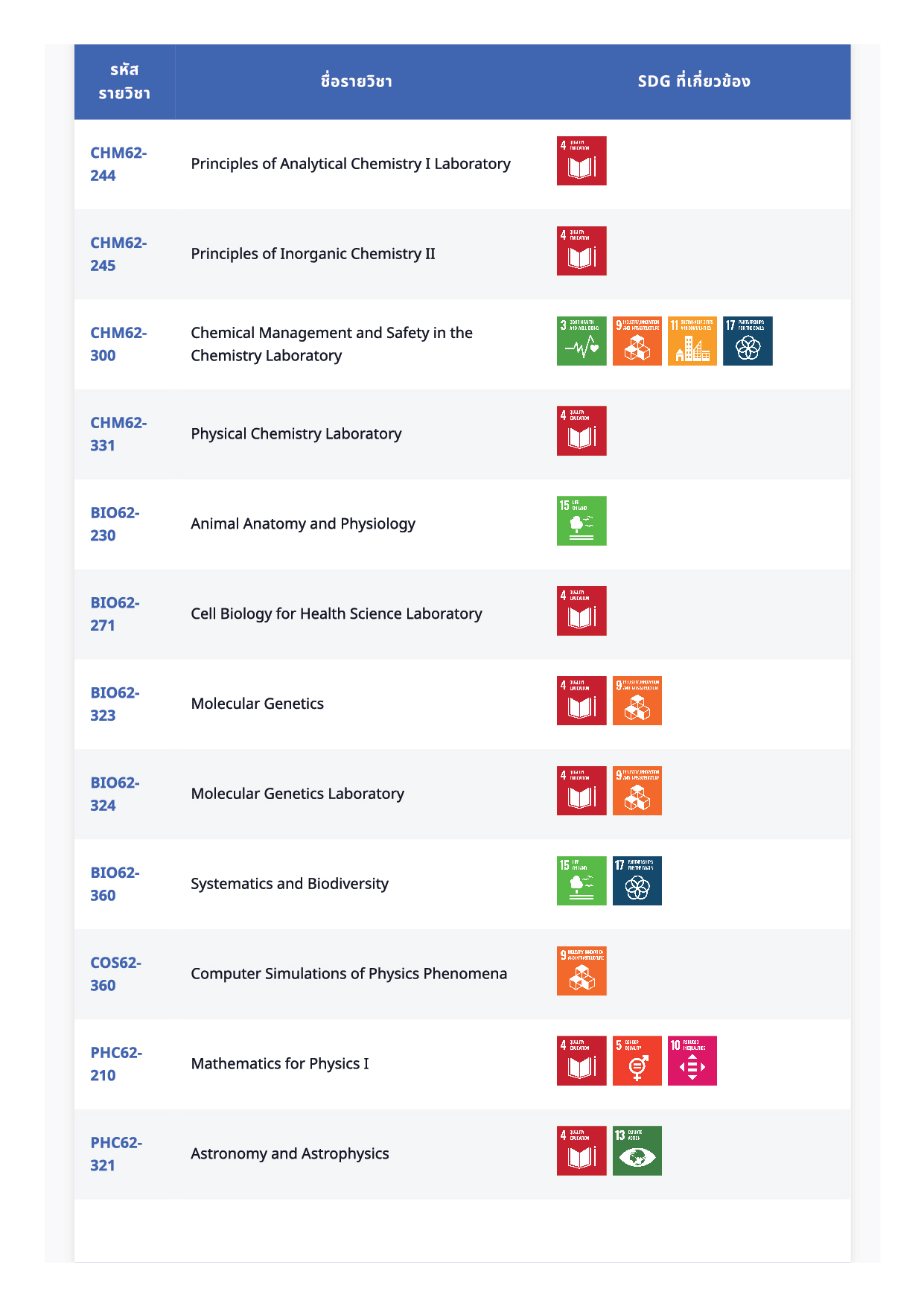
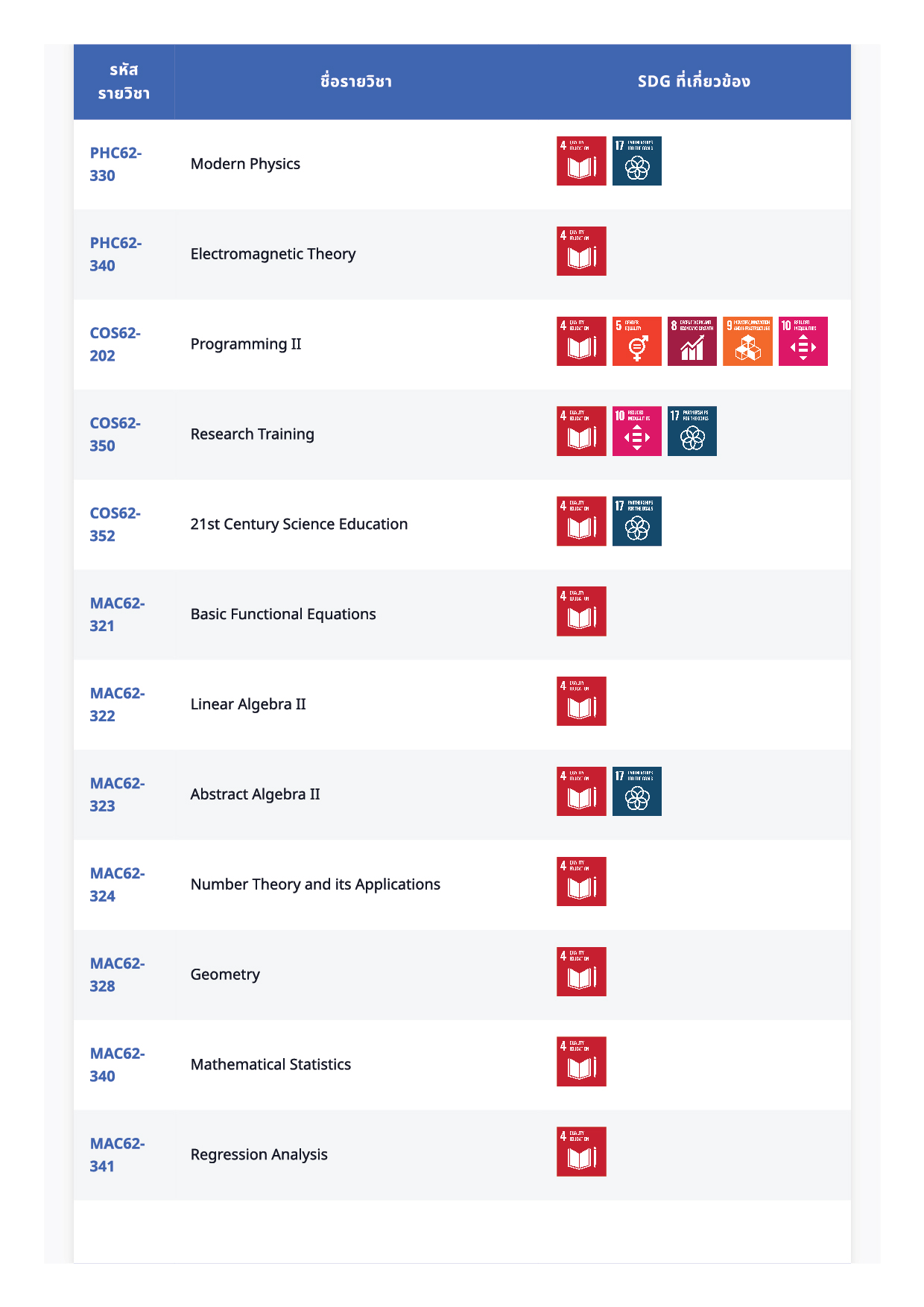
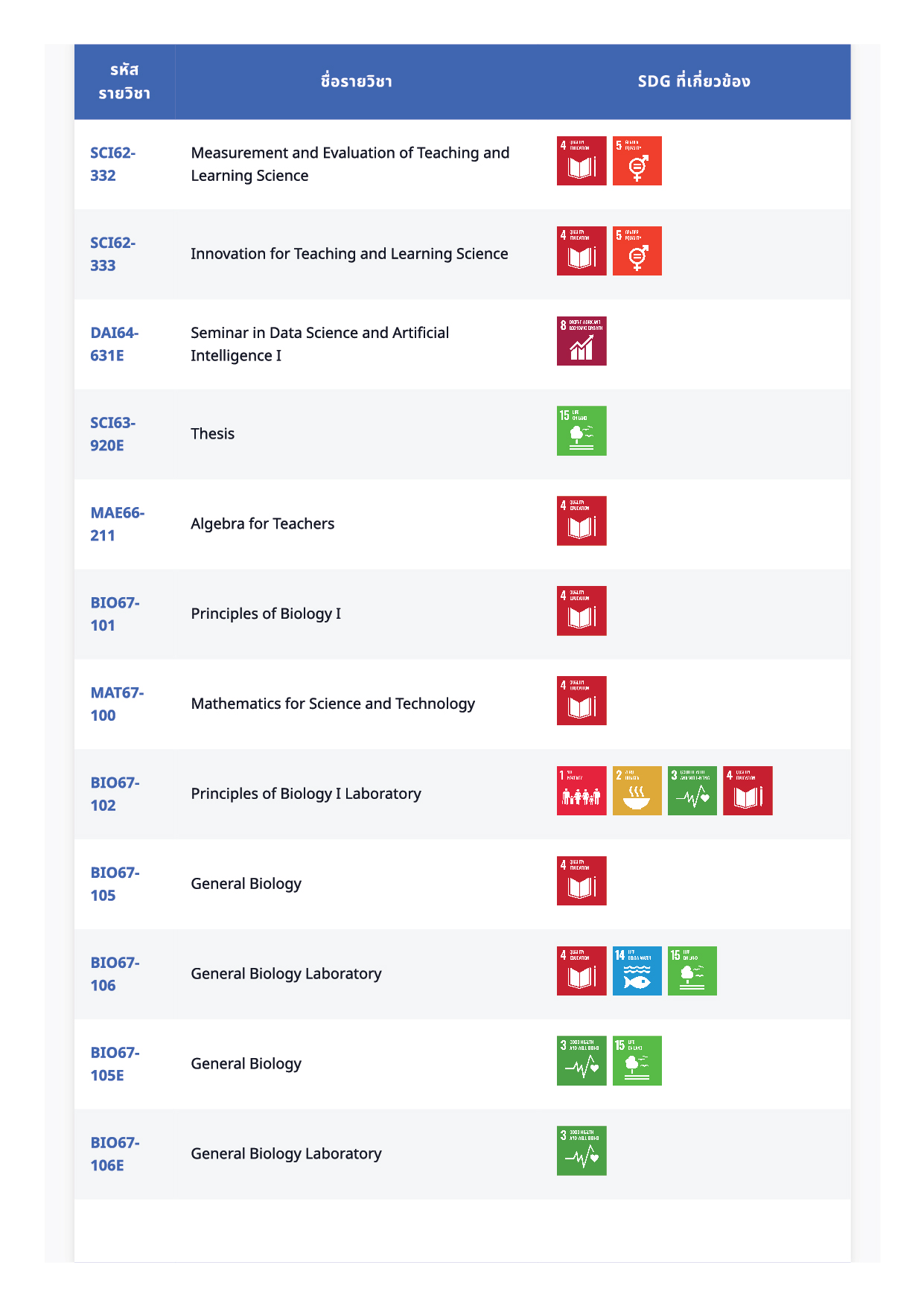
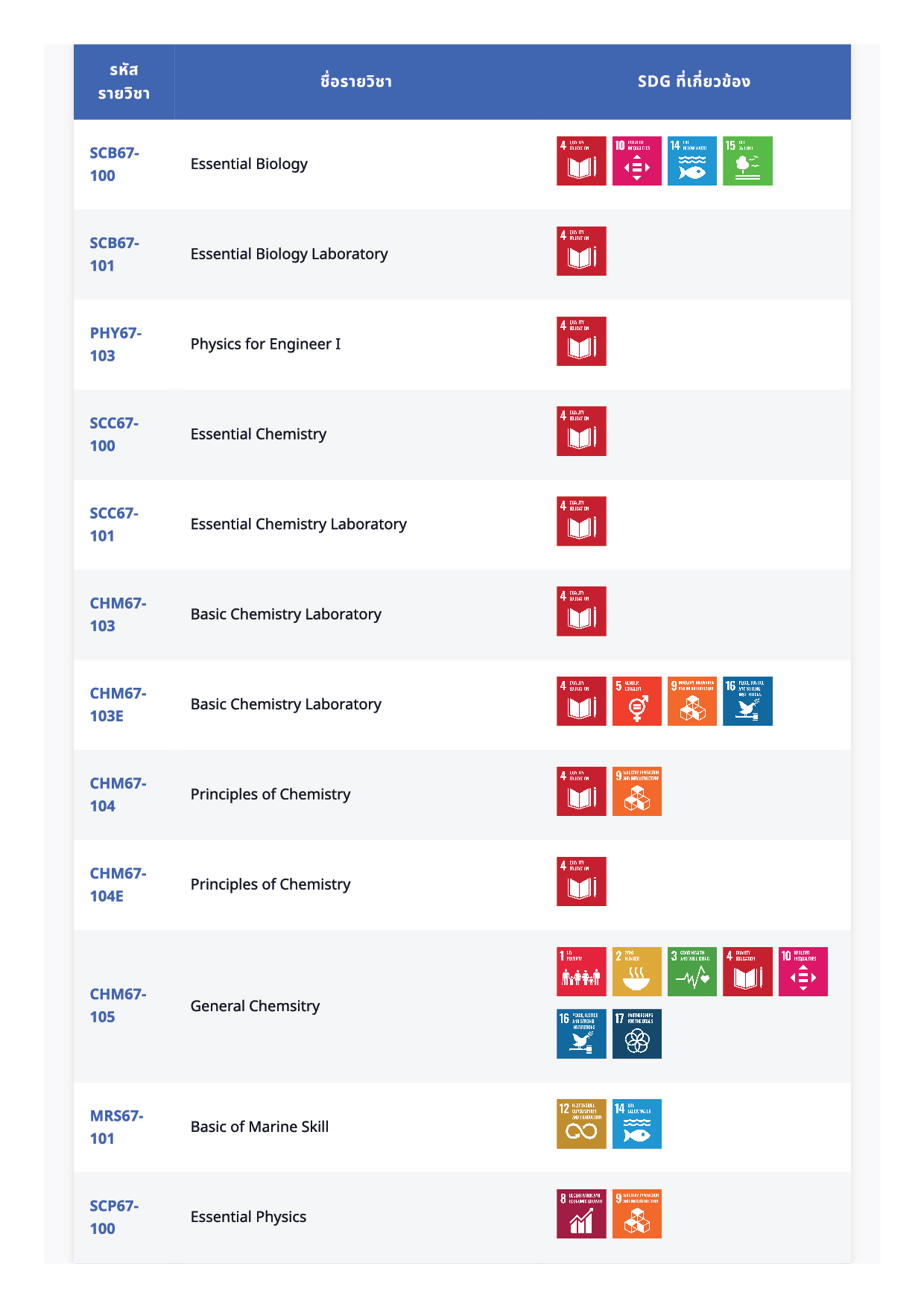
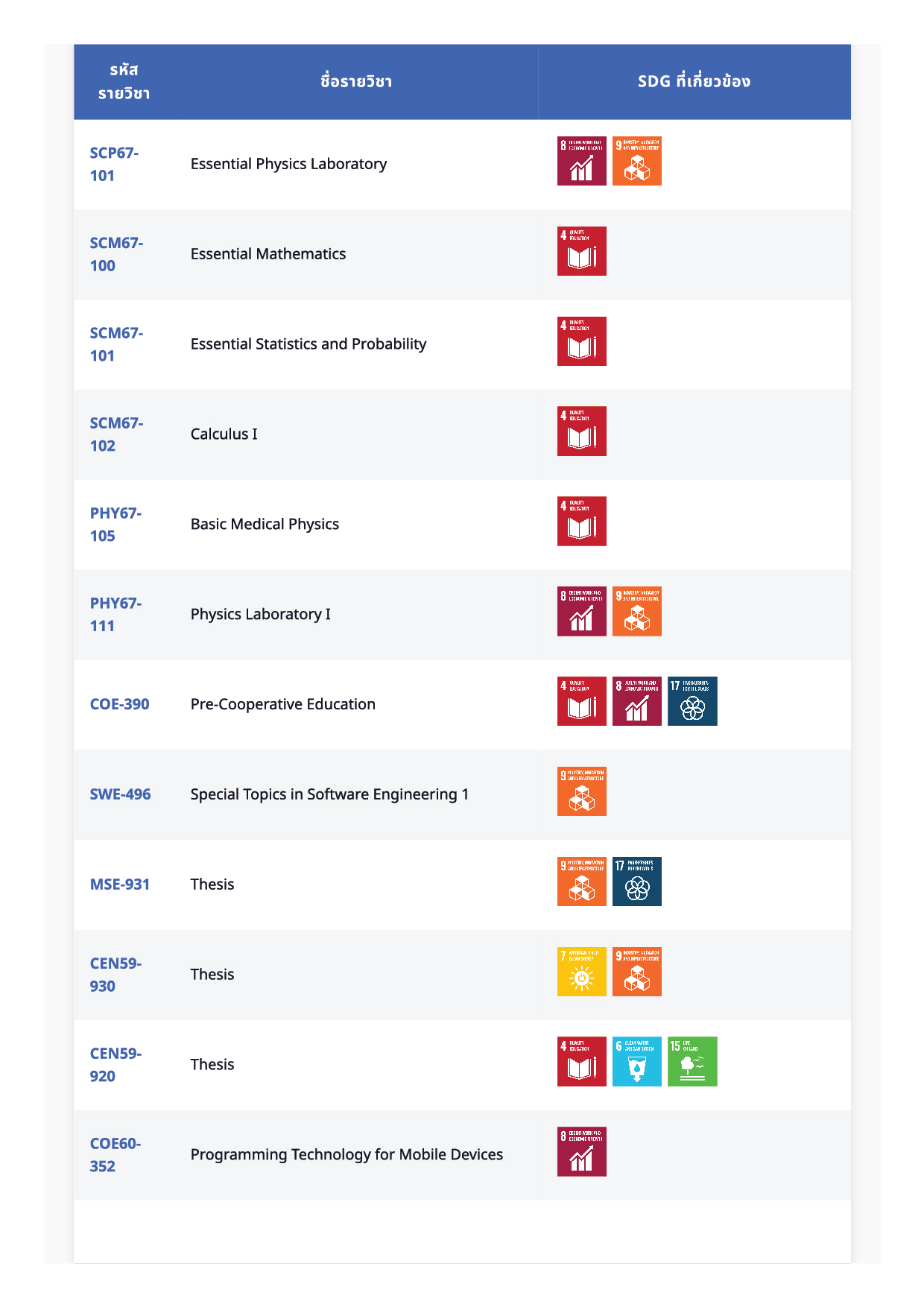
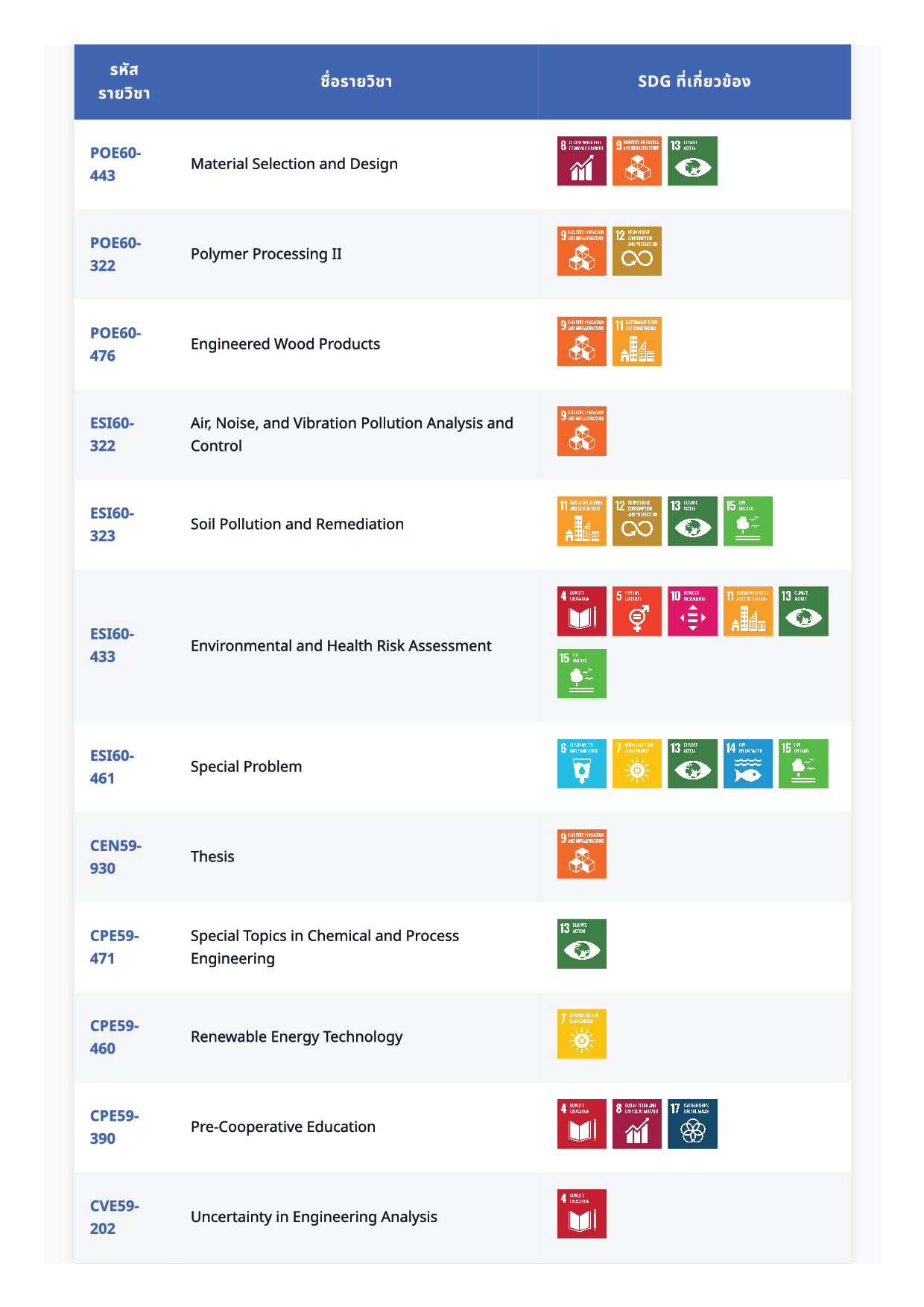
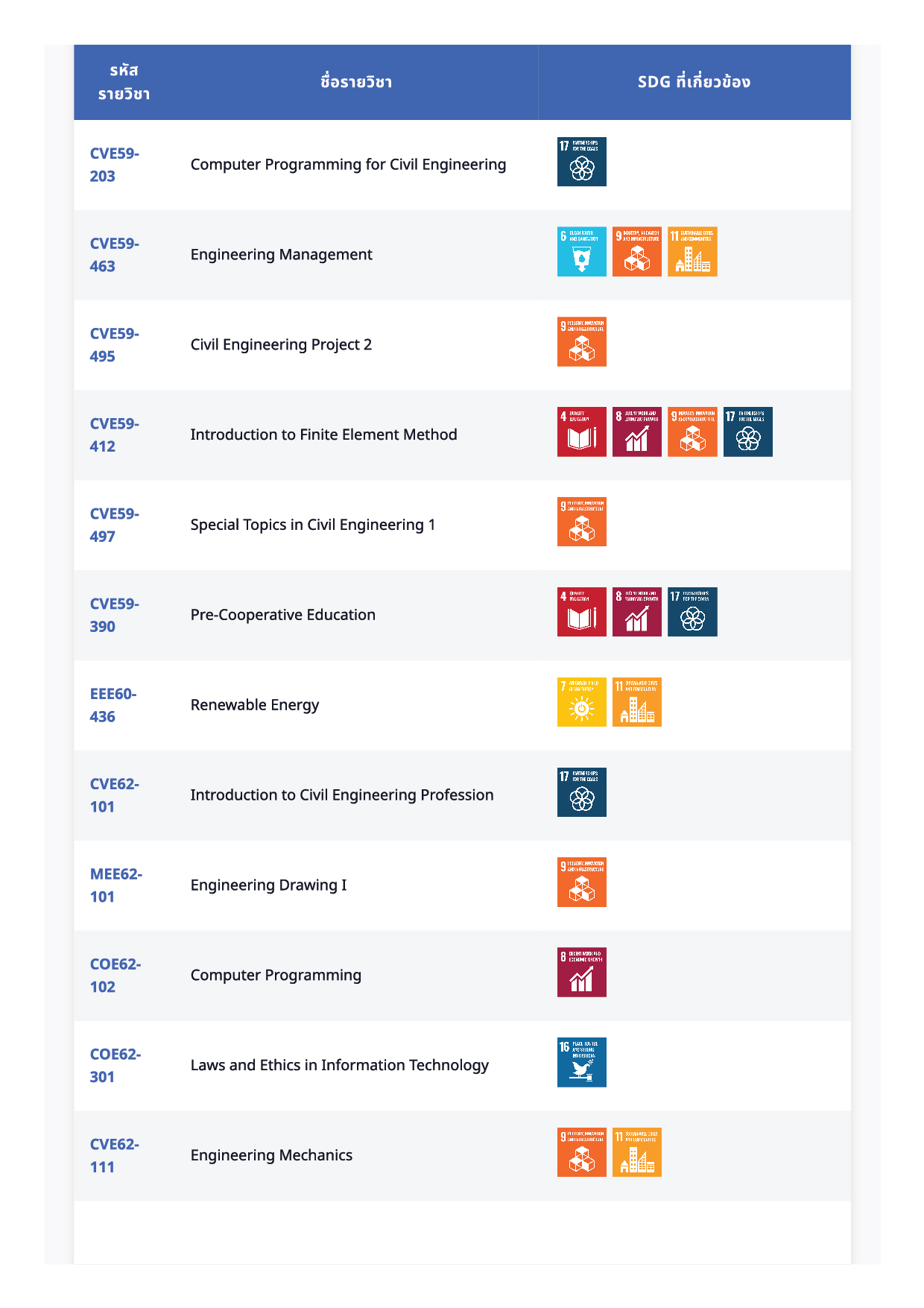
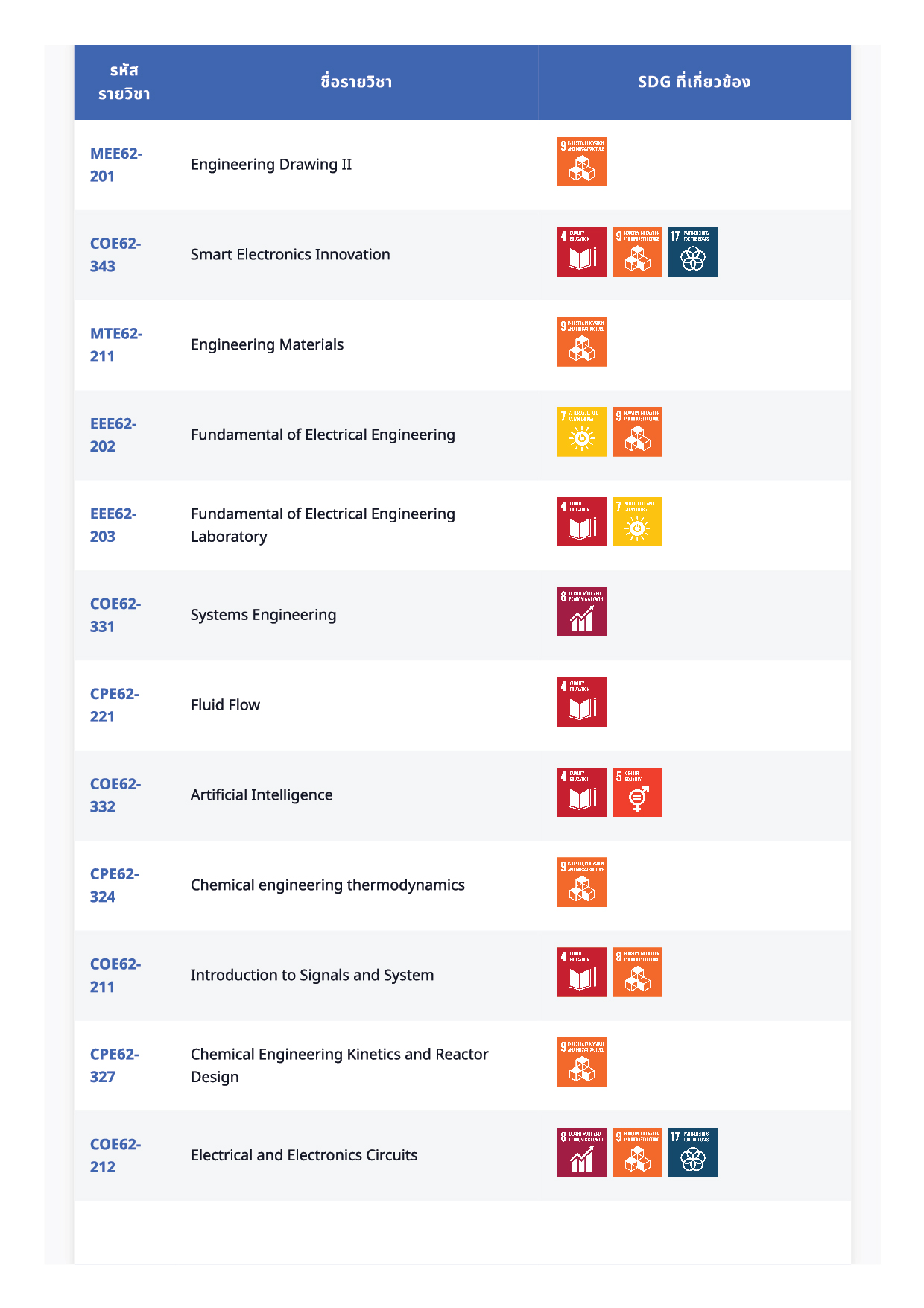
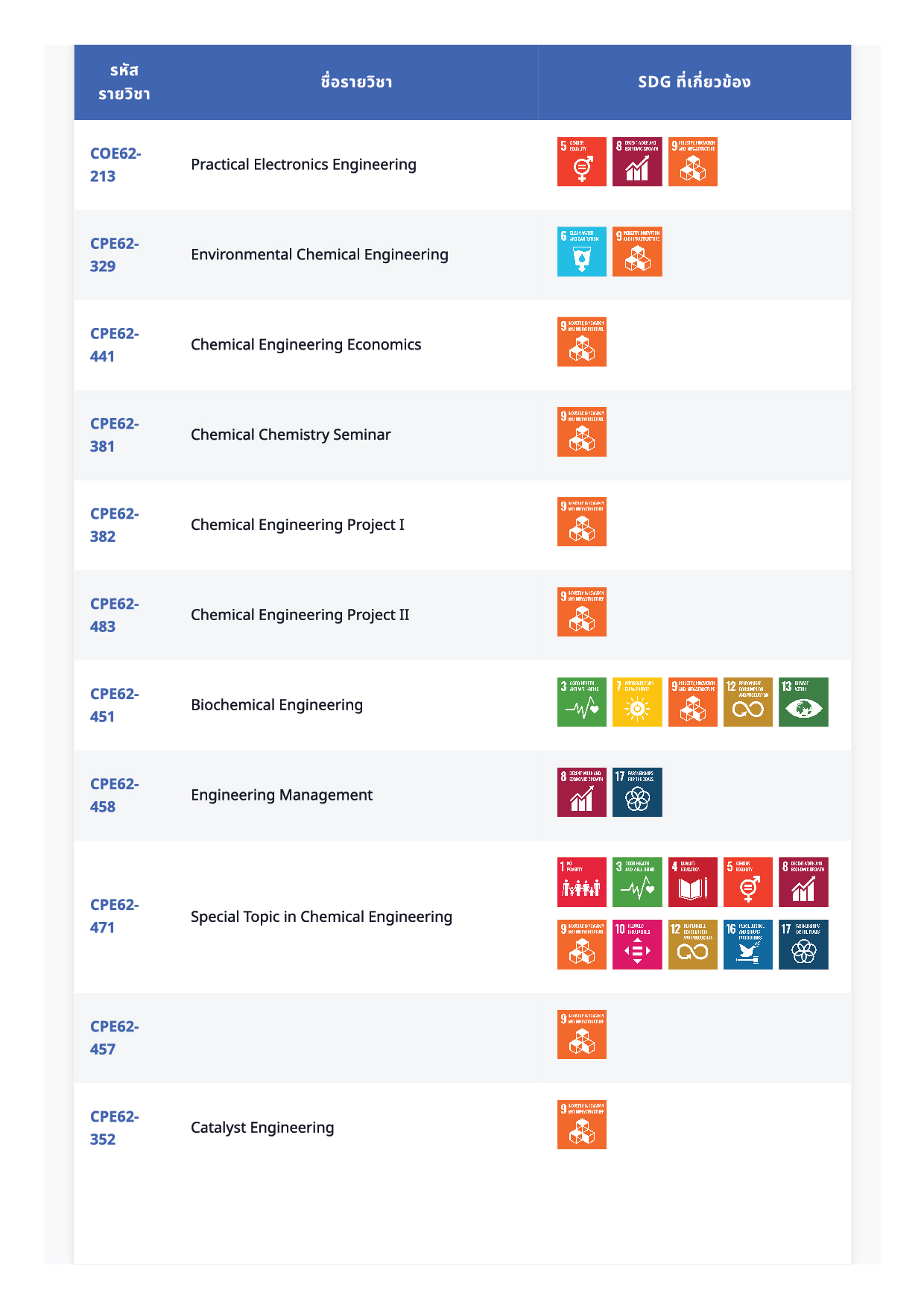
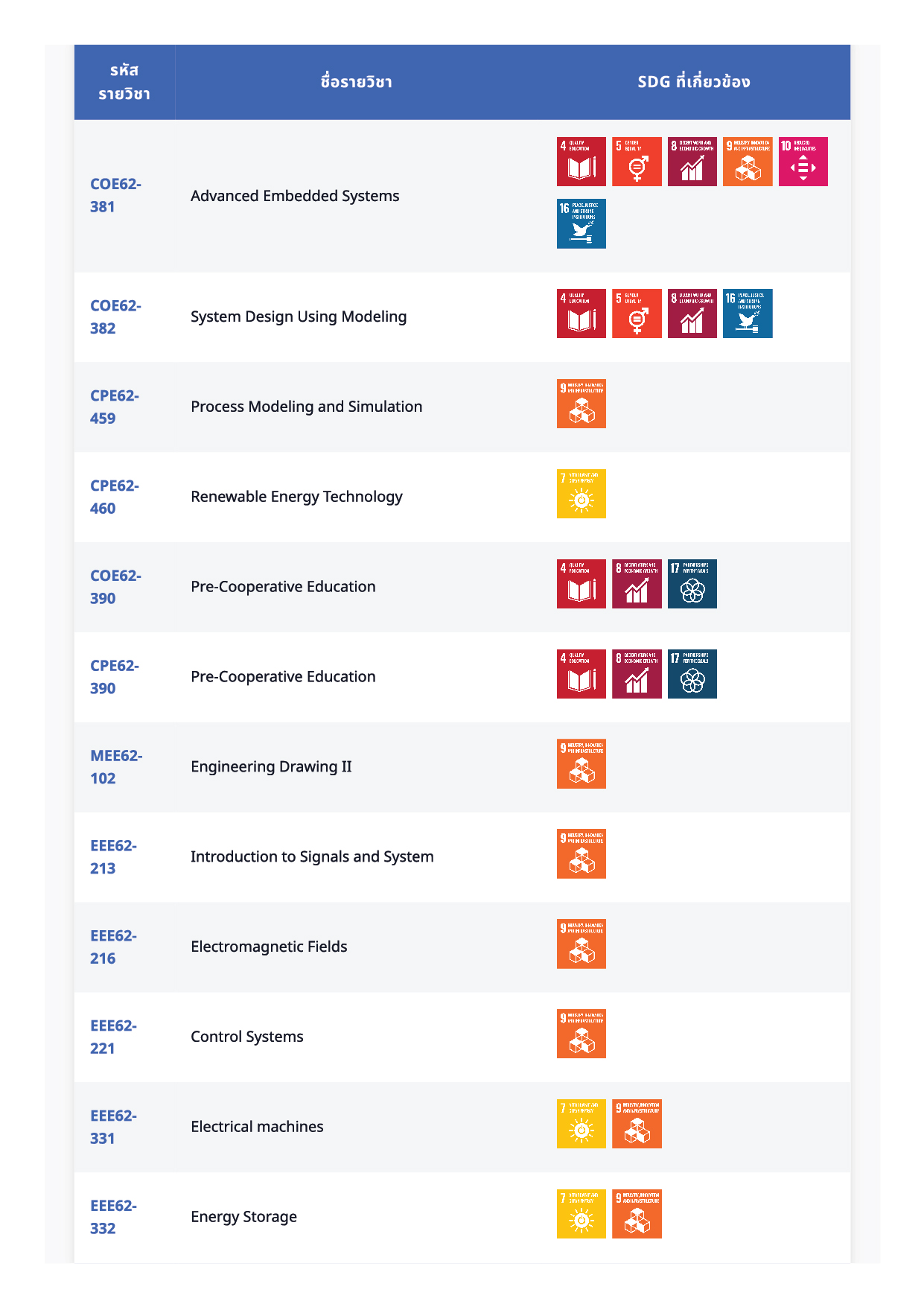
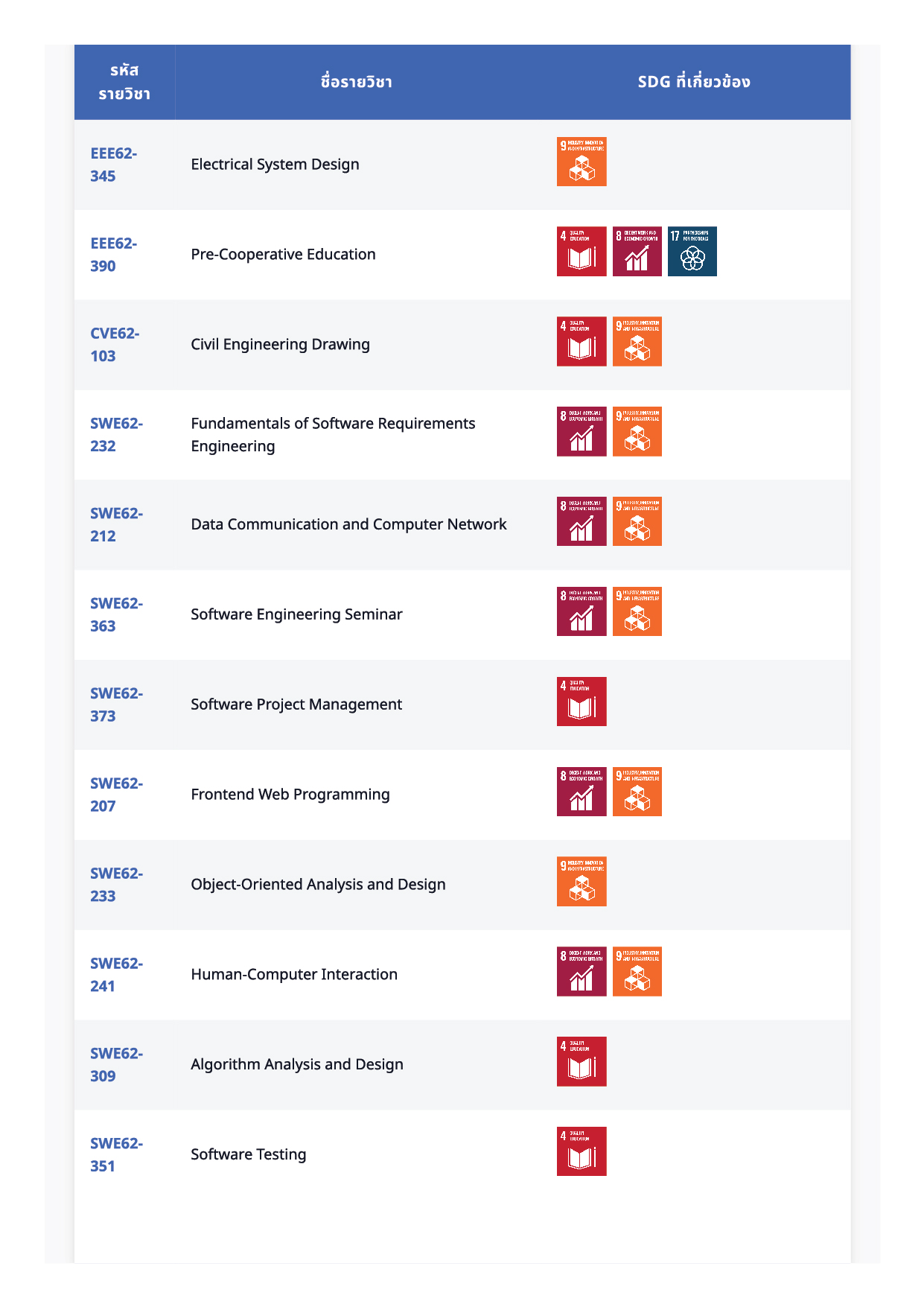
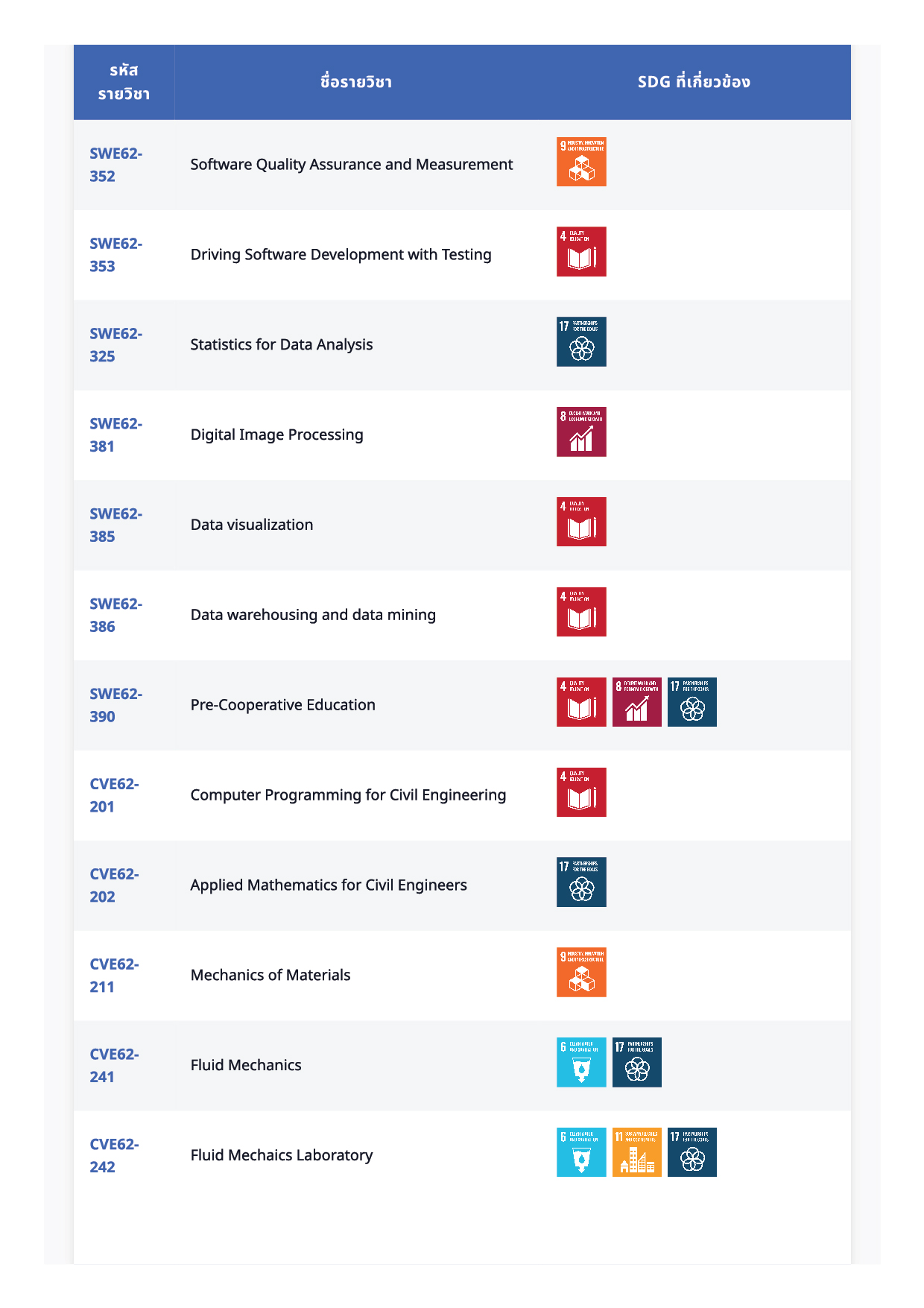
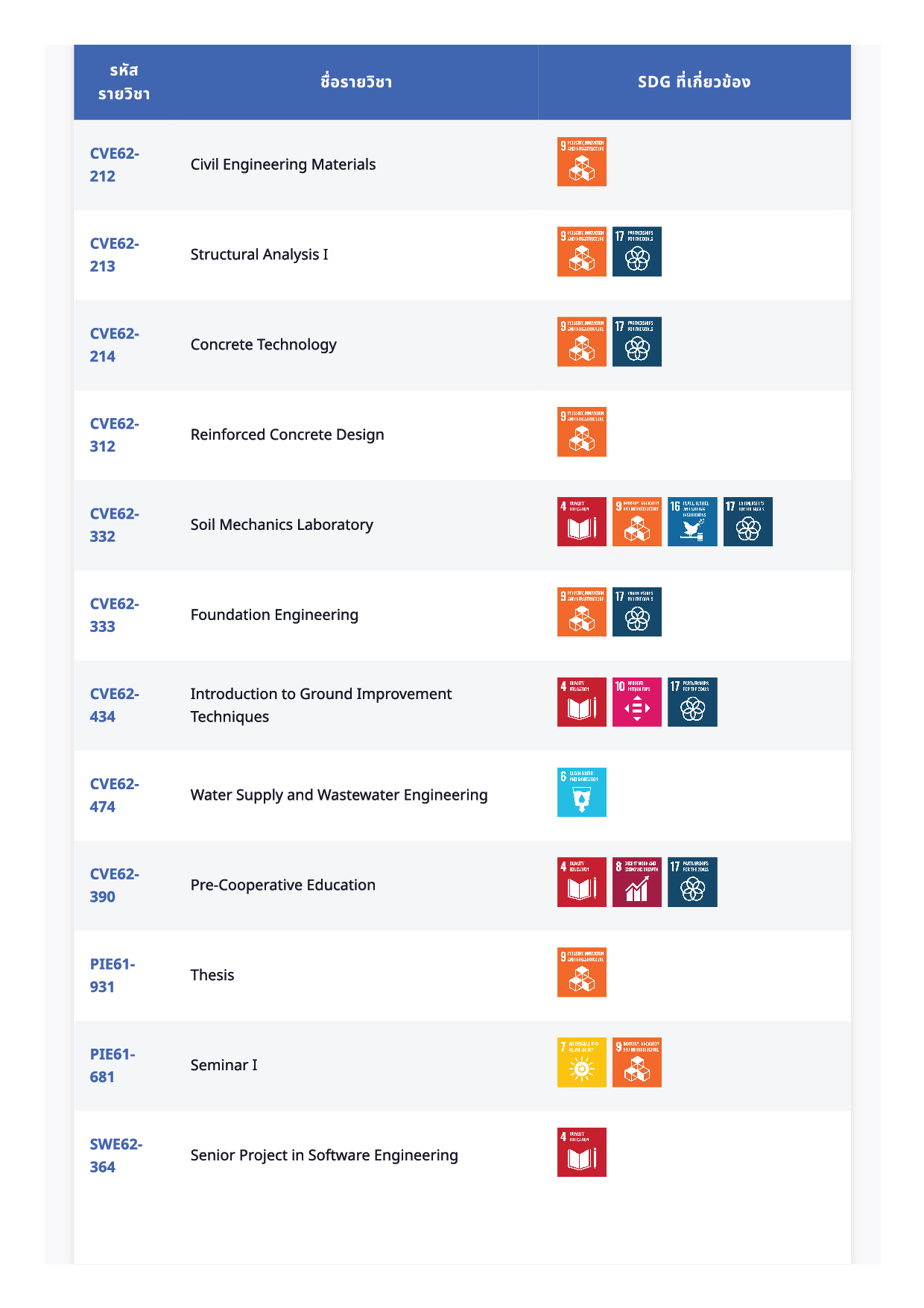
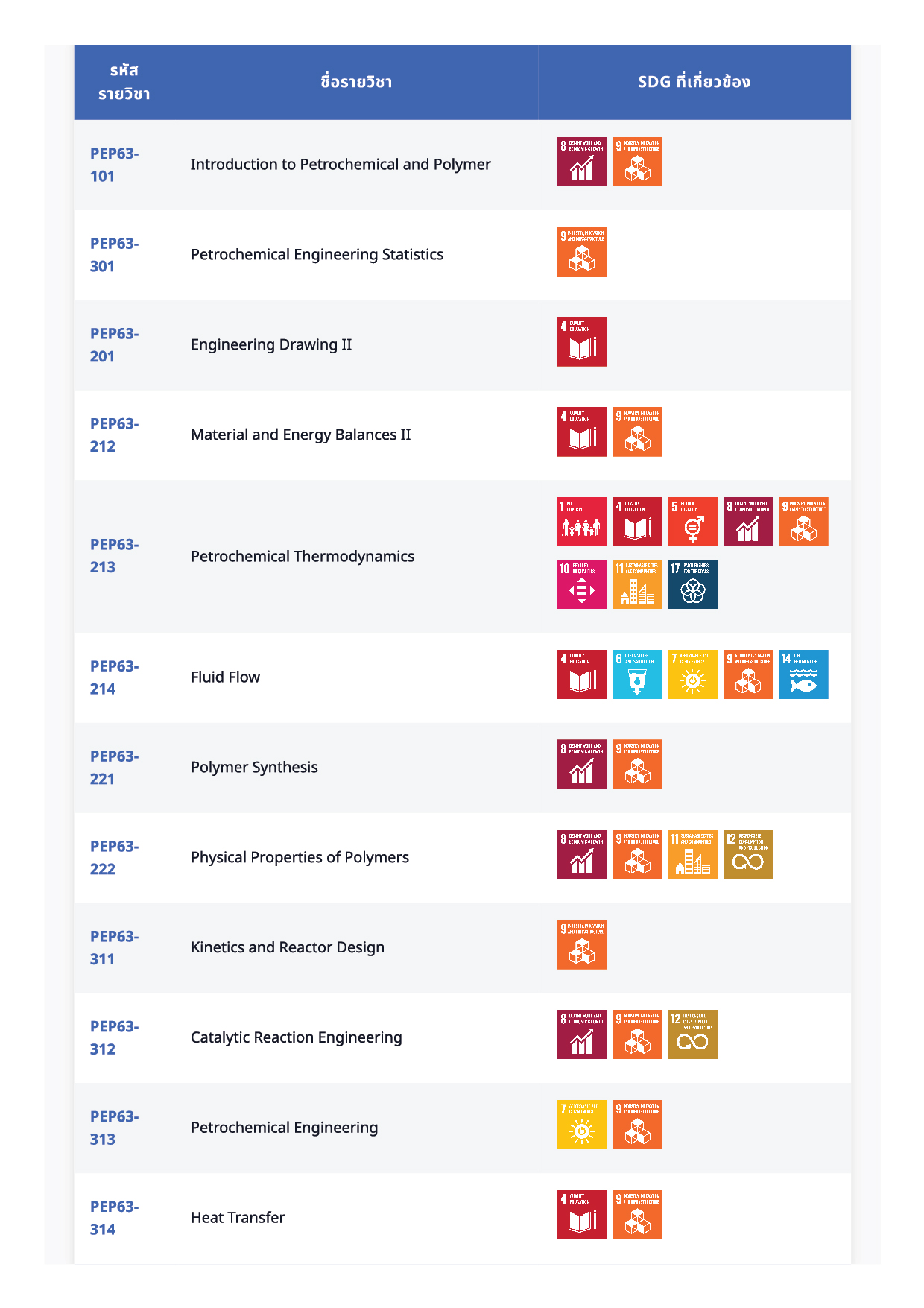
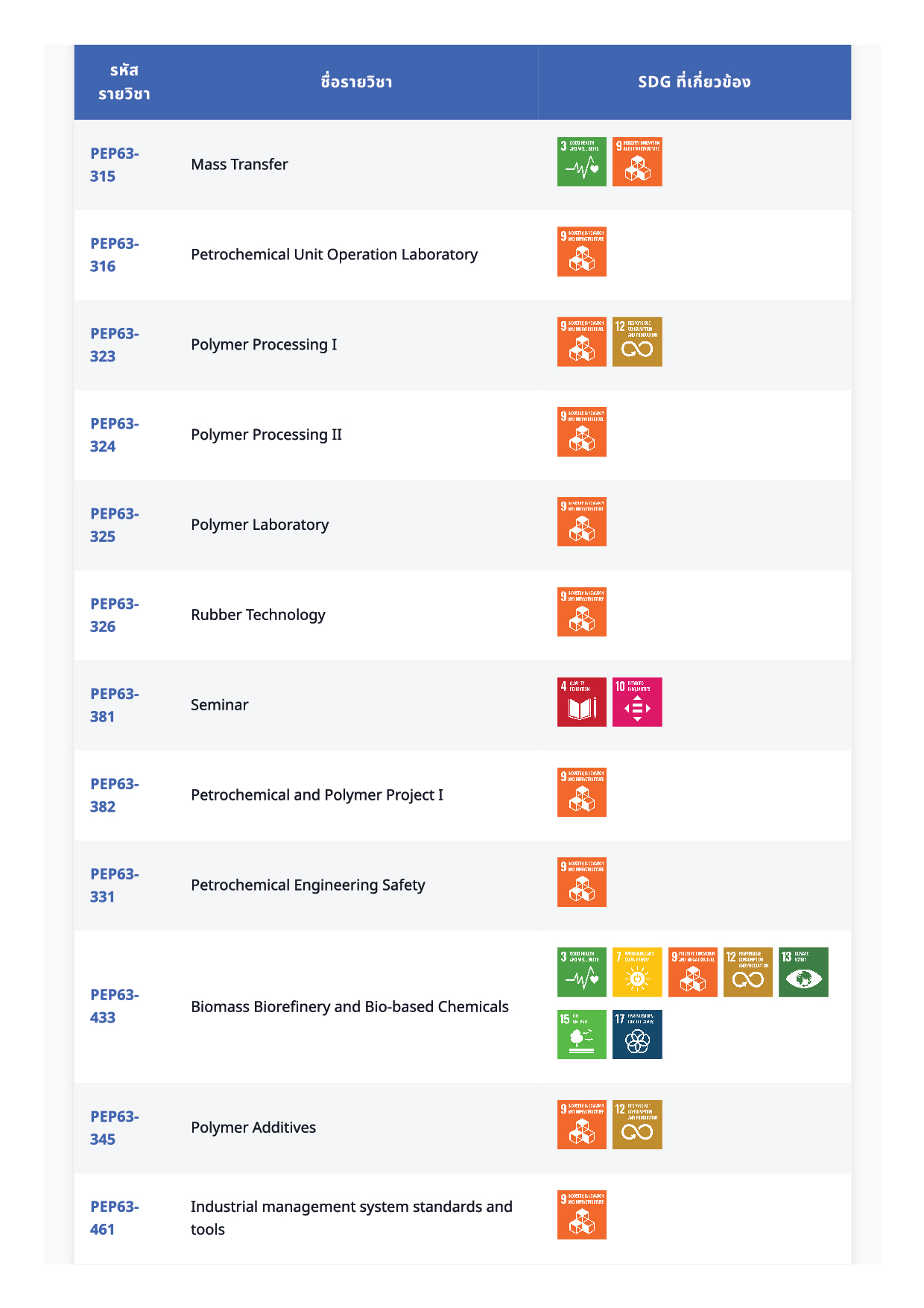
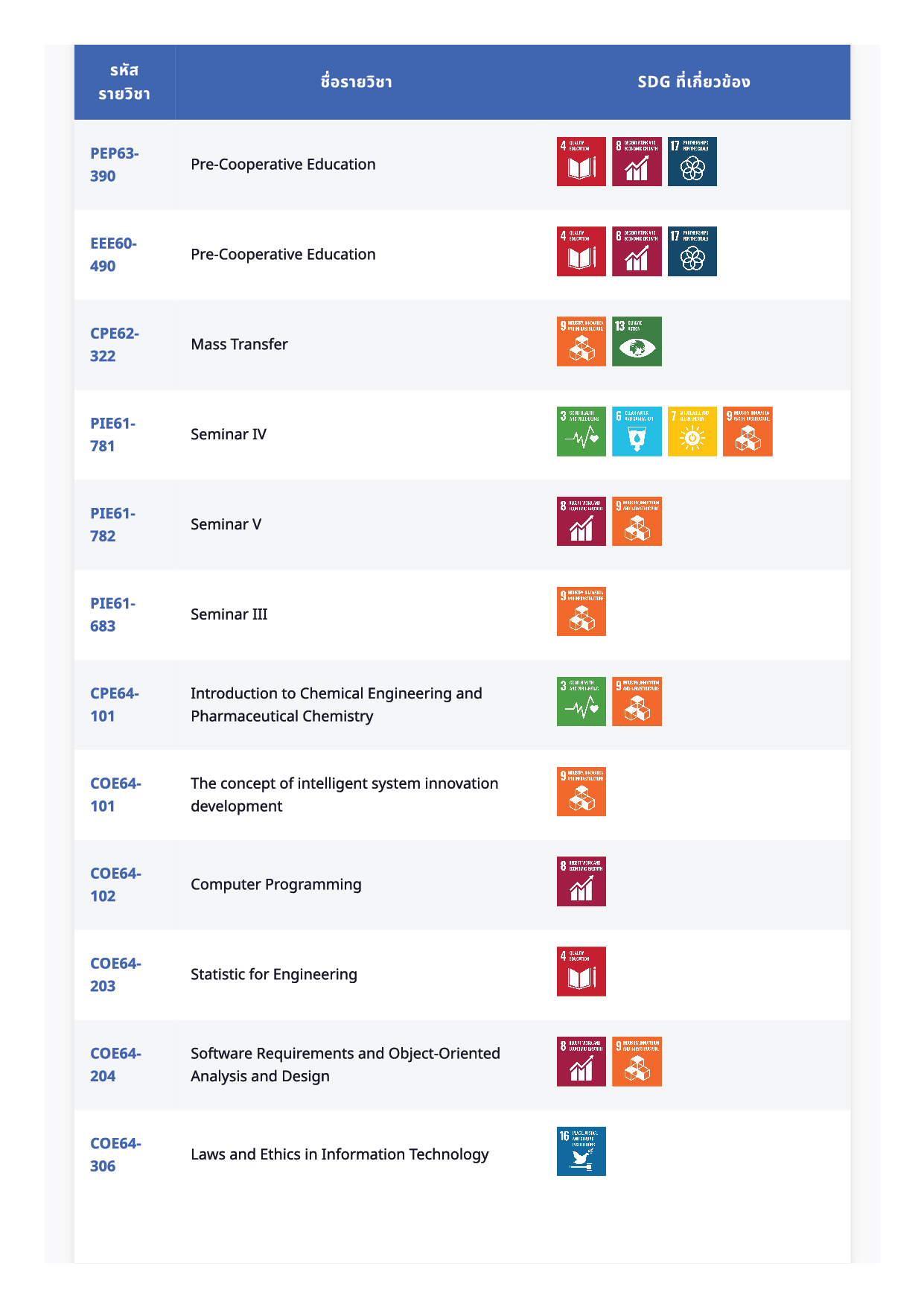
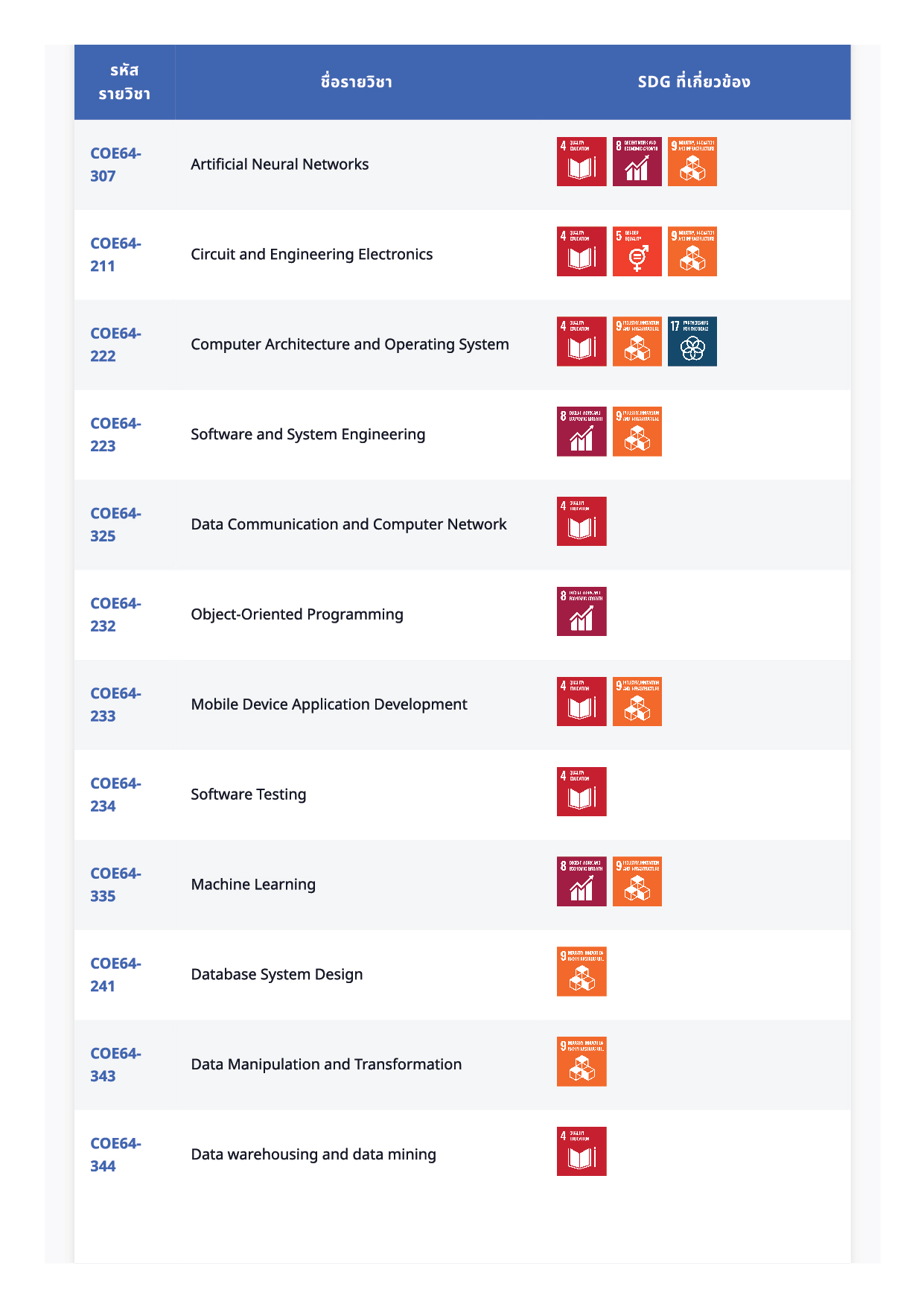
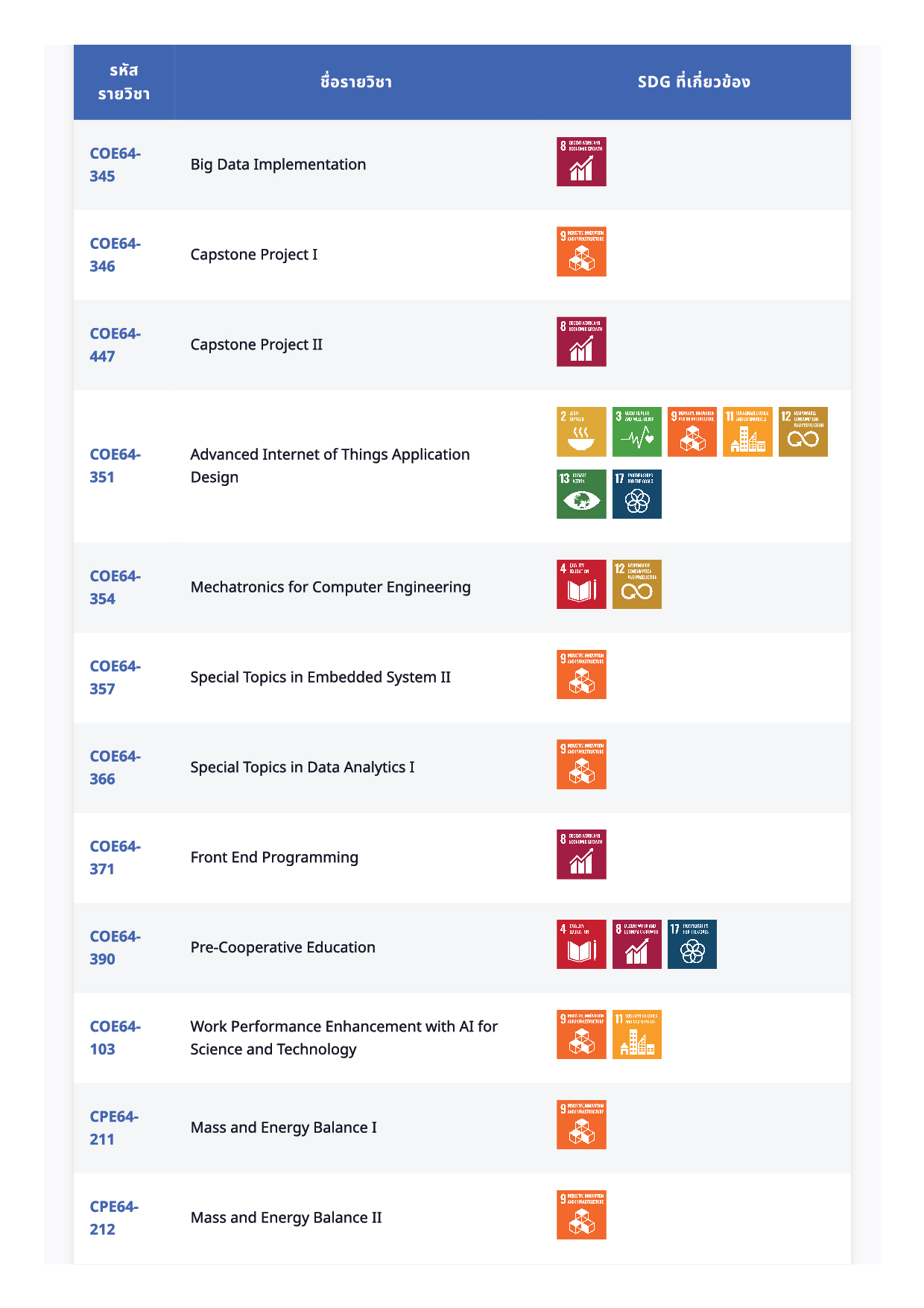
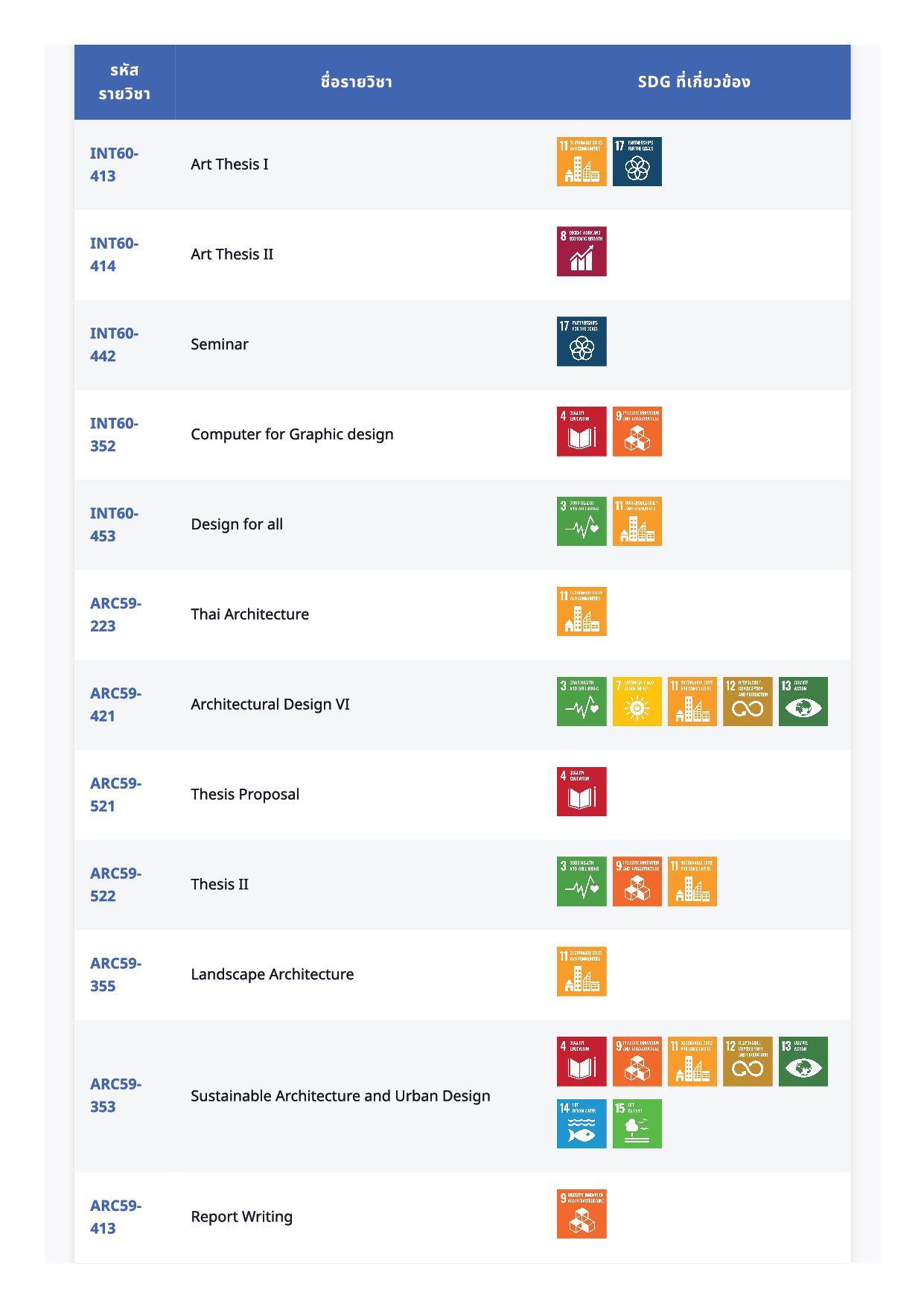
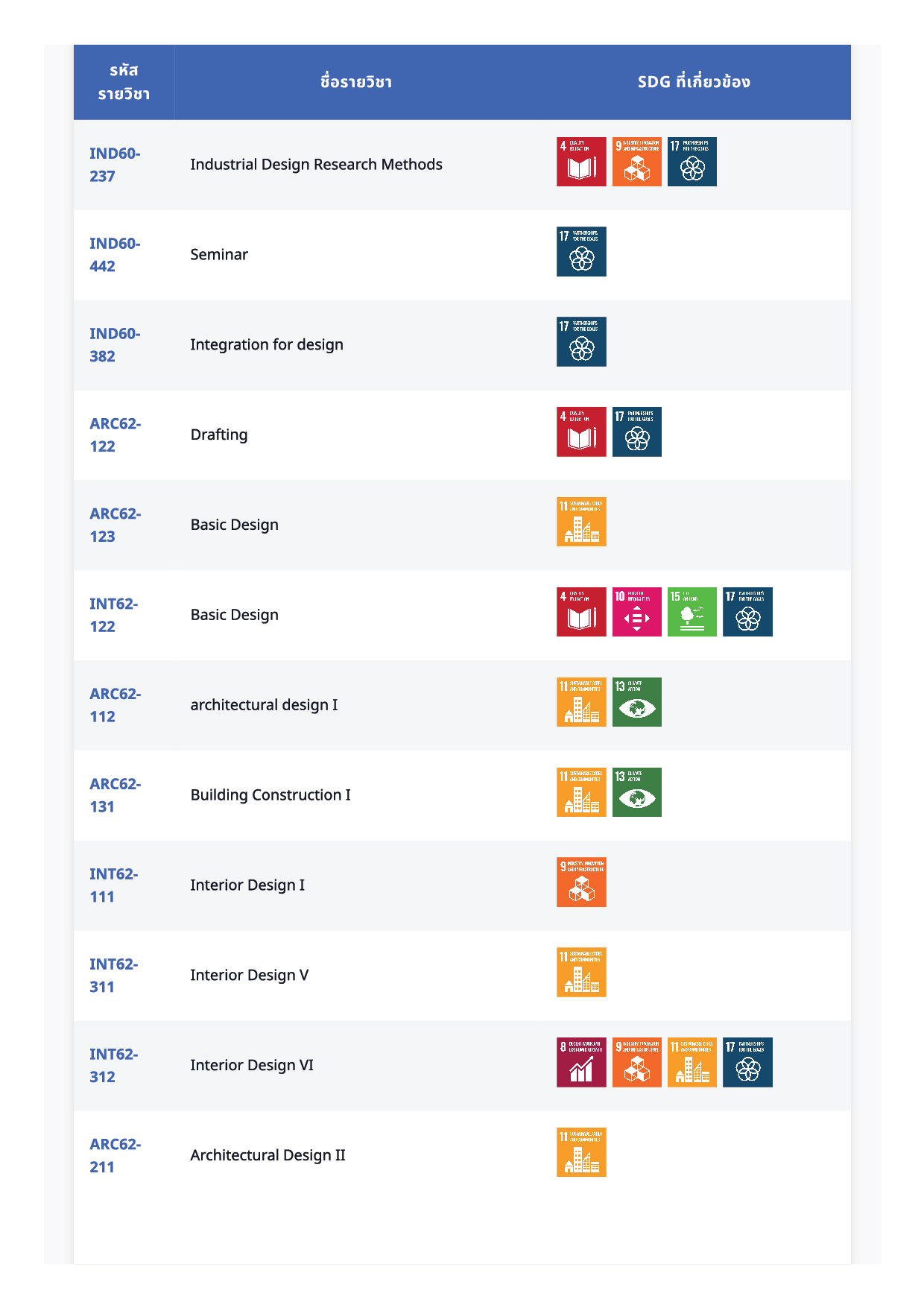
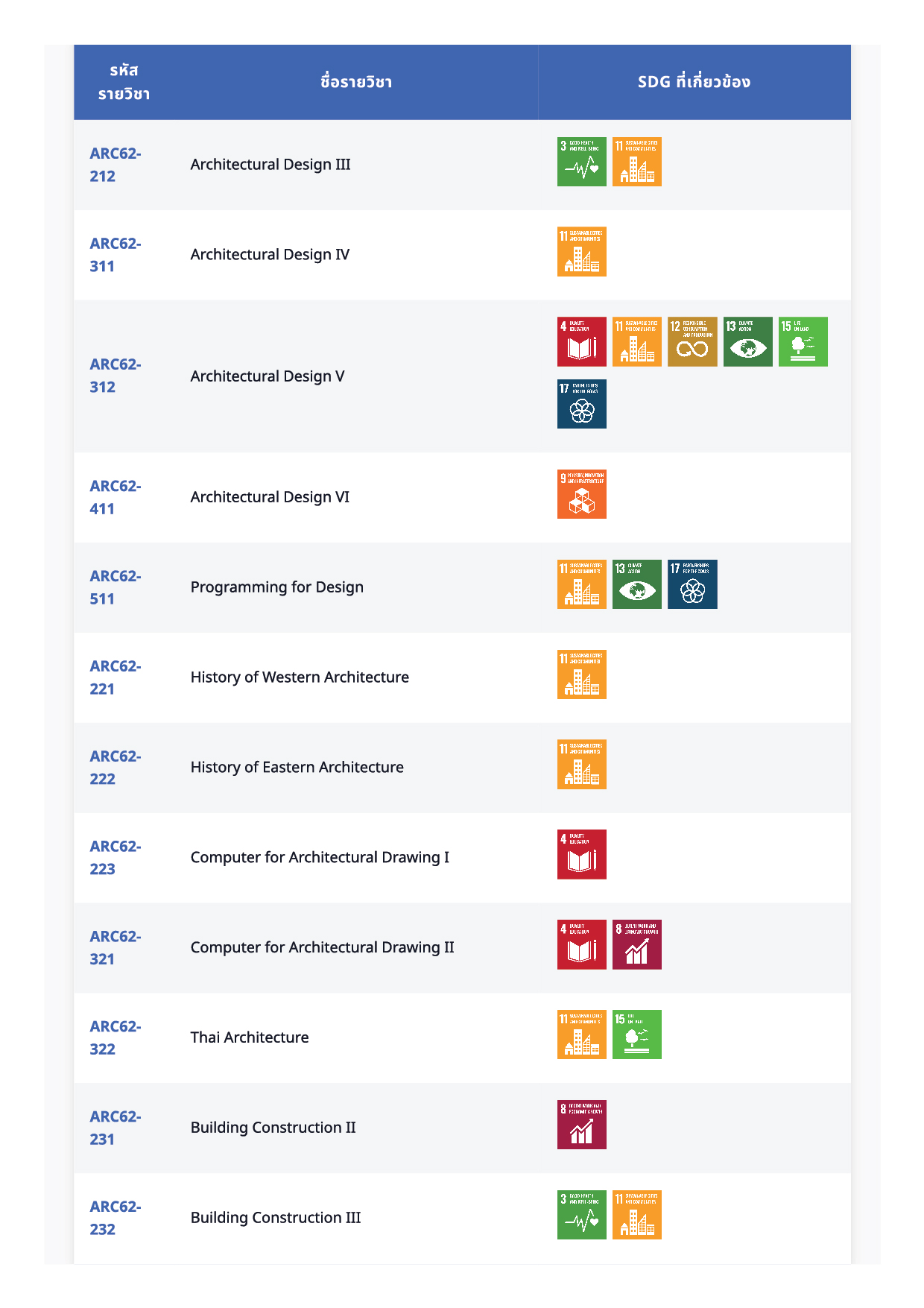
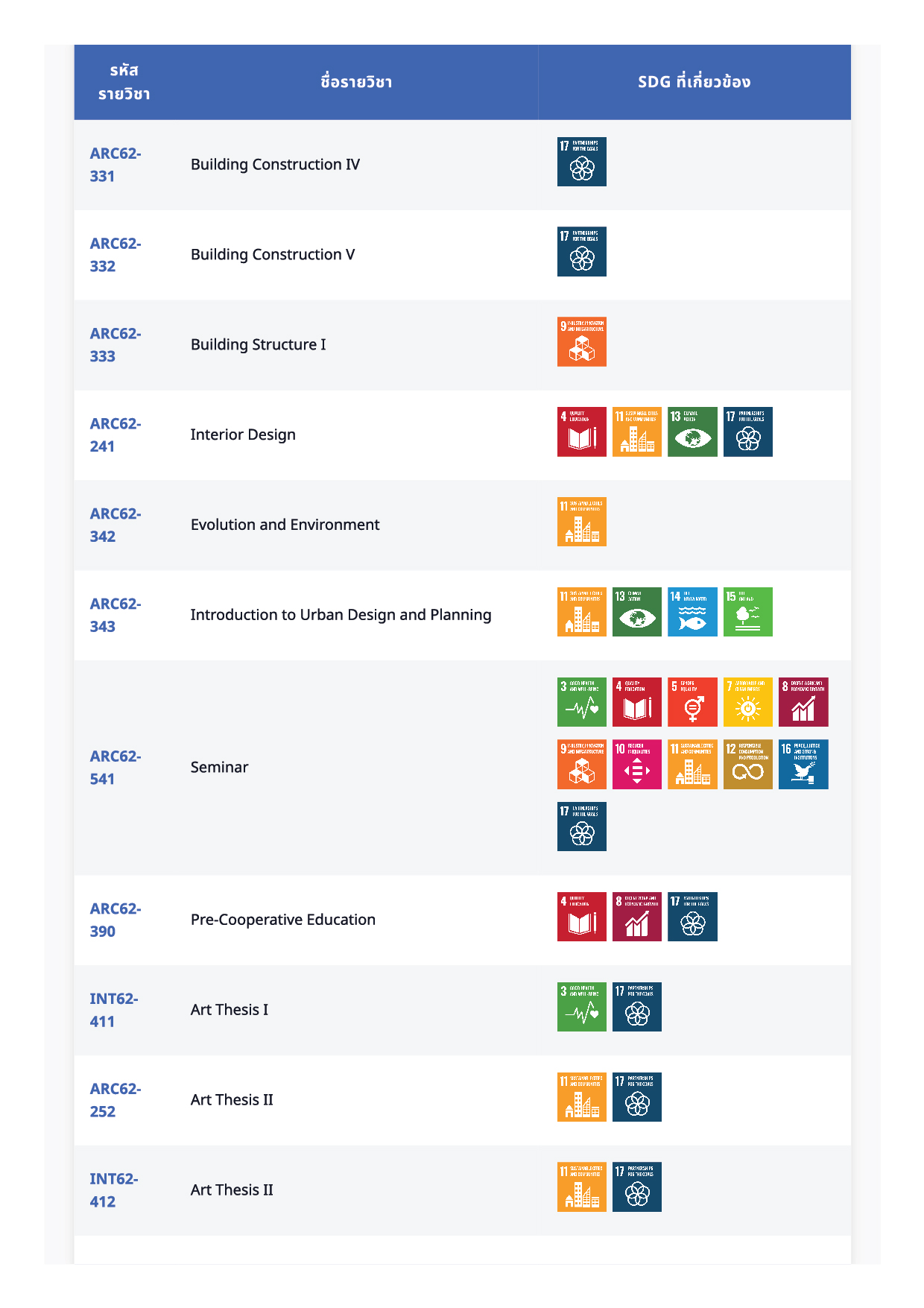
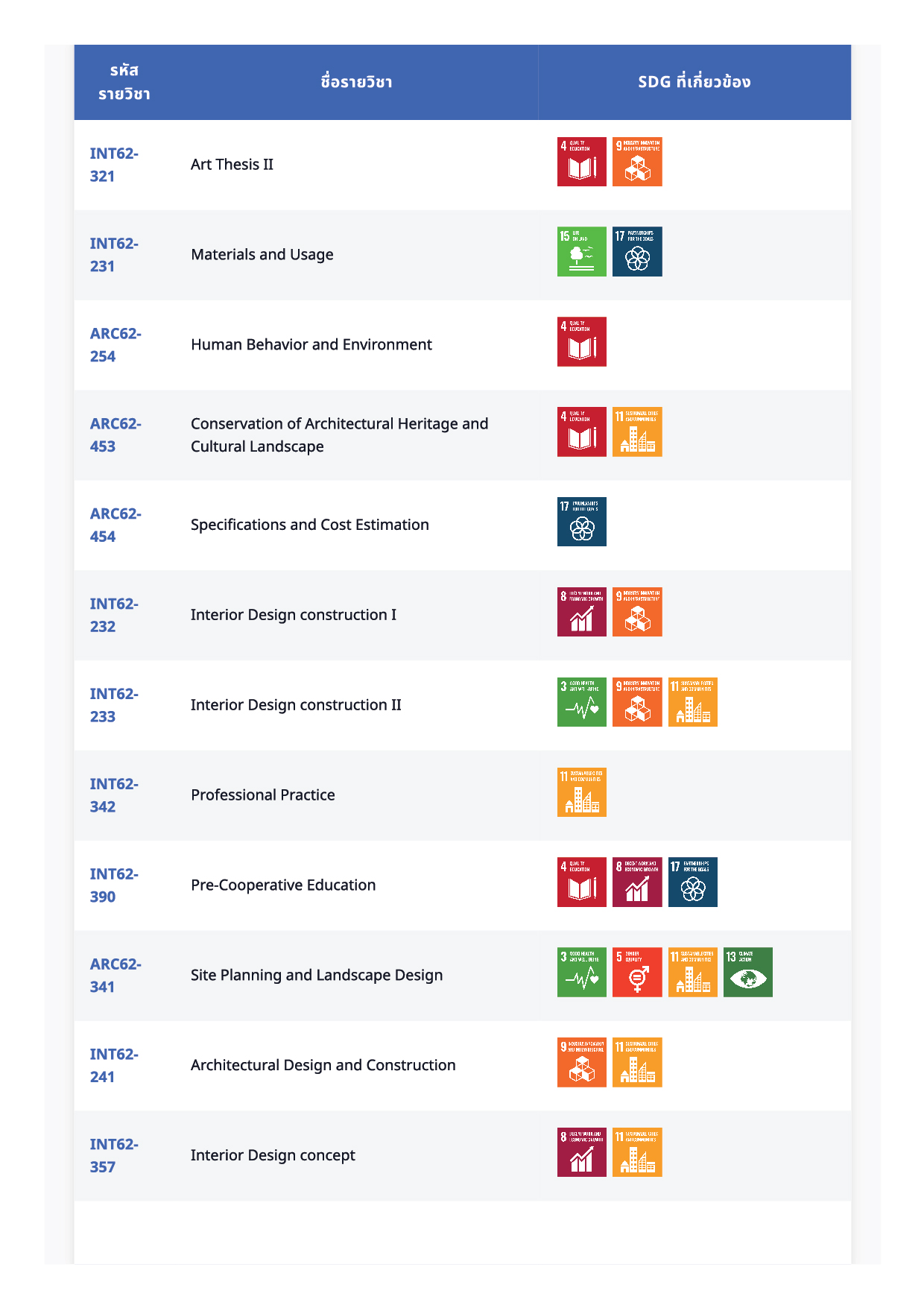
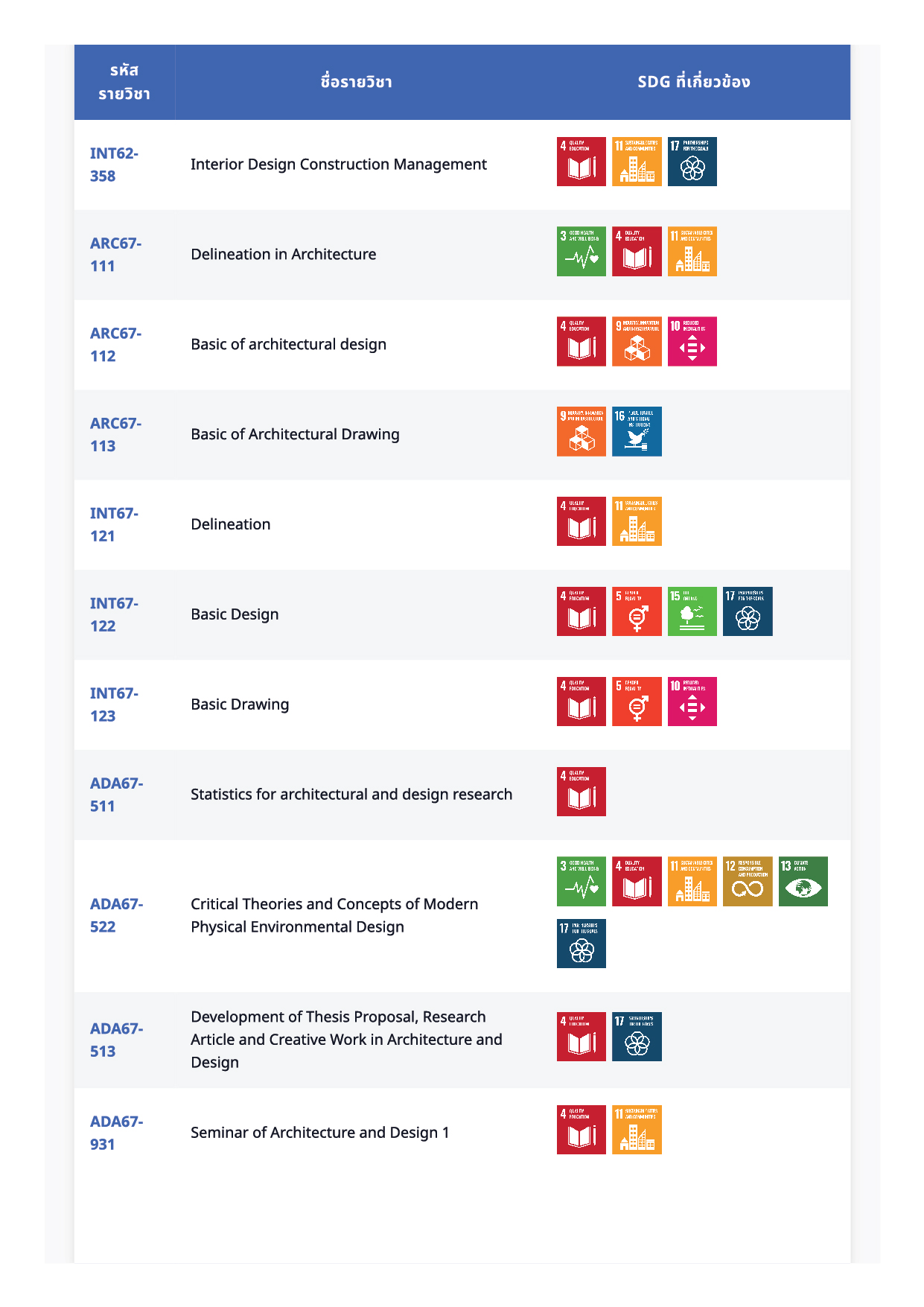
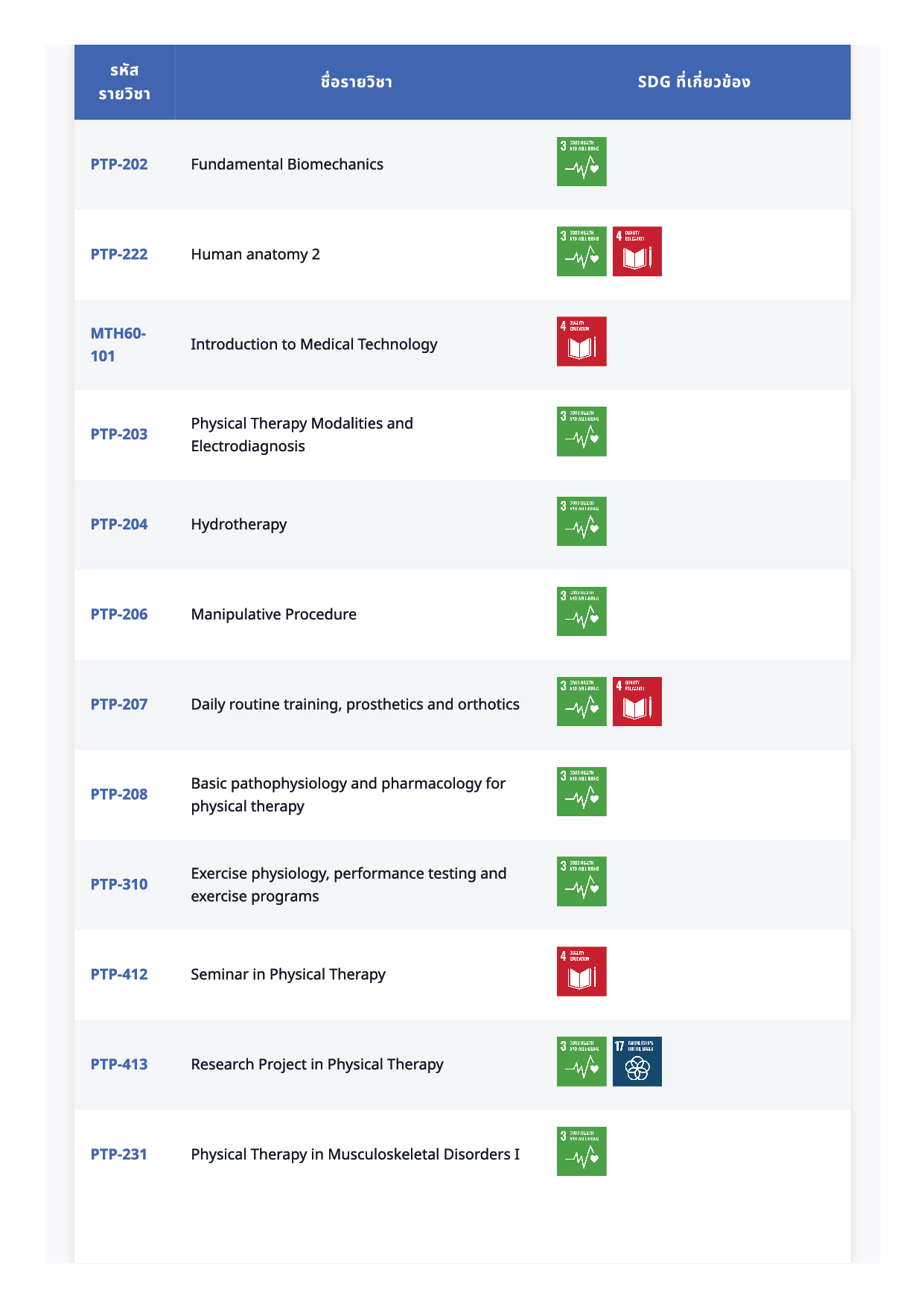
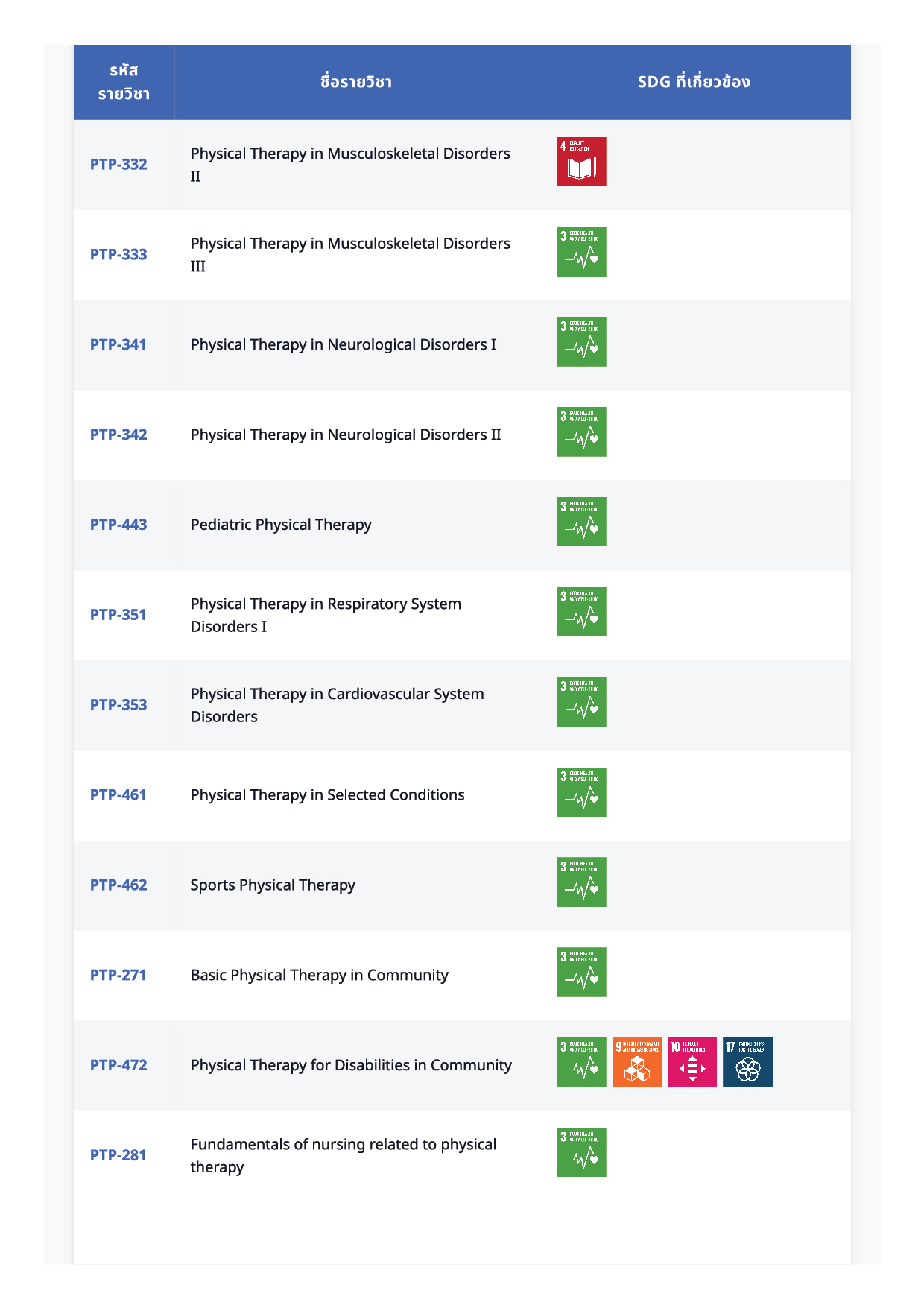
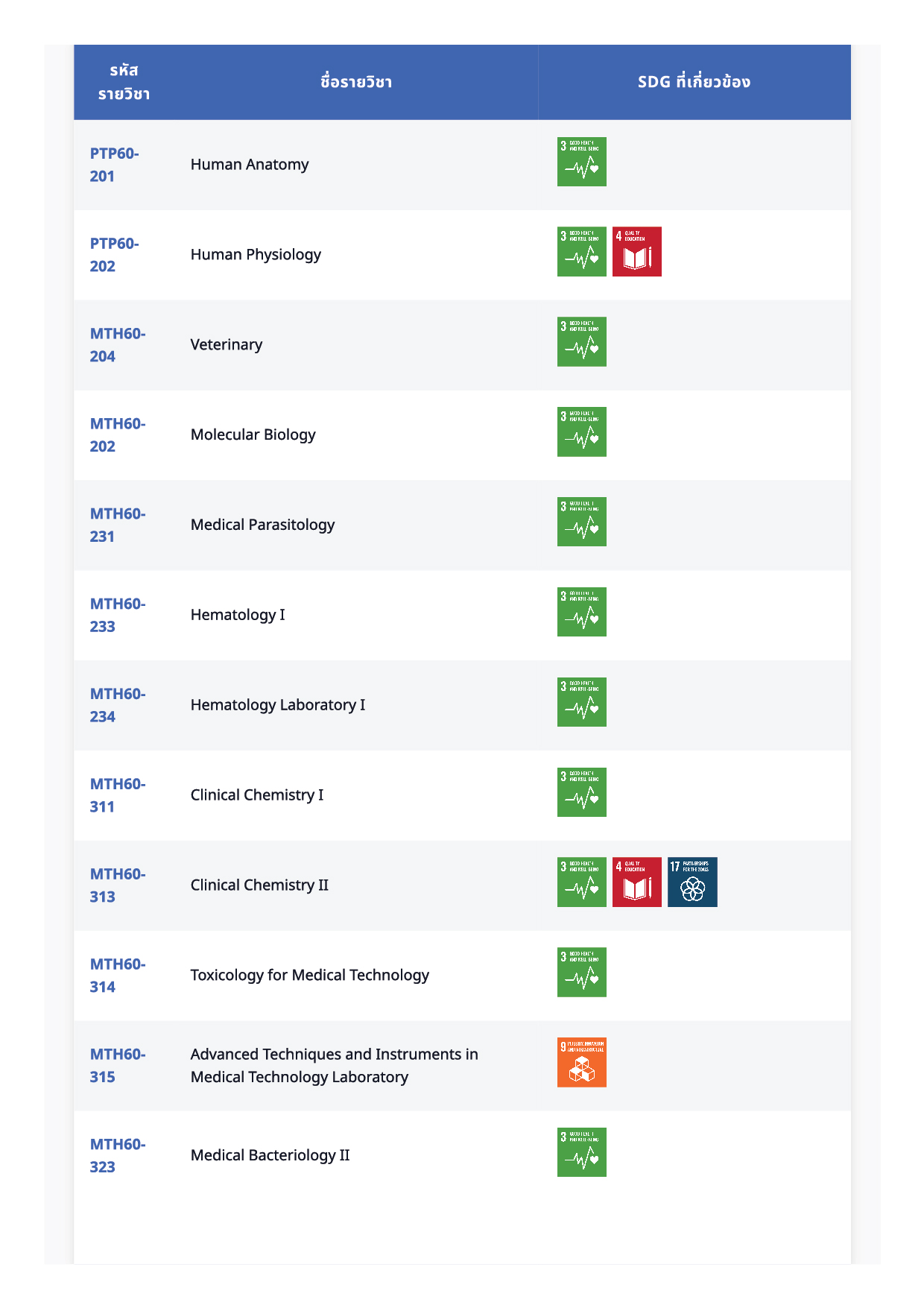
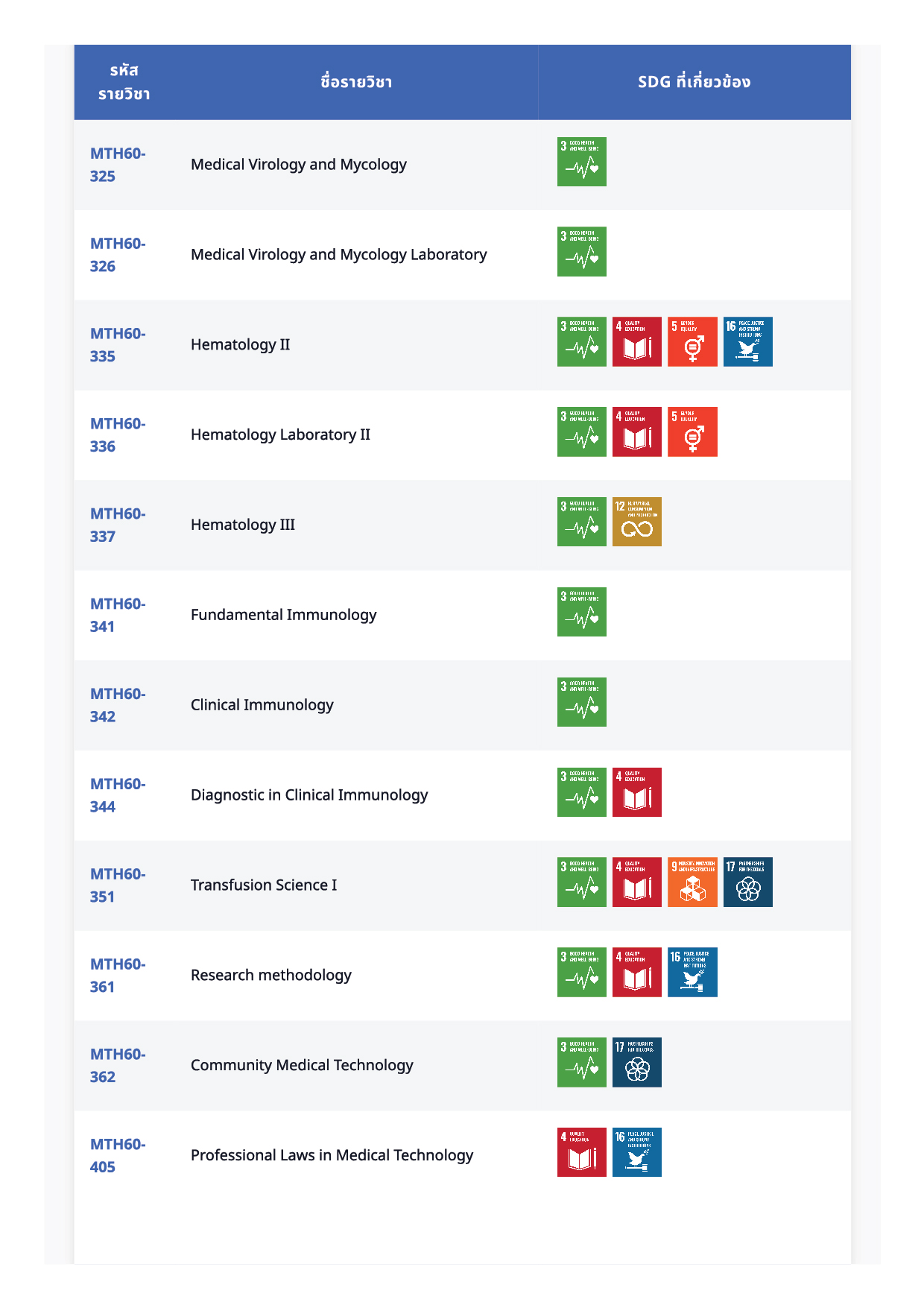
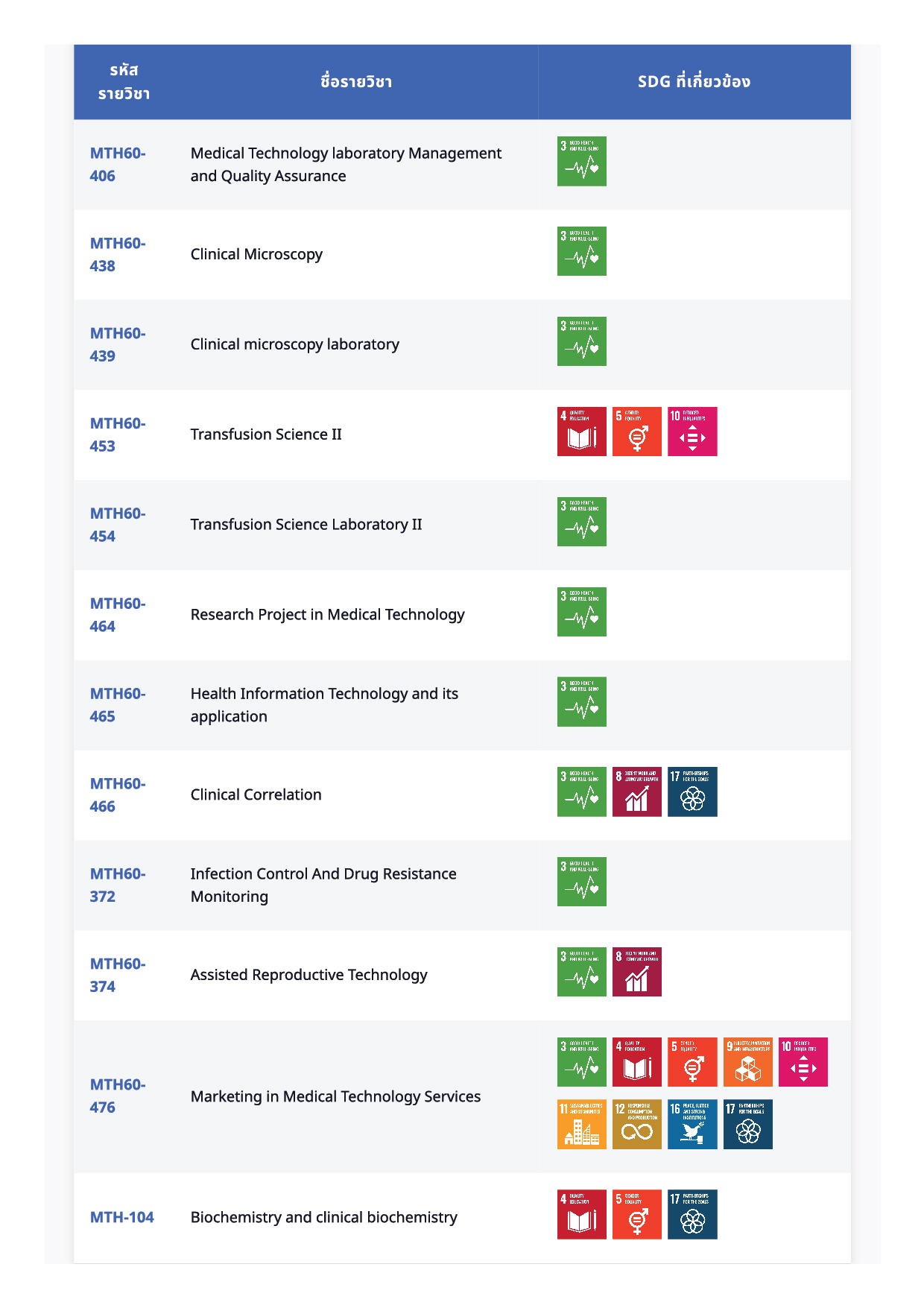
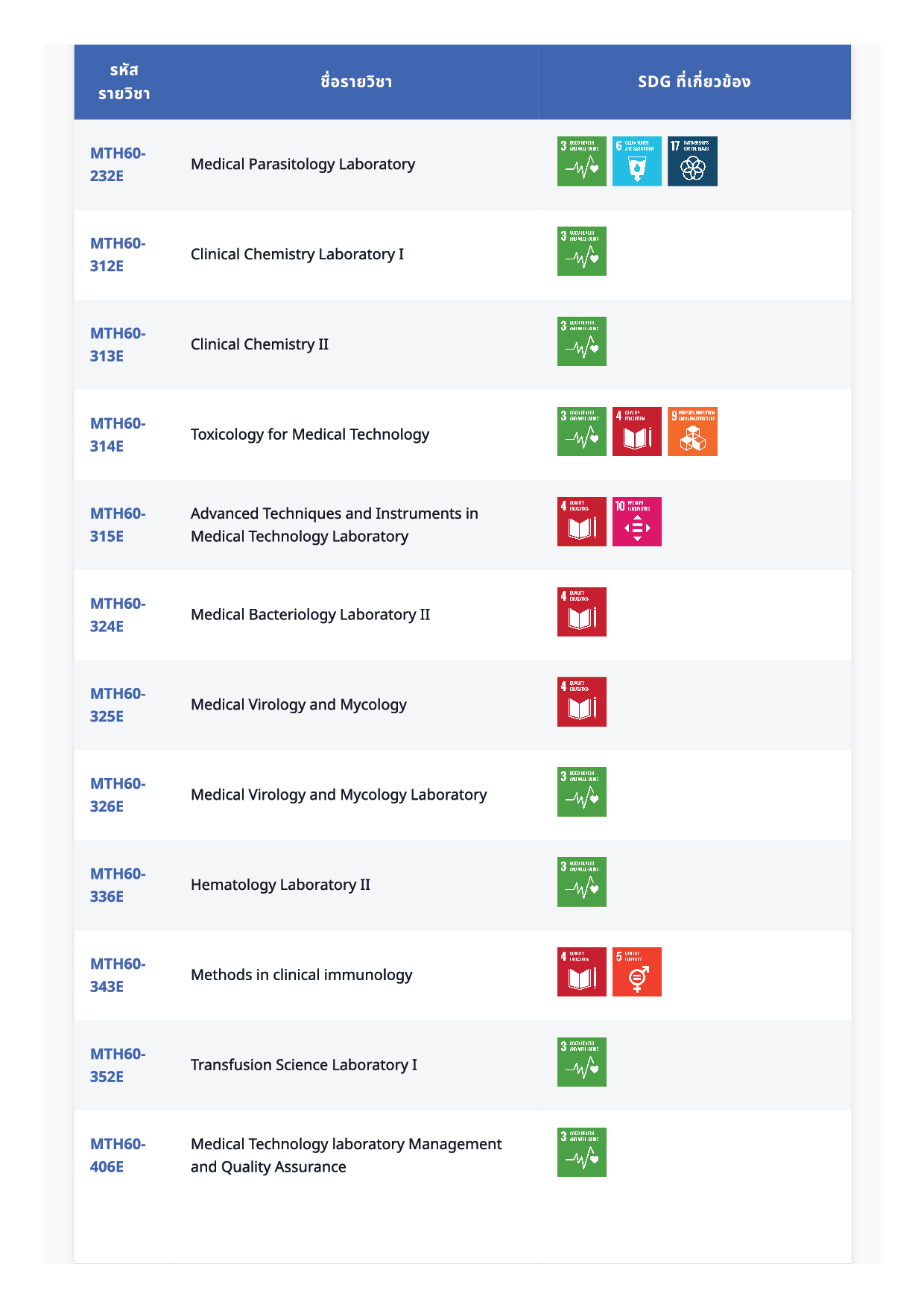
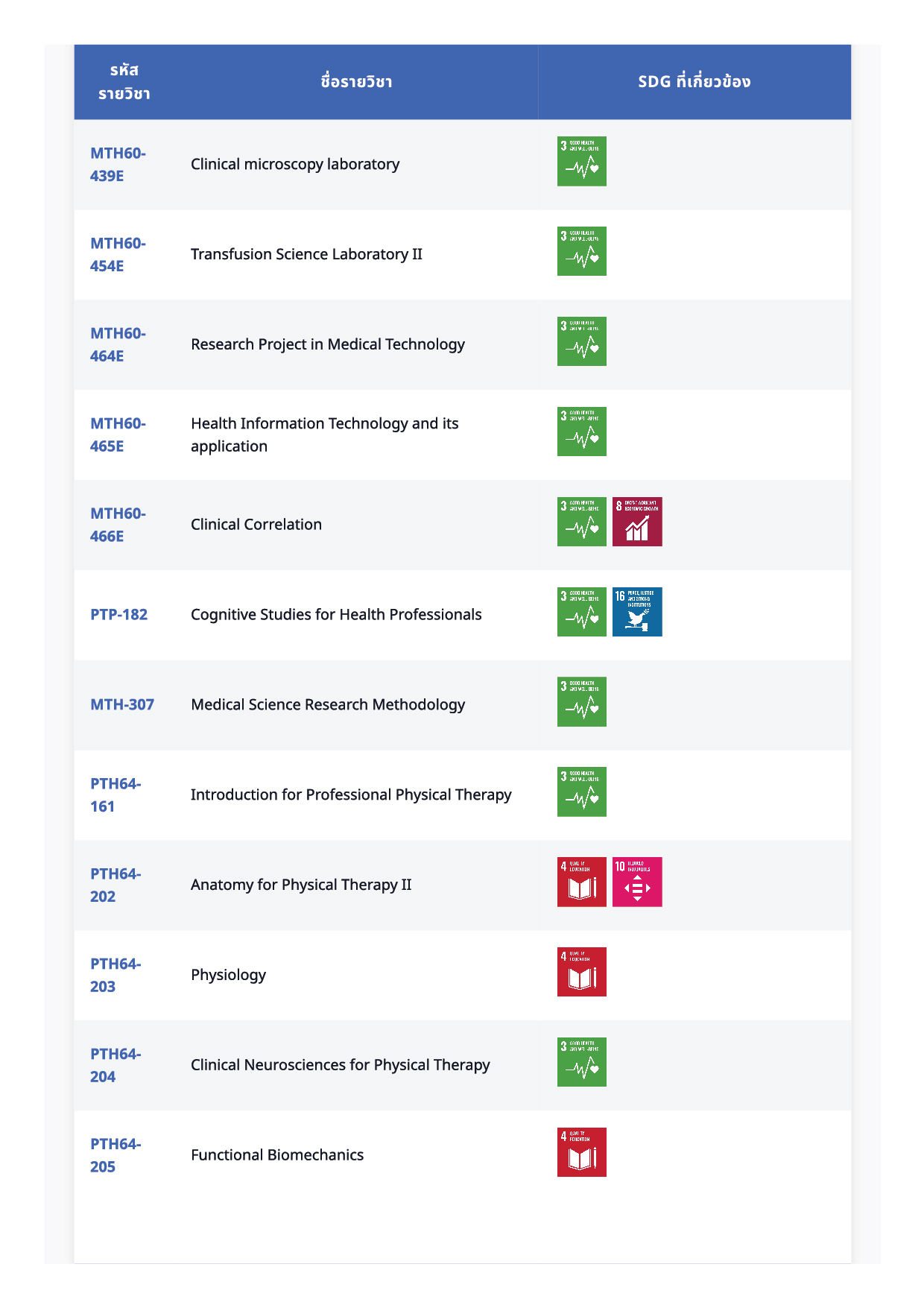
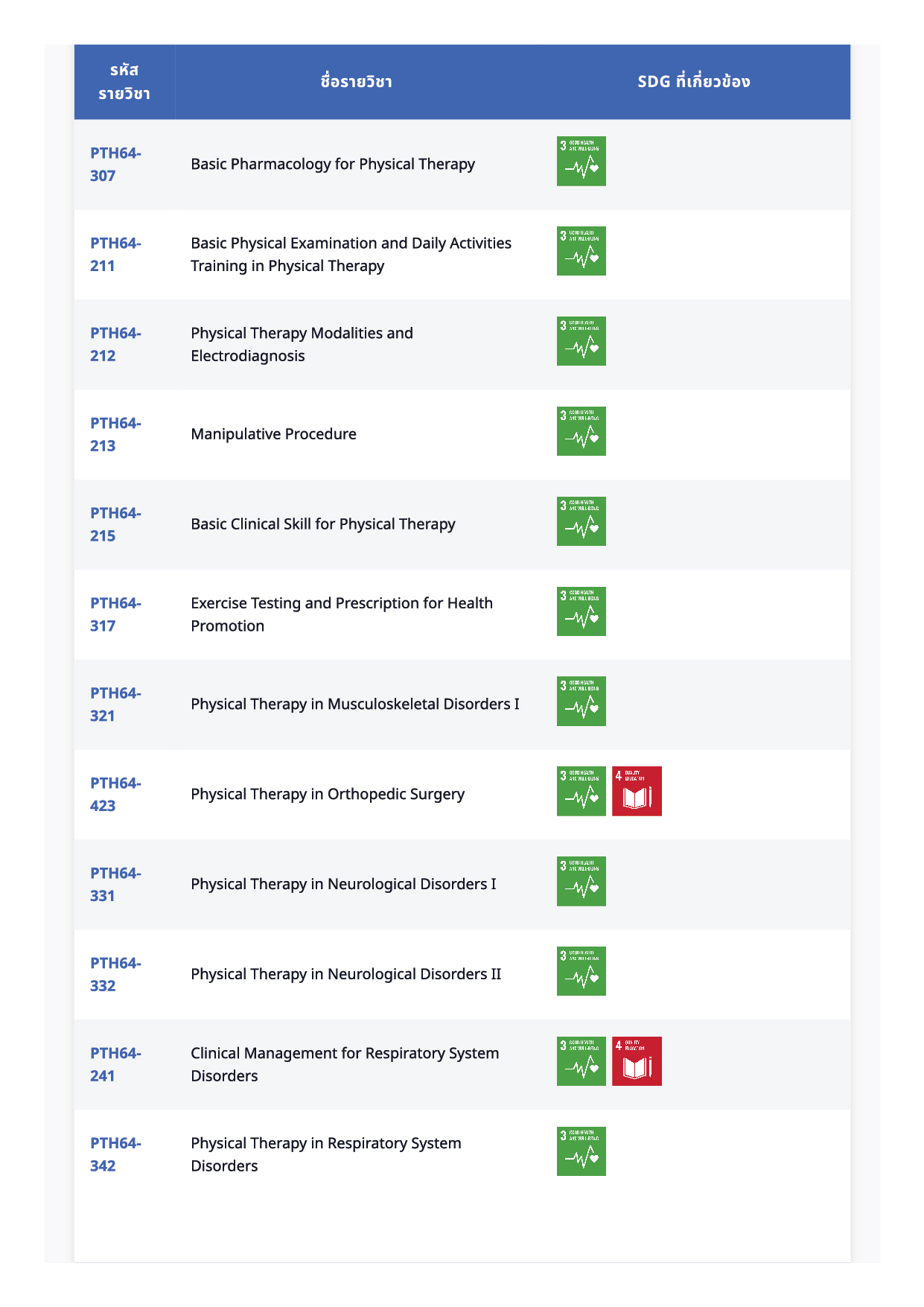
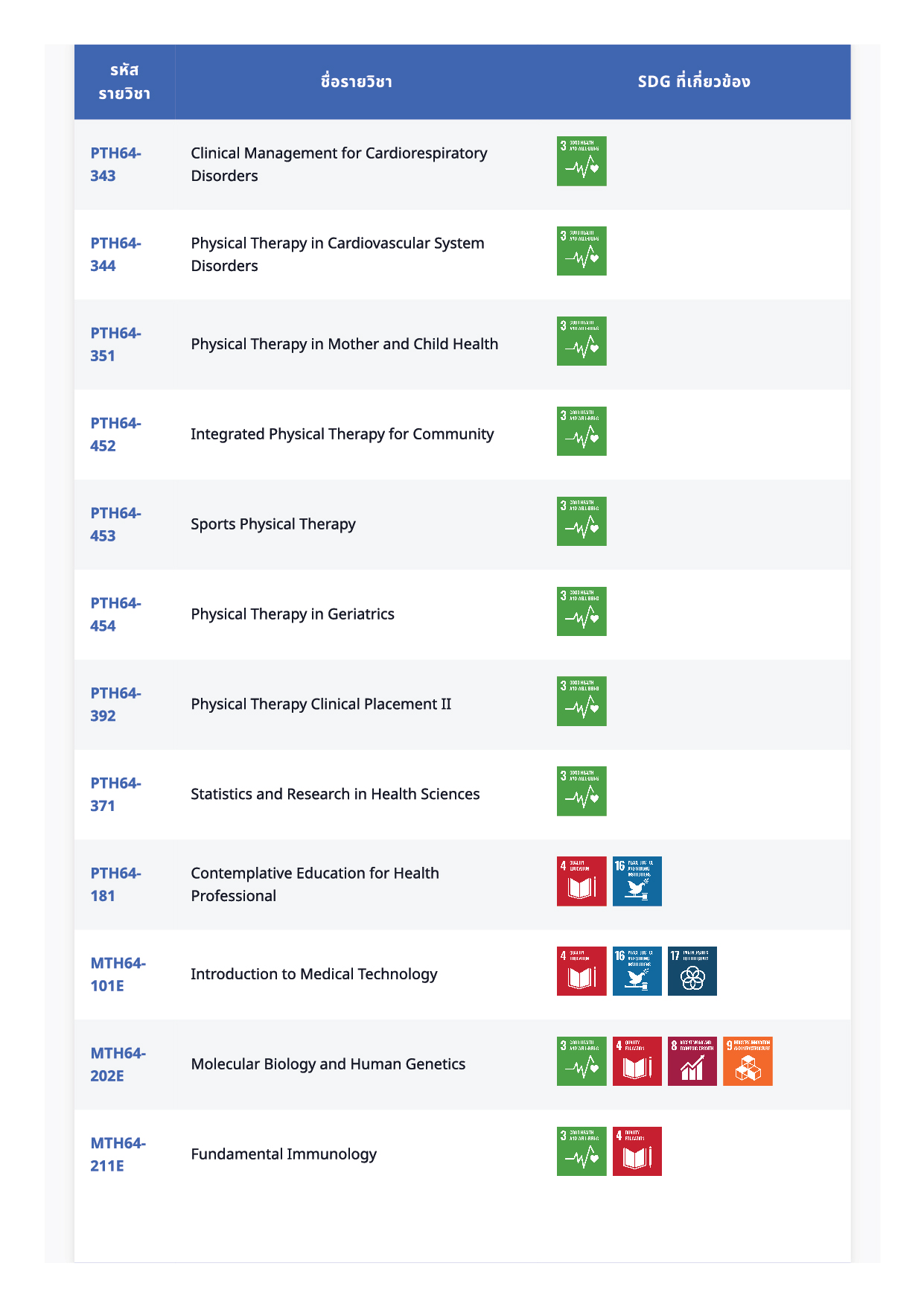
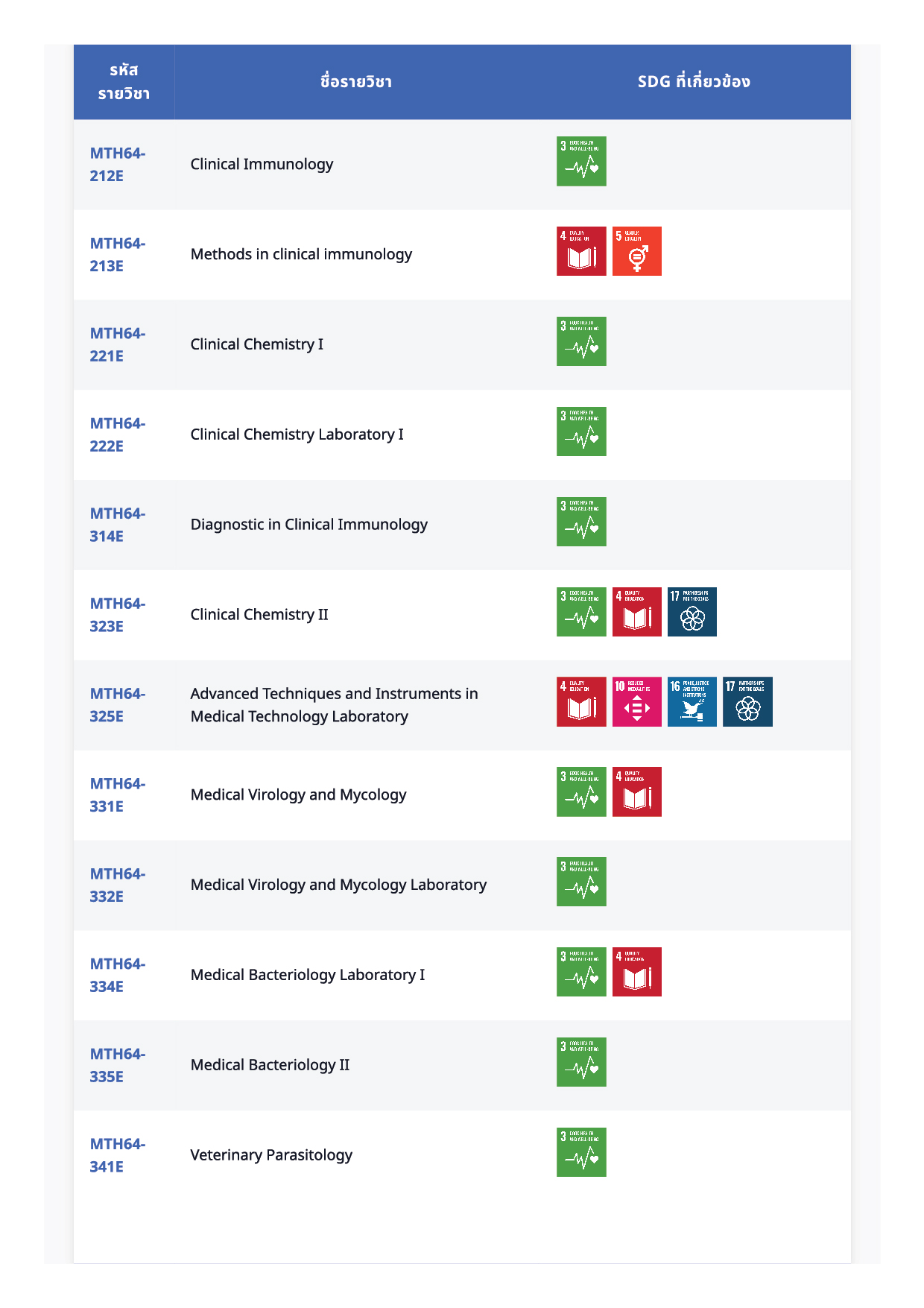
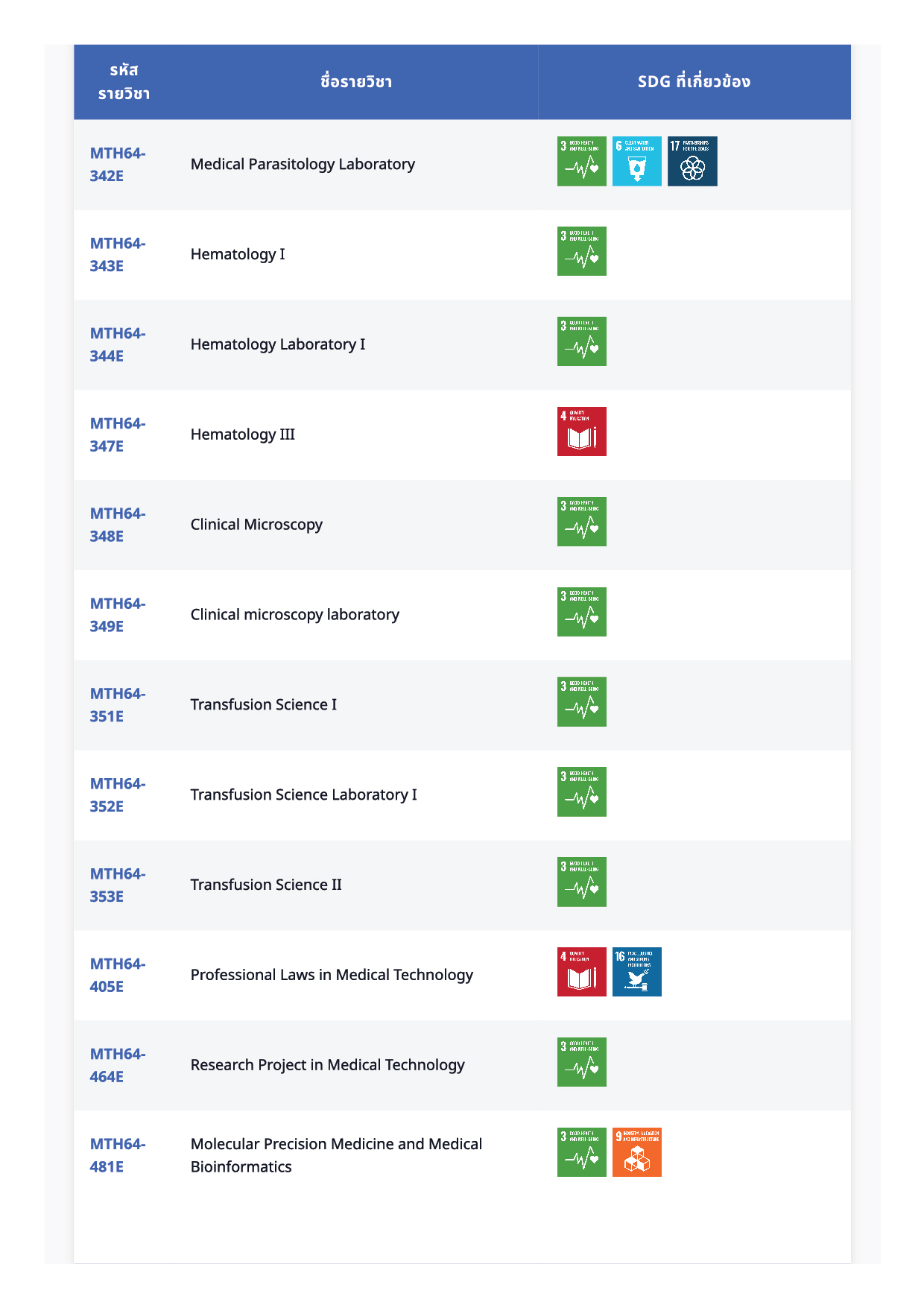
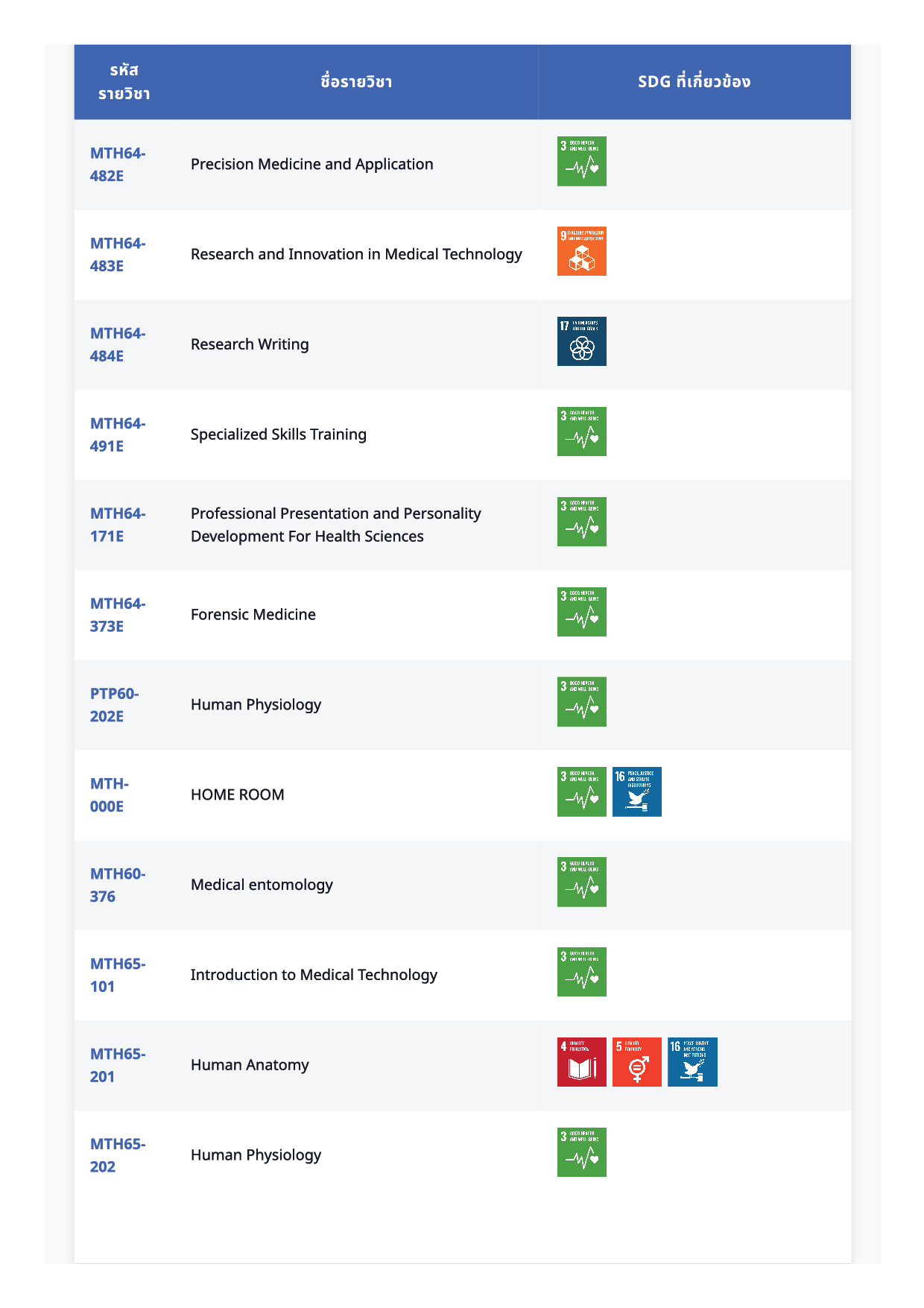
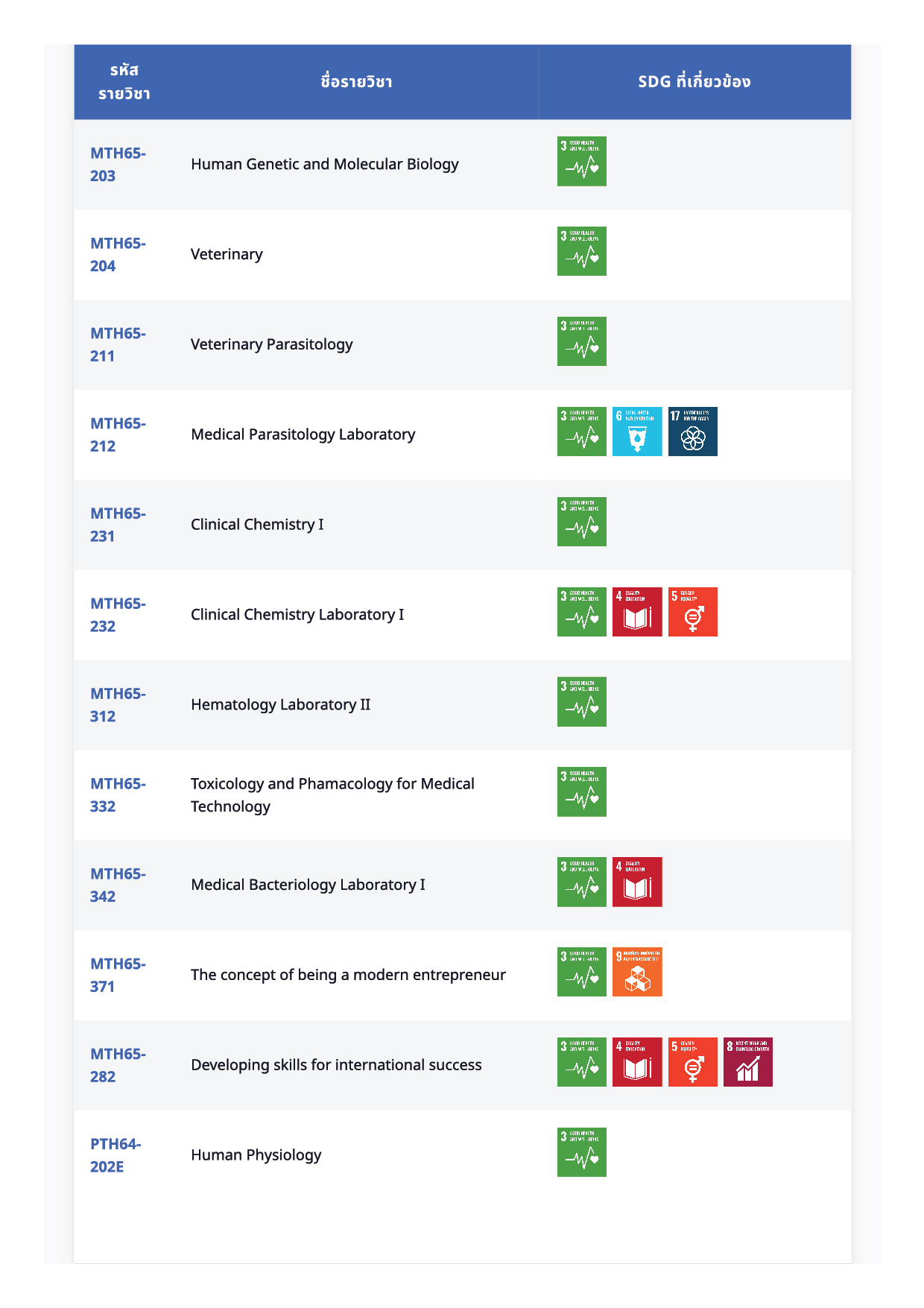
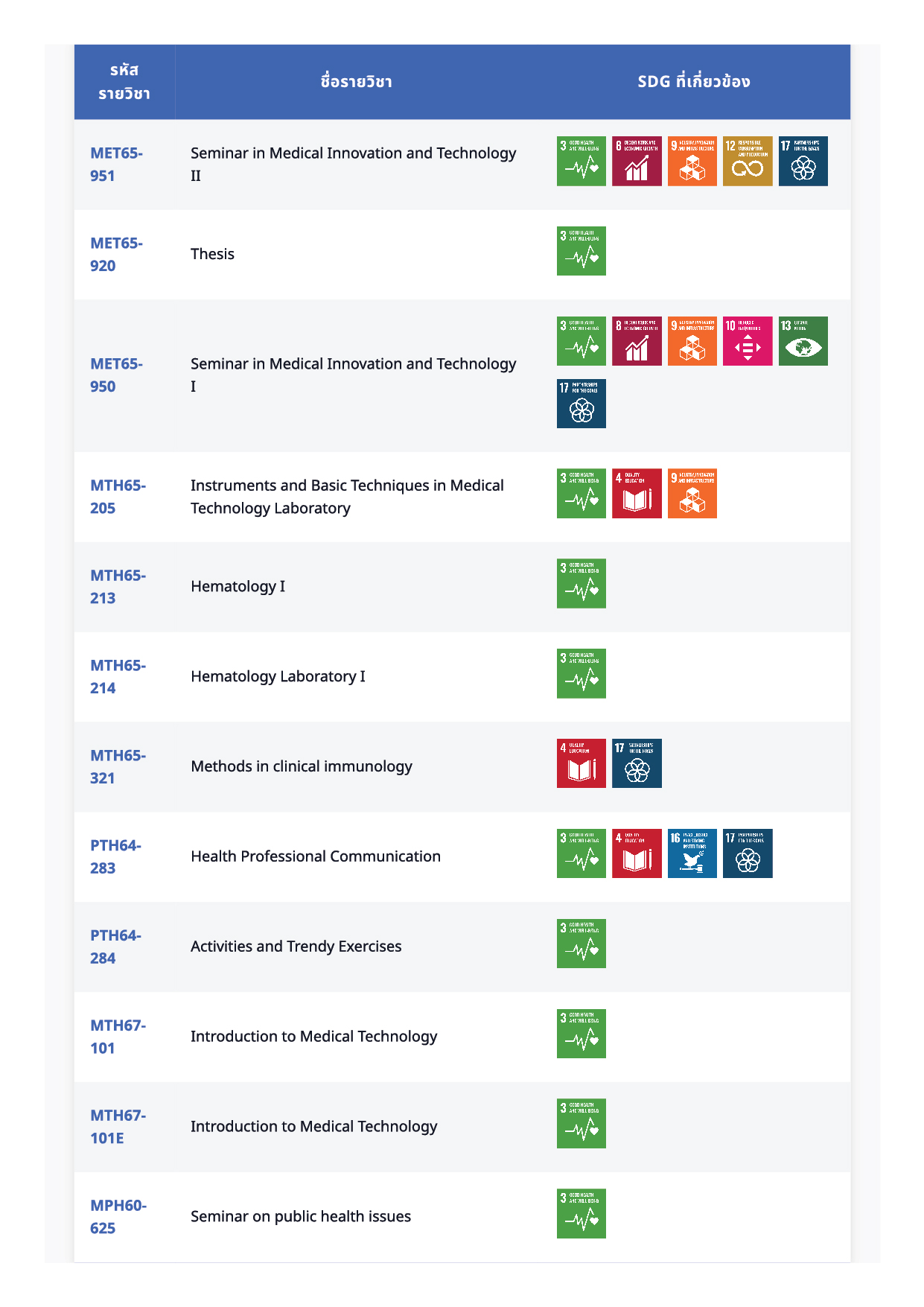
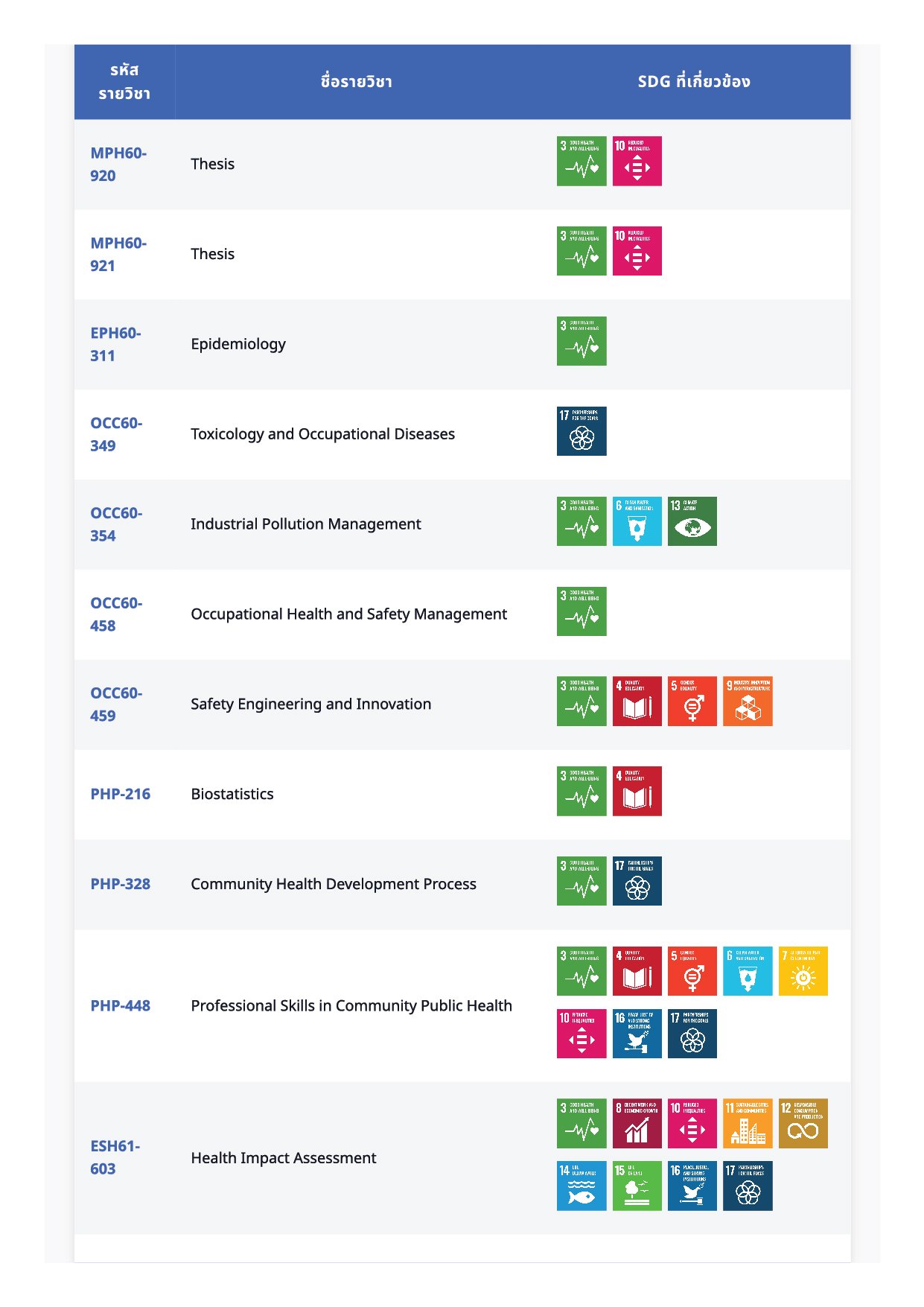
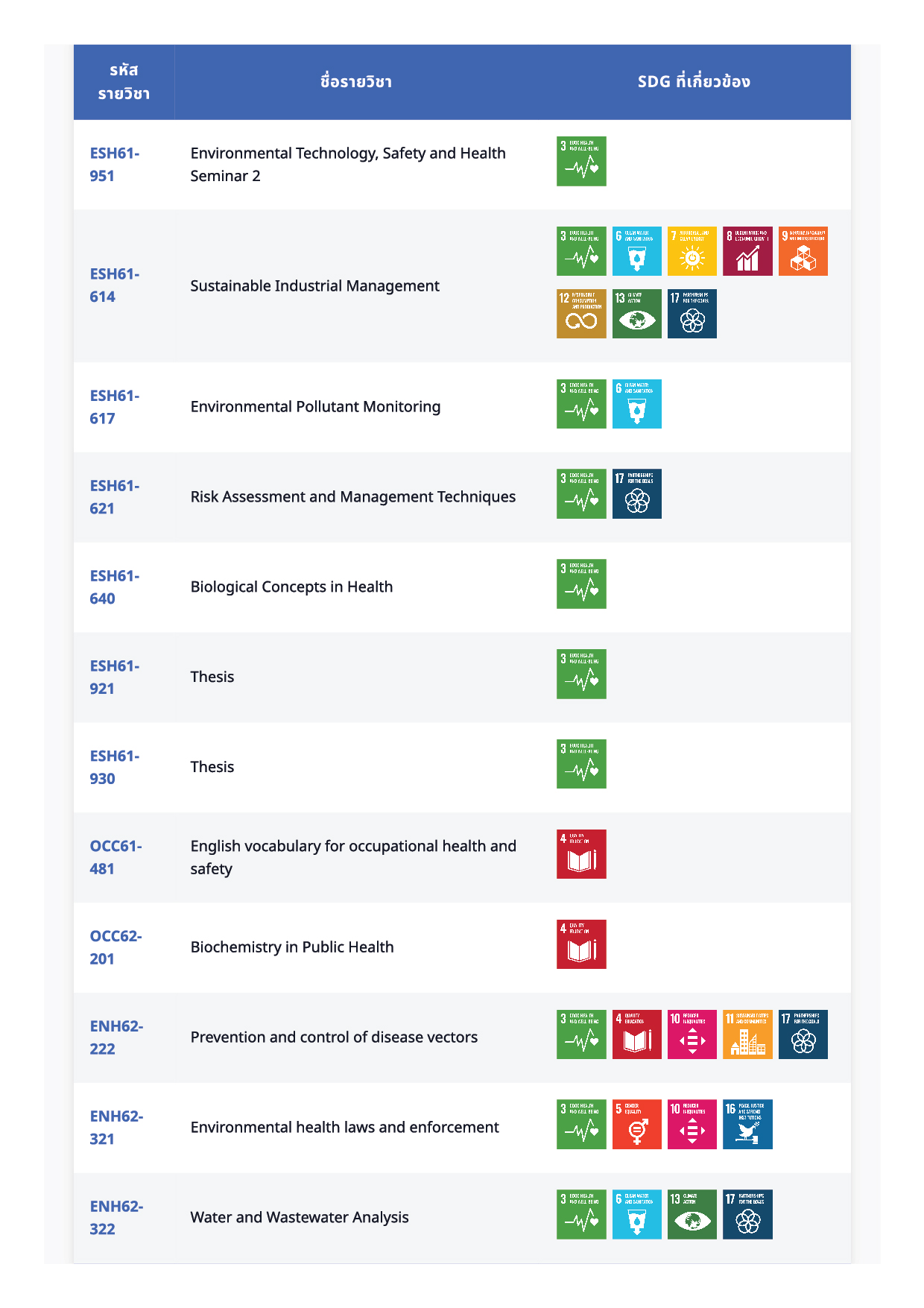
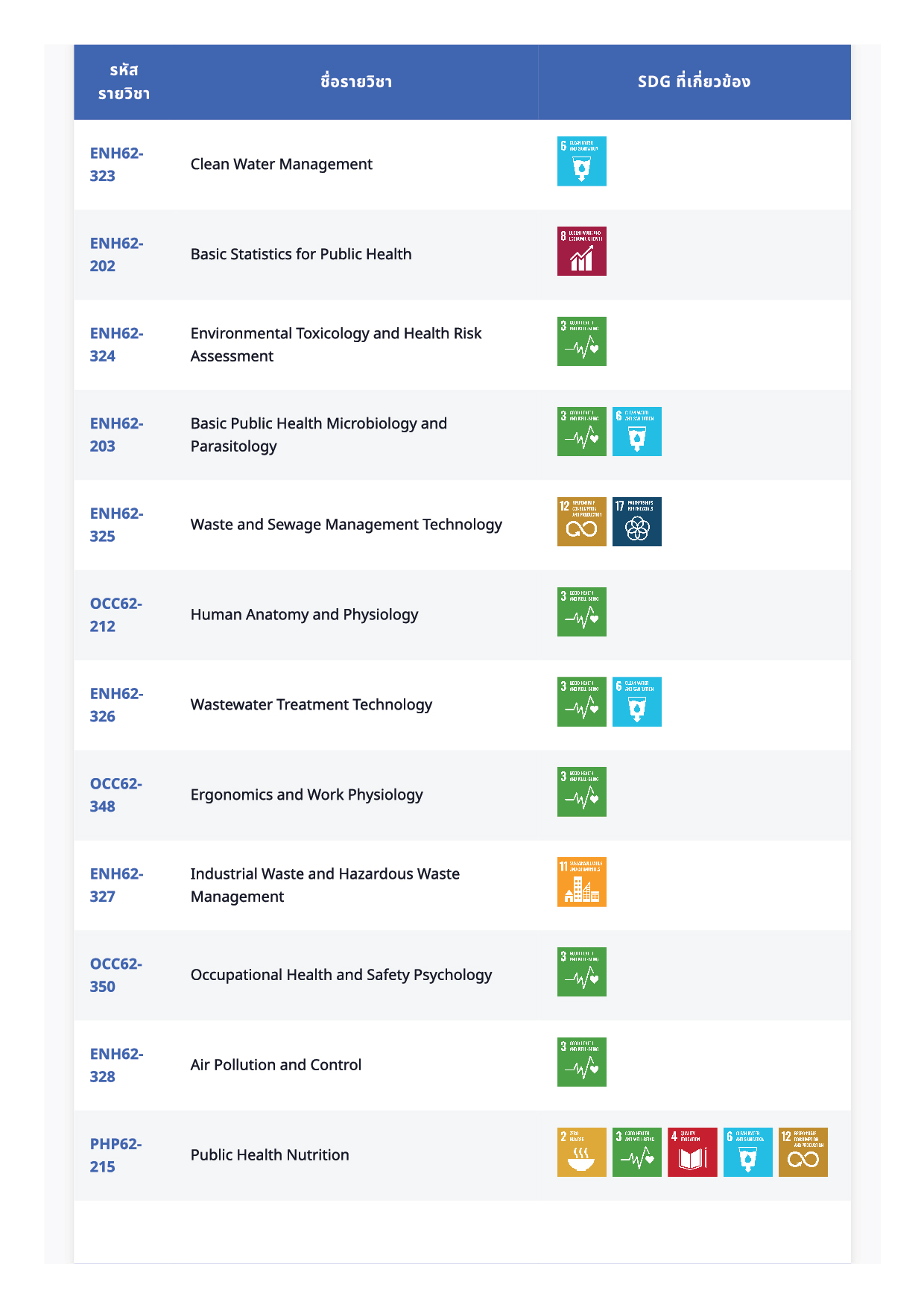
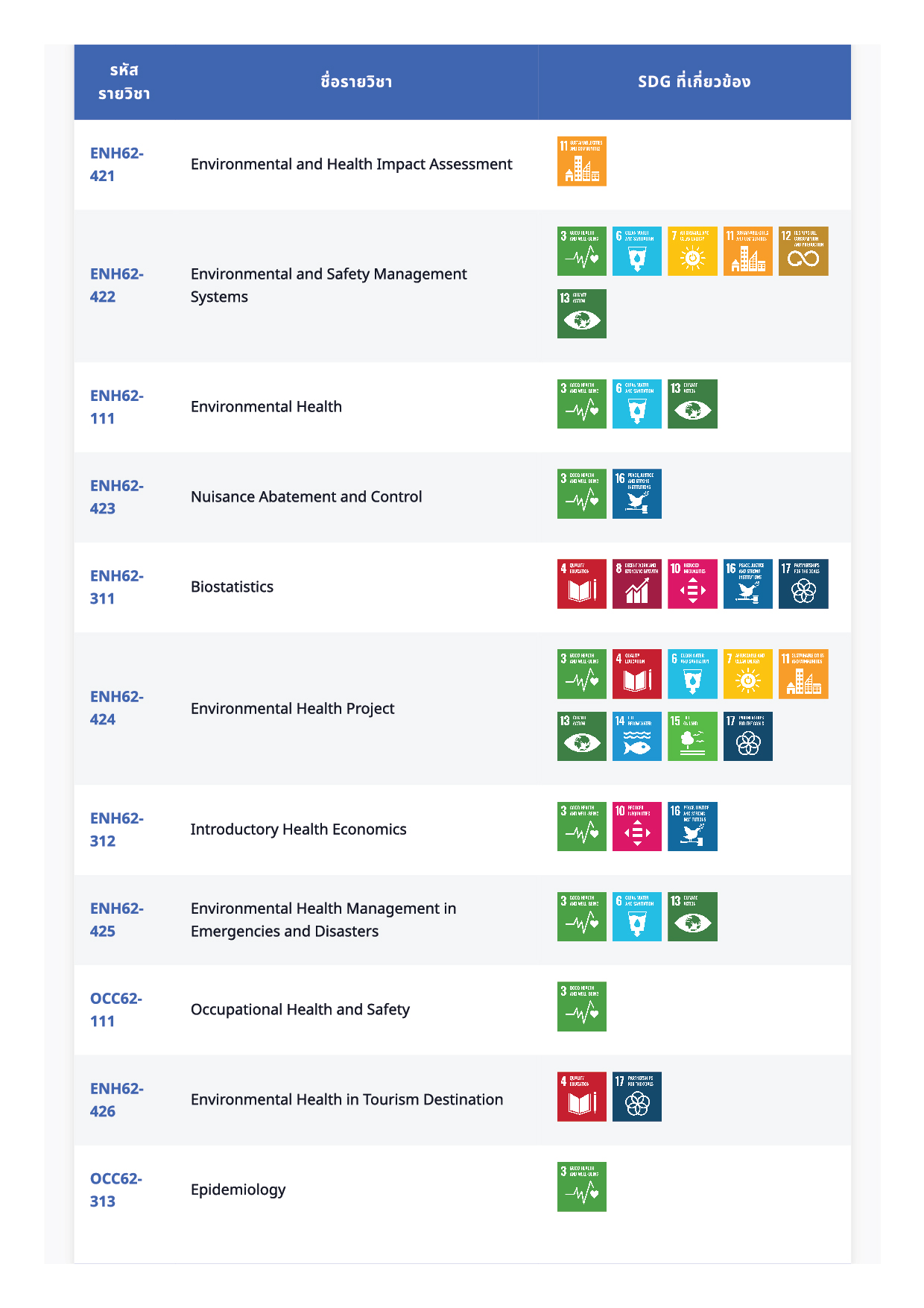
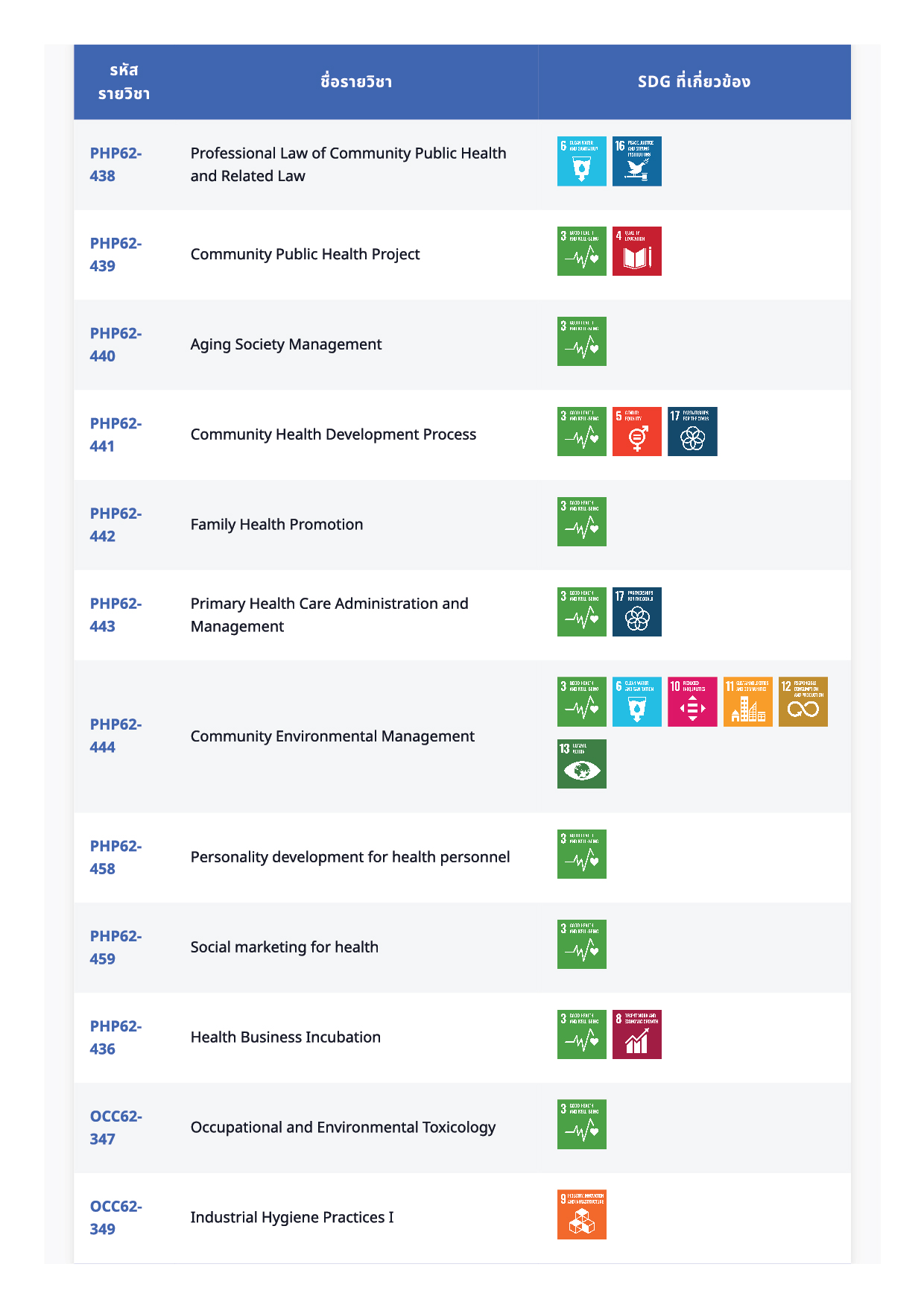
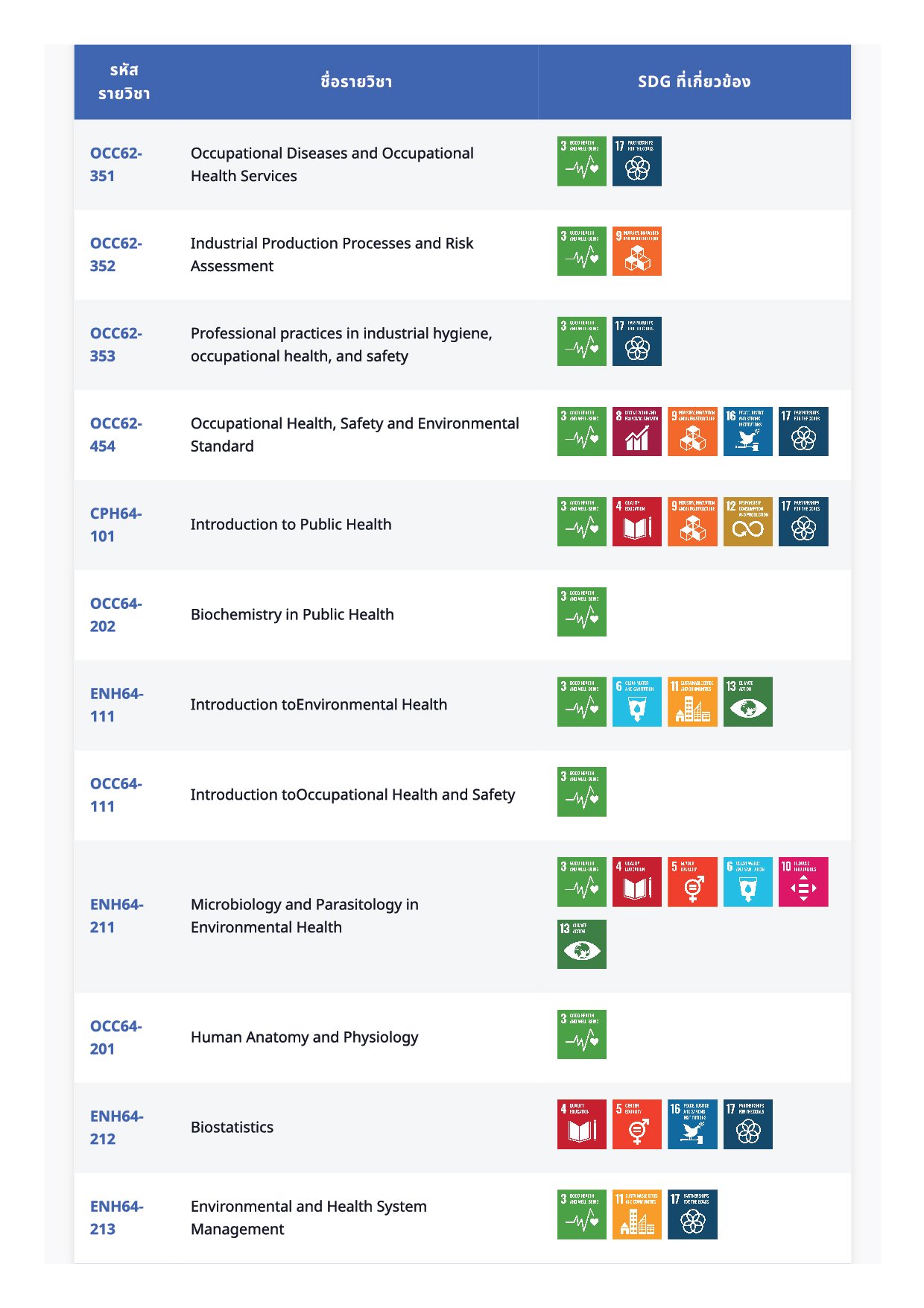
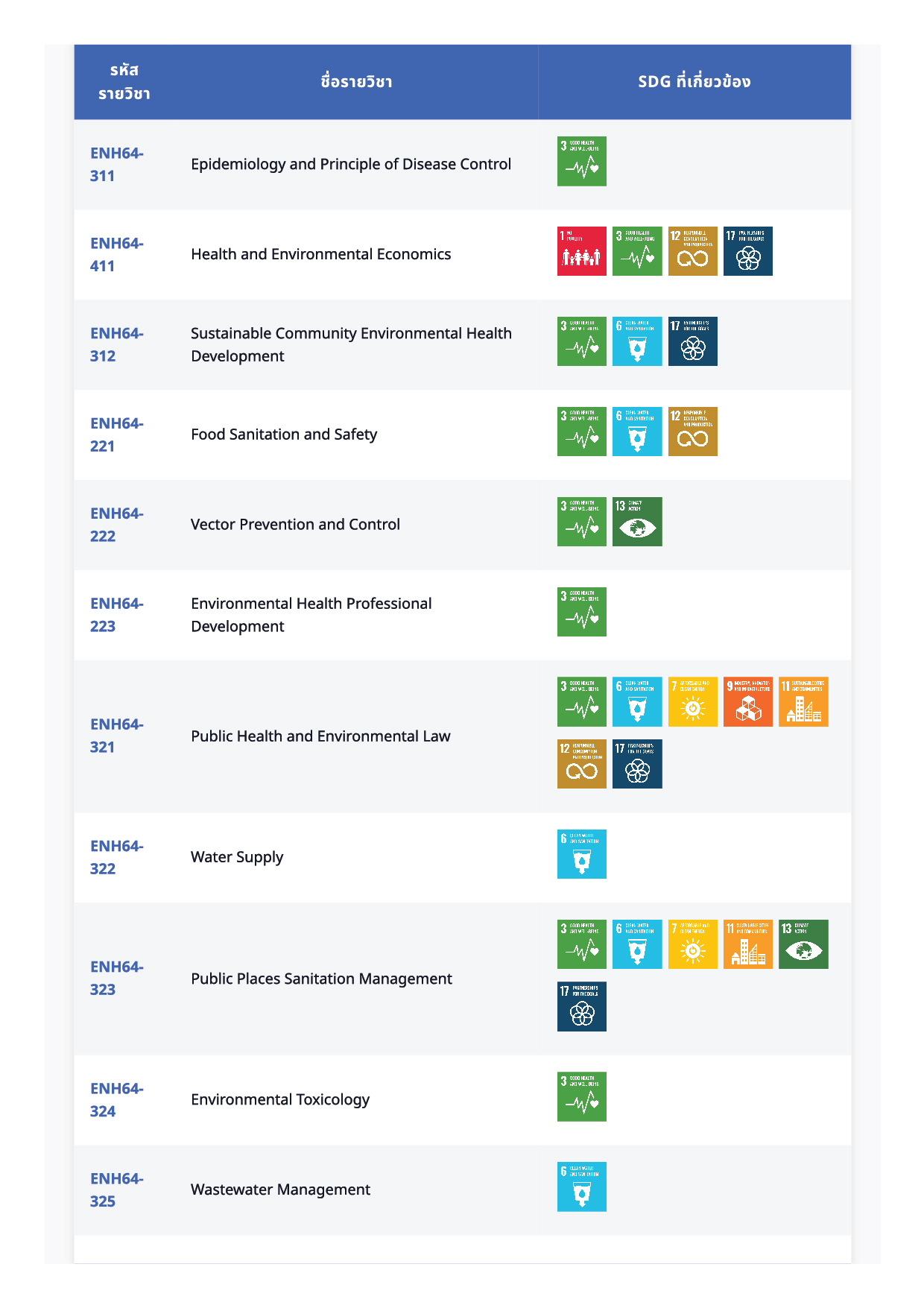
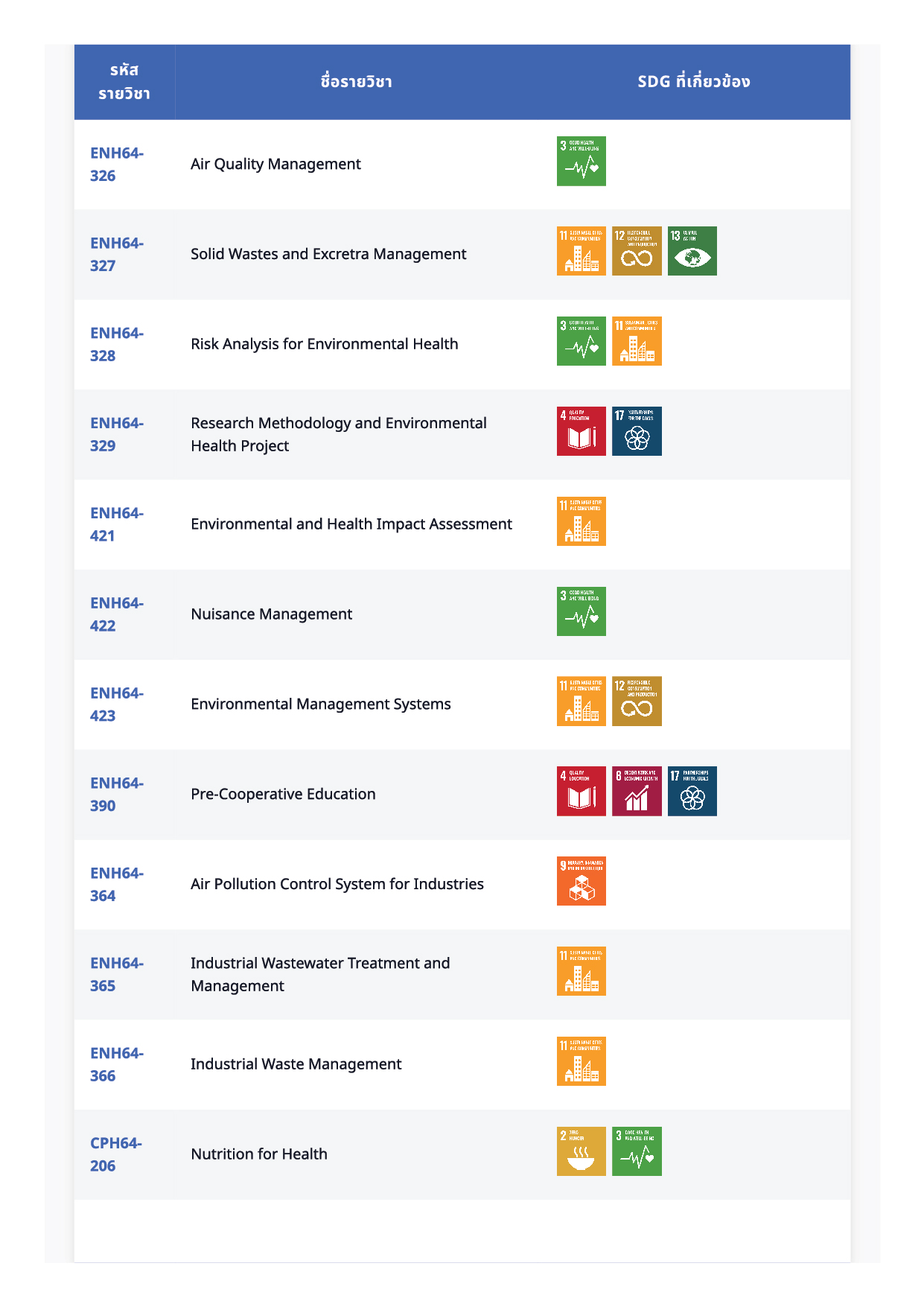
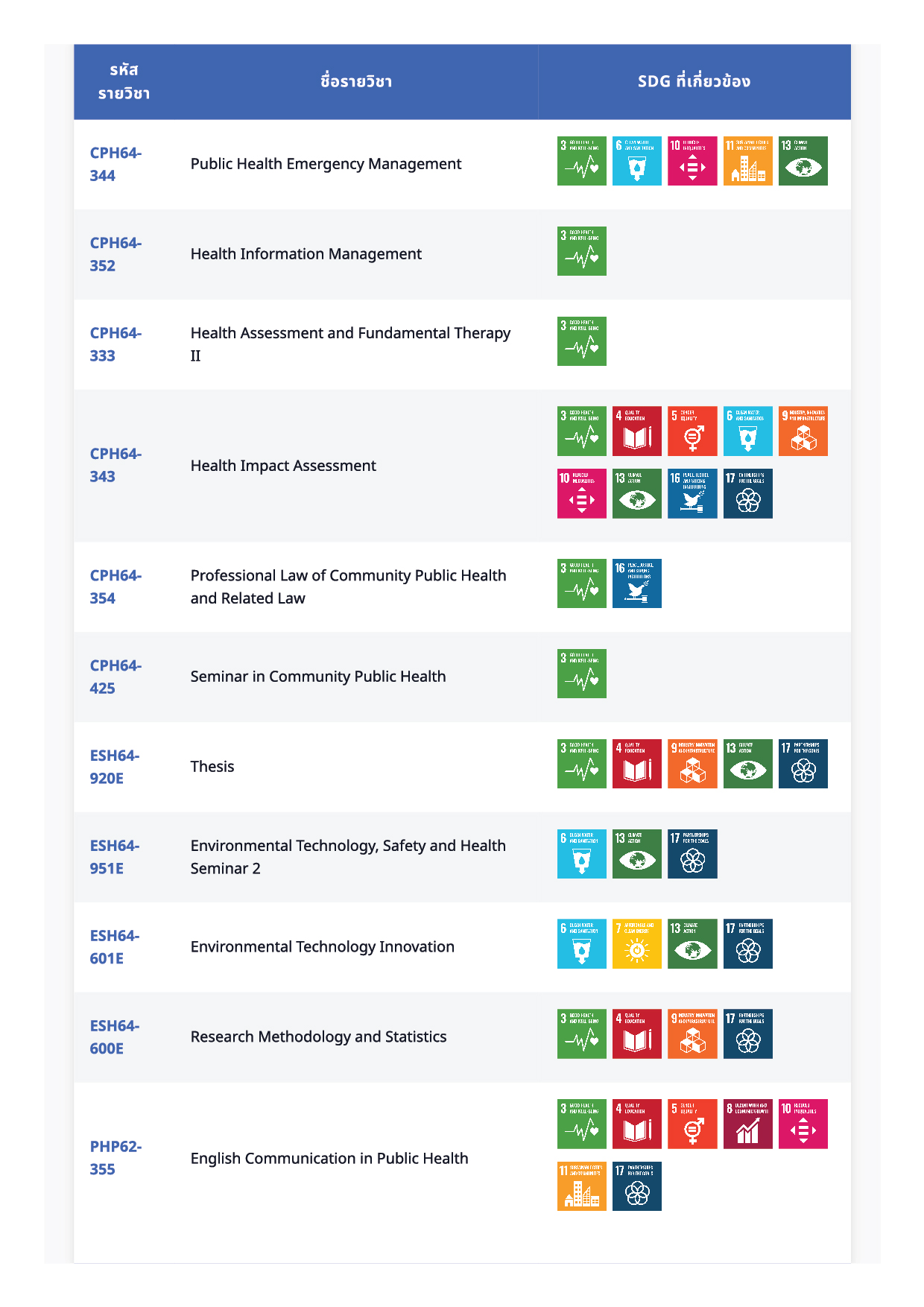
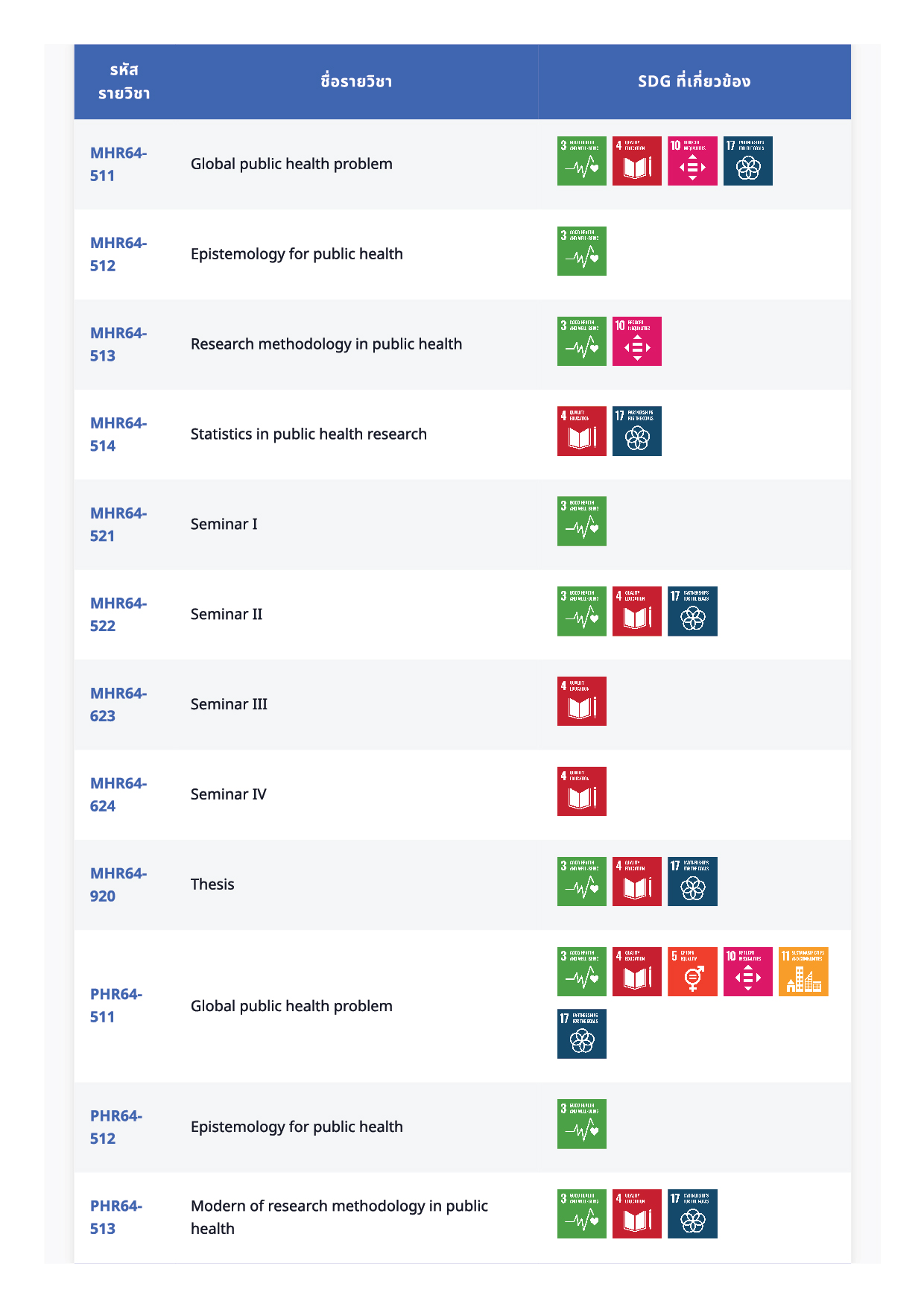
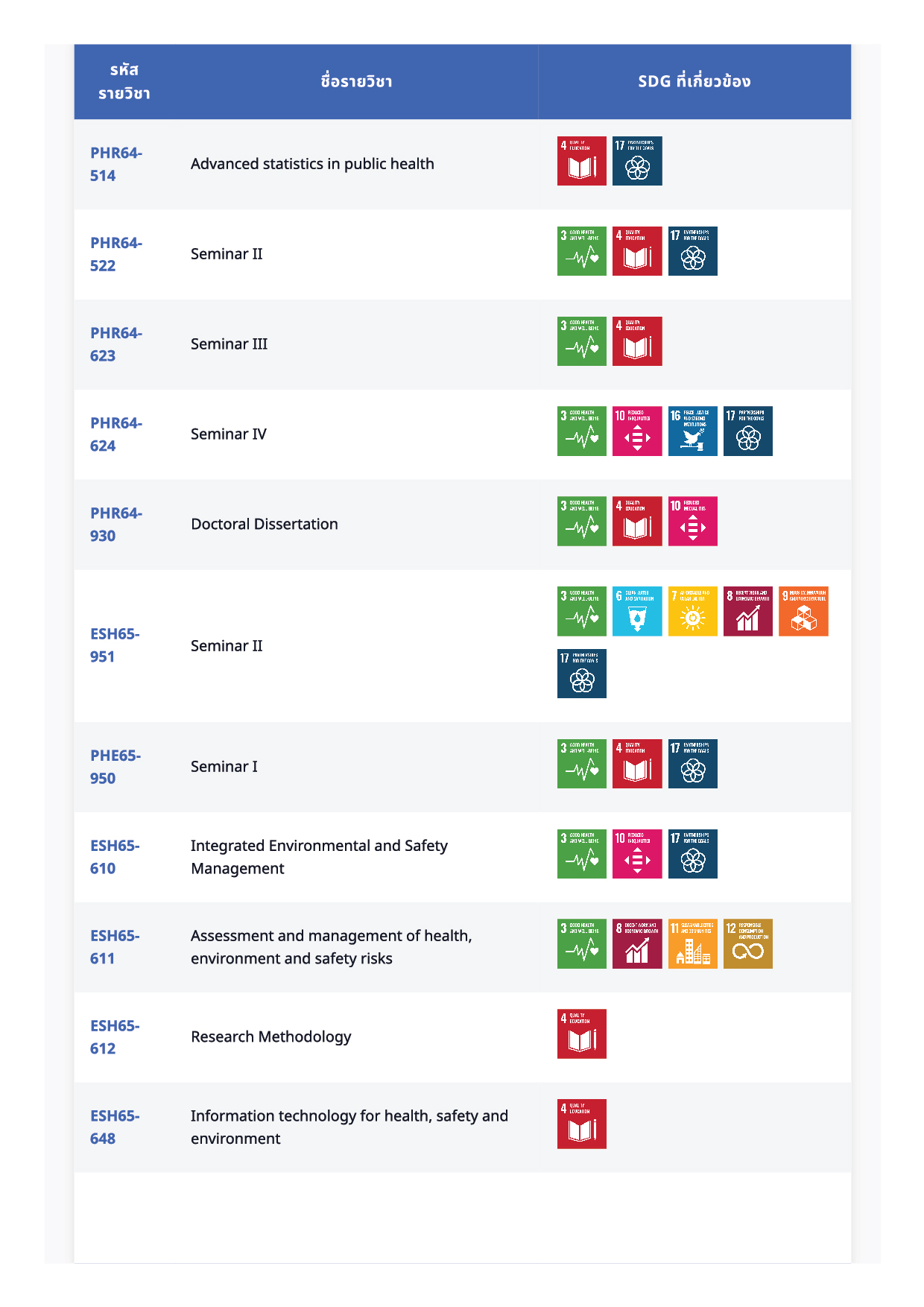
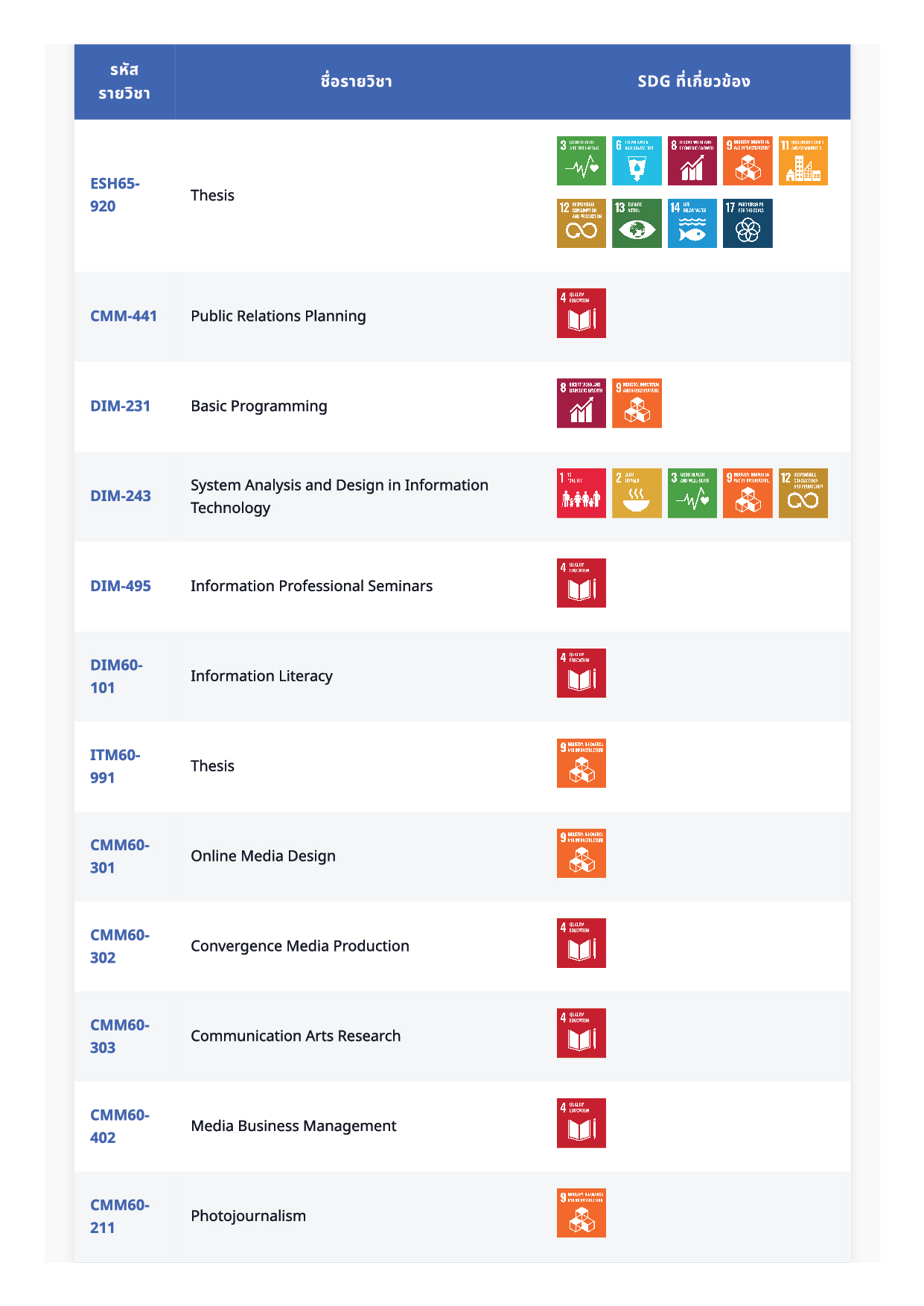
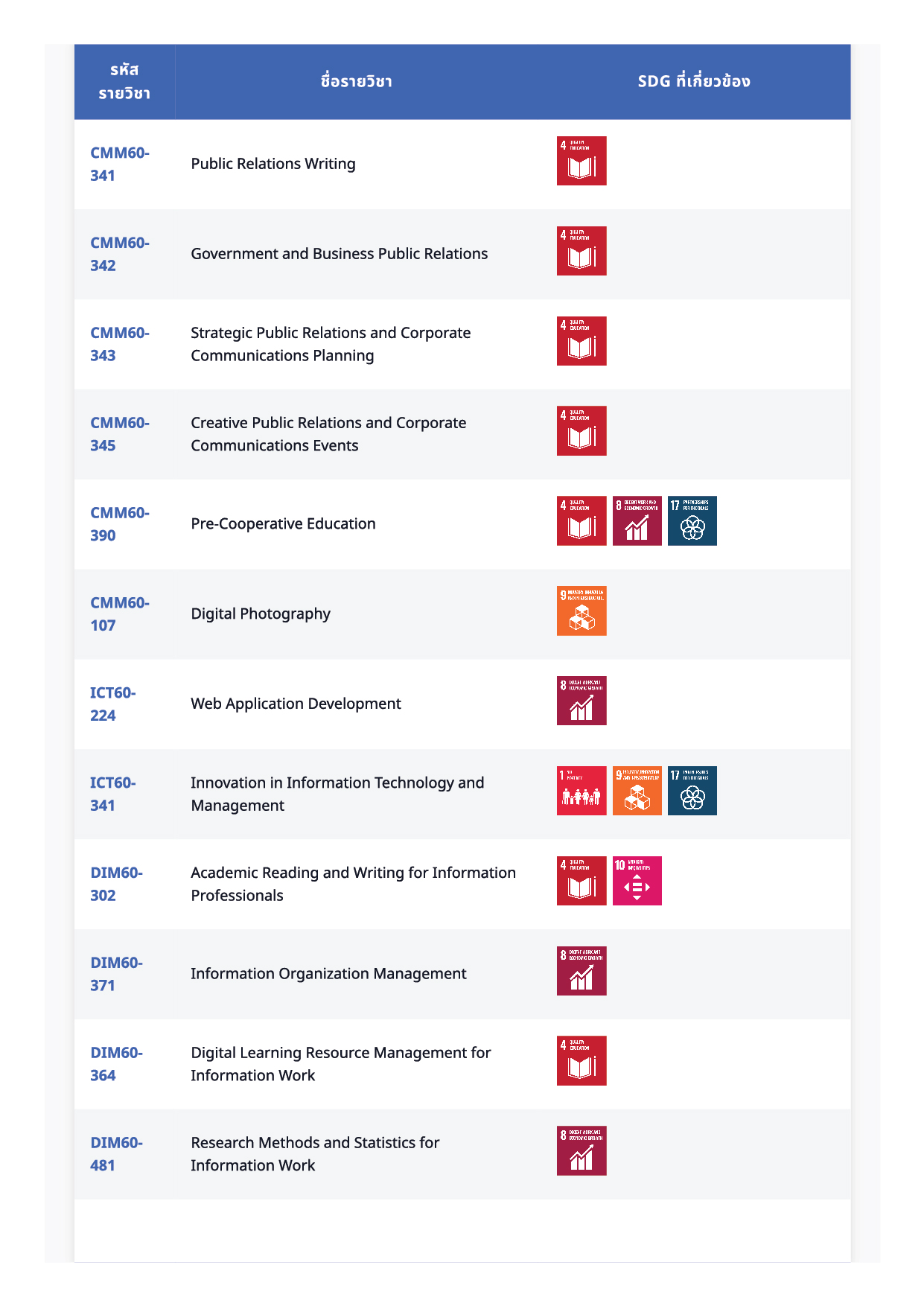
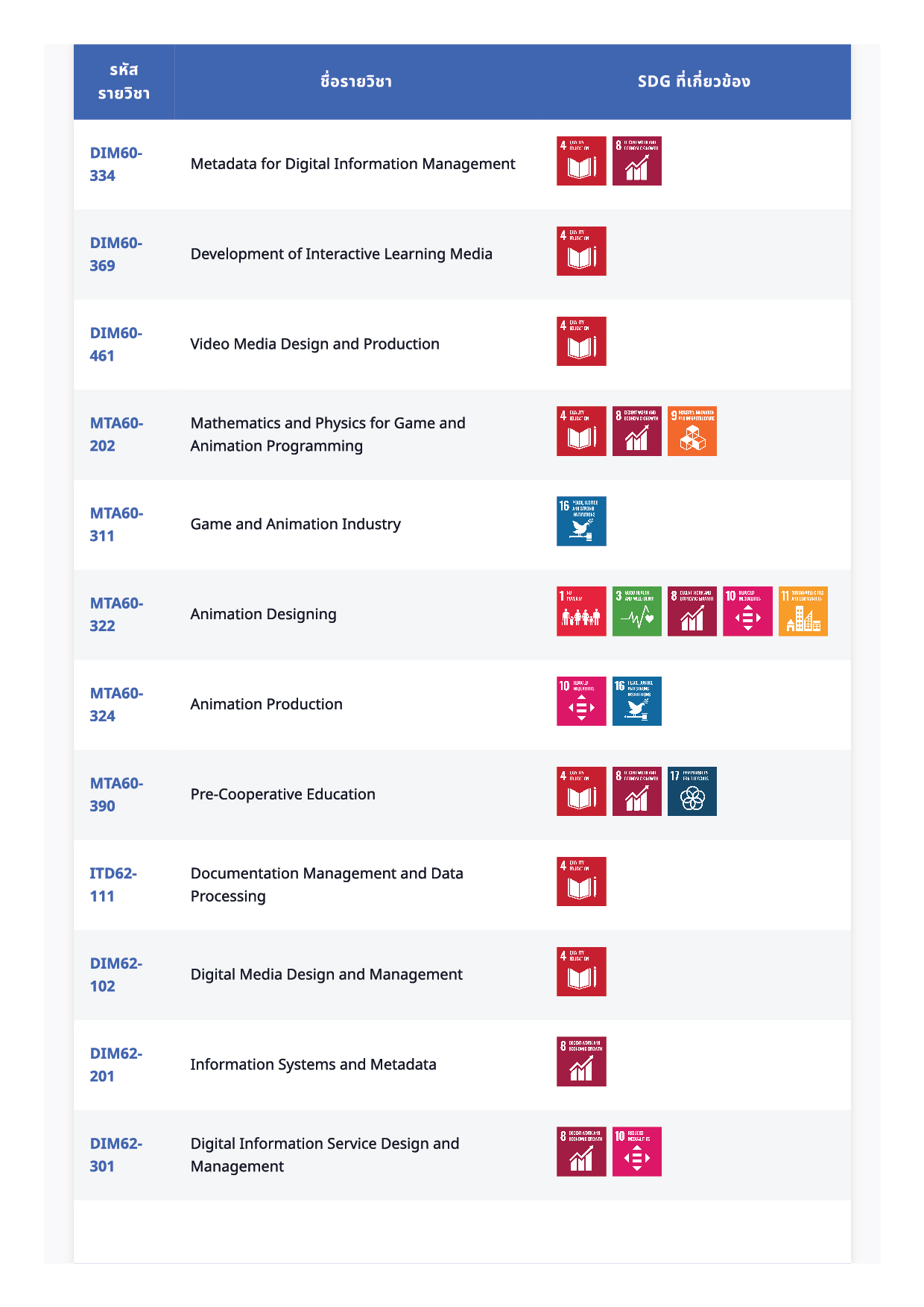
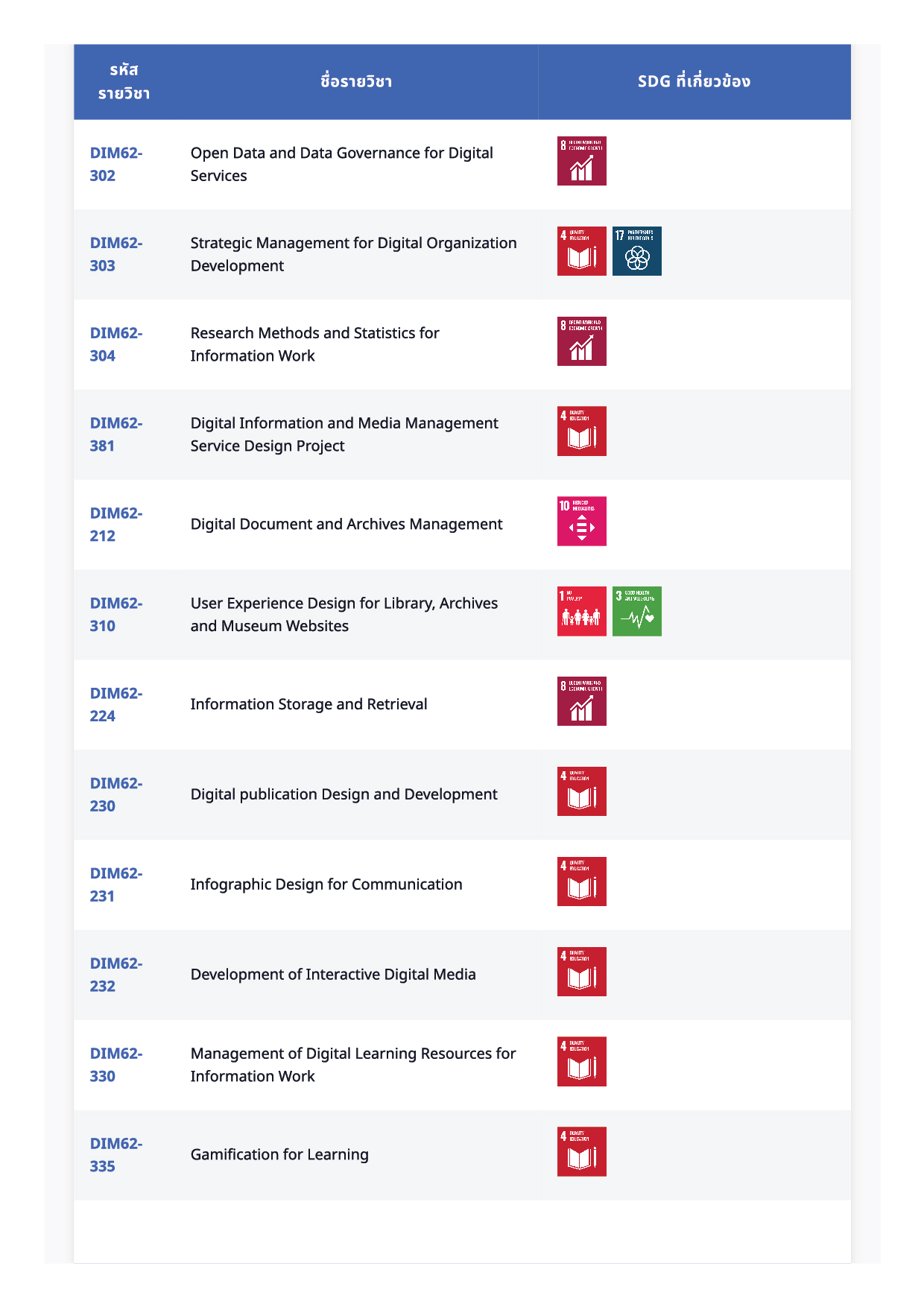
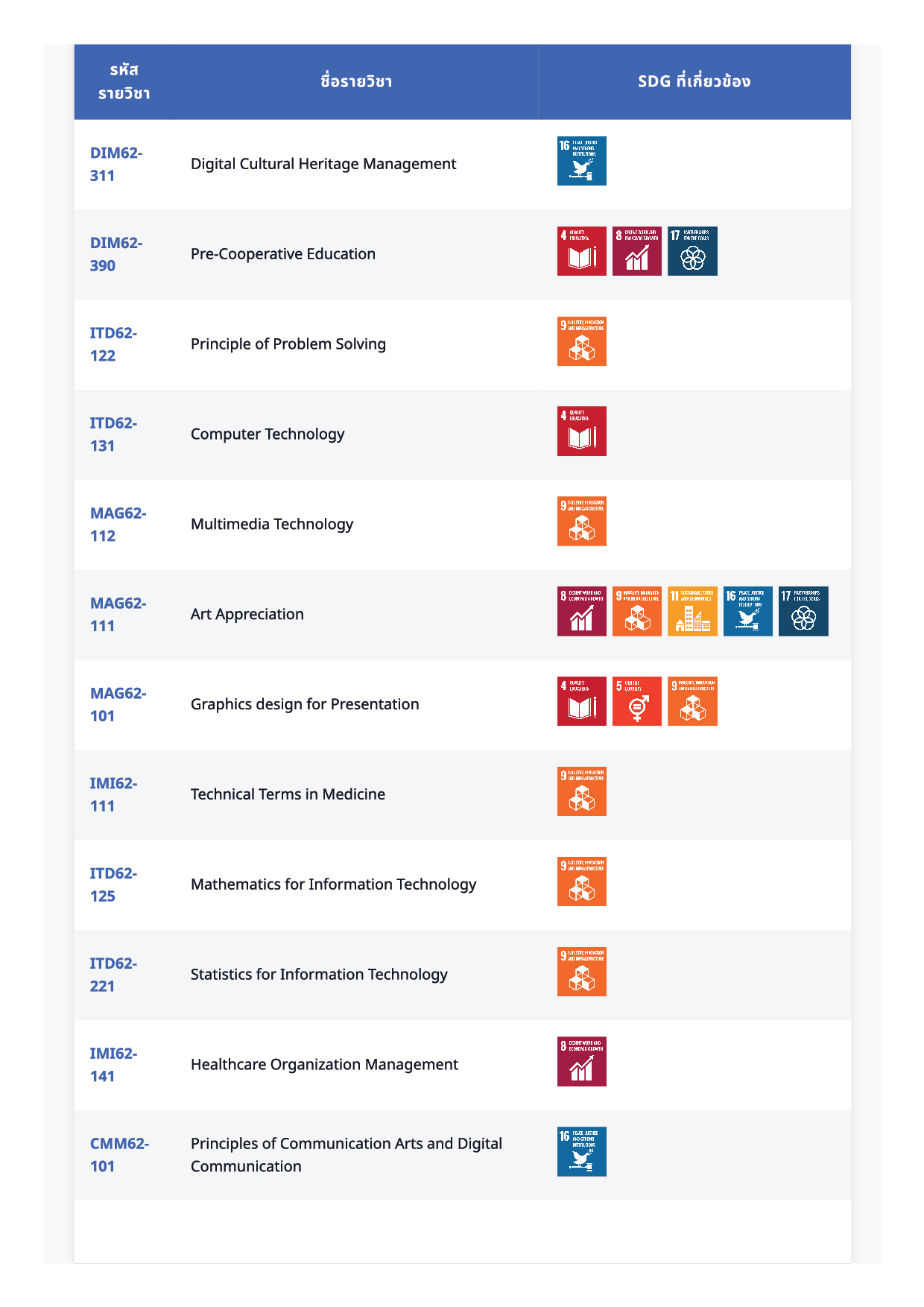
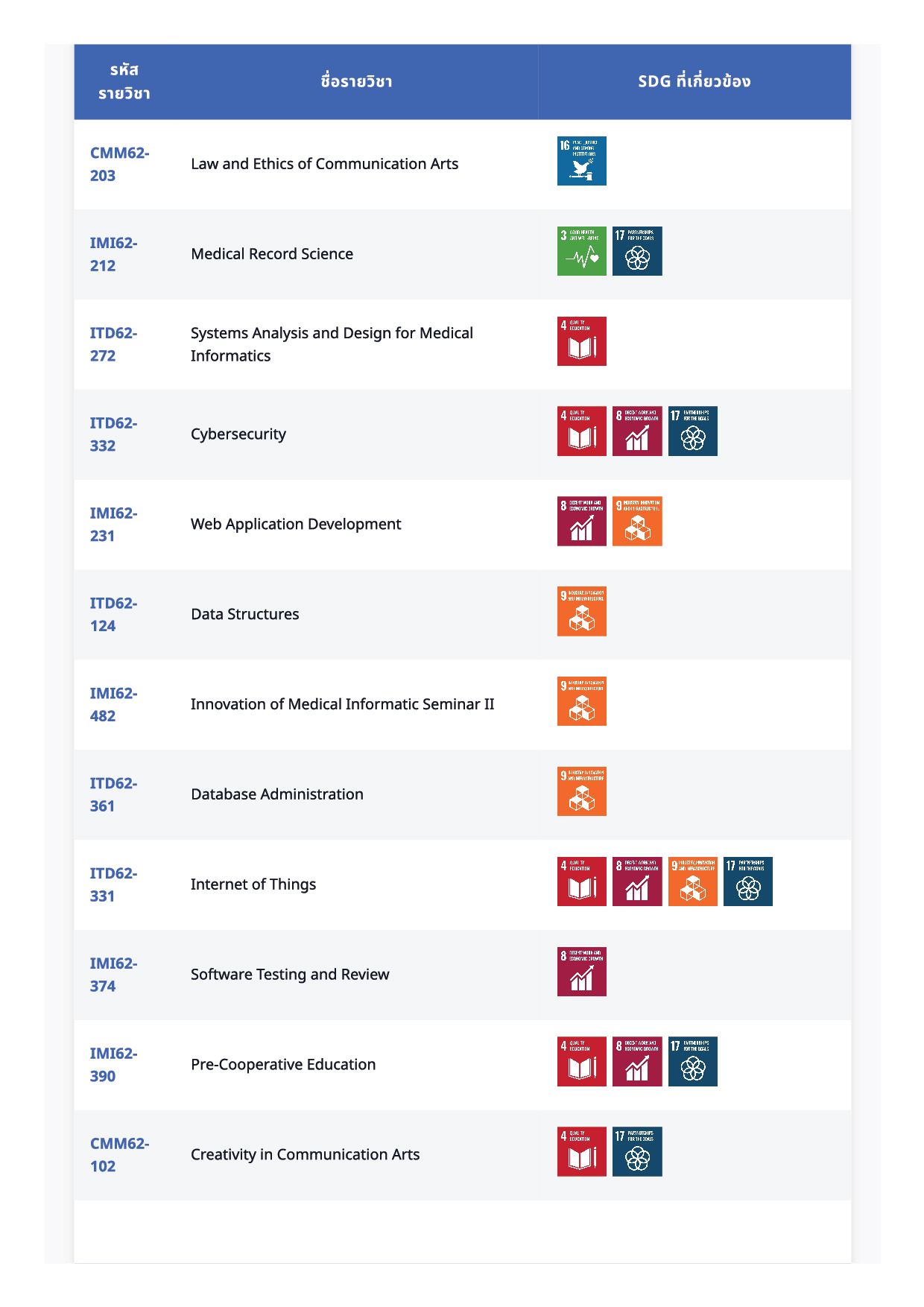
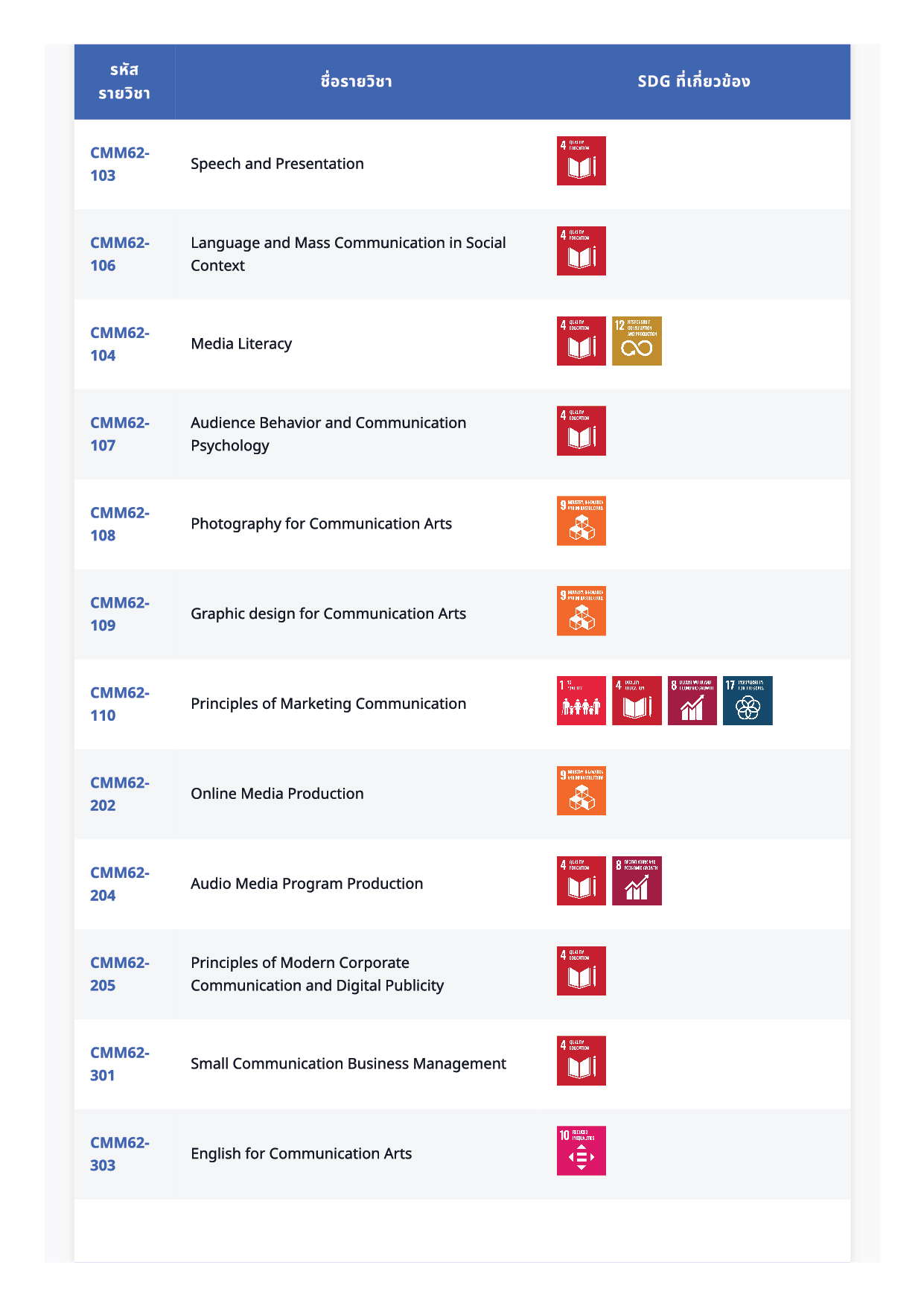
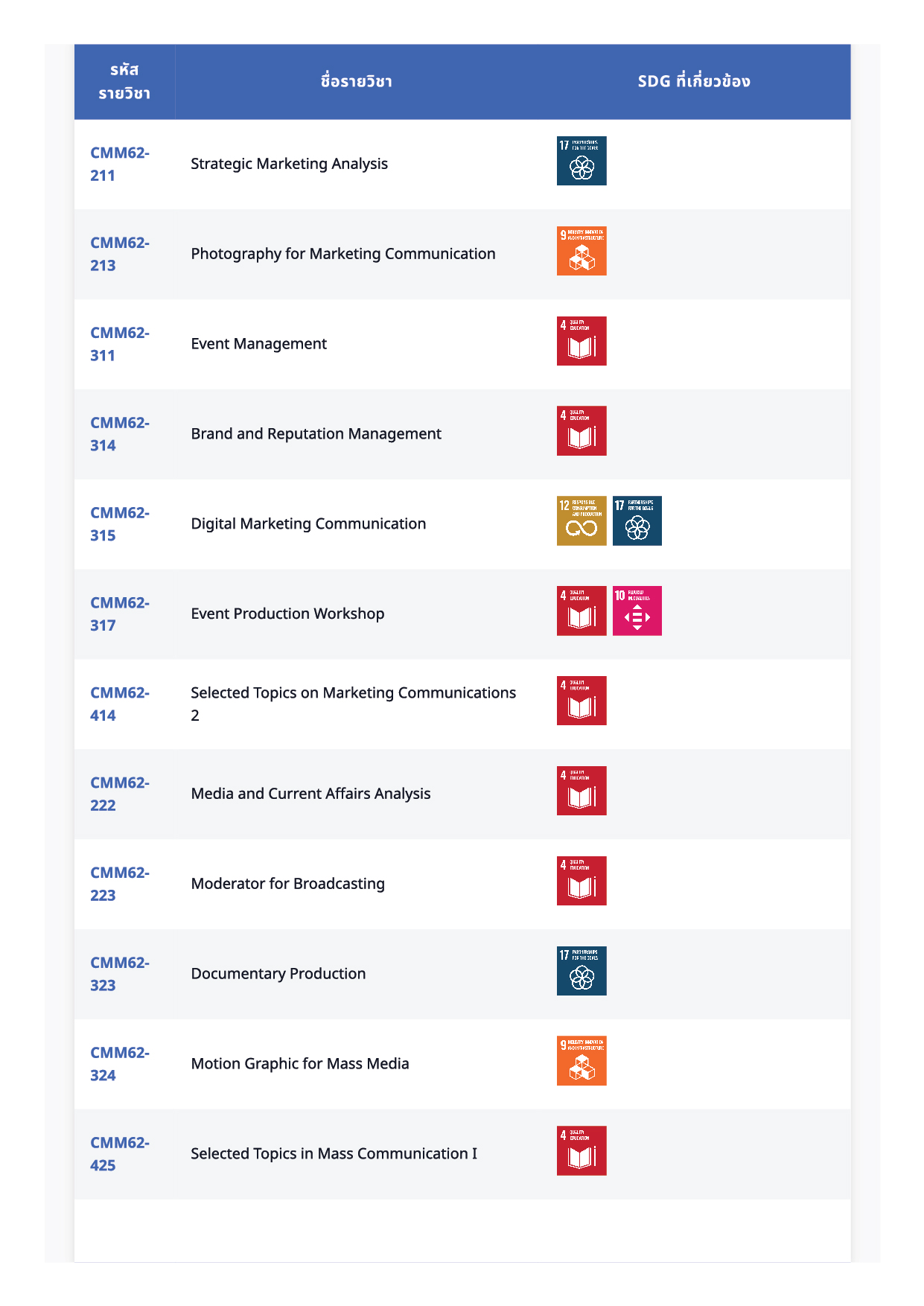
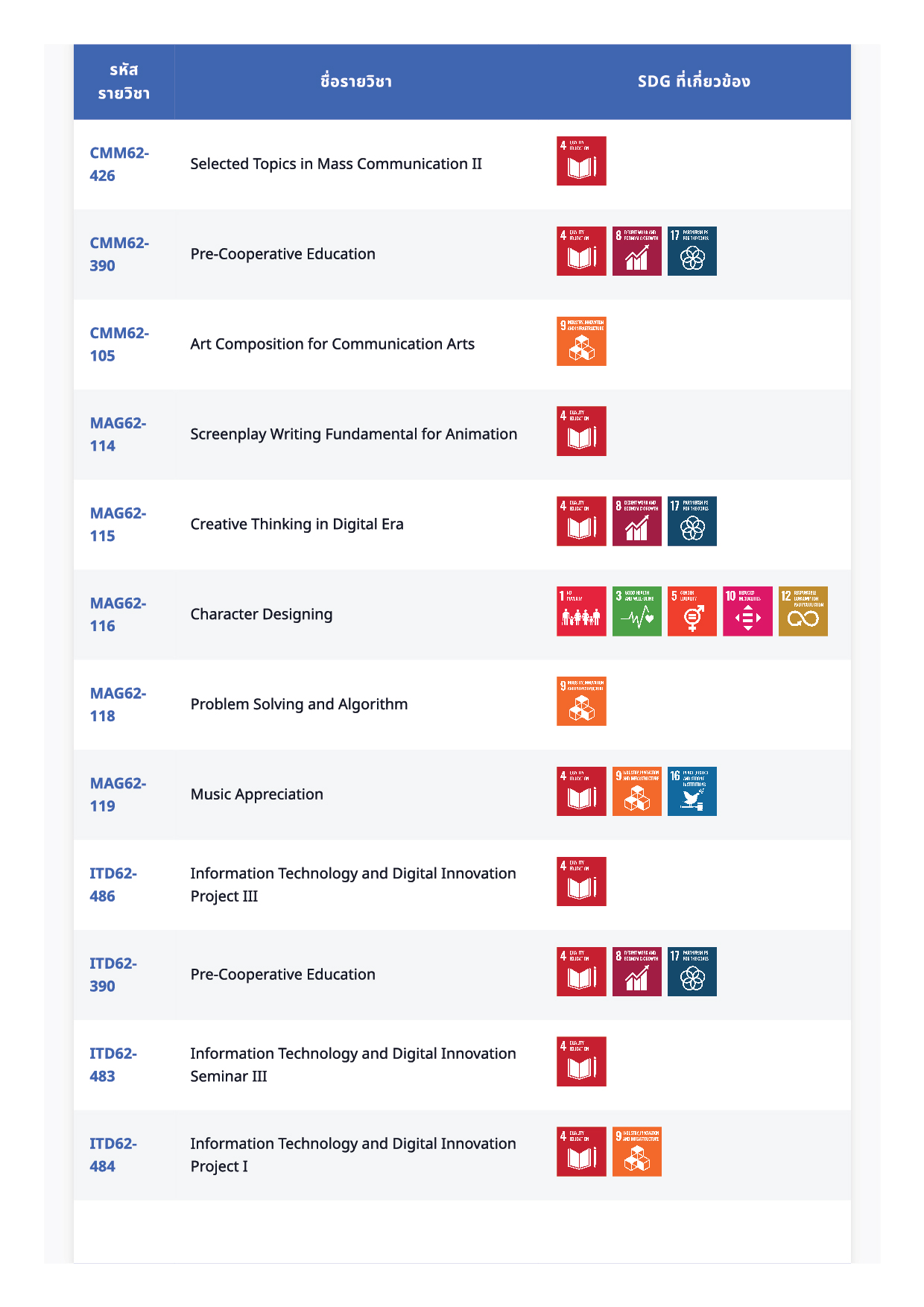
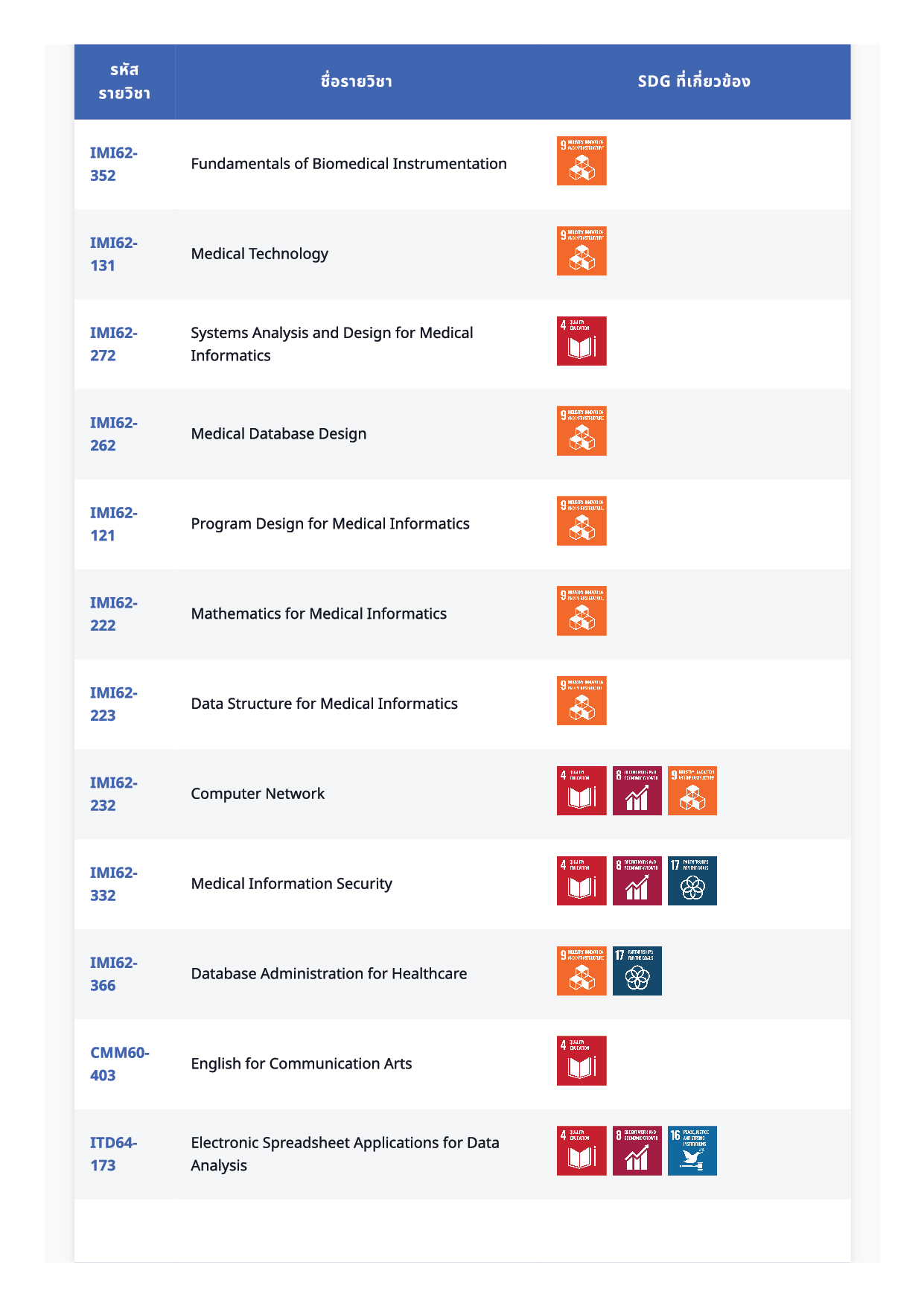
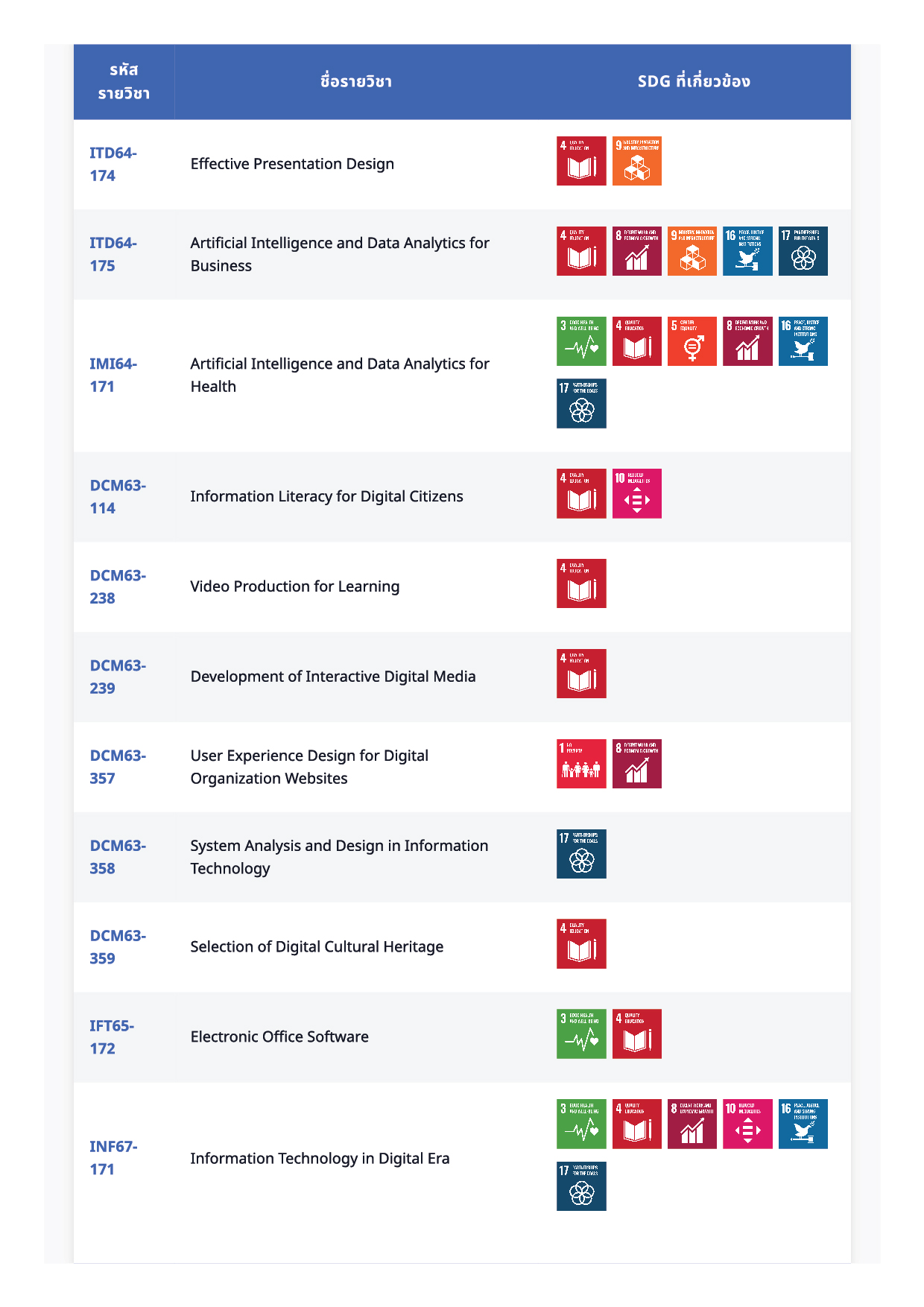
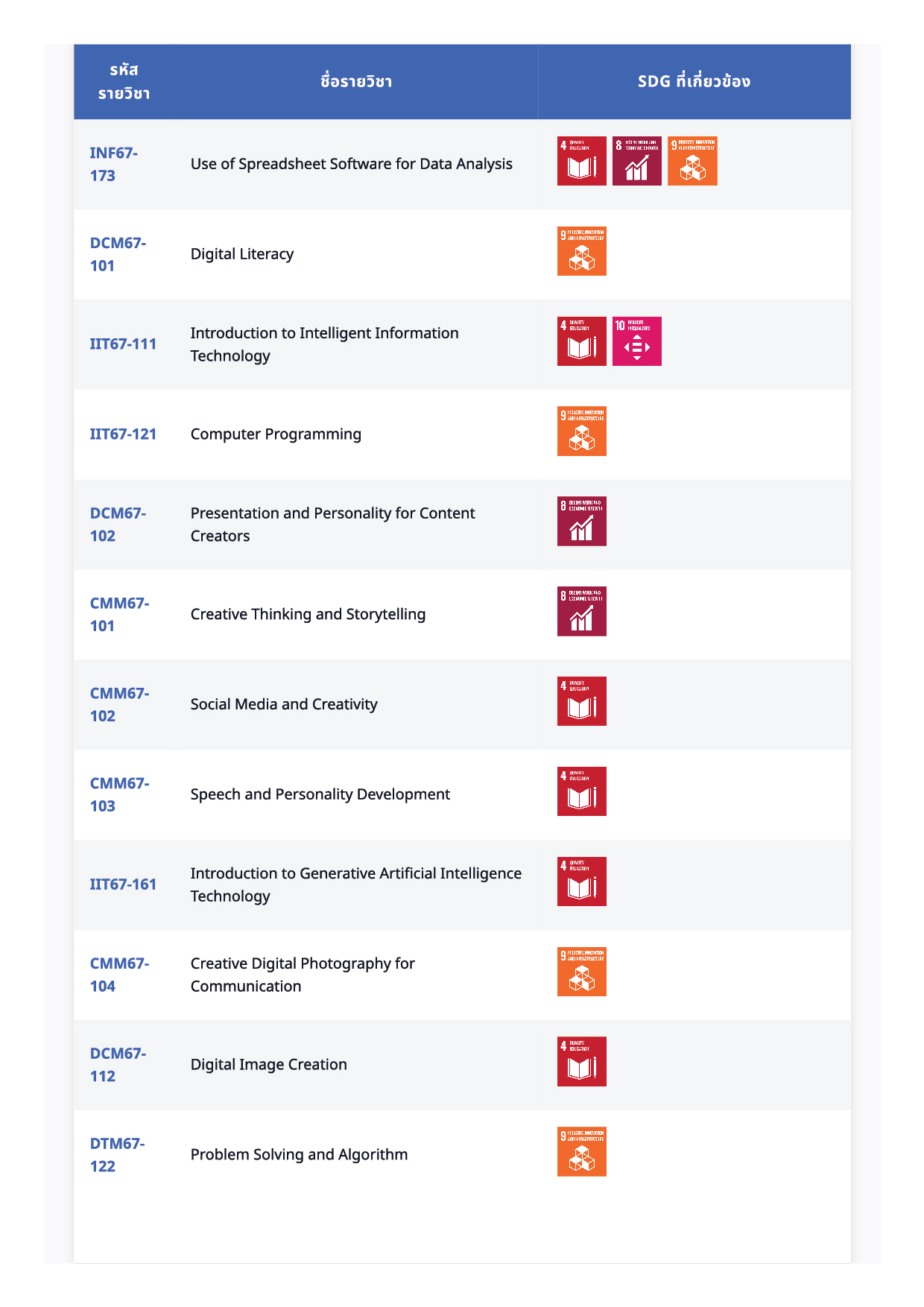
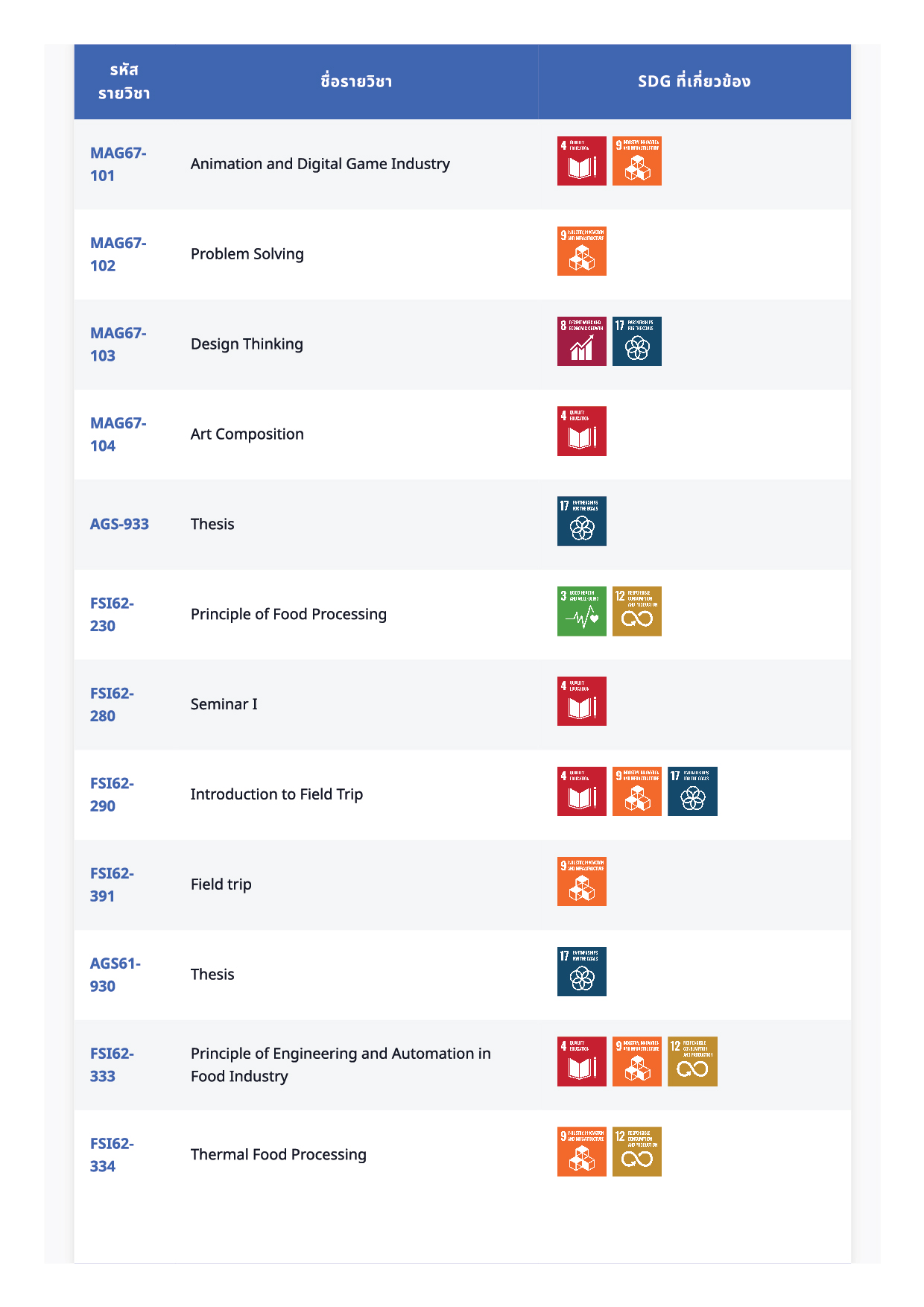
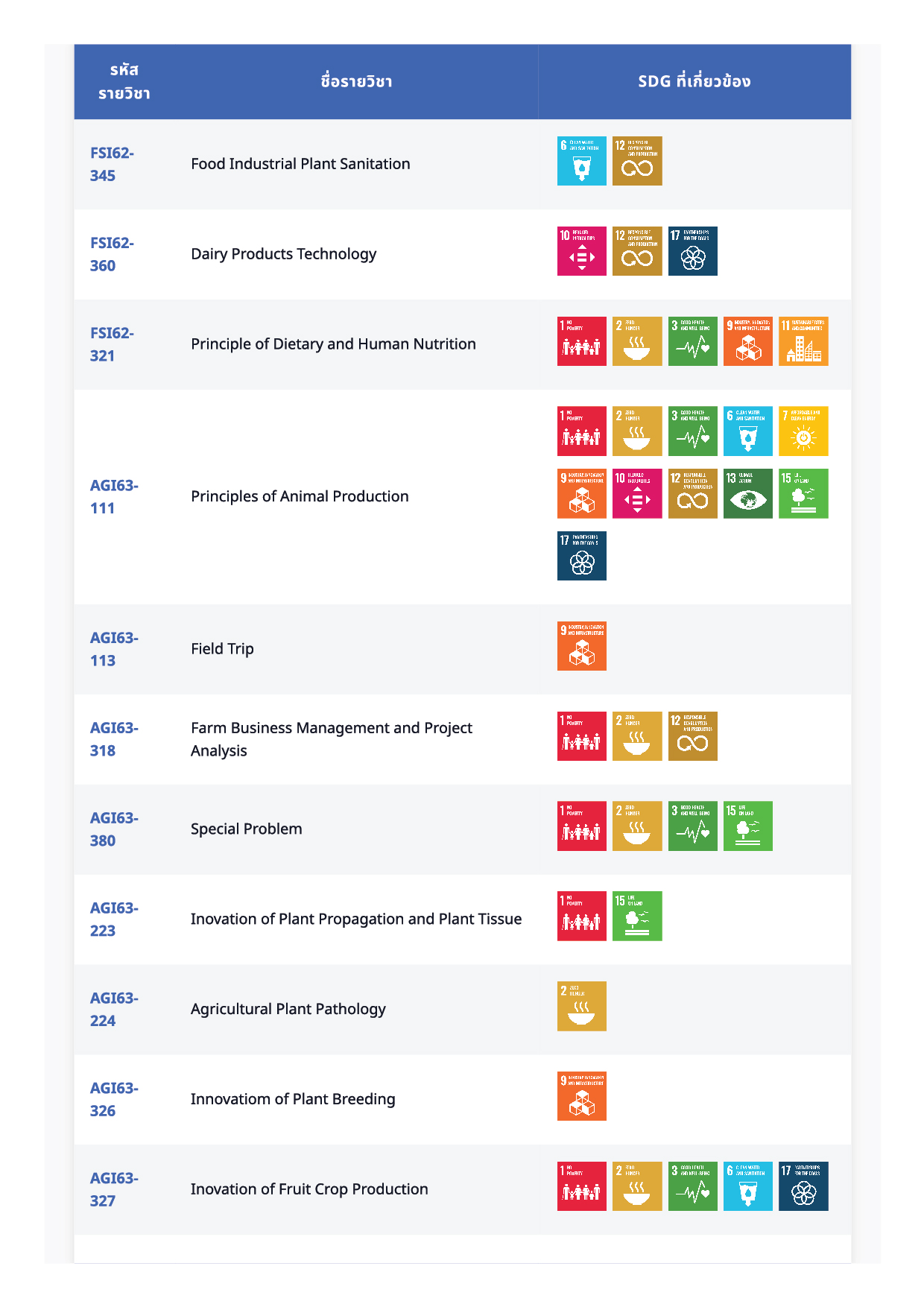
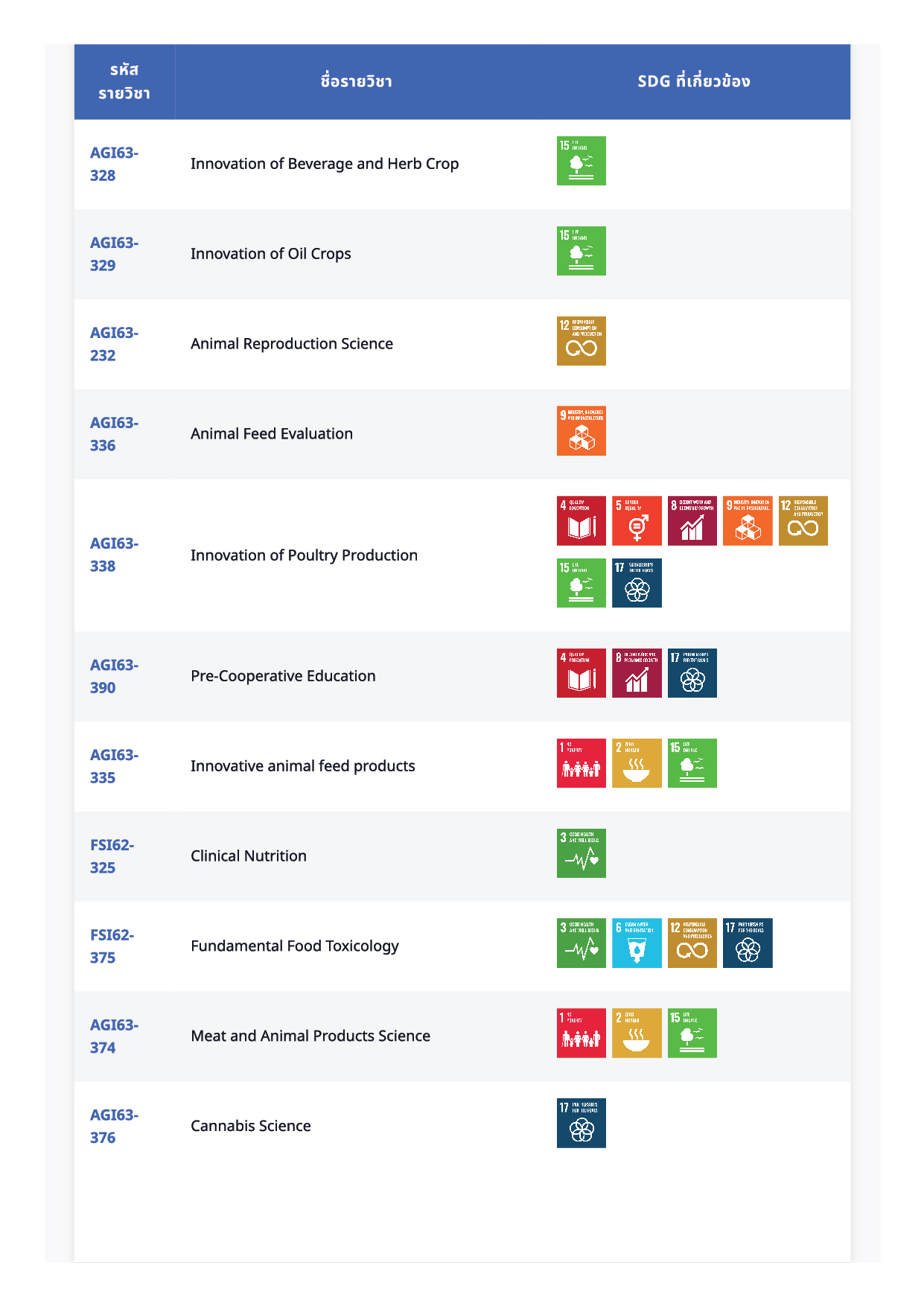
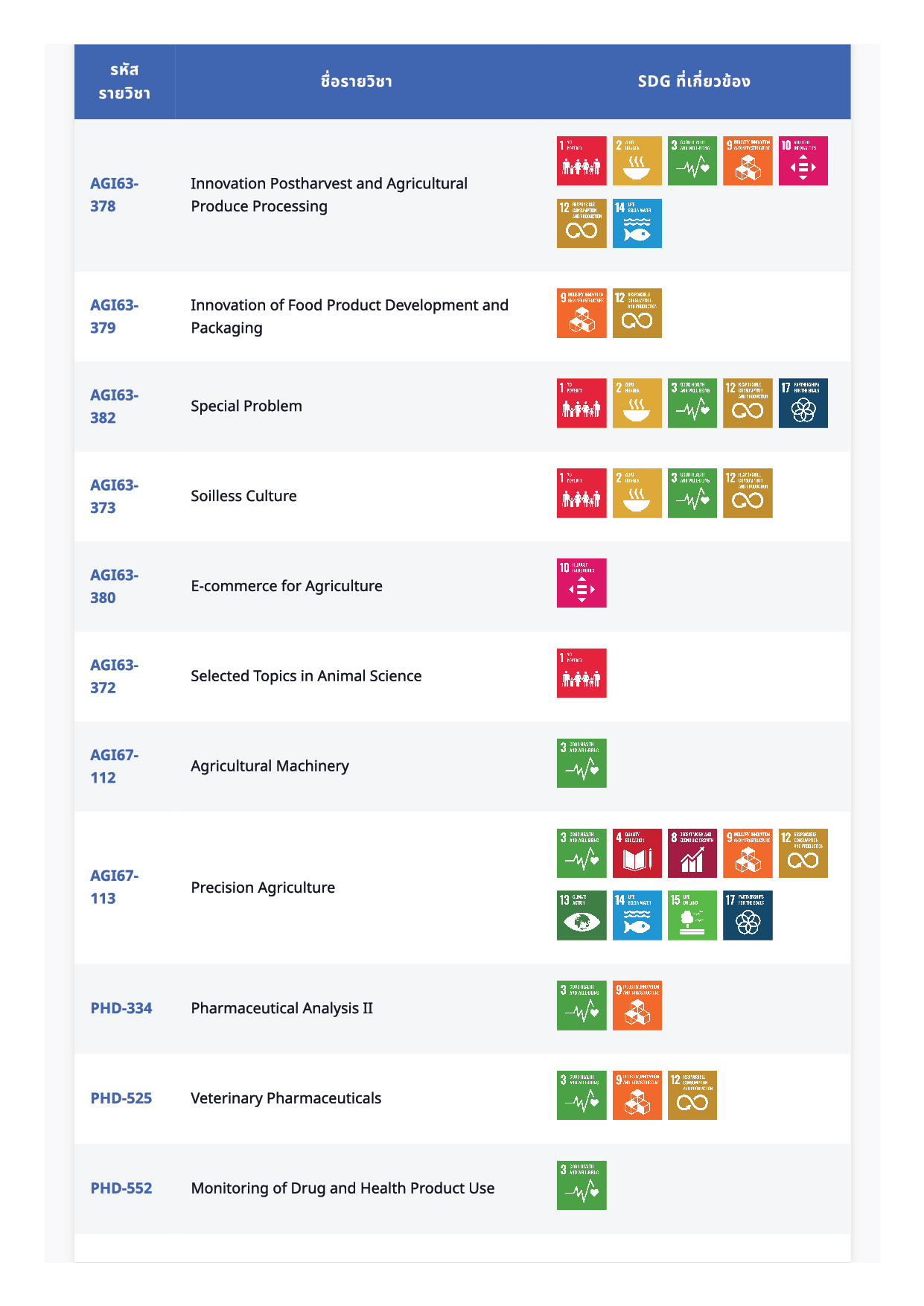
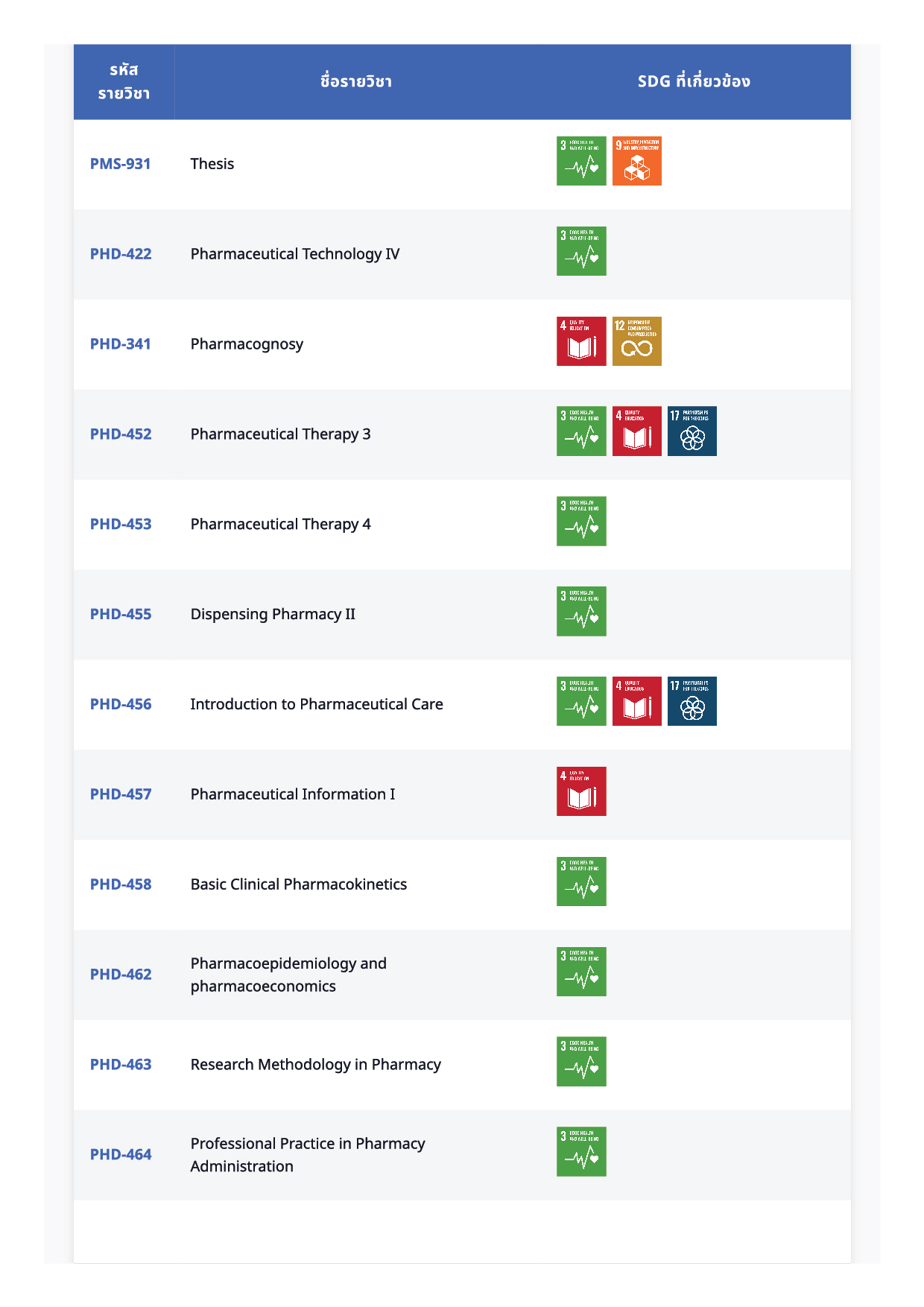
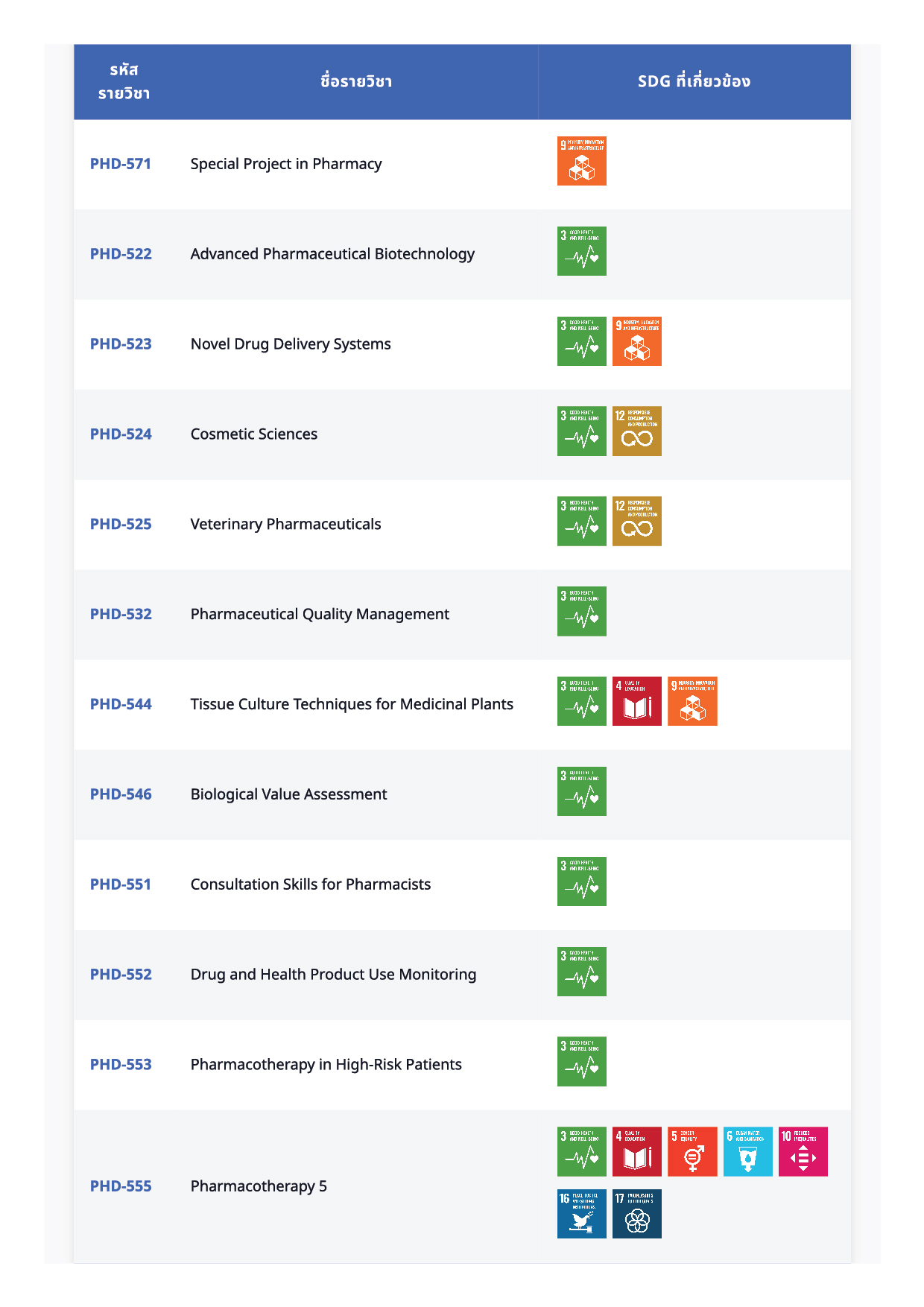
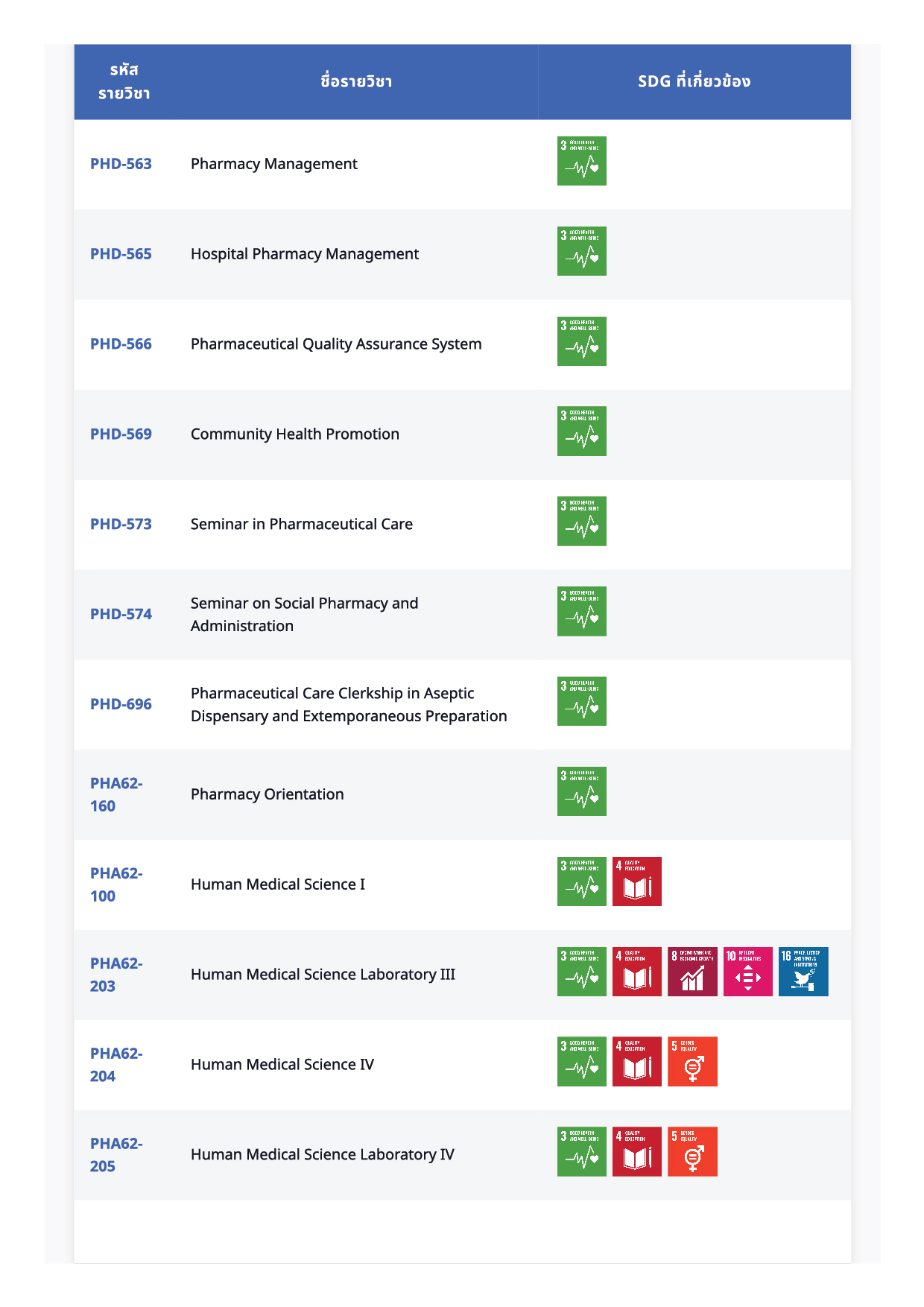
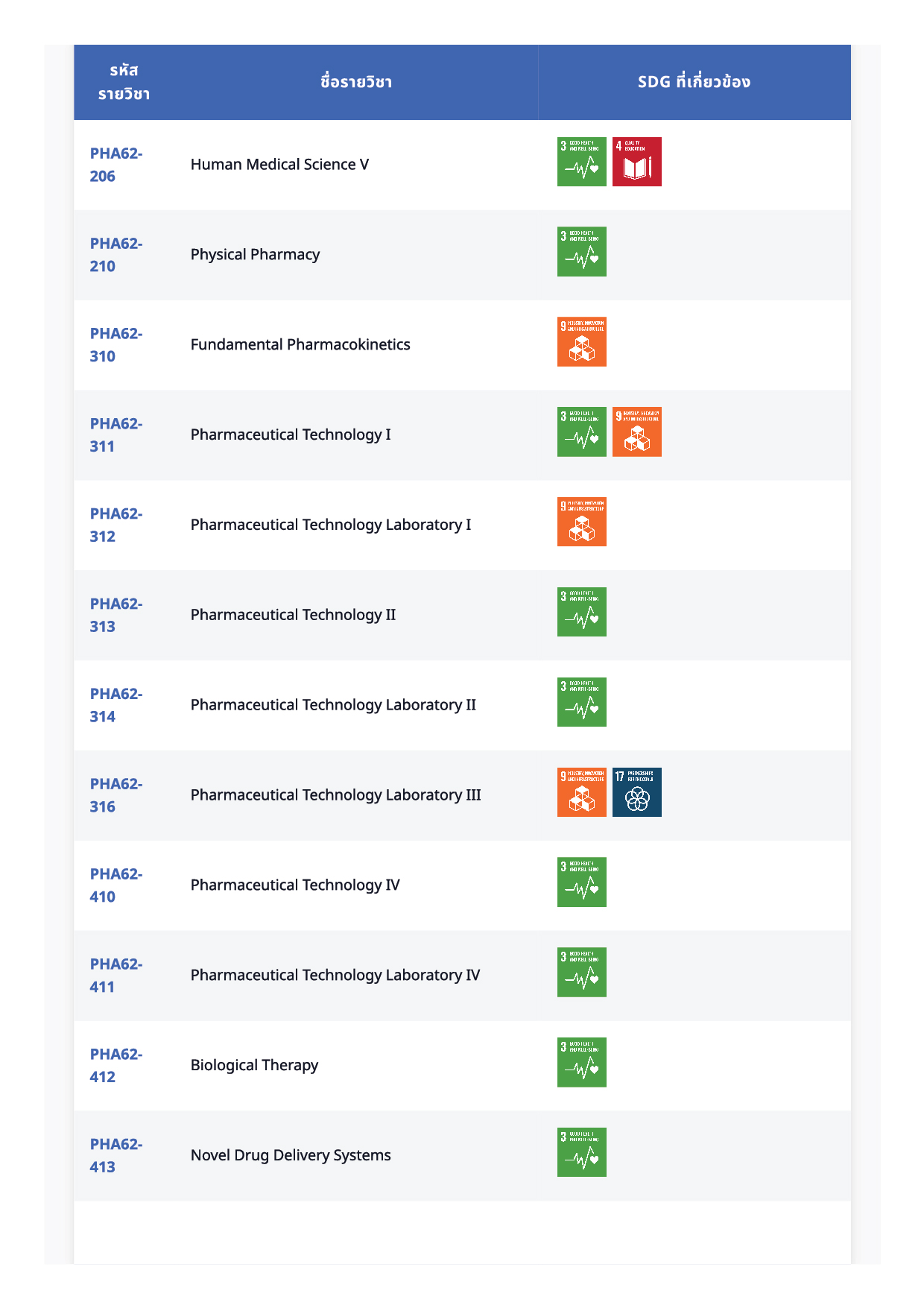
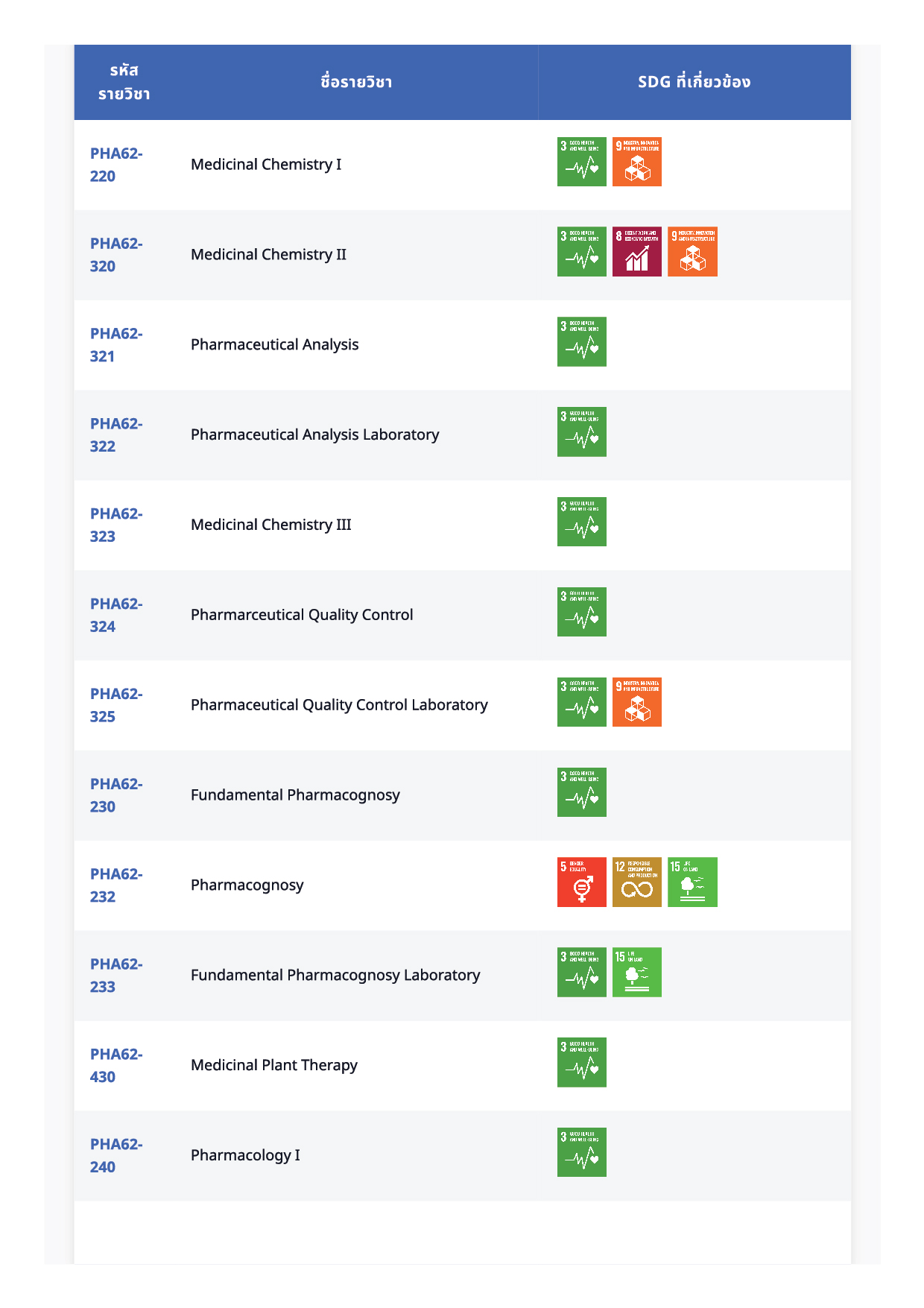
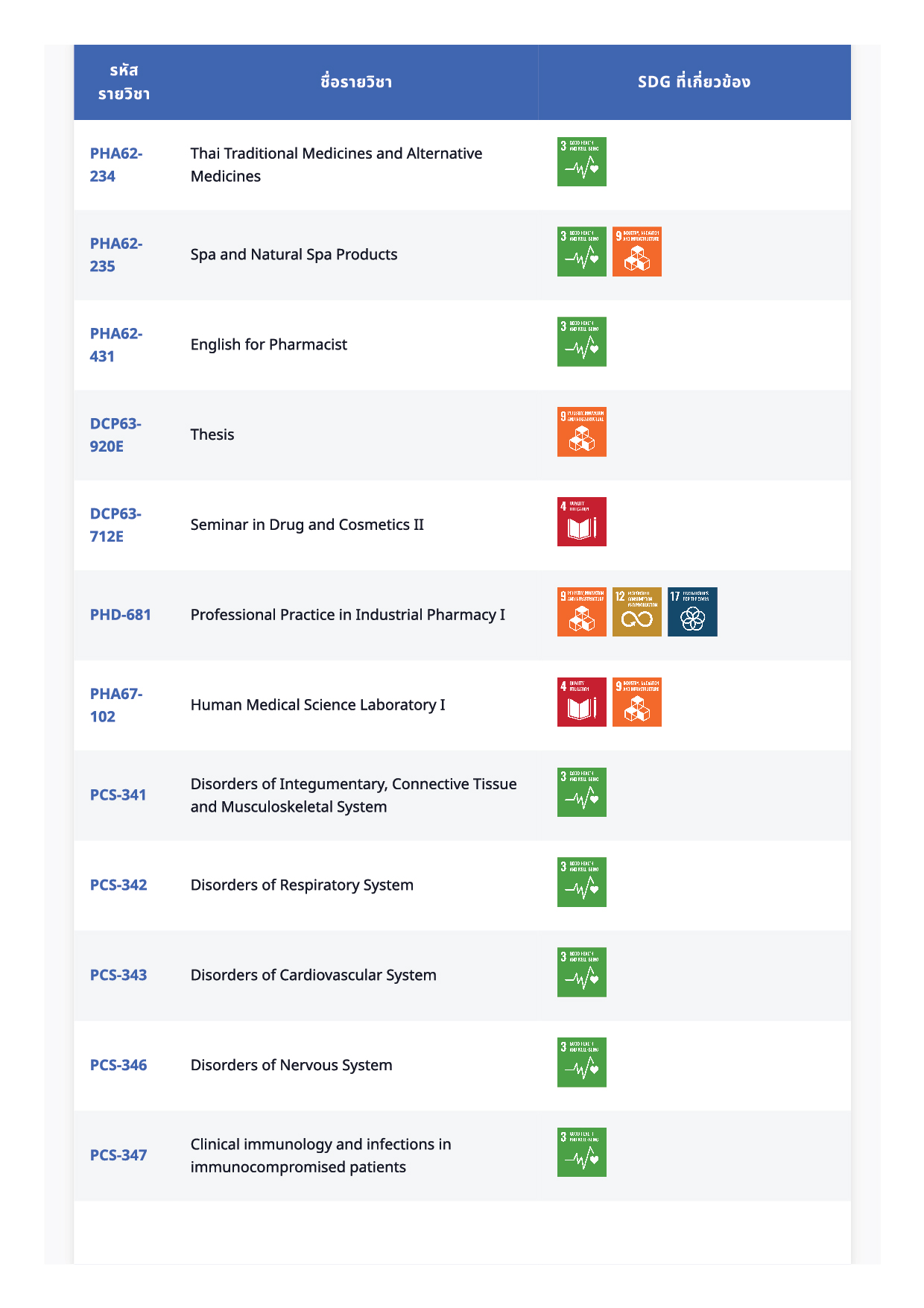
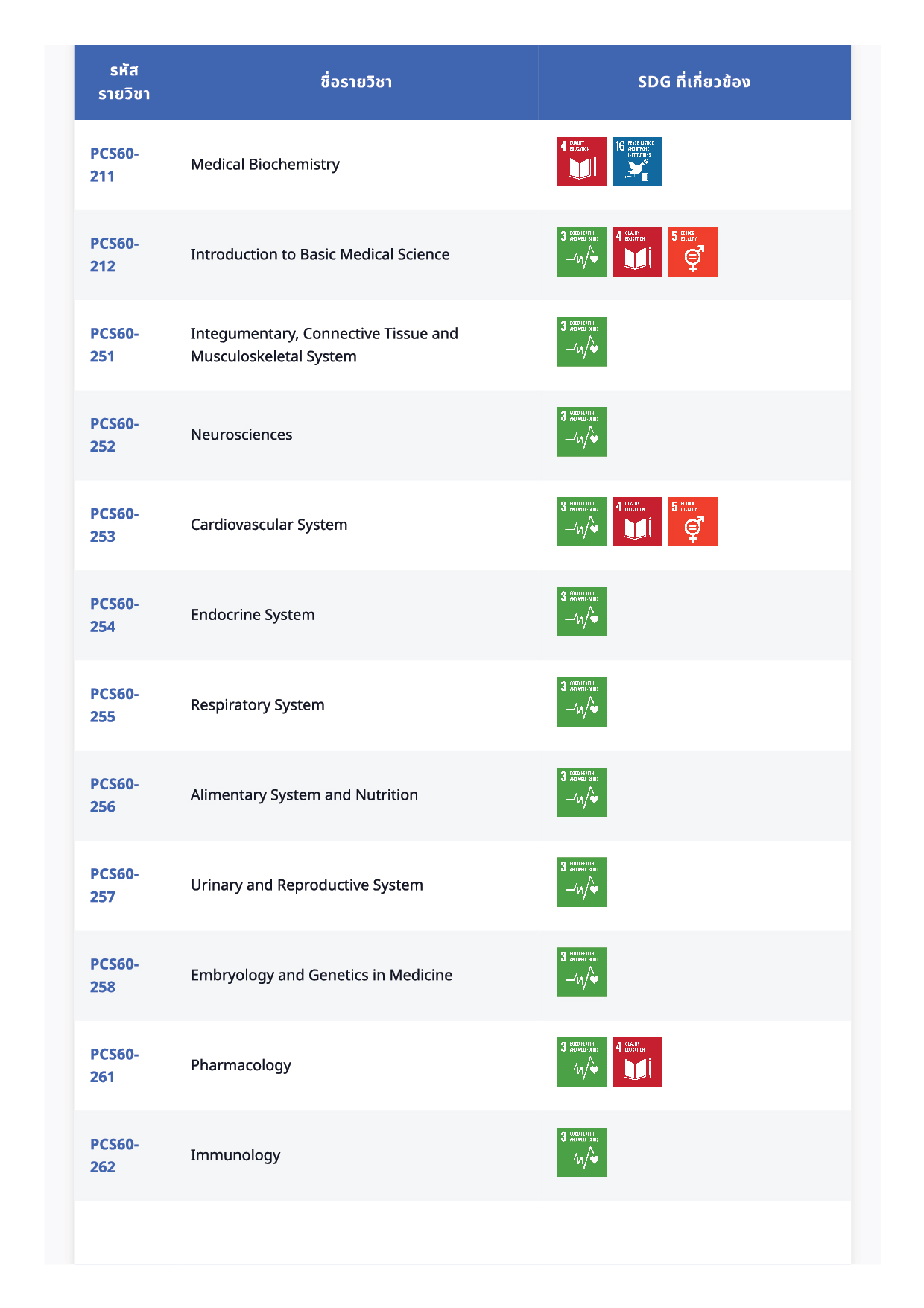
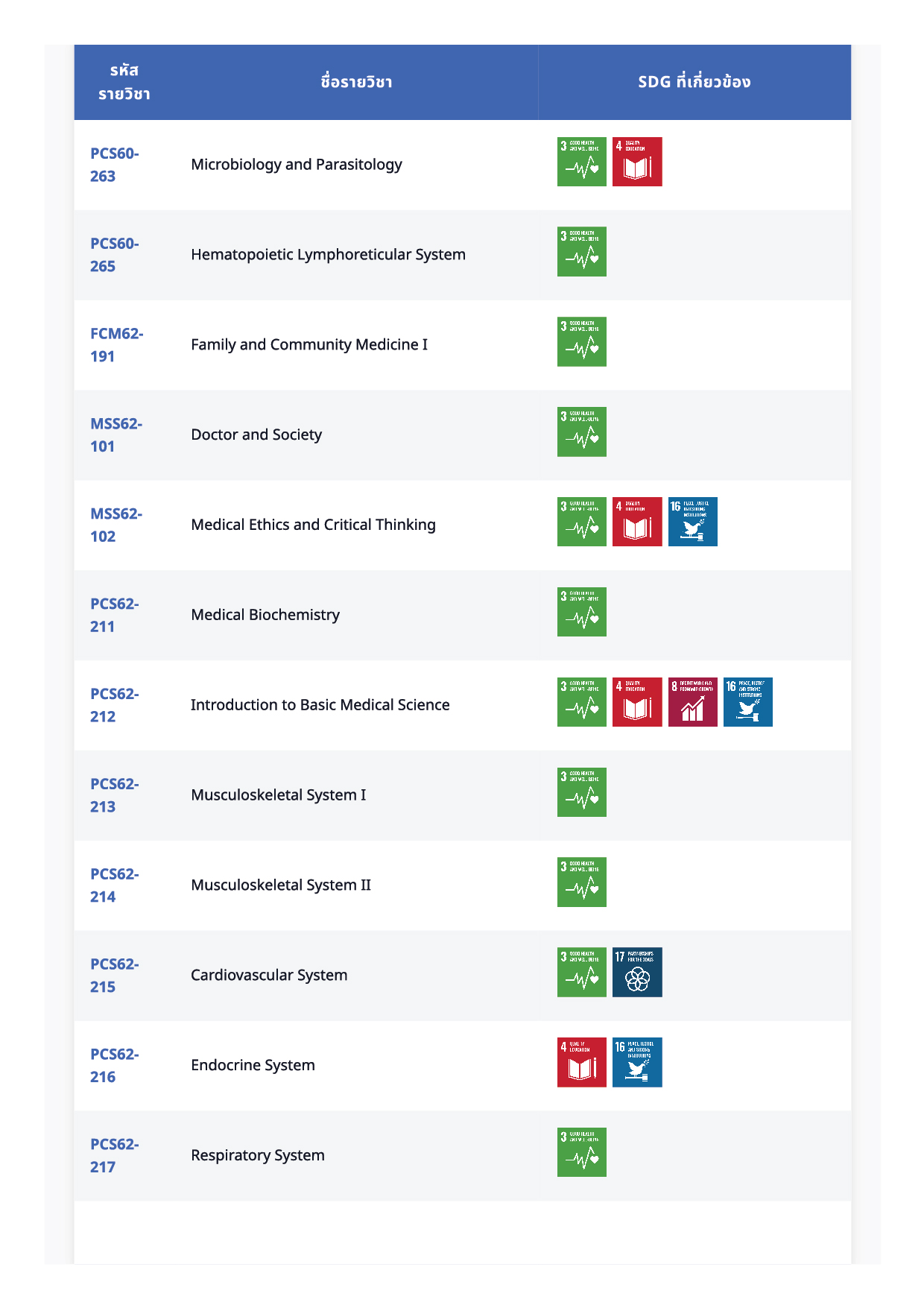
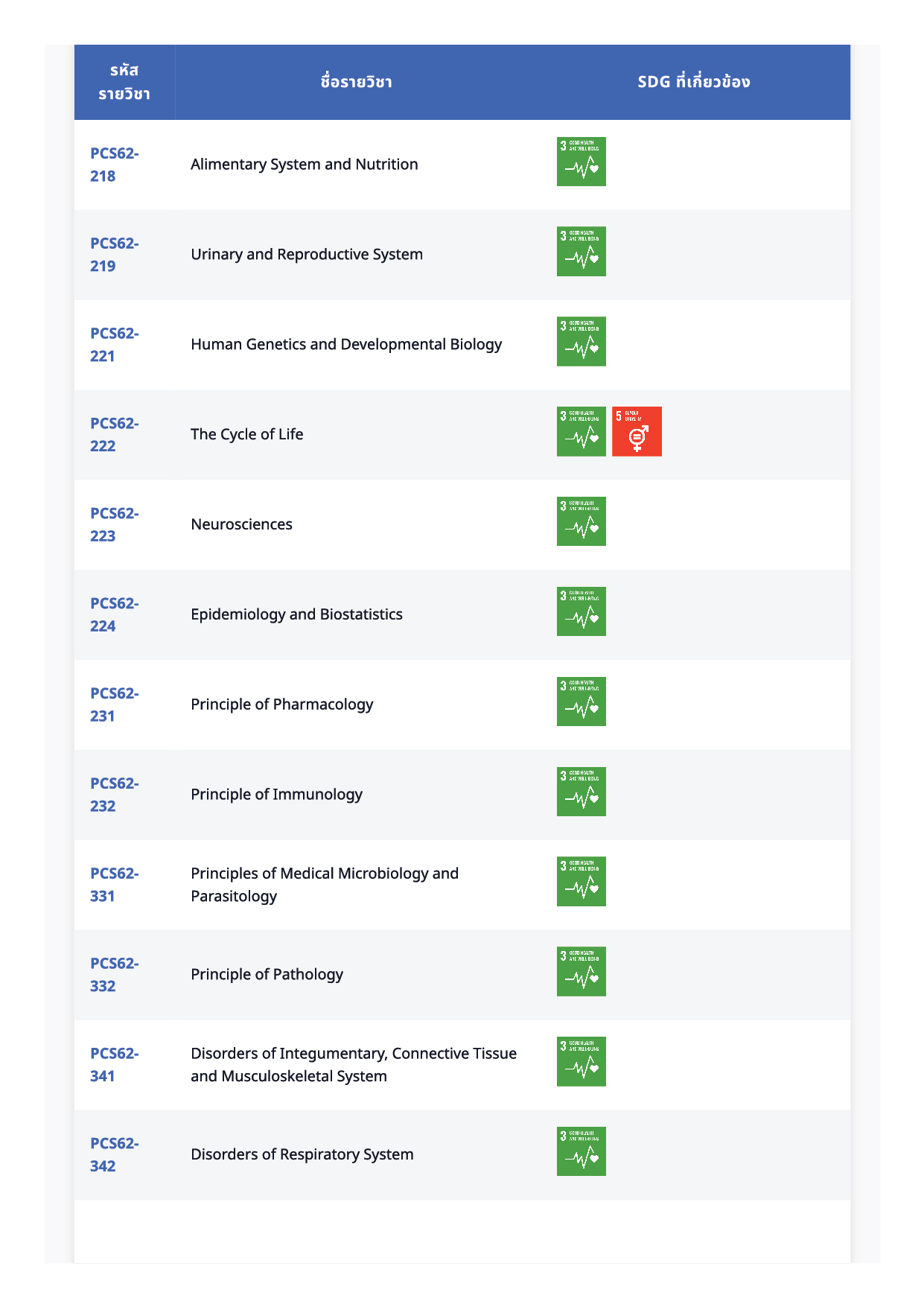
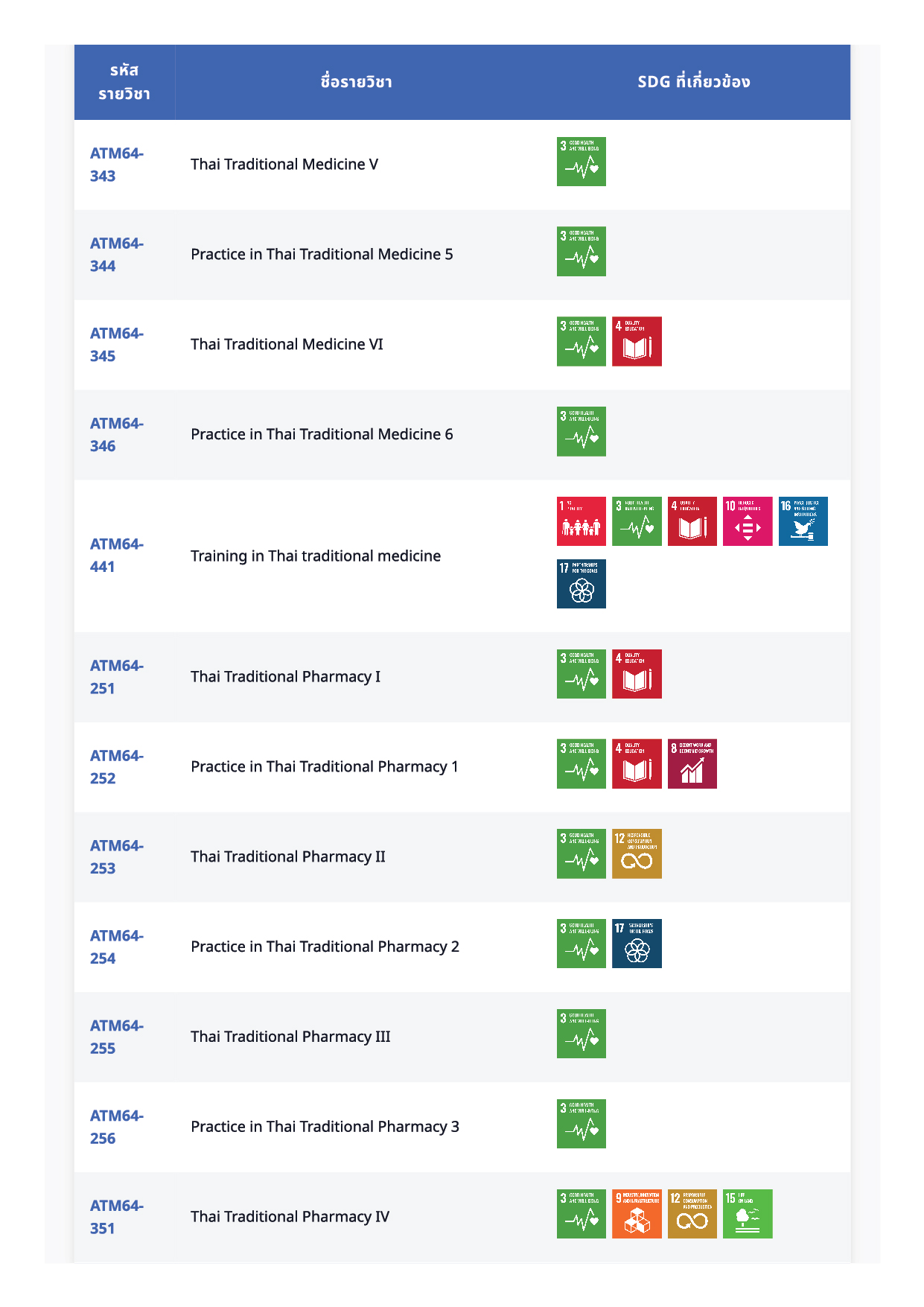
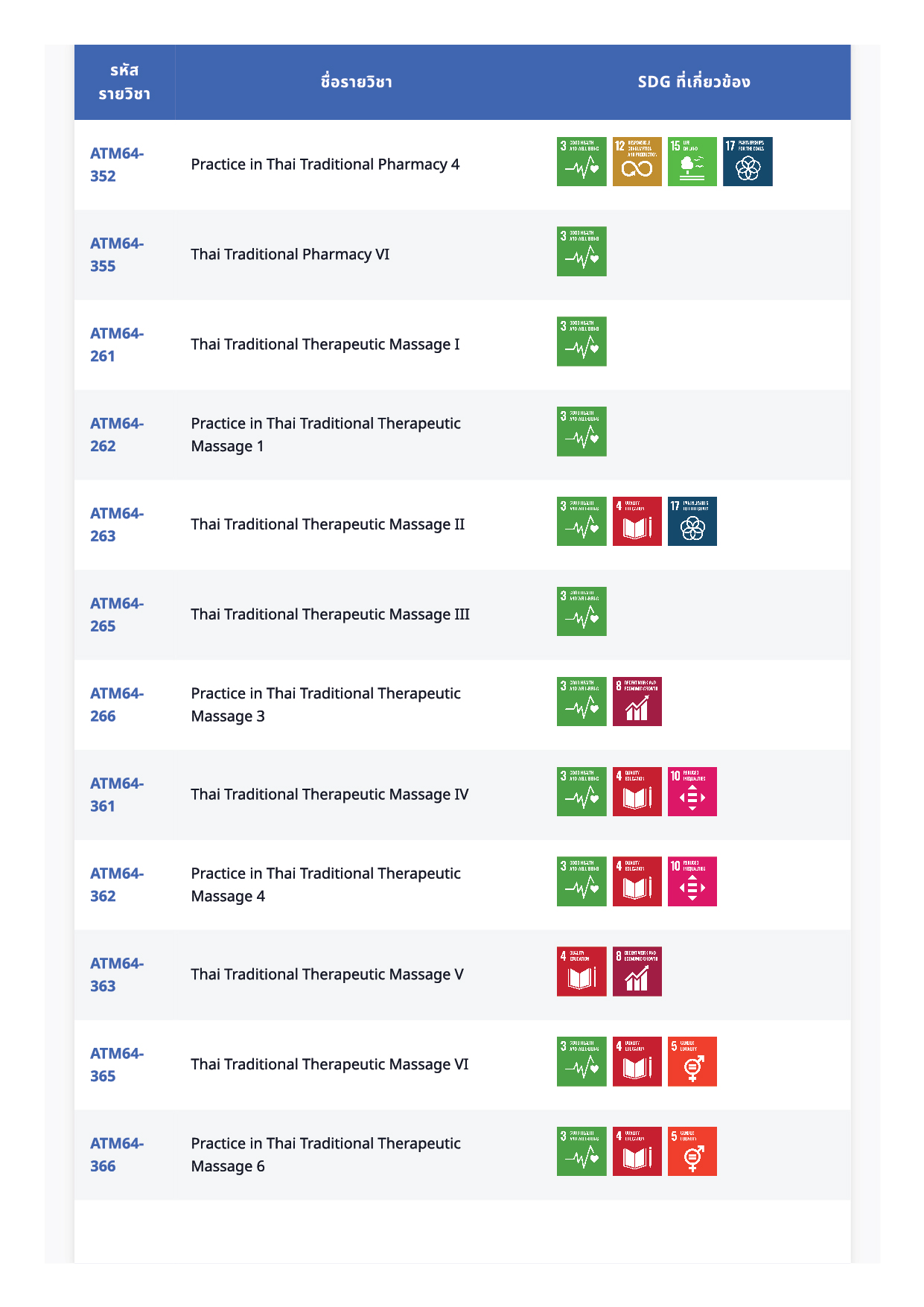
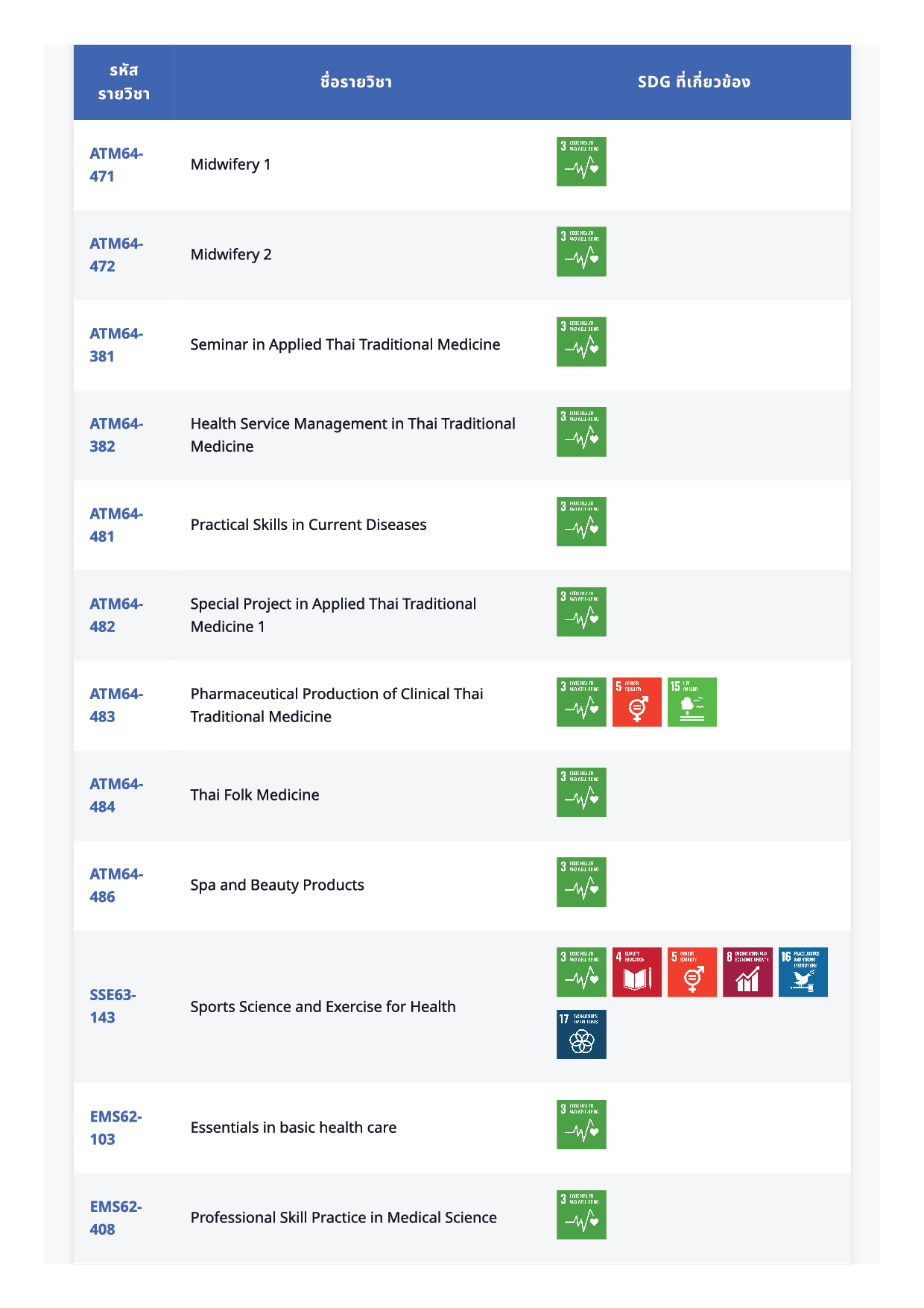
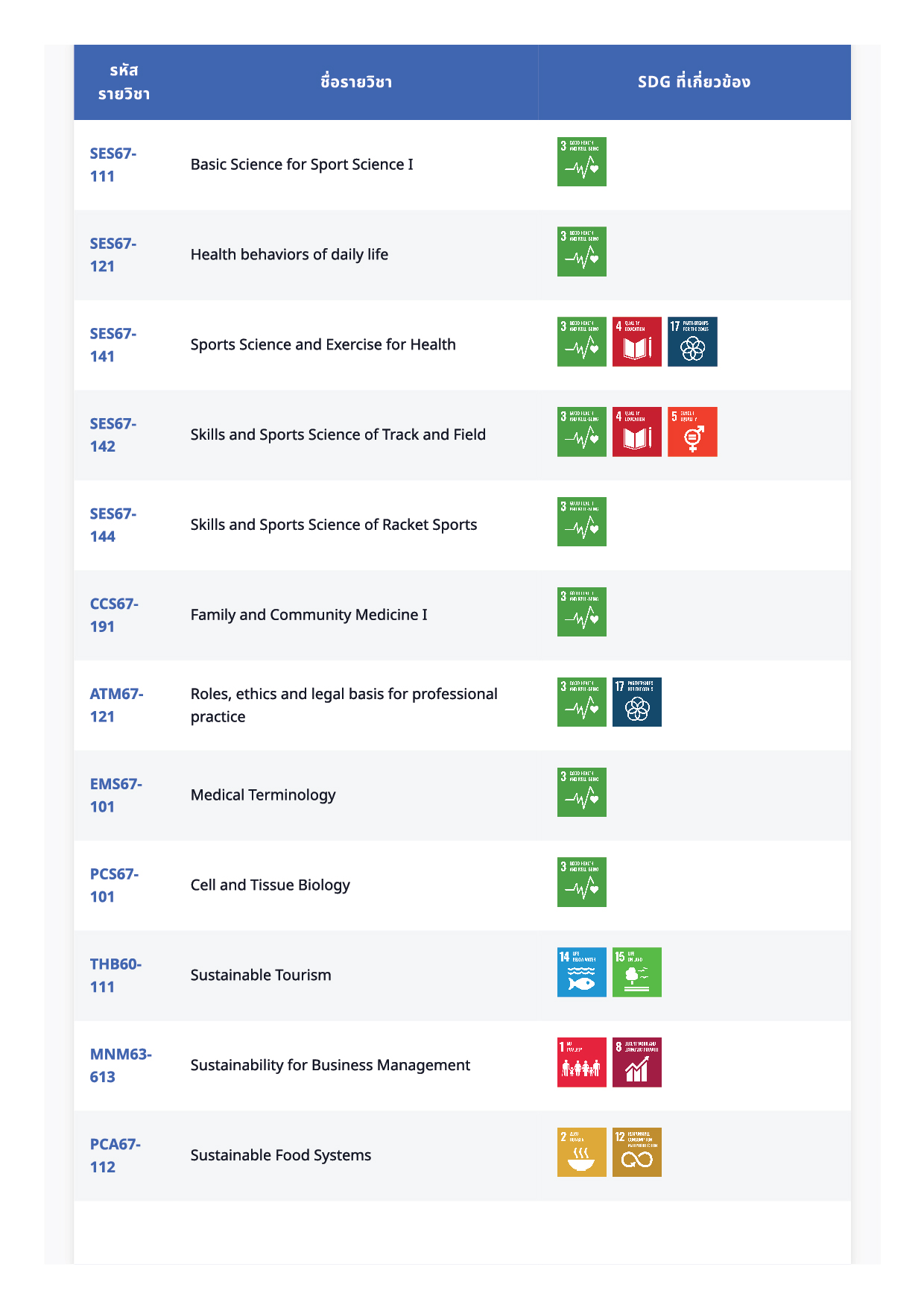
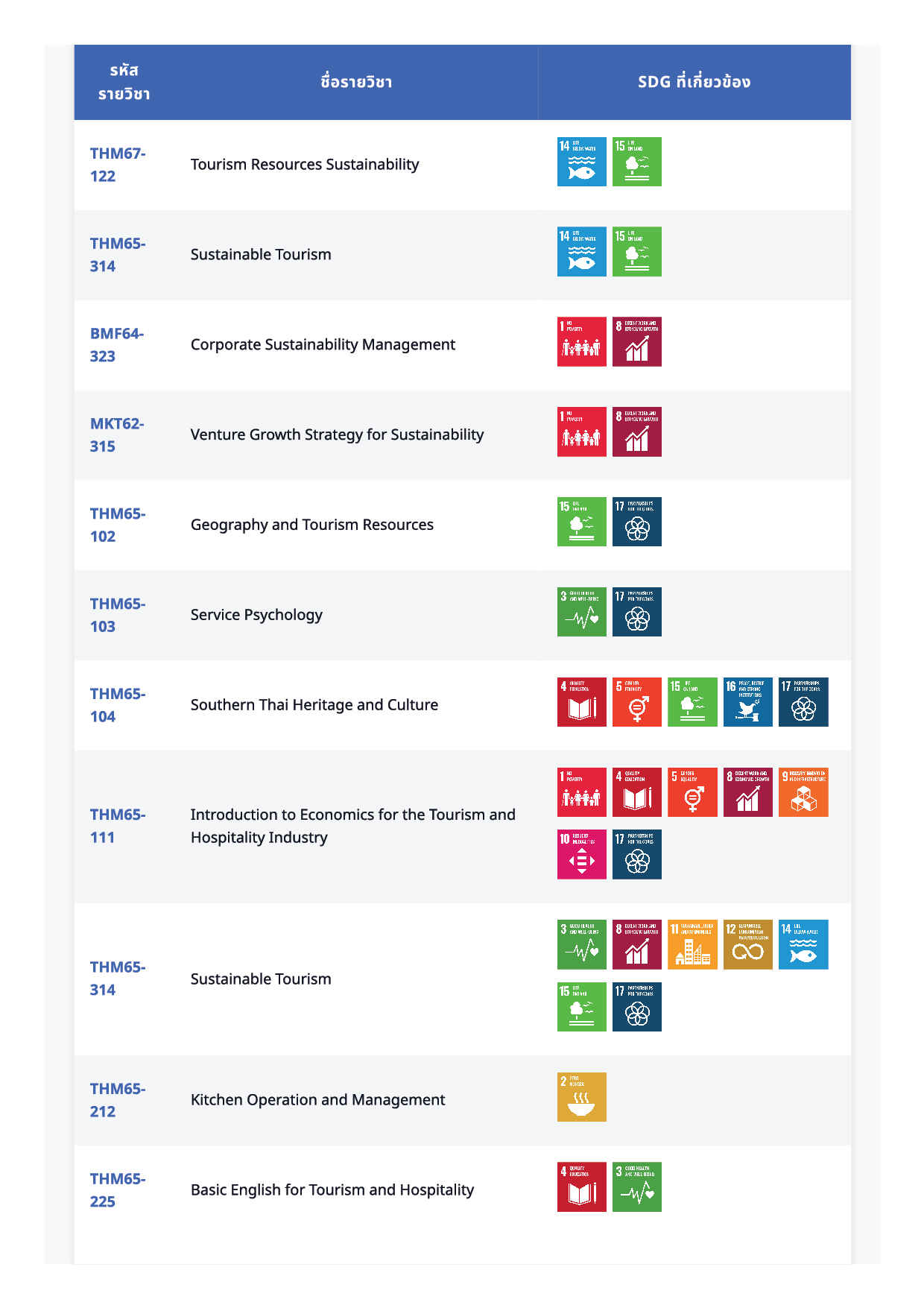
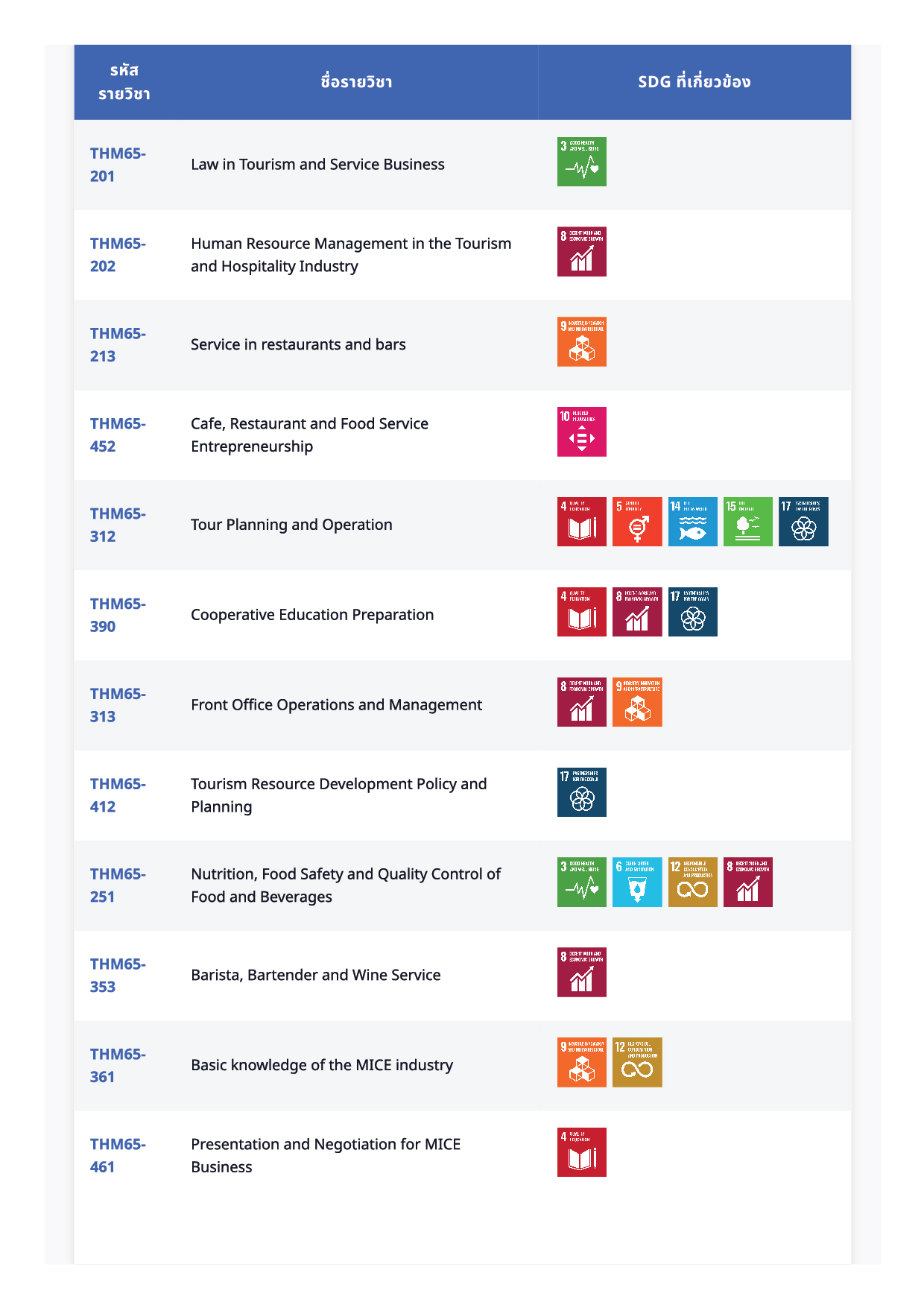
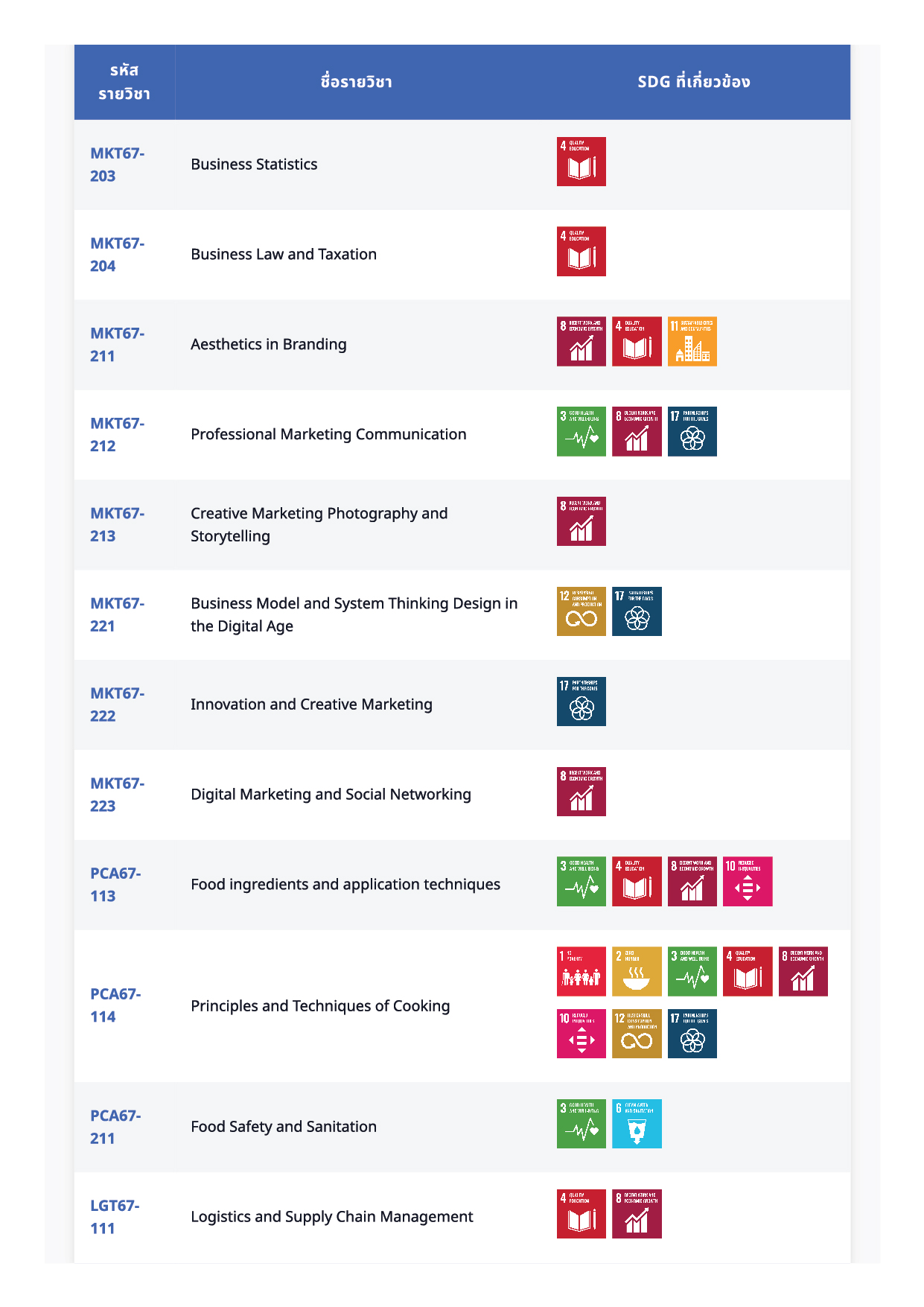
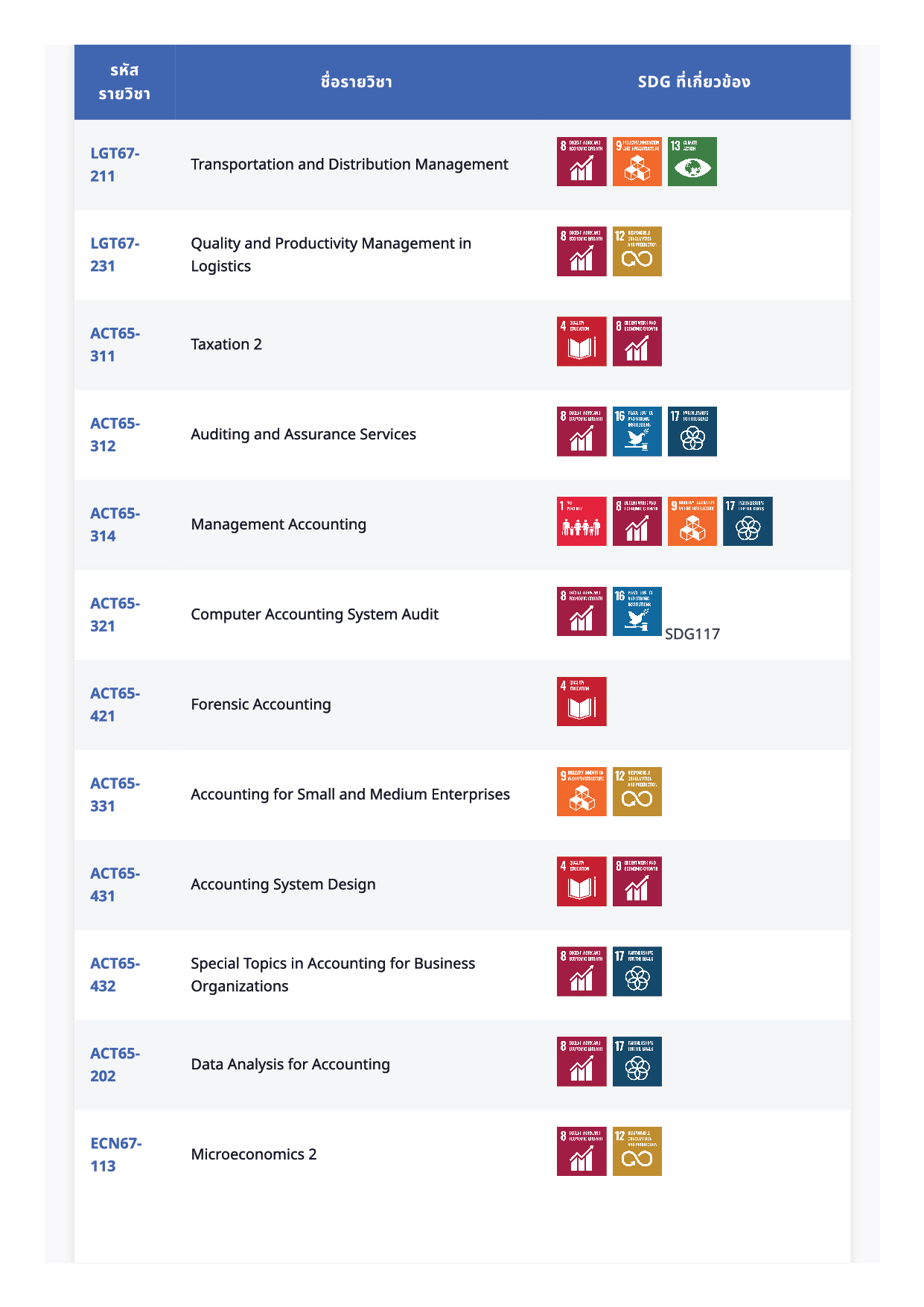
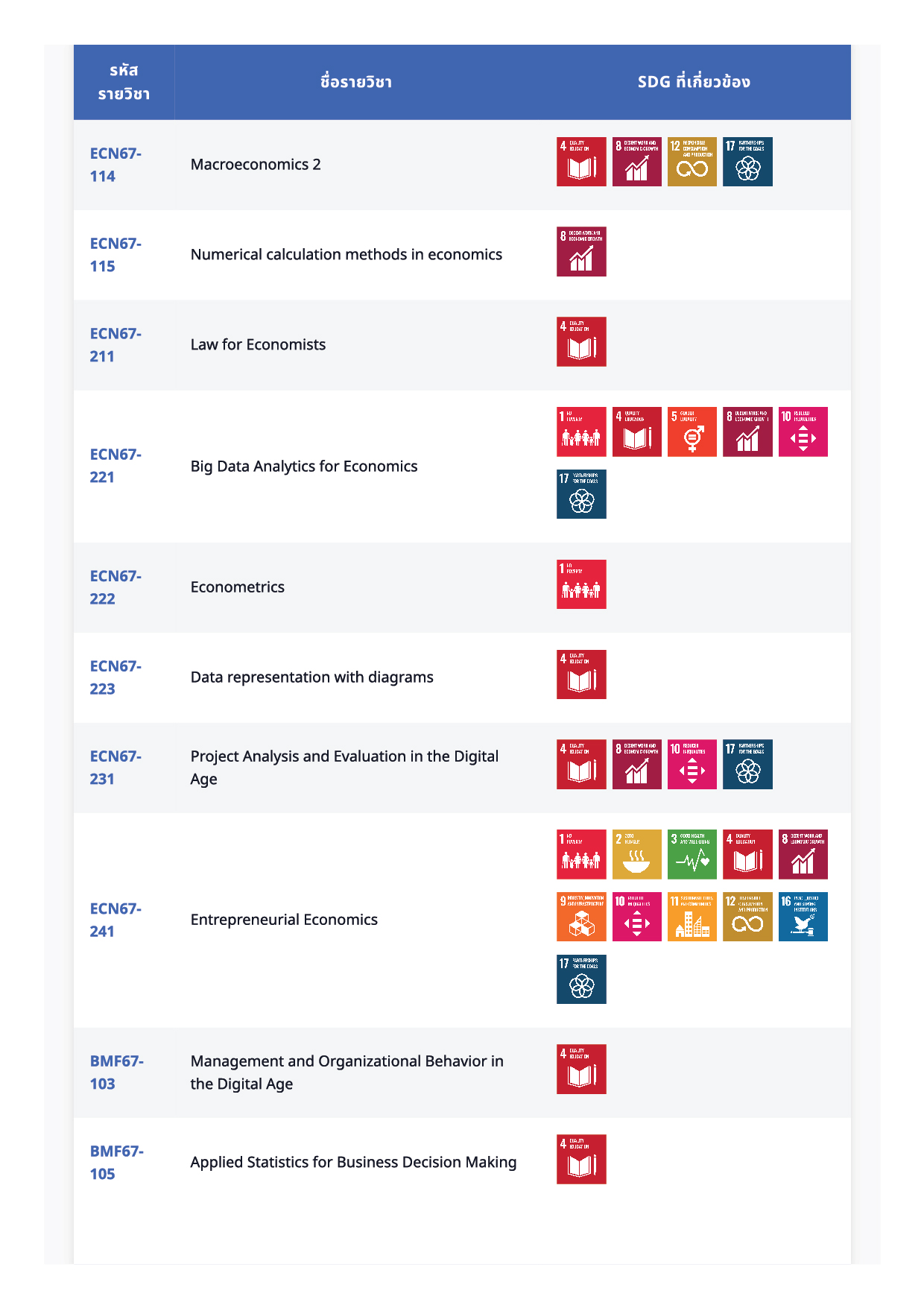
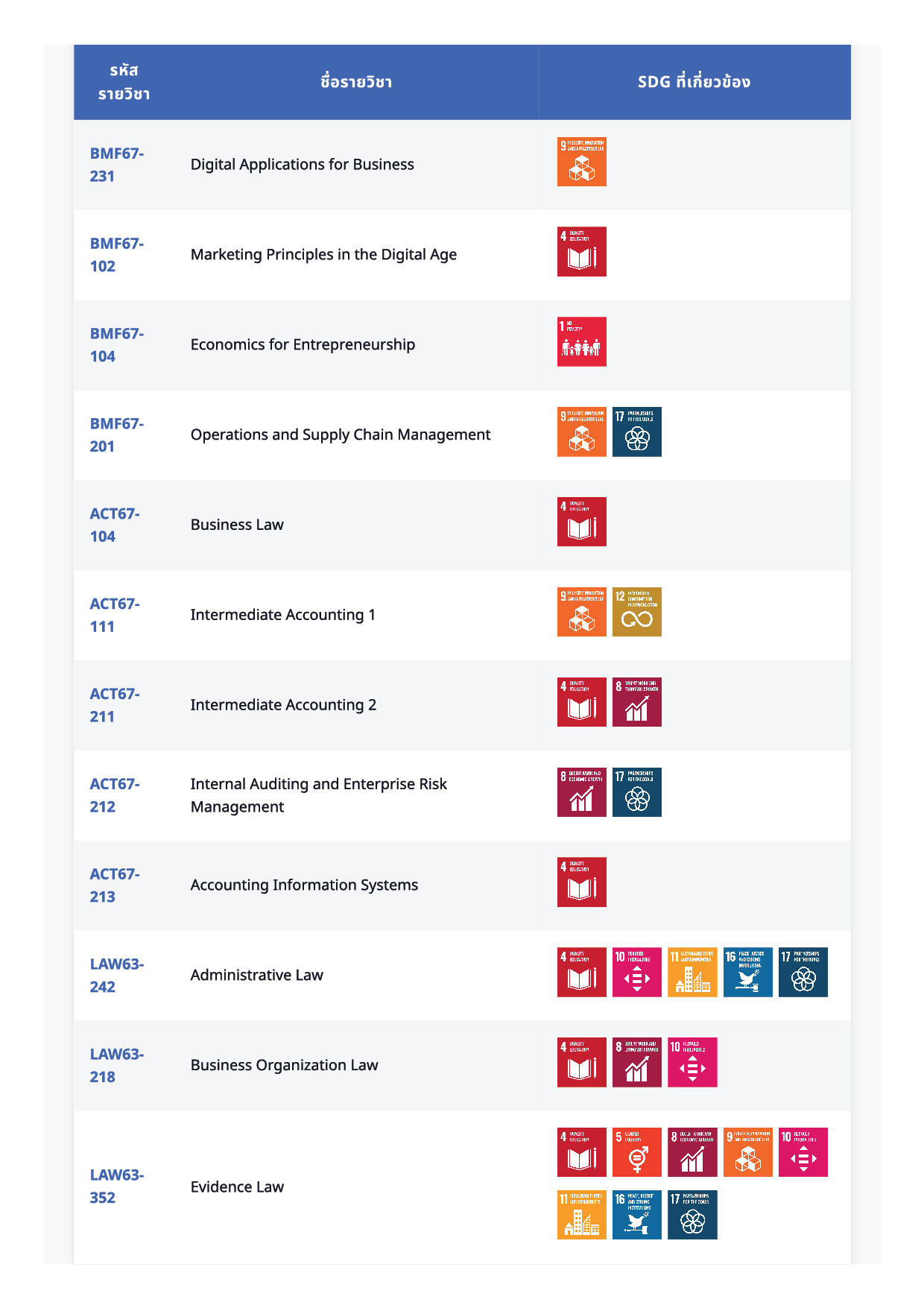
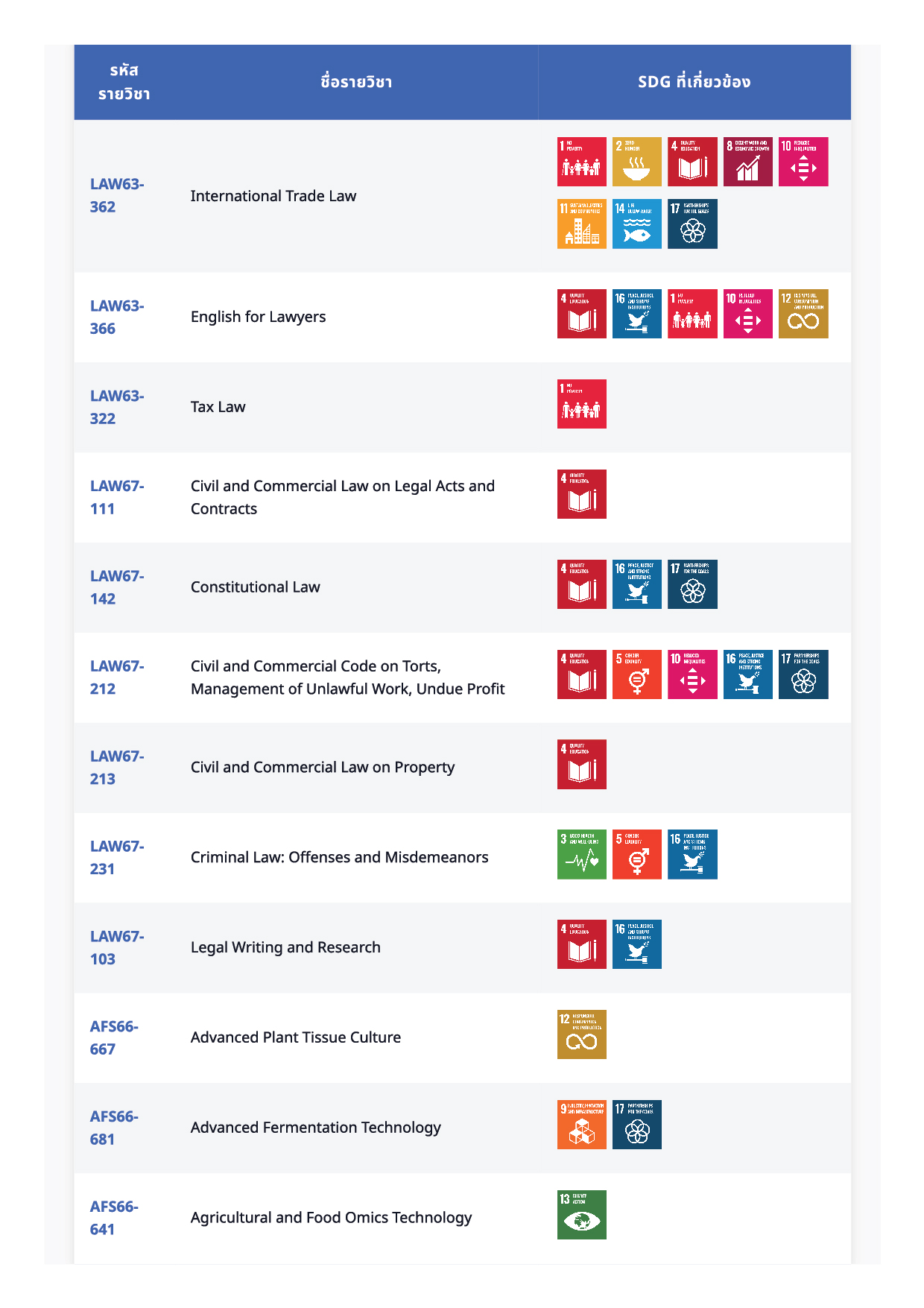
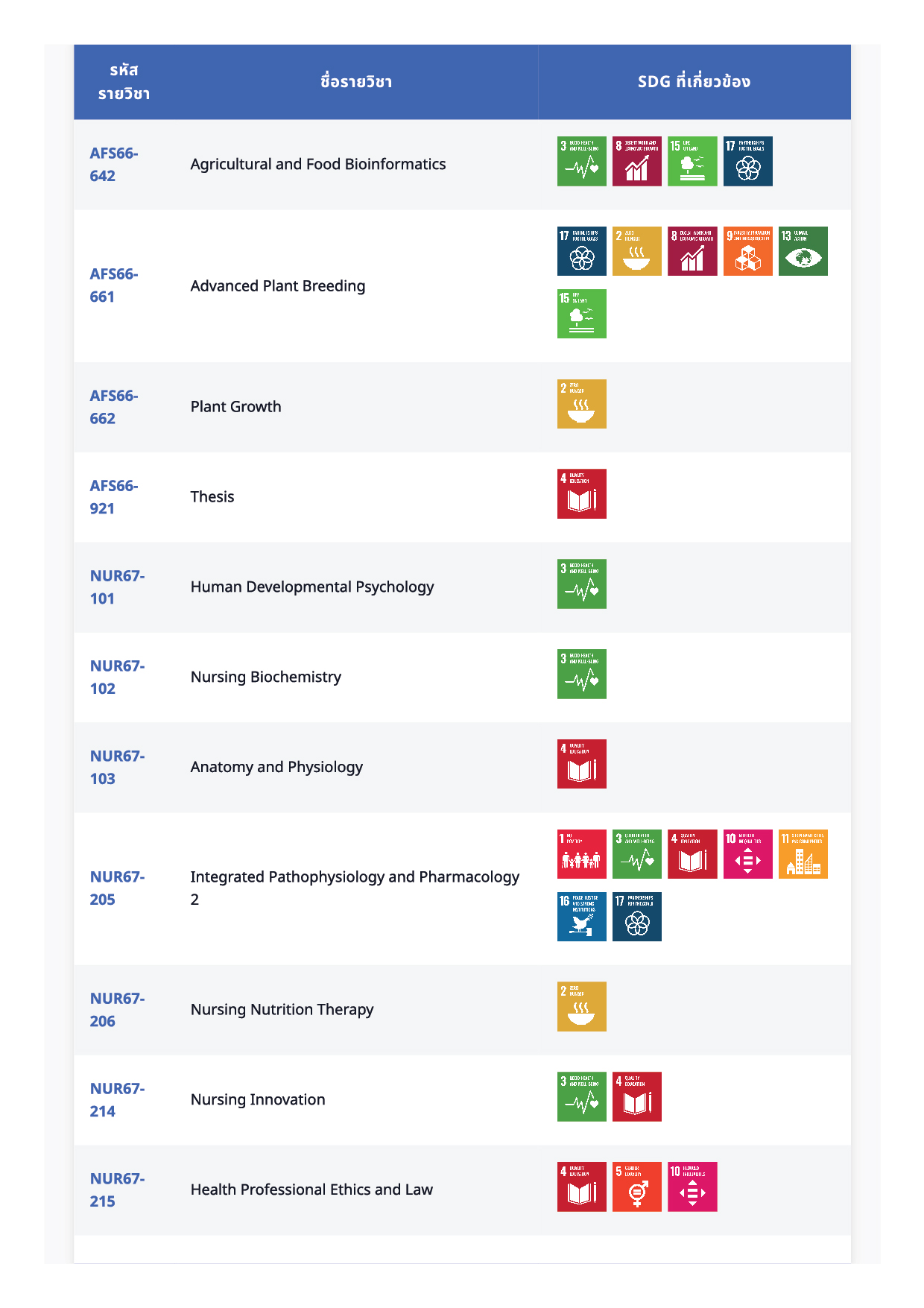
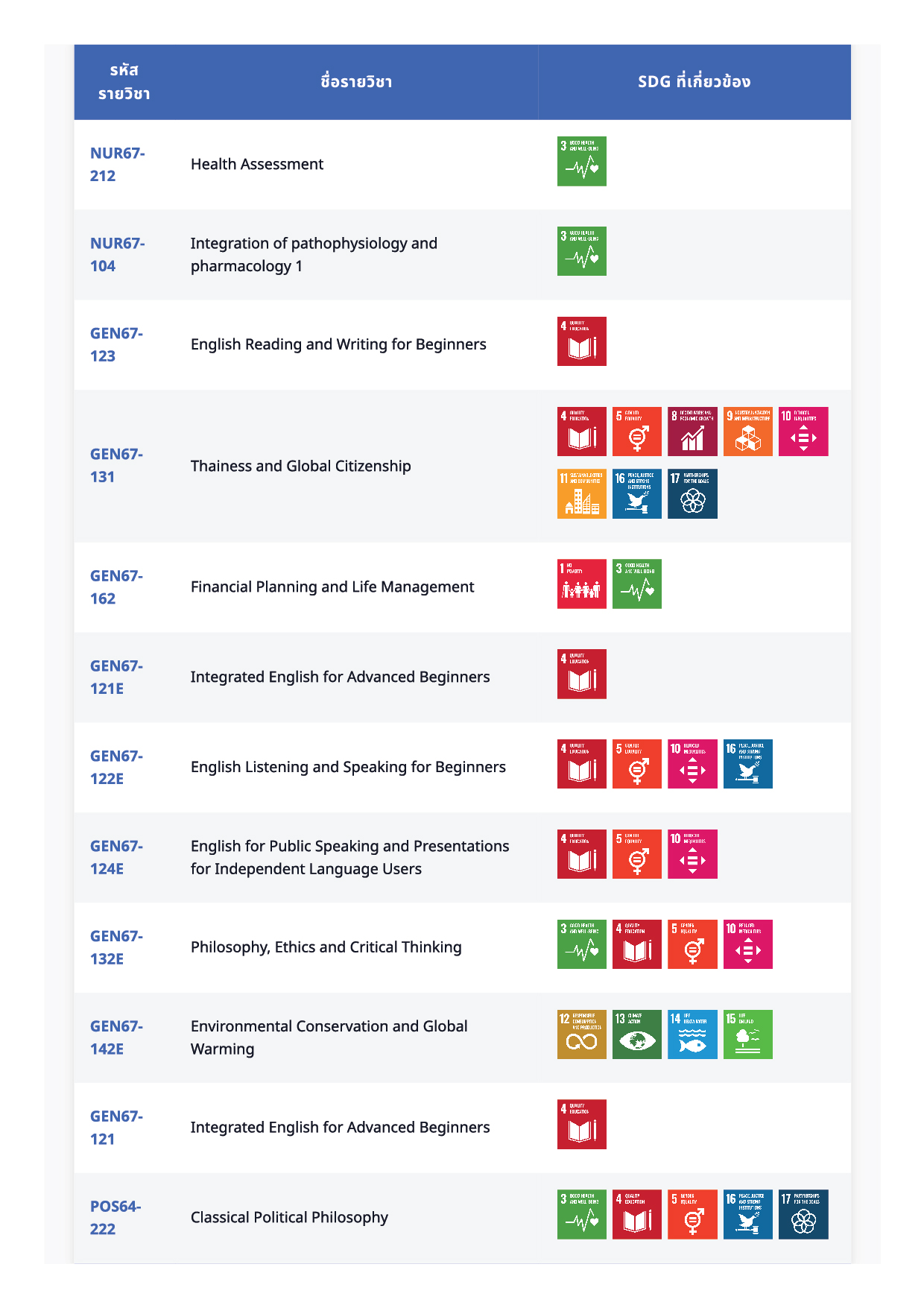
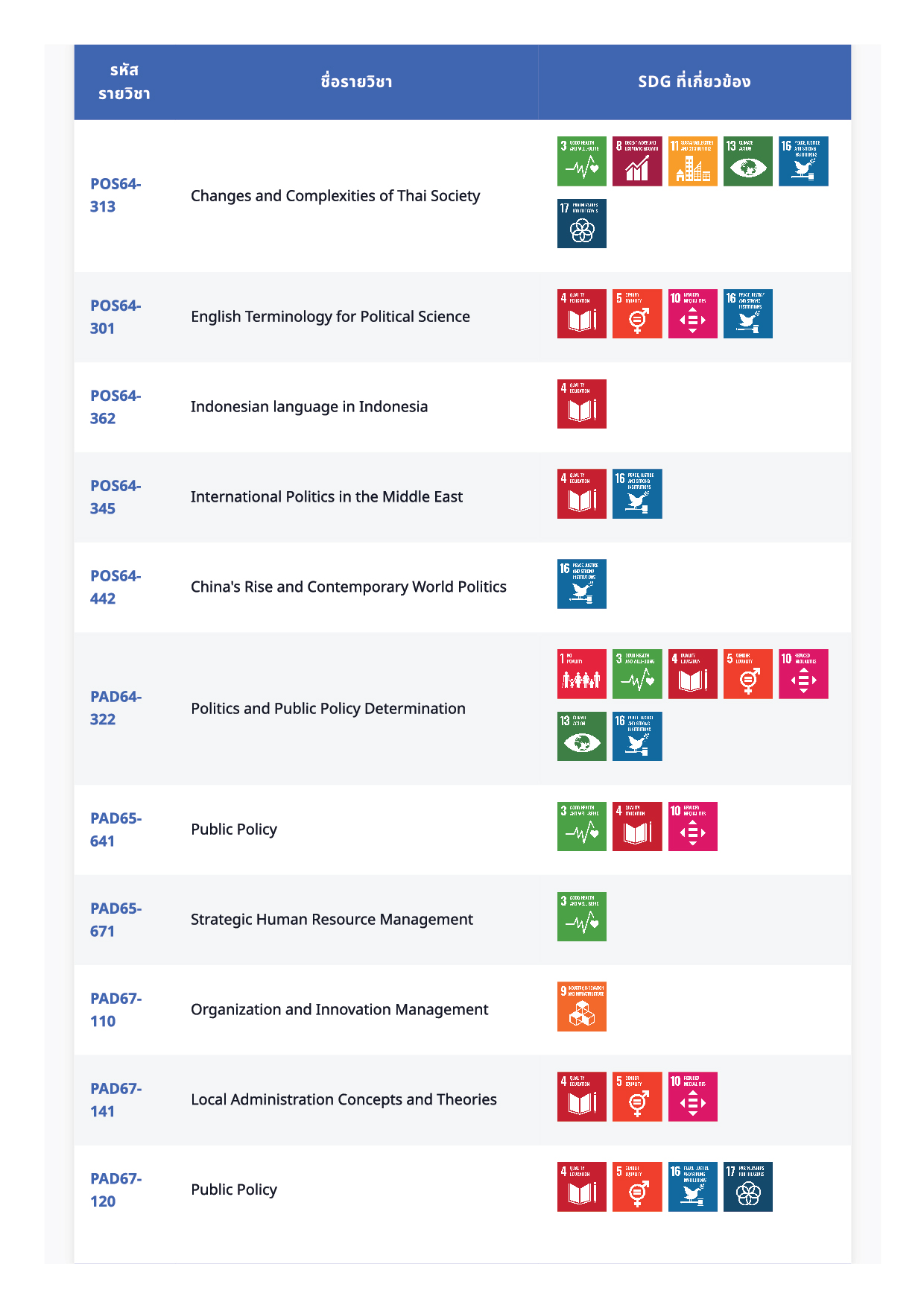
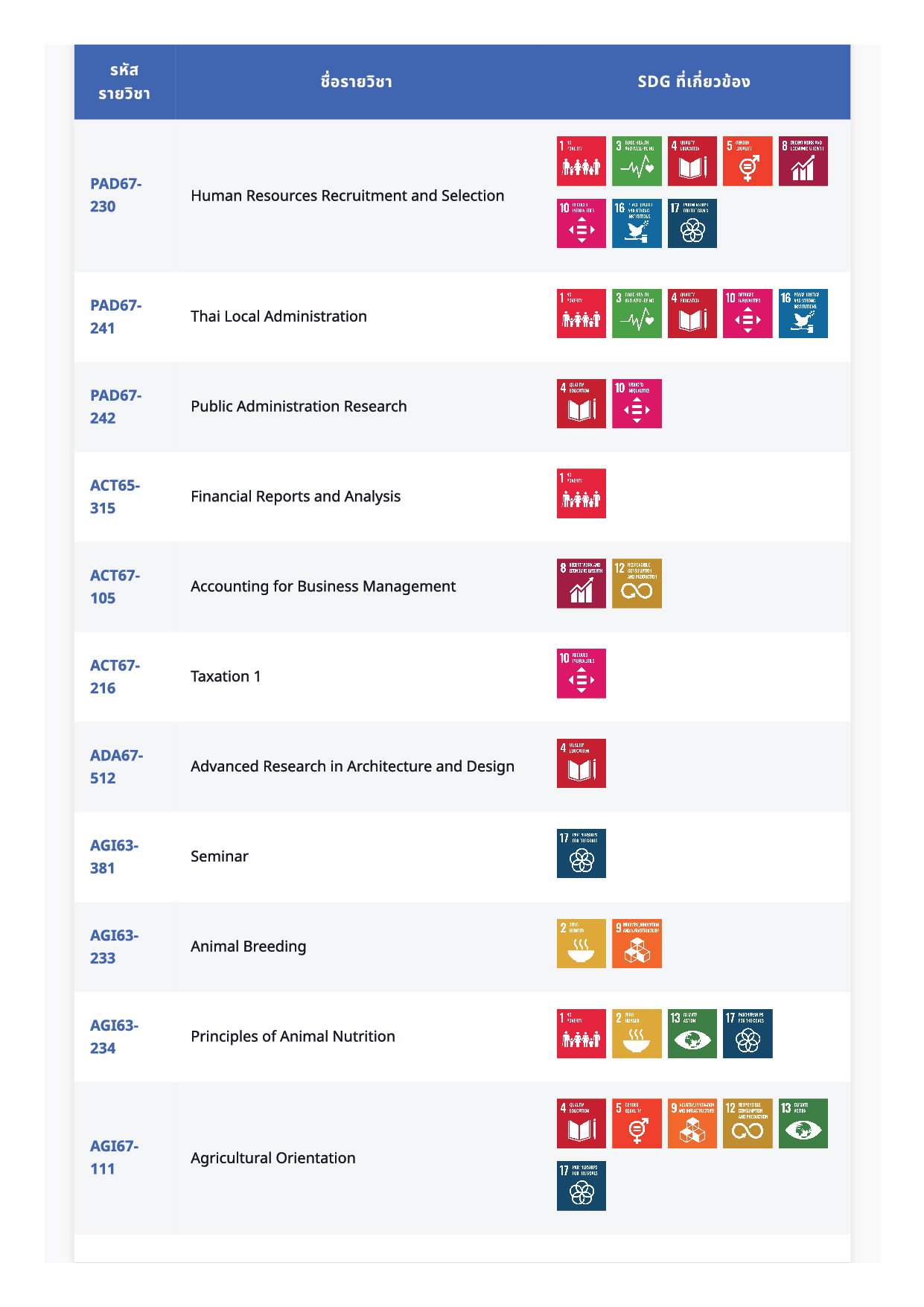
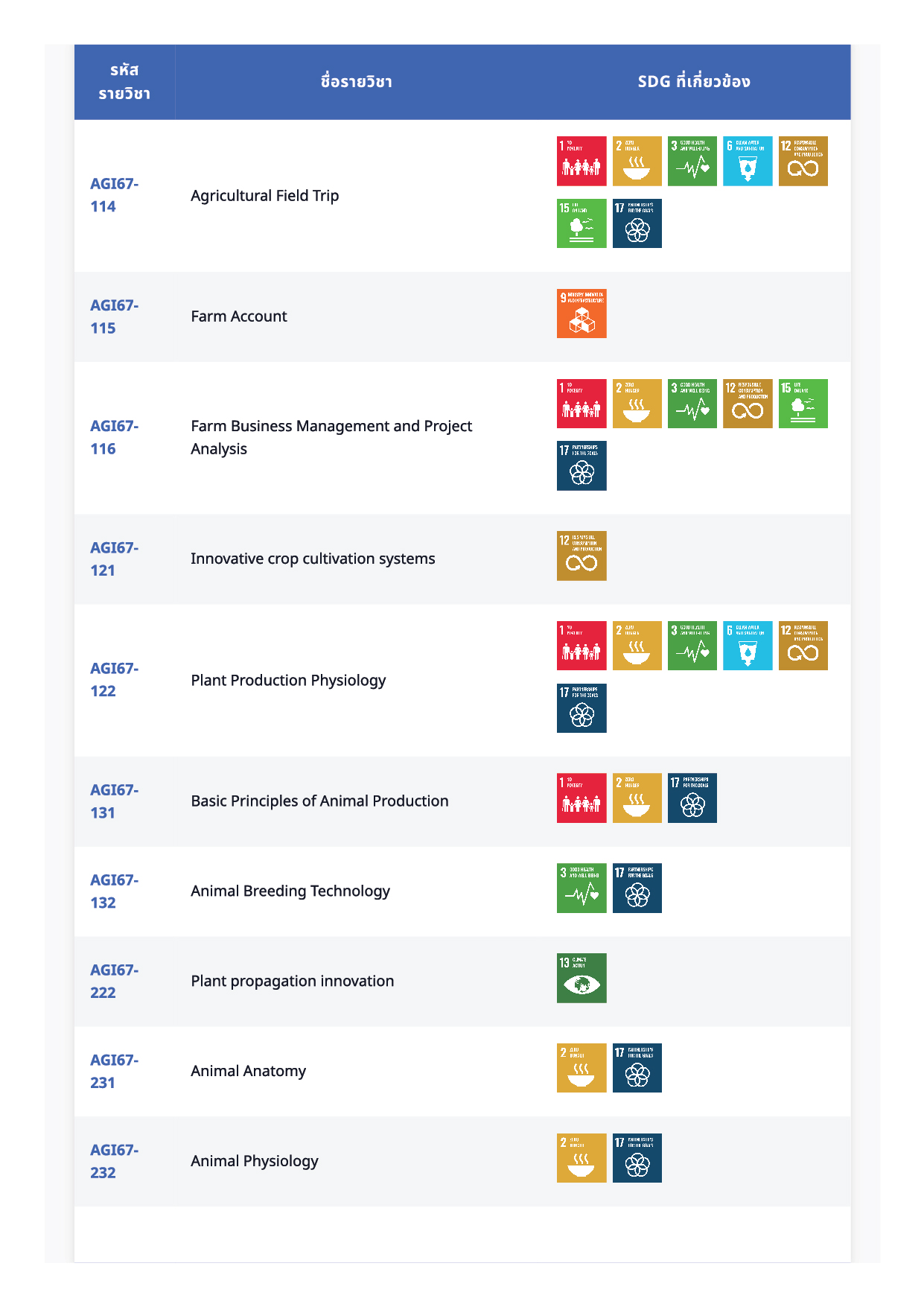
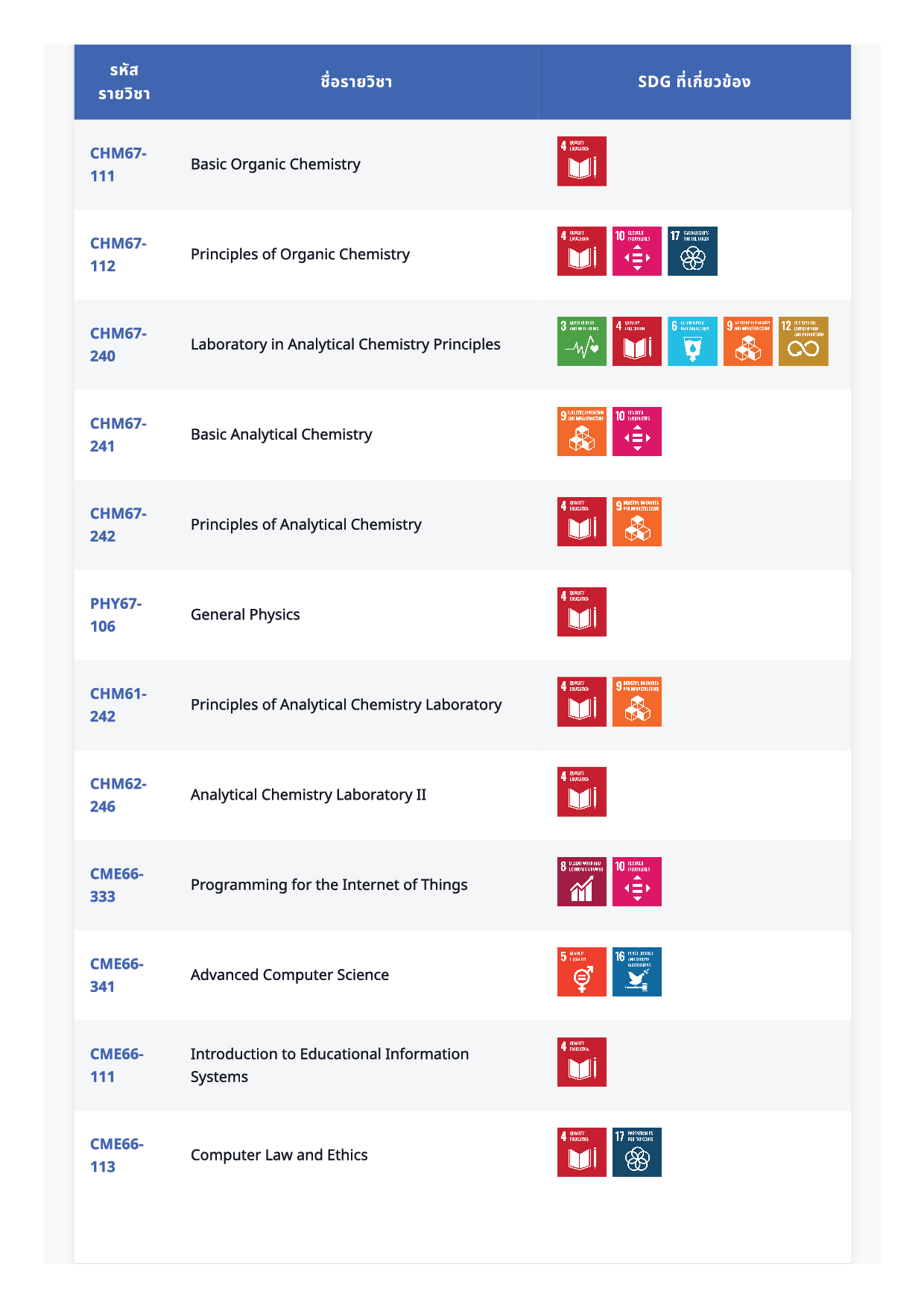
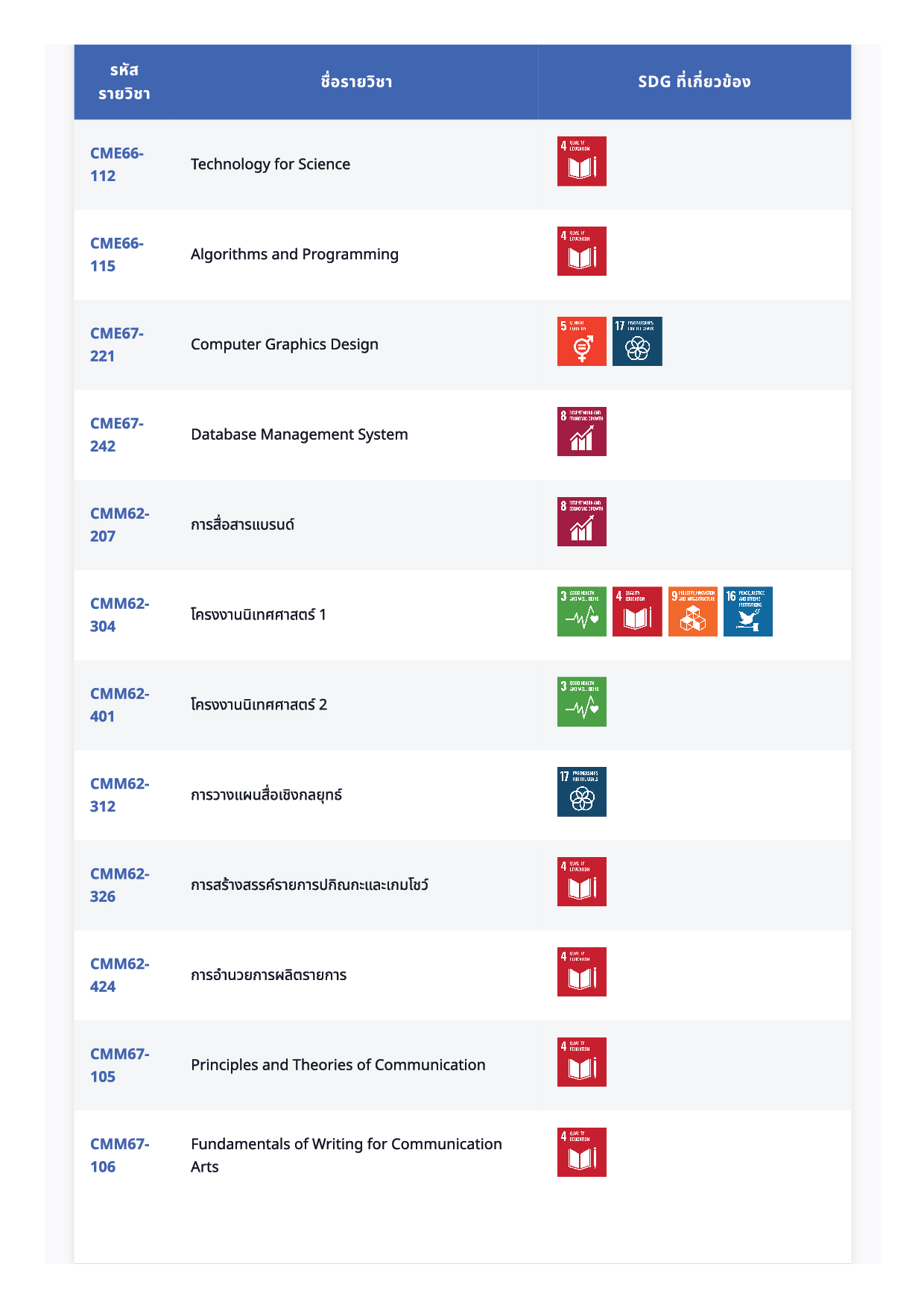
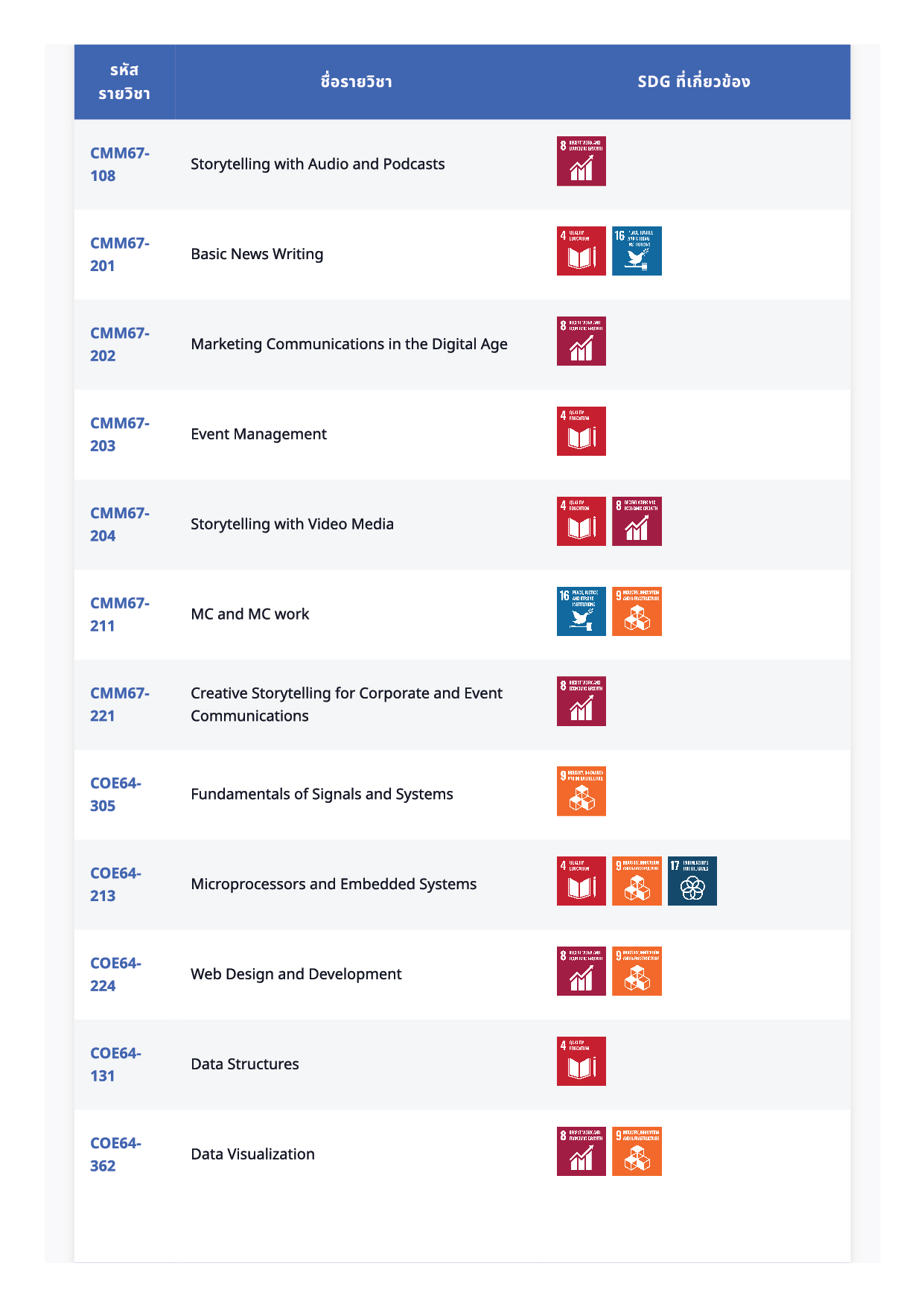
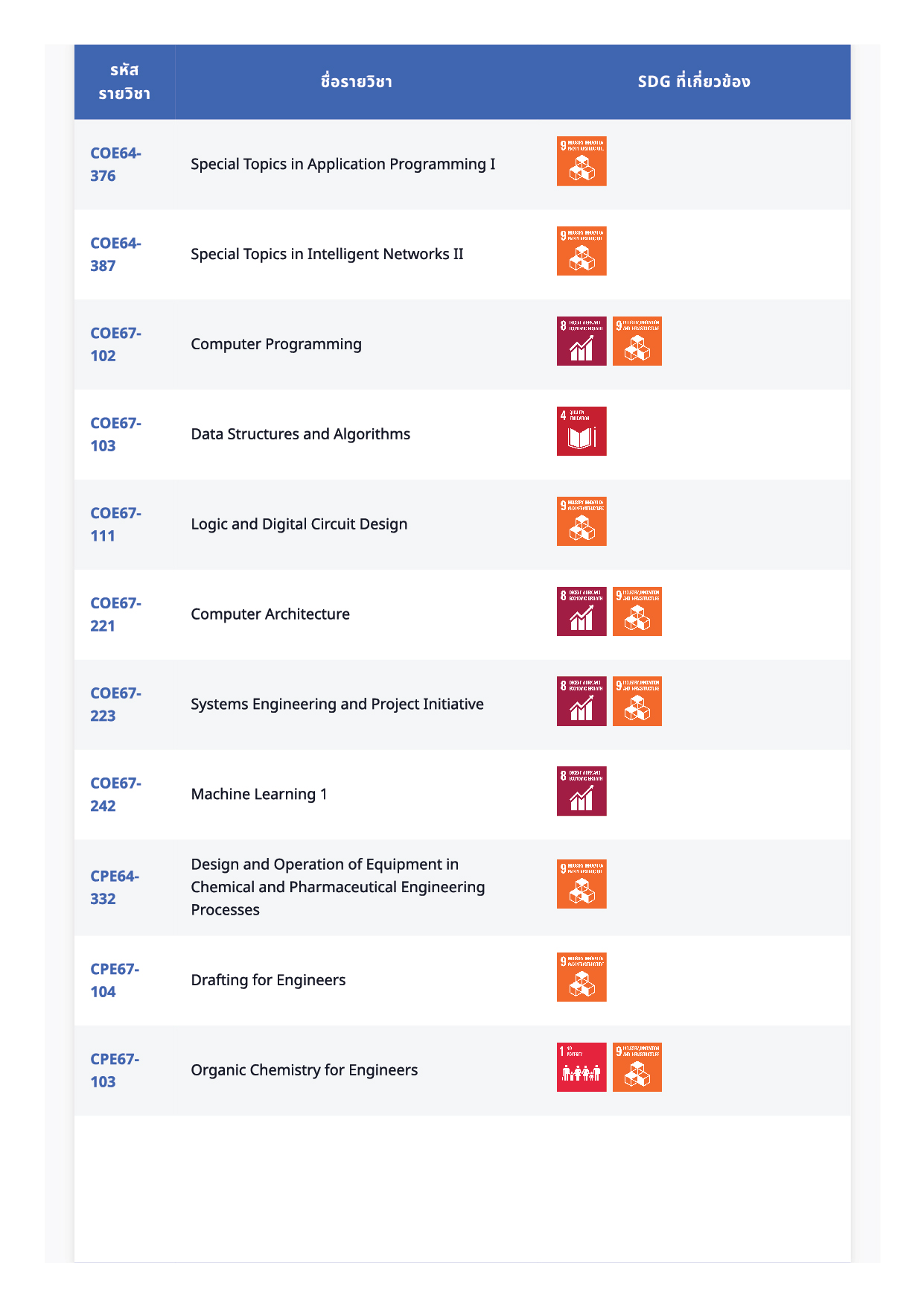
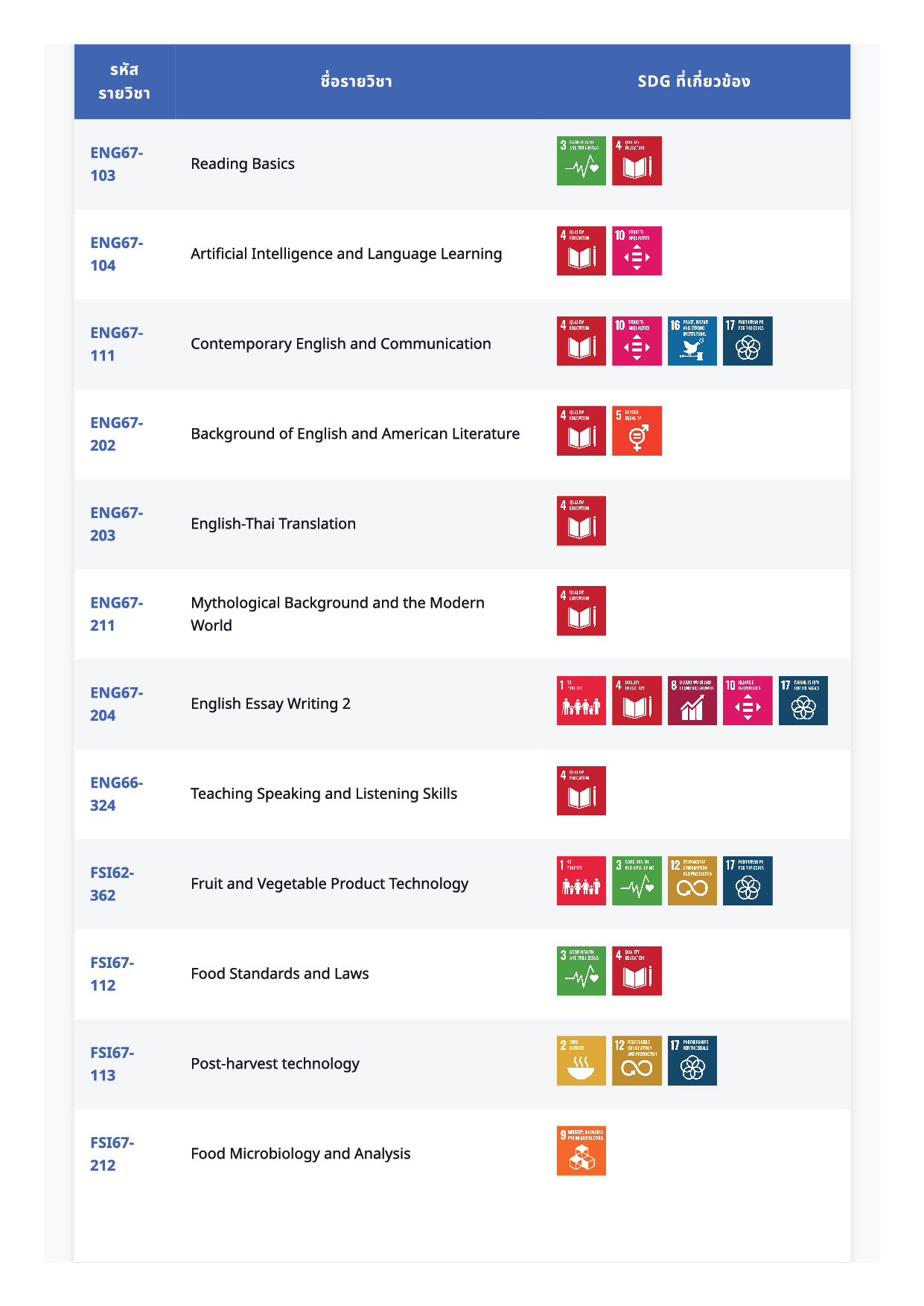
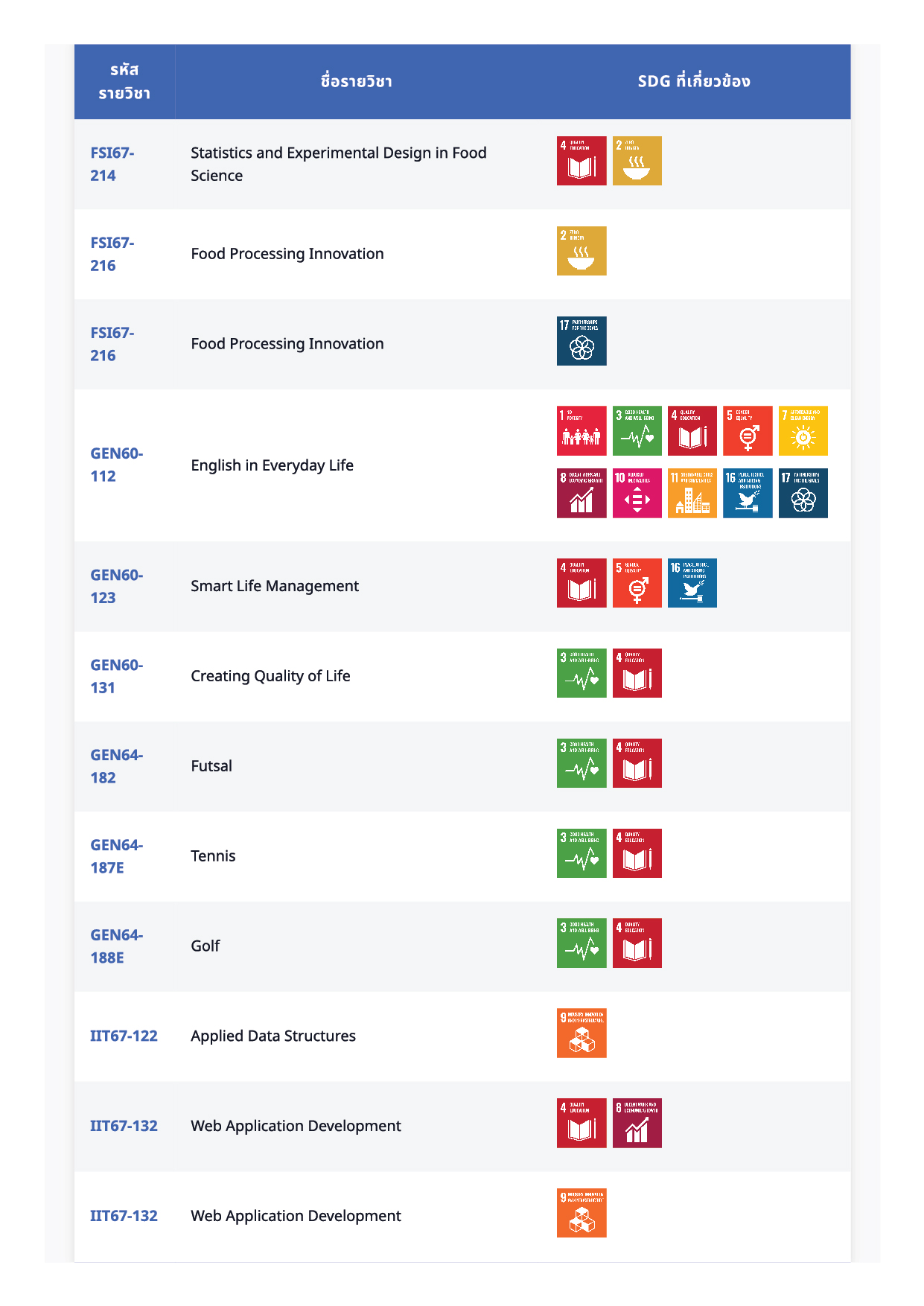
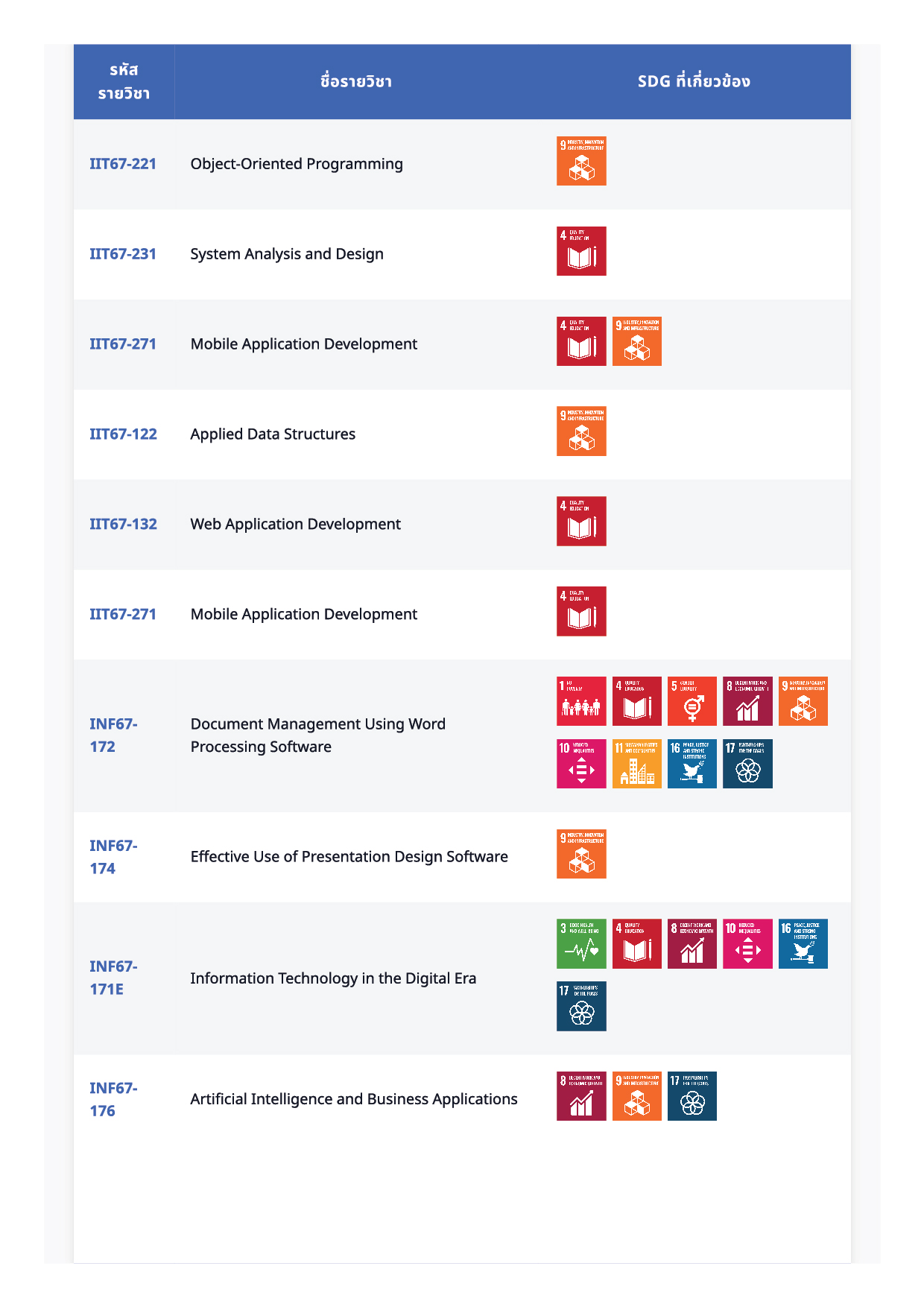
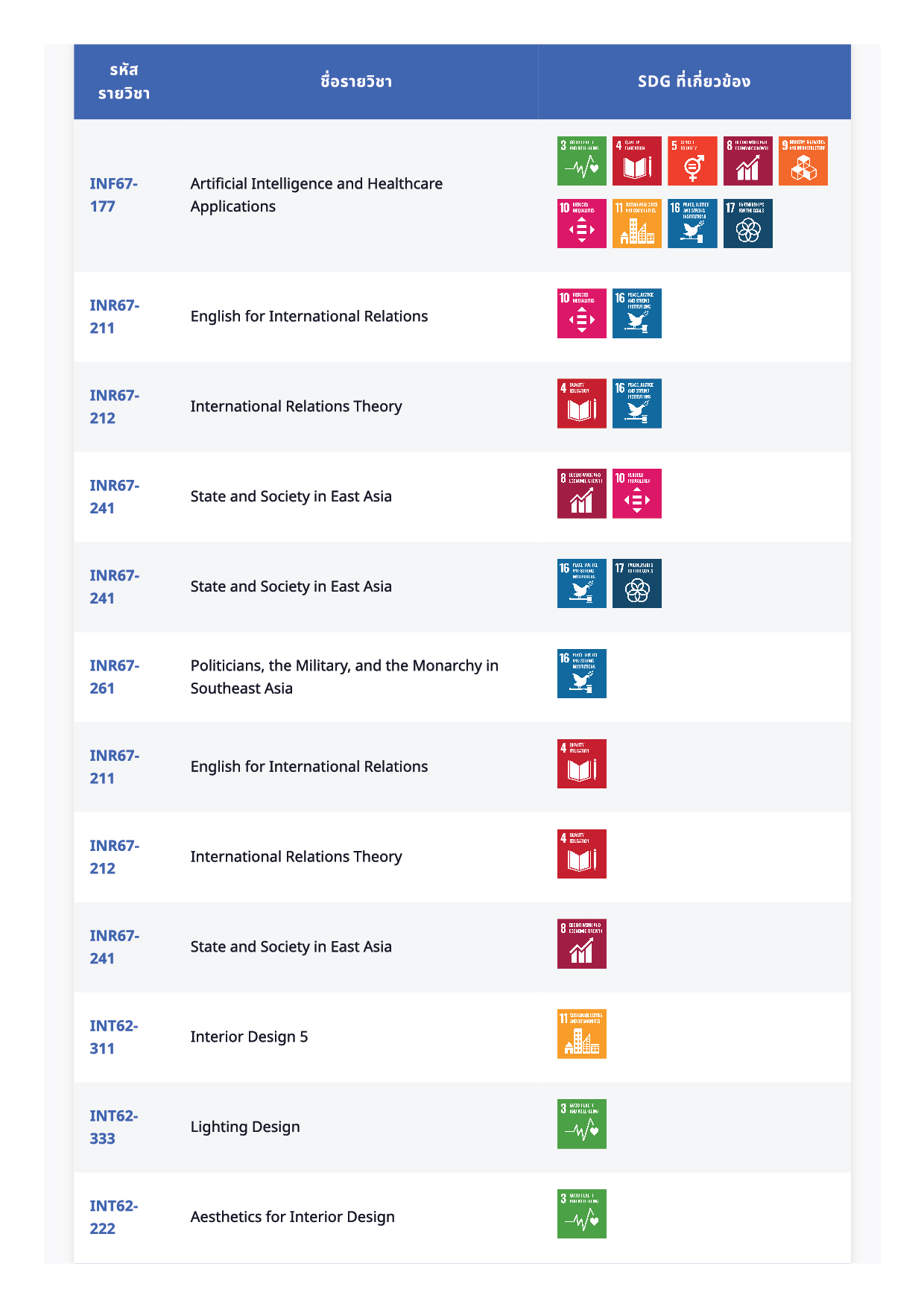
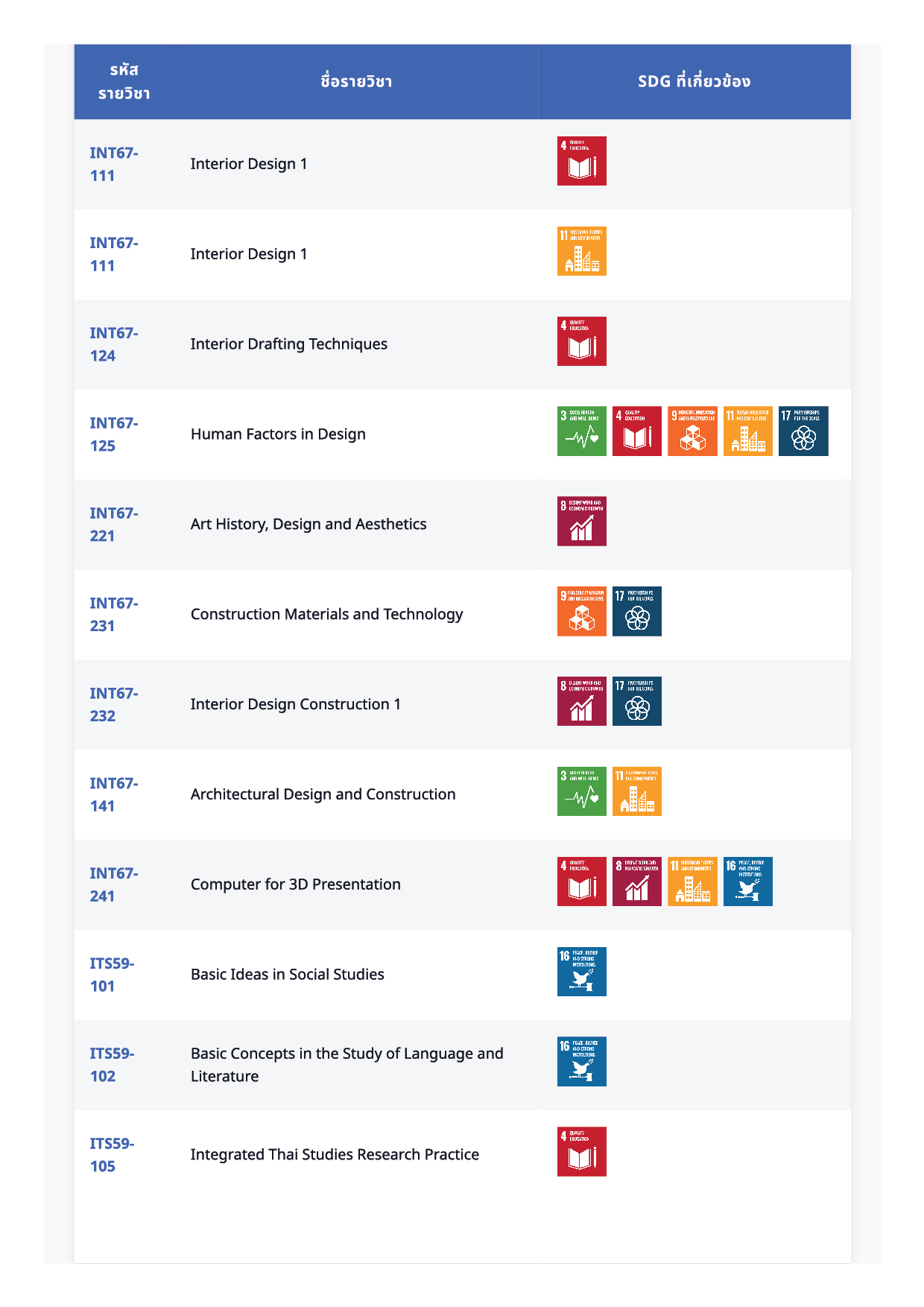
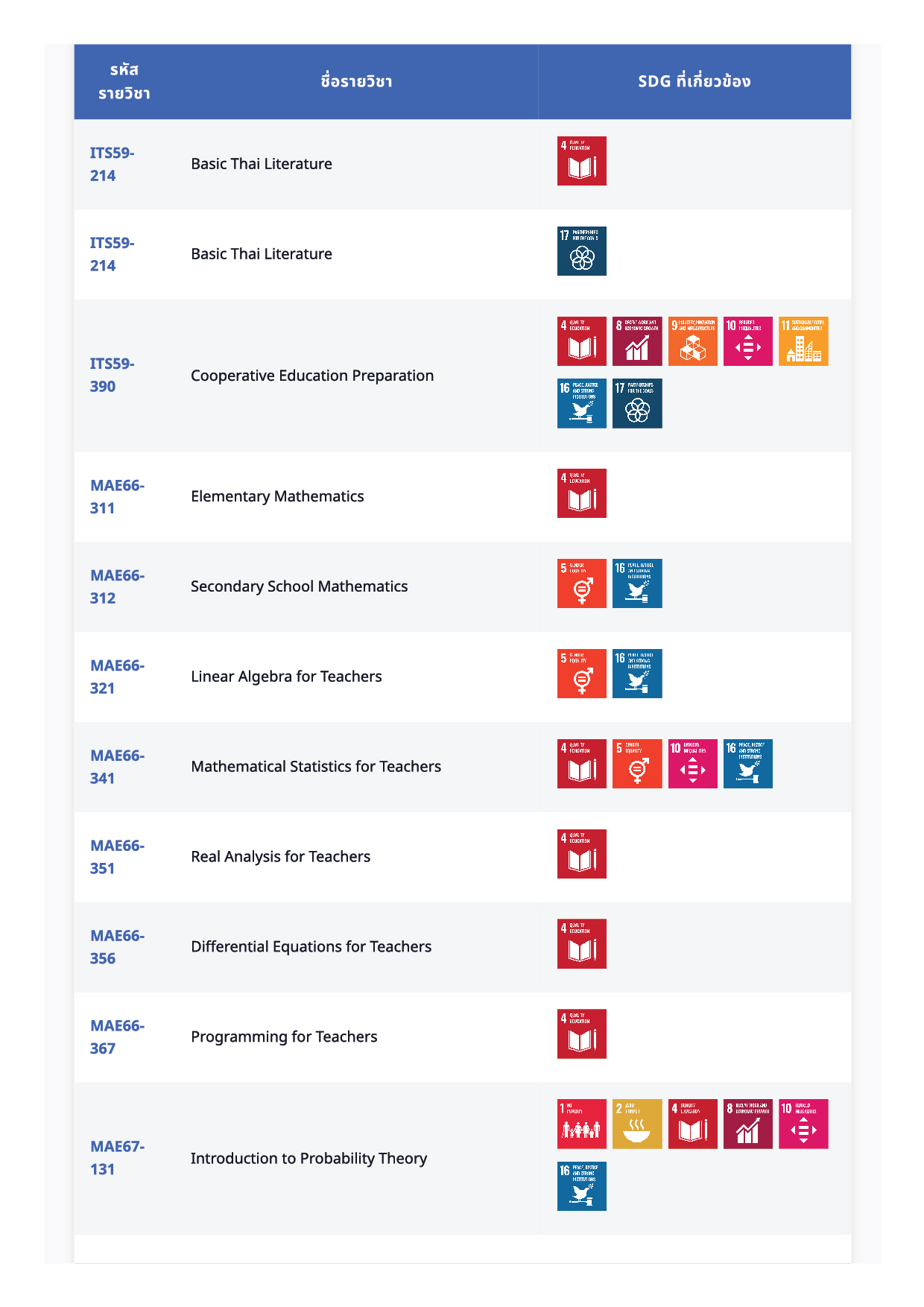
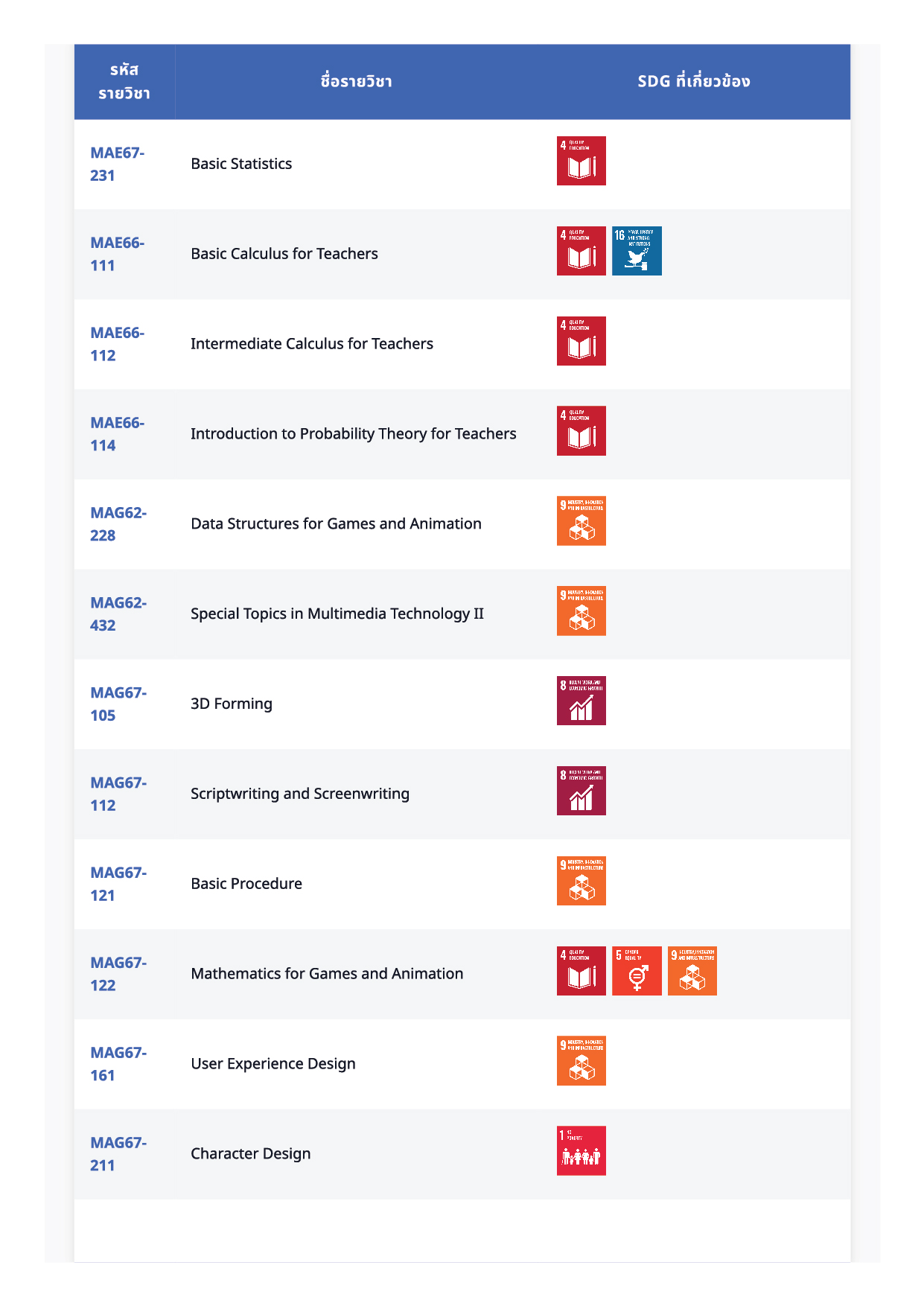
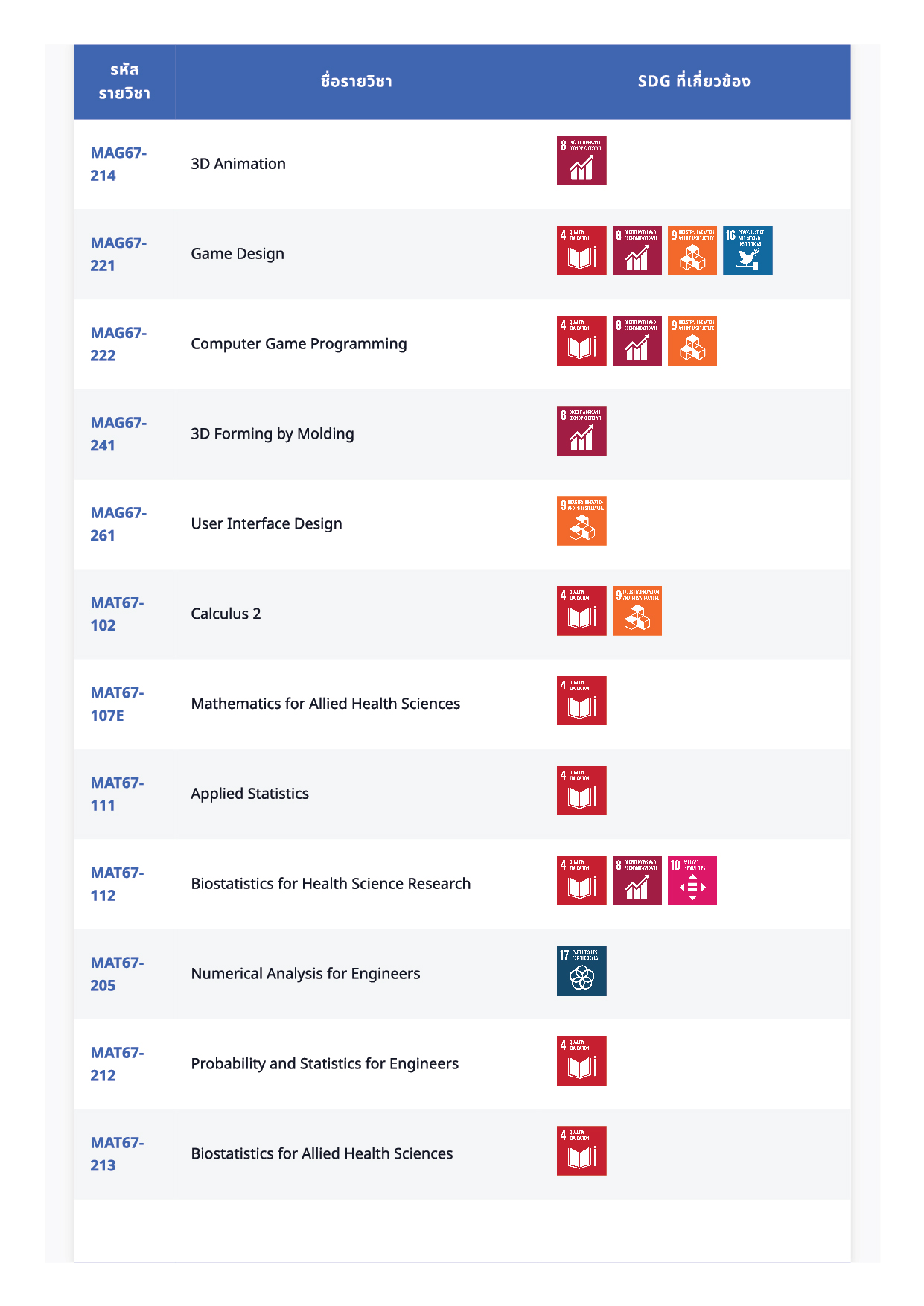
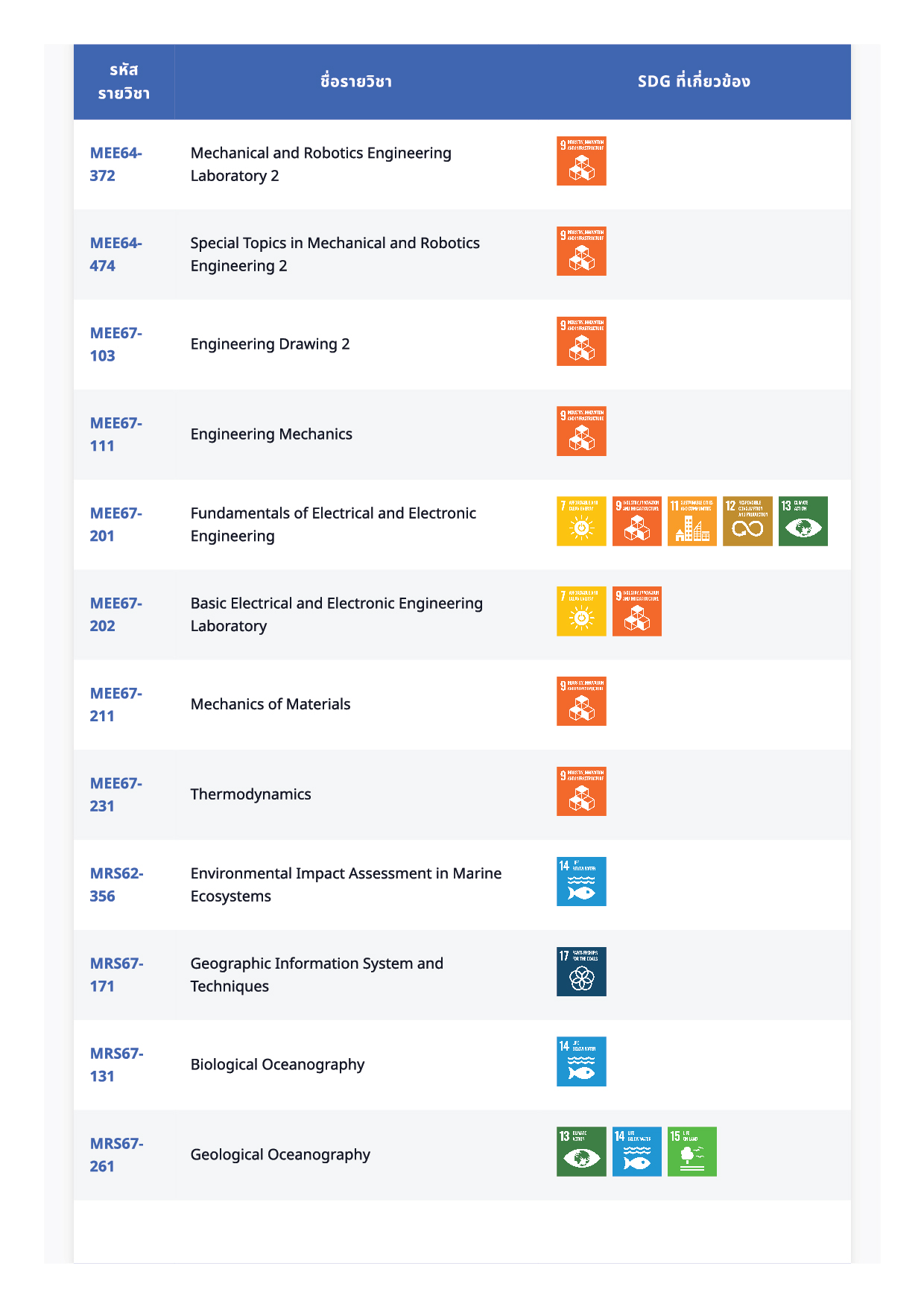
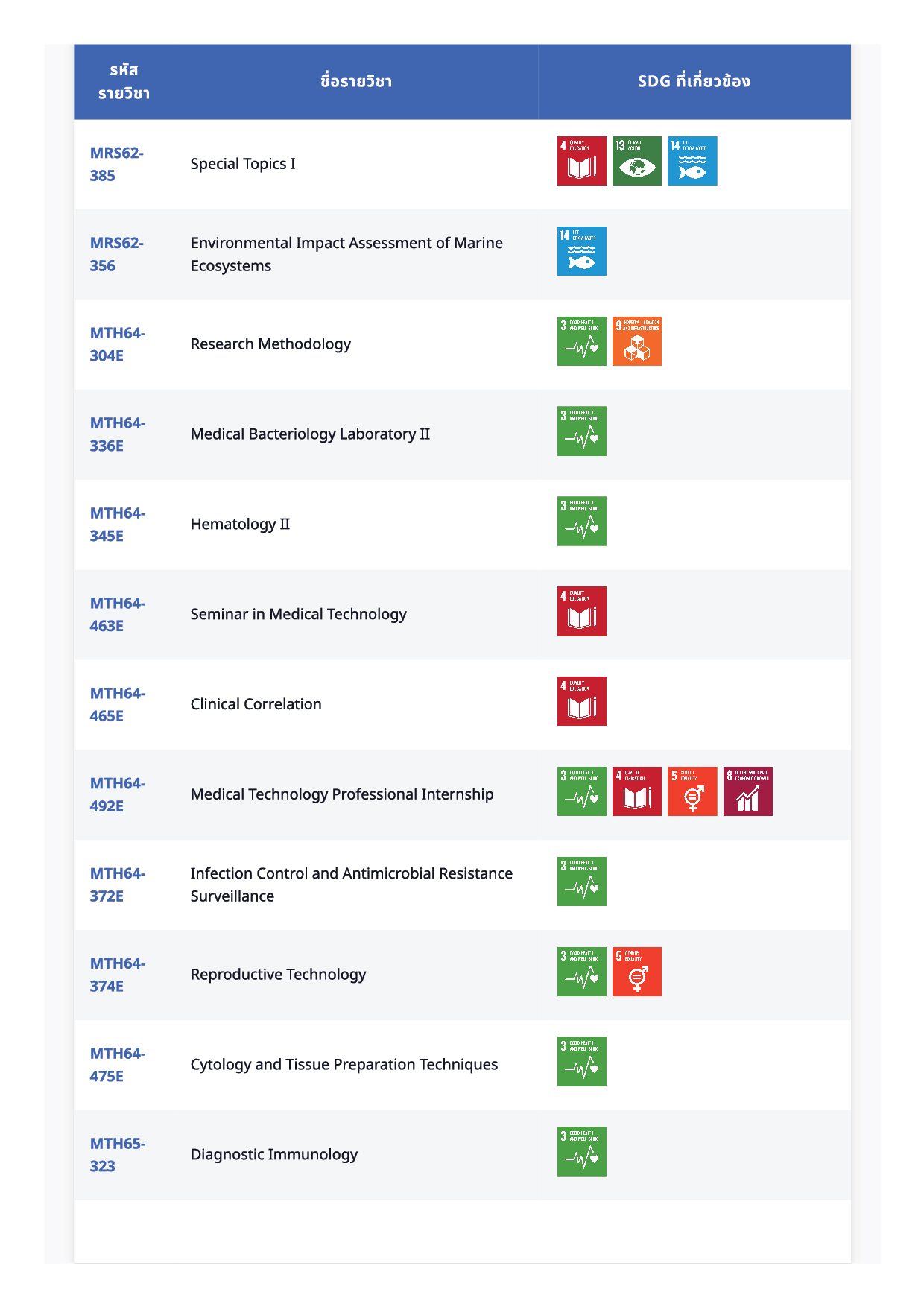
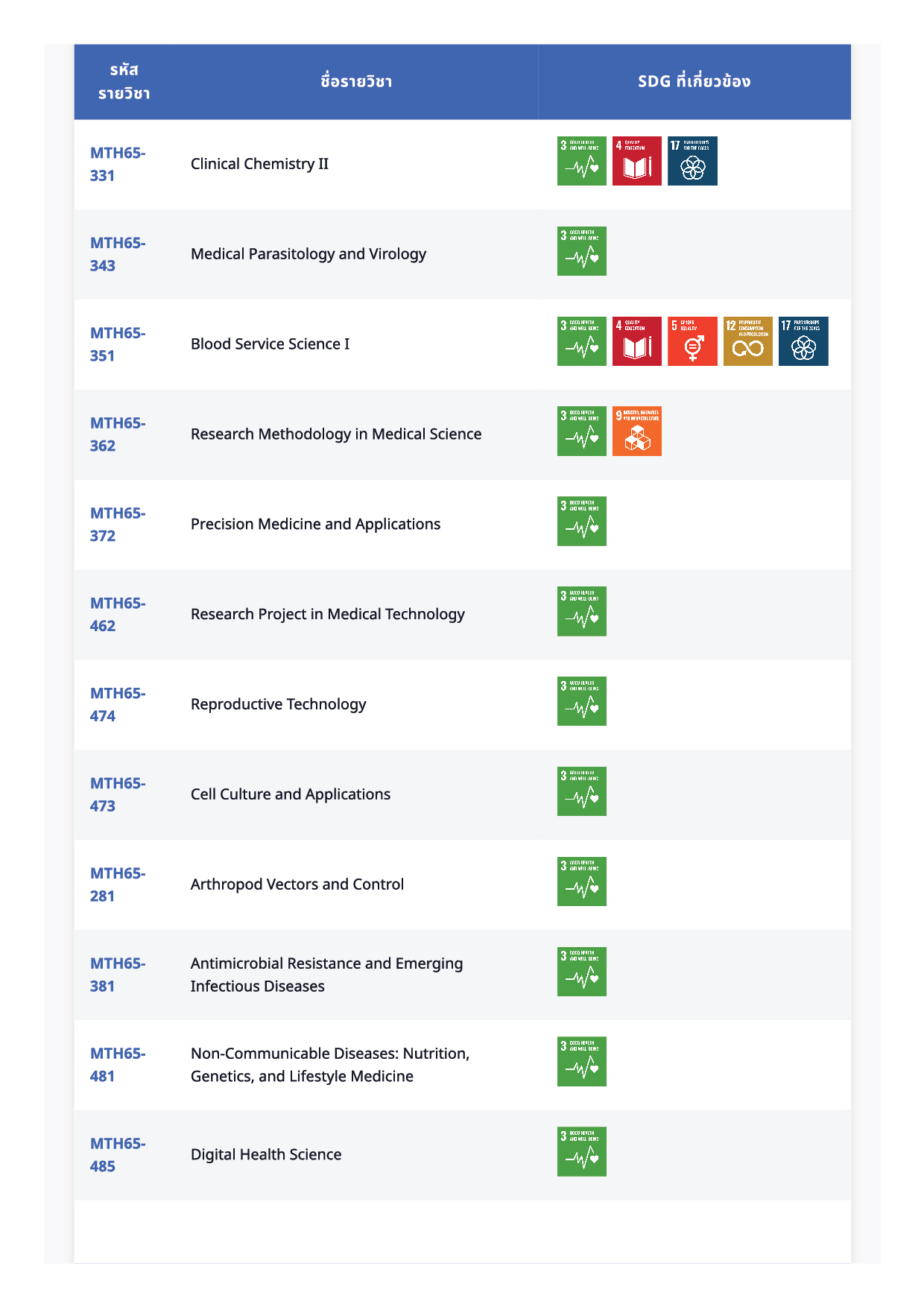
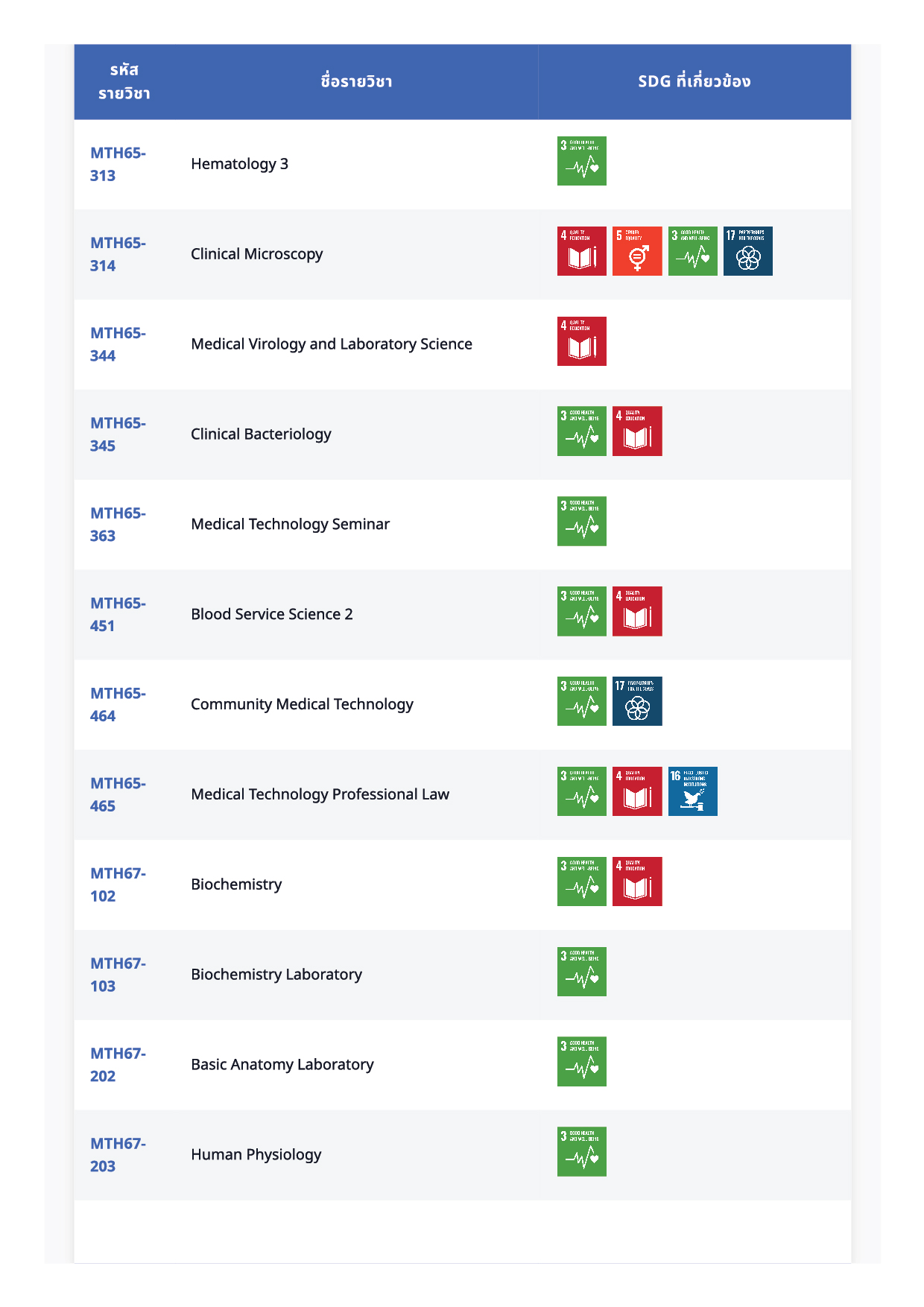
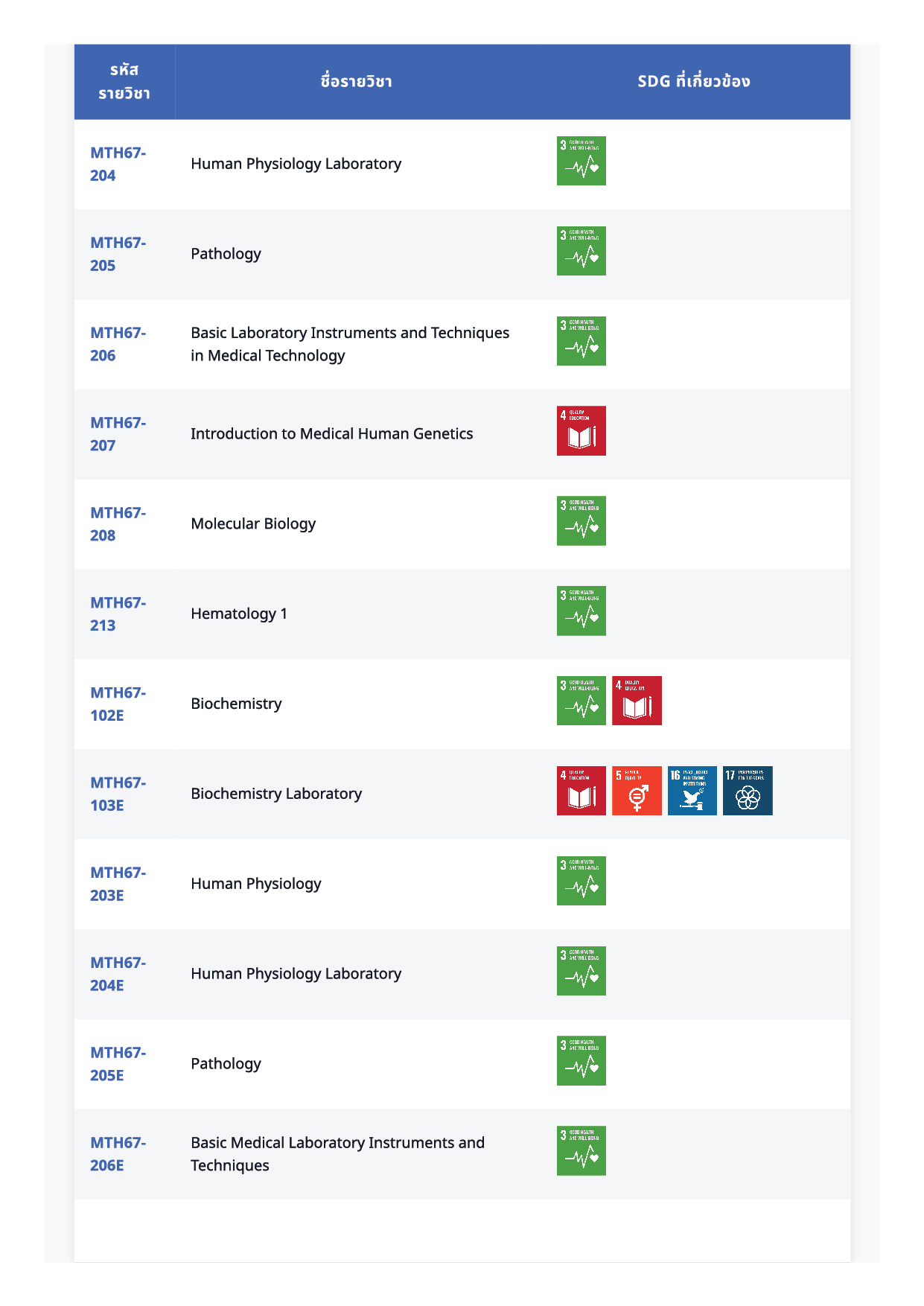
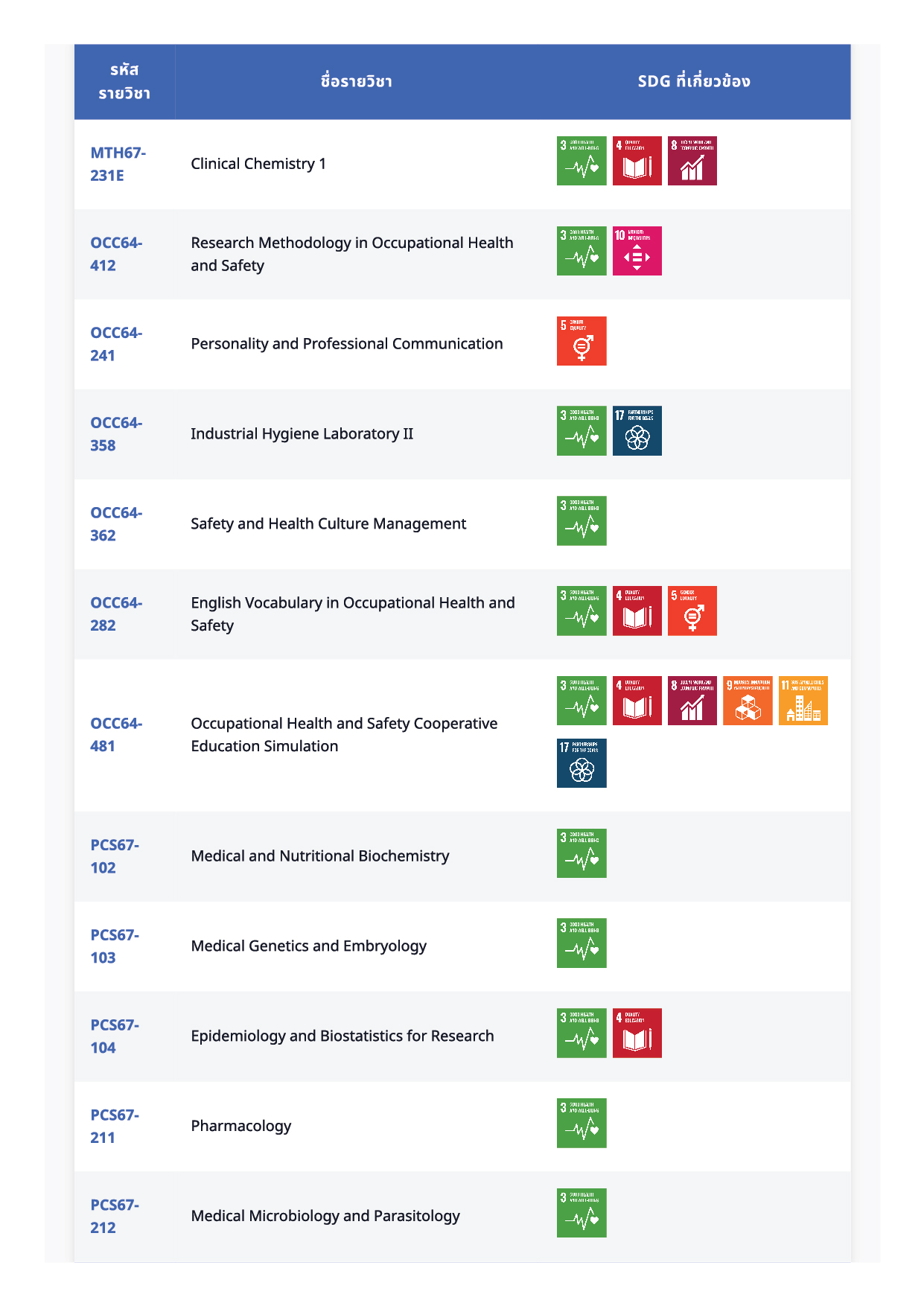
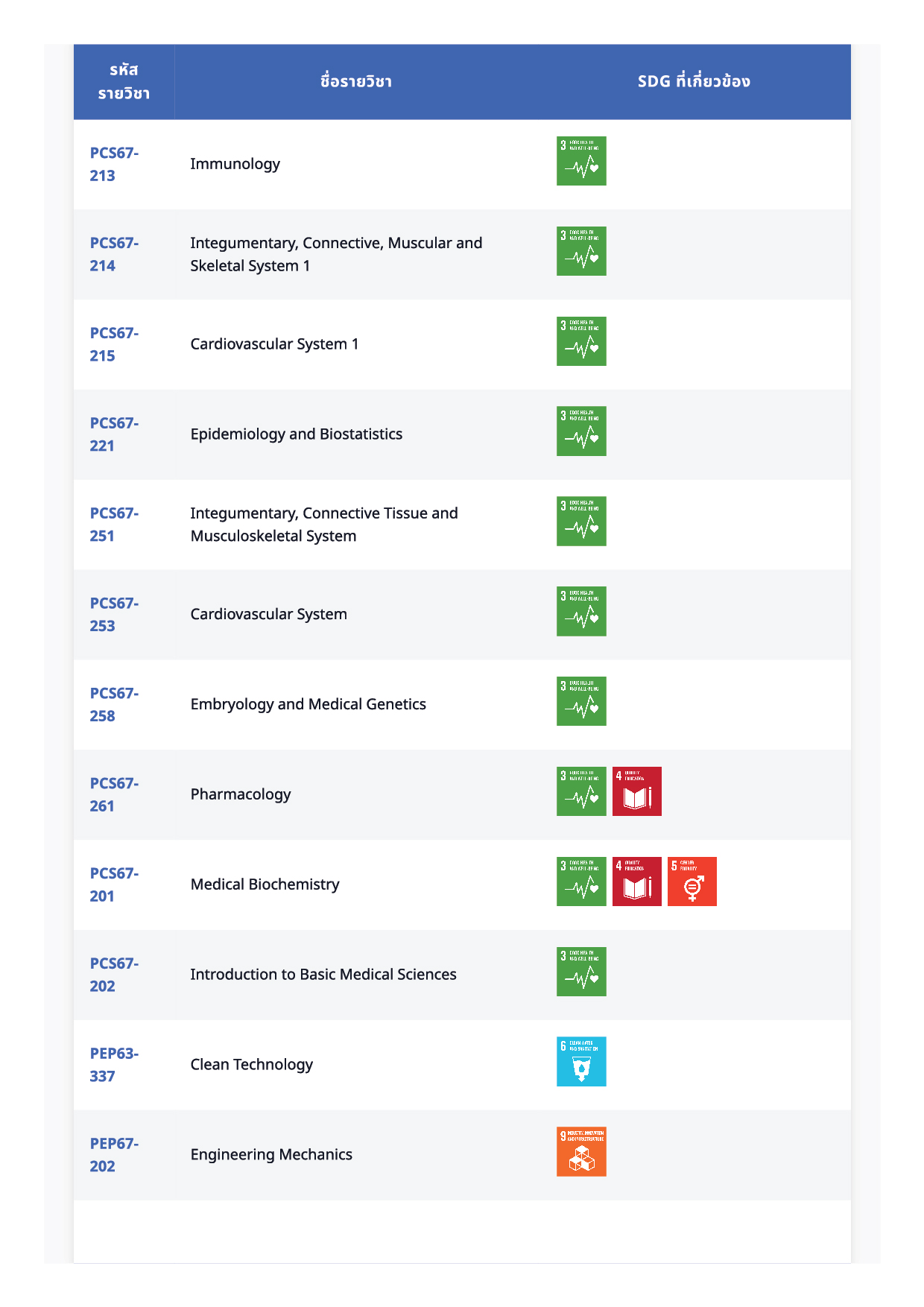
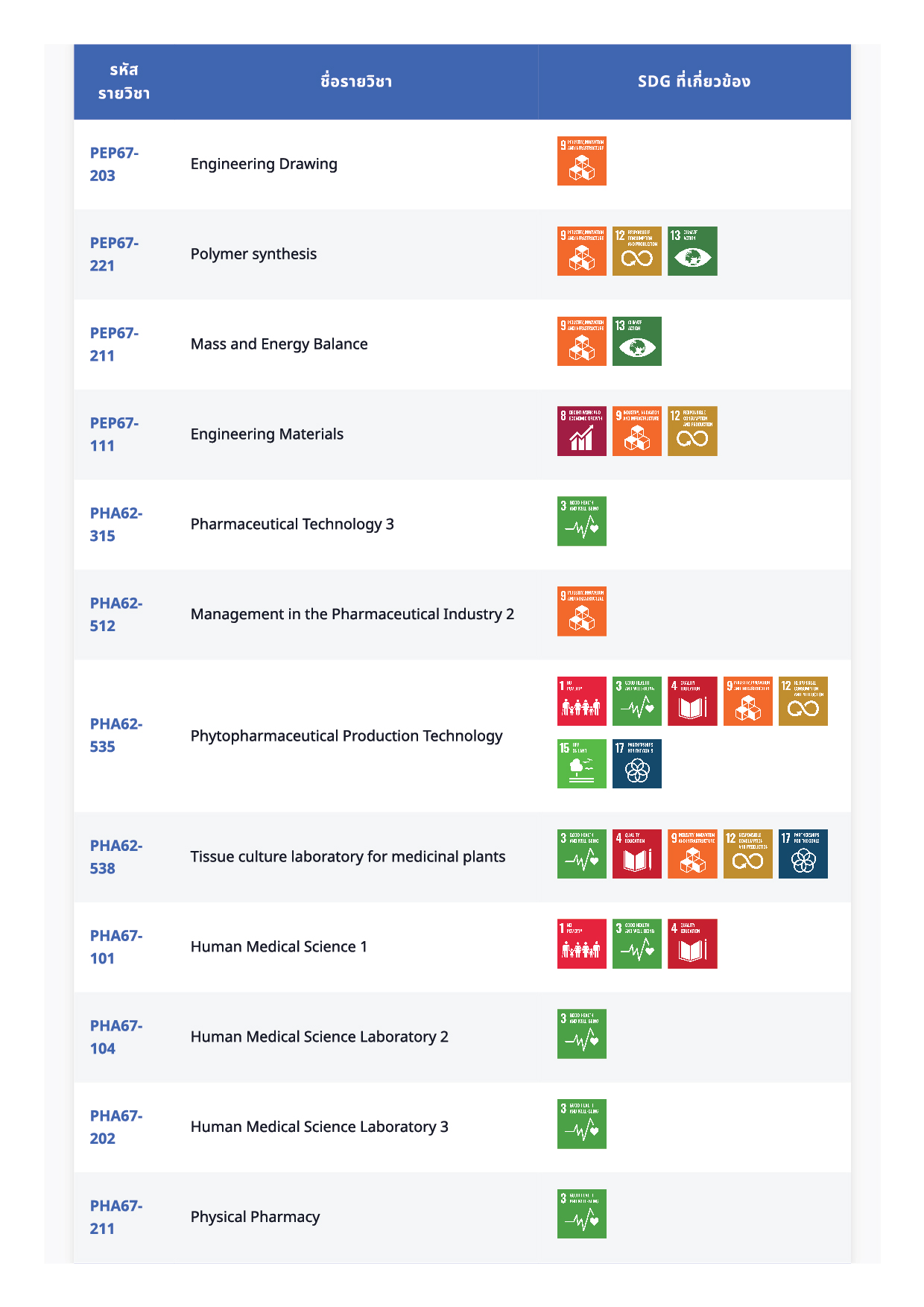
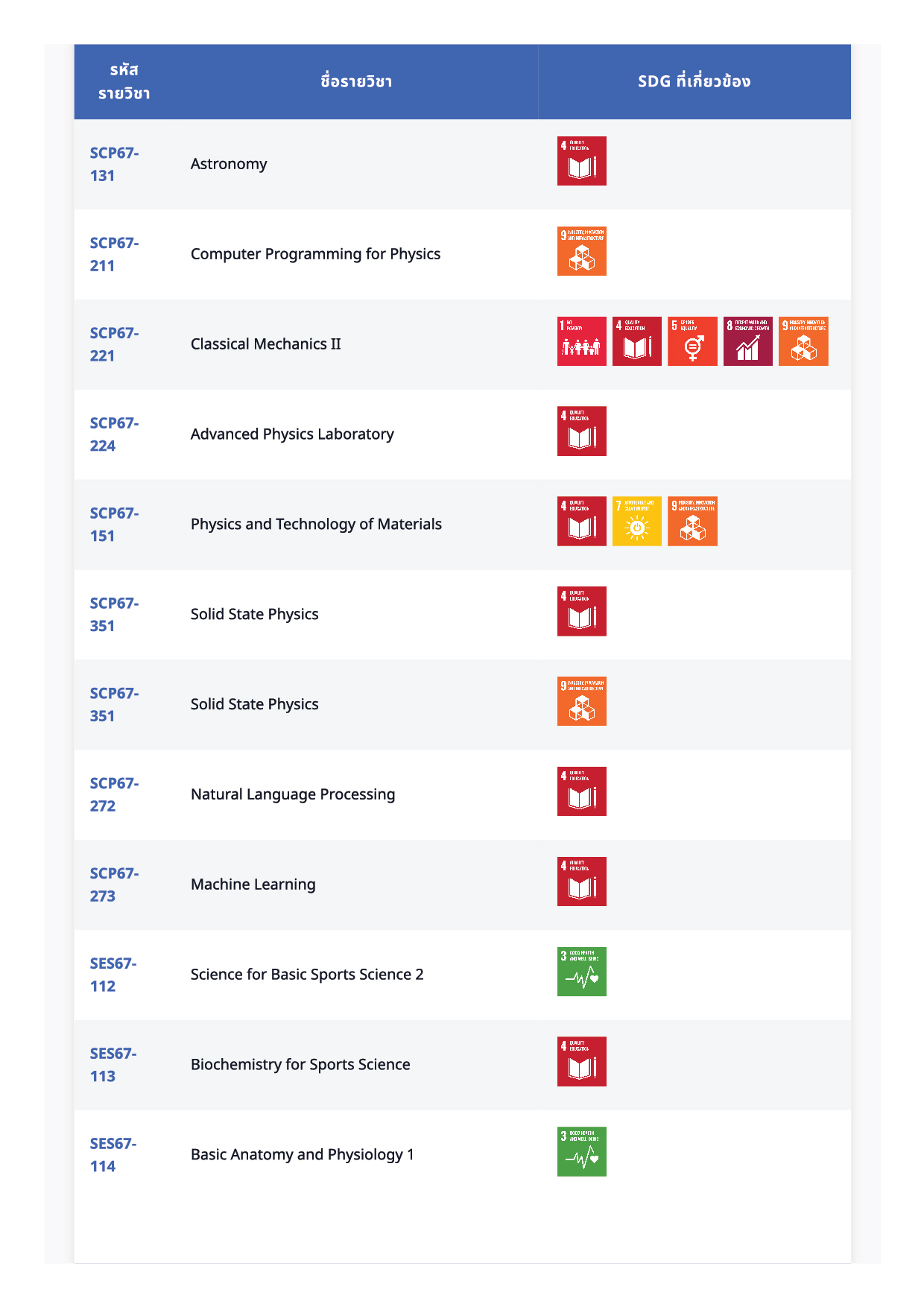
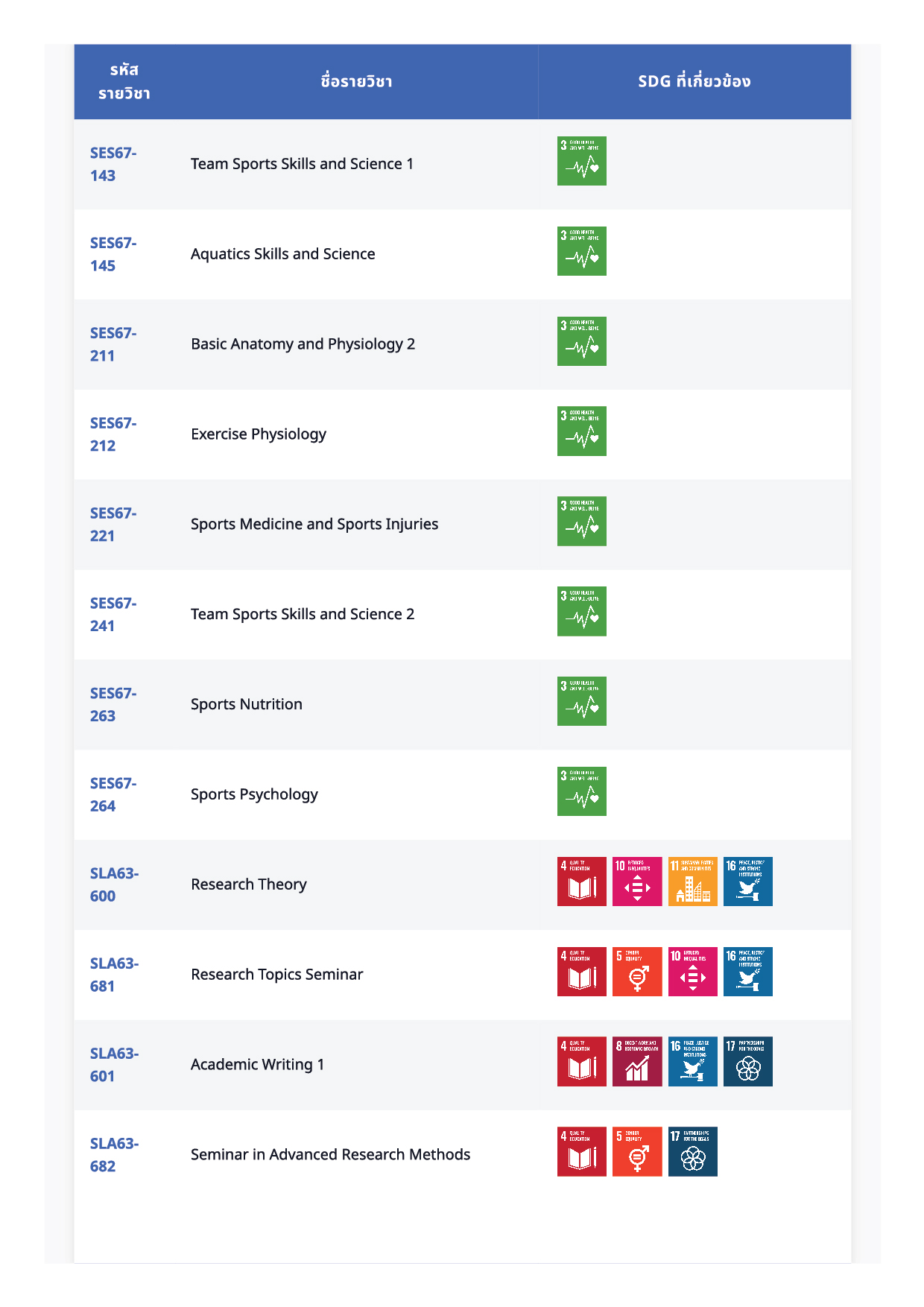
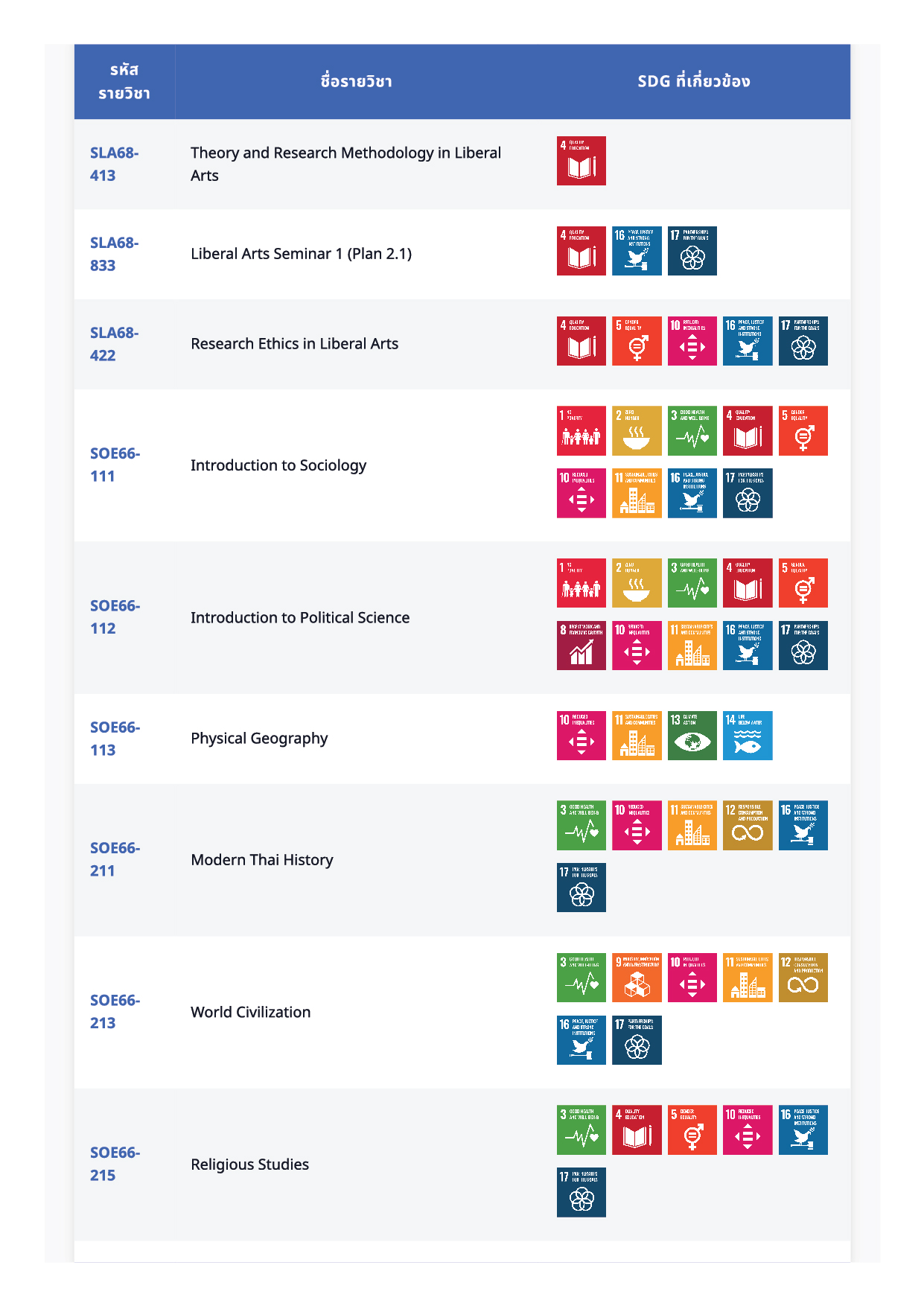
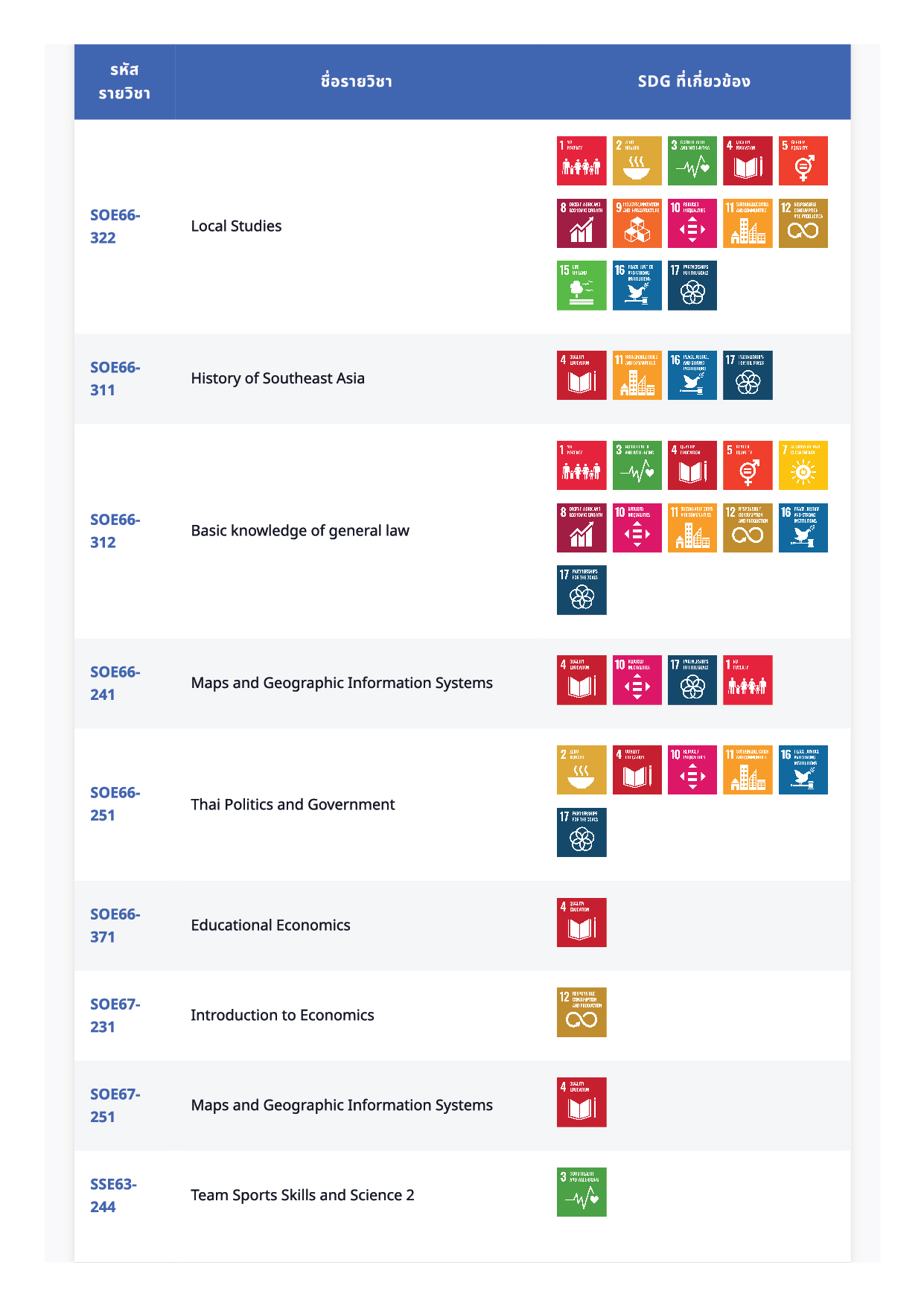
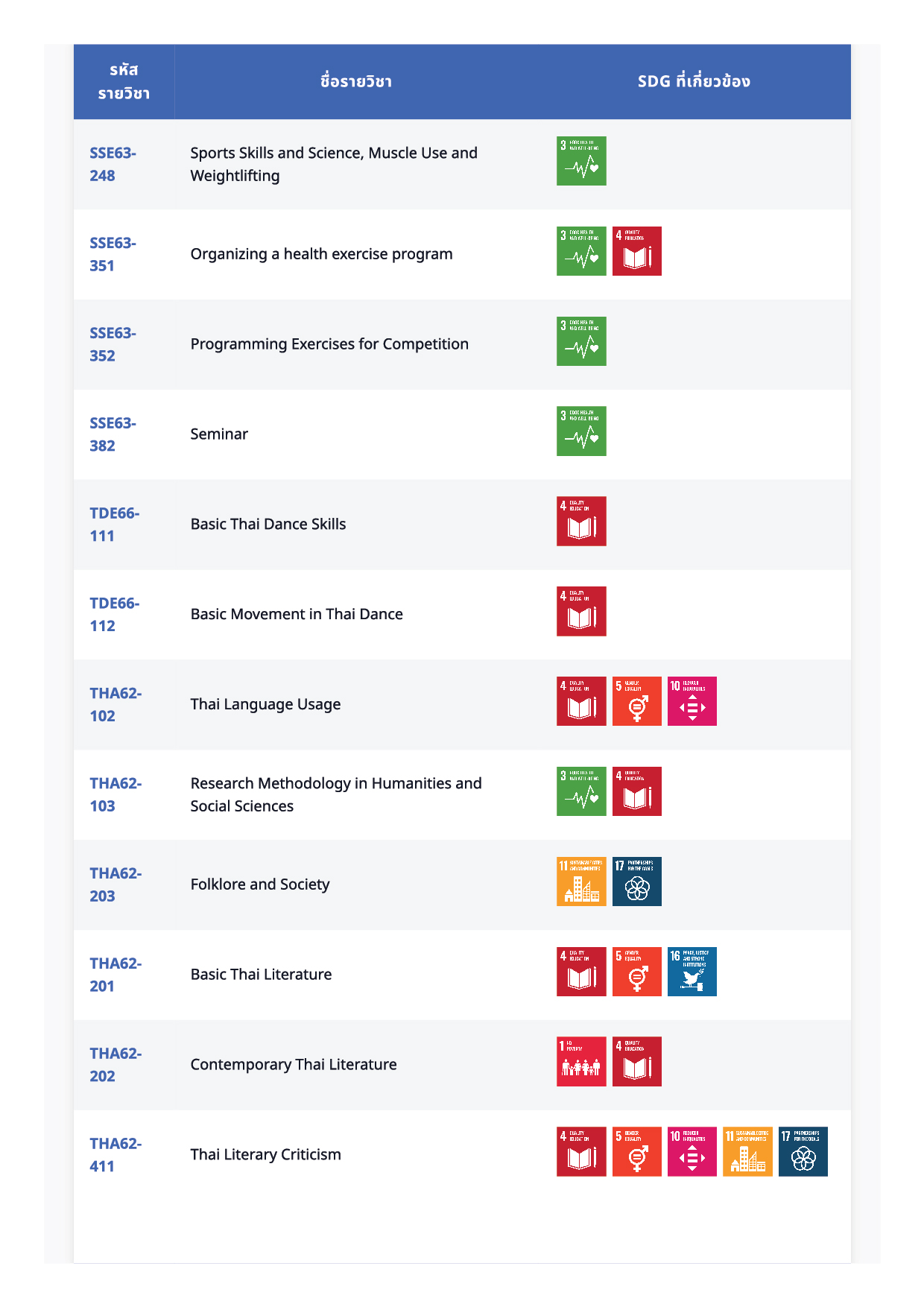
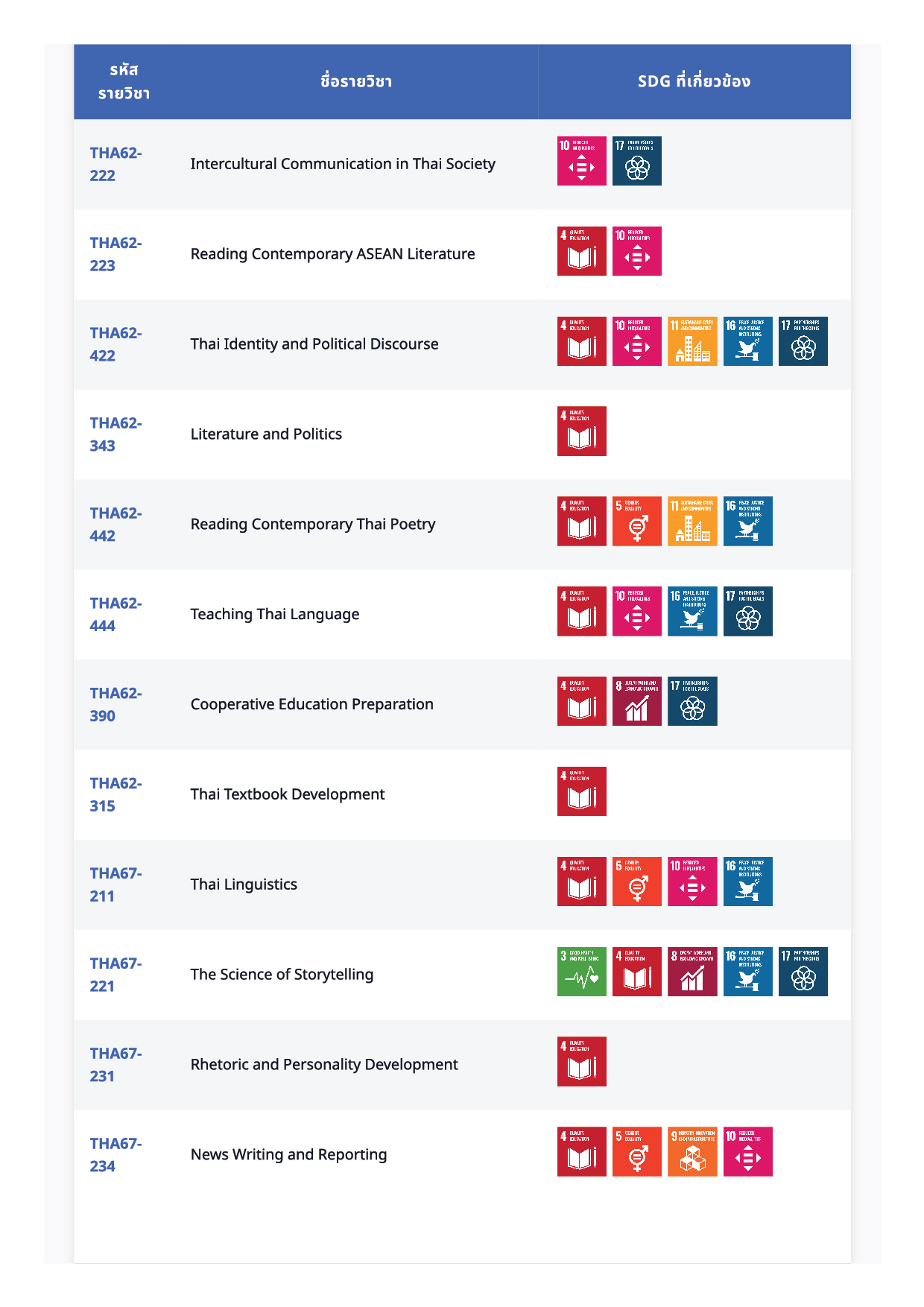
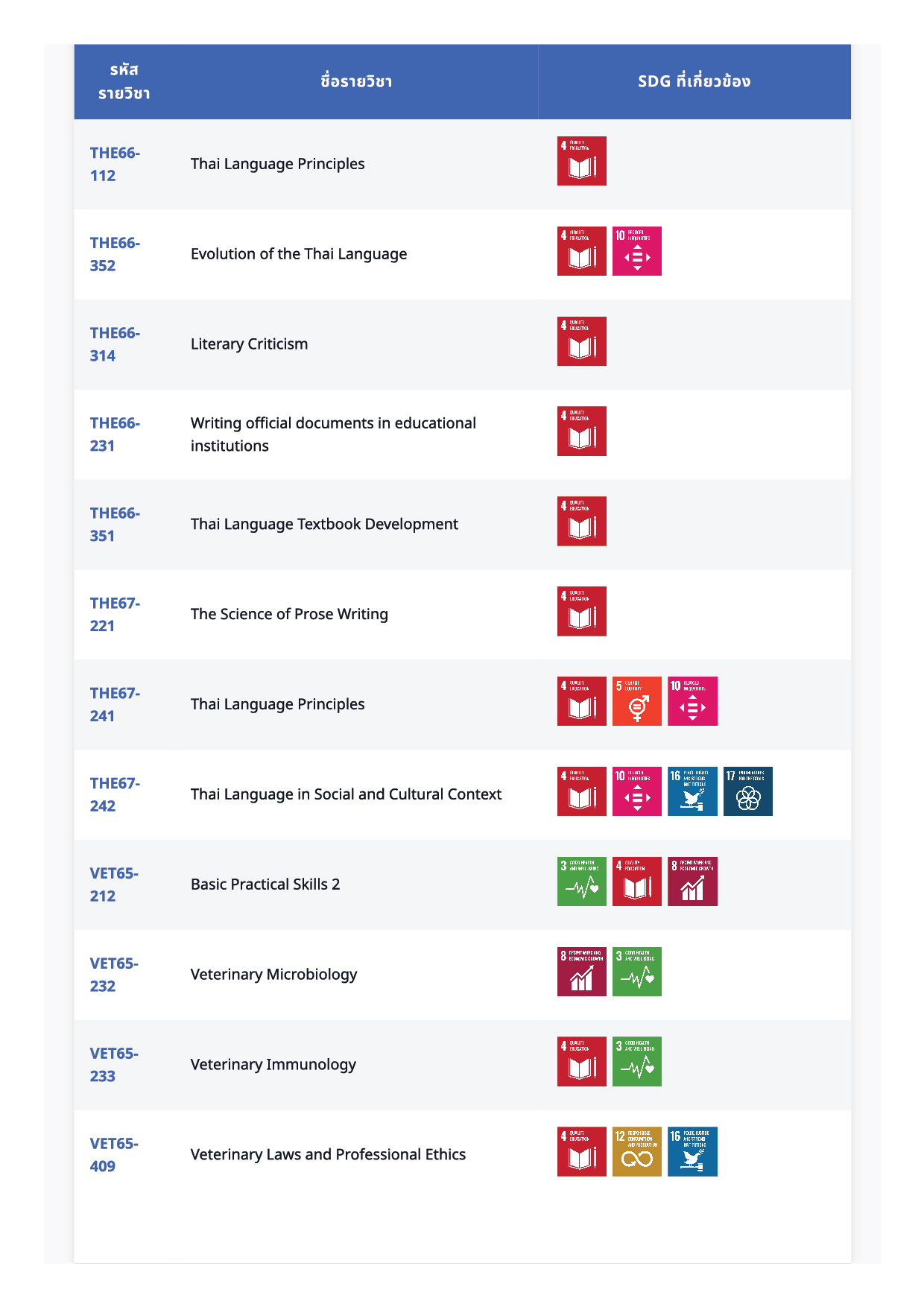
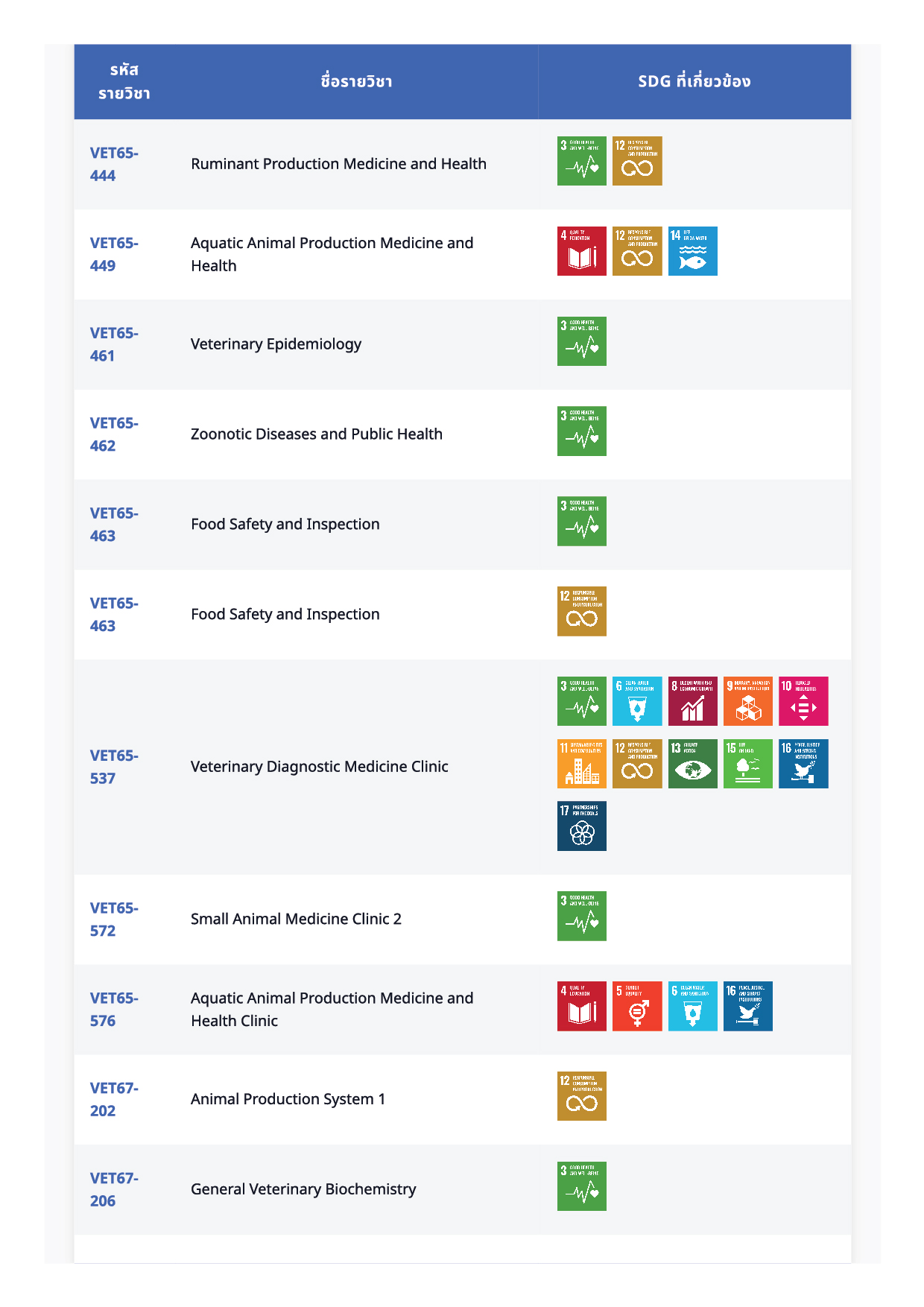
Walailak University (WU) recognizes that meaningful education for sustainable development must extend beyond individual courses or extracurricular activities to become an integral part of the university’s educational system. WU has implemented a university-wide approach to SDG integration, requiring lecturers to identify the relevant SDGs for every course across all faculties and academic programmes through the University’s Thailand Qualifications Framework for Higher Education (TQF) system. This systematic approach enables the University to map the relationships between academic subjects and the SDGs, promote sustainability awareness across diverse fields of study, and strengthen students’ capacity to understand, diagnose, and respond to sustainability challenges.
To formalize and further strengthen this institutional commitment, WU issued the Policy on Education for Sustainable Development (ESD) B.E. 2569 (2026). The policy establishes a university-wide framework for integrating the United Nations SDGs into all academic curricula and requires programmes and courses to identify and align relevant SDGs within their course specifications. It also directs academic staff to incorporate sustainability concepts, case studies, problem-solving approaches, learning activities, and assessments into teaching and learning processes. Furthermore, the policy emphasizes curriculum review, interdisciplinary and transdisciplinary learning, student-led sustainability initiatives, staff capacity building, and systematic monitoring and evaluation to support continuous improvement.
WU also provides General Education (GEN) courses, which are compulsory for first-year students and include subjects related to the environment and other areas relevant to sustainable development. These courses provide an additional foundation for students to understand sustainability beyond the boundaries of their chosen disciplines. By combining university-wide SDG mapping, formal policy commitments, and compulsory general education, WU aims to ensure that sustainability education is relevant and accessible to students across academic programmes, enabling them to apply their knowledge to practical challenges and contribute to sustainable development at local, national, and global levels.
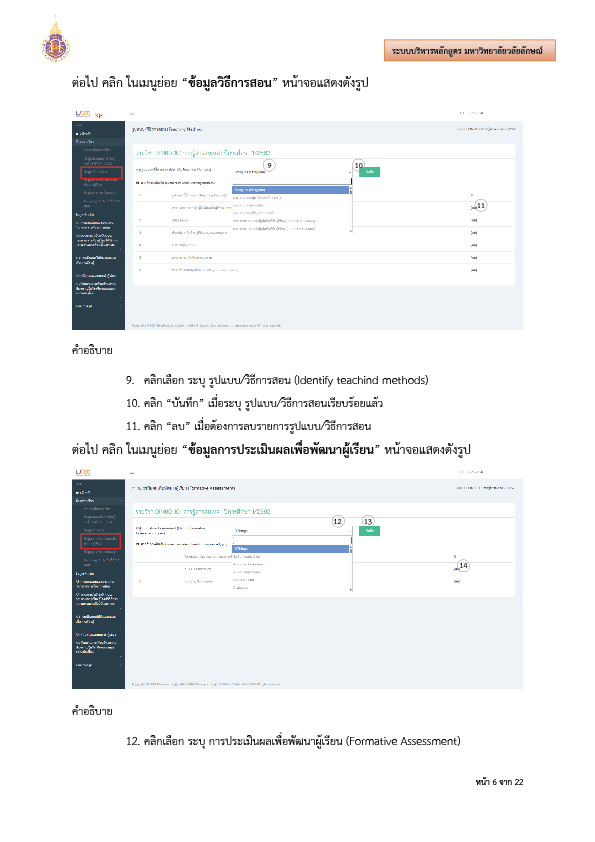
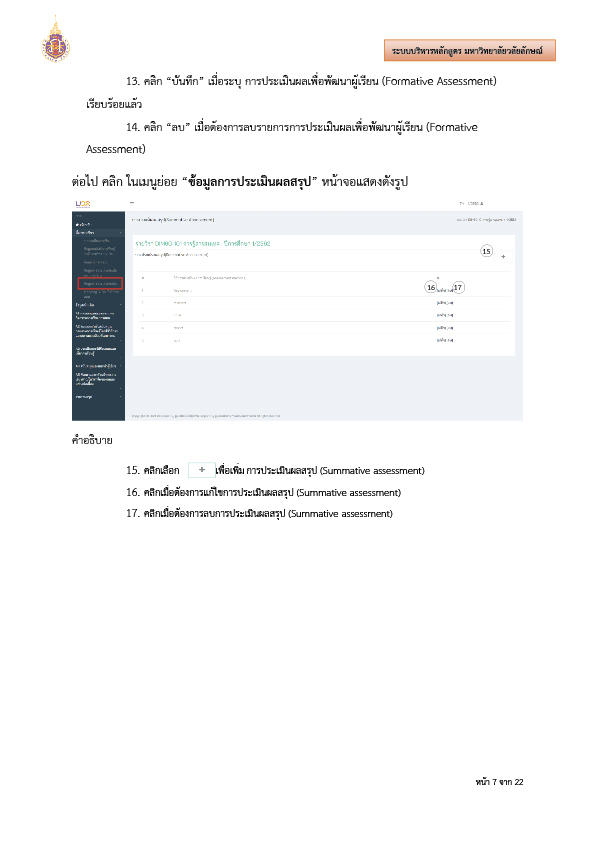
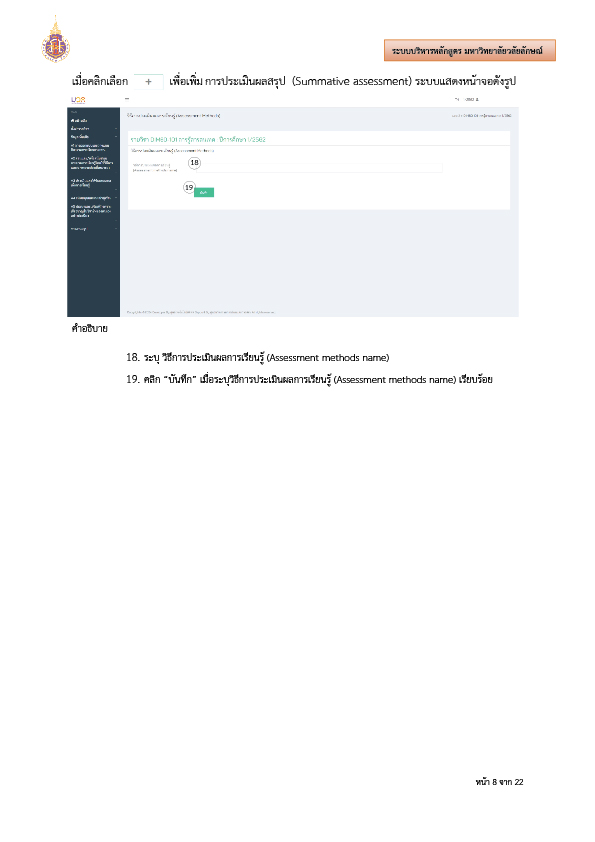
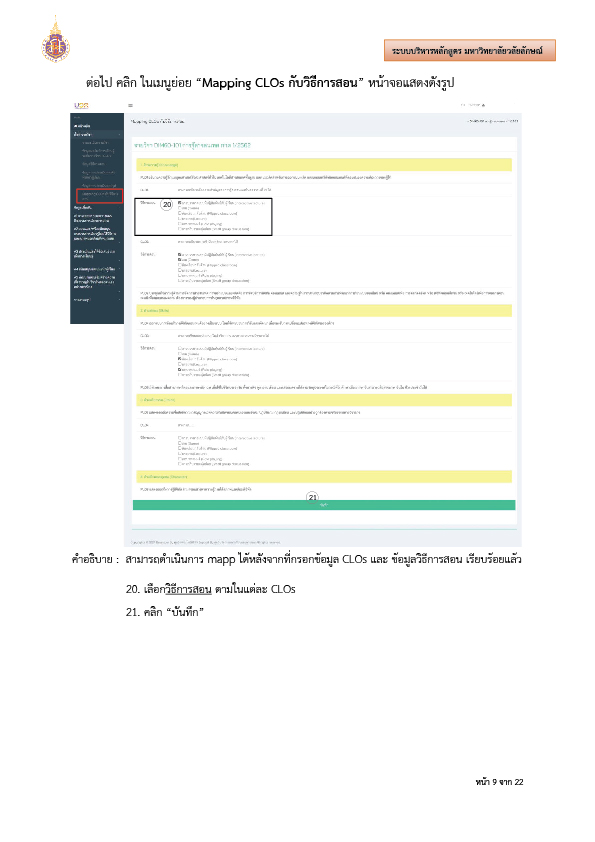
Integration of the SDGs through the Thailand Qualifications Framework for Higher Education (TQF)
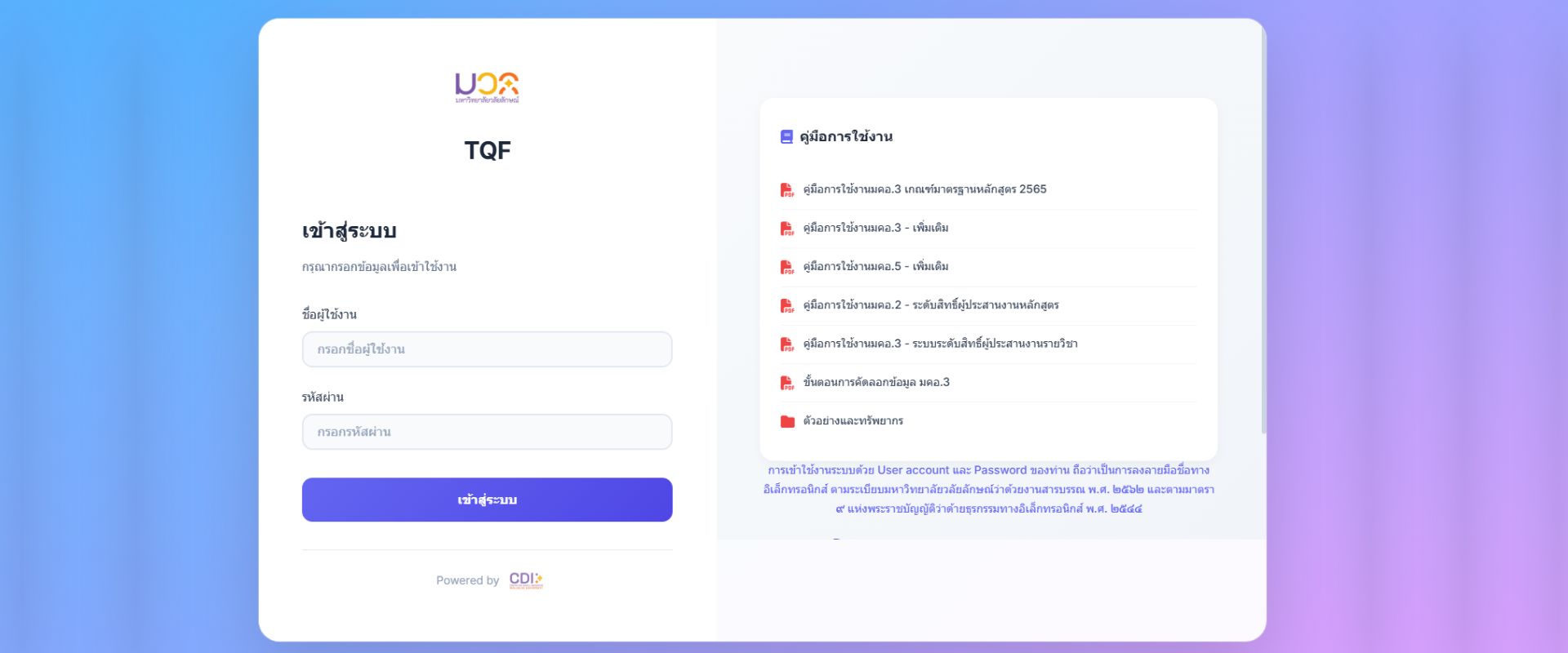
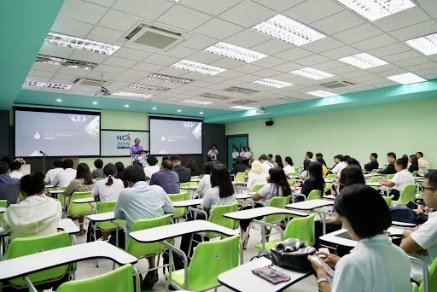
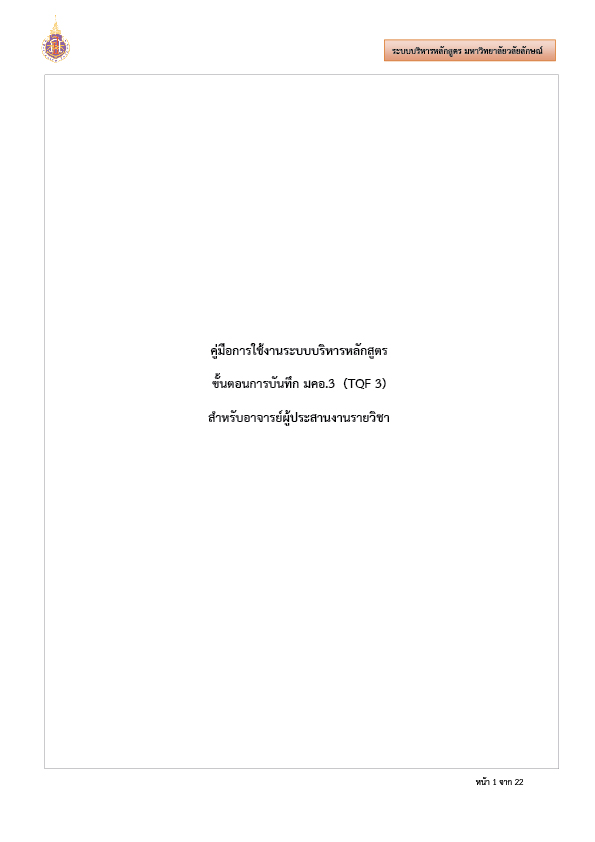
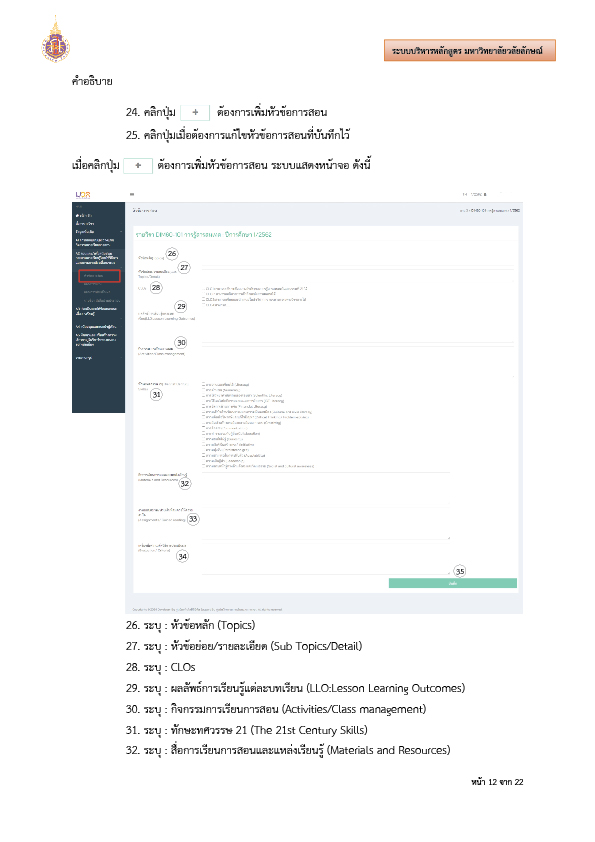
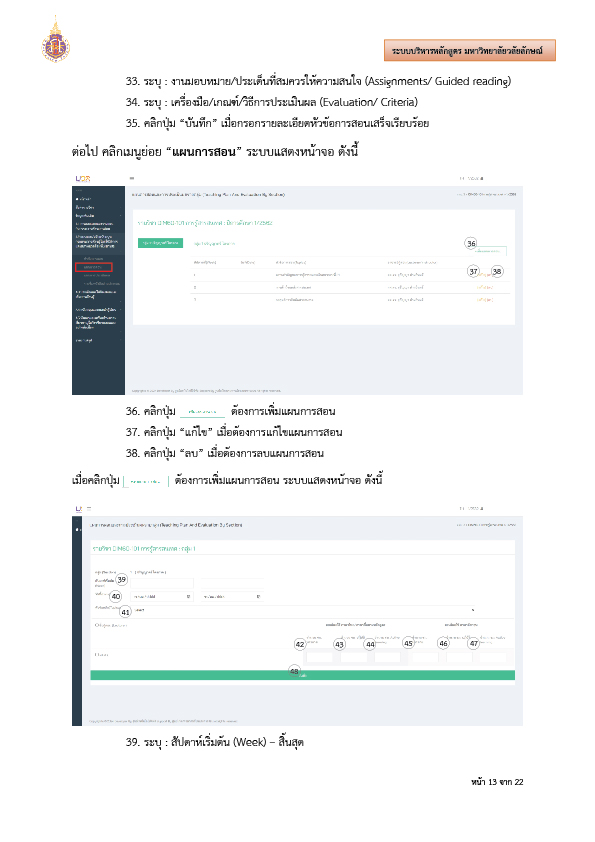
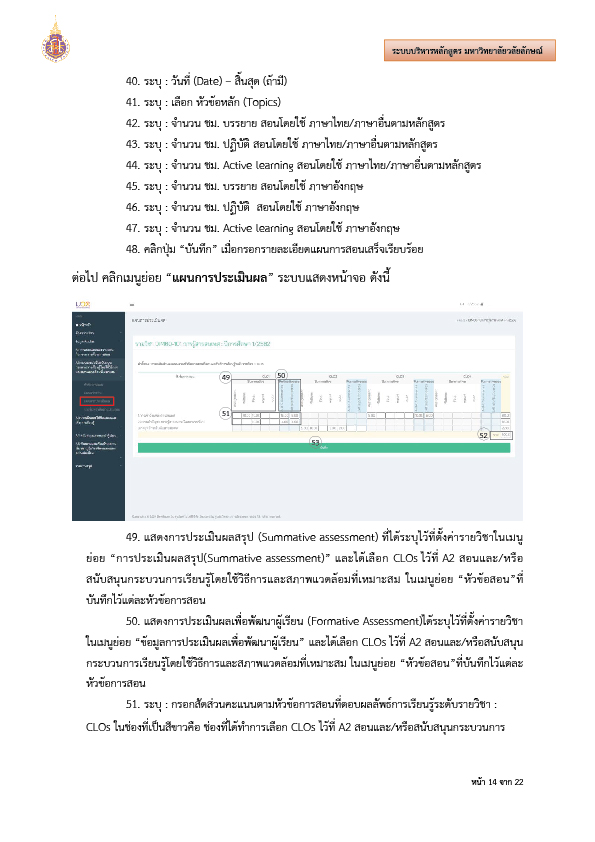
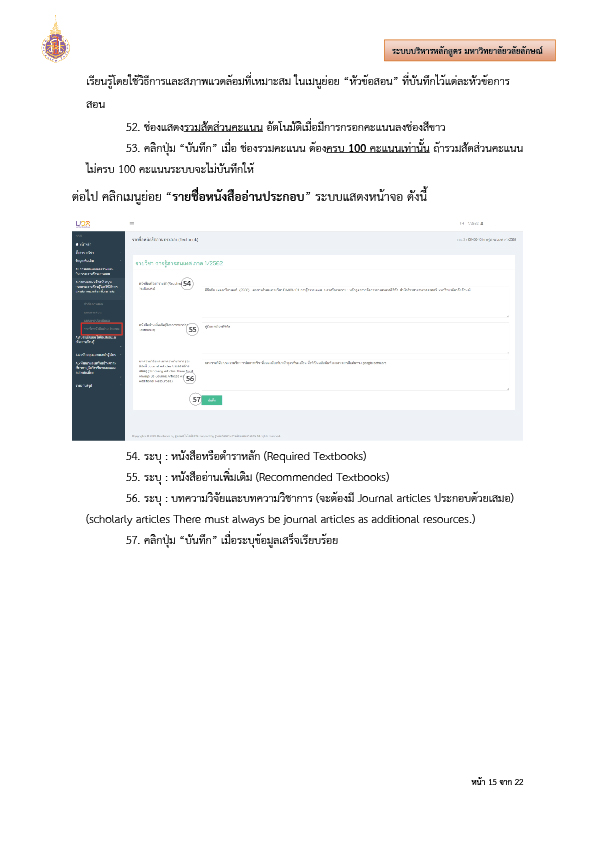
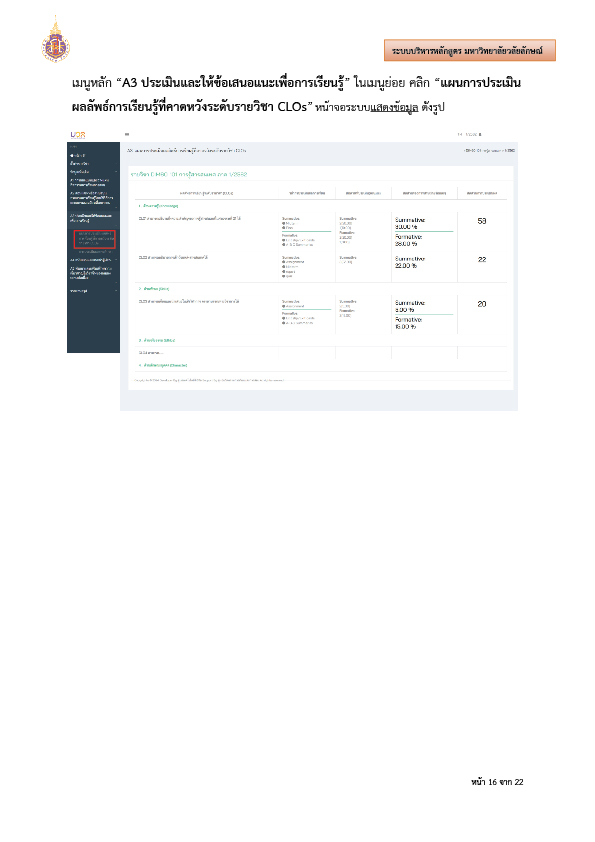
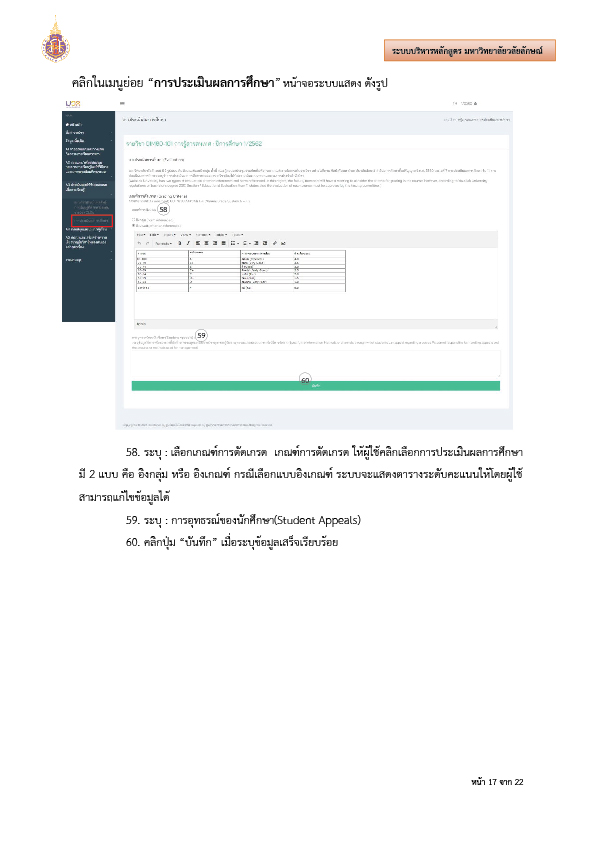
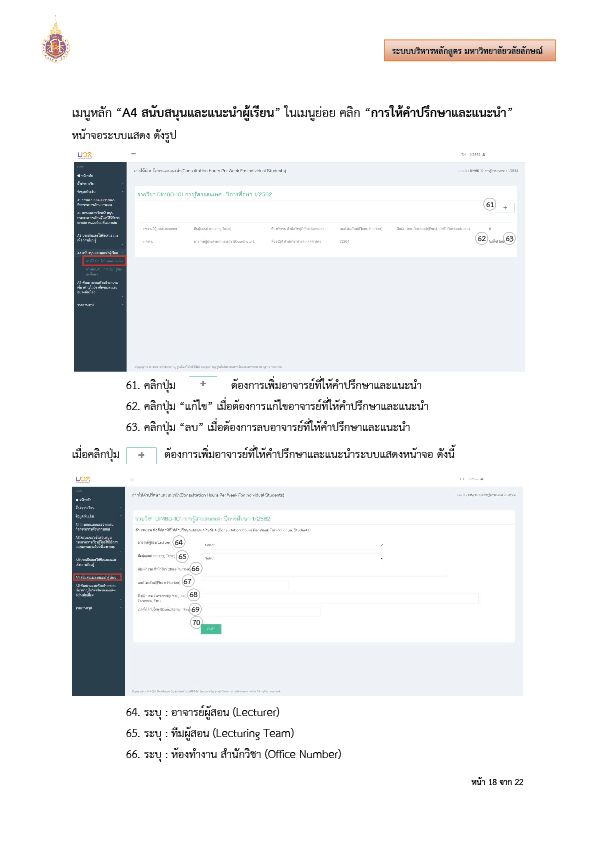
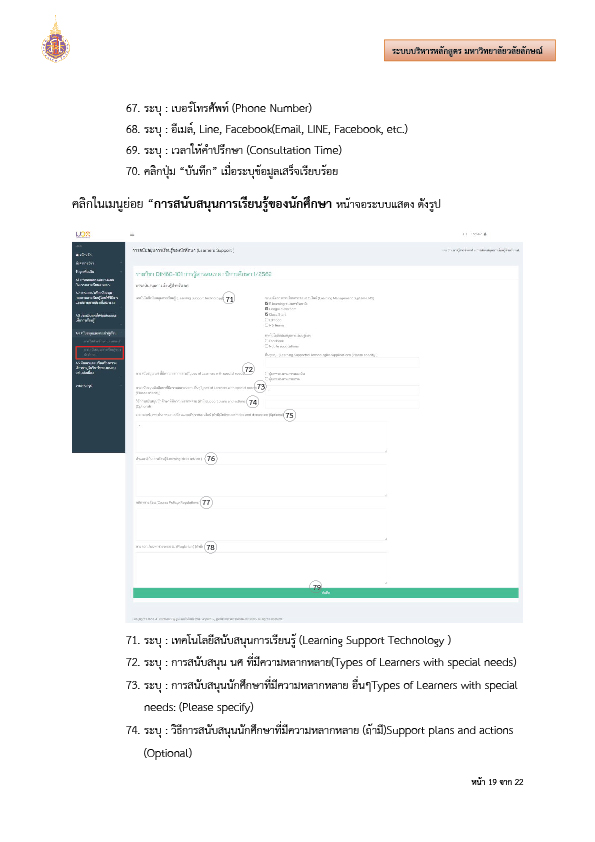
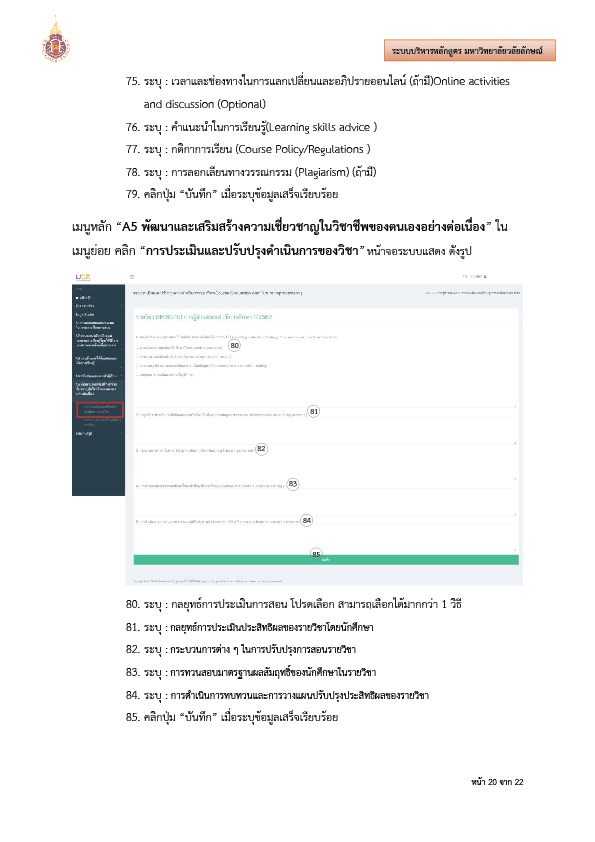
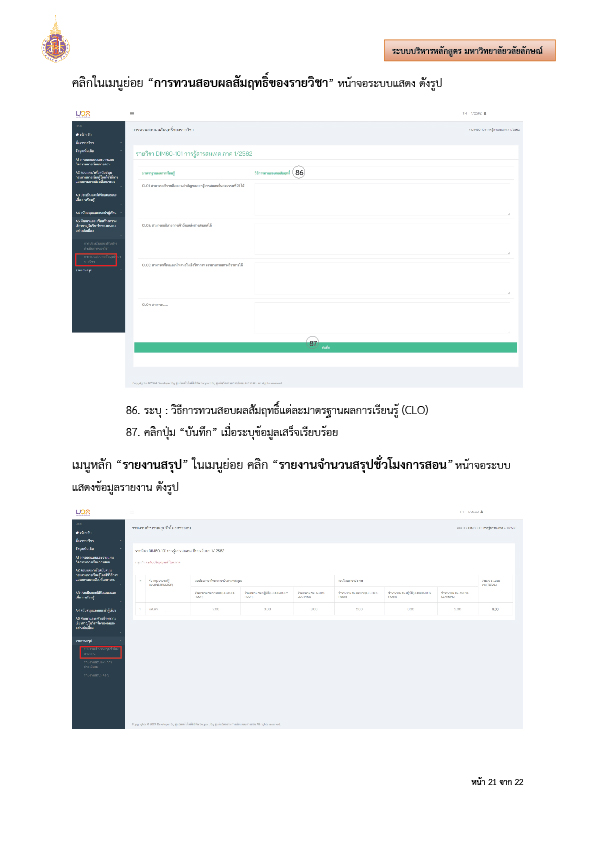
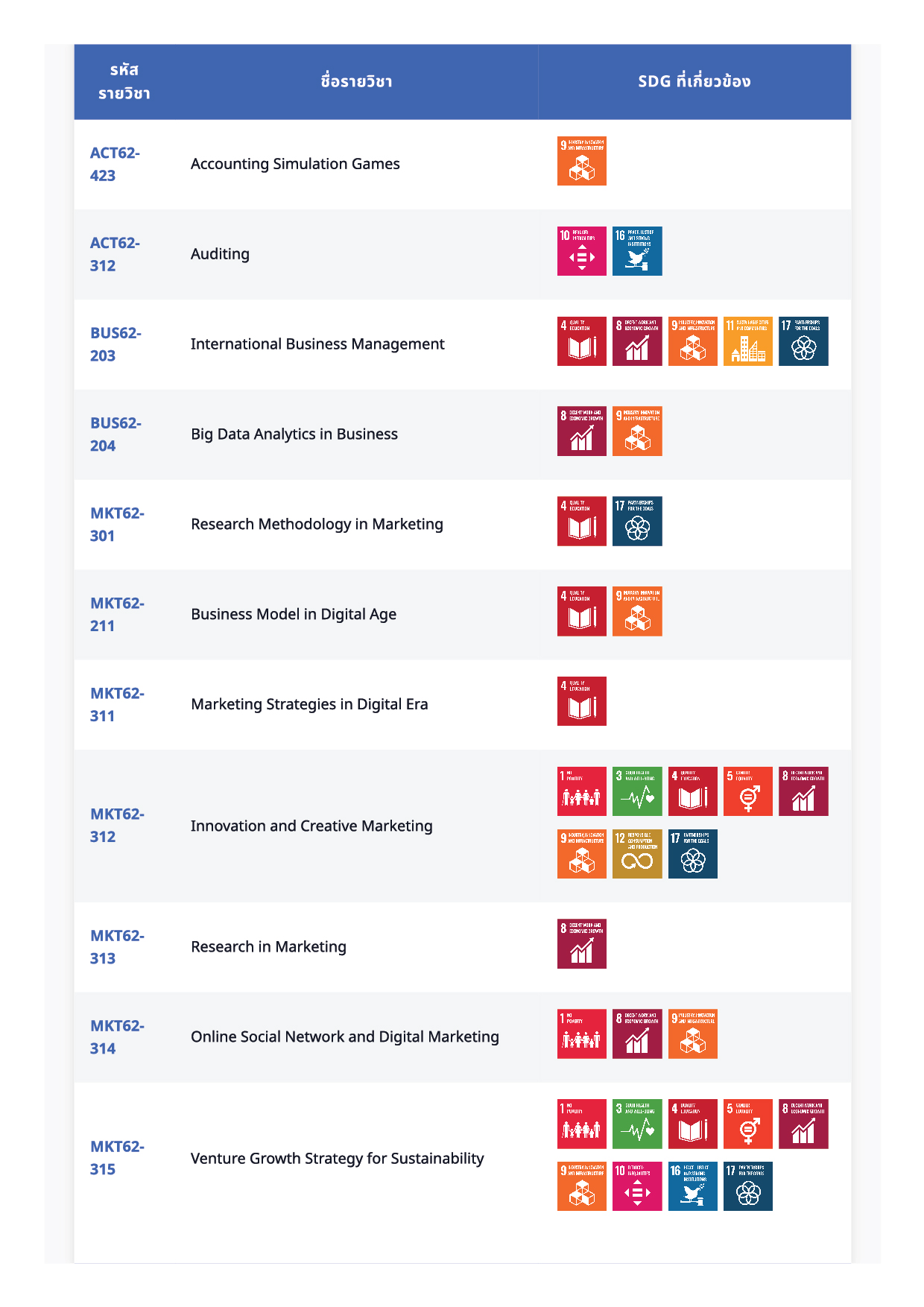
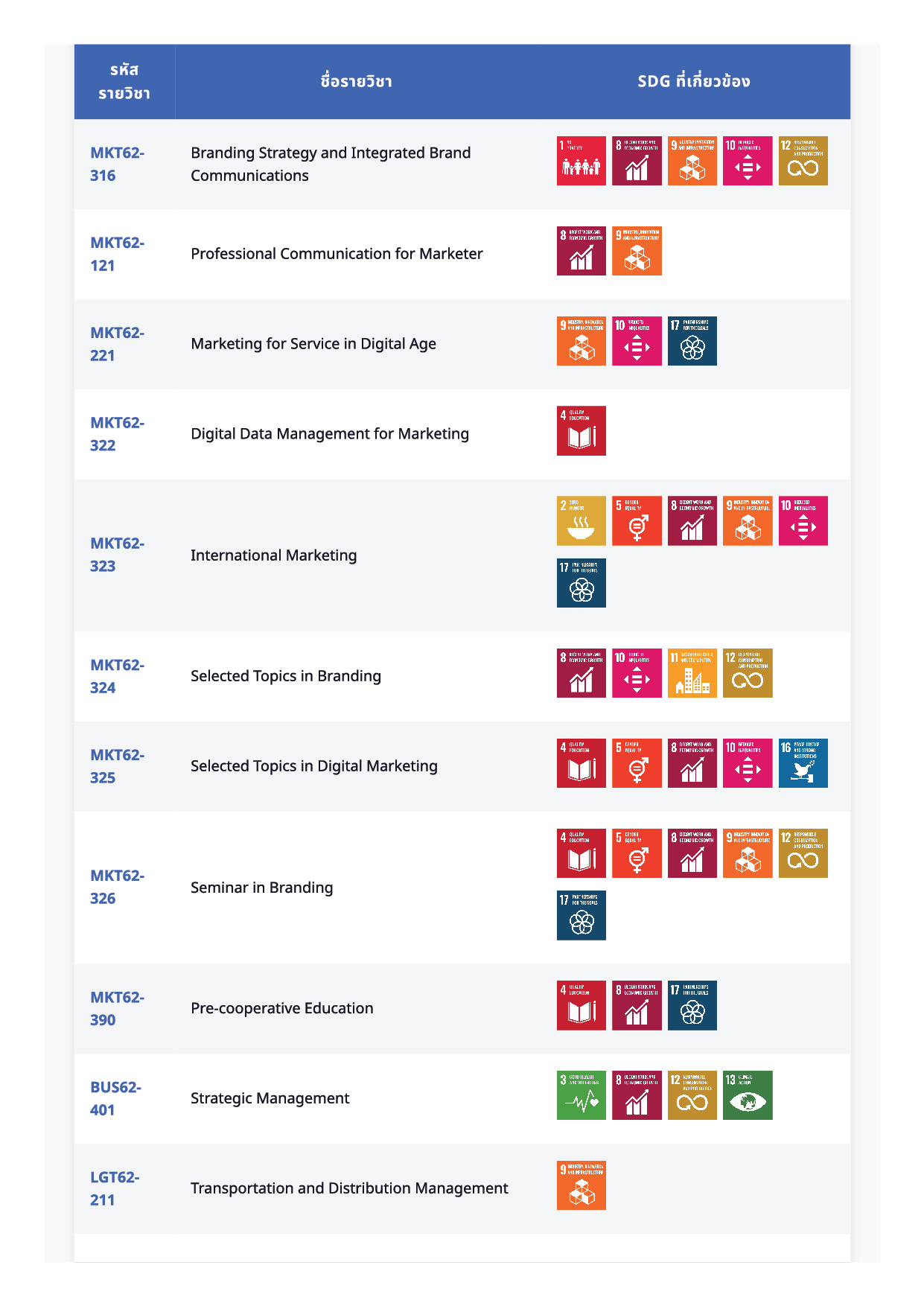
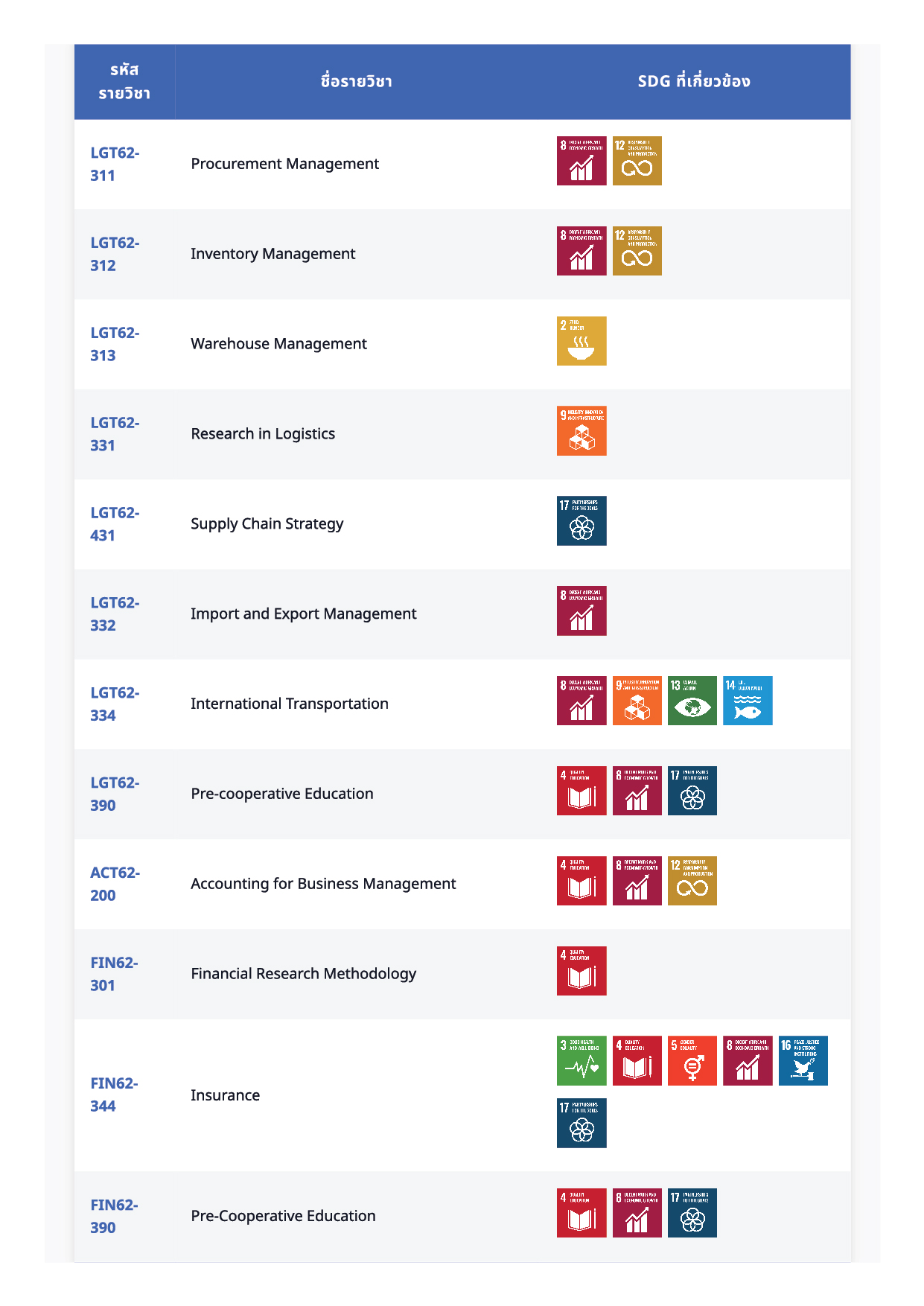
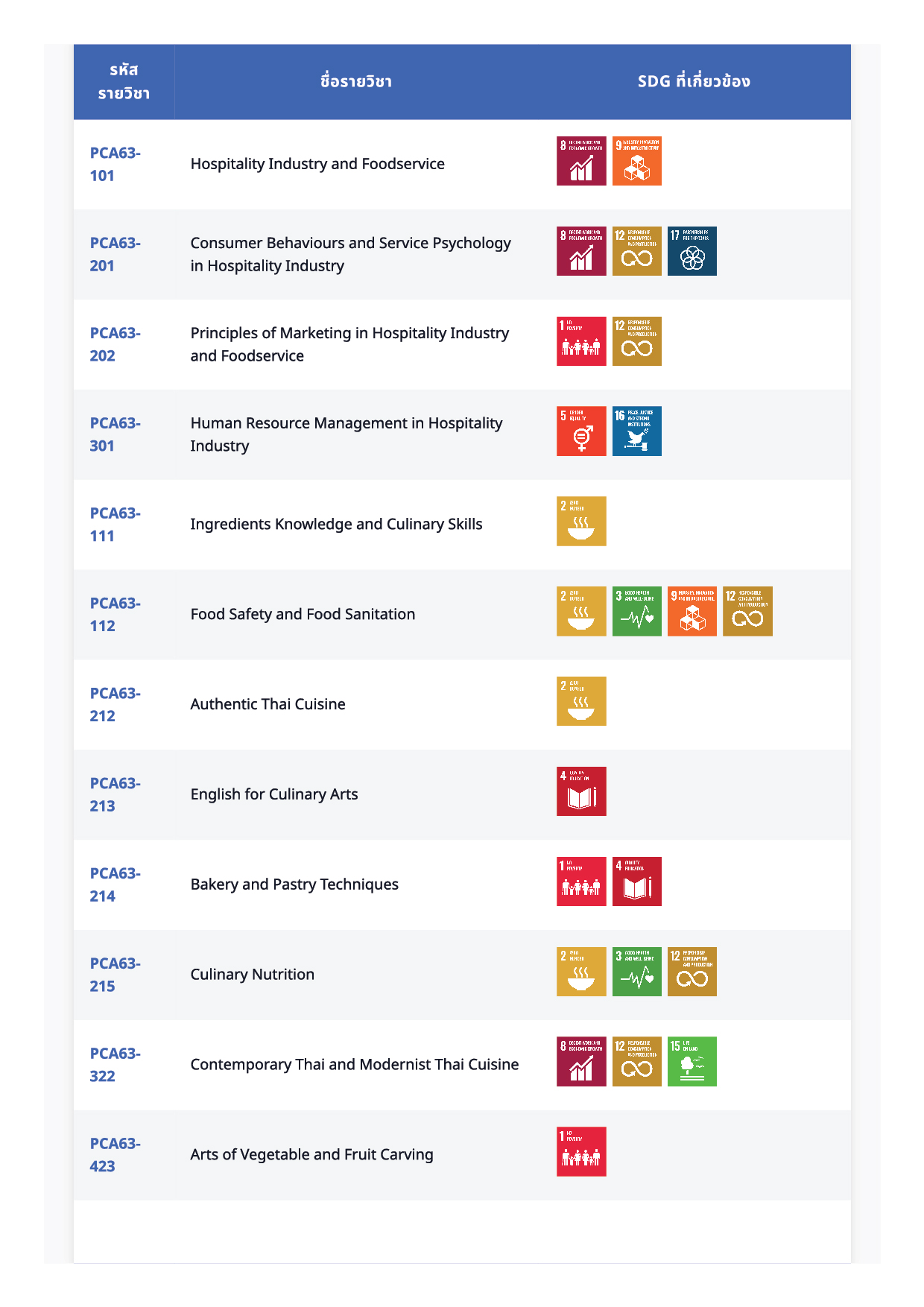
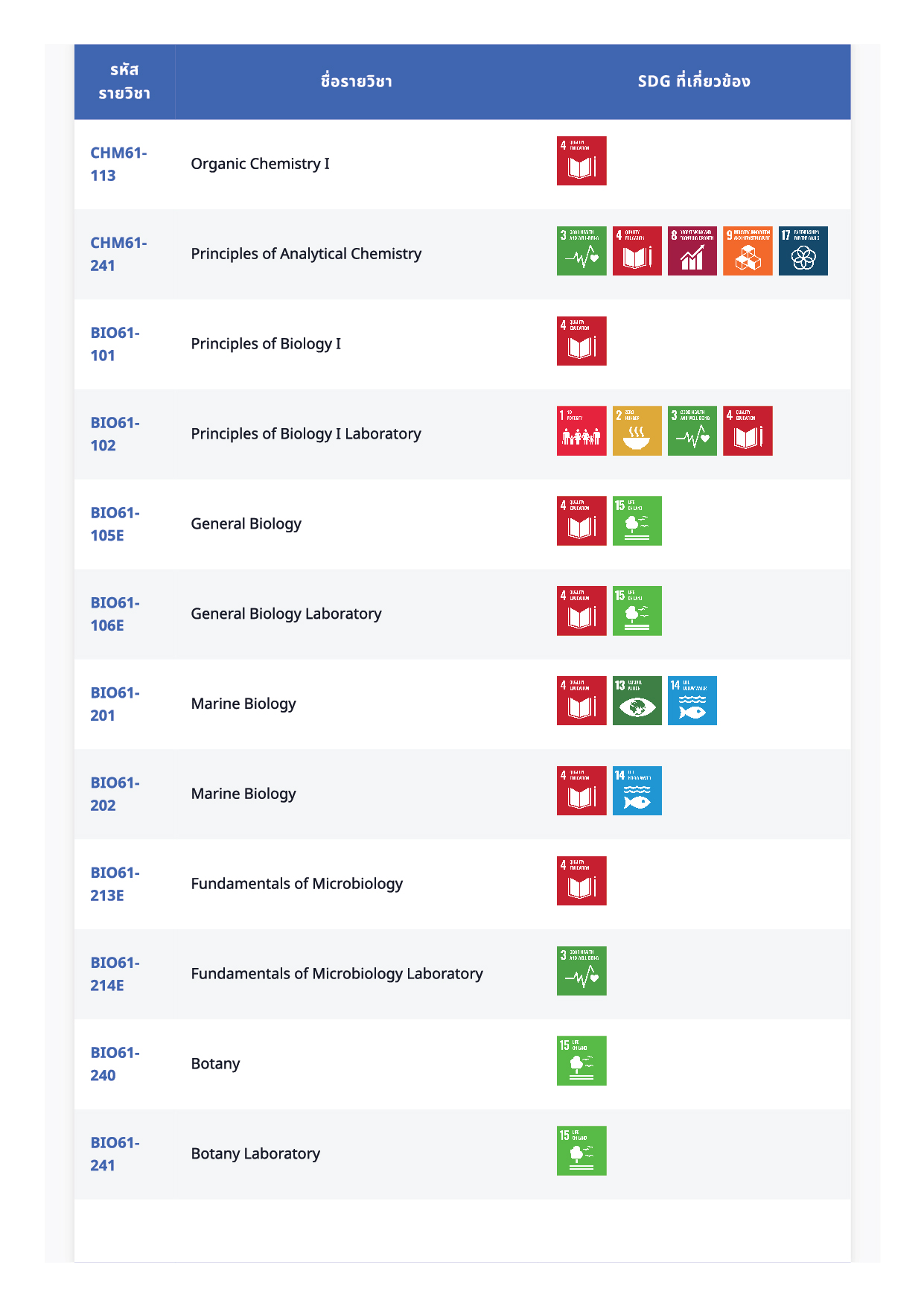
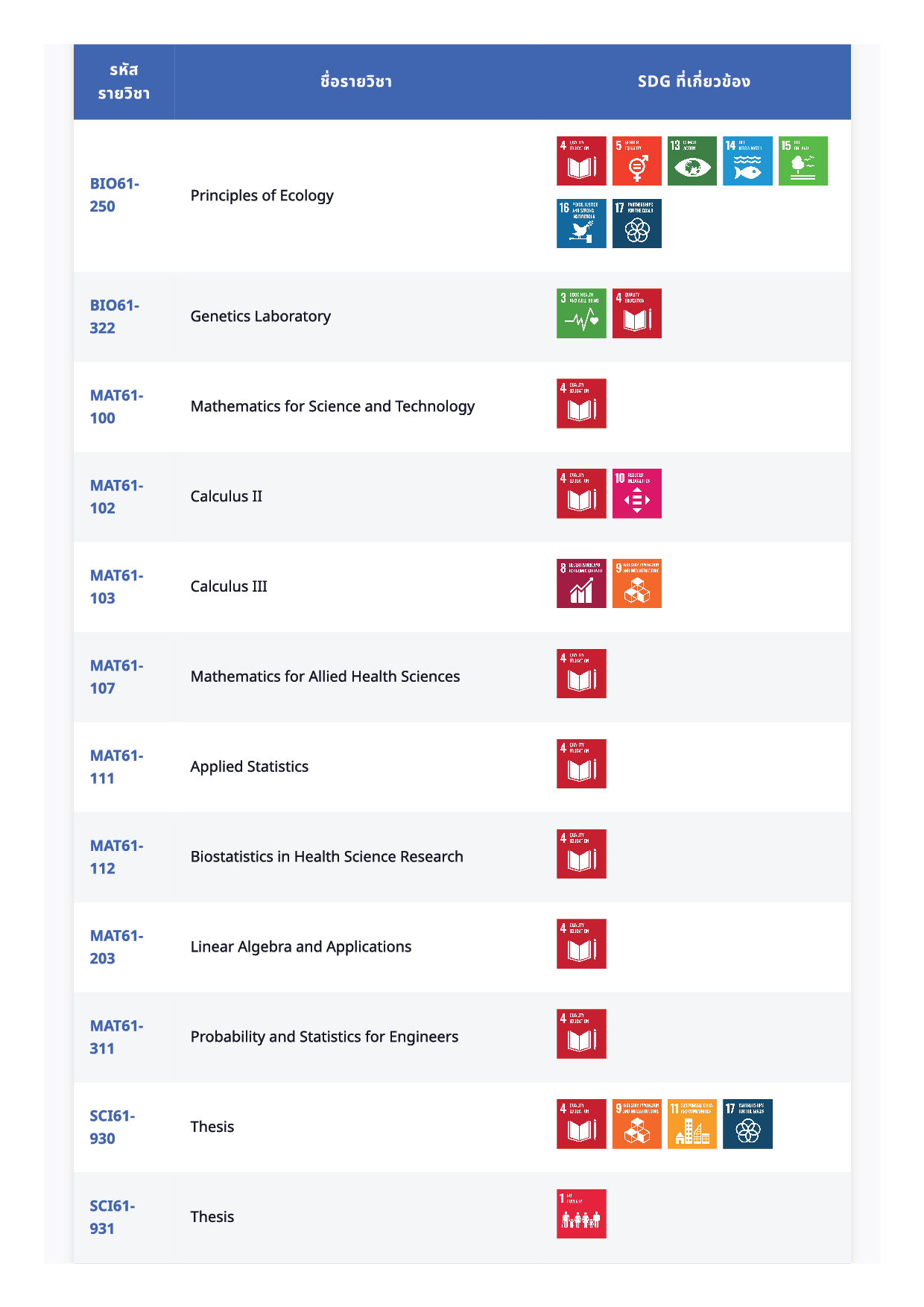
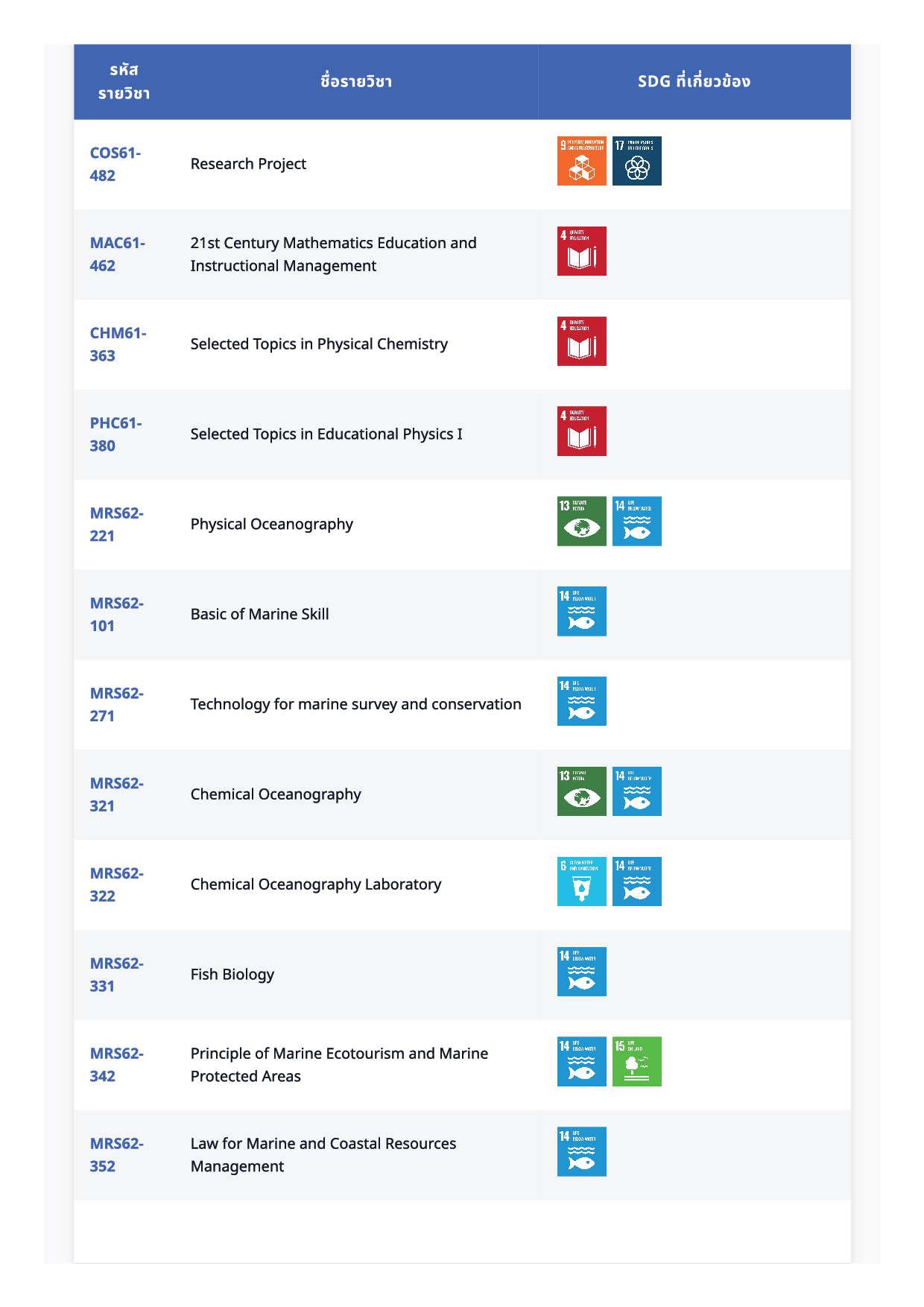
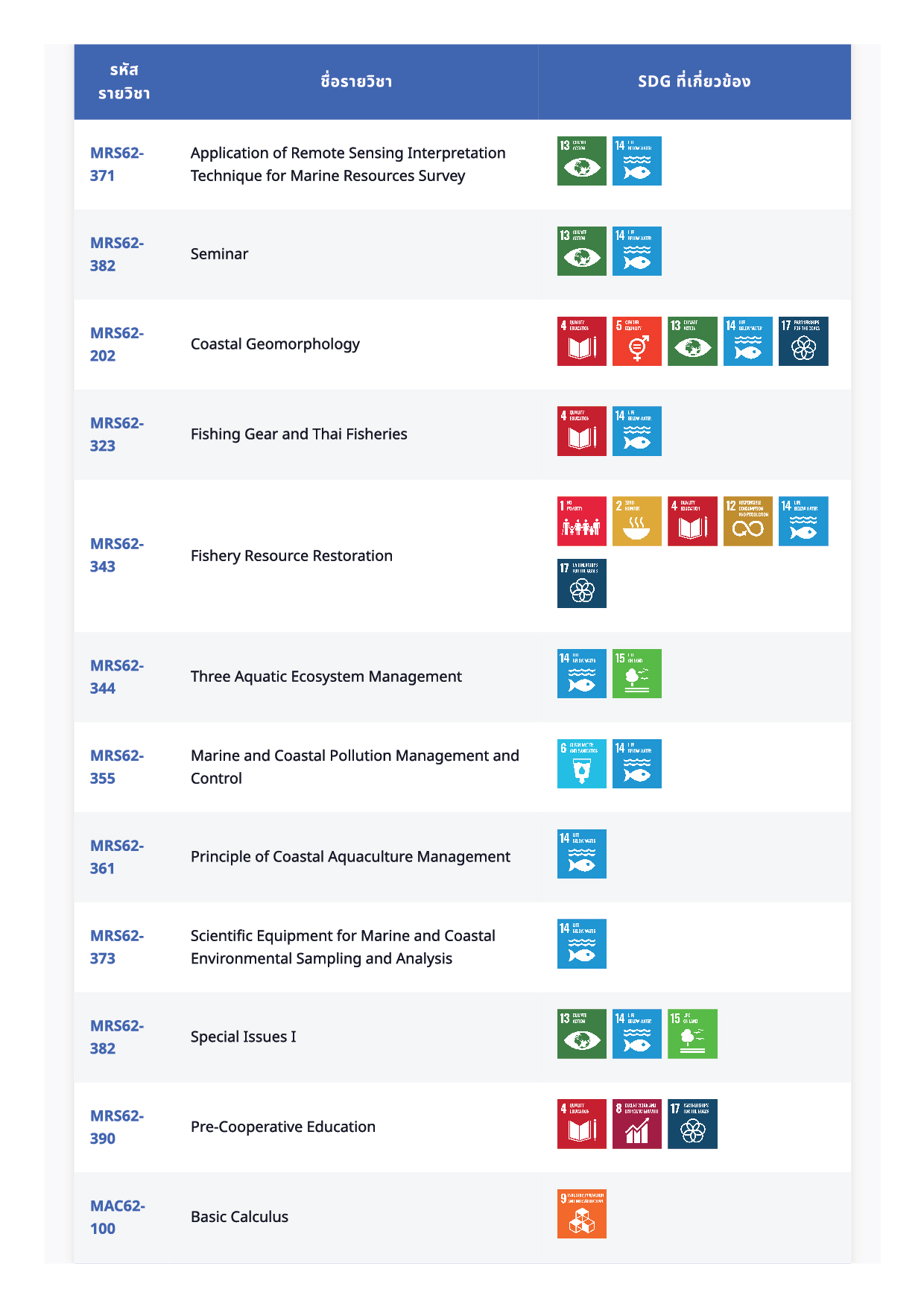
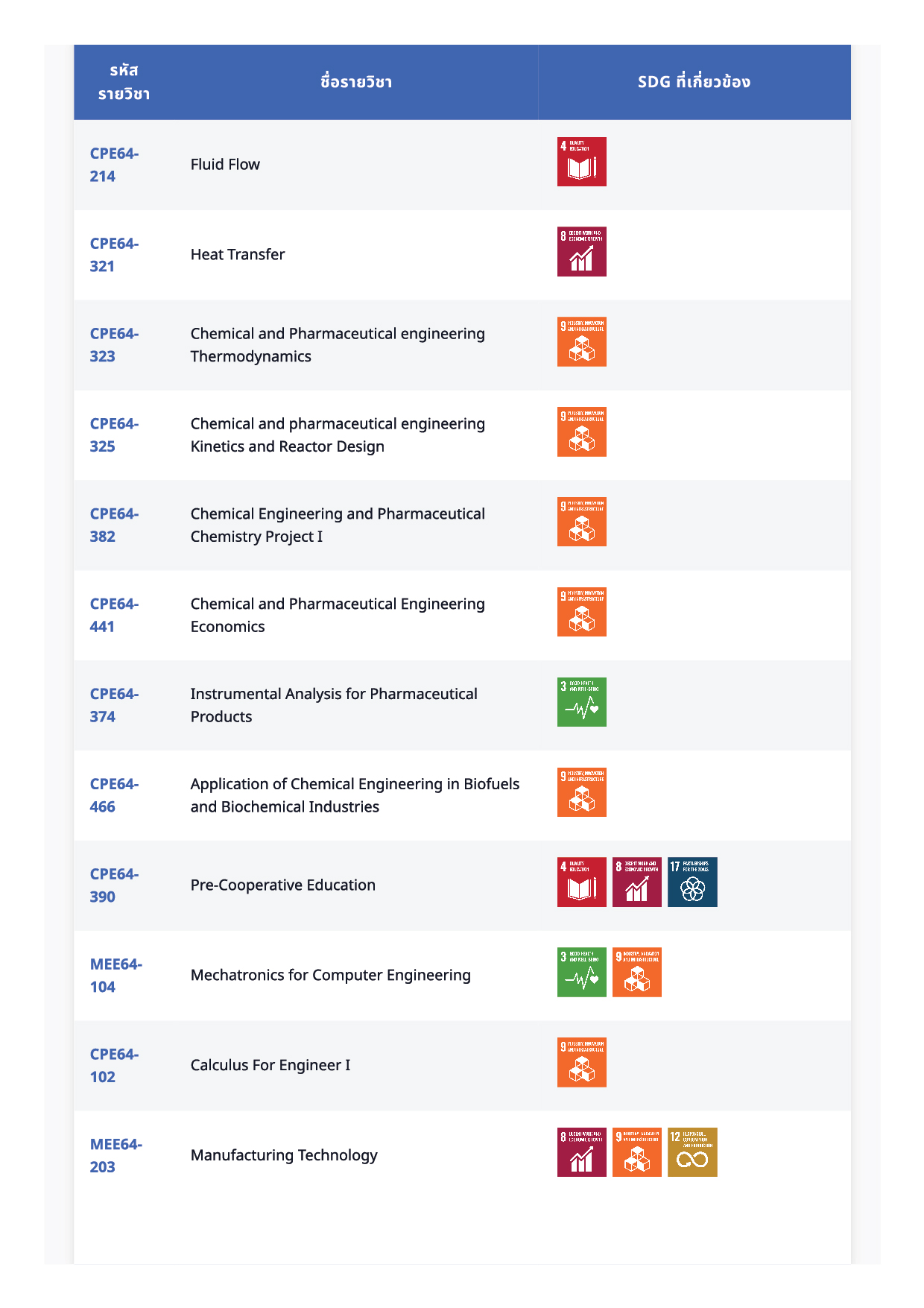
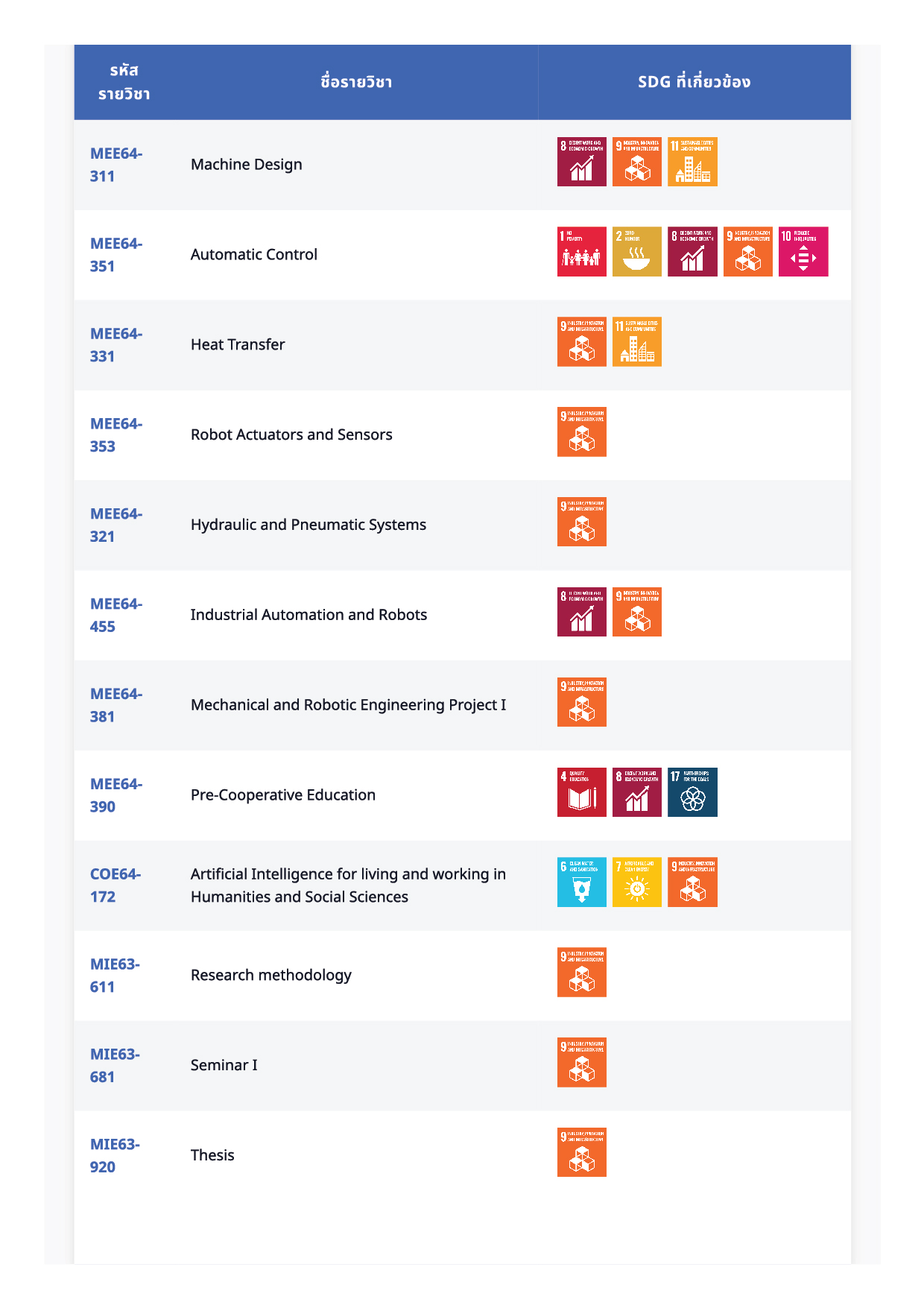
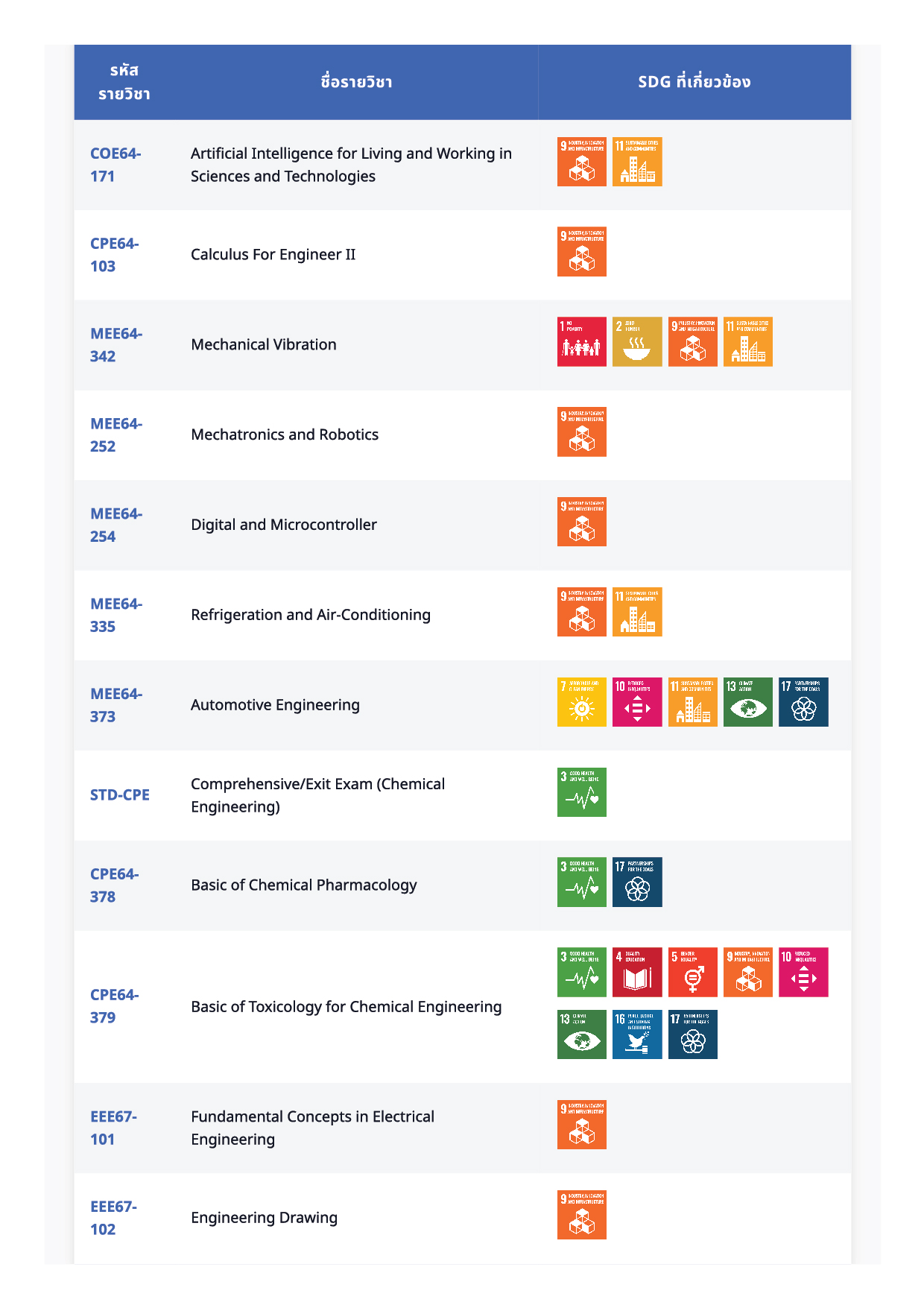
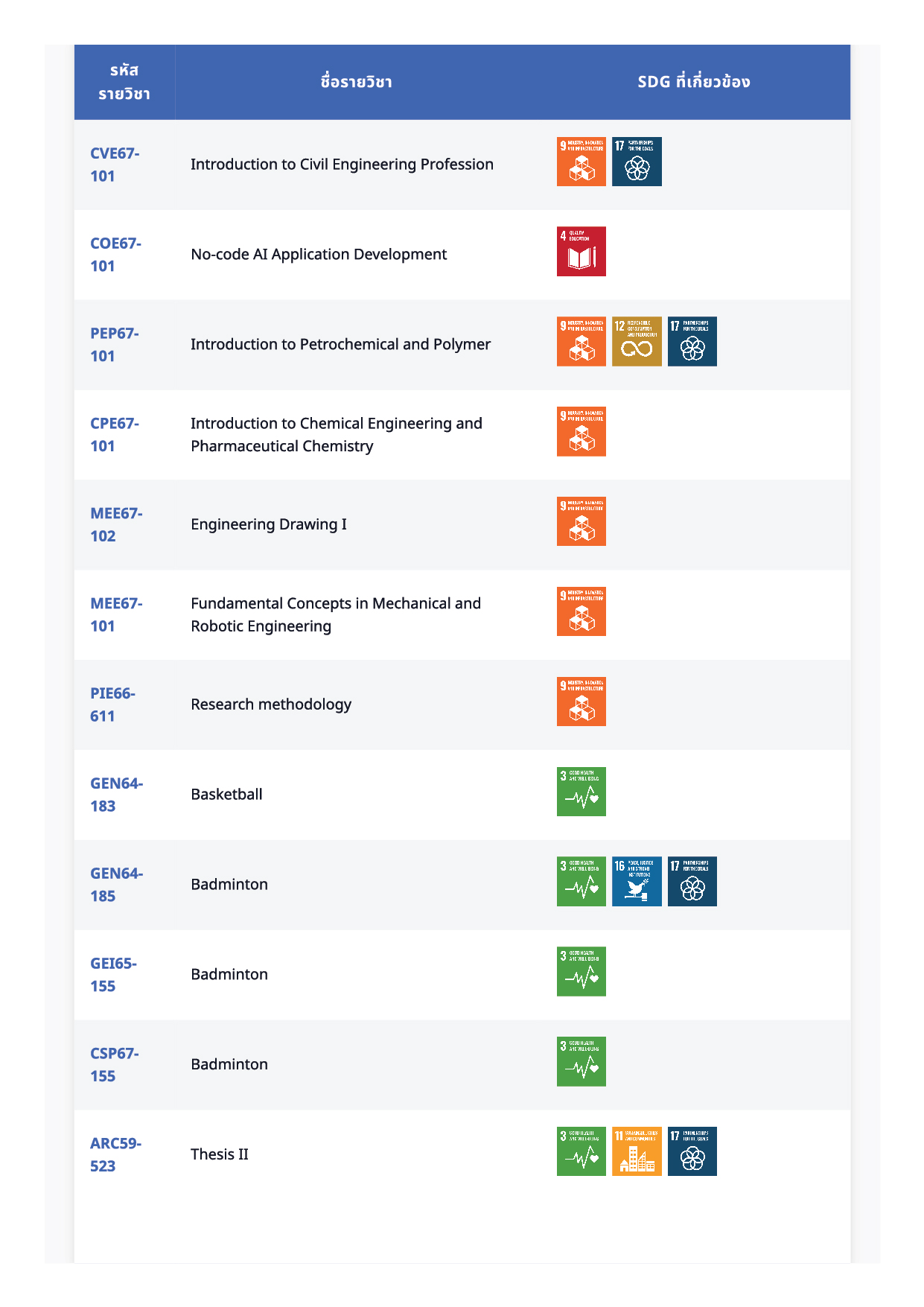
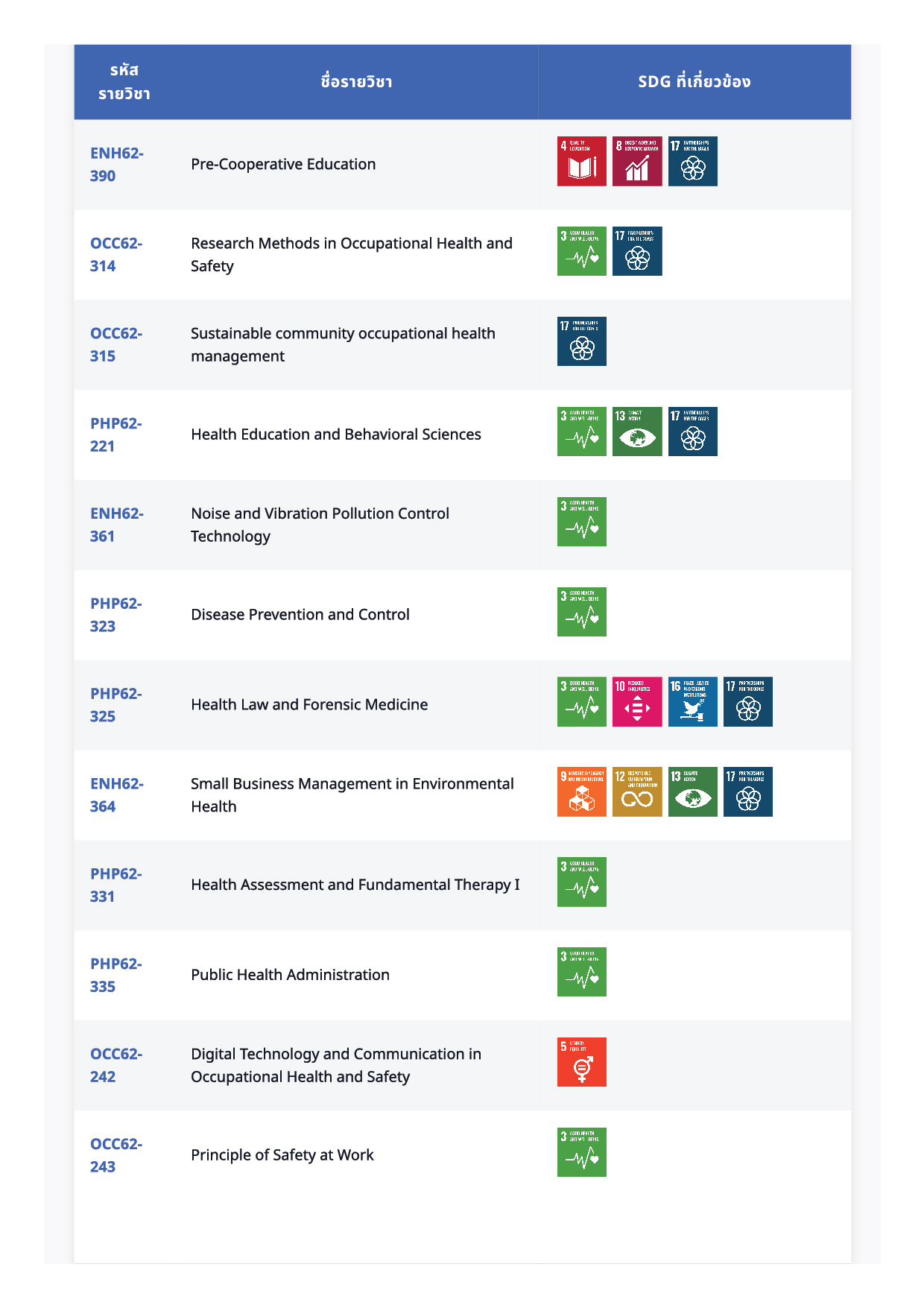
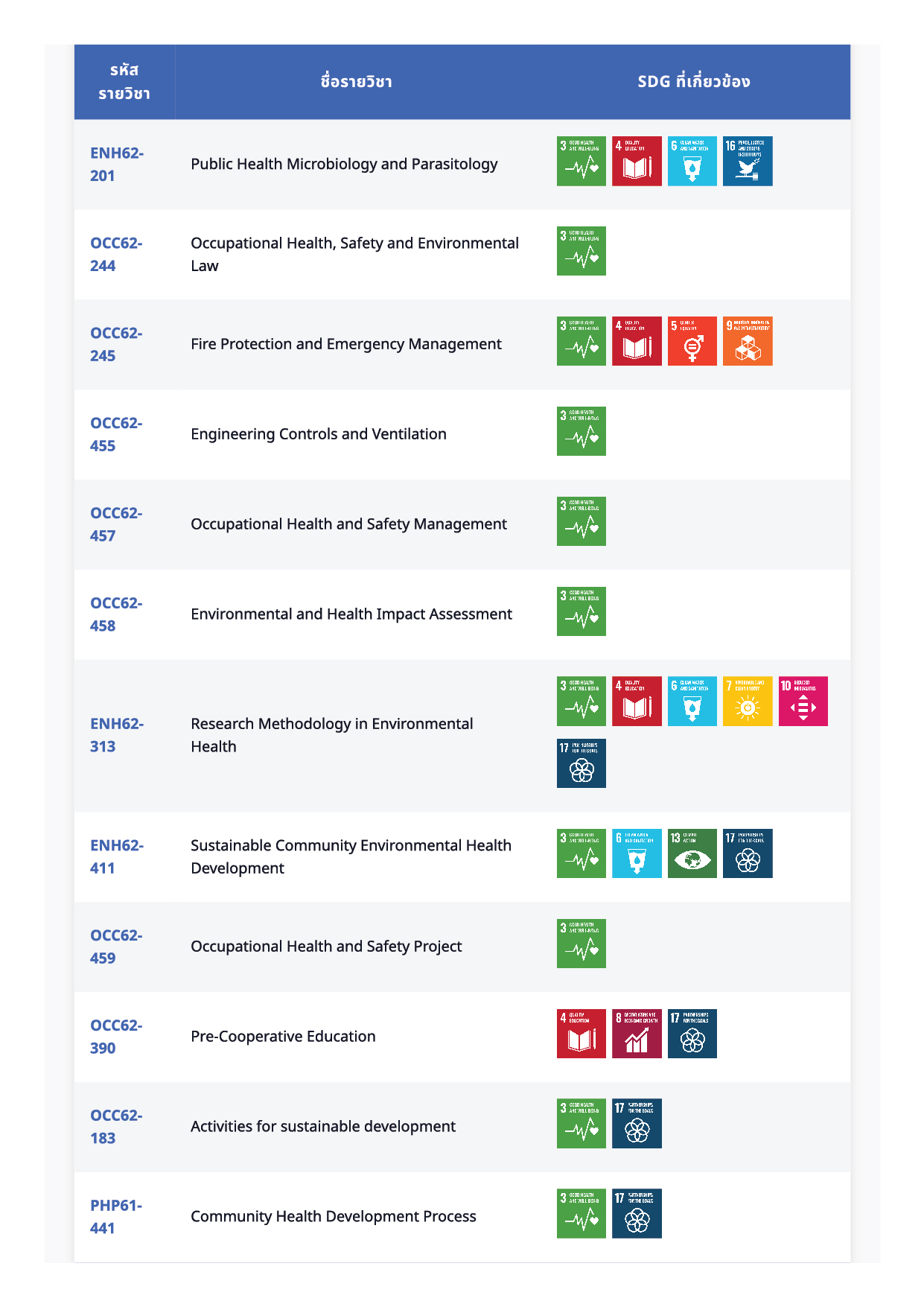
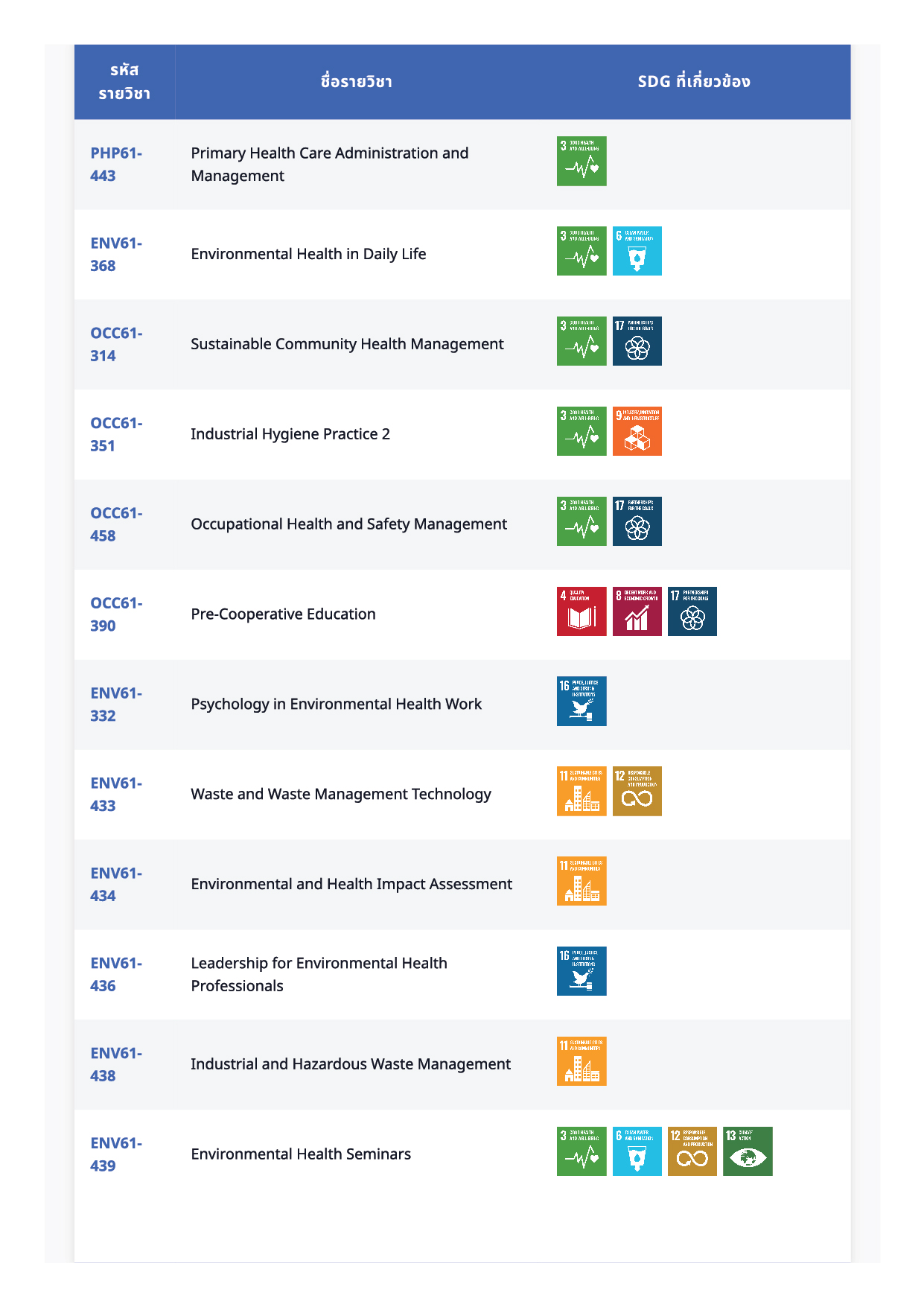
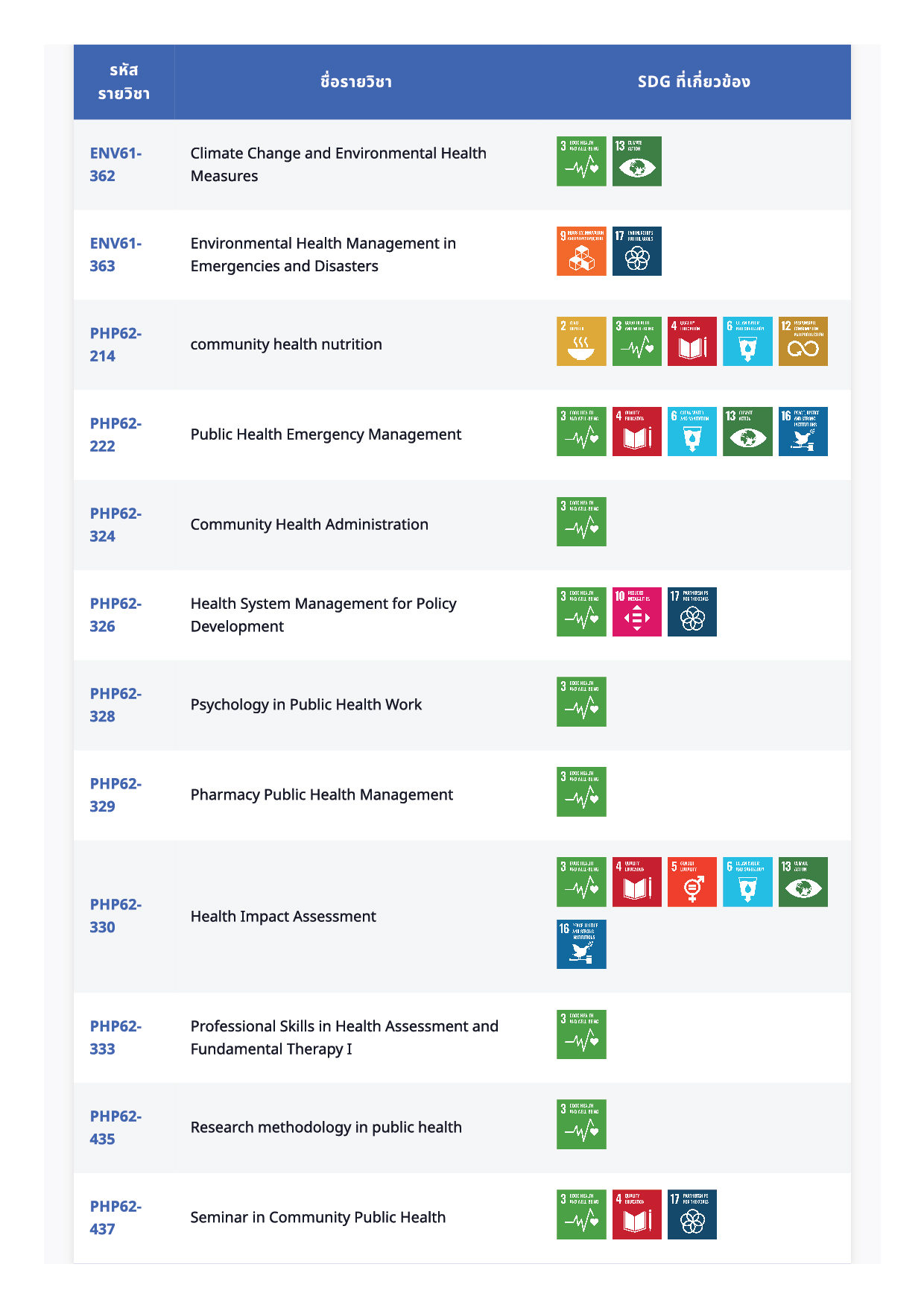
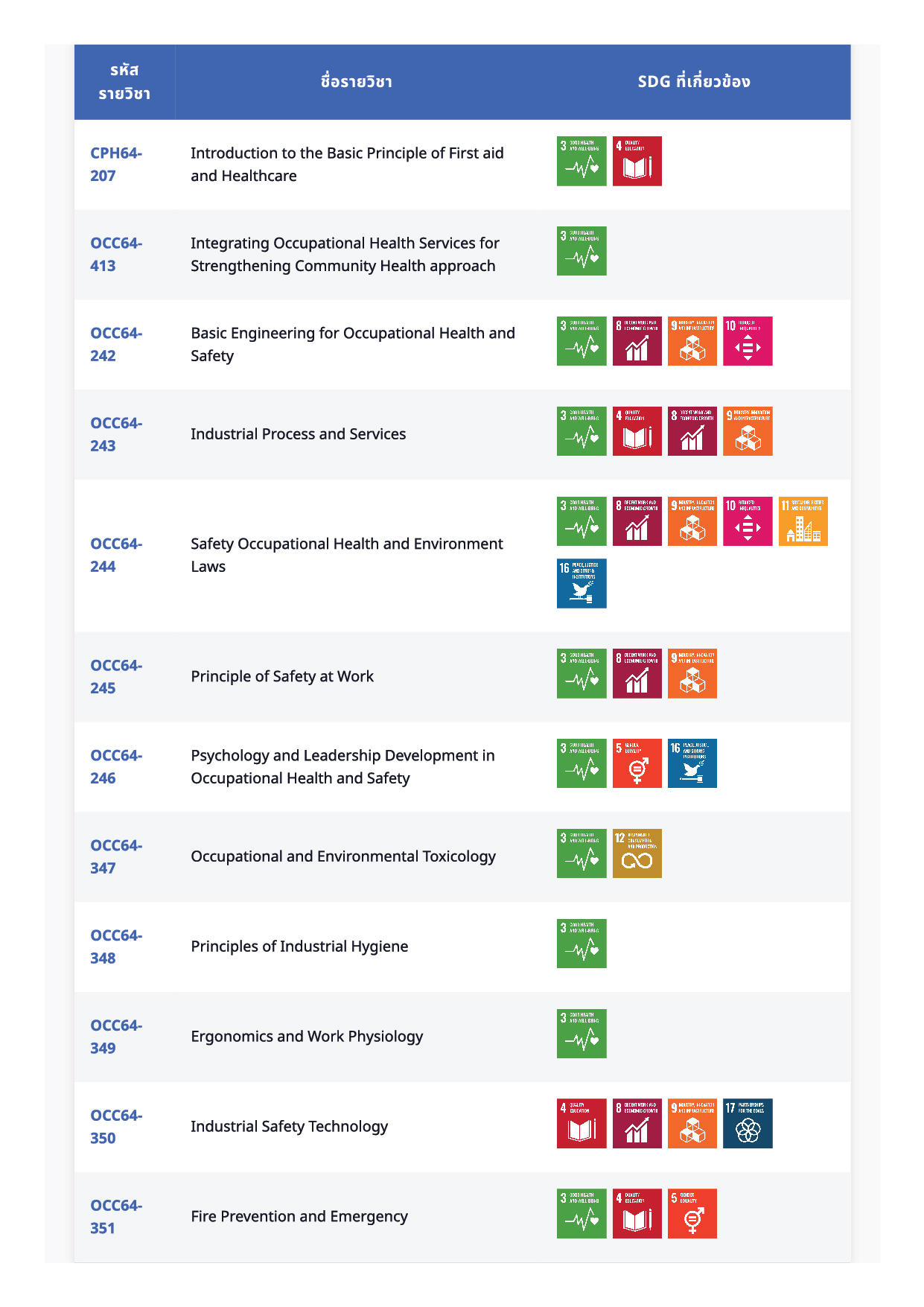
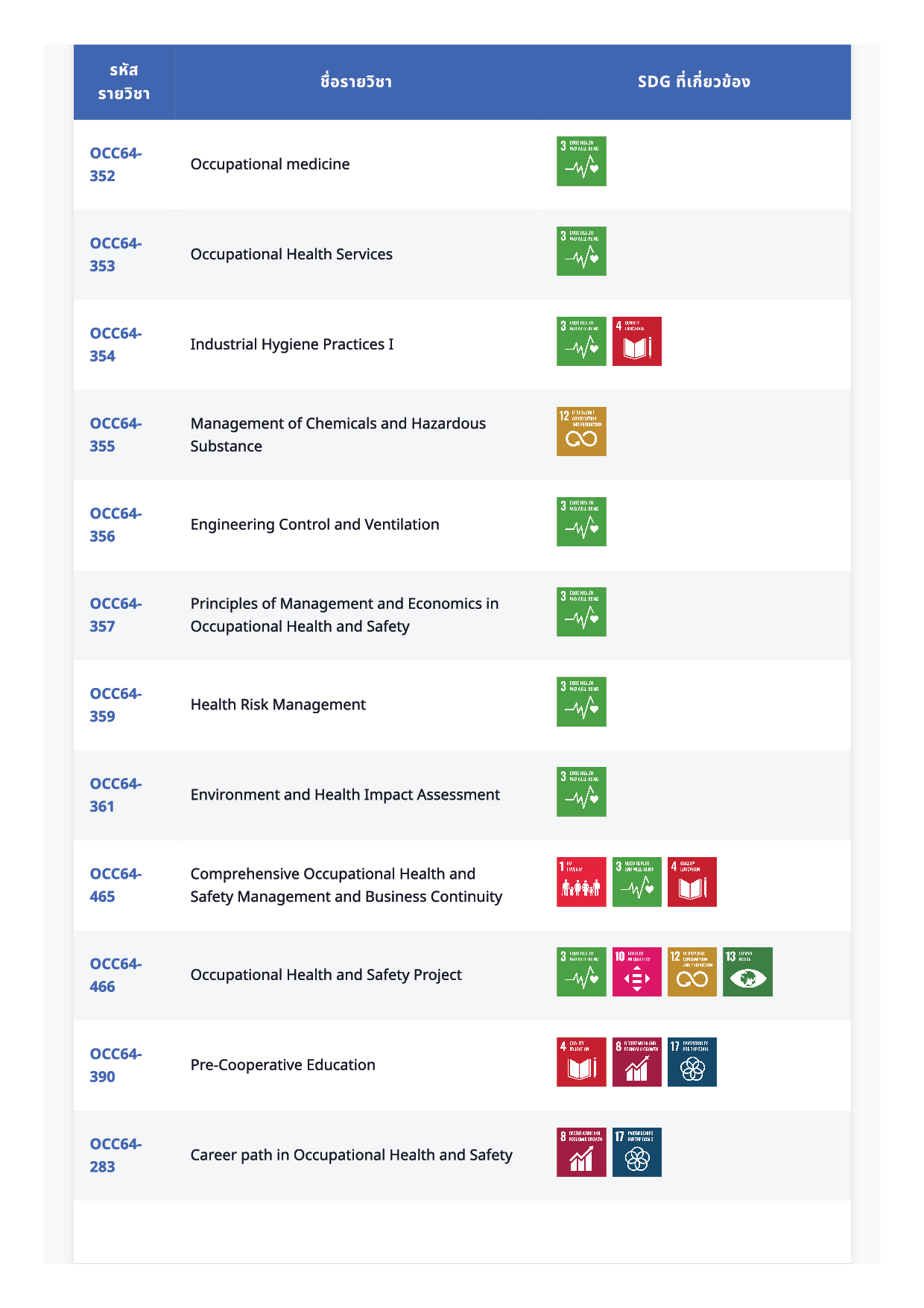
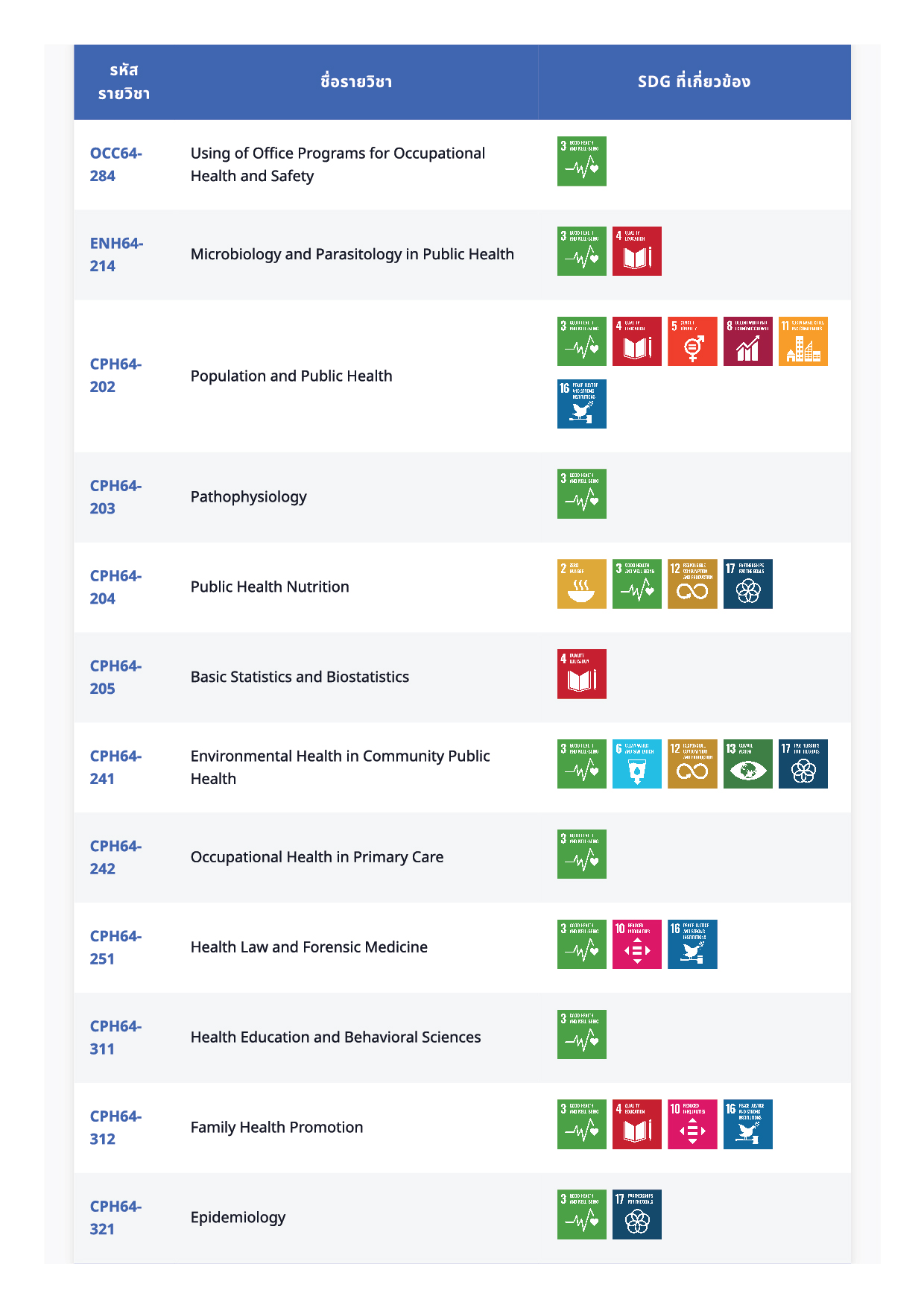
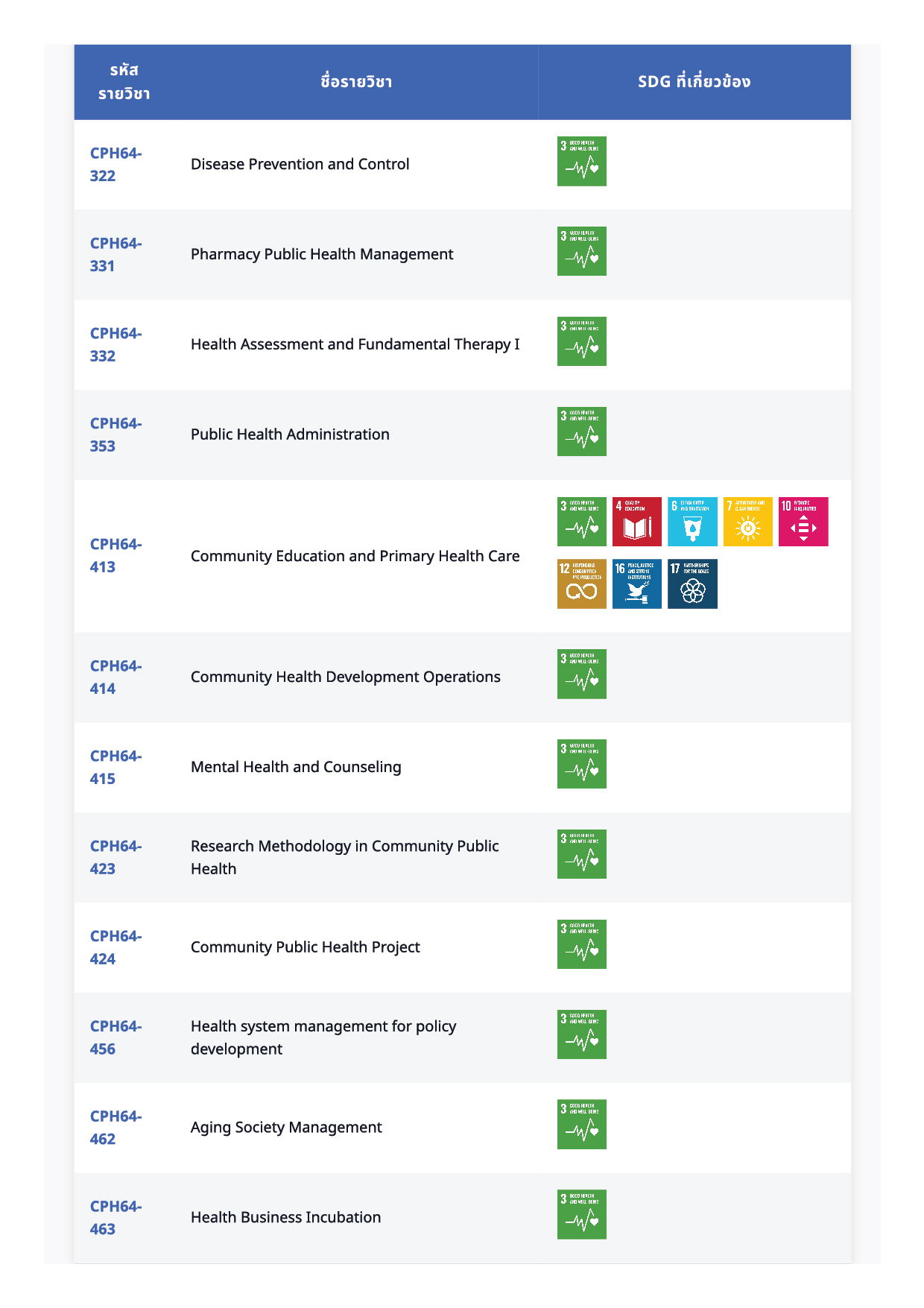
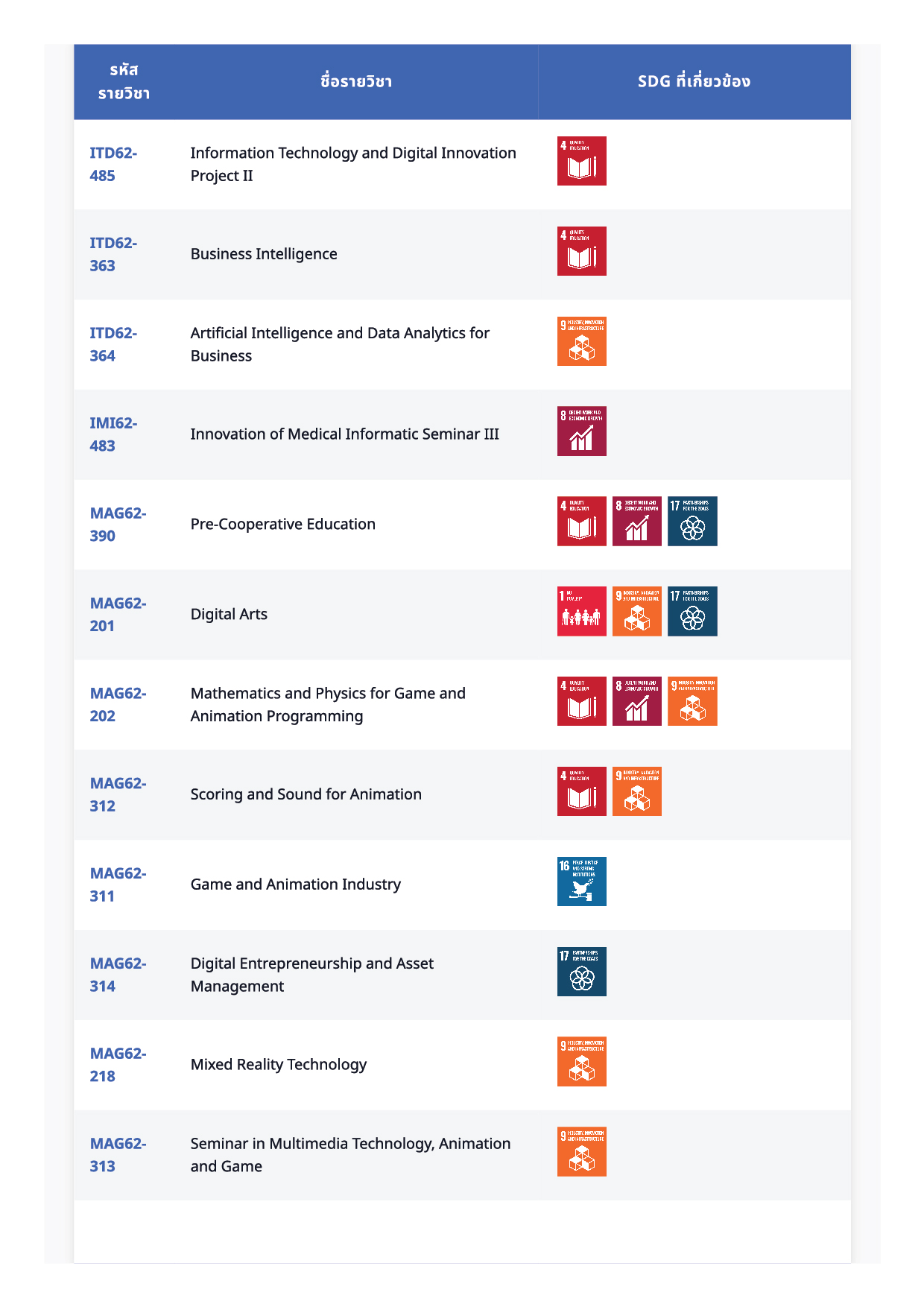
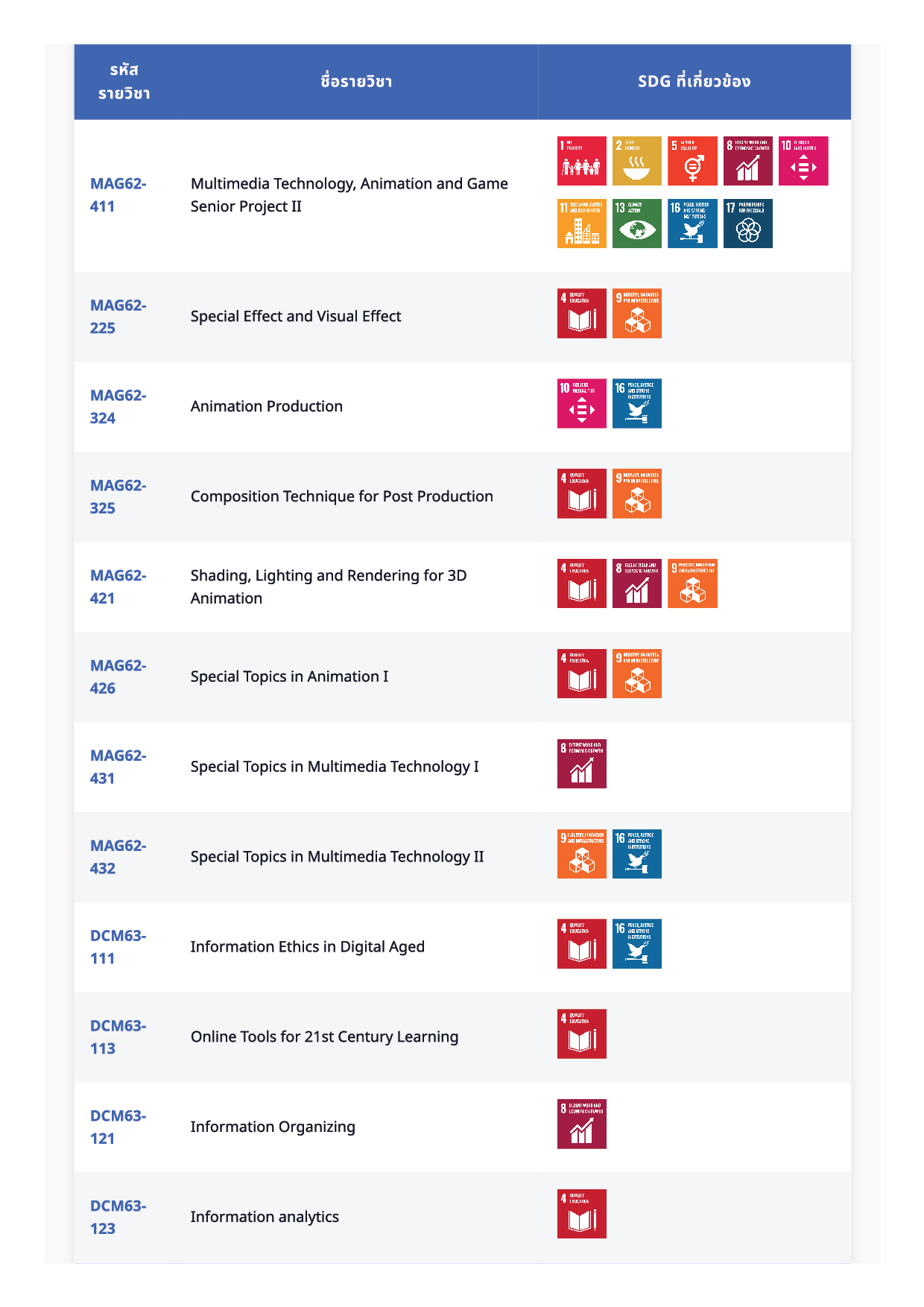
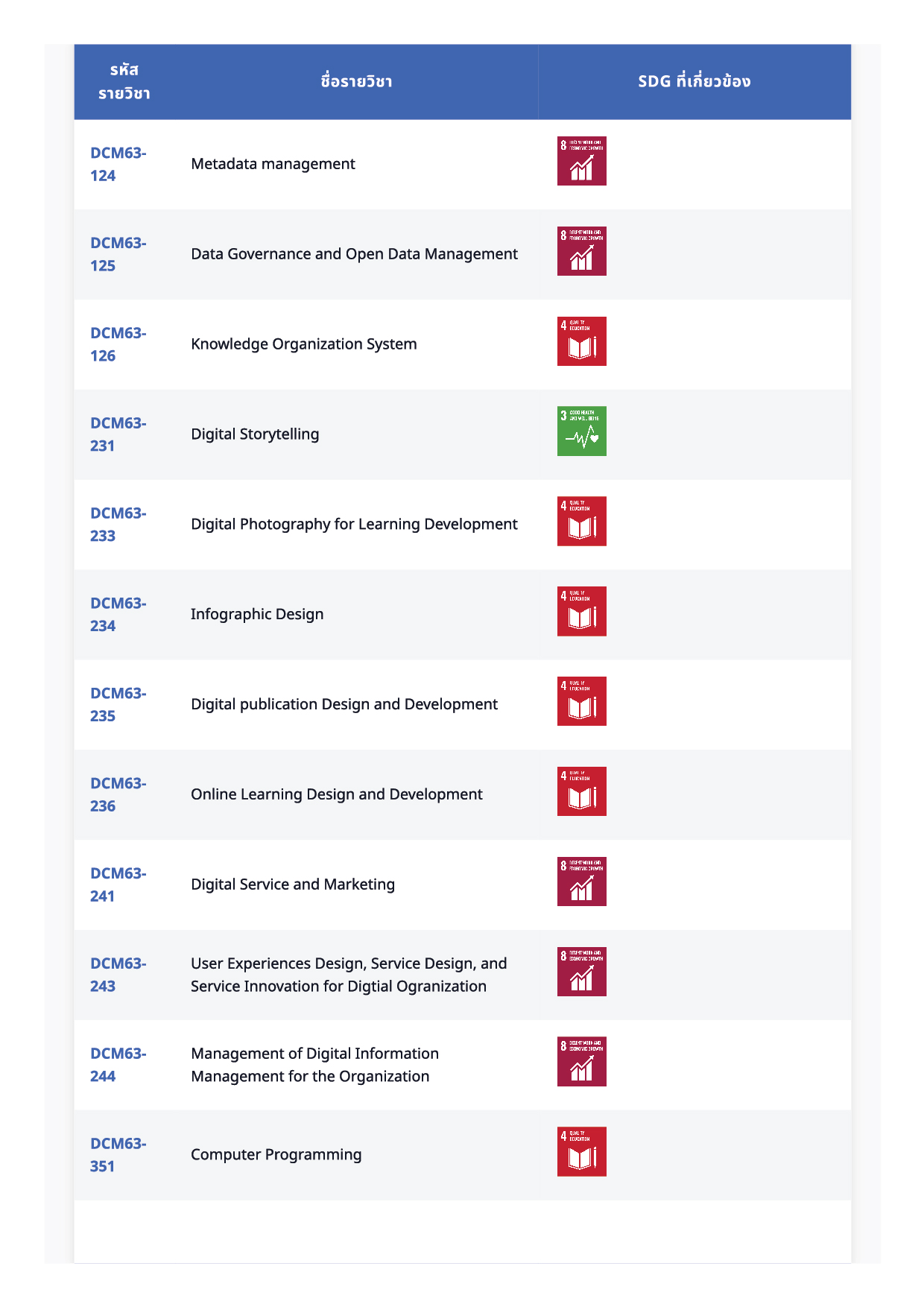
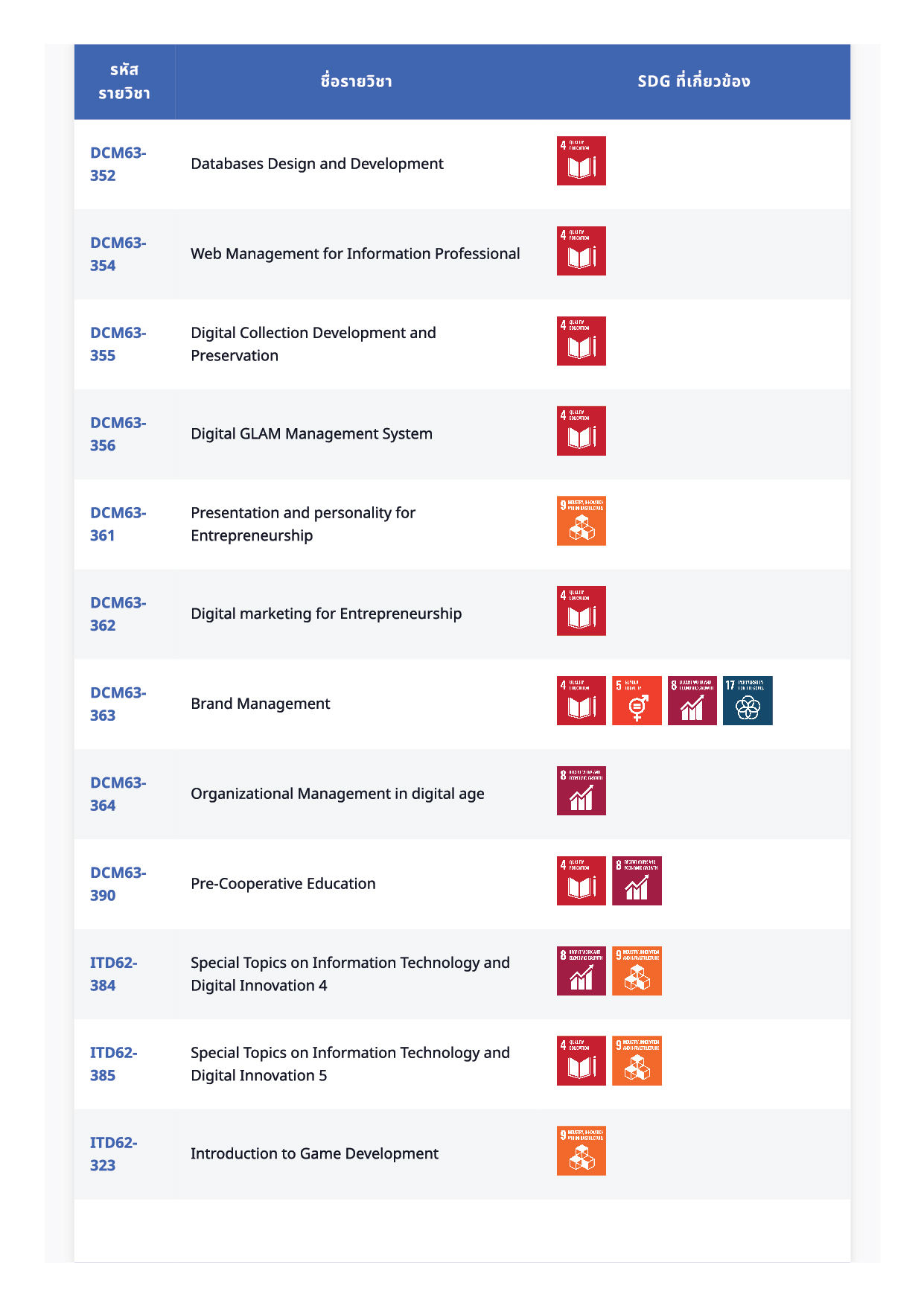
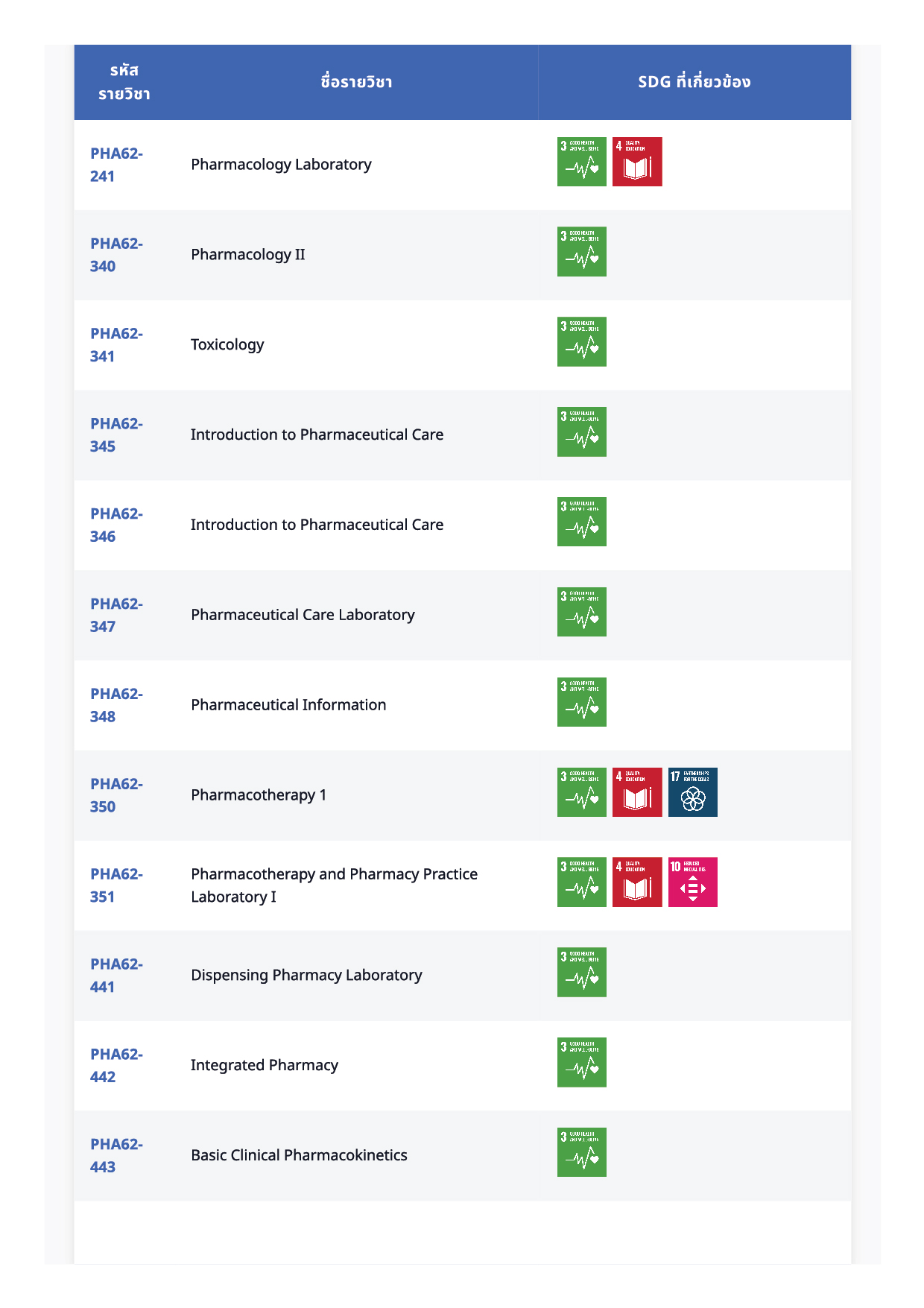
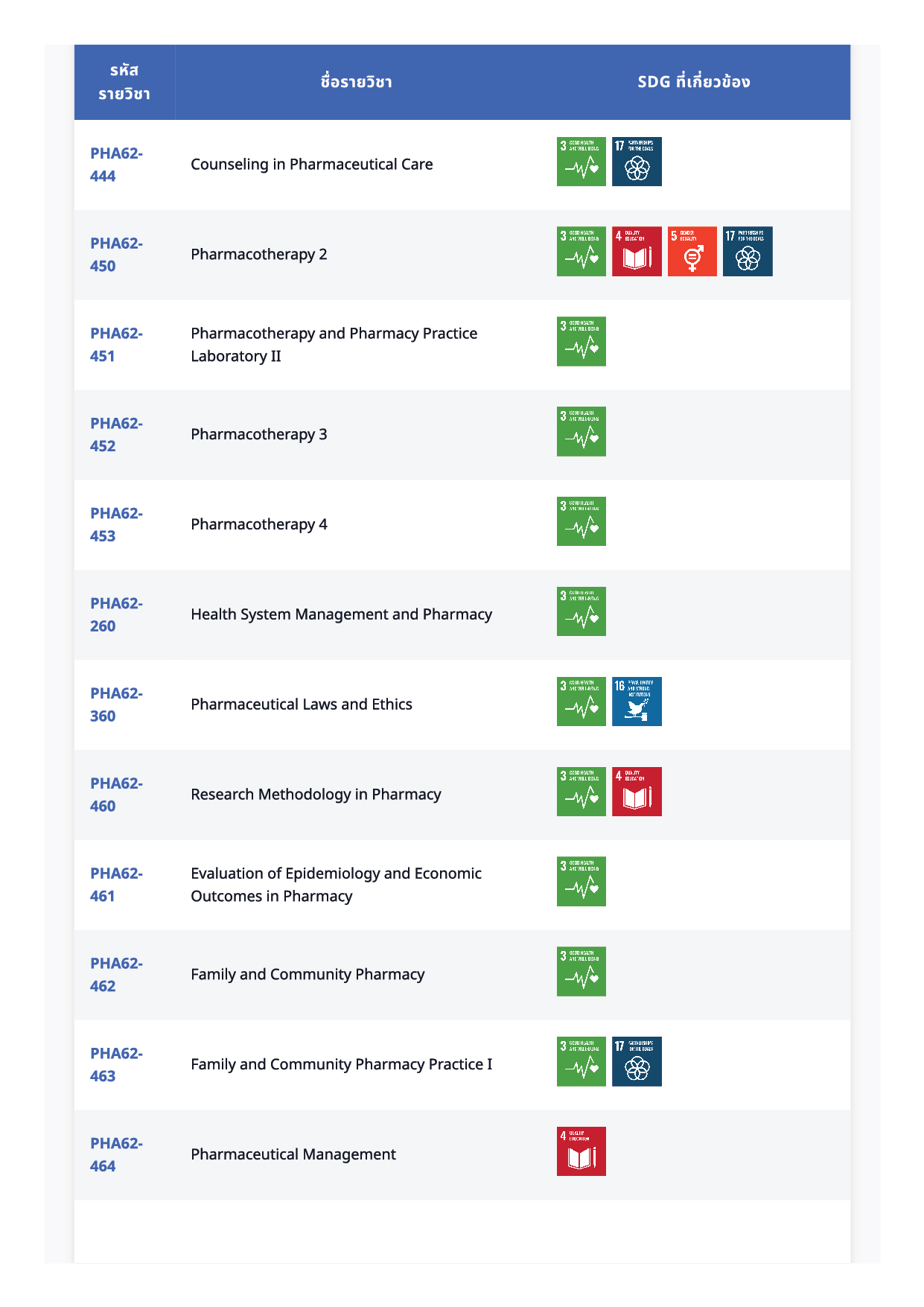
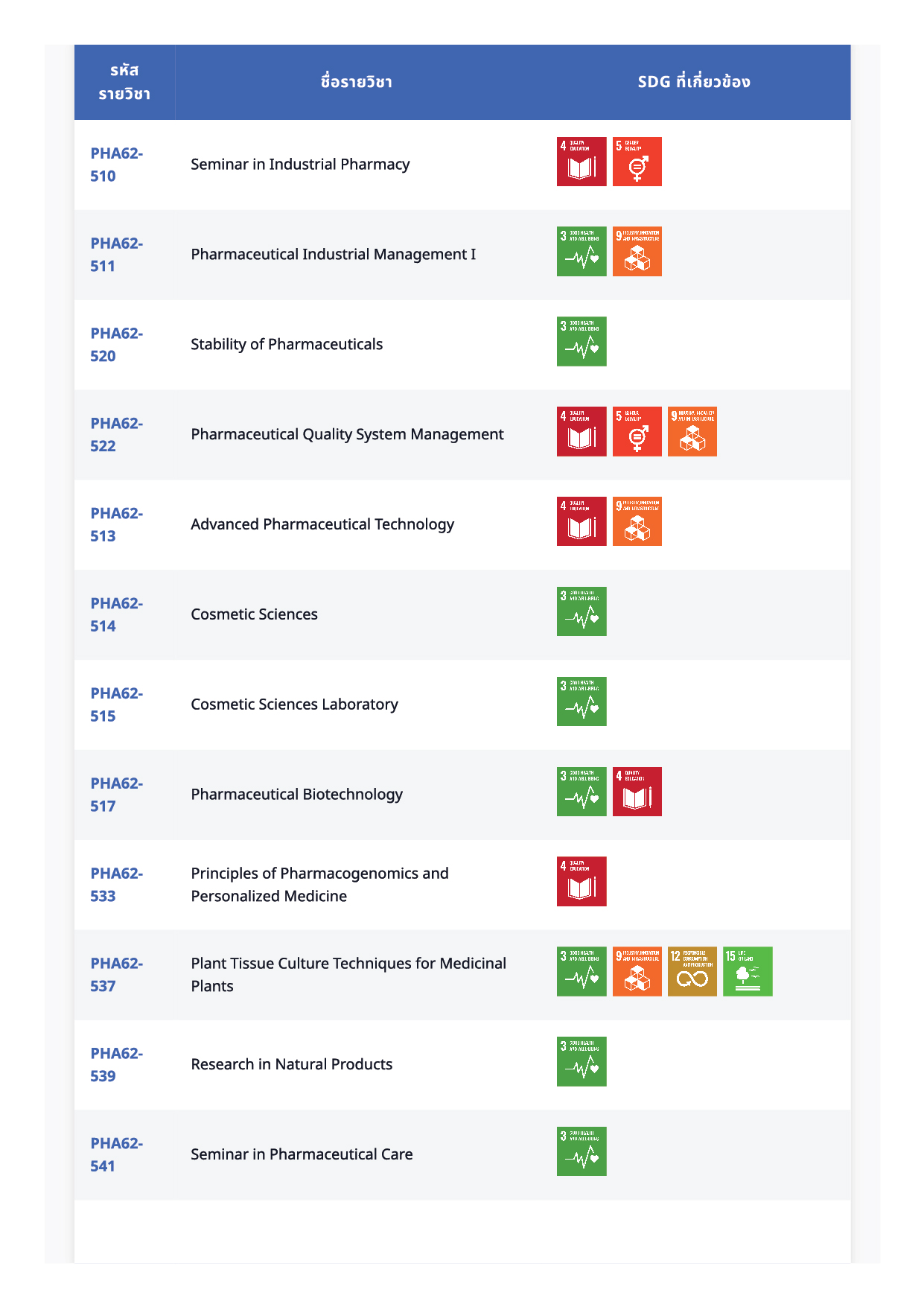
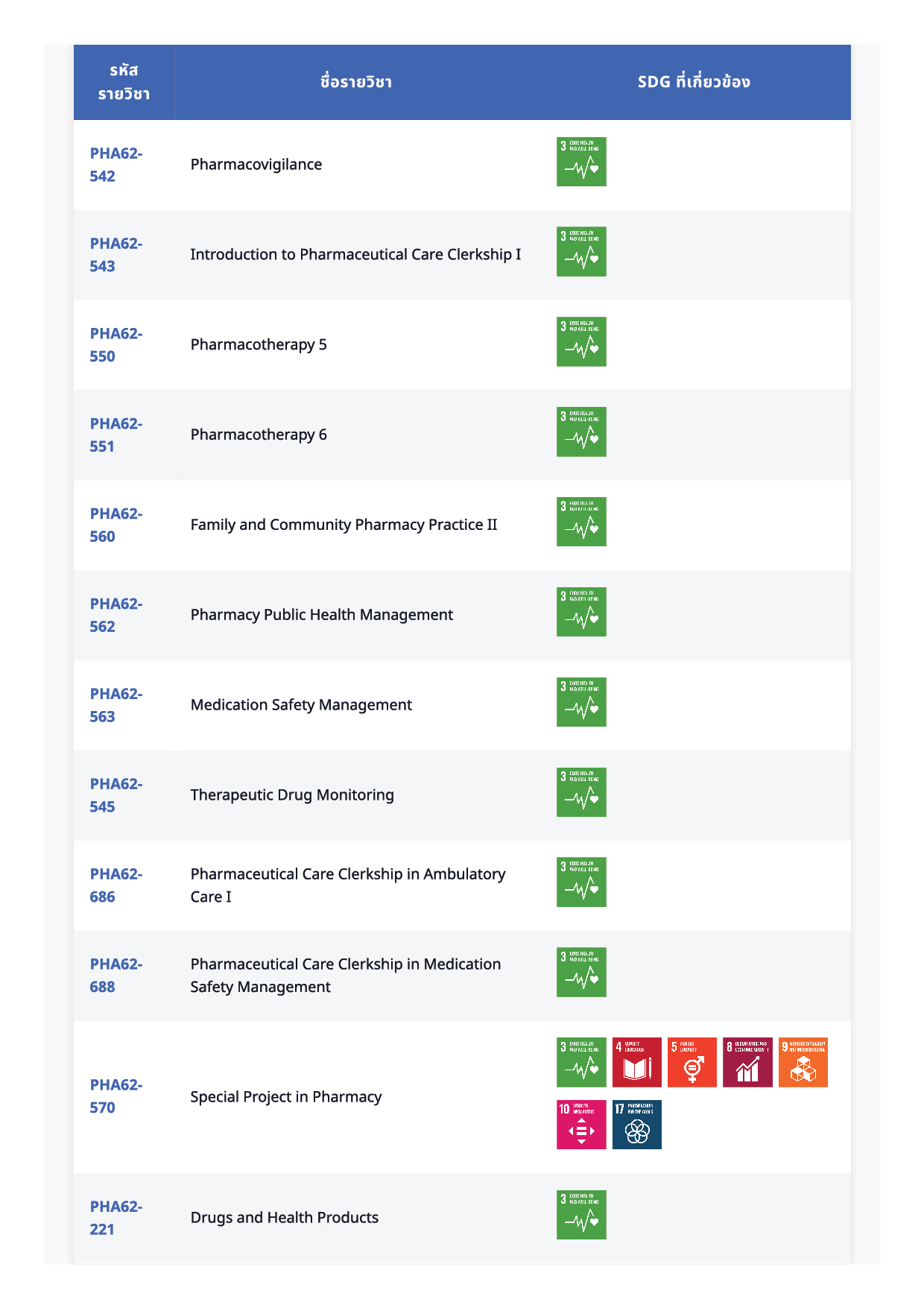
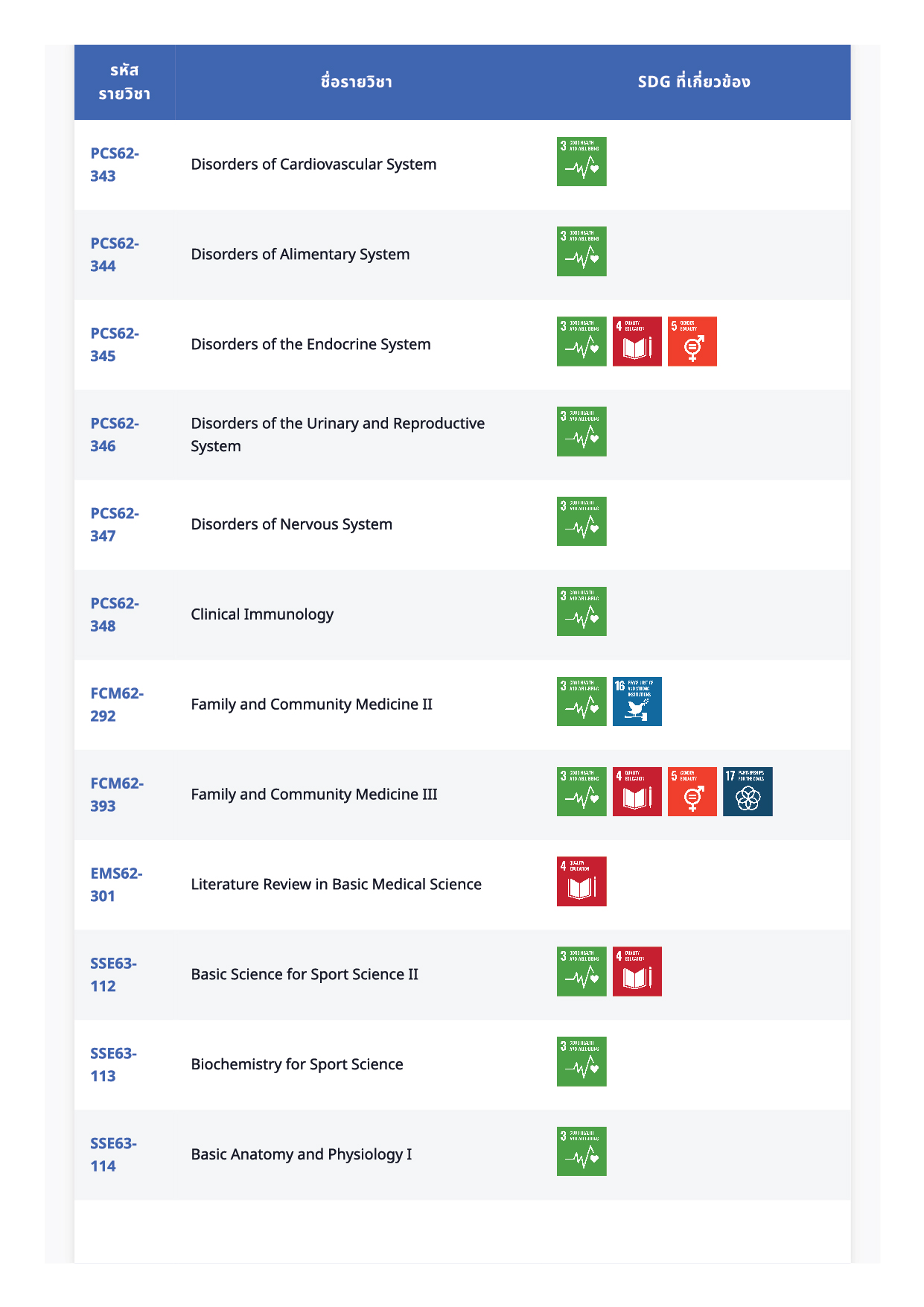
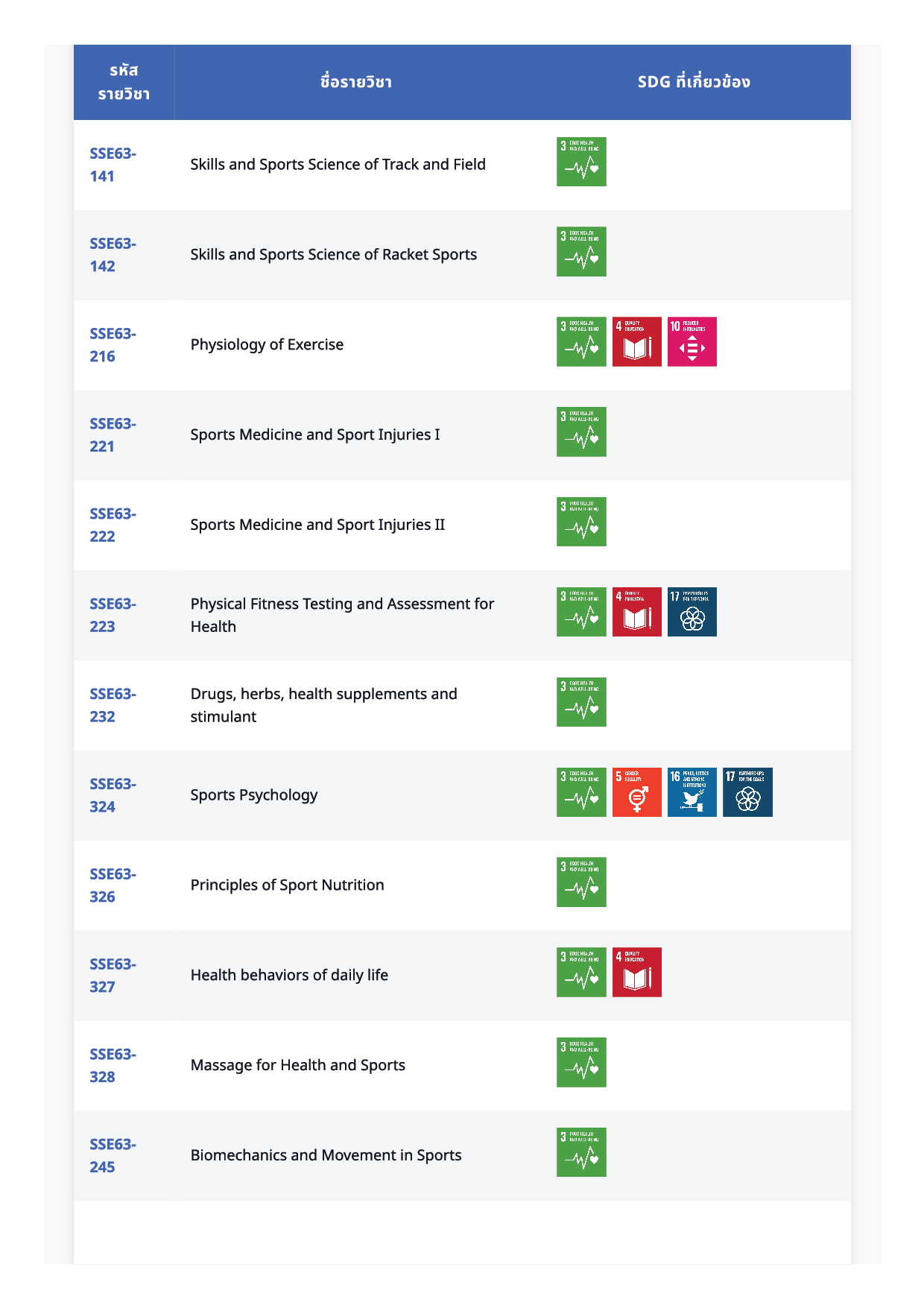
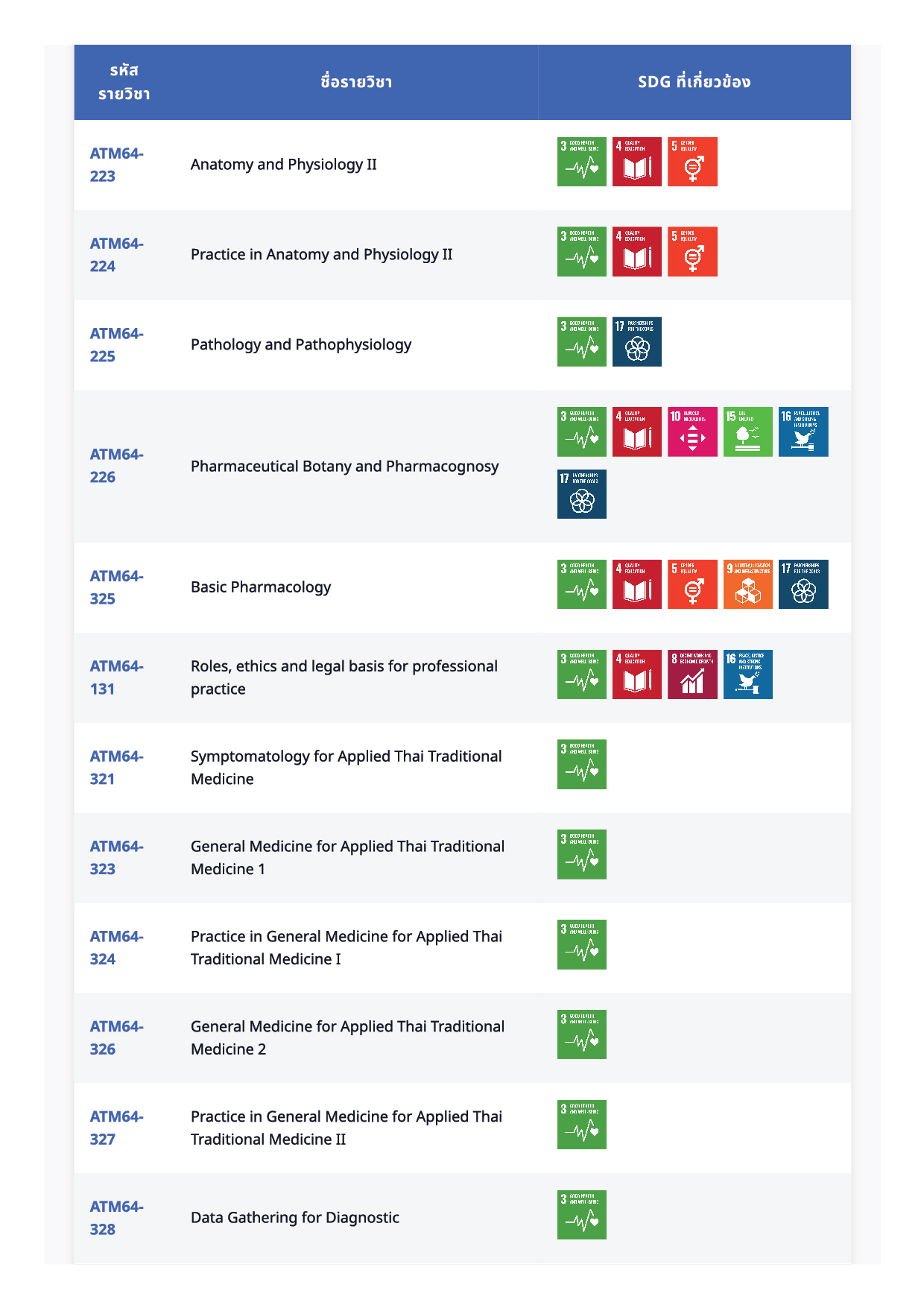
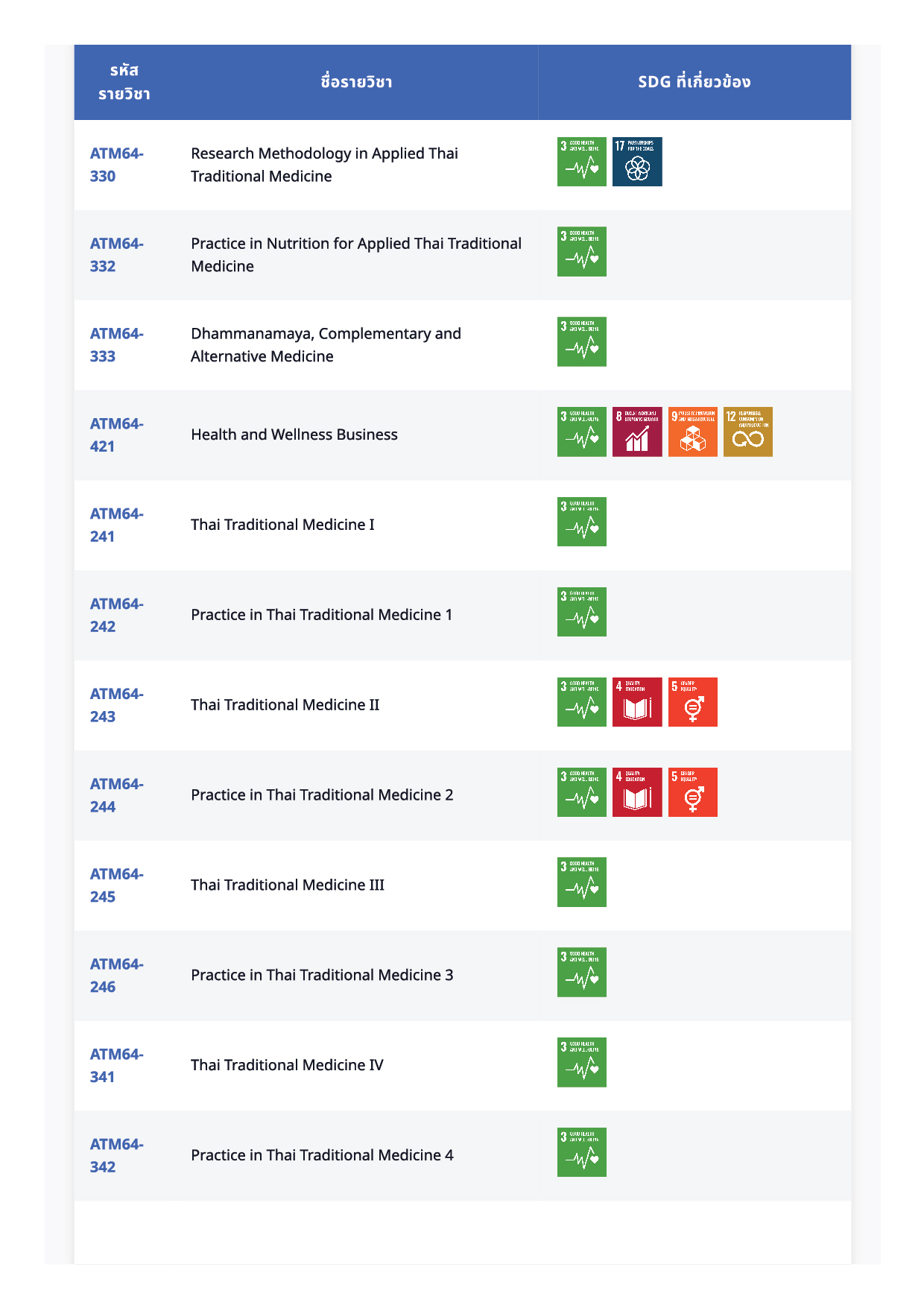
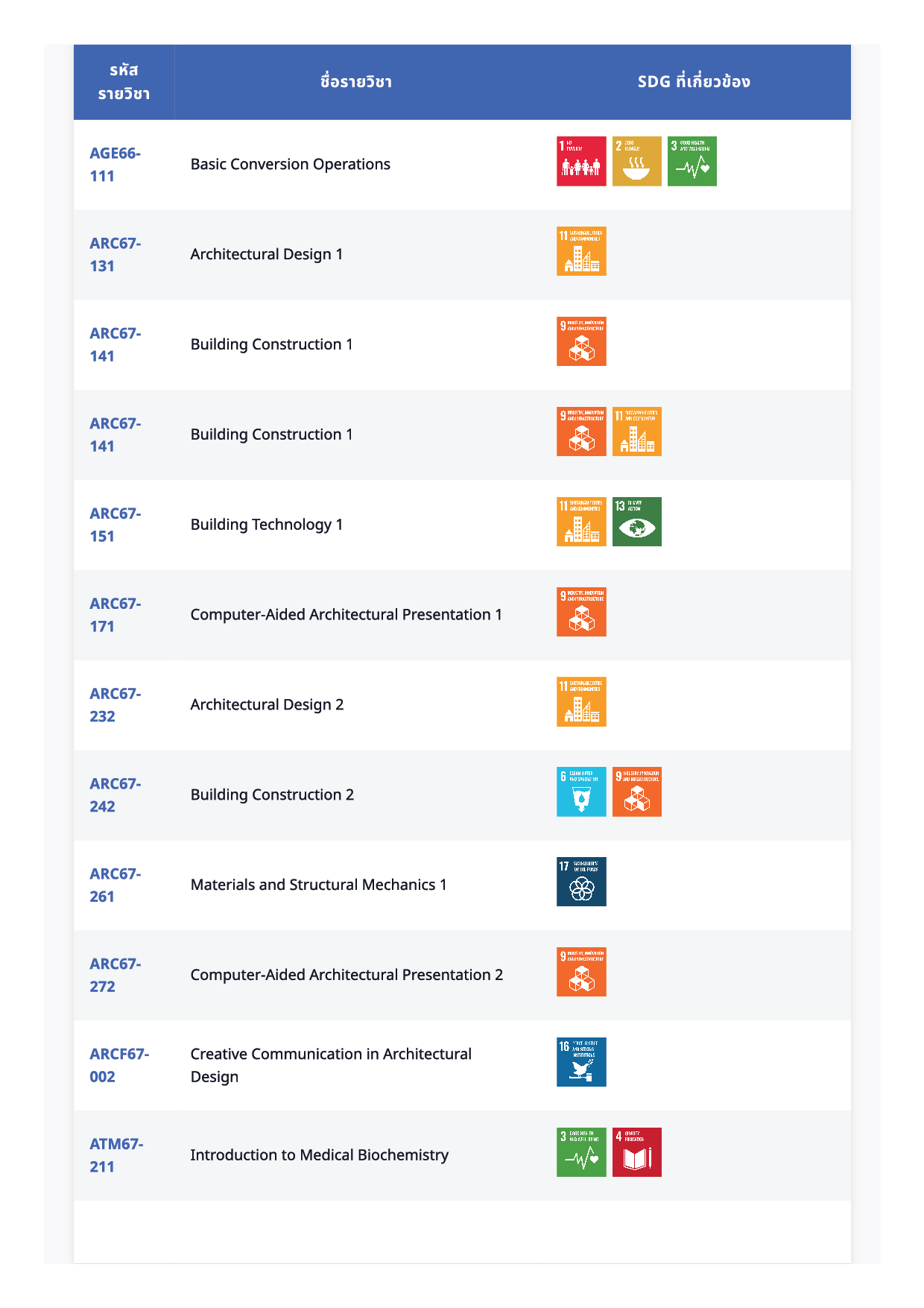
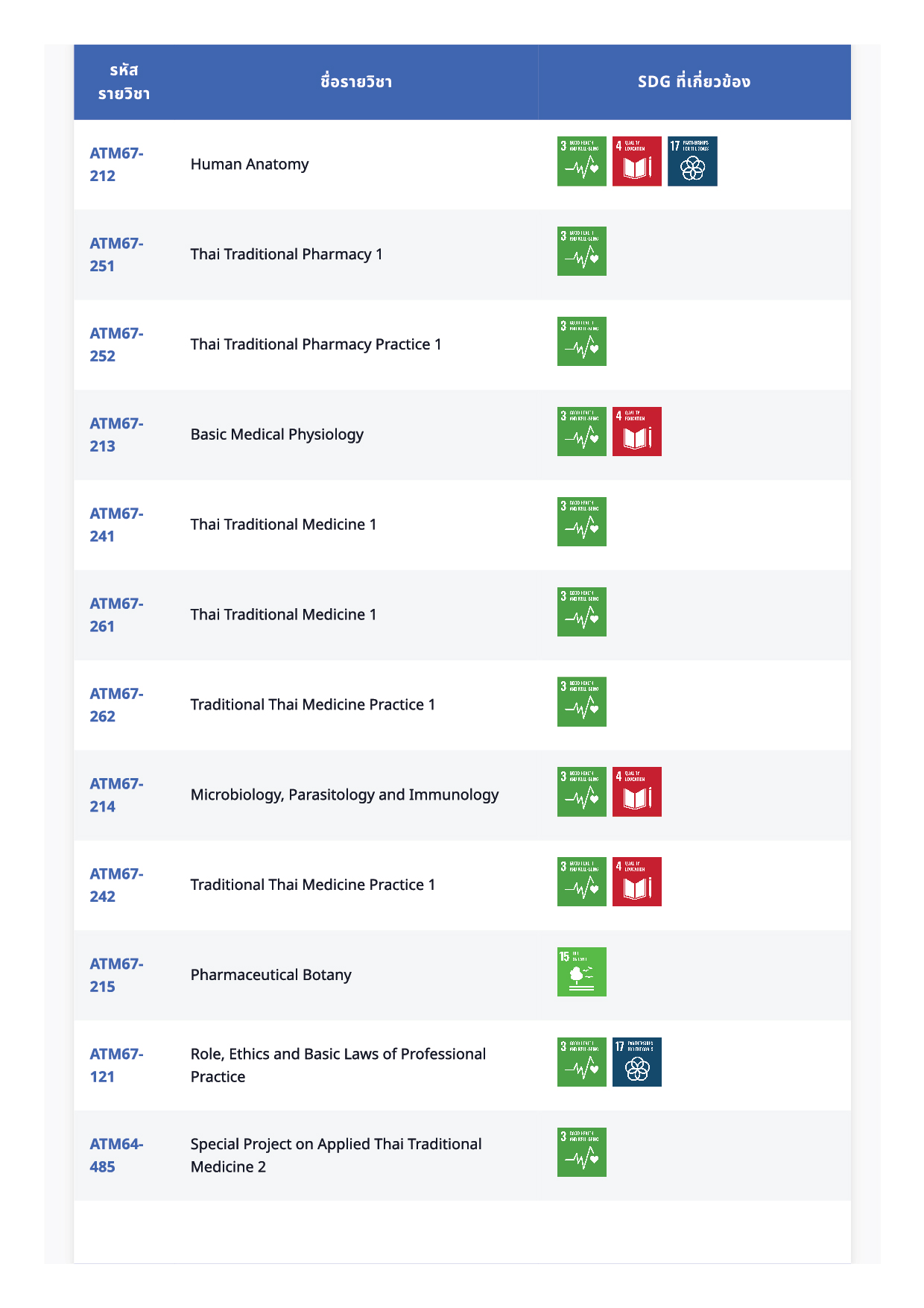
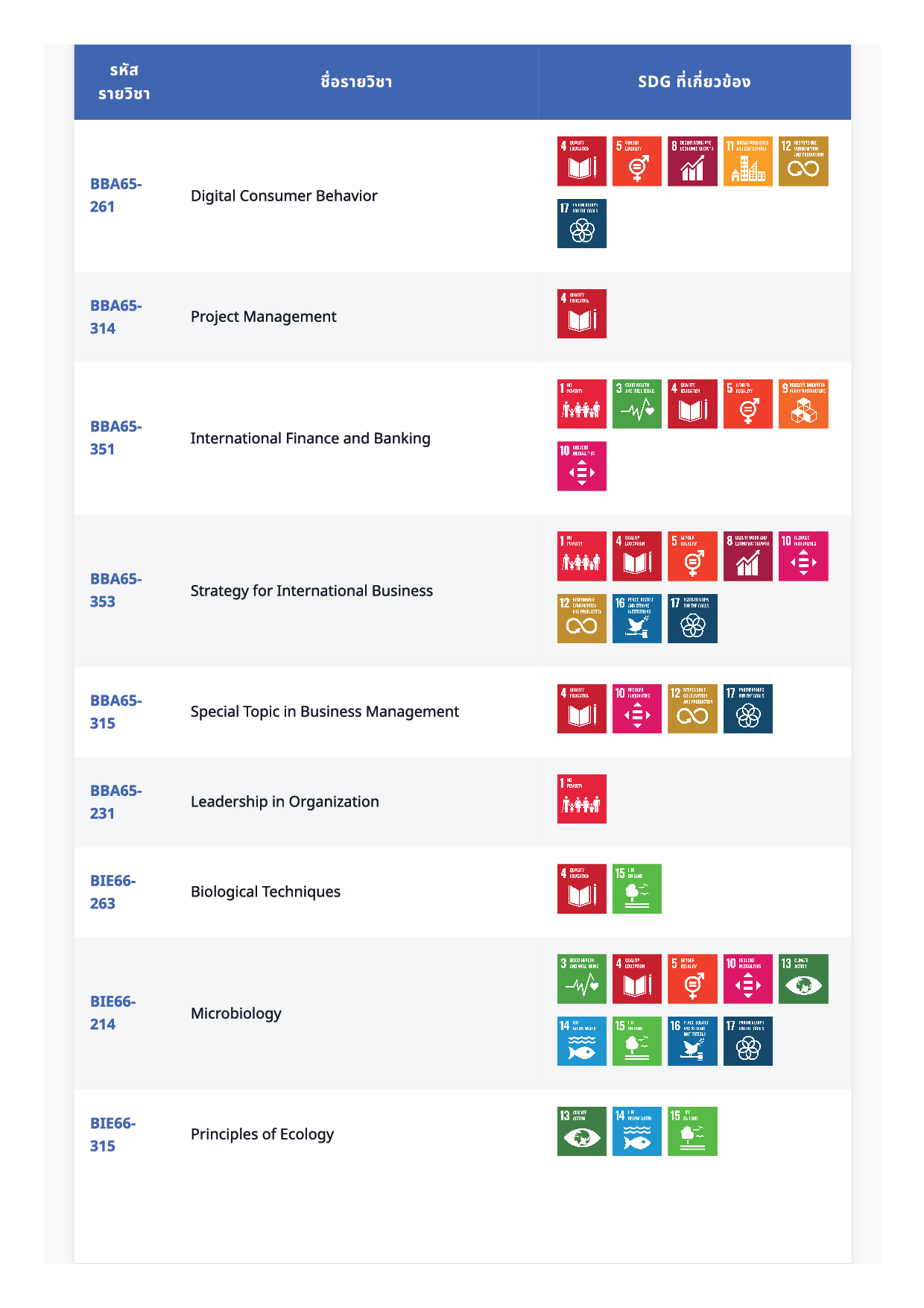
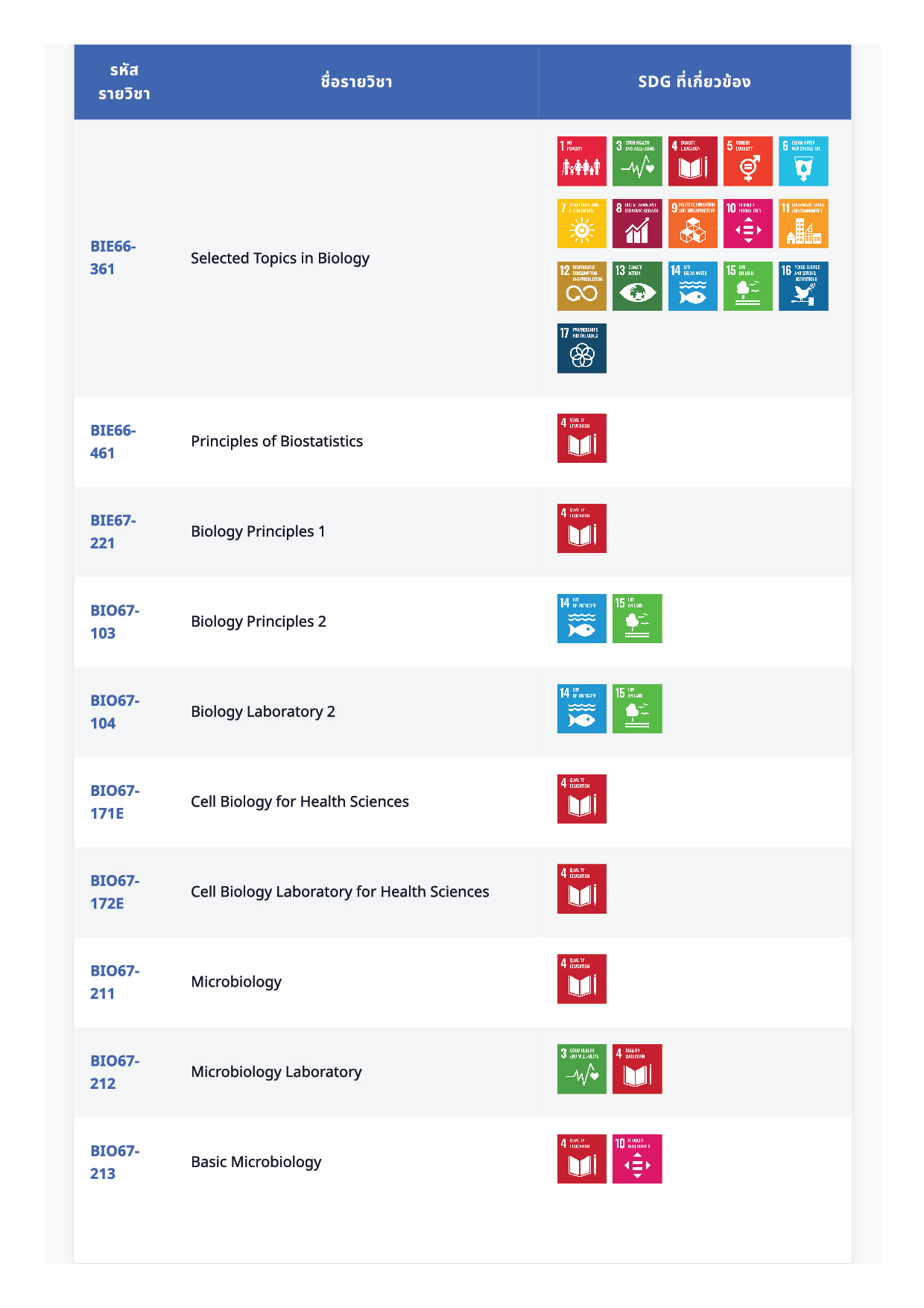
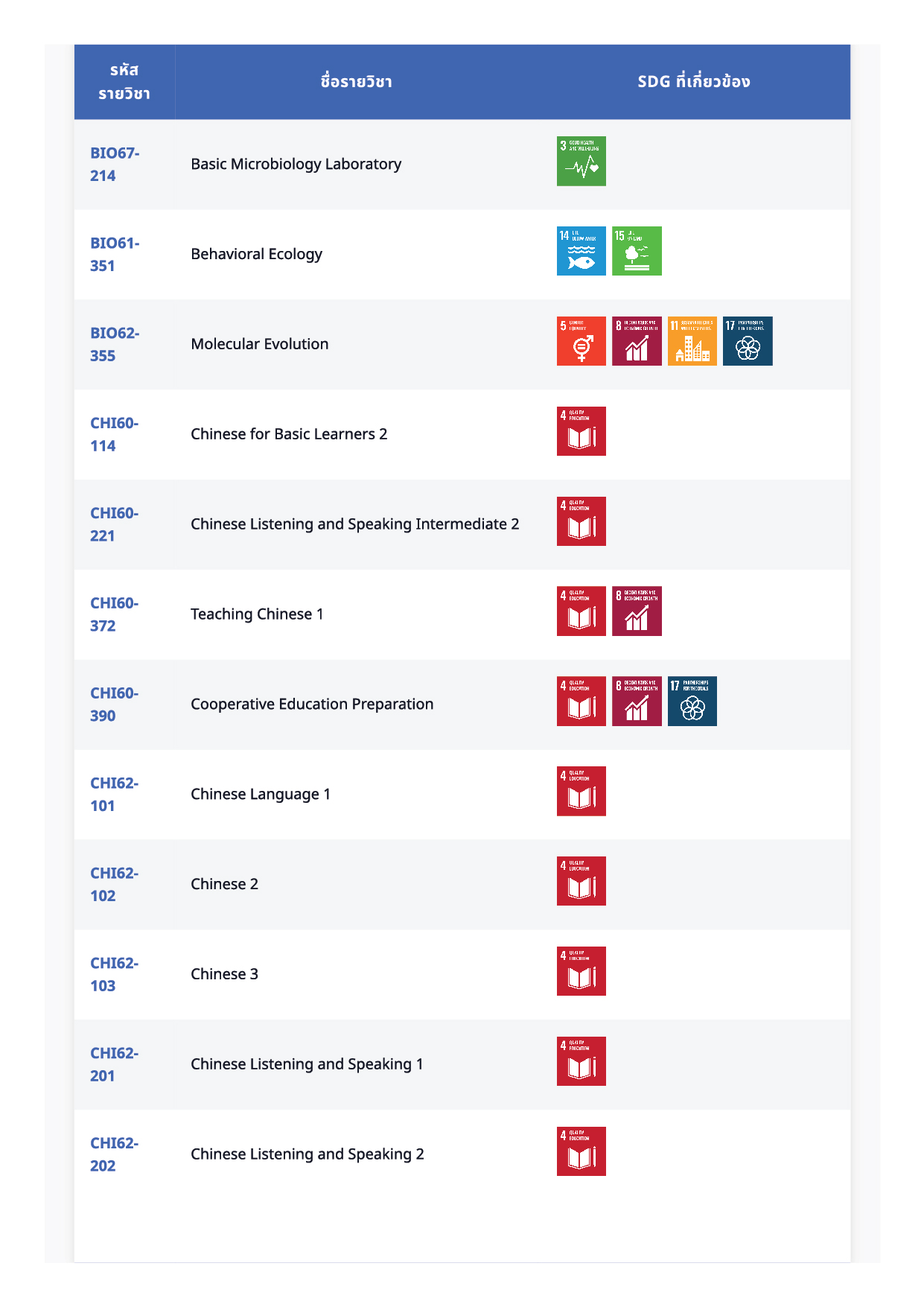
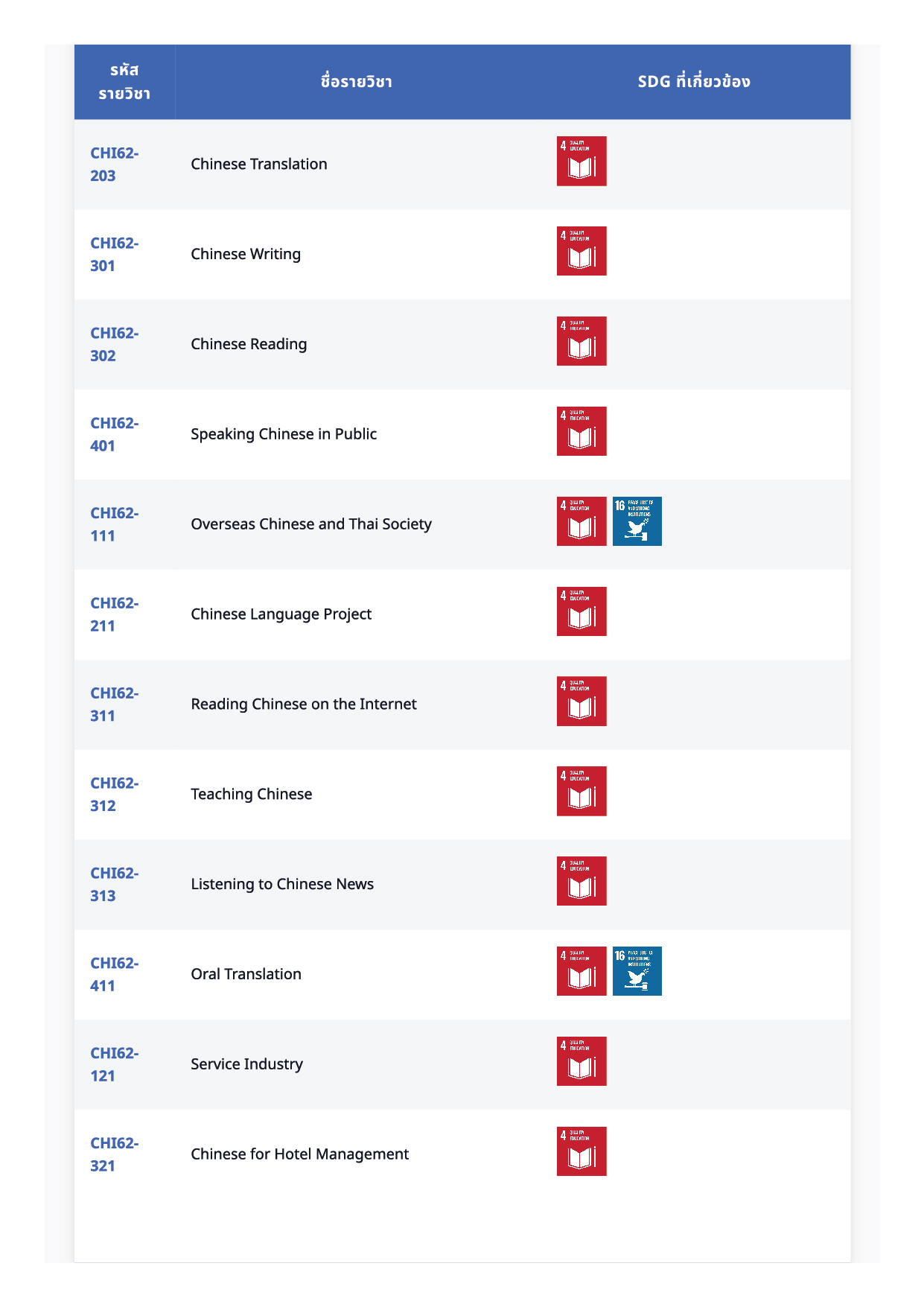
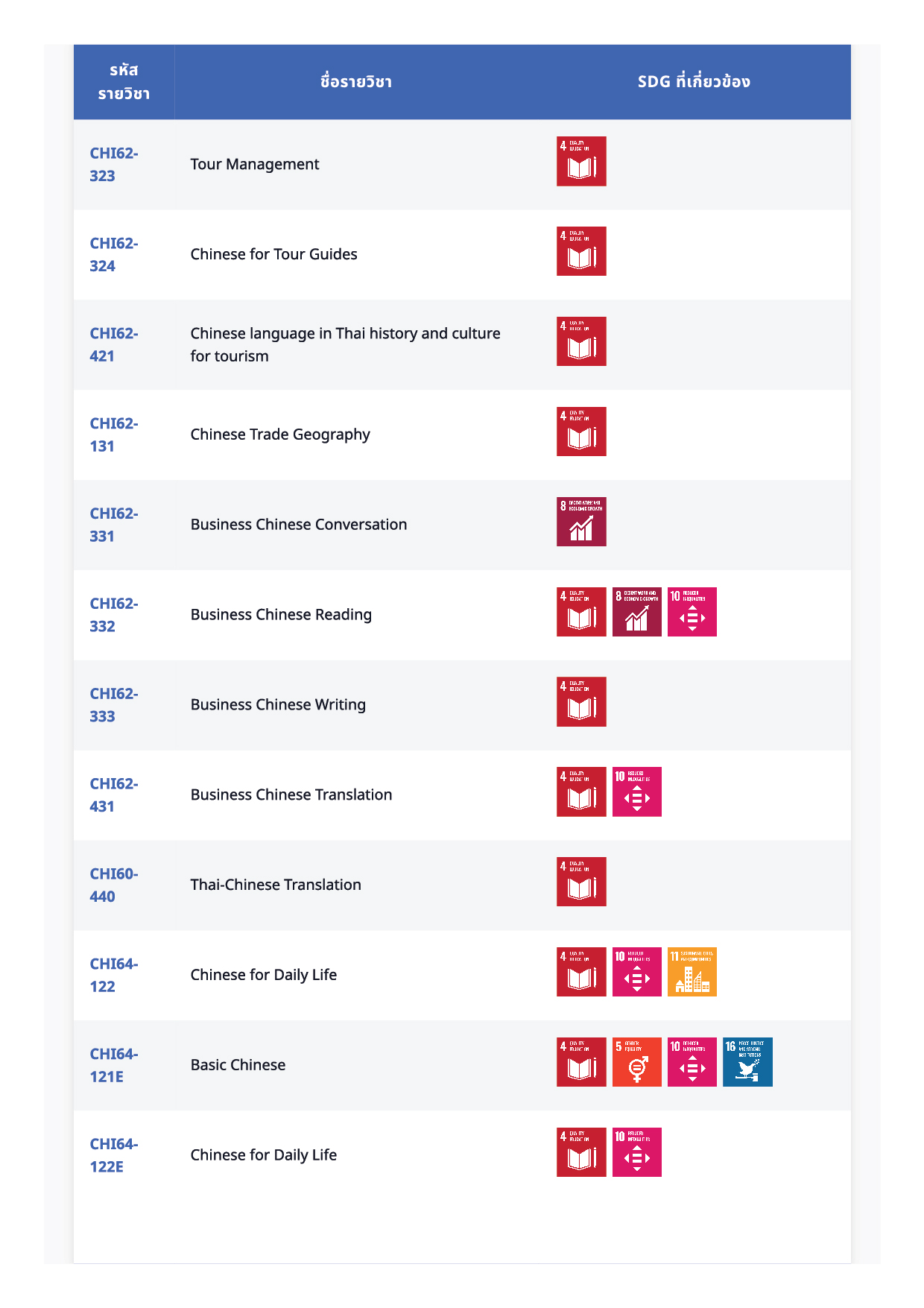
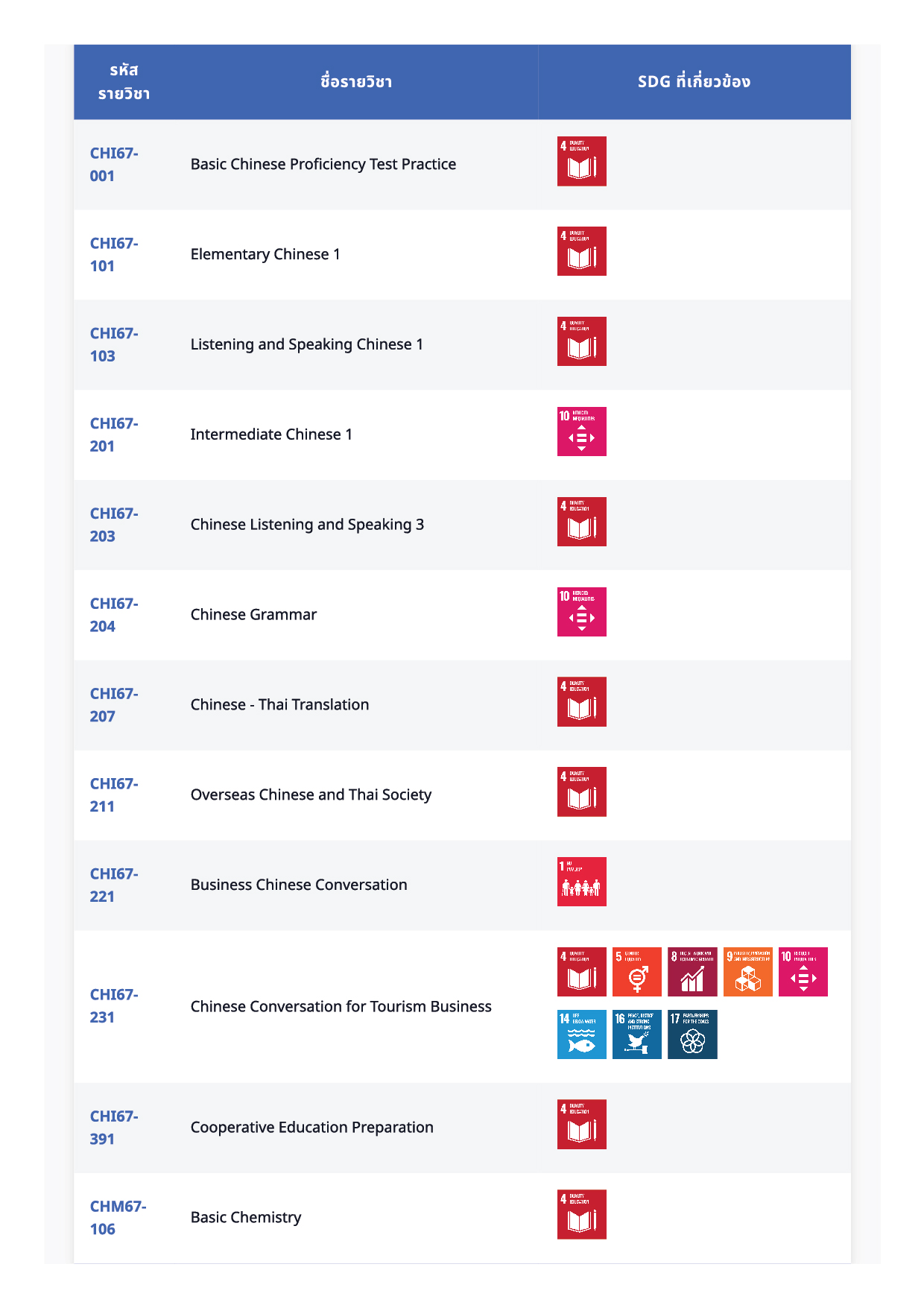
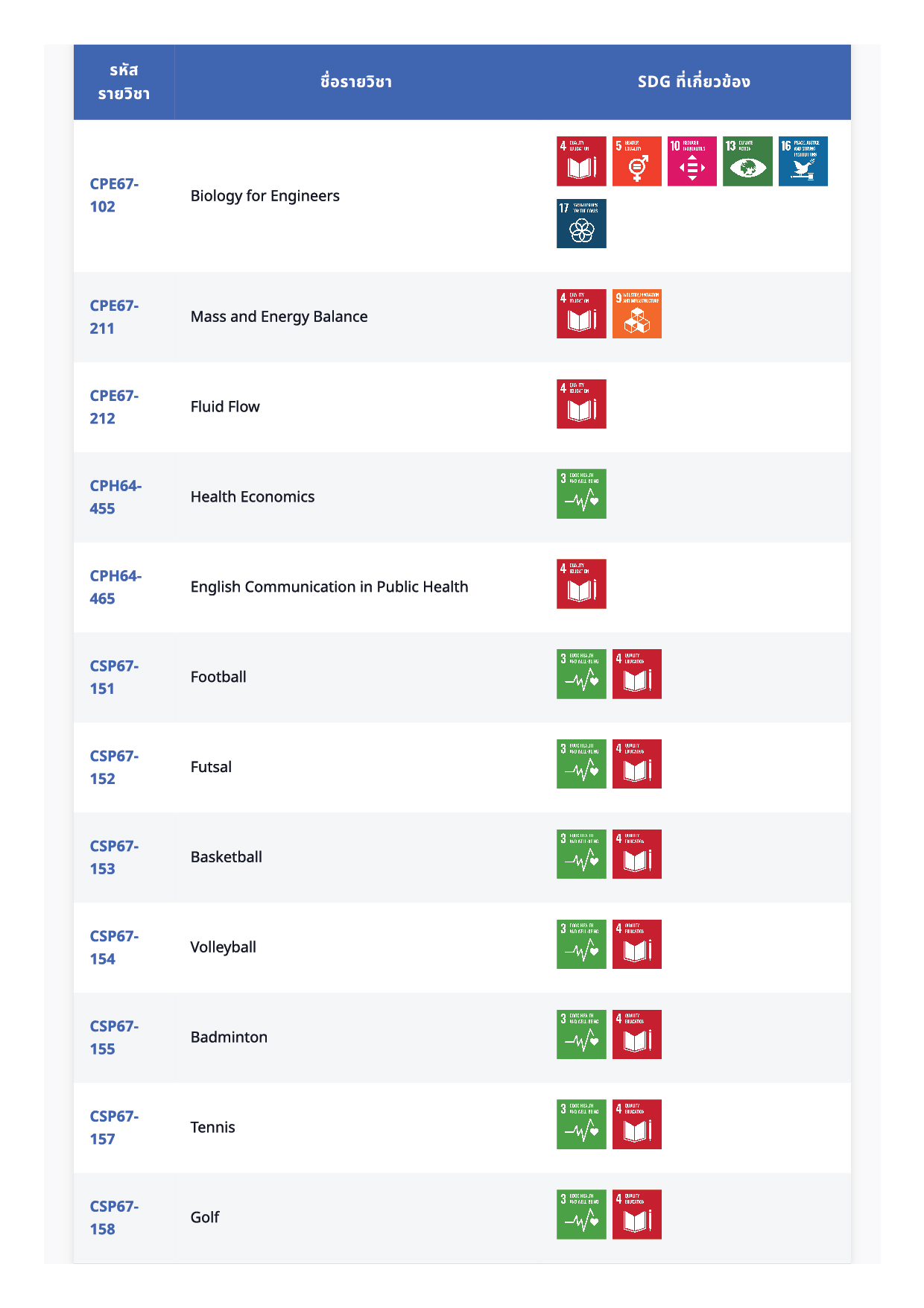
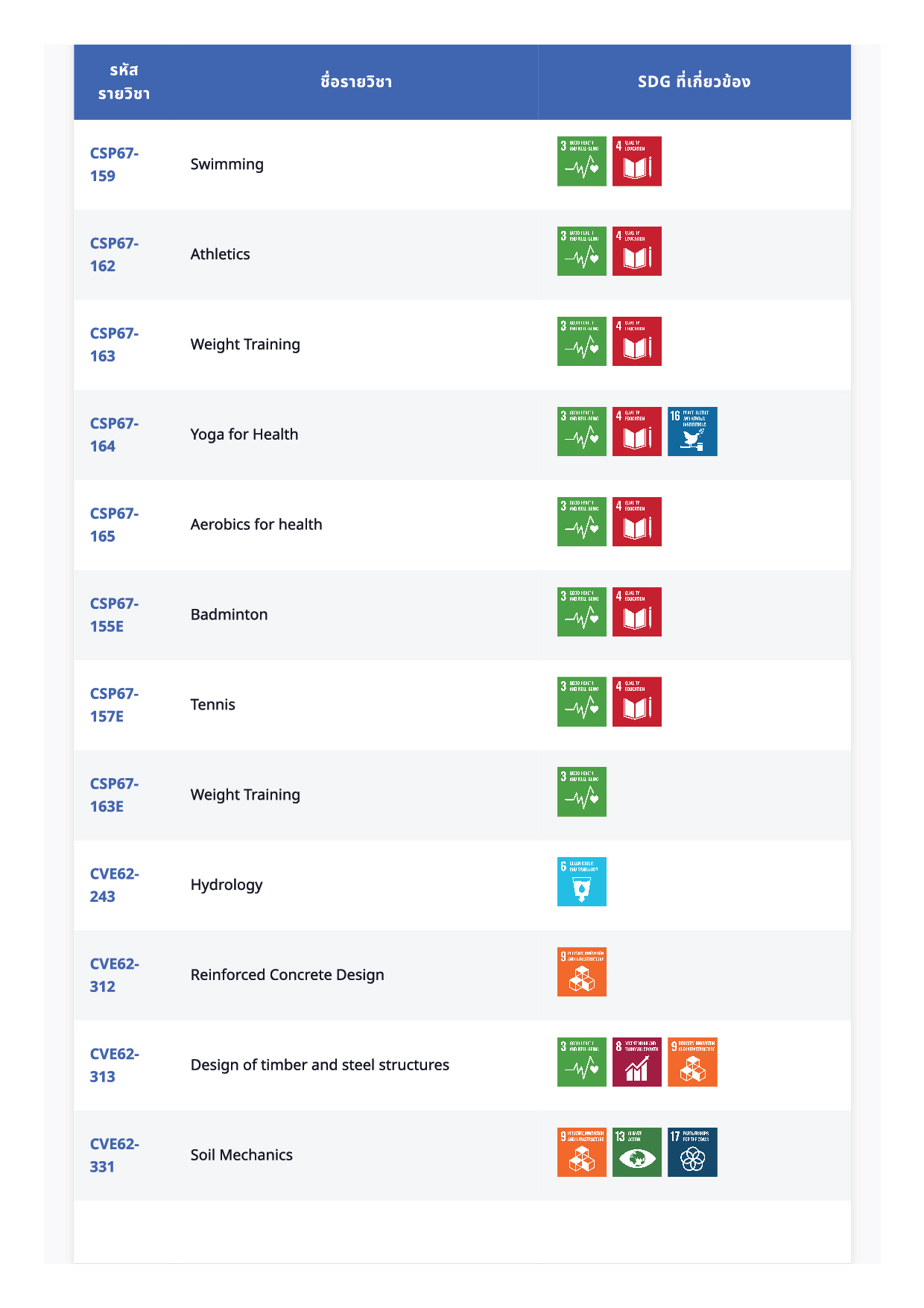
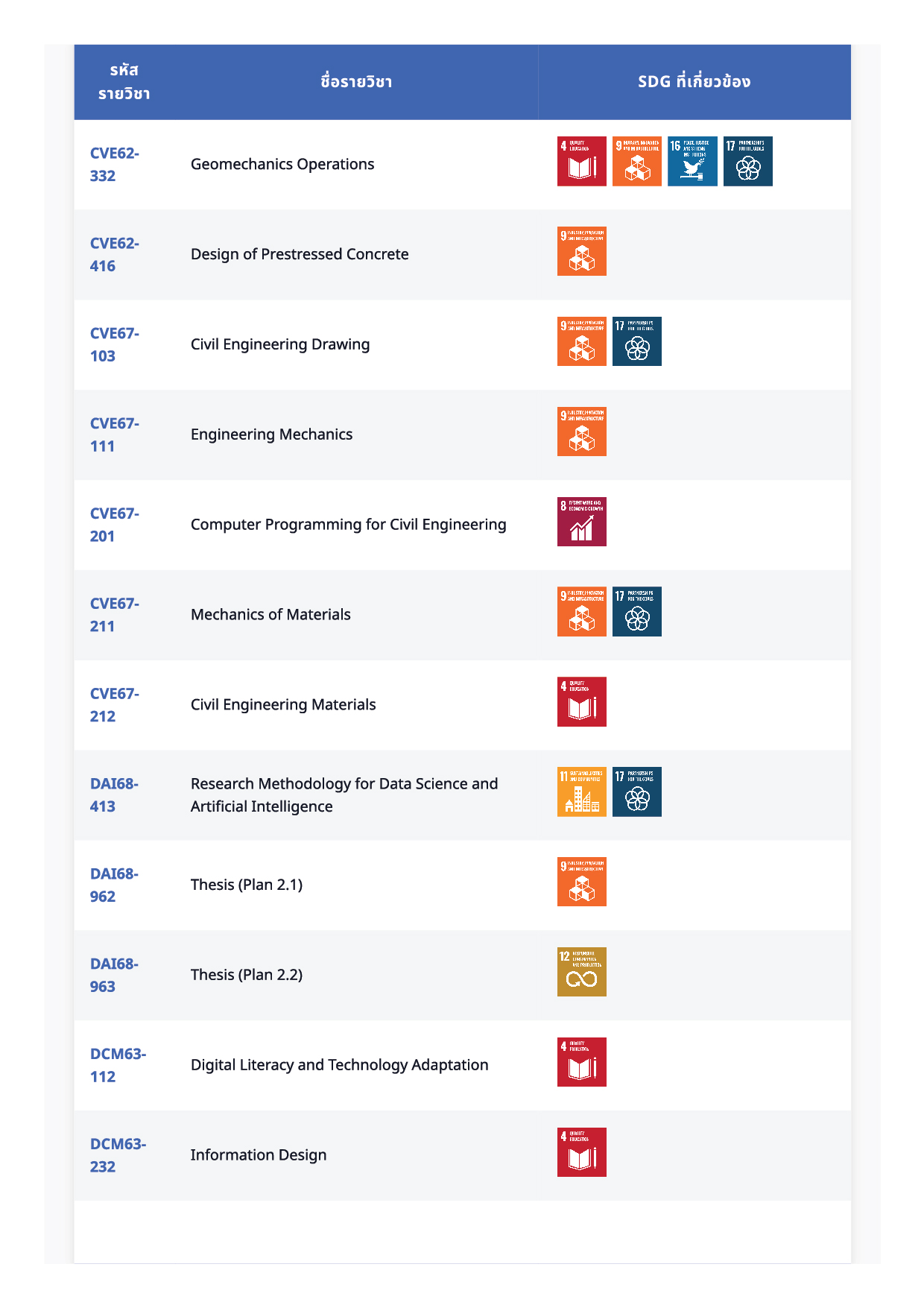
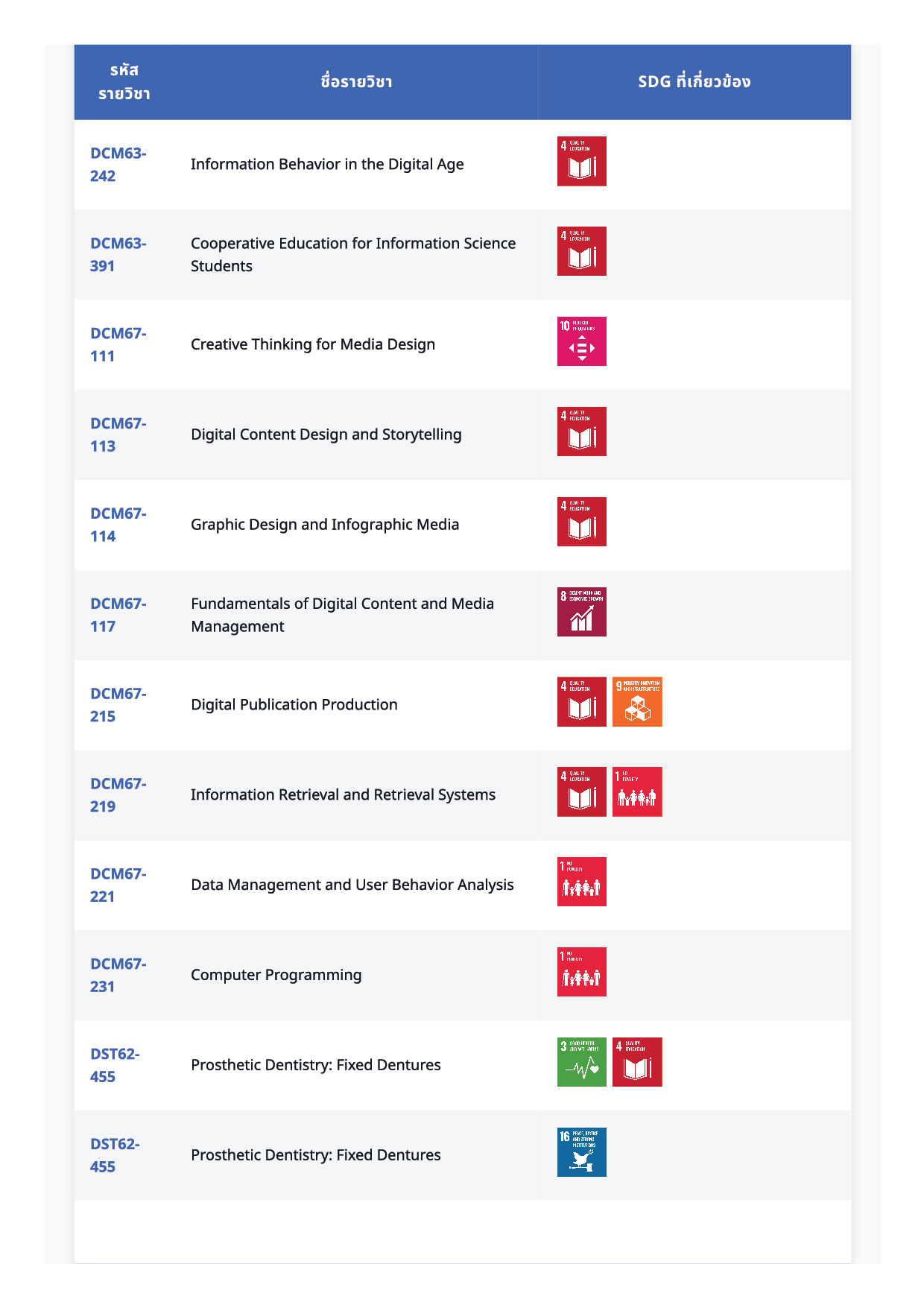
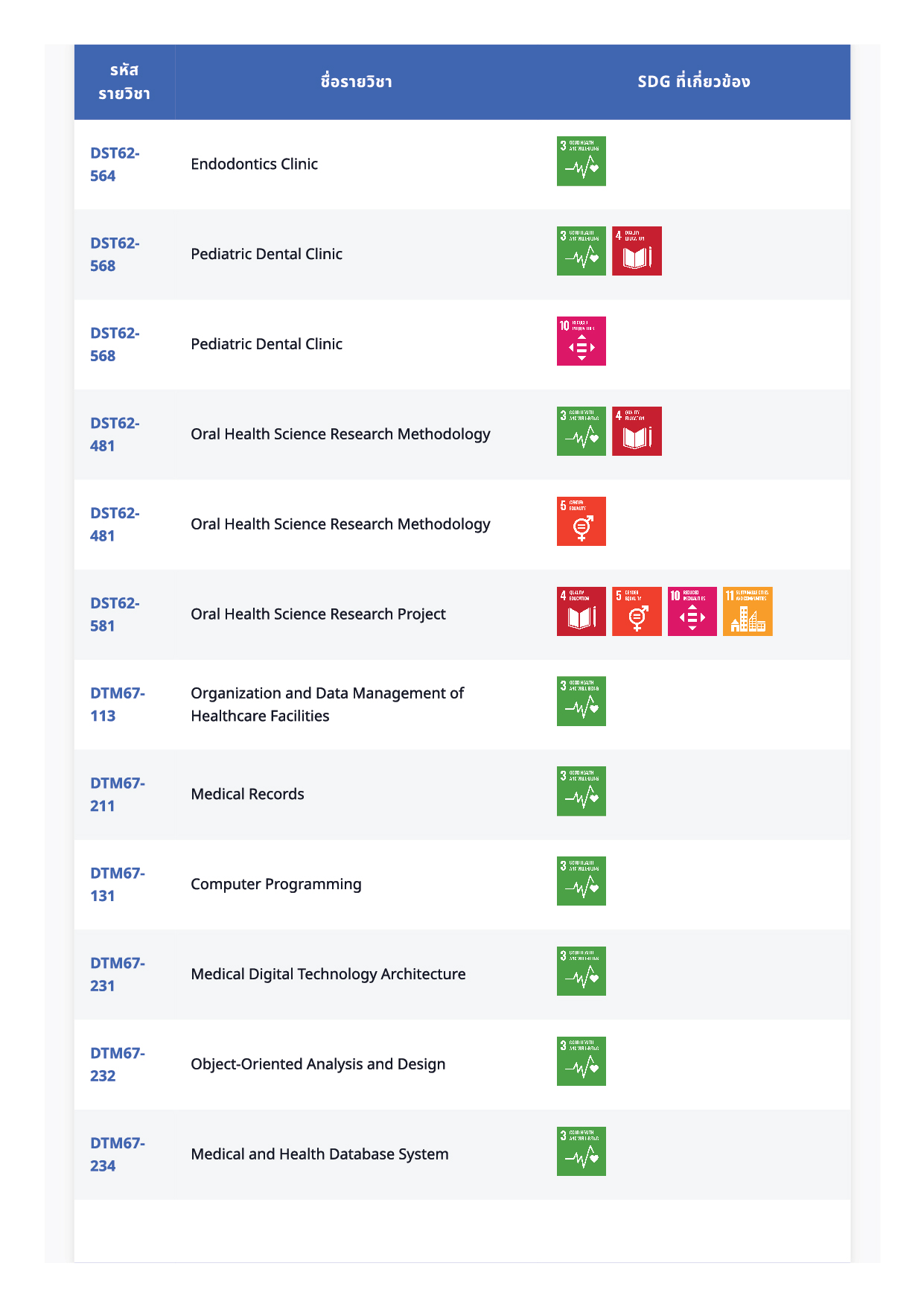
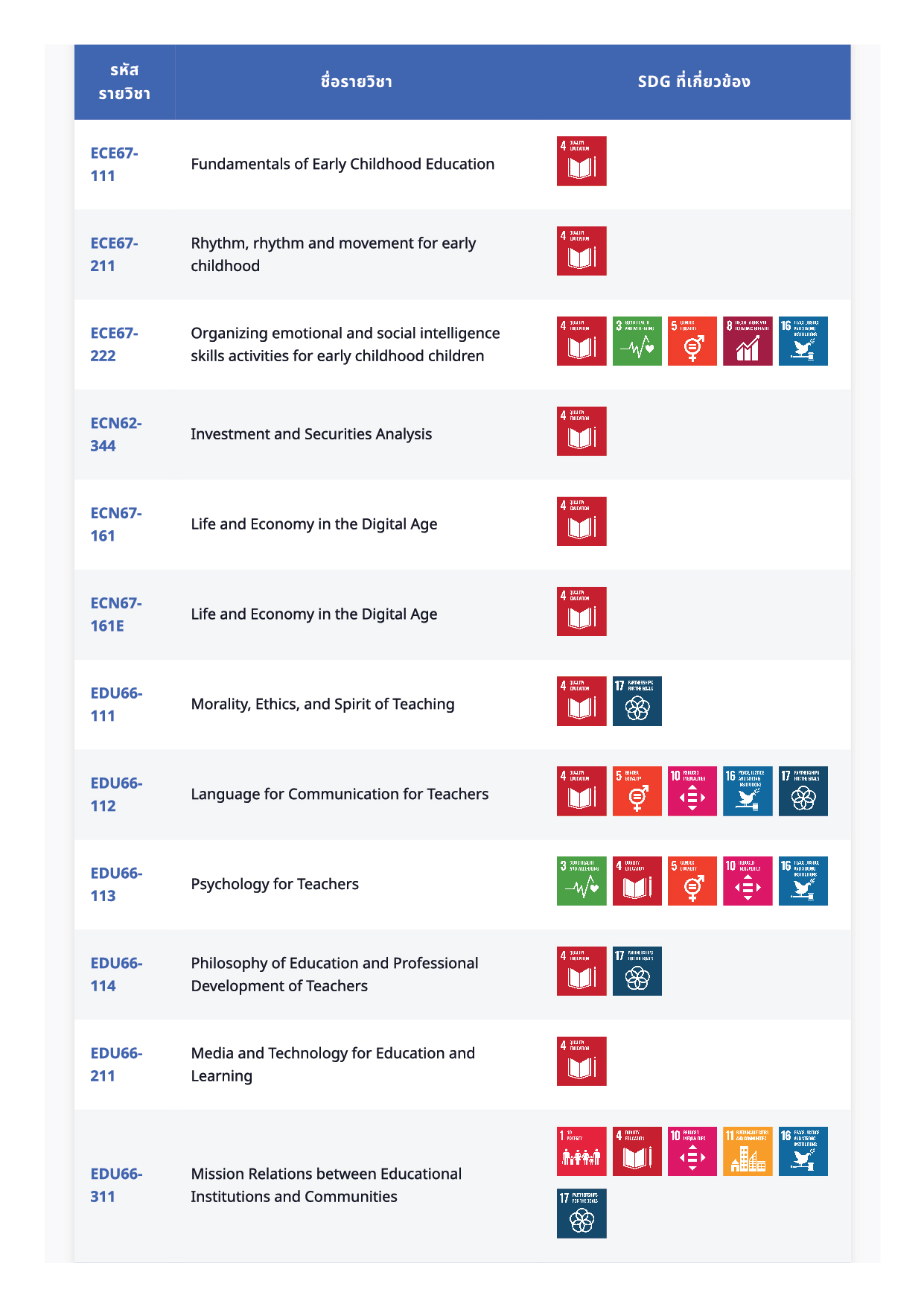
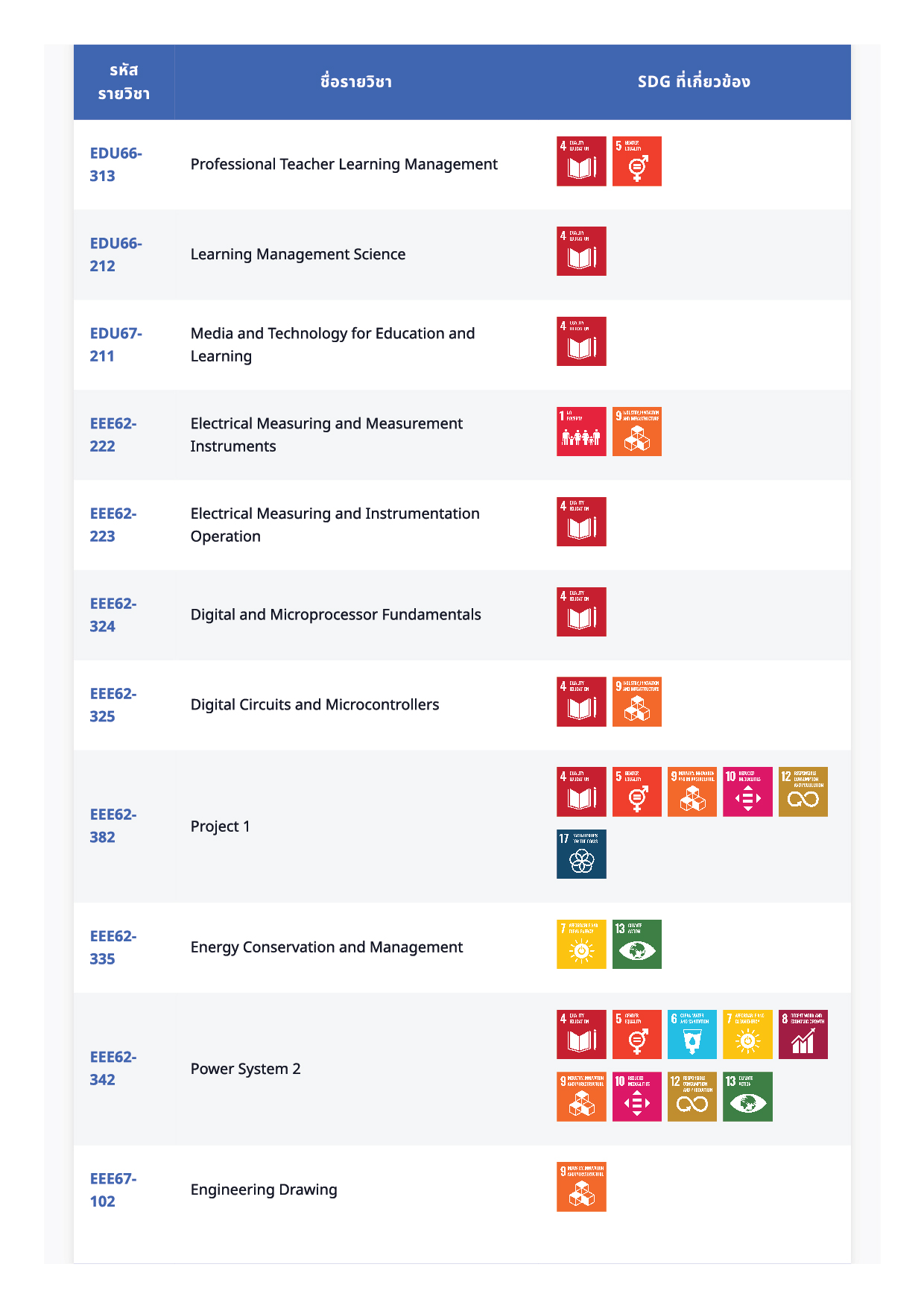
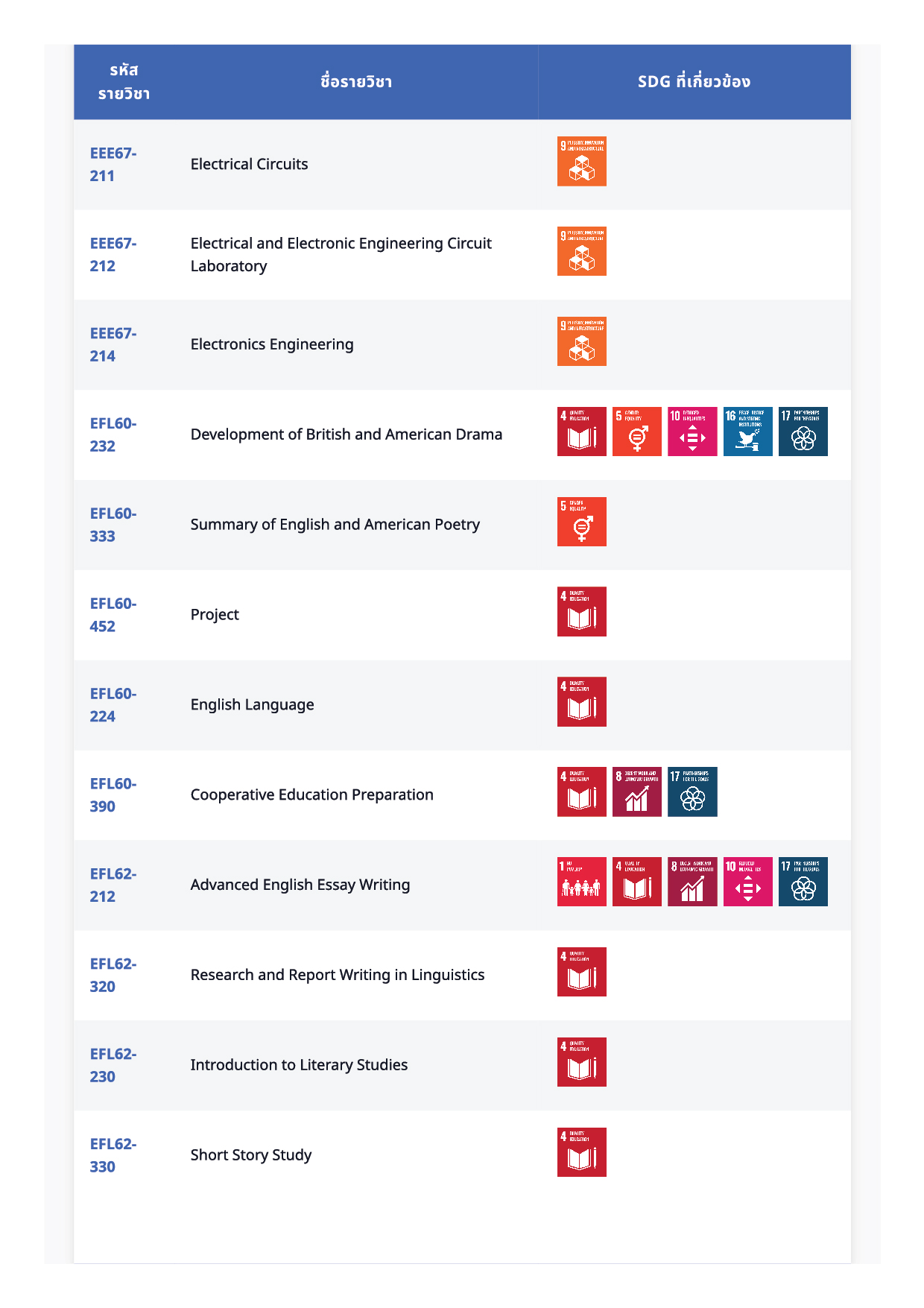
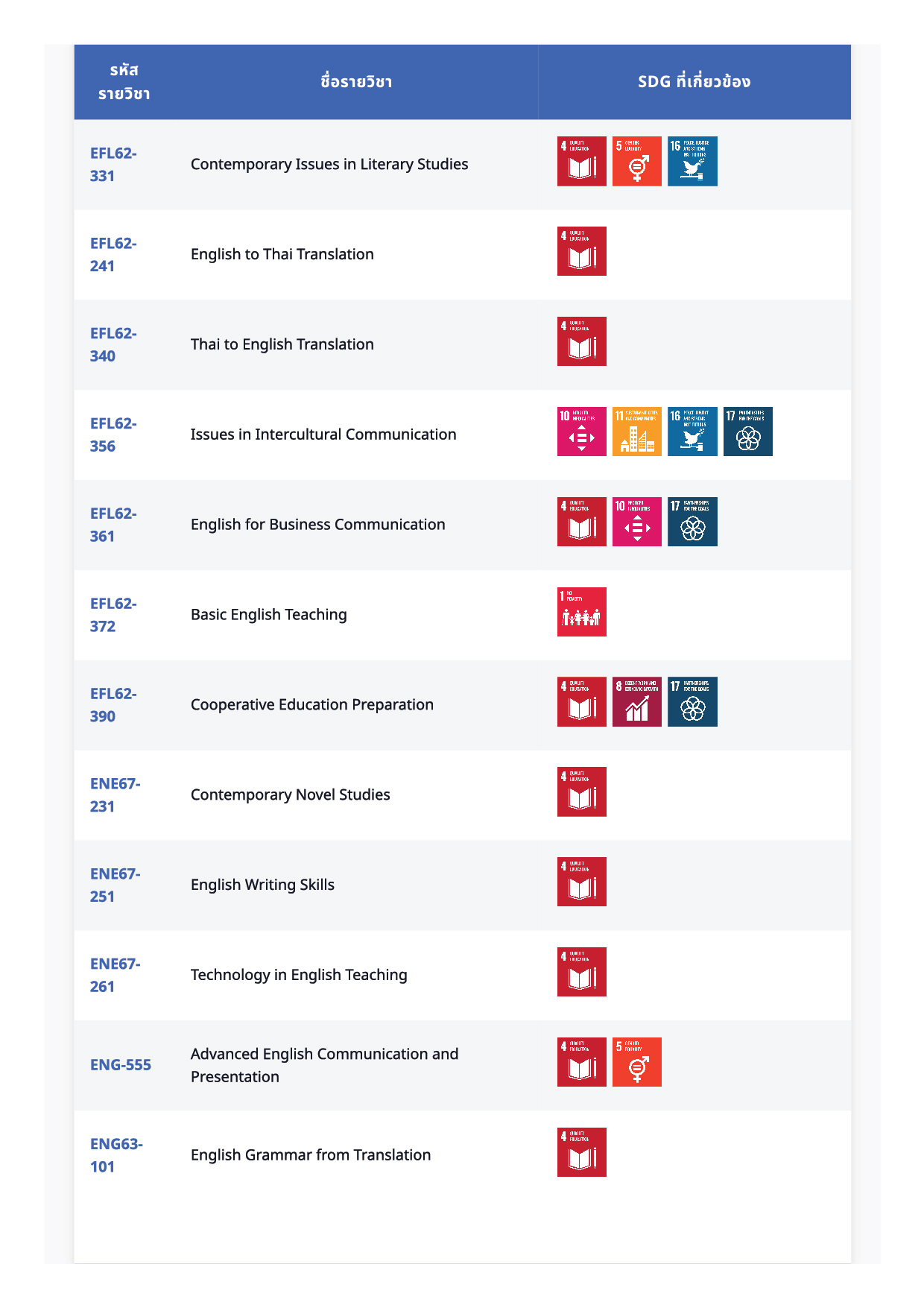
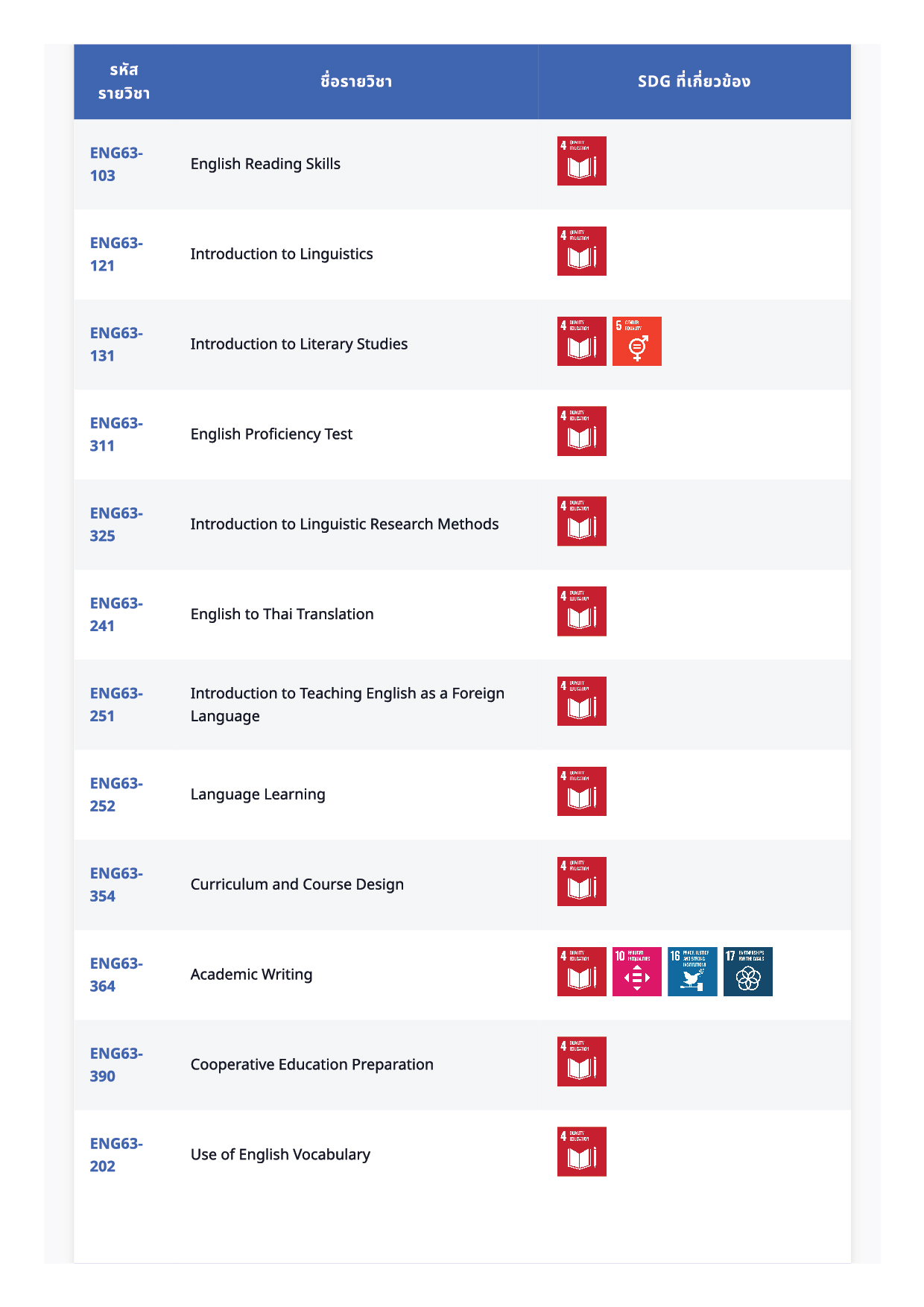
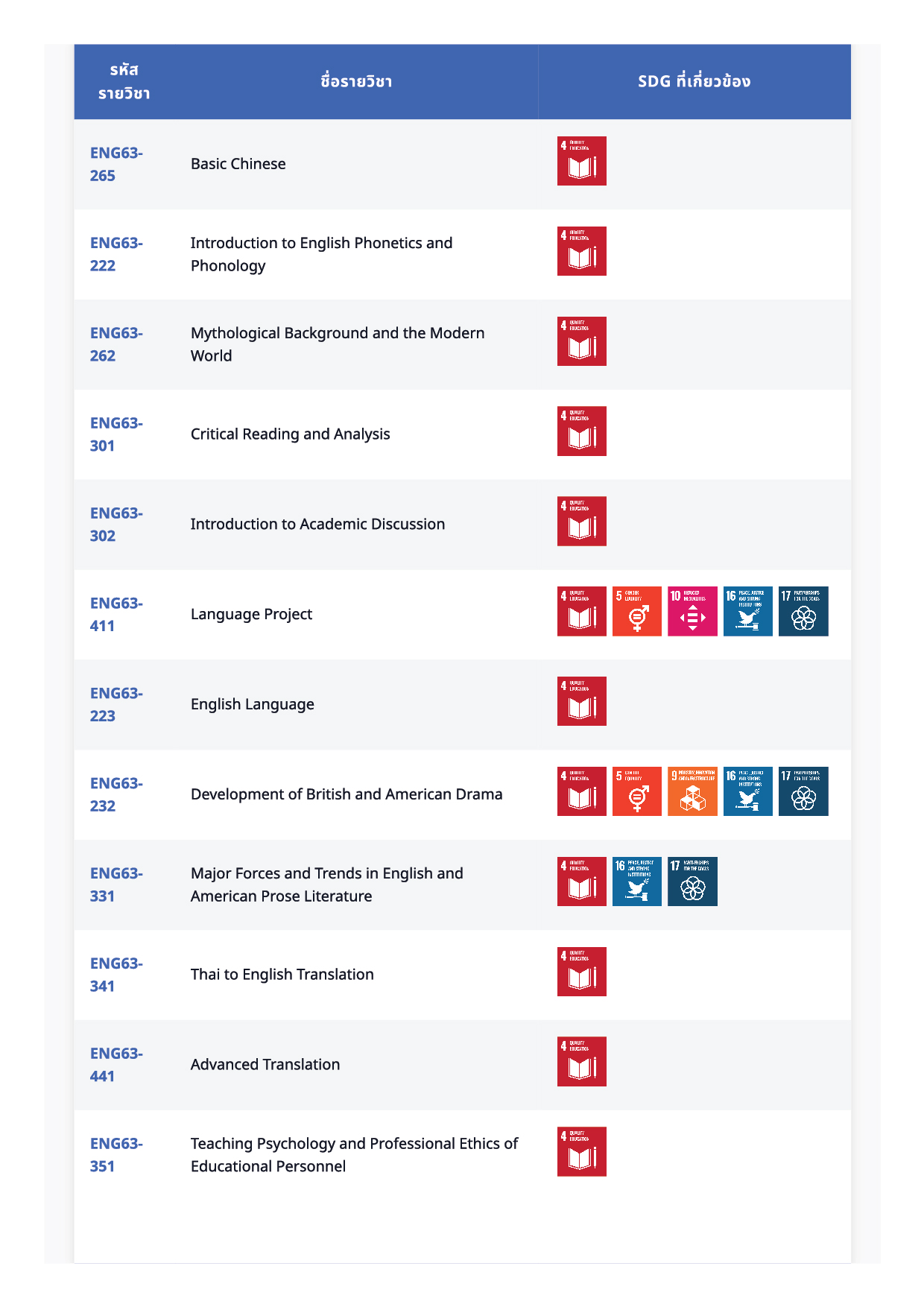
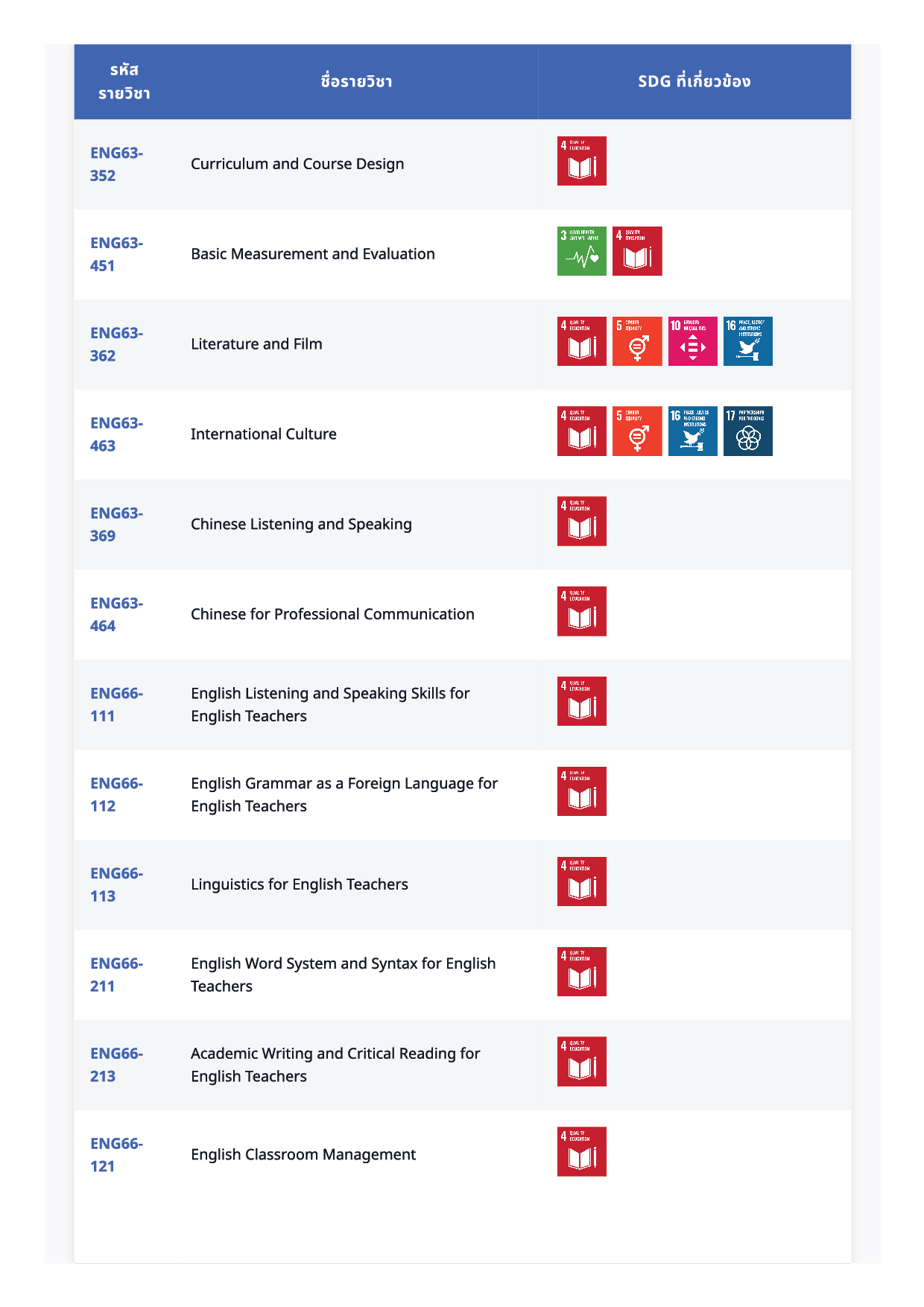
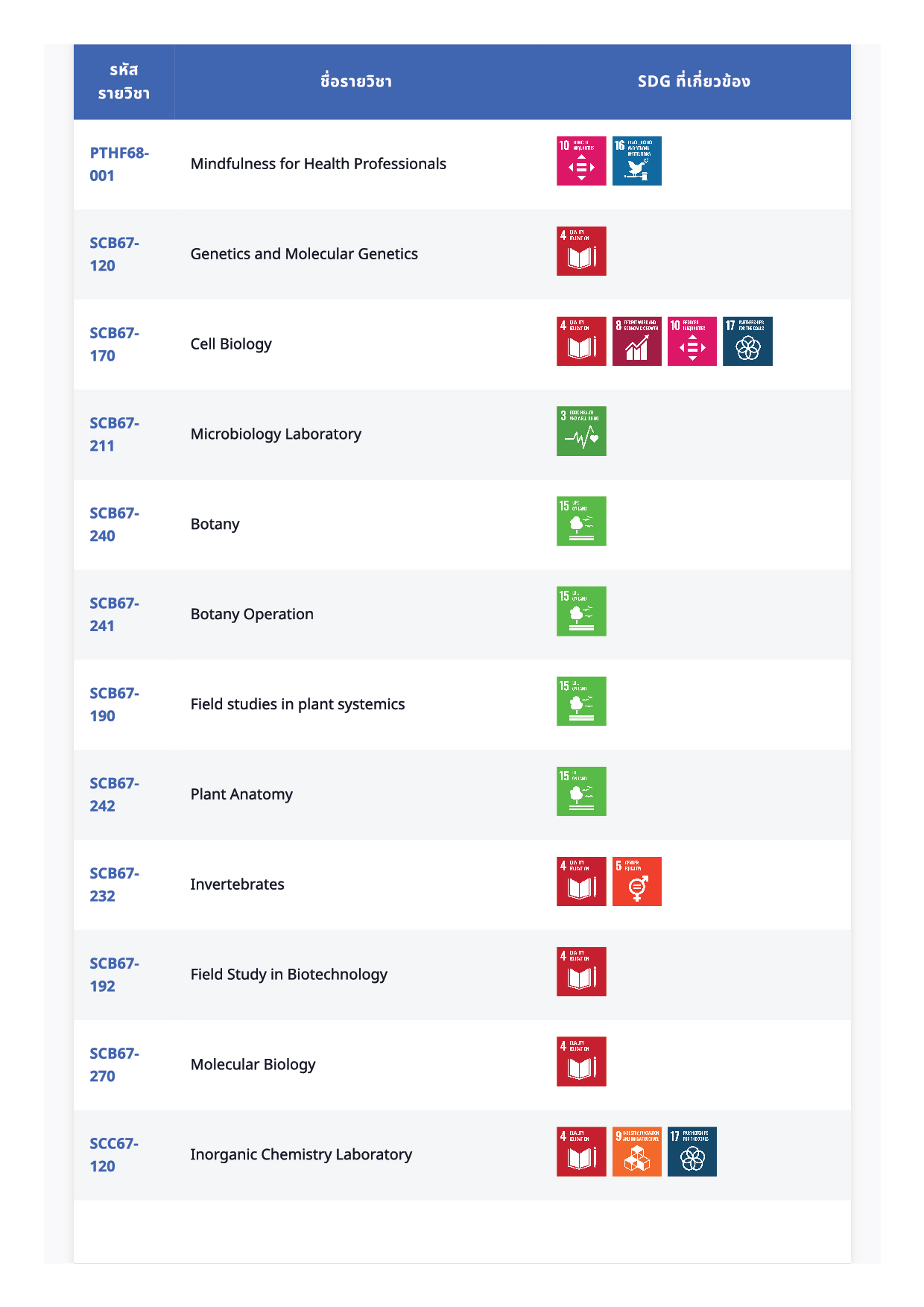
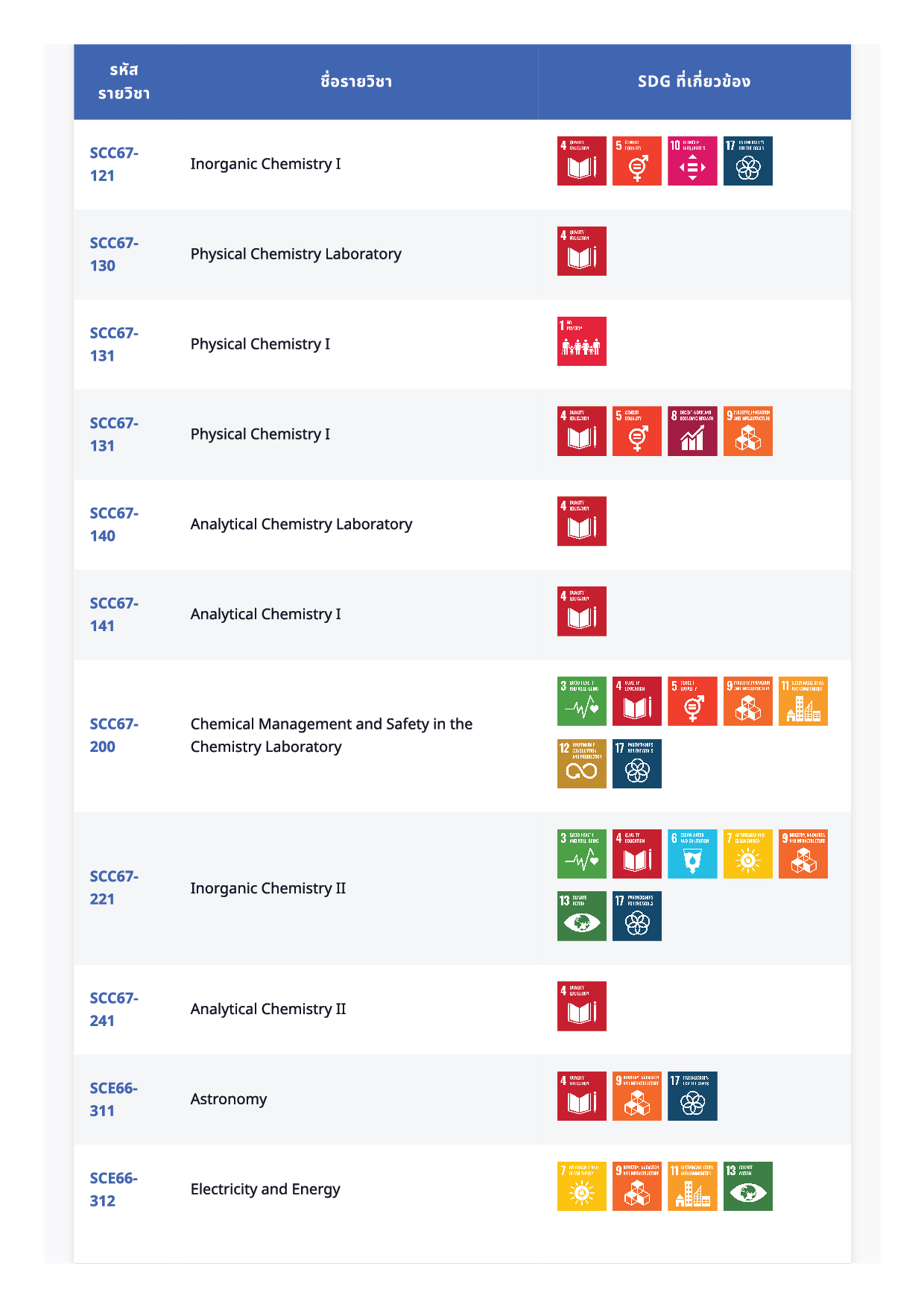
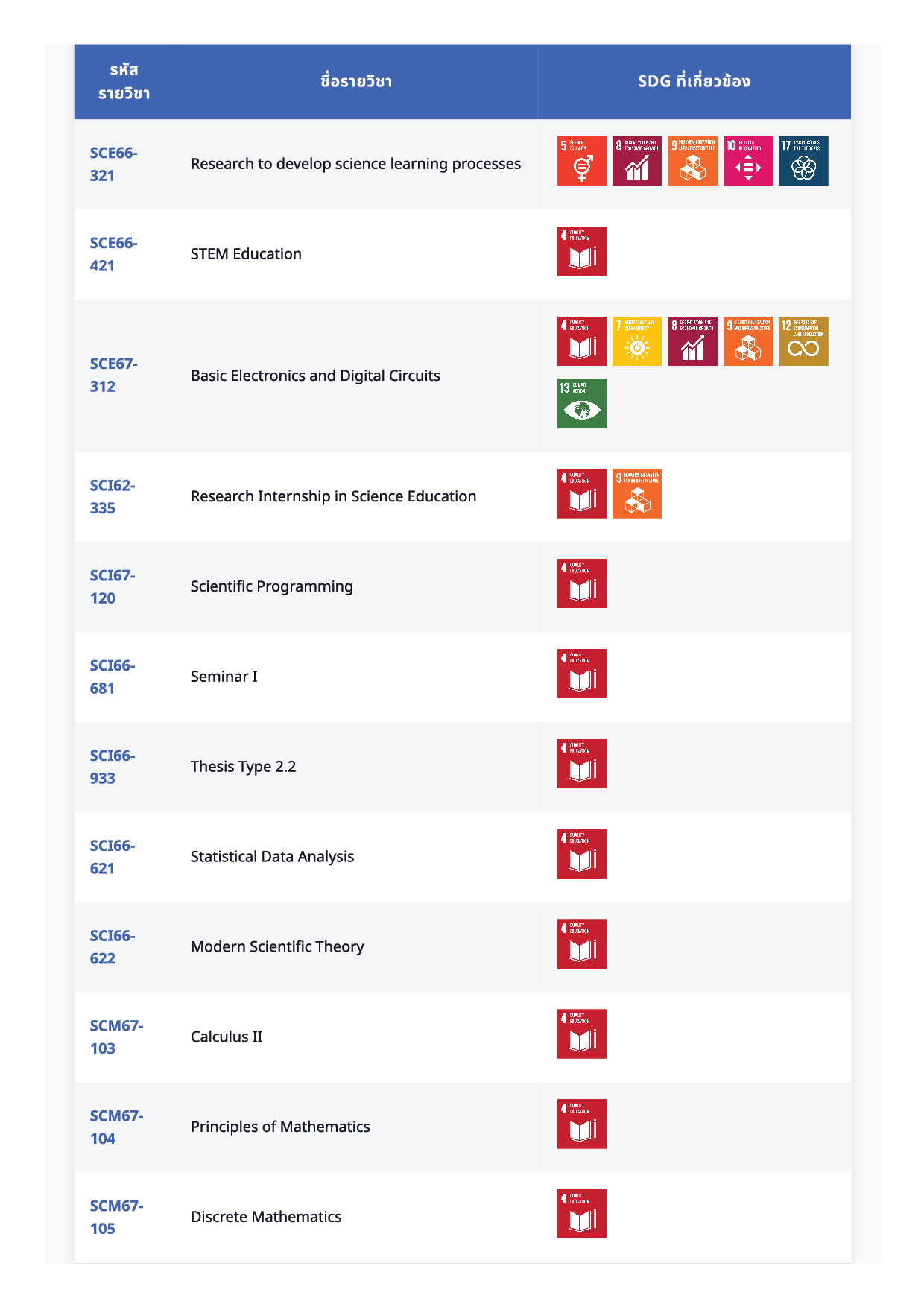
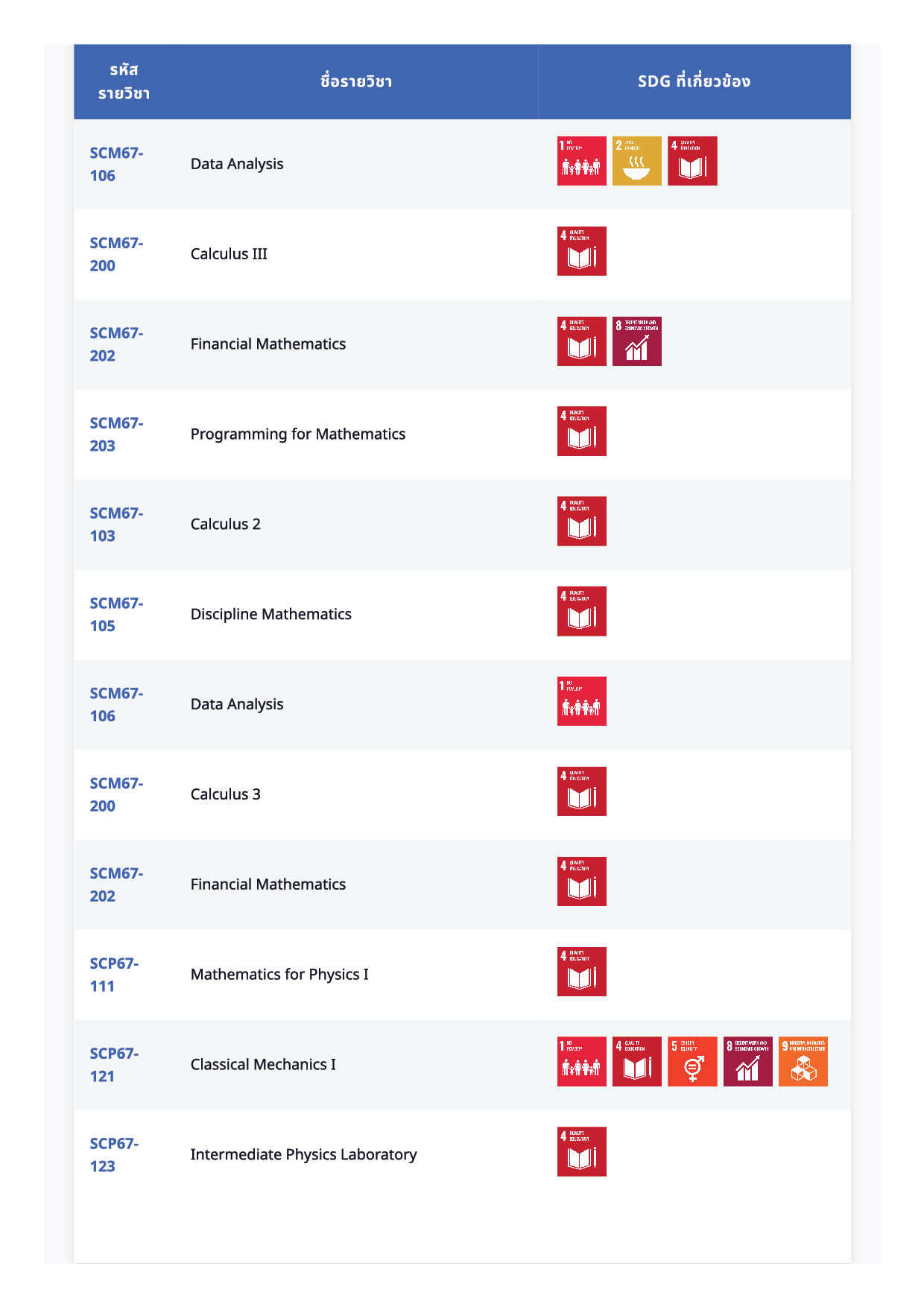
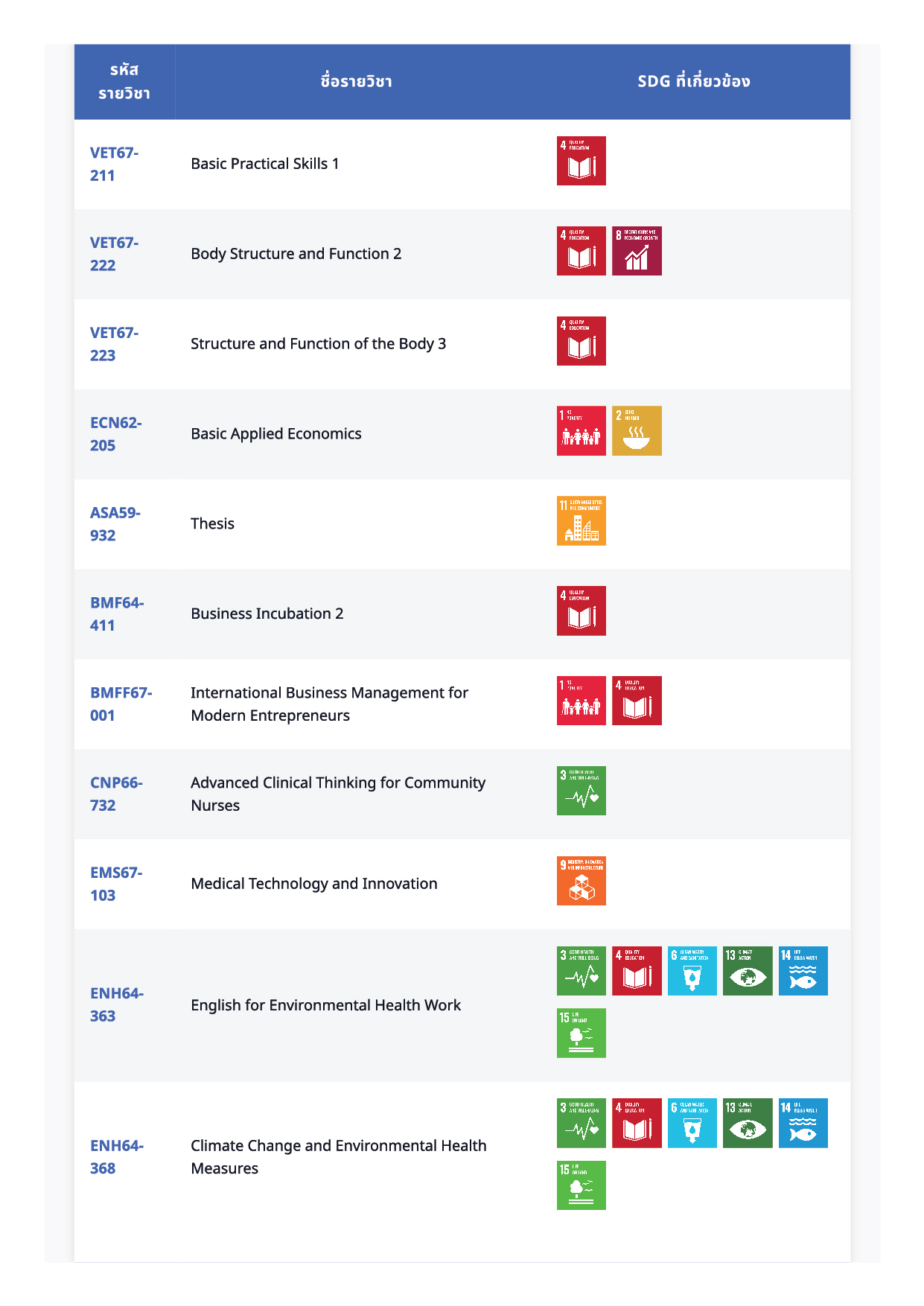
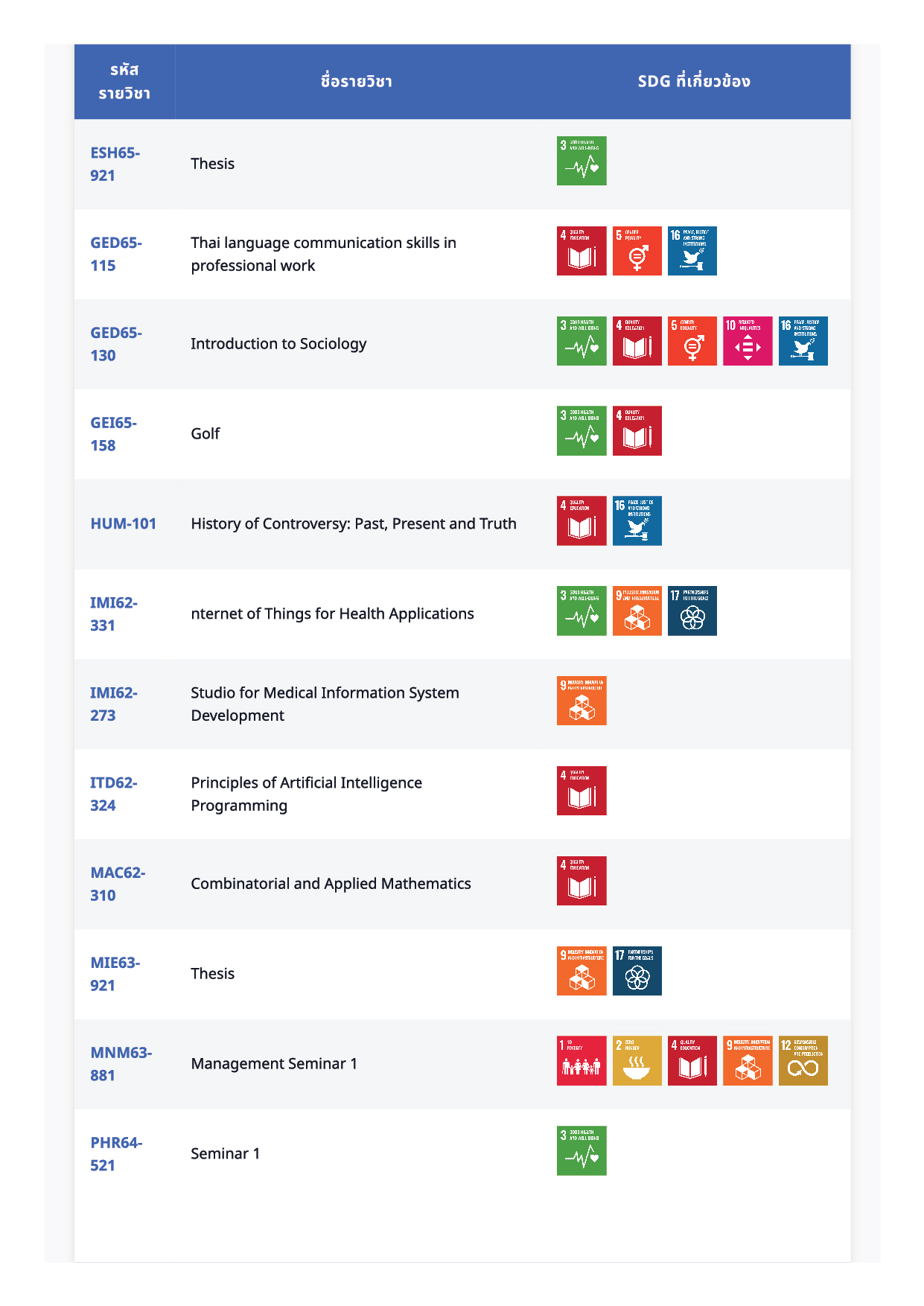
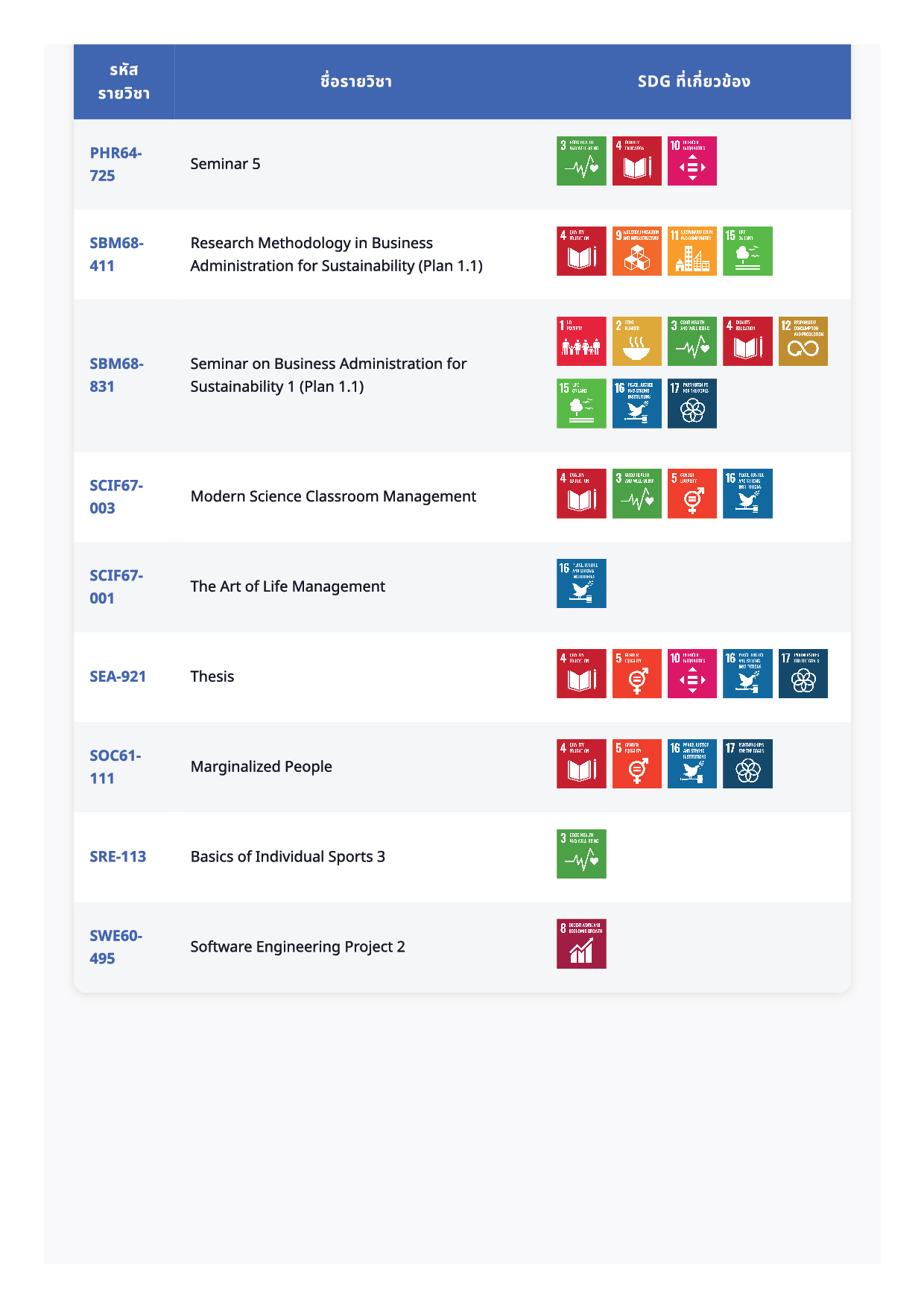
Walailak University (WU) utilizes its Thailand Qualifications Framework for Higher Education (TQF) system as a standardized mechanism for integrating the Sustainable Development Goals (SDGs) into curriculum planning and course specifications. Through this system, all instructors across every faculty and academic programme are required to identify the SDGs relevant to their courses, ensuring that sustainability considerations are incorporated throughout the University’s academic framework. This university-wide approach enables WU to systematically map the relationship between teaching and learning and the SDGs, strengthen the relevance of academic content to sustainable development, and support the continuous improvement of sustainability education. The University’s TQF system also provides a basis for documenting and monitoring SDG integration at the course level, reinforcing institutional accountability and demonstrating WU’s commitment to meaningful education for sustainable development.


Expanding SDG Integration Across the Curriculum
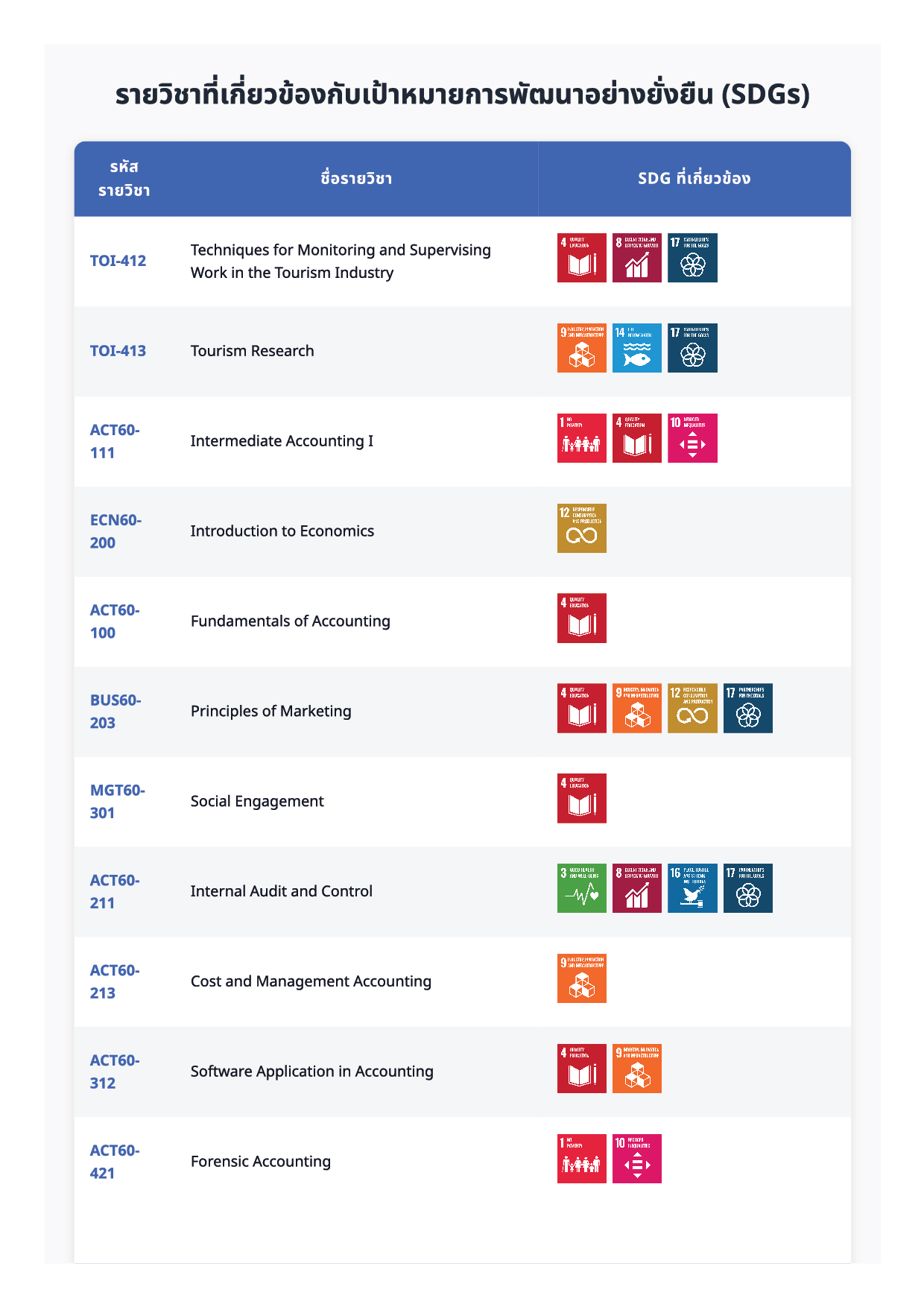
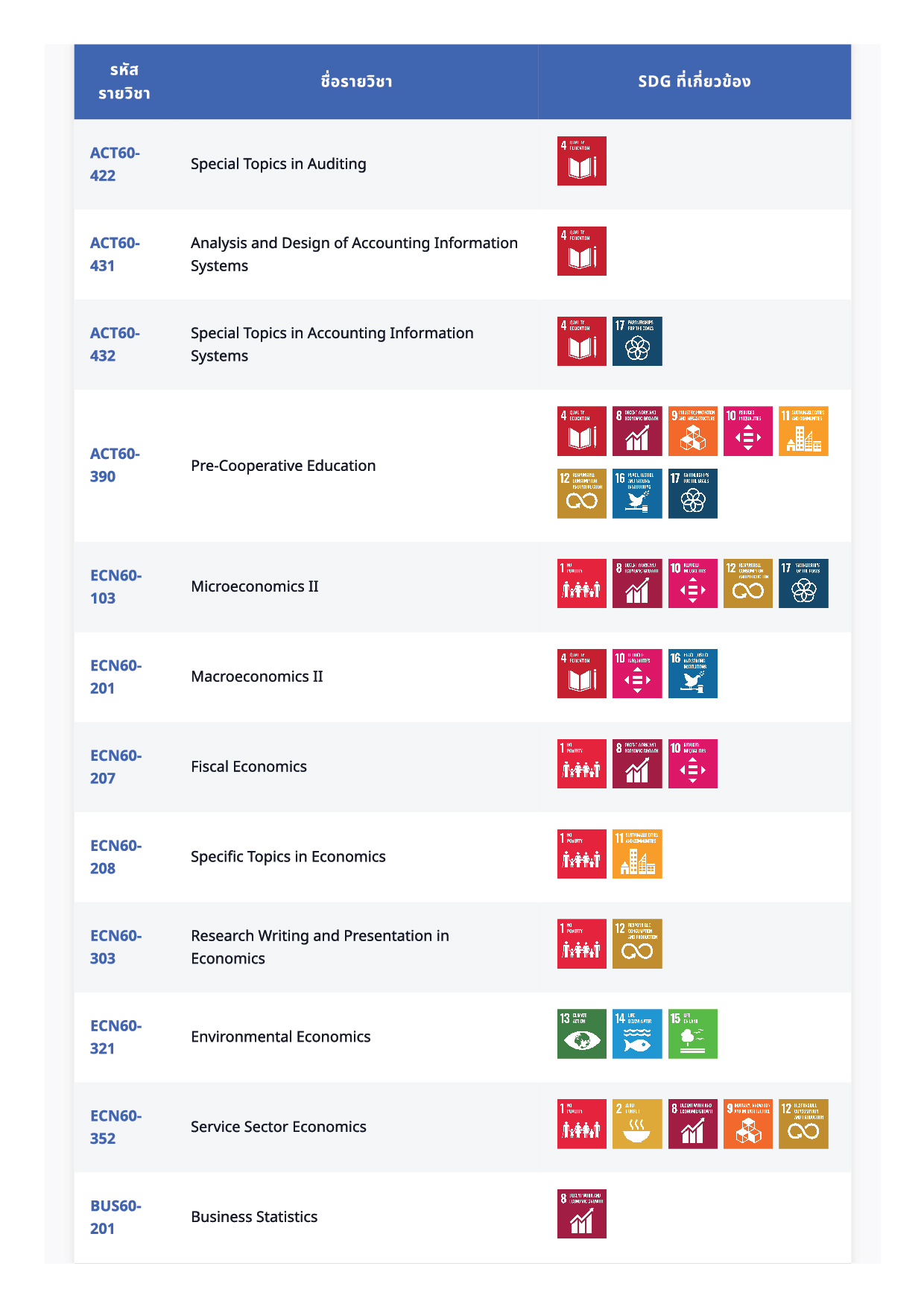
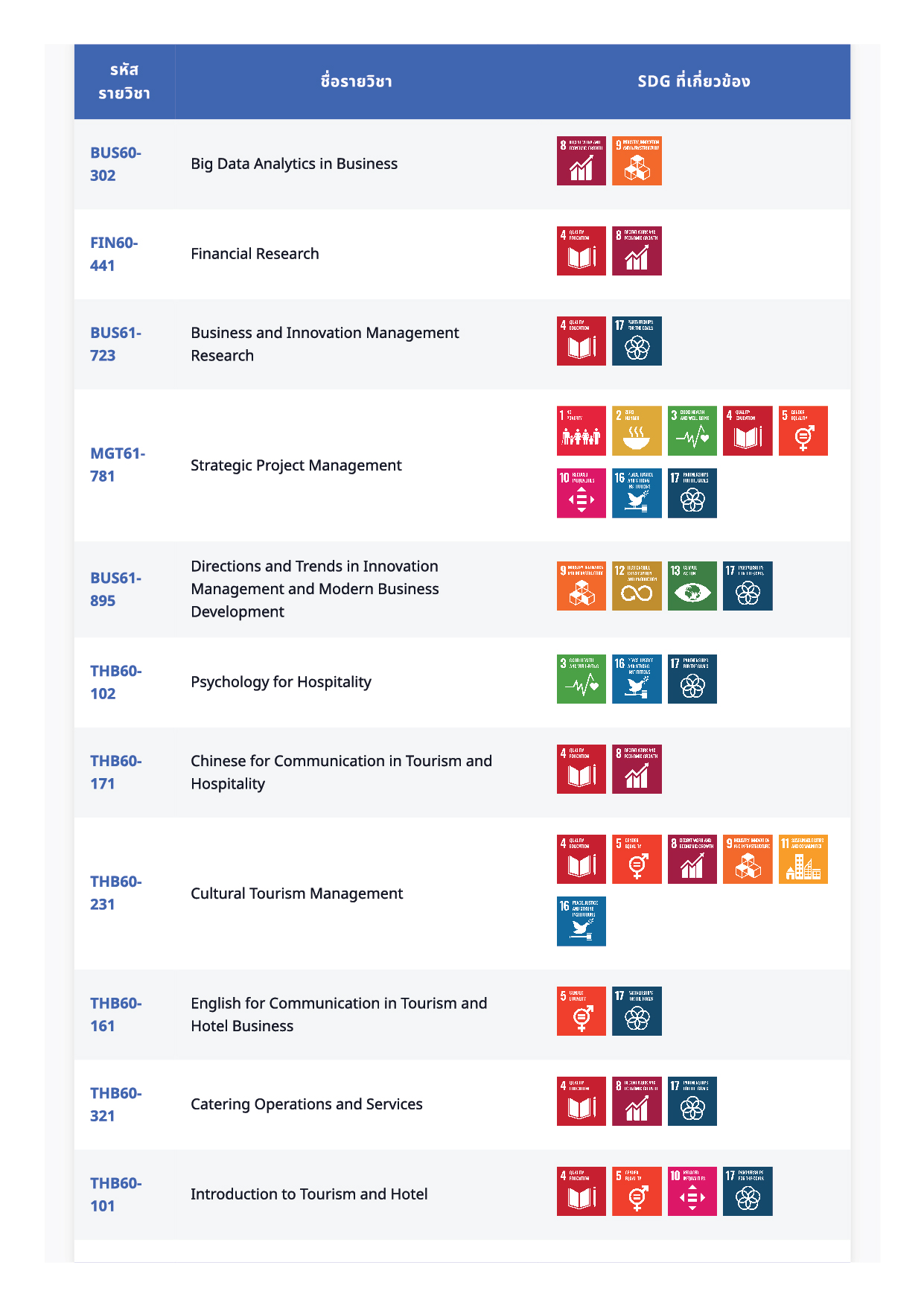
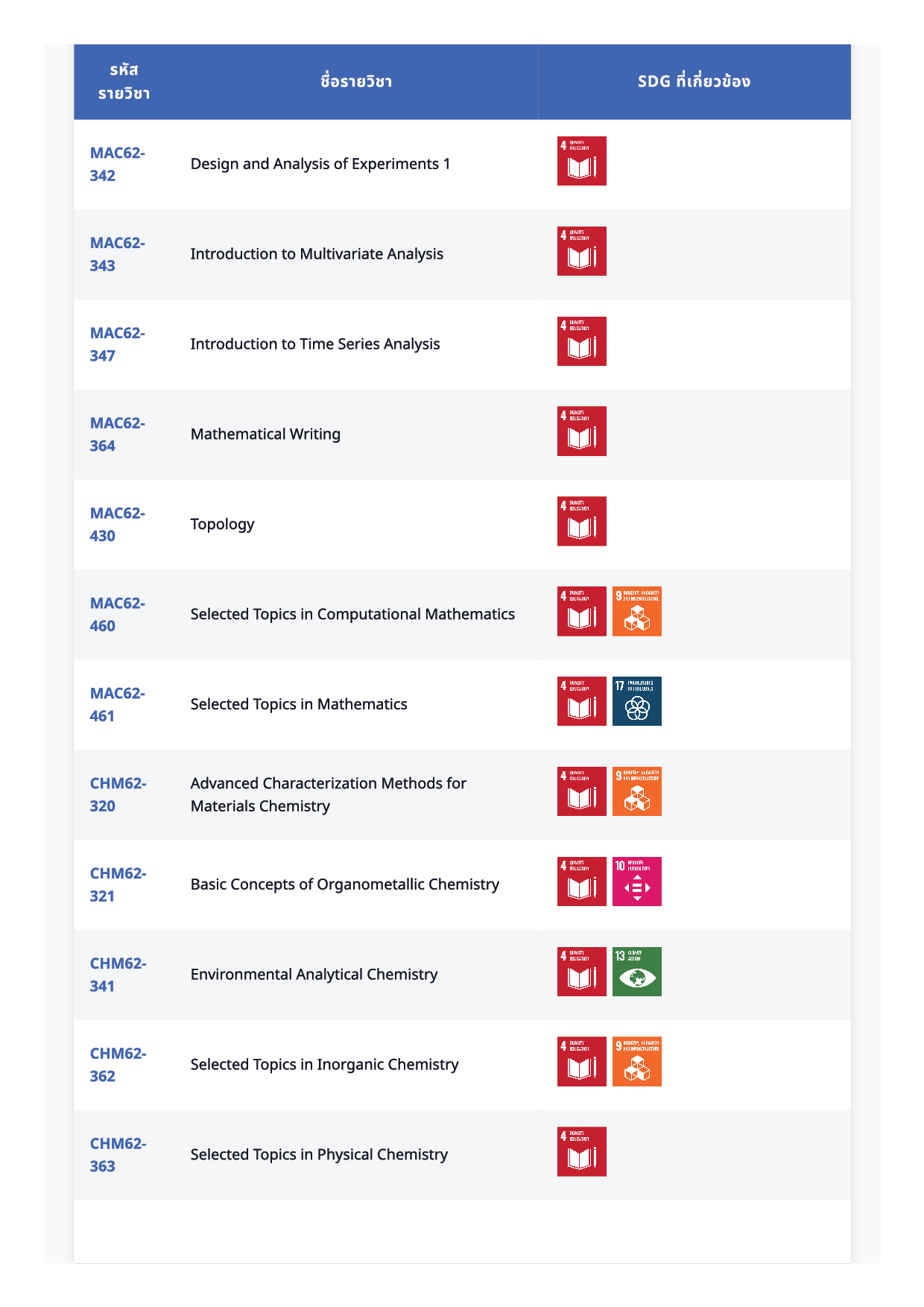
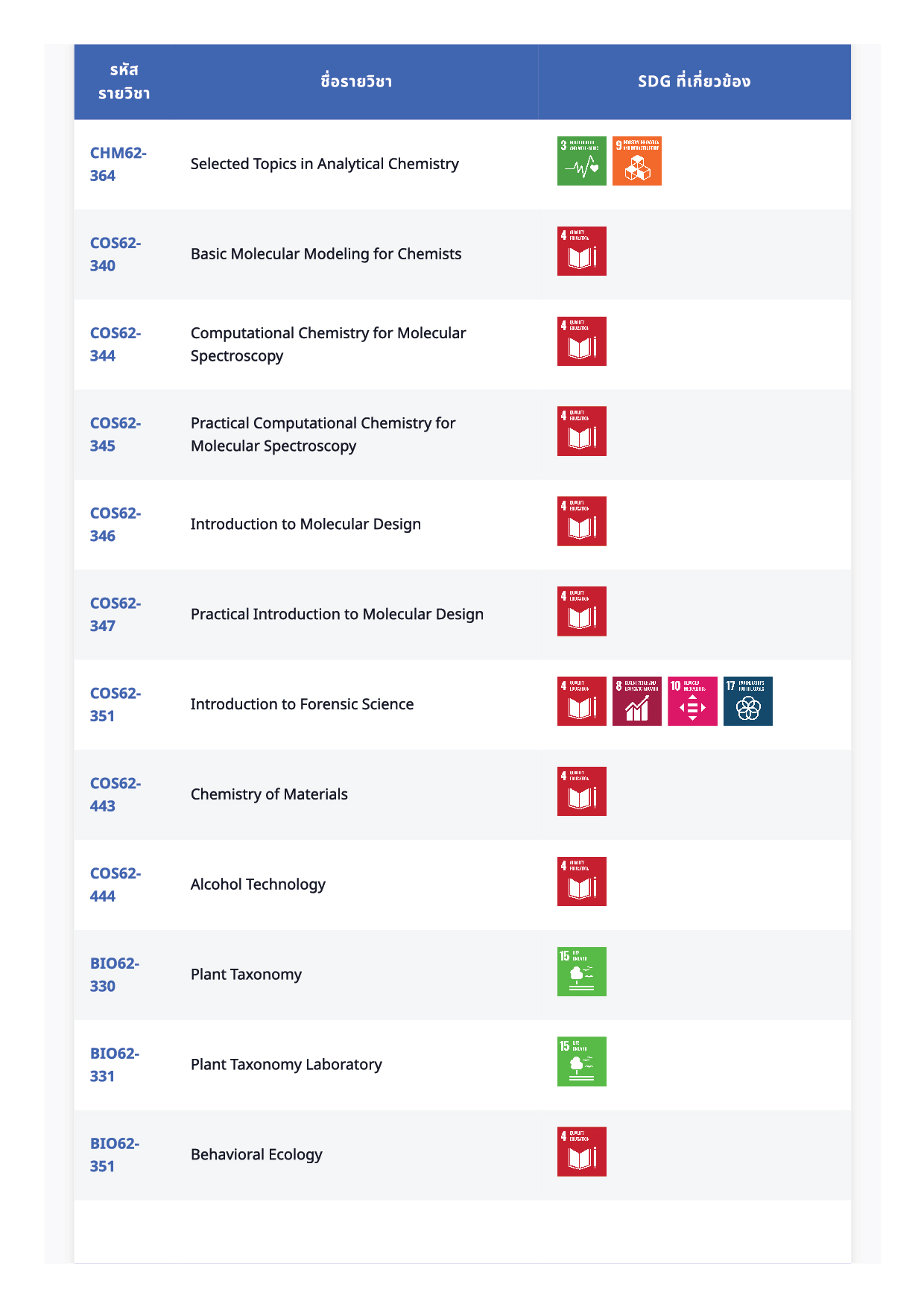
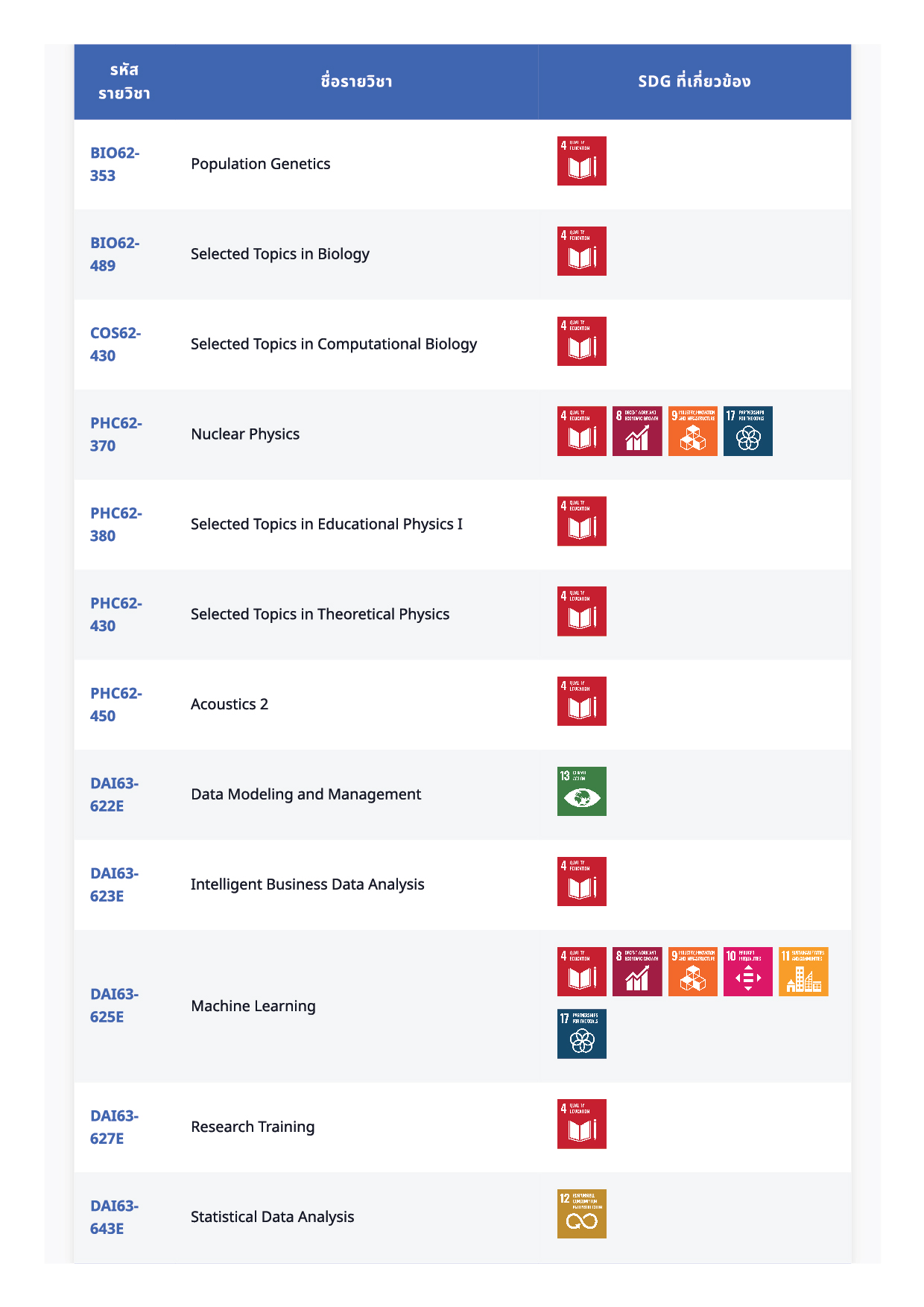
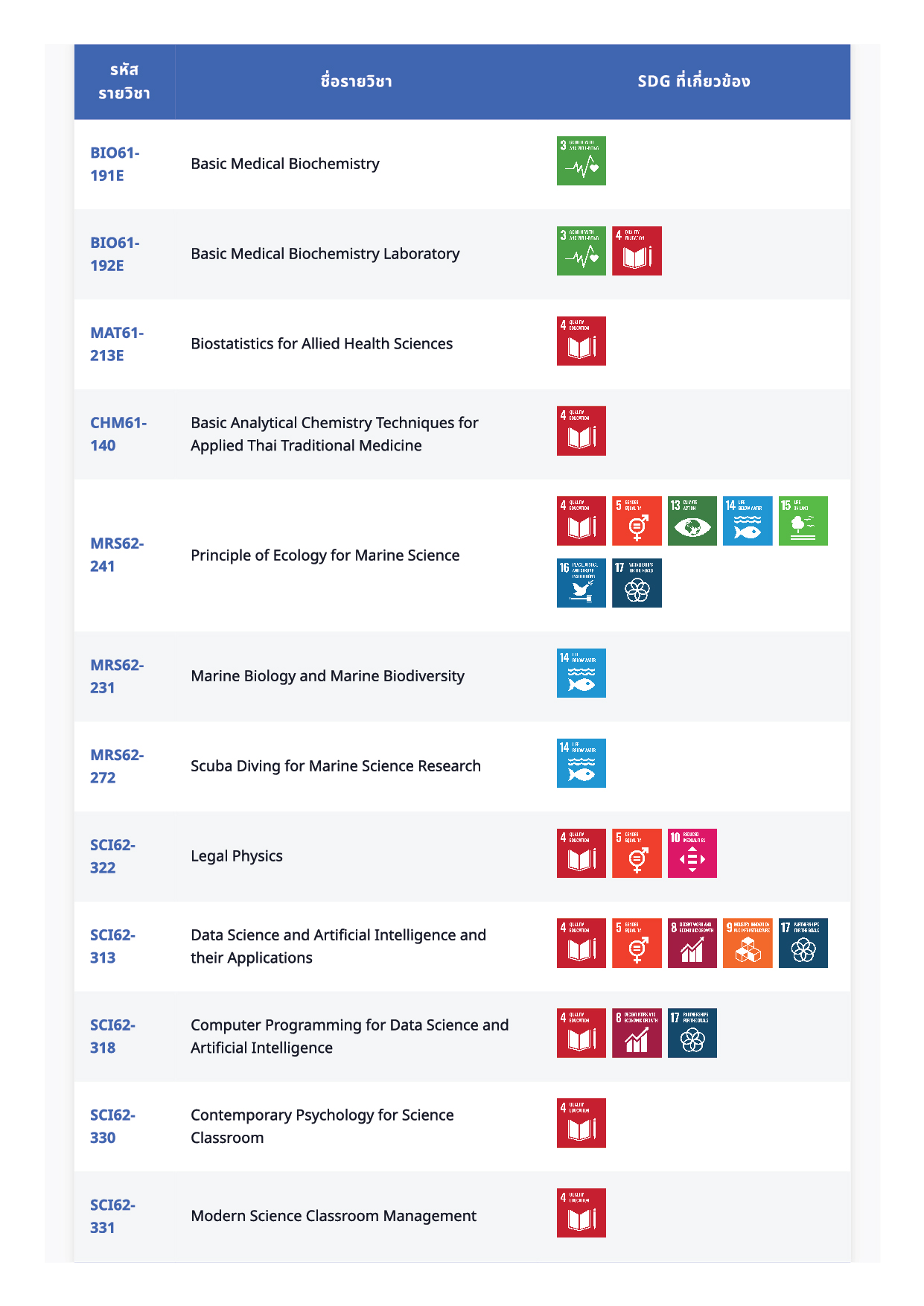
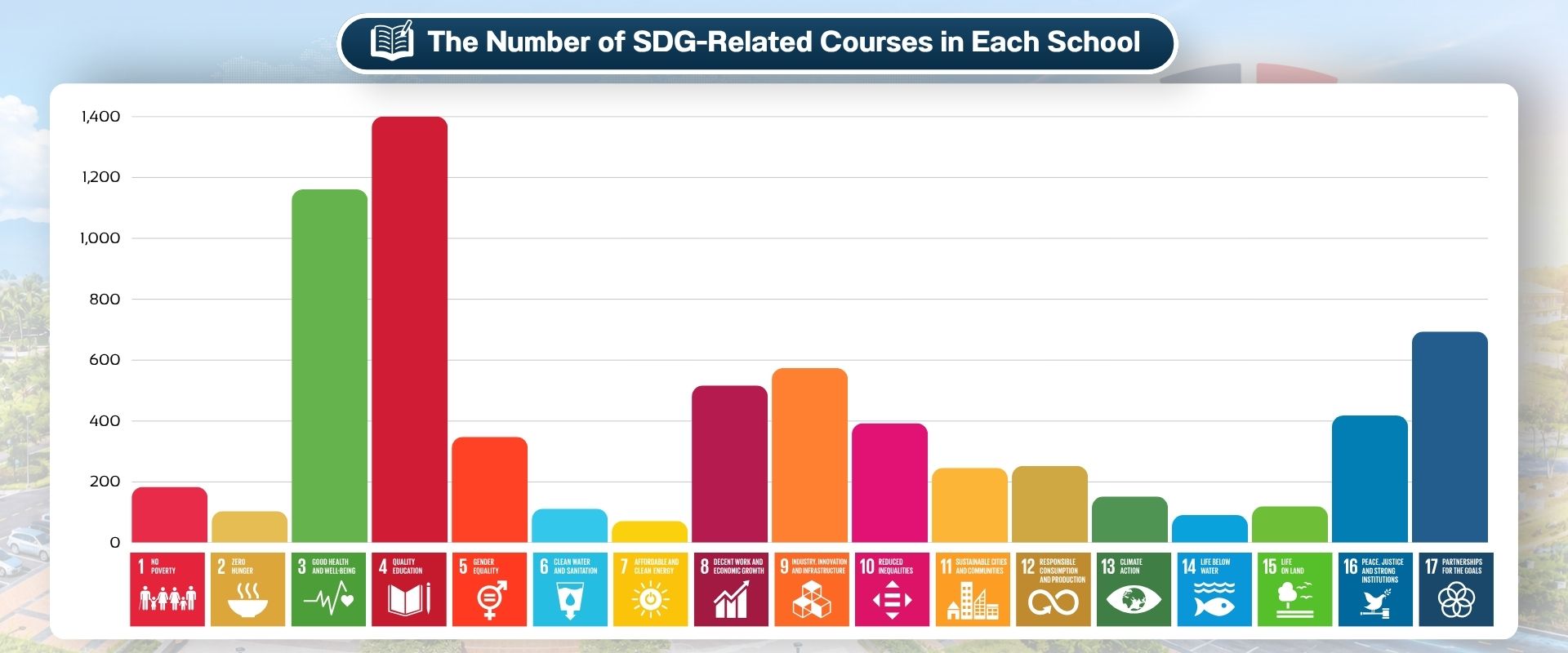
In 2025, Walailak University (WU) further strengthened its commitment to Education for Sustainable Development by integrating 115 additional subjects aligned with the United Nations Sustainable Development Goals (SDGs), bringing the total number of SDG-related subjects to 2,982. This continued expansion reflects the University’s commitment to embedding sustainability into teaching and learning across academic disciplines, ensuring that students have opportunities to understand the relationships between their fields of study and the global challenges addressed by the SDGs.
Through this university-wide approach, WU aims to equip students with the knowledge, critical thinking skills, and practical competencies necessary to understand and diagnose sustainability challenges and develop appropriate responses to complex environmental, social, and economic issues. Integrating SDG-related content into diverse subjects also encourages students to recognize the interconnected nature of sustainable development and apply their academic knowledge to real-world situations. The expansion of SDG-aligned subjects therefore represents an important measure of the University’s progress in advancing meaningful education for sustainable development, preparing graduates to become responsible professionals and engaged global citizens who can contribute to sustainable development in their careers and communities.
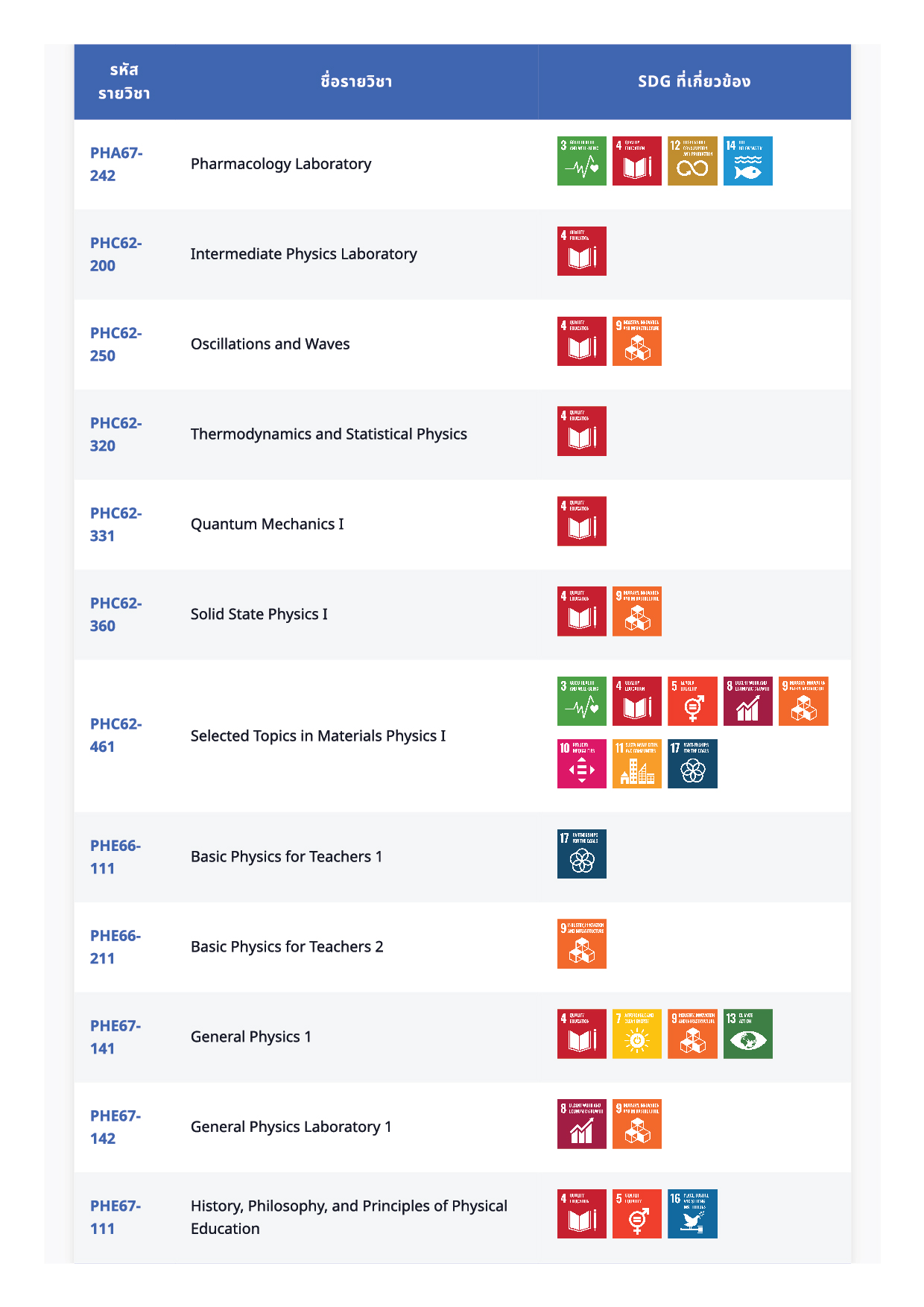
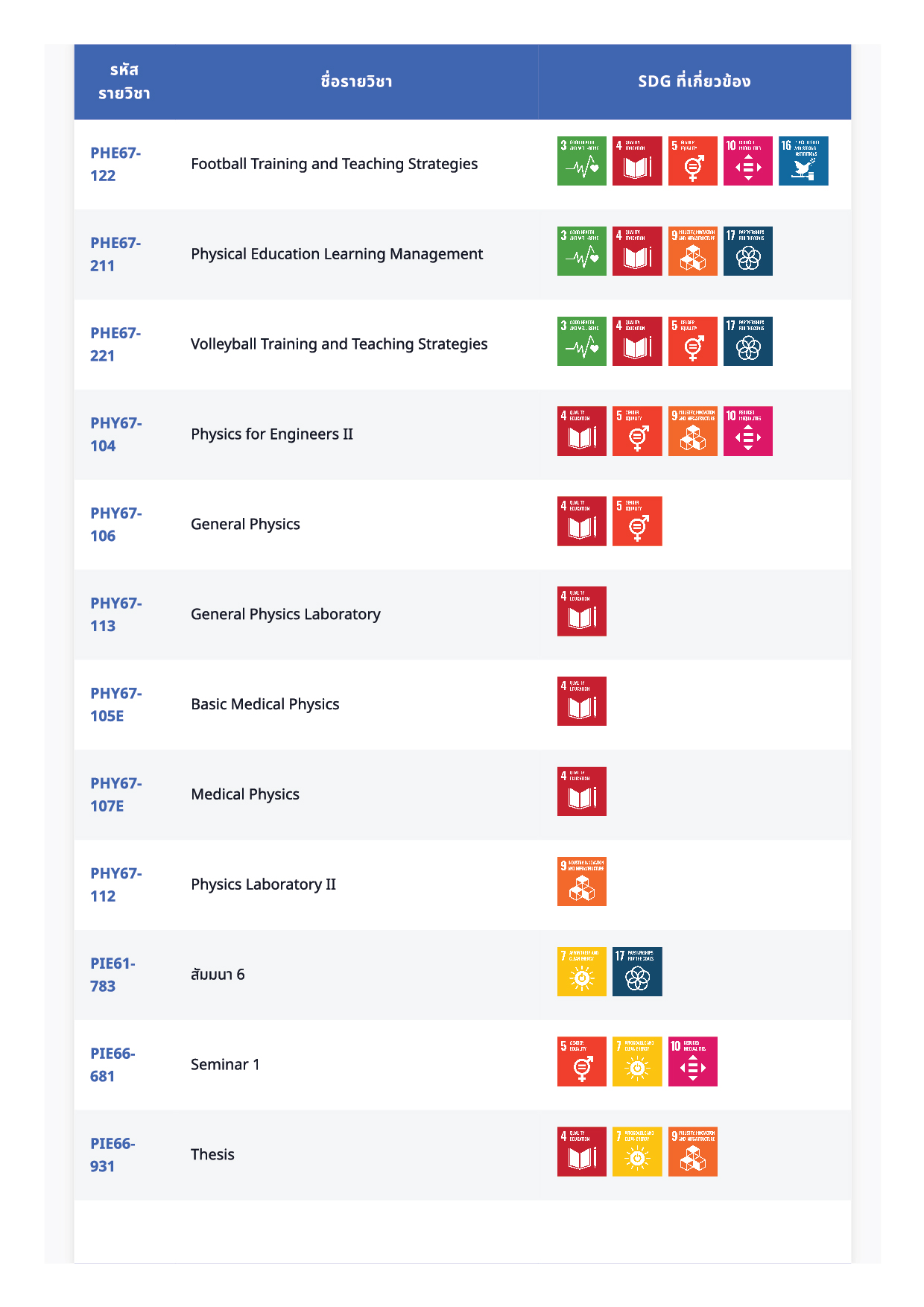
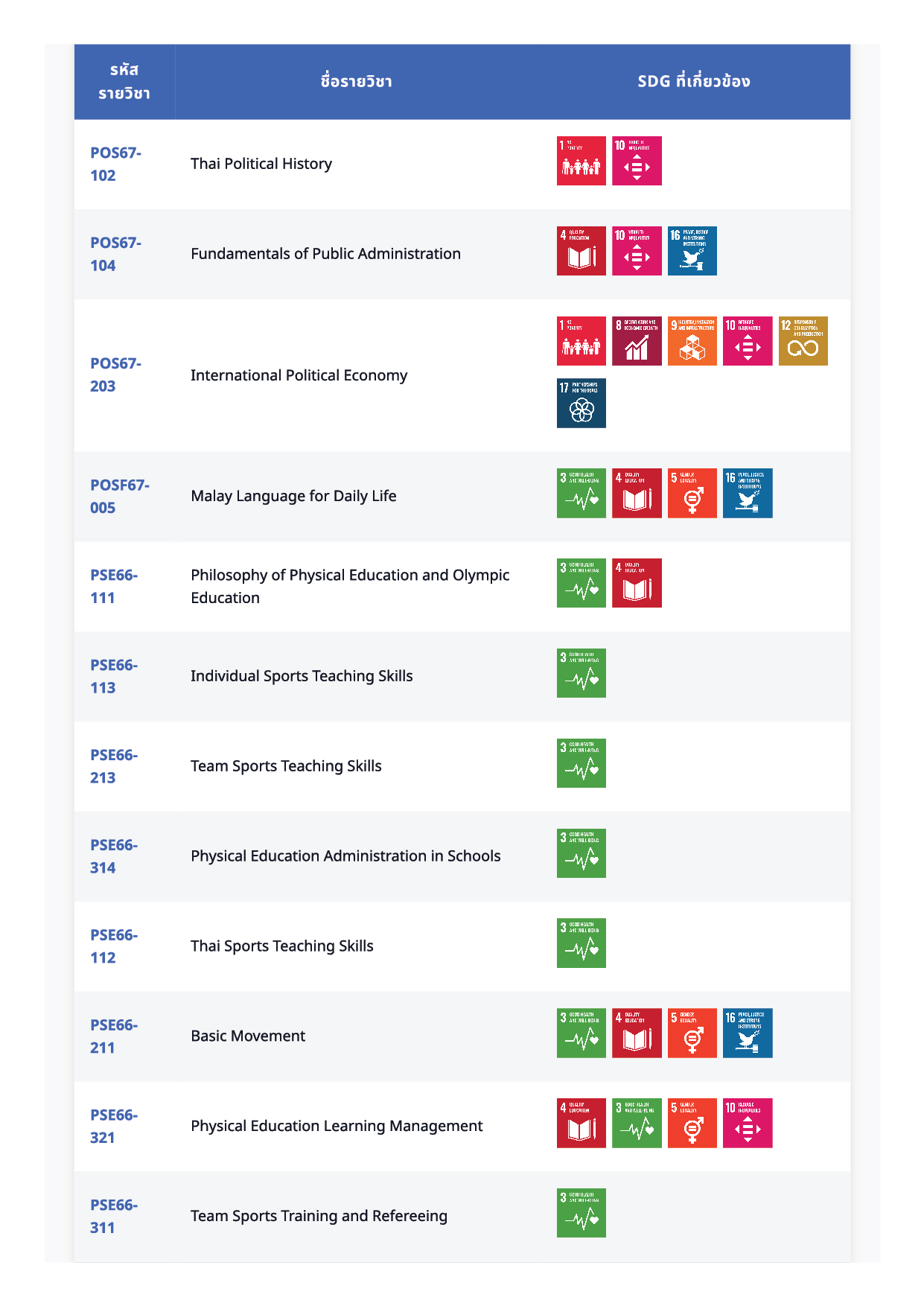
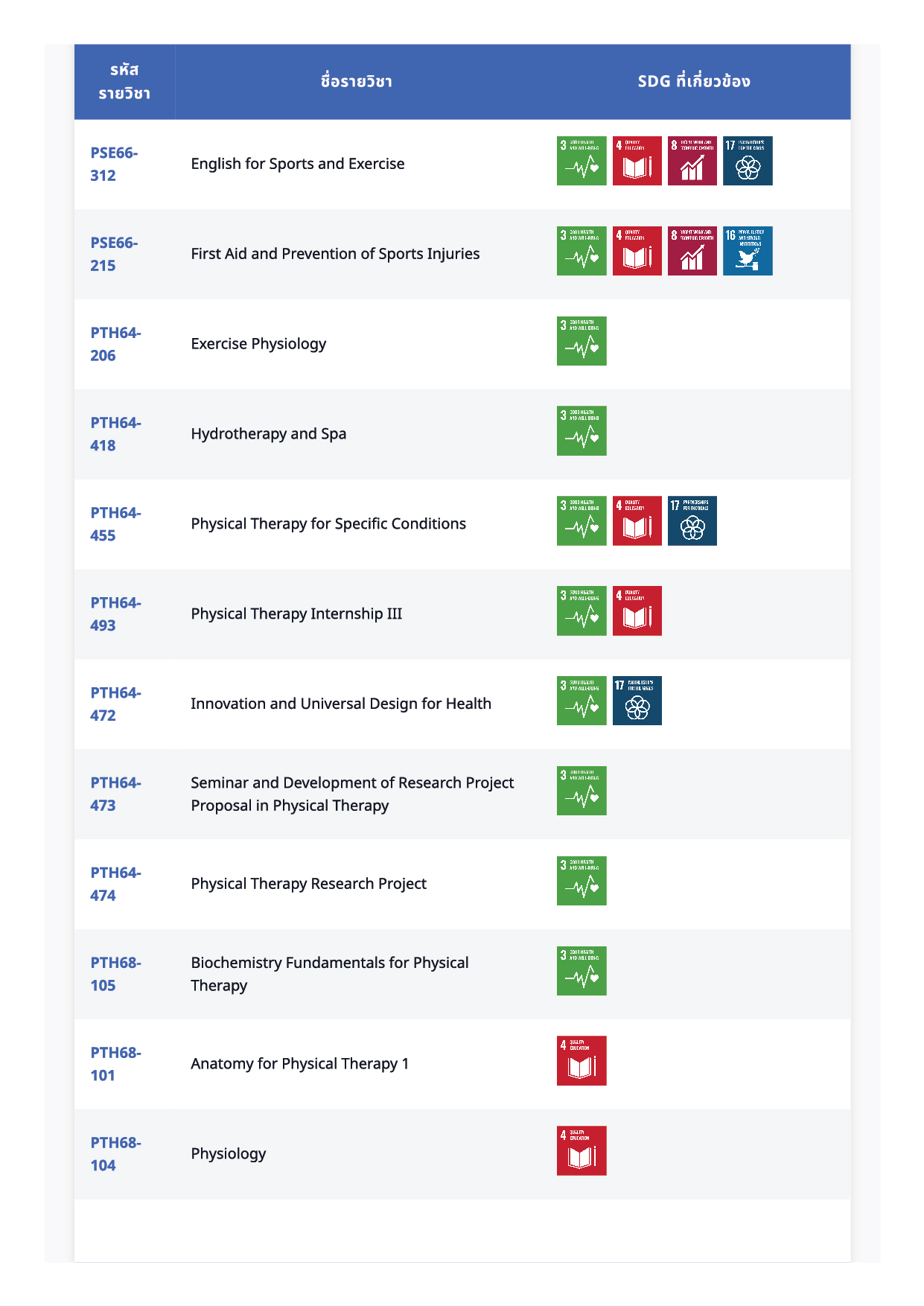
Extending SDG Education Beyond the Classroom Through Community Engagement
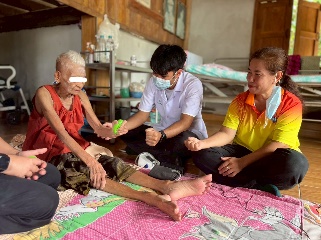
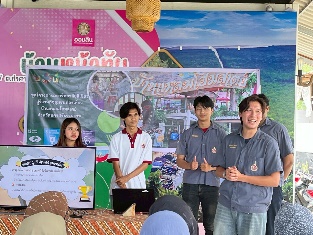
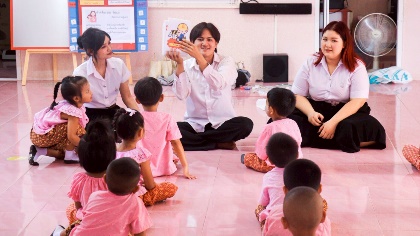
Walailak University (WU) recognizes that meaningful education for sustainable development extends beyond classroom instruction and requires students to apply their knowledge and skills to real-world challenges. The University therefore encourages student participation in outreach programmes and community-based initiatives that advance the United Nations Sustainable Development Goals (SDGs), connecting academic learning with the needs and priorities of local communities. These initiatives cover a range of development areas, including career development, health promotion, educational opportunities, and cultural preservation, enabling students to translate theoretical knowledge into practical actions that support sustainable development.
Through hands-on participation and collaboration with community members and other stakeholders, students gain opportunities to understand local challenges, diagnose community needs, develop problem-solving skills, and contribute to practical solutions. These experiences also strengthen students’ leadership, teamwork, communication, and social responsibility while helping them recognize the importance of inclusive and sustainable community development. By linking on-campus education with wider community engagement, WU reinforces the practical relevance of SDG-integrated curricula and supports the development of graduates who are prepared for the world of work and capable of making meaningful contributions to society. This approach reflects the University’s commitment to ensuring that education for sustainable development produces benefits not only for students but also for the communities in which they live and work.