Monitoring Water Consumption for Domestic Use at Walailak University in 2025
Monitoring Water Consumption for Domestic Use at Walailak University in 2025
Water consumption tracking is an essential process for effective water resource management. It focuses on measuring and collecting data on the total volume of water used by the university from various sources, including water from the mains supply, treated water and water extracted from natural water sources within the university, such as reservoirs and other surface water sources. This process enables the university to monitor overall water consumption, assess patterns of water use, and utilise the data to support systematic water management planning. It also demonstrates the university’s responsibility for addressing the environmental impacts associated with water consumption, with an emphasis on measurement across the whole university, systematic data collection, and public disclosure of information to ensure transparency and public accessibility.
The University Main Water Supply Sources
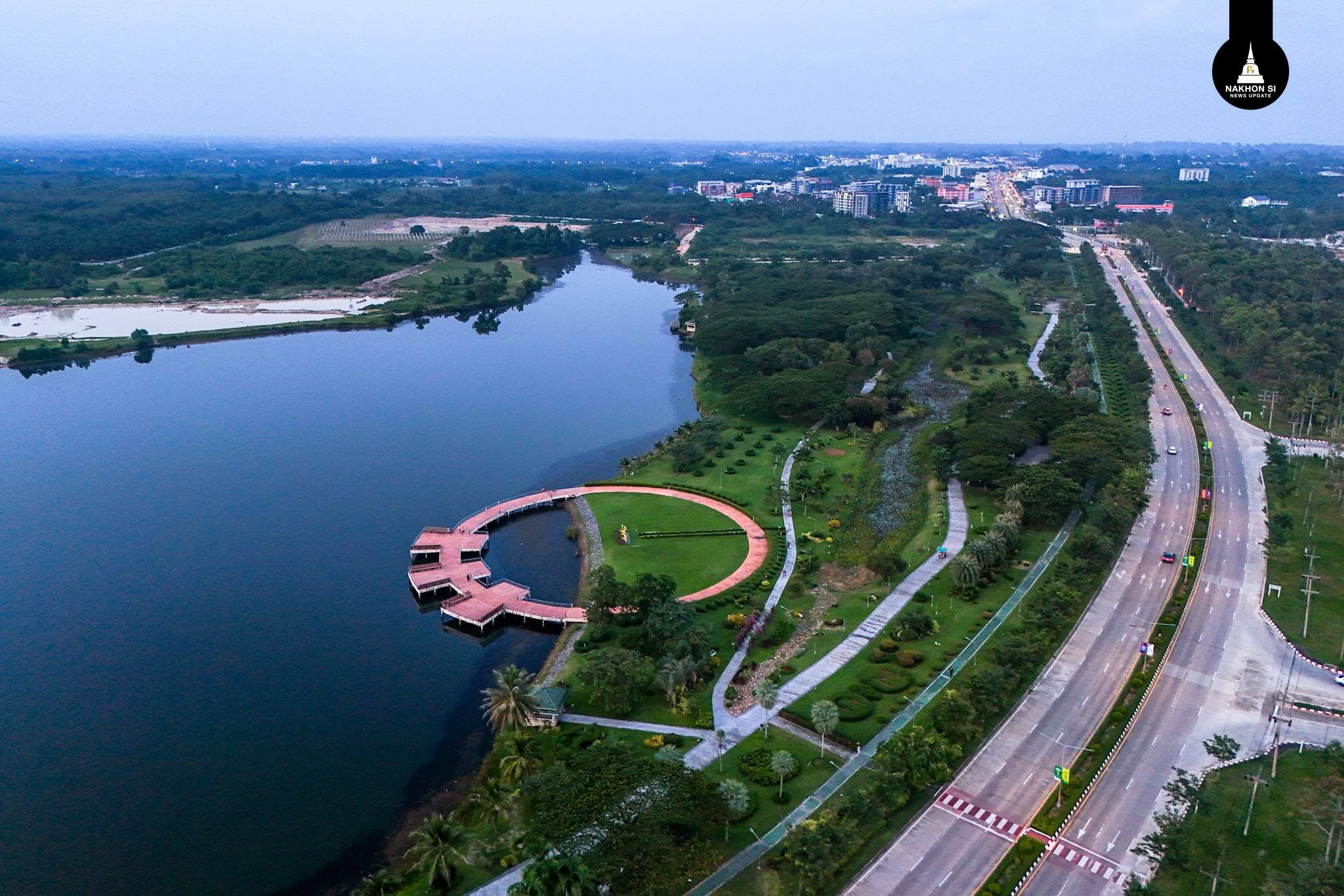
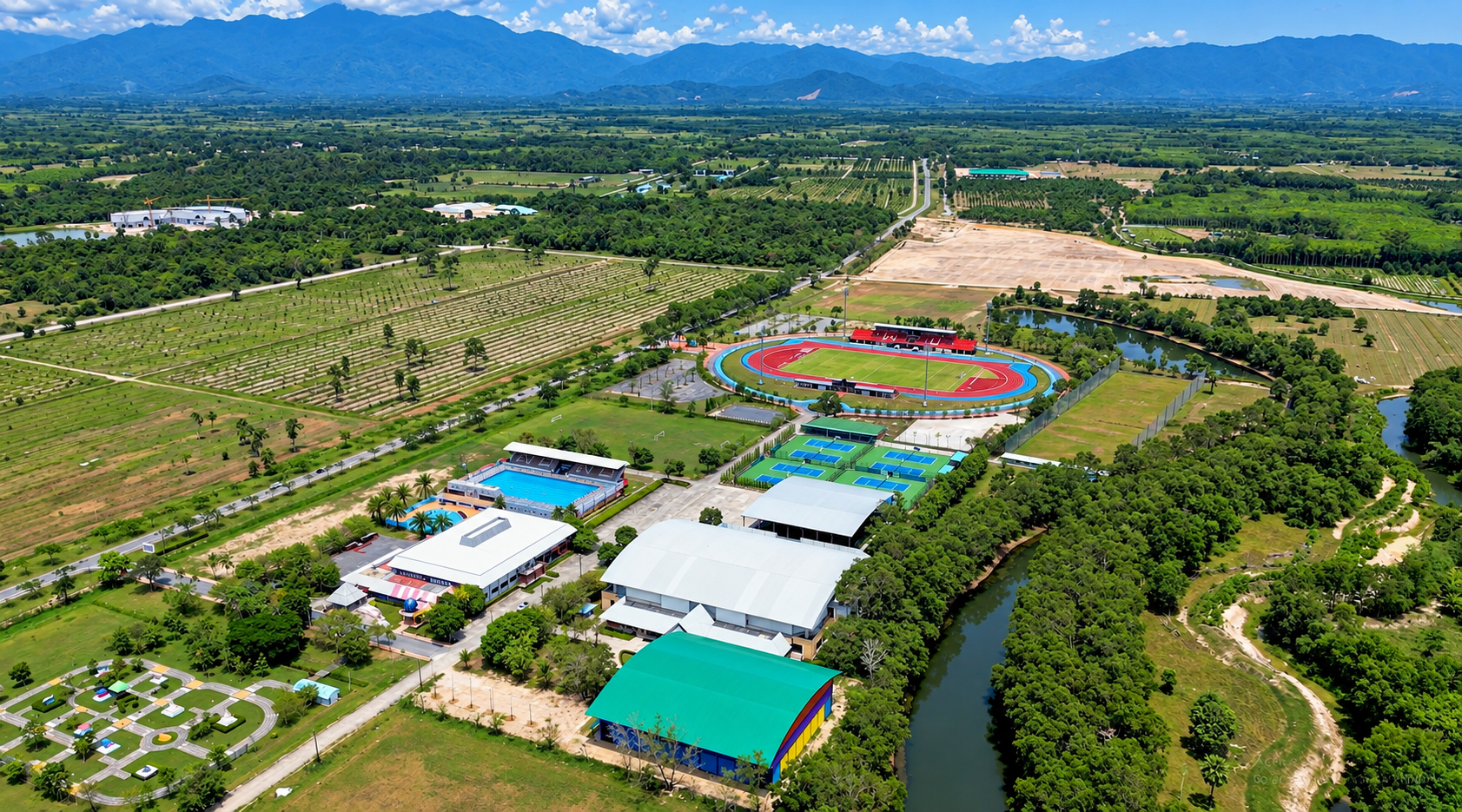
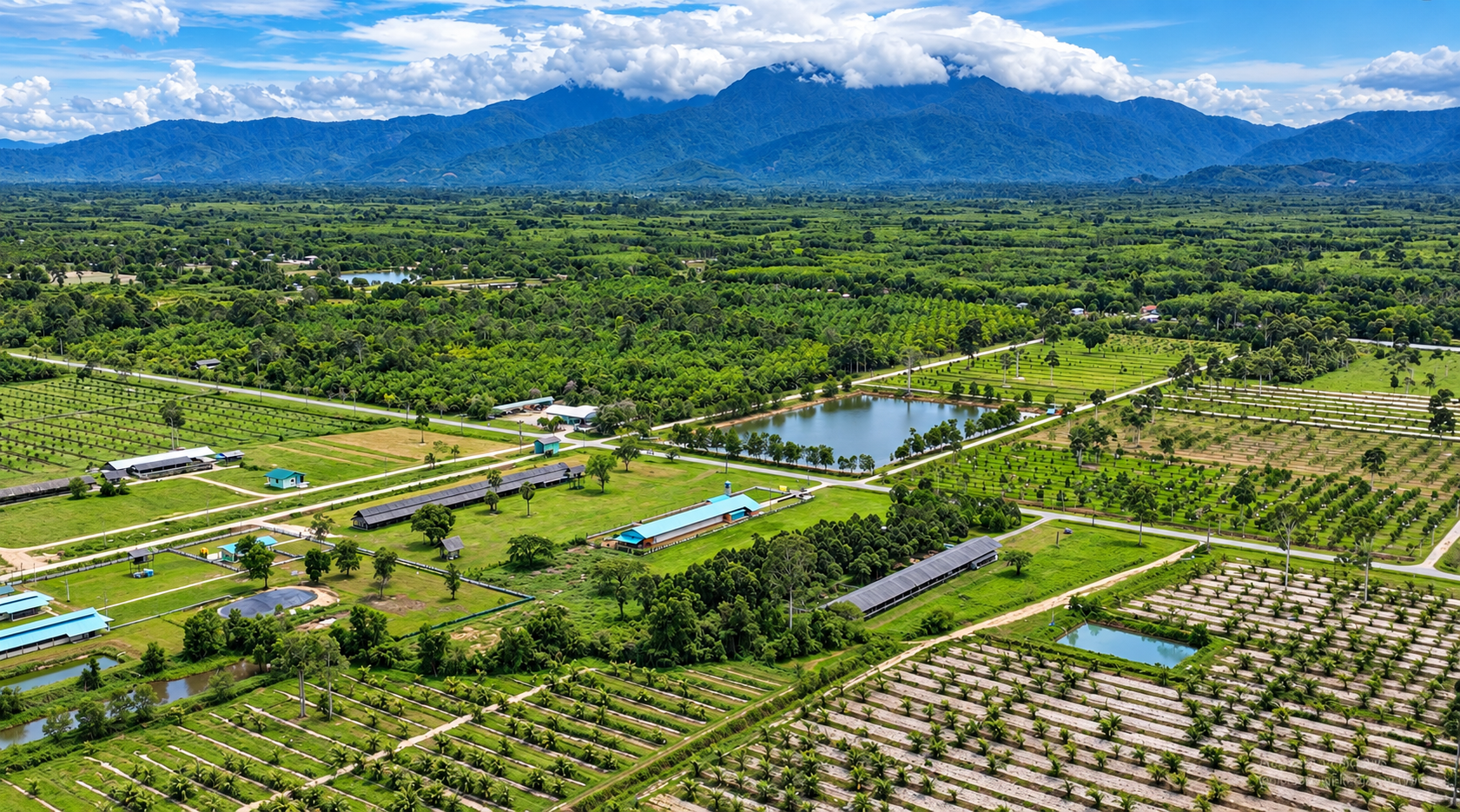
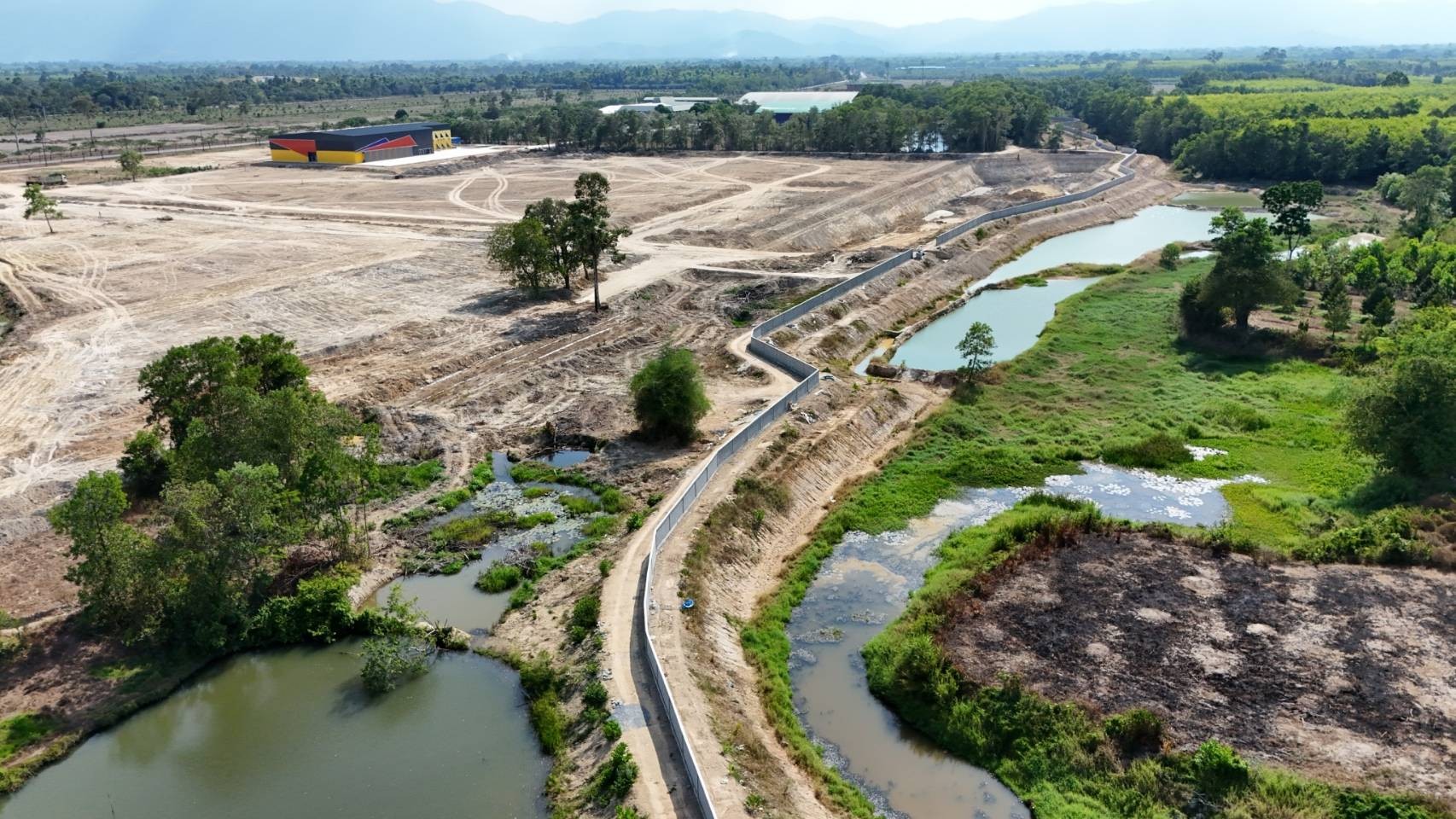
Walailak University is located in southern Thailand and covers a total area of 21,196,440 square metres, making it the largest university in the country by land area. Its geographical conditions expose the campus to drought during the summer and heavy rainfall during the rainy season. Recognising the need for systematic and sustainable water resource management, the university has developed on-campus water storage facilities, including three main reservoirs—Pruk Sachon Reservoir, Mon Tara Reservoir, and Chala Nusorn Reservoir—as well as ponds and wetlands. These facilities provide water reserves for treated water for domestic use and extracted water for agriculture use while helping prevent and mitigate flooding during the rainy season.
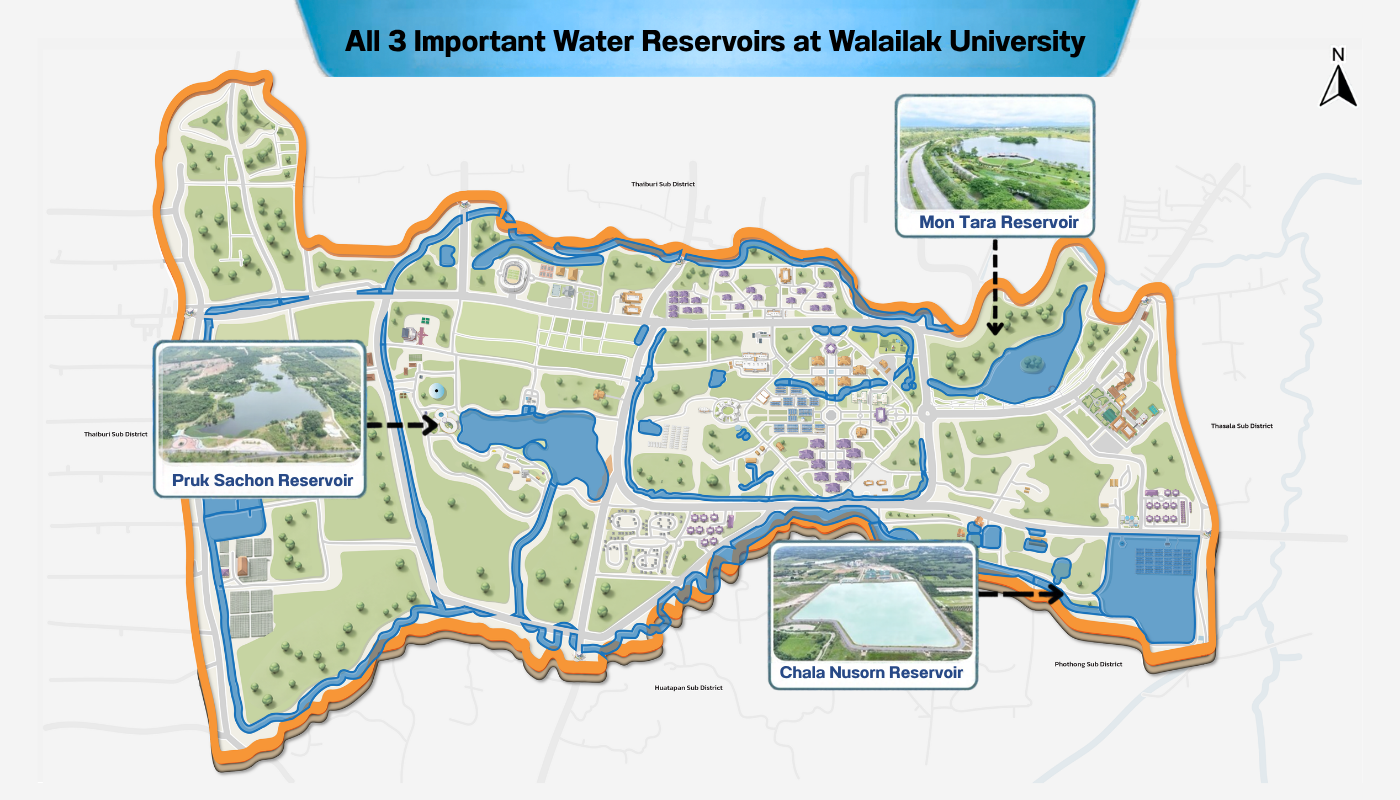
The university currently has a total water conservation and storage area of 1,712,217 square metres, compared with 1,680,974.00 square metres in 2024. This represents an increase of 31,243 square metres, or approximately 1.86%. These water sources have a combined storage capacity of 14,908,321 cubic metres, an increase of 842,470 cubic metres, or approximately 5.99%, from 2024. This capacity is sufficient to meet the university’s water demand throughout the year. The expansion undertaken in 2025 primarily aimed to meet water demand on campus and accommodate the continued expansion of agricultural areas.
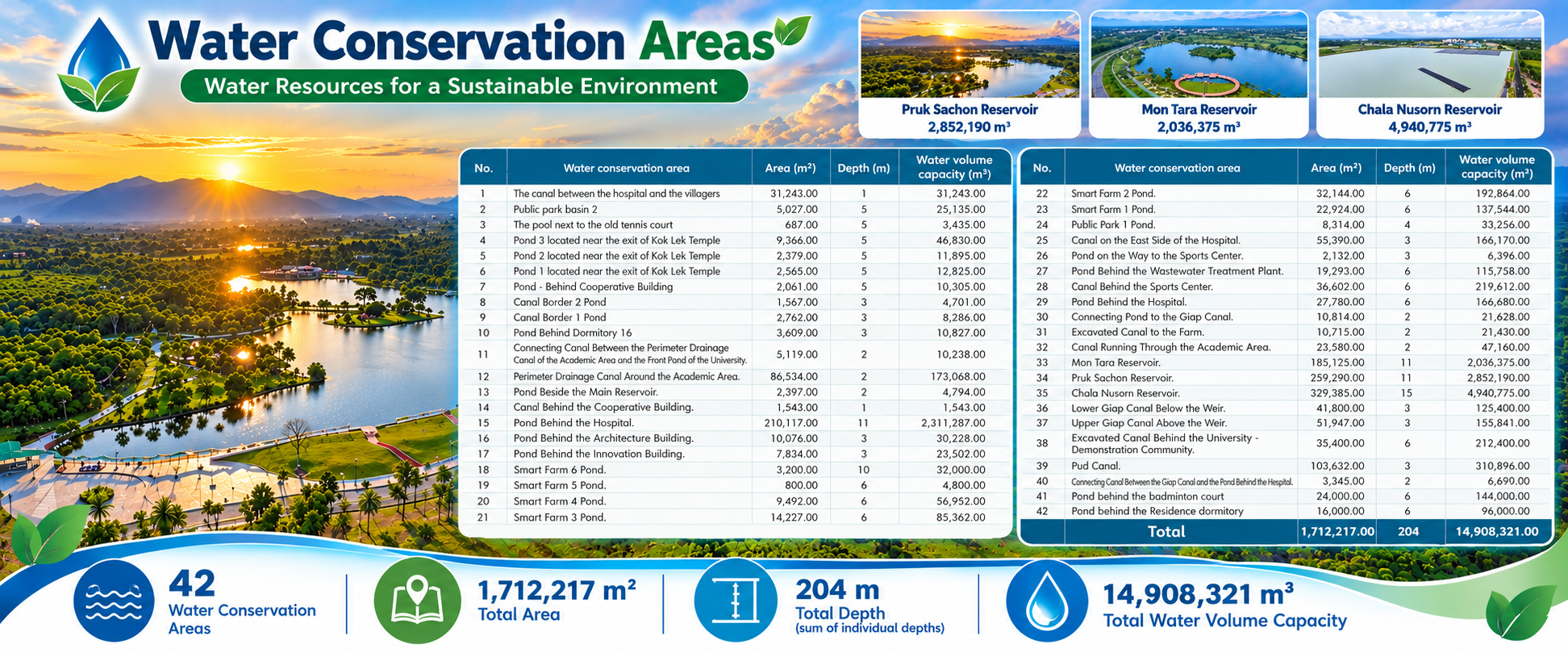
The Process of Water Management in the Reservoirs
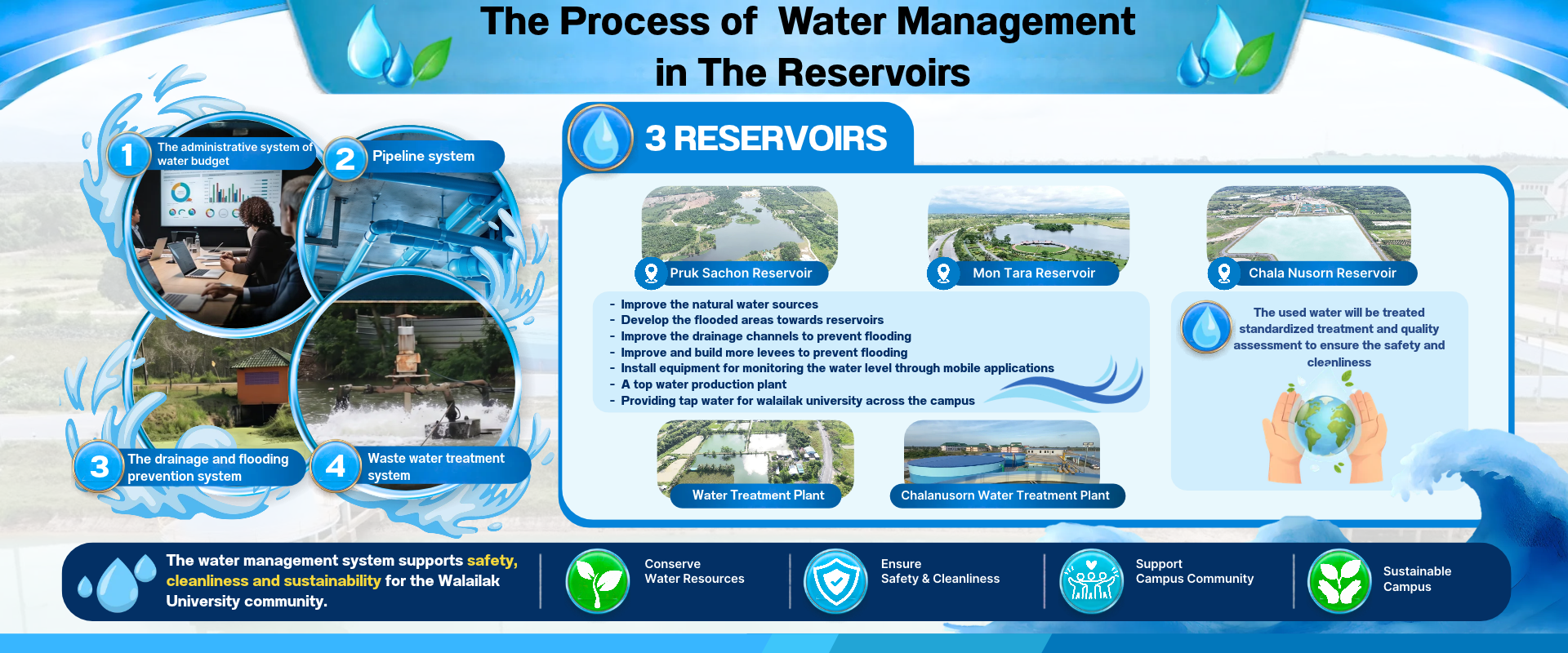
Walailak University’s water management practices demonstrate efficient and sustainable use of natural resources, contributing positively to ecosystems, sustainable development, and long-term environmental security. These efforts also reflect the university’s commitment to becoming a model for natural resource conservation while advancing academic and social development.
The university manages its water resources to meet the needs of its campus population. With sufficient rainfall in the area, water used within the university is divided into two main categories: tap water produced from harvested rainwater and reused treated wastewater.
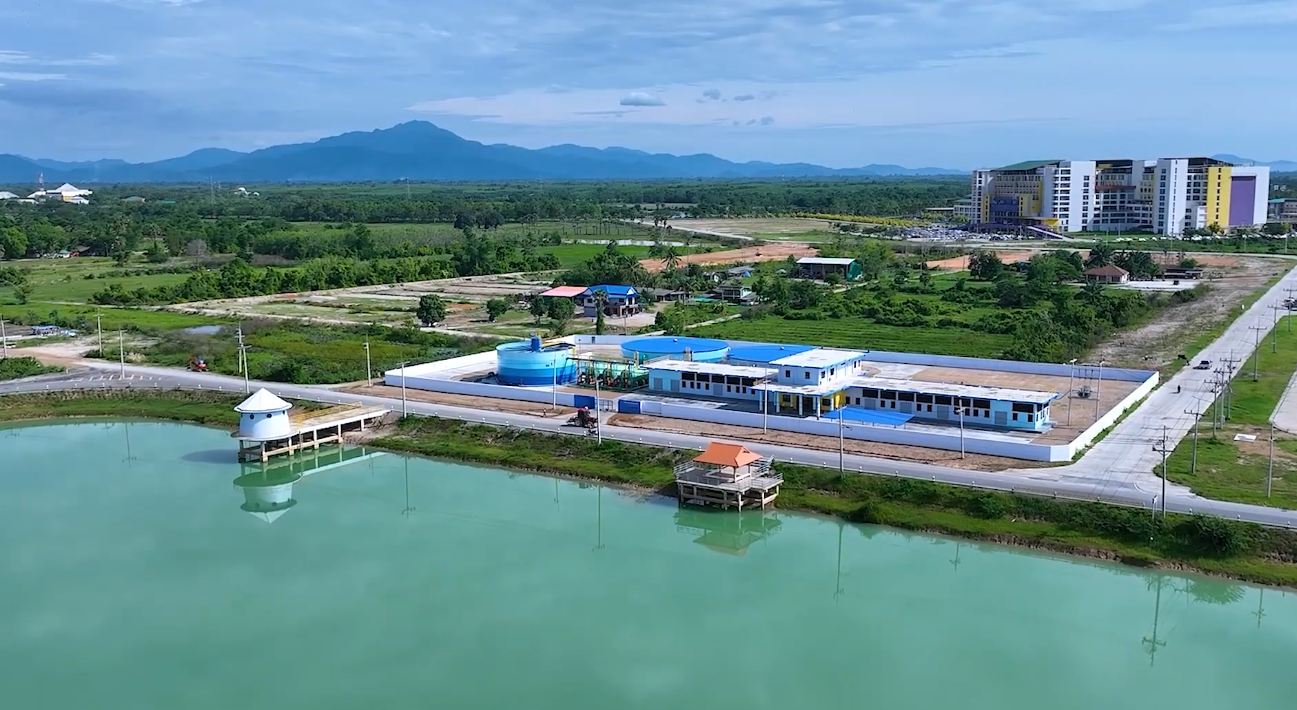
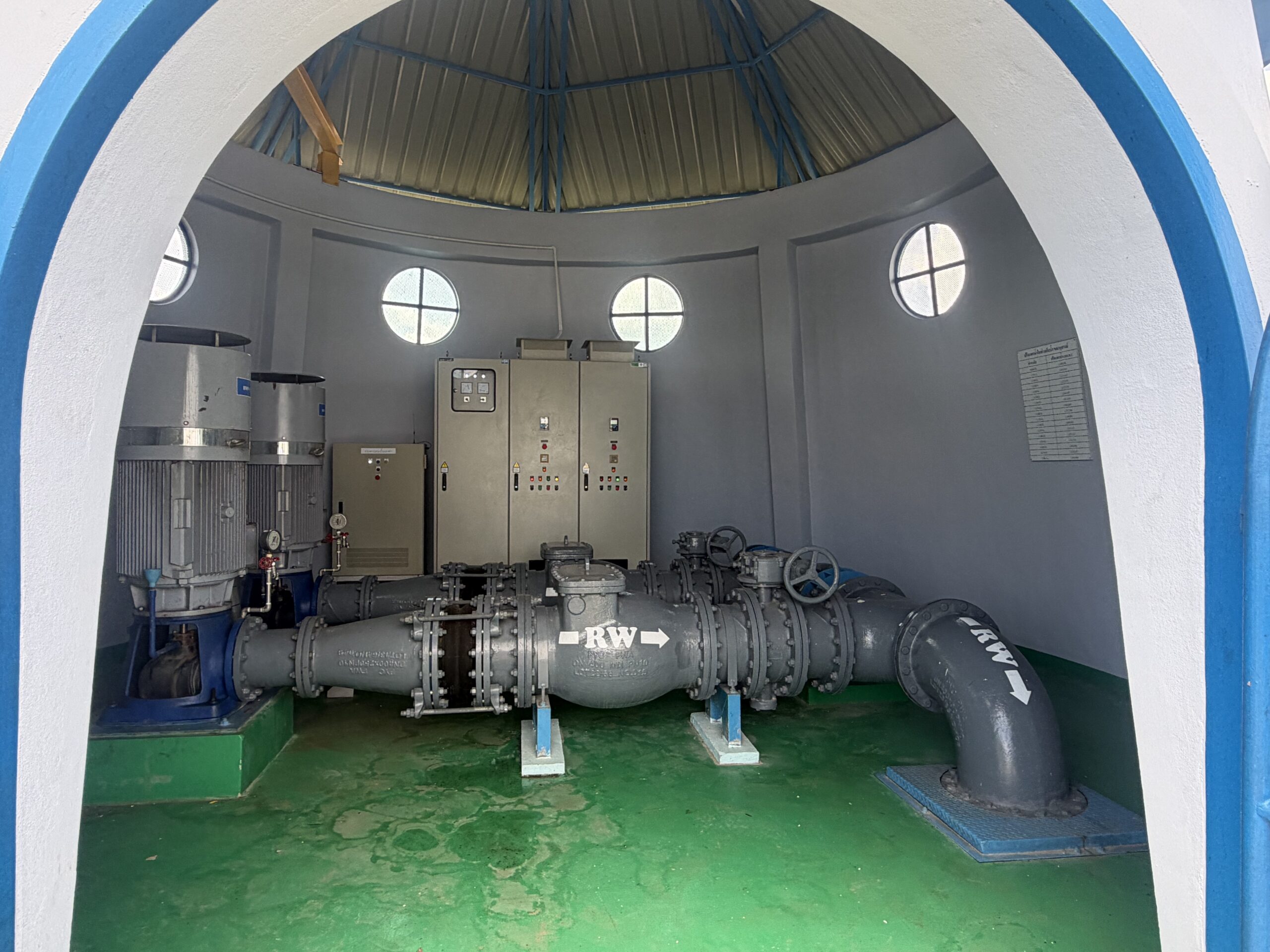
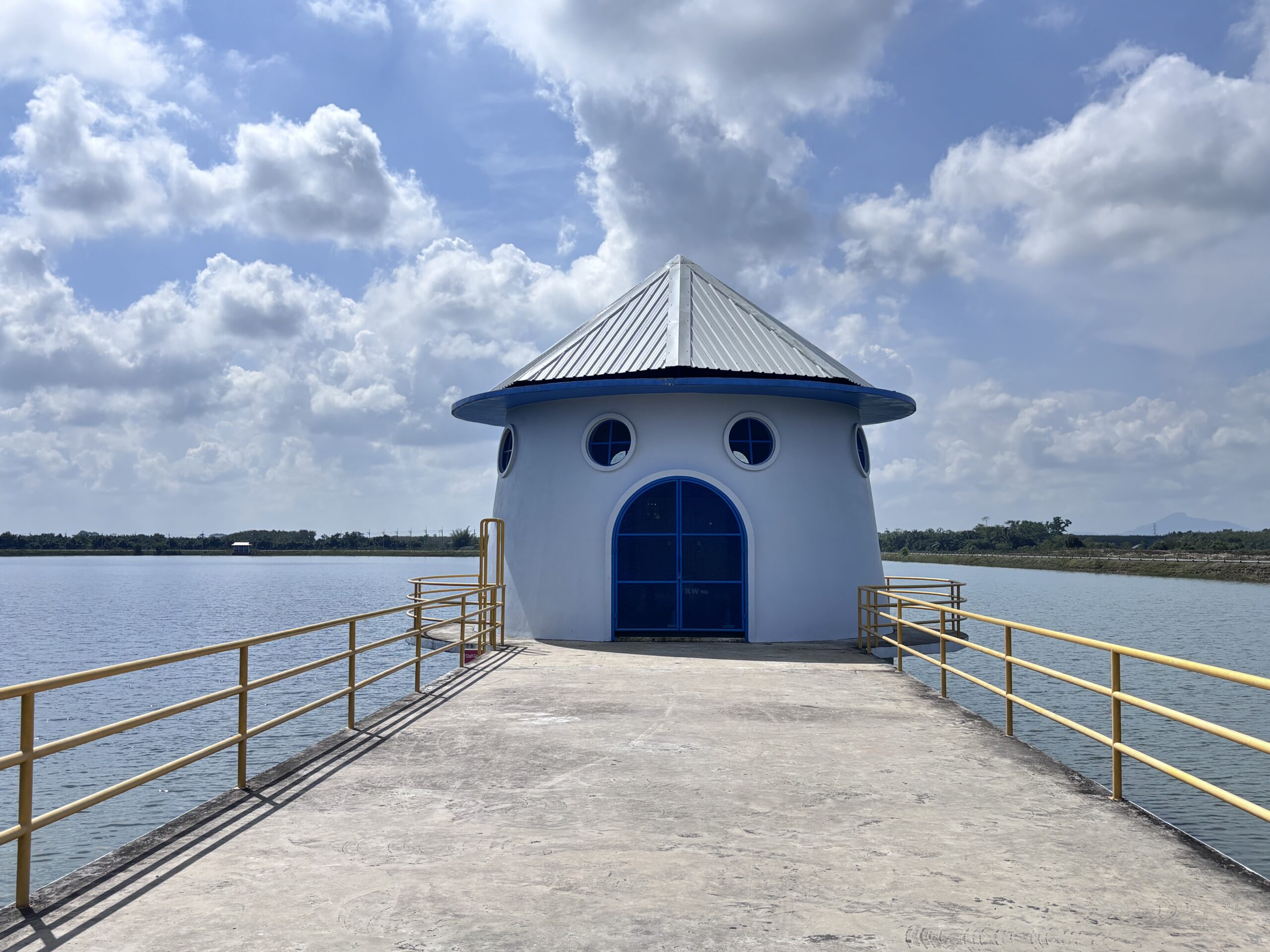
Chala Nusorn Water Works House
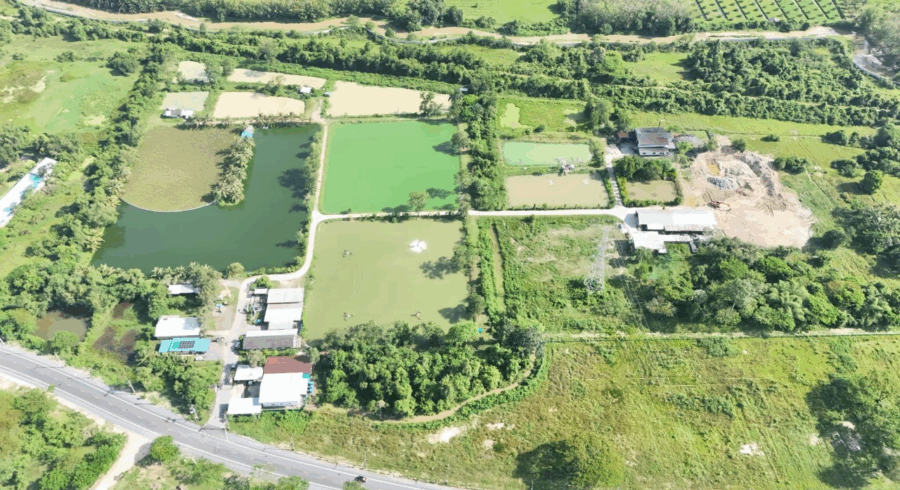
Wastewater Treatment Plant
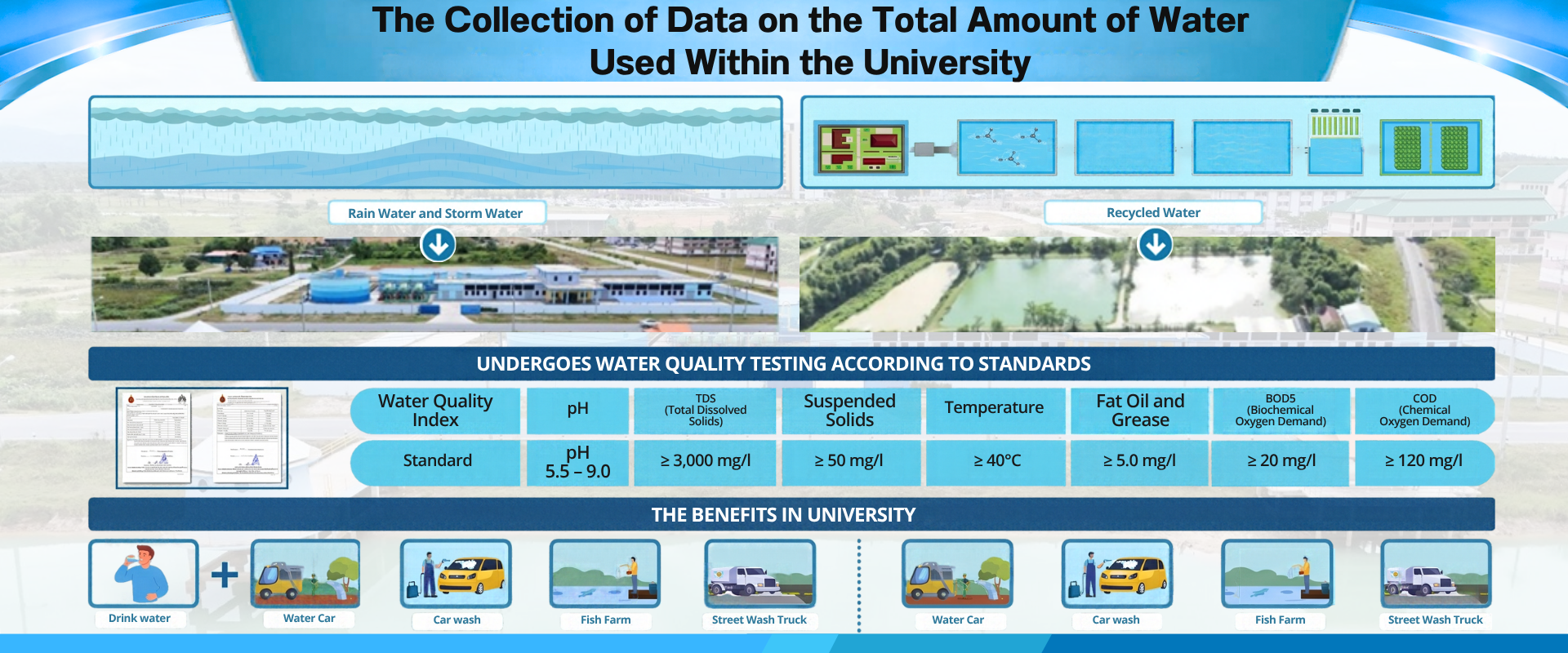
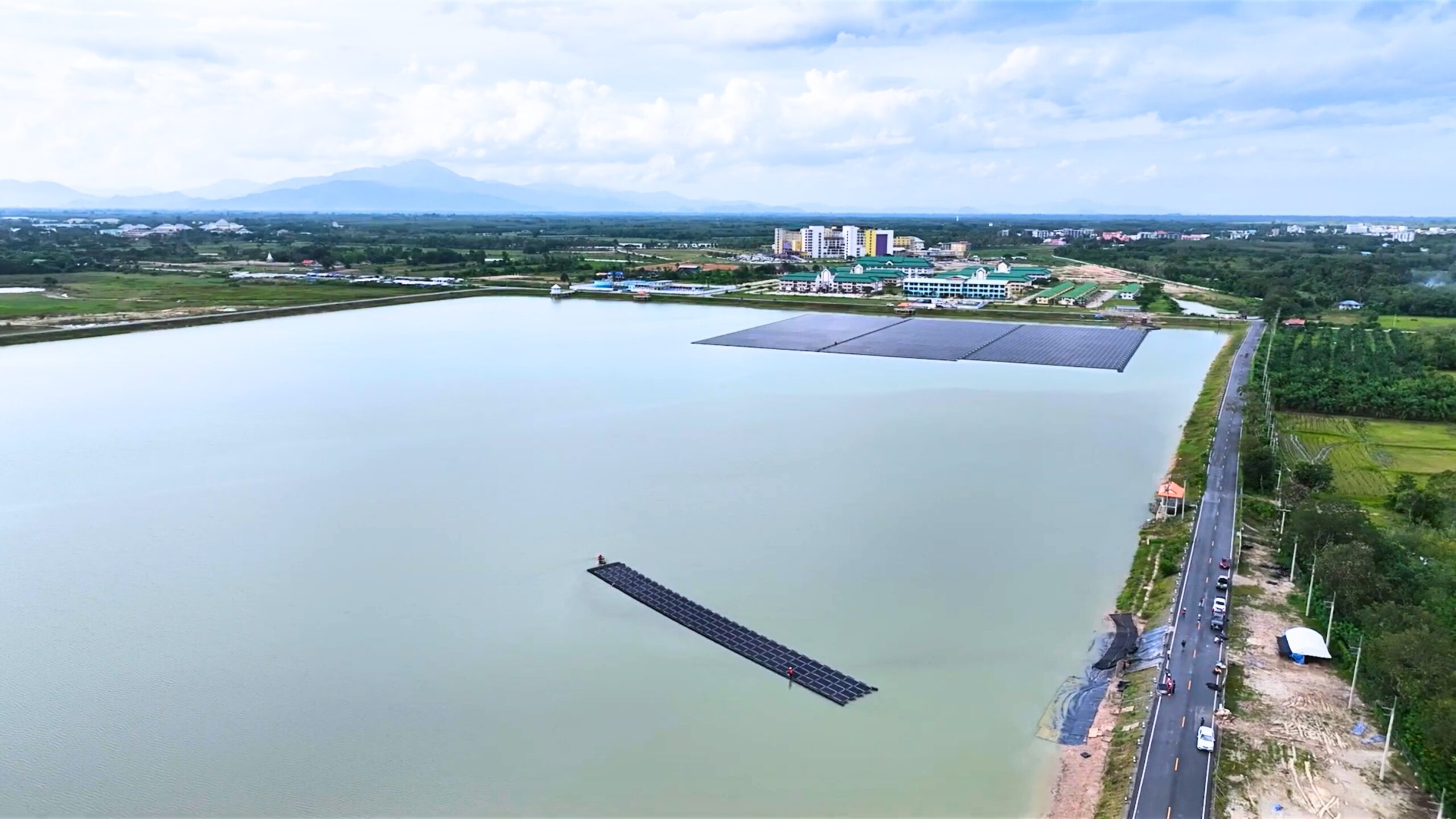
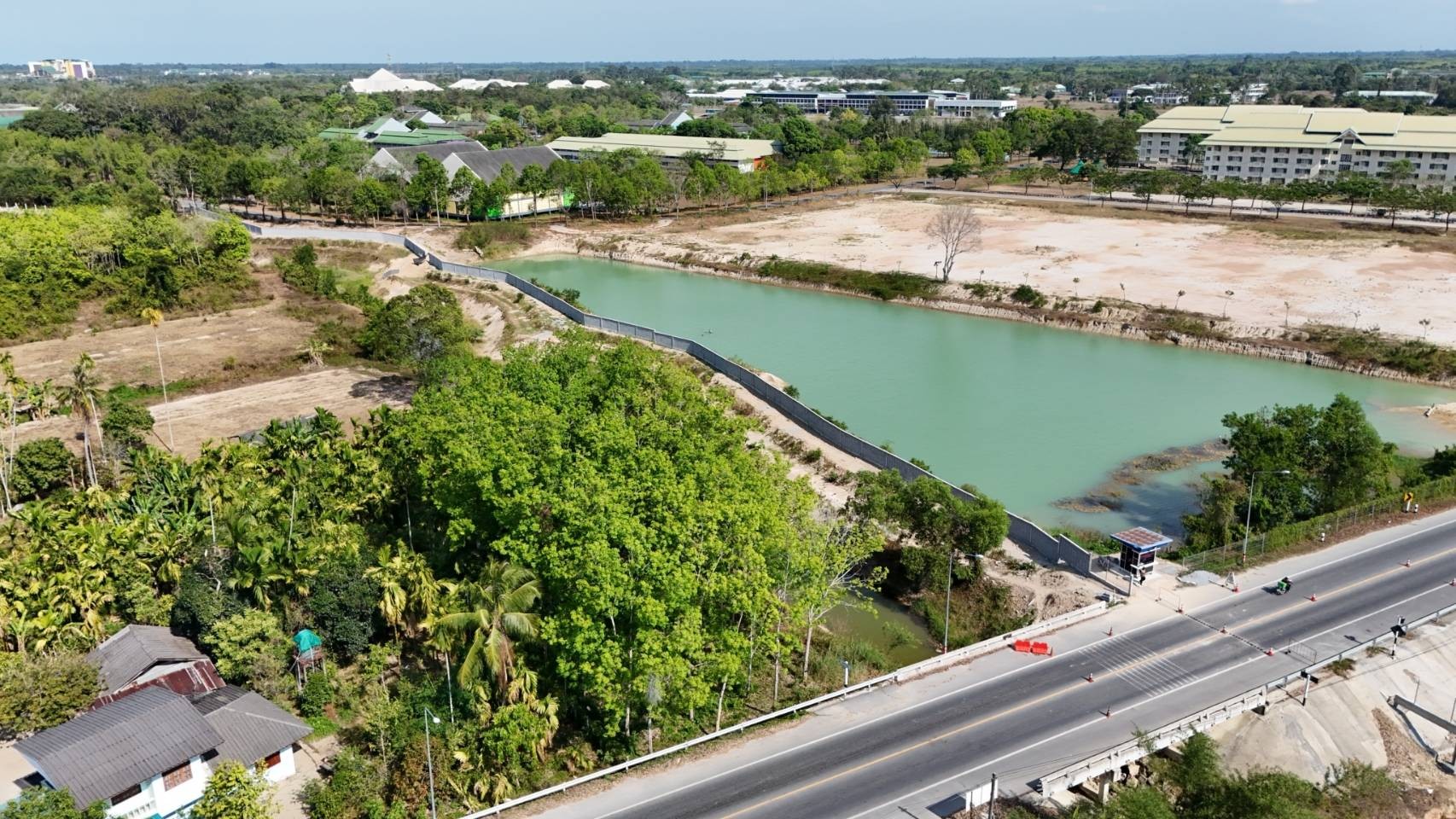
Raw water derived from natural rainwater and stormwater runoff is stored in Chala Nusorn Reservoir, which has a capacity of 4,940,775.00 cubic metres and currently serves as the university’s principal source for water supply production. The source text describes this natural water source as free from chemicals, pathogens, and contamination originating from external industries or communities. The university regularly conducts physical, chemical, and biological analyses of raw water used for water supply production. Parameters include colour, turbidity, odour, hardness, pH, total dissolved solids (TDS), chloride, sulphate, nitrate, and bacteria. These analyses support the assessment of raw water quality and its suitability for treatment.
In 2025, the university added the Pruk Sachon Water Treatment Plant to extend water distribution across the campus. The facility serves as a water collection and distribution point for areas beyond the reach of the Chala Nusorn Water Treatment Plant.
Treated Water for Tap Water Produced from Harvested Rainwater
Walailak University primarily relies on natural rainwater as its main source of raw water for tap water production. Rainwater and stormwater runoff are collected and stored in the university’s main reservoirs, including the Pruk Sachon Reservoir and the Chala Nusorn Reservoir, to ensure a reliable water supply. Currently, the Chala Nusorn Reservoir serves as the principal source of raw water for the university’s water supply system. The reservoir covers an area of 329,385.00 square meters and has a total storage capacity of 4,940,775.00 cubic meters, supporting the university’s water supply needs and sustainable water resource management.
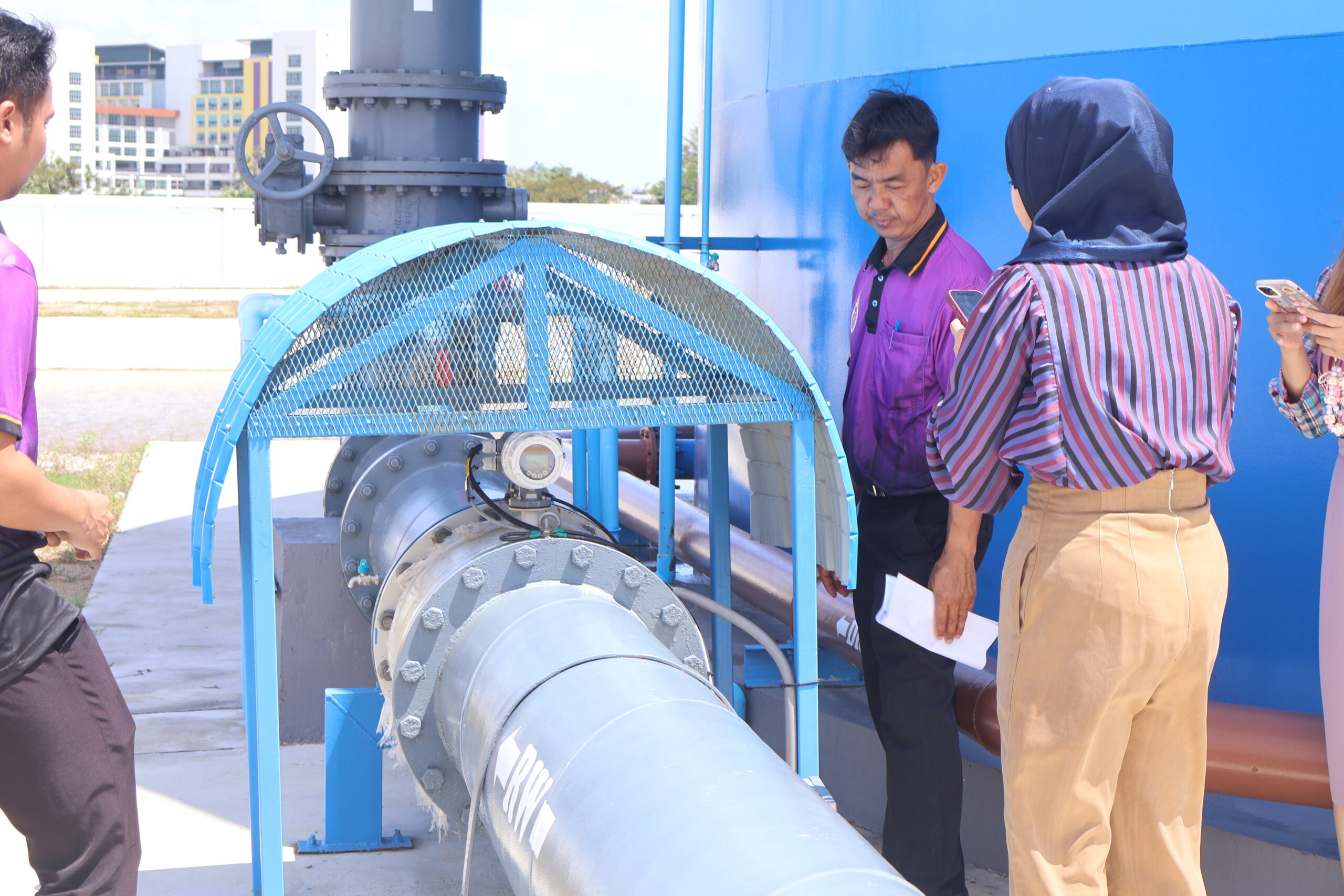
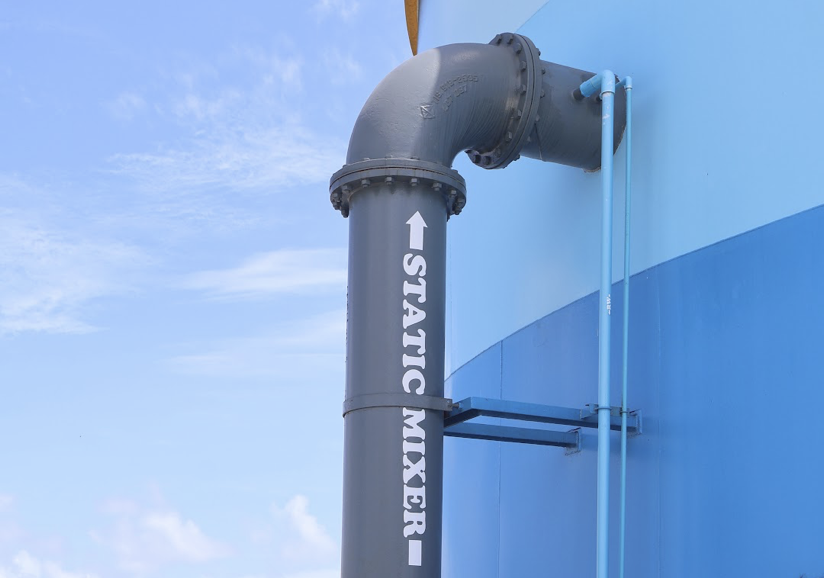
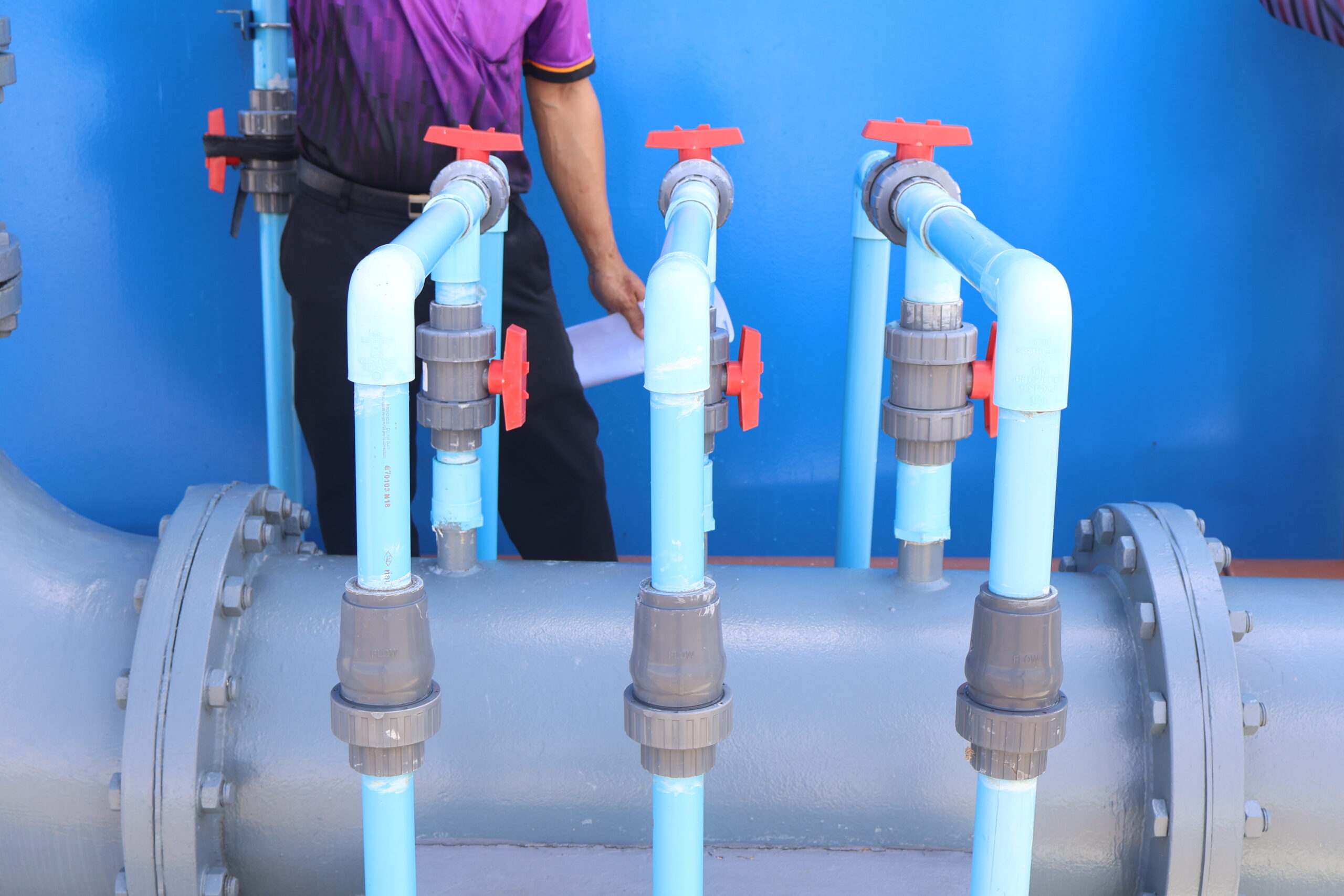
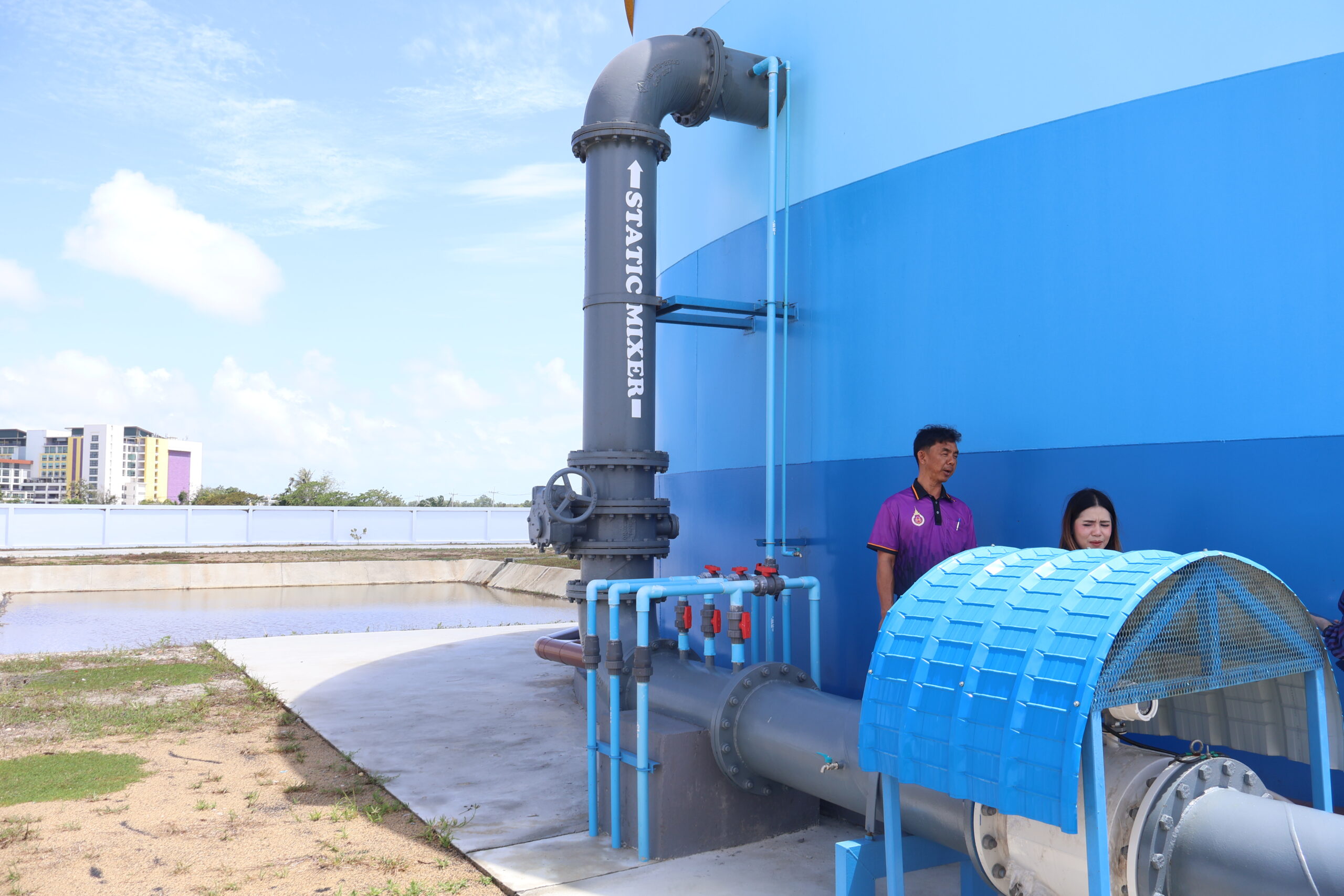
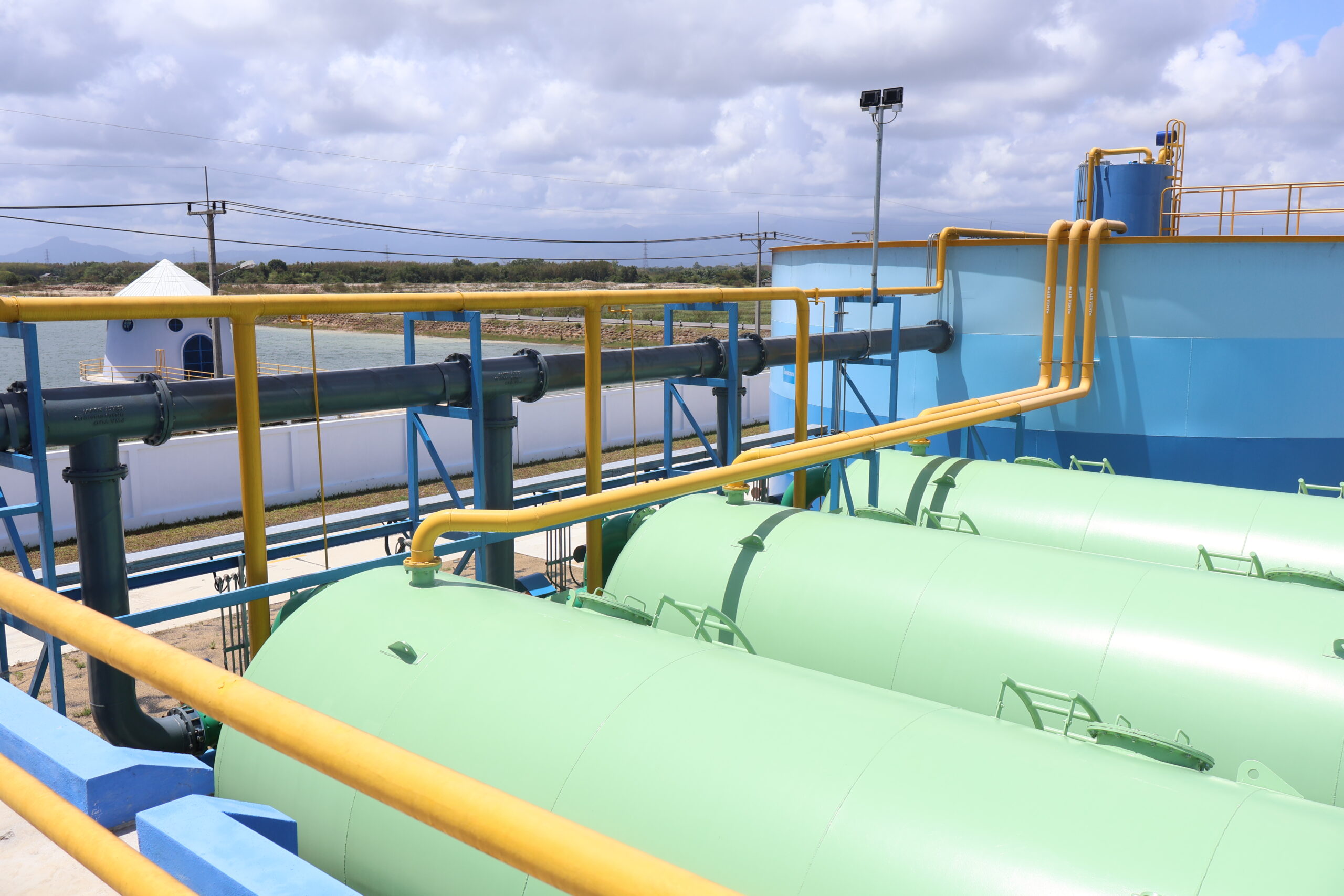
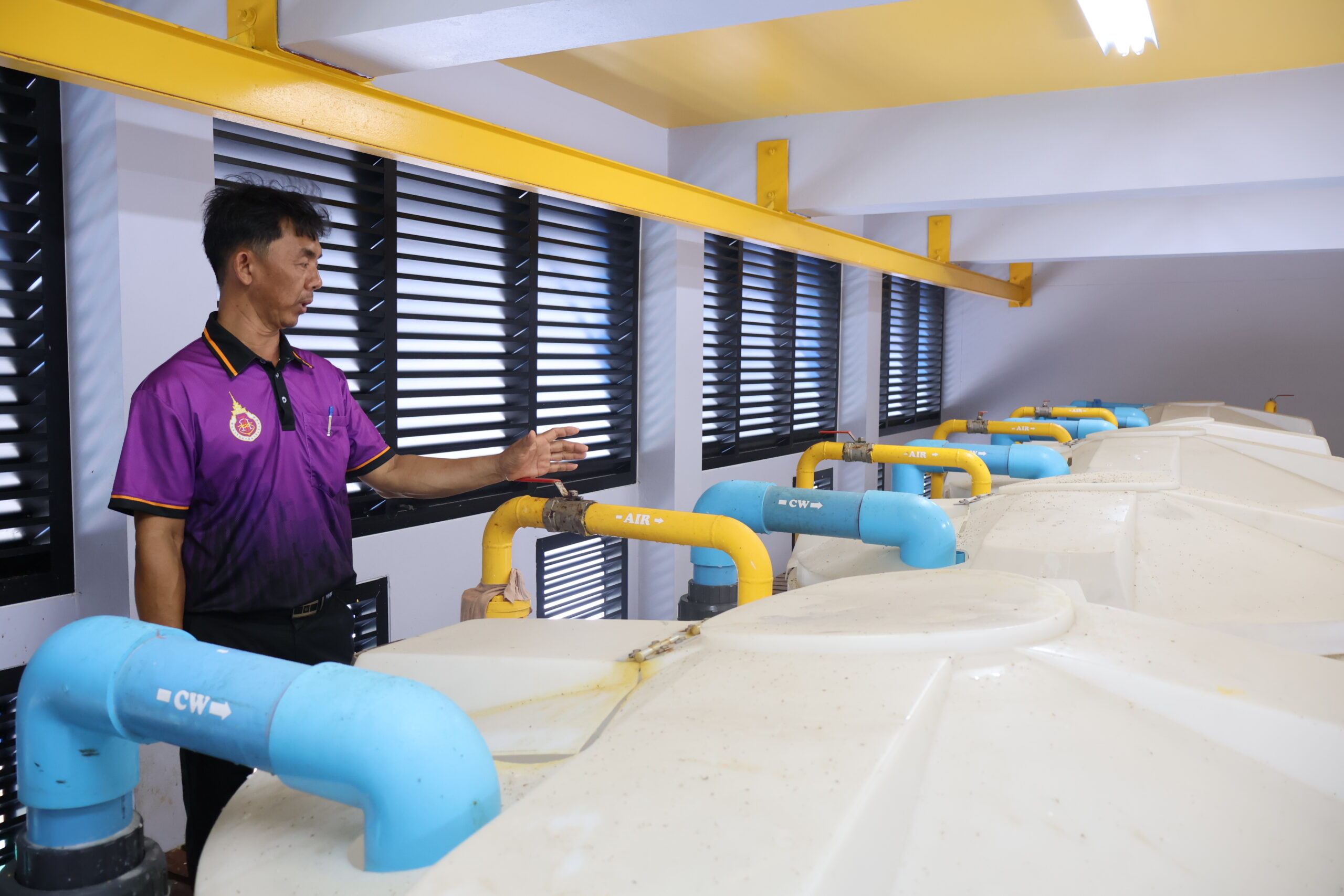
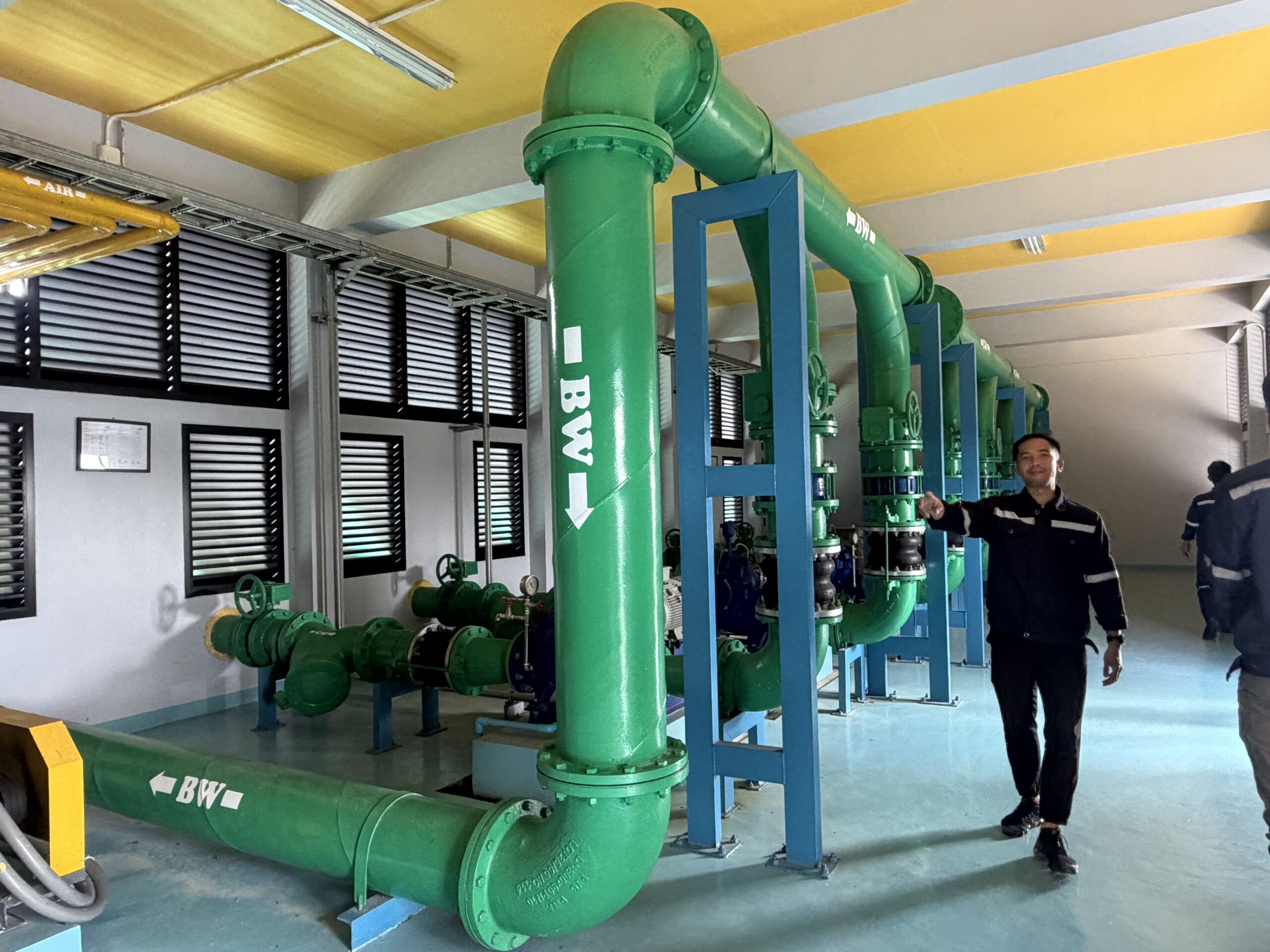
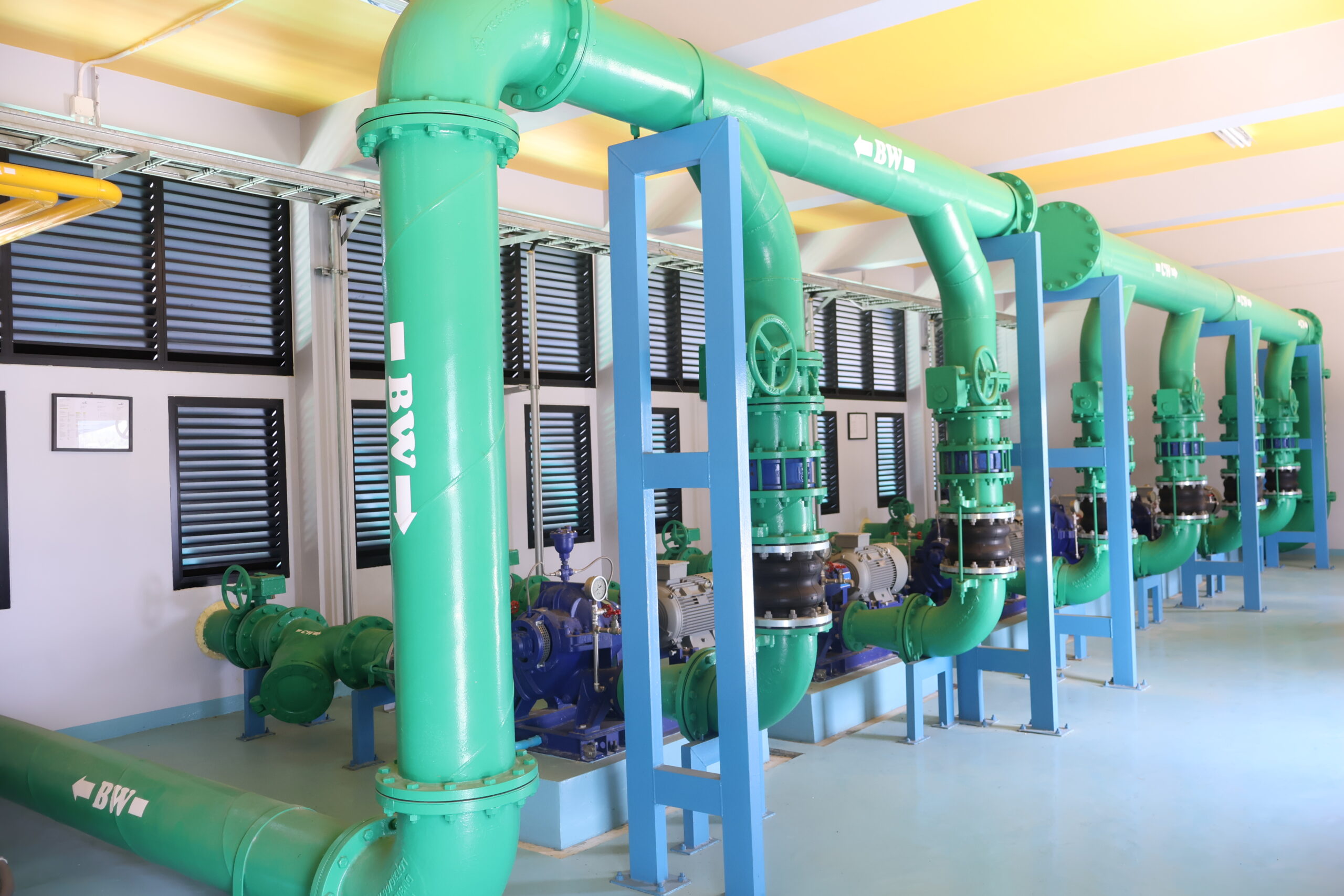
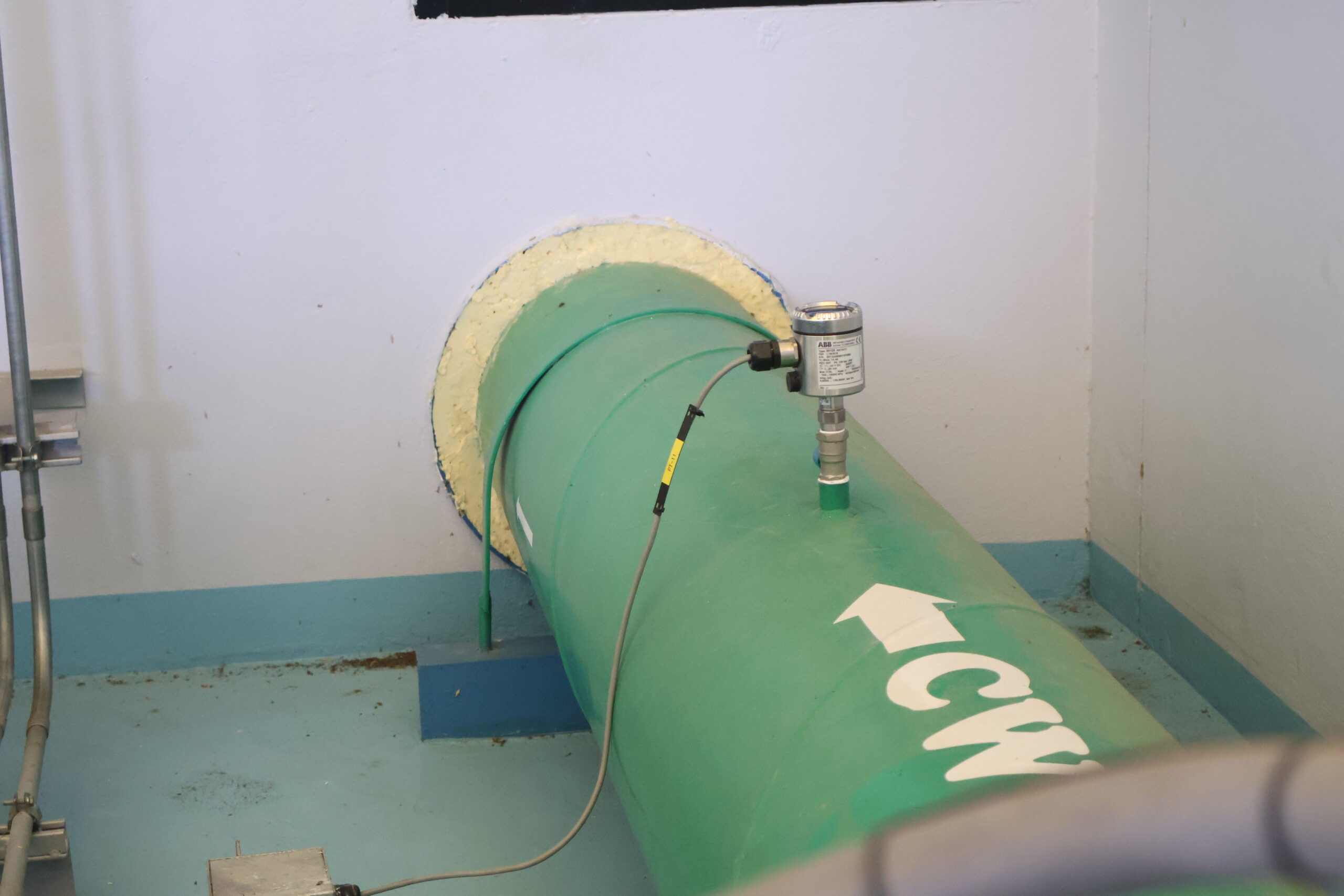
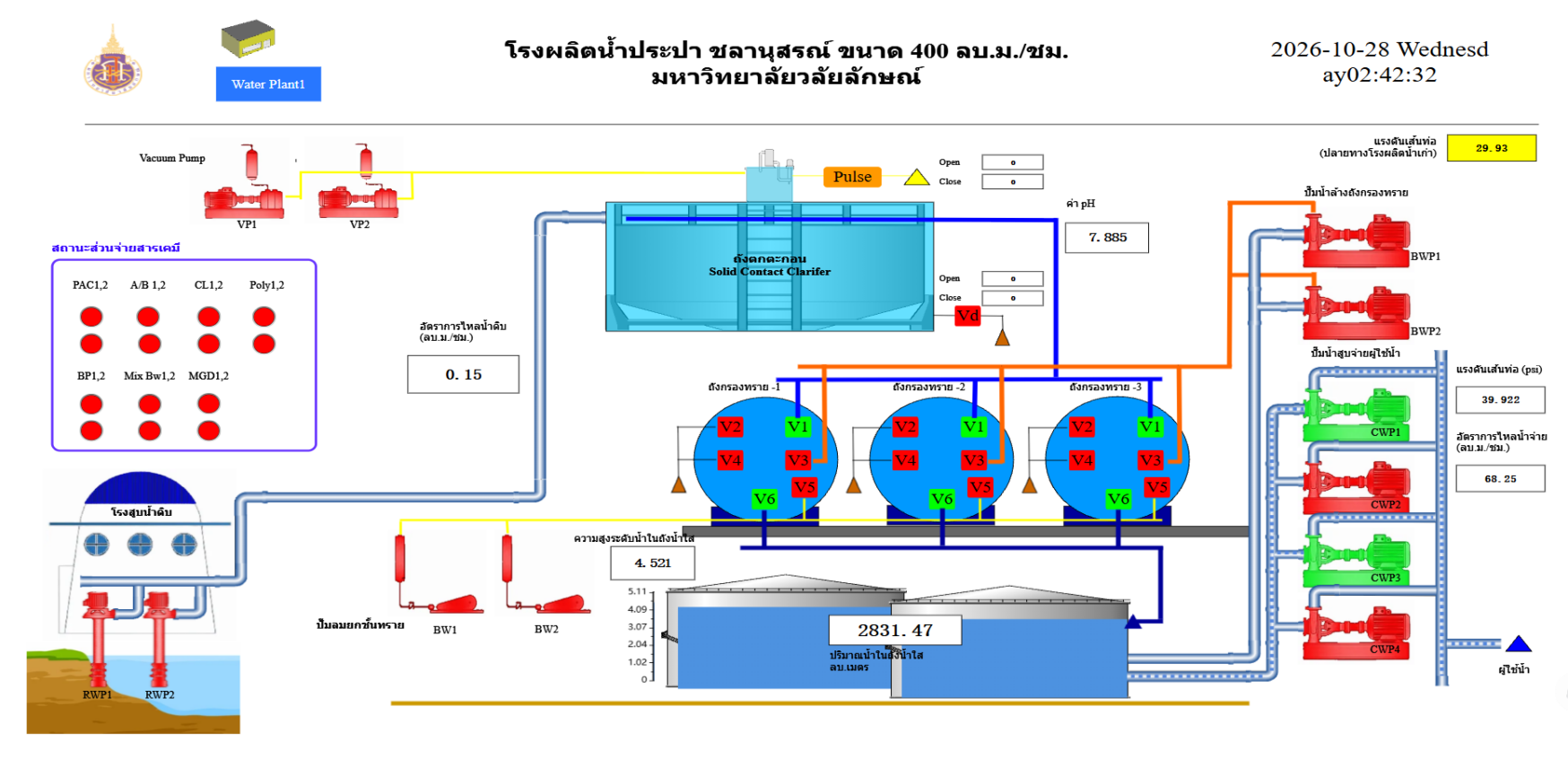
The Chala Nusorn Water Supply Plant has a production capacity of 400 cubic meters per hour, equivalent to 9,600 cubic meters of treated water for tap water per day, supplying buildings and facilities across Walailak University. The water treatment process begins with the extraction of raw water from the reservoir using two KSB vertical turbine pumps, each capable of delivering 420 cubic meters per hour at a pumping head of 30 meters. The pumps operate alternately and are driven by 55-kilowatt vertical hollow shaft (VSH) motors. Raw water is transported through a 400 mm diameter steel pipeline to the sedimentation system, where an electromagnetic flow meter continuously measures water flow and transmits data to the automatic control system. During this initial treatment stage, coagulants, pH-adjusting chemicals, and pre-chlorination agents are introduced through a static mixer to condition the raw water, enhance particle aggregation, and improve the efficiency of the subsequent sedimentation process.
The static mixer consists of internal mixing blades installed within a short section of steel pipeline. It is designed to ensure the uniform distribution of treatment chemicals introduced into the raw water flow. As water passes through the stationary blades, the flow is redirected, creating turbulence that promotes thorough mixing of the chemicals with the raw water and enhances the efficiency of the subsequent treatment processes.
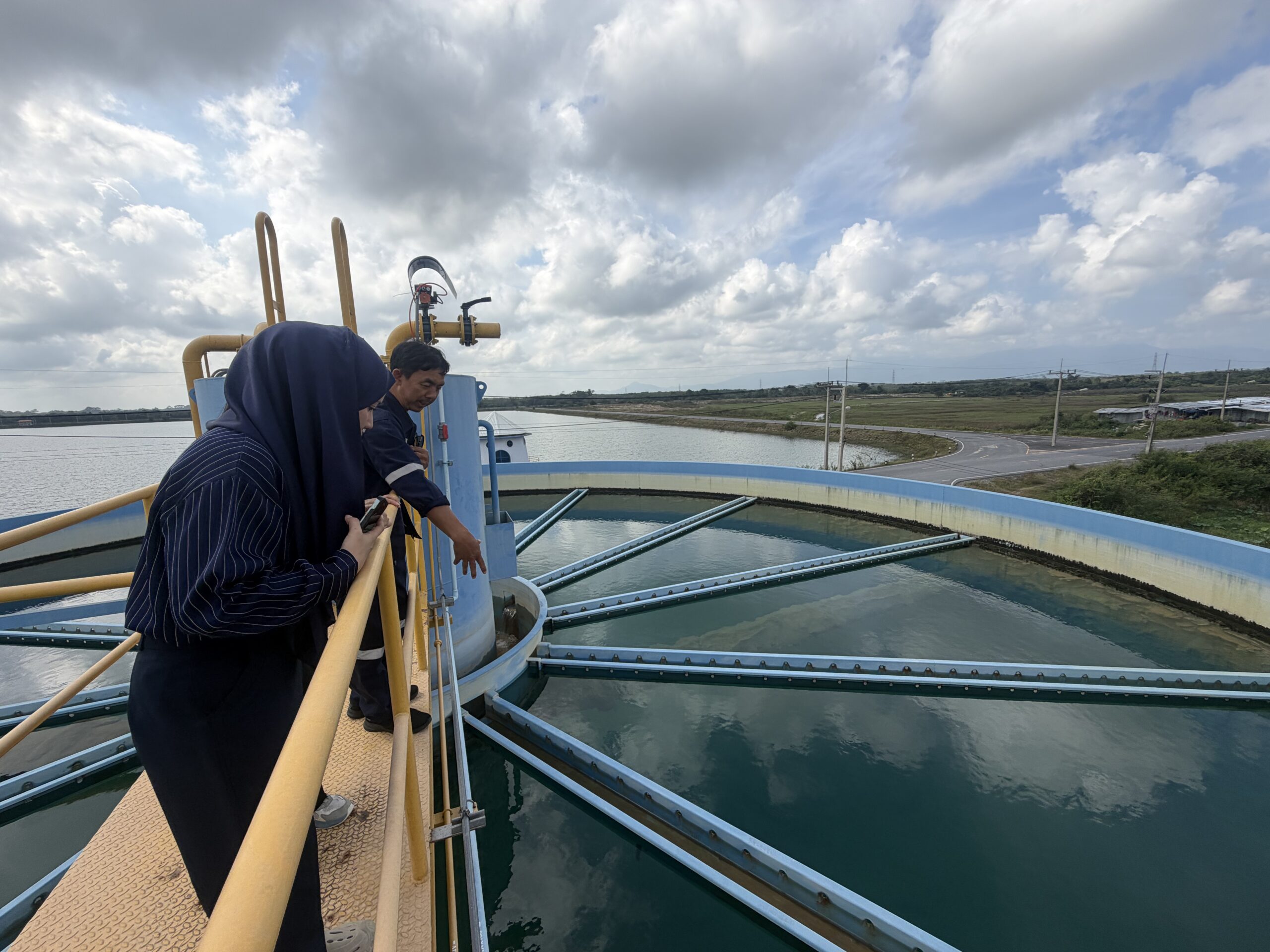
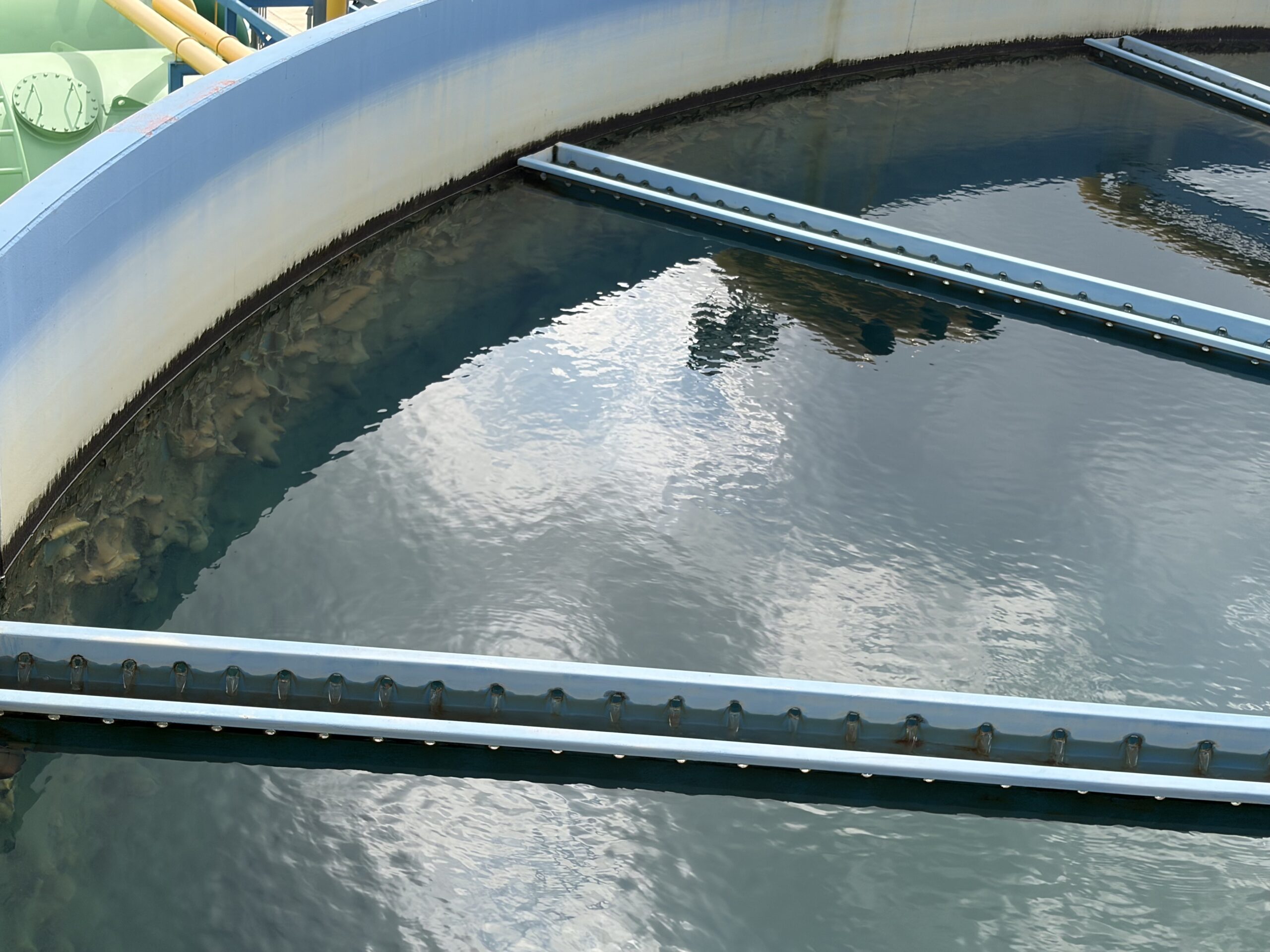
The raw water is subsequently directed into the sedimentation tank, where suspended particles are separated from the water through gravity settling under controlled, low-turbulence conditions. The Chala Nusorn Water Supply Plant employs a Solid Contact Clarifier, an integrated treatment system that combines coagulation and sedimentation within a single tank to facilitate the removal of suspended solids and improve water clarity before the subsequent filtration stage.
The plant utilizes a sludge blanket clarifier equipped with a vacuum-type pulsator, which generates controlled fluctuations in water levels to facilitate rapid mixing and enhance the clarification process. Following sedimentation, the clarified water is collected through designated troughs and transferred to the filtration system for further treatment. To maintain operational efficiency, an automatic sludge discharge valve periodically removes accumulated sludge from the sedimentation tank at hourly intervals. The discharge frequency can be adjusted according to raw water quality and operating conditions to ensure effective sludge management and consistent treatment performance.
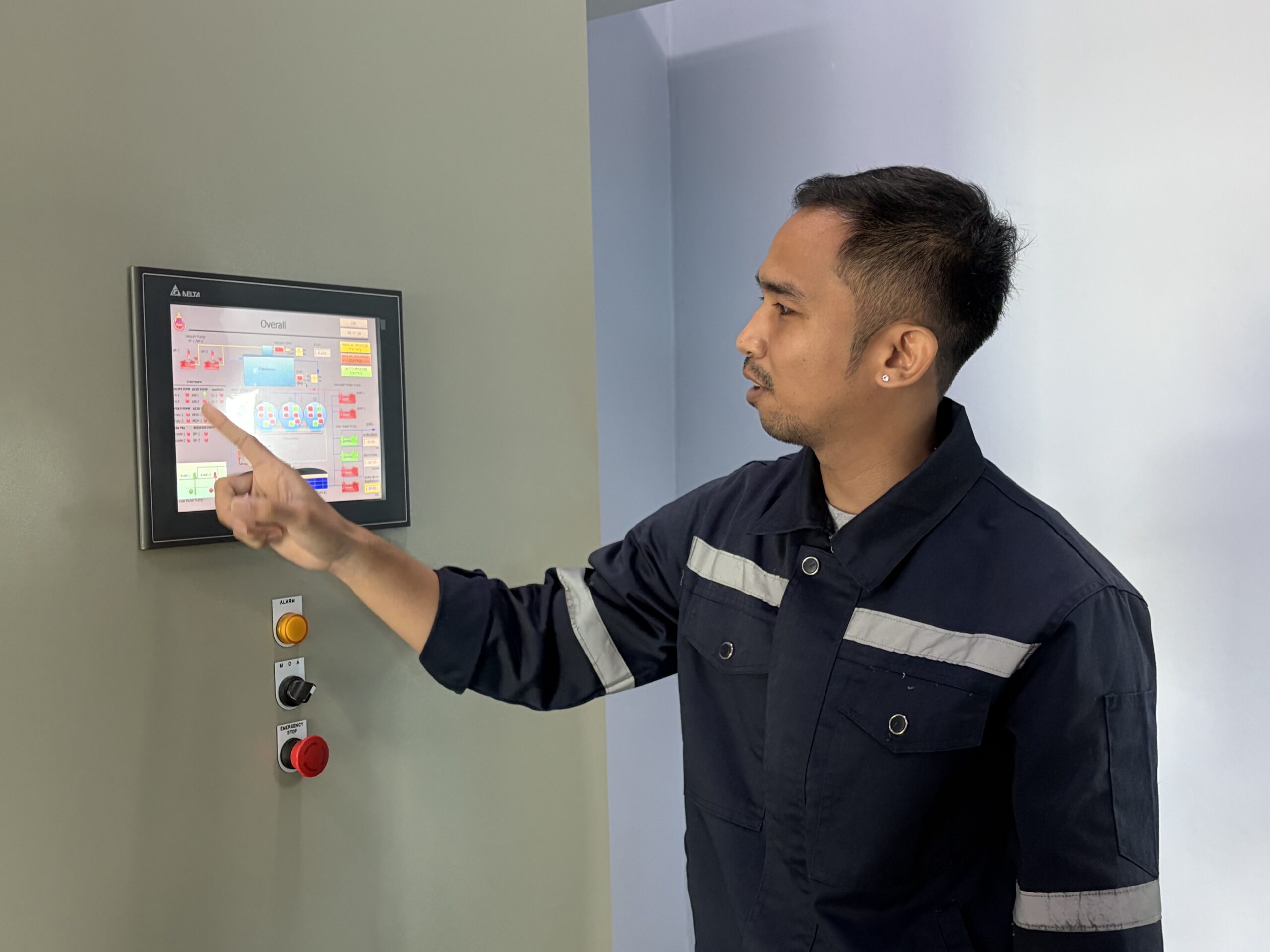
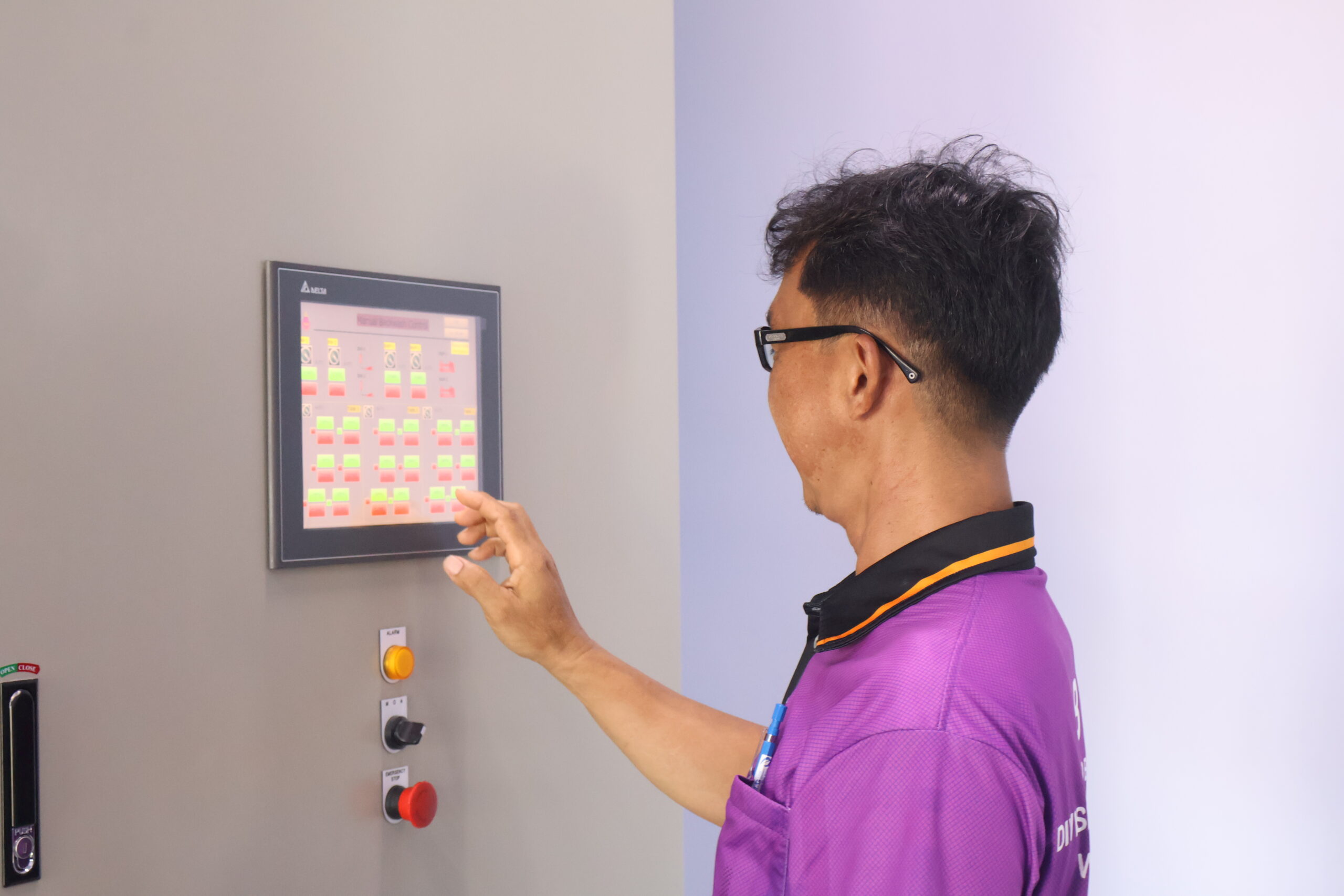
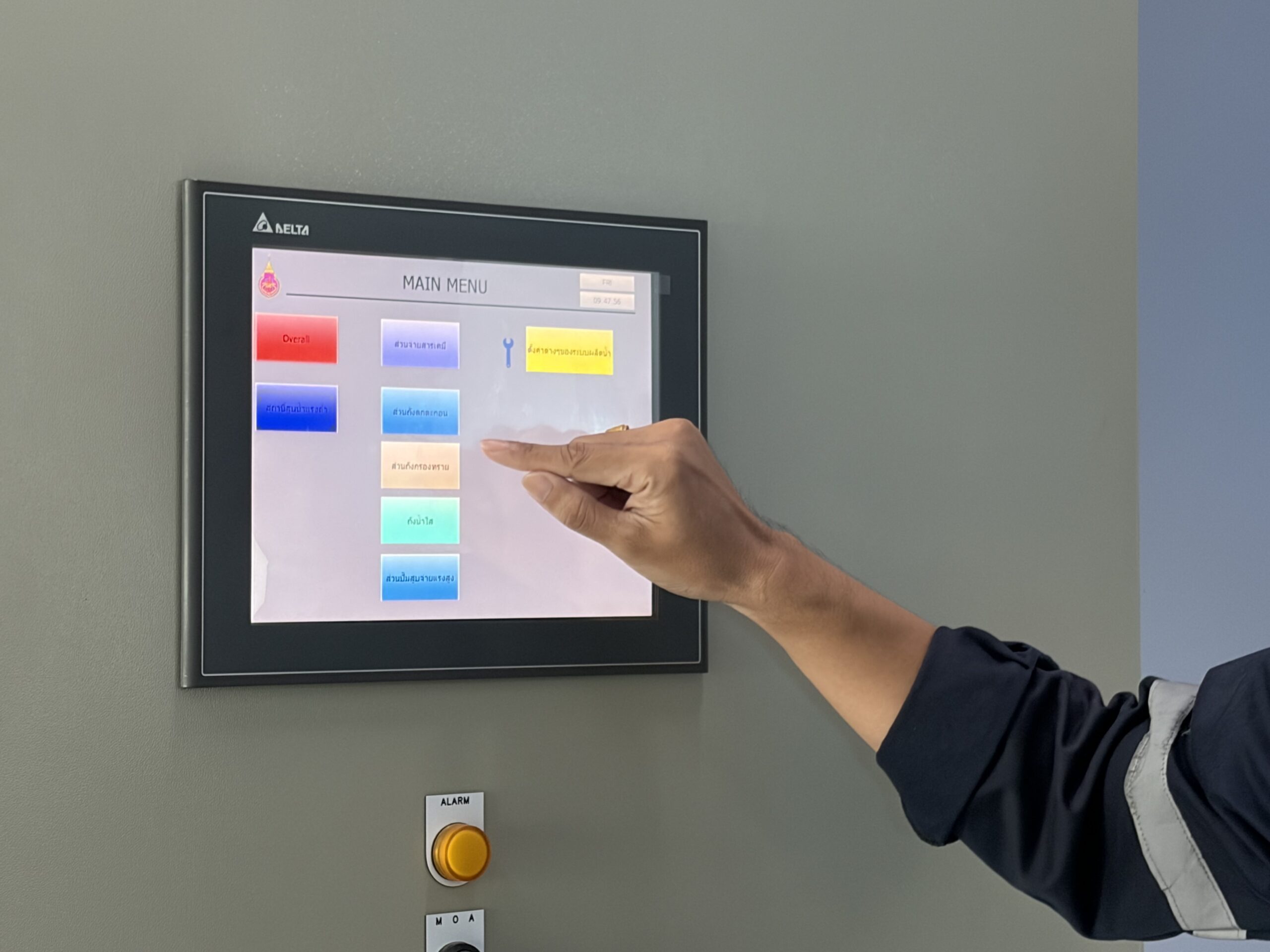
The water production and distribution processes are centrally managed through a dedicated control room equipped with a PIC control cabinet, enabling operators to monitor and regulate the water treatment and supply systems in both automatic and manual modes. This integrated control system supports efficient operation, operational flexibility, and reliable water distribution throughout the university.
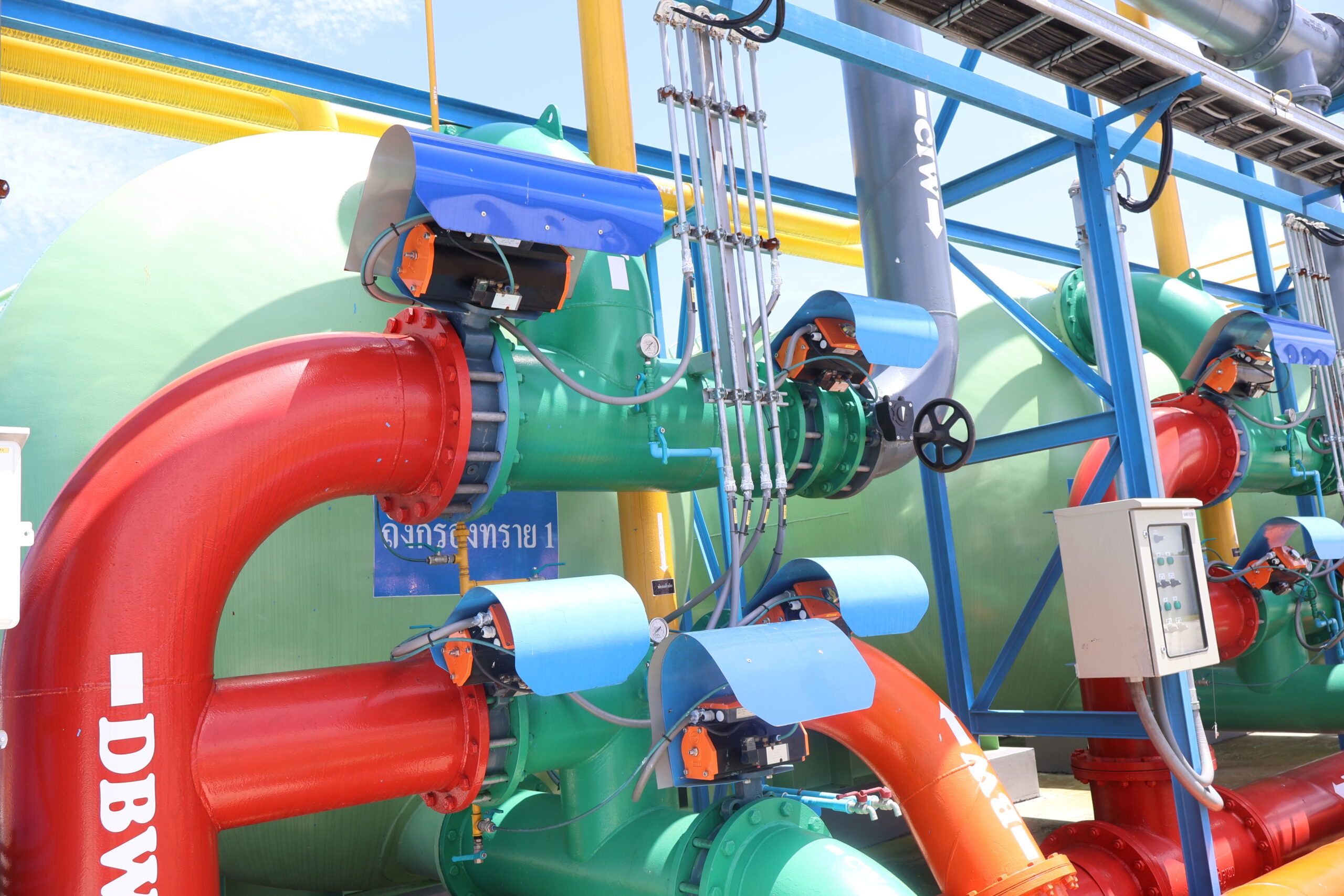
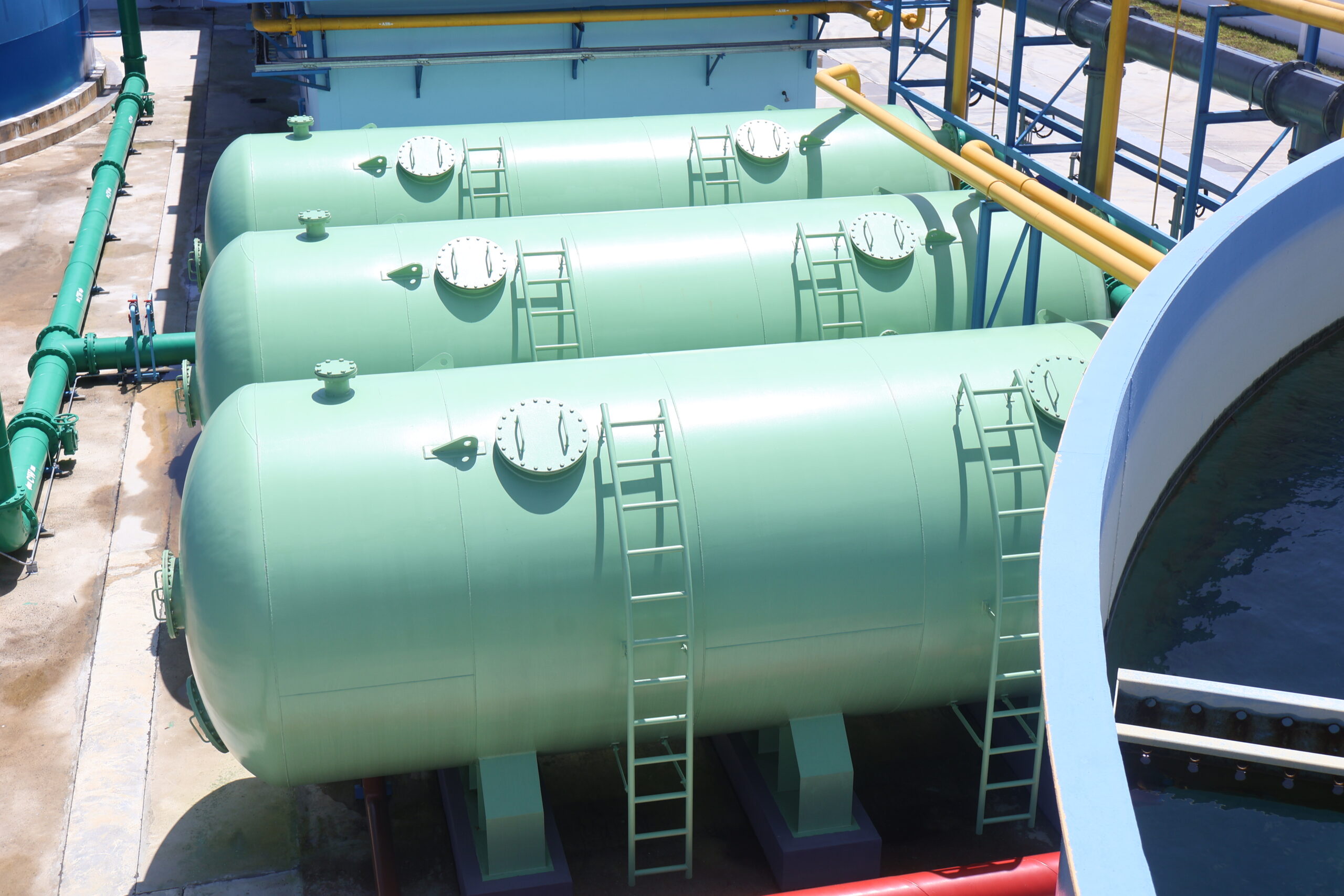
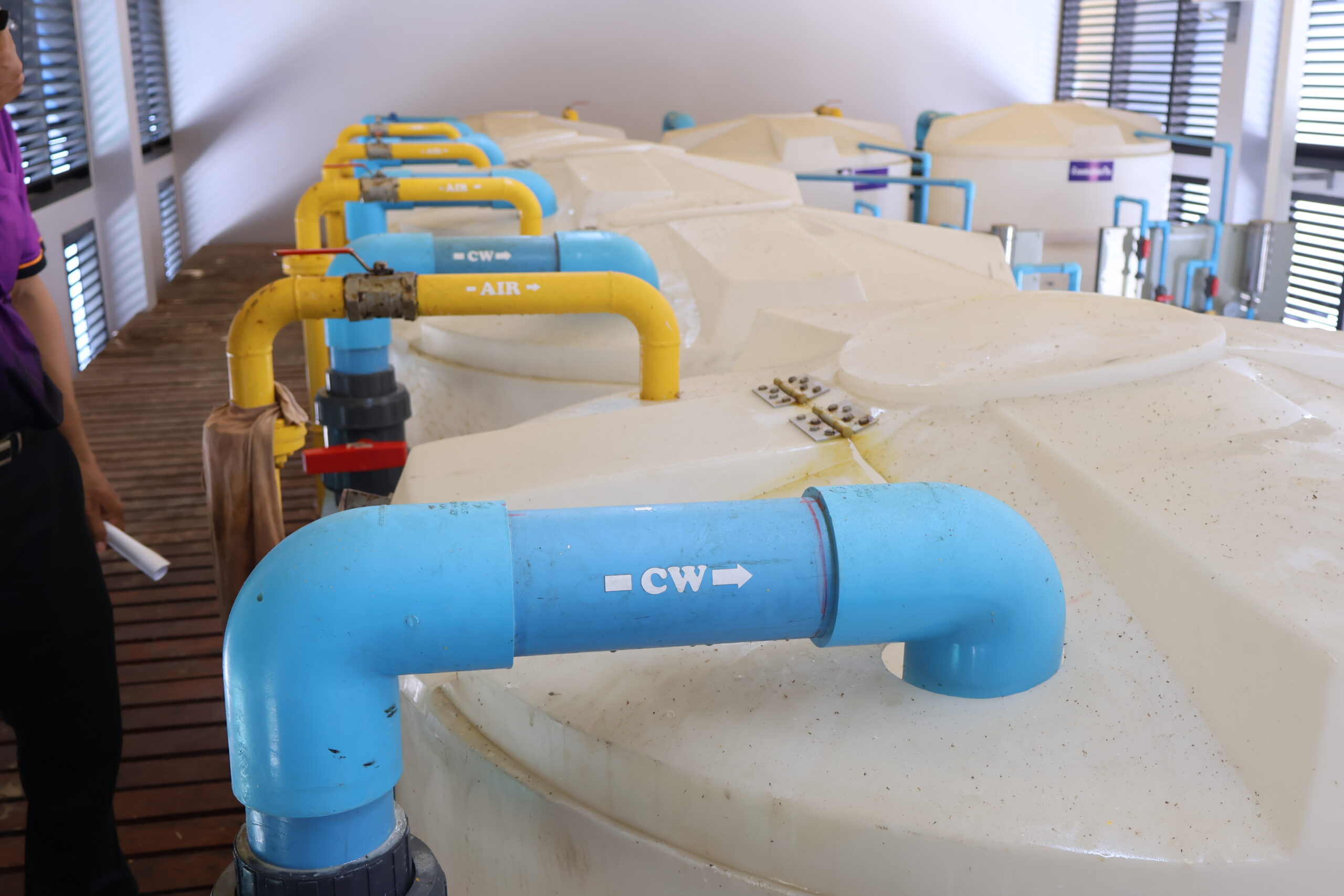
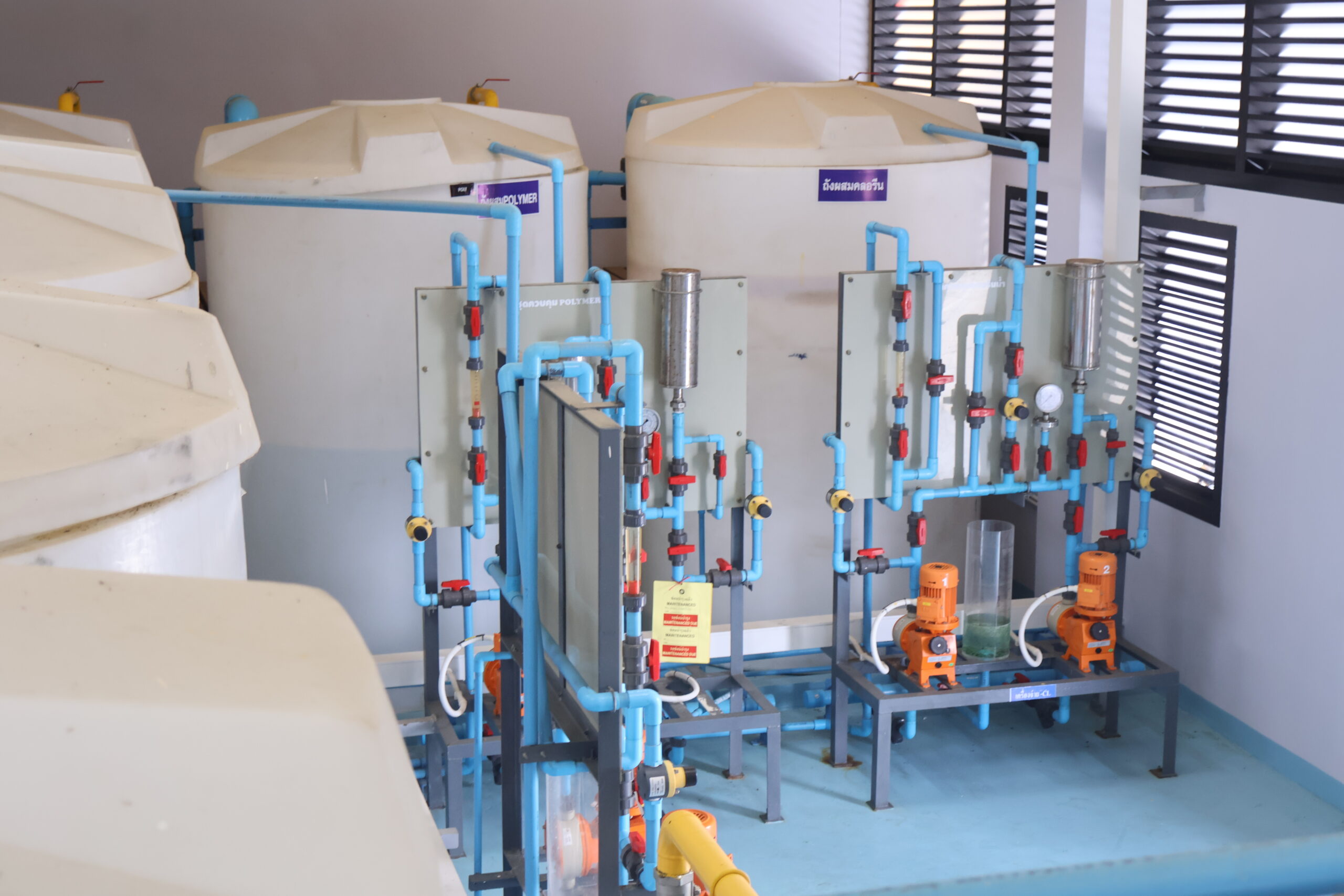
Following clarification, the water undergoes further treatment through a horizontal automatic sand filtration system housed in a steel tank measuring 2.87 meters in diameter and 75 meters in length. Each filtration tank is equipped with 957 filter nozzles at its base and contains multiple layers of gravel, sand, and anthracite, forming a filtration bed with a total thickness of 80 centimeters. To maintain filtration efficiency, the system incorporates an automatic backwashing mechanism activated when the water level in the pulsator tank reaches a predetermined threshold. The cleaning process involves air scouring to dislodge accumulated particles, followed by water rinsing to remove impurities from the filter media. Additionally, the plant is equipped with a chemical dosing system comprising four solution-type chemical feeders for polyaluminium chloride (PAC) and caustic soda, each with a dosing capacity of 790 liters per hour. These systems support effective chemical treatment and help maintain consistent water quality throughout the production process
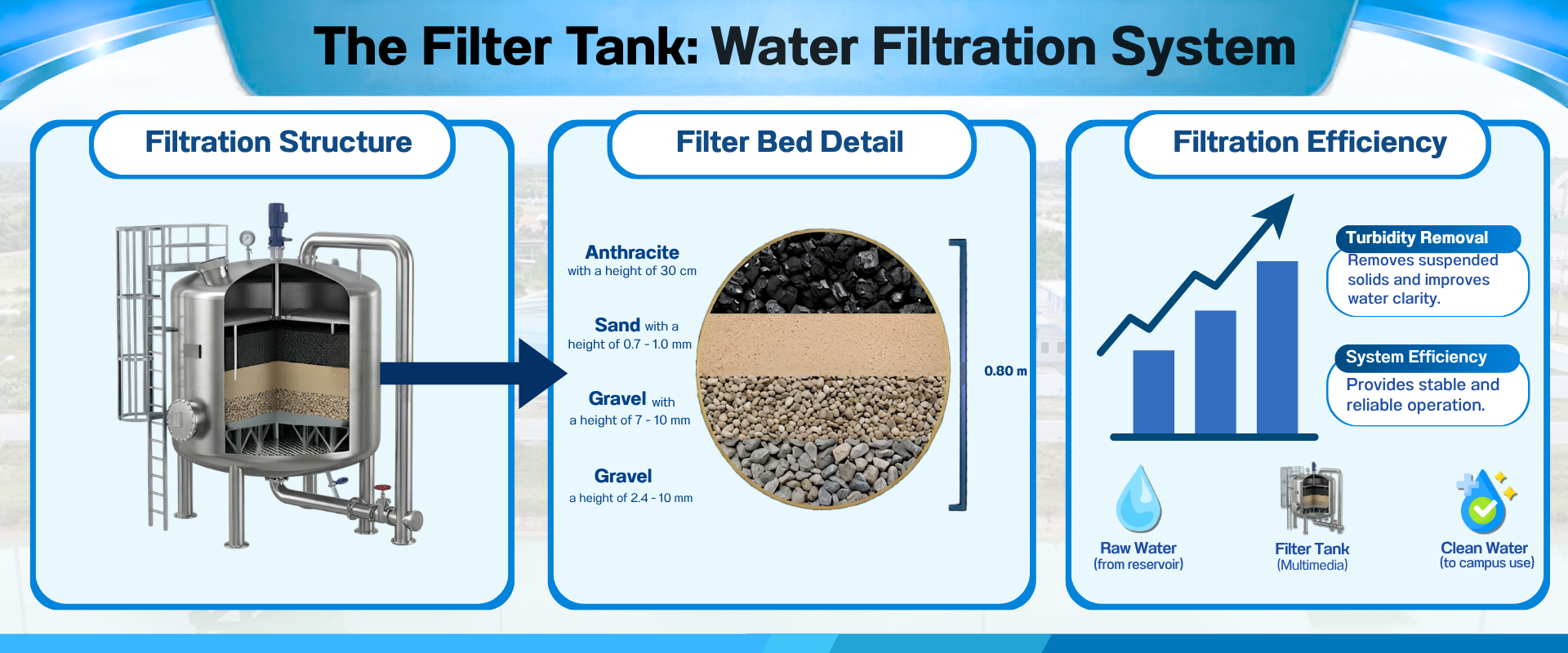
Additionally, the water treatment plant is equipped with two liquid chlorine dosing units, each with a capacity of 260 liters per hour, and two polymer dosing units, each capable of delivering 790 liters per hour. These systems support controlled chemical dosing to enhance disinfection, promote particle aggregation, and improve overall water treatment efficiency.
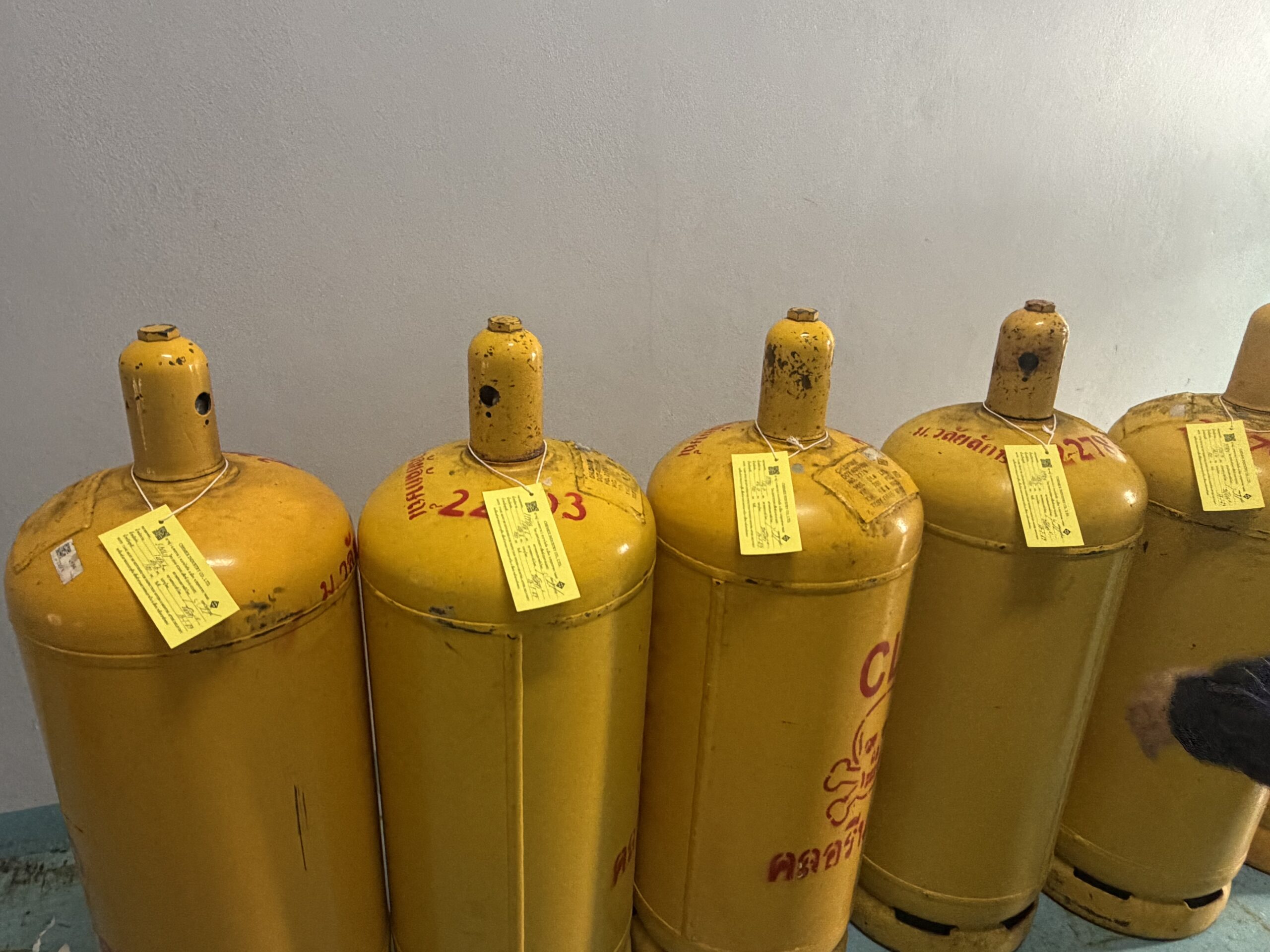
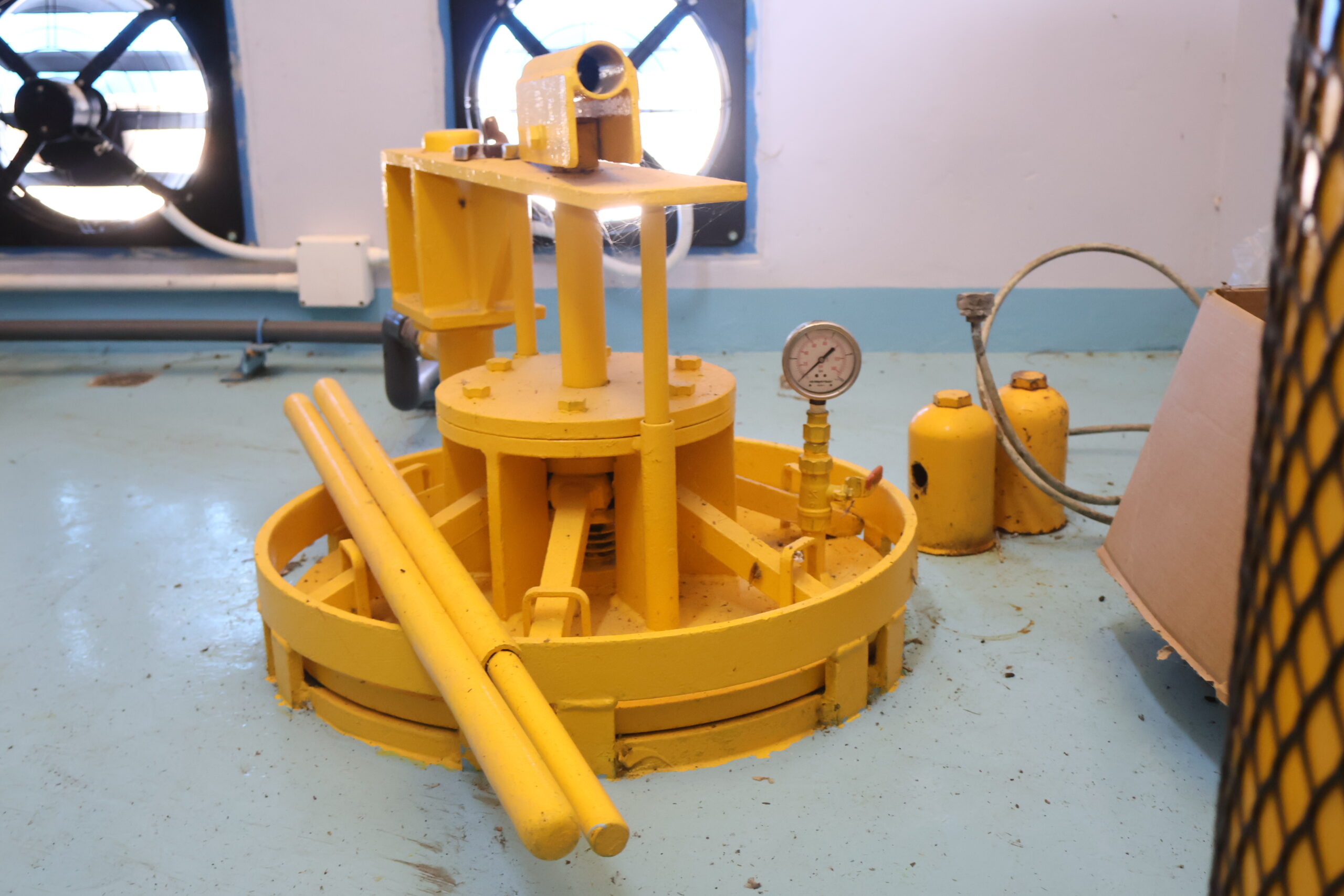
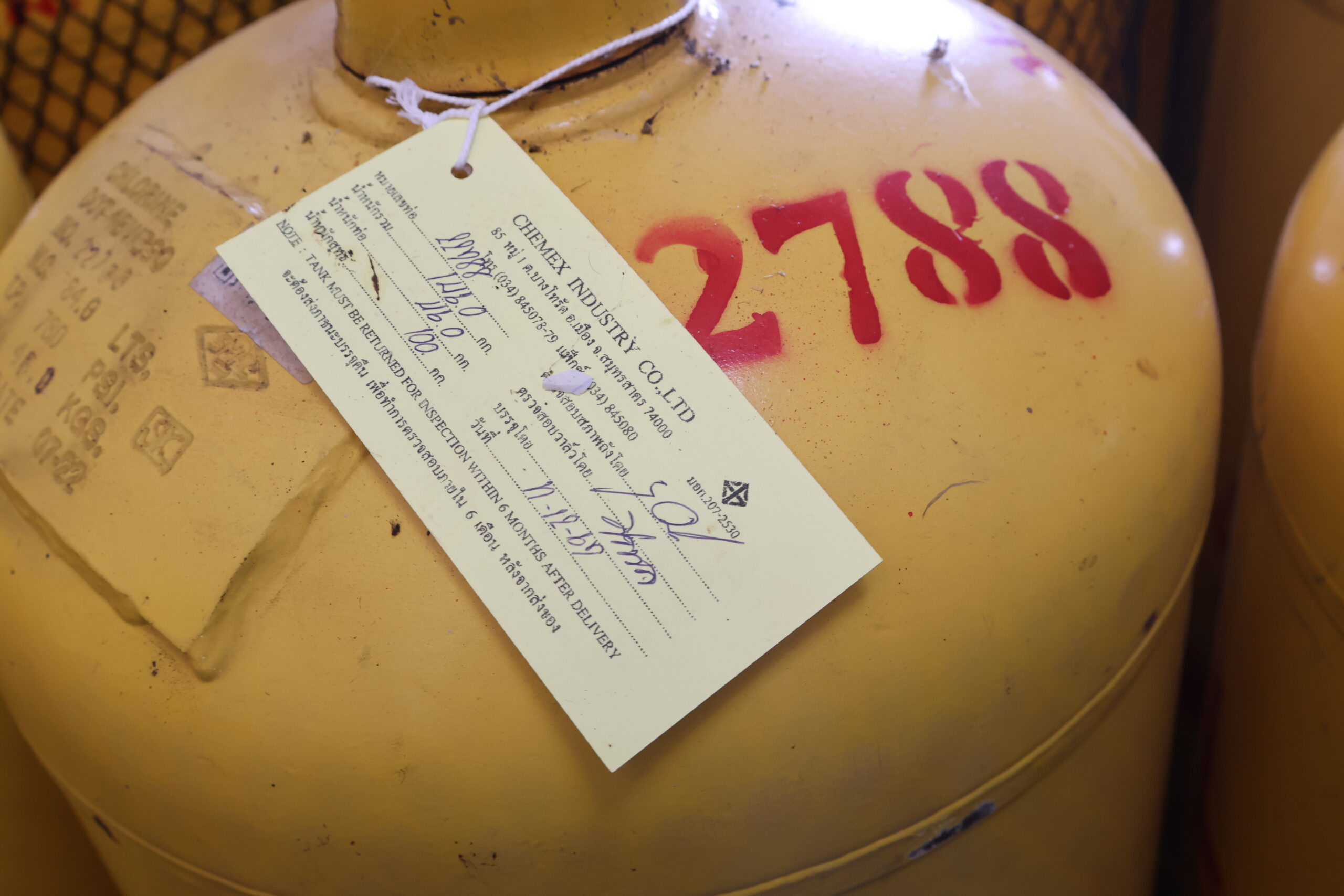
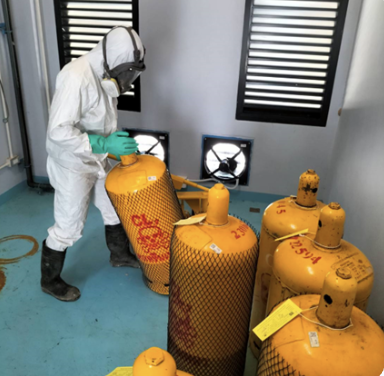
The water treatment plant utilizes a vacuum-regulated chlorine gas dosing system with a maximum dosing capacity of 10 kilograms per hour. This system enables controlled chlorine application for water disinfection, helping eliminate harmful microorganisms and maintain the microbiological quality and safety of the treated water.
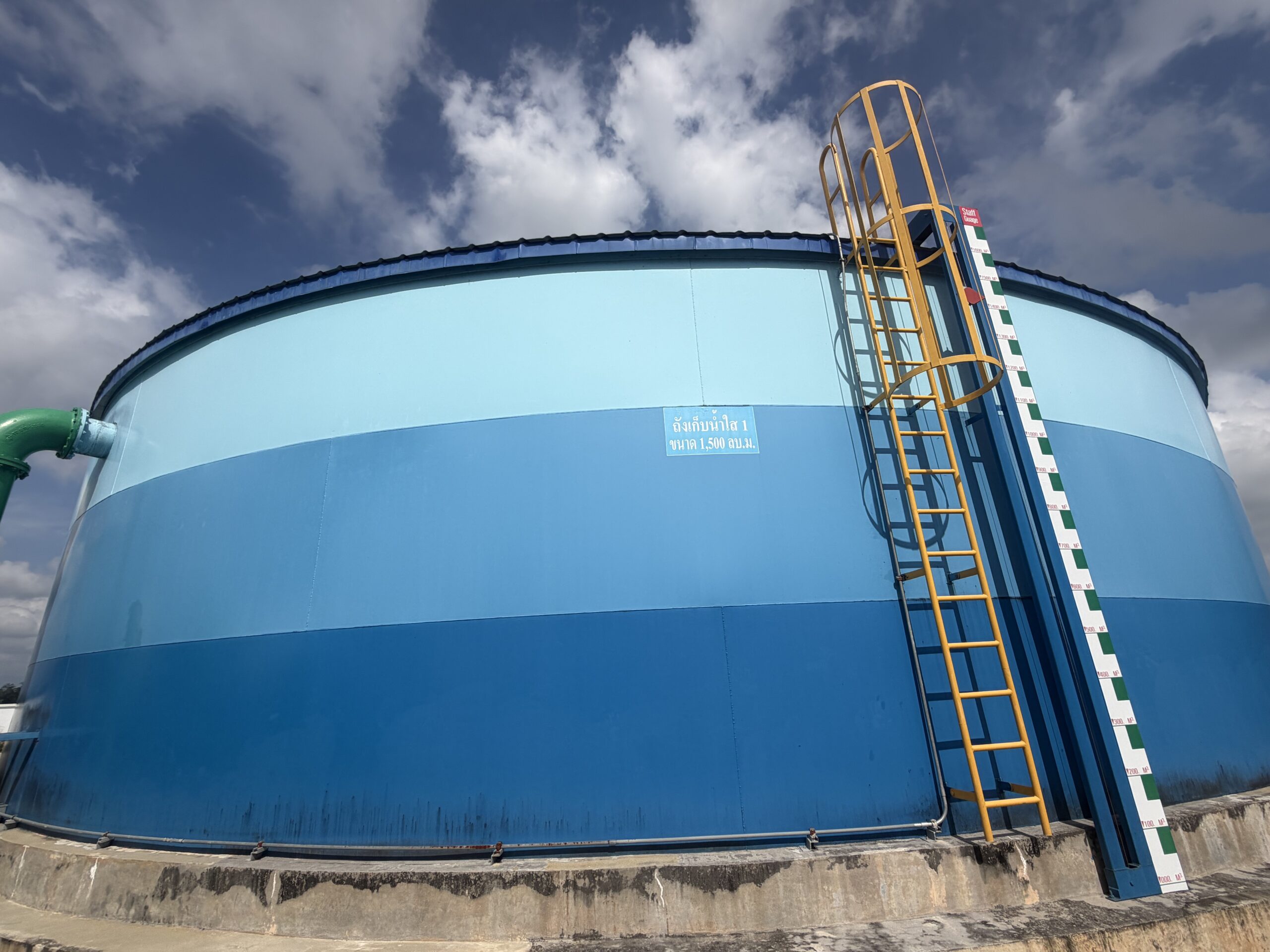
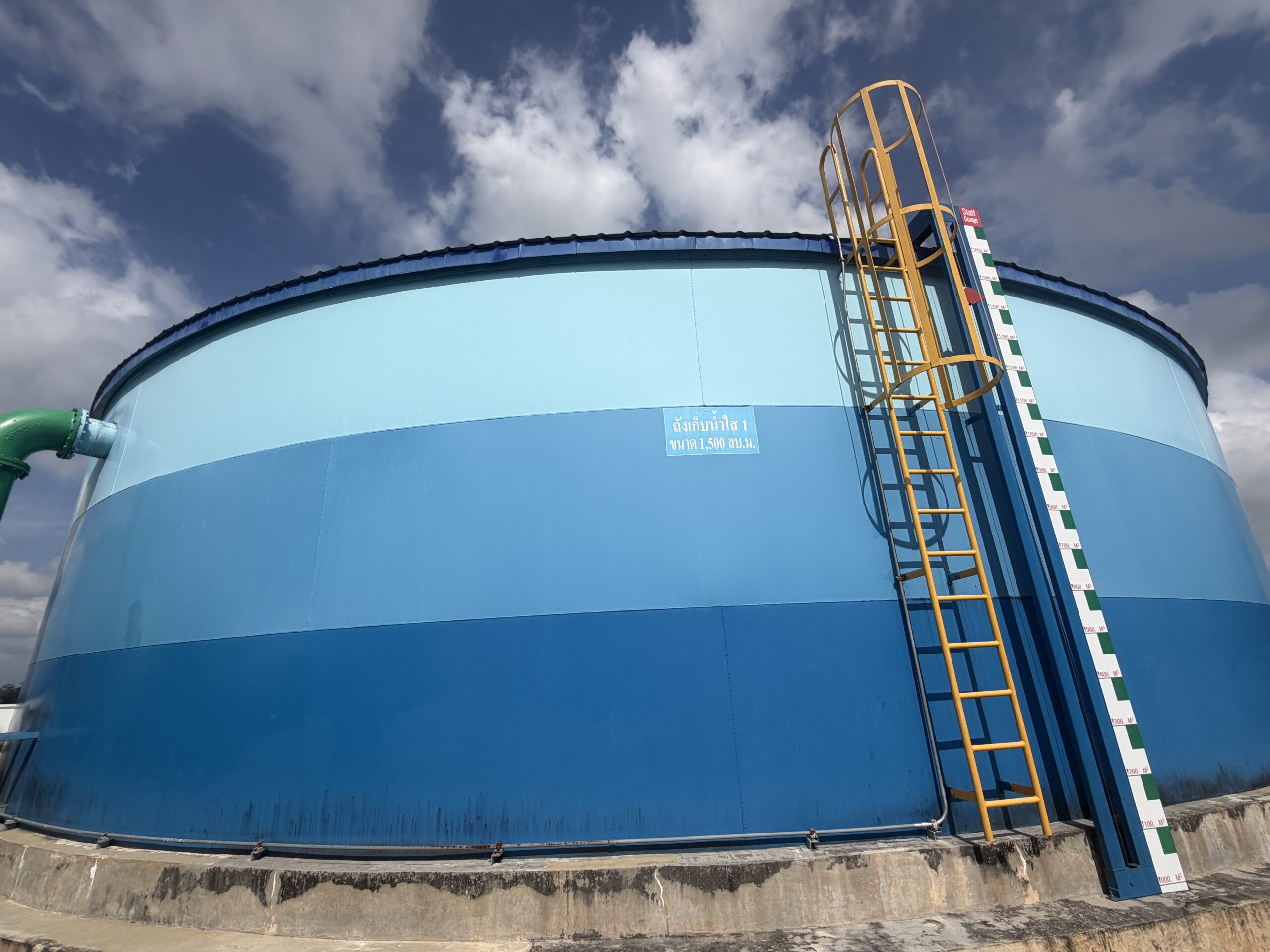
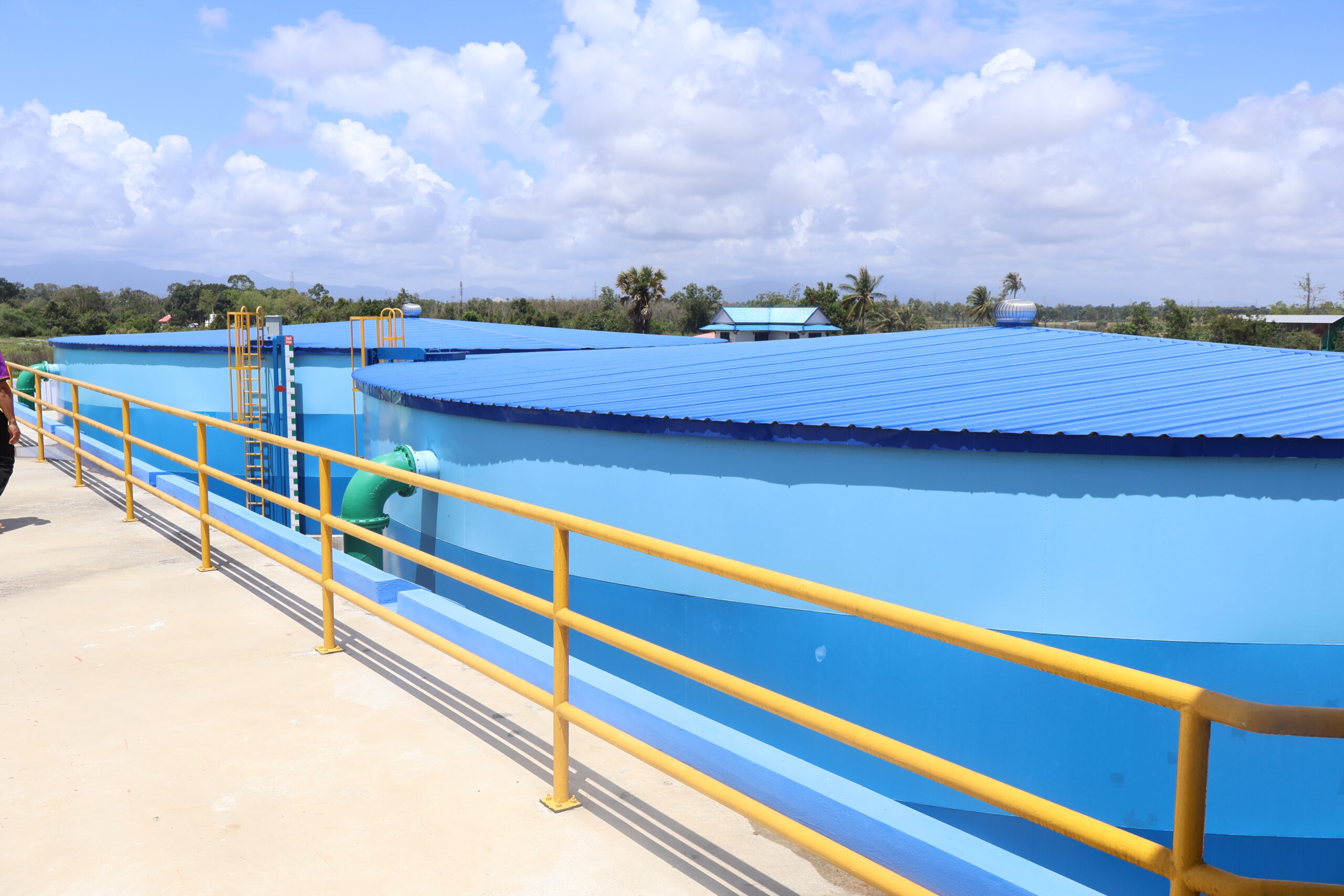
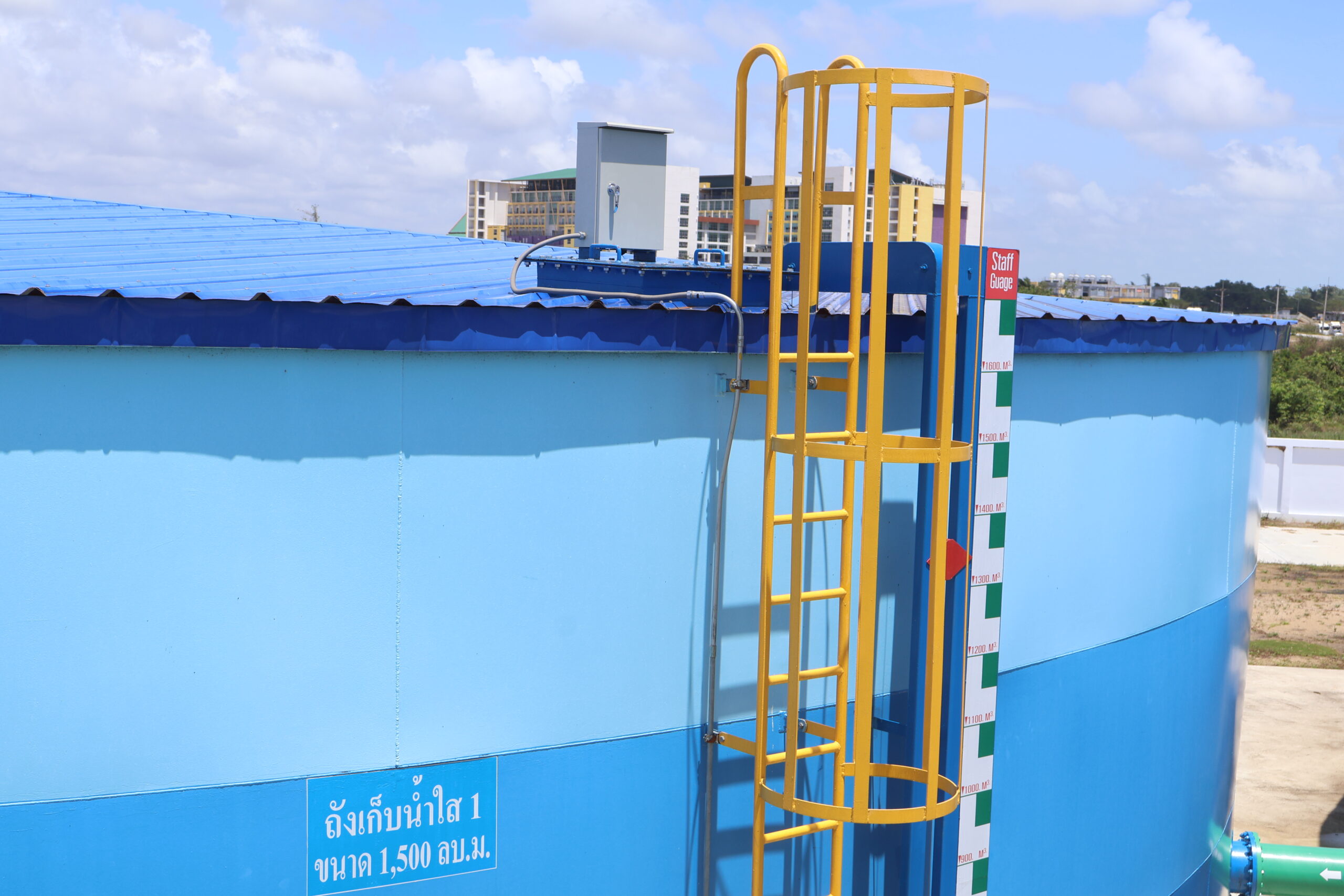
Following the treatment process, the purified water is conveyed to a clear water storage tank constructed from steel, measuring 21 meters in diameter and 4.5 meters in height, with a storage capacity of 1,500 cubic meters per tank. The tank is fitted with a metal-sheet roof and protected by epoxy coatings with minimum thicknesses of 200 microns on the interior surfaces and 150 microns on the exterior surfaces to enhance durability and corrosion resistance. For effective water level monitoring, a radar level sensor is installed at the top of the tank, while a staff gauge is positioned along its side to provide direct water level readings. Additionally, a balance tank valve is incorporated to facilitate maintenance operations and support efficient management of the treated water storage system.
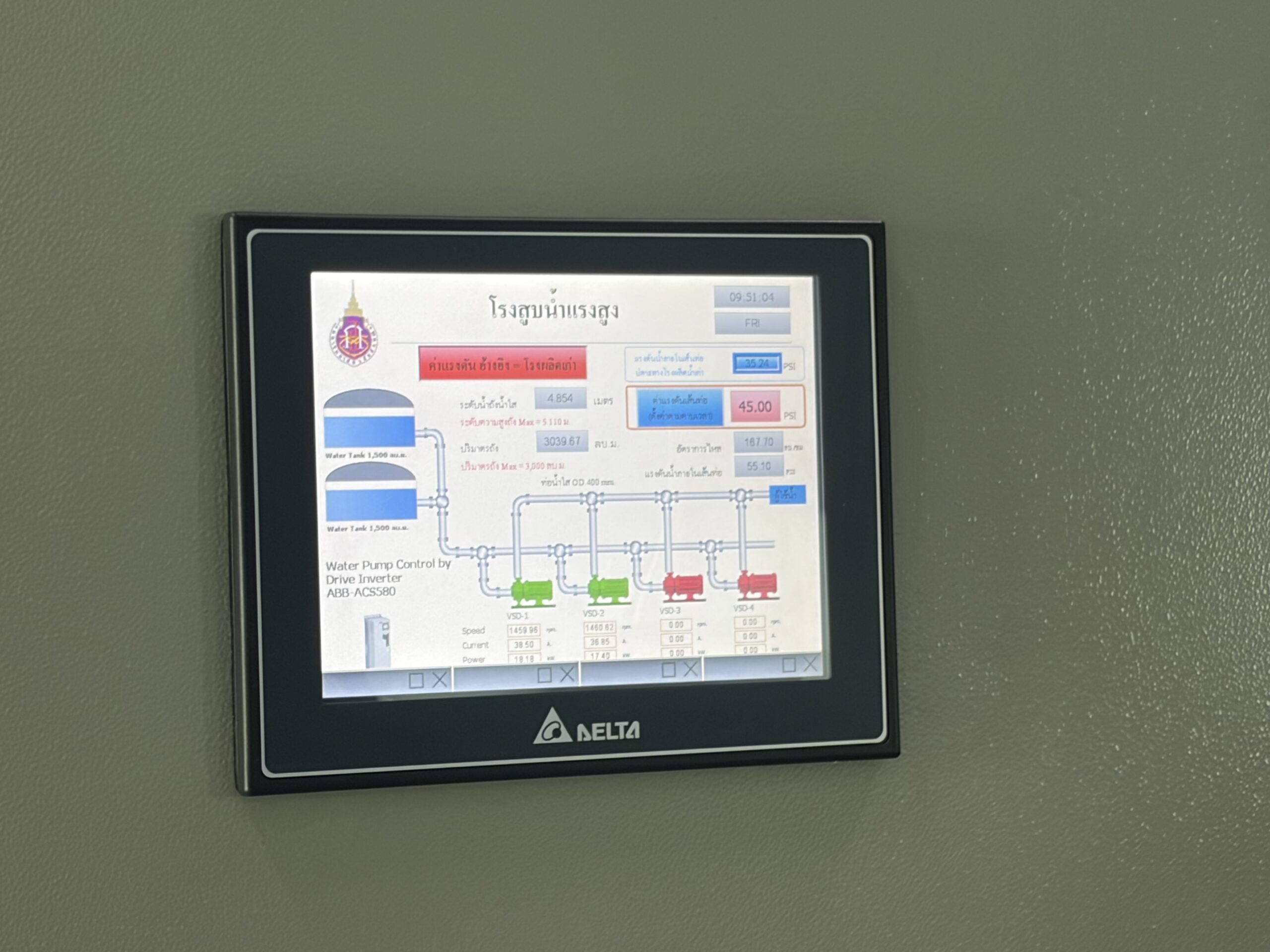
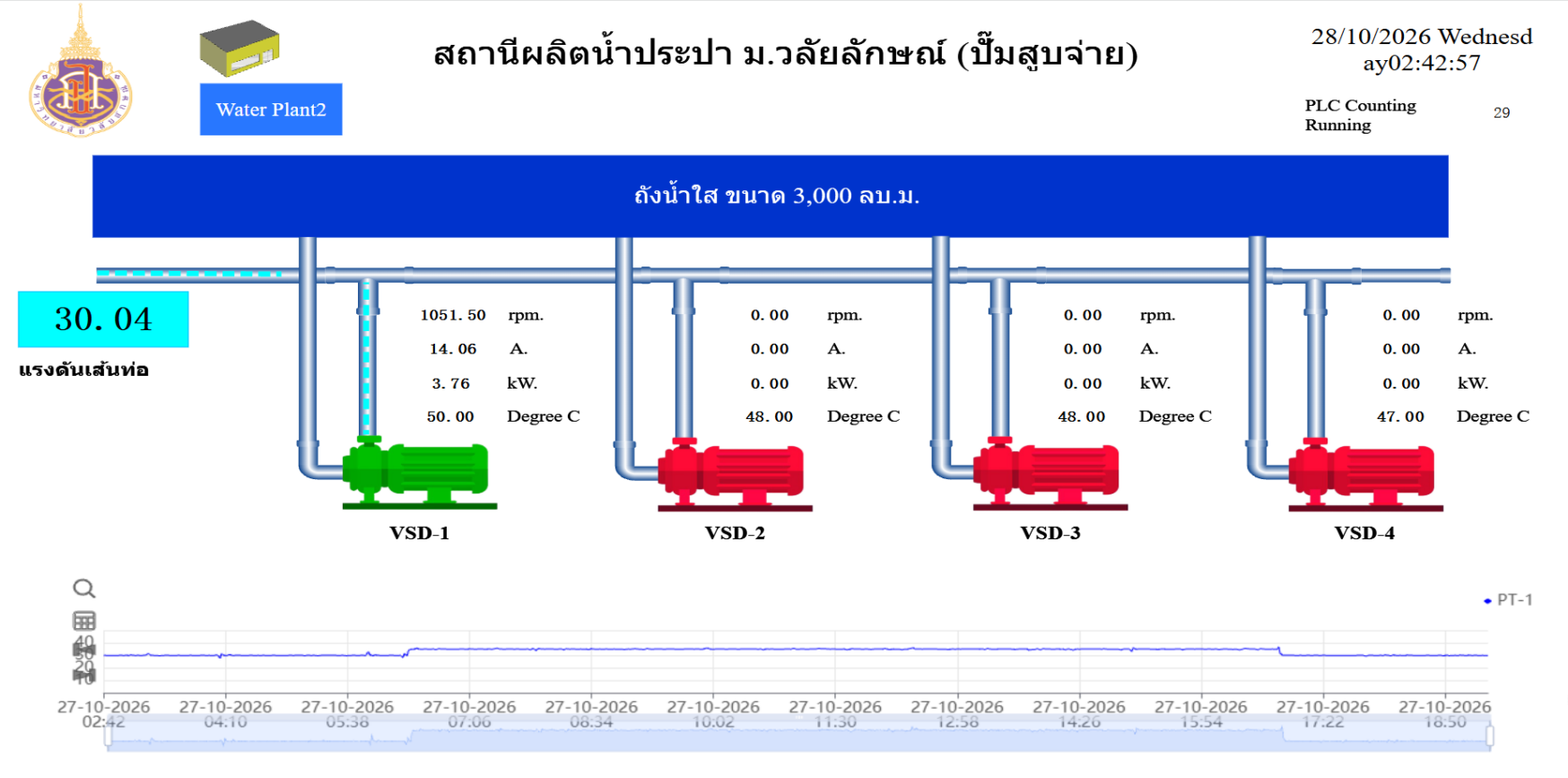
The treated water distribution system operates using four horizontal split-case, single-stage centrifugal pumps, each powered by a 30-kilowatt motor and capable of delivering 200 cubic meters of water per hour at a pumping head of 35 meters. All pumps are equipped with a Variable Frequency Drive (VFD) control system, which regulates motor speeds within a frequency range of 15–60 Hz to adjust water flow and pressure according to distribution requirements. Additionally, the pump motors incorporate a forced-air cooling system to prevent overheating, maintain operational efficiency, and ensure a reliable and continuous water supply throughout the university.
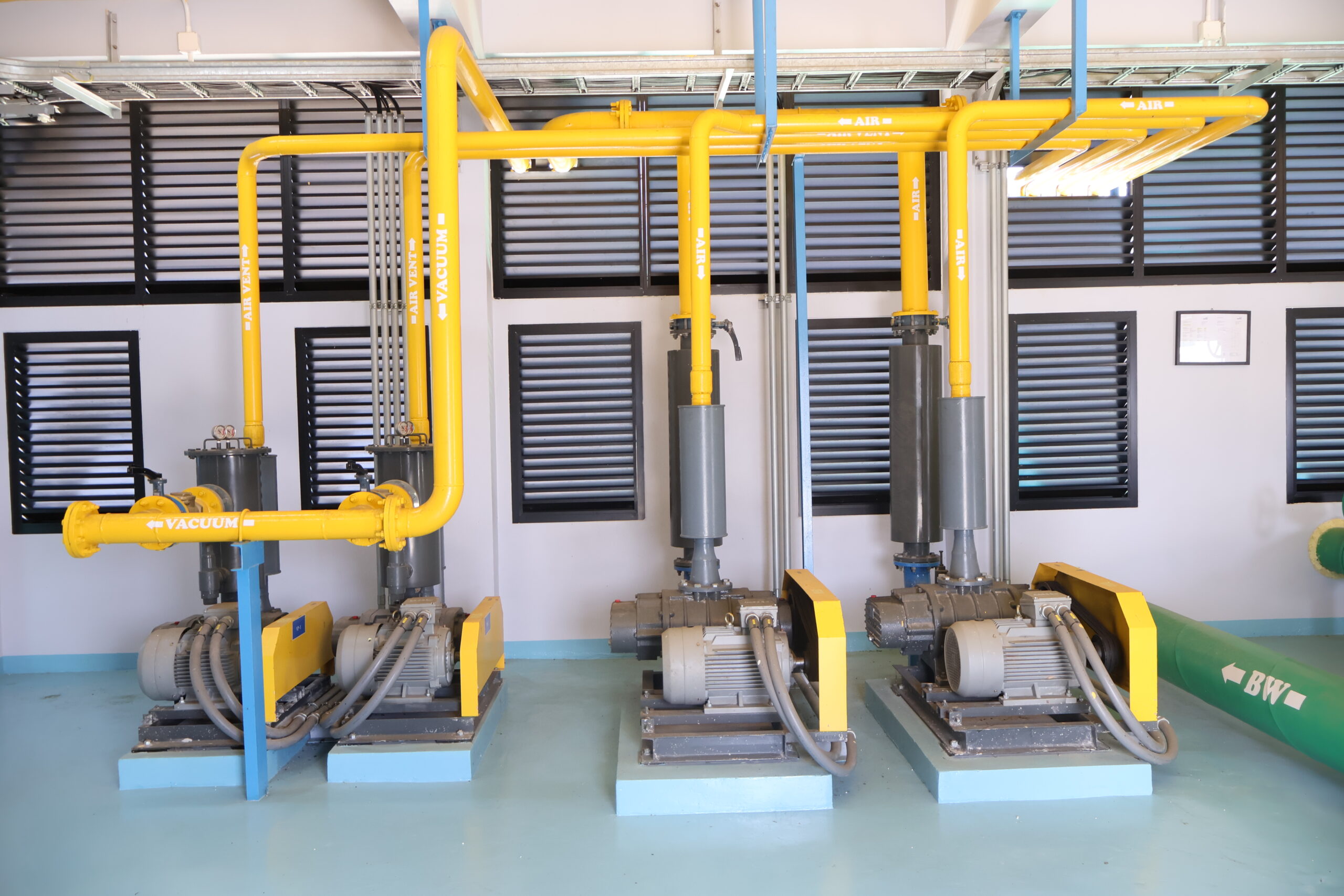
Additionally, the water supply plant is equipped with a Sika horizontal split-case, single-stage backwash pump, designed to deliver water at a flow rate of 400 cubic meters per hour and a pumping head of 15 meters. This pump supports the operation of the university’s water supply system, contributing to the reliable provision of water for domestic and drinking purposes across campus.
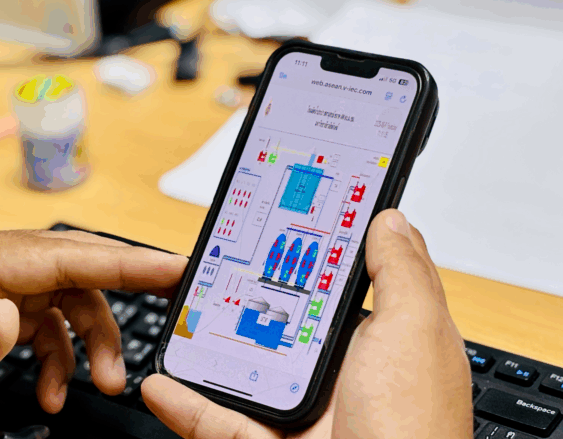
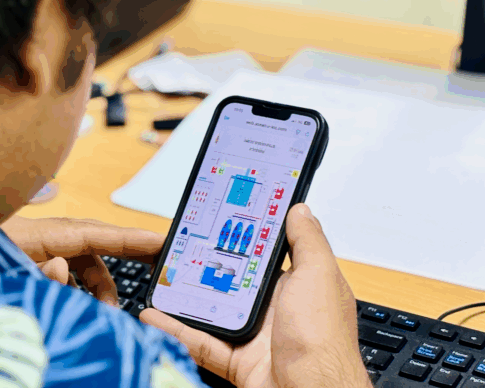
Walailak University implements a real-time monitoring and surveillance system to continuously oversee water production operations associated with the Chala Nusorn Reservoir. This system enables the university to monitor operational performance, identify potential irregularities, and respond promptly to issues that may arise during the water treatment and production processes. Through systematic data collection, monitoring, and analysis, the university strengthens operational efficiency, enhances transparency, and supports informed decision-making in water resource management. Furthermore, this approach contributes to reducing operational costs by optimizing energy consumption, minimizing operational downtime, and improving maintenance planning, thereby promoting the long-term reliability and sustainability of the university’s water supply system.
Reuse of Treated Wastewater
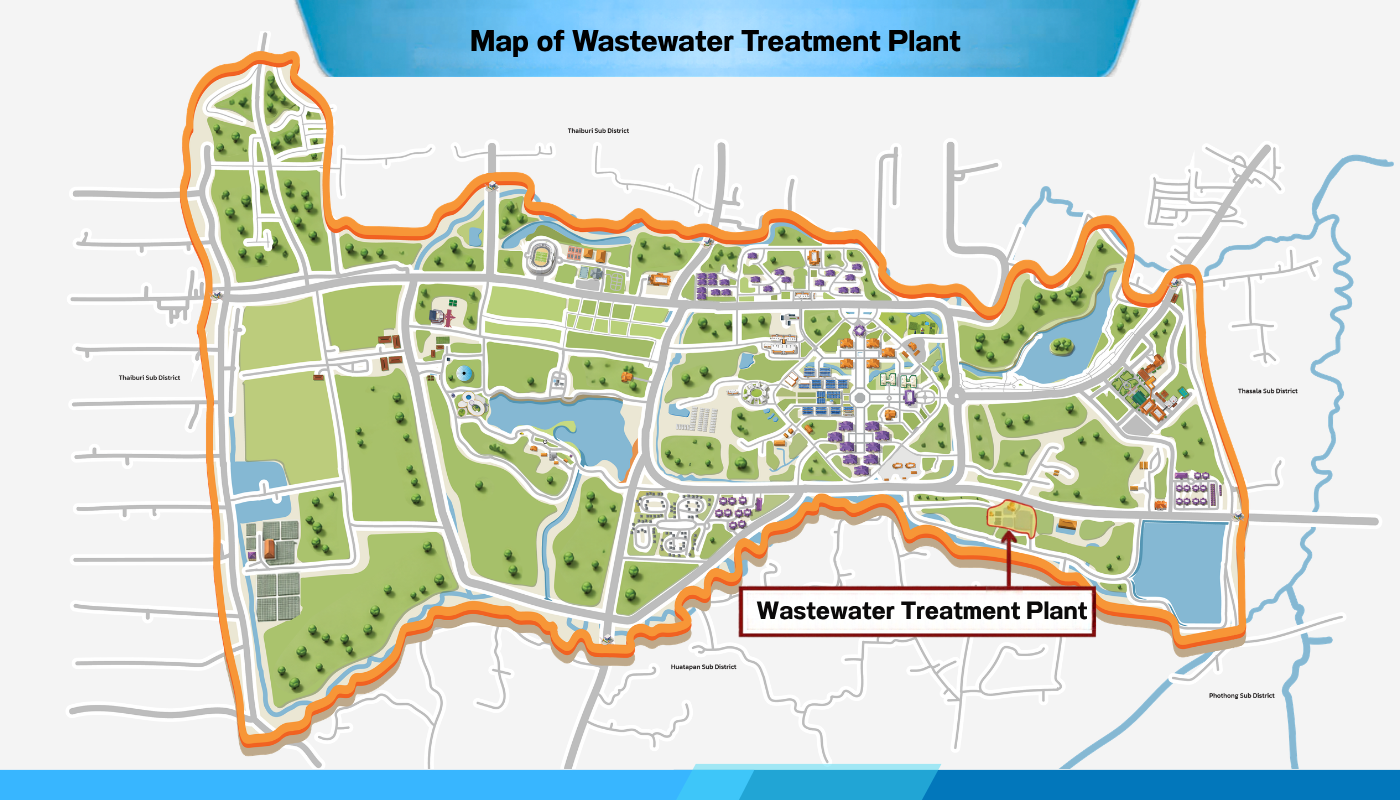
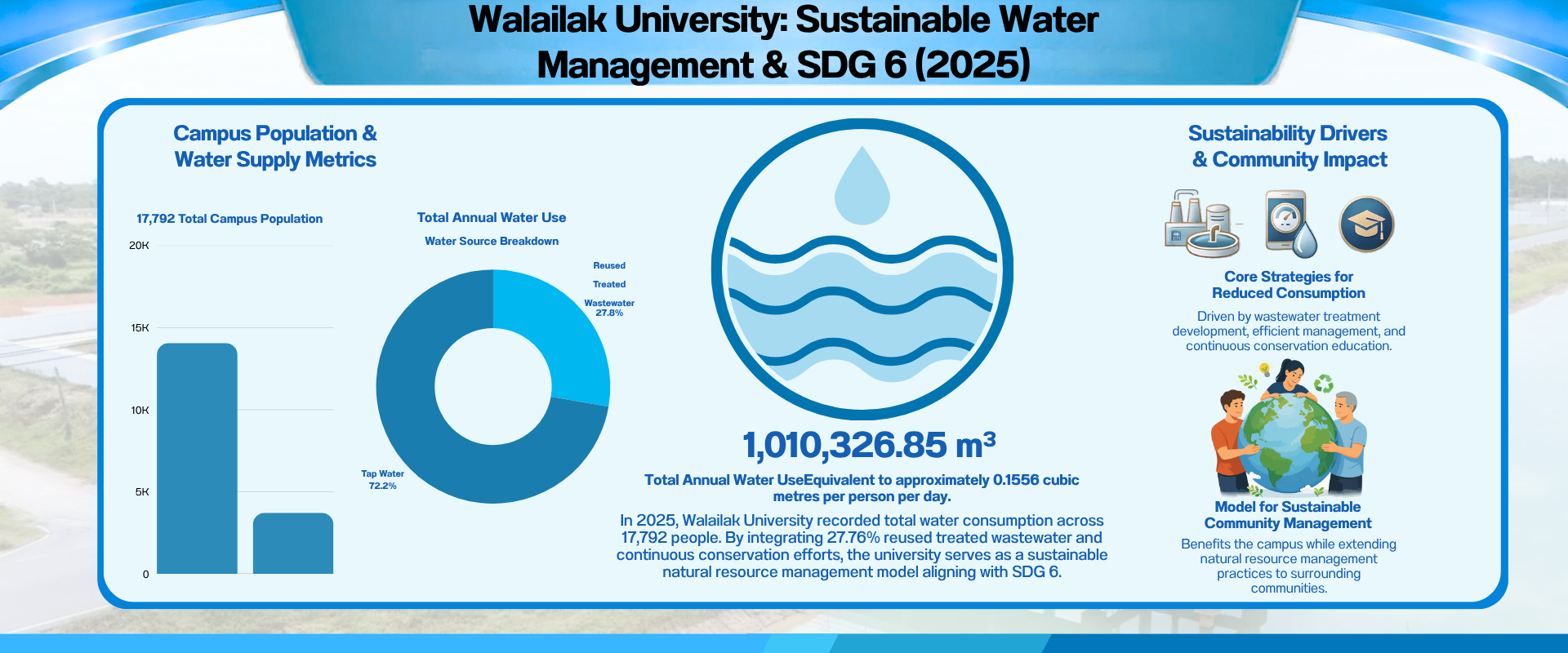
Following domestic water use, wastewater enters the university’s treatment system. In 2025, the university reported reusing 100% of its treated wastewater, equivalent to 100–130 cubic metres per day, following chemical and biological treatment. Treated wastewater is reused for watering plants, raising Nile tilapia, washing vehicles, cleaning campus roads, and supplying cooling water for the incineration system used to dispose of waste generated by university activities.
The Existence of Water Consumption Measurement across the Whole University
Walailak University recognises the importance of sustainable water resource management, particularly in meeting the domestic water needs of its students and staff. Measurement and tracking of the total volume of water used are conducted systematically across the whole university.
In 2025, the university had a total population of 17,792, comprising 14,065 students and 3,727 staff members, including administrative personnel, employees, and academic staff. This represented an increase of 626 people compared with the previous year. The growth in the university population contributed to a corresponding increase in water demand. Annual monitoring recorded a total water consumption of 129,821 cubic metres, equivalent to approximately 0.020 cubic metres per person per day.
The university attributes its progress in reducing water consumption to efficient water management, the development of appropriate wastewater treatment systems, and continuous dissemination of water conservation knowledge to students and staff. These efforts benefit the campus environment and water users while supporting positive outcomes for surrounding communities. They also demonstrate the university’s capacity to serve as a model for sustainable natural resource management, with opportunities to extend these practices to communities.
These operations reflect Walailak University’s commitment to comprehensive and sustainable water management in support of the Sustainable Development Goals, particularly efficient resource use and sound environmental management.
Water Consumption Measurement and Monitoring
Walailak University places great importance on the sustainable management of water resources, particularly ensuring an adequate water supply to meet the daily water demands of students and personnel. To achieve this, the university has implemented a systematic water management system to measure and monitor water consumption across the entire campus, covering all stages of water supply operations, from tap water production to distribution networks and various points of use.
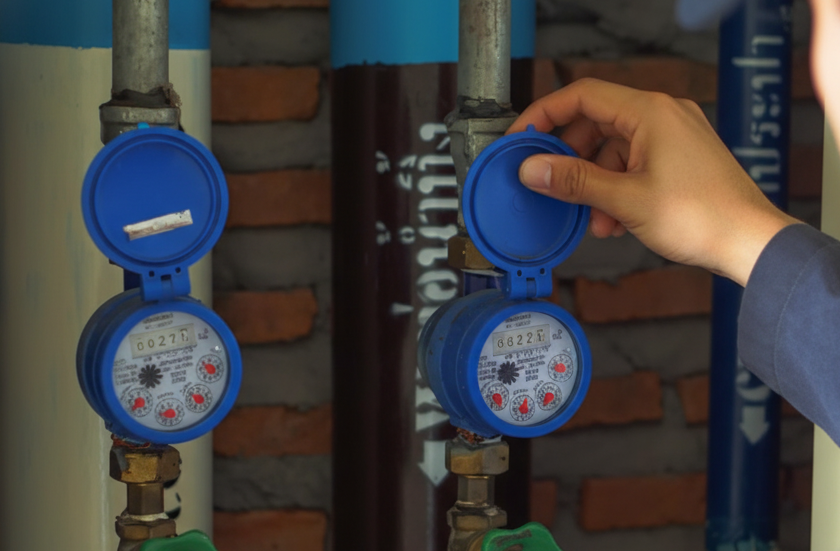
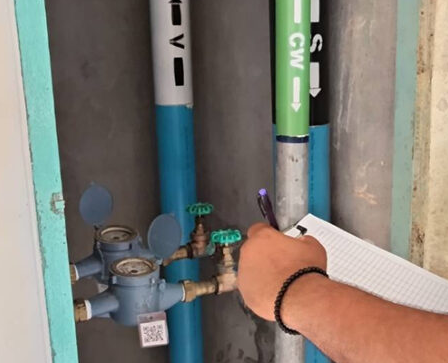
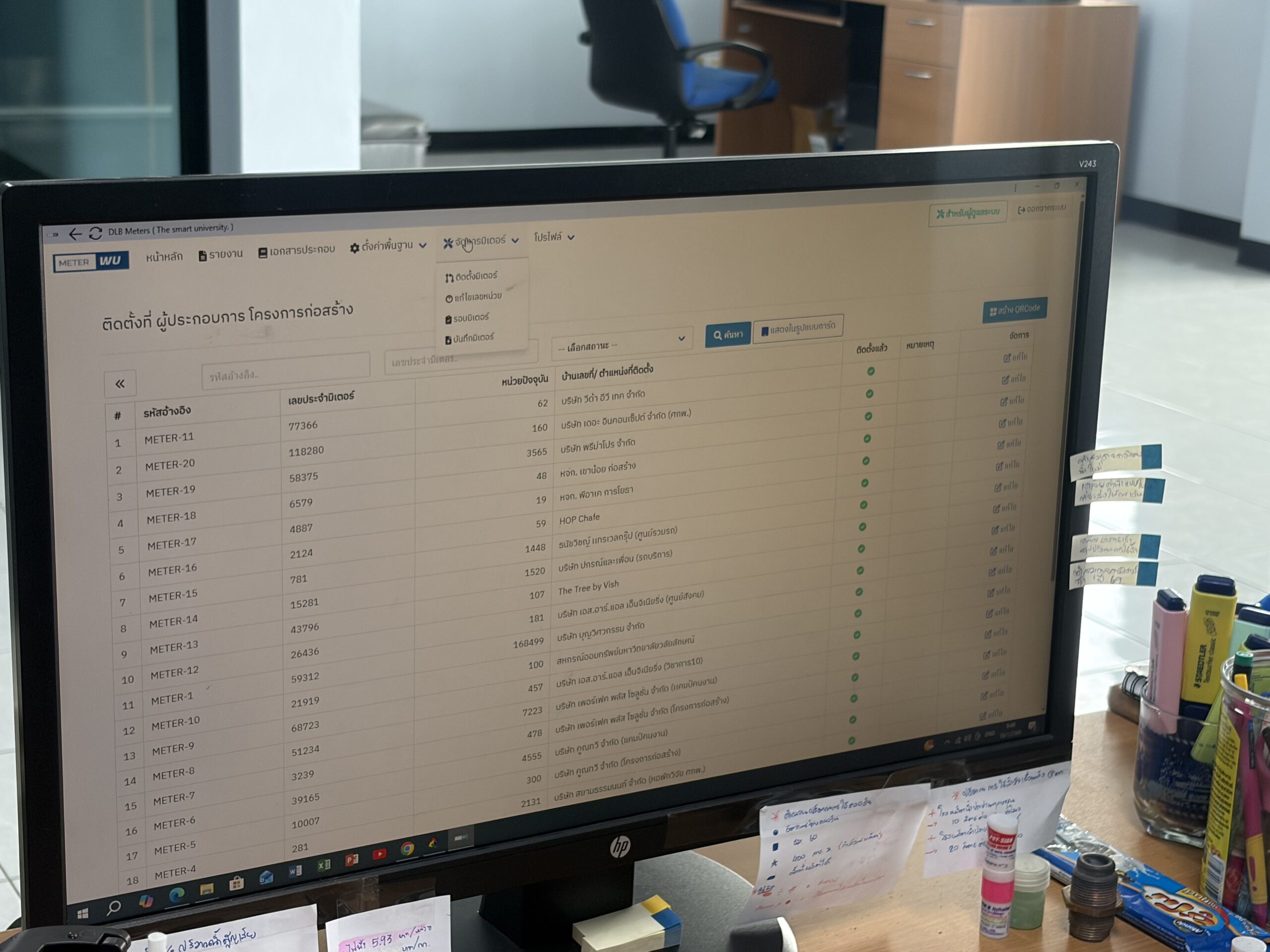
The university has installed water meters at 72 key monitoring points throughout its water supply system, ranging from the water treatment plant, which serves as the starting point of the water production and distribution process, to individual buildings and building complexes across the campus. These meters record both the volume of water produced and supplied to the distribution system and the amount consumed in each area. Installing meters at multiple locations enables the university to monitor water volumes at different stages of the distribution process. Data collected from these monitoring points can be compiled and processed to generate overall campus water consumption statistics and analyze usage patterns across individual buildings and areas.
In addition, the university has implemented a Real-time Monitoring and Surveillance System to continuously control and monitor tap water production operations associated with the Chala Nusorn Reservoir. This system enables the university to assess the operational efficiency of its water production facilities, detect potential abnormalities, and respond promptly to issues arising during water treatment and production processes. Through systematic data collection, monitoring, and analysis, the system enhances operational efficiency and supports informed decision-making in water resource management. It also helps reduce operating costs through improved energy management, minimized system downtime, and more effective maintenance planning.
Water consumption measurement and monitoring data from extracted water to treated water for 2025 showed that the university had a total population of 17,792 people, comprising 14,065 students and 3,727 personnel, including administrative staff, employees, and academic personnel. This represented an increase of 626 people compared with the previous year, resulting in greater demand for water to support daily activities and university operations. Based on year-round monitoring and measurement, the university’s total water consumption amounted to 129,821 cubic meters, equivalent to an average consumption of approximately 0.020 cubic meters per person per day, or approximately 20 liters per person per day.
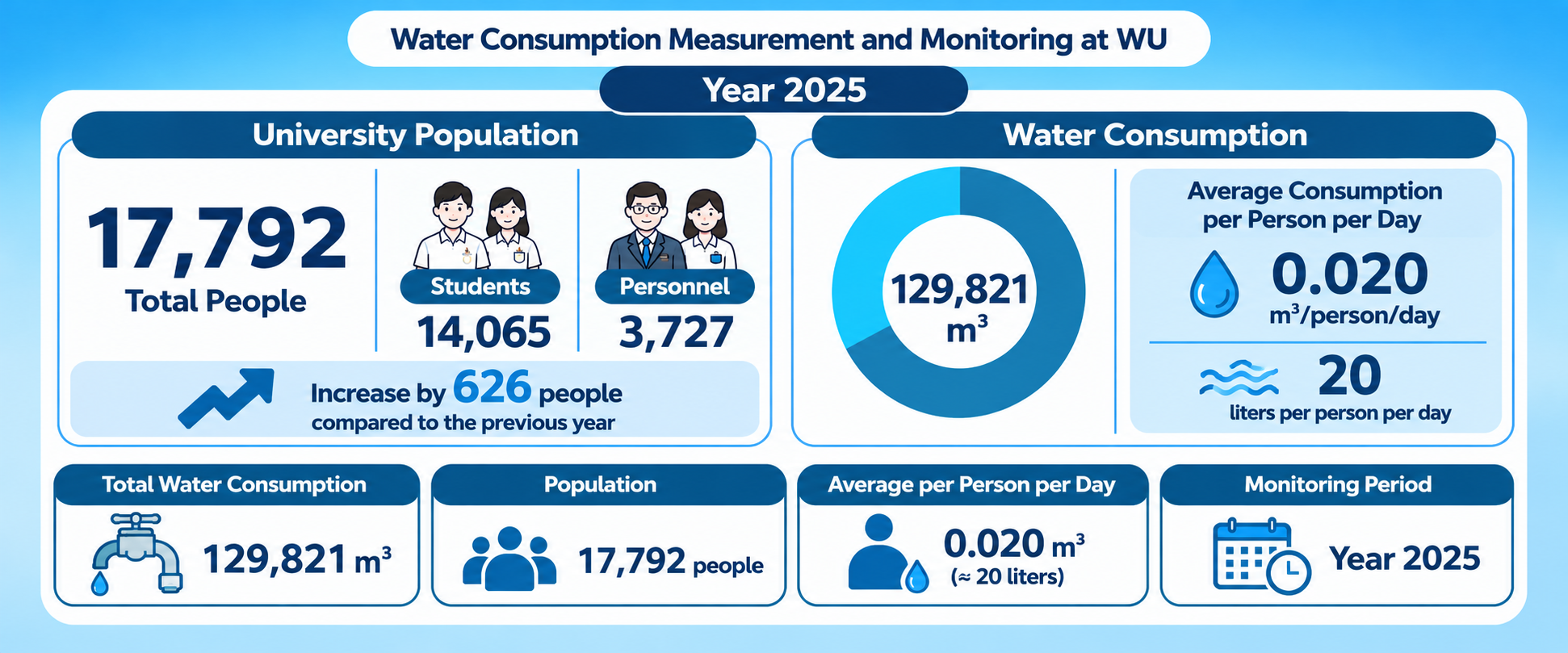
The university is committed to efficient water resource management through a combination of measures focused on improving water management systems and continuously promoting water conservation awareness among students and personnel. These initiatives encourage responsible water use, reduce environmental impacts within the campus, and generate benefits for water users and surrounding communities. They also demonstrate the university’s potential to serve as a model for sustainable natural resource management and to extend relevant knowledge and good practices to local communities in the future.
Overall, these efforts demonstrate the university’s systematic approach to measuring and monitoring water consumption, as well as its use of collected data to assess water consumption patterns and support campus-wide water resource management planning. This data-driven approach enables the university to respond effectively to the water demands of its campus population while ensuring the efficient and sustainable use of water resources over the long term.
University-Wide Water Consumption Data Collection
Walailak University systematically collects water consumption data from its water production and distribution systems, as well as from various areas across the campus. This process relies on data obtained from 72 water meters installed at key points throughout the water supply system, enabling comprehensive monitoring and assessment of water consumption across the entire university, rather than being limited to specific buildings or departments. The data collection covers all areas where water is used to support the university’s teaching and learning, research, administration, service provision, and accommodation needs of students and personnel.
The areas covered by the monitoring and data collection system include lecture halls and academic buildings, the Cooperative Education Building, scientific instrument buildings, the Landscape Architecture and Environment Division, the Building and Facilities Division, academic building complexes, administrative buildings, the Library Building, the Computer Building, the Badminton Building, research buildings, student and personnel residential complexes, food center buildings, and other supporting facilities and buildings across the university. Each area has different water consumption characteristics depending on the nature of its activities and services.
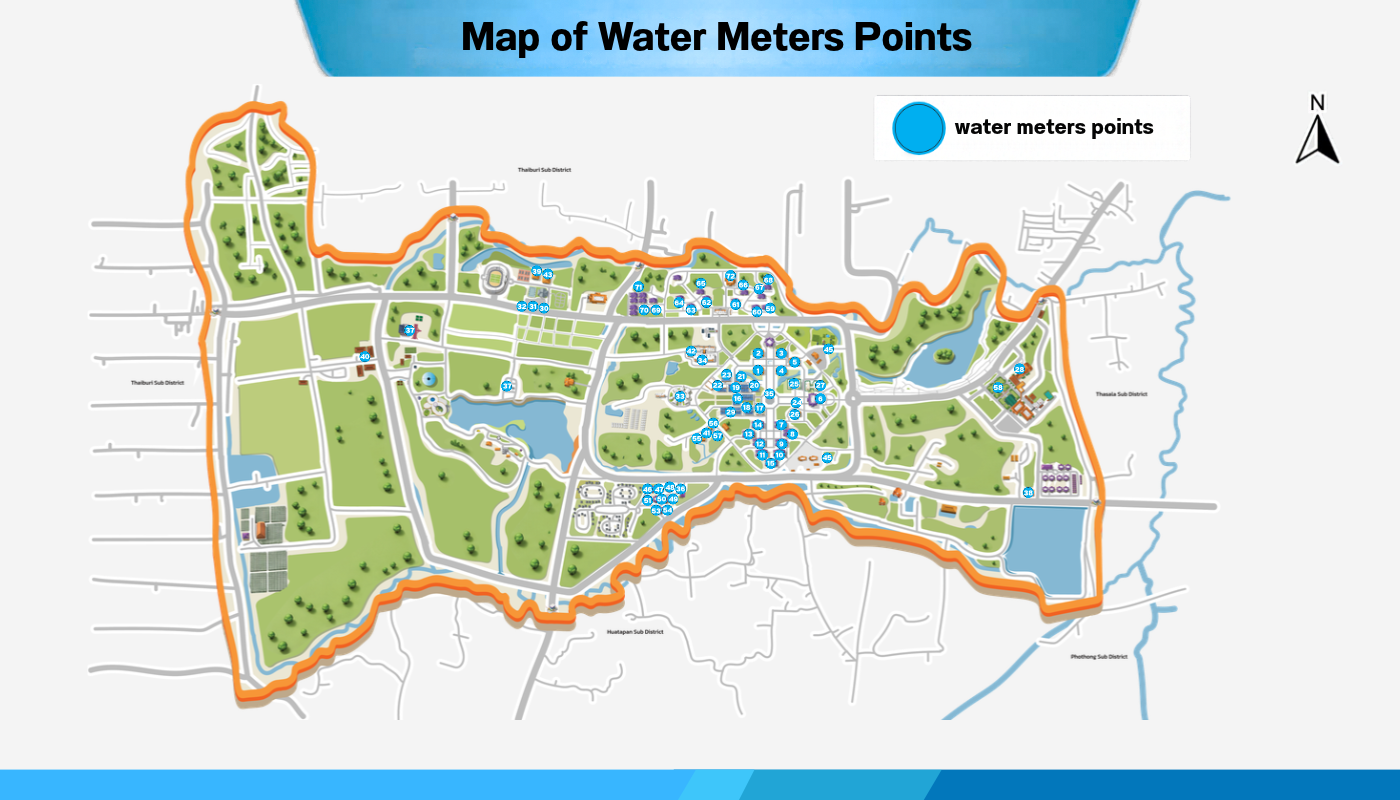
Data obtained from water meters at each monitoring point are used to track the volume of water distributed to individual buildings and building complexes. These data can be collected and verified at the individual area level before being processed and consolidated to establish an overall picture of water consumption across the university. This process enables the university to assess the volume of water supplied to and consumed by each area, monitor changes in water consumption, and analyze water demand patterns in accordance with the operational characteristics of different areas.
Collecting data from a diverse range of buildings and operational areas provides the university with an institutional-level database for assessing overall water consumption. This database supports water resource allocation planning, the development of measures to regulate and promote responsible water use, and the evaluation of water production and distribution system efficiency. Furthermore, the collected data can be used to compile annual water consumption statistics and reports, providing a clear and measurable picture of the University’s water consumption patterns and supporting the efficient and sustainable management of water resources.
Related Links:
– https://web.asean.v-iec.com/browse?projectId=19468&t=10300a04804349f0ab2fa29f93074ce0&uid=1014570&lang=en_US