Enhancing Quality of Life through Free Clean Drinking Water at Walailak University in 2025
Enhancing Quality of Life through Free Clean Drinking Water at Walailak in 2025
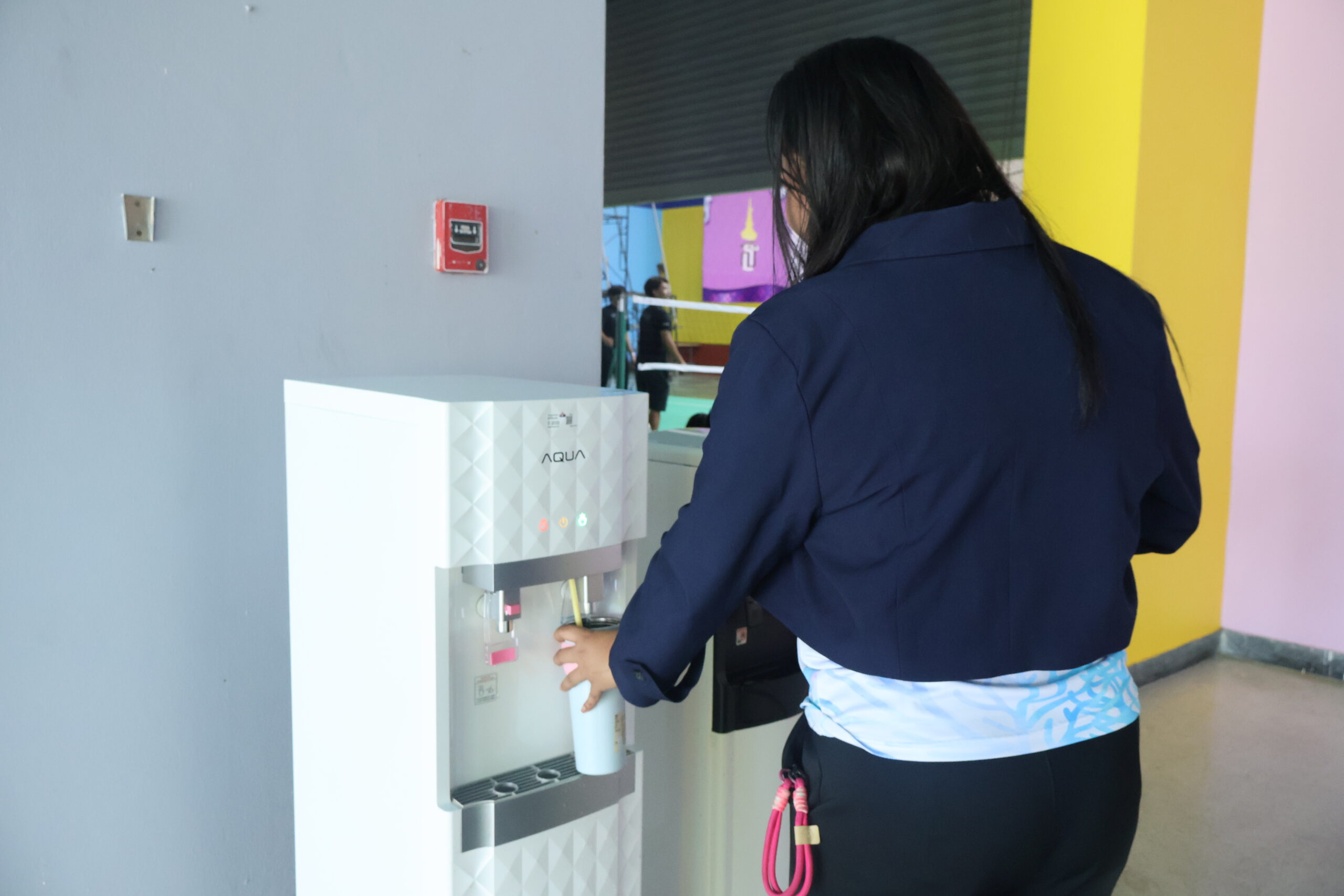
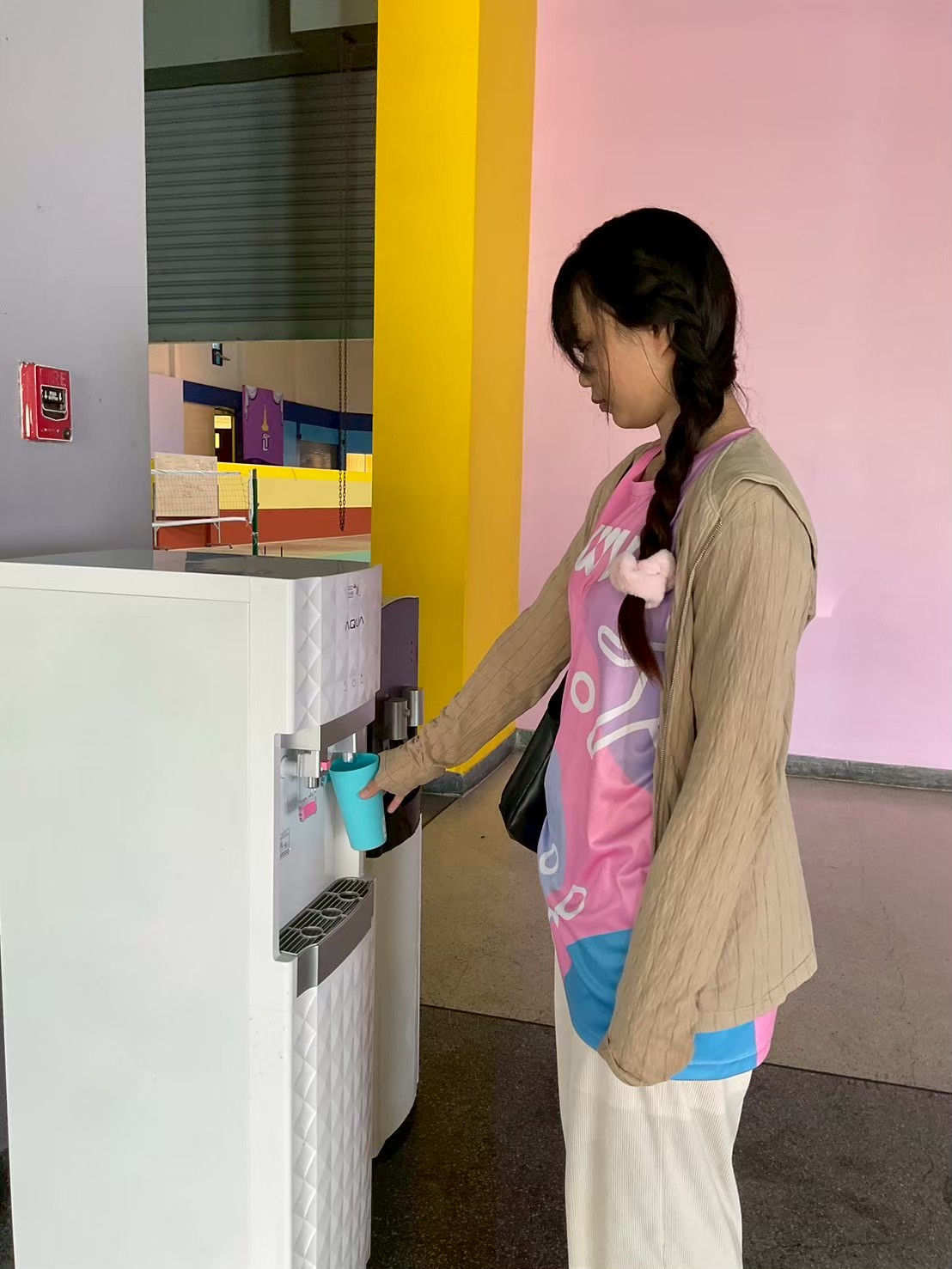
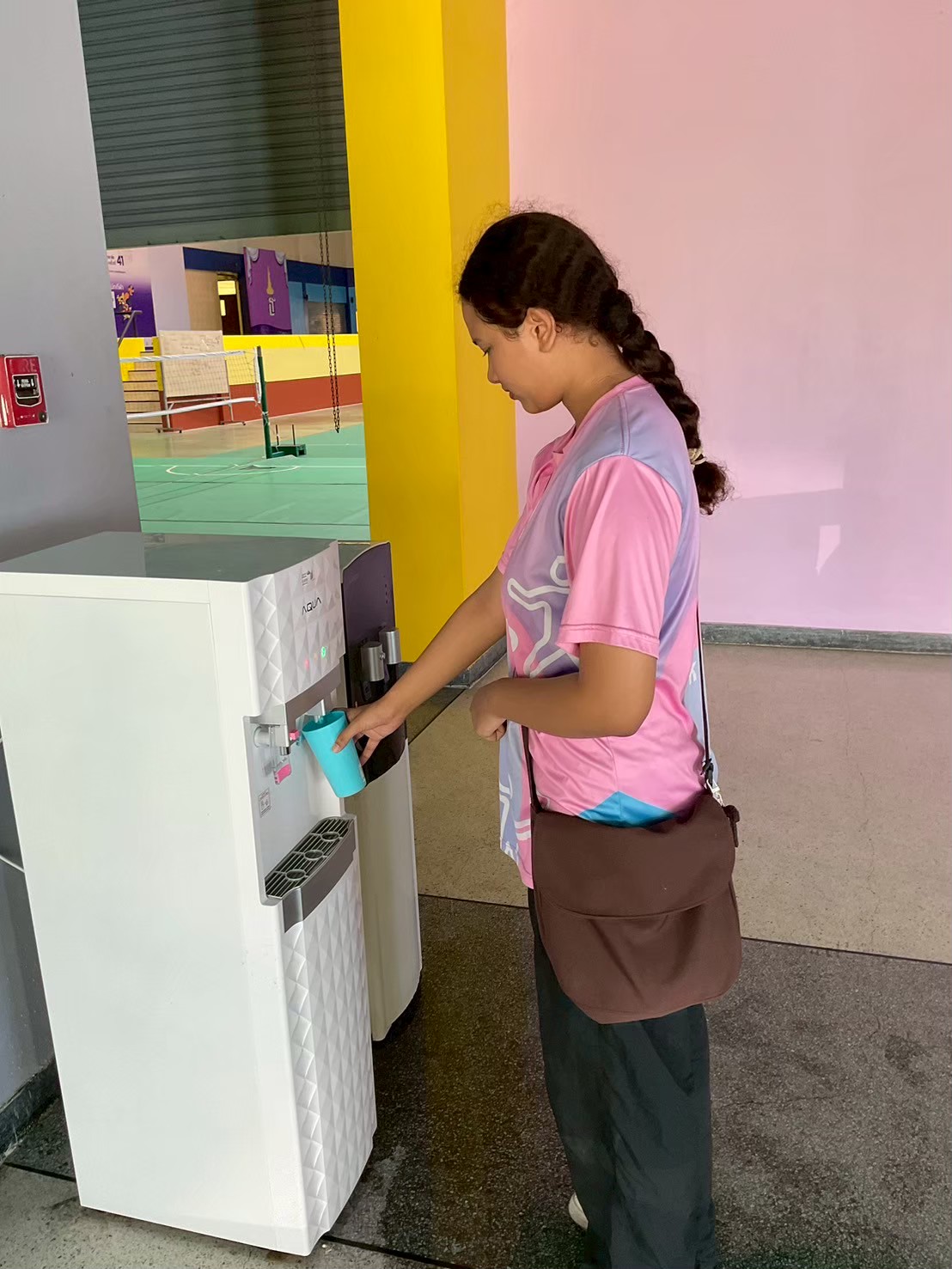
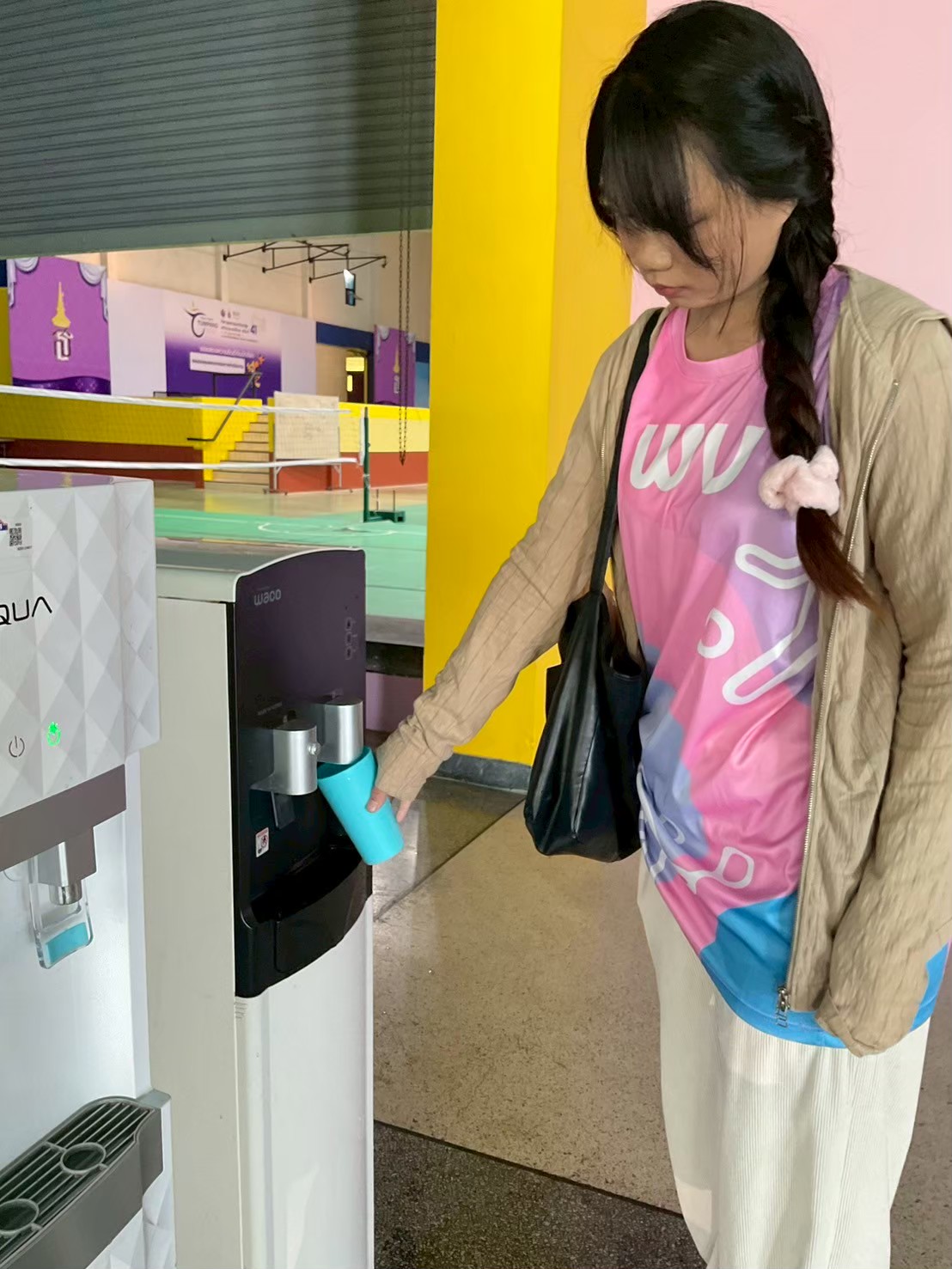
Walailak University (WU) is committed to providing free drinking water for students, staff, and visitors as an essential service supporting health, well-being, and quality of life across the university. To ensure convenient and equitable access to clean and safe drinking water, the university has installed free drinking water dispensers throughout the campus, enabling students, staff, and visitors to access drinking water without charge. This provision of free drinking water helps reduce daily living expenses and supports the university’s development as a Residential University by creating a healthy and supportive environment for learning, working, and living. Through the continued availability of free drinking water facilities, WU promotes equitable access to safe drinking water while encouraging sustainable water consumption practices.
Free Drinking Water Provided across Campus
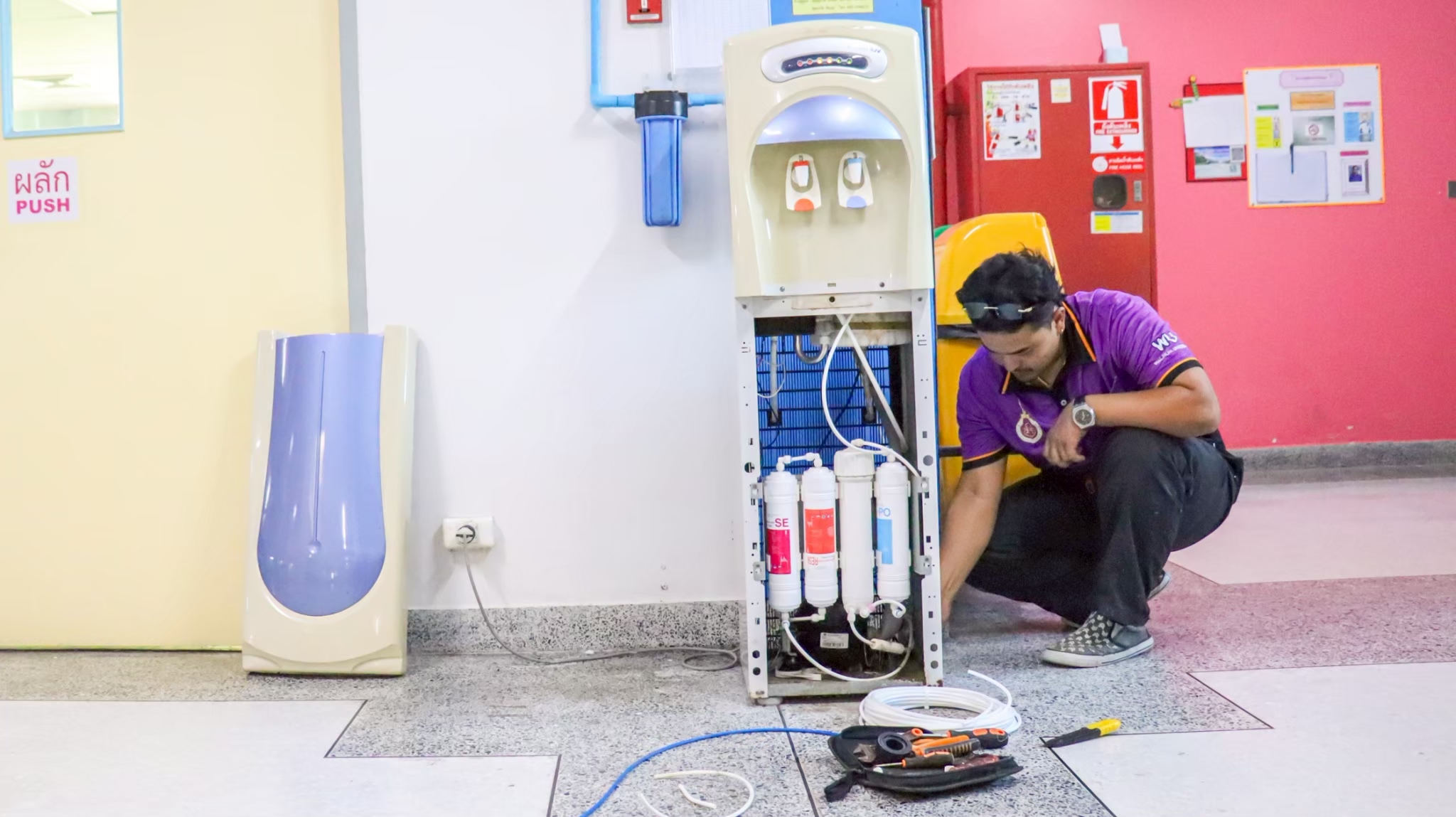
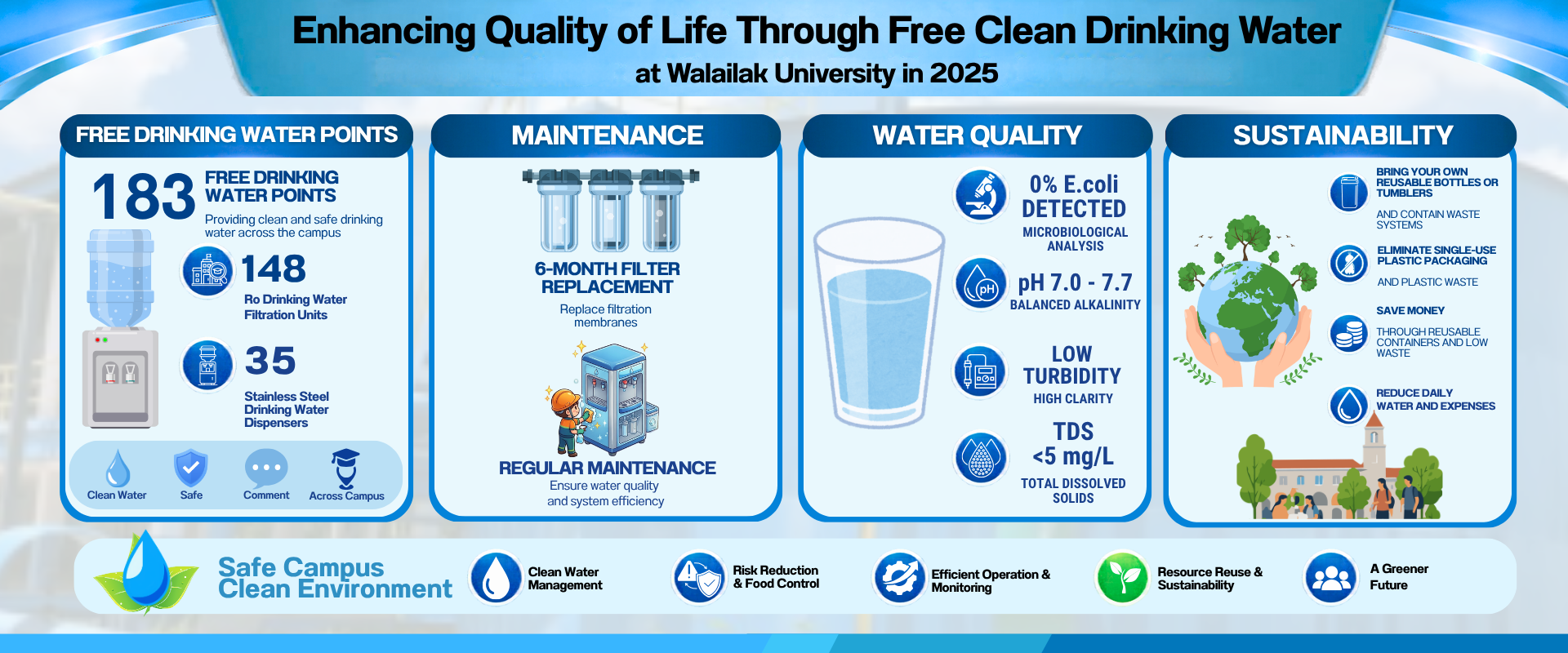
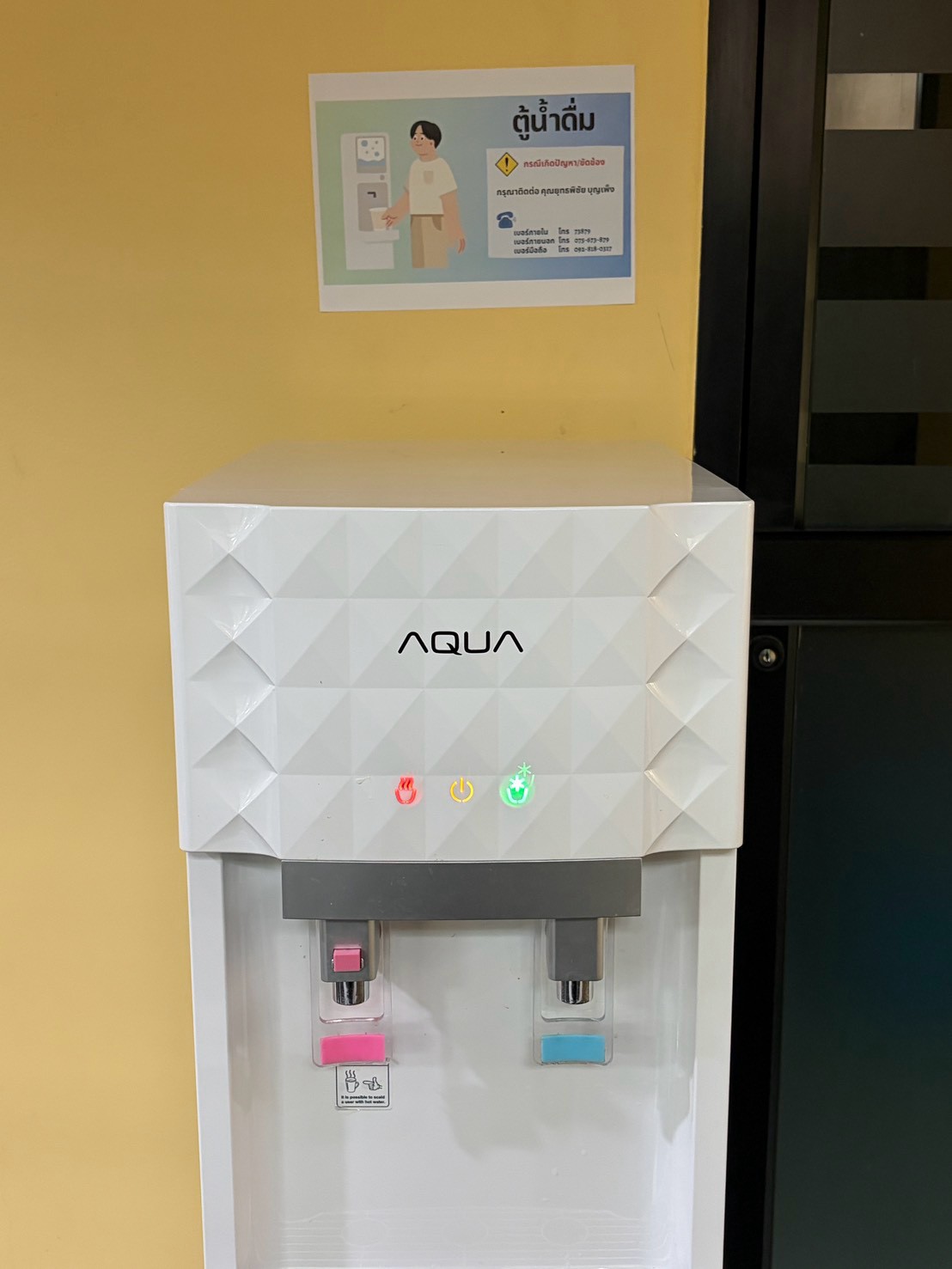
In 2025, Walailak University had 183 water filtration and drinking water dispensers, comprising 148 reverse osmosis (RO) drinking water filtration units and 35 stainless steel drinking water dispensers. These include hot-and-cold and cold-only models to meet the diverse needs of the university community. Walailak University has installed Reverse Osmosis (RO) drinking water filtration systems across campus to provide students and staff with access to safe and clean drinking water. Each system incorporates an advanced four-stage filtration process with a filtration precision of up to 0.0001 microns, effectively removing impurities, sediments, heavy metals, bacteria, and viruses to enhance drinking water quality and safety. The dispensers are equipped with both cold and hot water functions, providing cold water at temperatures of 4–12°C with a storage capacity of 5 litres, and hot water at 70–85°C with a capacity of 4 litres. Each unit has a water production capacity of 190 litres per day, with power consumption of 100 watts for cooling and 600 watts for heating. These systems support the University’s commitment to ensuring reliable access to safe drinking water and promoting the health and well-being of the campus community.
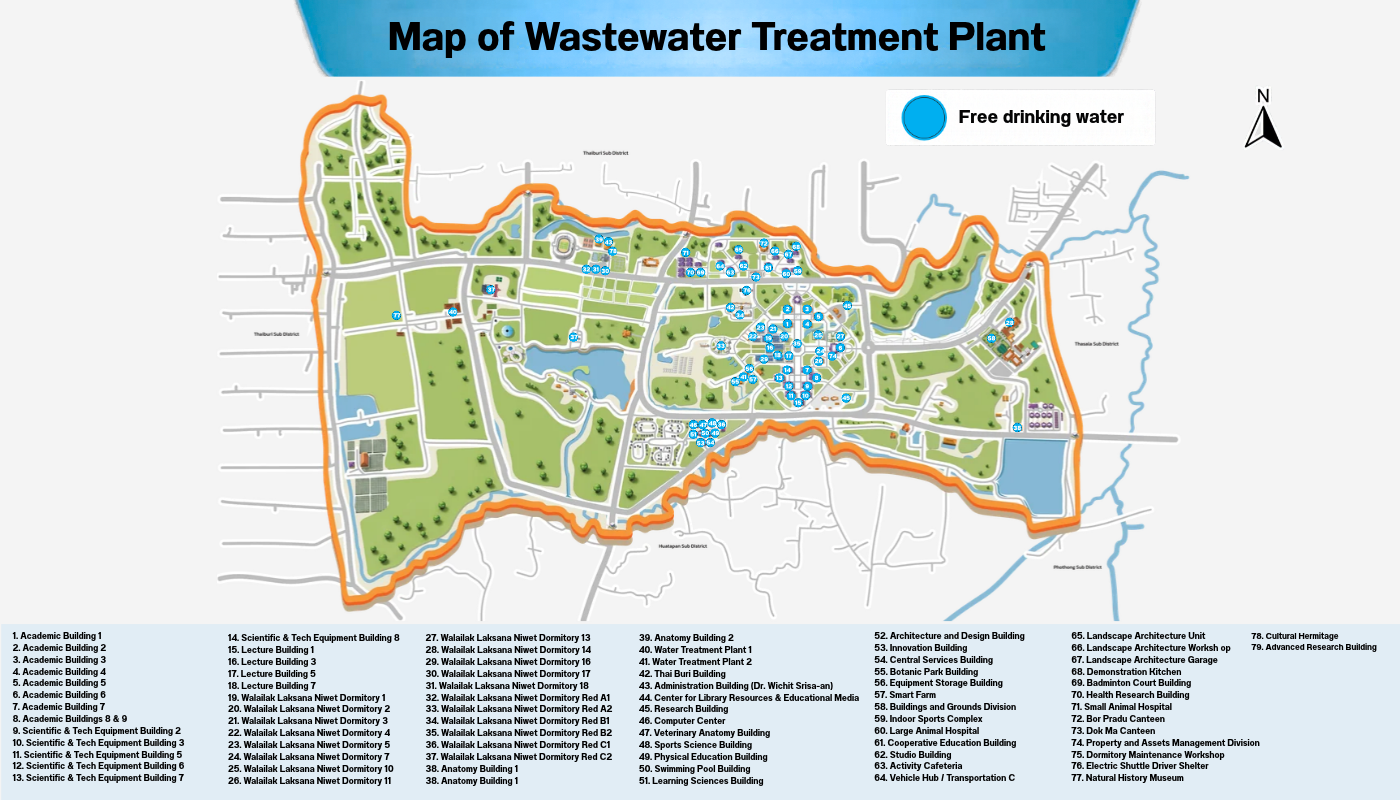
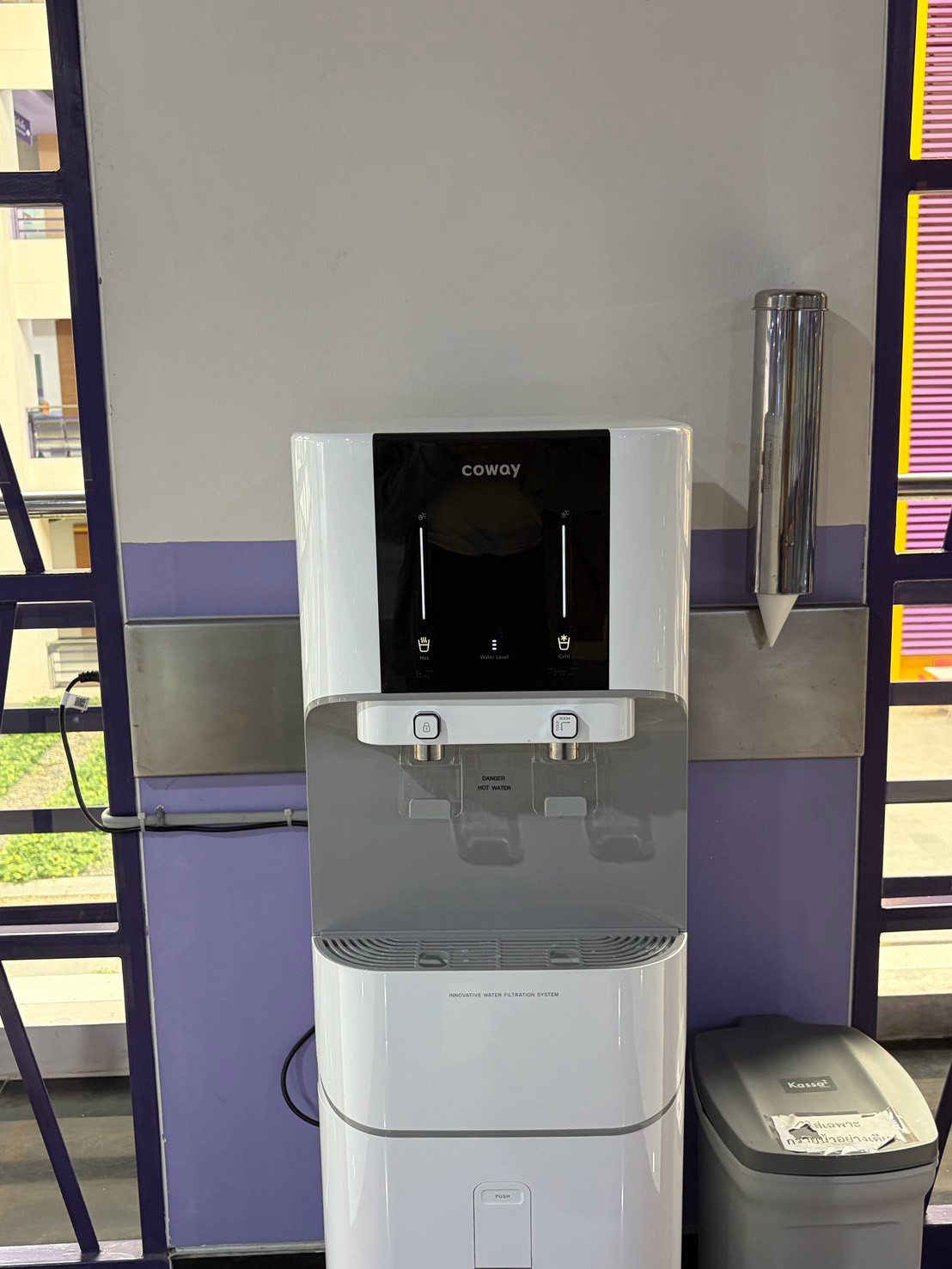
Free drinking water points are distributed throughout campus, including teaching buildings, academic buildings, student dormitories, service centres, animal hospitals, office buildings and activity areas. These locations enable students, staff and visitors to access drinking water conveniently and free of charge while studying, working and spending time on campus.
Water Filtration Systems and Maintenance
The university prioritises the cleanliness and operational readiness of its drinking water points. RO filtration systems use fine filtration membranes to reduce contaminants before consumption. Stainless steel drinking water dispensers also provide hot and cold water according to the specifications of the installed units.
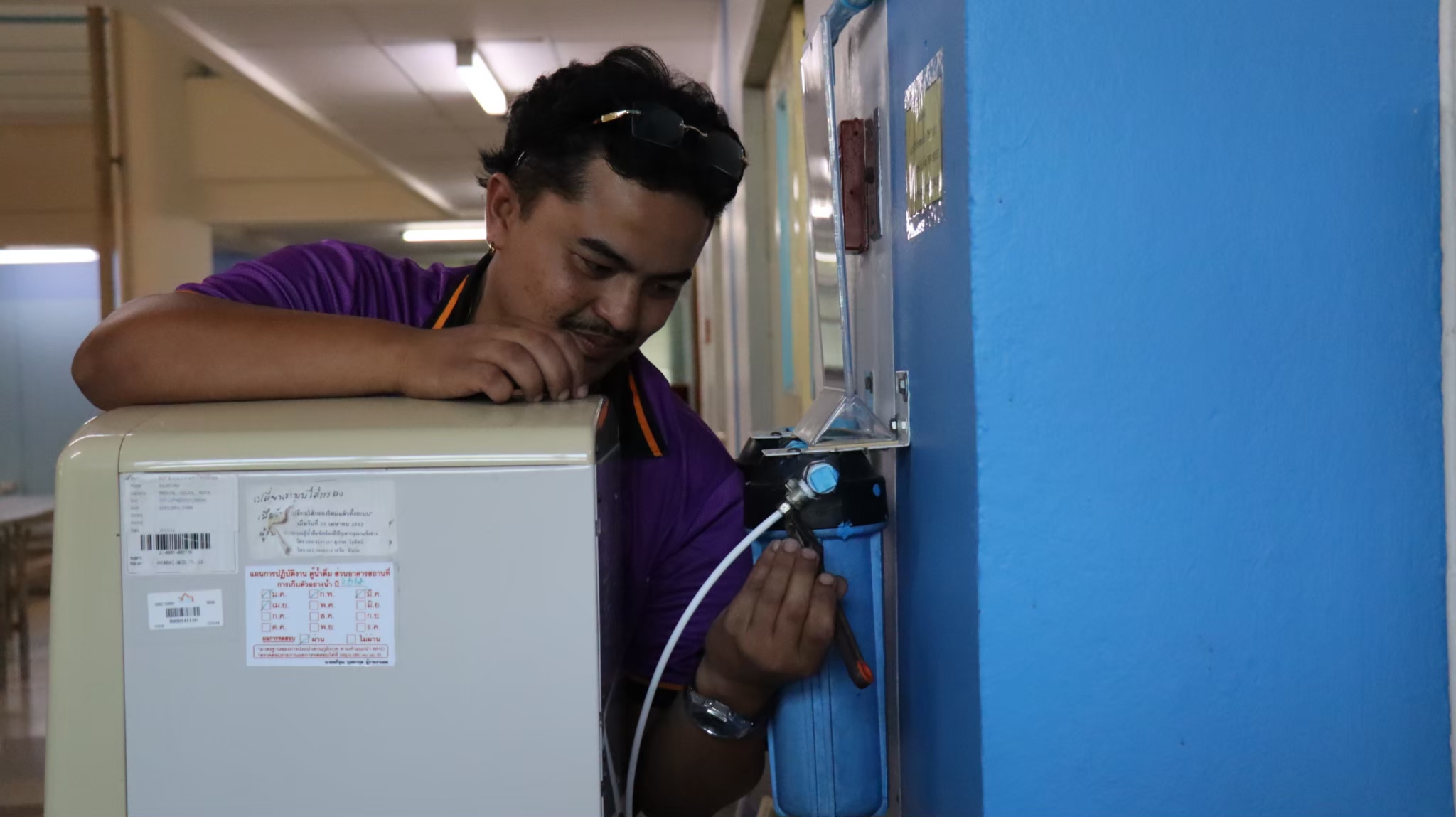
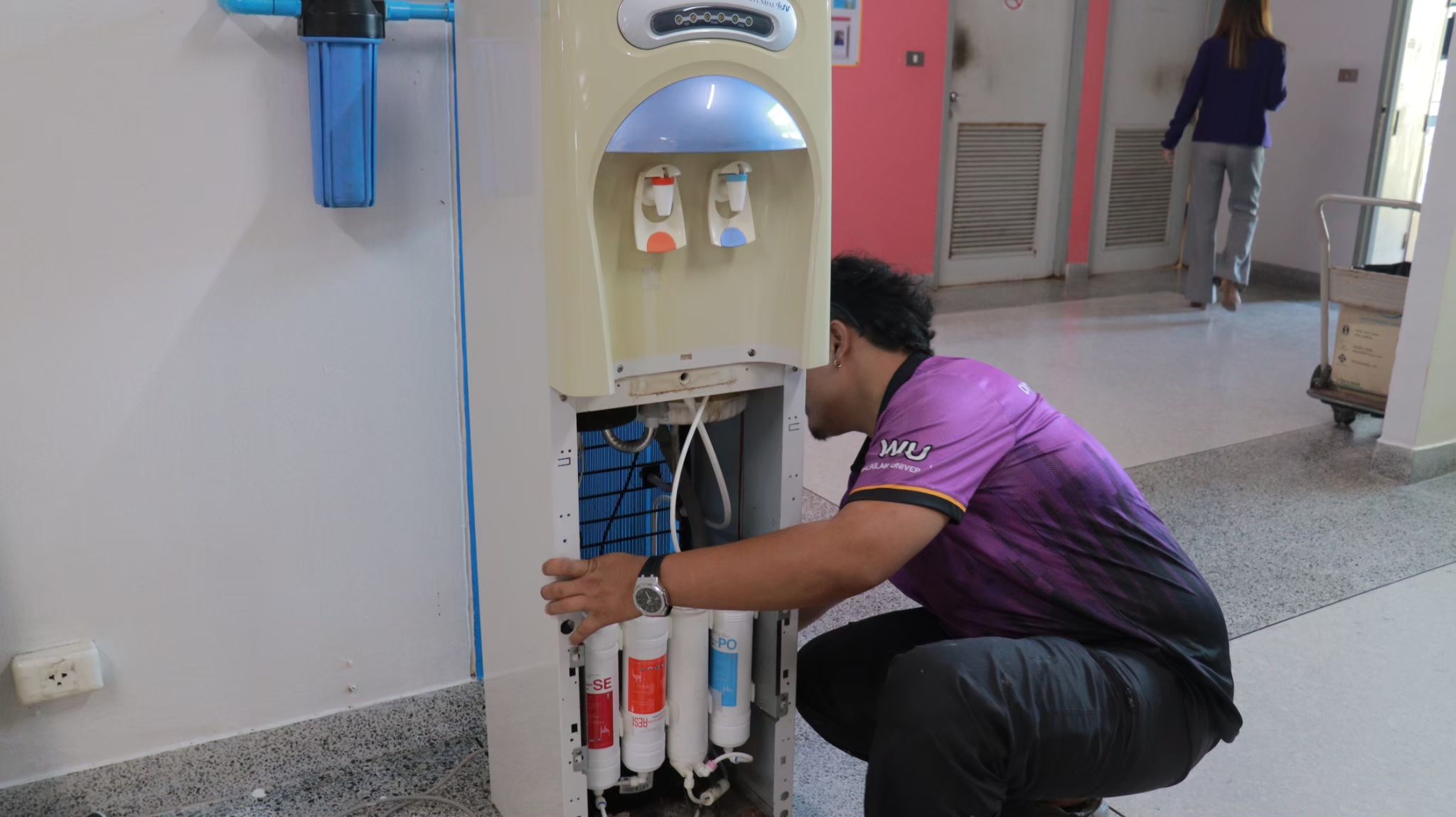
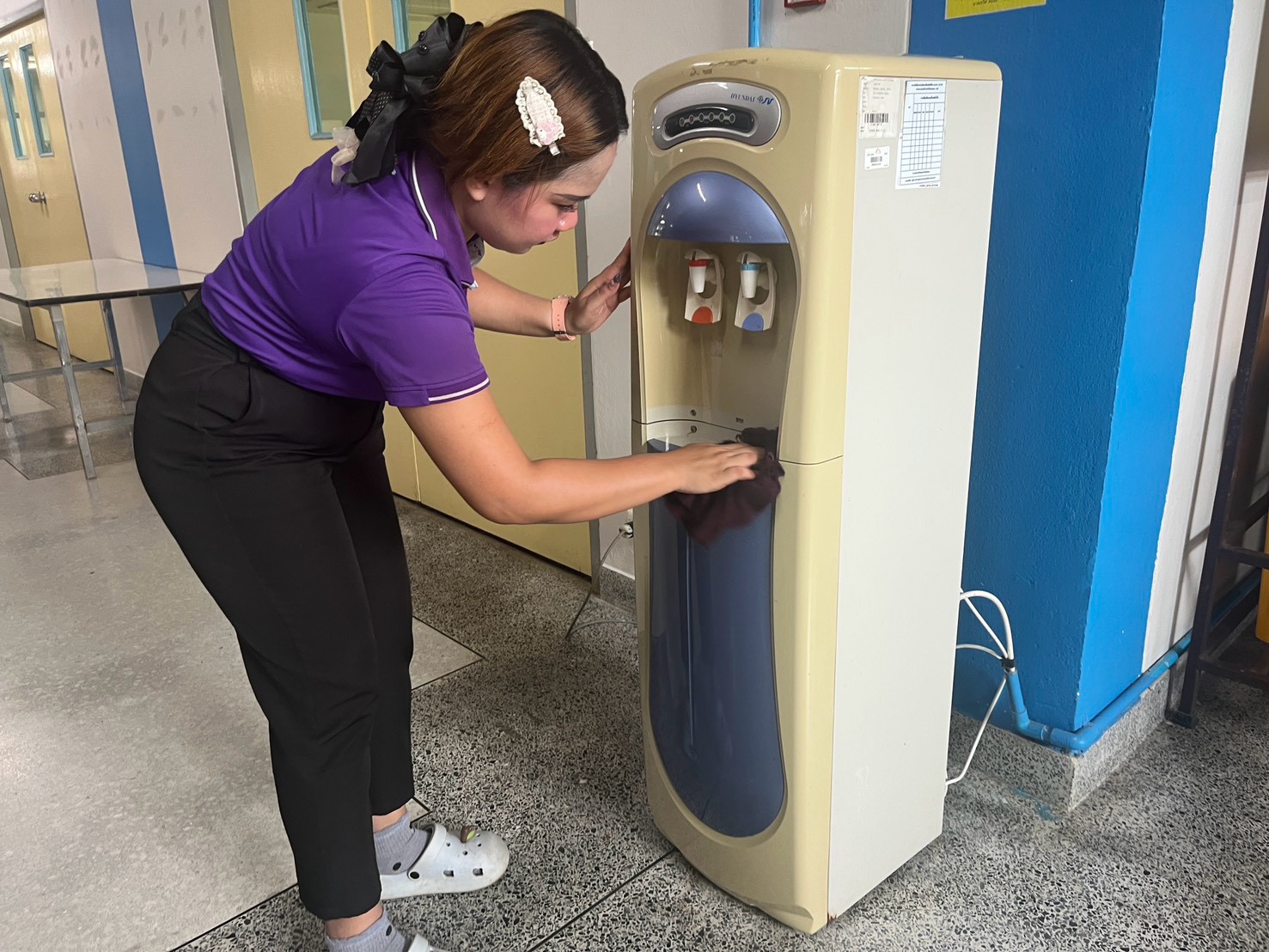
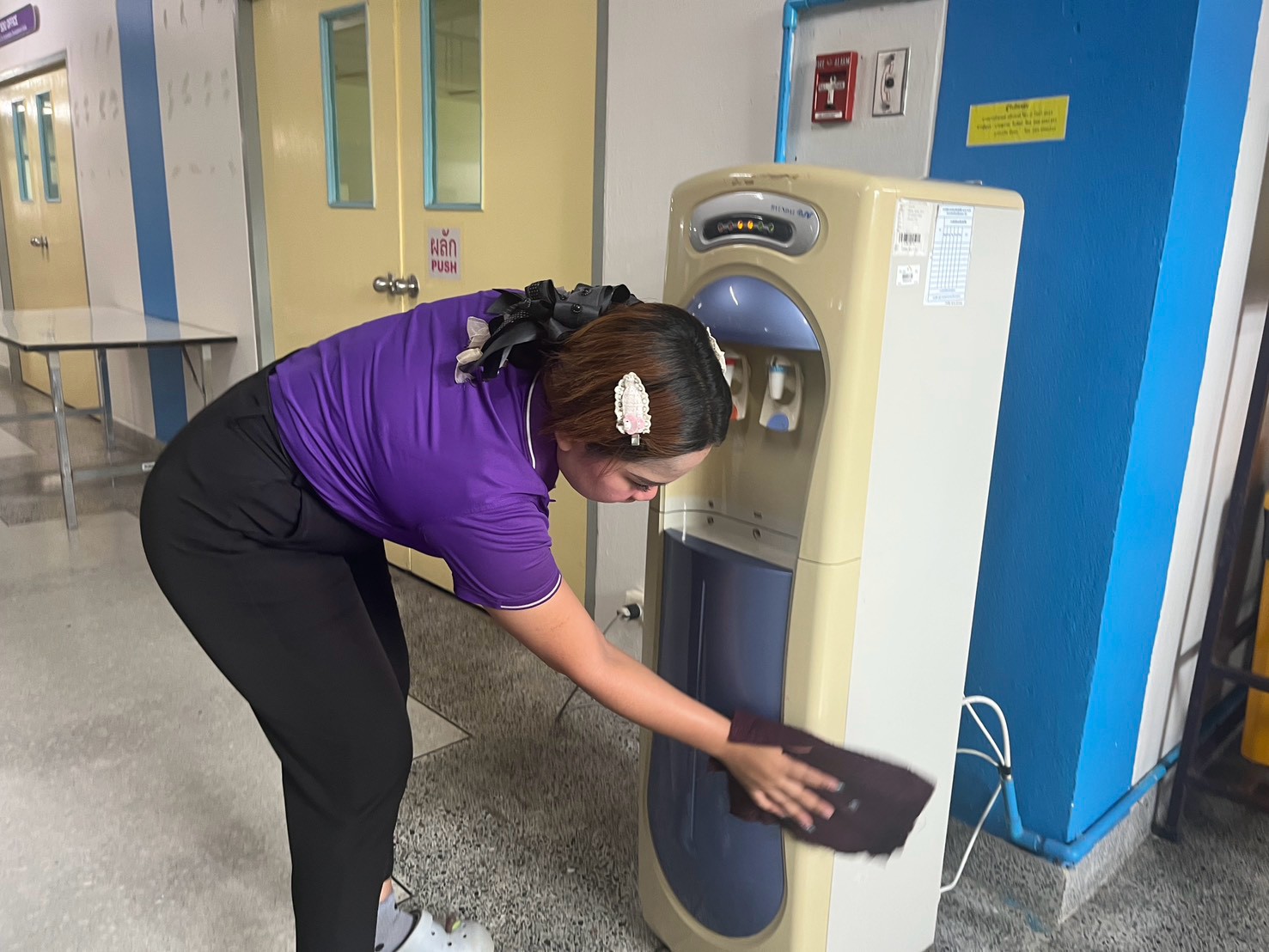
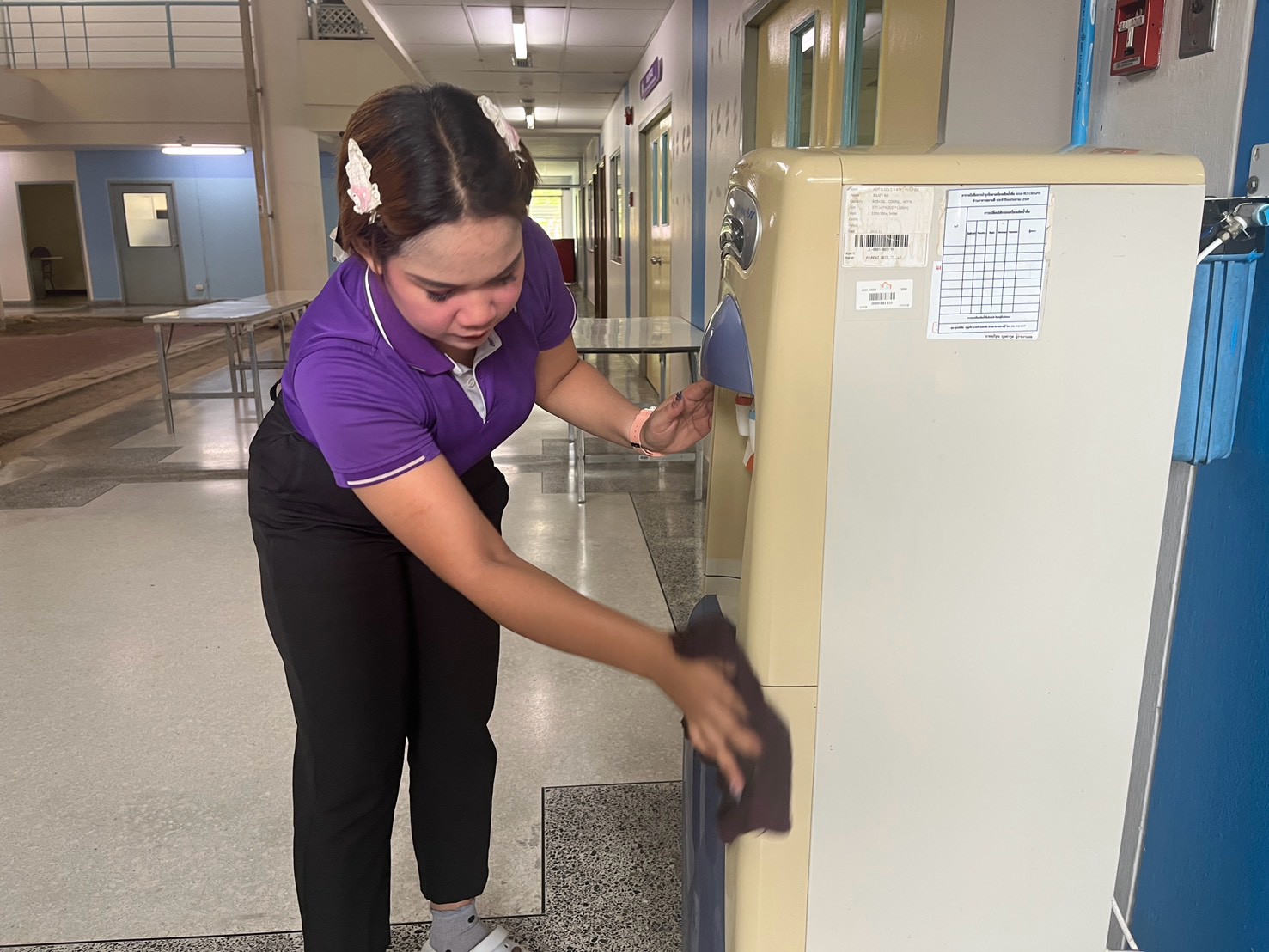
Maintenance includes filter replacement every six months and monthly inspection and cleaning of dispensers, covering their exterior surfaces, dispensing outlets and drip trays. Regular maintenance reduces the risk of dirt accumulation, maintains filtration efficiency and supports the continuous provision of free drinking water suitable for use.
Drinking Water Quality Monitoring
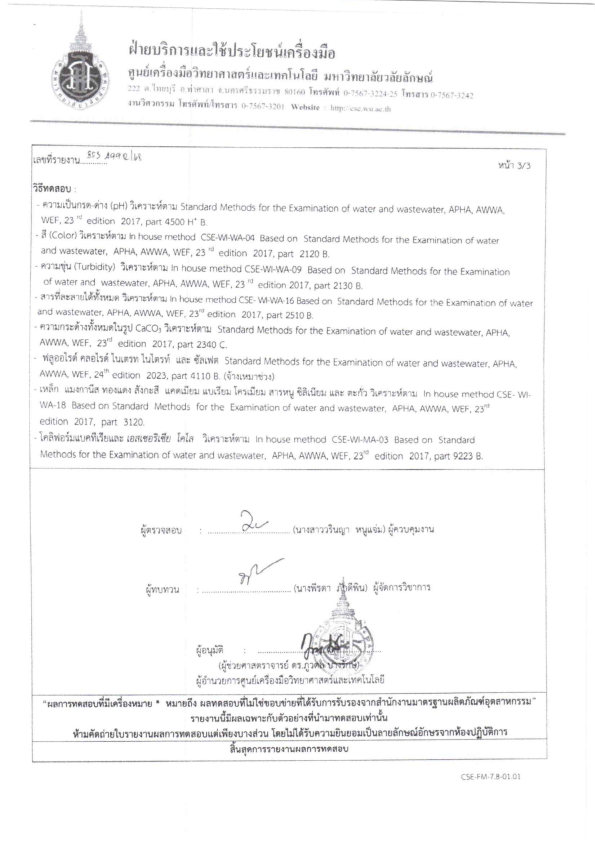
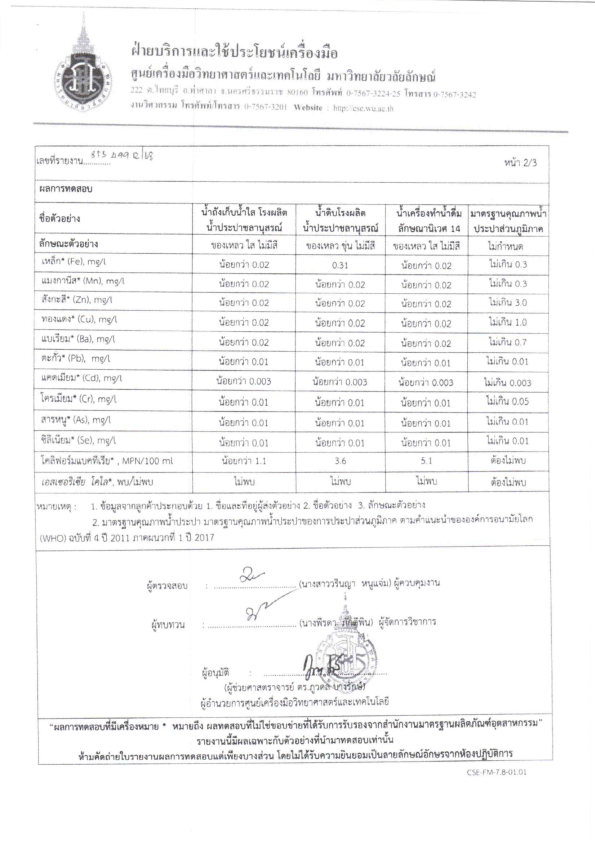
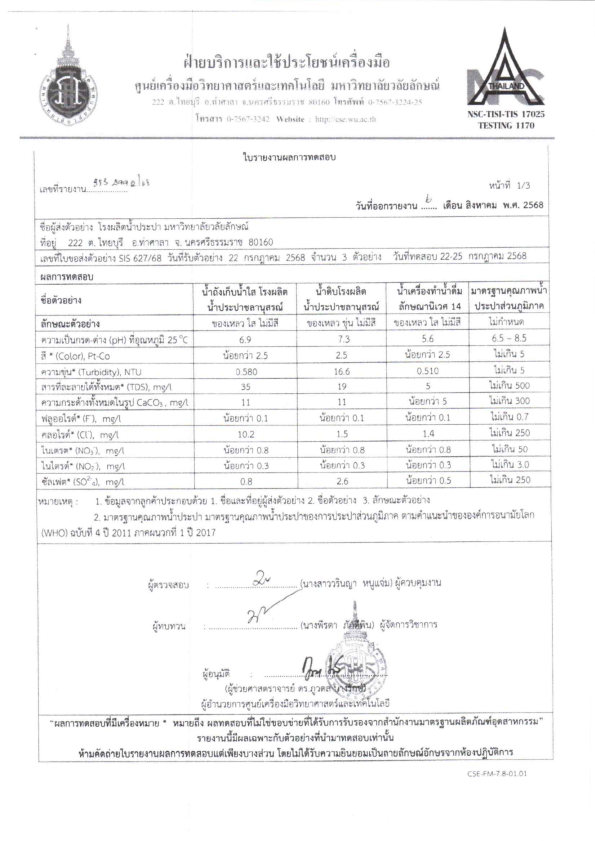
Walailak University regularly samples drinking water from campus service points for microbiological, physical and chemical analysis. This monitoring helps detect contamination and assess the quality of drinking water provided to students, staff and visitors. Results for the reported periods are presented below.
Microbiological Quality
Escherichia coli (E. coli) was not detected in any drinking water sample from any sampled location or monitoring round, representing 100% of the samples analysed. Most samples had coliform bacteria levels below 1.1 MPN/100 millilitres and met the standards used for assessment. These included samples from Student Dormitory 14, student dormitories, Scientific Equipment Building 6, the Research Building and the Buildings and Grounds Division. These findings support the assessment of drinking water’s microbiological quality at the locations and times sampled.
Physical Quality
Drinking water samples from all reported locations had turbidity below 0.6 NTU. Turbidity was 0.115 NTU at Scientific Equipment Building 6, 0.187 NTU at a student dormitory drinking water point and 0.252 NTU at the drinking water unit in Student Dormitory 14. These results indicate low turbidity and high clarity in the sampled water.
Total Dissolved Solids and Hardness
Most drinking water samples had low levels of total dissolved solids (TDS) and total hardness. Several locations, including student dormitories, the Research Building and Student Dormitory 14, recorded TDS below 5 milligrams per litre. Total hardness was also below 5 milligrams per litre in most samples. These results indicate low concentrations of dissolved substances and hardness-causing minerals, helping reduce the likelihood of scale formation in equipment.
Chemicals and Heavy Metals
Analysis of lead, cadmium, chromium, arsenic, manganese, copper, zinc and iron in drinking water samples from all reported locations found concentrations either below the analytical methods’ reporting limits or within the standards used for assessment. Fluoride, chloride, nitrate, nitrite and sulphate also met the applicable assessment standards. A result below the reporting limit means that the substance is present at a concentration below the level that the analytical method can report; it does not indicate its complete absence.
Results for the Reported Monitoring Rounds
Free drinking water gives students, staff and visitors an option to obtain drinking water without purchasing bottled drinks each time. This helps reduce daily expenses, particularly for those who regularly study, work or live on campus.
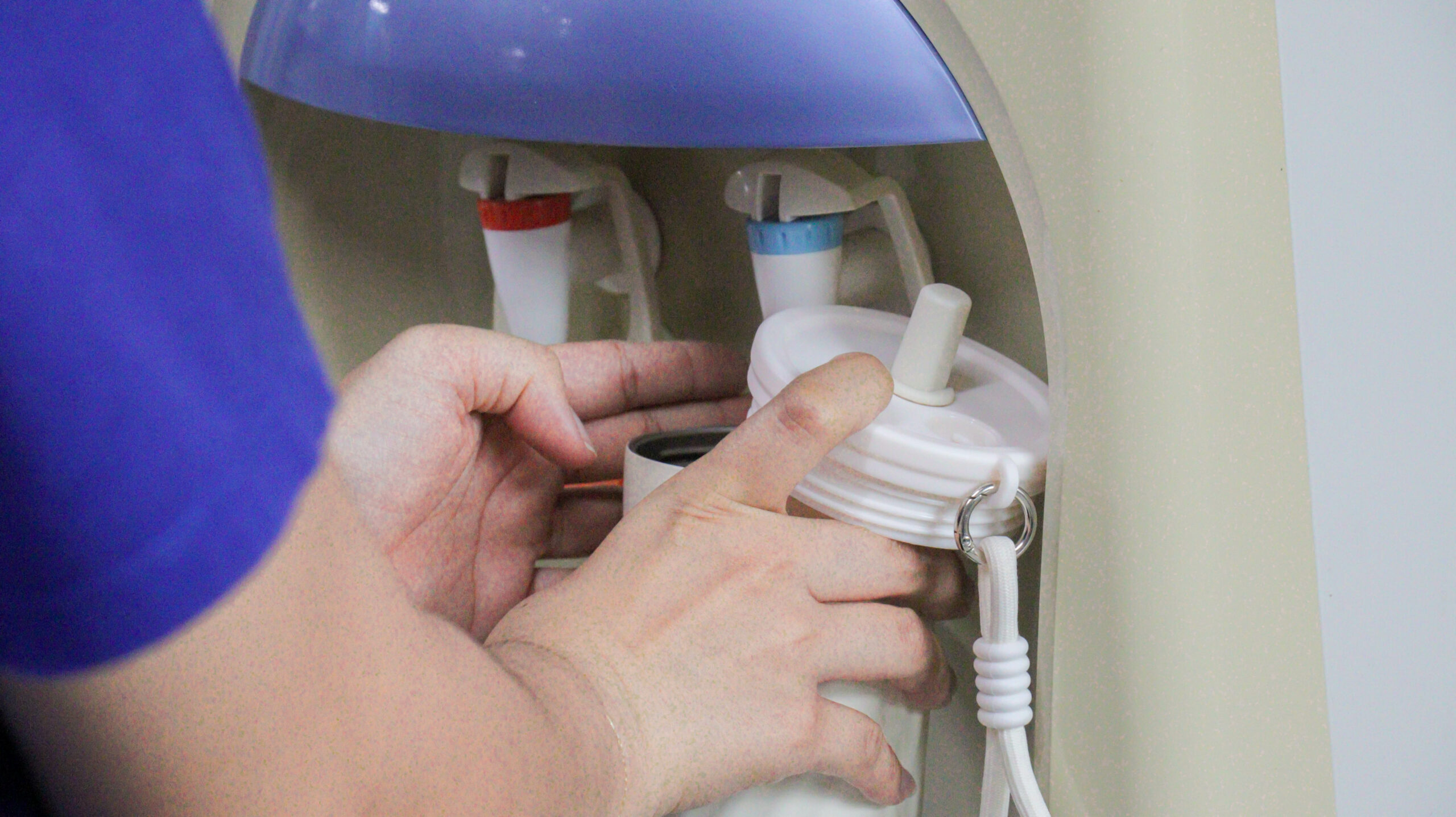
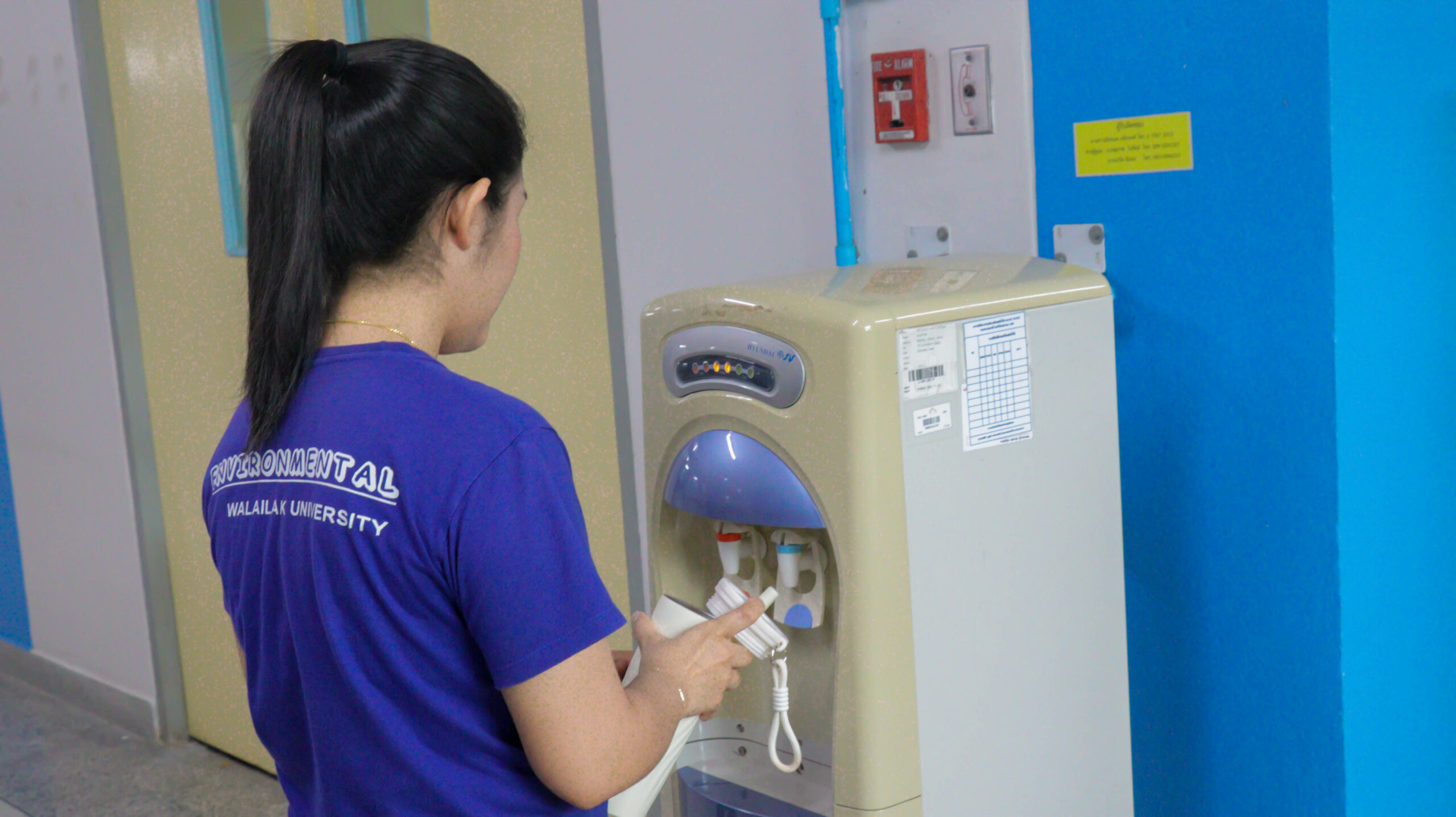
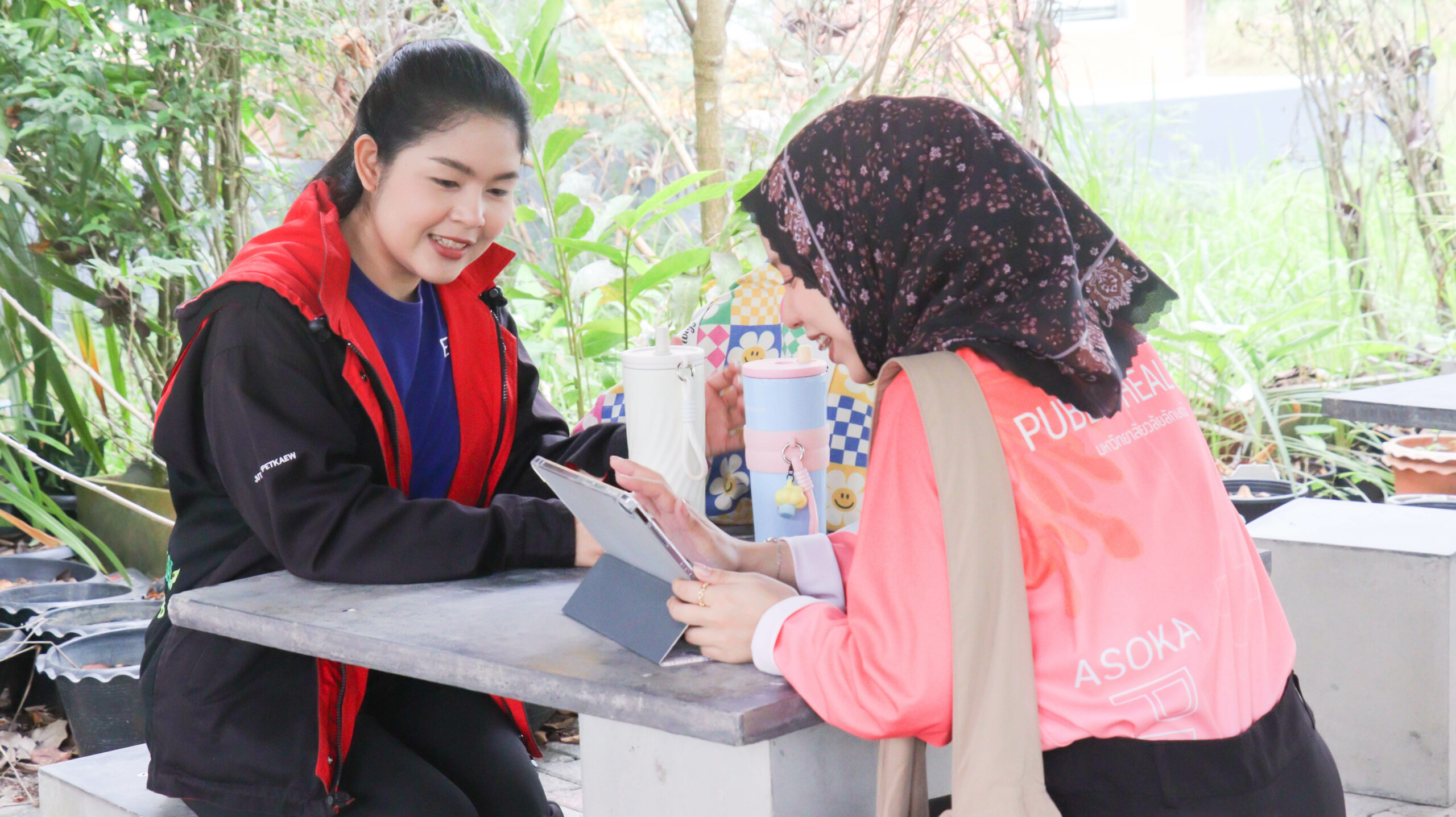
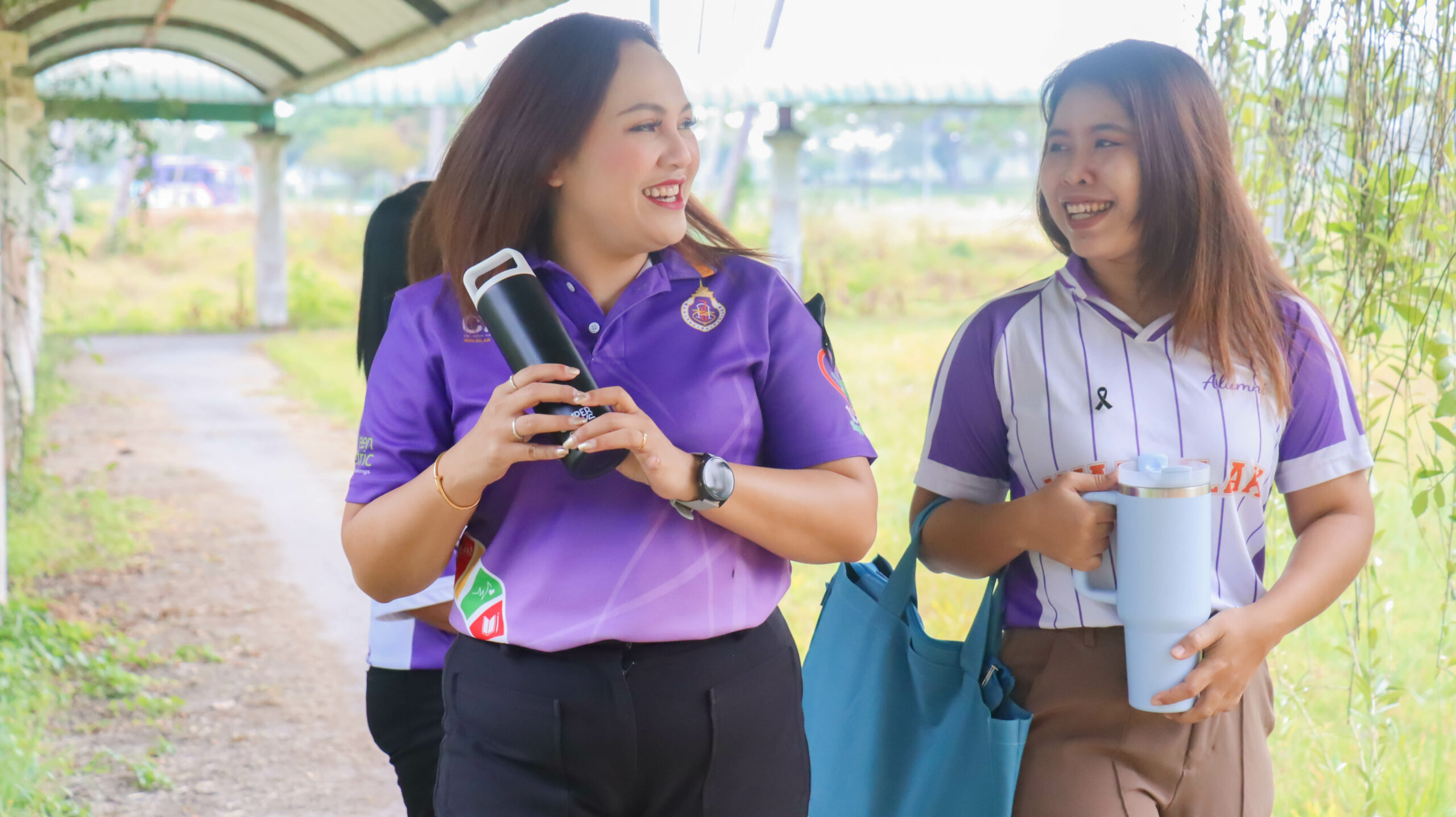
The university also encourages users to bring their own reusable bottles or tumblers to refill at free drinking water points. This supports container reuse and reduces the need for single-use plastic packaging. The approach connects utility provision with responsible consumption and enables the university community to help reduce waste through everyday activities.
The provision of 183 water filtration and drinking water dispensers, supported by maintenance and water quality monitoring, demonstrates Walailak University’s efforts to provide free drinking water for students, staff and visitors. This provision brings together quality of life, reduced daily expenses and sustainable resource use.