Water-conscious Building Standards at Walailak University in 202
Water-conscious Building Standards at Walailak University in 2025
Walailak University translates its policies on reducing water consumption and improving water management efficiency into practice through building-related measures. These cover new building design, existing building renovation, the selection of water-efficient fixtures, and water supply system maintenance during operation. In 2025, these measures continued in relevant buildings and areas to align water consumption with actual needs, reduce losses from leaks, and support sustainable resource use.
These activities align with the water-conscious building standards indicator, which considers the application of building standards to minimise water use. In this context, building standards include requirements and technical guidance that ensure policies are implemented. At Walailak University, this application is reflected in fixture specifications, water volume controls, water supply and drainage system design, and building inspection and maintenance. This article describes the approaches implemented by the university without claiming certification under any specific building standard for which supporting information is unavailable.
Implementing Water Policies through Building Design and Renovation
The university has policies promoting reduced water consumption and efficient water resource management and uses building-related guidance to support their implementation. The selection of fixtures and water systems therefore considers the volume of water required for use, operational efficiency, hygiene, and long-term maintenance.
These measures cover newly constructed and renovated buildings, including the Administration Building, Advanced Research Building, Studio Laboratory Building, Water Treatment Plant, Walailak University Hospital, and Sports and Health Centre. The technical guidance applied includes selecting faucets that control water delivery, using water-efficient flush valves and sanitary fixtures, regulating water levels in storage tanks, automatically controlling water pumps, and inspecting pipe systems to reduce leaks. These measures connect building design and renovation with reduced water consumption in daily operations.
Installing Water-efficient Faucets and Flush Valves
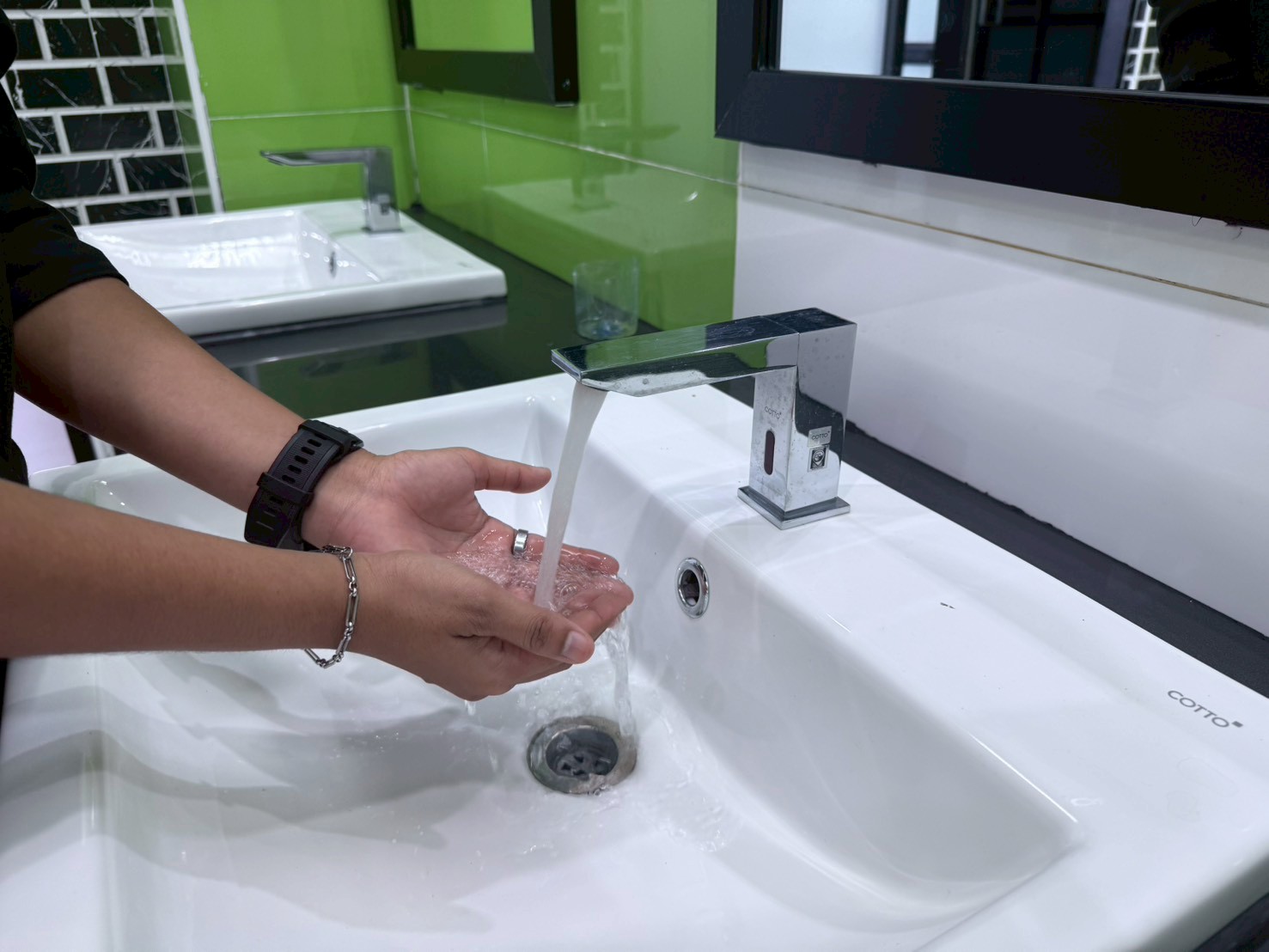
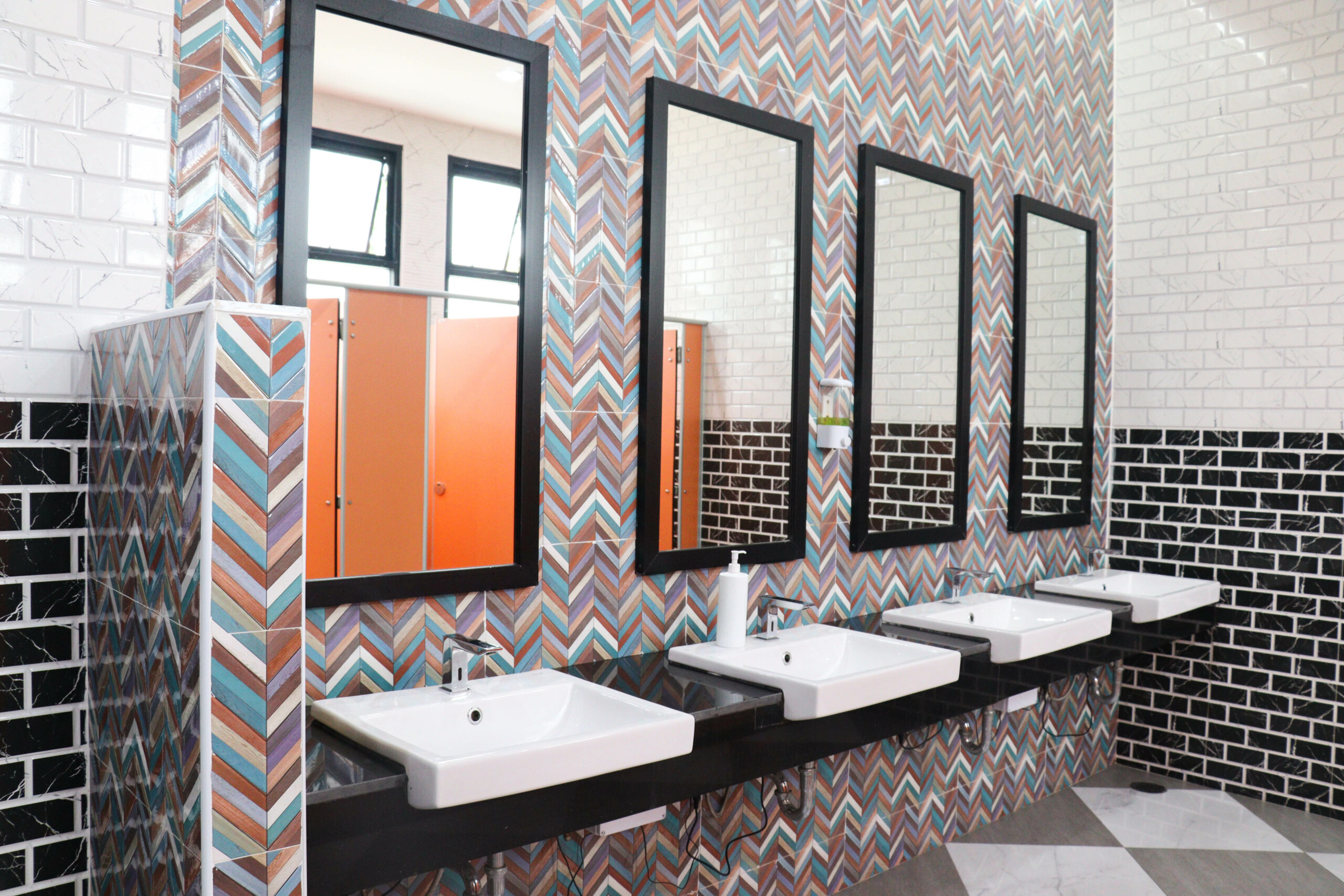
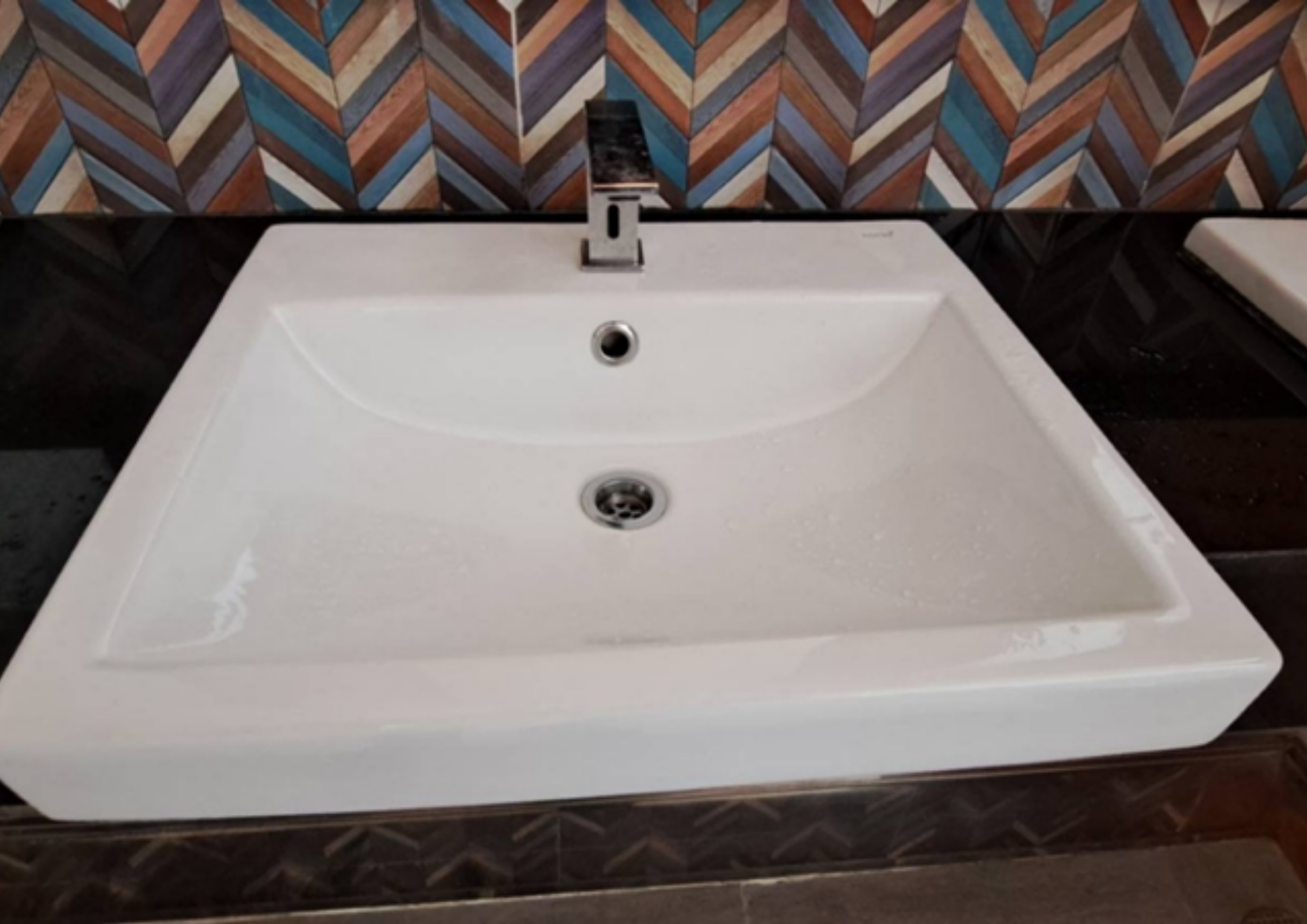
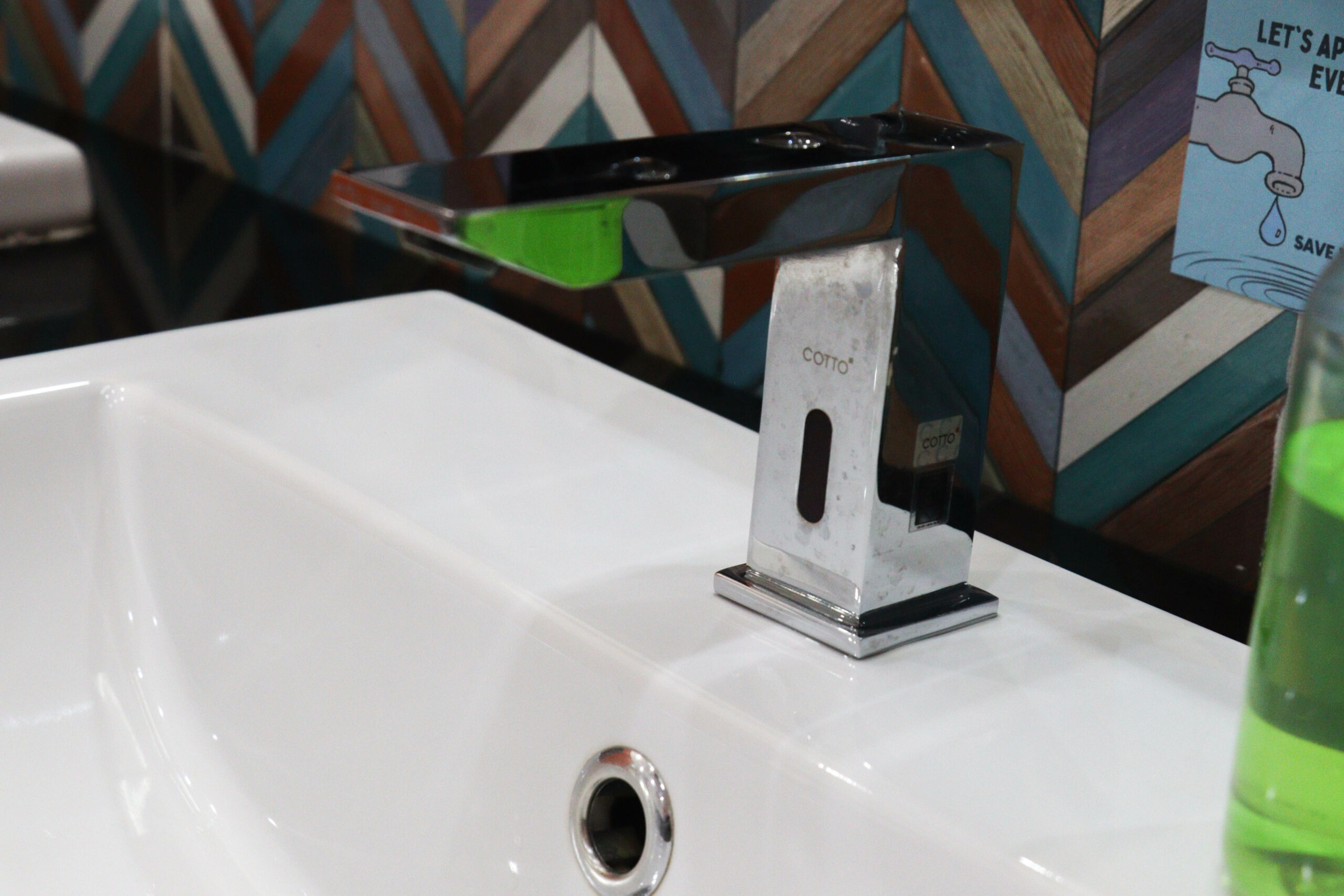
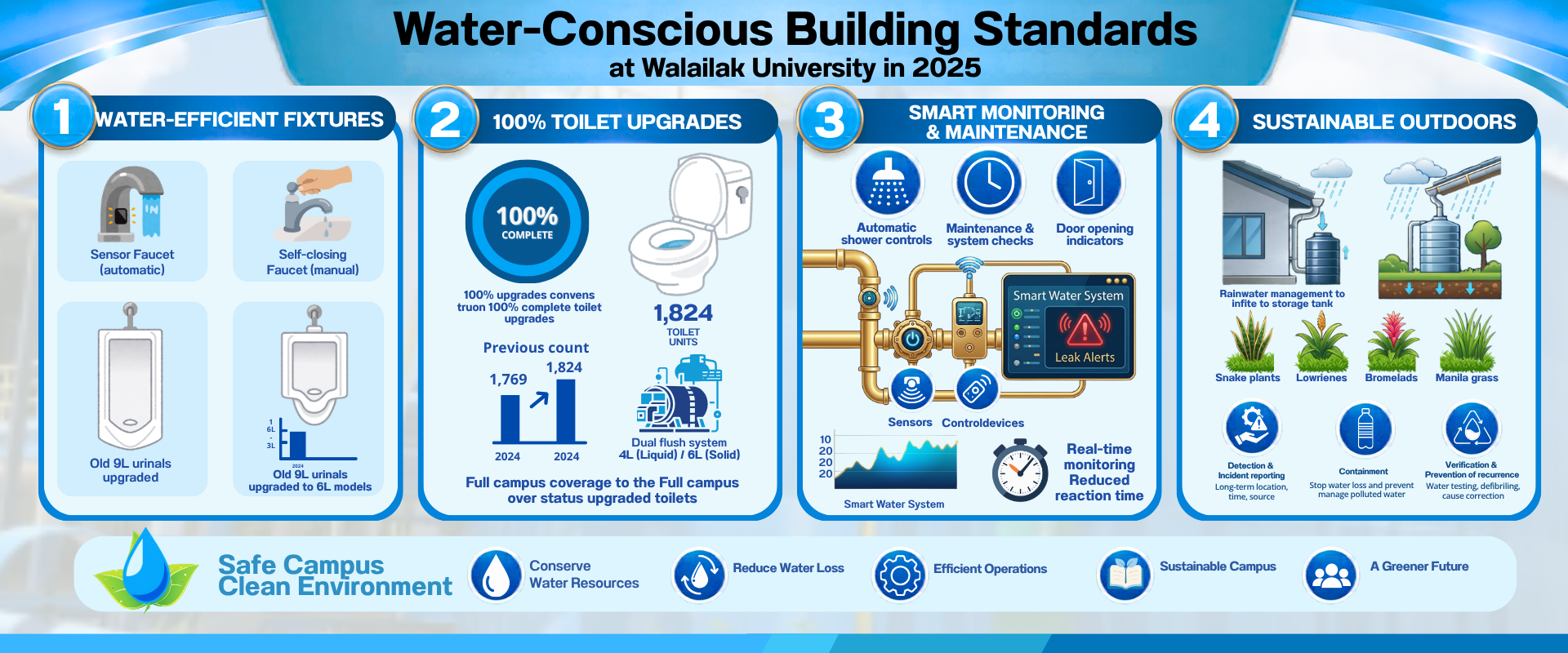
The university installs self-closing faucets to replace manually operated twist-handle faucets, controlling water delivery and reducing the risk of water being wasted when taps are left running. Sensor-operated faucets are also used in suitable areas, supplying water when needed and stopping the flow when users remove their hands. Both types reduce unnecessary water consumption through their operating mechanisms.
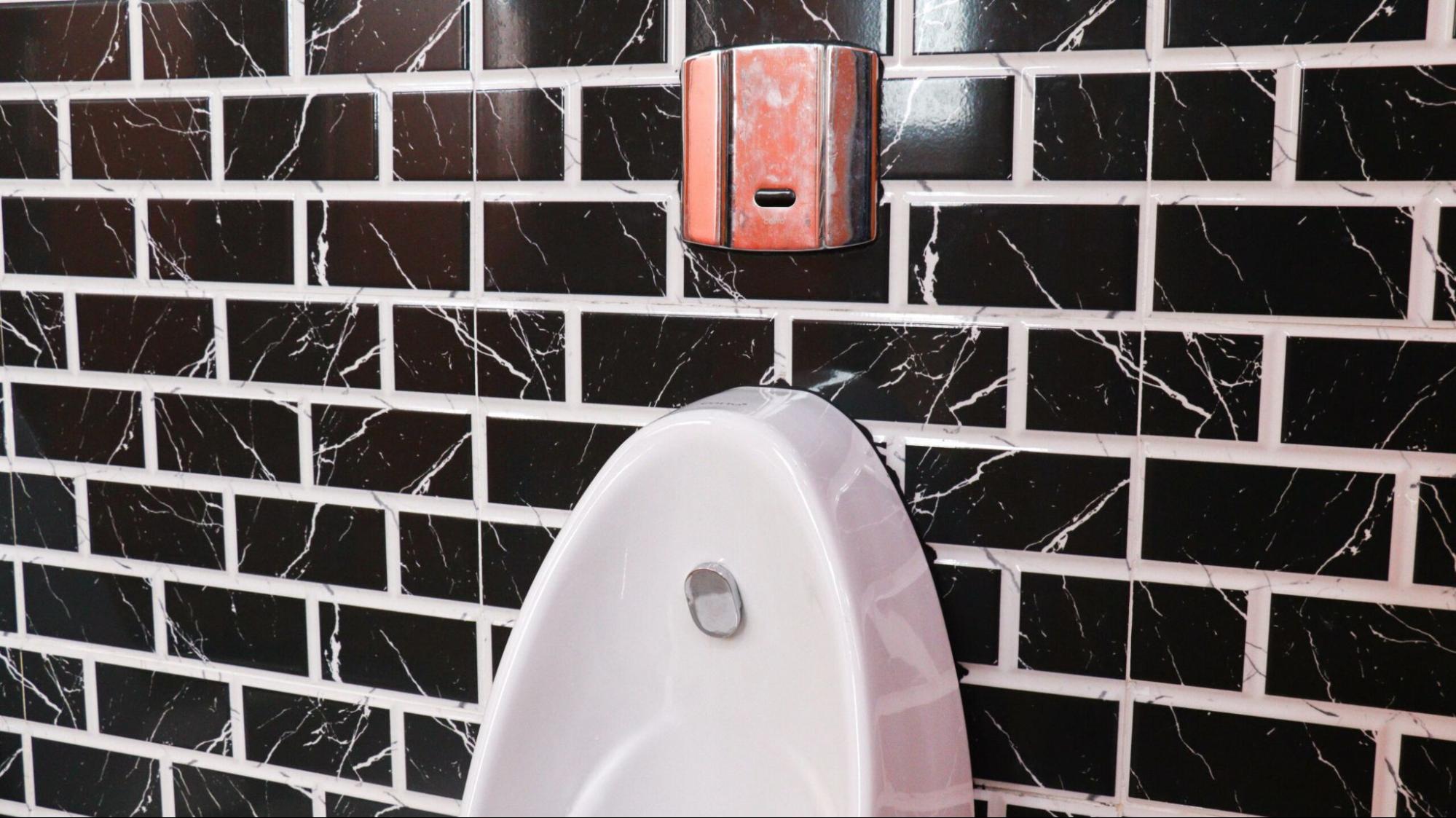
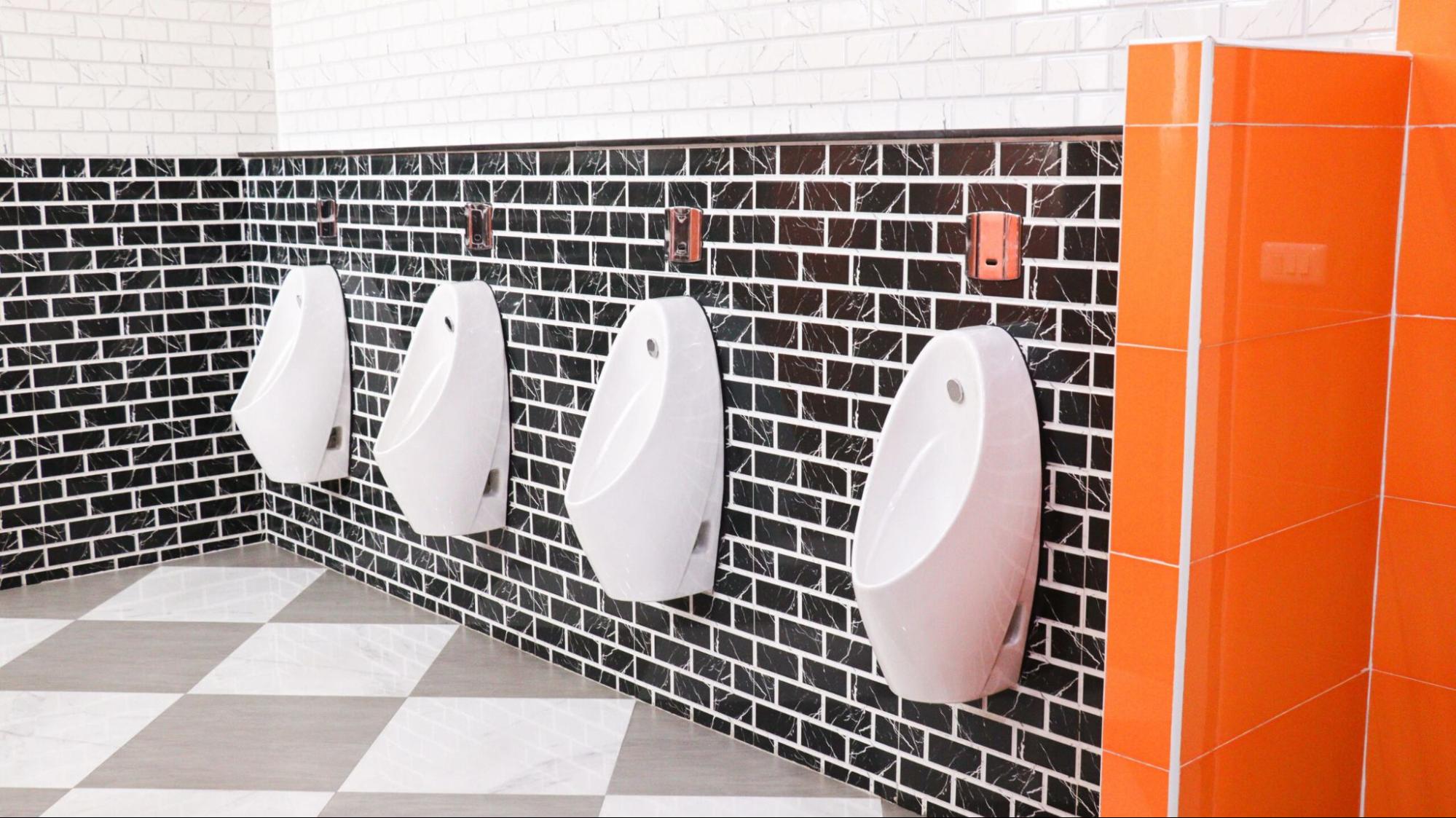
For urinals, the university replaces damaged flush valves with water-efficient models using 6 litres per flush. According to information published by the university for 2025, these fixtures save approximately 1–2 litres per flush compared with the previous fixtures. Specifying water consumption per flush provides a clear technical basis for reducing water use while maintaining appropriate sanitary conditions.
Completing Water-efficient Upgrades
In 2025, the university completed water-efficient upgrades to all 1,824 toilet units, representing 100% of the total. This increased from 1,769 units in 2024, with an additional 55 units upgraded to achieve full coverage. The upgrades covered existing squat and seated toilets, including those in older buildings such as the Centre for Scientific and Technological Equipment buildings.
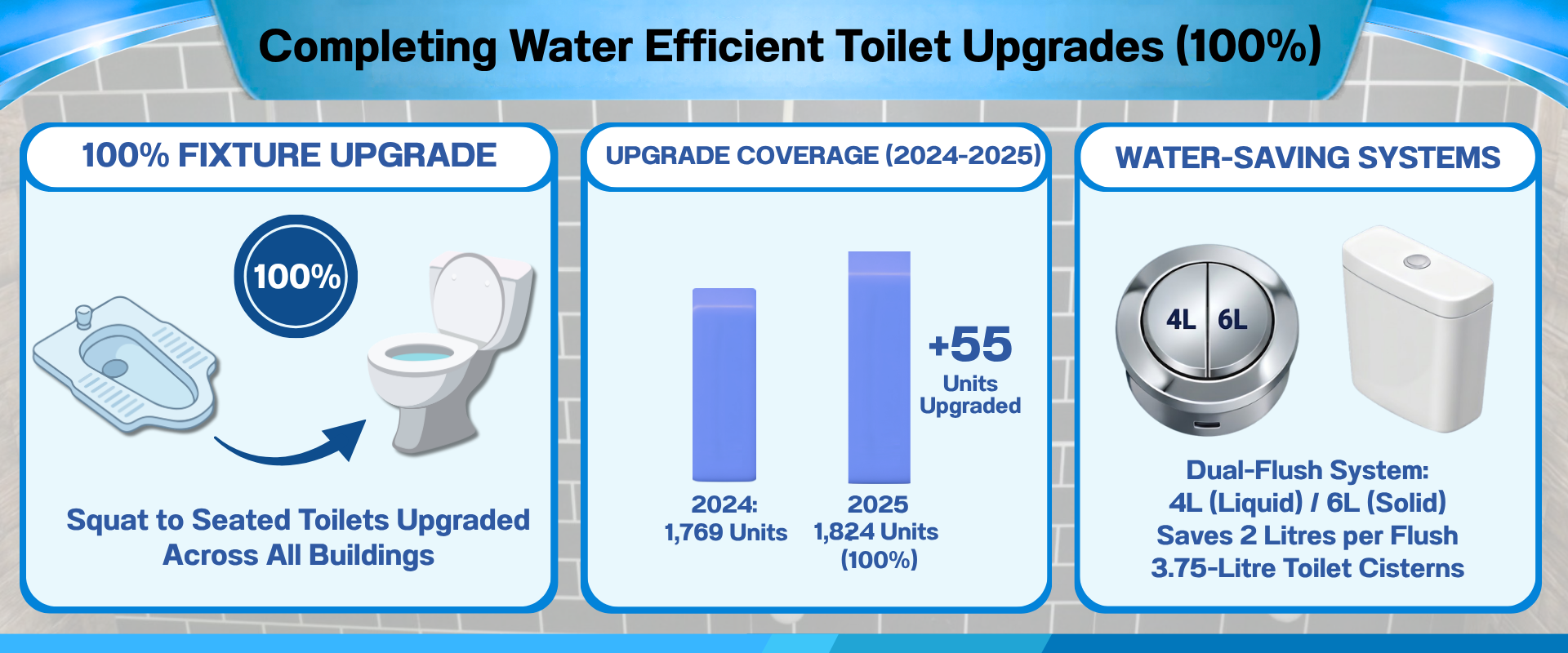
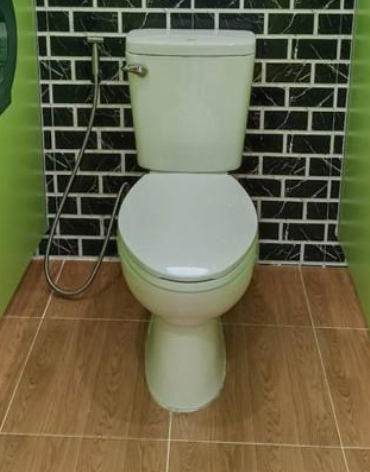
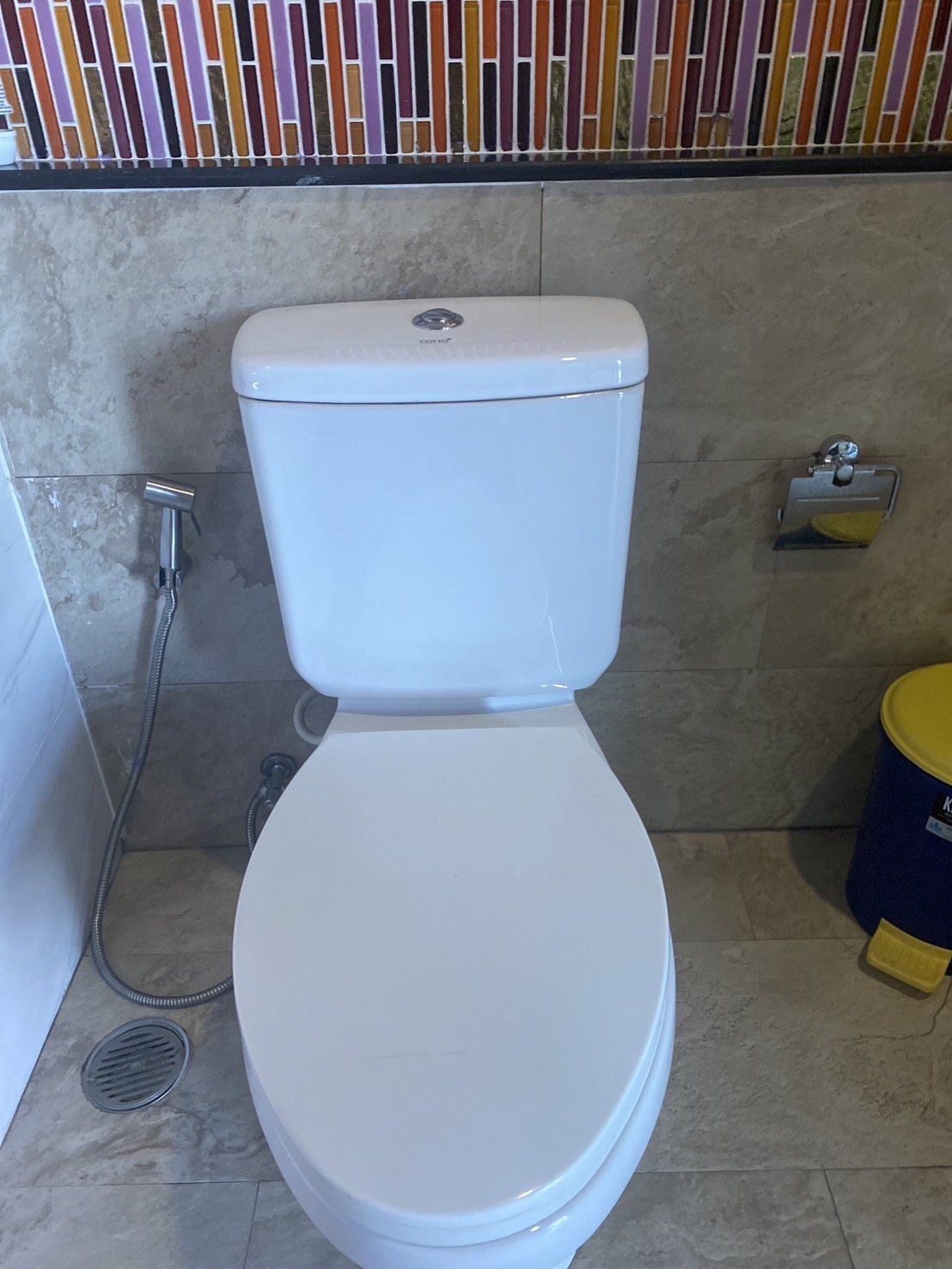
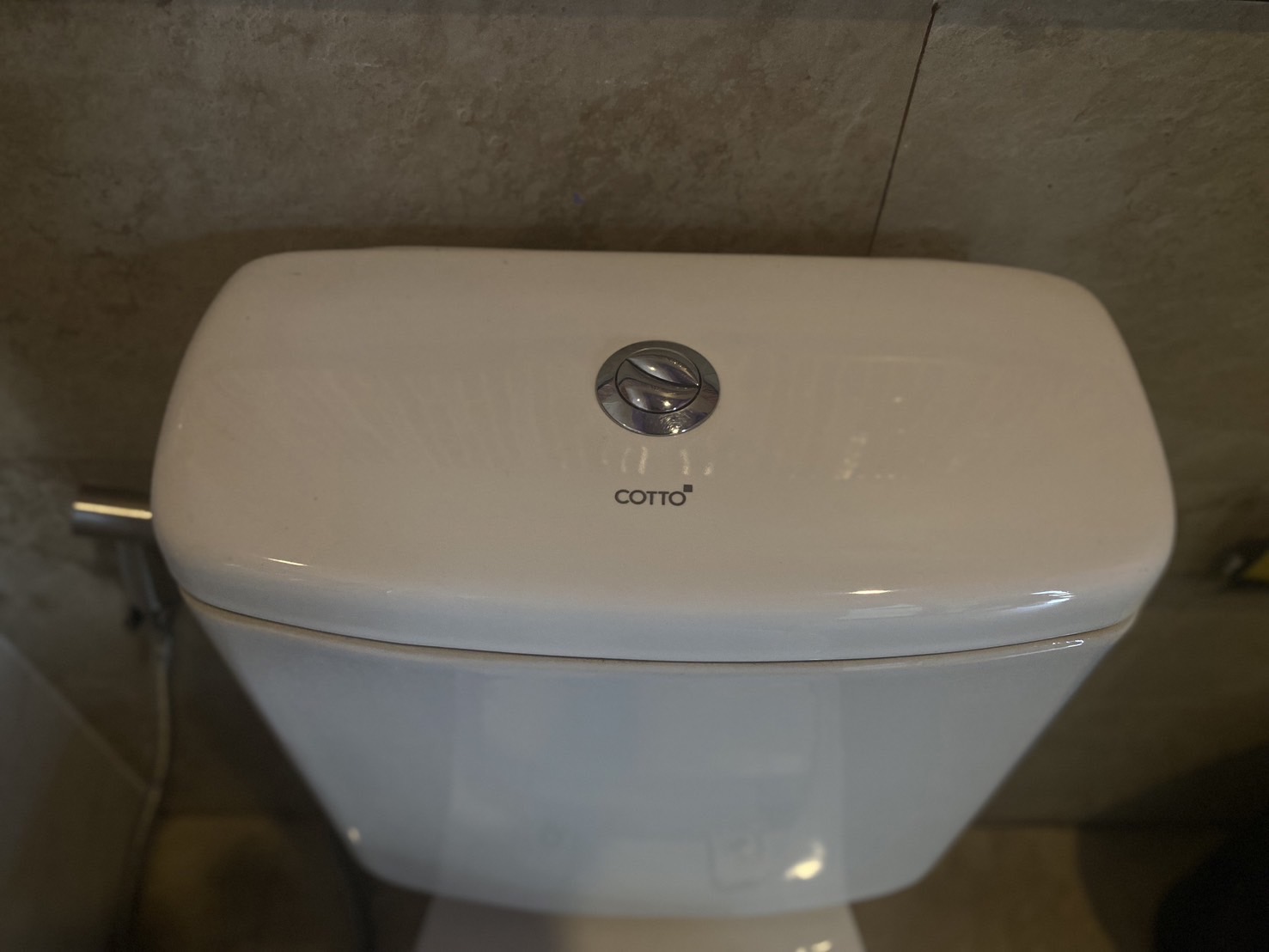
A key approach is the use of a dual-flush system, with a small button using 4 litres per flush for liquid waste and a large button using 6 litres per flush for solid waste. Compared with a single-flush system using 6 litres every time, selecting the liquid-waste option saves 2 litres per flush. Users can therefore select the water volume appropriate to their needs. Additionally, the university uses 3.75-litre toilet cisterns where suitable for the toilet type and flushing performance. This capacity refers to a separate type of fixture from the 4/6-litre dual-flush system. The figure of 100% indicates that all toilet units have been upgraded.
Controlling Shower Water Use in Designated Facilities
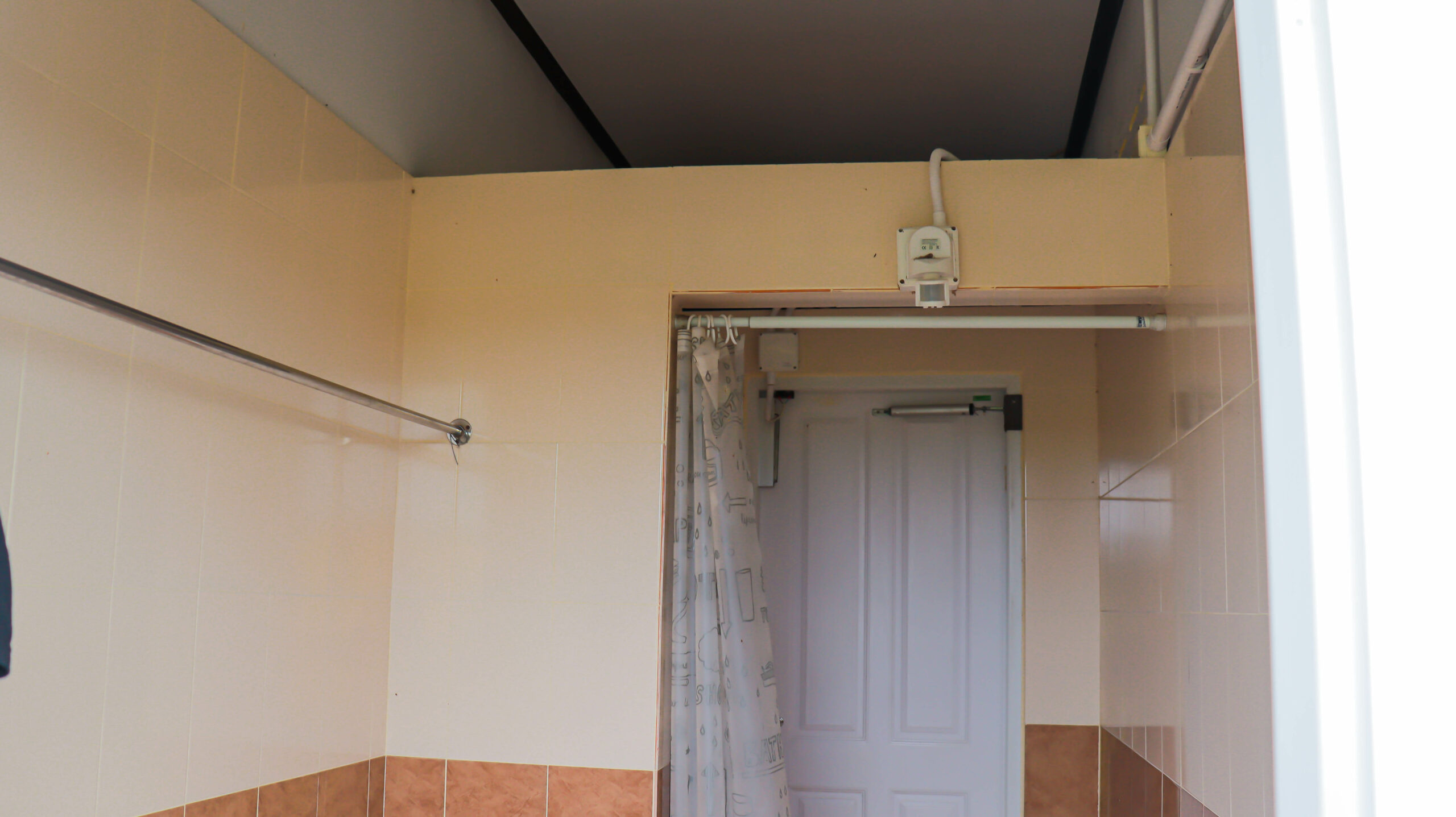
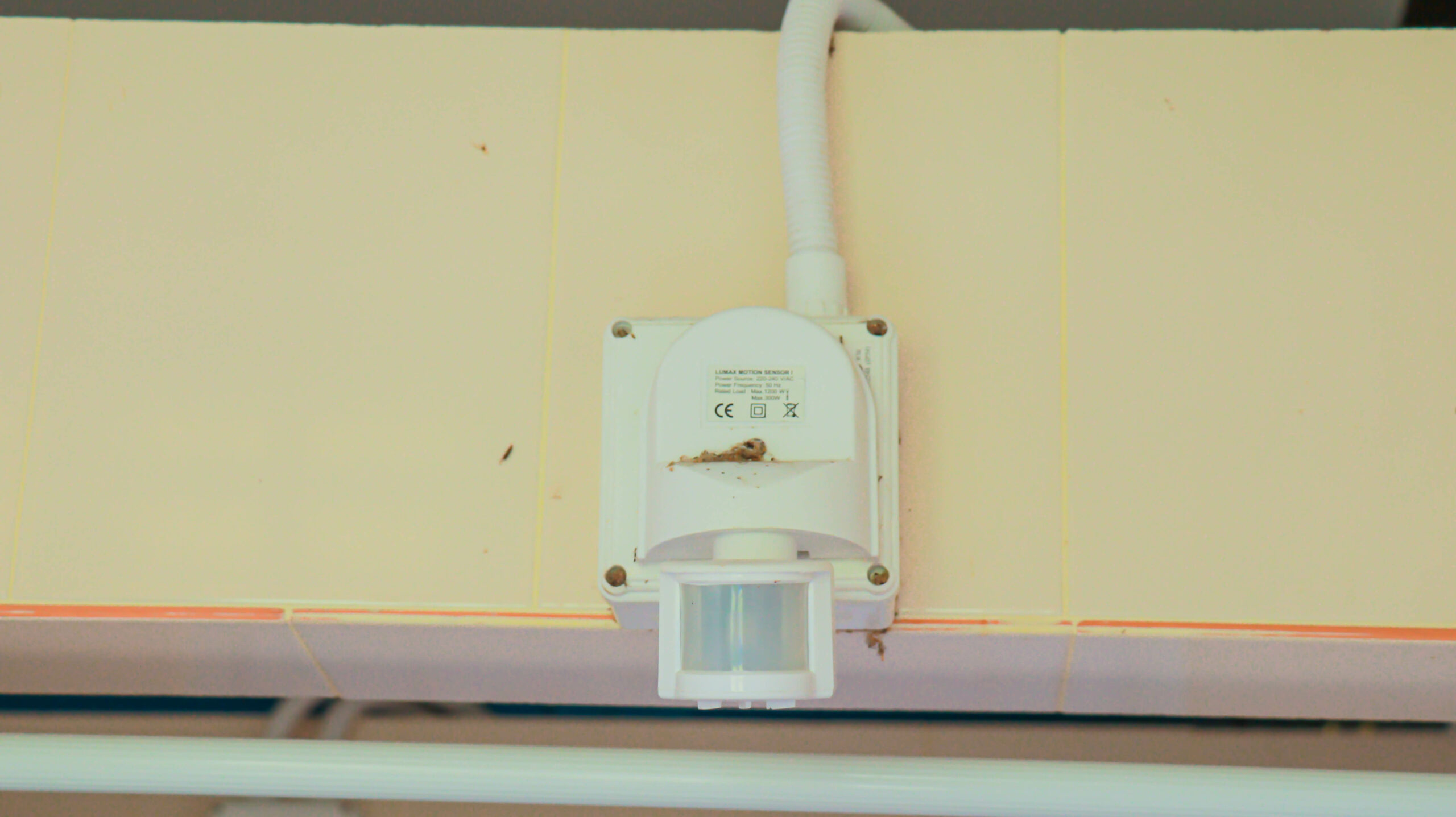
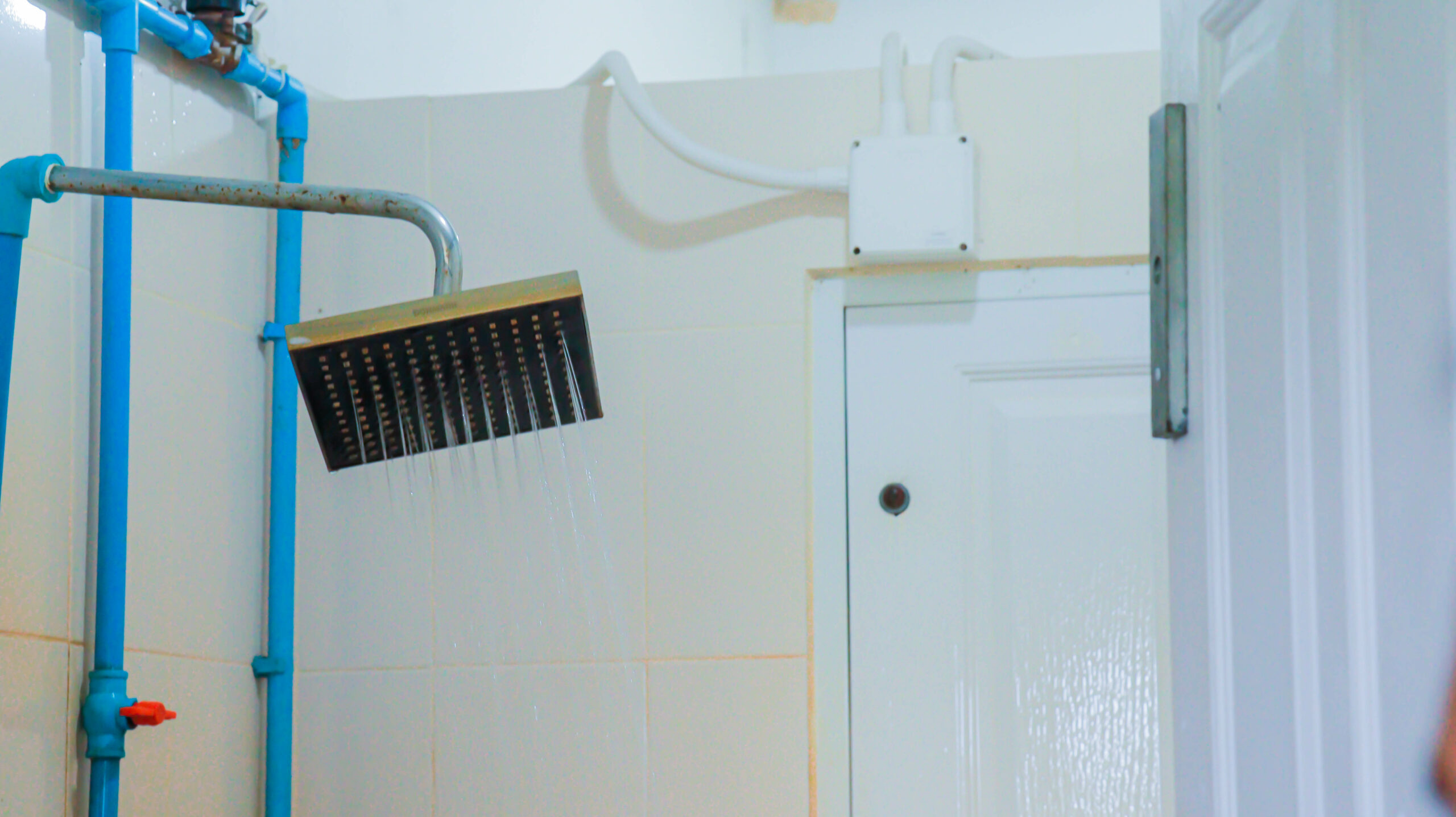
The university uses automatic water on/off systems in shower rooms at the Livestock Unit, Smart Agriculture Centre, and Landscape Architecture Building. The control units link shower-room door opening and closing to water delivery according to the system’s operating conditions. Applying these controls to the use patterns of each facility reduces the likelihood of water continuing to flow after use and incorporates water consumption control into the building system.
Inspection, Maintenance, and Leak Monitoring
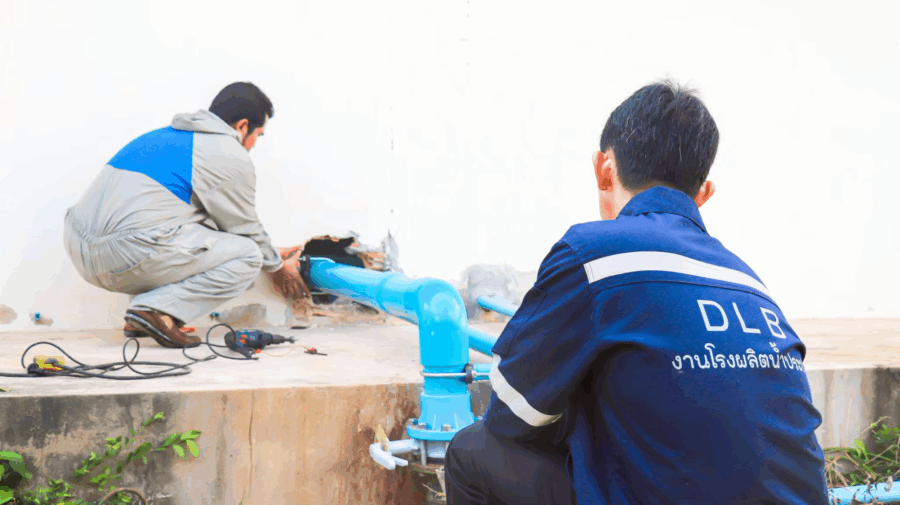
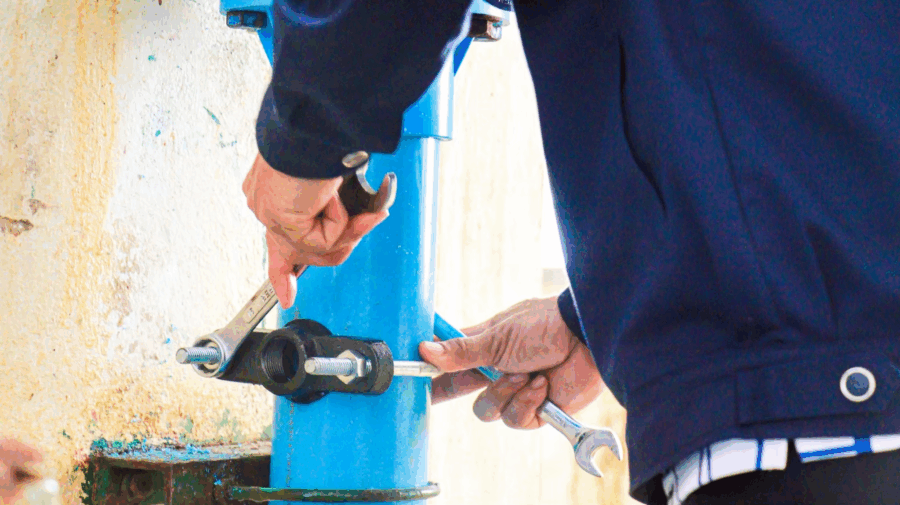
The university continuously maintains its water supply systems by inspecting pipes, joints, faucets, valves, storage tanks, control devices, water pressure, and water meters to identify abnormalities and repair leaks. Inspection records and schedules support the monitoring of problems and help maintain the performance of water-efficient fixtures throughout their service life. Maintenance covers Walai Niwas 2 and Walai Niwas 4, together with other buildings inspected and maintained at least quarterly. Repairs reduce water losses from deteriorating pipes and fixtures and prevent leaks from continuing undetected over extended periods.
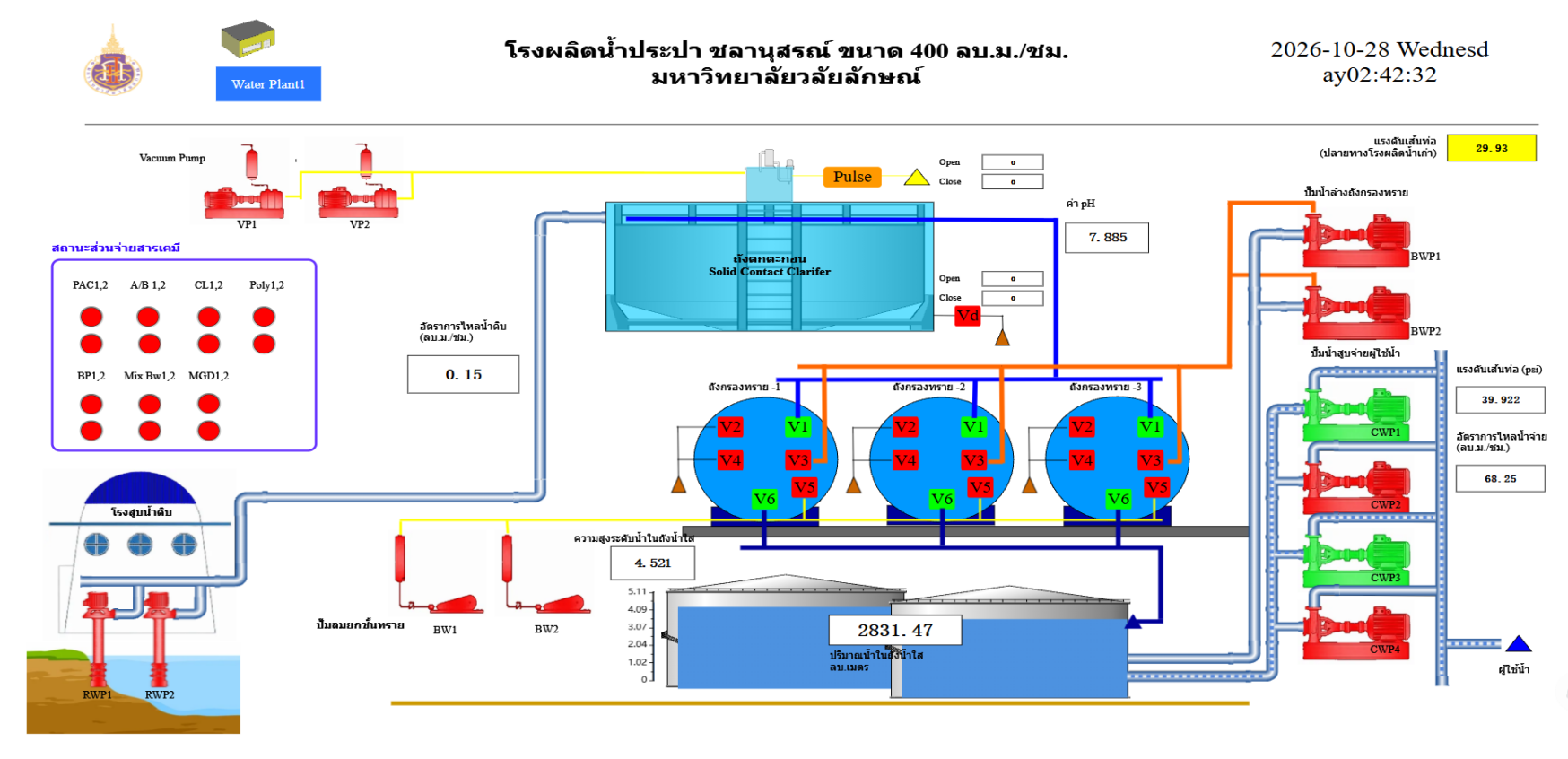
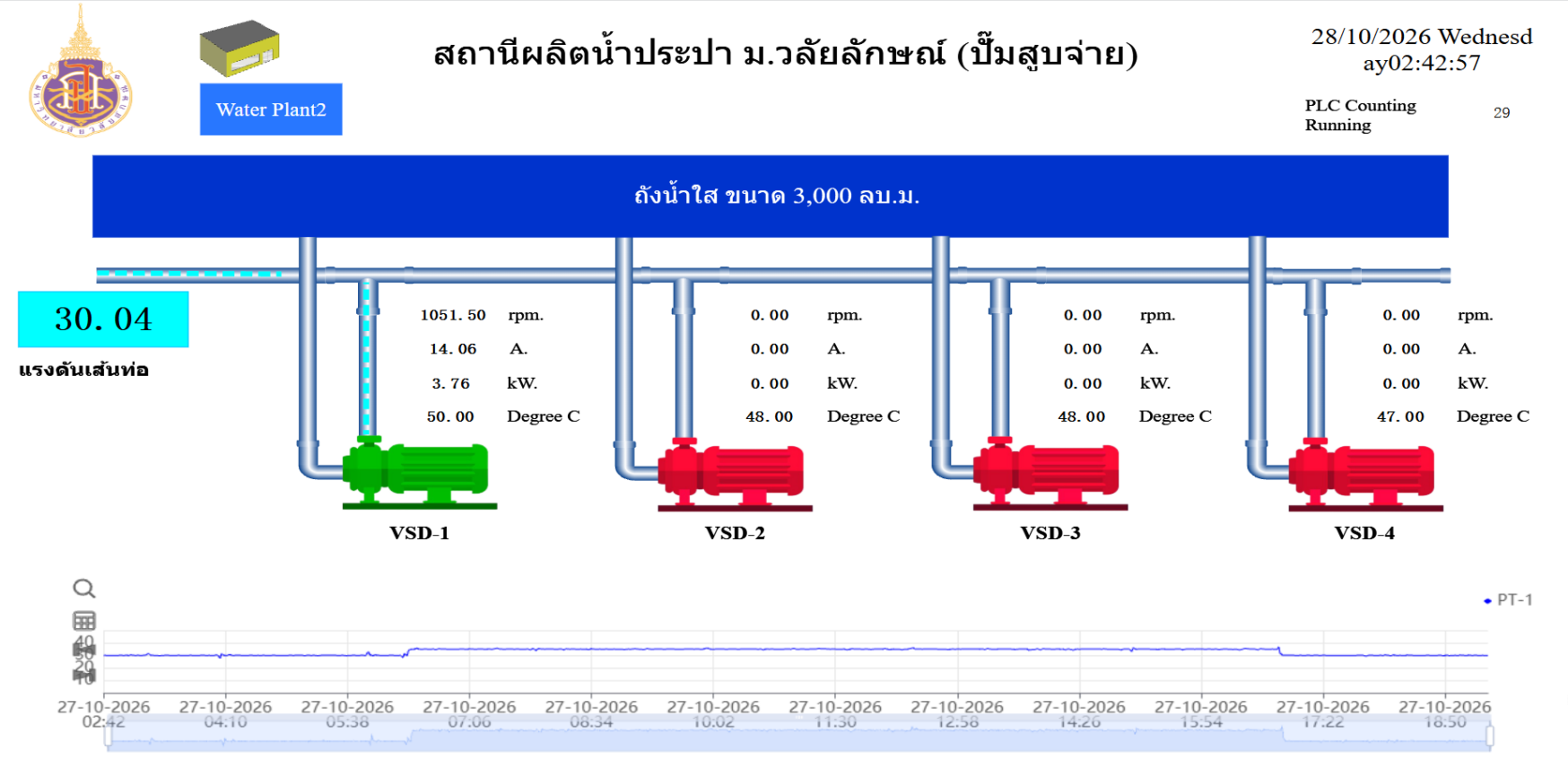
Moreover, the university uses a Smart Water System to monitor abnormal water flows and issue leak alerts. System information enables responsible personnel to inspect and resolve problems more quickly. Combining monitoring technology with on-site inspections helps maintain the effectiveness of water-saving measures after installation.
Rainwater Management and Alternative Water Use around Buildings
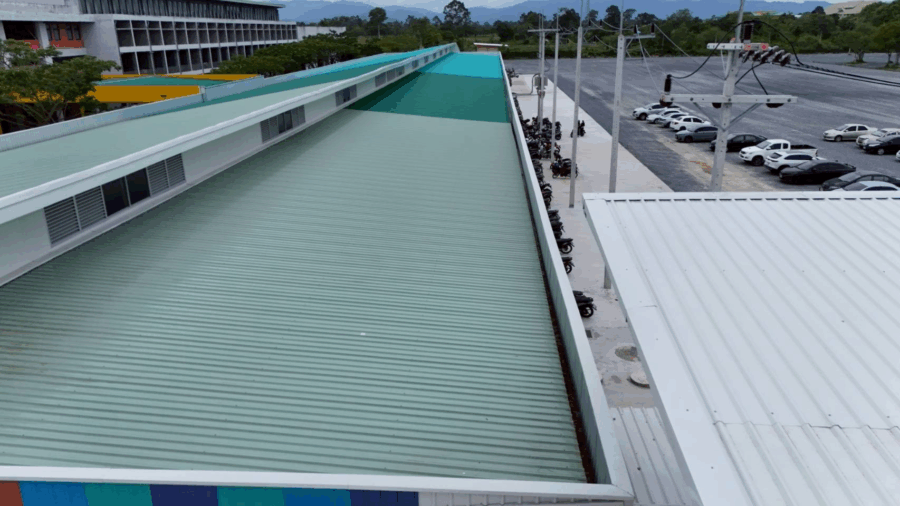
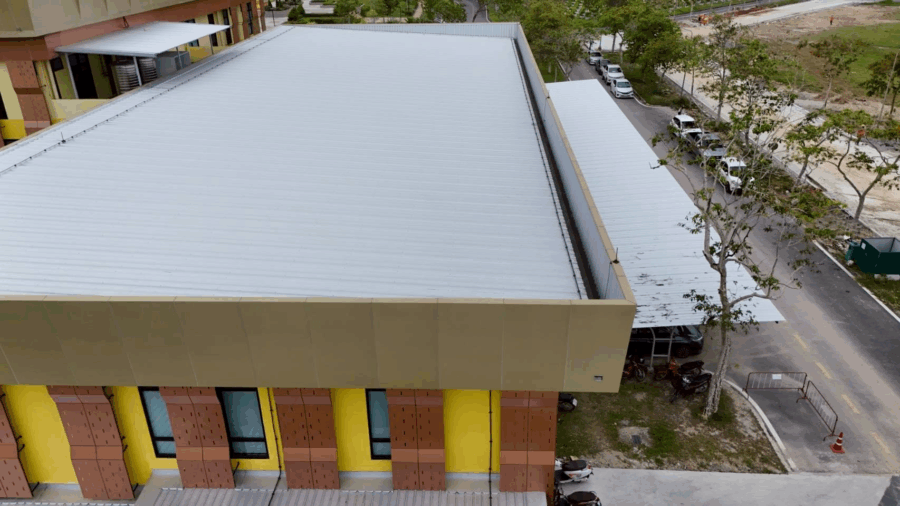
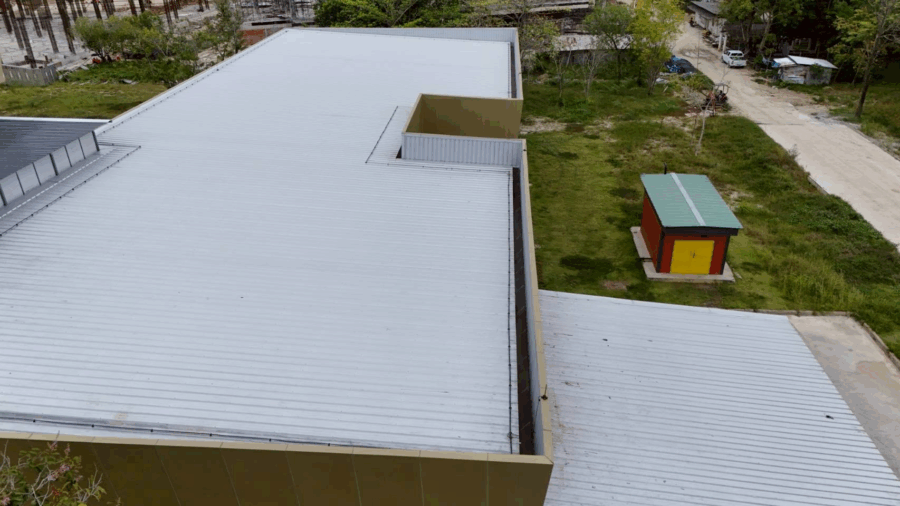
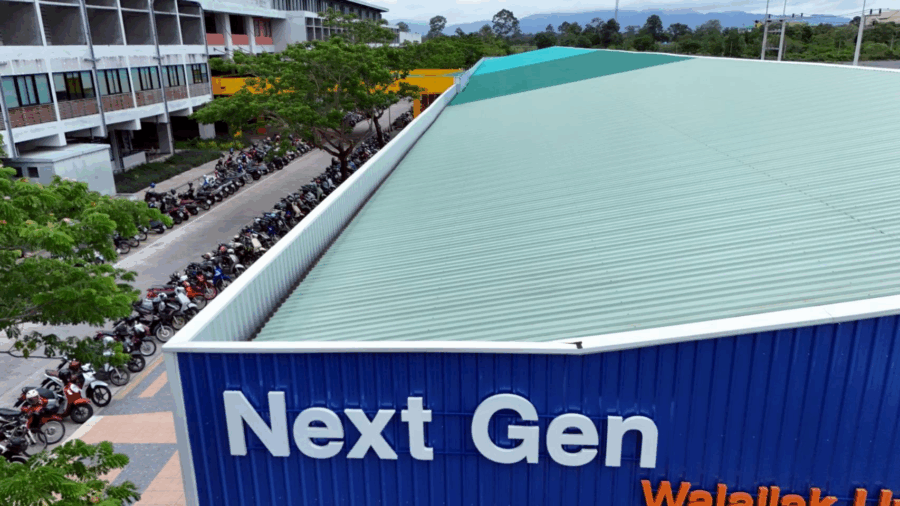
The university designs rainwater gutters and drainage routes around buildings, including the Professor Dr. Wichit Srisa-an Building, Studio Building, Next Gen Building, and Advanced Research Building, to manage rainwater from roofs, roads, and surrounding areas. These connect with the university’s water management system and promote infiltration into the ground where appropriate, reducing runoff and maintaining soil moisture.
Using harvested rainwater and treated wastewater for suitable activities, such as watering trees and cleaning outdoor building areas, reduces demand for tap water. Water quality must be appropriate to the intended activity. The university has issued guidelines on water reuse as part of its water management framework, connecting water resource use with the maintenance of buildings and surrounding areas.
Landscape Design to Reduce Water Demand
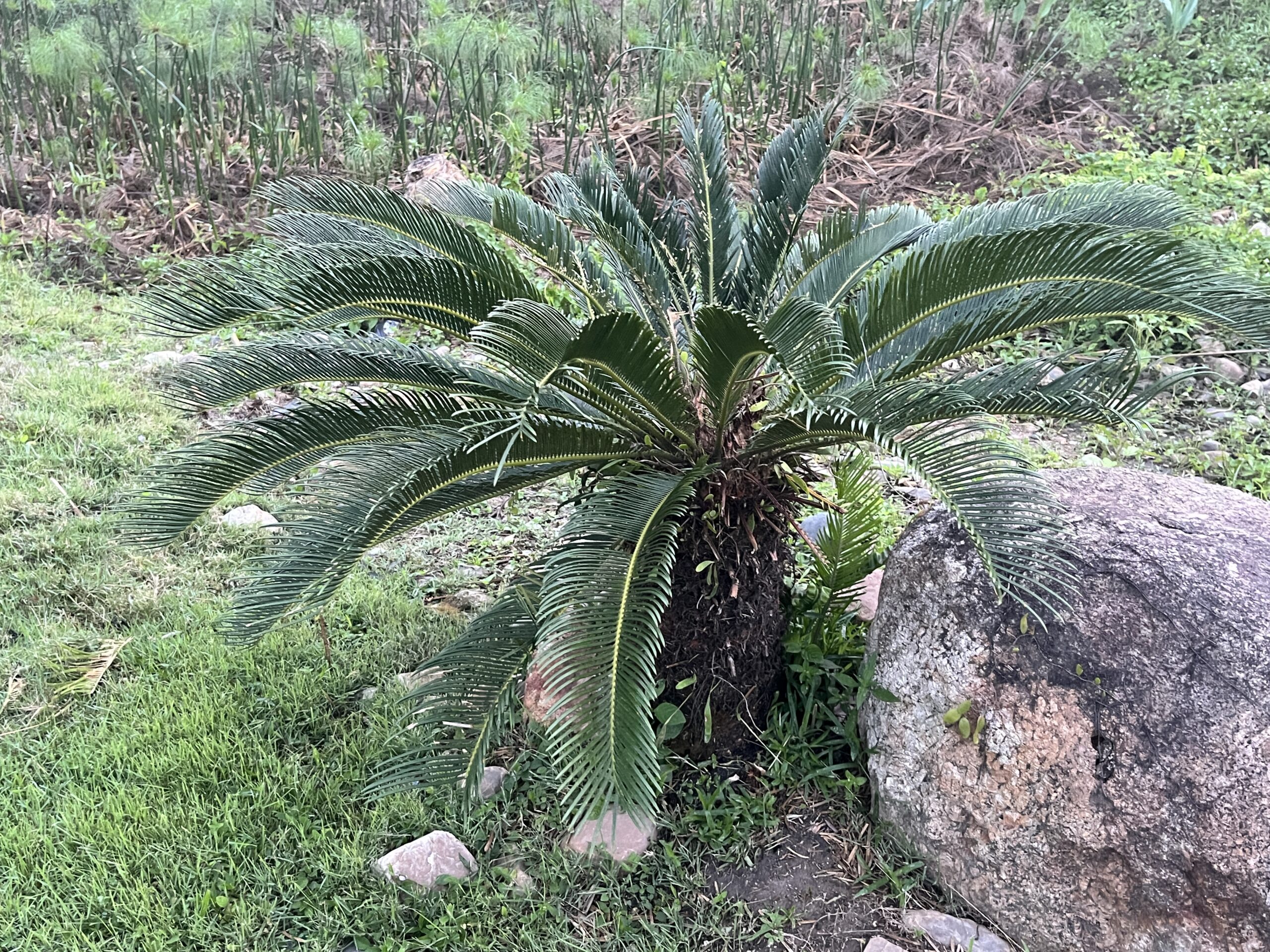
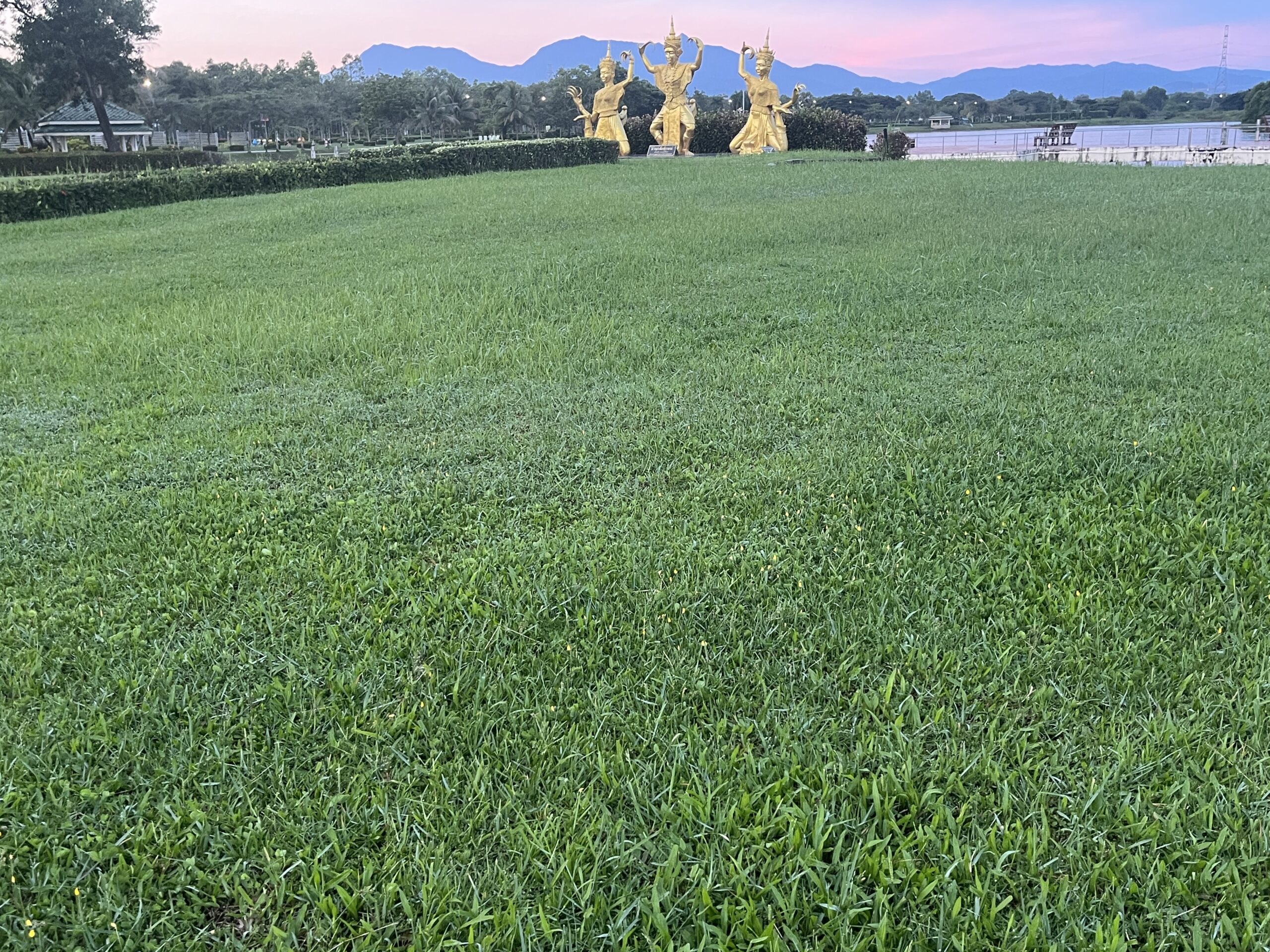
The university landscapes areas around buildings using plants suited to the local climate and with relatively low water requirements, such as snake plants, bromeliads, and Manila grass. Plant selection also considers soil conditions, sunlight, and site characteristics. Plants that adapt well to their locations help reduce the need for supplementary irrigation while maintaining outdoor environments suitable for use. Combining landscape design with alternative water sources and irrigation according to actual needs extends water-saving measures to both indoor and outdoor areas, addressing the overall water demand associated with building maintenance.
Implementation Addressing the Indicator in 2025
By 2025, Walailak University had implemented building-related measures to minimise water use. These included selecting fixtures with appropriate water consumption specifications, completing upgrades to all 1,824 toilet units, automatically controlling water supply systems, conducting inspections and maintenance, and managing water and landscaping around buildings. These activities demonstrate how policies are translated into technical guidance and practical implementation in both new and existing buildings. They align with the indicator’s objective to apply building standards to minimise water use, while maintaining functionality, hygiene, and building sustainability.