
Assessing Students’ Sustainability Literacy and Understanding of the SDGs
Assessing Students’ Sustainability Literacy and Understanding of the SDGs
Sustainability literacy is increasingly important in higher education because students need the knowledge, critical thinking skills, and practical understanding required to respond to complex environmental, social, and economic challenges. As future professionals, decision-makers, and community members, students must be able to understand the United Nations Sustainable Development Goals (SDGs), recognise the interconnections among sustainability issues, and apply relevant principles in their academic studies, workplaces, and daily lives. However, providing sustainability education alone does not necessarily ensure that students have understood or retained the knowledge they receive. Universities must therefore establish appropriate measurement and evaluation methods to assess learning outcomes, diagnose gaps in students’ understanding, and identify areas requiring further educational support. By integrating sustainability education with systematic assessment, Walailak University can evaluate the effectiveness of its learning opportunities, strengthen students’ sustainability literacy, and support the development of graduates who are better prepared to contribute meaningfully to sustainable development.
Assessing Students’ Sustainability Literacy and Understanding of the SDGs
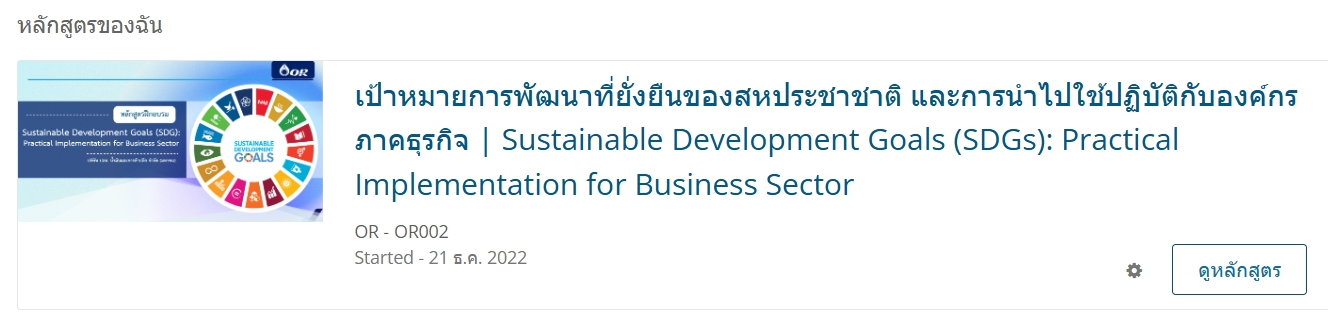
Walailak University (WU) recognises that sustainability literacy is essential for preparing students to become informed professionals and future leaders capable of contributing to a more sustainable and resilient world. To strengthen students’ understanding of sustainability and the United Nations Sustainable Development Goals (SDGs), the university provides access to an online course through Thailand’s Massive Open Online Course (Thai MOOC) platform. The course, entitled “Sustainable Development Goals (SDGs): Practical Implementation for the Business Sector,” introduces students to fundamental sustainability concepts and explores how these principles can be translated into practical action across different professional fields.
The course aims to develop students’ understanding of the interconnected social, environmental, and economic dimensions of sustainable development. It introduces the background, structure, and significance of the SDGs while examining major global challenges, including social inequality, environmental degradation, economic resilience, and peace. Students also explore how sustainability frameworks can guide decision-making and encourage organisations to adopt more responsible practices. By connecting theoretical knowledge with practical applications, the course helps students understand the relevance of the SDGs to their future careers and their roles as members of society.
The curriculum comprises three lessons, each incorporating a quiz to assess students’ understanding of the material covered.
Lesson 1: The Sustainable Development Goals
This lesson introduces the basic information, structure, and significance of the SDGs. Students explore how the goals address social, environmental, and economic challenges, as well as the role of sustainable development in promoting peace. A lesson quiz provides an opportunity to assess their understanding of the fundamental concepts and the interconnected nature of the SDGs.
Lesson 2: The Transformative Change Strategy
This lesson examines the Transformative Change Strategy for achieving the SDGs, including its six core pillars and successful case studies illustrating how transformative approaches can support sustainable development. Through these topics, students gain insights into strategies for addressing complex sustainability challenges and translating global objectives into coordinated action. A lesson quiz helps evaluate their understanding of the strategy and its practical applications.
Lesson 3: The Utilisation of the SDGs in the Business Sector
This lesson focuses on the application of the SDGs in business and organisational contexts. Students examine Thailand’s sustainable development pathways, national progress towards the SDGs, and approaches to integrating the goals into practical operations and decision-making. The lesson also addresses SDG washing and false sustainability claims, helping students recognise the importance of credible sustainability commitments and responsible communication. A lesson quiz assesses their understanding of the practical use of the SDGs and the challenges associated with their implementation.
Measurement and Evaluation of Sustainability Literacy
To evaluate students’ learning and understanding, the course incorporates quizzes at the end of each of its three lessons, allowing students to demonstrate their comprehension of the concepts presented throughout the curriculum. In addition, a post-course assessment is used to evaluate learning outcomes and students’ understanding of the SDGs following completion of the course. These assessment components provide mechanisms for measuring sustainability literacy and identifying areas where further explanation or learning support may be beneficial.
The combination of lesson-based quizzes and post-course assessment supports the evaluation of students’ understanding across several dimensions of sustainability, including foundational SDG knowledge, transformative strategies, and practical implementation in the business sector. It also provides a basis for reviewing the effectiveness of the course content and identifying opportunities to improve future sustainability education. To strengthen the measurement of learning retention over time, WU could further consider follow-up assessments that examine whether students retain key sustainability concepts beyond the immediate completion of the course and can apply them in academic, professional, and community settings.
Overall, this online course demonstrates Walailak University’s commitment to strengthening students’ sustainability literacy through structured learning and assessment. By combining foundational knowledge, practical case studies, and lesson-based quizzes with a post-course assessment, the university provides a framework for evaluating students’ understanding of the SDGs and their readiness to apply sustainability principles in real-world contexts. Continued measurement and evaluation of learning outcomes can help WU identify educational strengths and gaps, refine its teaching approaches, and support the development of graduates who are better equipped to contribute to sustainable development in Thailand and beyond.
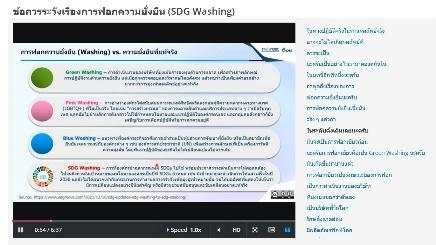
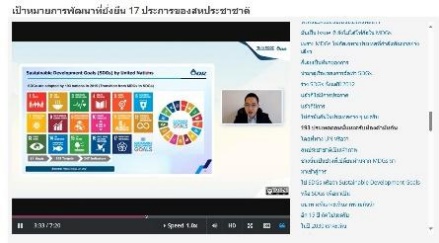
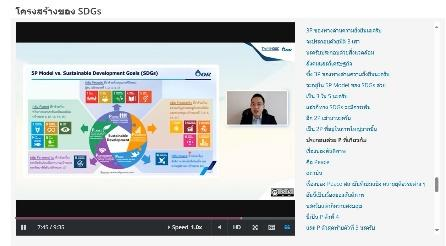
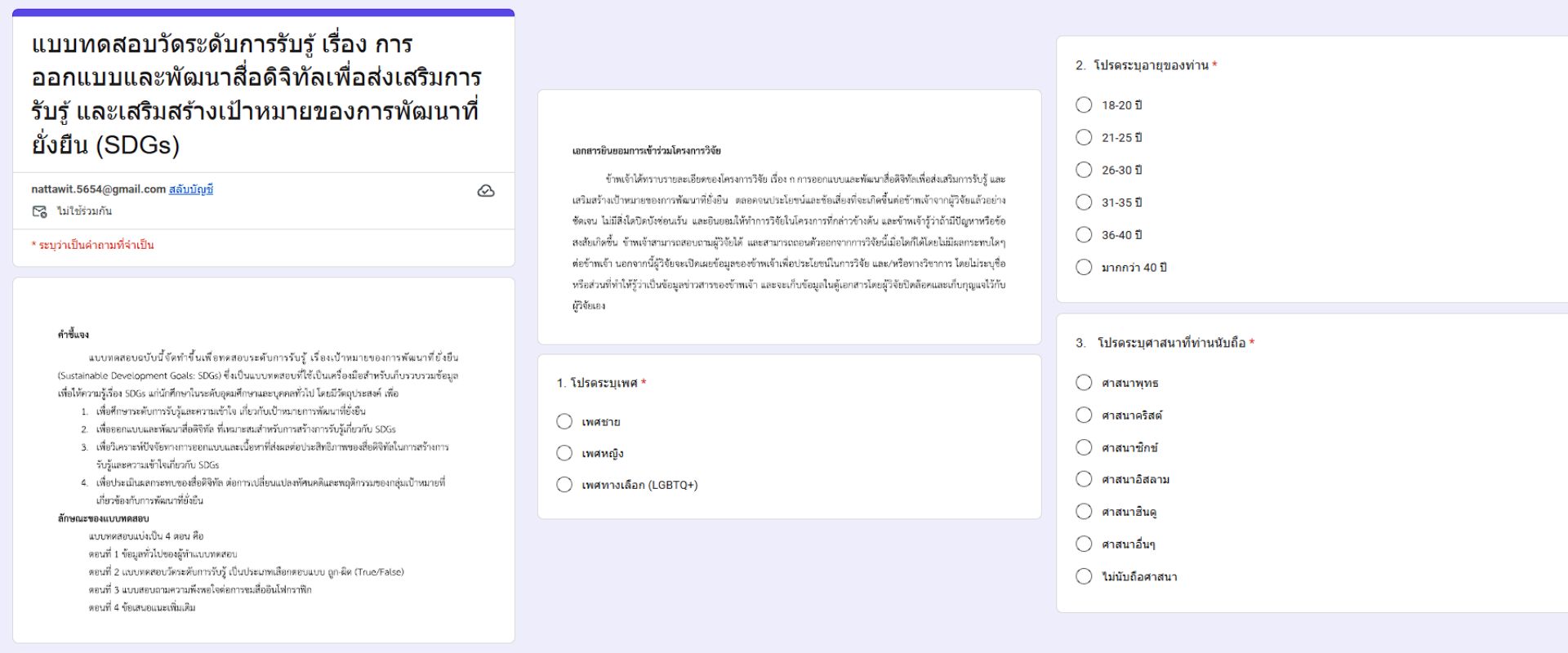
Moreover, Walailak University has developed a Google Forms-based assessment tool to measure students’ understanding of the United Nations Sustainable Development Goals (SDGs). The assessment comprises questions covering all 17 SDGs and includes both basic and advanced levels to evaluate students’ sustainability literacy across a range of topics. This tool enables the university to assess students’ knowledge of global sustainability concepts, diagnose potential gaps in their understanding, and identify areas where further educational support may be needed. The assessment also provides a foundation for measuring students’ SDG literacy and informing future improvements to sustainability education at the university.
Integrating SDG Education into Social Engagement Courses Through Experiential Learning
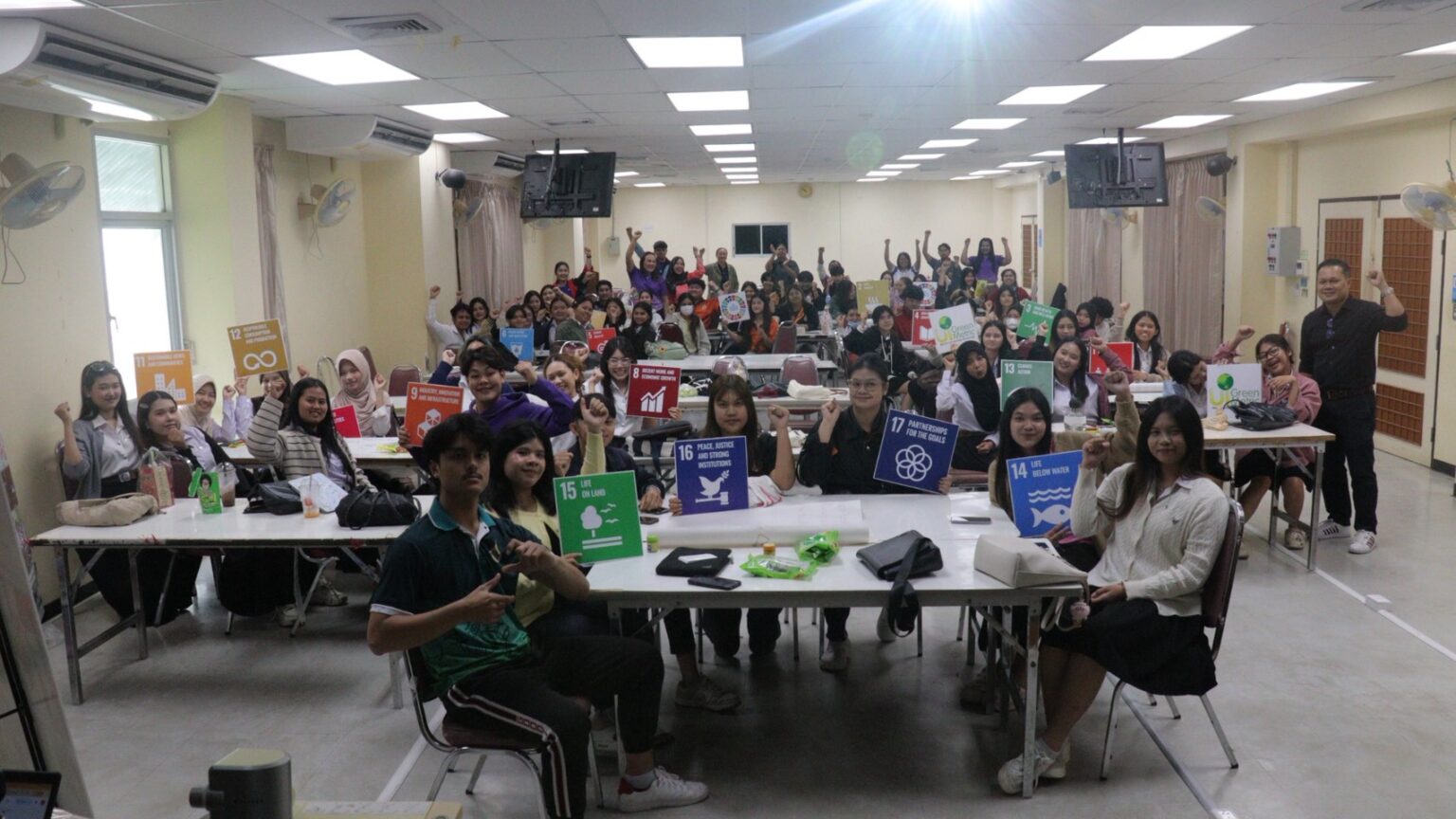
Walailak University (WU) recognises that developing students’ sustainability literacy requires more than theoretical instruction; students also need opportunities to apply their knowledge to real-world challenges and understand how sustainable development principles can address community needs. To strengthen this connection between academic learning and practical application, WU organised an educational knowledge-sharing activity through the Social Engagement course (BMFF67-003), engaging more than 105 students in learning about the United Nations Sustainable Development Goals (SDGs). The activity aimed to strengthen students’ understanding of sustainability while promoting experiential learning and encouraging them to consider how their knowledge and skills could contribute to sustainable community development.
During the activity, staff from the Center for Academic Services (CAS) introduced students to the SDGs and explained their relevance to community development and the university’s social engagement initiatives. Drawing on actual SDG-related projects, the staff connected sustainability concepts with practical challenges and examples from local communities. This approach enabled students to explore how global sustainability objectives can be translated into local action and how universities can work with communities to address social, economic, and environmental needs.
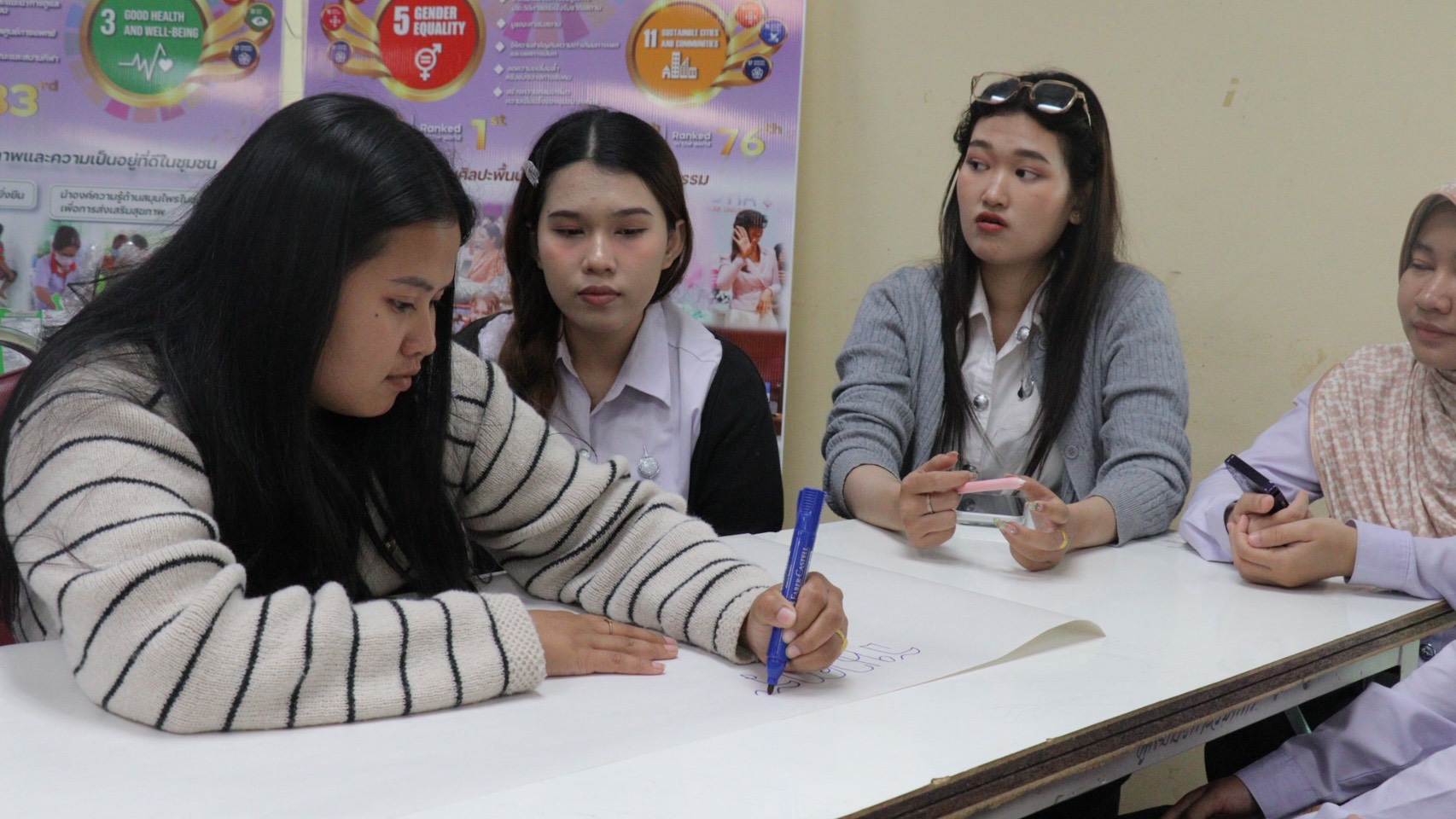
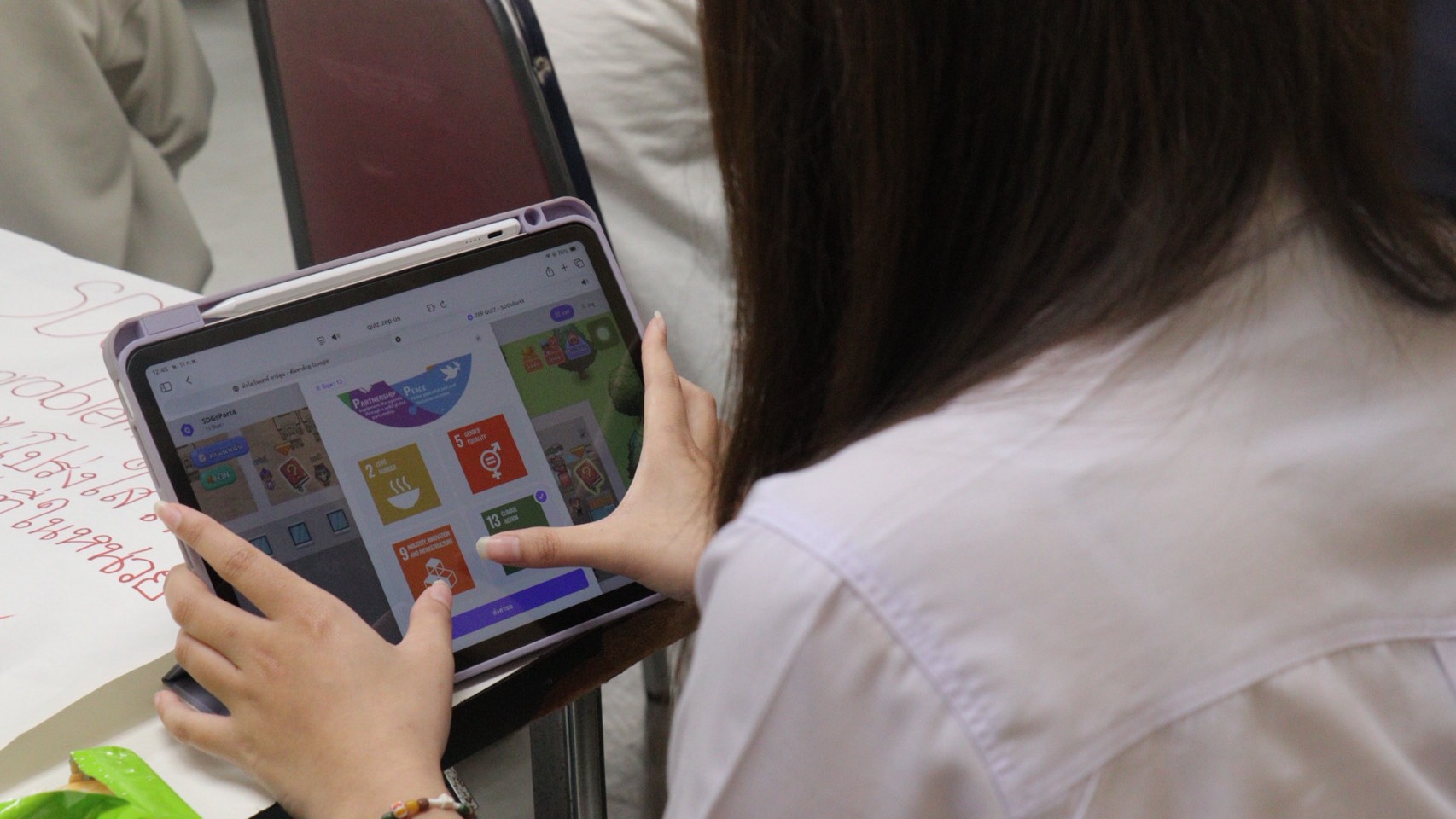
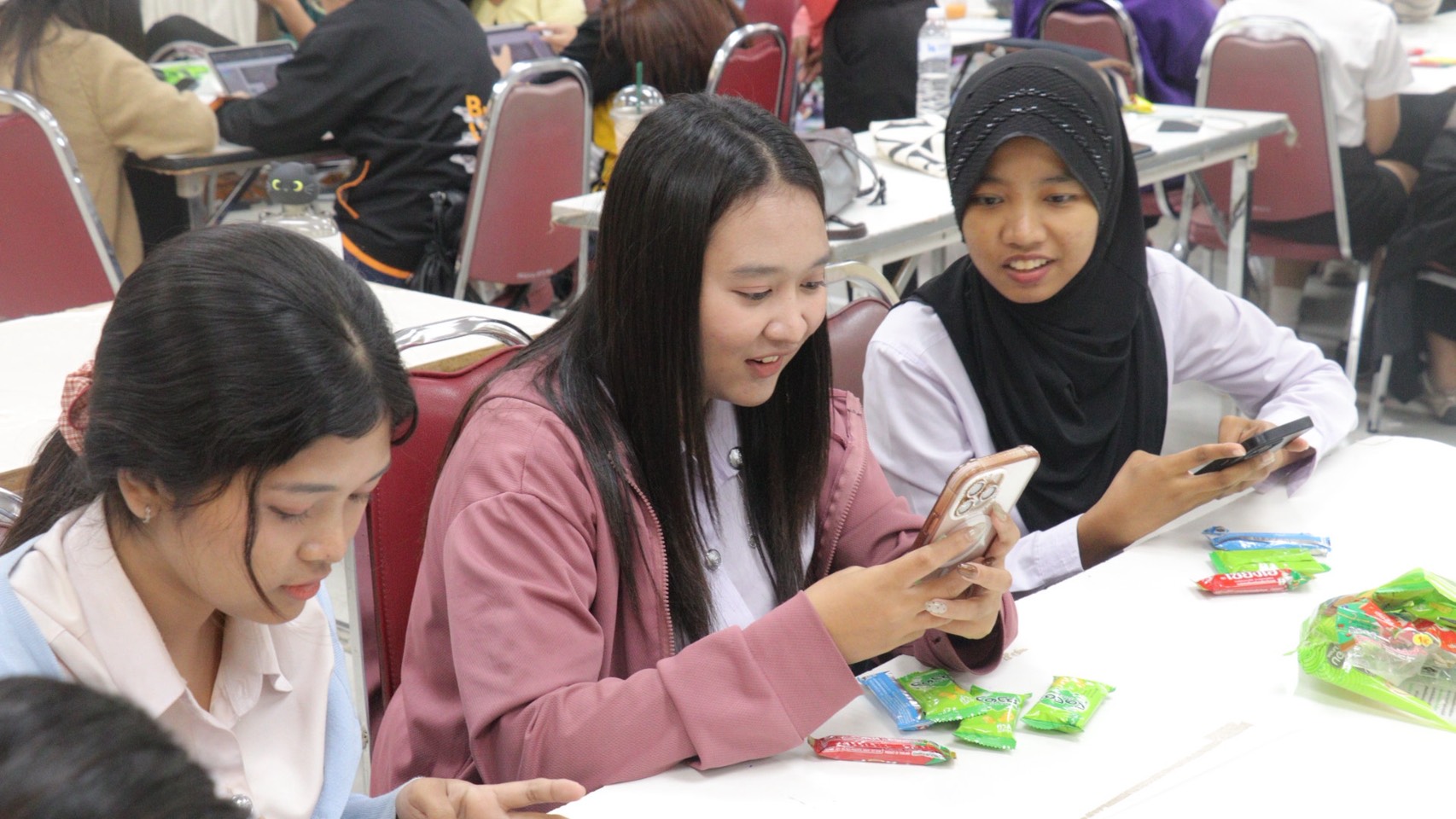
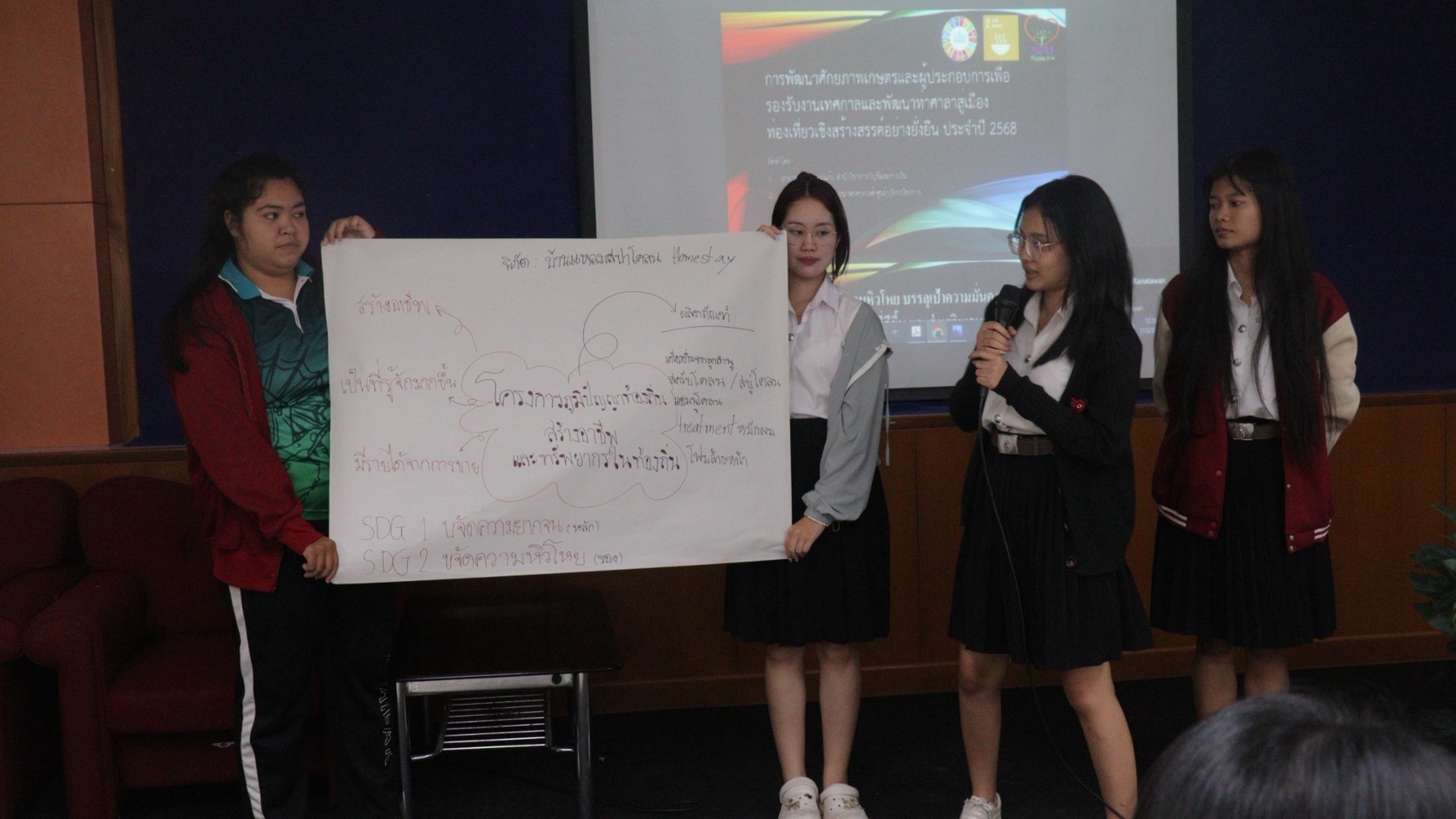
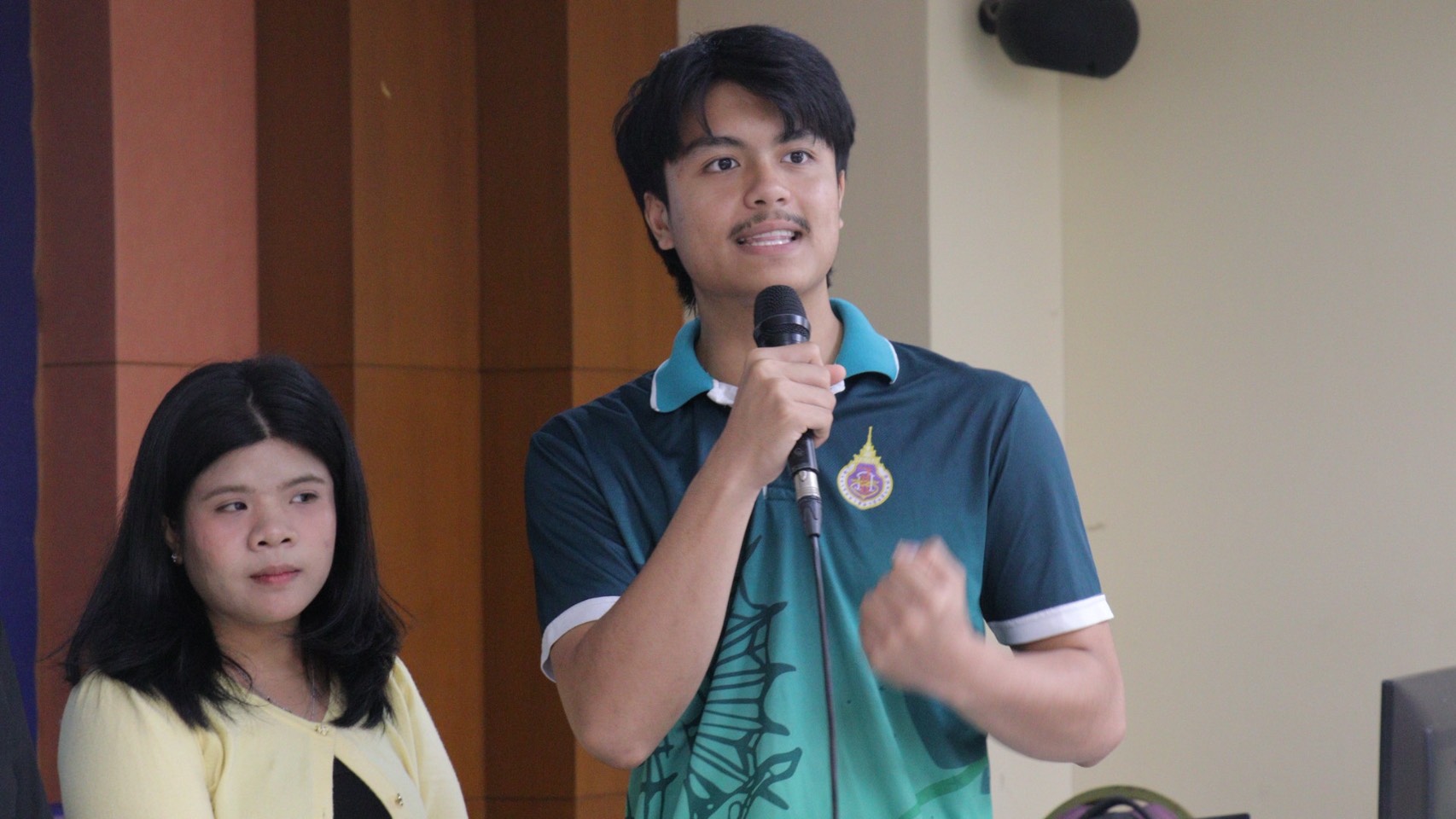
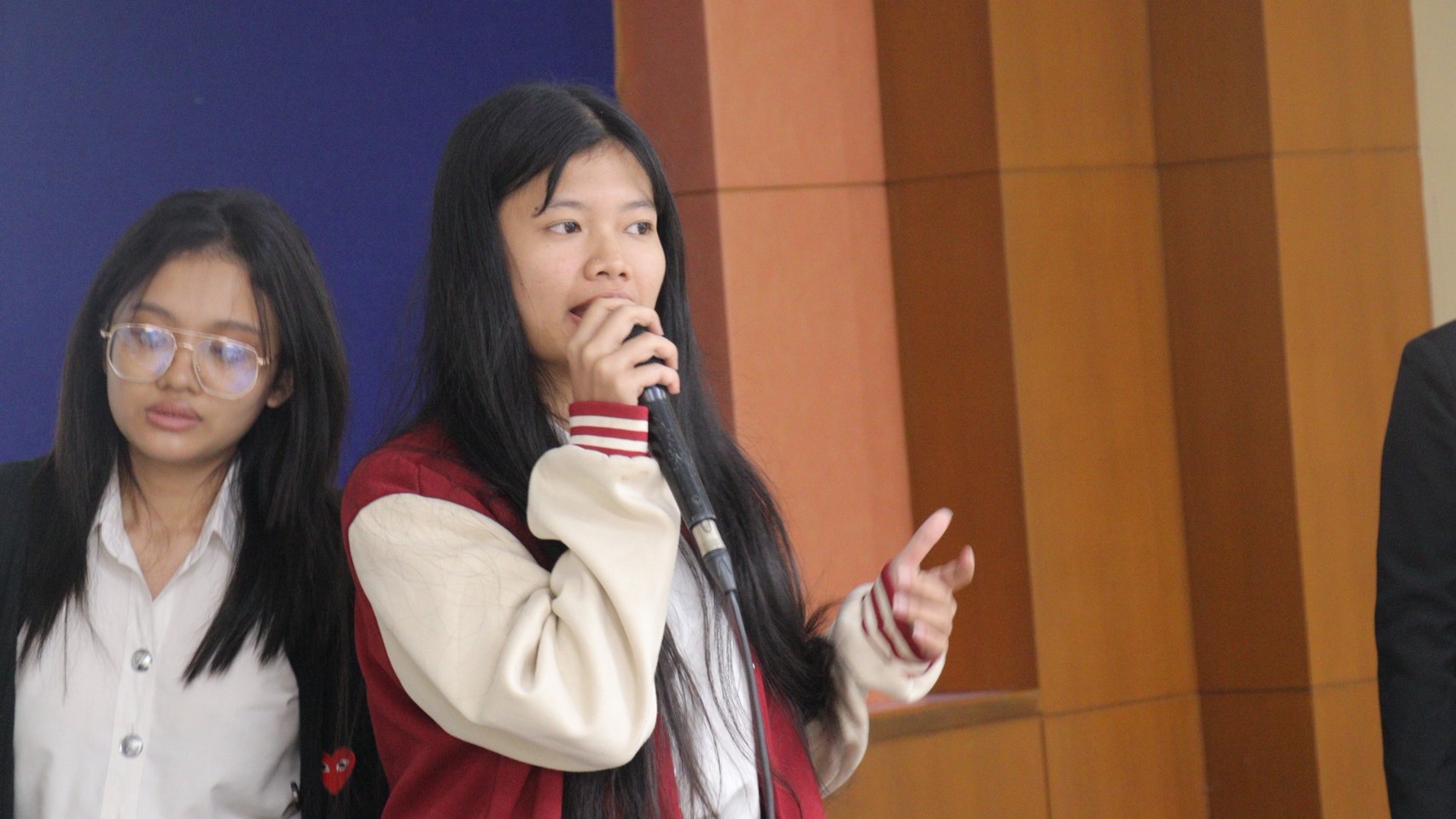
The activity also incorporated interactive and participatory learning methods, including SDG card games, question-and-answer sessions, and brainstorming exercises. These activities encouraged students to actively engage with the SDGs, exchange perspectives, and develop a clearer understanding of the relationships among the 17 goals. By creating opportunities for discussion and collaborative problem-solving, the programme helped make sustainability concepts more accessible while encouraging students to think critically about possible approaches to community challenges.
A key component of the learning experience was the use of real-world community issues as the foundation for group projects. Students were encouraged to develop project ideas that responded directly to community needs, allowing them to connect their understanding of the SDGs with practical problem-solving. Through this process, students could explore how to identify local challenges, diagnose community needs, collaborate with others, and propose potential solutions aligned with sustainable development principles. The project-based approach also provided opportunities to develop teamwork, communication, critical thinking, and social responsibility.
Overall, this educational activity demonstrates Walailak University’s commitment to integrating sustainability education into its teaching and social engagement activities. By combining SDG knowledge-sharing, interactive learning, and community-oriented group projects, WU provided more than 105 students with opportunities to explore sustainability through practical experiences. The activity also establishes a foundation for measuring students’ learning outcomes through assessments of their SDG knowledge, the quality and relevance of their proposed projects, and their ability to apply sustainability principles to real-world situations. Such measurement can help the university diagnose gaps in students’ understanding, improve future learning activities, and strengthen the contribution of higher education to sustainable community development.
Through its sustainability education initiatives in 2025, Walailak University (WU) demonstrated its commitment to developing students’ sustainability literacy through accessible learning opportunities, structured assessments, and practical engagement with real-world challenges. By providing an online SDG course through the Thai MOOC platform, developing a Google Forms-based assessment covering all 17 SDGs, and integrating SDG education into the Social Engagement course (BMFF67-003), the university adopted complementary approaches to strengthening and evaluating students’ understanding of sustainability. These initiatives enabled students to explore fundamental SDG concepts, examine sustainability challenges from different perspectives, and consider how global development objectives can be translated into practical action in their academic, professional, and community contexts.
A key benefit of these approaches is the integration of knowledge acquisition with assessment and practical application. The Thai MOOC course provides structured learning materials and lesson-based quizzes, while the Google Forms-based assessment offers a means of evaluating students’ knowledge across all 17 SDGs at basic and advanced levels. Meanwhile, the Social Engagement course encourages students to connect sustainability concepts with community needs through interactive activities, real-world project examples, and collaborative problem-solving. Together, these approaches support a broader understanding of sustainability literacy that encompasses not only students’ knowledge of the SDGs but also their ability to recognise sustainability challenges, critically examine potential solutions, and apply relevant principles in practical situations.
The initiatives also provide opportunities for WU to diagnose gaps in students’ sustainability knowledge and identify areas where additional educational support may be needed. Assessments and lesson quizzes can help reveal concepts that students find difficult to understand, while interactive learning activities and community-oriented projects can provide insights into how students interpret and apply sustainability principles. This information can inform improvements to course content, teaching methods, learning materials, and future educational activities. By using assessment results to guide educational development, WU can progressively strengthen the relevance and effectiveness of its sustainability education programmes.
Measurement is therefore an important component of the university’s approach to sustainability literacy. Relevant measures include students’ assessment scores, completion rates for online learning activities, performance in lesson quizzes, changes in knowledge before and after instruction, and demonstrated understanding of the 17 SDGs. For project-based learning, additional measures could examine students’ ability to identify community needs, connect proposed solutions with relevant SDGs, justify their recommendations, and demonstrate collaborative problem-solving. Where feasible, follow-up assessments could also measure knowledge retention over time and determine whether students apply sustainability principles in subsequent academic work, professional activities, or community engagement. These measures would help distinguish participation in educational activities from actual learning outcomes.
By combining multiple assessment methods, WU can develop a more comprehensive understanding of students’ sustainability literacy and evaluate the extent to which its educational initiatives support meaningful learning. Consistent measurement can also establish a baseline for tracking progress, identifying differences in learning outcomes, and improving programmes over time. Importantly, the findings can help the university move beyond simply providing sustainability education towards demonstrating its effectiveness in developing students’ knowledge, critical thinking, and practical capabilities.
Walailak University’s sustainability literacy initiatives establish a foundation for preparing graduates to contribute to sustainable development in Thailand and beyond. Through structured online learning, assessment tools covering all 17 SDGs, and experiential learning connected to community needs, the university seeks to cultivate informed, responsible, and sustainability-conscious graduates. Continued measurement, evaluation, and improvement will help WU diagnose learning gaps, strengthen educational quality, and ensure that students are better equipped to understand sustainability challenges and translate their knowledge into positive action for society and the environment.