Water Reuse Management and Reporting at Walailak University in 2025
Water Reuse Management and Reporting at Walailak University in 2025
Walailak University (WU) prioritises efficient water resource management by measuring and monitoring water reuse across the university to assess the volume of recycled water used for beneficial purposes and reduce reliance on freshwater resources. The university promotes the reuse of treated wastewater for various campus activities, including landscape irrigation and green space maintenance, aquaculture, waste management, and general utility services. To ensure systematic water reuse measurement, the university monitors and records the volume of wastewater entering its treatment system and the volume of treated water subsequently reused across campus operations. These measurements enable the university to quantify and report water reuse, evaluate its contribution to reducing freshwater consumption, and support evidence-based decision-making for sustainable water resource management. This measurement process was in place by 2025, demonstrating the university’s continued commitment to tracking and improving water reuse performance.
Wastewater Management and Volume of Water Reused
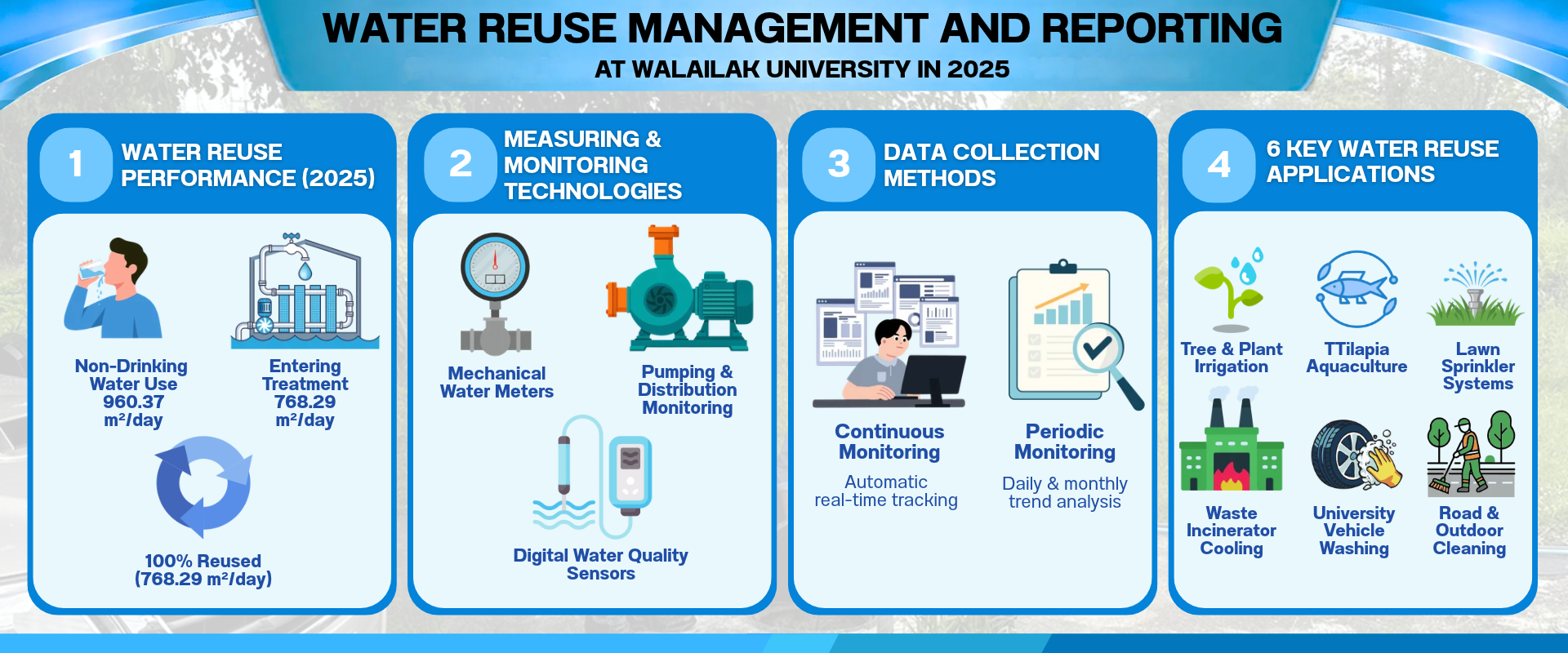
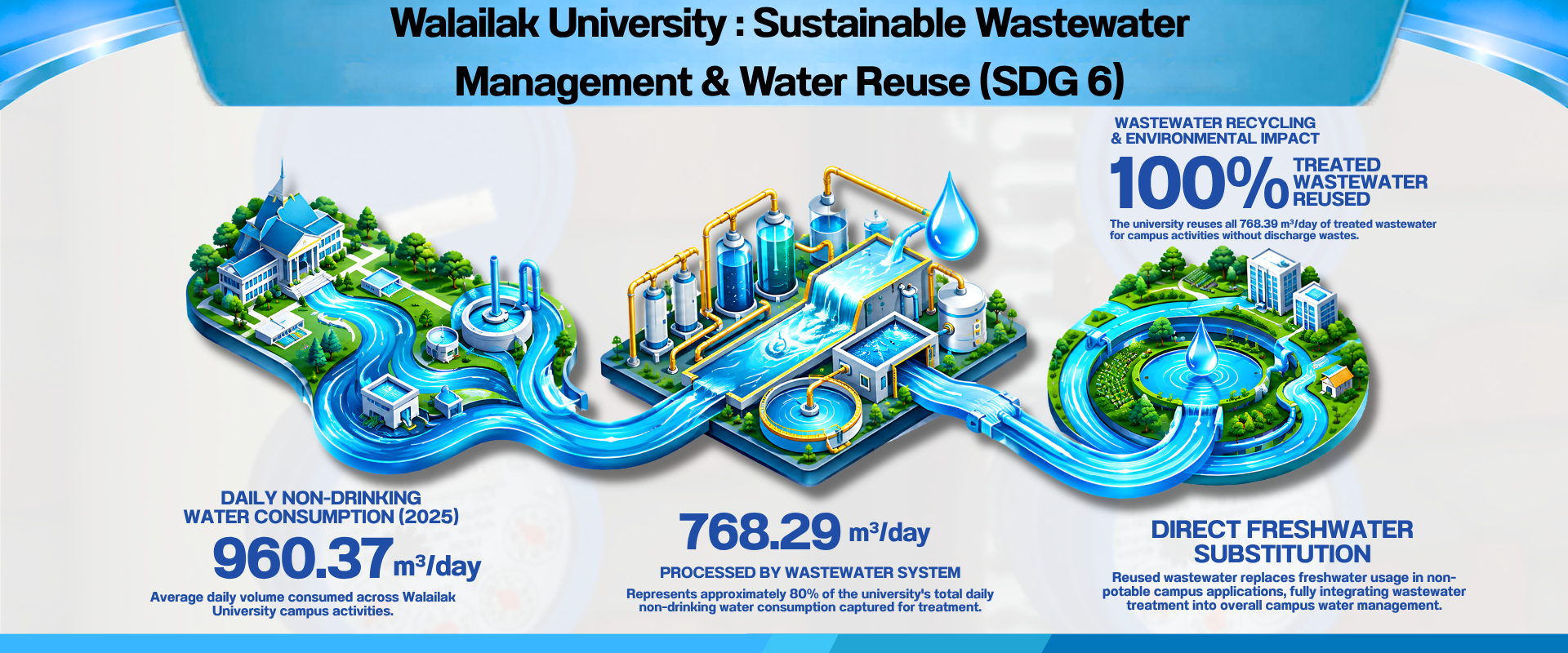
In 2025, the university’s average water consumption for non-drinking purposes was 960.37 cubic metres per day. Of this, 768.29 cubic metres per day entered the wastewater treatment system, representing approximately 80% of total water consumption for non-drinking purposes. The university reused all treated wastewater in campus activities, reporting a volume of water reused of 768.29 cubic metres per day, equivalent to 100% of treated wastewater. This reuse substitutes for freshwater in appropriate activities and integrates wastewater treatment with campus water management.
Equipment, Systems, and Technologies for Measuring and Monitoring Water Reuse
Walailak University employs a range of equipment, systems, and technologies to measure and monitor the volume of treated wastewater reused across the university. These include mechanical water meters, pumping and water distribution systems, and digital monitoring technologies. Together, these systems support the collection, recording, and analysis of water reuse data, enabling the university to assess water reuse performance, improve water distribution efficiency, and reduce dependence on freshwater resources.
Water Meters
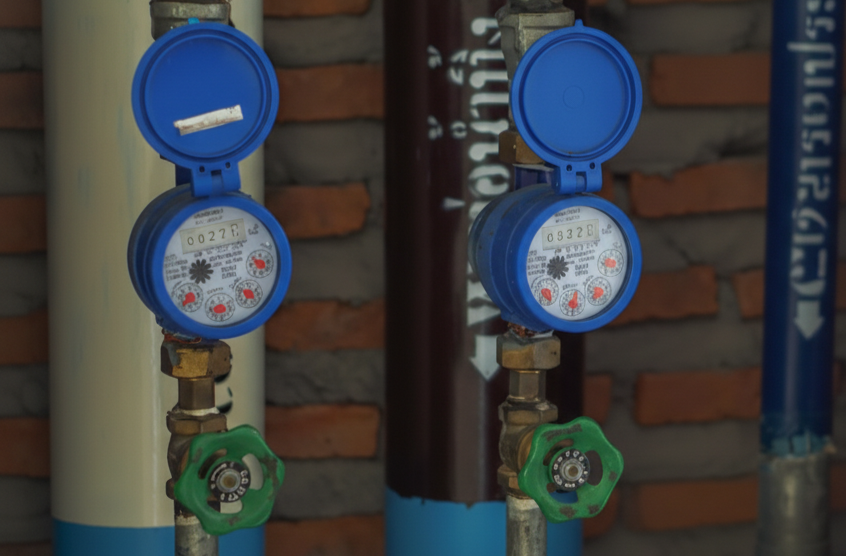
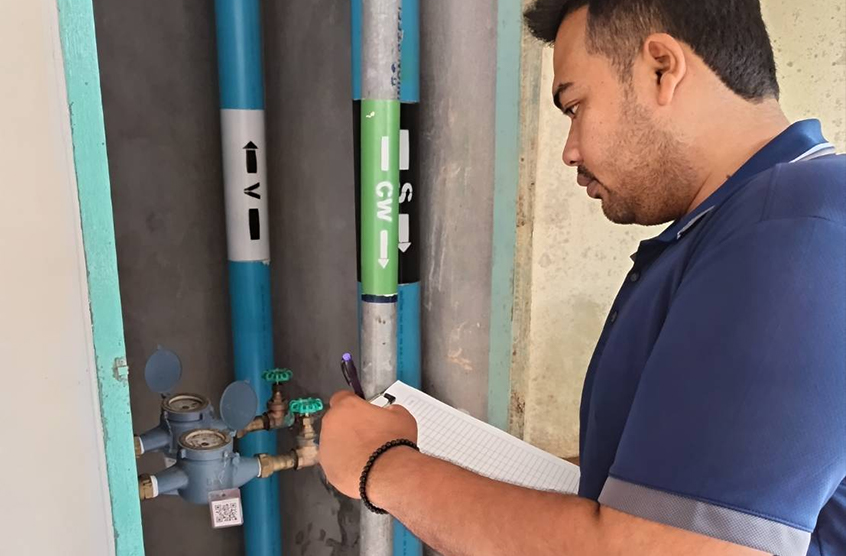
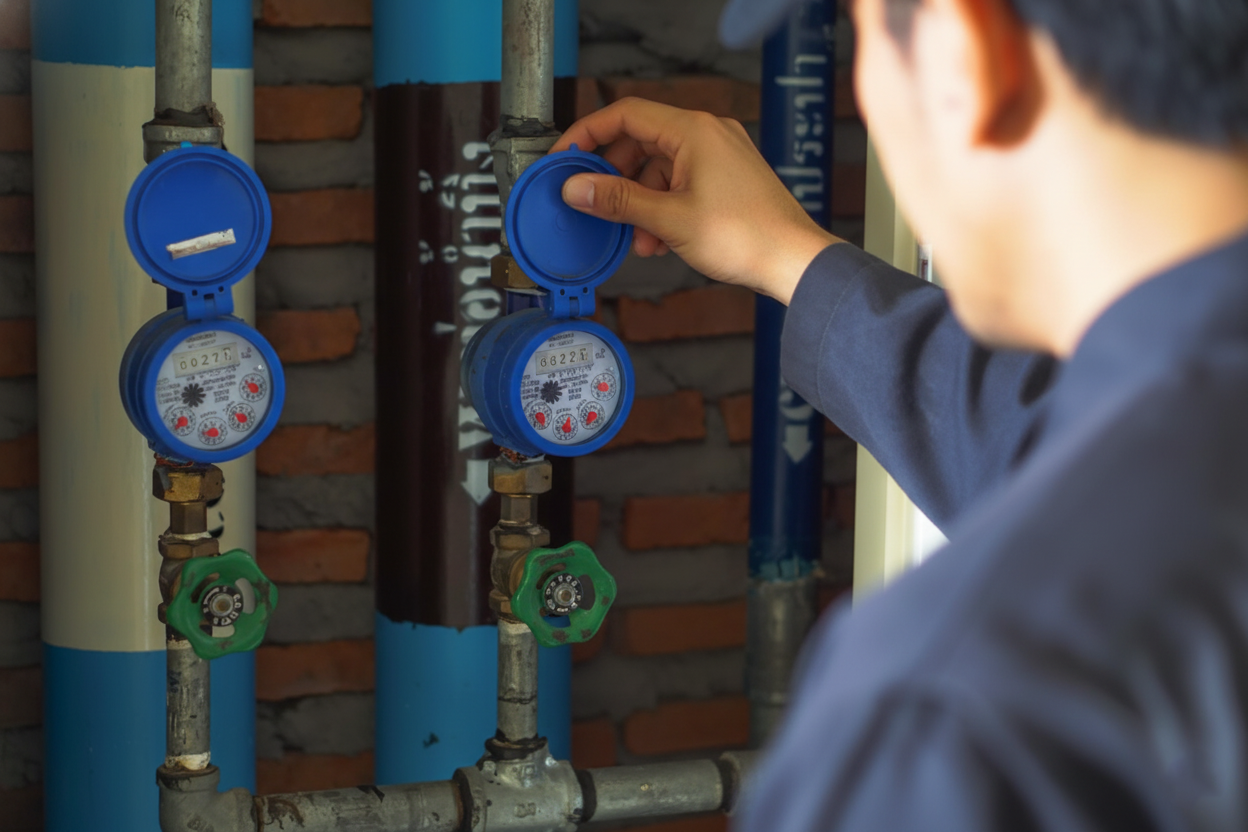
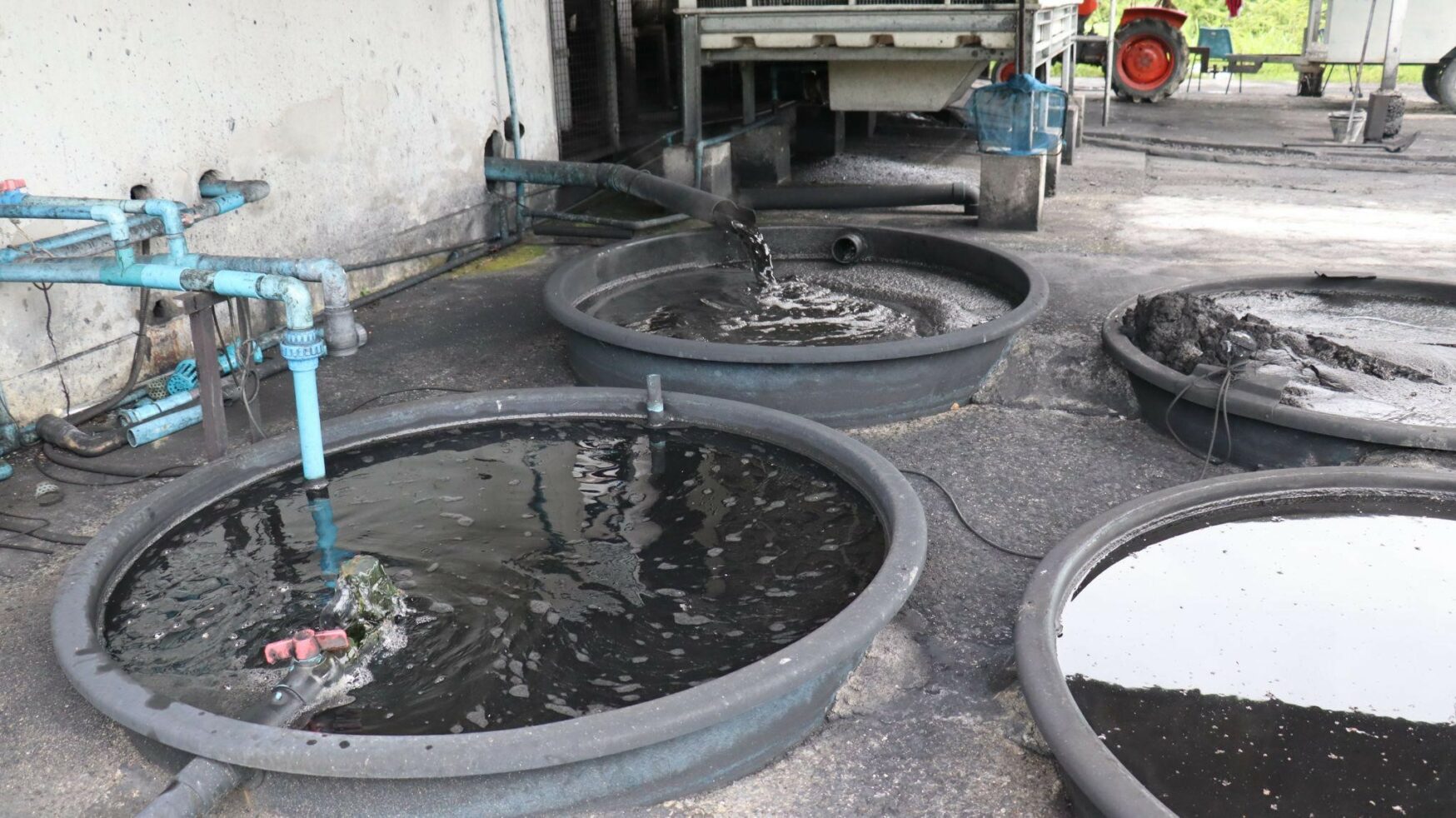
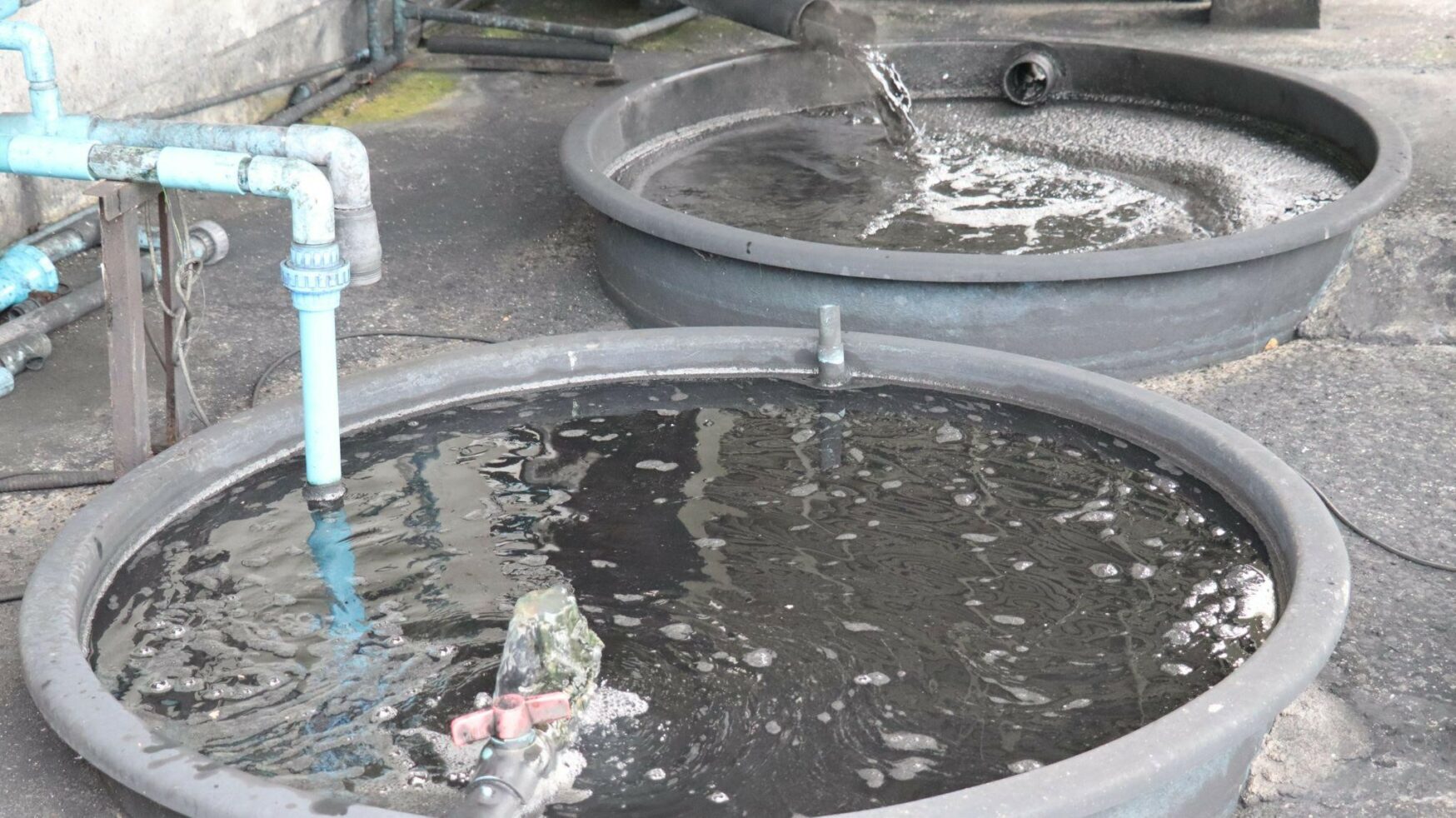
Walailak University has installed mechanical water meters at its wastewater treatment plant to measure the volume of treated wastewater that is reused within the university. These meters operate through a rotating impeller driven by water flow, allowing the university to measure and record water volumes passing through the system. The collected data is used to monitor recycled water usage, analyse water reuse trends, and evaluate the effectiveness of water conservation measures. By tracking the volume of treated wastewater reused, the university can assess its water reuse performance and use the findings to support evidence-based decisions on sustainable water resource management. The monitoring data also provides practical learning opportunities for students and staff, strengthening their understanding of water measurement technologies, resource efficiency, and sustainable water management practices.
Pumping and Water Distribution Monitoring System
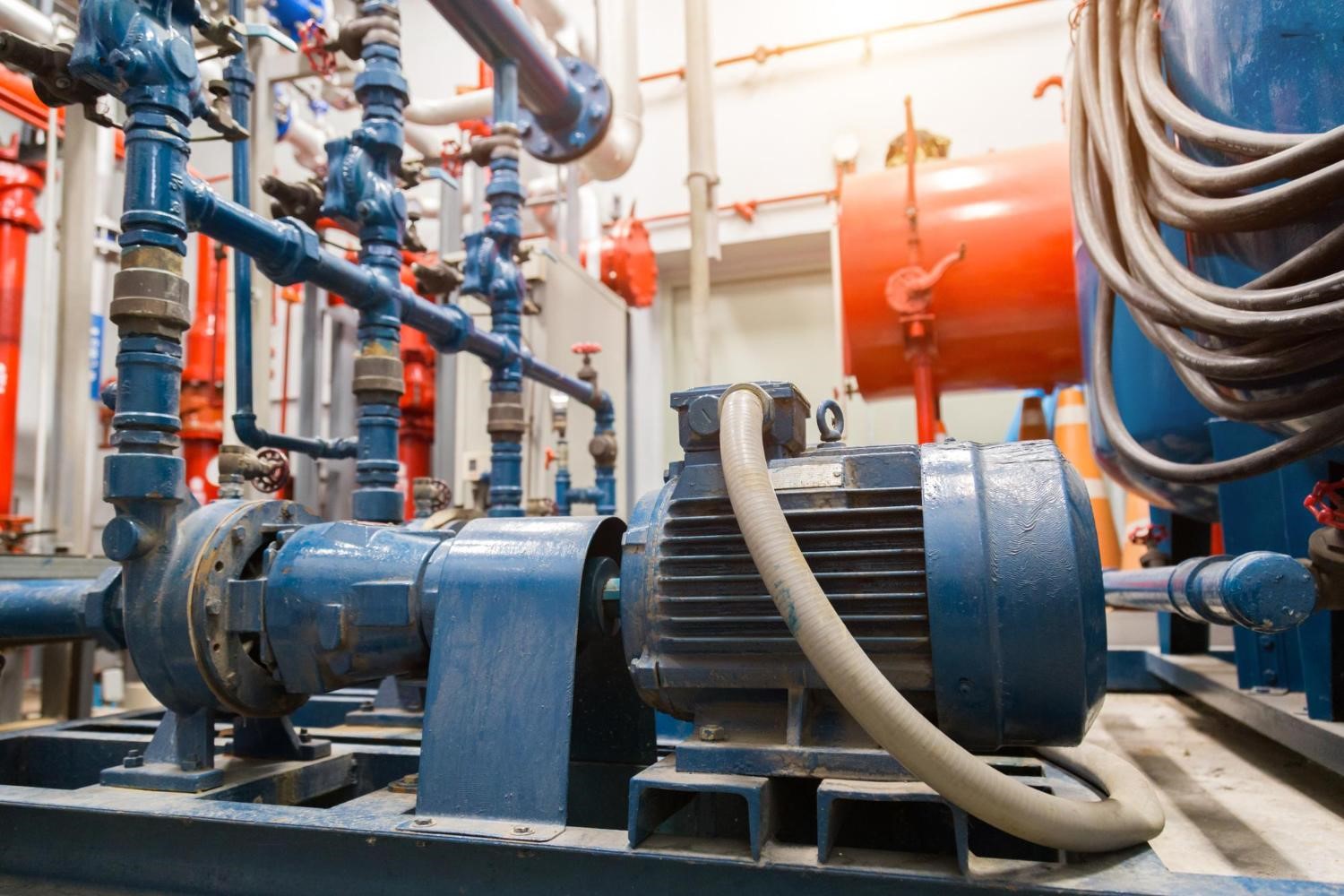
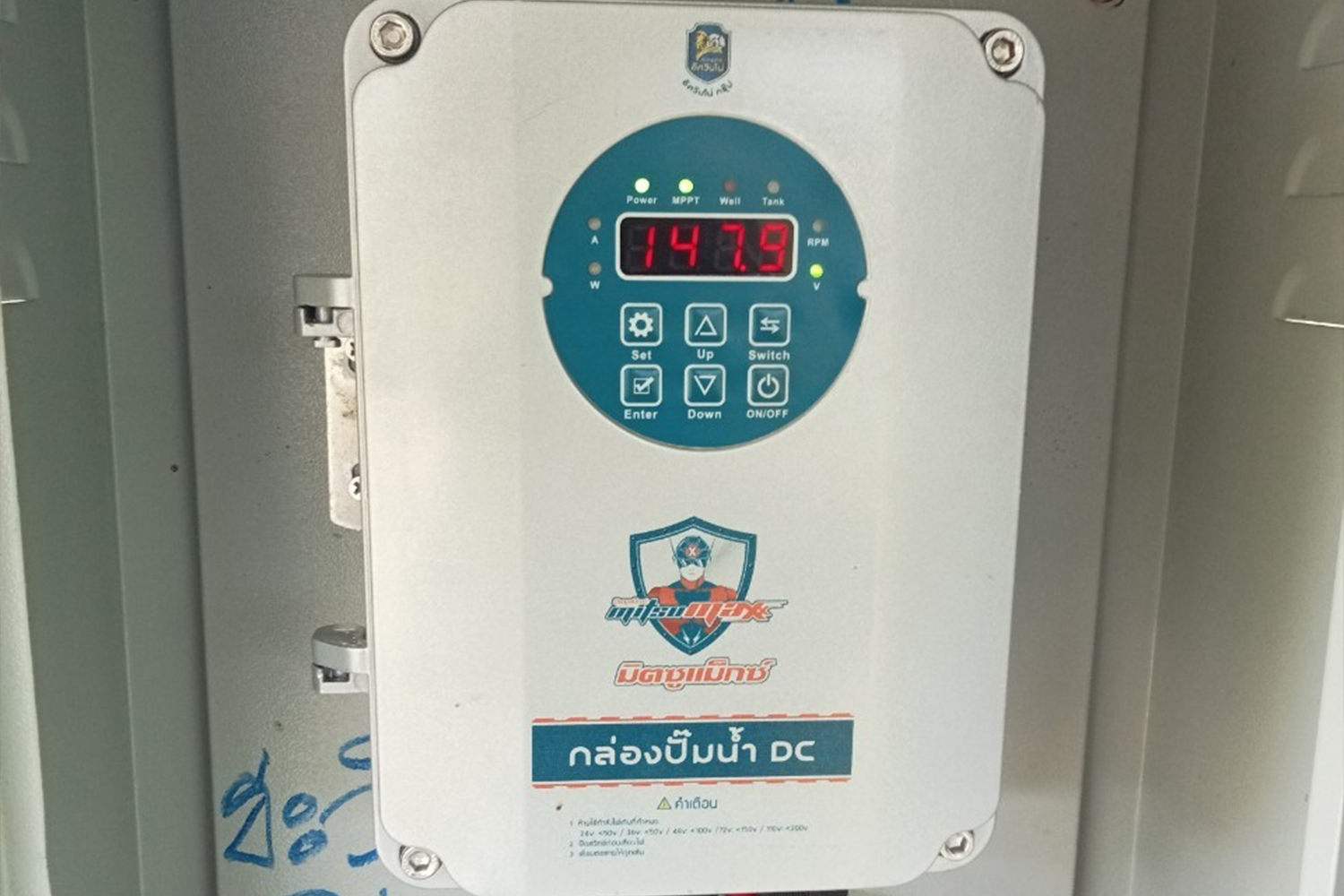
Walailak University operates a pumping system to distribute treated wastewater from the wastewater treatment plant to designated areas across the university for reuse. The system supports efficient water distribution and helps ensure that recycled water is available for various operational activities. To measure and monitor water distribution volumes, the university integrates its pumping system with water meters, sensors, and data recording equipment. These technologies enable real-time monitoring of water flow and distributed volumes, allowing responsible personnel to track water movement and assess the performance of the distribution system. The recorded data supports long-term analysis of recycled water distribution, including identifying water consumption patterns, detecting potential leaks or pump malfunctions, and evaluating opportunities to minimise water losses. This information also assists the university in planning water distribution, improving pumping efficiency, and preventing unnecessary water consumption. By integrating water measurement technologies with its distribution infrastructure, Walailak University strengthens its capacity to monitor water reuse across university operations and manage recycled water more efficiently.
Digital Sensor and Water Quality Monitoring Technologies
Walailak University has adopted modern sensor technologies integrated with digital monitoring systems to support the management of treated wastewater. These technologies enable online monitoring of water quality parameters and provide alerts when abnormal values are detected, allowing responsible personnel to take timely corrective action. Although water quality monitoring is distinct from measuring recycled water volumes, it plays an important supporting role in the university’s water reuse management system. Monitoring water quality helps assess whether treated wastewater is suitable for its intended reuse applications, complementing the quantitative data collected through water meters and distribution monitoring systems. The information obtained from these technologies also supports research, education, and operational improvements, helping students and staff develop a better understanding of water reuse management and sustainable water conservation.
Data Collection and Water Reuse Monitoring Methods
Walailak University collects and records water reuse data through two complementary monitoring approaches to support the measurement of recycled water usage across the university.
Continuous Monitoring: The university uses automatic water meter systems and associated monitoring equipment to continuously track water flow and the volume of treated wastewater distributed for reuse. This approach supports ongoing assessment of water reuse operations and helps identify potential abnormalities in the system.
Periodic Monitoring: The university also records water volume data at regular intervals, such as daily or monthly, to analyse water reuse trends and evaluate the effectiveness of water management practices. These records provide information for comparing water reuse volumes over time and supporting operational planning.
Through these monitoring methods, Walailak University can systematically collect and analyse data on recycled water volumes, assess the effectiveness of its water reuse operations, and identify opportunities to improve water use efficiency.
Reuse of Treated Wastewater
Irrigation of Trees and Ornamental Plants
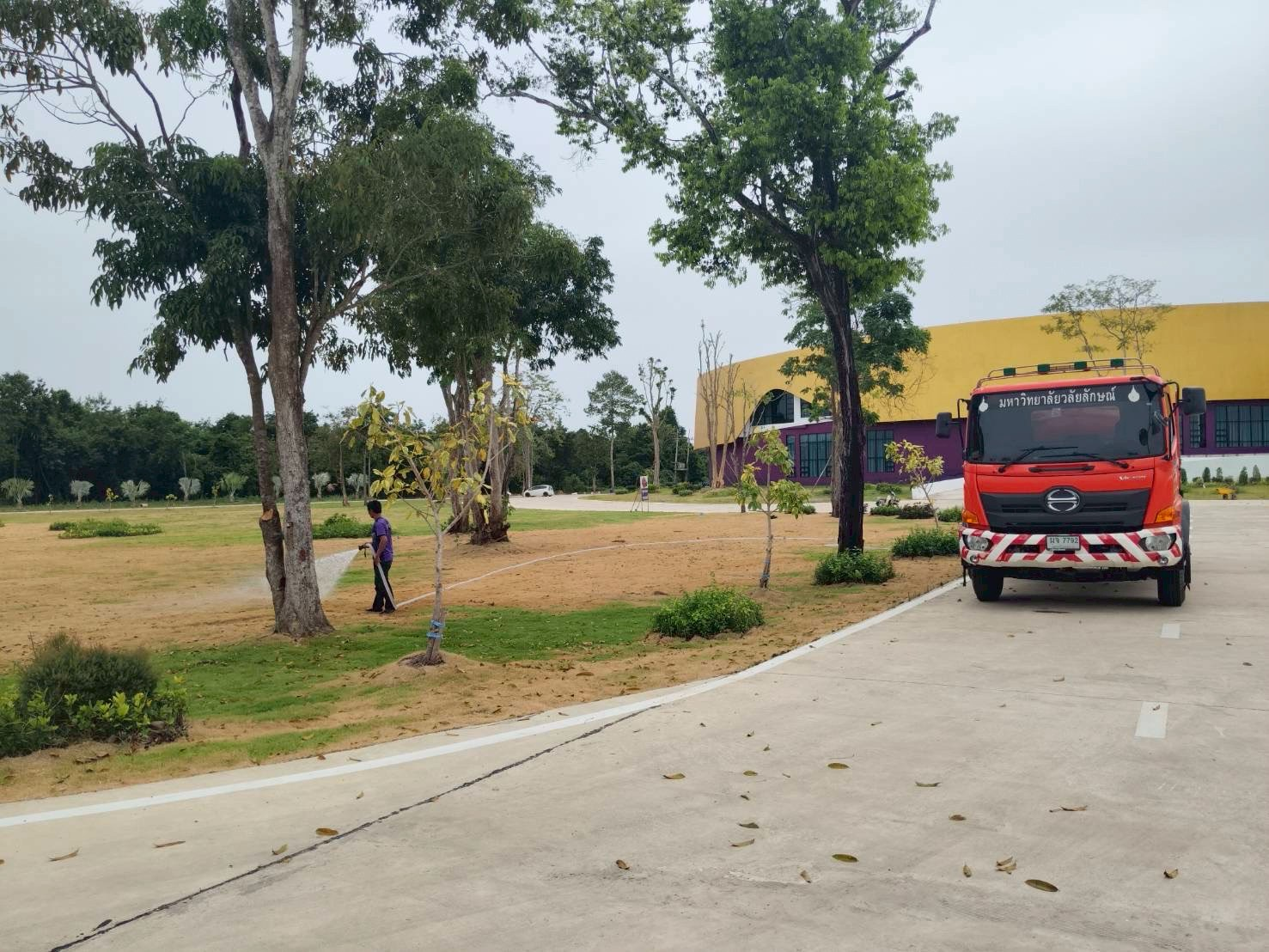
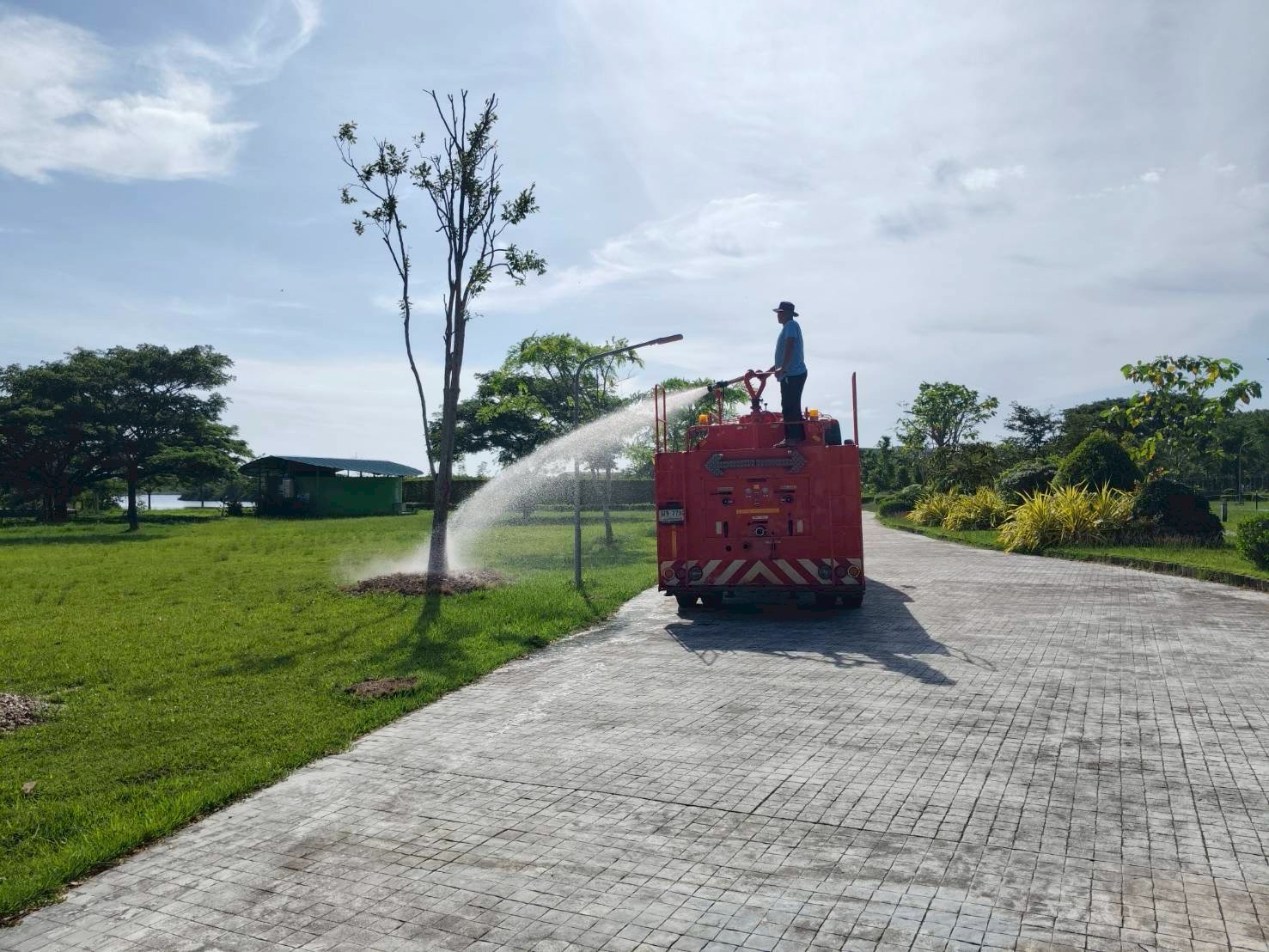
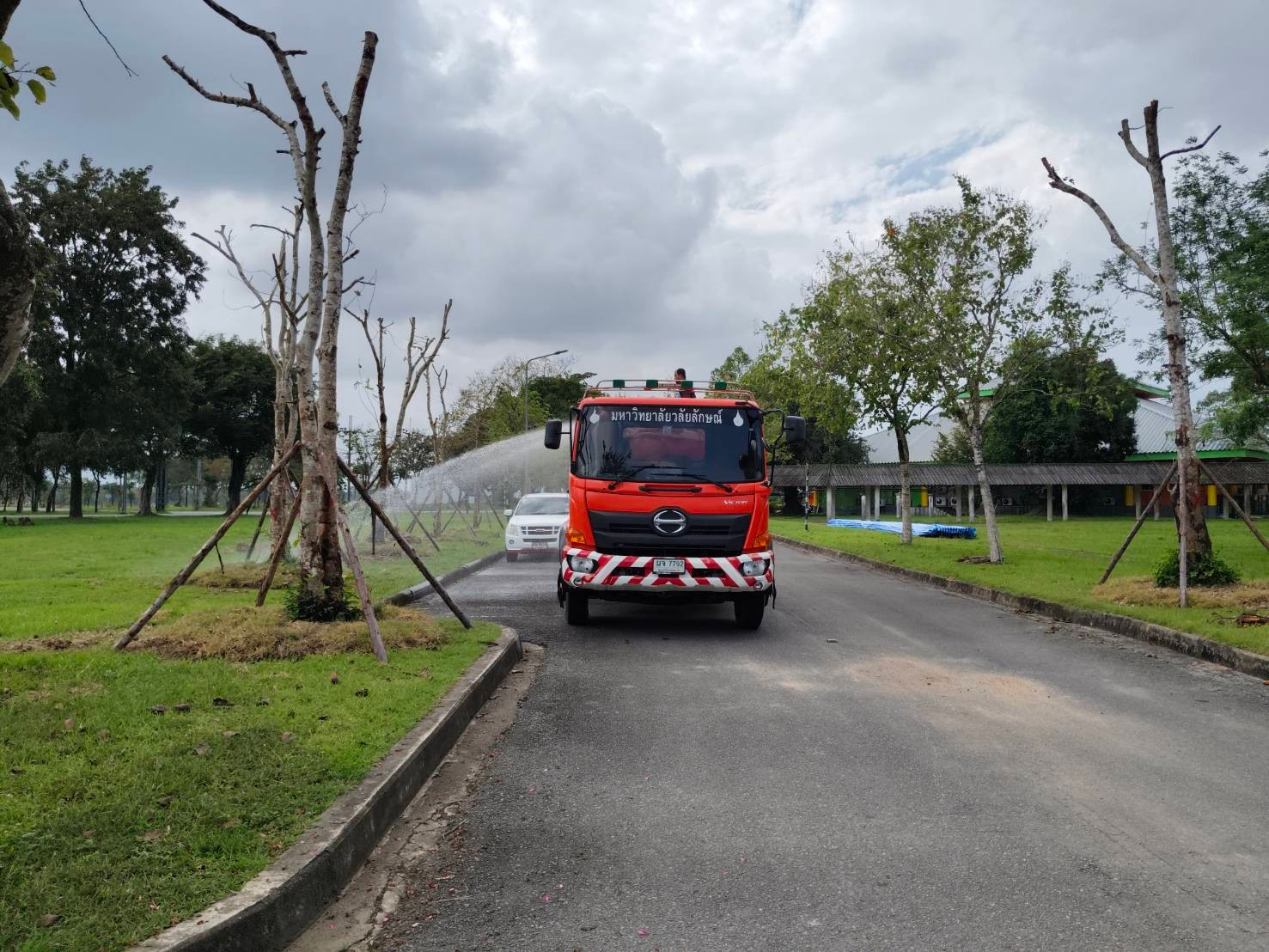
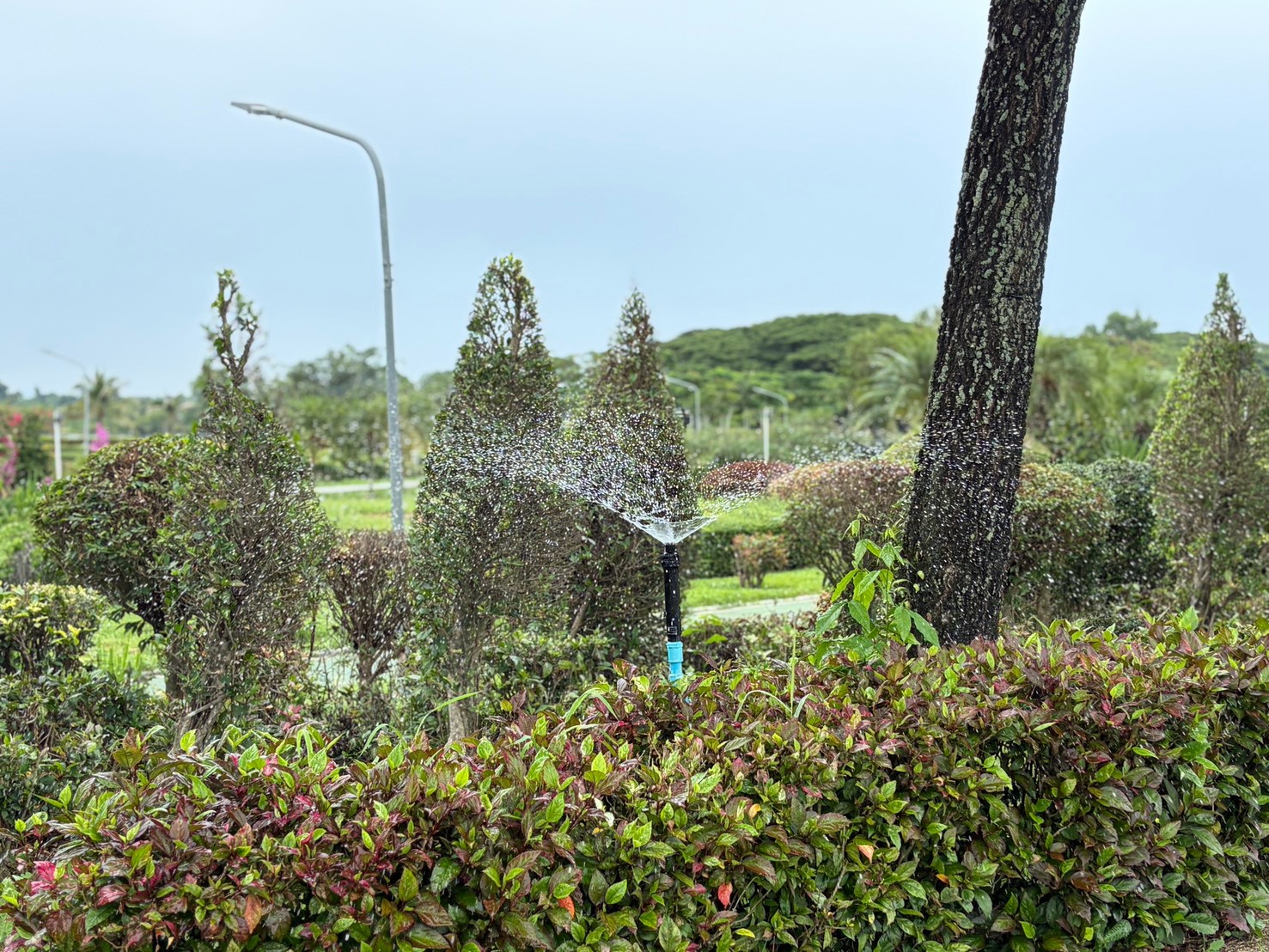
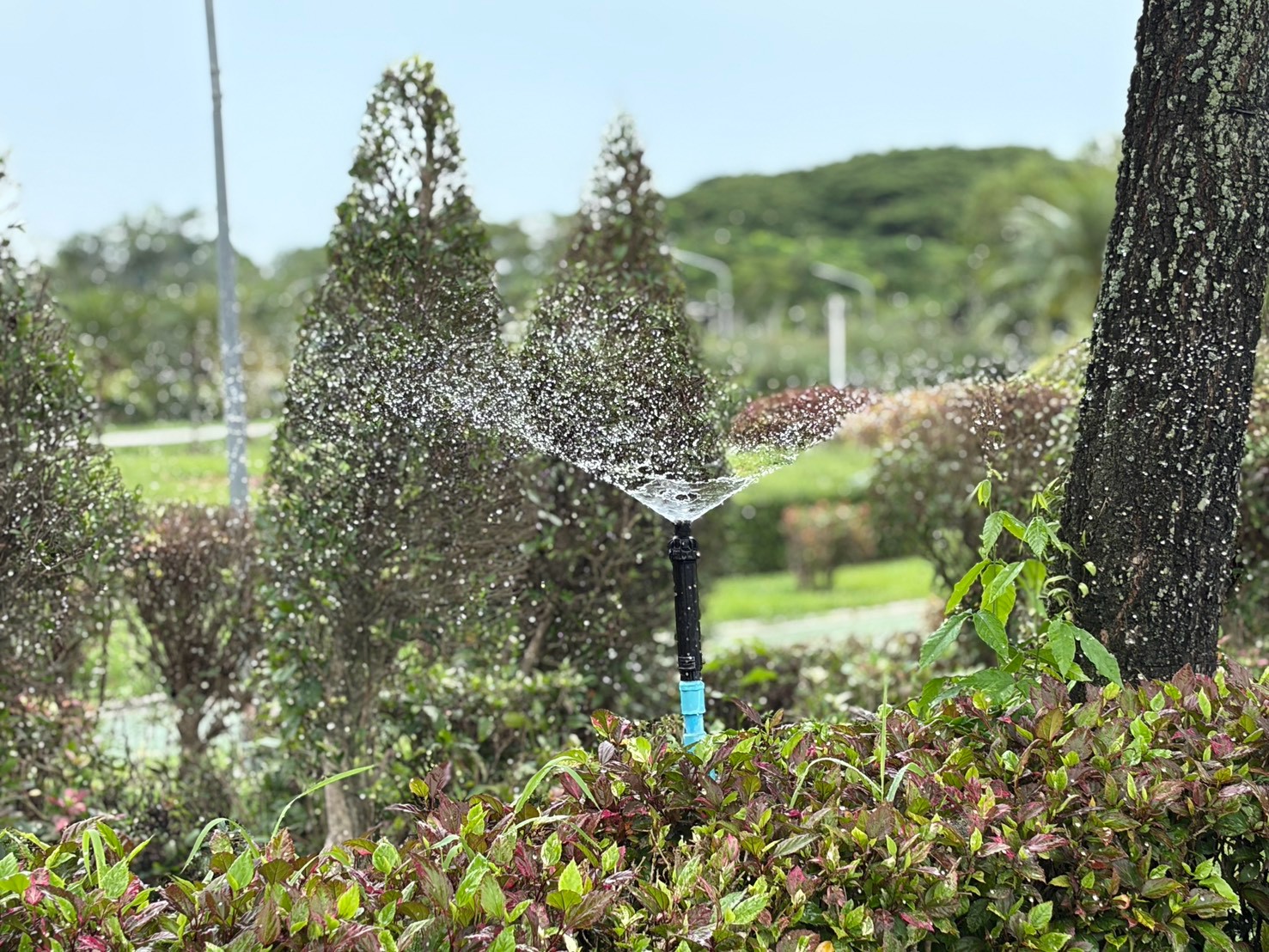
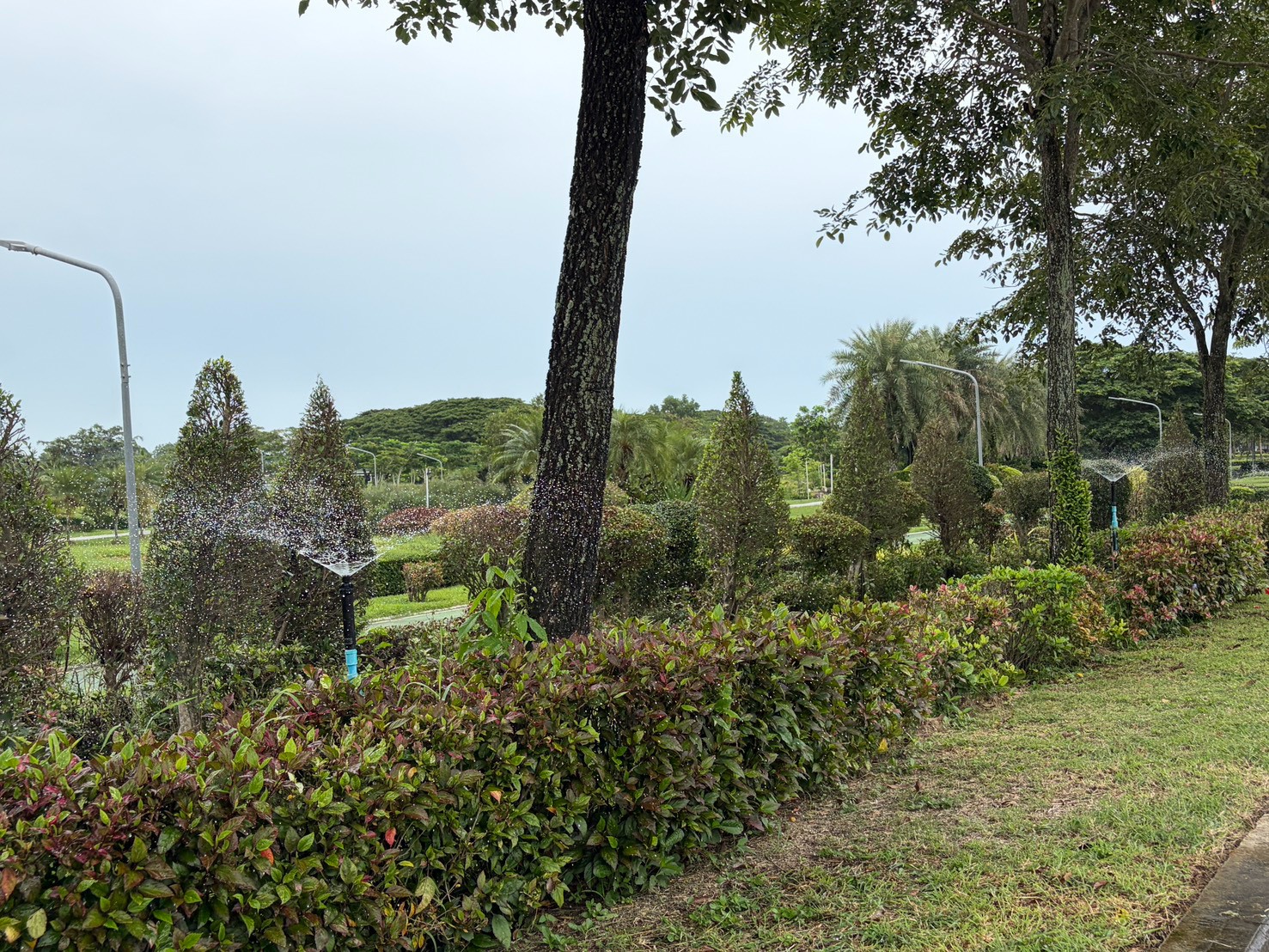
The university uses treated wastewater to irrigate trees and ornamental plants across the campus, maintaining healthy green spaces while reducing tap water use for landscaping. This practice supports campus ecosystems and provides a green, shaded environment for students, staff, and other campus users.
Aquaculture
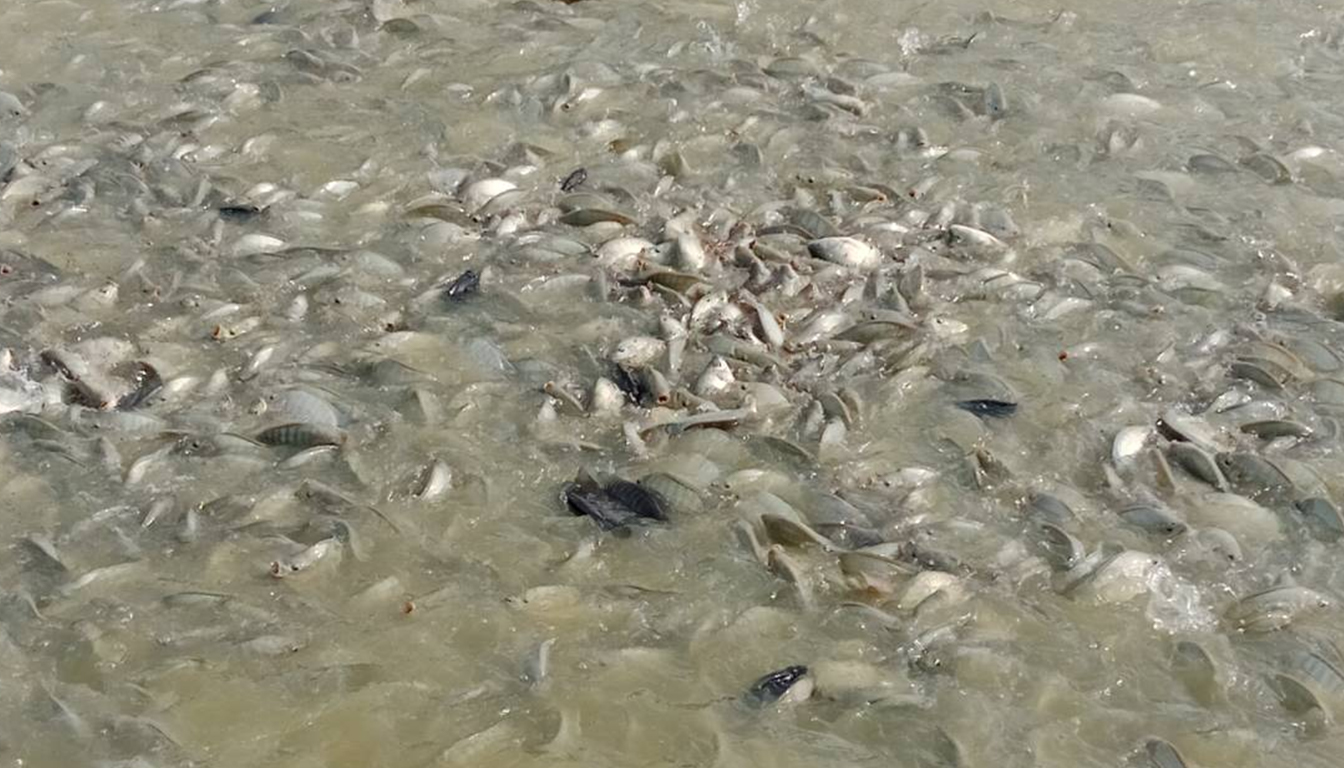
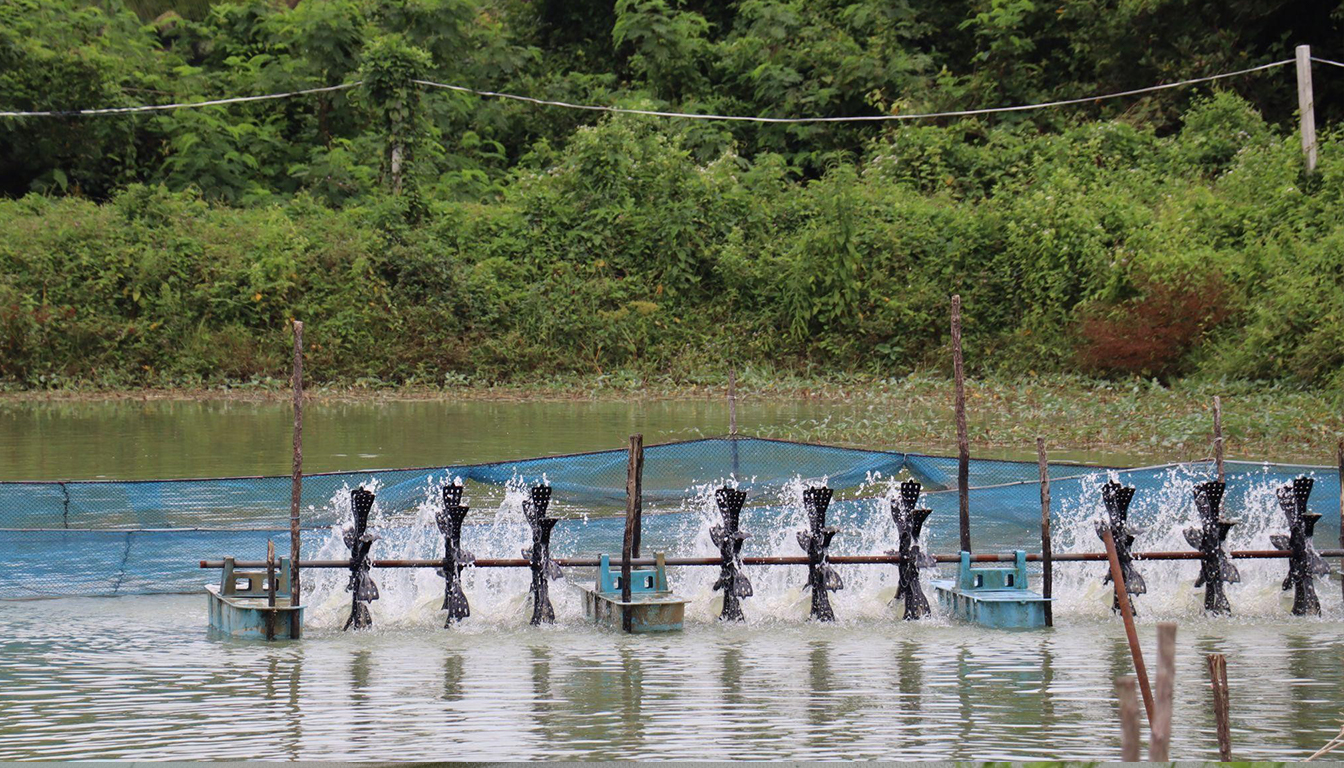
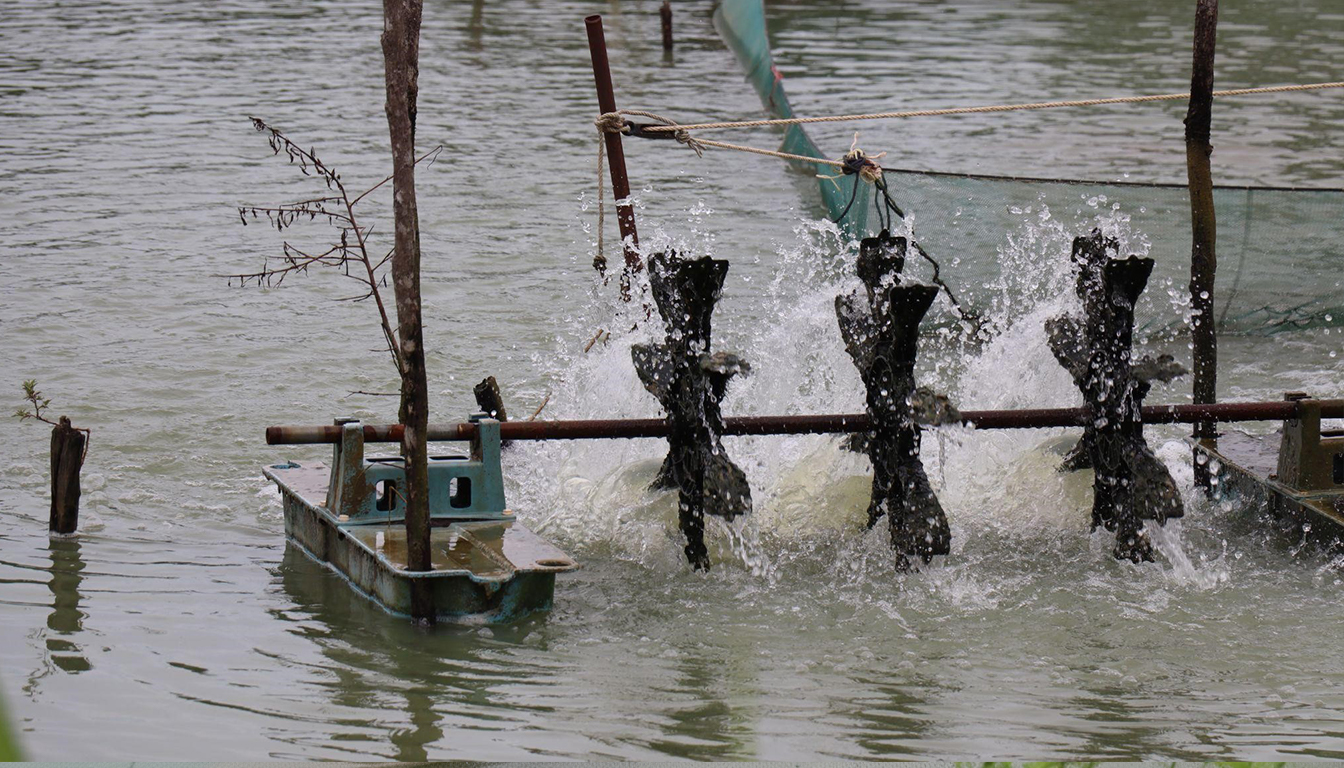
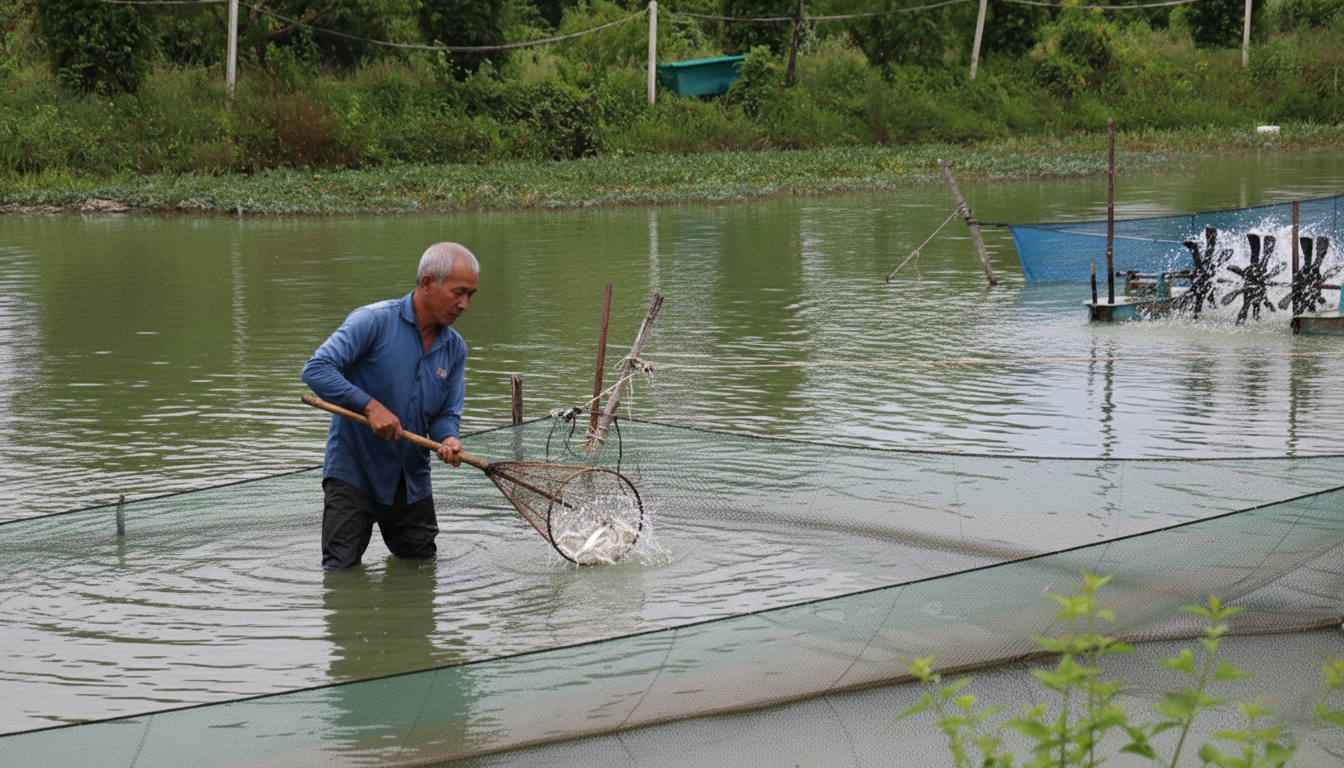
Treated wastewater that has been tested and meets the relevant water quality criteria is reused for aquaculture, including tilapia farming. Water quality is regularly monitored to ensure suitable conditions for aquatic animals. This activity demonstrates efficient water resource use and supports sustainable food production.
Sprinkler Systems for Lawn Irrigation
The university reuses treated wastewater in sprinkler systems to irrigate lawns and open spaces, reducing tap water demand for landscape maintenance. Irrigation volumes can be adjusted according to weather conditions, matching water use to the needs of each area and reducing unnecessary consumption.
Cooling Water for the Waste Incinerator
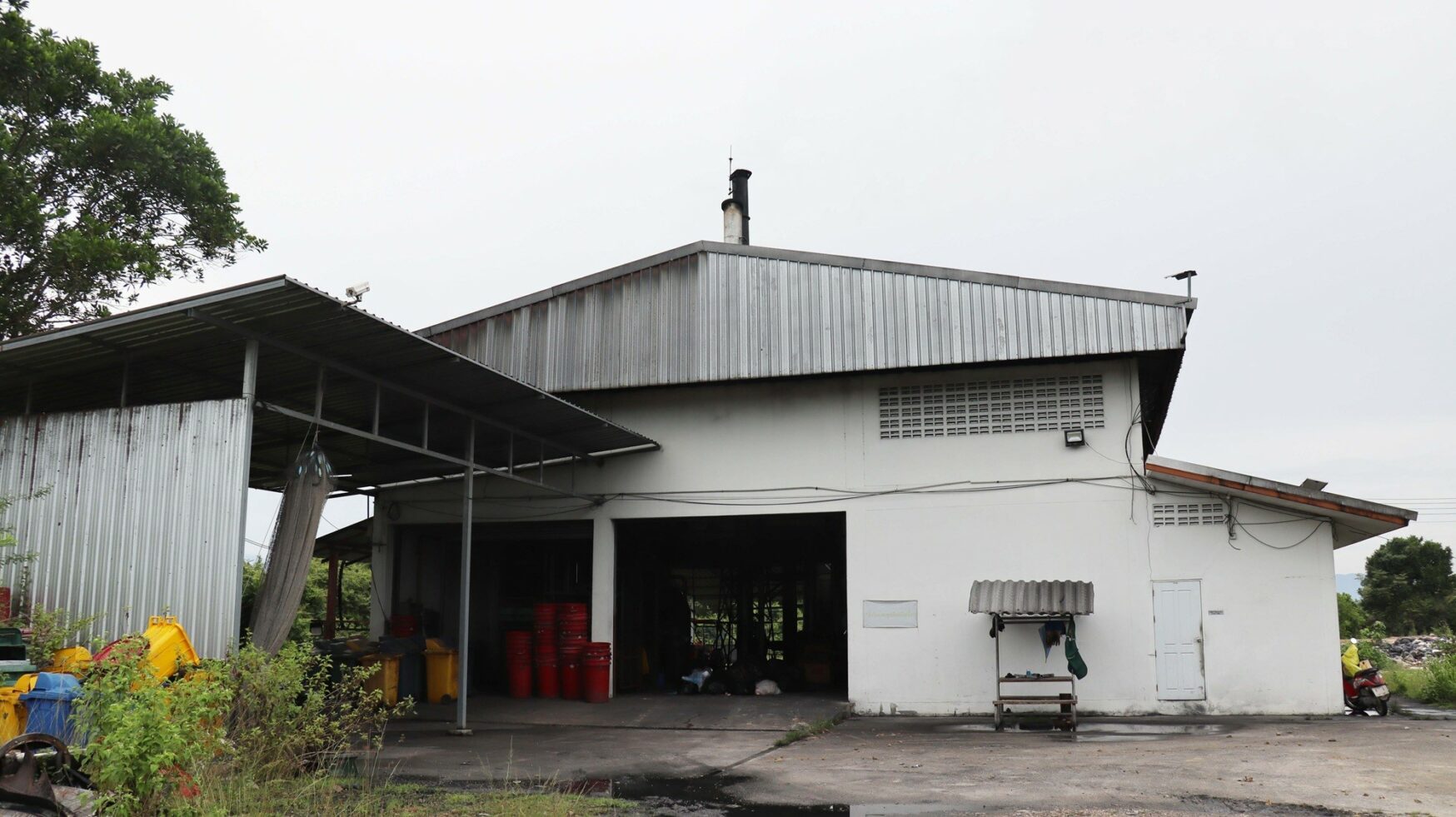
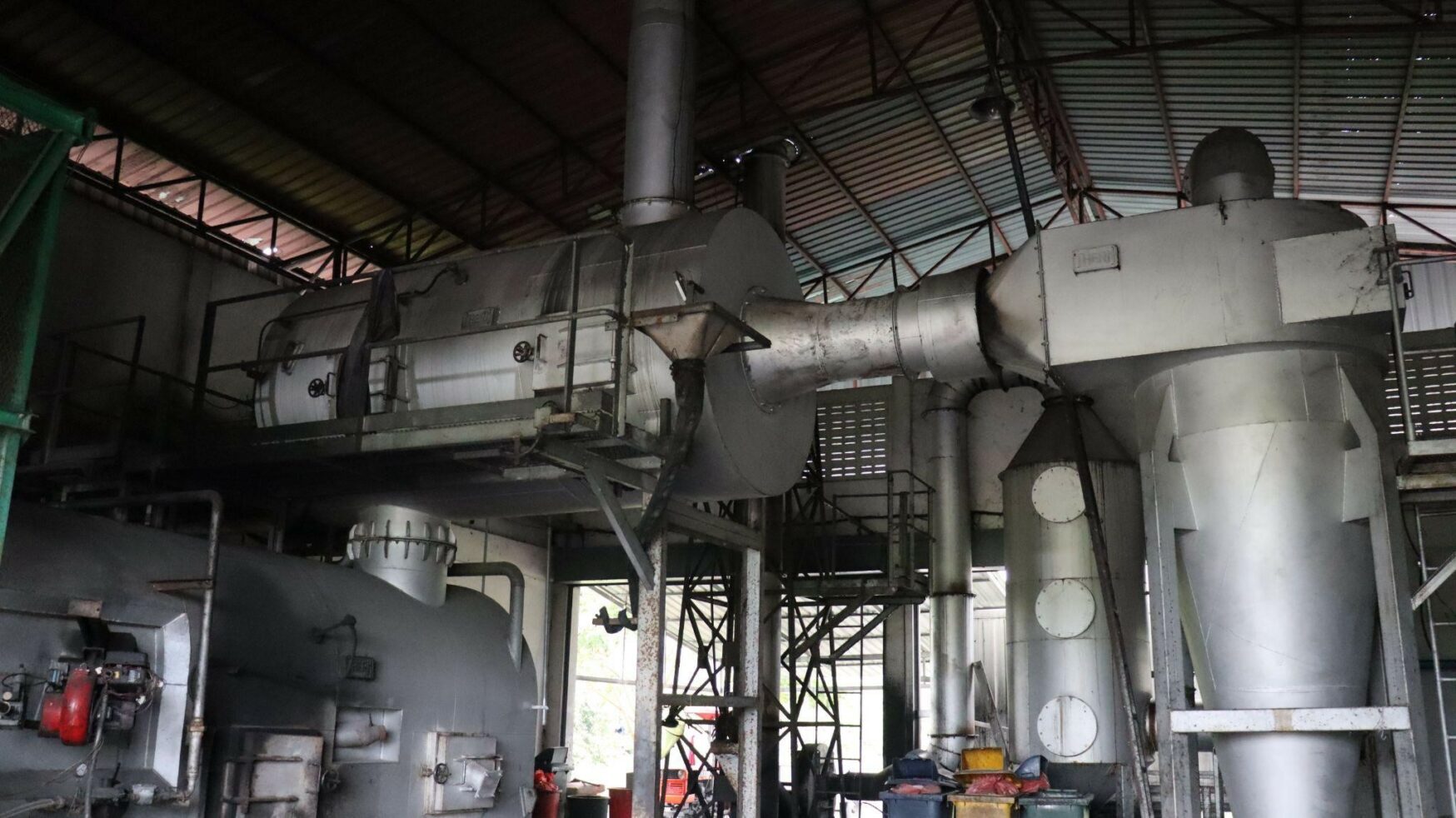
The university uses treated wastewater as cooling water in its waste incinerator system to regulate temperature and support operational efficiency. Water reuse in this process reduces freshwater consumption and supports resource-efficient waste management.
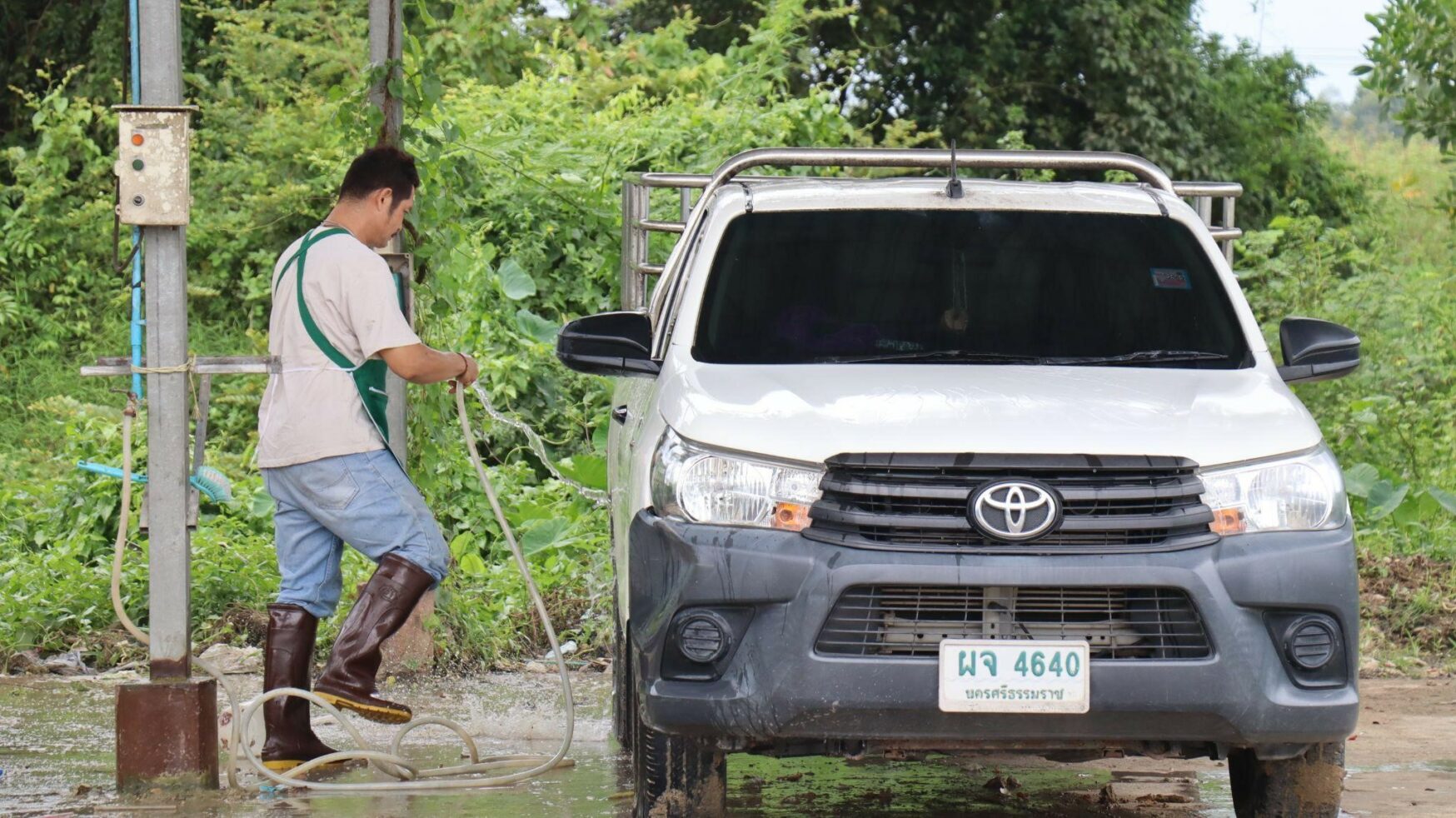
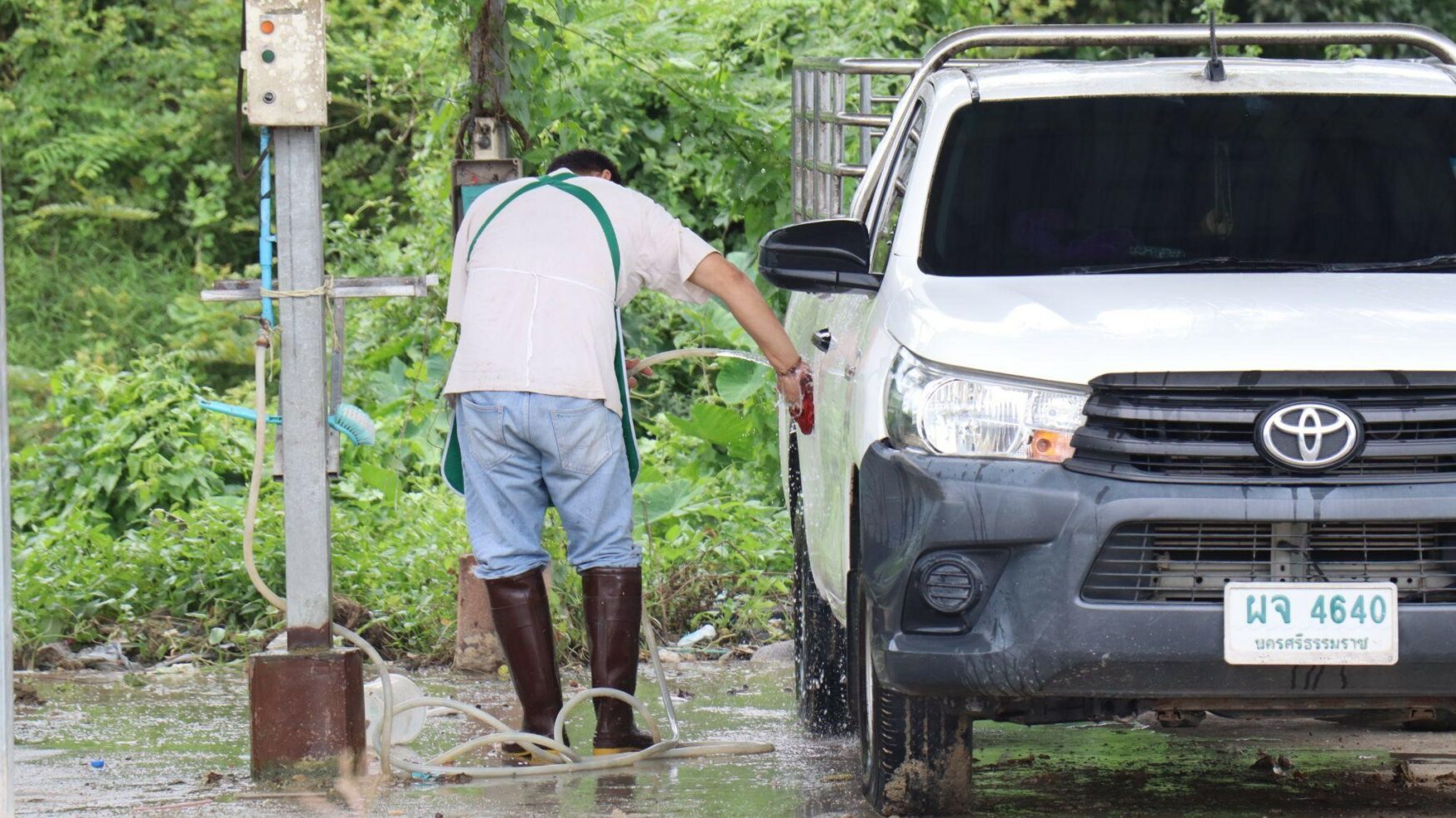
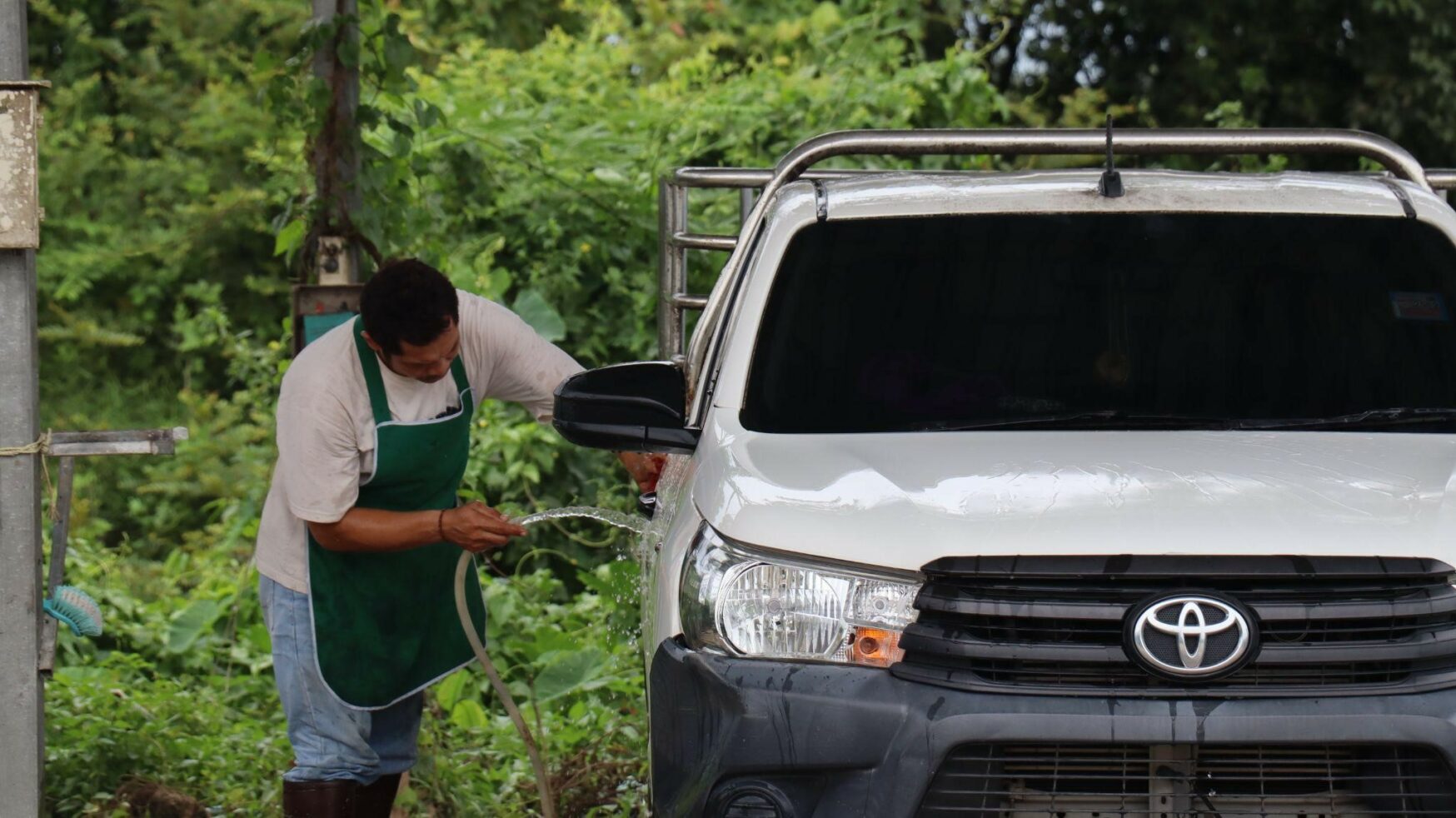
Vehicle Washing by University Units
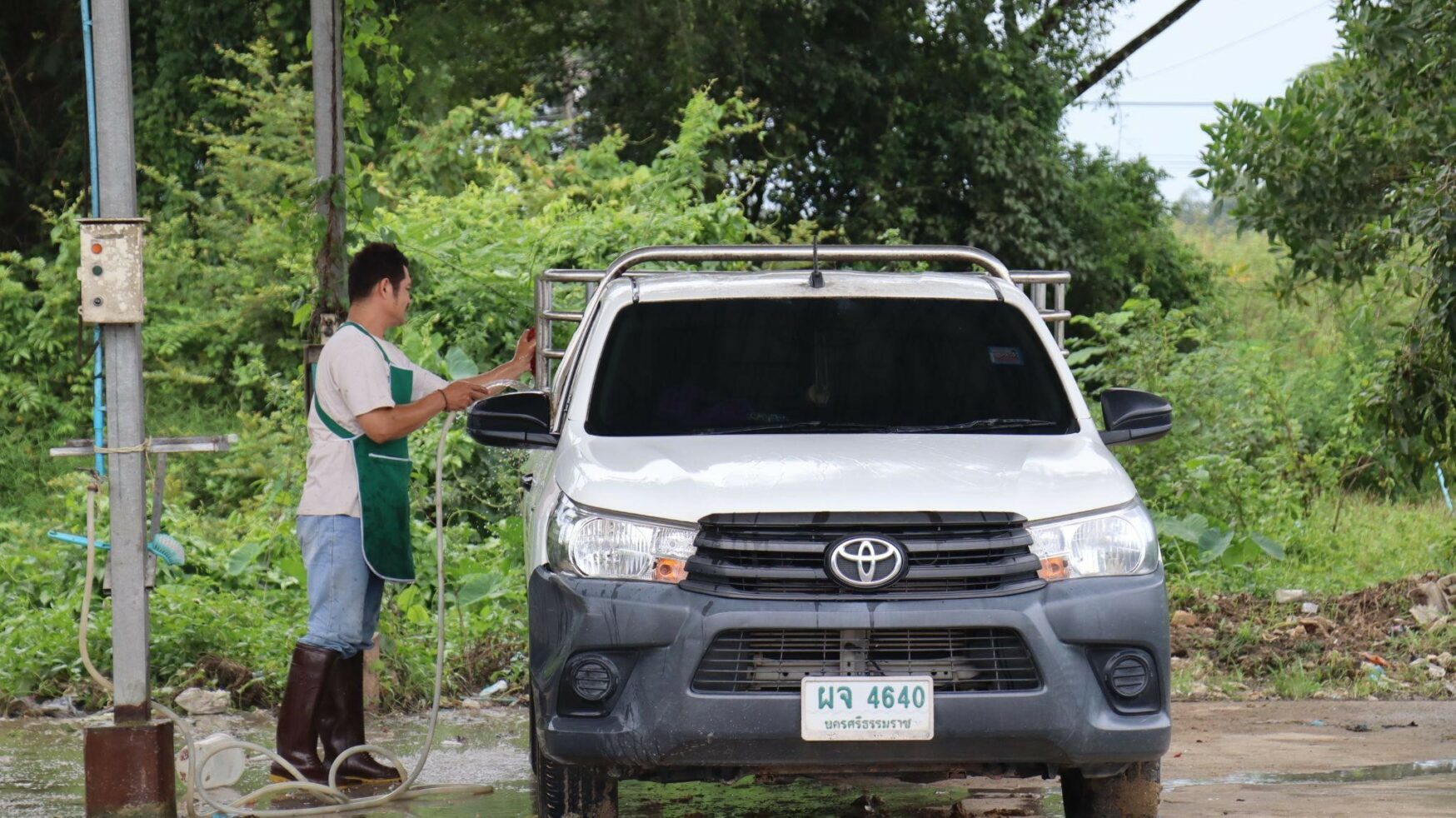
Vehicle washing facilities operated by university units use treated wastewater for all vehicle washing. This reduces freshwater demand in campus services and promotes awareness of responsible water use among staff and students.
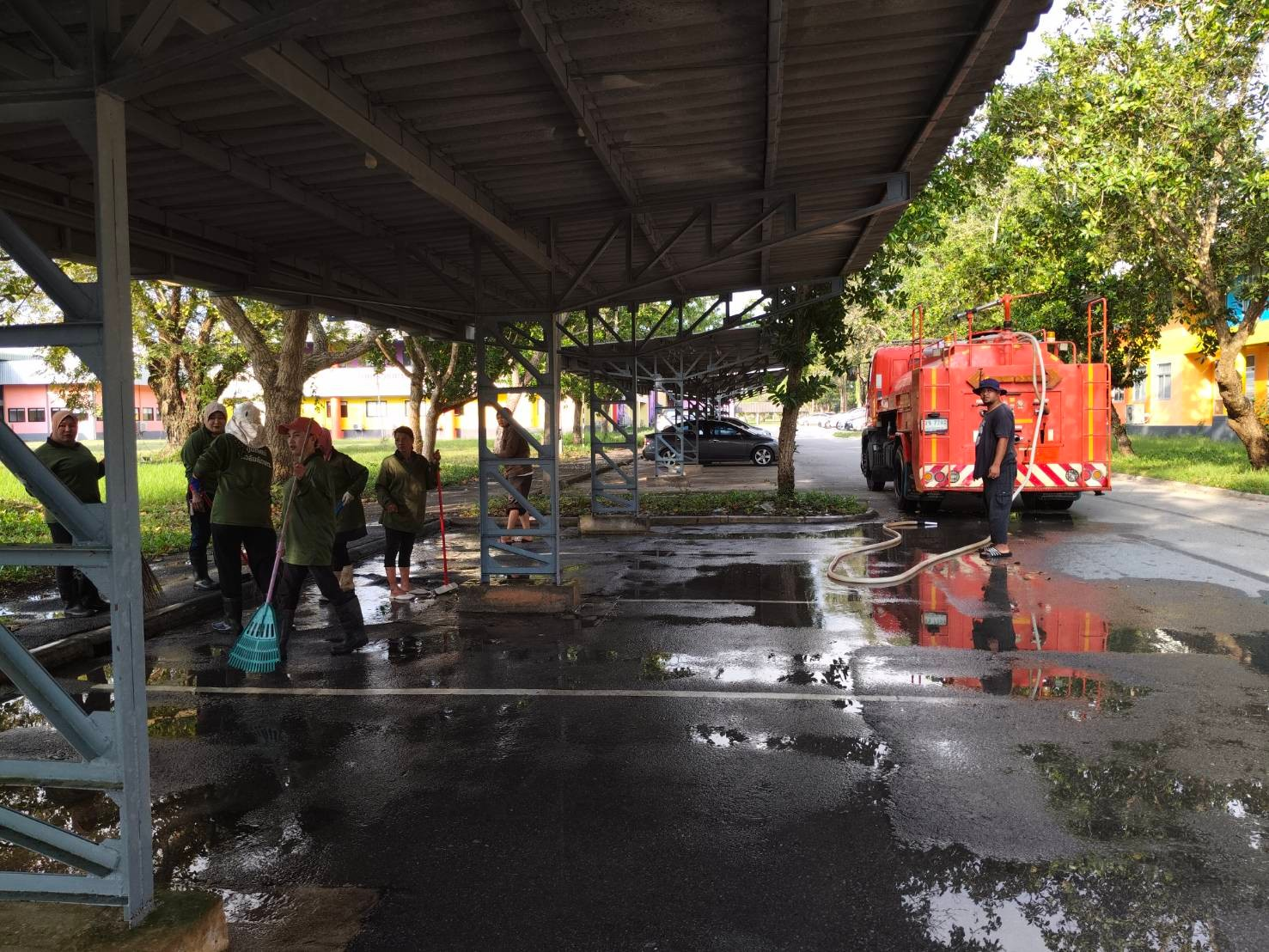
Cleaning Roads and Outdoor Areas
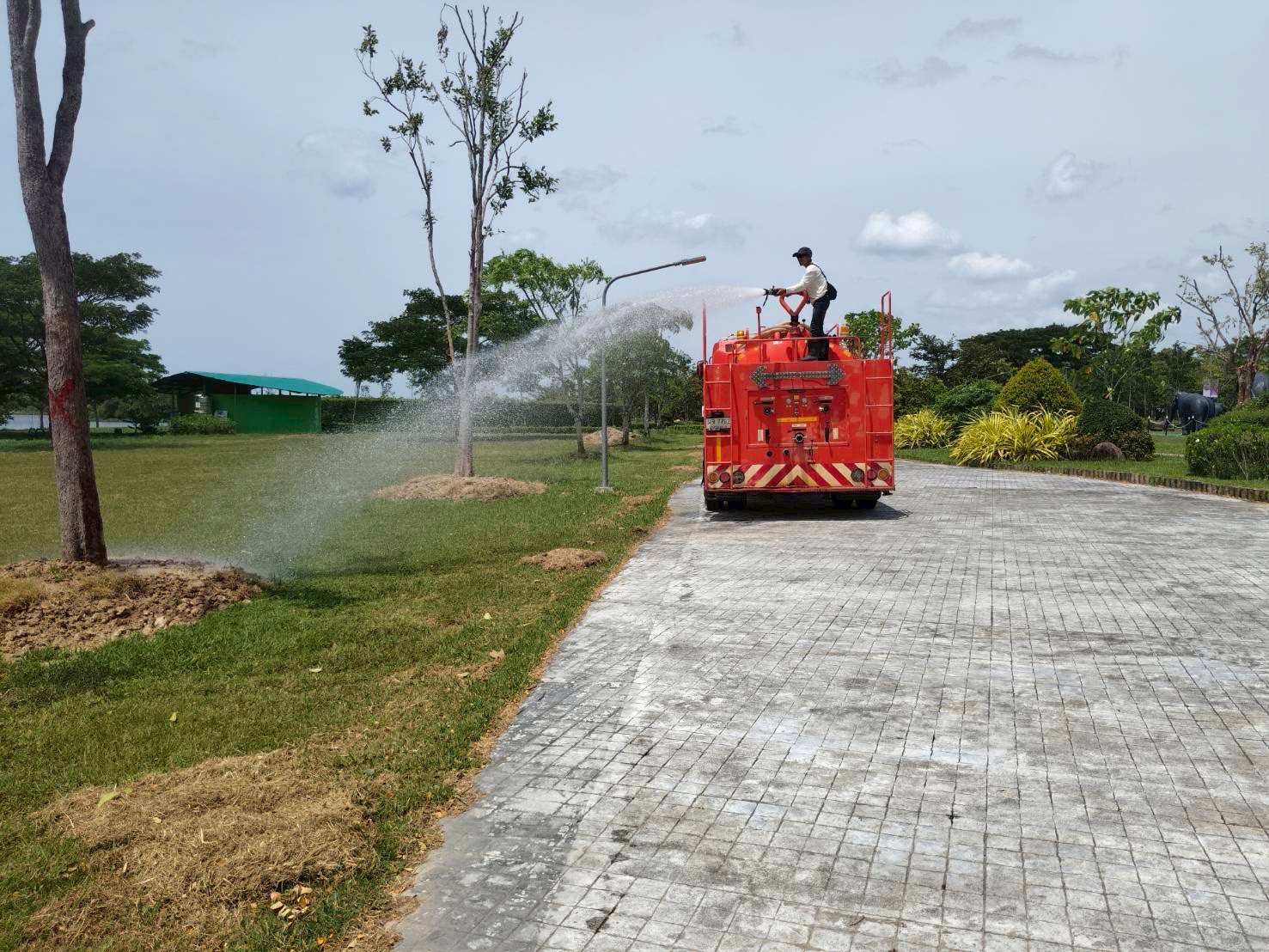
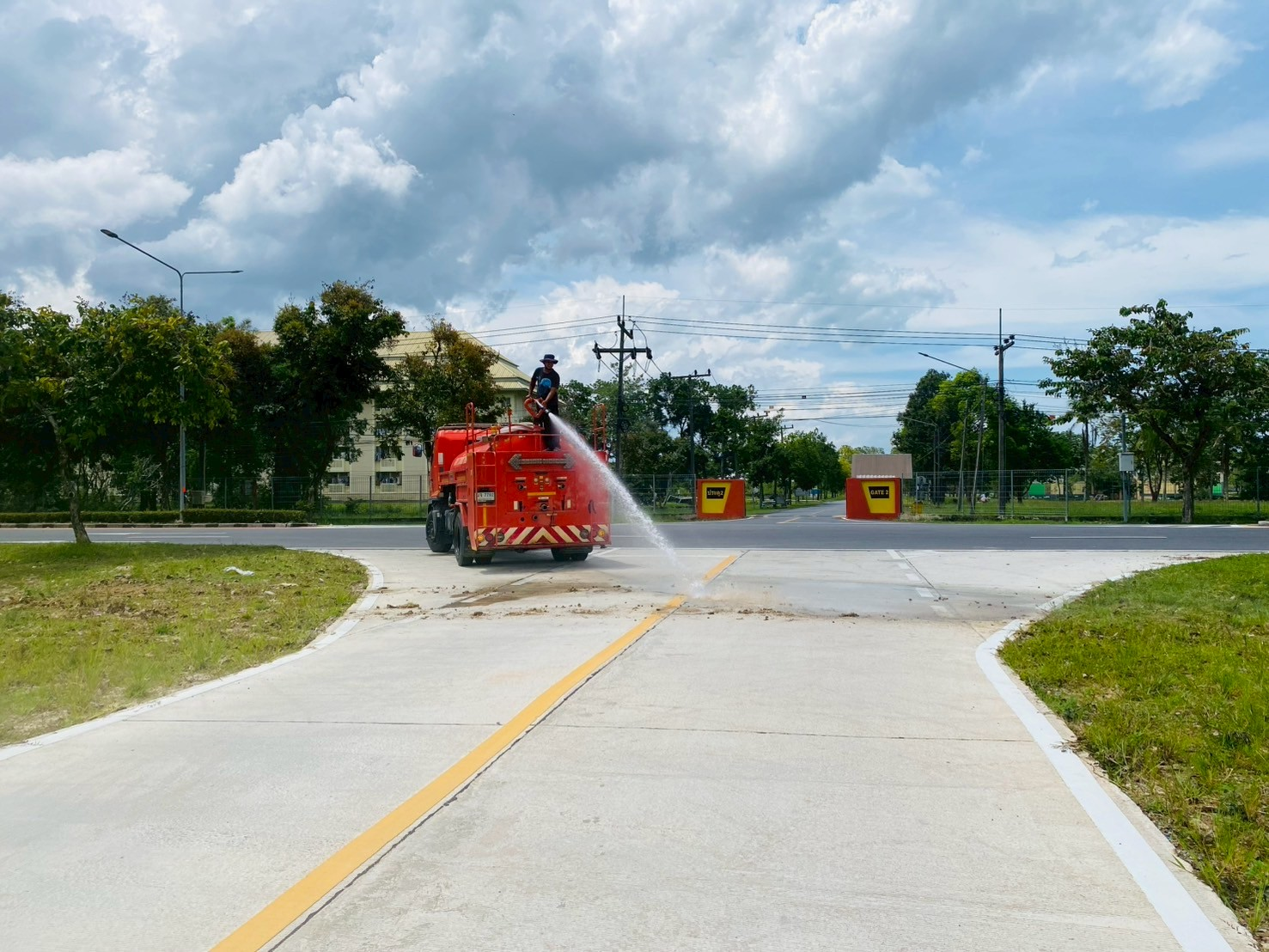
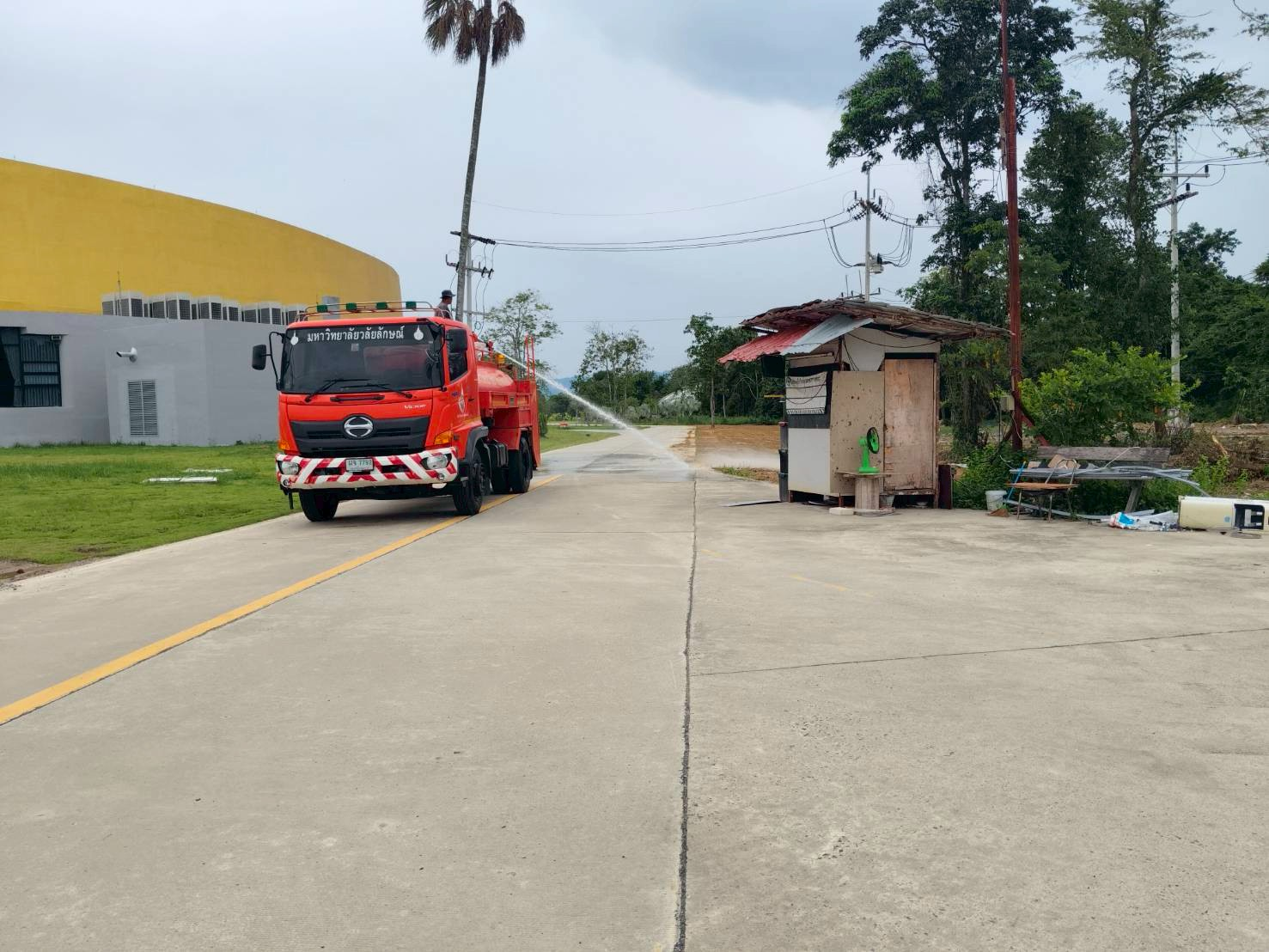
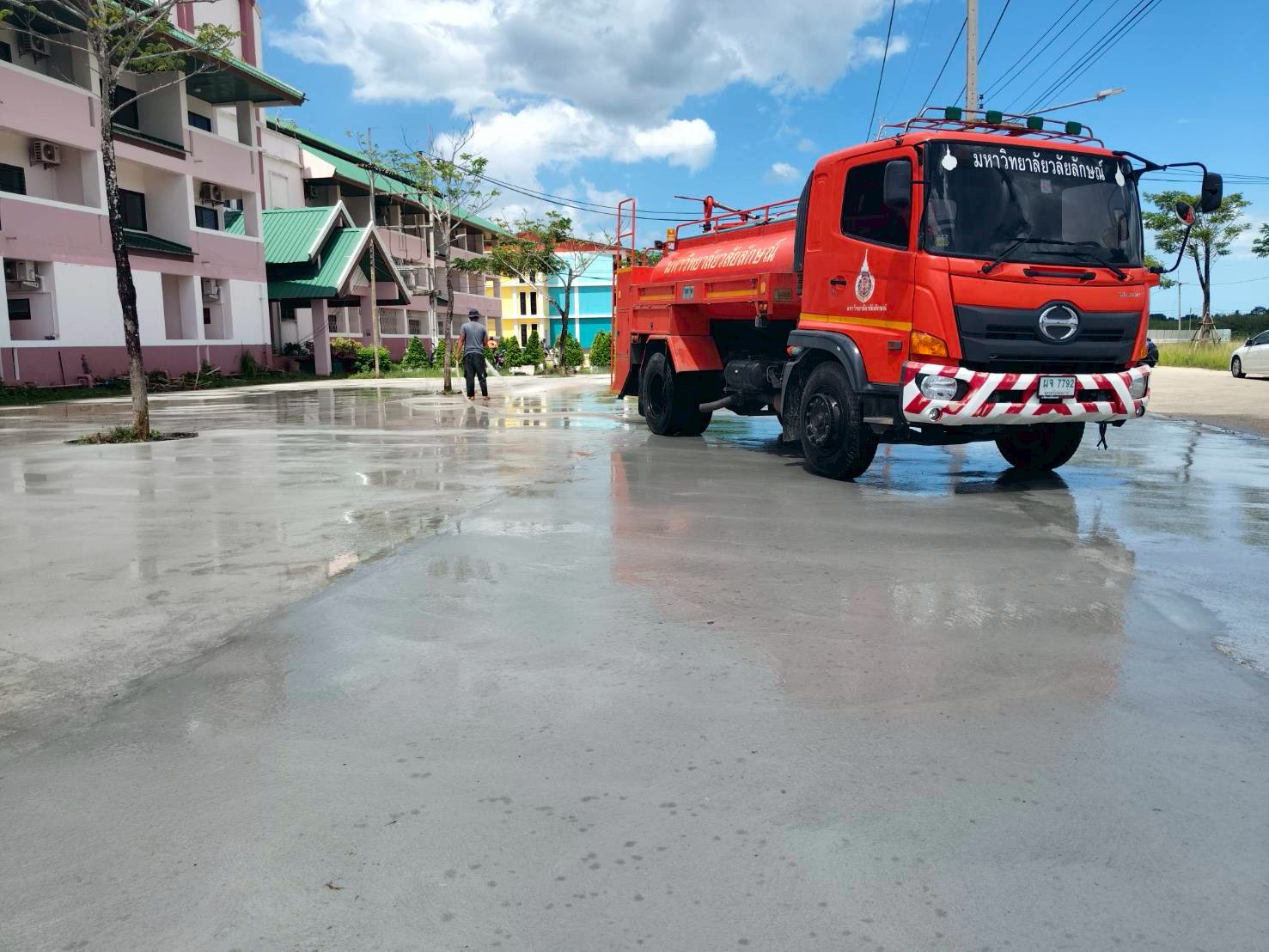
The university uses treated wastewater to clean roads, walkways, and areas outside buildings, maintaining campus cleanliness and order. Water reuse in these activities reduces freshwater demand and improves the efficiency of campus water management.
Outcomes for Sustainable Water Resource Use
Reusing all treated wastewater enables the university to make more efficient use of water resources by substituting for freshwater in green space maintenance, aquaculture, vehicle washing, outdoor cleaning, and waste incinerator cooling. These activities connect water management with environmental maintenance and campus services.