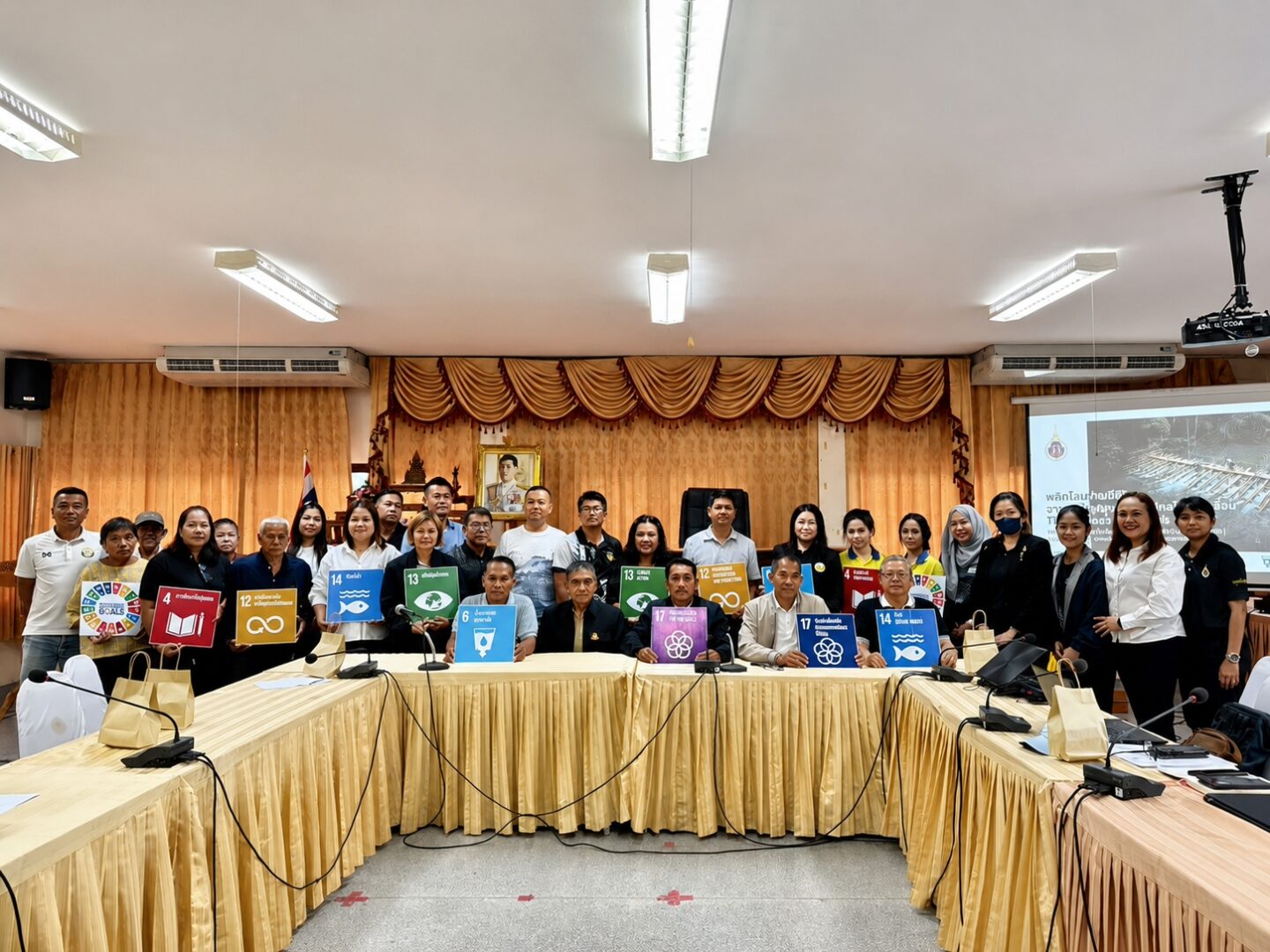
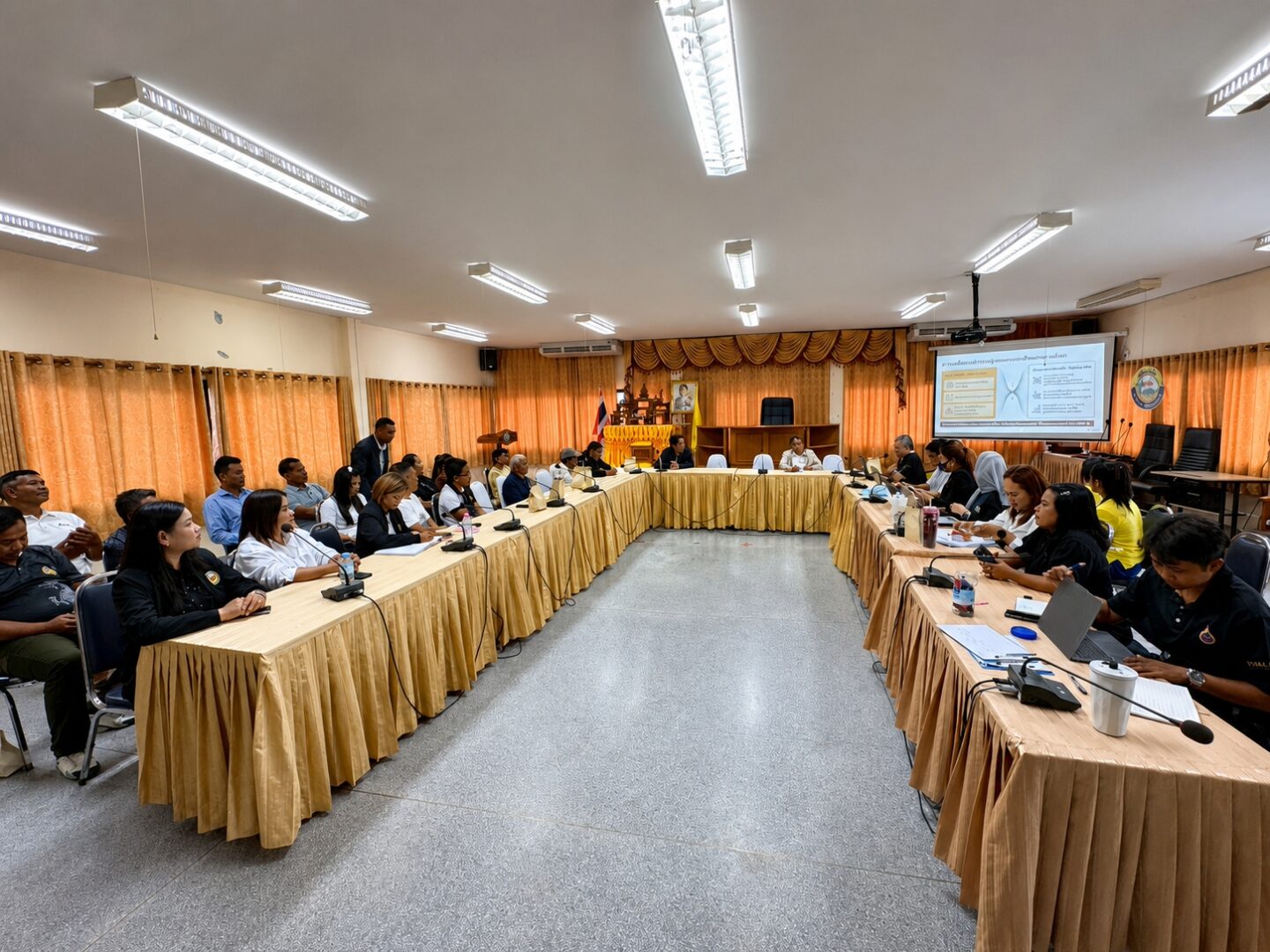
Walailak University’s Role in Supporting Off-Campus Water Conservation and Strengthening Community Capacity through Innovation and Participation
Walailak University's Role in Supporting and Strengthening Community Capacity through Innovation and Participation
Water conservation requires practical support for communities beyond university campuses to protect local water resources, improve water use efficiency, and maintain reliable water supply systems. Challenges such as drought, water scarcity, and changing climatic conditions highlight the need for off-campus water conservation initiatives that integrate locally appropriate technologies, effective water infrastructure management, and community participation. Recognising these challenges, Walailak University (WU) contributes to practical water conservation in local communities by providing technical knowledge, infrastructure development support, and decision-support tools to strengthen their capacity for sustainable water resource management.
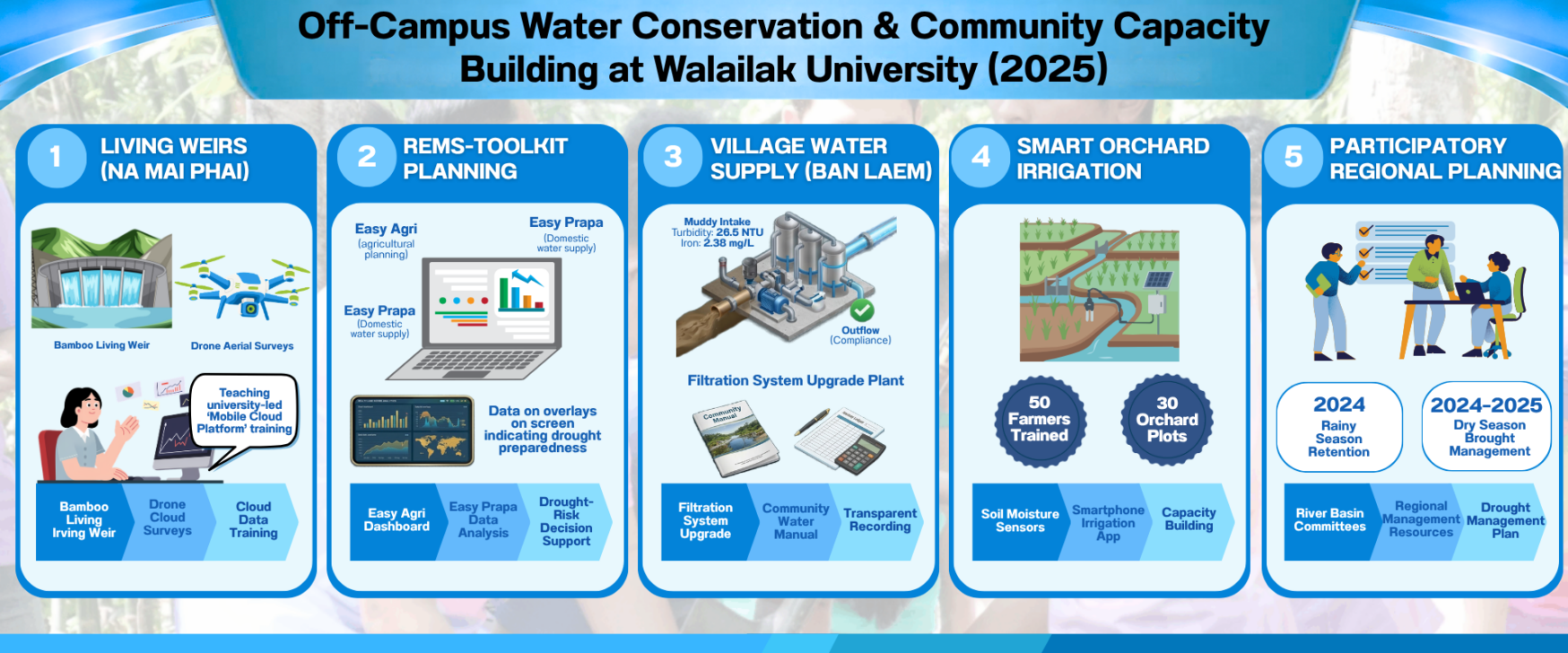
In 2025, Walailak University provided practical water conservation support off campus through the development of community living weirs, the application of the REMS-toolkit for subdistrict-level water management planning, and technical assistance for village water supply systems. Working with community leaders, water supply committees, and relevant stakeholders, the university integrated assessments of local water conditions with appropriate technologies, water infrastructure improvements, community engagement, and monitoring of water quality and system performance. These off-campus water conservation support activities helped communities improve water use efficiency, strengthen water conservation and maintenance planning, and enhance their capacity to manage water losses, drought, and water scarcity.
Supporting Practical Off-Campus Water Conservation through Living Weirs in Na Mai Phai Community
In 2025, Walailak University provided practical water conservation support to Na Mai Phai Subdistrict, Thung Song District, Nakhon Si Thammarat Province, outside the university campus, through its Living Weirs for Sustainable Community Development Project. Working with community leaders, the Na Mai Phai Subdistrict Administrative Organisation, and residents, the university provided technical knowledge, practical training, and field data collection to support local water conservation and irrigation management.
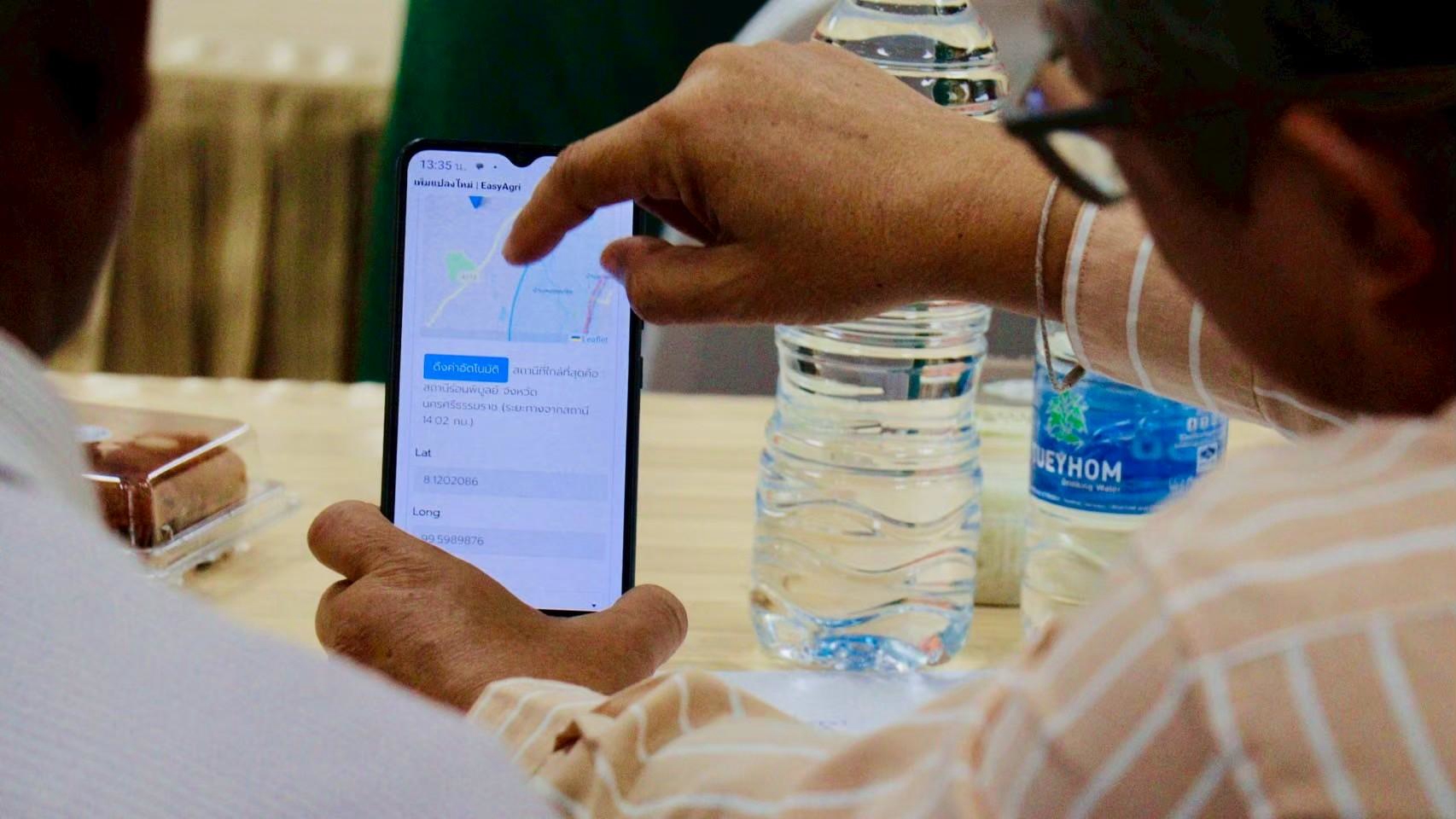
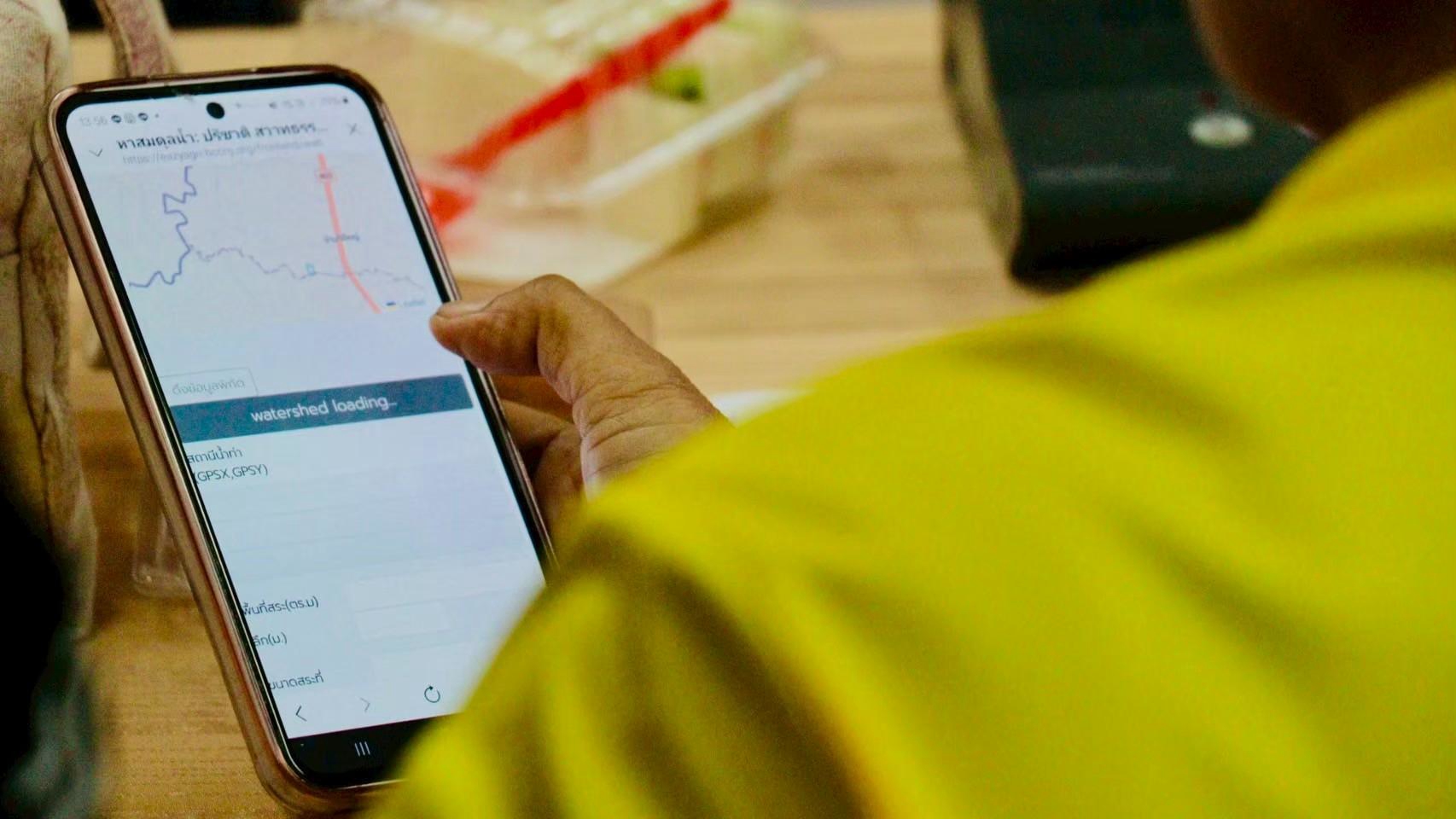
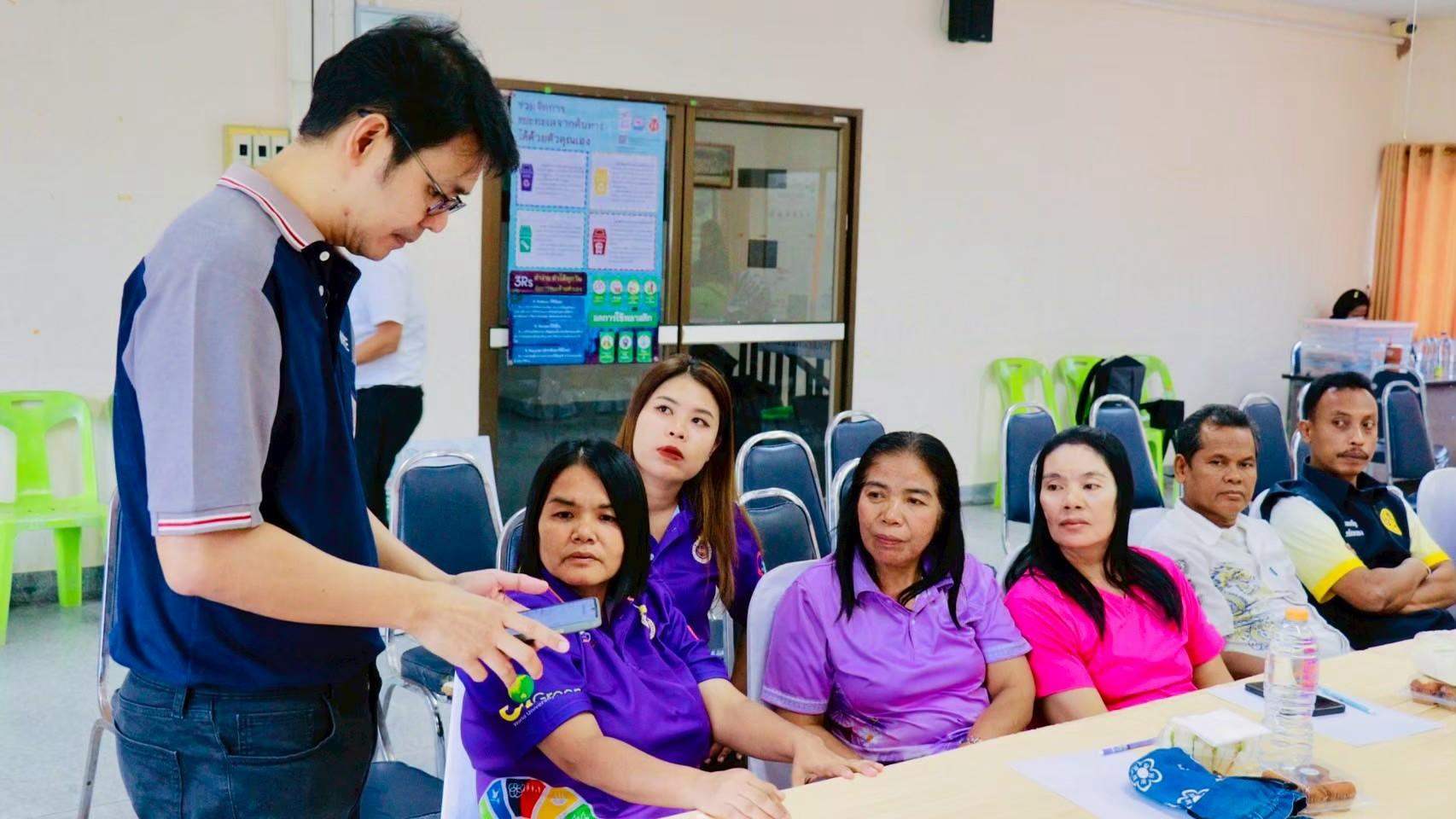
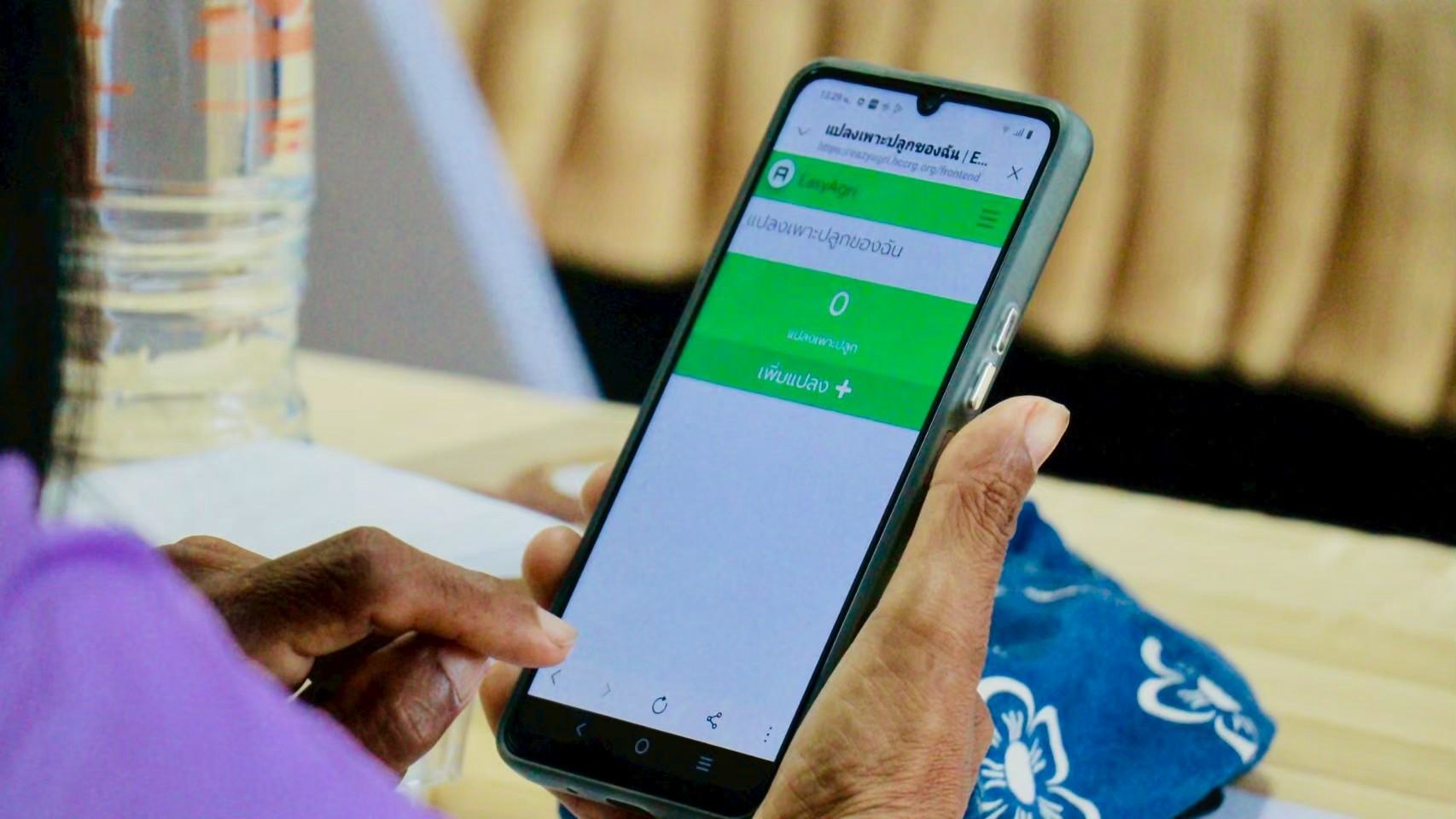
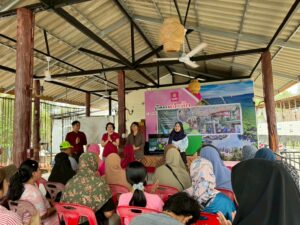
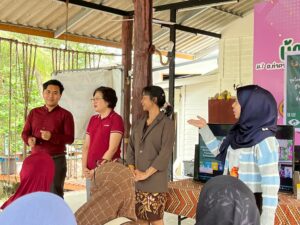
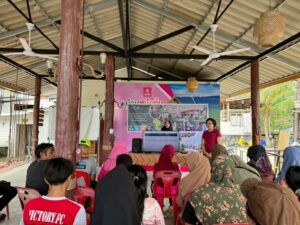
On 4 June 2025, university staff delivered training for community leaders, local administrative personnel, and community representatives. Activities included reviewing progress on the community living weir project, discussing further improvements to local water conservation, and transferring practical skills and technologies. Participants received hands-on training in using a mobile cloud computing platform for community agricultural water management, alongside instruction on managing waste in waterways. These activities demonstrate direct university support through staff expertise and practical tools that communities can apply to managing local water resources.
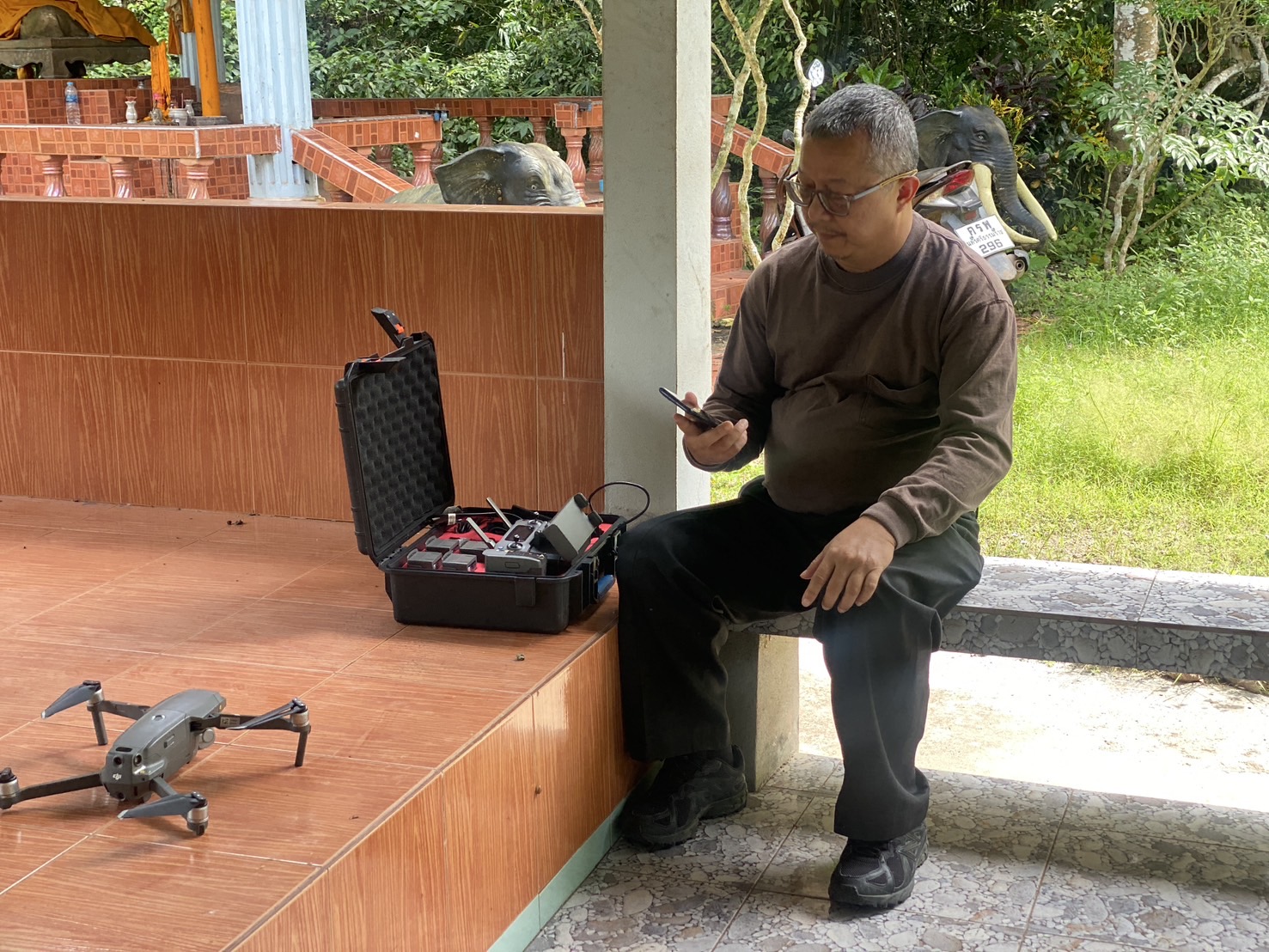
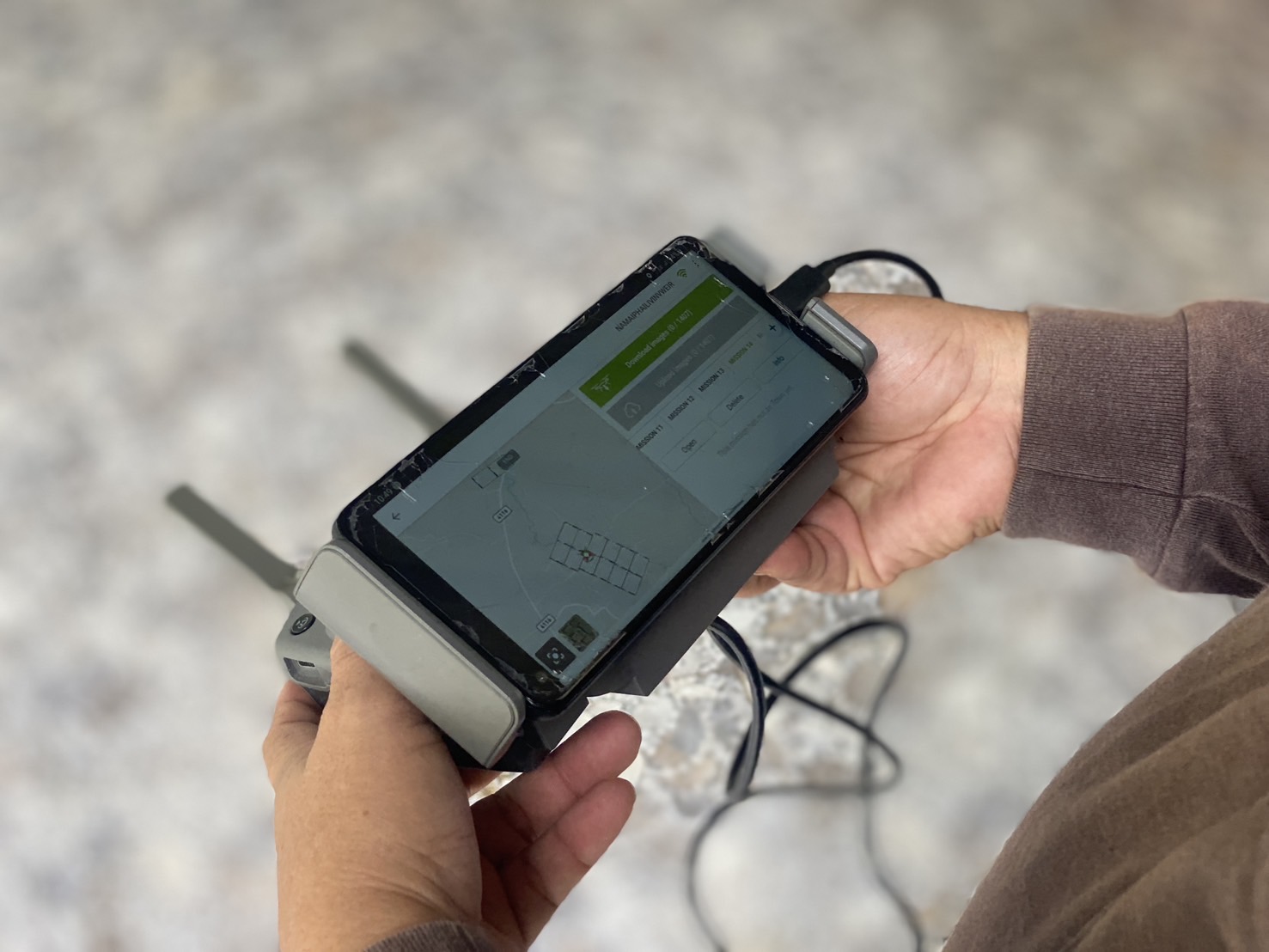
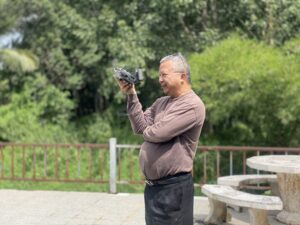
The university also supported field assessment and monitoring. On 11 July 2025, university staff worked with the local administrative organisation and community leaders to collect aerial images around the living weirs. This diagnostic activity gathered data for comparing natural forest areas with and without living weirs during summer conditions. The information was intended to guide the development of activities to improve water management and conservation. Community engagement formed part of the fieldwork, while image-based comparison provided a basis for measurement and assessment of conditions around the conservation sites. This support connected university expertise with community action through practical training, technology transfer, and field evidence for conservation planning.
Supporting Practical Off-Campus Water Conservation through the REMS-toolkit
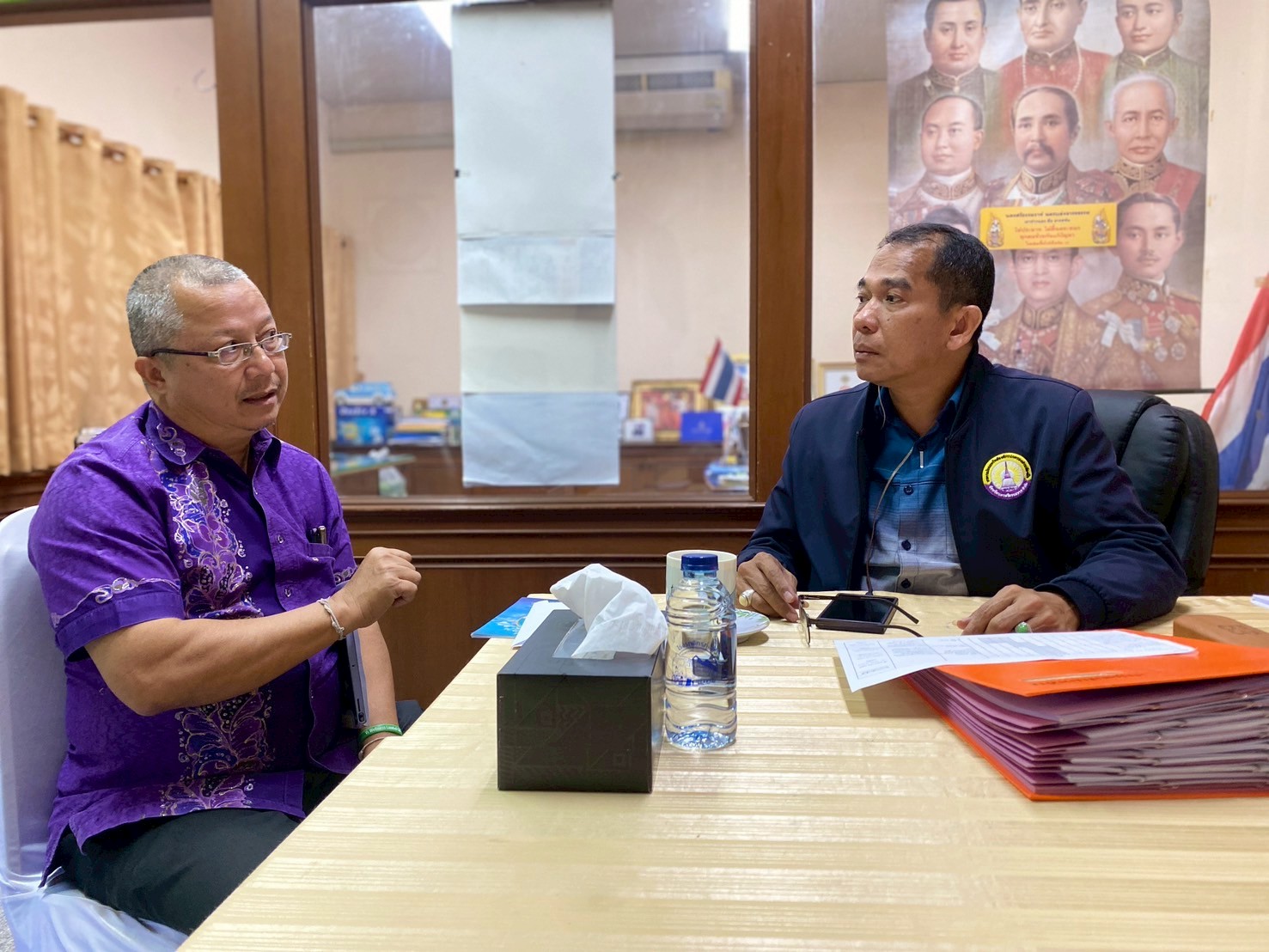
Walailak University supports practical water conservation off campus in Na Mai Phai Subdistrict, Thung Song District, Nakhon Si Thammarat Province, by providing communities with free access to the REMS-toolkit, a decision-support tool for subdistrict-level water resource planning and management. Developed under the research project “Development of a Decision-Support Toolkit for Subdistrict-Level Water Resource Planning and Management,” the toolkit uses Microsoft Excel and Visual Basic for Applications and is designed for ease of use. It comprises Easy Agri, for analysing agricultural water data, and Easy Prapa, for analysing domestic water supply data. By introducing this technology for community use, the university provides practical support for informed planning and conservation of local water resources.
The toolkit supports diagnostic assessment of local water-related problems and risks, particularly drought and water shortages. Its application contributes to the development of community capacity to plan water use according to local needs and prepare for periods of limited availability. Analysis of agricultural and domestic water supply data provides a basis for measurement, helping communities make informed decisions about water management and conservation.
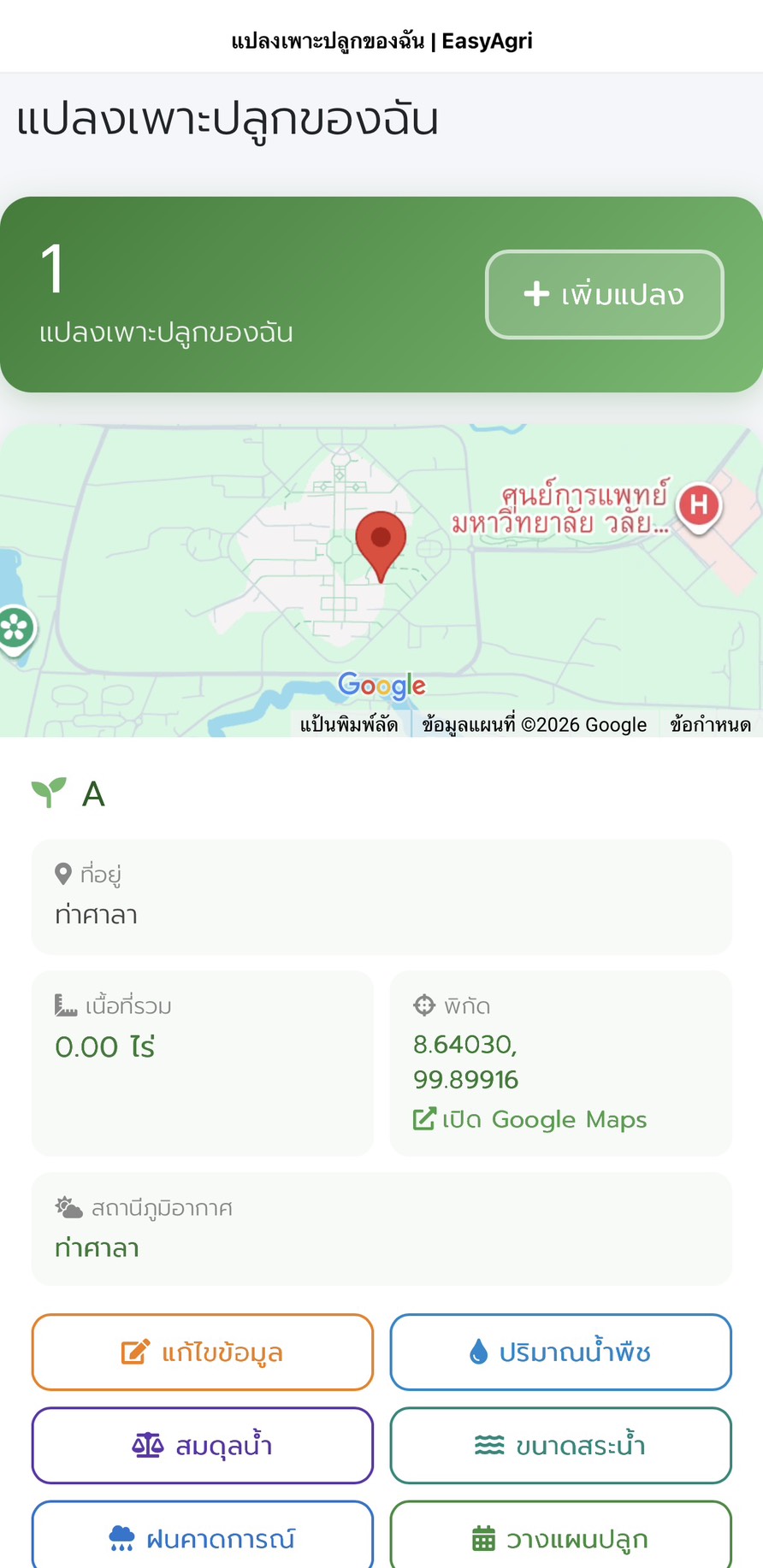
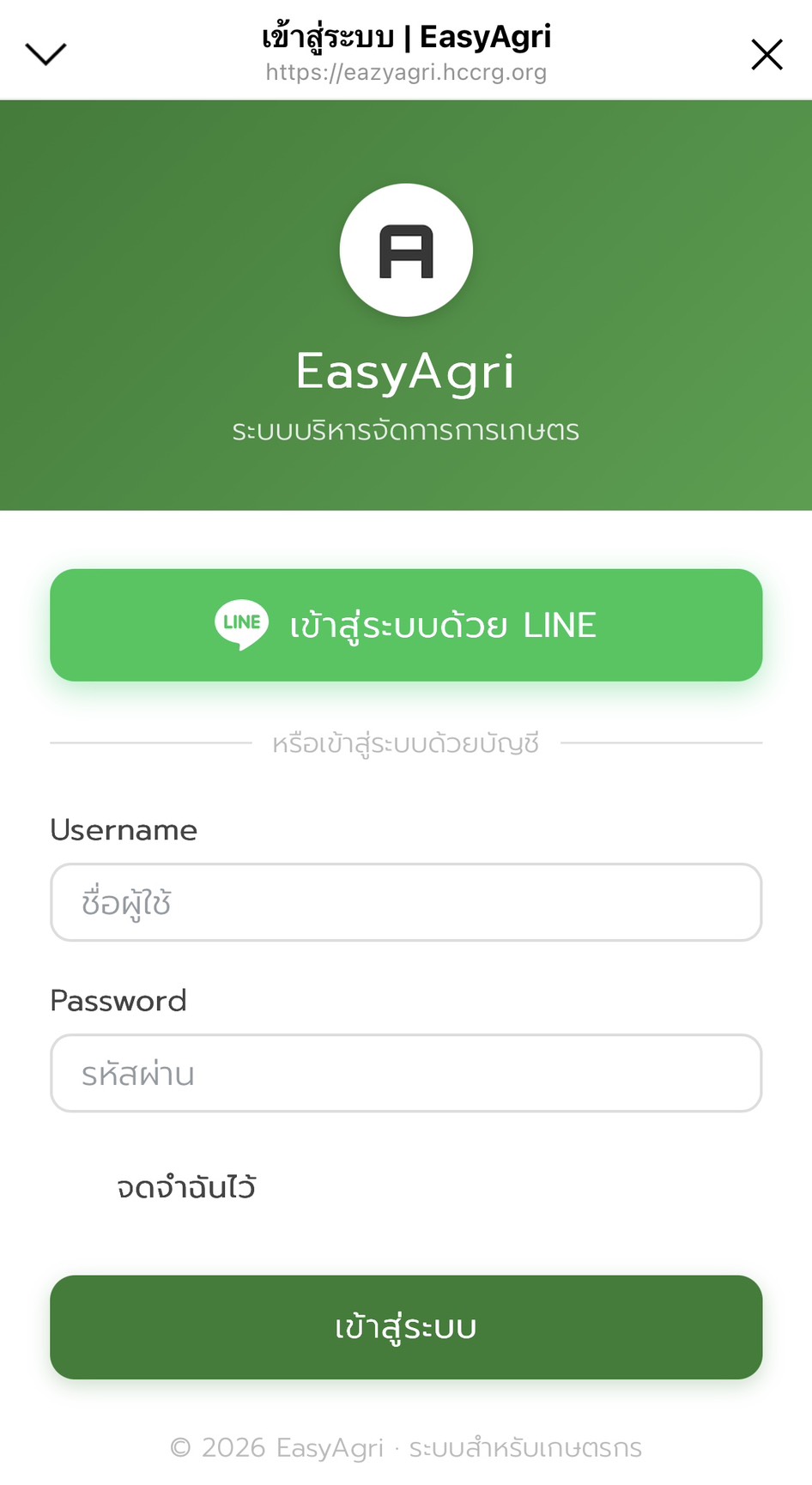
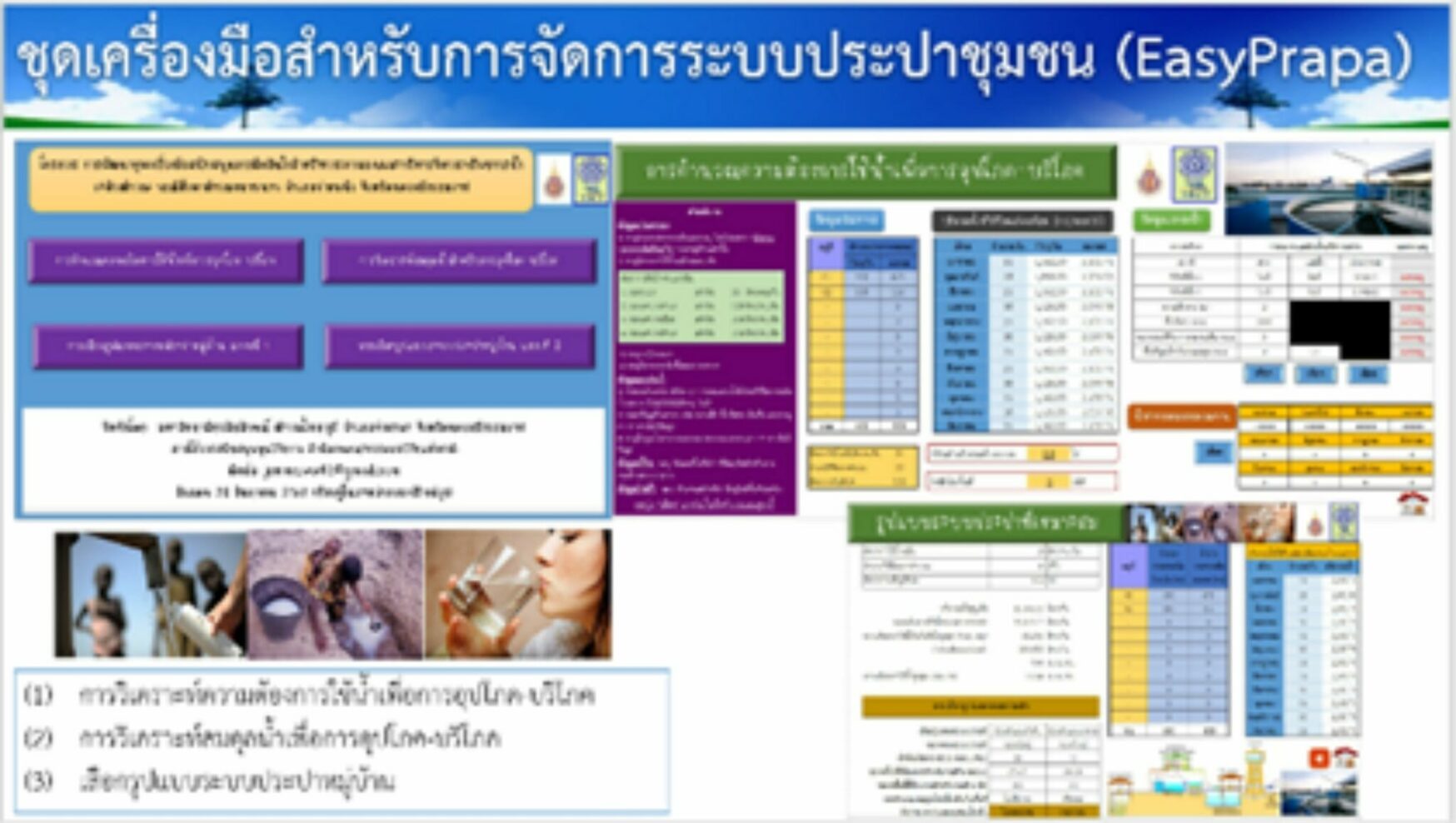
Community engagement connects this technical support with local participation. The university encourages community members to understand water-related risks, participate in planning, and establish networks for monitoring and preparedness. Together, free access to the toolkit and support for participatory planning strengthen Na Mai Phai’s capacity to manage water resources, prepare for water scarcity, and sustain practical water conservation beyond the university campus.
Supporting Off-Campus Water Conservation through Village Water Supply System Development and Community Capacity Building
Walailak University supports practical water conservation off campus through the Sustainable Water Resource Infrastructure Development Project to Enhance the Safety and Efficiency of Village Water Supply Systems, under the Green University to Ban Laem Homestay Community Tourism Enterprise Initiative in Nakhon Si Thammarat Province. The university provides academic and technical support to improve community water supply management, increase resource efficiency, and support the long-term reduction of water losses.
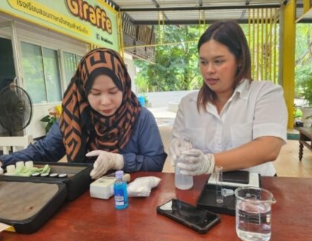
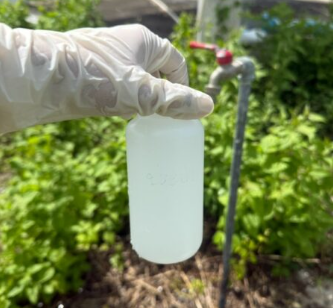
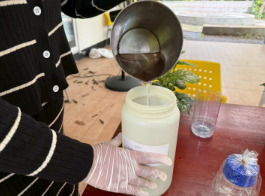
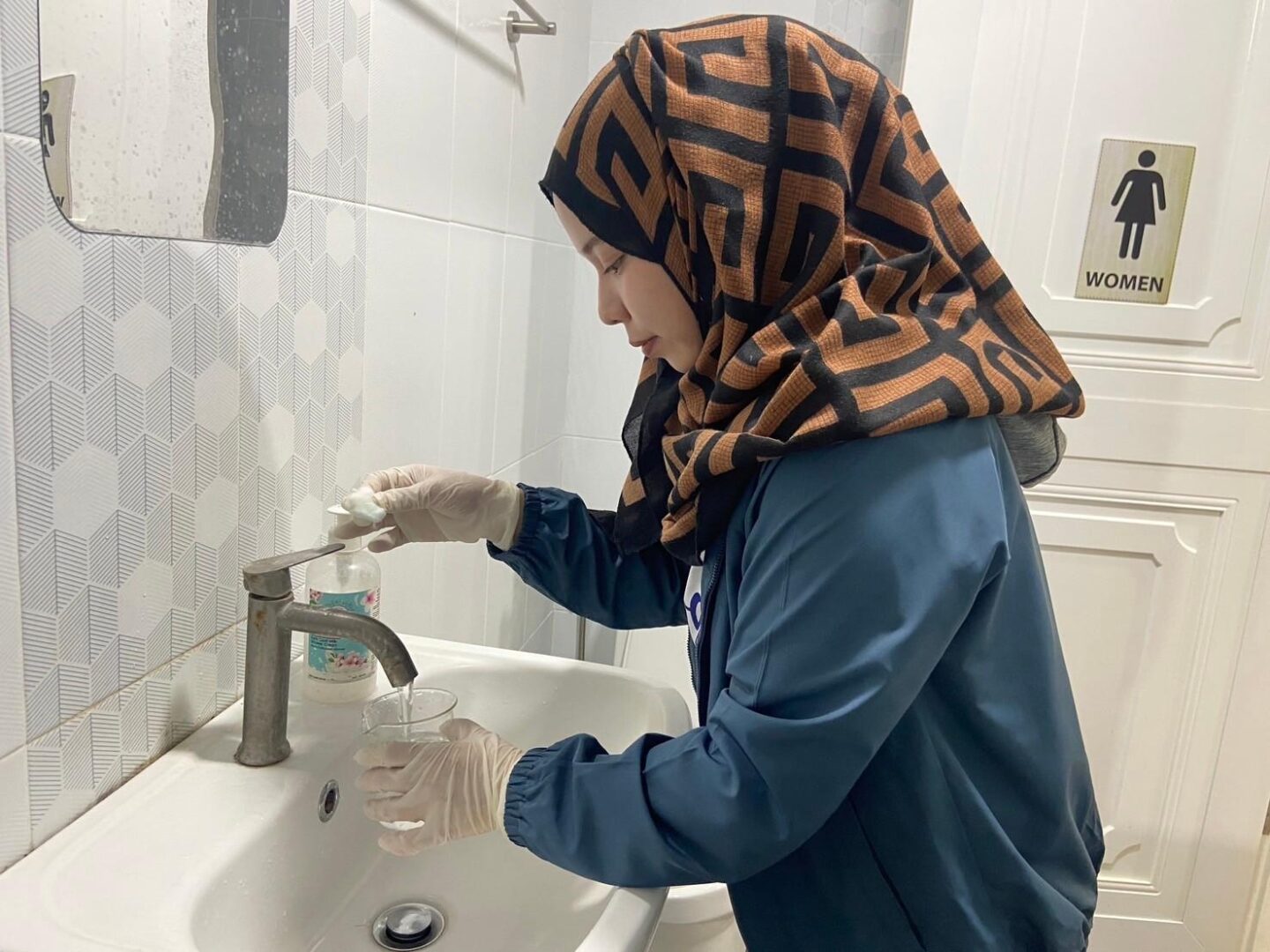
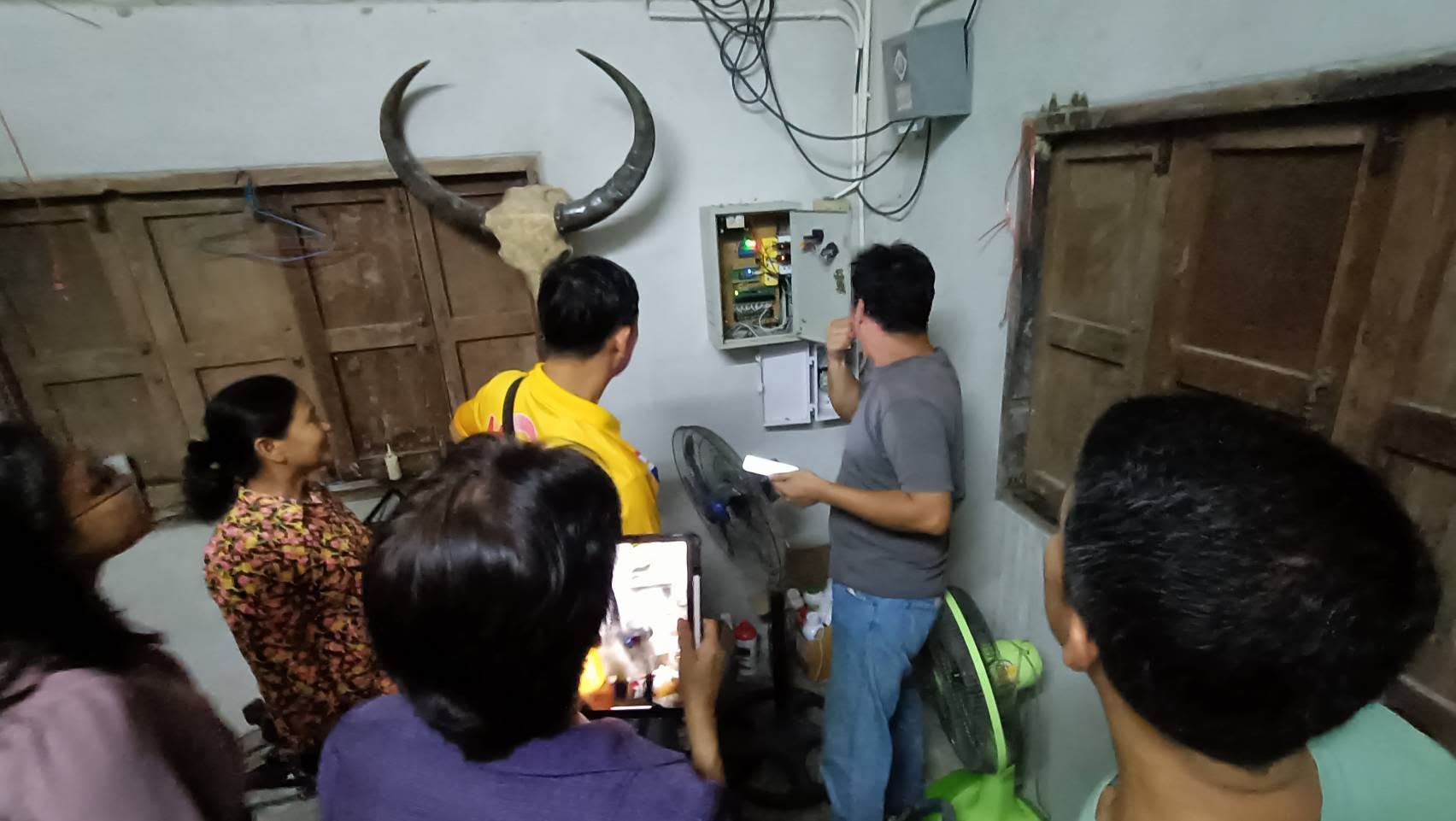
The process begins with coordination with community leaders and village water supply committees, interviews to identify water needs, infrastructure surveys, and joint analysis of water management problems. This diagnostic process includes collecting water samples before filtration, after filtration, and at distribution endpoints for laboratory analysis. Results showed that water before filtration had turbidity of 26.5 NTU and an iron concentration of 2.38 milligrams per litre, exceeding the benchmark limits stated in the report. The parameters analysed after filtration and at distribution endpoints met the reported standards. These findings identified the need to monitor and maintain filtration systems for iron and suspended solids to sustain community water production efficiency.
The university supports development through on-site improvements to the filtration system, knowledge transfer on efficient water resource management, and training in basic water quality observation and testing, accompanied by a practical manual. This support strengthens communities’ ability to identify problems and maintain their water supply systems independently. Community engagement is integrated into the process, with community leaders and village water supply committees participating in identifying problems, assessing needs, and considering improvements suited to local conditions.
For measurement, the university uses water quality results from different sampling points to assess filtration performance and identify issues requiring continued monitoring. It also provides guidance and assistance in establishing systematic records and transparent accounting to support ongoing water supply management and maintenance. These activities support off-campus water conservation by improving water system efficiency and strengthening operators’ capacity, providing a foundation for reducing water losses and sustaining community water resources.
Supporting Practical Off-Campus Water Conservation through Smart Water Management
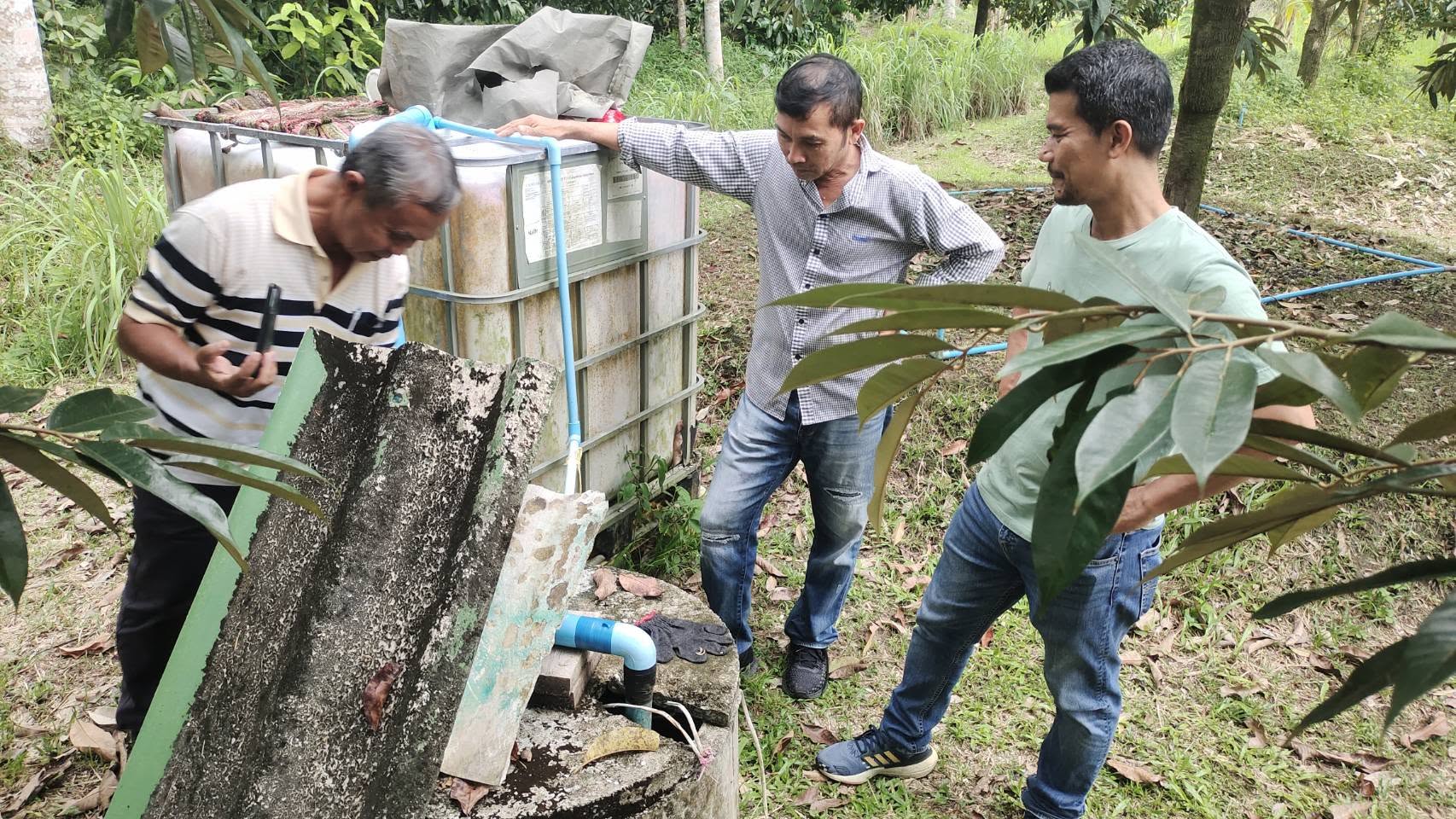
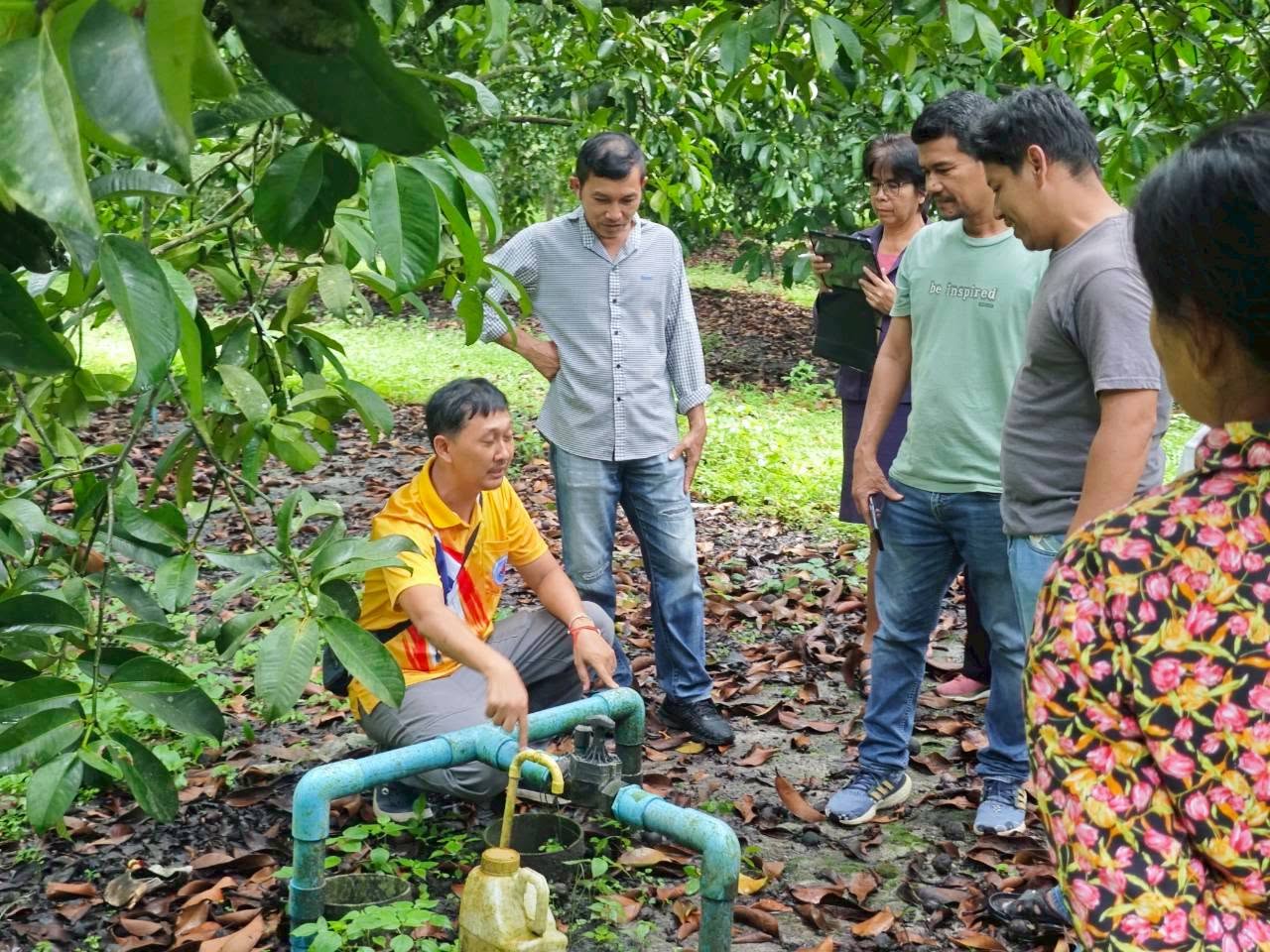
Walailak University supports practical water conservation off campus by transferring smart water management knowledge and skills to orchard farmers in Nakhon Si Thammarat Province. Following classroom training, participants continued their practical learning at Uncle Sangob’s Orchard in Phrom Lok Subdistrict, Phrom Khiri District, Nakhon Si Thammarat Province, outside university grounds. This combination of classroom instruction and orchard-based learning demonstrates direct university support for farmers in applying water management knowledge to agricultural practice.
The project incorporates diagnostic assessment of farmers’ water management problems and needs to guide appropriate technology selection. Technical content covers soil moisture sensors, air temperature and humidity sensors, automated irrigation systems, and smartphone applications for monitoring and controlling irrigation. These technologies support irrigation decisions based on actual orchard conditions, helping farmers avoid unnecessary watering and use available water more efficiently.
Capacity development combines instruction on system operation, maintenance, and basic troubleshooting with practical learning in a working orchard. Farmer engagement connects this knowledge with local experience and everyday irrigation needs. The field-learning activity at Uncle Sangob’s Orchard provides a setting for participants to understand how water management approaches can be applied under real farming conditions.
For measurement, the project includes plans to monitor system use, collect operational data, and assess performance to guide further improvements. Its implementation plan also includes training 50 farmers and installing smart water management systems in 30 orchard plots. These planned activities aim to extend practical support for water conservation, reduce unnecessary irrigation, and strengthen farmers’ capacity to manage water sustainably beyond the university campus.
Supporting Participatory Water Resource Planning
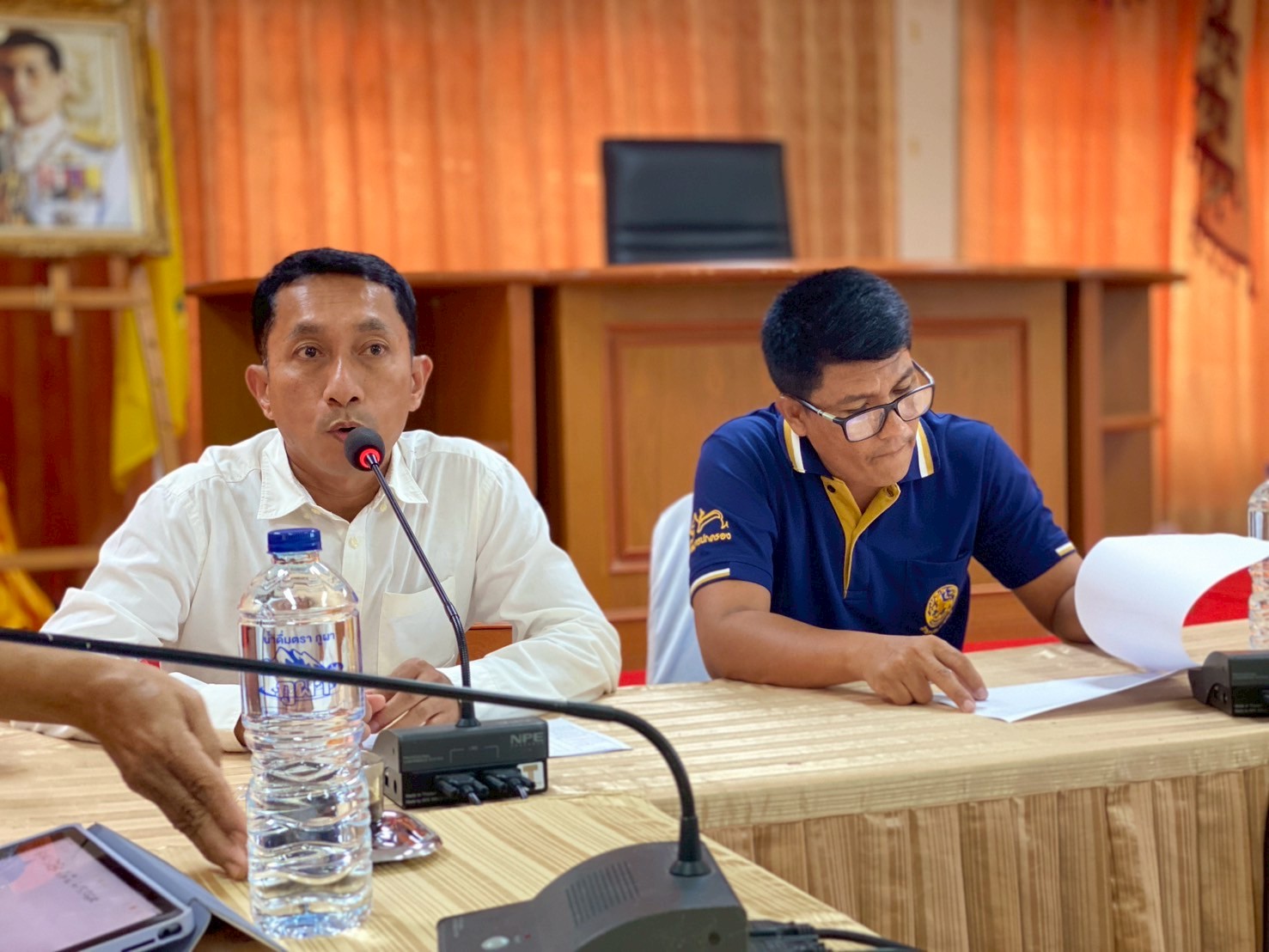
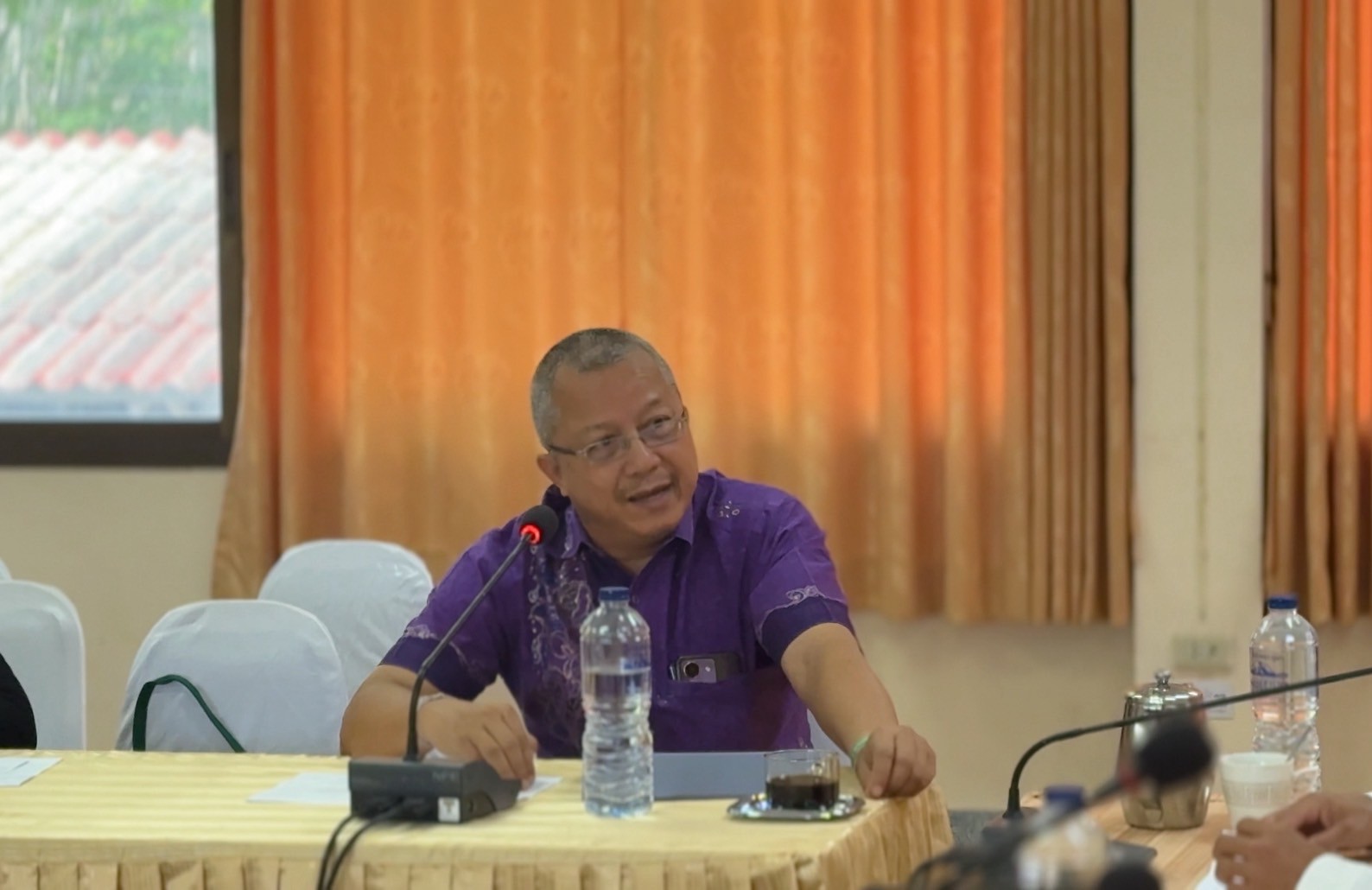
Alongside technology-based support for water conservation, the university promotes community participation through learning activities, workshops, and water resource management networks at local and regional levels. Assistant Professor Dr. Pakorn Ditthakit serves on several water management committees, including the Subcommittee on Regional Water Resource Management for the Southern Region, the Upper Eastern Coast Southern River Basin Committee, and the Nakhon Si Thammarat Provincial Water Resources Subcommittee.
These roles support policy planning and the advancement of regional initiatives, including:
- The initiative to improve water resource management efficiency during the 2024 rainy season and retain water for the 2024–2025 dry season.
- The initiative to improve water resource management efficiency in preparation for drought and dry spells in 2025.
Walailak University’s support for off-campus water conservation connects academic knowledge, technologies, and community participation with sustainable natural resource management. Through practical support, participatory planning, and community capacity building, the university contributes to addressing local and national water challenges, with implications for food security, health, ecosystems, and communities’ long-term quality of life.
Related Links
– https://cas.wu.ac.th/archives/33392
– https://cas.wu.ac.th/archives/34894