Using Sustainable Water Extraction Technologies on Walailak University Grounds
Using Sustainable Water Extraction Technologies on Walailak University Grounds
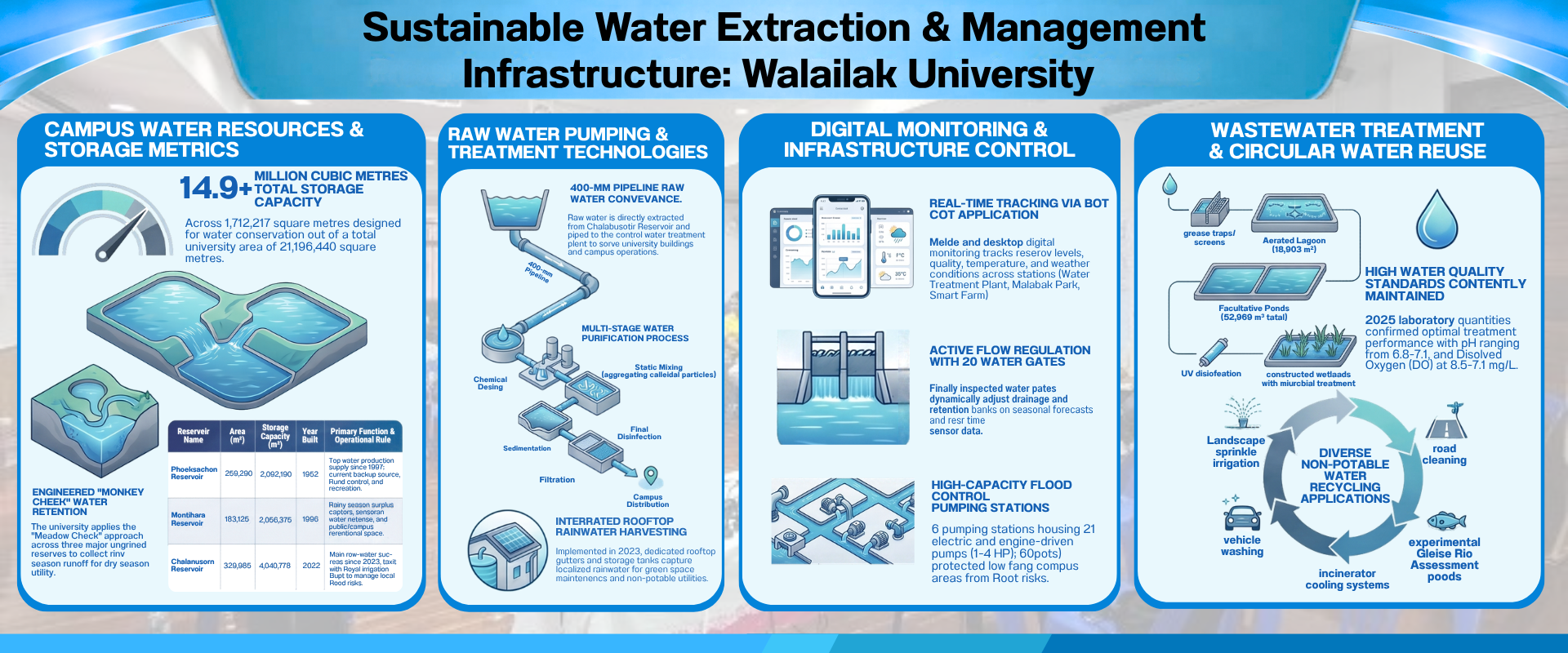
Walailak University (WU) prioritises sustainable water extraction by utilising appropriate water extraction technologies on university grounds to collect, extract, and manage rainwater and surface runoff stored in on-campus reservoirs as its primary raw water supply. These sustainable water extraction technologies include raw water pumping systems, water treatment facilities, and water monitoring technologies, which support the efficient extraction, treatment, and management of water resources from the university’s reservoirs. Through the application of these technologies at water extraction sites on campus, the university maintains a reliable water supply for buildings and campus activities while reducing reliance on external water sources and strengthening long-term water security. In addition, water level control systems and wastewater treatment technologies complement sustainable water extraction by facilitating water reuse, conserving stored water resources, and minimising the need for additional water extraction. These applicable technologies, in place by 2025, demonstrate the university’s commitment to sustainable water extraction and responsible water resource management.
1. Rainwater and Surface Runoff Harvesting Systems
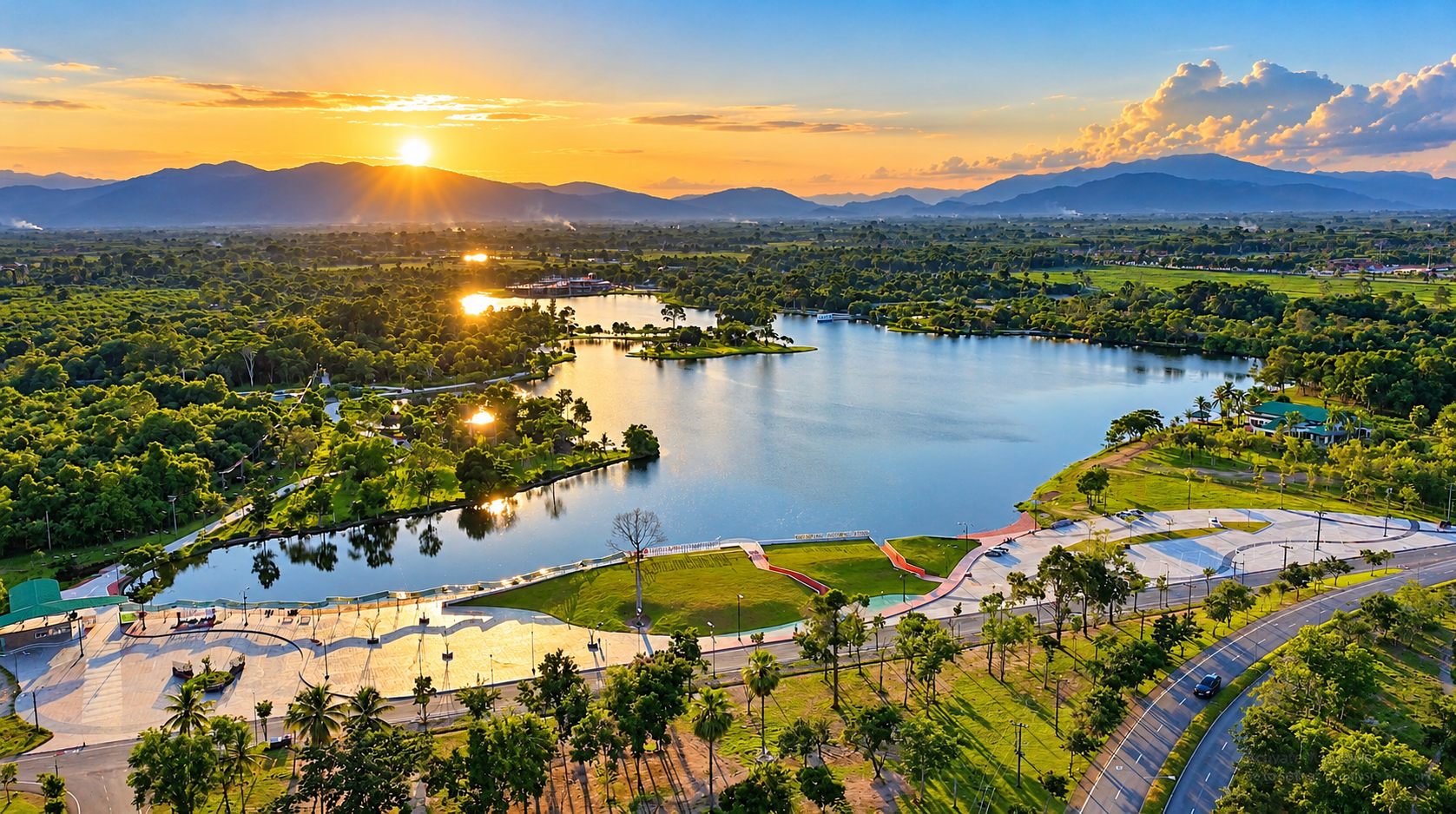
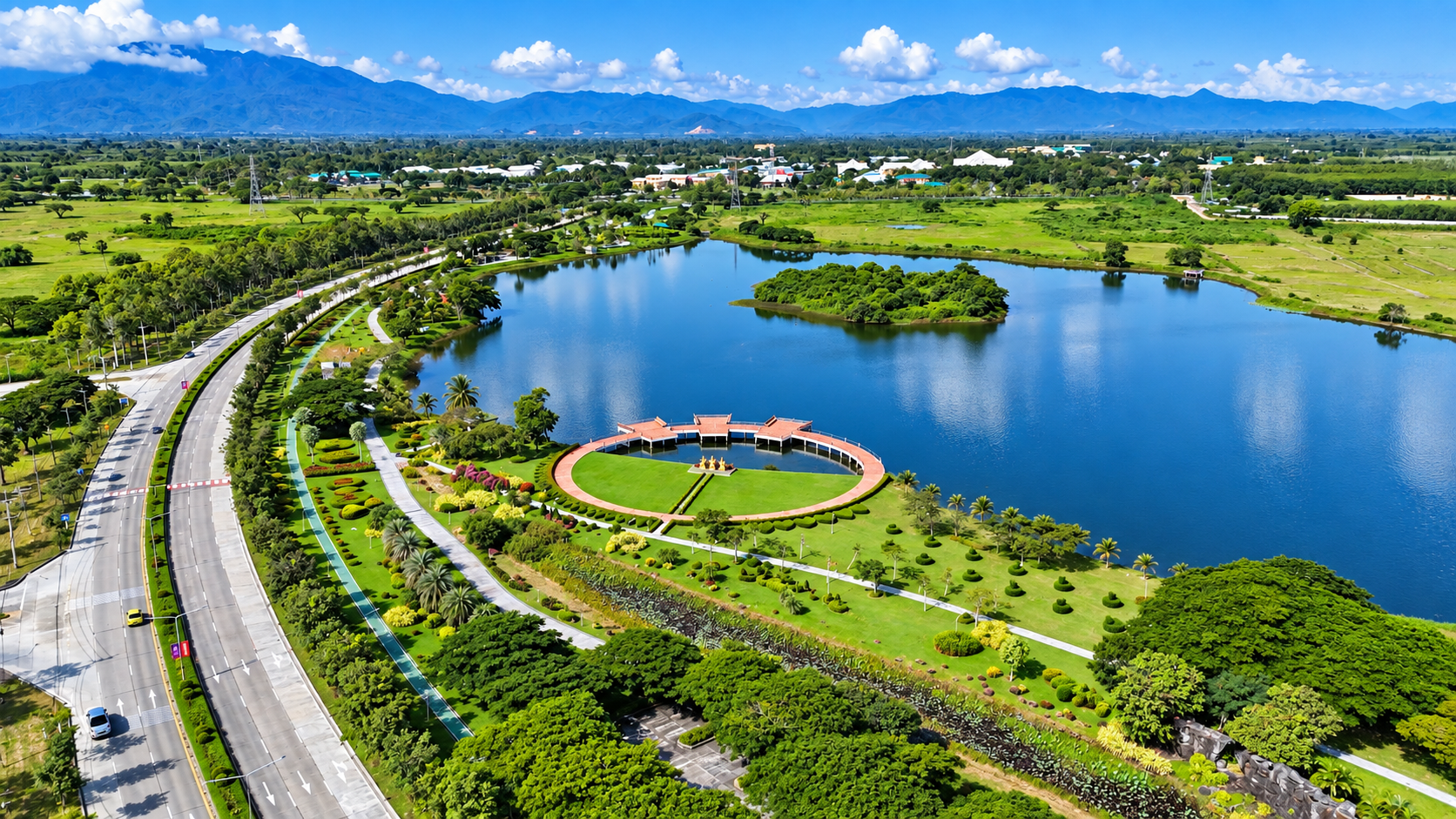
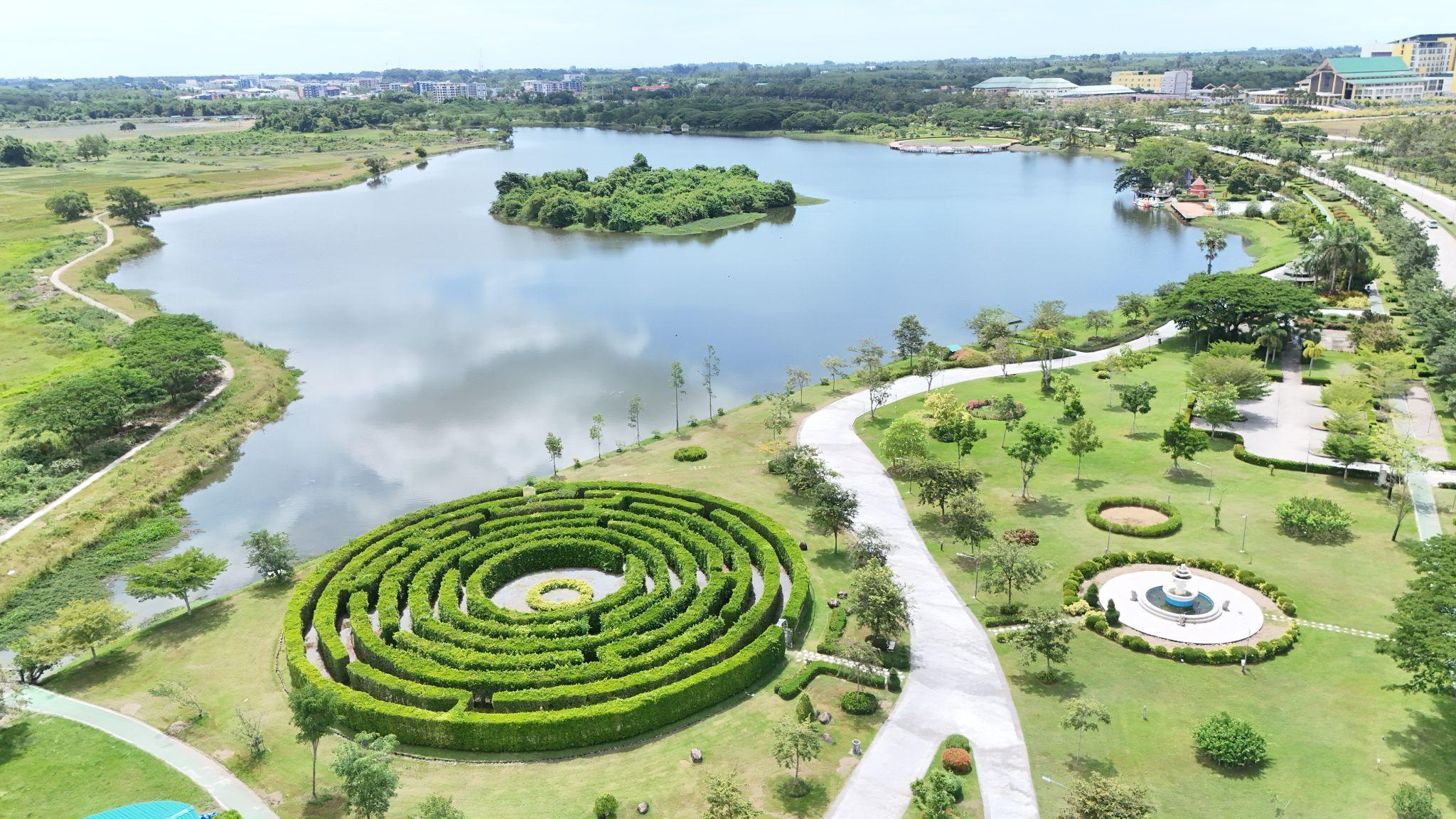
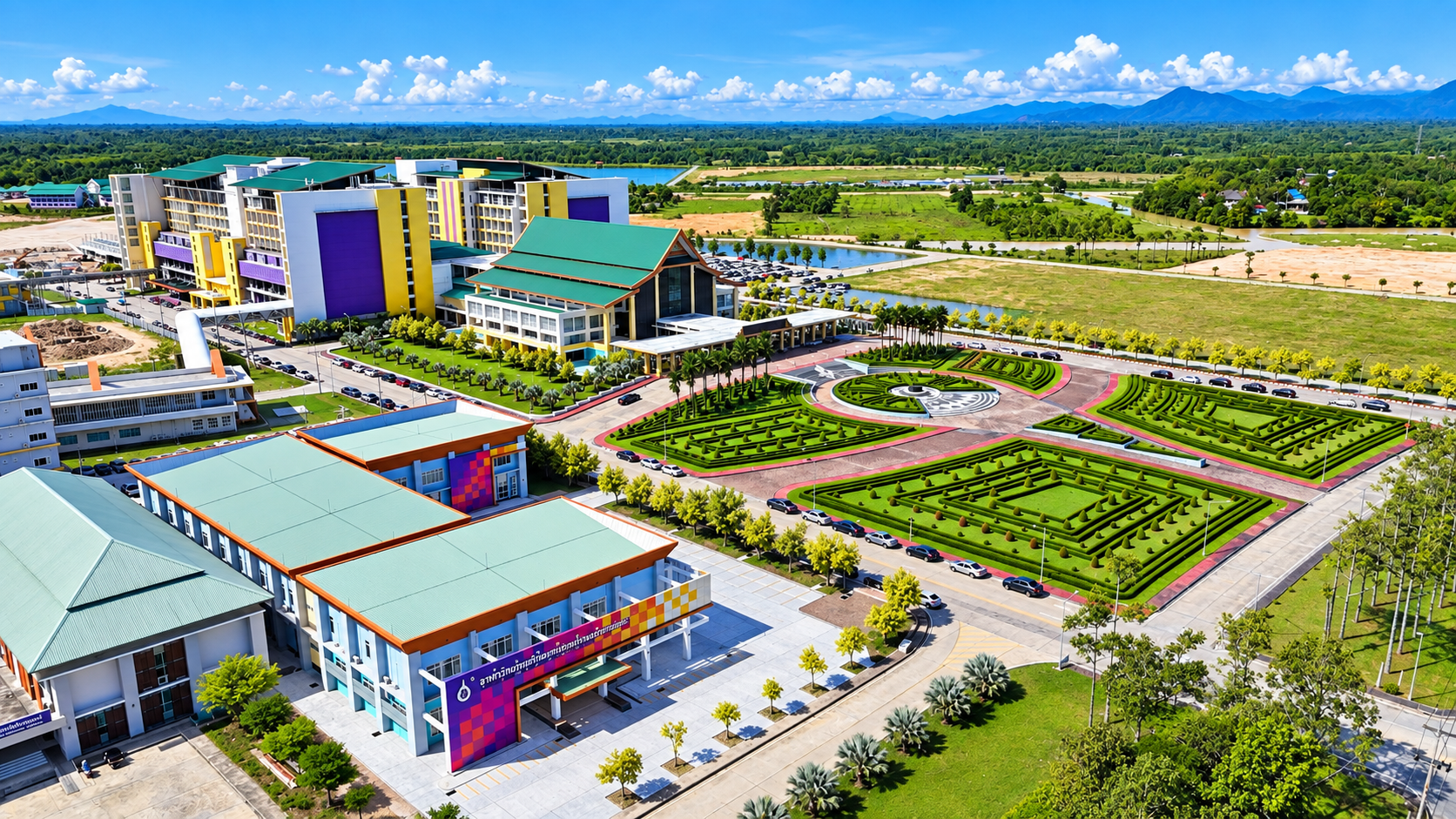
Walailak University covers a total area of 21,196,440 square metres, including 1,712,217 square metres designated for water conservation and storage, with a total storage capacity of 14,908,321 cubic metres. Rainwater and surface runoff from university grounds are collected in reservoirs, allowing surplus water during the rainy season to be stored for subsequent use and during the dry season. The university applies the “monkey cheek” water retention approach through engineered infrastructure that collects, temporarily retains, and stores water. Three major reservoirs jointly support water storage, water supply, and water level management on university grounds.
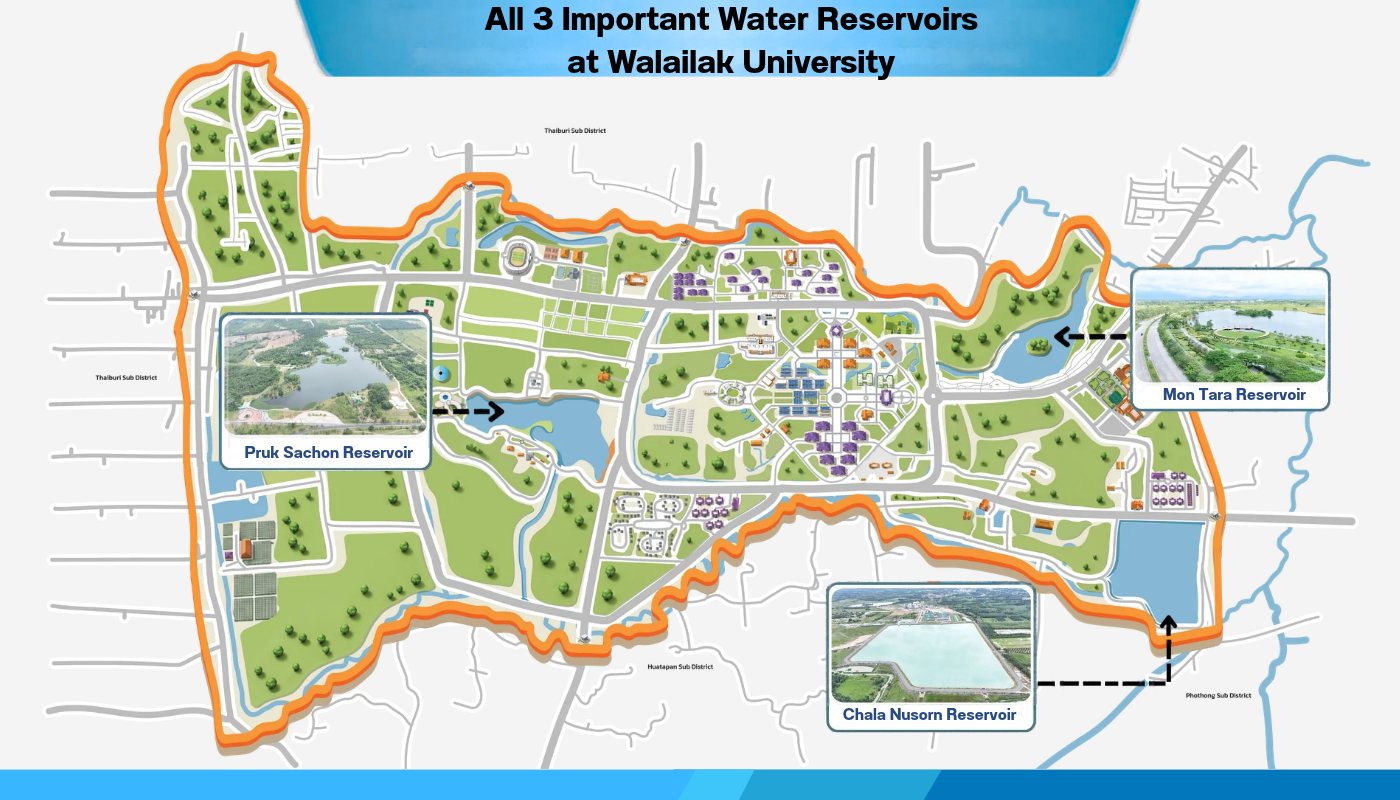
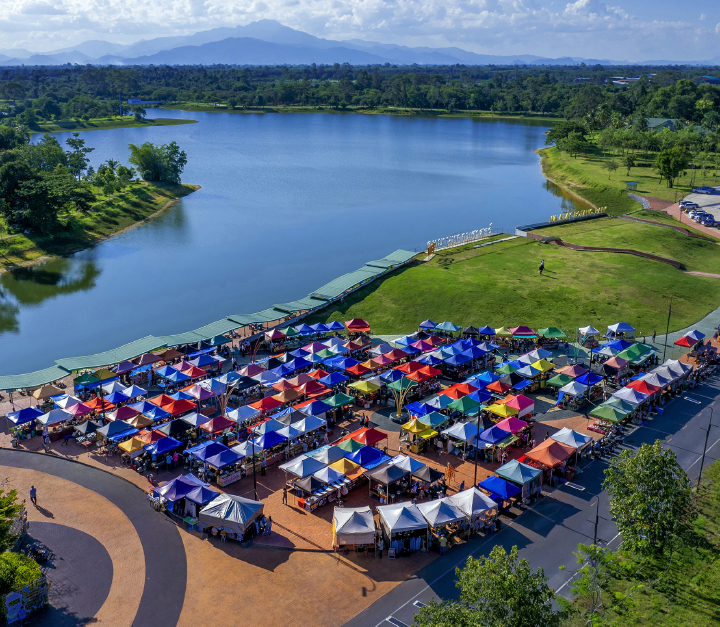
Phueksachon Reservoir covers 259,290 square metres and has a storage capacity of 2,852,190 cubic metres. Constructed in 1992 for irrigation and floodwater management, it began supplying raw water for tap water production in 1997. It currently serves as a backup raw water source, stores water for the dry season, supports flood prevention, and provides recreational space.
Montthara Reservoir covers 185,125 square metres and has a storage capacity of 2,036,375 cubic metres. Constructed in 1996 for irrigation, it accommodates surplus water during the rainy season and stores water for the dry season. It strengthens seasonal water management and provides recreational space for students, staff, and the public.
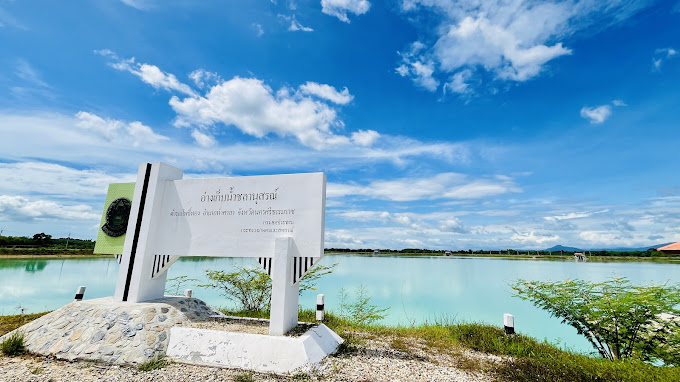
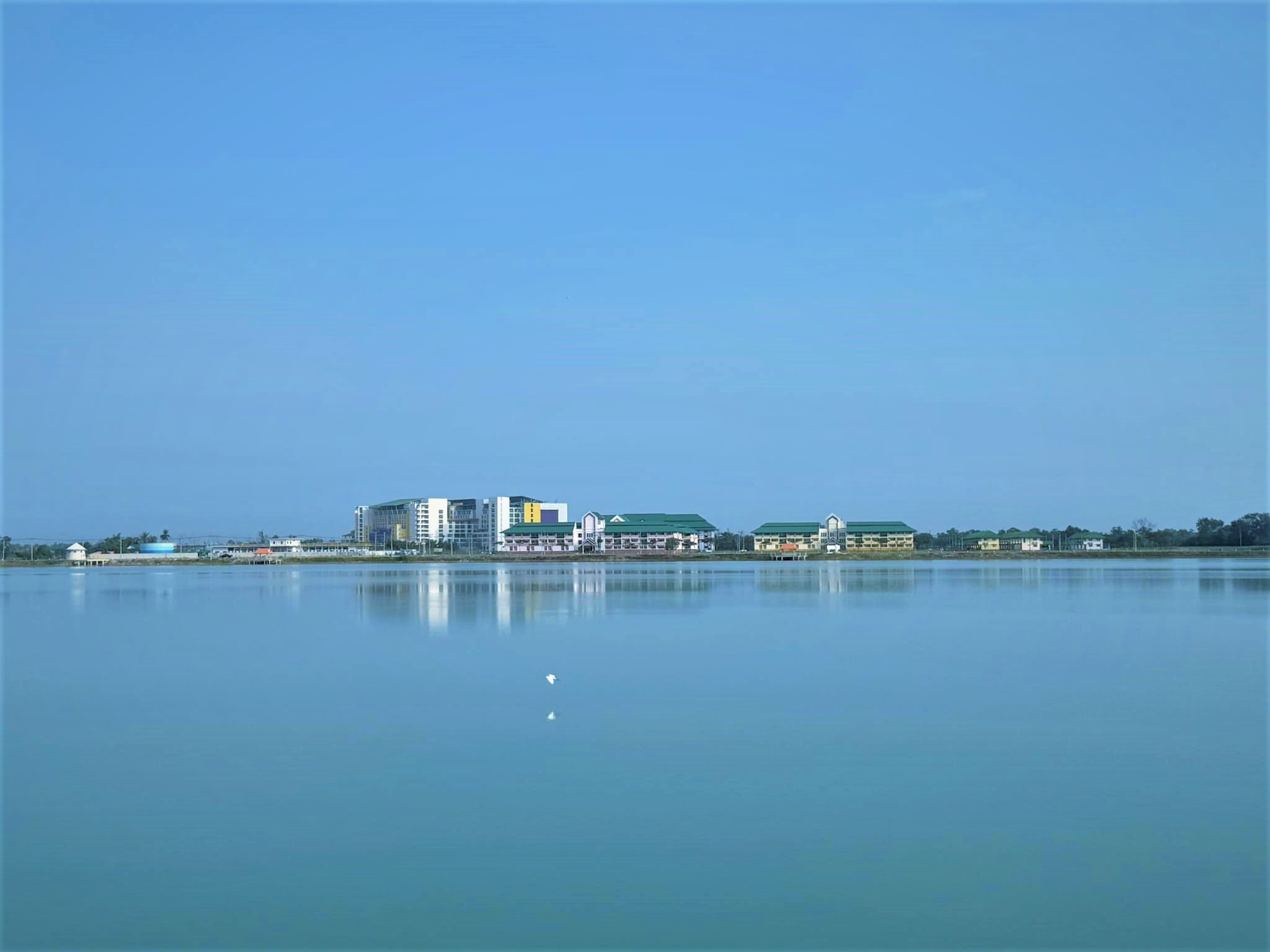
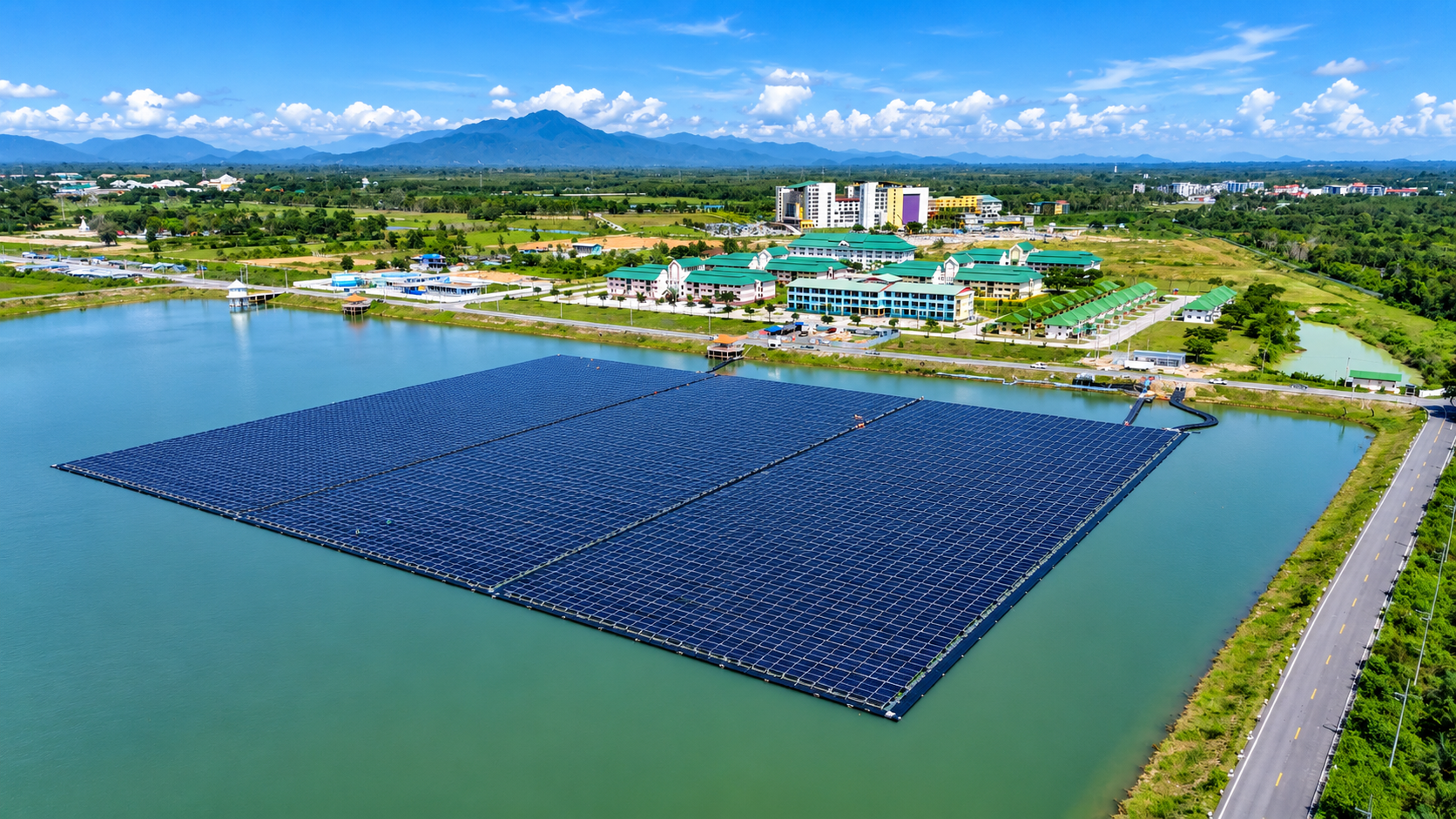
Chalanusorn Reservoir covers 329,385 square metres and has a storage capacity of 4,940,775 cubic metres. Constructed in 2022 behind Walailak University Medical Center Hospital, it was developed in collaboration with the Royal Irrigation Department’s Machinery Management Office 7. The reservoir collects rainwater and surface runoff from surrounding areas, temporarily retains floodwater, and helps reduce flood risks on university grounds and in neighbouring communities. Since 2024, it has served as the university’s main raw water source for tap water production.
These reservoirs demonstrate the existence of operational water harvesting and storage technologies on university grounds. They convert surplus rainwater and surface runoff into stored water available for use. Chalanusorn Reservoir, in particular, is directly connected to the raw water pumping and water treatment systems. Seasonal water storage therefore supports a continuous water supply and reduces reliance on external sources.
2. Raw Water Pumping and Water Treatment Technologies
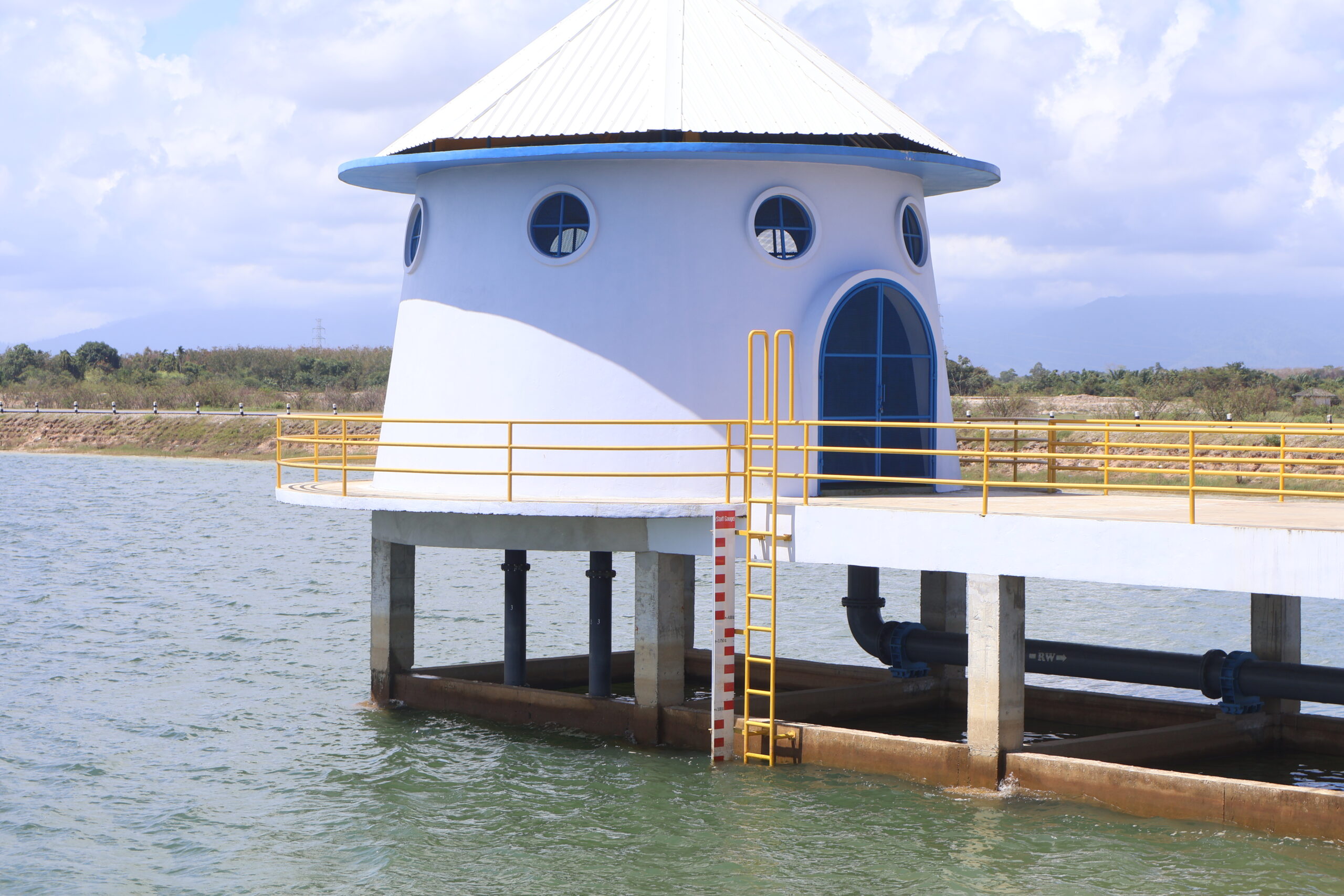
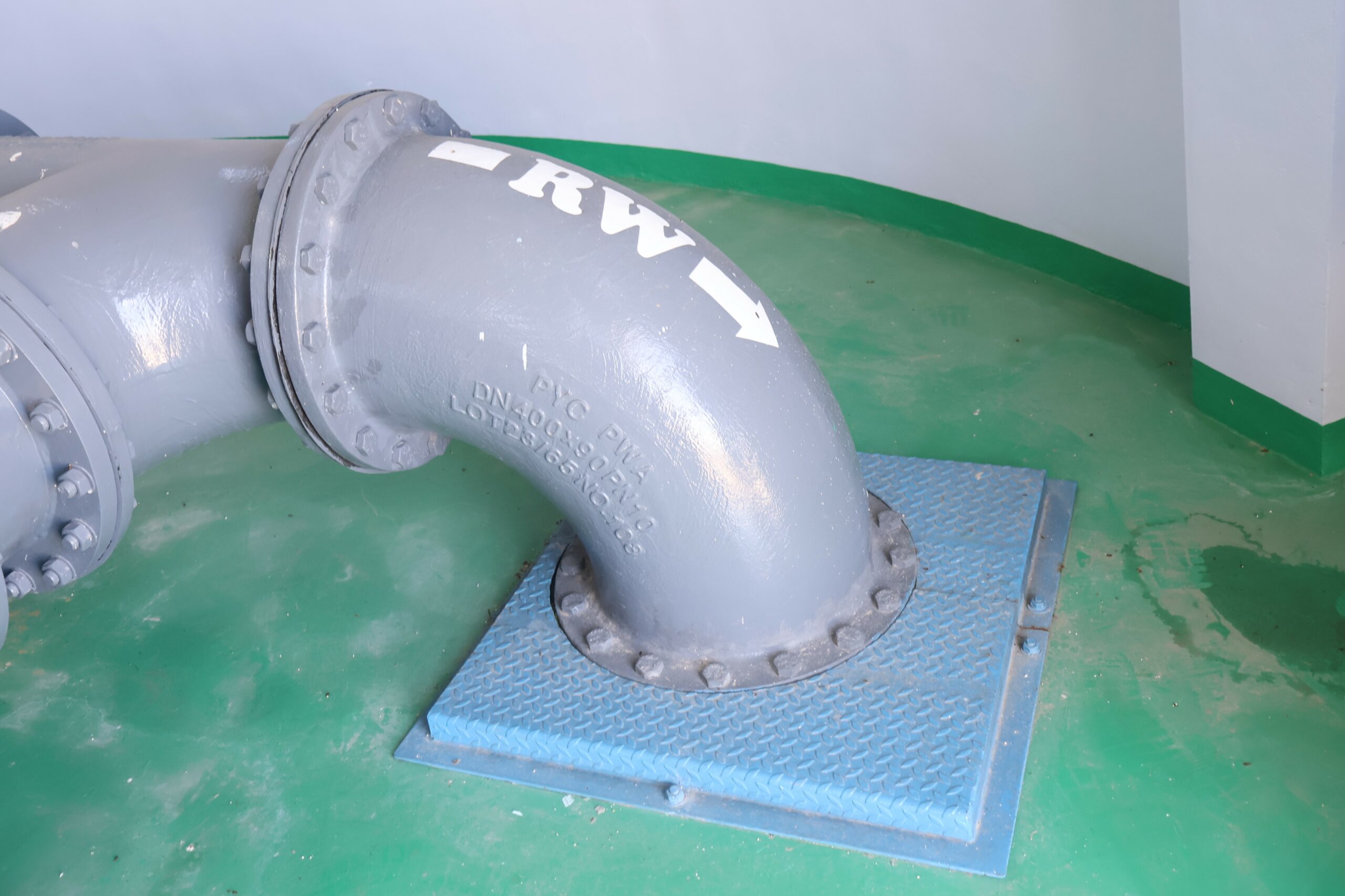
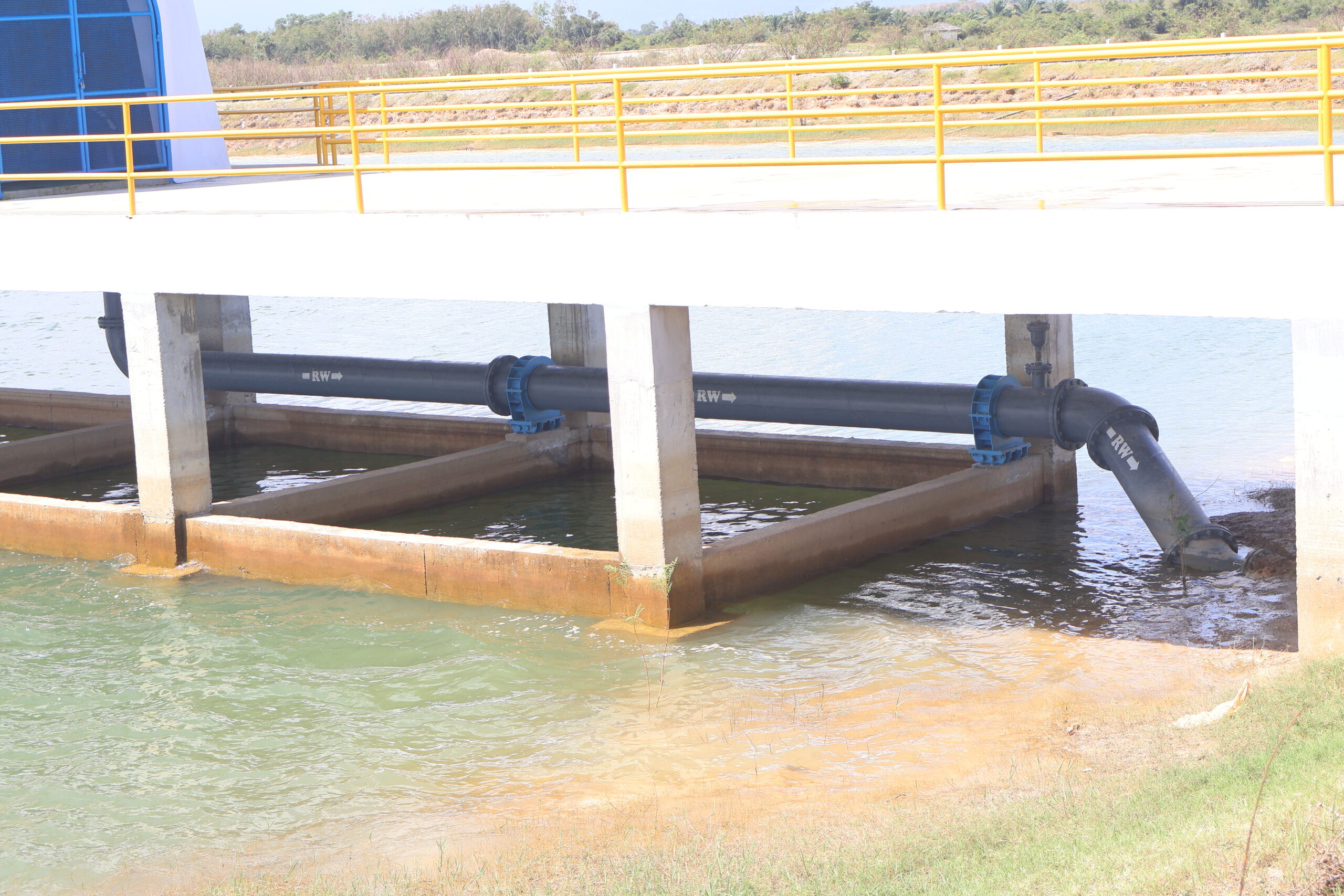
The university uses raw water pumps and a 400-millimetre pipeline to extract water from Chalanusorn Reservoir and convey it to the water treatment plant. This operational technology supplies water from an on-site reservoir to meet the needs of university buildings and activities, connecting the stored water source, pumping system, and water treatment facilities.
The university monitors the pumping and water treatment systems to identify operational abnormalities and inform operation and maintenance planning. Regular equipment maintenance supports reliable water extraction from the reservoir and reduces the risk of interruptions to the water supply.
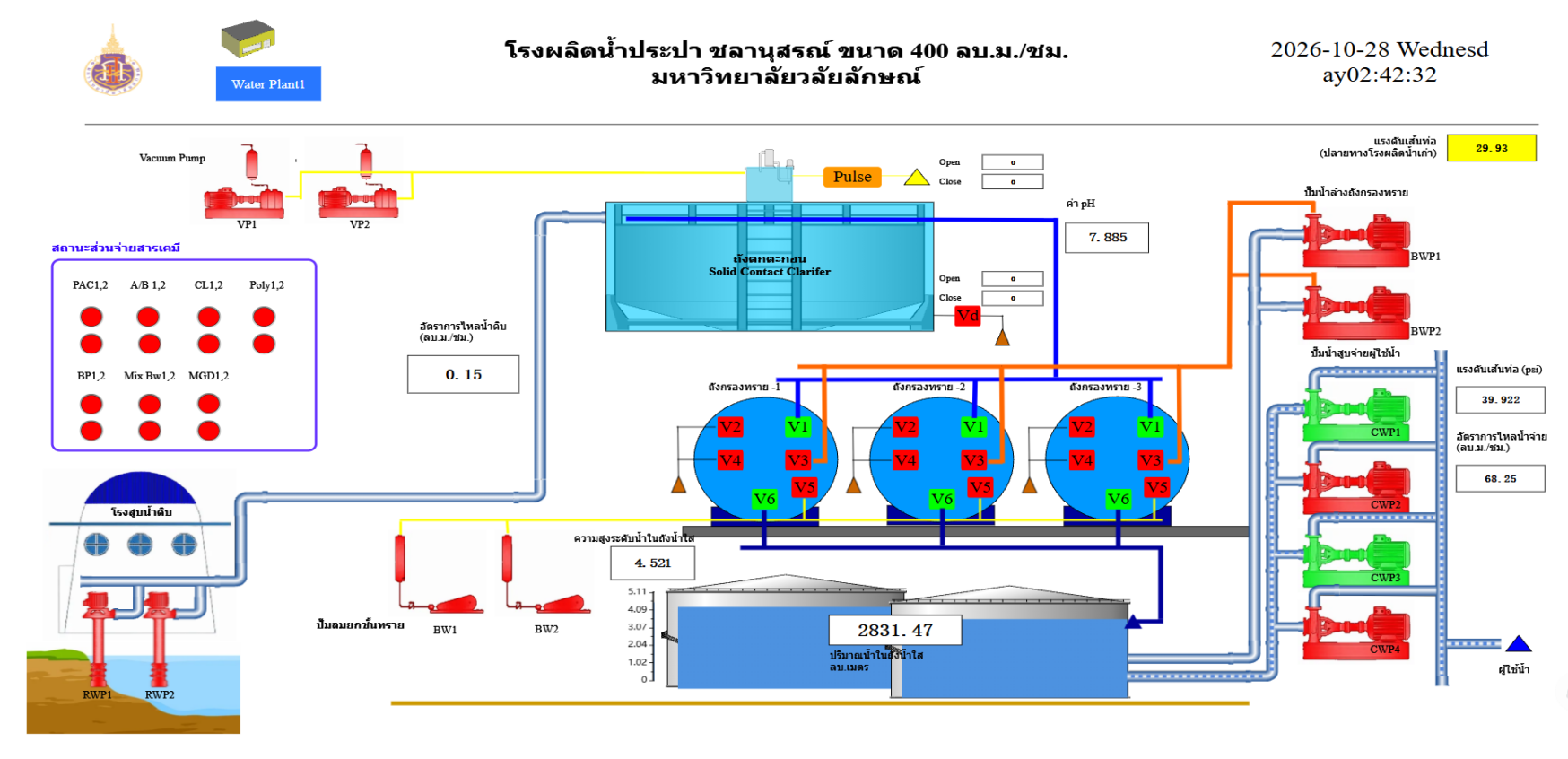
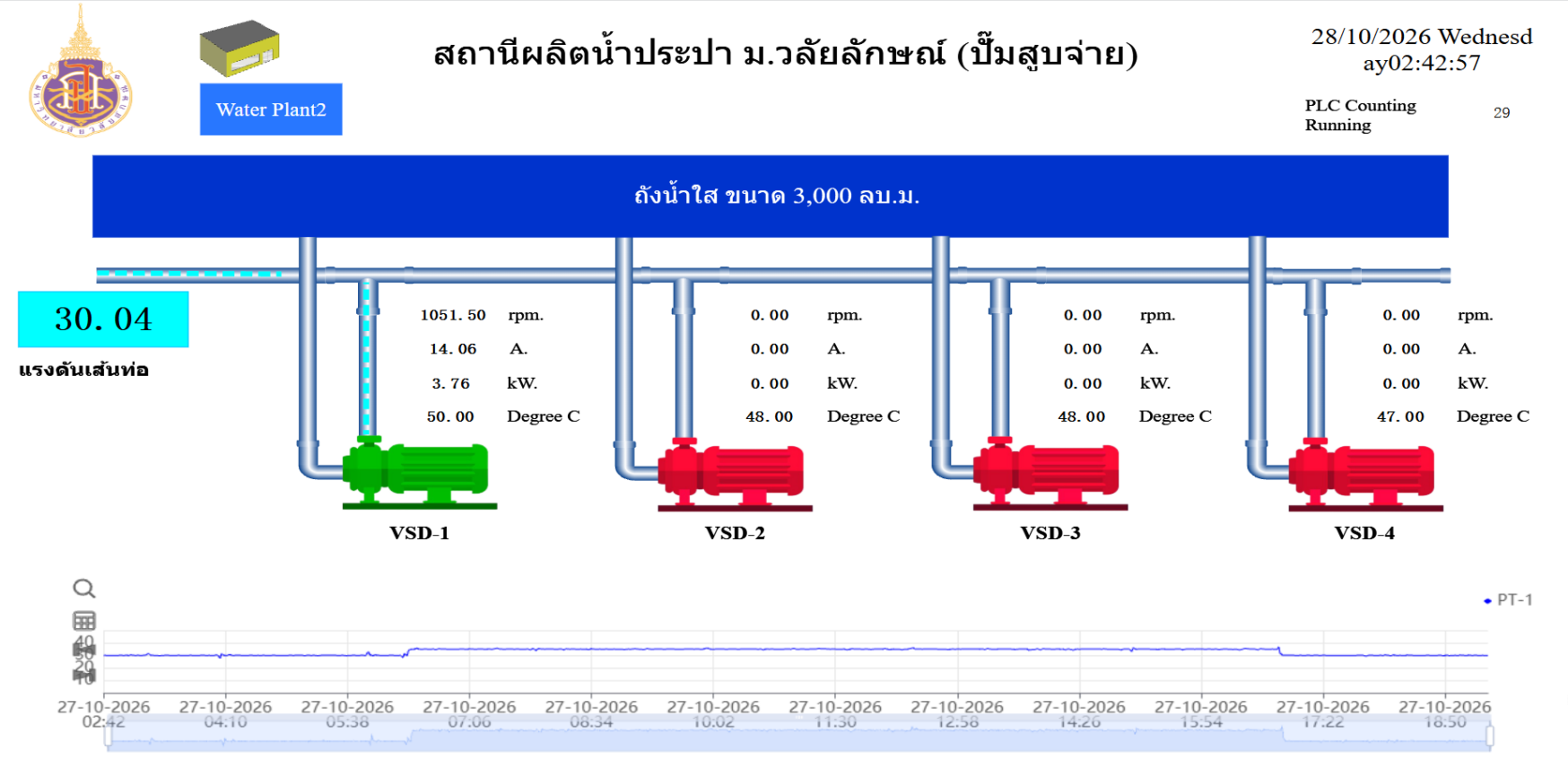
Once pumped into the treatment plant, raw water undergoes chemical dosing and mixing through a Static Mixer, which promotes the aggregation of colloidal particles and impurities. The water then passes through sedimentation, filtration, and disinfection before distribution to users on university grounds. These technologies improve the quality of extracted water for its intended uses.
The installed raw water pumps and conveyance system connected to Chalanusorn Reservoir demonstrate the existence of applicable technologies for water extraction on university grounds. The water treatment facilities subsequently enable the university to make systematic use of its stored water resources.
3. Digital Technologies for Water Monitoring and Management
The university uses the BOT CDT application, together with monitoring devices, to track reservoir water levels, rainfall, temperature, and weather conditions in real time. Responsible personnel can access current water information to inform water storage, drainage, and extraction planning according to local conditions and seasonal changes.
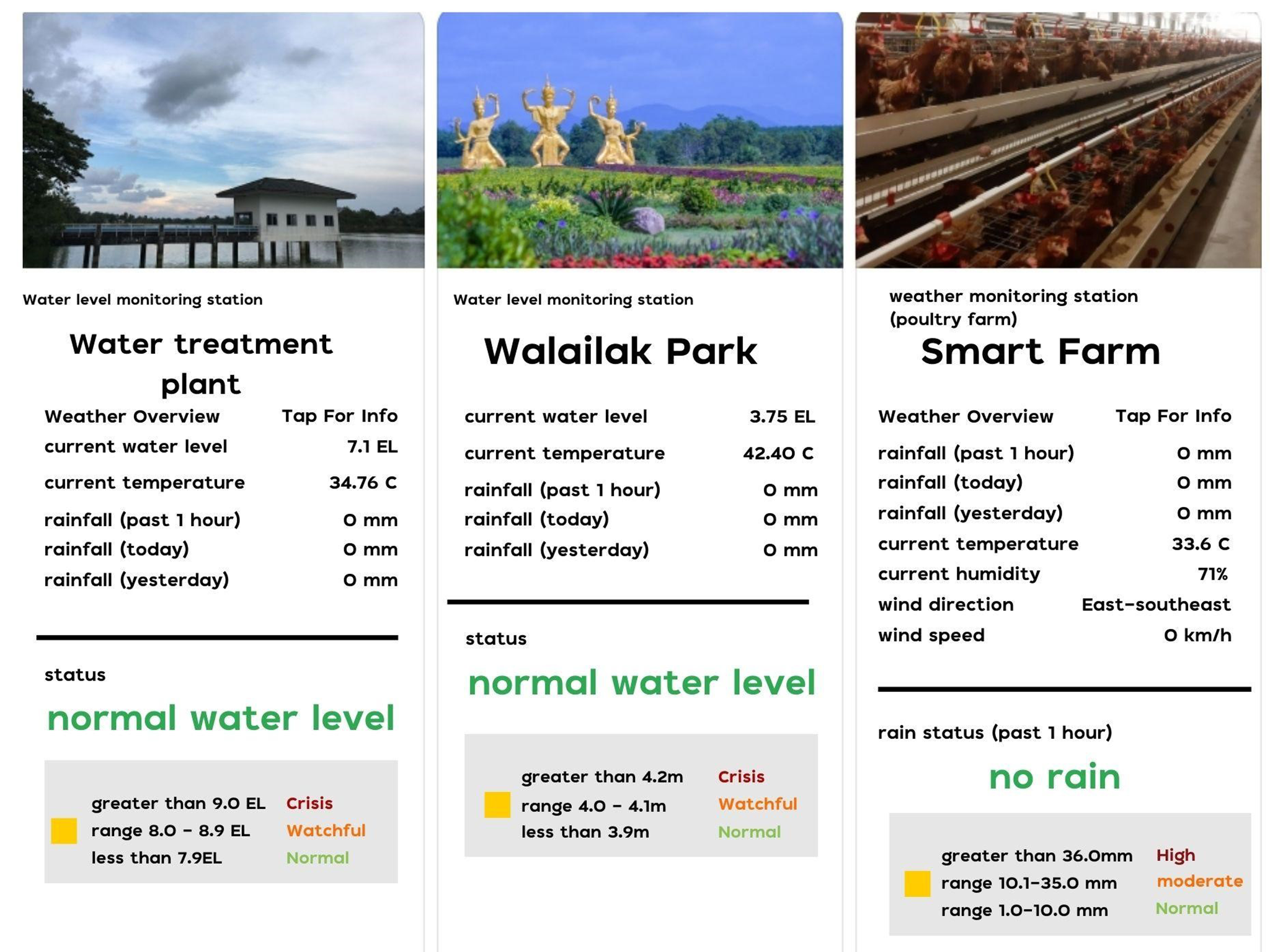
Water level monitoring provides information on the status of stored water resources, while rainfall and weather data support assessments of changing water conditions, particularly during heavy rainfall or periods of declining water availability. These data support flood and drought preparedness and the planning of water use from university reservoirs.
The application and monitoring devices are applicable technologies that support sustainable water extraction by enabling water management based on up-to-date information and linking water use decisions to the conditions of on-site water sources.
4. Water Gates and Pumping Stations for Water Level Management
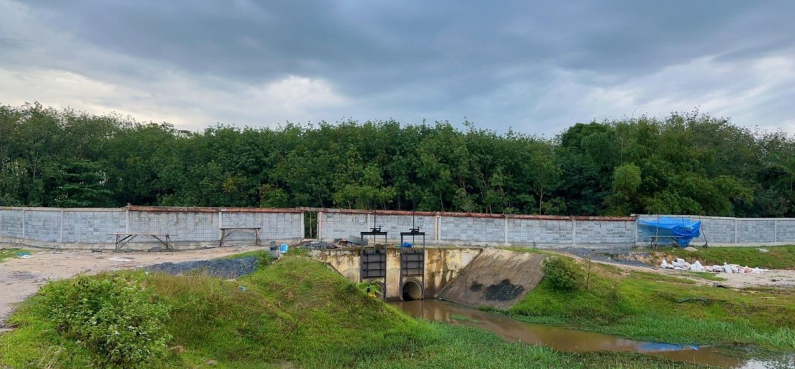
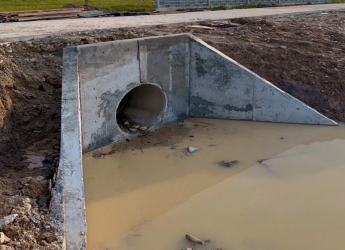
The university has 20 water gates. The gates are inspected monthly to maintain operational readiness and enable water flow and levels to be controlled according to prevailing conditions. Water gates regulate drainage and storage through opening and closing operations. Their use alongside water monitoring data helps manage surplus water during the rainy season and retain water for subsequent use. They therefore support the availability of water resources for extraction and use on university grounds.
The university also operates eight pumping stations: Suan Walai, Wang Mak, Kla Dee, Walai Niwas, Laksana Niwet 1, the wastewater treatment ponds, Friday Market, and the Medical Center. These stations are equipped with a total of 21 electric and engine-driven pumps, with pumping capacities of 1–2 cubic metres per second, to drain flood-prone areas and help reduce impacts on buildings and infrastructure.
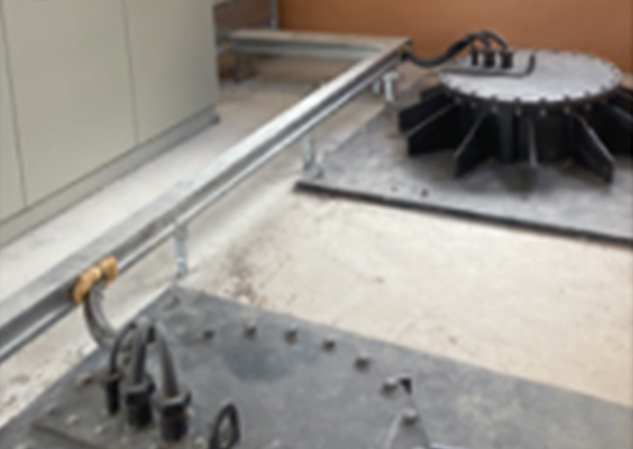
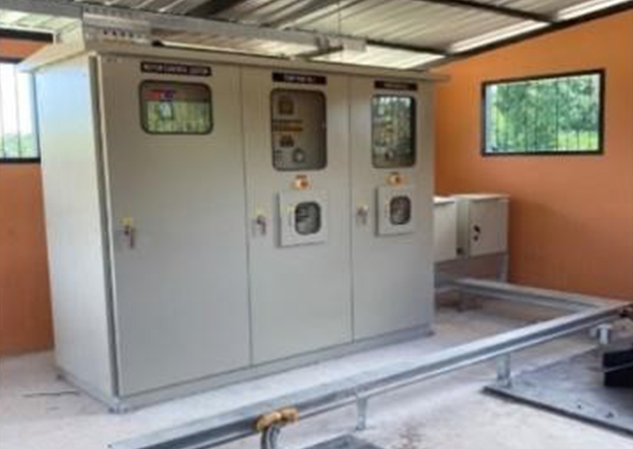
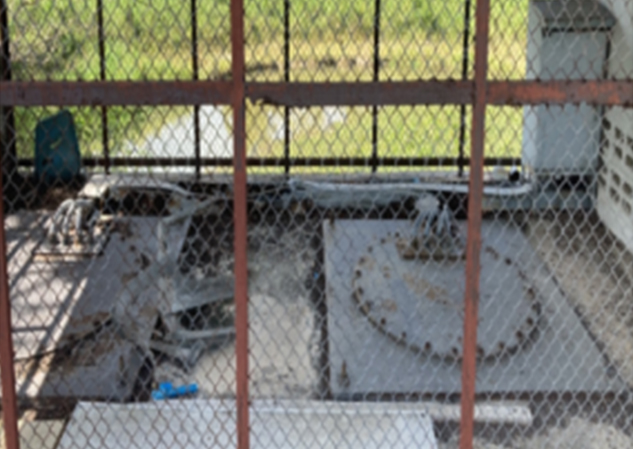
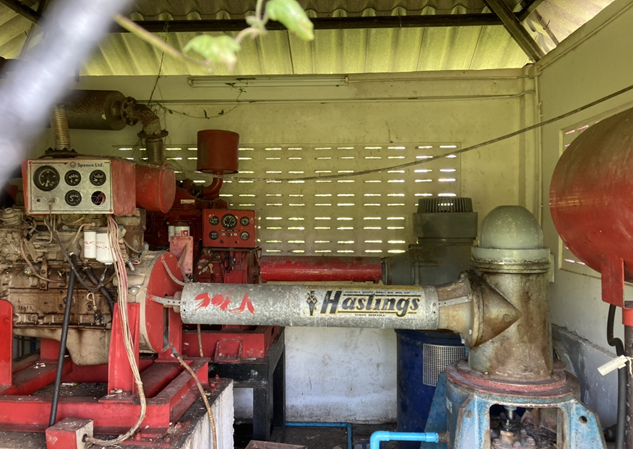
The installed water gates, pumping stations, and drainage pumps demonstrate the existence of applicable technologies for managing water on university grounds. Water gates control water levels and retention, while drainage pumps manage excess water and support flood prevention. Together, these systems support water resource management and the continuity of university utility services.
Rainwater Harvesting Systems for Sustainable Water Extraction
In 2025, Walailak University implemented sustainable water extraction technologies through Rainwater Harvesting Systems, which have been installed and are operational on associated university grounds. These systems consist of rooftop rainwater collection gutters and storage tanks designed to collect and store rainwater for various purposes, including landscape irrigation, green space maintenance, and utility activities that do not require potable water. By utilising harvested rainwater, the University reduces its demand for treated water and minimises the need for additional freshwater extraction from its reservoirs.
Furthermore, the University integrates these technologies with its water retention systems based on the Monkey Cheek concept, which collect and store rainwater and surface runoff across the campus. These systems provide water reserves to support university operations and activities throughout the year.
These initiatives demonstrate the existence and utilisation of applicable sustainable water extraction technologies on associated university grounds, directly supporting Indicator 6.5.4: Sustainable Water Extraction on Campus. By integrating rooftop rainwater harvesting with large-scale water retention infrastructure, Walailak University improves water resource efficiency, reduces dependence on external water sources, conserves freshwater reserves, and strengthens long-term water security.
Sustainable Wastewater Treatment Technologies and Water Reuse
In 2025, Walailak University utilised wastewater treatment and water reuse technologies to support sustainable water extraction by reducing the demand for freshwater extracted from on-campus reservoirs for activities that do not require potable water. These technologies promote efficient water resource management and water recycling, contributing to long-term water sustainability.
The Process of Wastewater Treatment System
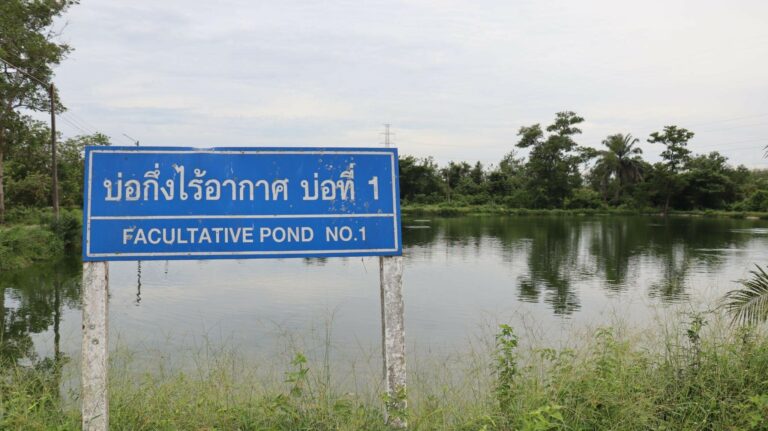
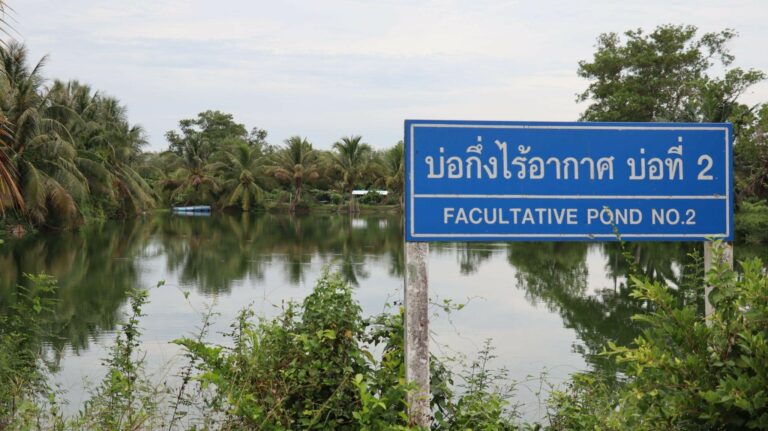
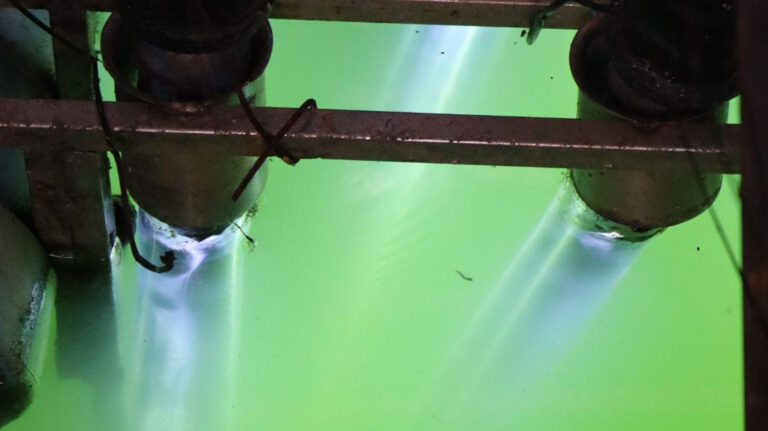
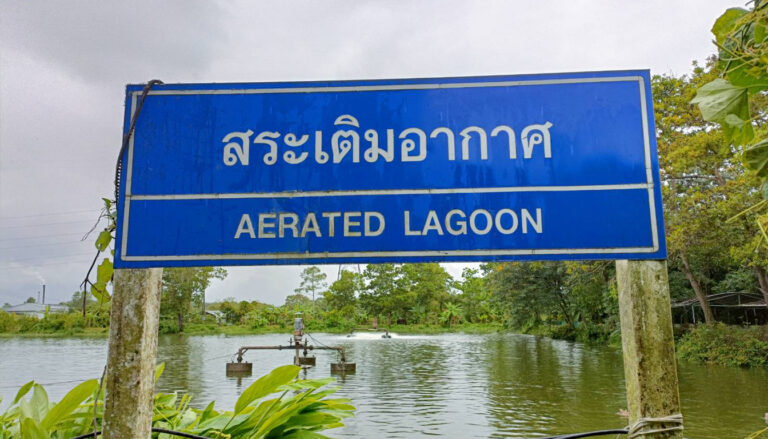
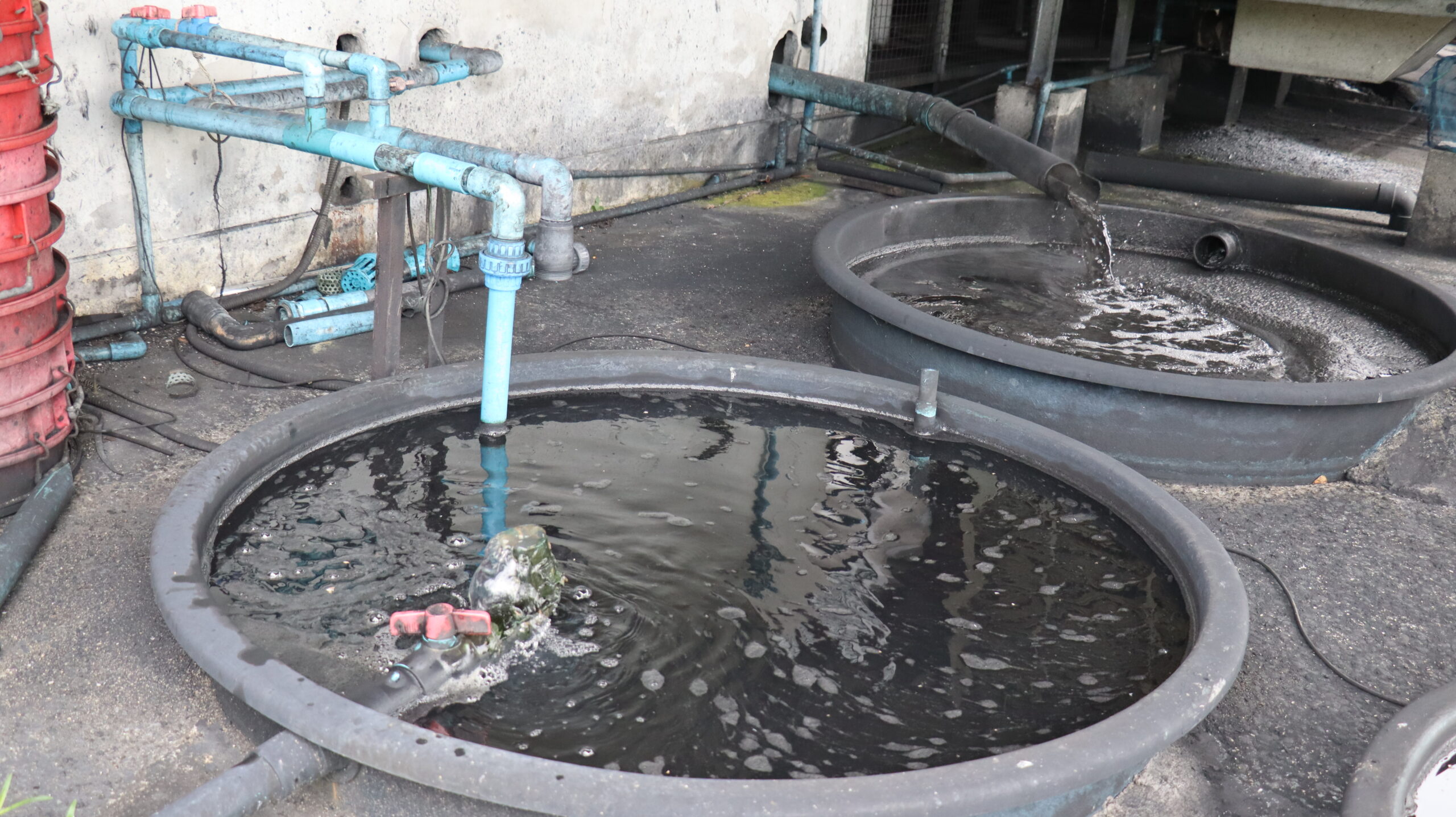
The university operates an integrated wastewater treatment system, beginning with the collection of wastewater from campus buildings through grease traps and automatic mechanical screens to remove fats and solid waste. Wastewater then undergoes biological treatment through an Aerated Lagoon with a capacity of 18,903 cubic metres and two Facultative Ponds with capacities of 18,217 and 37,752 cubic metres, respectively. The treated wastewater subsequently passes through an ultraviolet (UV) disinfection system and a constructed wetland for further water quality improvement. In 2025, the university introduced microbial powder into the constructed wetland to improve water clarity and reduce ammonia concentrations.
The university also employs dissolved oxygen (DO) monitoring technologies to regulate the aeration system and conducts regular water quality assessments to ensure effective wastewater treatment. Laboratory results in 2025 showed that pH levels ranged from 6.8 to 7.1, while DO concentrations ranged from 4.2 to 5.4 milligrams per litre, consistently meeting the benchmark criteria used for comparison across all reported monitoring rounds.
Treated Wastewater Reuse and Biological Water Quality Assessment
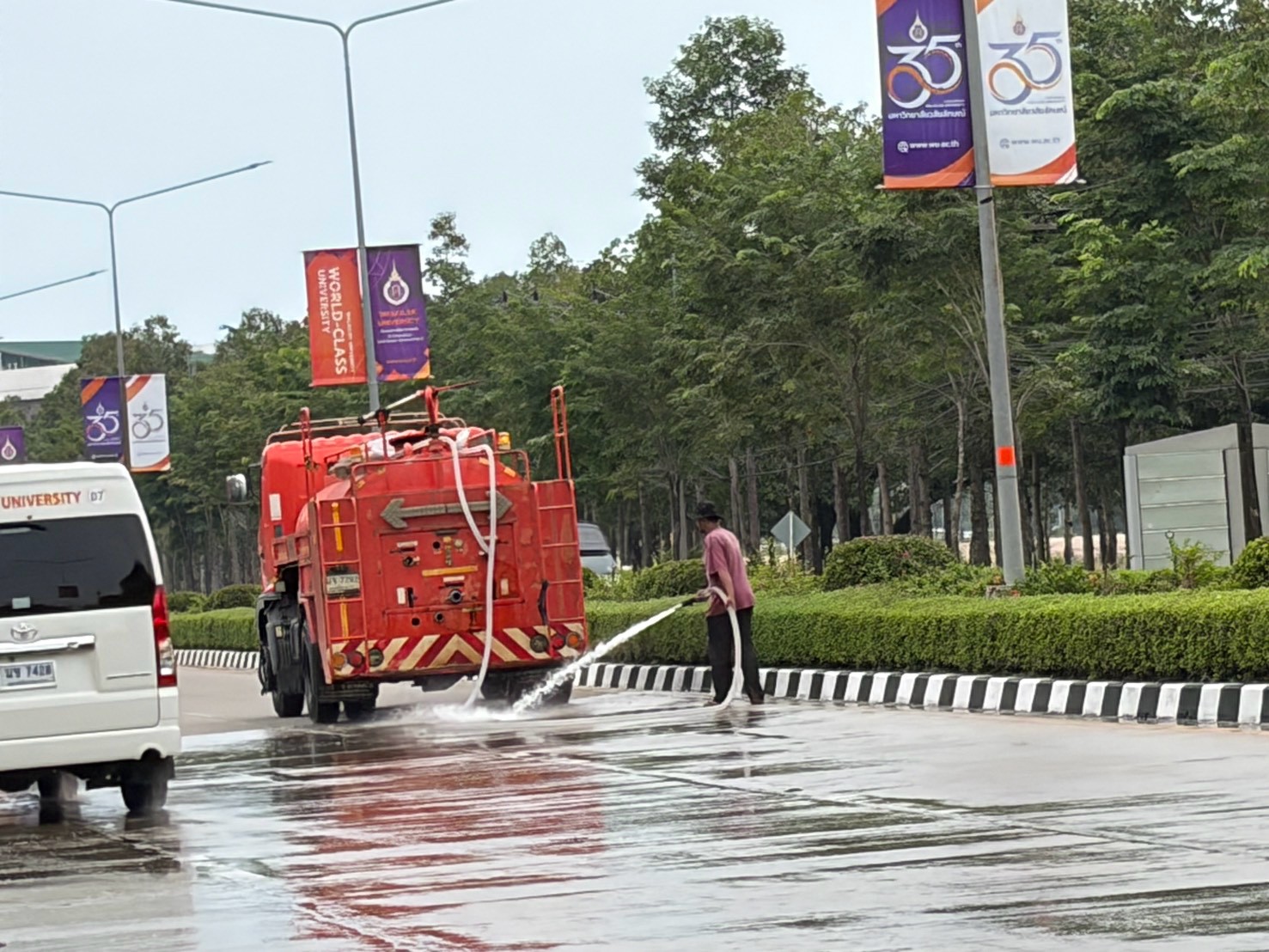
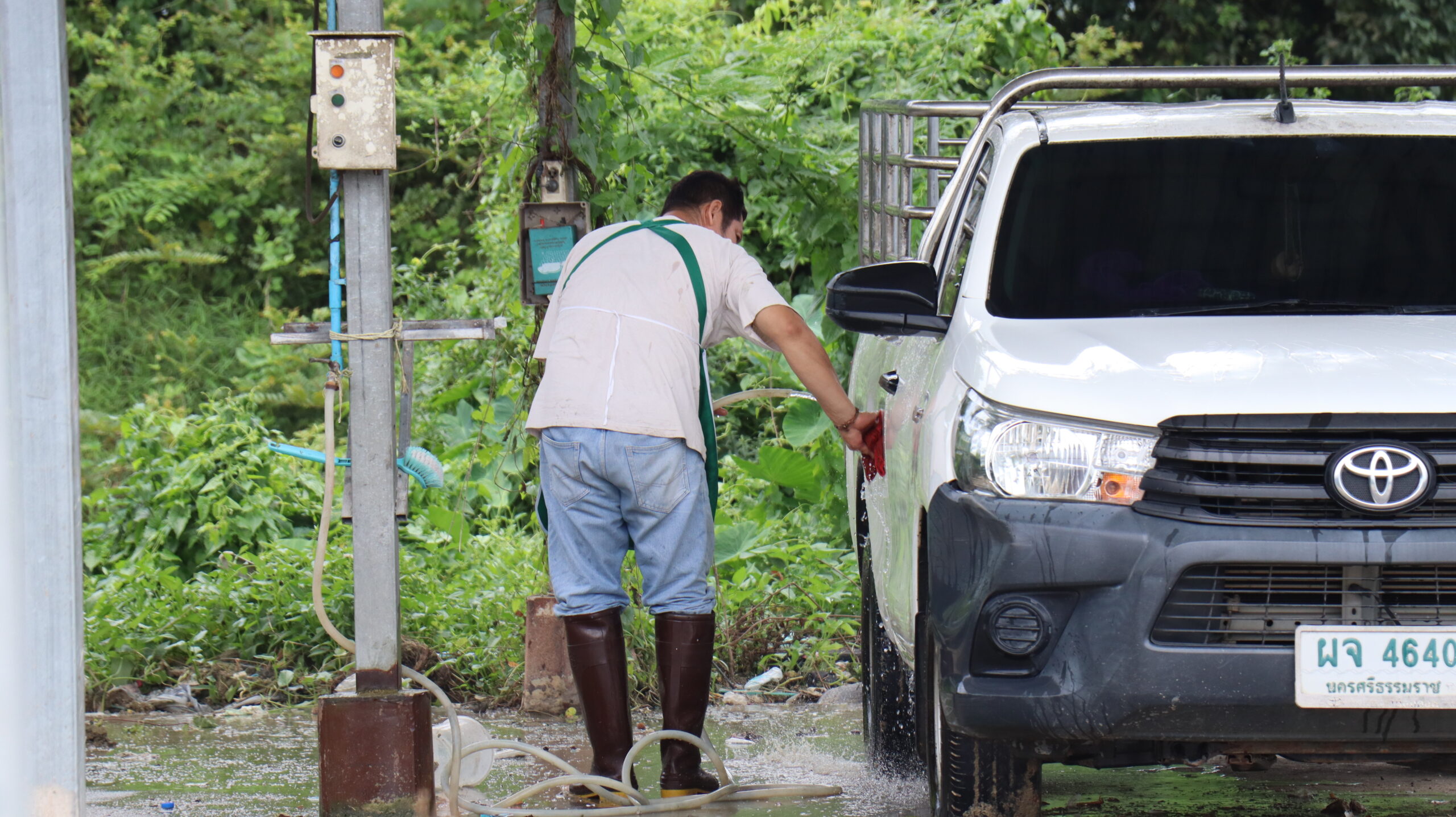
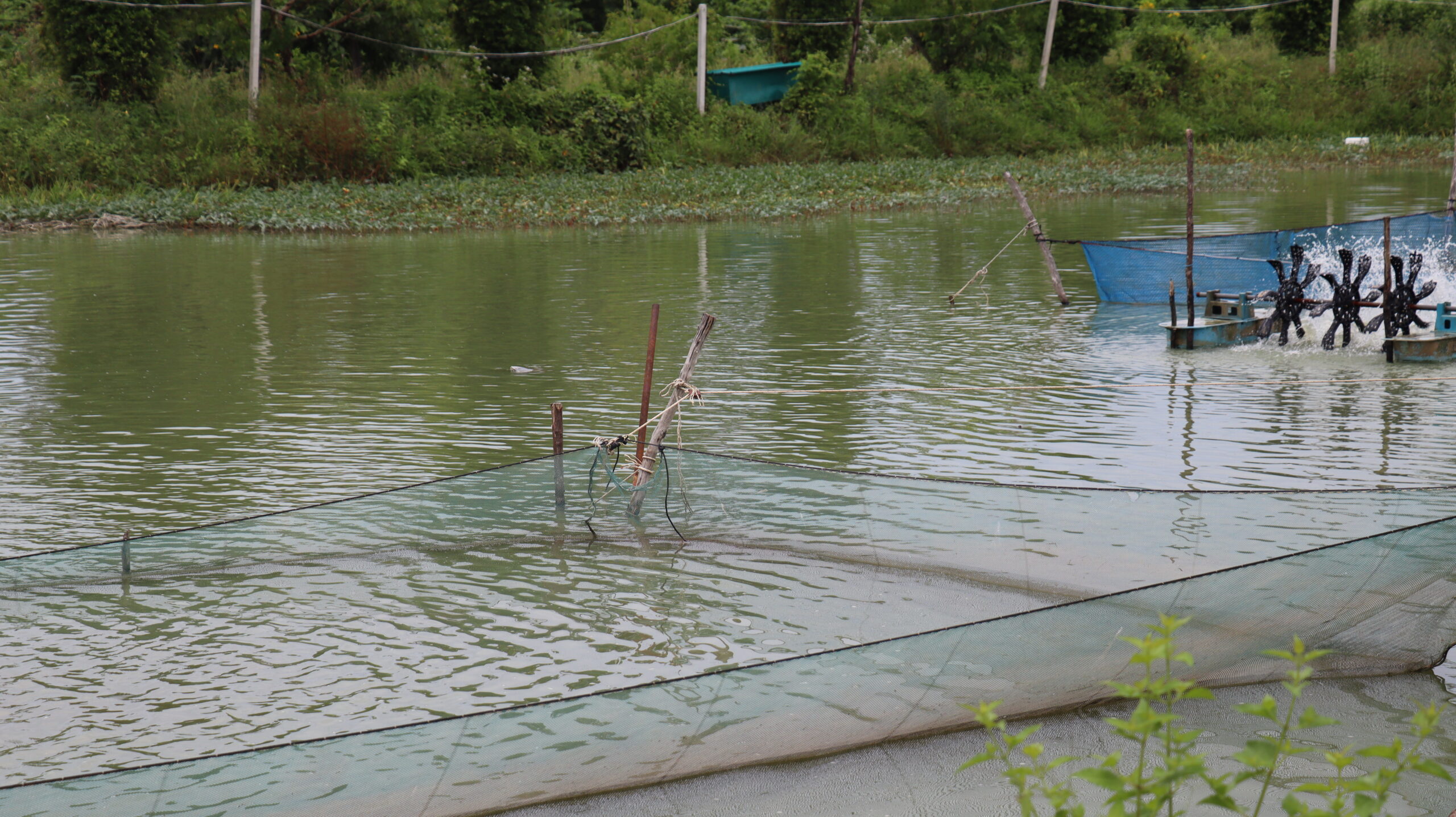
Treated wastewater is reused for various activities across the university, including landscape irrigation through sprinkler systems, road cleaning, vehicle washing, and cooling operations for waste incinerators. It is also used in experimental tilapia ponds as part of biological water quality assessments. These practices reduce potable water consumption and minimise the need for additional freshwater extraction from the university’s reservoirs.
These initiatives demonstrate the existence and application of sustainable water management technologies on associated university grounds, particularly wastewater treatment and water reuse systems that reduce dependence on freshwater extraction. By integrating biological treatment, UV disinfection, constructed wetlands, water quality monitoring, and water recycling, Walailak University contributes to conserving freshwater reserves, improving resource efficiency, and strengthening long-term water security.
Walailak University demonstrates the existence and use of applicable technologies for sustainable water extraction on university grounds through rainwater and surface runoff harvesting systems, raw water pumping from Chalanusorn Reservoir, and digital water monitoring technologies. Water level control and treated wastewater reuse provide further support. Together, these technologies connect water supply with stored water management and reduced demand for additional extraction, strengthening long-term water security and efficient water use.