Strengthening Cooperation at Local, Regional, National, and Global Levels for Sustainable Water Security at Walailak University
Strengthening Cooperation at Local, Regional, National, and Global Levels for Sustainable Water Security at Walailak University
Water security is essential to sustainable development, encompassing reliable access to sufficient and safe water, effective water resource management, ecosystem protection, and resilience to water-related challenges such as flooding, drought, and climate change. In 2025, Walailak University (WU) engaged in cooperation with government agencies at local, regional, and national levels, alongside international organisations, to strengthen water security and address shared water-related challenges. Through these partnerships, the university integrated academic expertise, scientific research, innovative technologies, and community participation to advance water conservation, water quality monitoring, sustainable water supply management, disaster risk reduction, and ecosystem-based water resource management. These water security cooperation initiatives included collaboration with local government authorities, participation in provincial and regional water governance mechanisms, the application of national technical standards, and engagement with international organisations. Collectively, these efforts demonstrate the university’s commitment to strengthening cooperation on water security, facilitating knowledge exchange, building community capacity, and promoting long-term water security and environmental sustainability.
1. Cooperation with Local Governments on Water Security
Cooperation with Local Government in Groundwater Quality Monitoring and Strengthening Community Water Security
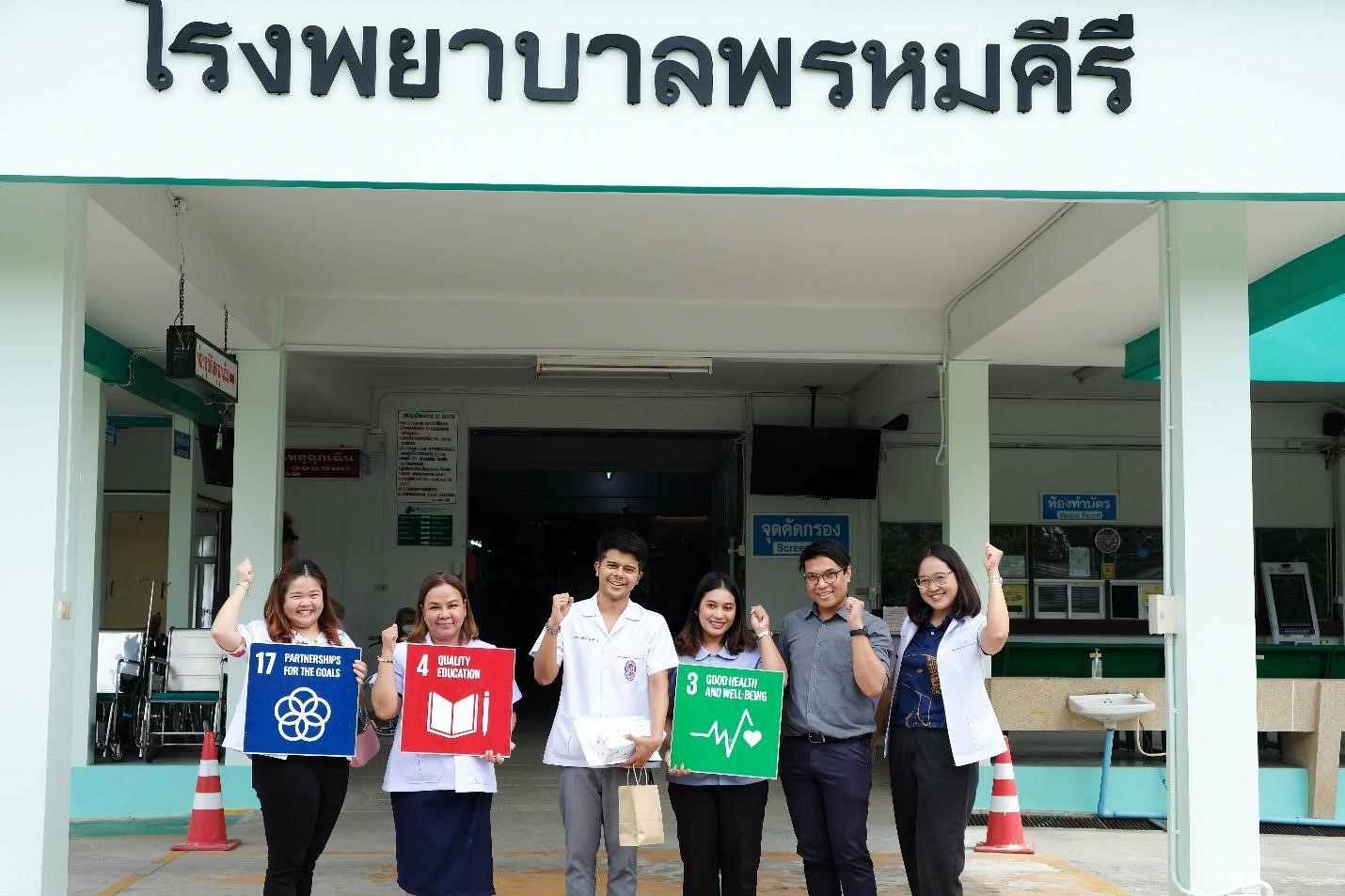
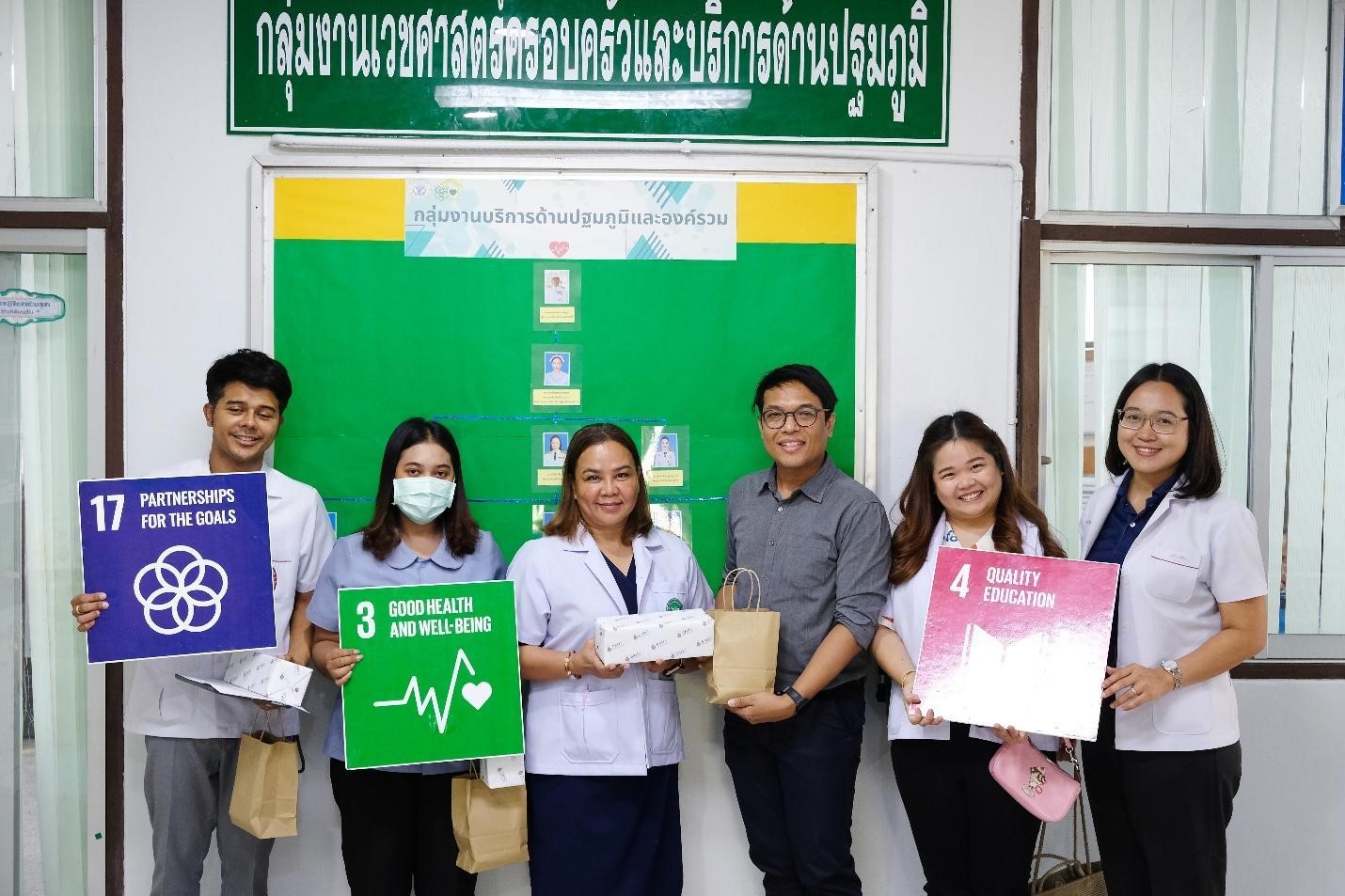
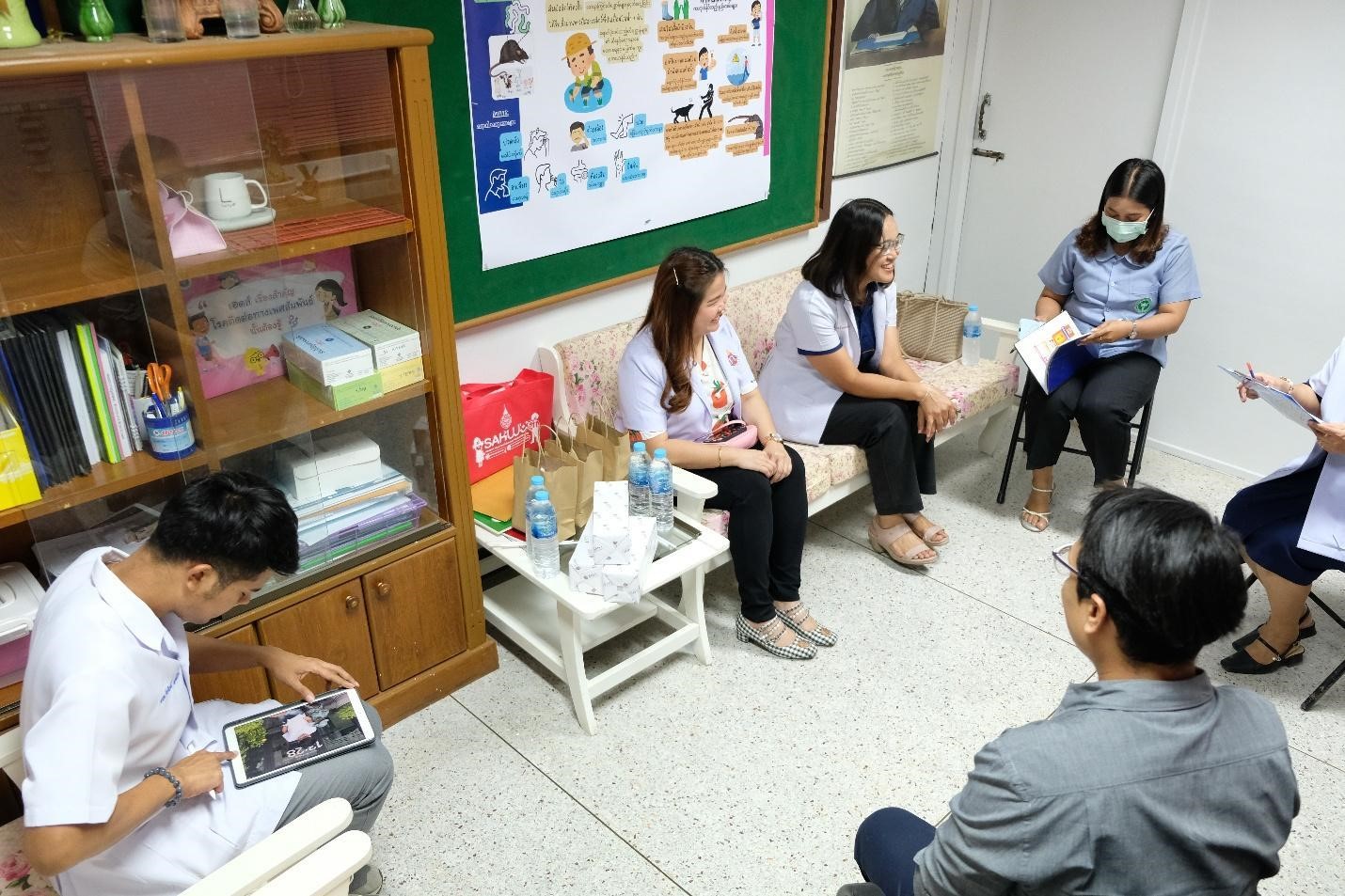
Water security encompasses not only the availability of sufficient water but also access to safe water and the prevention of water-related health risks, particularly those associated with water contamination and flooding. In 2025, Walailak University, through its School of Allied Health Sciences, strengthened cooperation with local government healthcare agencies, particularly Tha Sala Hospital and Phrom Khiri Hospital, in Nakhon Si Thammarat Province, to enhance community water security through water quality monitoring, environmental surveillance, and water-related disease prevention.
The Cooperation with Tha Sala Hospital and Phrom Khiri Hospital (Local Government Hospitals)
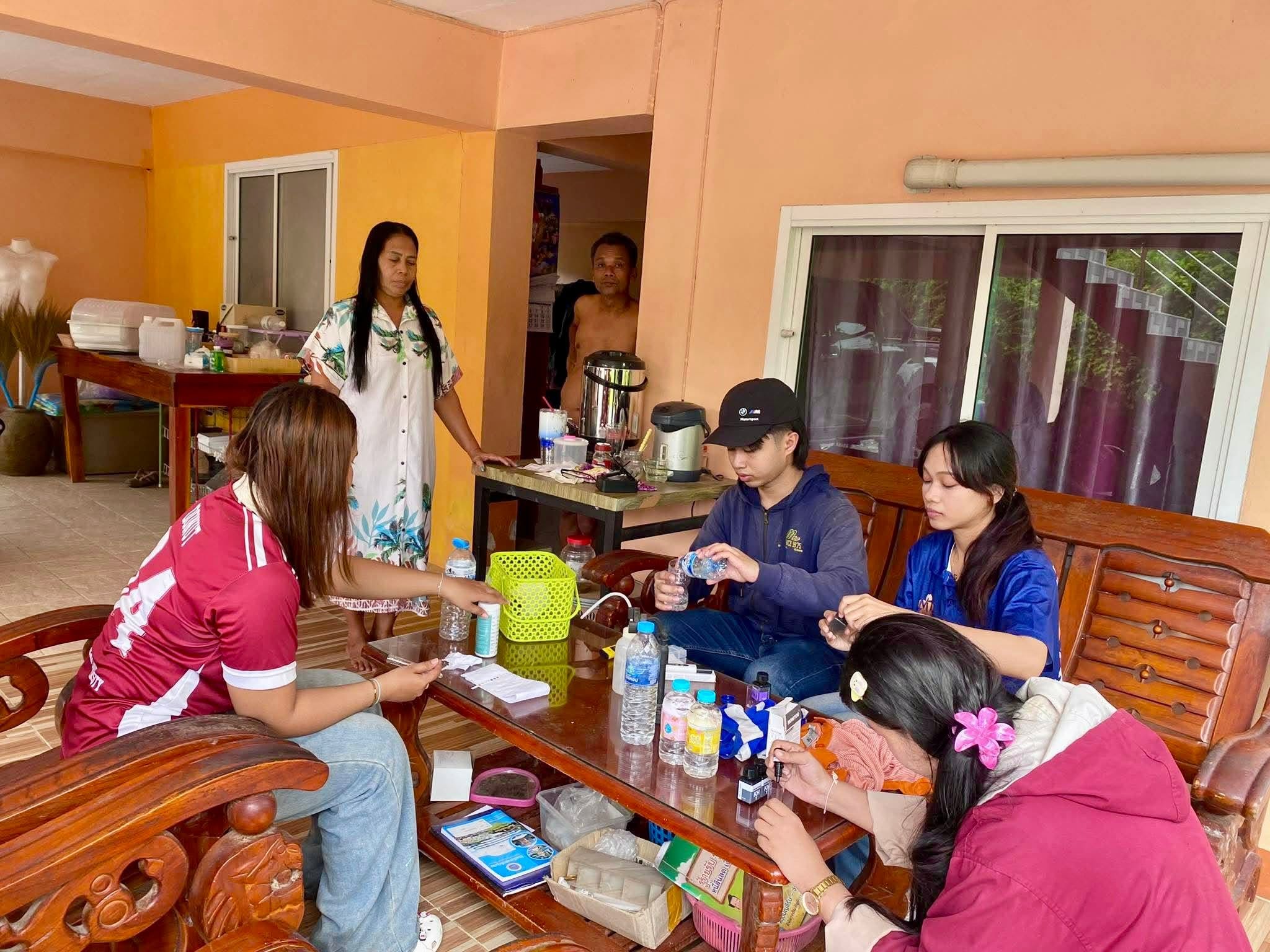
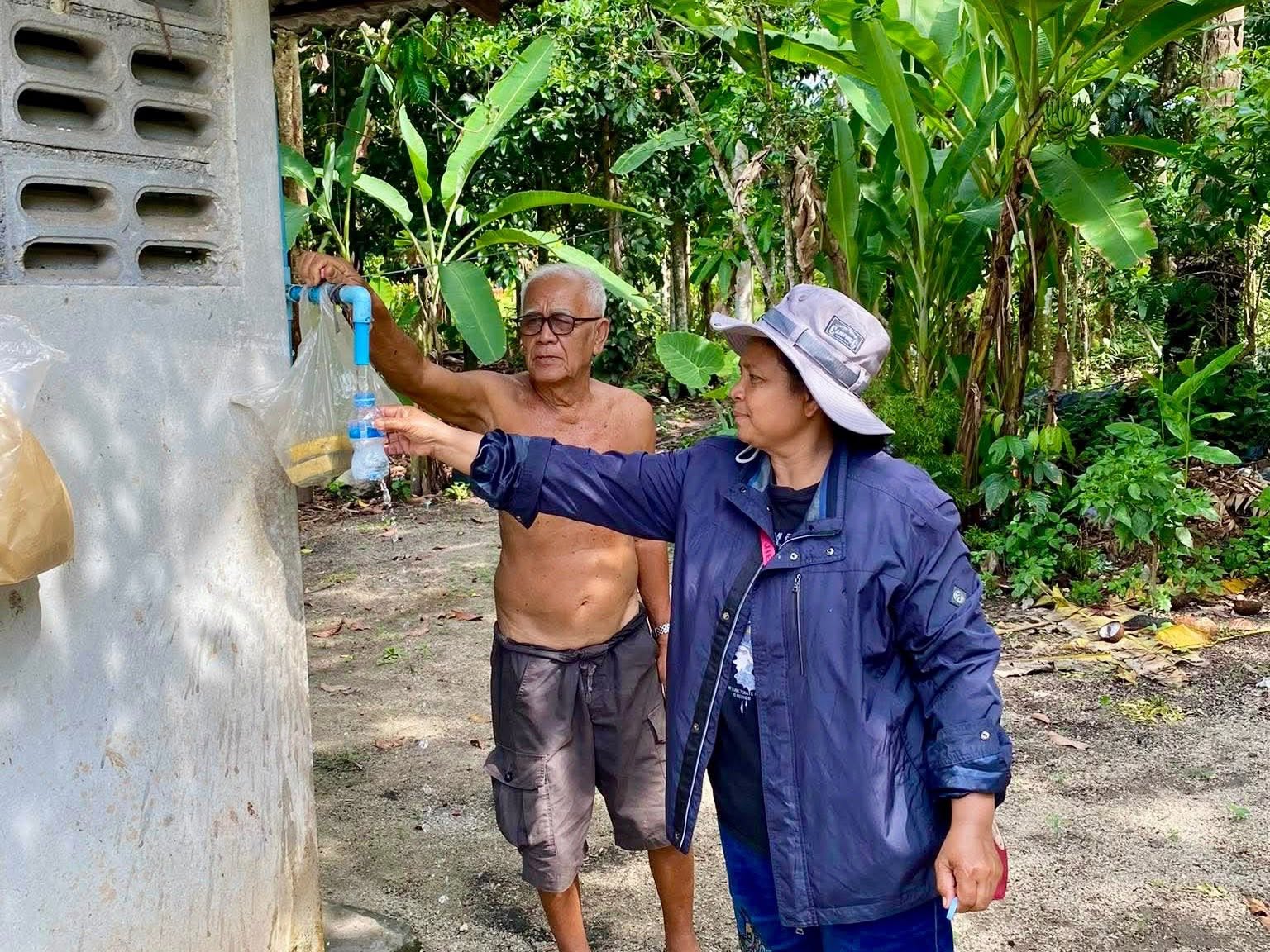
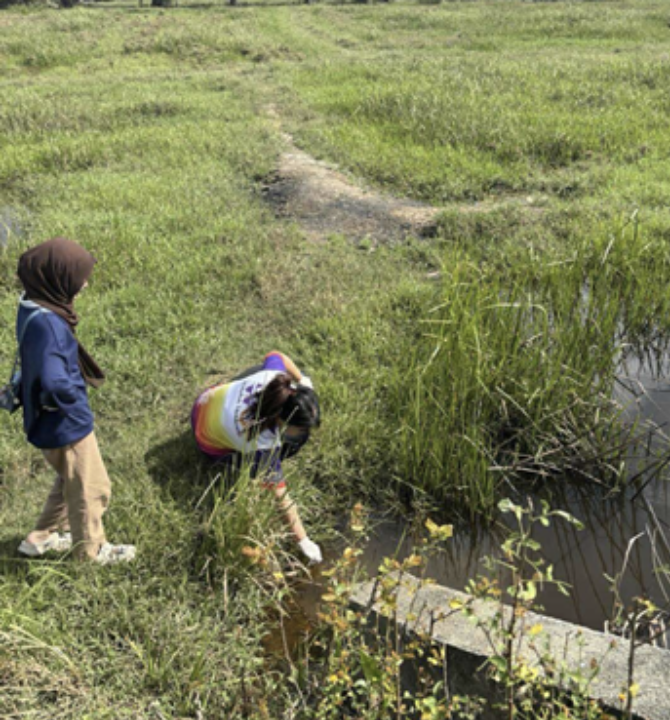
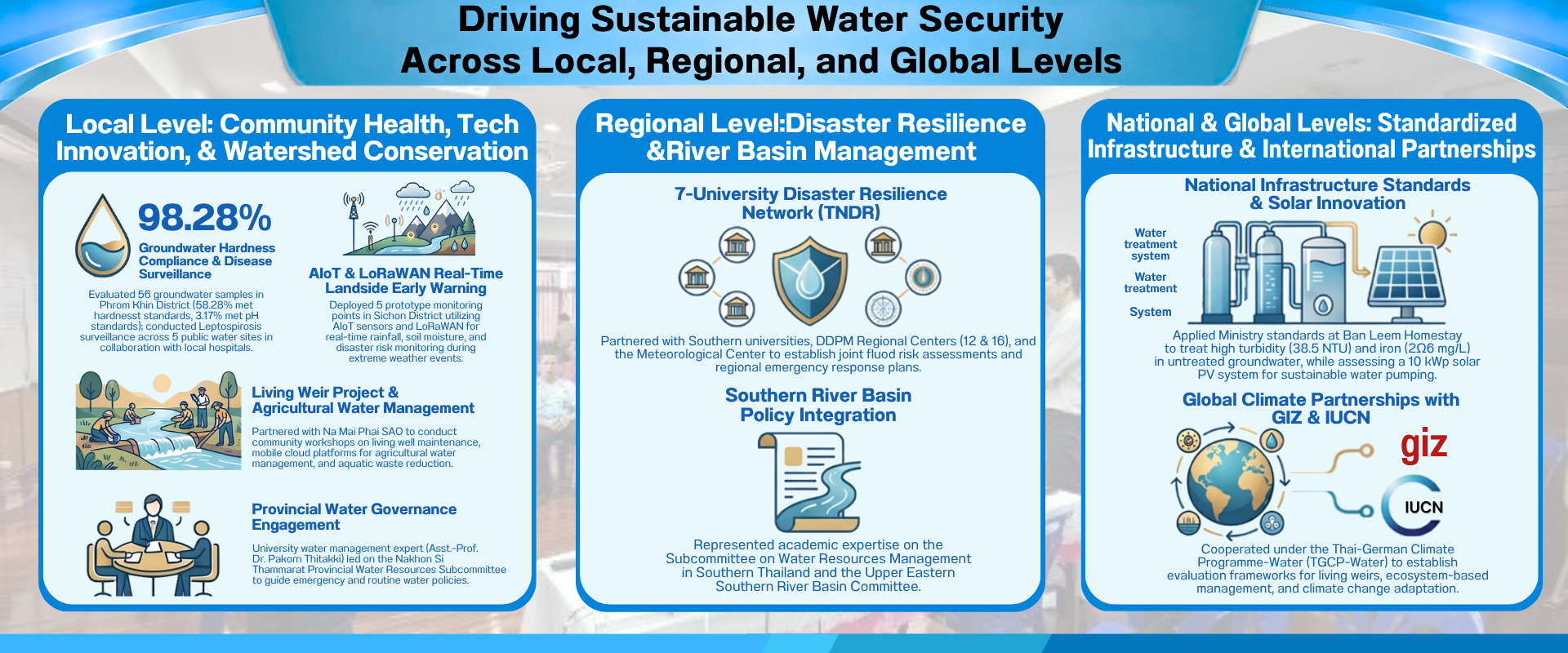
Under the Groundwater Hardness Assessment Project in Chum Khling Village, Thon Hong Subdistrict, Phrom Khiri District, the university surveyed groundwater sources and household water-use practices and collected 58 groundwater samples for physical and chemical analysis. The results showed that 98.28% of the samples met the hardness standard, while only 5.17% met the pH standard, highlighting the importance of continuous water quality monitoring. The University also shared community survey findings with local primary healthcare agencies to support community health planning. In parallel, the University cooperated with Tha Sala Hospital and Phrom Khiri Hospital to implement environmental surveillance of leptospirosis, a water-related infectious disease associated with flooding and contaminated water. Activities included collecting environmental water samples from five public water locations across Thaiburi, Mok Lan, and Pho Thong subdistricts in Tha Sala District to investigate the presence of Leptospira bacteria, strengthening laboratory diagnostic capacity, and collaborating with hospital primary healthcare and epidemiology teams on disease surveillance and outbreak preparedness. The findings were intended to support joint planning for disease prevention and risk reduction in flood-prone communities. This cooperation demonstrates how Walailak University works with local government healthcare agencies to integrate groundwater quality assessment, environmental water monitoring, and public health surveillance, strengthening local capacity to identify water-related risks, support evidence-based preventive measures, and promote sustainable community water security.
Cooperation with Local Government in Water-Related Disaster Risk Monitoring and Community Water Security
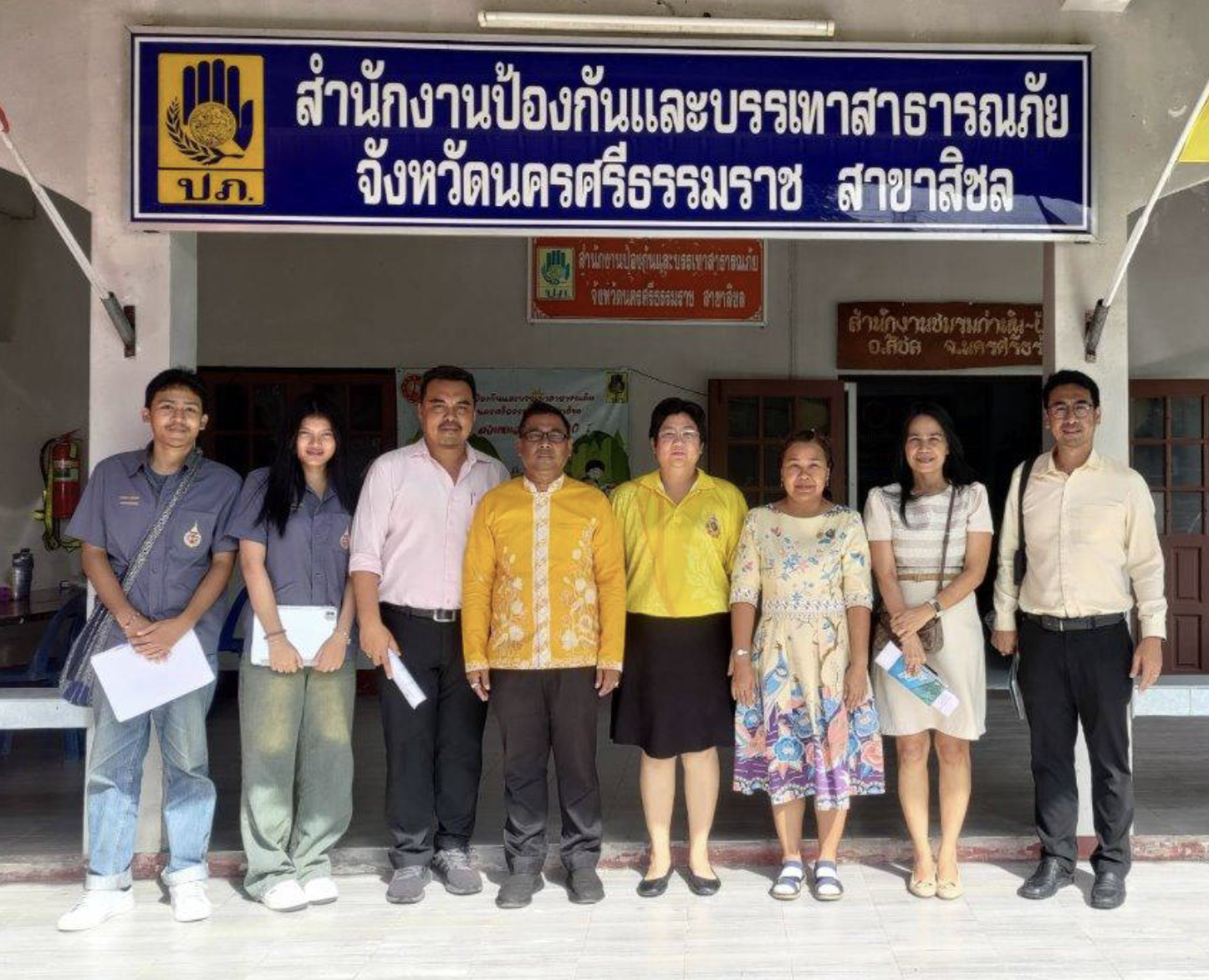
Water security encompasses not only the availability and quality of water but also the capacity of communities to monitor and respond to water-related disasters, particularly risks associated with heavy rainfall and flooding. In 2025, Walailak University cooperated with local government agencies, including the Si Khit Subdistrict Administrative Organization and Theppharat Subdistrict Administrative Organization in Sichon District, Nakhon Si Thammarat Province, to strengthen community preparedness for rainfall-related disasters.
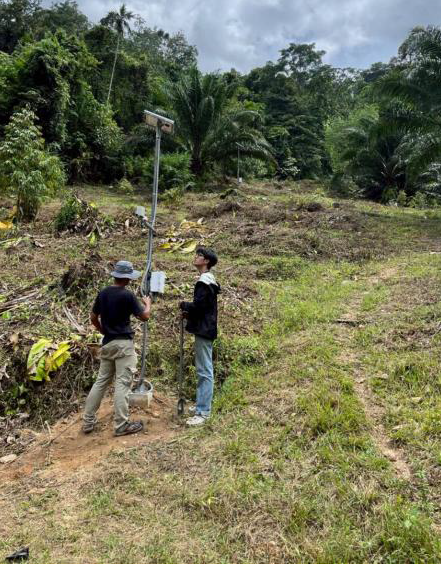
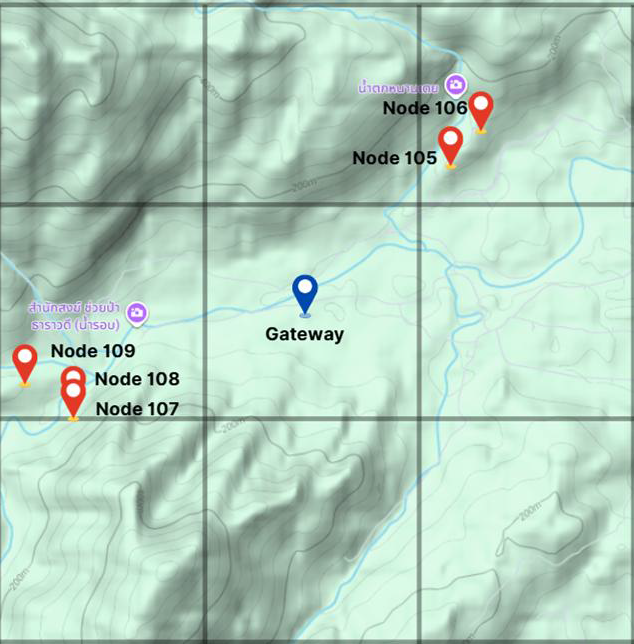
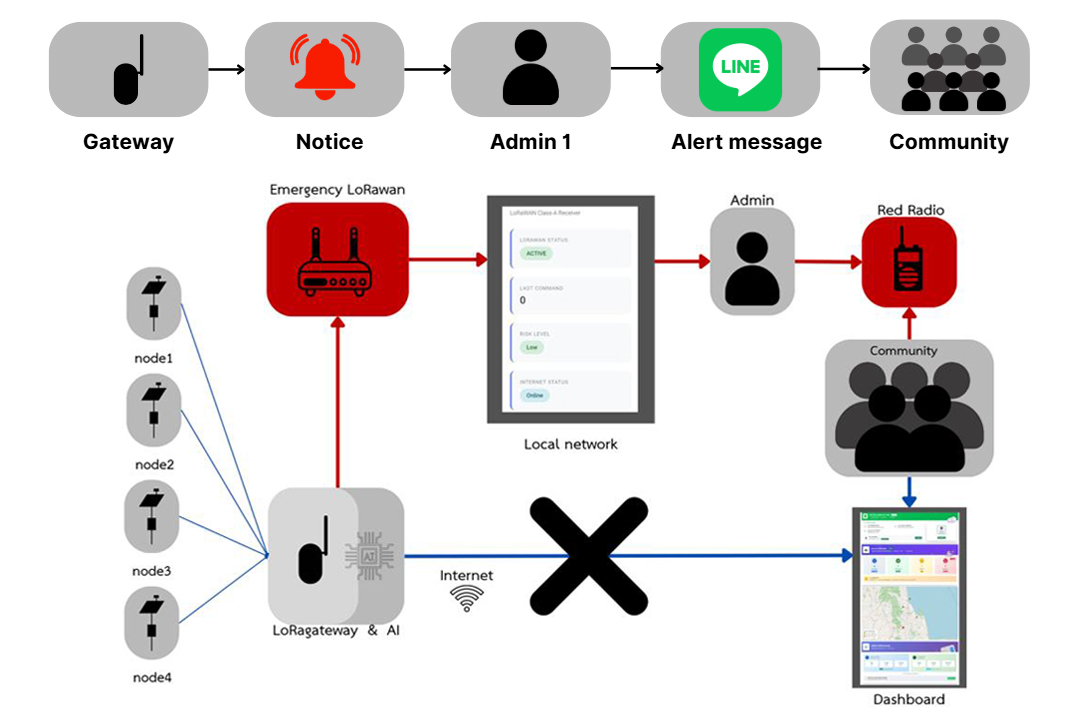
Both local government organizations supported the provision of areas for project implementation, enabling the university to develop and deploy a low-cost, real-time landslide early warning system using Artificial Intelligence of Things (AIoT) and LoRaWAN technologies. The system incorporates sensors to monitor rainfall, soil moisture, and environmental conditions, with five prototype monitoring points established in disaster-prone areas. This technology supports continuous environmental monitoring and early warning capabilities, including during power outages or internet disruptions. Through cooperation between the University and local government organizations, the project facilitates the application of innovative monitoring technologies in vulnerable communities, strengthens local capacity to identify and respond to rainfall-related hazards, and supports disaster risk reduction and community resilience. This collaboration contributes to water security by improving preparedness for water-related environmental risks and promoting safer, more resilient communities.
Cooperation with Local Government in Water Security through Sustainable Water Conservation and Living Weir Management
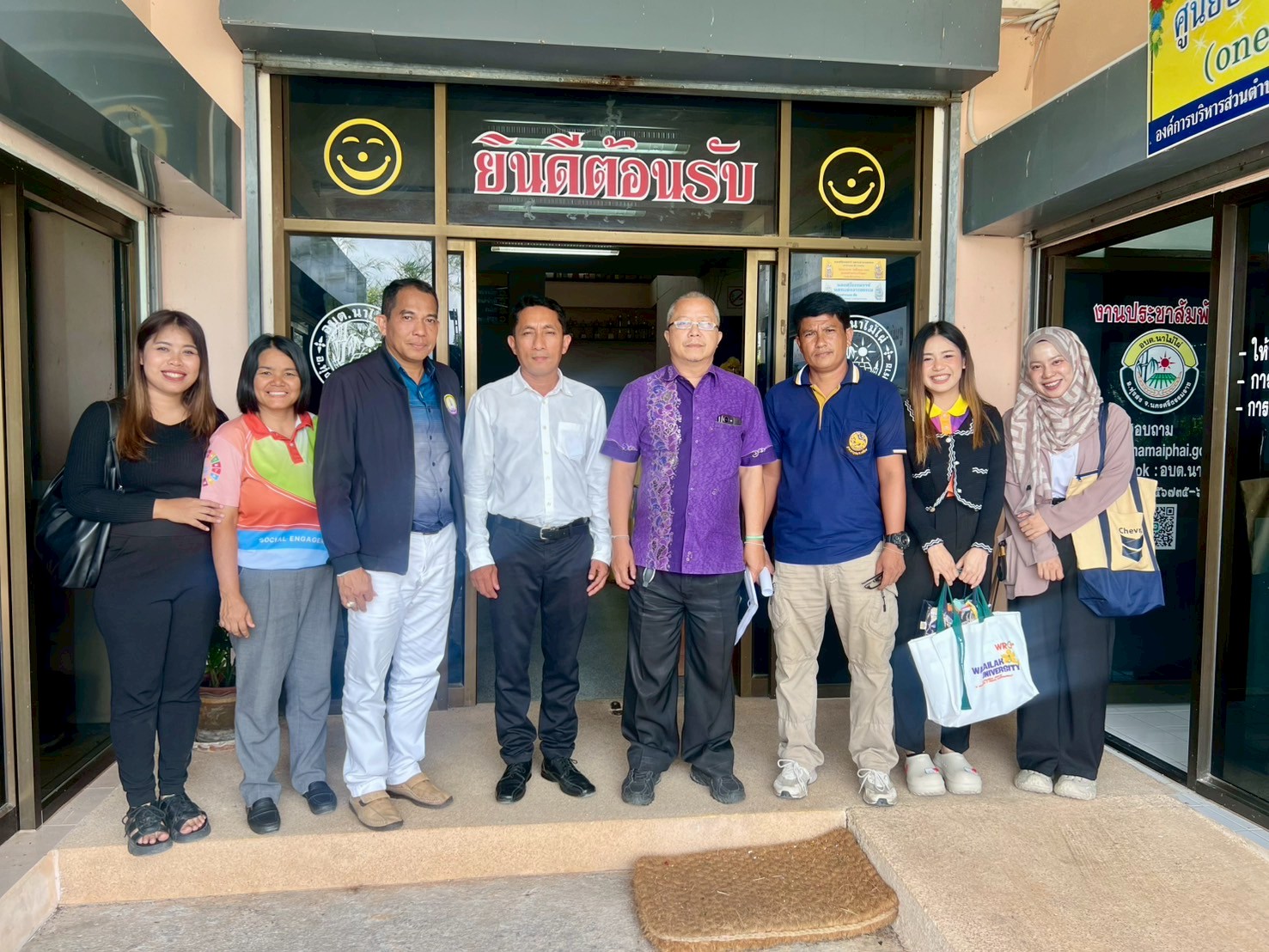
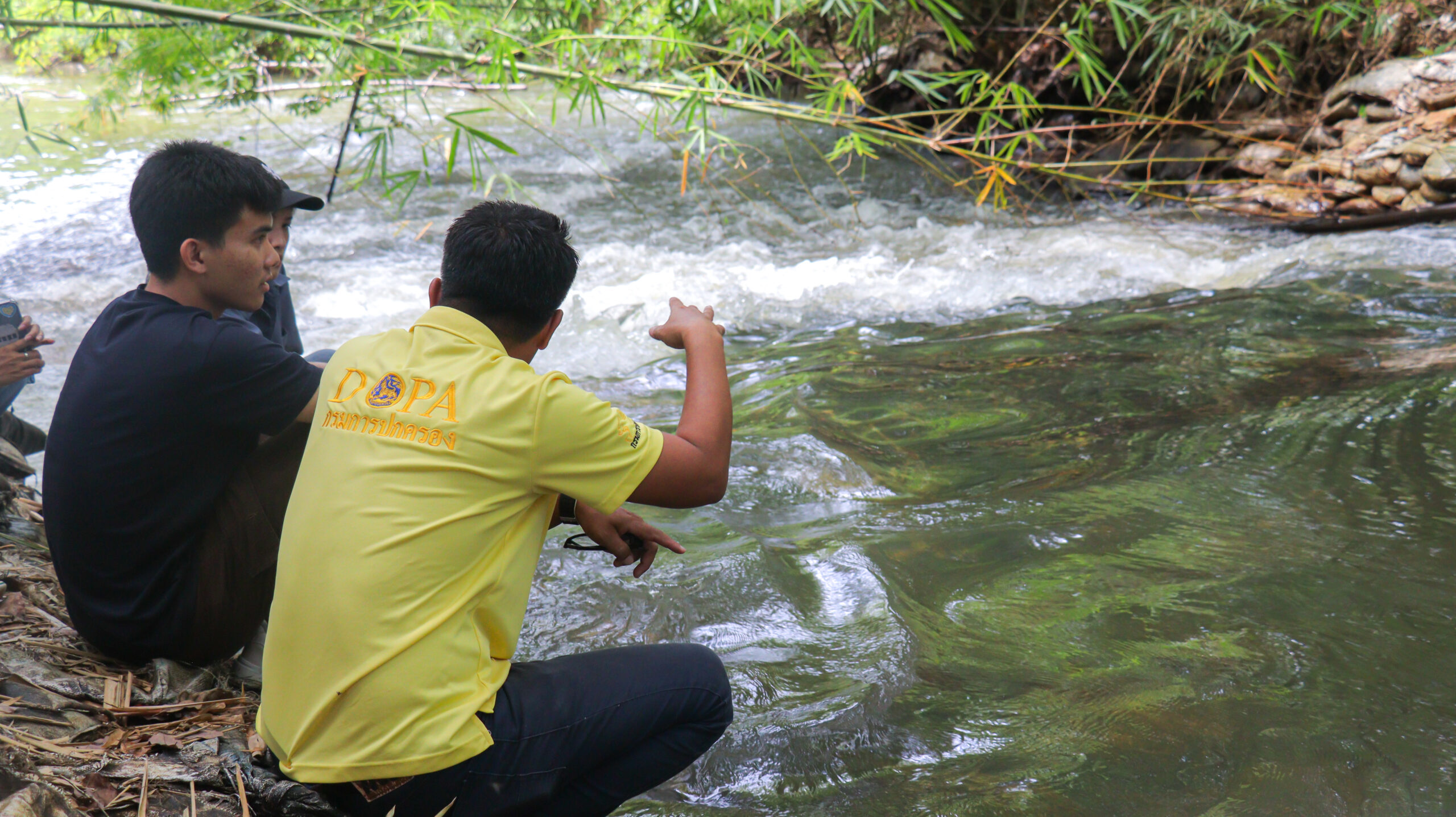
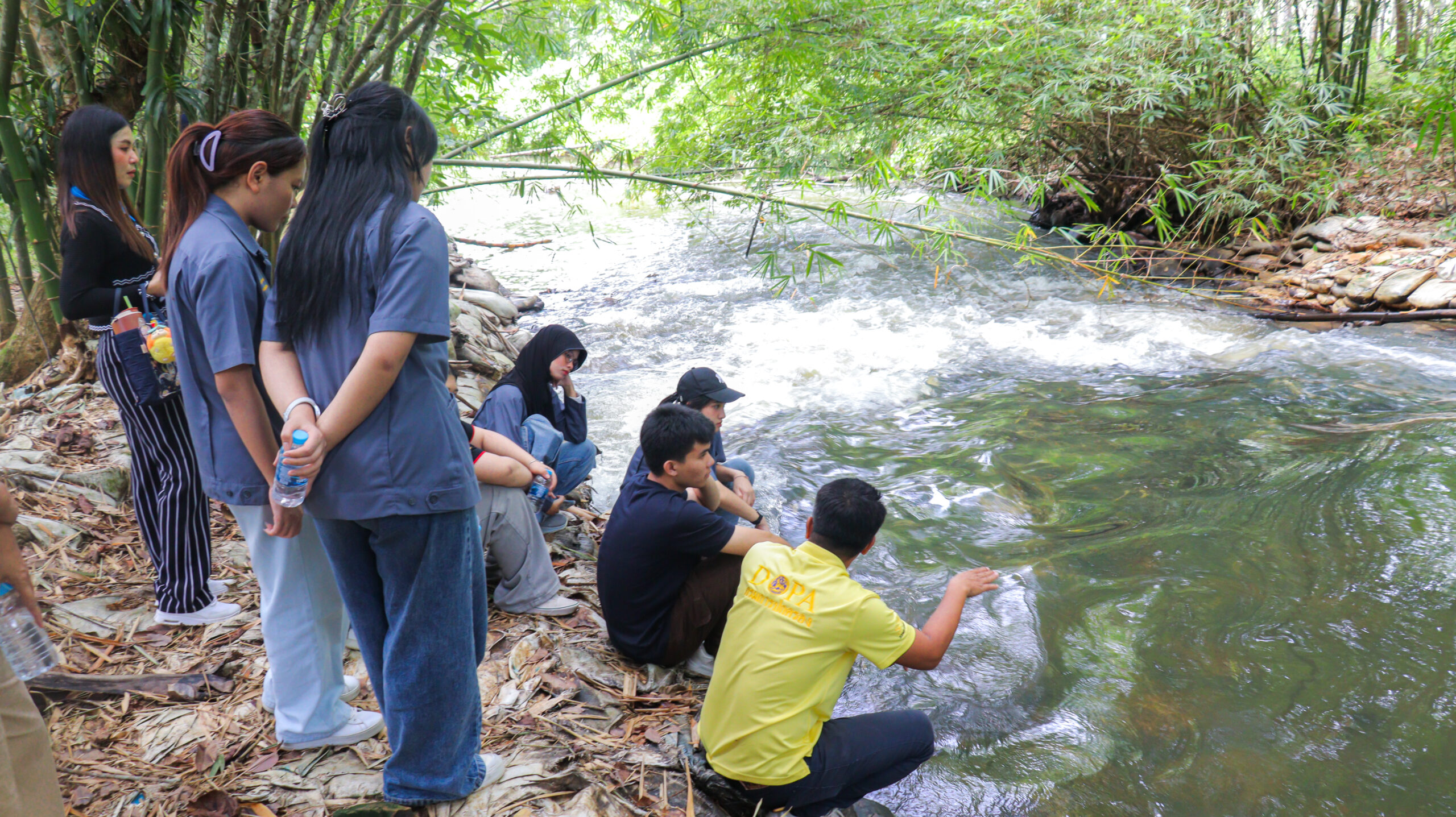
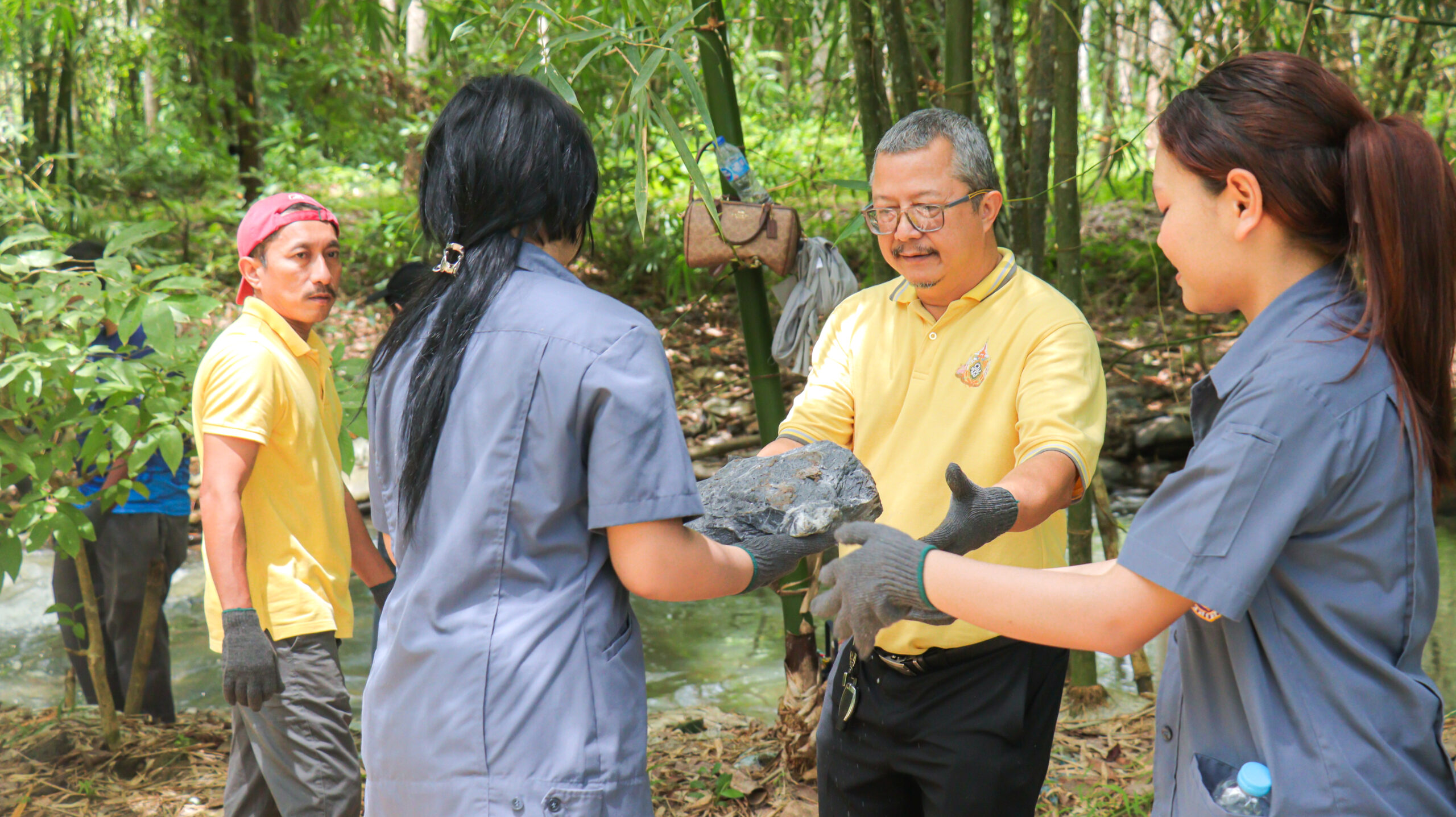
Water security requires effective water resource management, water conservation, sustainable irrigation practices, and cooperation between universities, local governments, and communities to ensure the long-term availability and sustainability of water resources. In 2025, Walailak University cooperated with the Na Mai Phai Subdistrict Administrative Organization, a local government authority, and community leaders in Thung Song District, Nakhon Si Thammarat Province, to strengthen community water security through the Living Weir Project for Sustainable Community Development.
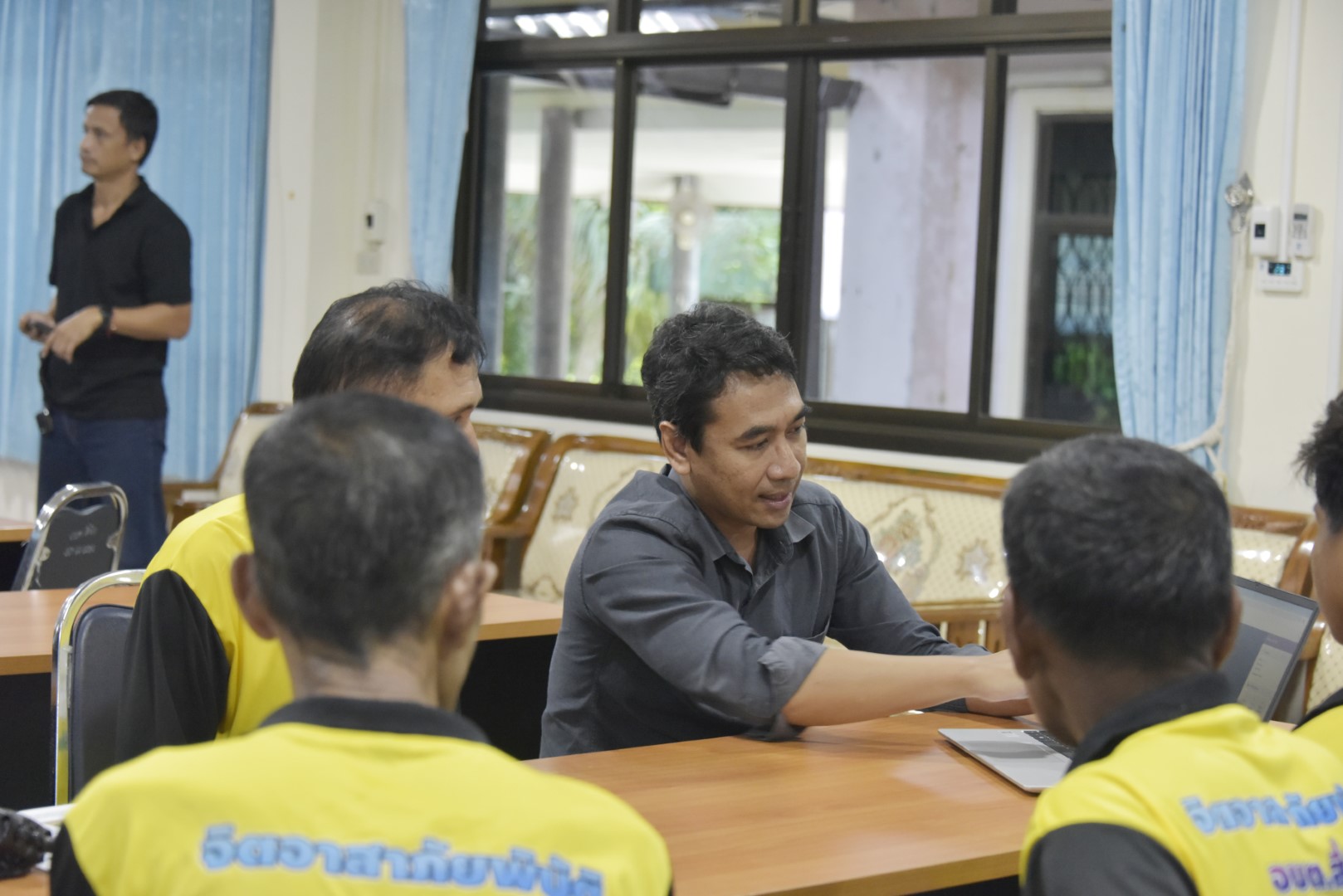
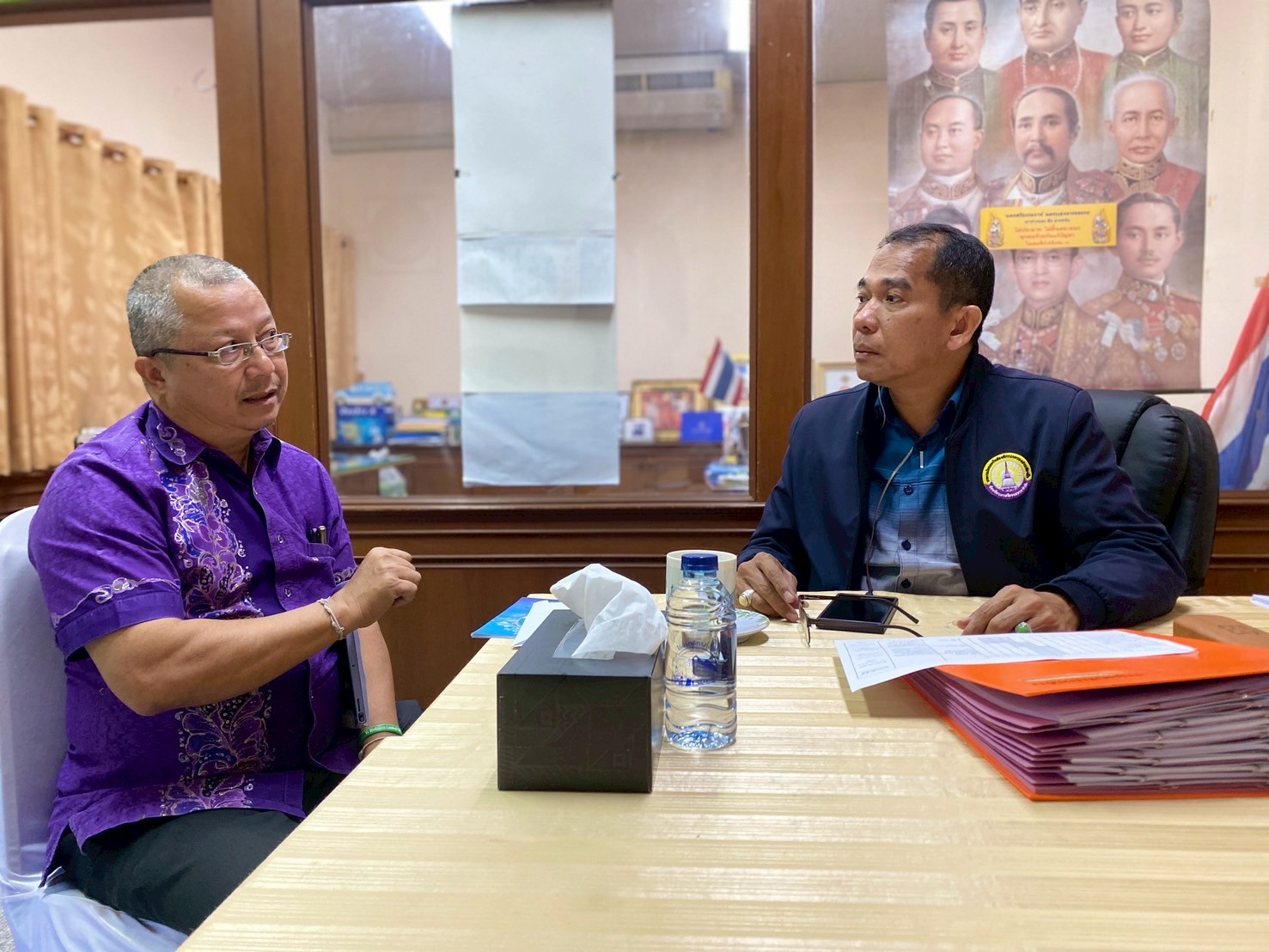
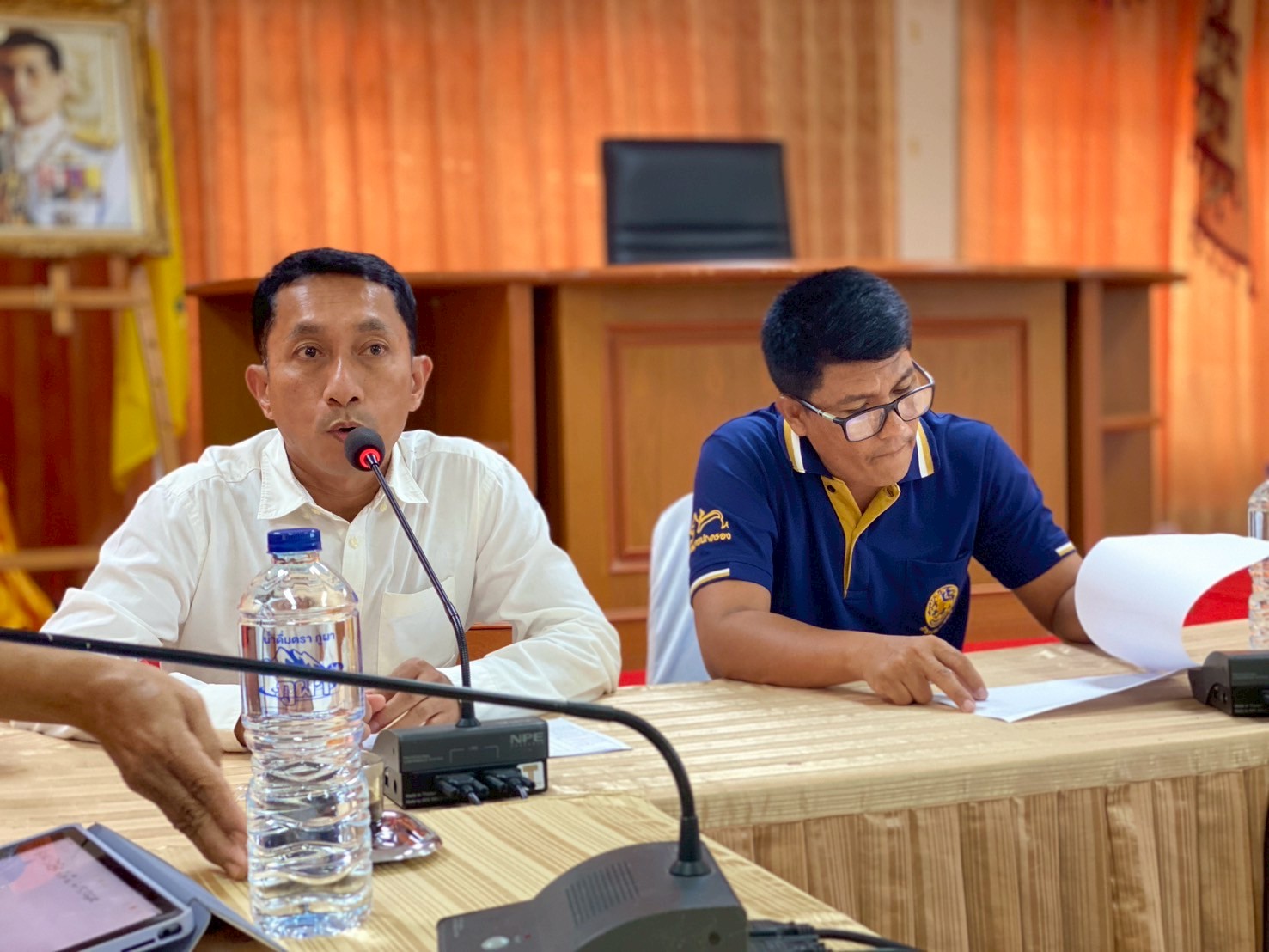
This cooperation involved a series of activities focused on community capacity building, technology transfer, and participatory water resource management. On 4 June 2025, the university organized a training workshop attended by representatives of the Na Mai Phai Subdistrict Administrative Organization, community leaders, and local residents to raise awareness of water conservation and sustainable community irrigation management. The activities included reviewing the progress of the Living Weir Project, discussing future improvements in water conservation and irrigation practices, providing practical training on a mobile cloud computing platform for community agricultural water management, and promoting aquatic waste management to protect local water resources.
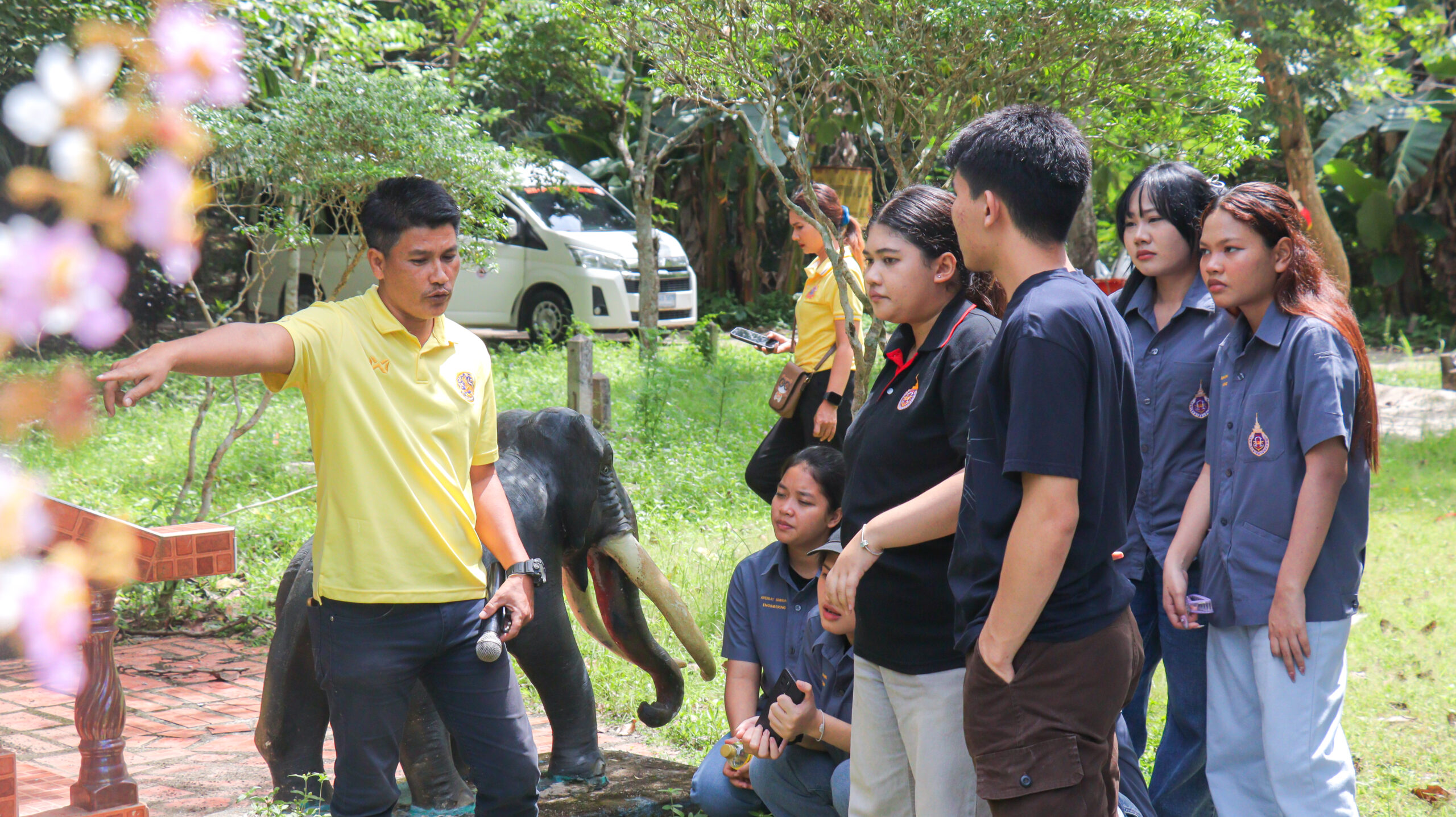
Subsequently, on 6 September 2025, Walailak University and the Na Mai Phai Subdistrict Administrative Organization jointly organized a practical workshop on sustainable water conservation and management, bringing together local government representatives, community leaders, residents, and students. The workshop involved analyzing existing conditions and challenges associated with living weir construction to identify approaches for improving water management efficiency and strengthening community-based water conservation. Through these collaborative activities, the University and local government sought to enhance community knowledge and skills, support sustainable irrigation management, protect freshwater ecosystems, and develop a model community capable of managing its water resources effectively. This ongoing cooperation demonstrates Walailak University’s active engagement with local government on water security by integrating academic expertise, technology transfer, local government participation, and community engagement to strengthen sustainable water management and long-term community resilience.
Participation in Provincial Water Resources Governance
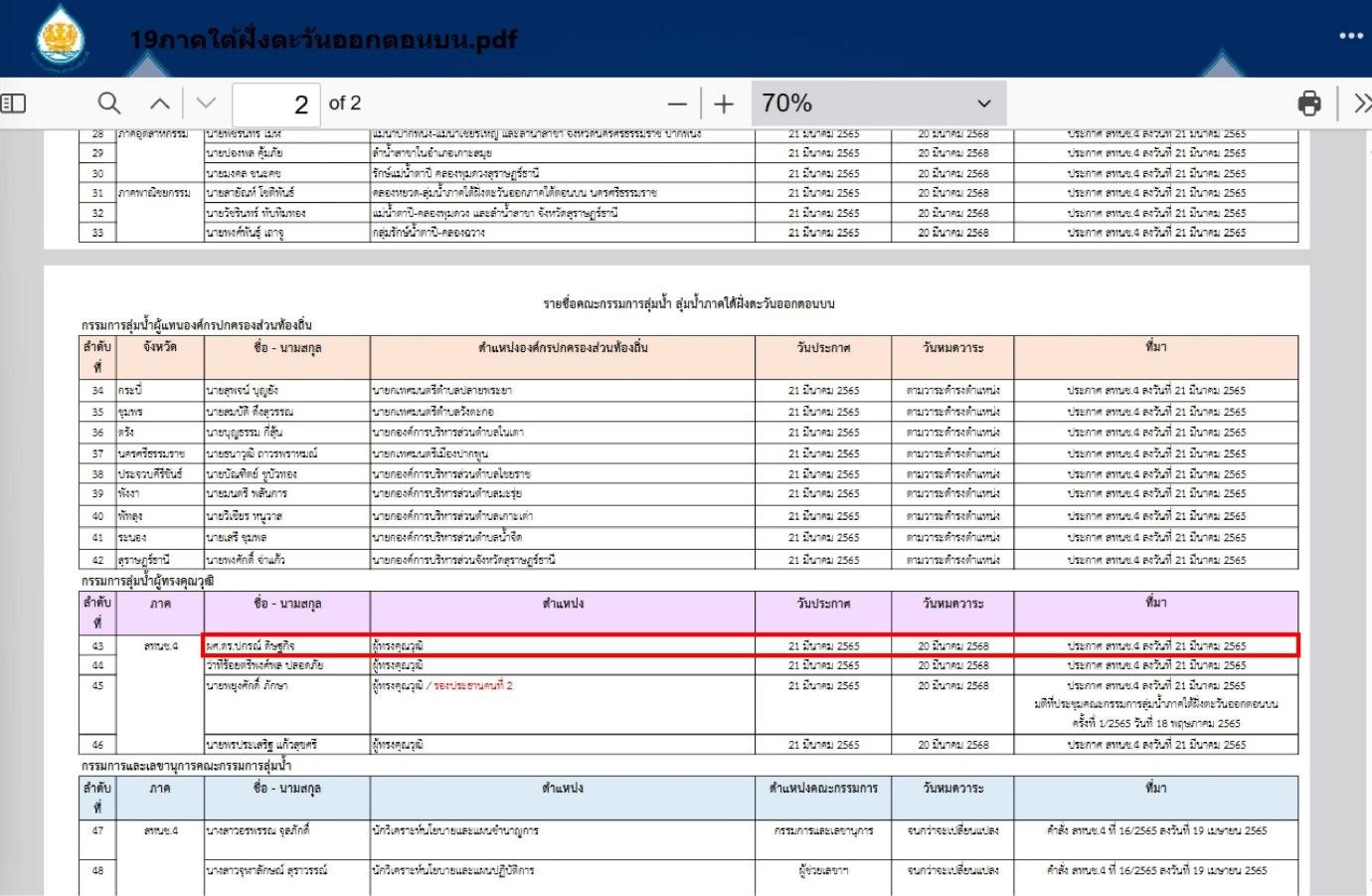
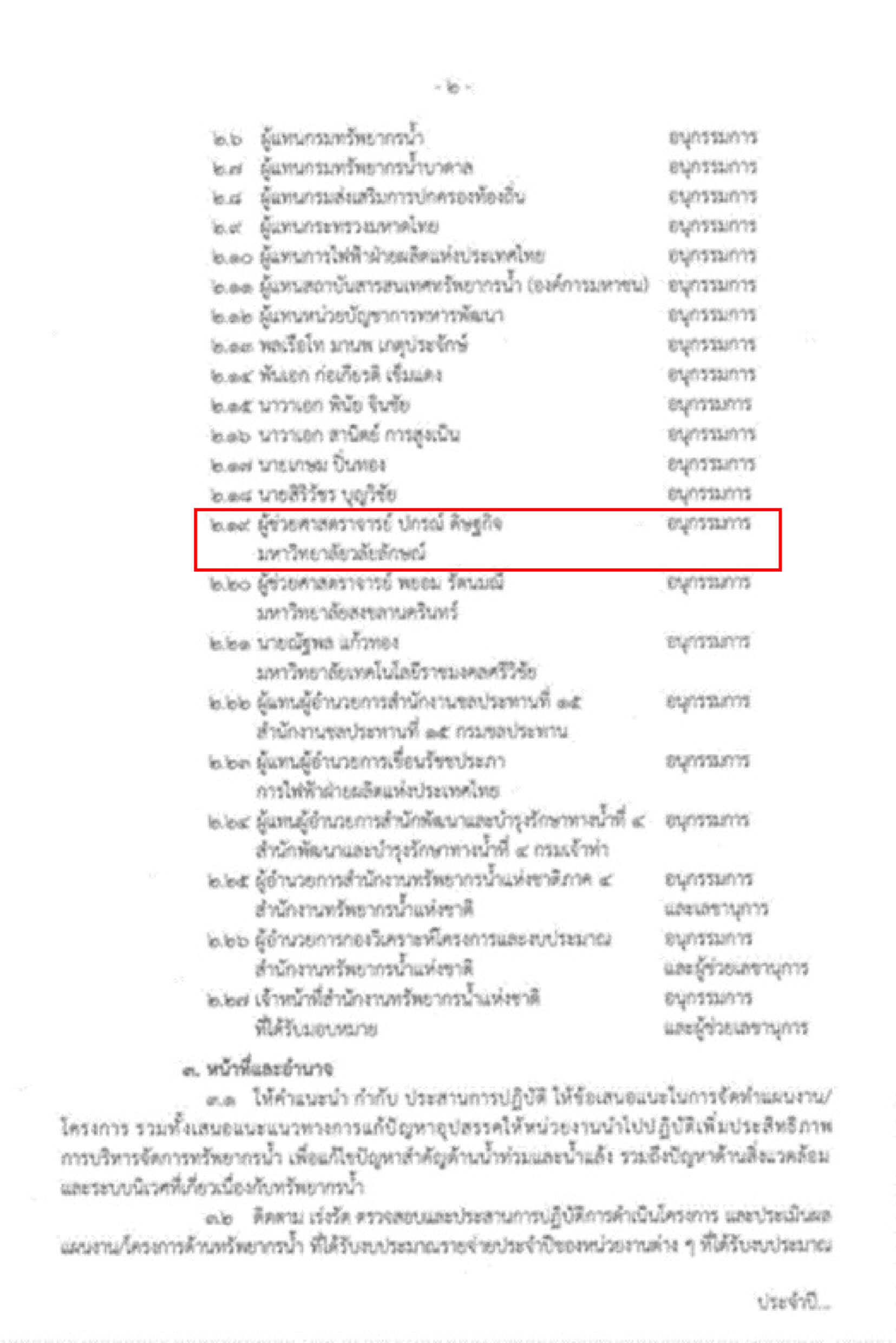
Assistant Professor Dr. Pakorn Ditthakit, a water resources management specialist at Walailak University, served as an expert member of the Nakhon Si Thammarat Provincial Water Resources Subcommittee. Through this role, he contributed to water management under both normal and emergency conditions, with an emphasis on conservation, restoration, and sustainable water use. His participation supported provincial water management that responds to community needs and remains consistent with environmental capacity.
2. Cooperation with Regional Government Agencies on Water Security
Regional Cooperation with Government Agencies on Disaster Risk Reduction and Water-Related Resilience
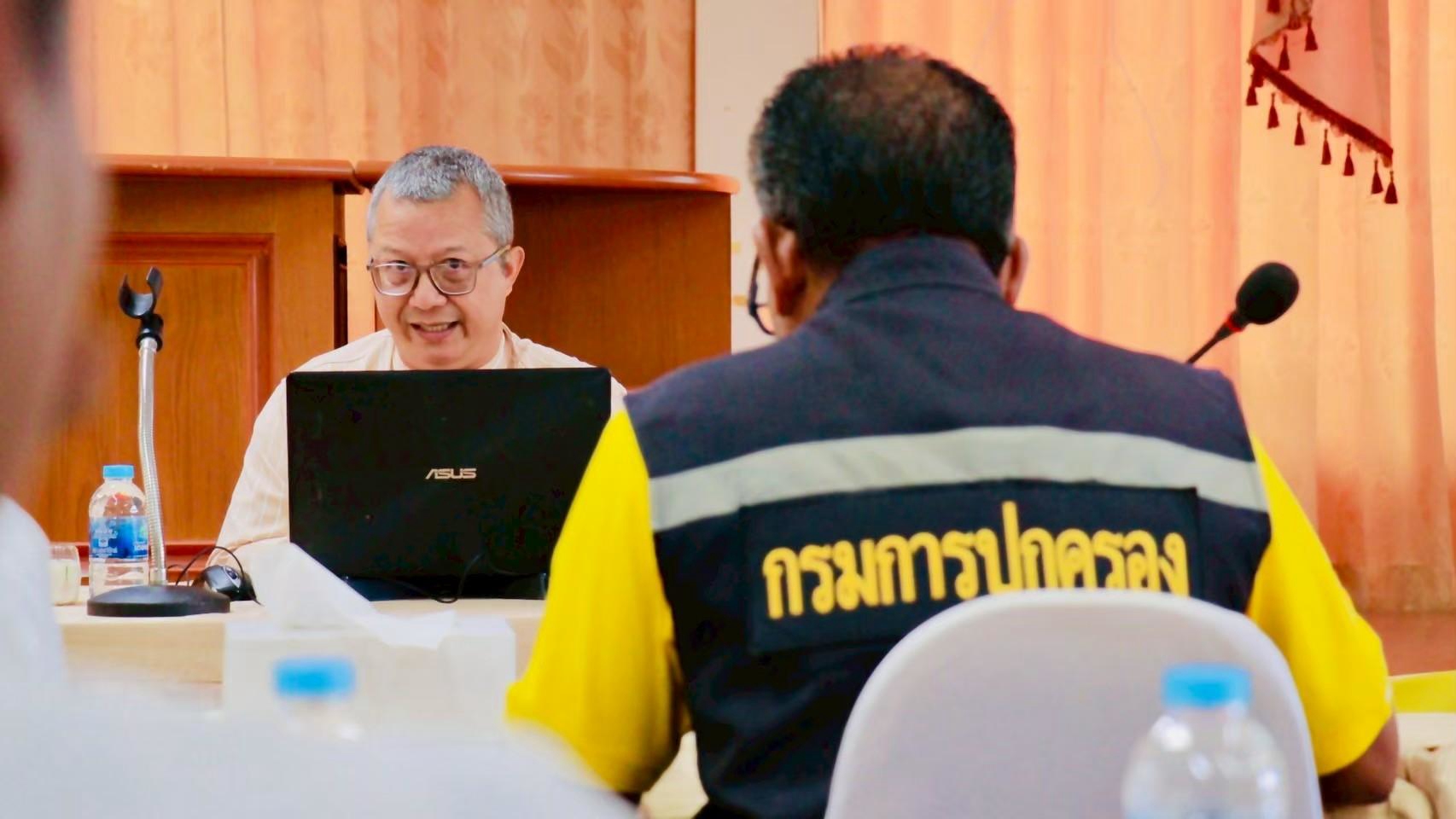
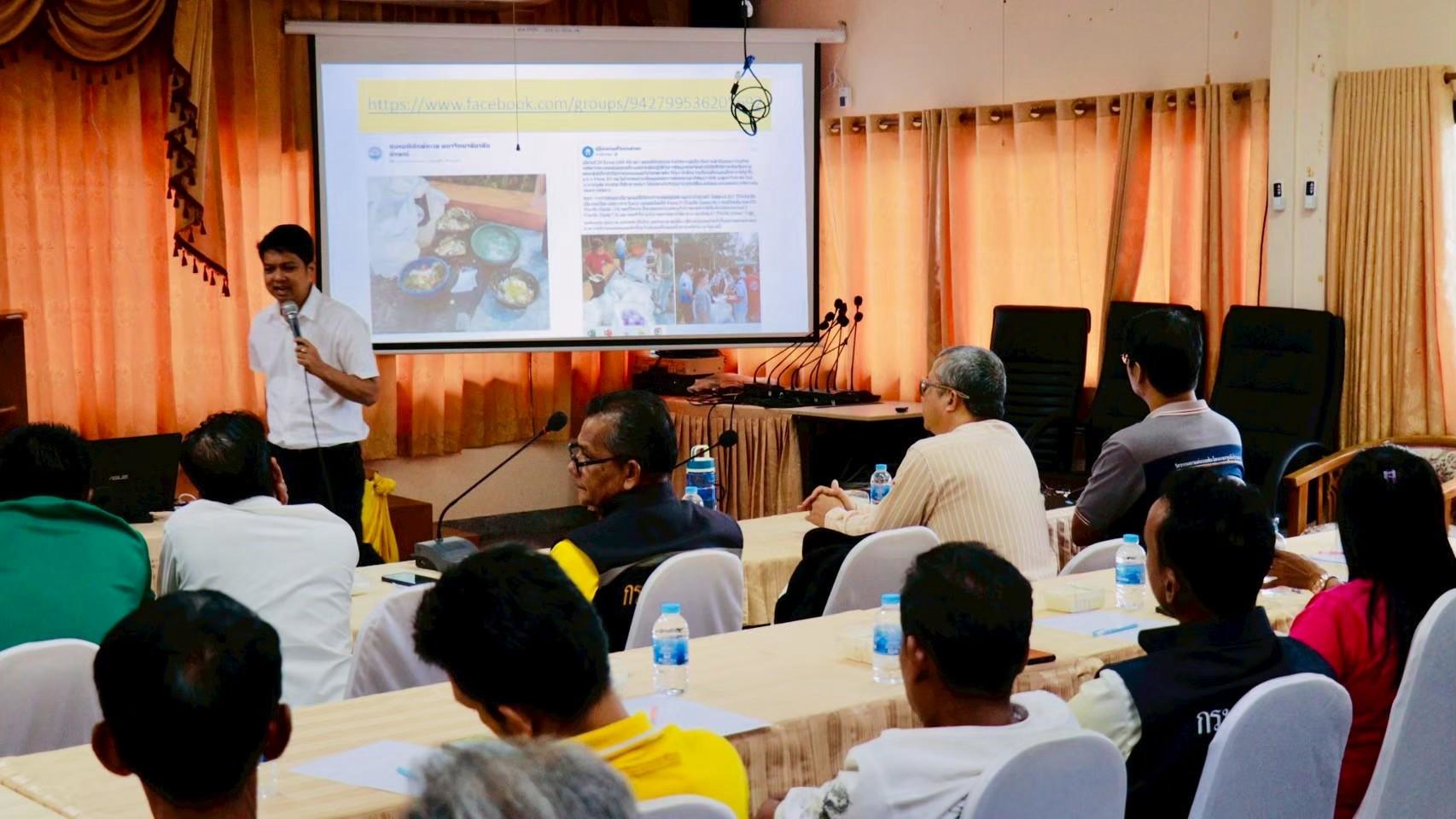
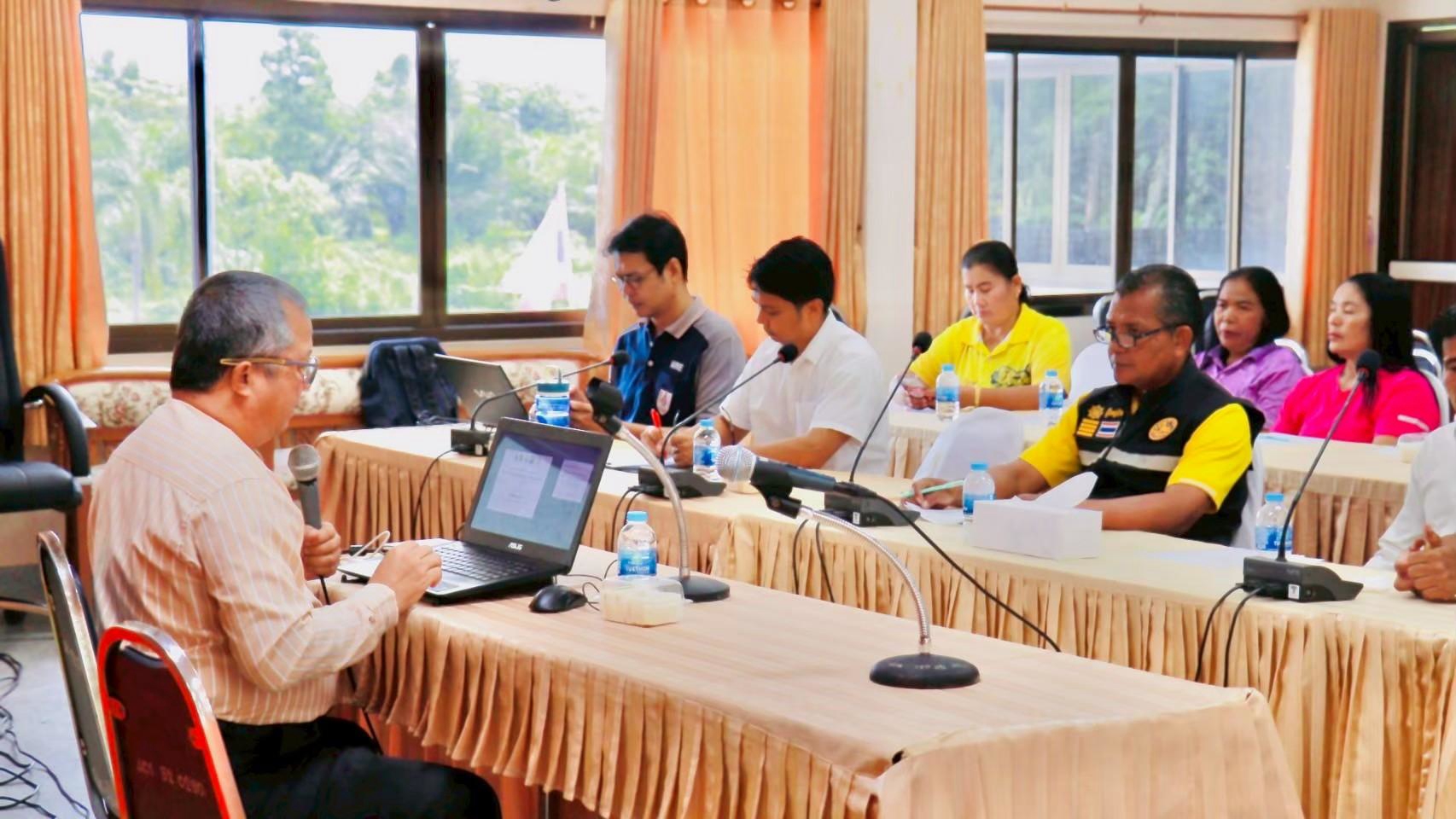
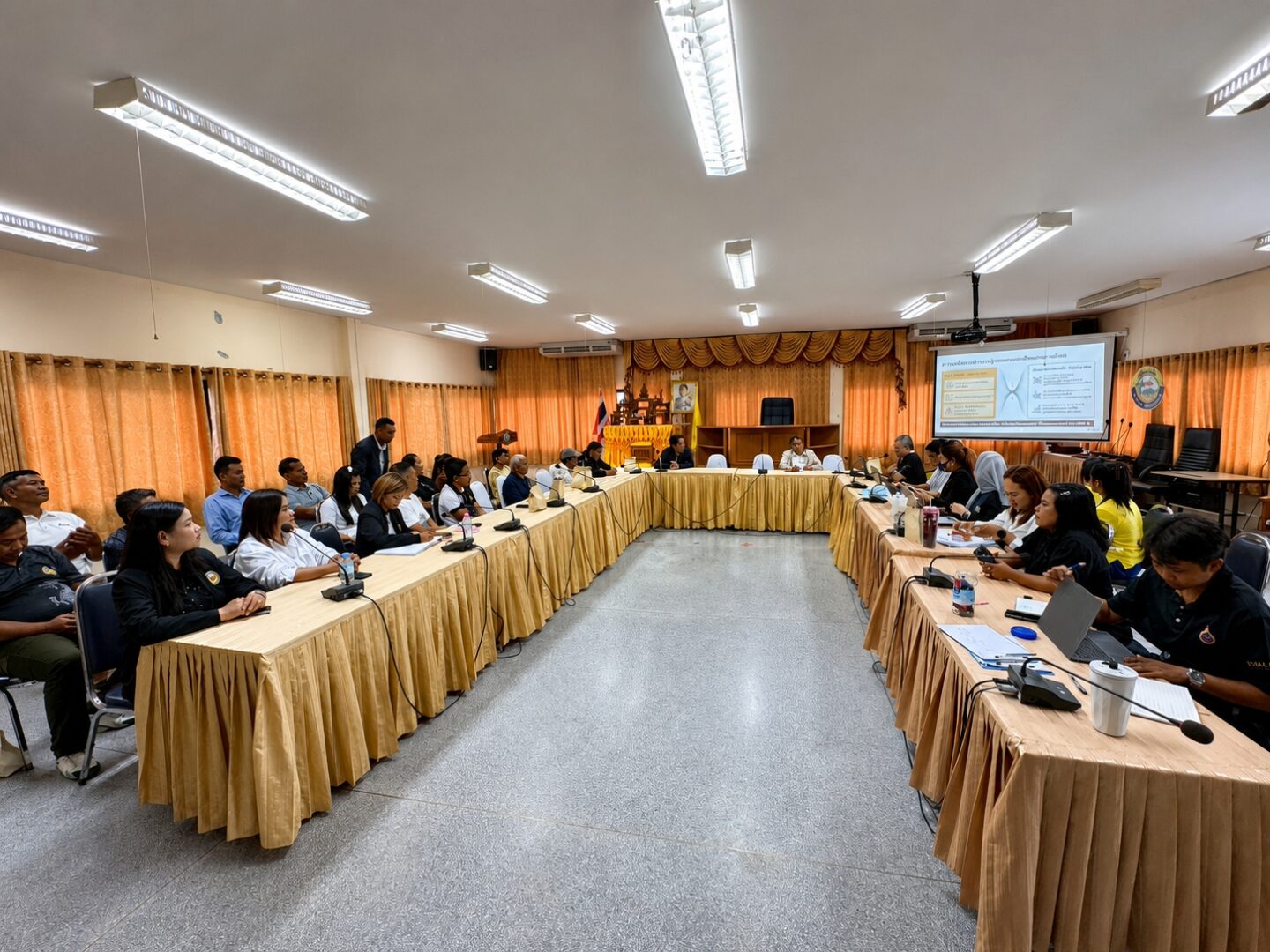
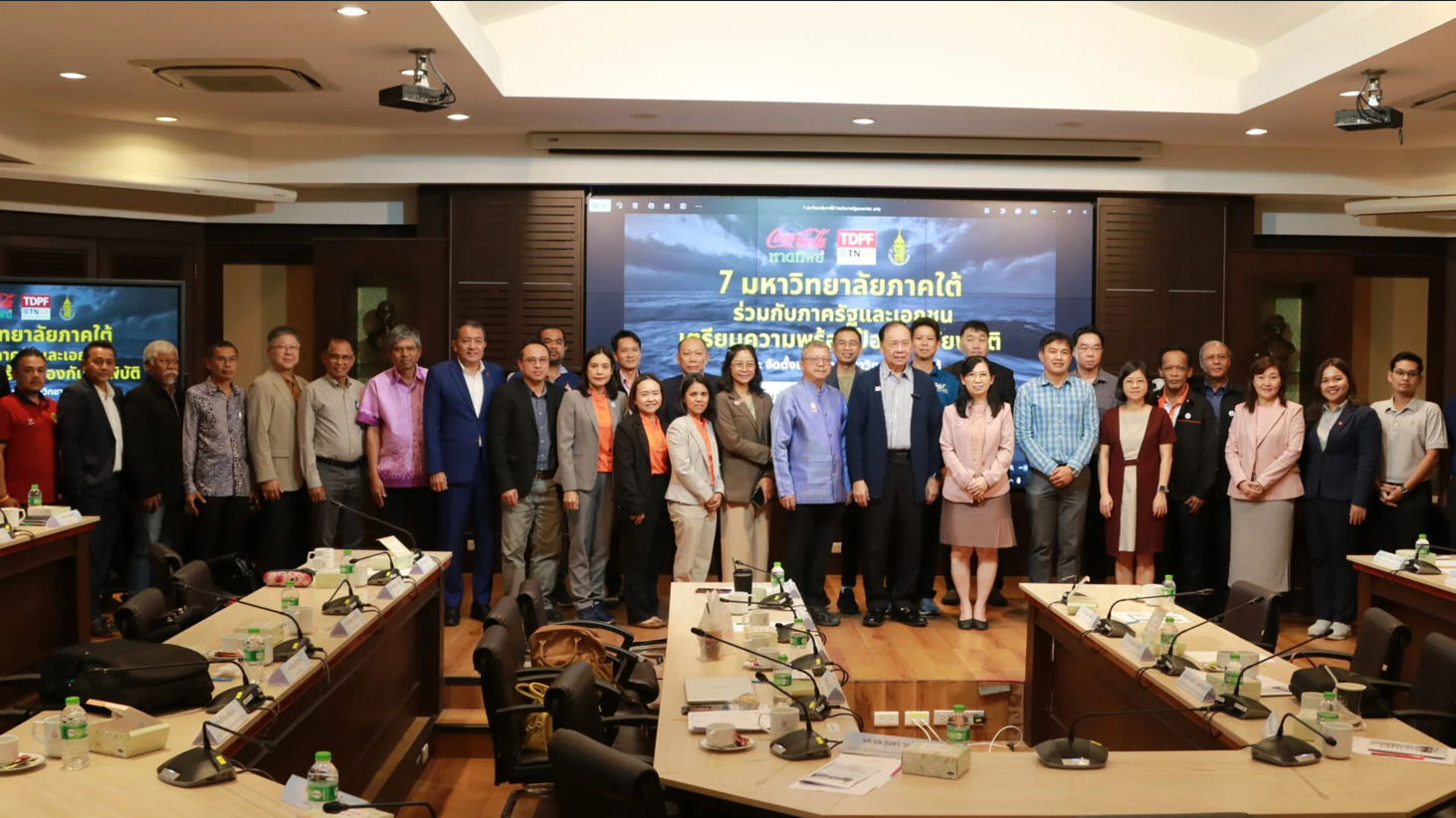
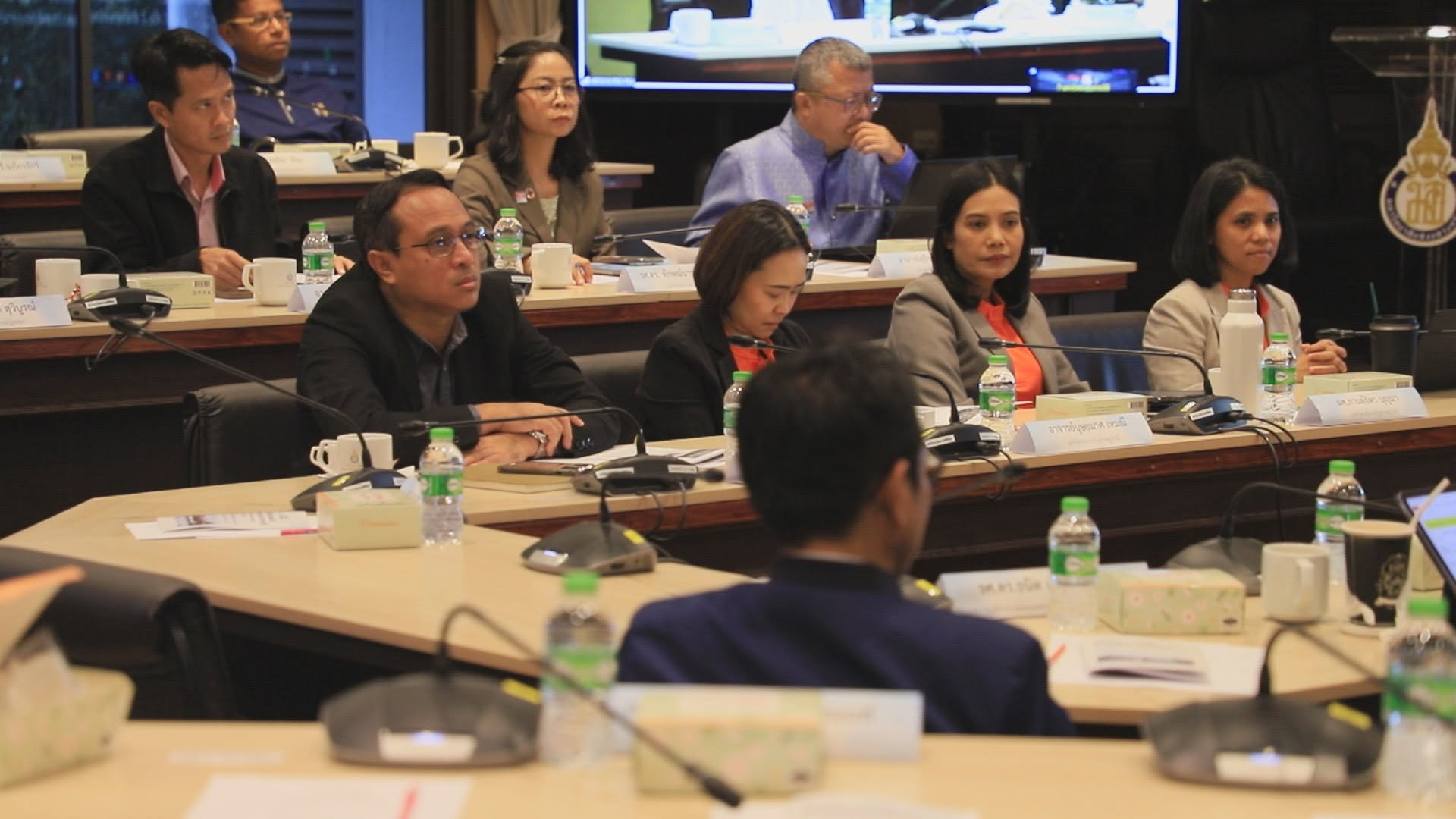
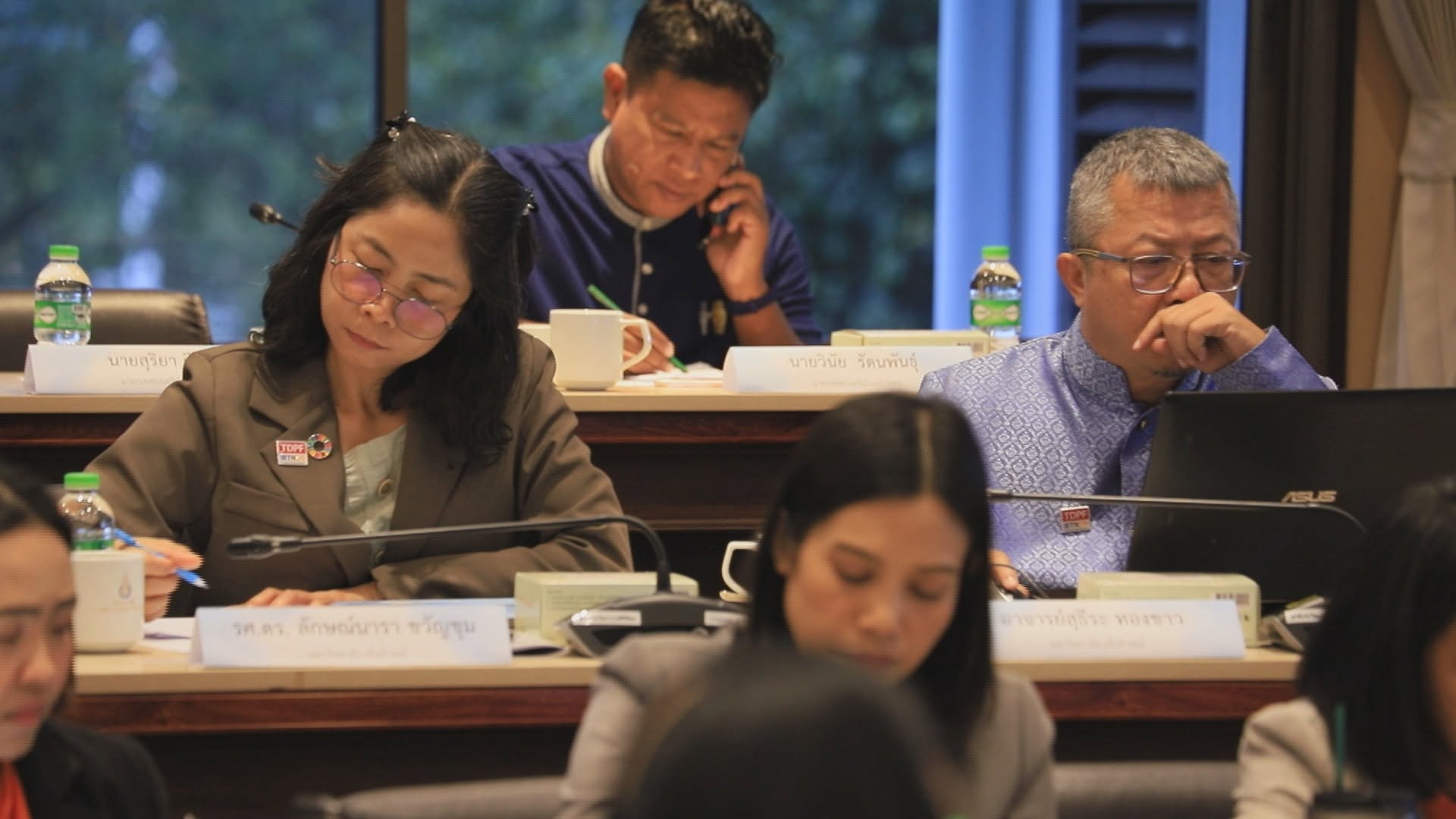
Water security encompasses the capacity of communities to anticipate, prepare for, and respond to water-related disasters, including flooding and extreme rainfall, which can threaten public safety, infrastructure, and access to essential water resources. Walailak University participated in a regional disaster preparedness meeting organized by the Thai Network for Disaster Resilience (TNDR) at Prince of Songkla University, bringing together seven universities in Southern Thailand and government agencies, including the Department of Disaster Prevention and Mitigation Regional Centers 12 (Songkhla) and 18 (Phuket), the Southern East Coast Meteorological Center, and local government representatives. The cooperation focused on establishing a regional academic network, exchanging expertise, jointly assessing disaster risks, planning assessments of vulnerable areas, and developing emergency response plans to strengthen disaster preparedness across Southern Thailand. These collaborative efforts provide a foundation for addressing water-related disaster risks through regional coordination, scientific knowledge exchange, and community resilience building. The initiative demonstrates Walailak University’s participation in regional cooperation with government agencies on disaster risk reduction, which can support broader water security objectives, particularly preparedness for rainfall-related hazards and flooding.
Participation in Regional Water Resources Governance
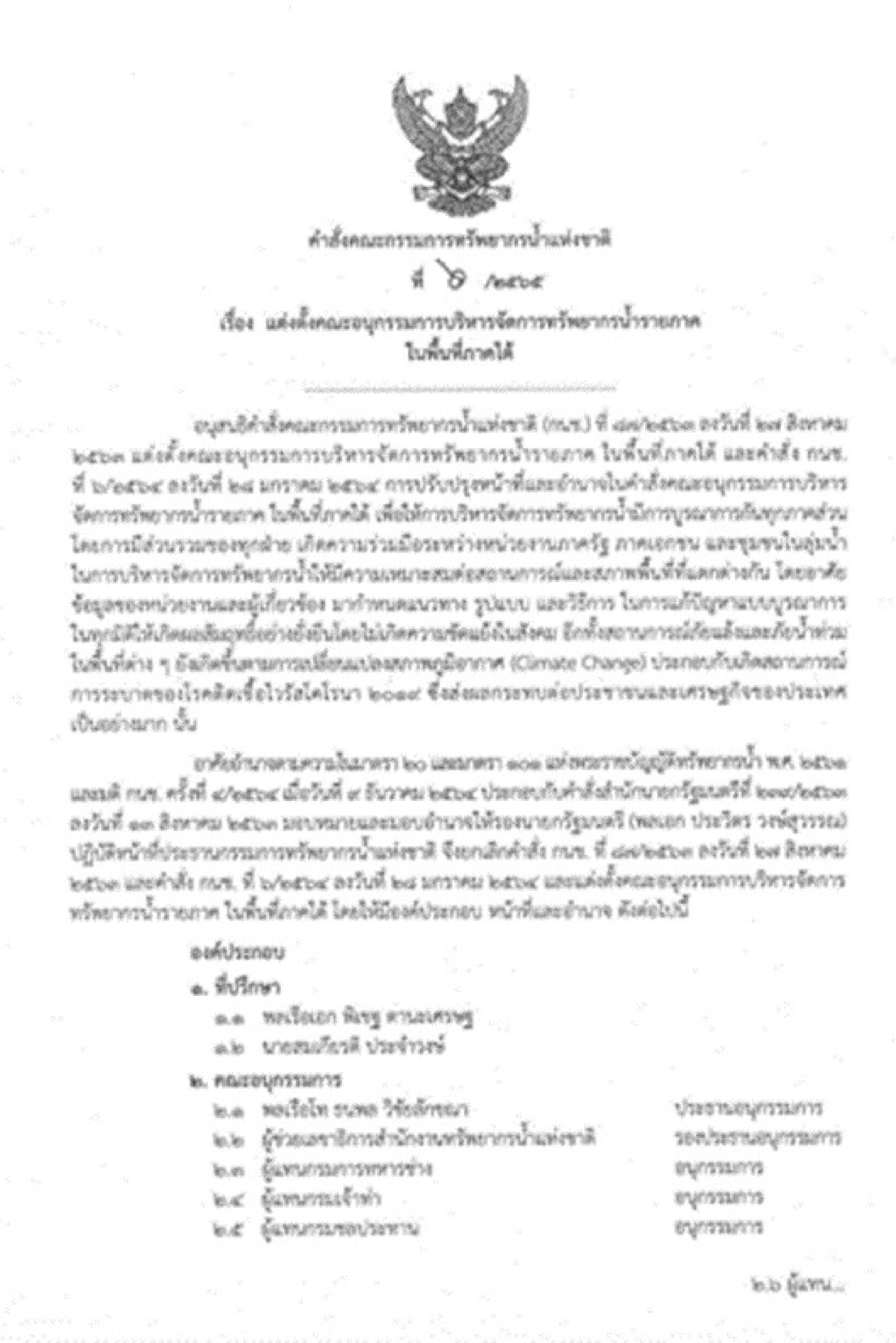
Walailak University supported regional water resources management through the participation of Assistant Professor Dr. Pakorn Ditthakit in the Subcommittee on Water Resources Management in Southern Thailand, the Upper Eastern Southern River Basin Committee as an expert member, and the Nakhon Si Thammarat Provincial Water Resources Subcommittee. These roles connected the university’s expertise with the development and integration of water management plans at provincial and river basin levels.
3. Cooperation at National and Global Levels on Water Security
In 2025, Walailak University strengthened its efforts to promote water security through the application of national technical standards and cooperation with international organisations, focusing on safe water access, sustainable water supply infrastructure, ecosystem-based water resources management, and climate resilience. These initiatives integrated academic expertise, technical guidance, field-based research, and knowledge exchange to support sustainable water management at both community and broader levels.
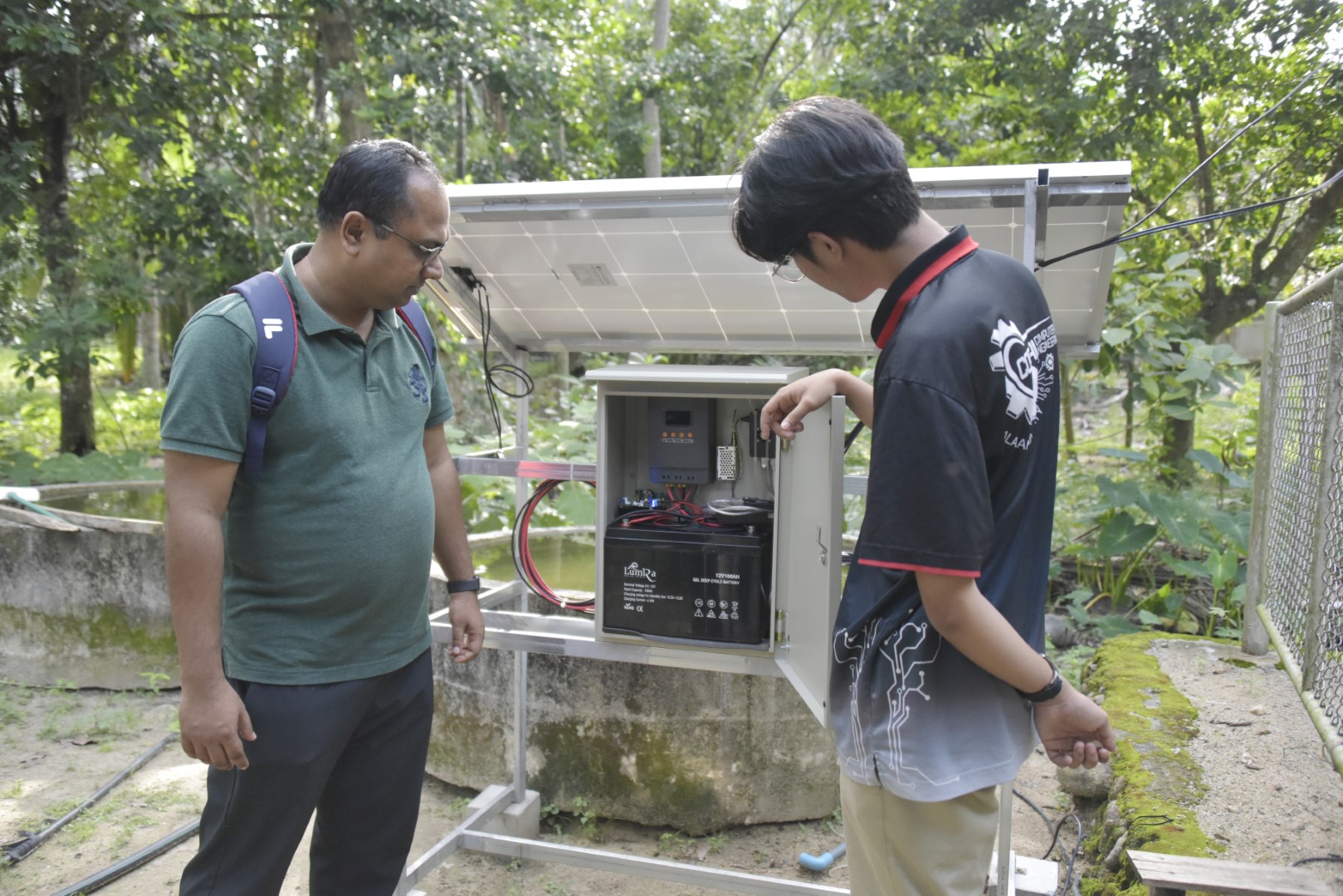
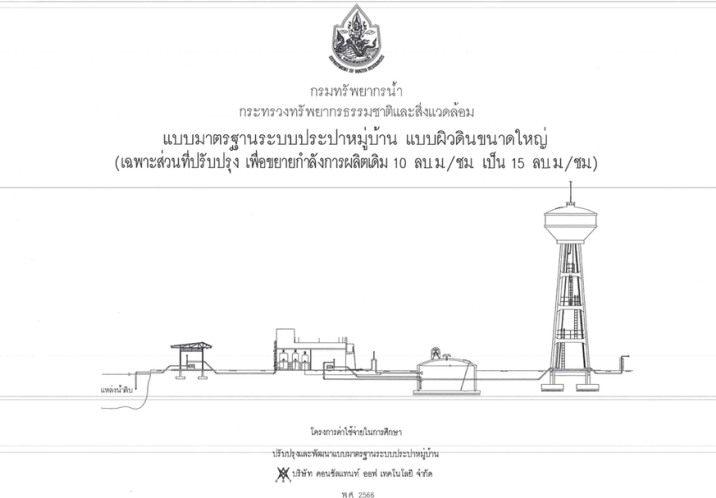
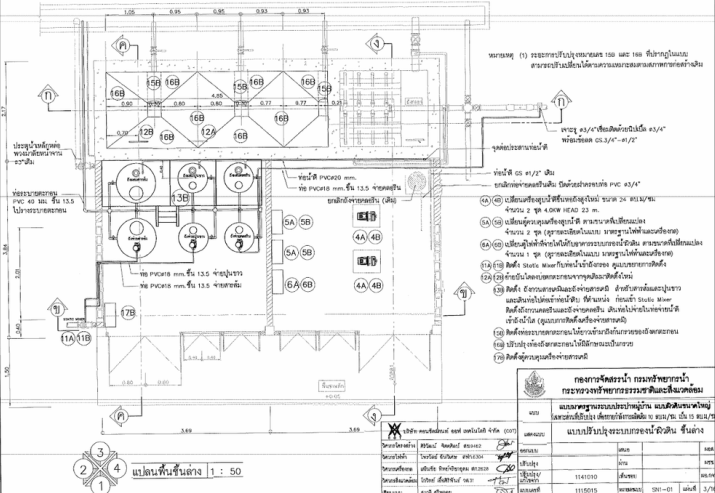
At the national level, Walailak University implemented the Sustainable Water Resource Infrastructure Development Project under the Green University to Ban Laem Homestay Community Tourism Enterprise Initiative in Nakhon Si Thammarat Province. The University applied the publicly available standard design for large-scale surface water village supply systems issued by the Department of Water Resources, Ministry of Natural Resources and Environment, as a technical reference for project implementation. Working with community leaders and village water supply management committees, the University assessed community water needs, surveyed existing water supply infrastructure, and conducted laboratory analyses of water samples. The assessment identified elevated turbidity (26.5 NTU) and iron concentrations (2.38 mg/L) in untreated groundwater, while the tested parameters of filtered and downstream water met the applicable standards. These findings informed priorities for water treatment, filtration maintenance, and long-term water quality monitoring. The University also provided technical guidance on village water supply management, strengthened the capacity of local water management committees, promoted systematic record-keeping, and assessed the feasibility of installing a 10 kWp solar photovoltaic system to support water pumping and reduce operating costs. By integrating national technical guidance with scientific assessments and community participation, the initiative supported safer and more reliable village water supply management and contributed to long-term community water security.
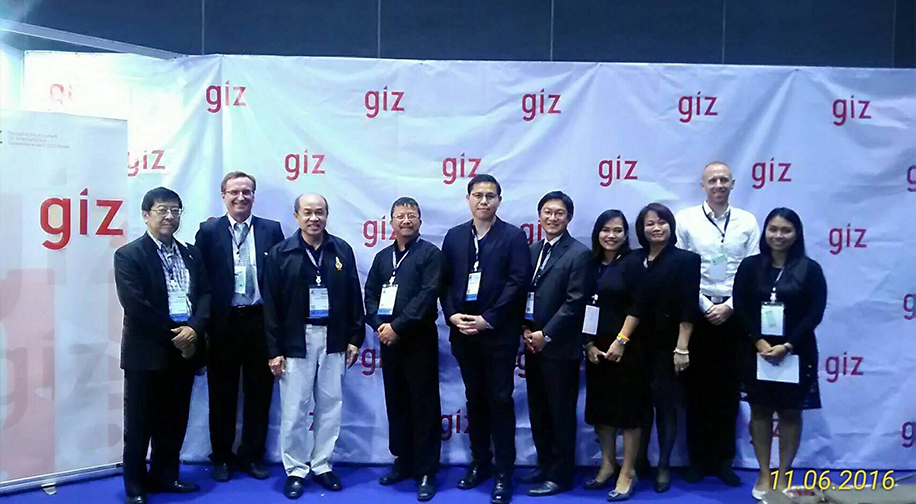
At the global level, Walailak University cooperated with international organisations, particularly Deutsche Gesellschaft für Internationale Zusammenarbeit (GIZ) and the International Union for Conservation of Nature (IUCN), to advance sustainable water resources management and climate resilience. Under the Thai–German Climate Programme–Water (TGCP-Water), the University contributed to developing approaches for continuously monitoring and assessing the impacts and benefits of living weirs, supporting ecosystem-based water resources management, environmental conservation, and climate change adaptation. In 2025, University faculty and staff participated in collaborative activities with national agencies and international organisations, including providing academic advice, conducting field surveys, participating in focus group discussions to collect information from study areas, attending training sessions to exchange knowledge and practical experience, and presenting research on ecosystem-based water resources management. These activities strengthened knowledge sharing and technical collaboration among academic institutions, government agencies, and international organisations, contributing to improved understanding of living weir management and its potential role in sustainable water resource conservation.


Together, these initiatives demonstrate Walailak University’s contribution to water security through the application of national water supply standards and active international cooperation. By combining technical expertise, community-based water management, scientific monitoring, and international knowledge exchange, the University supported the development of more sustainable water management practices, strengthened local capacity, and promoted ecosystem-based approaches to water security and climate resilience.
Connecting Academic Knowledge with Long-Term Water Security
Cooperation at local, regional, national, and global levels demonstrates Walailak University’s role in applying academic knowledge to water challenges in real-world settings. Its contributions encompass diagnostic assessment, appropriate technological development, community engagement, and systematic measurement of outcomes. These efforts connect water resources management with disaster prevention, ecosystem protection, and improvements in community well-being. They also strengthen capacity to respond to climate-related risks and support sustainable, equitable, and responsible water use for future generations.
Related Links
– https://sah.wu.ac.th/?p=23685
– https://www.tndr-tdpf.info/news/130