
04Nov 2024 by Kittipong Bunlear
Sustainable Aquatic Ecosystem Initiatives: From Oceans to Freshwater Conservation
Walailak University is committed to the conservation and sustainable utilization of aquatic resources, providing direct support through actions in maintaining ecosystems in rivers, lakes and seas and covering efforts to protect oceans, rivers, and marine resources. Through collaborations with local communities, government agencies, private sectors, and non-profit organizations, the university organizes and supports various events aimed promote conservation and sustainable utilization of oceans, fresh water and marine resources. The events such as building artificial fish habitats, repairing living weirs, and releasing juvenile blue crabs into the sea not only strengthen local ecosystems but also provide lasting benefits to communities. These events serve as platforms for education, community engagement, and hands-on action, emphasizing the importance of conserving natural resources for future generations while supporting the economic stability of local communities.
1. The Events to Promote the Conservation and Sustainable Utilization of Fresh Water
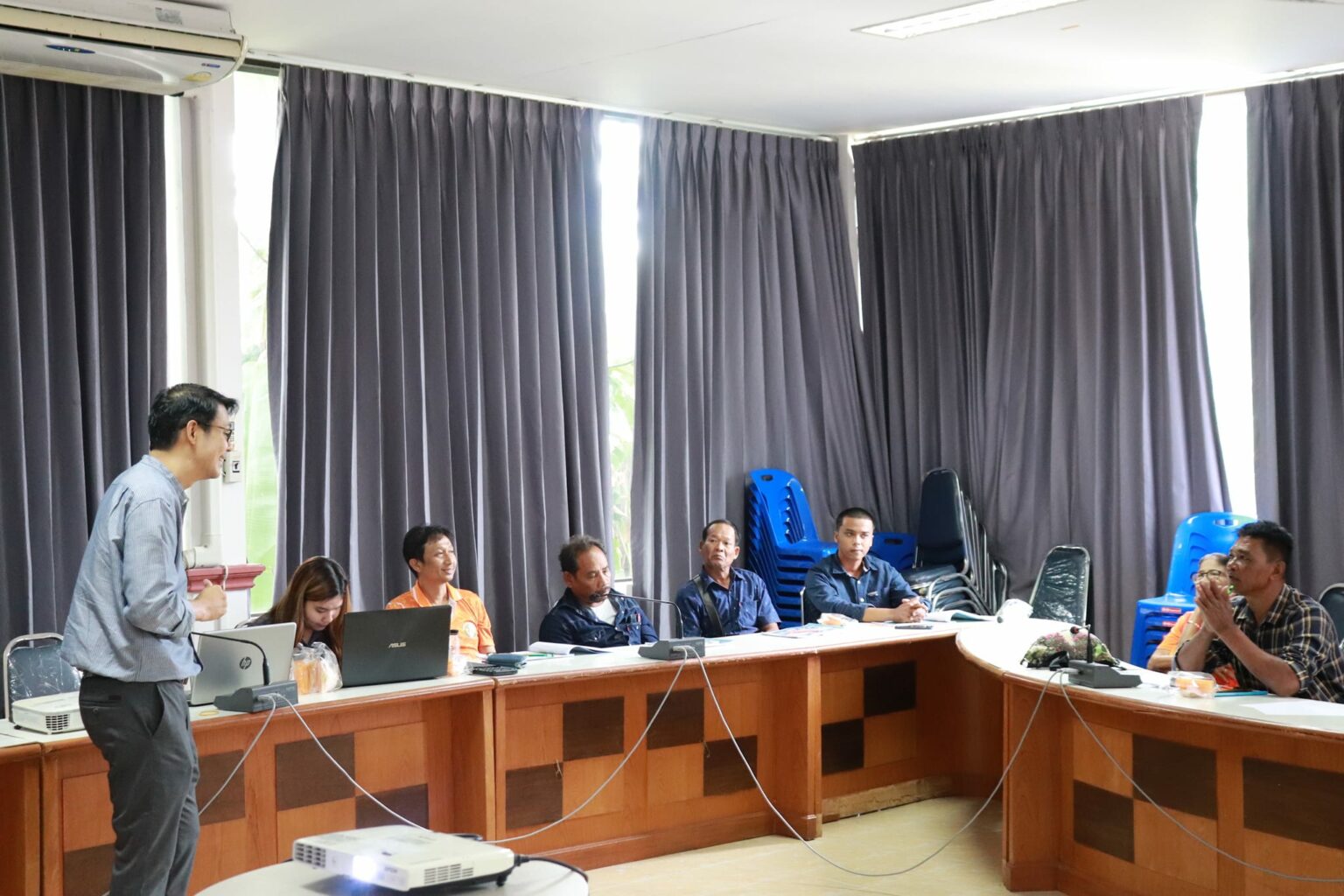
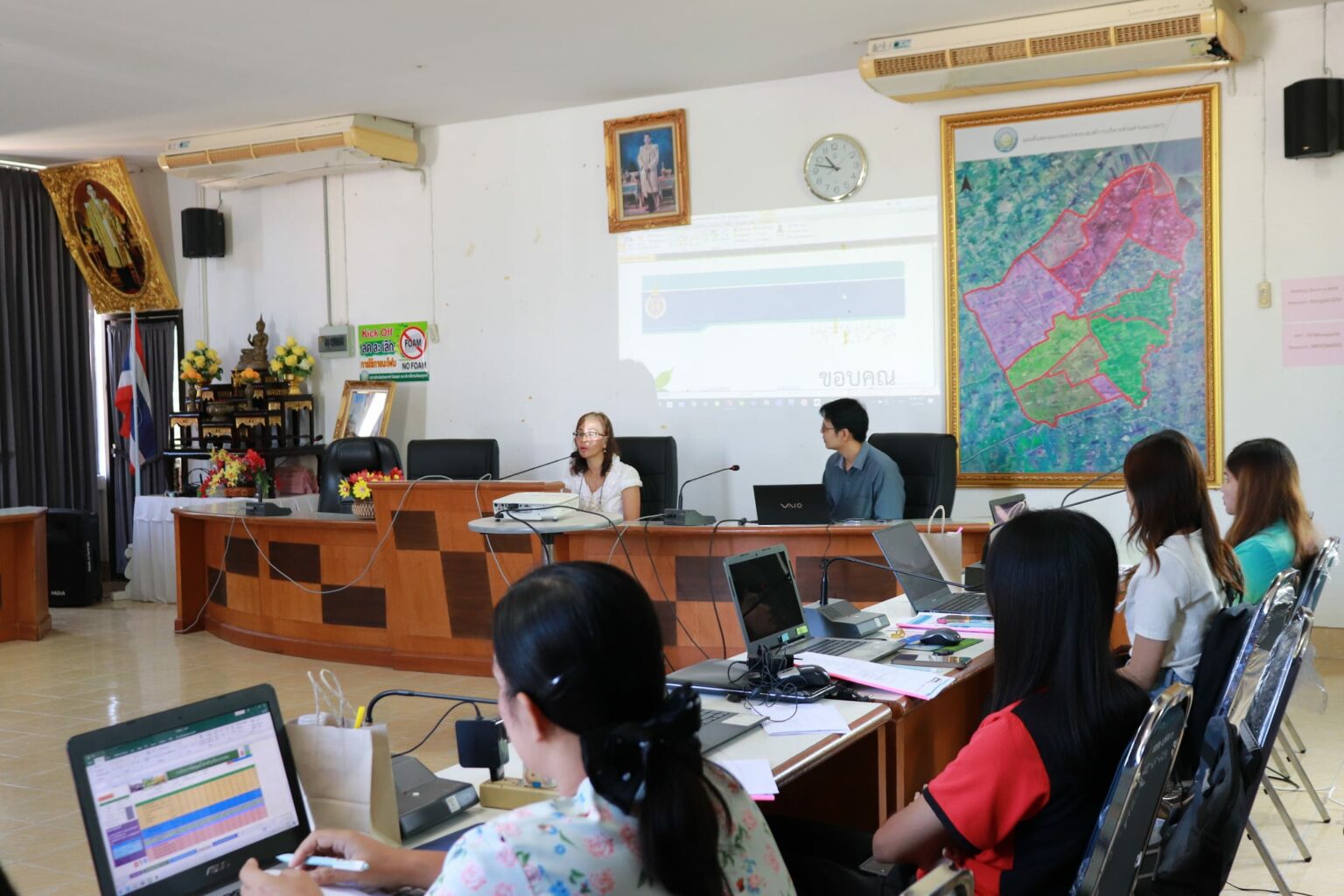
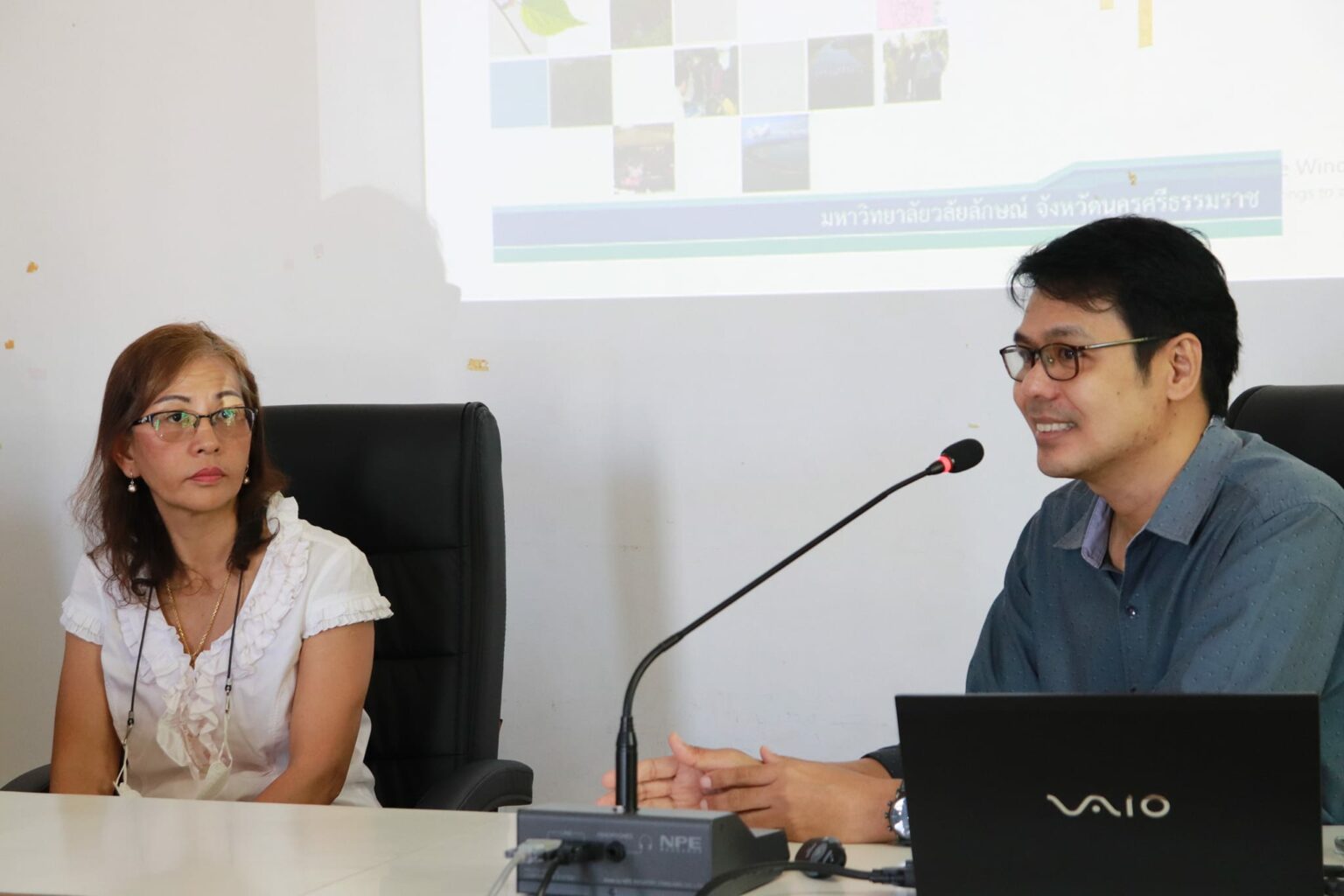
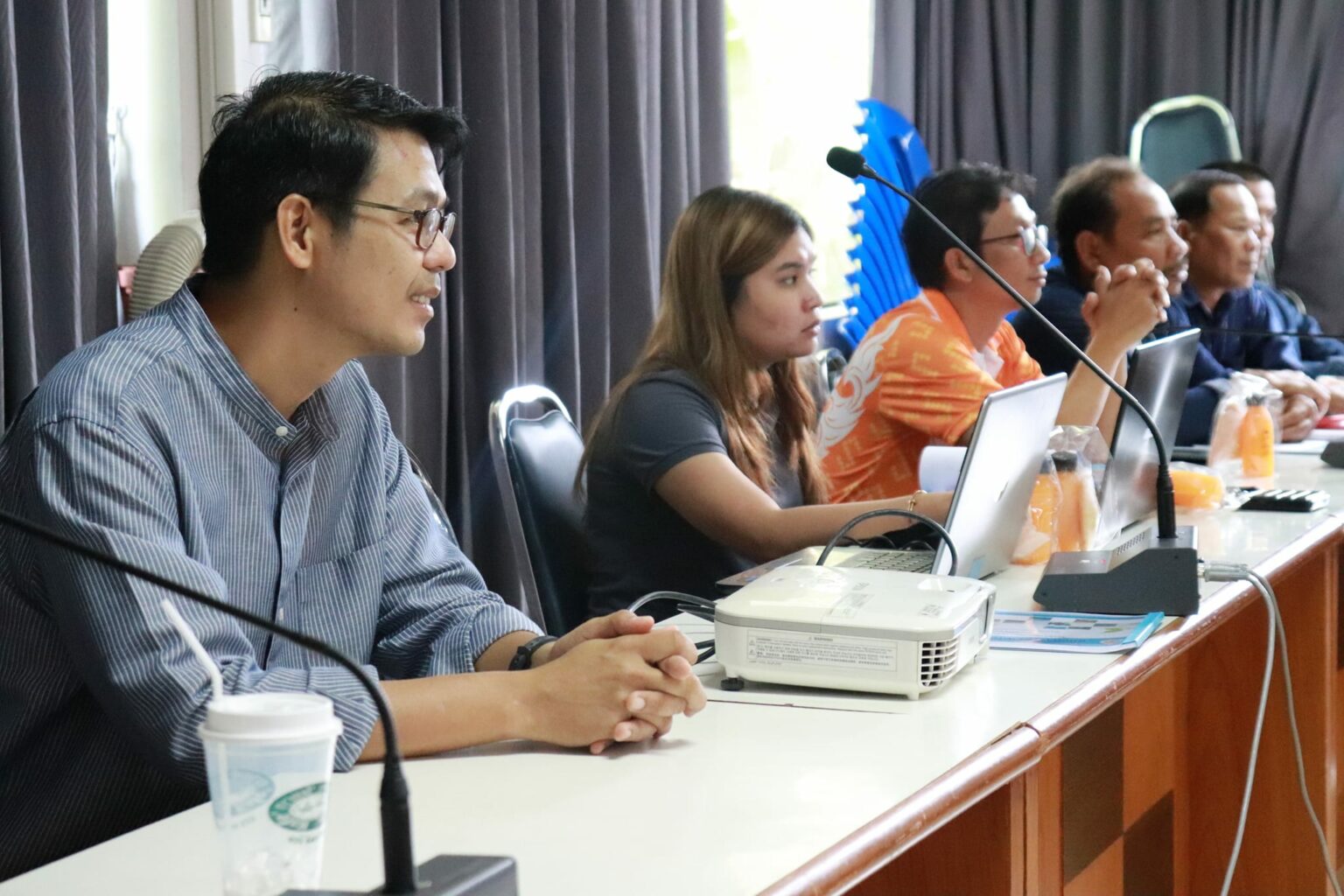
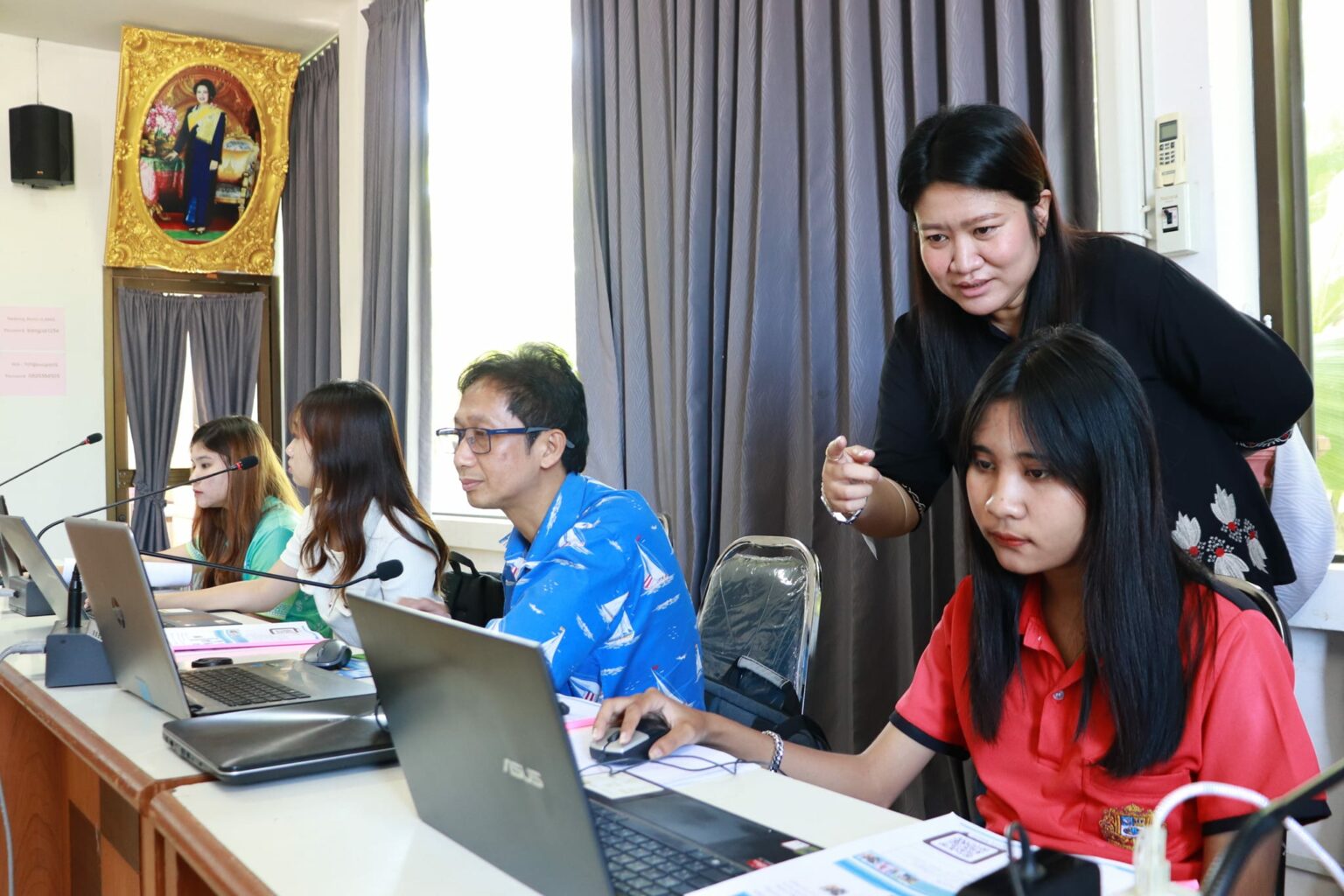
In 2023, Walailak University organized a communal water management training event using the REMS-Toolkit program, focusing on transferring water management technology to the community. The training event aimed to empower local leaders, officials, and residents to manage water resources effectively and sustainably. Additionally, it promoted the conservation and sustainable utilization of freshwater resources, raising awareness in the community about water conservation and encouraging efficient, long-term water management at the sub-district level. This initiative was conducted with a focus on sustainability through conservation practices. The training was led by Asst. Prof. Dr. Pakorn Ditthakit from the School of Engineering and Technology at Walailak University.
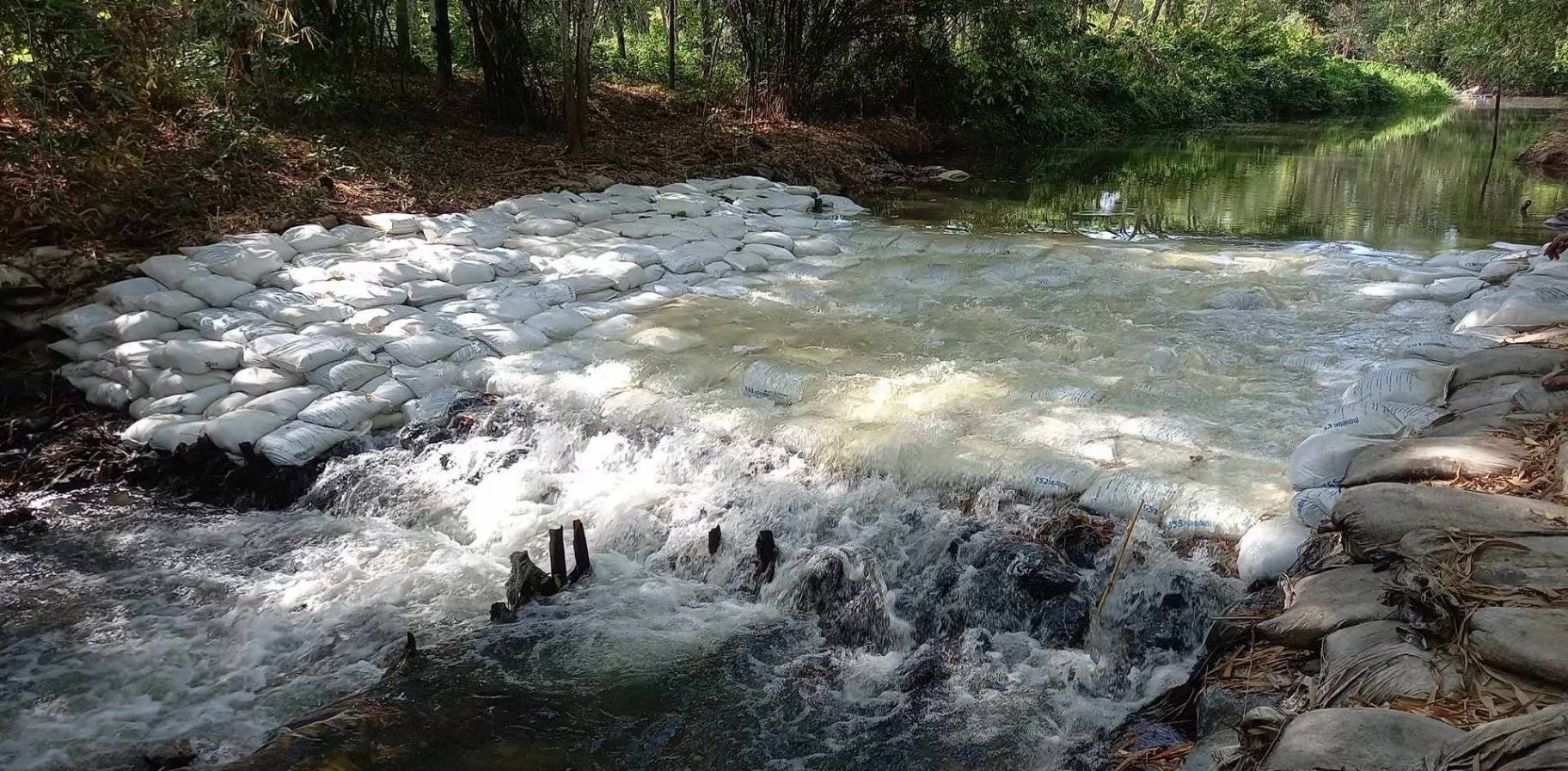
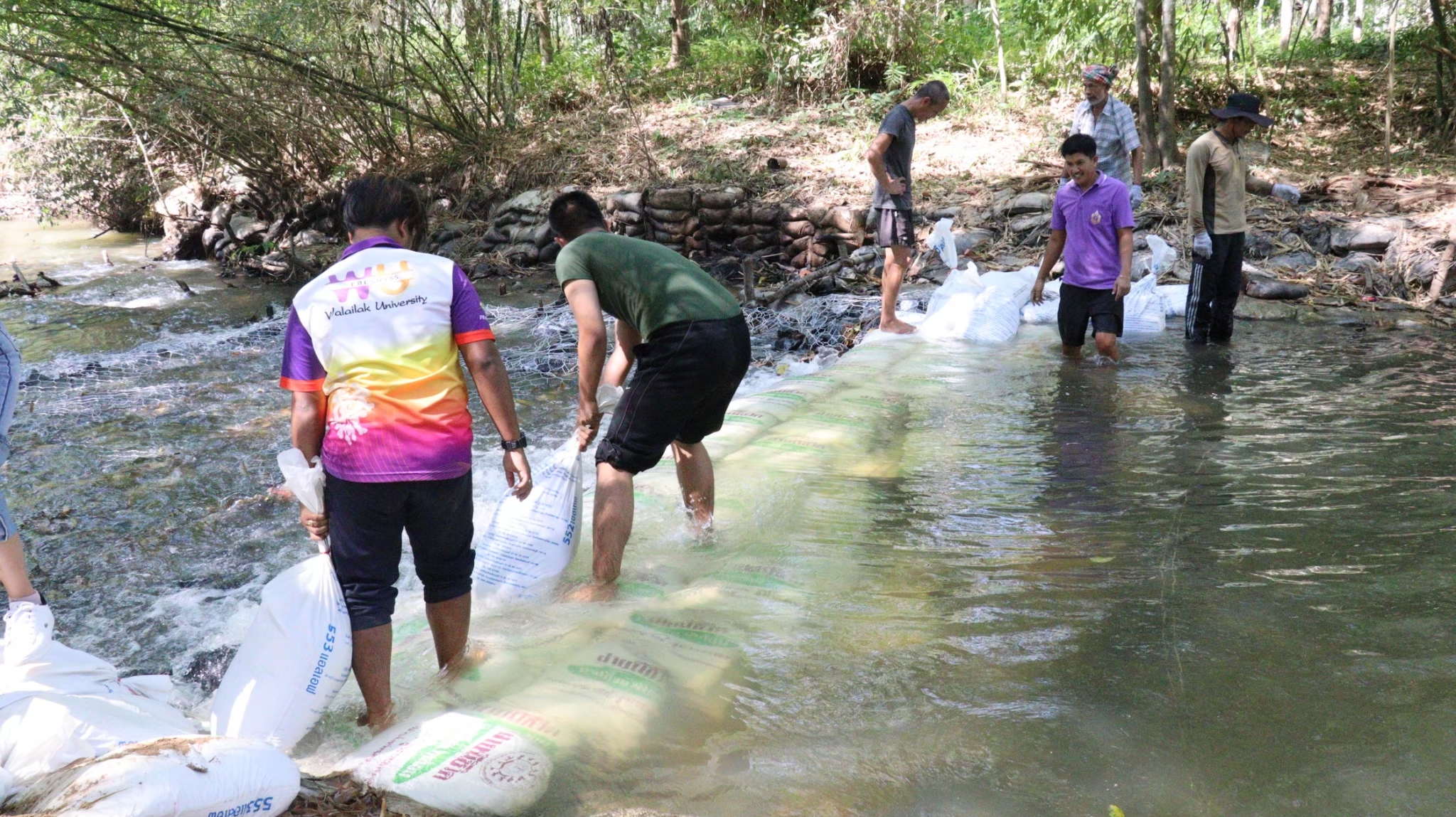
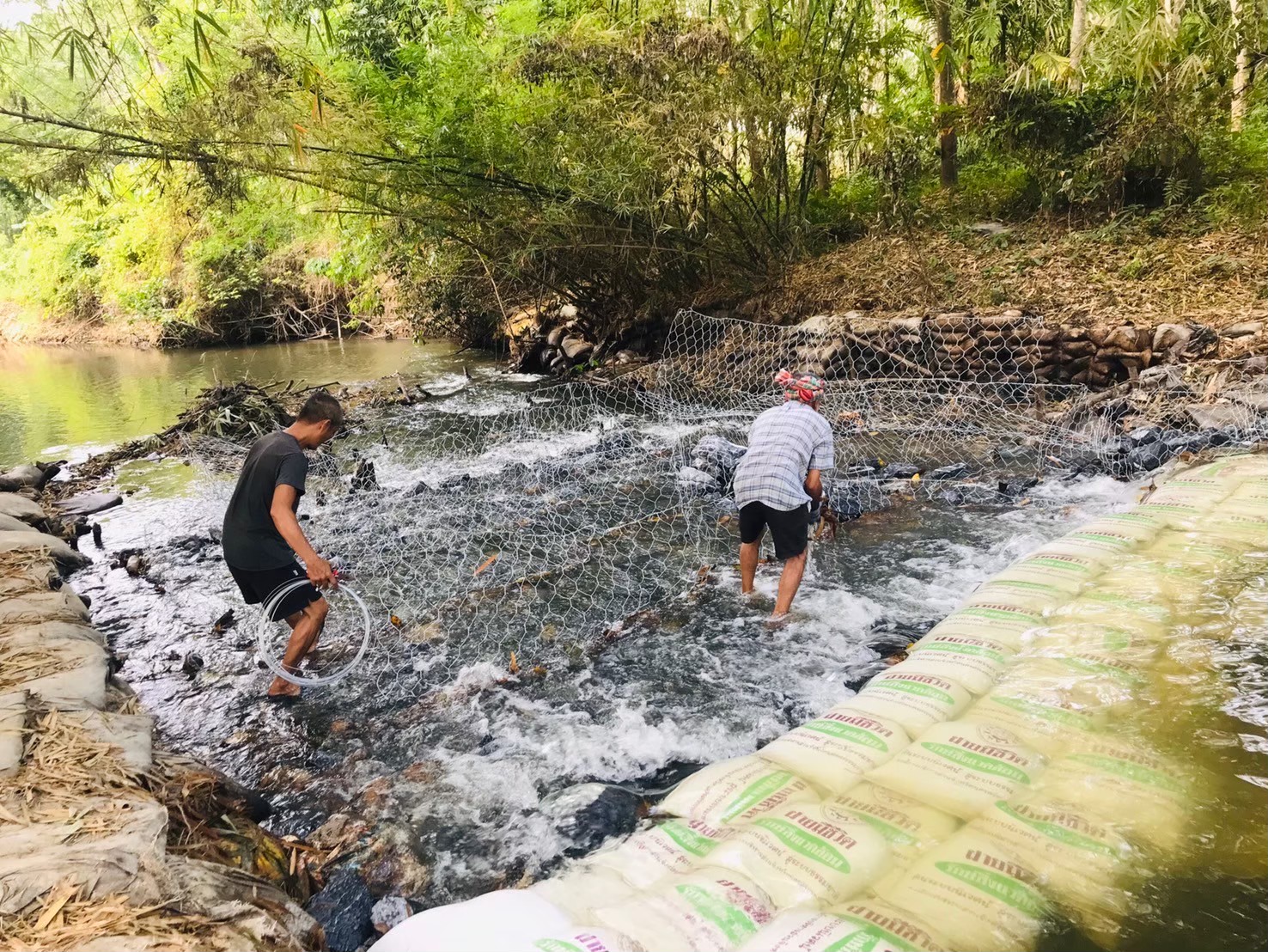
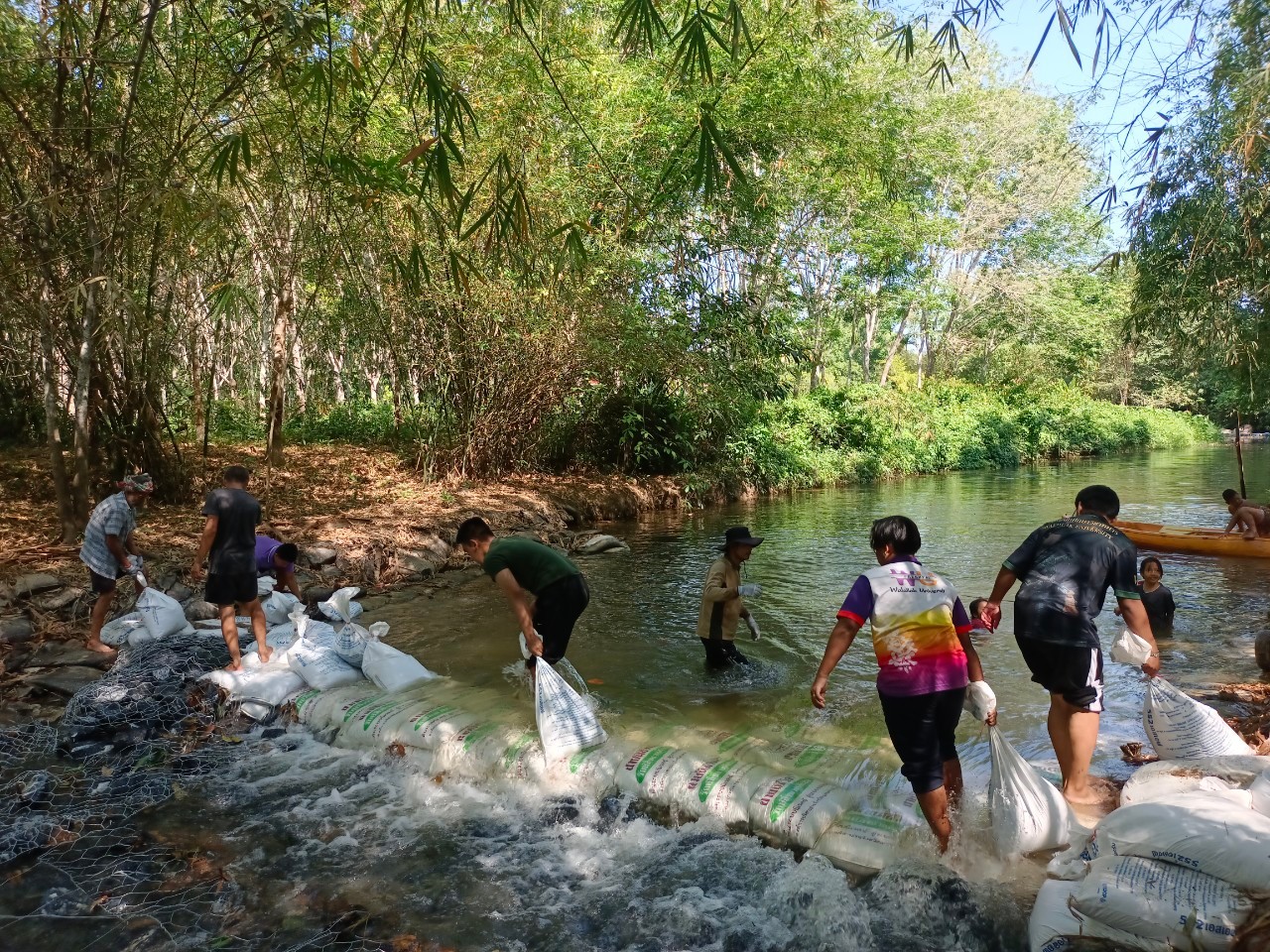
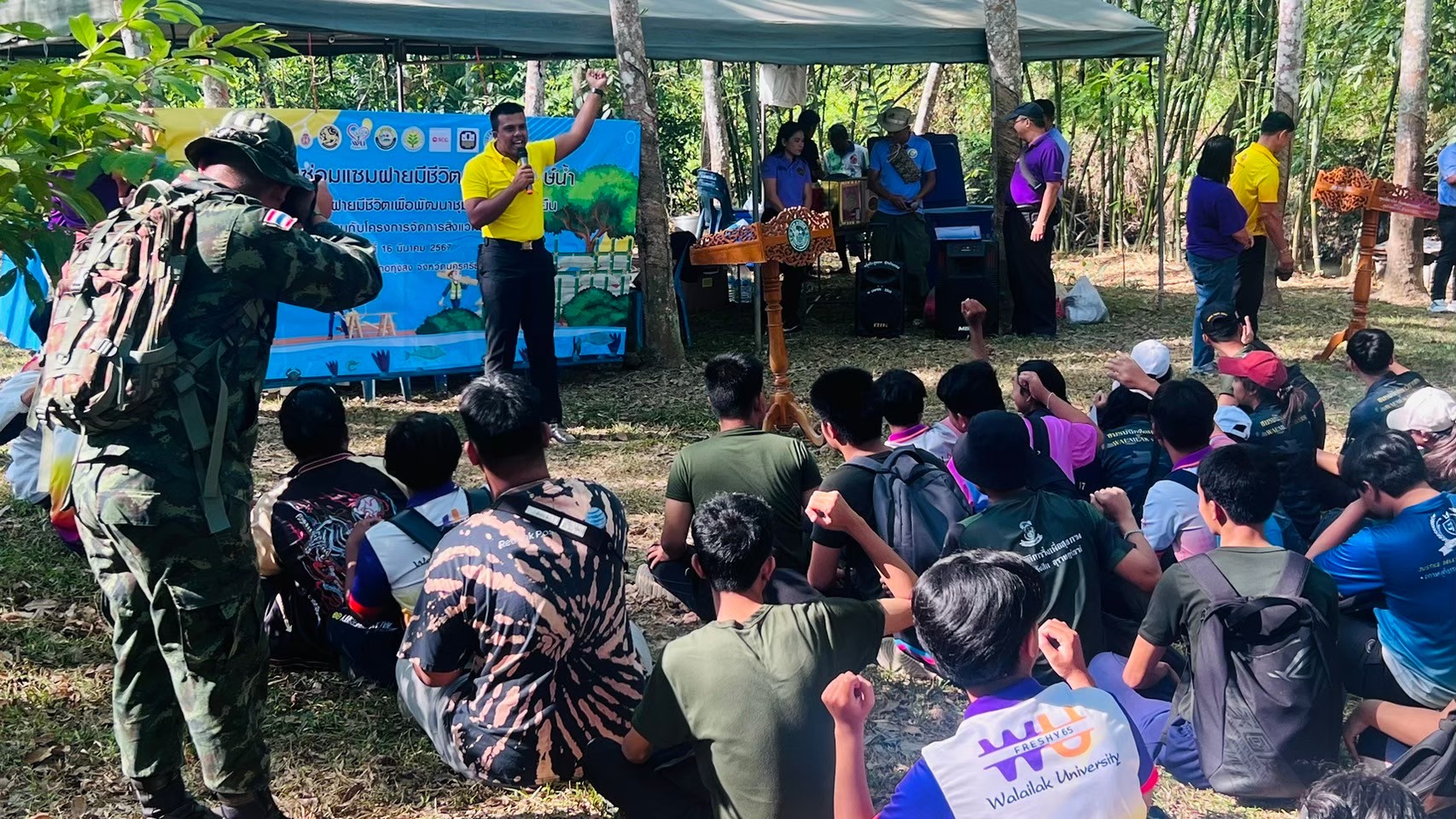
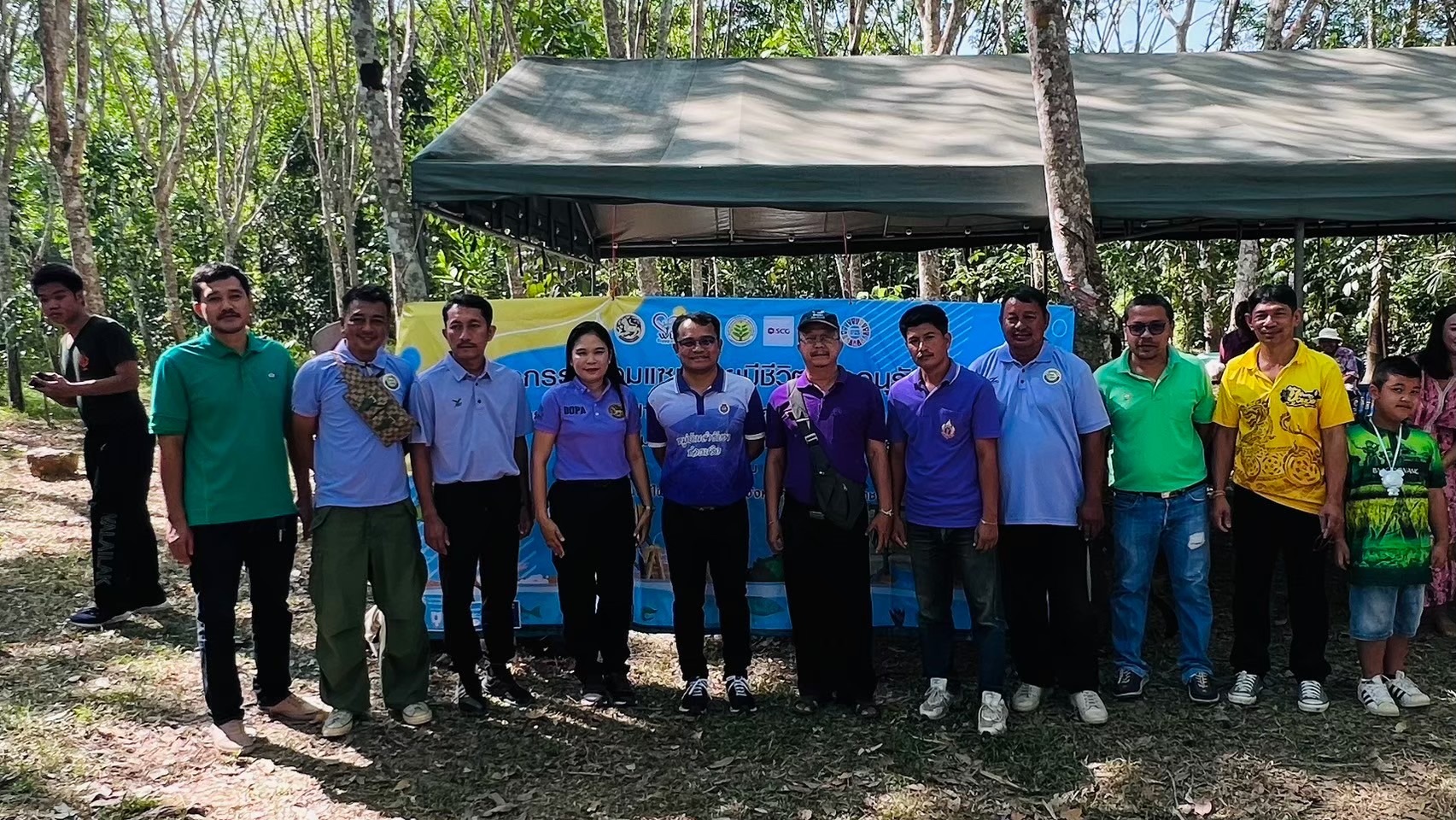
Additionally, in 2023, Walailak University, in collaboration with the Na Mai Phai Subdistrict Administrative Organization, organized a living weir repair event for water conservation in Na Mai Phai Subdistrict, Thung Song District, Nakhon Si Thammarat Province. This event aimed to create a model community for water management and irrigation that does not impact freshwater ecosystems. It also sought to strengthen the community’s capacity for sustainable water resource management, and promoted the conservation and sustainable utilization of freshwater resources. Participants included representatives from various sectors, both government and community, with a focus on fostering cooperation in water management and conservation at the community level.
2. The Events to Promote the Conservation and Sustainable Utilization of Marine Resources
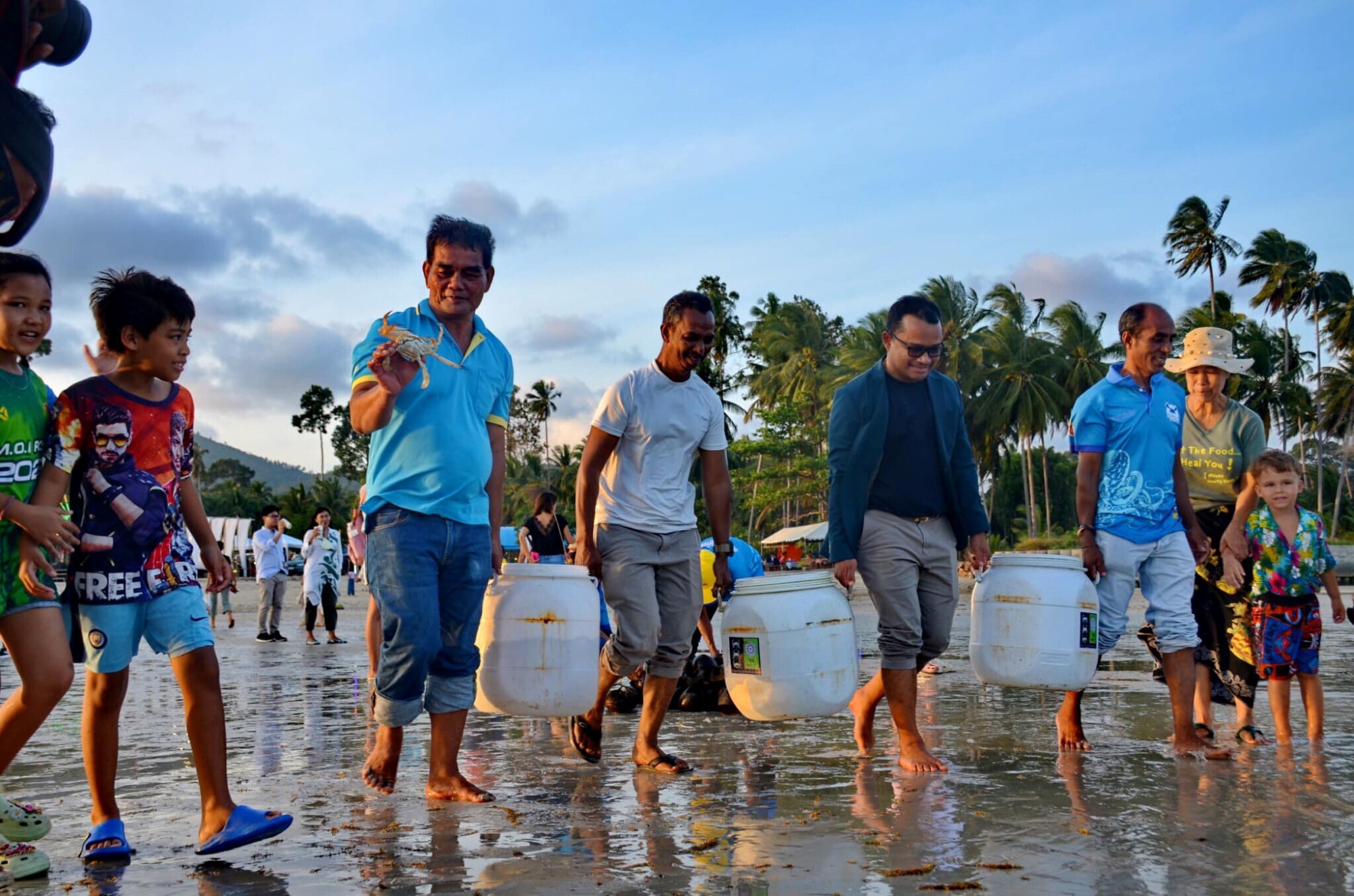
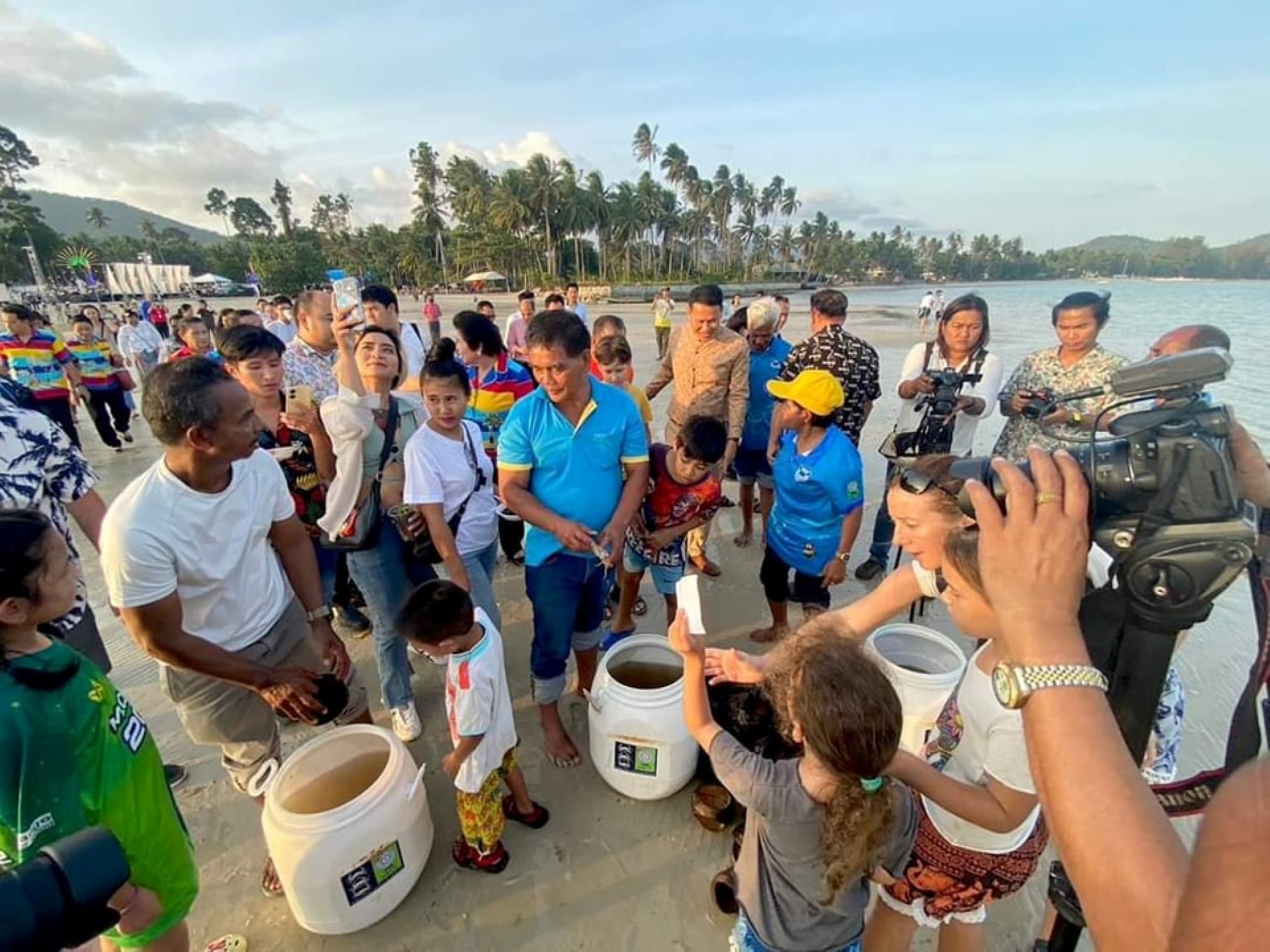
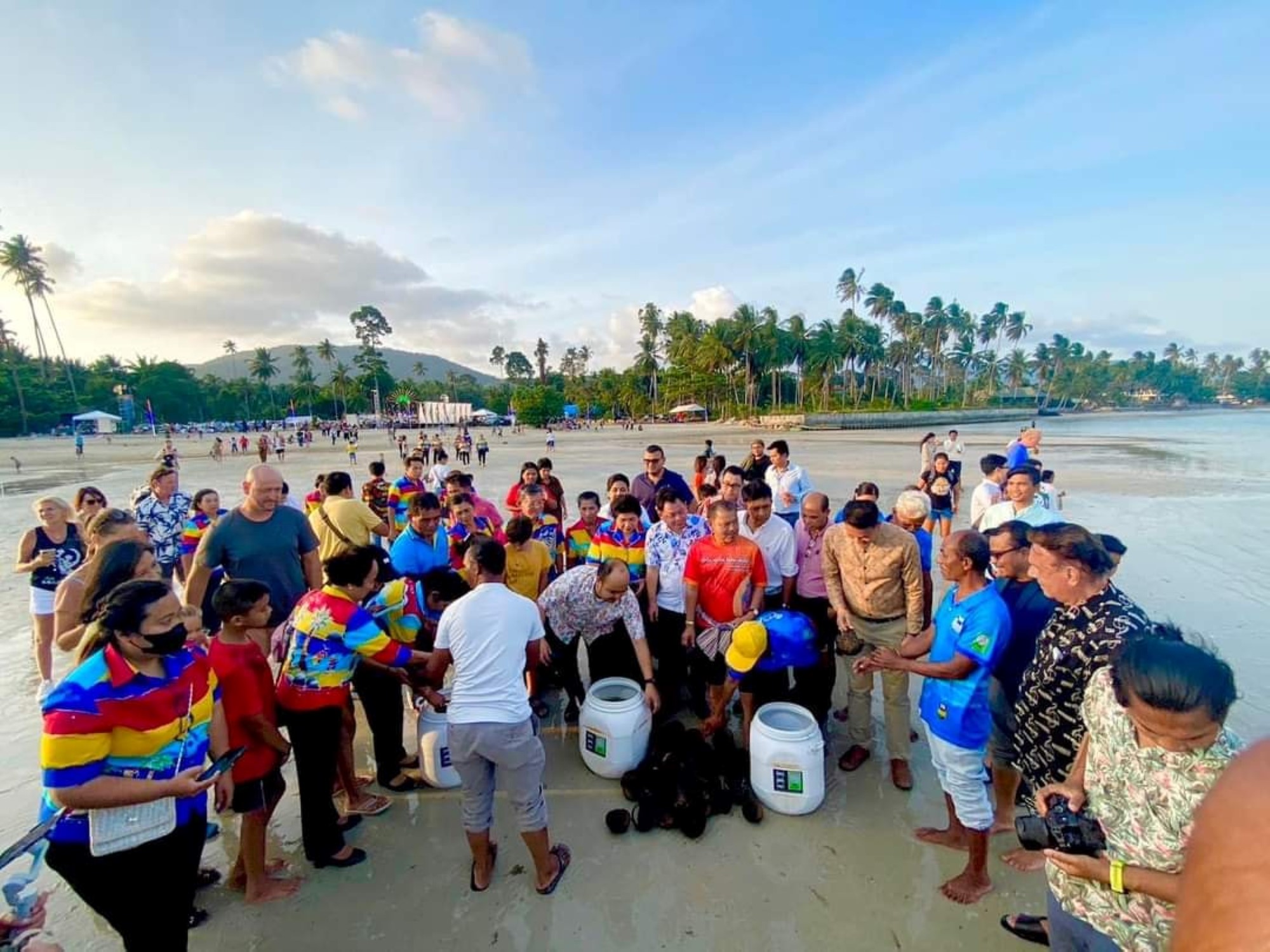
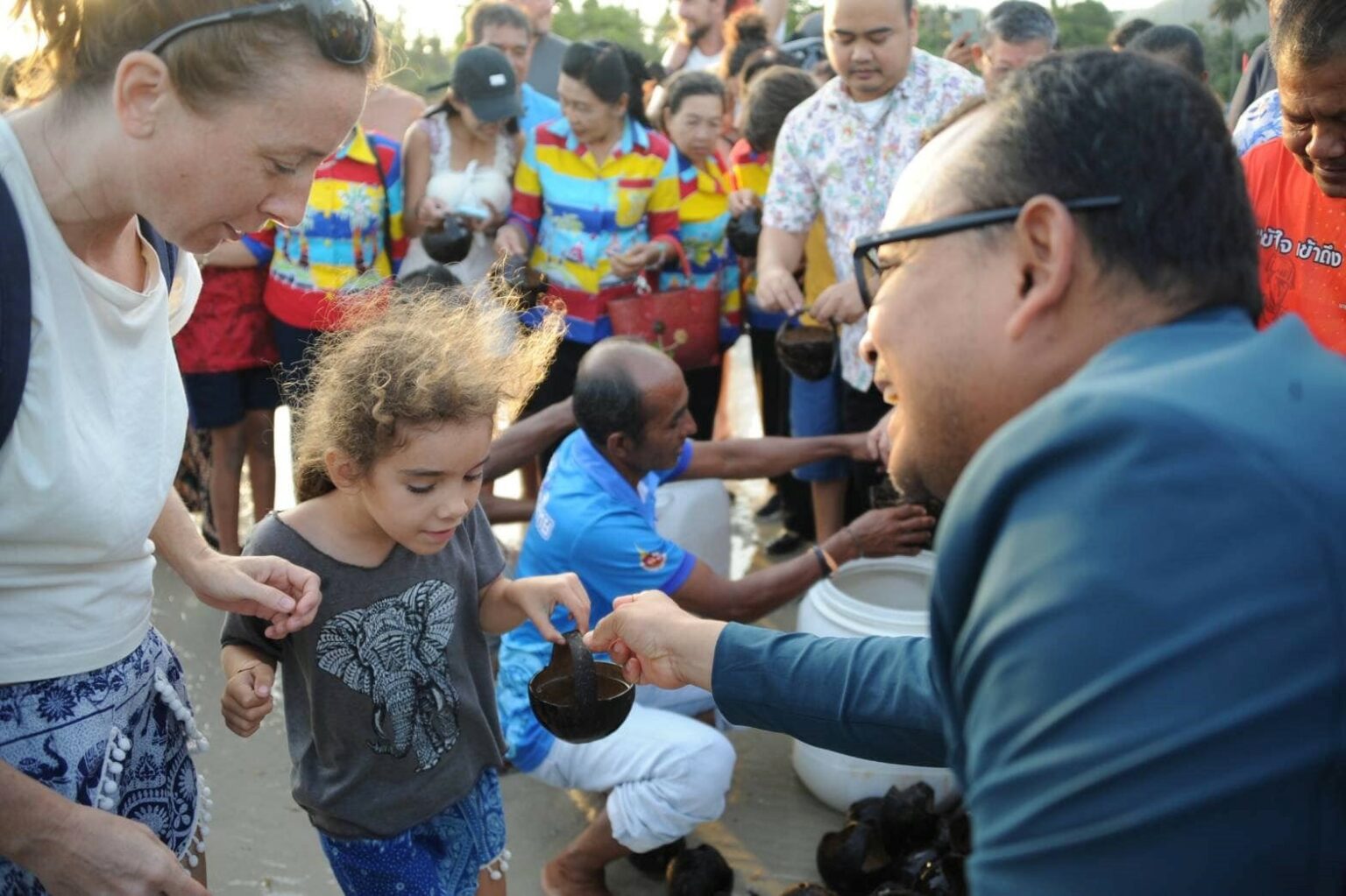
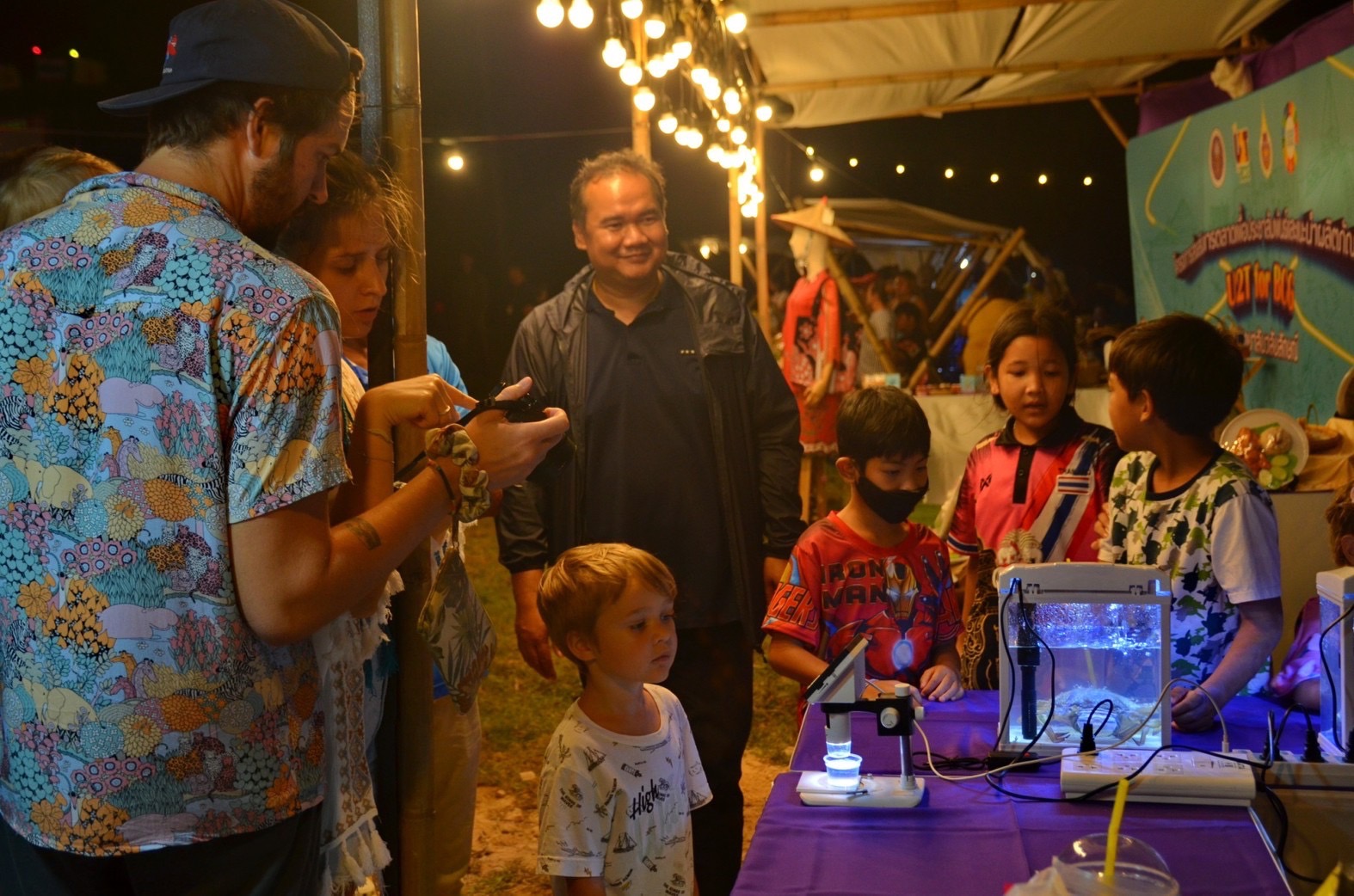
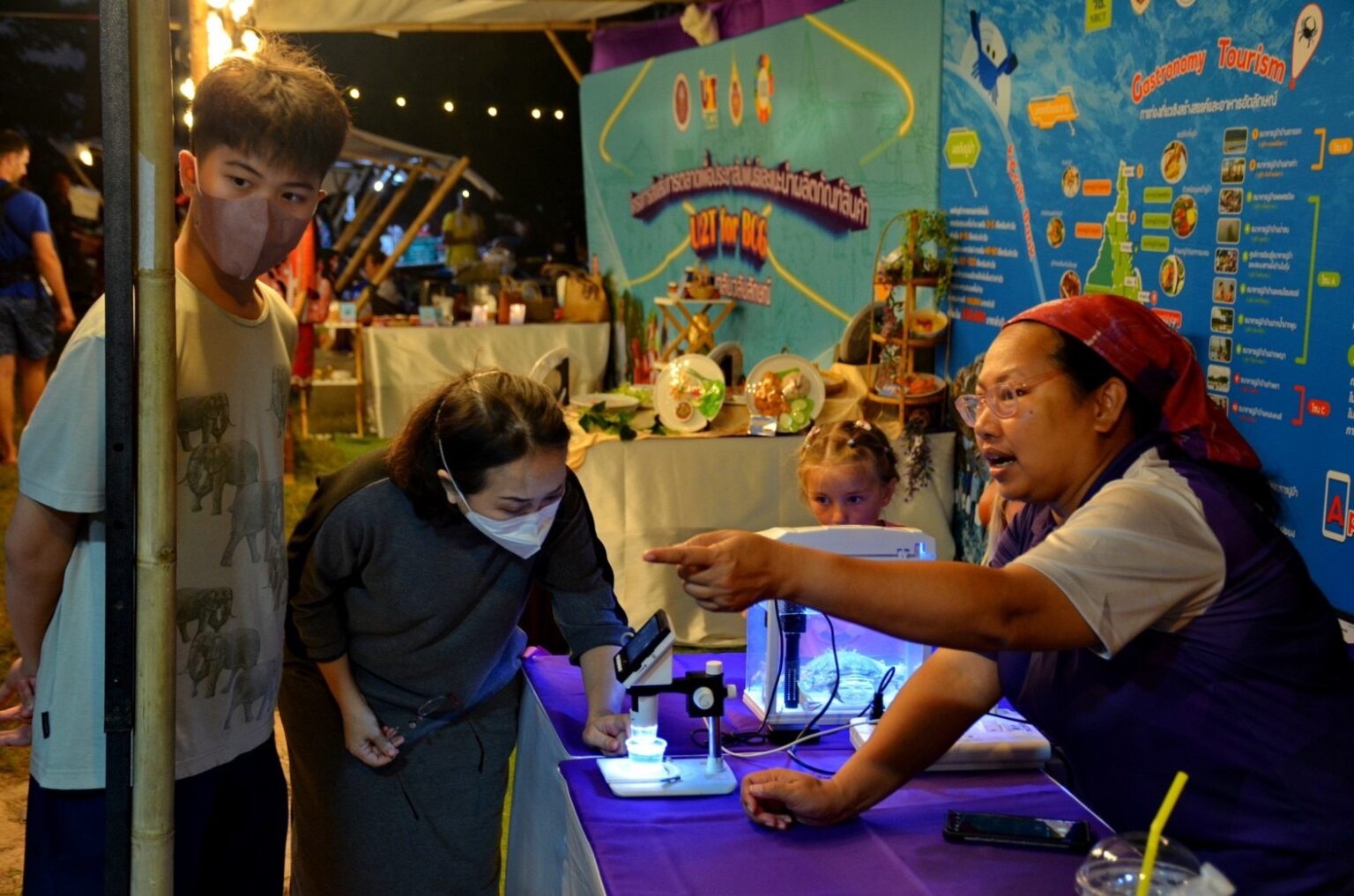
In 2023, the Center for Academic Services at Walailak University also participated in showcasing research and academic services at the Seaside Film Festival on Koh Samui, Surat Thani Province. During the event, both Thai and international tourists were invited to join in releasing over 10 million juvenile blue crabs into the sea around Samui Island. This crab release activity was organized to support the conservation and sustainable utilization of marine resources, aiming to increase local blue crab populations and provide stable income for fishers. Local crab-based dishes were promoted to add value and preserve the community’s identity. The event also encouraged ecotourism by educating tourists on the importance of marine animal conservation, contributing to income generation and strengthening the community for long-term sustainability.
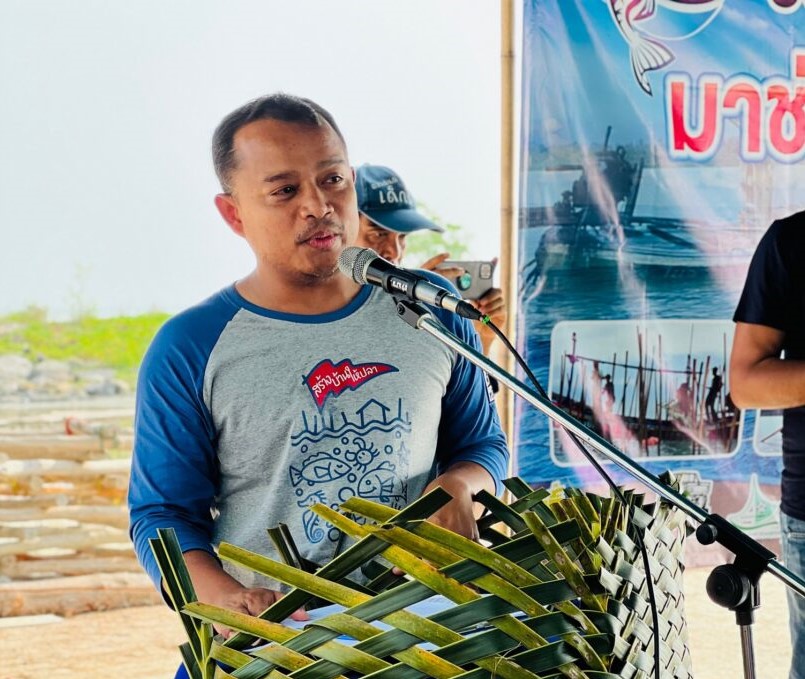
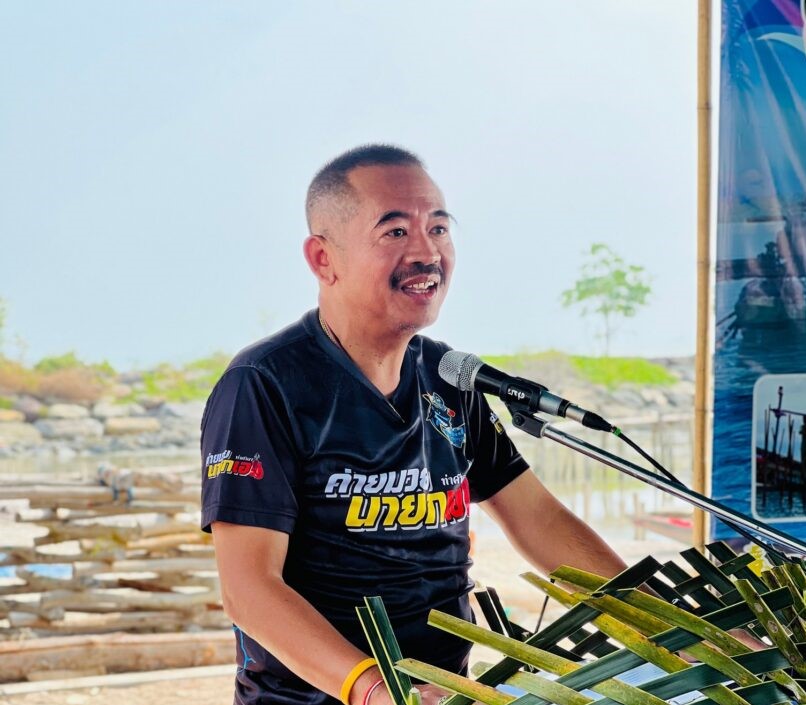
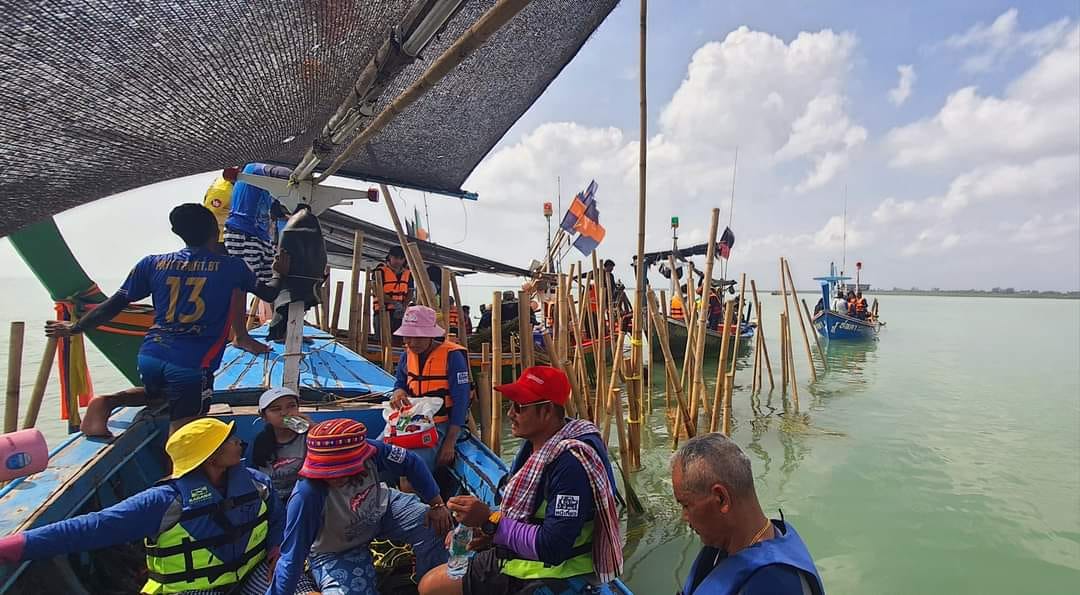
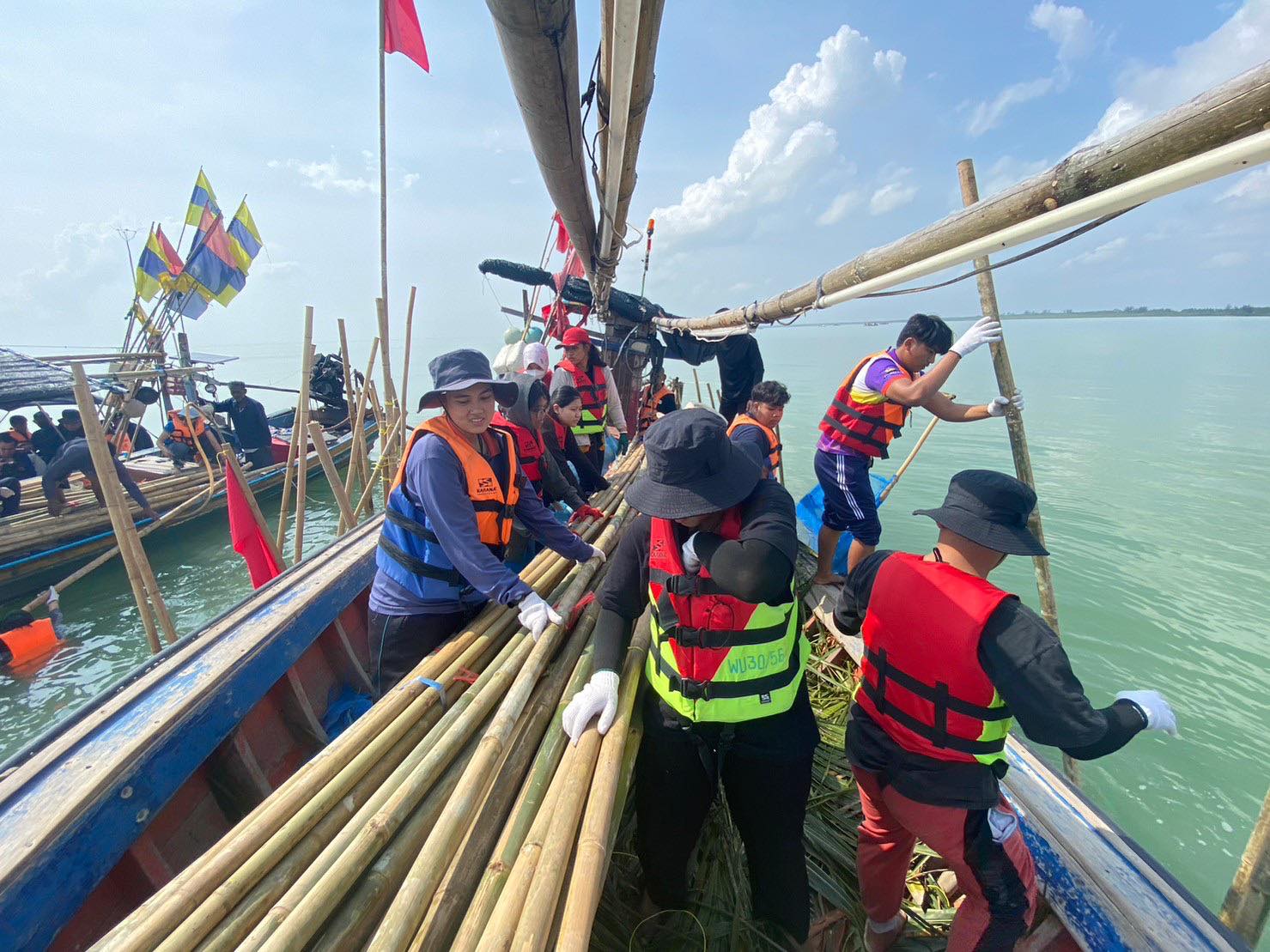
Walailak University is dedicated to sustainable marine ecosystem conservation through its ongoing artificial fish habitat project, now in its 21st iteration. The project aims to create safe habitats for juvenile marine animals, providing refuge from fishing activities. It also raises public awareness of the ocean’s significance as a vital food source and an essential ecosystem for the planet, supporting conservation and sustainable utilization of marine resources. Supported by various government agencies, private organizations, and the community, this initiative promotes collaboration and enhances underwater biodiversity while generating income for local fishermen.
3. The Events to Promote the Conservation and Sustainable Utilization of Oceans
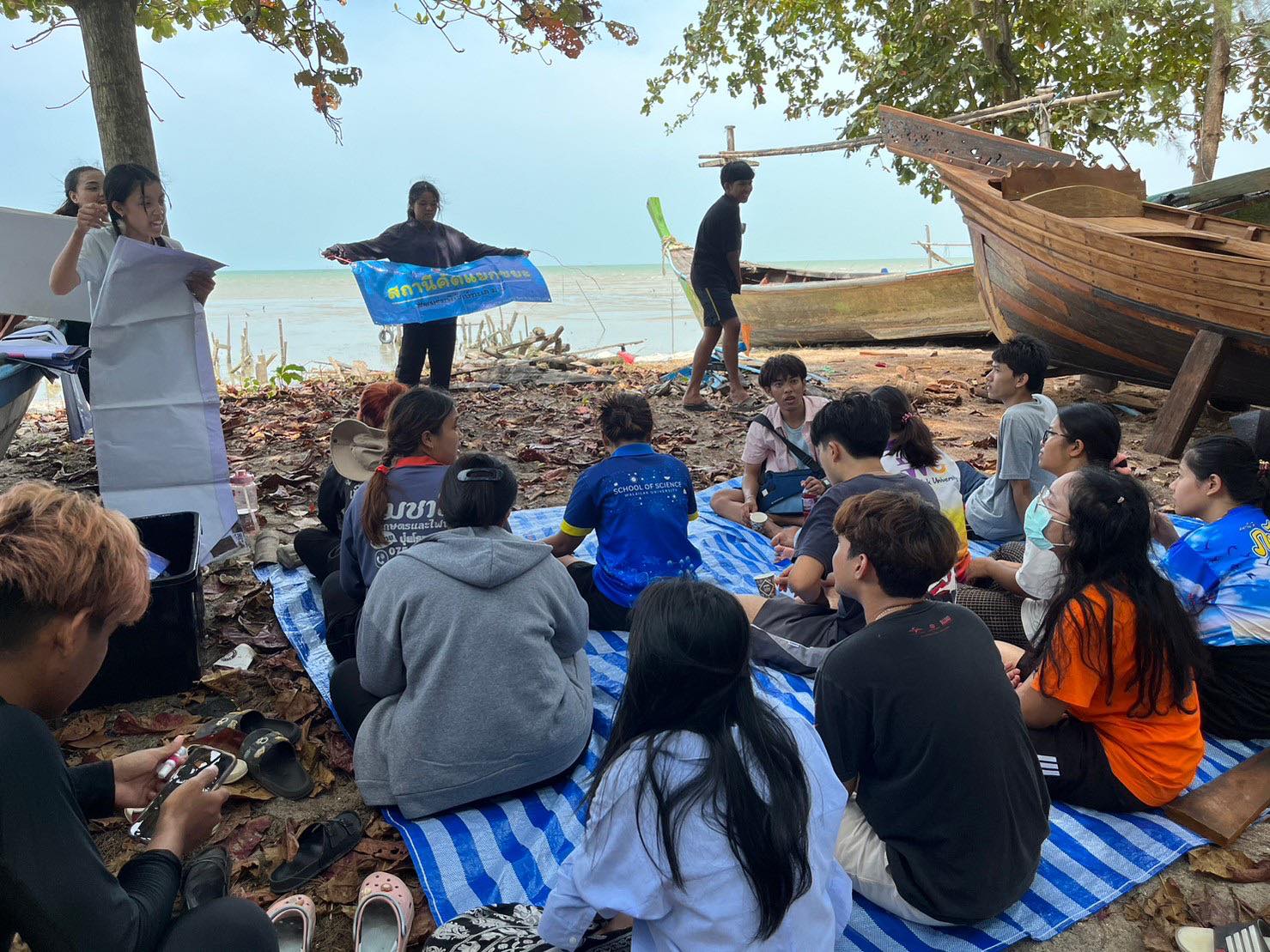
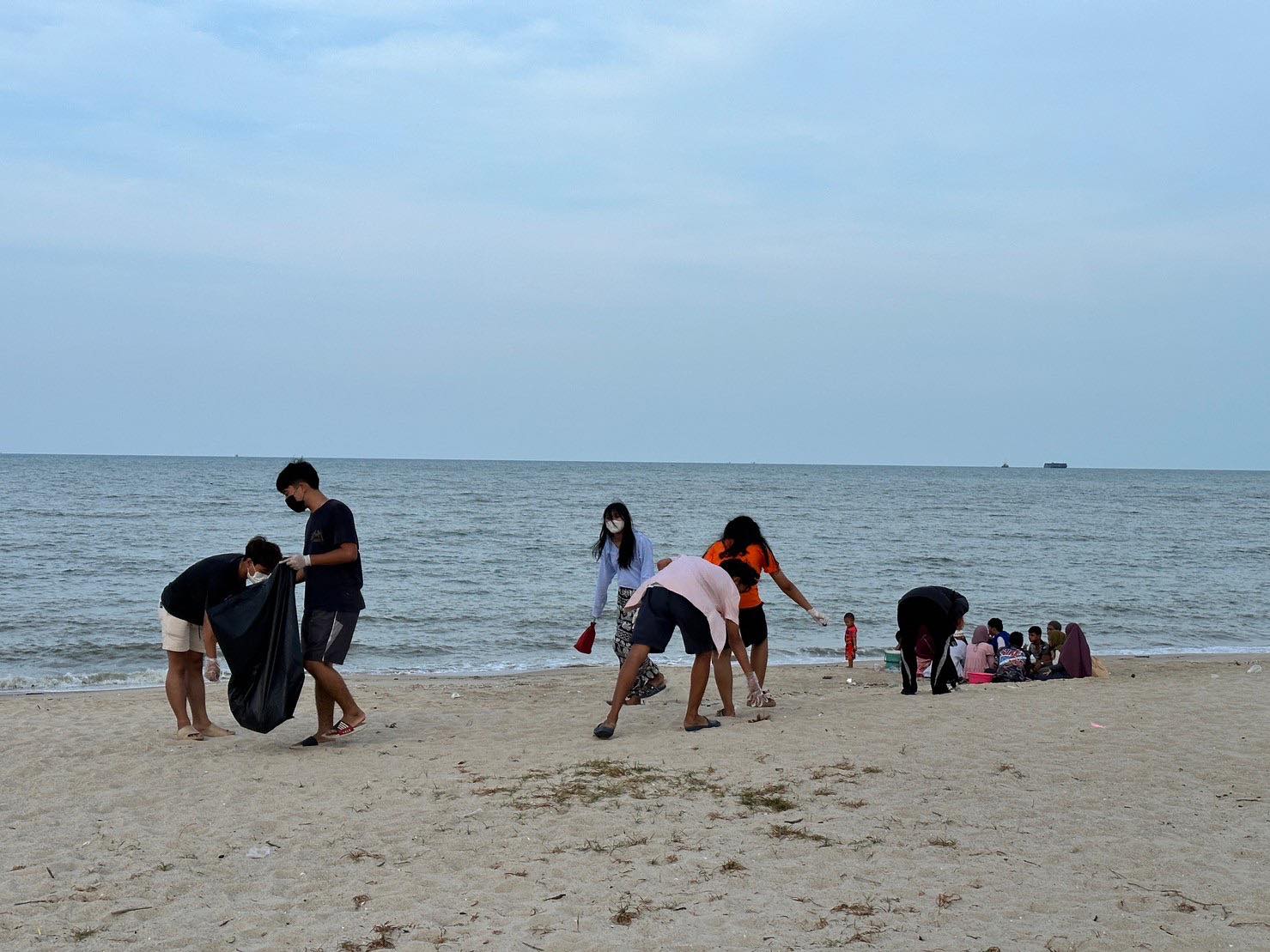
Walailak University organized an event to promote ocean conservation and sustainable utilization of marine resources, in collaboration with the Student Association of the School of Science, Walailak University Marine Conservation Club, Sustainable Local Coastal and Marine Development Club. The event encouraged participants to engage in environmental conservation, apply scientific knowledge to solve environmental issues, learn about debris management, and join in building artificial fish habitats. Activities included constructing fish habitats, attending lectures on natural resource conservation, and participating in rubbish collection and sorting at the beach. The event saw the participation of 52 students and 3 faculty members.
To sum up, Walailak University’s commitment to aquatic ecosystem conservation is reflected in its various activities and projects aimed at creating positive and sustainable change in local communities. These efforts span the protection of marine environments, freshwater sources, and marine resources. Initiatives such as building artificial fish habitats, repairing living weirs, and releasing juvenile blue crabs into the sea not only enhance biodiversity but also provide income sources for local residents, supporting the long-term local economy. Through collaboration with multiple sectors, Walailak University demonstrates its leadership role in natural resource conservation and sustainable resource utilization, which is crucial for preserving ecosystems and the well-being of surrounding communities. These efforts pave the way for a sustainable future alongside community growth.
Each year, Walailak University, through its faculty members, works closely with communities to diagnose issues concerning the conservation and sustainable utilization of the oceans, rivers, and marine resources. This collaboration actively involves community participation in jointly addressing these issues through development initiatives. The approach integrates cooperation to foster teamwork and stakeholder engagement across all sectors. At the end of each year, the results of these initiatives are evaluated, the project’s success is measured, and plans are developed to ensure continued progress in the following year.


Goal 14: Life below water
Goal 4: Quality Education
Goal 17: Partnerships for the Goals
Post Views: 118