WU Promoting Sustainable Commuting towards a Greener Campus
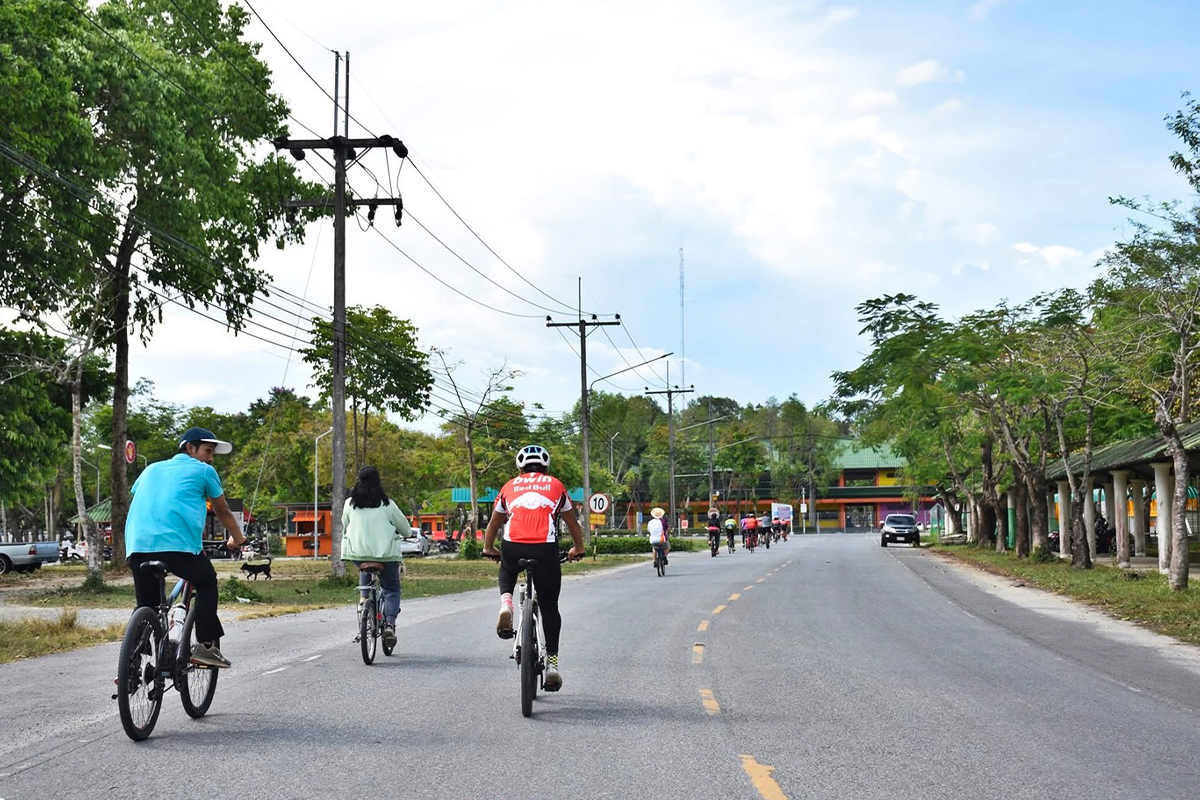
Walailak University has implemented a range of initiatives to promote sustainable commuting on campus. These include the operation of electric shuttle buses to facilitate convenient and eco-friendly travel, the construction of covered walkways to encourage walking in all weather conditions, and the promotion of bicycles through designated bike lanes and cycling campaigns. In addition, the university supports the use of electric vehicles by both staff and students for commuting on and off campus, reducing reliance on fuel-powered transportation and lowering carbon emissions. Together, these initiatives contribute to a safer, greener, and more sustainable campus environment.
Free Electric Shuttle Car Service
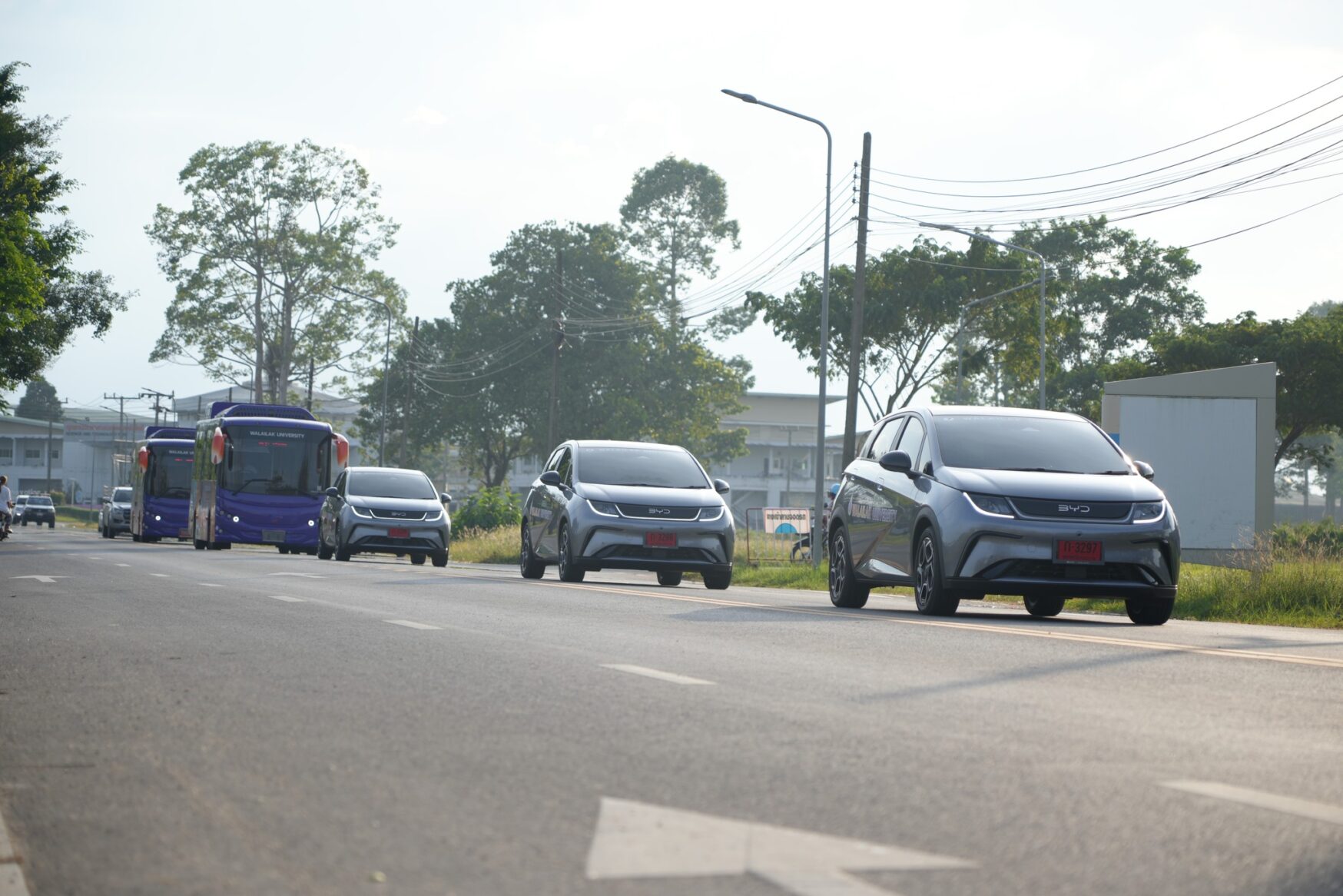
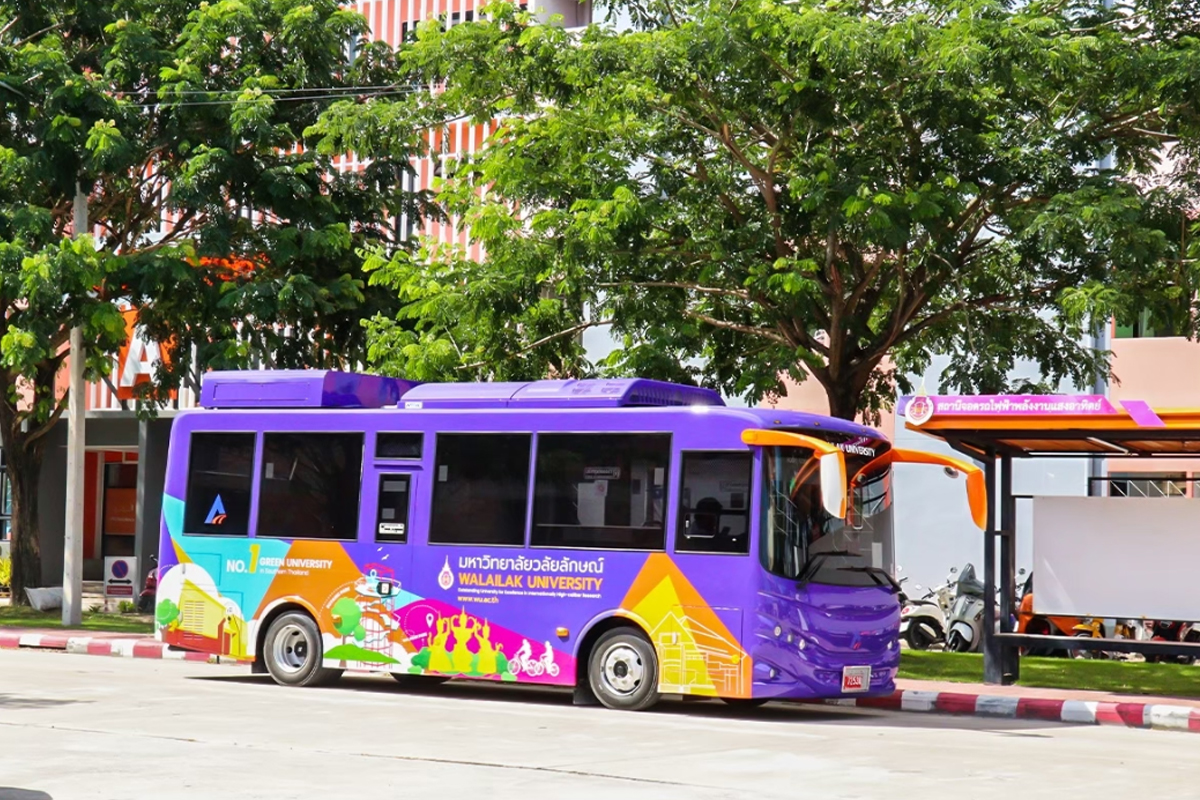
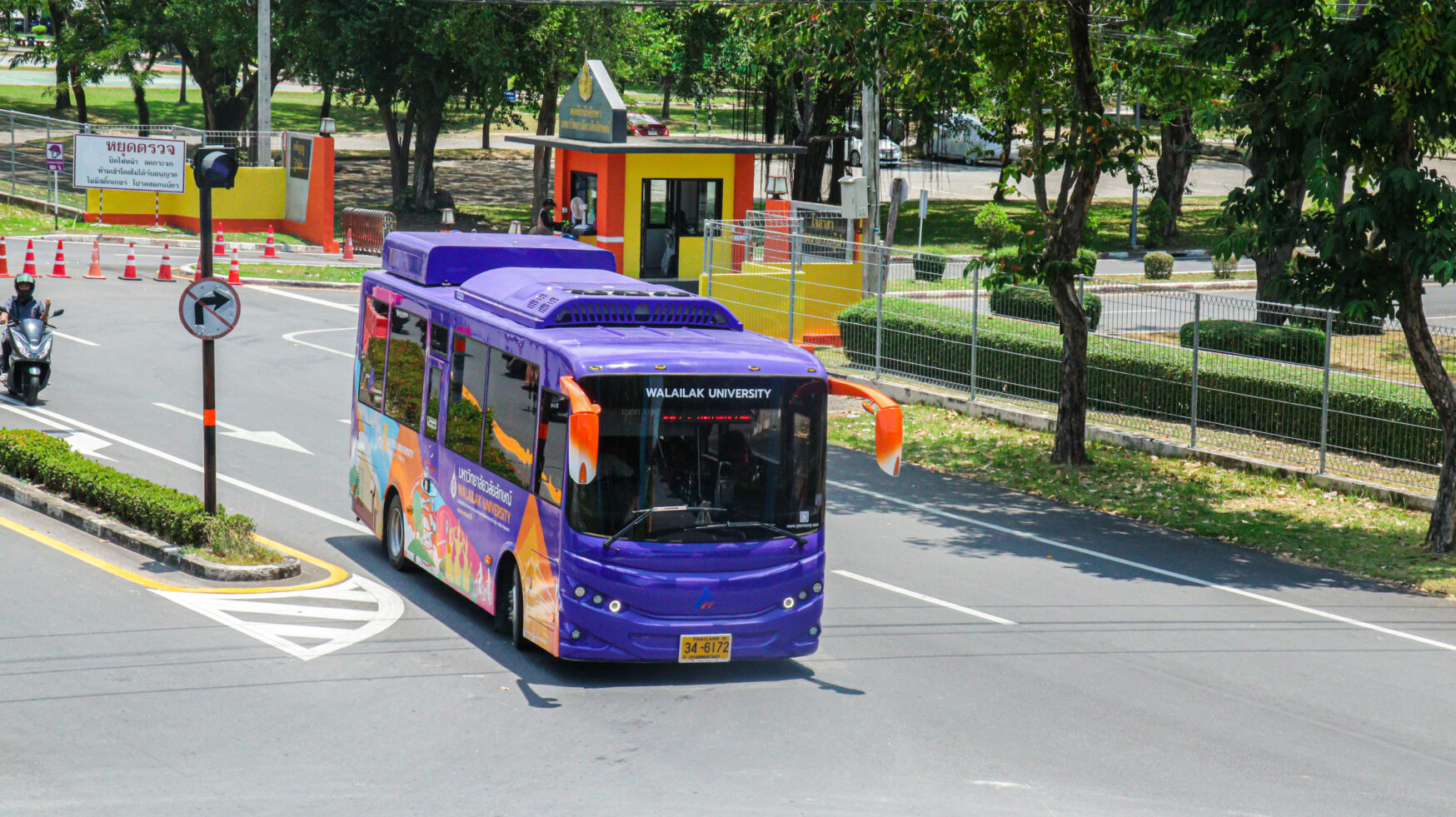
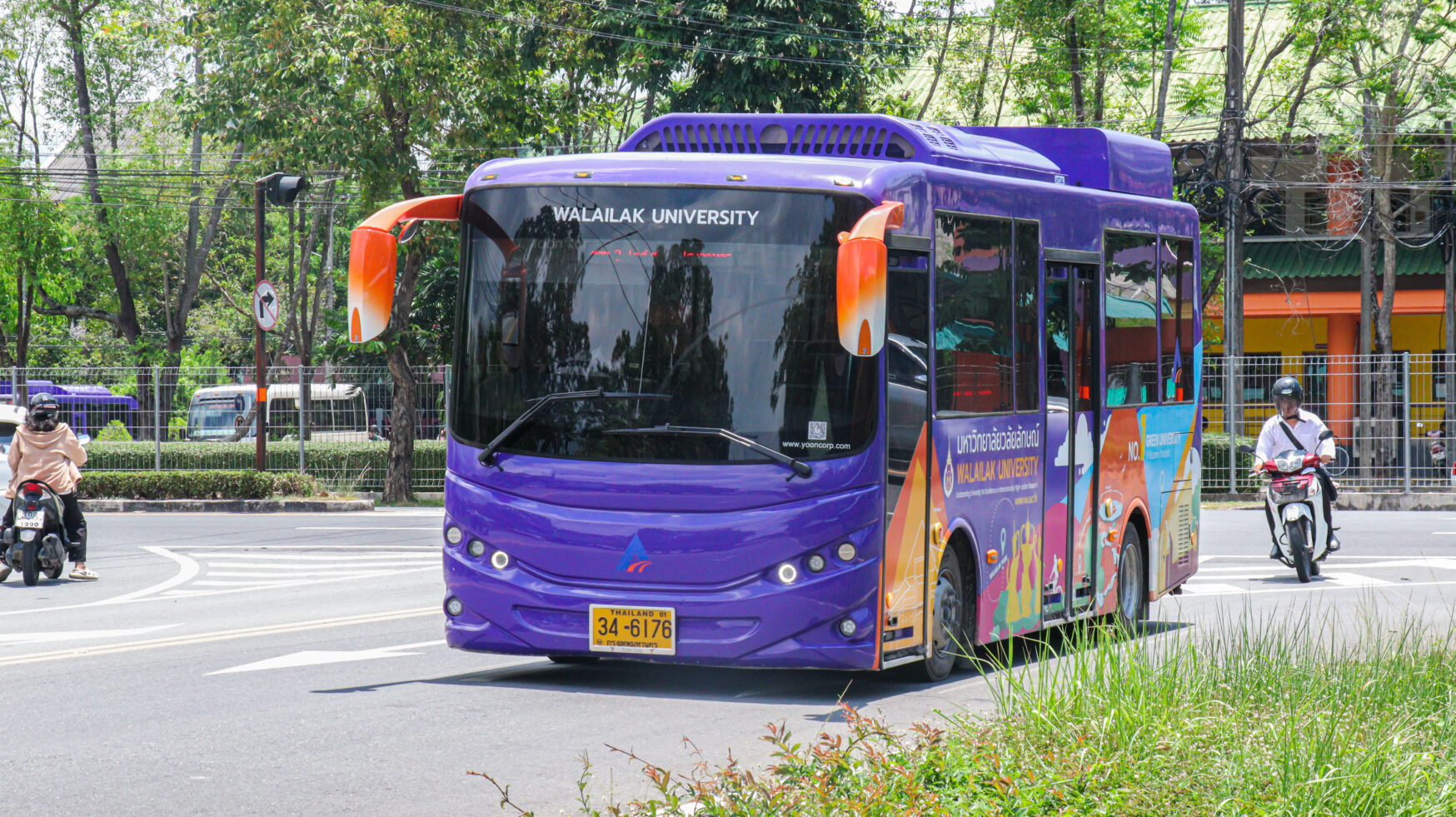
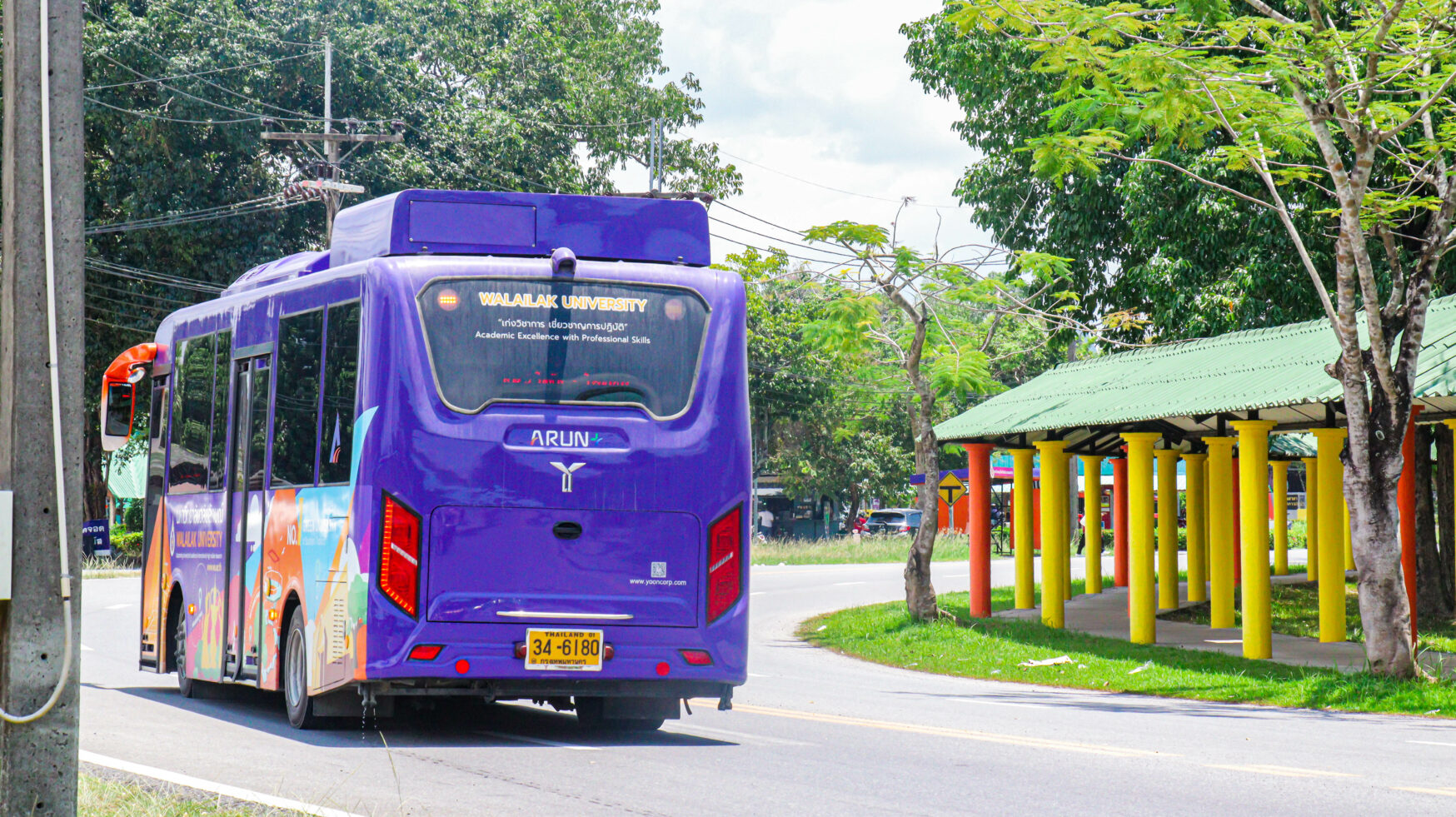
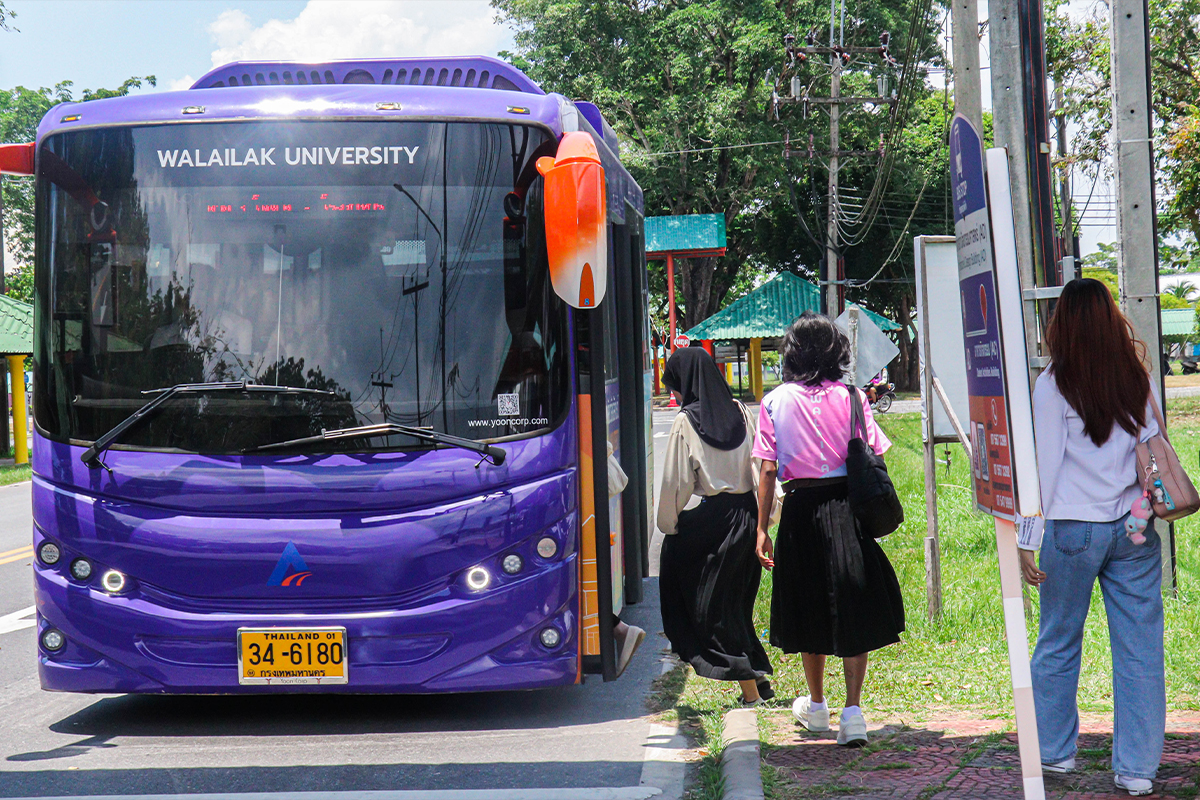
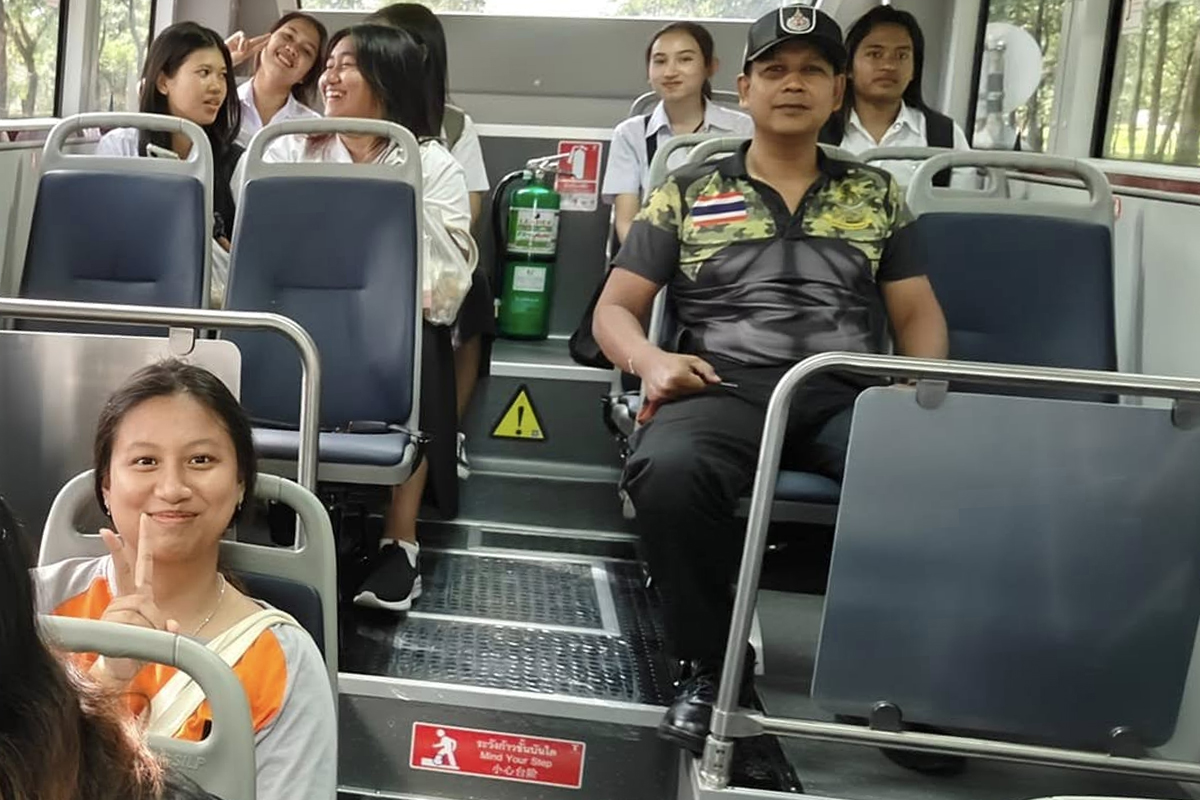
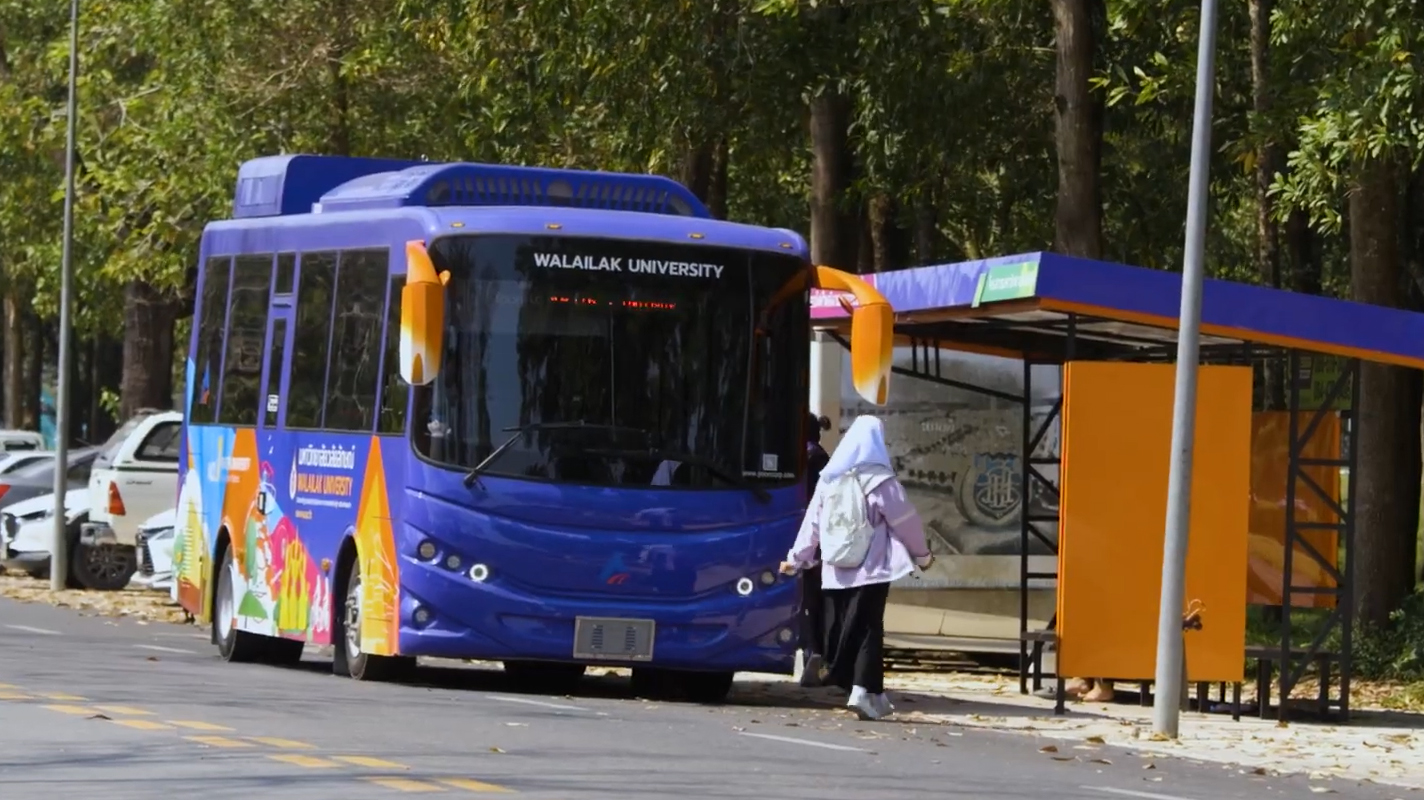
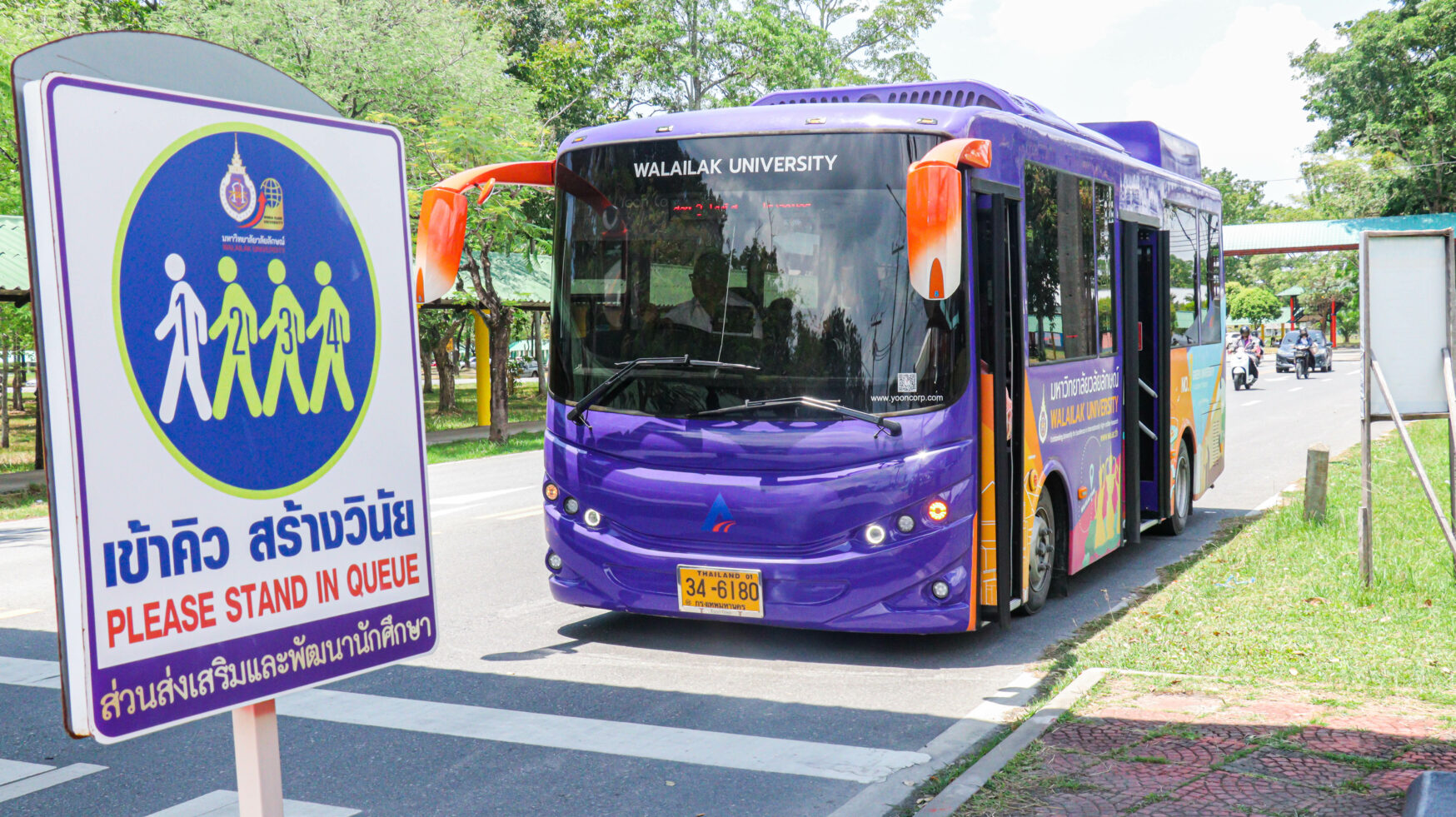
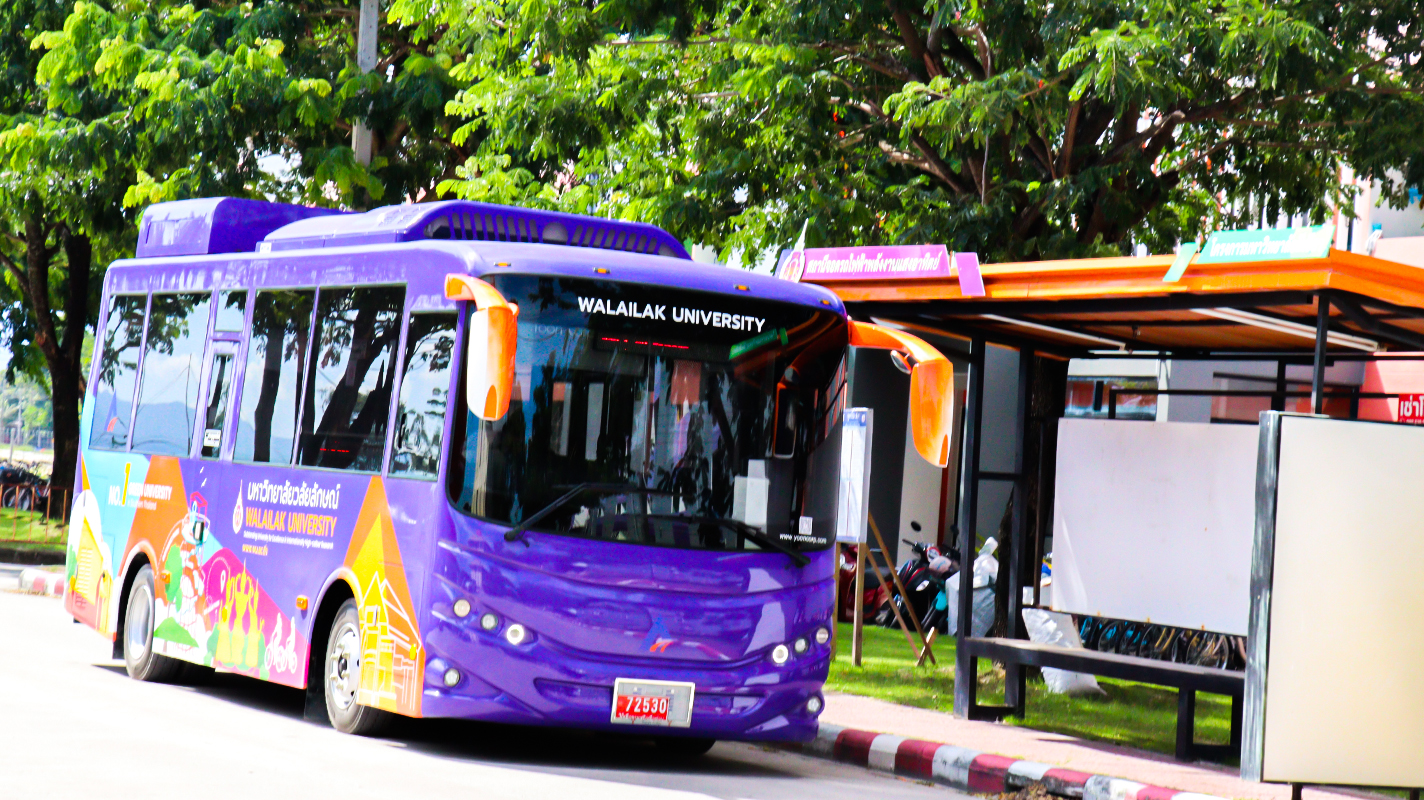
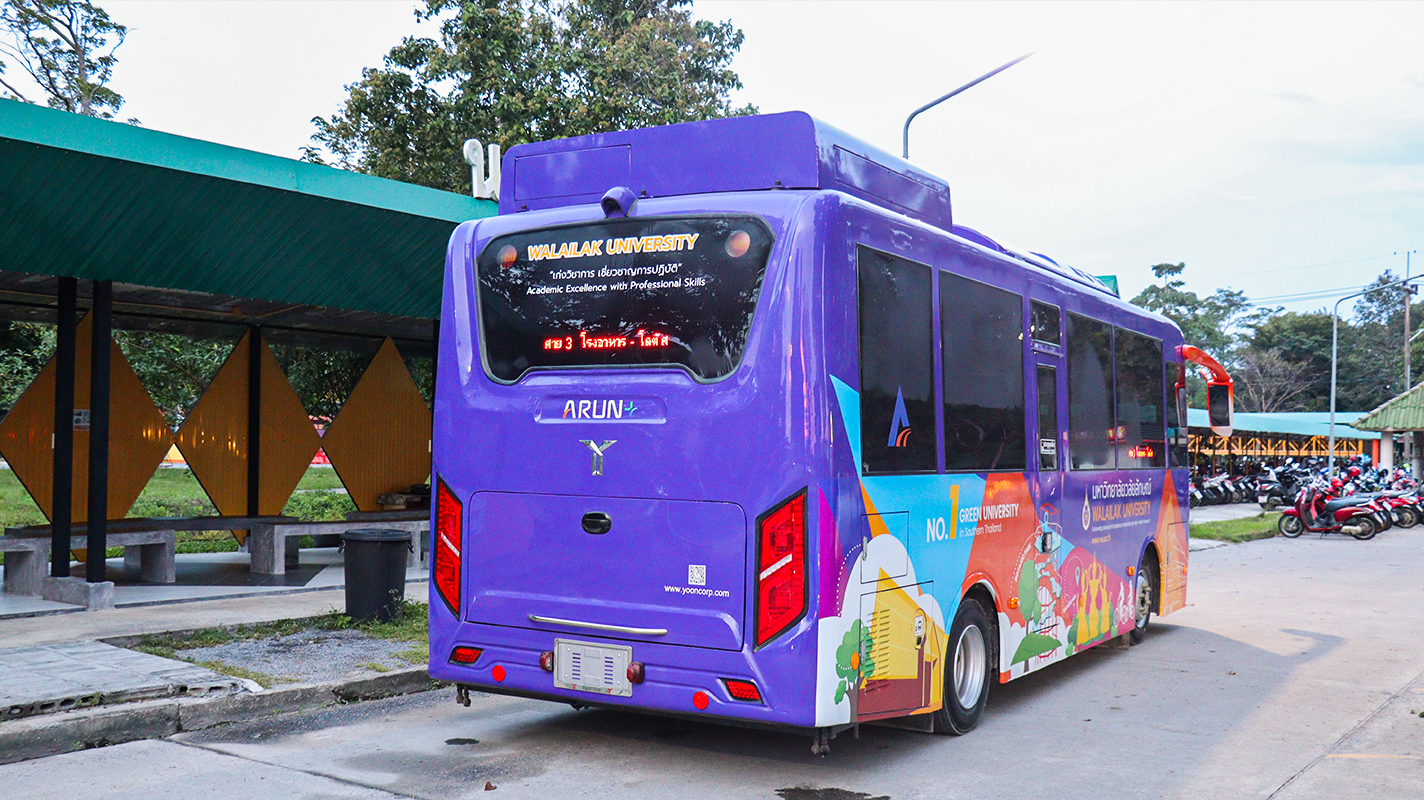
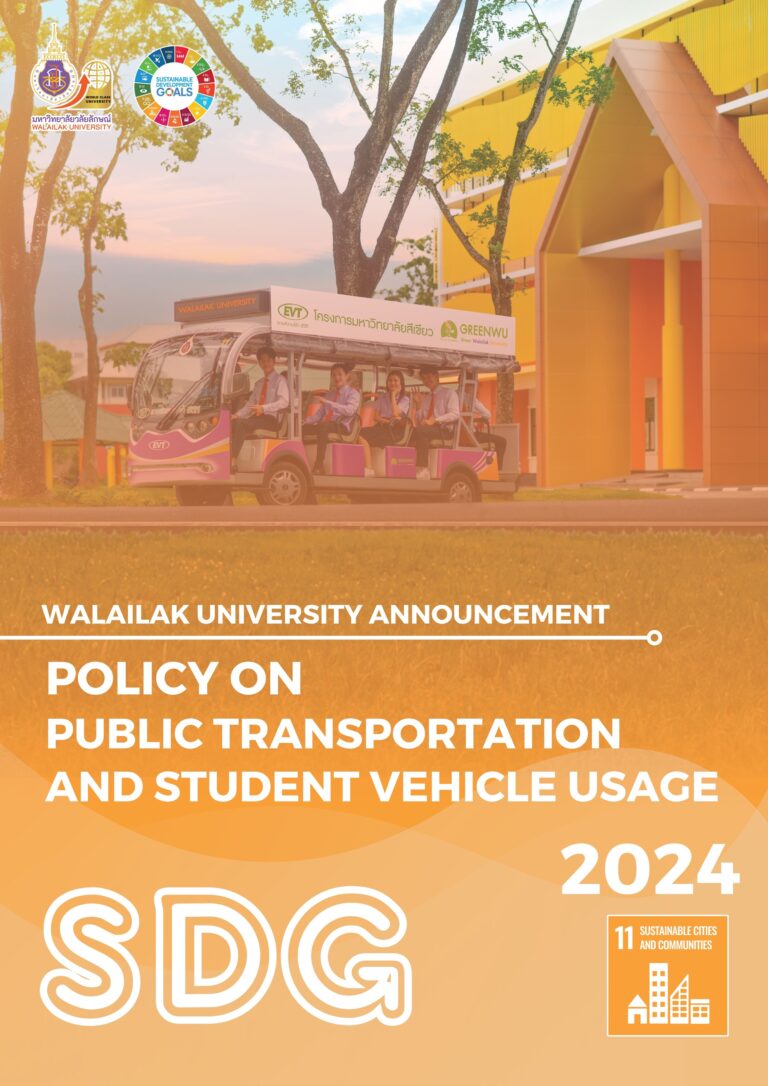
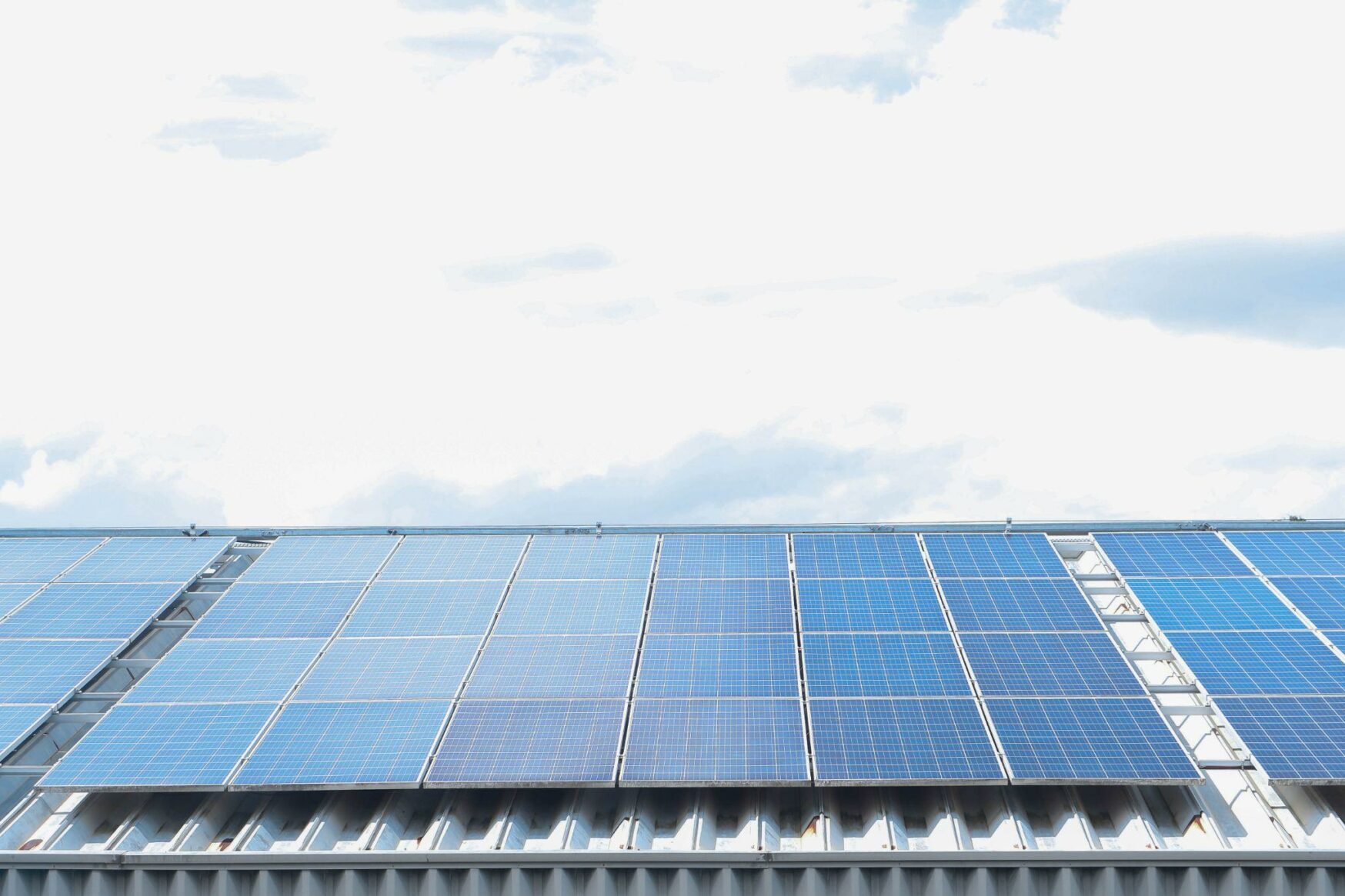
Walailak University has implemented the WU Electric Shuttle Car Service, a pioneering green transportation initiative powered by both solar and electric energy. This service offers free, eco-friendly transport across campus for students, staff, and the public, aligning with the university’s mission to become a Smart & Green University.
WU offers free shuttle bus services for students and staff, facilitating convenient travel both on and off campus. This service helps reduce traffic congestion and supports the university’s efforts to lower greenhouse gas (GHG) emissions.
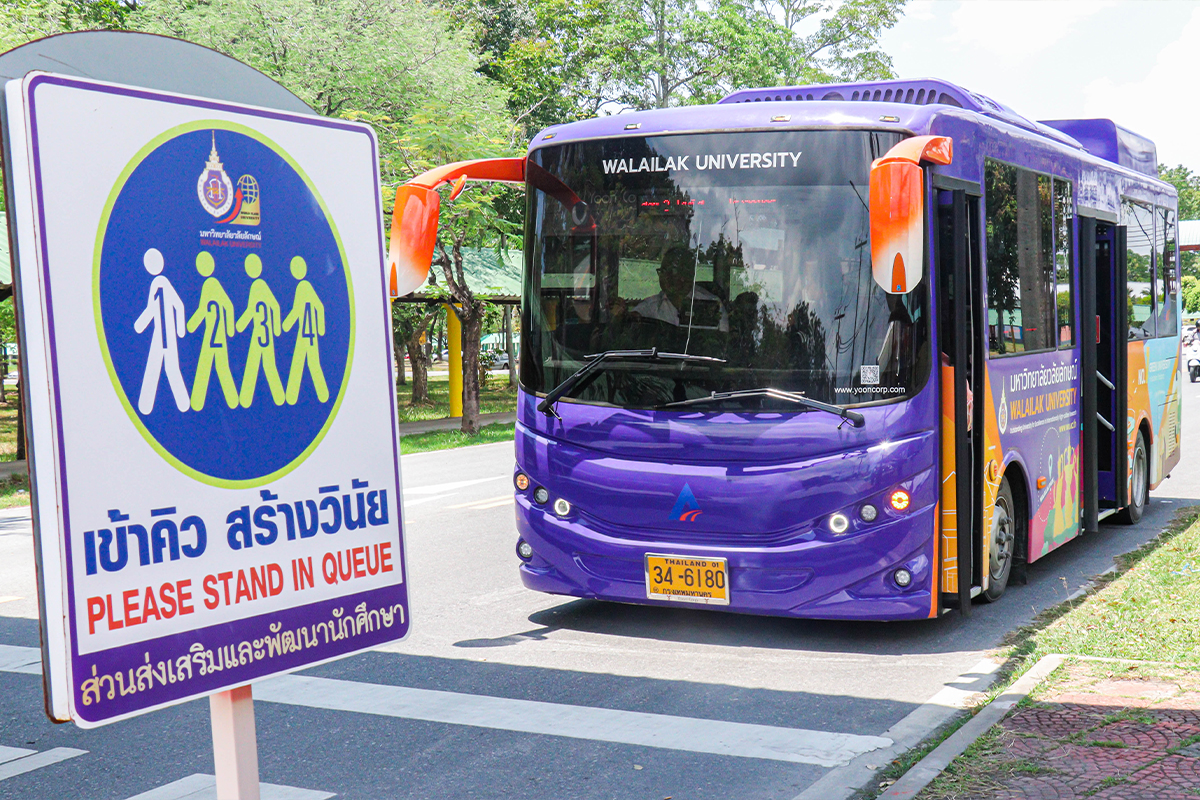
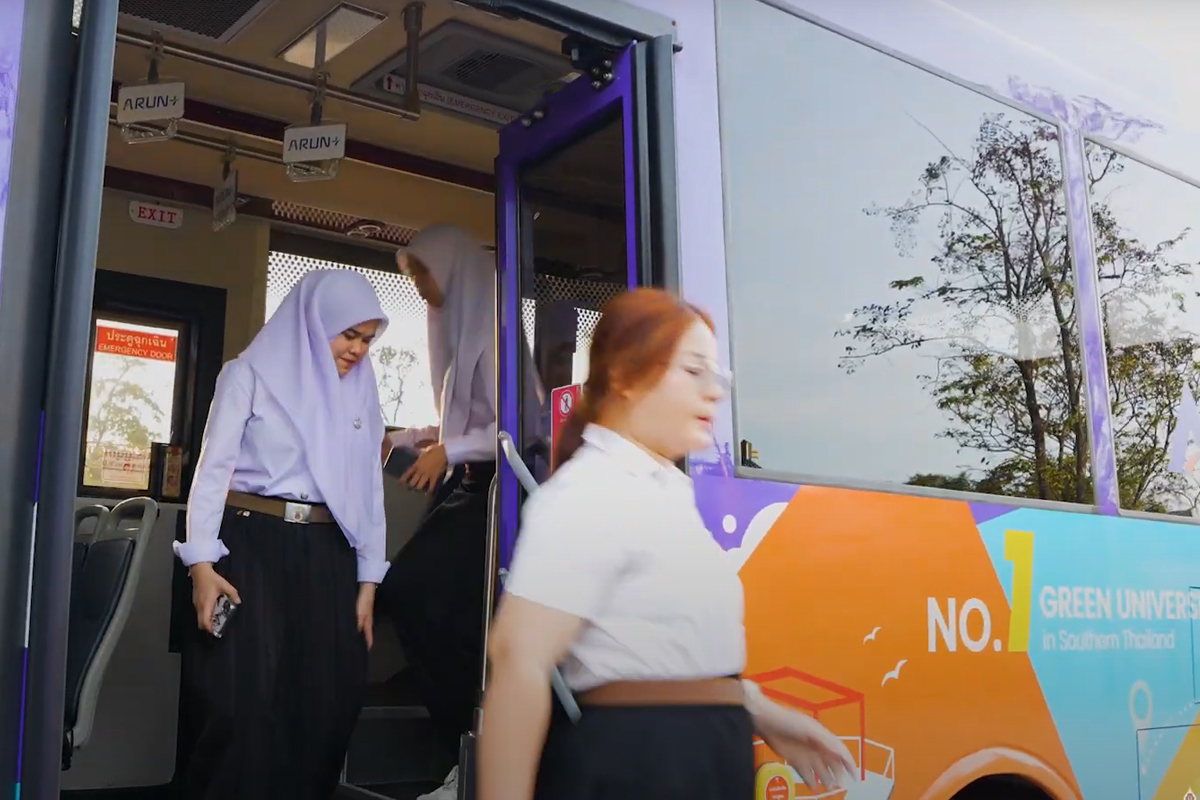
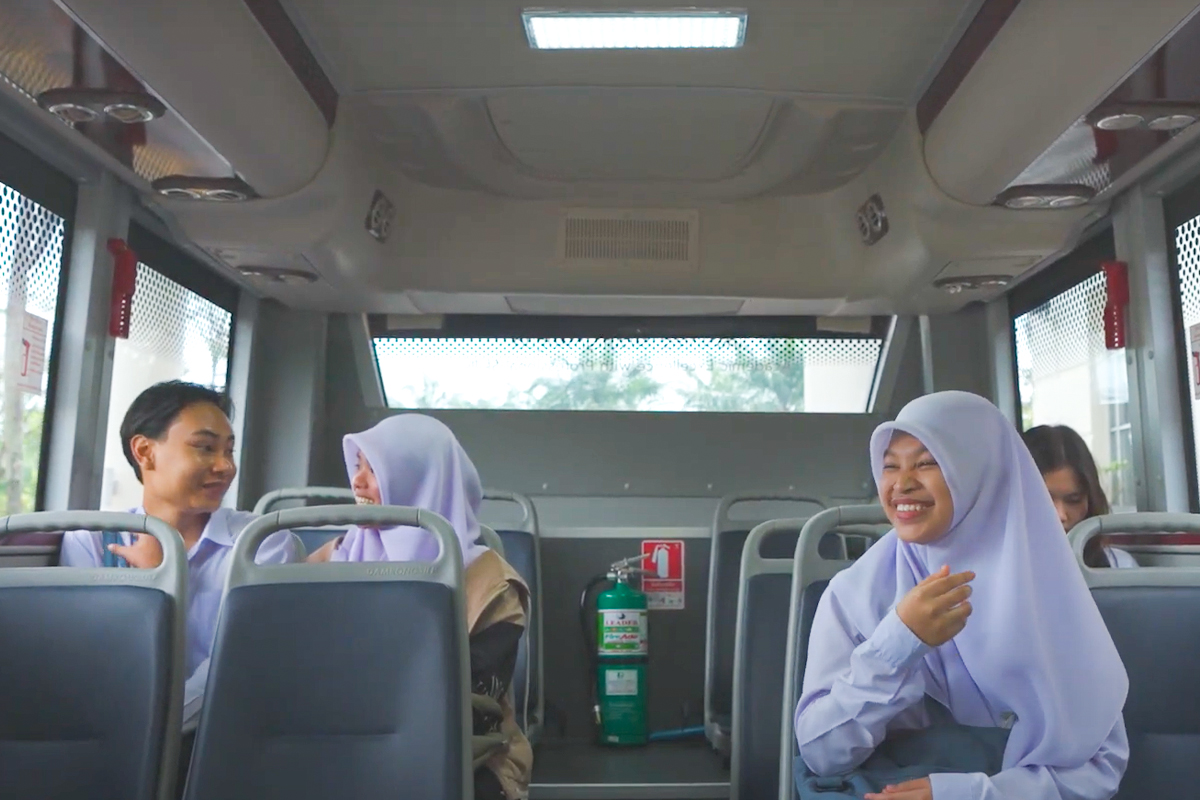
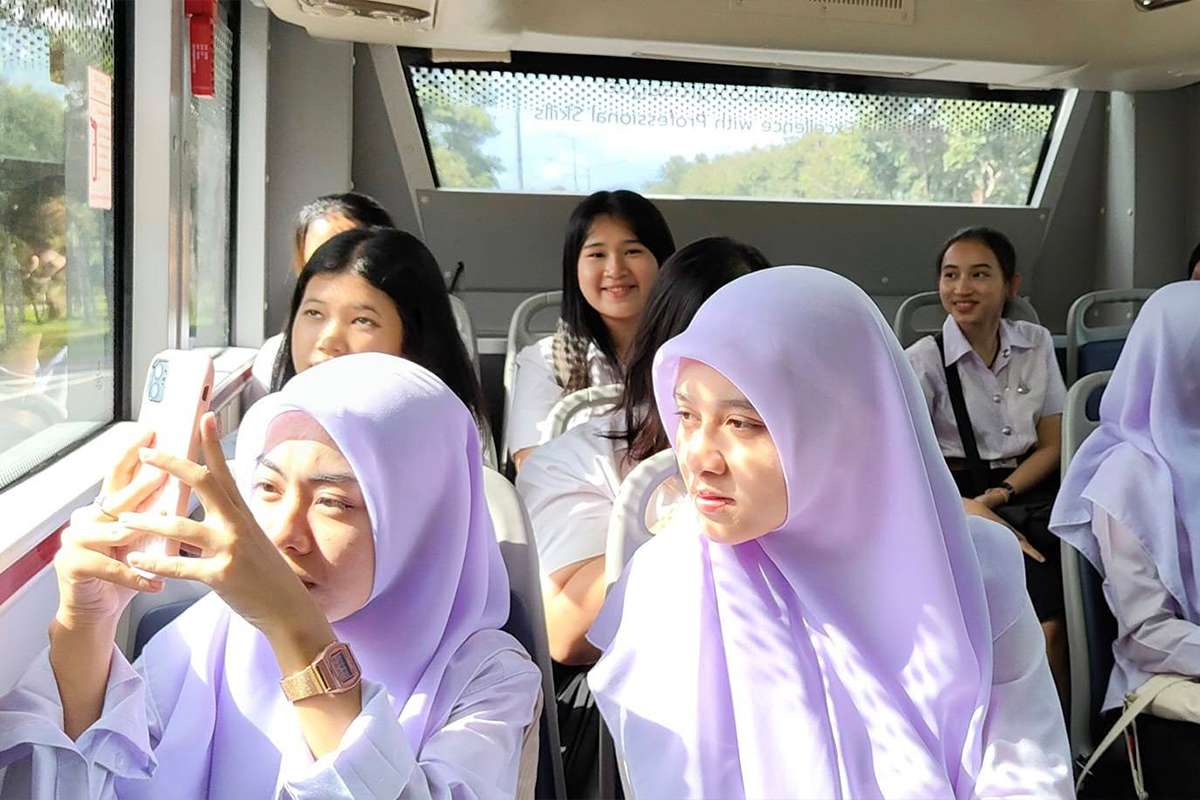
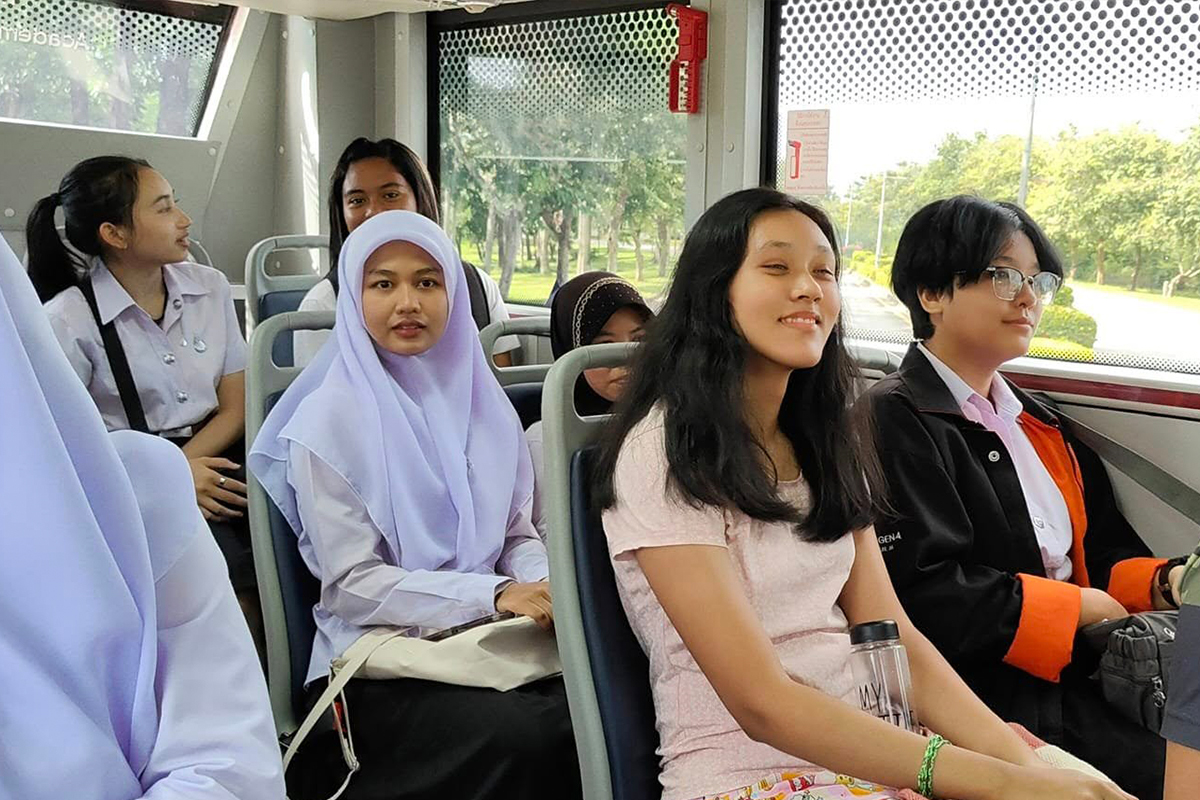
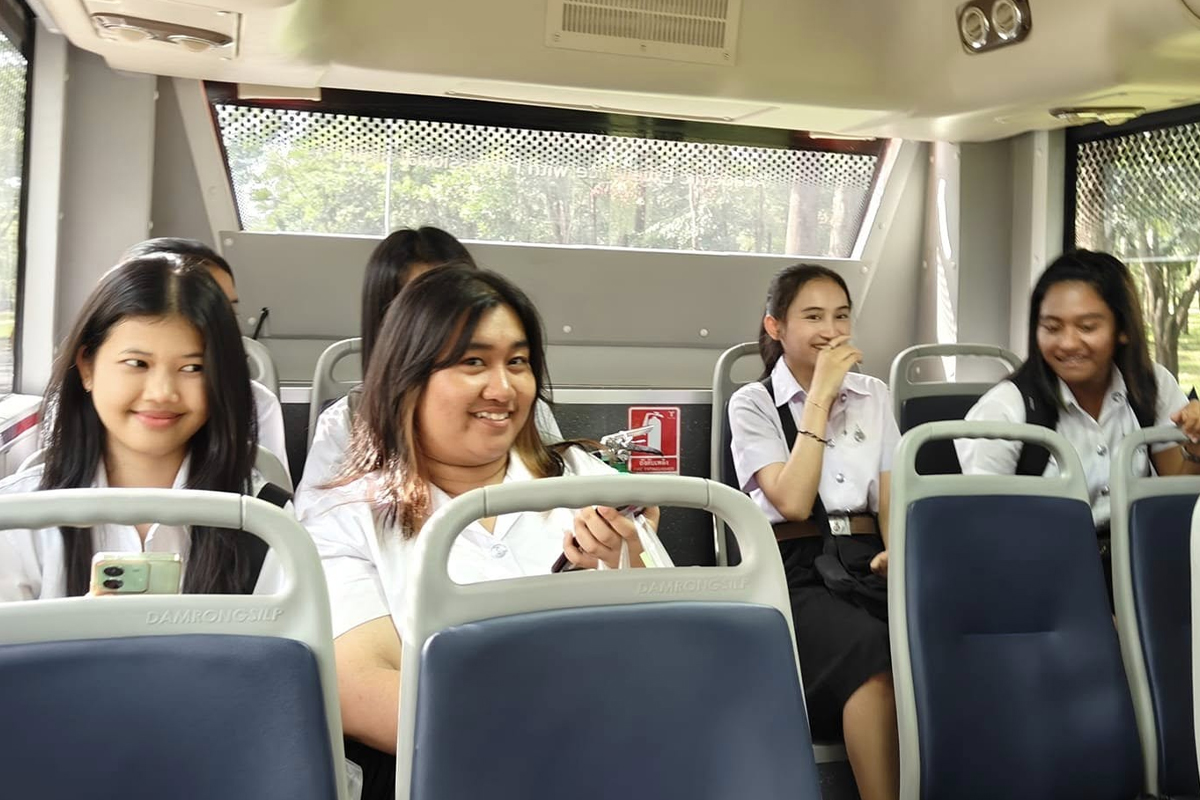
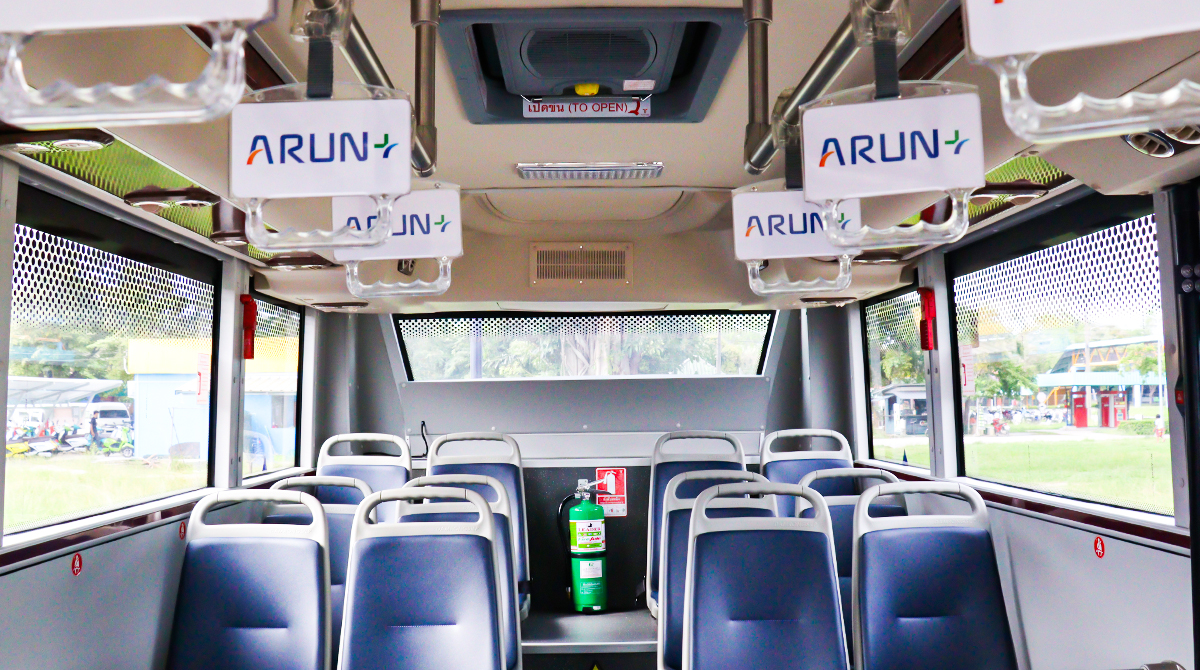
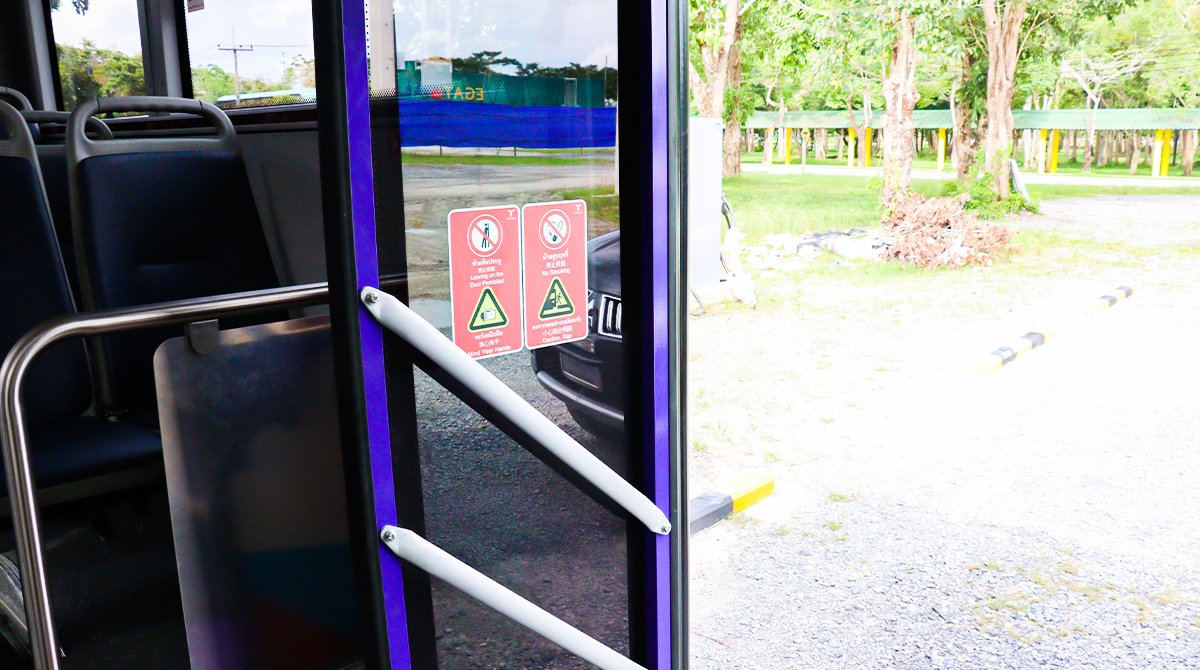
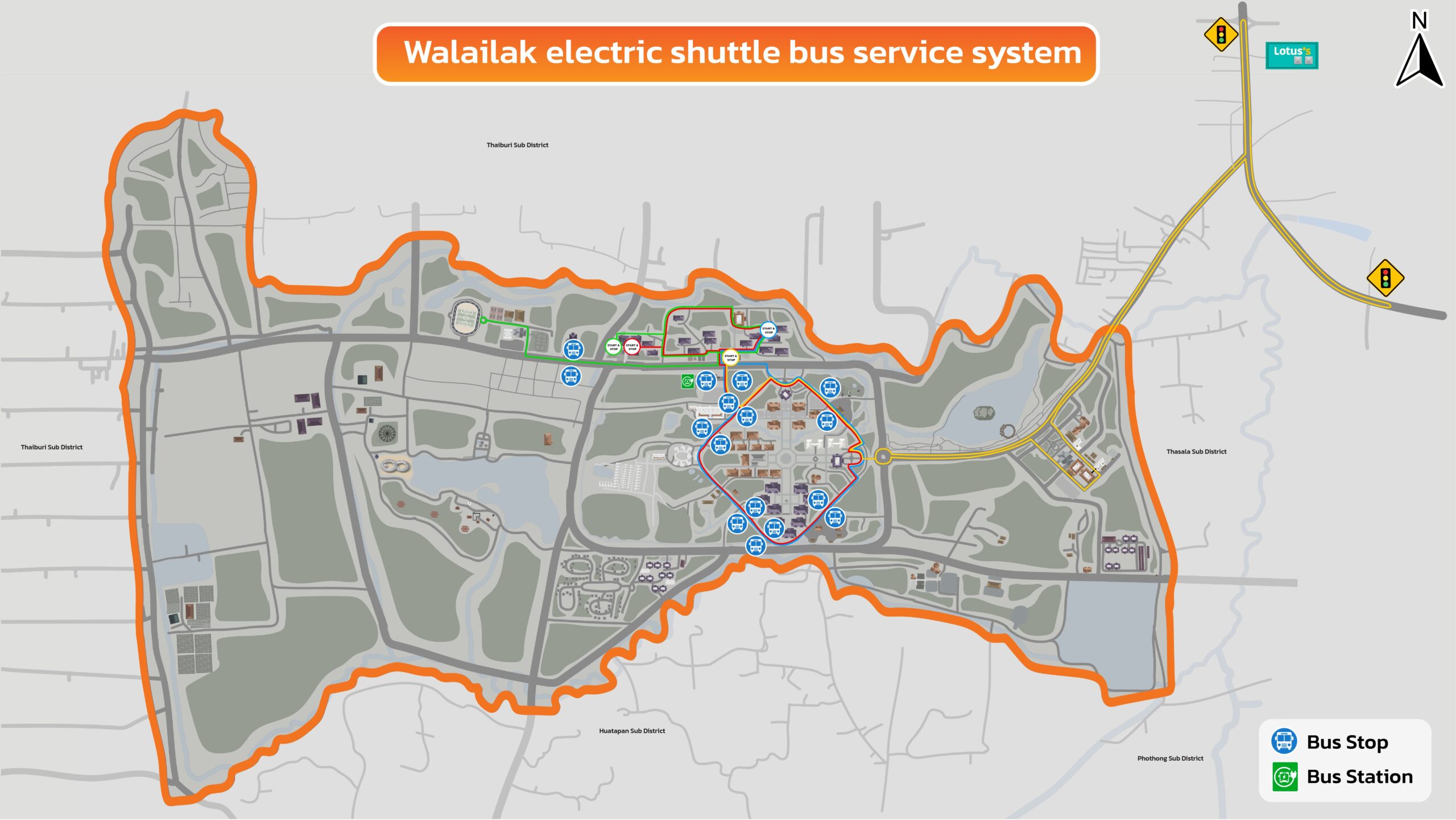
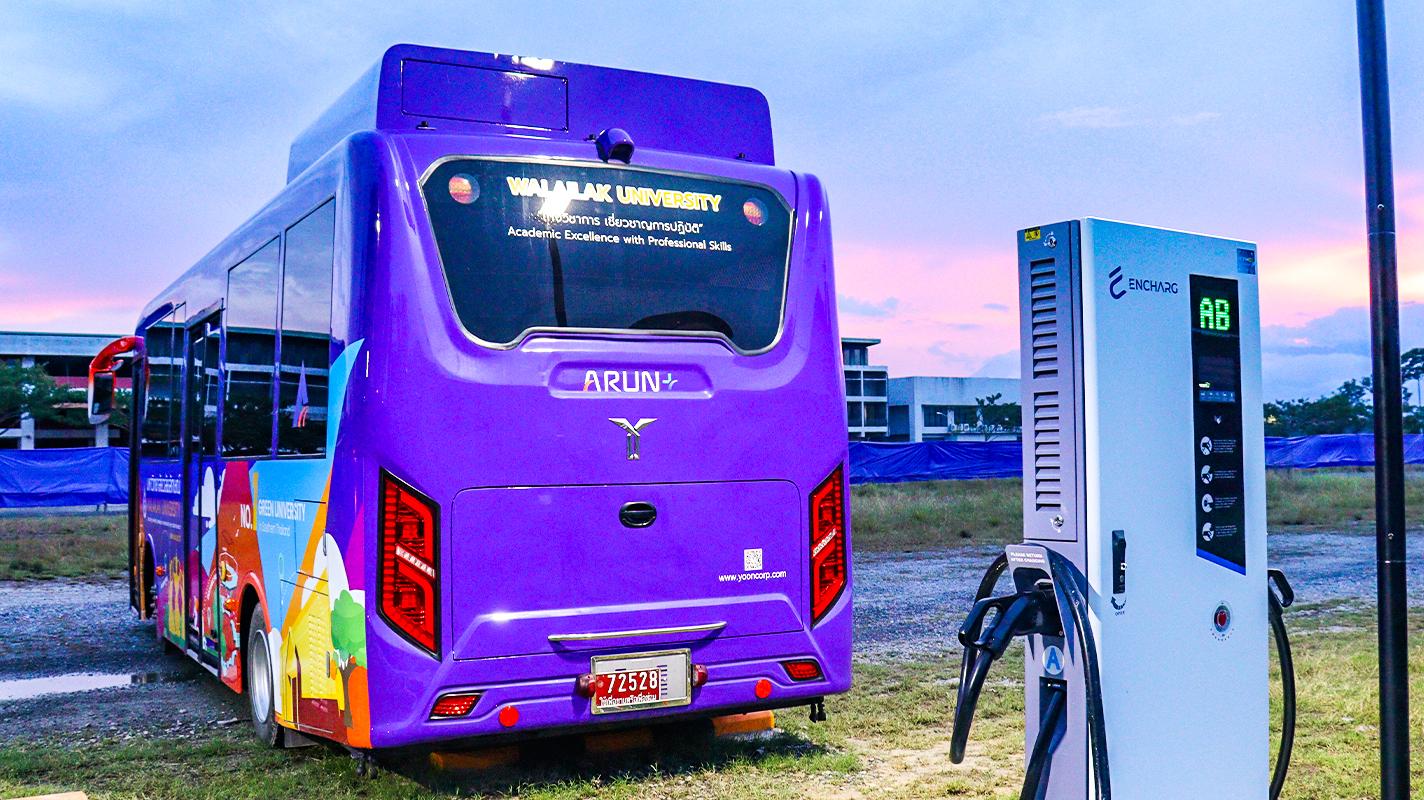
In 2024, Walailak University operated nine electric shuttle buses to facilitate transportation for students and staff both on and off campus. Each of them can carry 20 people, operating from 7:00 AM to 9:00 PM, covering all key campus areas, including student dormitories, lecture halls, the Architecture & Design Building, the Center for Library Resources and Educational Media, Walailak University Hospital, and more. It also connects with external public transportation networks, facilitating seamless travel for commuters and visitors.
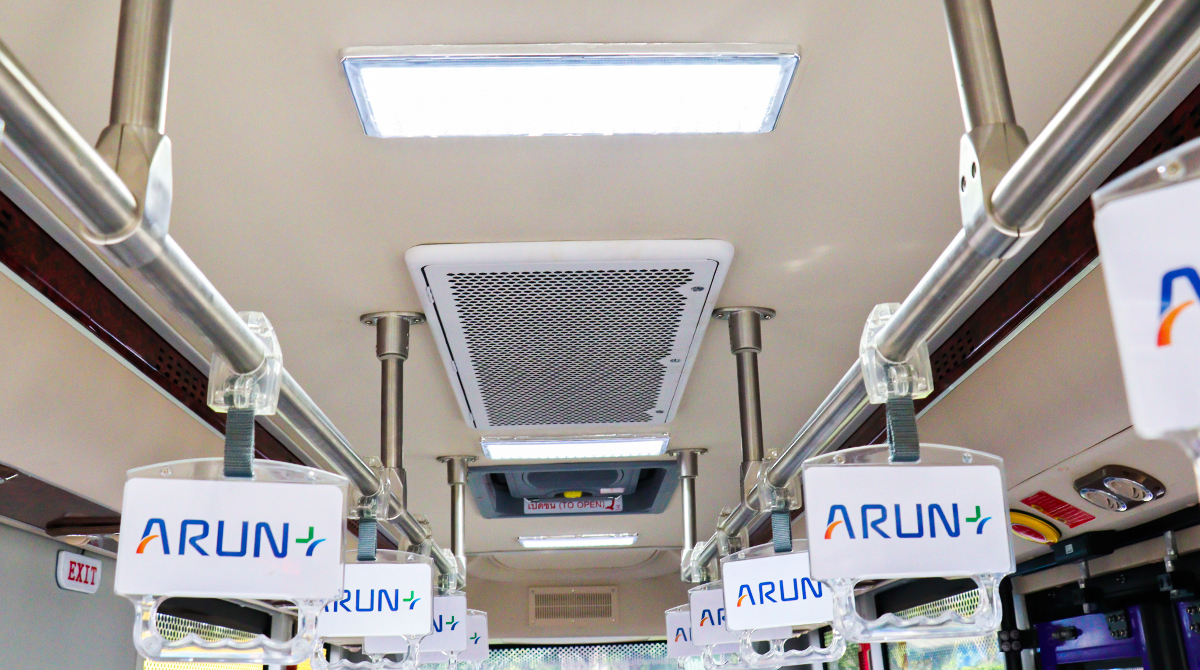
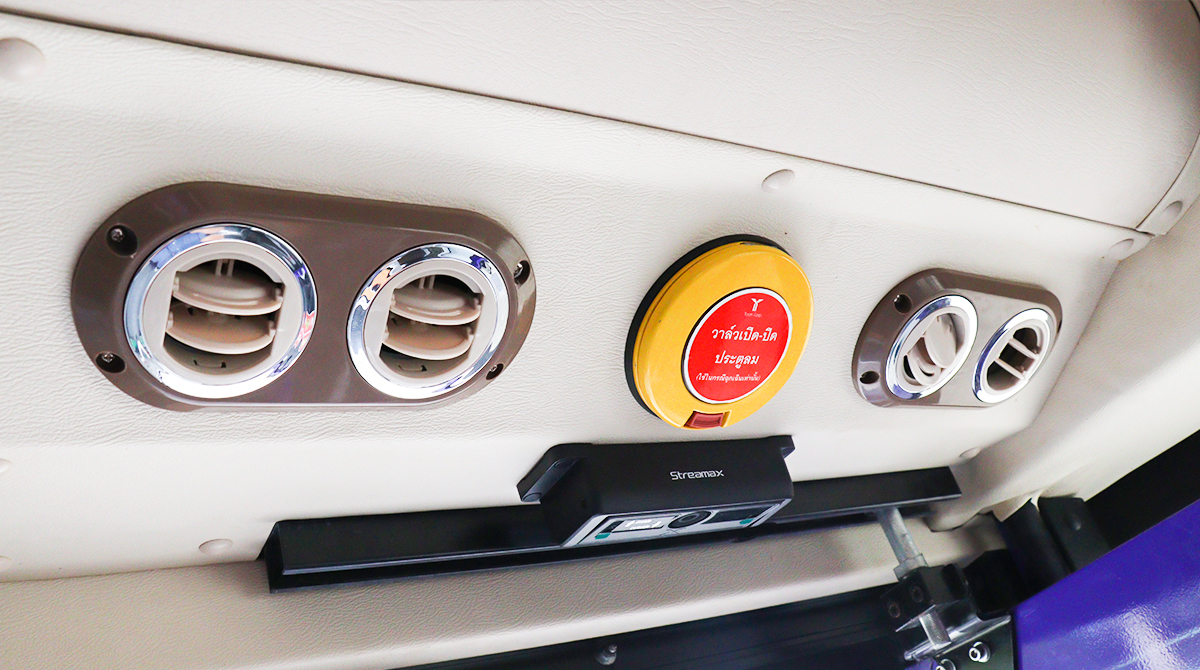
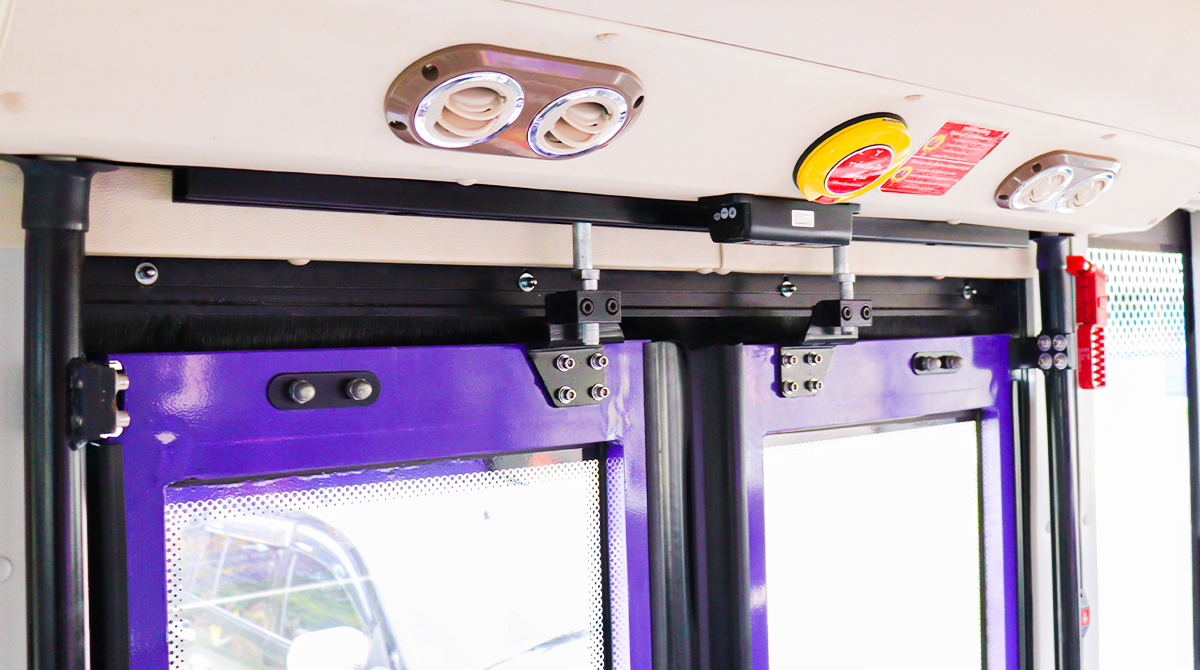
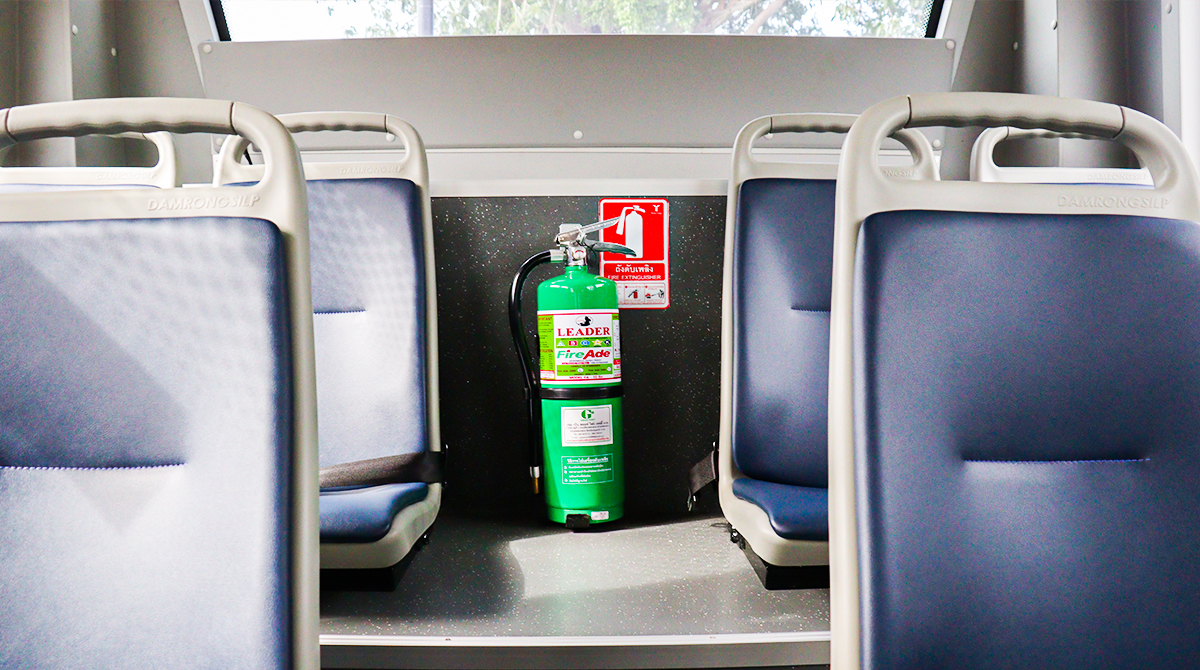
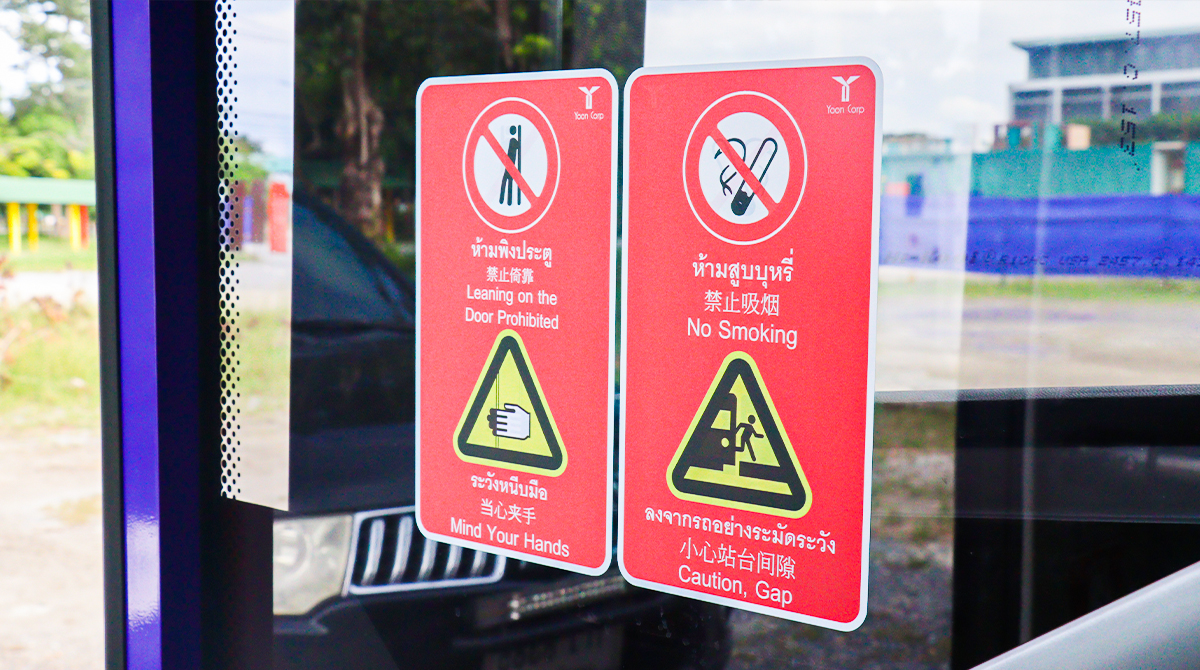
The electric shuttle buses are designed for both functionality and comfort, featuring:
Air conditioning
USB charging ports
Car safety hammer
Fire extinguisher
Full lighting systems to ensure nighttime safety
Secure seat fastenings
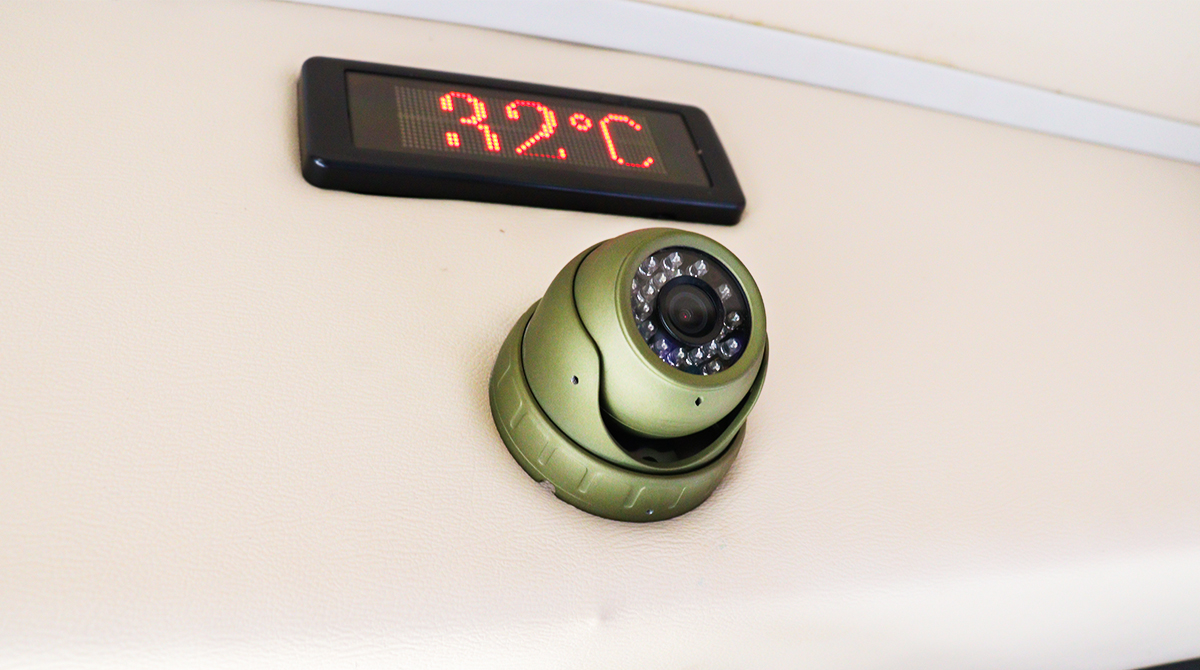
CCTV cameras to enhance passenger security
Preserved seats for disabled people
By reducing reliance on personal vehicles, the service lowers the risk of traffic accidents, helps protect life and property, and contributes to the reduction of air and noise pollution. The initiative not only supports the transition to clean energy but also fosters a sustainable commuting culture on campus.
Furthermore, the electric shuttle buses are integrated into the university’s broader smart transportation infrastructure, which may include real-time vehicle tracking, mobile app access, and data monitoring to optimize route efficiency and user experience.
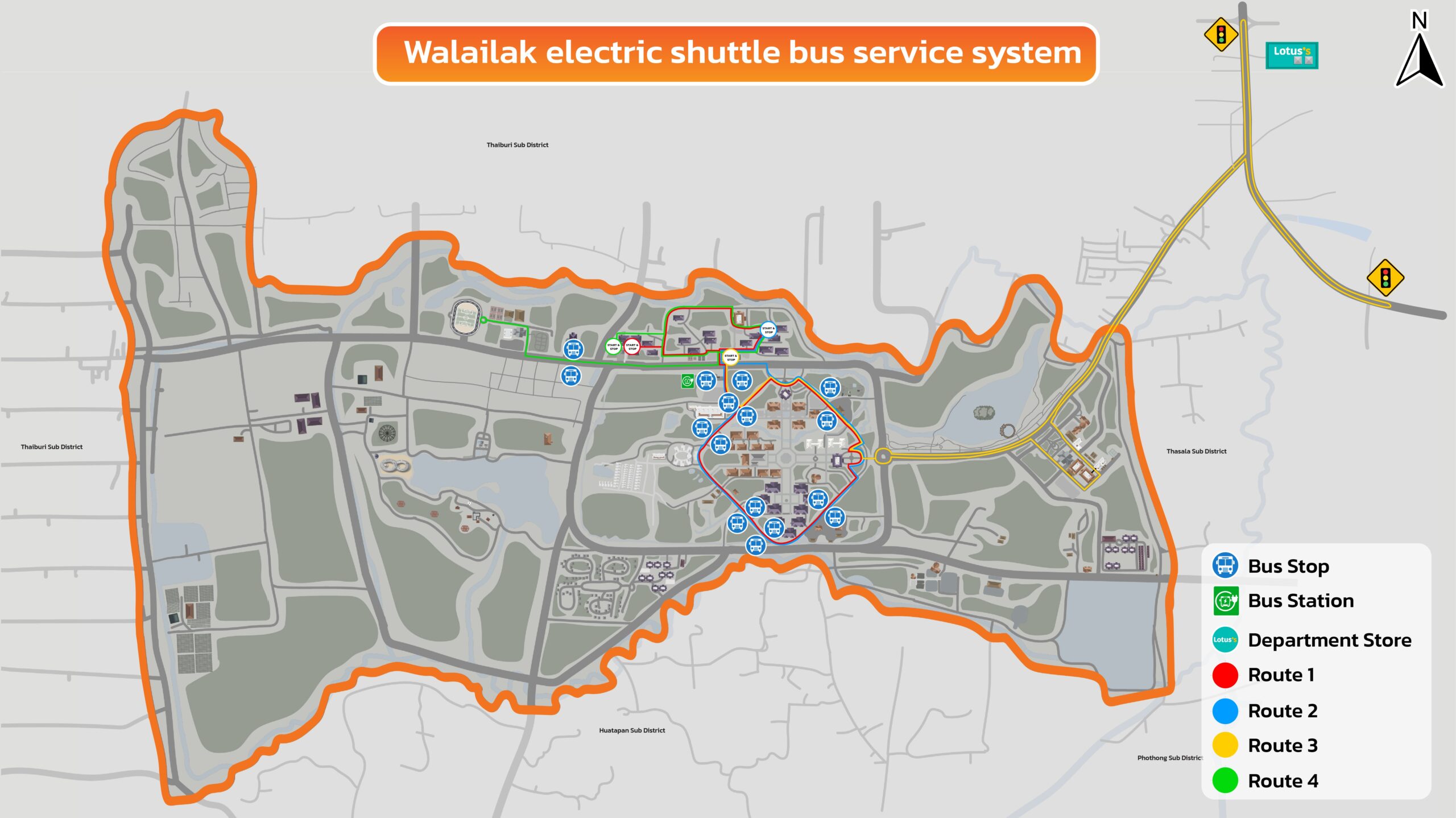
Key Shuttle Routes:
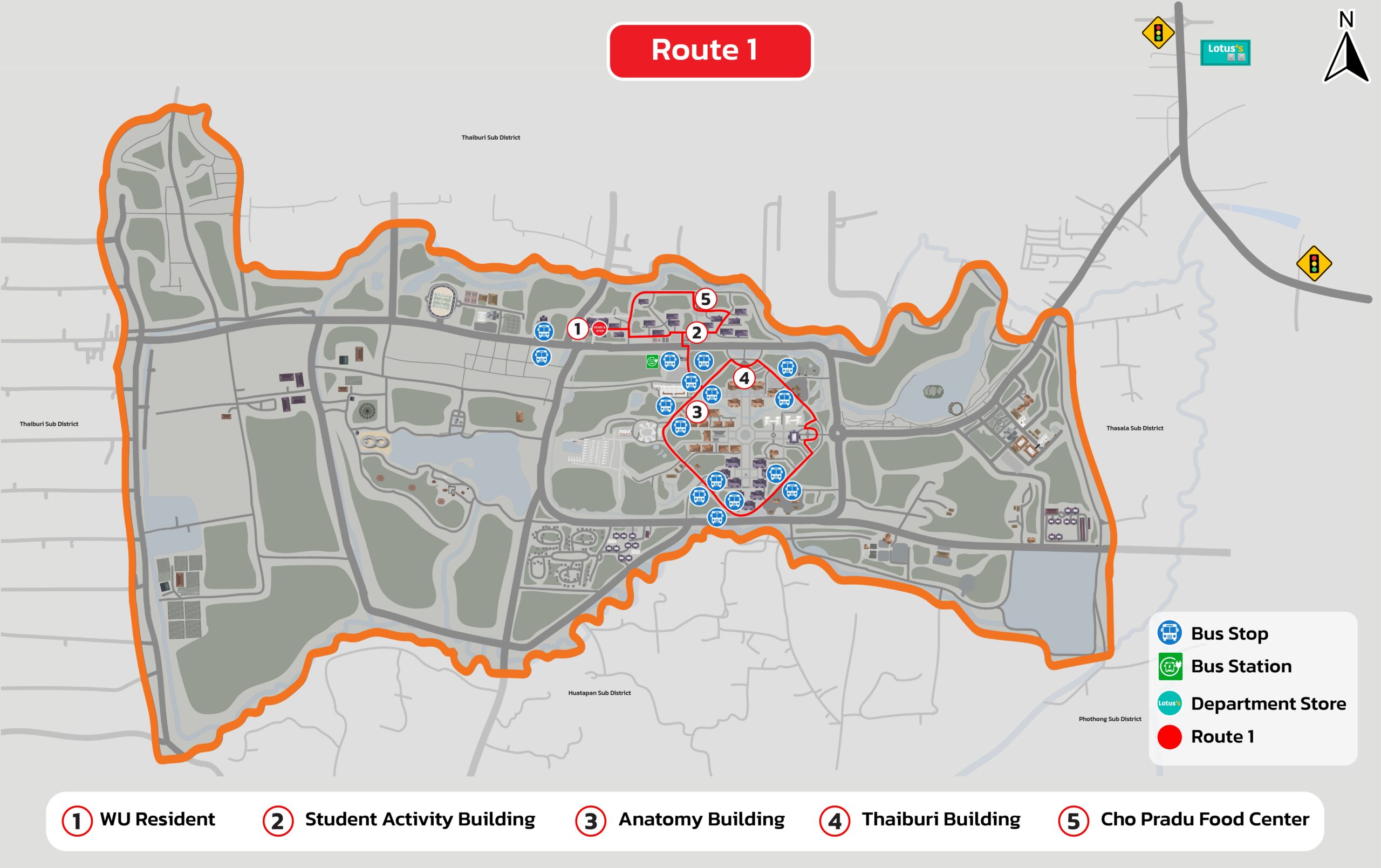
Route 1 passes the following buildings:
WU Resident
Student Activity Building
Anatomy Building
Thai Buri Building
Chor Pradu Food Center
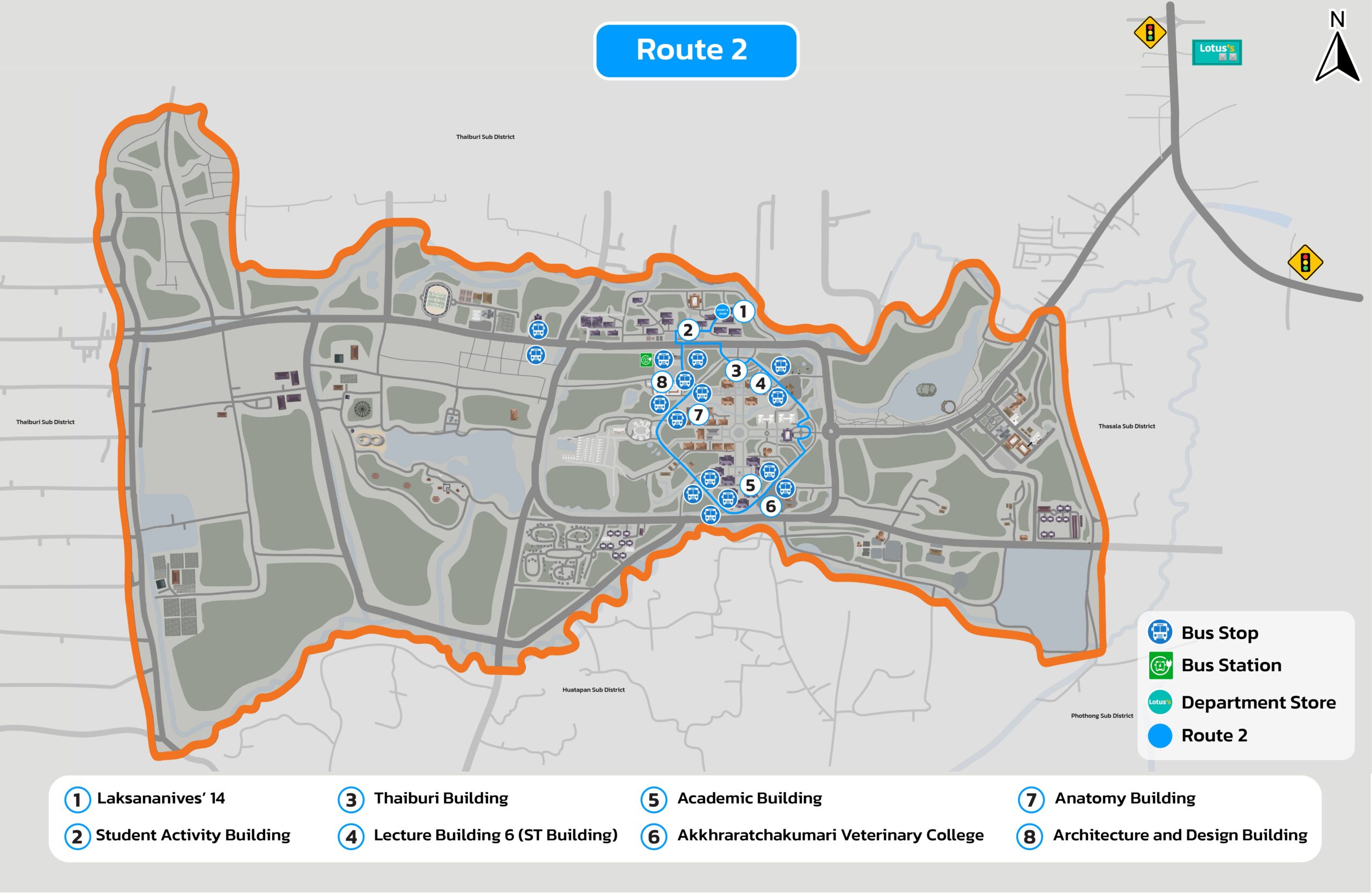
Route 2 passes the following buildings:
Laksananives 14
Student Activity Building
Thai Buri Building
Lecture Building 6
Academic Building
Akkhraratchakumari Veterinary College
Anatomy Building
Architecture and Design Building
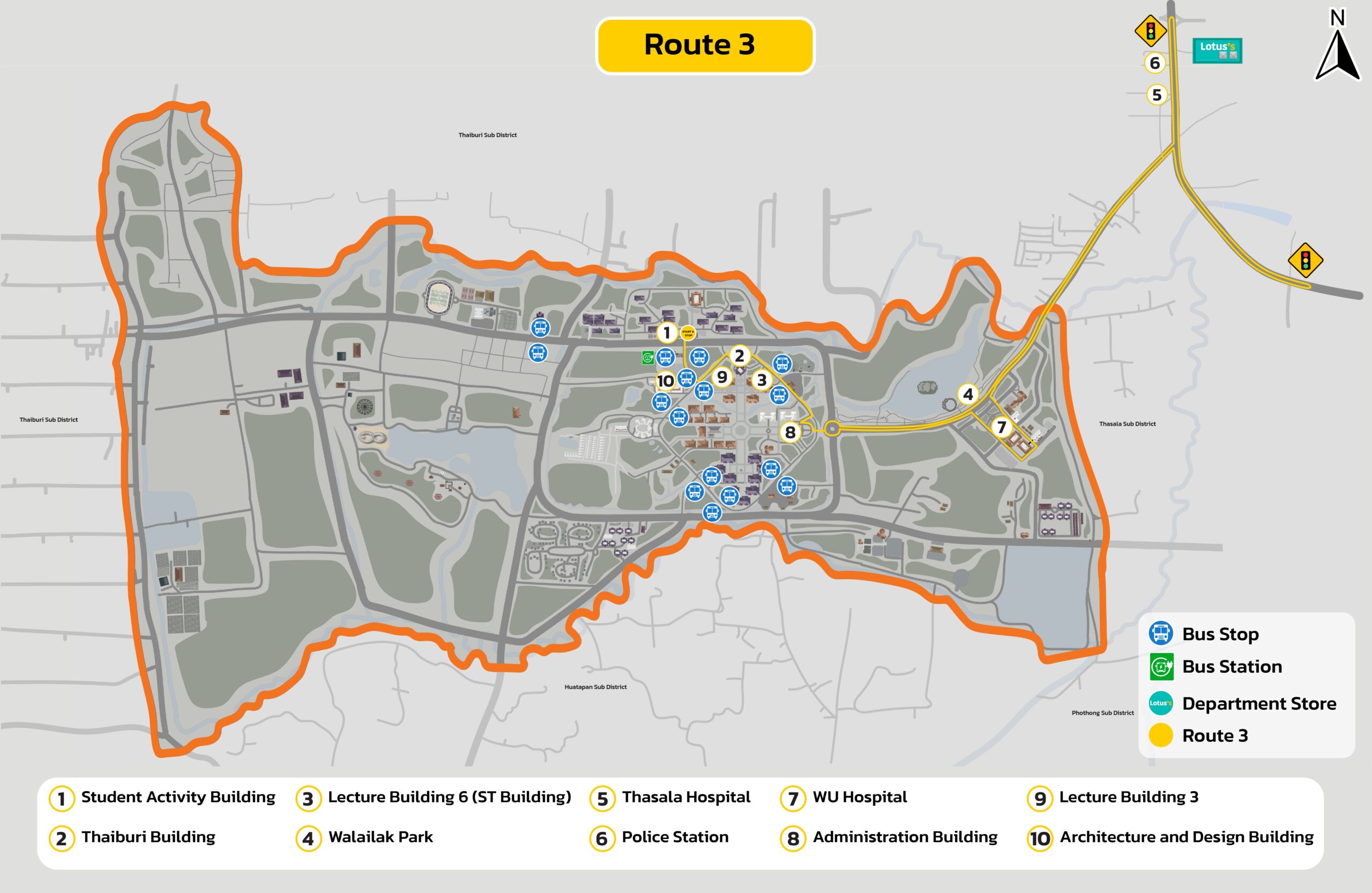
Route 3 passes the following buildings:
Student Activity Building
Thai Buri Building
Lecture Building 6
Walailak Park
Tha Sala Hospital
Police Station
WU Hospital
Administrative Building
Lecture Building 3
Architecture and Design Building
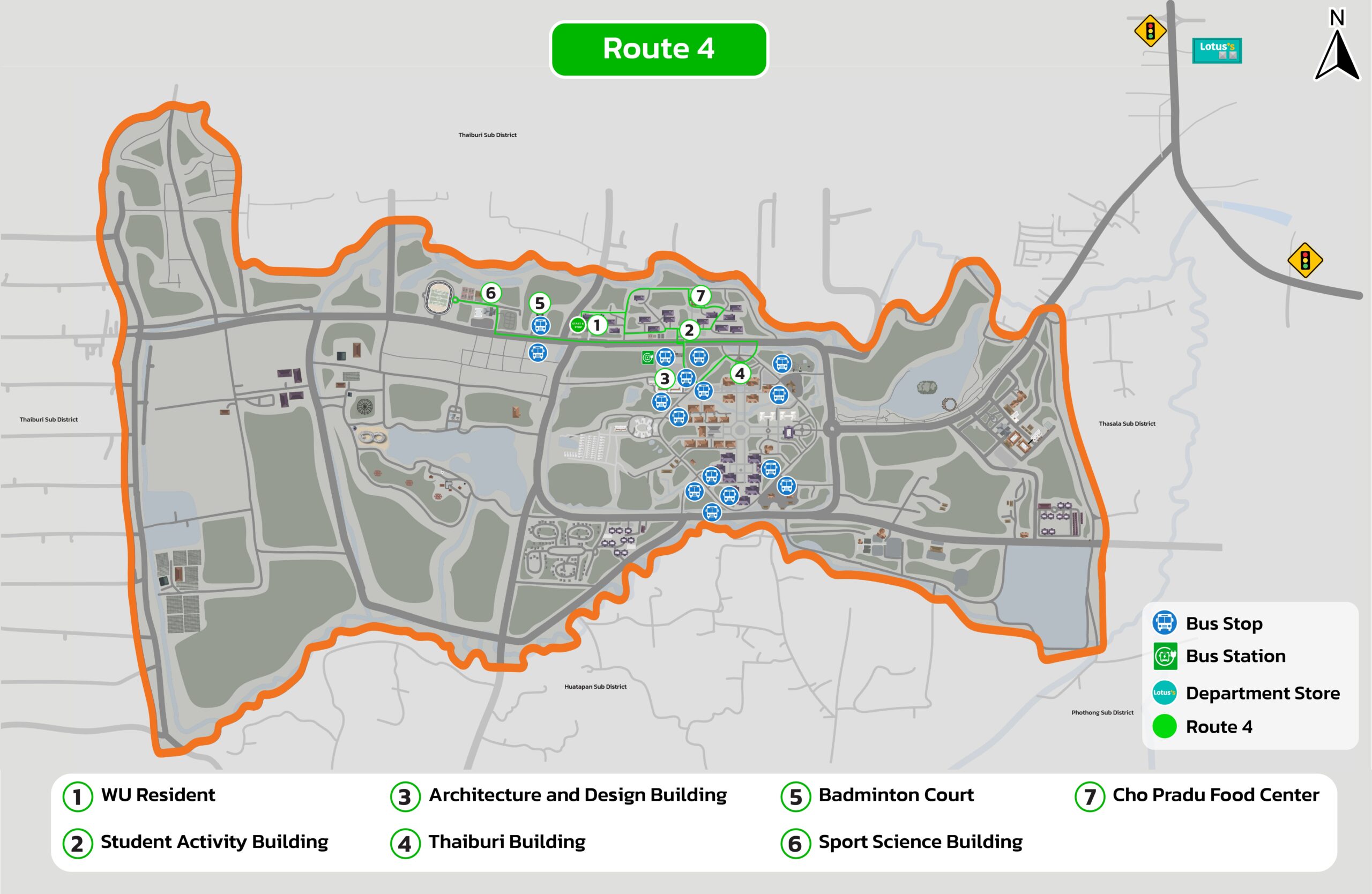
Route 4 passes the following buildings:
TWU Resident
Student Activity Building
Architecture and Design Building
Thai Buri Building
Badminton Court
Sports Science Building
Chor Pradu Food Center
Electric Shuttle Bus Tracking Systems
Walailak University enhances campus mobility with real-time electric vehicle tracking applications
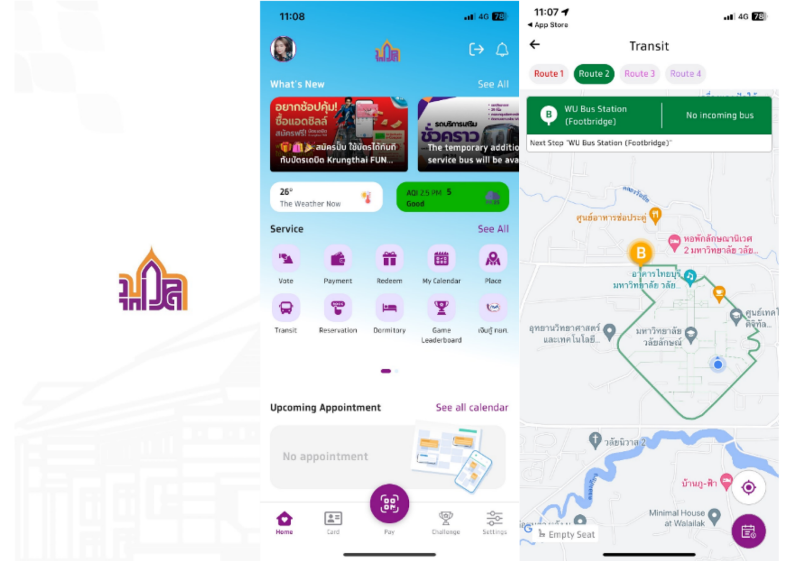
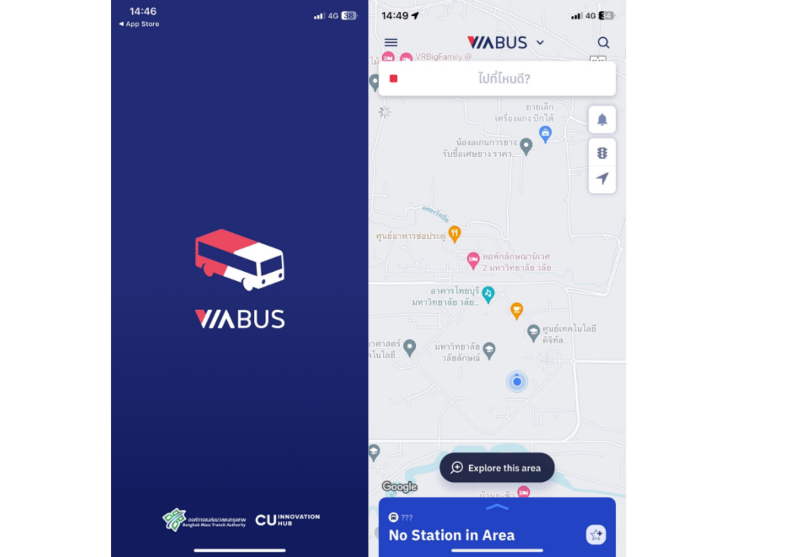
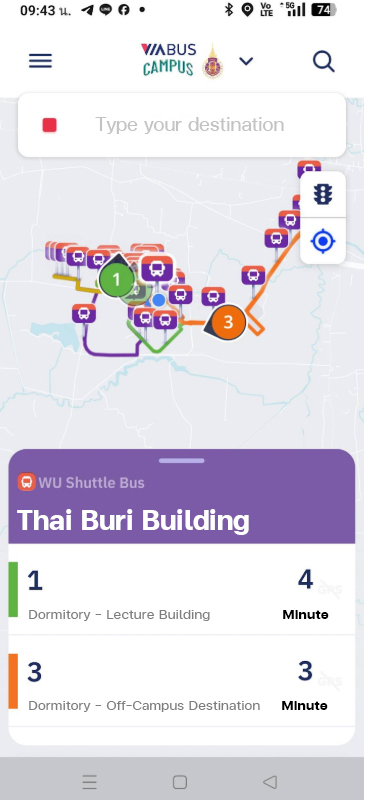
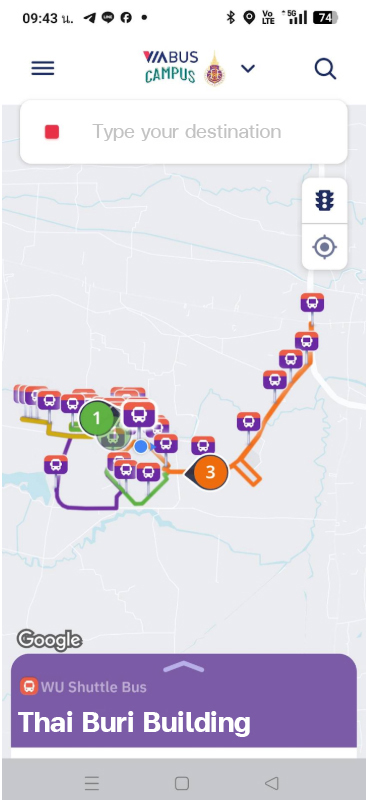
Walailak University has developed and implemented a real-time electric vehicle tracking system to improve transportation efficiency, safety, and convenience across the campus. The service is accessible through two main platforms: the Walailak University Application and Via Bus—both tailored to meet the daily commuting needs of students and staff.
These applications offer a range of user-friendly features designed to support sustainable and efficient campus travel:
Live vehicle tracking: Users can monitor the real-time location of electric shuttle buses, enabling them to plan their journeys more accurately and reduce waiting times.
Passenger load information: The system displays the current number of passengers on each vehicle, helping users choose less crowded rides for a more comfortable travel experience.
Estimated arrival times and route details: The apps provide countdowns for vehicle arrivals and detailed route information, making it easier for users to navigate the campus transit system efficiently.
Smart notifications and service alerts: Users receive instant updates regarding changes in service schedules, vehicle delays, or maintenance issues, minimizing disruption and enhancing travel planning.
Support for eco-friendly transportation: This initiative supports Walailak University’s broader commitment to sustainability by encouraging the use of electric vehicles over personal cars, thereby reducing campus traffic and carbon emissions.
Bus Stops for Supporting Sustainable Commuting
In 2024, Walailak University expanded its network of bus stops to encourage greater use of the campus electric shuttle bus system. The number of designated stops was increased to 16 strategic points across the campus, making the service more accessible and convenient for students, staff, and visitors. This expansion not only provides safe and comfortable waiting areas but also helps reduce reliance on private vehicles, thereby lowering traffic congestion and carbon emissions.
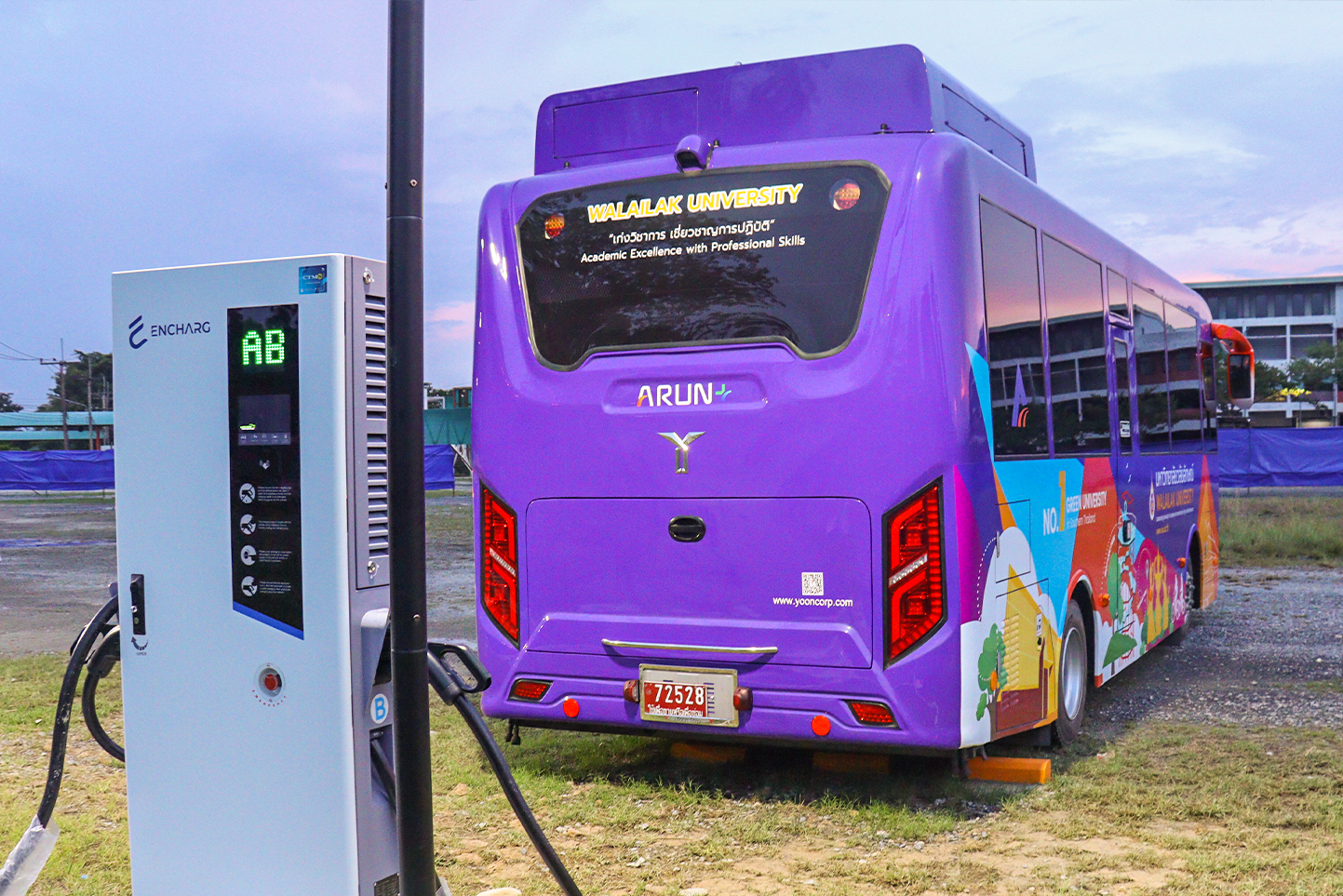
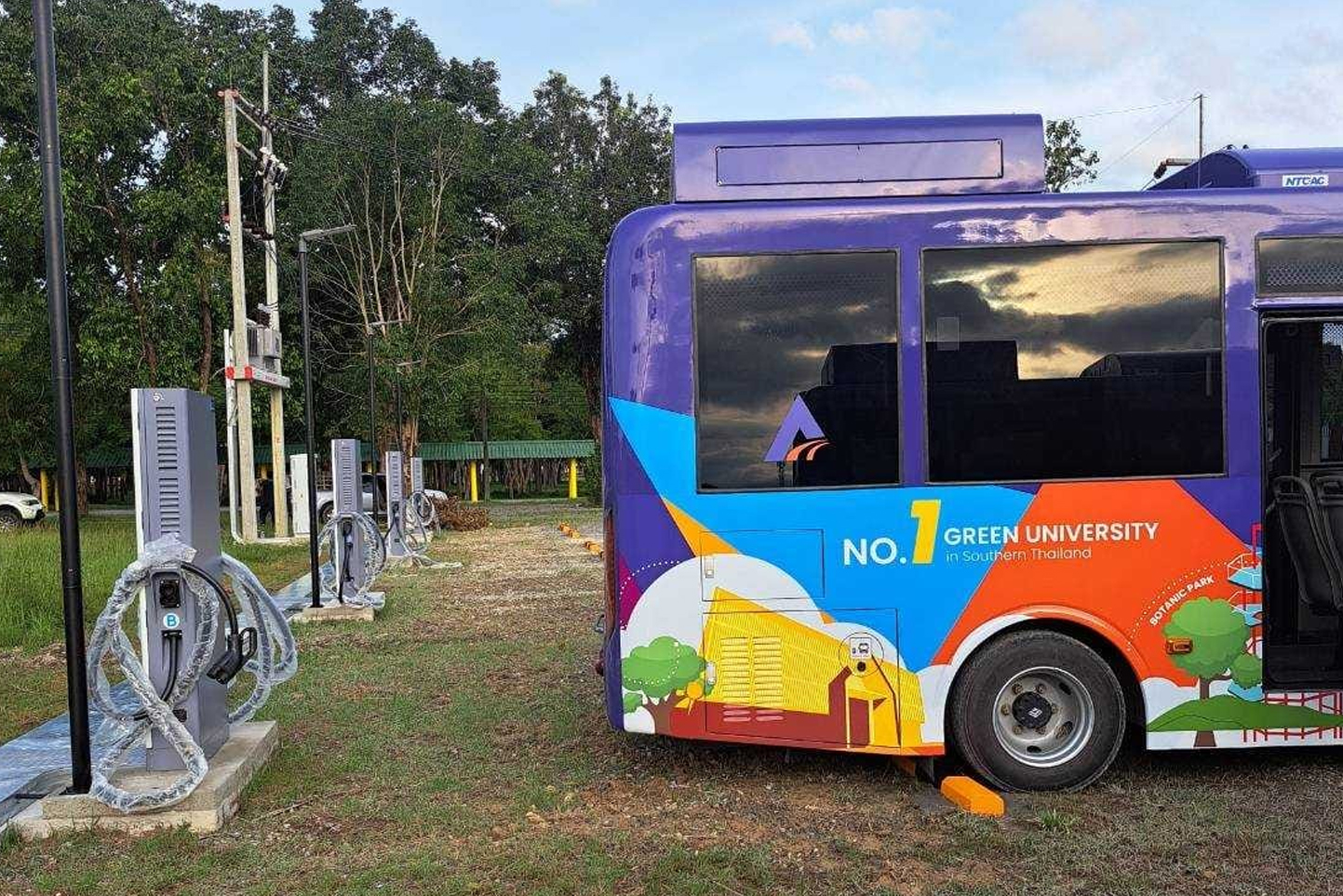
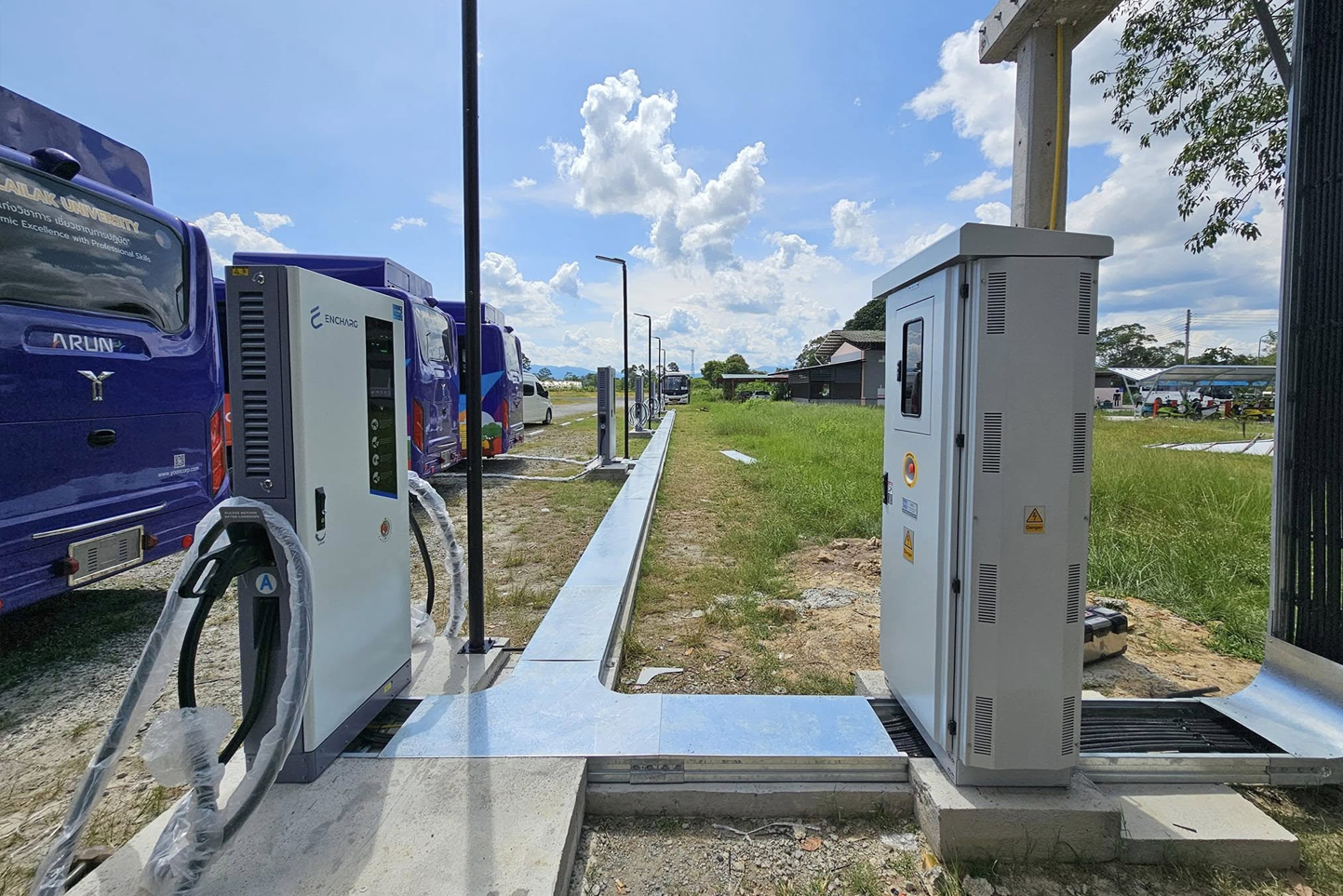
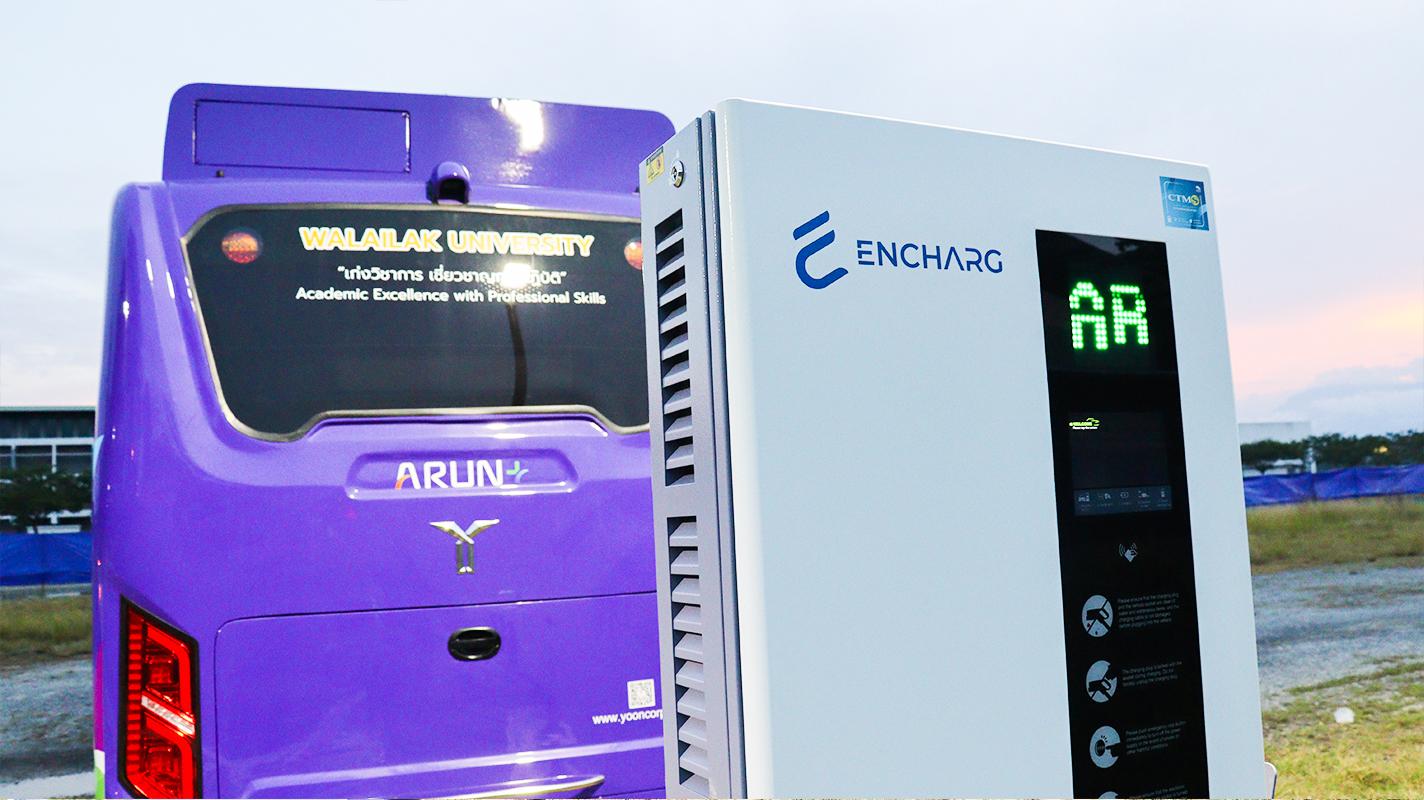
Moreover, WU established a charging station that serves as the central electric shuttle bus station located near the Architecture and Design Building, accommodating all WU electric shuttle buses that transport students, staff, and visitors to various destinations across the campus.
Advancing Sustainable Mobility through Walking on Campus
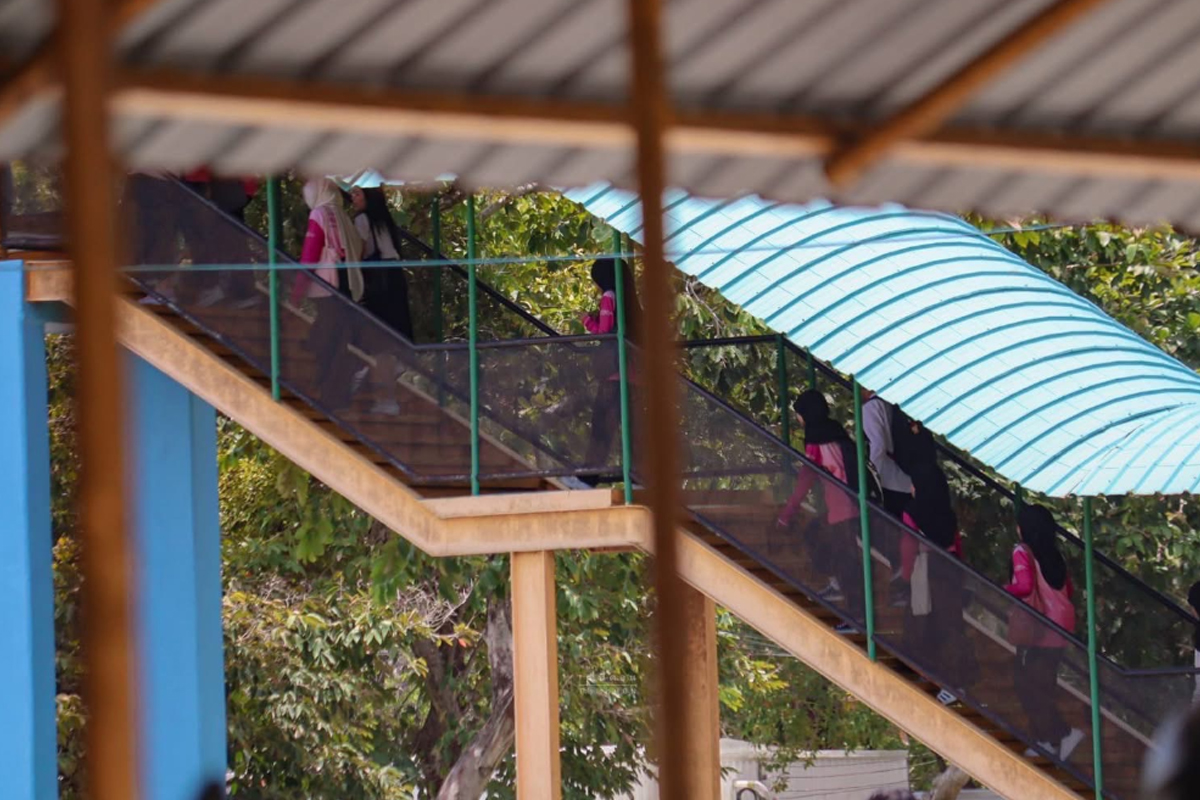
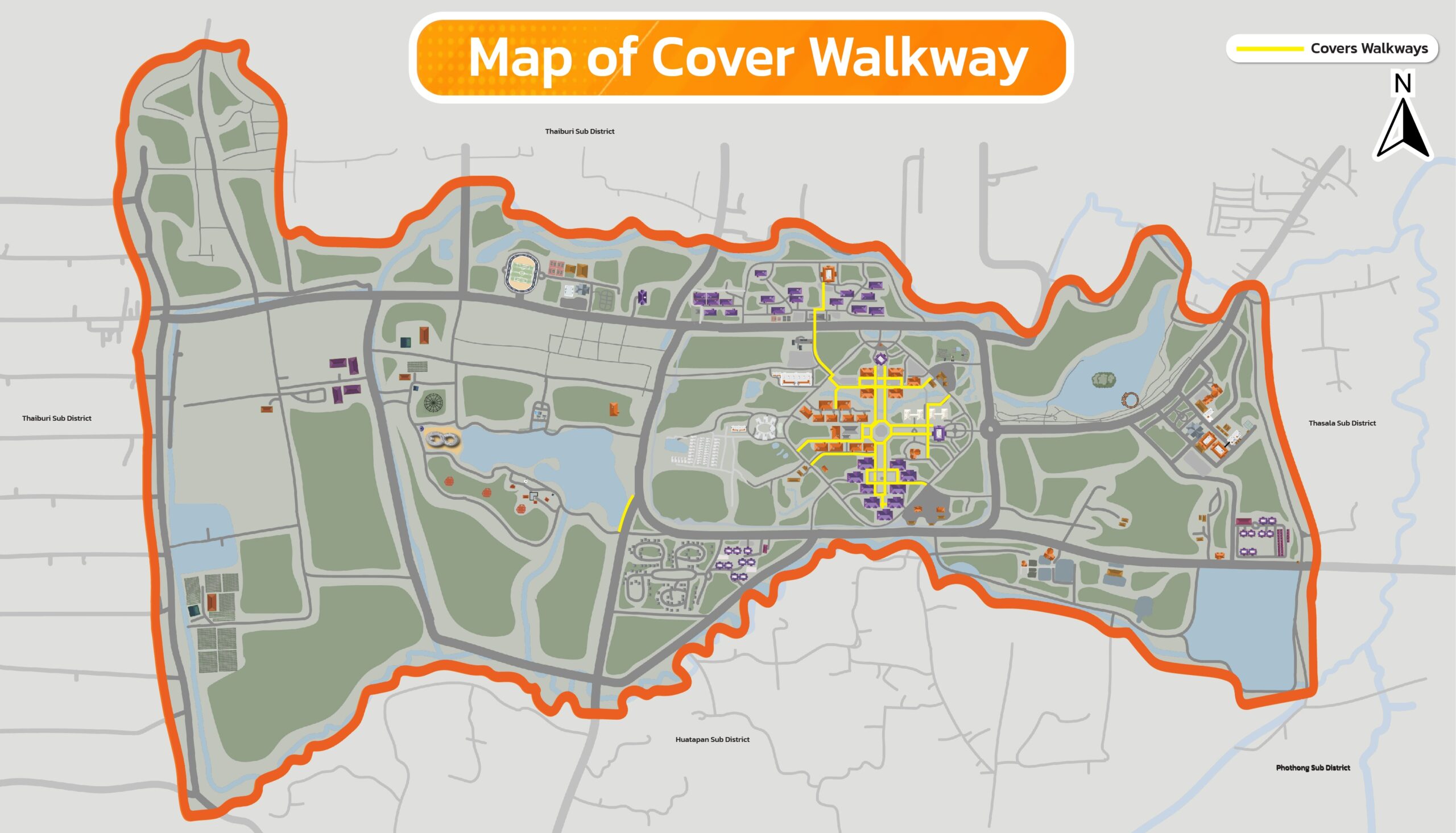
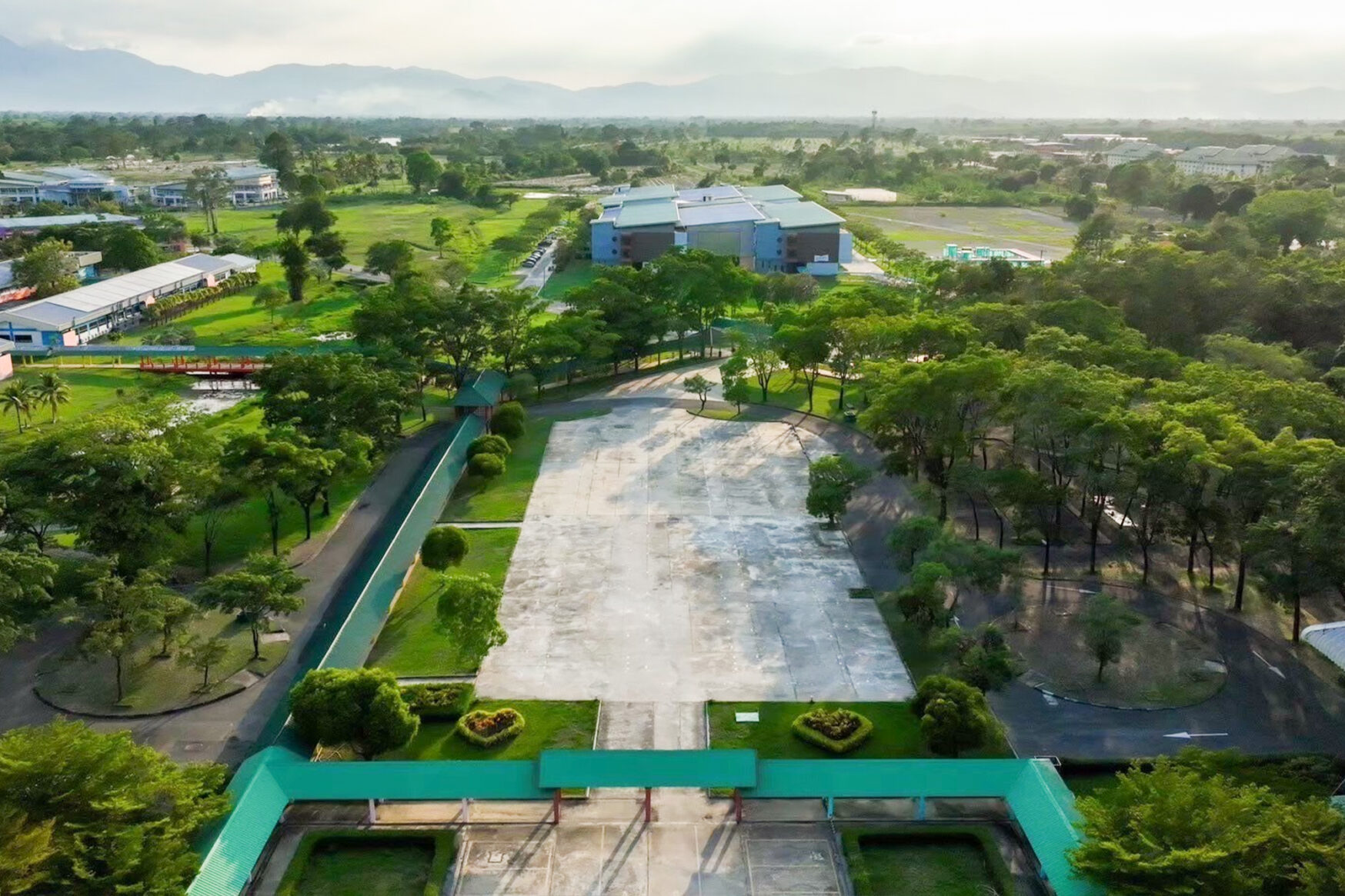
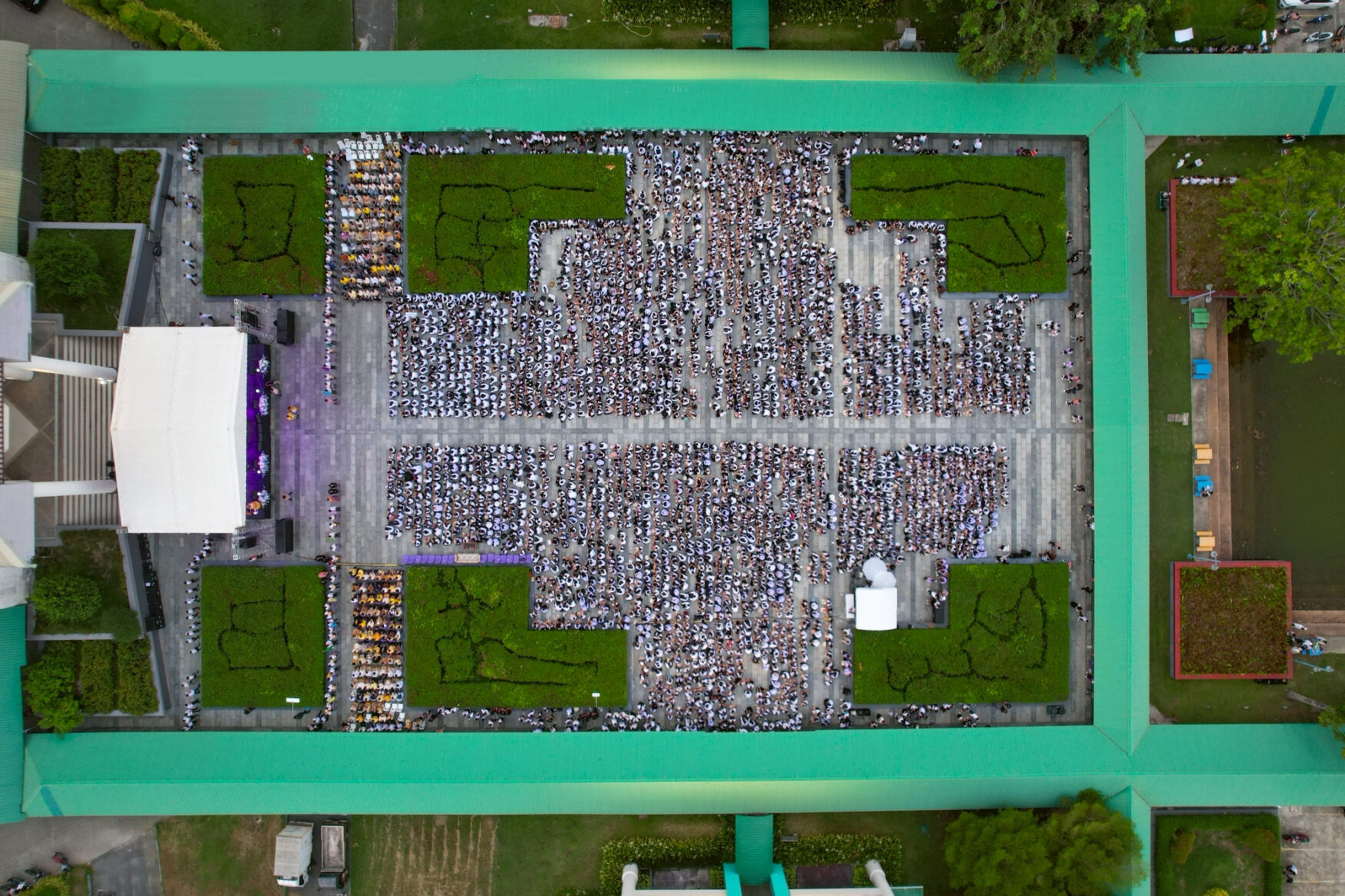
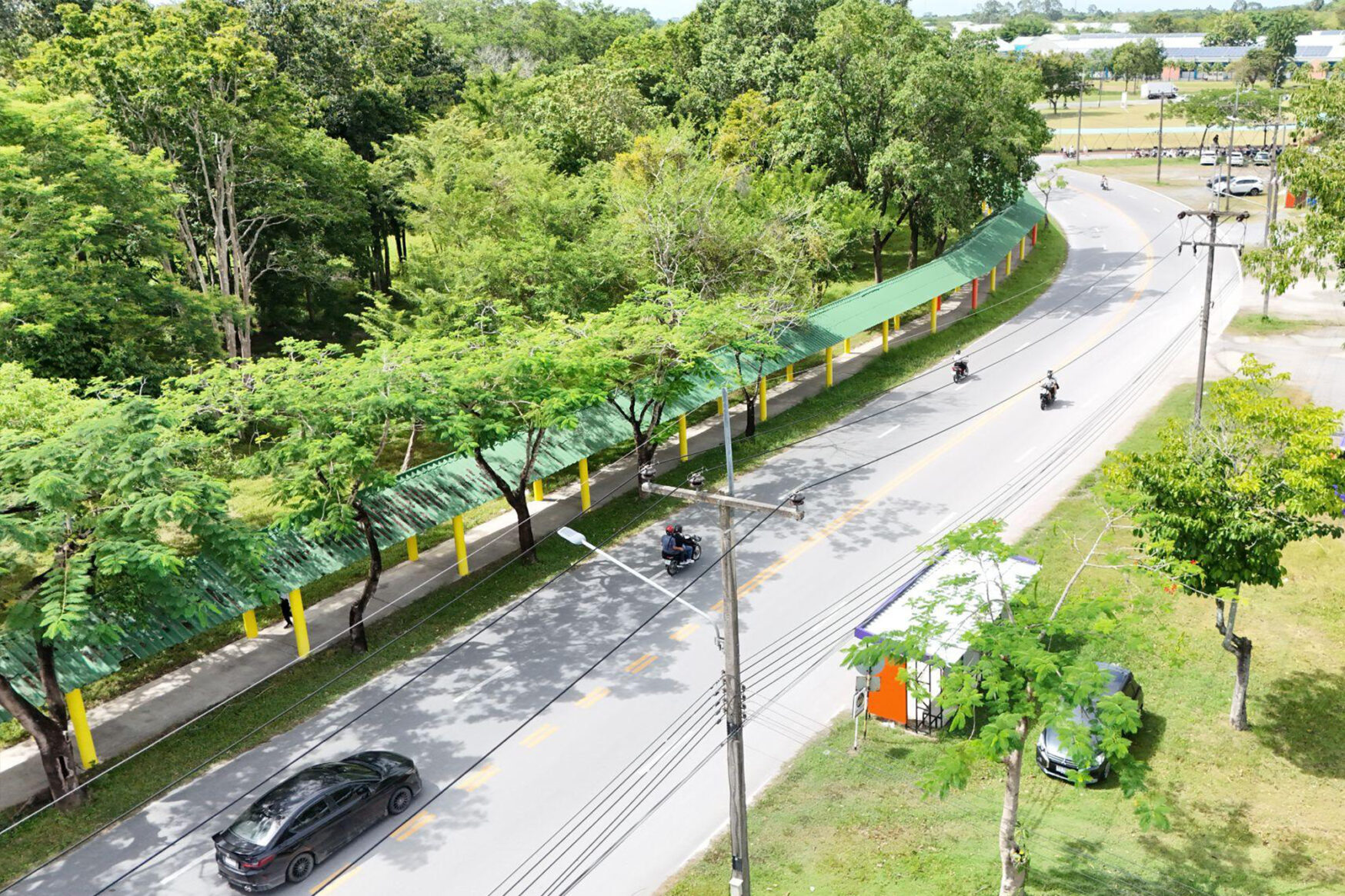
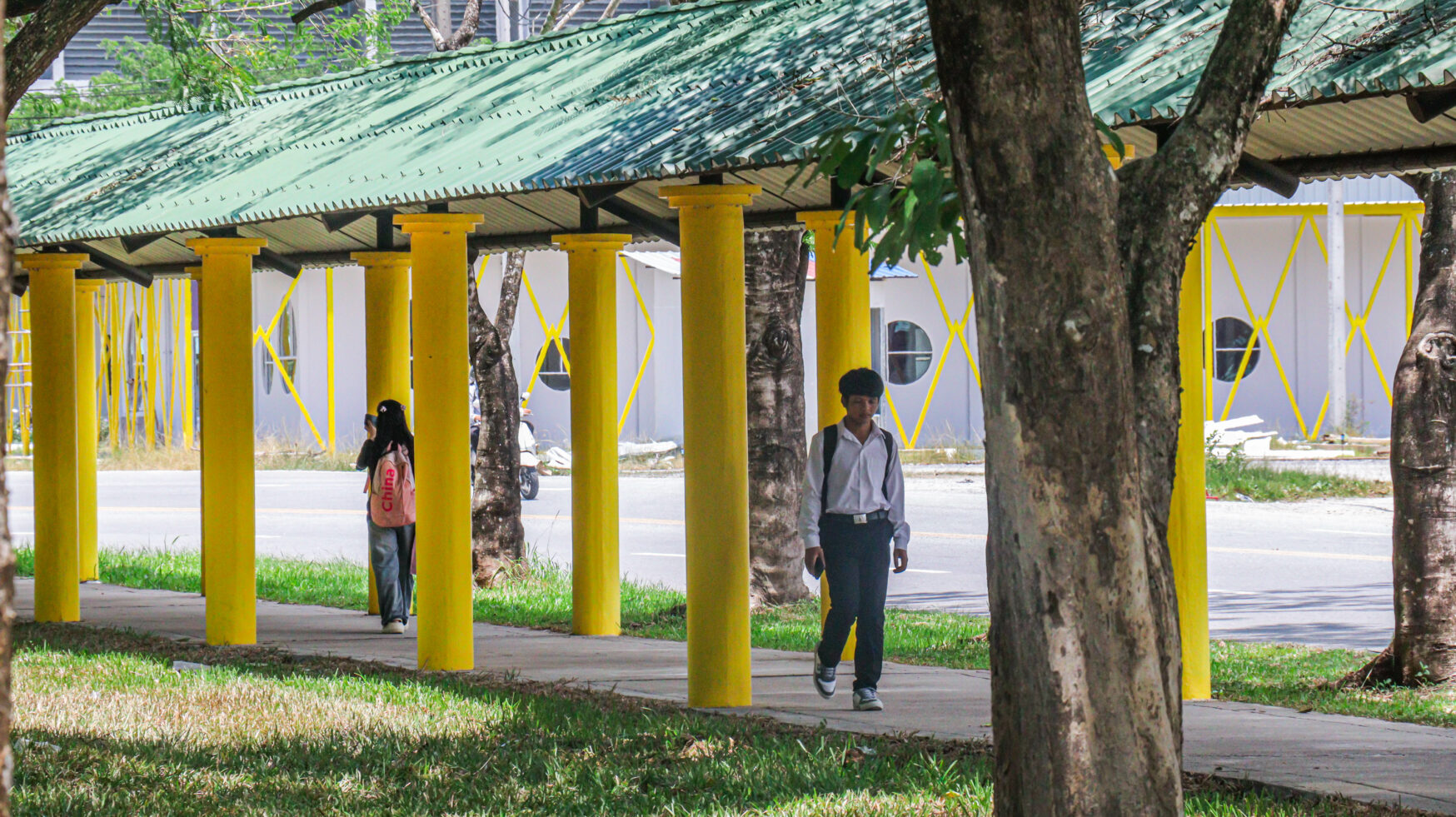
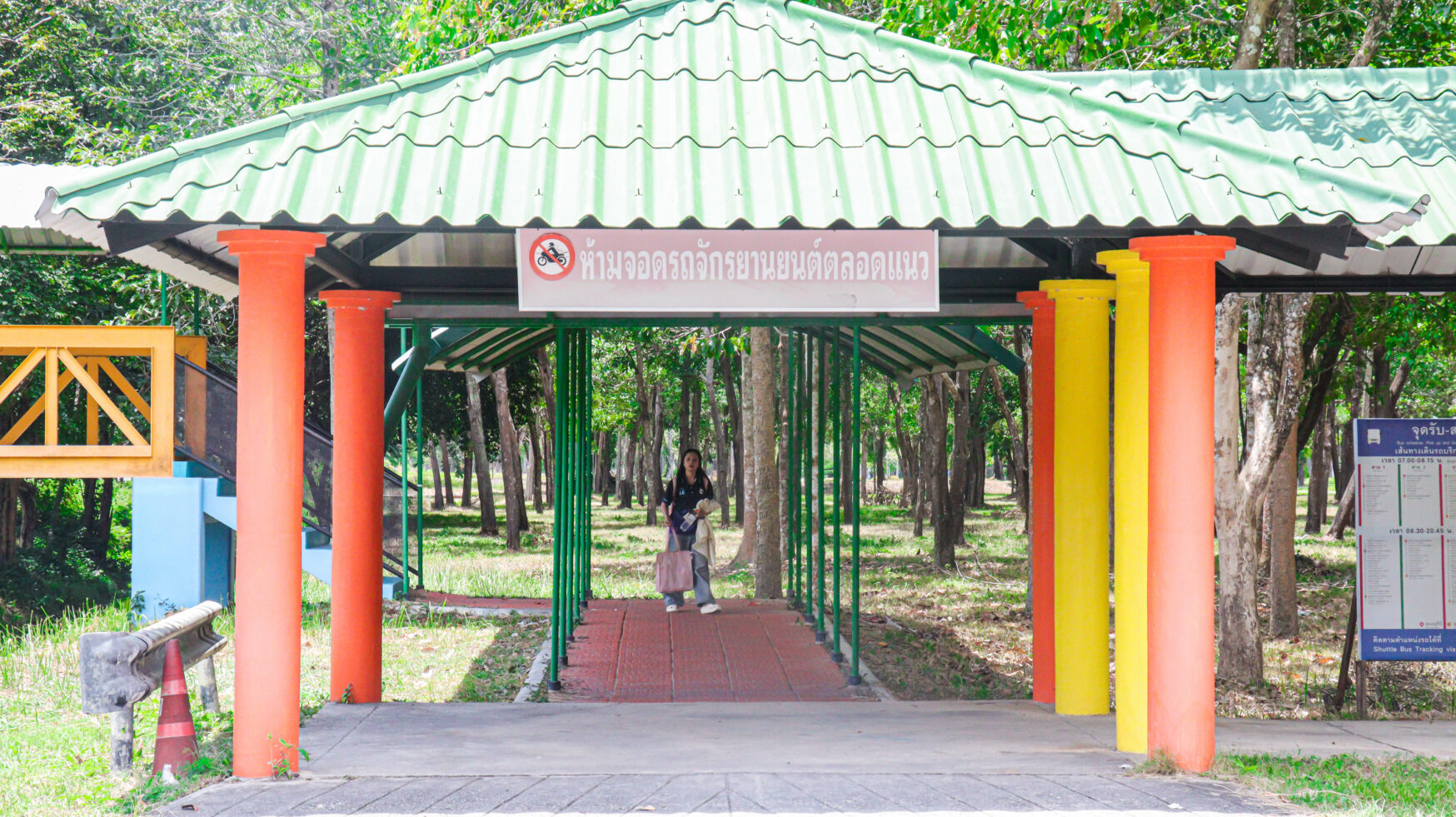
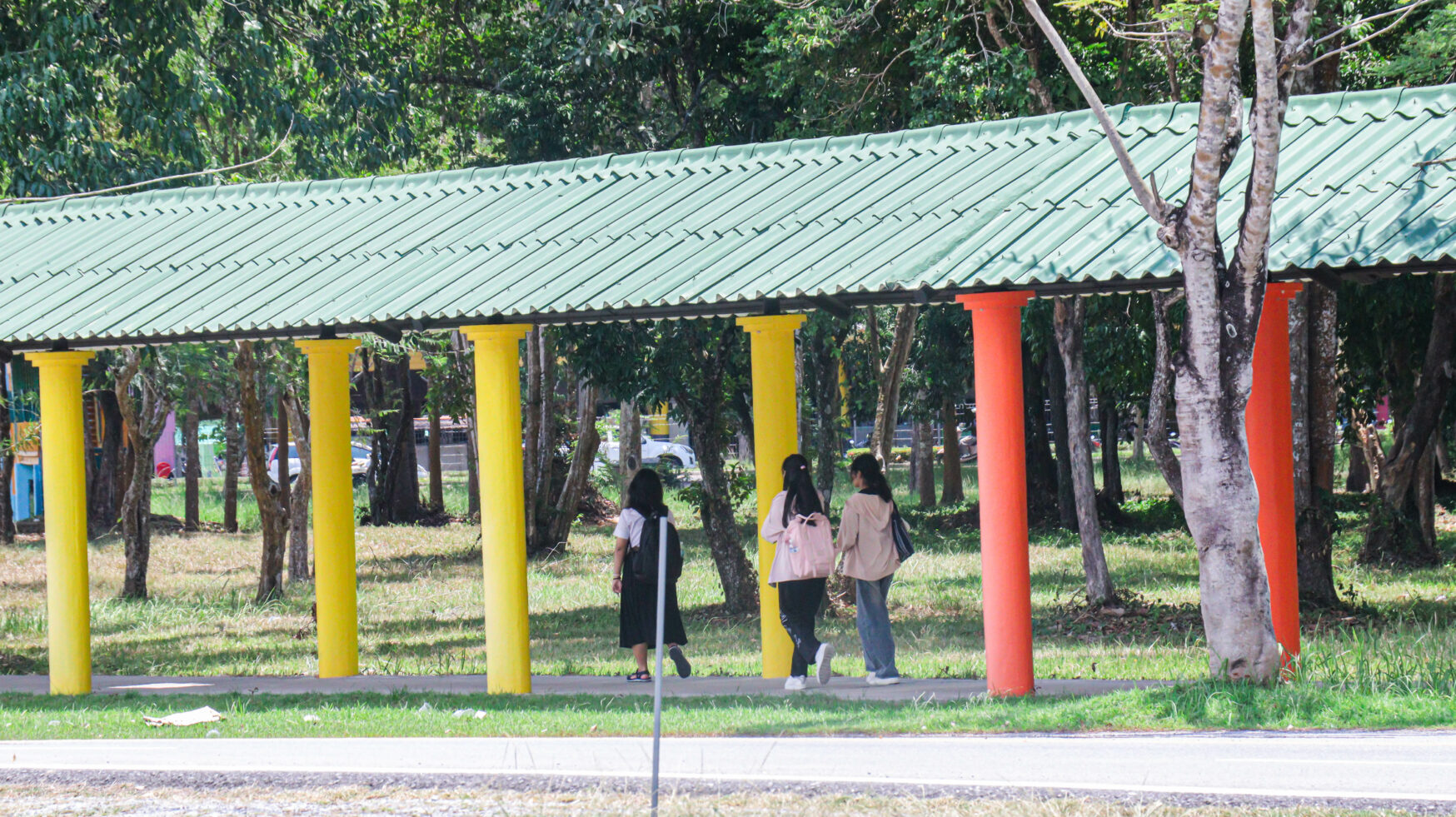
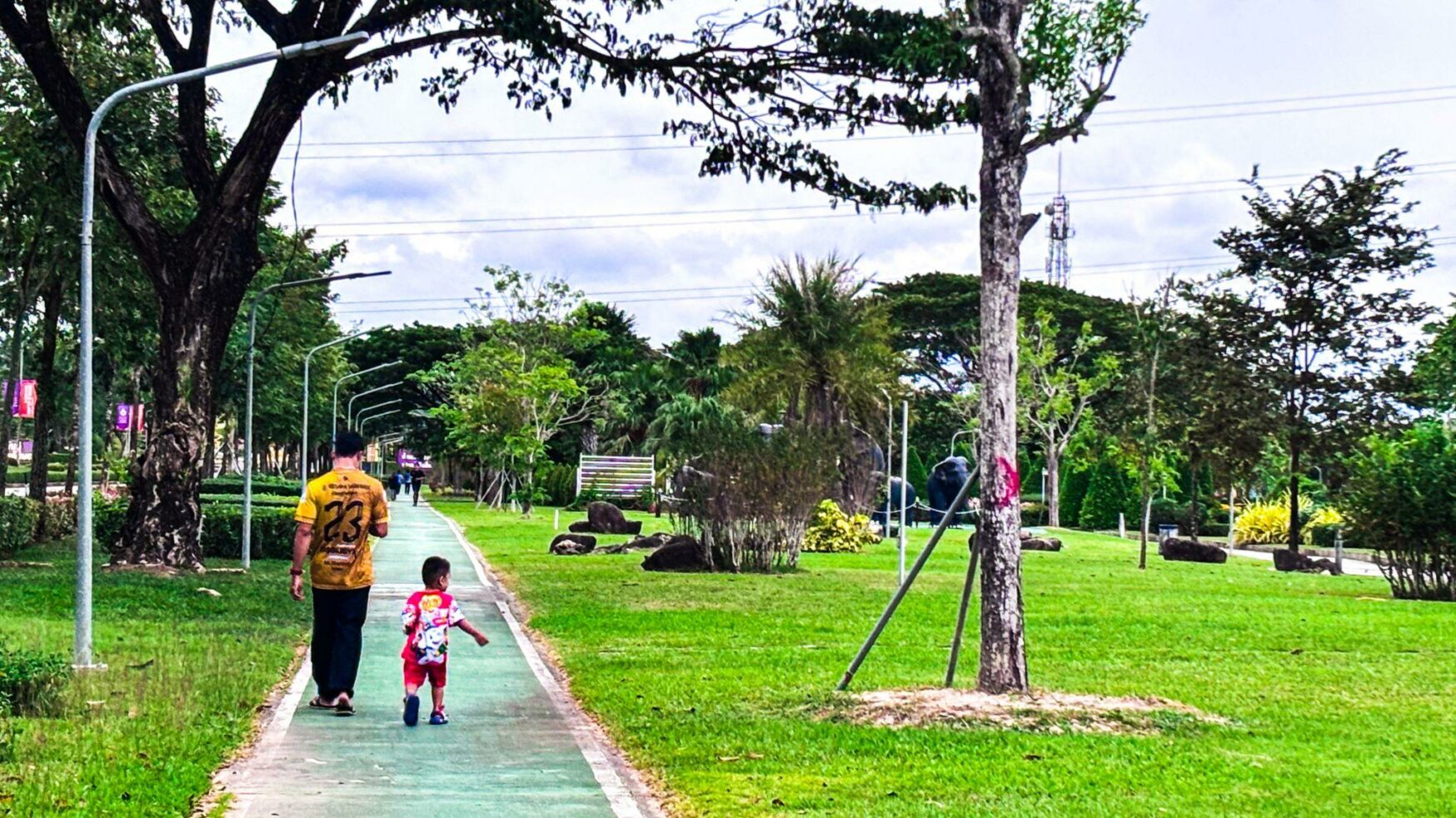
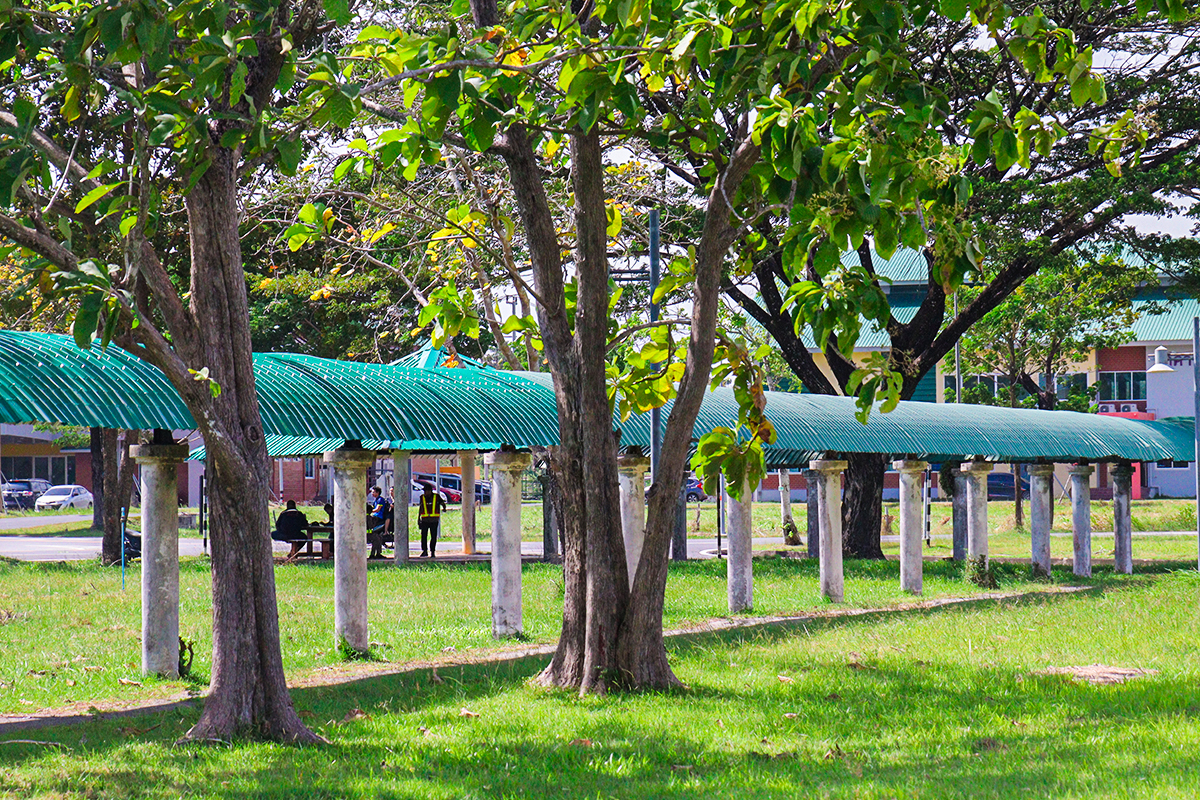
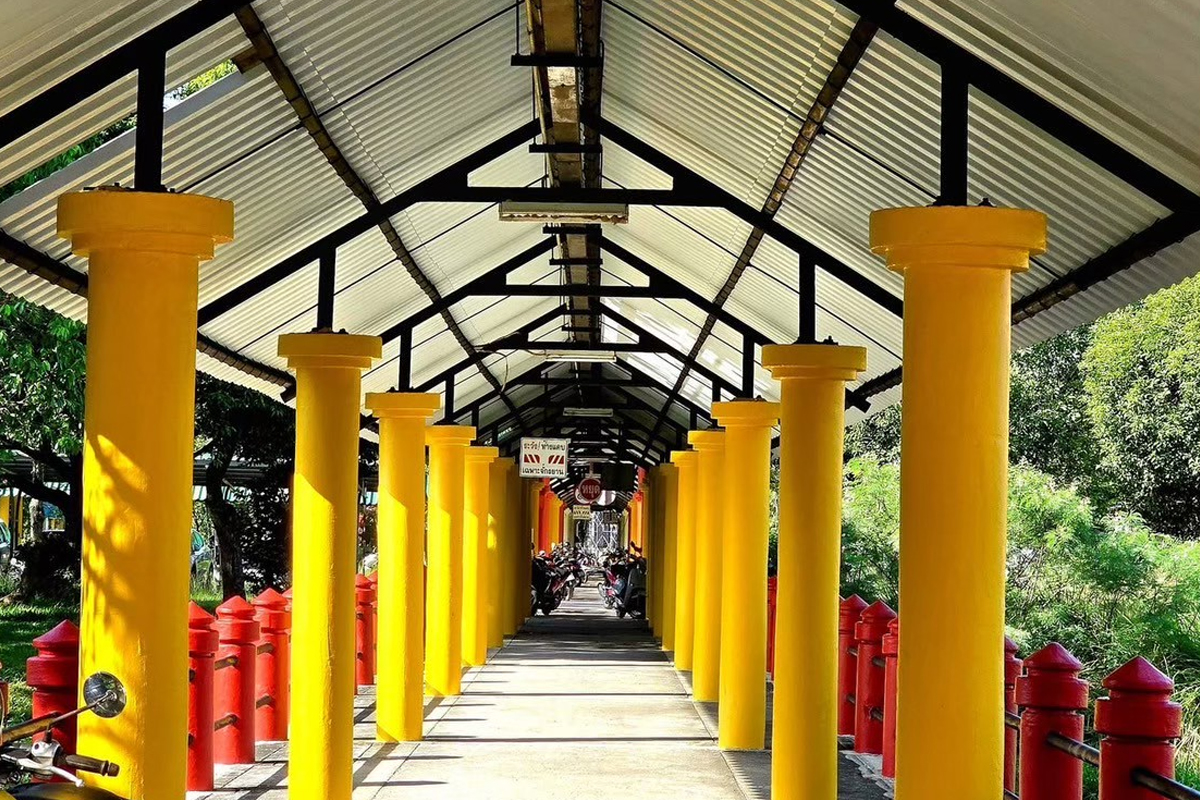
Walailak University has constructed covered walkways to protect from the sun and rain, ensuring safe and comfortable travel in all weather conditions. These walkways are designed to encourage walking as a primary mode of commuting for staff, students, and visitors, reducing reliance on motorized transport. By promoting walkability, the university not only fosters a healthier lifestyle but also contributes to lowering carbon emissions and creating a pedestrian-friendly, sustainable campus environment.
Promoting Bicycle Usage on Campus
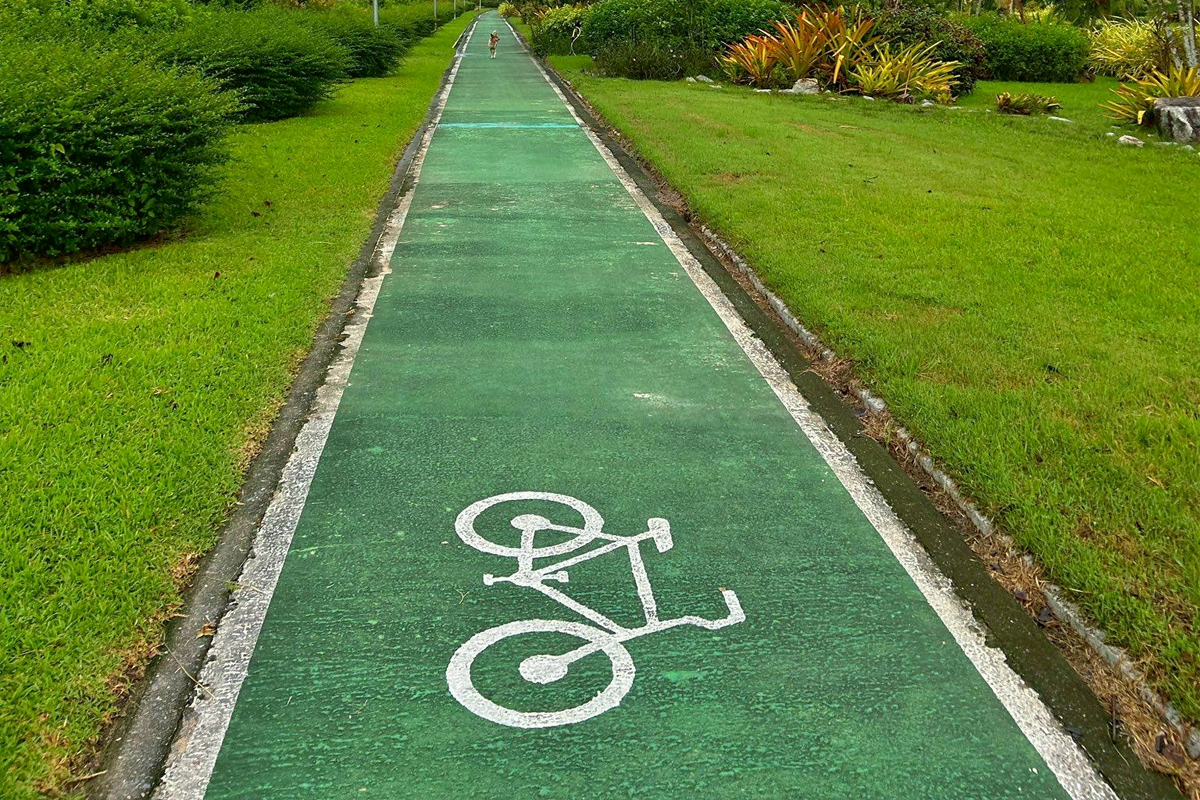
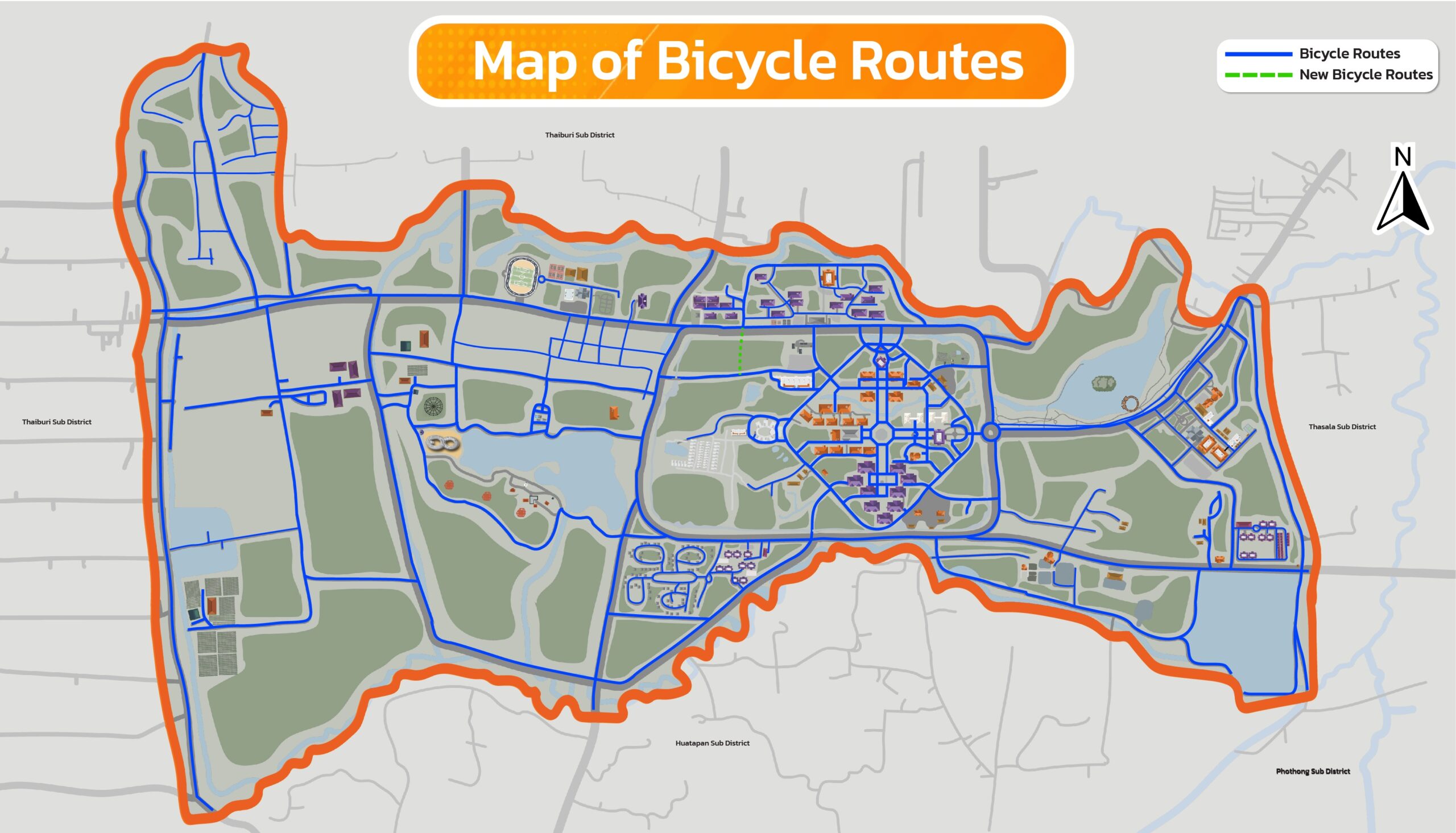
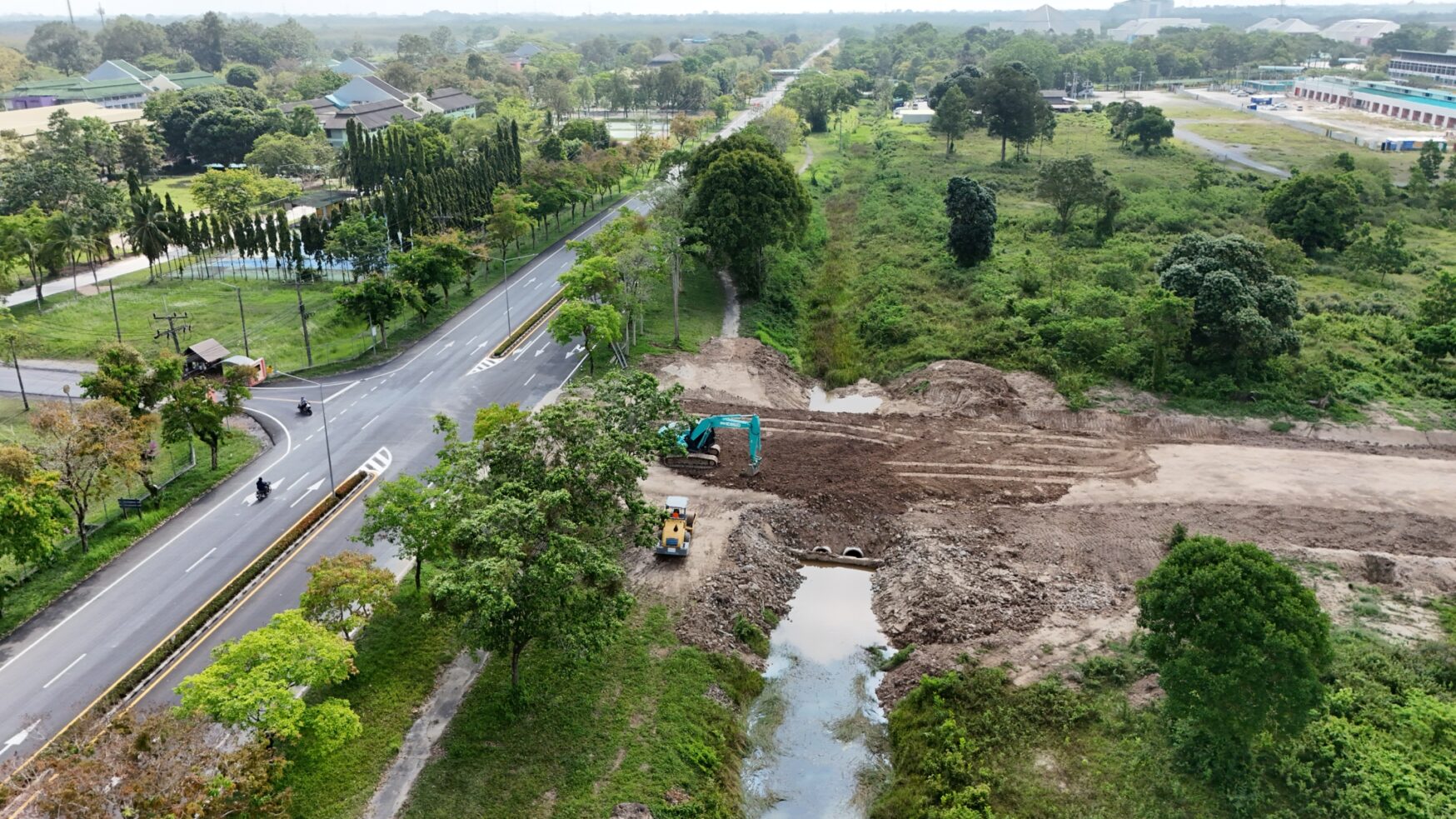
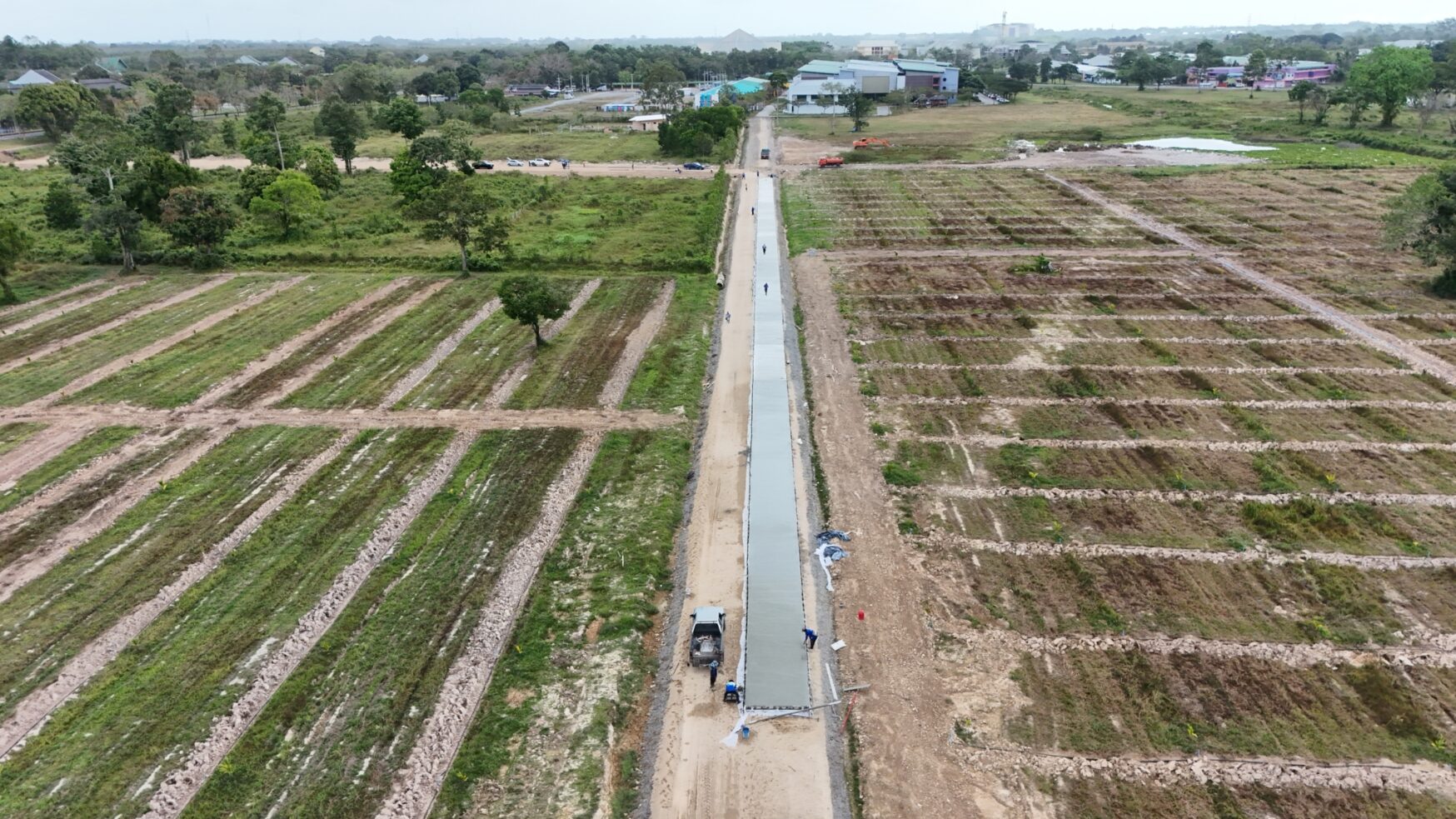
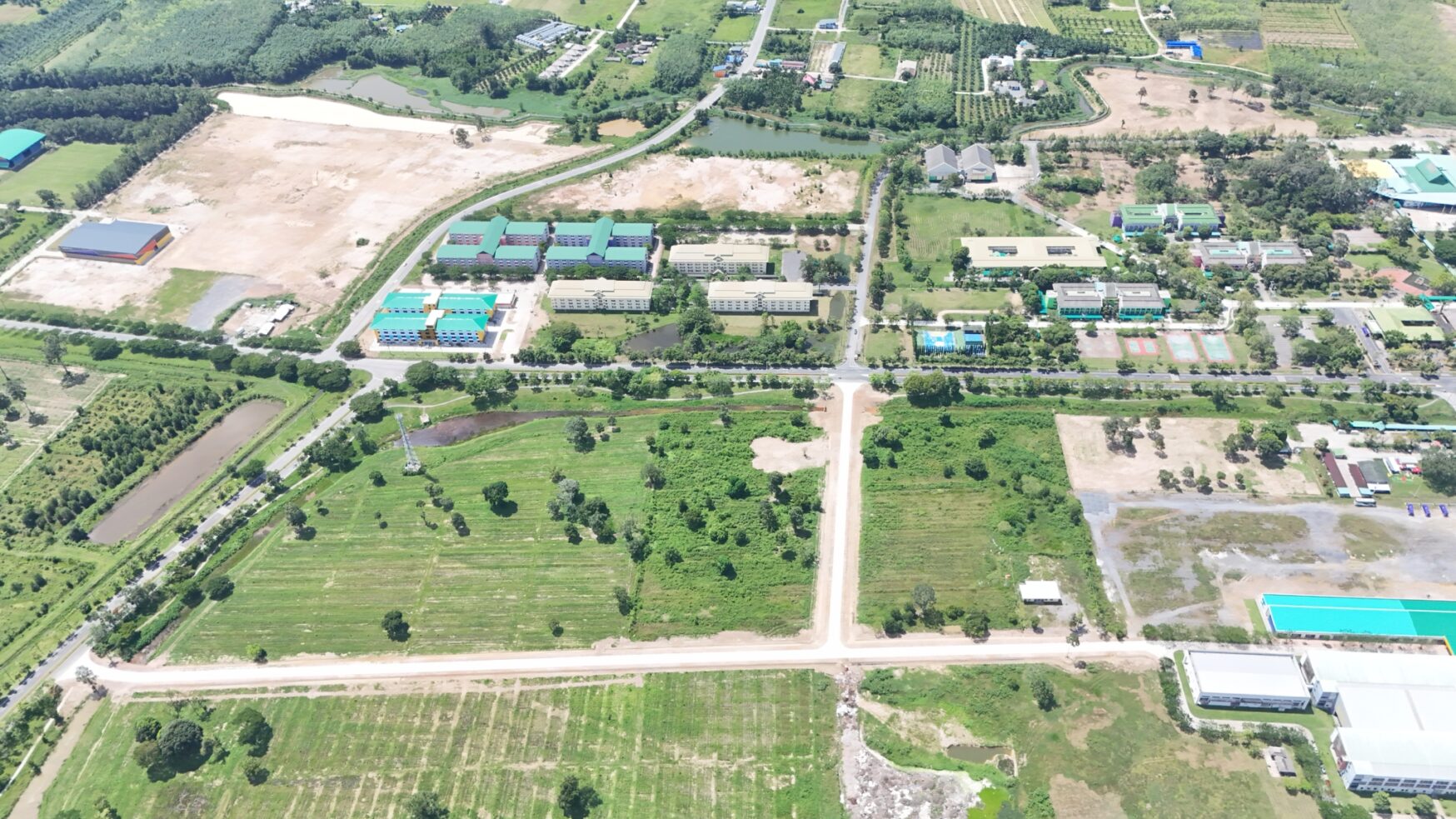
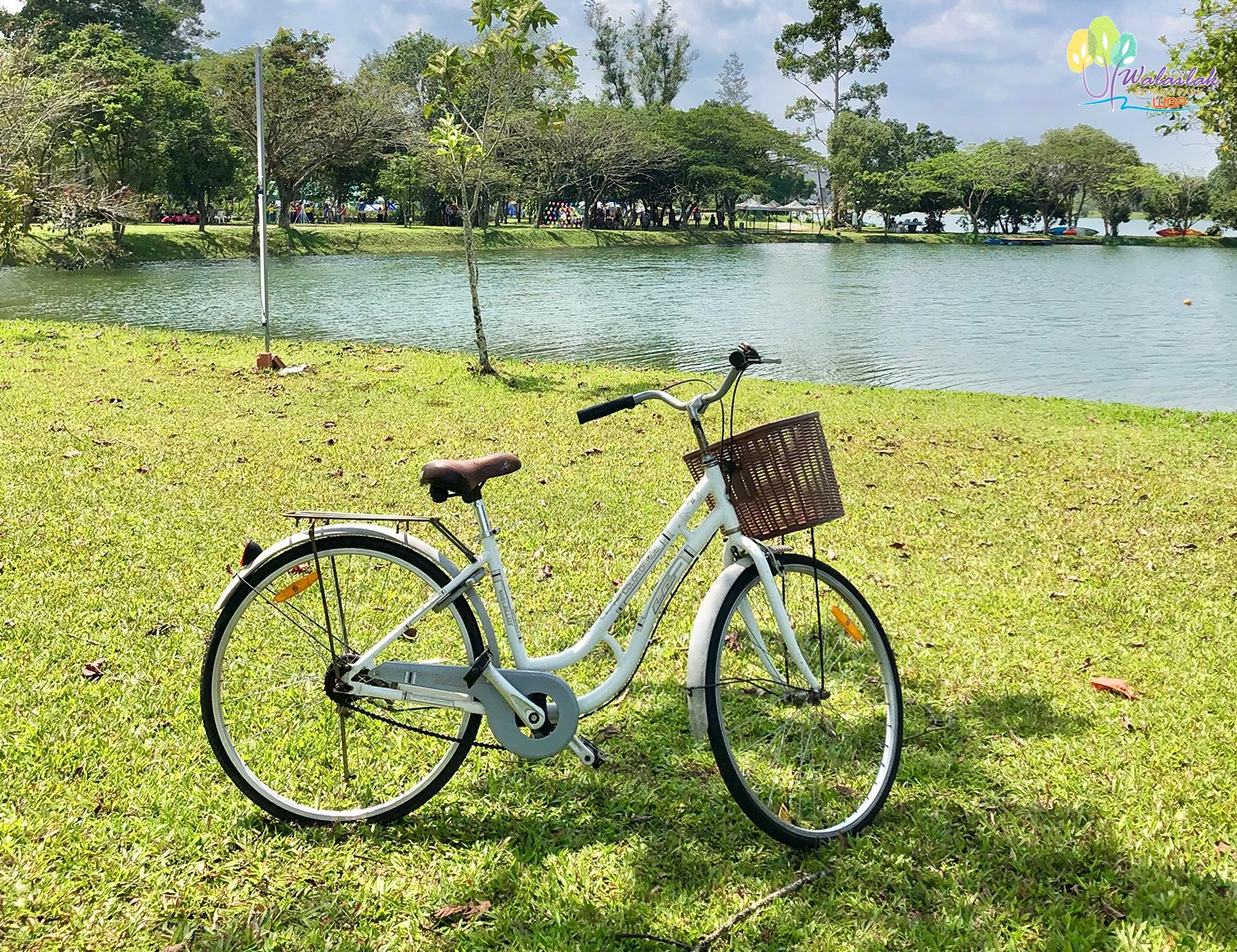
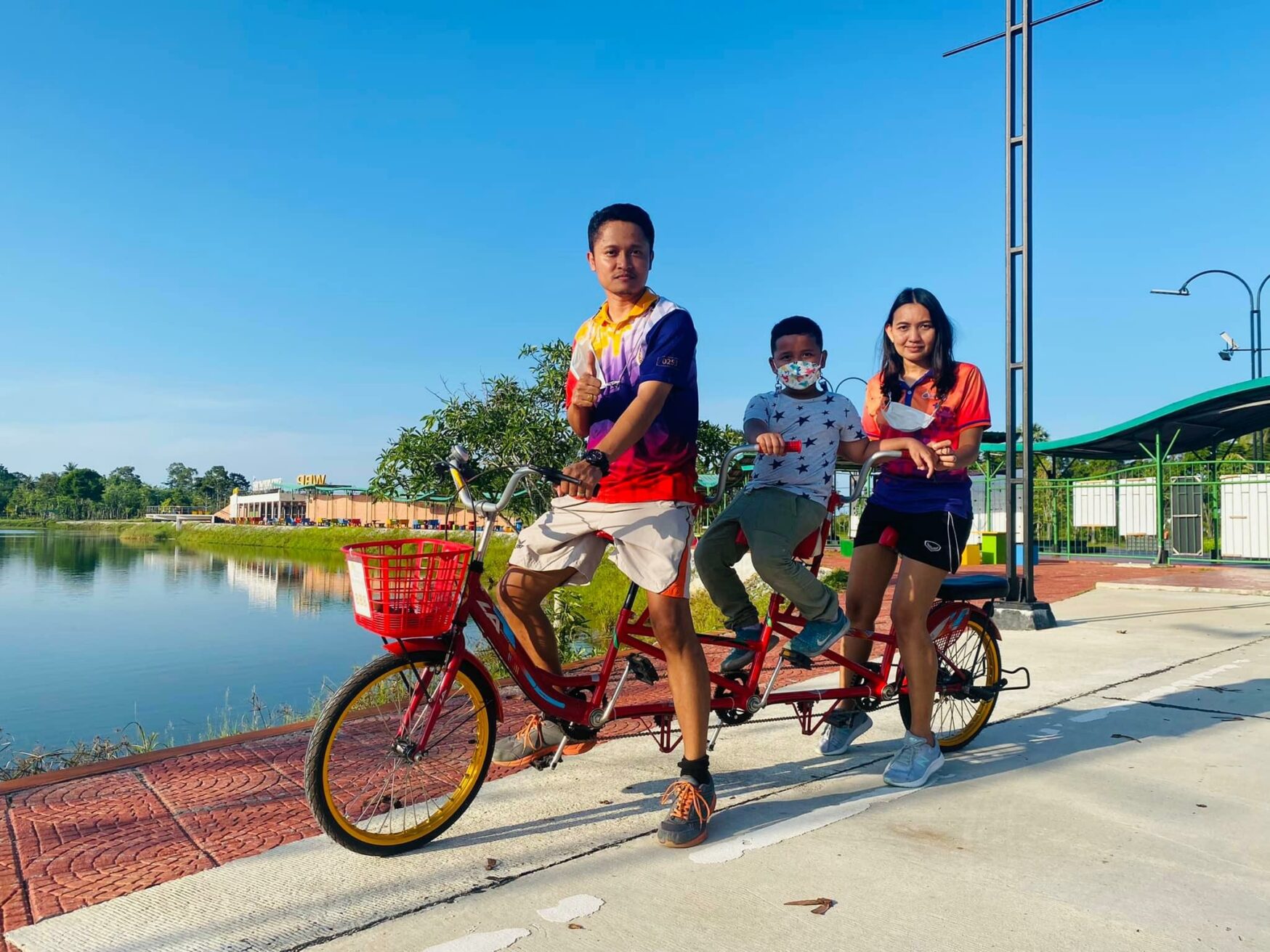
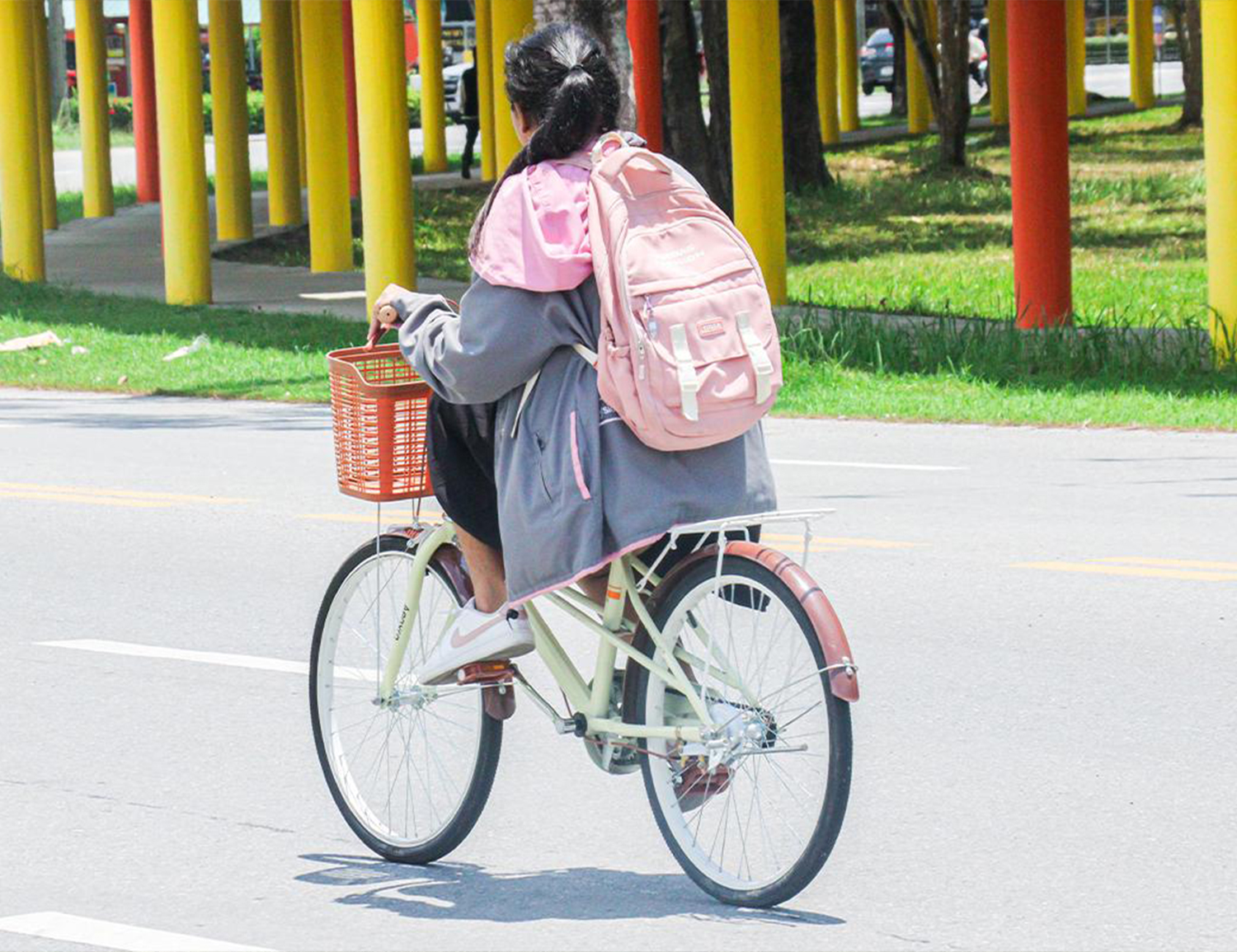
Walailak University has been constructing bicycle lanes for students and staff who commute on campus by bicycle. In 2024, WU constructed a new bicycle route between the dormitory zone and the Architecture and Design Building to allow students to easily travel by bike. This route has become a major route for students to travel by bike.
WU also has bicycle maintenance stations at three strategic locations on campus, including the Student Activity Building, Laksananives 5 Dormitory, and the Center for Library Resources and Educational Media.
These stations are equipped with basic tools and air pumps to help cyclists maintain their bicycles and encourage long-term usage. The availability of such facilities also promotes a culture of responsibility and self-reliance among students and staff in caring for their own transport equipment.
By investing in cycling infrastructure and actively promoting alternative transportation modes, Walailak University contributes to environmental sustainability while also enhancing campus safety, reducing noise and air pollution, and promoting physical well-being.
New Bicycle Route to Promote Green Mobility and Well-being
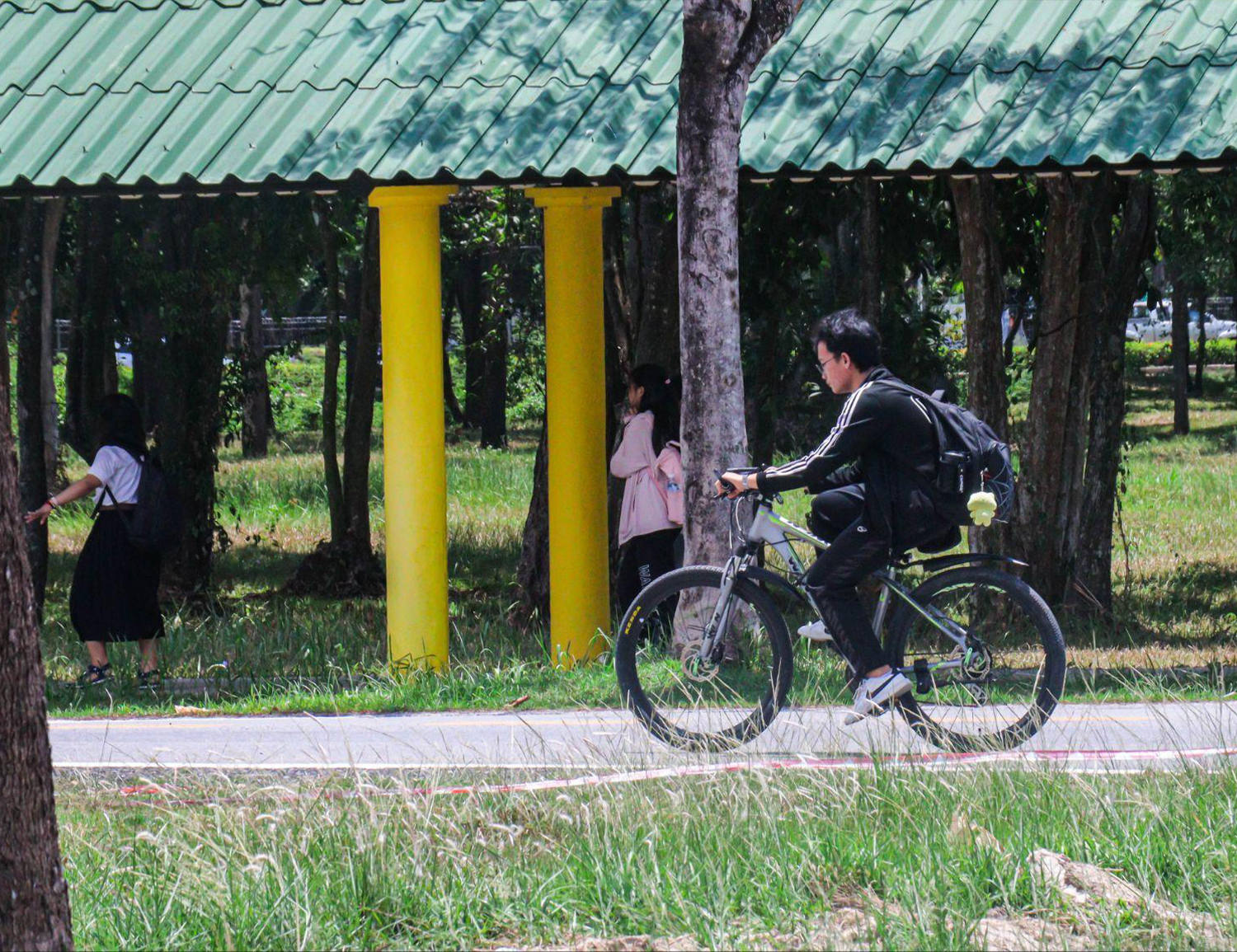
In 2024, Walailak University constructed a new dedicated bicycle route to encourage sustainable transportation and healthy lifestyles among students, staff, and the wider community. The route is located at the main entrance between the Administrative Building and the Center for Academic Services, providing a safe and accessible pathway for cyclists. This area has become a spot for both commuting and recreational cycling, especially for students and staff who use bicycles for exercise.
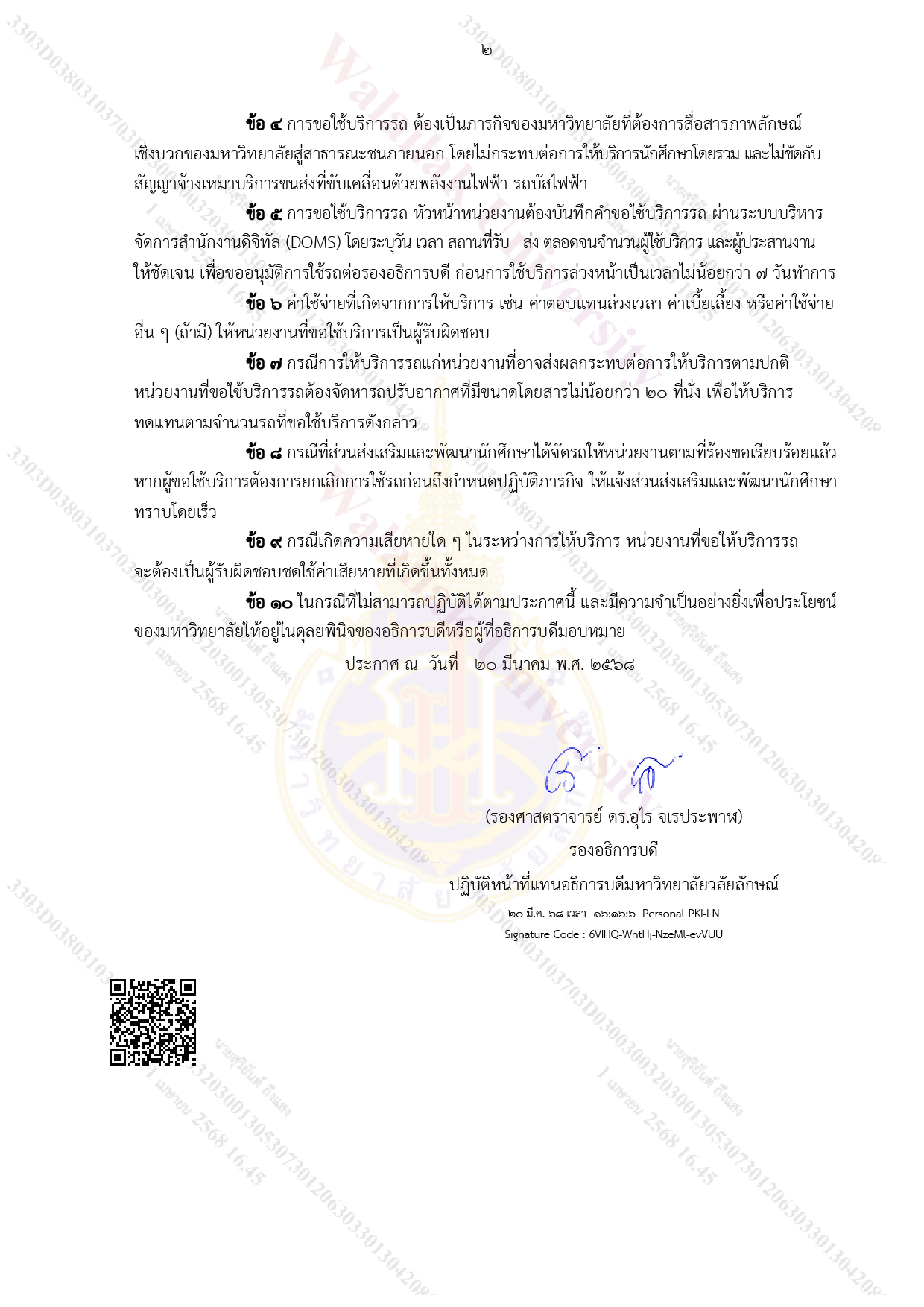
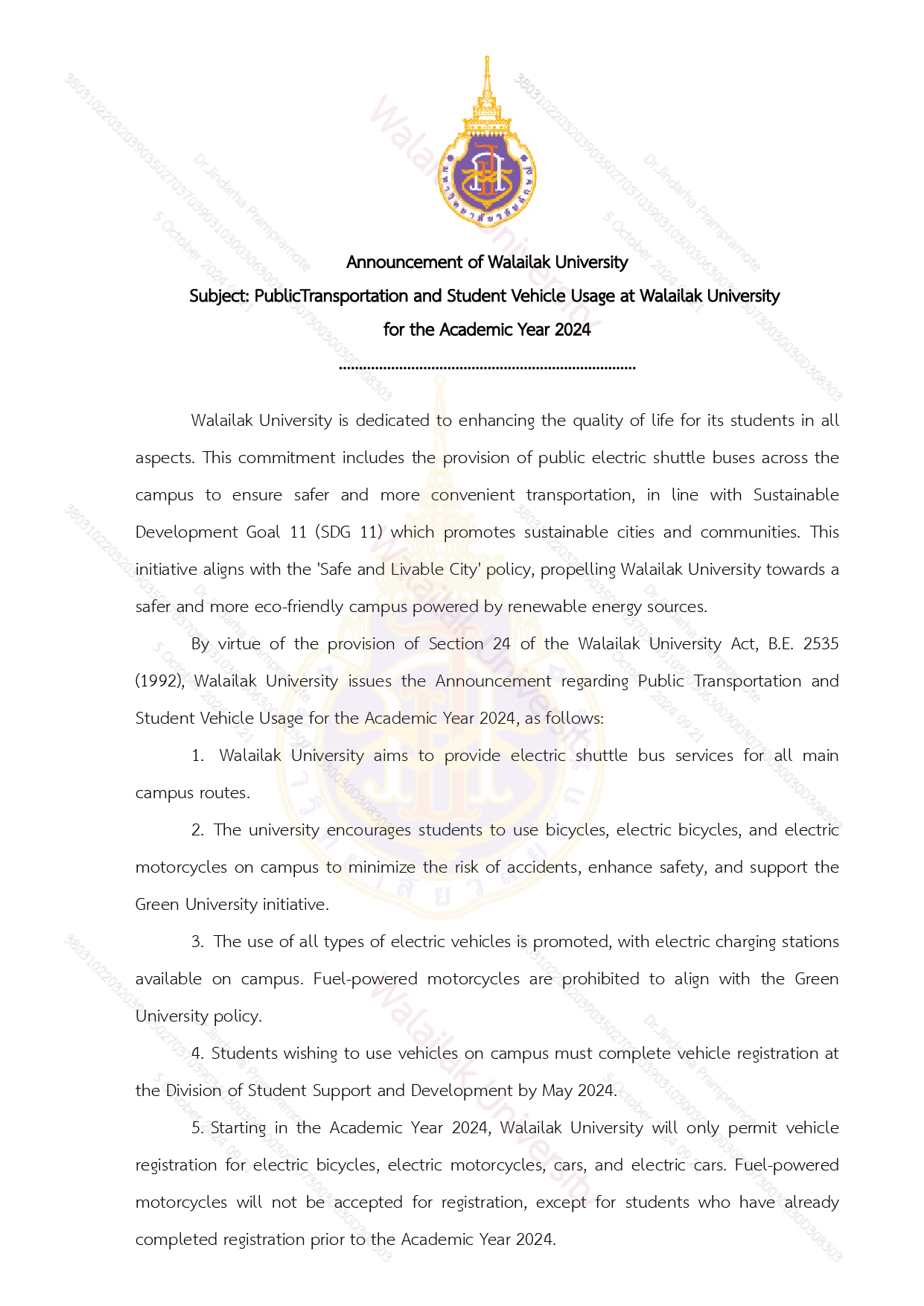
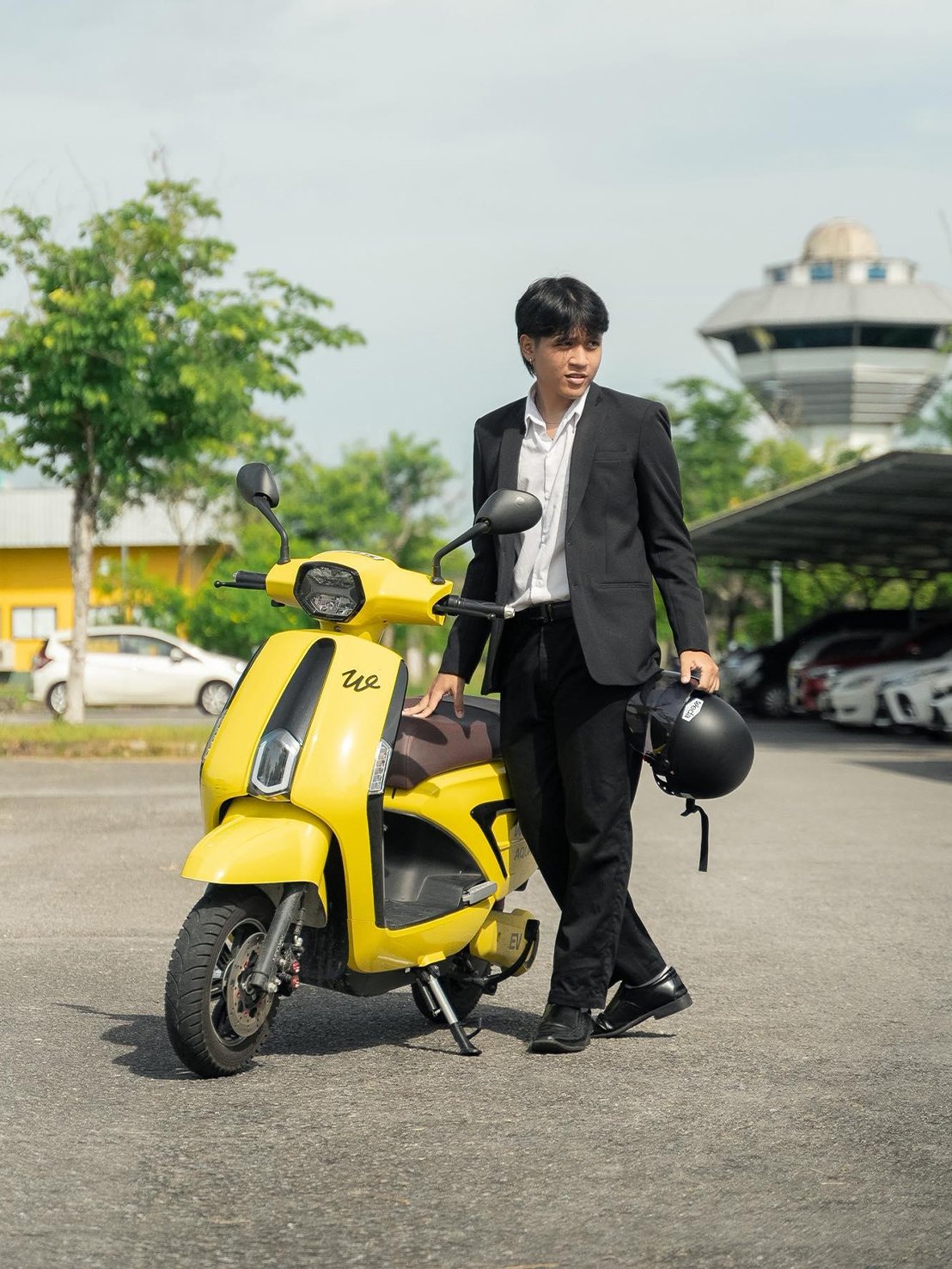
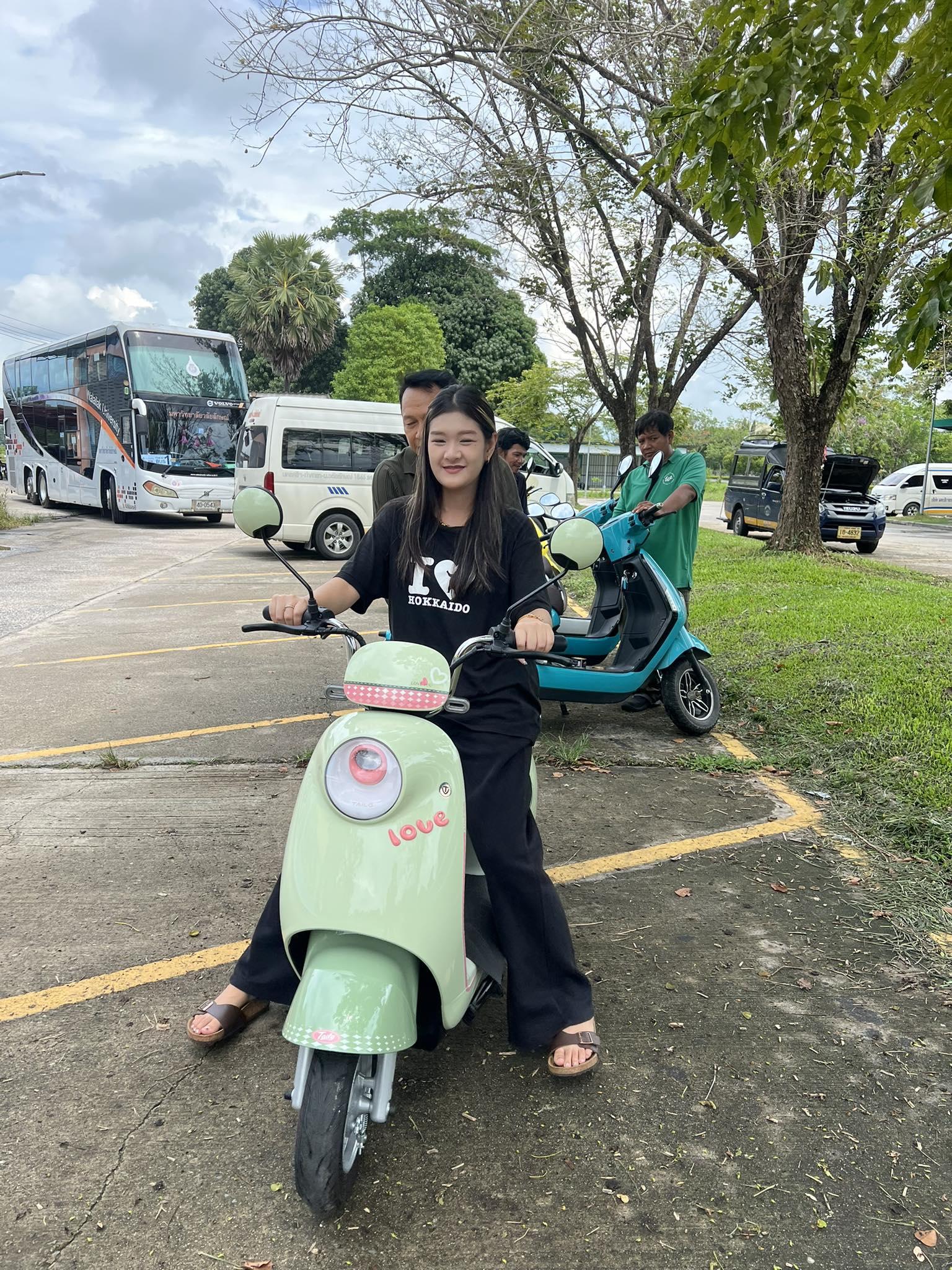
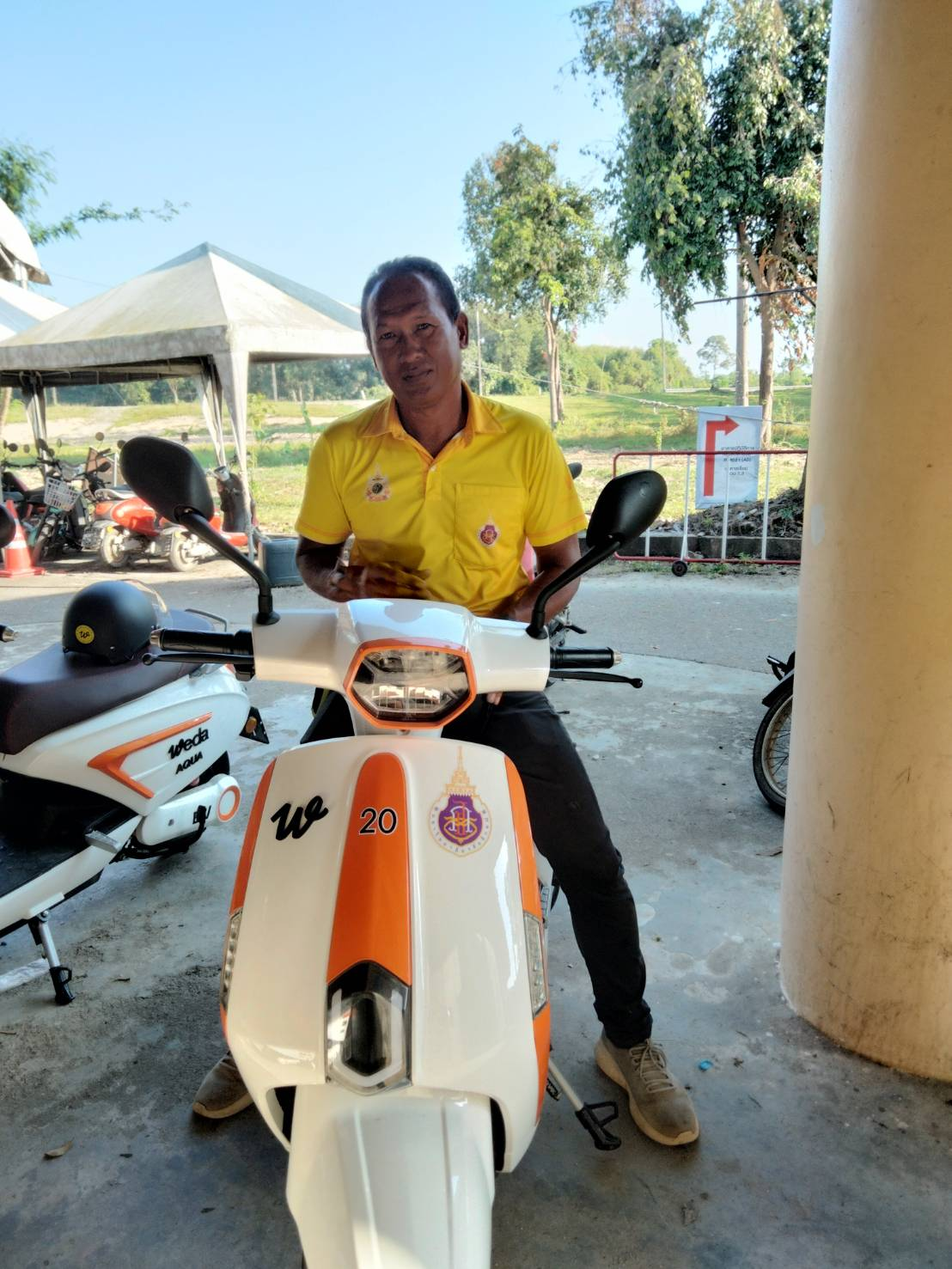
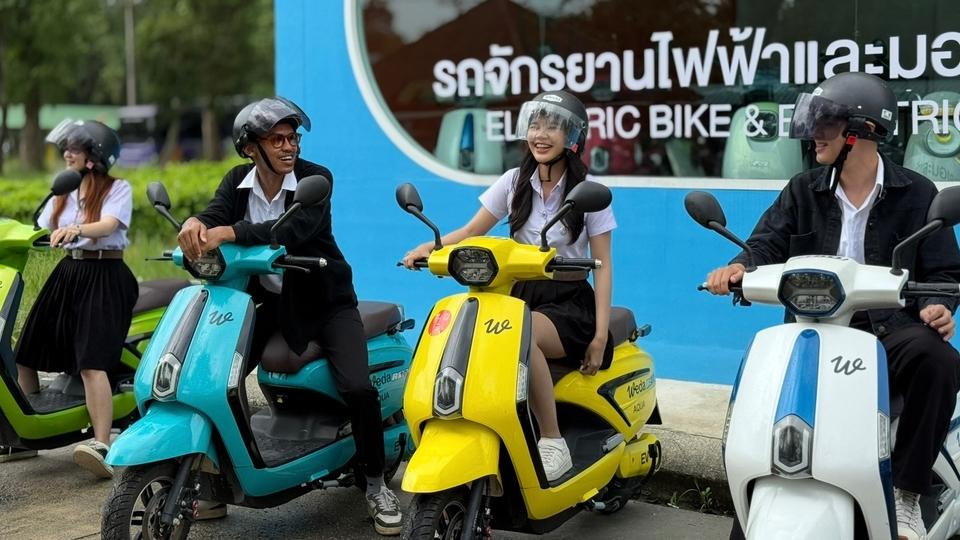
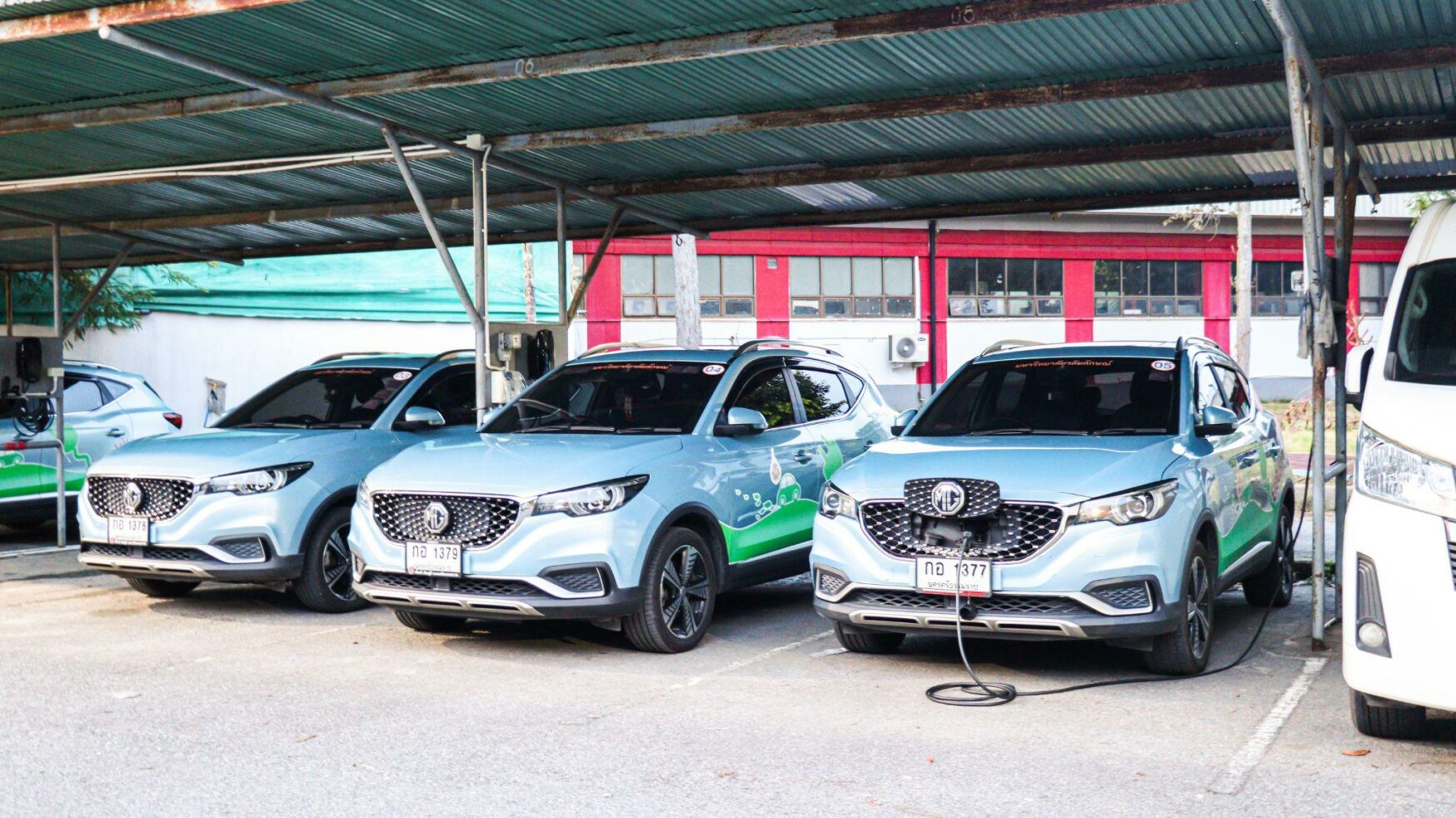
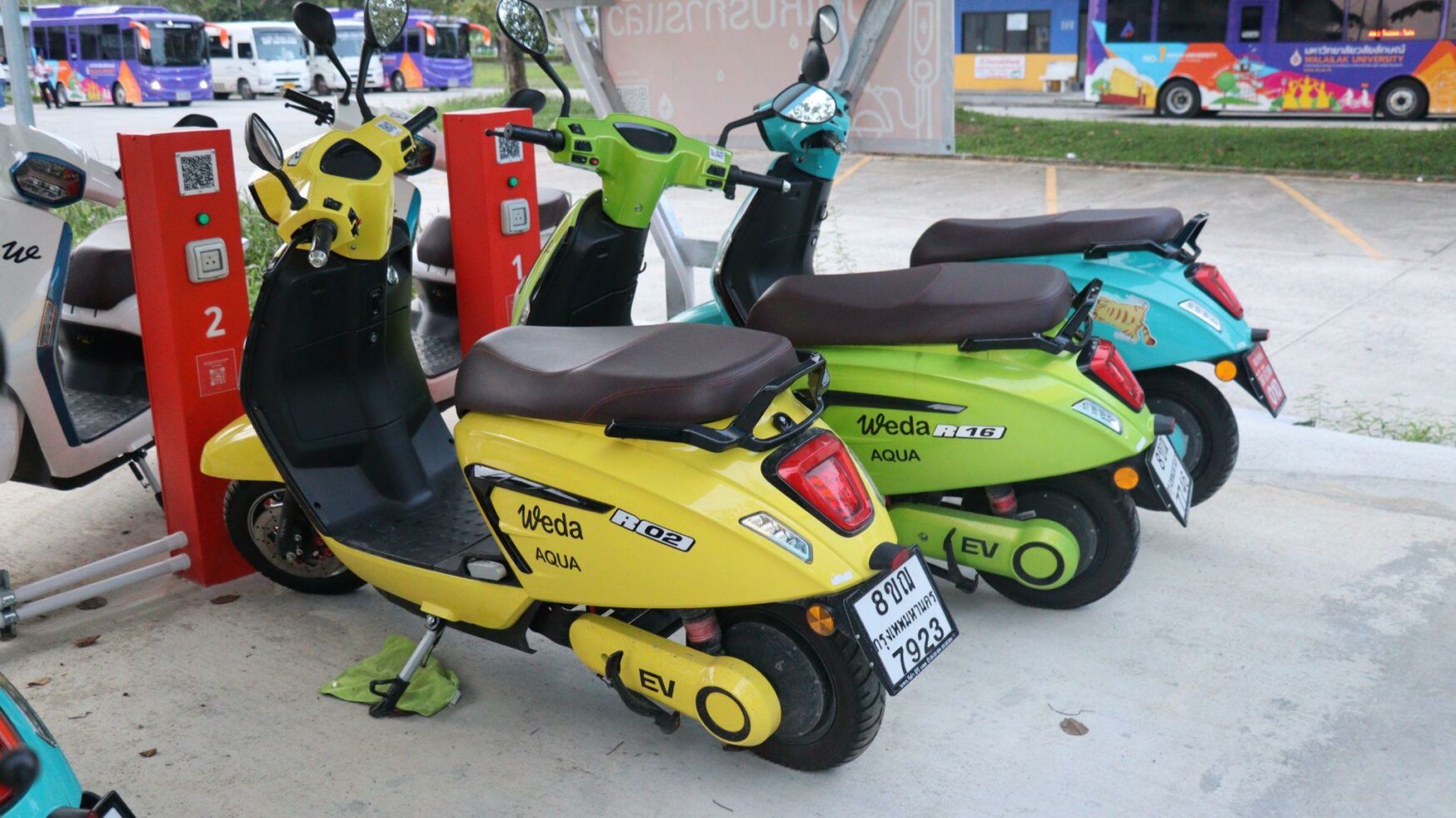
In 2024, 344 electric motorbikes were used by students, providing an eco-friendly and convenient mode of transportation across campus as Walailak University continued implementing the campaign for promoting first-year students to use electric motorcycles. This campaign serves as one of the significant factors contributing to the reduction of GHG emissions.
To further reduce fuel consumption, the university supplied 30 electric motorbikes for staff, enabling efficient and sustainable travel around campus. This also contributes to the reduction of fuel-powered vehicle usage on campus
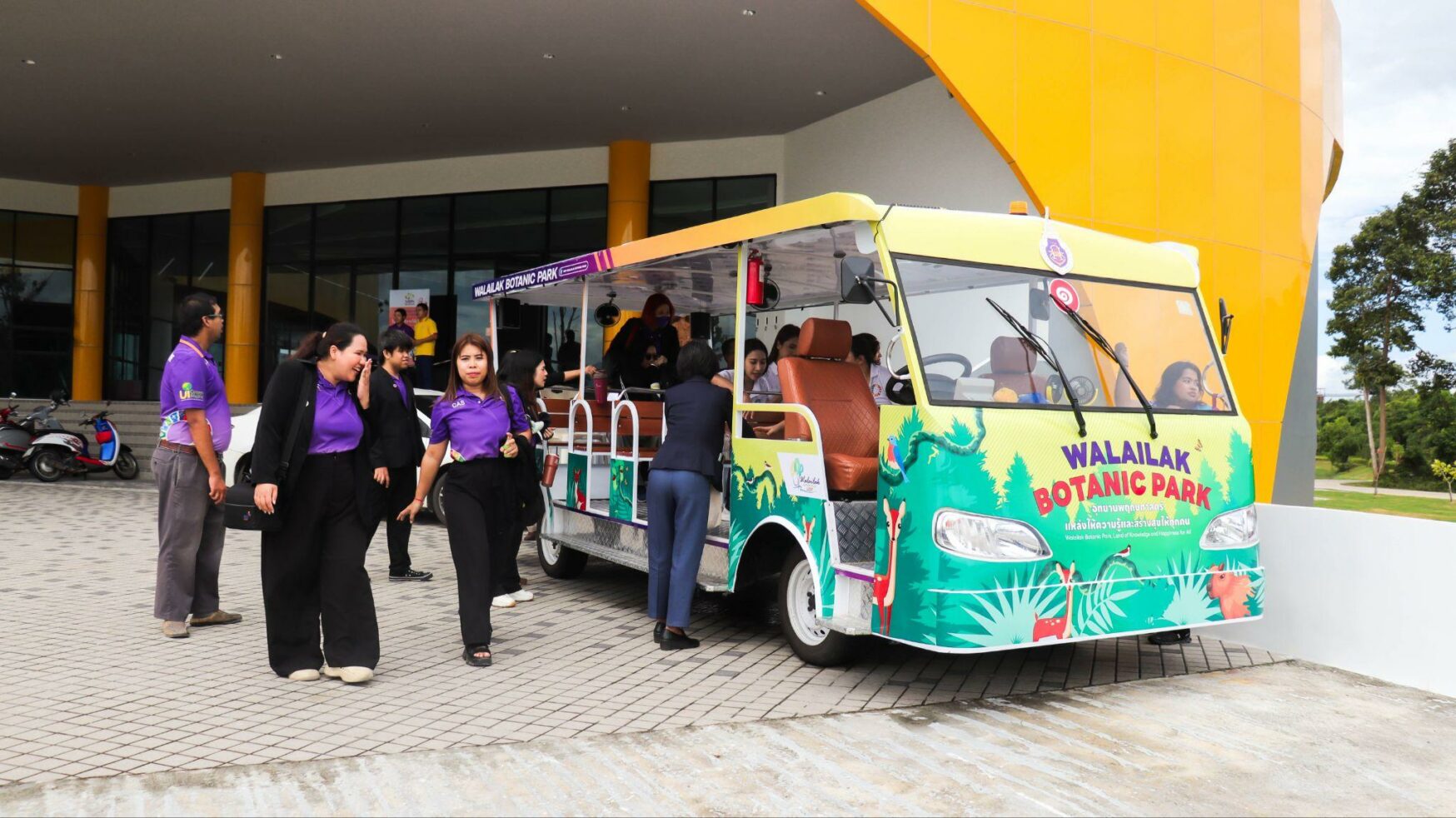
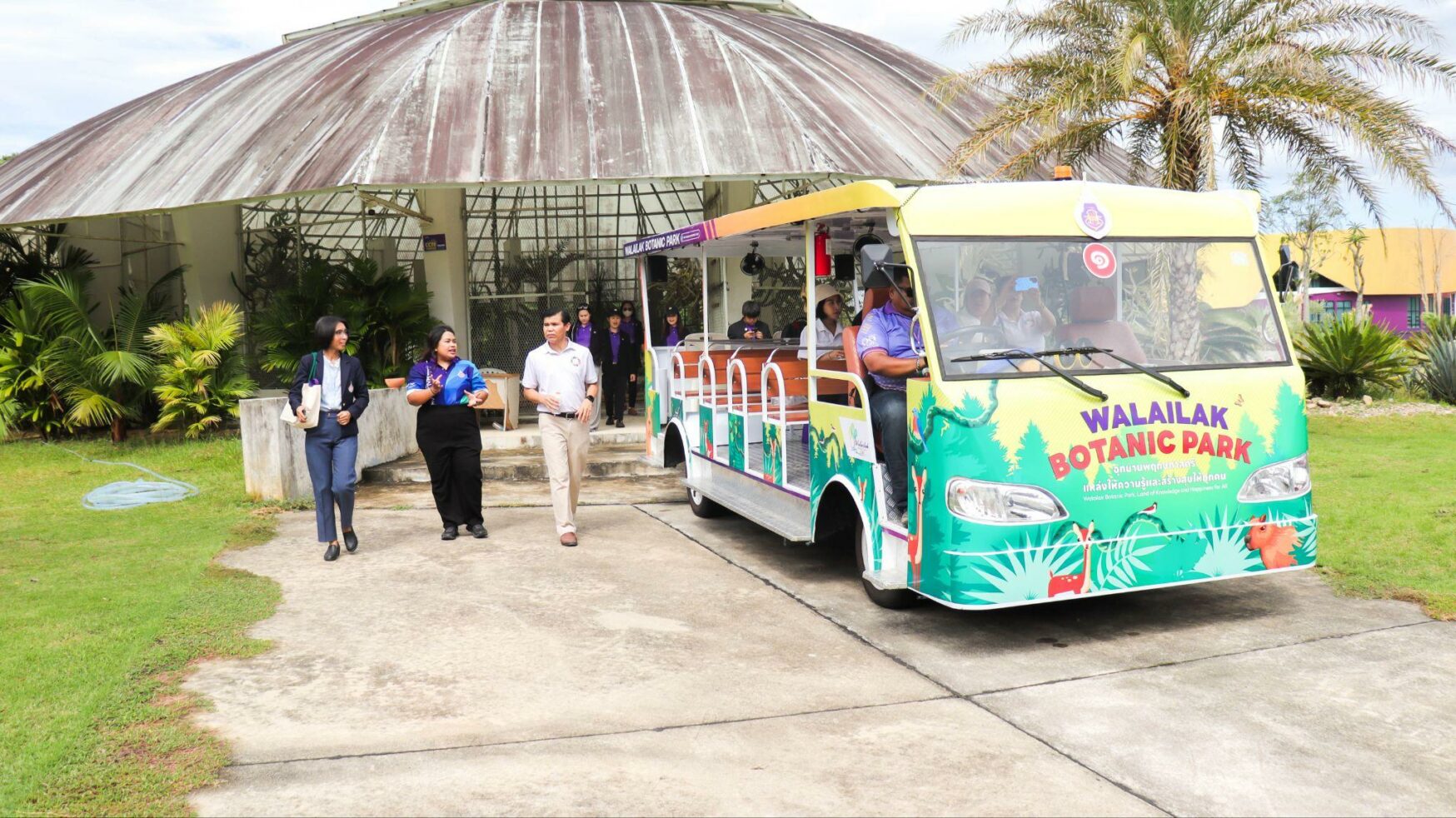
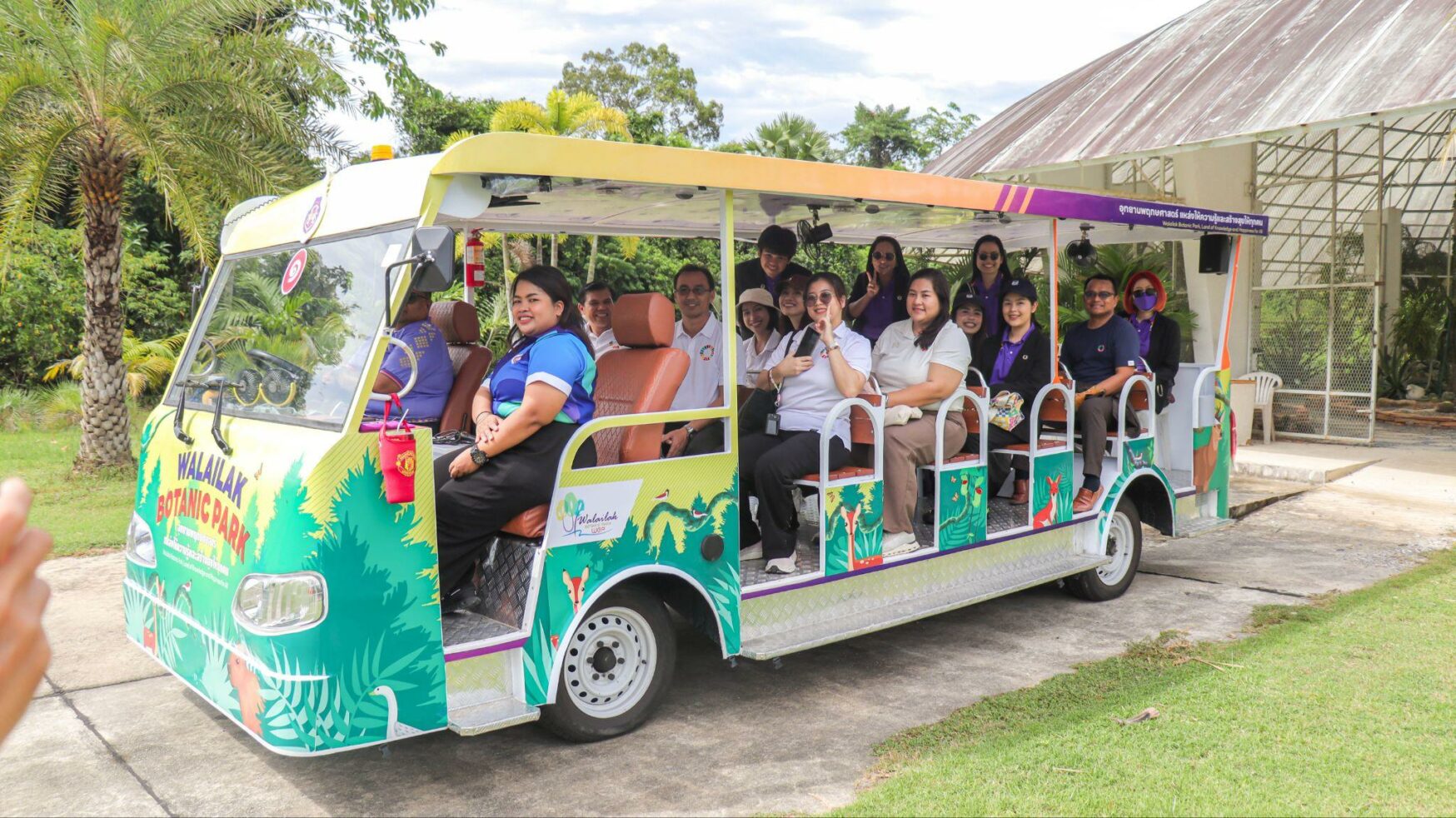
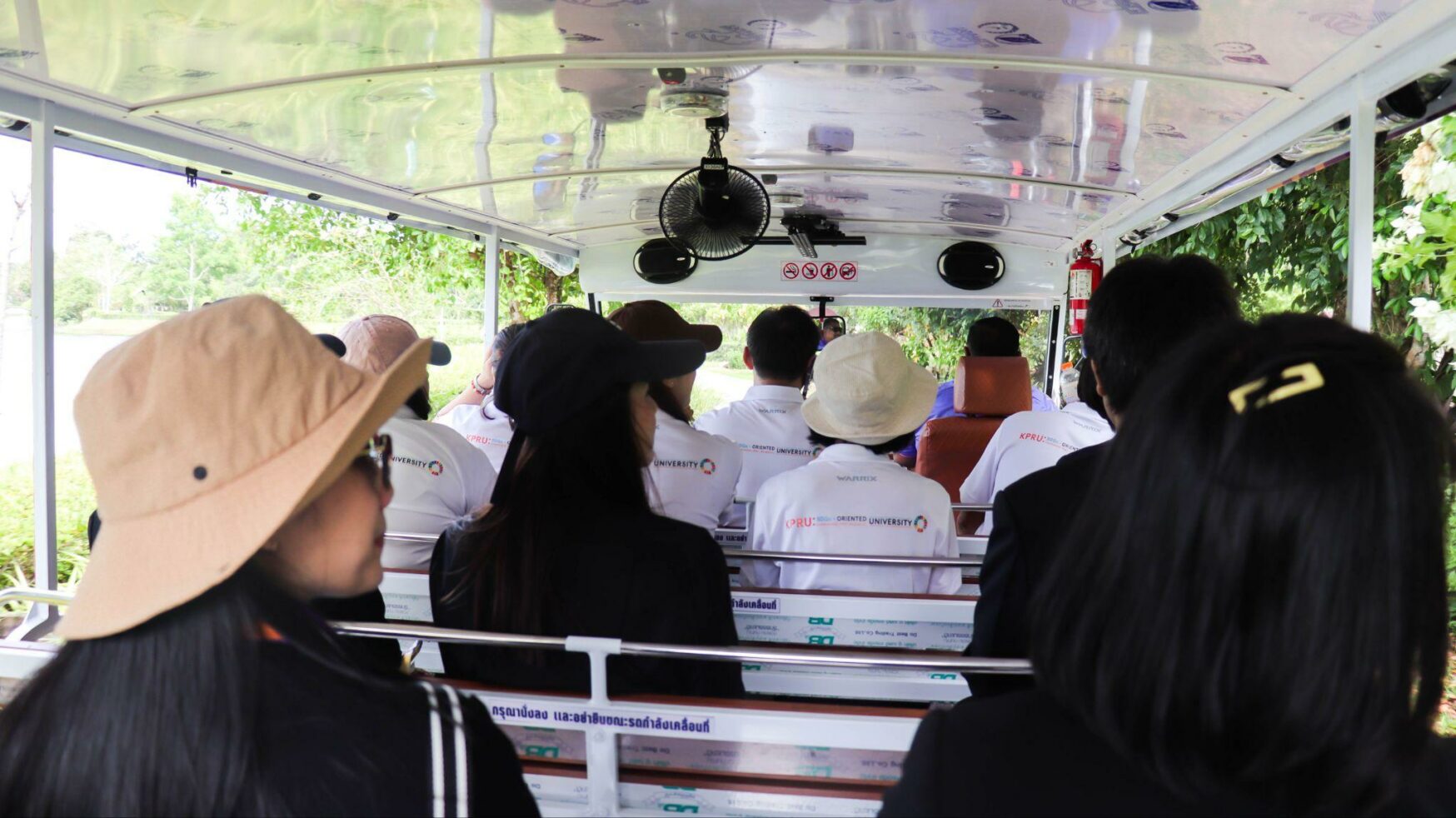
The Walailak Botanic Park has adopted three electric sightseeing shuttle buses to offer guided tours for external visitors, enhancing the visitor experience while maintaining eco-friendly operations. These vehicles allow guests to explore the park’s diverse plant collections and educational activities conveniently, while reducing noise pollution and greenhouse gas emissions compared to conventional fuel-powered transport.
Advancing Renewable Energy Utilization on Campus
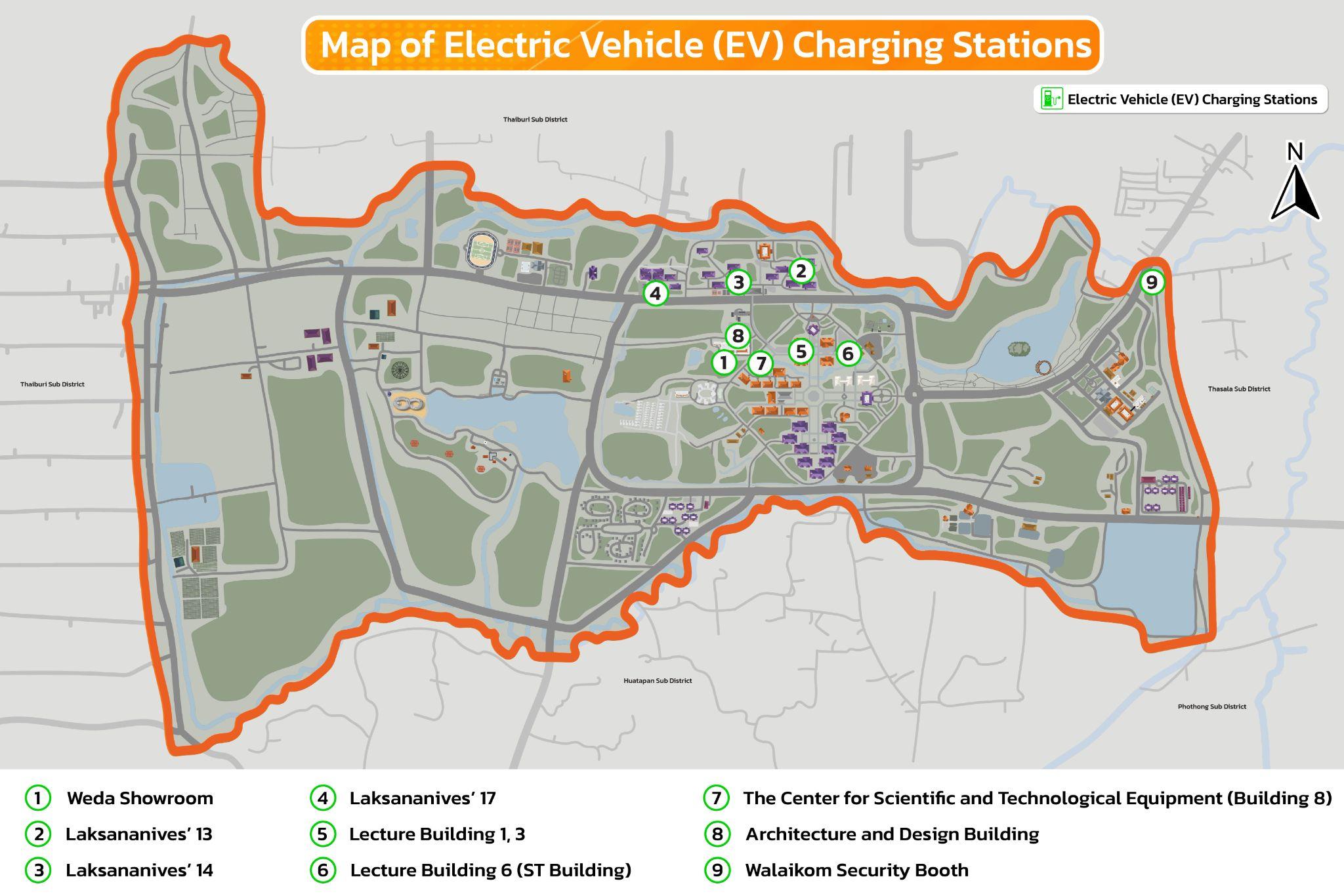
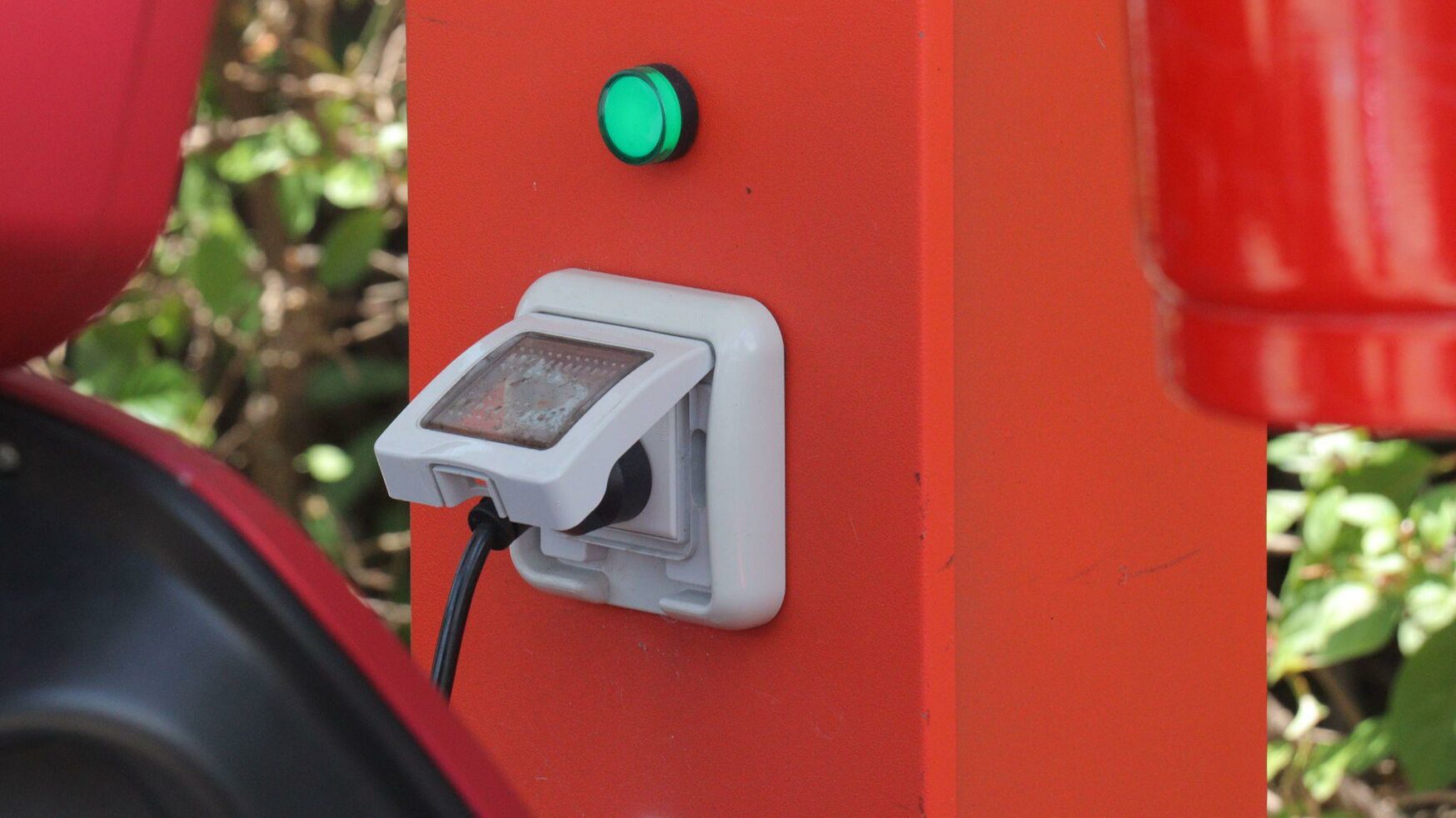
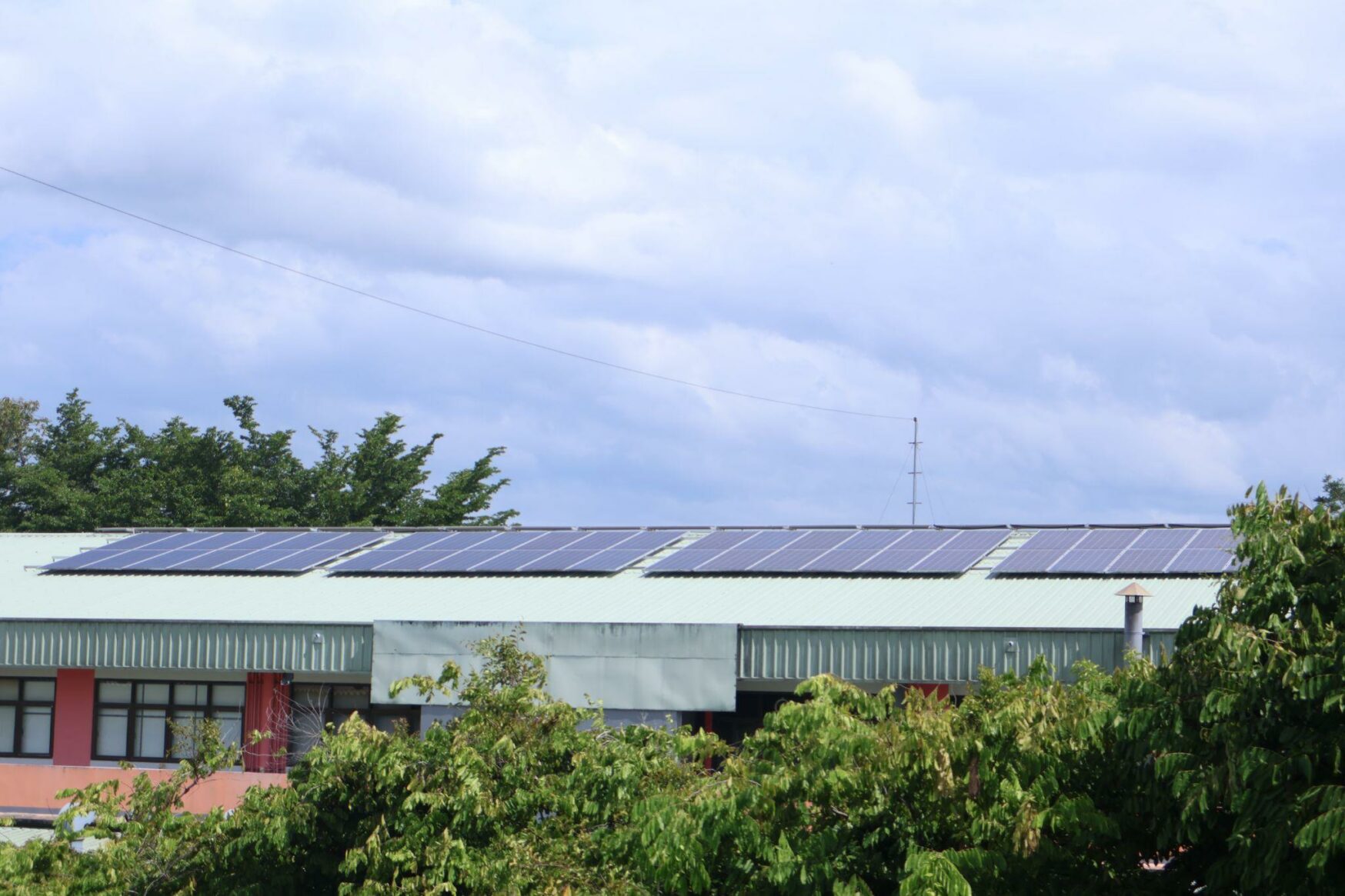
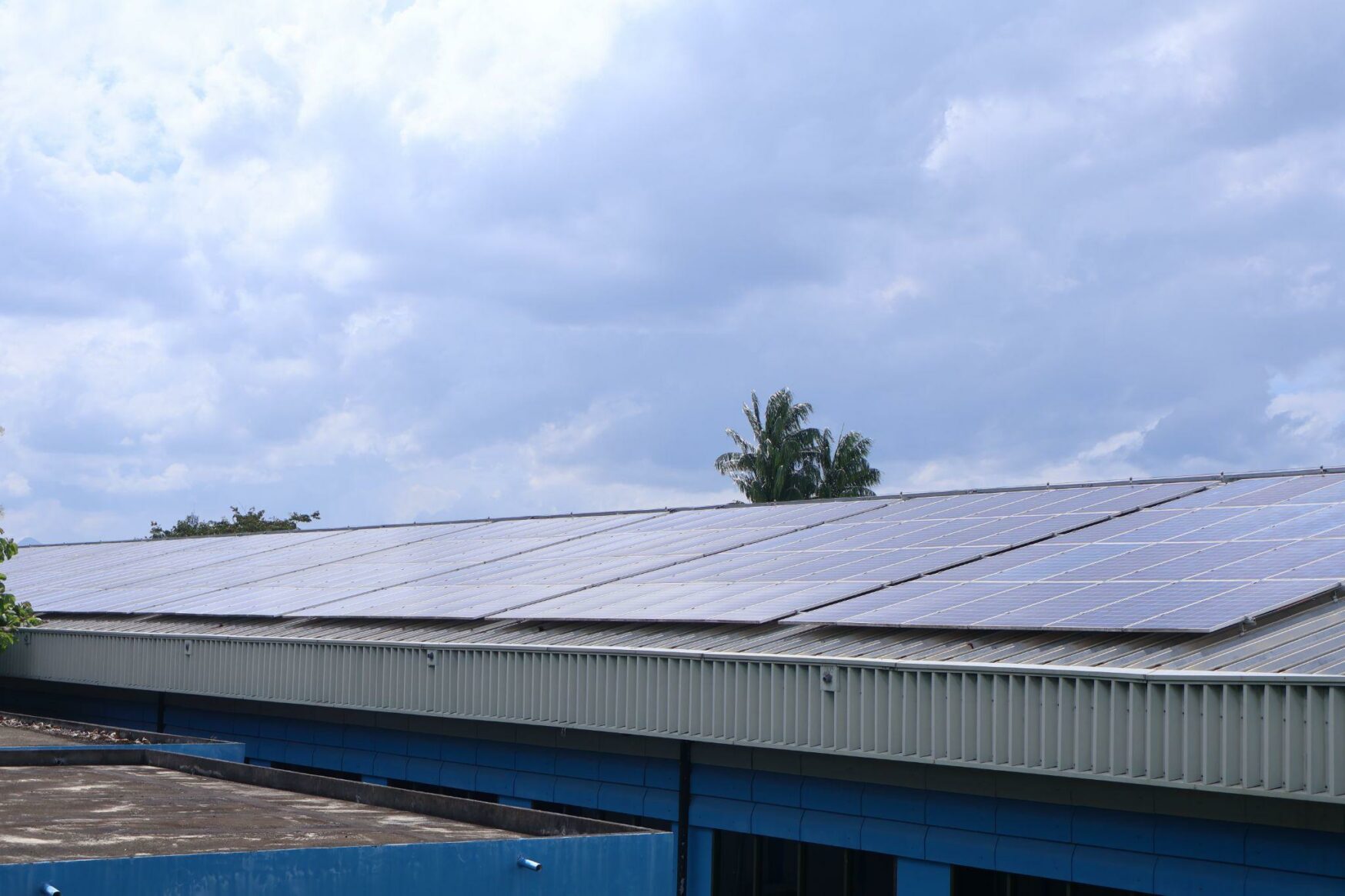
In 2024, Walailak University (WU) established nine electric vehicle (EV) charging stations for students, staff, and the public, demonstrating its commitment to promoting the use of electric transportation within the campus community. This initiative aligns with the university’s ongoing transition toward renewable energy solutions.
In 2024, Walailak University (WU) established nine electric vehicle (EV) charging stations for students, staff, and the public, demonstrating its commitment to promoting the use of electric transportation within the campus community. This initiative aligns with the university’s ongoing transition toward renewable energy solutions.
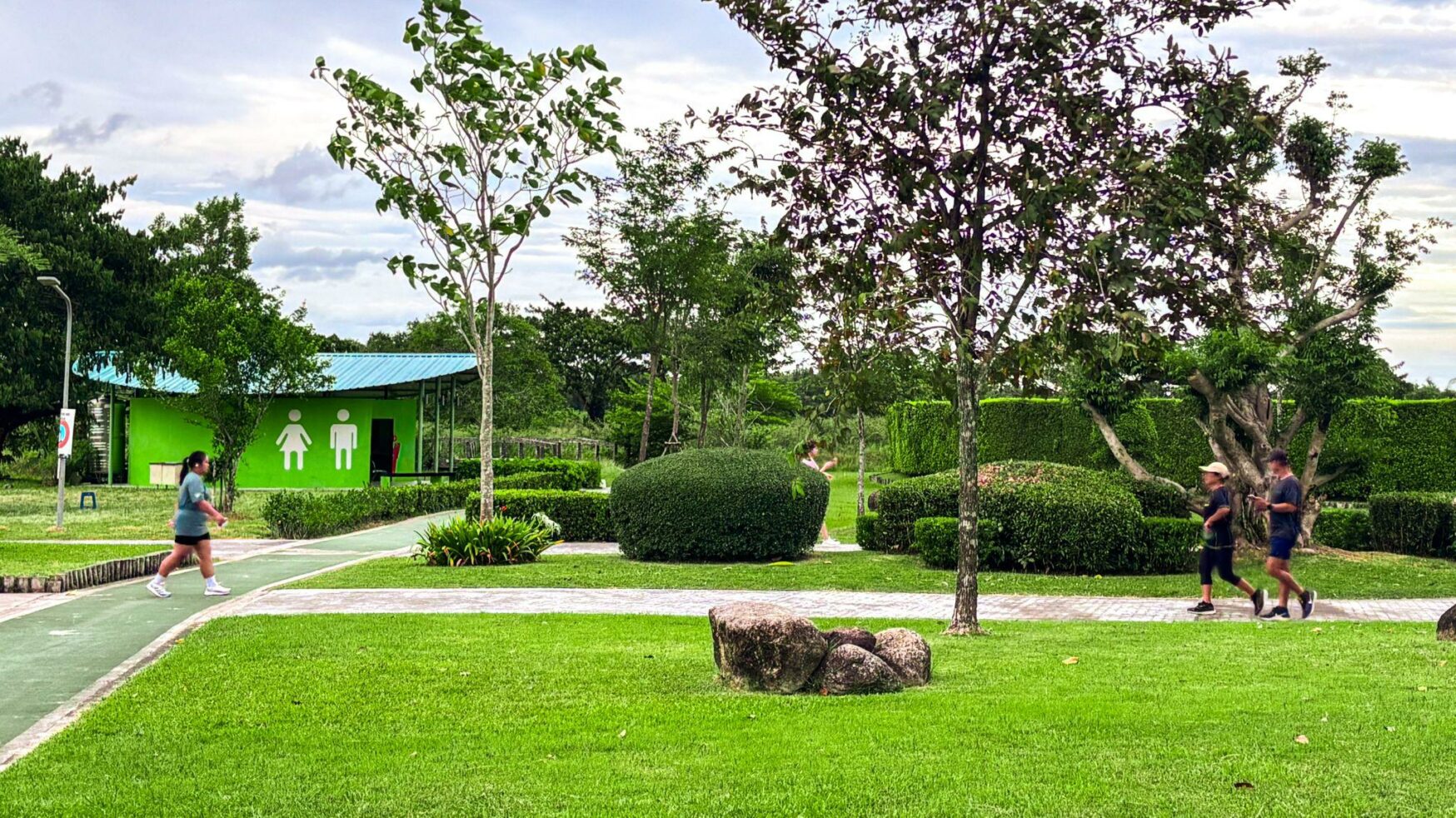
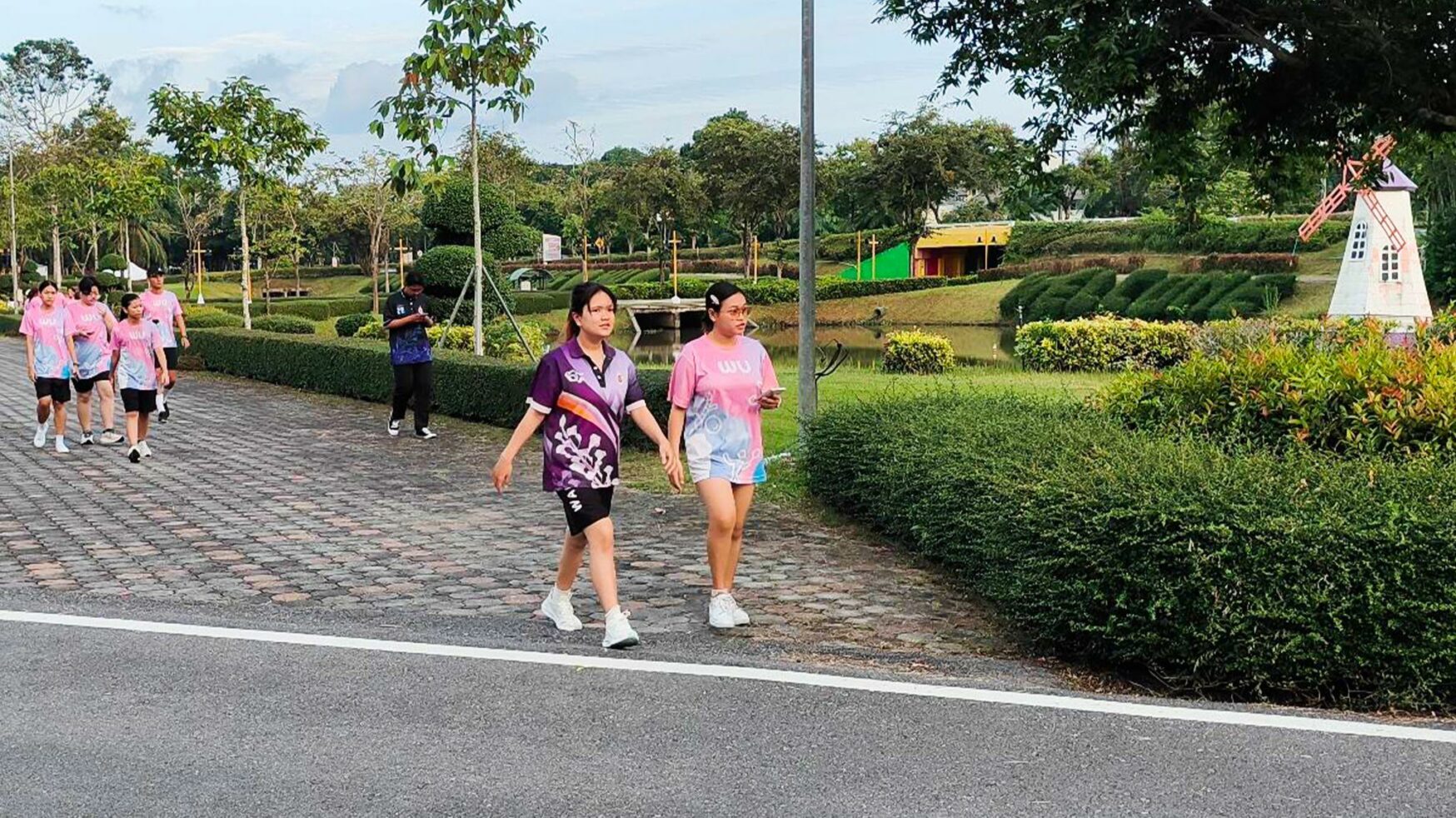
Pedestrian Walkways: Walailak University provides both covered and uncovered pedestrian walkways to support sustainable mobility across campus. These walkways encourage walking as a primary mode of transportation for the university community, promoting environmental responsibility and healthier lifestyles.
Restoration of Covered Walkways and Rest Pavilions
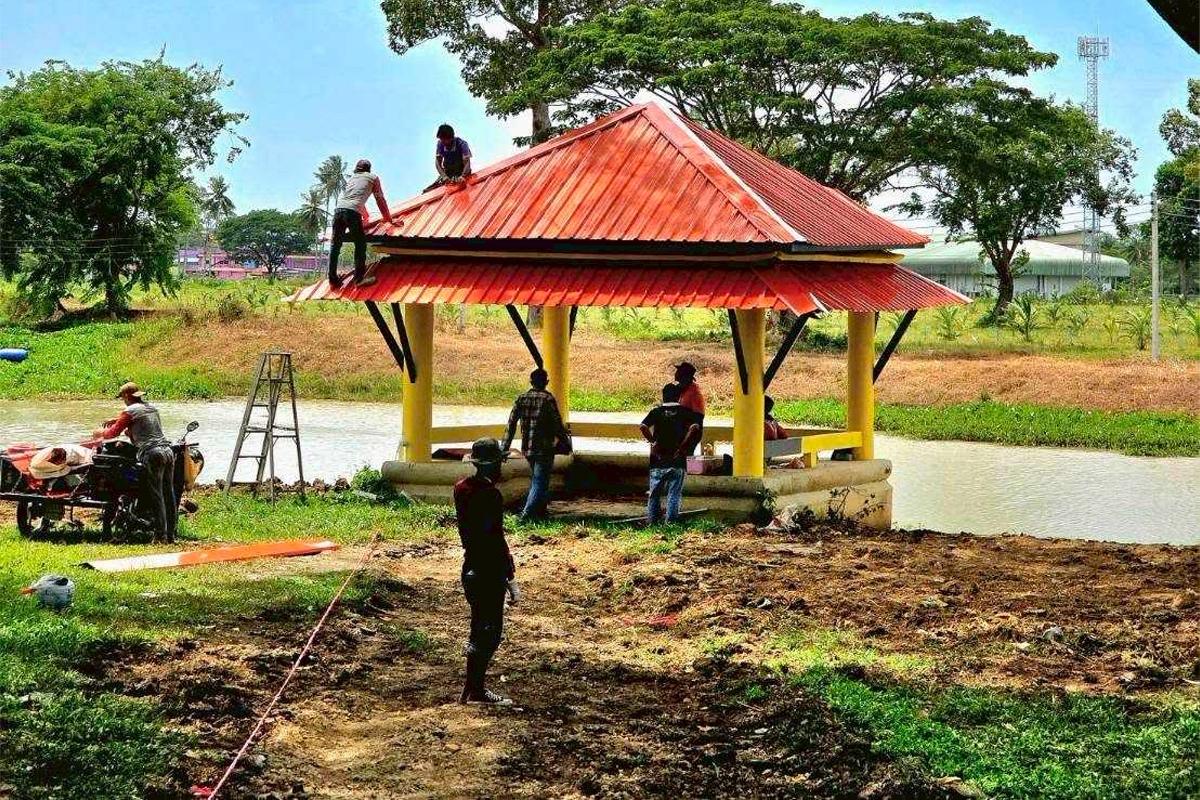
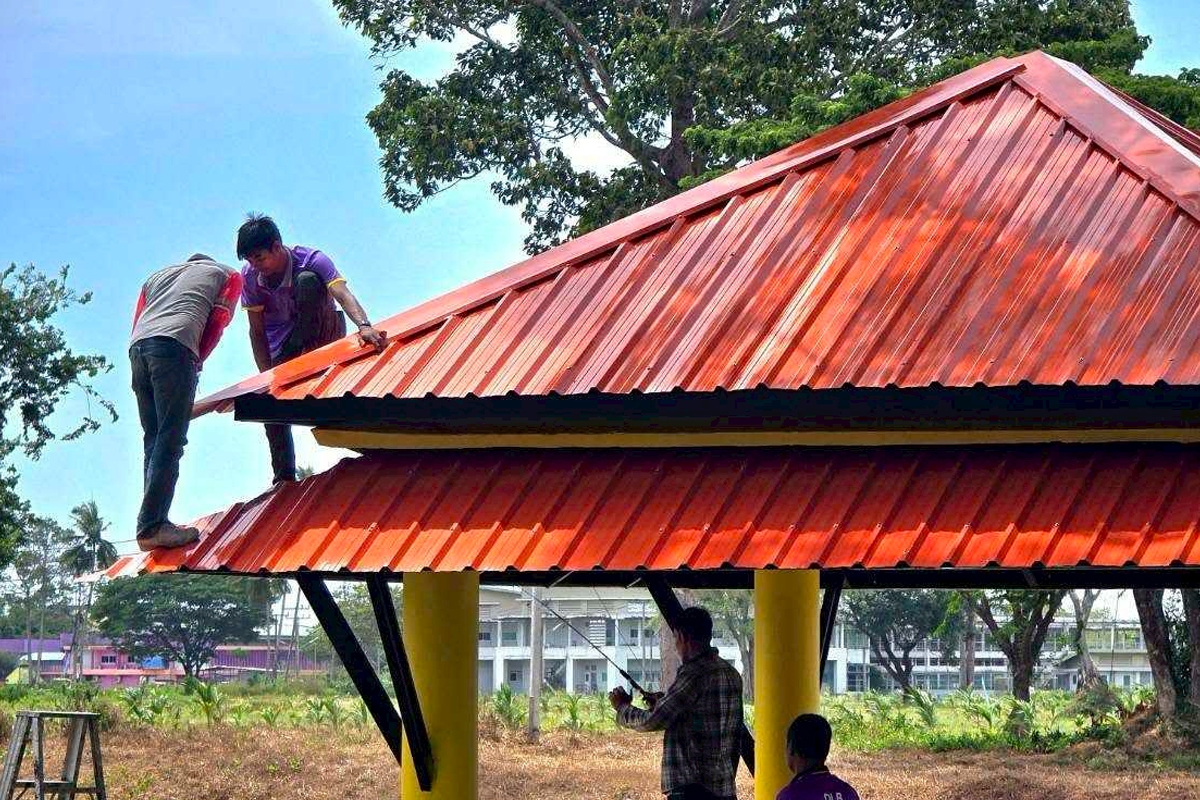
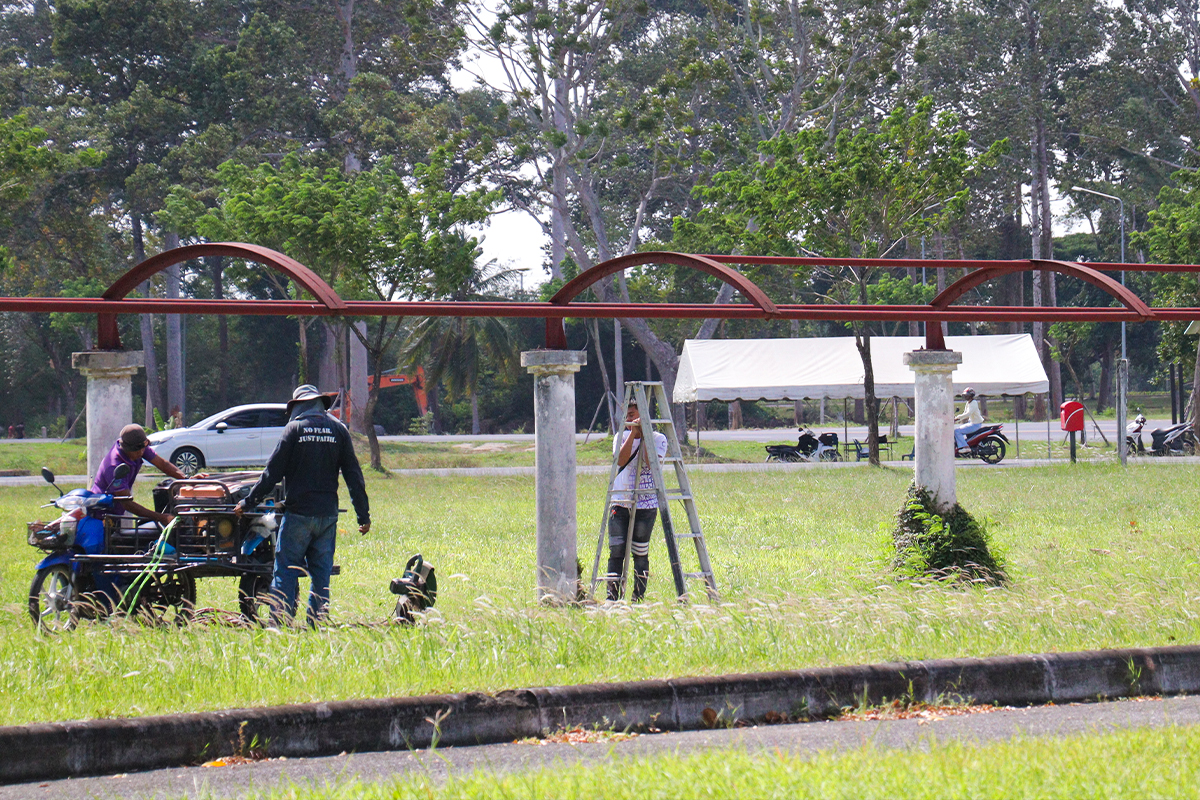
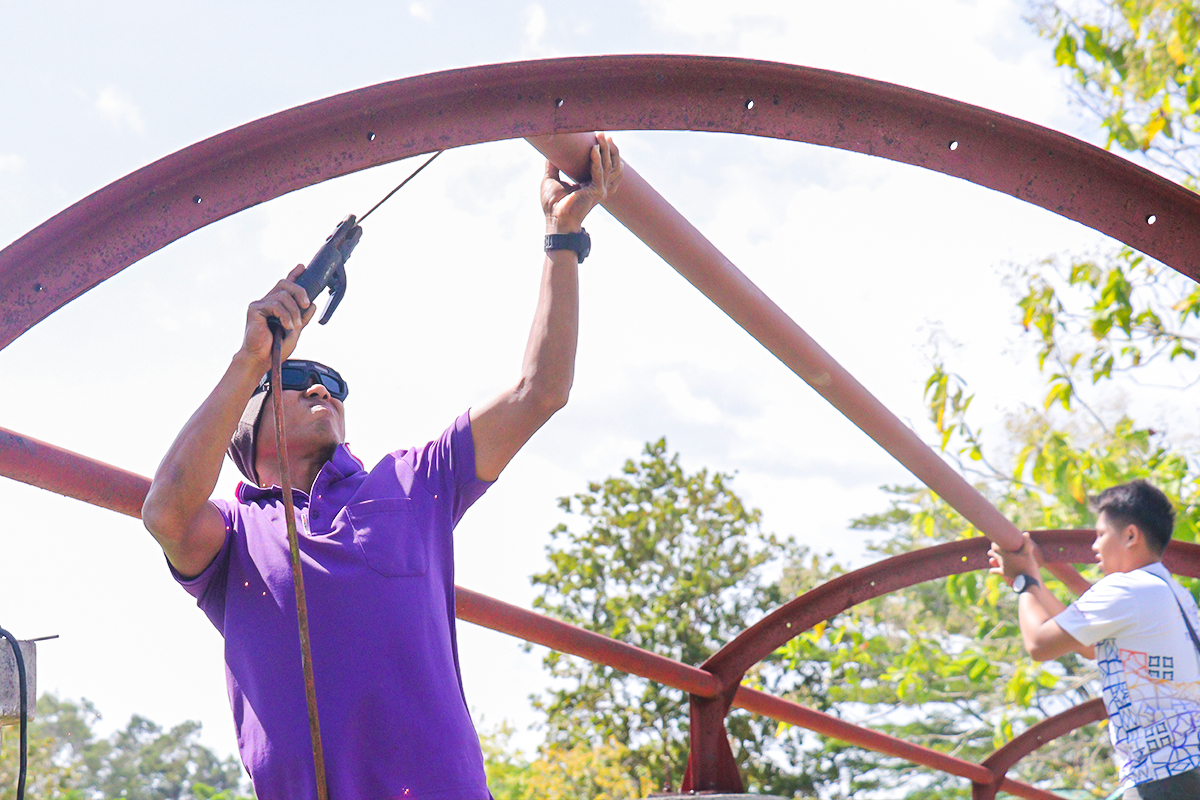
In 2024, Walailak University undertook the restoration of damaged covered walkways across the campus to enhance safety, comfort, and accessibility for students, staff, and the wider community. By maintaining these pedestrian-friendly pathways, the university encourages walking as a sustainable commuting option and helps reduce reliance on fossil fuel-powered vehicles. Safe and convenient walkways not only connect academic and administrative buildings but also contribute to creating a healthier and more environmentally friendly campus.
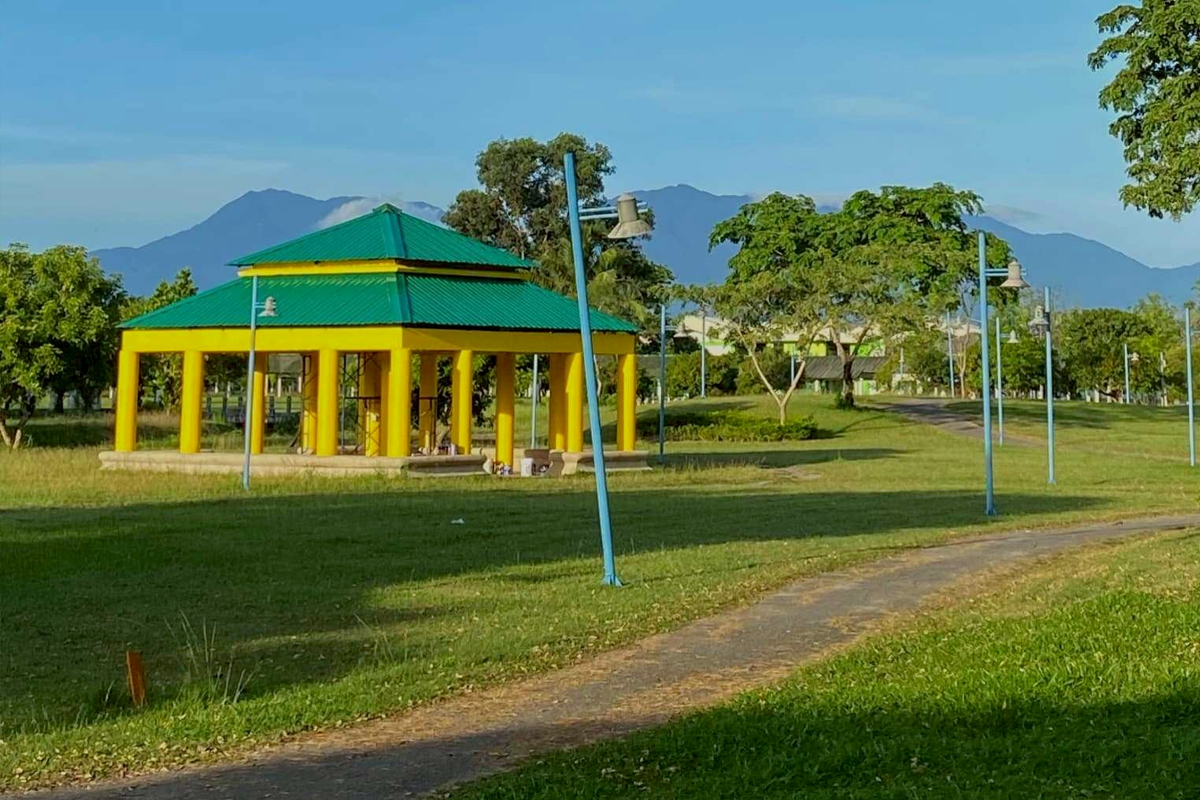
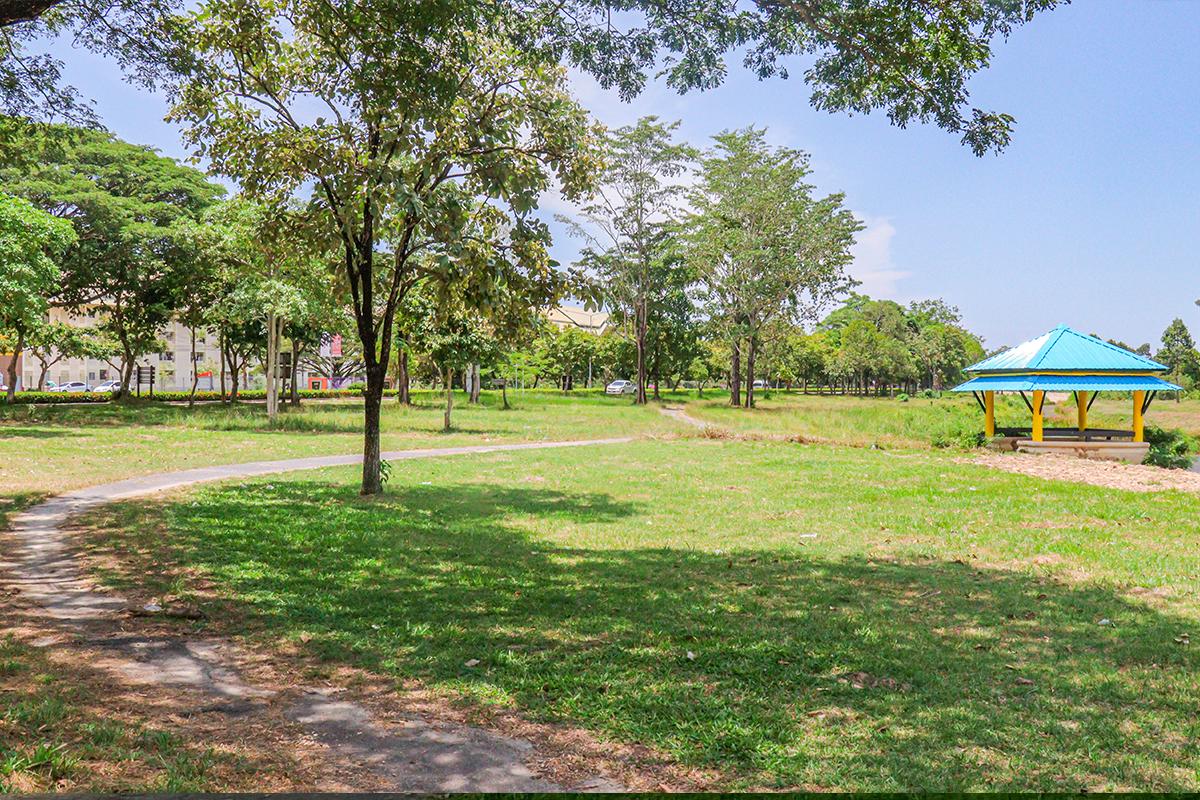
In addition, the university restored several rest pavilions situated along walking and jogging routes. These pavilions provide shaded resting areas for students, staff, and visitors, particularly those engaged in exercise such as running or cycling. To further promote active lifestyles, WU also landscaped and beautified the surrounding areas, creating pleasant, green spaces that motivate the community to choose walking and other low-carbon travel modes. Through these improvements, Walailak University continues to integrate sustainability, well-being, and campus livability into its development strategy.
Buspool and Vanpool Services
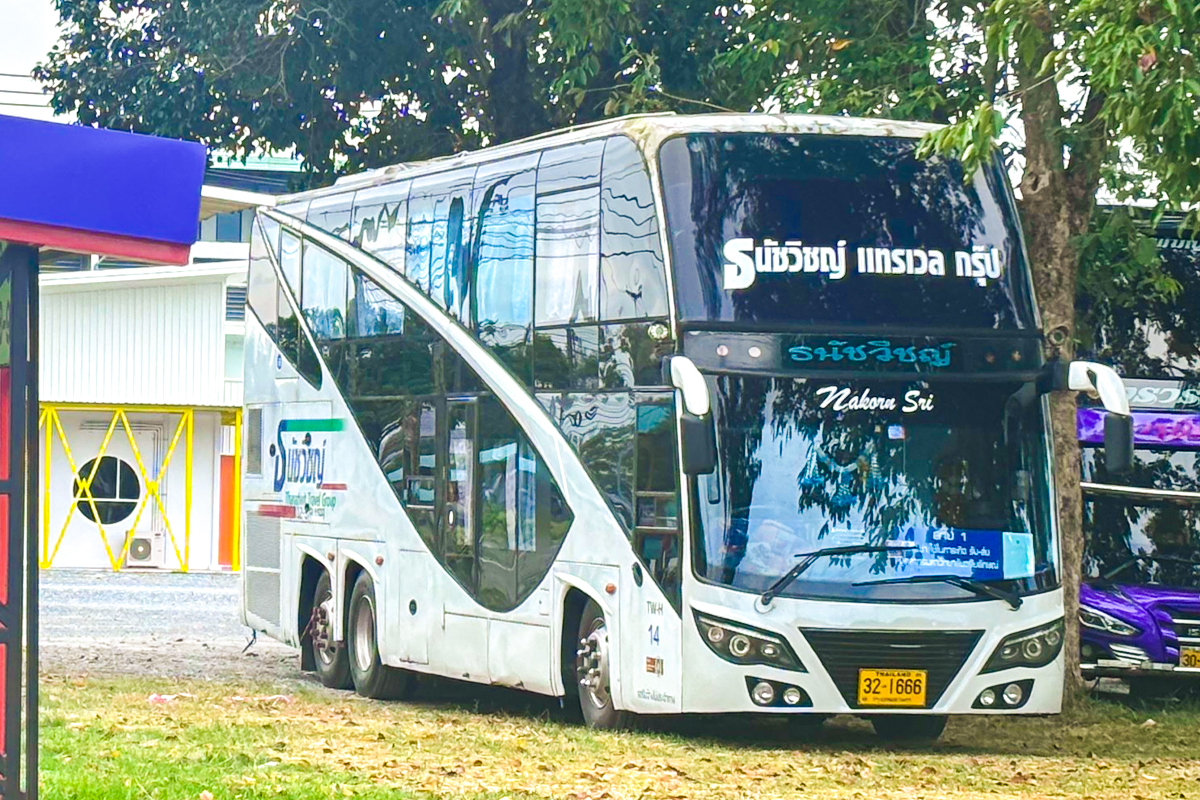
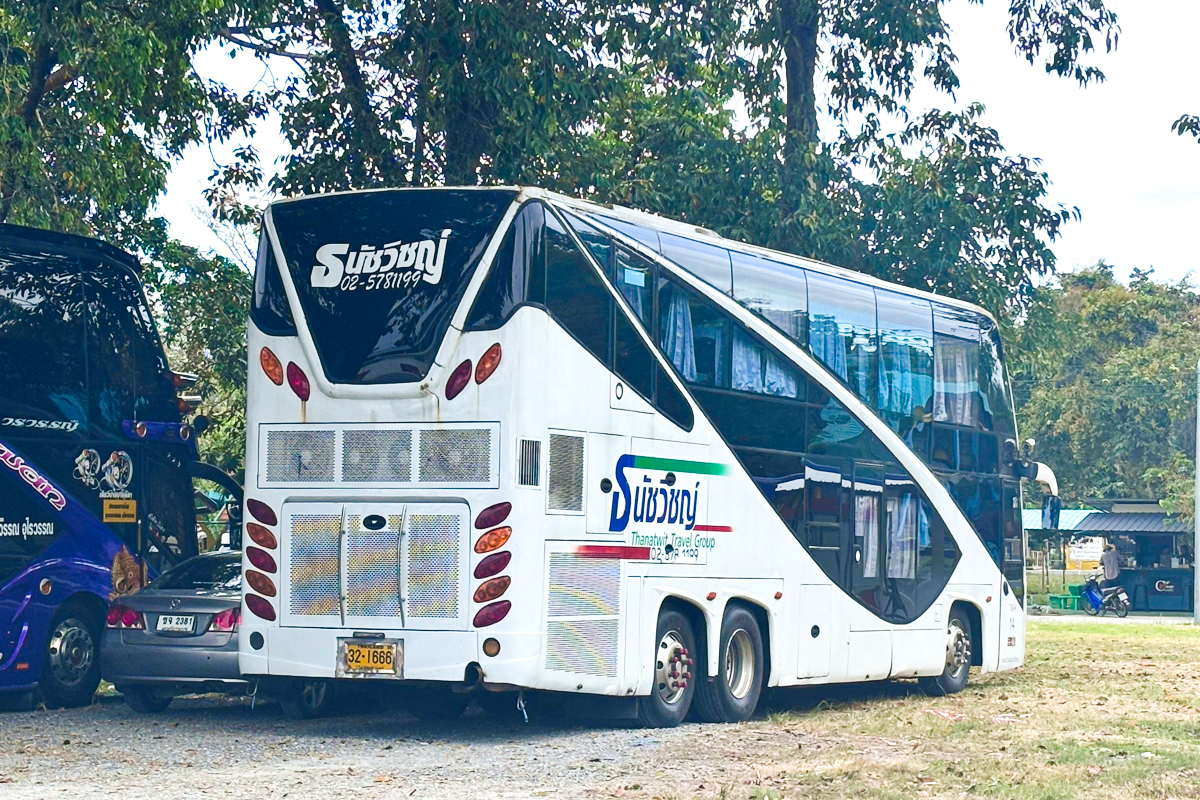
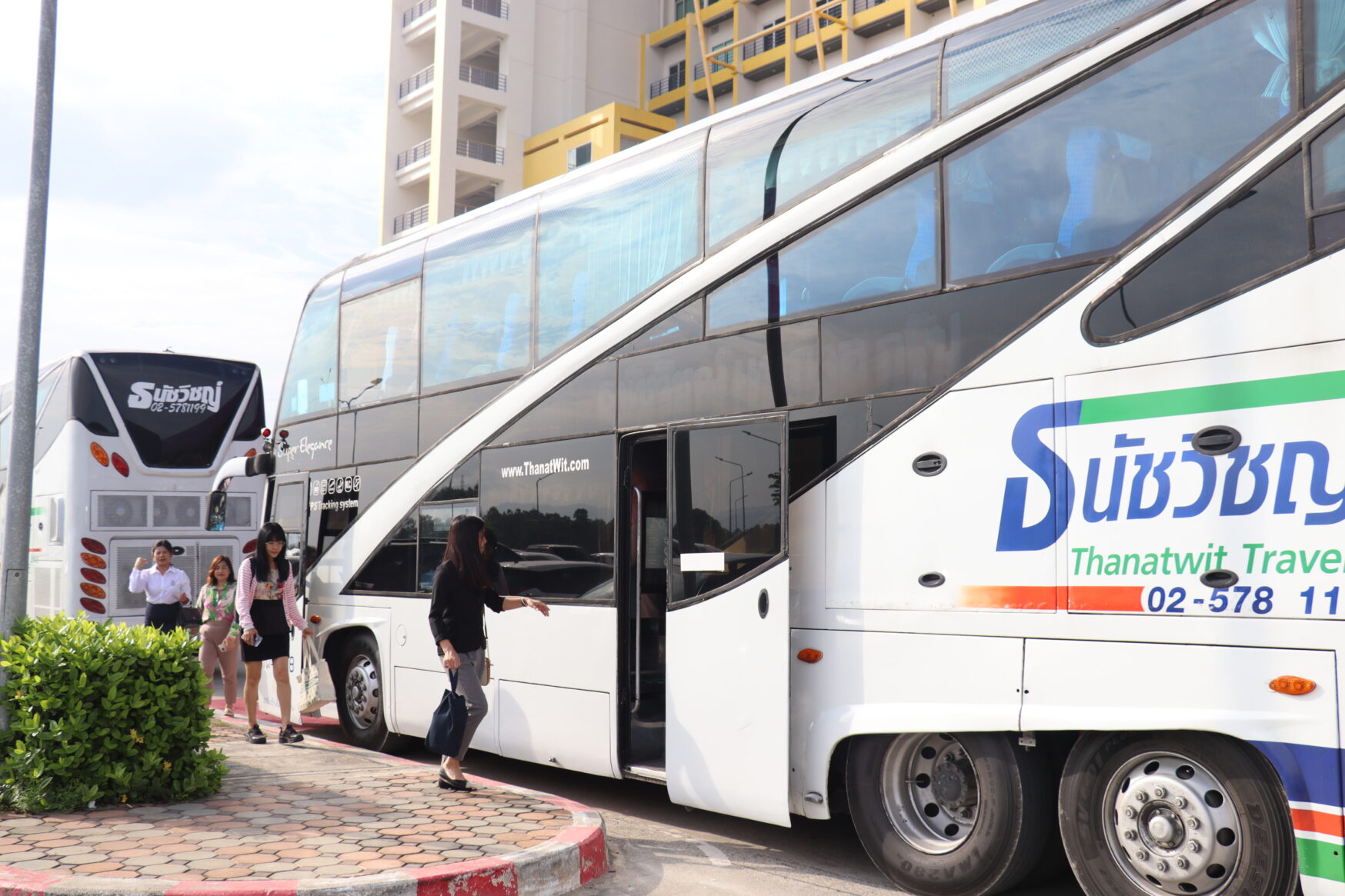
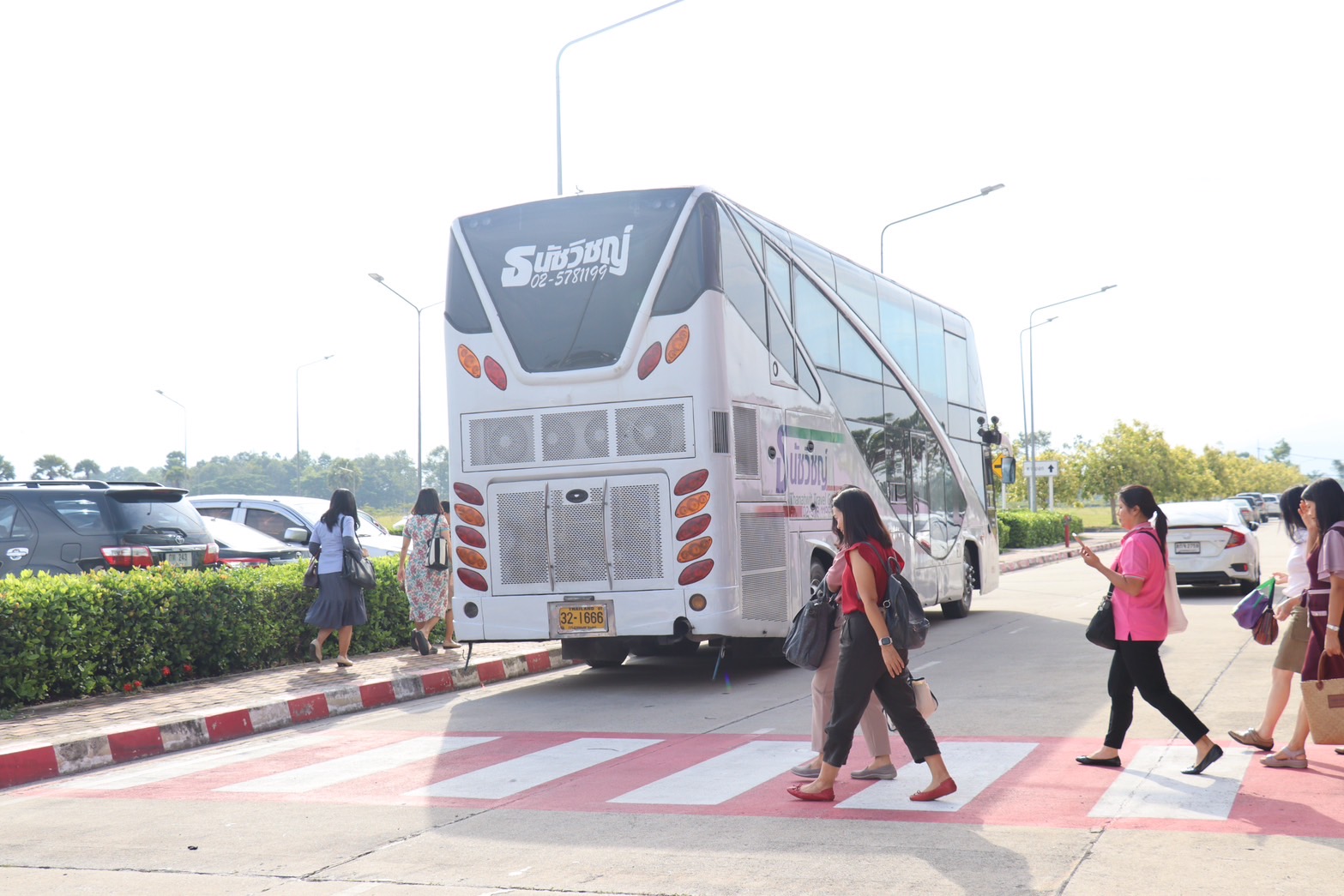
Walailak University offers buspool and vanpool services to support staff commuting from their hometowns to the campus. By reducing the number of private vehicles, these services help ease traffic congestion and lower carbon emissions, as they cover all major routes commonly used by staff. To further encourage participation, the university provides the service at an affordable rate of only 500 baht per month, making sustainable commuting both accessible and cost-effective.
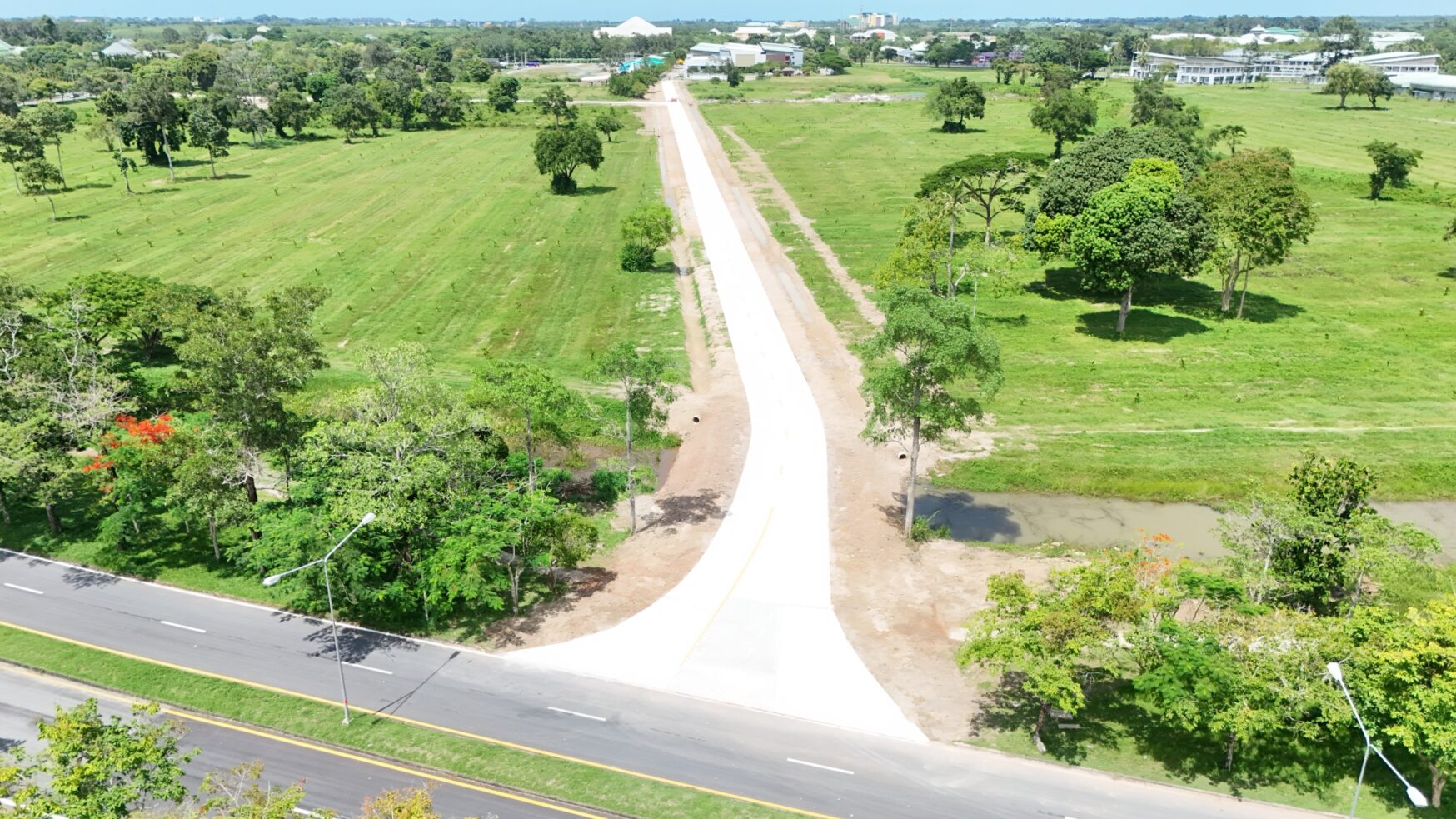
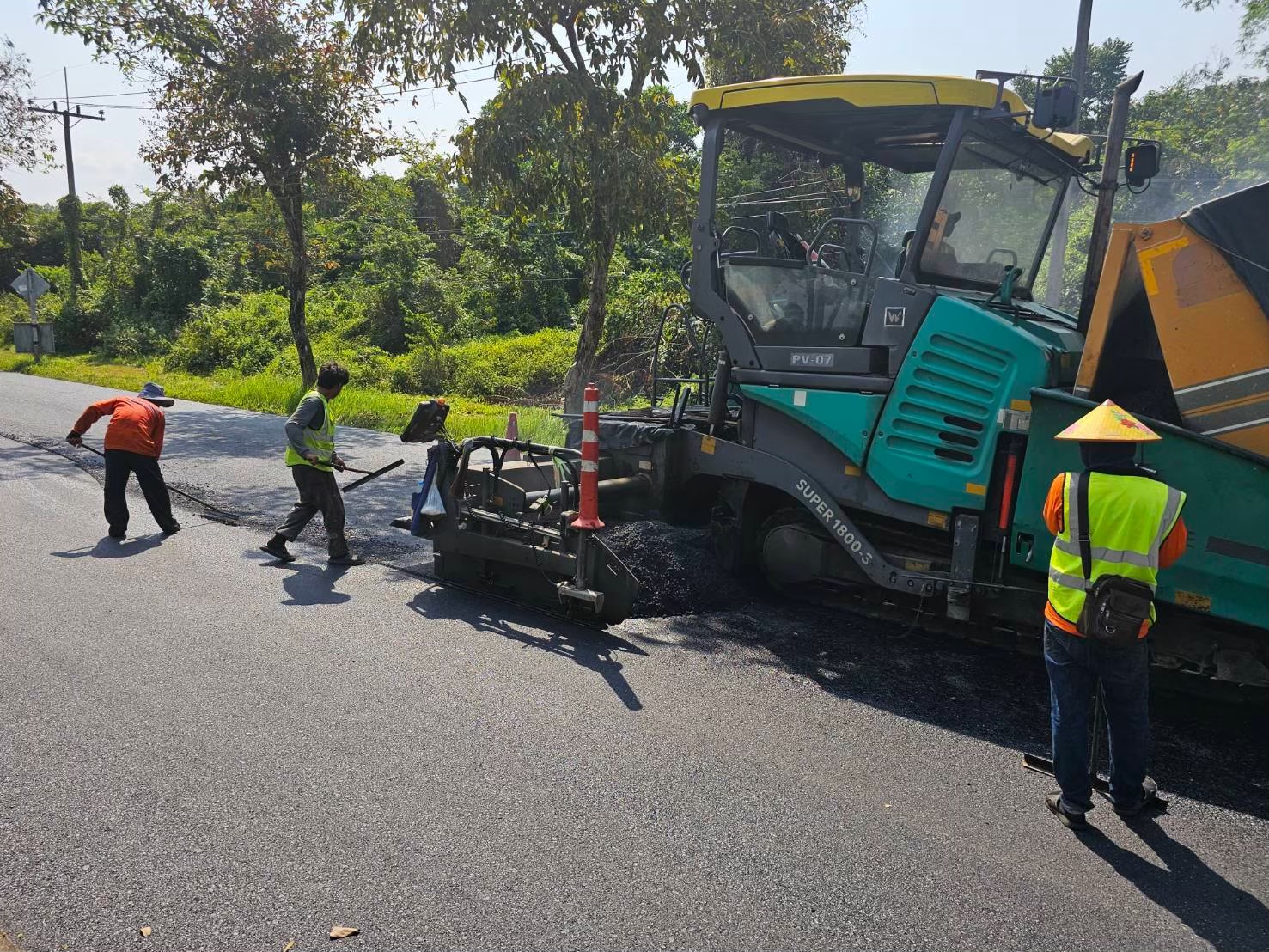
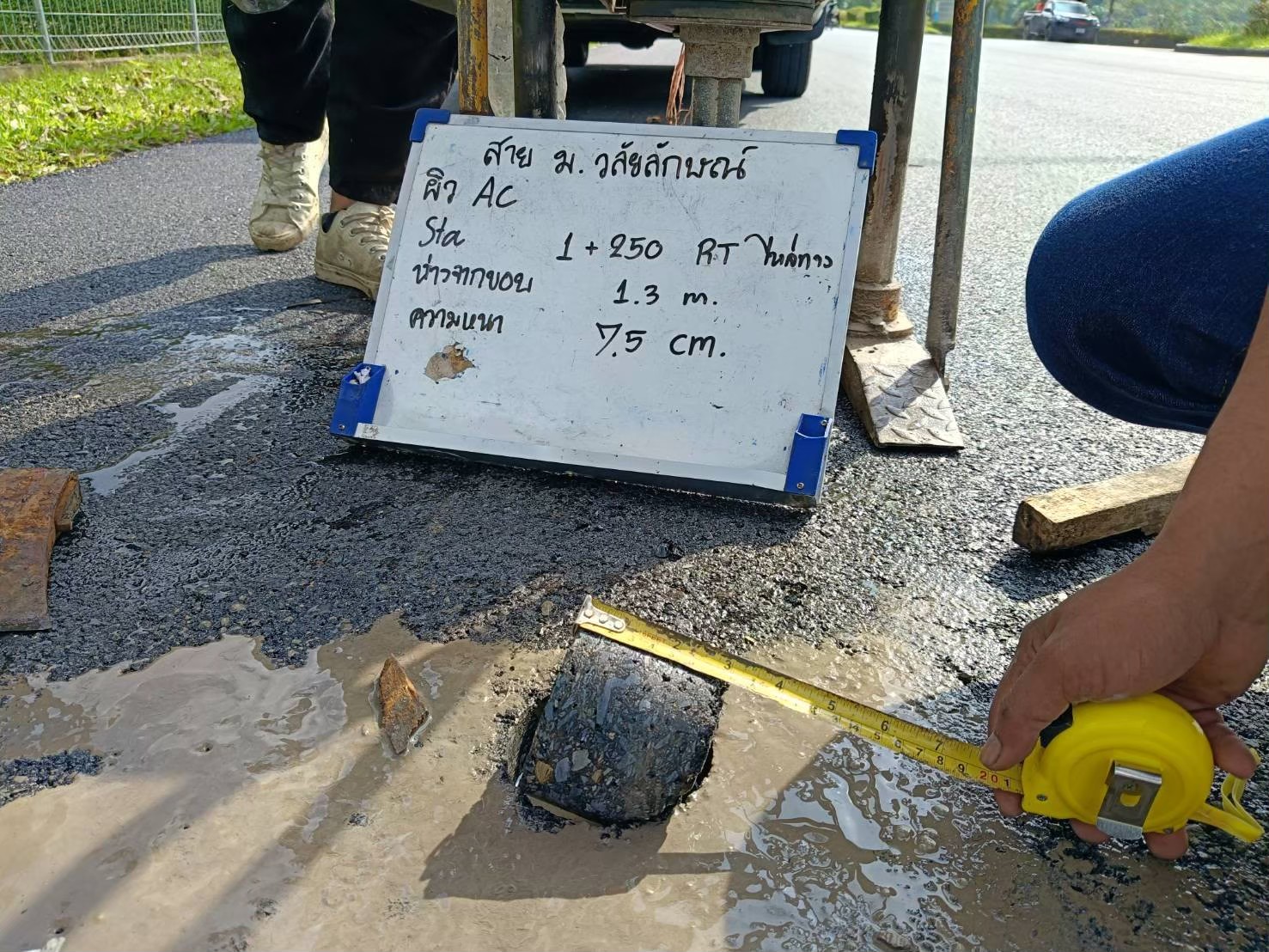
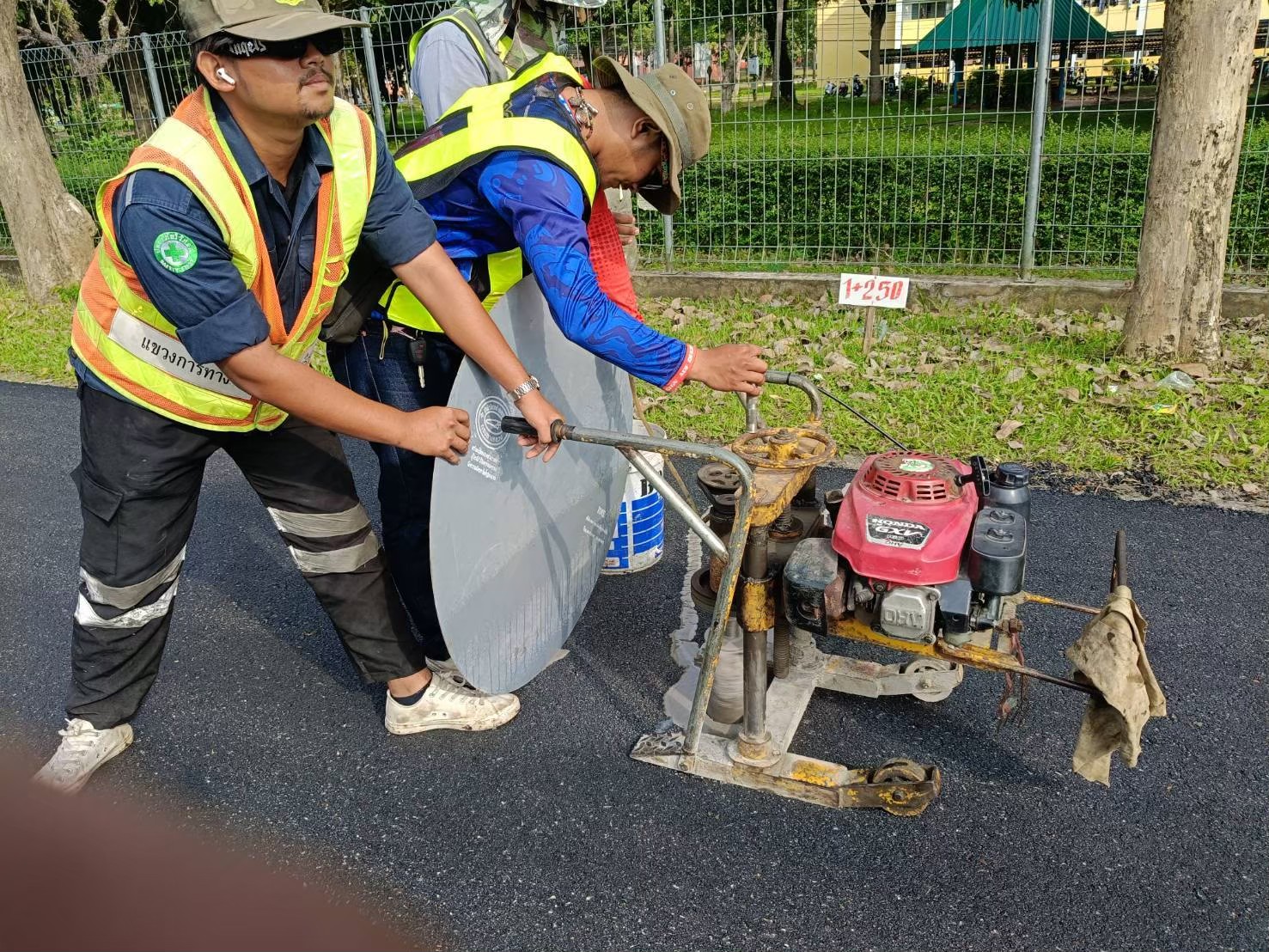
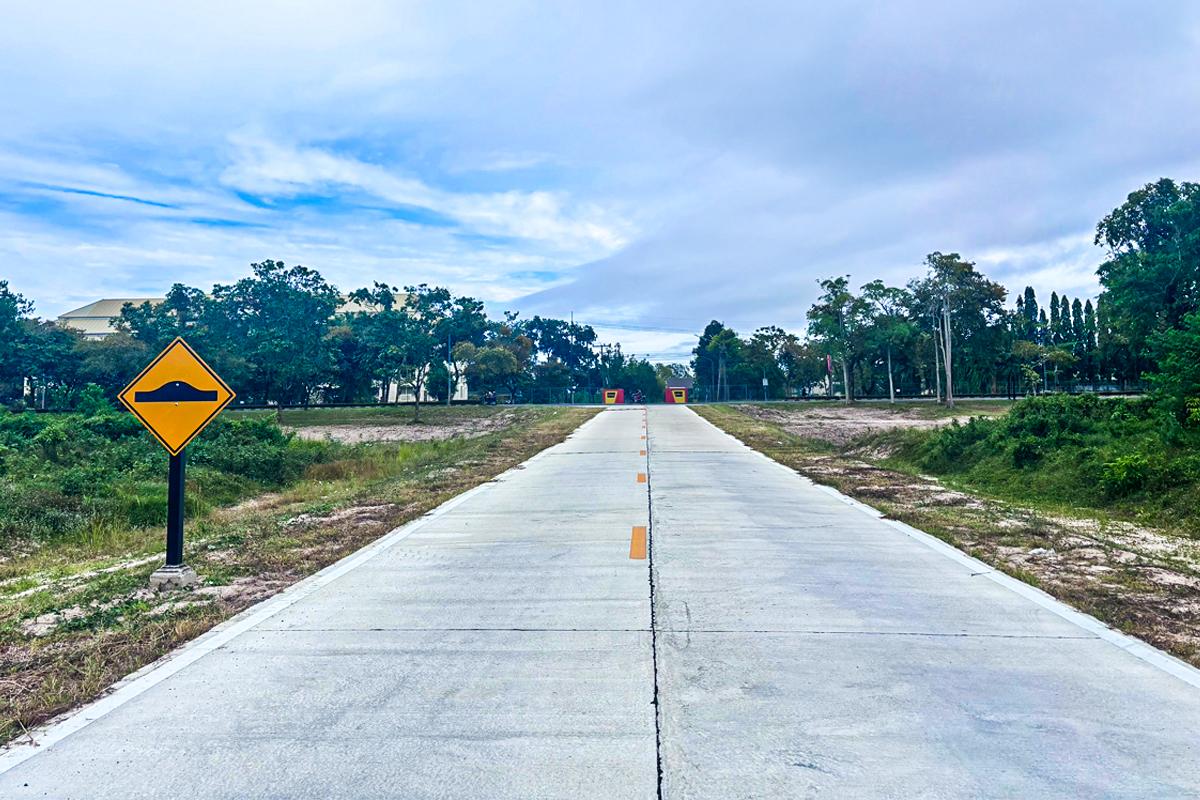
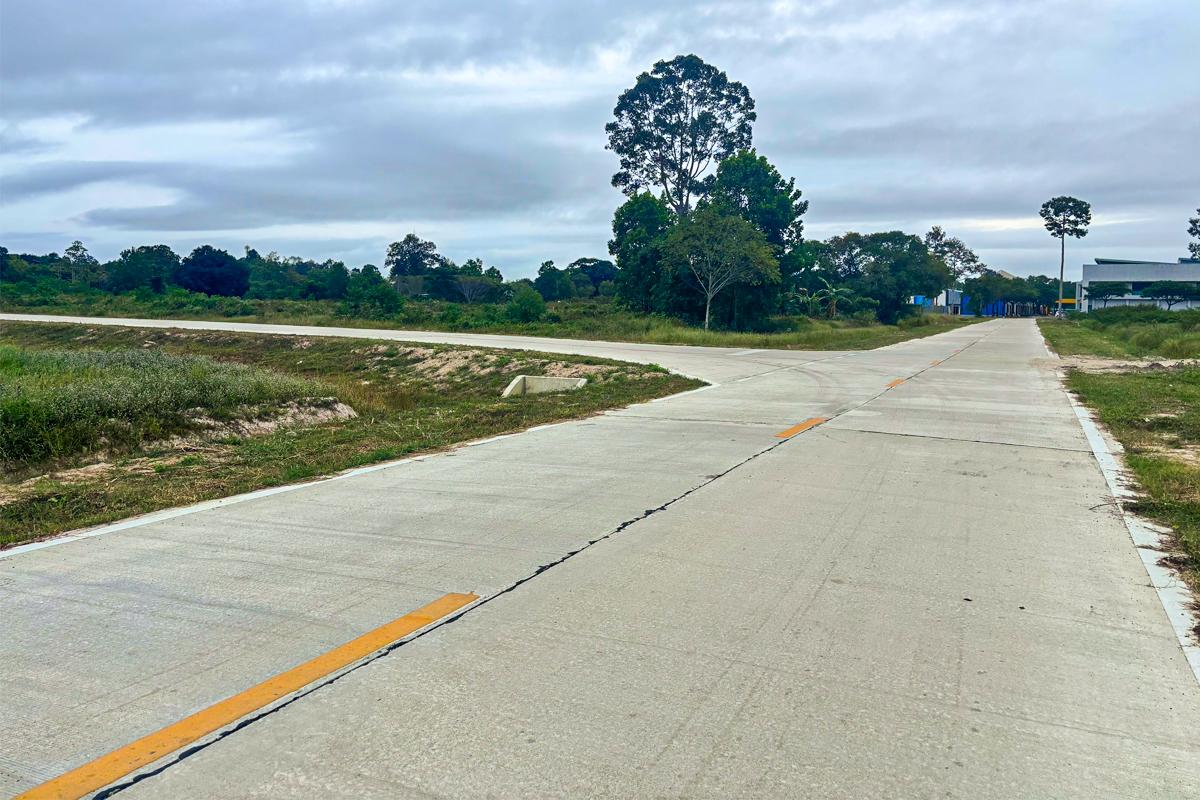
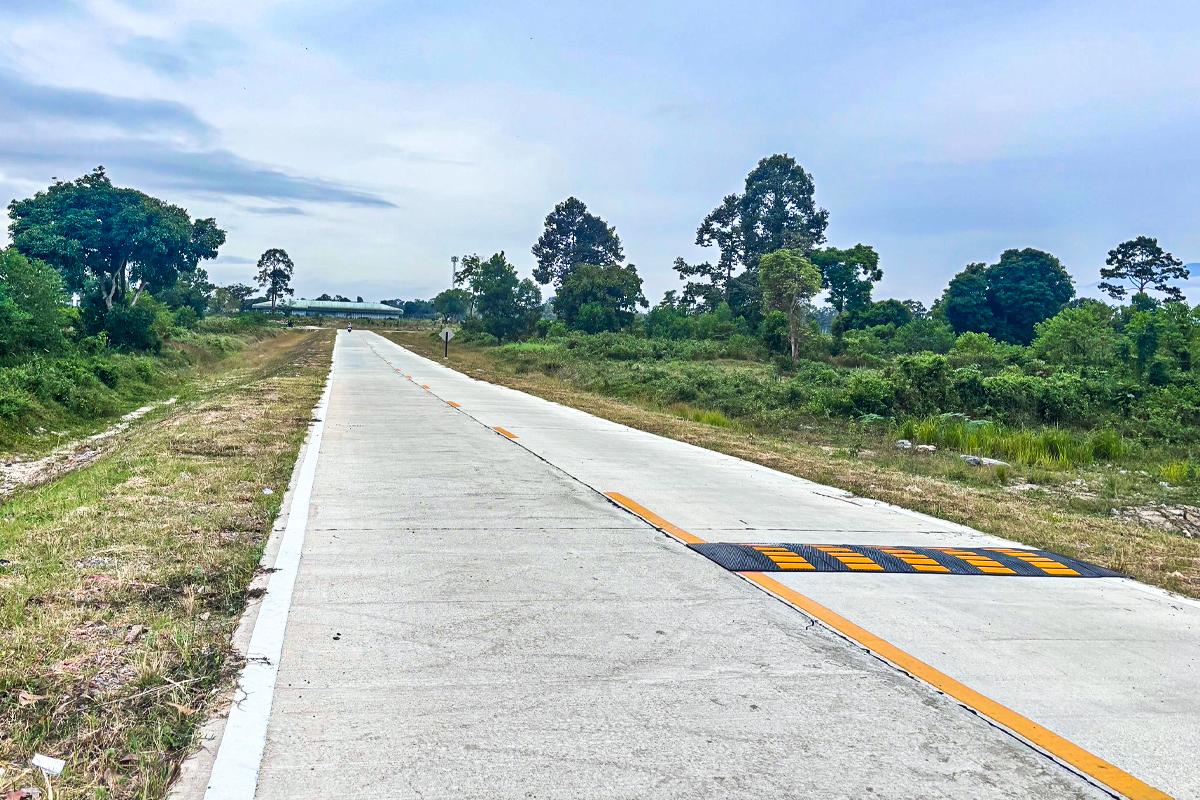
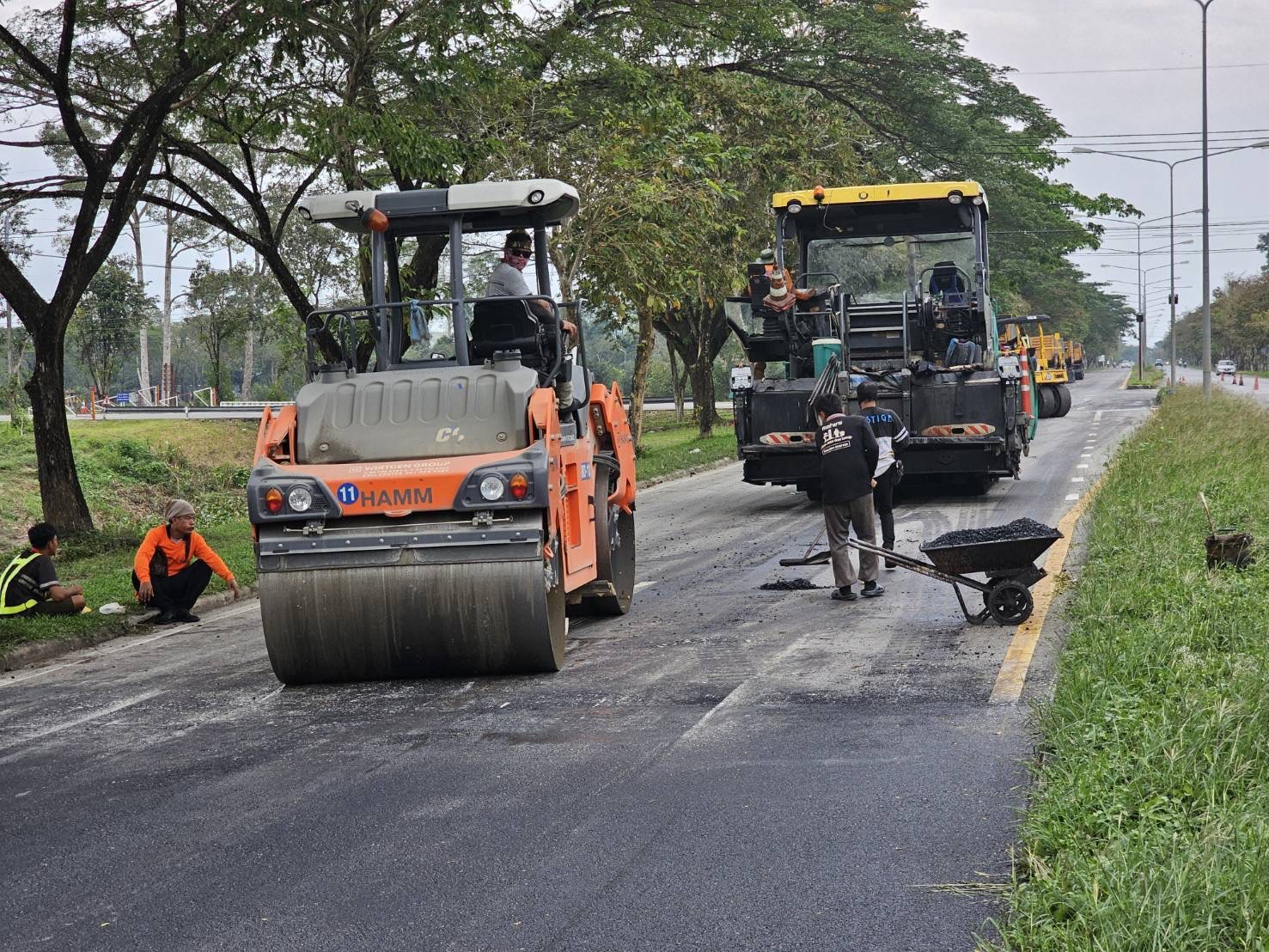
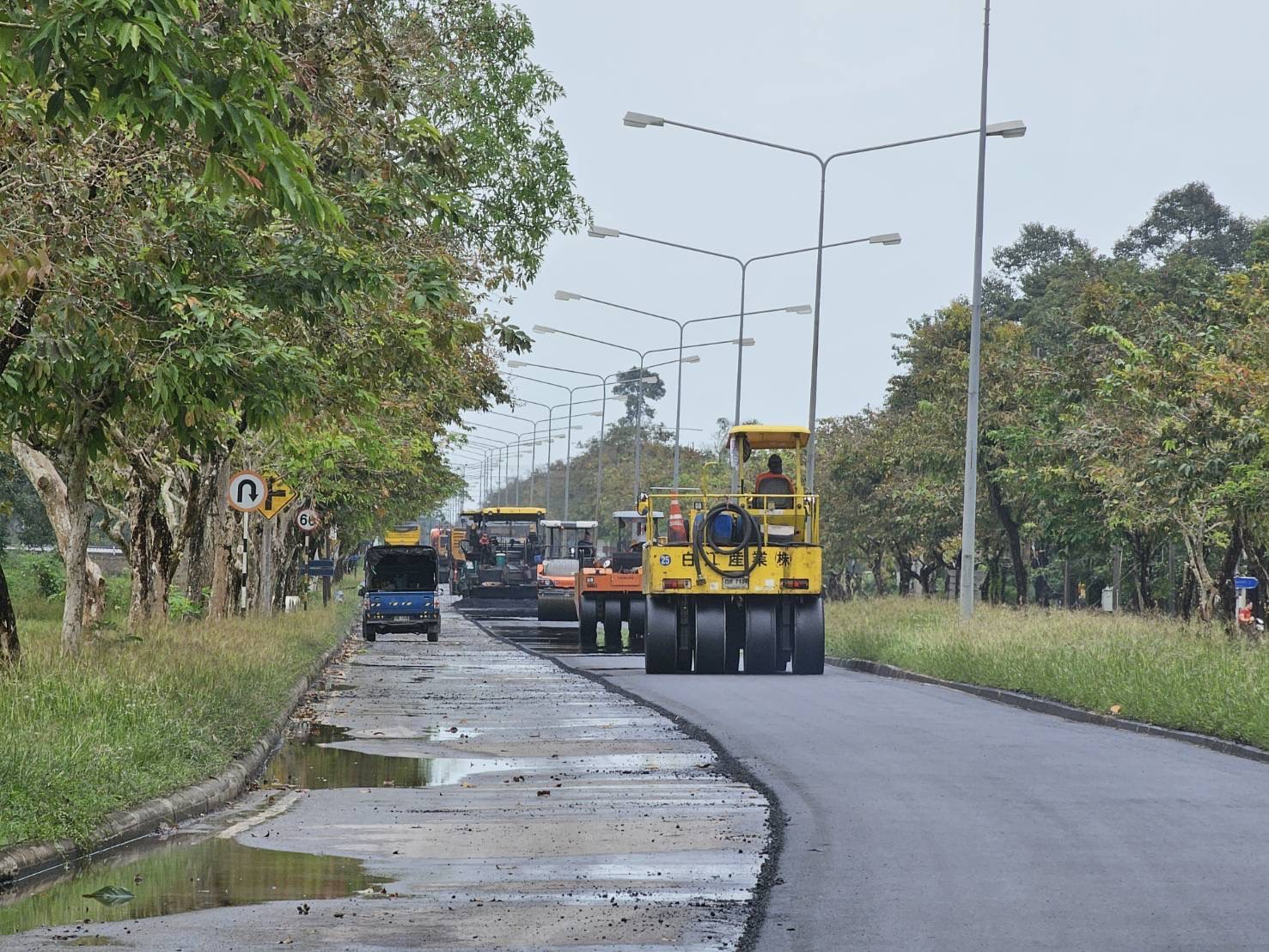
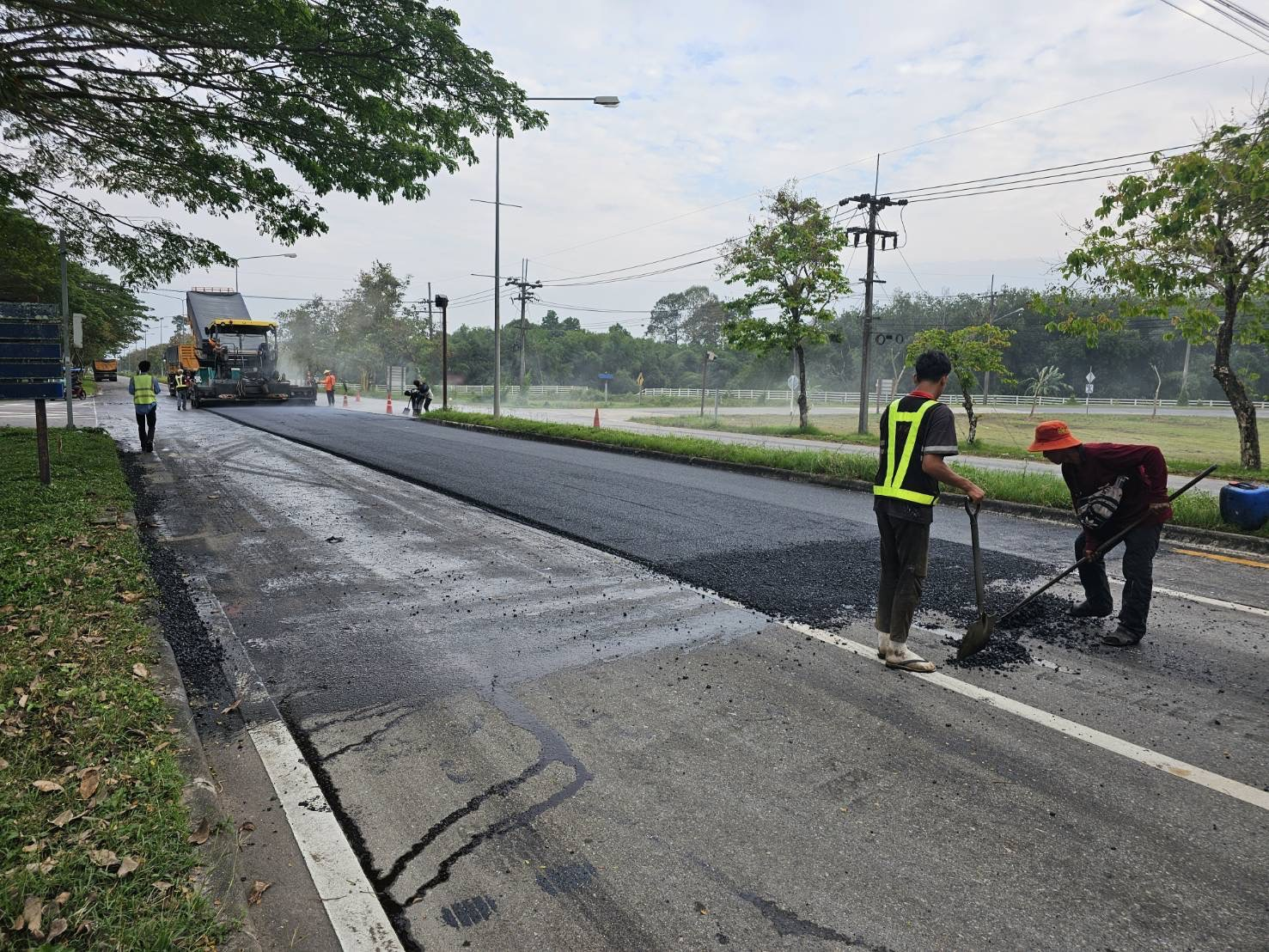
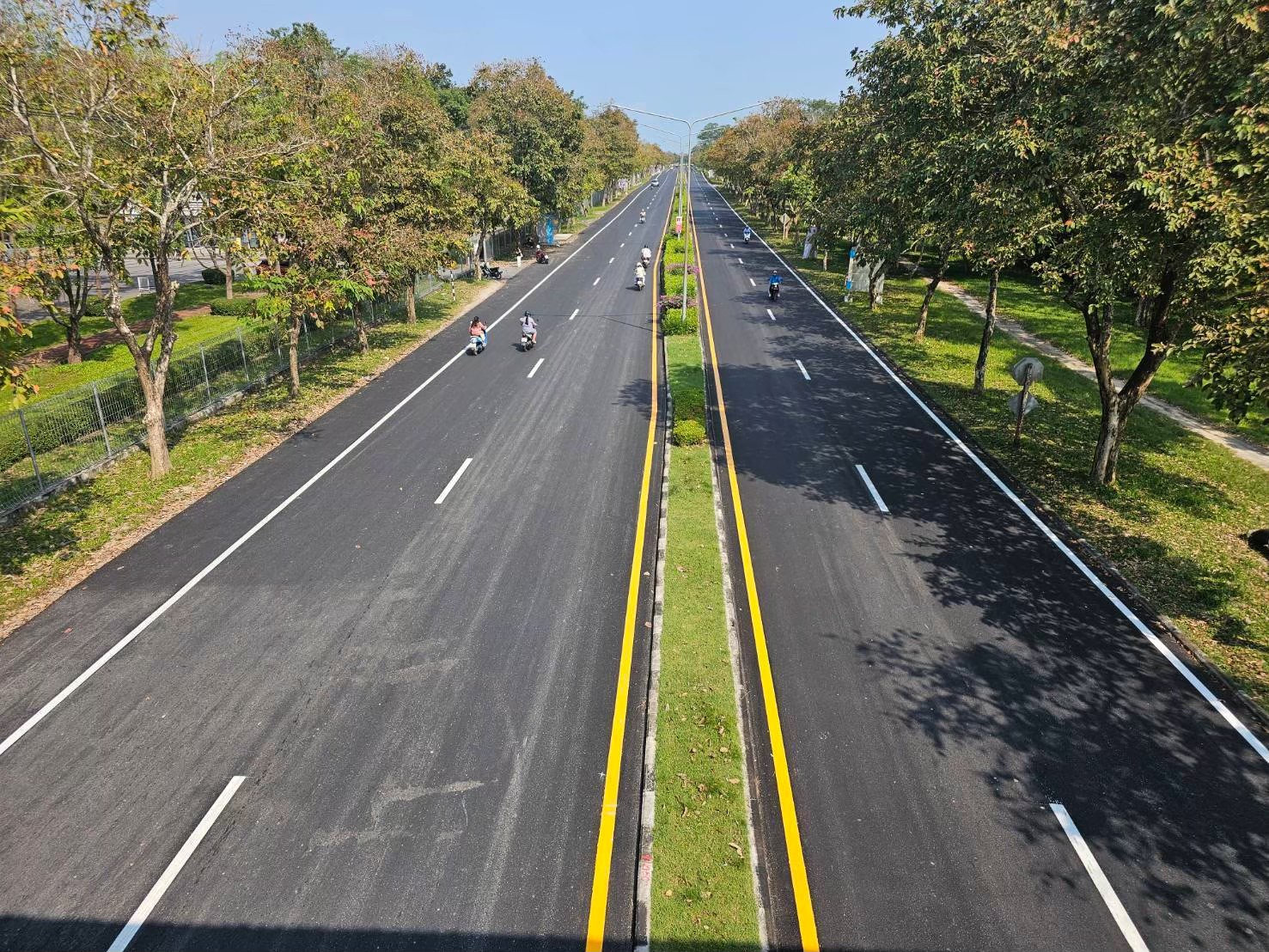
Walailak University has upgraded its internal road network to improve safety, reduce accidents, and provide more efficient and convenient travel for all commuters. These enhancements not only promote transportation efficiency but also help raise the quality of life for students, staff, and the surrounding community. The initiative includes repairing damaged road surfaces, implementing measures to prevent flooding, and improving overall user satisfaction. Through these efforts, Walailak University demonstrates its commitment to developing safe, reliable, and sustainable transportation infrastructure.
Walailak University’s sustainable commuting initiatives are guided by a systematic process of diagnostic, development, engagement, and measurement. Through diagnostic assessment, the university identifies mobility challenges and opportunities for low-carbon transport. Development is reflected in the expansion of electric shuttle services, walkways, bicycle routes, and EV infrastructure that enhance accessibility and reduce emissions. Strong engagement from students, staff, and visitors drives behavioral change toward greener commuting choices. Finally, continuous measurement of usage data, emission reductions, and commuter satisfaction ensures effective monitoring and ongoing improvement—strengthening WU’s role as a leading model for sustainable and environmentally responsible campus mobility.