Technology Development and Adaptation for Remote Work at Walailak University
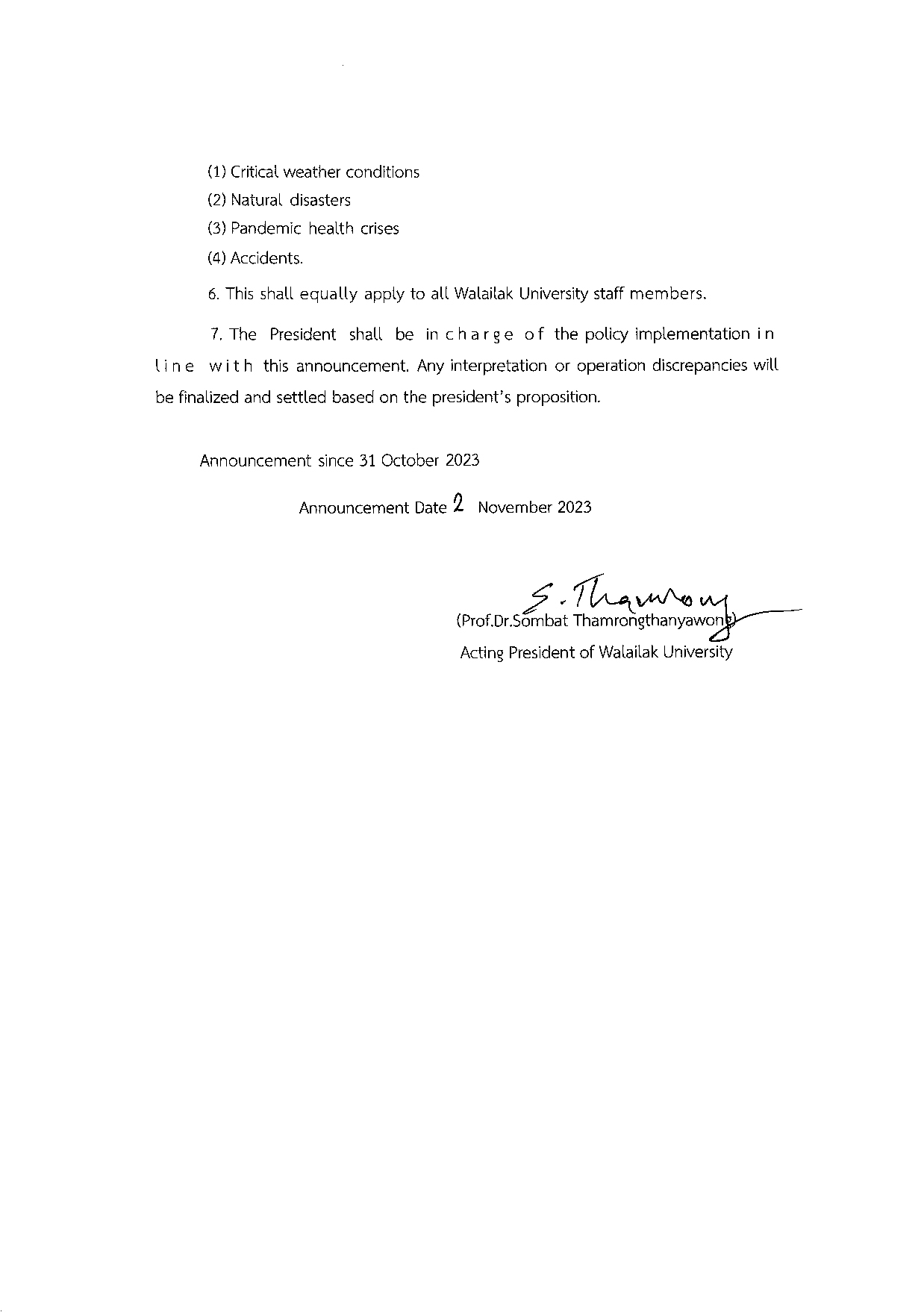
At Walailak University, the Policy on Remote Working has been in place as part of its ongoing commitment to environmental sustainability and staff well-being. The policy aims to promote flexible work arrangements among university staff, enabling remote work where applicable. Consequently, the university promotes and allows telecommuting or remote working for employees in accordance with tis policy. The university also provides guidelines encouraging staff to work efficiently, thereby reducing commuting time to the workplace. By reducing unnecessary daily commuting, the university not only alleviates traffic congestion on campus but also contributes to reducing greenhouse gas emissions associated with personal vehicle use.
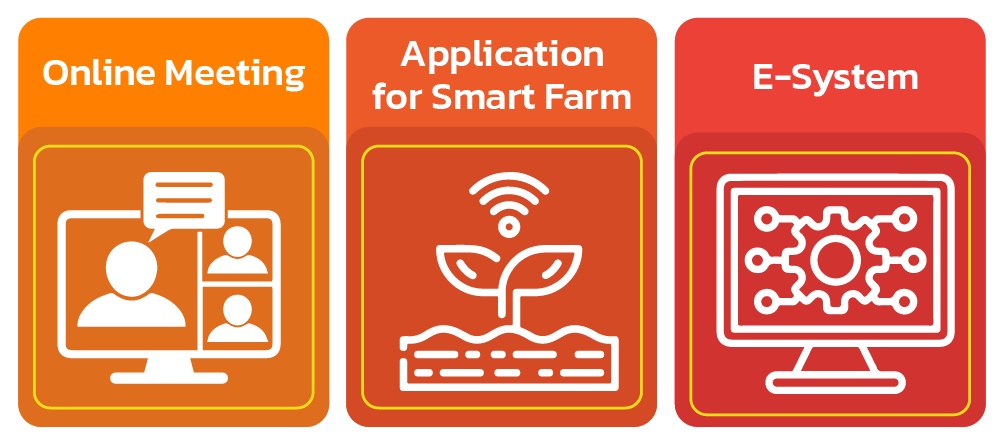
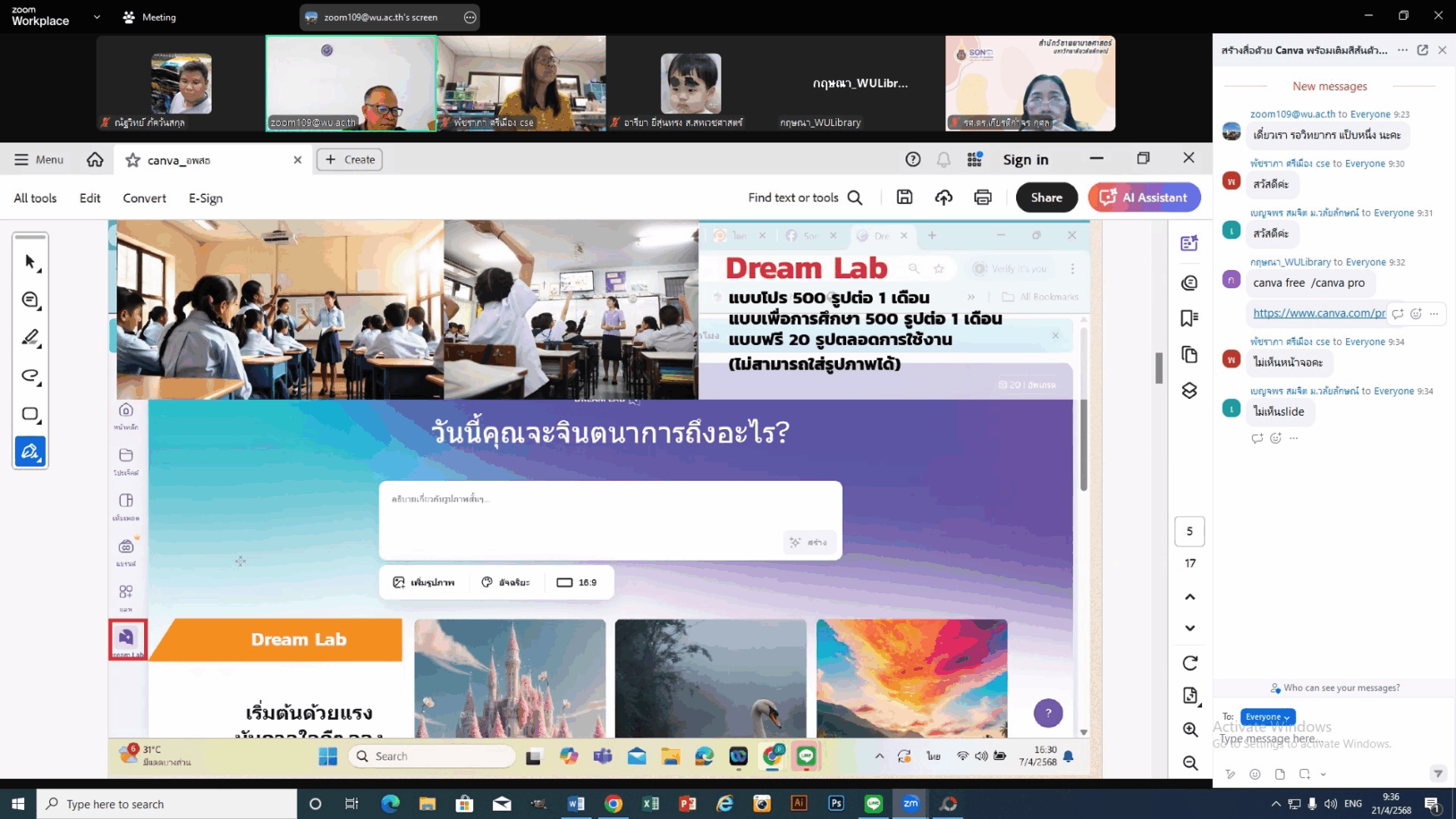
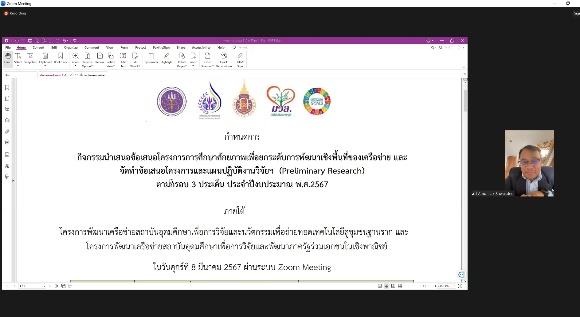
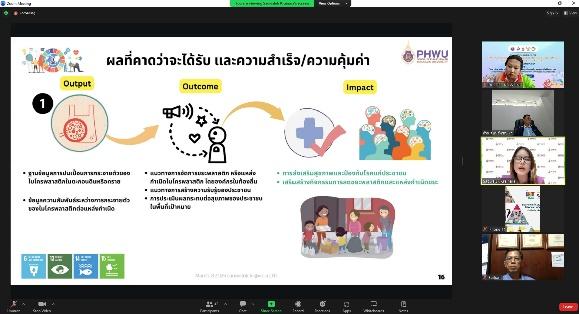
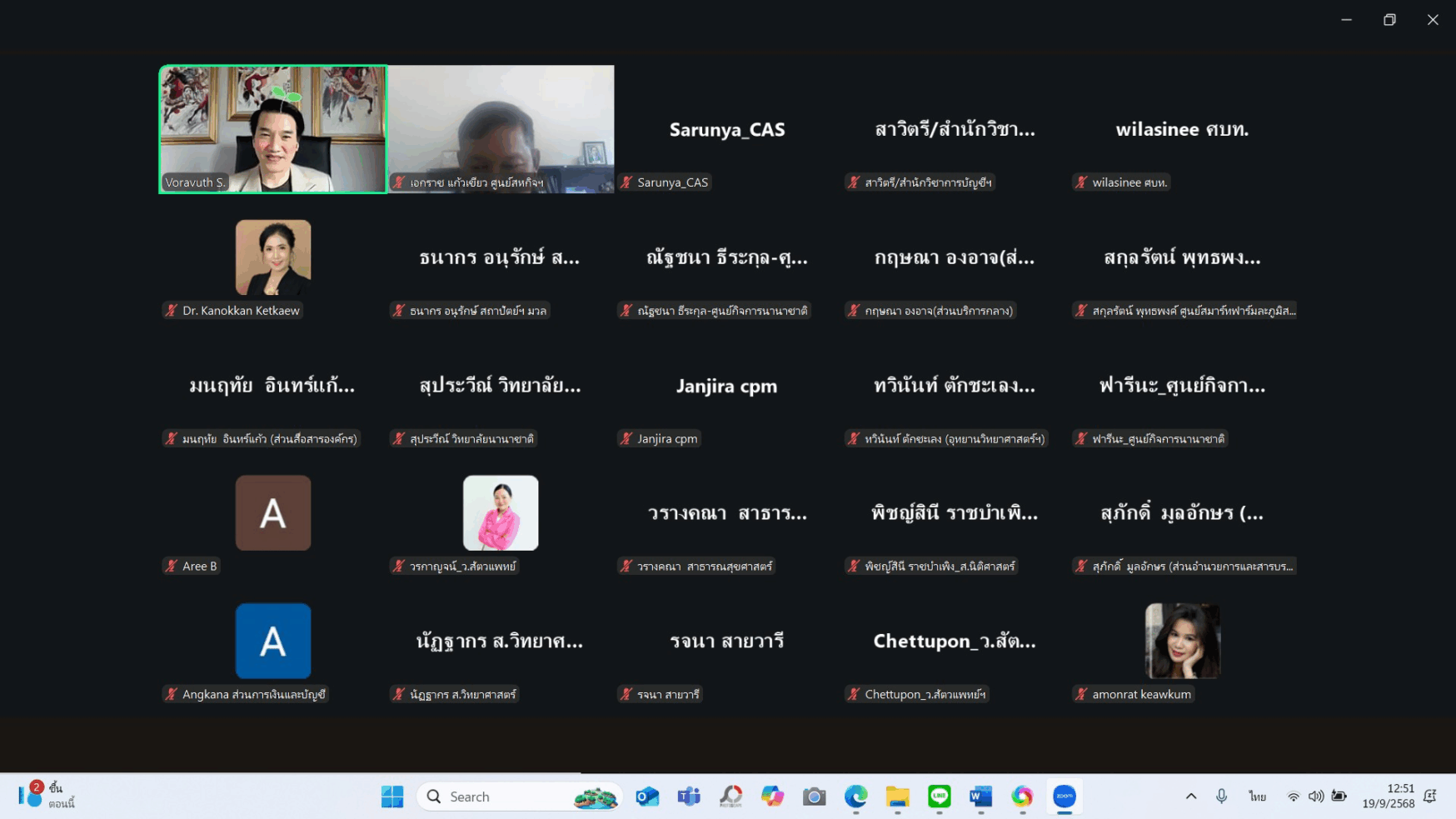
Online Meeting
Internal Meetings
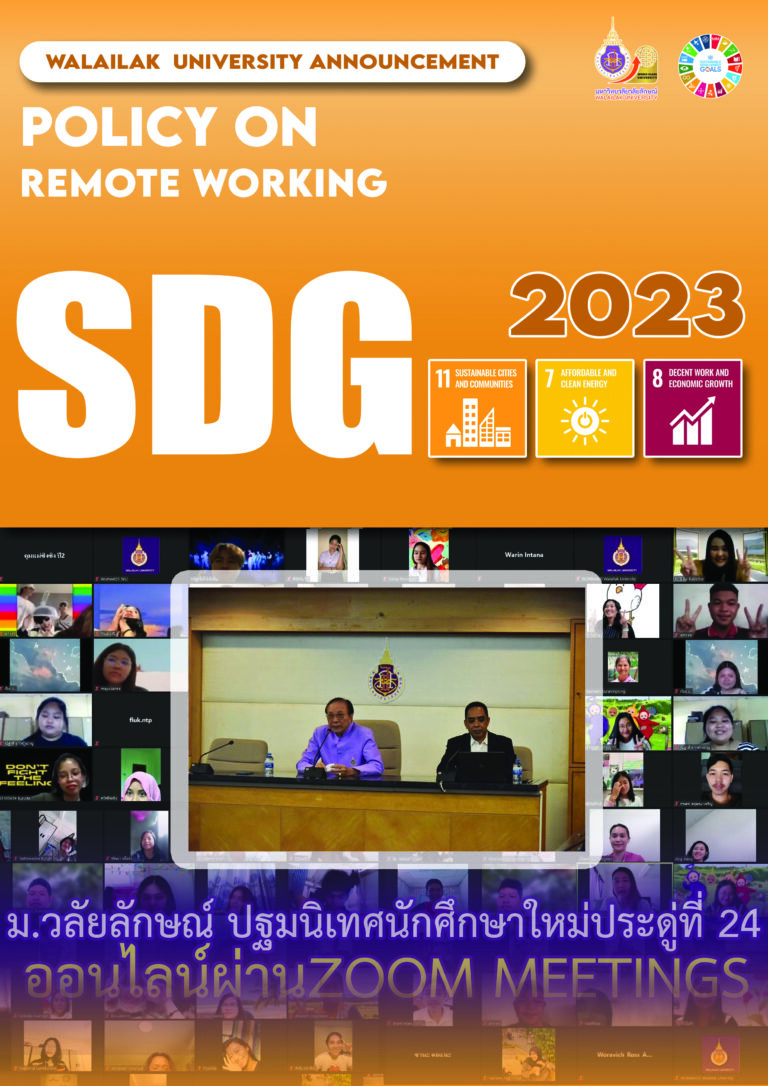
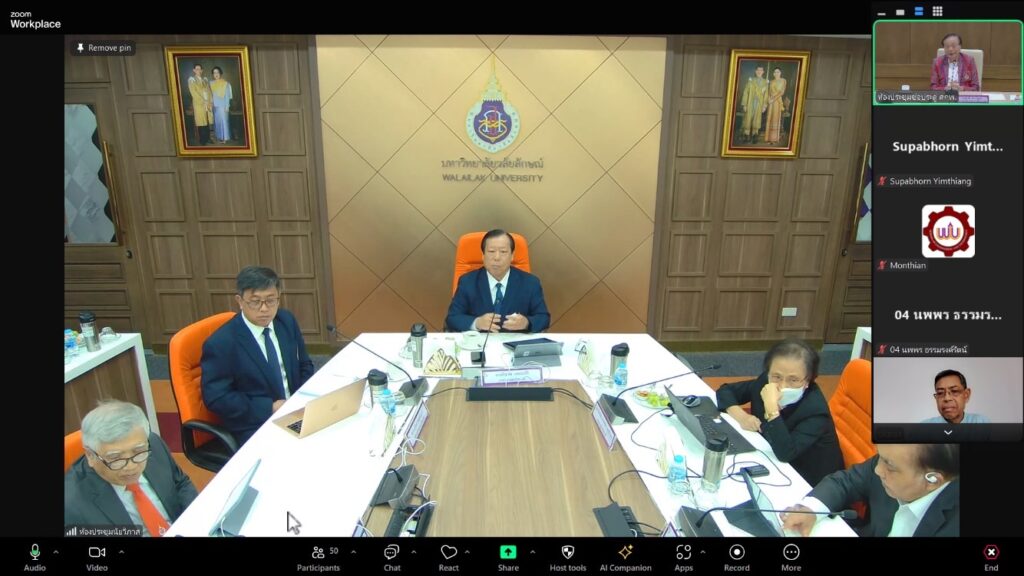
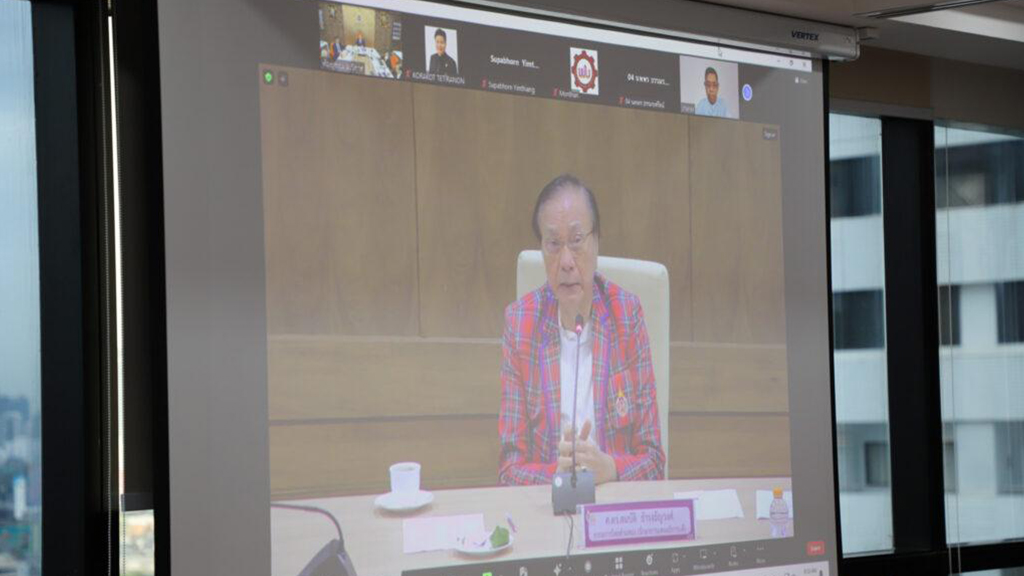
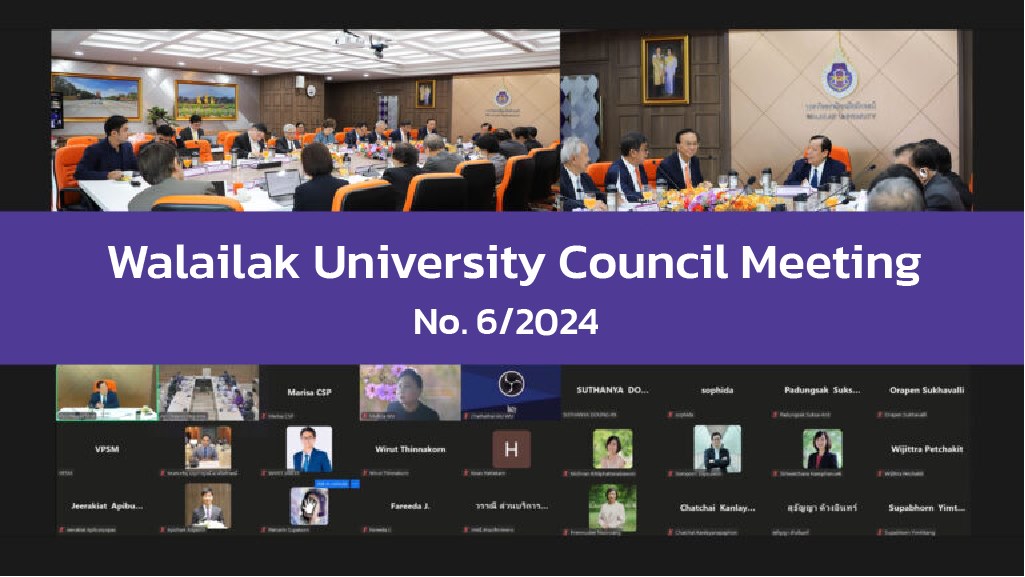
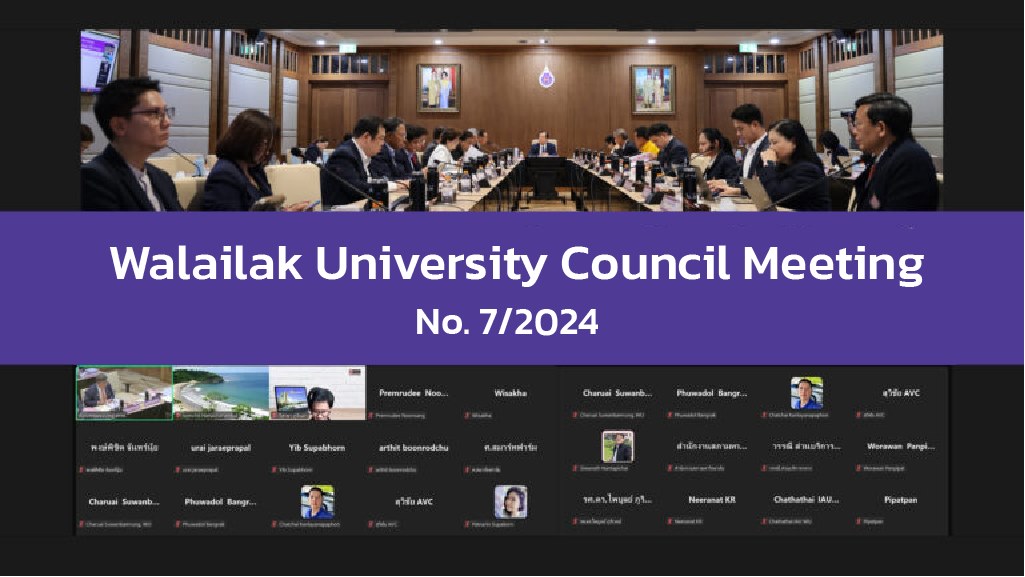
As part of the policy, Walailak University actively encourages staff to organize internal meetings via online platforms, such as Zoom or Microsoft Teams, whenever possible and appropriate. This practice helps limit short-distance travel within the campus and between university buildings. It also supports better time management, reduces fuel consumption, and minimizes the university’s overall carbon footprint. Encouraging virtual collaboration fosters a more efficient and environmentally conscious working culture among staff and departments.
Hybrid Executive Meetings
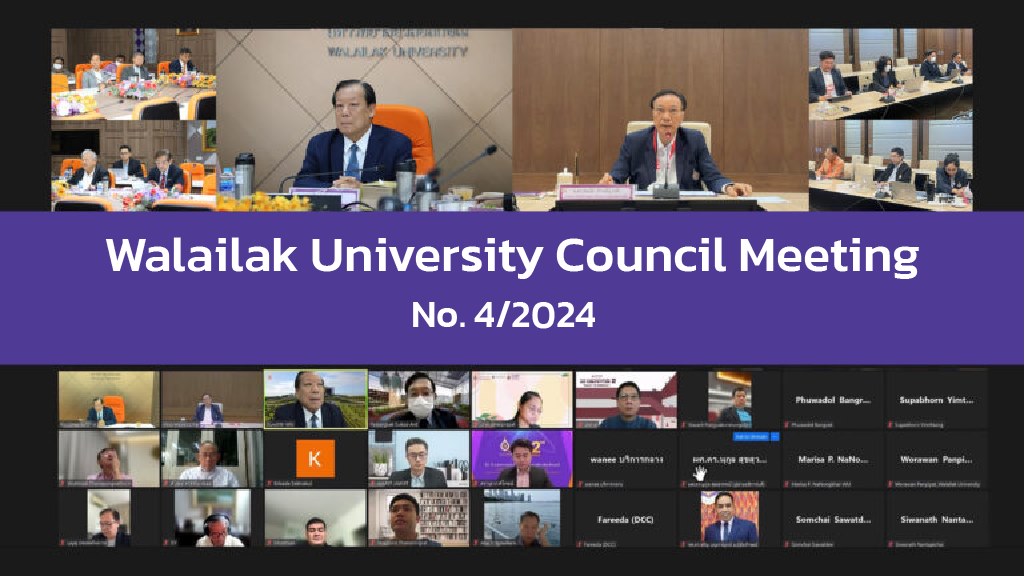
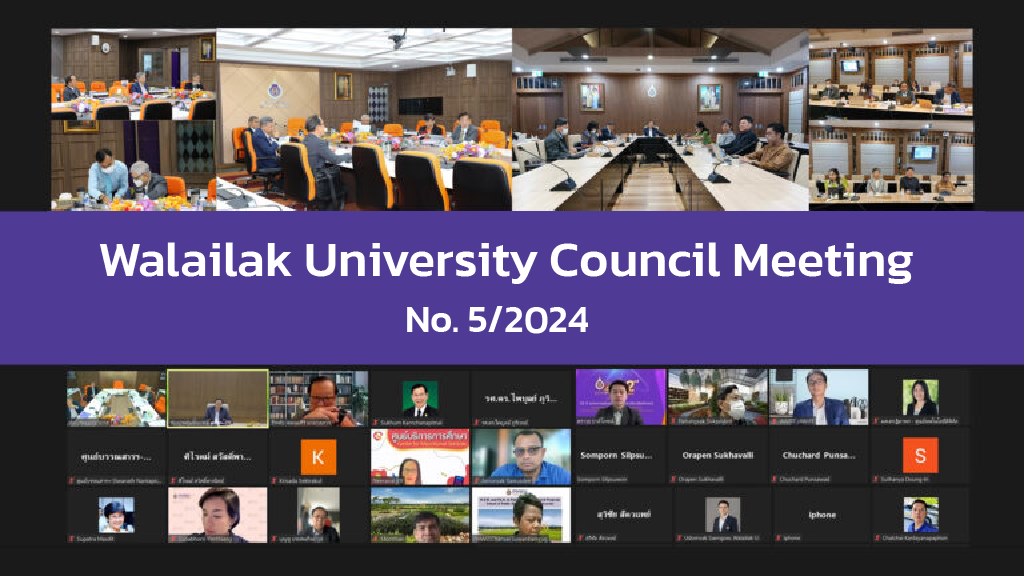
The university also implements a hybrid meeting system for its monthly executive meetings, which typically involve a large number of participants. Under this system, only executive members attend the meeting in person, while supporting and operational staff join the meeting remotely through online platforms. This arrangement not only reduces the number of people traveling to the meeting site but also ensures greater inclusivity and convenience for attendees who may be located off-campus or engaged in fieldwork.
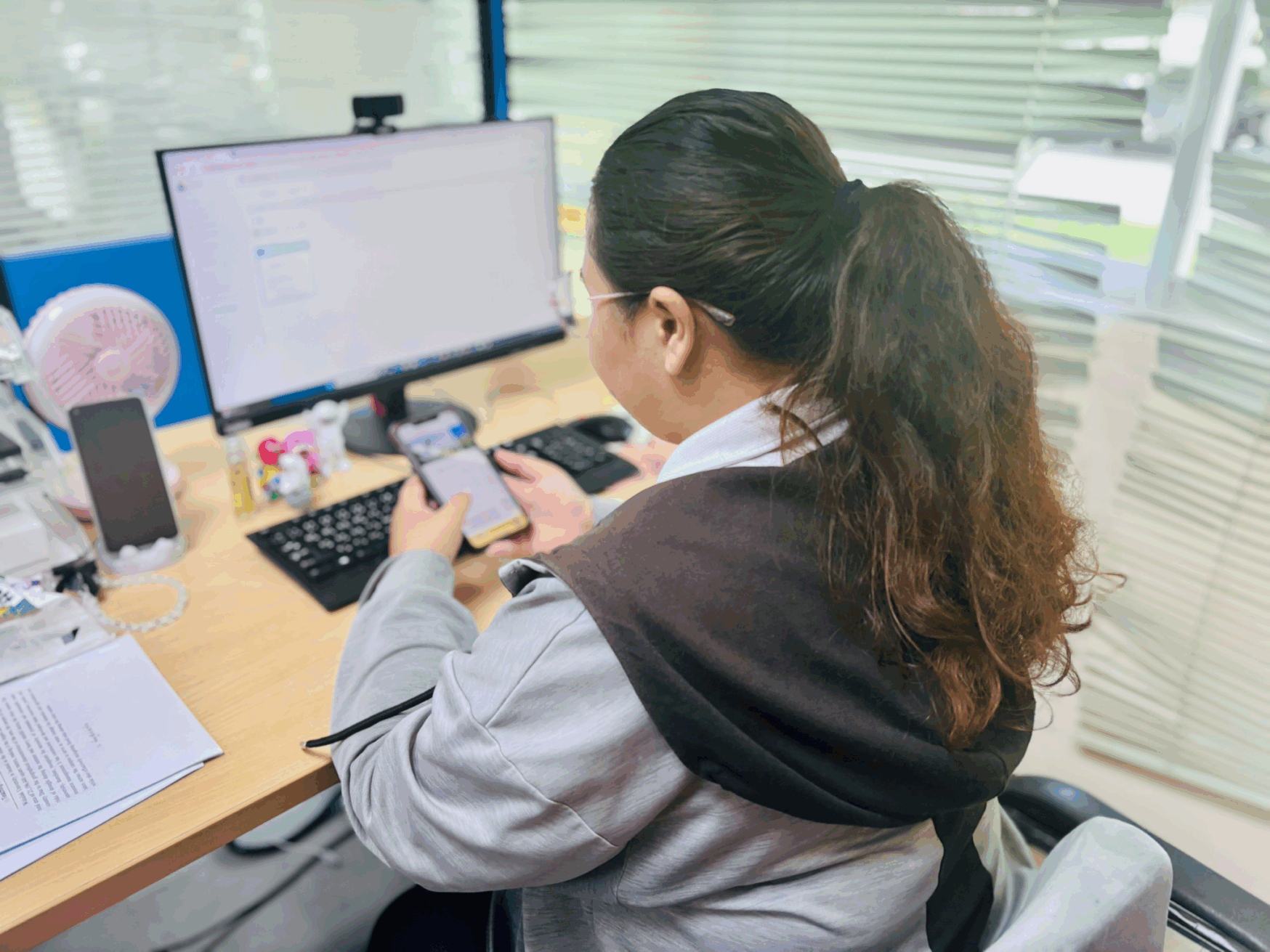
The primary objective of utilizing online meetings and remote working is to facilitate seamless communication and collaboration in real time while minimizing the need for travel. By leveraging digital technologies—including computers, smartphones, tablets, and university-supported intranet and internet connectivity—staff can effectively contribute to decision-making and administrative processes regardless of their physical location.
Application for Smart Farm
Smart Irrigation Management through the Control Plant Watering Application
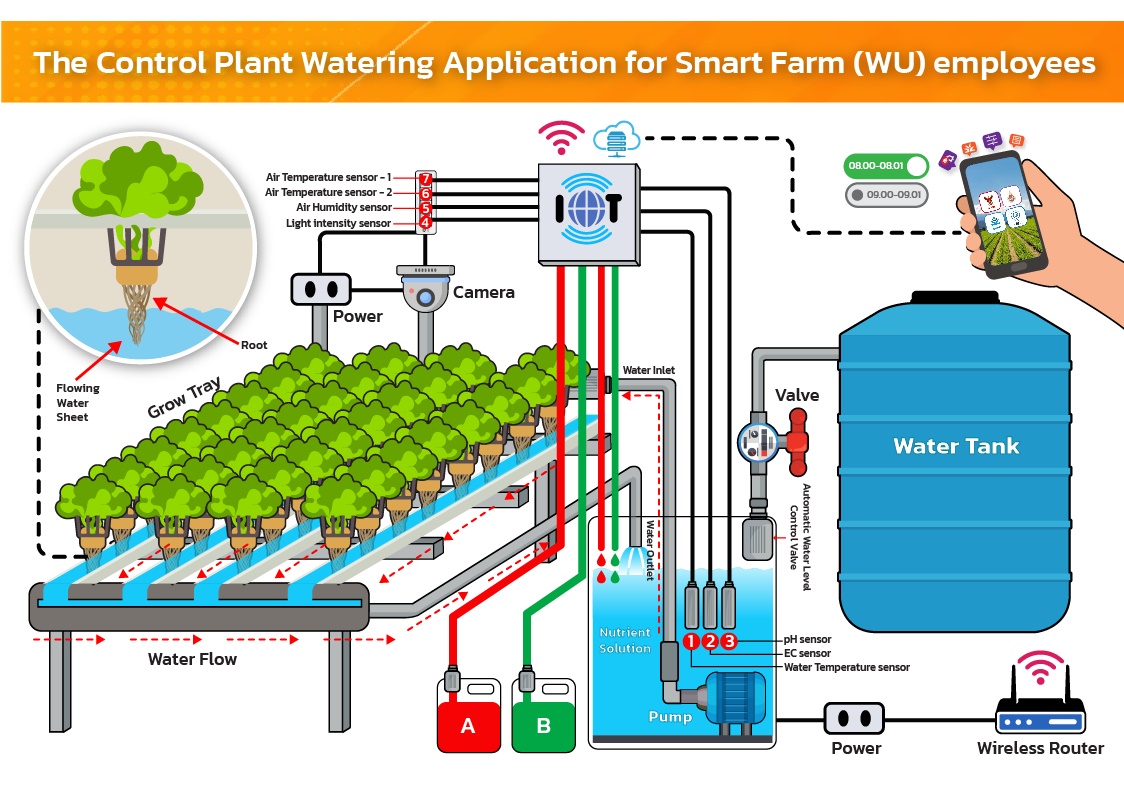
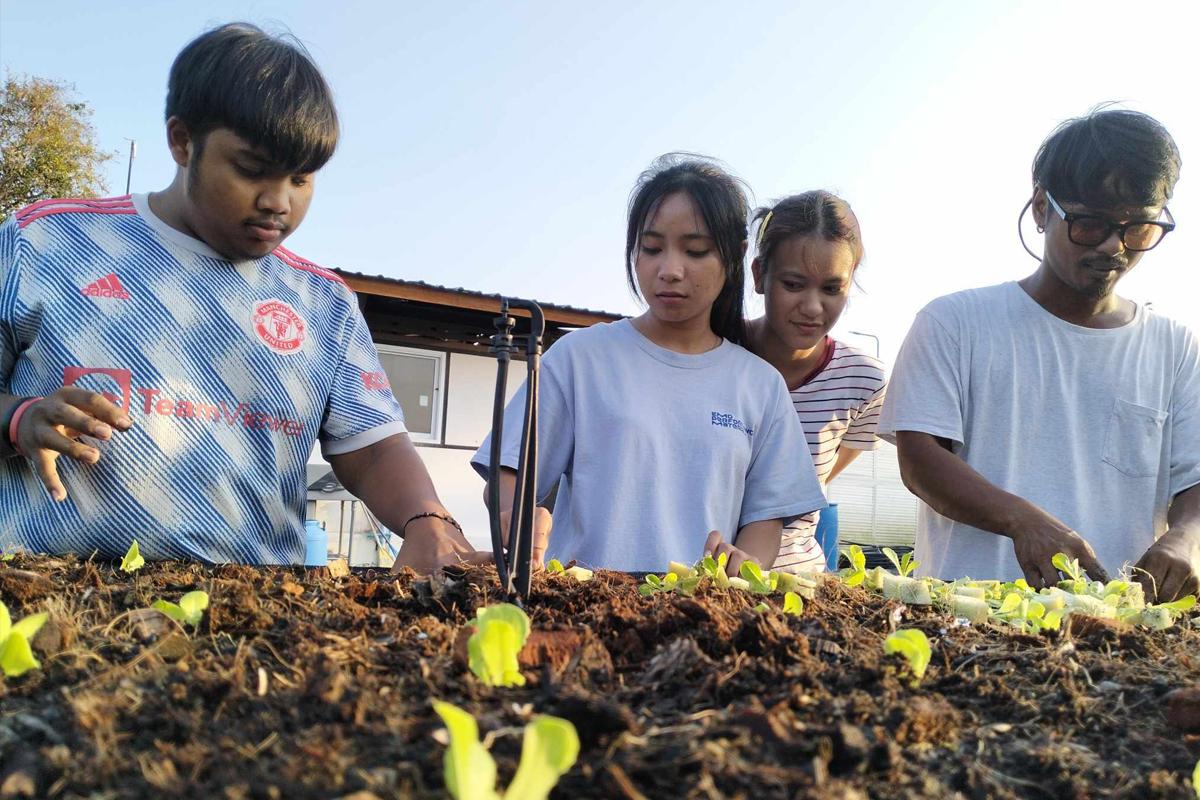
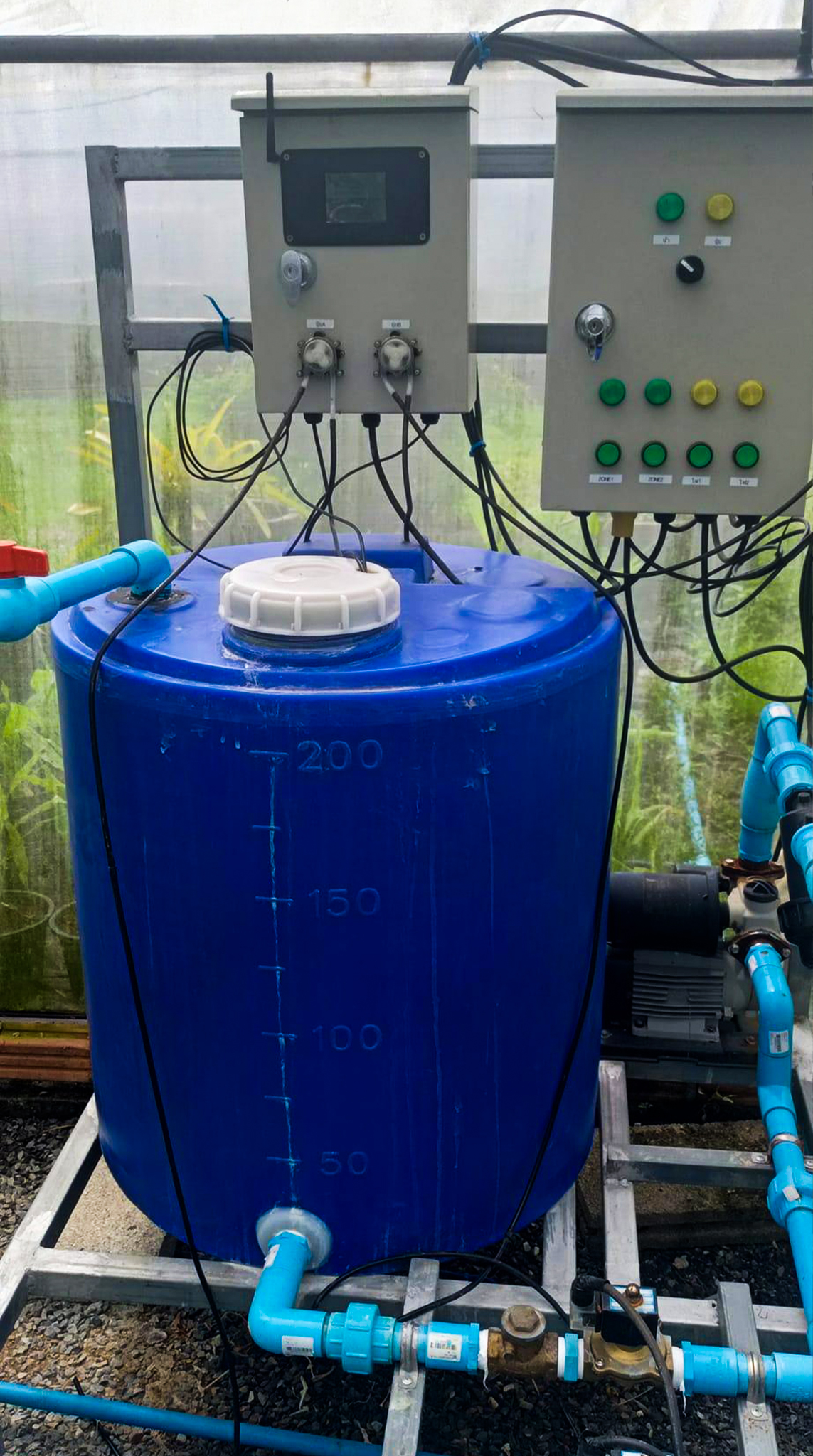
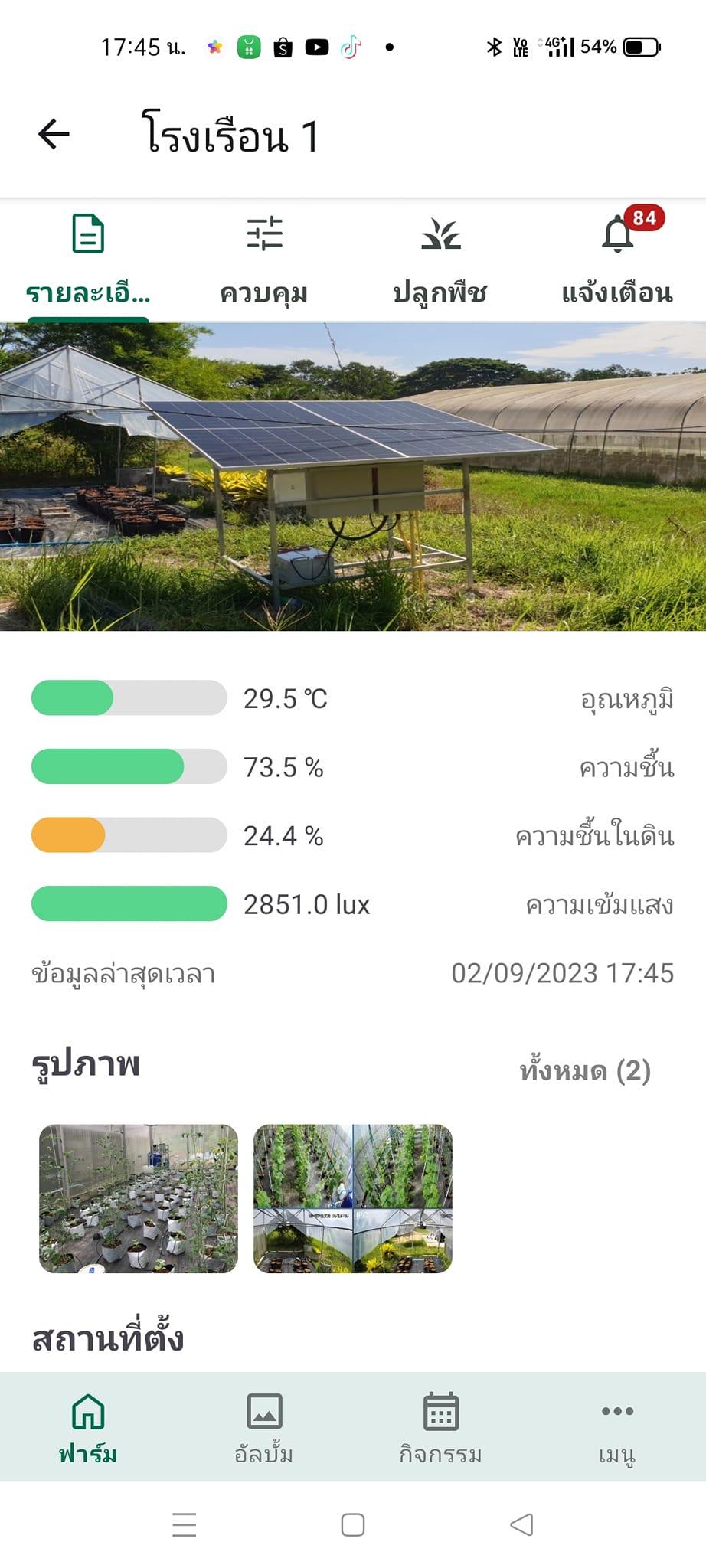
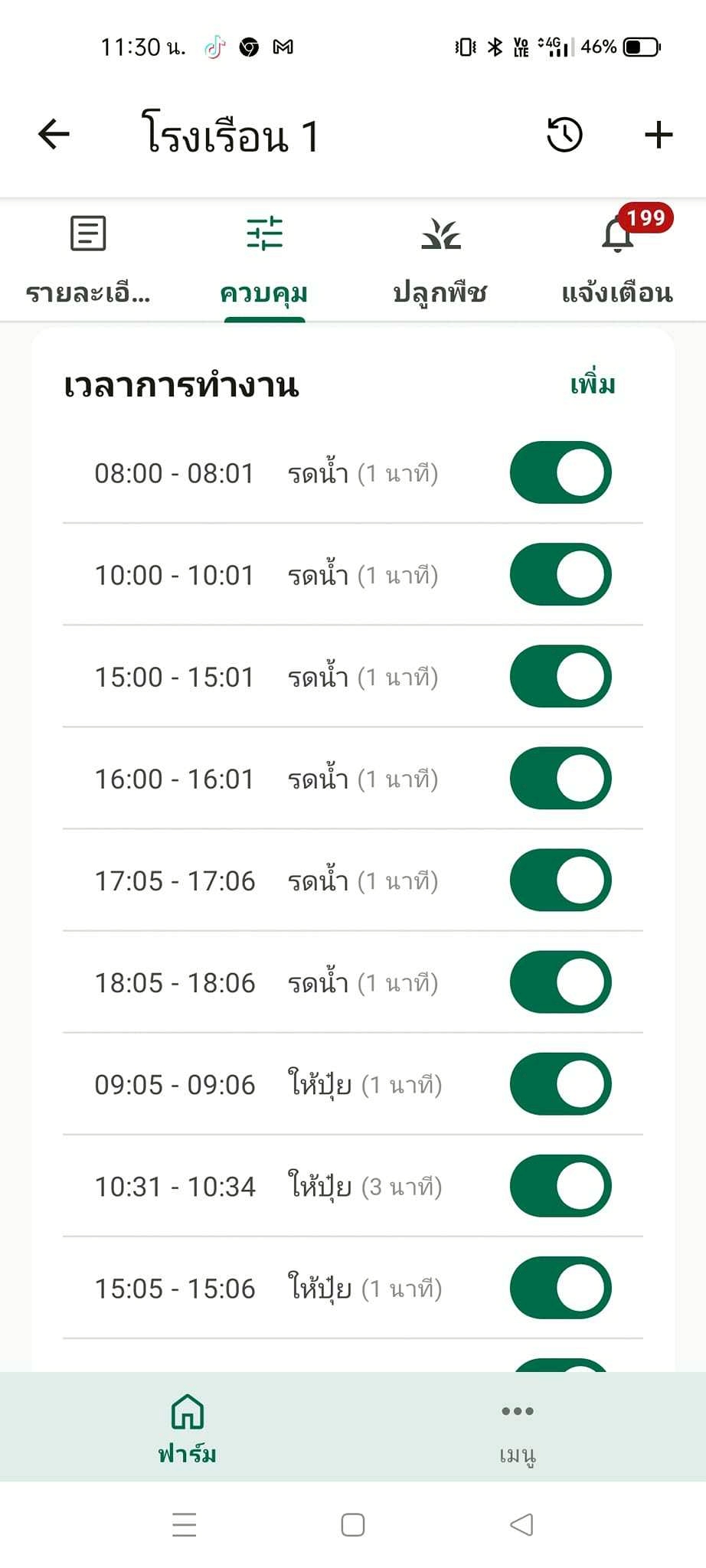
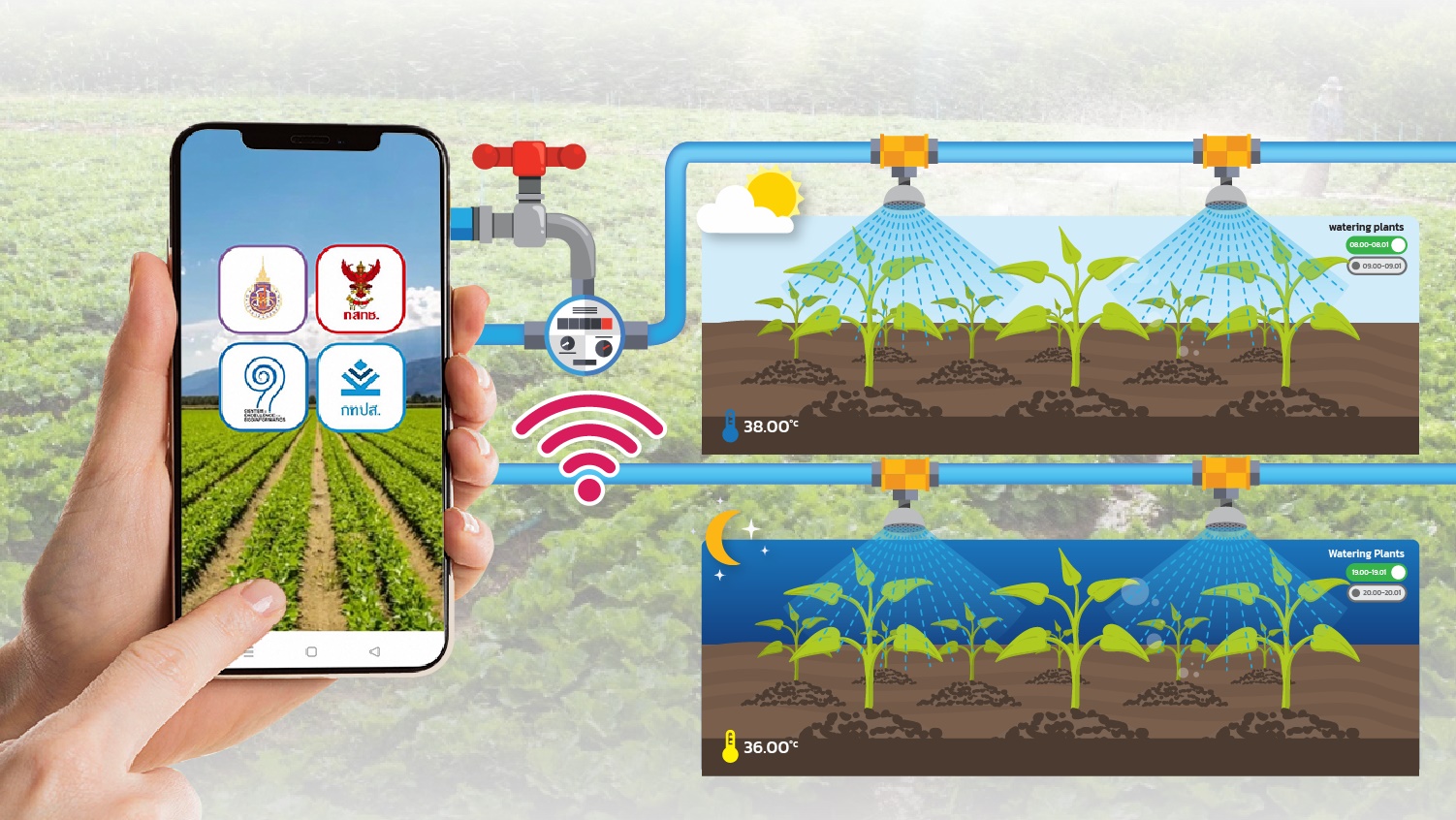
Walailak University has developed the Control Plant Watering Application, a smart irrigation management system designed to enhance agricultural efficiency and promote sustainability. The application is currently utilized at the Agricultural Innovation Development and Demonstration Center in Honor of King Rama IX (Kla Dee Shop), both operated under the School of Agricultural Technology and Food Industry.
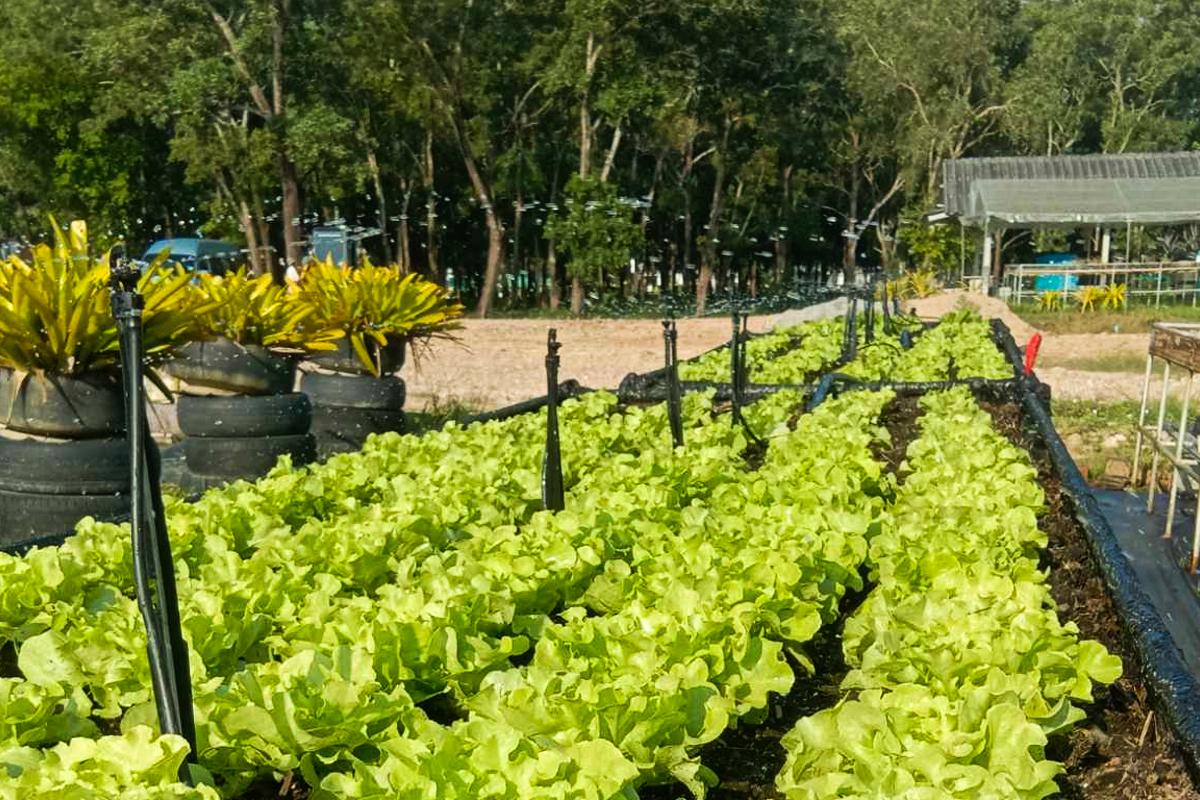
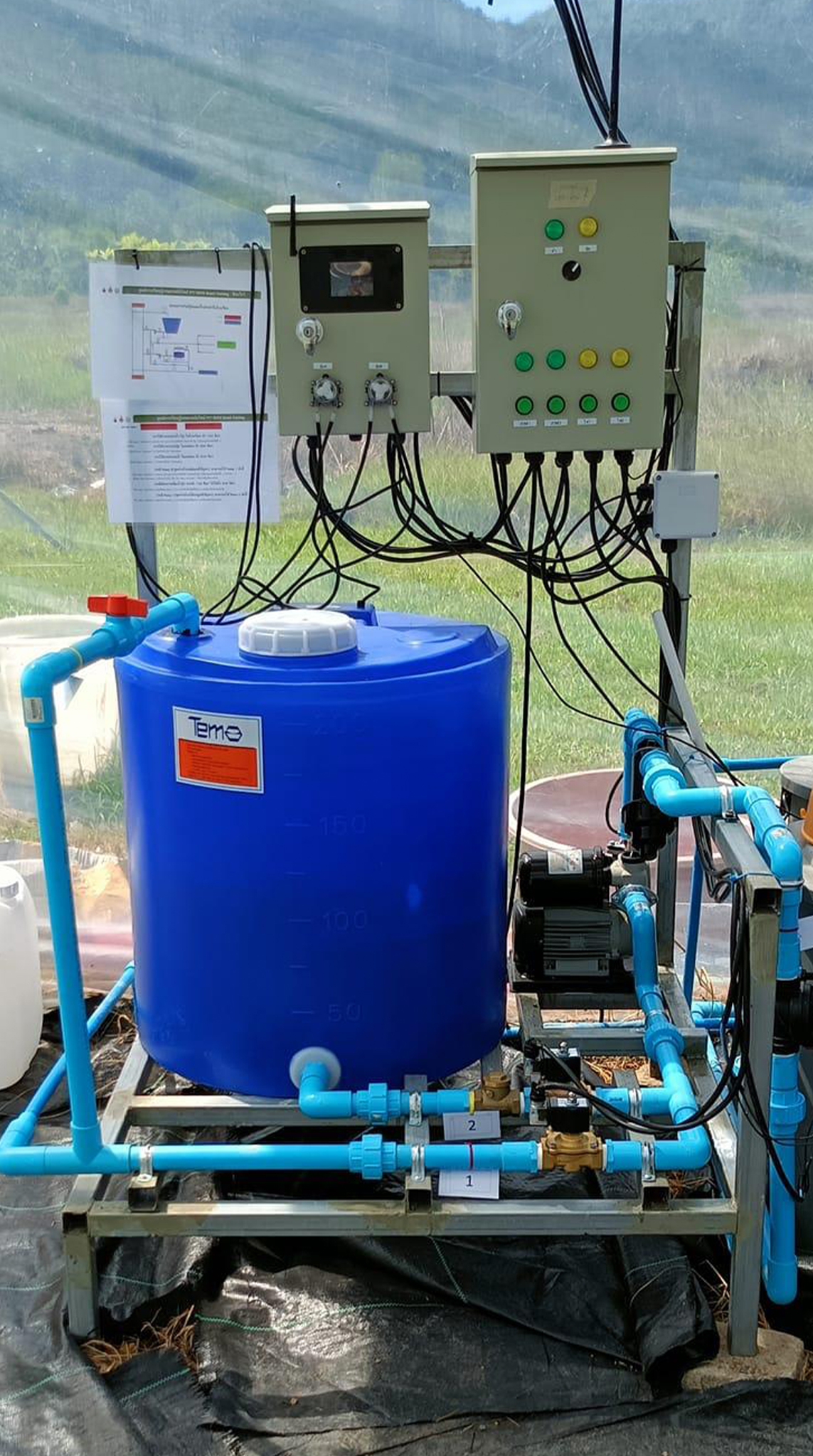
This smart watering system integrates automated irrigation technology with mobile application control, allowing for precise and remote watering of fruit trees and vegetable crops. Through this system, water is dispensed as needed without requiring staff to be physically present in the fields.
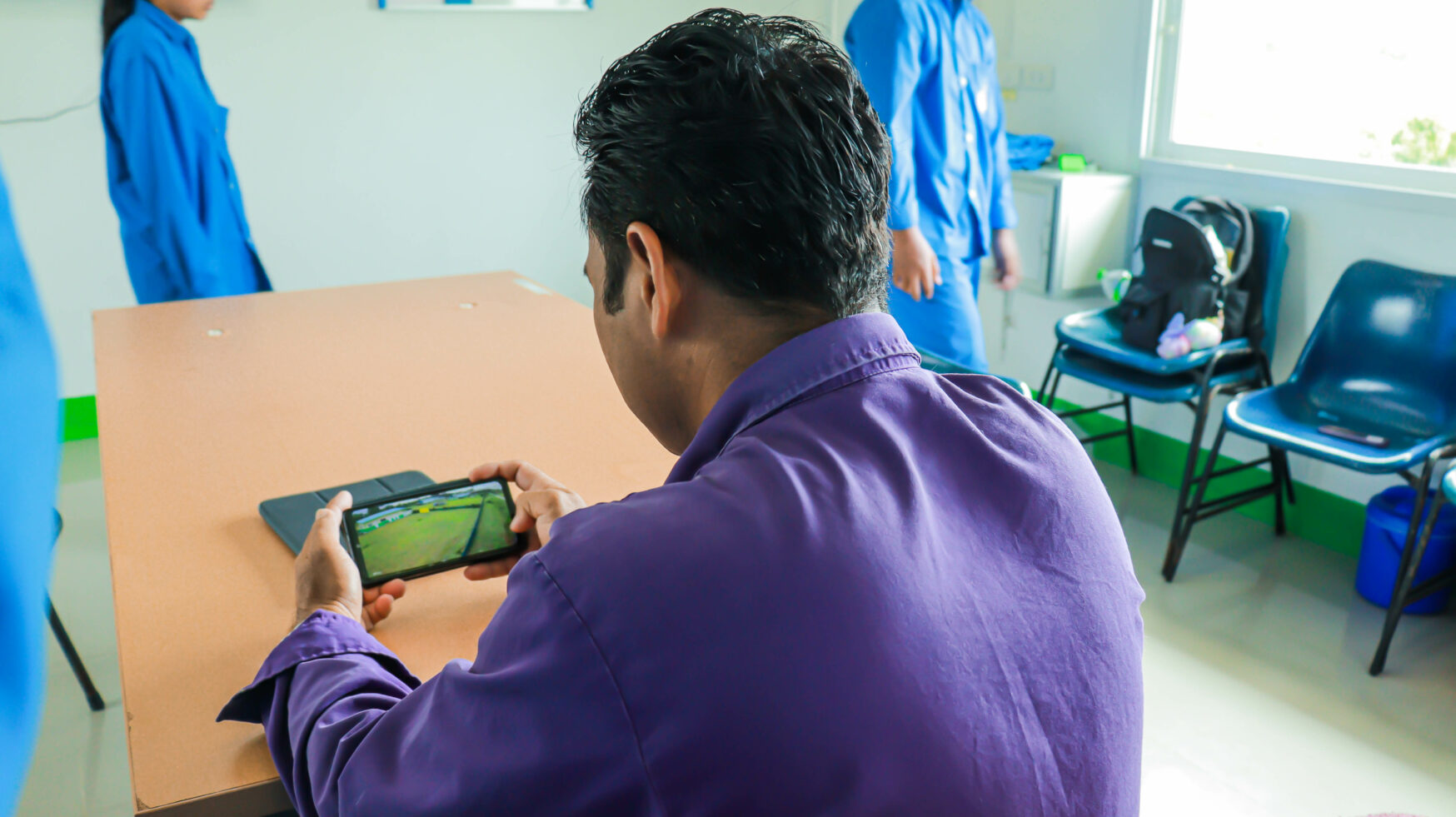
One of the key benefits of this technology is the significant reduction in labor and on-site visits, thereby minimizing unnecessary commuting within the campus. Staff can conveniently operate and monitor the system in real time from their smartphones or tablets, contributing to energy efficiency and lower carbon emissions.
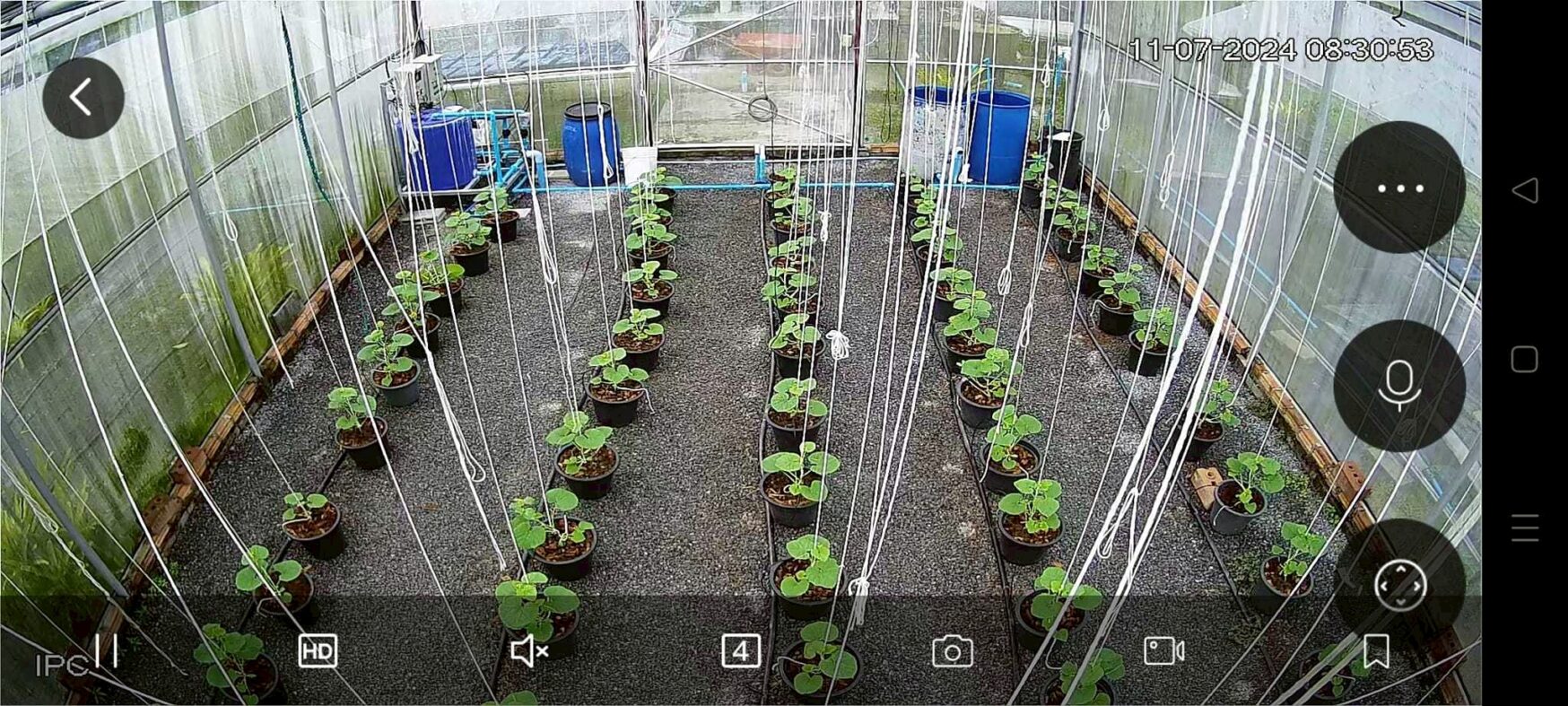
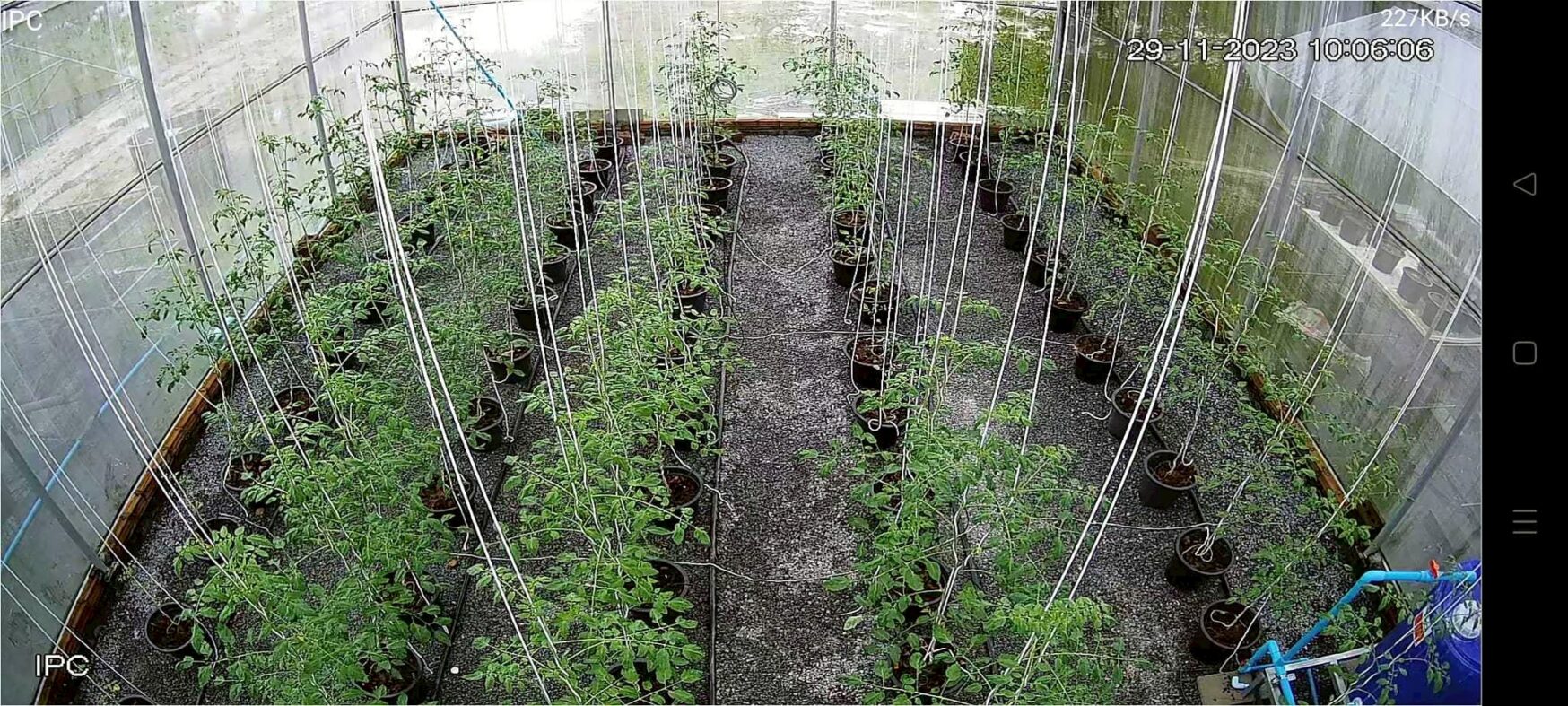
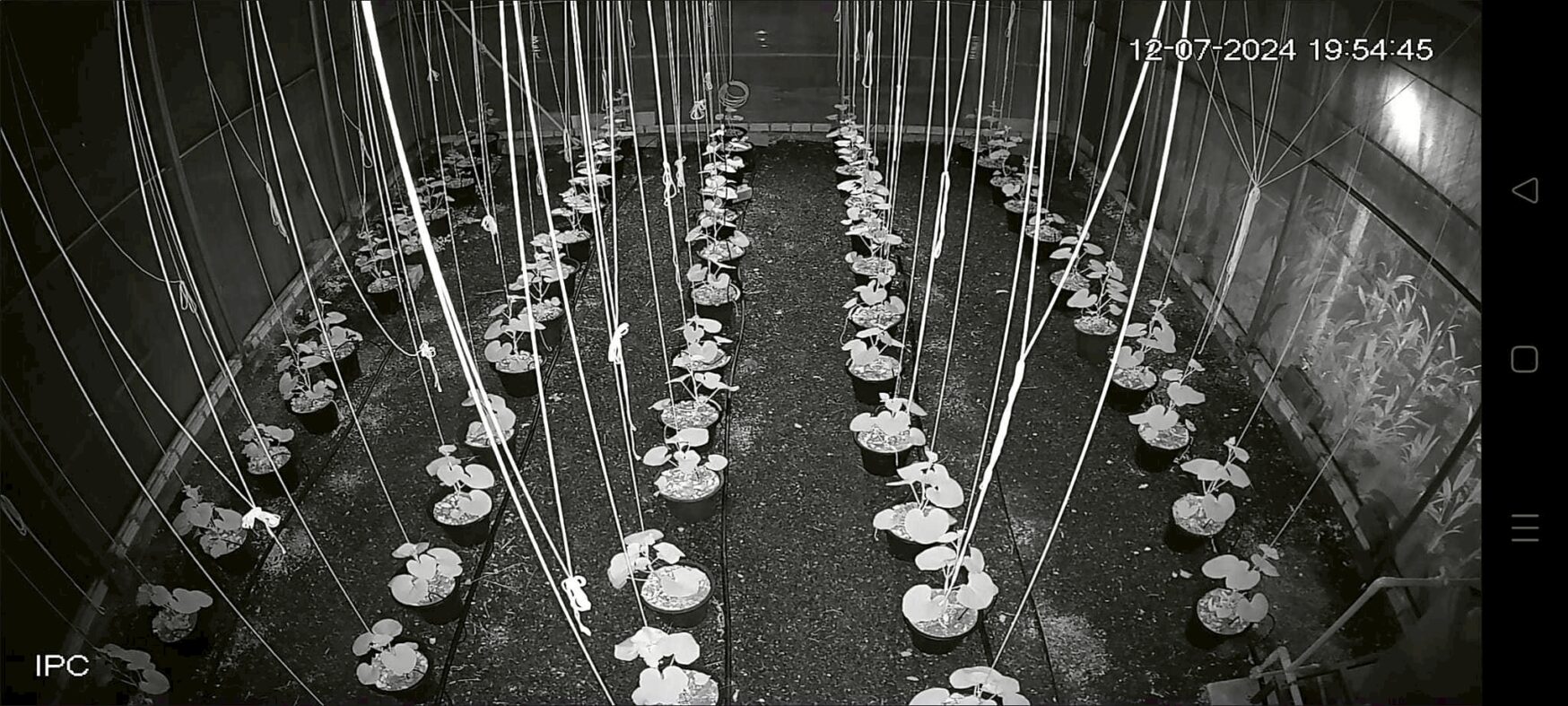
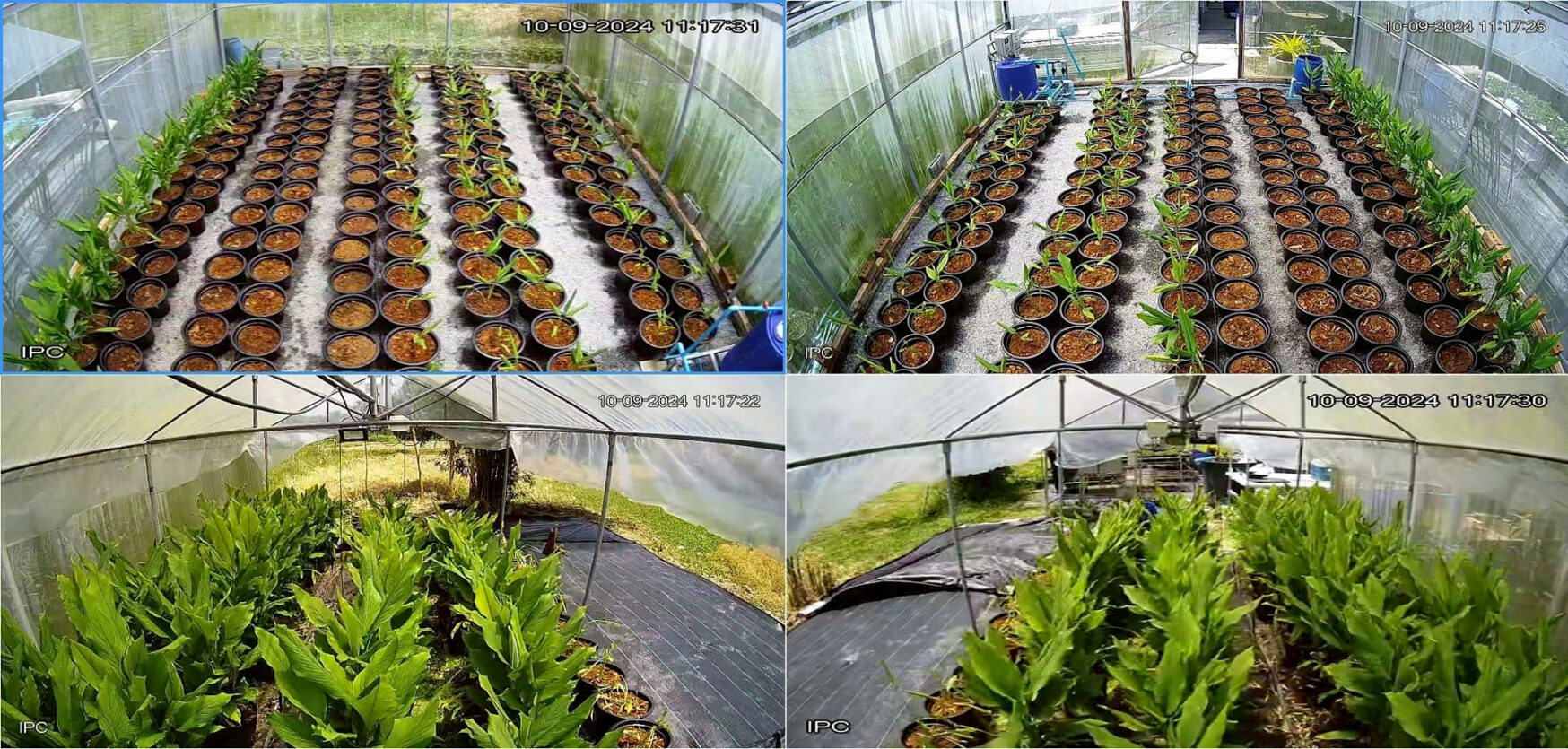
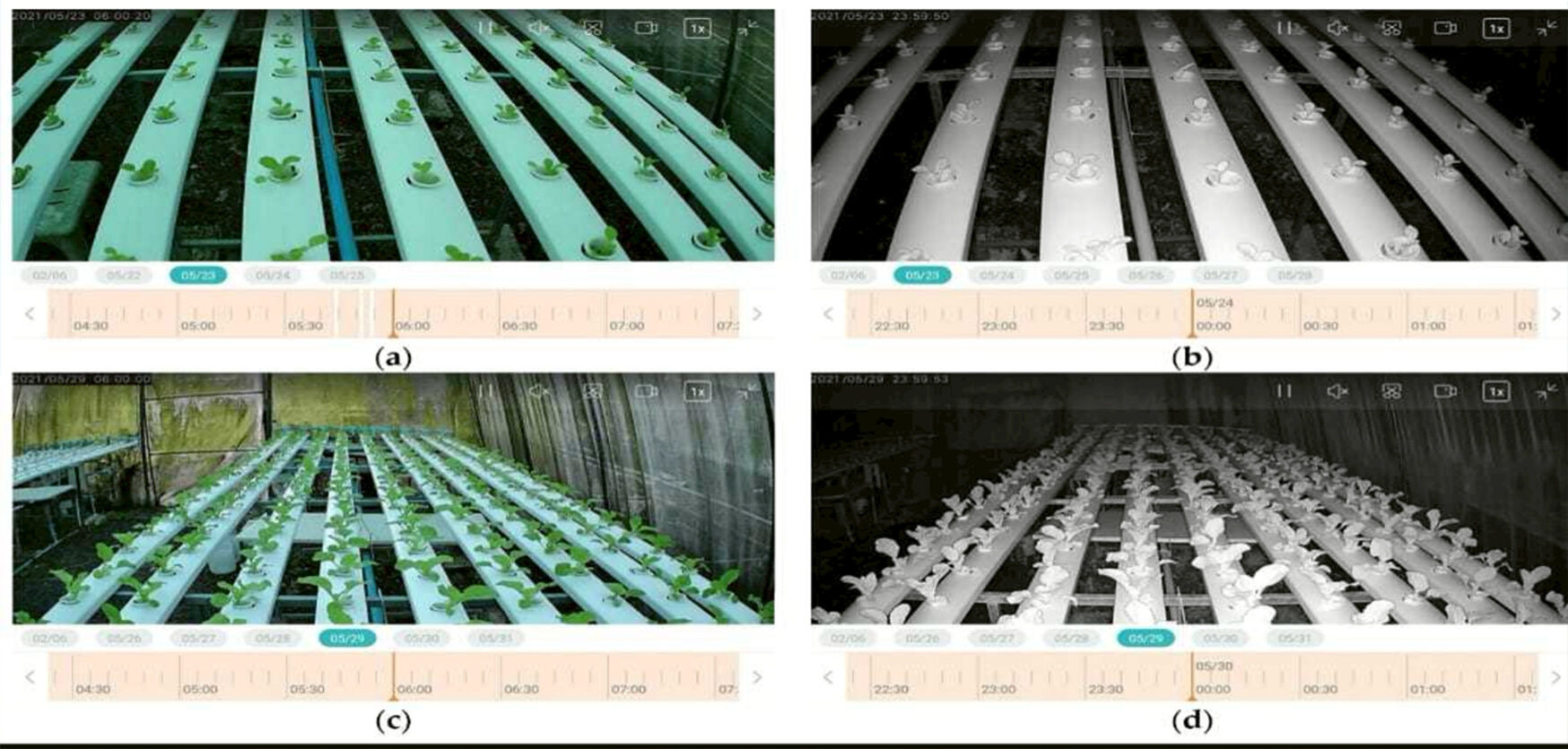
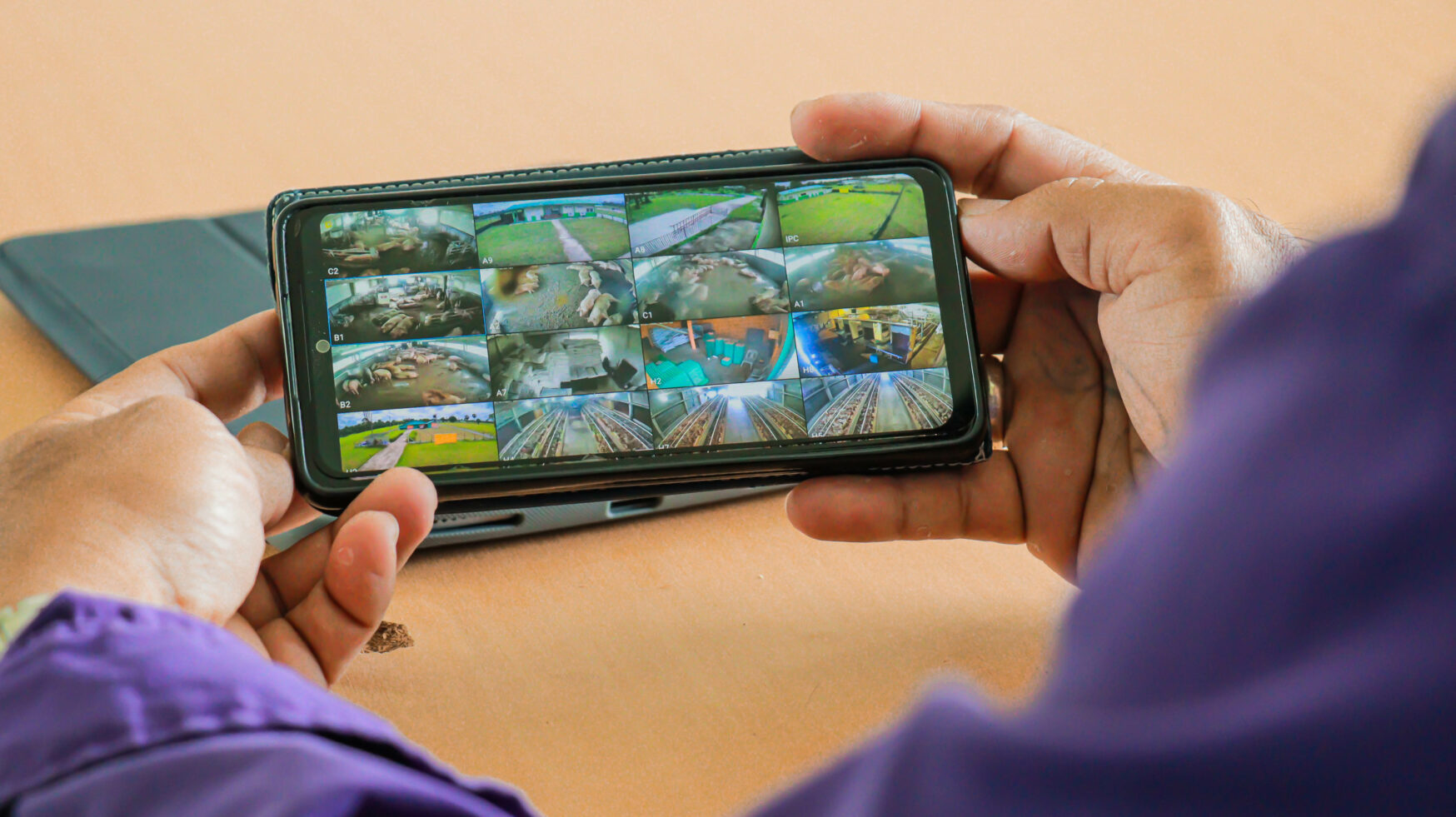
In addition, the system is supported by 24/7 CCTV surveillance, enabling staff to continuously monitor the condition of crops and field operations remotely. This real-time monitoring capability enhances crop management, reduces response time to any issues, and ensures consistent oversight of agricultural activities.
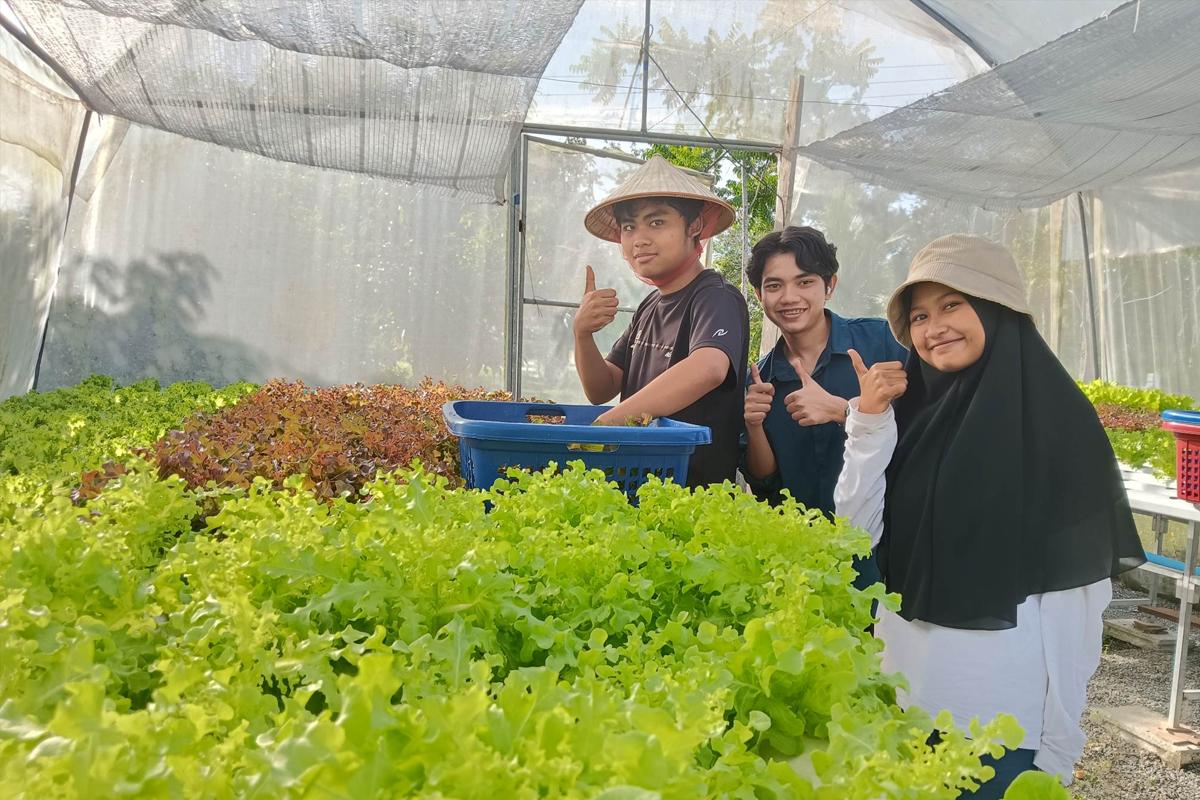
In 2024, the center expanded the application’s use to a wider range of crops, including Green Oak Leaf Lettuce, Red Oak Leaf Lettuce, Purple Basil, and Butterhead Lettuce, demonstrating its versatility in supporting the precise irrigation of both leafy vegetables and herbs.
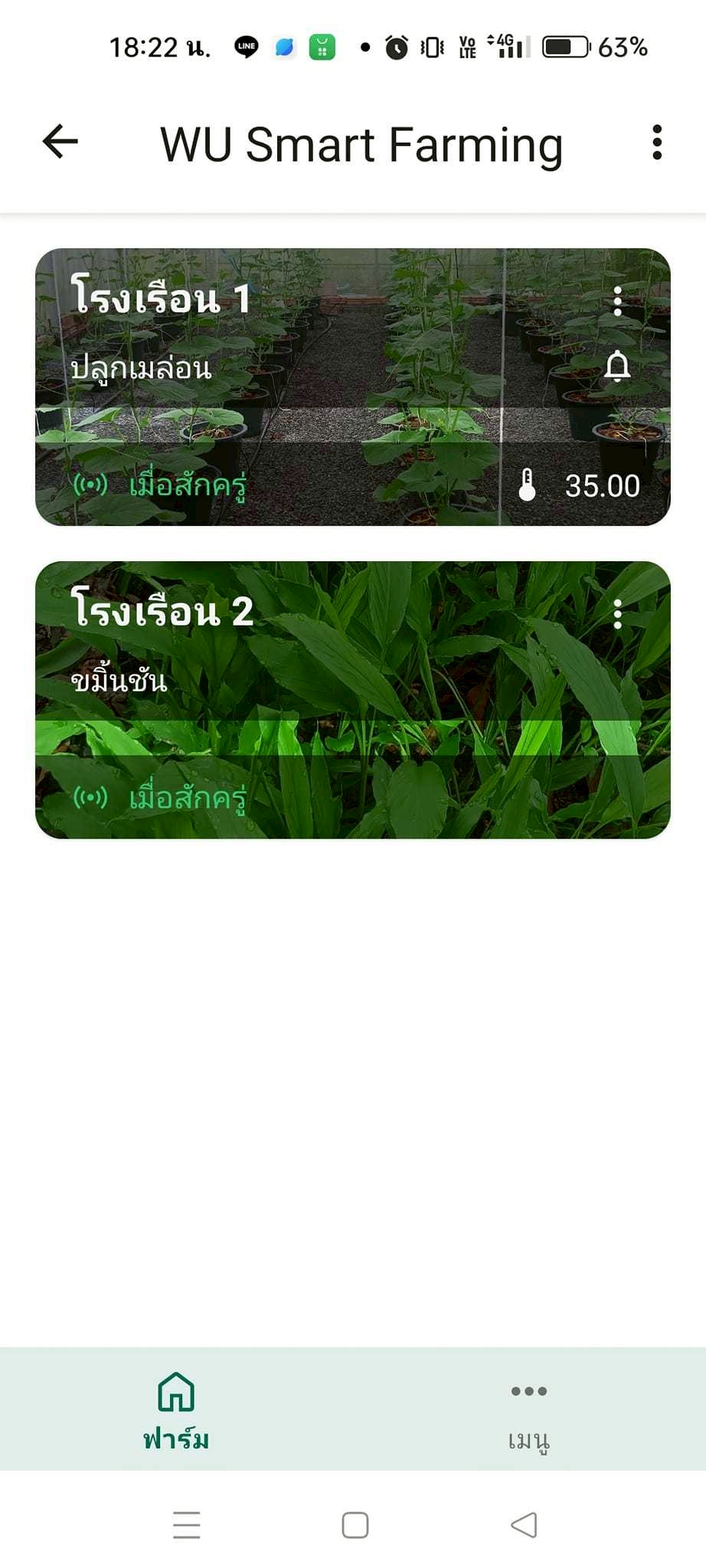
Control Plant Watering Application for Smart Farm
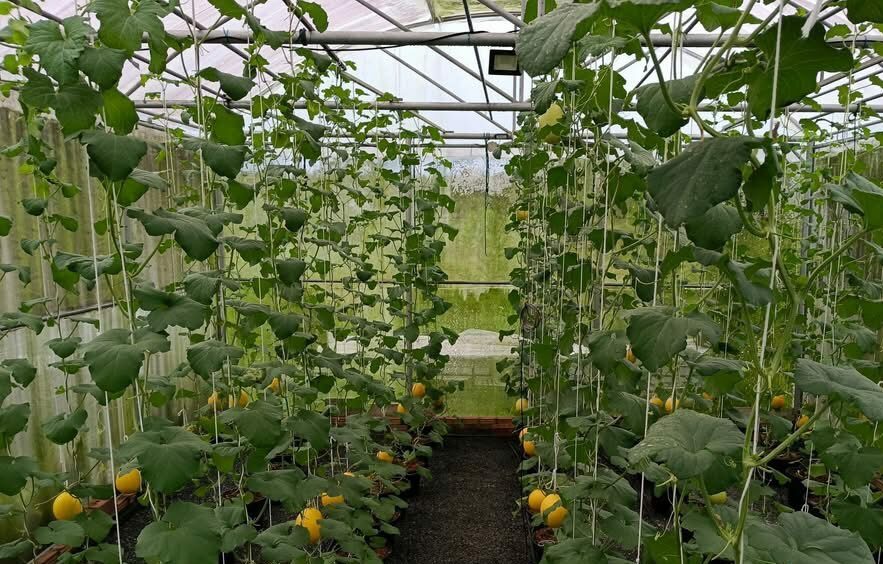
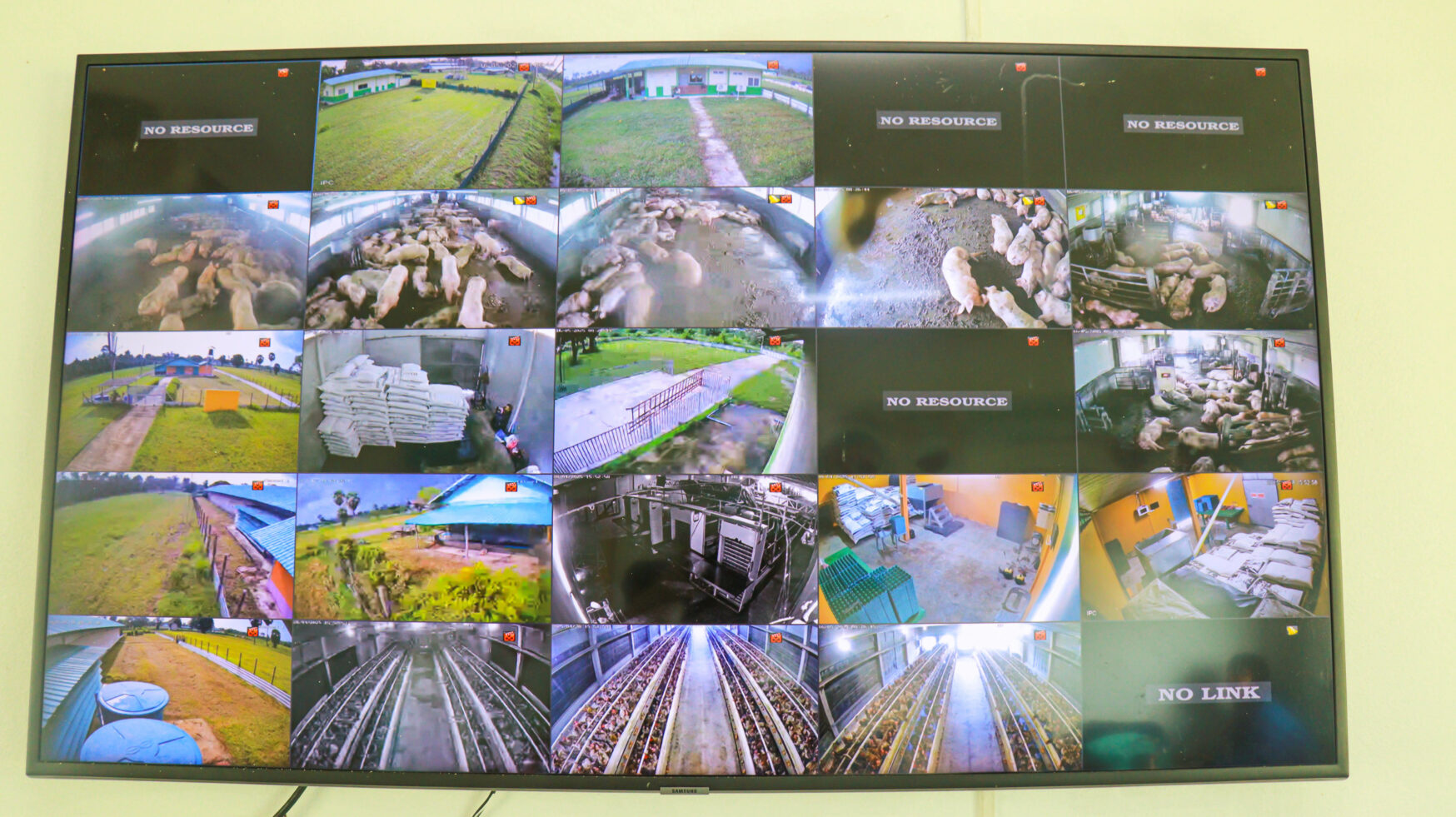
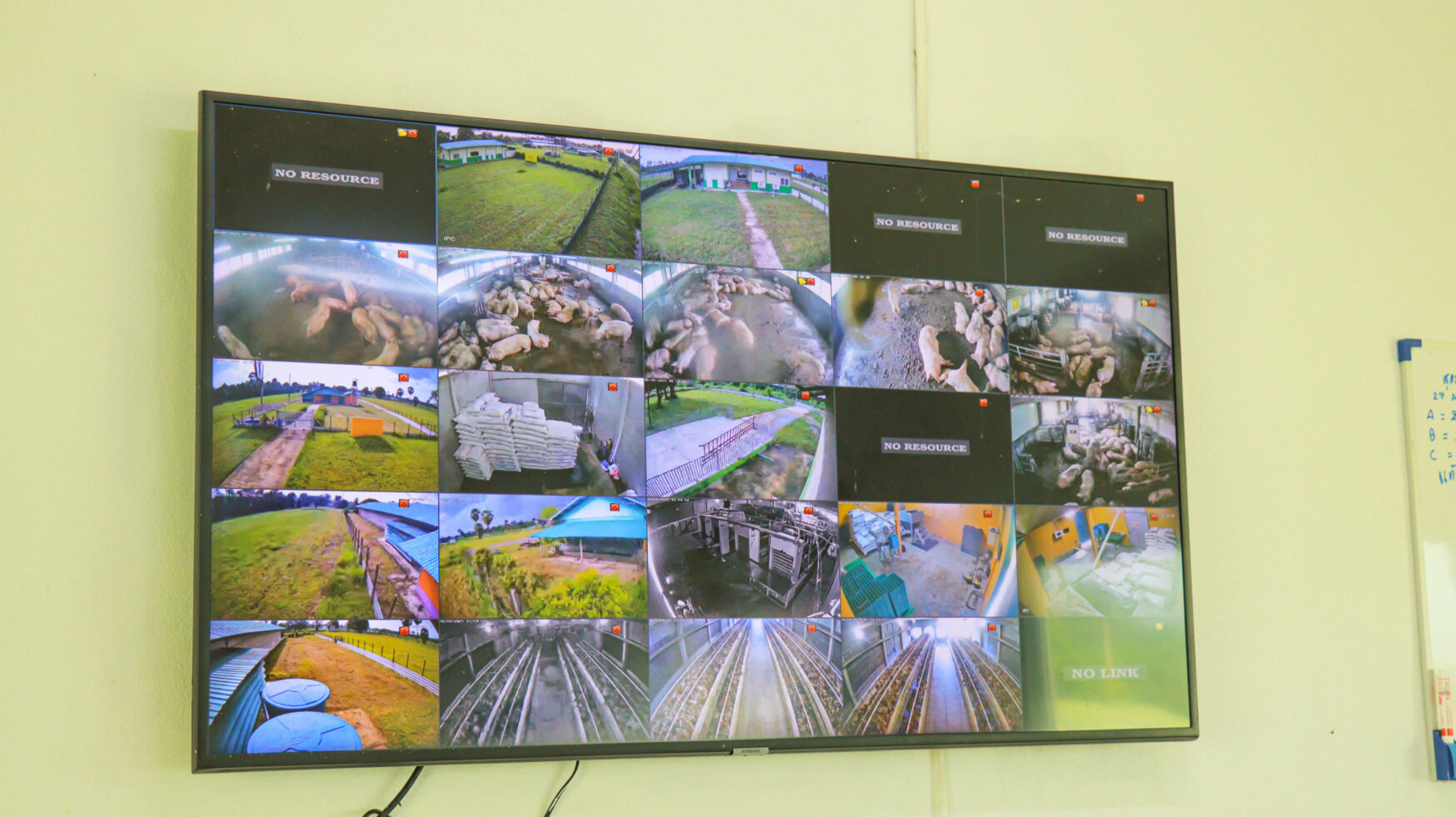
The success of the Control Plant Watering Application at the Agricultural Innovation Development and Demonstration Center in Honor of King Rama IX (Kla Dee Shop) led WU to develop the application for use in the Center for Smart Farming and Landscaping Architecture, as it allows the staff at the center to work remotely without traveling to the center. Everything works as the application of the Agricultural Innovation Development and Demonstration Center. The Center for Smart Farming and Landscaping Architecture has also added a CCTV system in the application, as the staff must monitor the well-being of livestock and prevent the animals from escaping, which may cause danger to outsiders.
E-System
Walailak University Systems Development
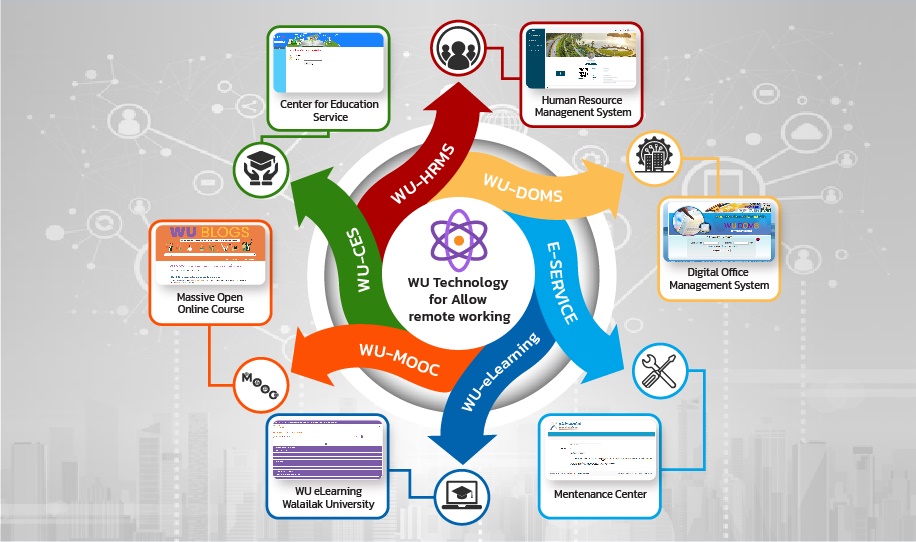
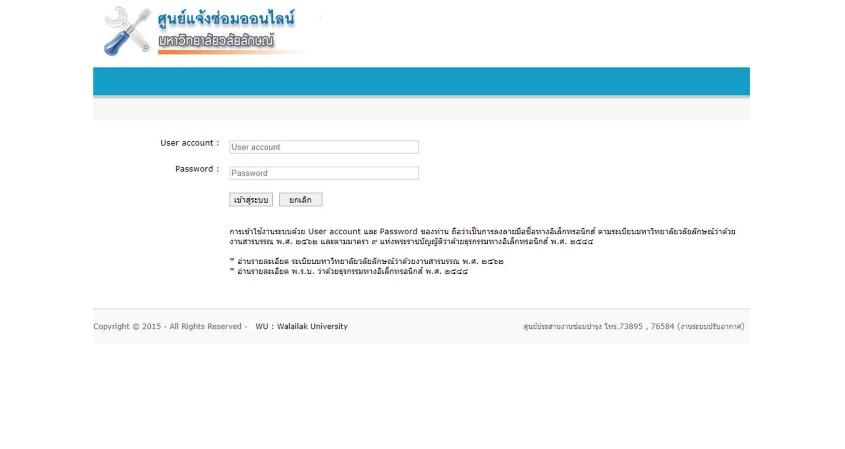
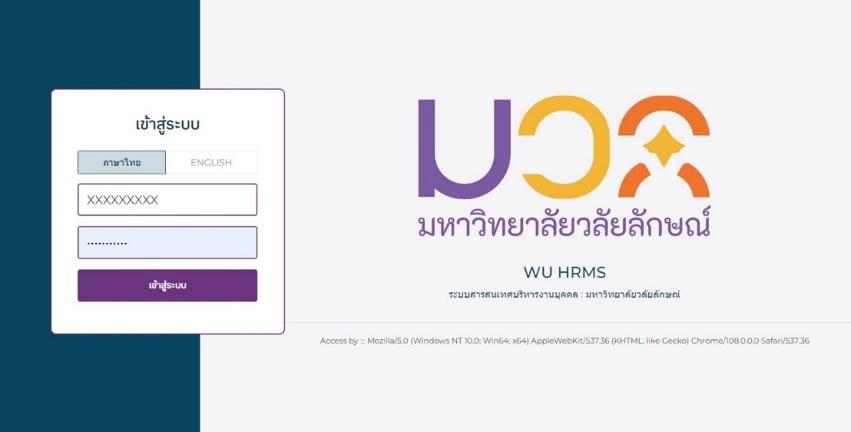
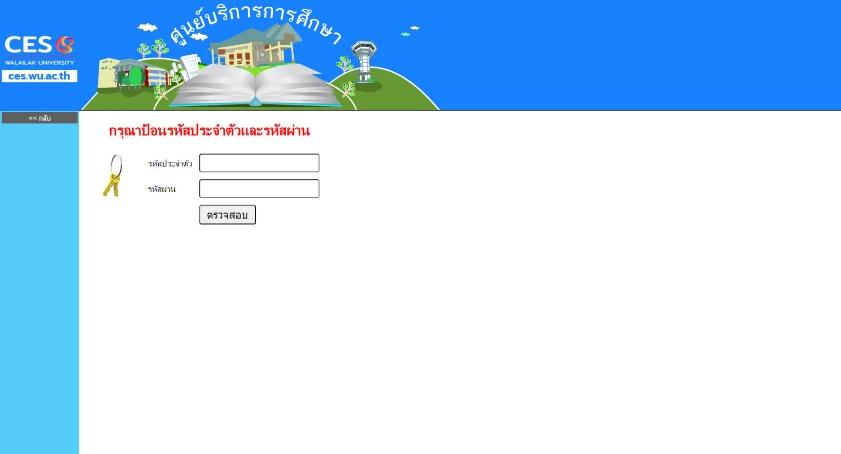
Walailak University has been actively developing a range of digital systems to support remote working, enhance operational efficiency, and promote sustainability. These electronic systems reduce the need for on-campus travel and significantly decrease the consumption of physical resources such as paper and ink. Key systems developed include the Digital Office Management System (DOMS), Electronic Service System (E-Service), Human Resources Management Information System (WU-HRMS), and the Center for Educational Service System (WU-CES).
Walailak University Digital Office Management System (DOMS)
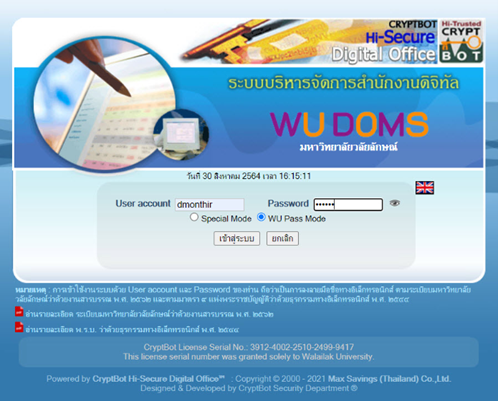
Initially, university staff relied heavily on paper-based processes, particularly for financial and administrative documentation. In response, Walailak University introduced the Digital Office Management System (DOMS), which has transformed how official documents are created, processed, and approved. The system supports electronic signatures (eSignature), enabling legal, efficient, and paperless document management. By eliminating the need for physical document transfers, DOMS helps reduce travel, accelerates decision-making, and supports environmentally responsible operations.
Electronic Service System (E-Service)
Developed by the Digital Technology Center, the E-Service system streamlines various service requests within the university. Staff can submit requests for IT equipment repairs, system development, telephone installations, and equipment loans through a centralized online platform. Previously, such requests were made using paper forms submitted in person. E-Service now facilitates these processes digitally, improving communication, reducing paperwork, and minimizing the need for staff to travel across campus.
Human Resources Management Information System (WU-HRMS)
The WU-HRMS platform allows staff to manage human resource-related tasks remotely and efficiently. Key functions include online task logging, submission of annual employment contracts, applications for welfare benefits, recruitment processes, and leave management. By digitizing these procedures, the system not only reduces the administrative burden but also cuts down on paper usage and eliminates the need for in-person submissions.
Center for Educational Service System (WU-CES)
WU-CES is a comprehensive platform designed to support students, academic staff, and educational support personnel in managing academic-related tasks. The system enables digital processing of documents such as grade reports, certifications, classroom relocation requests, and other academic services. By transitioning these processes online, WU-CES minimizes paper usage and supports more flexible, efficient academic administration.
E-Car: Staff Vehicle Booking System
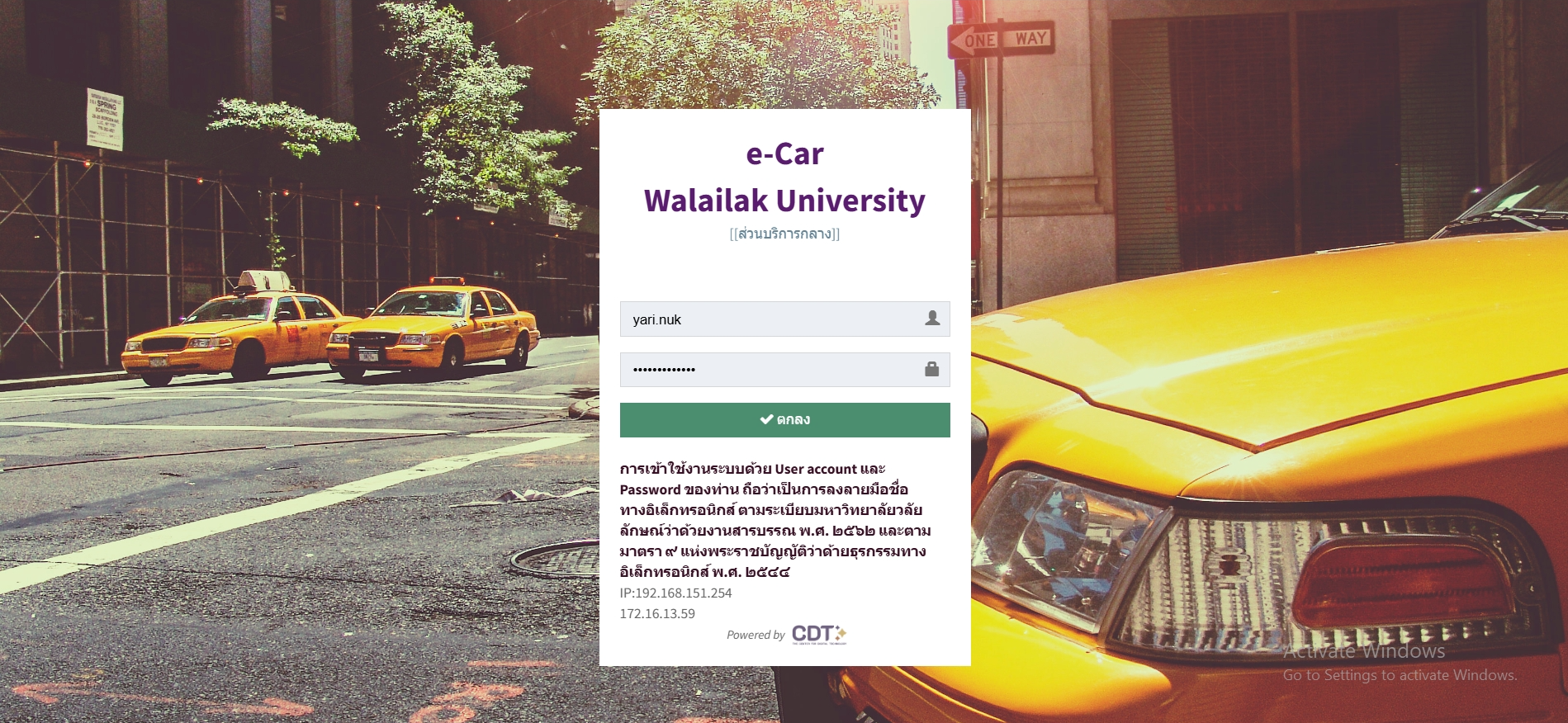
Walailak University has implemented the E-Car System, a digital platform that allows staff to conveniently book vehicles for travel outside the campus. Previously, staff were required to submit paper forms in person at the Division of Service Central, a process that involved significant paper usage and unnecessary travel. By introducing the E-Car System, the university has streamlined the vehicle booking process, reducing paper consumption, minimizing staff travel, and improving overall operational efficiency. The system also enables real-time booking management and scheduling, ensuring that university vehicles are used effectively and sustainably.
IoT Applications for Smarter and Sustainable Campus Management
Walailak University has adopted Internet of Things (IoT) technology to enable real-time monitoring and reduce unnecessary travel, thereby improving efficiency and lowering environmental impact. By connecting devices to the internet for automatic data collection and transmission, systems can be controlled and monitored remotely, allowing staff to manage or adjust equipment without visiting the actual site.
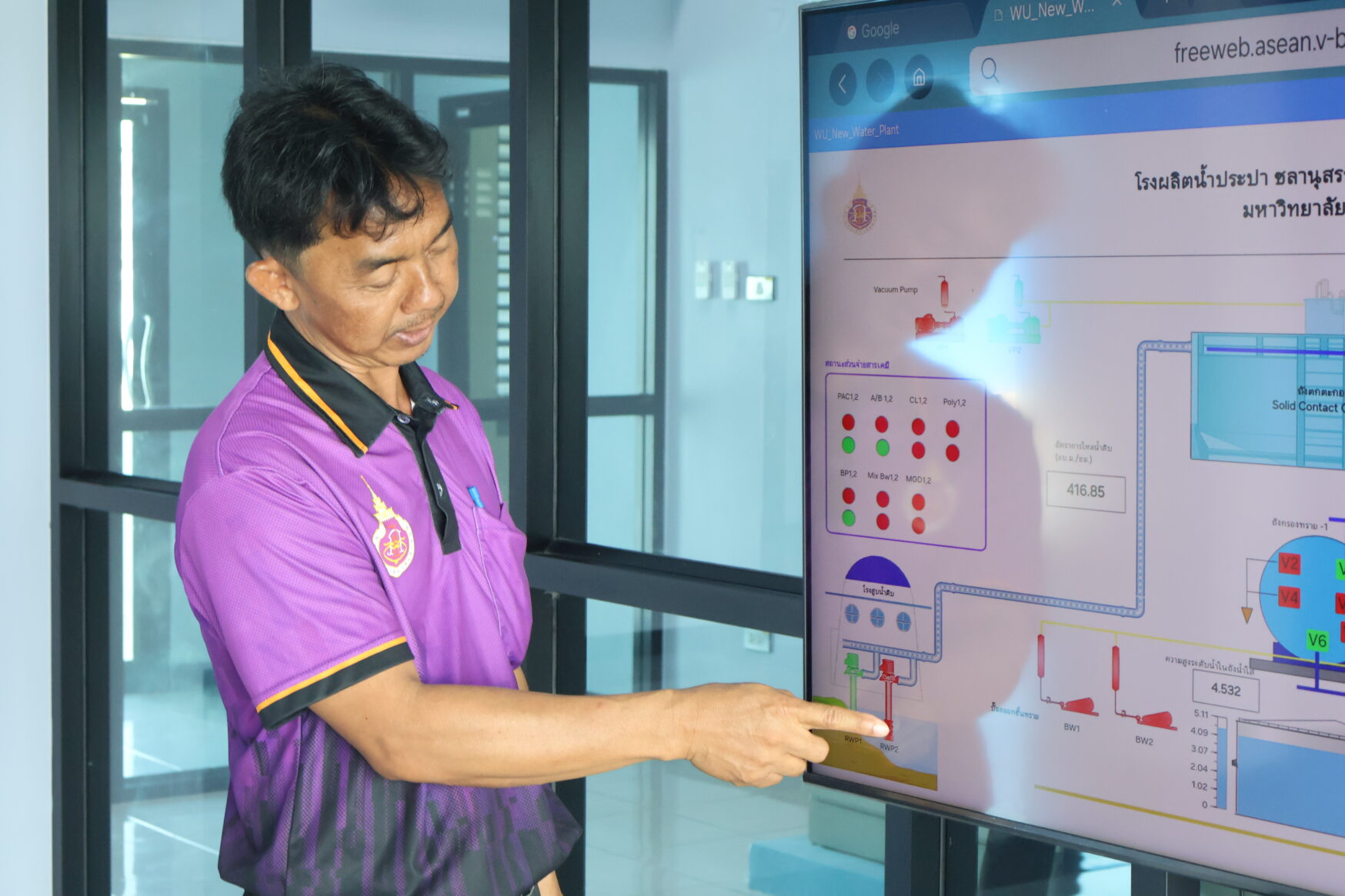
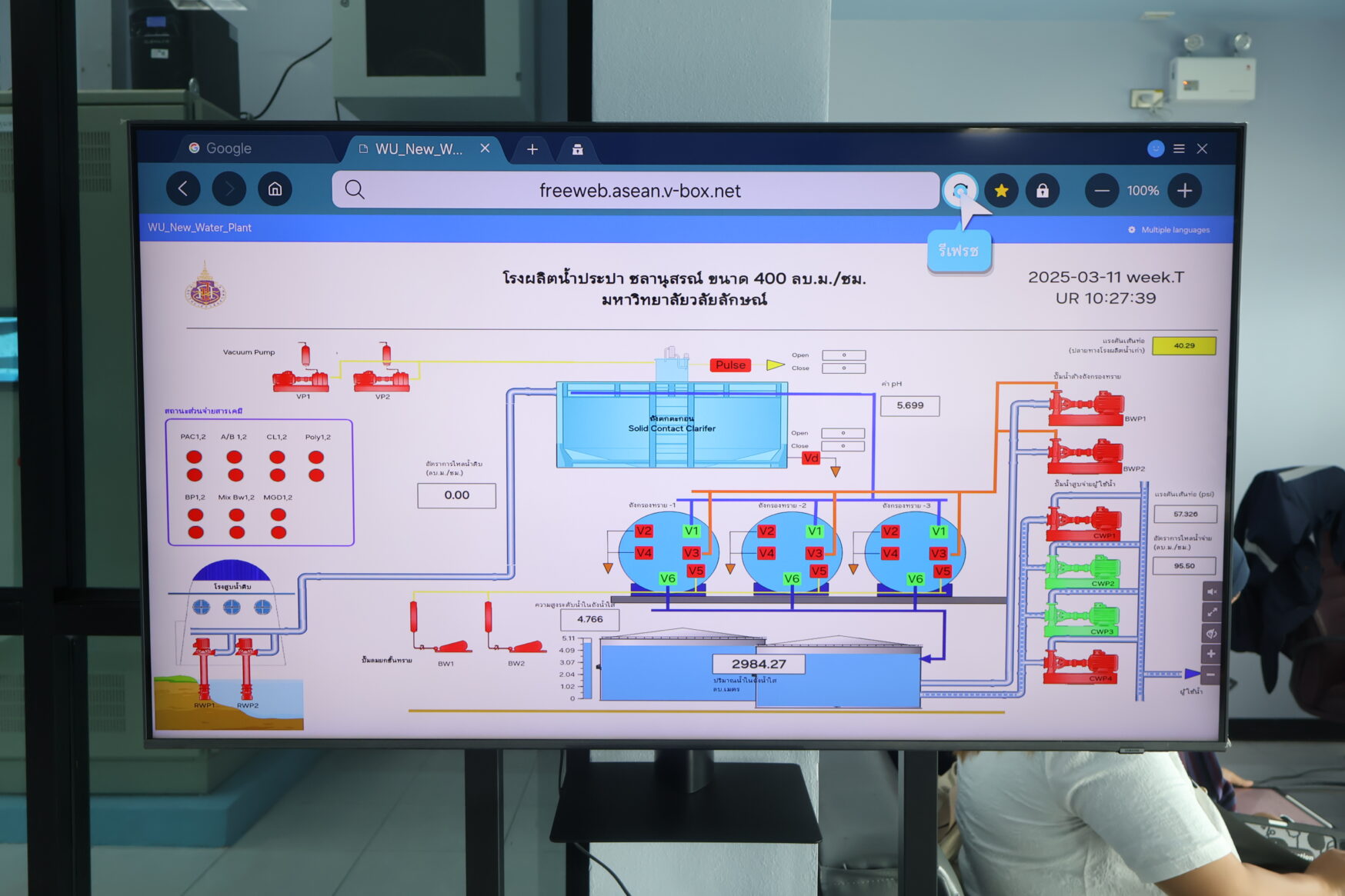
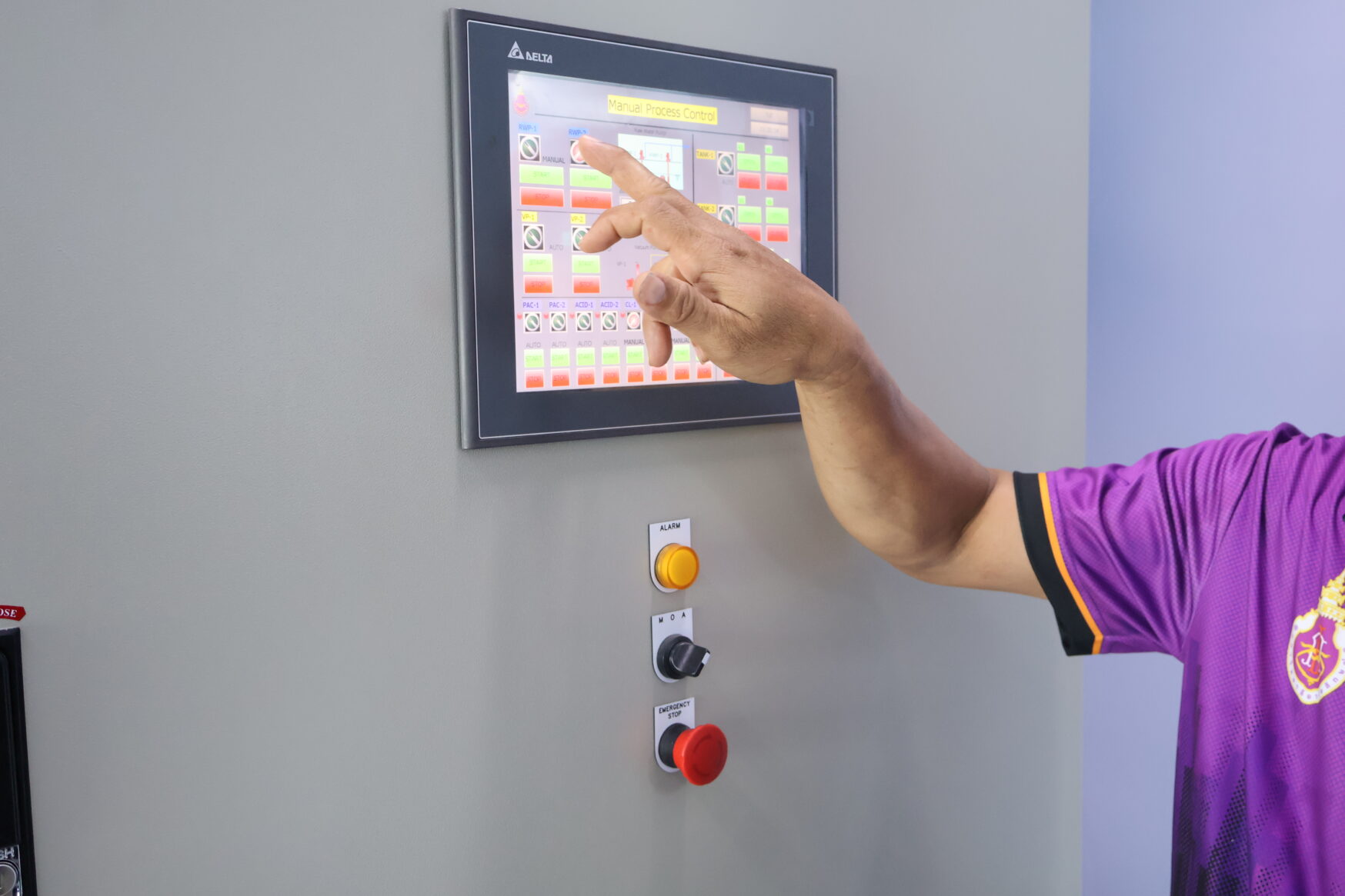
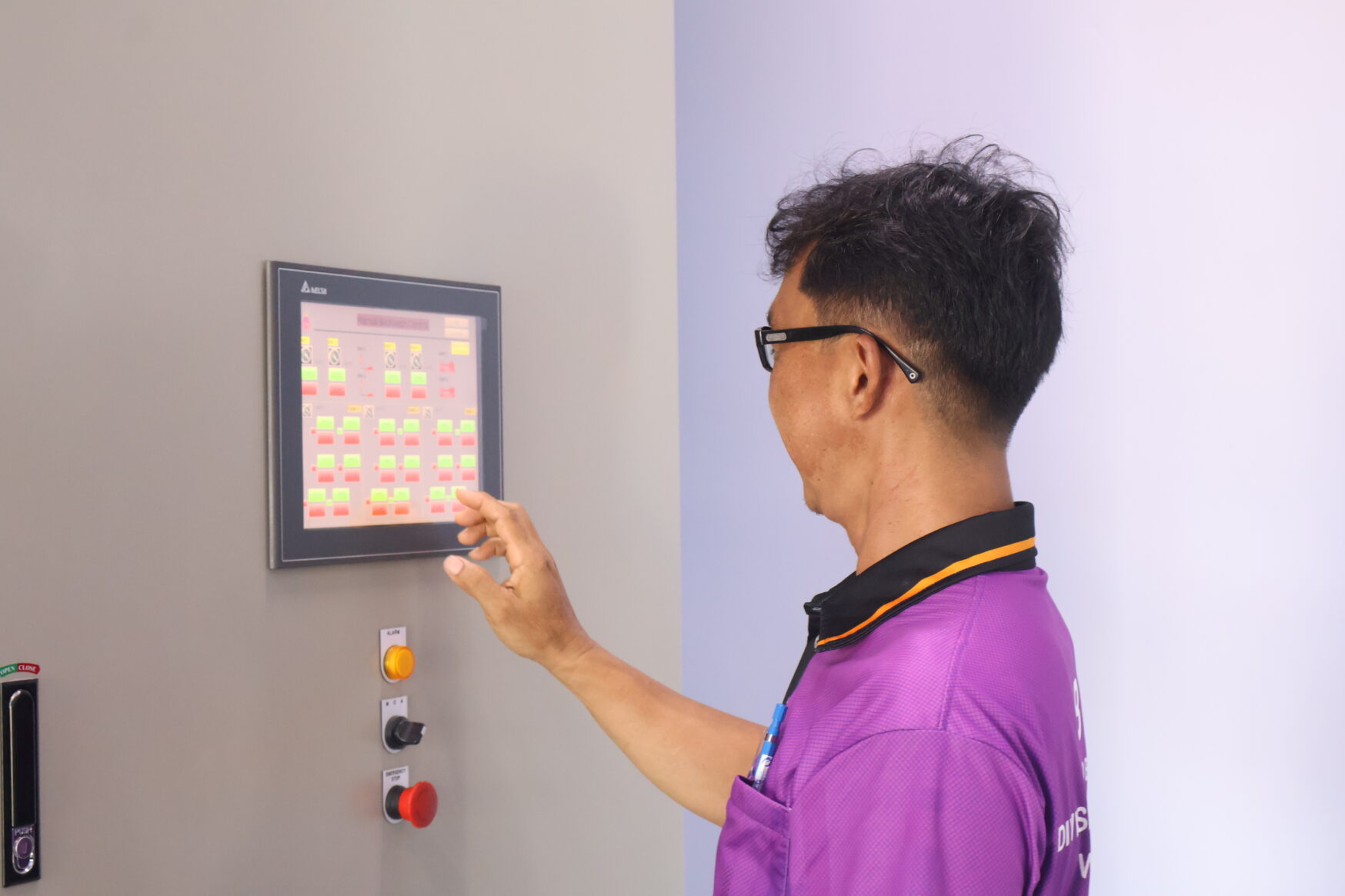
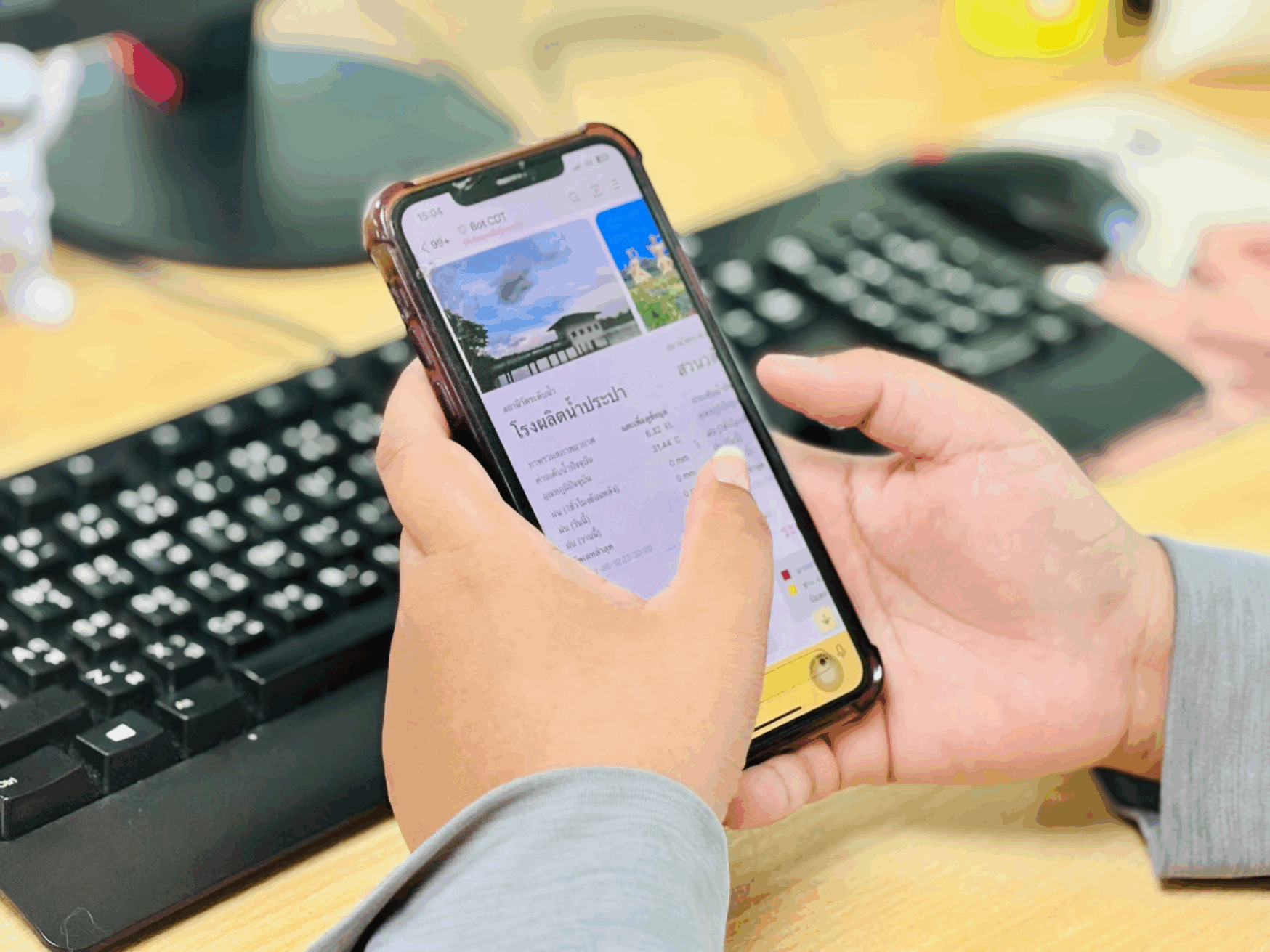
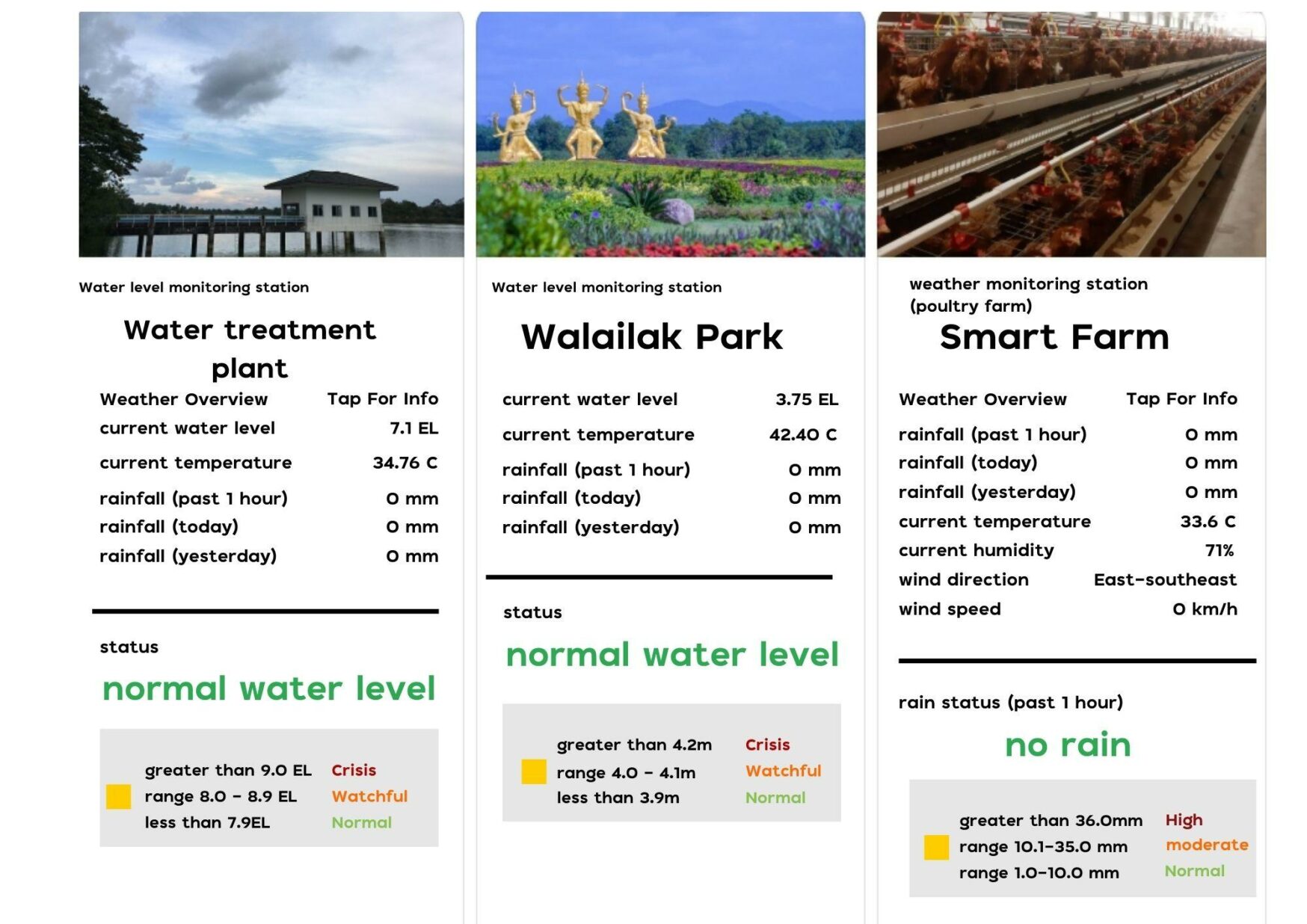
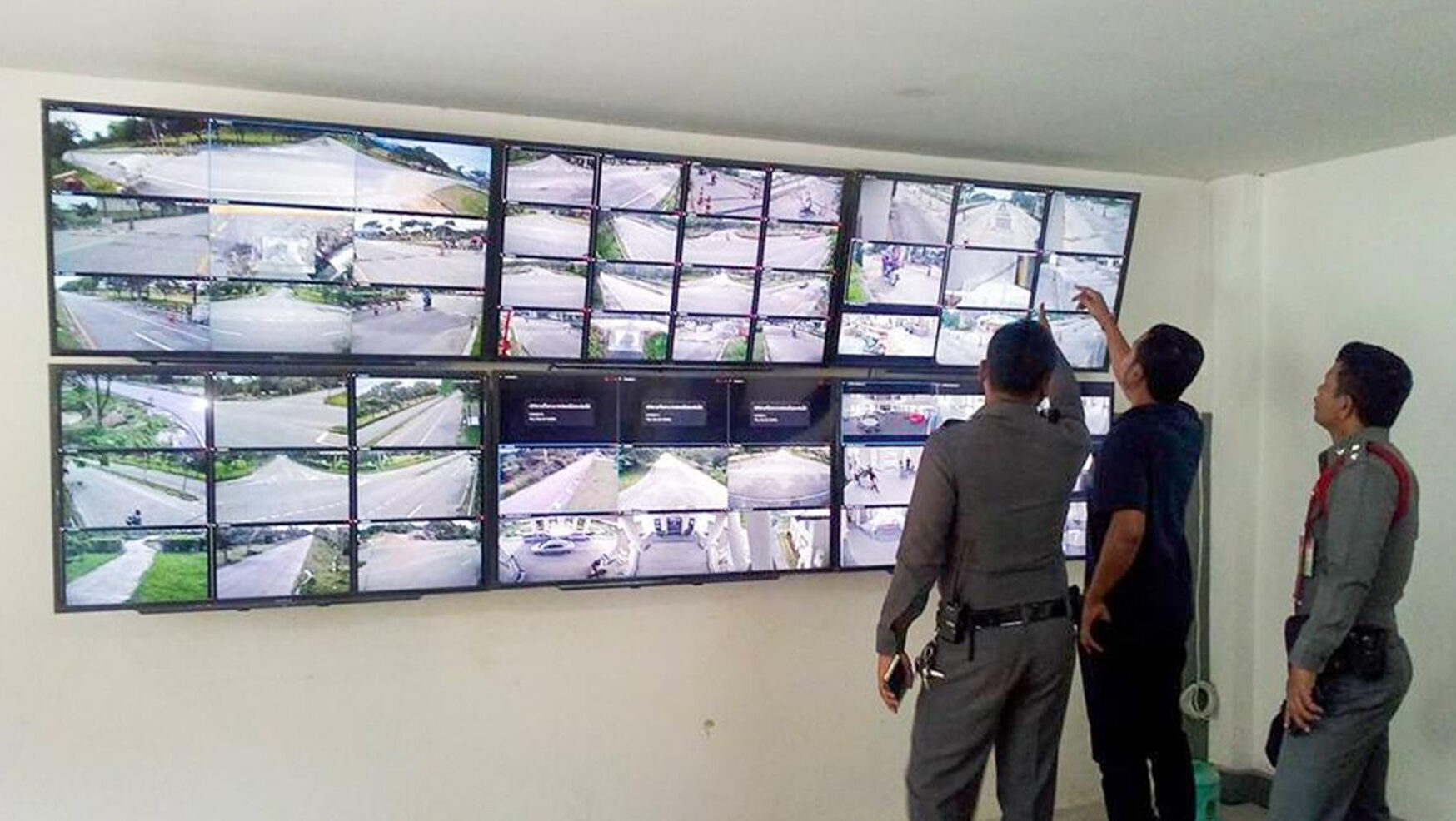
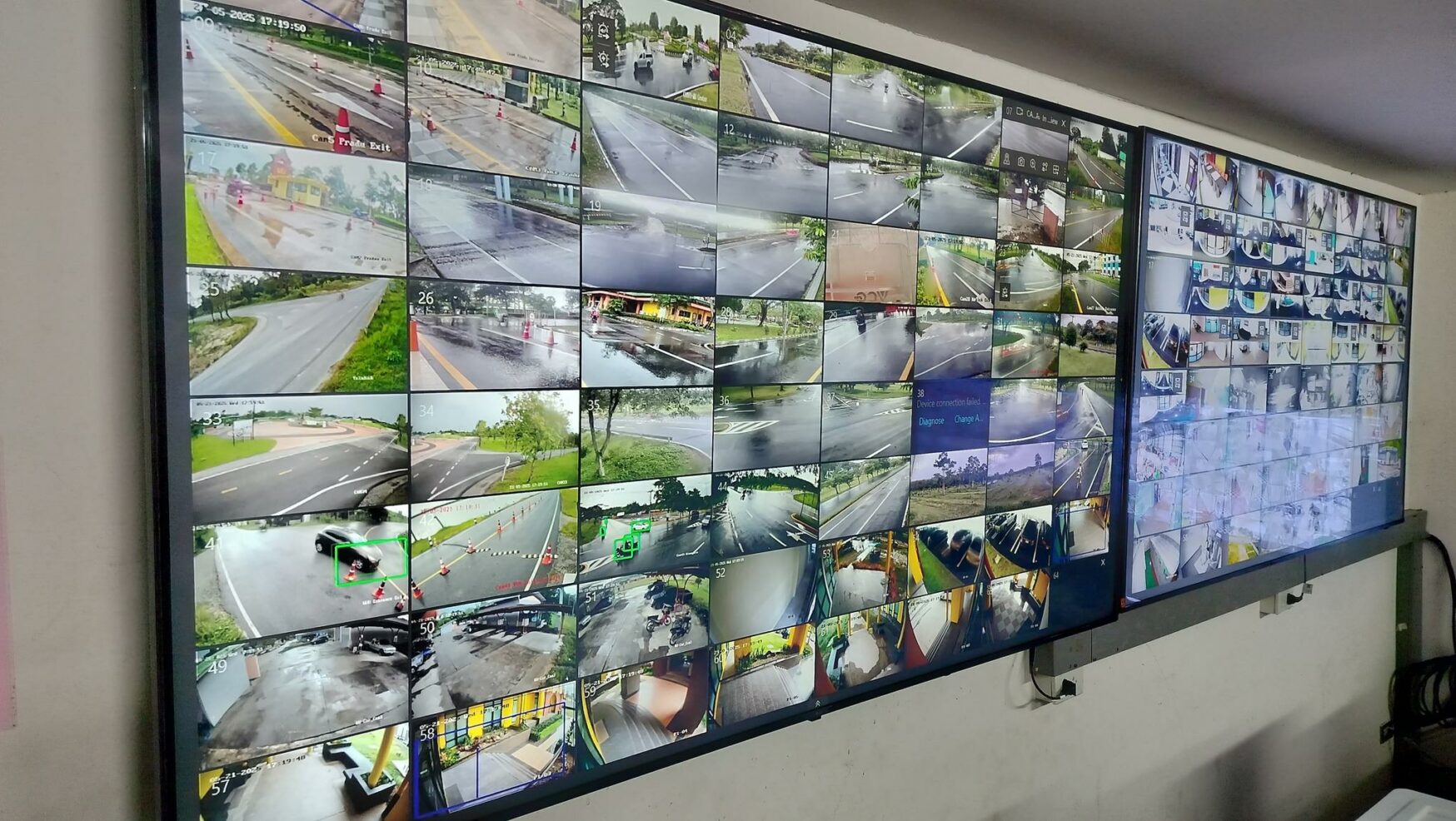
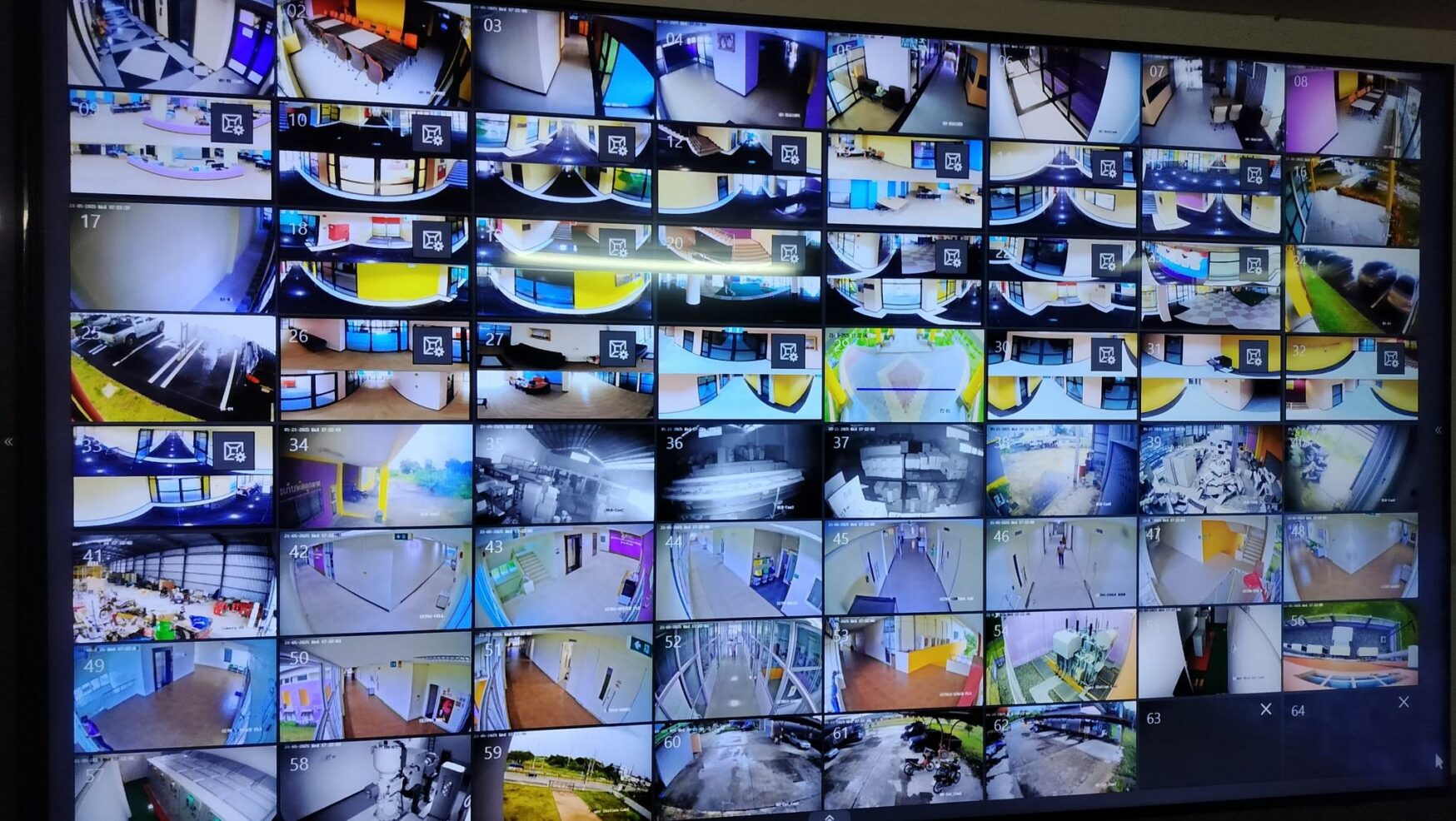
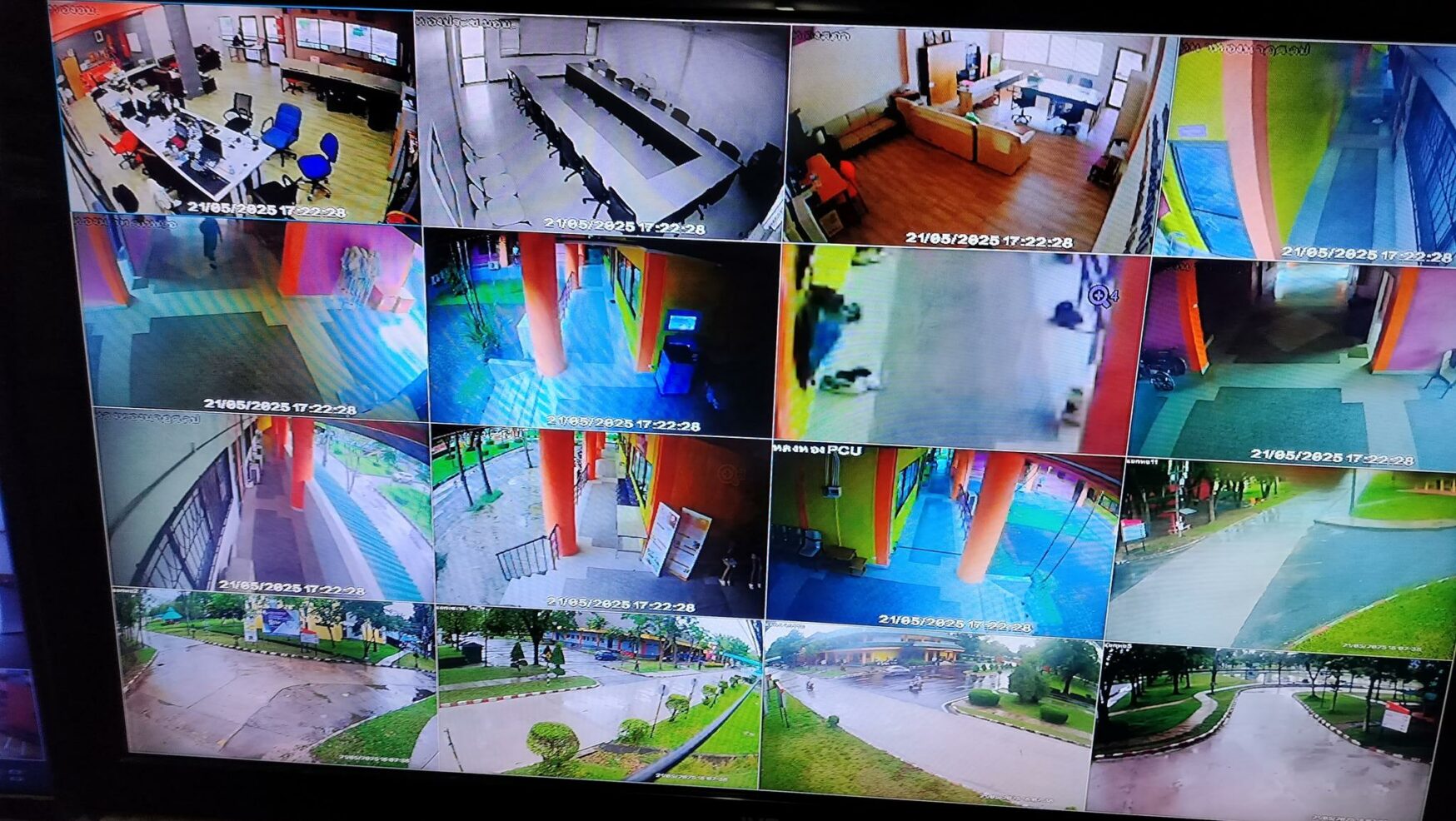
The applications of IoT on campus are diverse. At the Center for Smart Farming and Landscaping Architecture, IoT is used to monitor and manage livestock facilities, supporting animal welfare and efficient agricultural practices. The Division of Landscaping and Building employs IoT to operate the campus water supply system and to track weather conditions and water levels, helping to prevent flooding and ensure sustainable water management. Meanwhile, the Division of Service Central applies IoT solutions to strengthen campus security through advanced surveillance and monitoring systems.
Figures : Livestock facilities at the Center for Smart Farming and Landscaping Architecture
Figures : Water supply system at the Division of Landscaping and Building
Figures : Management of the Campus Water Supply, Weather Monitoring, and Water Level Tracking by the Division of Landscaping and Building
Figures : Security Monitoring System by the Division of Service Central
Walailak University’s advancement in remote work and smart technology integration is guided by a continuous process of diagnostic, development, engagement, and measurement. Through diagnostic assessment, the university identifies operational needs and environmental challenges related to commuting and resource use. Development is reflected in the creation of digital systems, smart farm applications, and IoT solutions that enhance efficiency and sustainability. Engagement of staff across all departments ensures the effective adoption of remote working practices and digital platforms. Finally, continuous measurement of system performance and environmental outcomes allows the university to refine its innovations, reinforcing its role as a model for sustainable, technology-driven campus management.