WU’s Collaborations with Governments and NGOs for Tackling Climate Change, Promoting Marine Resource Conservation, and Improving Well-being for Thai Society
WU’s Collaborations with Governments and NGOs for Tackling Climate Change, Promoting Marine Resource Conservation, and Improving Well-being for Thai Society
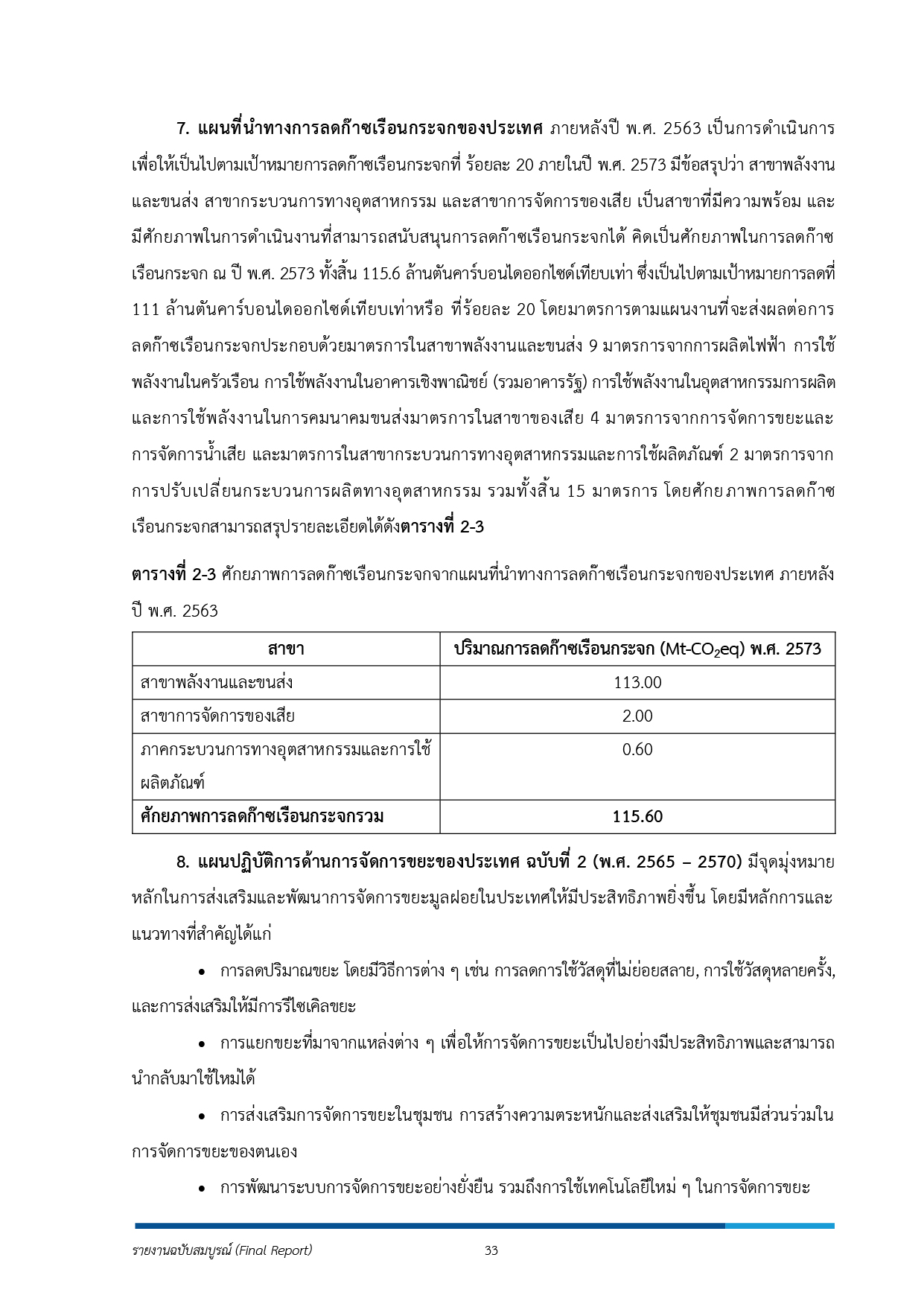
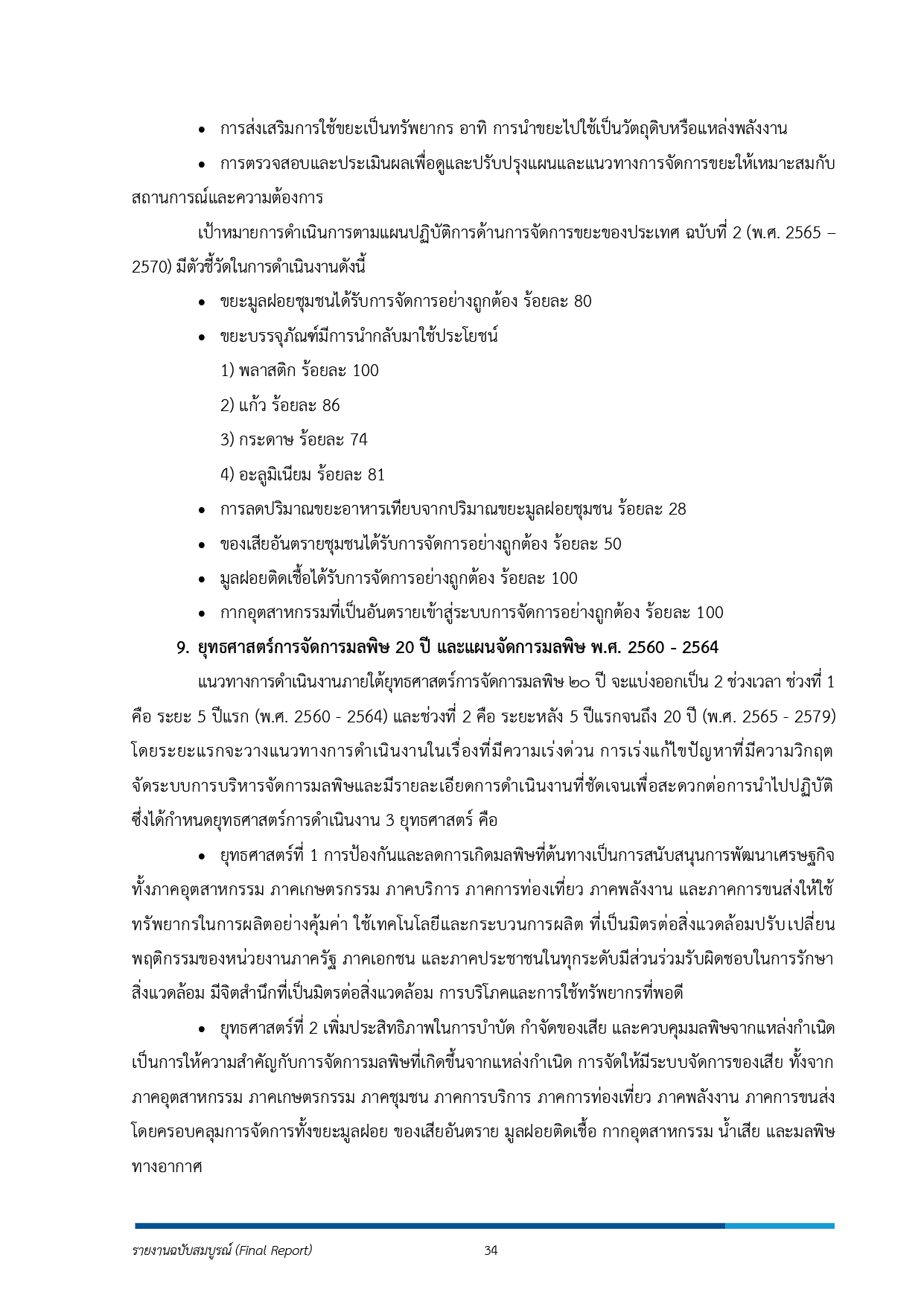
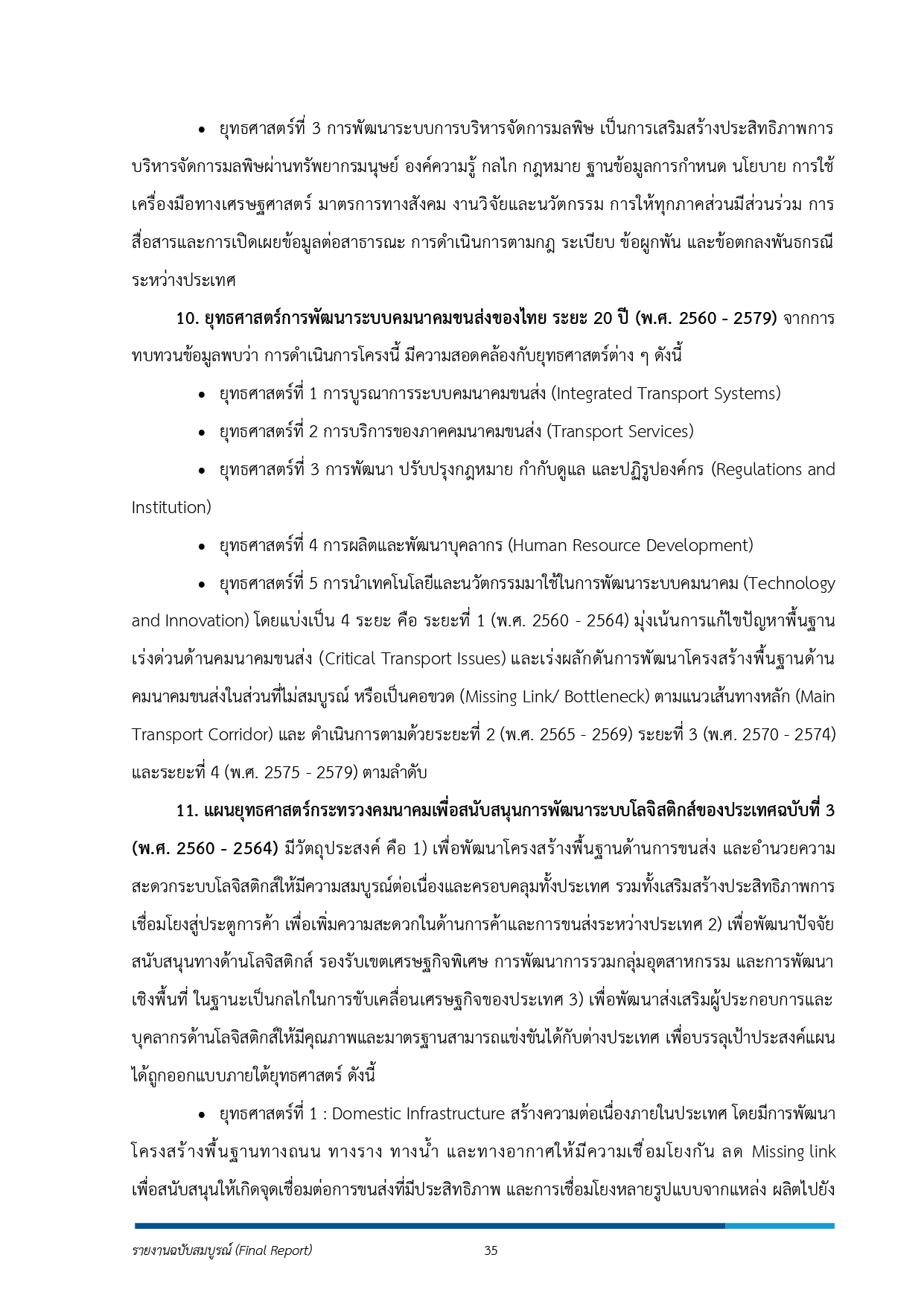
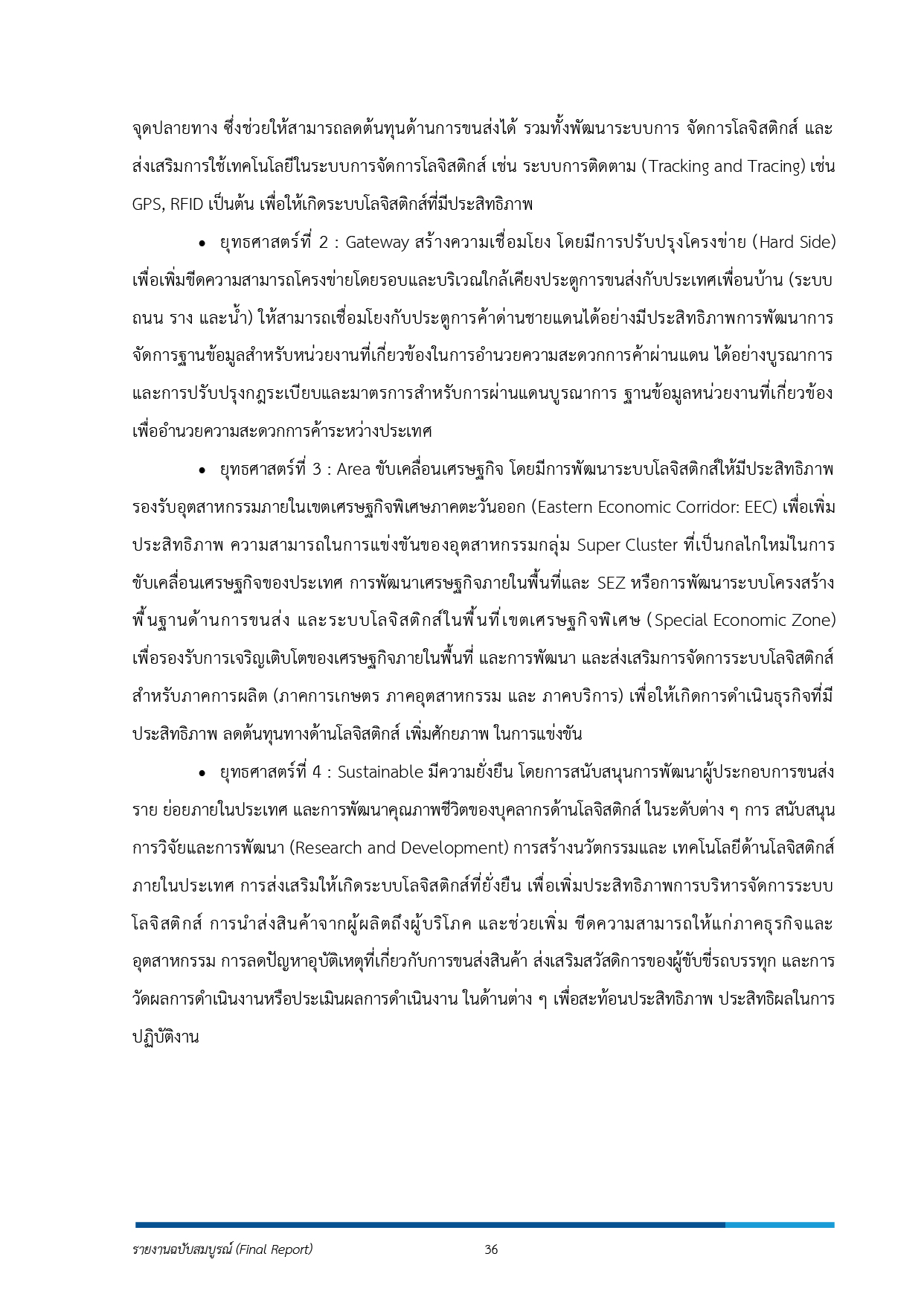
Walailak University has direct involvement in, and provides substantial input into, national government and regional non-governmental organizations in SDG policy development. This includes identifying existing and emerging problems and challenges, formulating policies and strategic frameworks, modeling future scenarios with and without targeted interventions, monitoring and reporting on policy implementation and impacts, and supporting adaptive management to improve long-term sustainability outcomes. Since Professor Dr. Sombat Thamrongthanyawong assumed the presidency, Walailak University researchers have increasingly collaborated with government bodies and NGOs to advance policy and strategy development toward achieving the United Nations’ Sustainable Development Goals. This aligns with the university’s commitment to becoming a leading institution in SDG implementation.
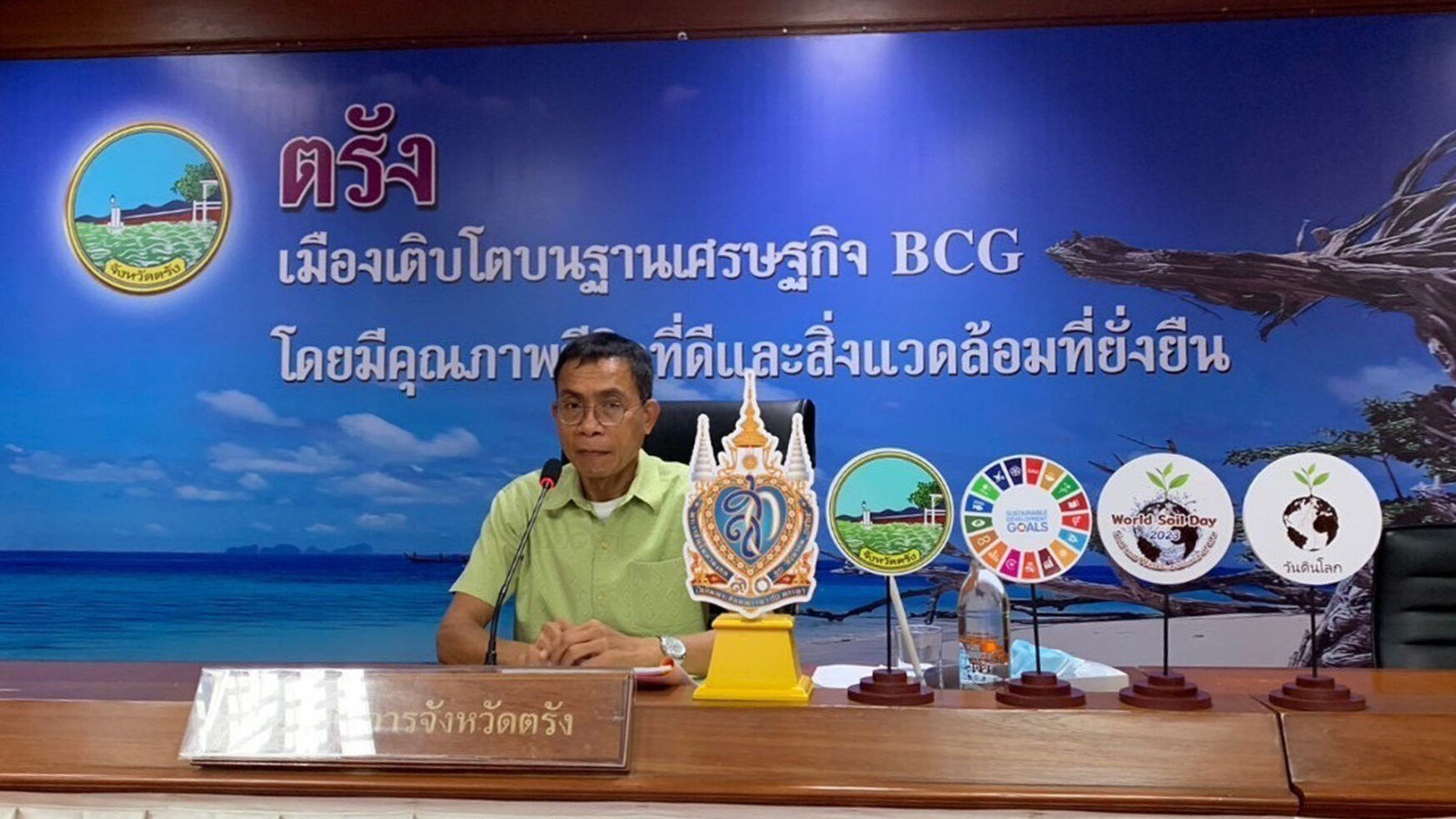
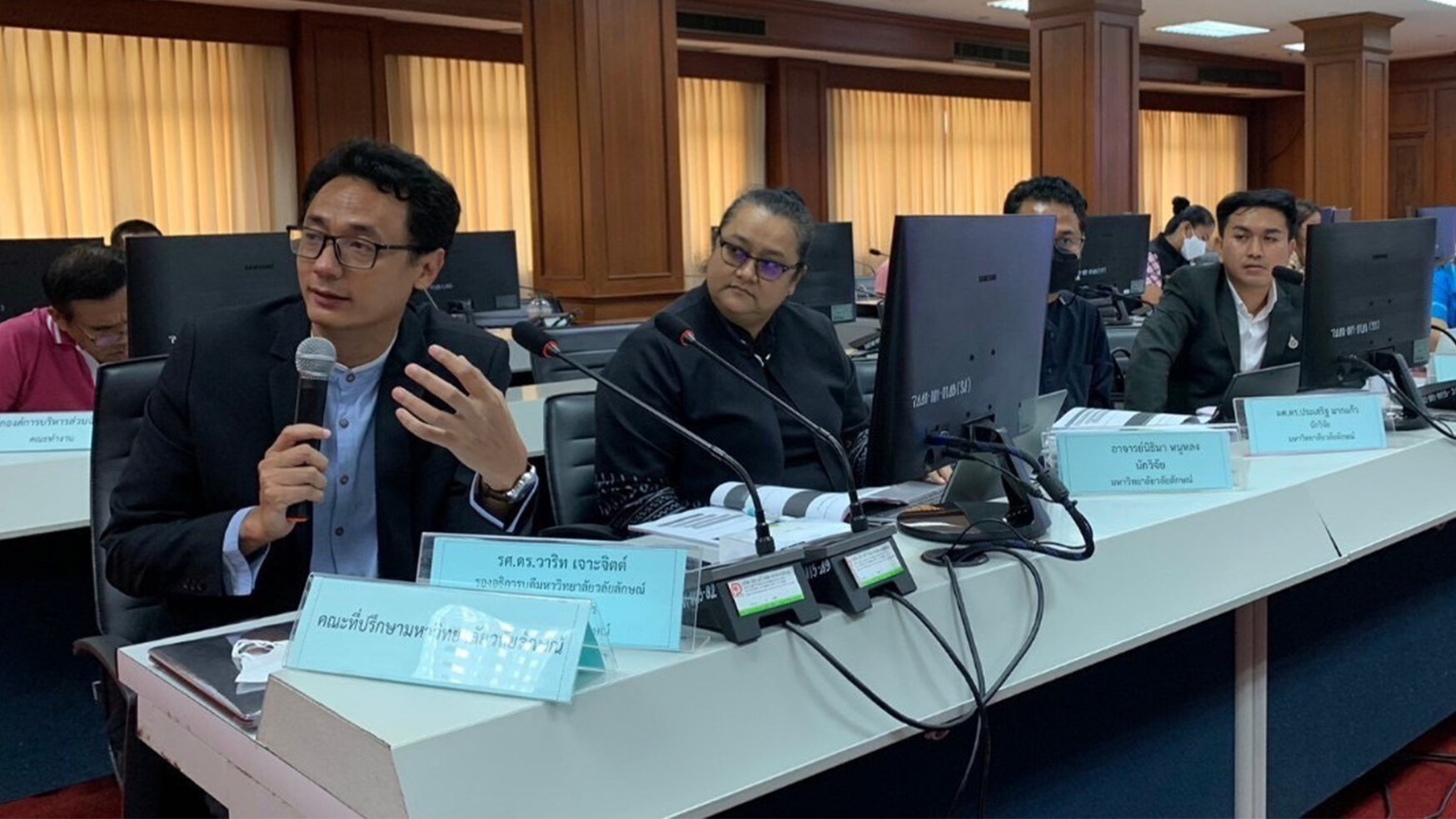
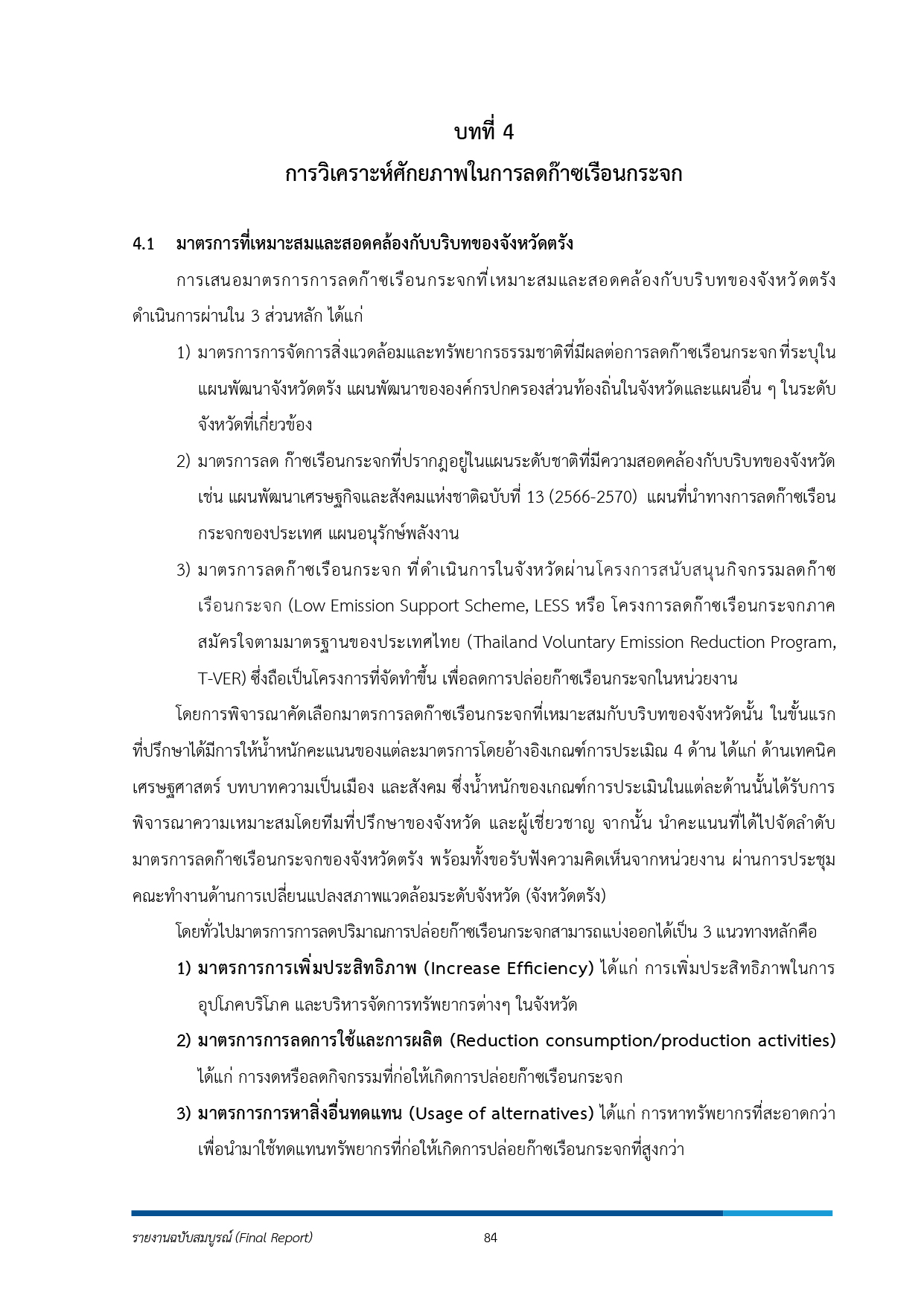
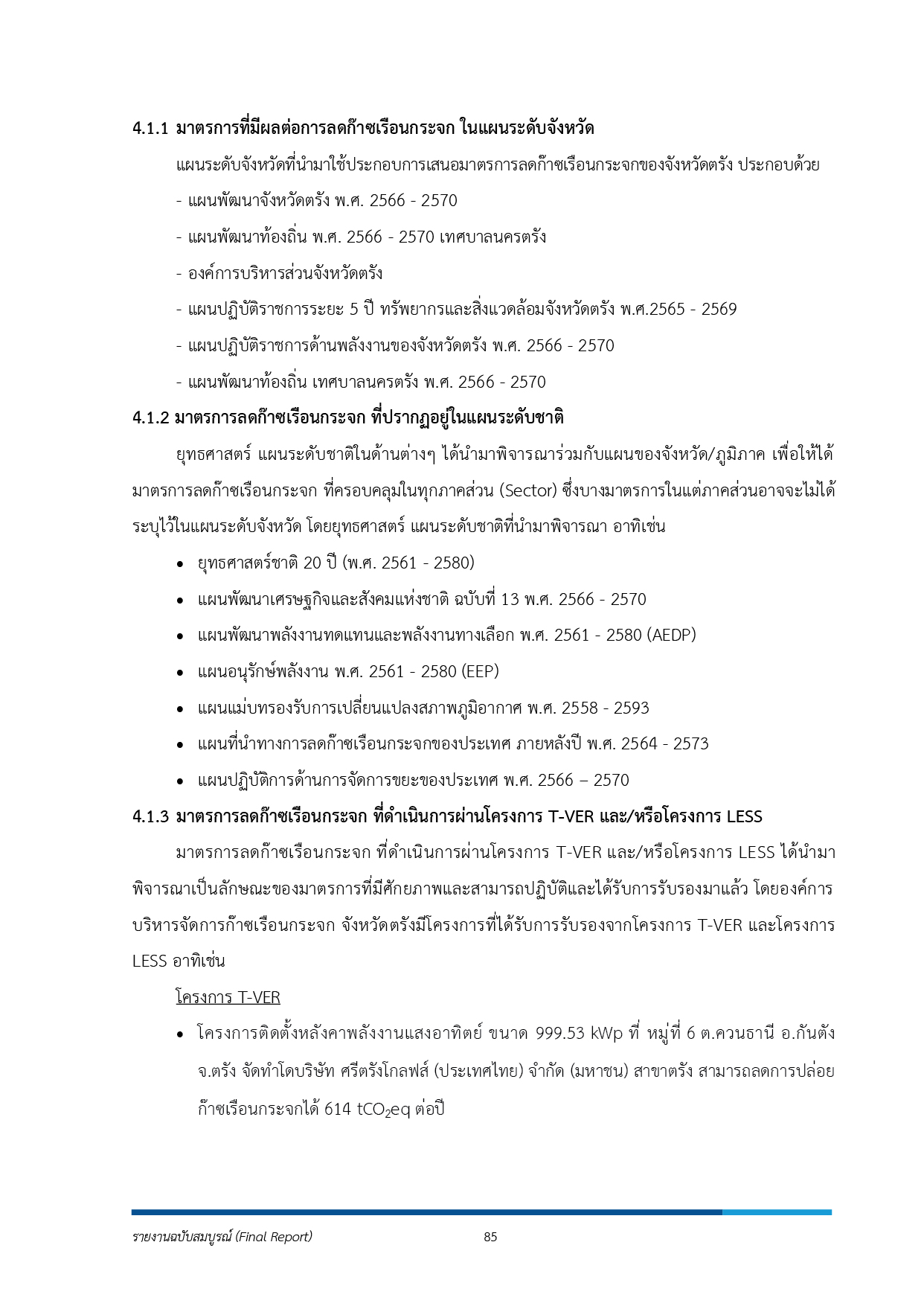
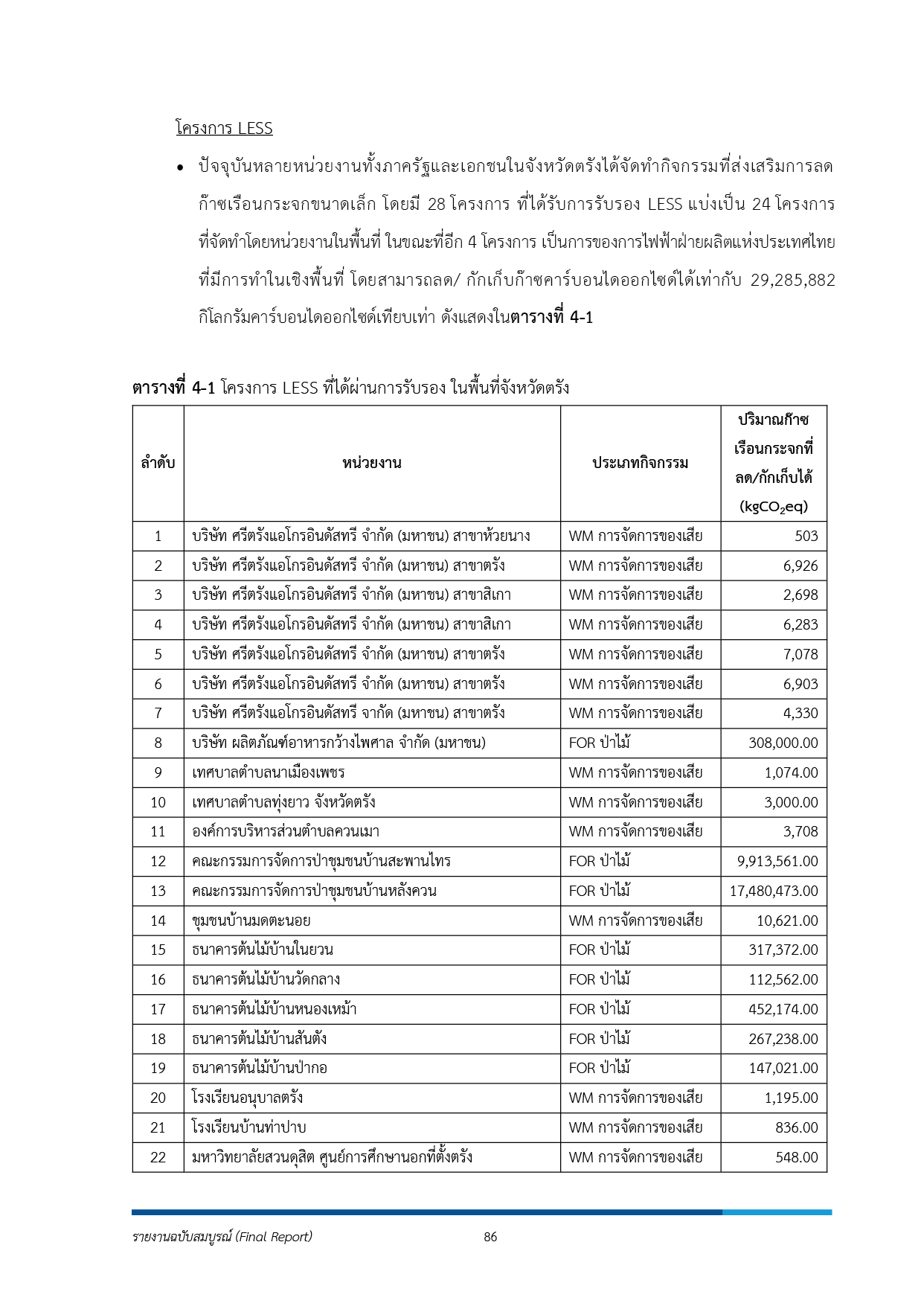
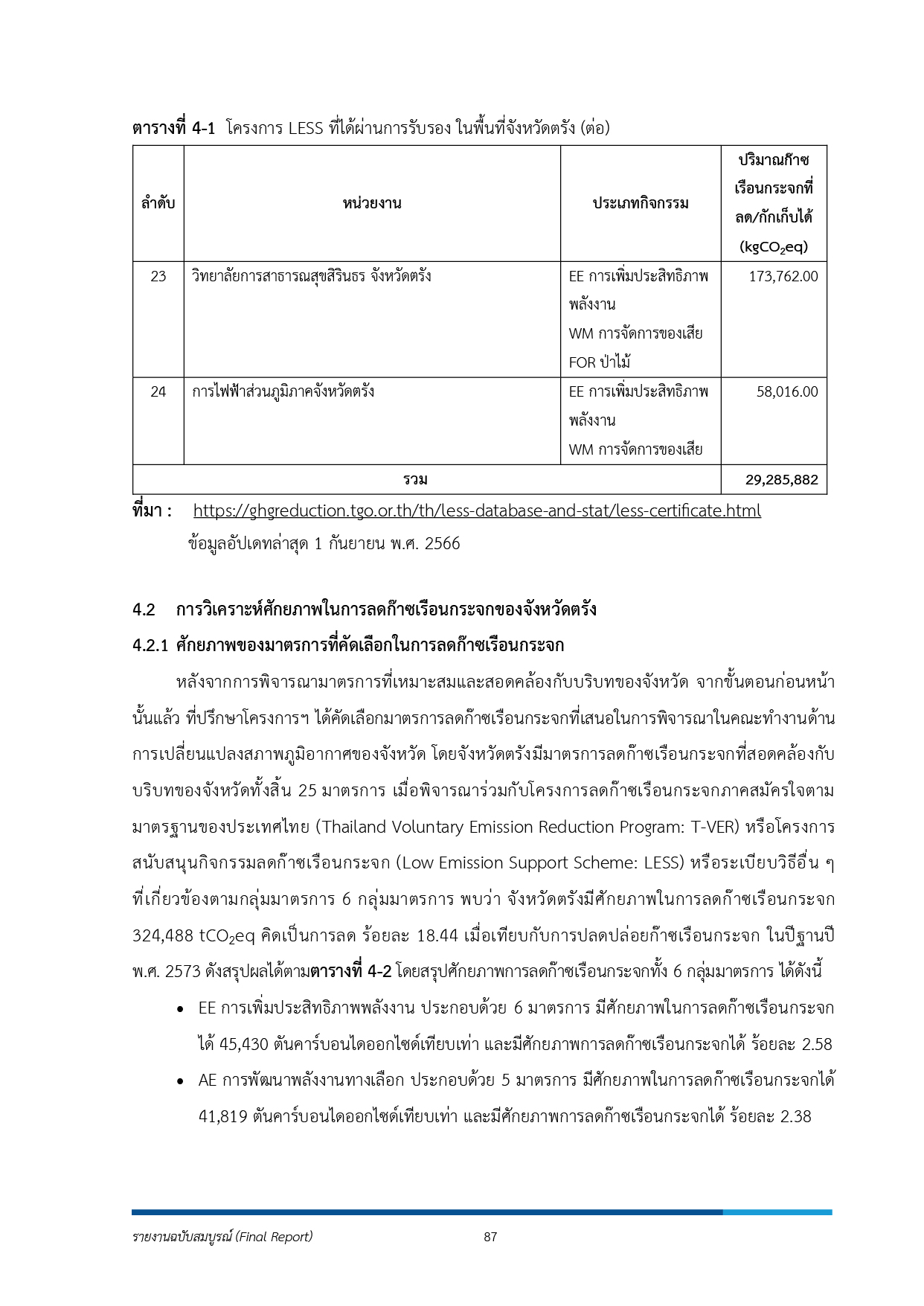
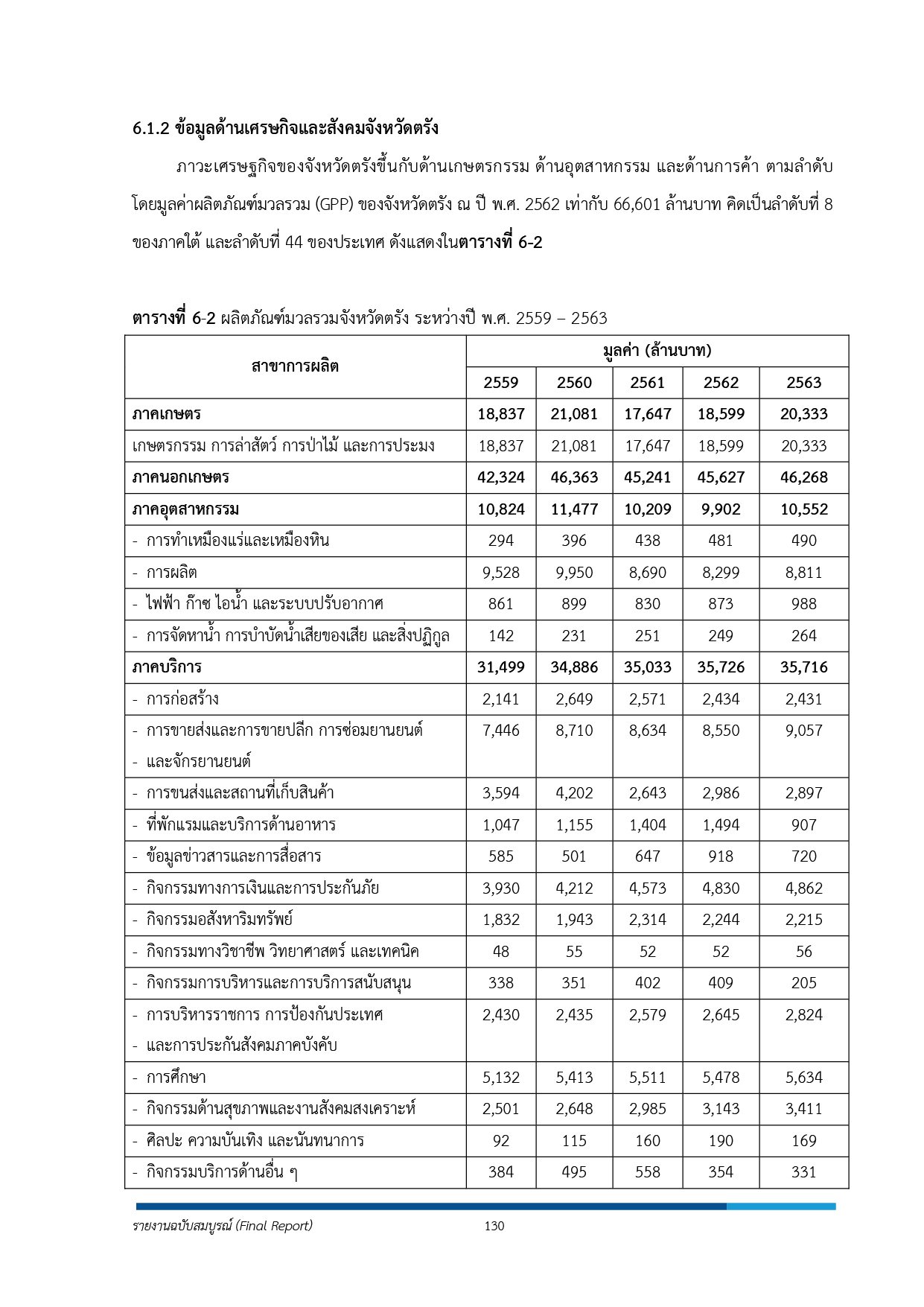
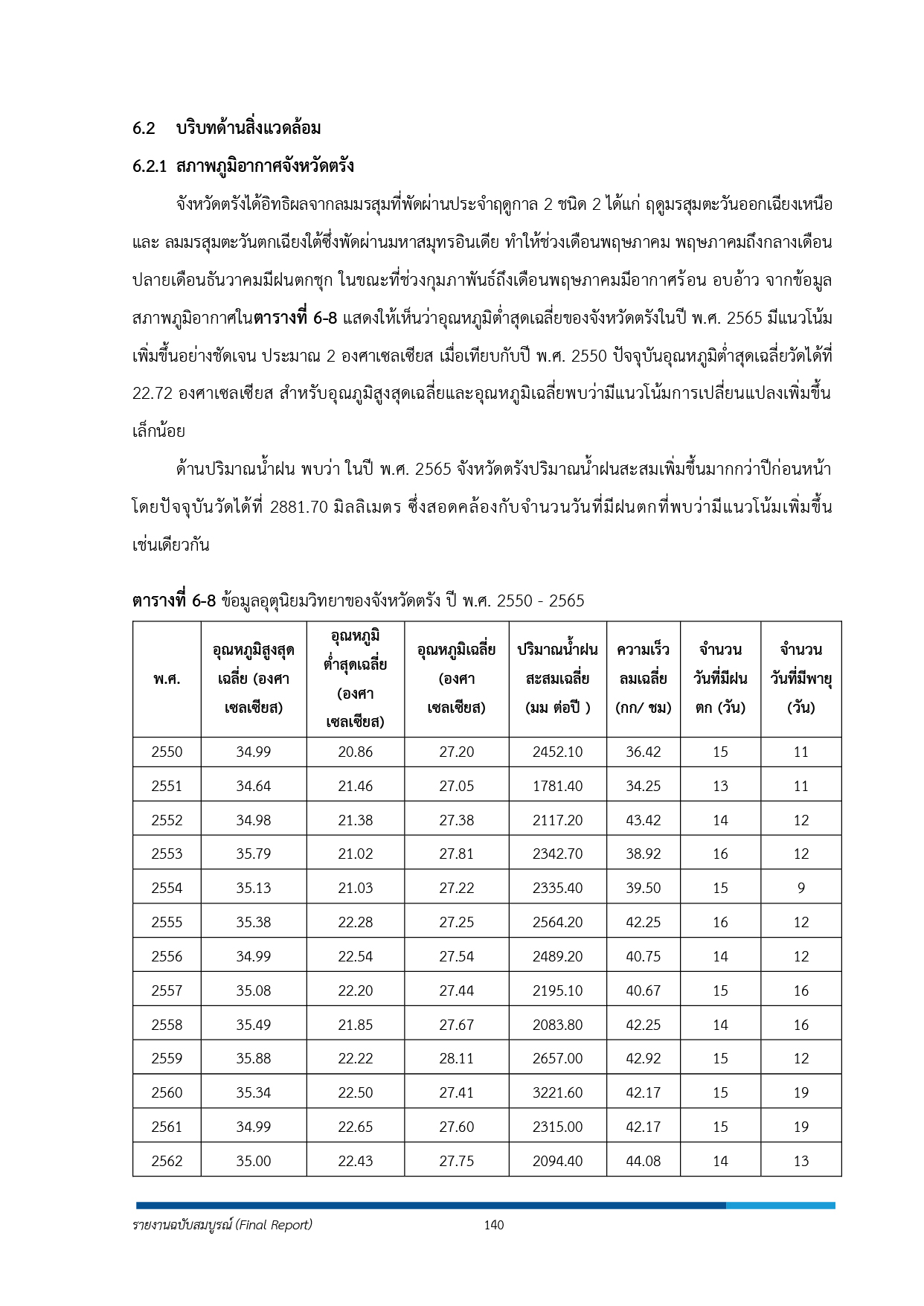
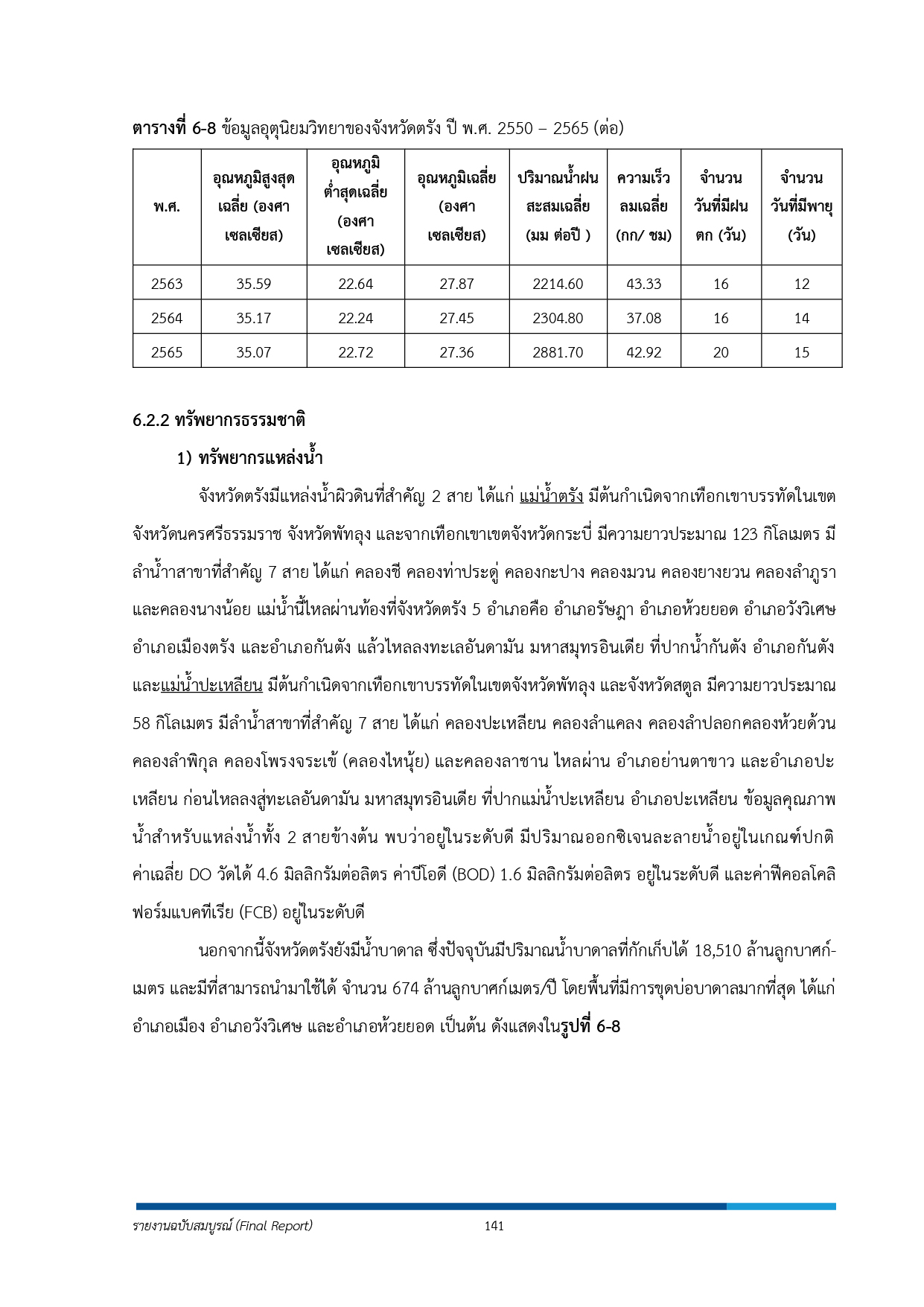
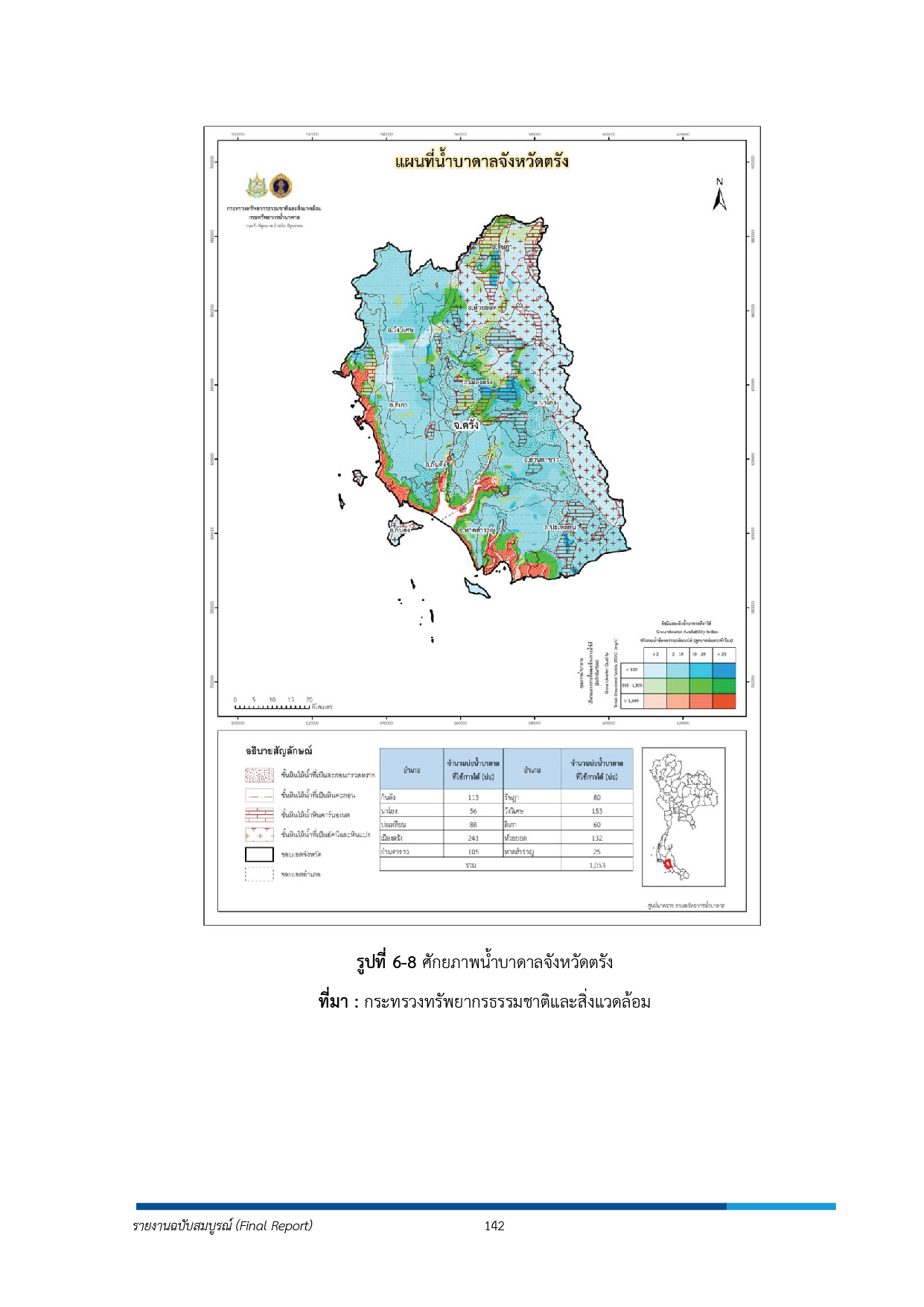
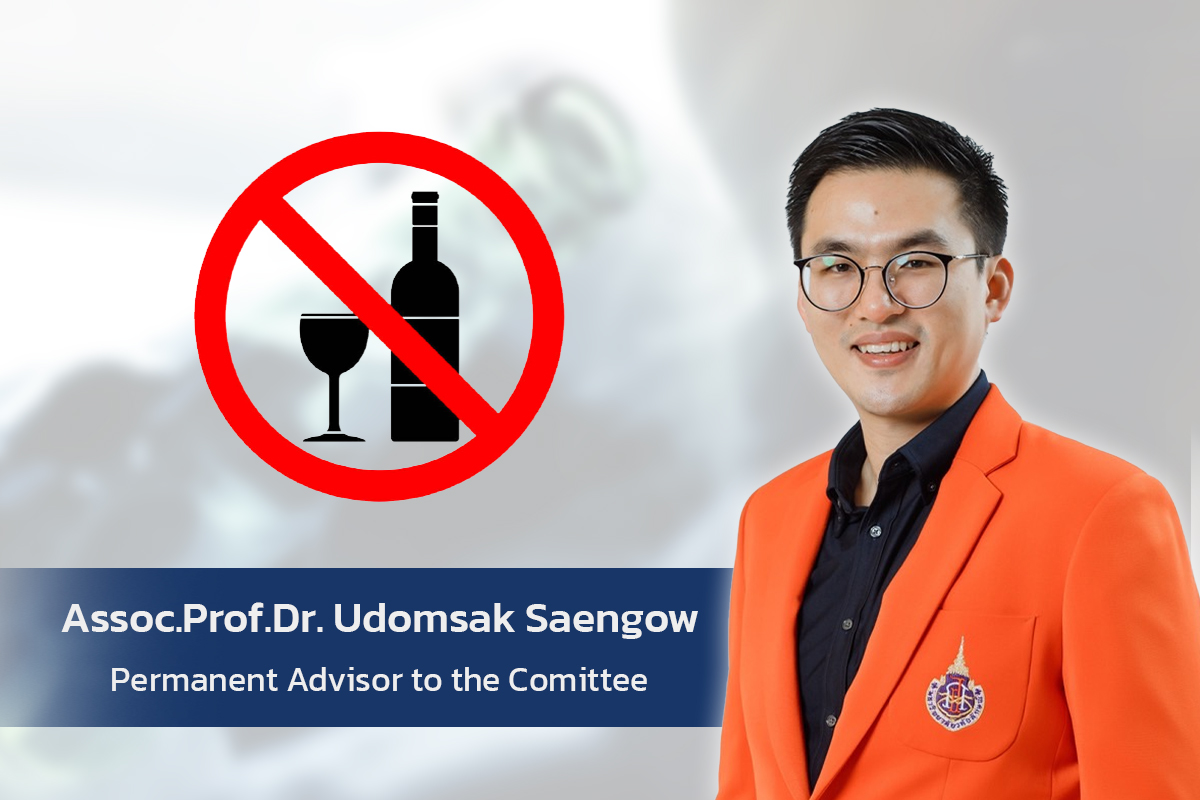
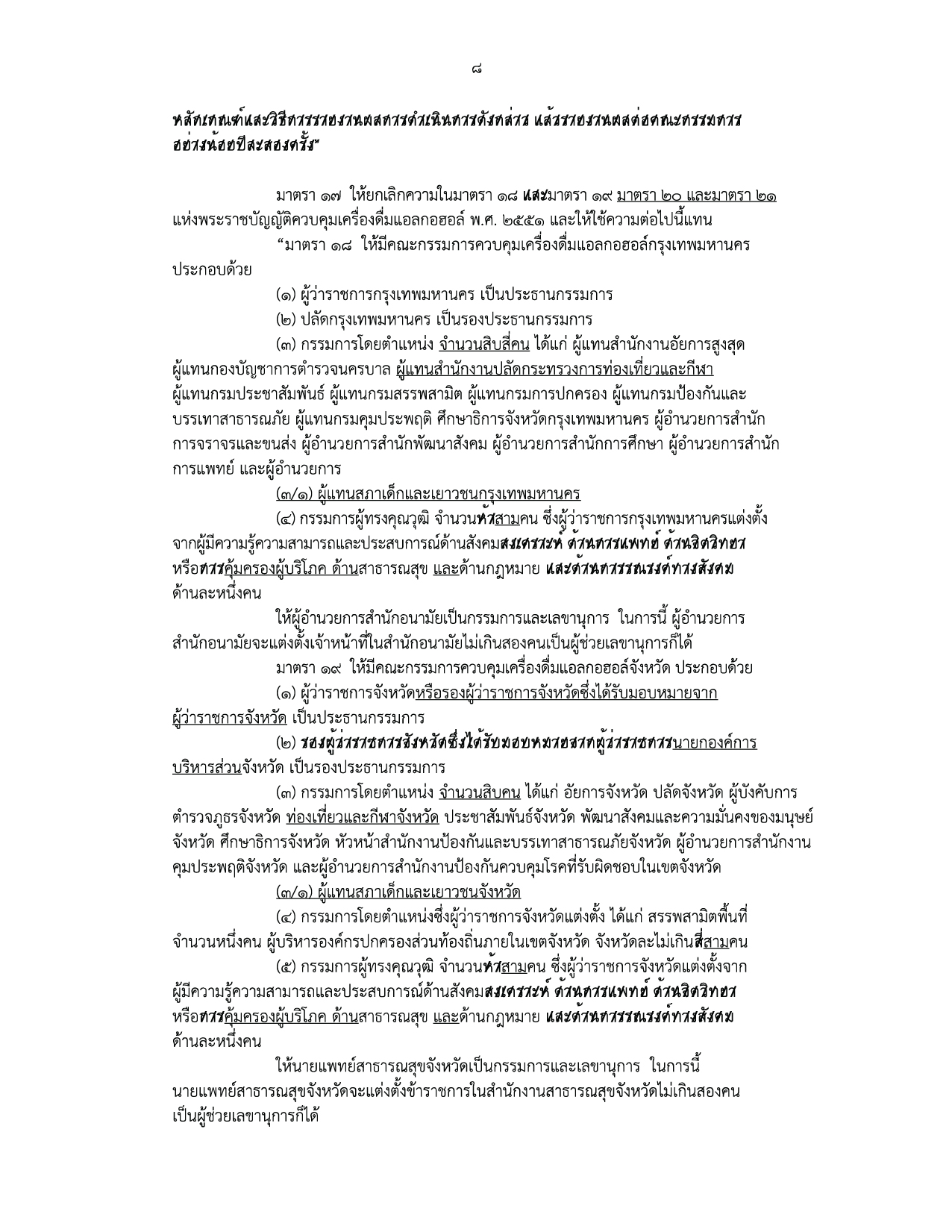
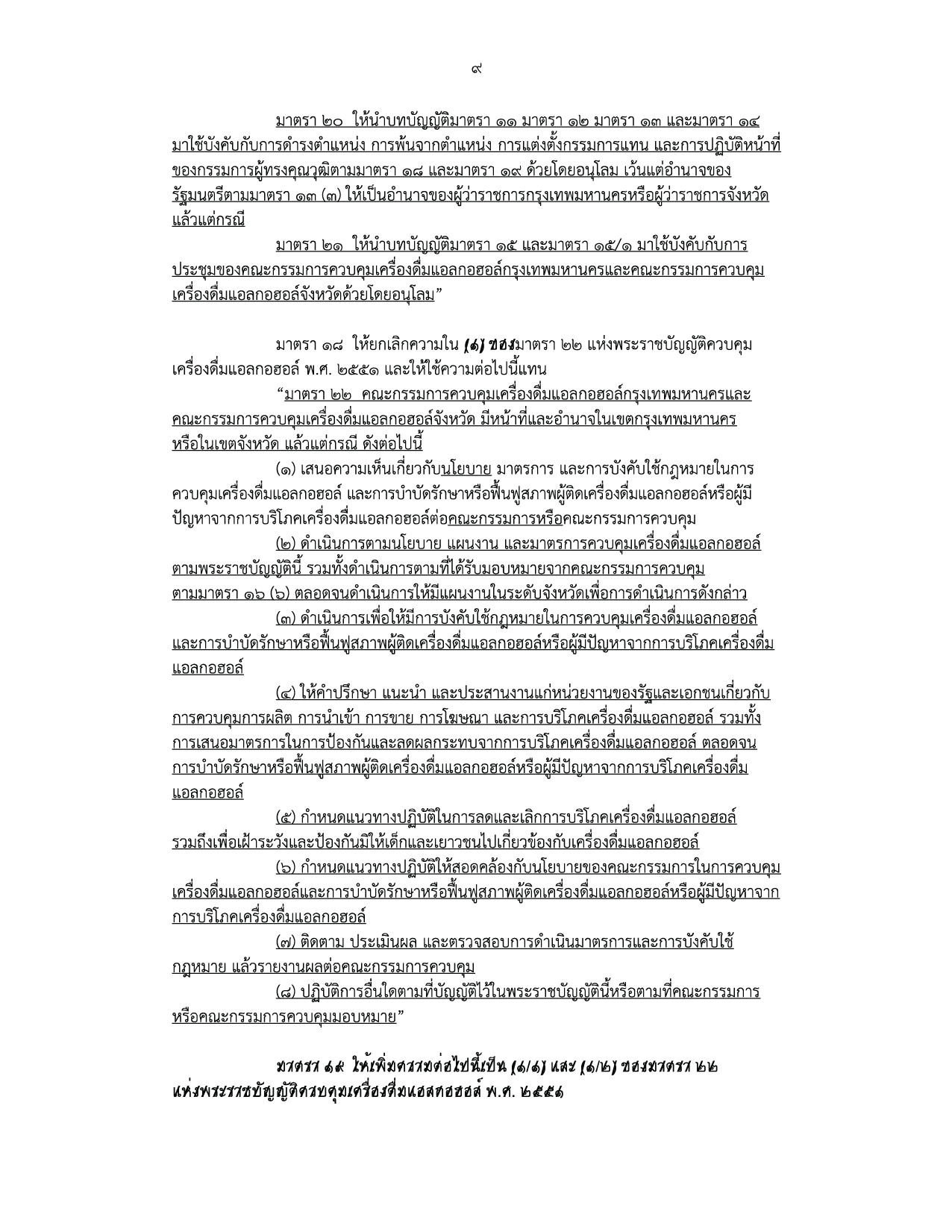
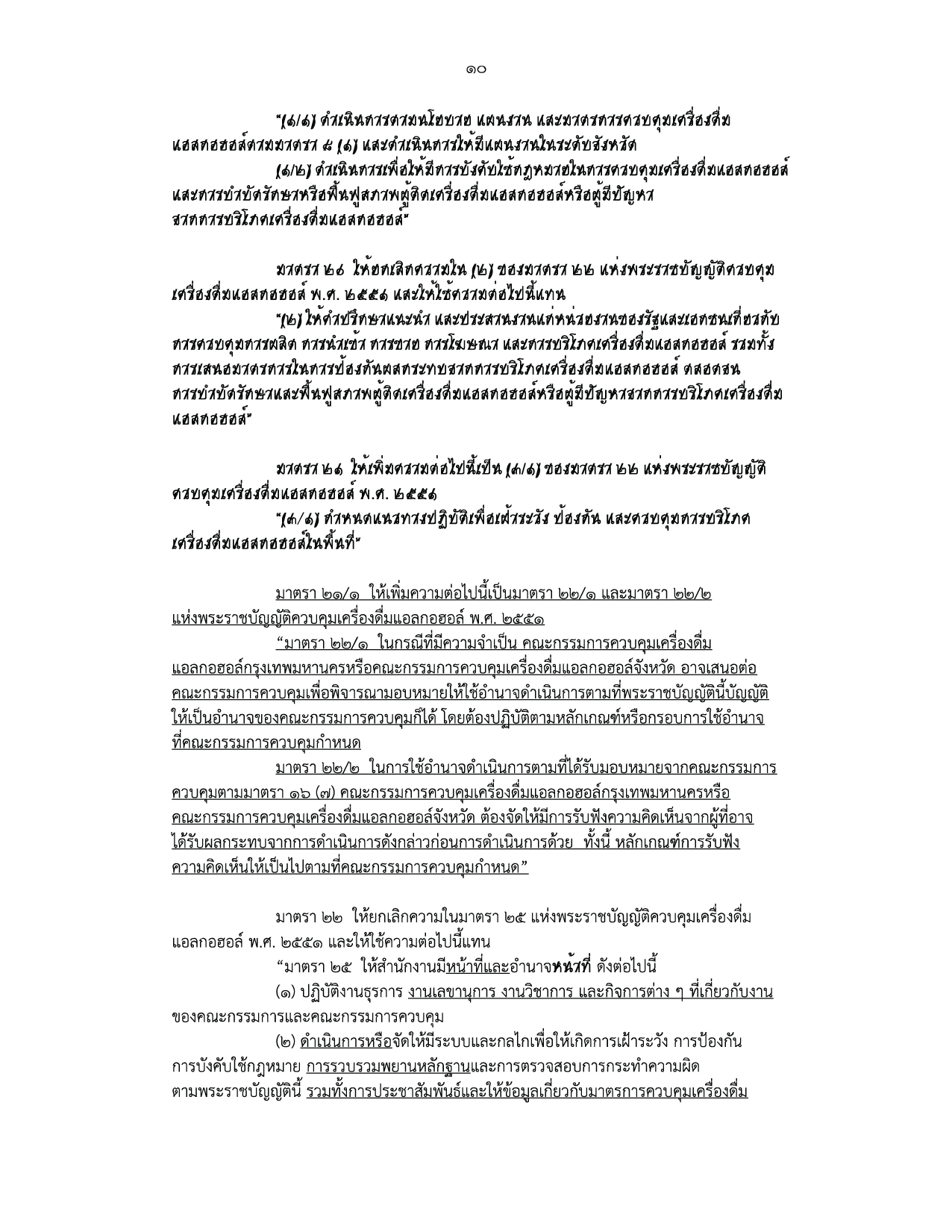
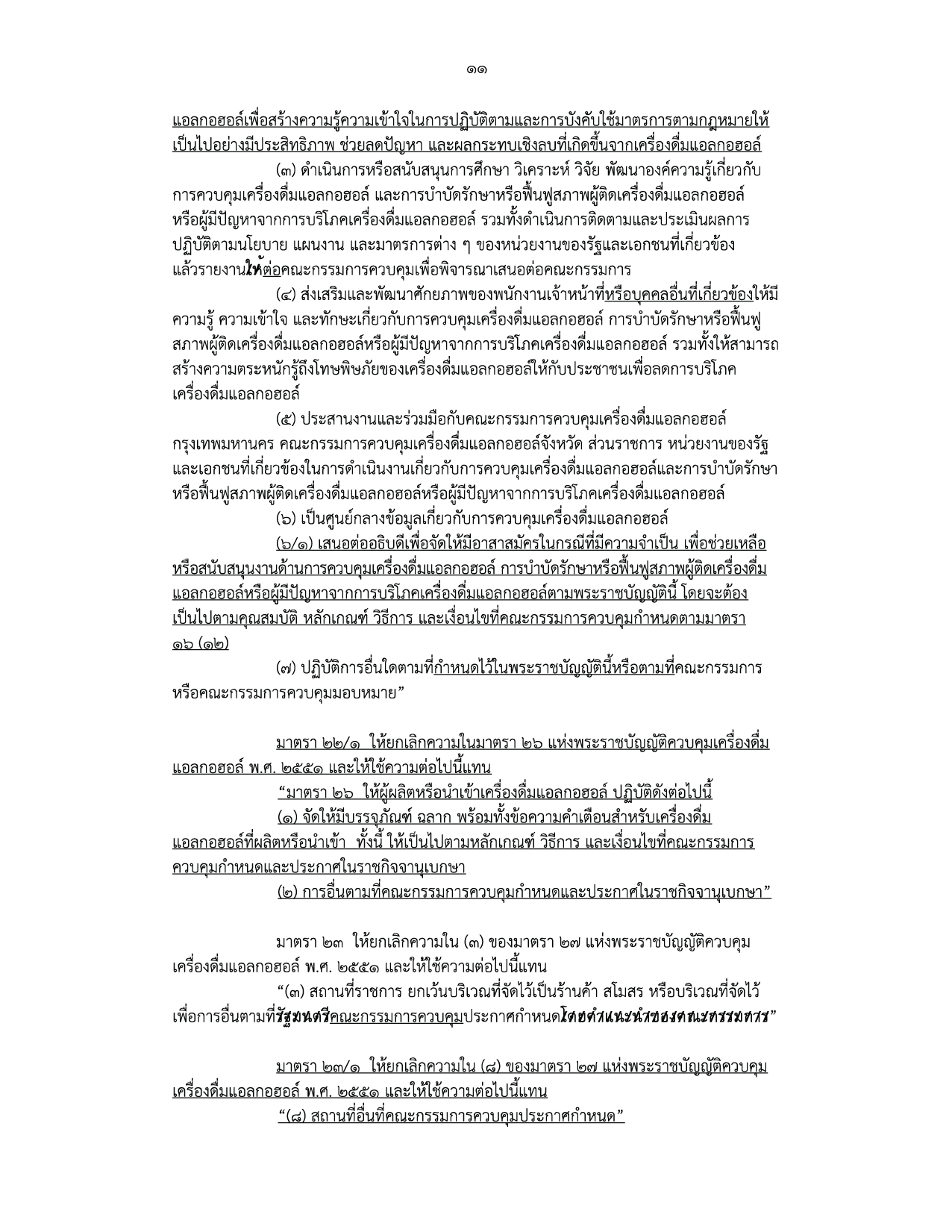
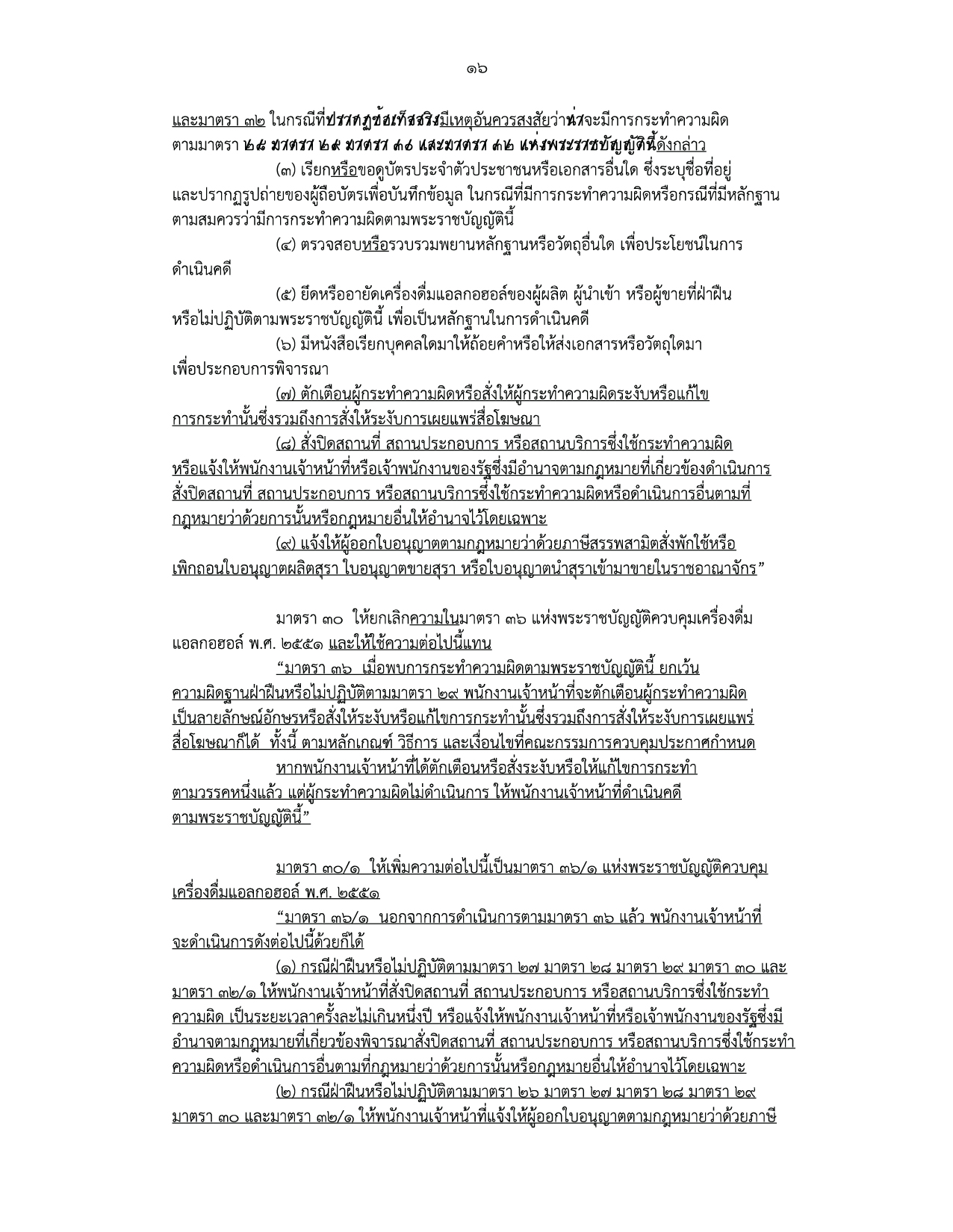
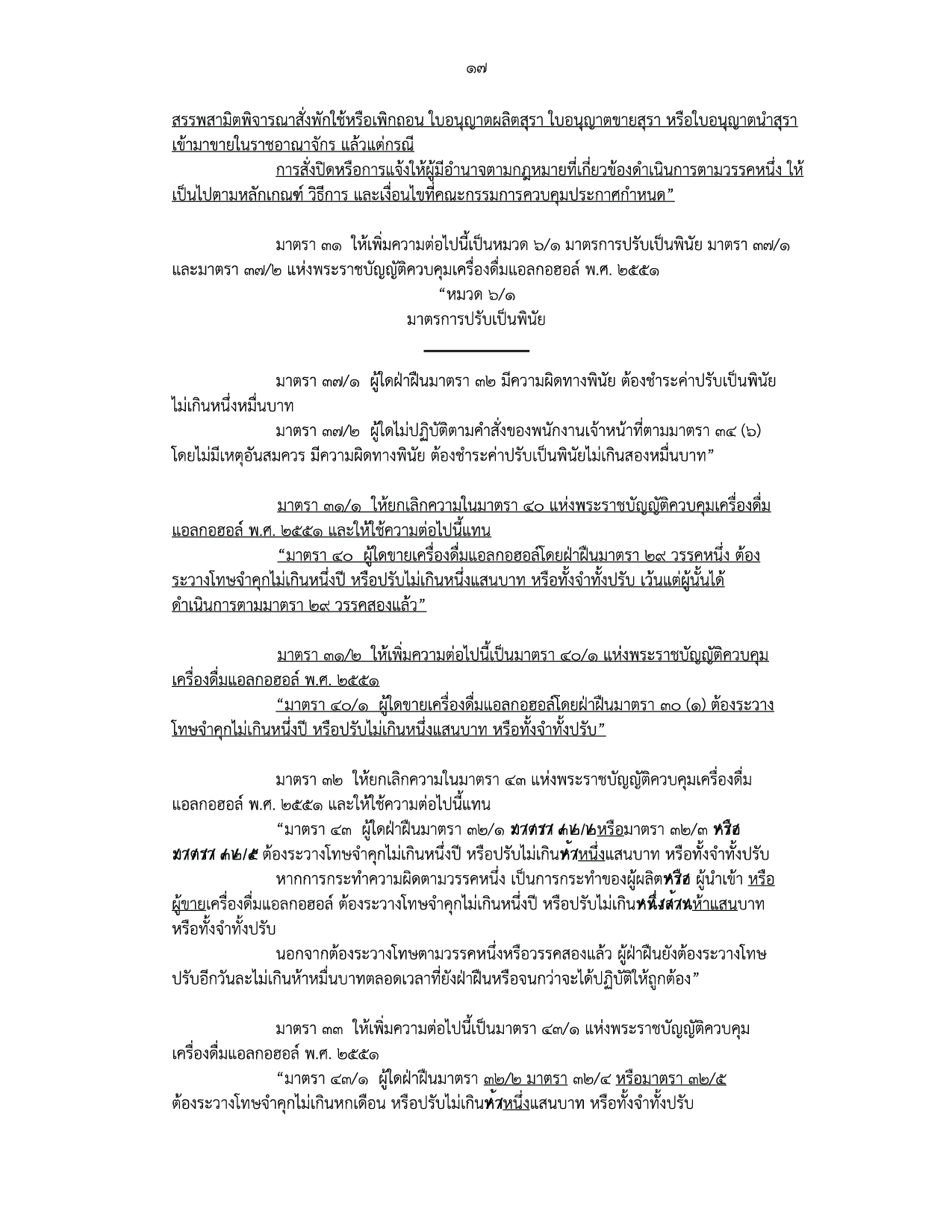
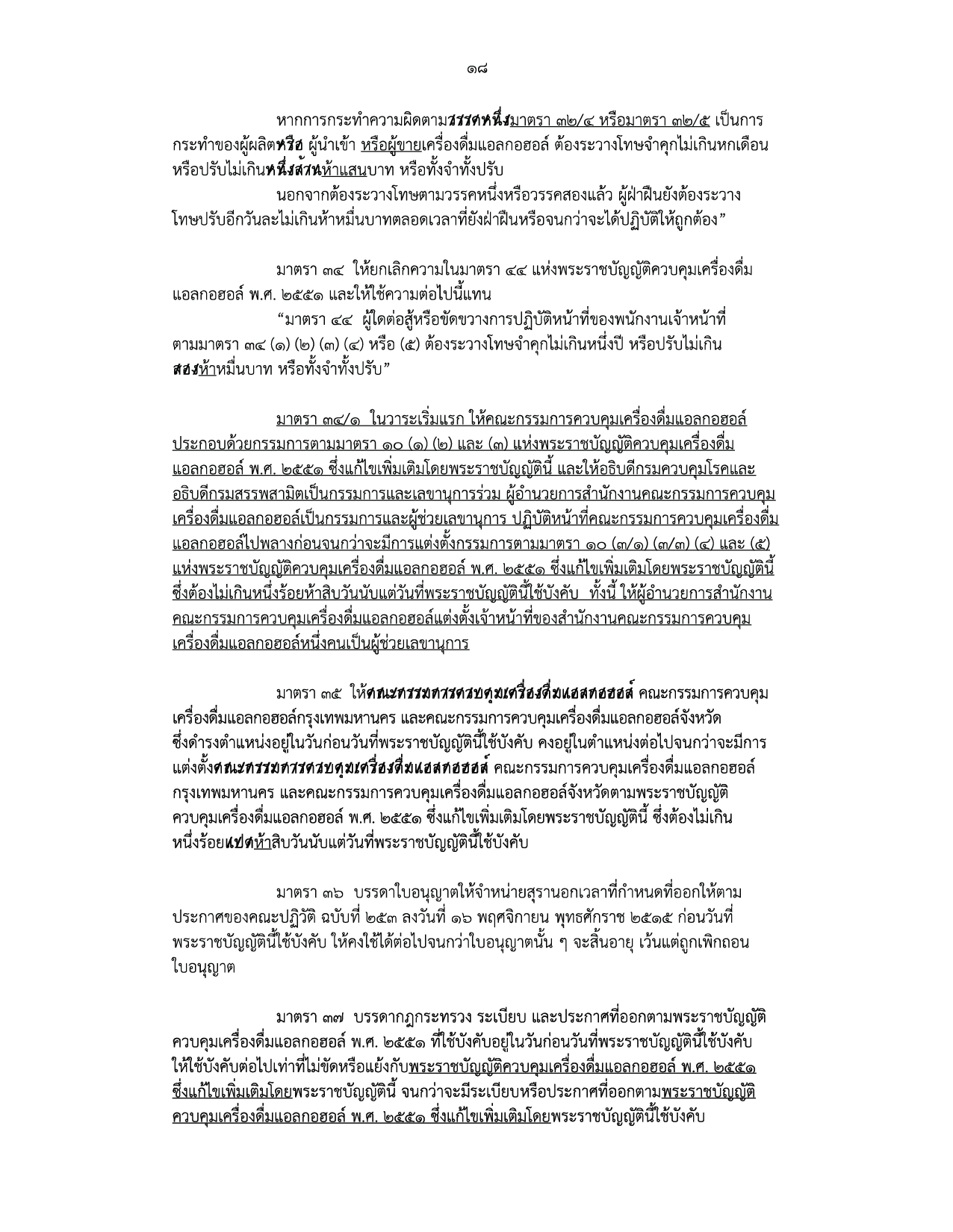
In 2024, Assoc. Prof. Dr. Warit Jawjit continued to work with partners on the development of the Provincial and Municipal Action Plans for Climate Change for Trang Province. At the same time, Asst. Prof. Dr. Amonsak Sawusdee strengthened collaboration on SDG policy development for marine resources conservation through the Thai Blue Swimming Crab Fishery Improvement Project (BSC FIP). Additionally, Assoc. Prof. Dr. Udomsak Saengow, a researcher and lecturer at the School of Medicine, Walailak University, was appointed as an advisor to the Ad-hoc Committee on Alcoholic Beverage Control Act Consideration, contributing to the development of national legislation on alcoholic beverage control.
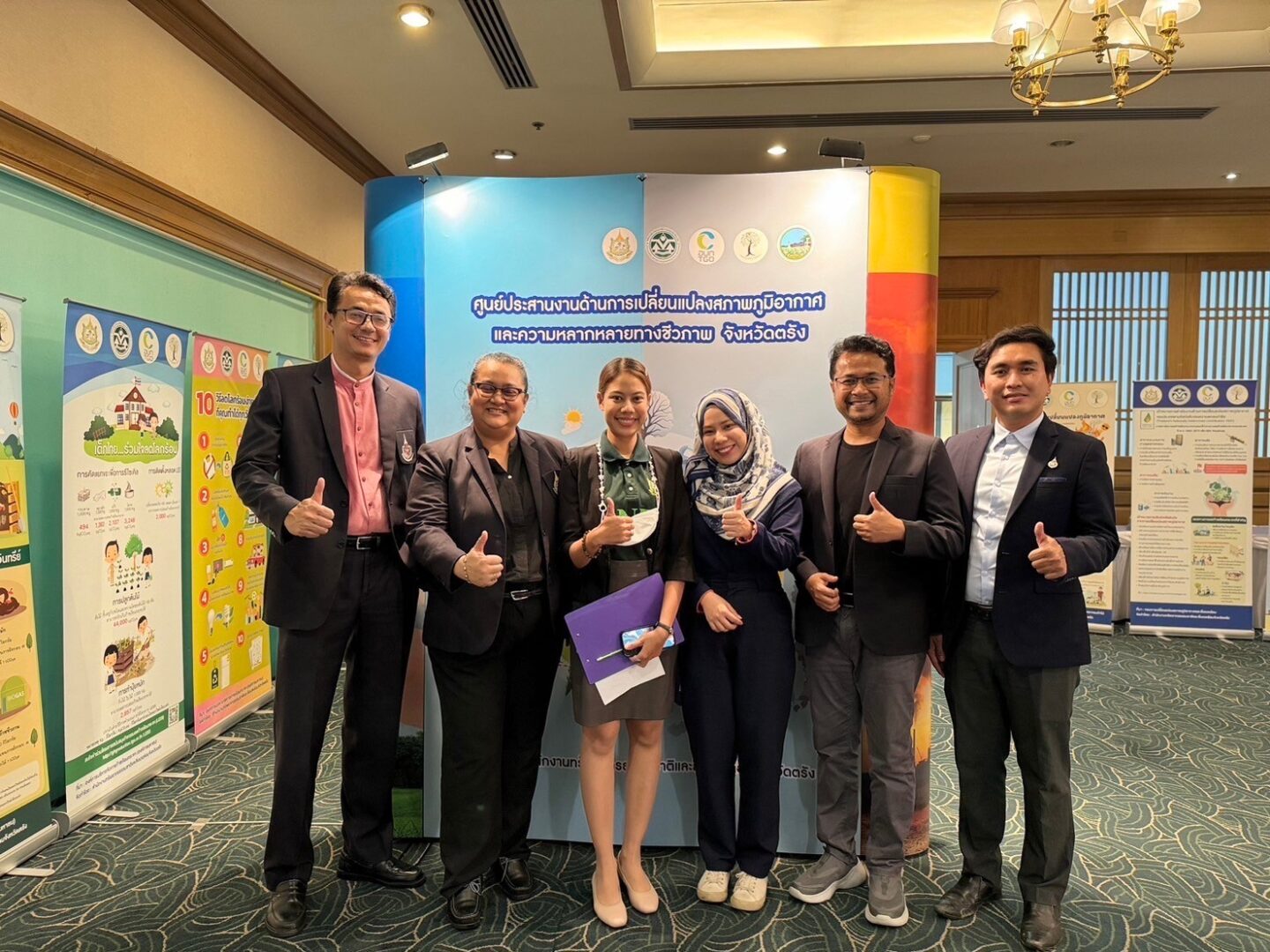
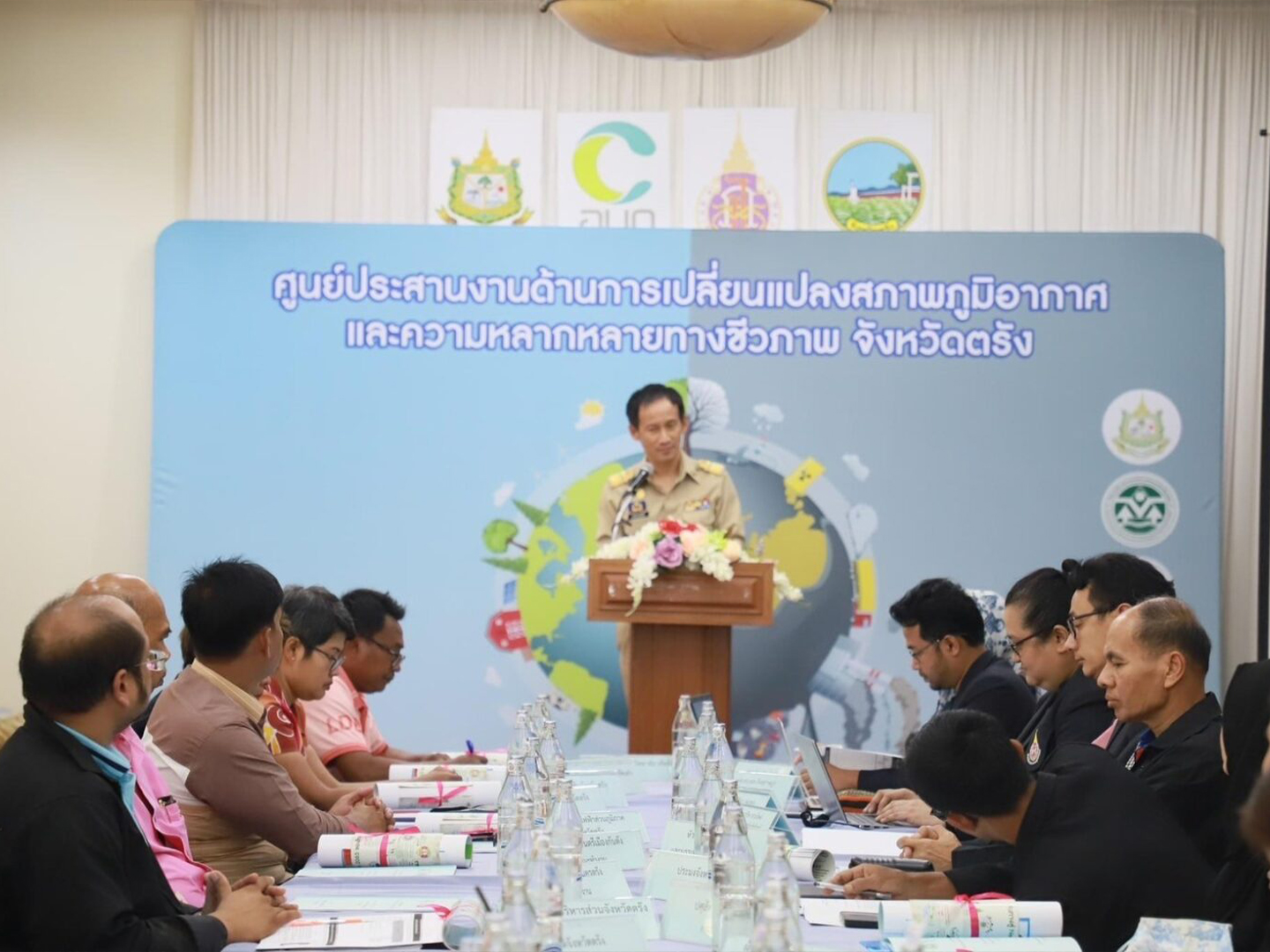
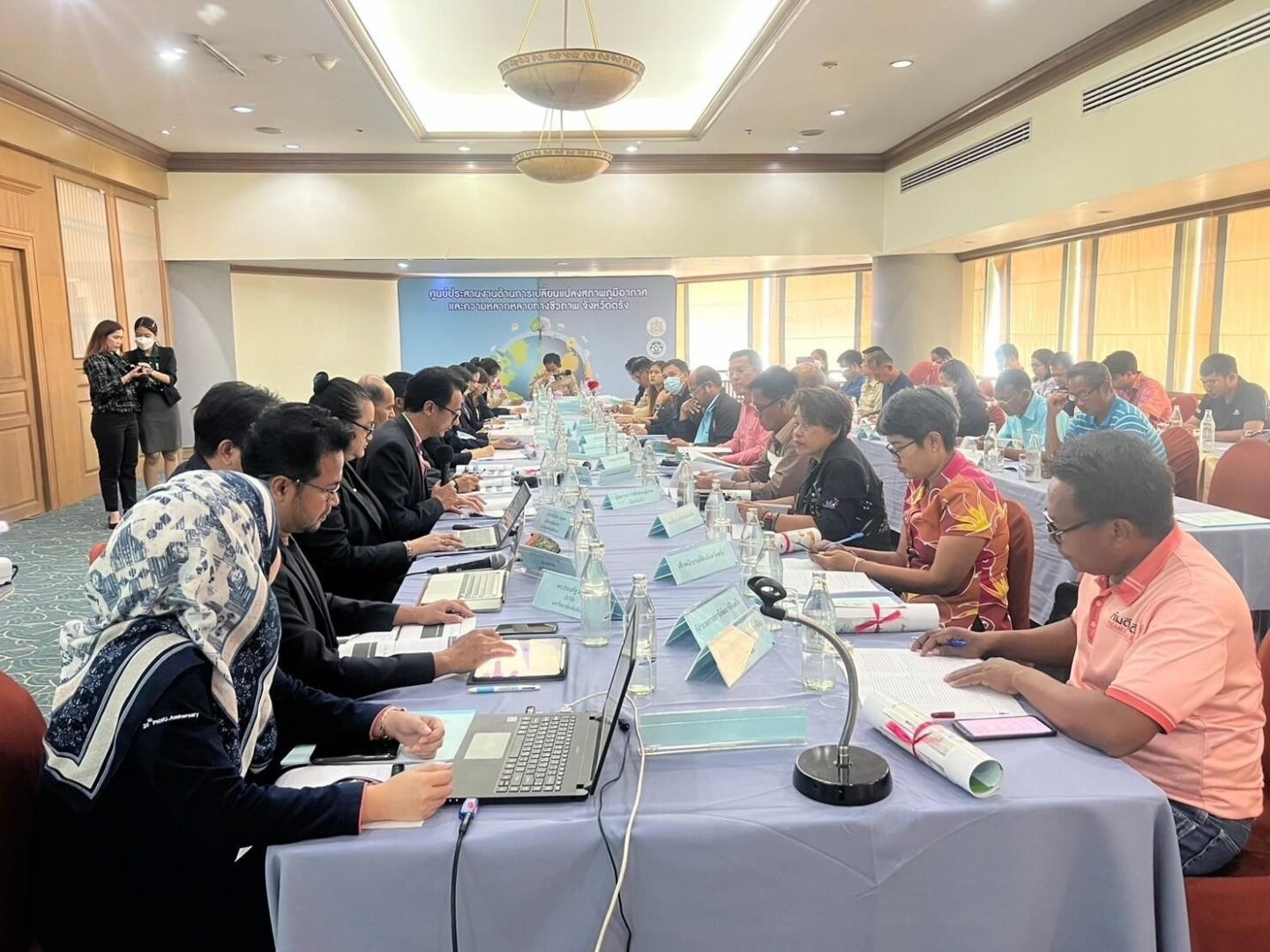
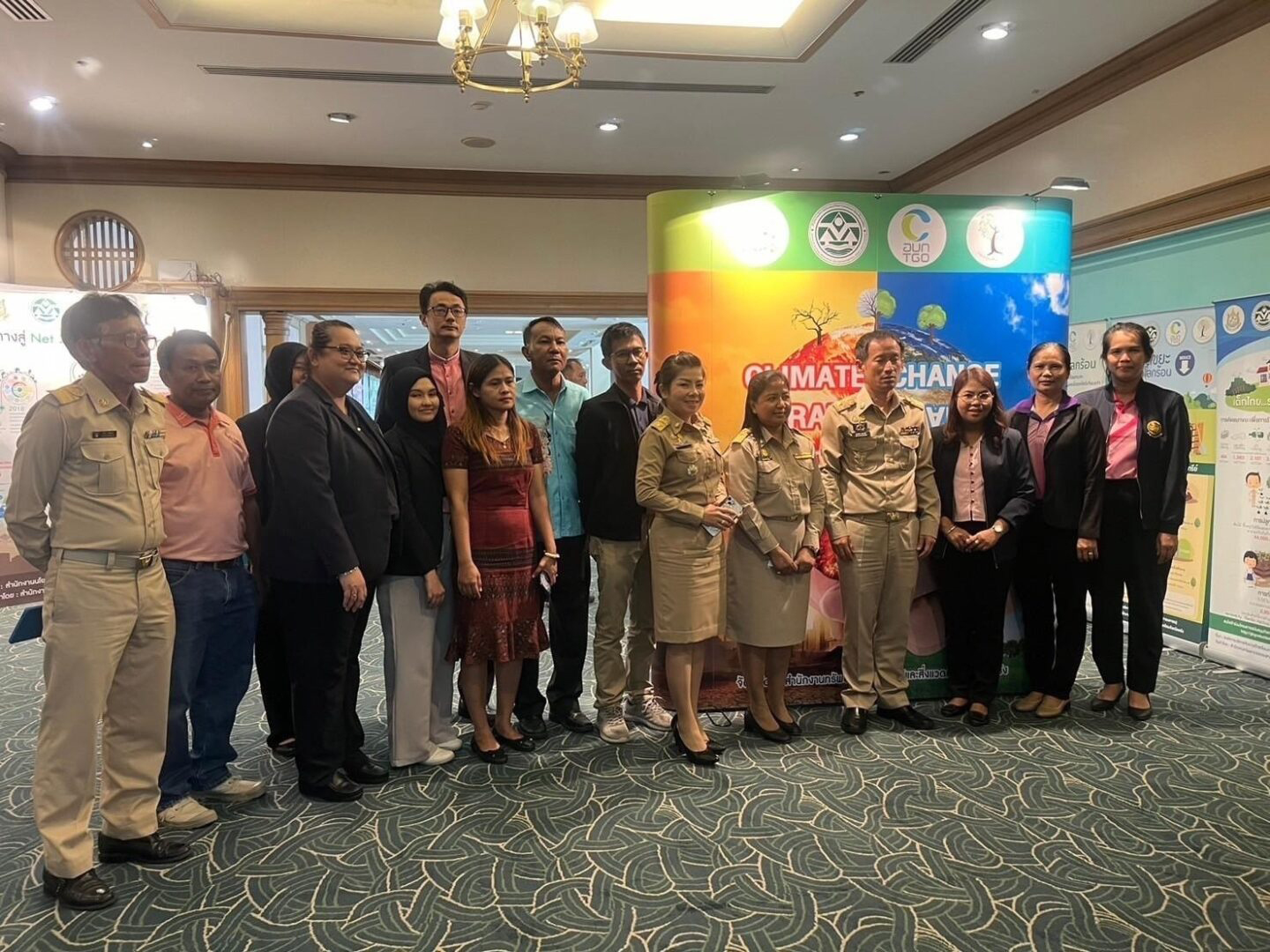
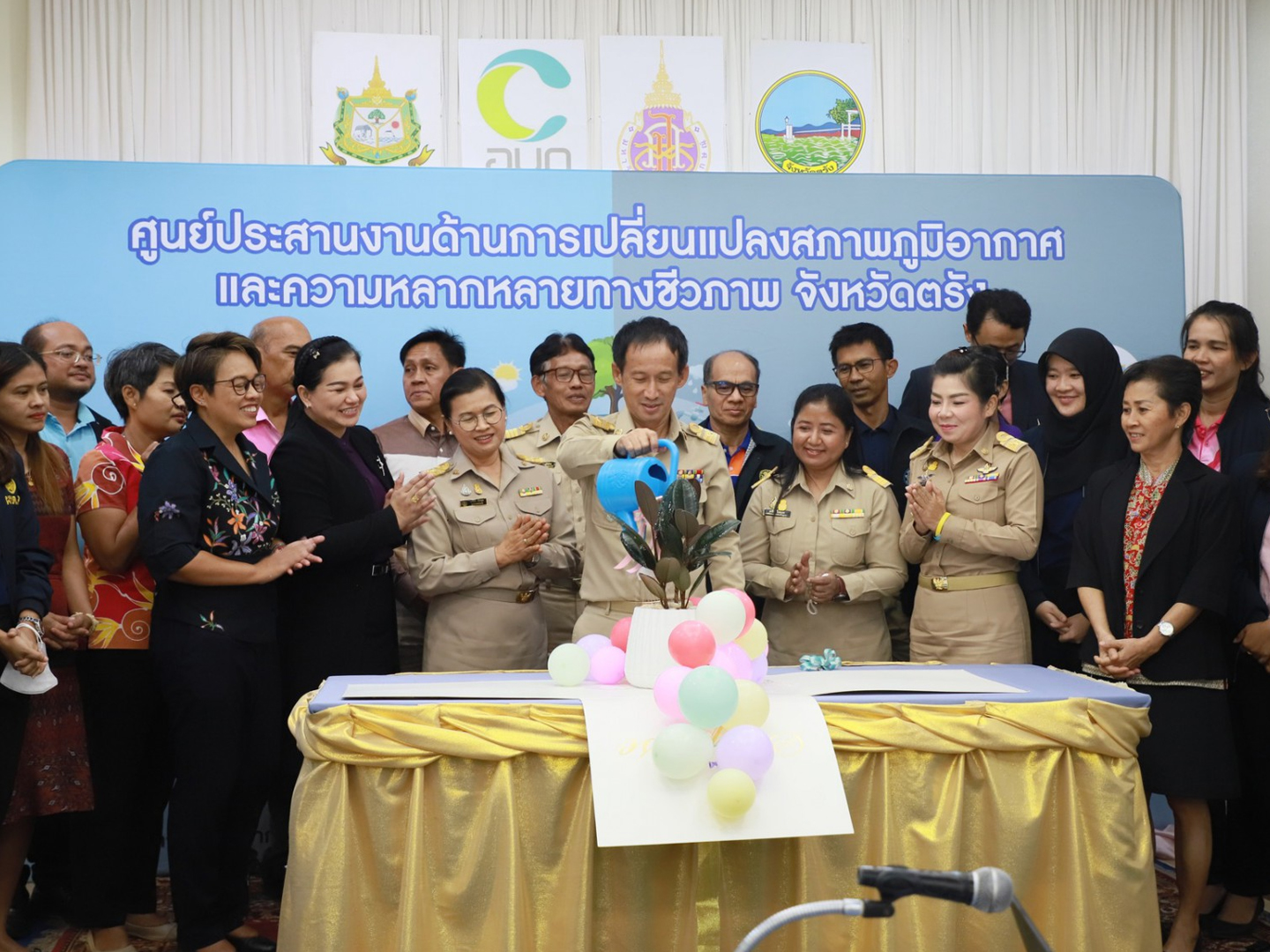
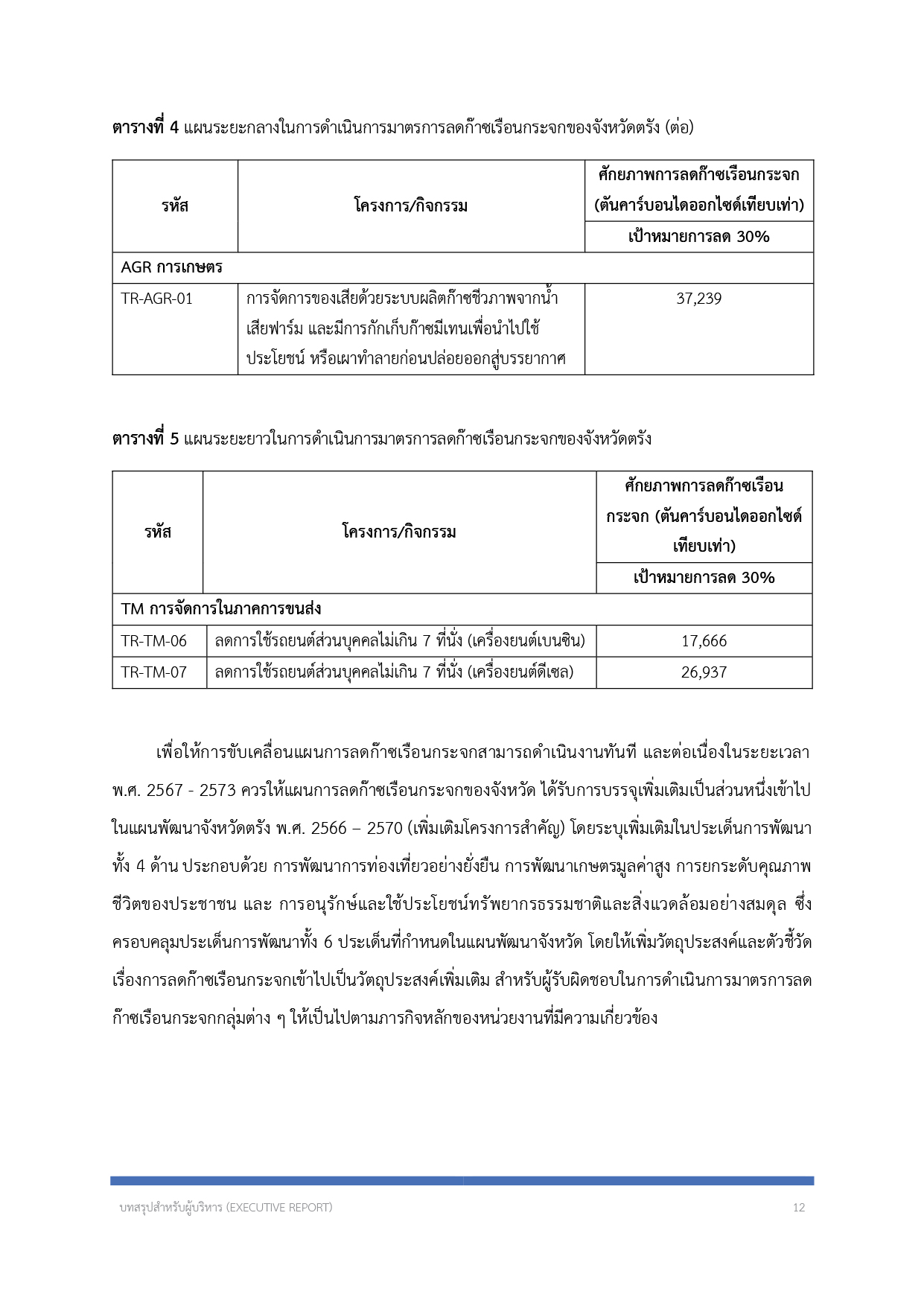
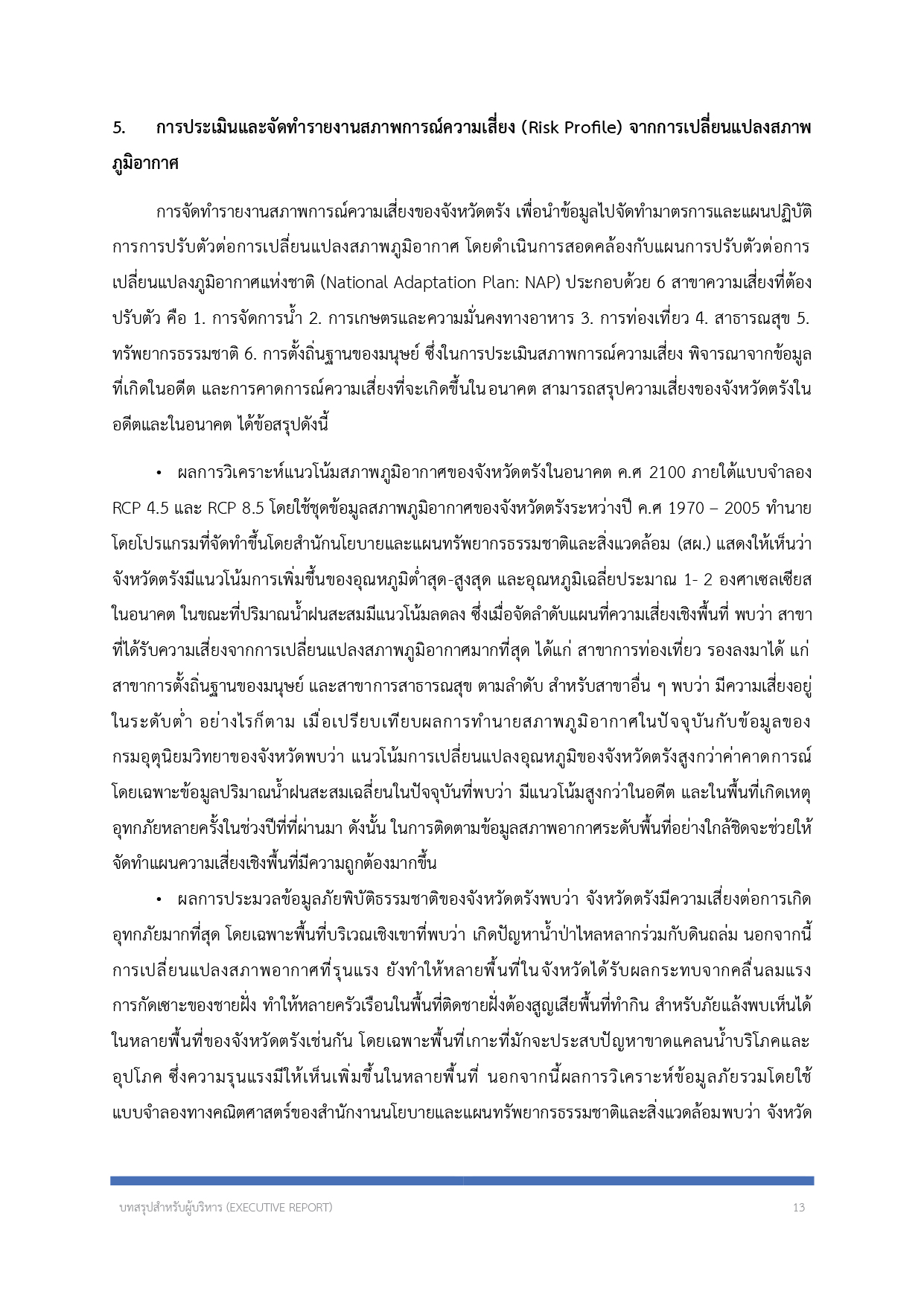
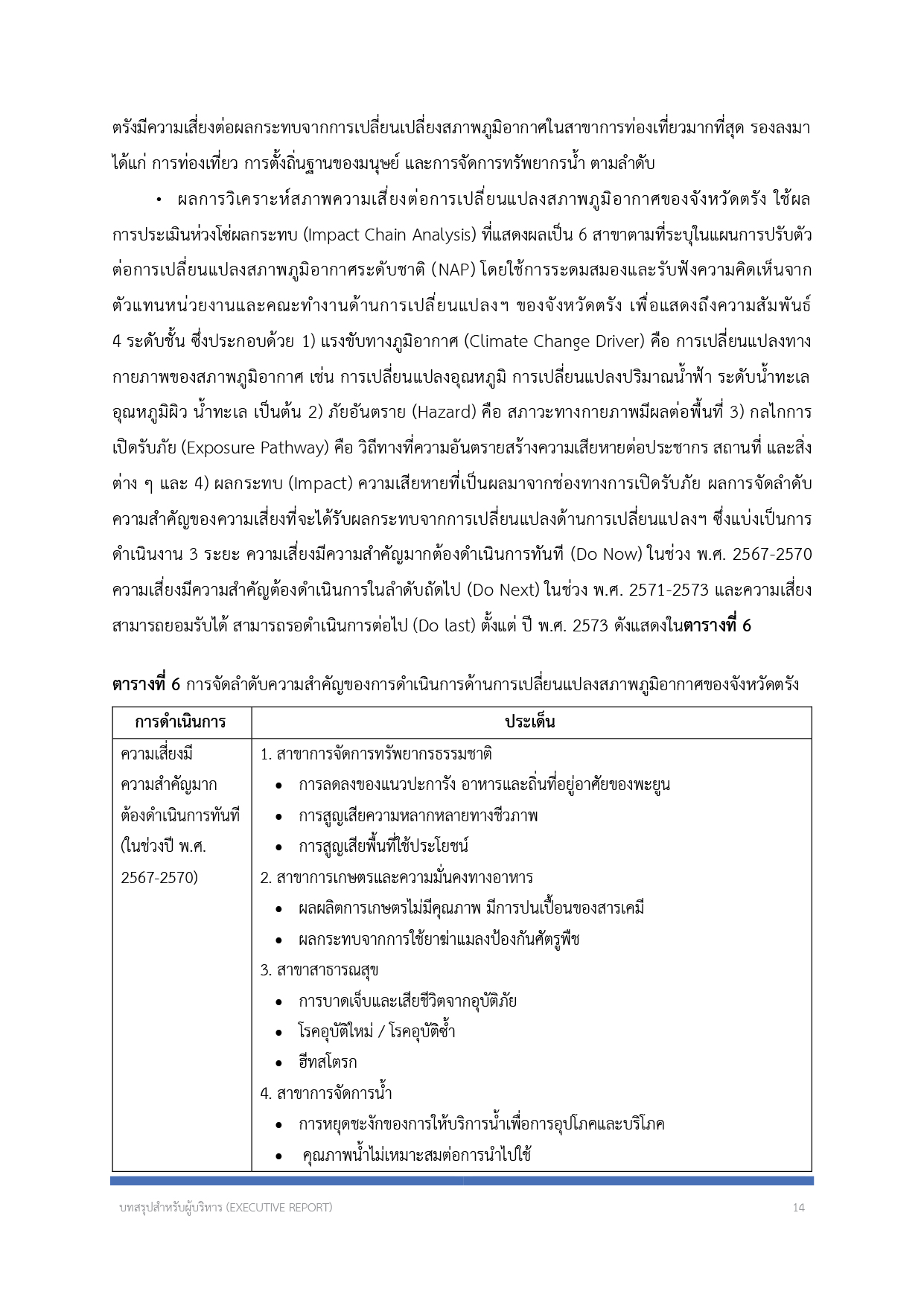
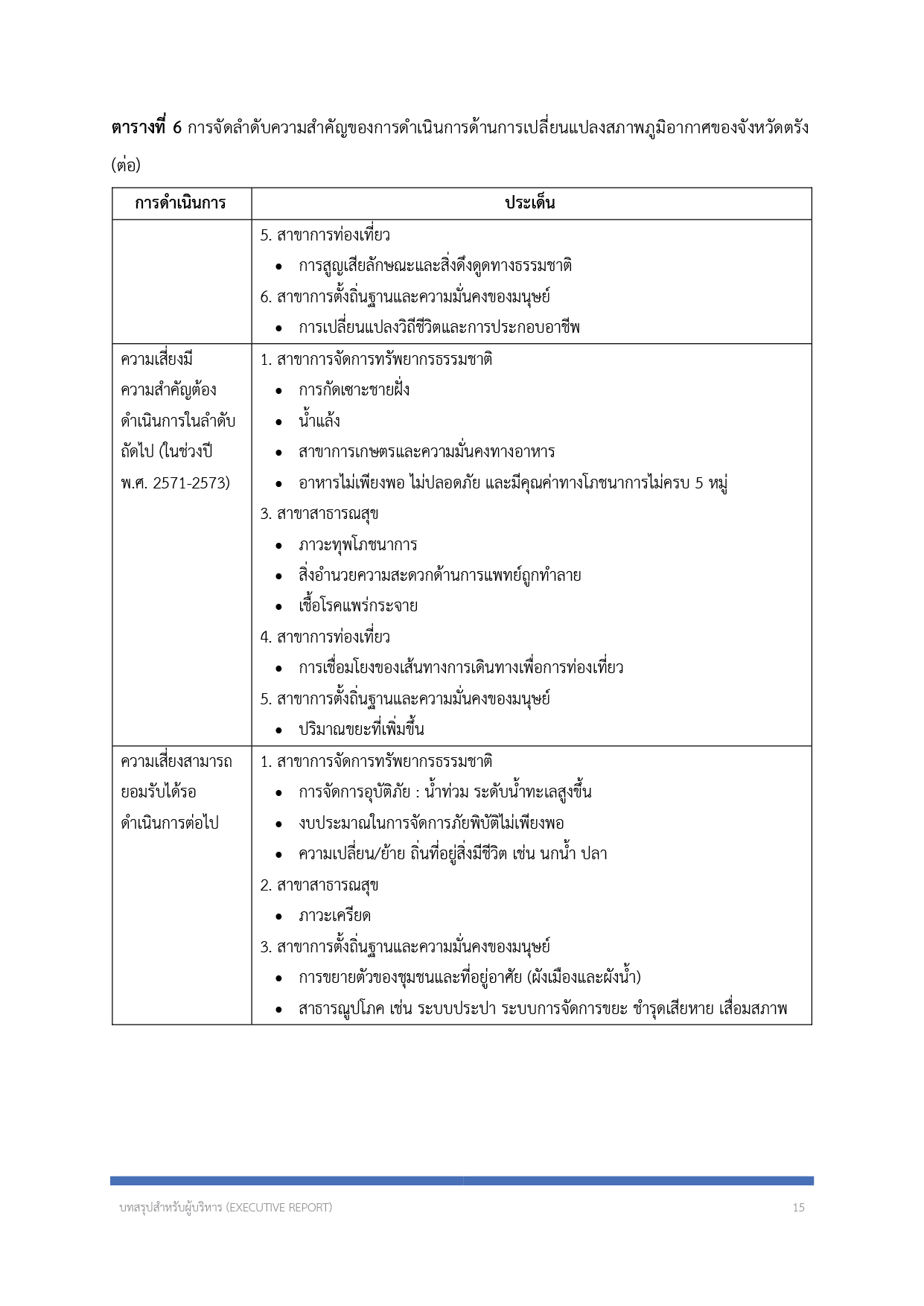
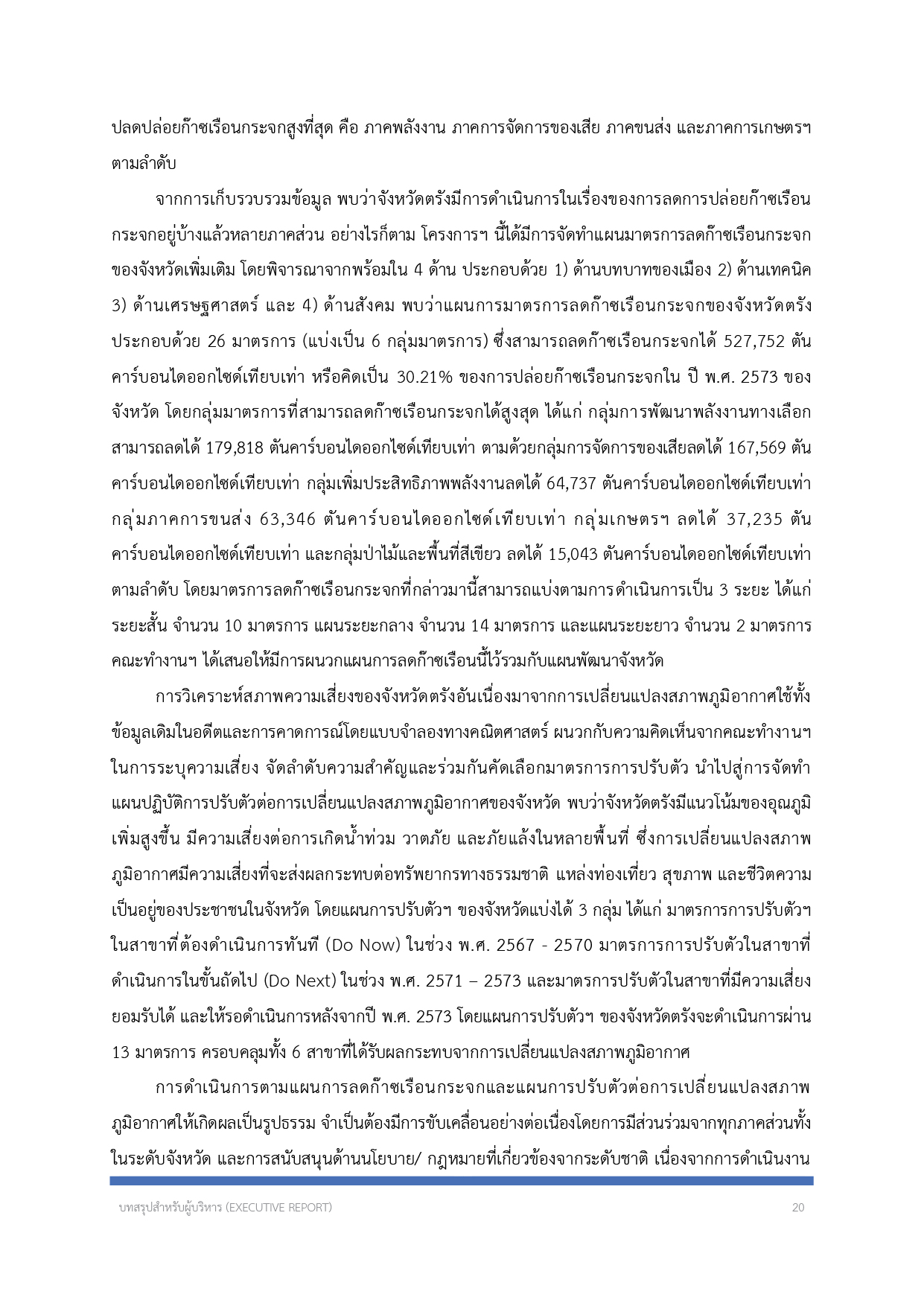
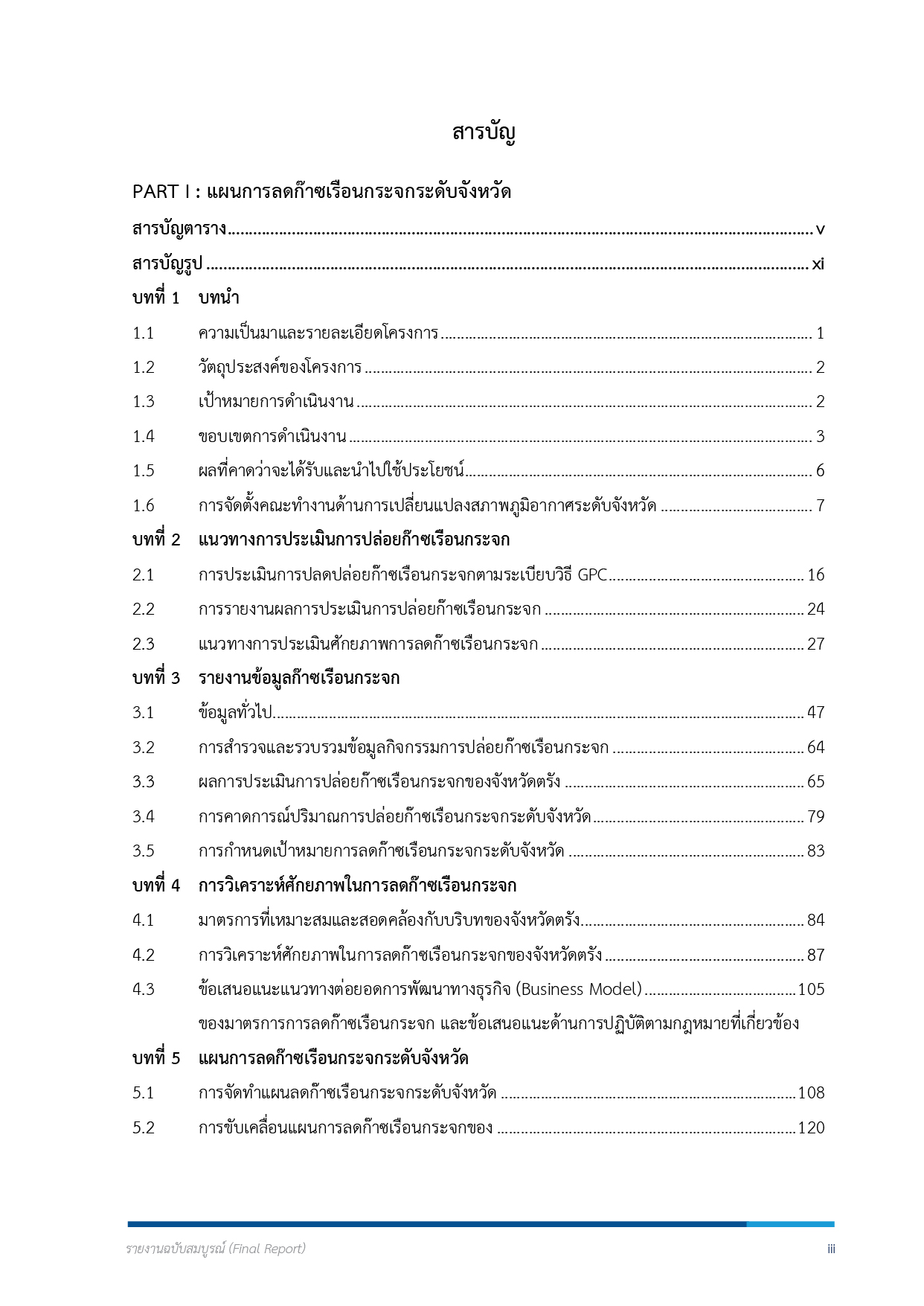
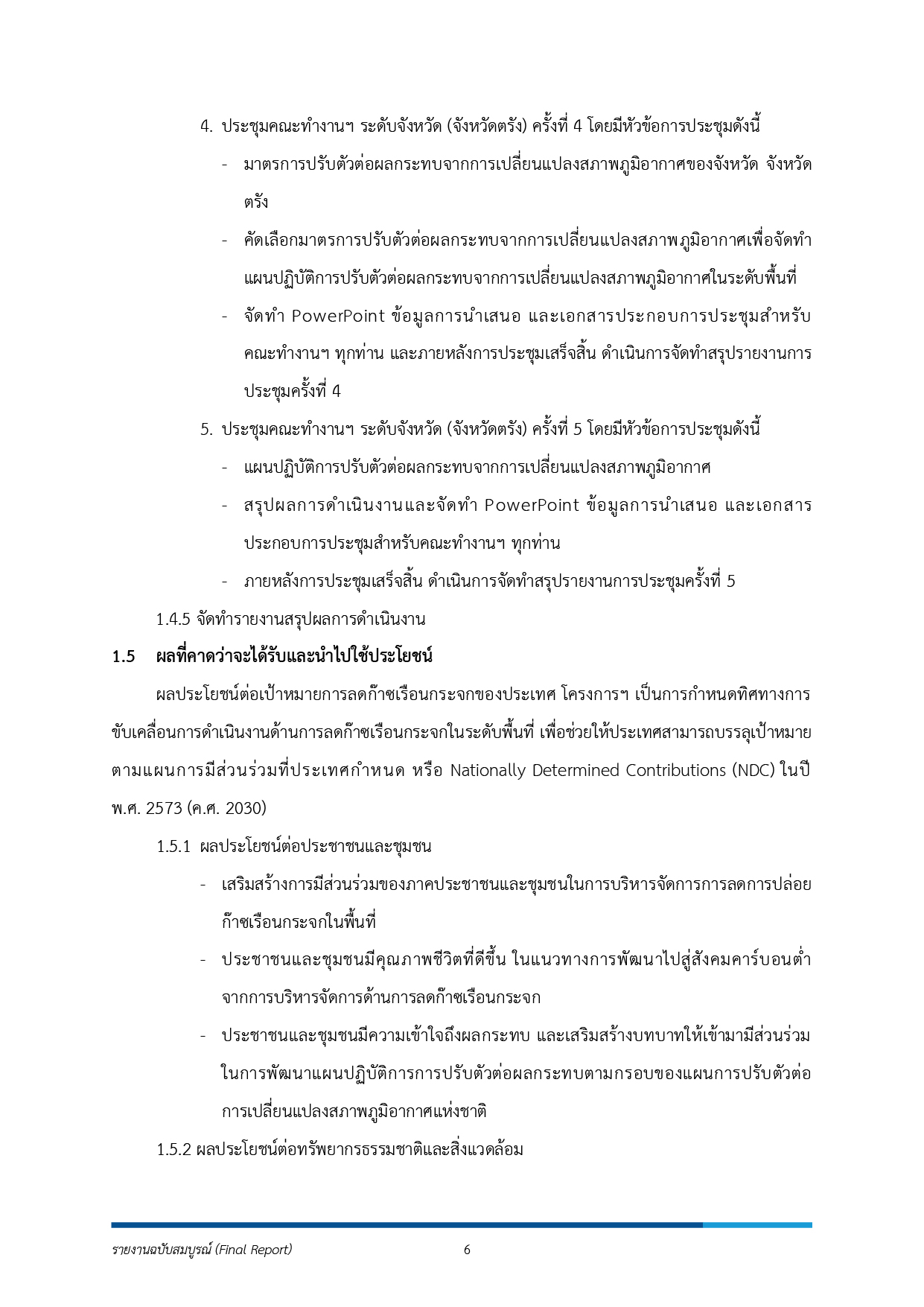
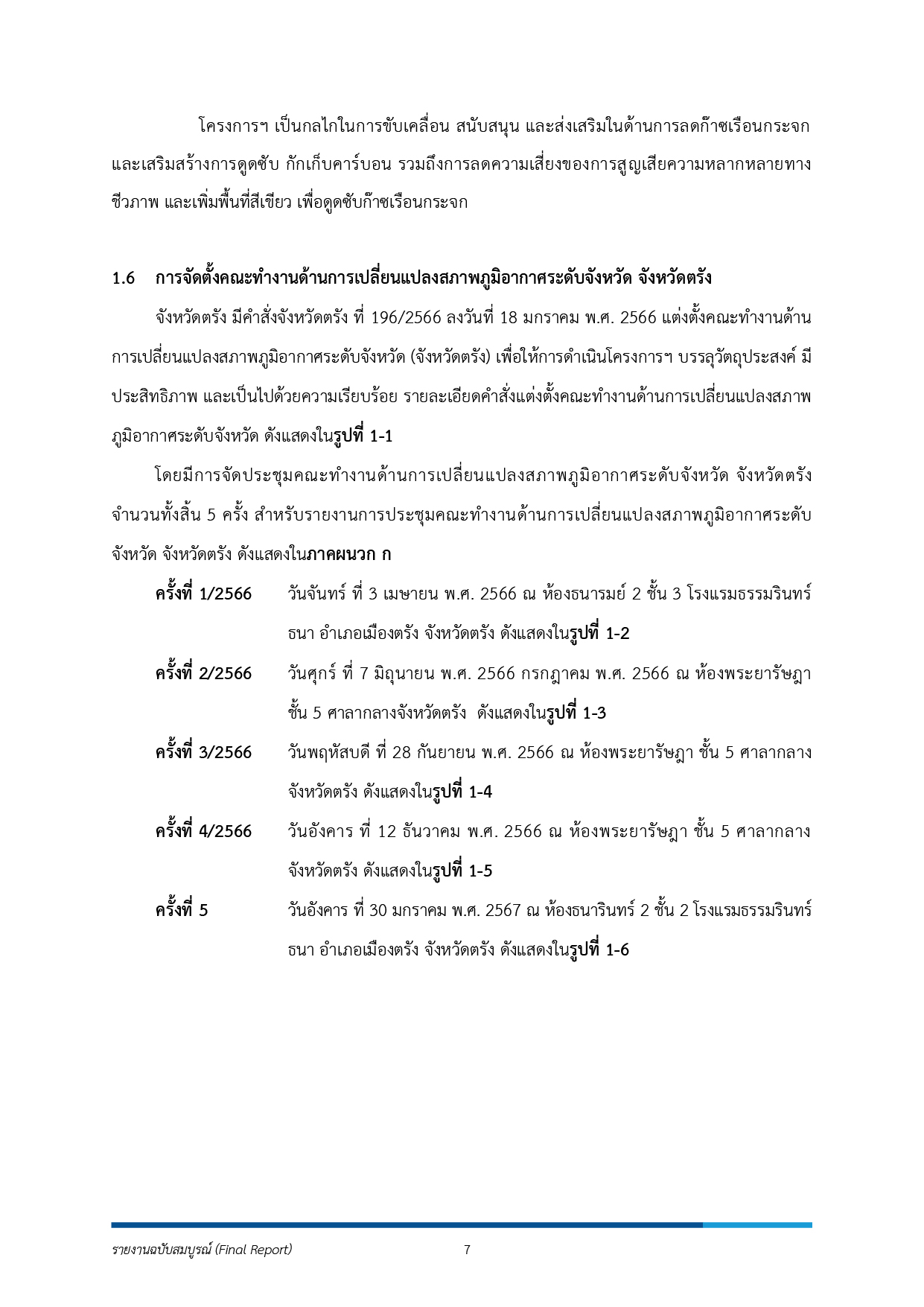
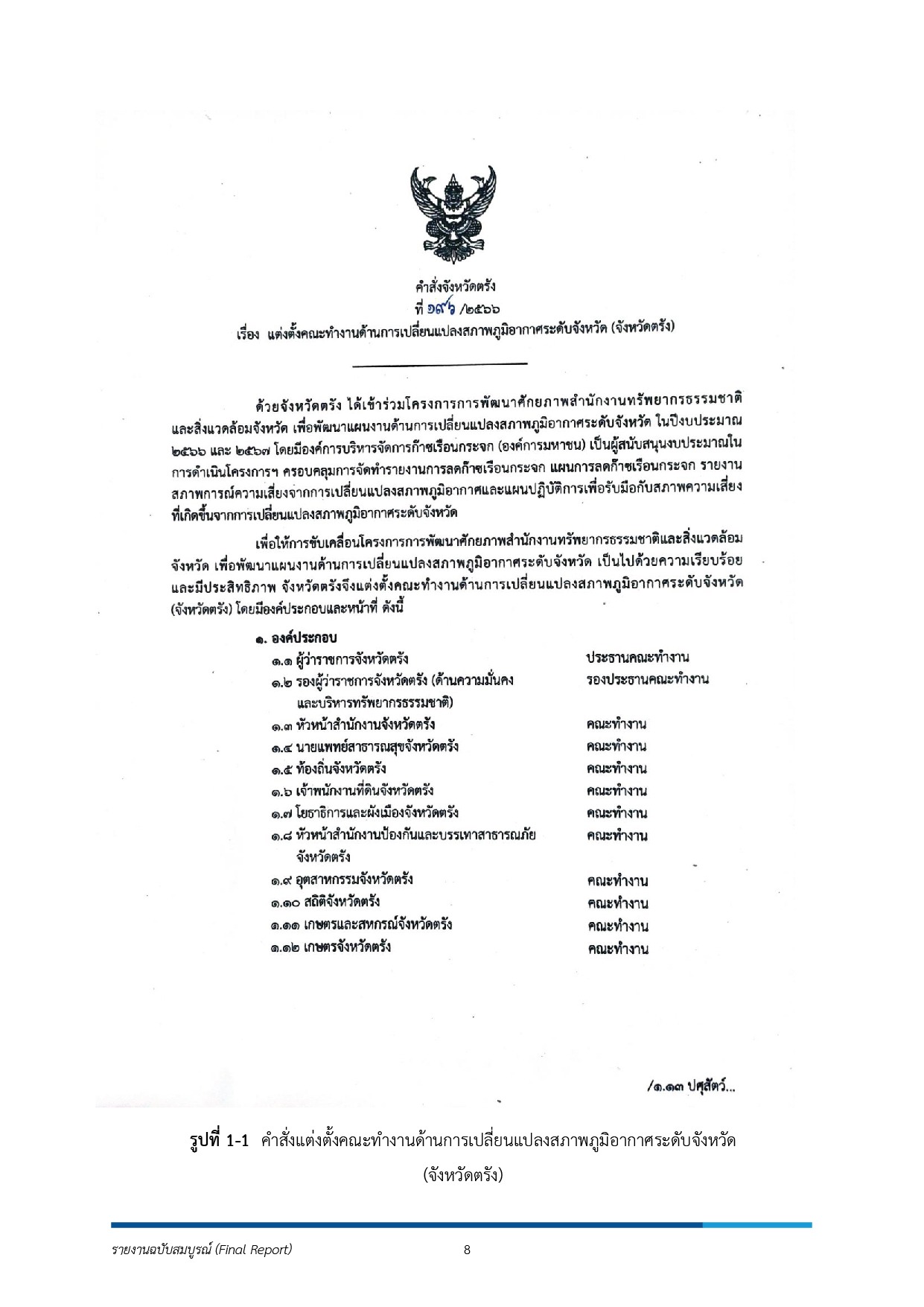
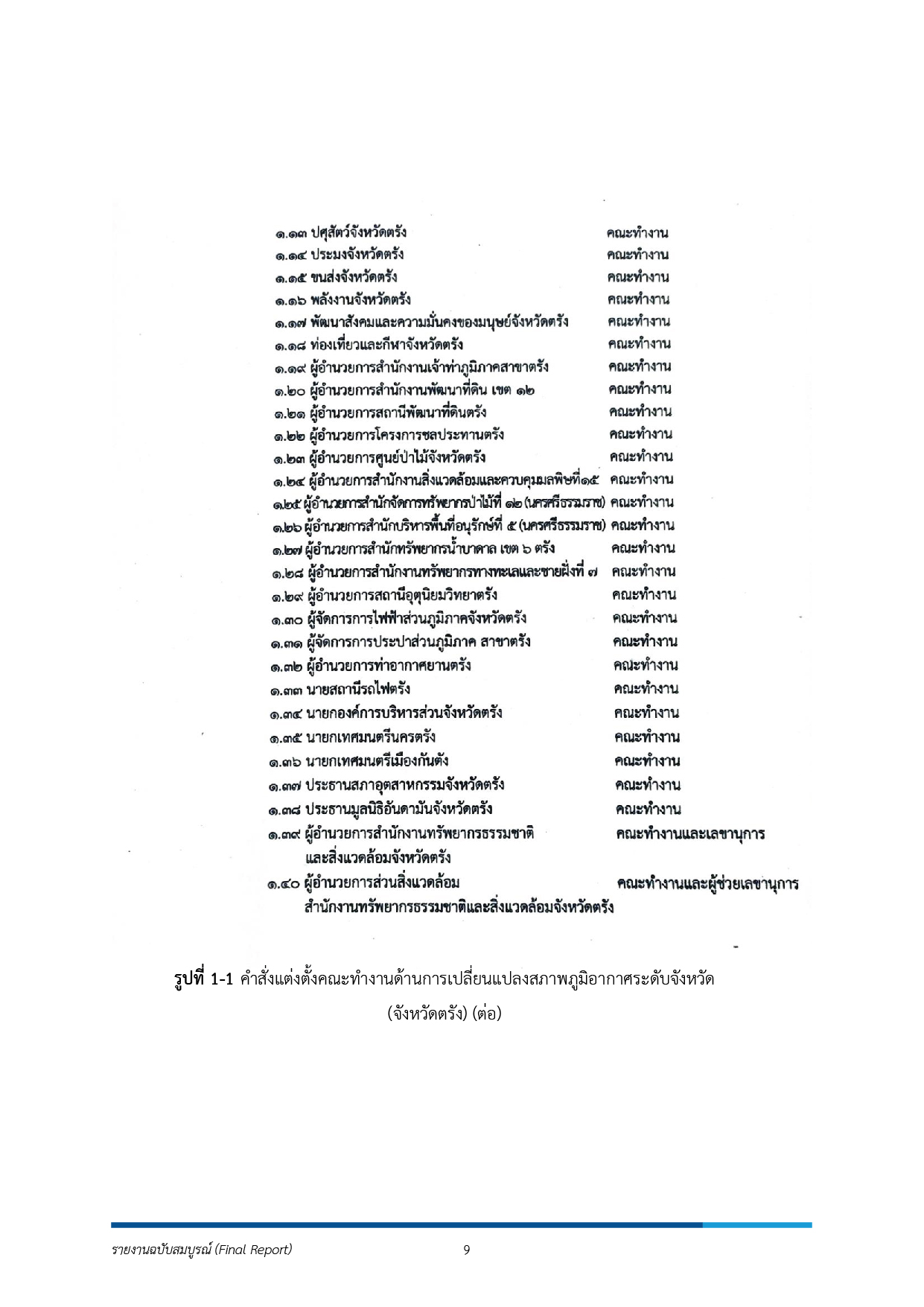
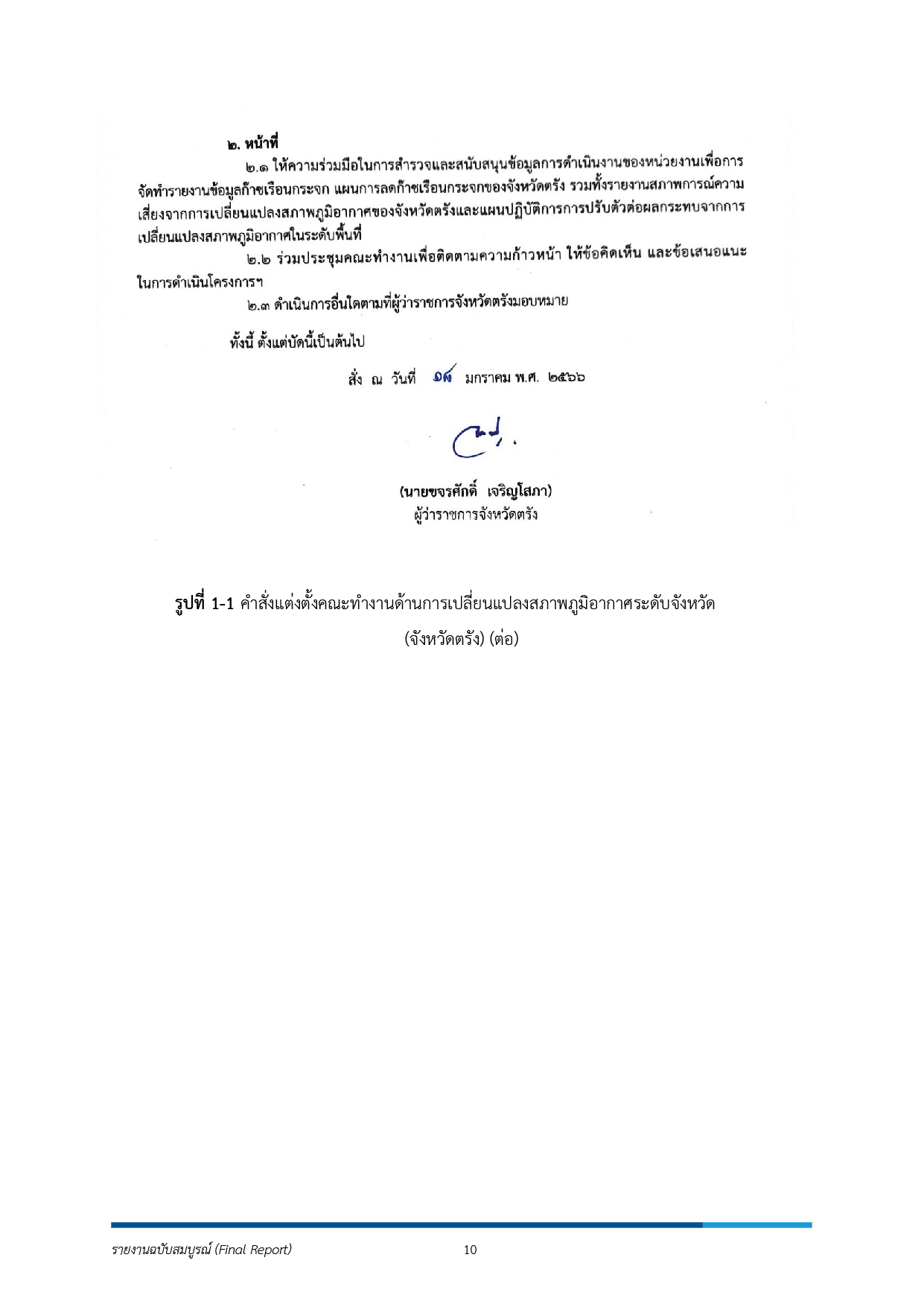
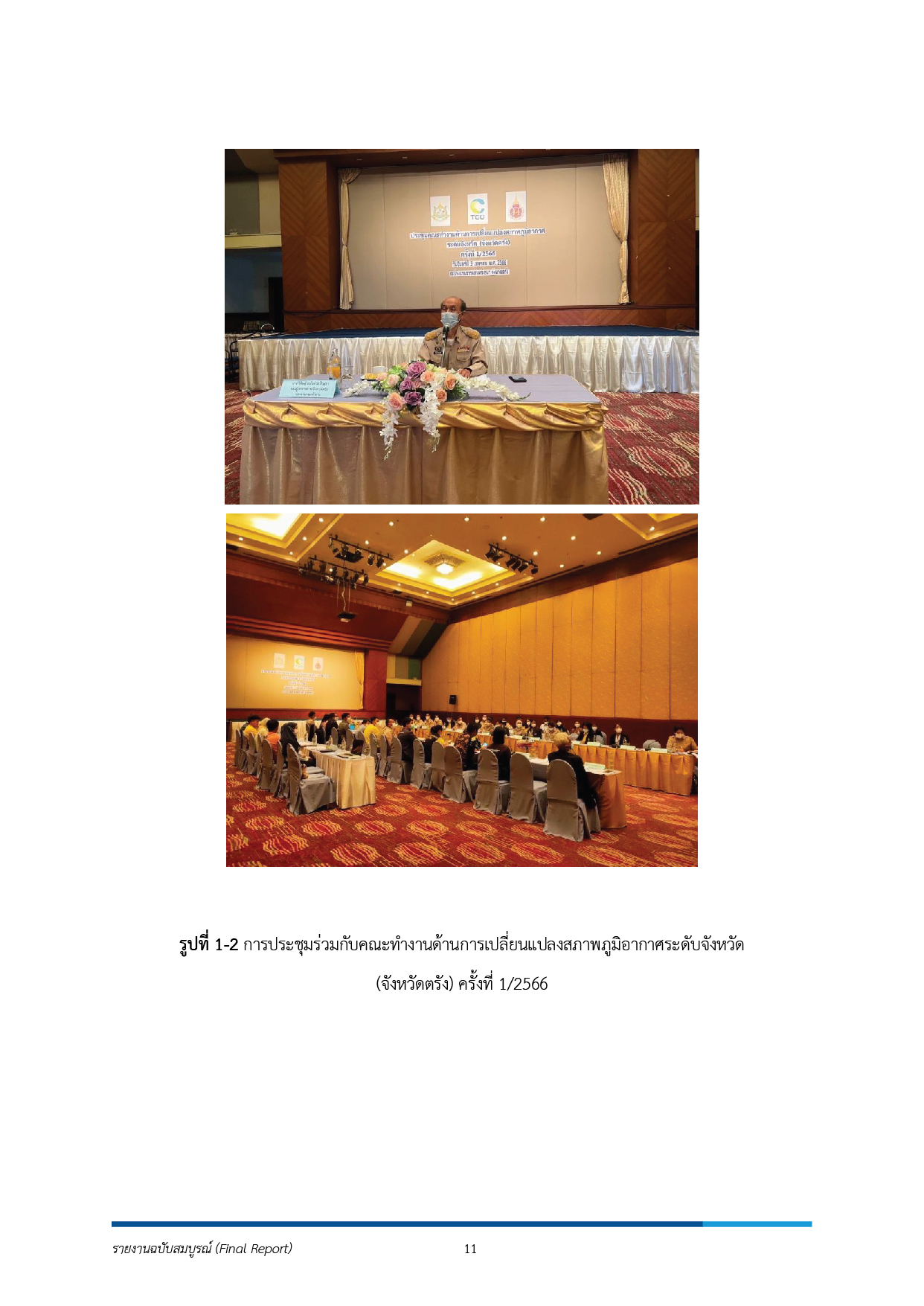
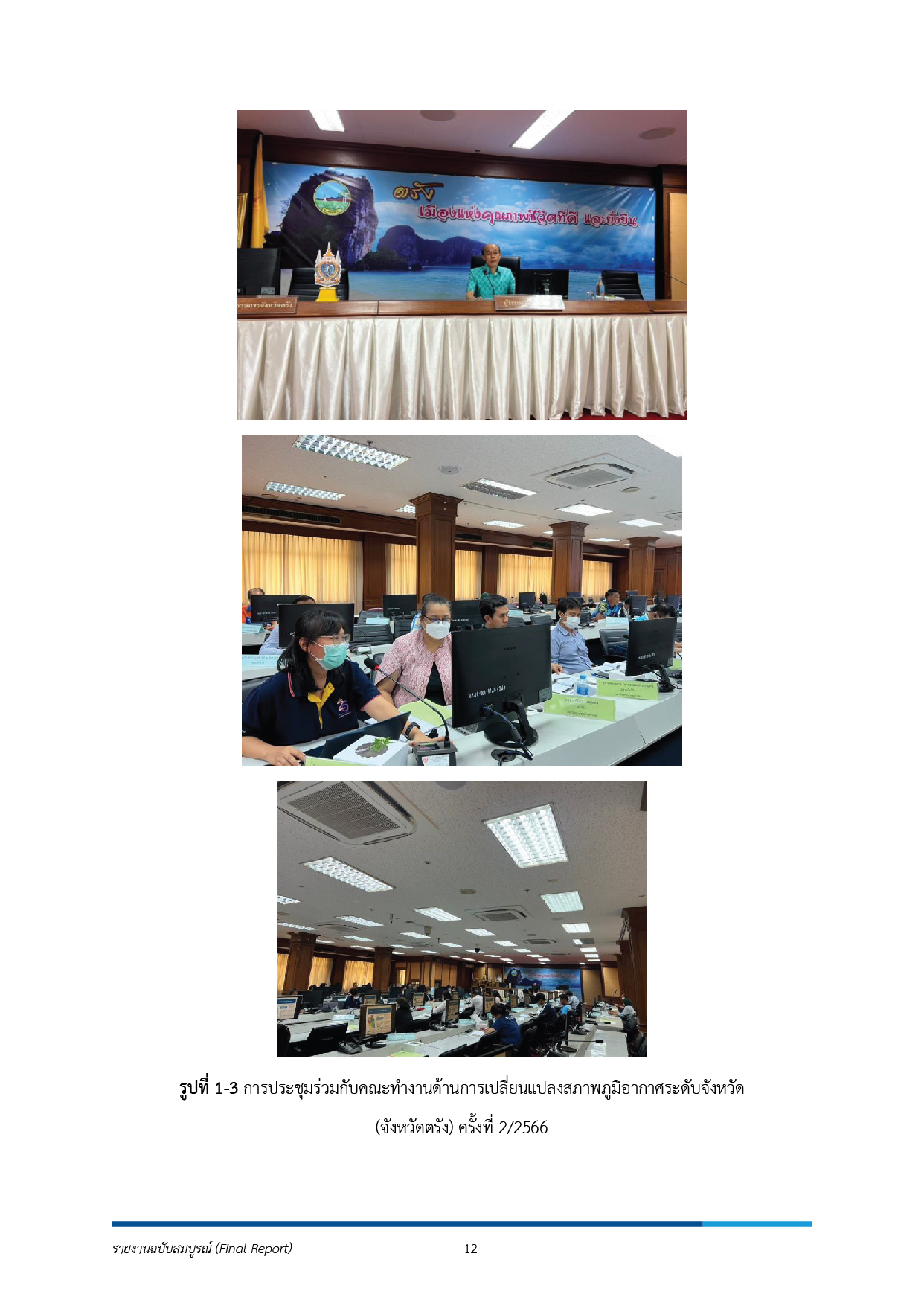
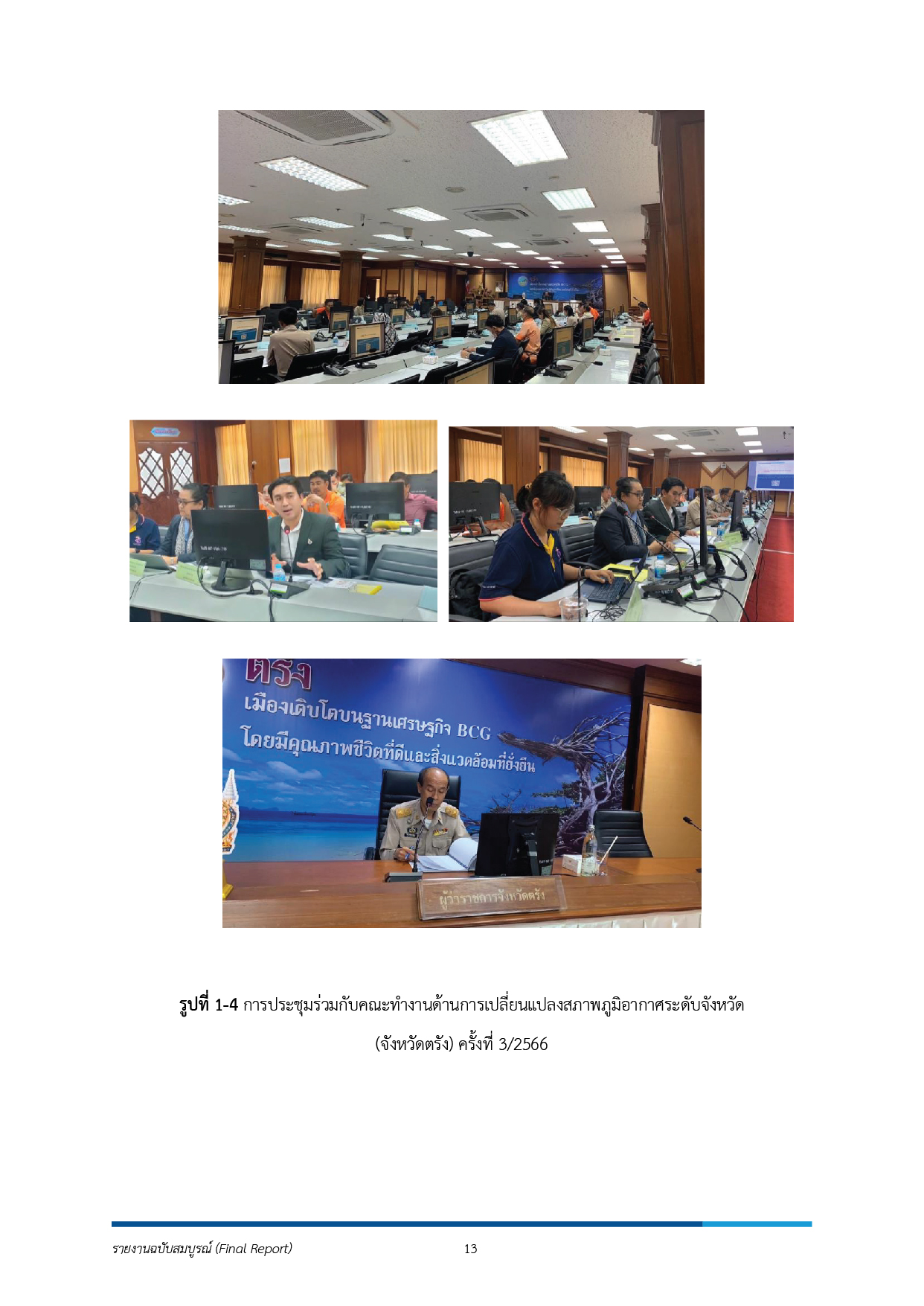
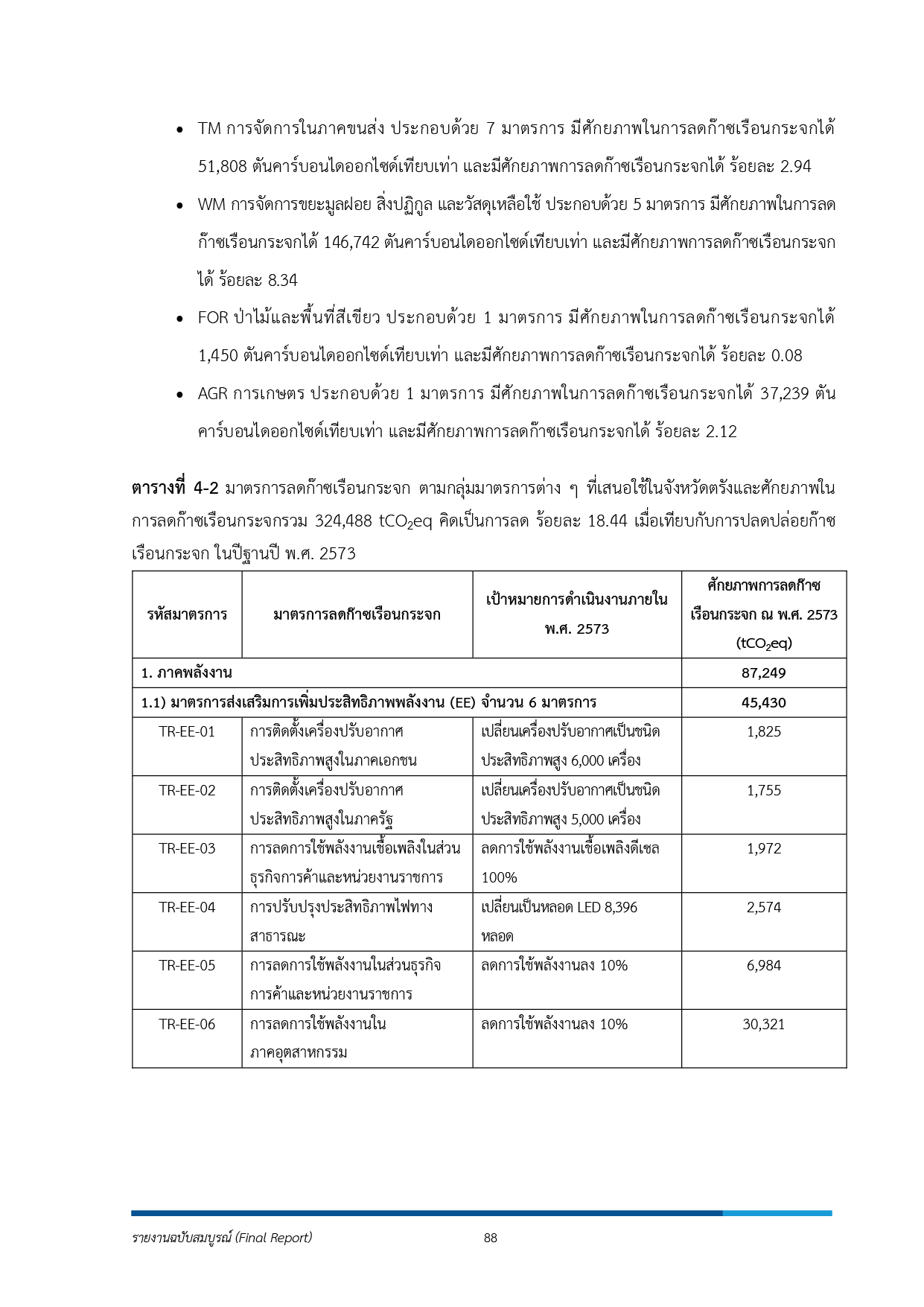
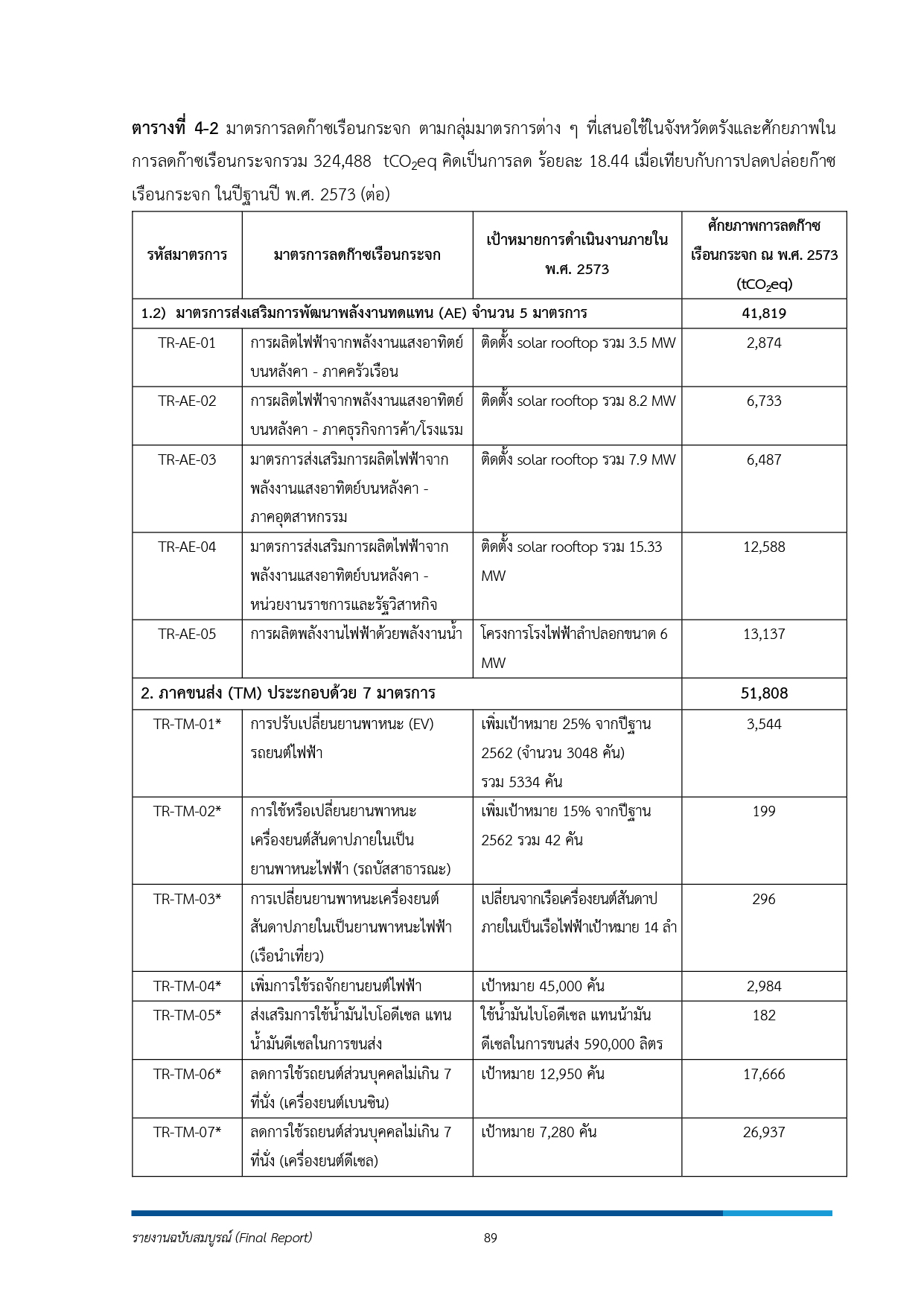
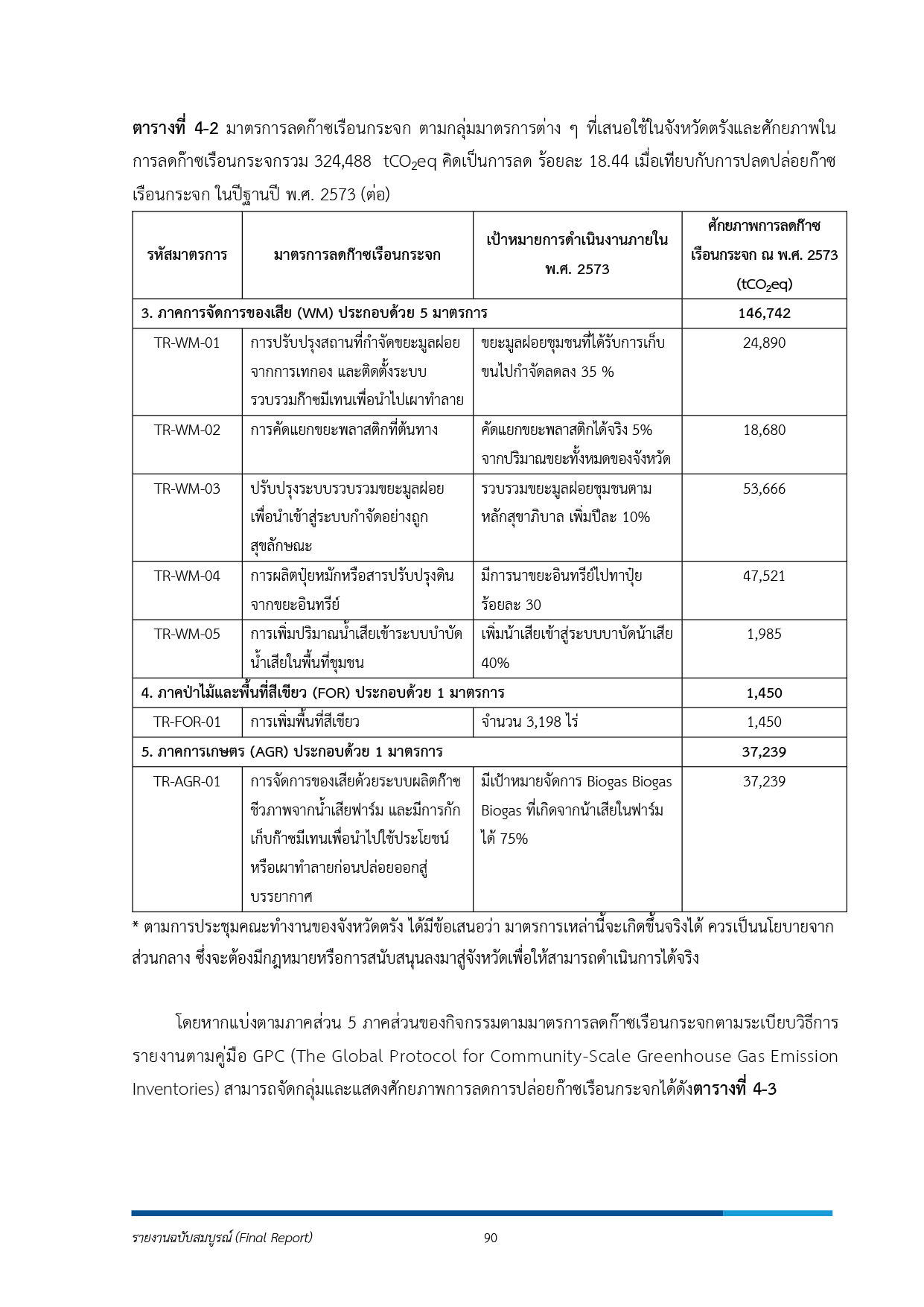
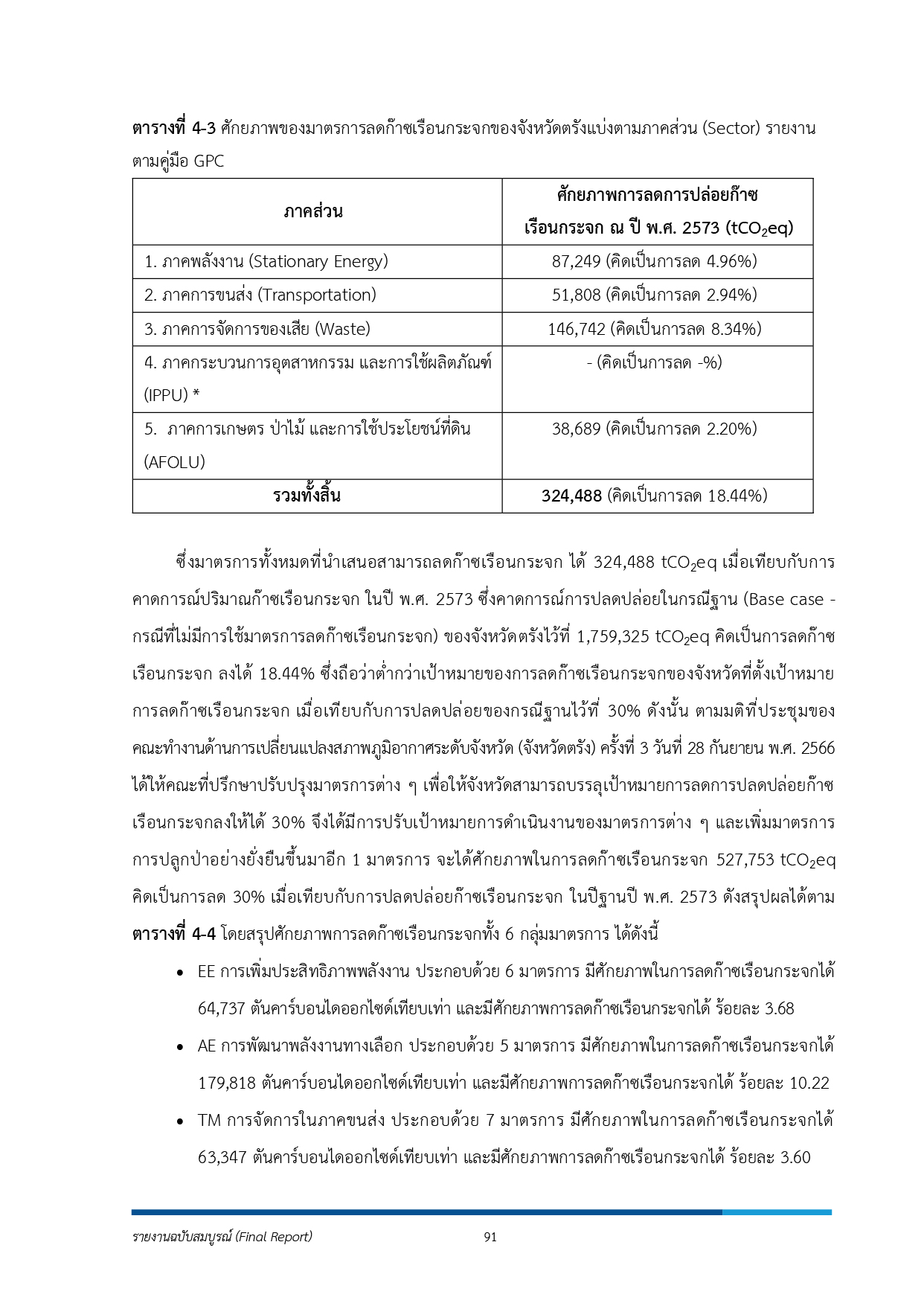
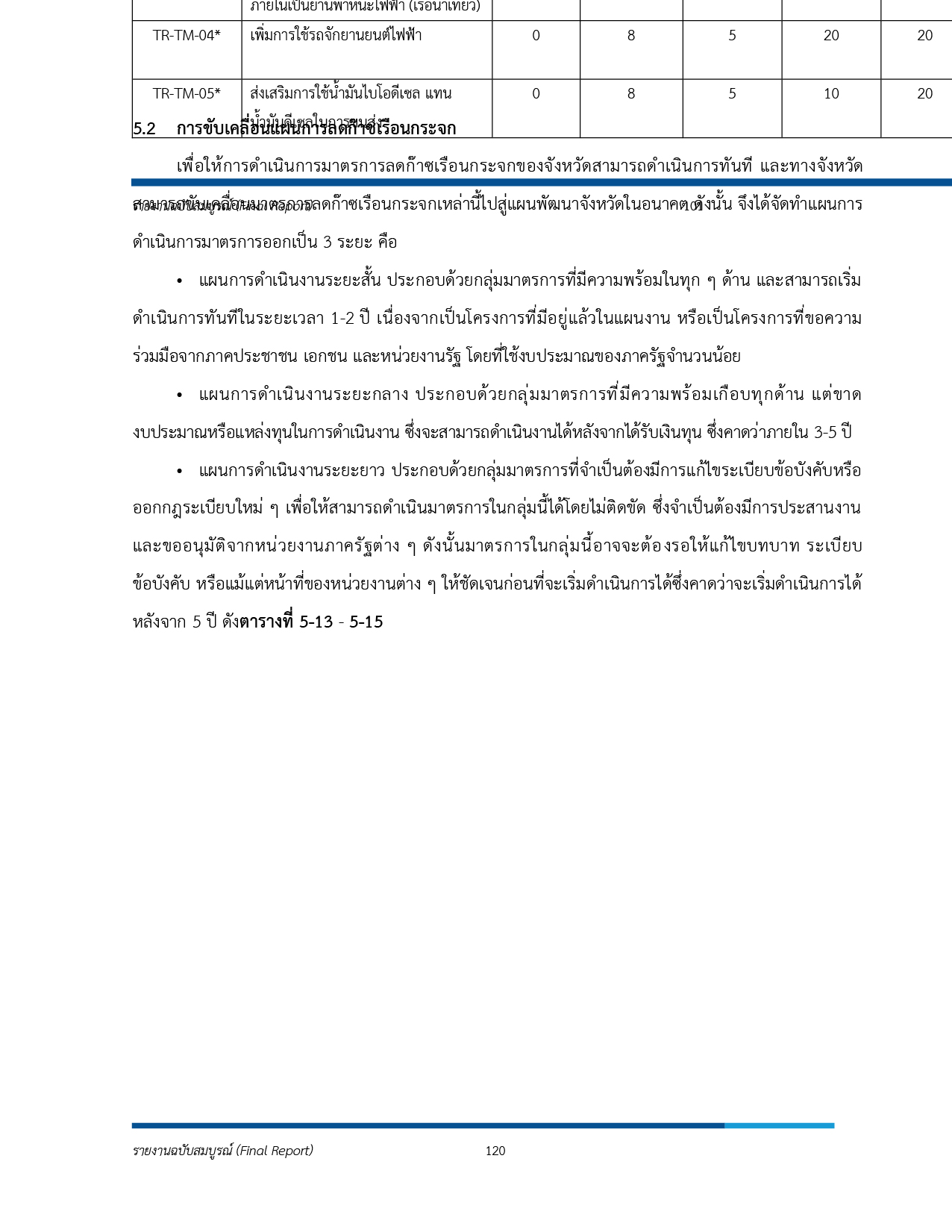
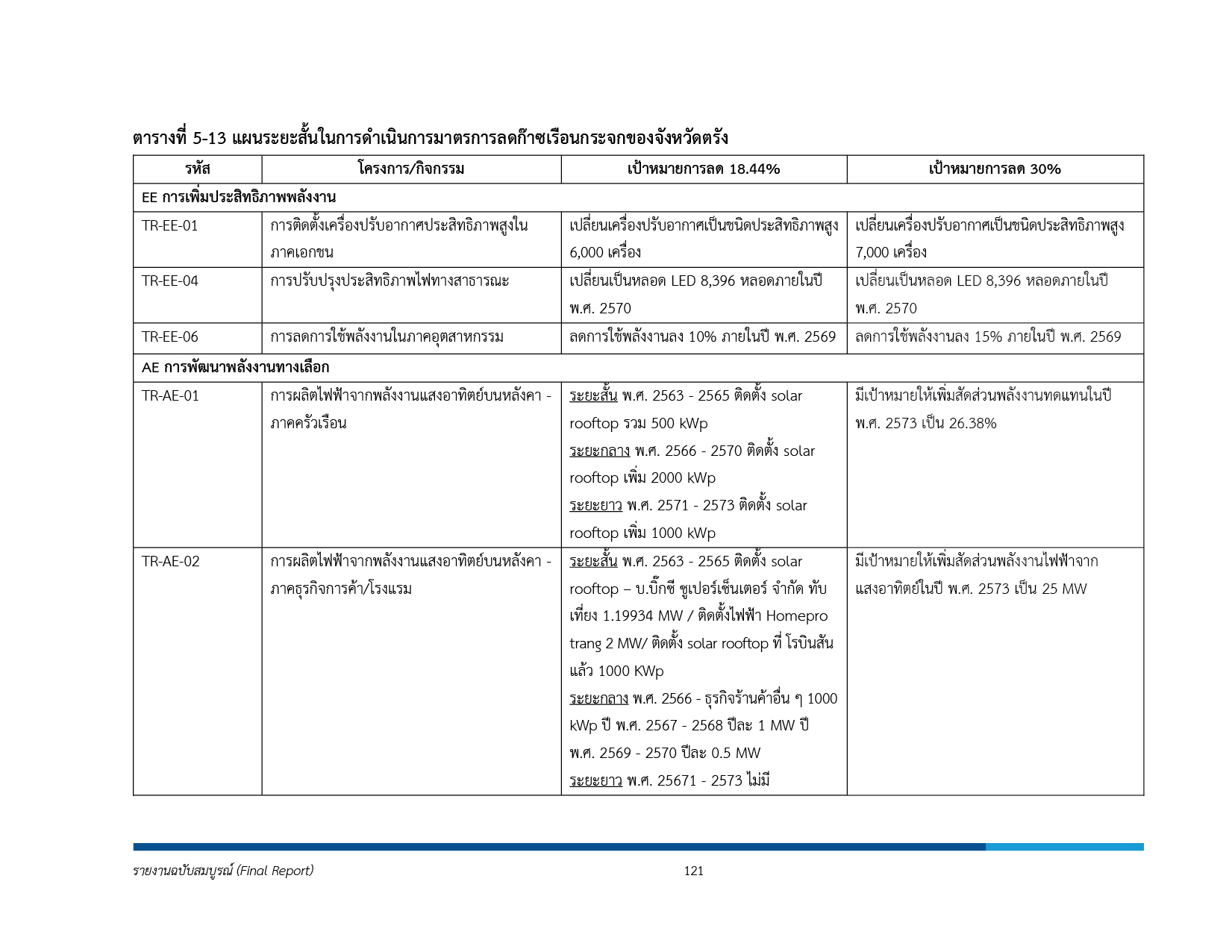
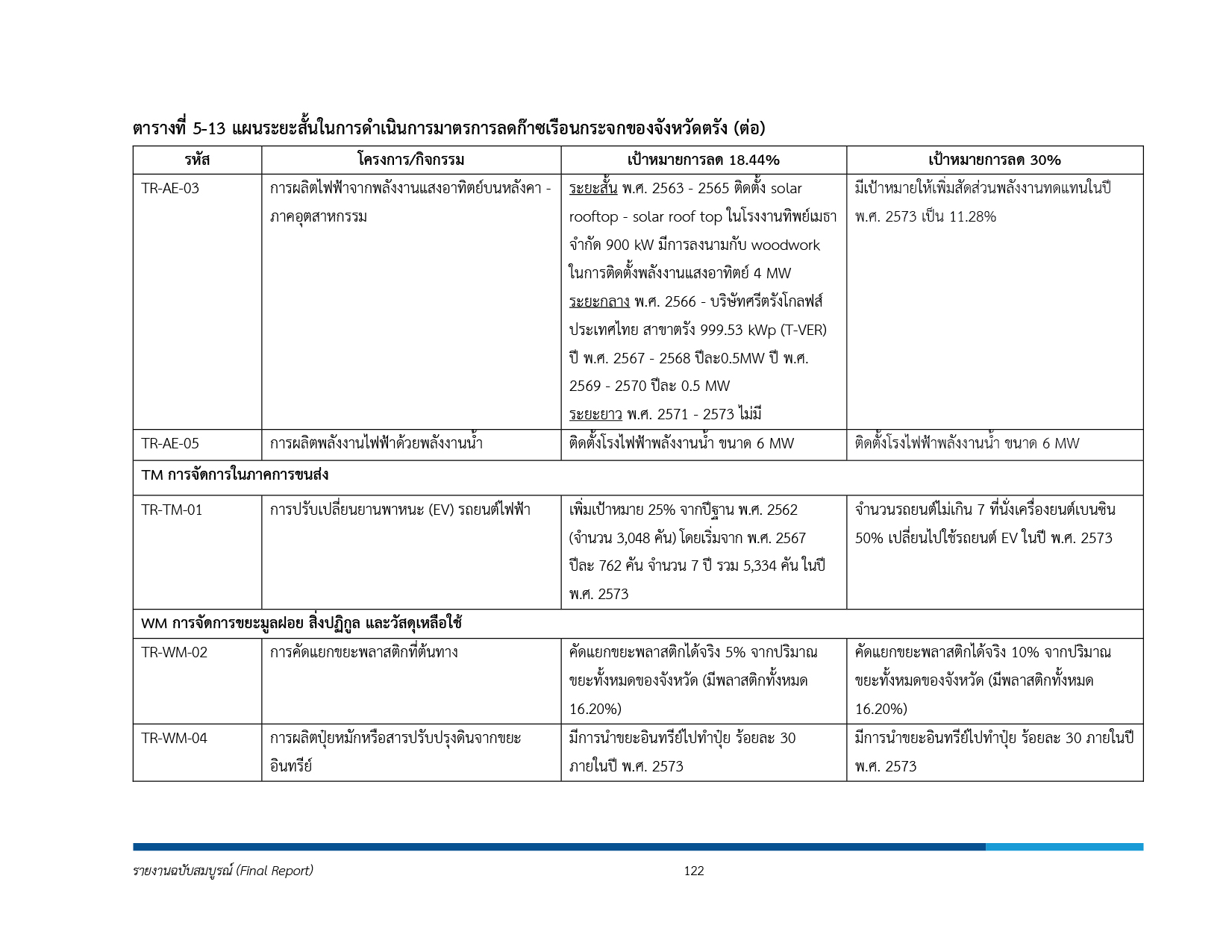
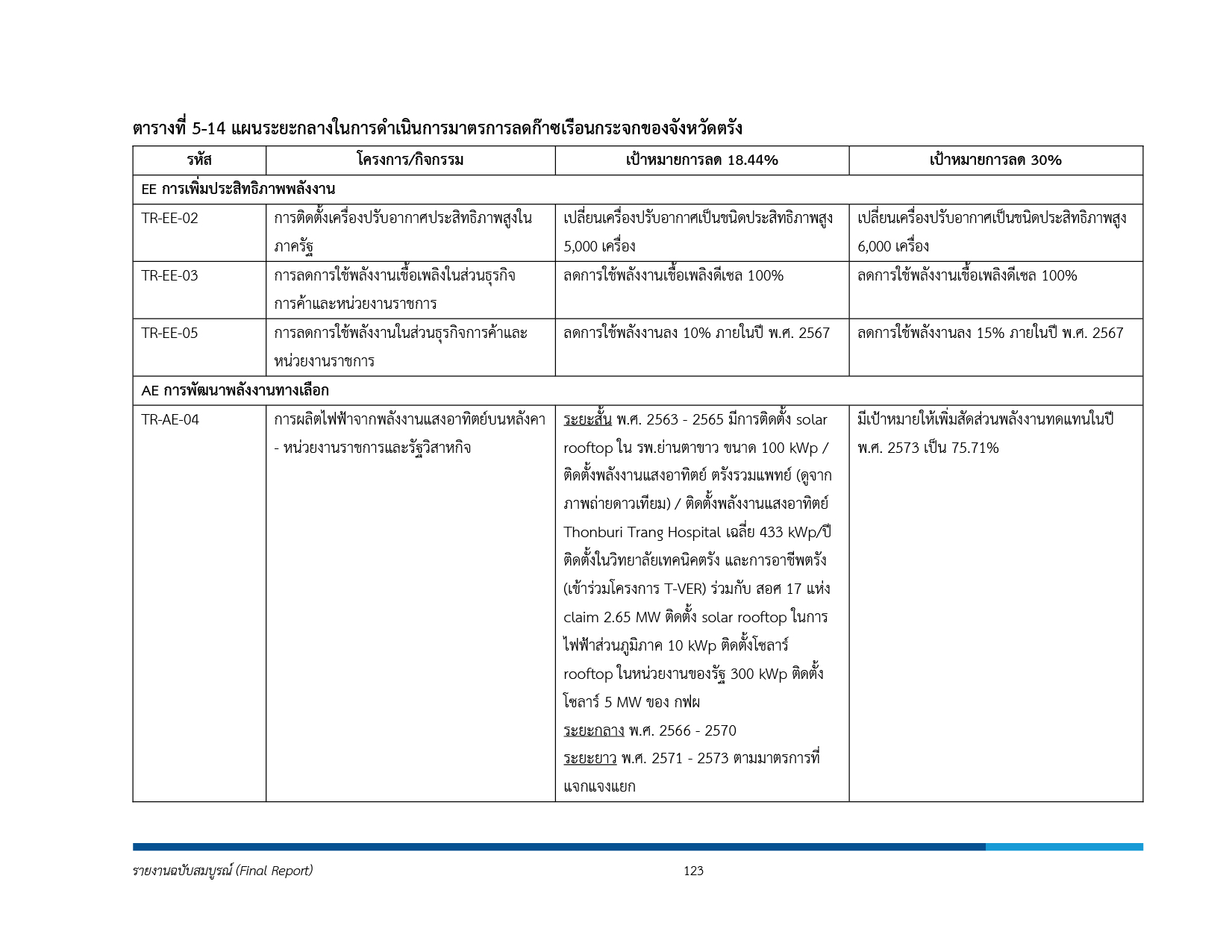
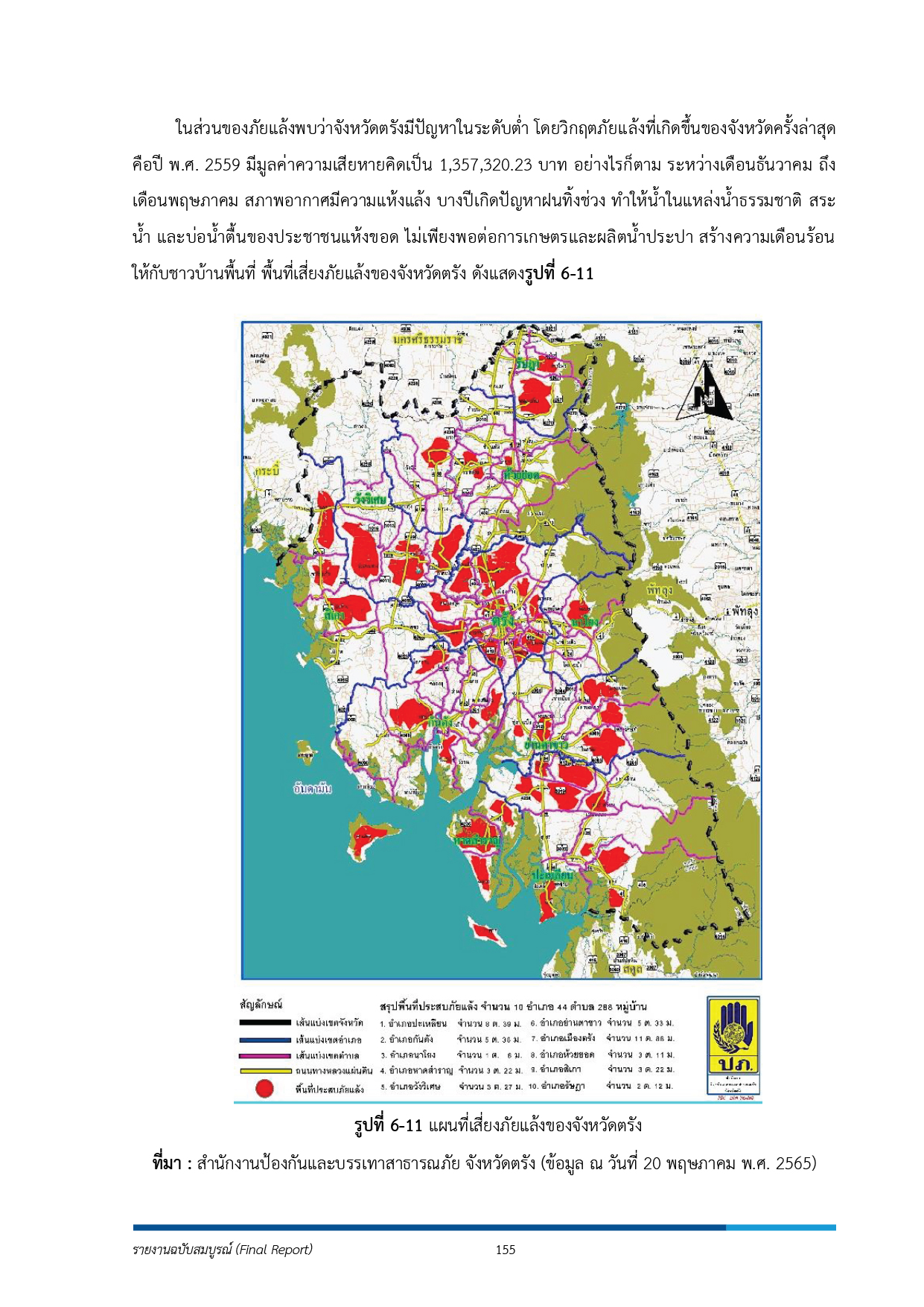
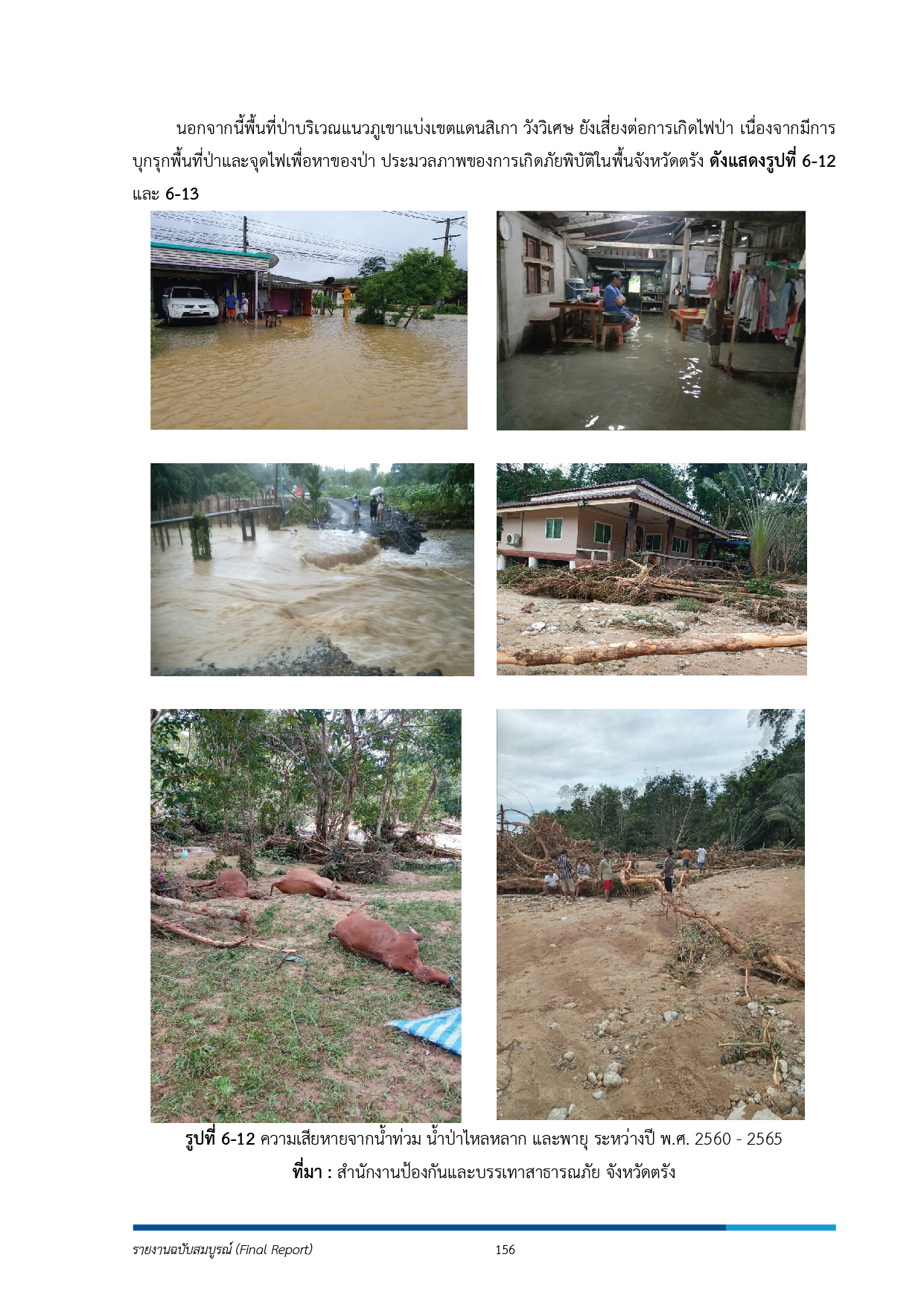
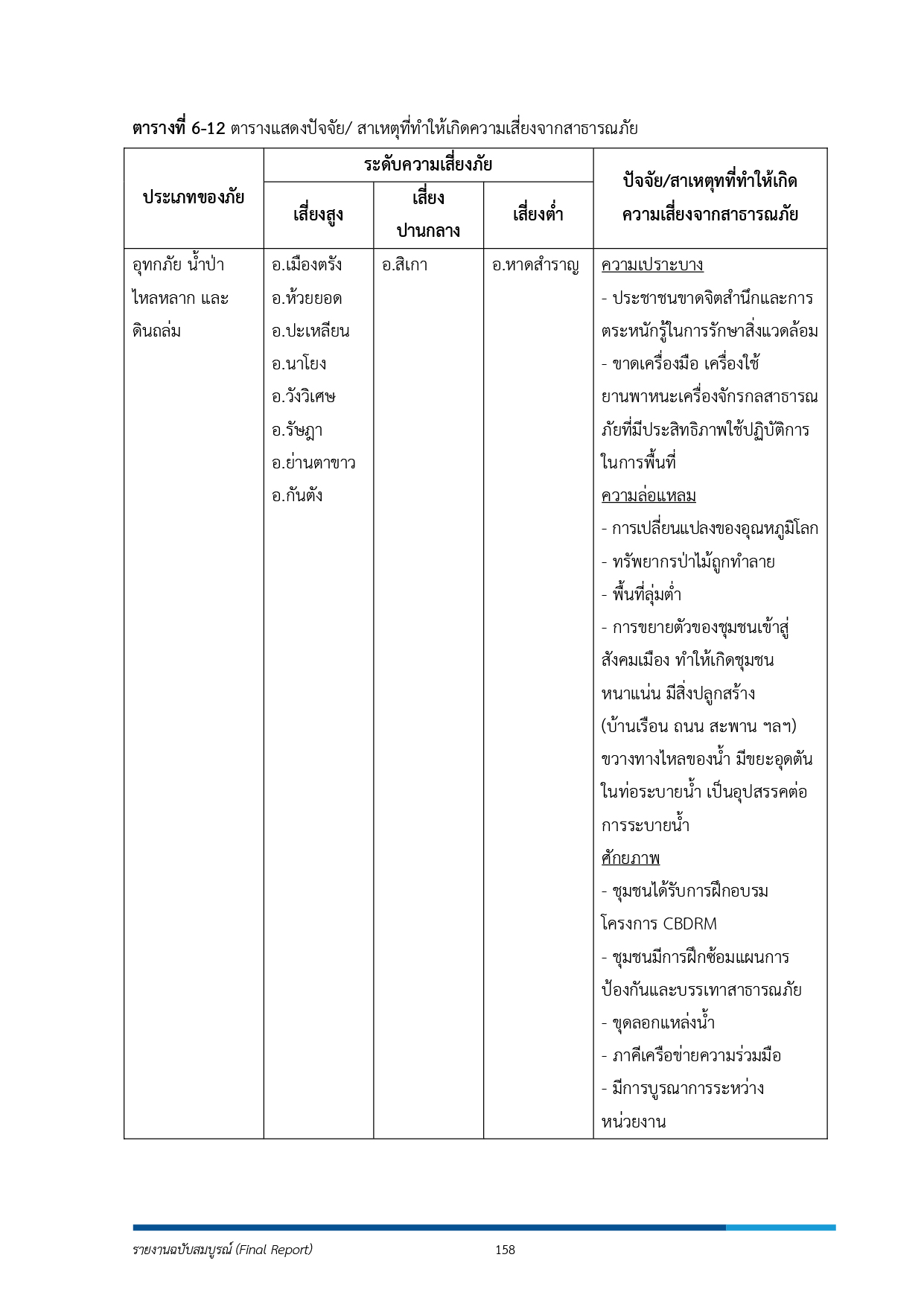
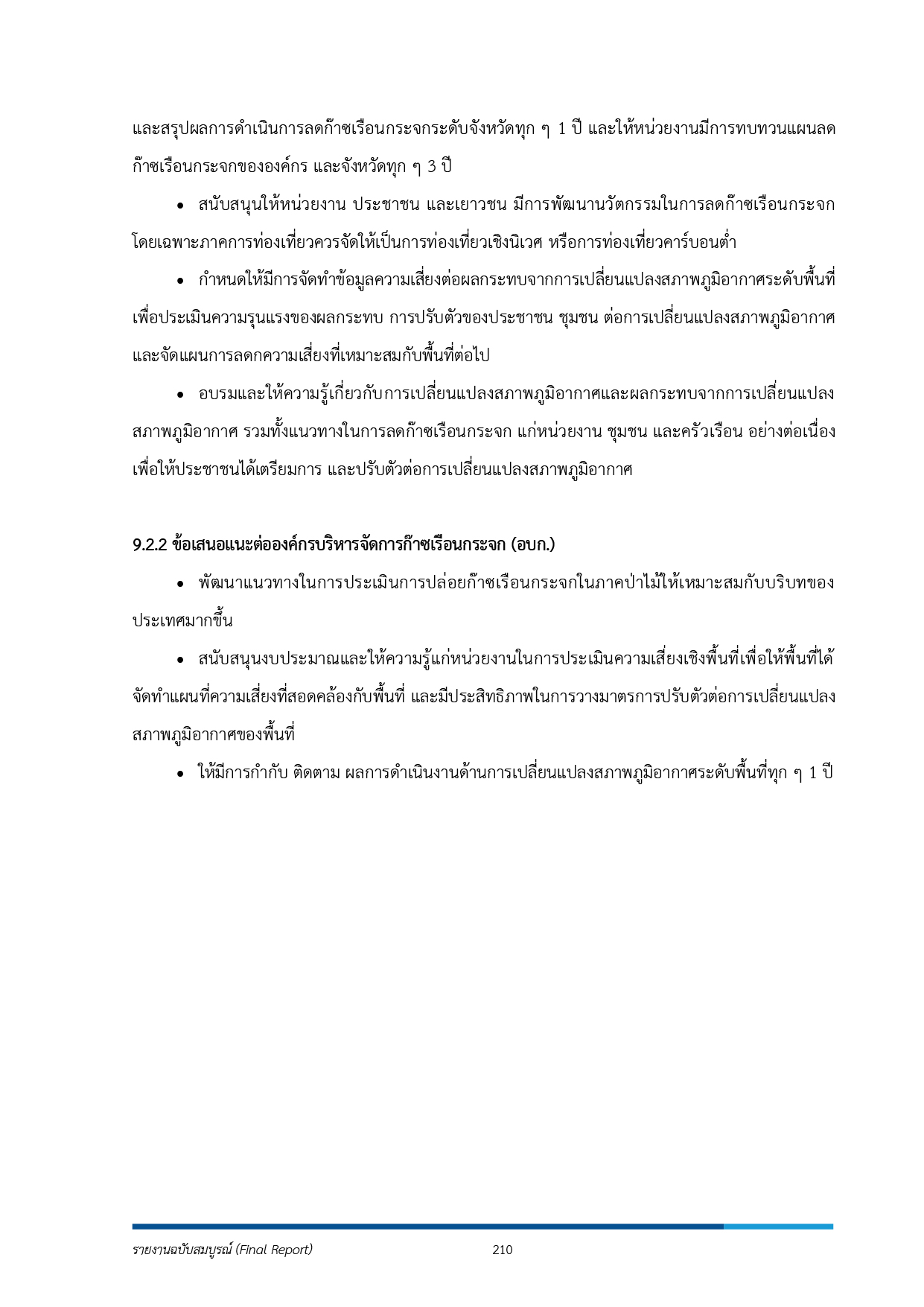
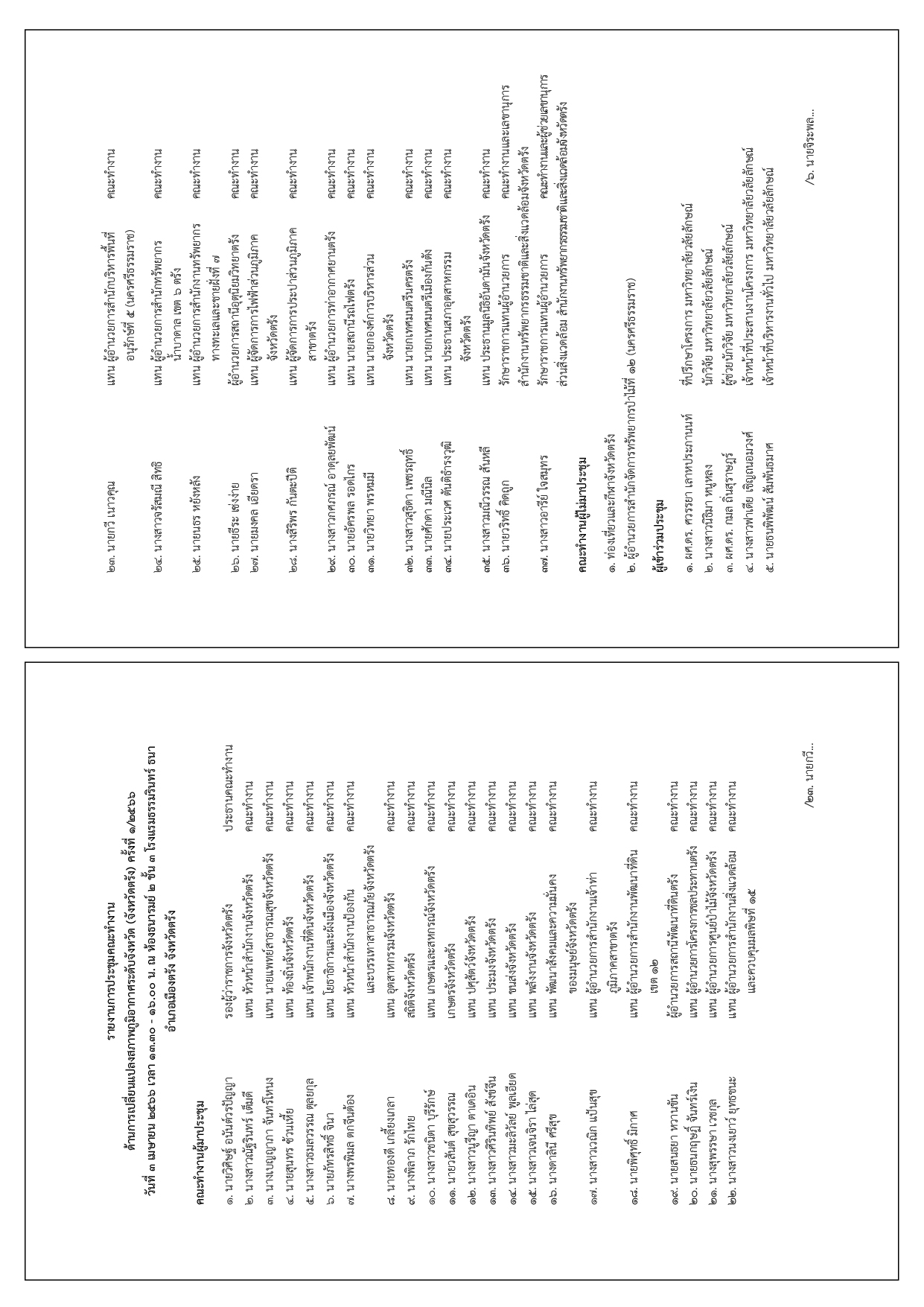
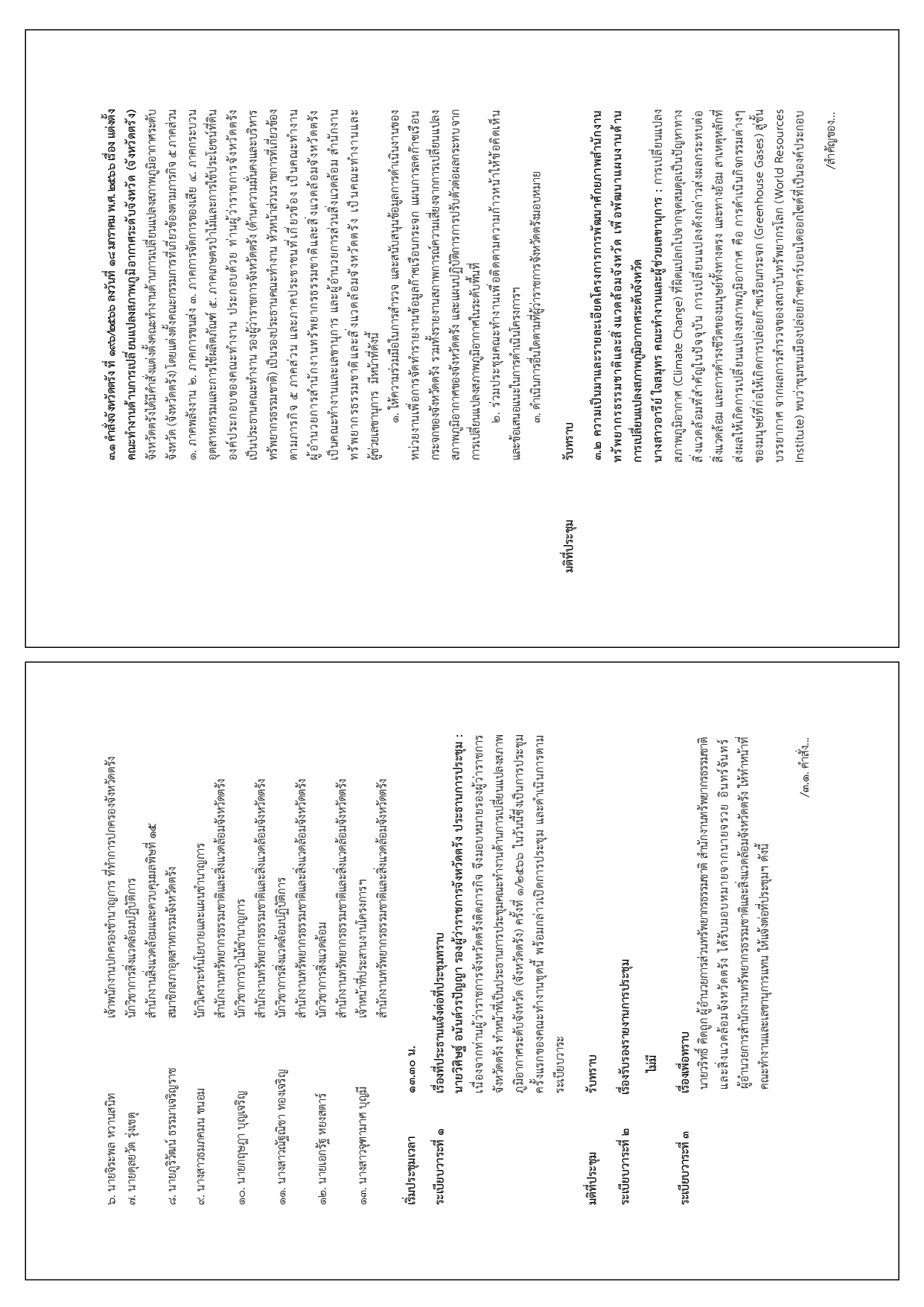
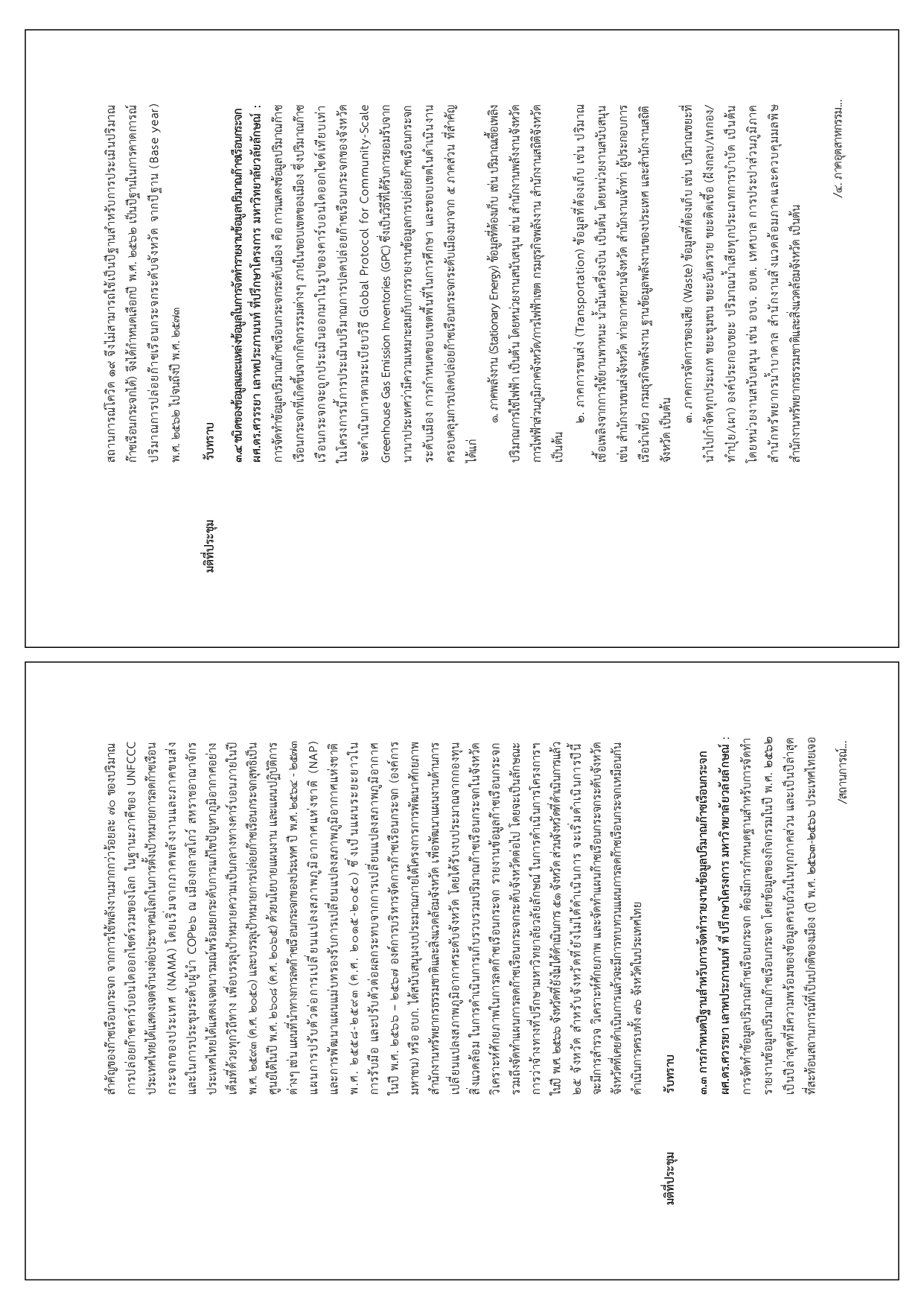
The Collaboration in Developing the Provincial and Municipal Action Plans for Climate Change for Trang Province
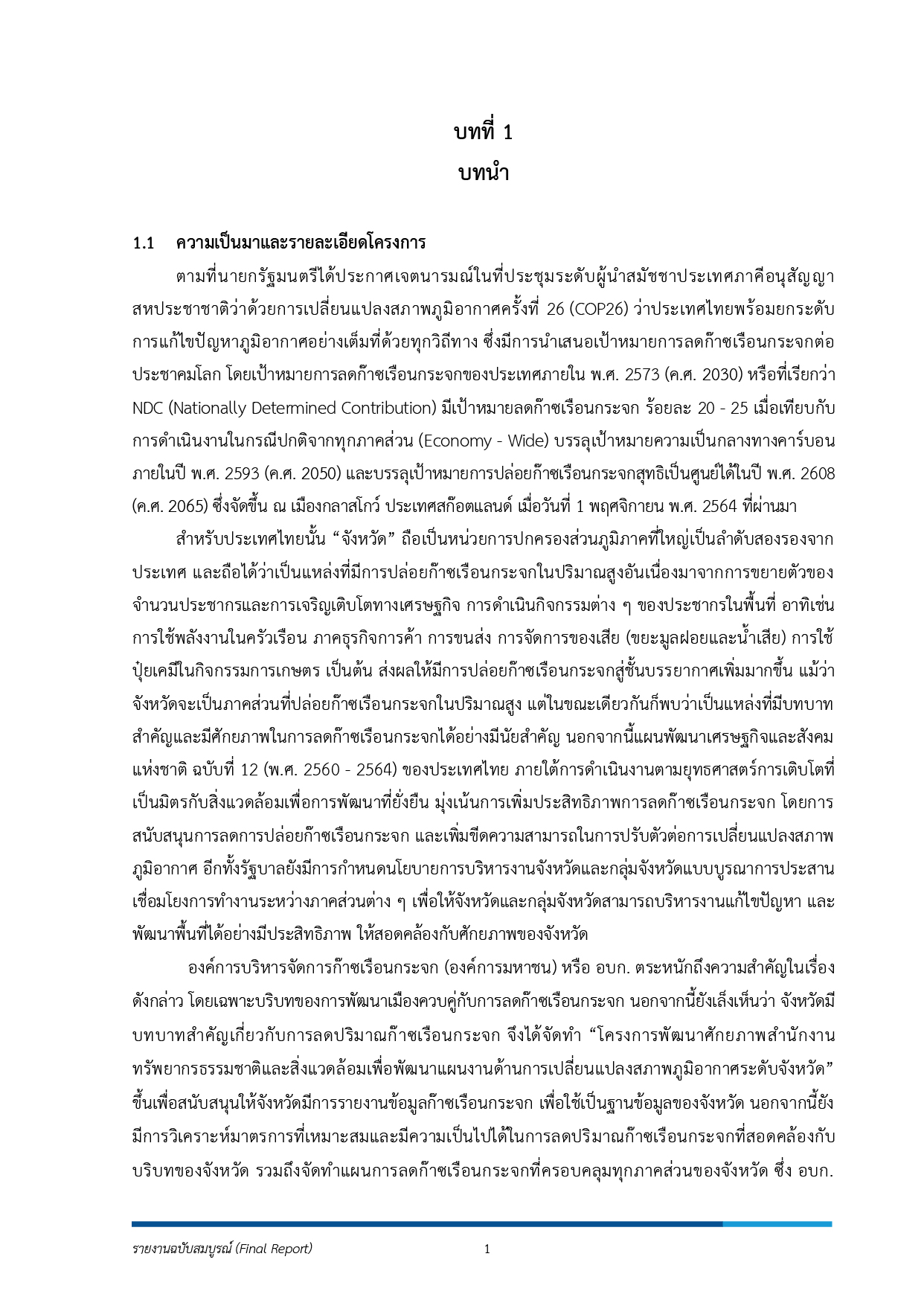
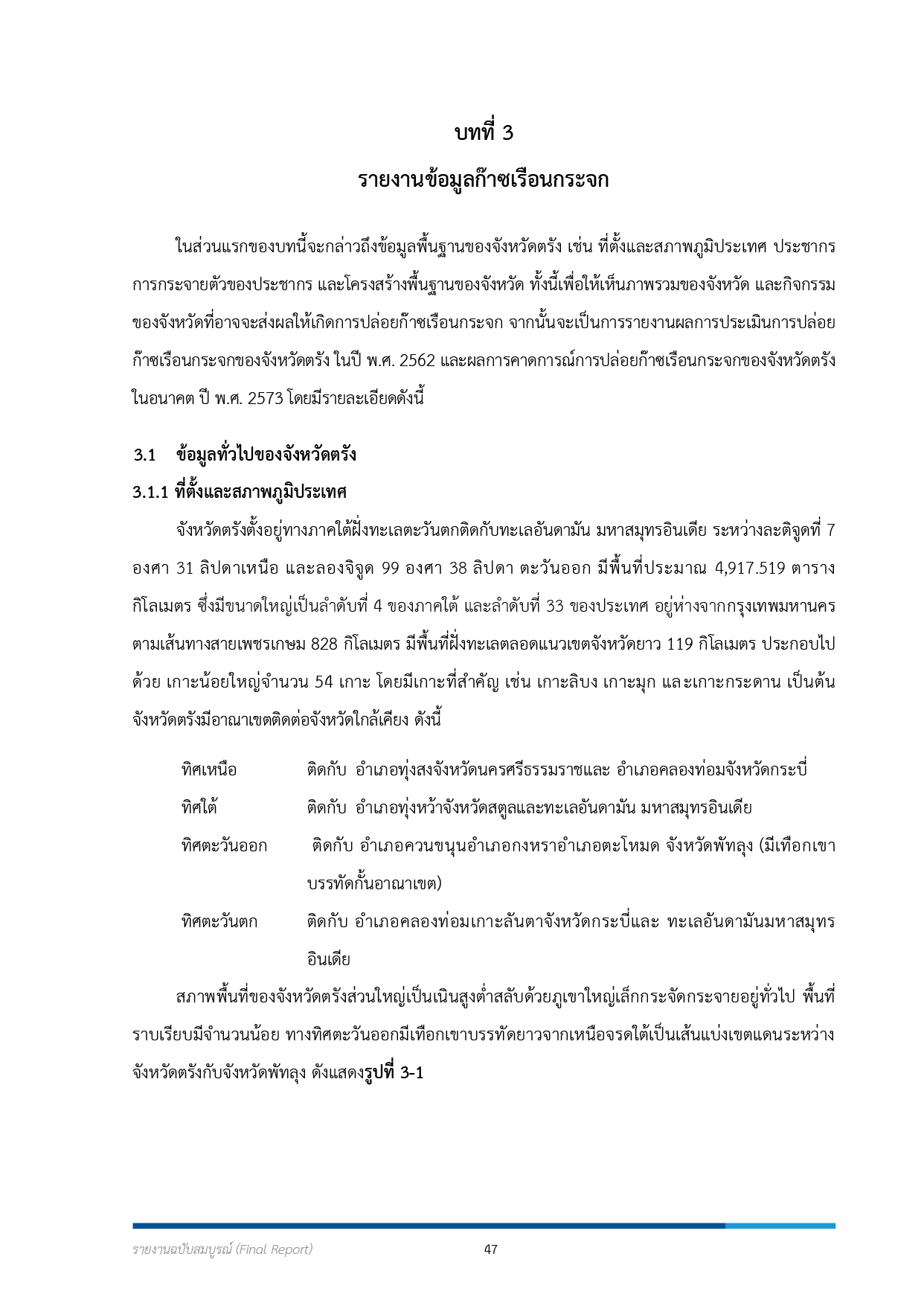
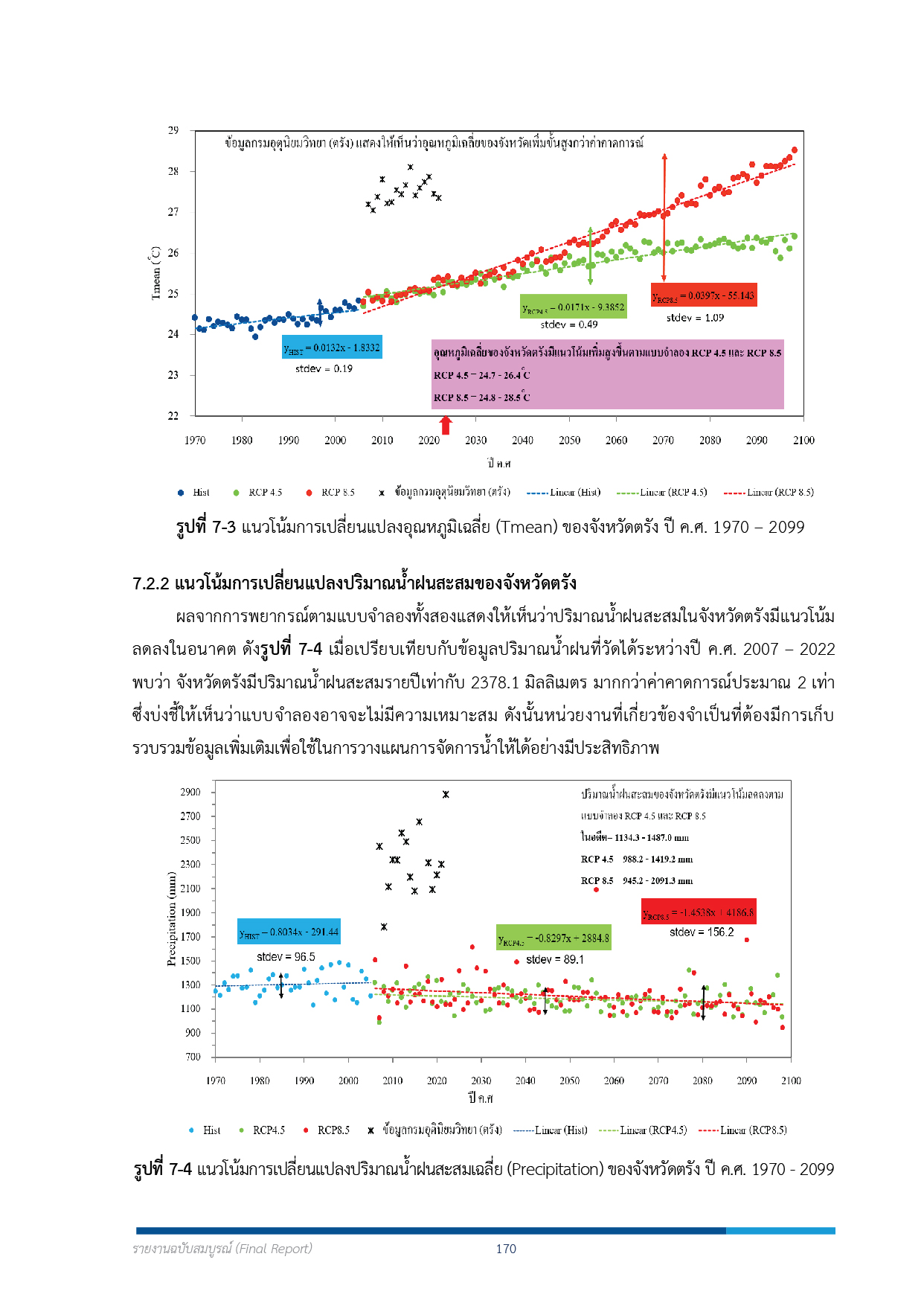
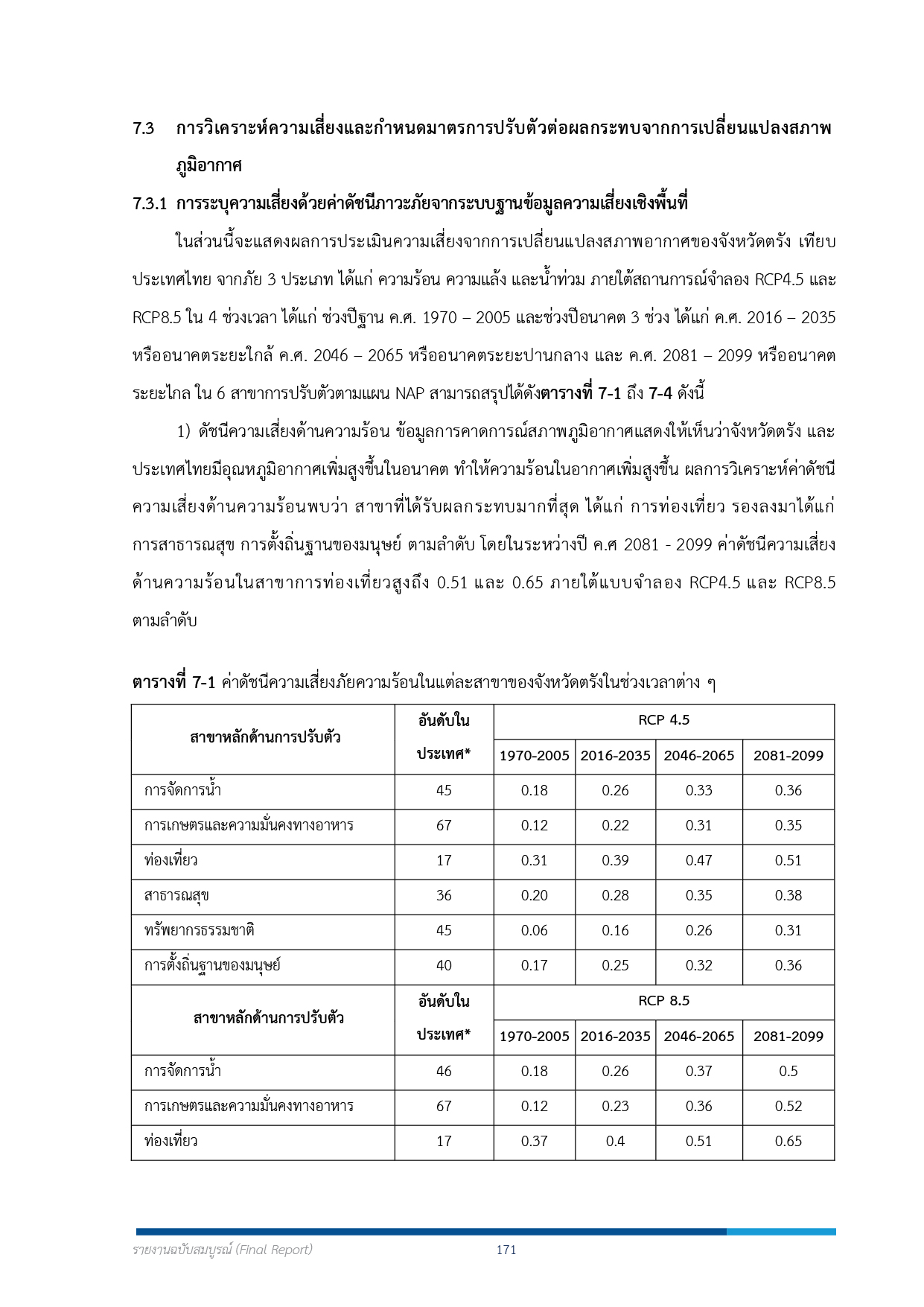
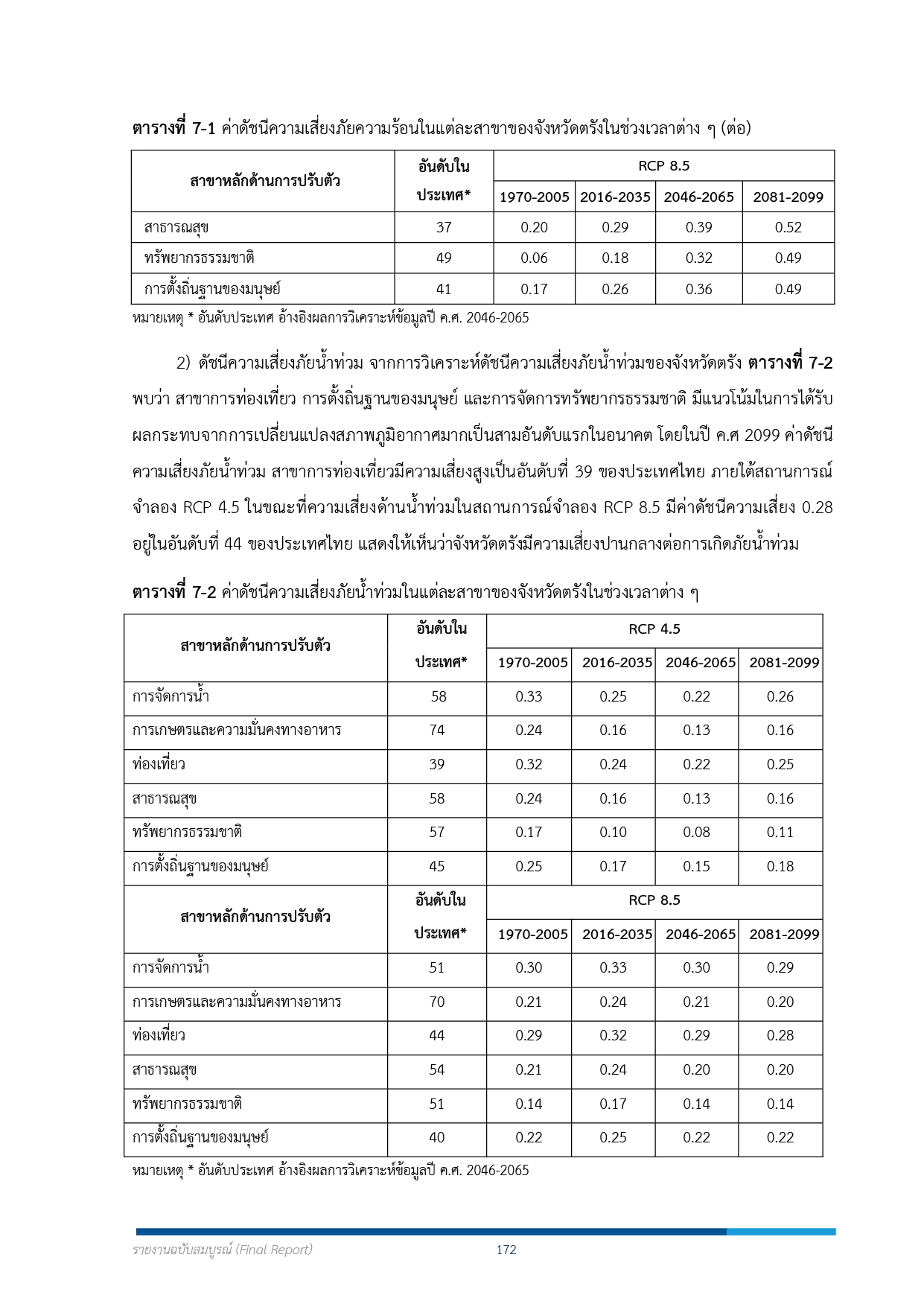
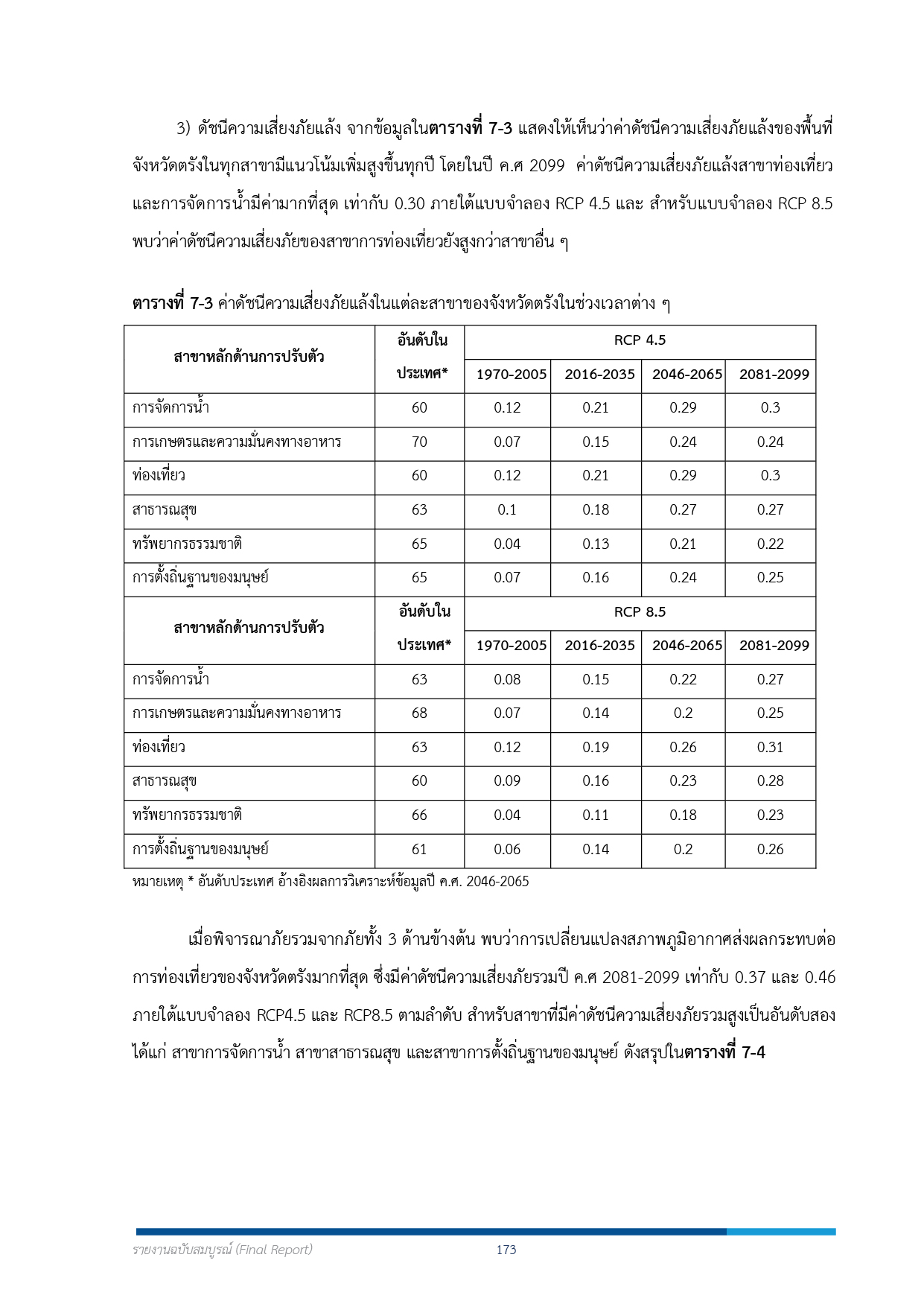
Walailak University recognizes that Thailand continues to face severe impacts from climate change, including prolonged droughts, unprecedented storms, and widespread flooding. In response to these challenges, Thailand has pledged to achieve carbon neutrality by 2050 and net-zero greenhouse gas (GHG) emissions by 2065, emphasizing the importance of provincial and local-level action in meeting national goals.
Provinces in Thailand, as regional government organizations, are significant sources of carbon emissions due to population growth and economic expansion, particularly in areas such as household energy use, transportation, and waste management. These factors collectively contribute to rising GHG emissions. At the same time, provinces play a crucial role in driving emission reductions. The 12th National Economic and Social Development Plan highlights the need to enhance GHG reduction efficiency by supporting emission mitigation efforts and strengthening climate adaptation capacity. Furthermore, the government has implemented an integrated provincial and cluster-level administrative policy to promote cross-sectoral coordination, enabling provinces to address challenges and develop strategies aligned with their local contexts and capabilities.
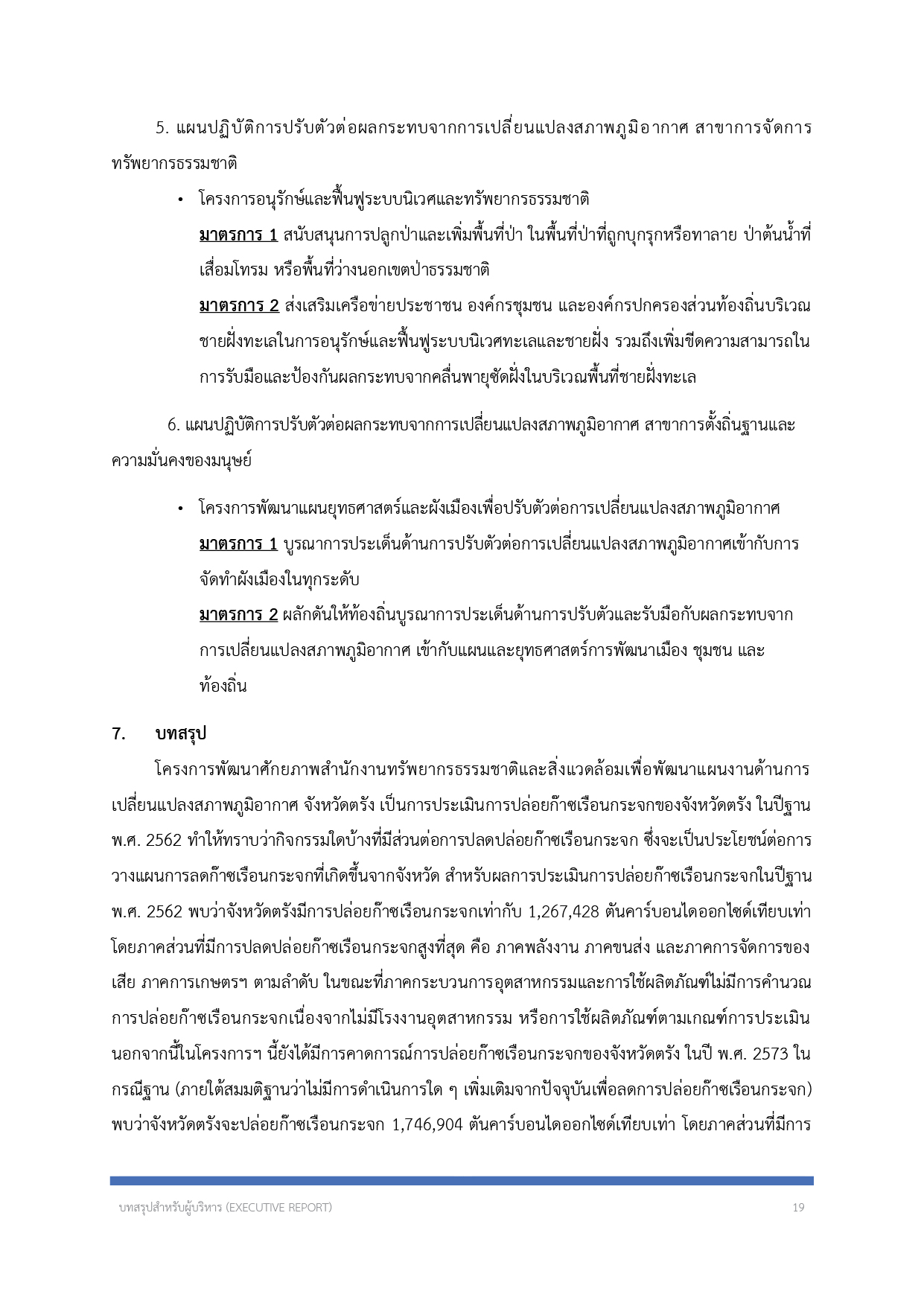
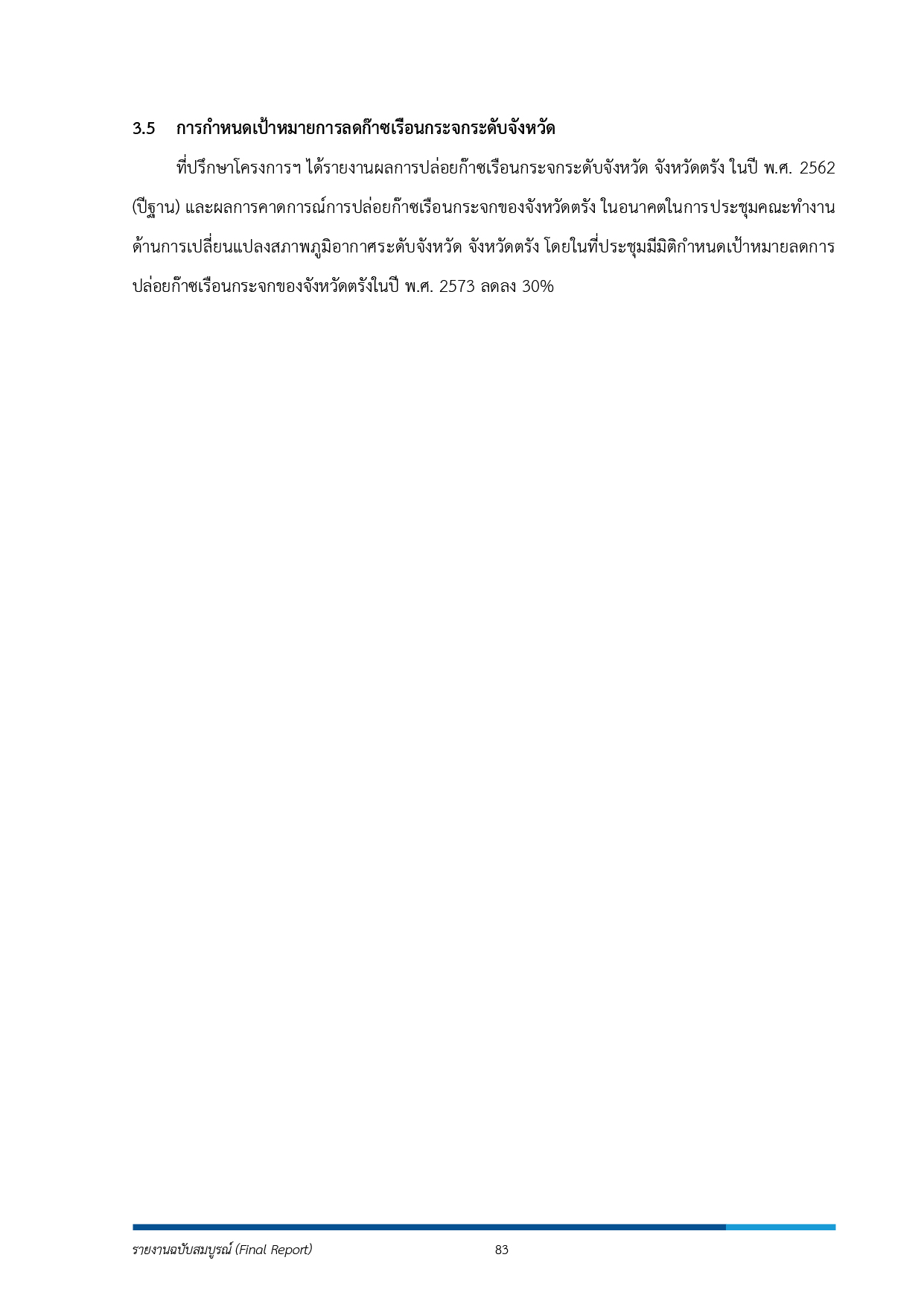
To support national climate targets, every province in Thailand is required to develop action plans that aim to reduce carbon emissions, strengthen climate resilience, and promote sustainable development. The Provincial and Municipal Action Plans for Climate Change are essential tools in this process, providing clear strategies and measures tailored to each province’s environmental and socio-economic conditions.
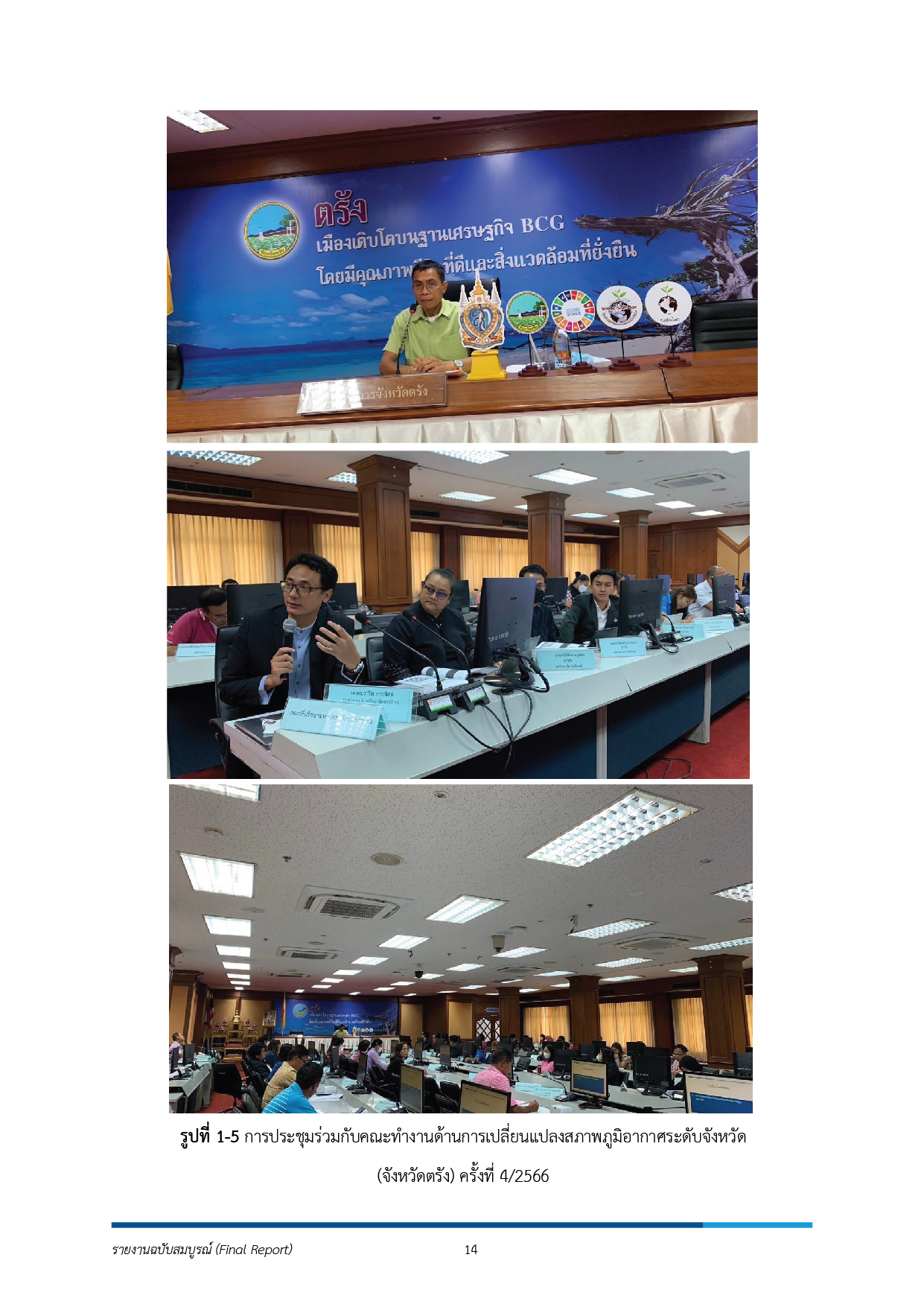
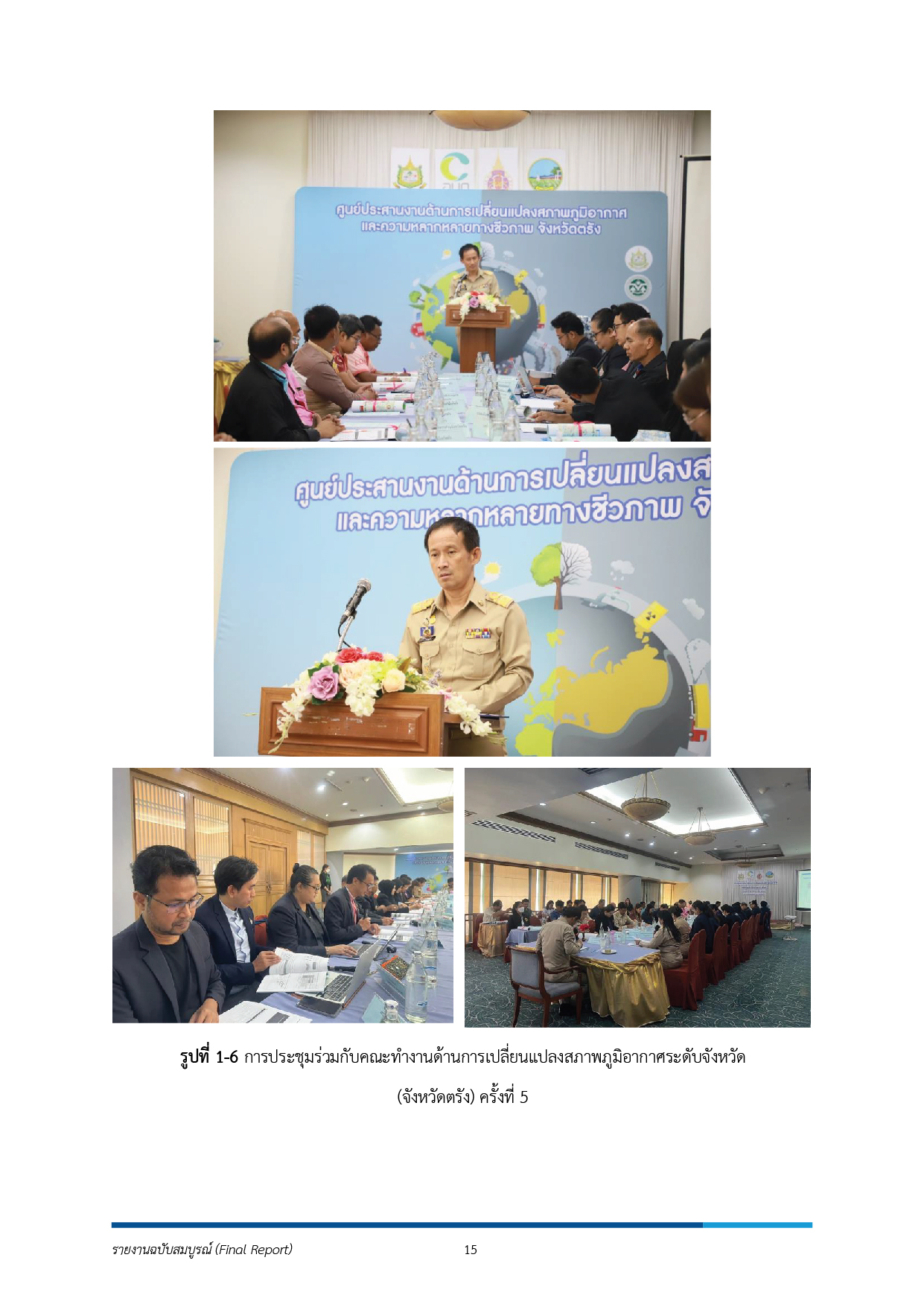
Walailak University, through the leadership of Assoc. Prof. Dr. Warit Jawjit and his research team, has continued its collaboration with national and regional government organizations and NGOs to support the development of these climate action plans. The team’s work focuses on generating a comprehensive provincial-level GHG emissions report and designing strategies and action plans to reduce emissions in accordance with each province’s unique context.
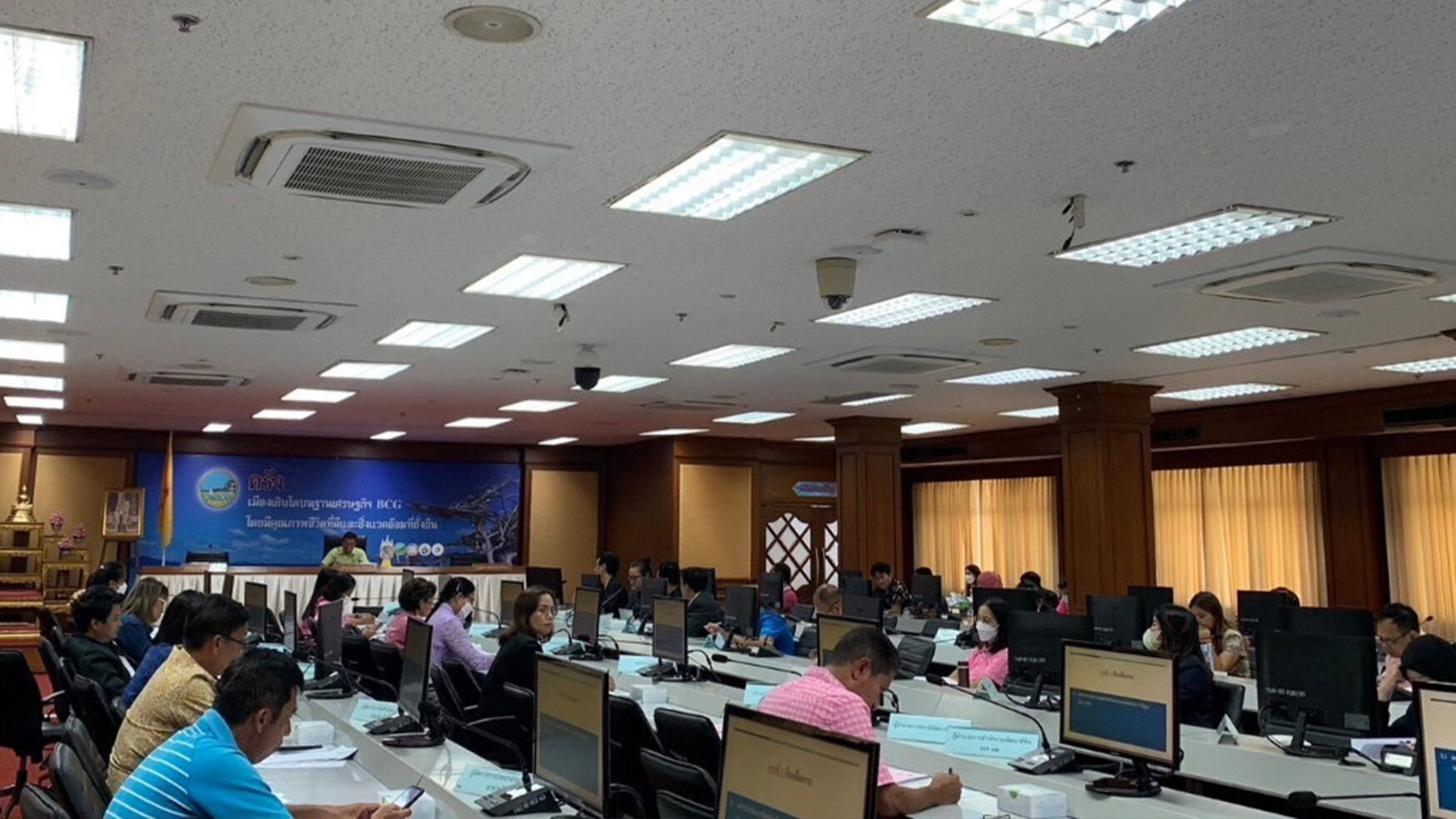
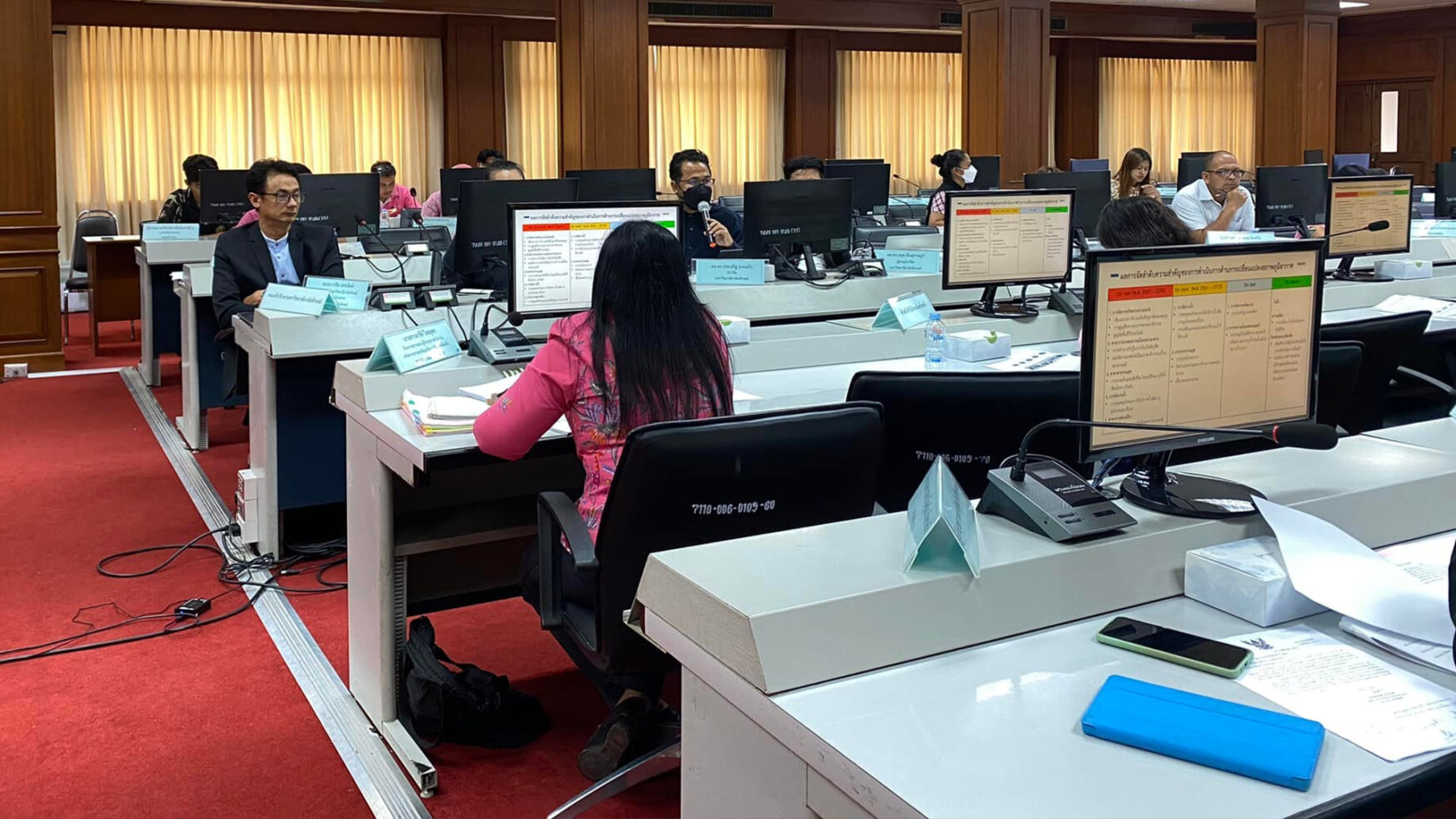
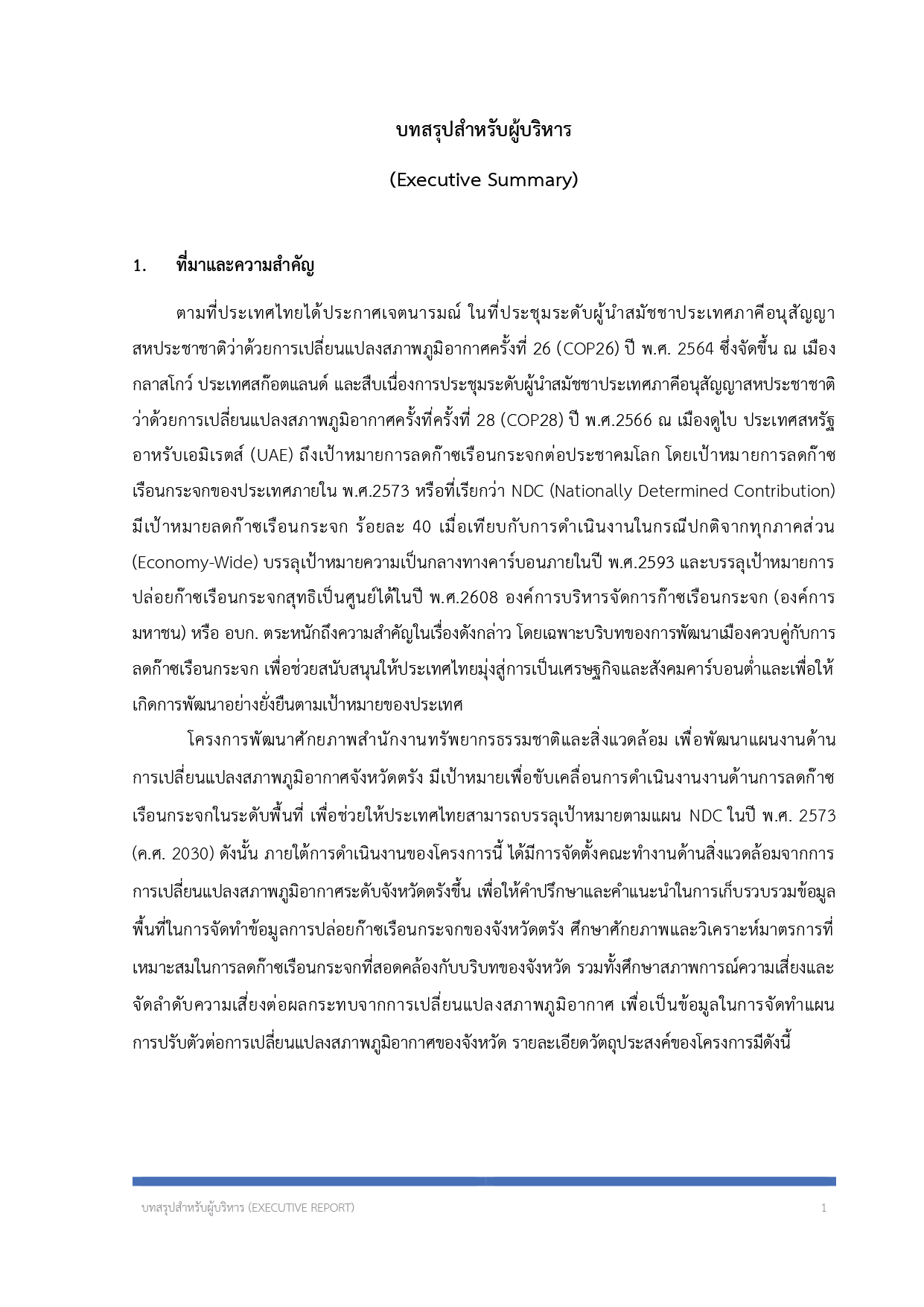
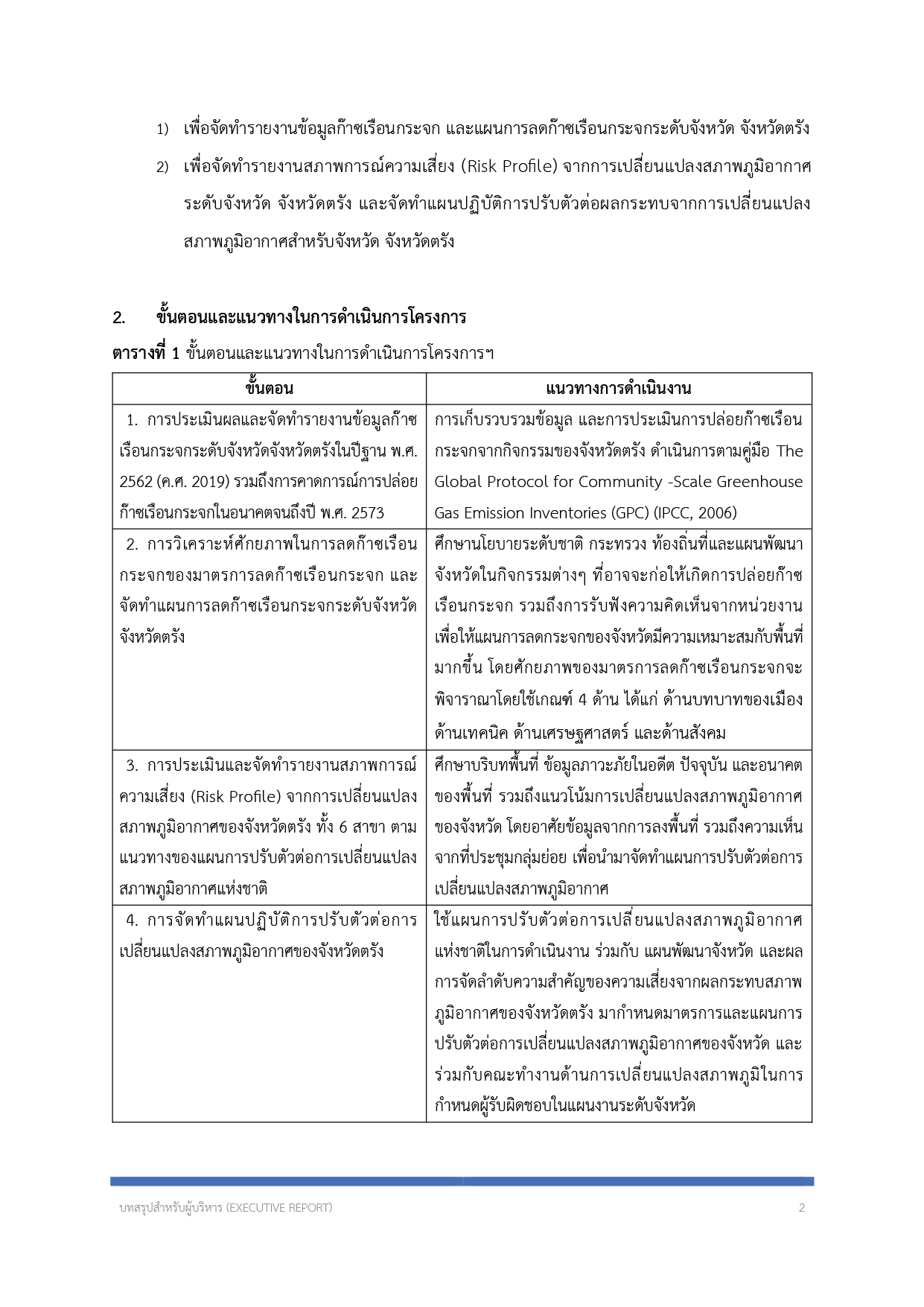
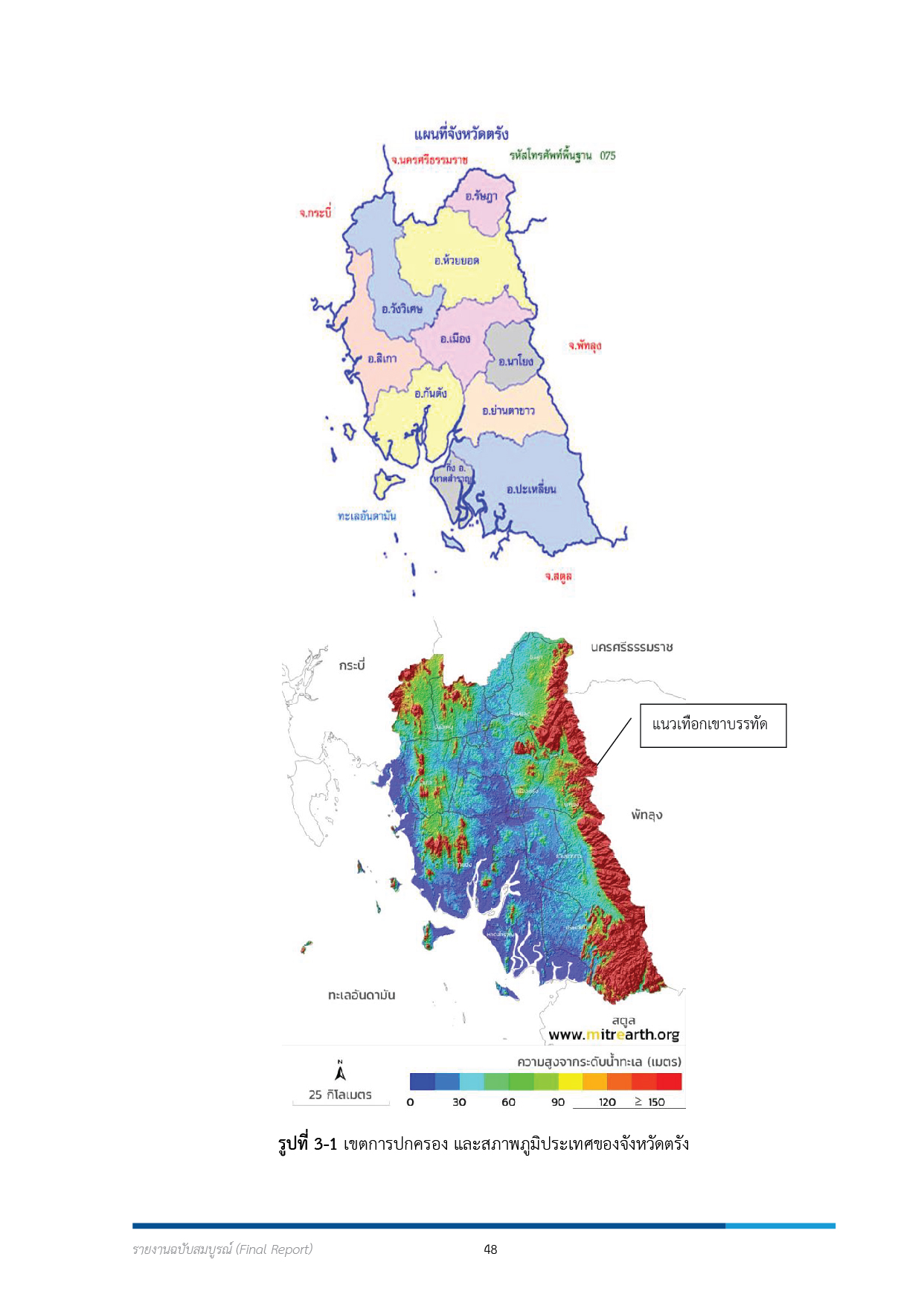
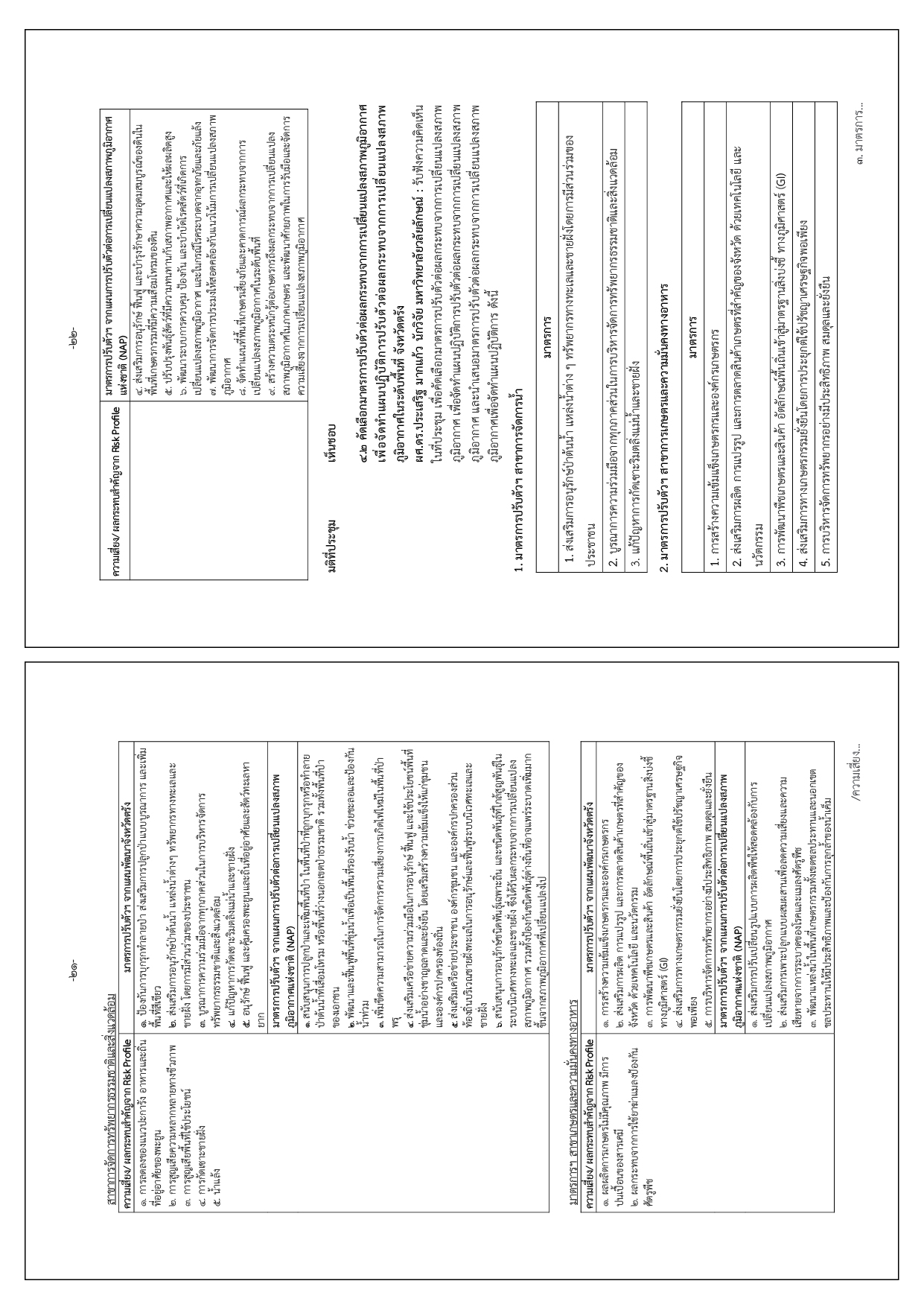
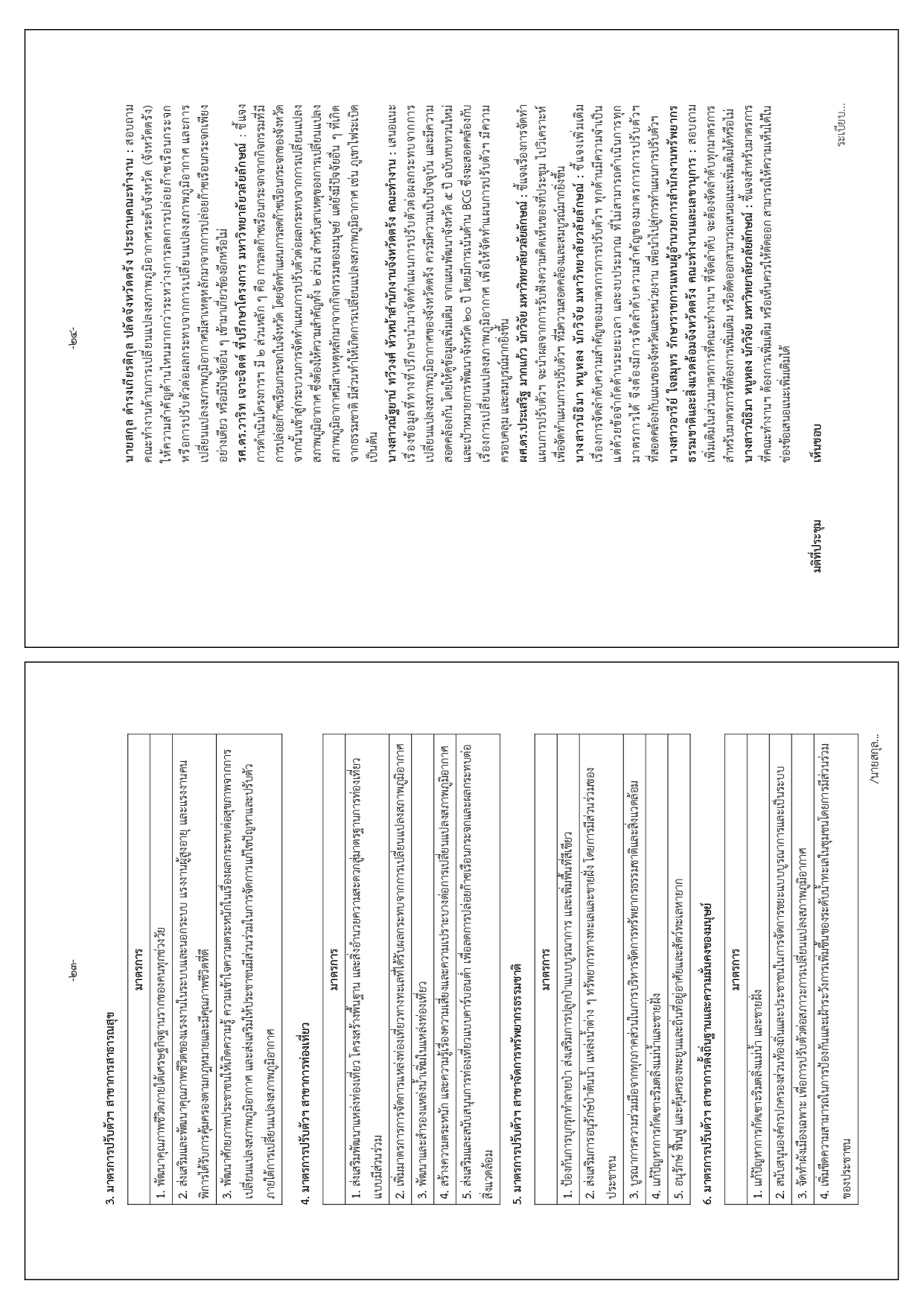
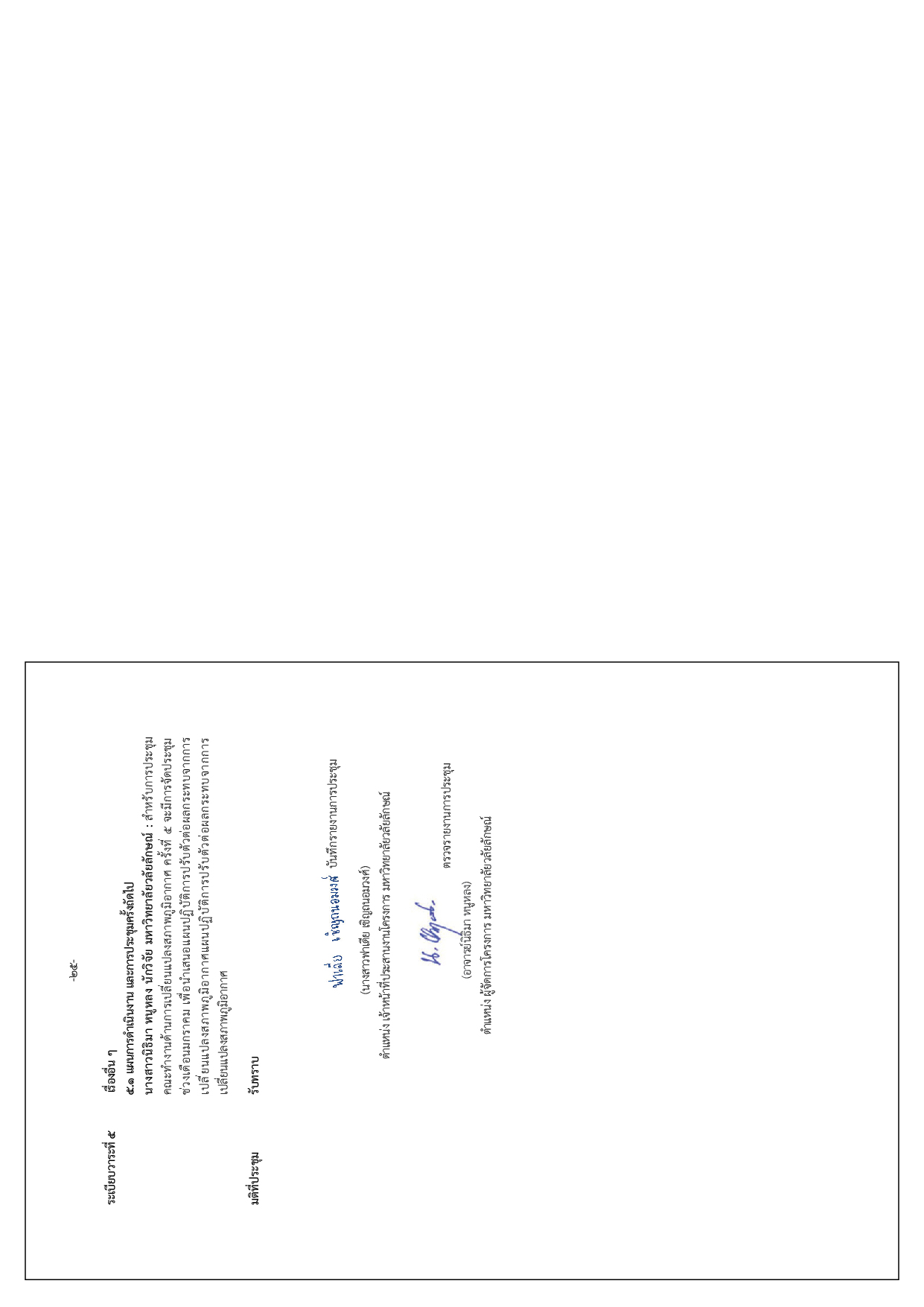
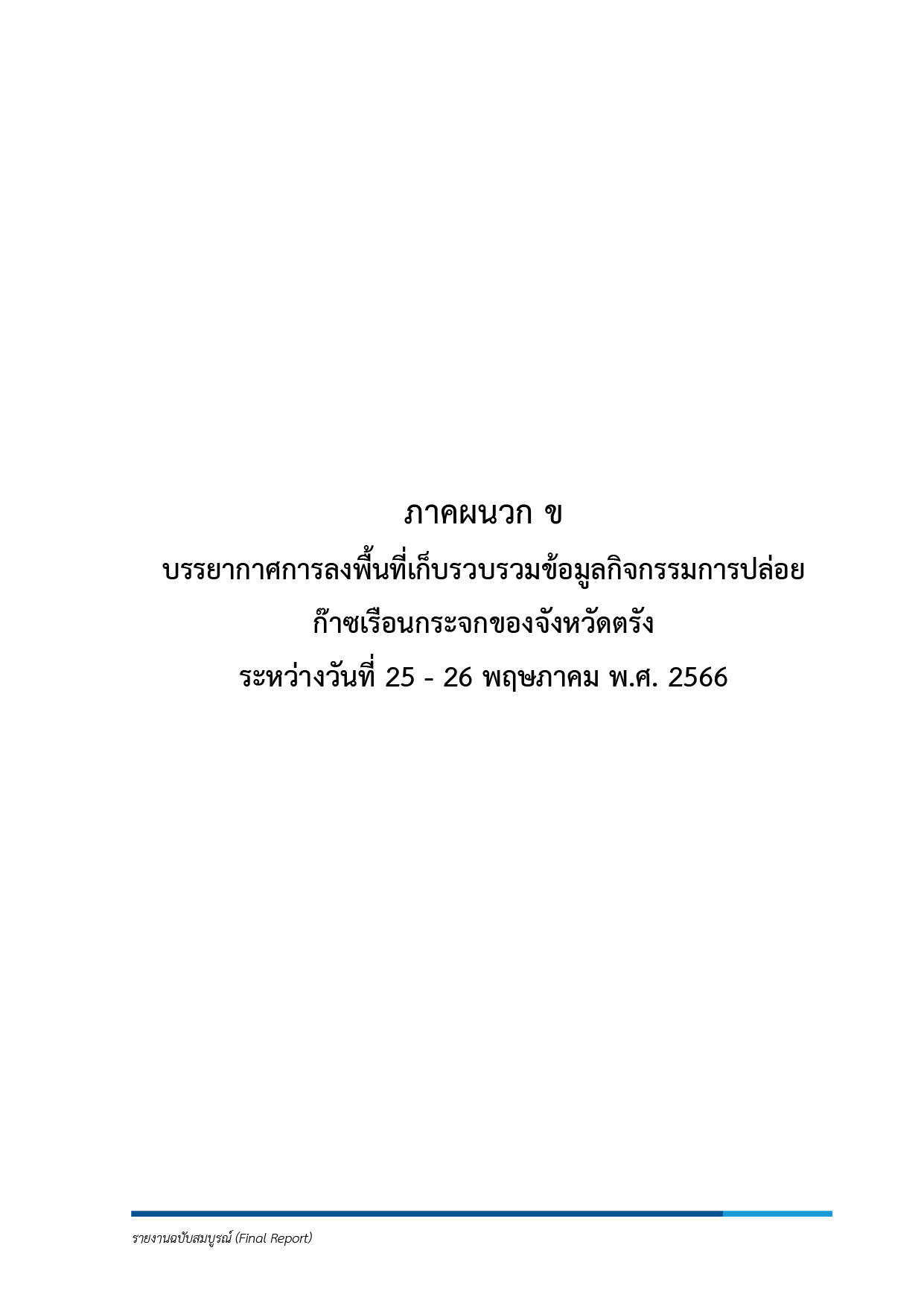
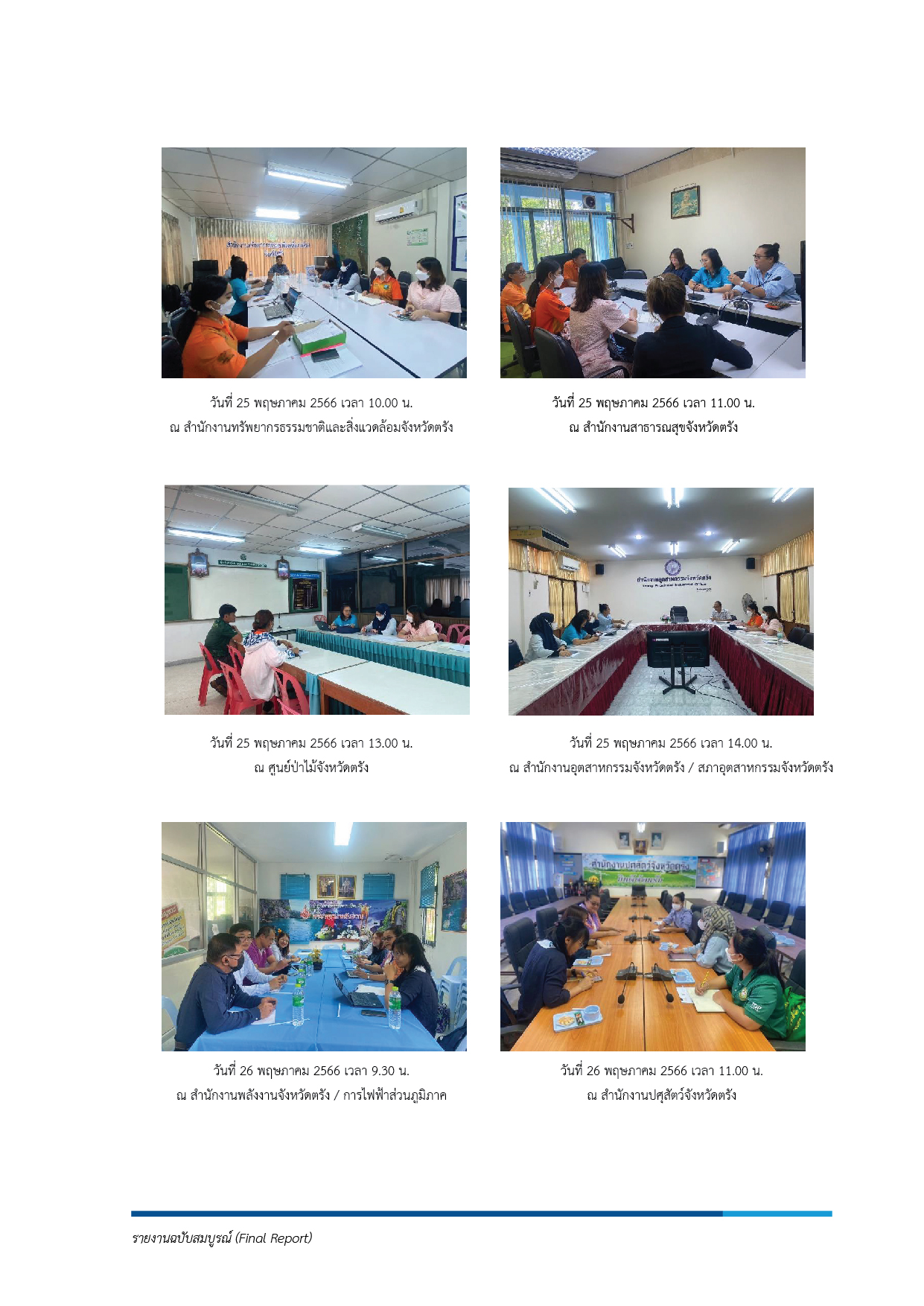
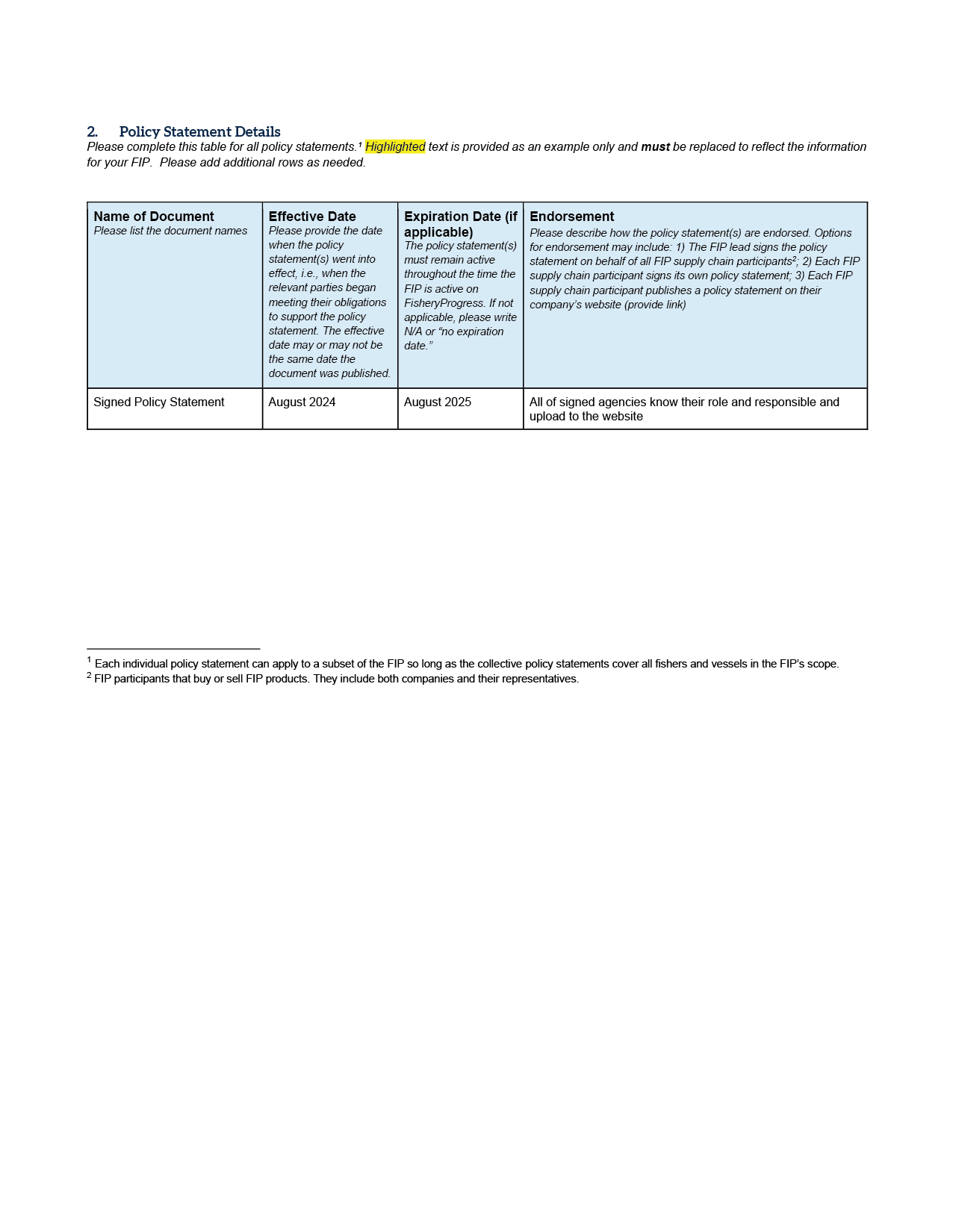
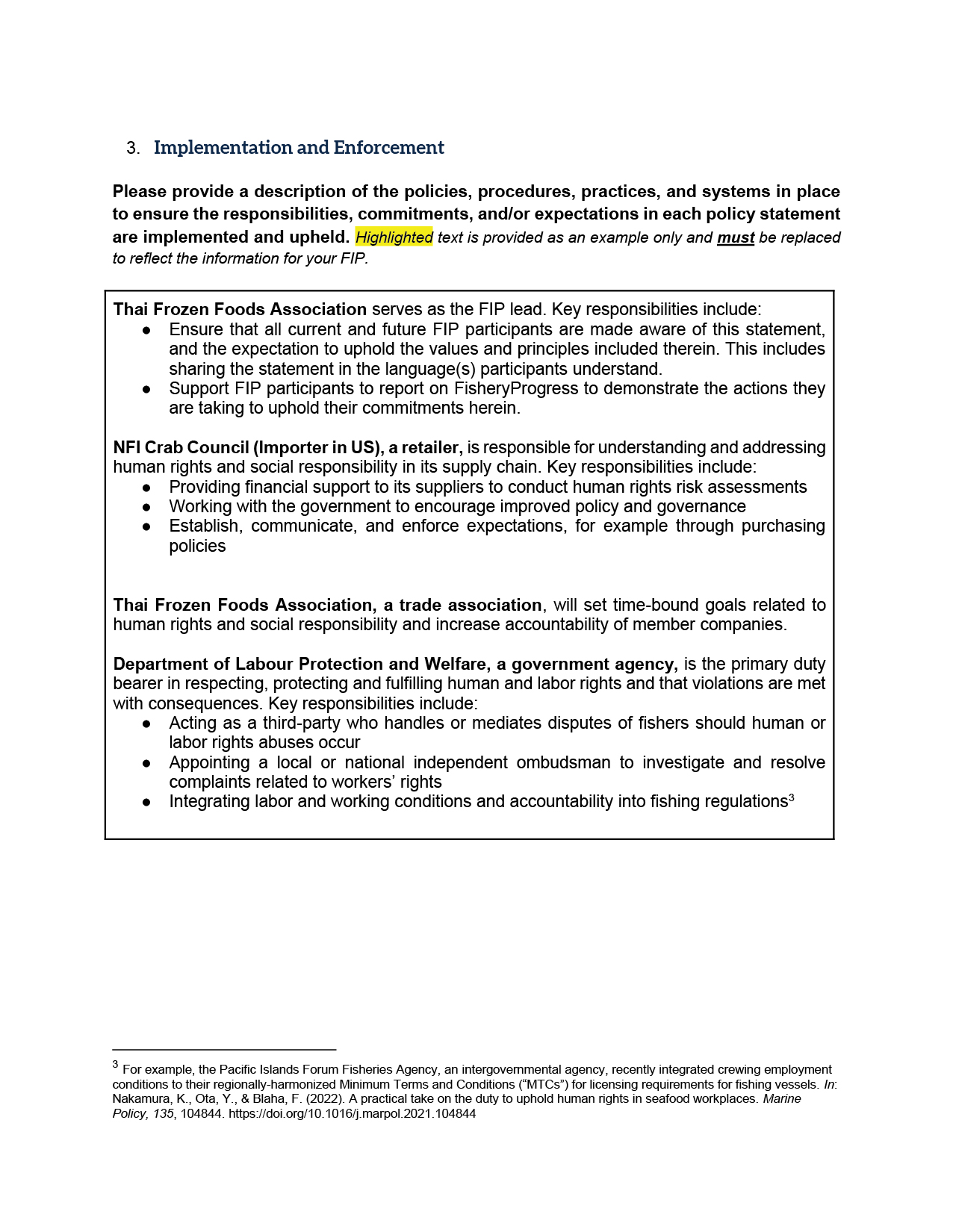
In 2024, Assoc. Prof. Dr. Warit Jawjit and his team—Ms. Nitima Nulong, Asst. Prof. Dr. Prasert Makkaew, and Asst. Prof. Dr. Kamon Thinsurat—partnered with key organizations, including the Ministry of Natural Resources and Environment, the Provincial Office of Natural Resources and Environment, Trang Province, and the Save Andaman Network Foundation, a regional NGO. Together, they worked on the development of the Provincial and Municipal Action Plans for Climate Change for Trang Province, contributing to strengthened climate governance and sustainable provincial development.
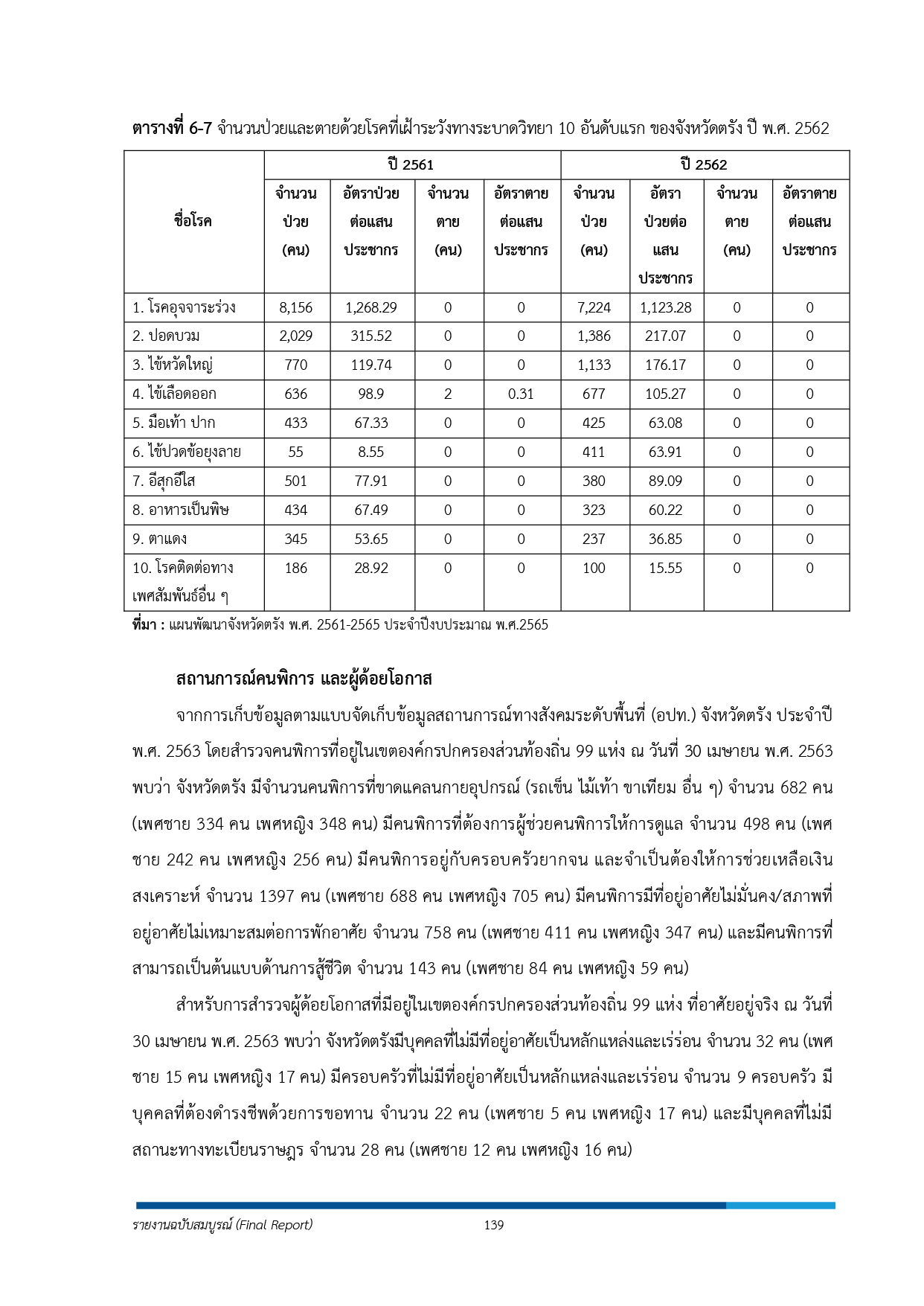
Before developing the action plan, the Walailak University research team, in collaboration with the Save Andaman Network Foundation, conducted comprehensive studies to identify existing problems and emerging challenges. These studies laid the foundation for the development of effective action plans, ensuring that Trang Province is prepared to address and adapt to future climate-related impacts.
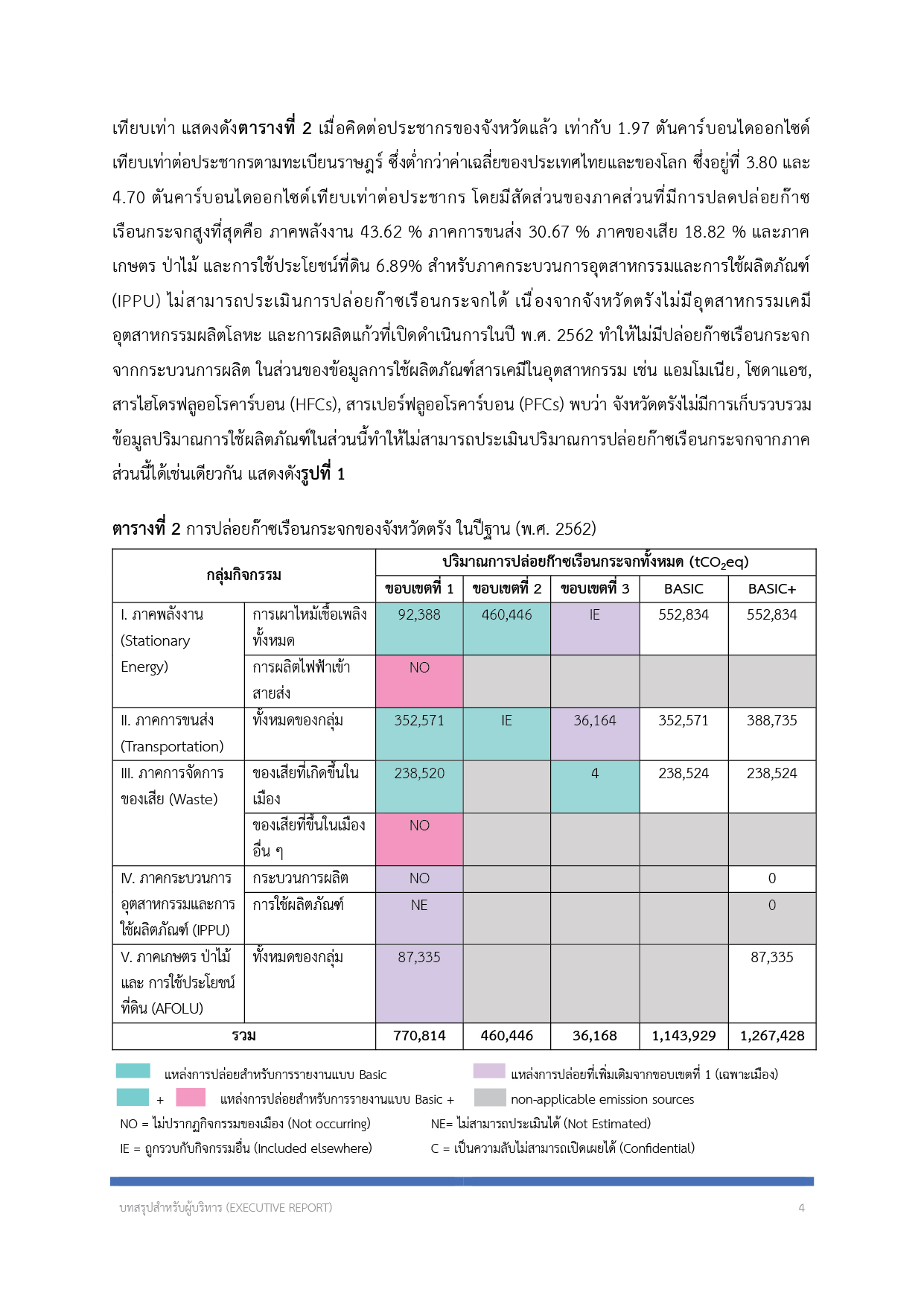
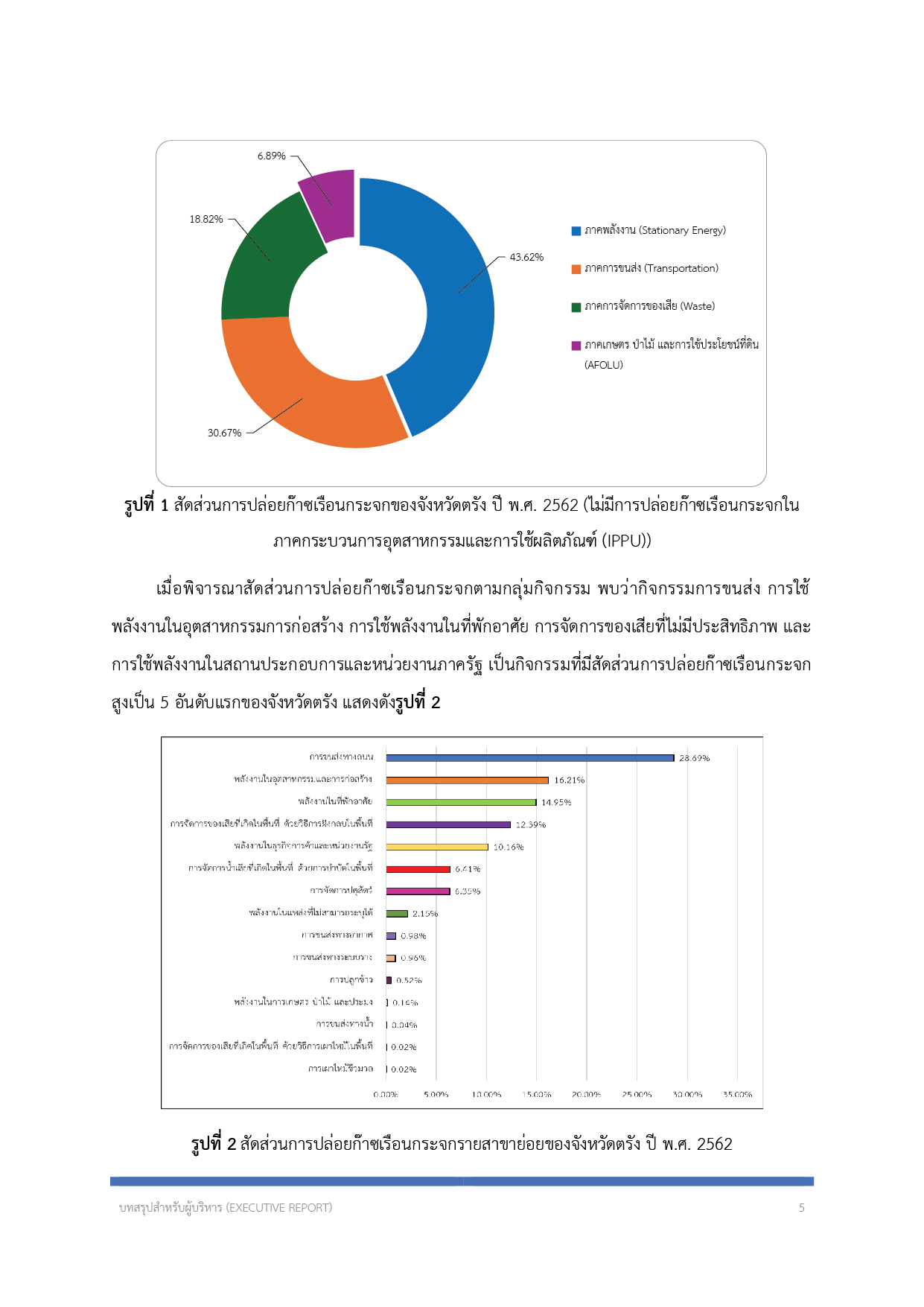
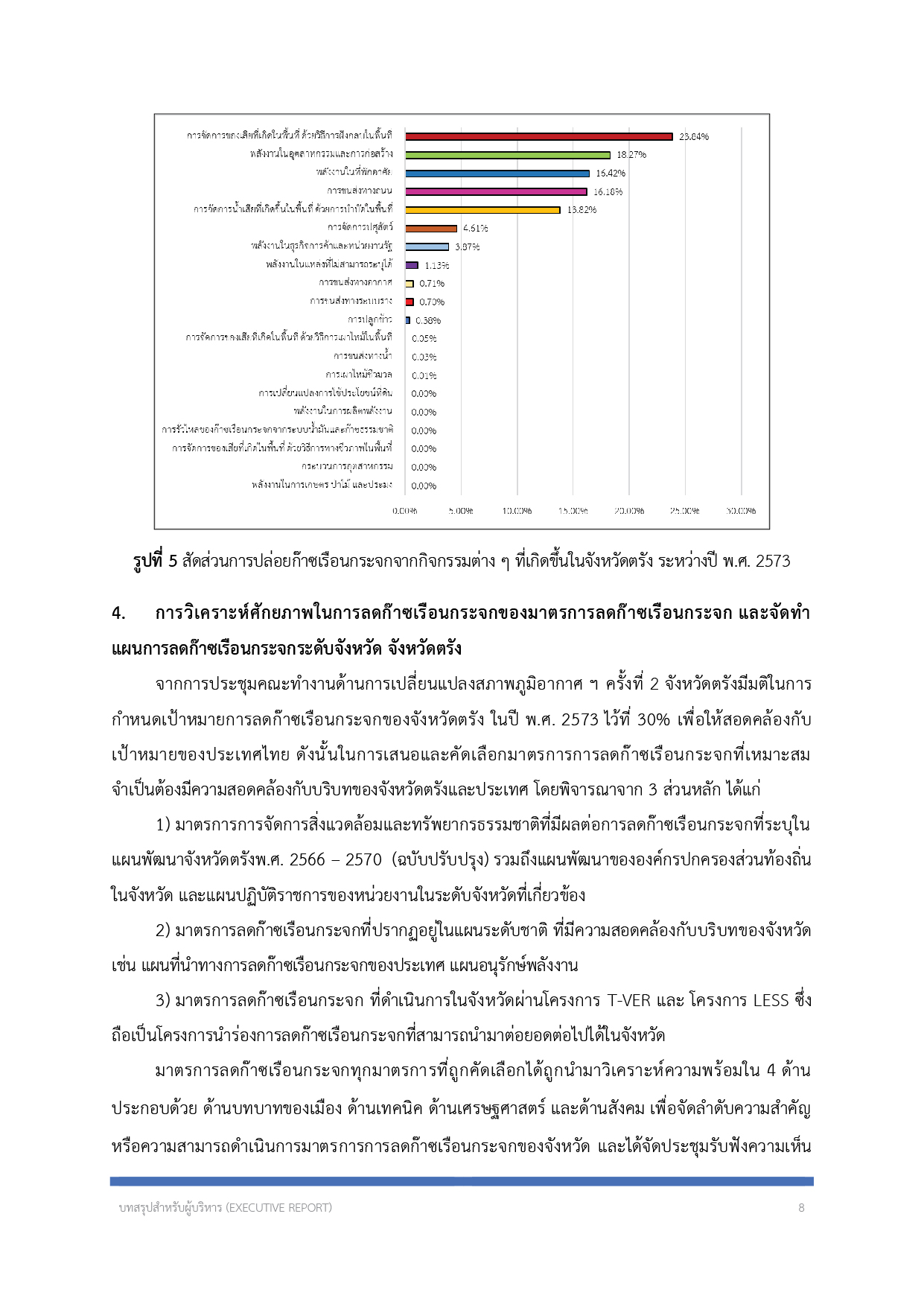
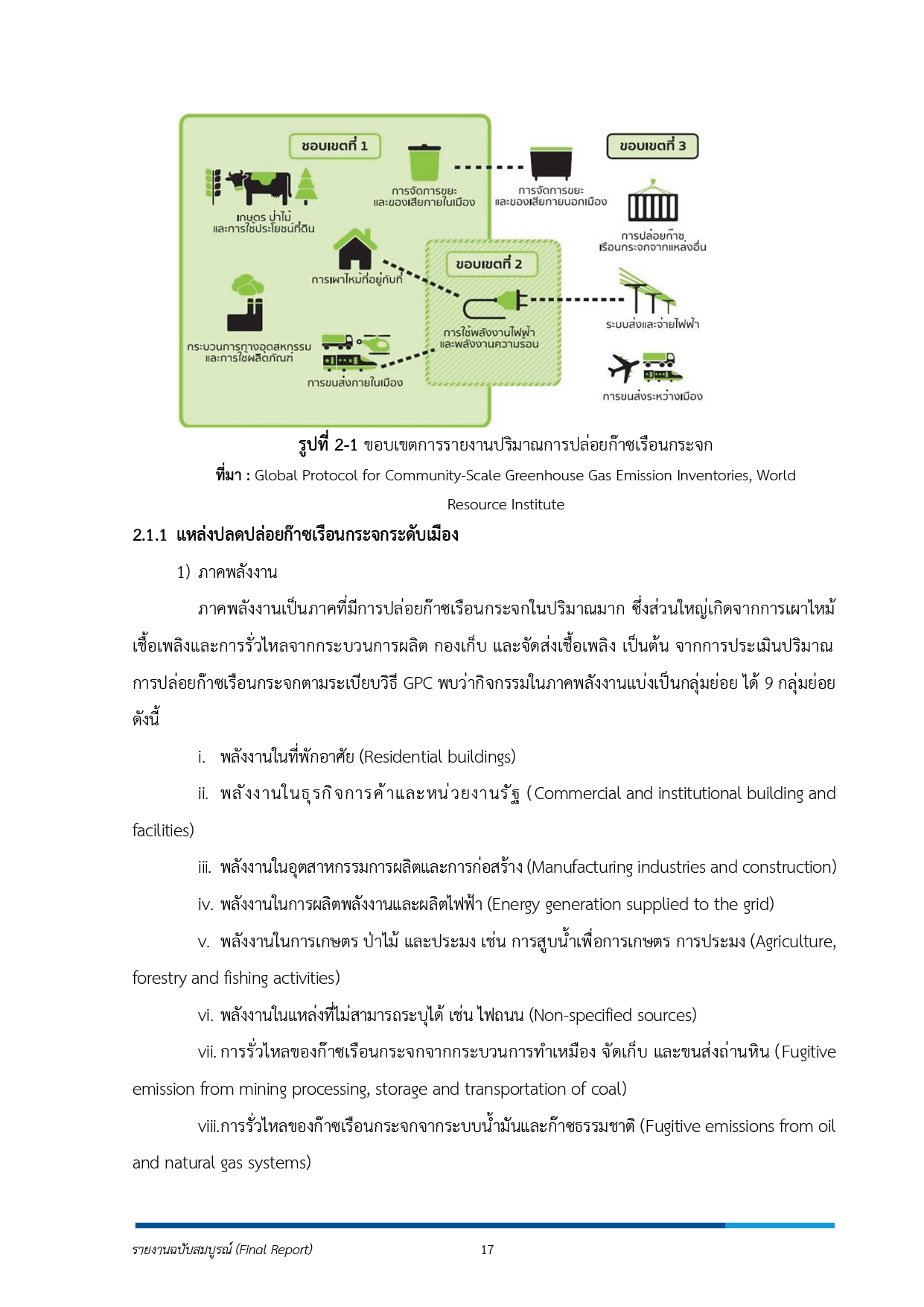
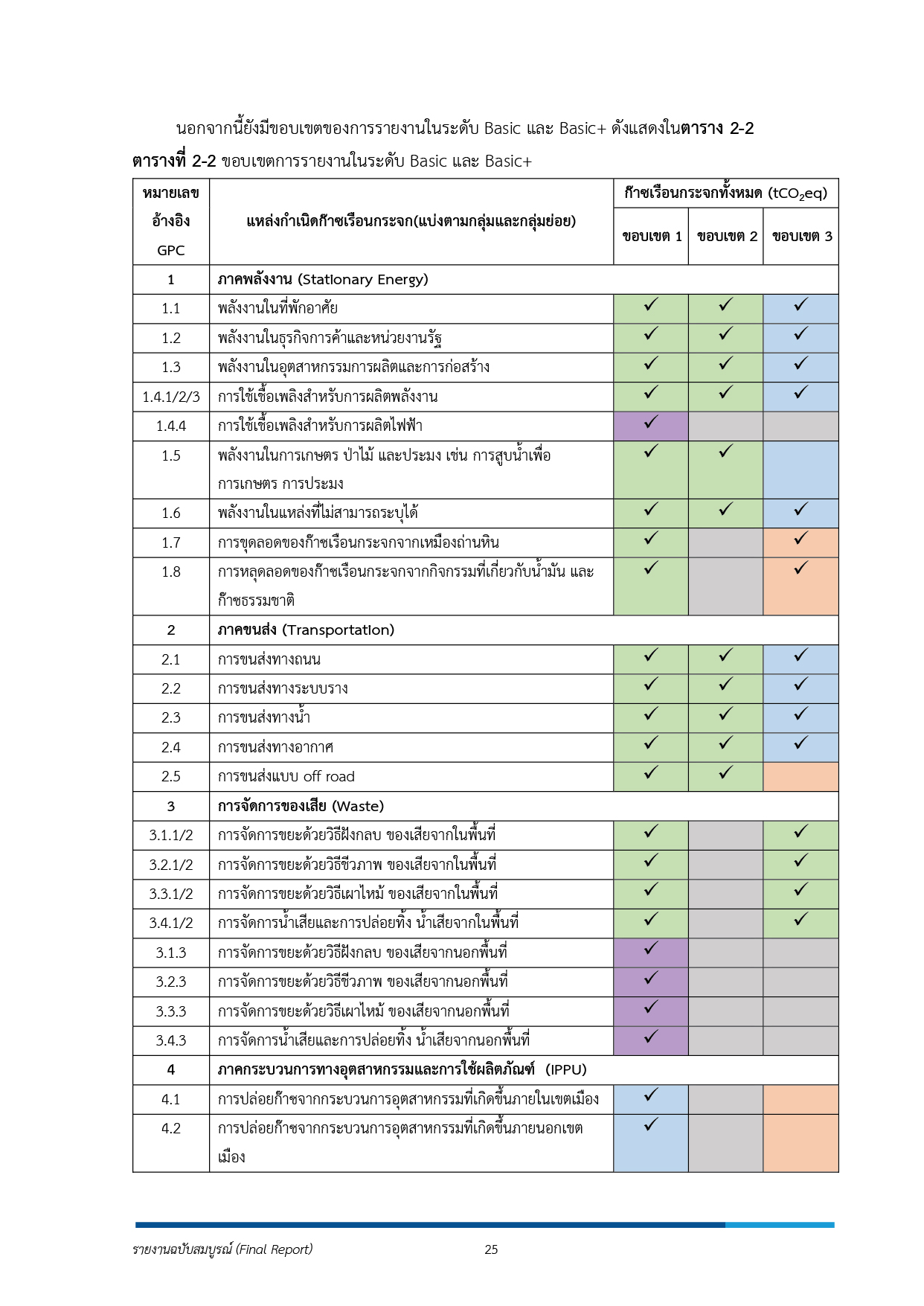
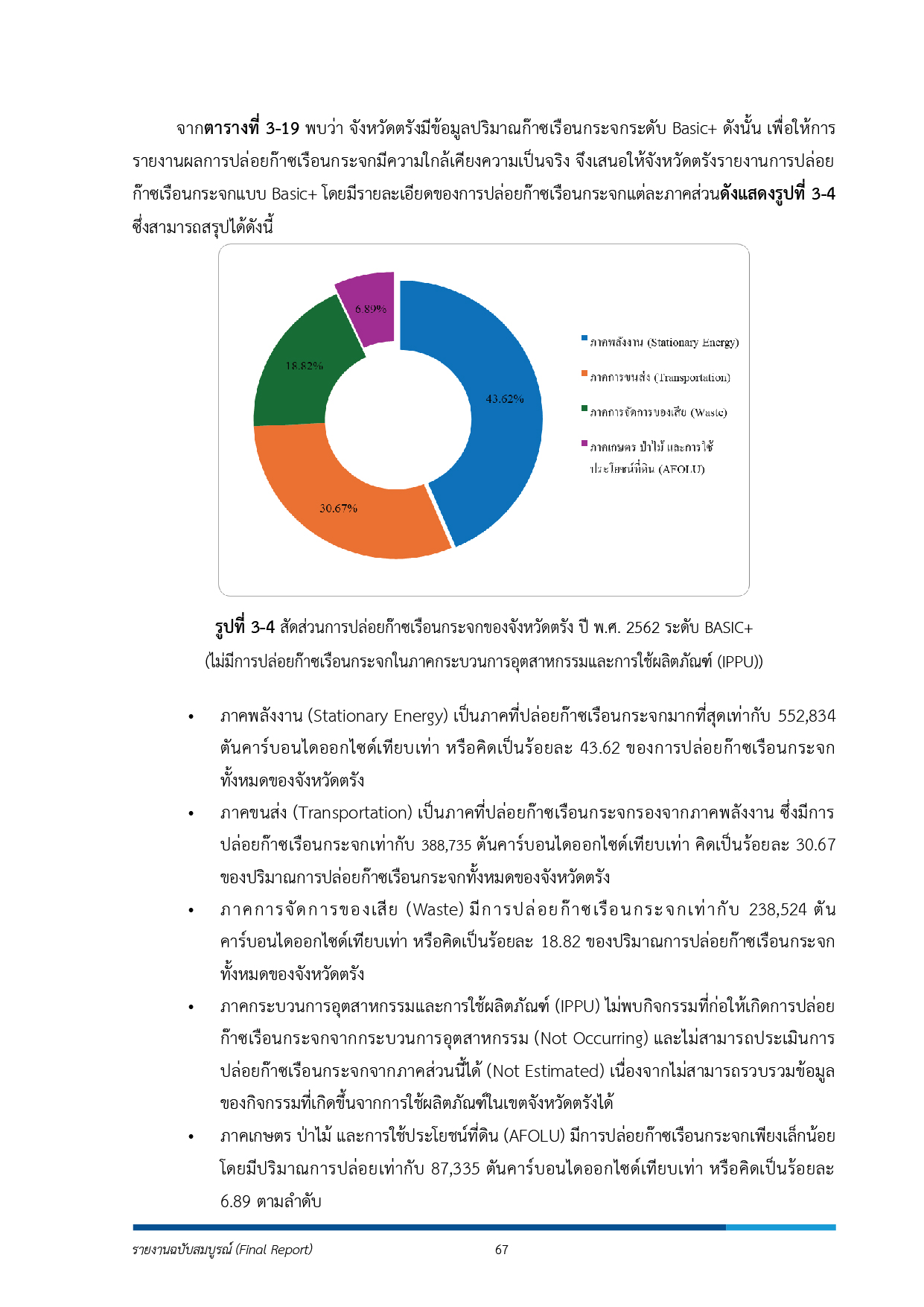
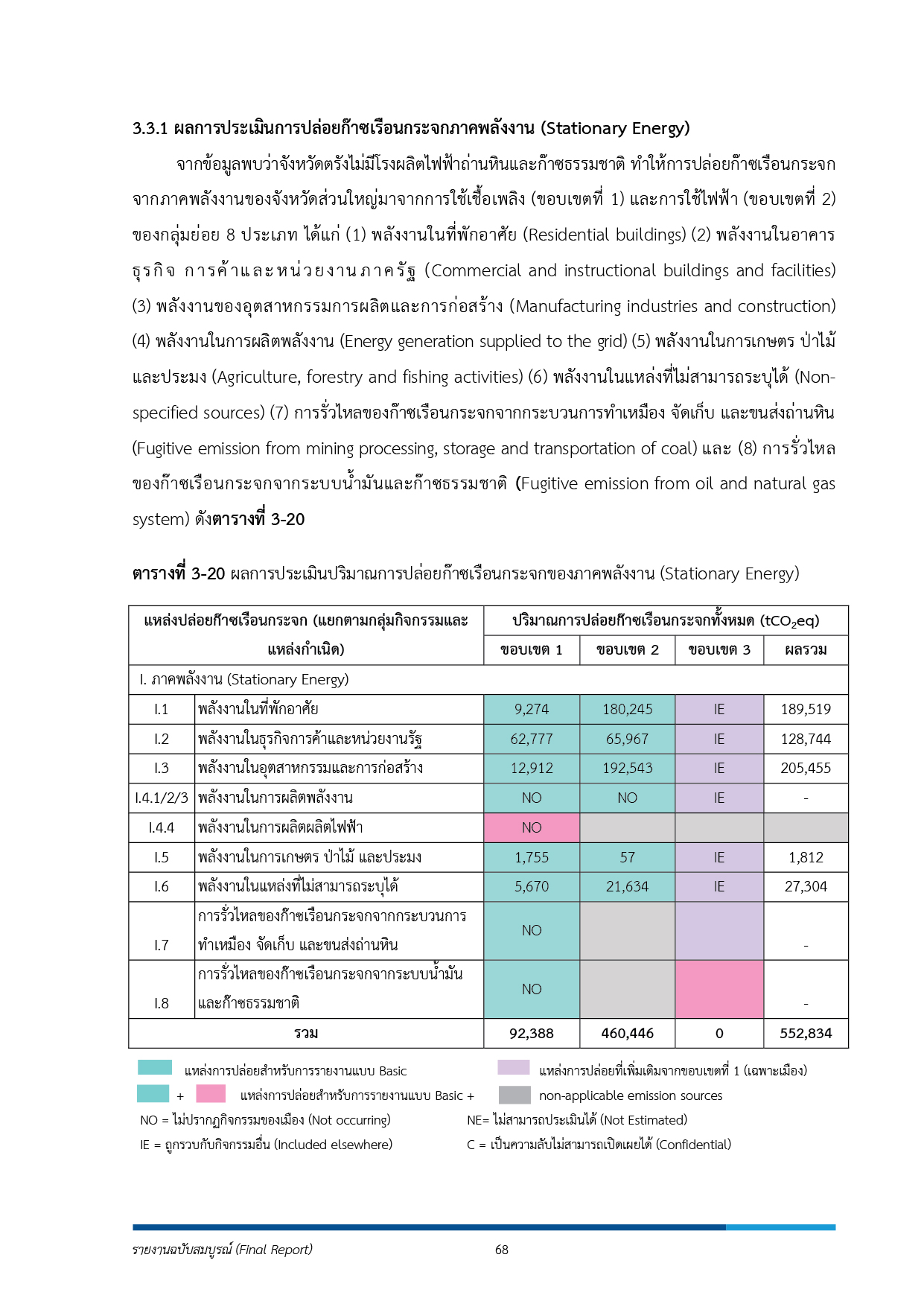
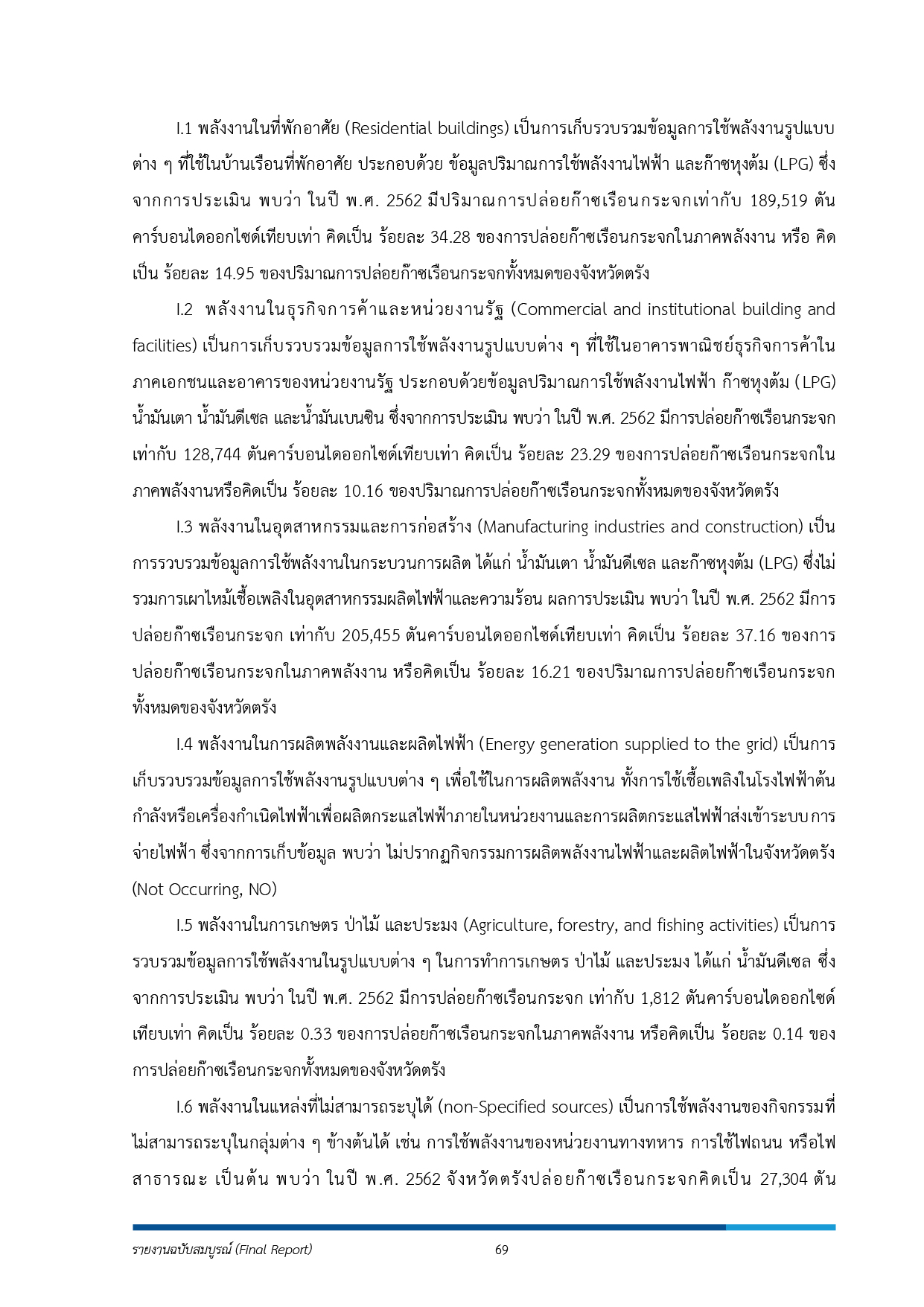
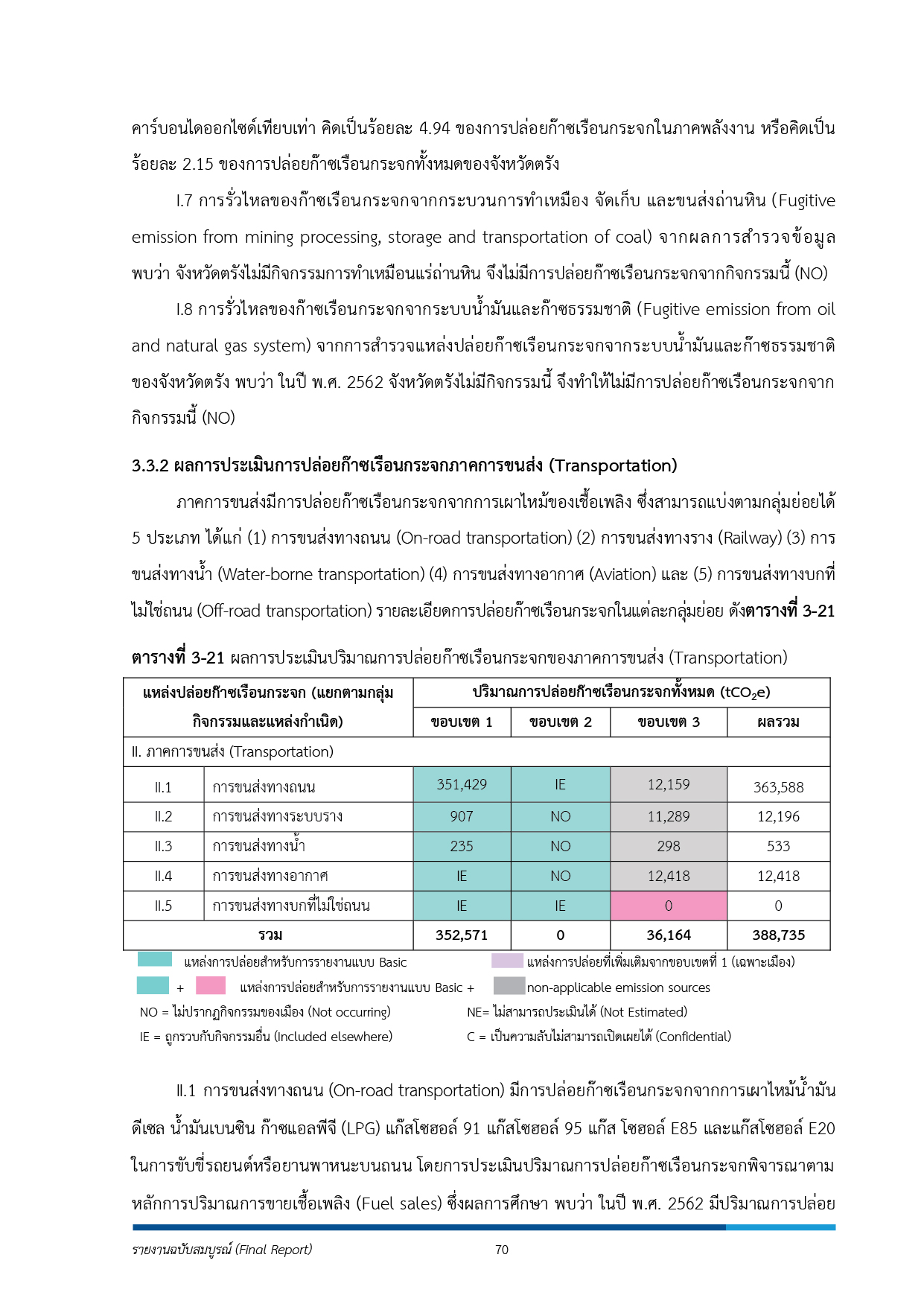
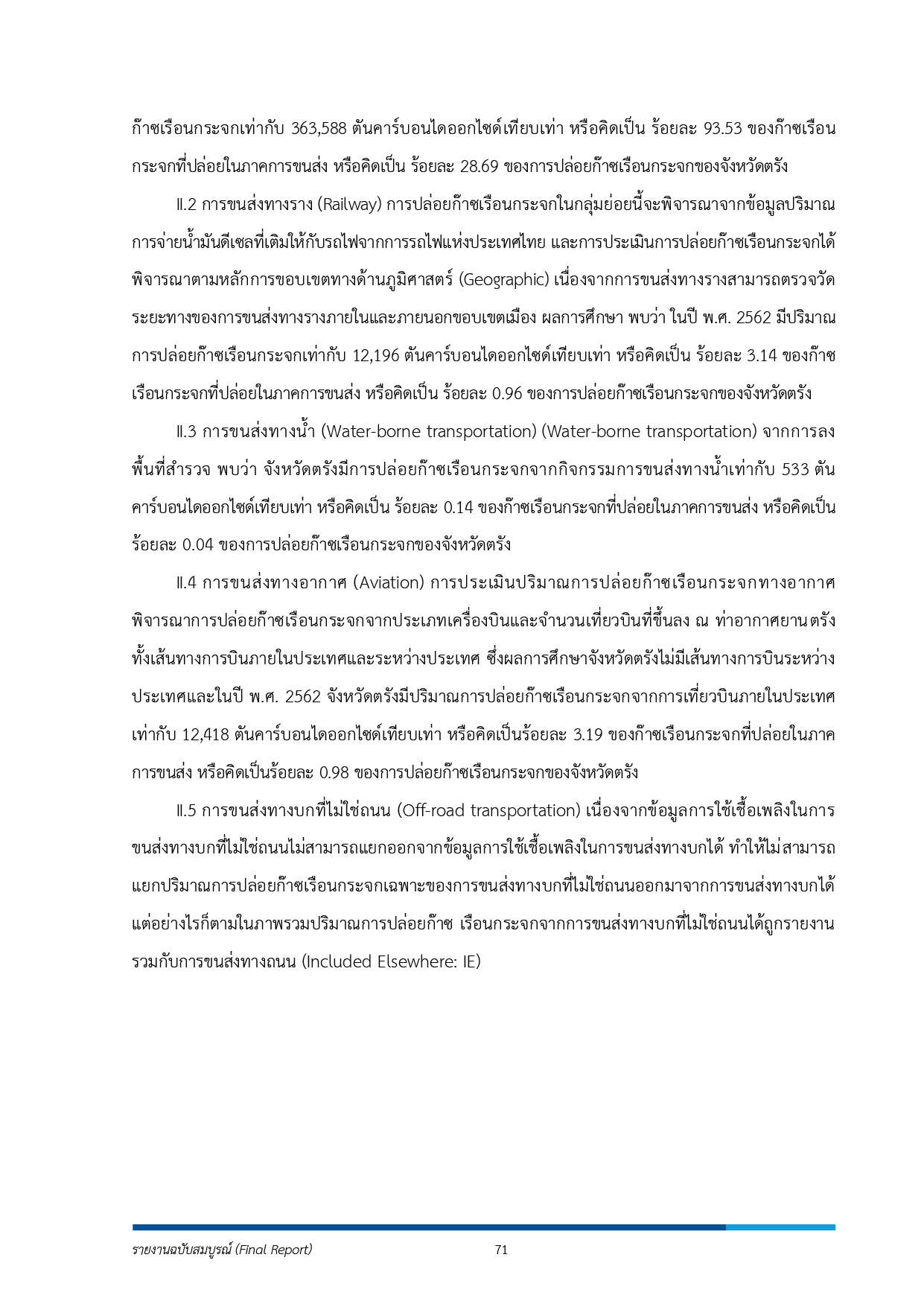
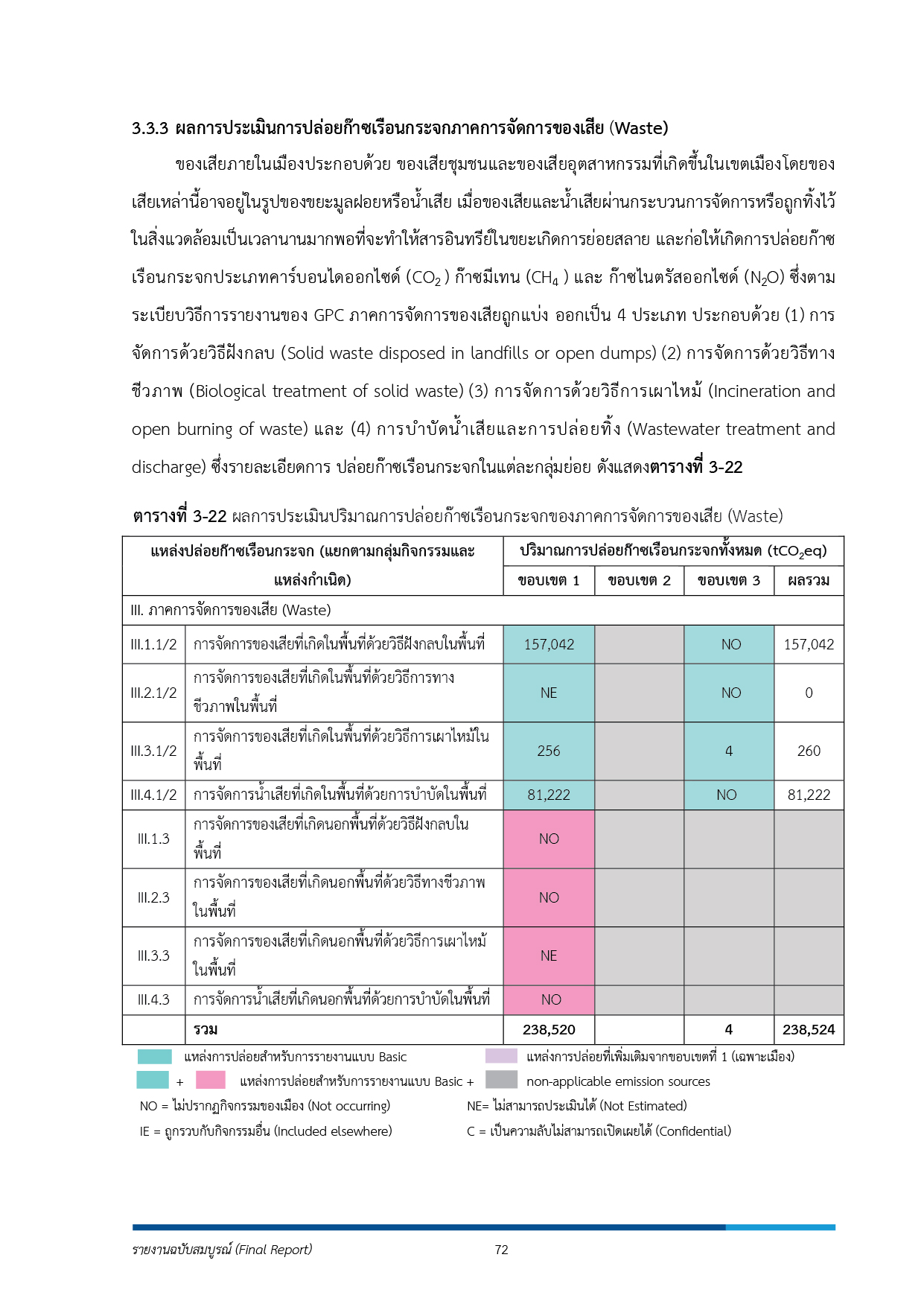
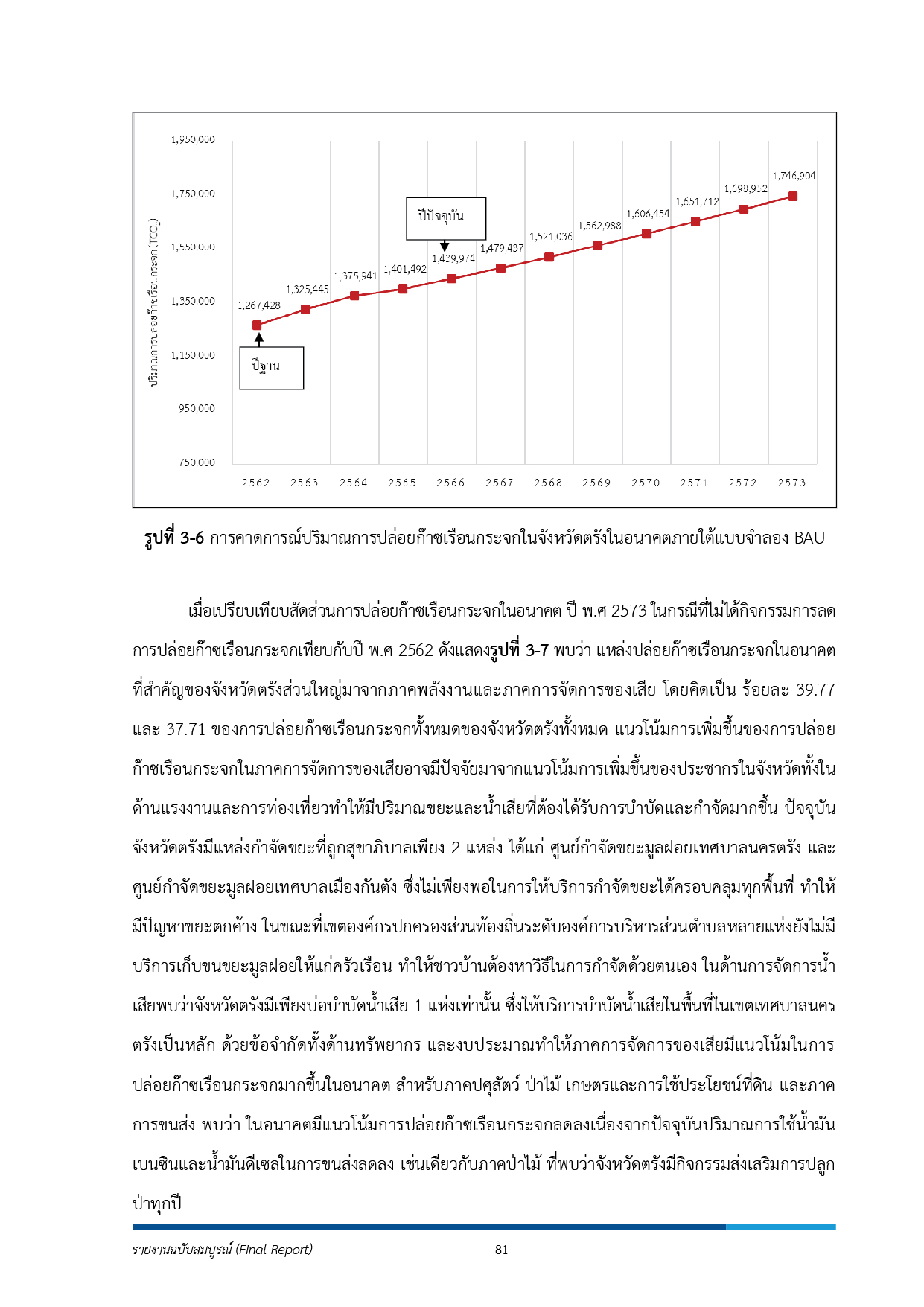
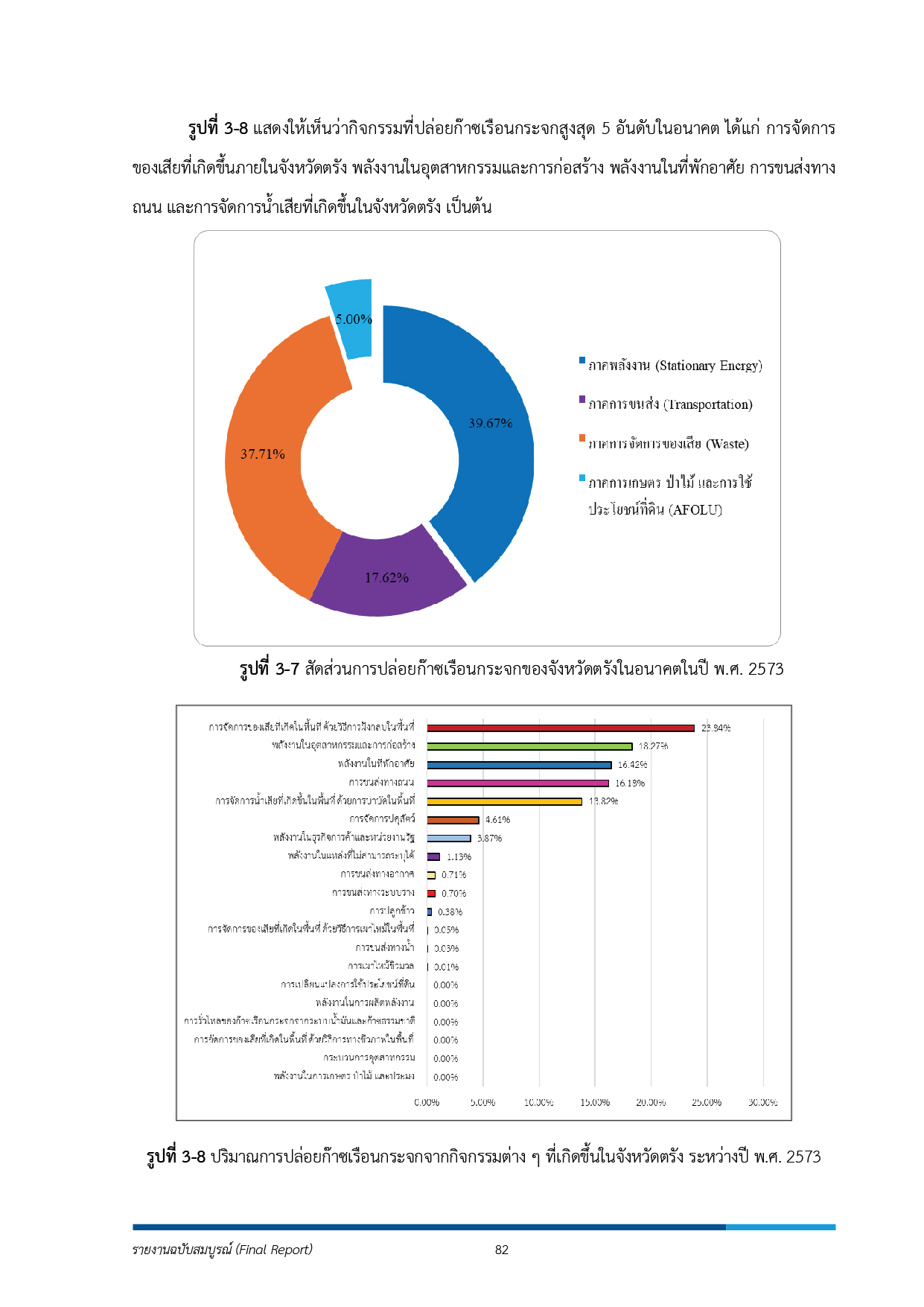
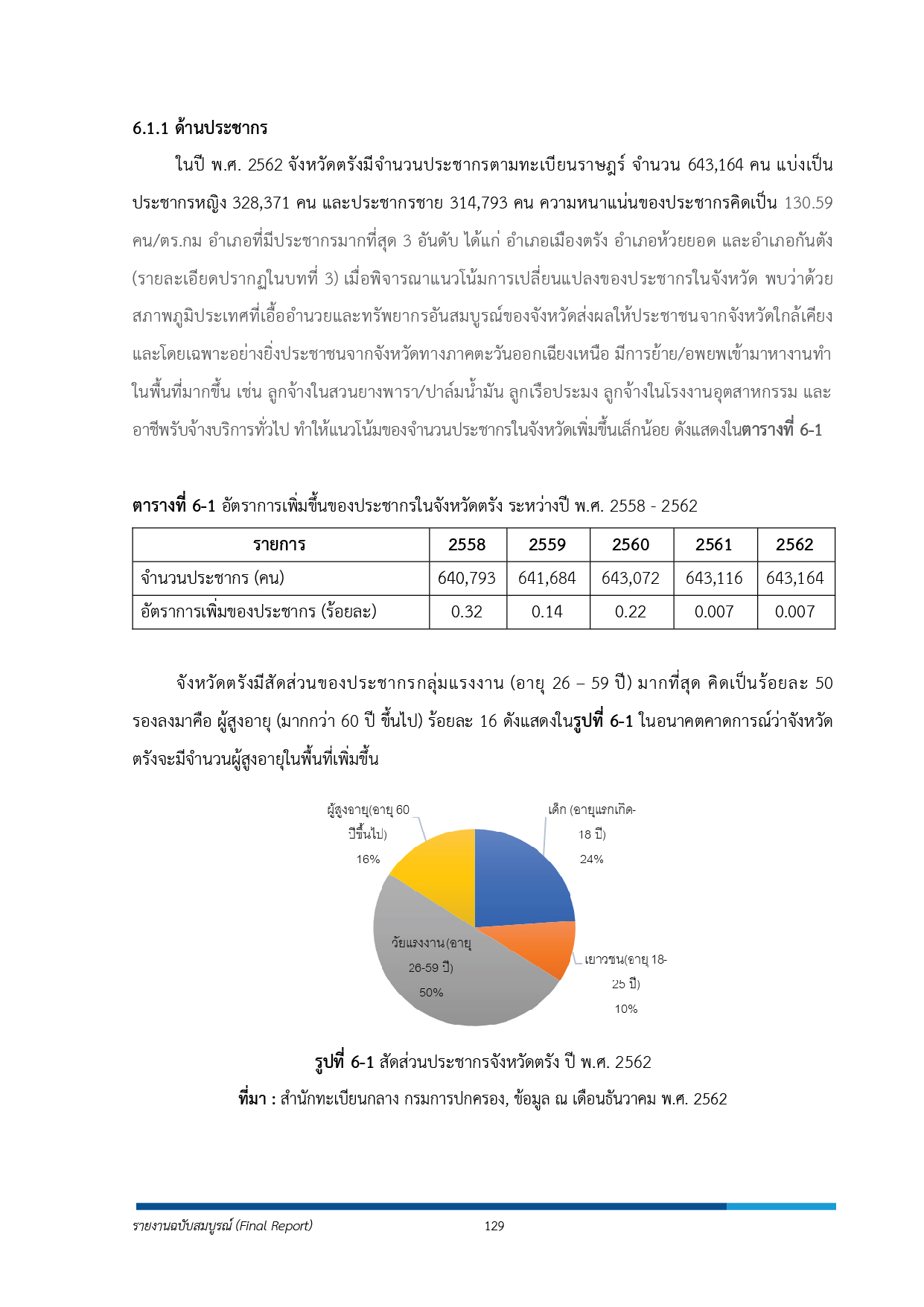
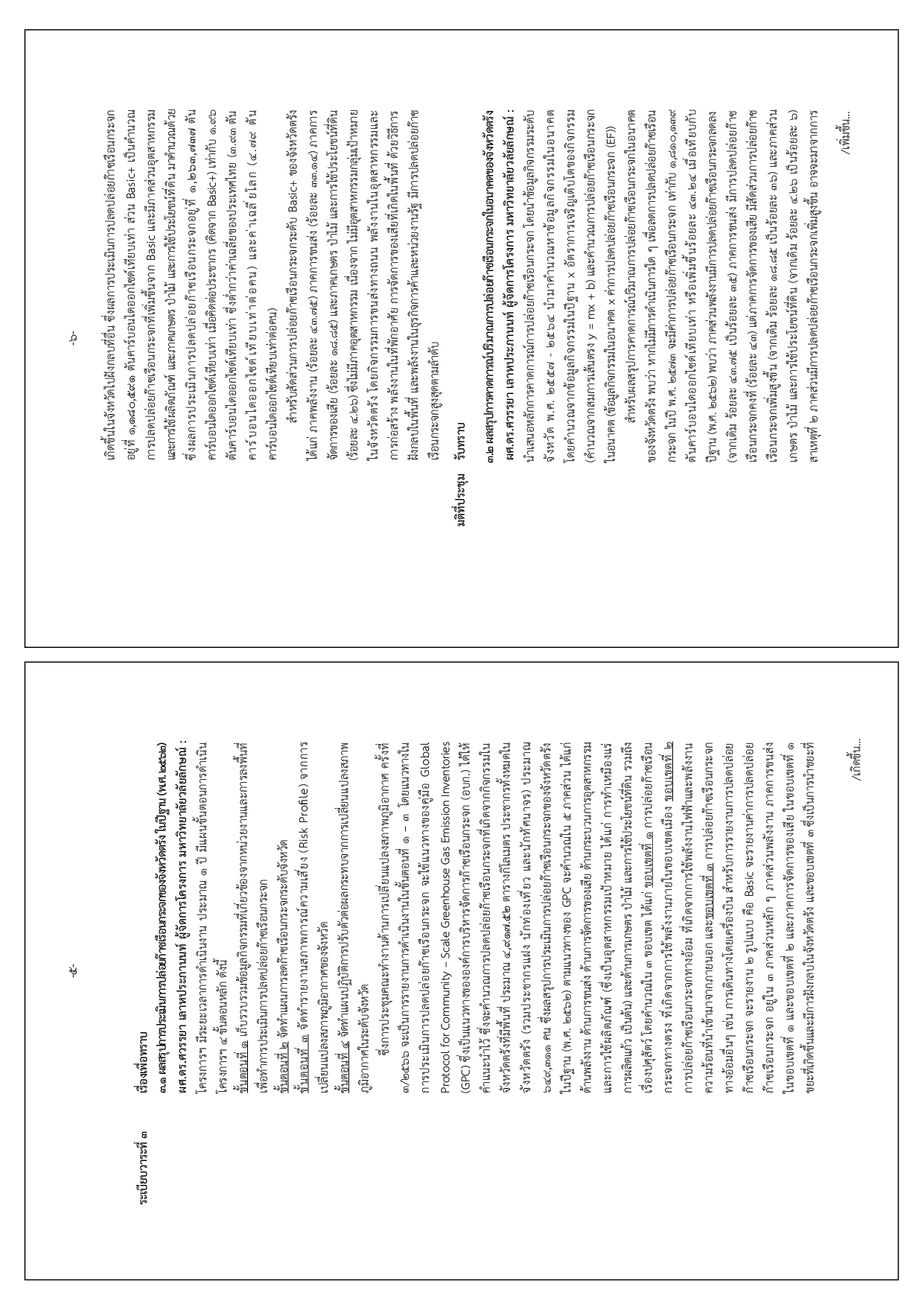
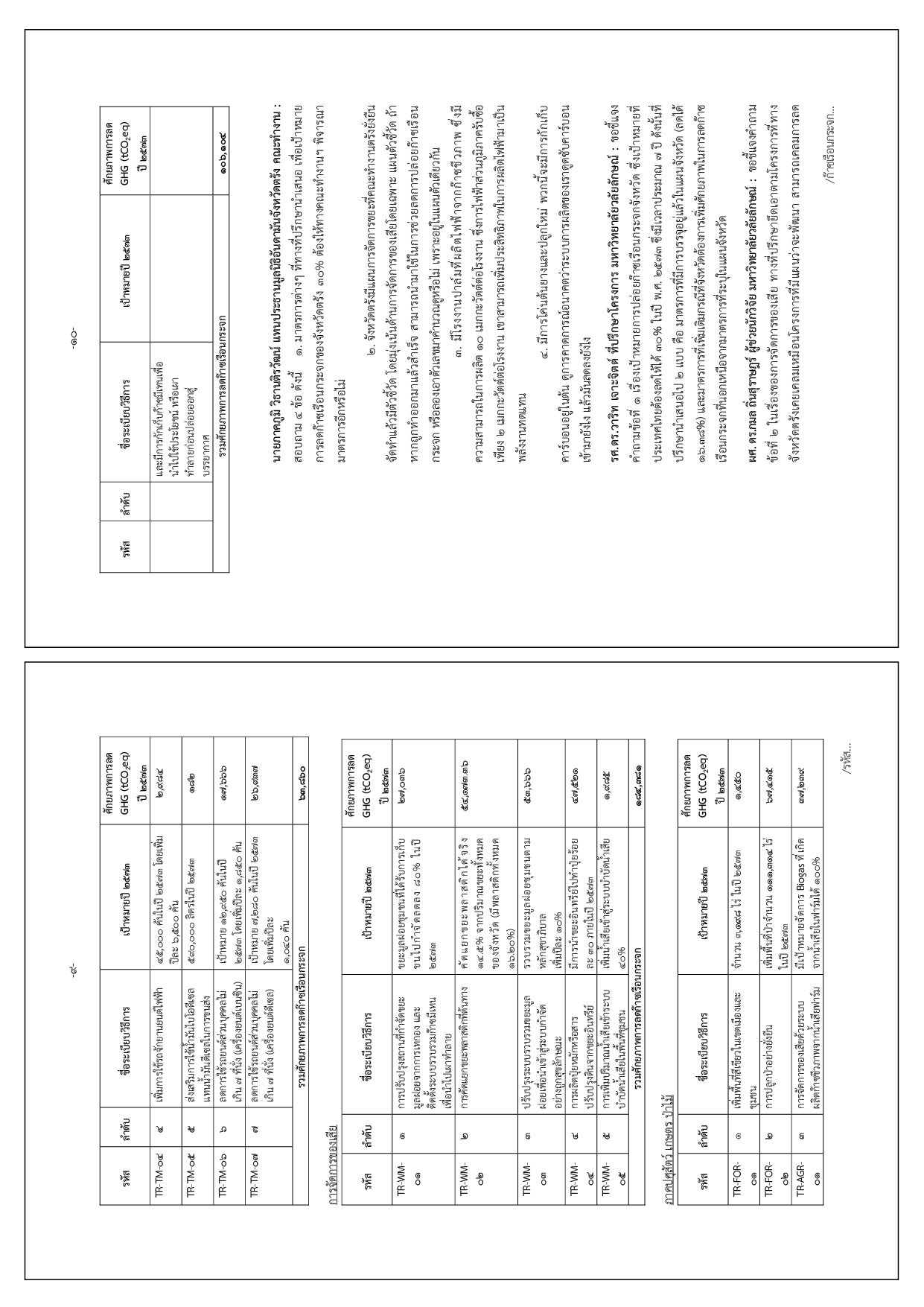
The research findings revealed the proportional sources of greenhouse gas emissions in Trang Province as follows:
Waste management through landfilling: 21.27%
Industrial energy use and construction: 16.30%
Land-use change: 15.31%
Residential energy consumption: 14.65%
Road transportation: 14.45%
Wastewater management: 9.29%
Energy use in businesses and the public sector: 3.45%
Livestock management: 2.73%
Air transportation: 1.27%
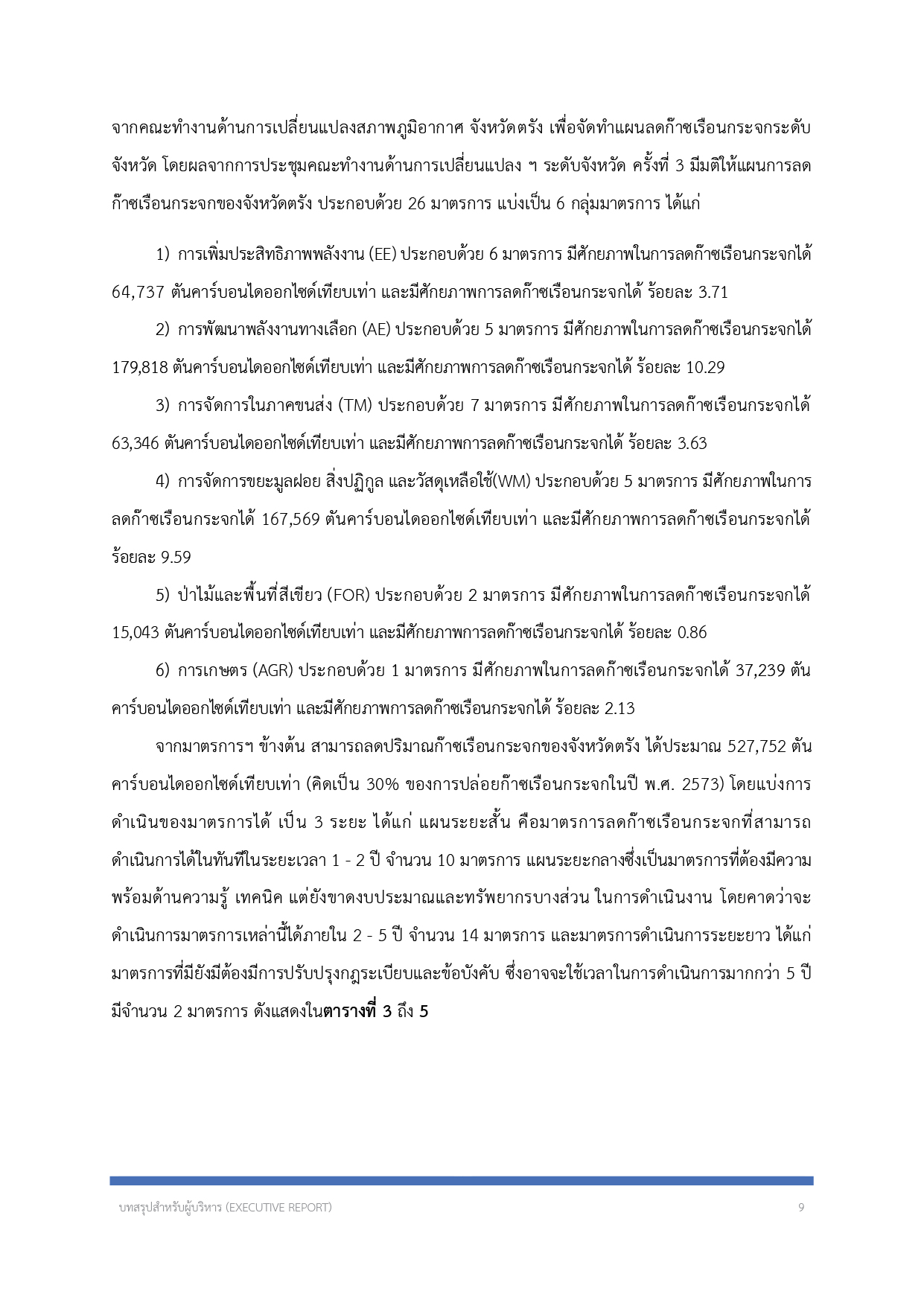
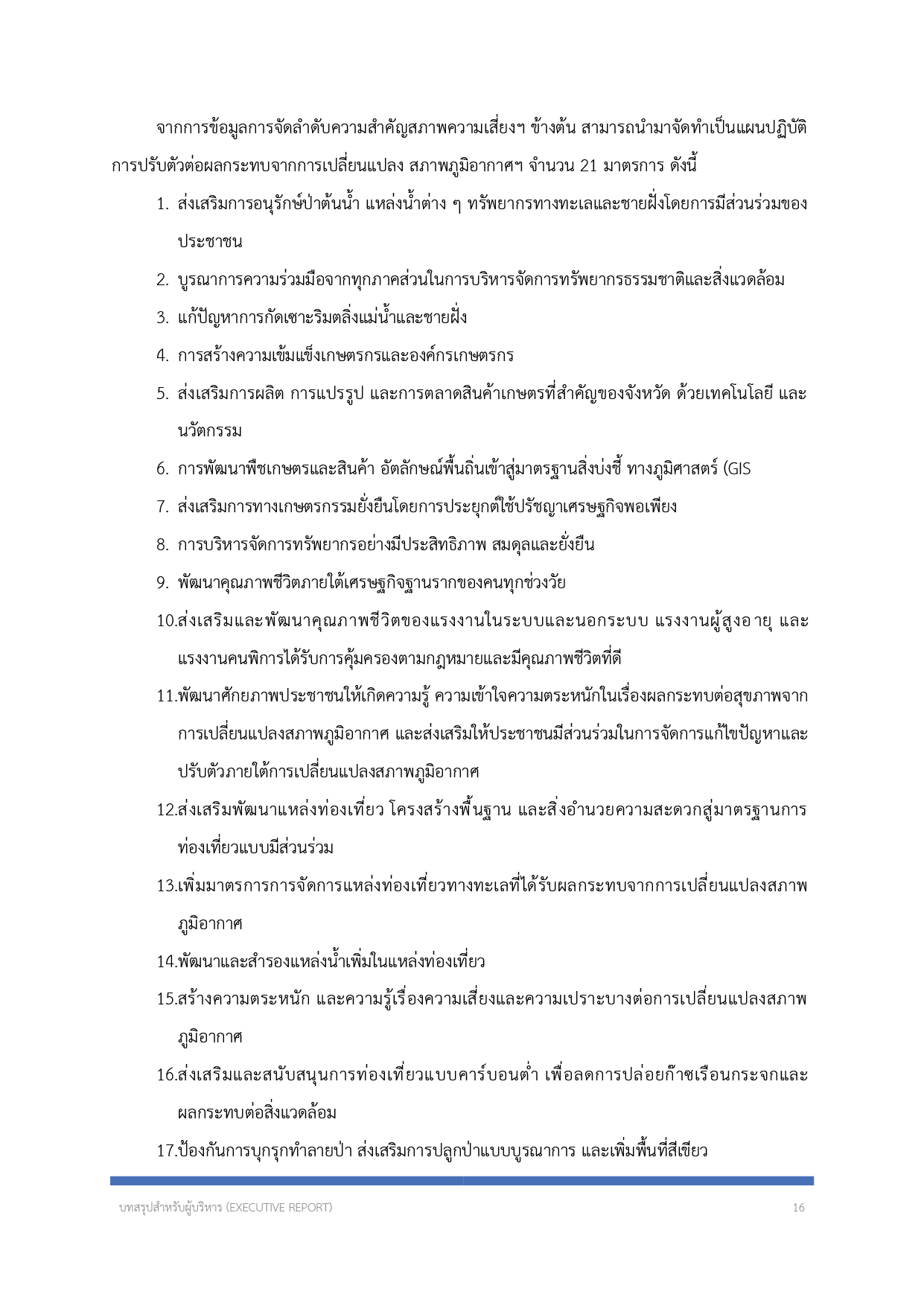
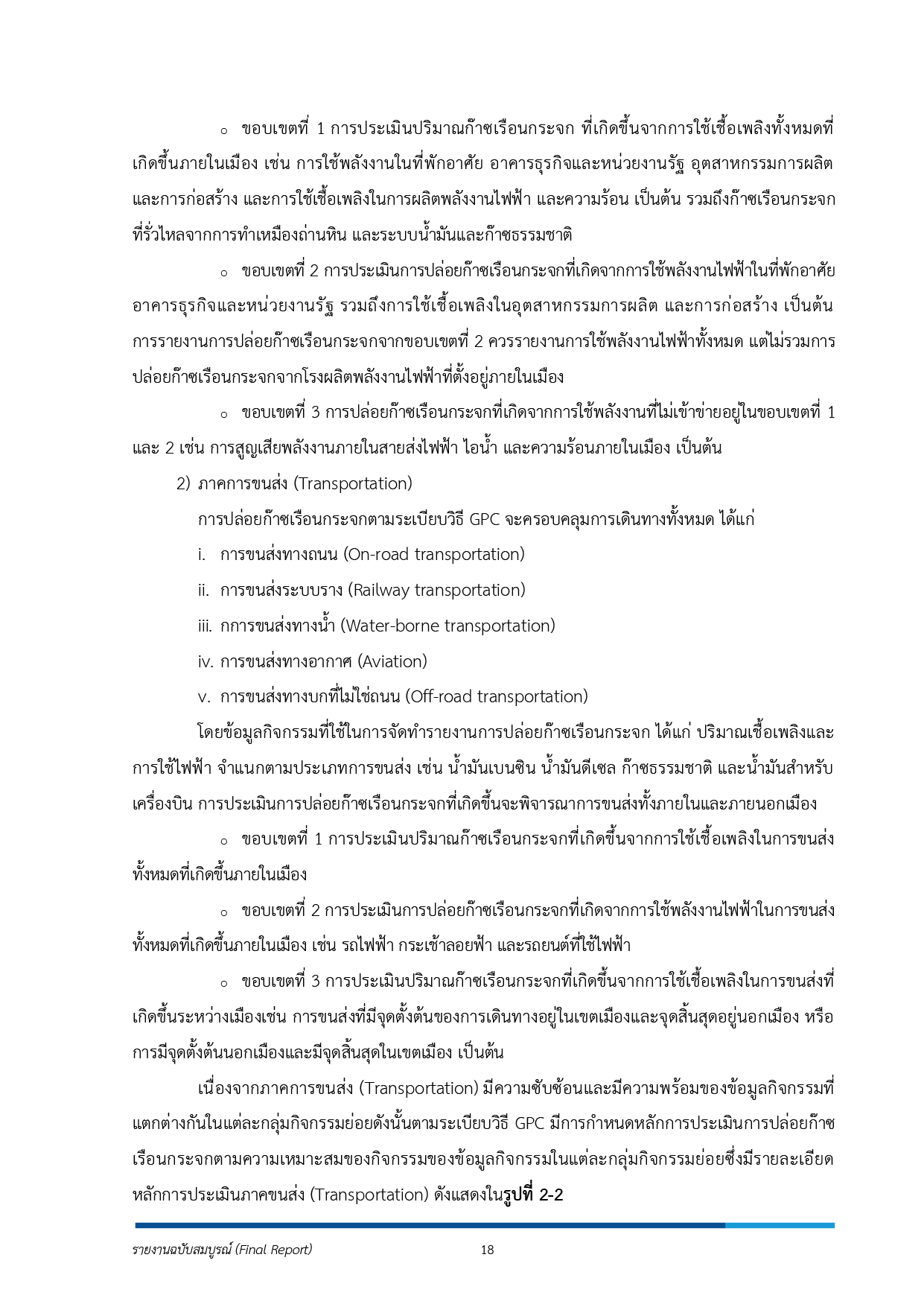
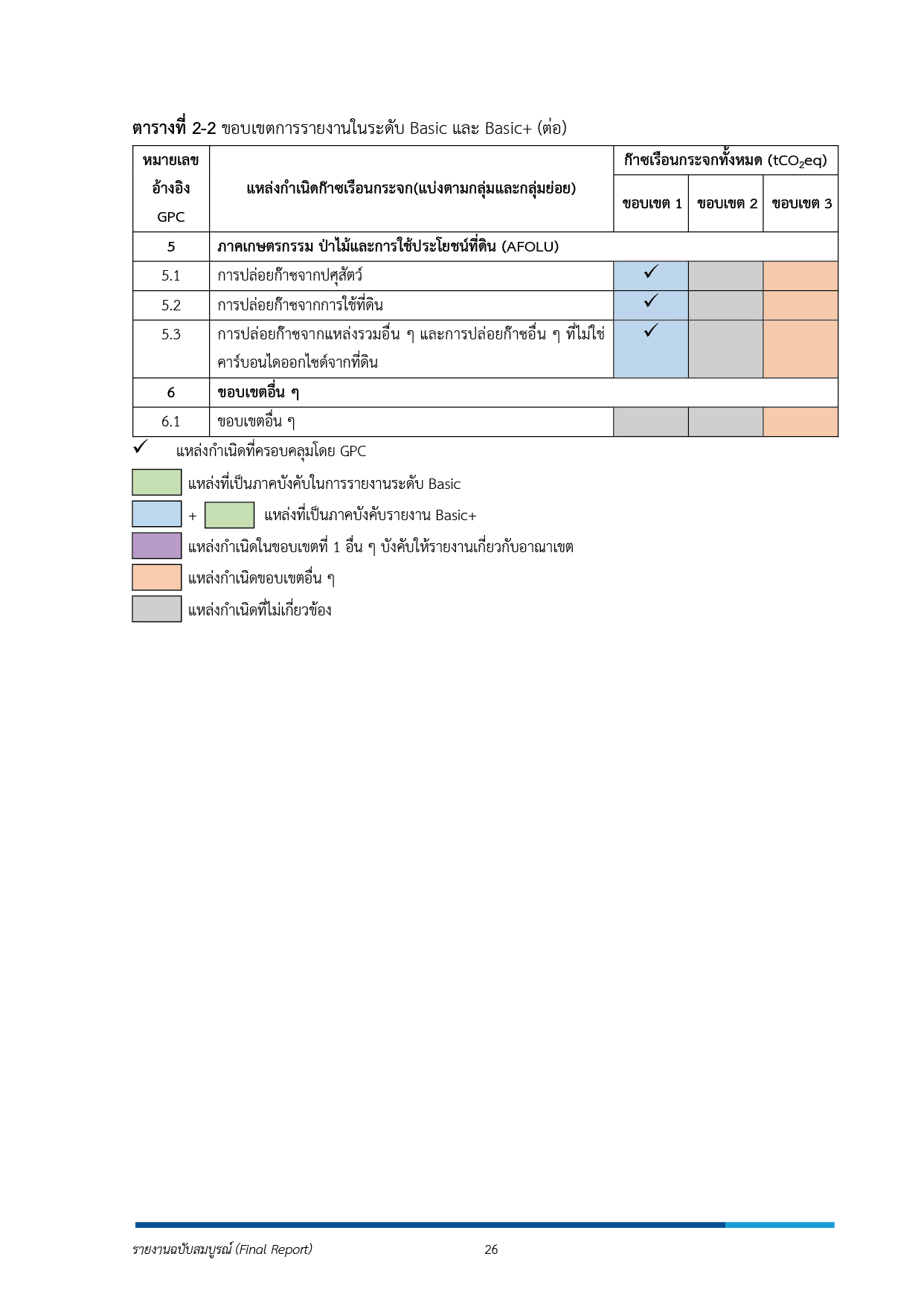
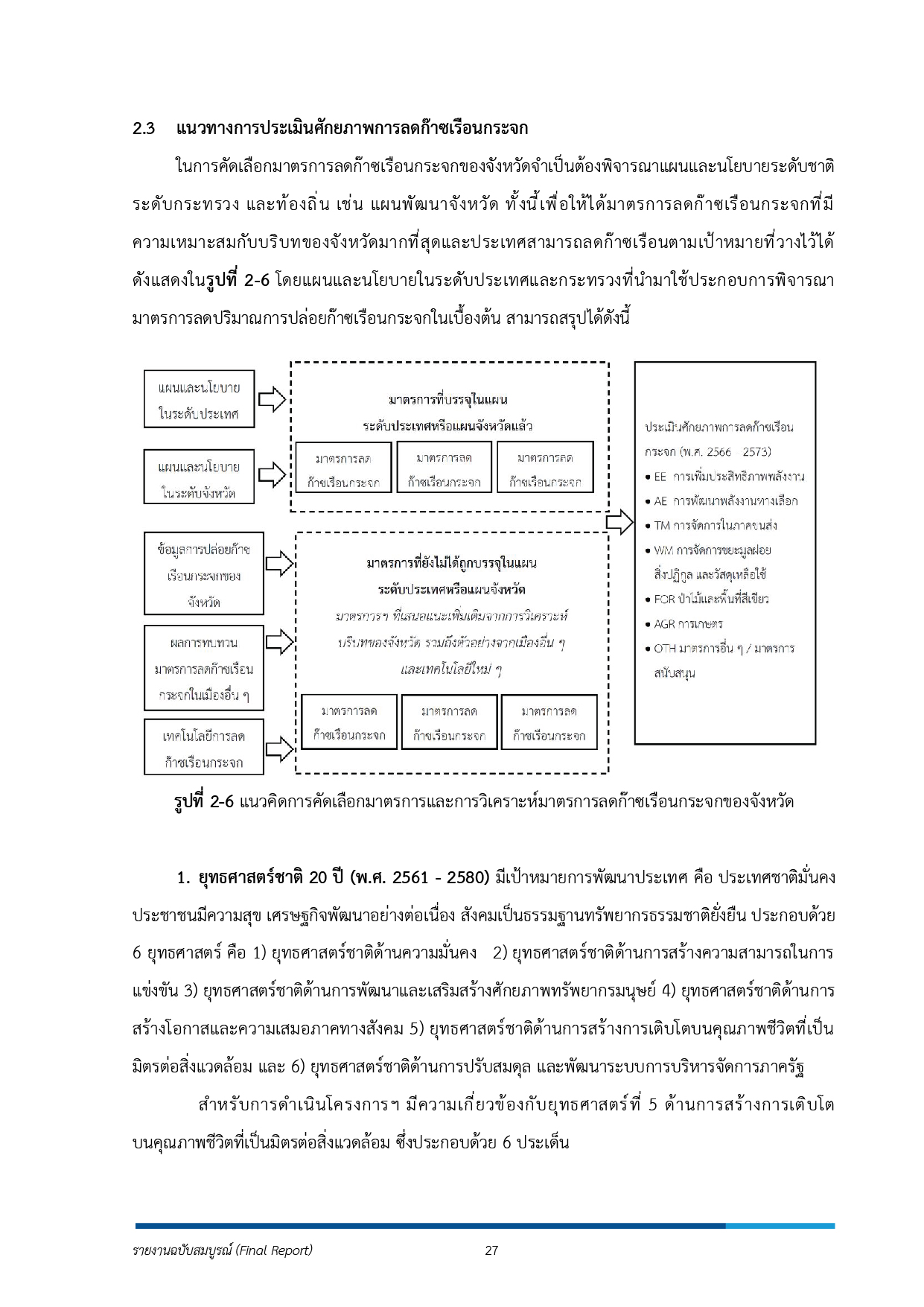
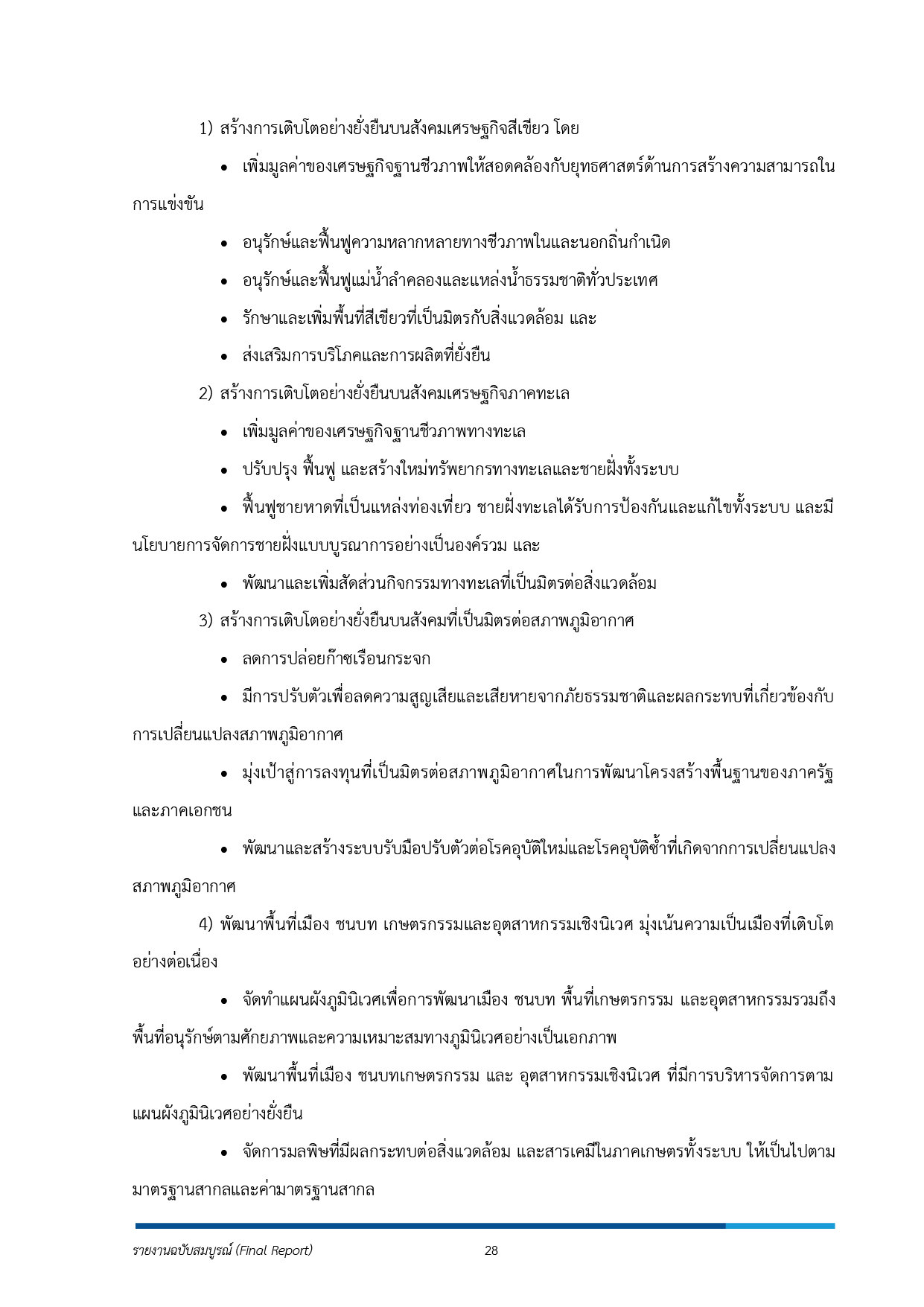
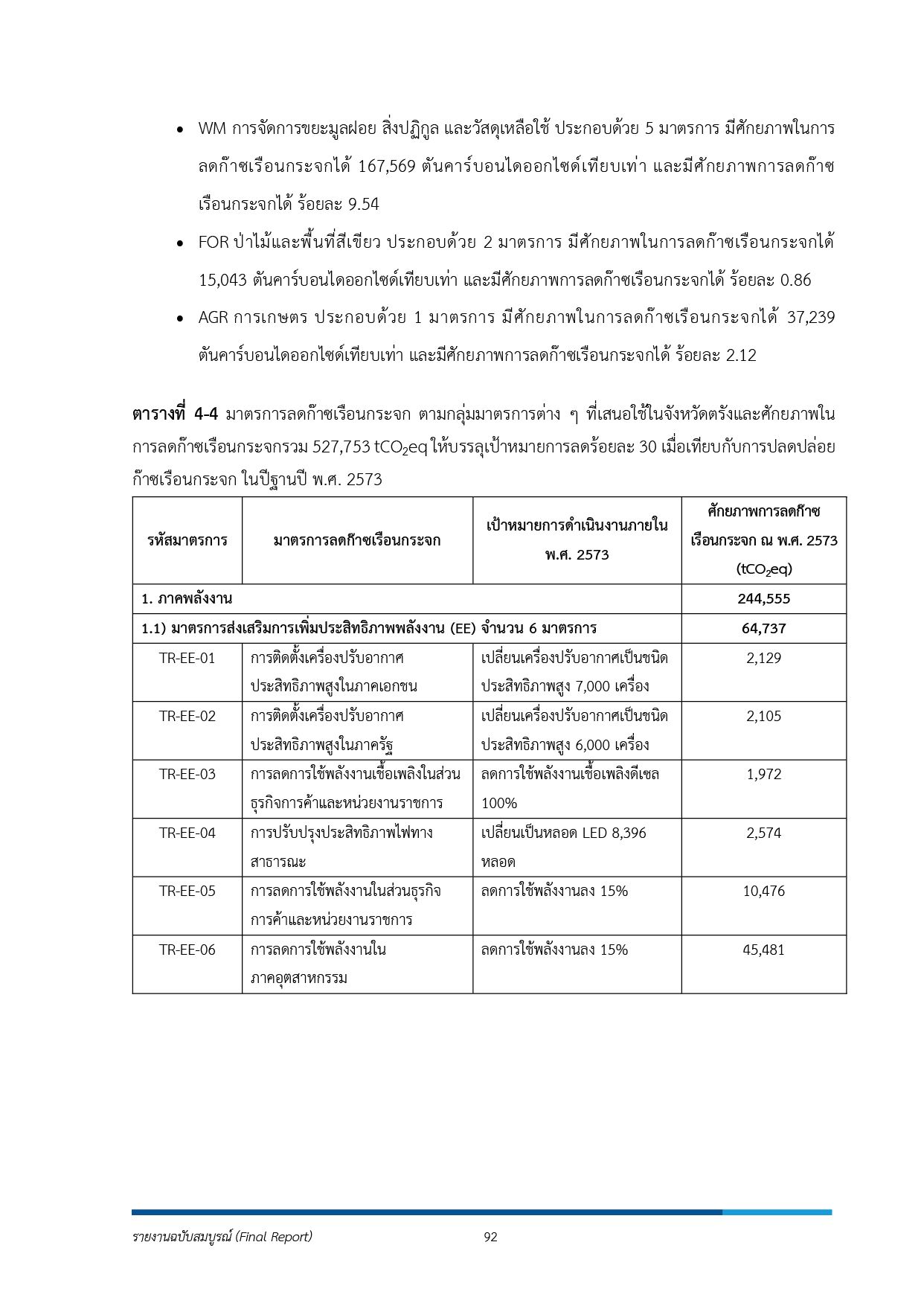
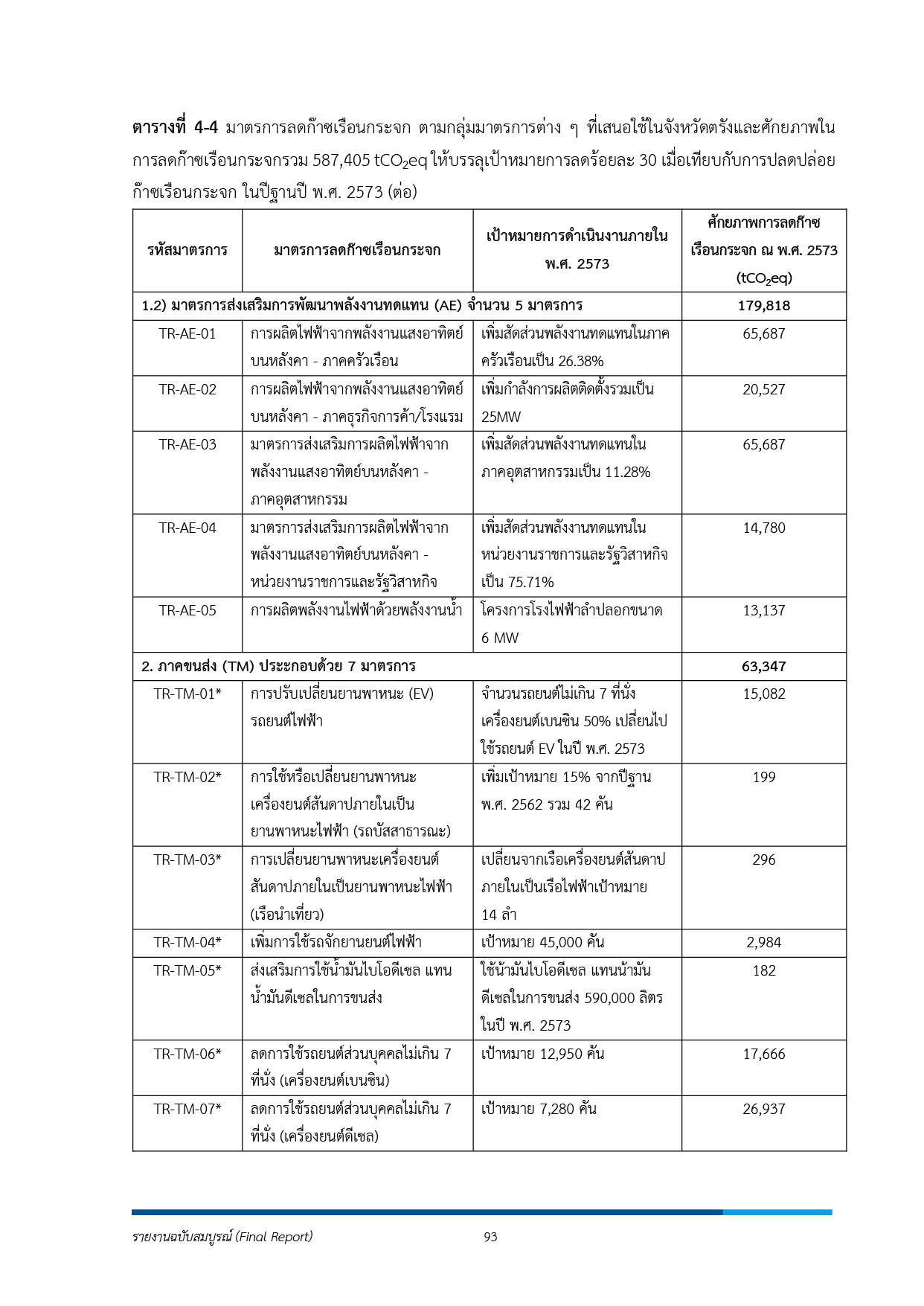
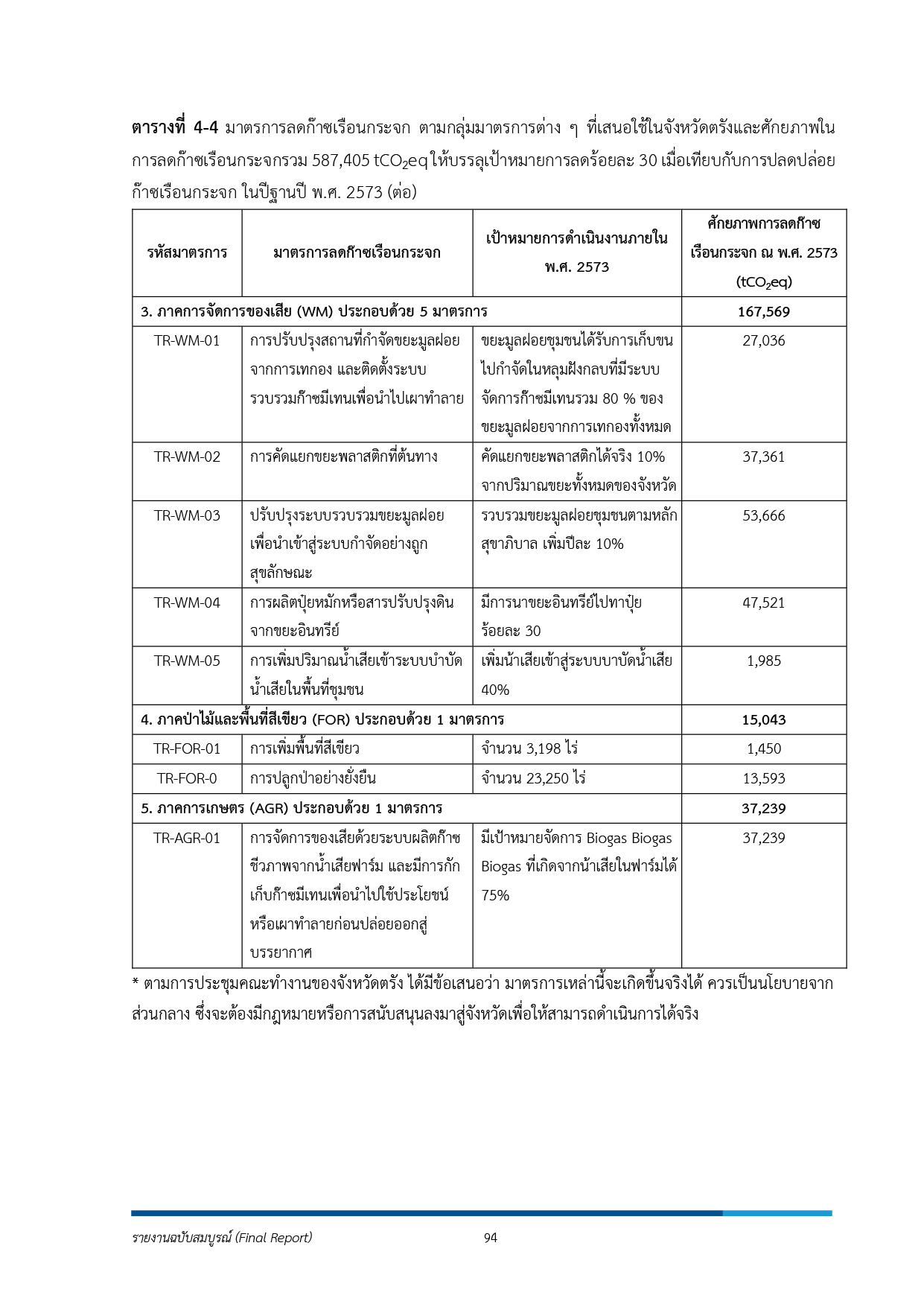
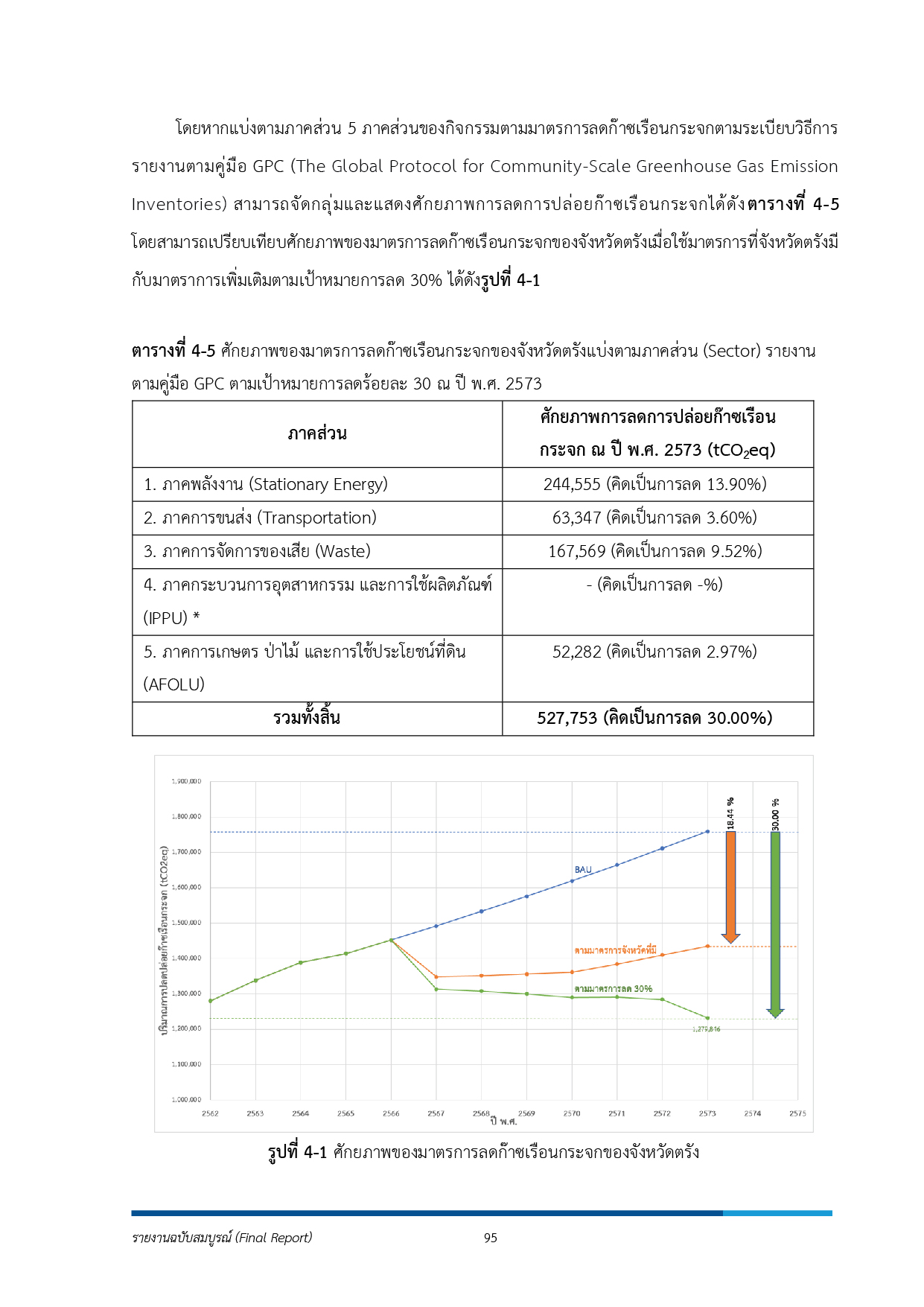
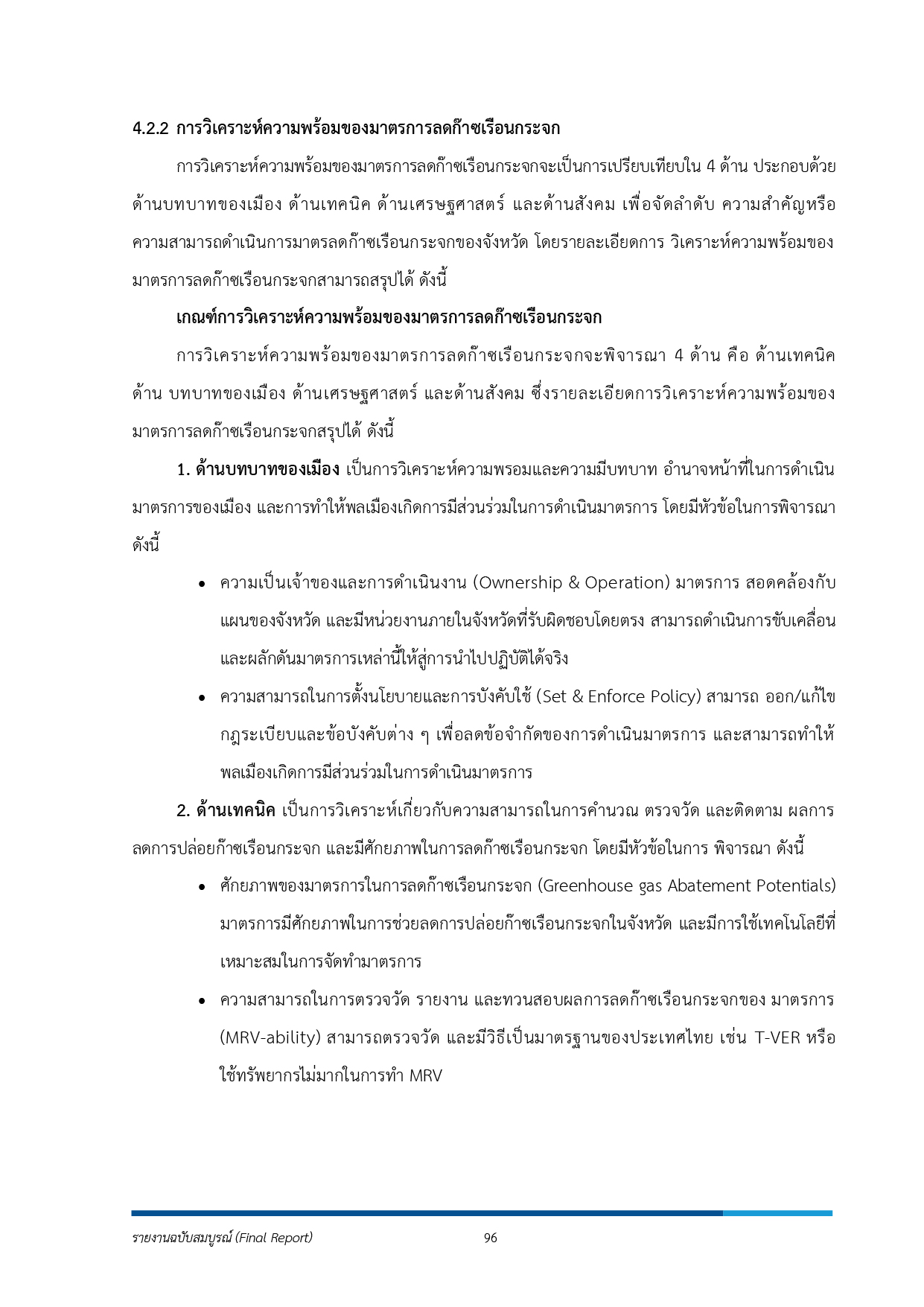
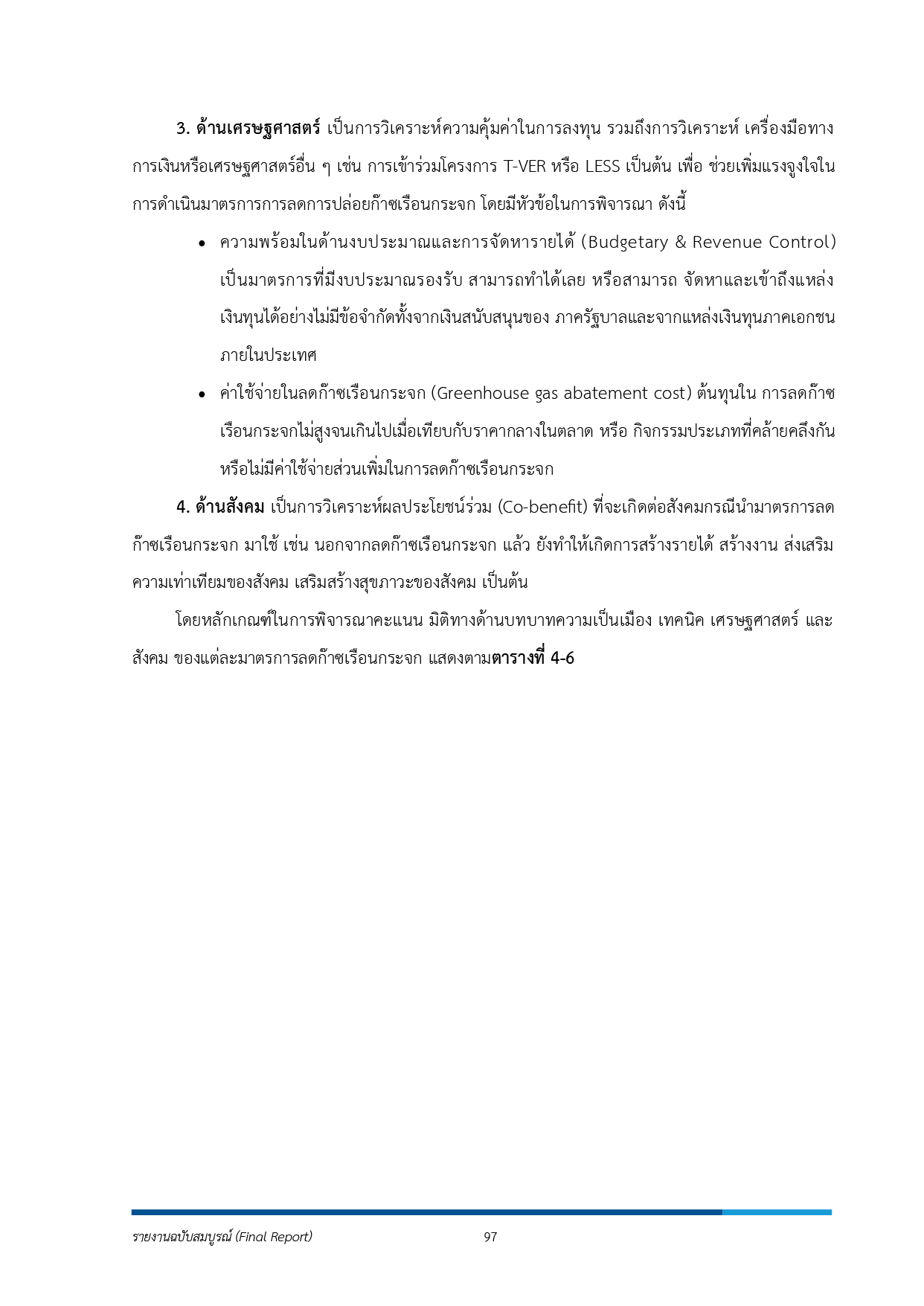
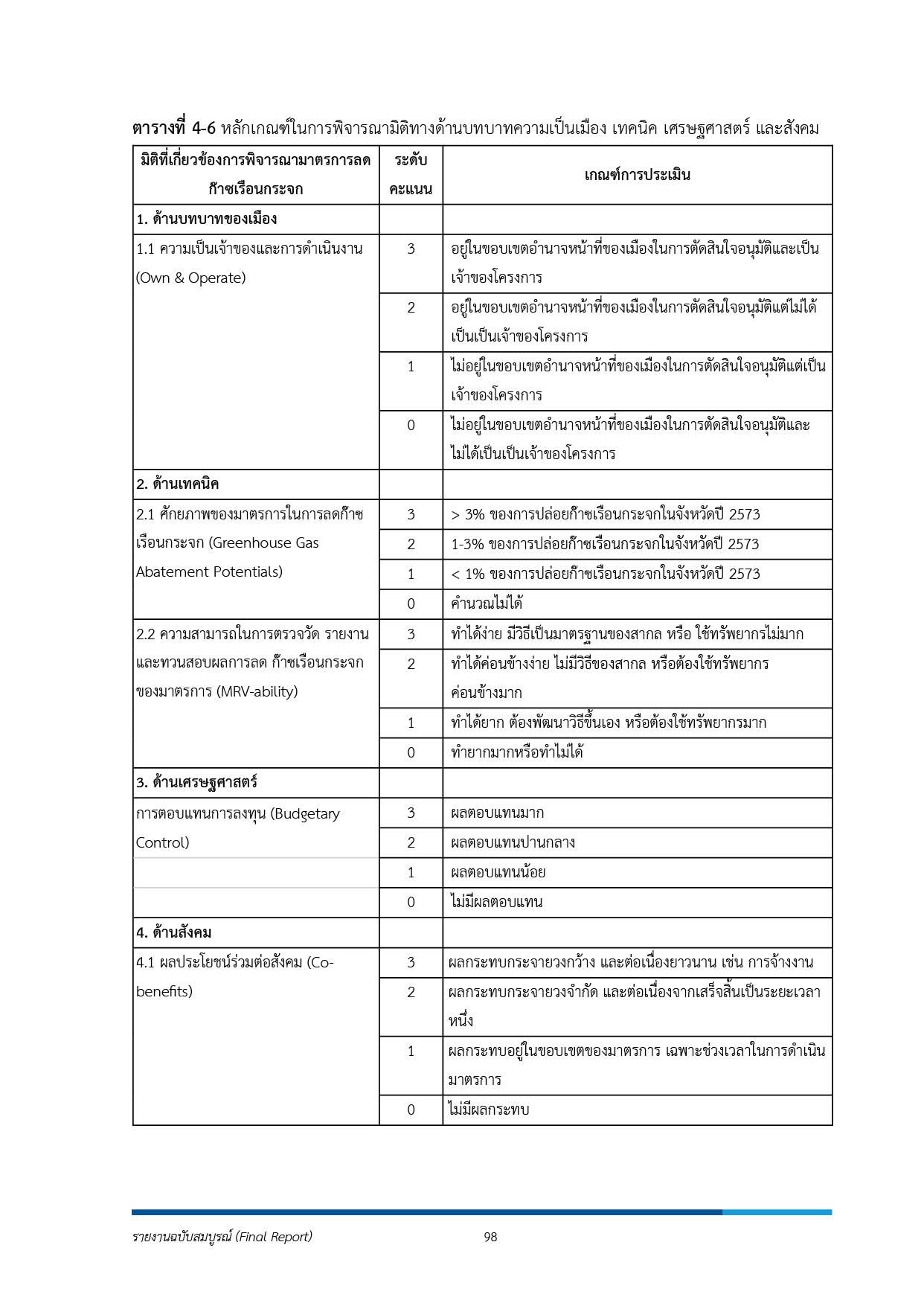
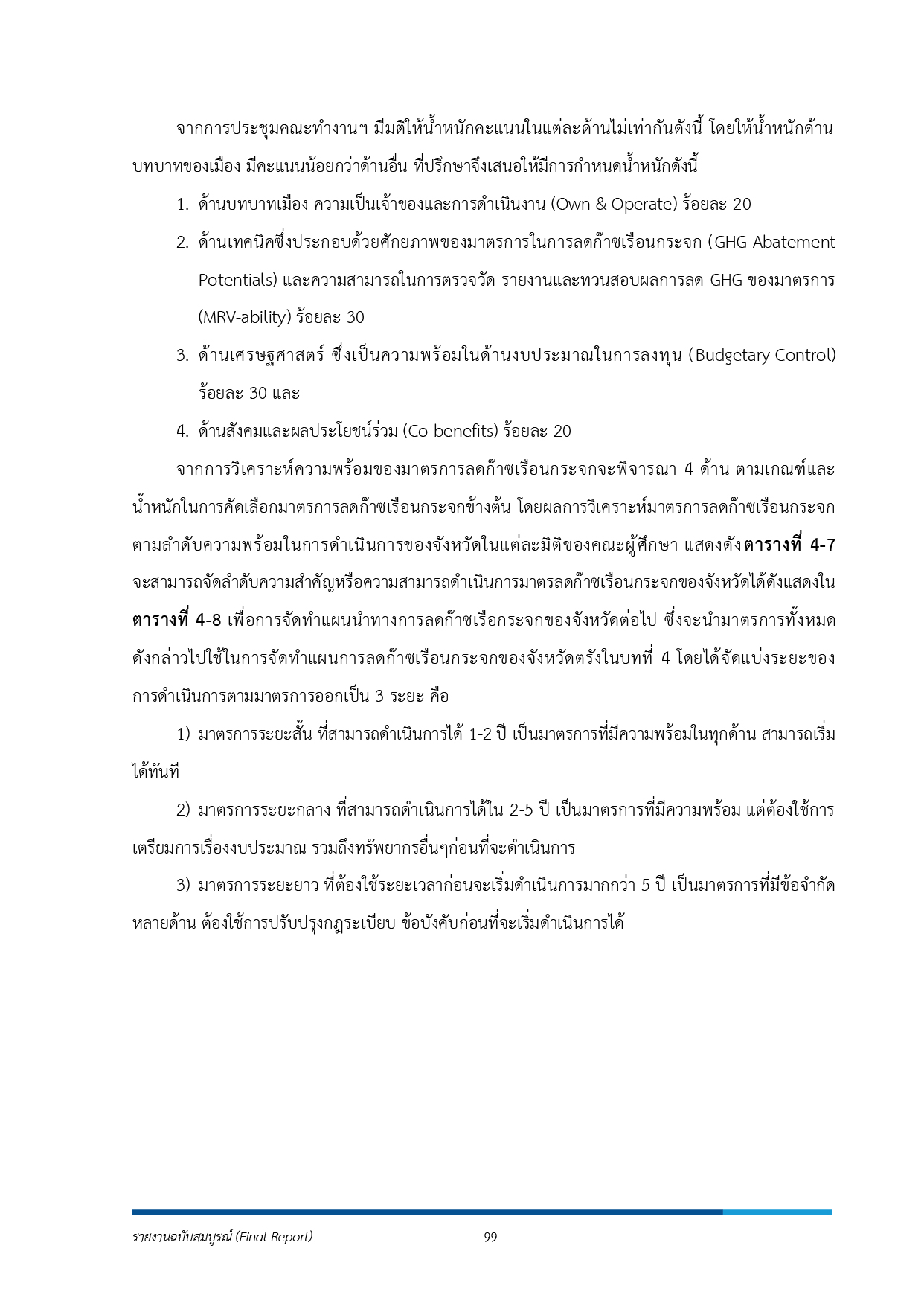
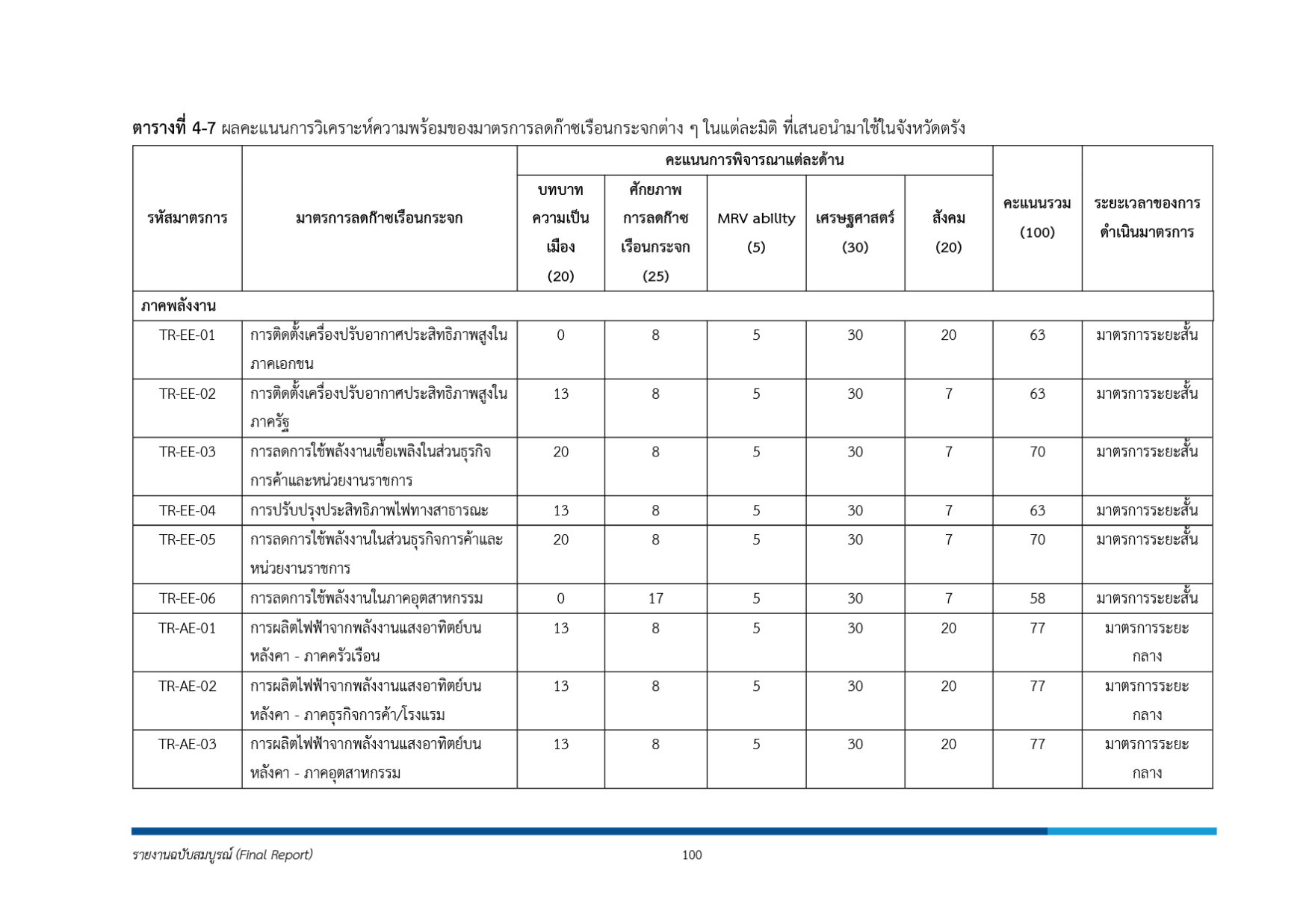
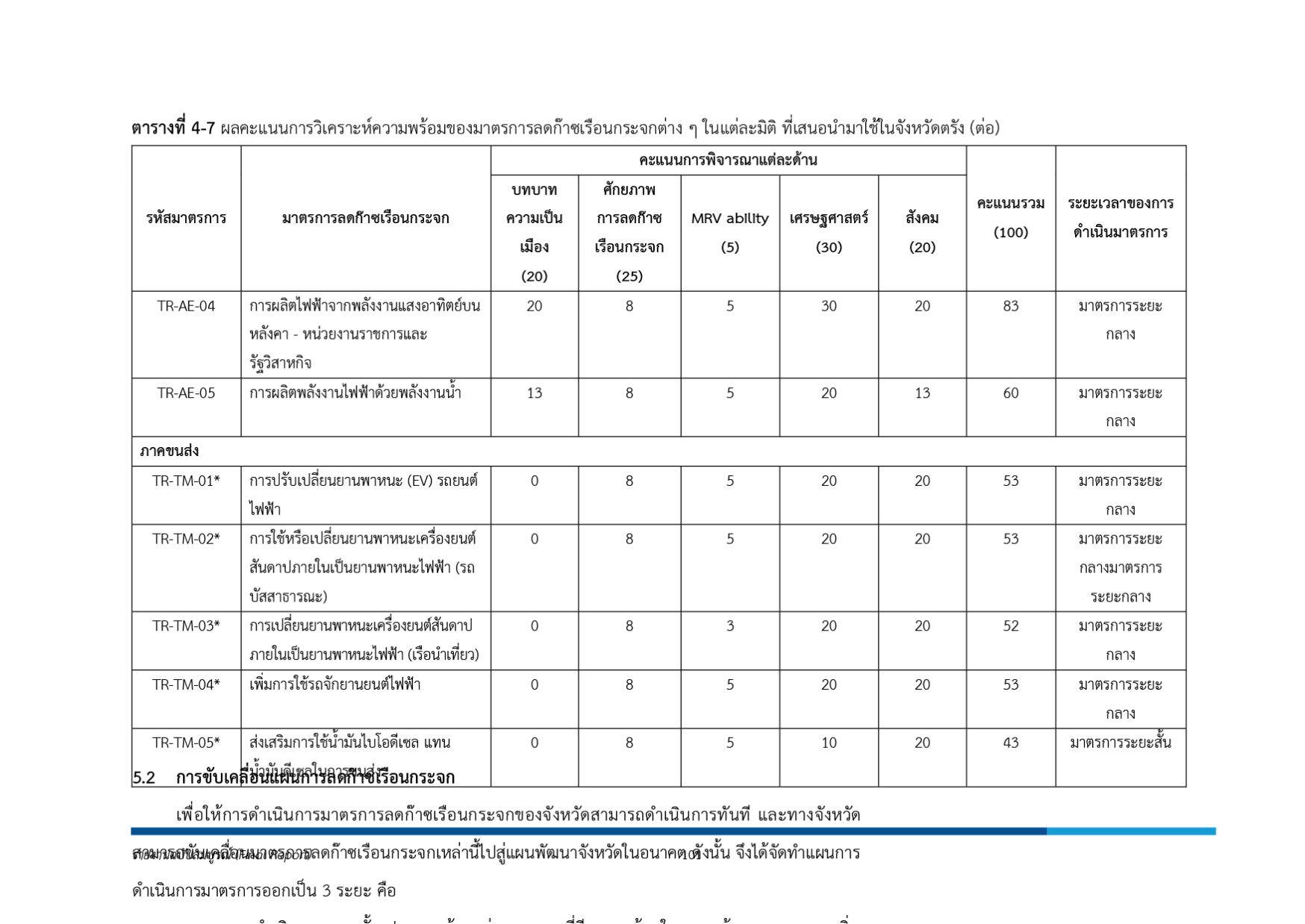
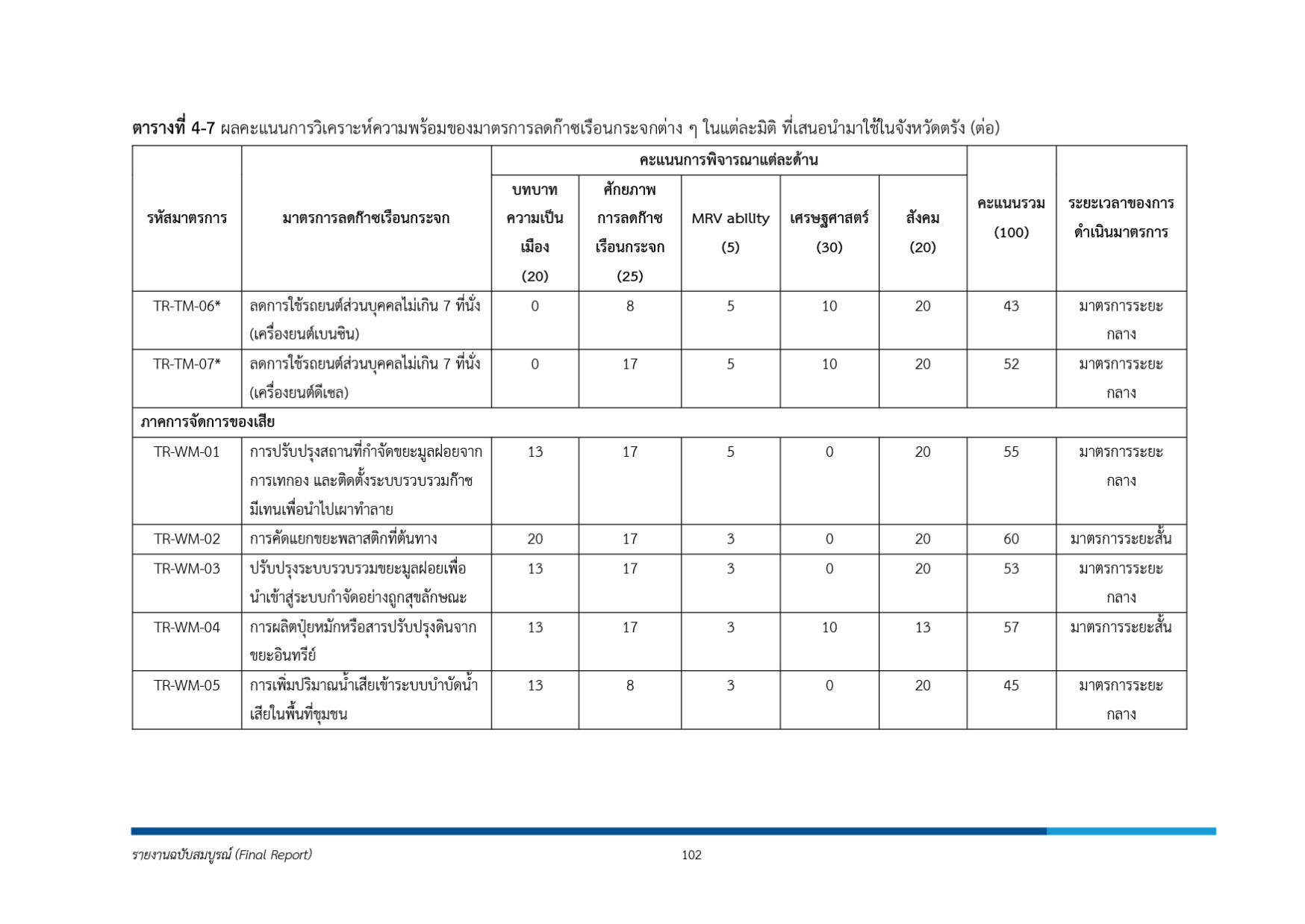
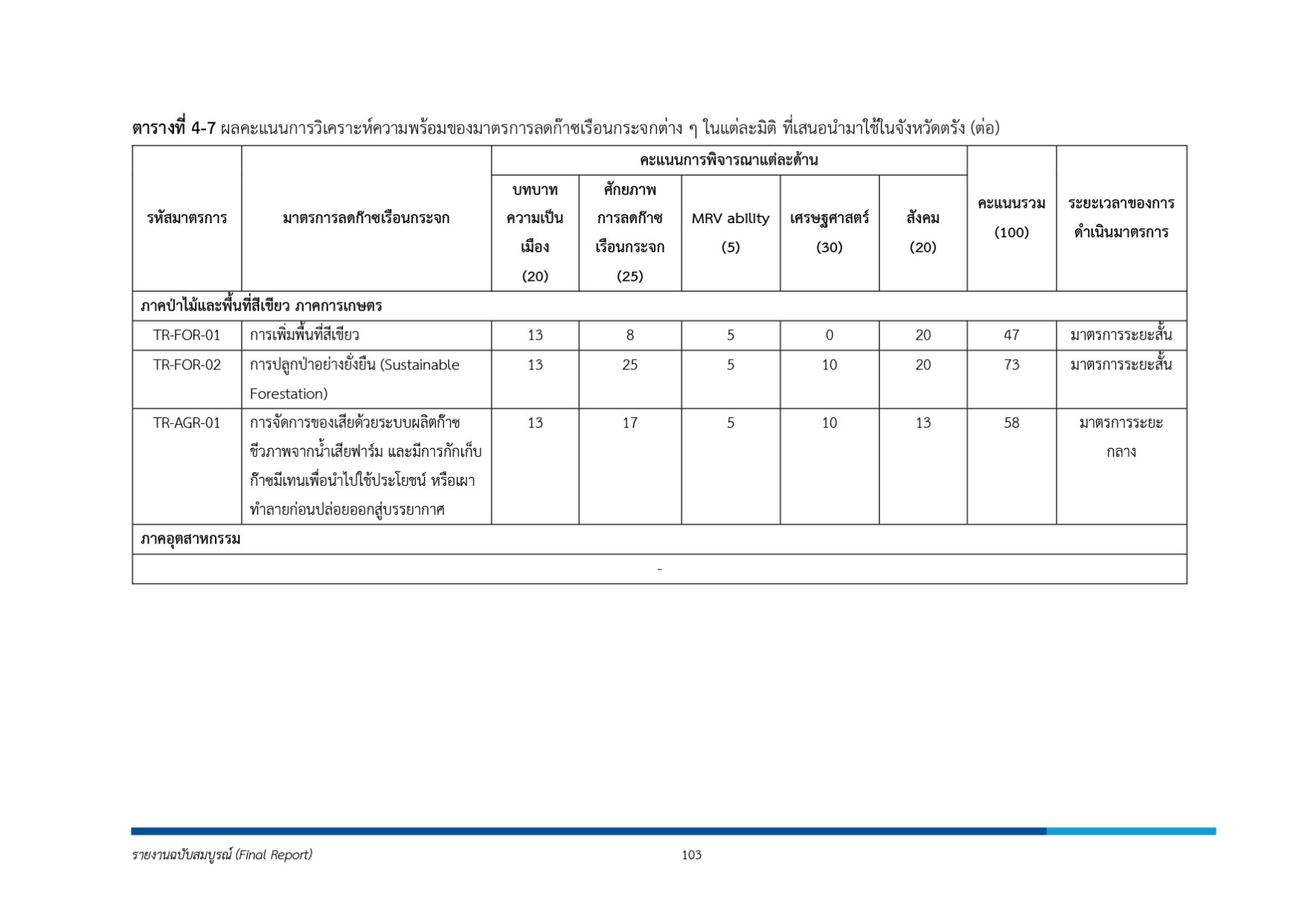
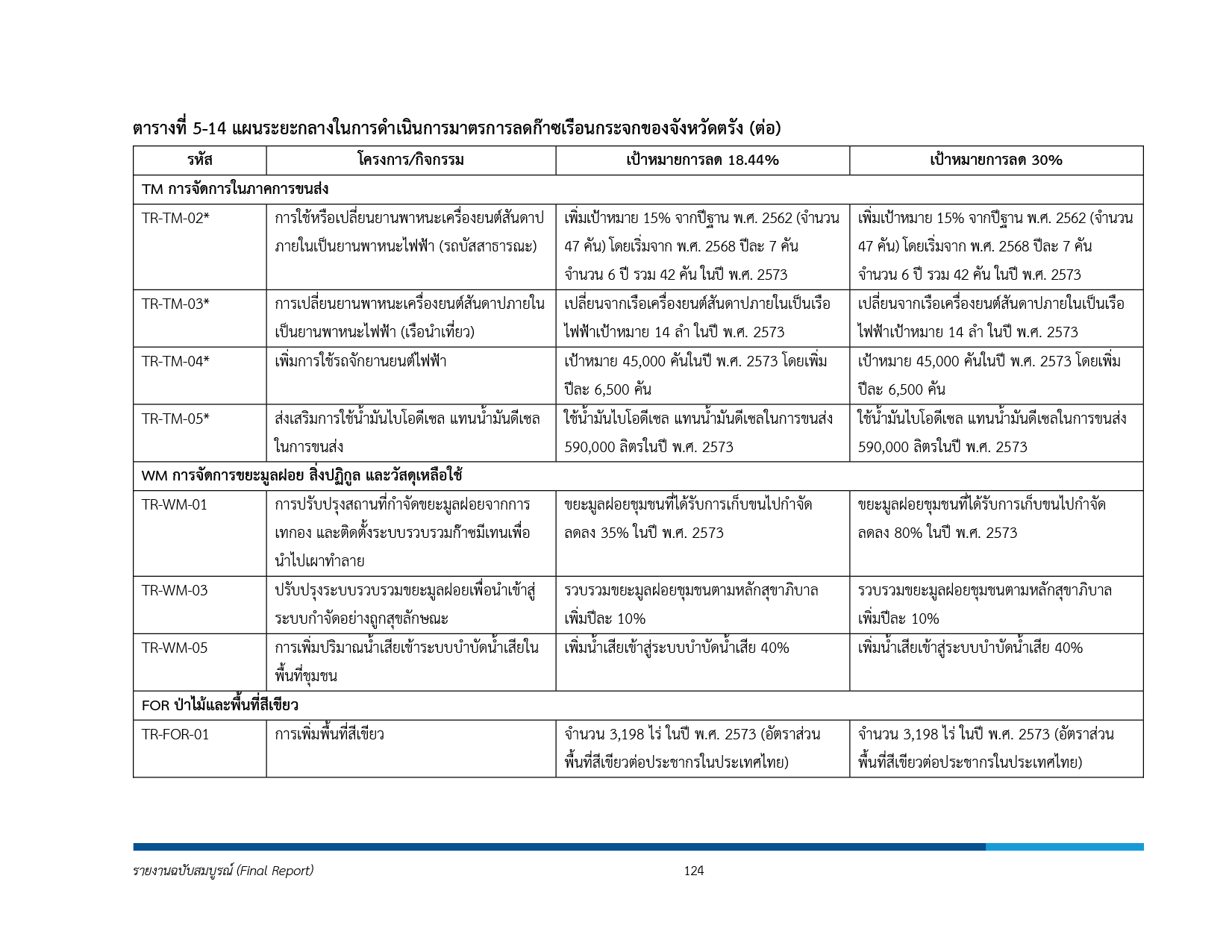
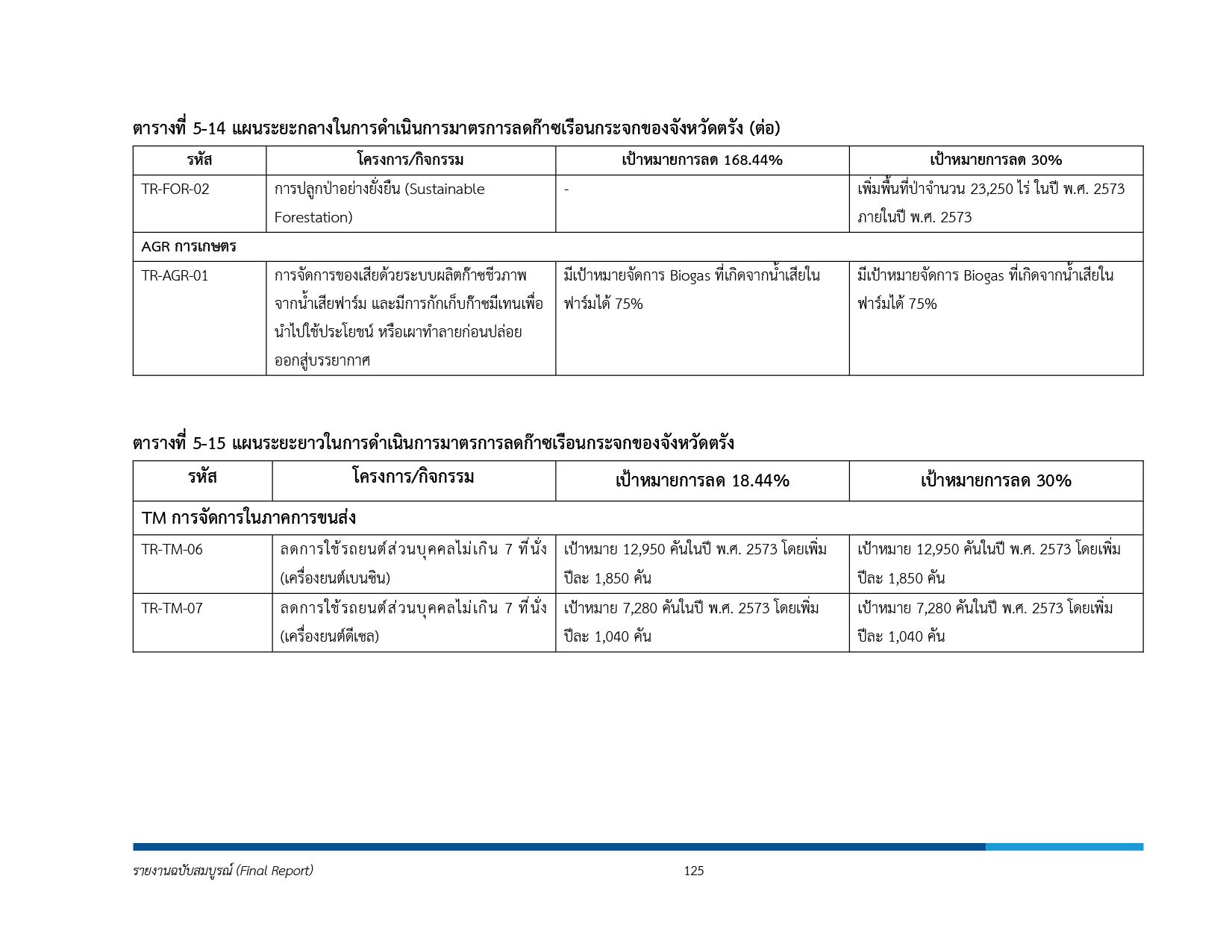
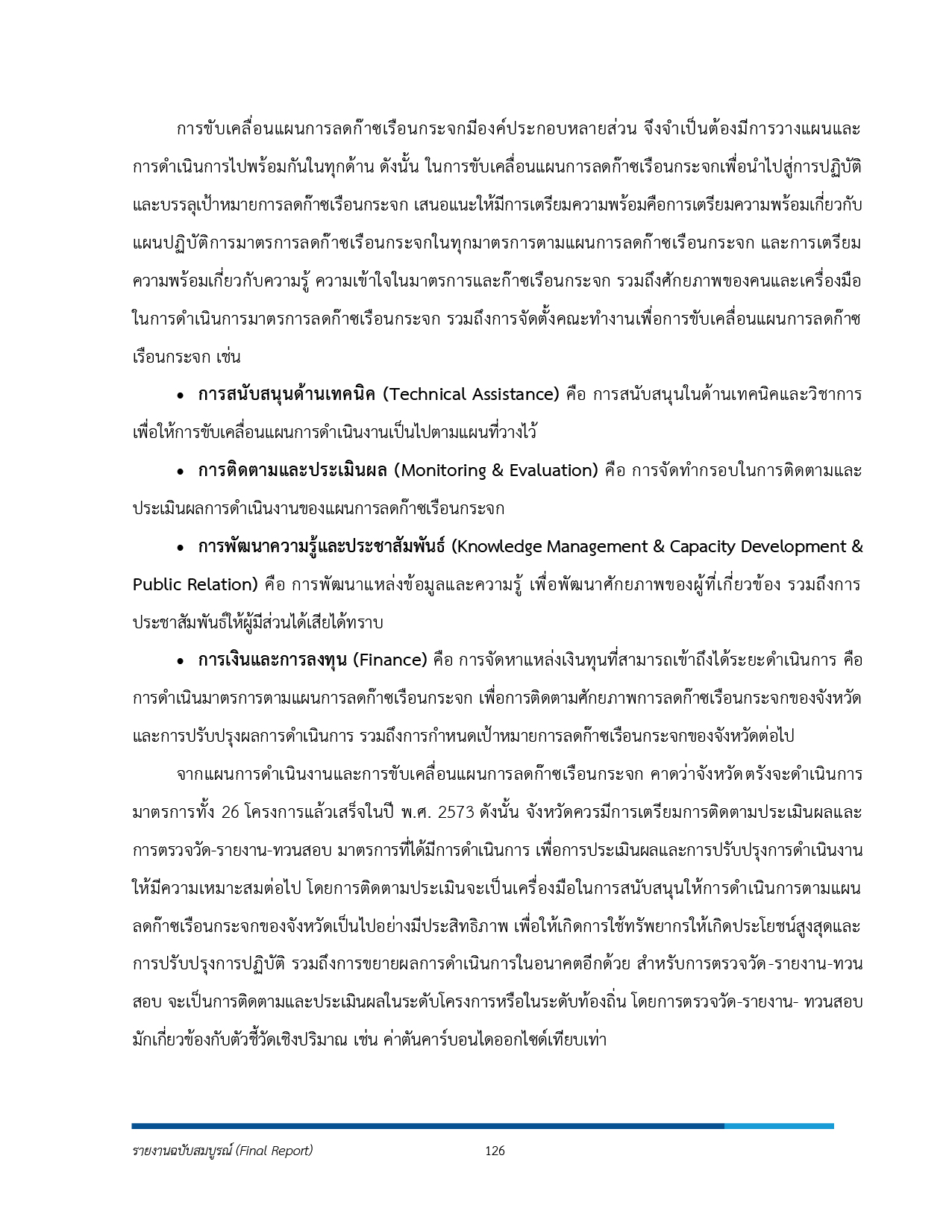
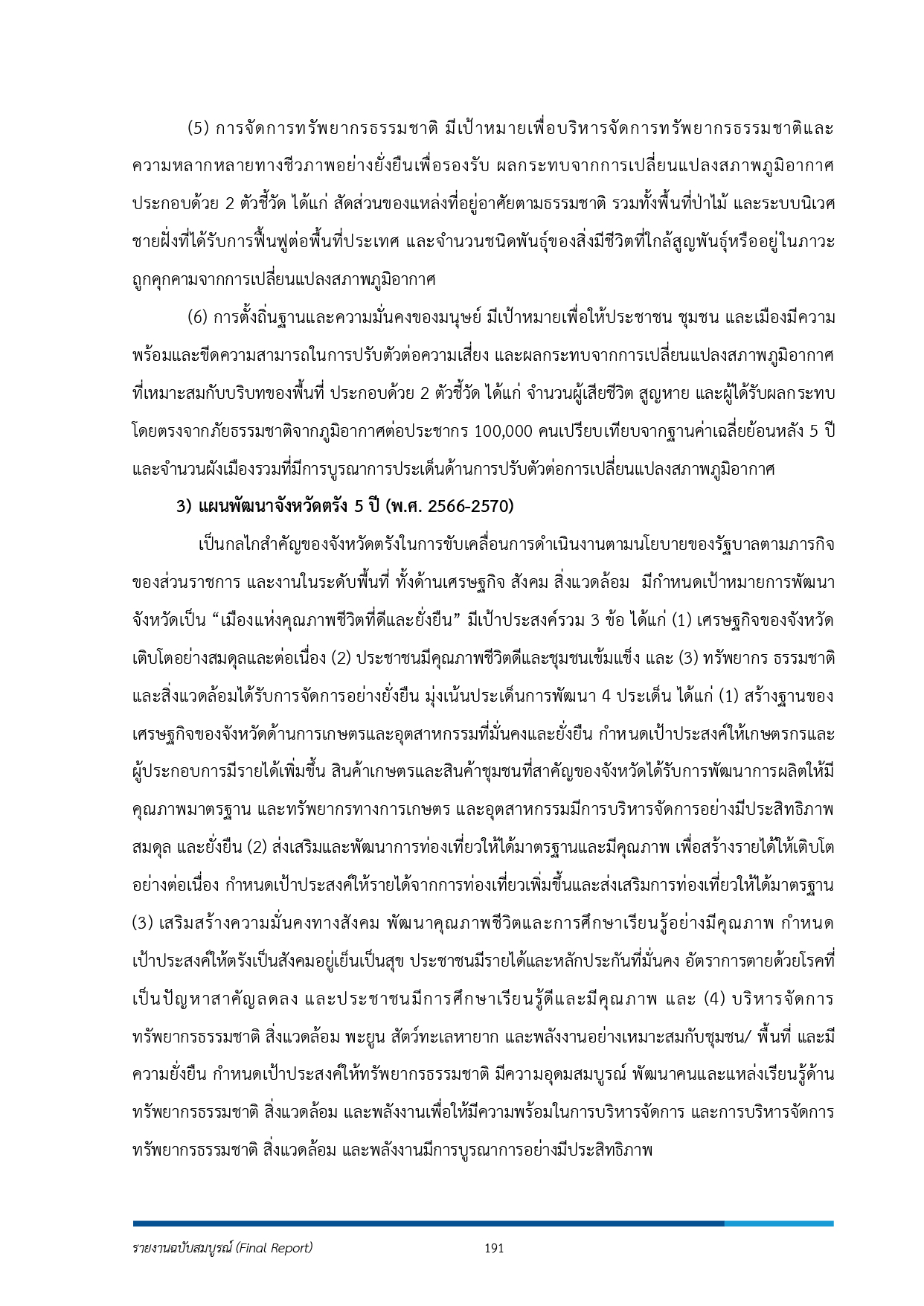
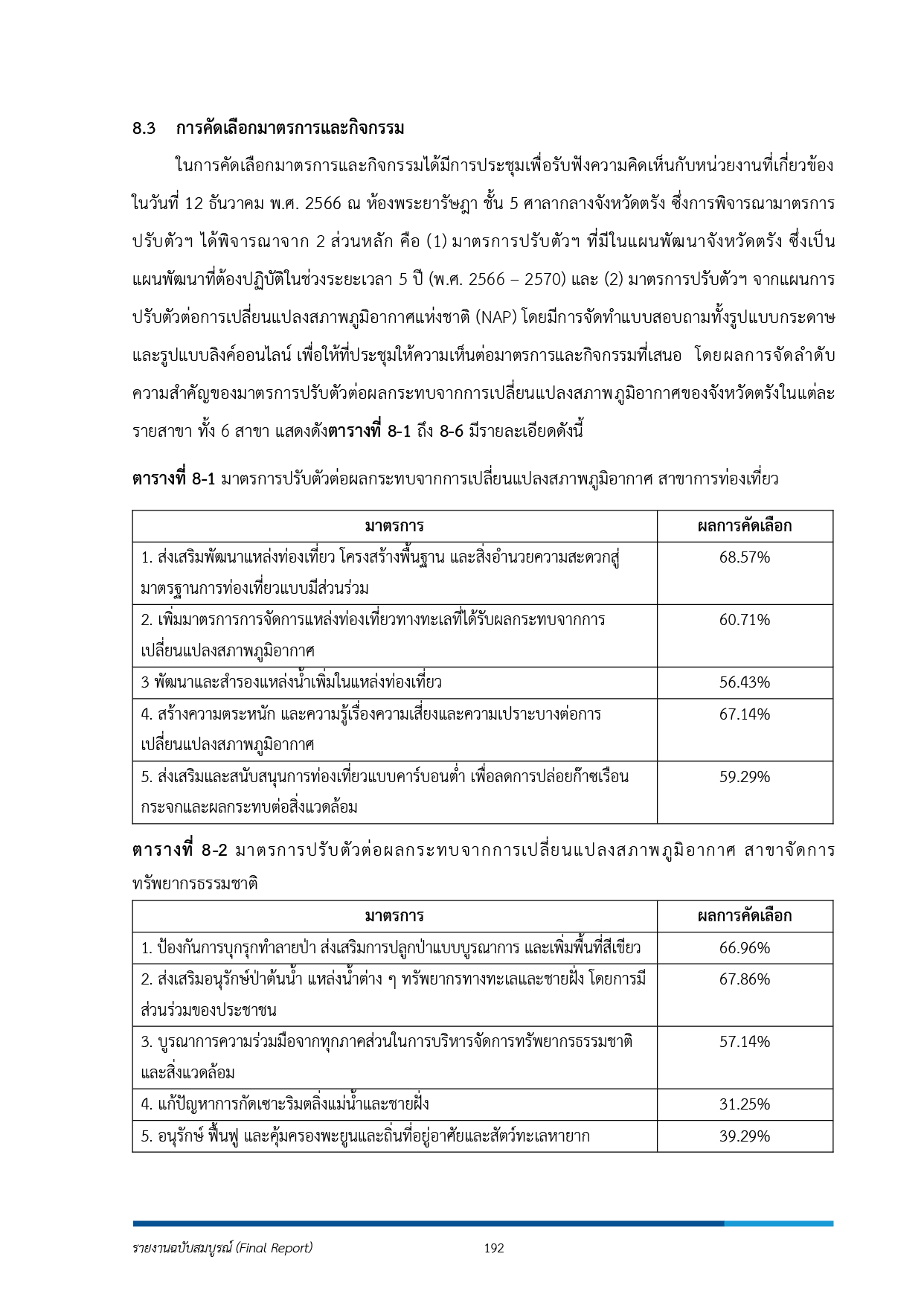
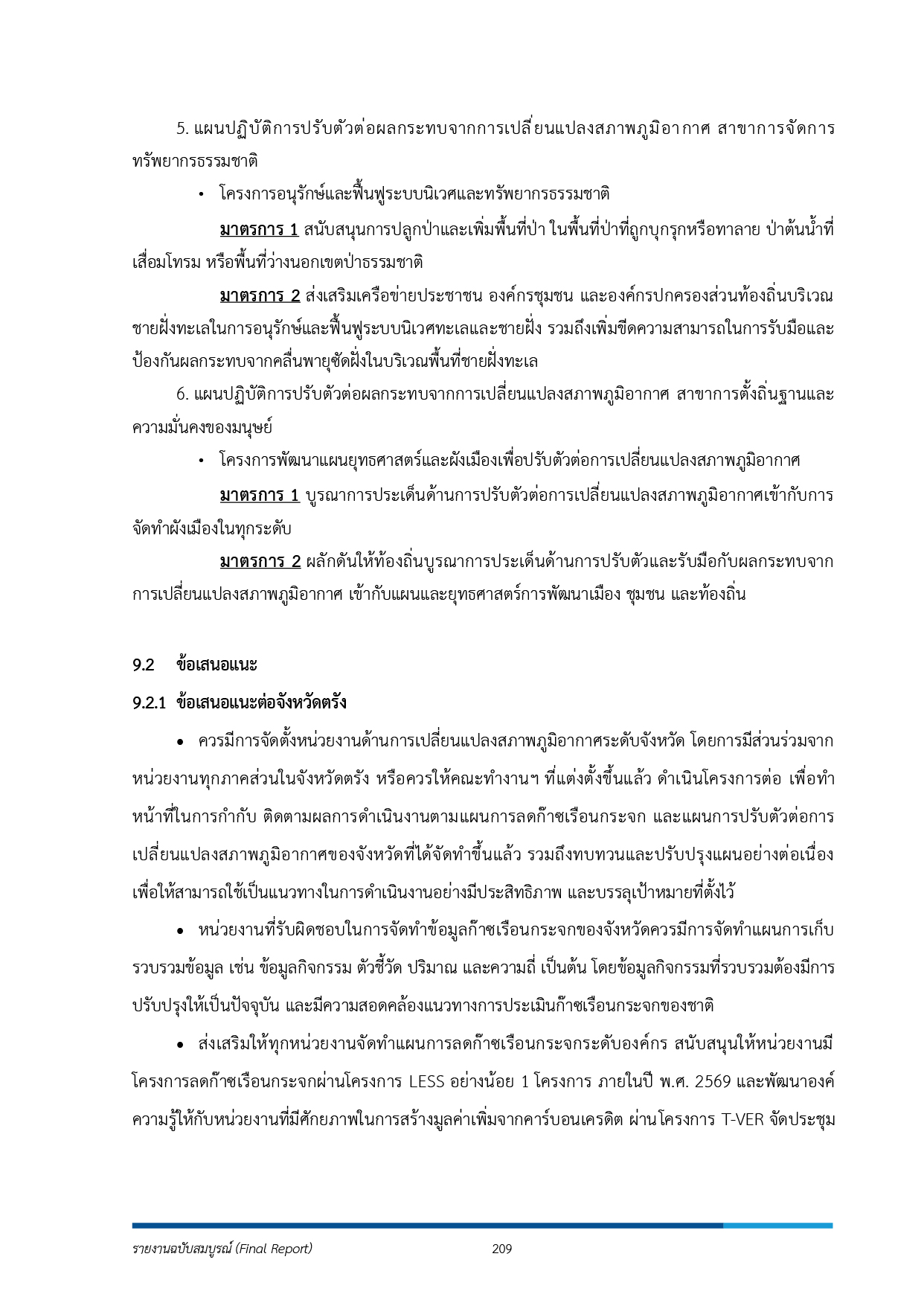
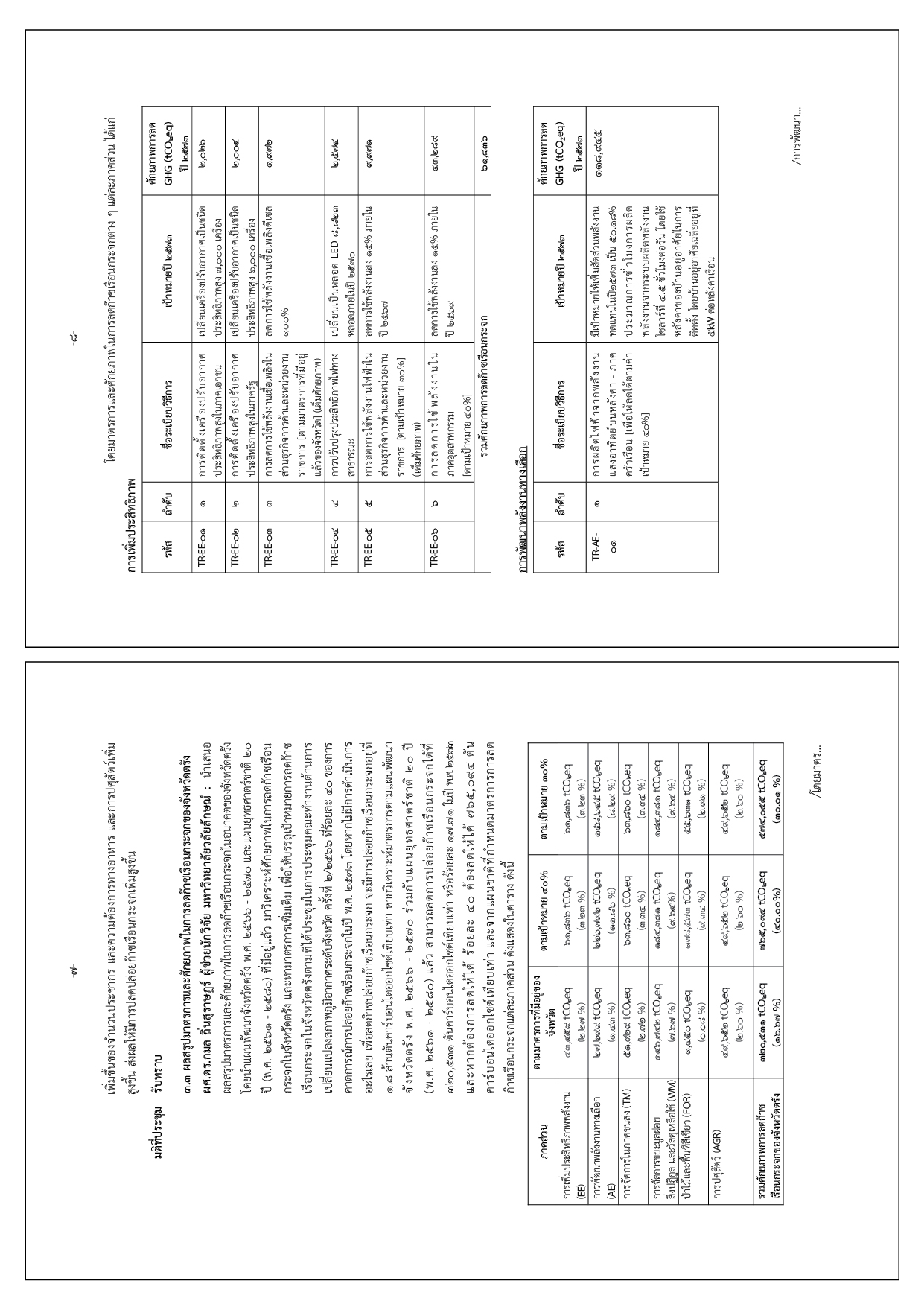
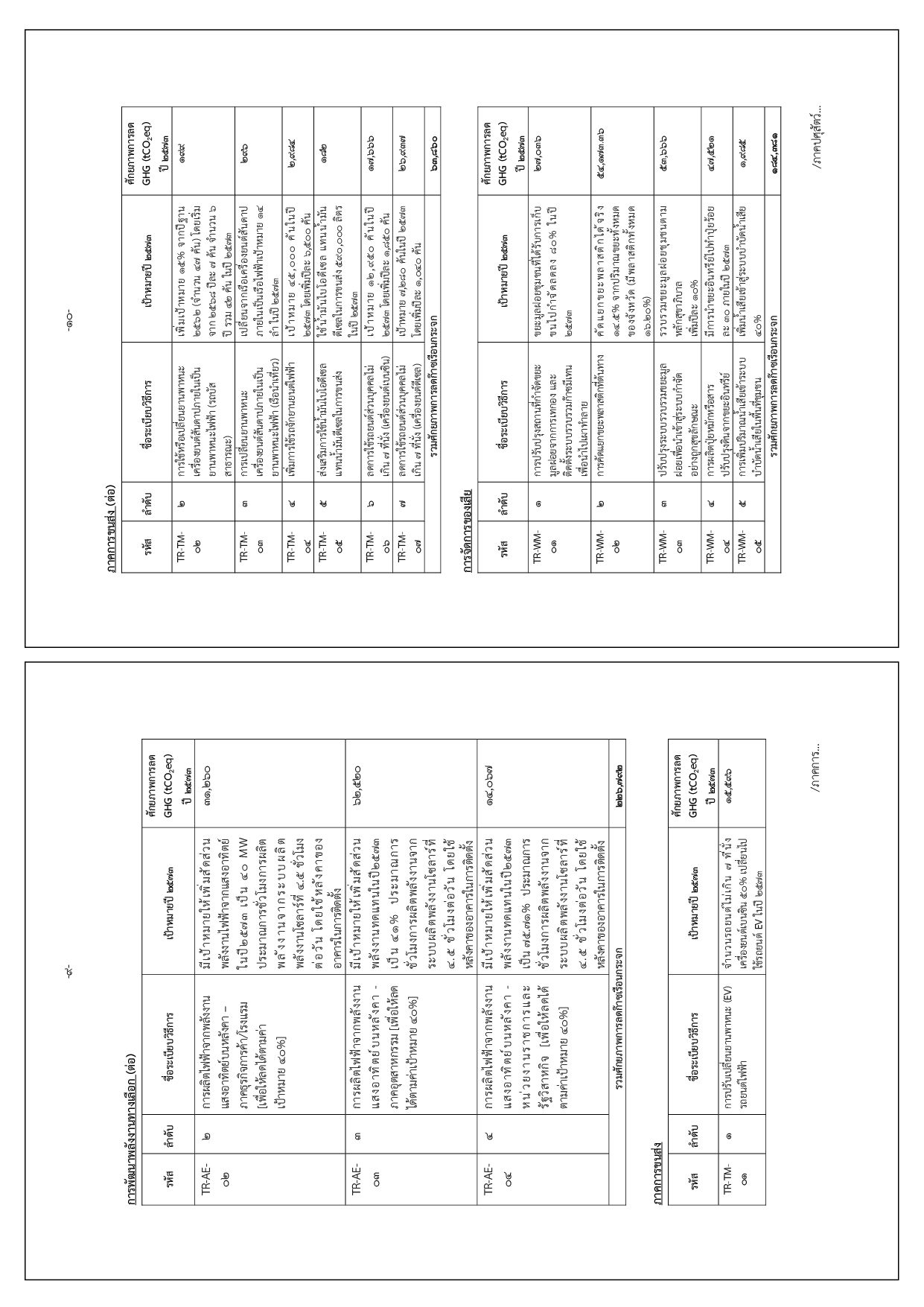
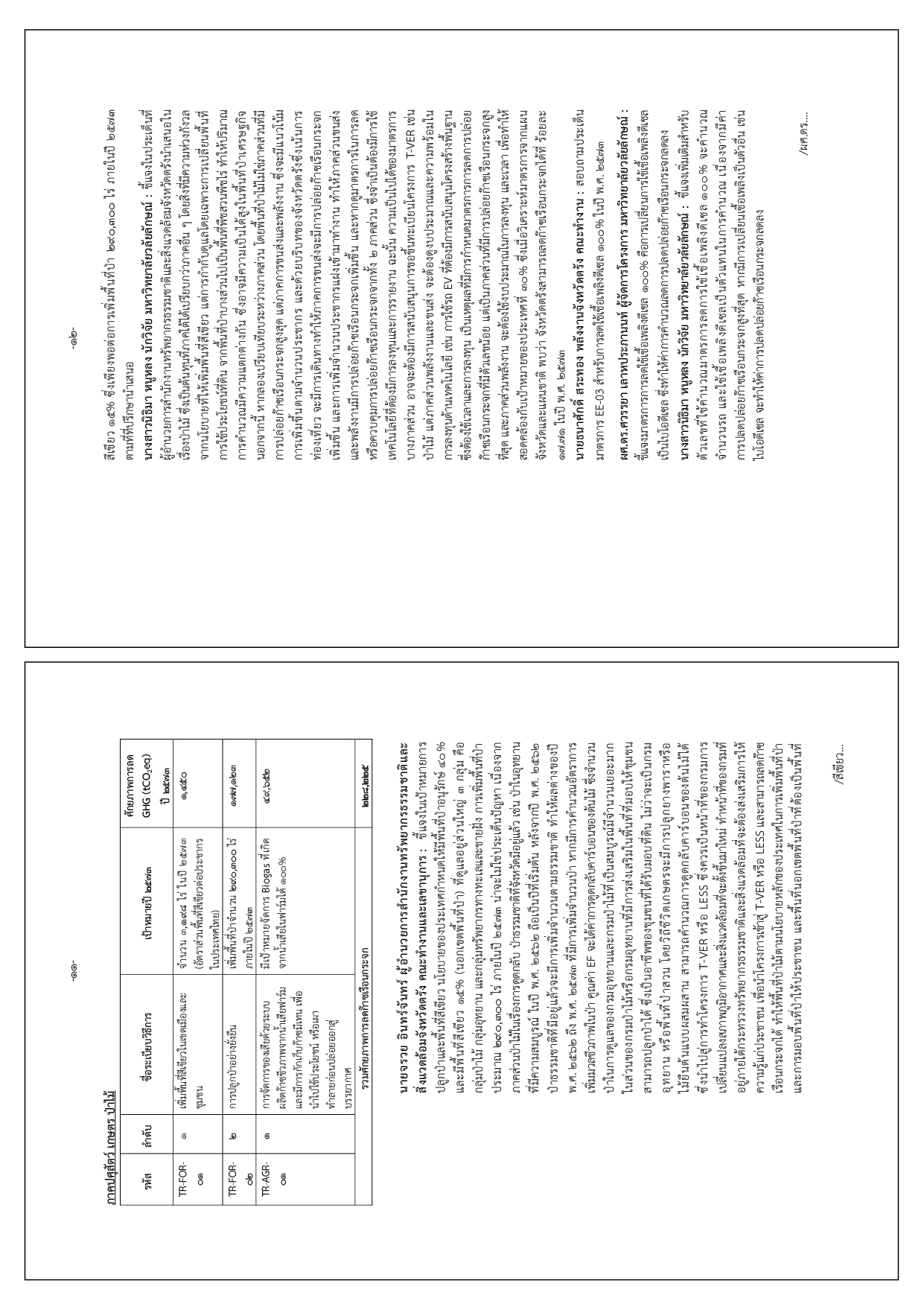
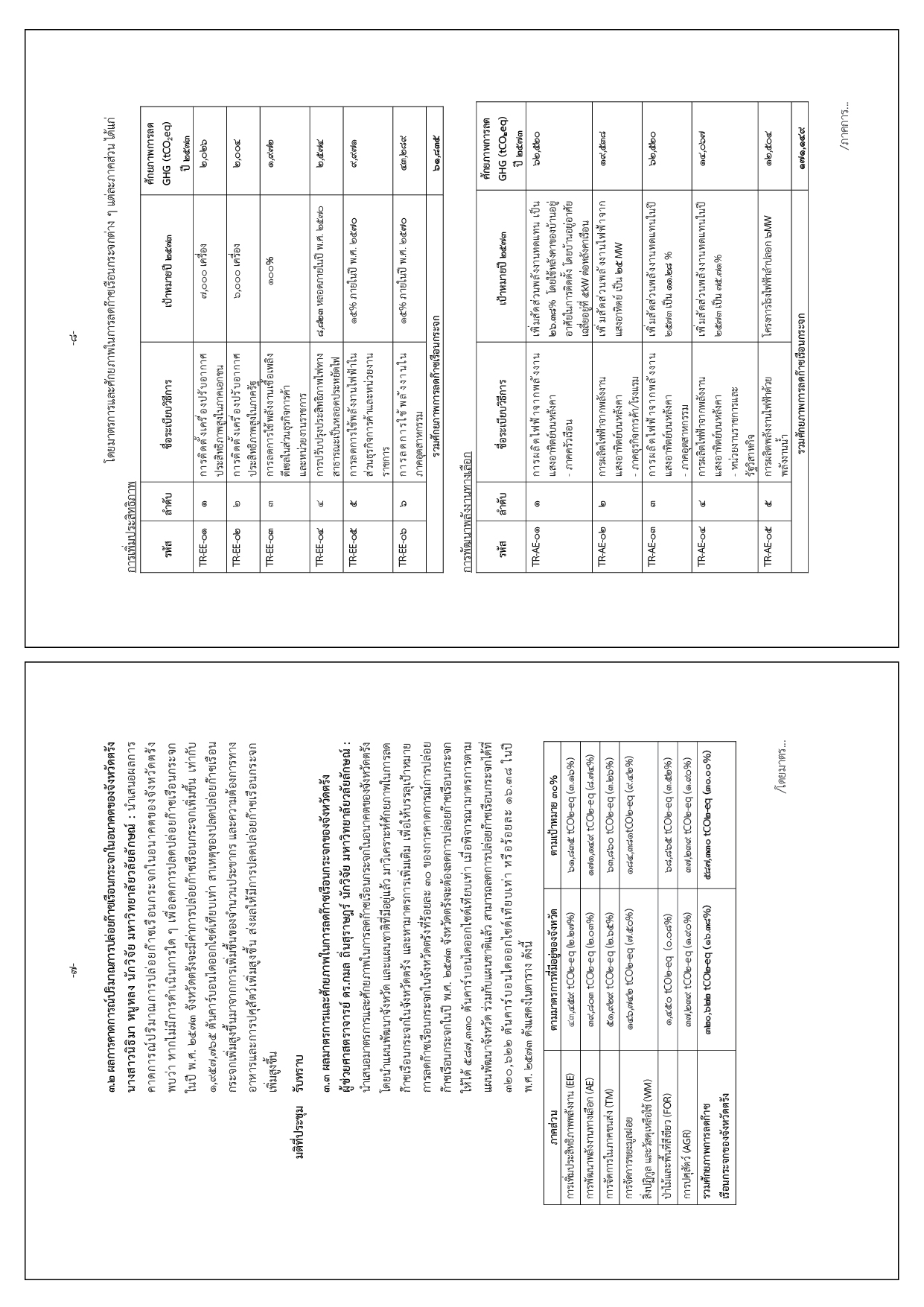
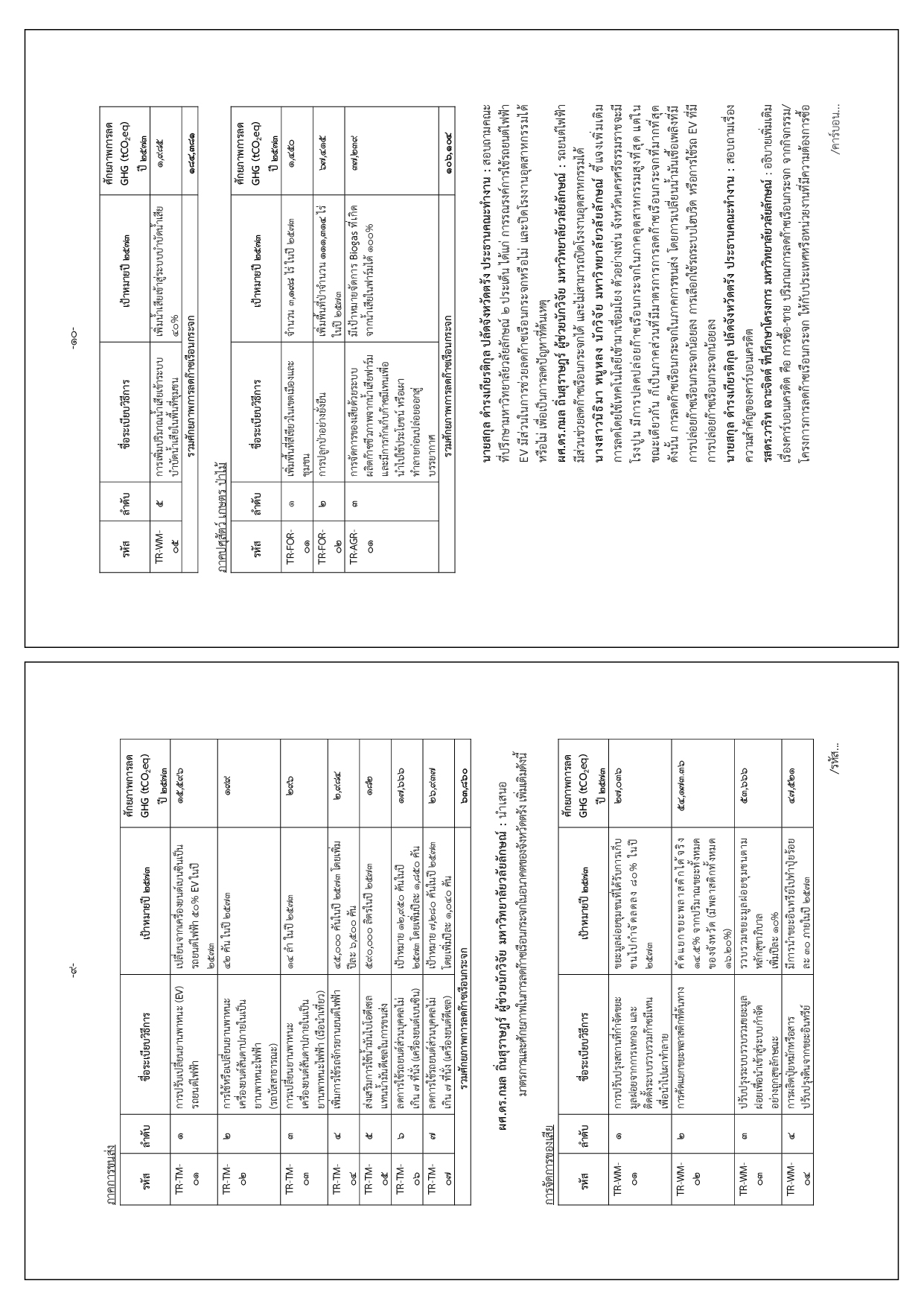
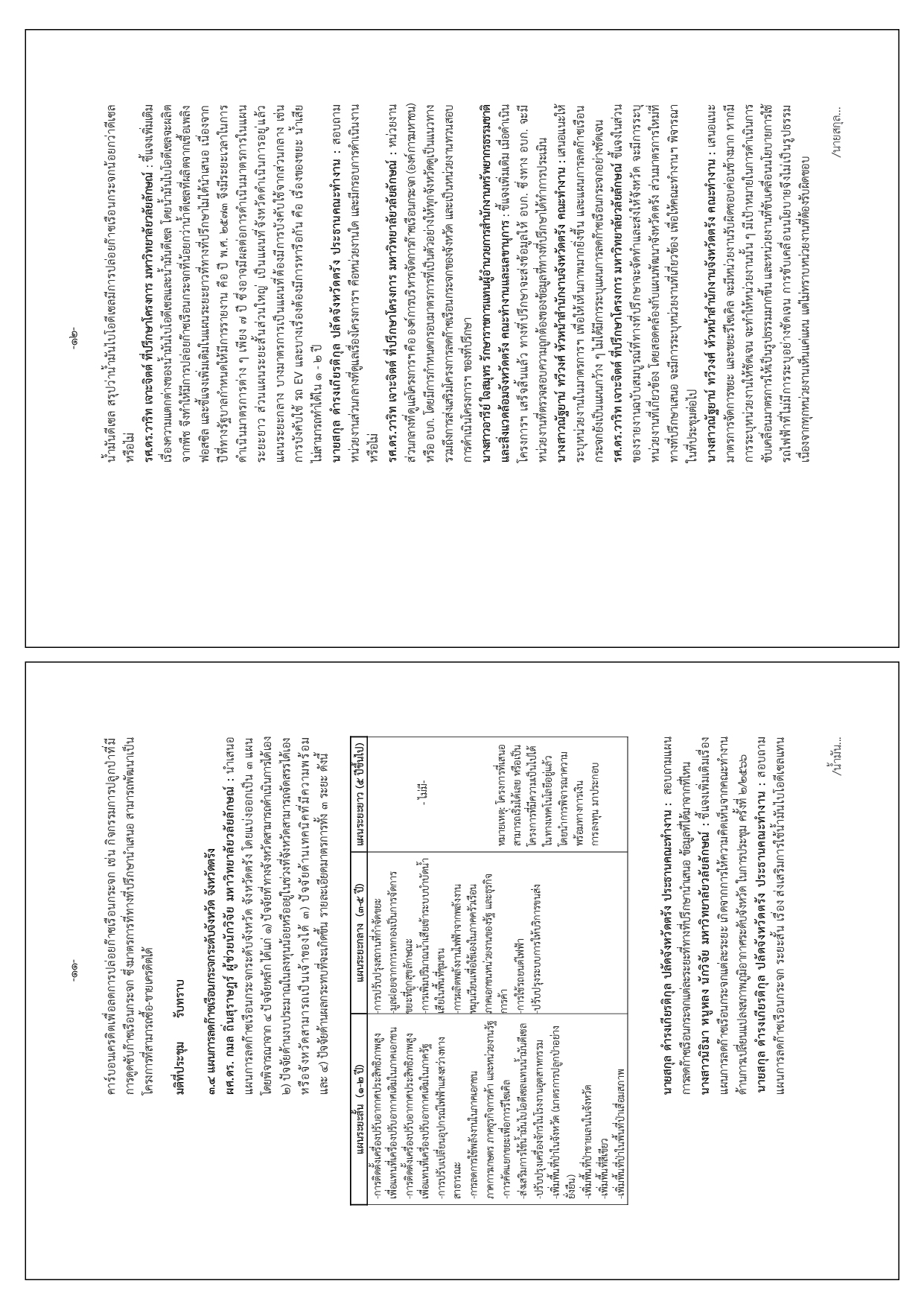
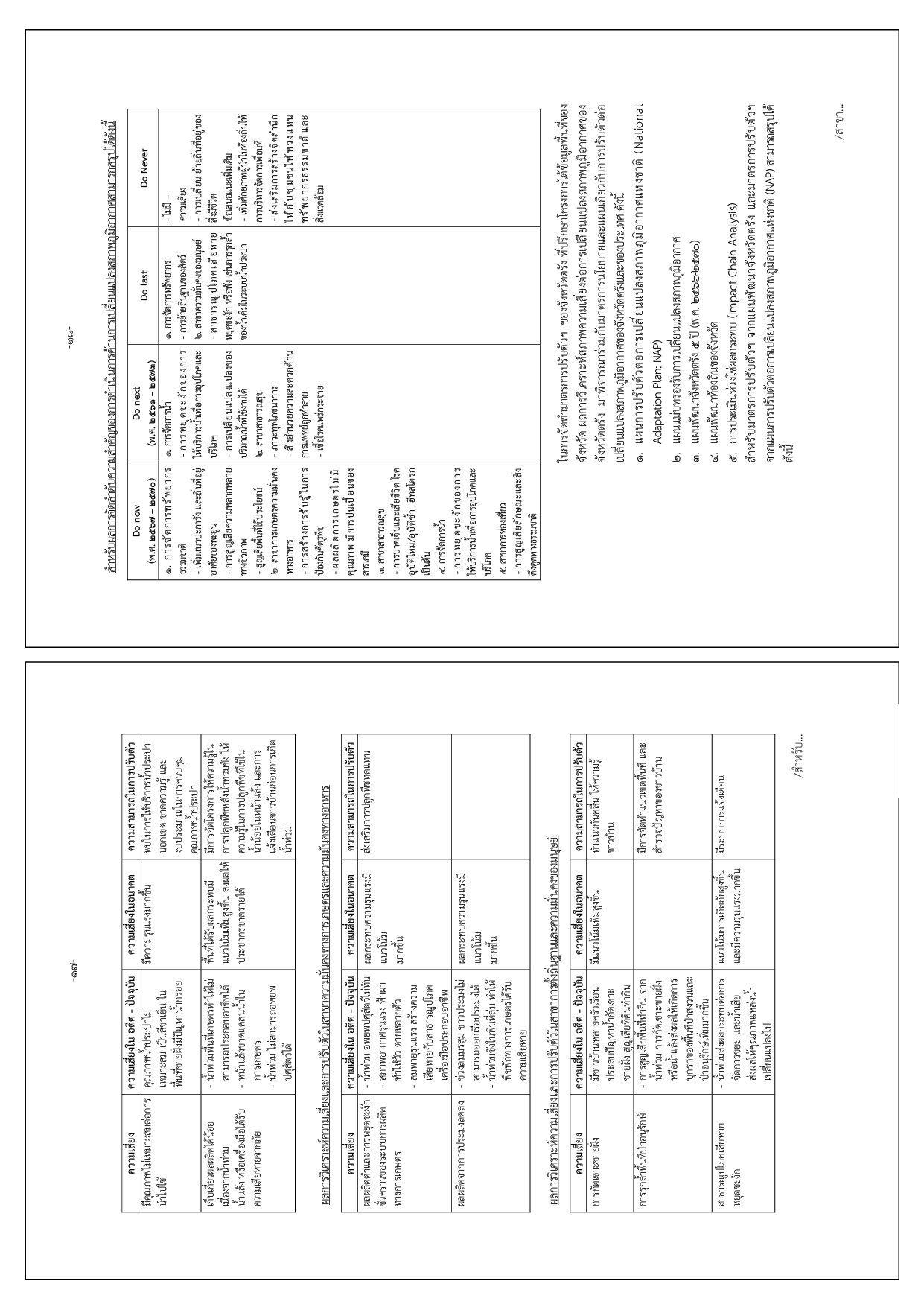
Based on these findings, Walailak University and its partners selected appropriate climate change adaptation measures and formulated a greenhouse gas reduction plan across six key sectors, which form the core of the Provincial and Municipal Action Plans for Climate Change:
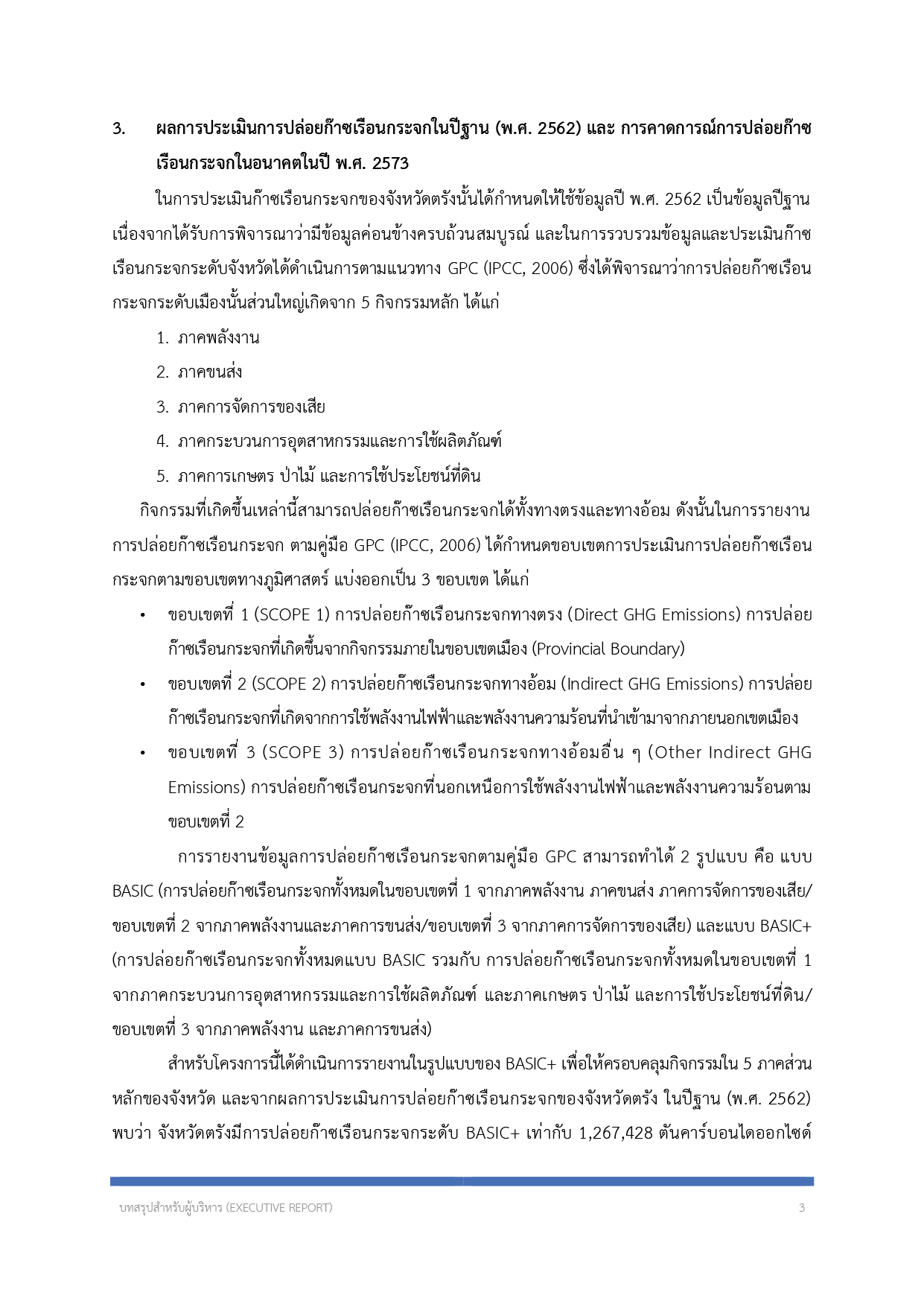
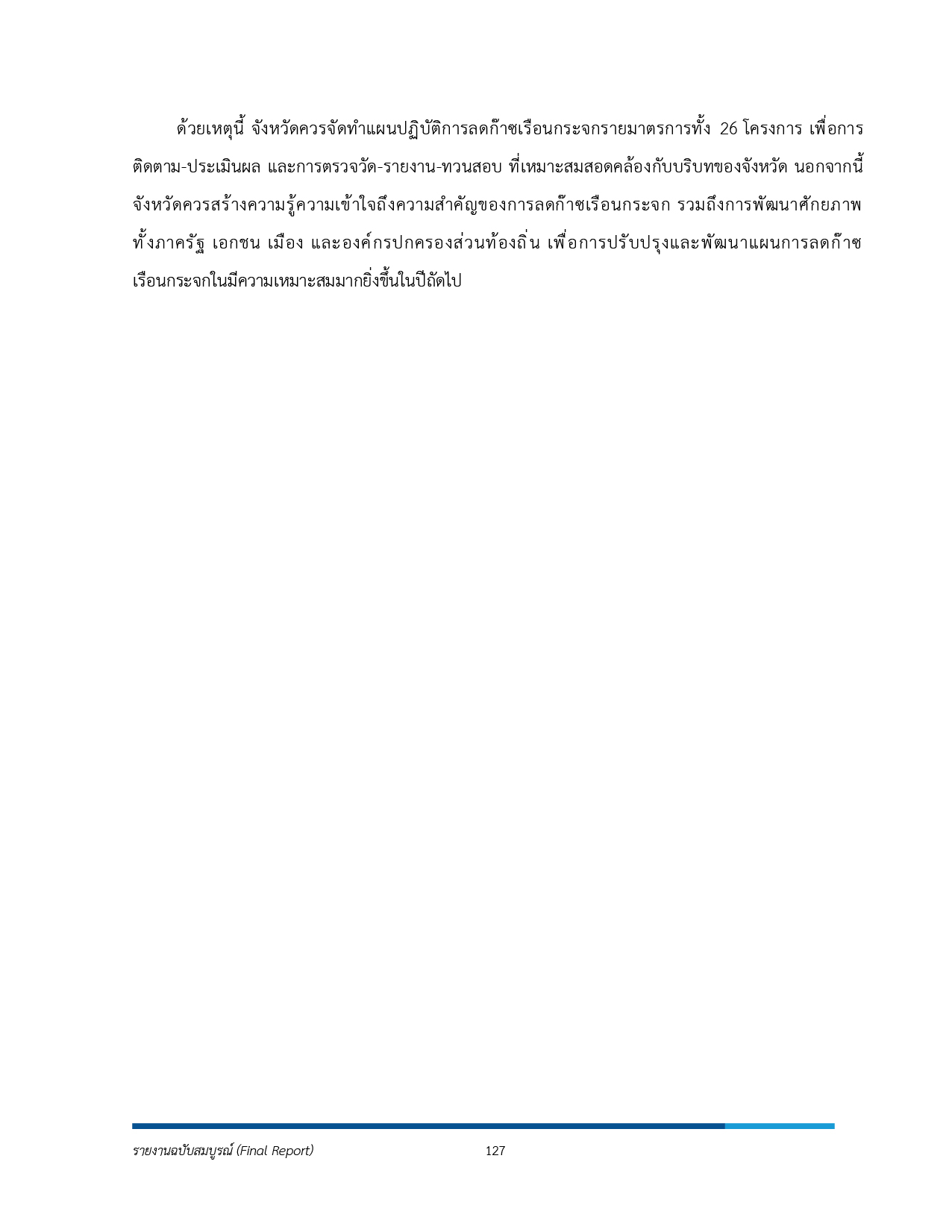
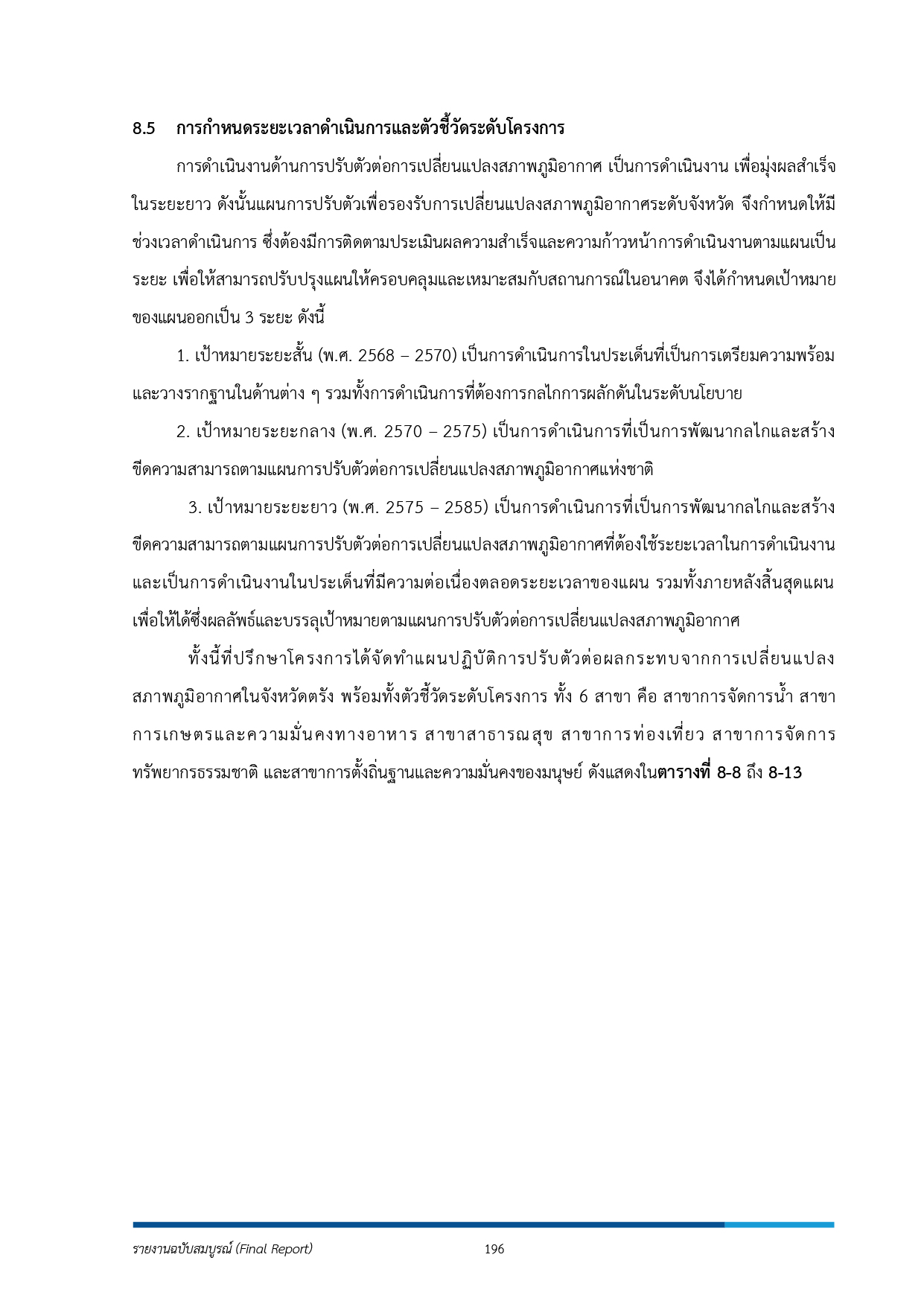
Following the research studies, Walailak University initiated the development of the climate action plan through the following key processes:
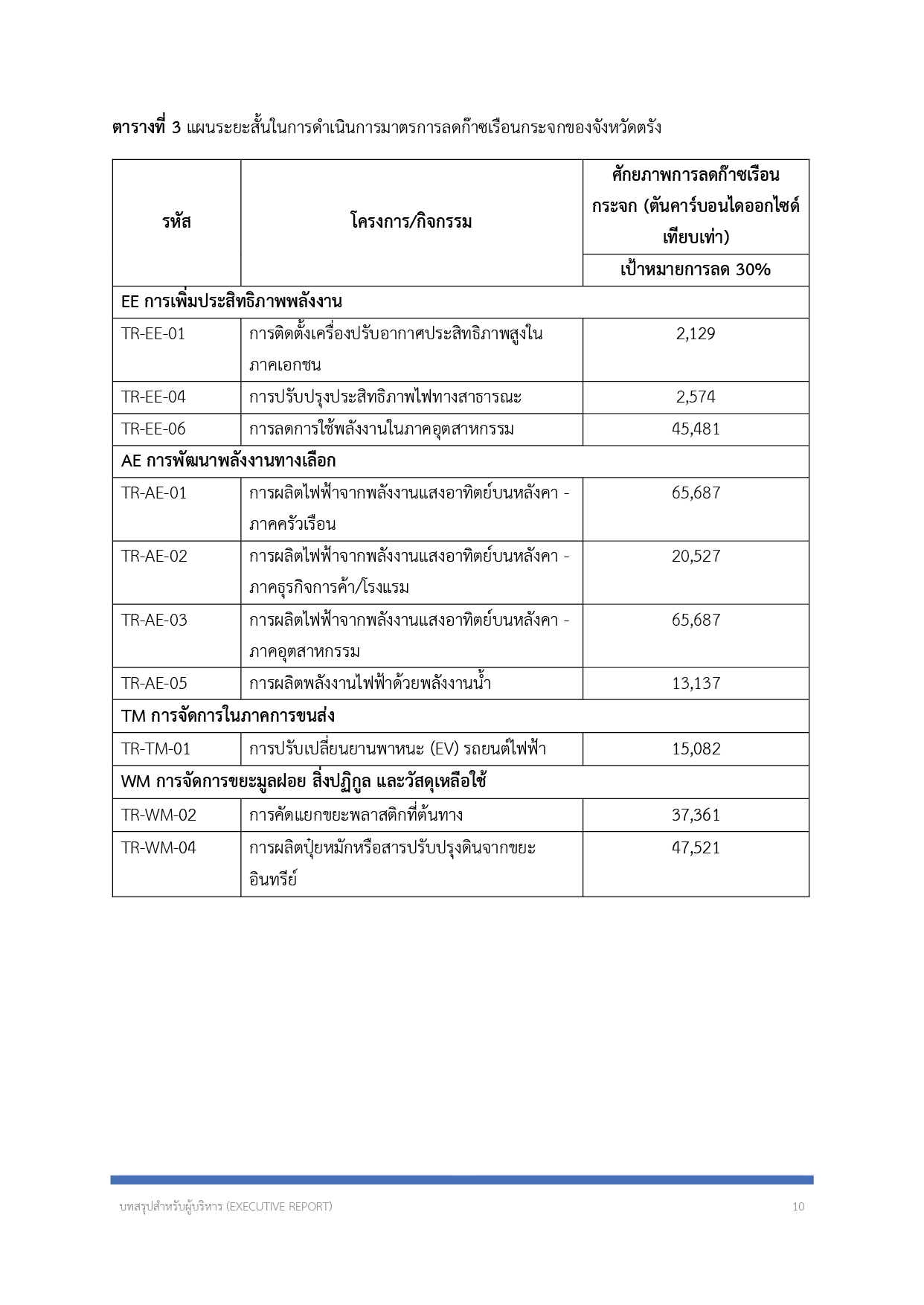
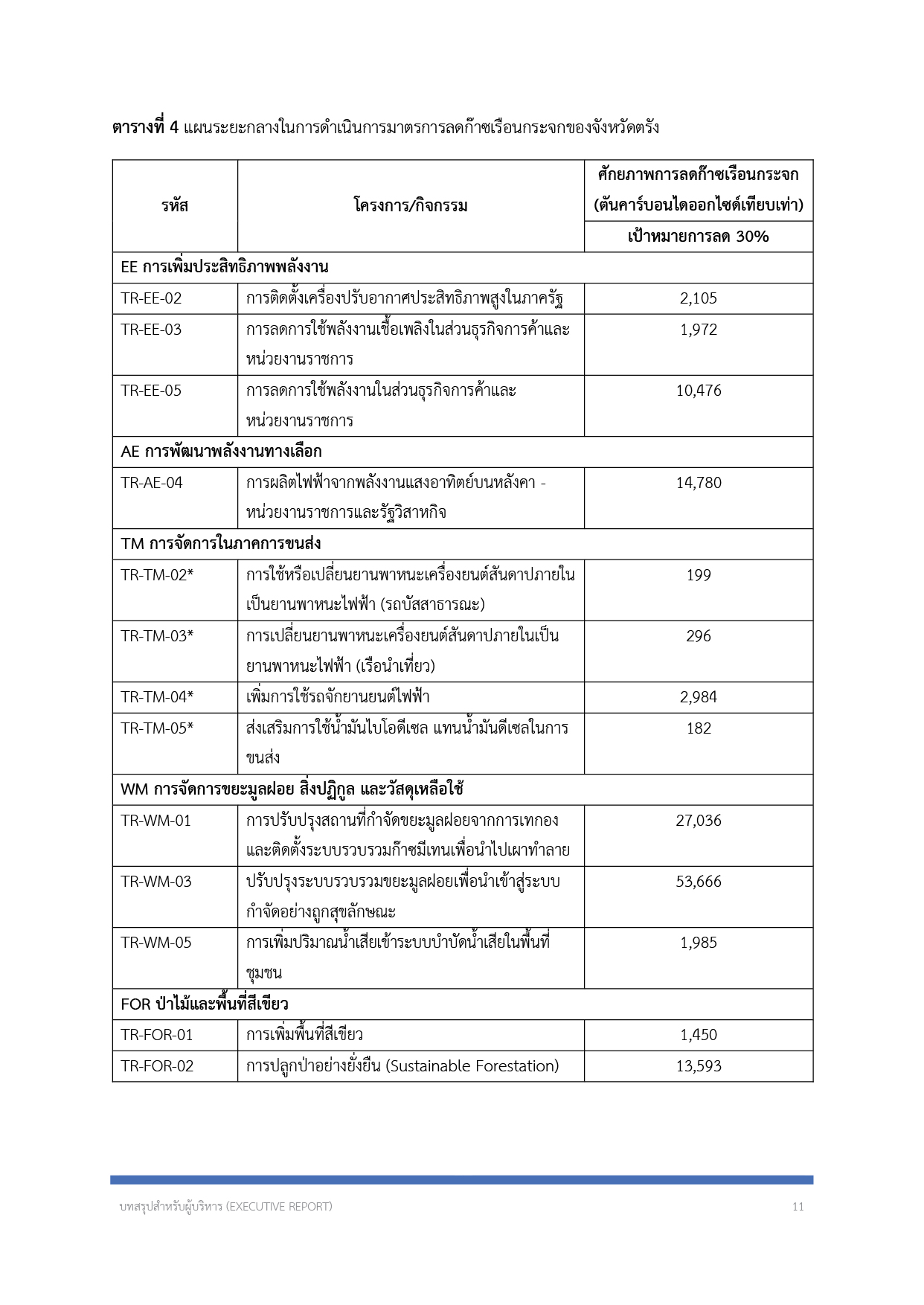
Analyzing the potential for GHG reduction in Trang Province, with the resulting action plans providing strategic guidance for all provincial government organizations on climate change mitigation.
Measuring and preparing Provincial Risk Profile Reports, based on the six components of Thailand’s National Adaptation Plan, to model likely future climate risks with and without targeted interventions.
Developing a Provincial Climate Change Adaptation Plan to support adaptive management and strengthen the province’s resilience to climate change impacts.
These processes form essential components of the Provincial and Municipal Action Plans for Climate Change for Trang Province, which represent key policy instruments in addressing SDG 13: Climate Action through evidence-based mitigation and adaptation strategies.
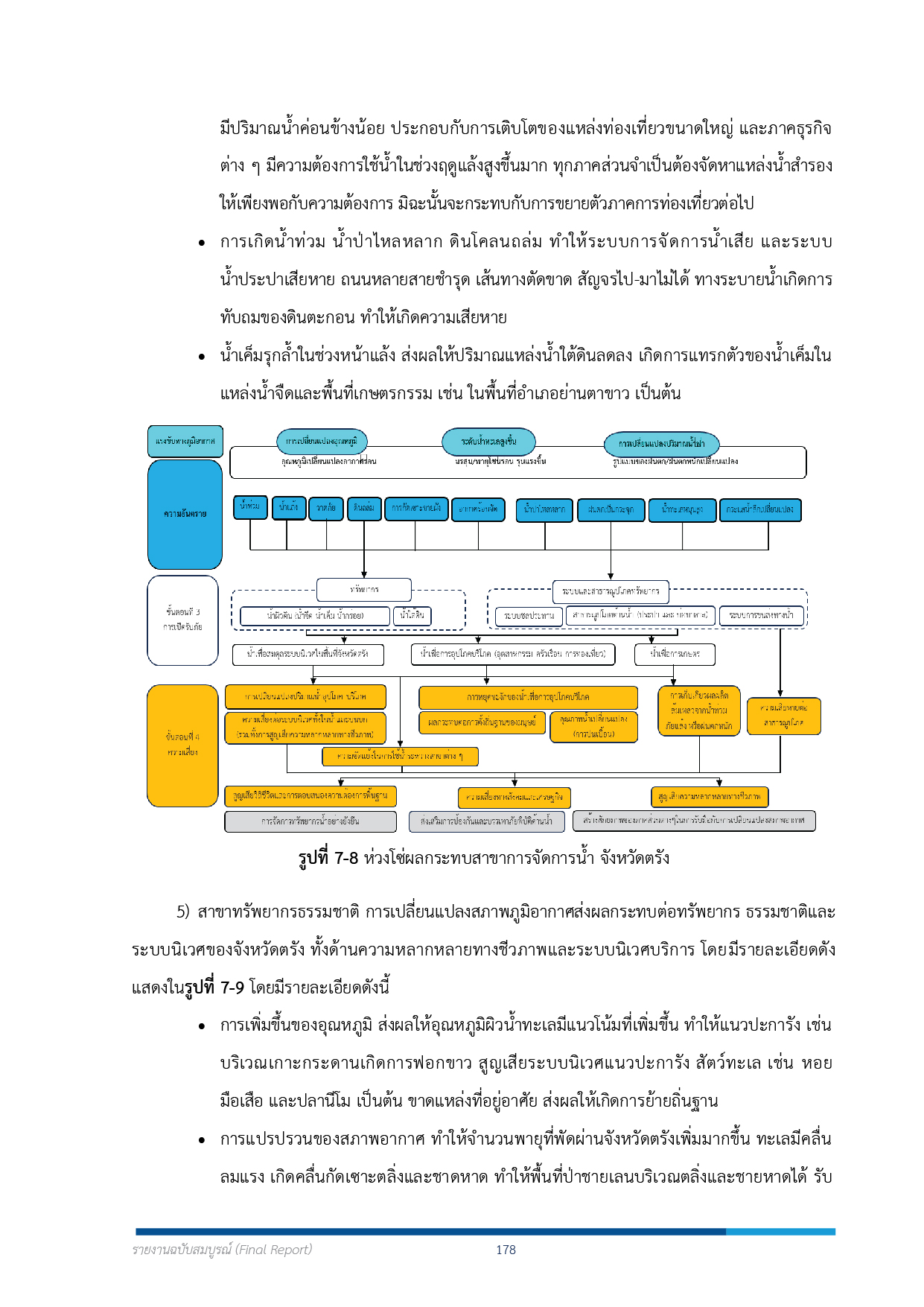
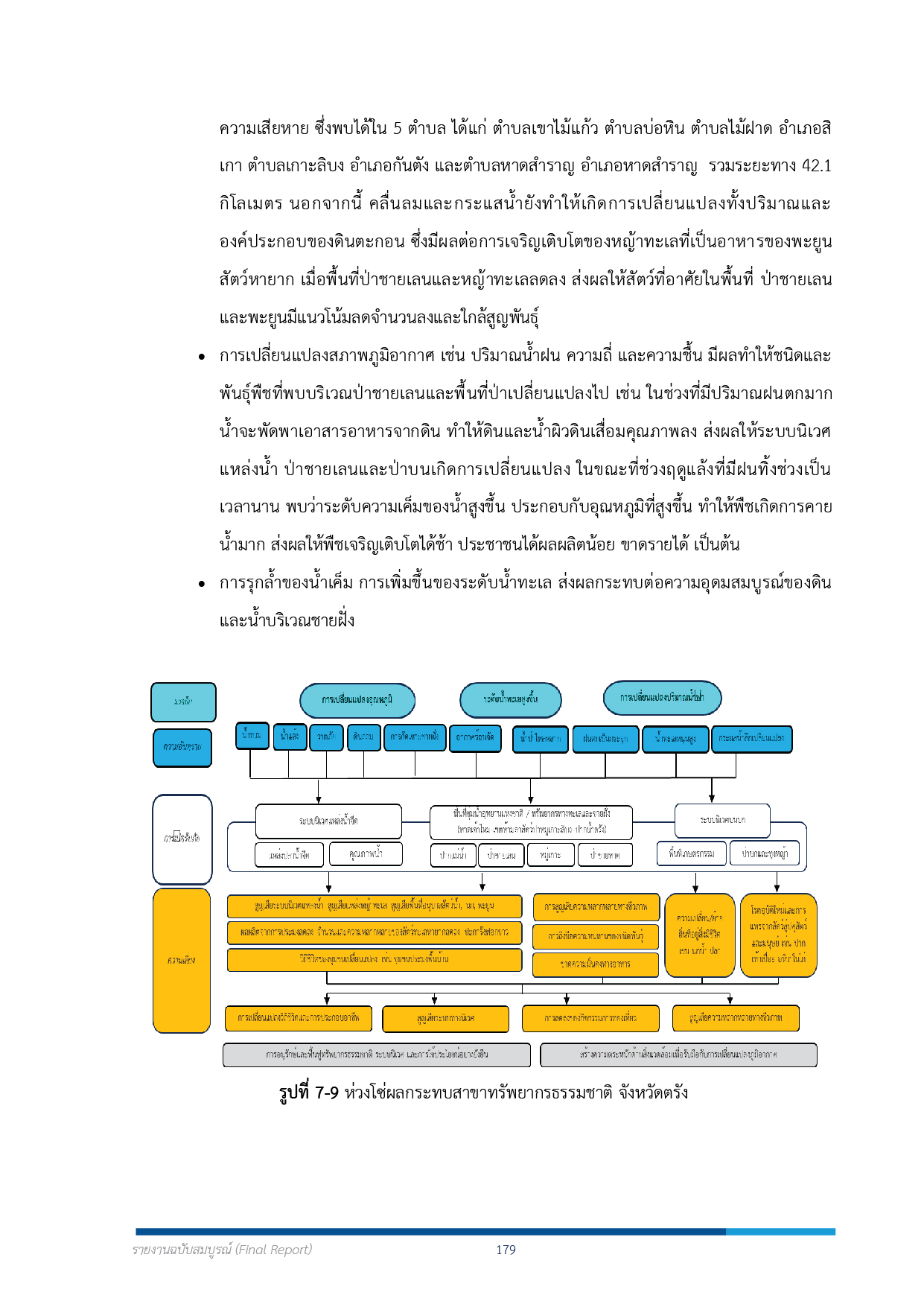
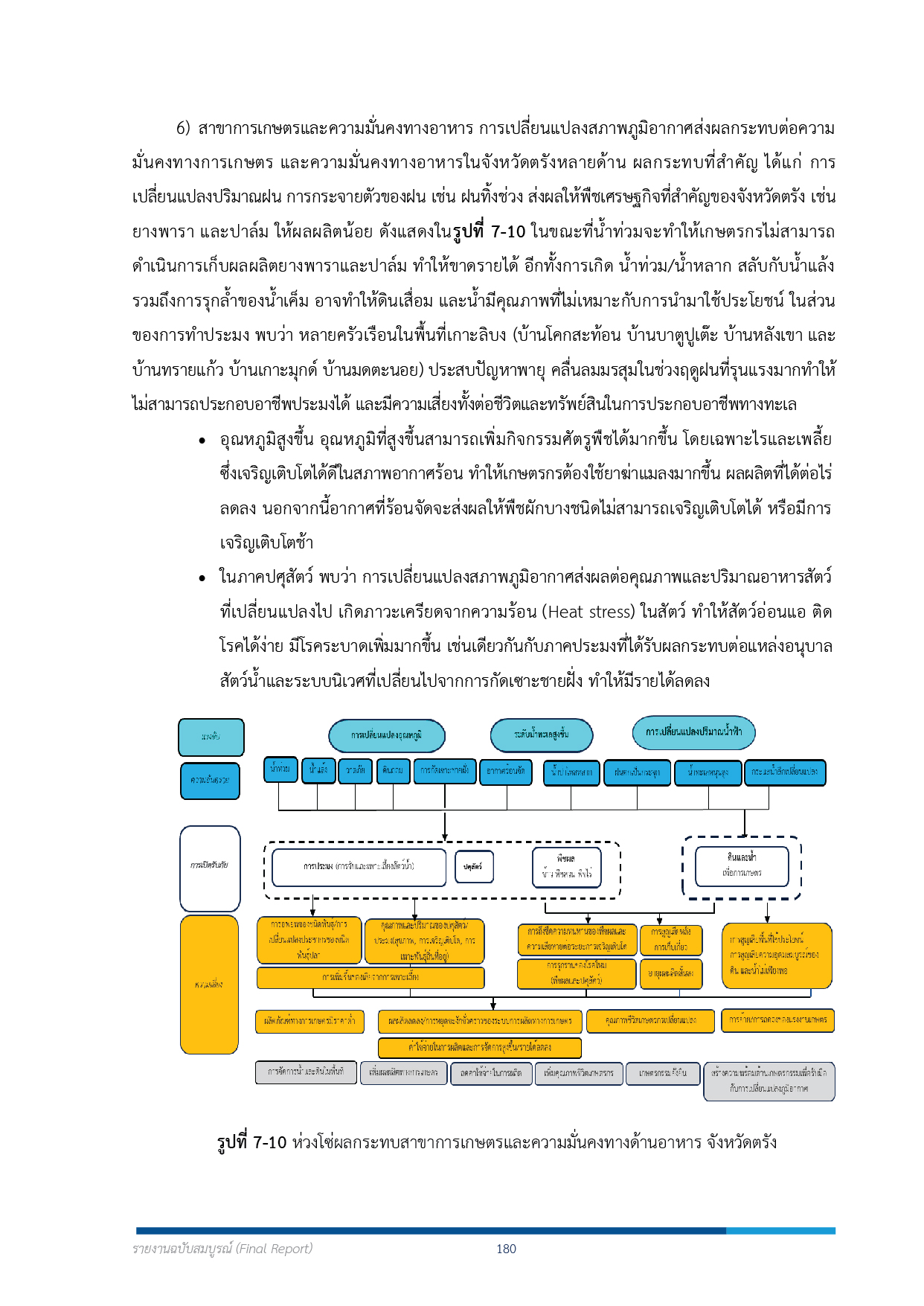
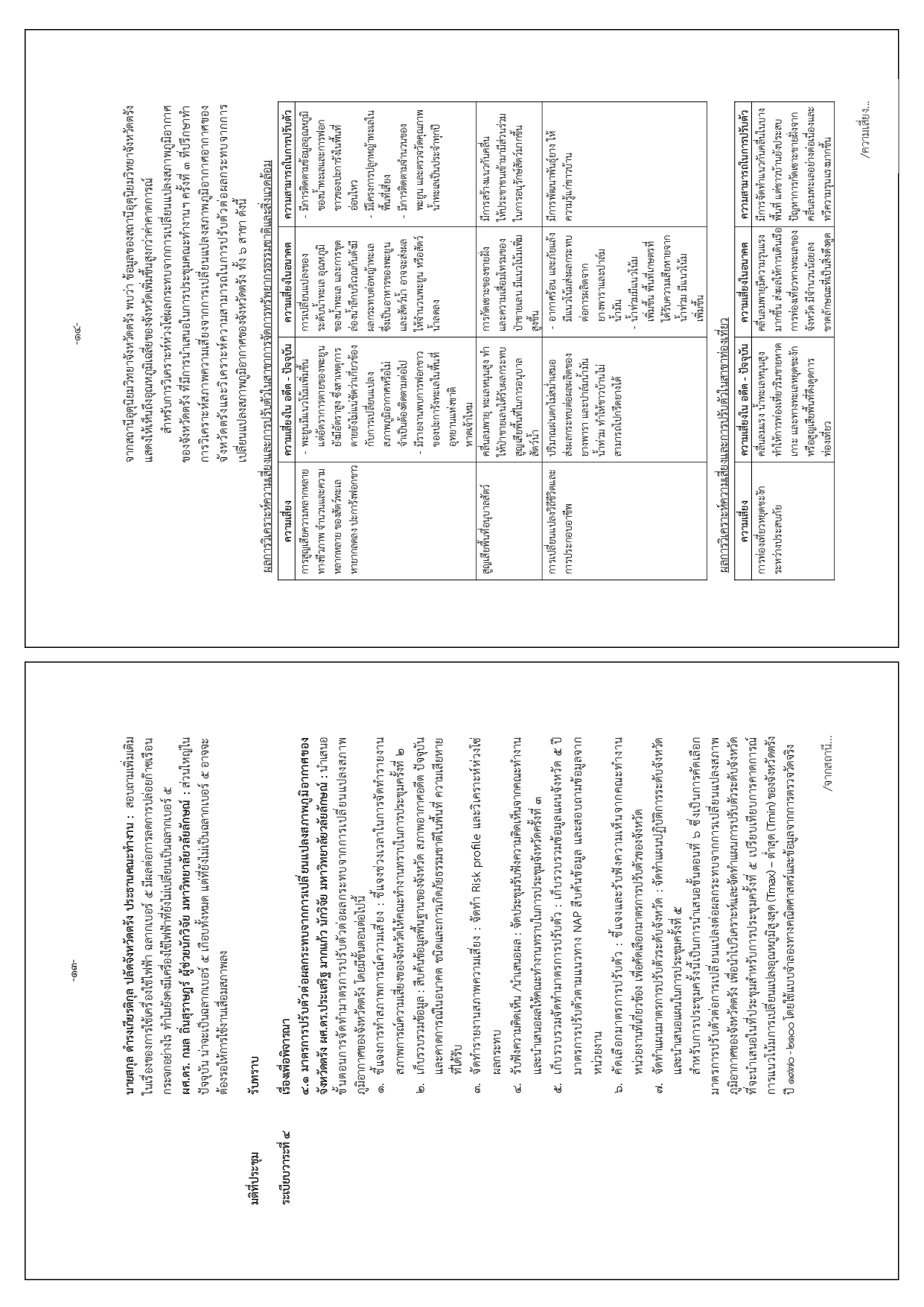
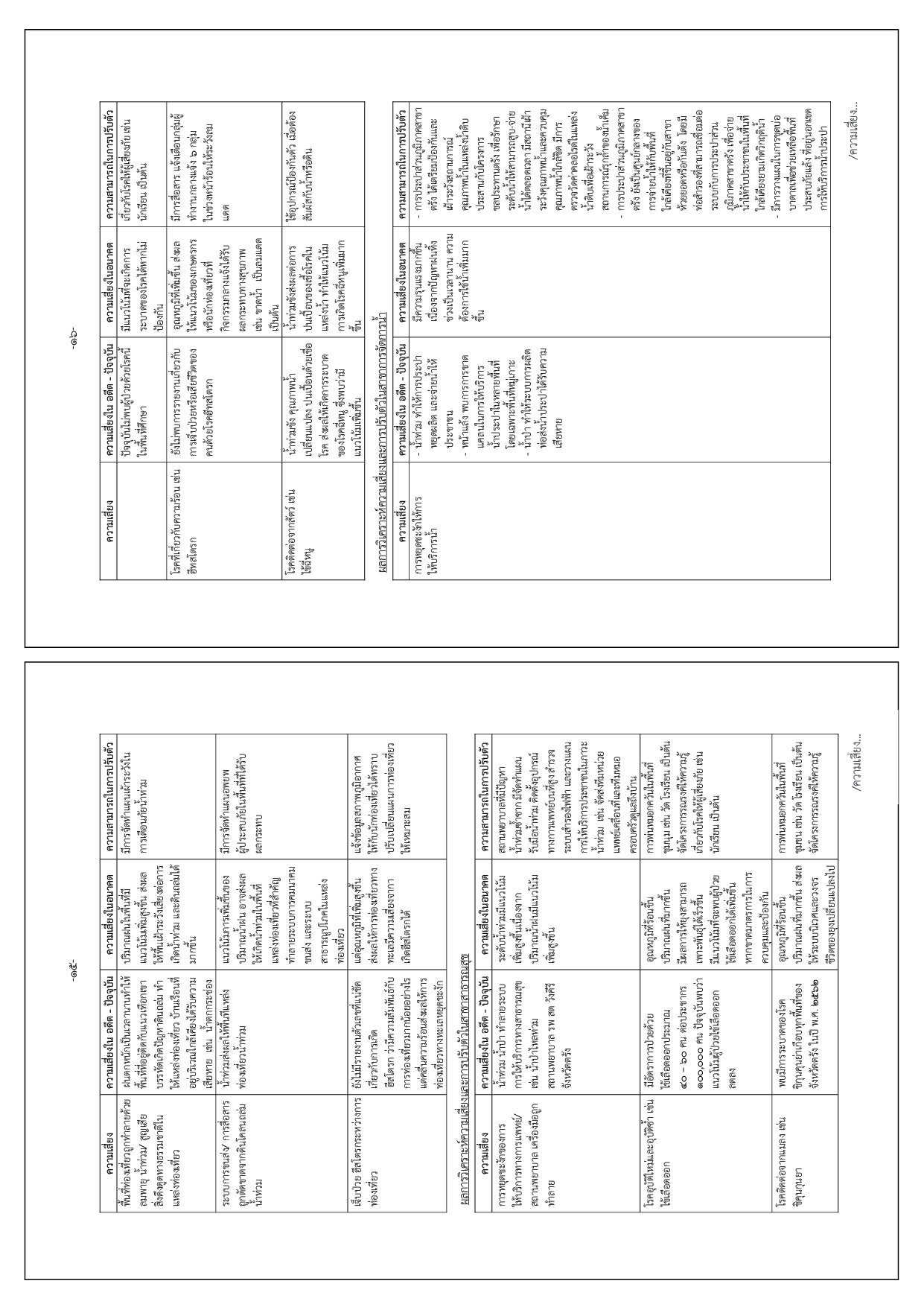
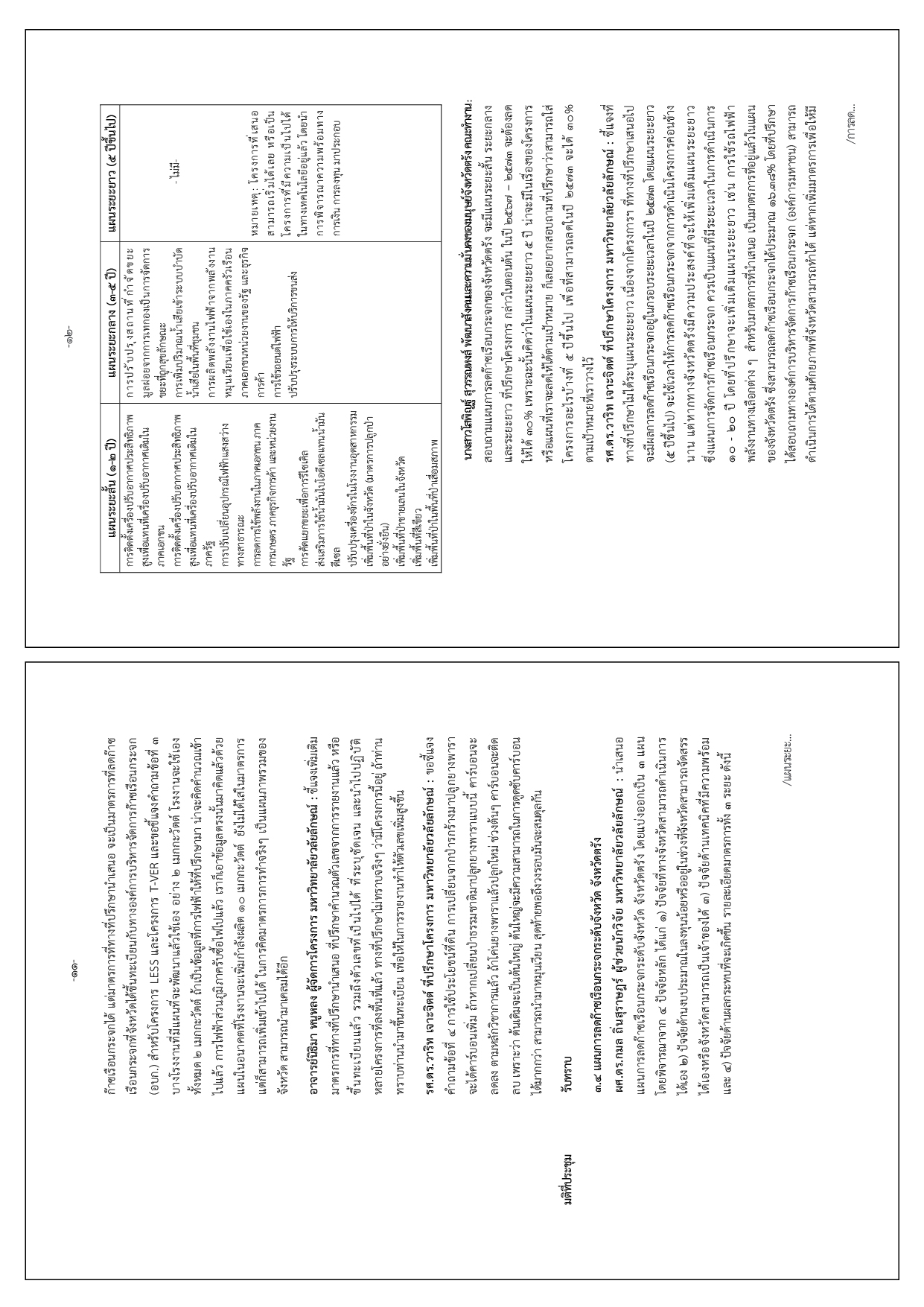
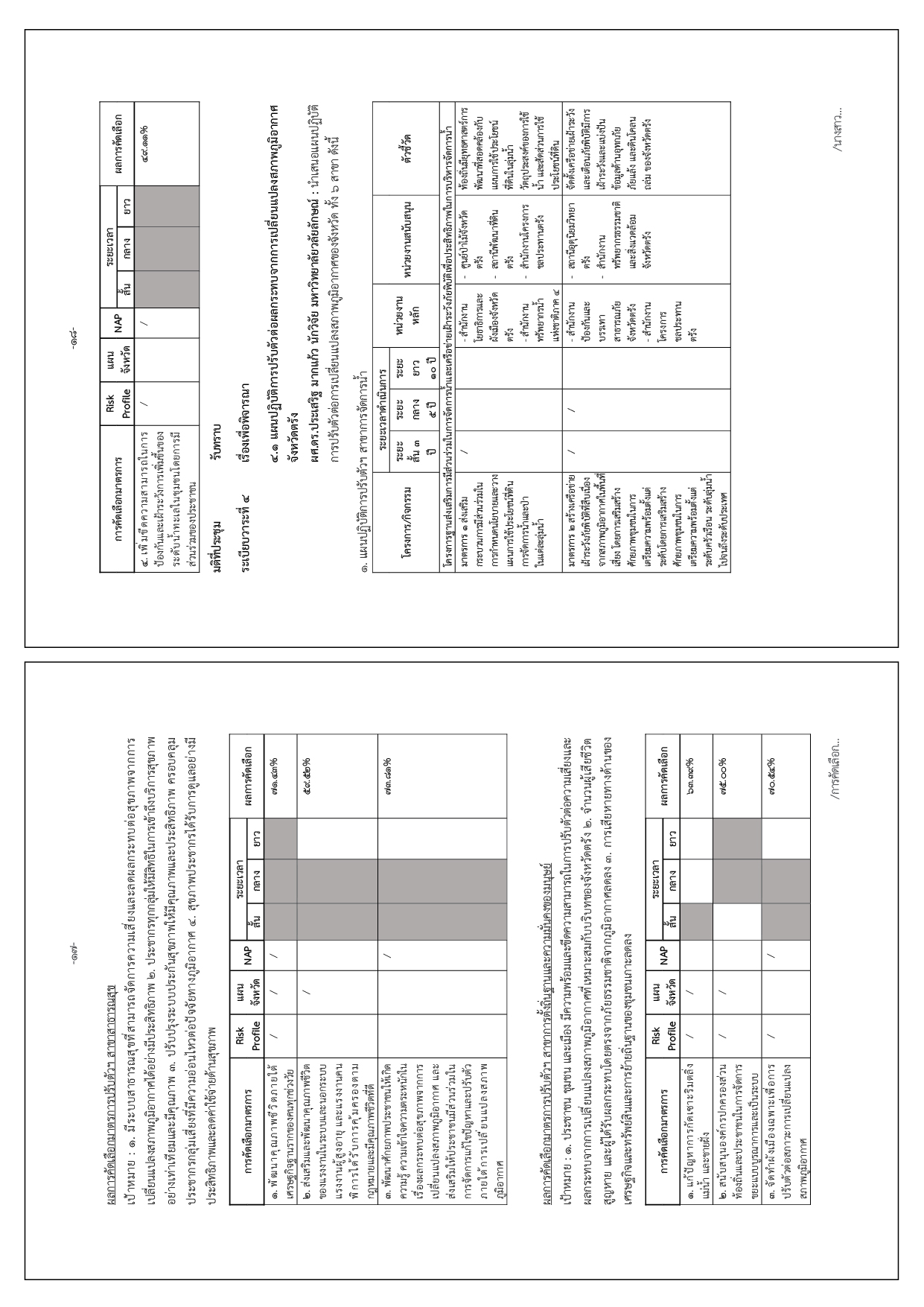
Walailak University’s Proposed Climate Change Adaptation Measures and Interventions for Trang Province
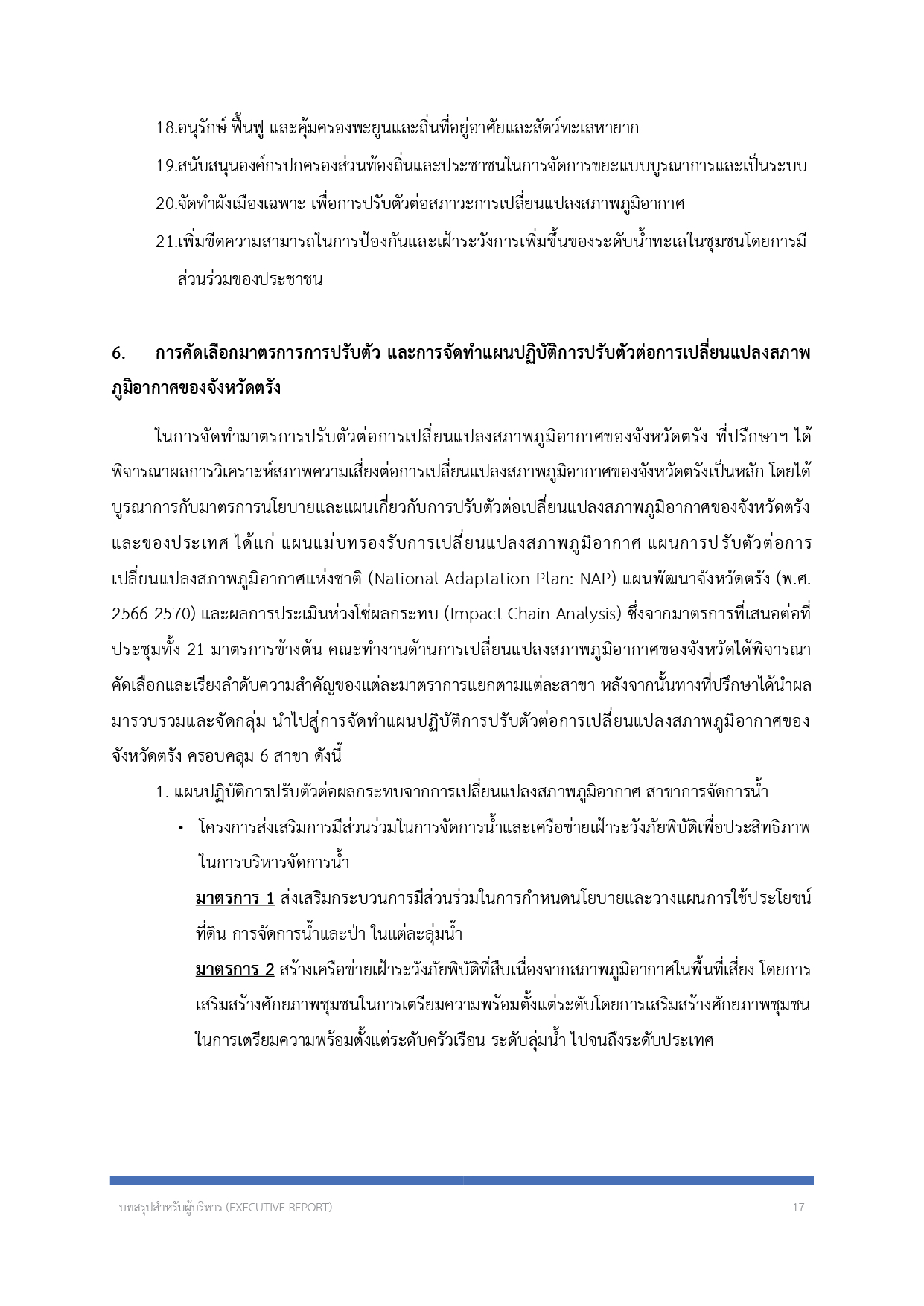
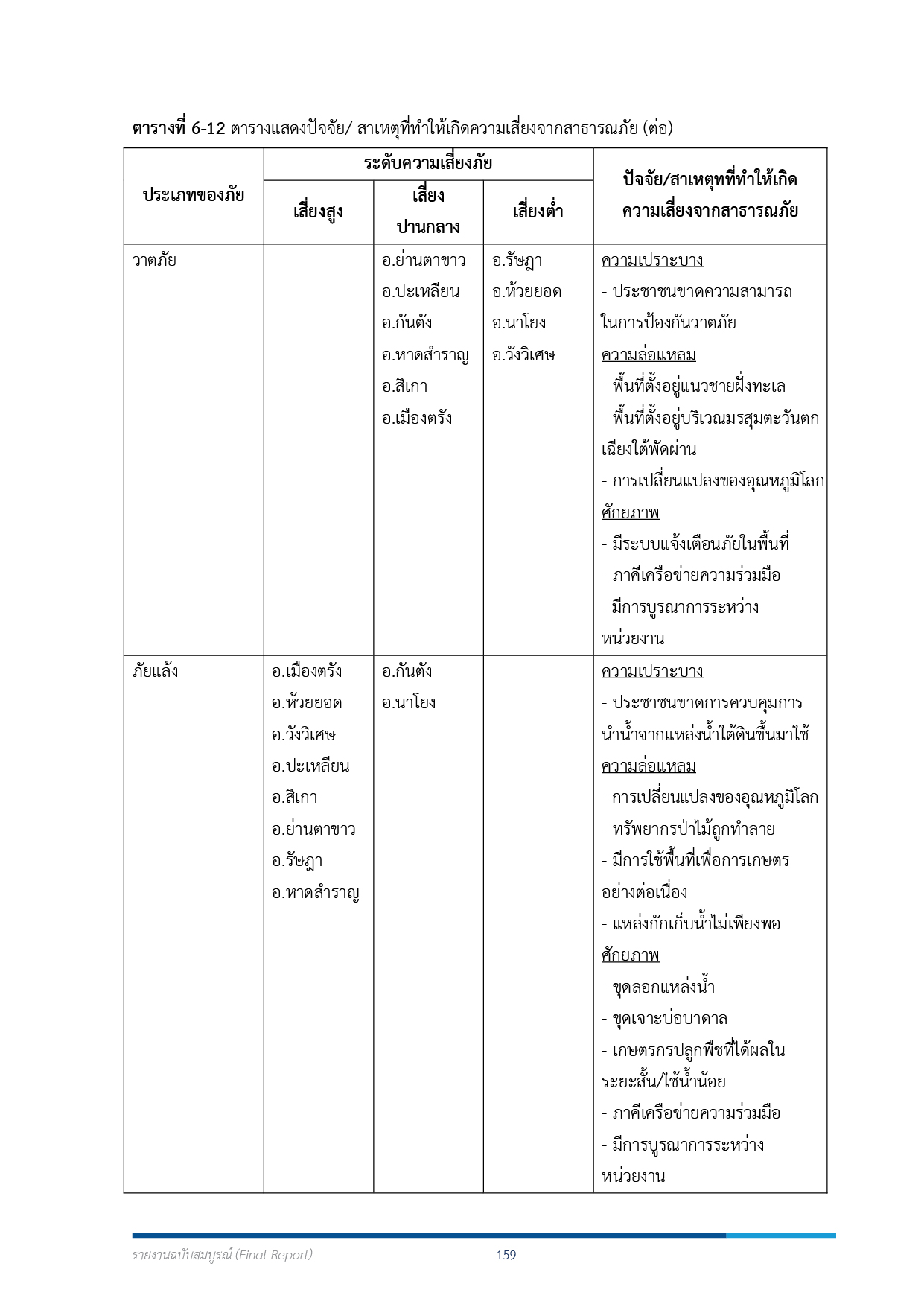
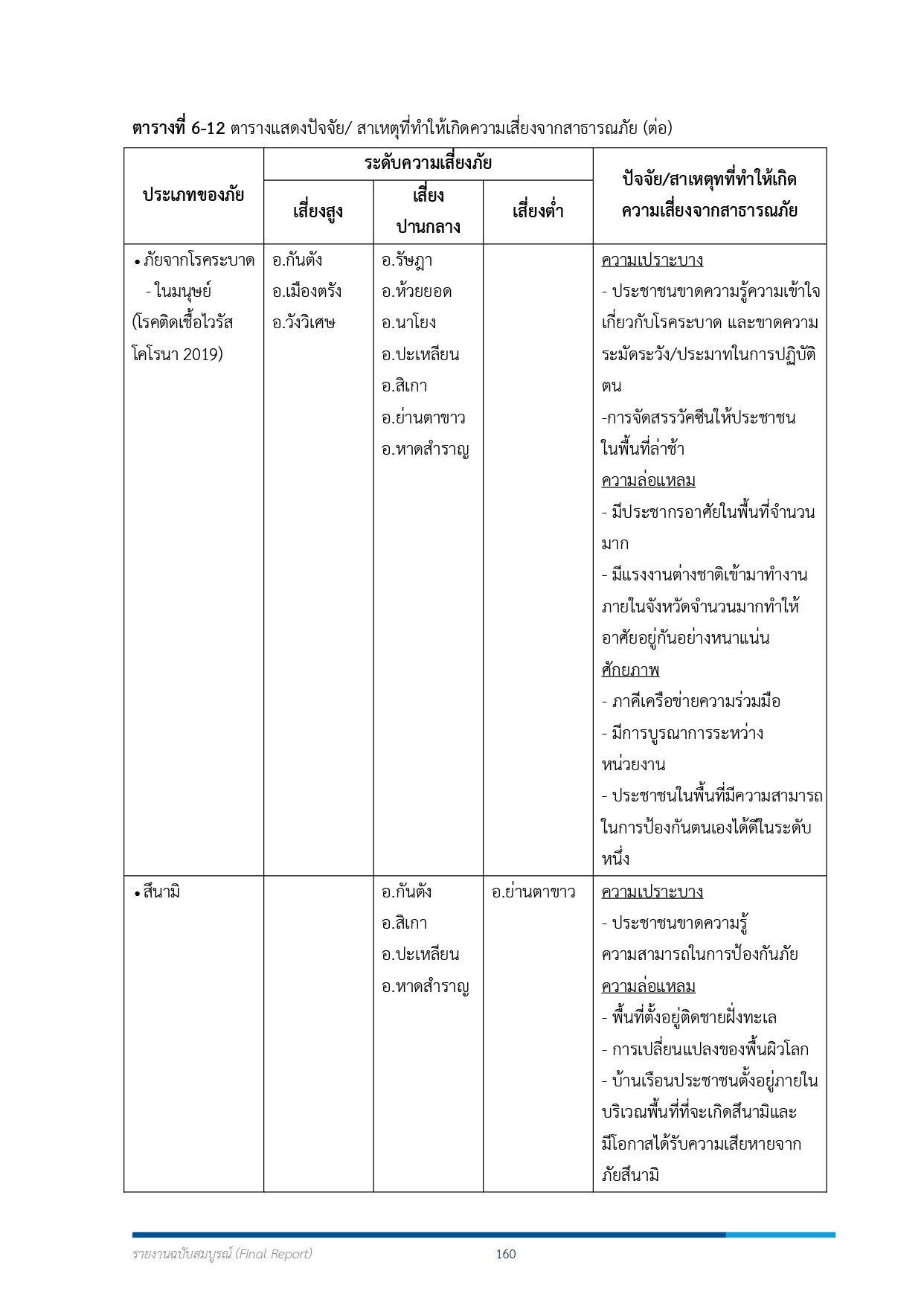
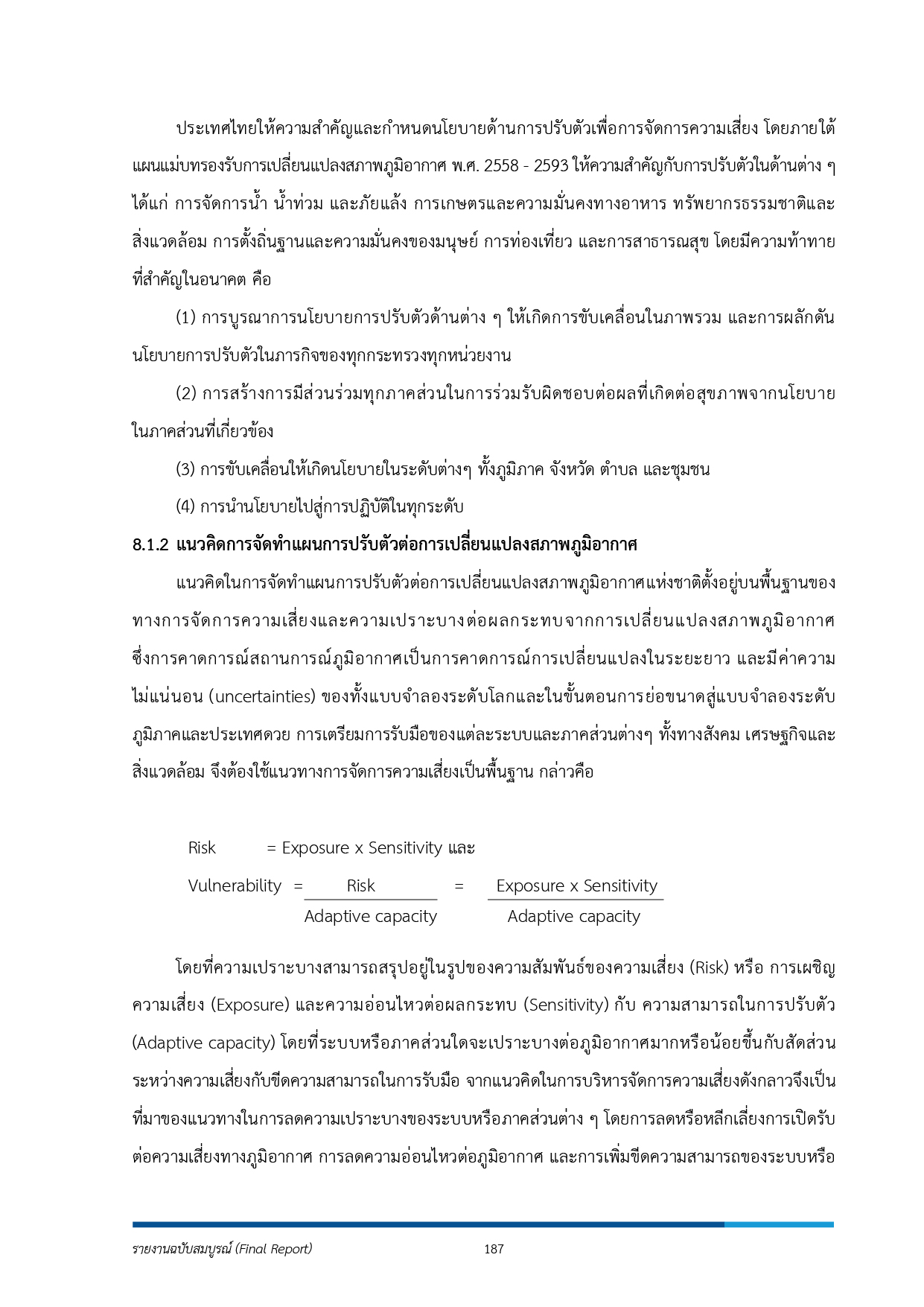
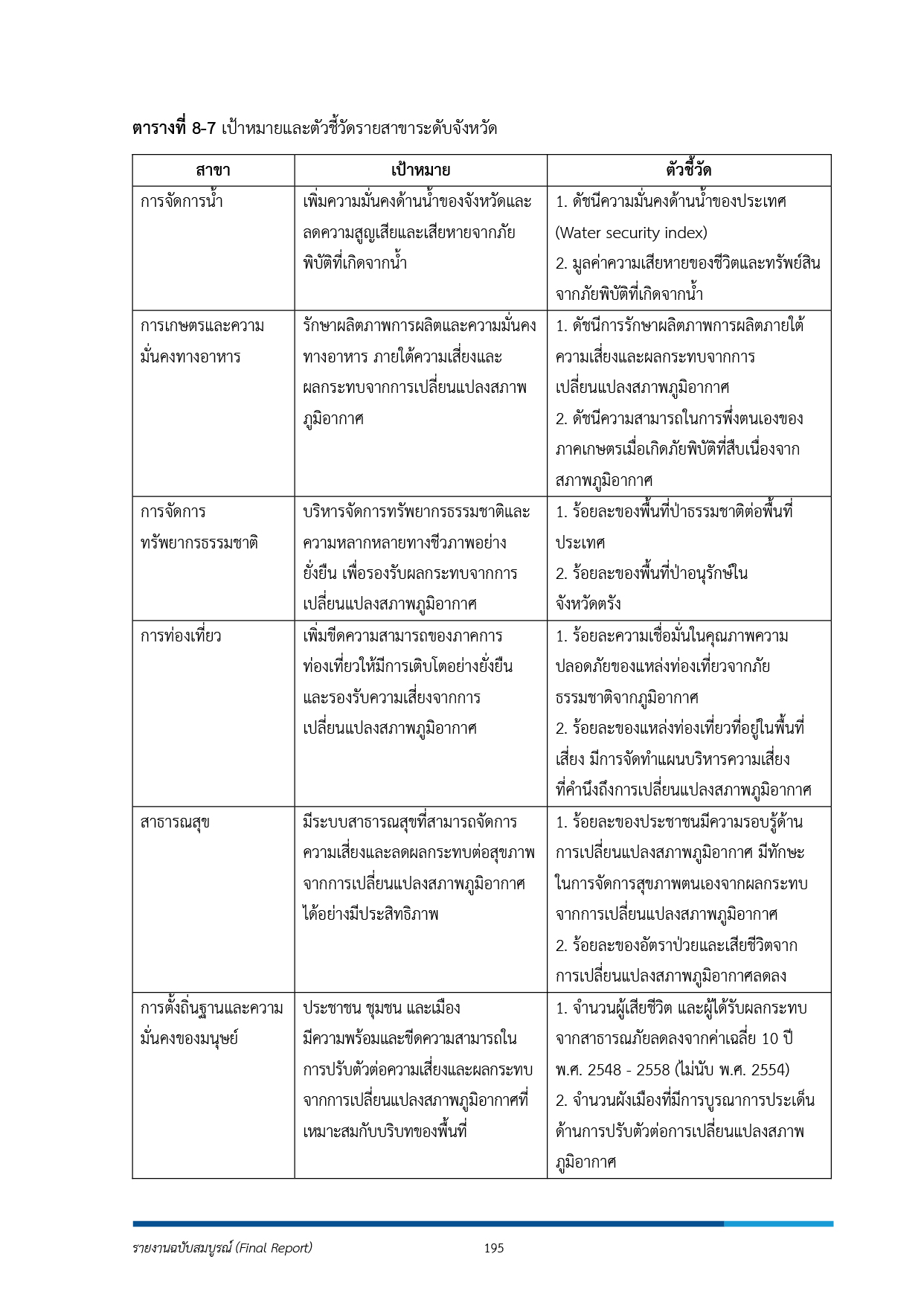
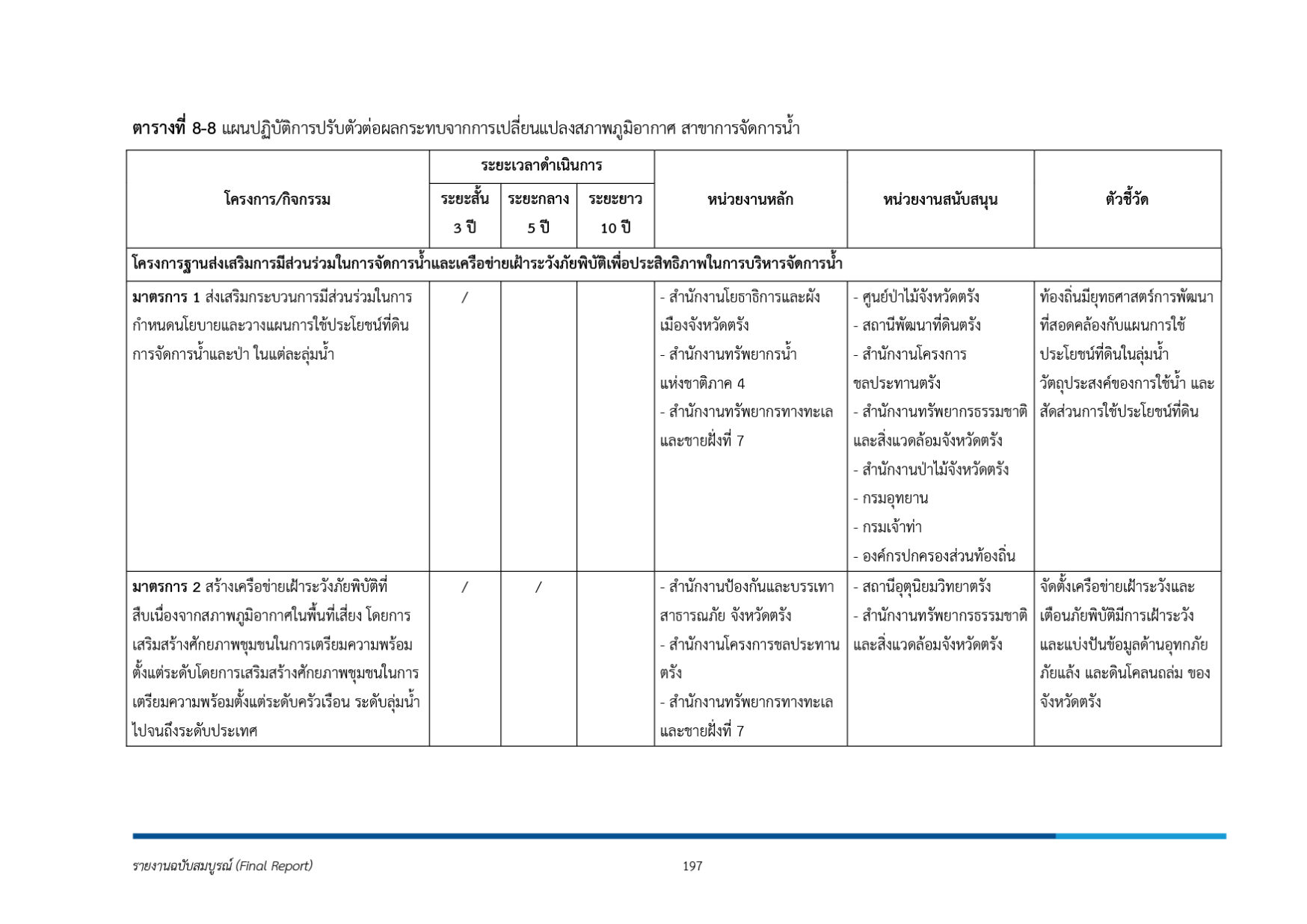
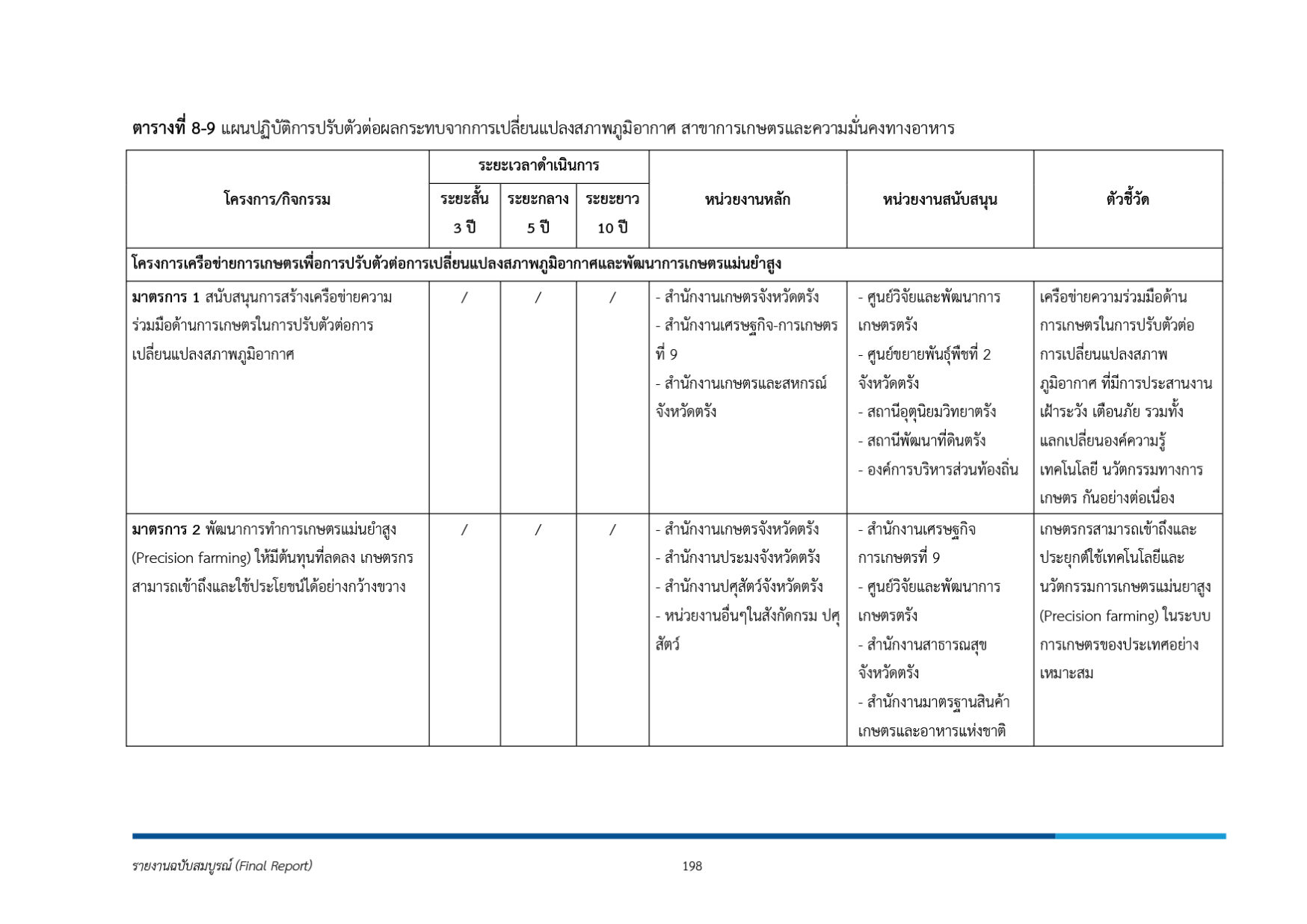
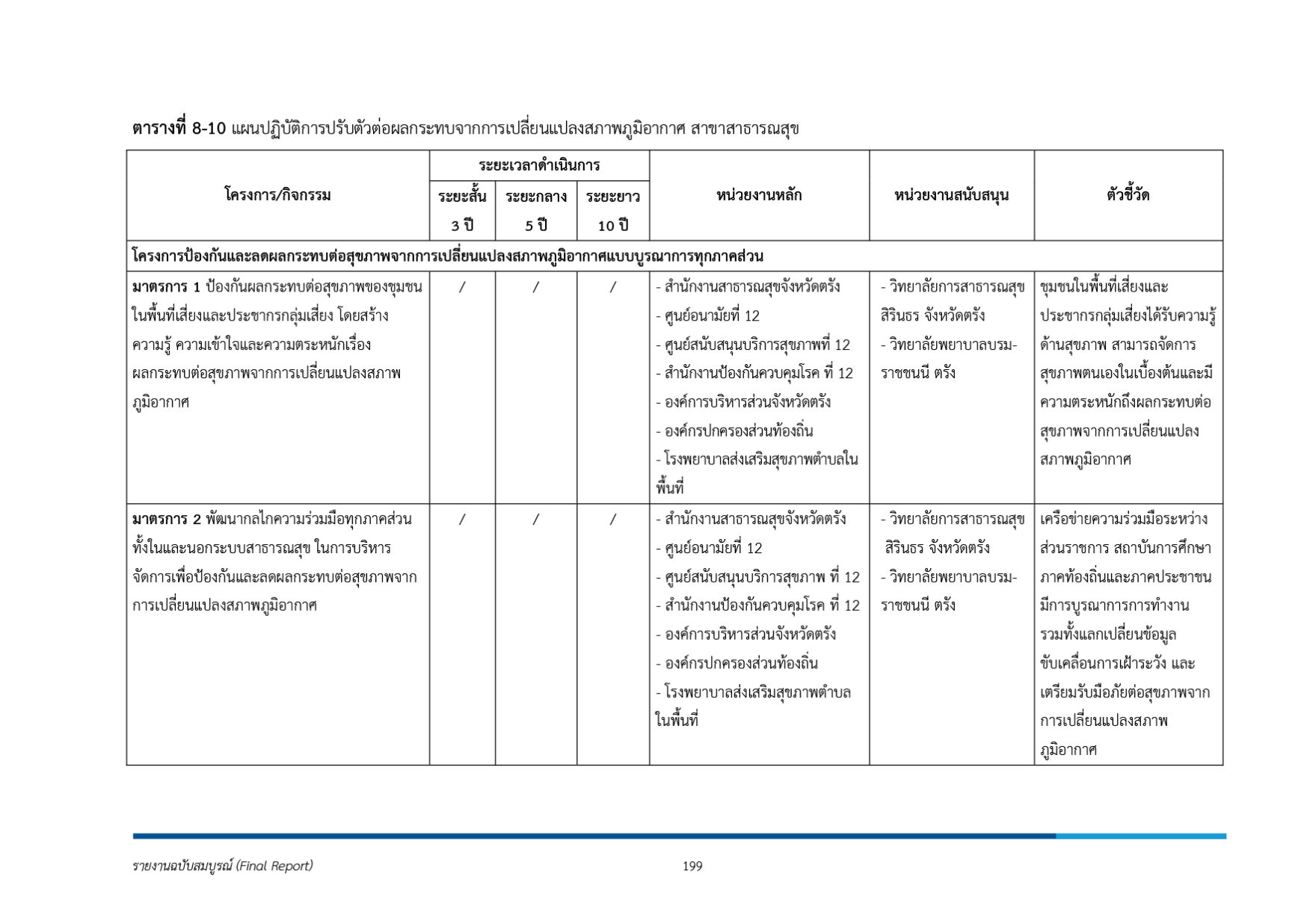
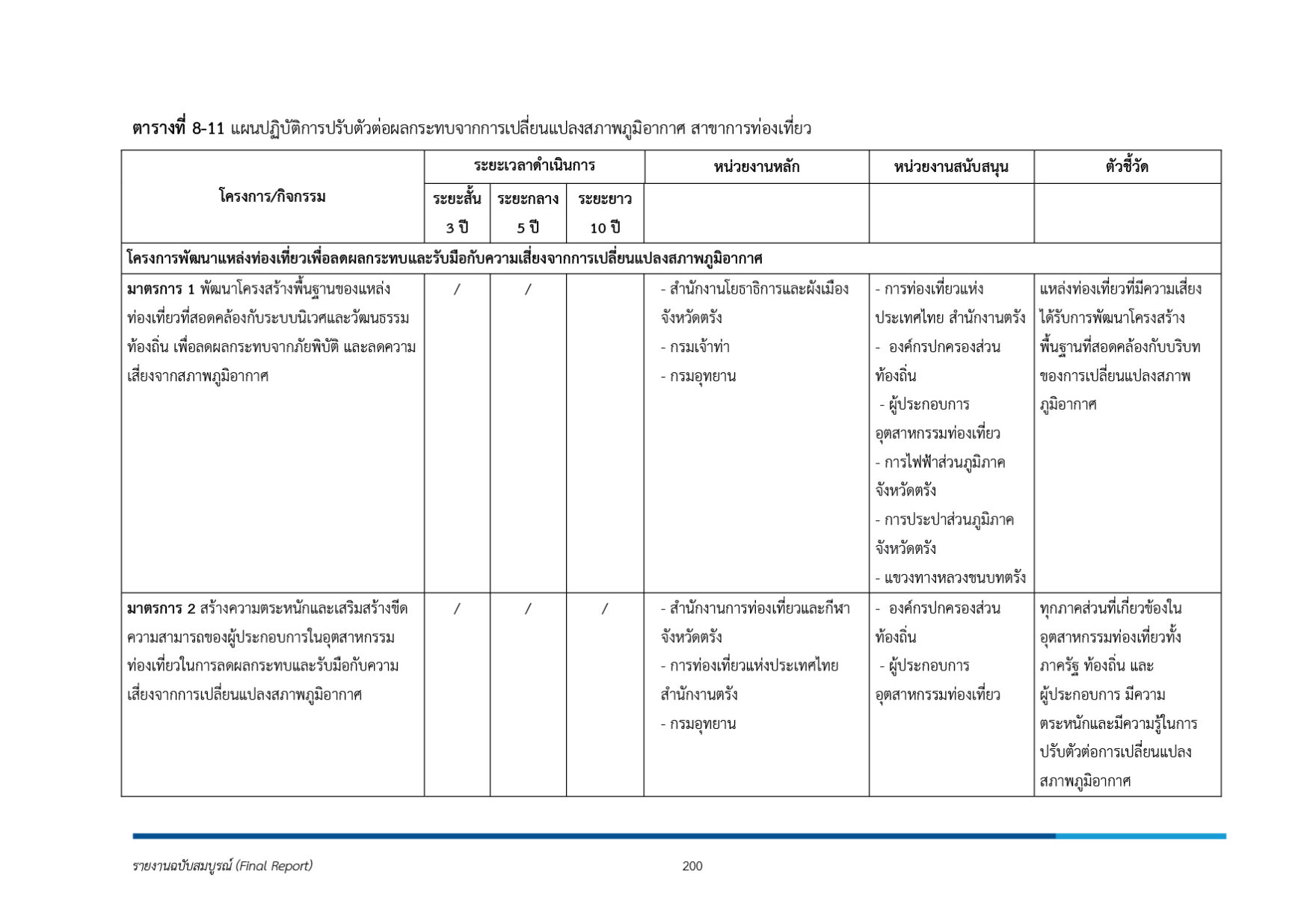
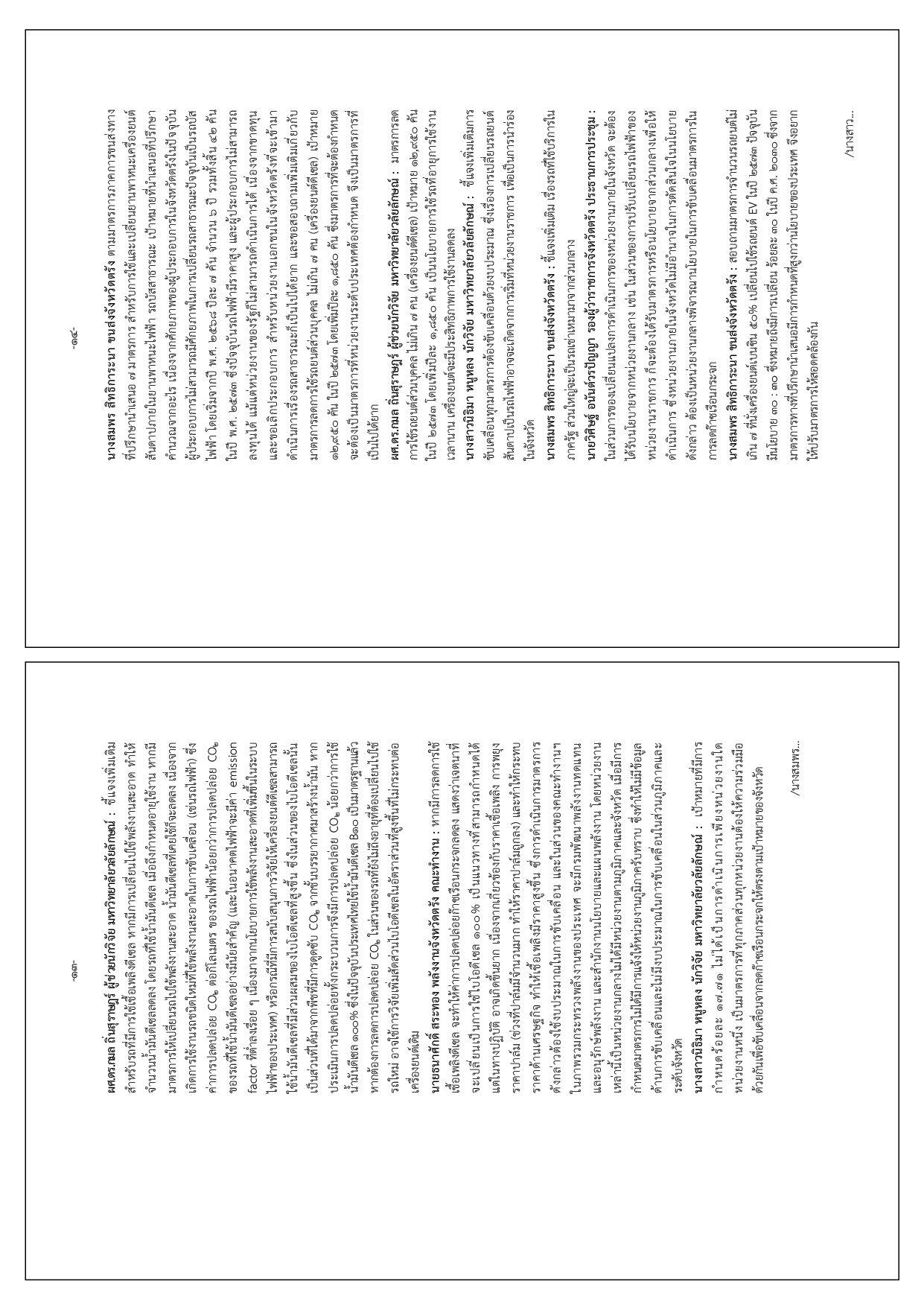
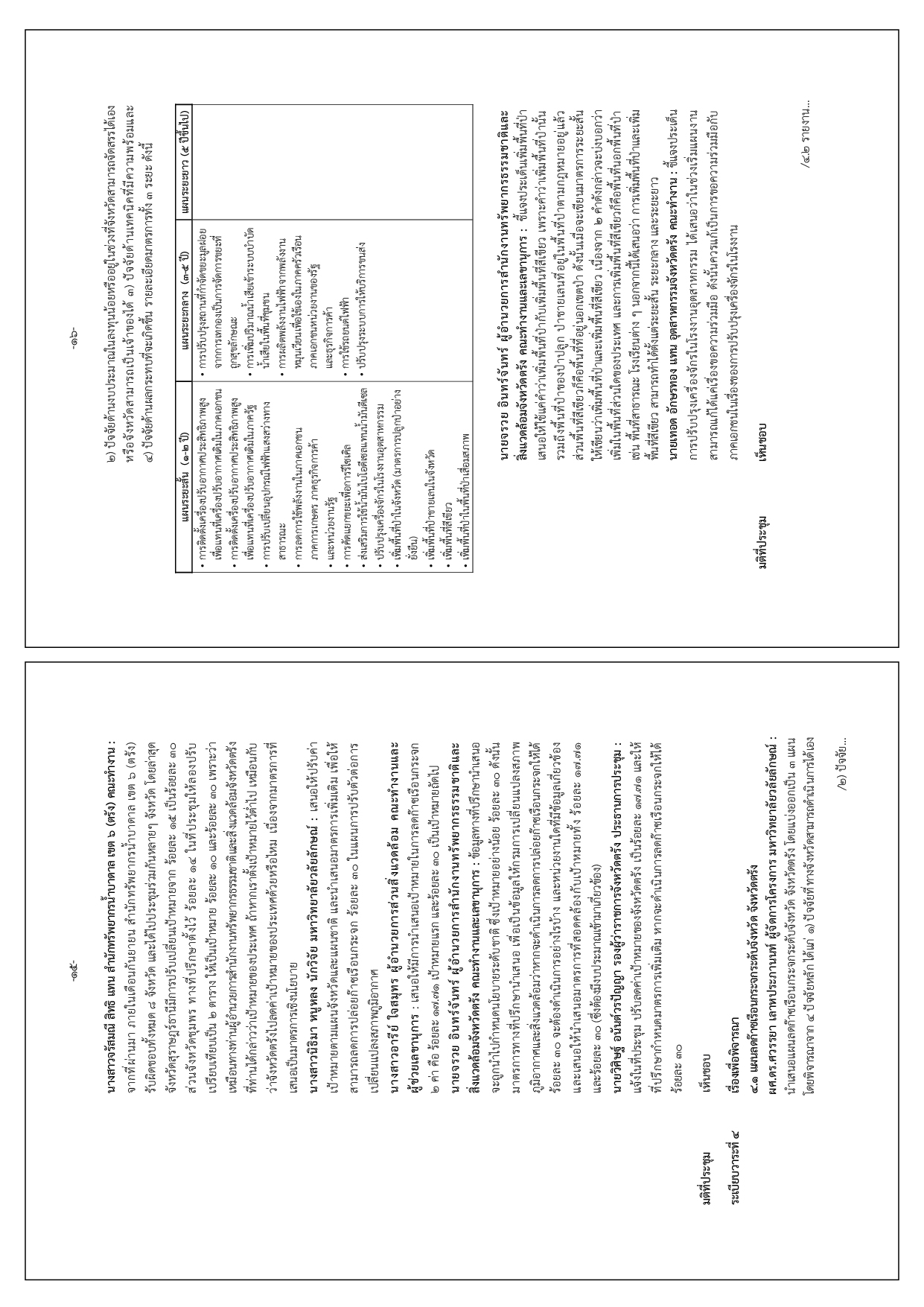
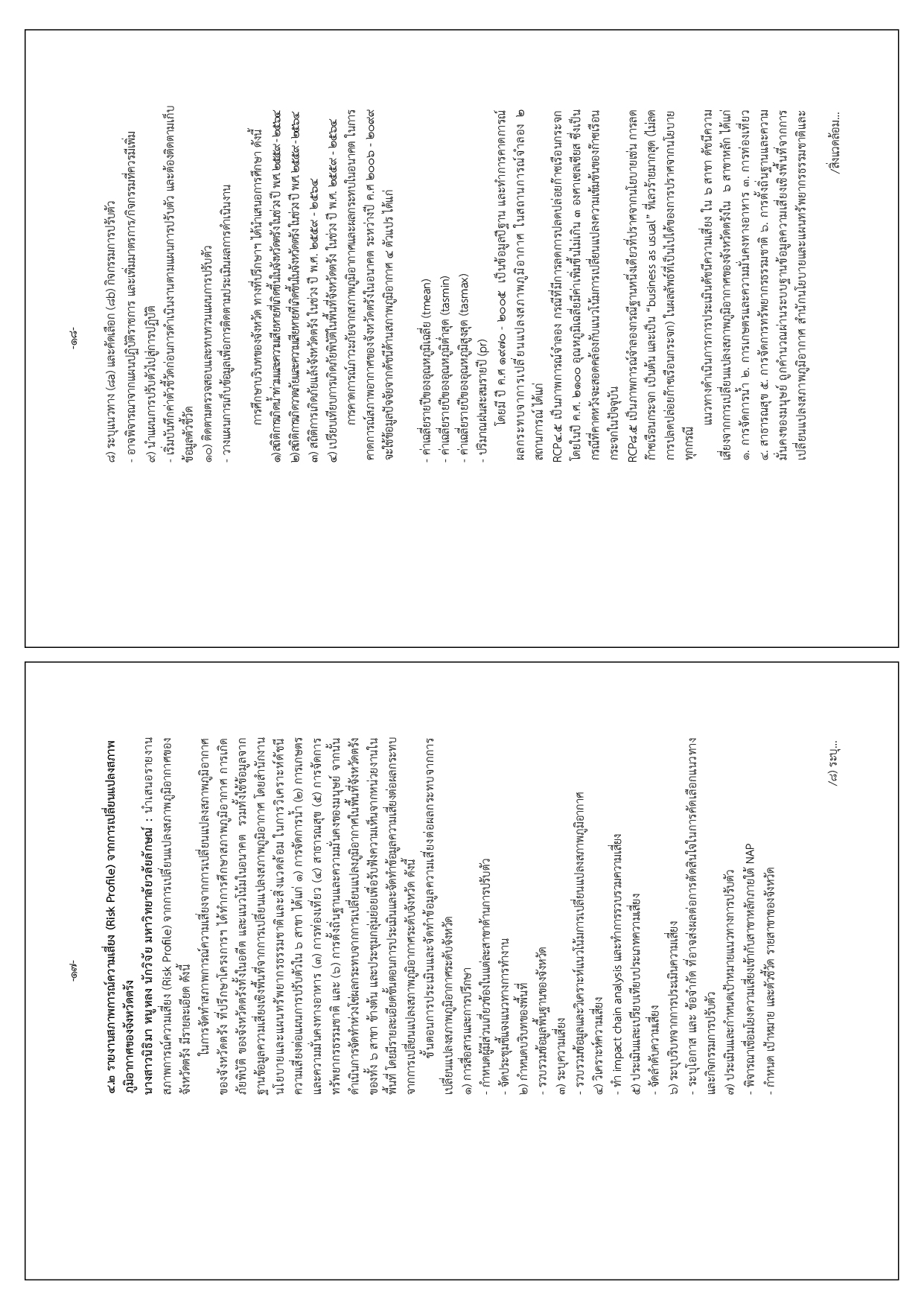
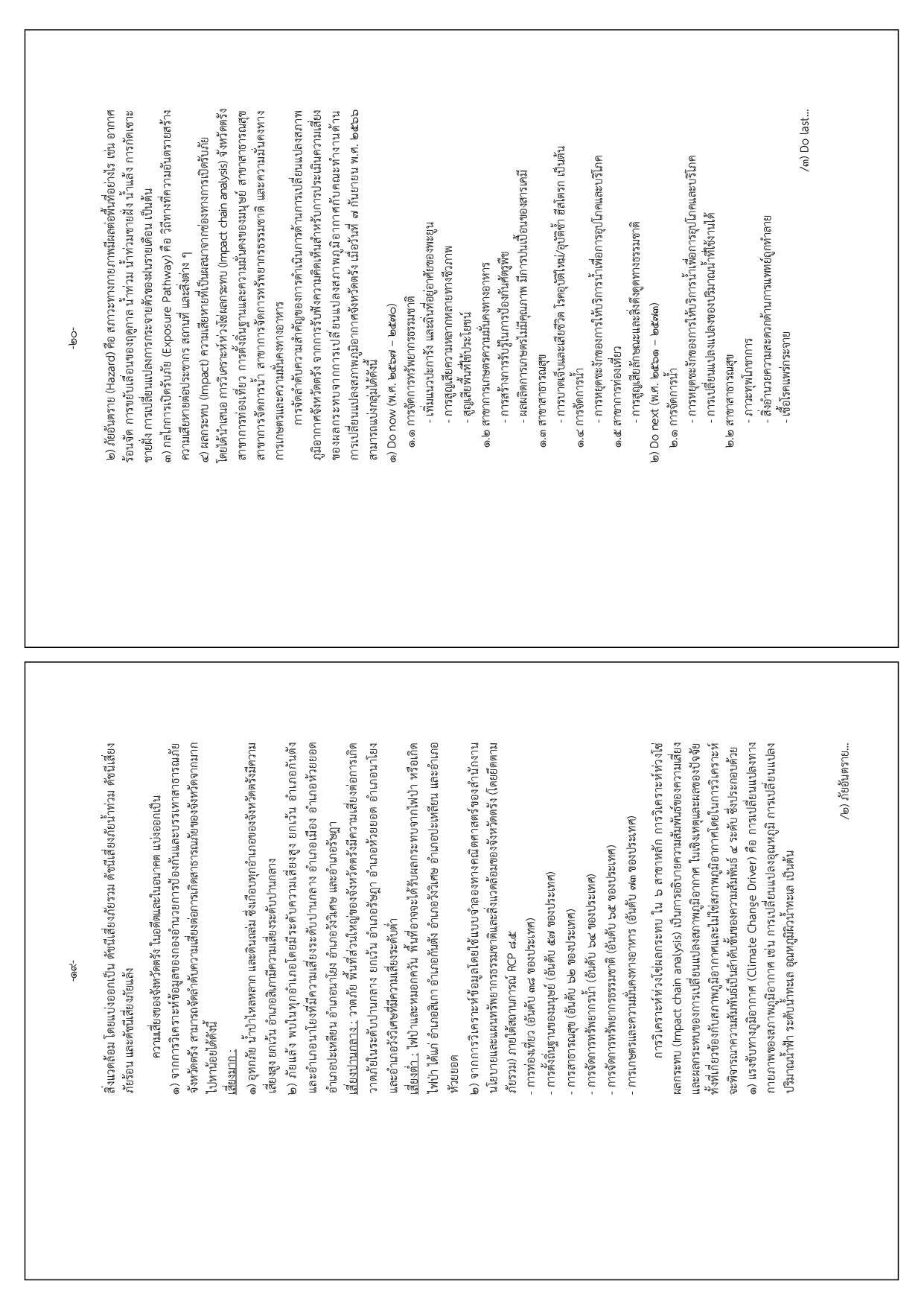
Walailak University, through Assoc. Prof. Dr. Warit Jawjit and his research team, proposed a set of climate change adaptation interventions and measures as part of SDG policy development aimed at addressing SDG 13 (Climate Action), SDG 14 (Life Below Water), and SDG 15 (Life on Land). These proposals were submitted to the Ministry of Natural Resources and Environment, the Provincial Office of Natural Resources and Environment, Trang Province, and the Trang Provincial City Hall (Office of the Trang Governor).
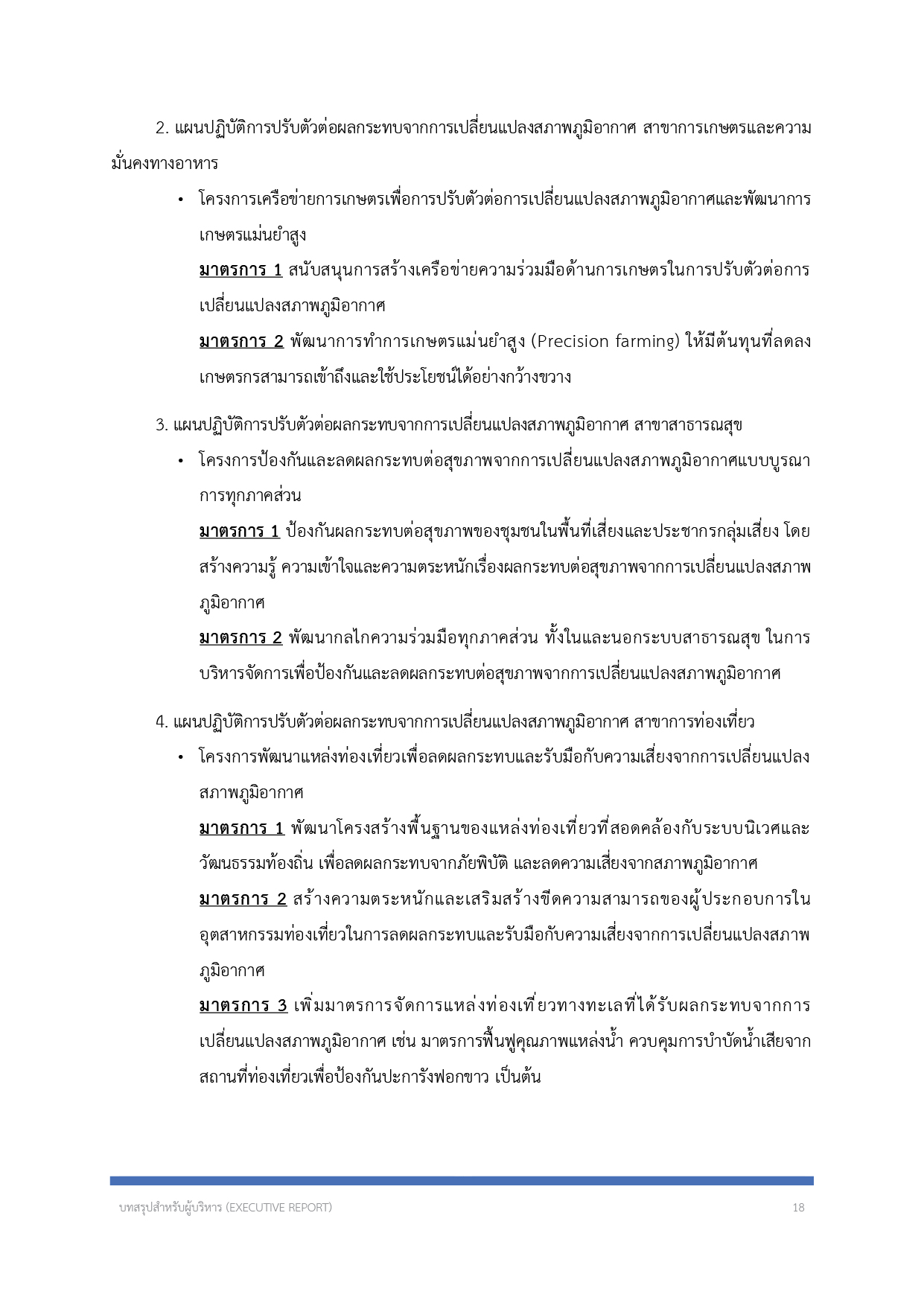
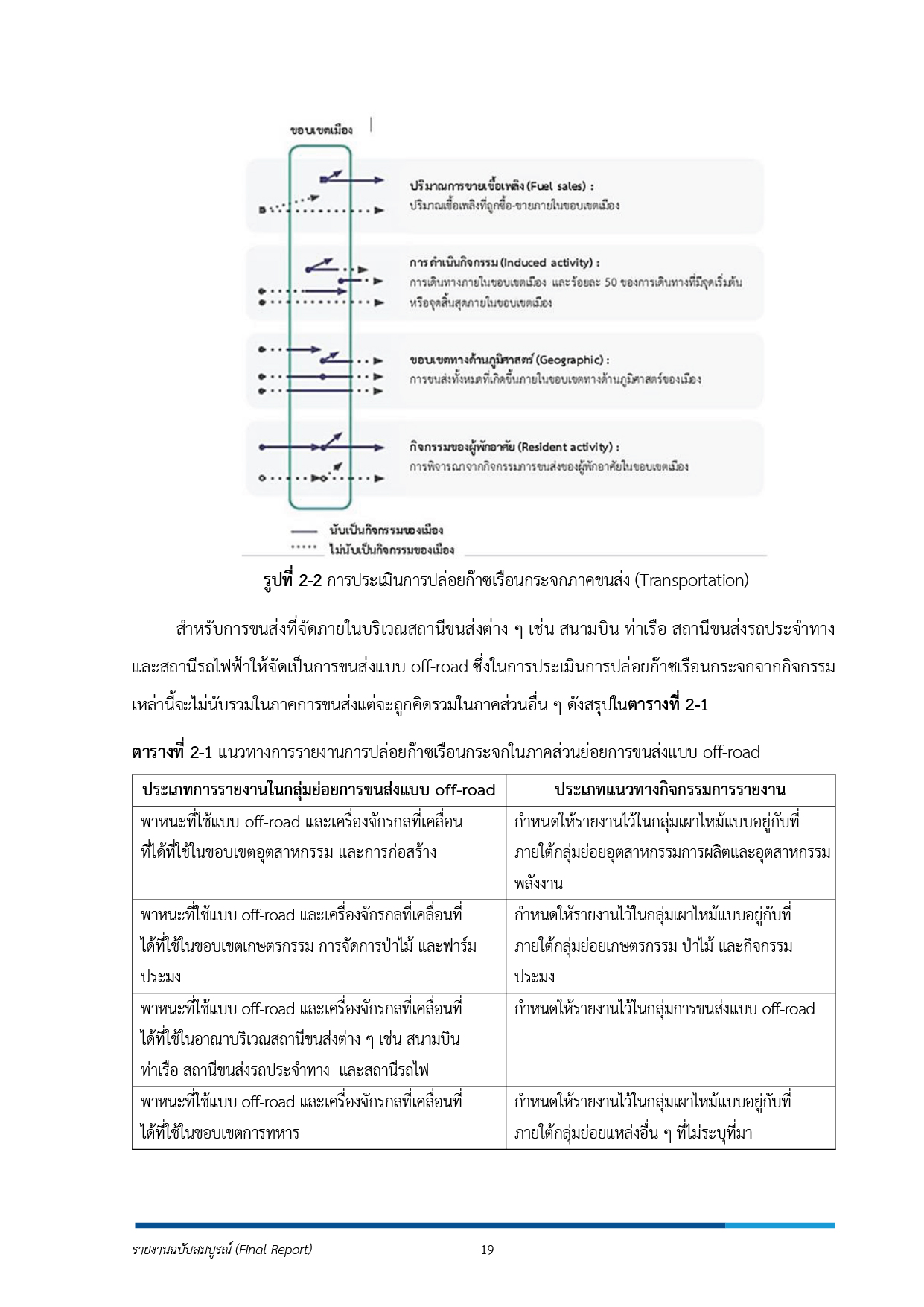
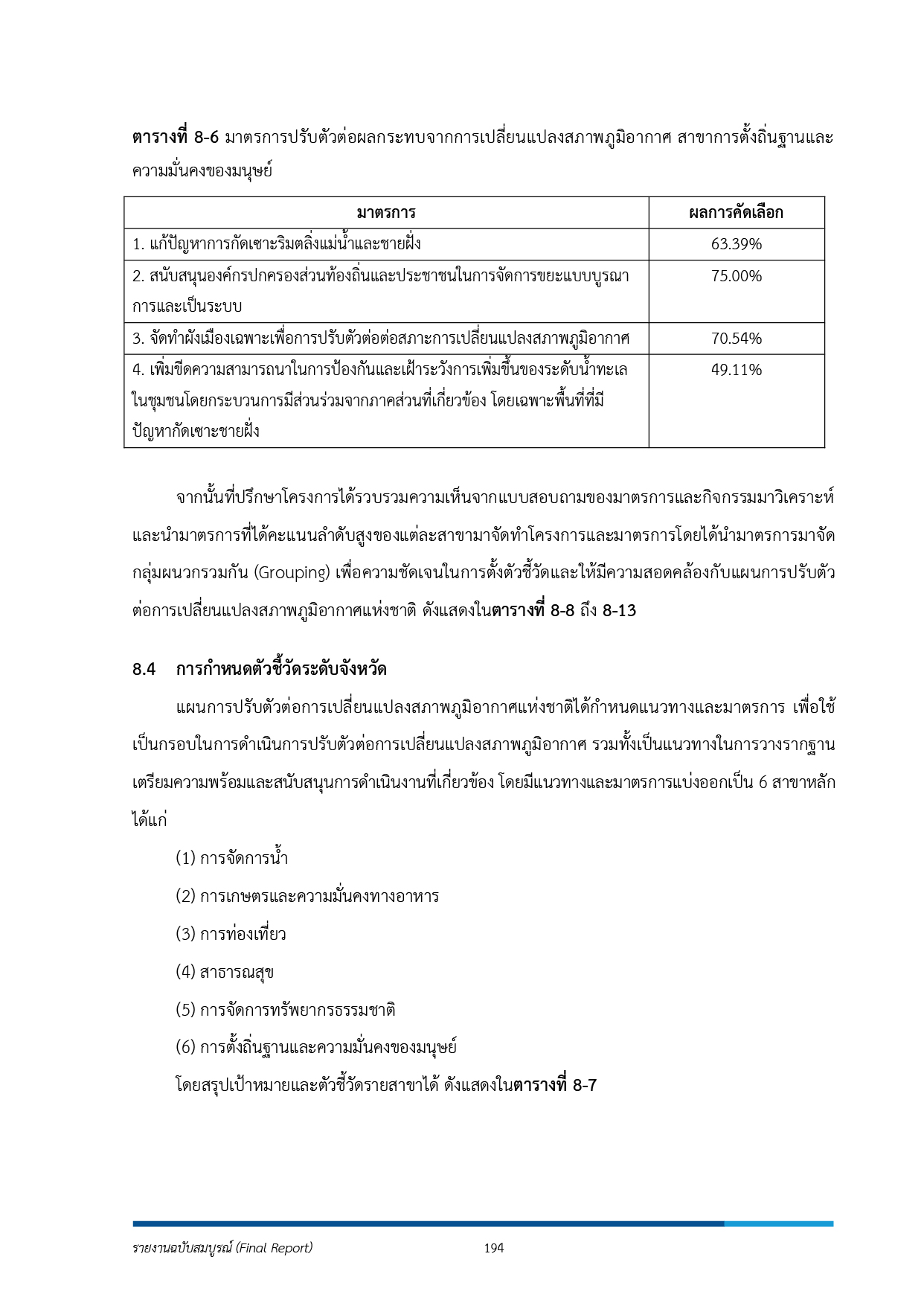
The recommended interventions and measures span six key sectors, identified as crucial for strengthening climate resilience in Trang Province:
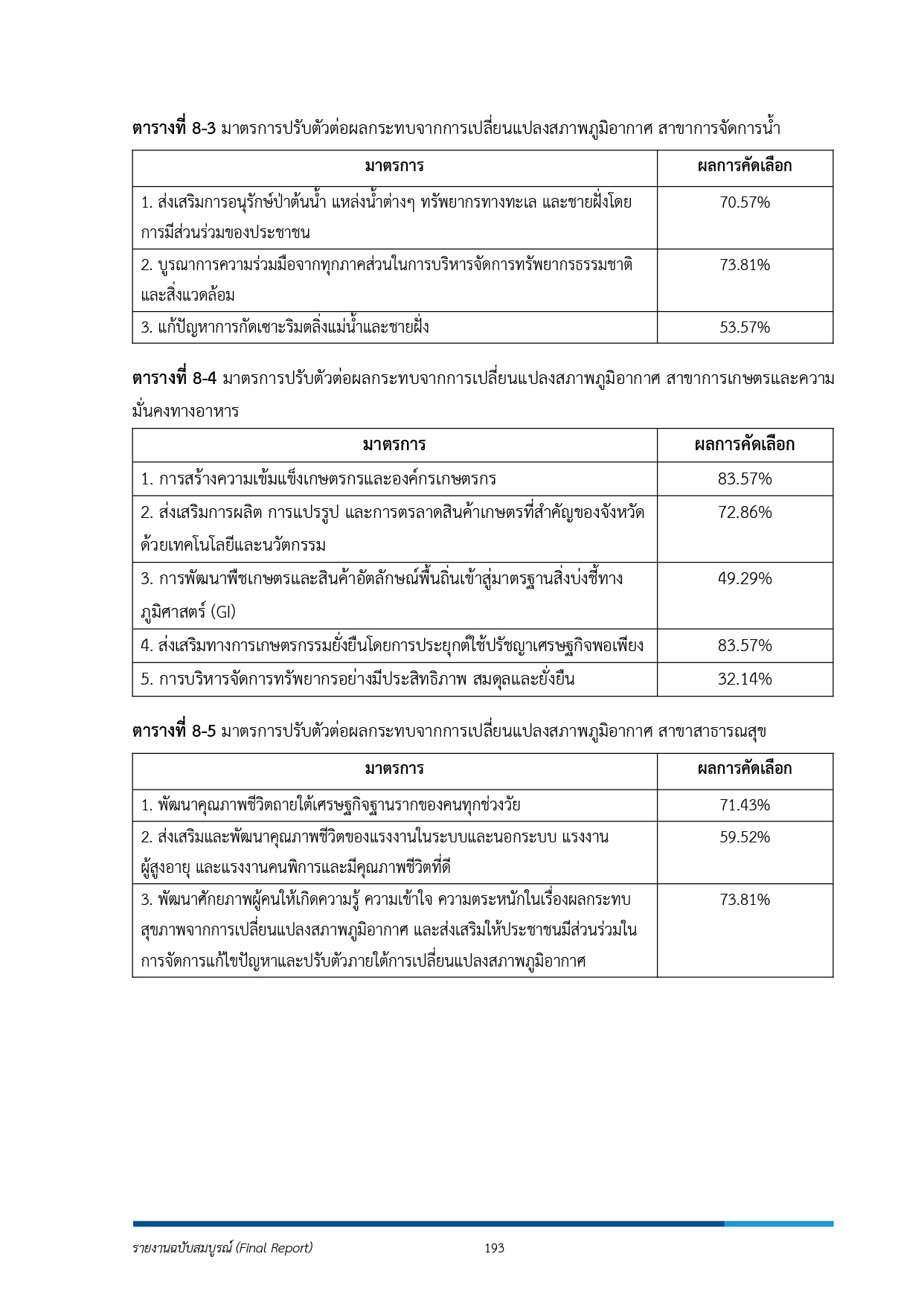
Water management
Tourism
Public health
Natural resources and environmental management
Settlements and human security
Agricultural and food security
These proposed actions form an integral part of the province’s strategy to mitigate climate risks, enhance adaptive capacity, and promote sustainable and resilient development across multiple sectors.
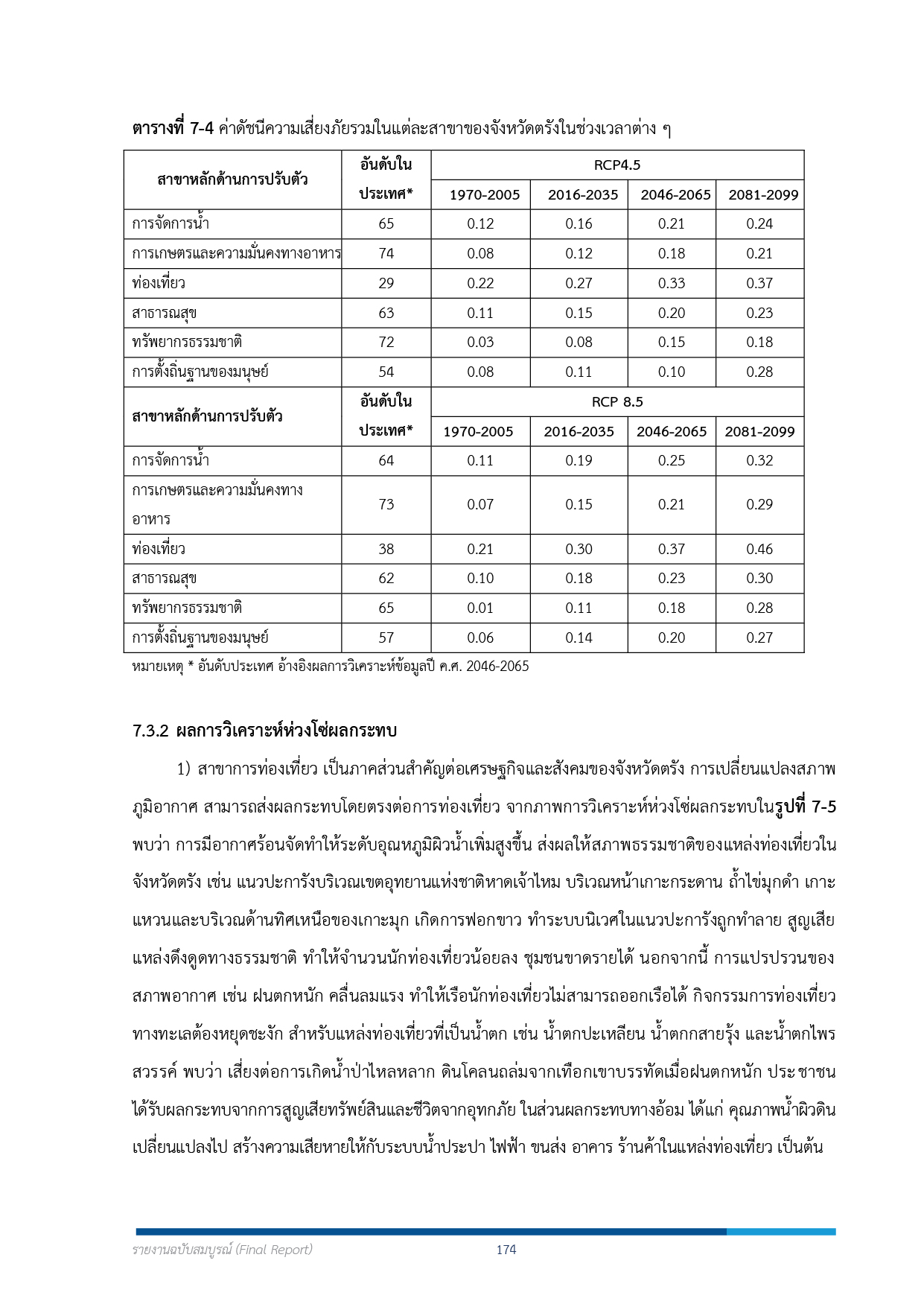
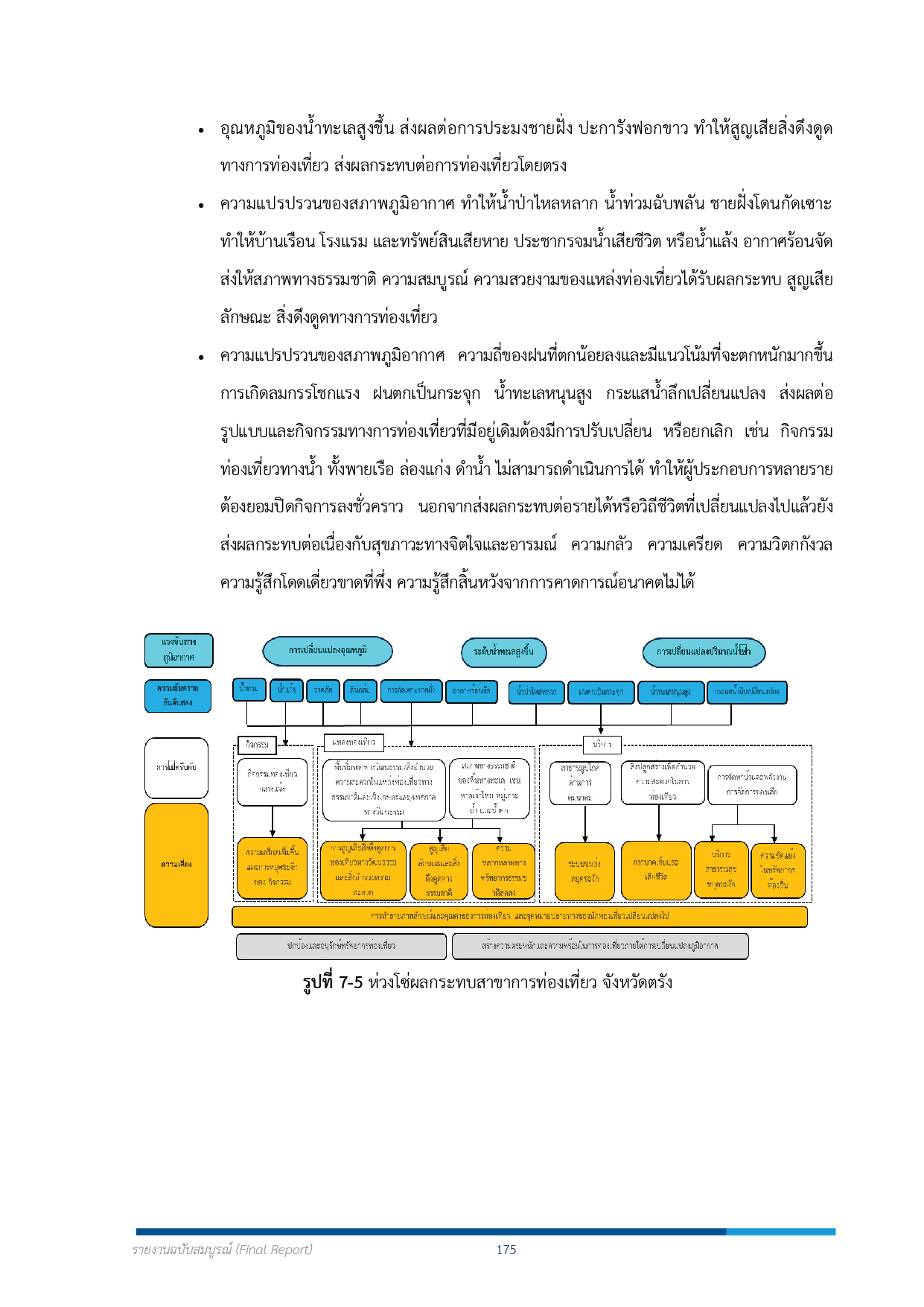
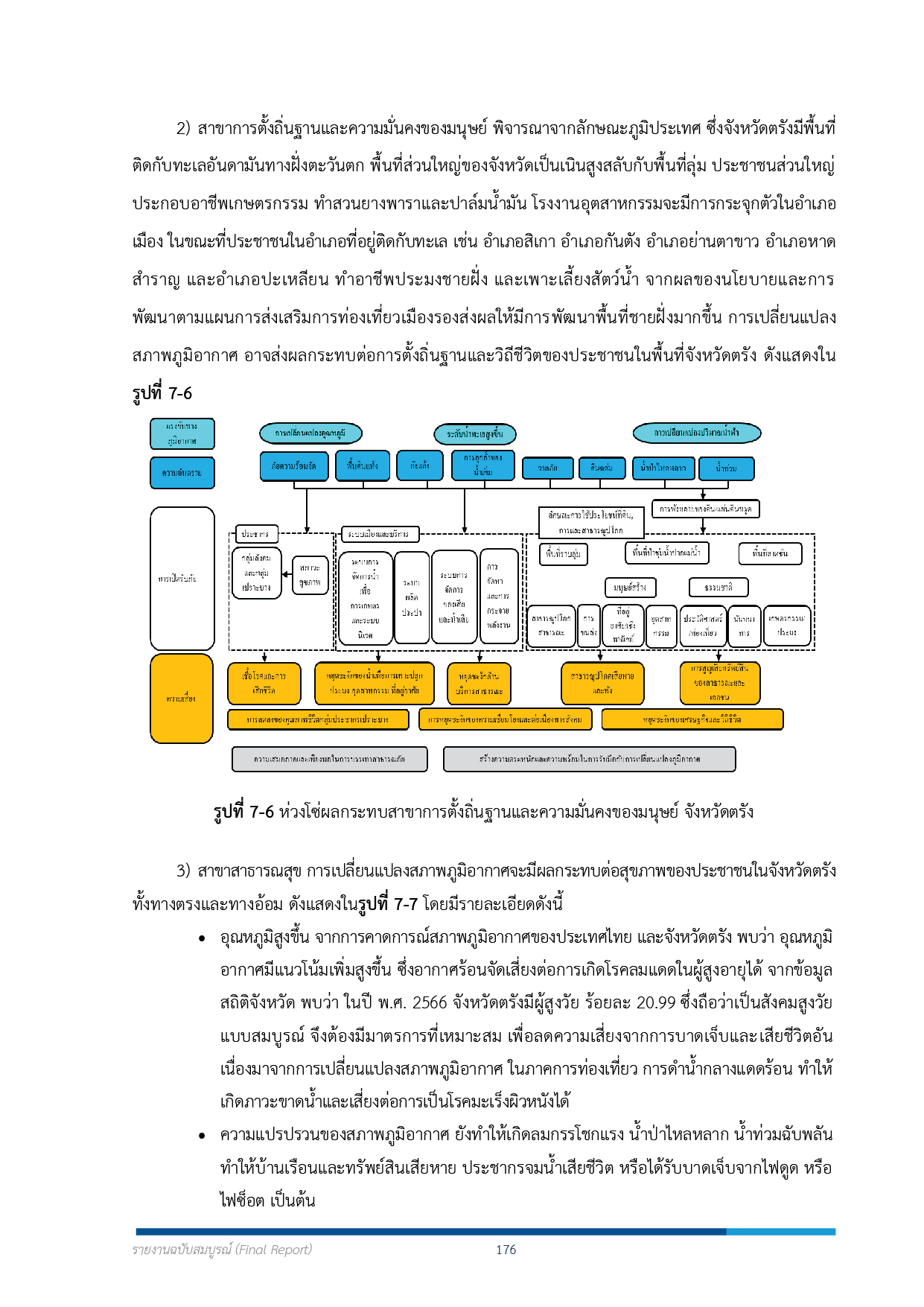
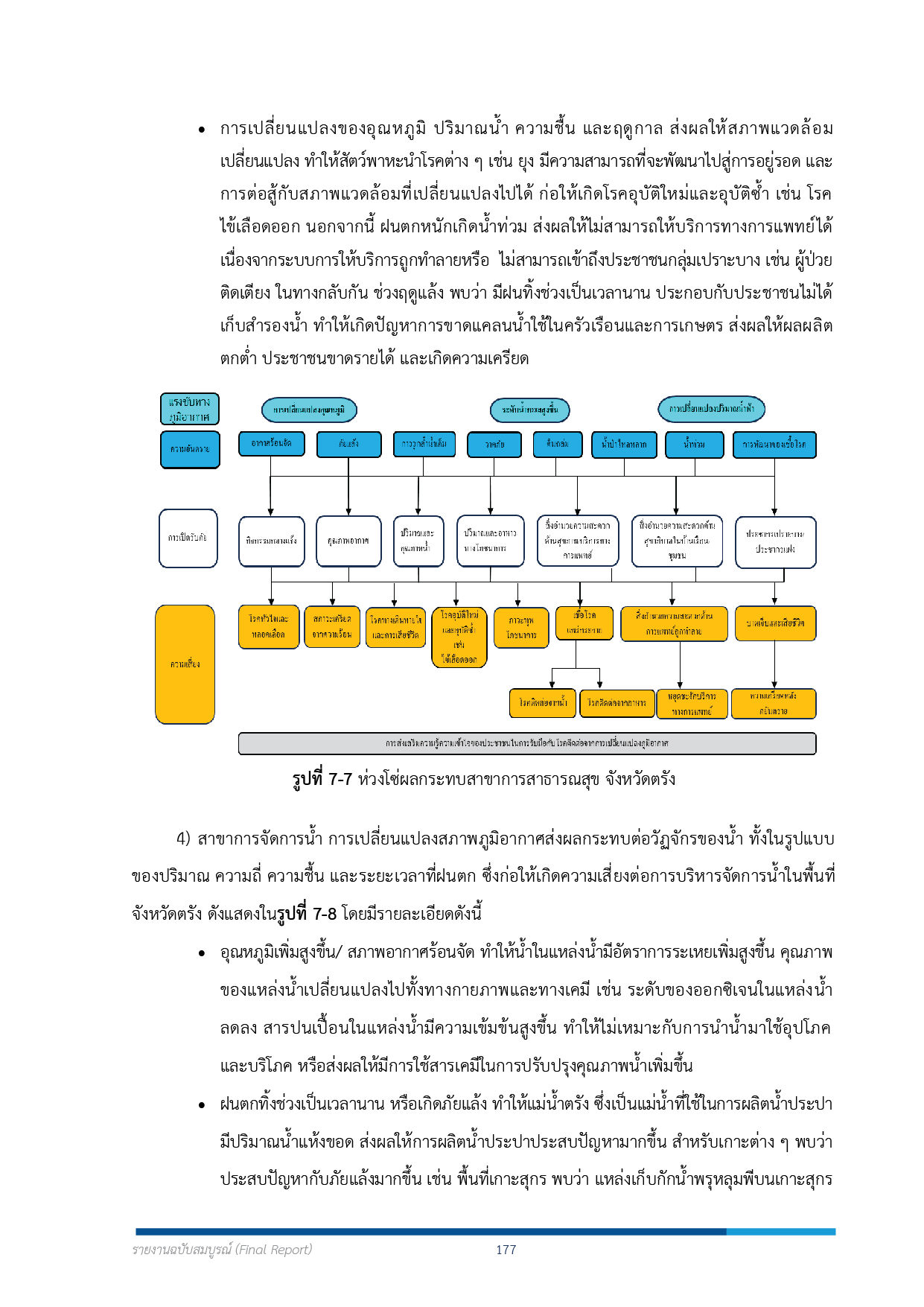
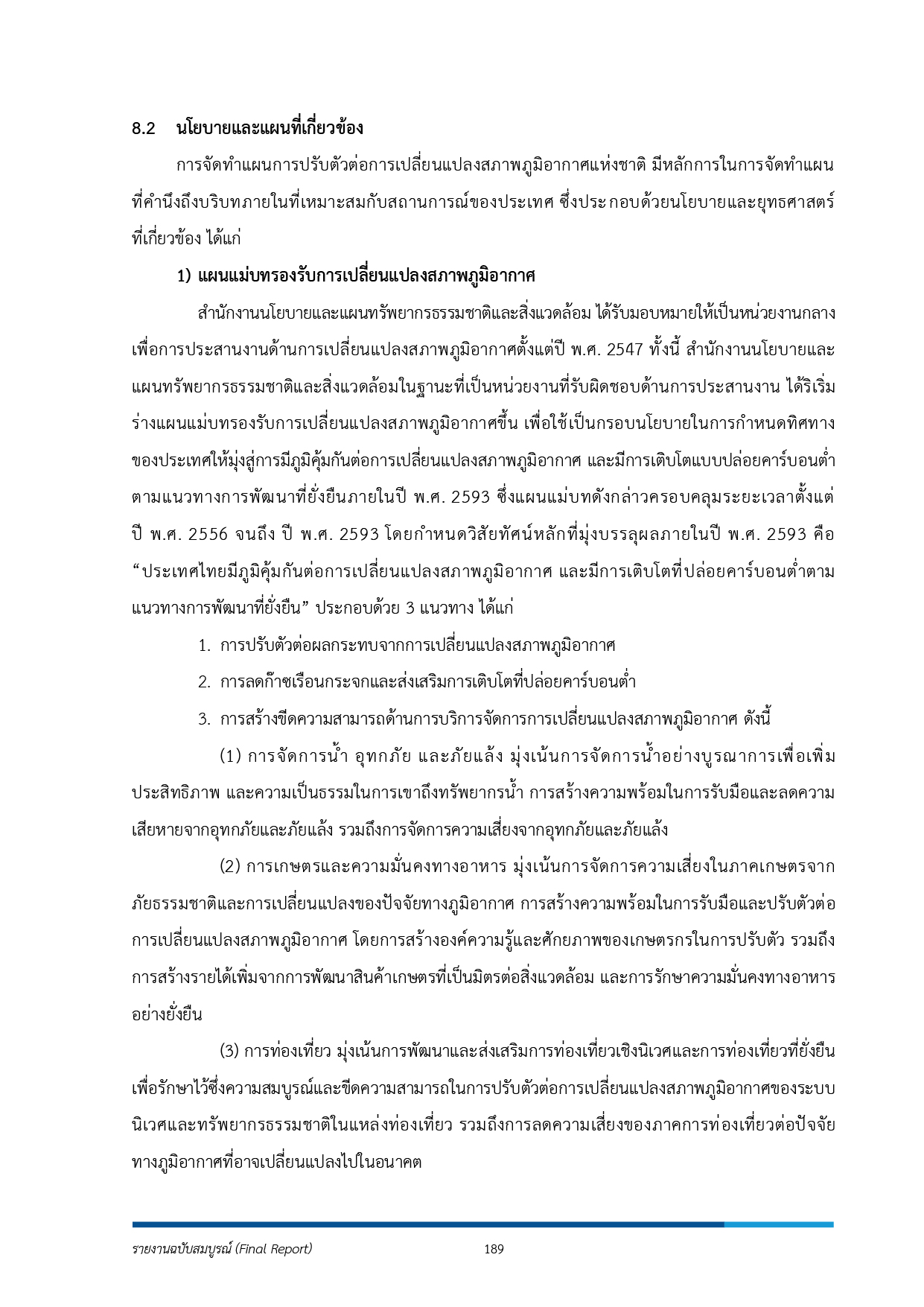
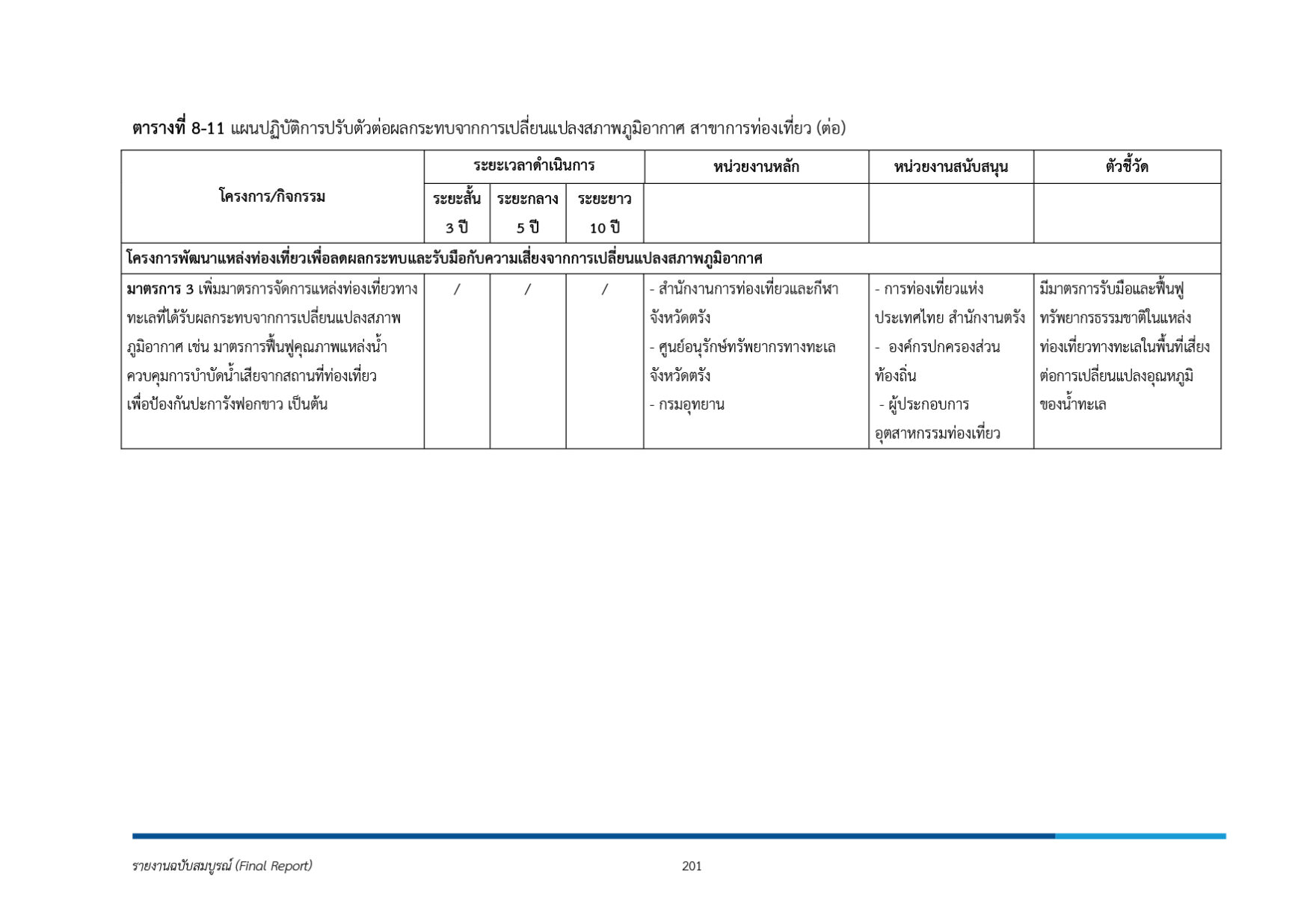
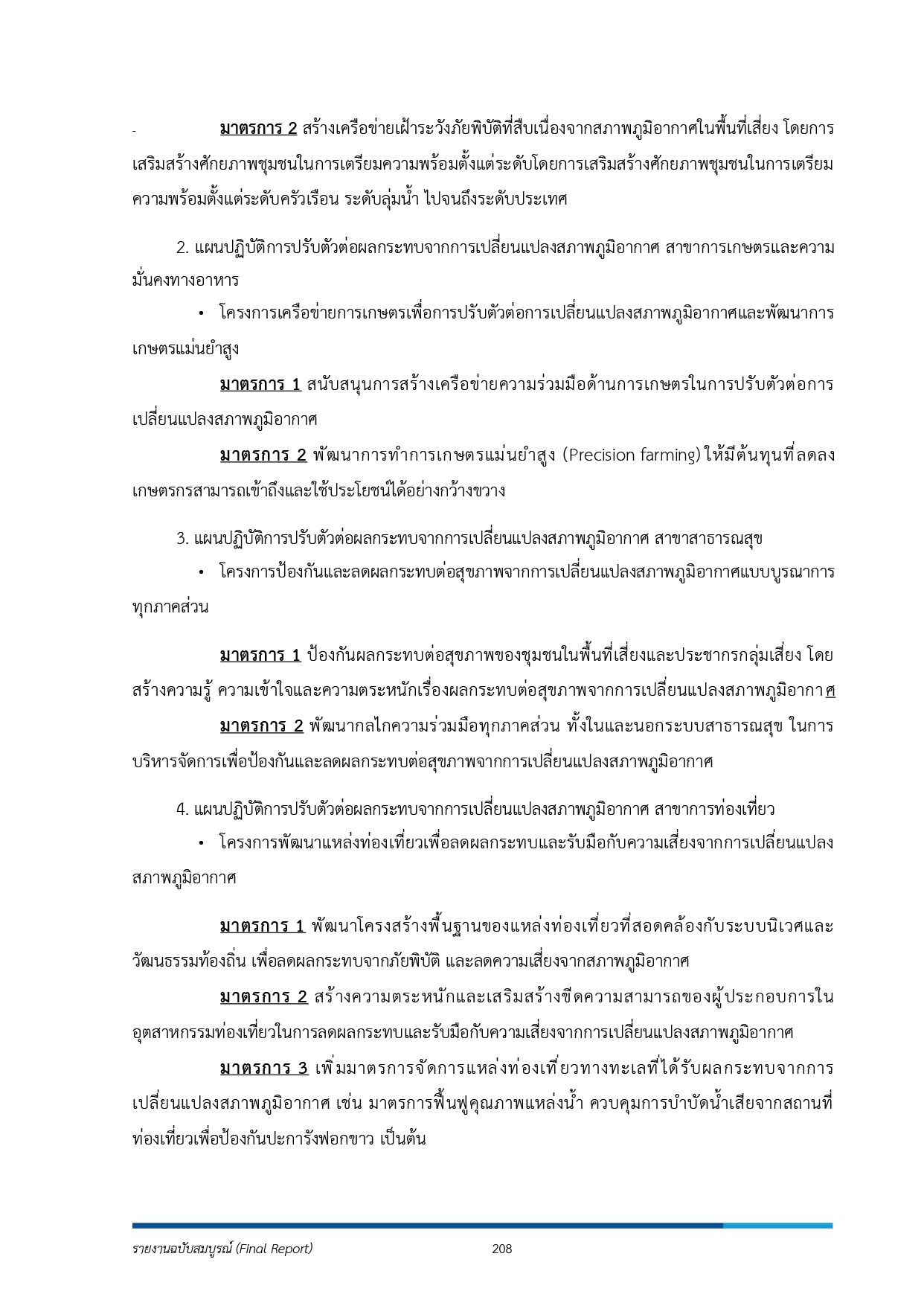
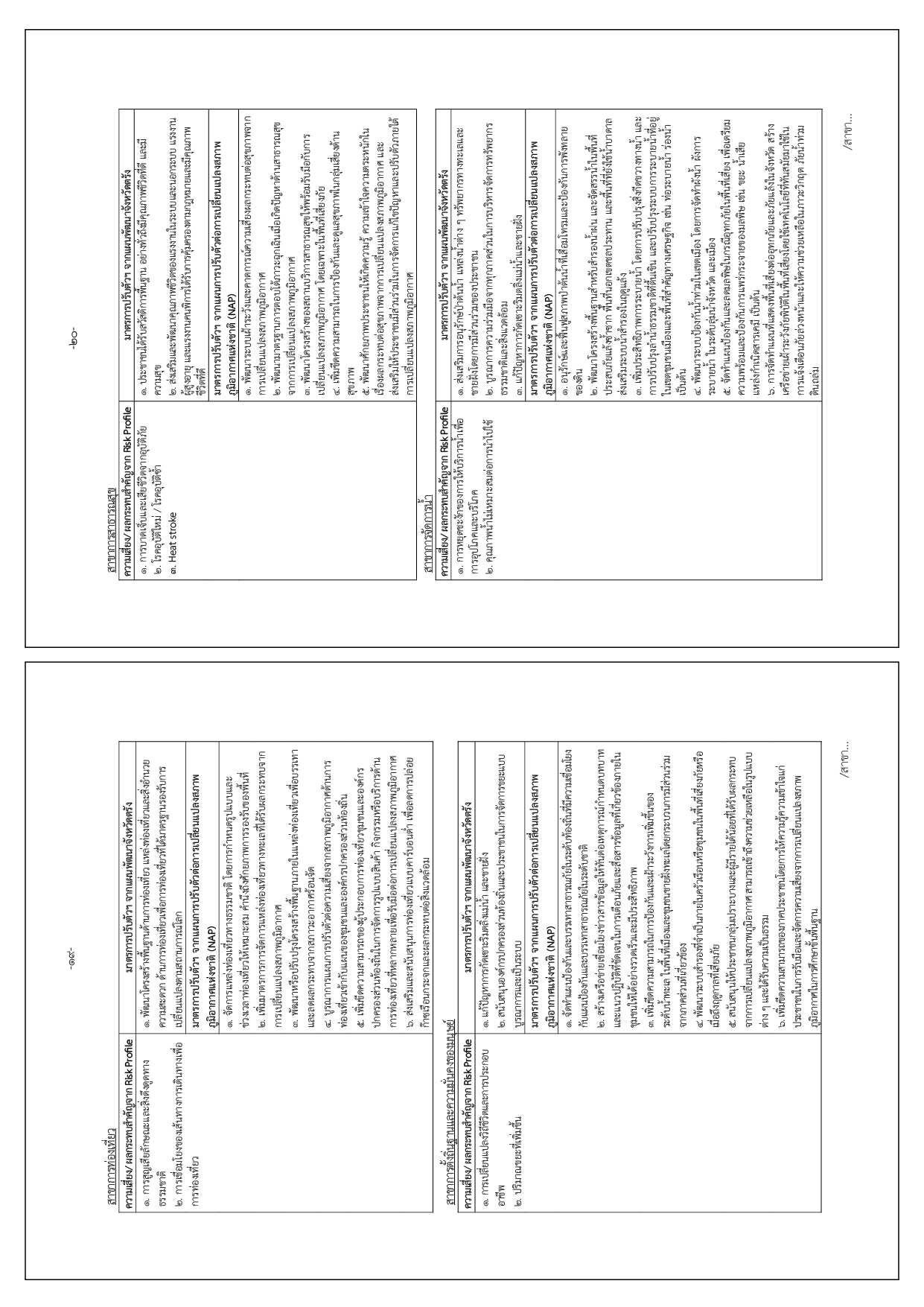
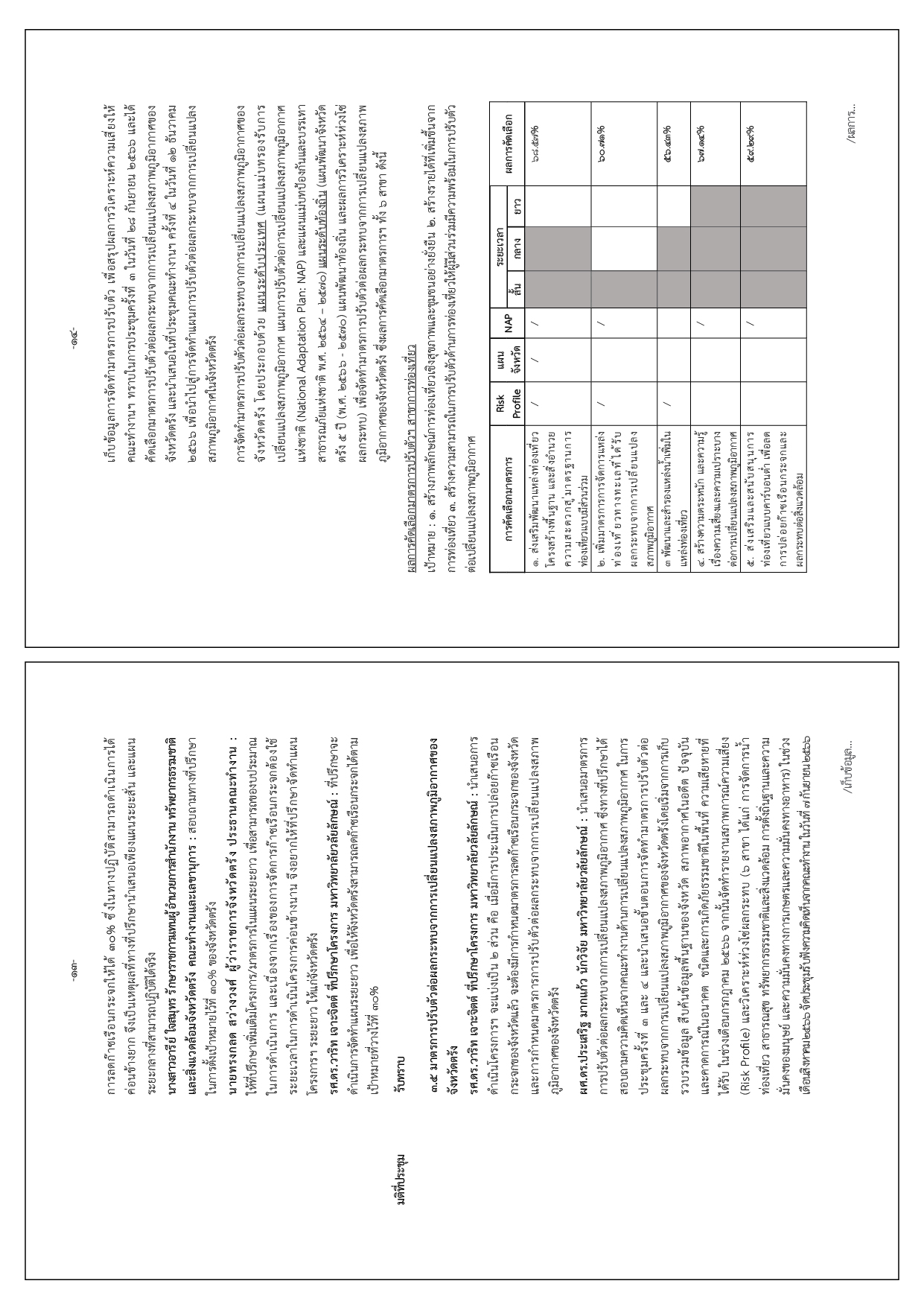
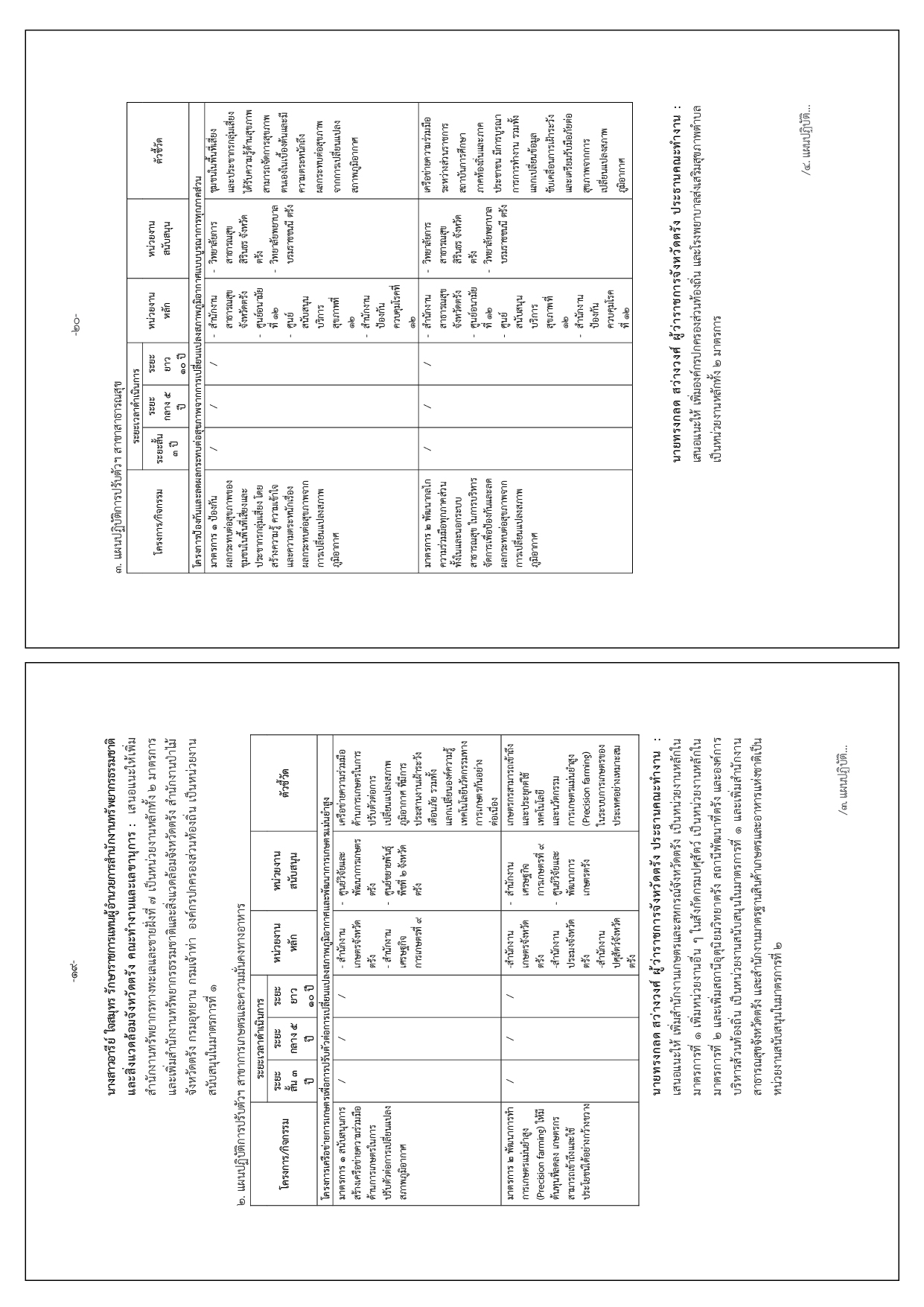
Climate Change Adaptation Measures and Interventions on Tourism
Promote the development of tourist attractions, infrastructure, and facilities to meet participatory tourism standards.
Strengthen management measures for marine tourist sites affected by climate change.
Develop and increase water resources in tourism areas.
Raise awareness and provide knowledge about climate risks and vulnerabilities.
Promote and support low-carbon tourism to reduce greenhouse gas emissions and environmental impacts.
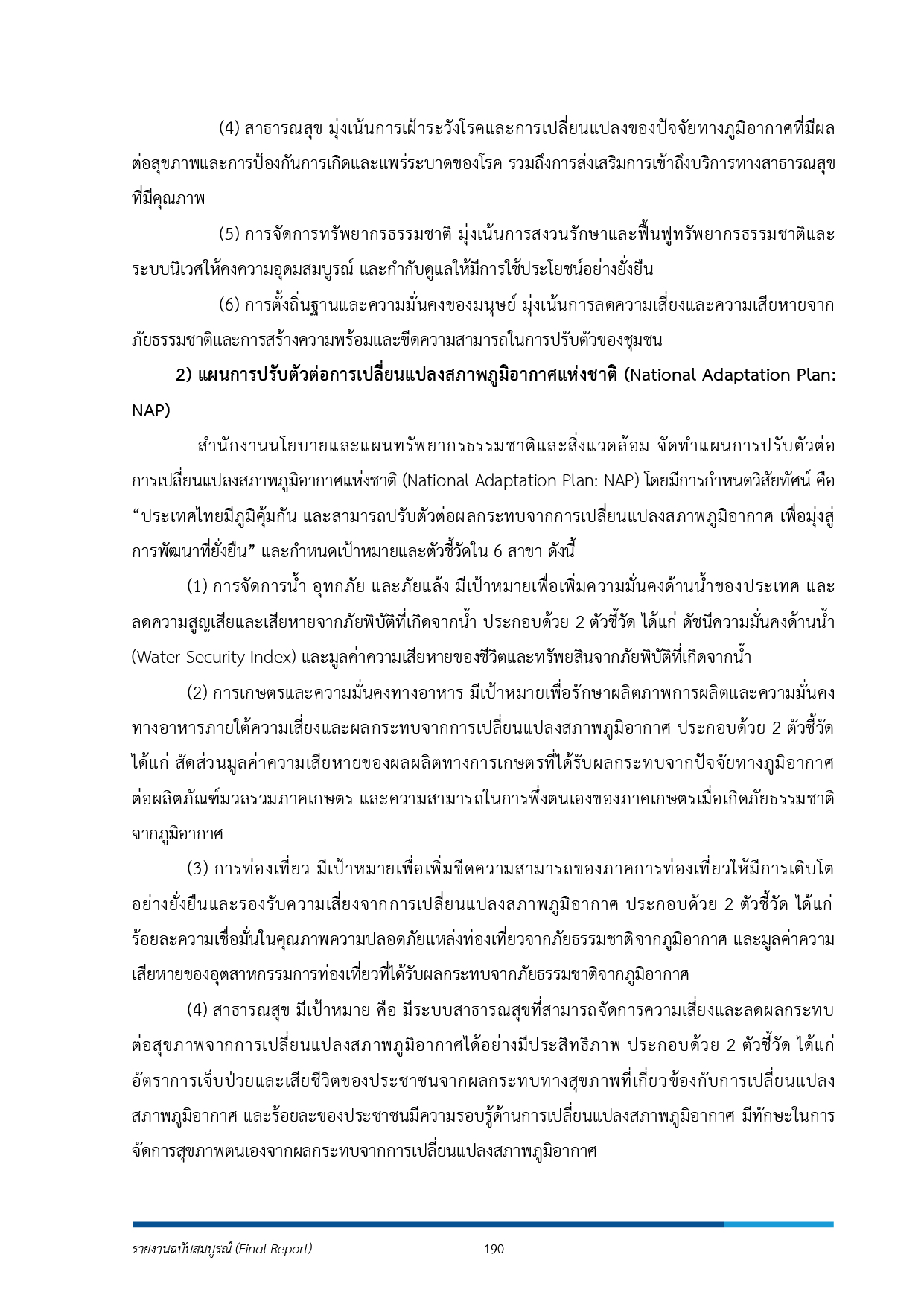
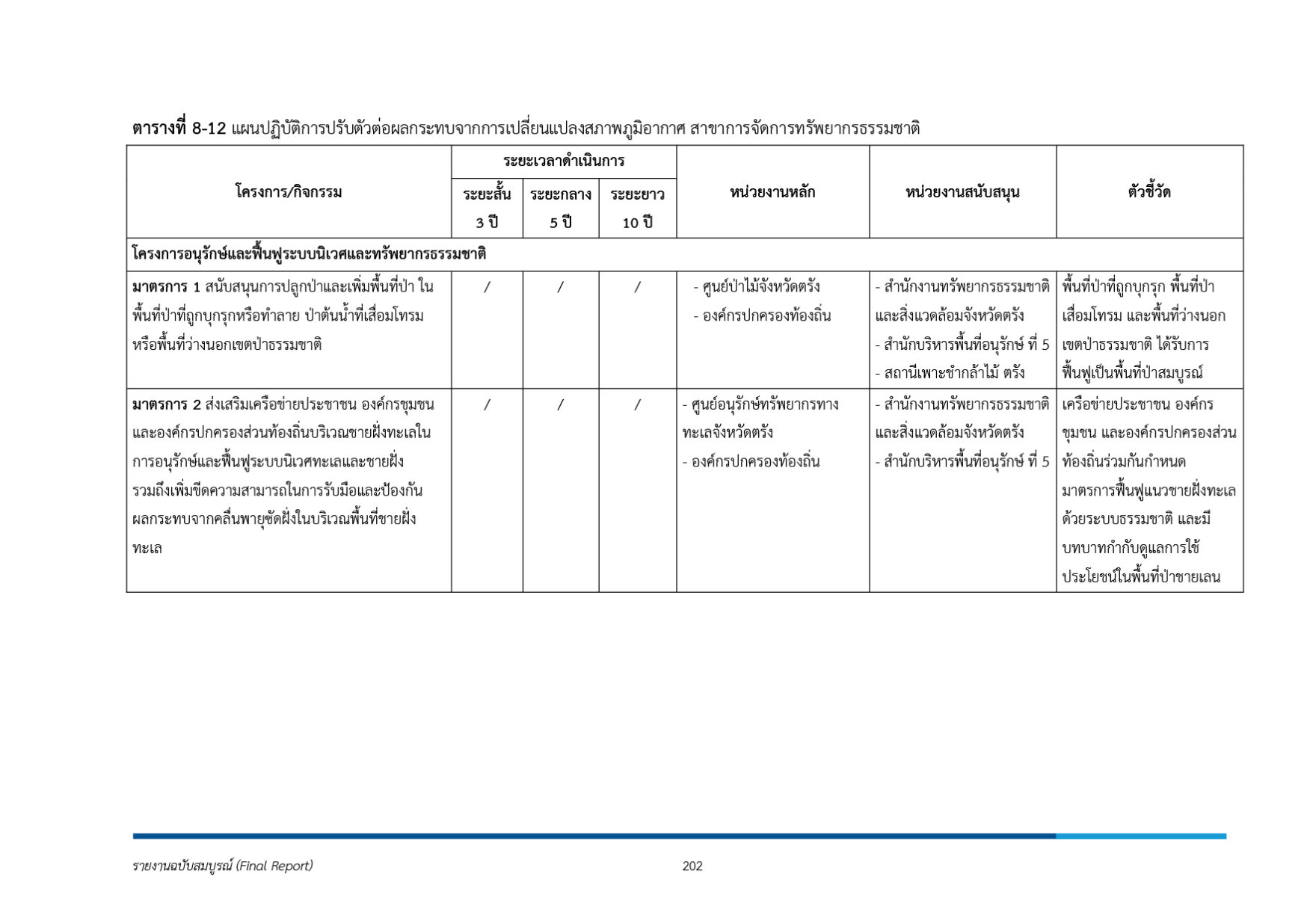
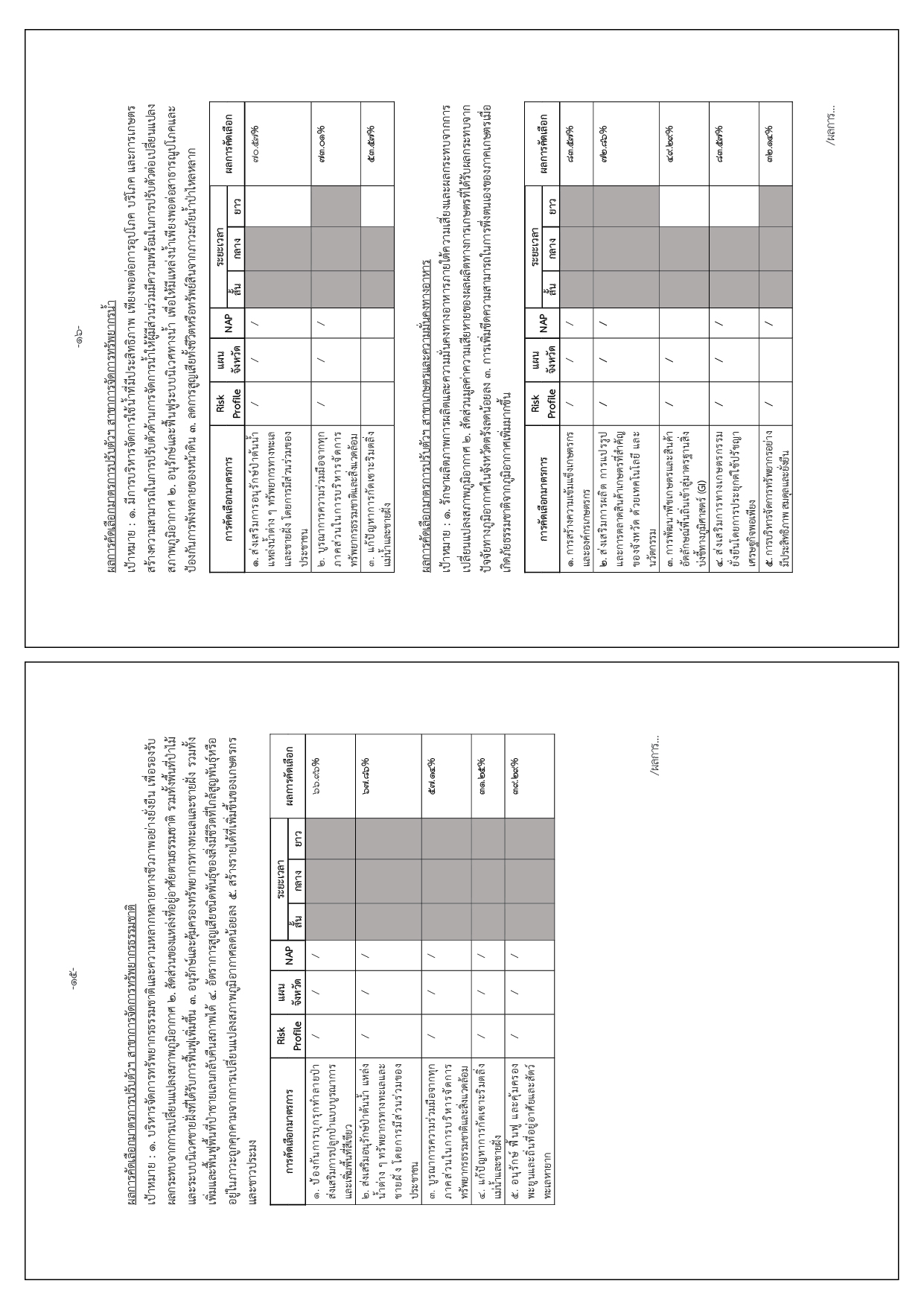
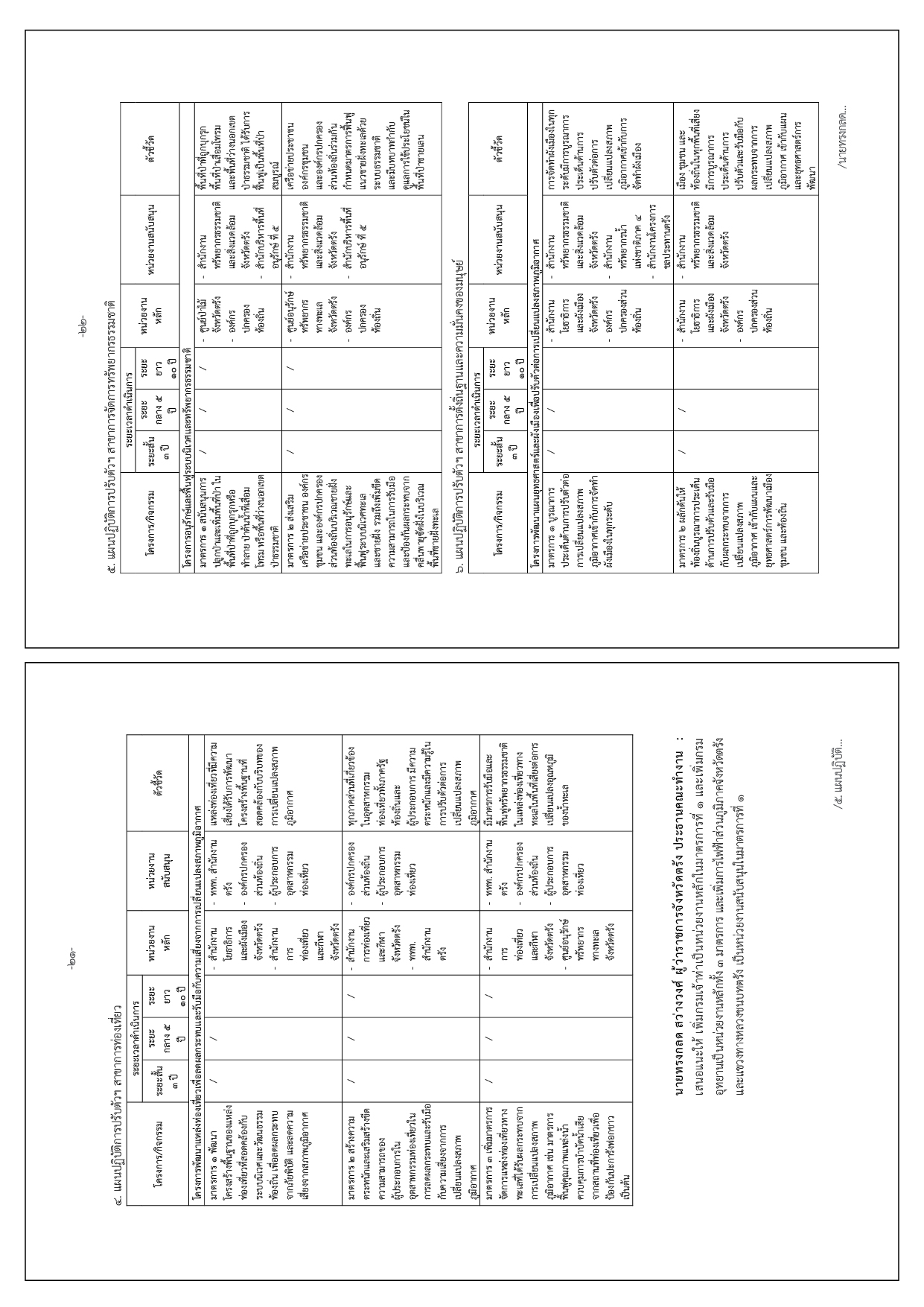
Climate Change Adaptation Measures and Interventions on Natural Resources and Environment Management
Prevent forest encroachment and destruction, promote integrated reforestation, and increase green areas.
Promote the conservation of watershed forests, various water sources, and marine and coastal resources through public participation.
Integrate cooperation among all sectors in the management of natural resources and the environment.
Address riverbank and coastal erosion issues.
Conserve, restore, and protect dugongs, their habitats, and other rare marine species.
Climate Change Adaptation Measures and Interventions on Water Management
Promote the conservation of watershed forests, various water sources, and marine and coastal resources through public participation.
Integrate cooperation among all sectors in the management of natural resources and the environment.
Address riverbank and coastal erosion issues.
Climate Change Adaptation Measures and Interventions on Agricultural and Food Security
Strengthen farmers and agricultural organizations.
Promote the production, processing, and marketing of key provincial agricultural products through technology and innovation.
Develop local agricultural products and unique provincial goods to meet Geographical Indication (GI) standards.
Promote sustainable agriculture by applying the Sufficiency Economy Philosophy.
Manage resources efficiently, in a balanced and sustainable manner.
Climate Change Adaptation Measures and Interventions on Public Health
Improve the quality of life for people of all ages within a community-based economy.
Promote and enhance the quality of life for both formal and informal workers, including elderly workers and workers with disabilities.
Develop people’s capacity to build knowledge, understanding, and awareness of health impacts caused by climate change, and encourage public participation in addressing problems and adapting to climate change.
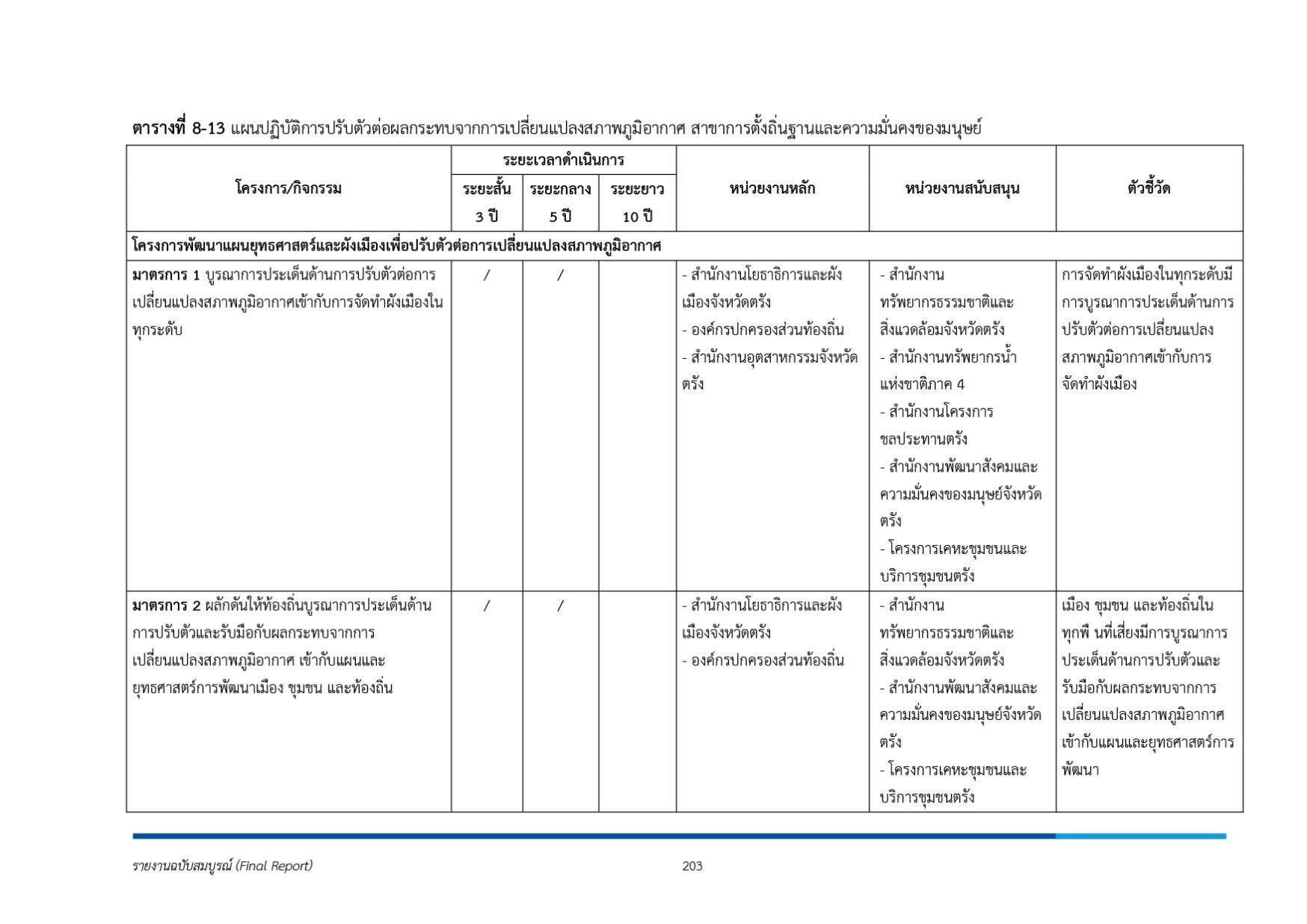
Climate Change Adaptation Measures and Interventions on Settlements and Human Security
Support local administrative organizations and communities in implementing integrated and systematic waste management.
Develop specific urban plans to support adaptation to climate change.
Strengthen the capacity to prevent and monitor sea-level rise in communities through participatory processes involving relevant sectors, especially in areas affected by coastal erosion.
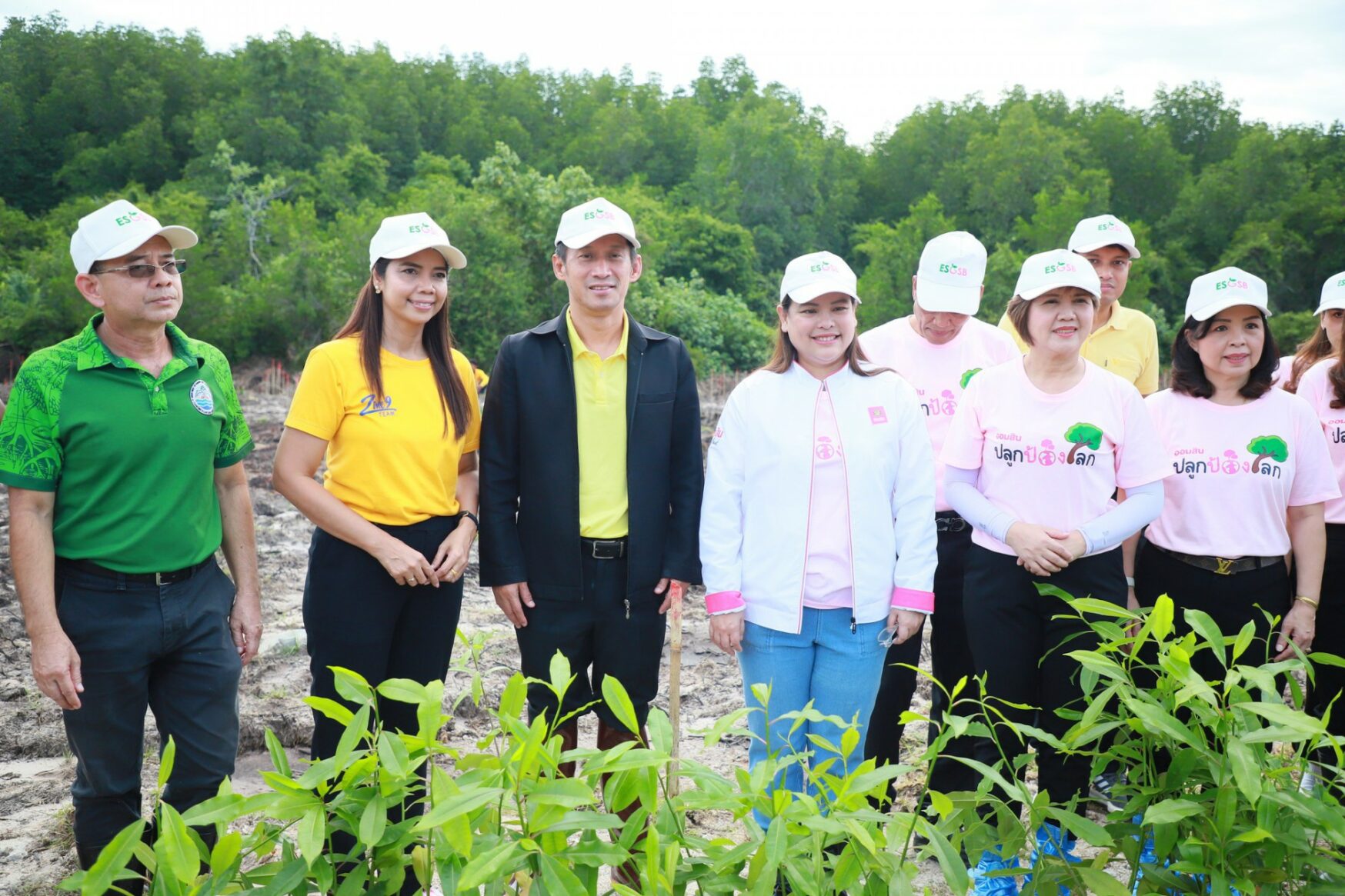
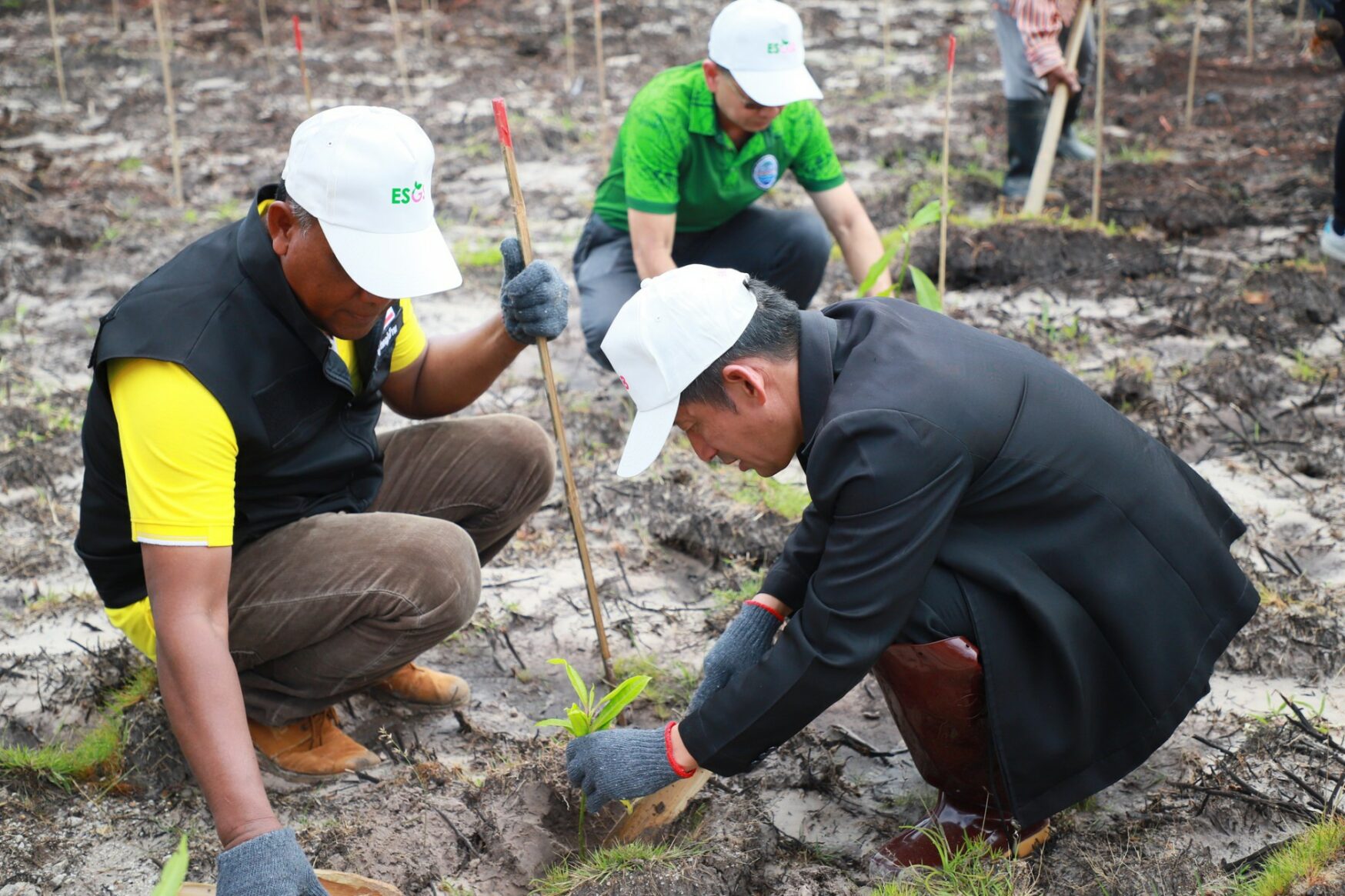
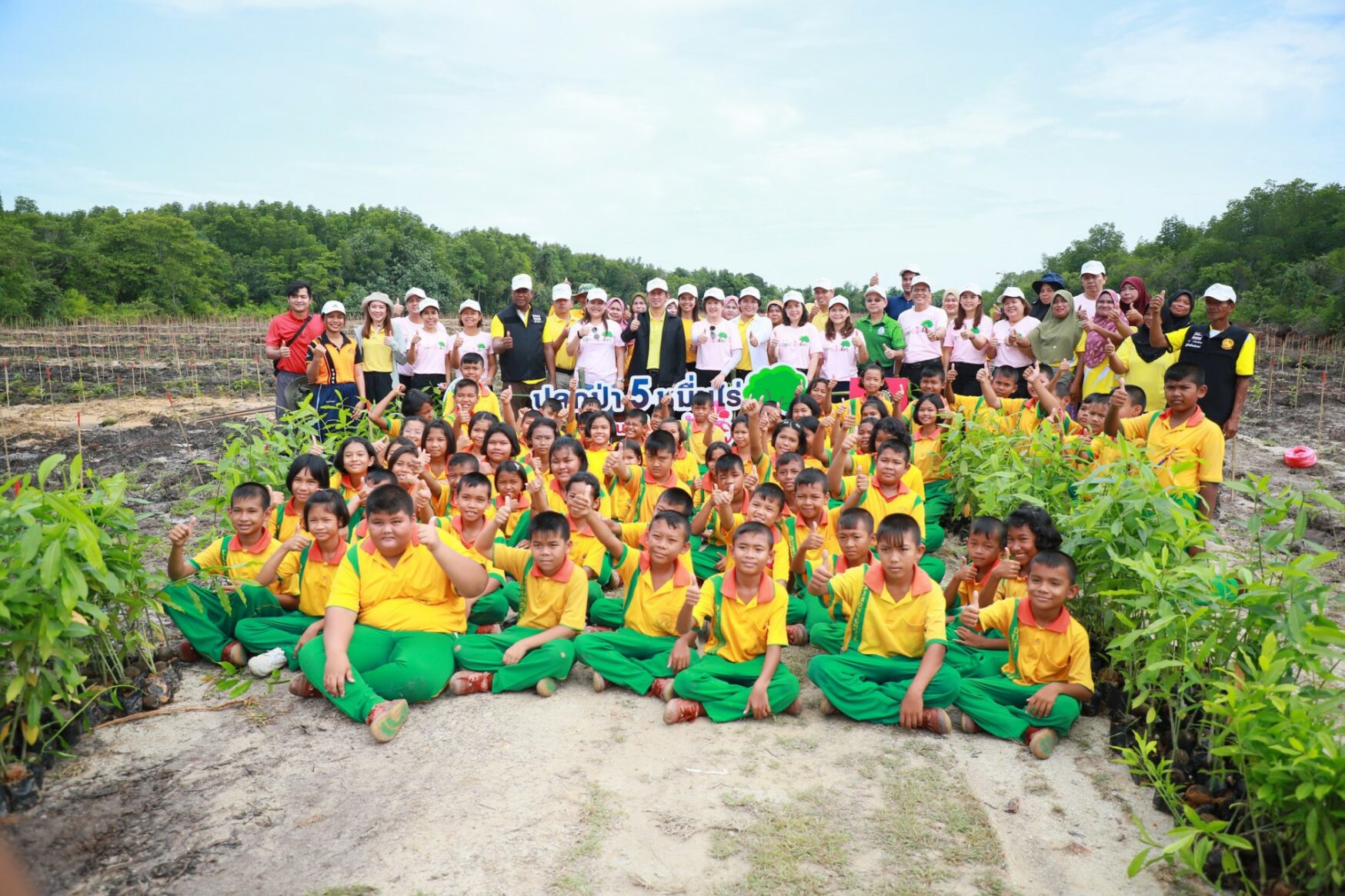
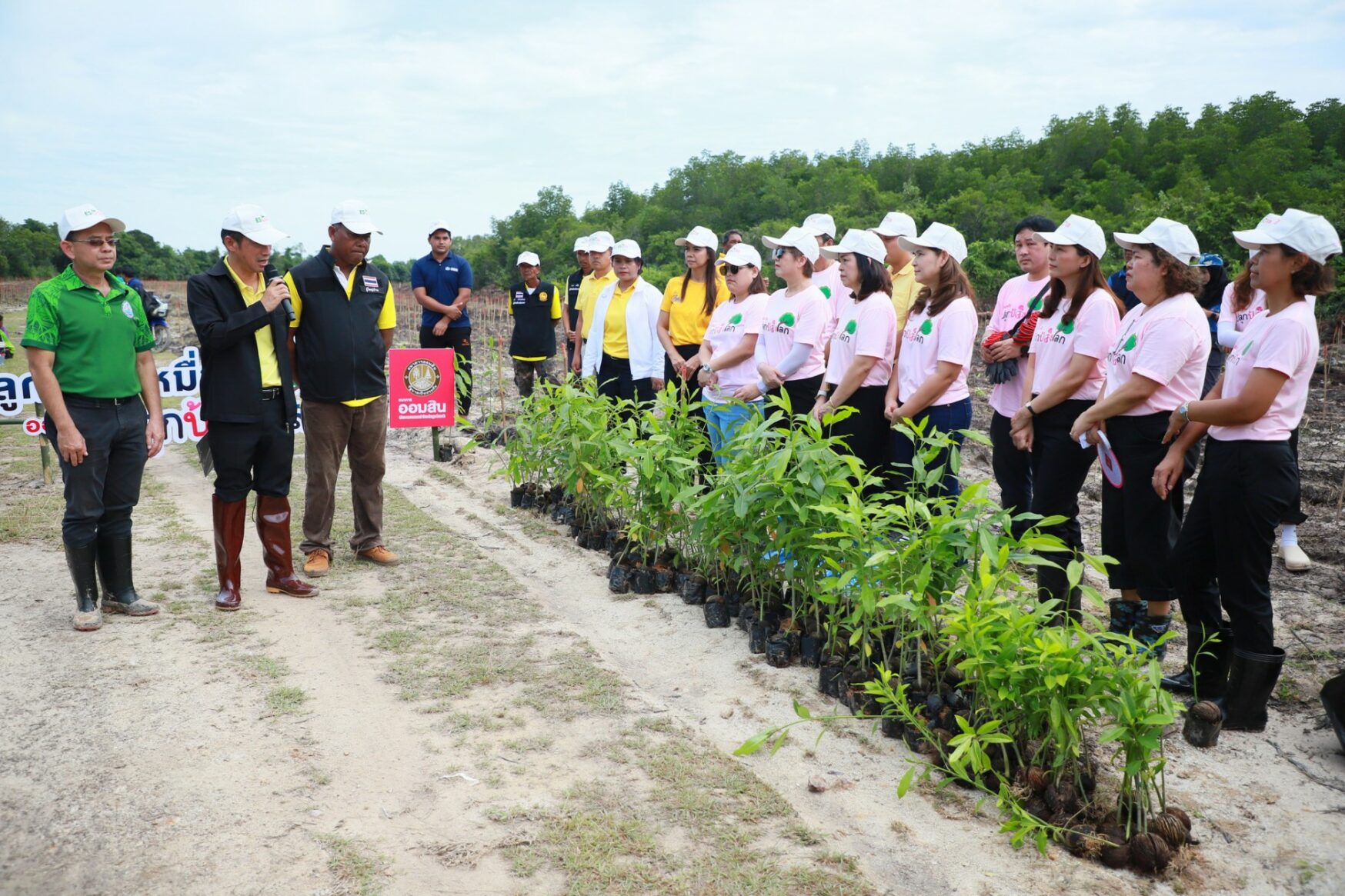
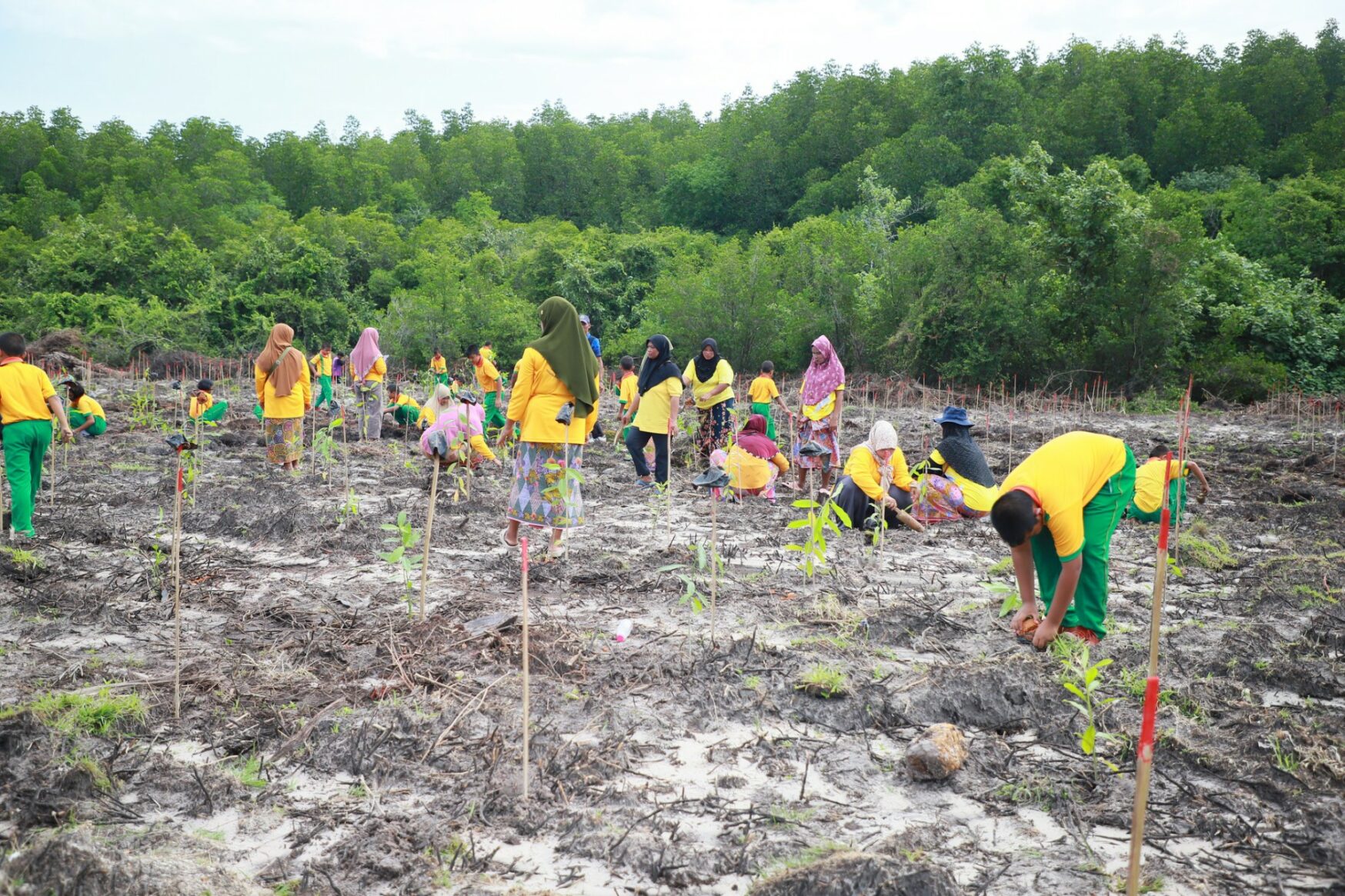
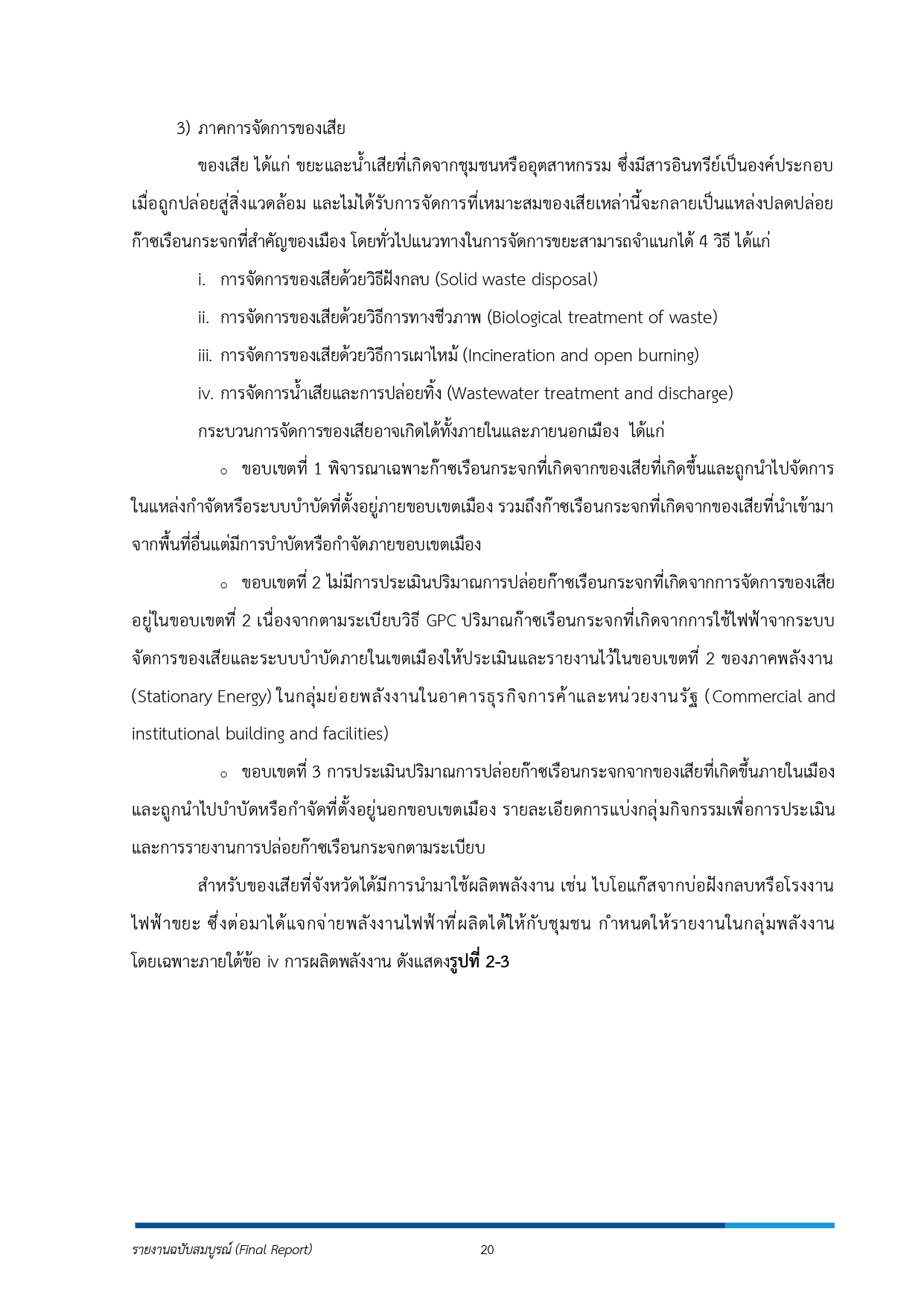
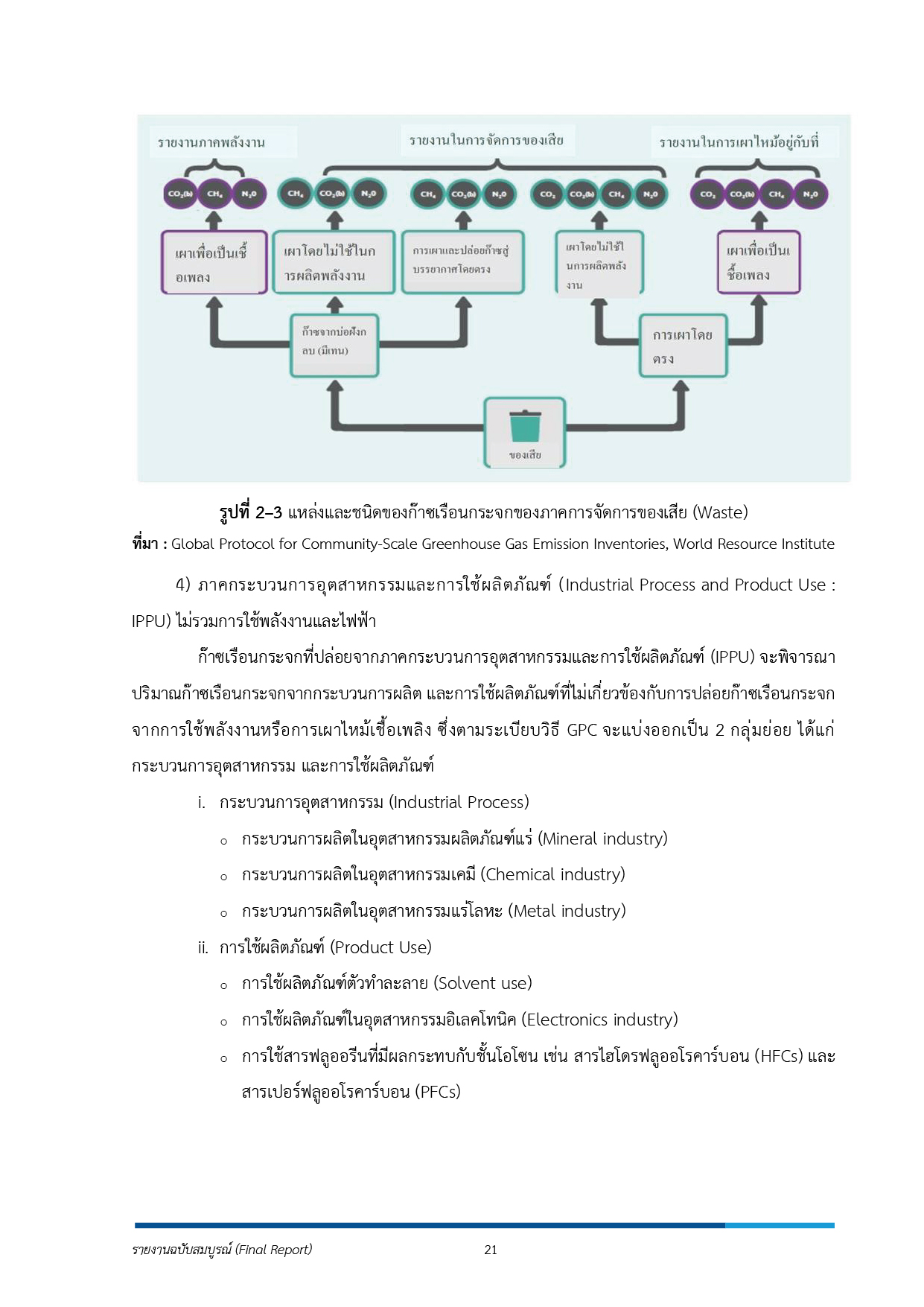
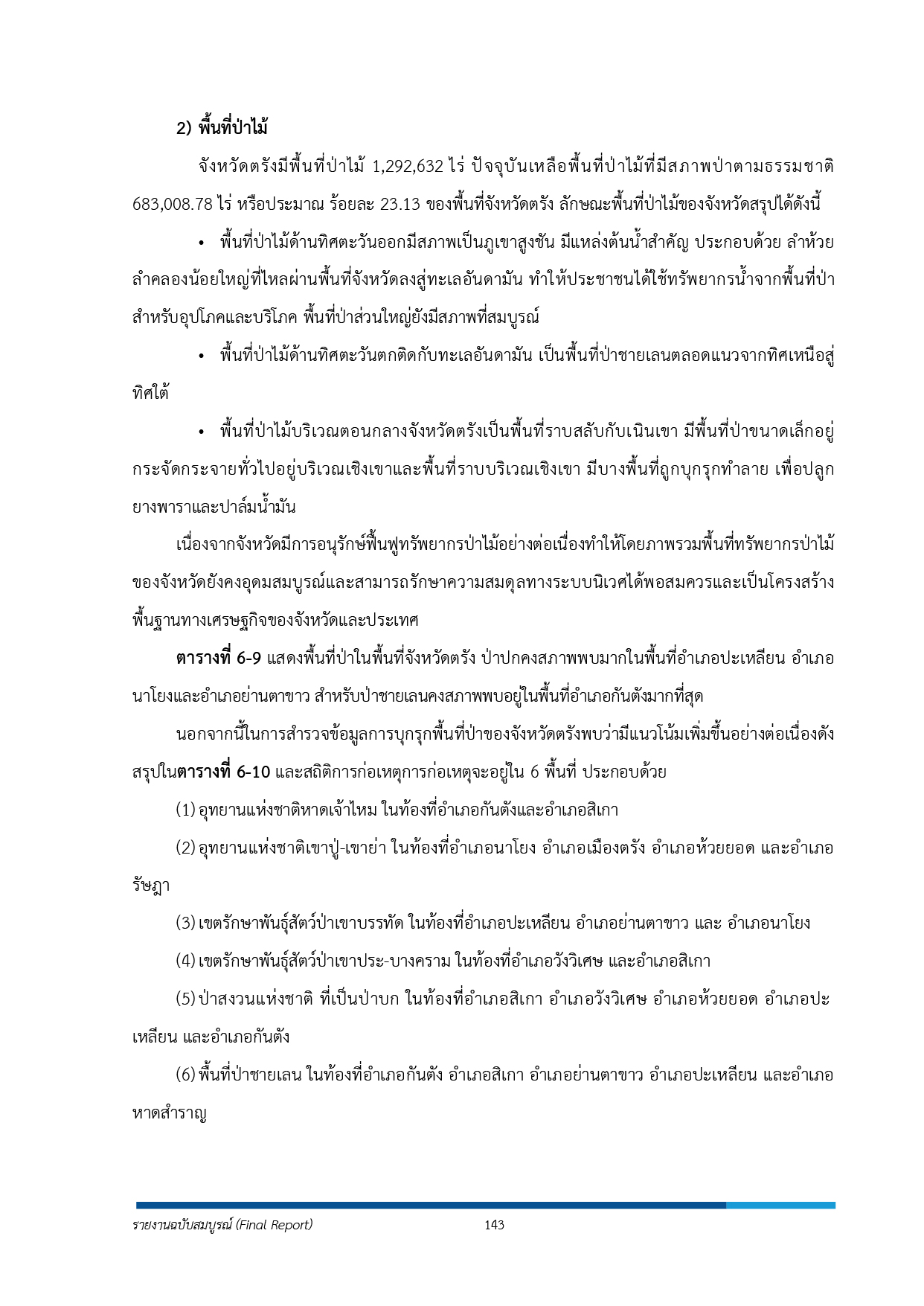
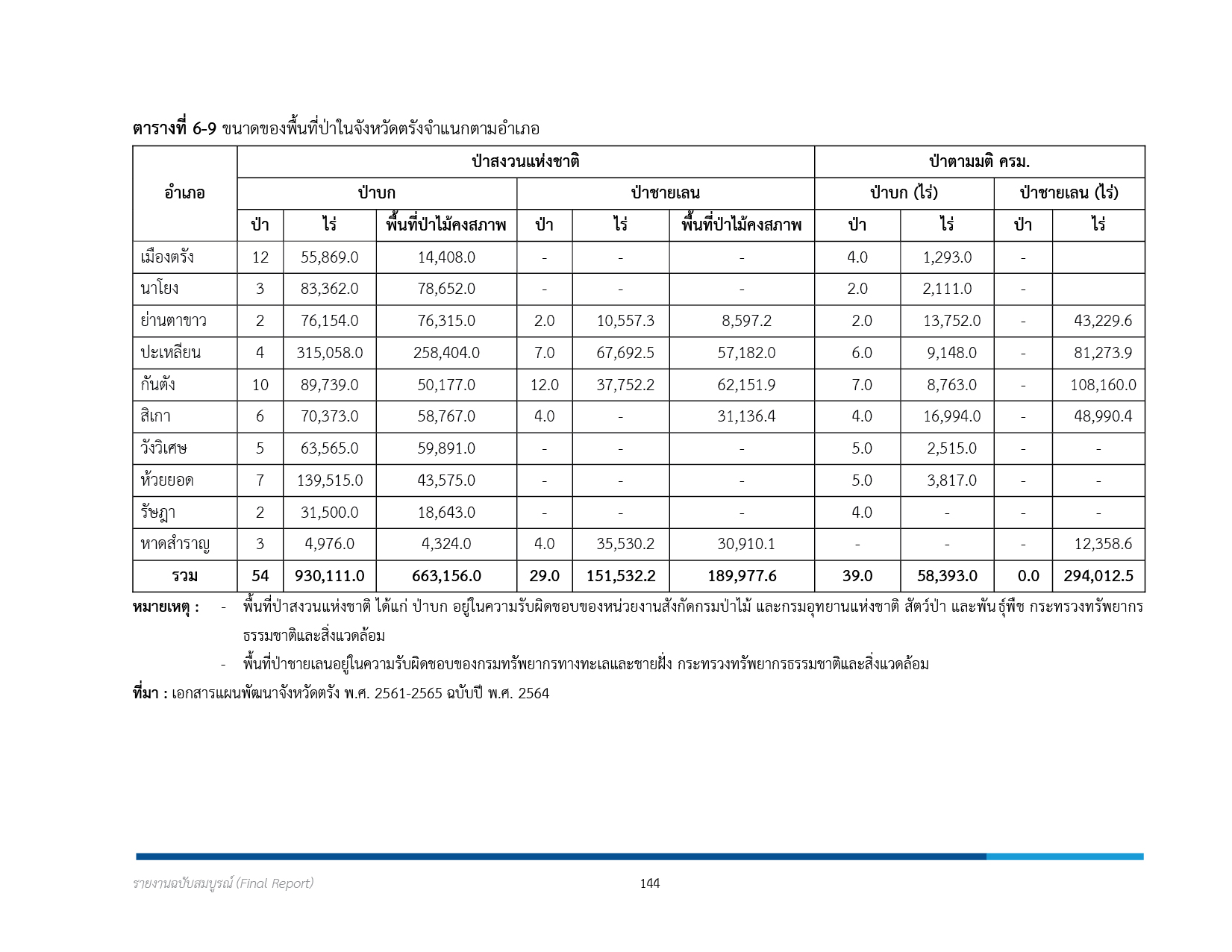
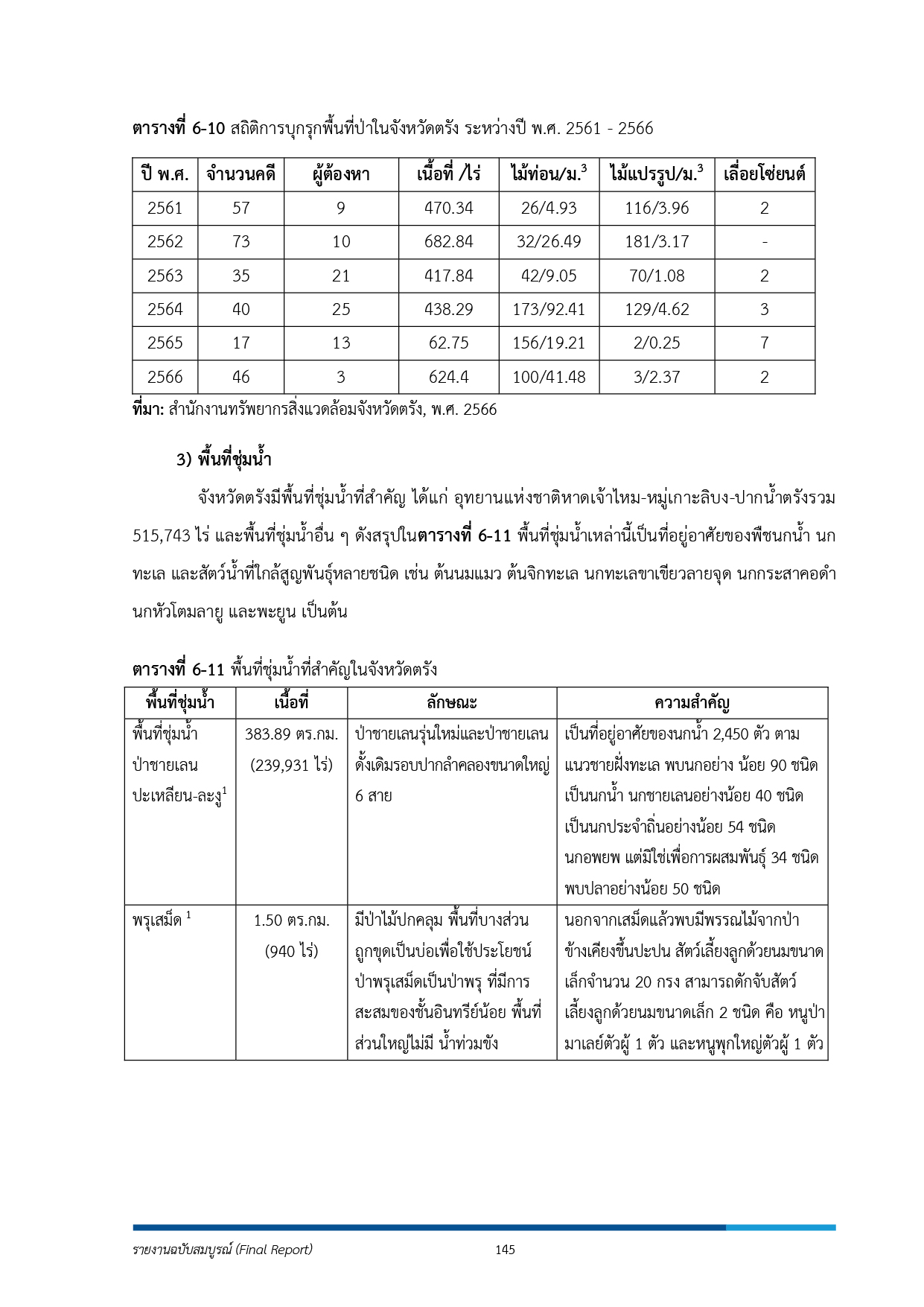
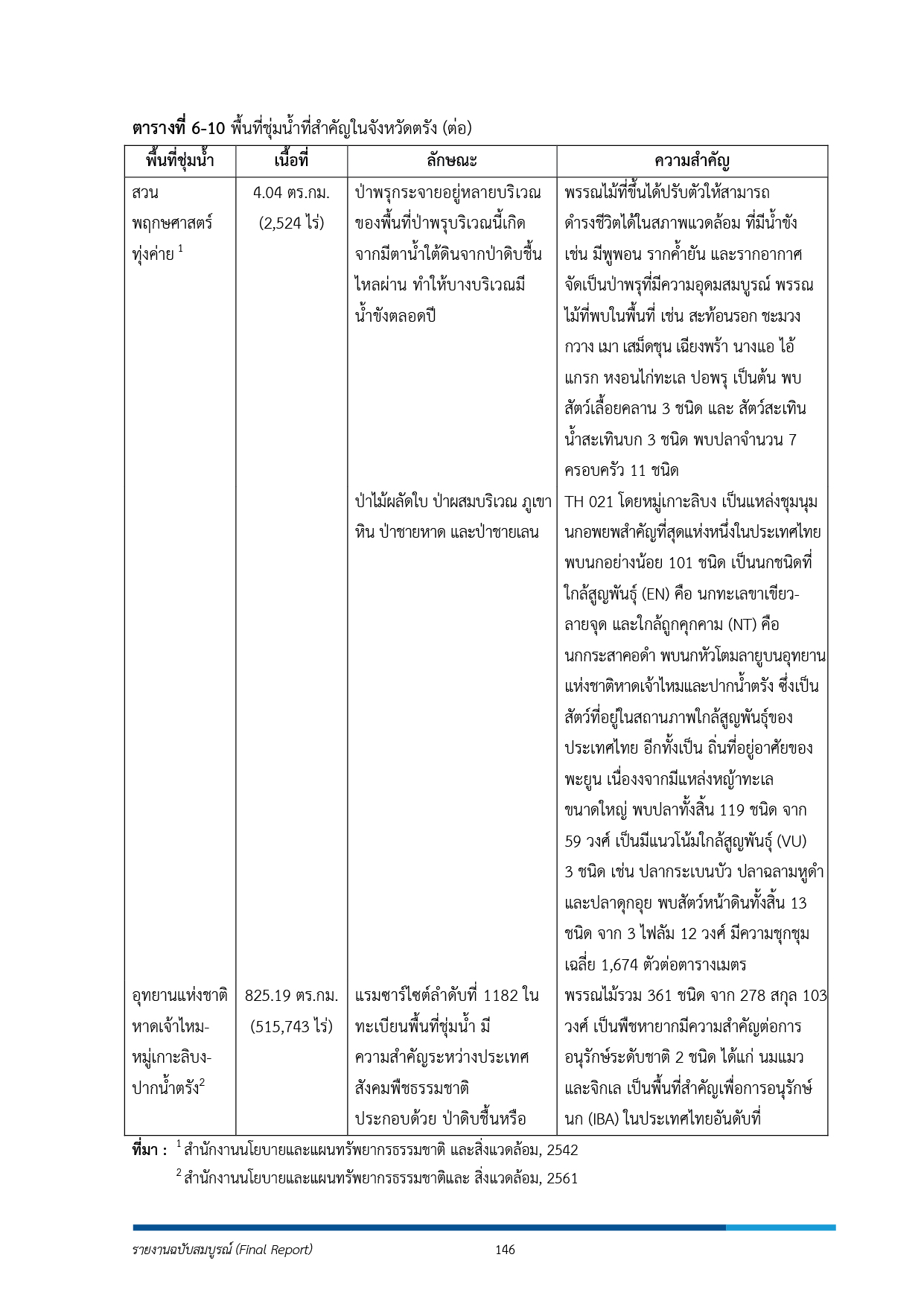
Figure: The Trang government organizations organizing an event for mangrove forest planting as part of the climate adaptation measures in the action plan
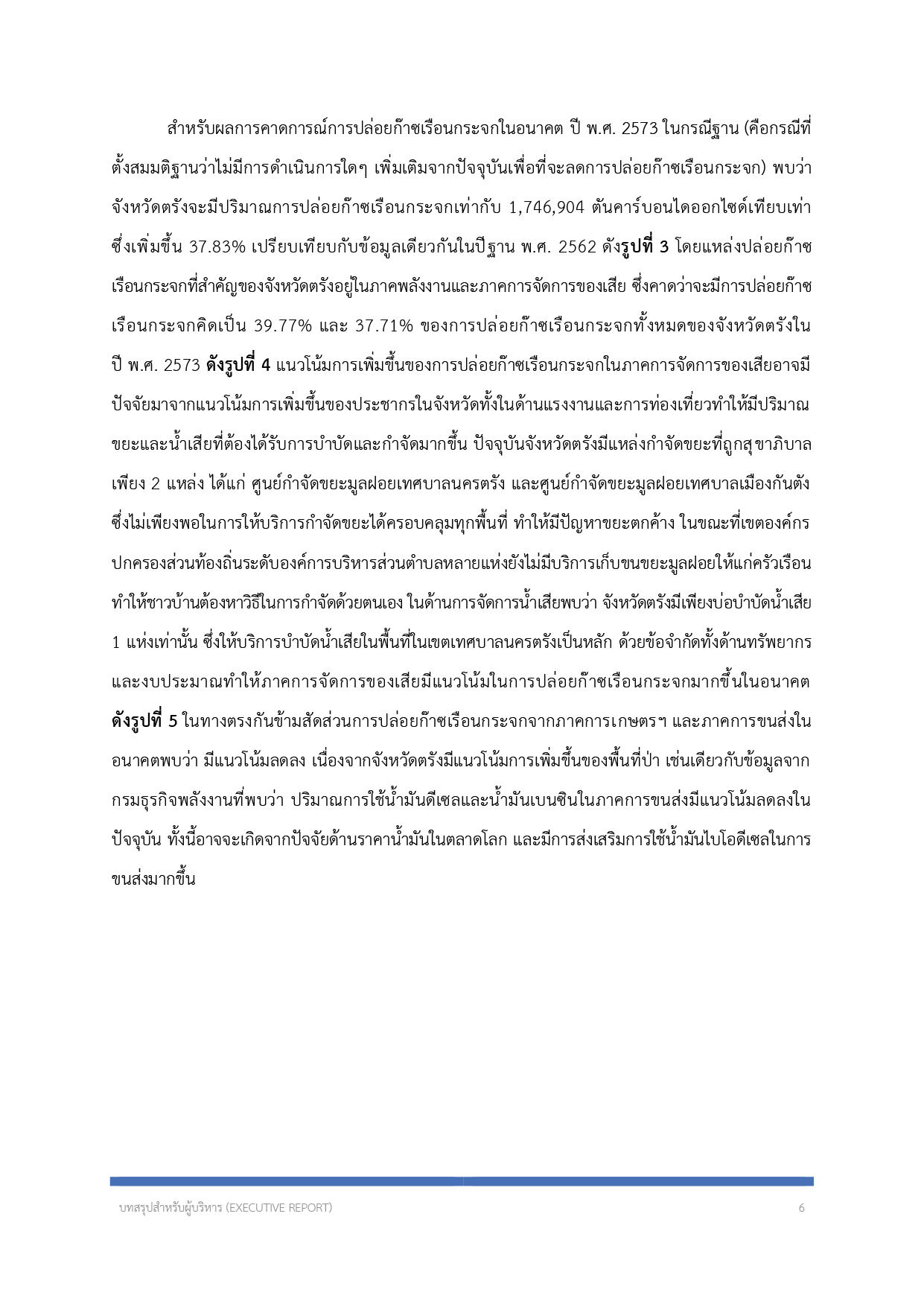
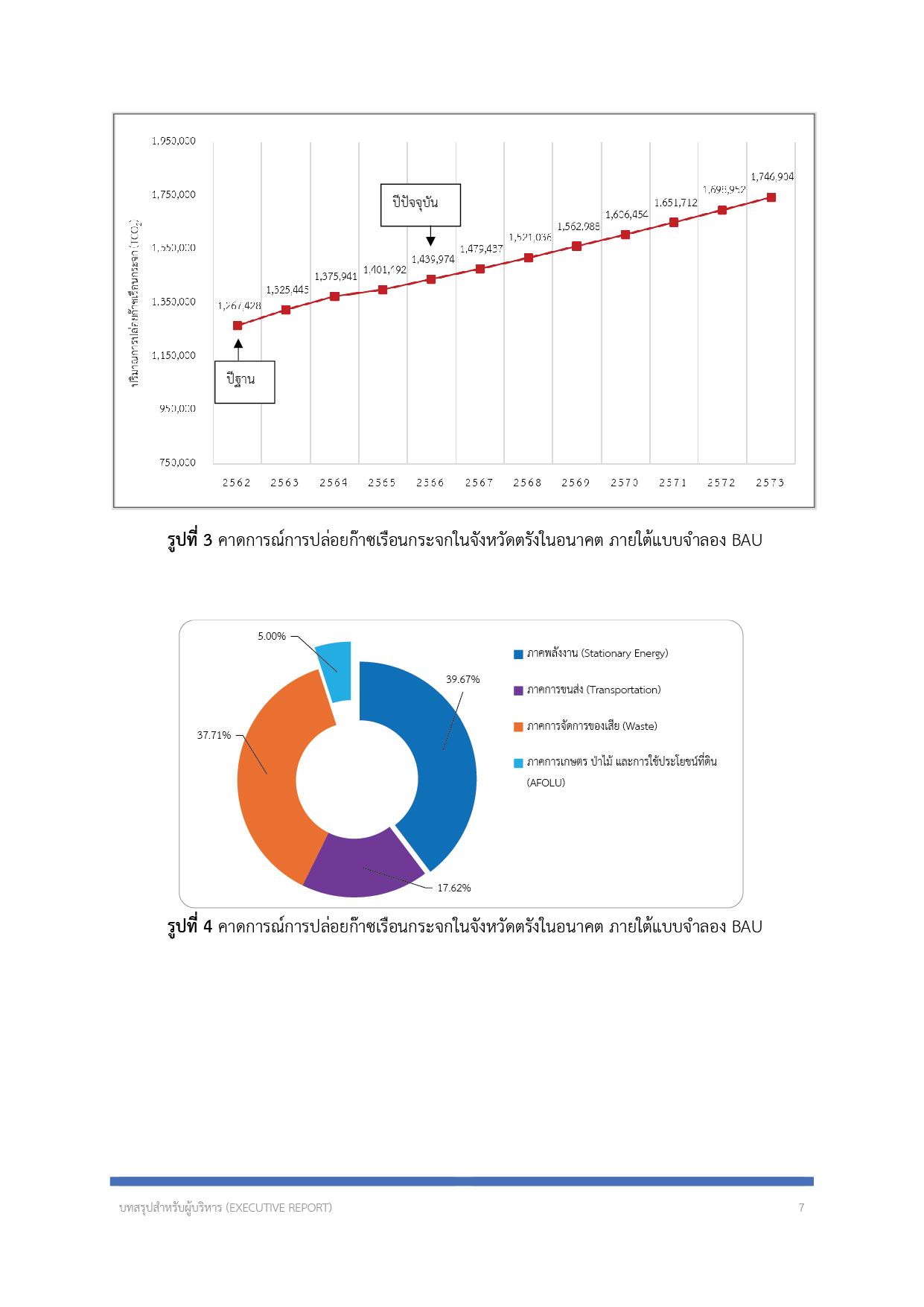
This collaboration and engagement with national government agencies and regional NGOs resulted in the successful development of the Provincial and Municipal Action Plans for Climate Change, offering a comprehensive strategy for Trang Province to assess climate risks, address key challenges, and advance sustainable development. Through this process, the province now possesses detailed greenhouse gas emission inventories, climate risk profiles, and action plans focused on strengthening climate change adaptation and resilience. Based on the assessments, the interventions proposed by Walailak University—such as improved water management systems, strengthened public health infrastructure, and forest restoration initiatives—are expected to mitigate the impacts of climate change at the local, regional, and national levels.
Walailak University's Ongoing Collaboration with the Department of Fisheries to Advance SDG Policies on Marine Resource Conservation
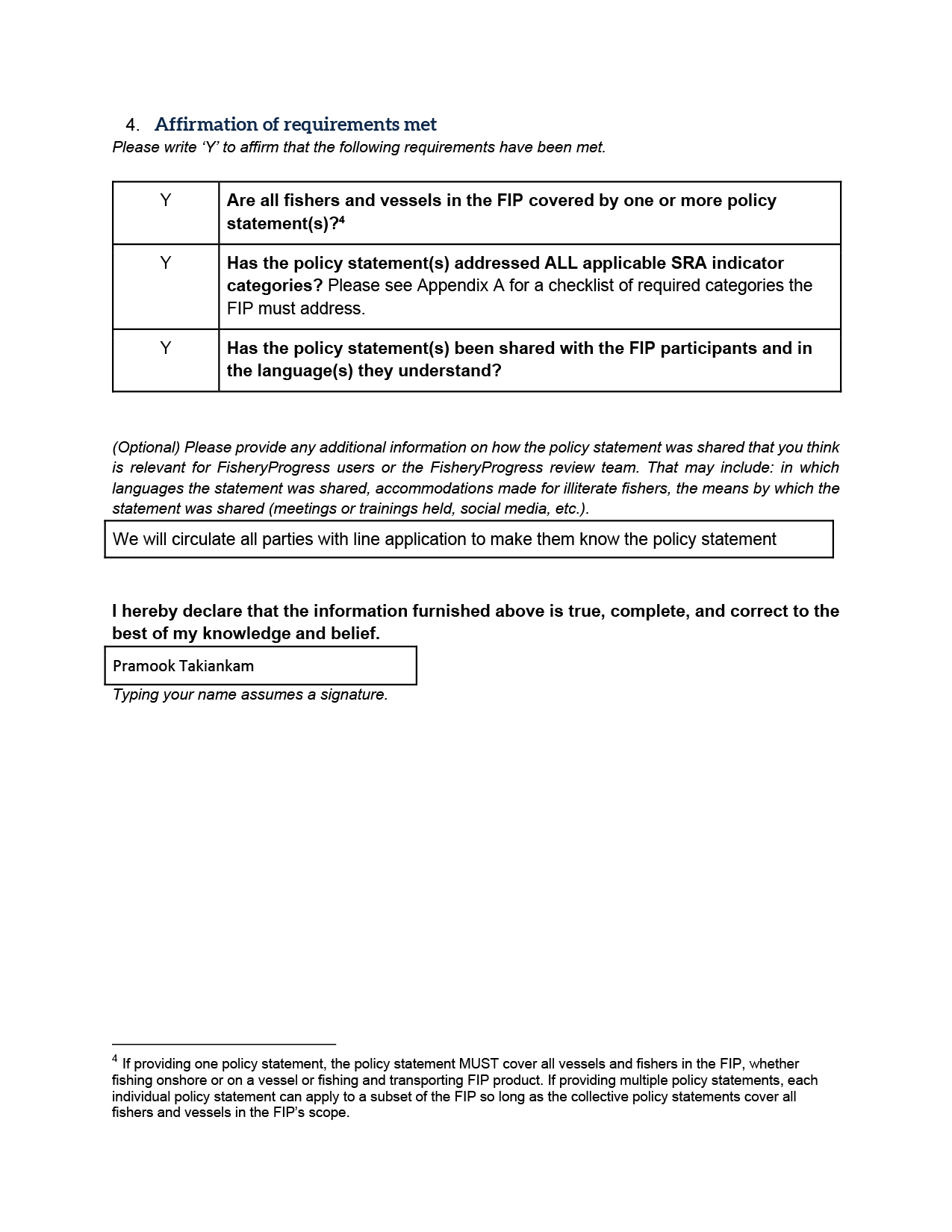
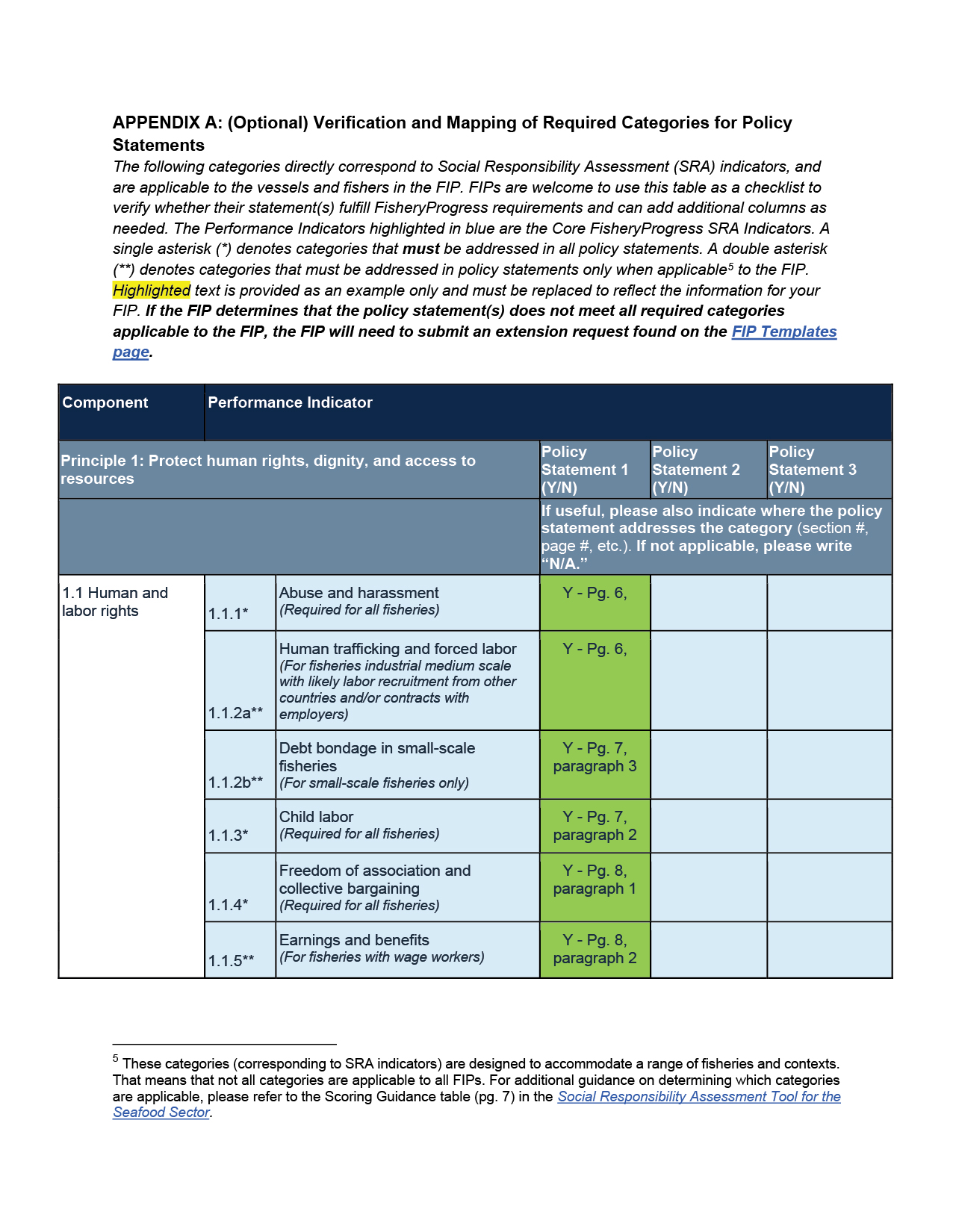
Walailak University has continued to strengthen national and international collaborations to advance SDG-oriented policies on marine resource conservation through its research initiative, “The Thai Blue Swimming Crab Fishery Improvement Project (BSC FIP).” This long-term effort brings together a wide network of partners, including national government agencies, NGOs, and international organizations such as the Marine Resources Assessment Group (MREG), the NFI Crab Council (United States), Local Fishery Associations in Surat Thani, Thai Sea Watch Association, Kasetsart University, Ubon Ratchathani University, the Department of Fisheries, the Department of Marine and Coastal Resources, and the Hydro-Informatics Institute.
In 2024, as part of the university’s direct contribution to SDG policy development, Asst. Prof. Dr. Amonsak Sawusdee and project partners presented a set of new management measures and policy recommendations to the Department of Fisheries. The measures include proposing the revision of Section 57 of the Fisheries Act B.E. 2558 (2015) and the development of the Agreement on the Guidelines for Blue Swimming Crab Resources Management in Surat Thani Province. These measures aim to restore and enhance the blue swimming crab population in Ban Don Bay and in the province, aligning with national sustainability targets and SDG 14: Life Below Water.
Proposed Revision of Section 57 of the Fisheries Act B.E. 2558 (2015)
For several years, the Department of Fisheries has implemented various strategies to prevent the illegal capture of undersized marine animals. These measures include seasonal bay closures during spawning periods, mesh size restrictions not exceeding 2.5 centimeters, and nighttime fishing bans for certain species. Such practices have been in place since the enactment of the Fisheries Act B.E. 2558 (2015).
However, one critical measure has yet to be addressed: the revision of Section 57. Currently, Section 57 prohibits the capture of small marine animals as defined by notifications from the Ministry of Agriculture and Cooperatives, but it does not provide clear subordinate legislation specifying size limits for individual species, such as the blue swimming crab. To address this gap, Asst. Prof. Dr. Amonsak Sawusdee and his research team proposed amending Section 57 to explicitly define the legal minimum size of marine species eligible for harvest, with a particular focus on the blue swimming crab. They also recommended introducing subordinate regulations under this section to manage the harvesting of juvenile blue swimming crabs in accordance with sustainable fishing practices.
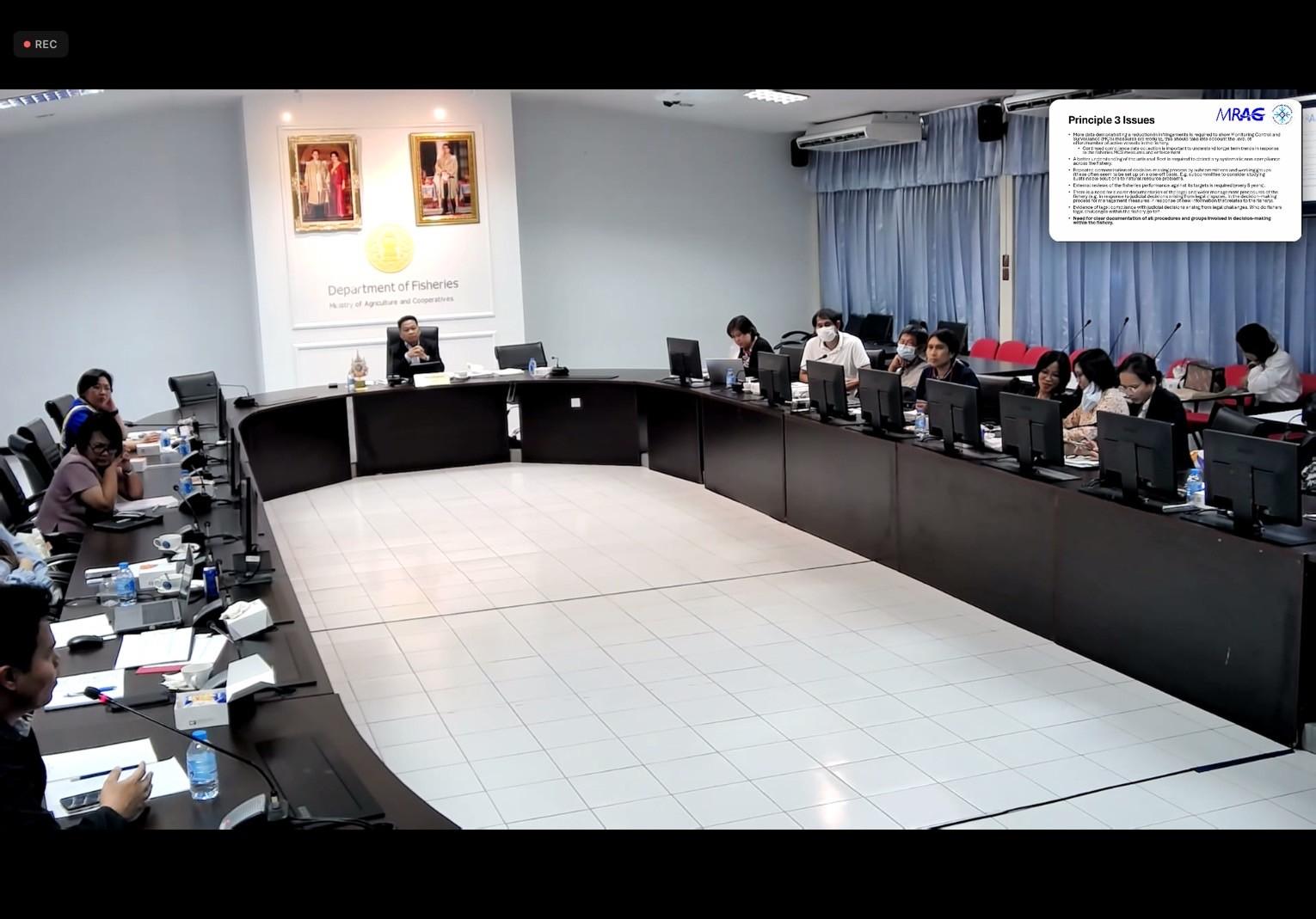
The researchers highlighted that the lack of clear regulations under Section 57, including a defined Minimum Landing Size (MLS) for blue swimming crabs, creates regulatory loopholes that could harm marine ecosystems and negatively impact local and national economies due to declining stocks. To address potential conflicts among stakeholders—including industrial fishers, local fishing communities, NGOs, and the public—the team further suggested establishing neutral, inclusive dialogue platforms across all 22 provinces along the Gulf of Thailand and the Andaman Sea to build consensus on the proposed regulatory changes.
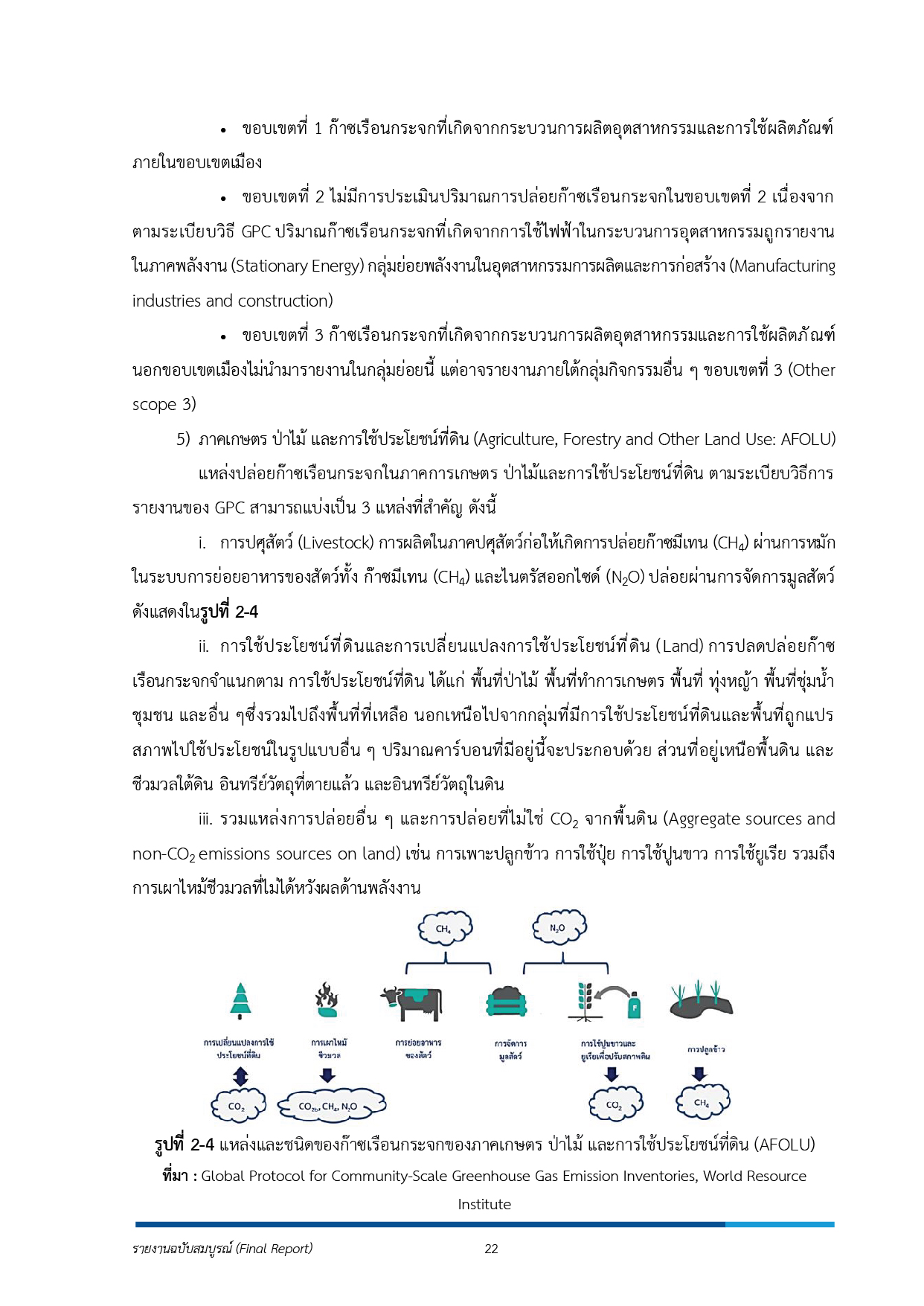
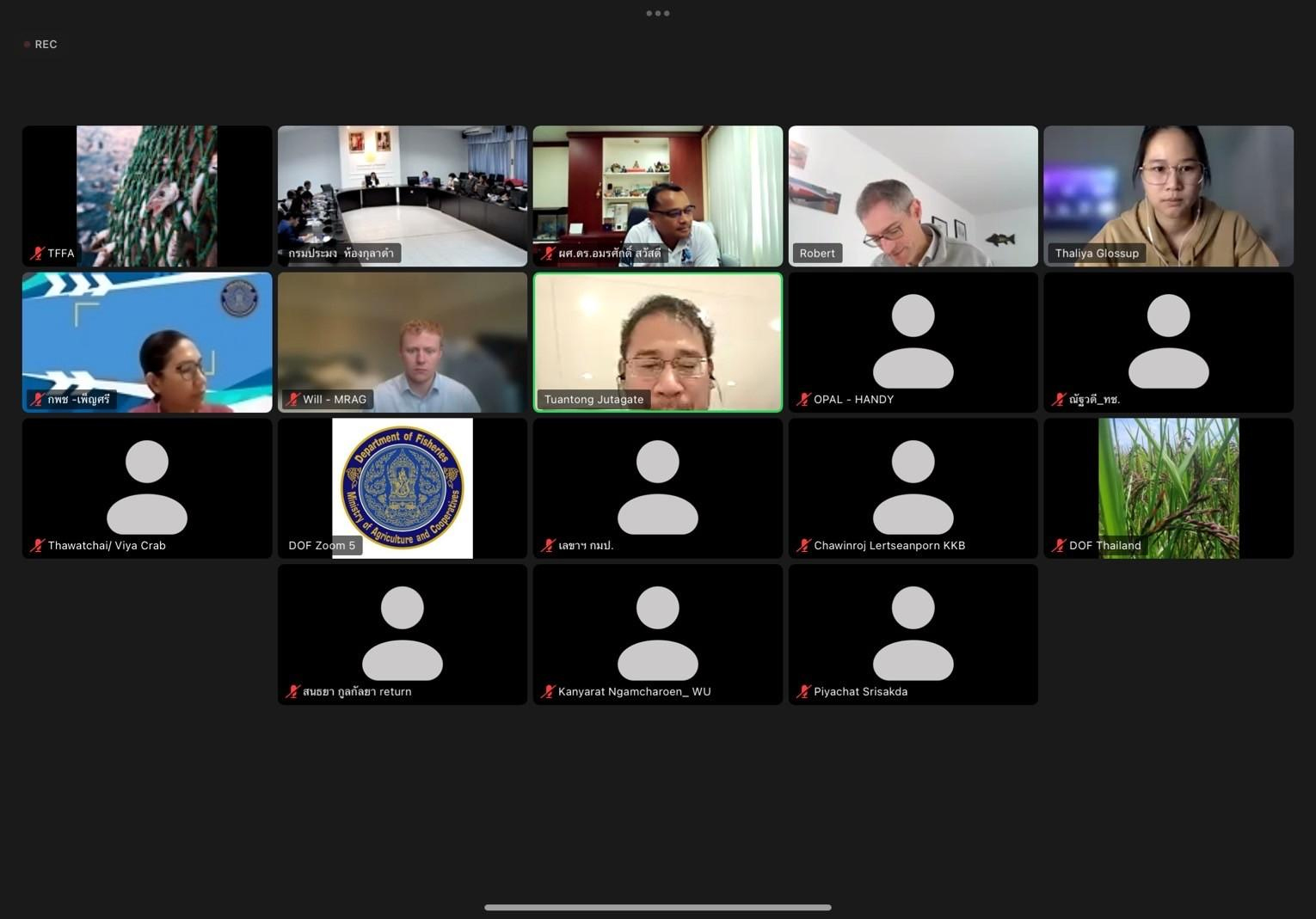
Figure: Asst. Prof. Dr. Amonsak Sawusdee and the international researchers participating in a meeting to discuss the revision of Section 57
The Agreement on the Guidelines for Blue Swimming Crab Resources Management in Surat Thani Province
At the early stage of the Fishery Improvement Project (FIP), Asst. Prof. Dr. Amonsak Sawusdee, together with a team of Thai and international researchers, identified numerous unsustainable fishing practices targeting blue swimming crabs in Ban Don Bay. These practices were largely due to limited awareness among local fishermen regarding sustainable fishing methods. In response, the research team initiated the development of Harvest Control Rules (HCRs) specifically for managing blue swimming crab resources in Ban Don Bay, with the goal of proposing them as a regulatory framework to the Department of Fisheries and the Governor of Surat Thani Province.
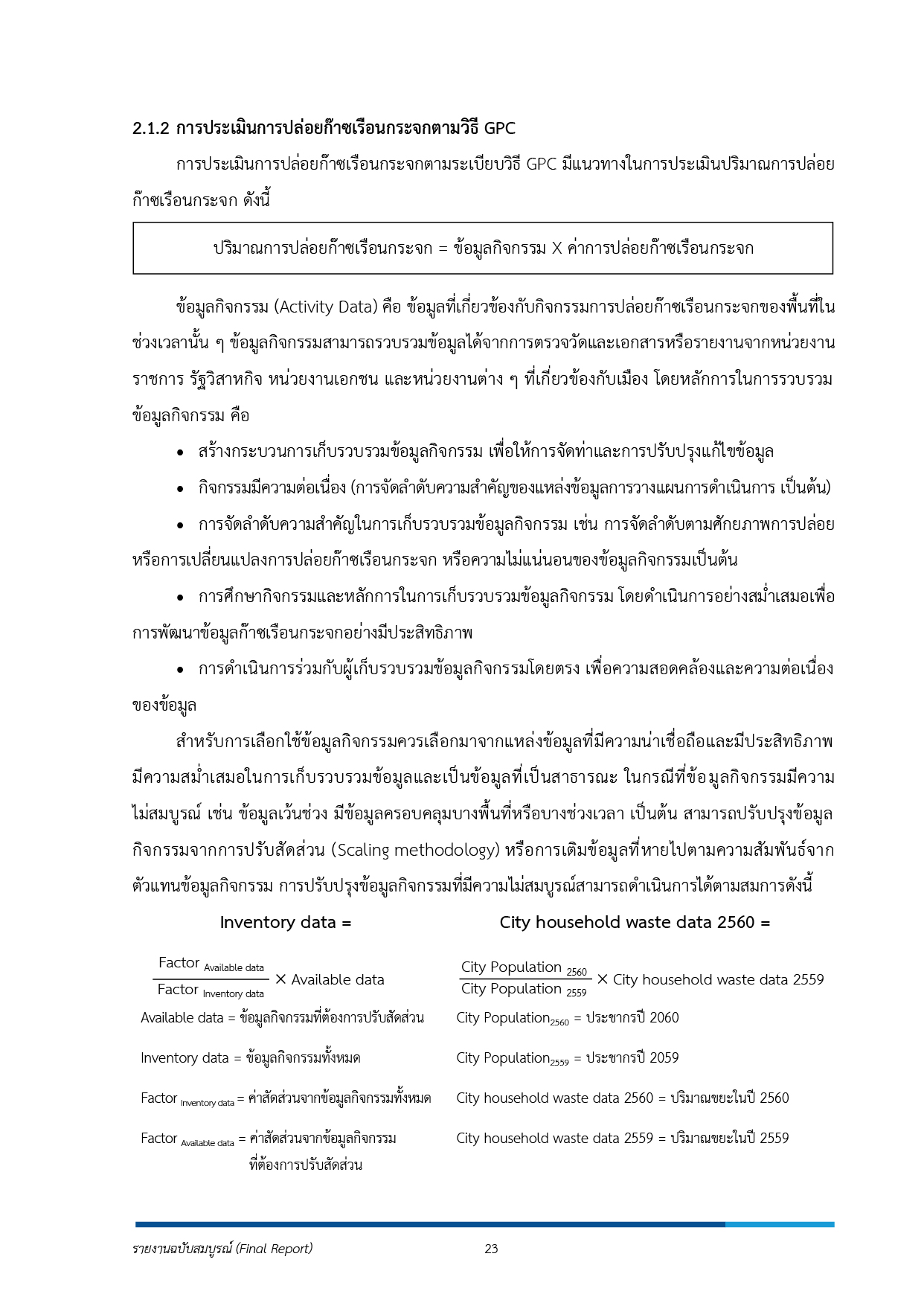
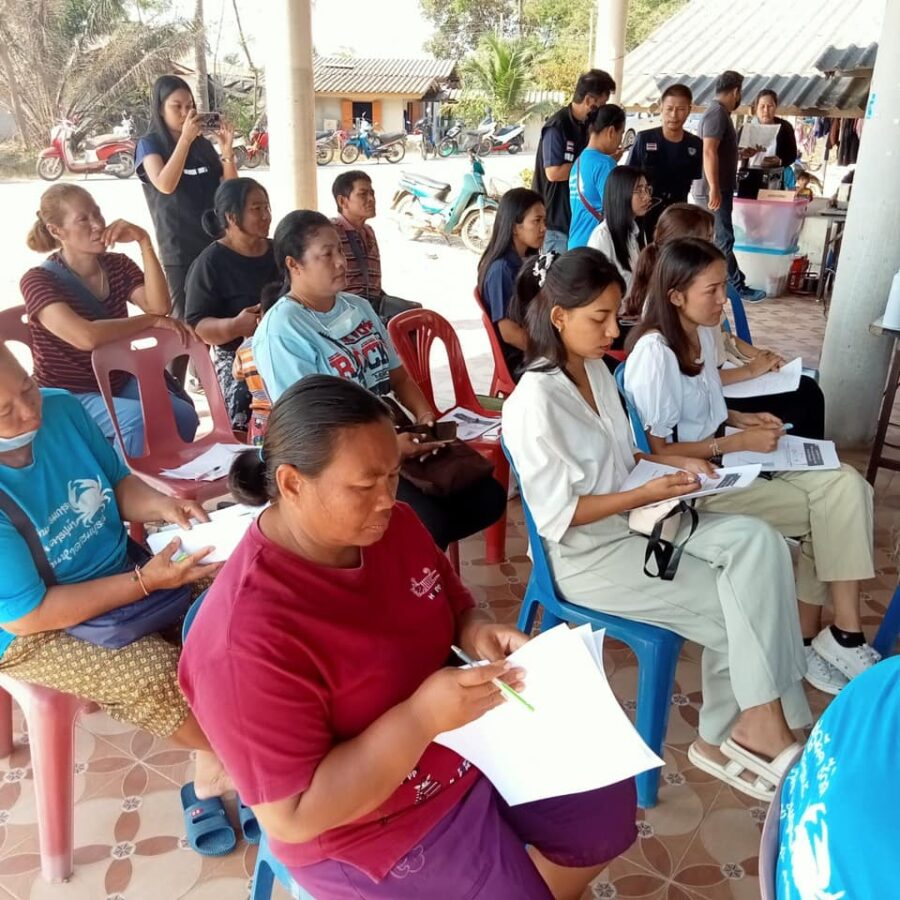
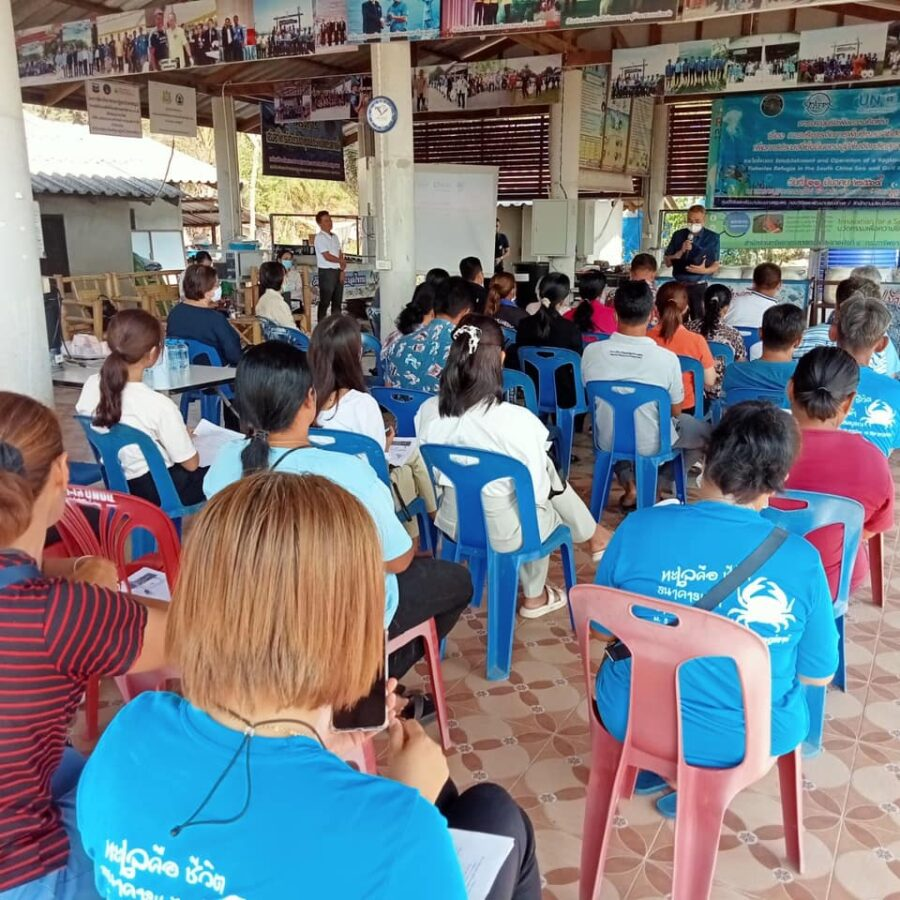
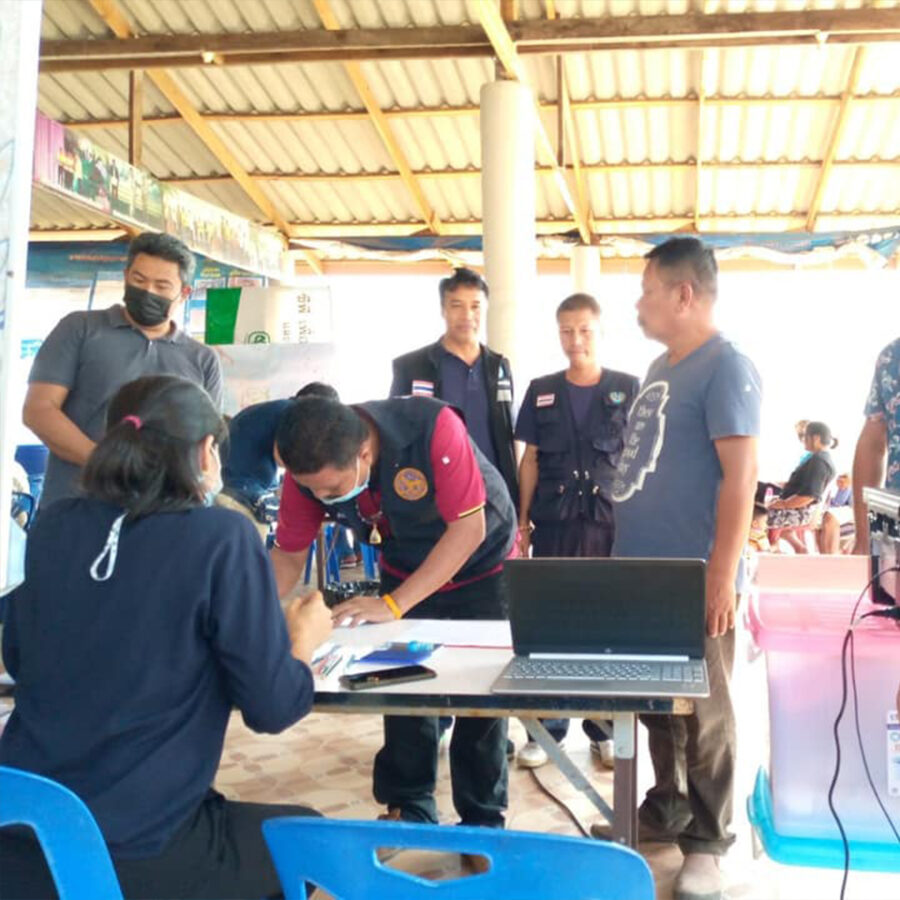
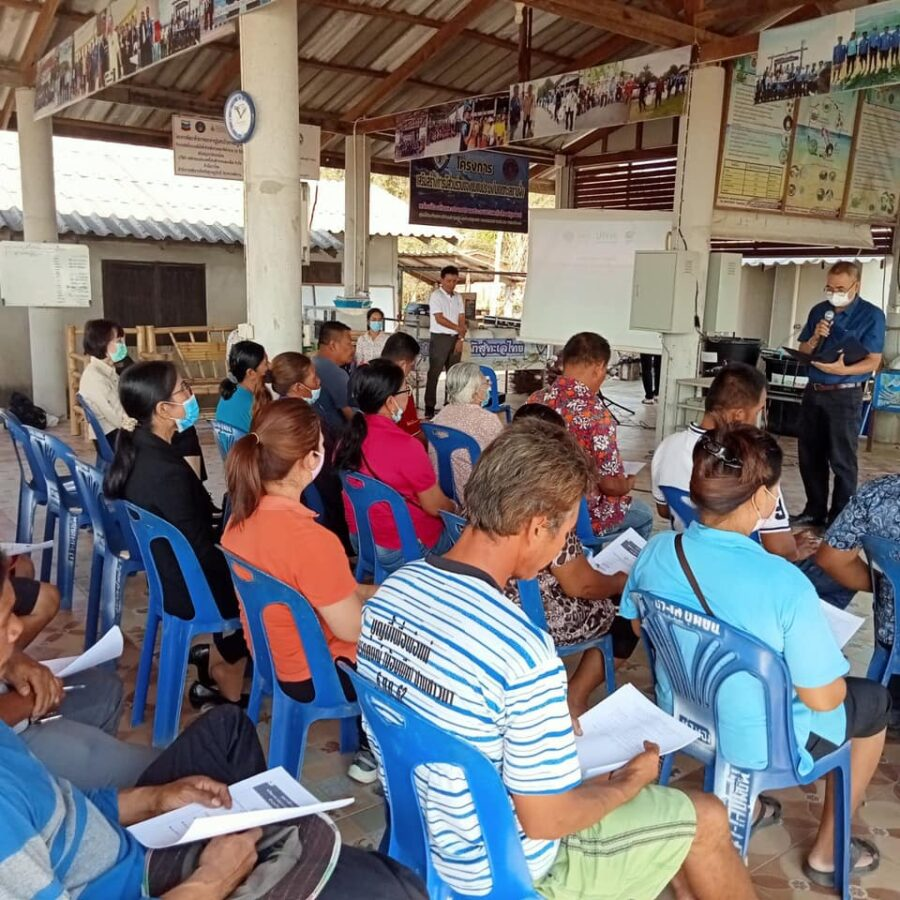
Figure: Local fishermen in Surat Thani attending a public hearing on the development of Harvest Control Rules
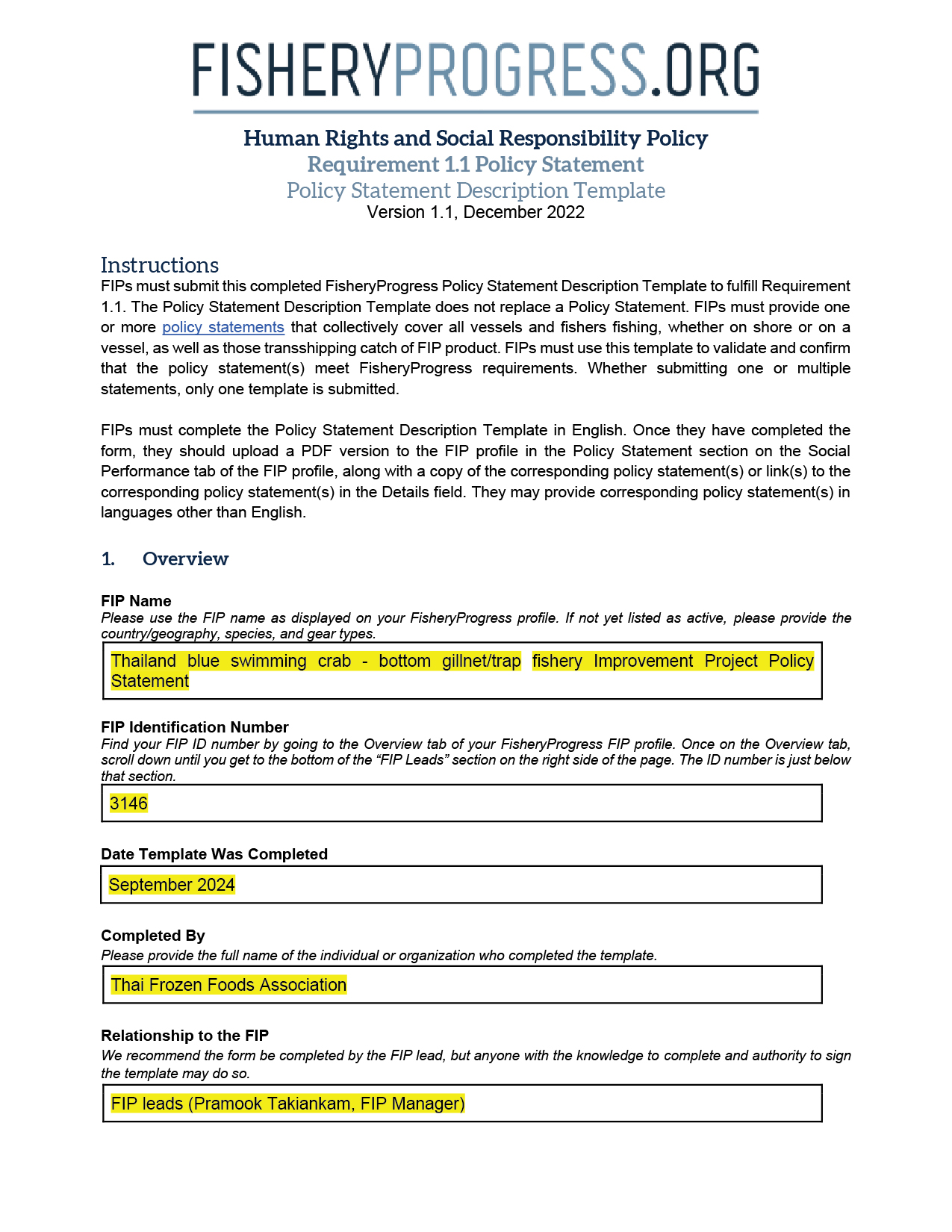
The development process spanned approximately three years. During this period, Asst. Prof. Dr. Amonsak Sawusdee and the research team, in collaboration with the Thai Frozen Foods Association and the Department of Fisheries, organized a series of educational and awareness-raising initiatives. These included the Blue Swimming Crab Bank Project, the Fish Habitat Construction Project, and free training courses on sustainable fishing practices for local fishermen and community members.
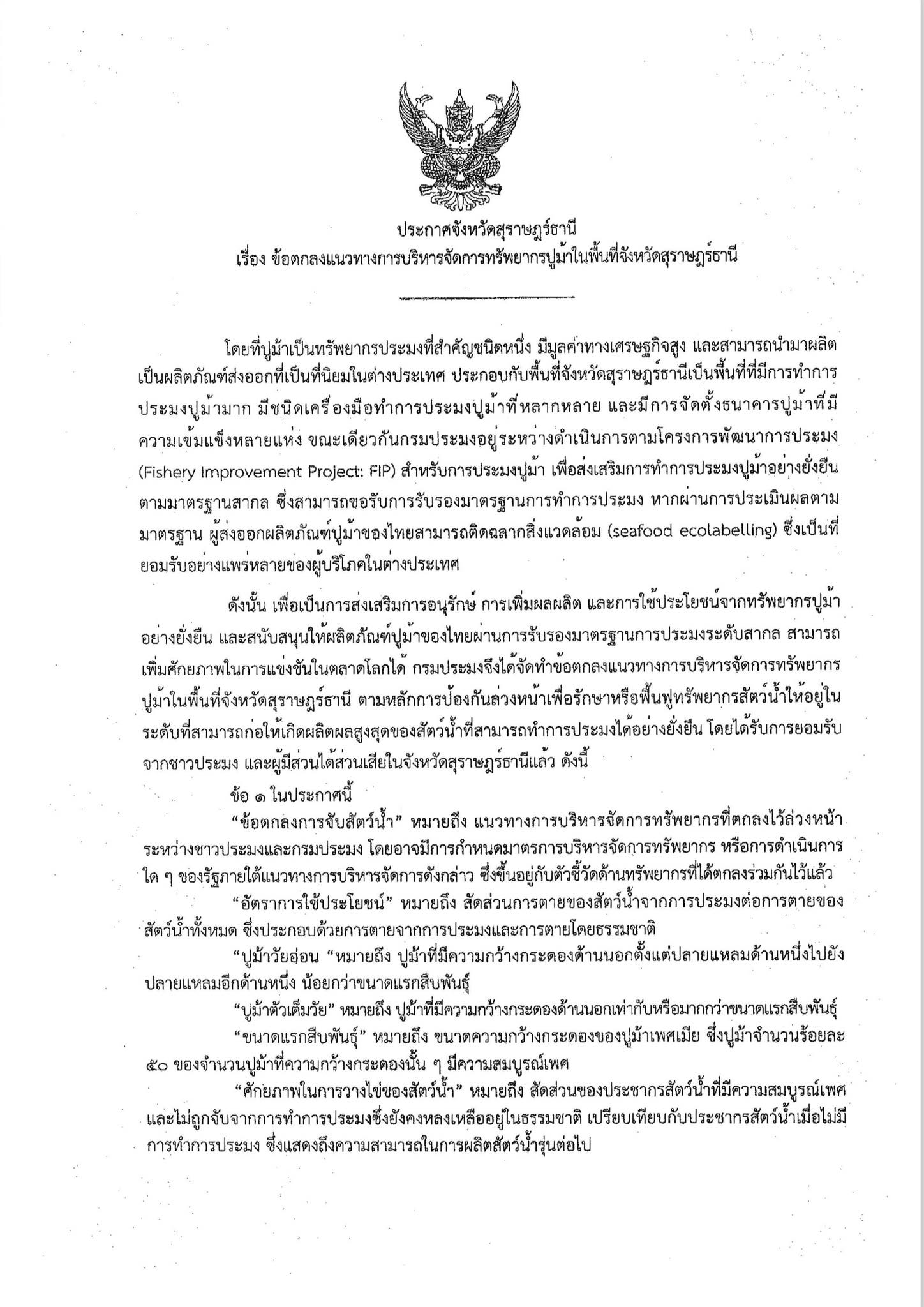
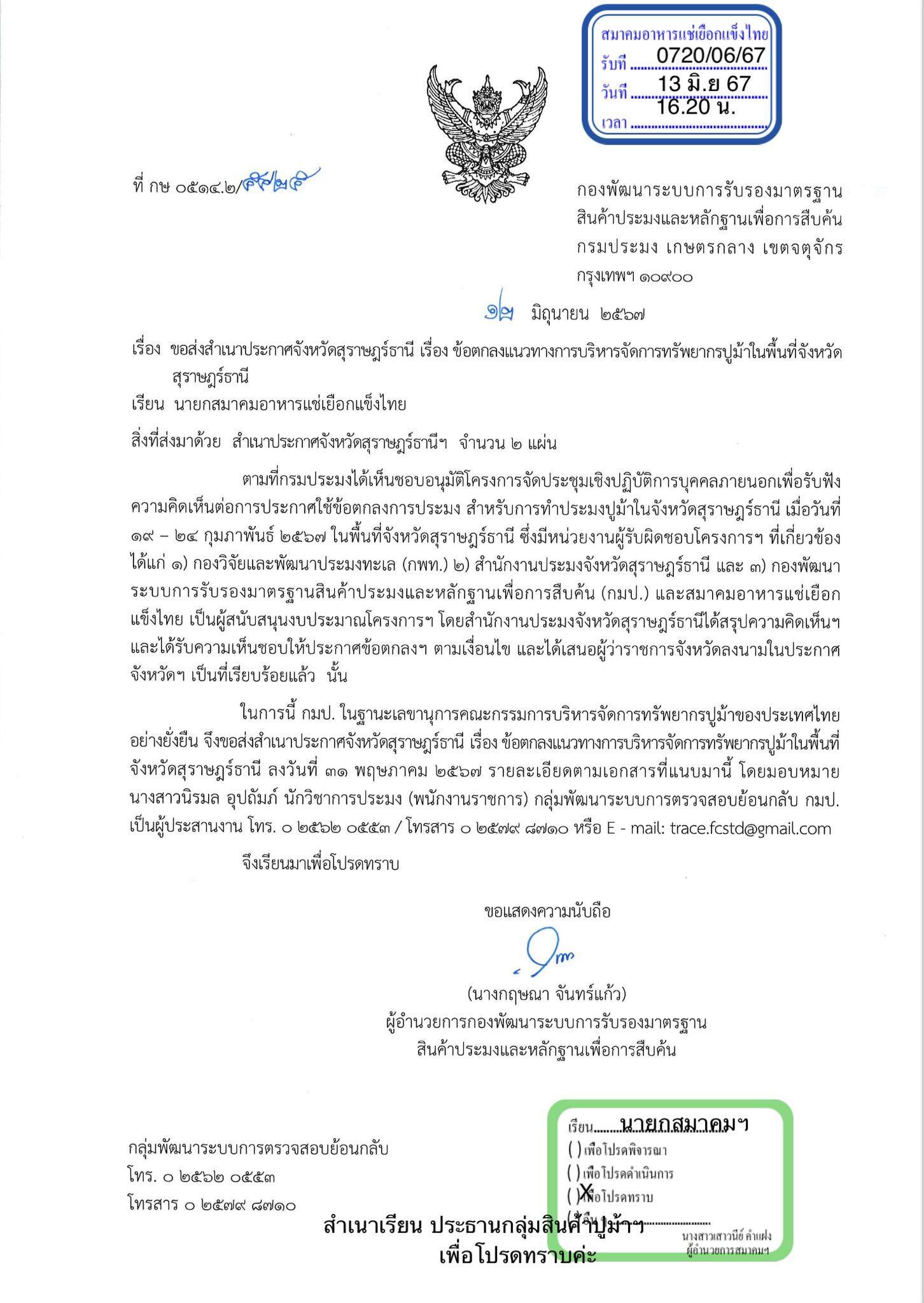
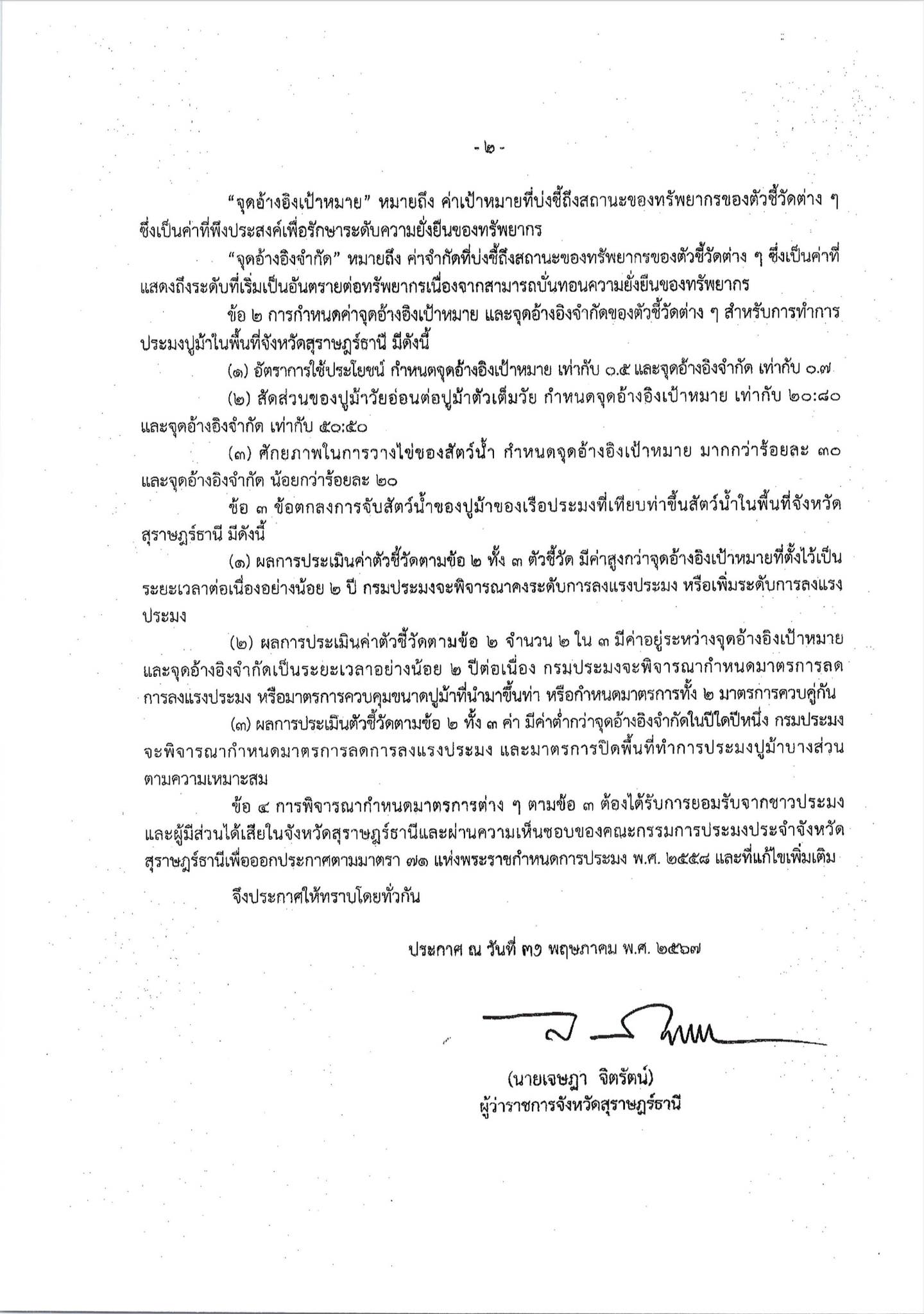
Figure: The official announcement of the Harvest Control Rules in Surat Thani
In 2024, the HCRs were successfully finalized. Subsequently, on 31 May 2024, Mr. Jessada Chitrat, Governor of Surat Thani Province, officially issued the Agreement on the Guidelines for Blue Swimming Crab Resources Management in Surat Thani Province, thereby formally enacting the newly developed HCRs.
Key Provisions of the Agreement:
Utilization Rate:
Target Reference Point (TRP): 0.5
Limit Reference Point (LRP): 0.7
Proportion of Young to Mature Blue Swimming Crabs:
TRP: 20% young : 80% mature
LRP: 50% young : 50% mature
Reproductive Capacity:
TRP: Greater than 30%
LRP: Less than 20%
Implementation Benchmark:
The utilization rate, the proportion of young to mature crabs, and reproductive capacity must demonstrate measurable improvement within the first two years following implementation of the guidelines.
Supporting Inclusive Reform: Drafting the New Alcoholic Beverage Control Act
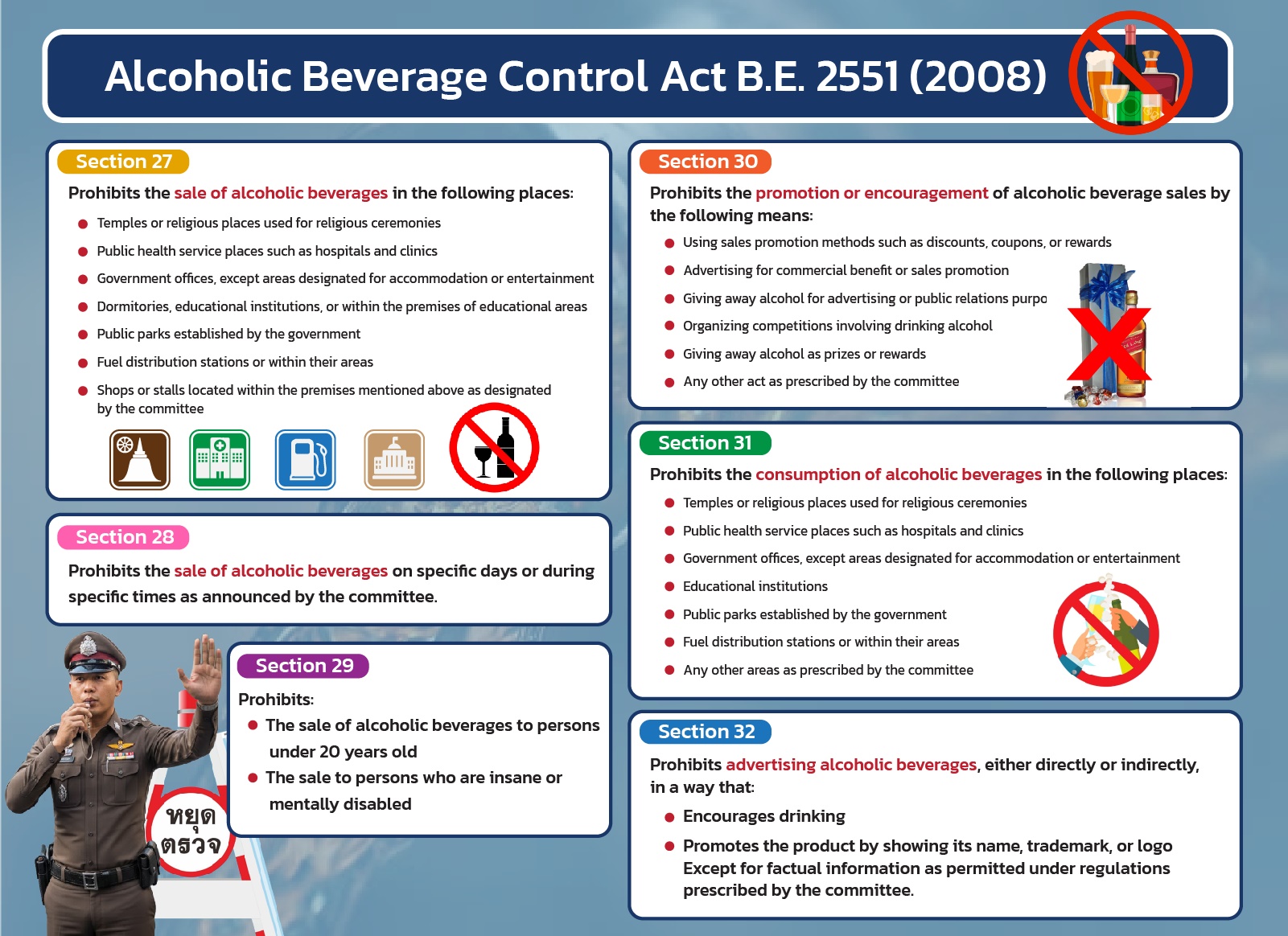
The Alcoholic Beverage Control Act, B.E. 2551 (2008), which has governed the sale, consumption, and advertising of alcohol in Thailand for nearly 16 years, was designed to protect public well-being. However, with changing societal and global contexts, the act has become outdated in addressing modern challenges in alcohol regulation.
In response, the Office of the Alcohol Control Committee, the Department of Disease Control, and the Ministry of Public Health have conducted diagnostic assessments to identify key policy gaps and regulatory weaknesses to protect Thai society from any disadvantages from alcoholic consumption, both direct and indirect impacts, especially on health impacts.
Based on these findings, they have initiated the drafting of a new Alcoholic Beverage Control Act to better address current issues. This new act is also aimed at supporting Thailand’s efforts to achieve the United Nations Sustainable Development Goals, particularly SDG 3: Good Health and Well-Being. The key targets addressed by the new act include:
Target 3.5: Strengthening the prevention and treatment of substance abuse, including harmful alcohol use
Target 3.6: Halving the number of global deaths and injuries from road traffic accidents
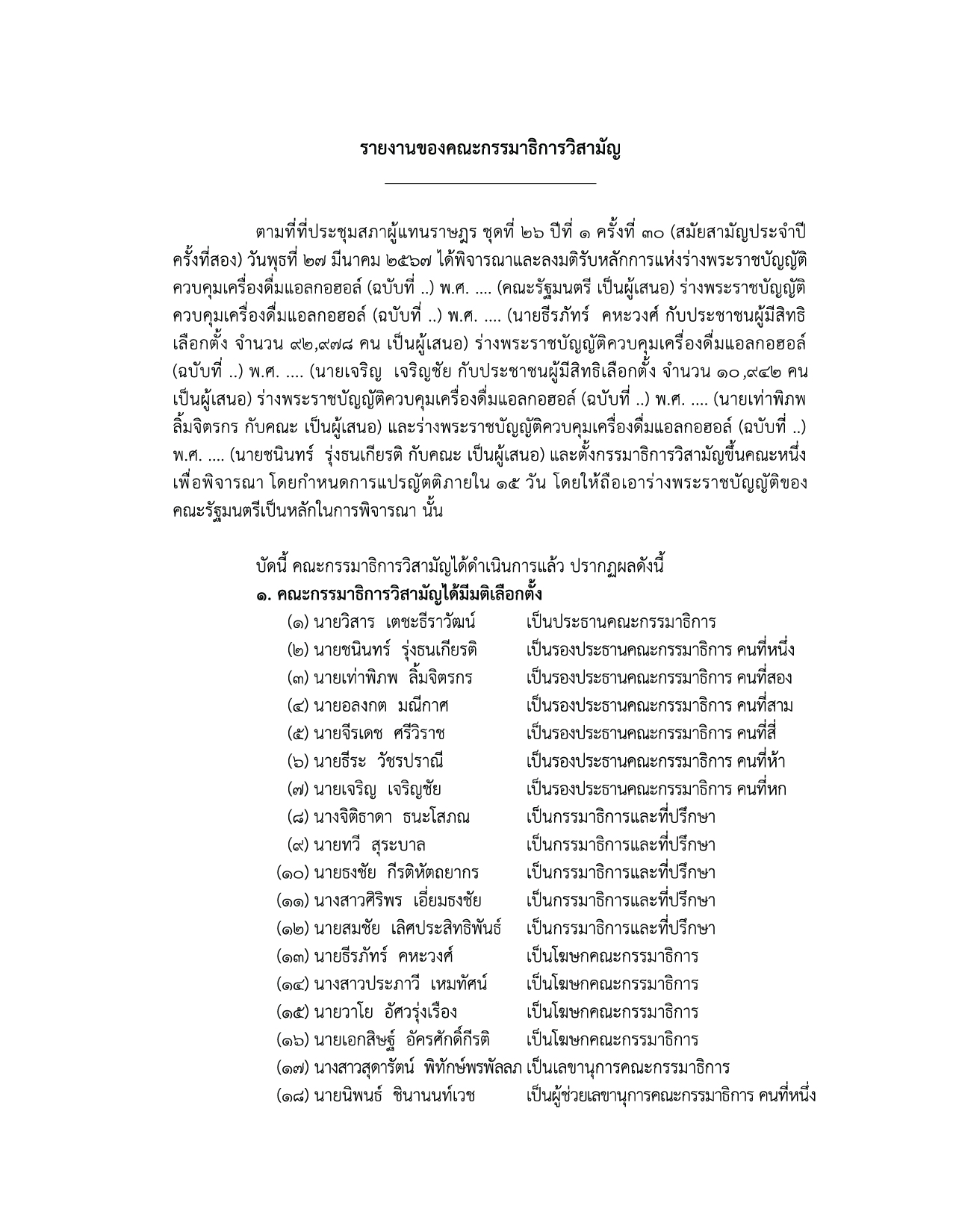
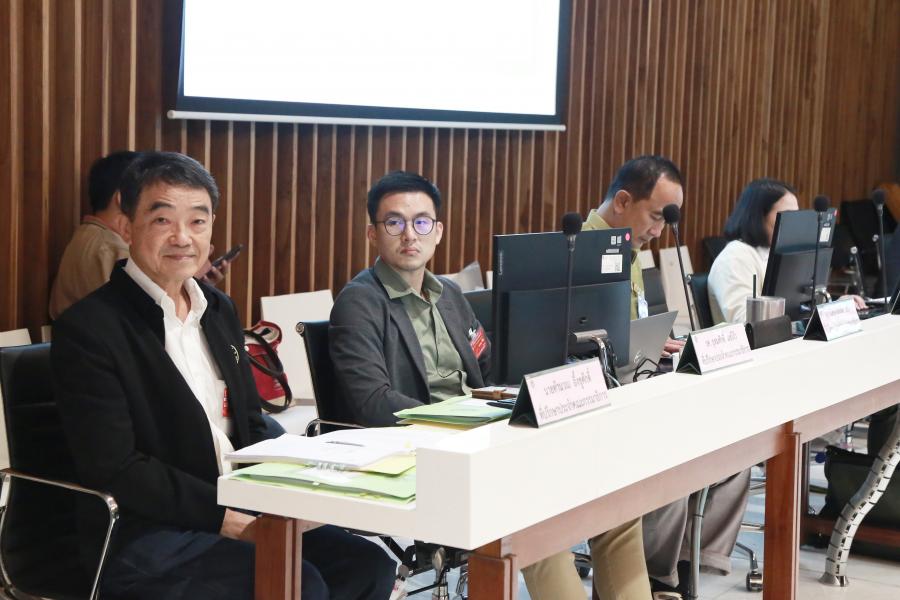
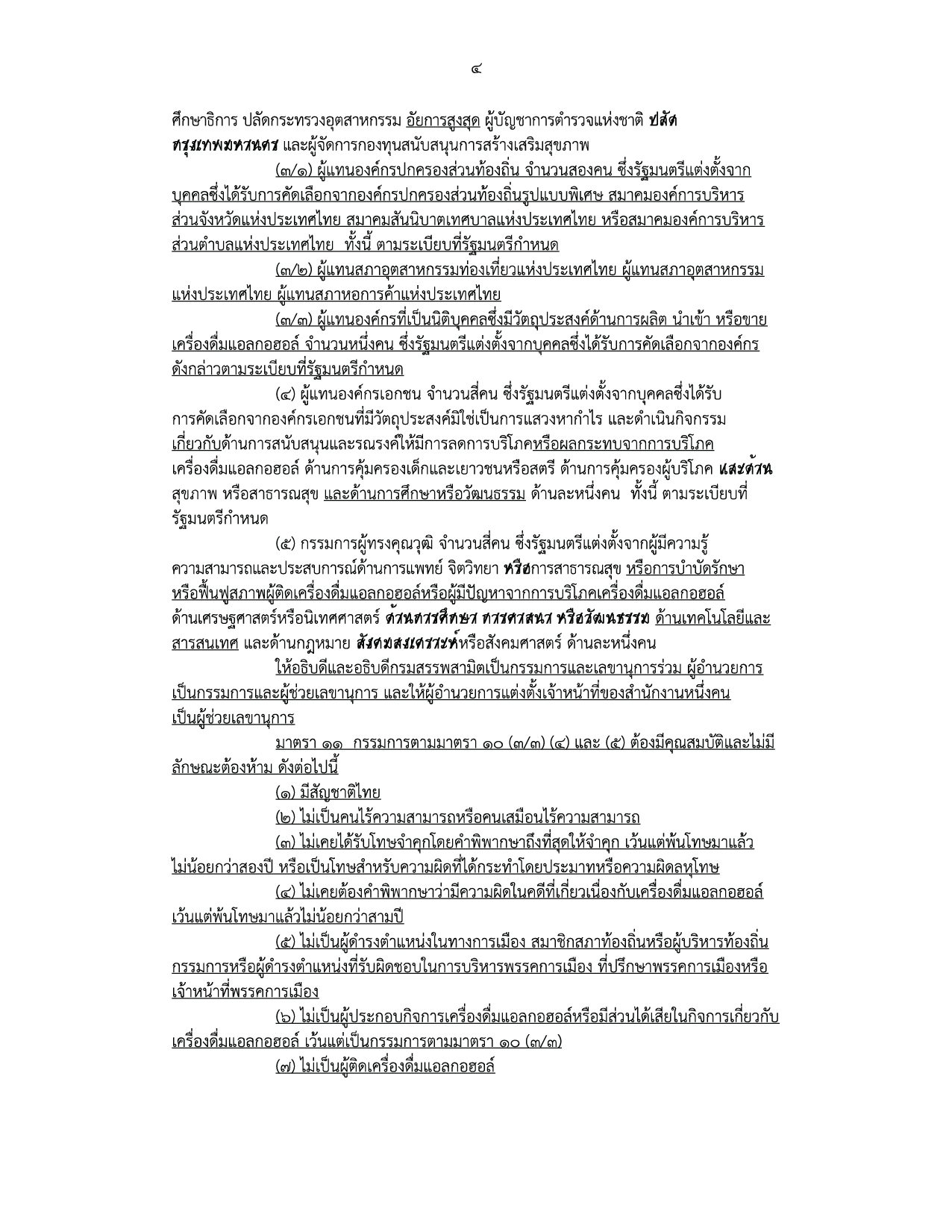
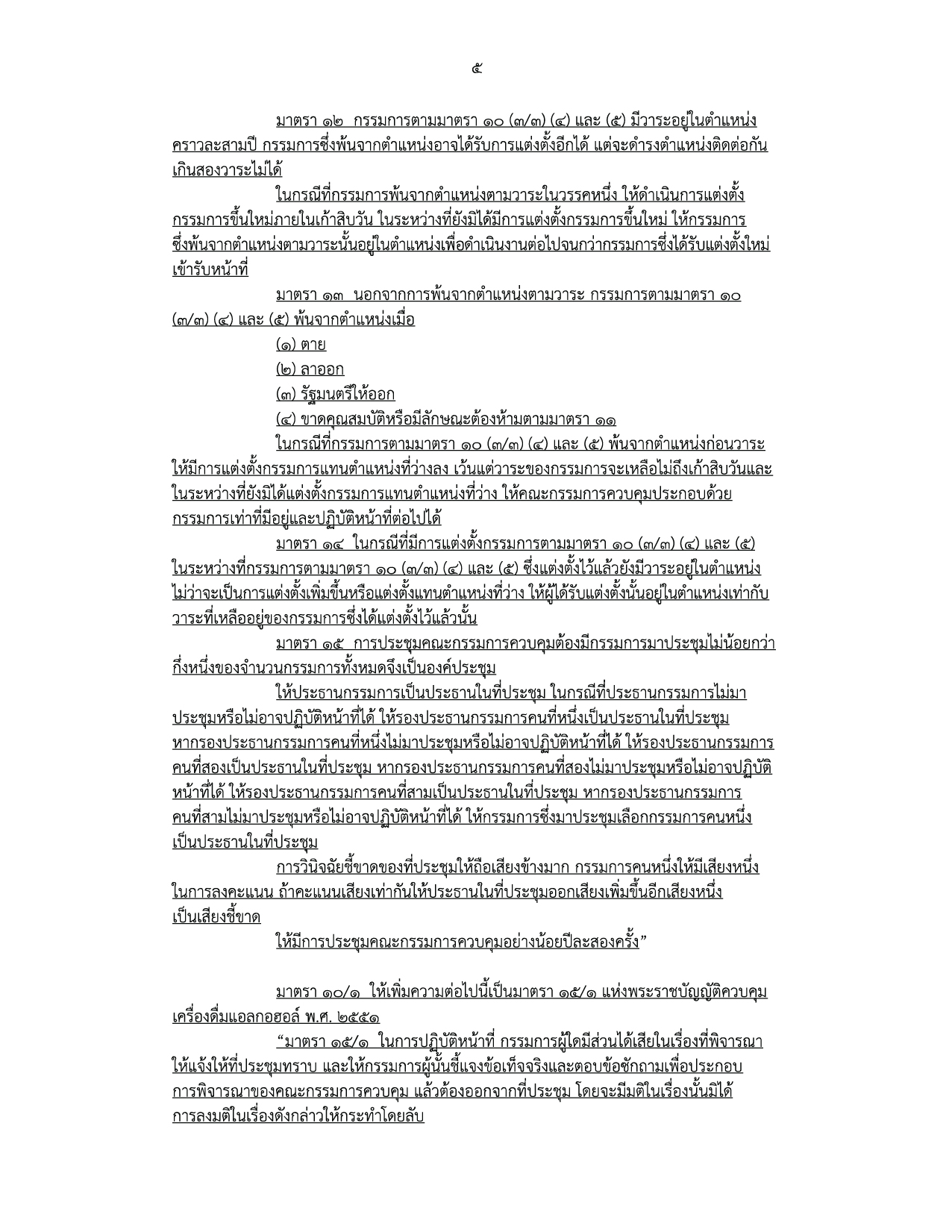
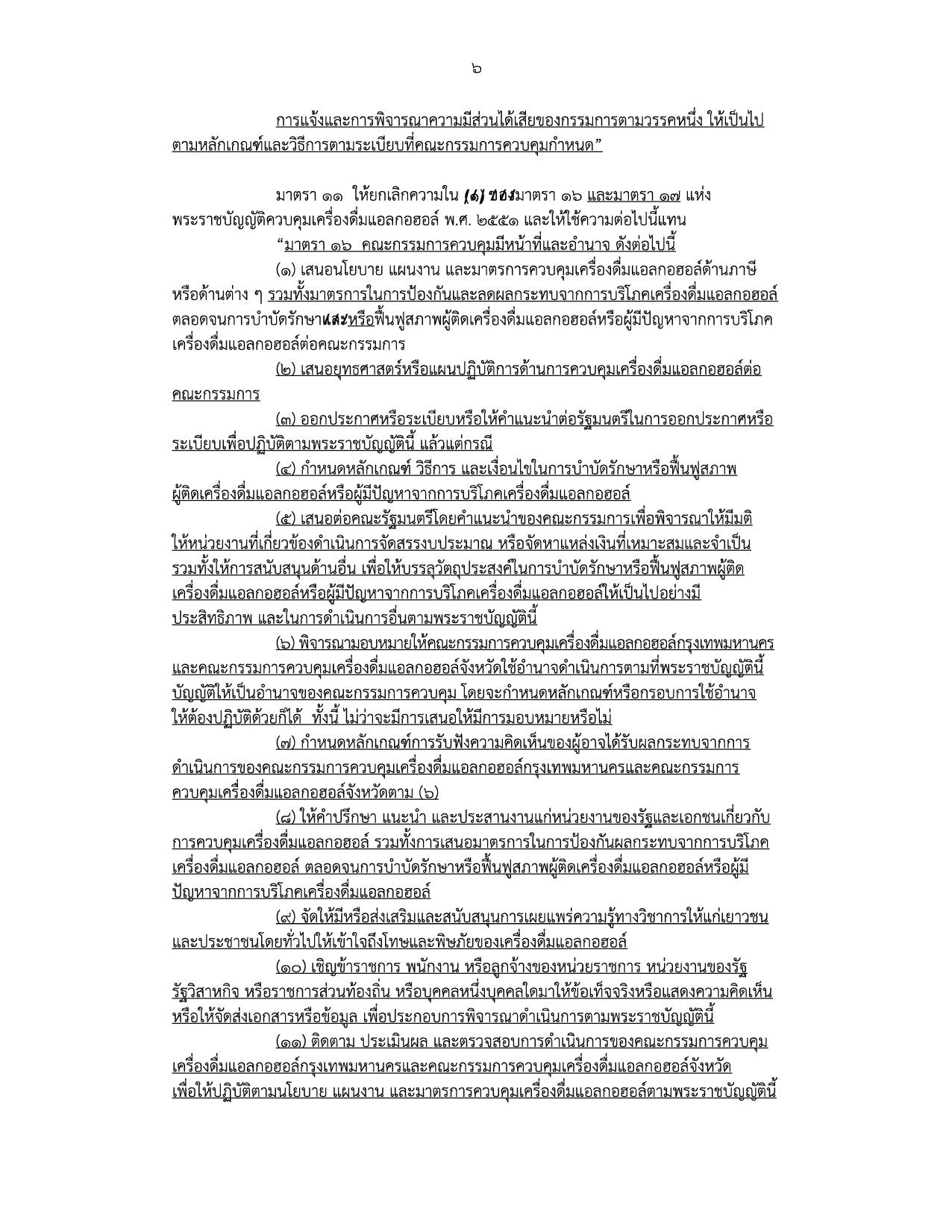
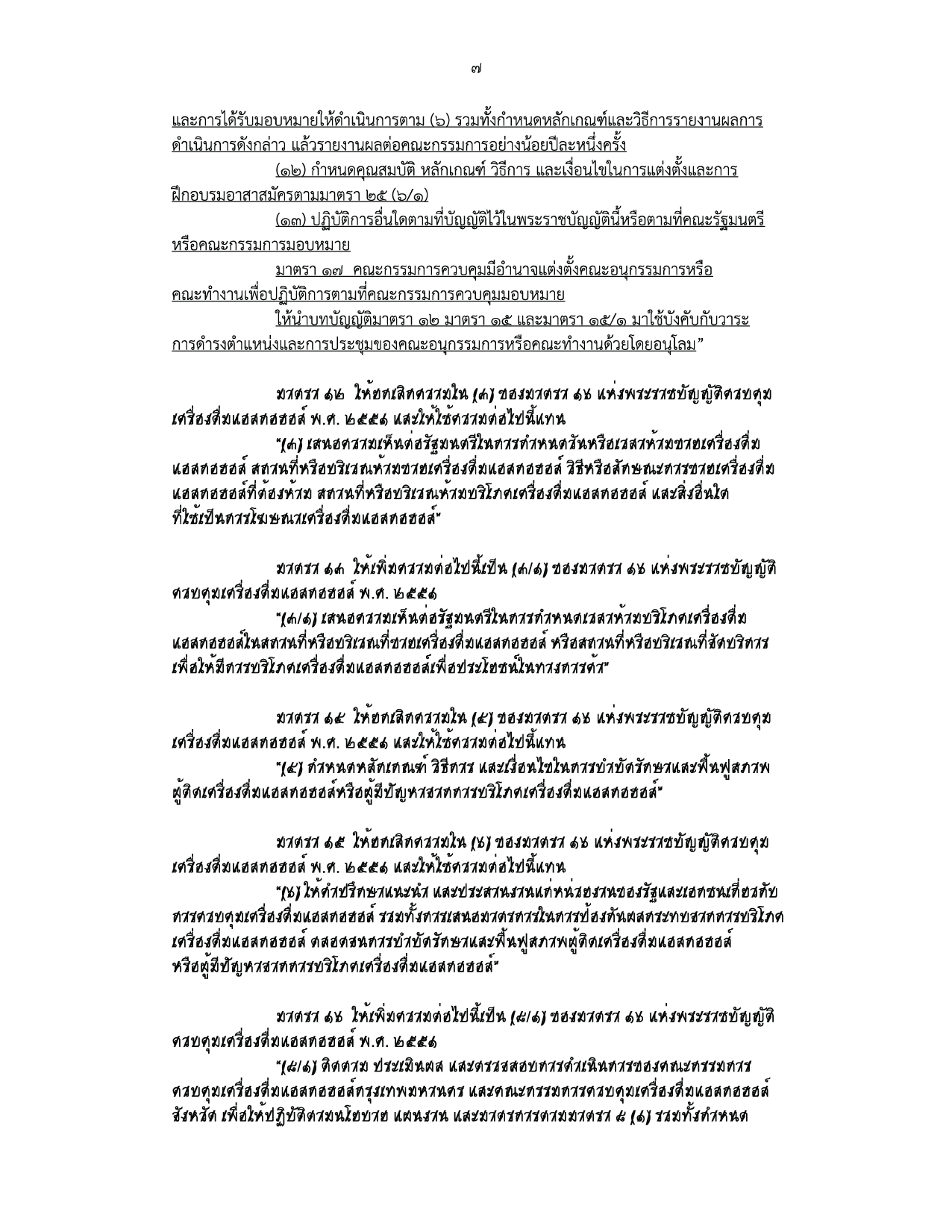
To develop the draft of the new alcoholic beverage control act, the Ad-hoc Committee on Alcoholic Beverage Control Act Consideration needed to appoint a team of advisors of the Ad-hoc Committee on Alcoholic Beverage Control Act Consideration.
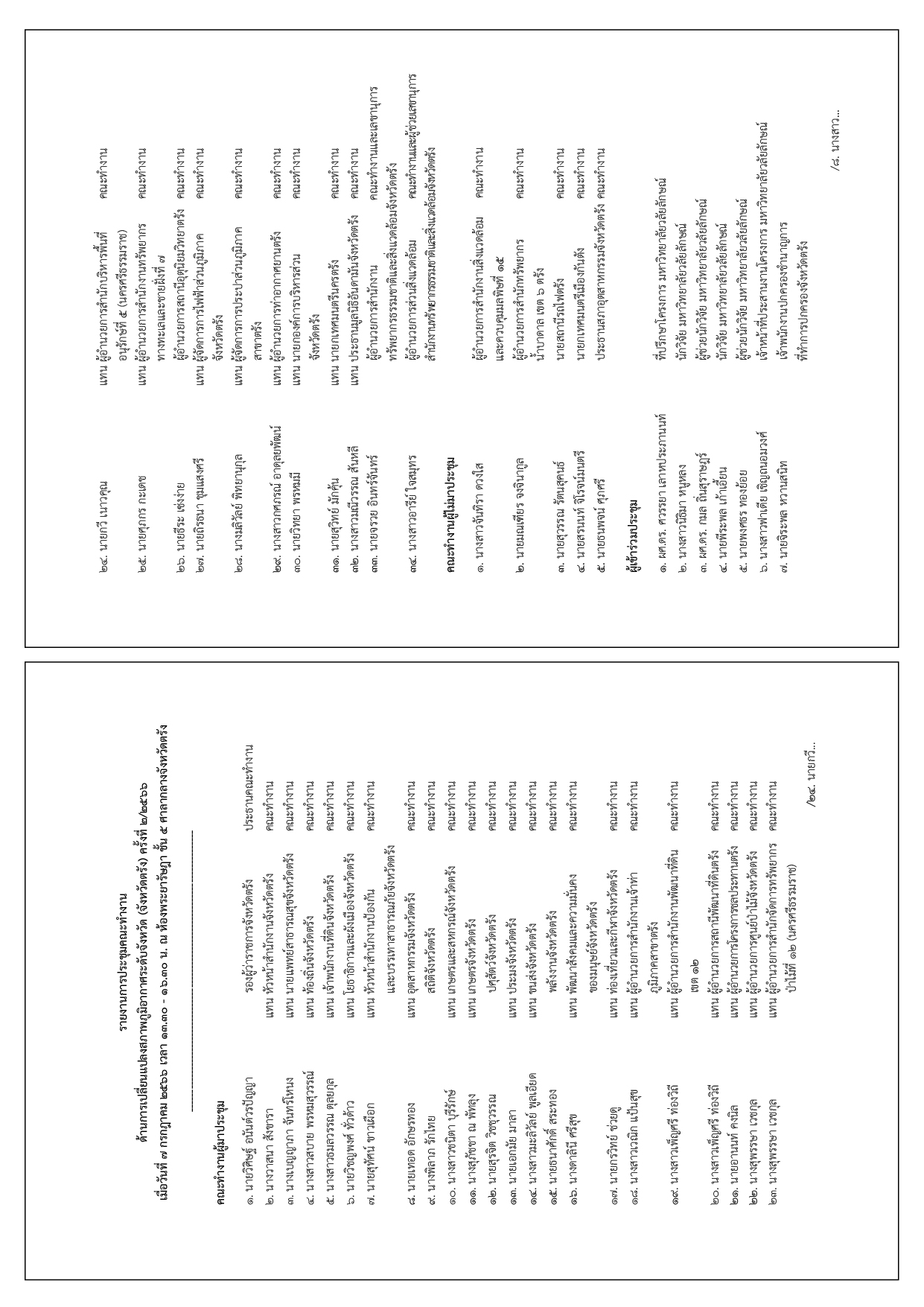
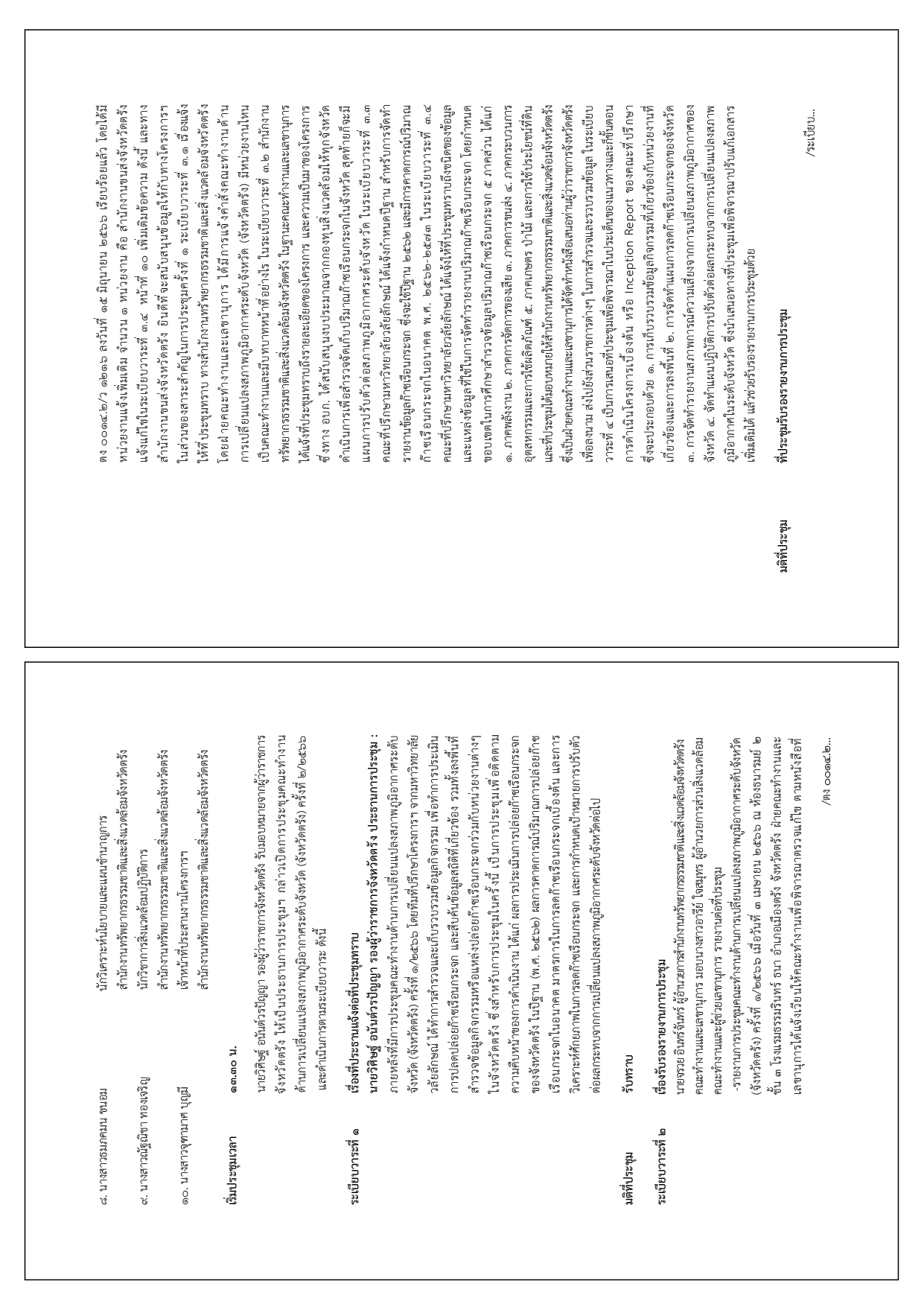
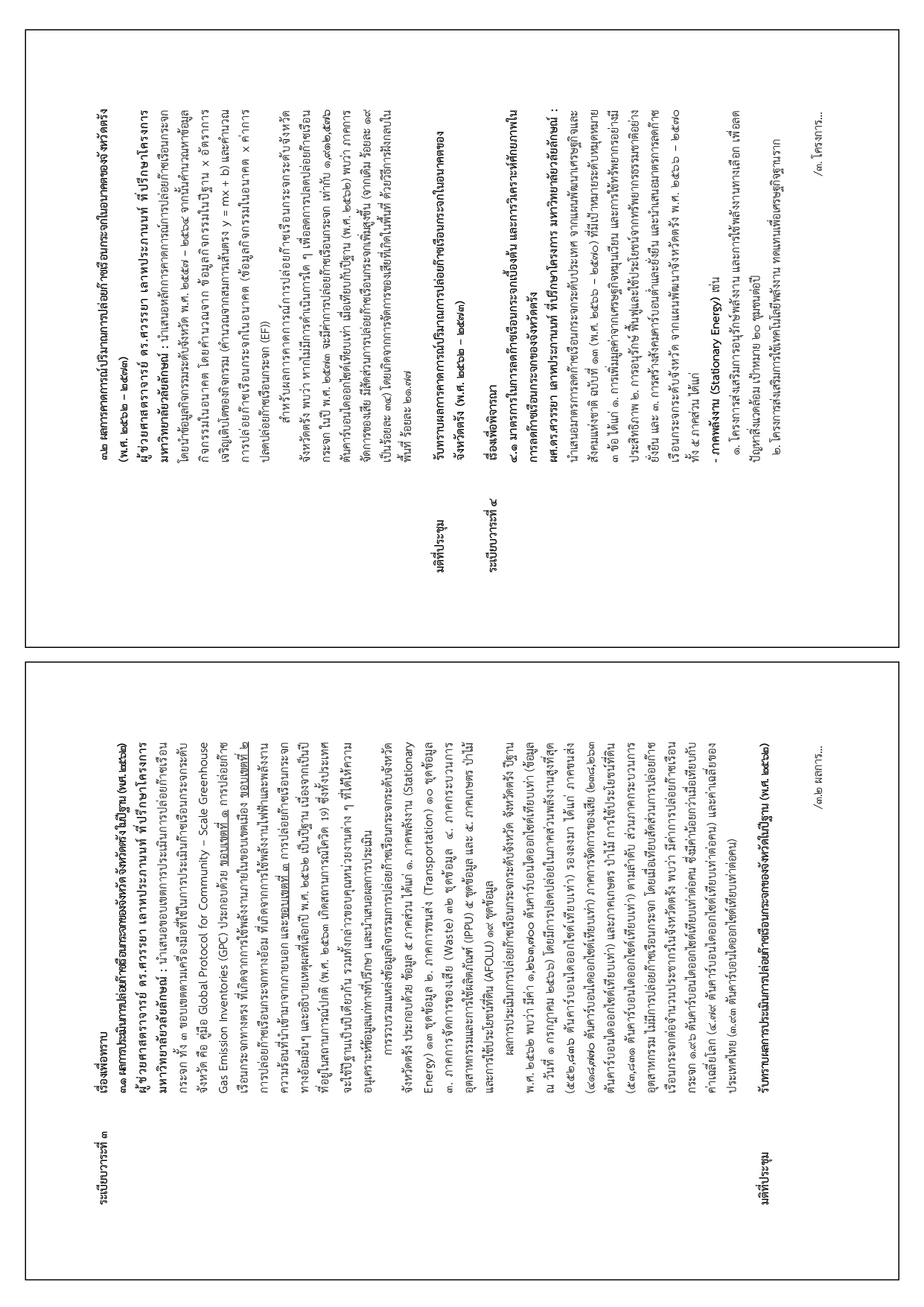
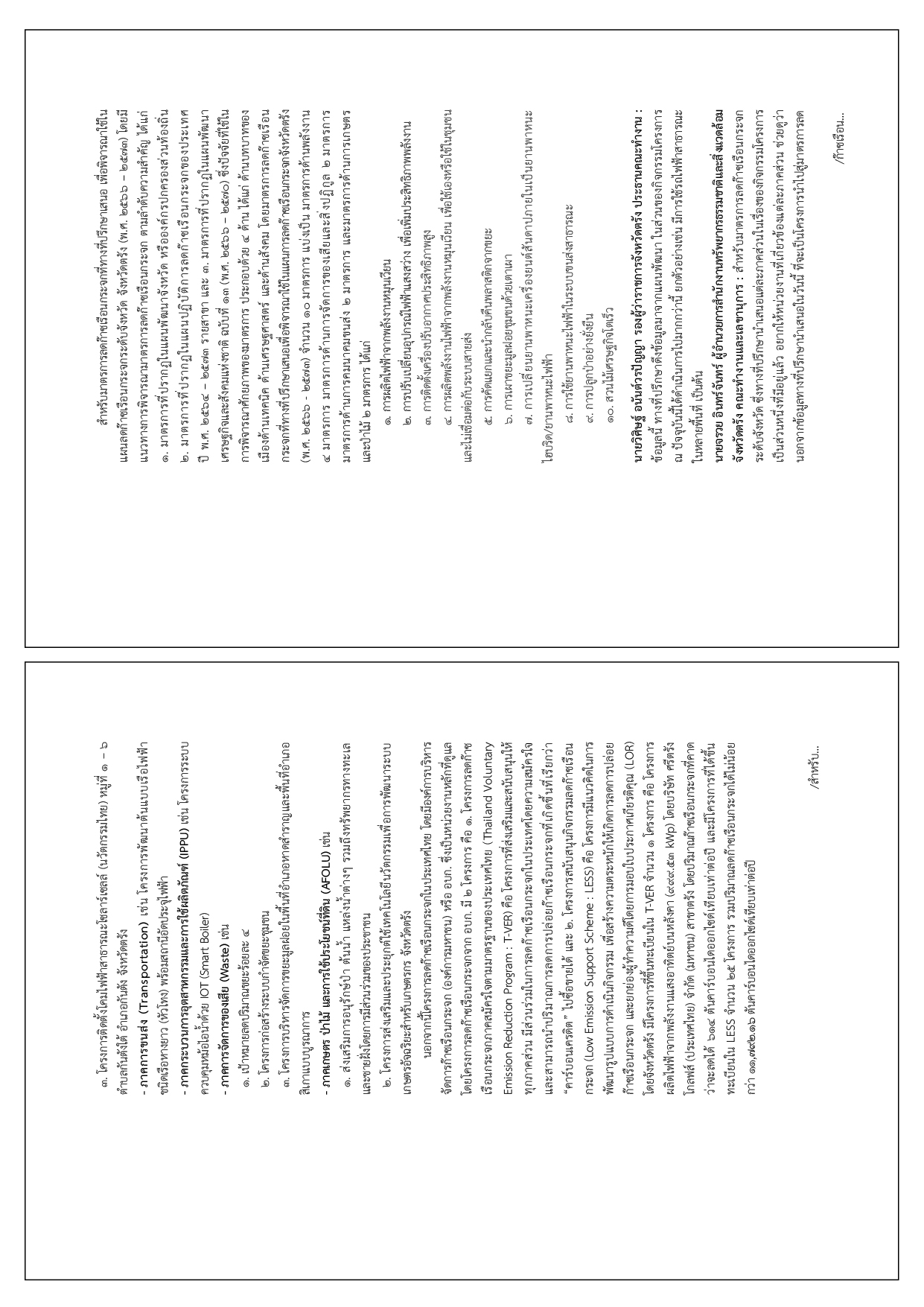
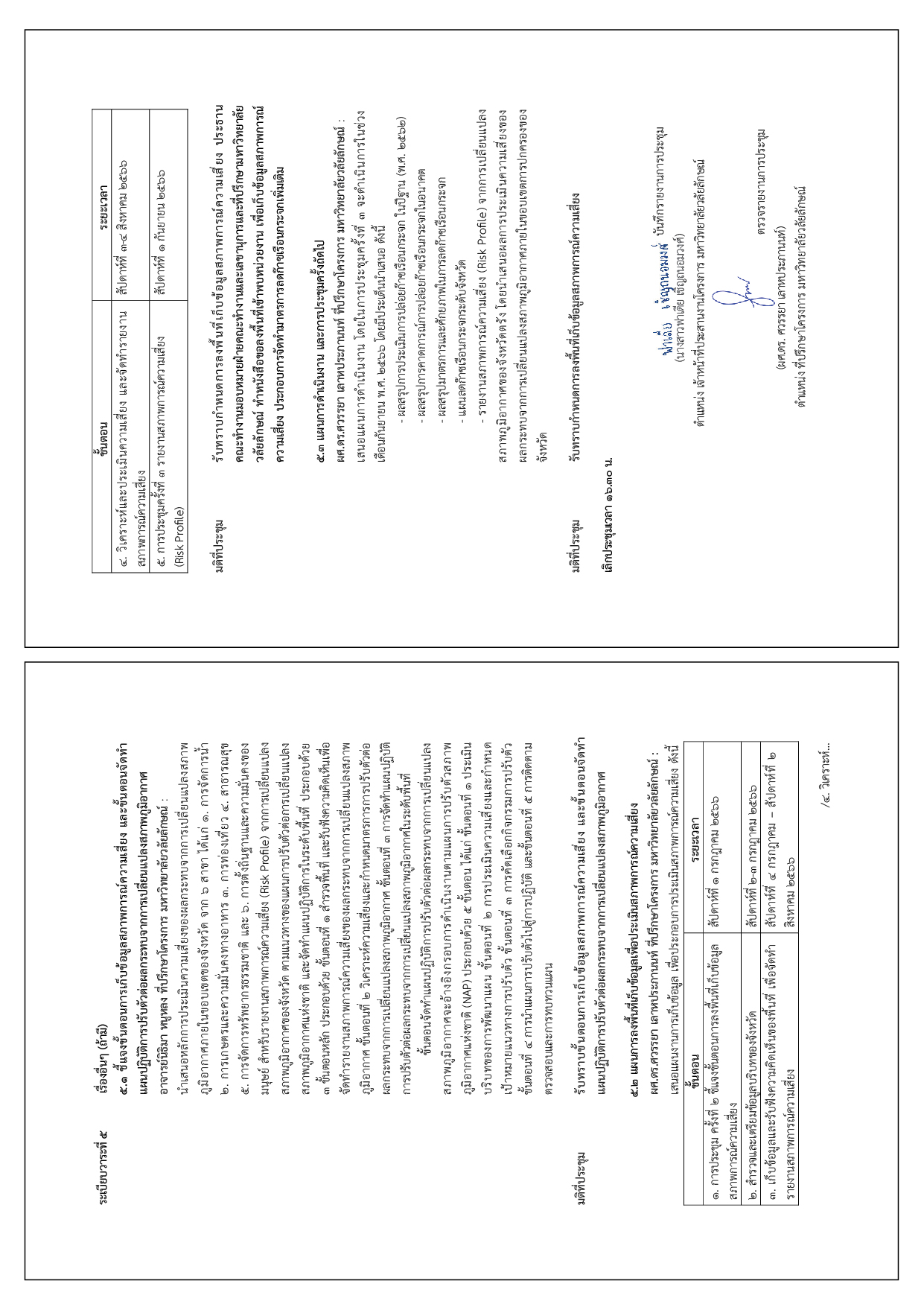
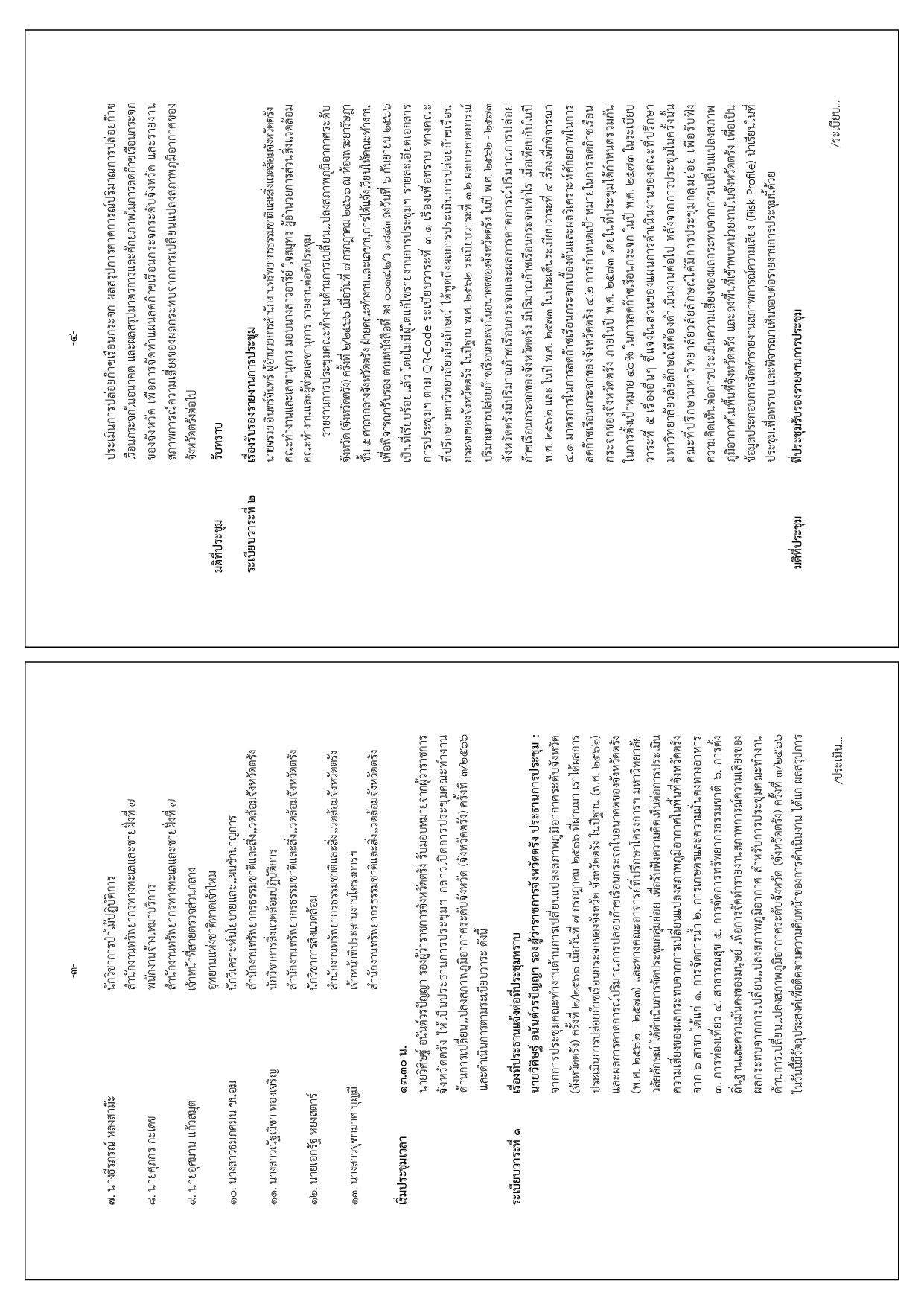
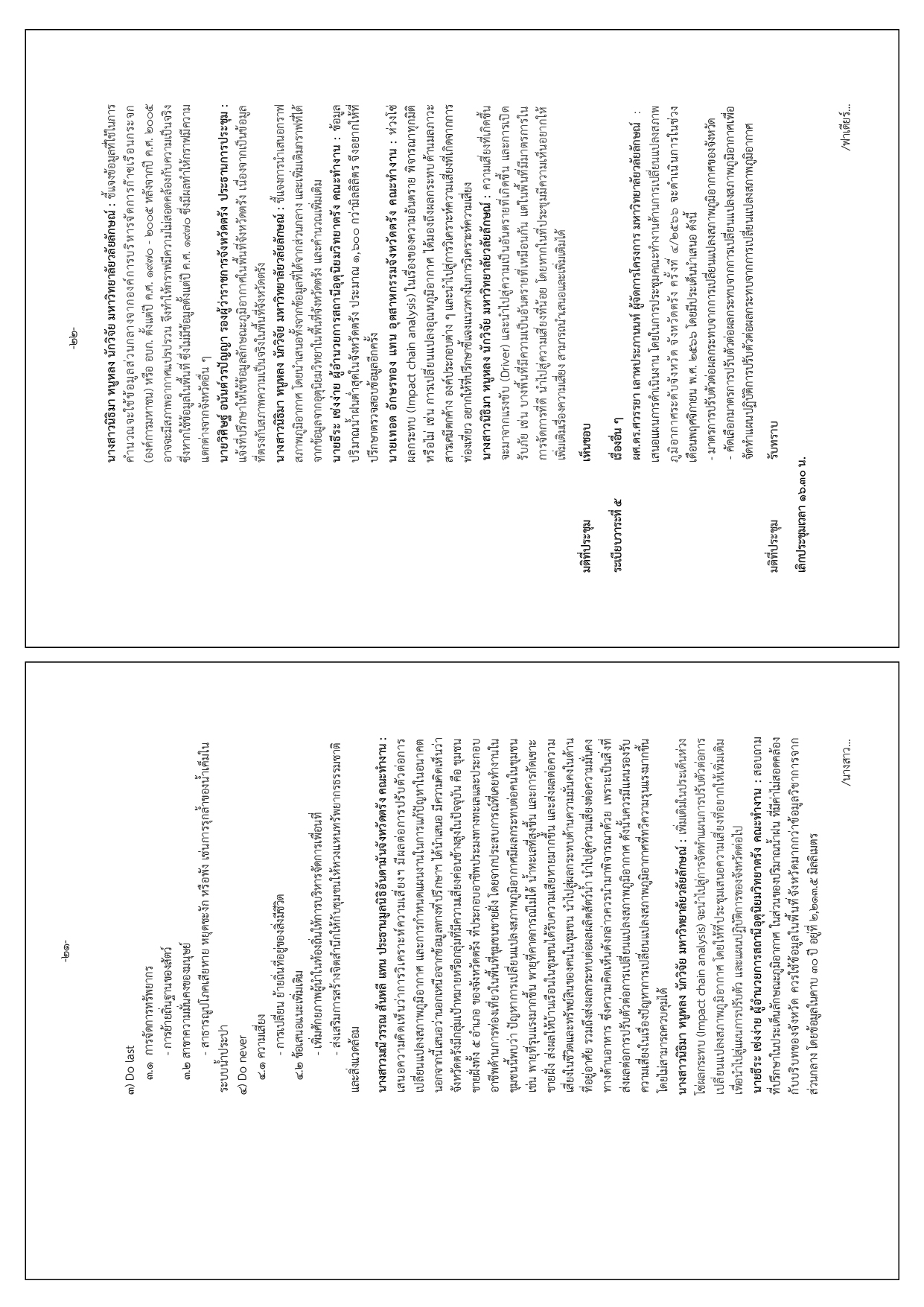
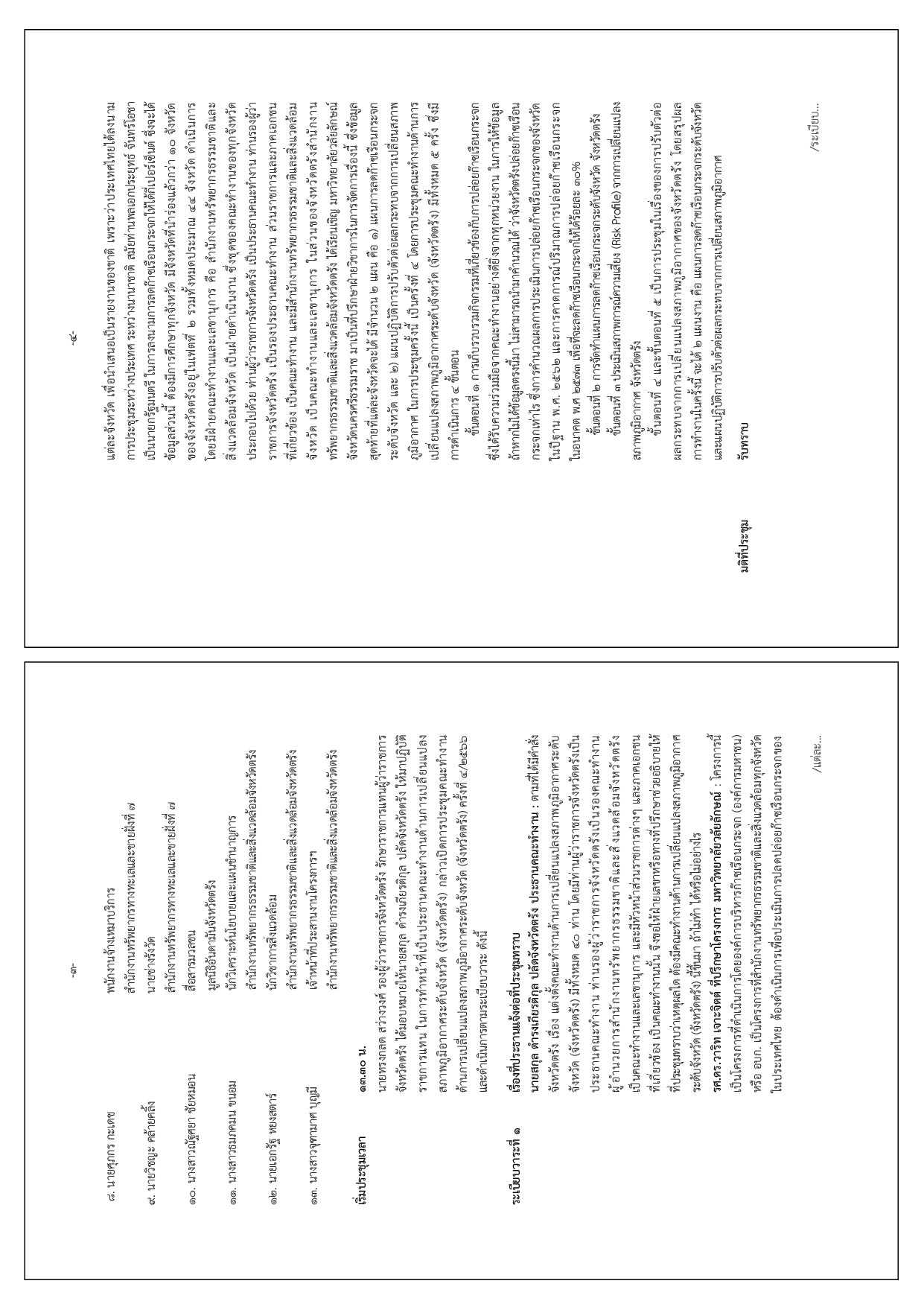
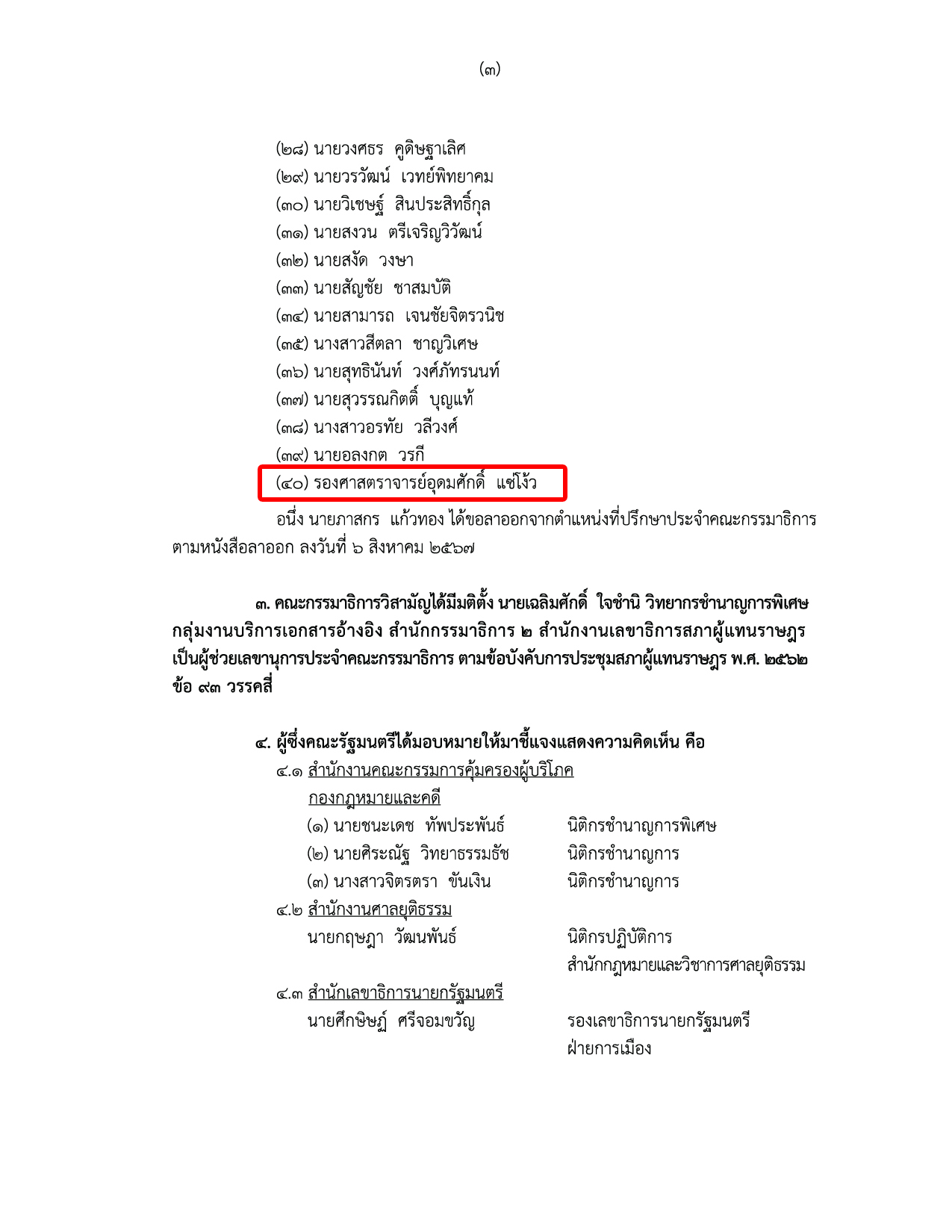
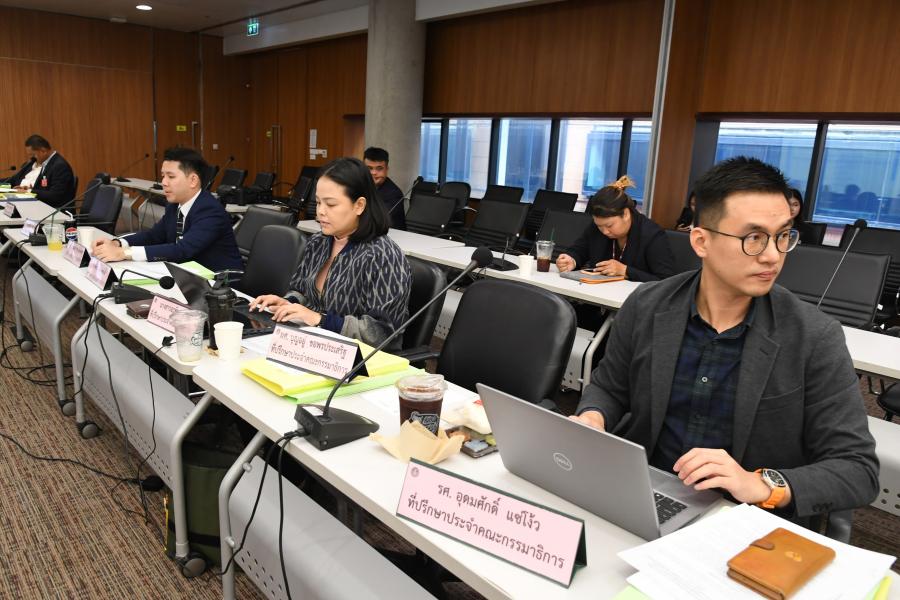
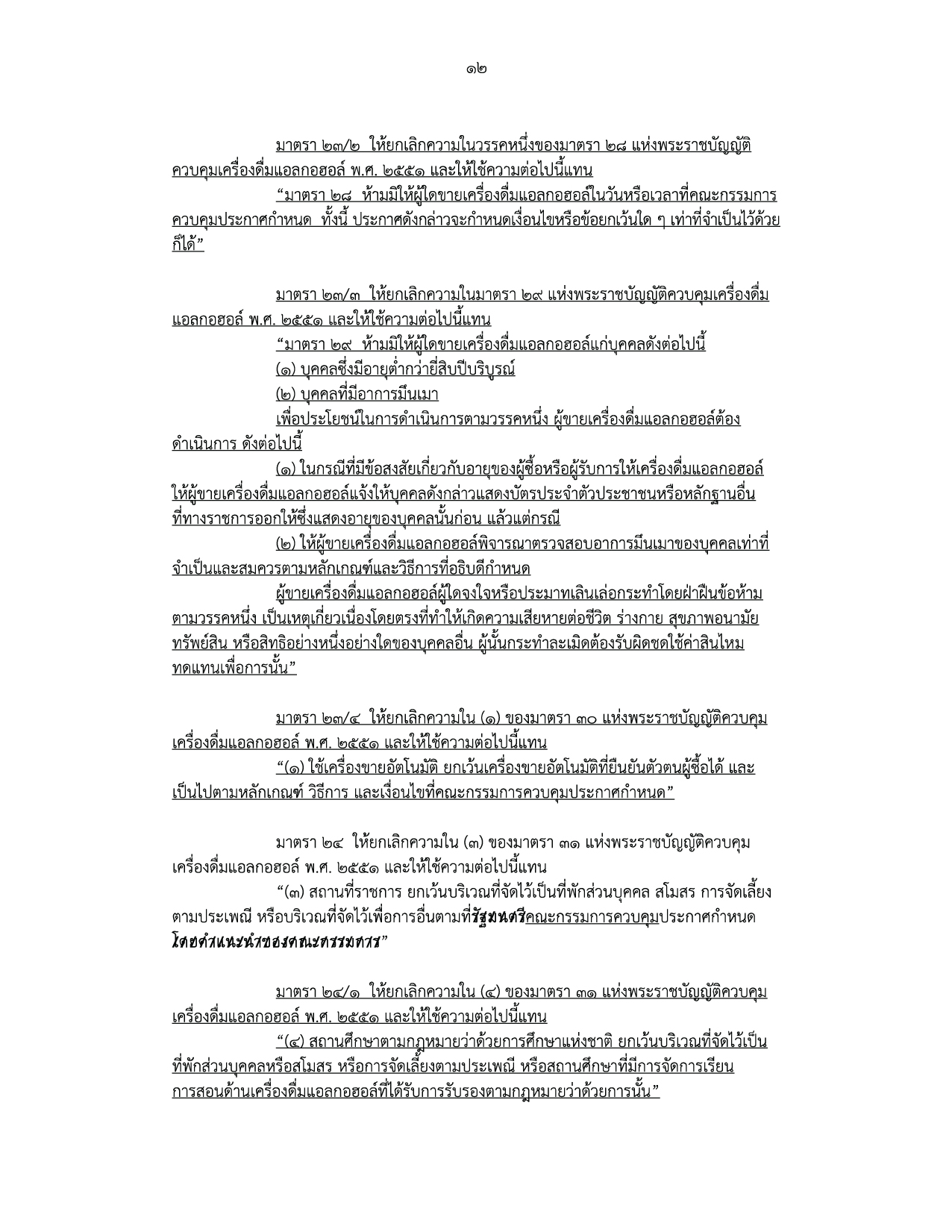
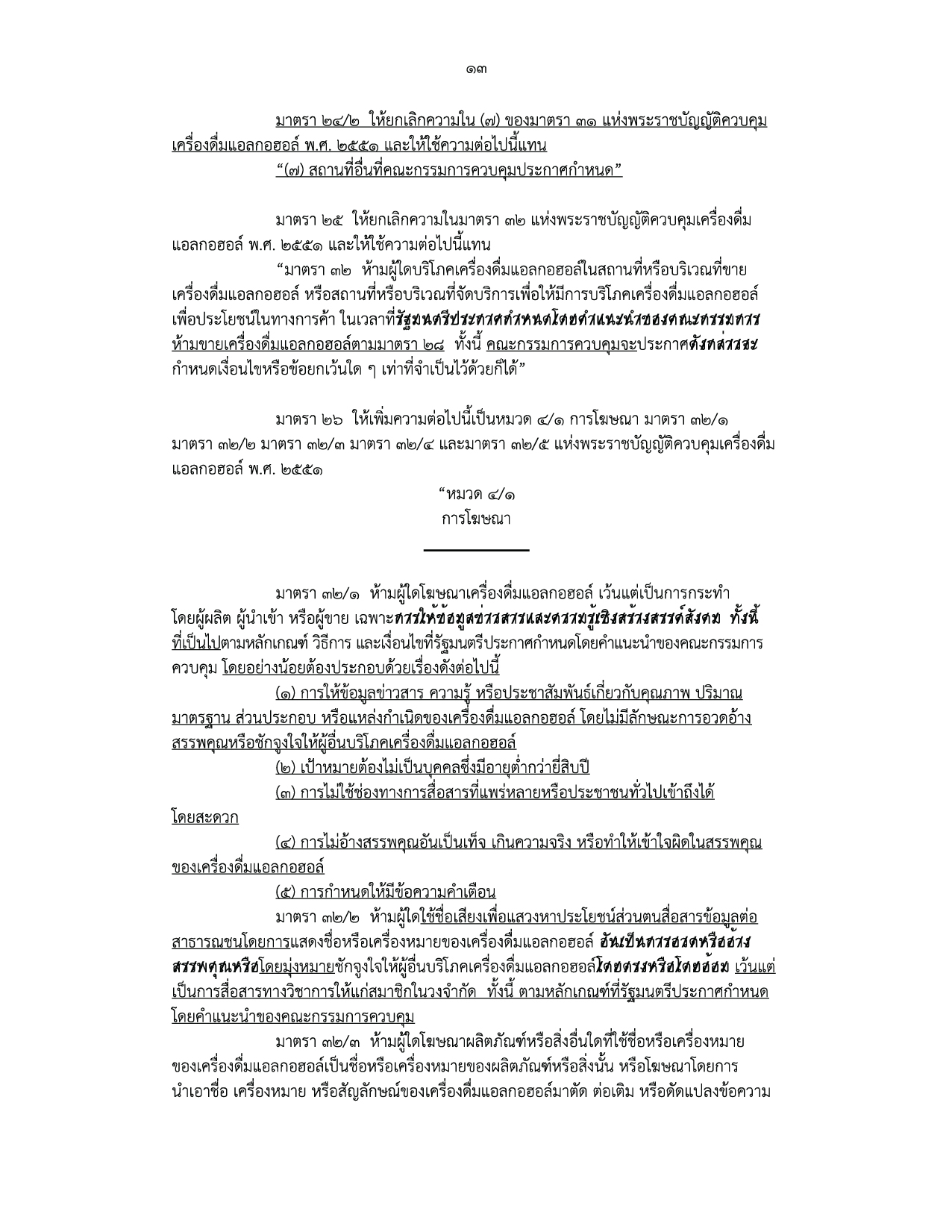
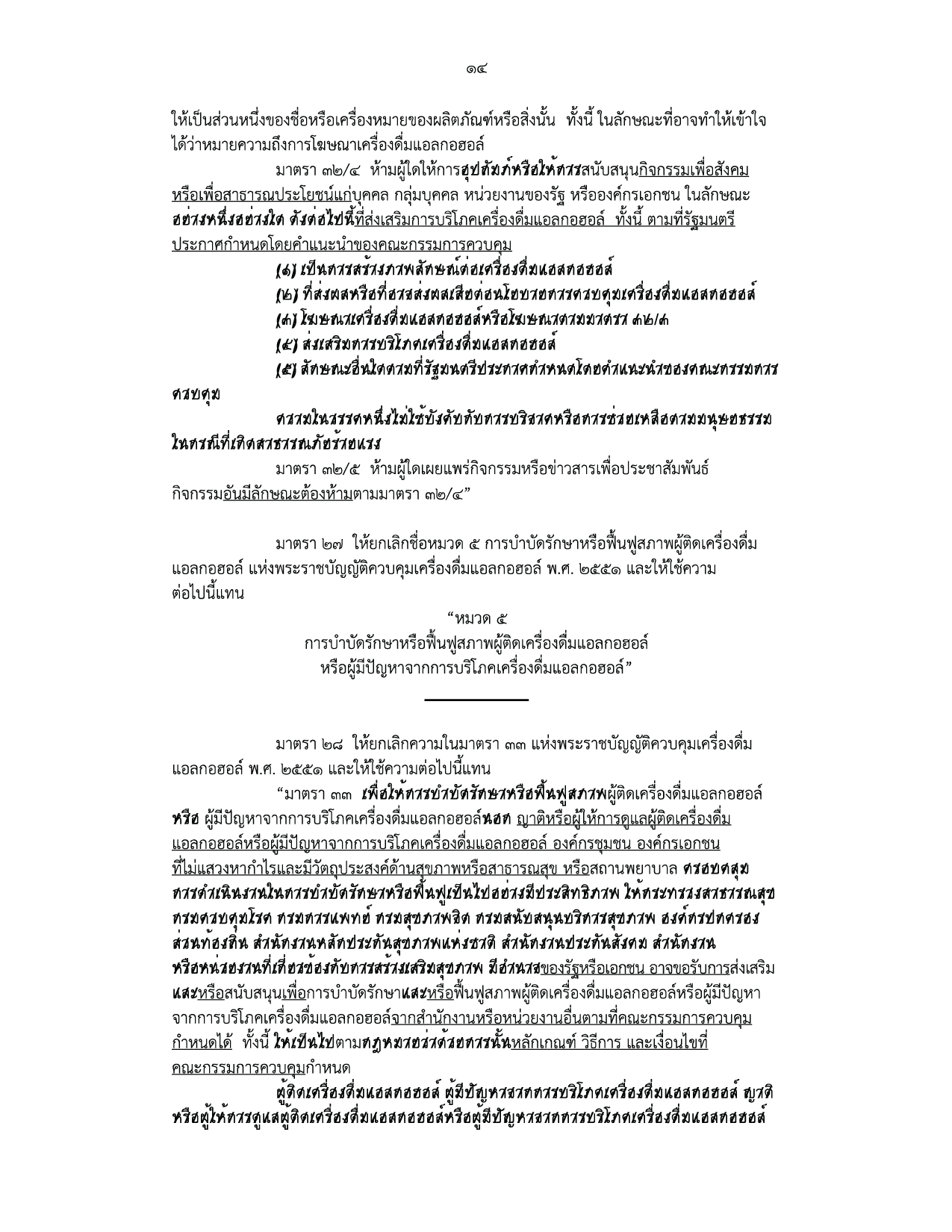
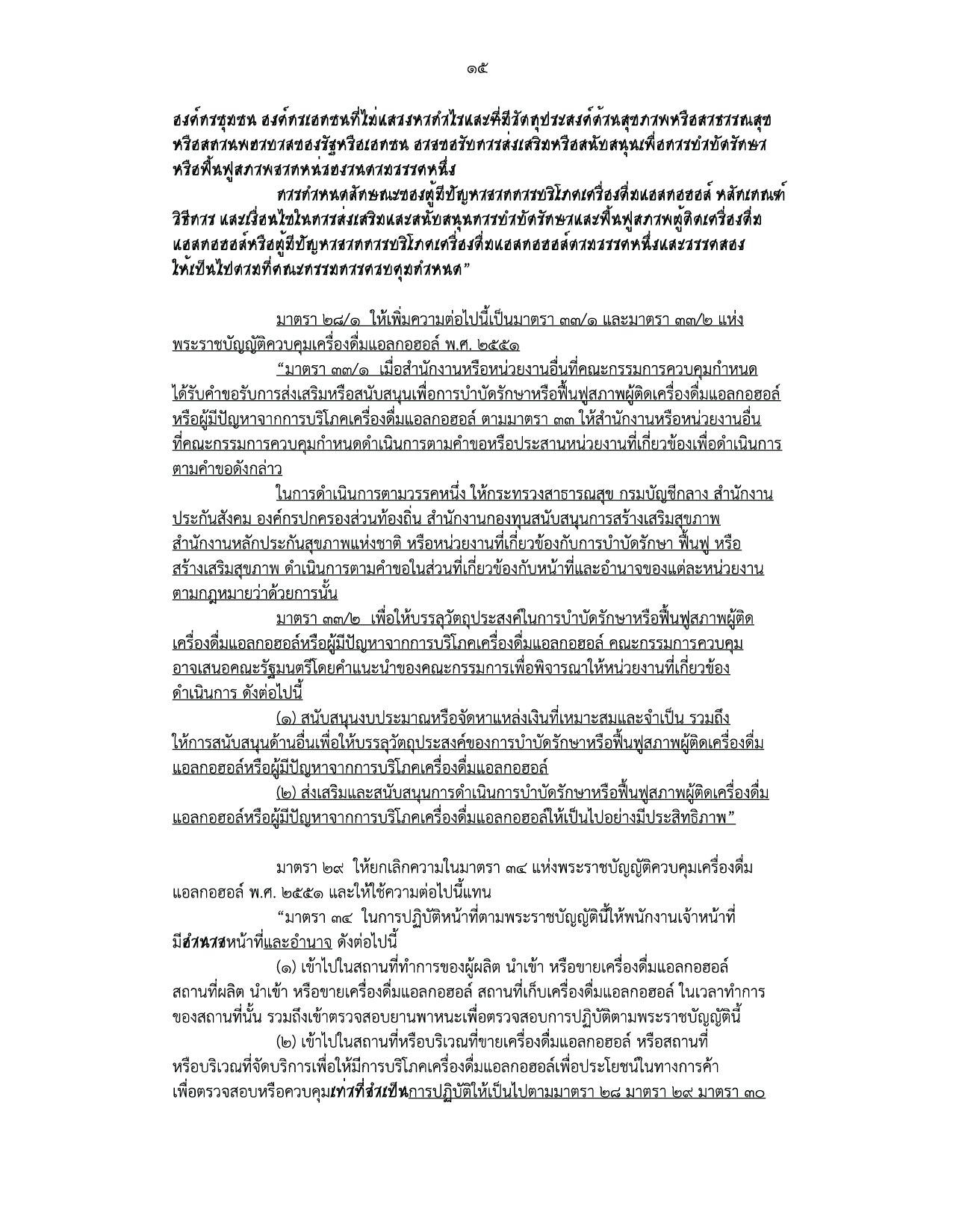
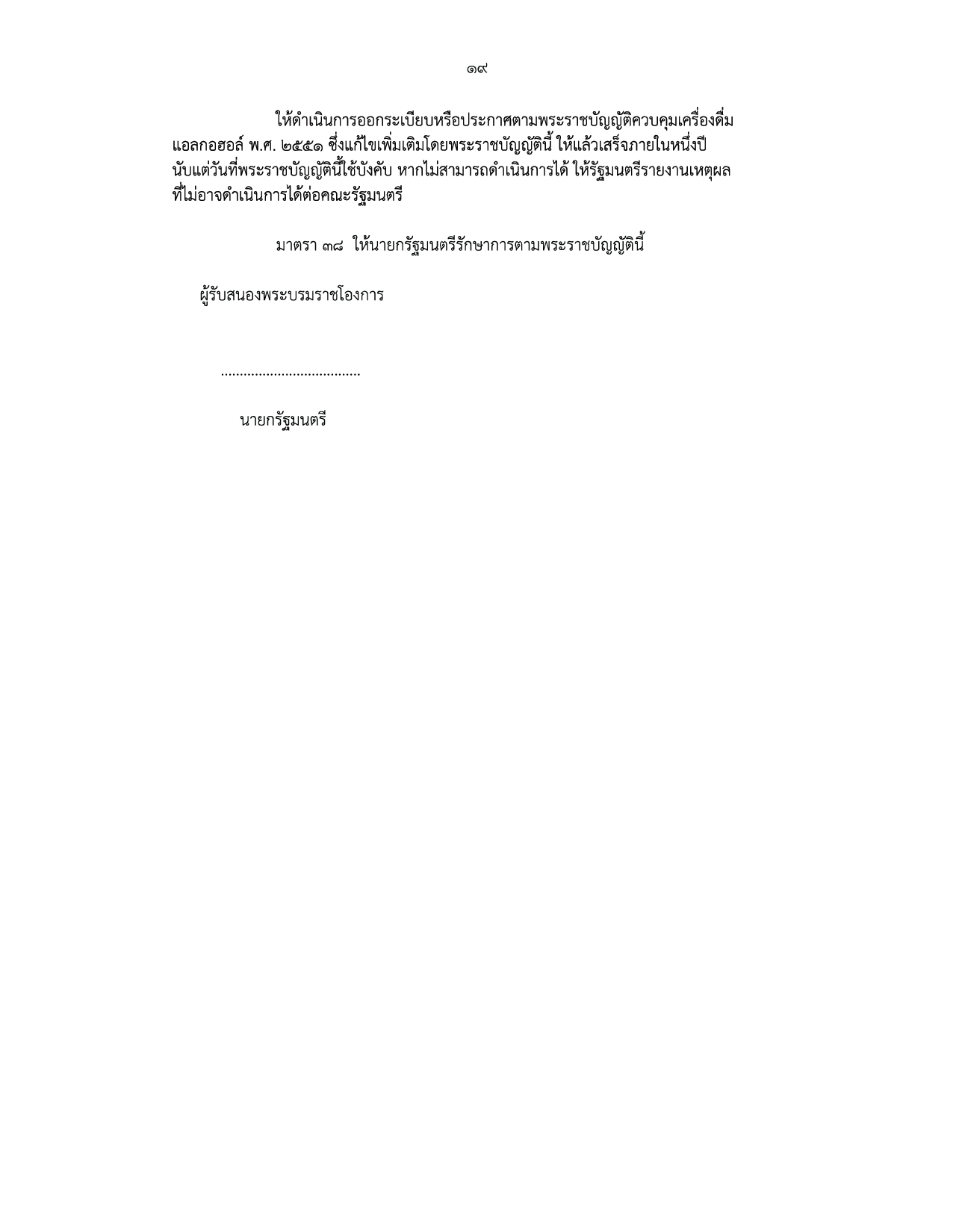
In 2024, Assoc. Prof. Dr. Udomsak Saengow of Walailak University was appointed as a member of the Advisors to the Ad-hoc Committee on Alcoholic Beverage Control Act Consideration, reinforcing the university’s role in evidence-based policymaking and public health advocacy.
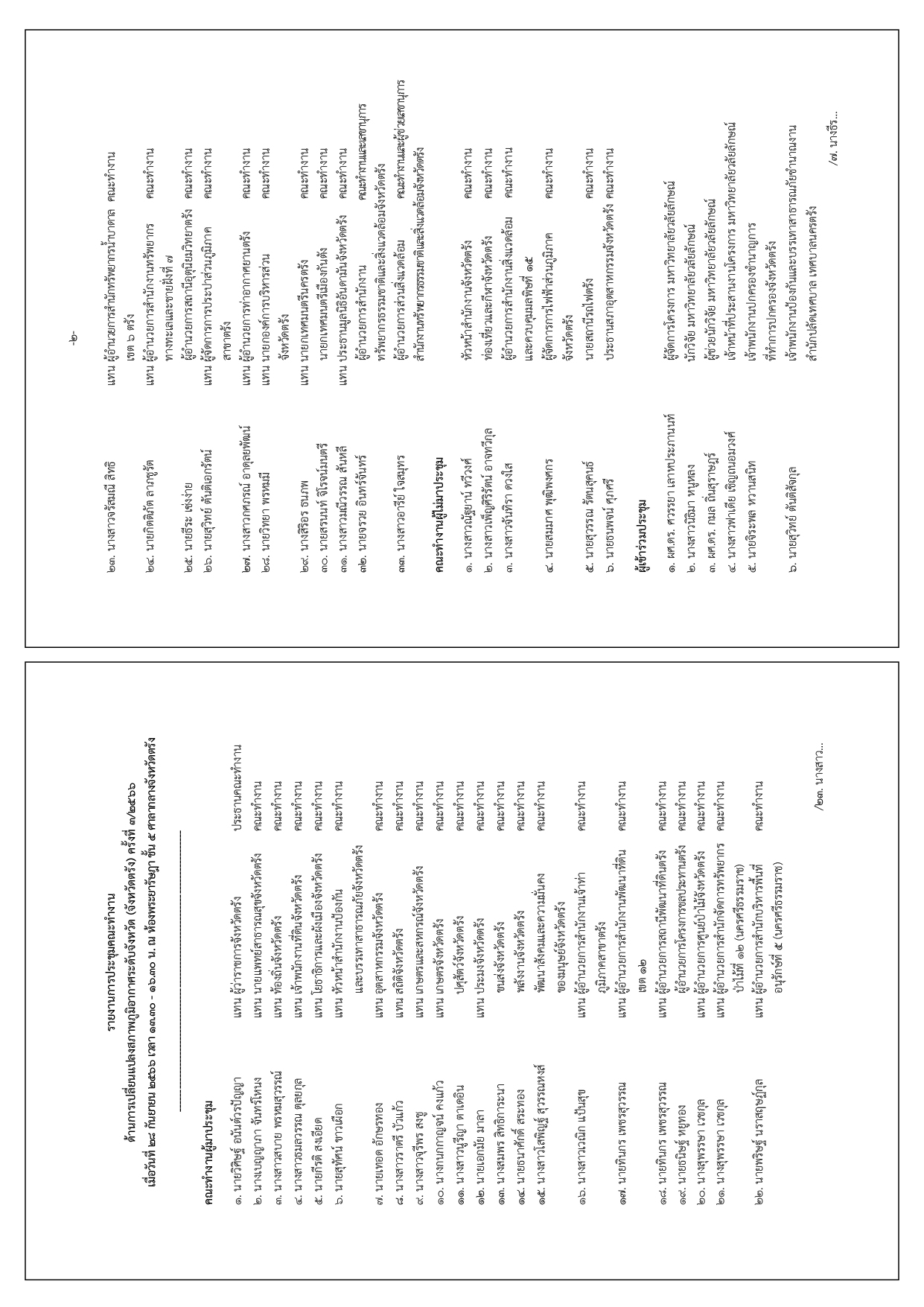
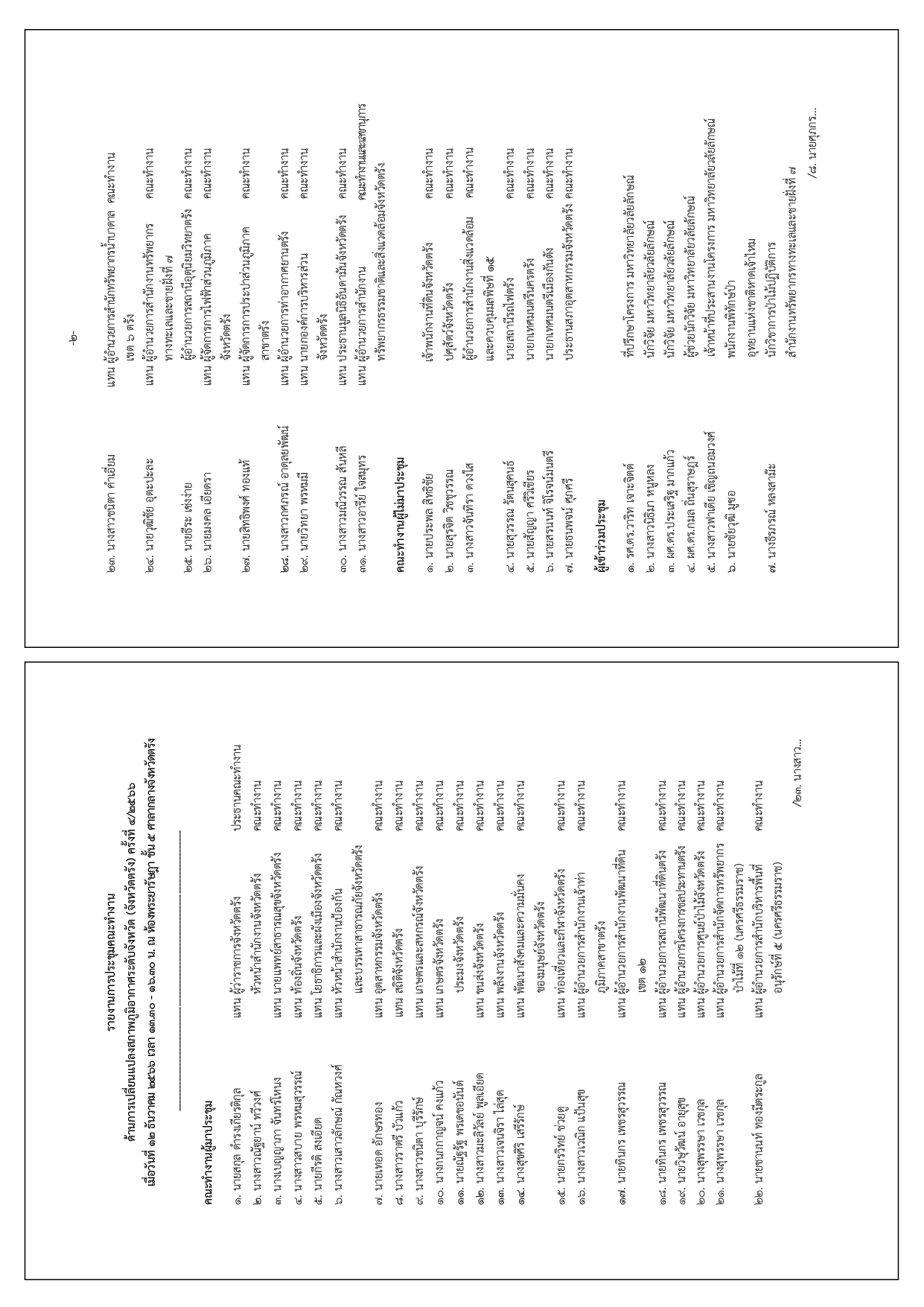
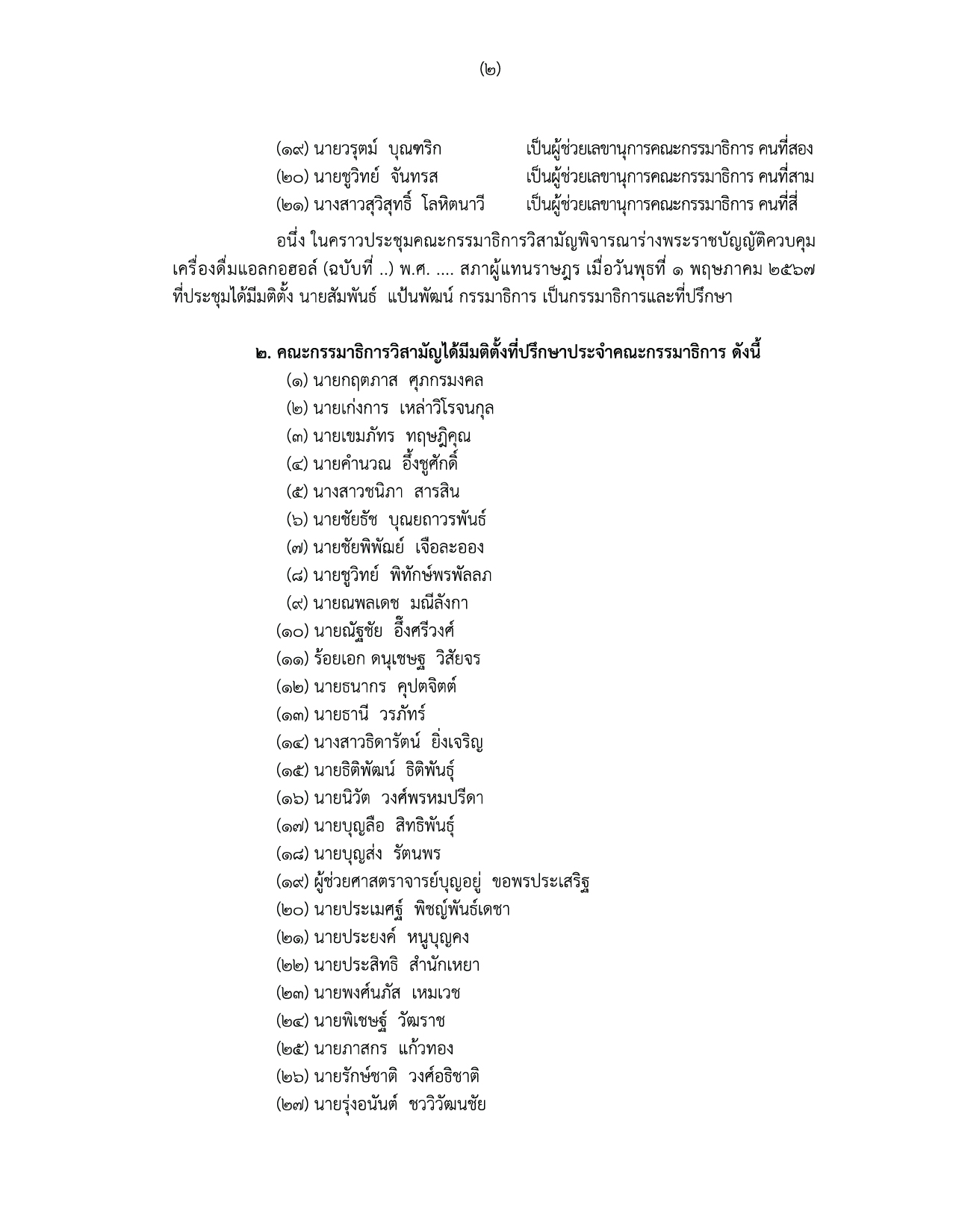
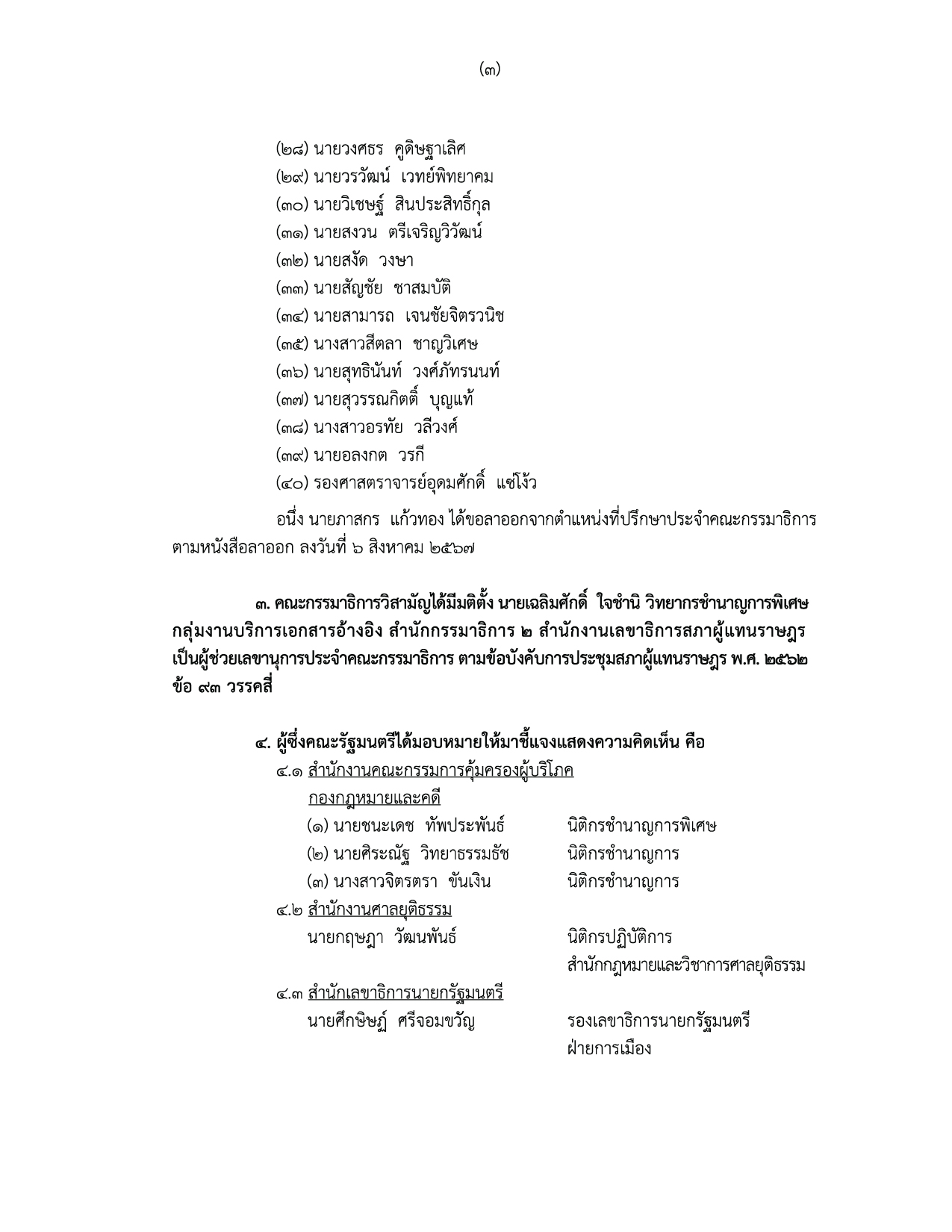
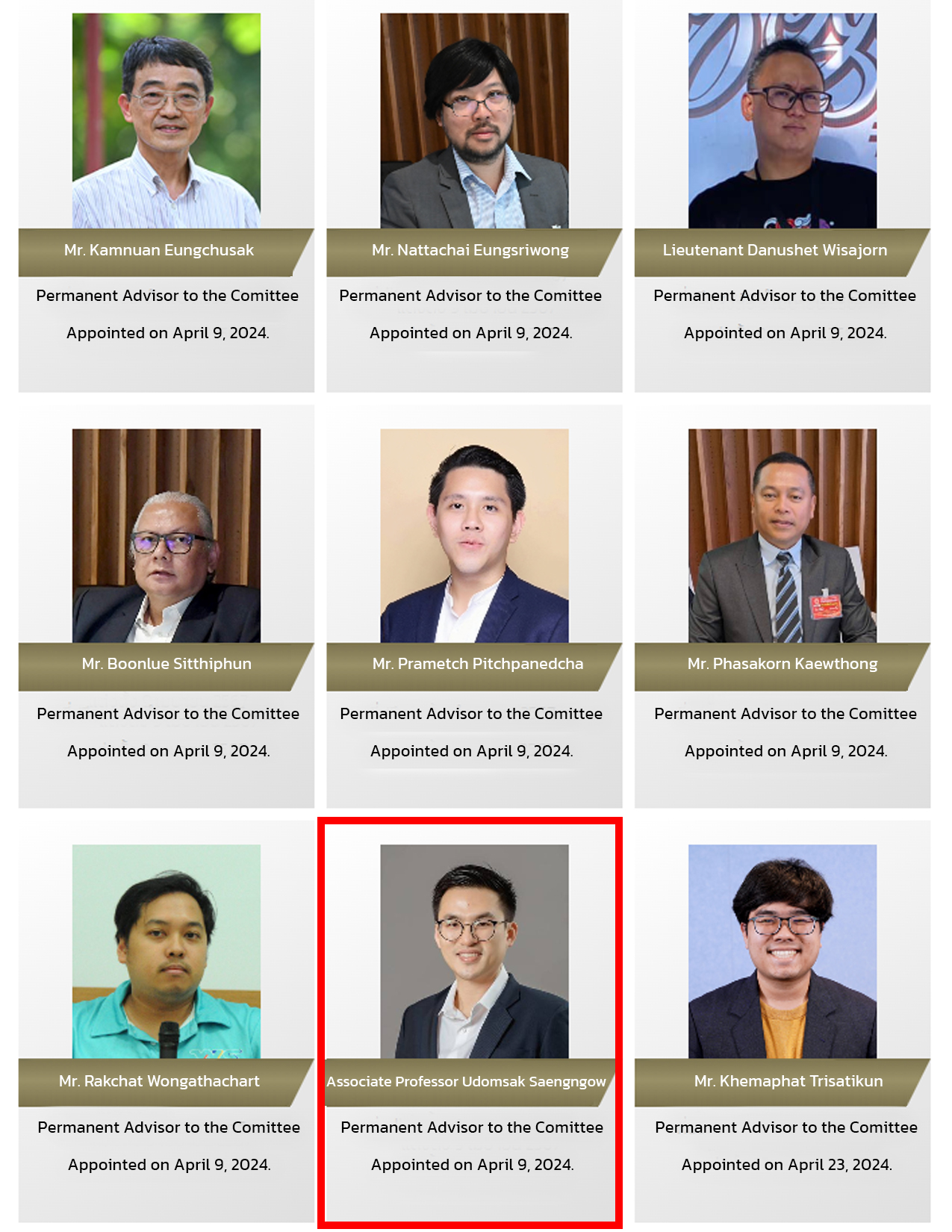
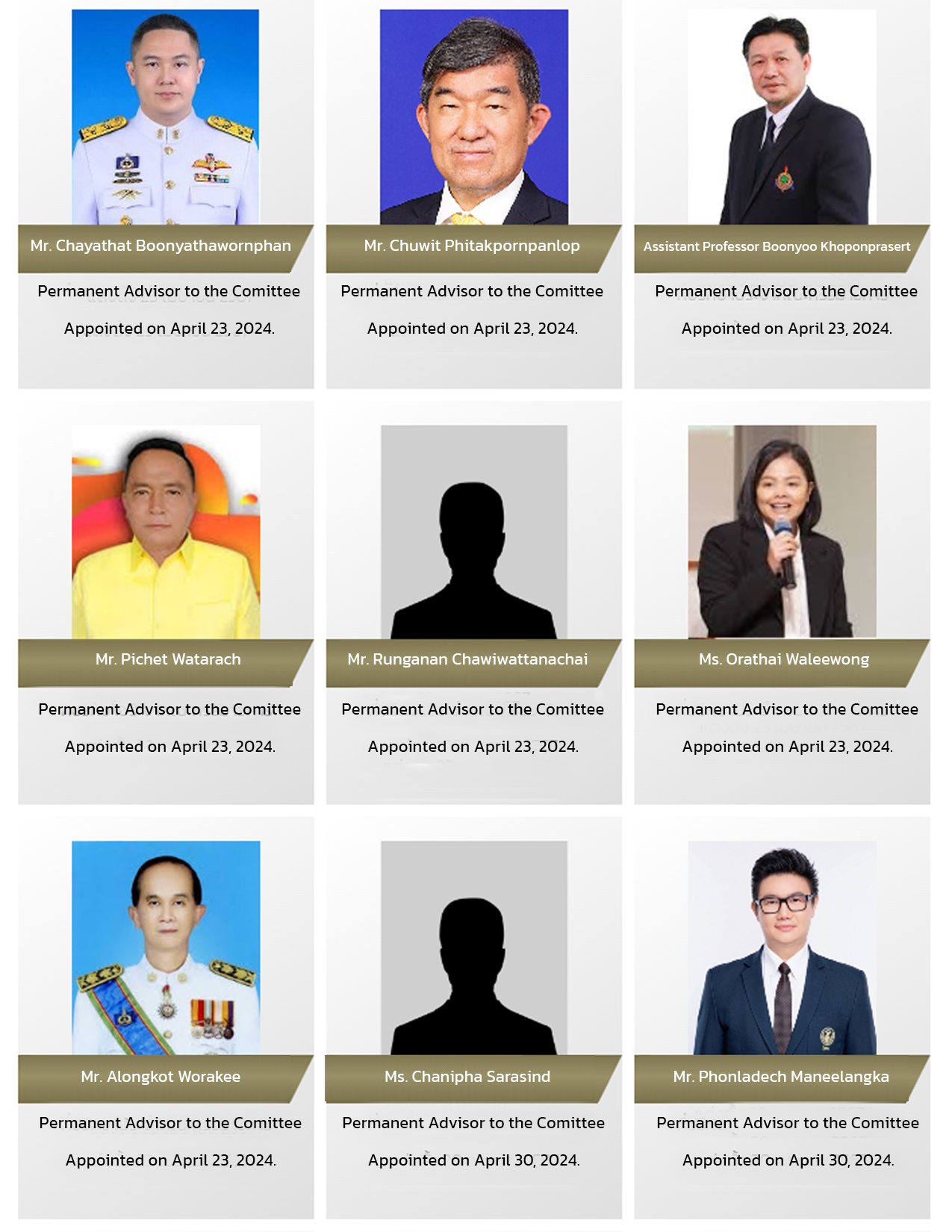
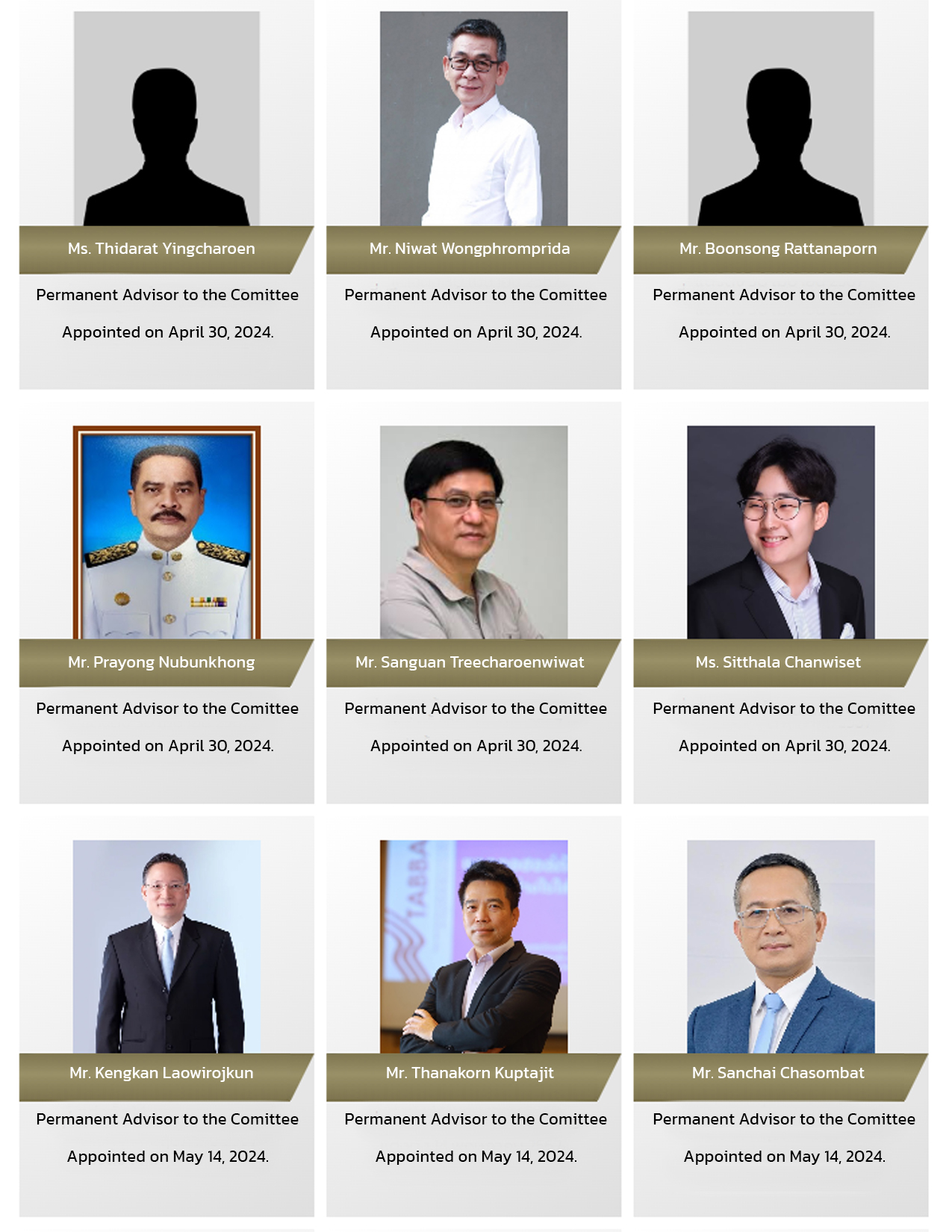
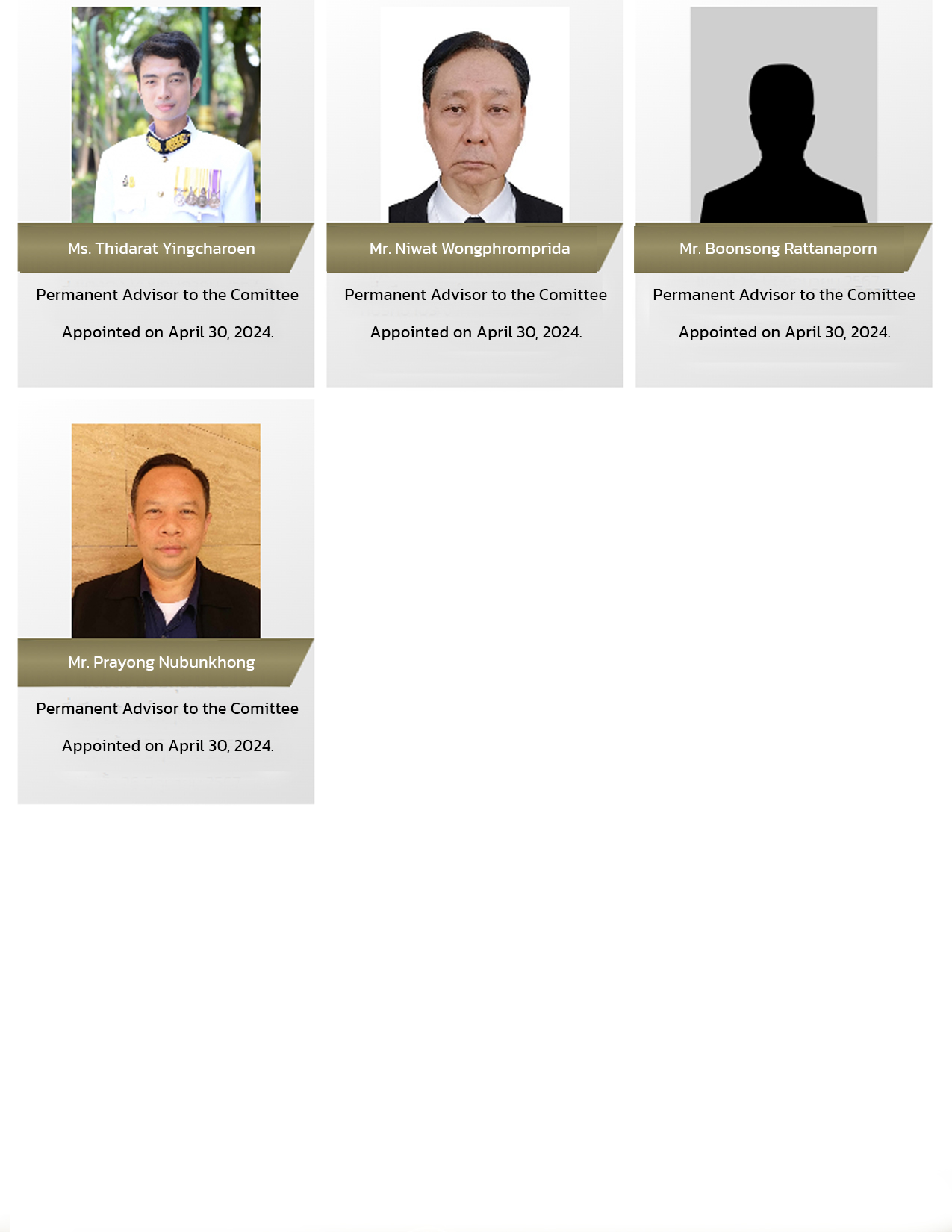
The advisory team for the Ad-hoc Committee on Alcoholic Beverage Control Act Consideration comprises 40 members, including Assoc. Prof. Dr. Udomsak Saengow.
The team brings together experts from higher education institutions, government agencies, the private sector, political parties—such as Chulalongkorn University, the For the Nation Party, the Thai Health Promotion Foundation (ThaiHealth), the Secretariat of the House of Representatives, and the People’s Party—and NGOs such as the StopDrink Network and the Witee Suk Foundation, to actively engage multiple sectors in shaping Thailand’s modern alcohol regulation framework.
To see the full list of advisors of the Ad-hoc Committee on Alcoholic Beverage Control Act Consideration shown on the official website of the Secretariat of the House of Representatives, click https://shorturl.at/Z5p9V
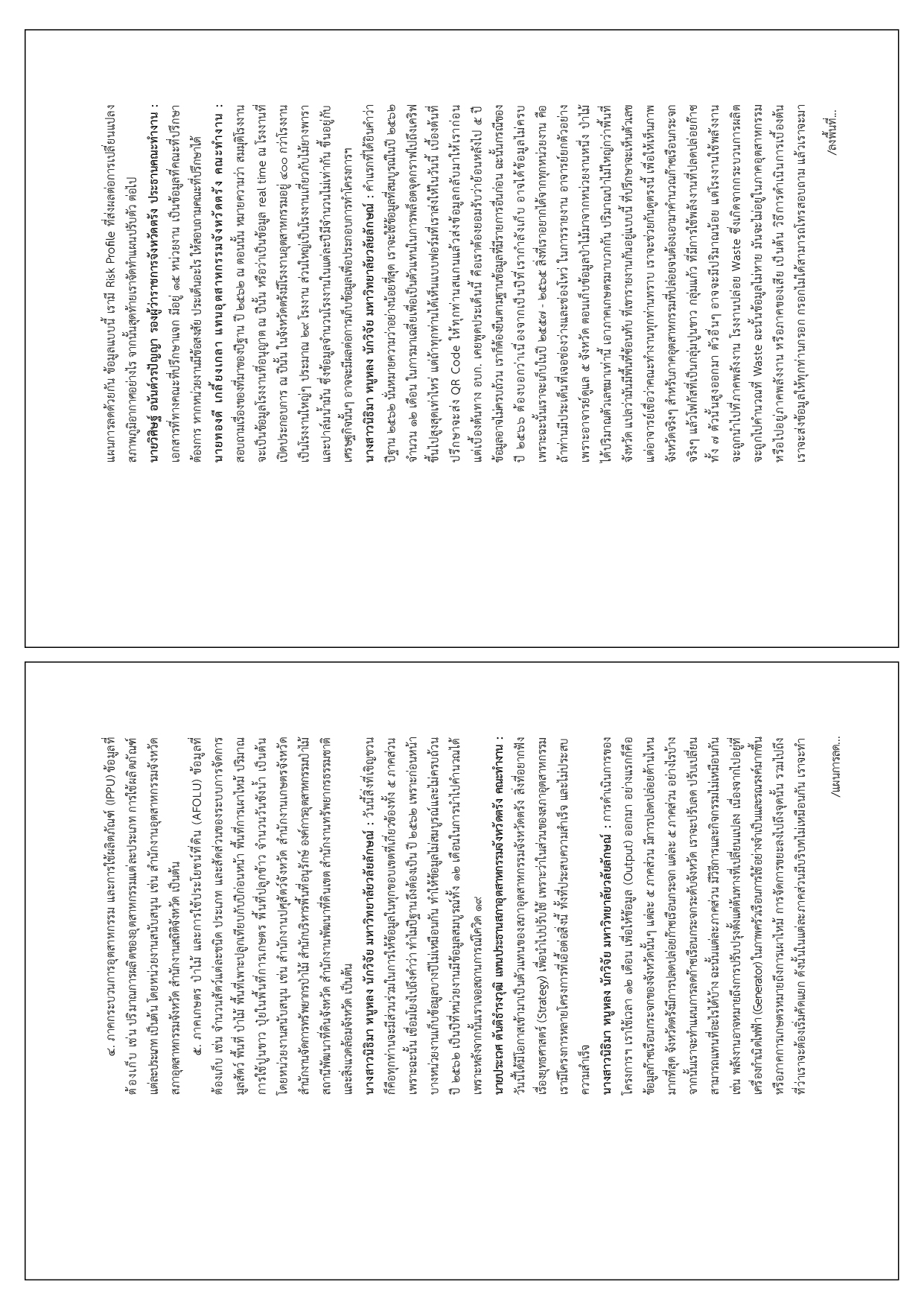
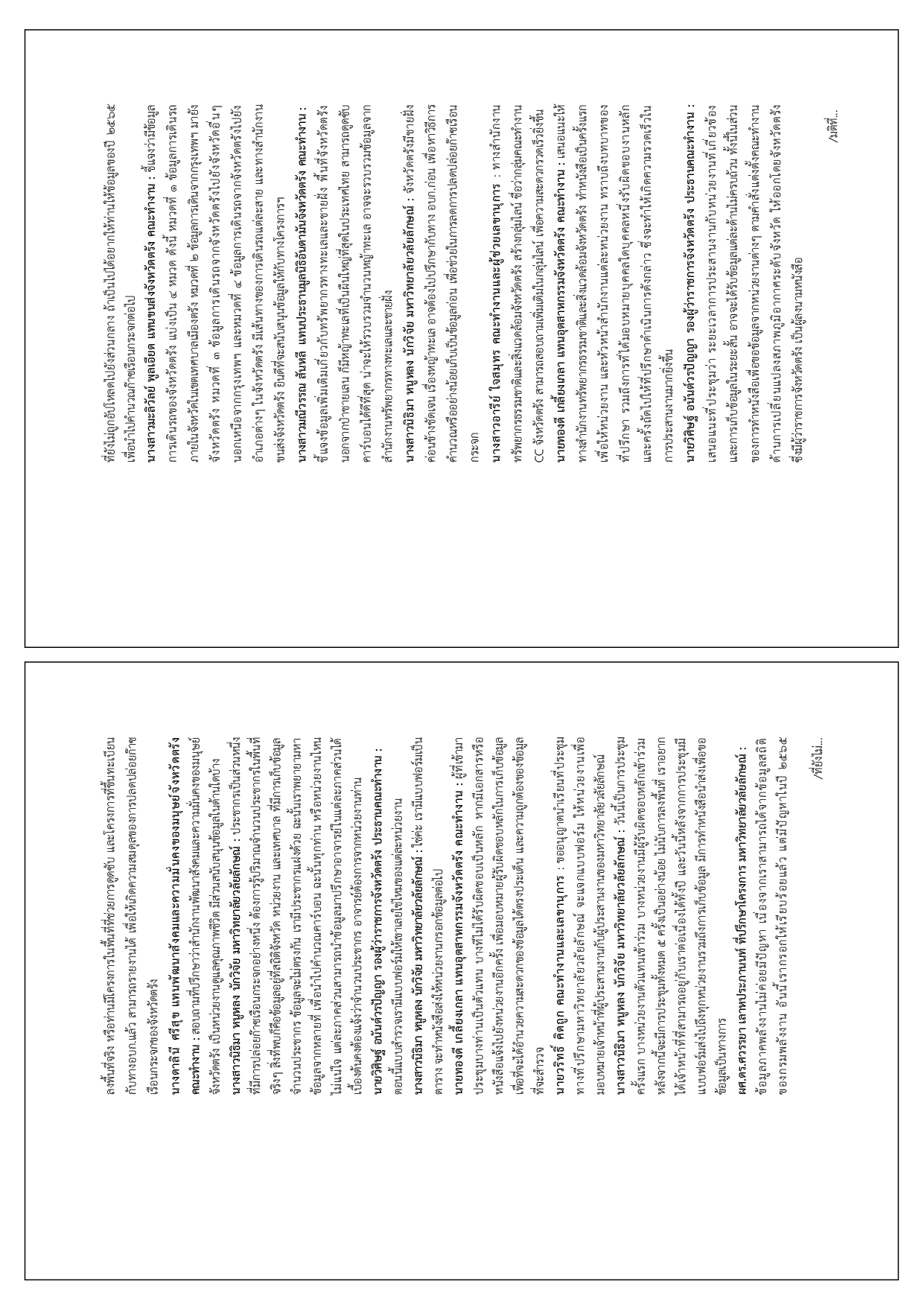
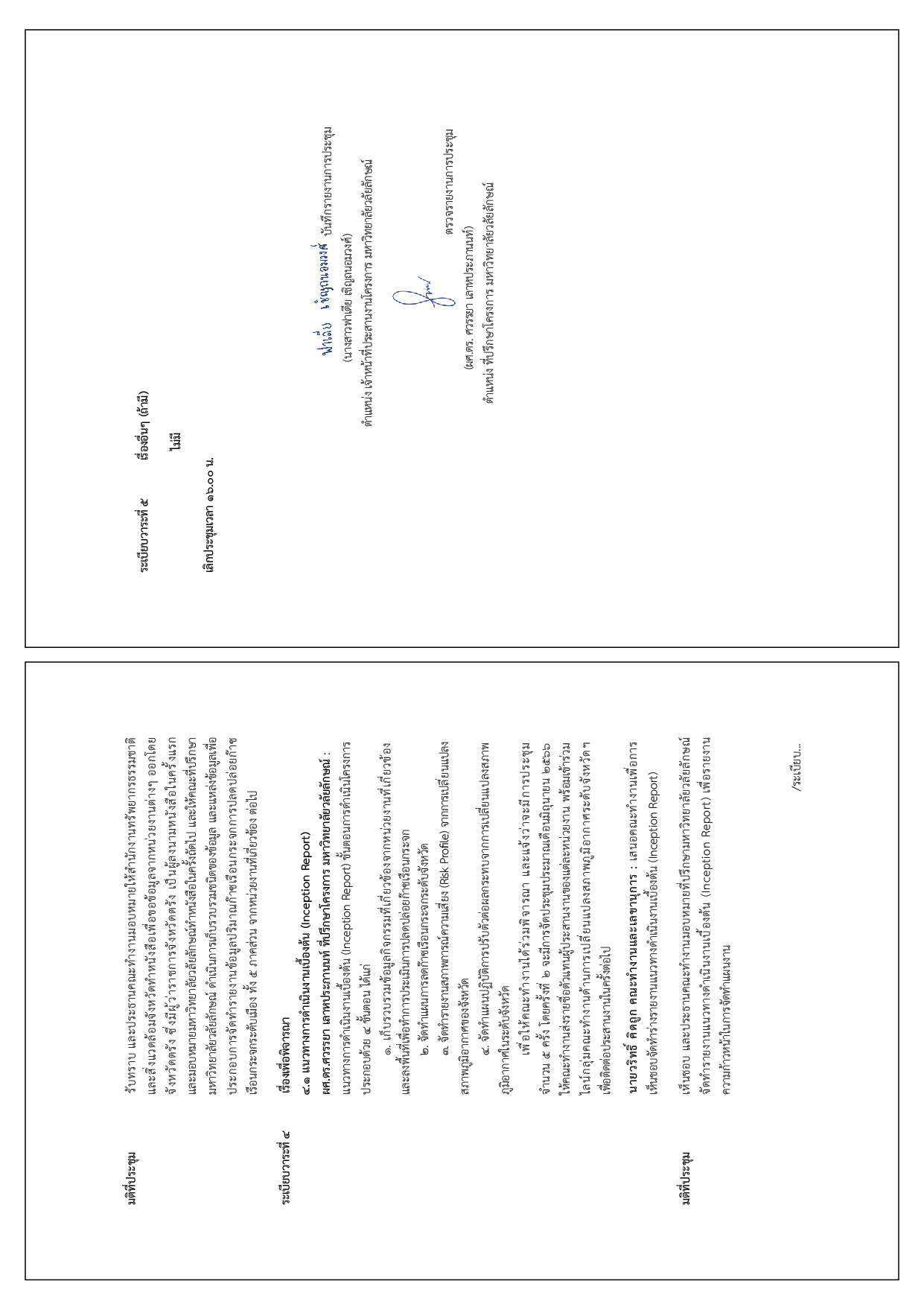
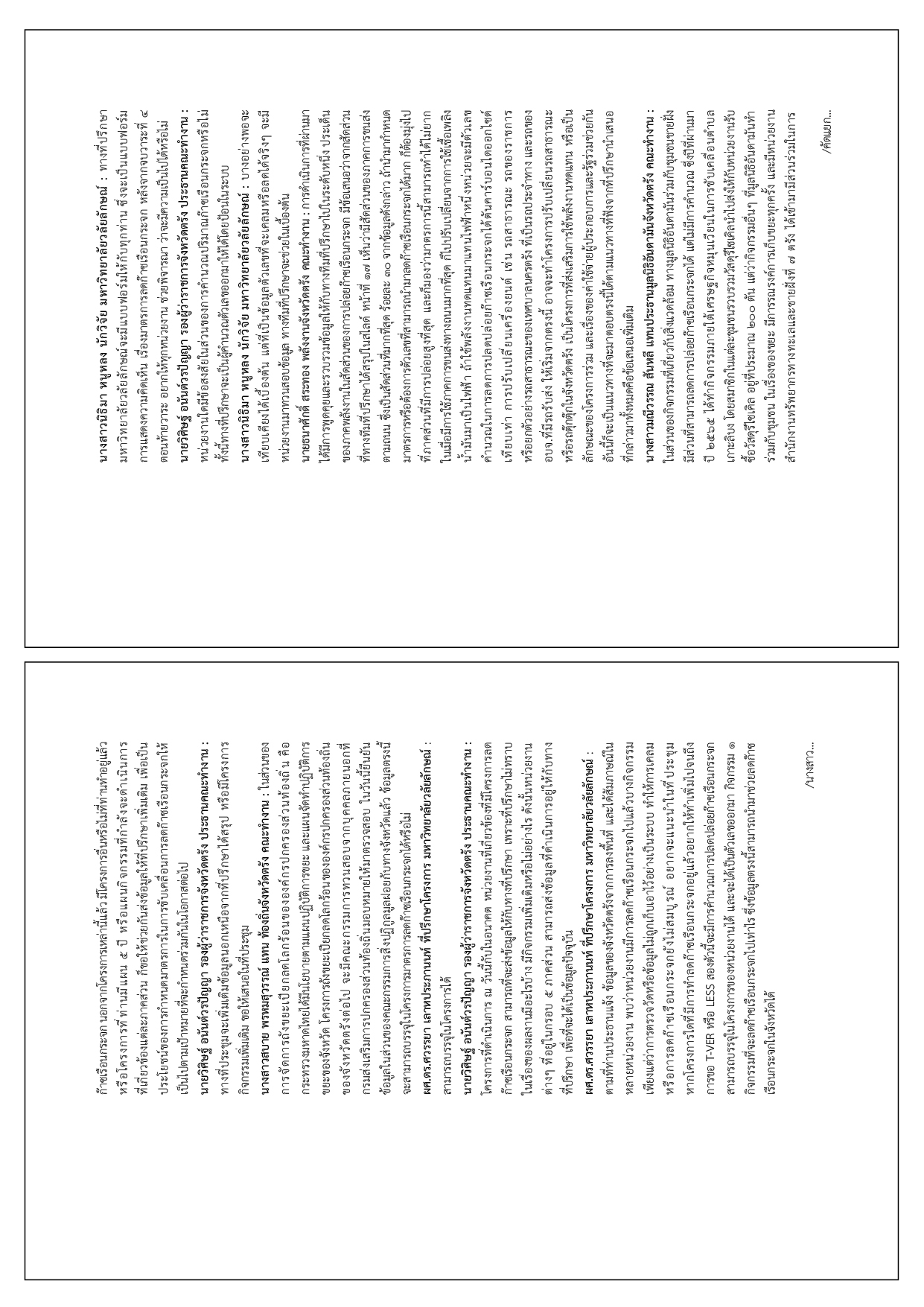
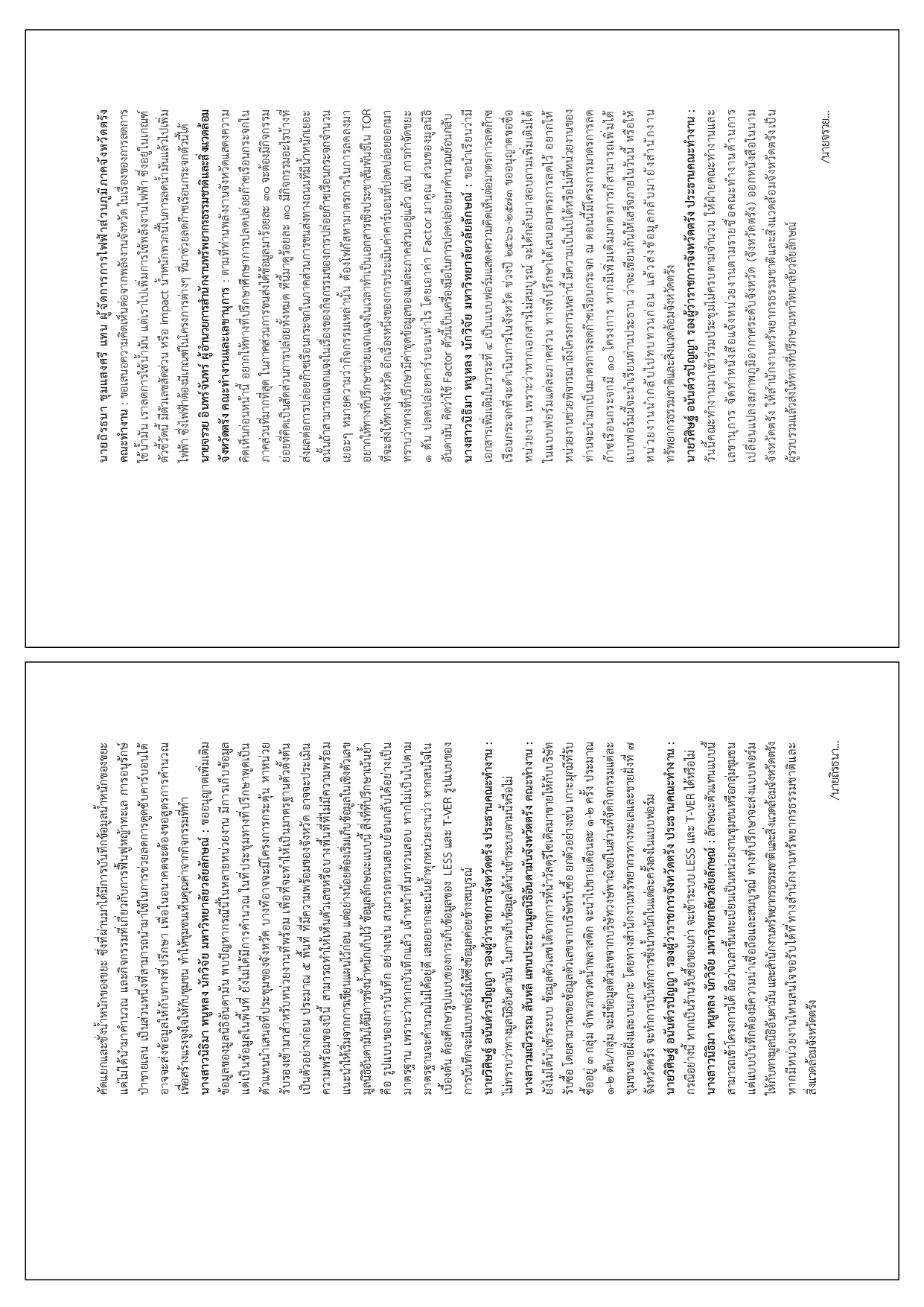
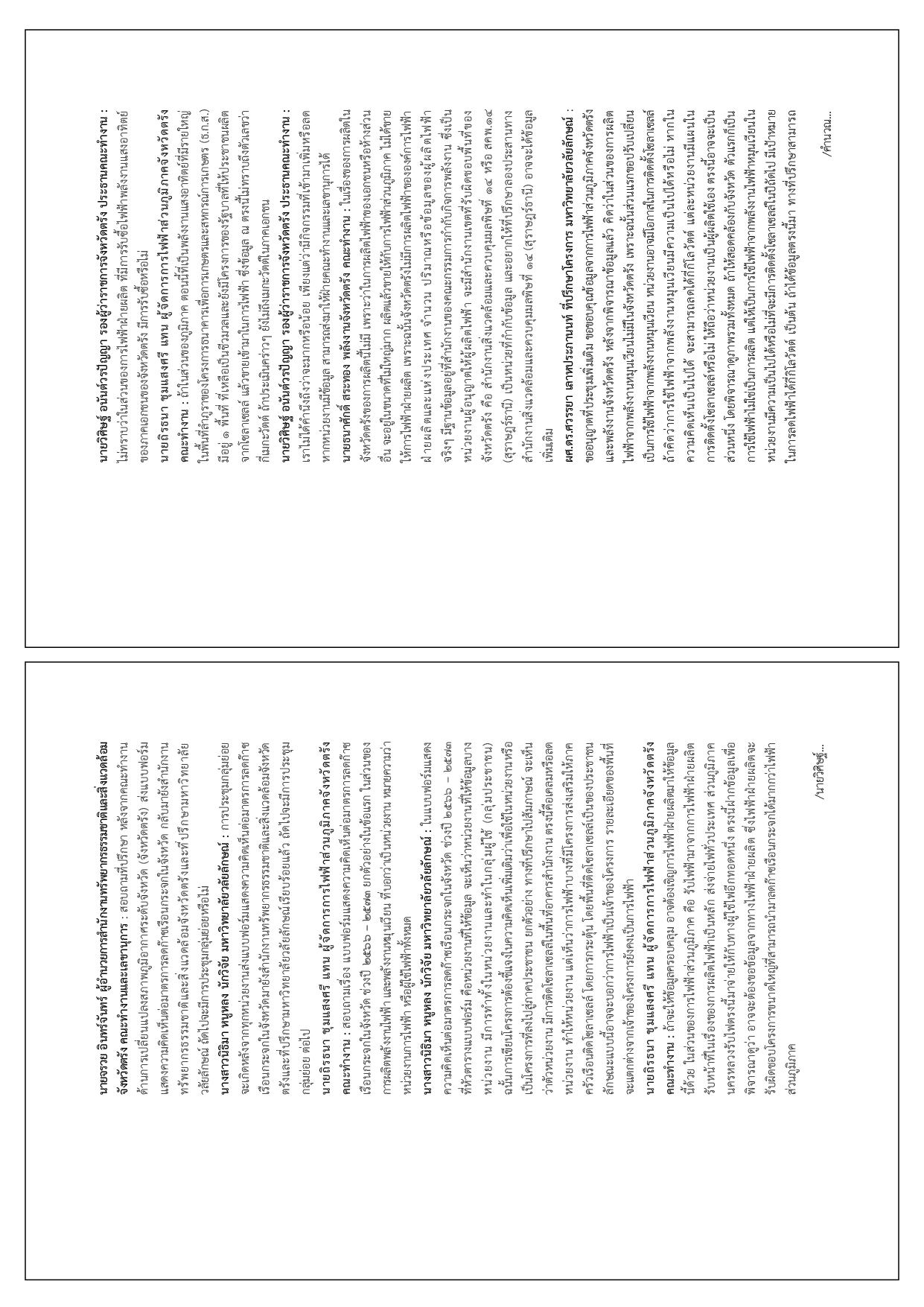
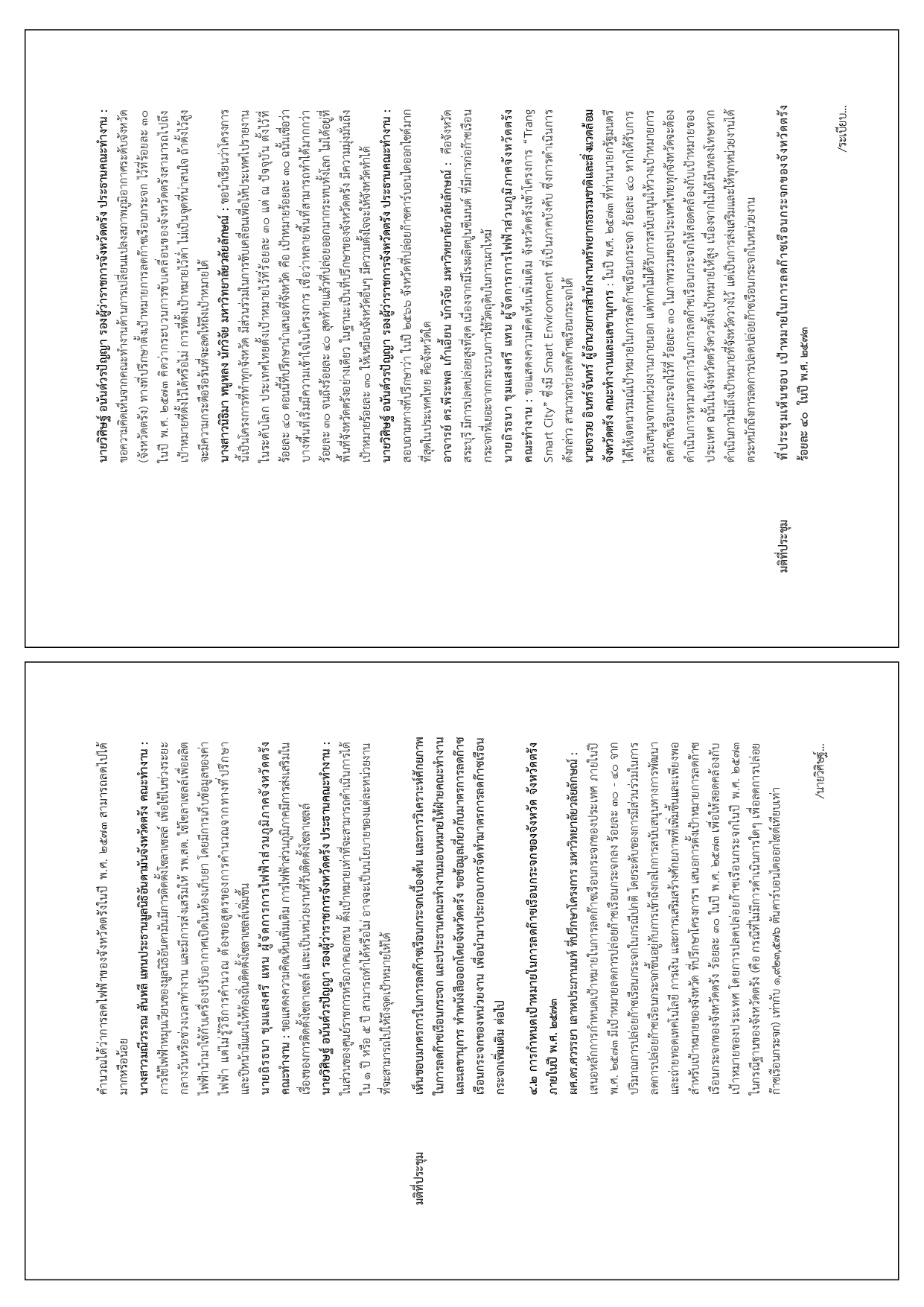
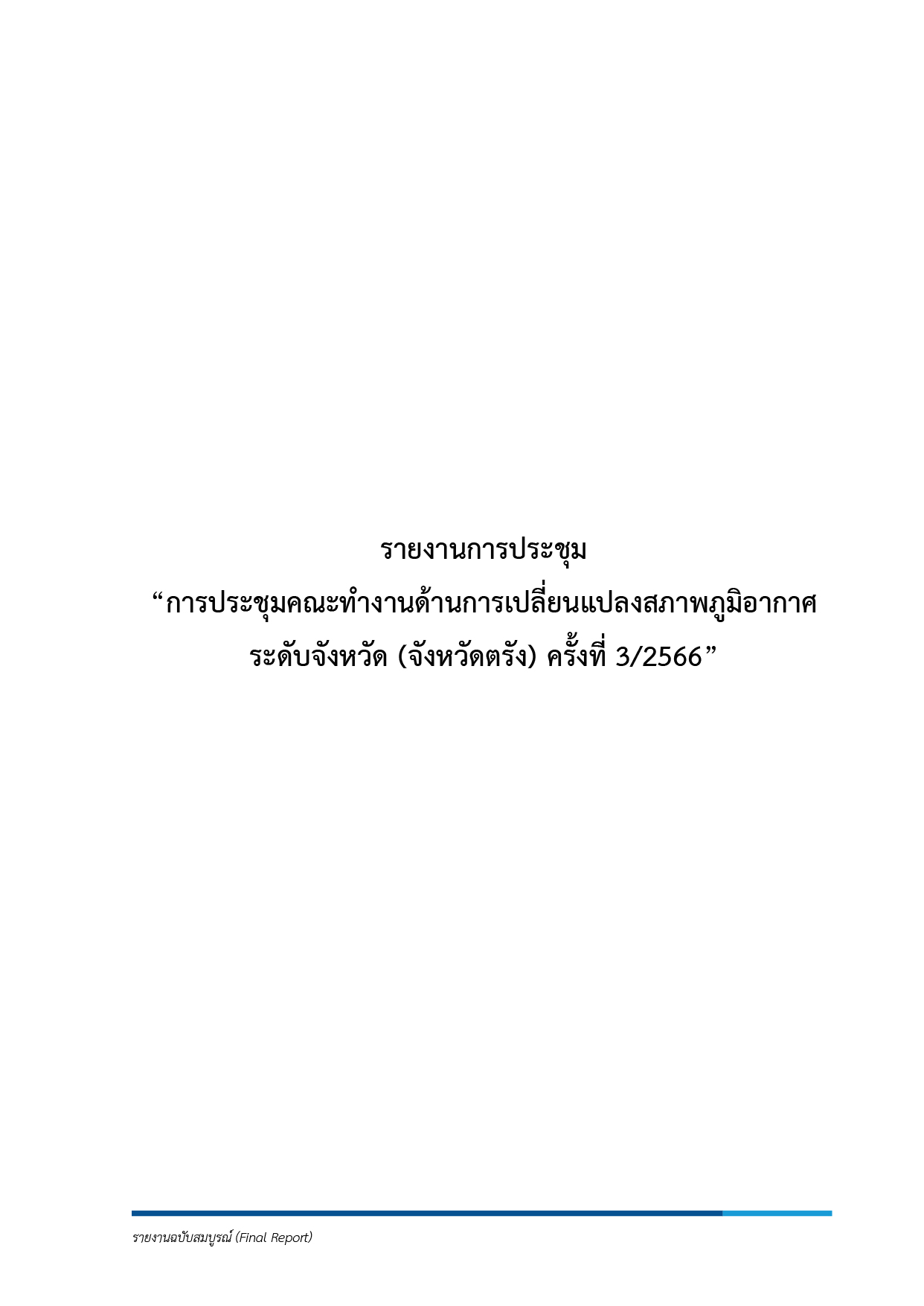
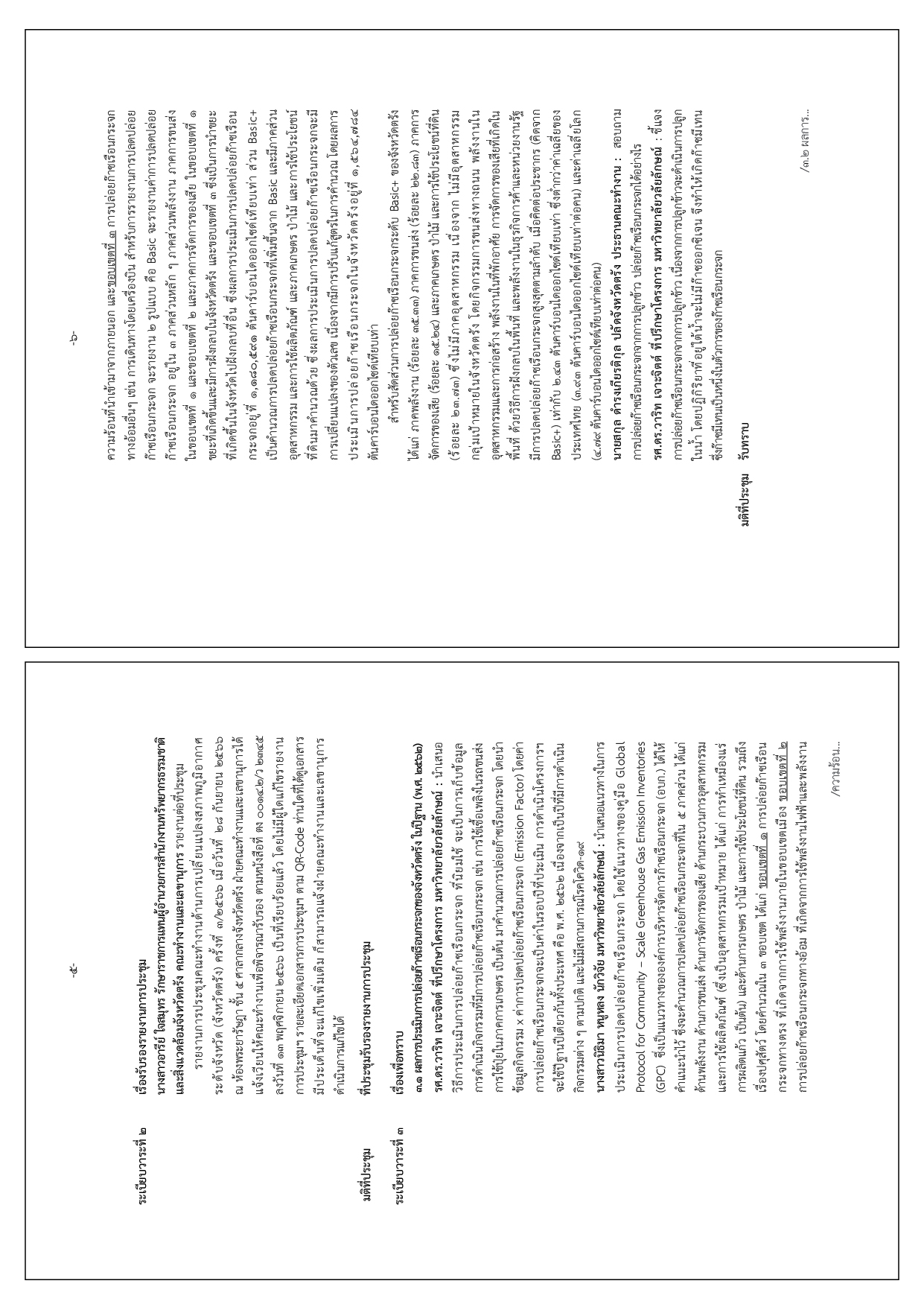
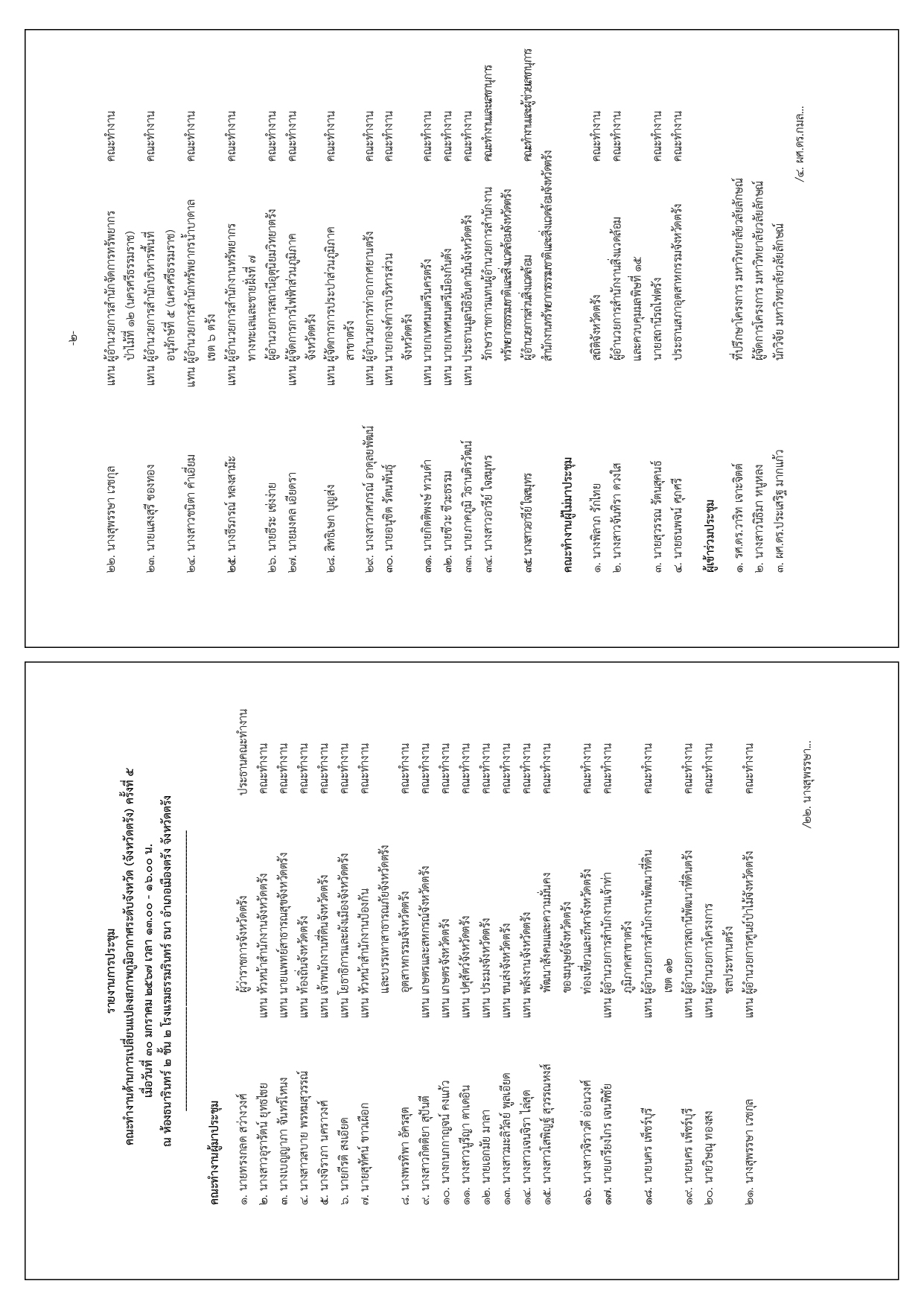
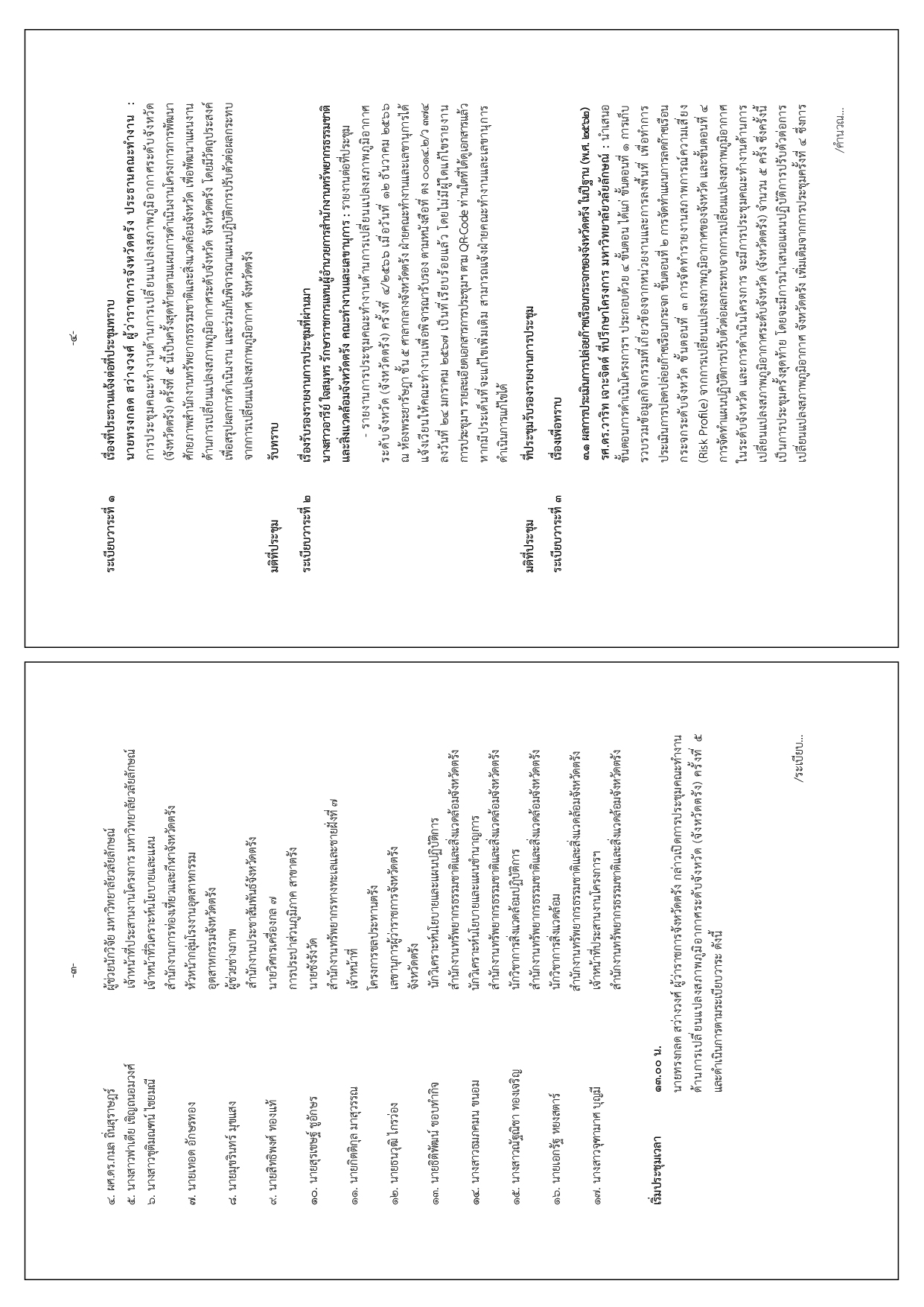
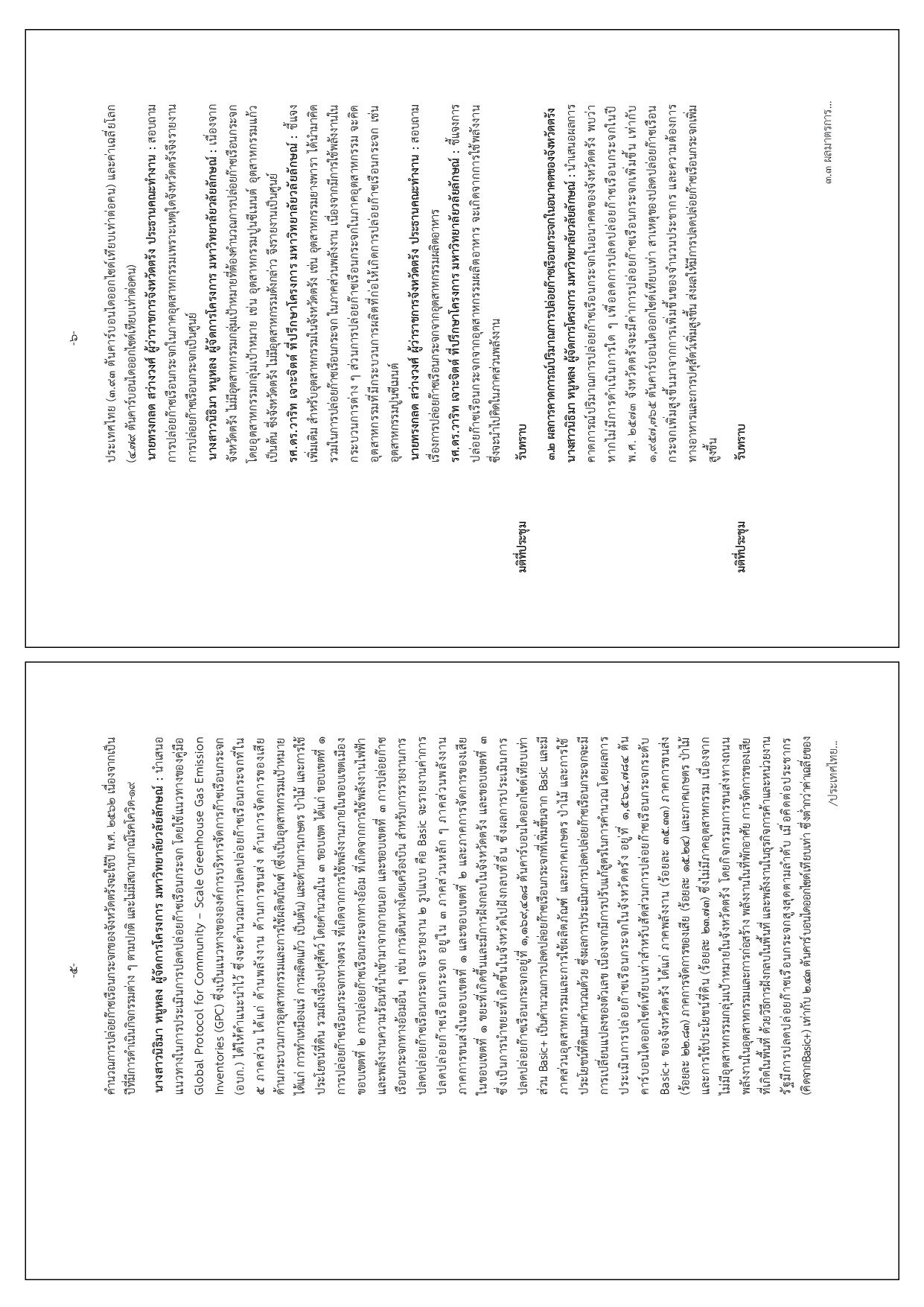
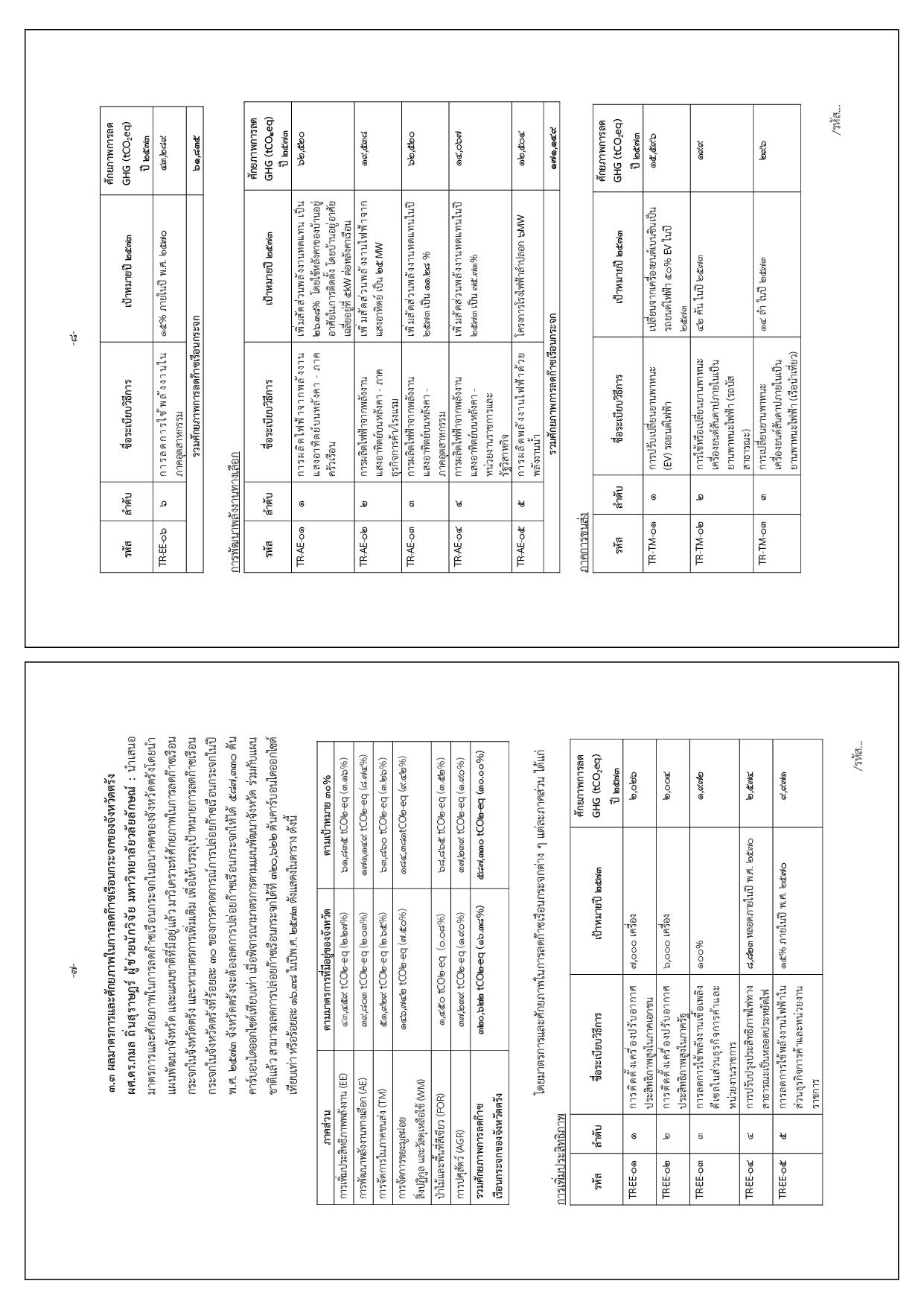
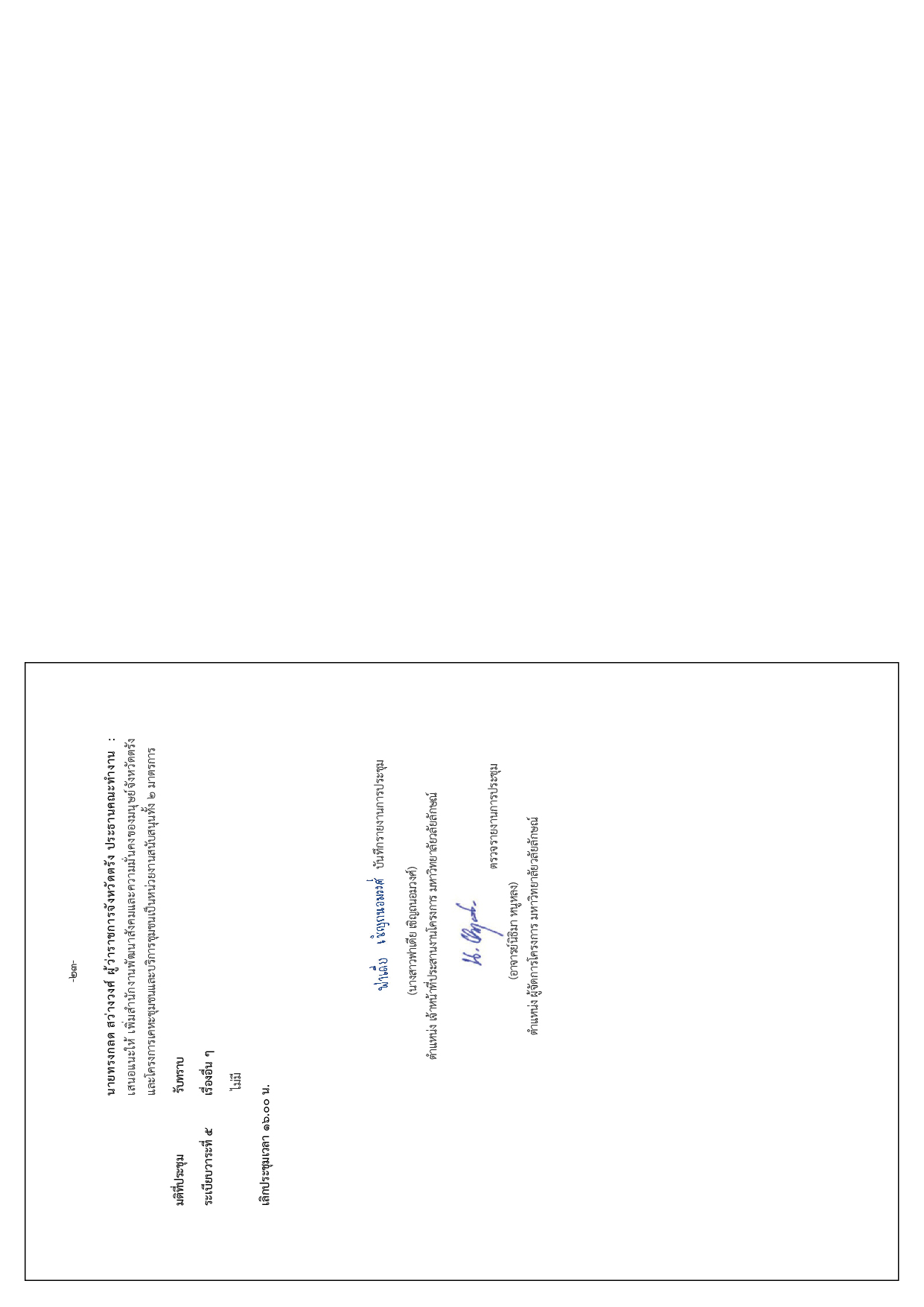
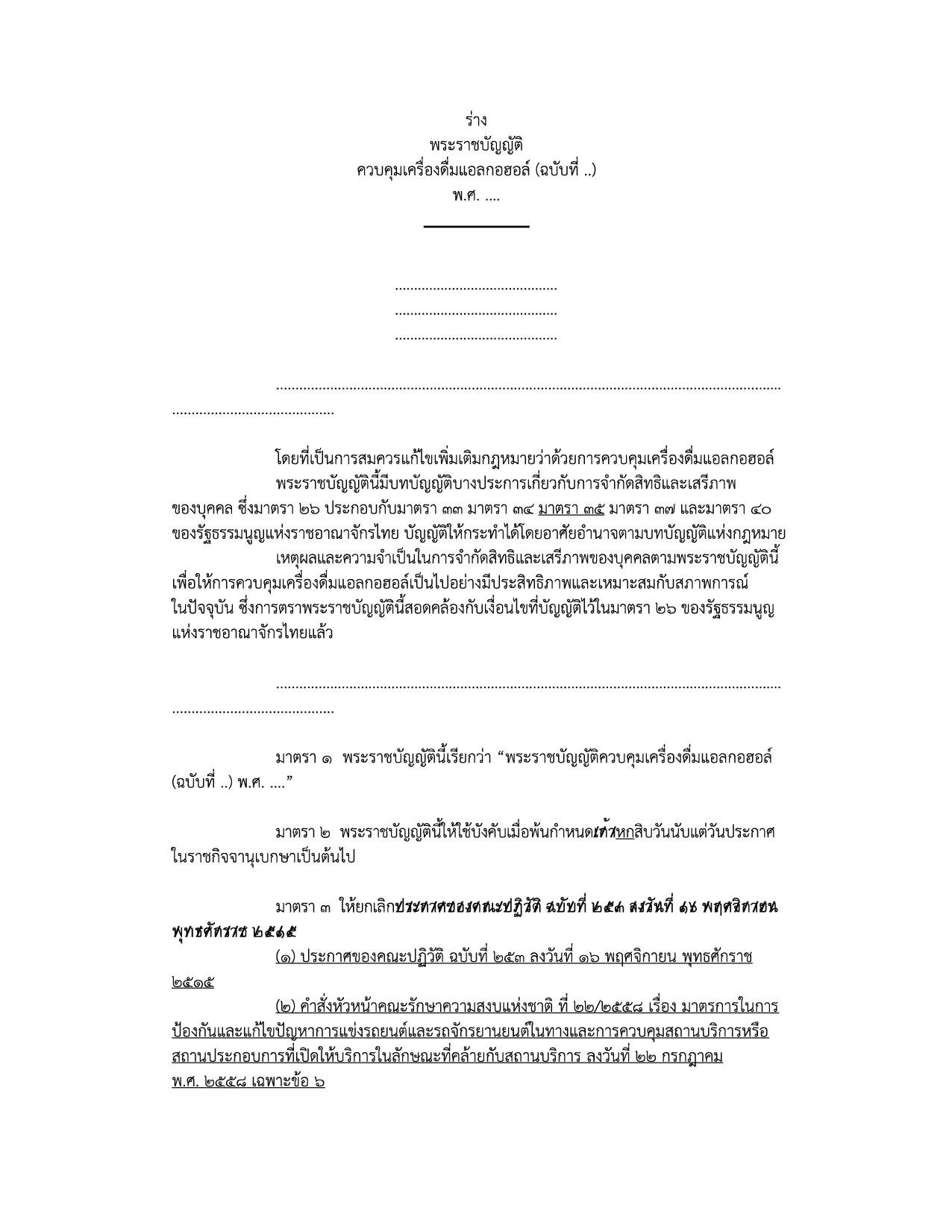
Figures :The official appointment document for Associate Professor Dr. Udomsak Saengow as an advisor to the Ad-hoc Committee on Alcoholic Beverage Control Act Consideration.
The Advisors to the Ad-hoc Committee on Alcoholic Beverage Control Act Consideration were appointed to provide consultations, guidelines, and academic insights to support the development of the new Alcoholic Beverage Control Act. Their role extended to advising the Ad-hoc Committee on Alcoholic Beverage Control Act Consideration, the Ministry of Public Health, and the Office of Alcohol Control Committee in shaping the new alcoholic beverage control act to be more effective and inclusive.
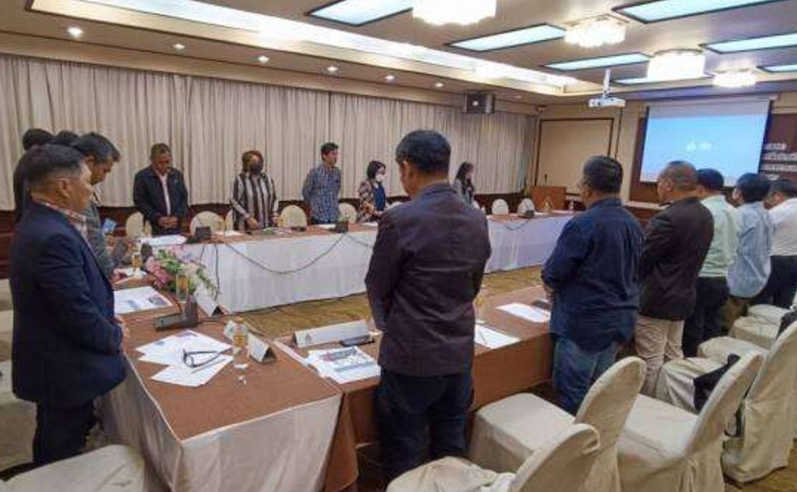
The advisory team actively participated in the meetings of the Ad-hoc Committee on Alcoholic Beverage Control Act Consideration held at the Thai Parliament Building in Bangkok, alongside members of the Ad-hoc Committee, representatives from the Ministry of Public Health, Members of the House of Representatives, officials from the Department of Disease Control, NGOs, civil society representatives, and other government agencies. Throughout these meetings, the advisors contributed their expertise individually and collaboratively, offering valuable insights on alcohol regulation.
As a member of the advisory team, Assoc. Prof. Dr. Udomsak Saengow, along with other experts, proposed key recommendations for inclusion in the new draft of the Alcoholic Beverage Control Act:
Prohibiting support for any event—whether organized by individuals, government agencies, or private organizations—that undermines the Alcoholic Beverage Control Act, promotes alcohol consumption, or conflicts with Ministry of Public Health policies.
Introducing the term “Traditional Banquet” as a defined event where alcohol consumption may be permitted, in accordance with Ministry regulations.
Banning alcohol consumption at locations designated for alcohol sales or commercial alcohol consumption.
Restricting the sale of alcoholic beverages on specific days as determined by the Alcohol Control Committee.
As a researcher with extensive experience in alcohol-related studies, Assoc. Prof. Dr. Udomsak Saengow provided expert guidance, opinions, and recommendations as adaptive management to the Ad-hoc Committee on Alcoholic Beverage Control Act Consideration. His insights focused on strengthening alcohol control measures in the new draft of the act. Key issues he addressed include:
Maintaining Restrictions on Daytime Alcohol Consumption
Assoc. Prof. Dr. Udomsak Saengow emphasized that daytime alcohol consumption poses risks, as it coincides with students returning from school and workers commuting home. Increased drinking hours could lead to more cases of drunk driving, and with an insufficient number of police officers to manage the situation, public safety concerns would rise. He recommended maintaining current restrictions to prevent an increase in alcohol-related incidents.
Preserving the Alcohol Ban on Buddhist Holidays
The findings highlight the clear importance of maintaining the alcohol ban on Buddhist holidays. Evidence shows that restricting alcohol consumption during these culturally significant periods contributes to a noticeable reduction in road accidents and enhances public safety. As emphasized by Assoc. Prof. Dr. Udomsak Saengow, the measure remains an effective public health intervention that supports community well-being and reduces preventable harms. For these reasons, the continuation of the Alcoholic Beverage Drinking Ban on Buddhist holidays is essential and should be upheld in the new law.
Strengthening Measures to Reduce Drinking Rates Among Non-Regular Drinkers In 2024, Thailand’s overall alcohol consumption rate was 28%, with 16% classified as non-regular drinkers. Assoc. Prof. Dr. Udomsak Saengow stressed the importance of closing loopholes that might encourage alcohol consumption among non-regular drinkers. He recommended stricter regulations on alcohol accessibility and advertising in the new act, highlighting that reducing consumption in this group would lead to a significant decrease in alcohol-related harm at the population level.
The Importance of Comprehensive Youth Protection from Alcohol Consumption
Although the emphasis on protecting youth is an admirable principle universally accepted by all parties, it is important to understand that beyond the context of schools and educational institutions, children and young people do not live separately in isolated groups of only youth, apart from a society made up of adults. In reality, children and young people are individuals who live and interact within social units such as families, extended relatives, and communities.
Therefore, genuine youth protection is not limited to setting age restrictions for purchasing and consuming alcohol. It must also include reducing access to and consumption of alcohol among adults, who are a major source of alcohol access for young people. Moreover, it requires raising awareness among the general public—especially parents or those living with children—about the impacts of youth alcohol consumption, such as effects on brain function and the increased likelihood of heavy drinking later in life. For these reasons, adults should not encourage children and young people to drink alcoholic beverages.
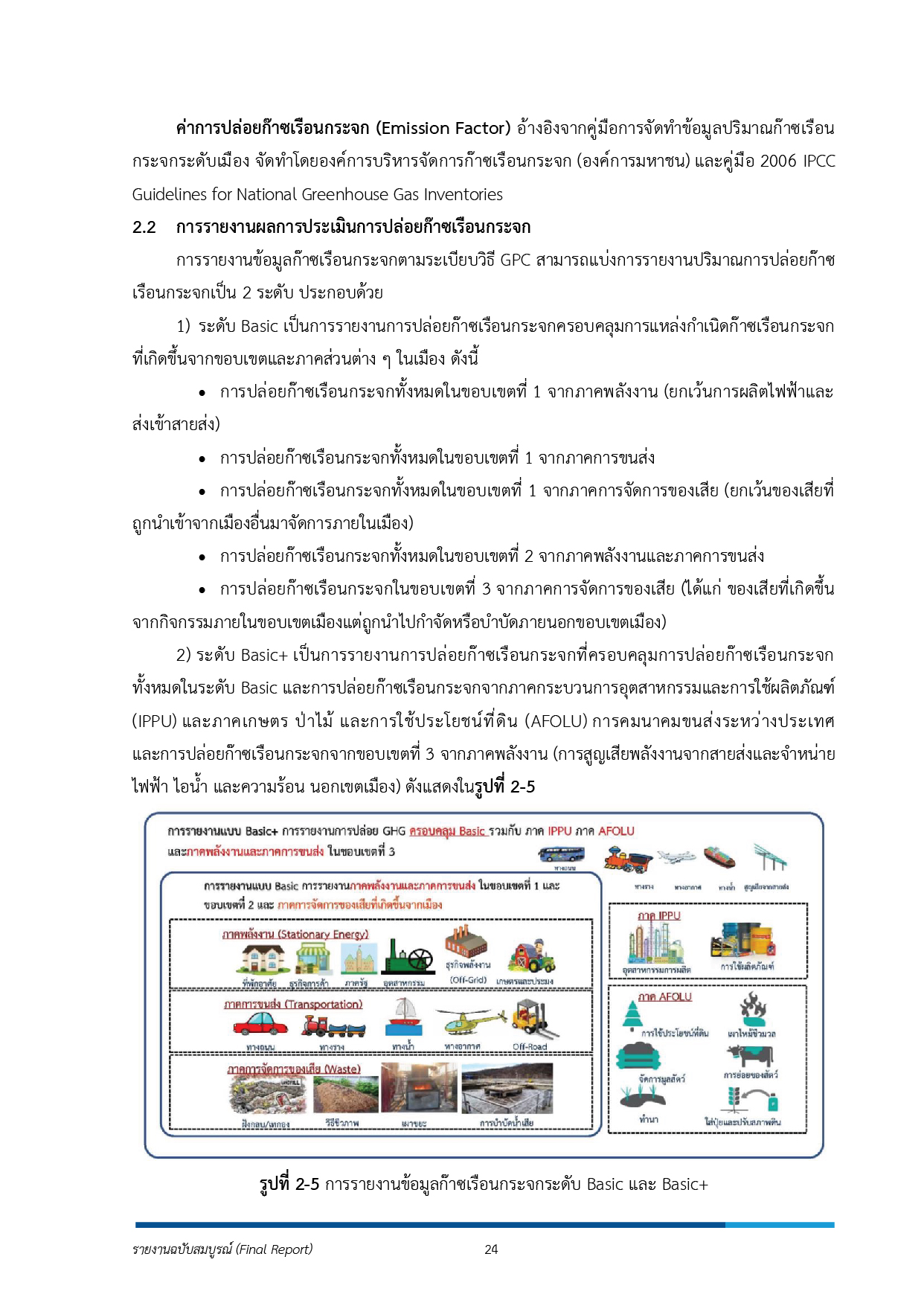
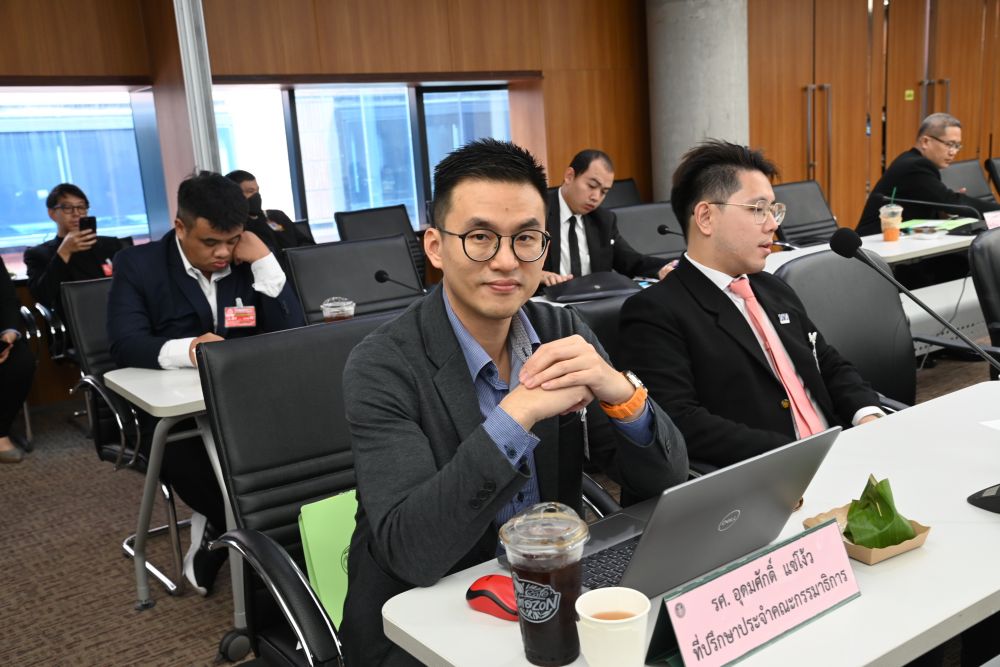
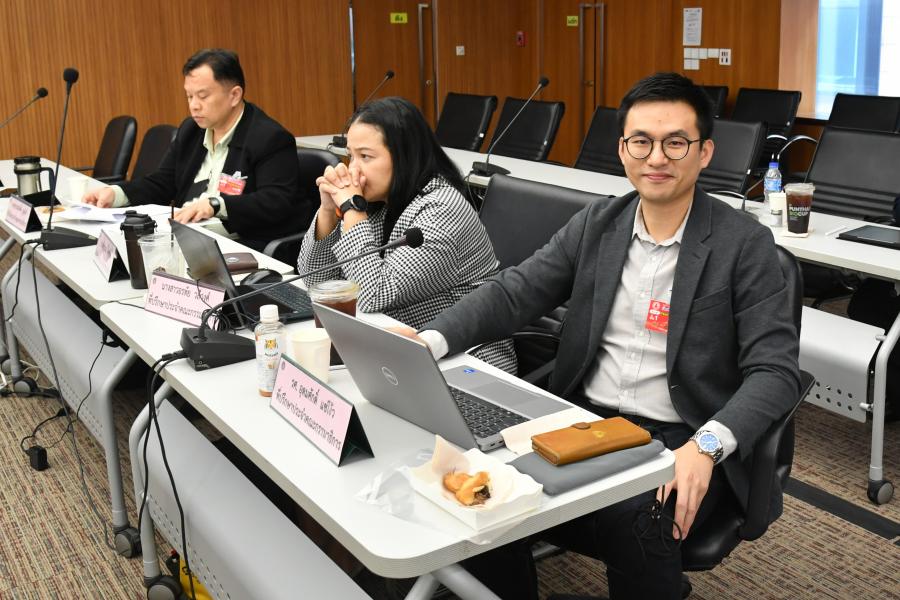
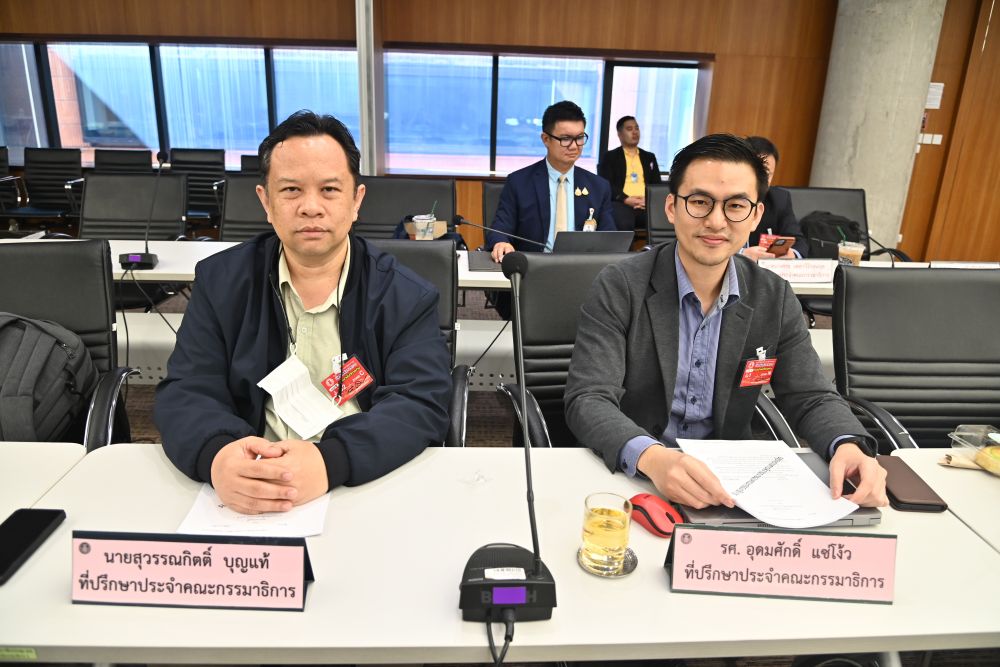
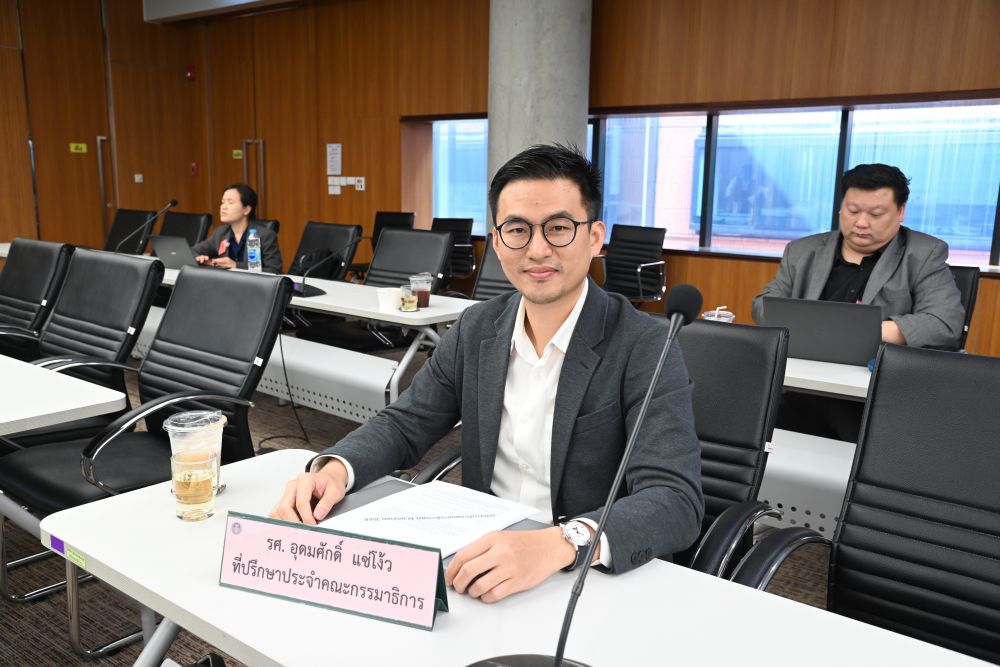
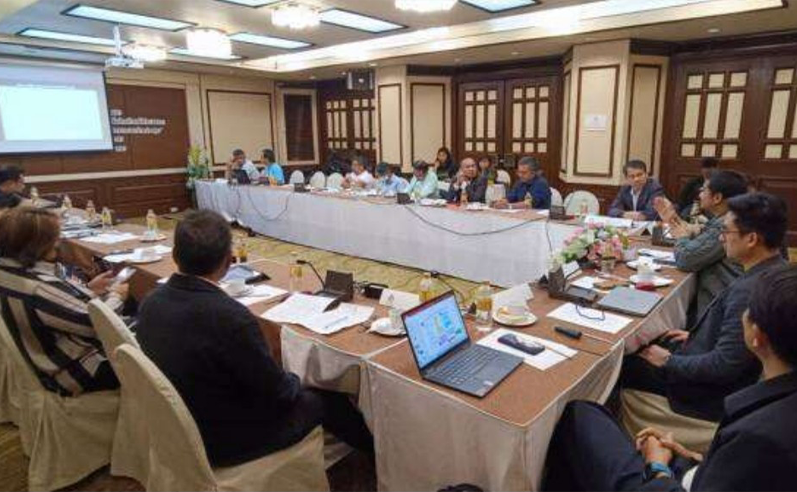
Figures : Assoc. Prof. Dr. Udomsak Saengow and the partners discussing various measures and strategies as adaptive management in the Alcoholic Beverage Control Act
Next Steps for the New Alcoholic Beverage Control Act
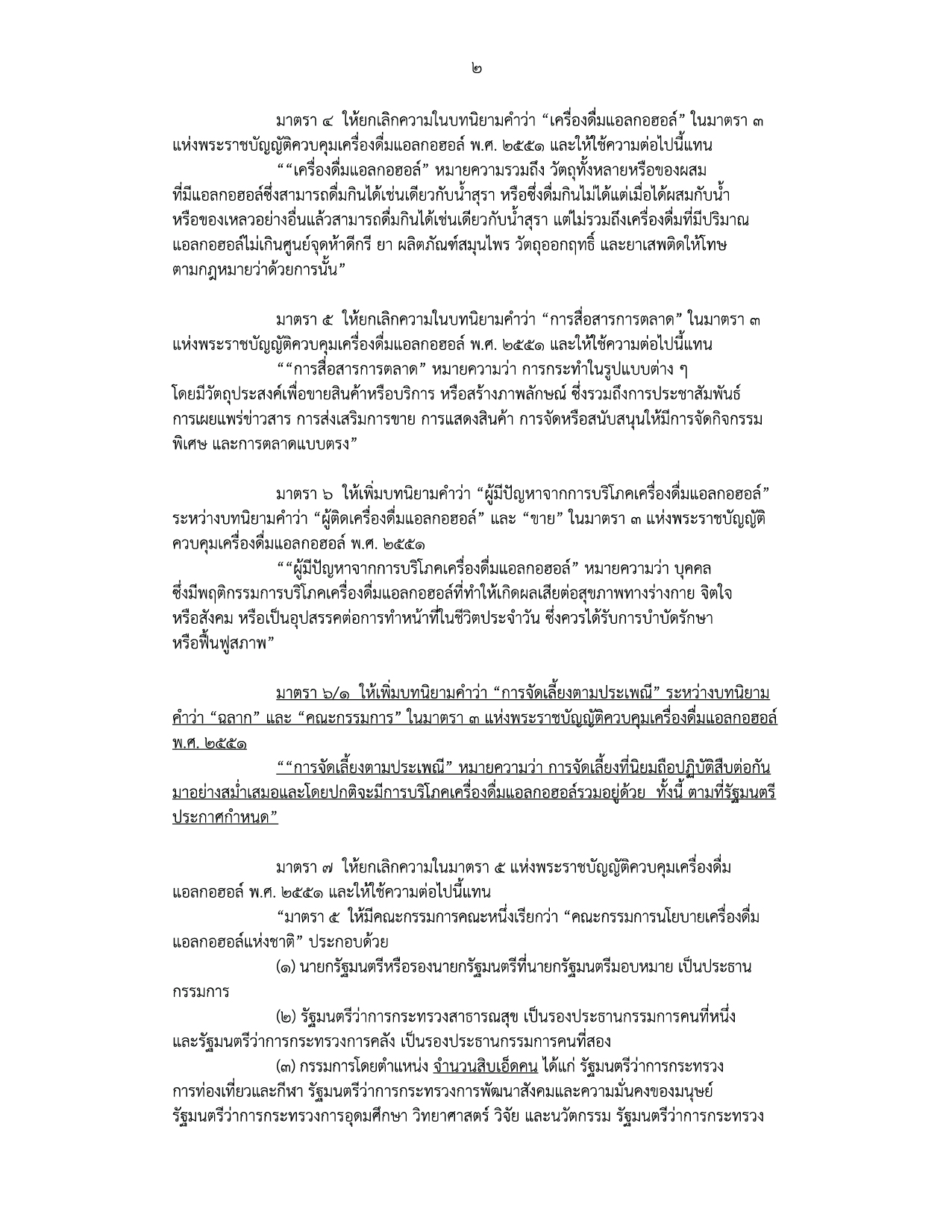
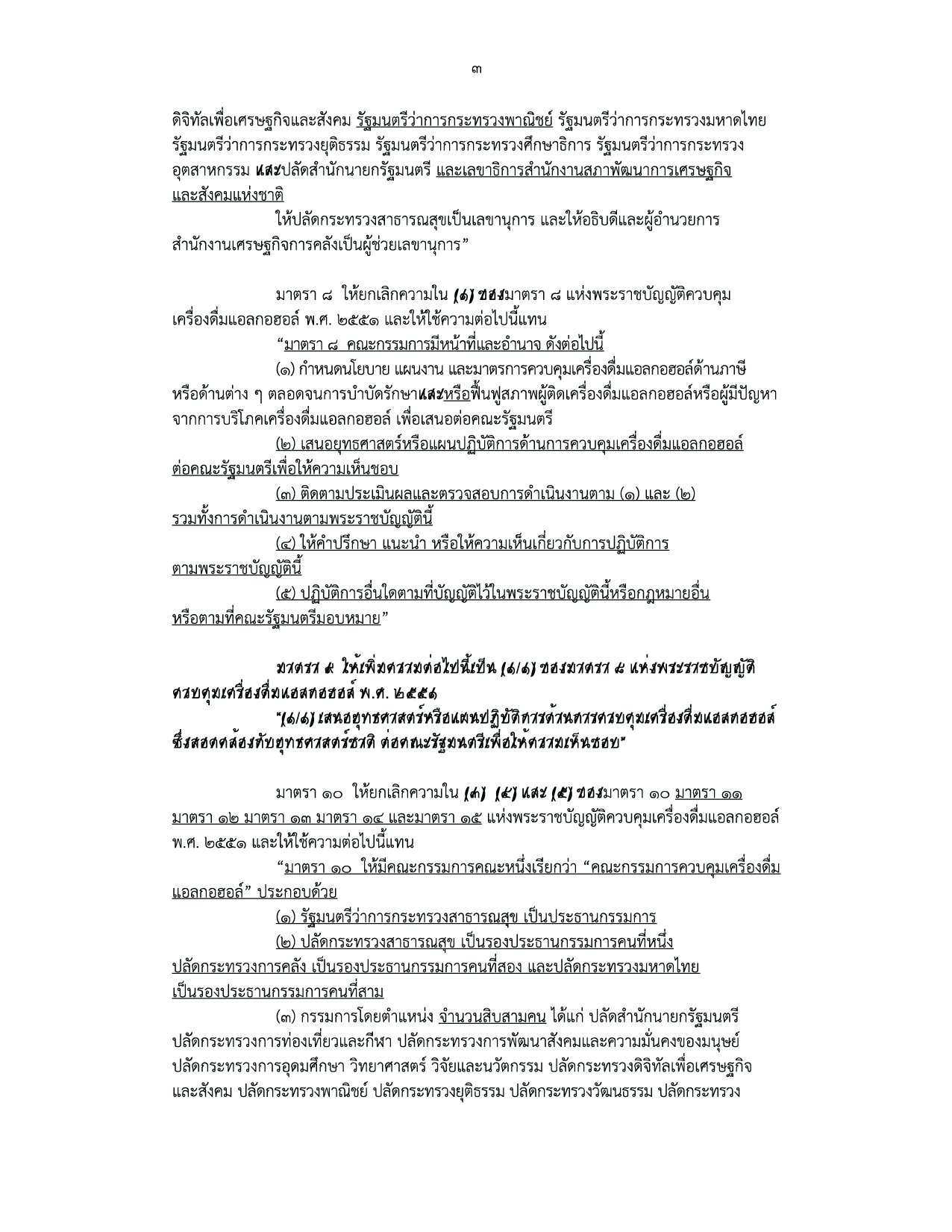
Following extensive discussions, the Ad-hoc Committee on Alcoholic Beverage Control Act Consideration reached resolutions on the draft provisions. In 2025, the new act will be submitted to the House of Representatives for further review and recommendations from legislators and relevant stakeholders.
The full draft of the new alcoholic beverage control act:
Monitoring Positive Impacts
Assoc. Prof. Dr. Udomsak Saengow highlighted the positive outcomes of the campaign “Stopping Drinking Alcohol on Buddhist Lent Day,” which supports the continuation of the alcohol ban on Buddhist holidays. The campaign has been shown to reduce alcohol consumption by approximately 10%, with most individuals in this group being non-regular drinkers. This indicates that occasional drinkers are responsive to public health campaigns, and with proper support, many could be encouraged to remain abstinent or significantly reduce their drinking. Strengthening health promotion efforts for this group would therefore contribute to long-term reductions in alcohol-related harm.
Further supporting the effectiveness of the alcohol ban, an analysis of statistical data from the Thailand Road Accident Victims Protection Company Limited revealed that road accidents on major Buddhist holidays are noticeably lower than on regular days. This reduction reflects the direct impact of alcohol-control policies on public safety. Based on this evidence, Assoc. Prof. Dr. Udomsak Saengow emphasized that maintaining the Alcoholic Beverage Drinking Ban on Buddhist holidays remains an essential and effective measure, and should be preserved in the new law. Together, these findings demonstrate how policy, campaigns, and public compliance can work synergistically to protect health and improve community well-being.