Monitoring of Water Consumption for Domestic Use in 2024, Walailak University
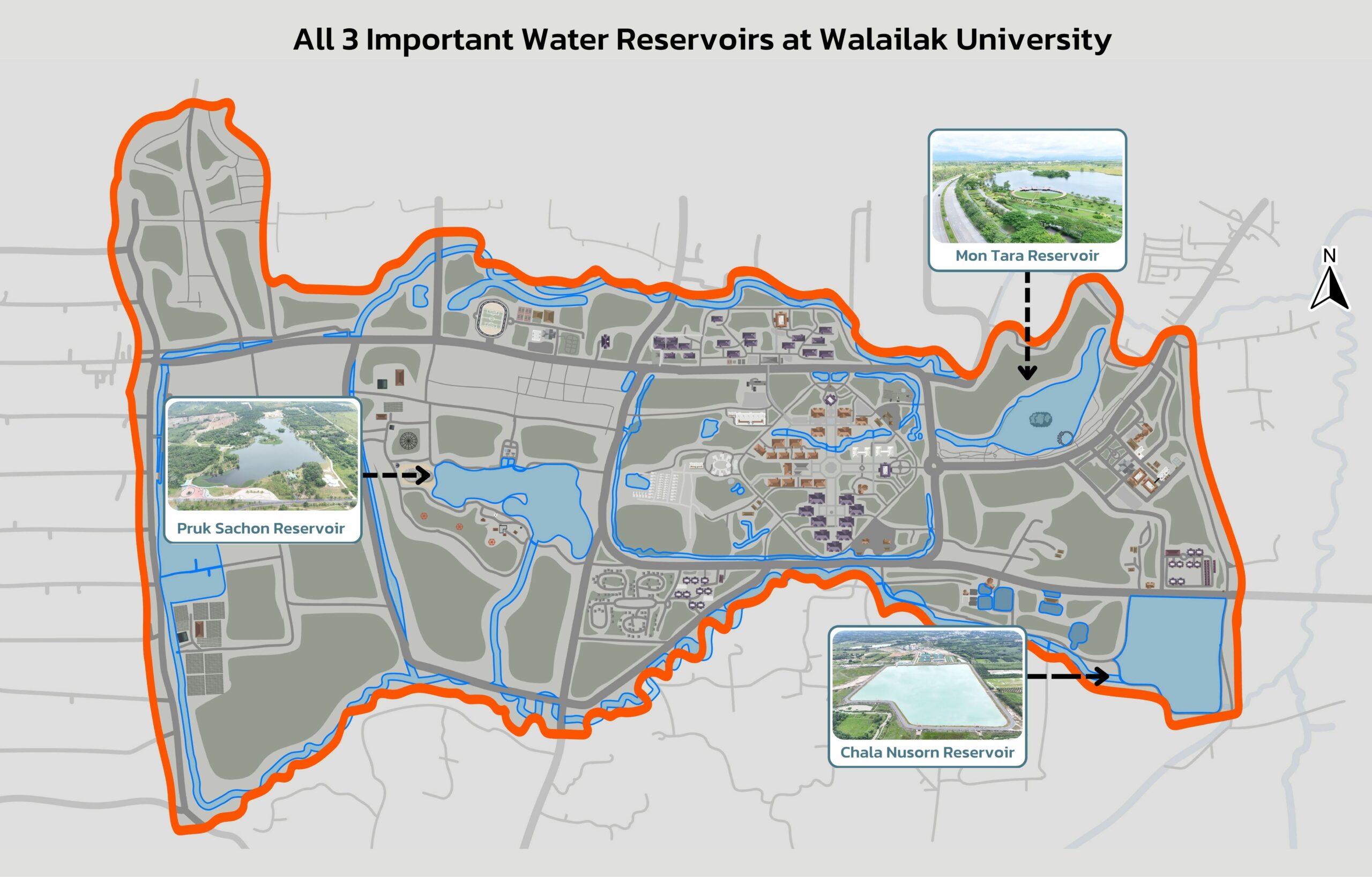
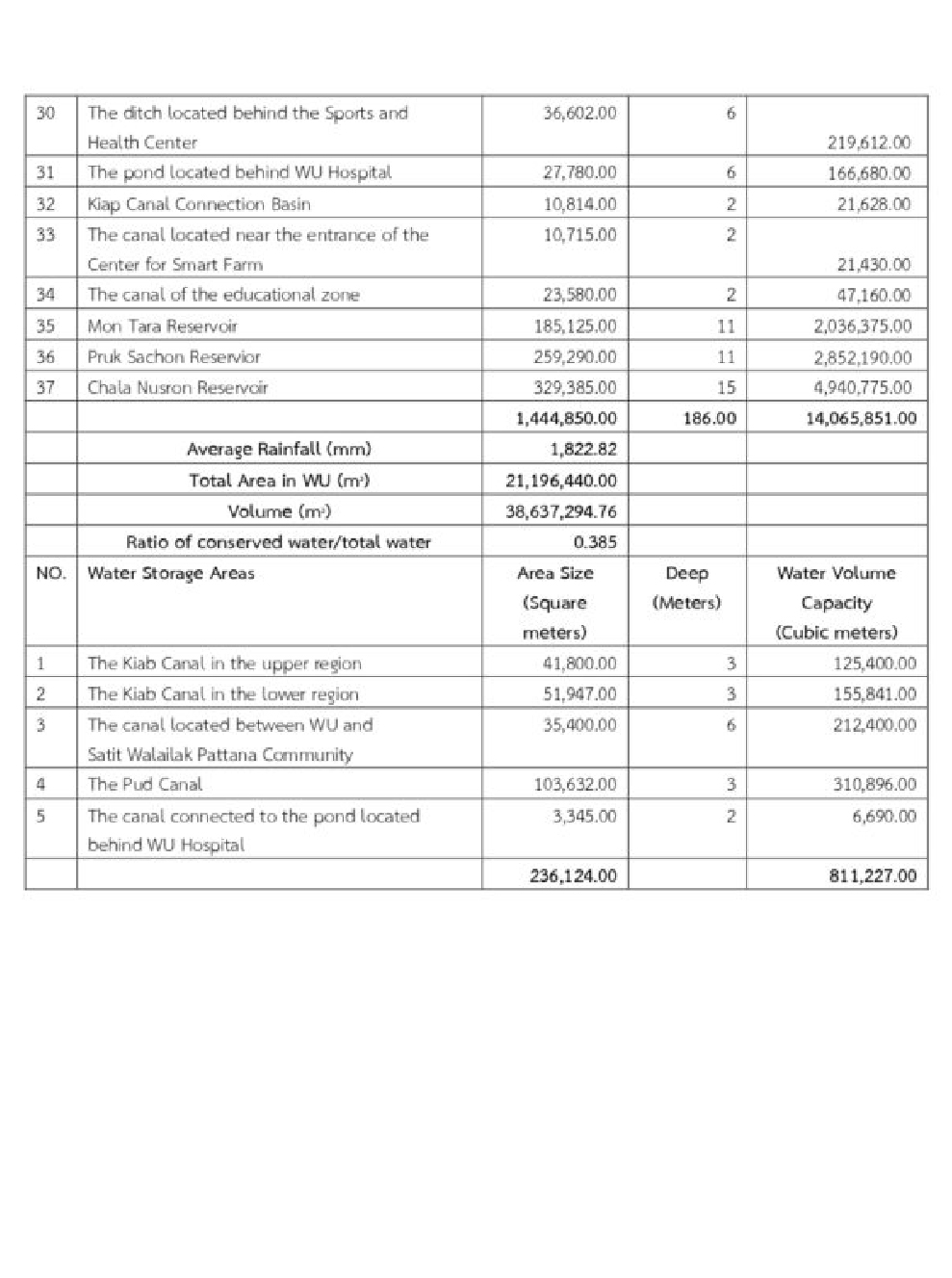
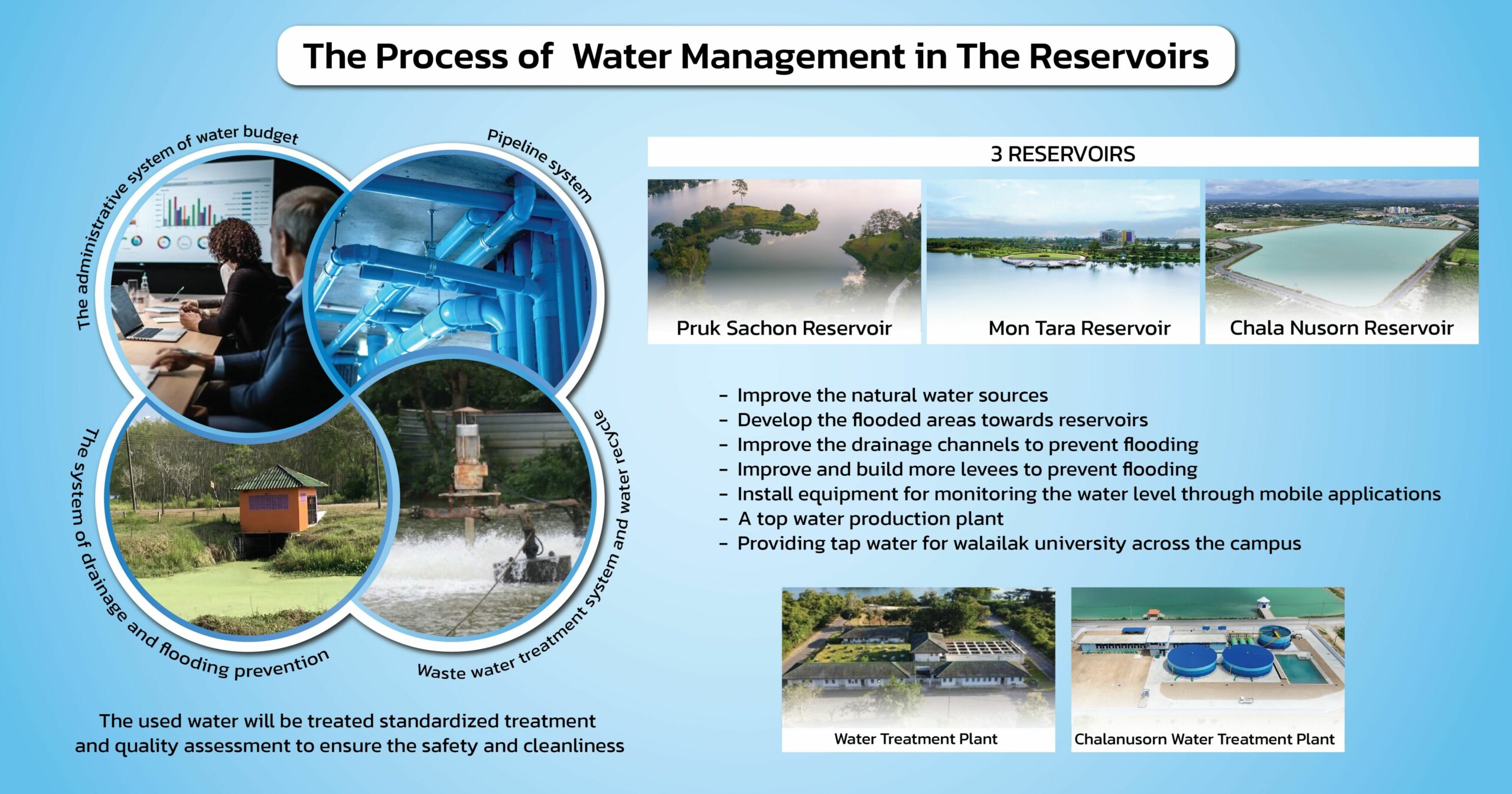
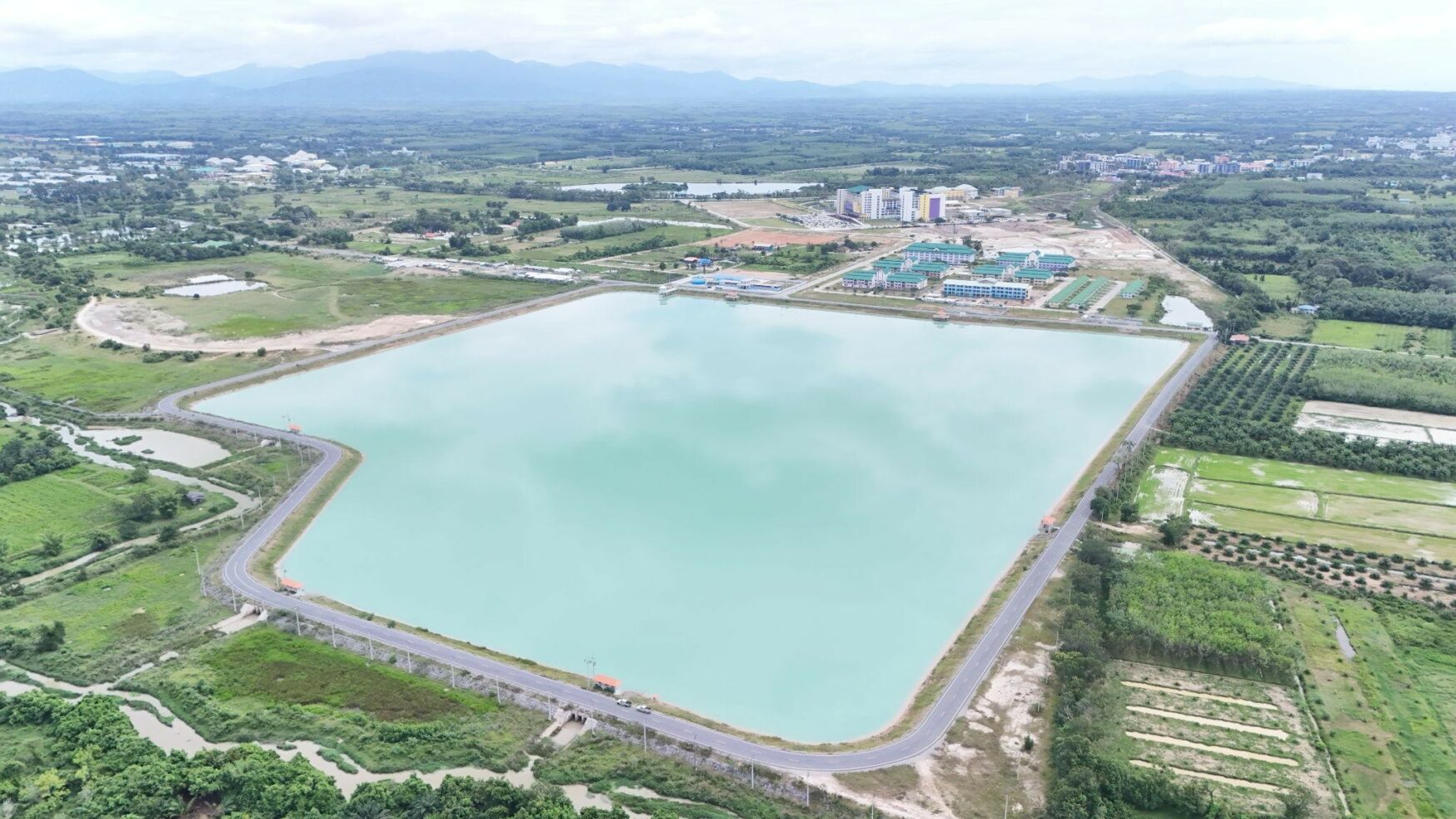
Walailak University is located in the southern region of Thailand, covering a total area of 21,196,440 square meters, making it the largest university in the country in terms of land area. Due to its geographical characteristics, the area is prone to drought during the summer season and experiences heavy rainfall during the rainy season. Recognizing the necessity of systematic and sustainable water resource management, the university has developed and constructed water storage facilities within its premises. These include three main reservoirs (Pruksa Chon Reservoir, Mon Thara Reservoir, and Chala Nusorn Reservoir), along with ponds and lakes, serving as water reserves for consumption and agriculture. They also play an important role in effectively preventing and mitigating flood problems during the rainy season.
Walailak University is located in the southern region of Thailand, covering a total area of 21,196,440 square meters, making it the largest university in the country in terms of land area. Due to its geographical characteristics, the area is prone to drought during the summer season and experiences heavy rainfall during the rainy season. Recognizing the necessity of systematic and sustainable water resource management, the university has developed and constructed water storage facilities within its premises. Based on comprehensive diagnostic and measurement of geographical and hydrological conditions, these include three main reservoirs (Pruk Sachon Reservoir, Mon Tara Reservoir, and Chala Nusorn Reservoir), along with ponds and lakes, serving as water reserves for consumption and agriculture. They also play an important role in effectively preventing and mitigating flood problems during the rainy season.
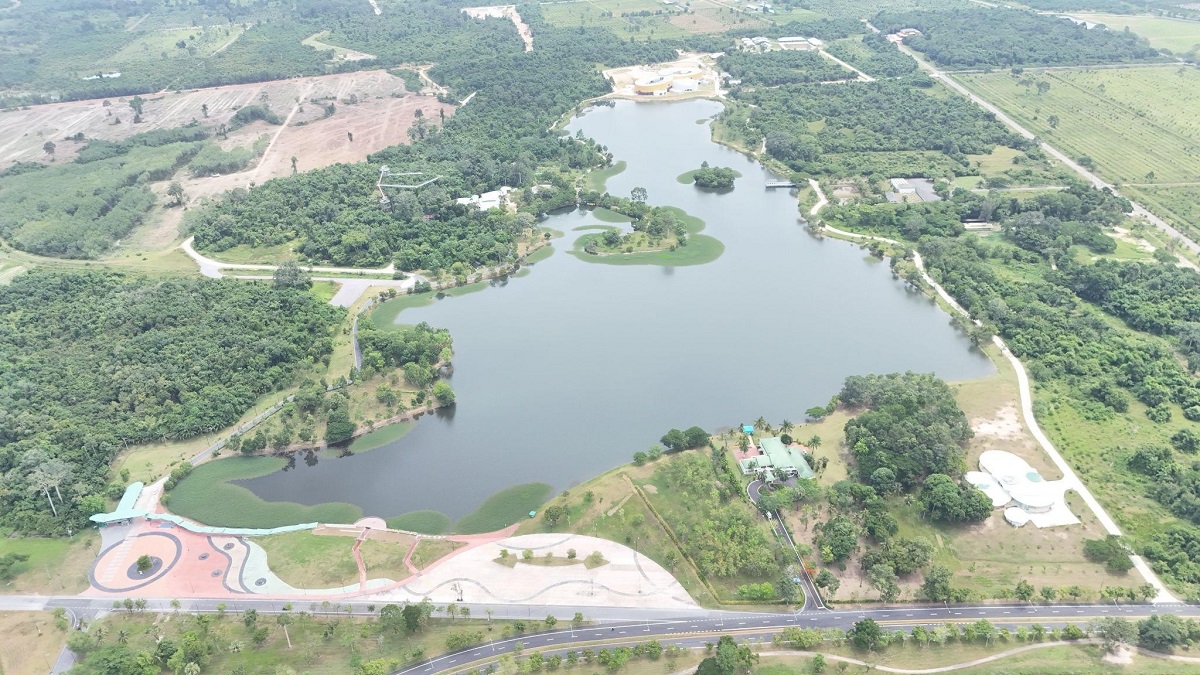
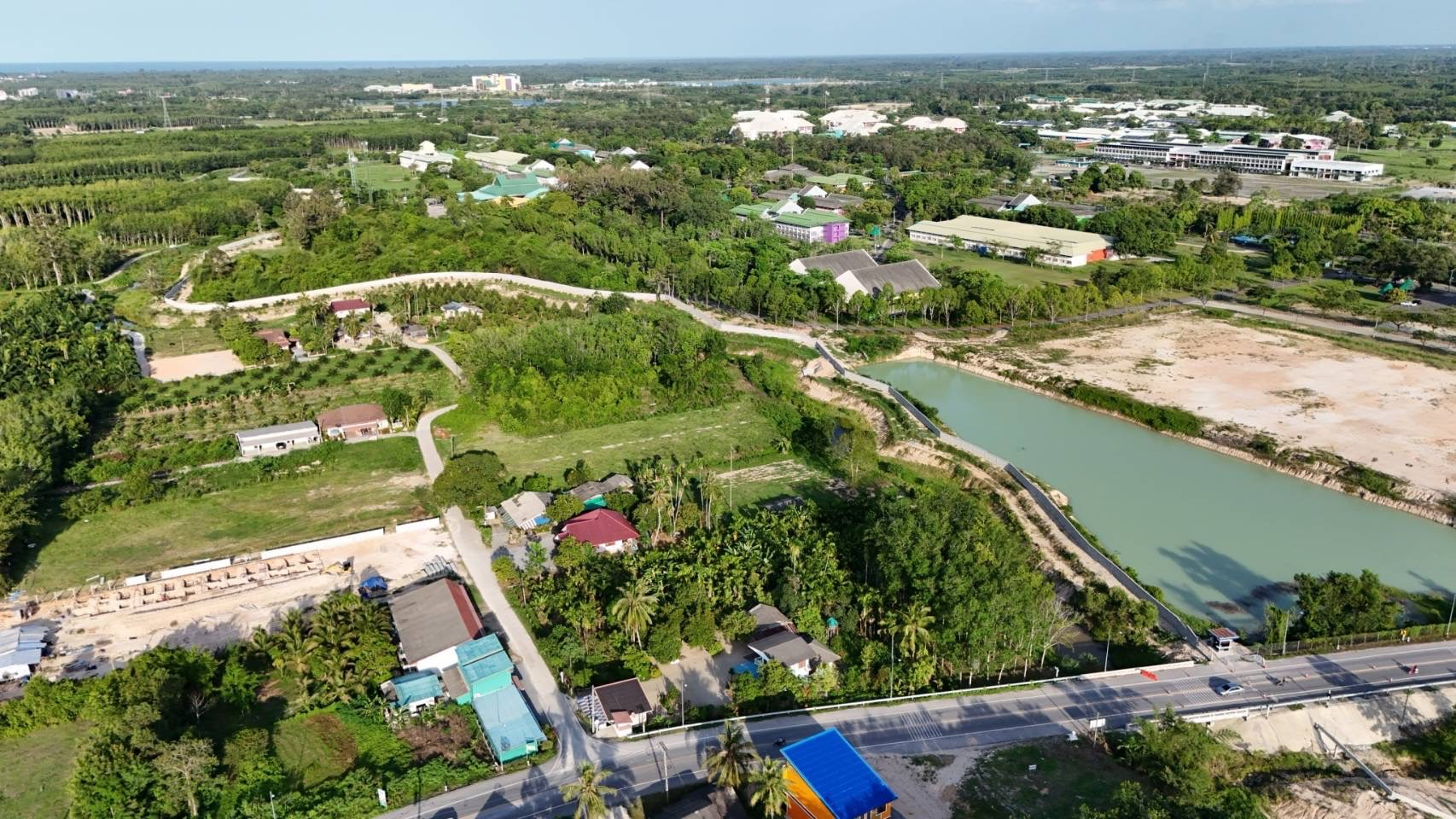
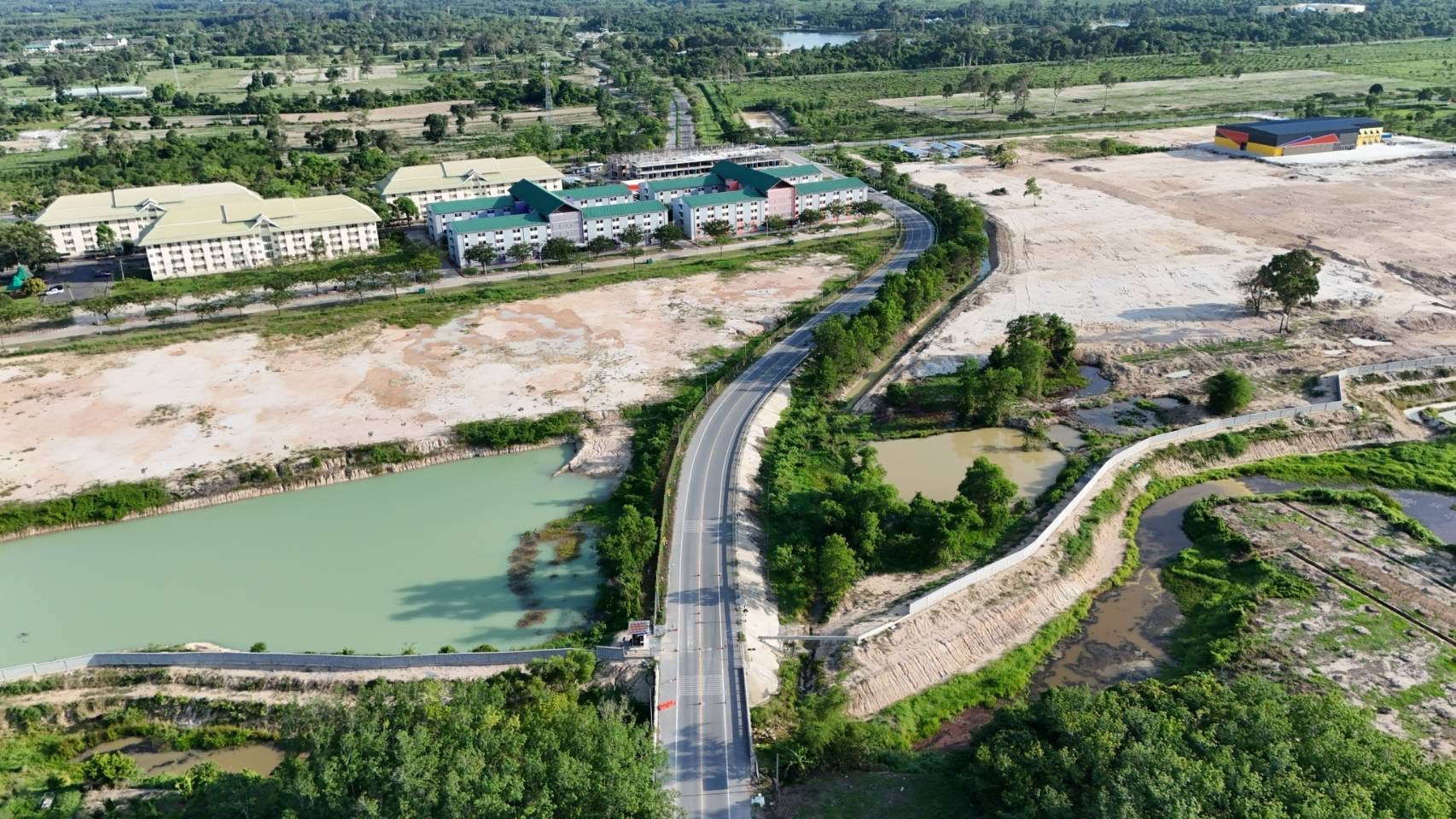
Pruk Sachon Reservoir
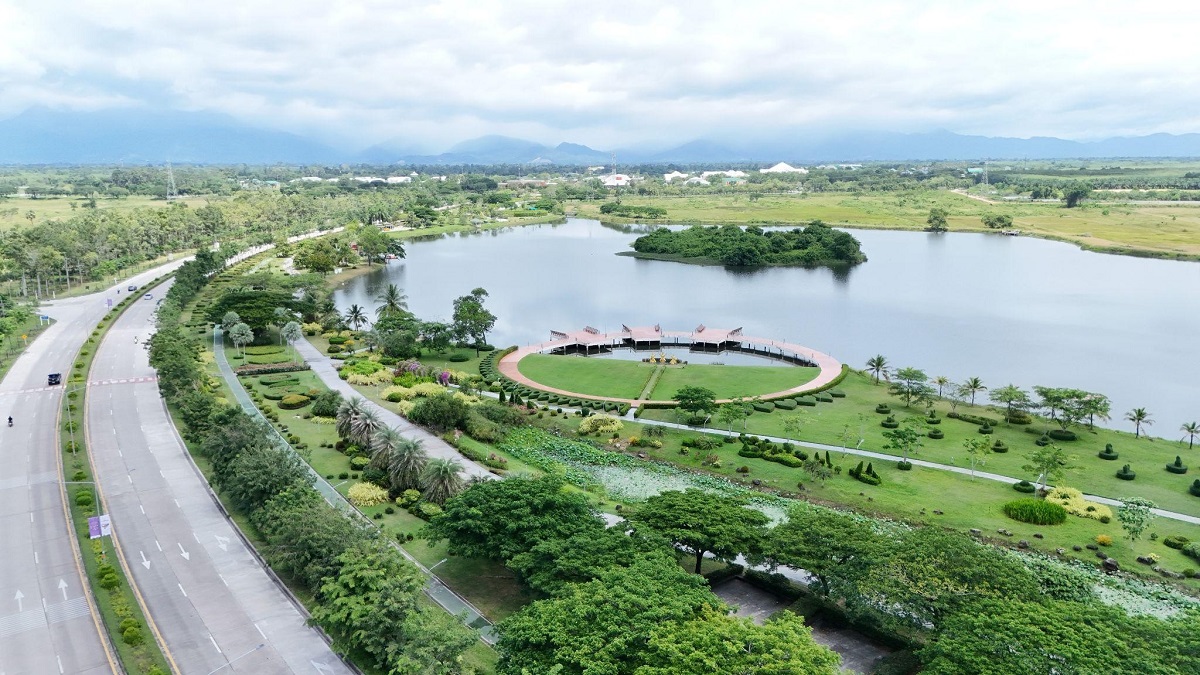
Mon Tara Reservoir
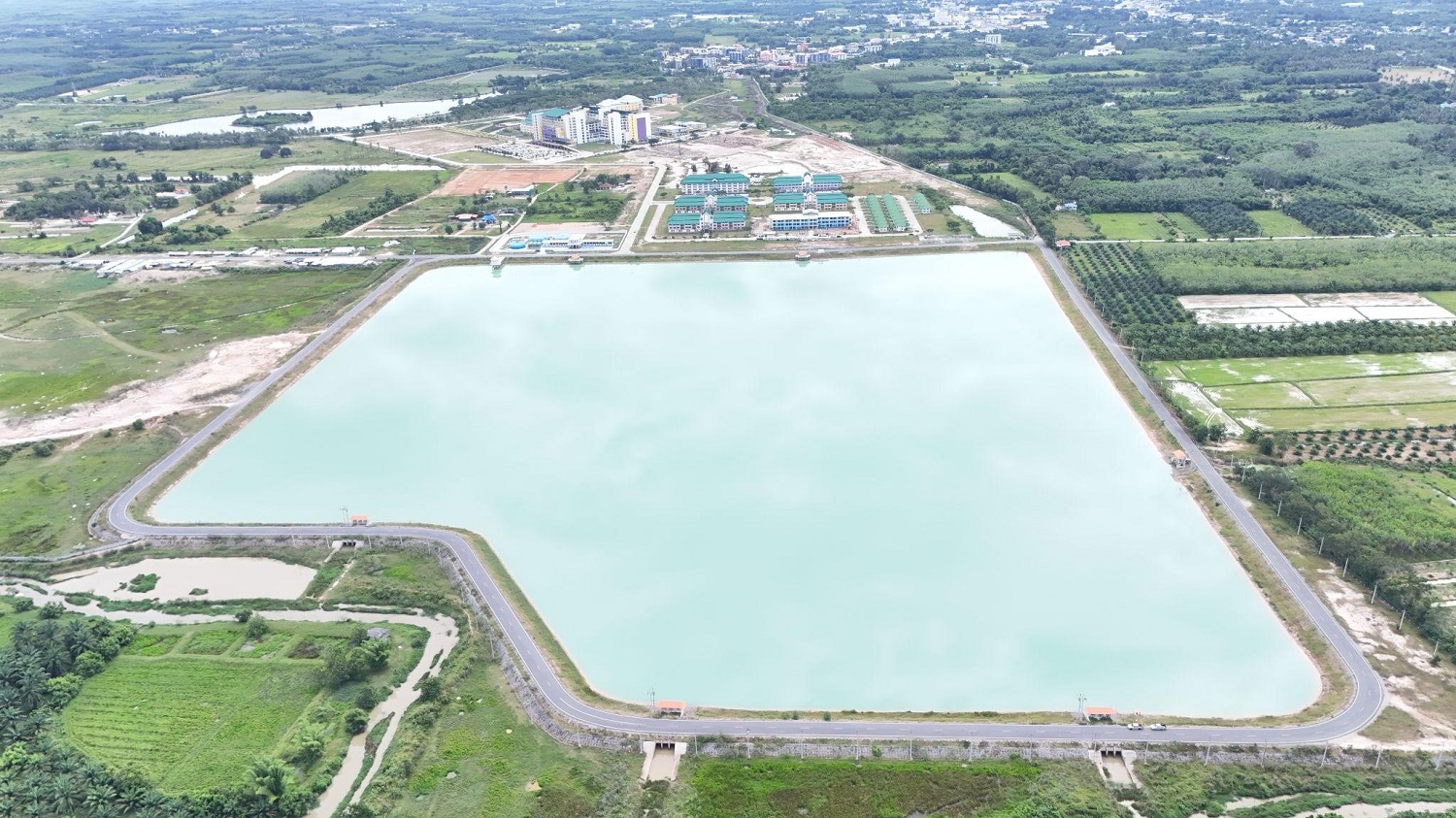
Chala Nusorn Reservoir
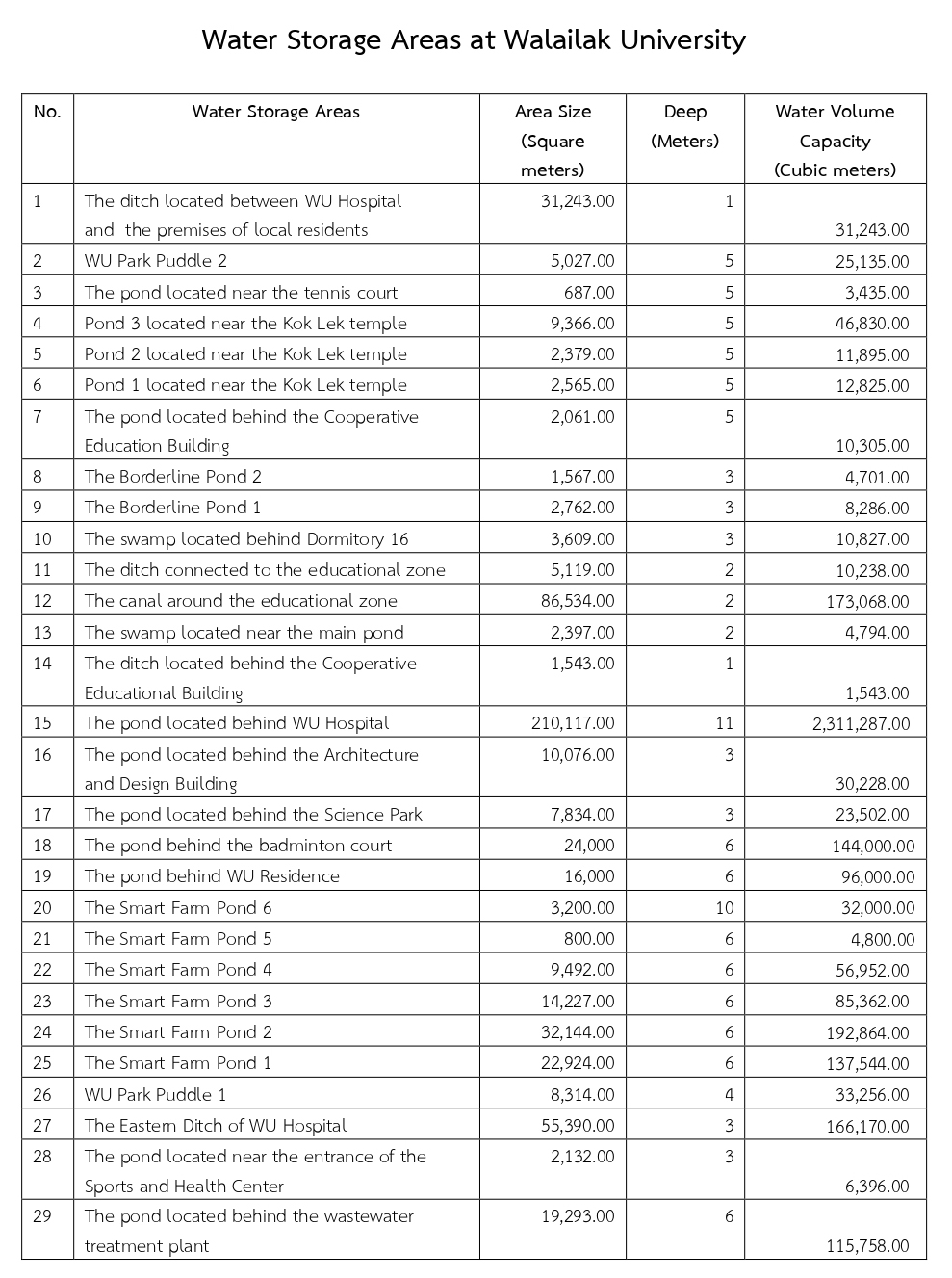
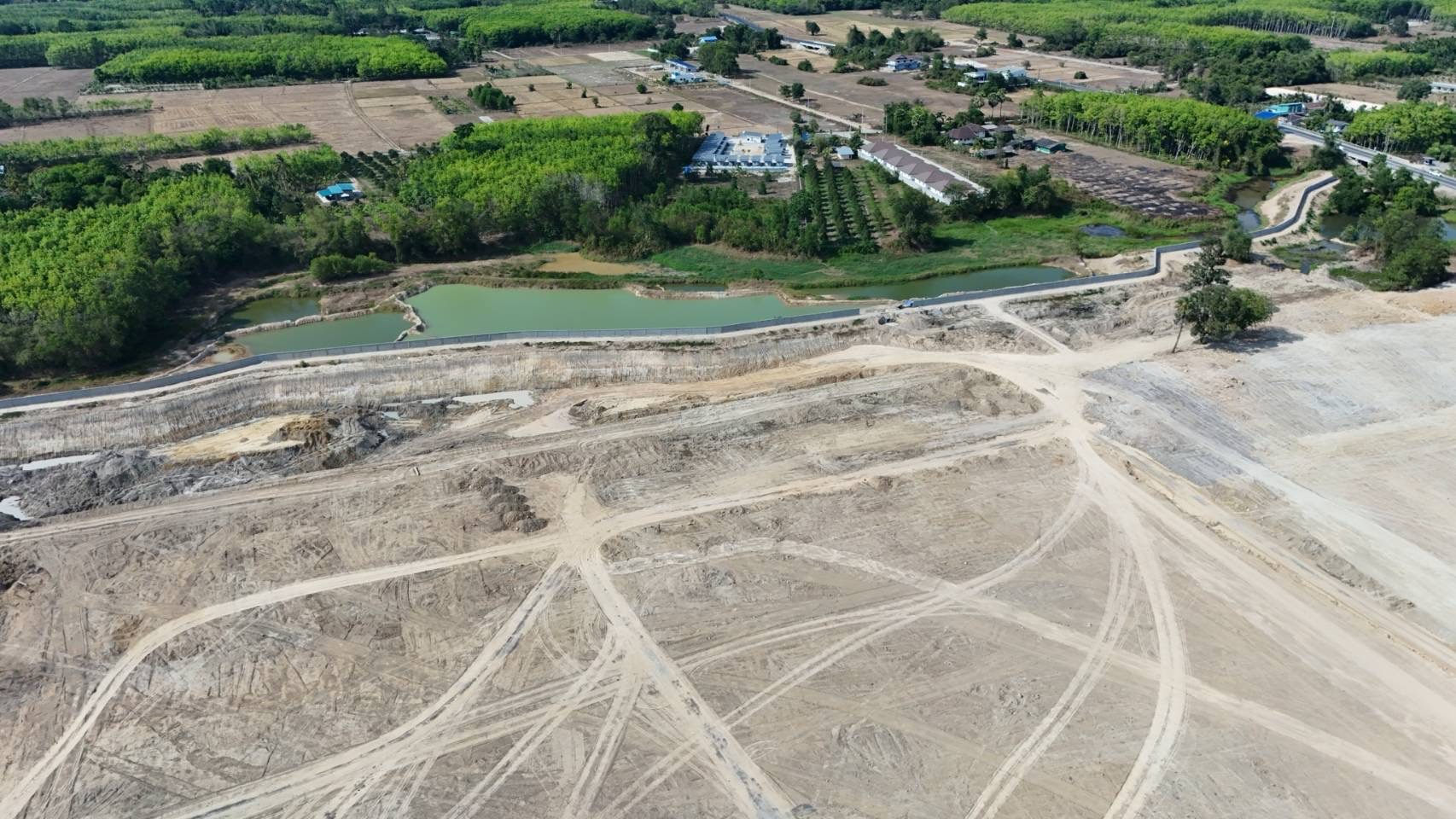
At present, Walailak University has a total water conservation and storage area of 1,680,974.00 square meters, an increase of 40,000.00 square meters compared to 2023. These water sources can accommodate up to 14,065,851.00 cubic meters, which is sufficient to meet the university’s annual water demand. The expansion of water storage areas carried out in 2024 was primarily aimed at addressing the needs for domestic water consumption within the university, as well as supporting the continuous growth of agricultural areas.
At present, Walailak University has a total water conservation and storage area of 1,680,974.00 square meters, an increase of 40,000.00 square meters compared to 2023. These water sources can accommodate up to 14,065,851.00 cubic meters, which is sufficient to meet the university’s annual water demand. The expansion of water storage areas carried out in 2024 was primarily aimed at addressing the needs for domestic water consumption within the university, as well as supporting the continuous growth of agricultural areas. This development was designed through engagement between the university’s engineers, environmental specialists, and local authorities to ensure efficient and sustainable water use.
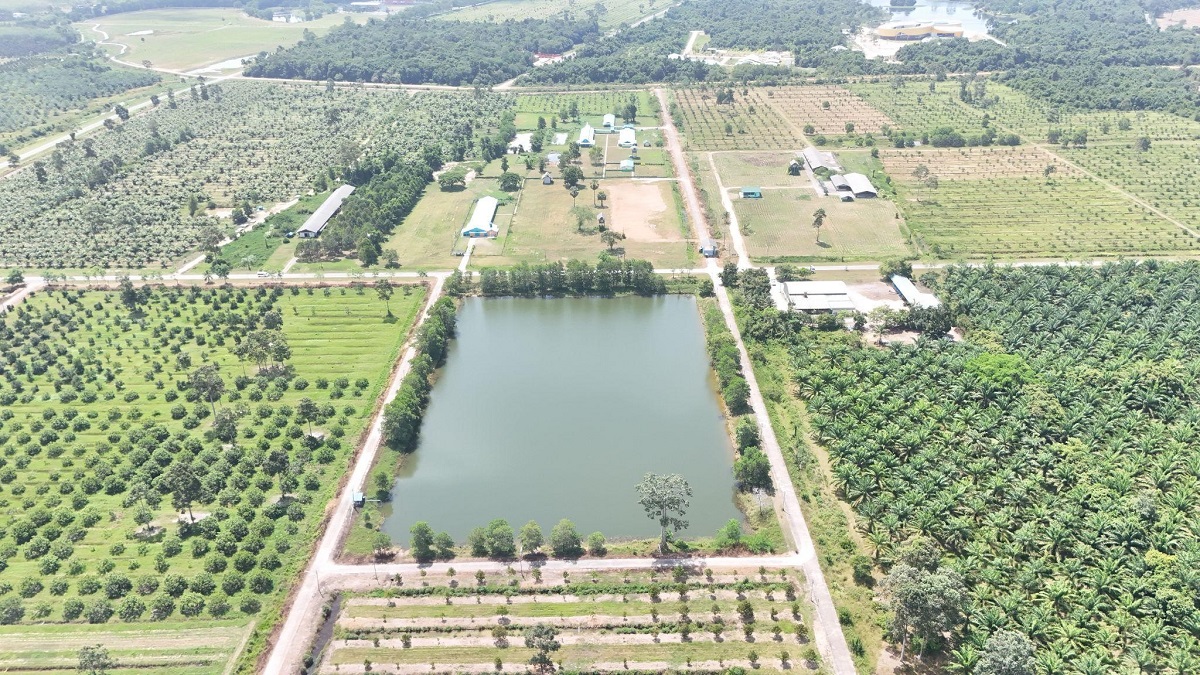
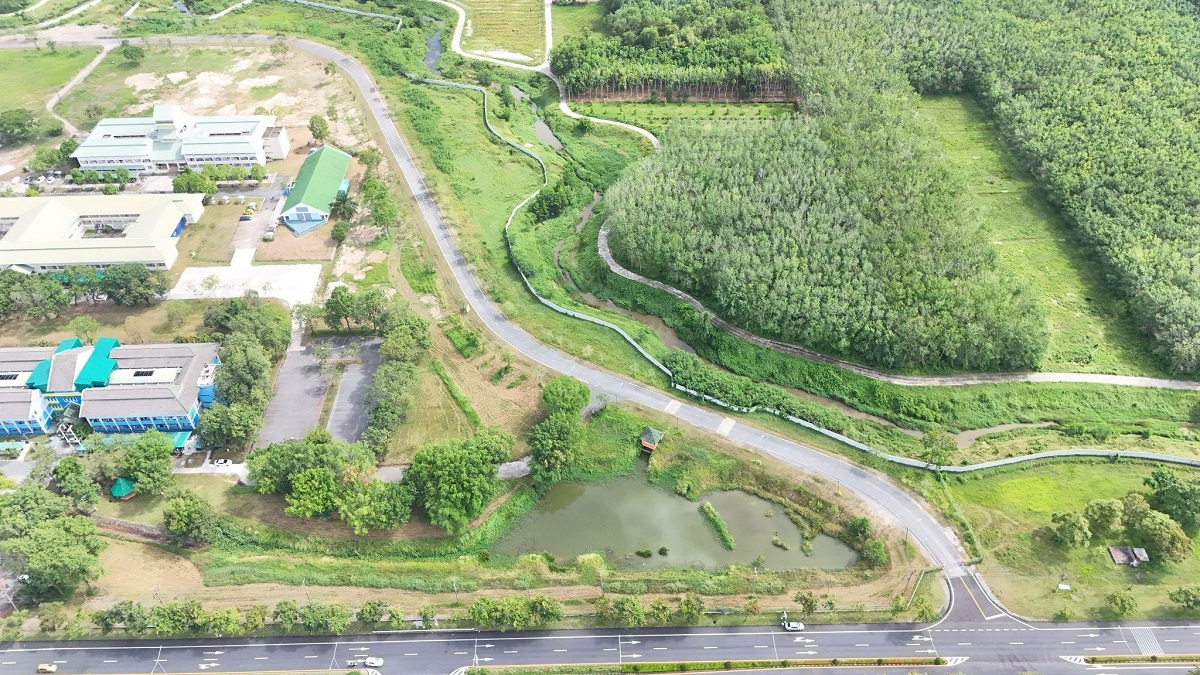
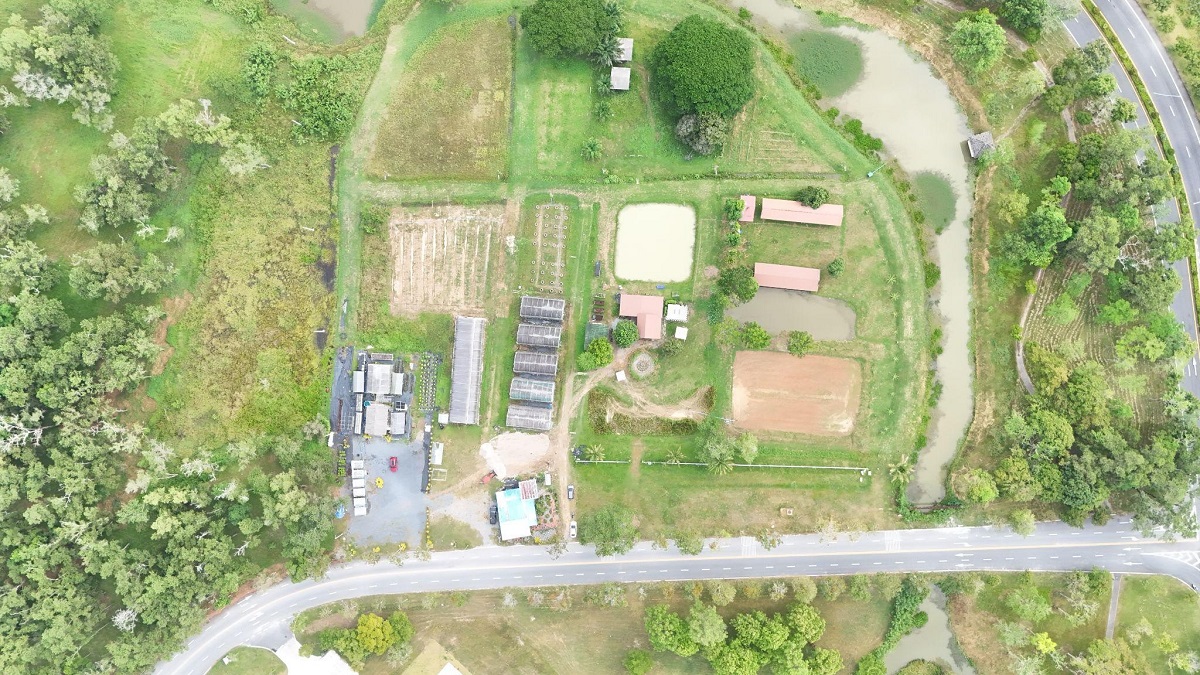
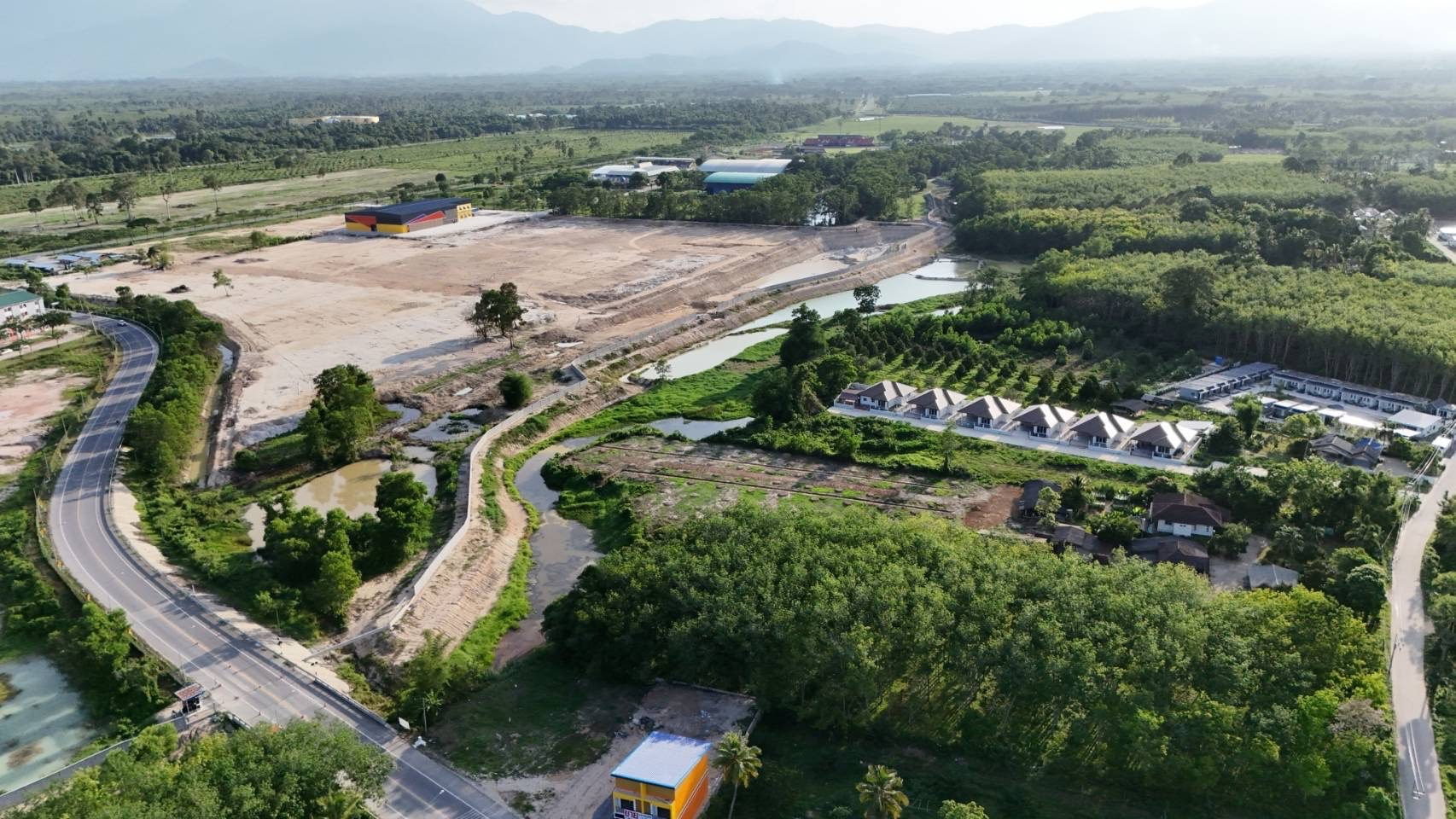
Figures: Water storage areas within the university
Walailak University’s water management practices serve as an exemplary model for the efficient and sustainable use of natural resources, generating positive impacts on the ecosystem, sustainable development, and long-term environmental security. This also reflects the university’s strong commitment to becoming a model institution for natural resource conservation, while simultaneously advancing academic and social development in a balanced manner.
Walailak University emphasizes the importance of sustainable water resource management, particularly for domestic water consumption by its large population of staff and students. The existence of measurements and tracking of total volume of water used in the university that is taken from mains supply are systematically conducted across the whole university. Water consumption for domestic use is classified into two main types:
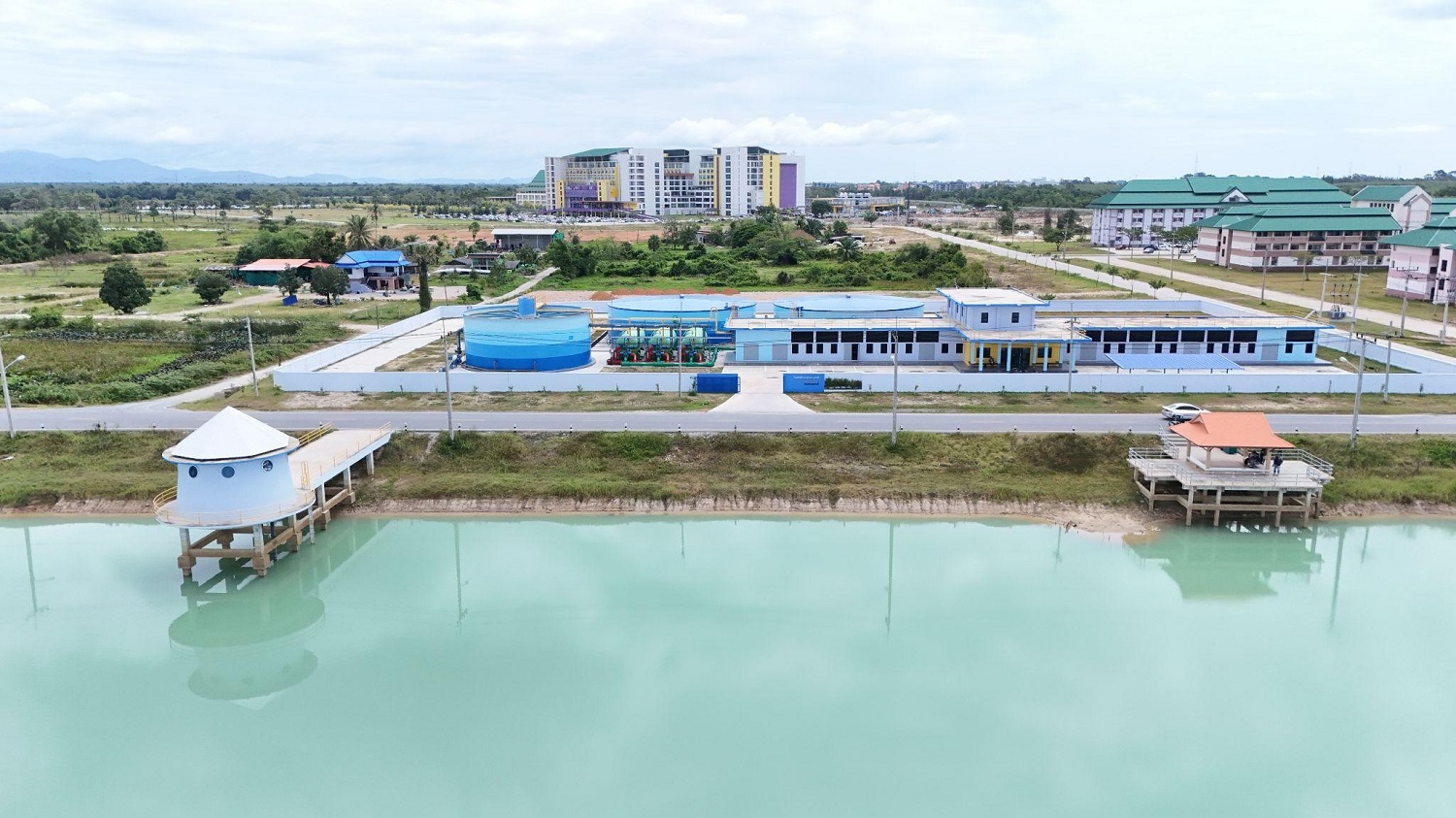
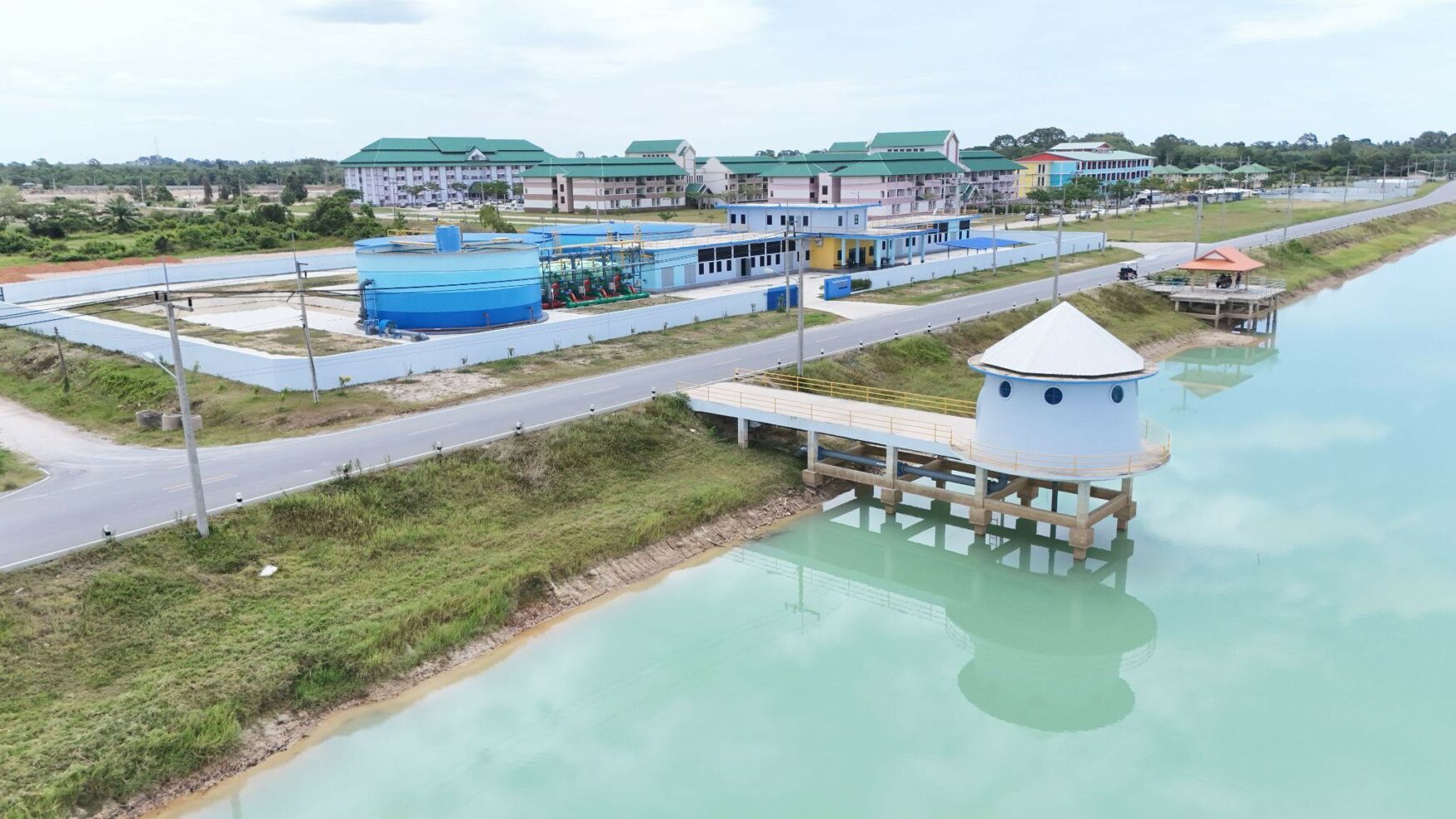
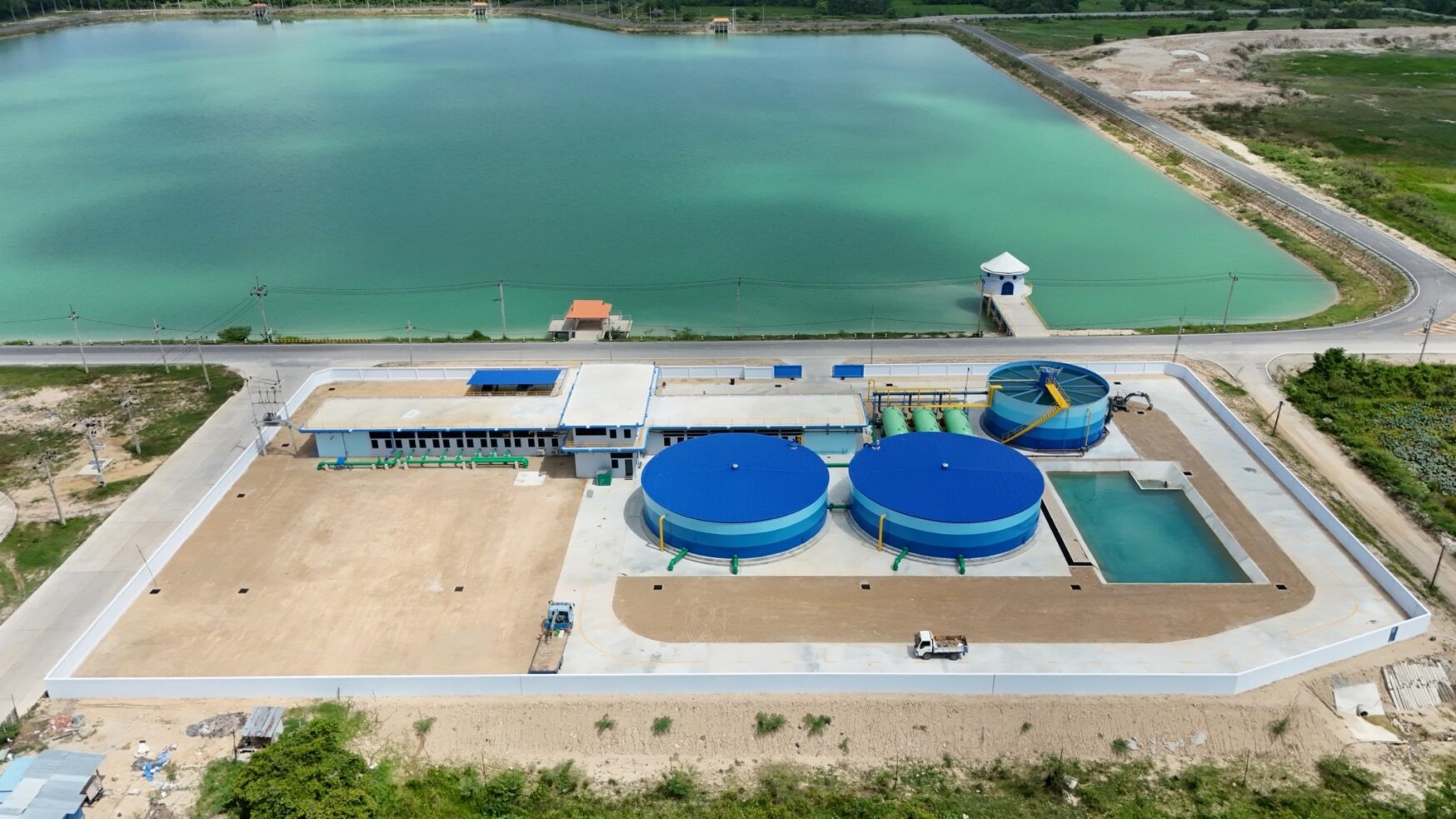
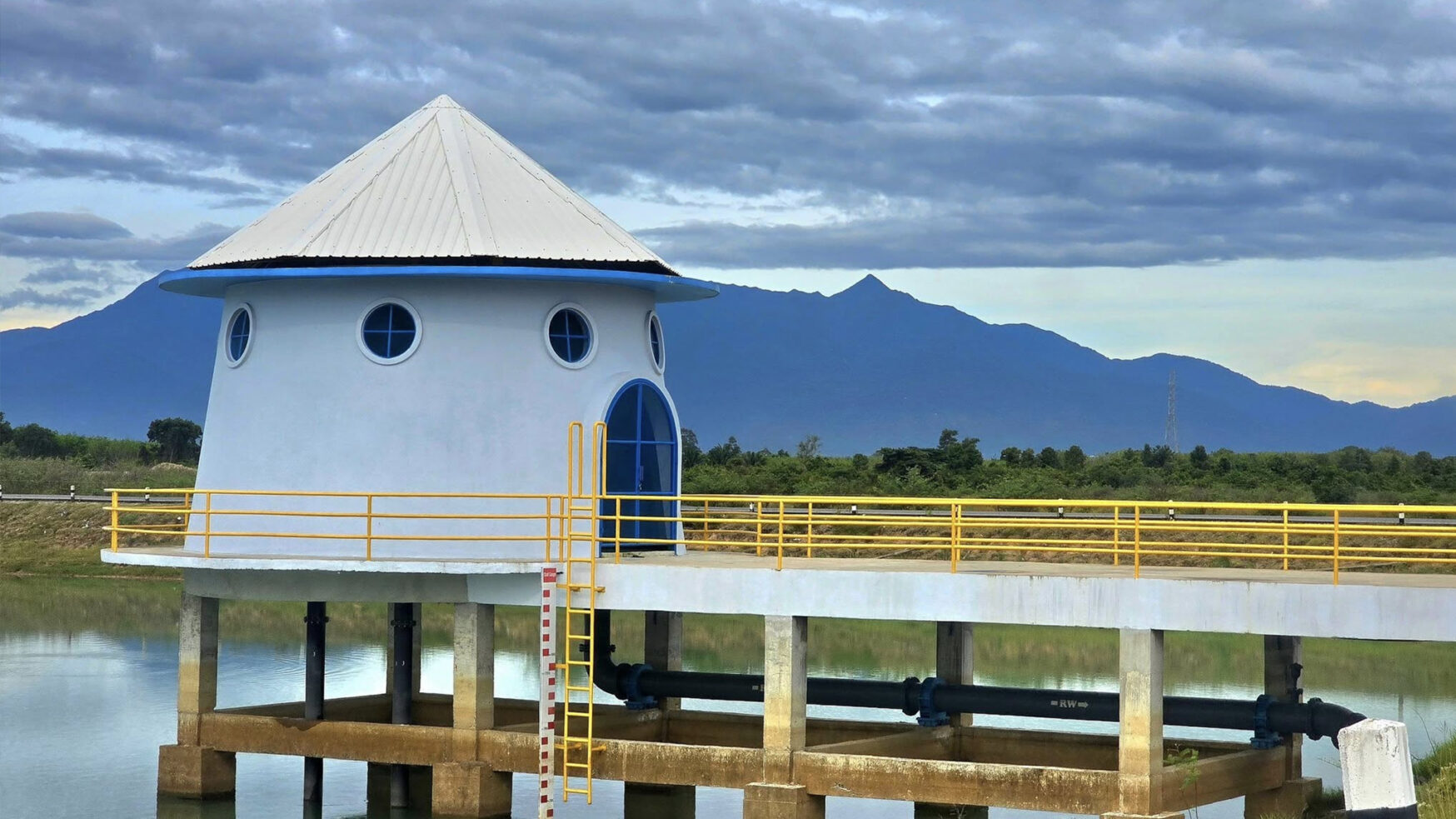
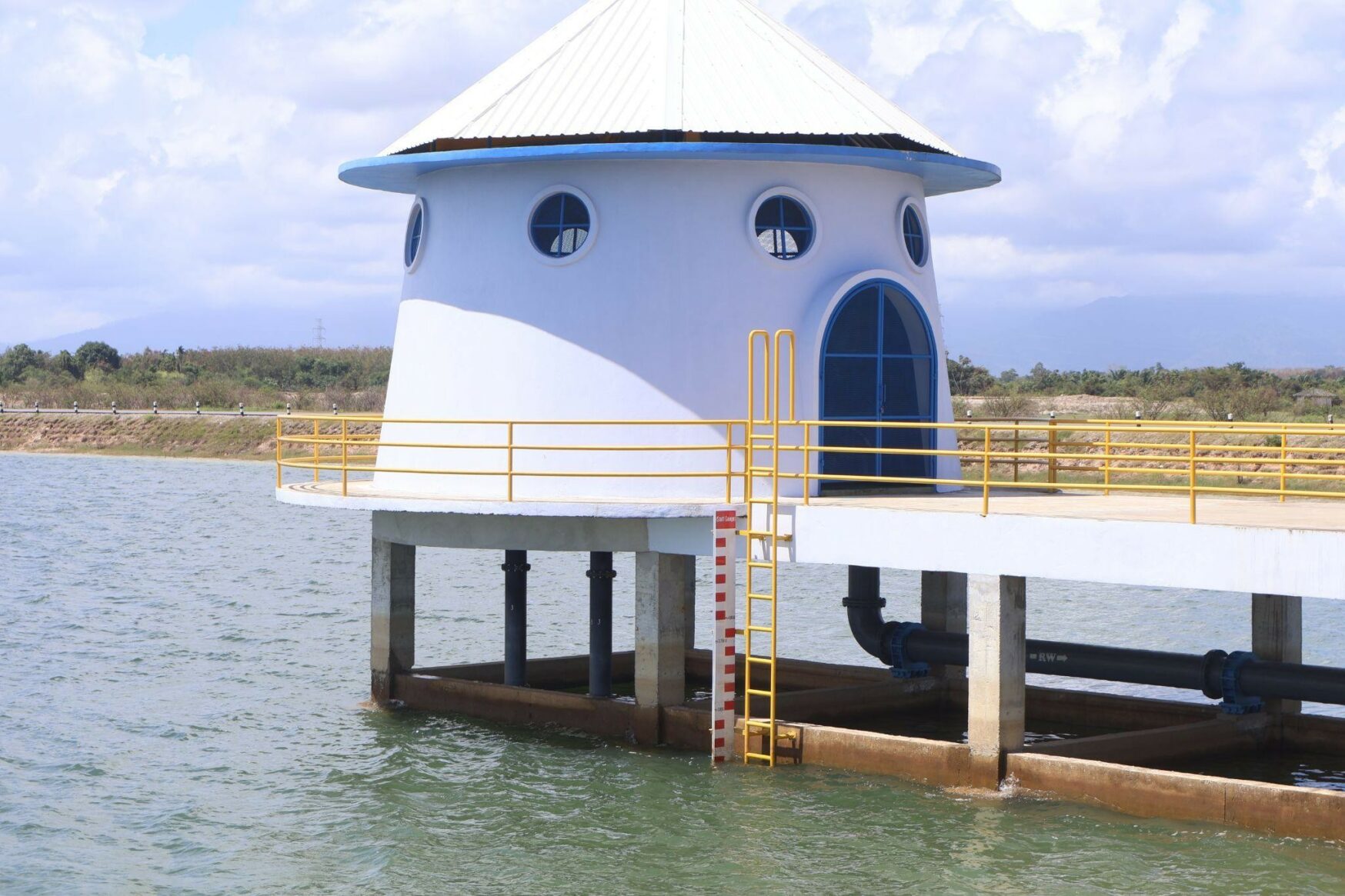
Chala Nusorn Water Works House
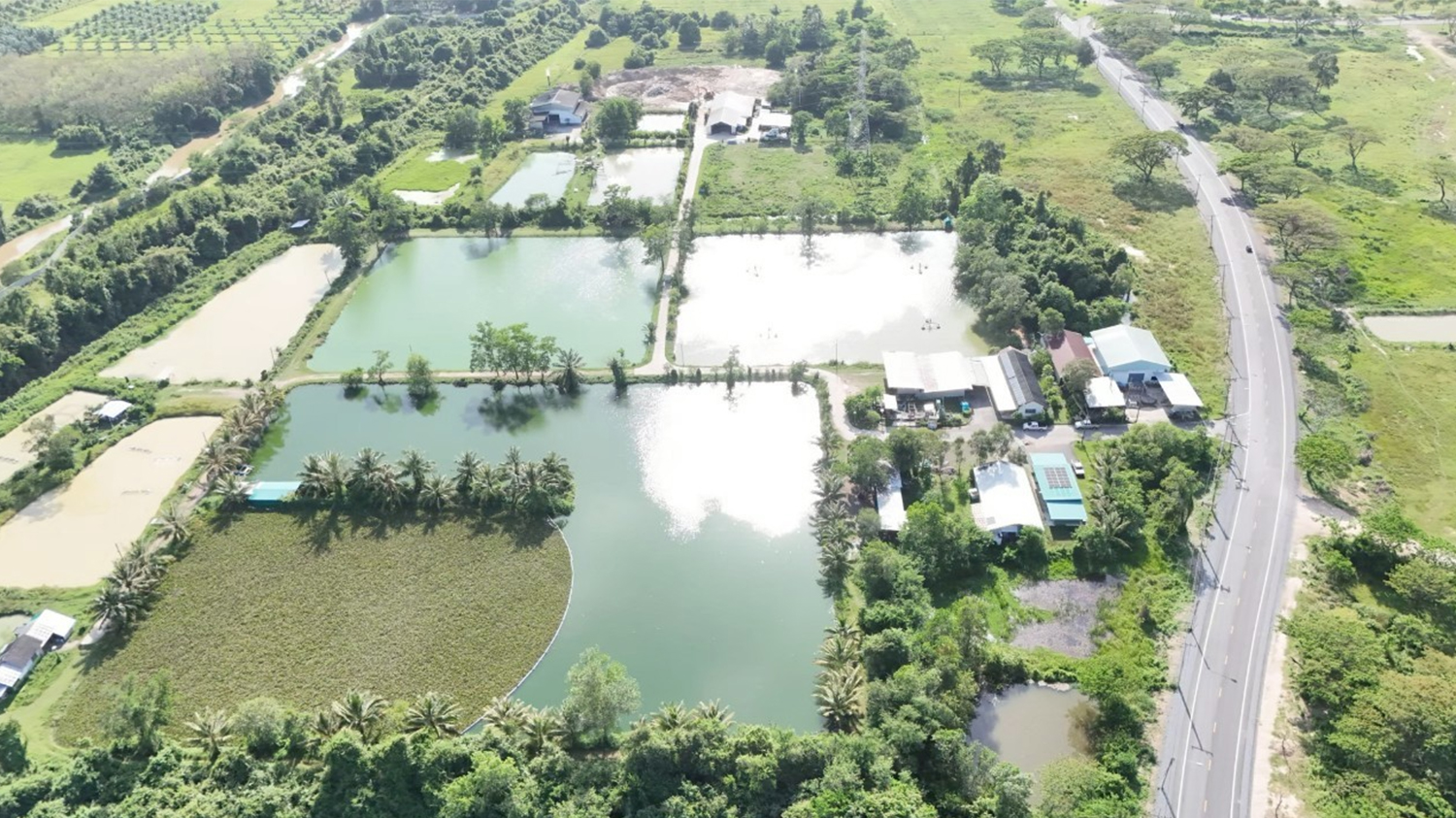
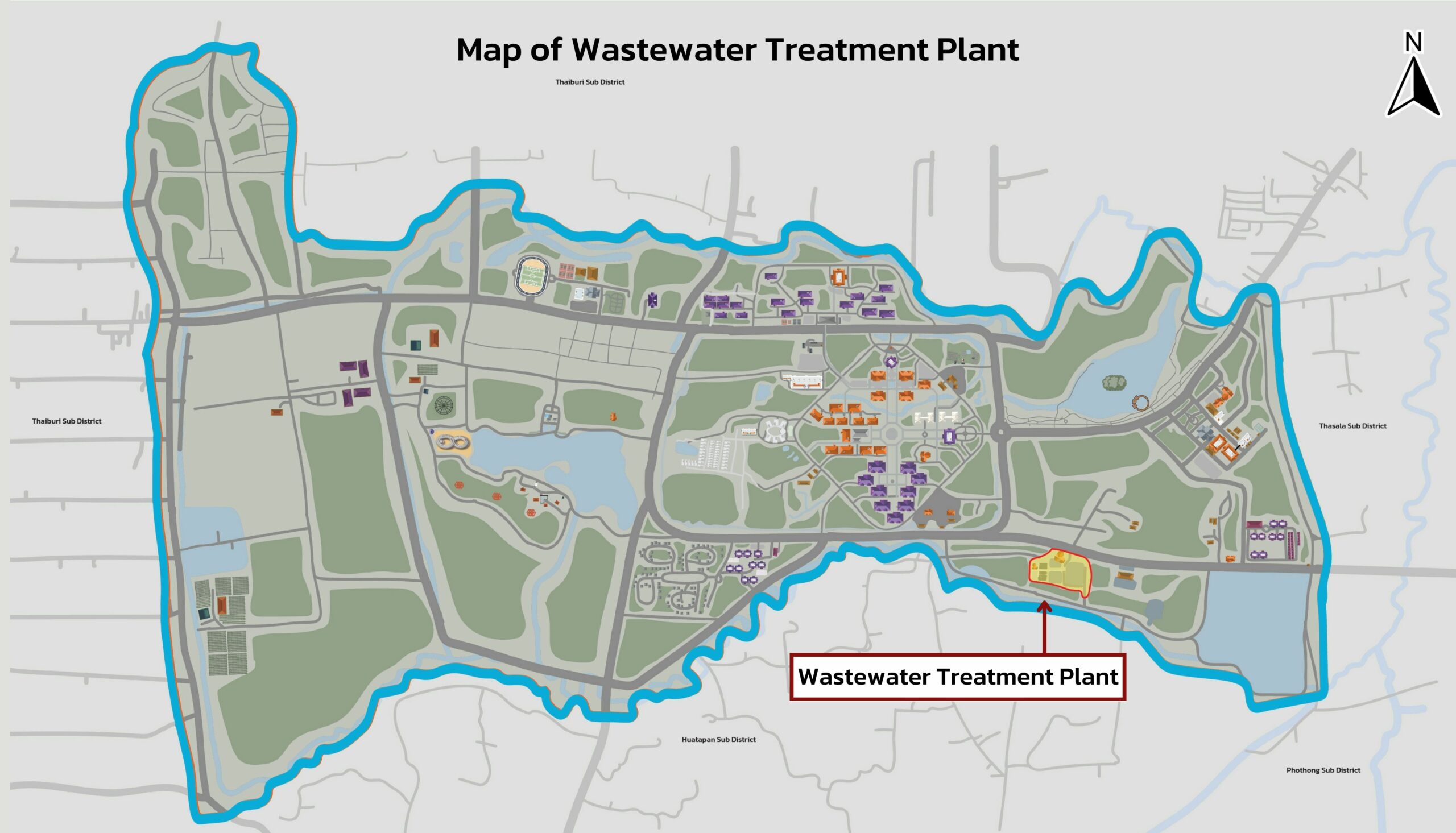
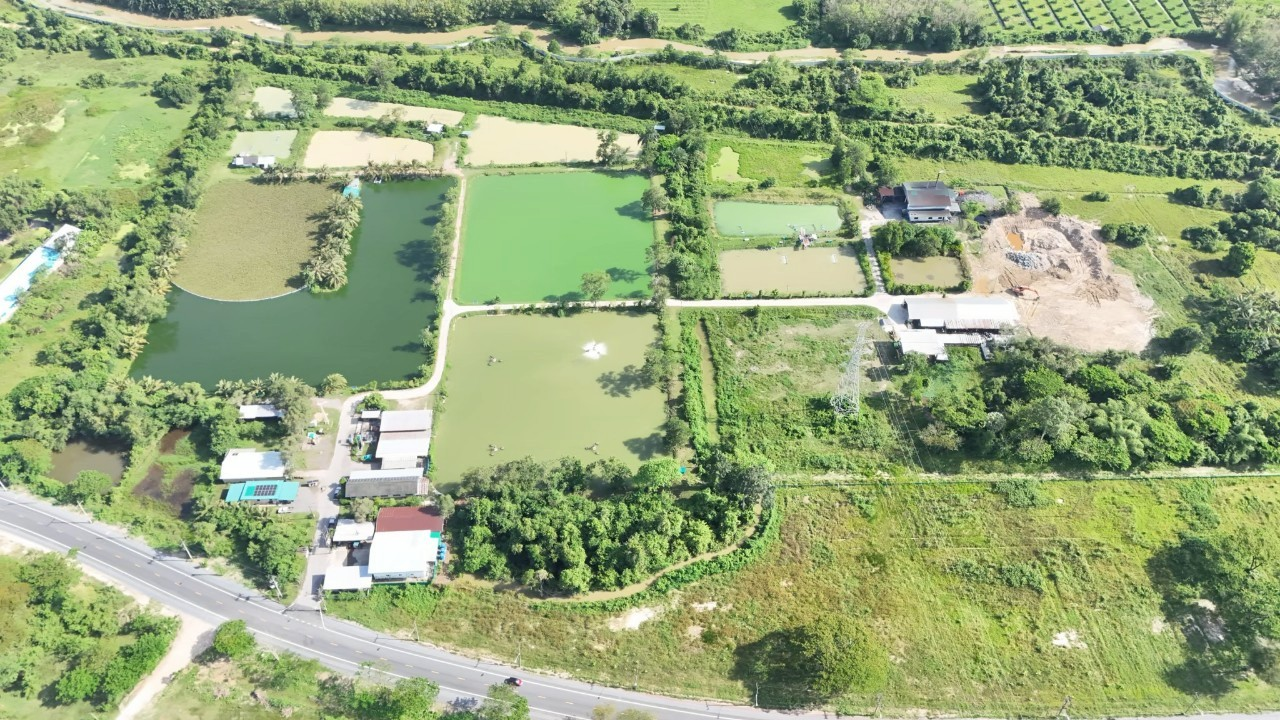
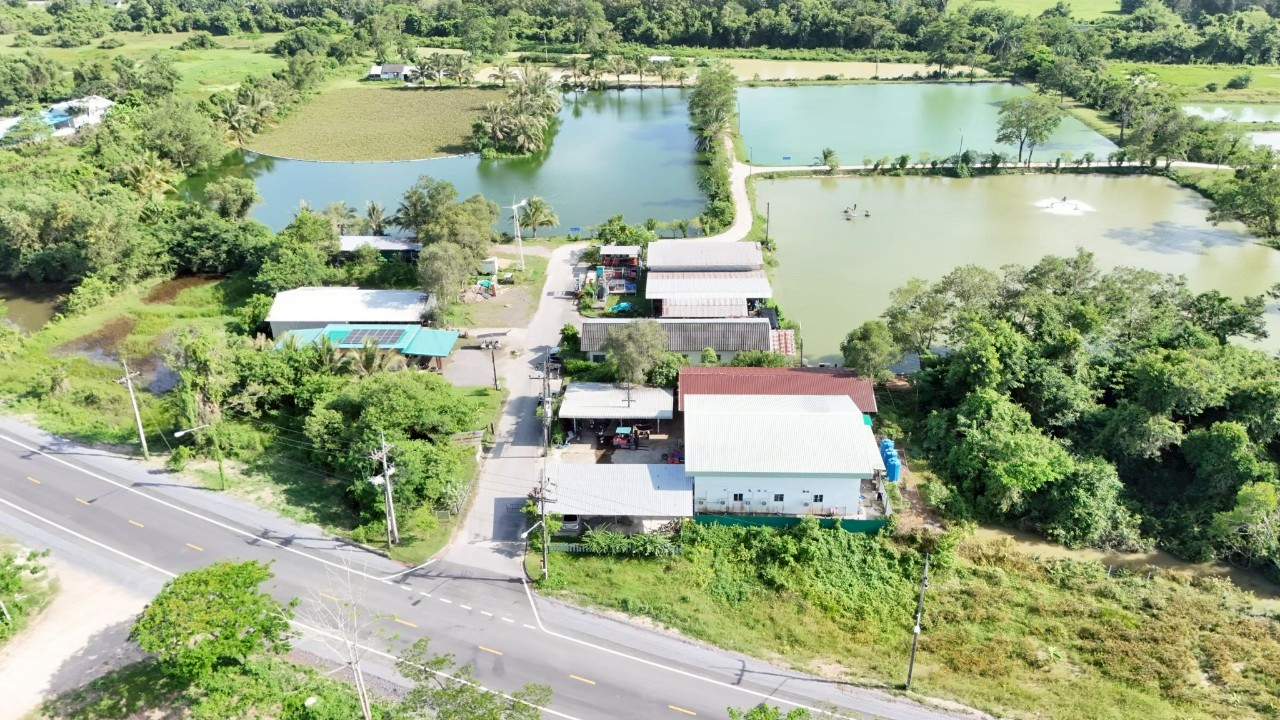
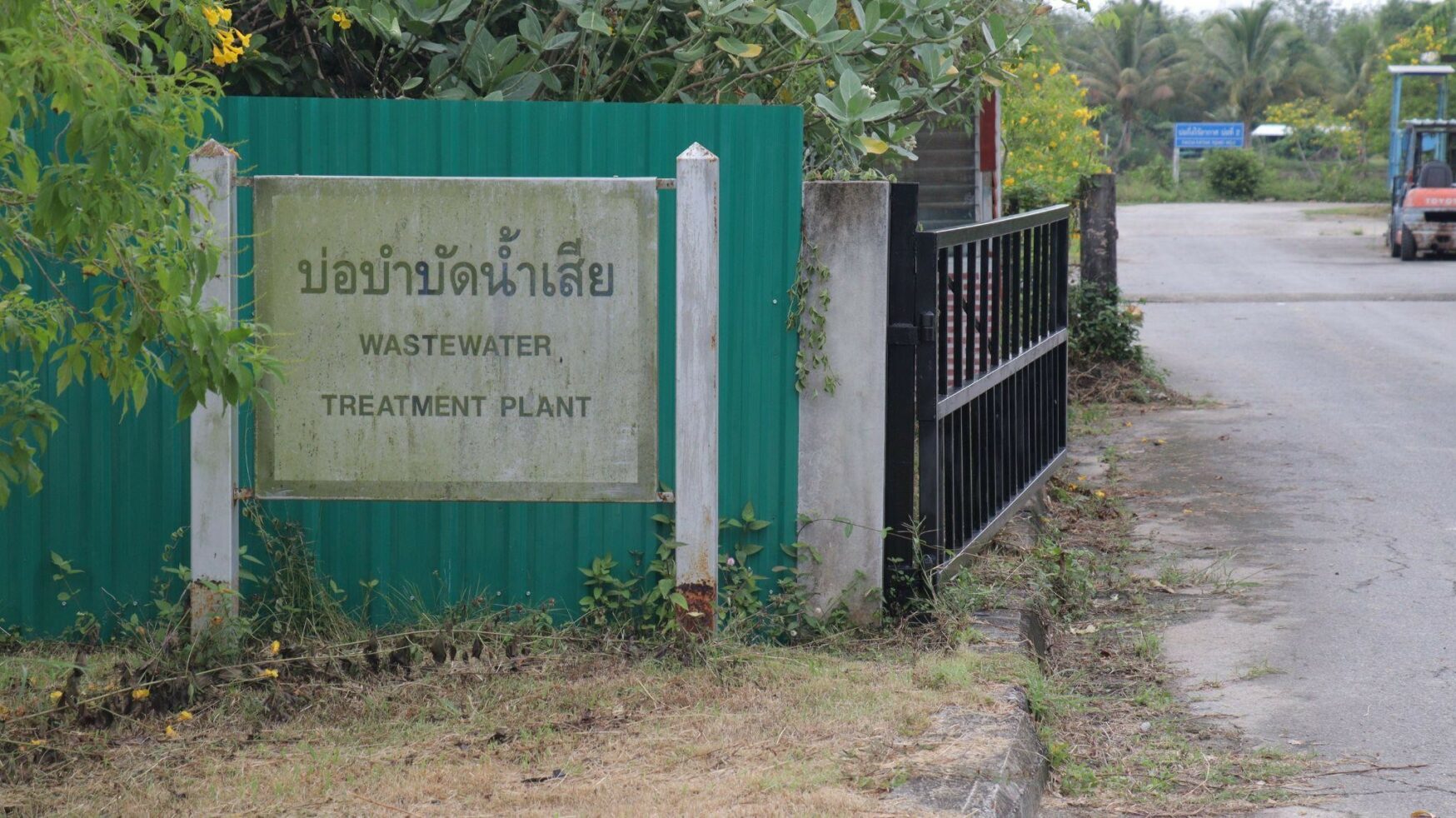
Wastewater Treatment Plant
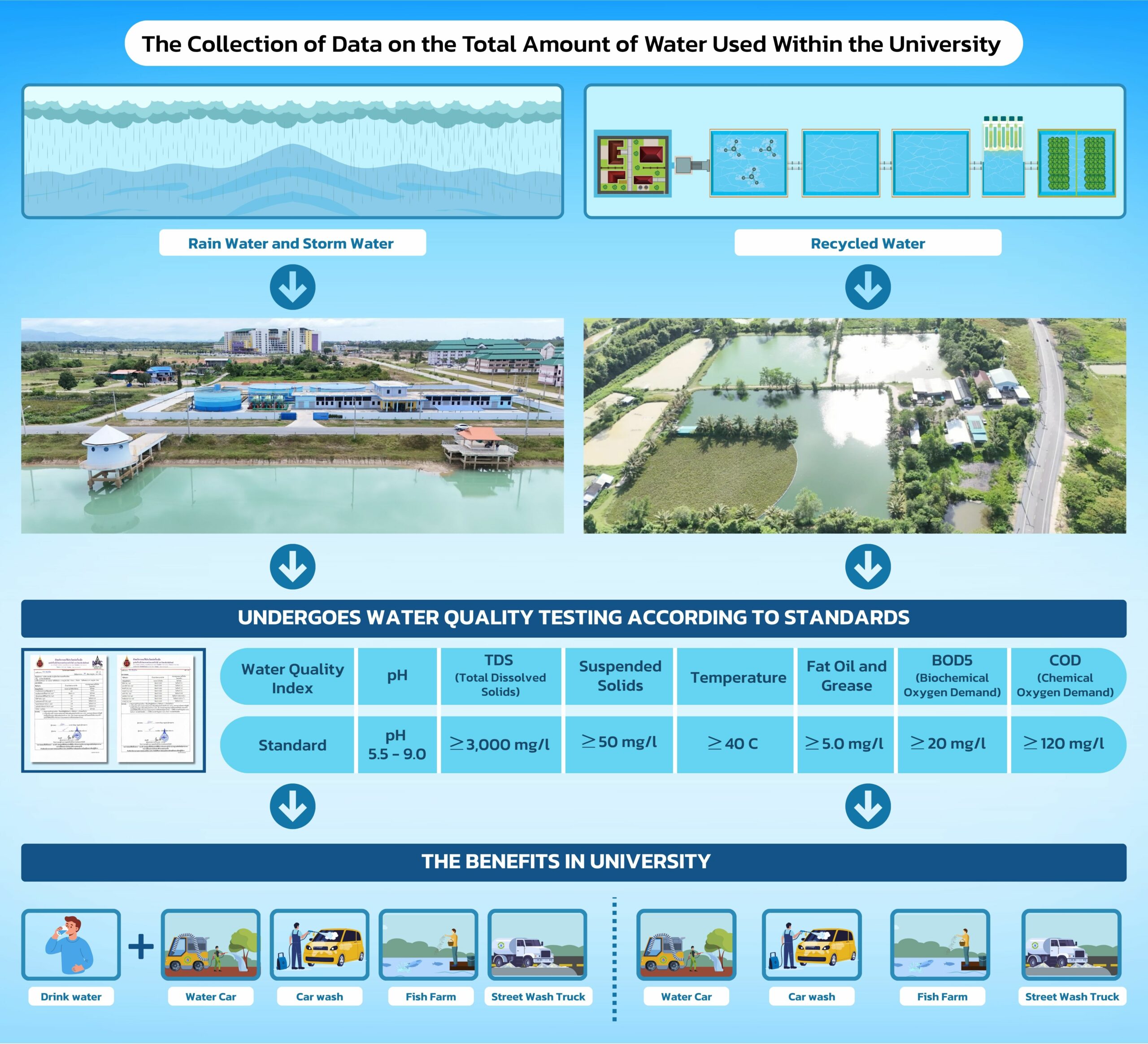
The raw water sources, derived from natural rainwater and stormwater runoff, are stored in the Chala Nuson Reservoir, which has a capacity of 4,940,775.00 cubic meters. At present, this reservoir serves as the main source of water supply production for the university. The water is a natural source, free from chemicals, pathogens, and contamination from external industries or communities. The university regularly monitors the quality of raw water used for water supply production through physical, chemical, and biological analyses. These include assessments of color, turbidity, odor, hardness, pH, total dissolved solids (TDS), chloride, sulfate, nitrate, and bacteria, among others. Therefore, this reservoir is considered a high-quality and safe raw water source for water supply production.
The Tap Water from Natural Rainwater
The tap water produced from natural rainwater serves as the primary source for consumption. Rainwater and stormwater runoff are collected and stored in the Pruk Sachon Reservoir and the Chala Nuson Reservoir, which are the university’s main reservoirs. At present, the university utilizes raw water stored in the Chalanuson Reservoir, covering an area of 329,385.00 square meters with a storage capacity of 4,940,775.00 cubic meters, as the principal reservoir for water supply production.
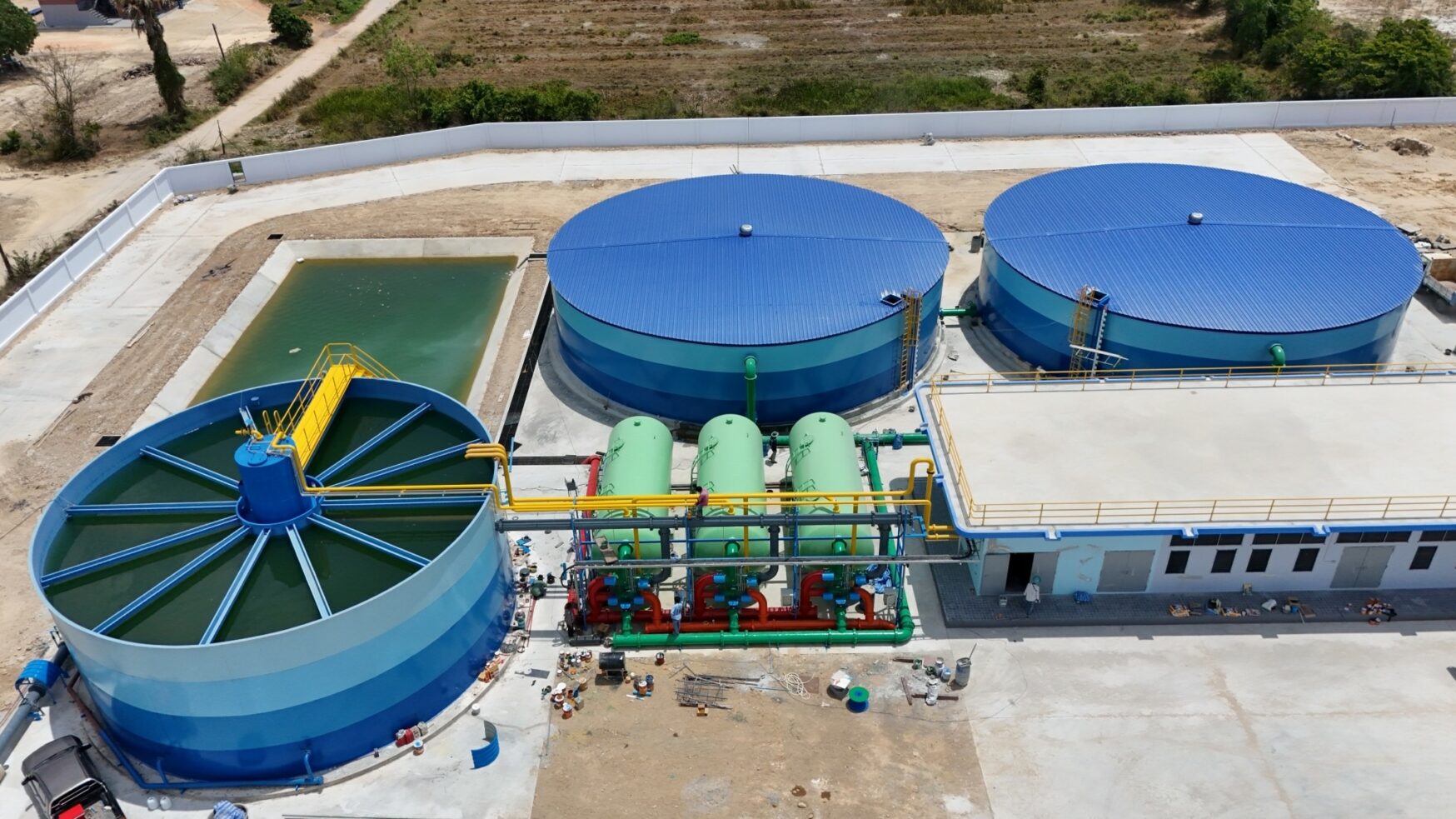
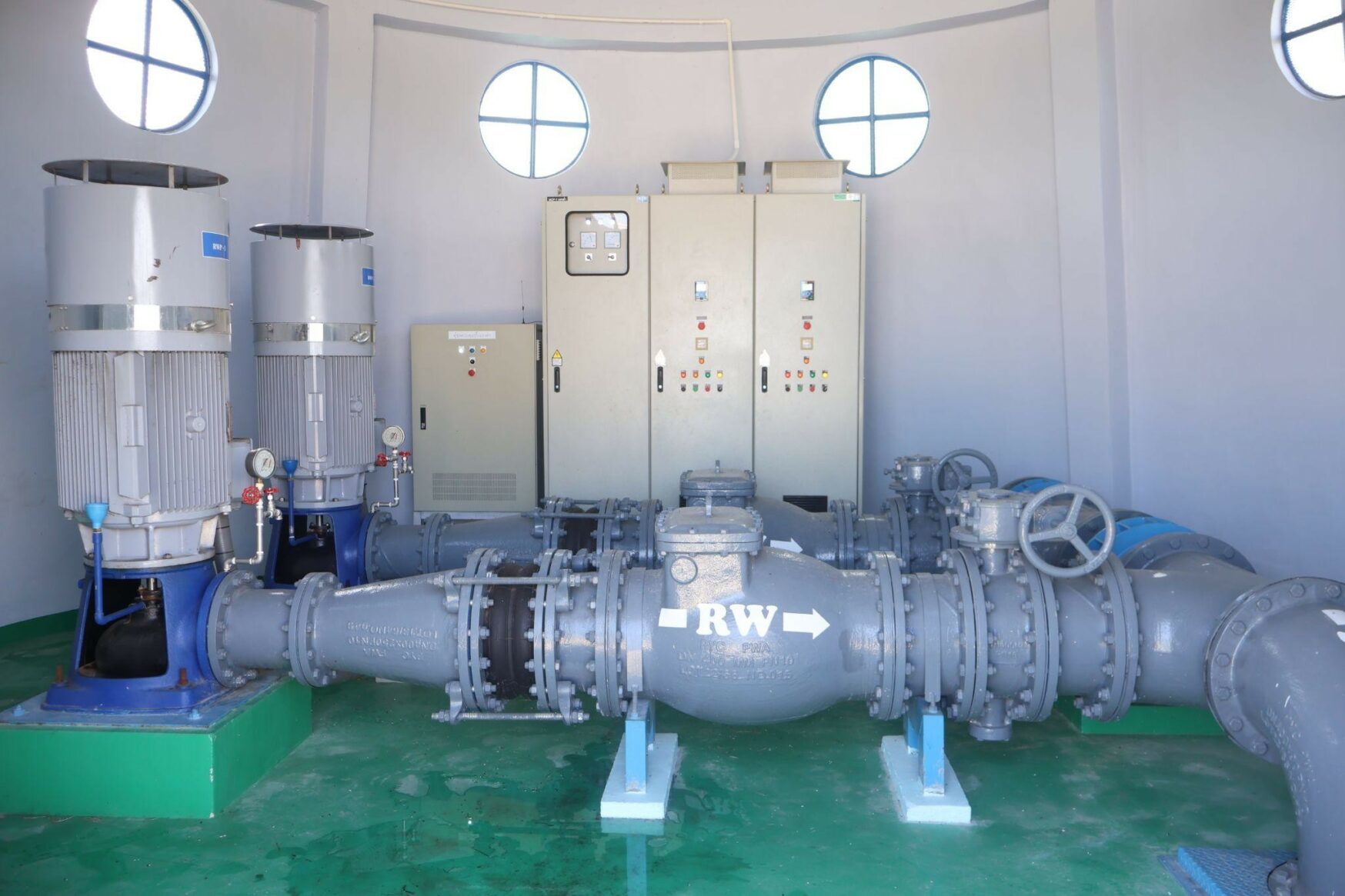
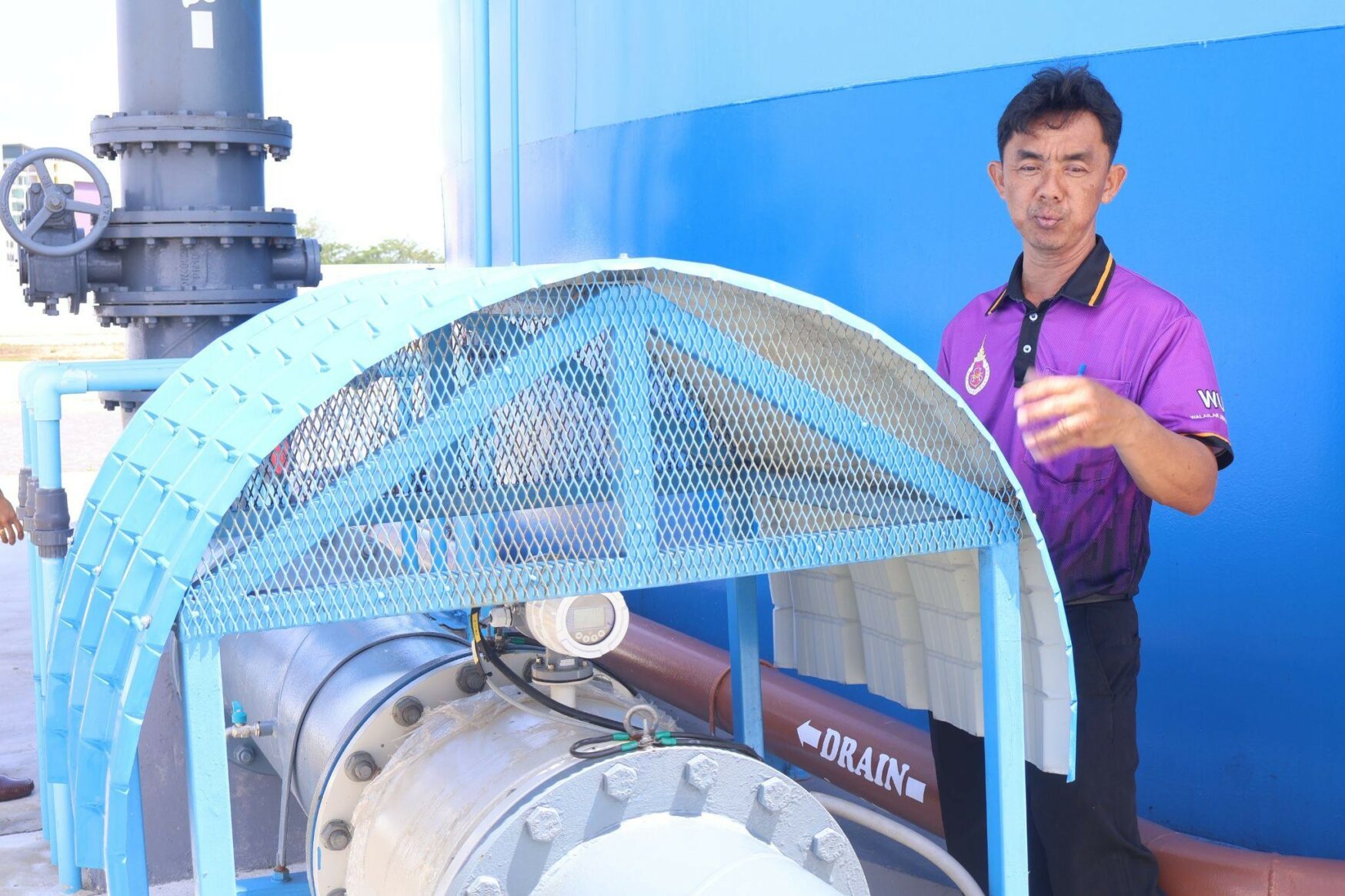
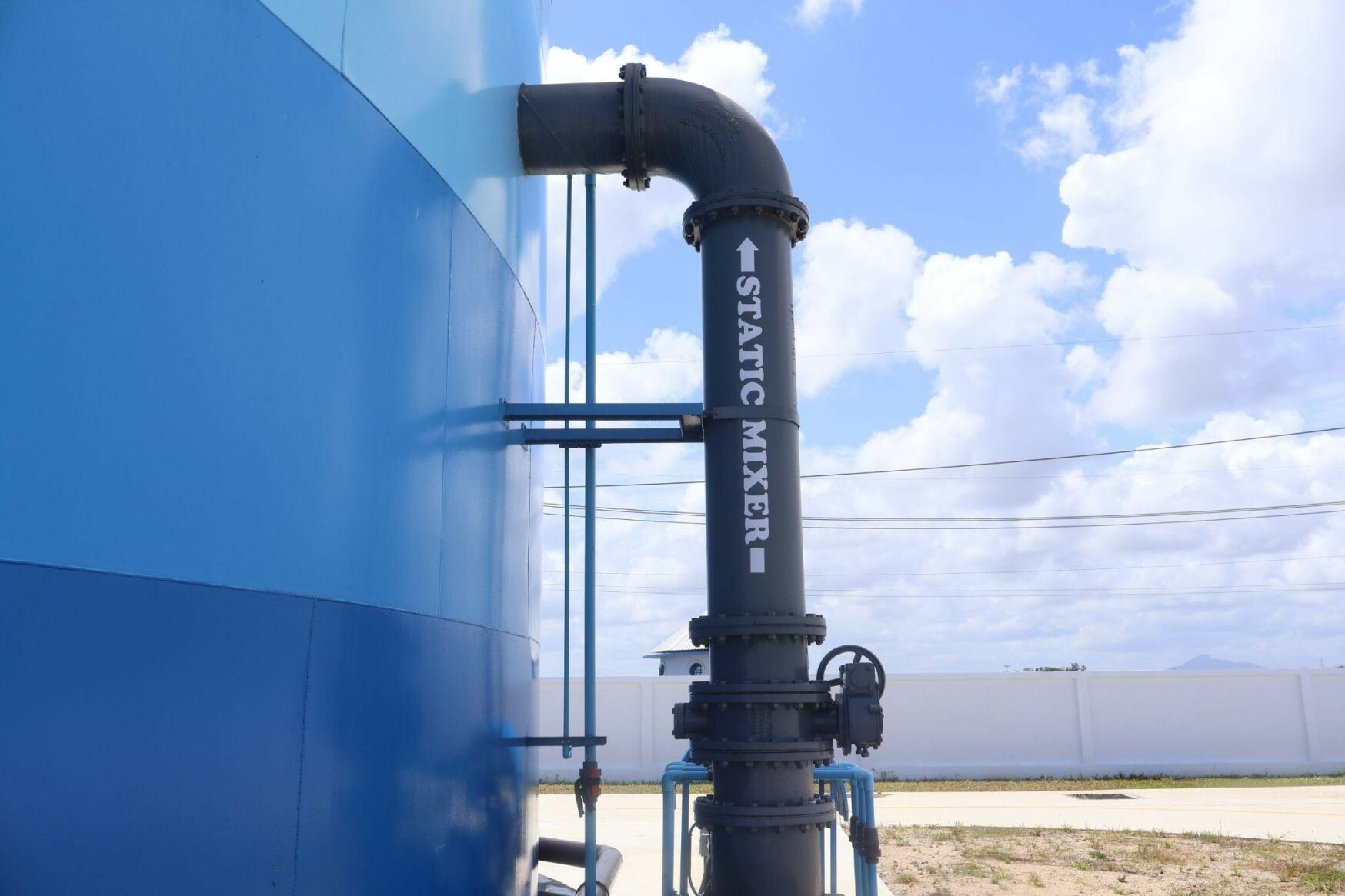
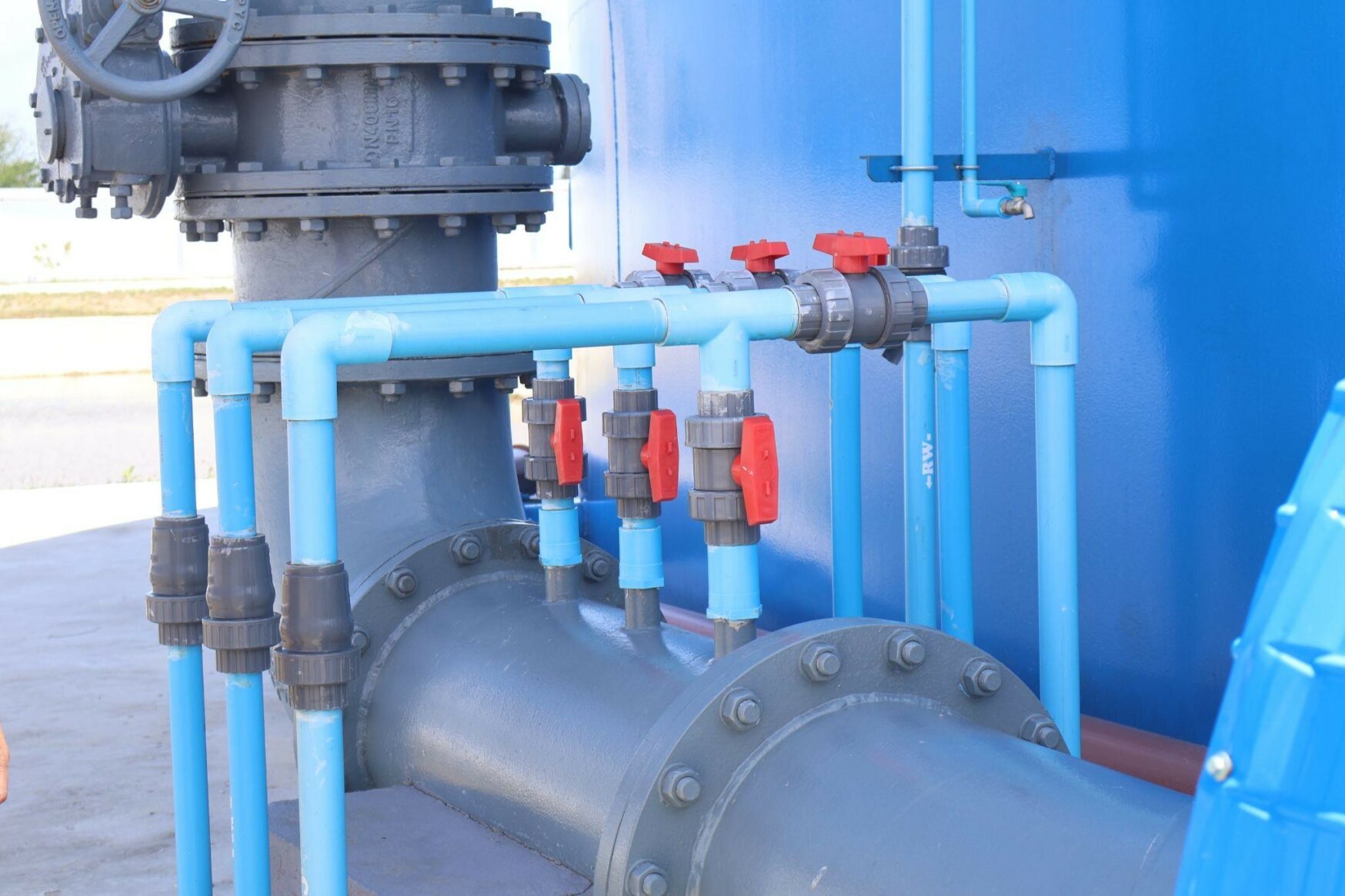
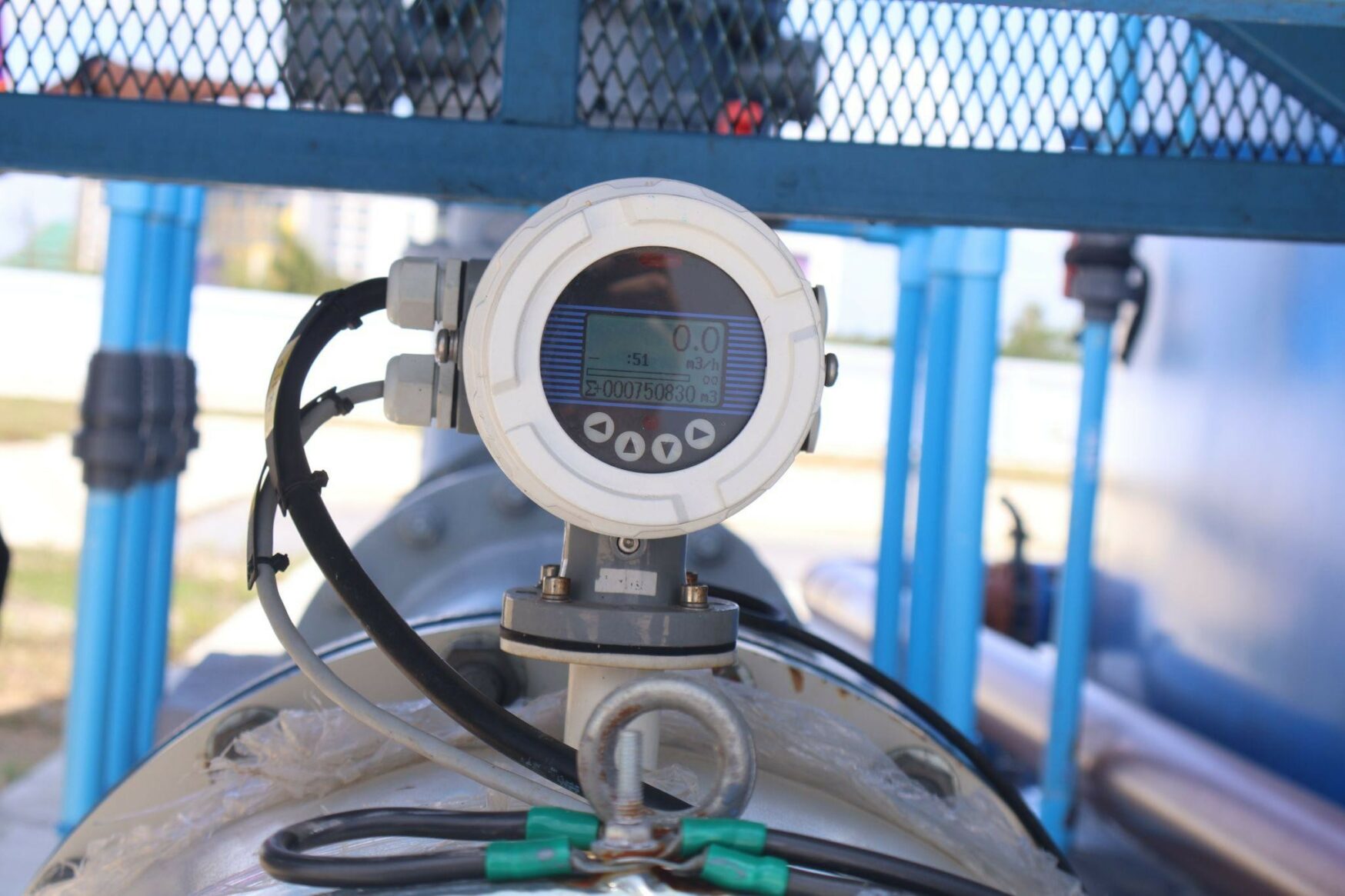
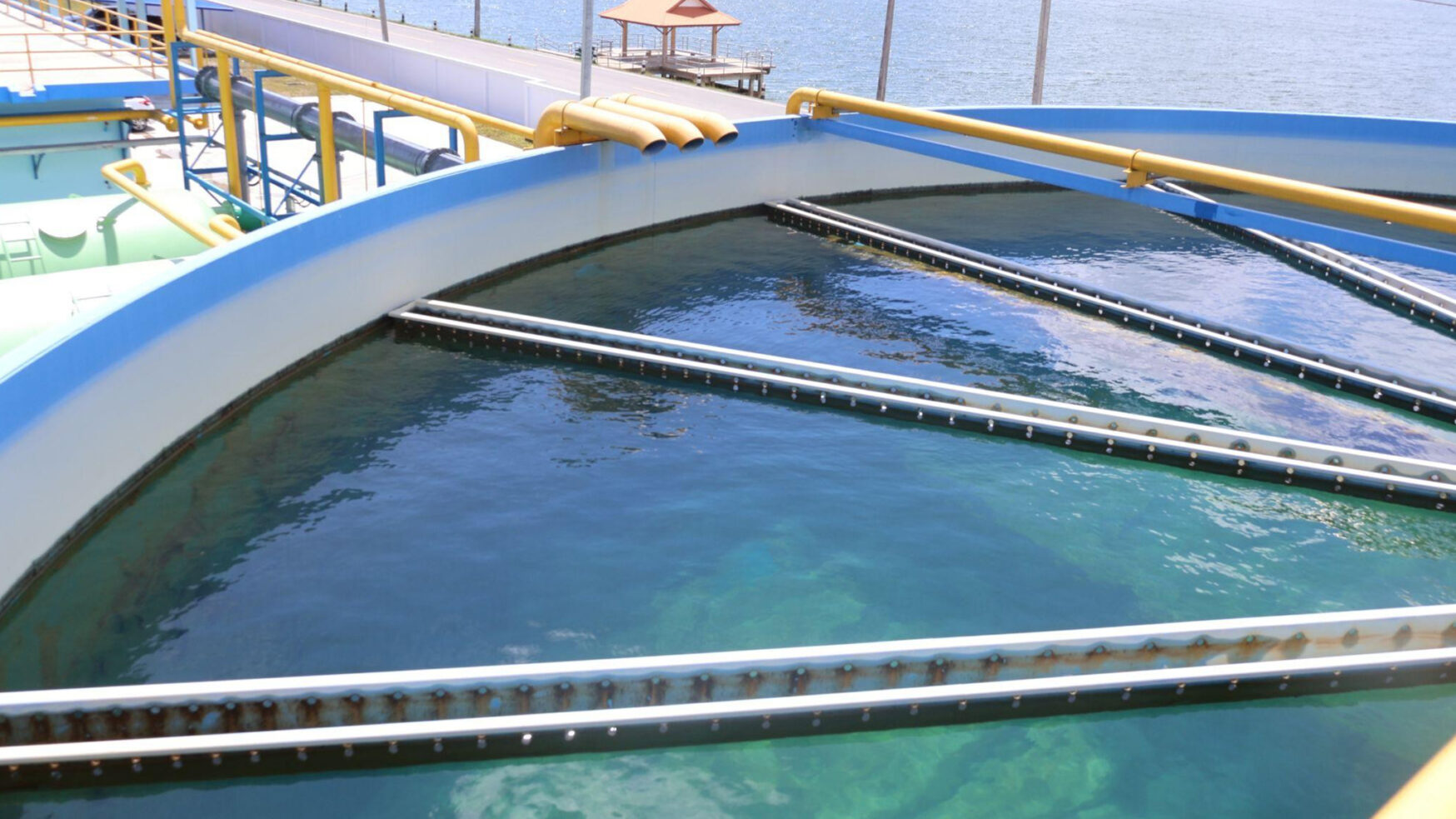
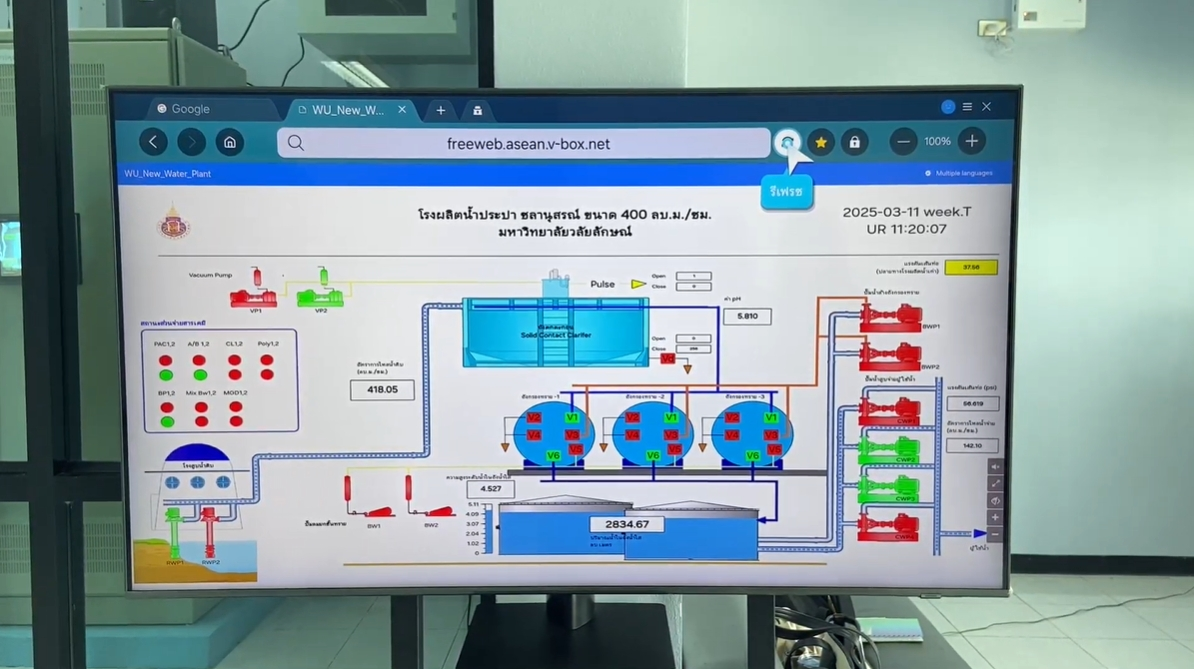
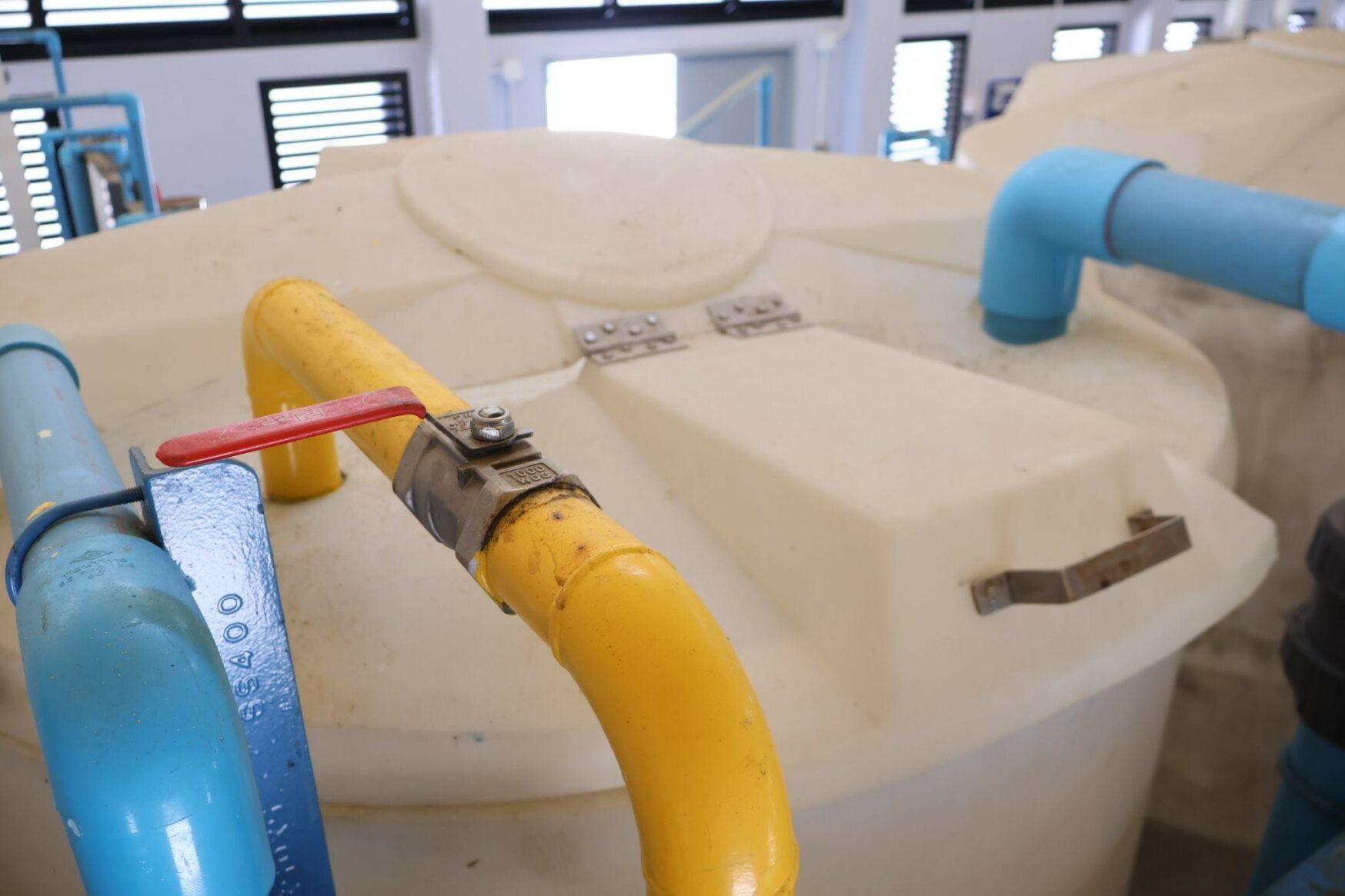
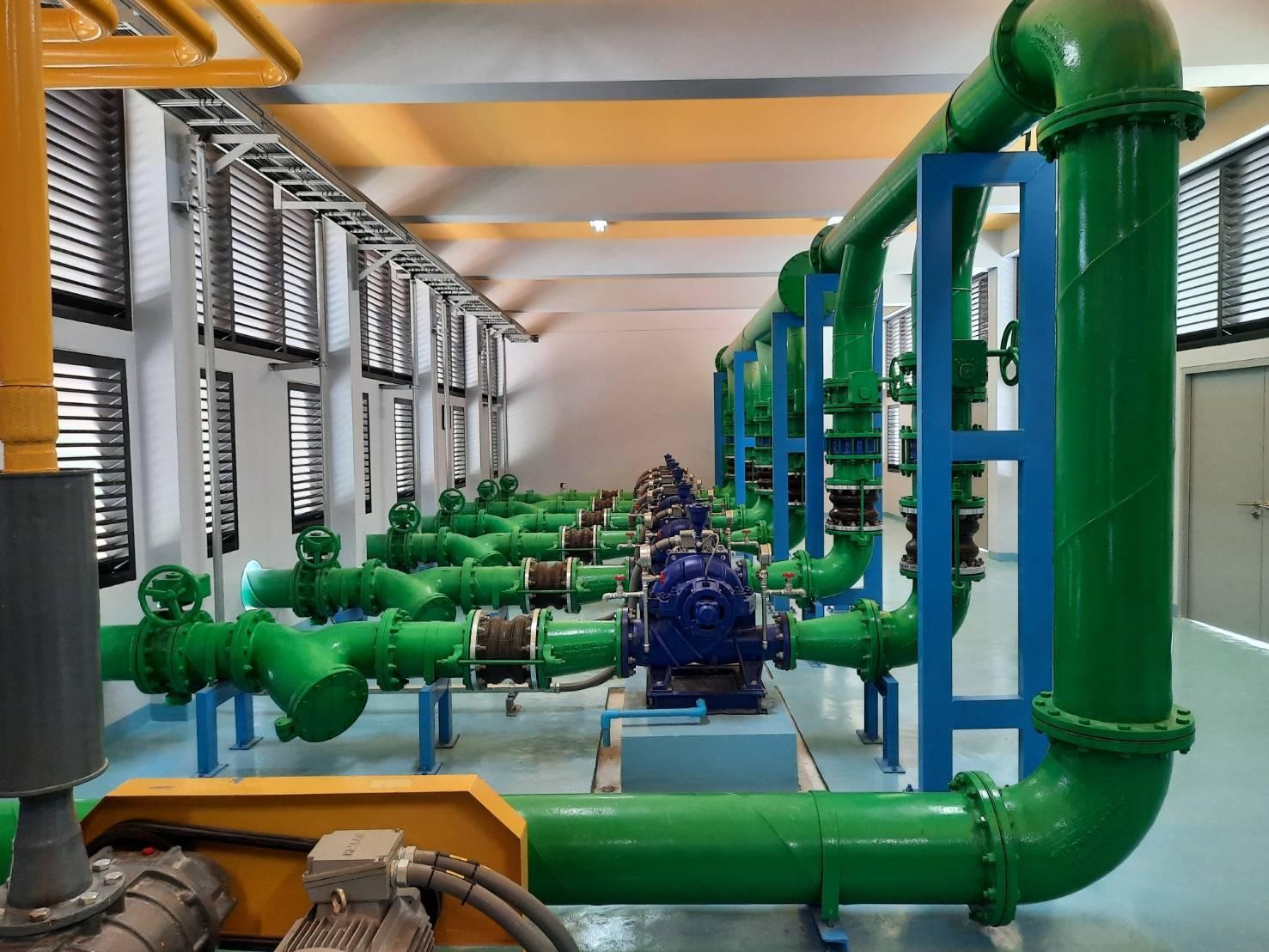
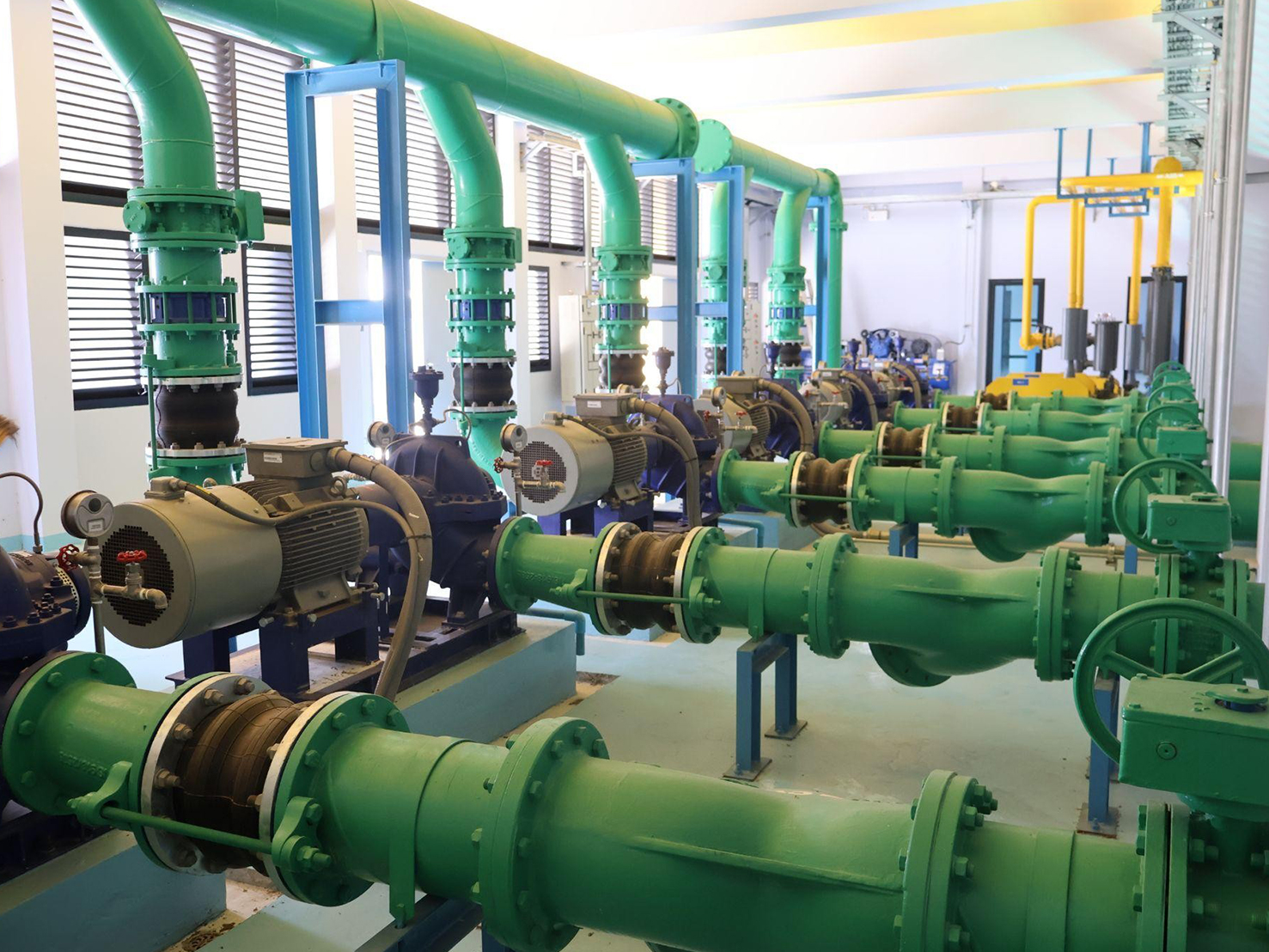
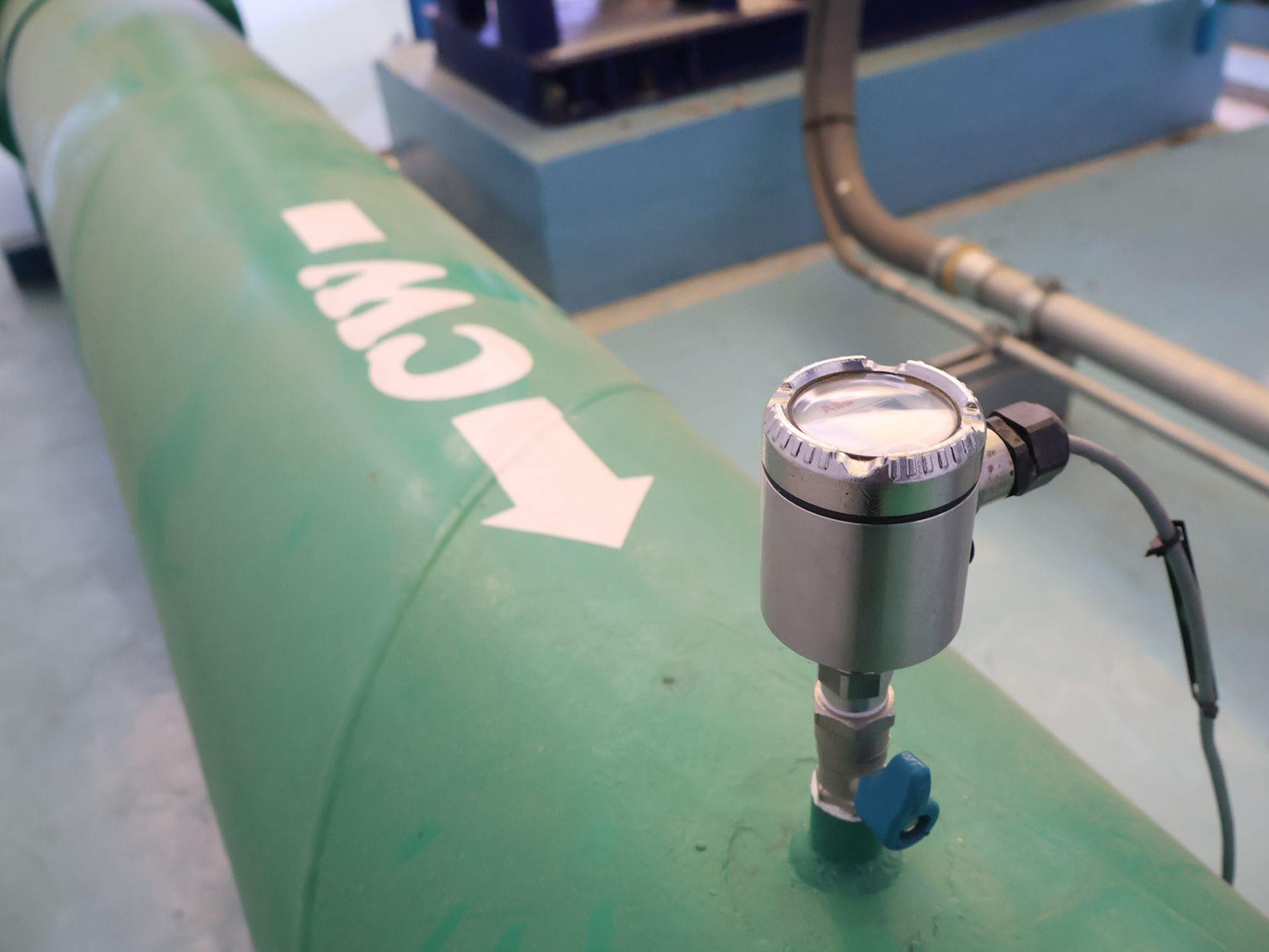
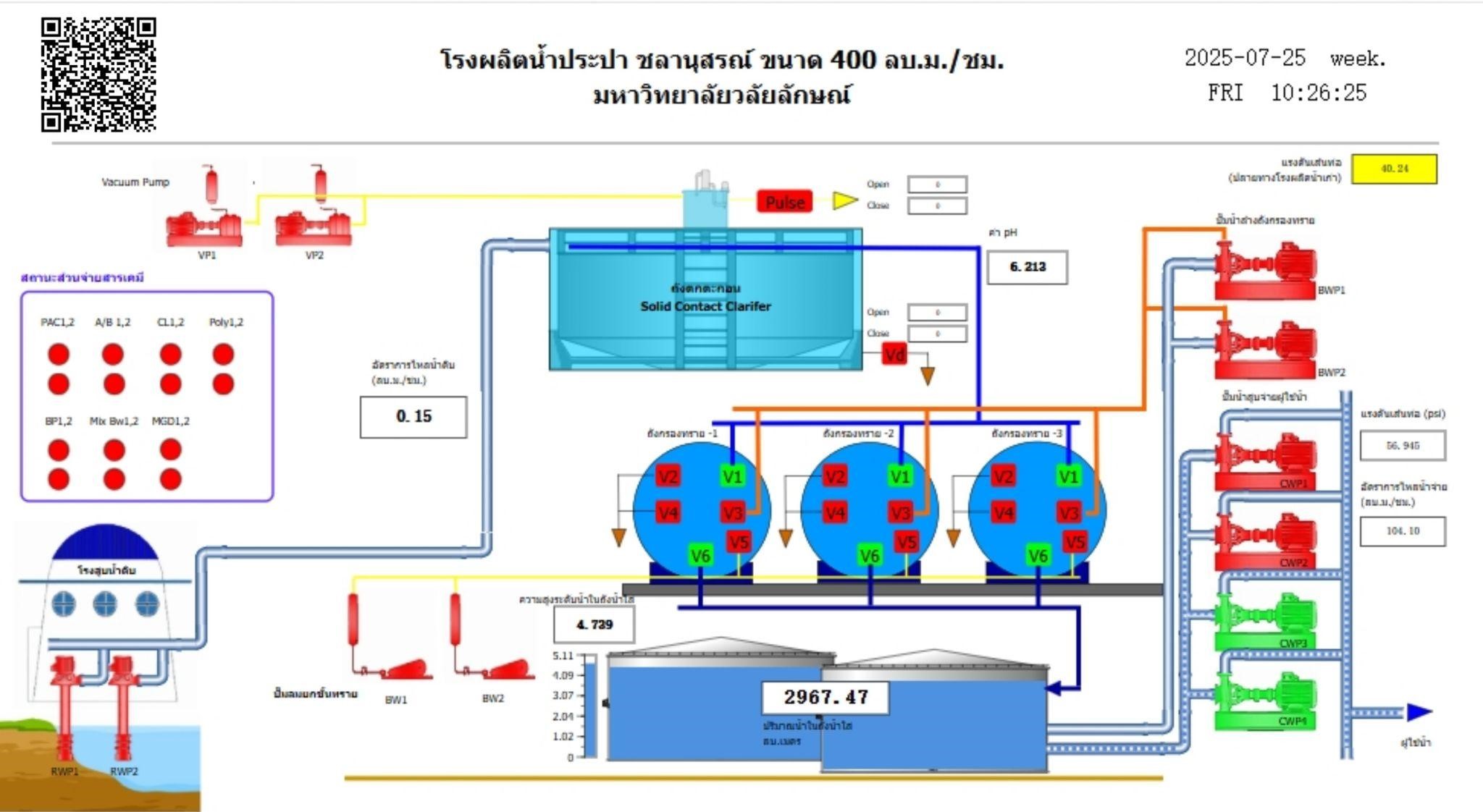
The Chalanuson Water Supply Plant has a production capacity of 400 cubic meters per hour, enabling it to produce 9,600 cubic meters of tap water per day for distribution throughout buildings and various areas within the university. The water production process begins with pumping raw water from the reservoir into the system using two vertical turbine pumps (brand: KSB) with a capacity of 420 cubic meters per hour at a pressure of 30 meters of water, powered alternately by 55-kilowatt VSH (vertical hollow shaft) motors. These pumps deliver raw water from the reservoir into the sedimentation tank through a 400 mm diameter steel pipeline, passing through an electromagnetic flow meter, which measures the flow rate and sends signals to the automatic control system. During this stage, coagulant chemicals, pH adjustment chemicals, and pre-chlorination are added via a static mixer to prepare the raw water for effective sedimentation.
The static mixer, consisting of blades installed inside a steel pipe connected to a short pipe section, functions to thoroughly mix chemicals with the raw water as they are injected into the raw water pipeline. As the water flows through the blades, which direct the flow, effective mixing of raw water and chemicals occurs.
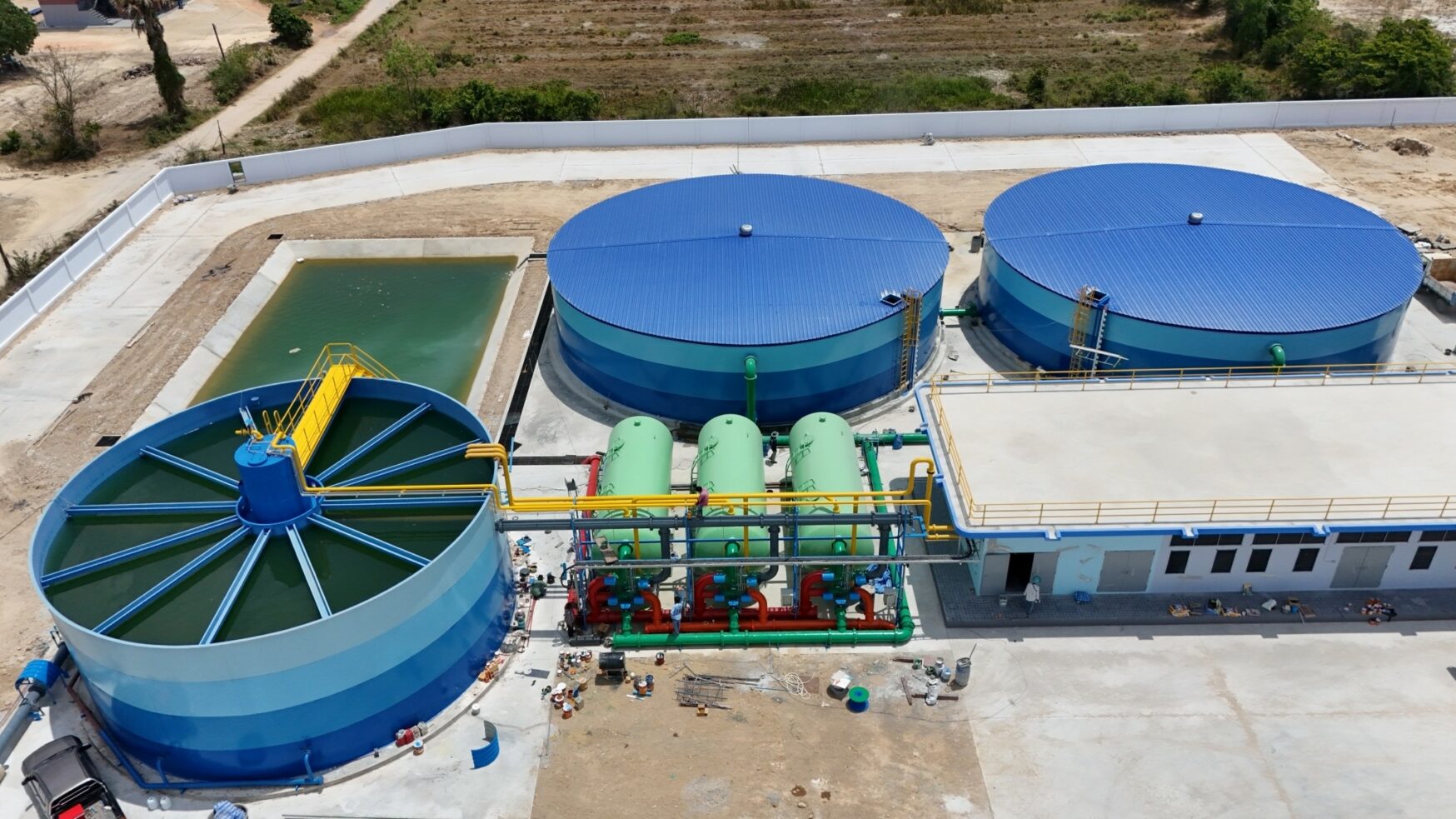
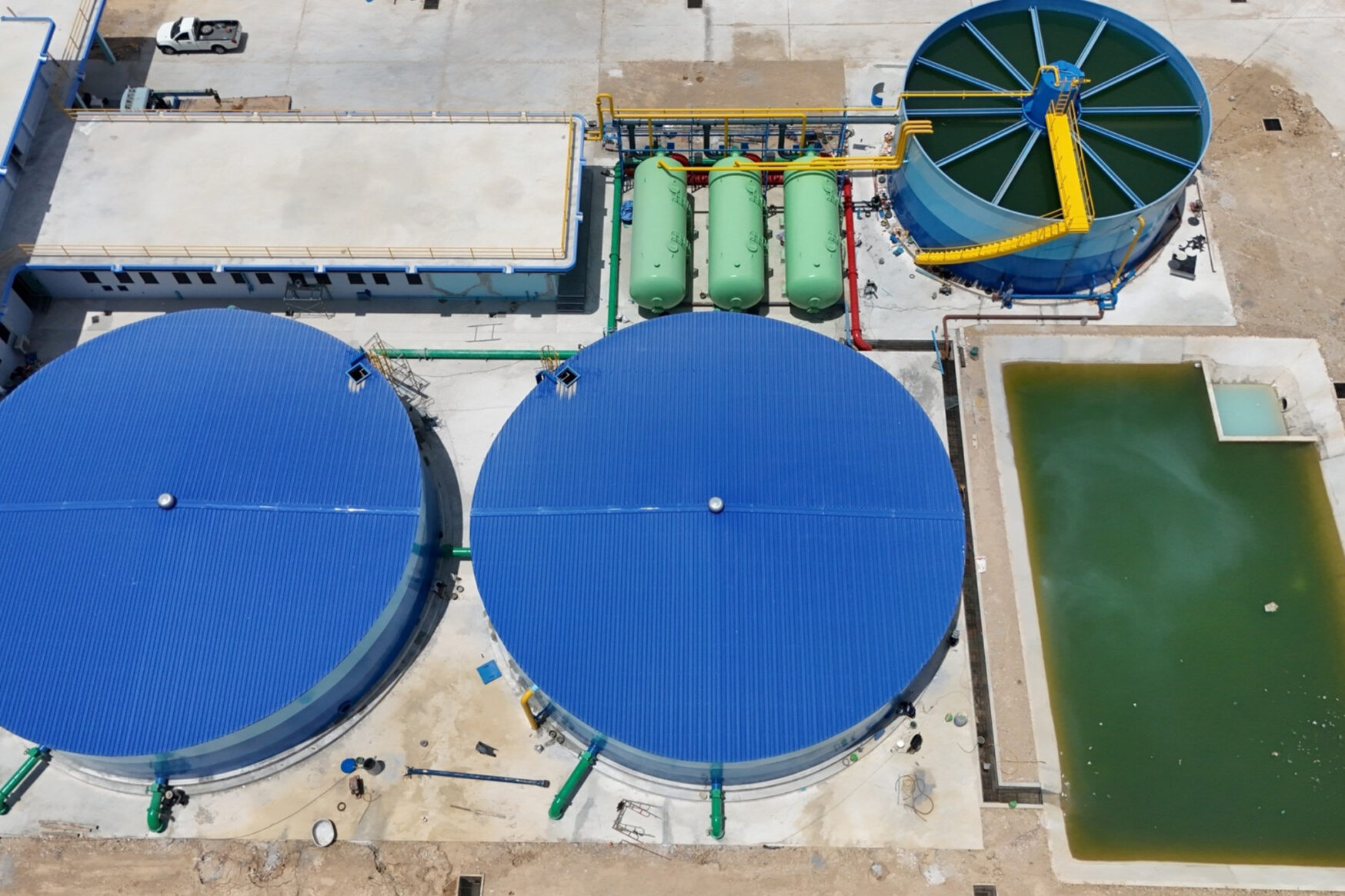
The raw water then flows into the sedimentation tank, designed to separate suspended solids from clear water under still-water conditions by gravity. At the Chalanuson Water Supply Plant, a Solid Contact Clarifier is used, which combines both coagulation and sedimentation processes within a single tank.
The plant employs a sludge blanket clarifier system, utilizing a vacuum-type pulsator to create water level fluctuations, enabling flash mixing. The clarified water flows into collection troughs and continues to the filtration tank. An automatic sludge discharge valve removes excess sludge from the sedimentation tank every hour, with adjustable settings depending on raw water conditions.
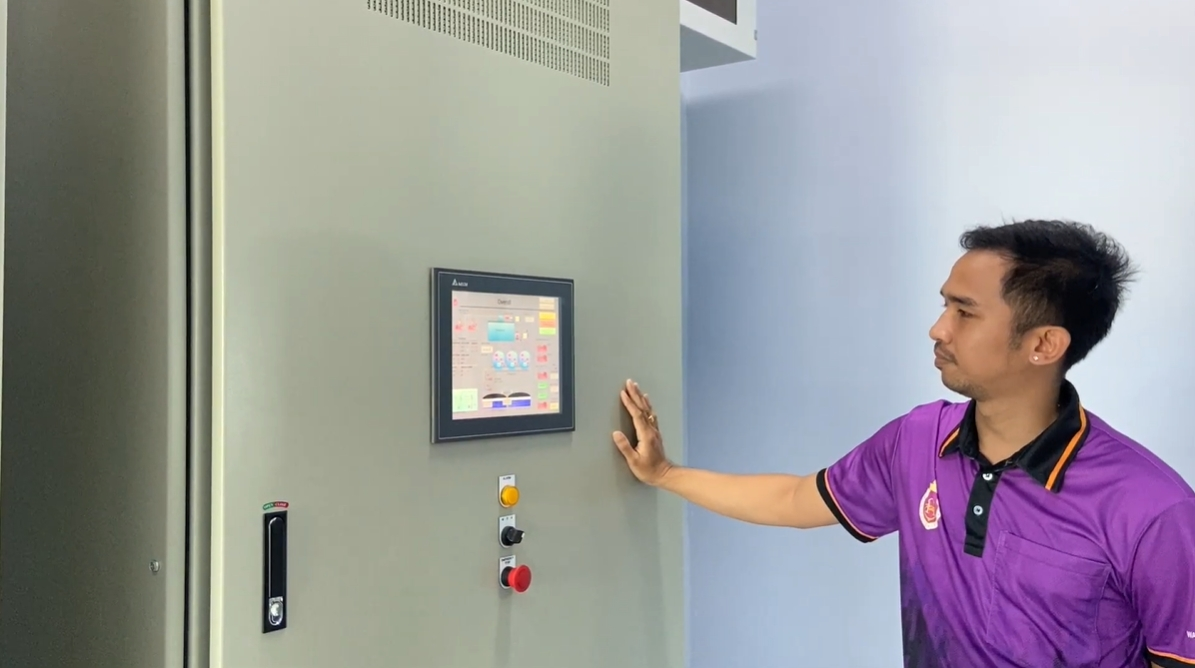
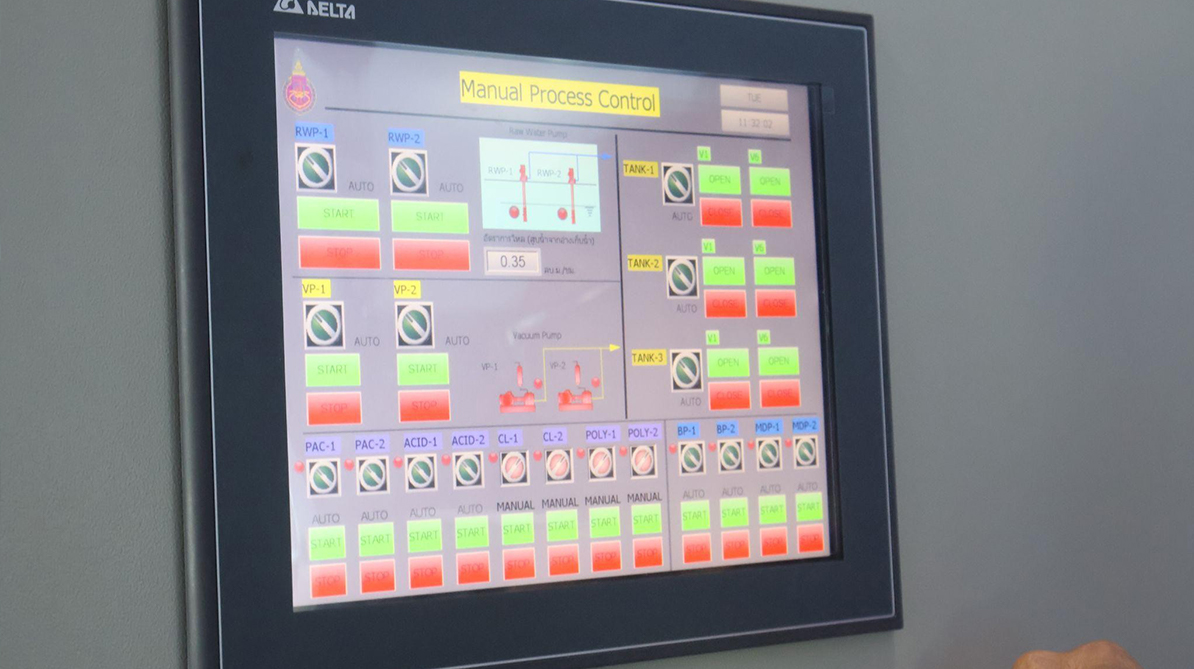
The water production and distribution system is managed from a control room equipped with a PIC control cabinet, allowing both automatic and manual operation of the water treatment and supply processes.
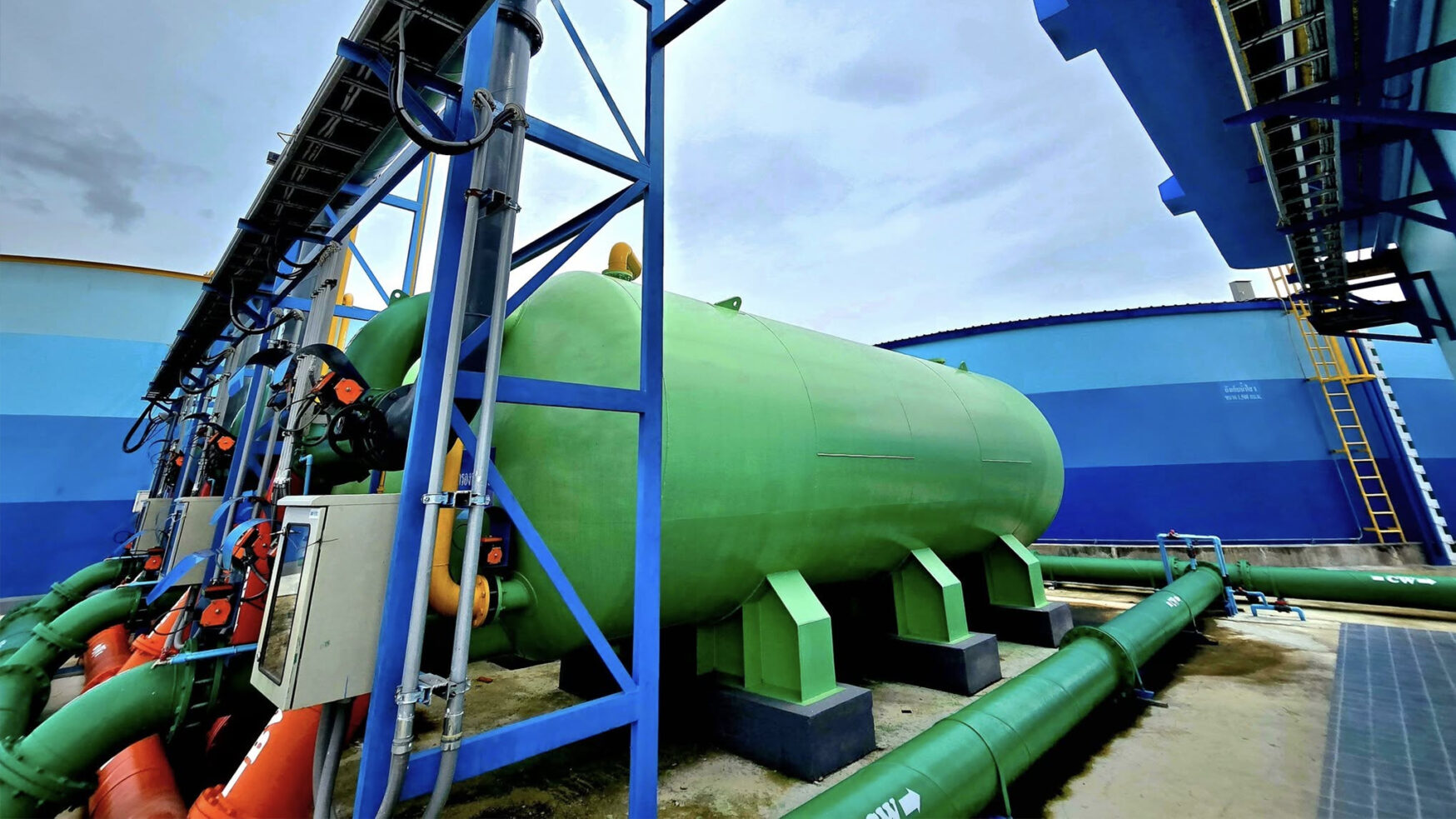
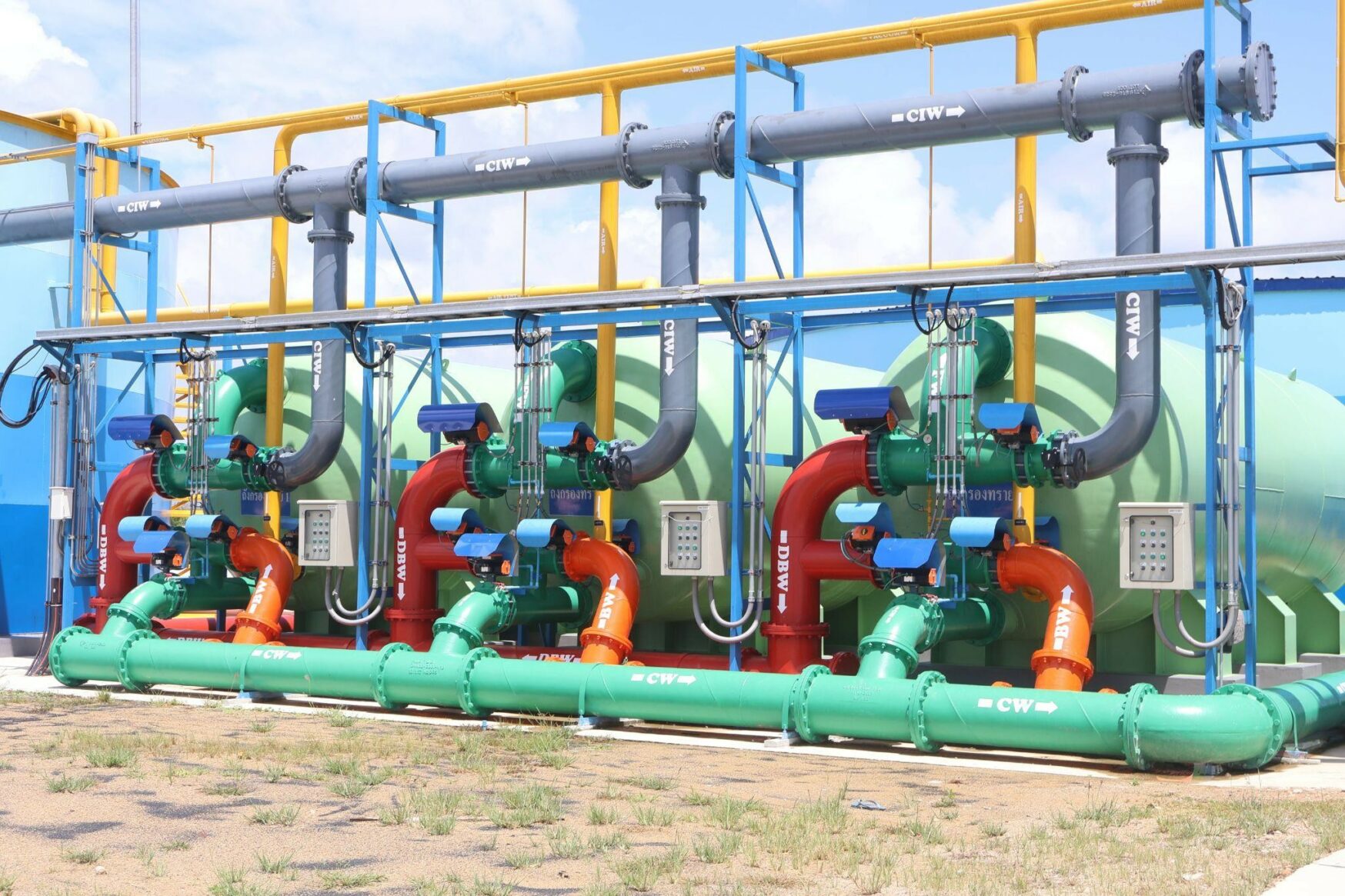
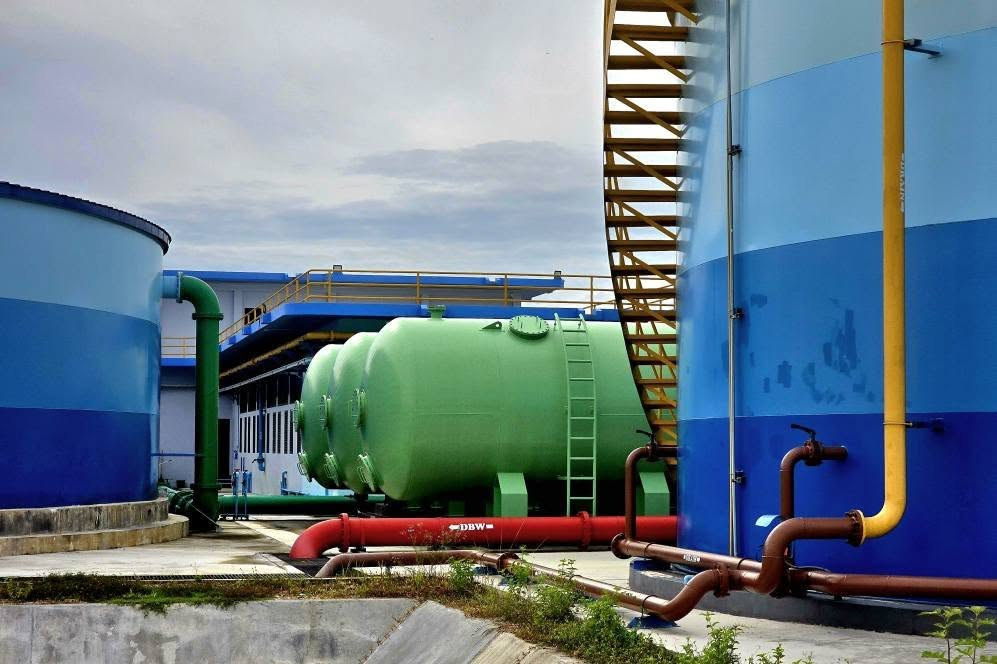
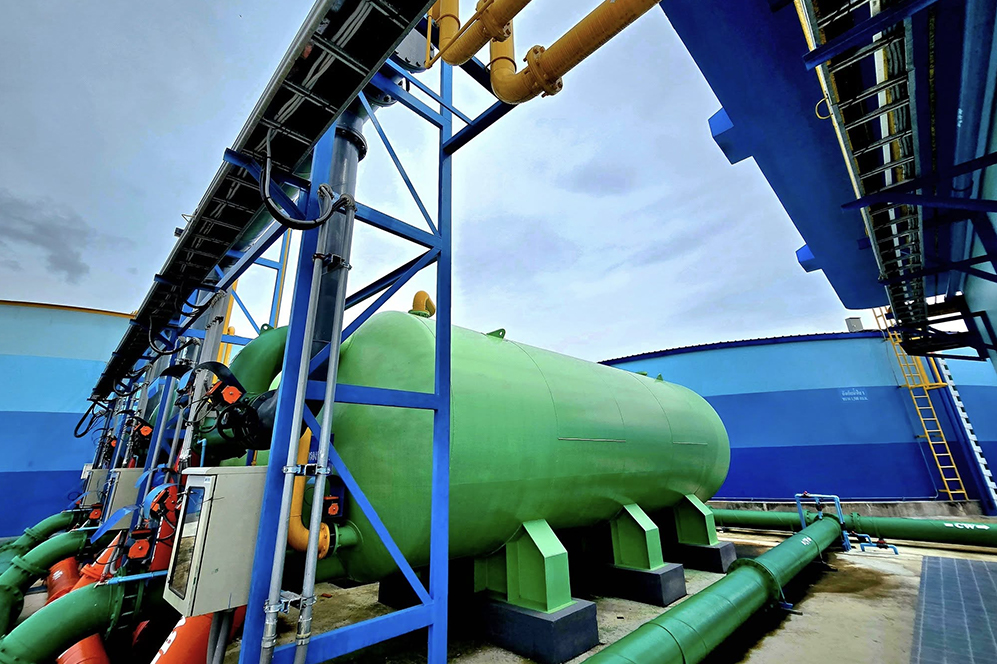
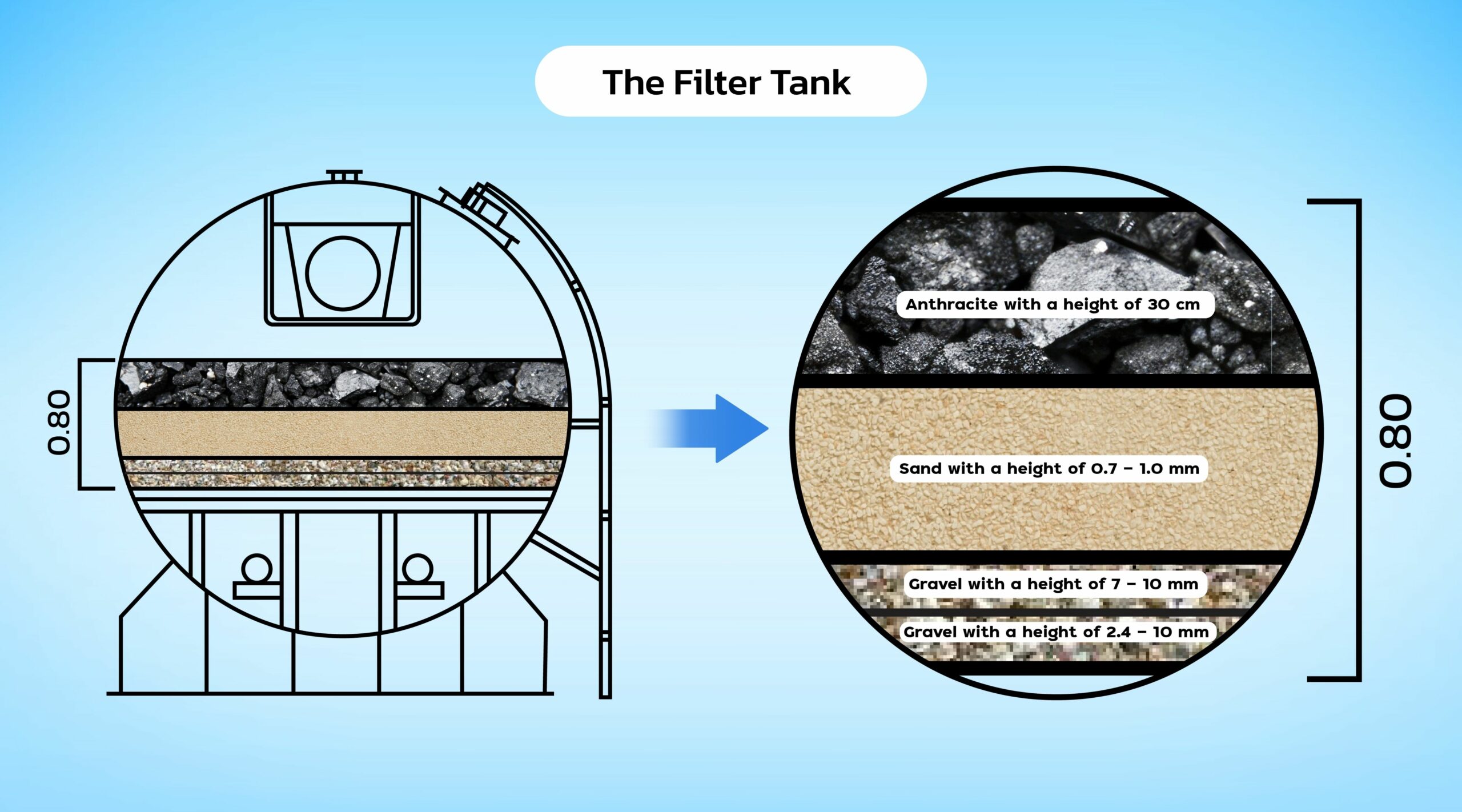
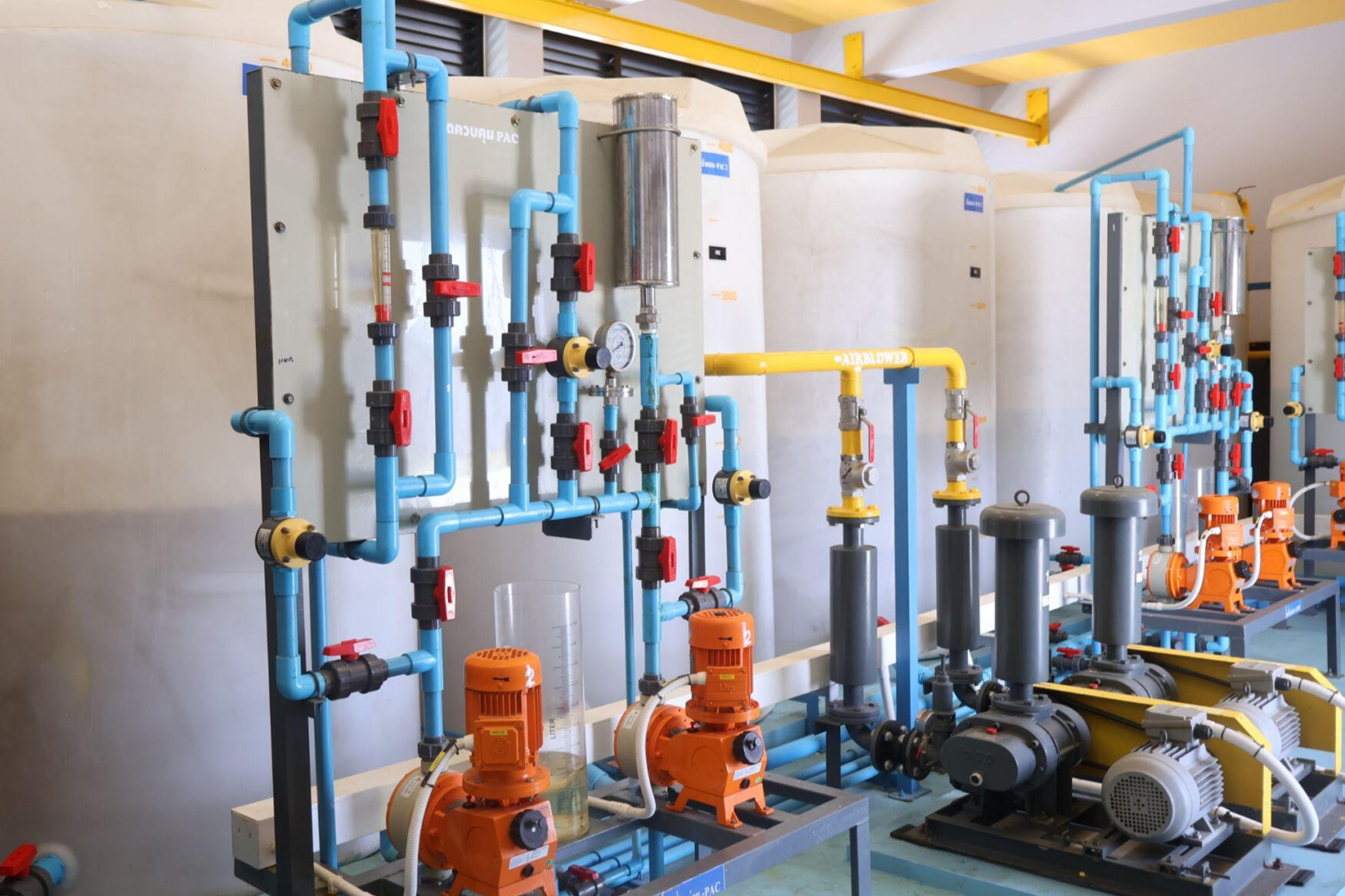
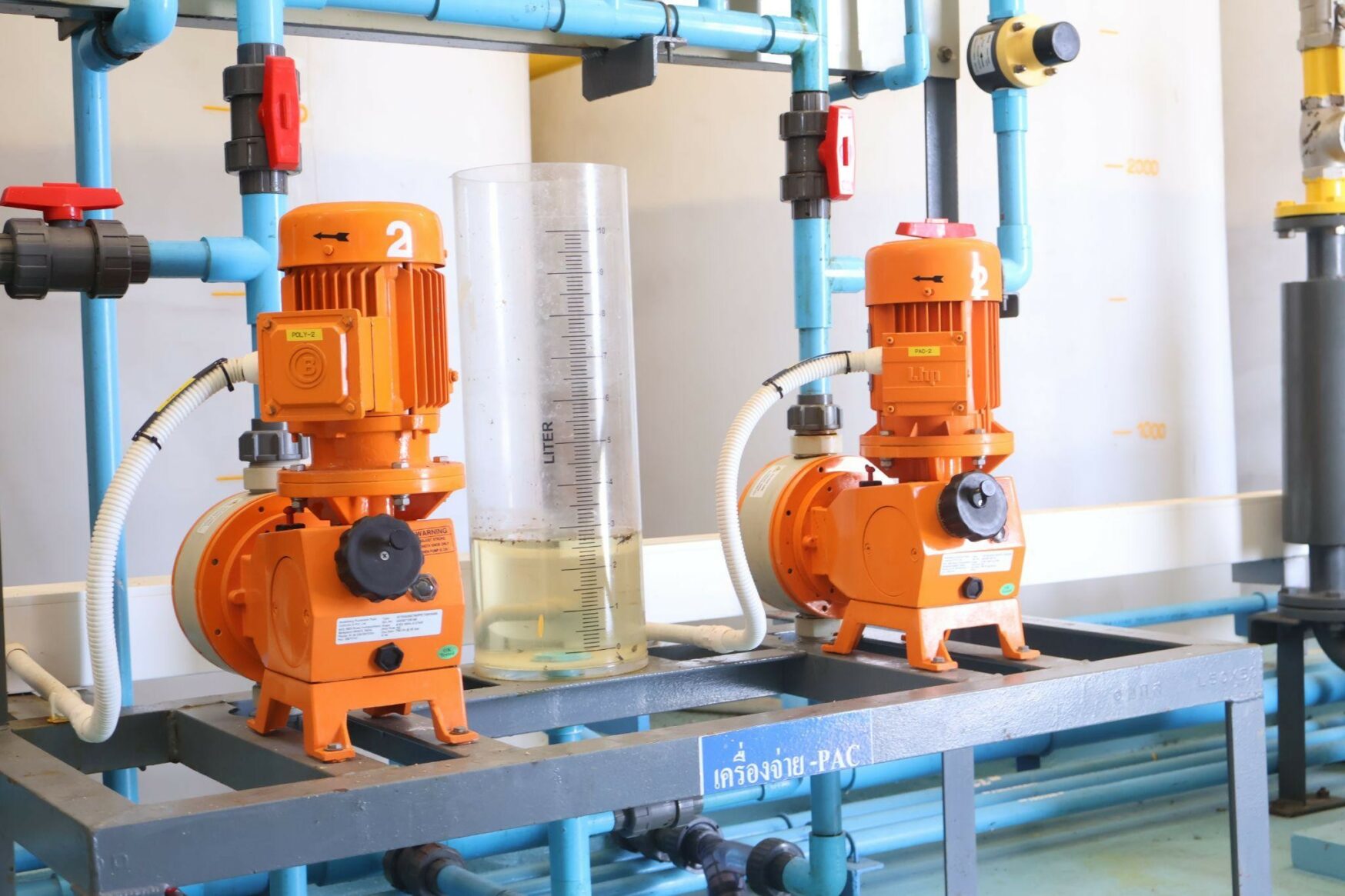
Then, the sand filter system, which is a horizontal automatic sand filter, is constructed of steel with a diameter of 2.87 meters and a length of 75 meters. The base of each filter tank is equipped with 957 filter nozzles. Inside the tank, there are layers of gravel, sand, and anthracite, with a total thickness of 80 cm. The automatic backwash system operates when the water level in the Pulsator Tank rises to the preset level. The system performs backwashing by air scouring followed by water rinsing. The chemical dosing system includes solution-type chemical feeders for PAC and caustic soda, each with a capacity of 790 liters per hour and a total of four units.
Additionally, there are two liquid chlorine feeders with a capacity of 260 liters per hour each, and two polymer feeders with a capacity of 790 liters per hour each.
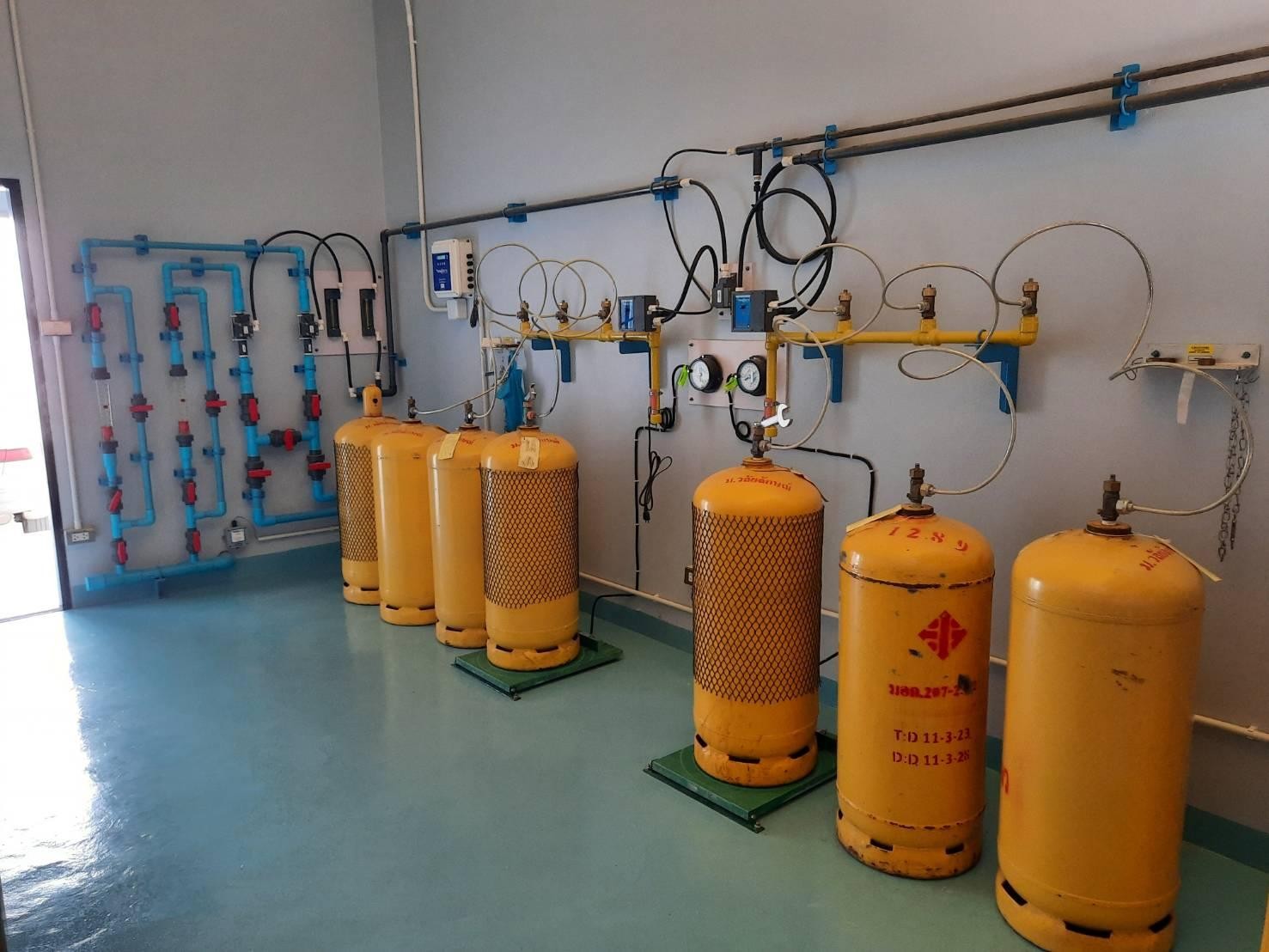
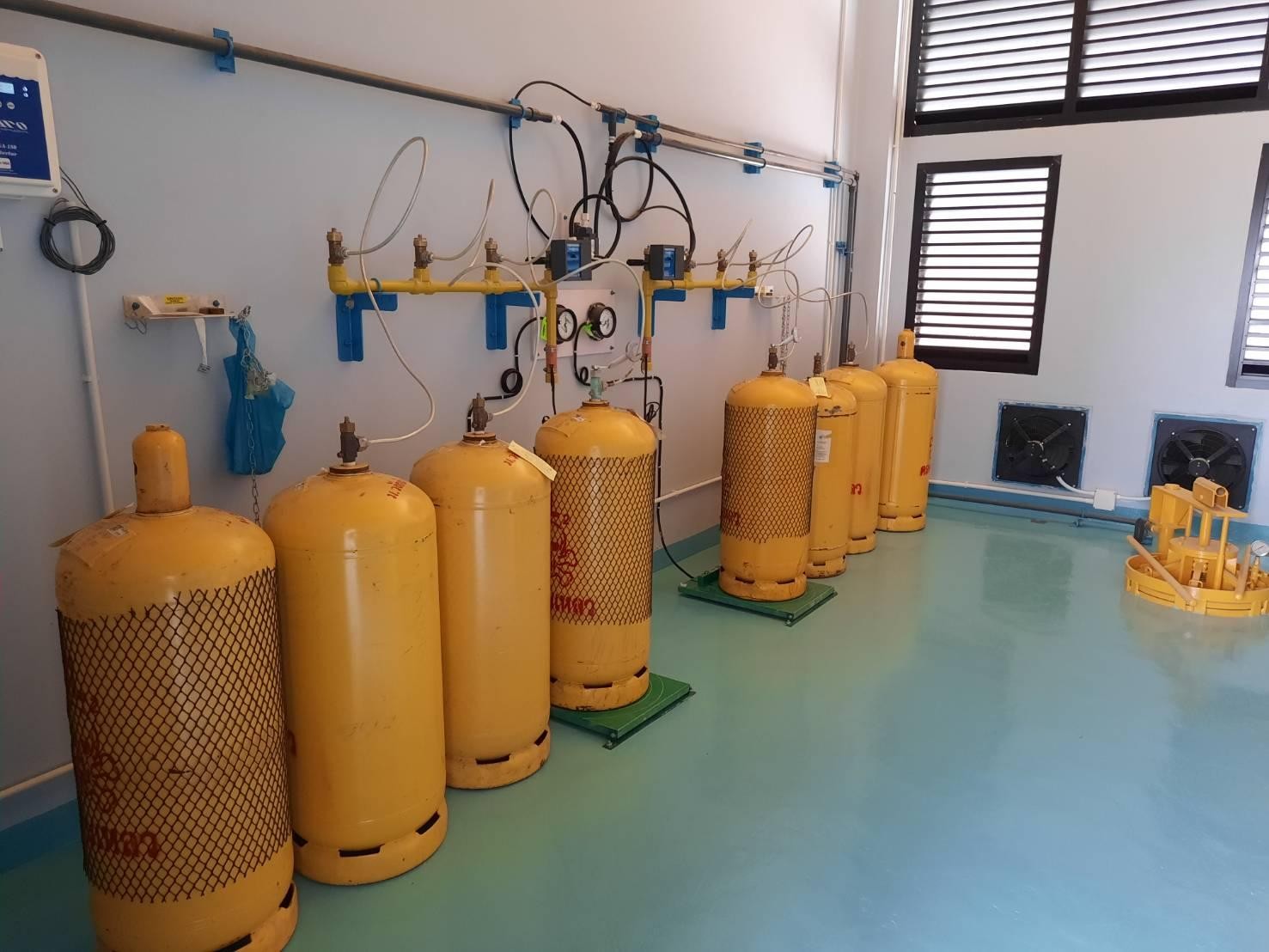
The chlorine gas dosing system uses a vacuum regulator, with a maximum chlorine feed rate of 10 kilograms per hour, for water disinfection.
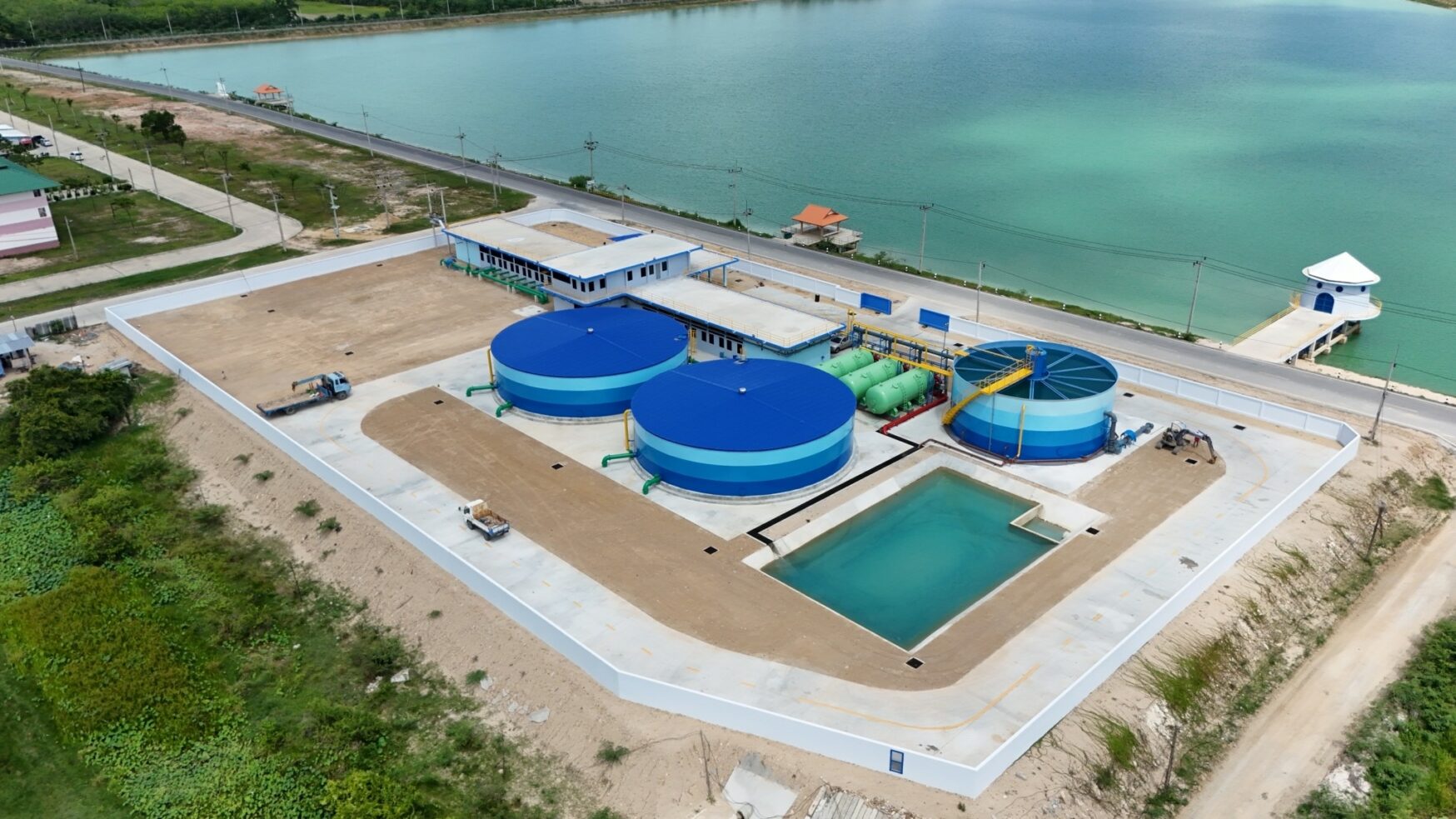
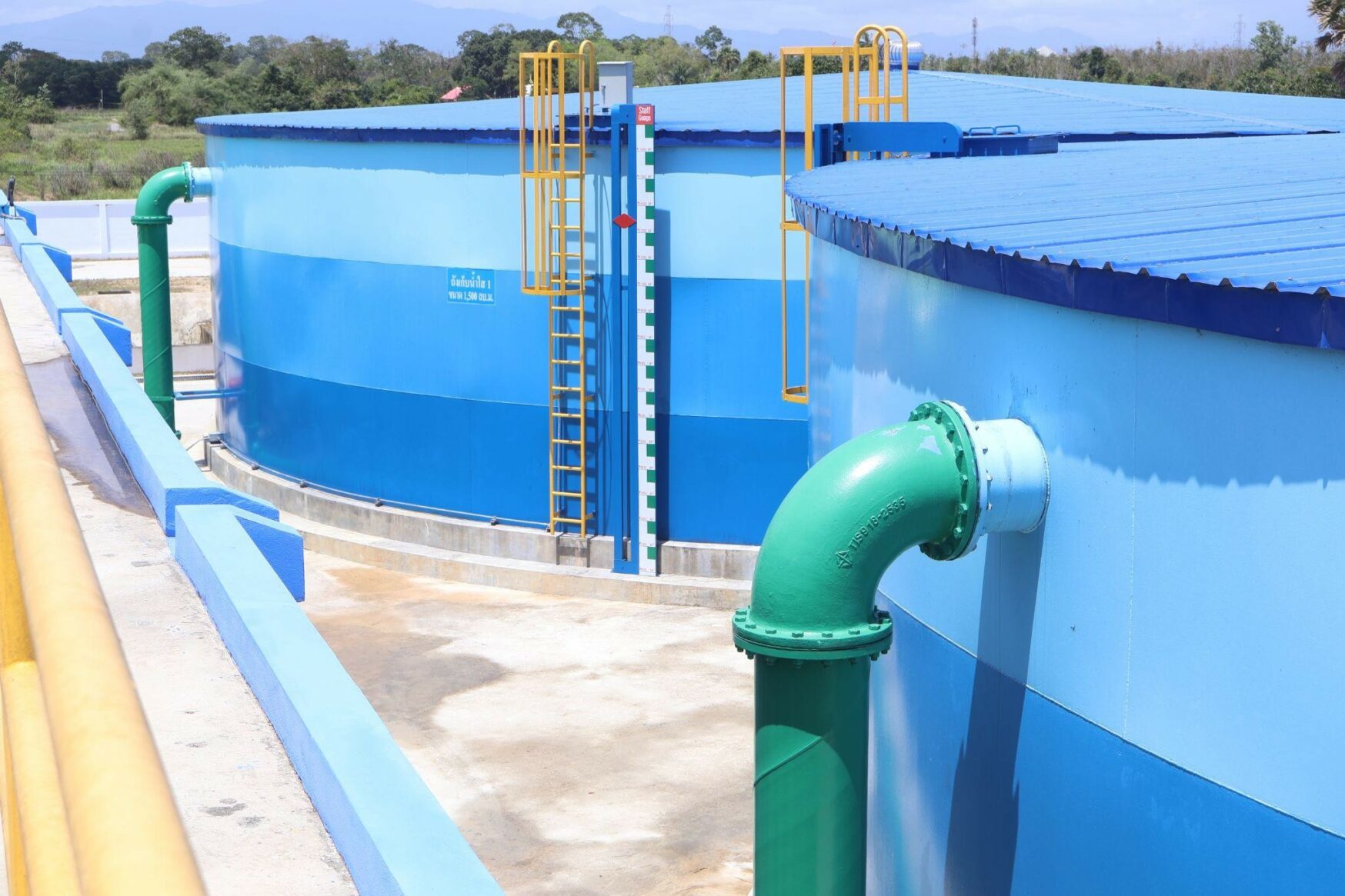
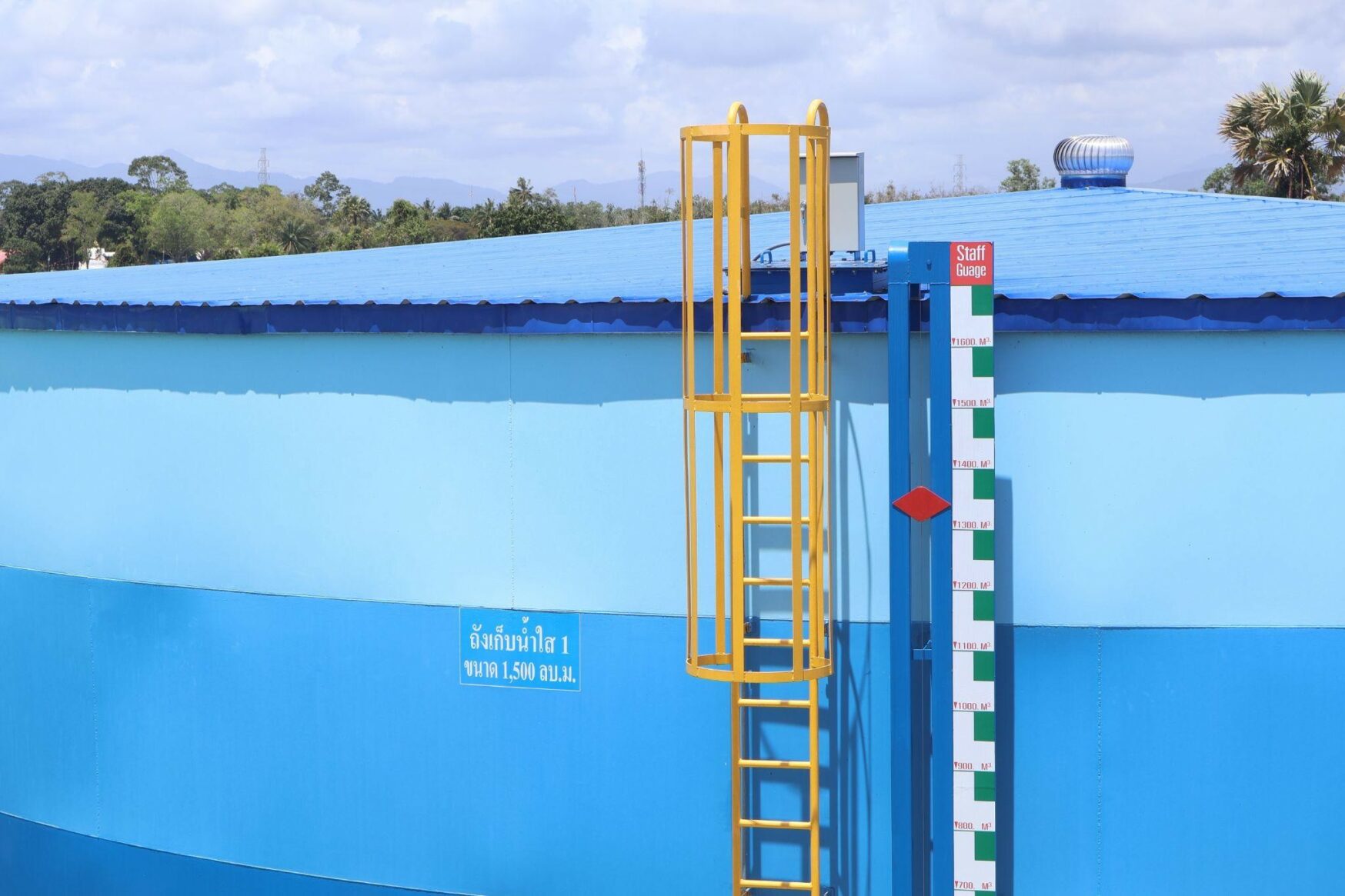
The treated water from the production process is then transferred to the clear water storage tank, which is made of steel with a diameter of 21 meters and a height of 4.5 meters. The tank is roofed with metal sheets and coated with epoxy paint, with a minimum thickness of 200 microns on the inside and 150 microns on the outside. Each tank has a storage capacity of 1,500 cubic meters. A radar level sensor is installed on the top of the tank, while a staff gauge is mounted on the side for water level measurement. A balance tank valve is provided to facilitate maintenance operations.
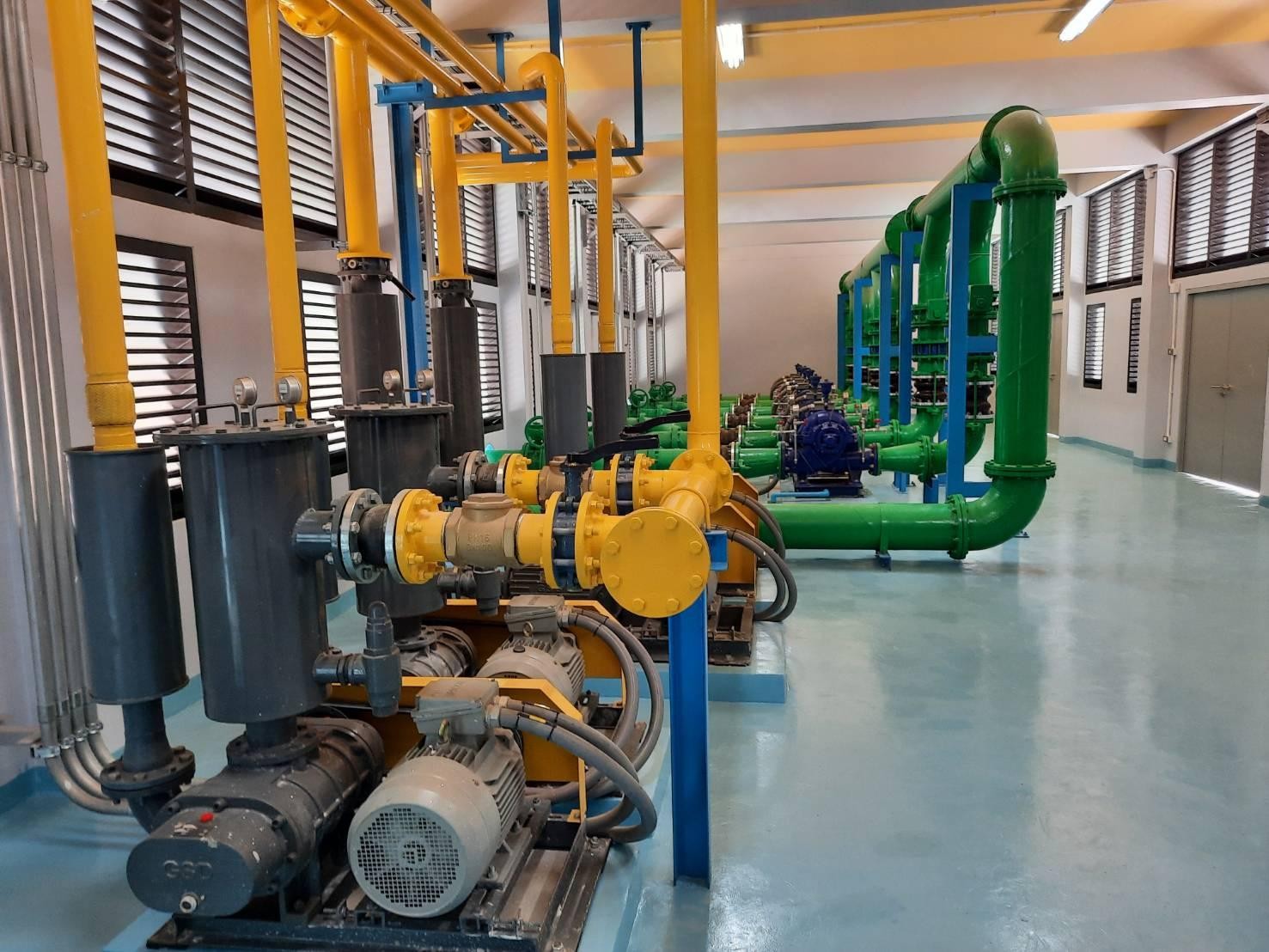
The system distributes treated water using horizontal split case single-stage pumps, each rated at 30 kW, with a pumping capacity of 200 cubic meters per hour at a head of 35 meters. There are four sets of pumps, all controlled by a Variable Frequency Drive (VFD) system that adjusts the motor speed between 15 Hz and 60 Hz. The motors are equipped with a forced-fan cooling system.
Additionally, a horizontal split case single-stage backwash pump (Sika brand) is installed, with a pumping capacity of 400 cubic meters per hour at a head of 15 meters, to supply water for domestic and drinking purposes within the university.
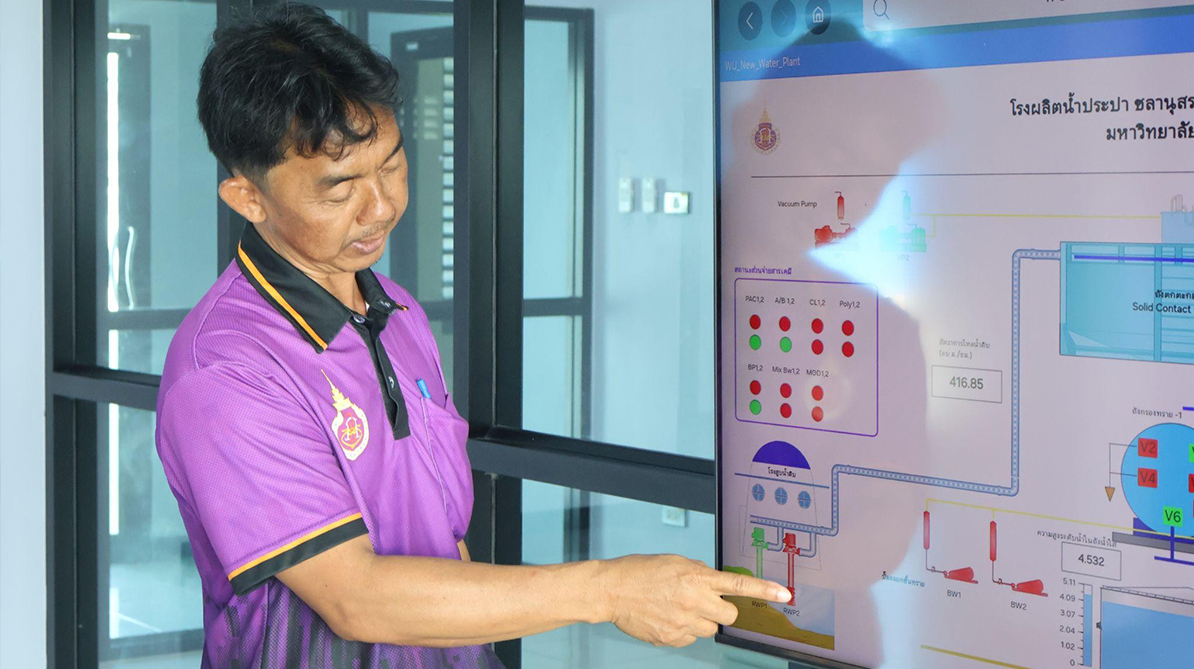
In addition, Walailak University currently monitors and inspects the operation and water production system from the Chala Nuson Reservoir closely and in real time to prevent any irregularities that may occur during the production process. This approach demonstrates the university’s efficiency in monitoring, surveillance, and data analysis, while also enhancing transparency in operational processes and reducing potential business costs, such as energy consumption, operational time, and maintenance planning.
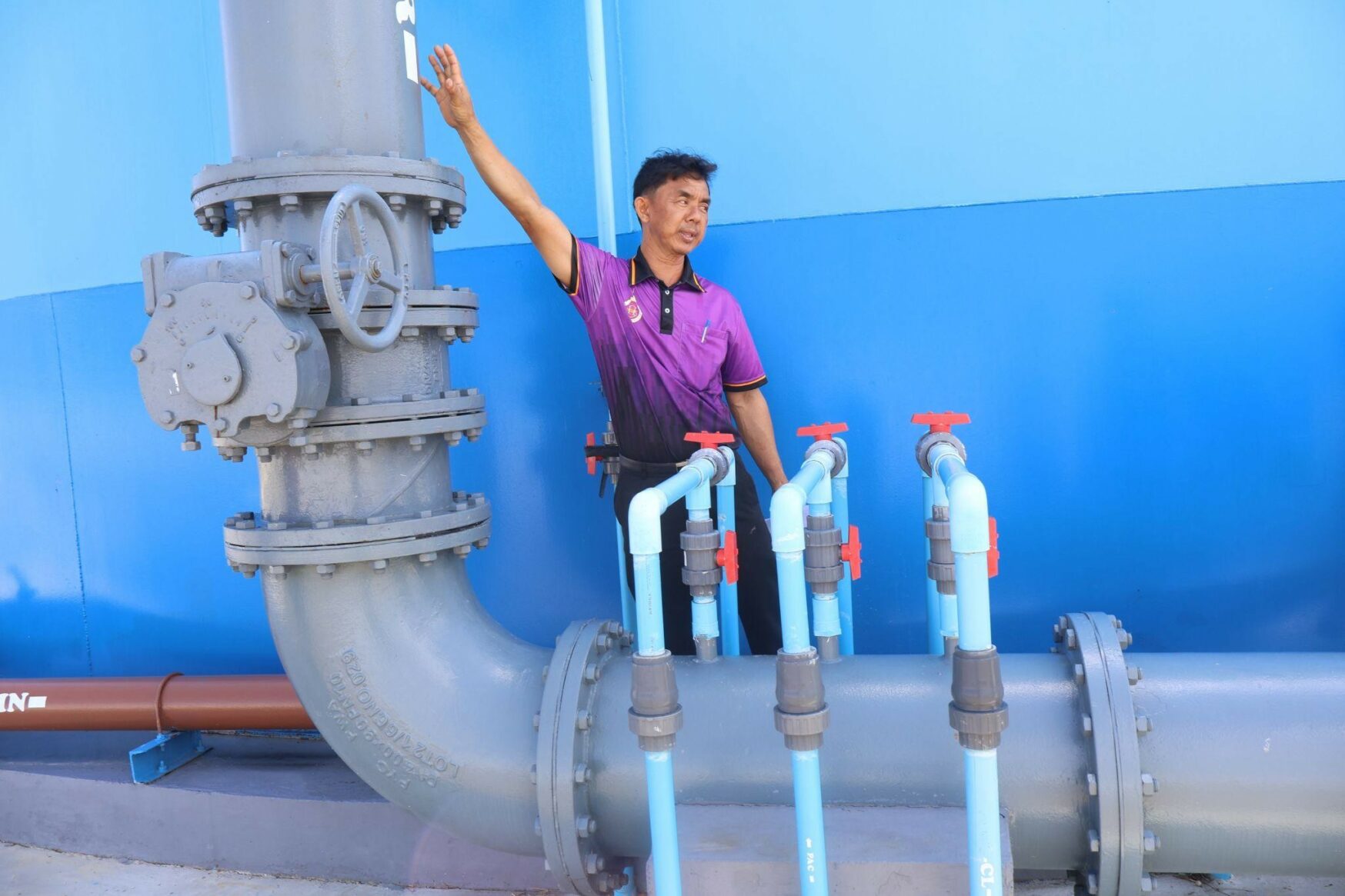
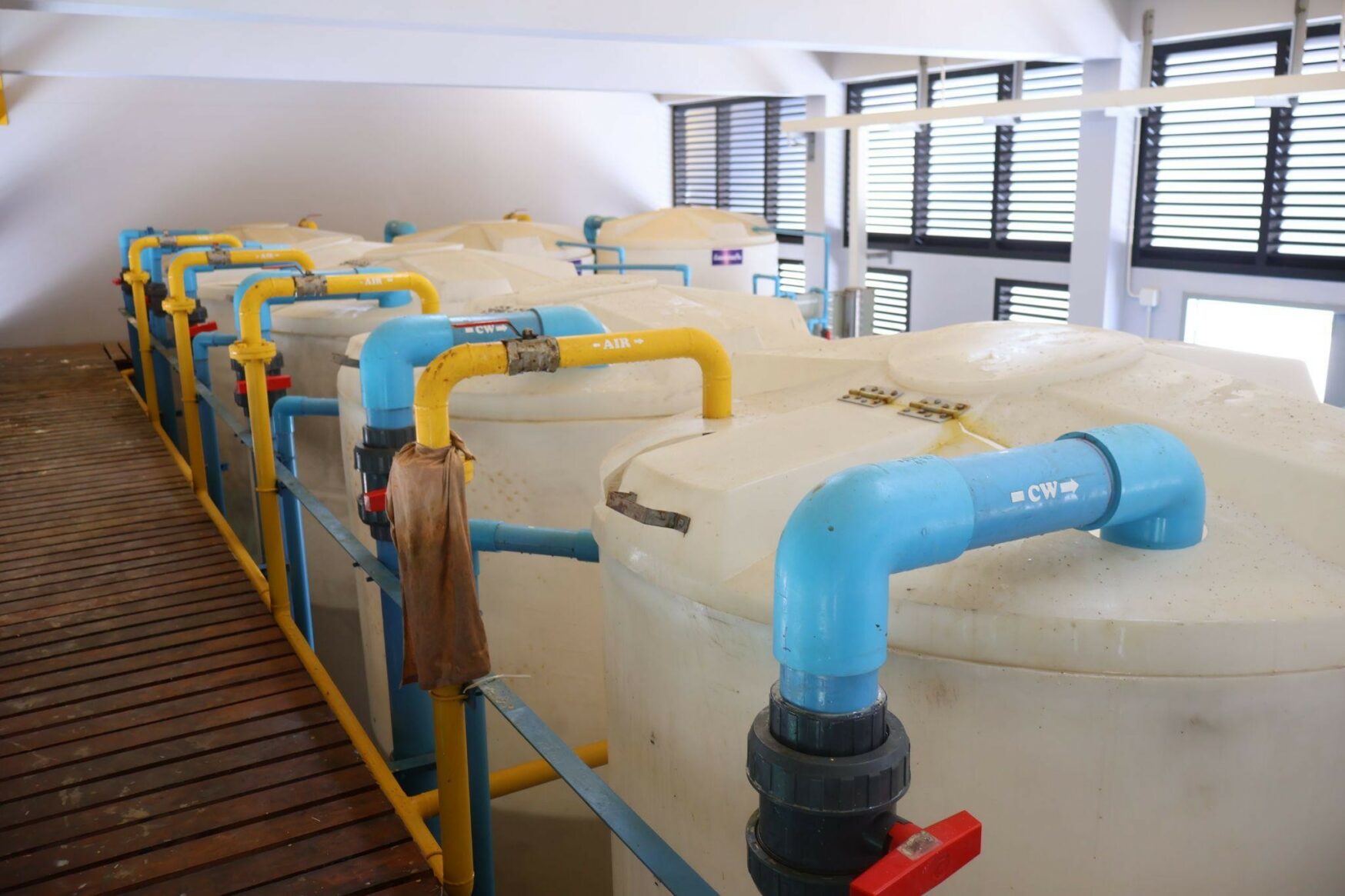
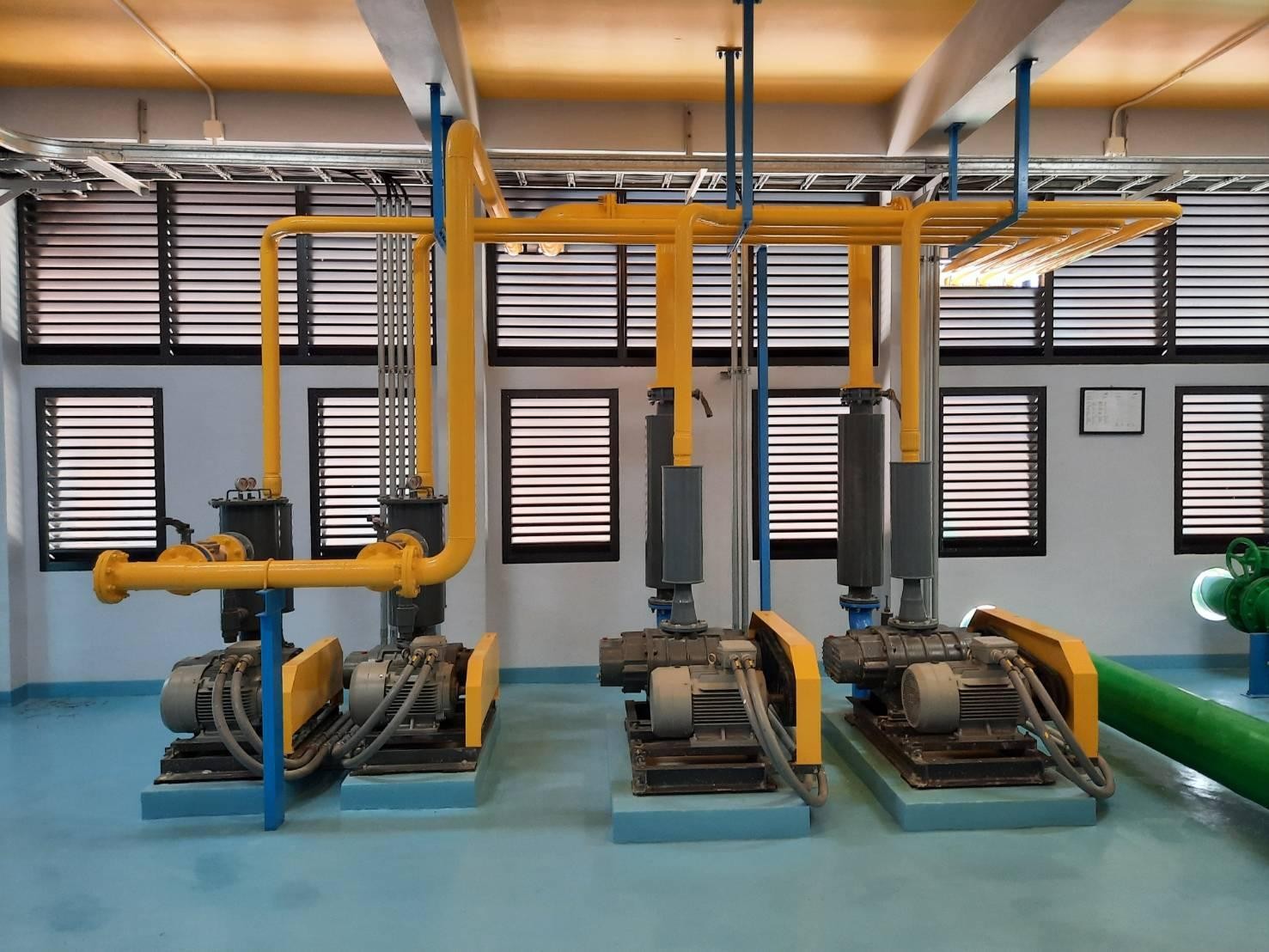
Figures: Water Supply System, the mechanism that was constructed to serve the whole university.
After the use of water for domestic and consumption purposes, the university employs a modern and efficient wastewater treatment system. In 2024, Walailak University achieved 100% reuse of treated wastewater, equivalent to 100–130 cubic meters per day. The reused water undergoes both chemical and biological treatment processes within the university’s wastewater treatment project.
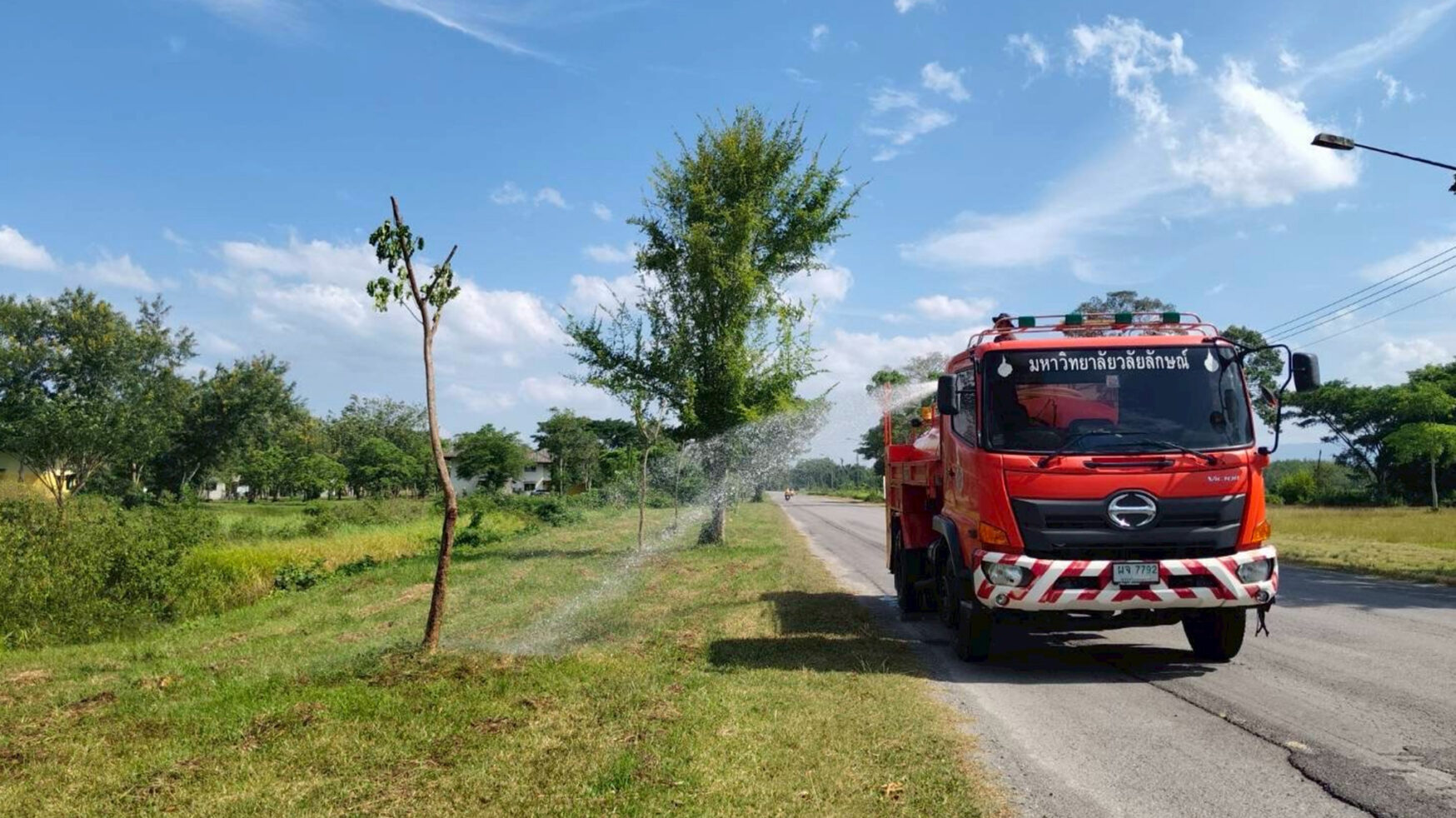
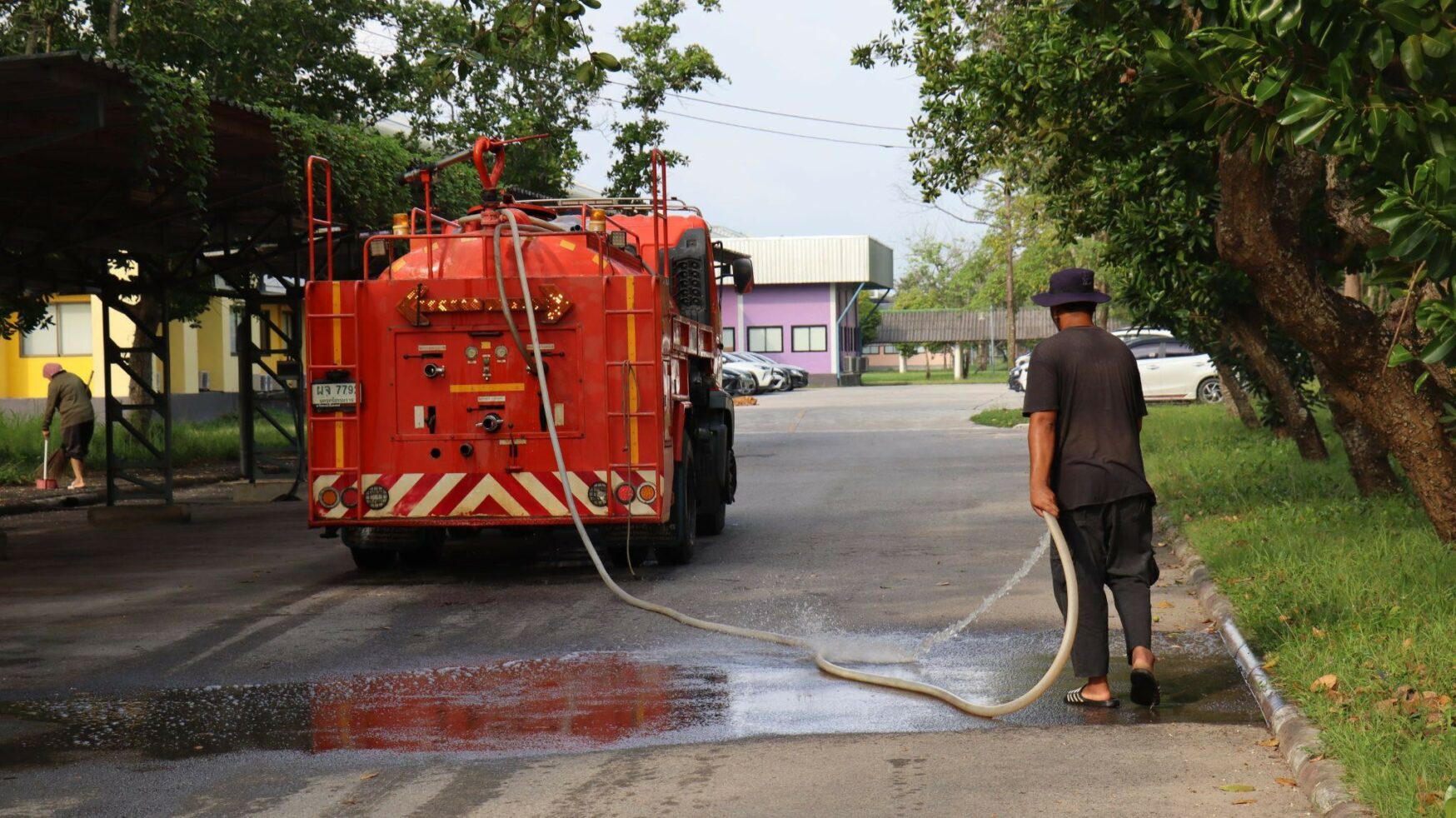
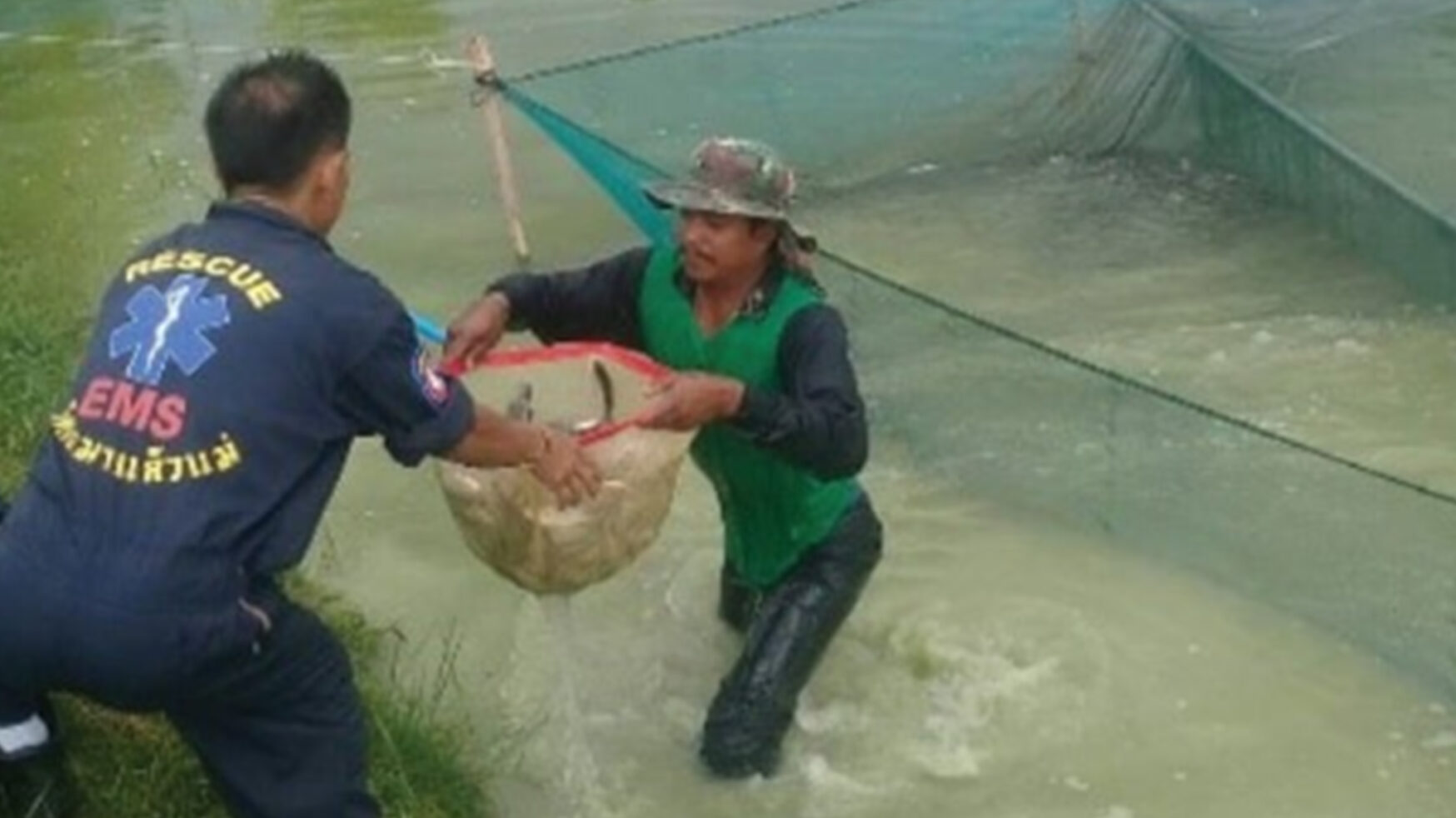
The treated water is reused for various activities within the university, including watering plants, raising Nile tilapia, washing vehicles, cleaning internal roads, and serving as cooling water in the incineration system for waste disposal from different campus activities.
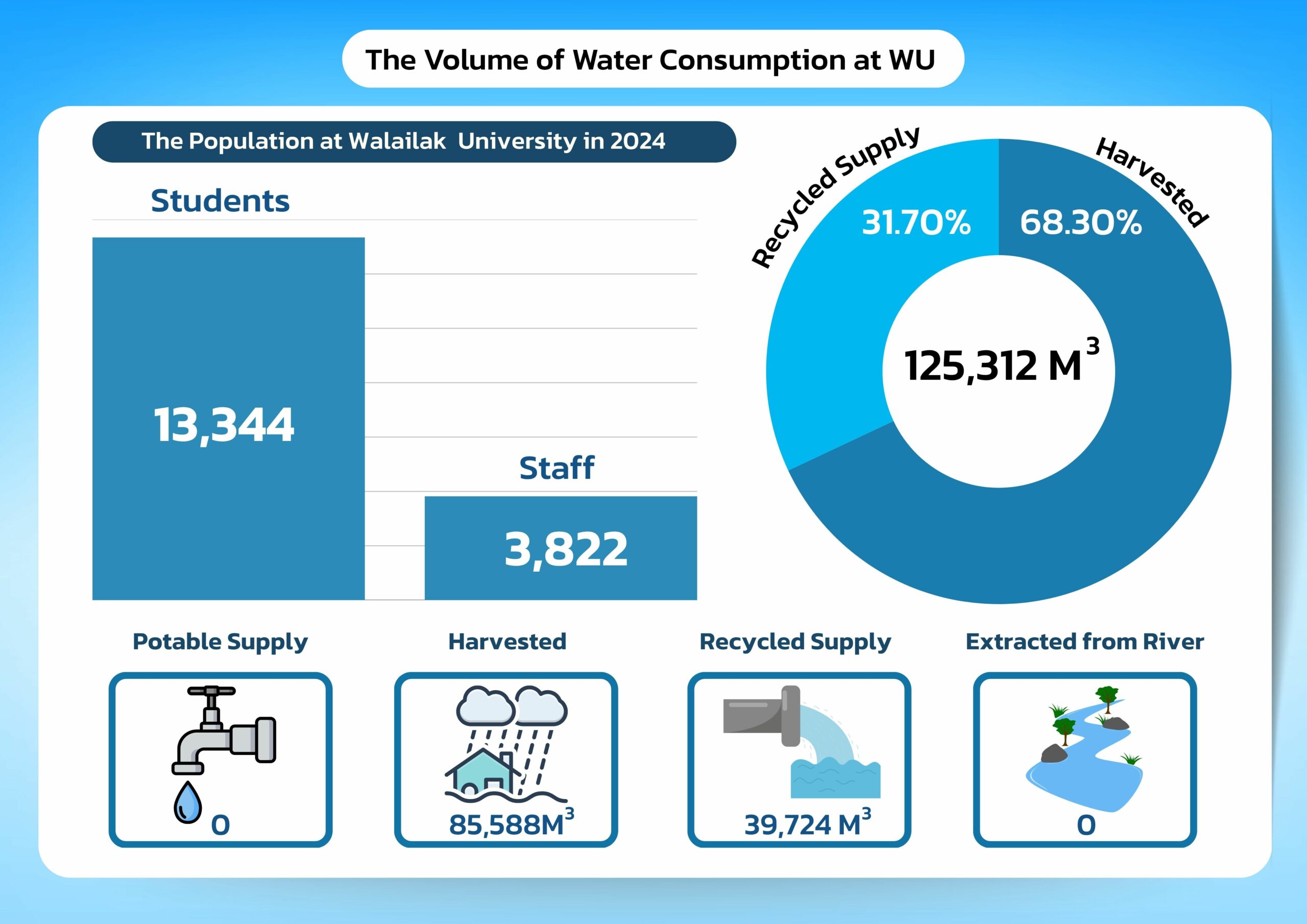
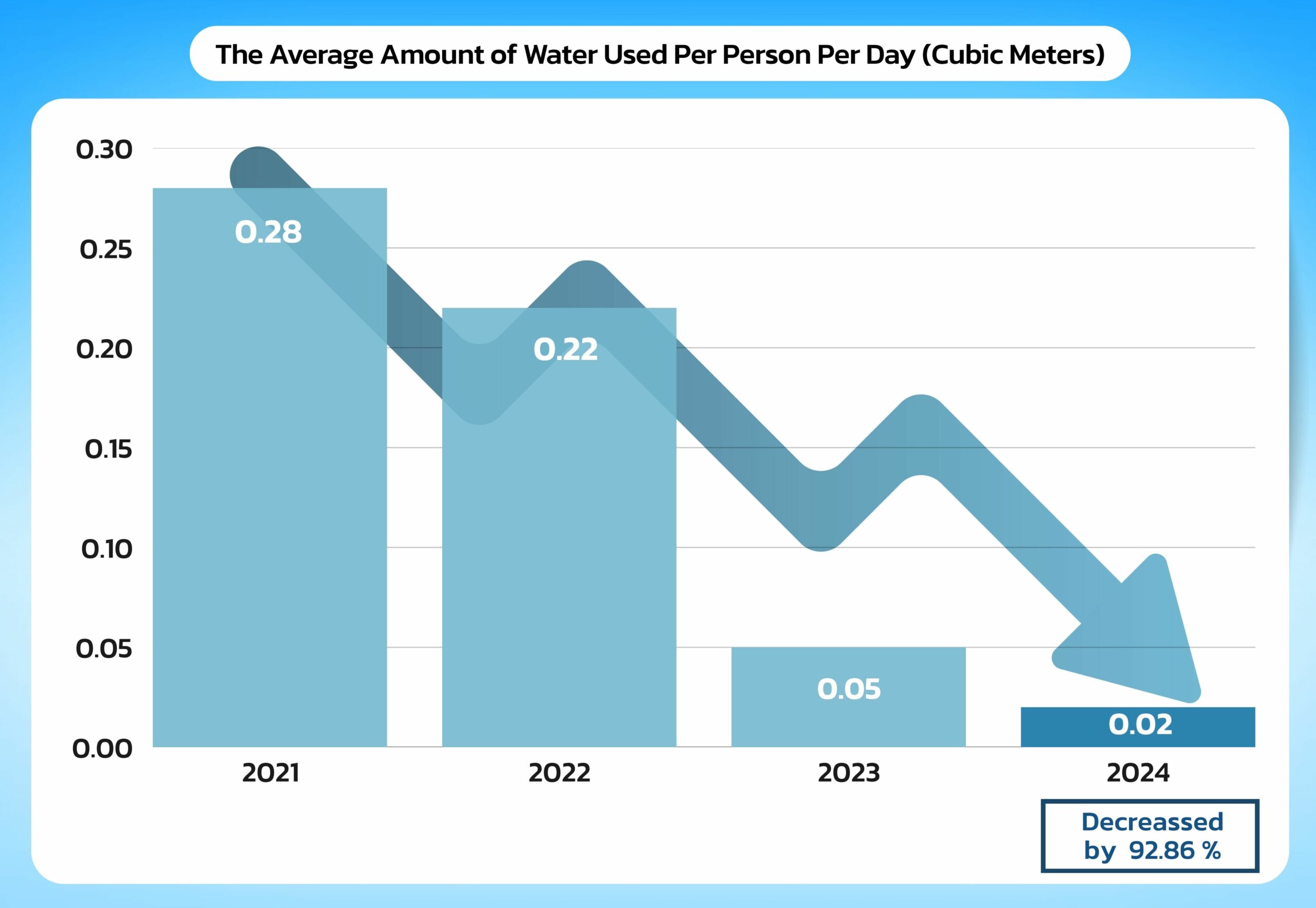
At present, Walailak University recognizes the importance of sustainable water resource management, particularly concerning the use of water for consumption by the university population, which consists of a large number of staff and students. The existence of Measurement of the total volume of water used across the whole university is systematically conducted, covering all areas of the campus. In 2024, Walailak University had a total population of 17,166 people, including 13,344 students and 3,822 staff, officers, employees, and academics. According to the data collected throughout the year, the total volume of water used for consumption amounted to 125,312 cubic meters, equivalent to approximately 0.02 cubic meters per person per day. Of this amount, tap water accounted for 68.30% of the total usage, while treated wastewater reused within the university represented 31.70%. This proportion is considered appropriate and sufficient to meet the water demand of the university population throughout the year.
When comparing the proportion of water consumption per population over the past years, it was found that there has been a continuous decline from 2021 to 2024, with the average daily water consumption per person recorded at 0.28, 0.22, 0.05, and 0.02 cubic meters, respectively. This indicates that in 2024, the average water consumption continued to decrease despite the increase in the university’s population. Using the 2021 data as a baseline, it was found that in 2024, the university reduced the average water consumption per person by 0.26 cubic meters per day, representing a water-saving rate of 92.86%.
The success in reducing water consumption has resulted from the establishment of an efficient water management system, the development of an appropriate wastewater treatment system, and the continuous dissemination of water conservation knowledge to staff and students within the university. This achievement not only benefits the environment and the health of water users on campus but also creates a positive impact on surrounding communities. Walailak University has demonstrated its potential as a model educational institution capable of managing natural resources efficiently and sustainably, paving the way for future expansion of these practices at the community level.
These operations reflect Walailak University’s strong commitment to comprehensive and sustainable water management, in alignment with the Sustainable Development Goals (SDGs), particularly in promoting efficient resource utilization and excellent environmental management.
Walailak University applies a systematic diagnostic process to assess water usage and efficiency across the campus. The findings guide continuous development of water storage, treatment, and reuse systems to ensure sustainability. Through active community engagement, the university promotes awareness and participation in water conservation efforts. Regular measurement of water consumption supports effective monitoring and evidence-based management, reinforcing WU’s commitment to sustainable resource utilization and environmental stewardship.