Sustainable Water Management: Walailak University’s Water Reuse Policy
Walailak University is committed to becoming a sustainable and environmentally friendly “Happy University” under its 20-Year Strategic Plan (2018–2037). The plan promotes development in infrastructure, water management, waste management, energy management, climate change, transportation, and education. The university emphasizes efficient and participatory management of resources, environmental stewardship, and energy conservation. It integrates renewable energy, resource efficiency, and environmental conservation into teaching, research, and all university activities. The aim is to foster a safe, eco-friendly, and energy-efficient environment that benefits both the university and surrounding communities.
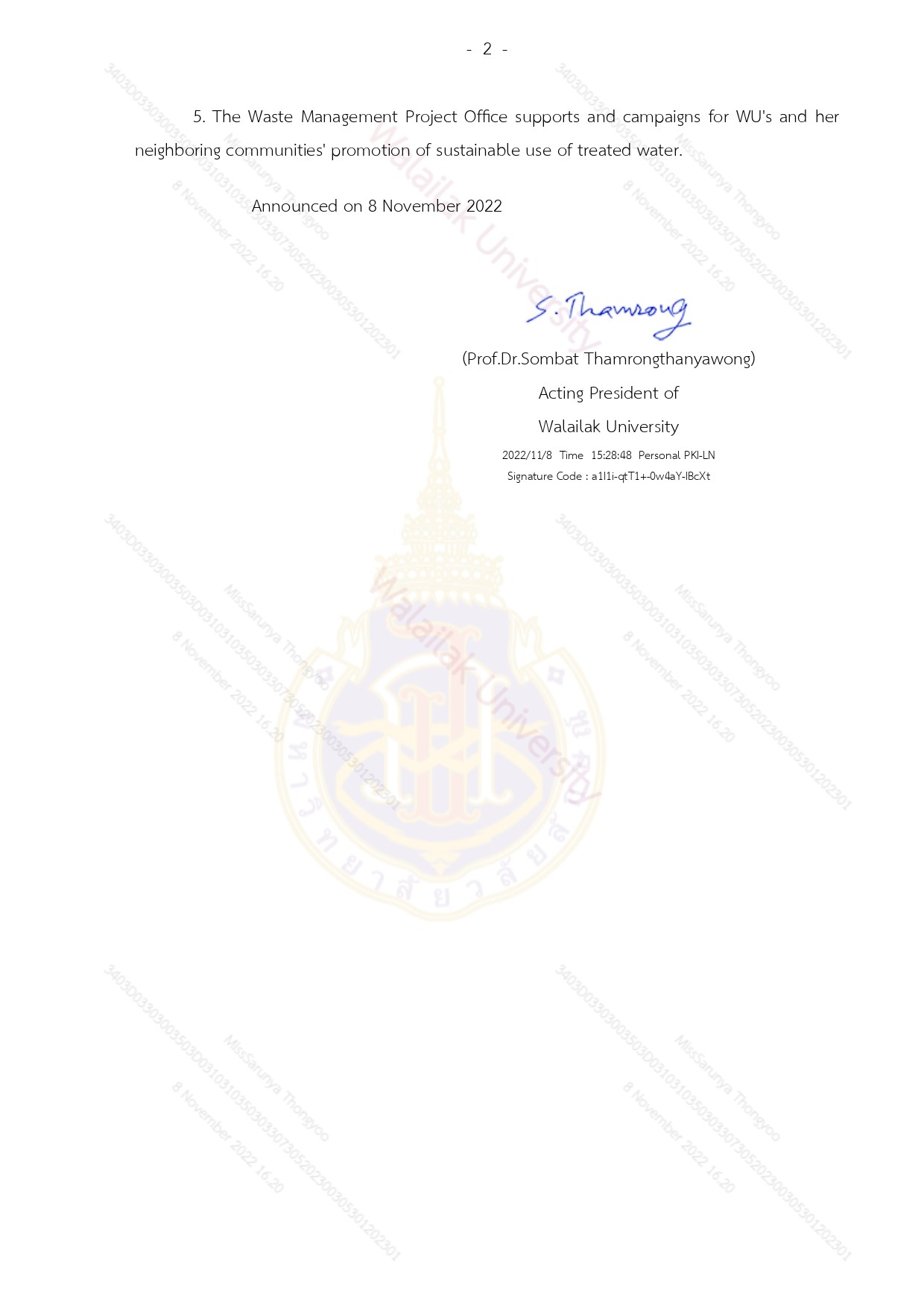
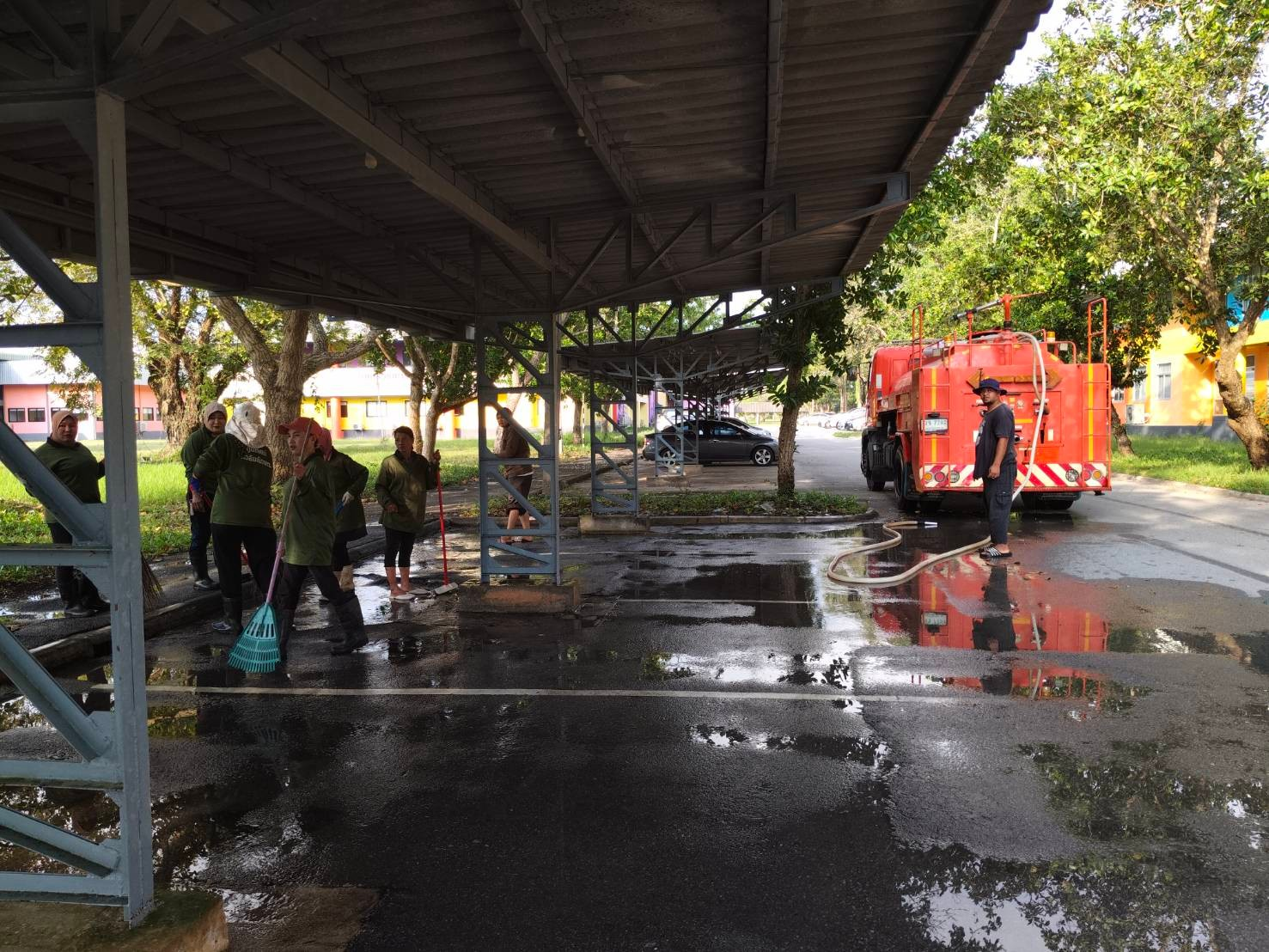
In 2024, the university implemented measures and guidelines for water reuseacross the university. Treated wastewater of appropriate quality is reused for purposes that do not require potable water, such as watering plants, street cleaning, animal husbandry, and certain industrial processes. This approach reduces the use of natural water sources, minimizes environmental impact, and promotes efficient water resource management.
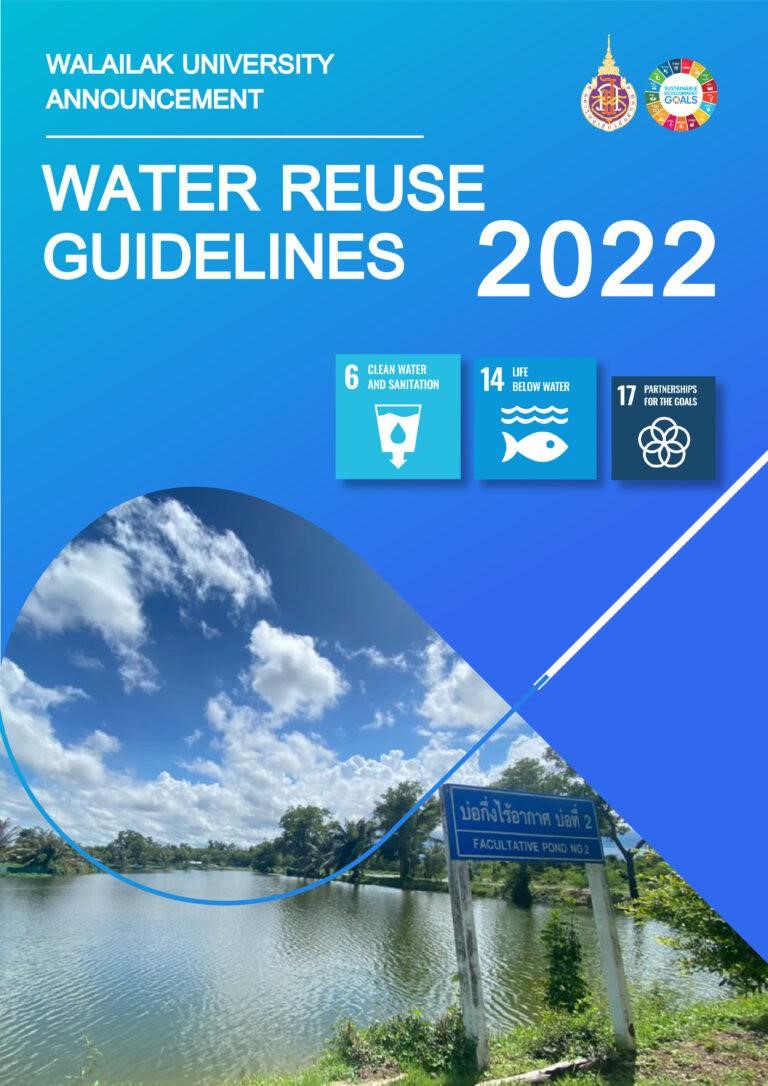
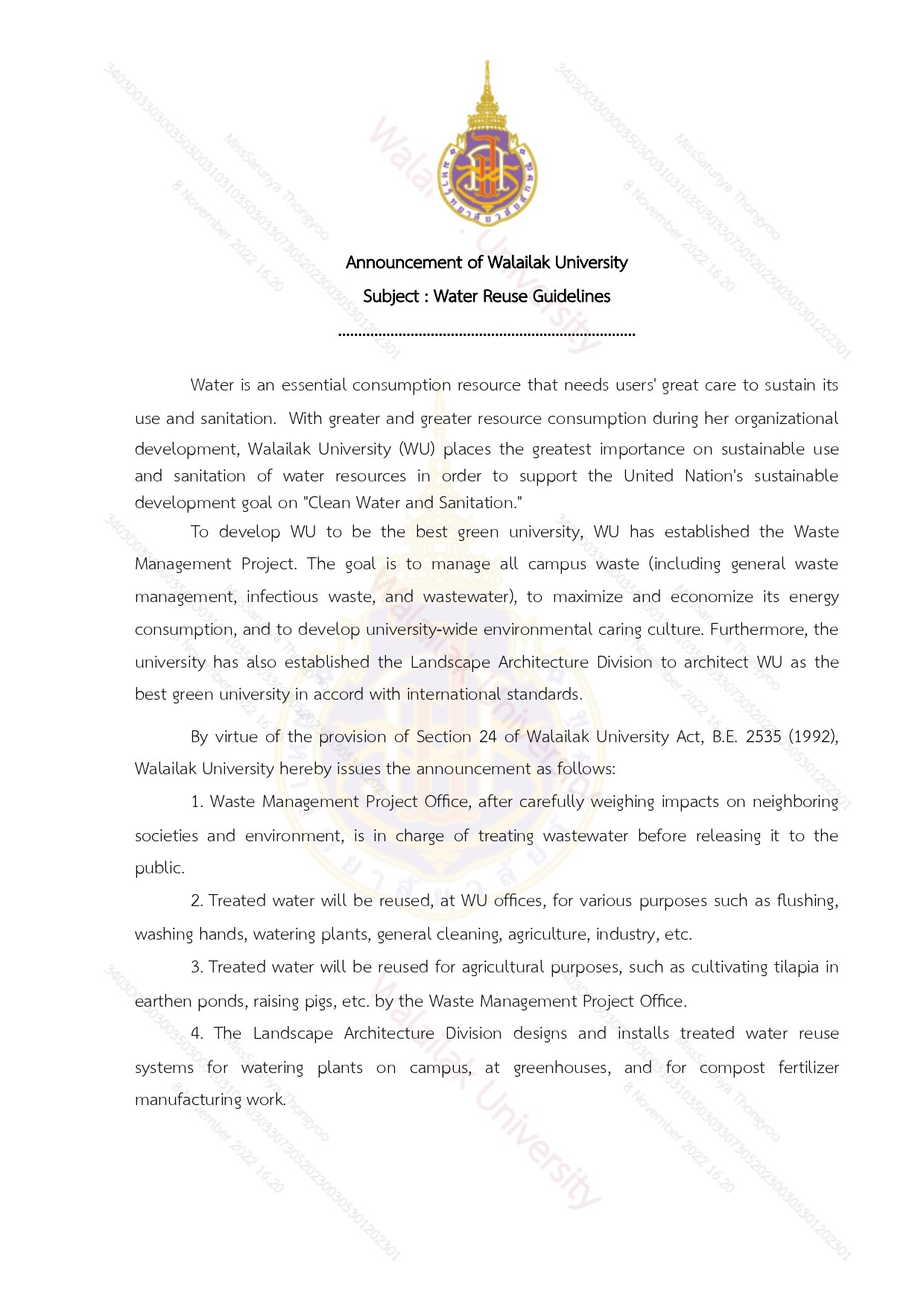
Walailak University operates under a formal water reuse policy framework to maximize water reuse across the university. In 2022, the university issued the official “Water Reuse Guidelines”, which serve as the operational framework for all internal units. The key objectives are to:
Support water conservation and reduce dependence on the water supply system.
Establish systematic practices for the reuse of treated wastewater.
Prevent risks to human health and the environment.
Promote sustainability awareness within the university community.
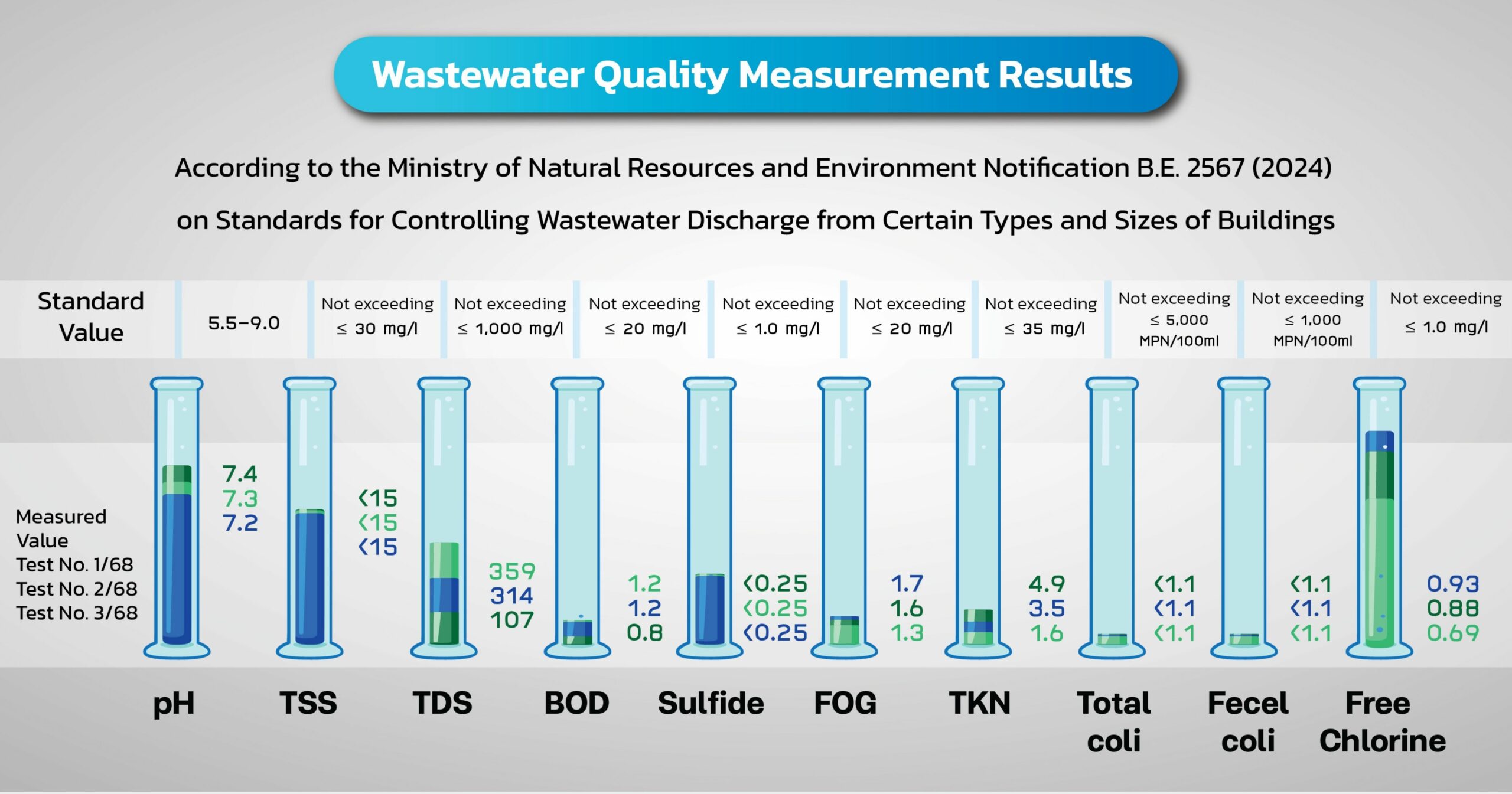
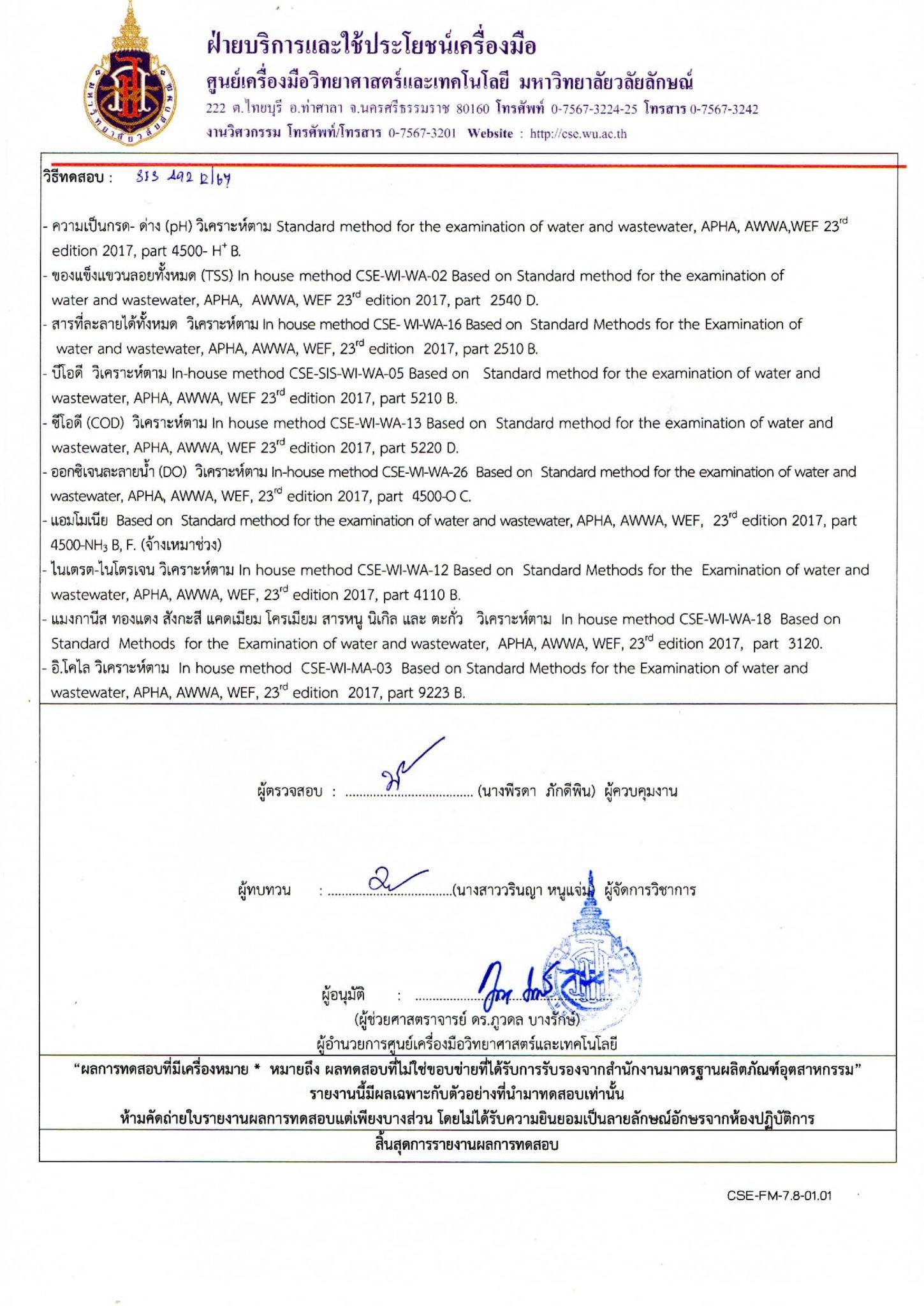
The existence of water reuse policy covers water reuse activities not involving direct human contact and requires regular monitoring of water quality in compliance with international standards, specifically those set by the Pollution Control Department, Ministry of Natural Resources and Environment.
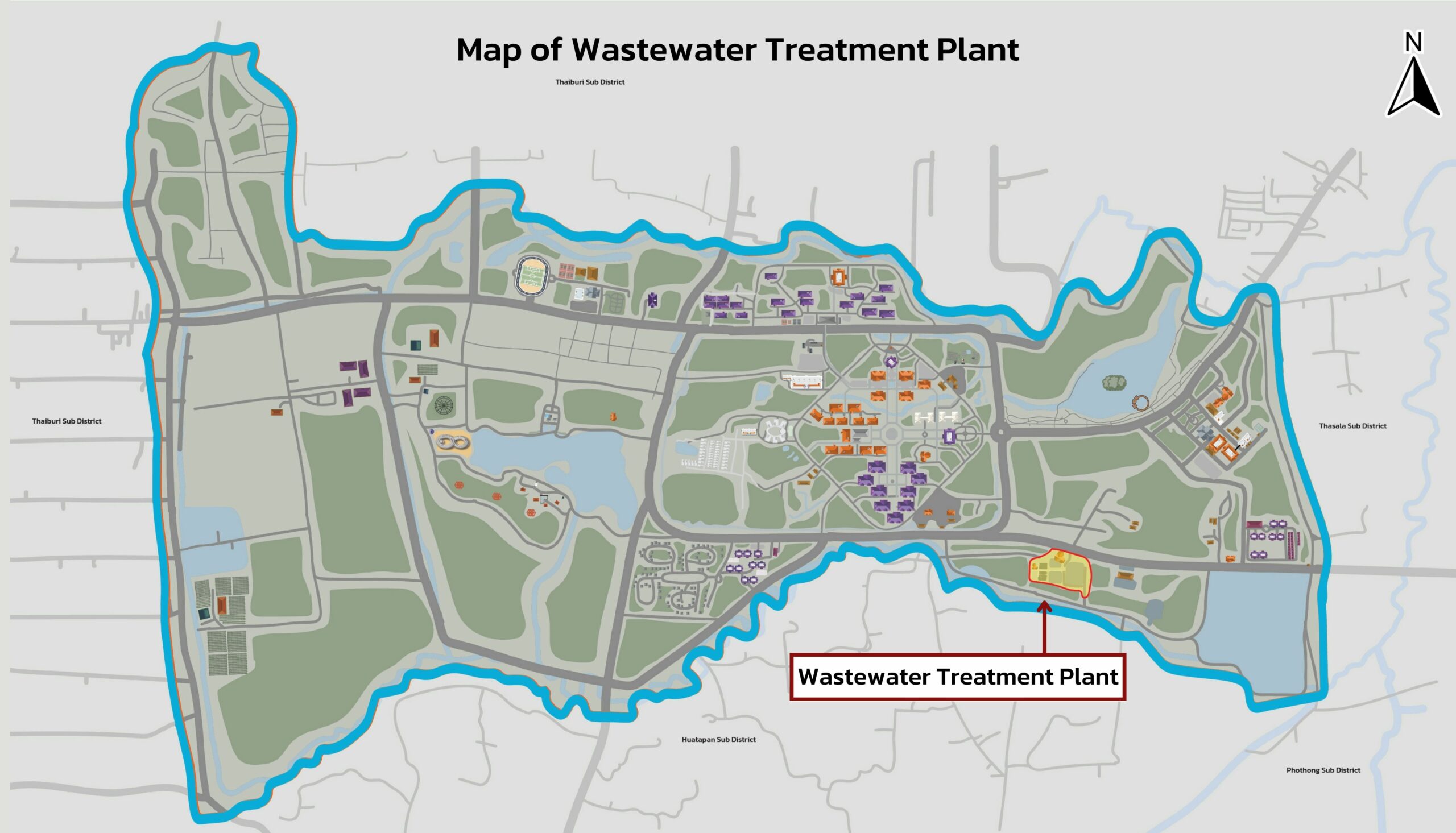
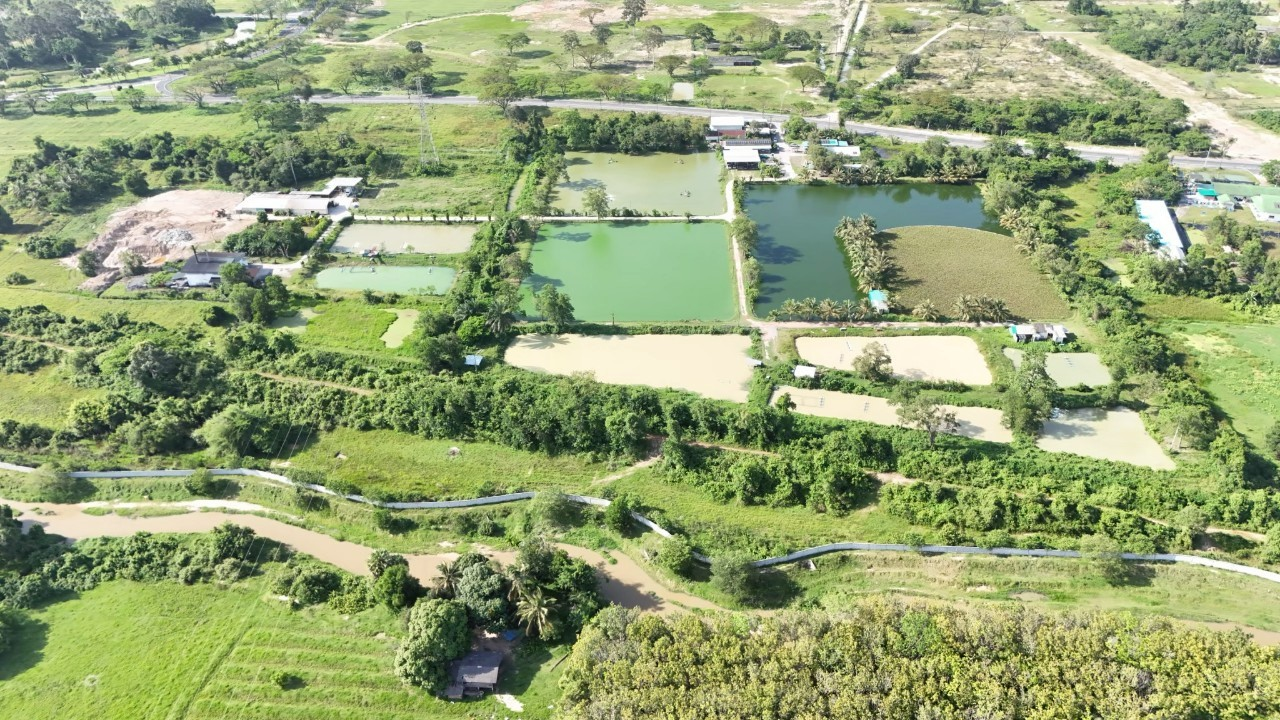
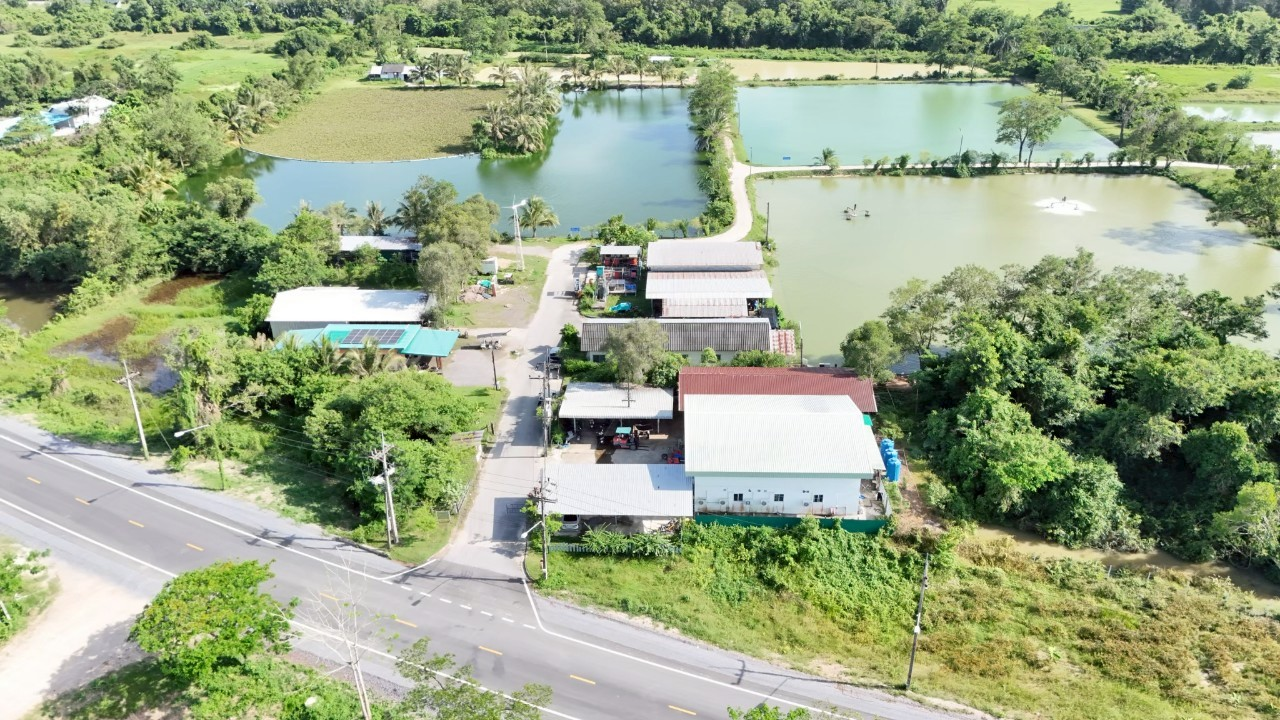
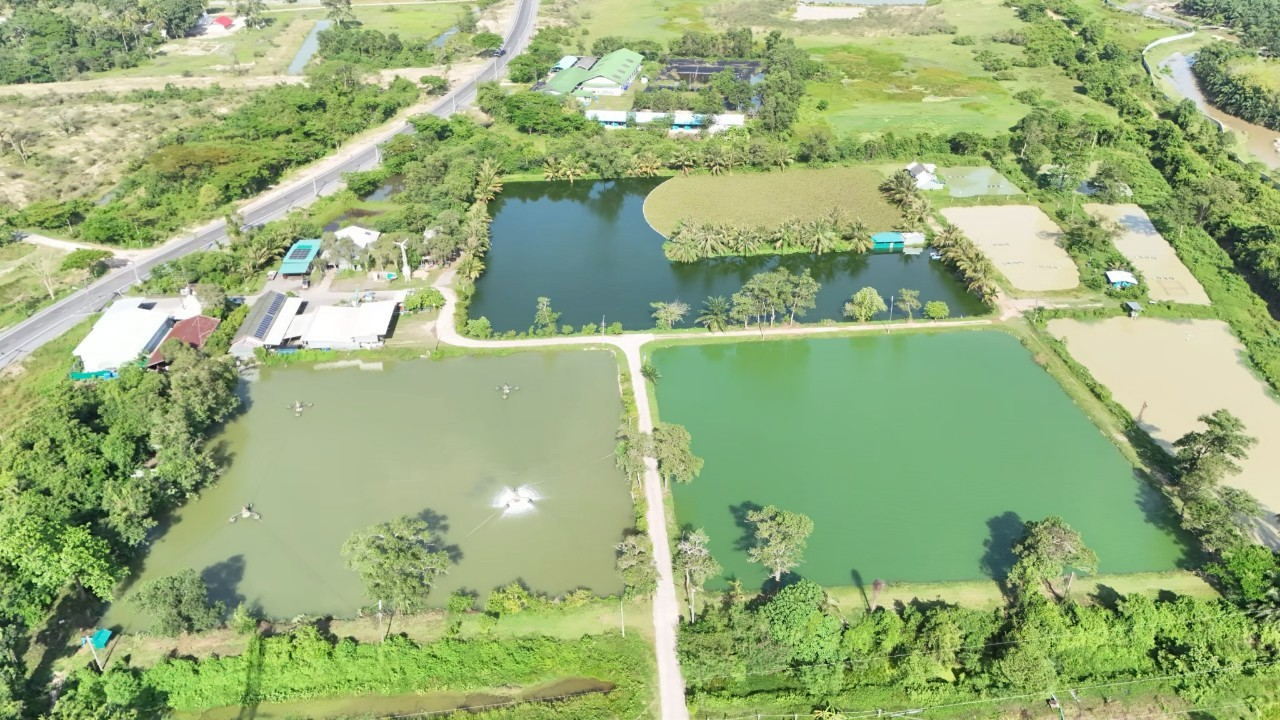
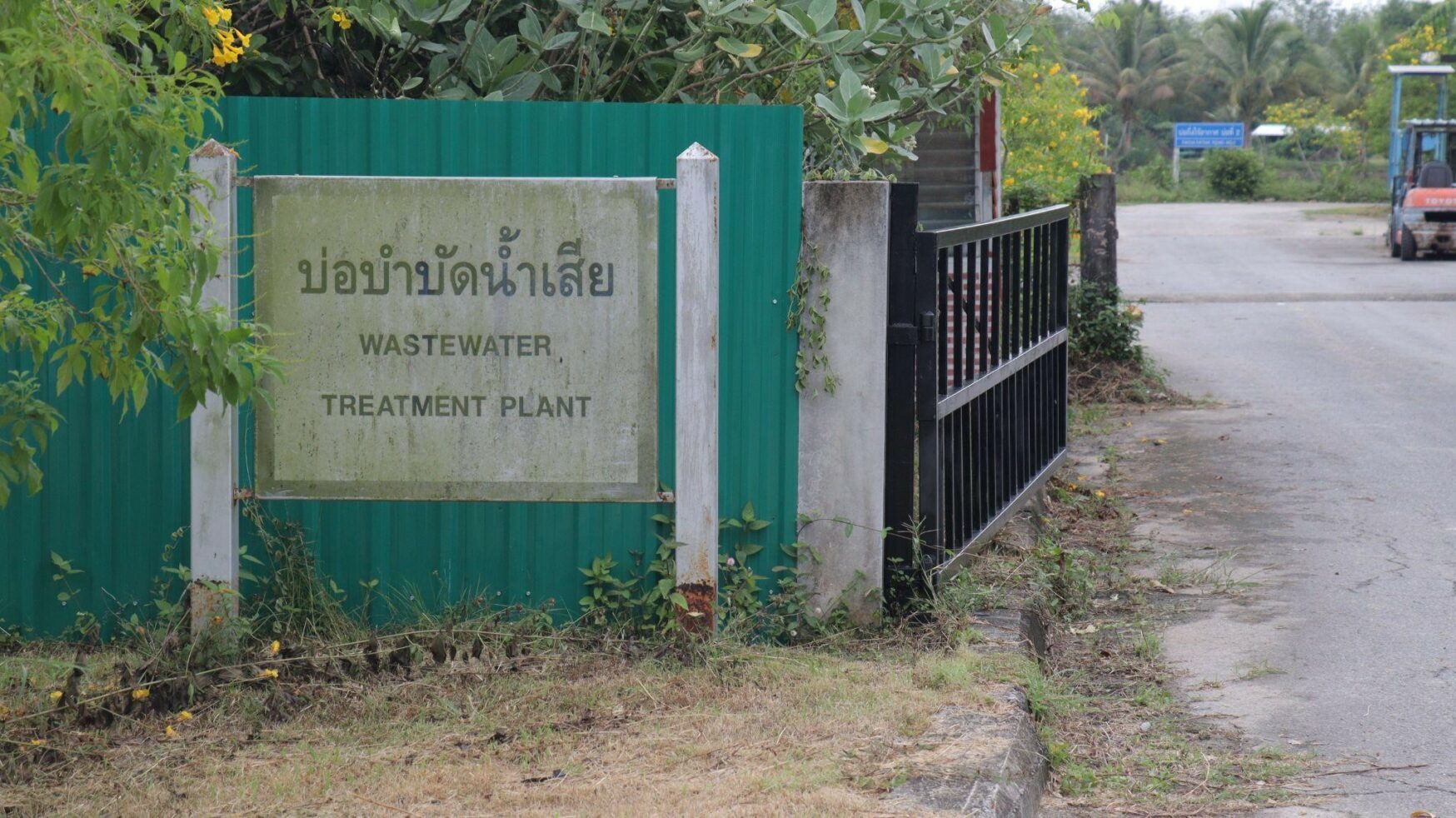
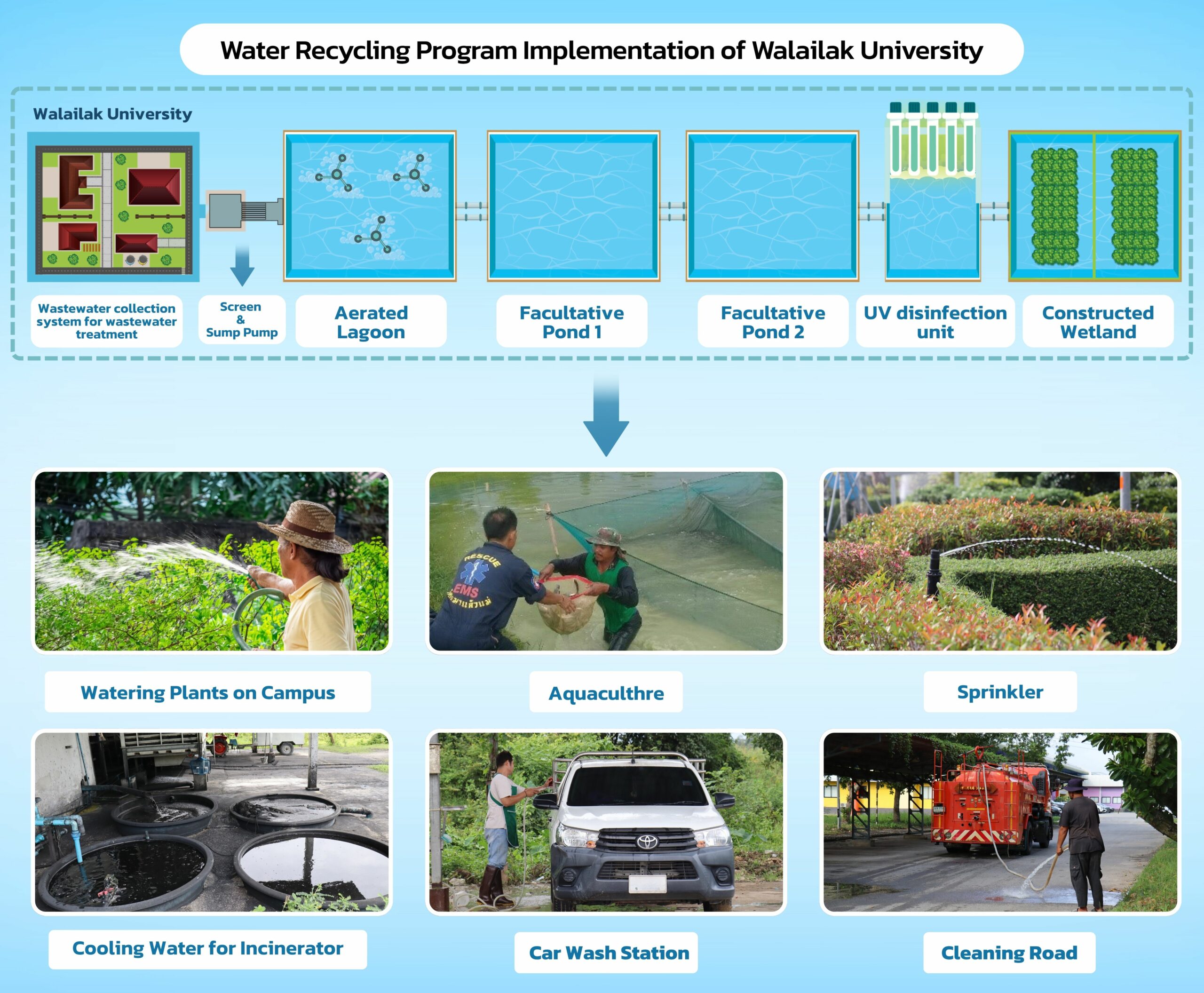
Walailak University’s wastewater treatment system is designed as a biological treatment process, comprising:
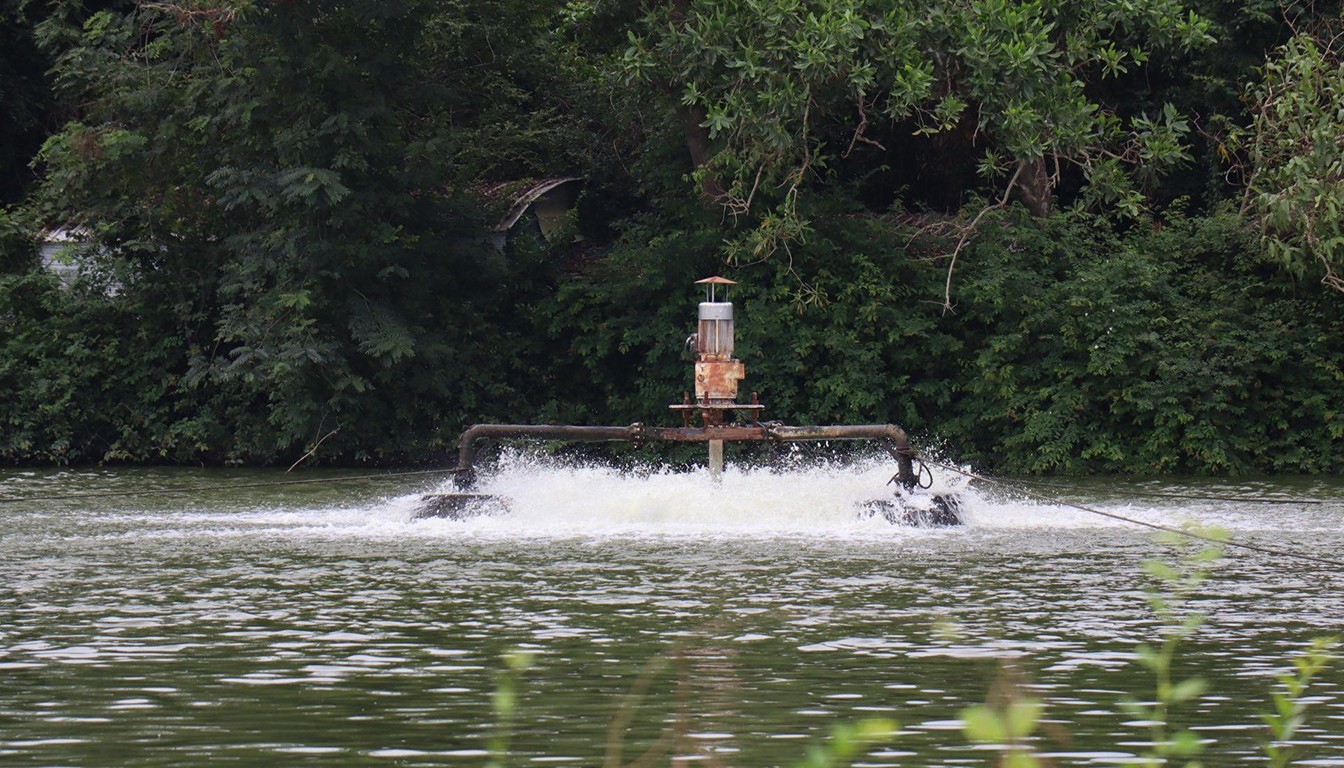
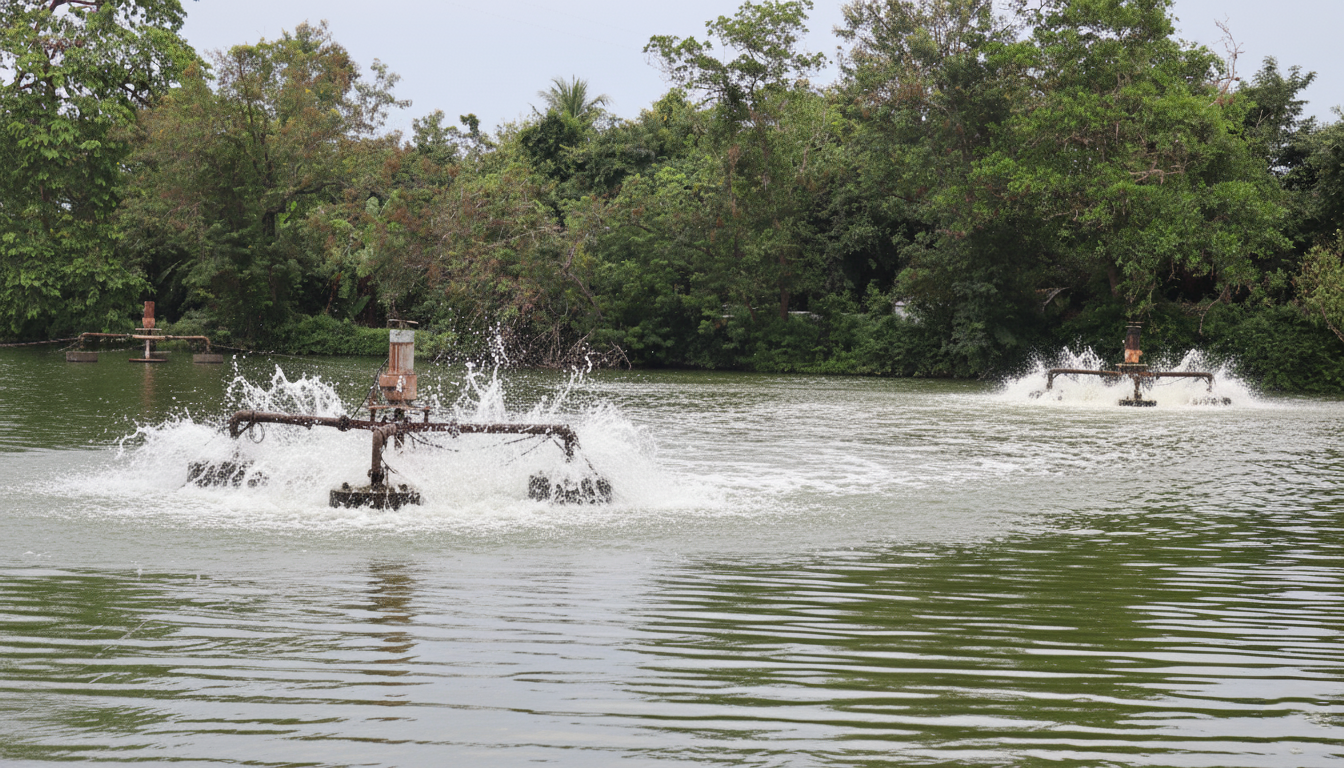
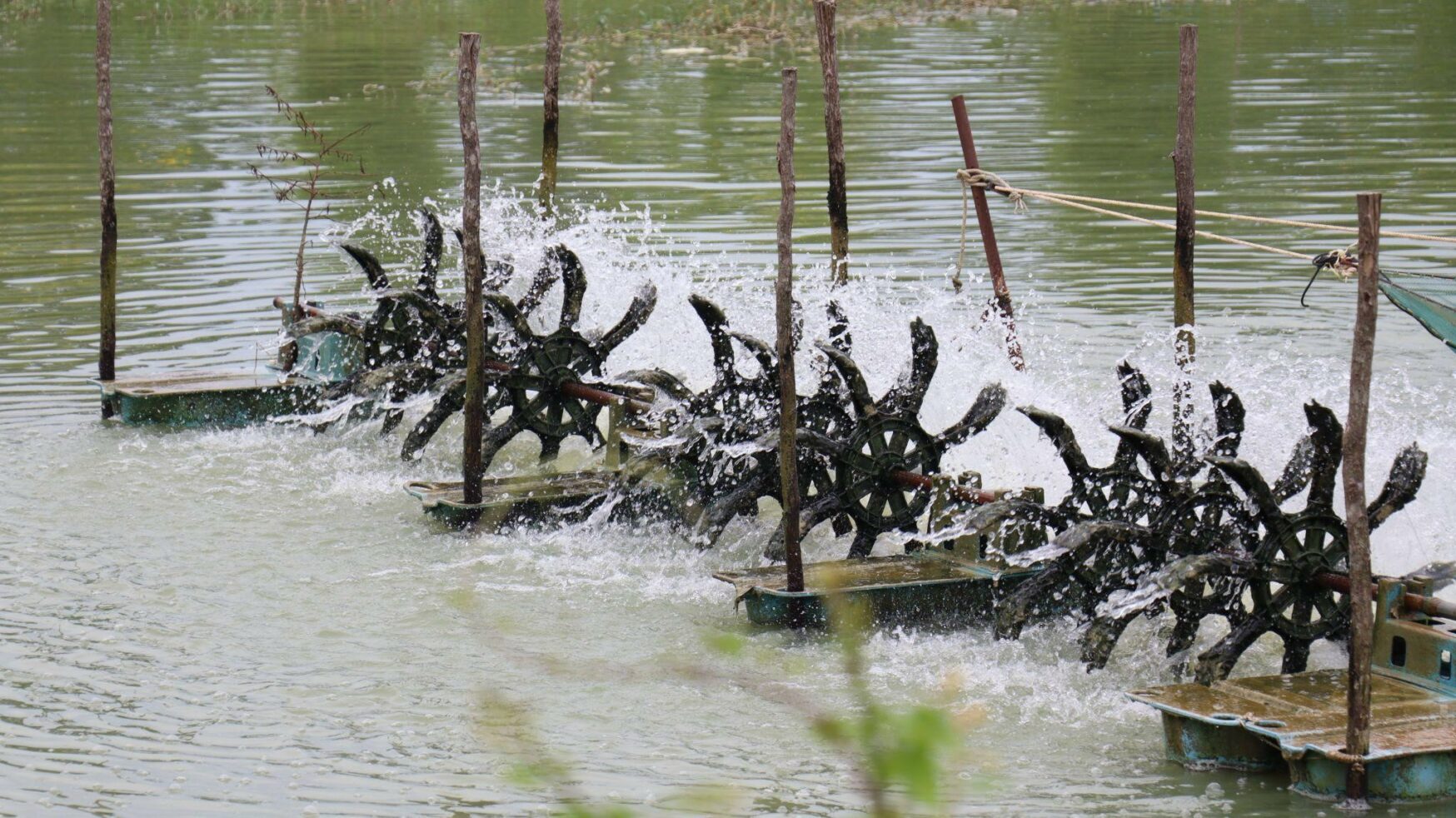
Aerated Lagoon
Oxygen is supplied to accelerate the decomposition of organic matter.
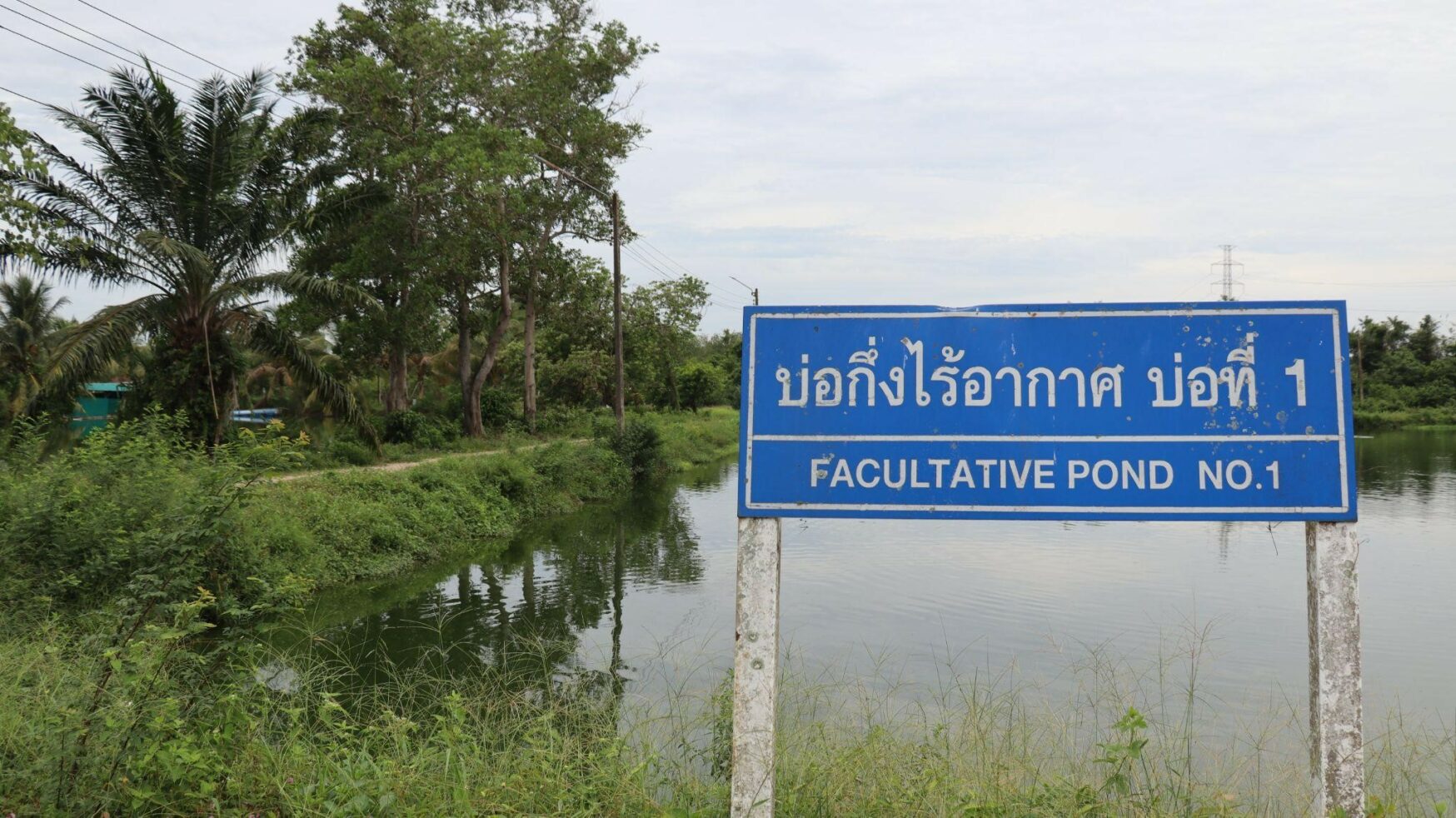
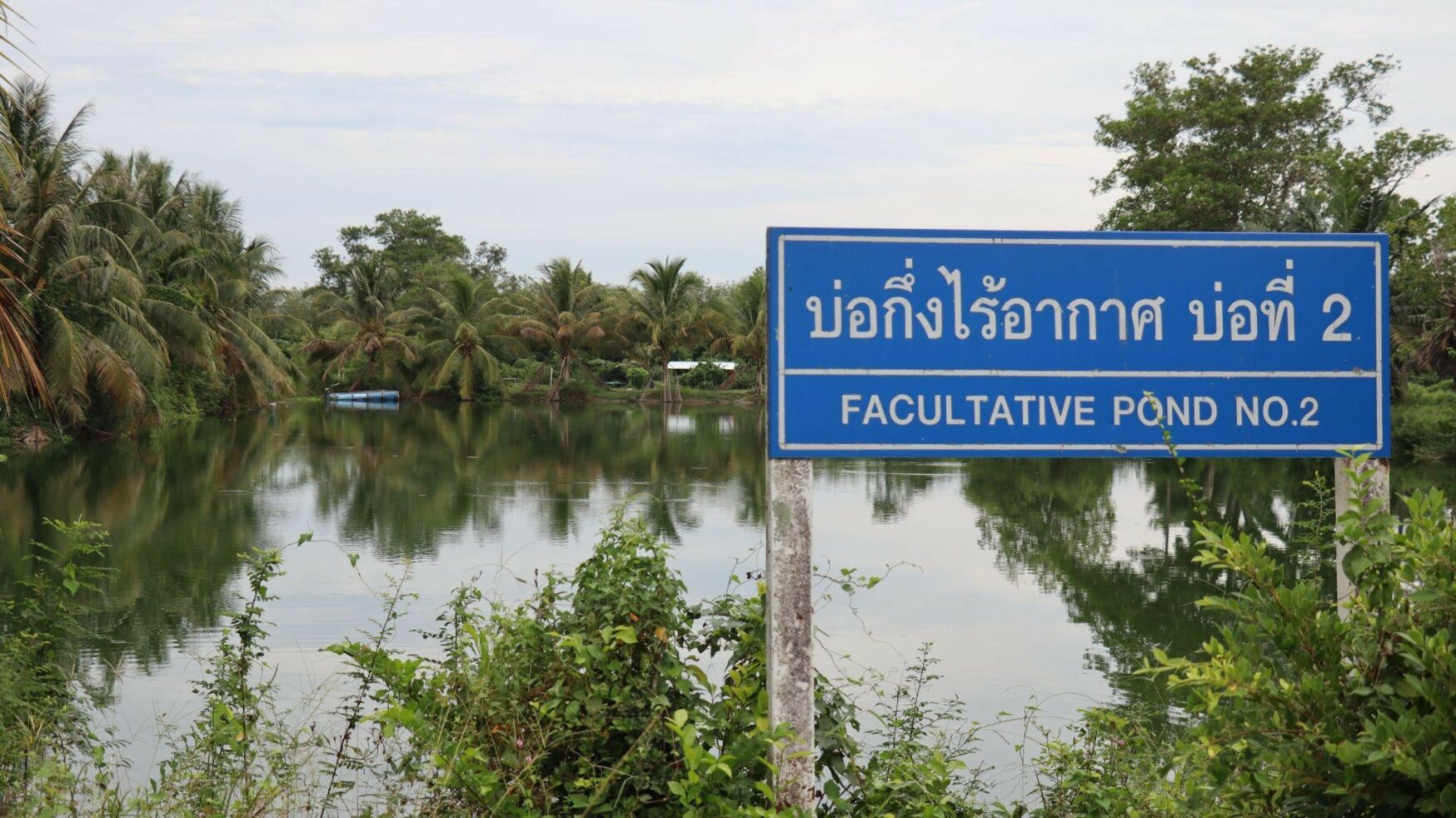
Facultative Pond
A combination of aerobic and anaerobic processes is used.
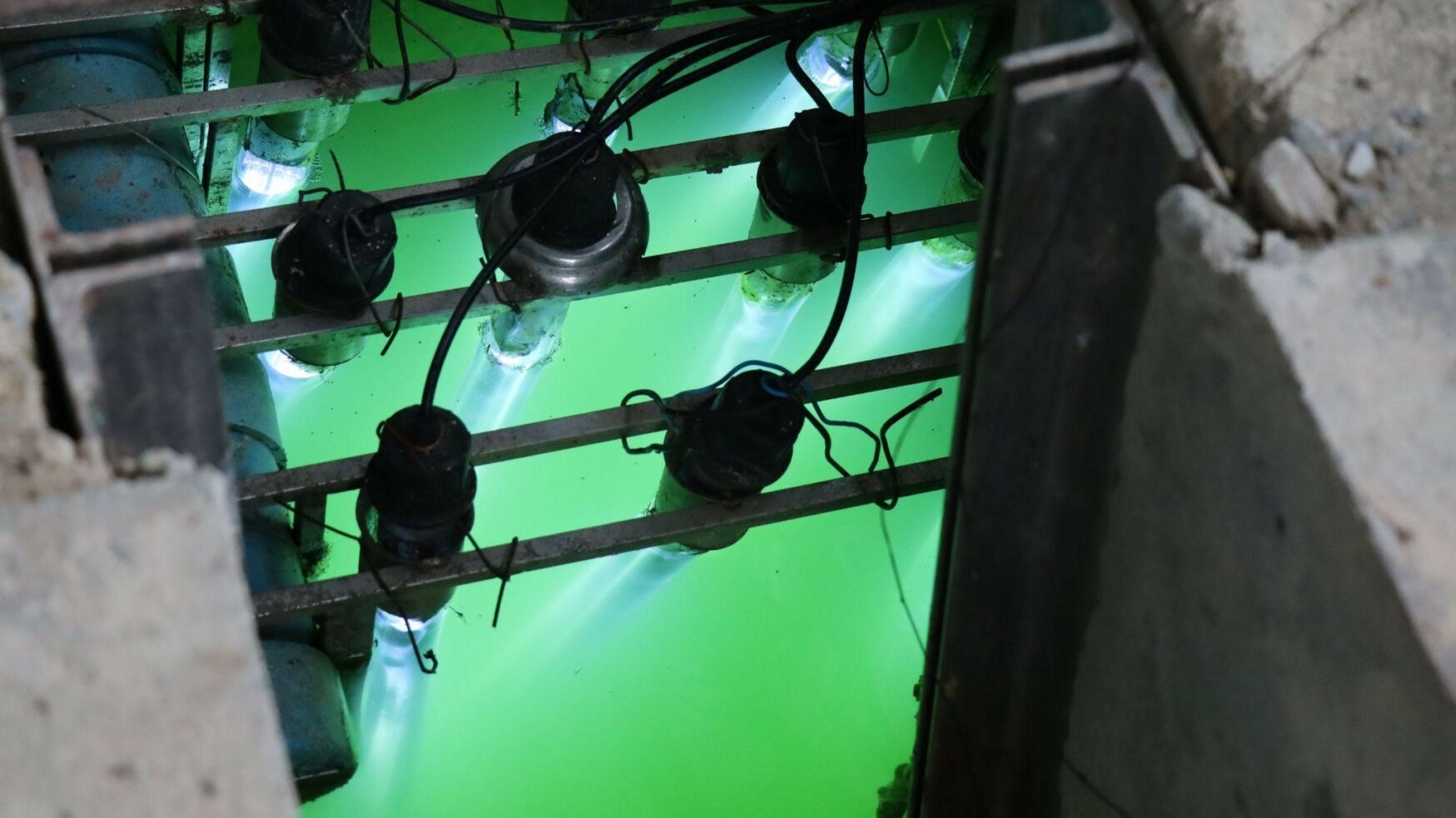
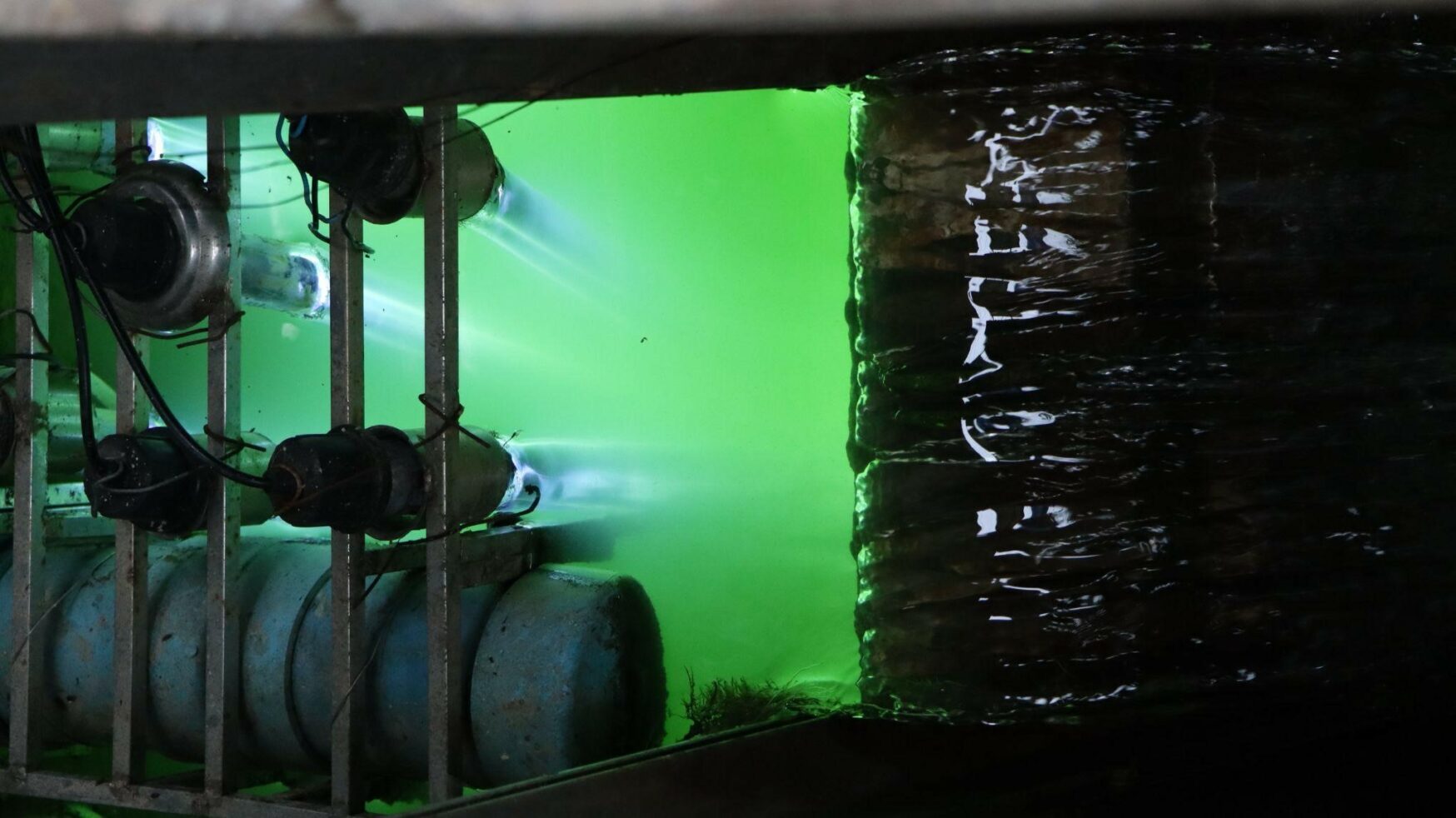
UV Disinfection System
Ultraviolet light is applied to eliminate bacteria before discharge.
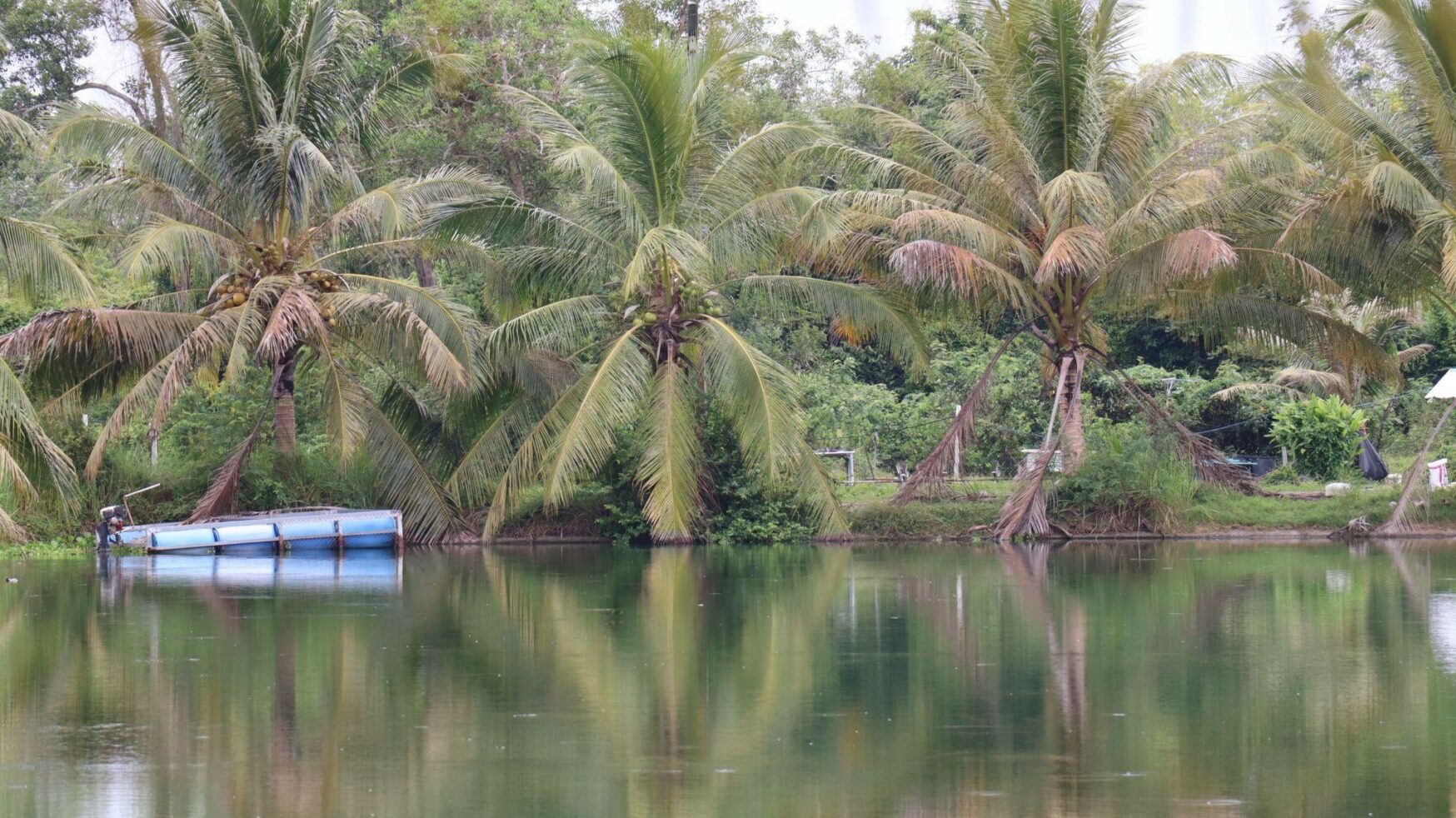
Wetland Pond
Acts as a natural filter to absorb residual substances.
The treatment system can handle 4,000 cubic meters per day, reducing BOD from 150 mg/L to 20 mg/L, which meets national discharge standards and ensures water suitability for reuse.
Reuse Activities within the University in line with water reuse policy
Walailak University is committed to environmental sustainability by implementing water reuse across various campus activities. This practice not only helps conserve freshwater resources but also reduces operational costs while promoting responsible water management. Key activities include:
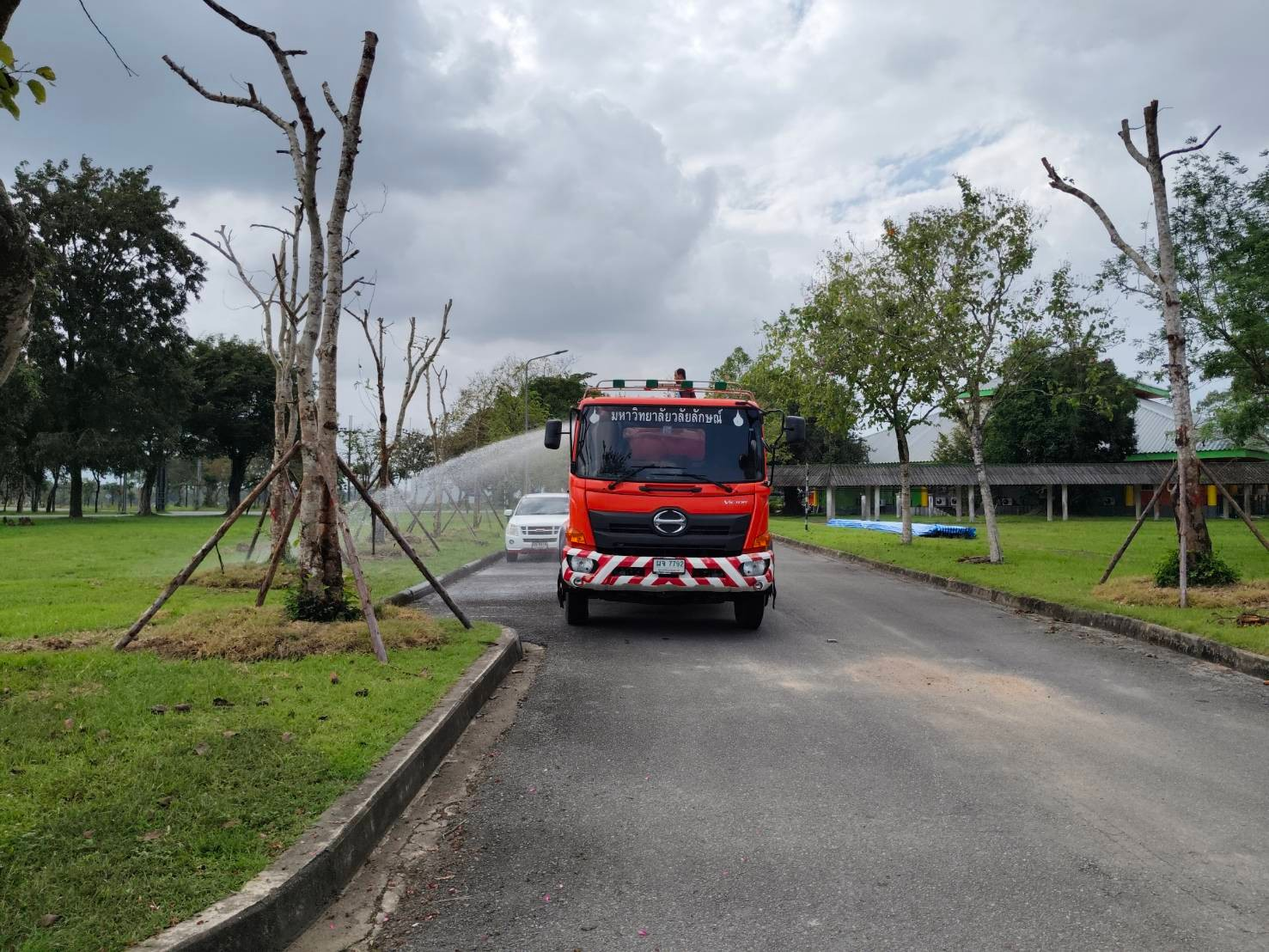
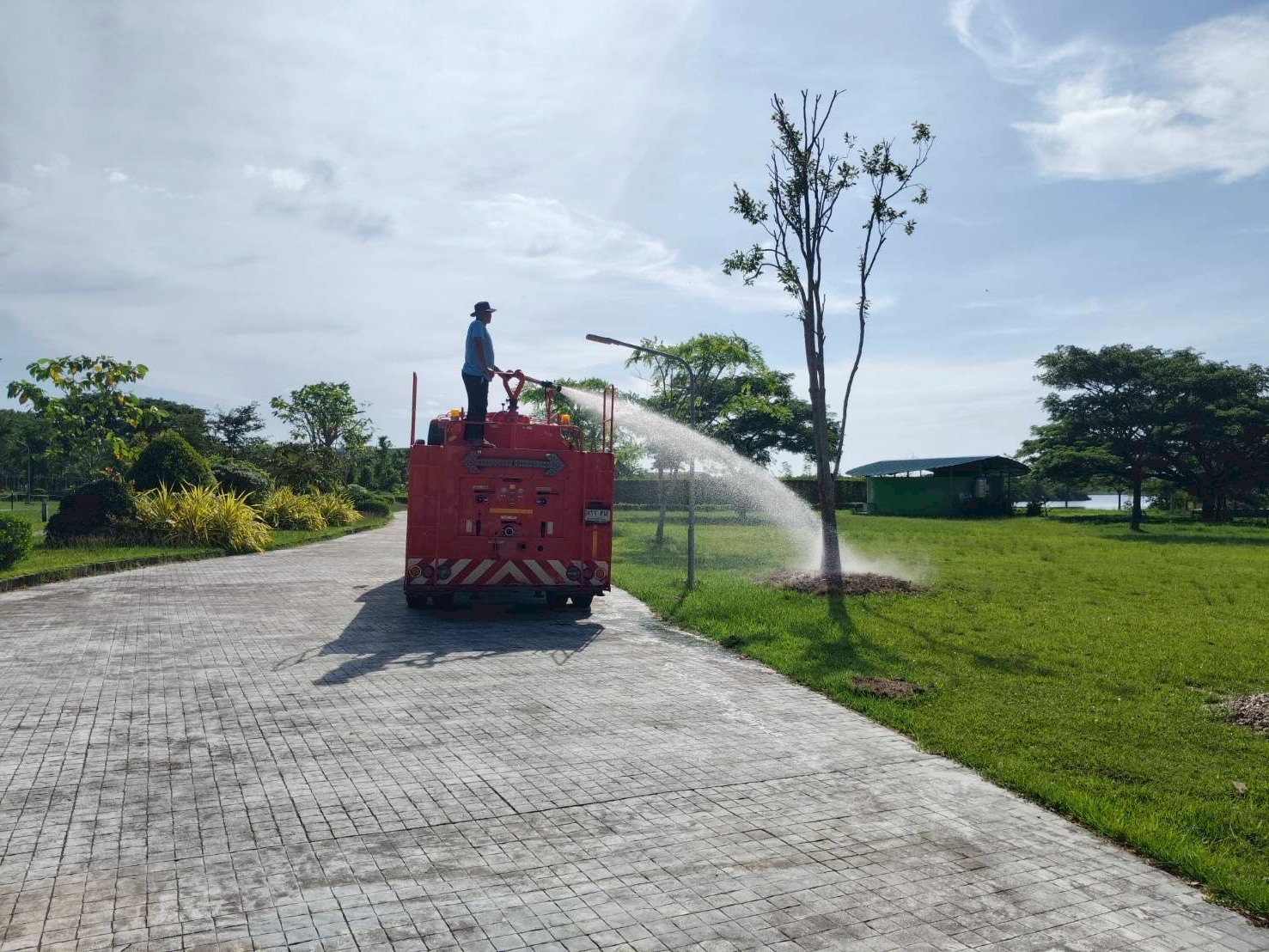
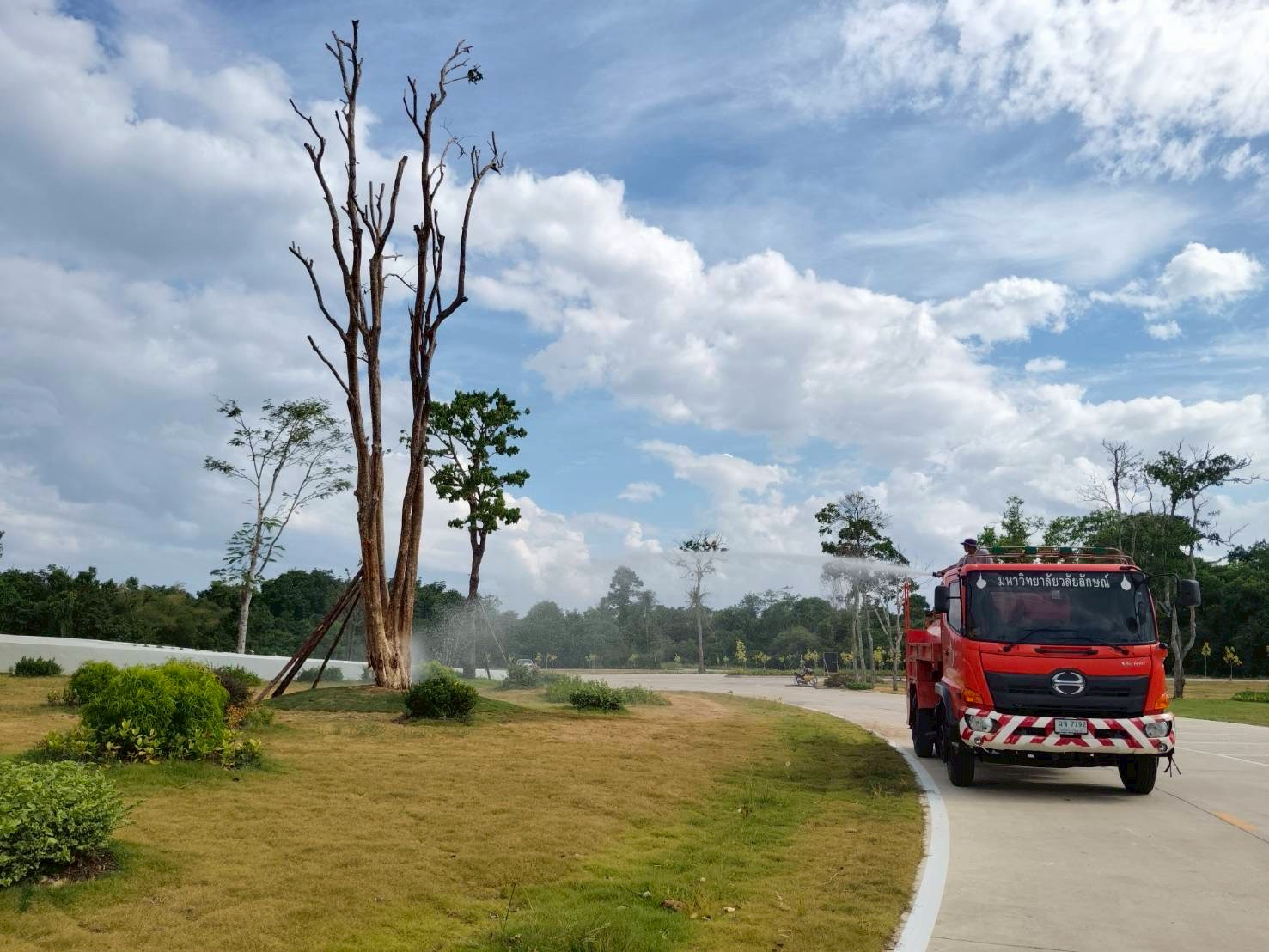
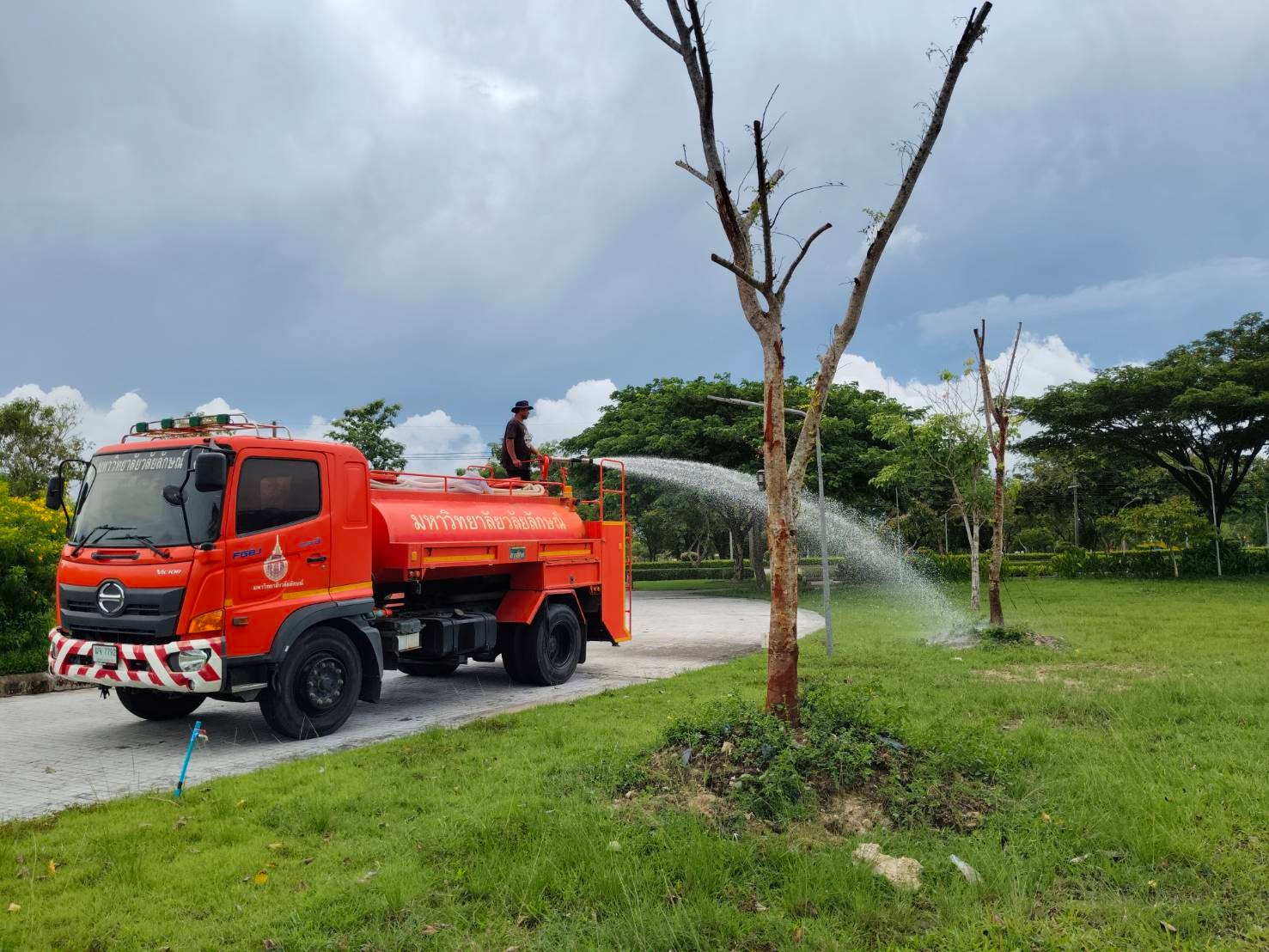
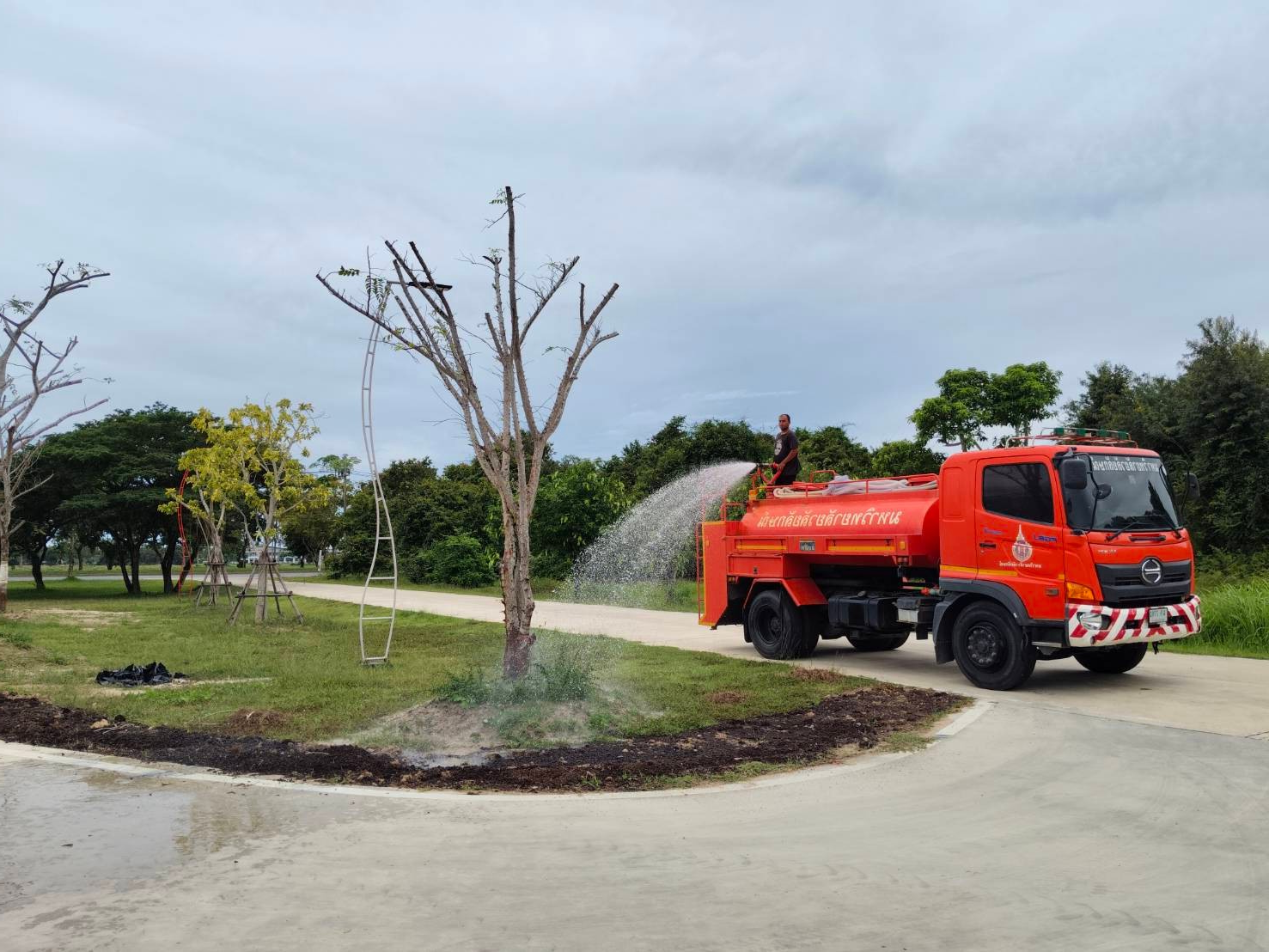
Watering plants
Reused water is applied to irrigate gardens, lawns, and green areas across the campus. This approach reduces dependency on freshwater, particularly valuable during the dry season when water scarcity is more severe. By doing so, the university ensures the campus remains lush and green while promoting eco-friendly landscaping practices.
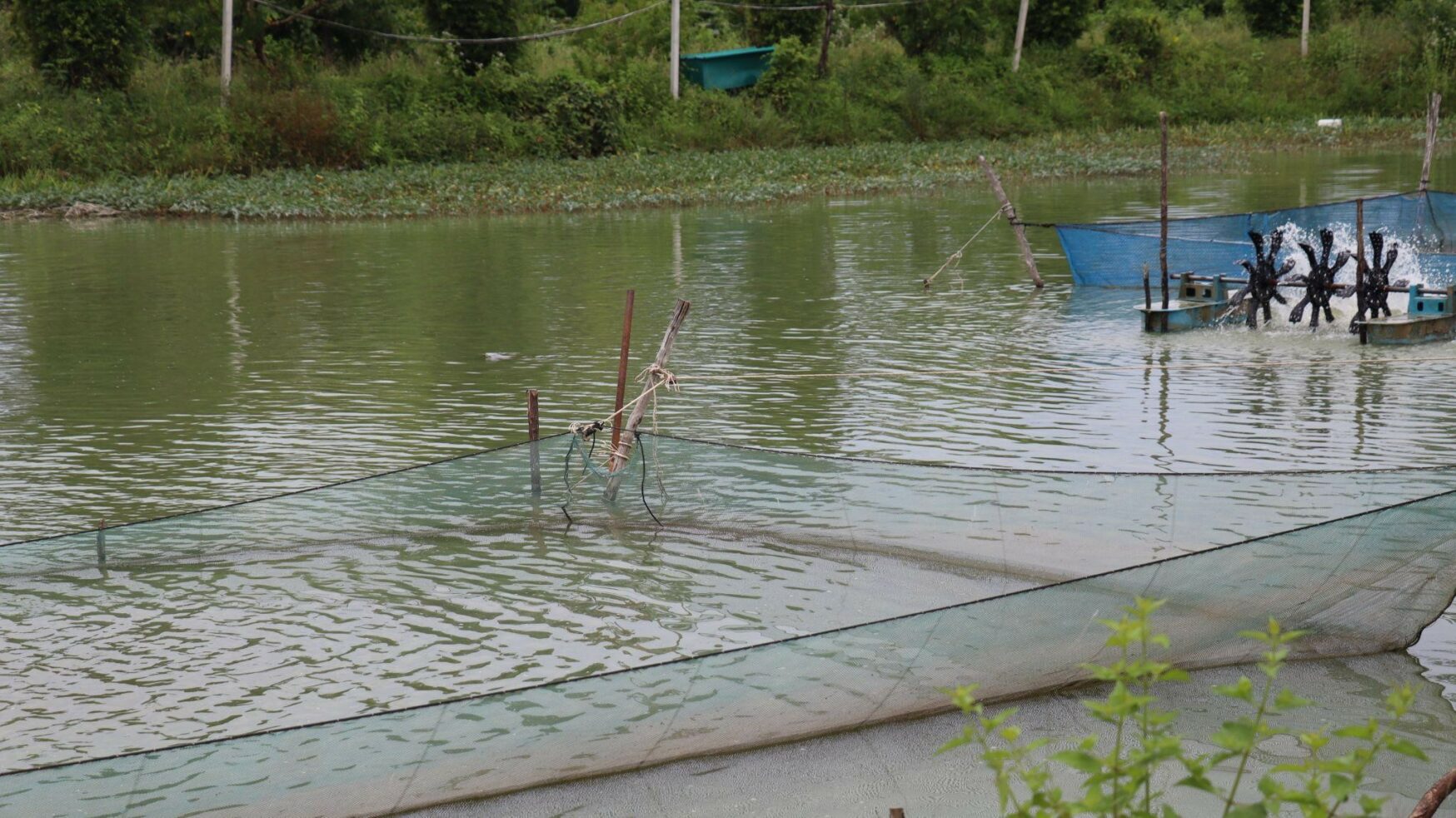
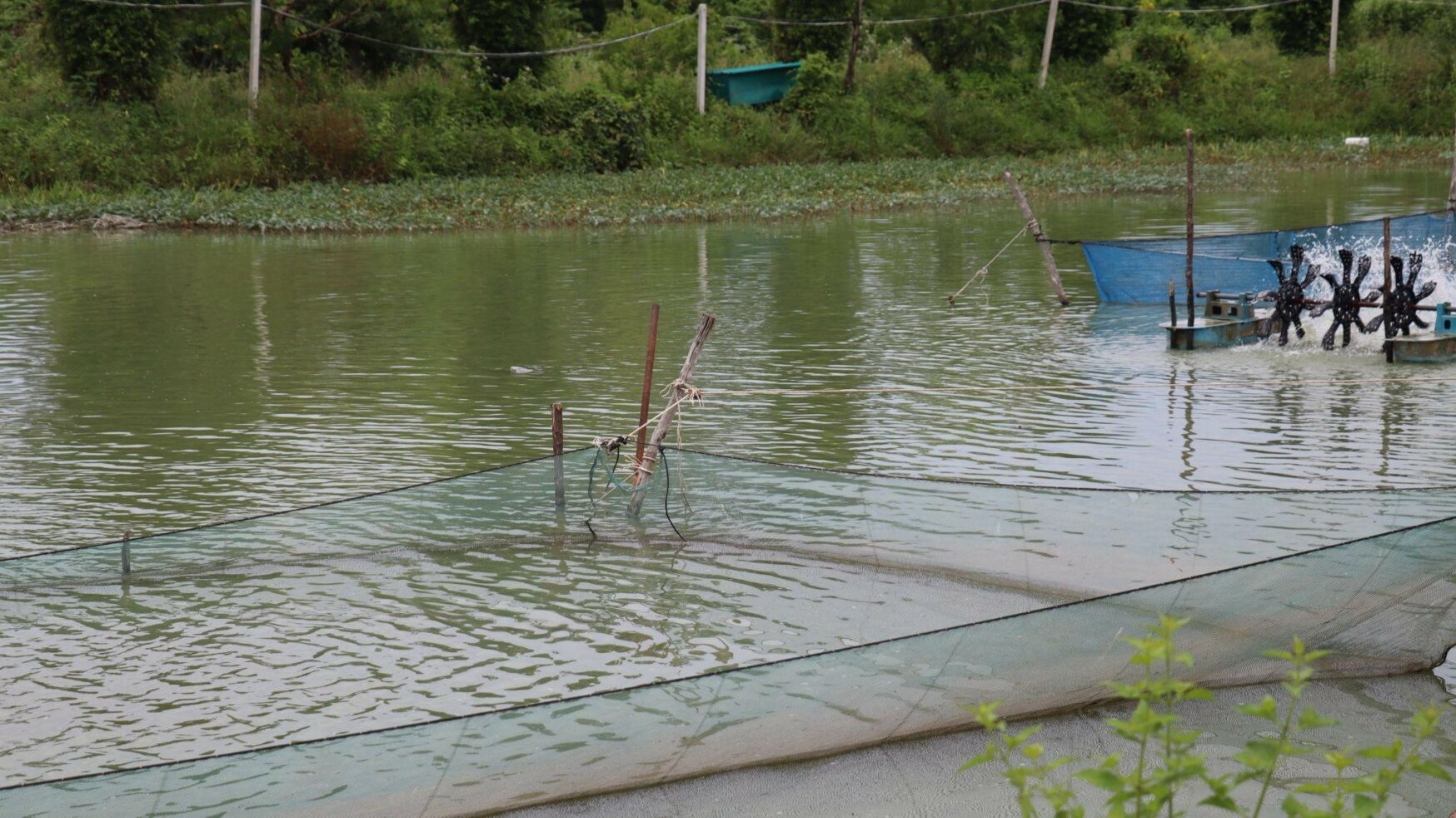
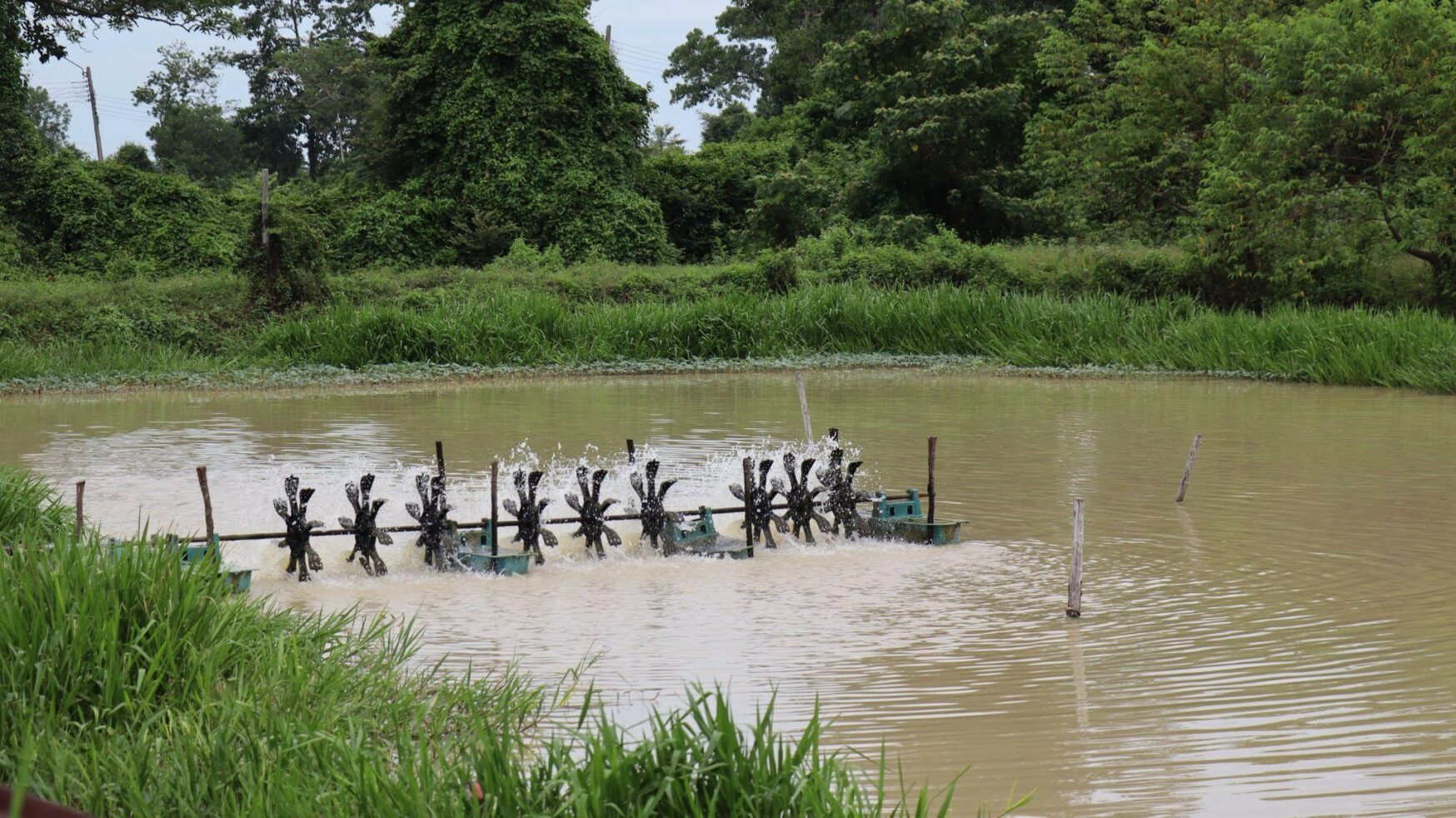
Tilapia farming in experimental ponds
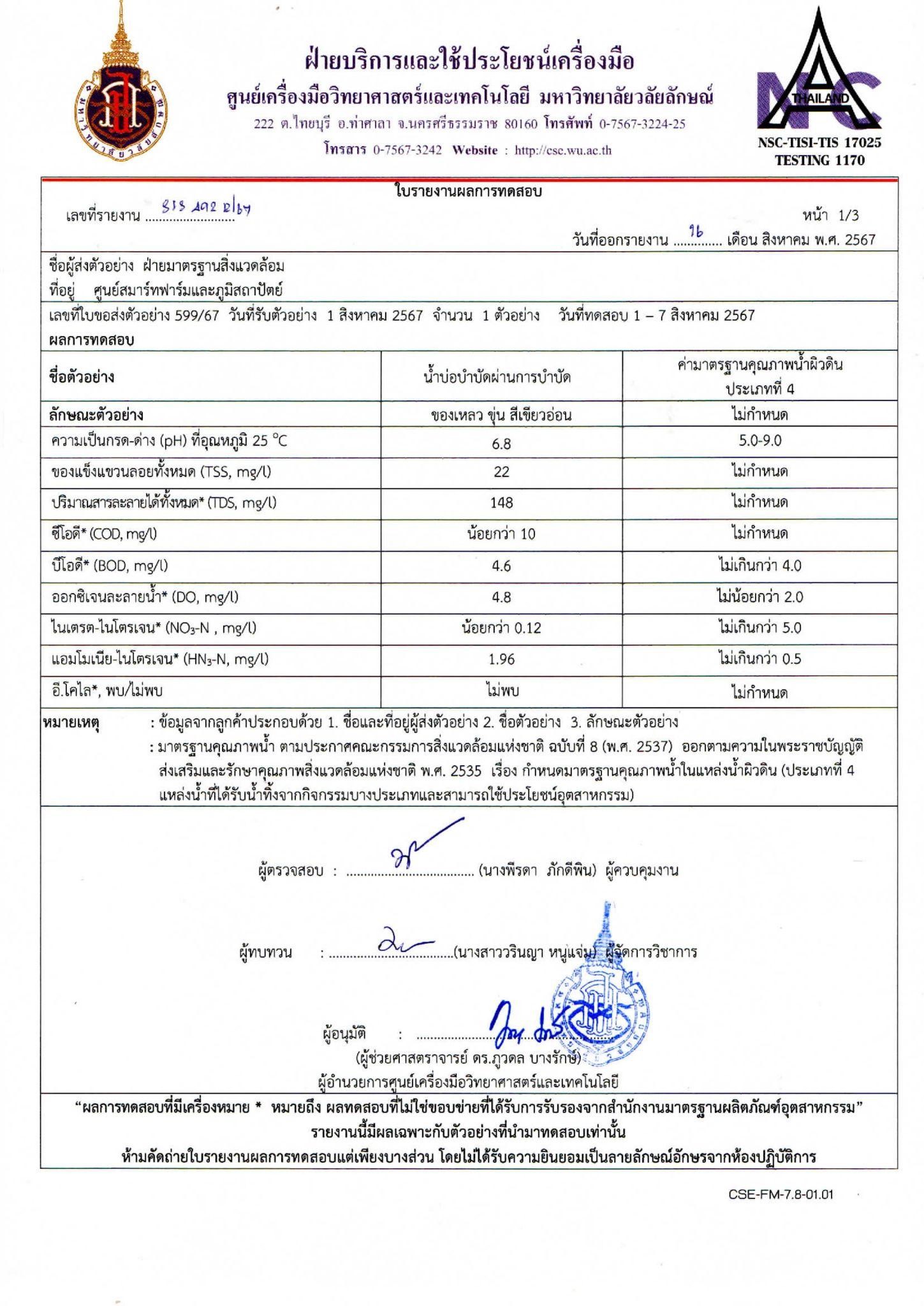
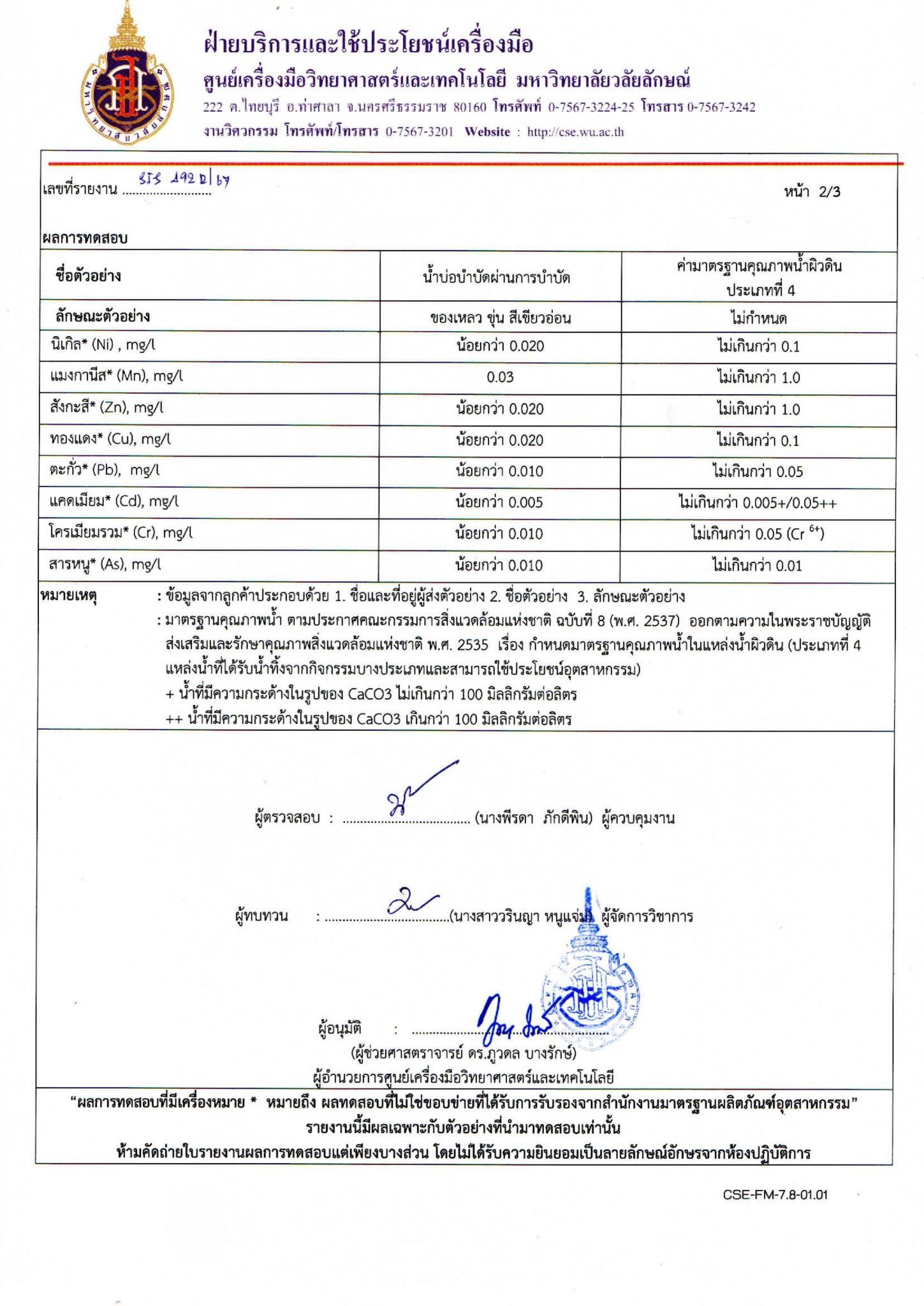
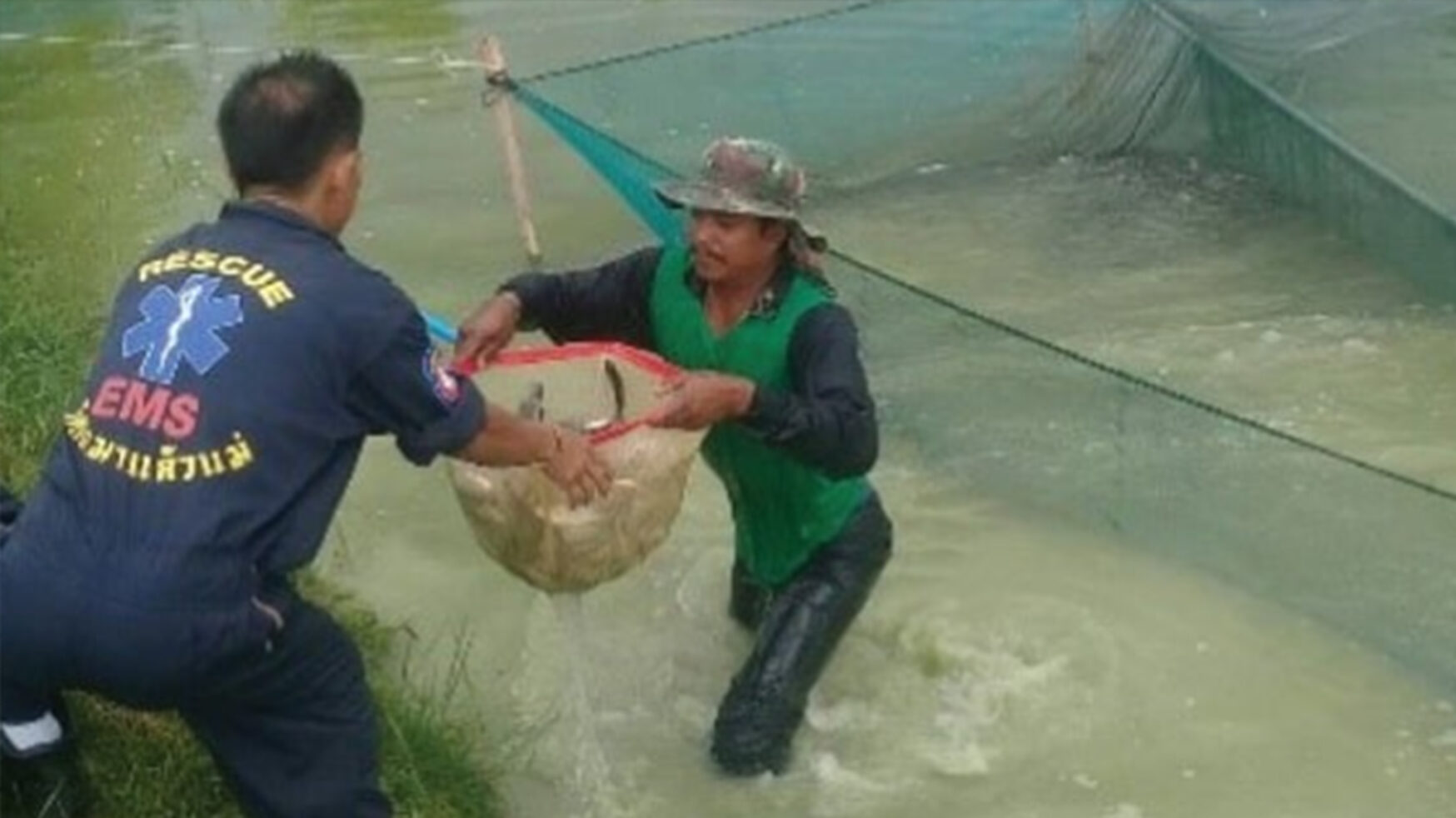
The university maintains ponds where reused water is directed for tilapia aquaculture. Besides contributing to food and research purposes, the tilapia serve as bioindicators, reflecting water quality and enabling the university to monitor the effectiveness of water treatment systems. This not only creates a closed-loop reuse cycle but also integrates learning and research opportunities for students.
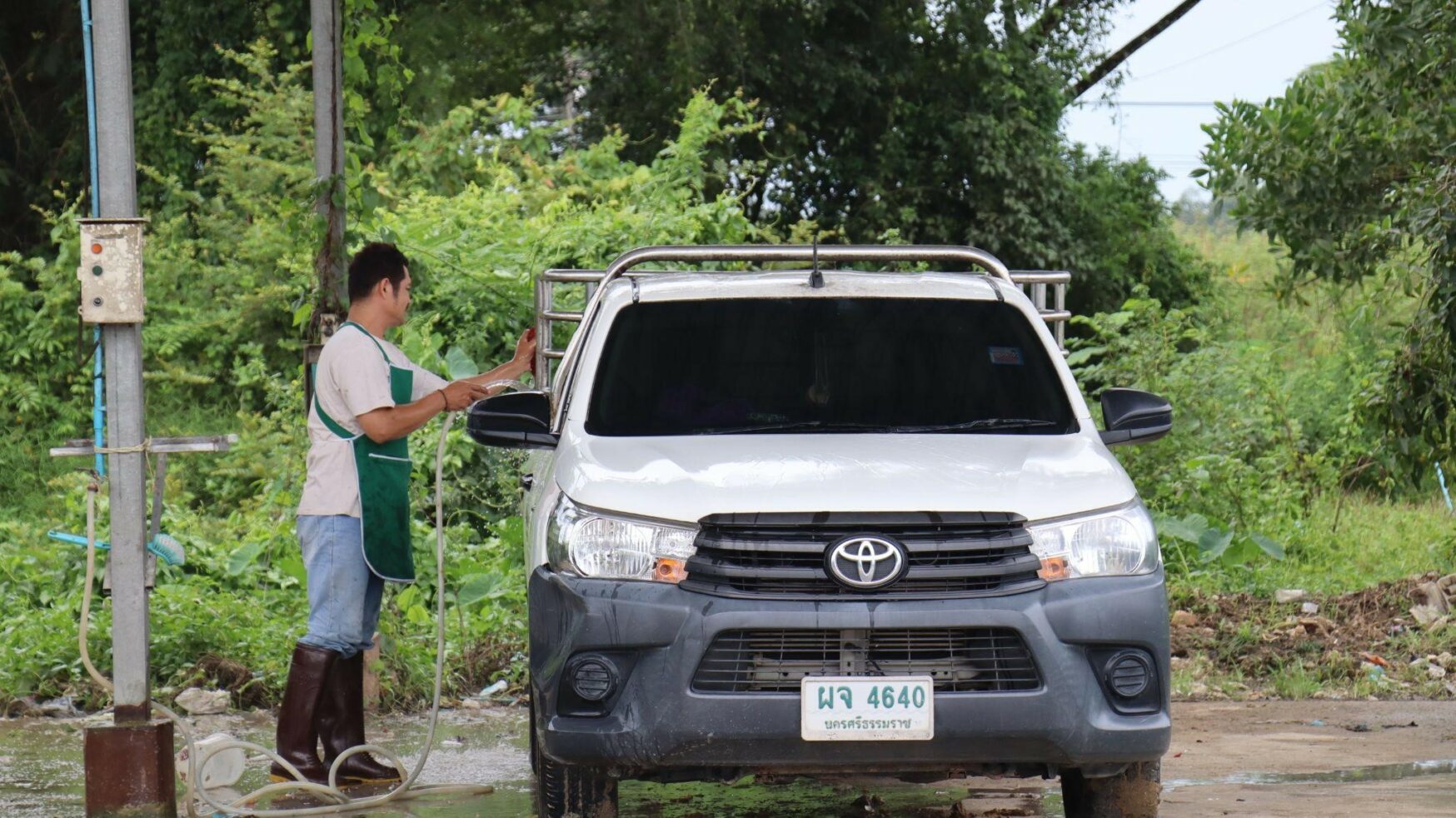
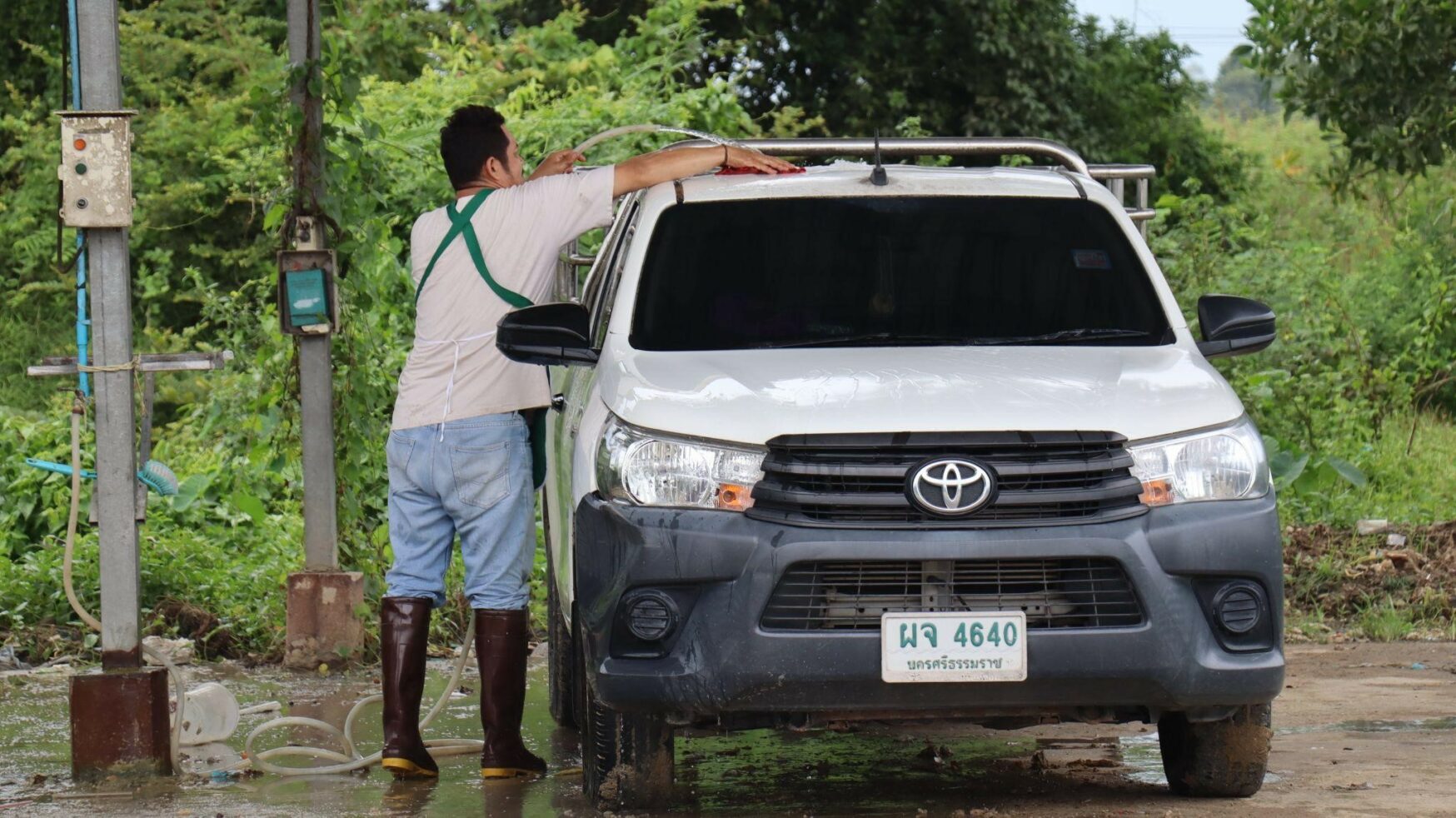
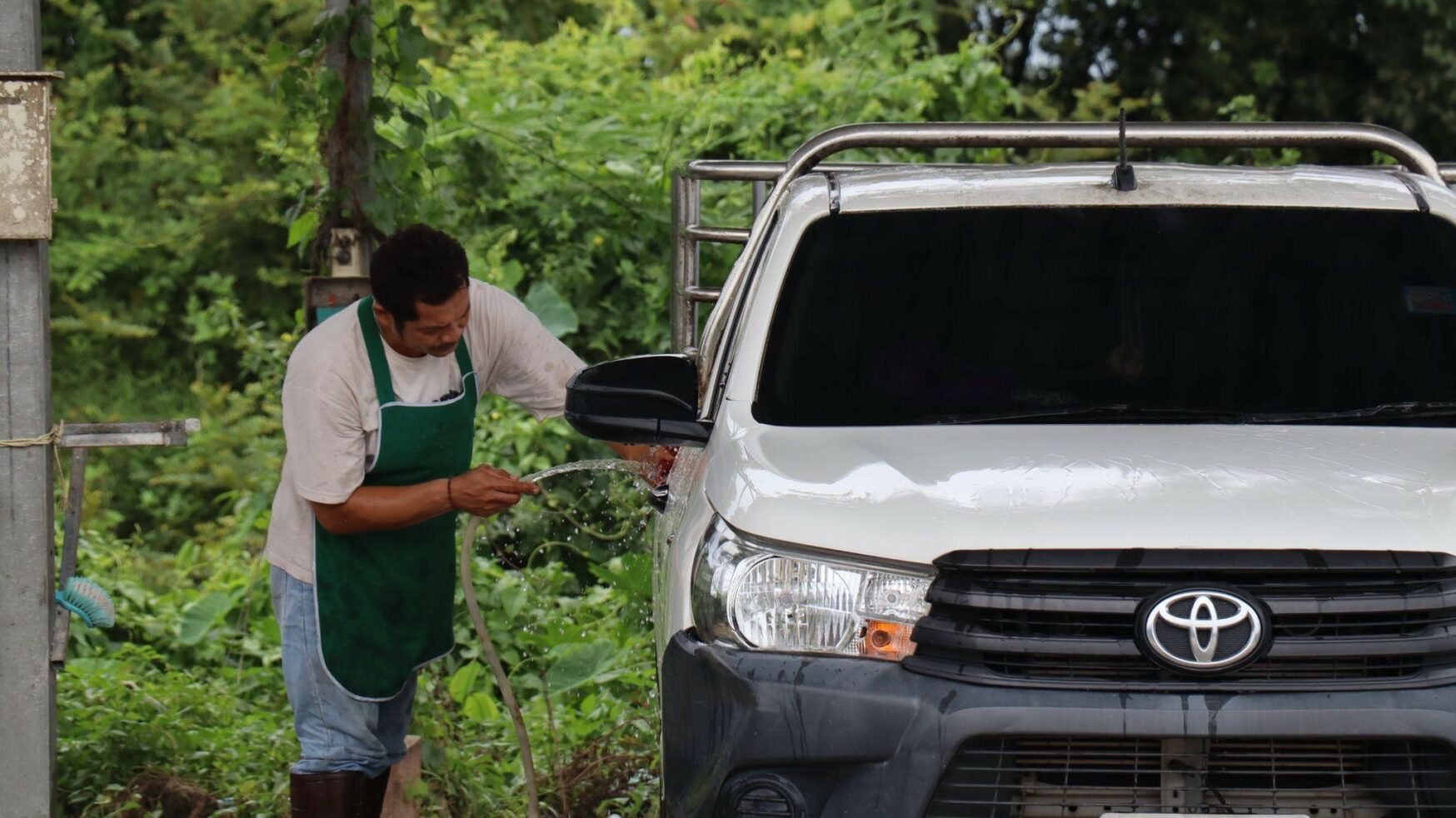
Vehicle washing
Recycled water is also used in campus vehicle washing services, such as buses, maintenance cars, and other service vehicles. This reduces costs associated with freshwater consumption while ensuring campus transportation remains clean and operational. It demonstrates how water reuse can directly support everyday services.
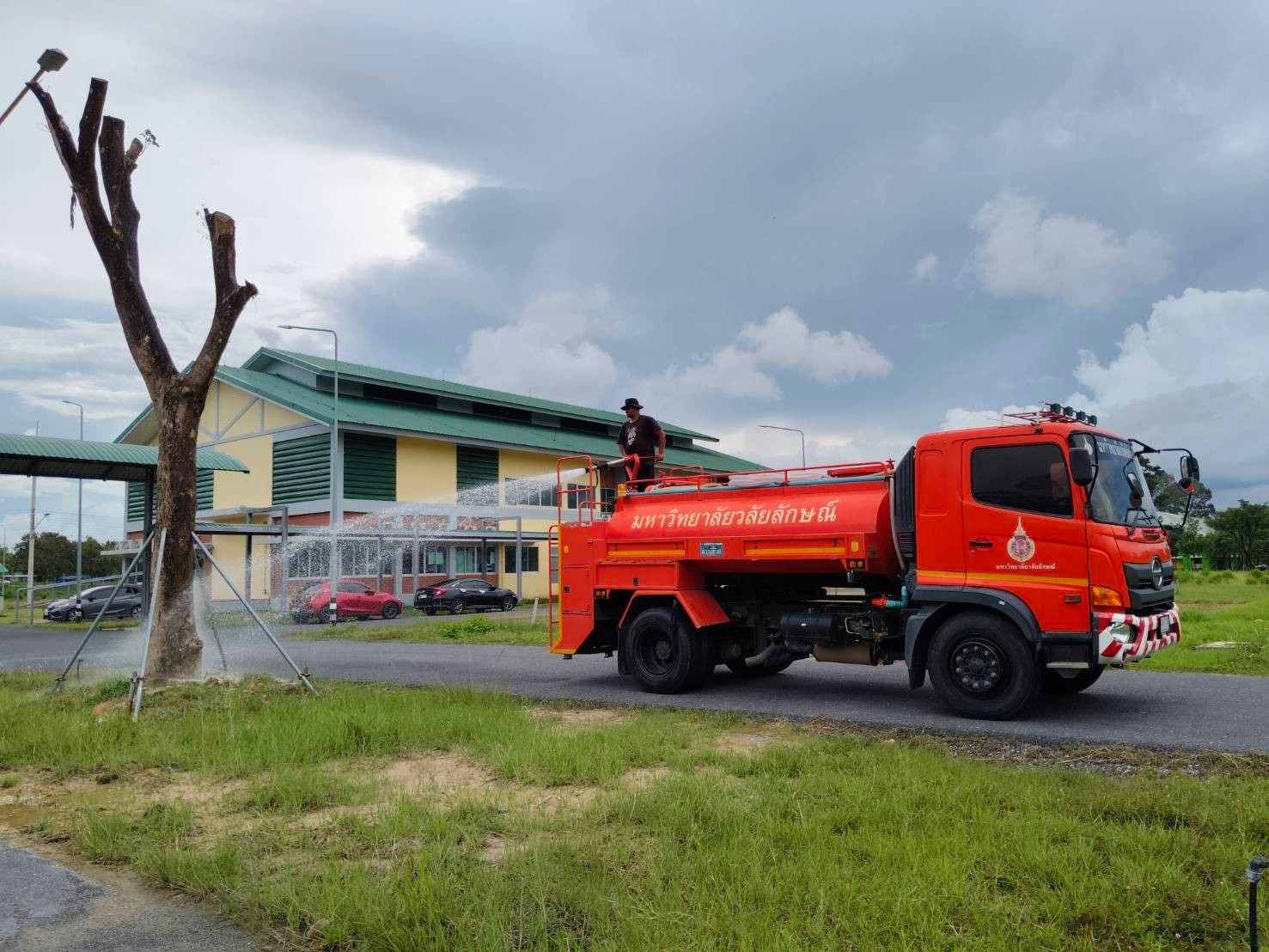
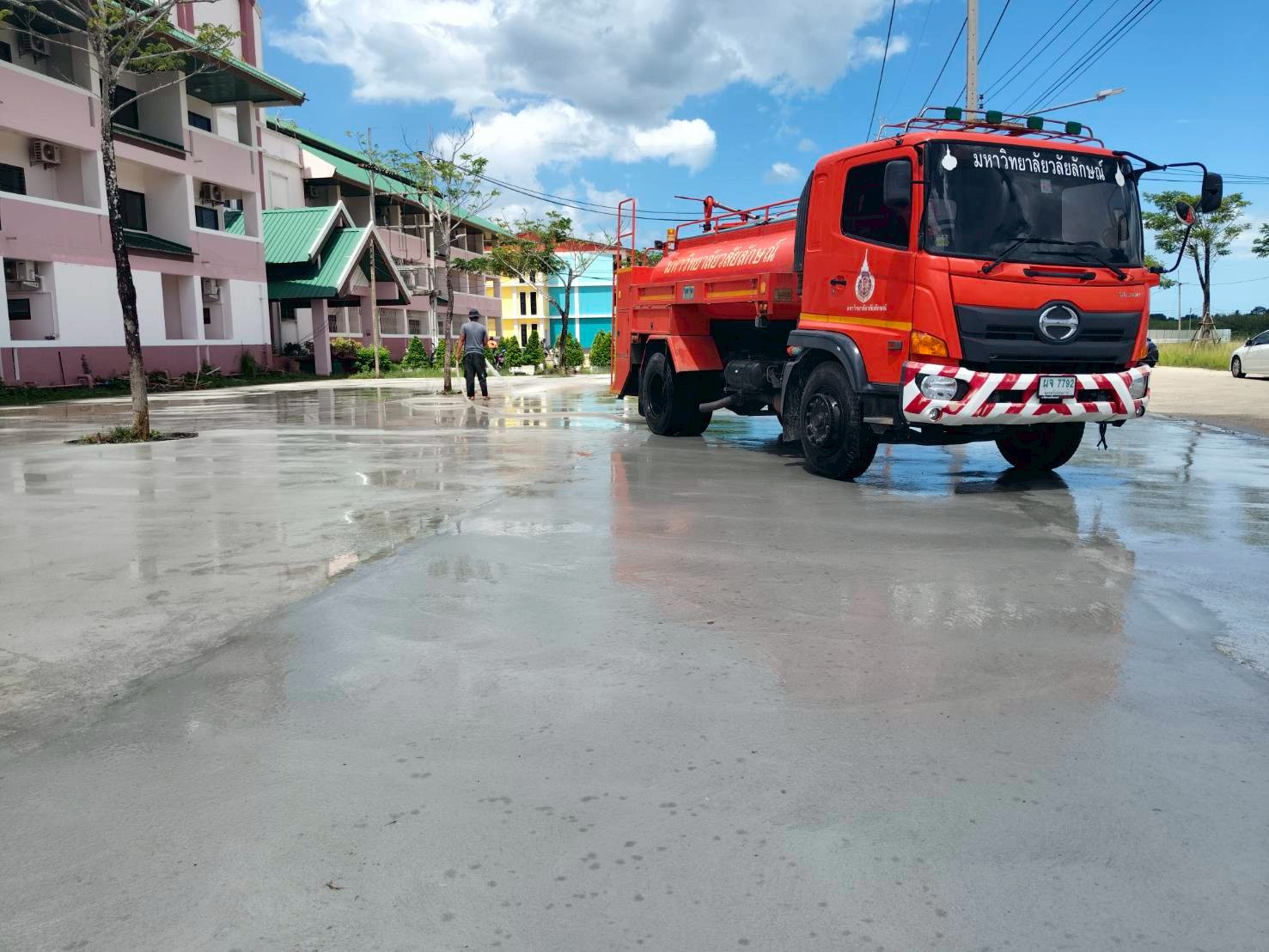
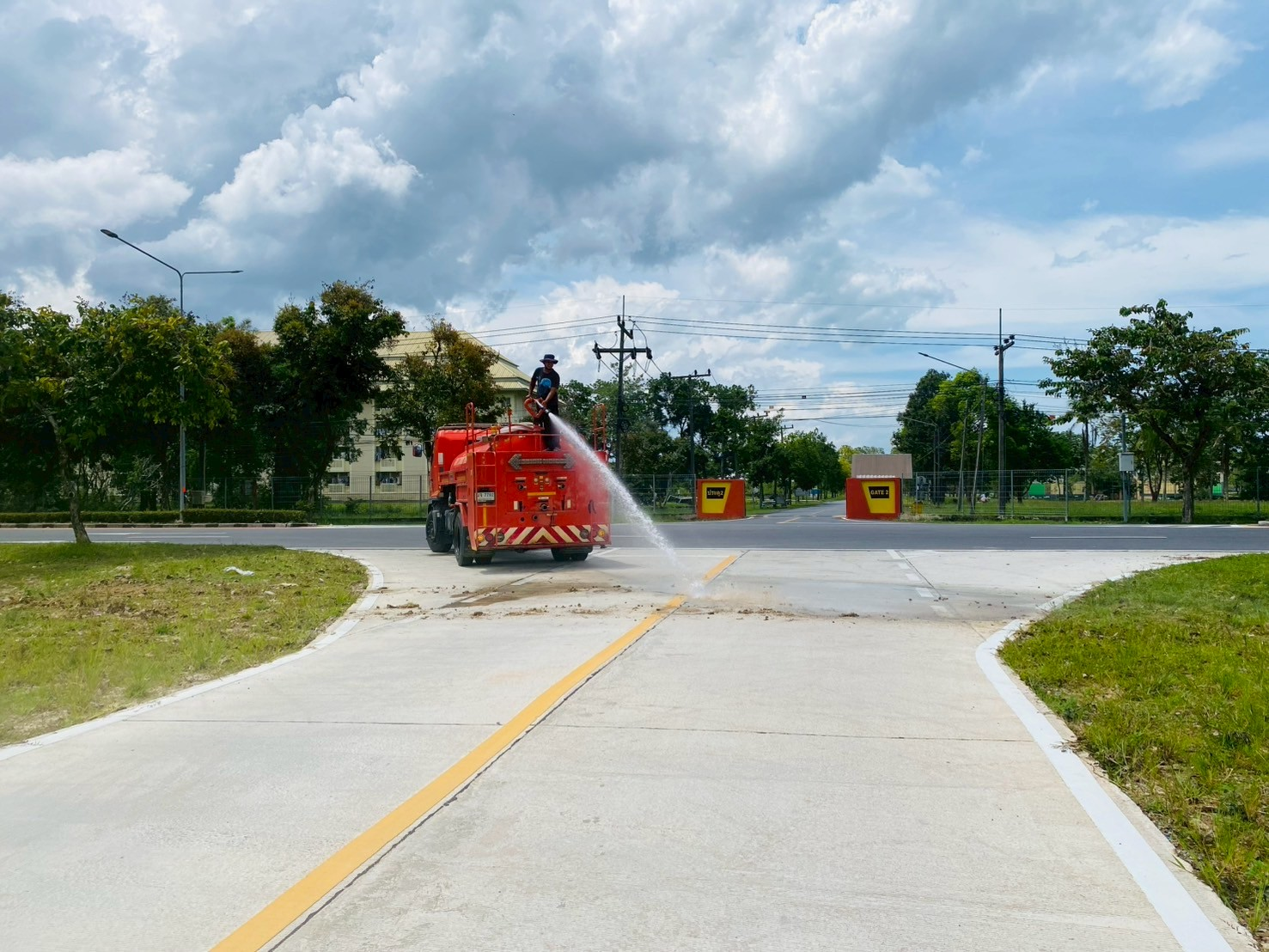
Cleaning animal pens, roads, and public spaces
Treated water is utilized to clean animal research facilities, agricultural pens, and also for washing down roads and open spaces within the university. This ensures hygienic conditions while reducing reliance on potable water. It highlights the role of water reuse in maintaining both public health and environmental responsibility.
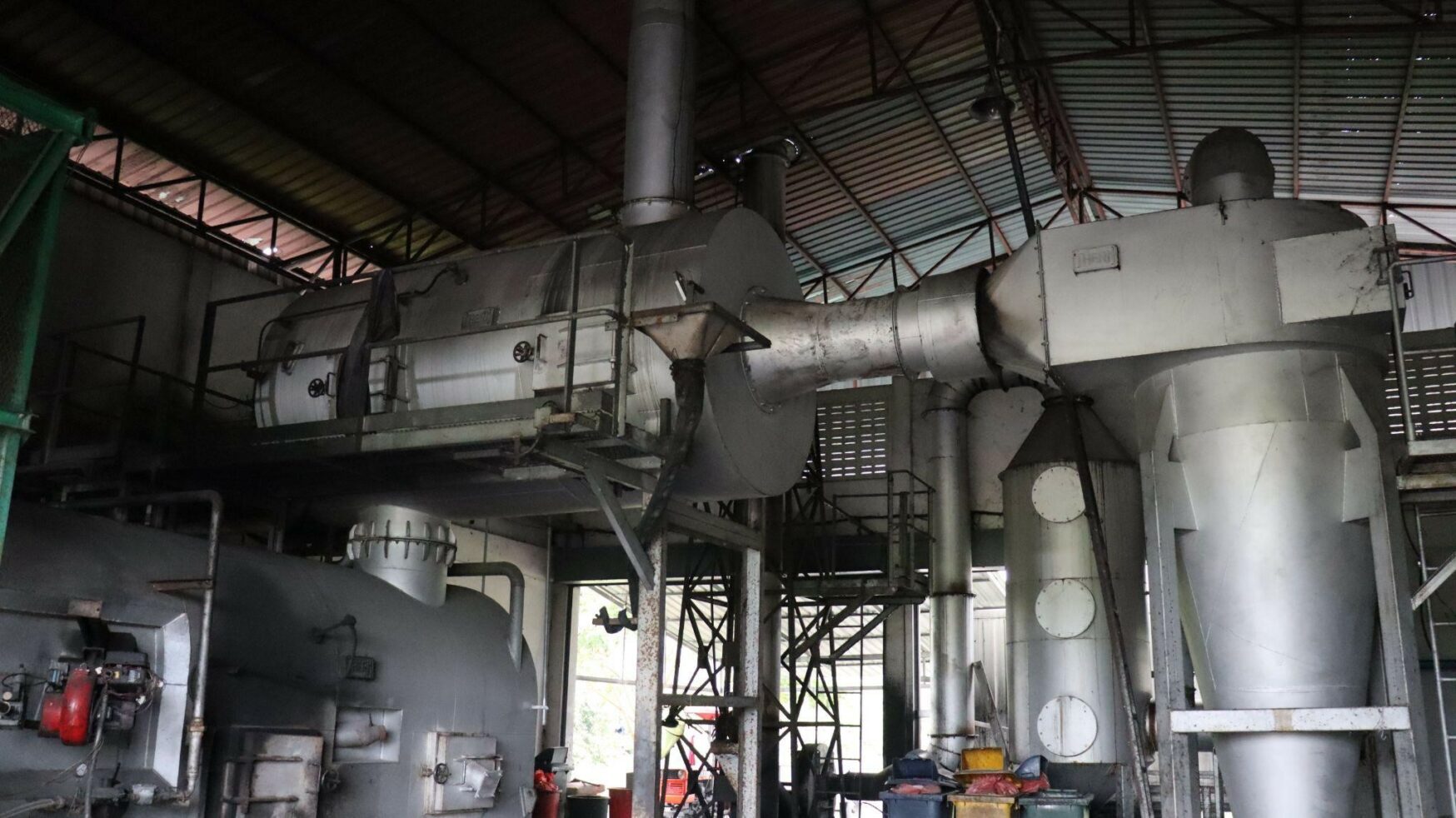
Cooling water in the waste incinerator
In the university’s waste management system, reused water is applied as a cooling medium in the waste incinerator. This is an effective way to dissipate heat, extend equipment lifespan, and enhance operational efficiency while minimizing the environmental footprint of waste disposal.
In addition, monitoring and evaluation of water reuse are carried out regularly by the University’s Environmental Committee to ensure no adverse impacts on health and the environment.
Evaluation and Positive Impacts of the Policy Policy implementation and monitoring have shown that:
Freshwater use on campus is reduced by approximately 20–30% annually.
Costs for water supply and wastewater treatment are significantly reduced.
Green areas and agricultural activities utilizing recycled water have increased.
The campus has become a model and learning center for environmental management for other educational institutions.
Walailak University’s water reuse policy is aligned with SDG 6 (Clean Water and Sanitation). Through effective wastewater management systems, clear policies, and the beneficial reuse of treated water, the university has established itself as a model for sustainable campus development. This approach contributes not only to the university’s goal of becoming a sustainable “Happy University” but also to advancing systemic environmental management at the national level.
Walailak University’s sustainable water reuse policy reflects a diagnostic approach to understanding water challenges and improving resource efficiency. Through systematic development of wastewater treatment technologies—such as aerated lagoons, UV disinfection, and wetland ponds—the university ensures safe and effective water reuse. Active engagement of the university community supports awareness, behavioral change, and participation in sustainable practices. Regular measurement and monitoring of water quality and policy outcomes confirm positive impacts, including reduced freshwater use, cost savings, and contributions to SDG 6.