
Lifelong Learning Policy of Walailak University and Relevant Activities
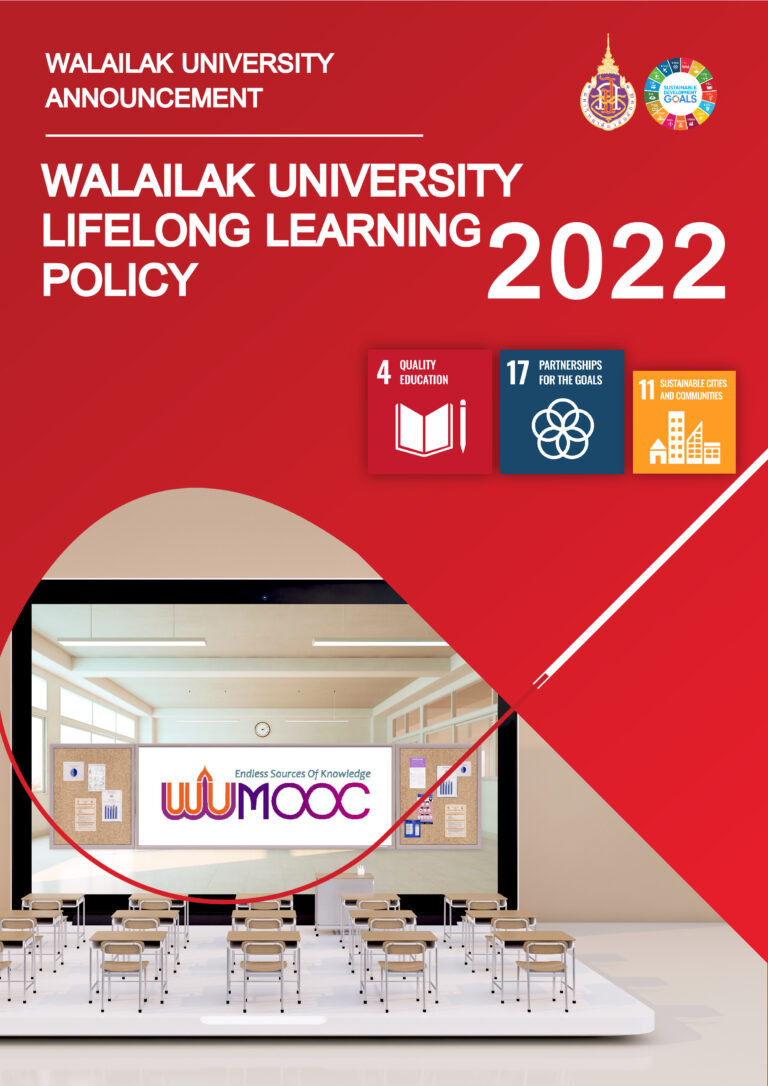
Under this policy, lifelong learning is defined as promoting education for various target groups, including children and youth, students, the workforce, and the elderly. The university has developed a lifelong learning strategy aimed at advancing research, enhancing teaching and learning management, and fostering collaboration with both domestic and international partners. This is implemented through numerous activities and projects.
Examples of Activities Aligned with the Policy
Lifelong Learning Activity for Workforce Group
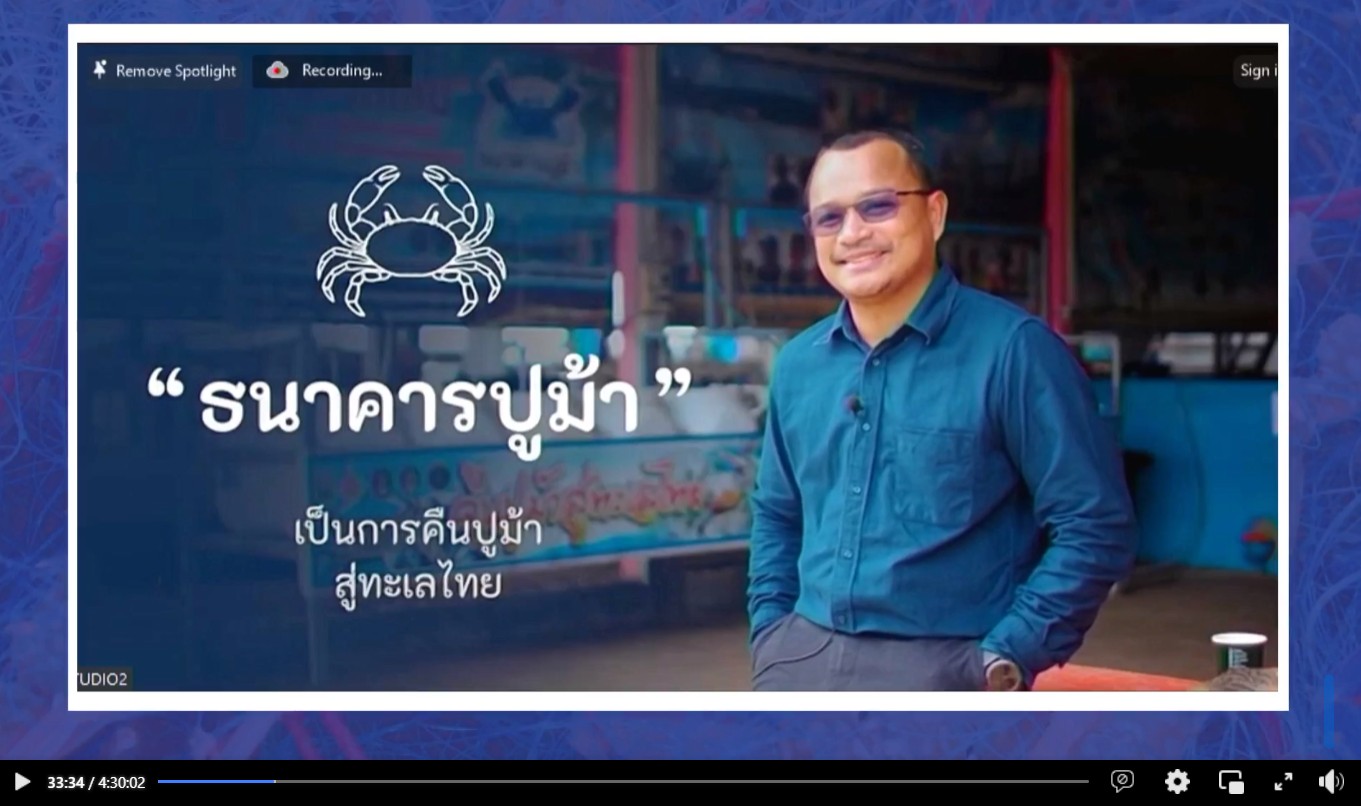
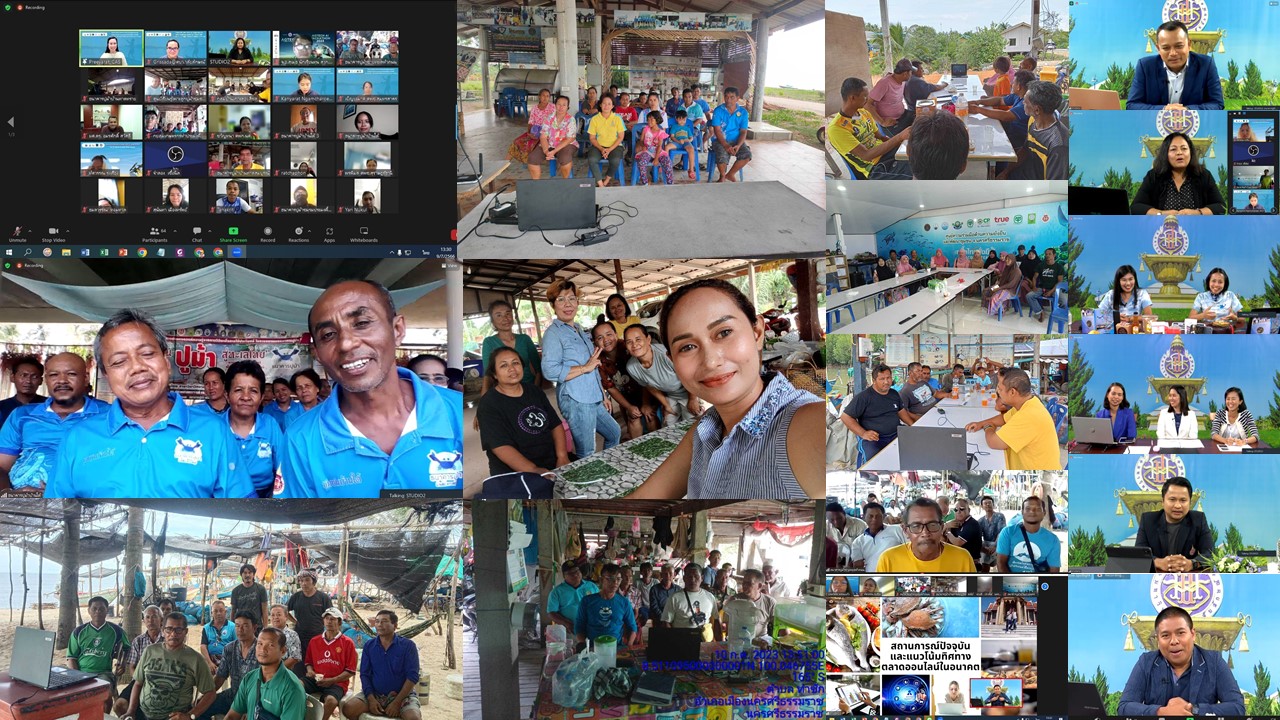
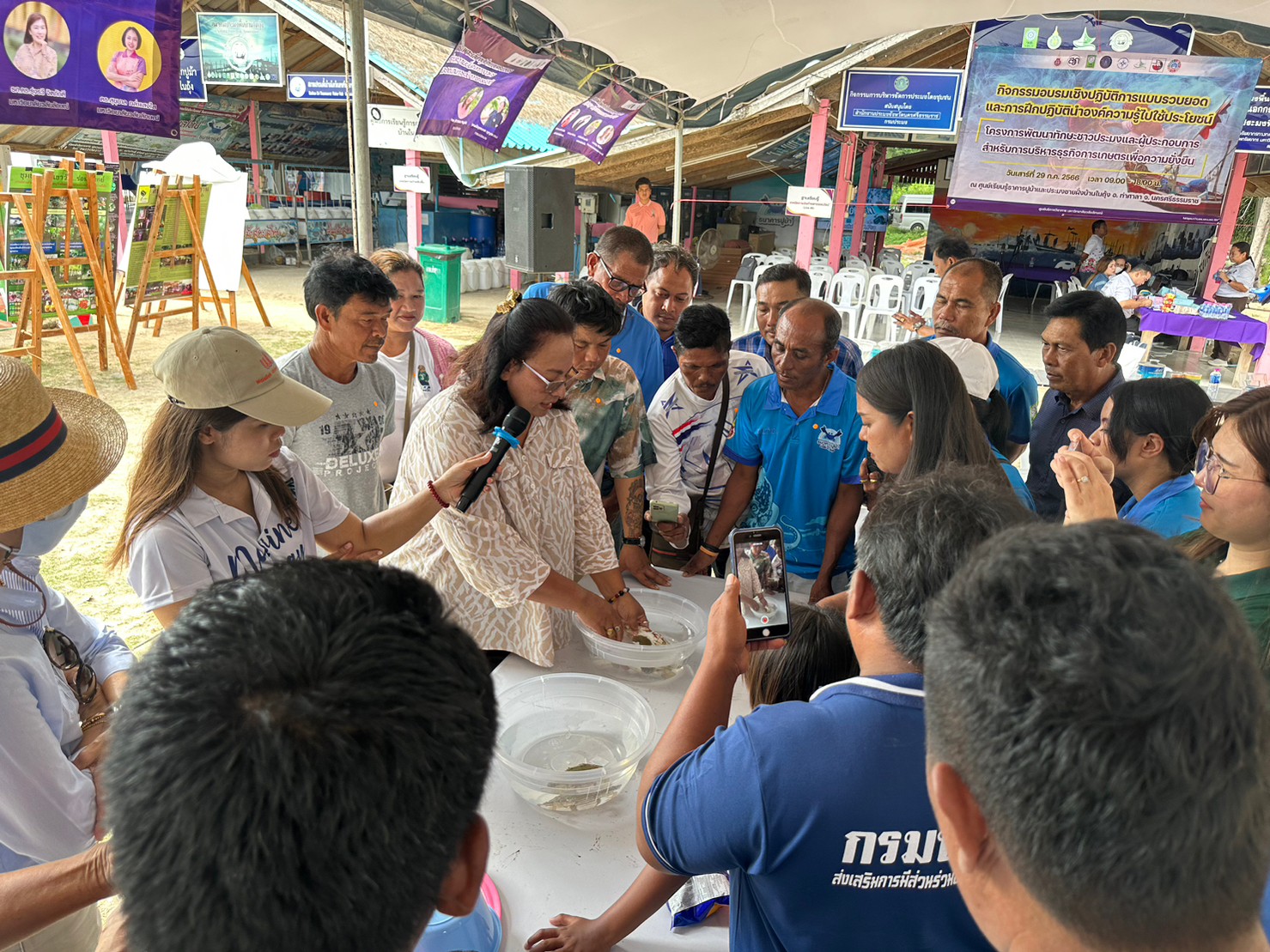
The activities that are under the project named The Fishermen and Entrepreneurs Skill Development Project for Sustainable Agribusiness Management aligns with the university’s lifelong learning policy to promote lifelong learning for specific workforce groups. The project has developed an online learning curriculum for local fishermen focused on sustainable fishing practices, such as responsible blue crab fishing according to international standards (FIP), blue crab aquaculture technology, and adding value to local fishery products. This initiative allows fishermen to access knowledge anytime, anywhere, in line with the university and government lifelong learning policy.
Figures : Educational Activities Related to Lifelong Learning Policy for the Workforce Group about Sustainable Agribusiness Management Skill Development
Lifelong Learning Activity for the Elderly
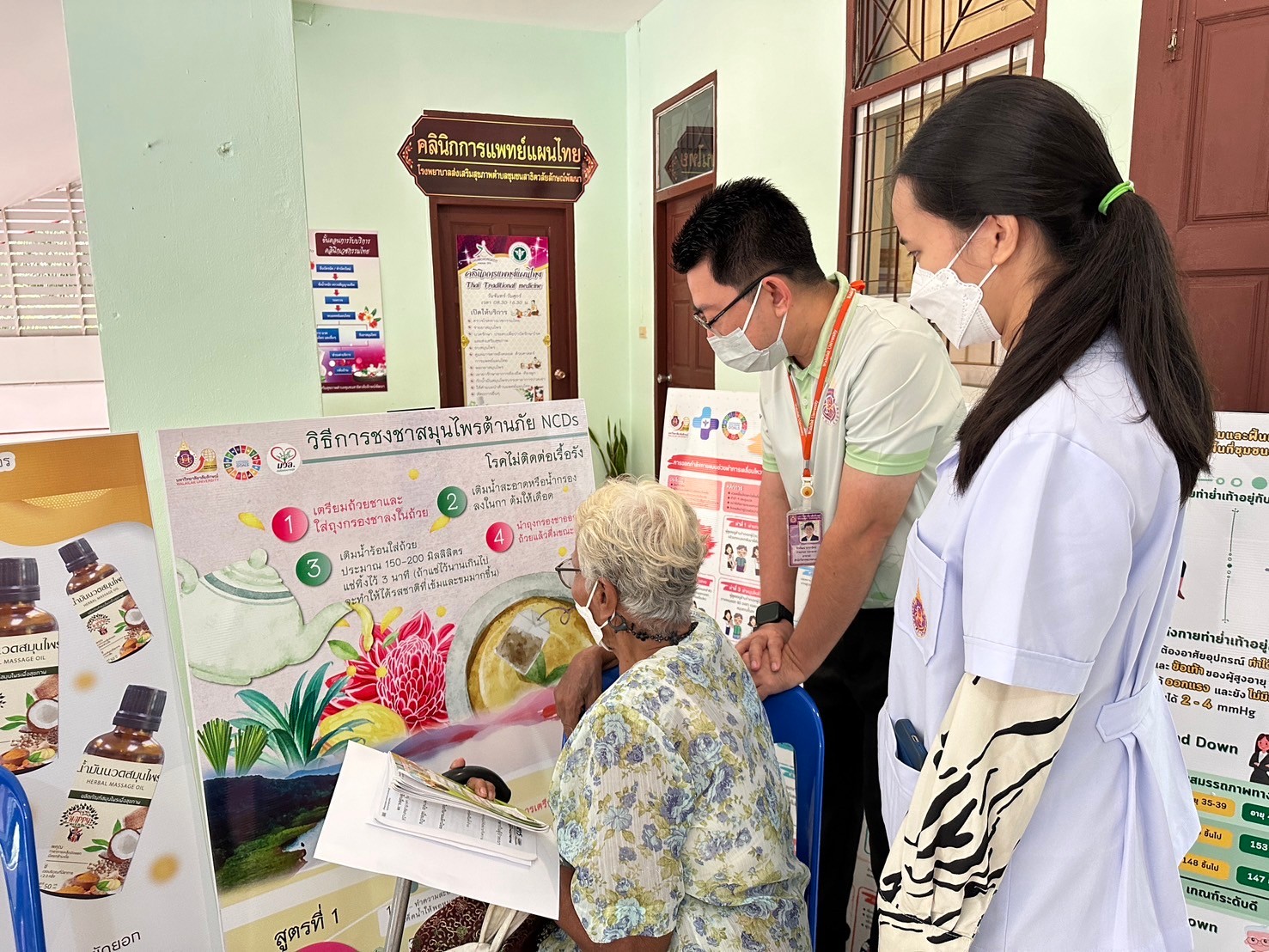
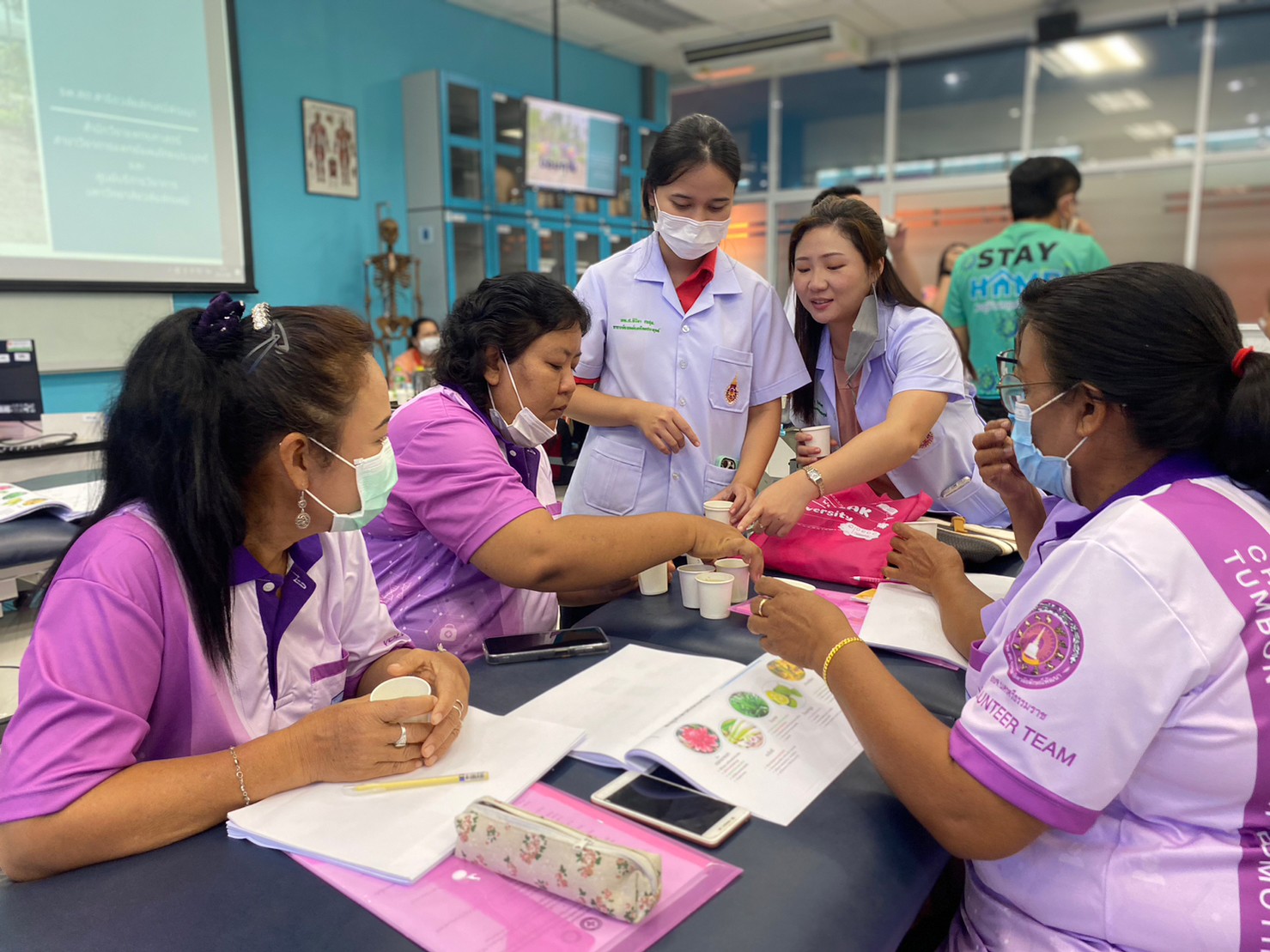
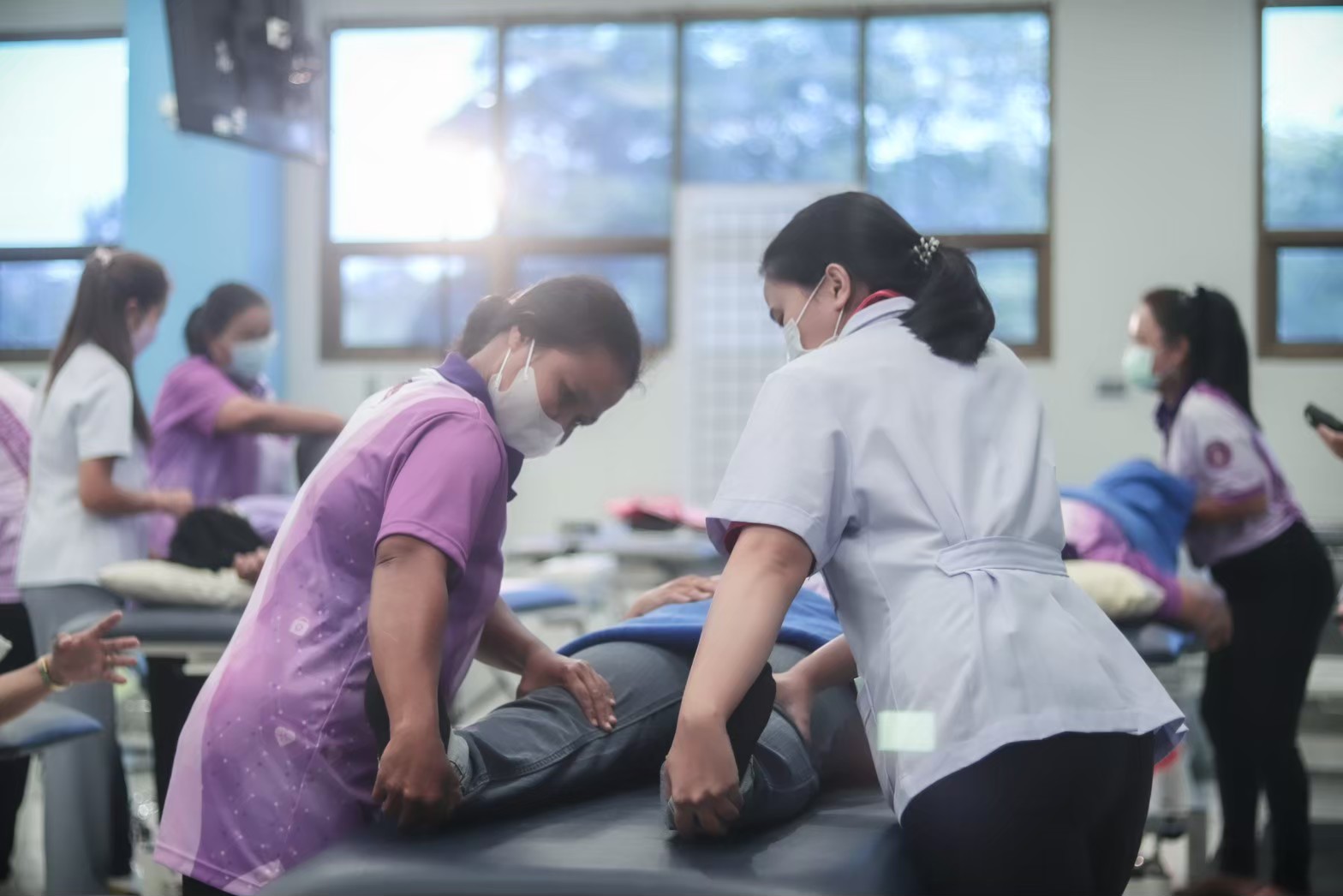
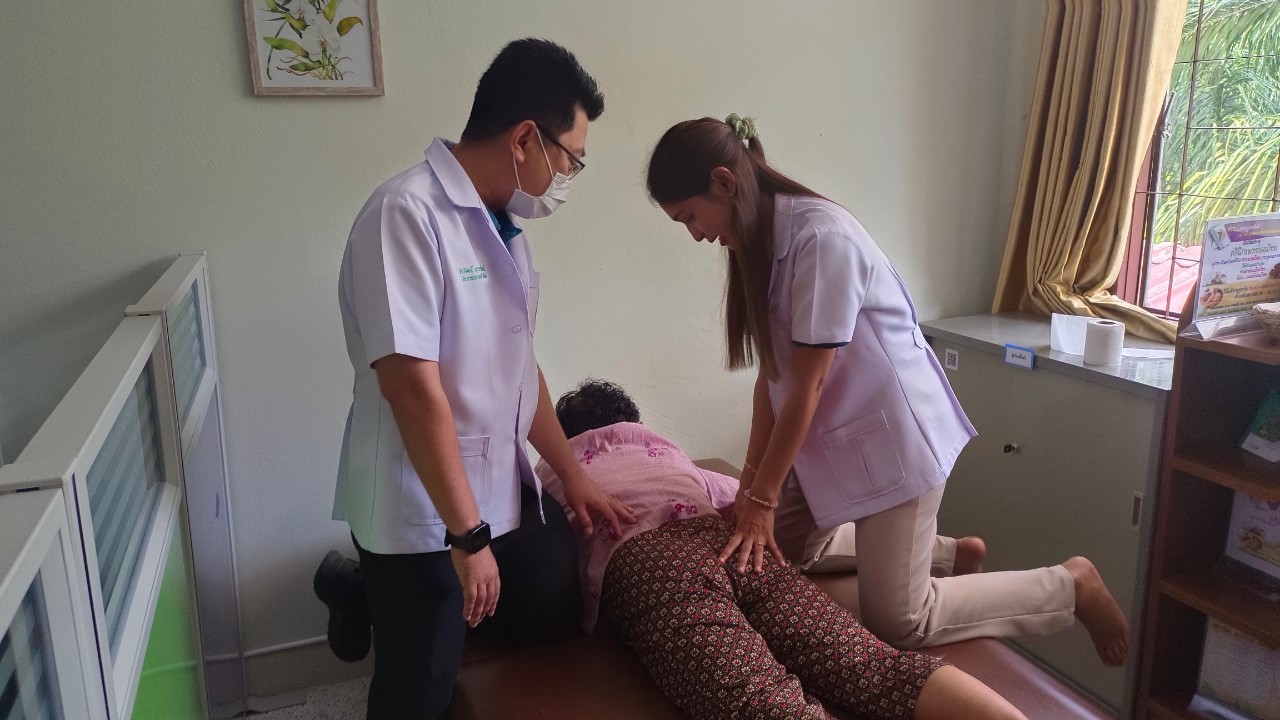
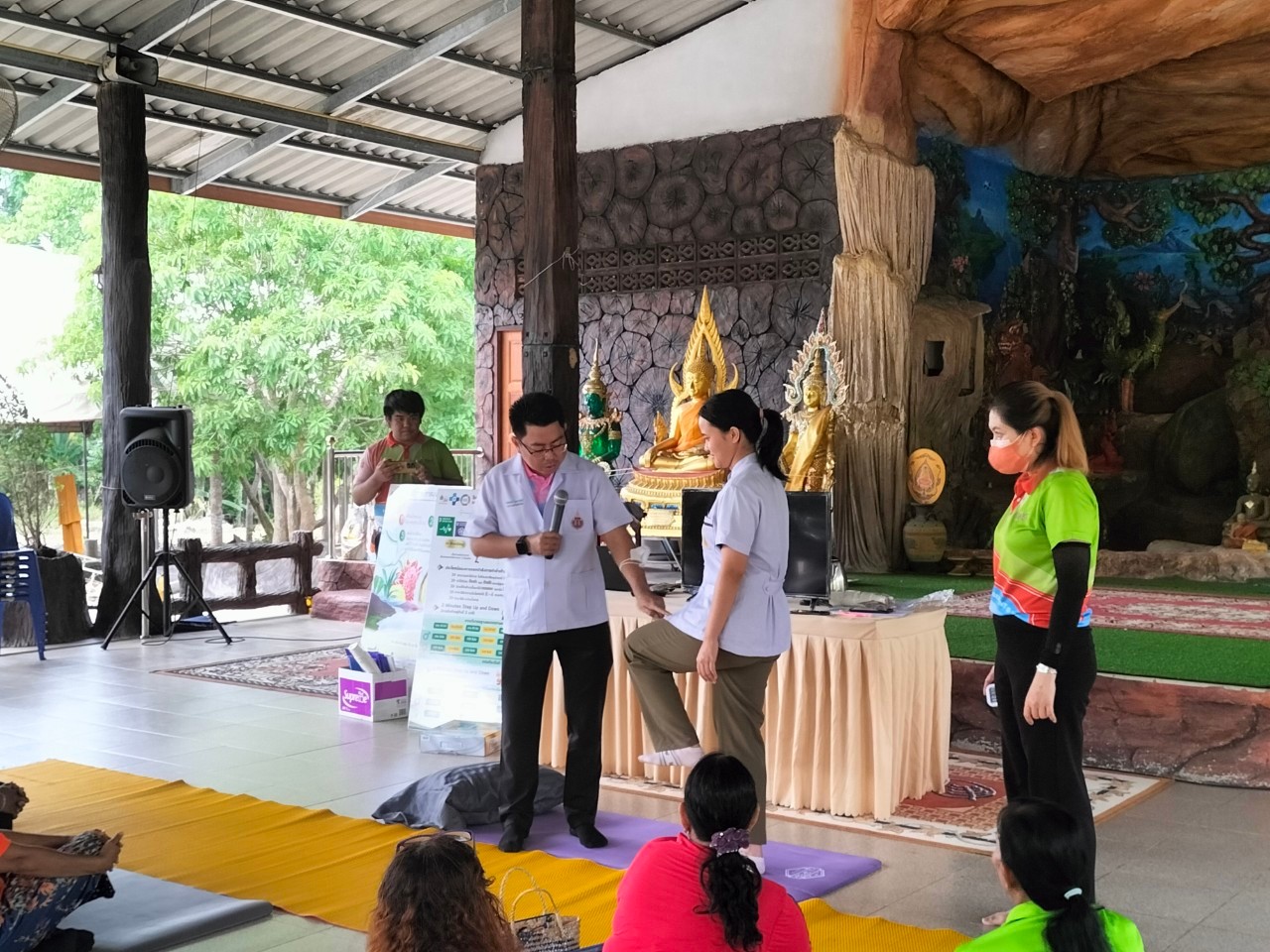
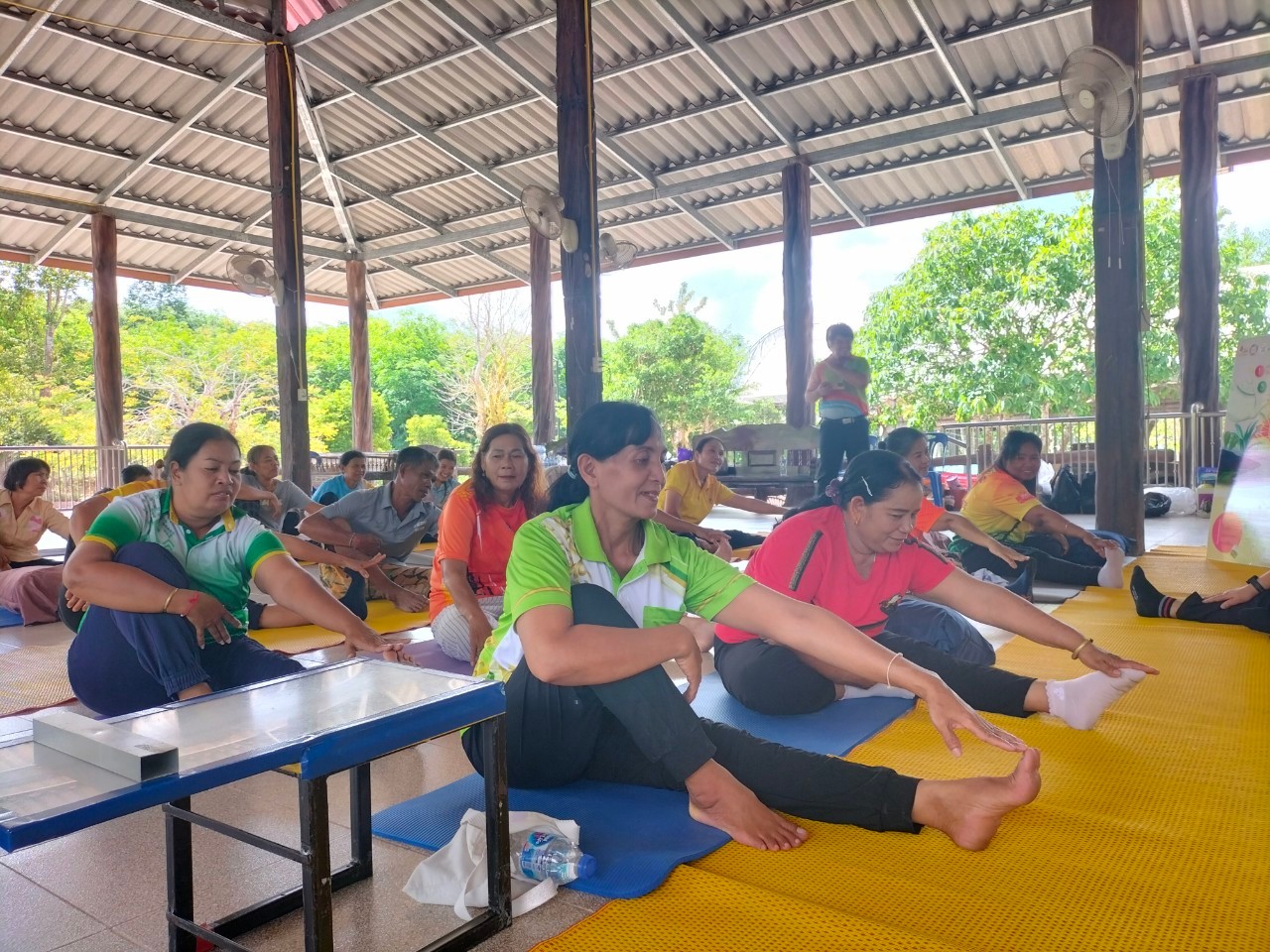
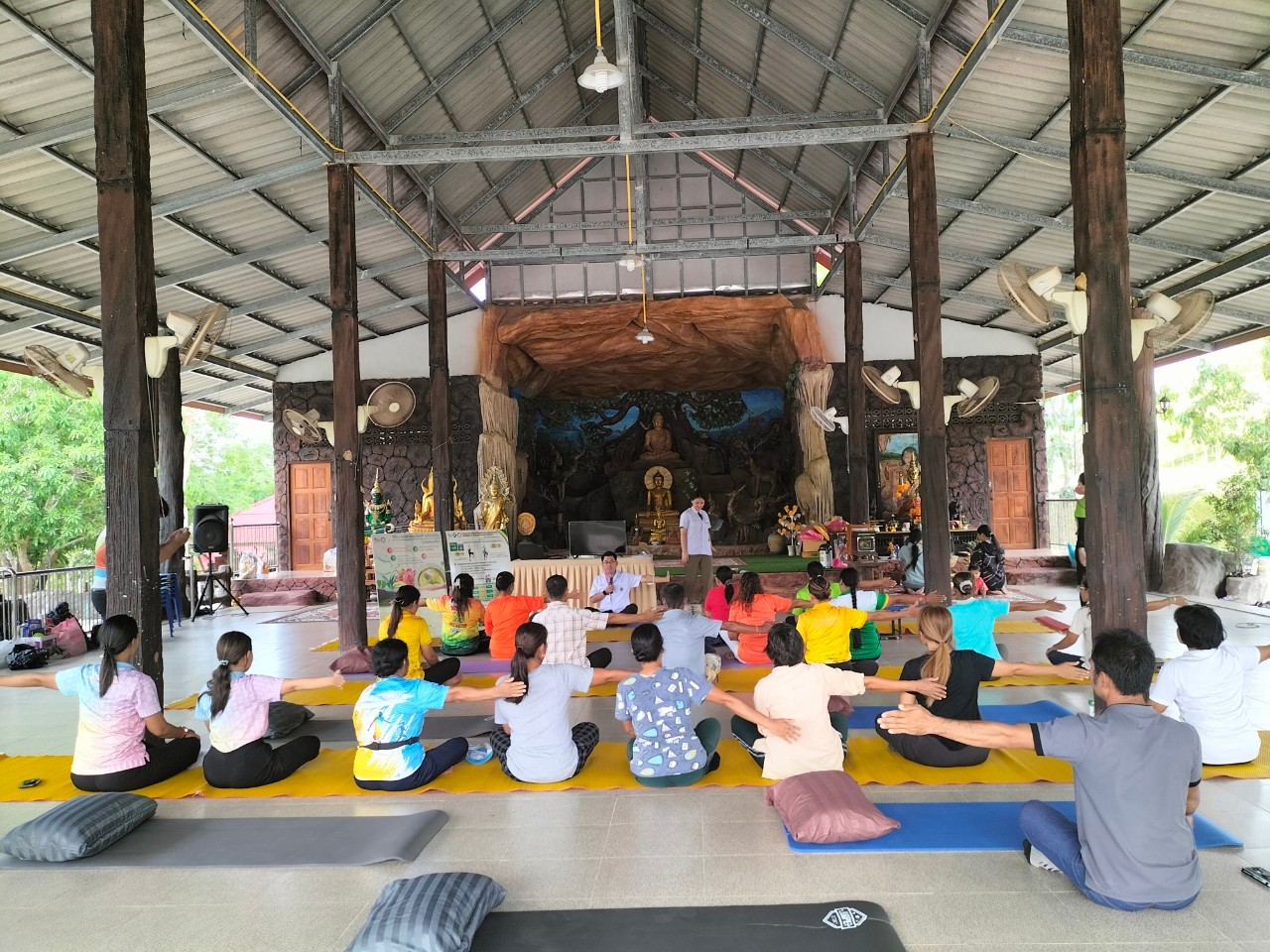
Walailak University promotes learning for the elderly in the community through health and fitness education programs. Educational sessions are conducted on the use of herbal remedies and massage techniques for health maintenance. These activities not only promote elderly well-being but also teach sustainable self-care practices.
Figures : Educational Activities Related to Lifelong Learning Policy for the Elderly about Herbal Use and Massage Skill
Lifelong Learning Activity for Local Communities
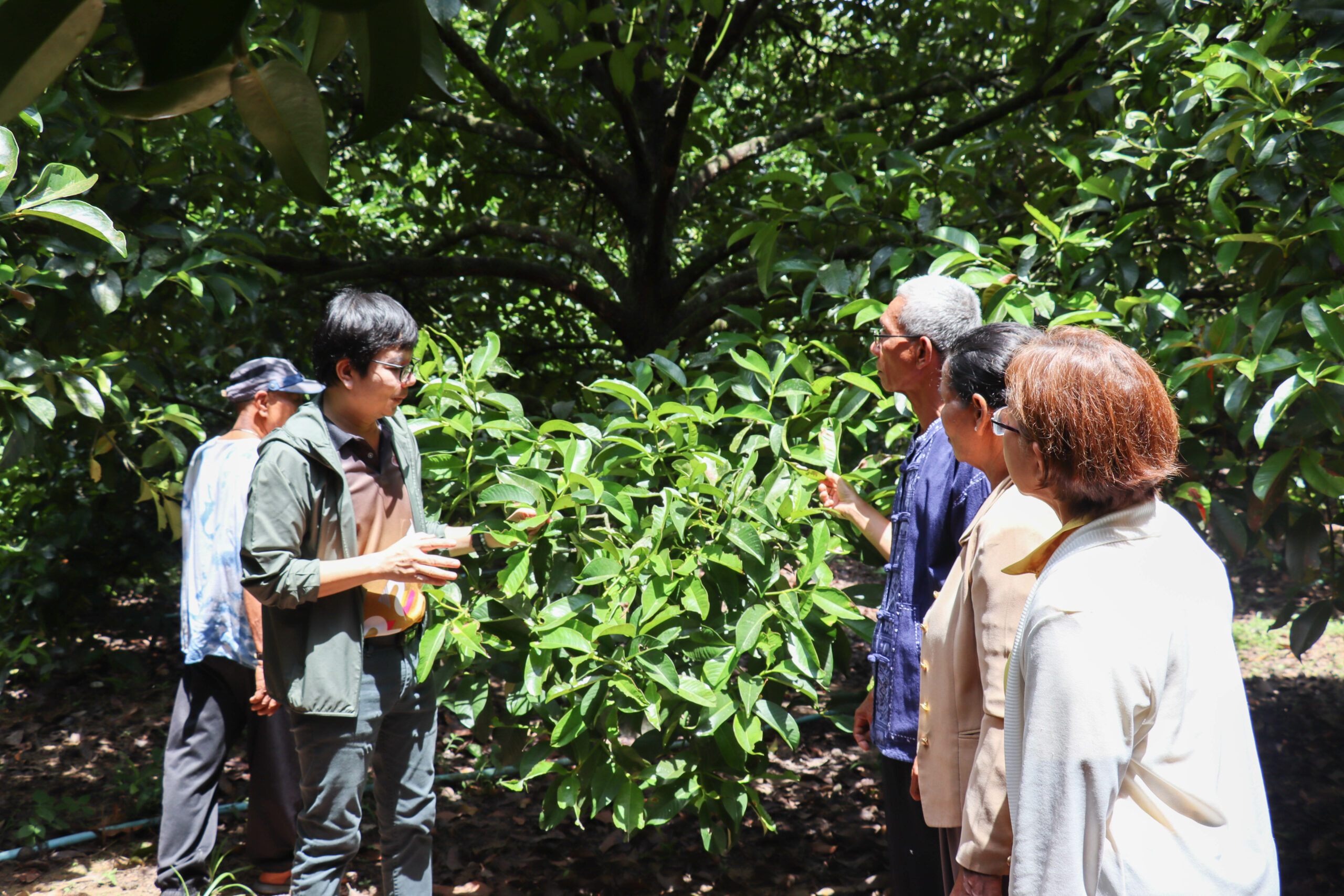
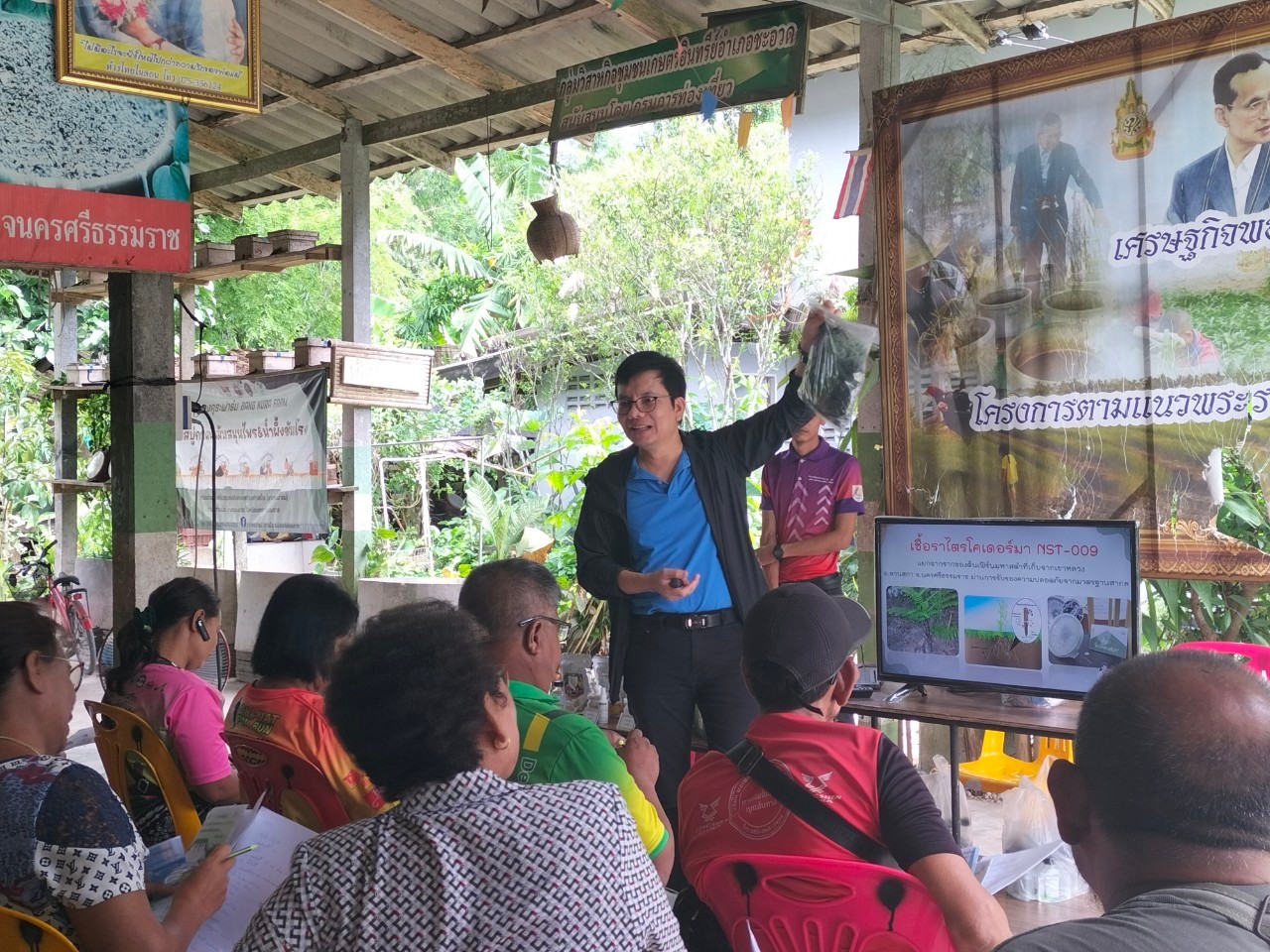
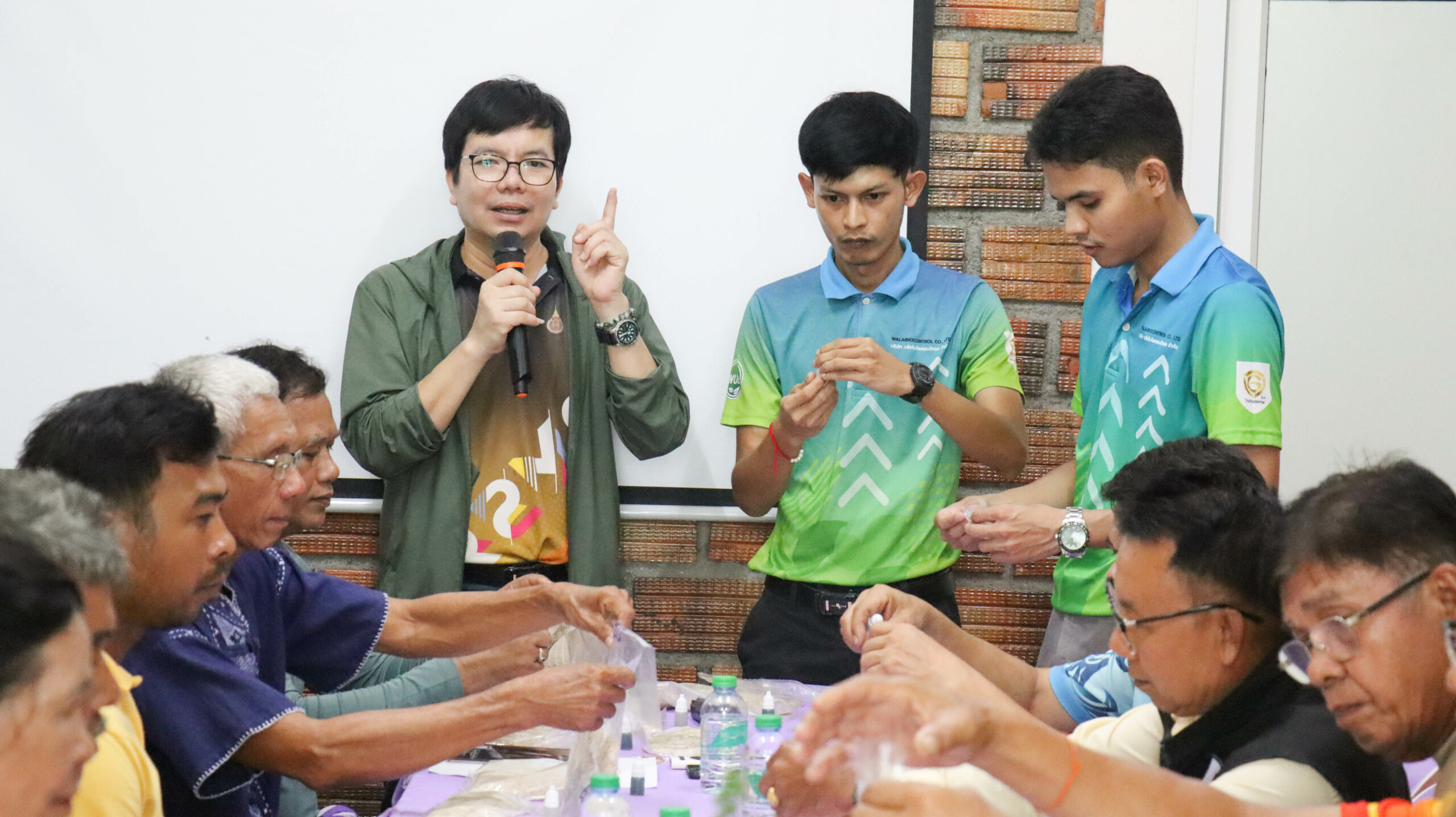
The university’s clinic technology is another initiative aligned with its lifelong learning policy. It provides academic services to local communities, particularly in applying technology to enhance agriculture, and health. This is an example of how academic knowledge is applied to support societal development.
Figures : Educational Activities Related to Lifelong Learning Policy for Communities about agriculture, health, and production efficiency
Lifelong Learning Activities for Children and Youth
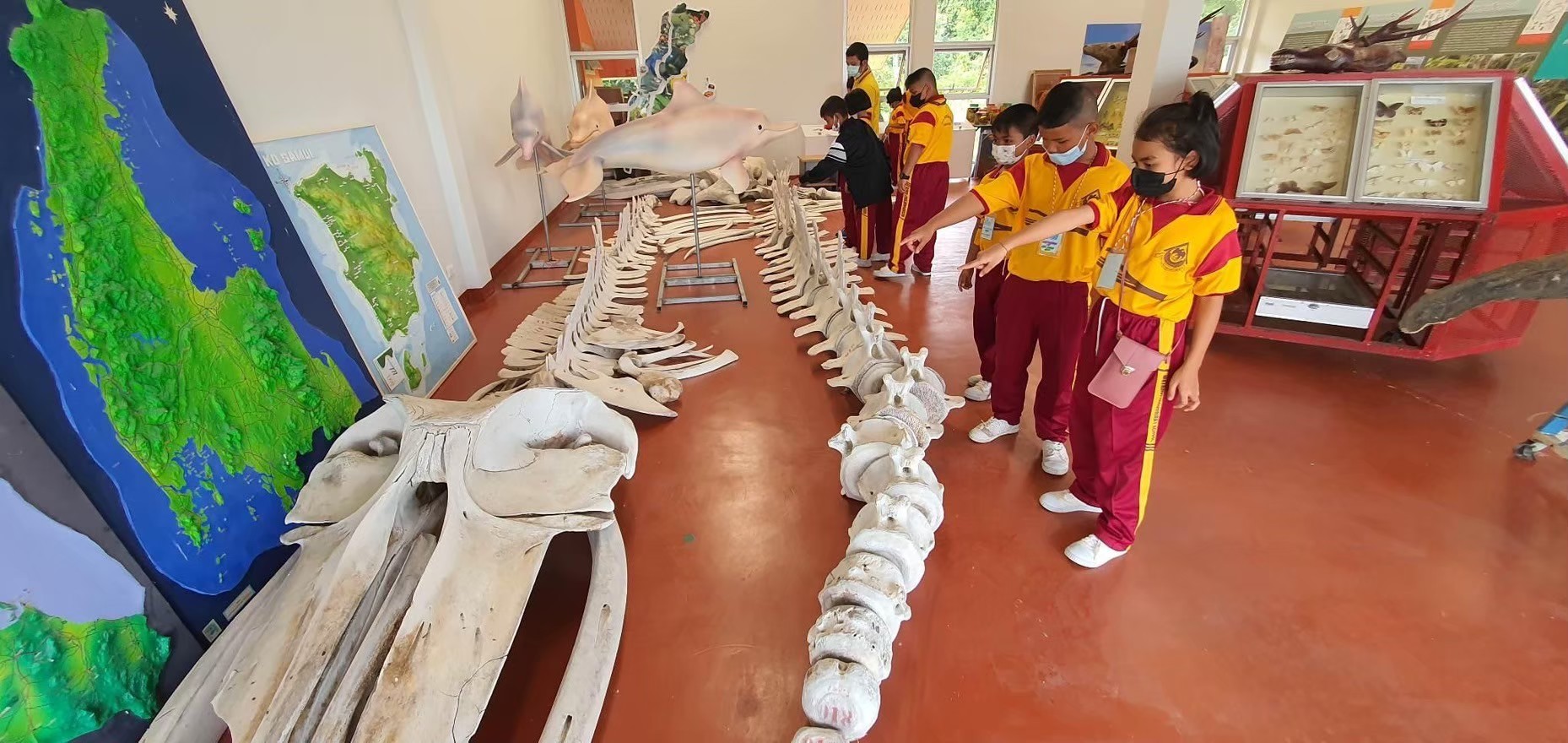
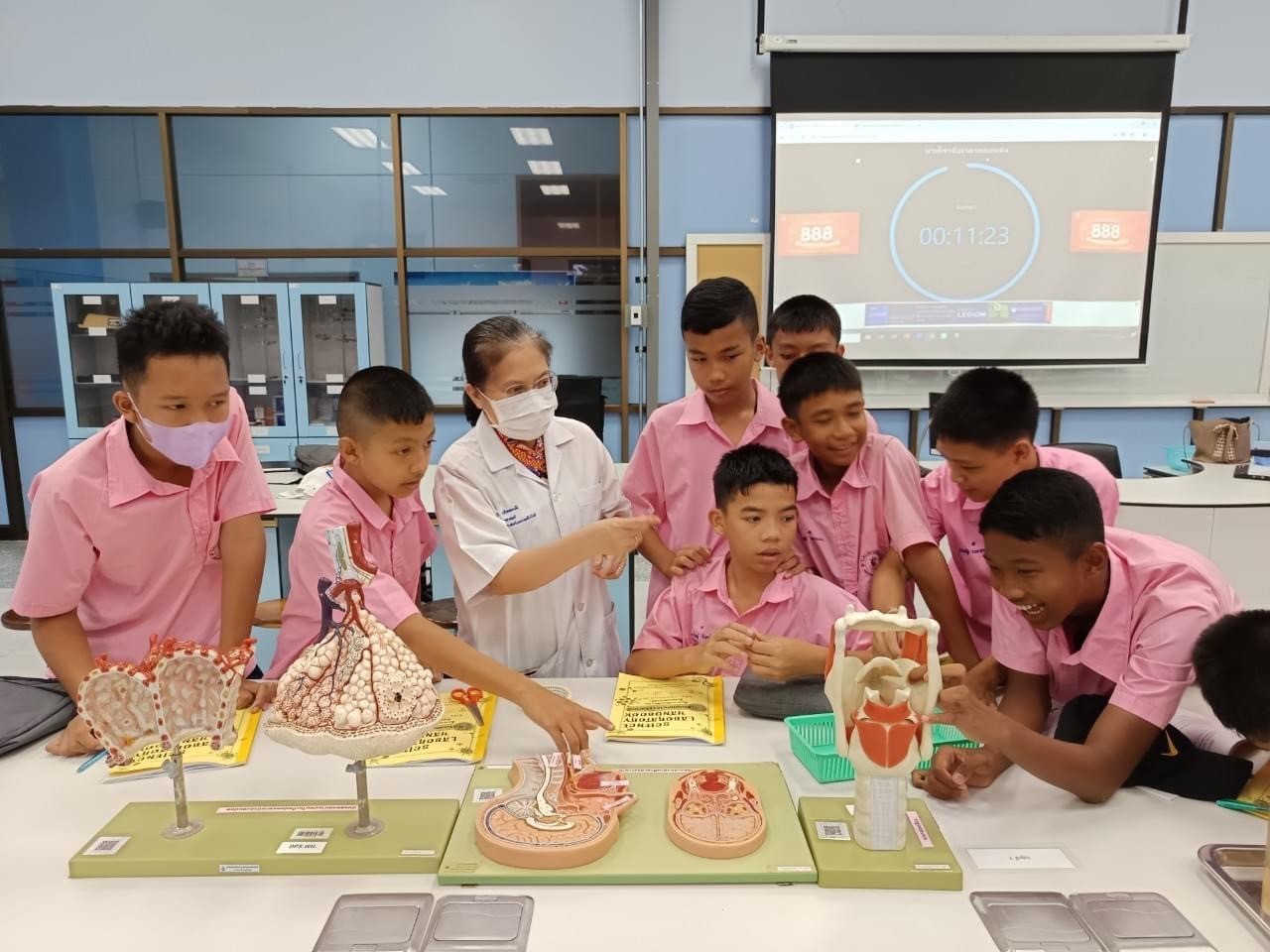
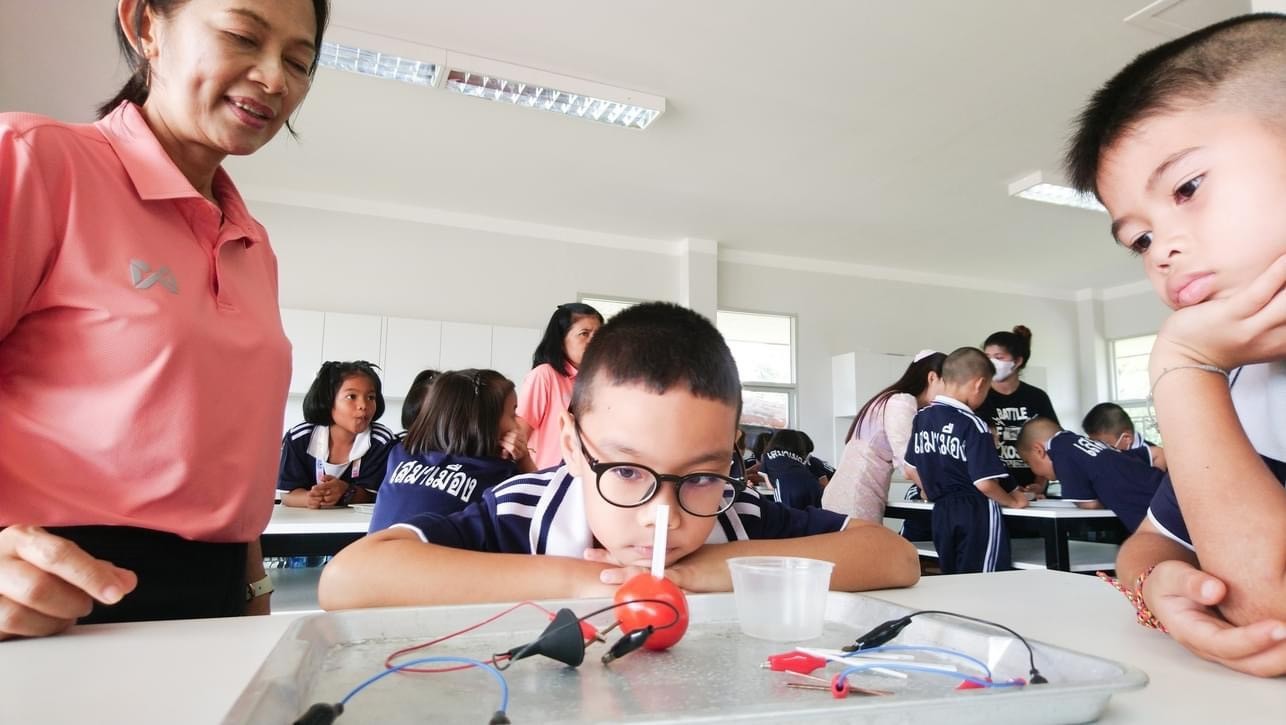
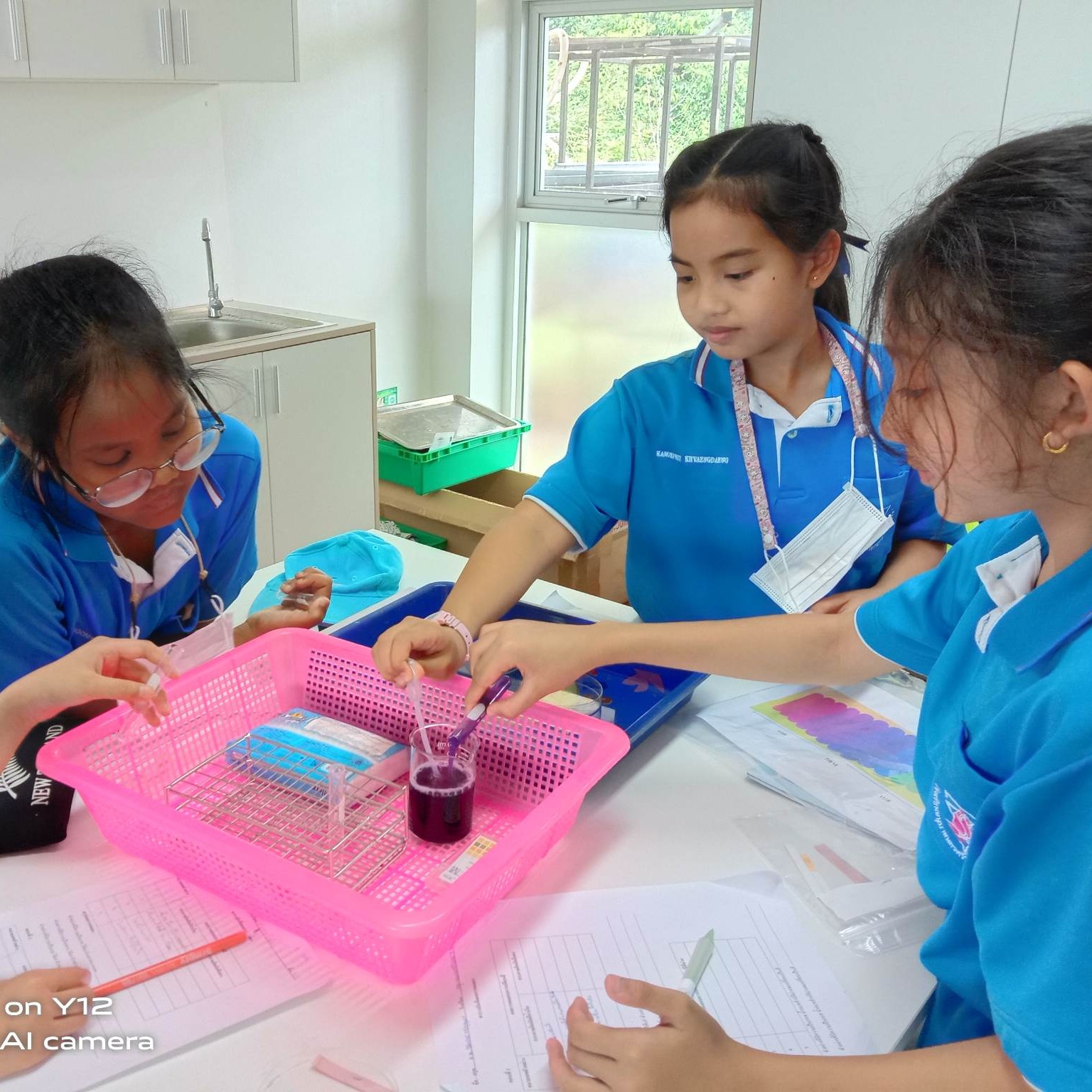
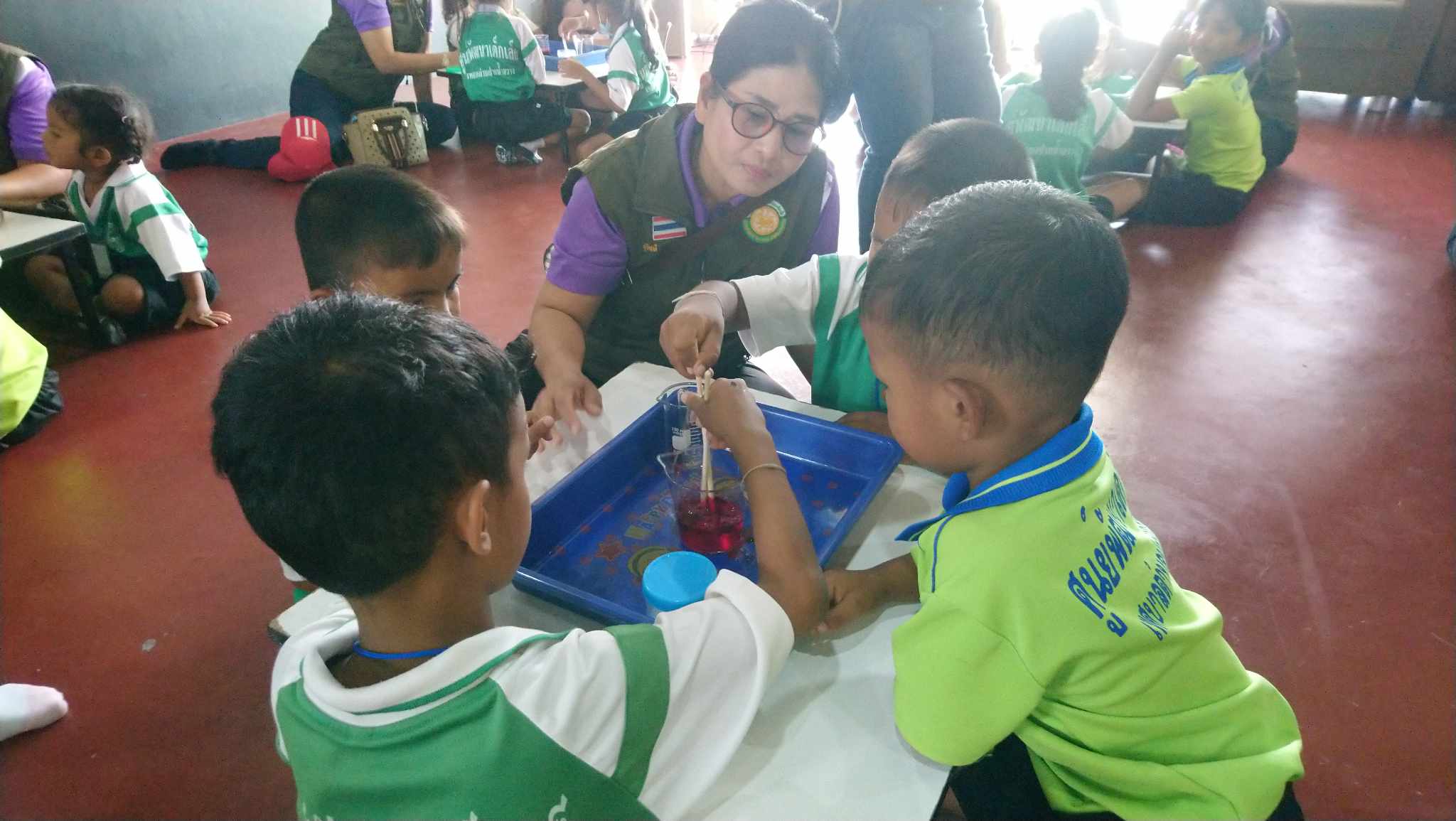
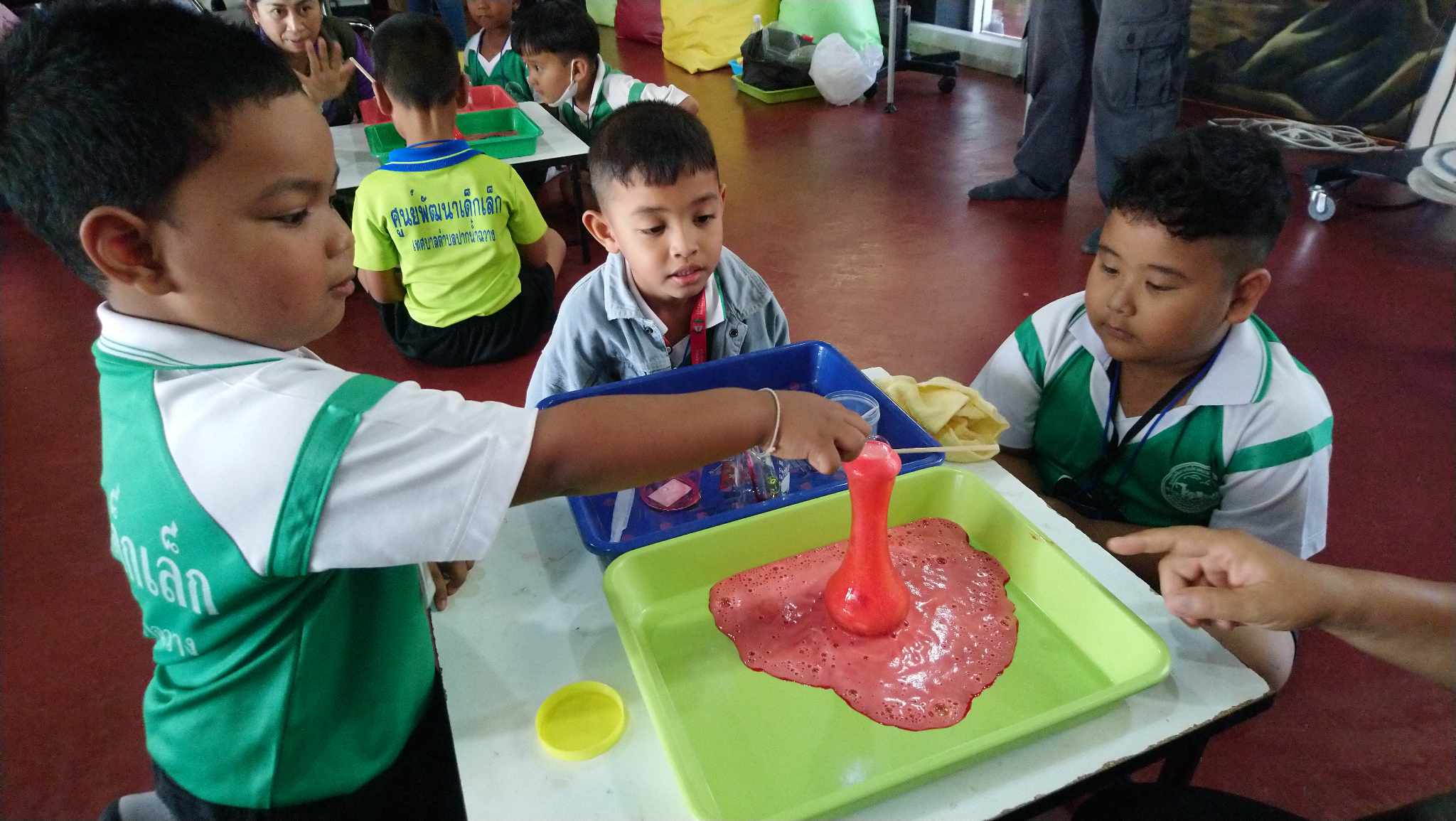
Walailak University has organized the “Science Camp” for local children and youth with the goal of inspiring and developing their skills in science, technology, and creative problem-solving. The camp features various science experiments designed to emphasize the importance of learning in science fields. Moreover, the camp aims to promote teamwork, critical thinking, and creativity, which are essential skills for personal development and preparing youth for future careers. This activity aligns with the university’s lifelong learning policy, which emphasizes the development of career and life skills for children and youth.
Figures : Educational Activities Related to Lifelong Learning Policy for Children and Youth about Science Knowledge and Skill
Lifelong Learning Activities for all Gender of Students and Staff
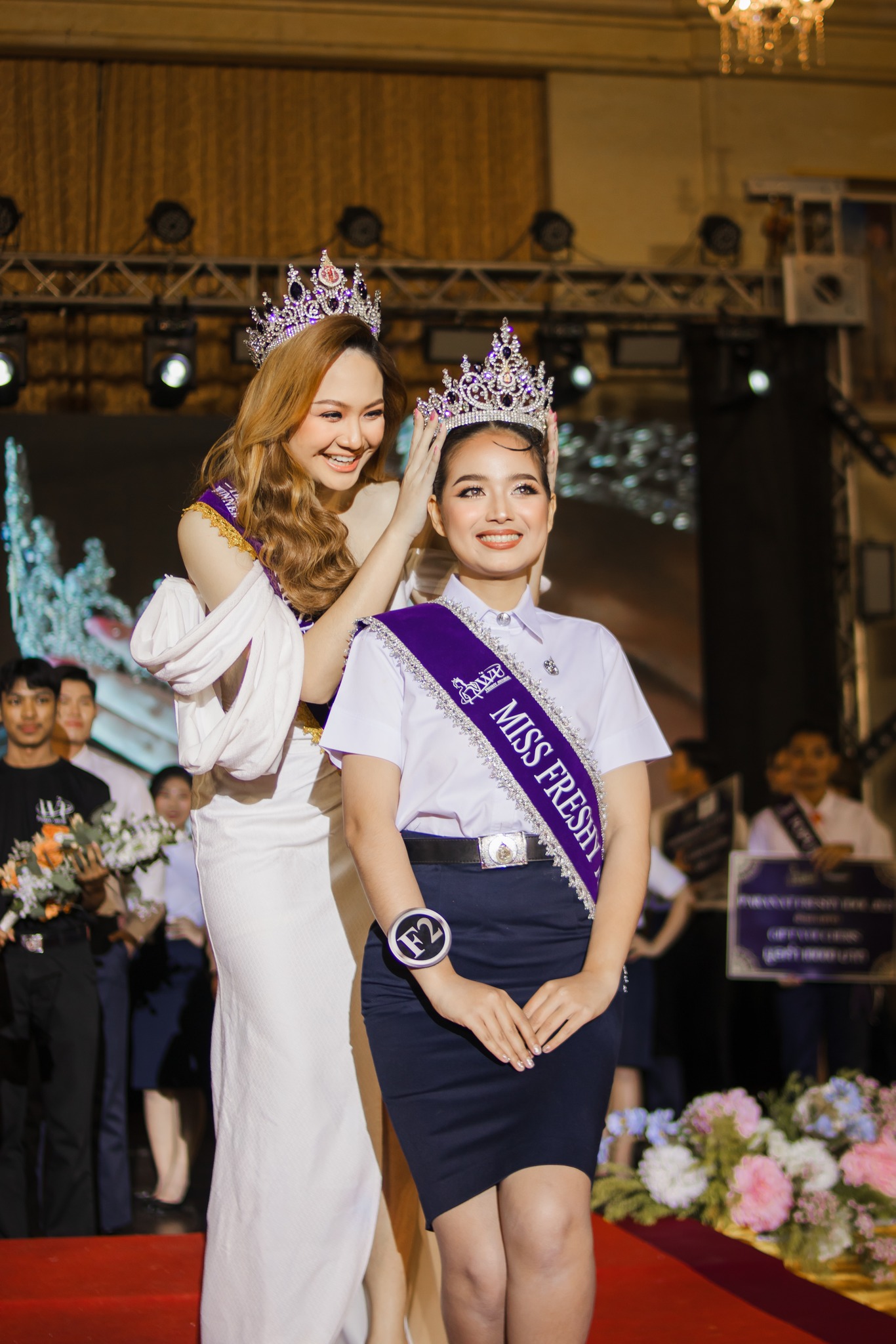
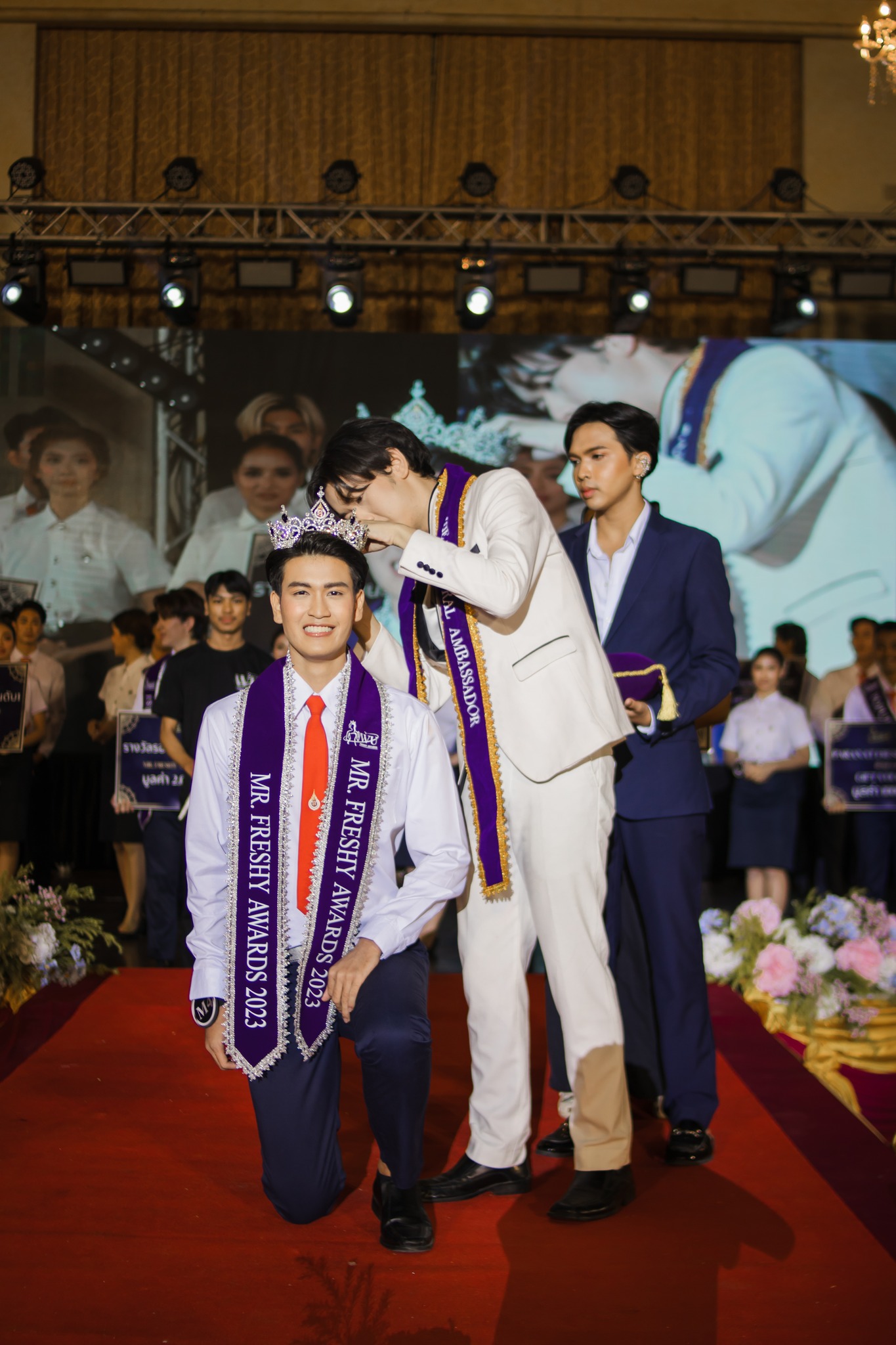
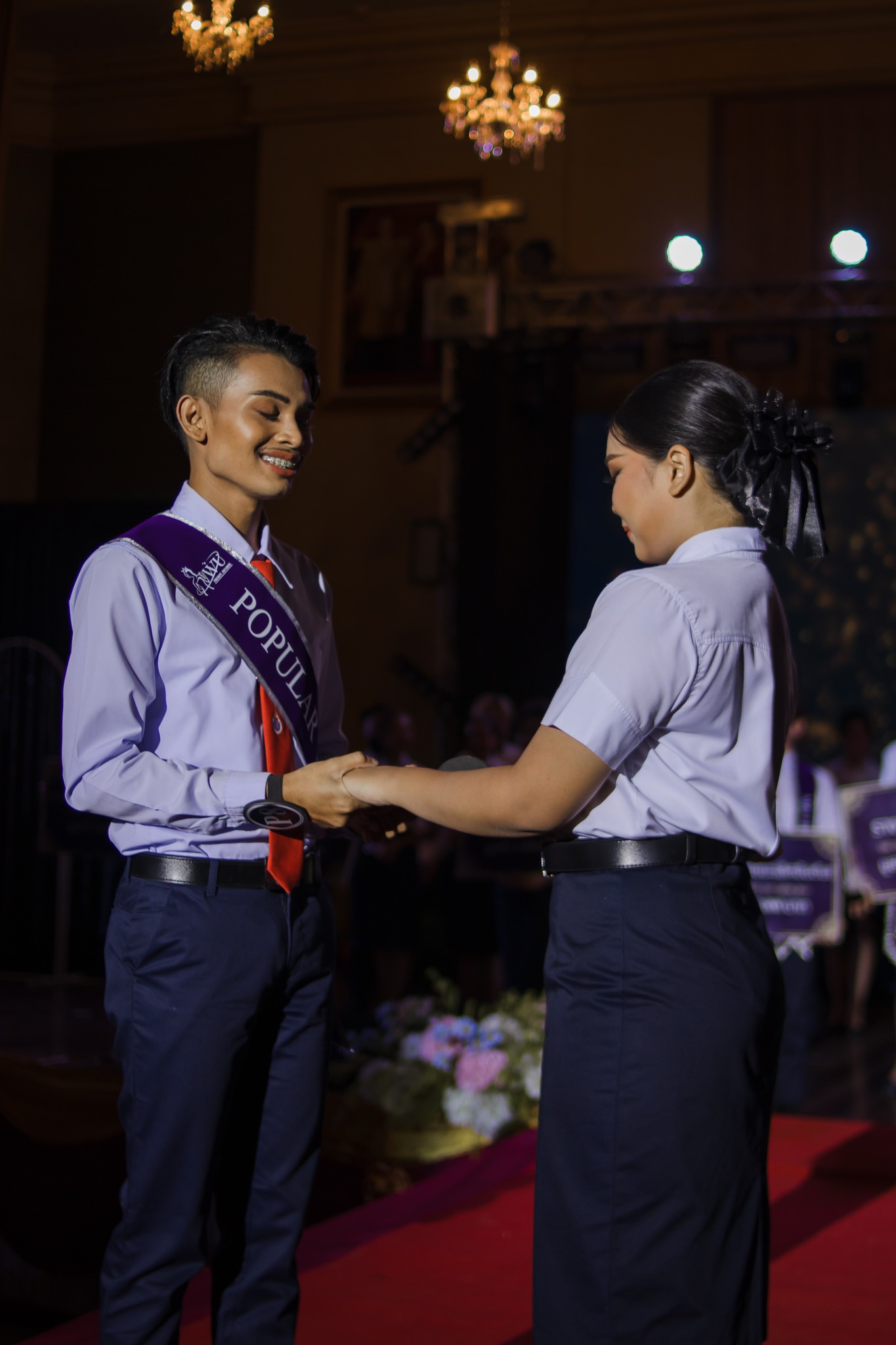
Walailak University organizes beauty pageant competitions that are open to all genders, promoting inclusivity in line with the lifelong learning policy that does not discriminate based on gender identity among students. The “WU Freshy Award 2023” is a project that seeks to find student representatives who are capable of participating in activities and serving as role models. These representatives also promote the university’s image.
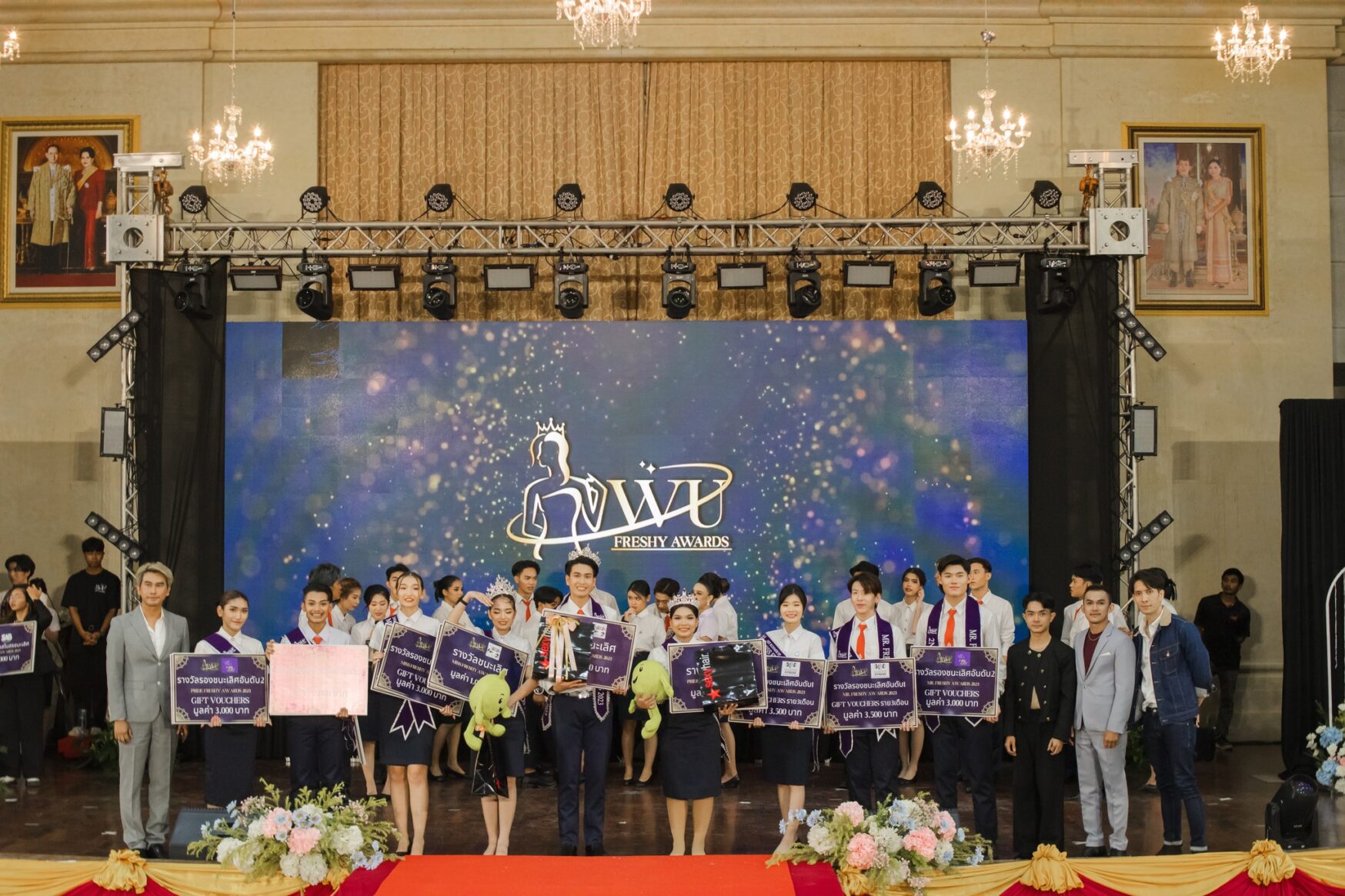
Figure : Activities Related to Lifelong Learning Policy for all Gender of Students and Staff at WU Freshy Award 2023
Figure : The Winner of Miss WUFA2023
Figure : The Winner of Mister WUFA23
Figure : The Winner of Pride WUFA23
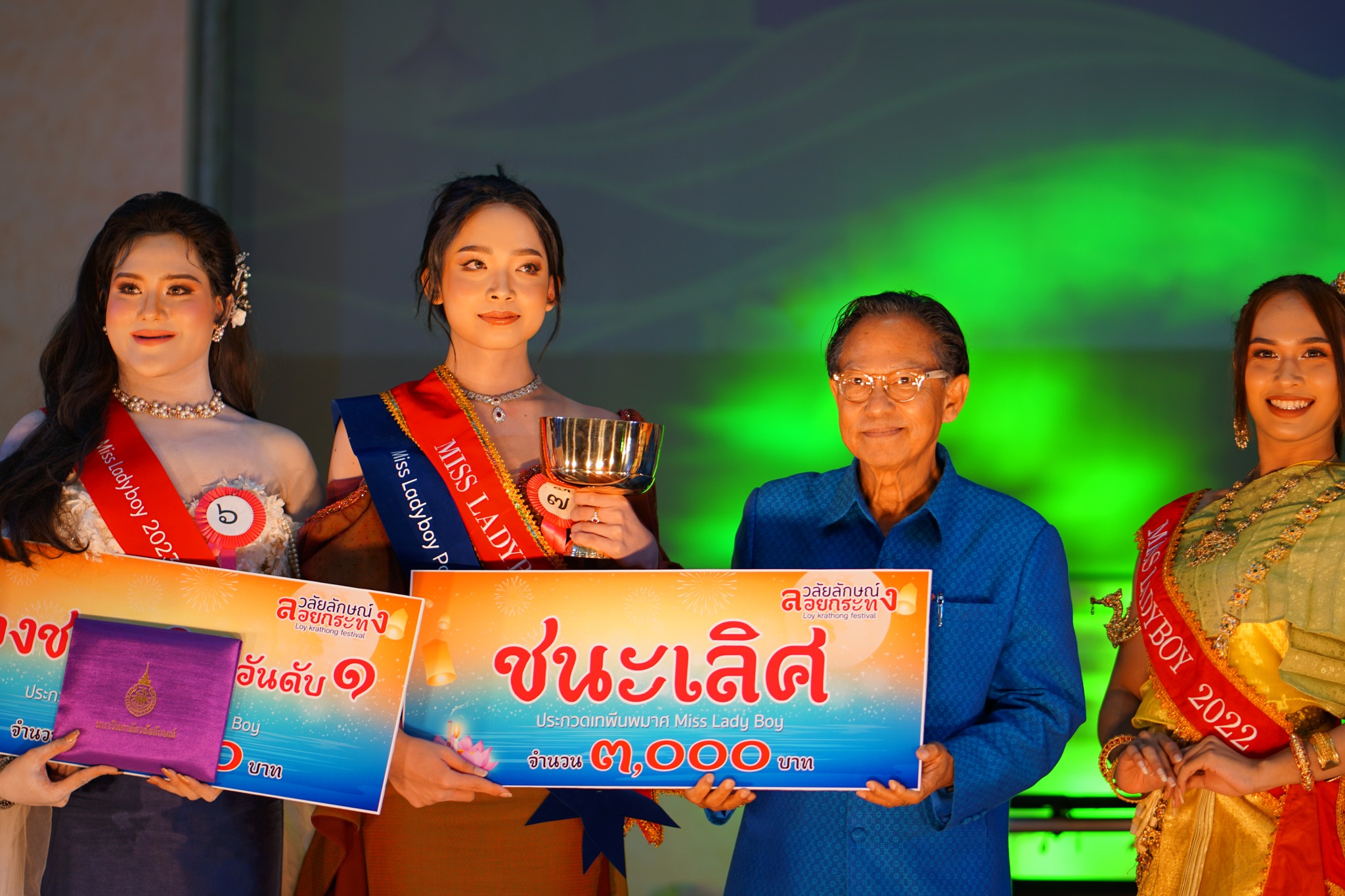
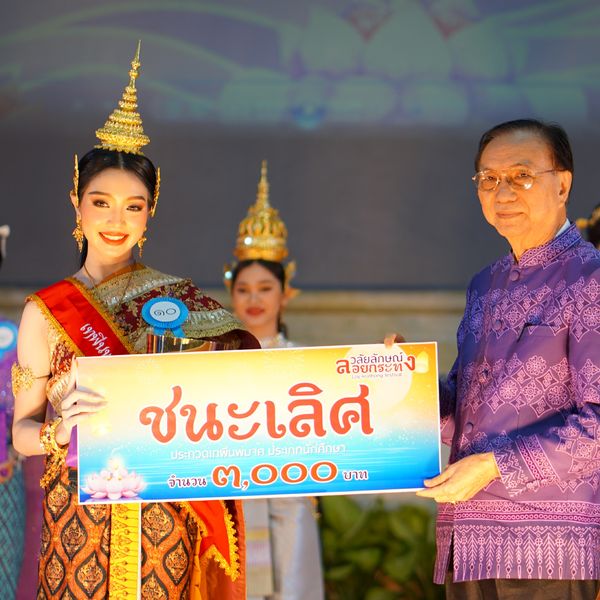
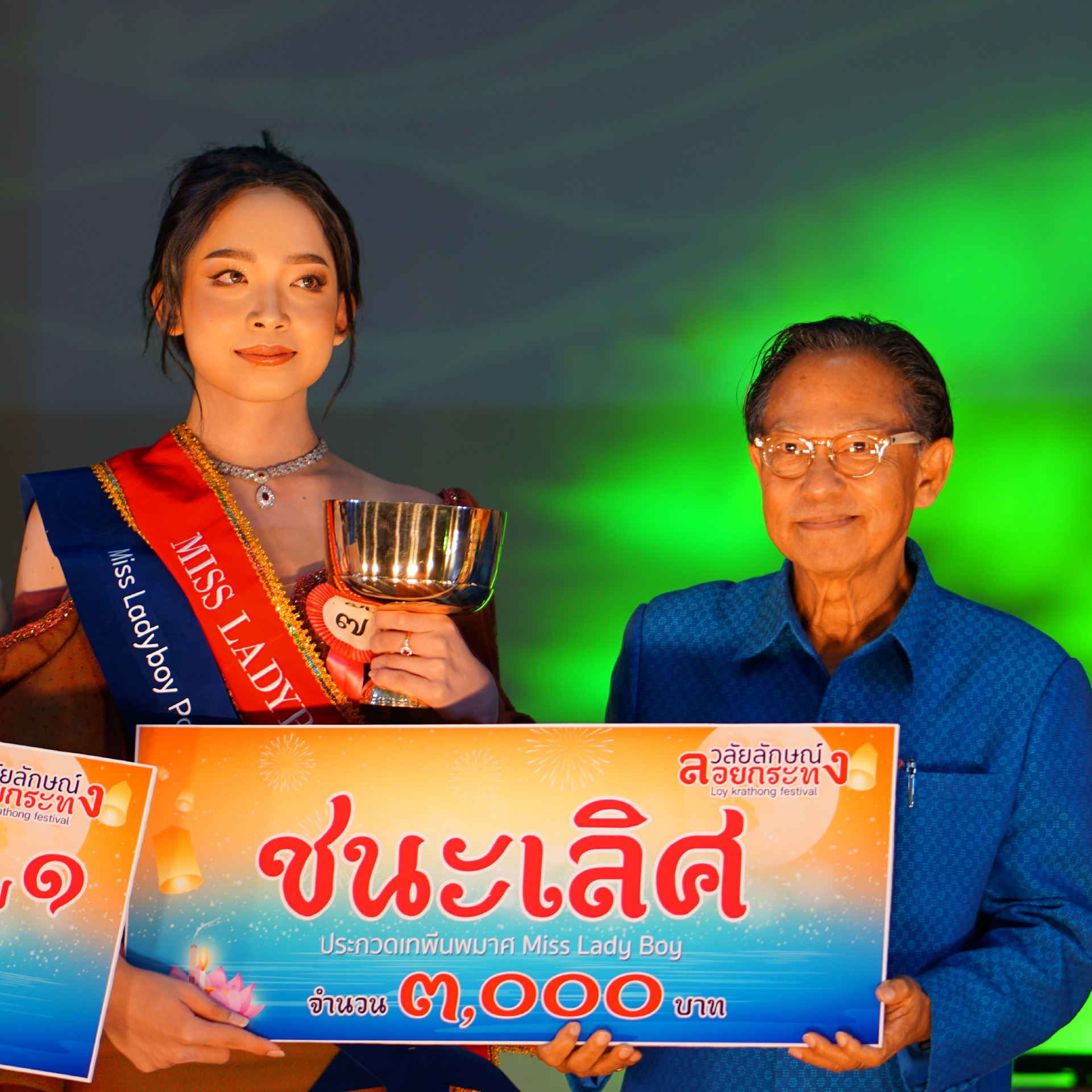
Additionally, during the Loy Krathong festival, the university organizes the Noppamas Queen and Miss Lady Boy pageants to encourage students and staff to preserve Thai traditions, express gratitude to the Goddess of Water, and demonstrate confidence, unity, and gender equality. These activities aim to provide opportunities for all individuals to learn and develop themselves, regardless of gender identity, emphasizing the university’s commitment to lifelong learning in an inclusive and diverse society.
Figures : Activities Related to Lifelong Learning Policy for all Gender of Students and Staff at the Noppamas Queen and Miss Lady Boy pageants
Walailak University’s lifelong learning policy is a key approach to fostering the comprehensive development of all societal groups. Through various activities, the policy supports the university’s mission to serve as a learning hub that promotes long-term social and national development.

Goal 4: Quality Education