Promoting Sustainable Health and Well-Being in the Community: The Role of Walailak University in Caring for the General Public, Persons with Disabilities, and Migrant Workers
Promoting Sustainable Health and Well-Being in the Community: The Role of Walailak University in Caring for the General Public, Persons with Disabilities, and Migrant Workers

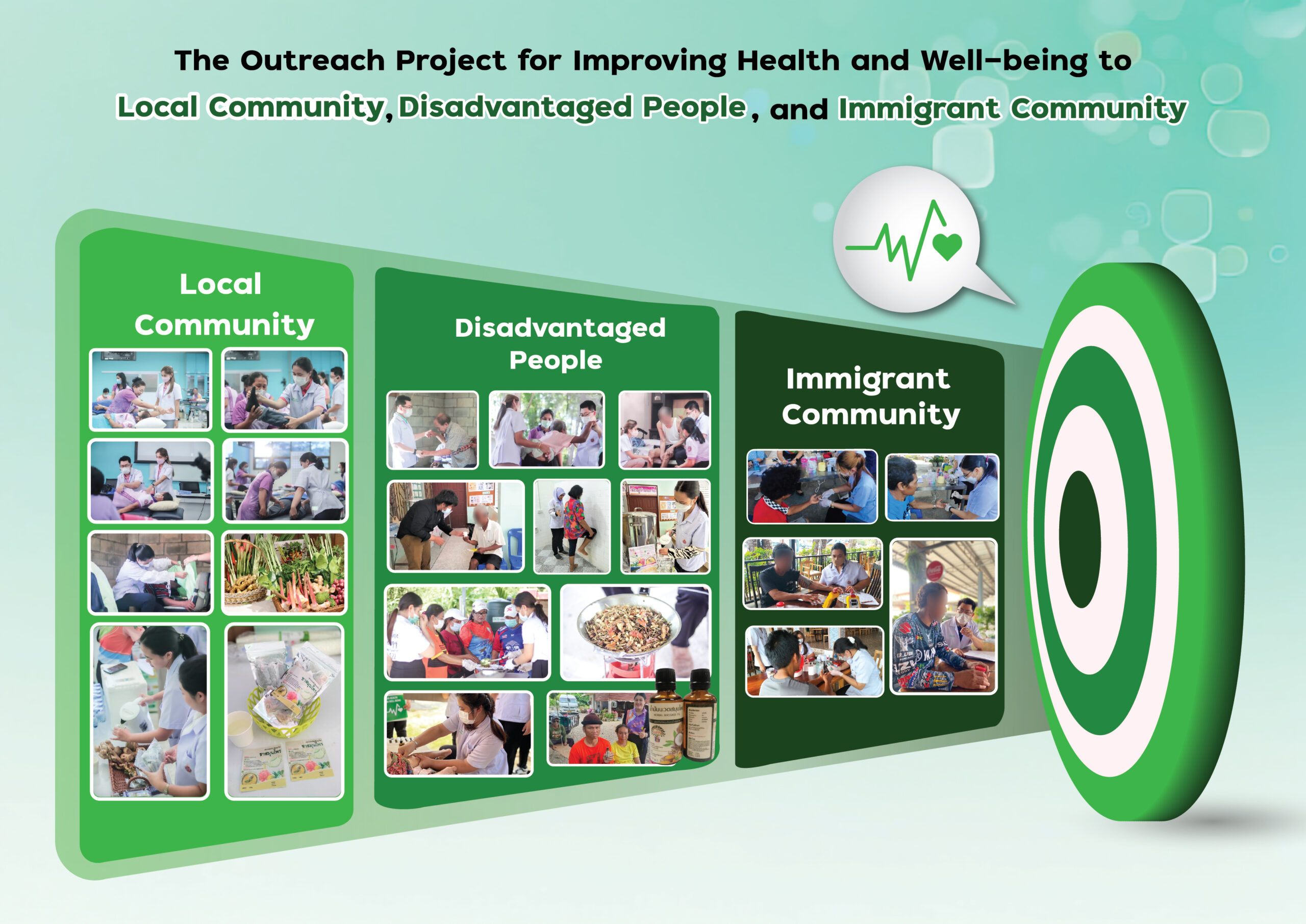
Walailak University plays a significant role in promoting sustainable health and quality of life for the surrounding community. This commitment extends not only to students and staff but also to a diverse population, including the general public in local communities, disadvantaged people, and immigrant communities. Consequently, the university delivers outreach programs and projects in local community to improve or promote health and well-being aimed at providing comprehensive healthcare and continuously improving the quality of life for these target groups. Each program also involves student volunteering, providing them with practical experience in the local community and real-life situations. Also, this health outreach program has several project, targeting to three groups: general public in local community, disadvantaged people, and immigrant community. 

General Public in the Local Community

The 4th year of The Pre-elderly and Elderly Strengthen and Rehabilitation Project at Satit Walailak Pattana Community
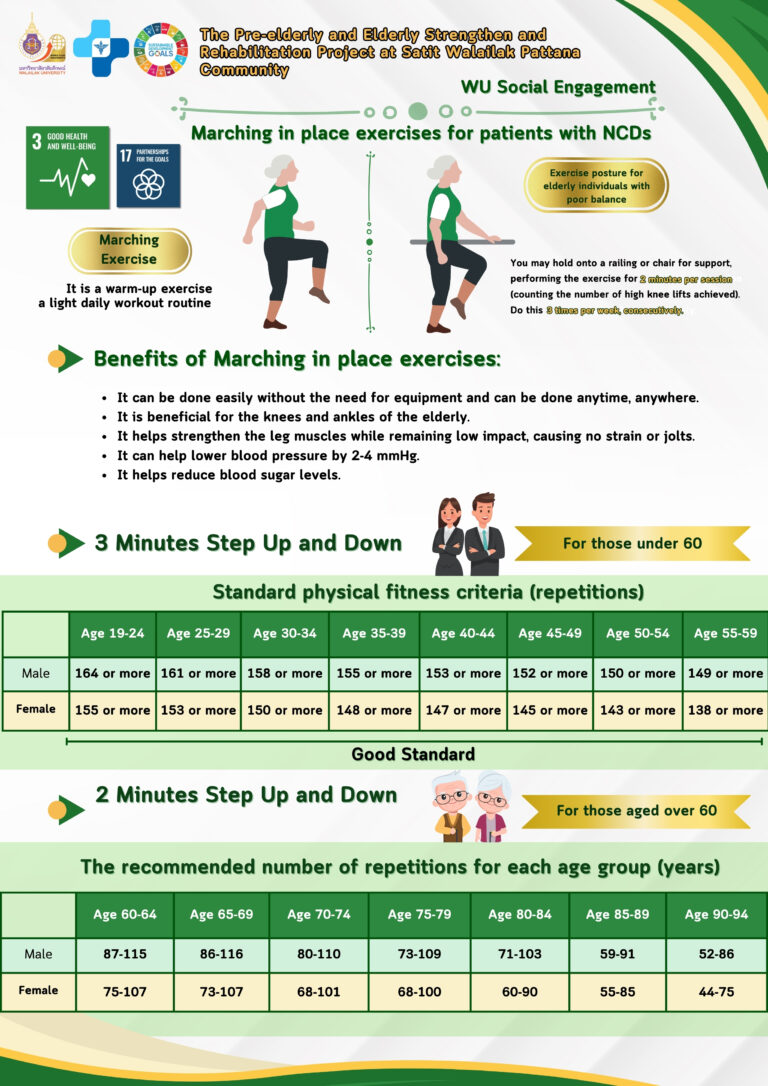
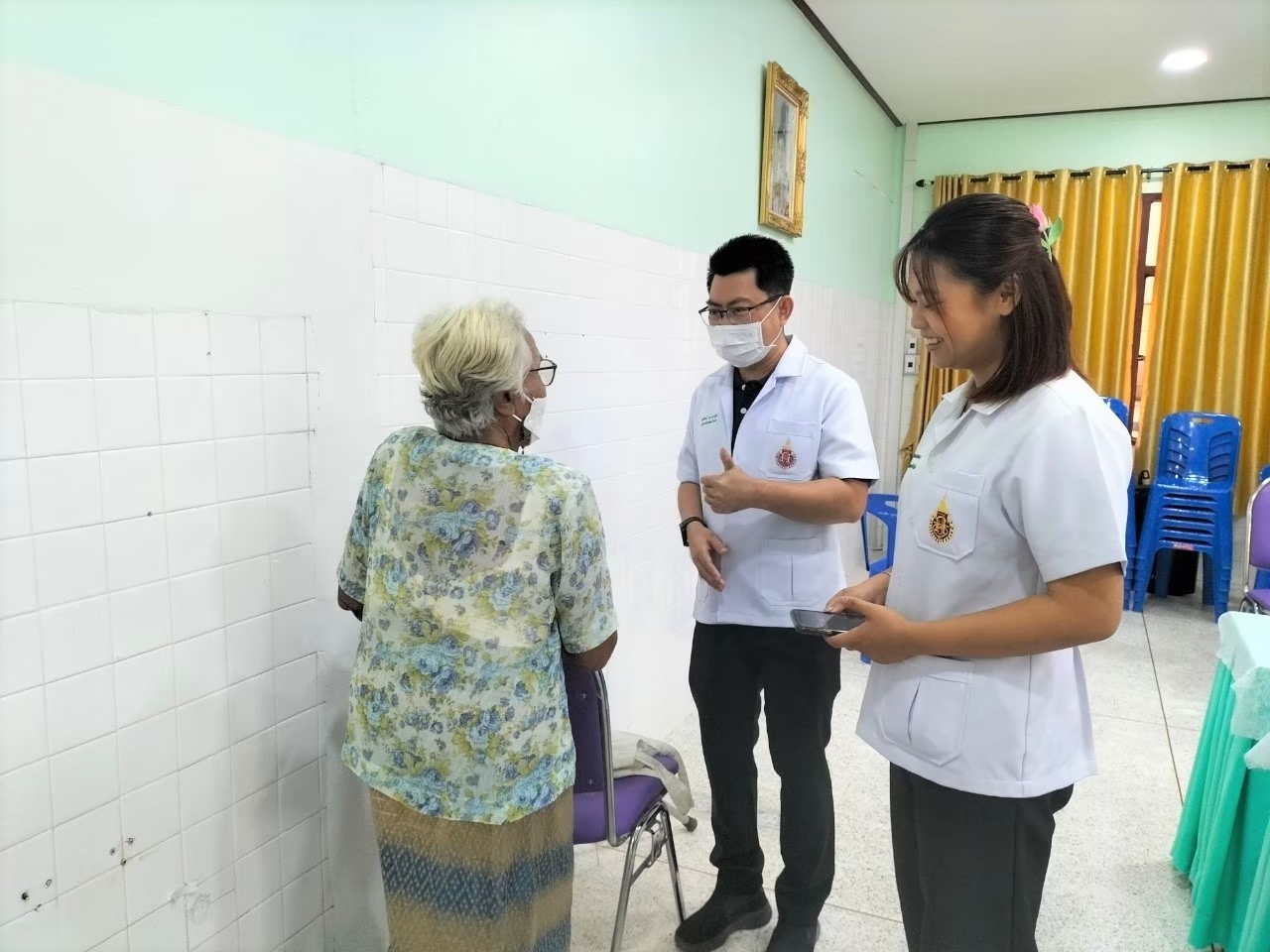
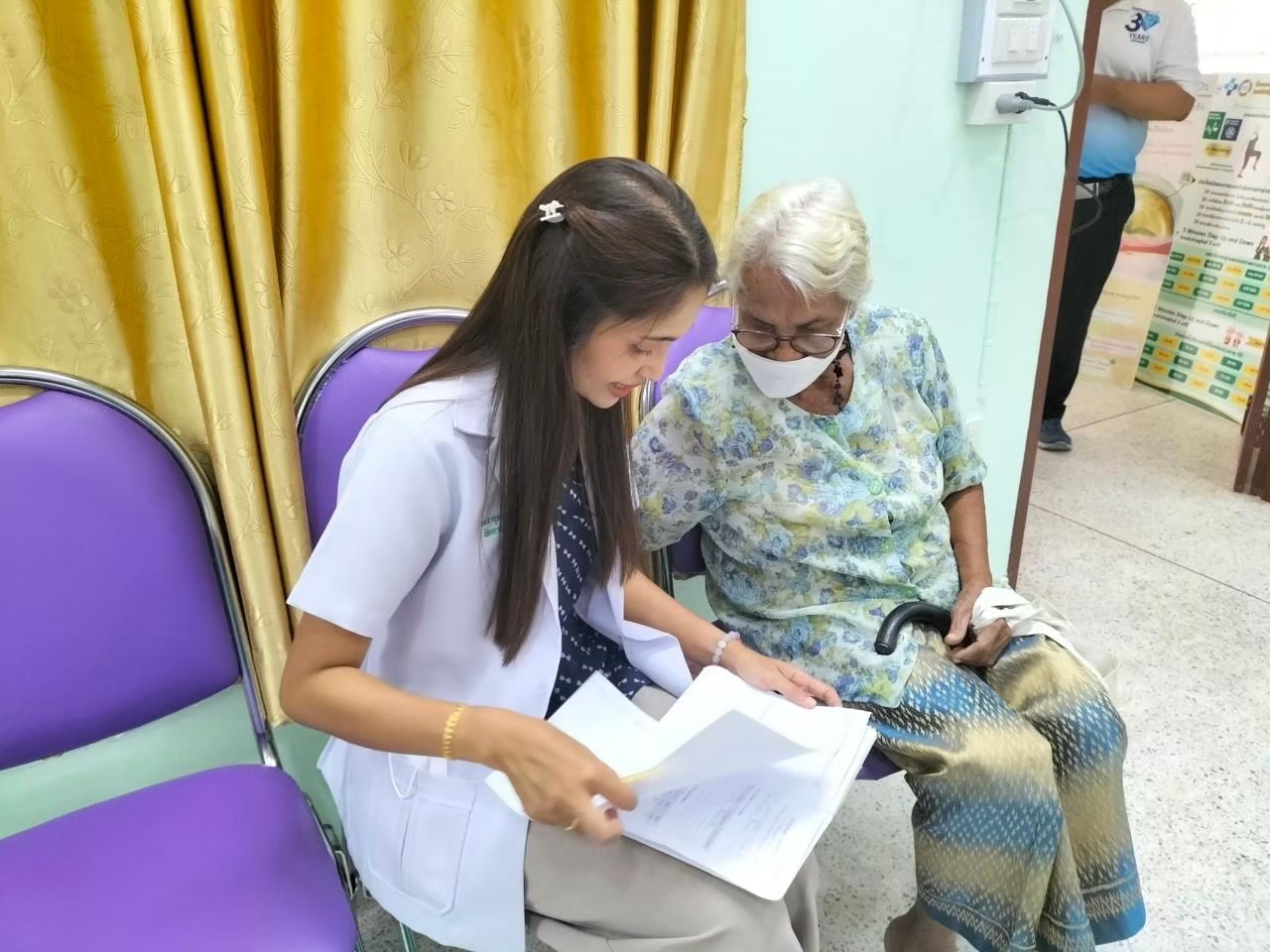
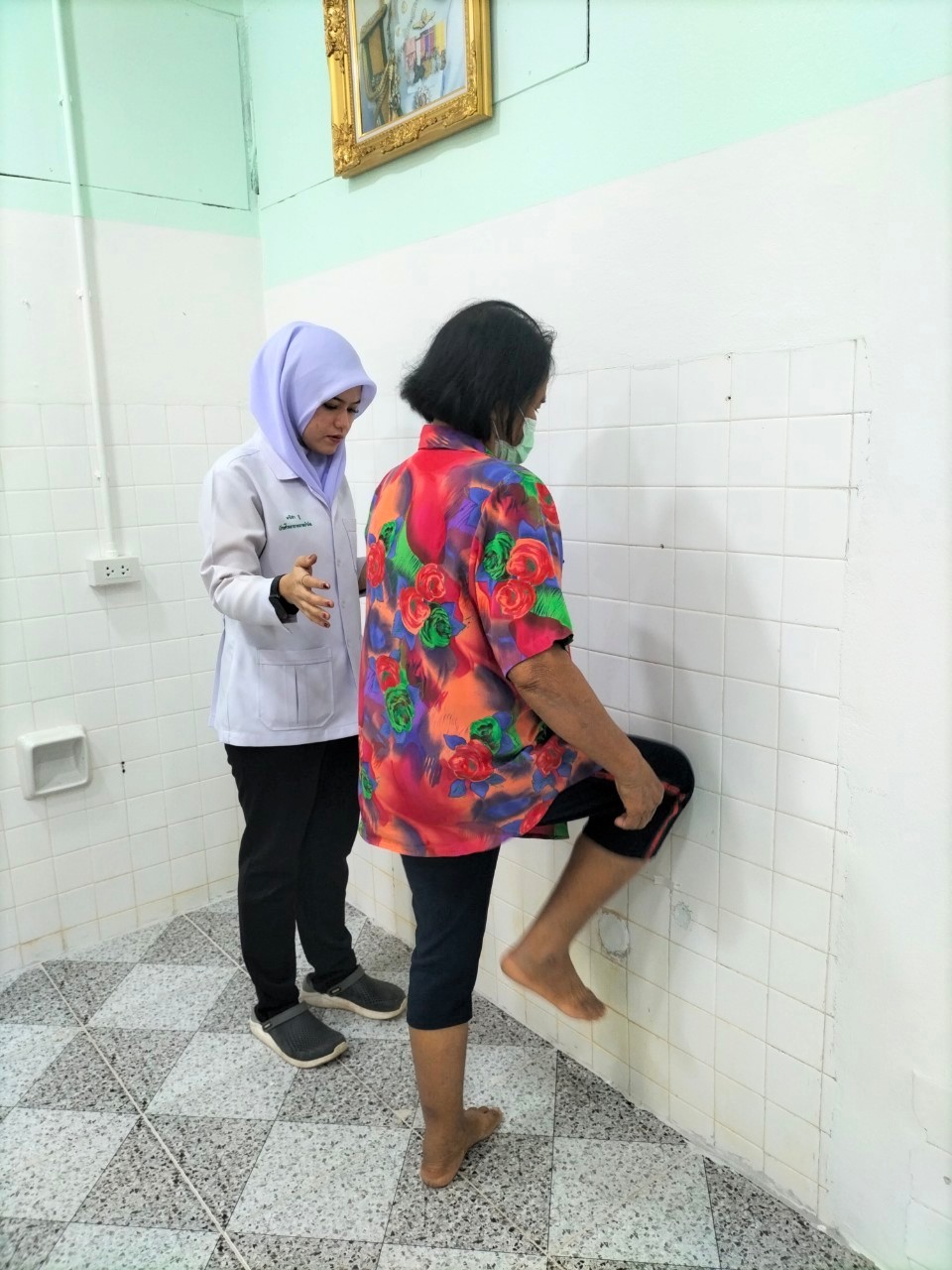
Due to the fact that the general population in local community surrounding the university consists predominantly of pre-elderly and elderly individuals, there is an increased risk of developing various diseases, particularly non-communicable diseases such as diabetes and hypertension. Therefore, Walailak University has delivered outreach project in local community to improve health and well-being of target group by organizing exercise activities using physical therapy techniques to prevent and promote health through stationary marching exercises. The results showed that 80% of the participants experienced significant improvements.

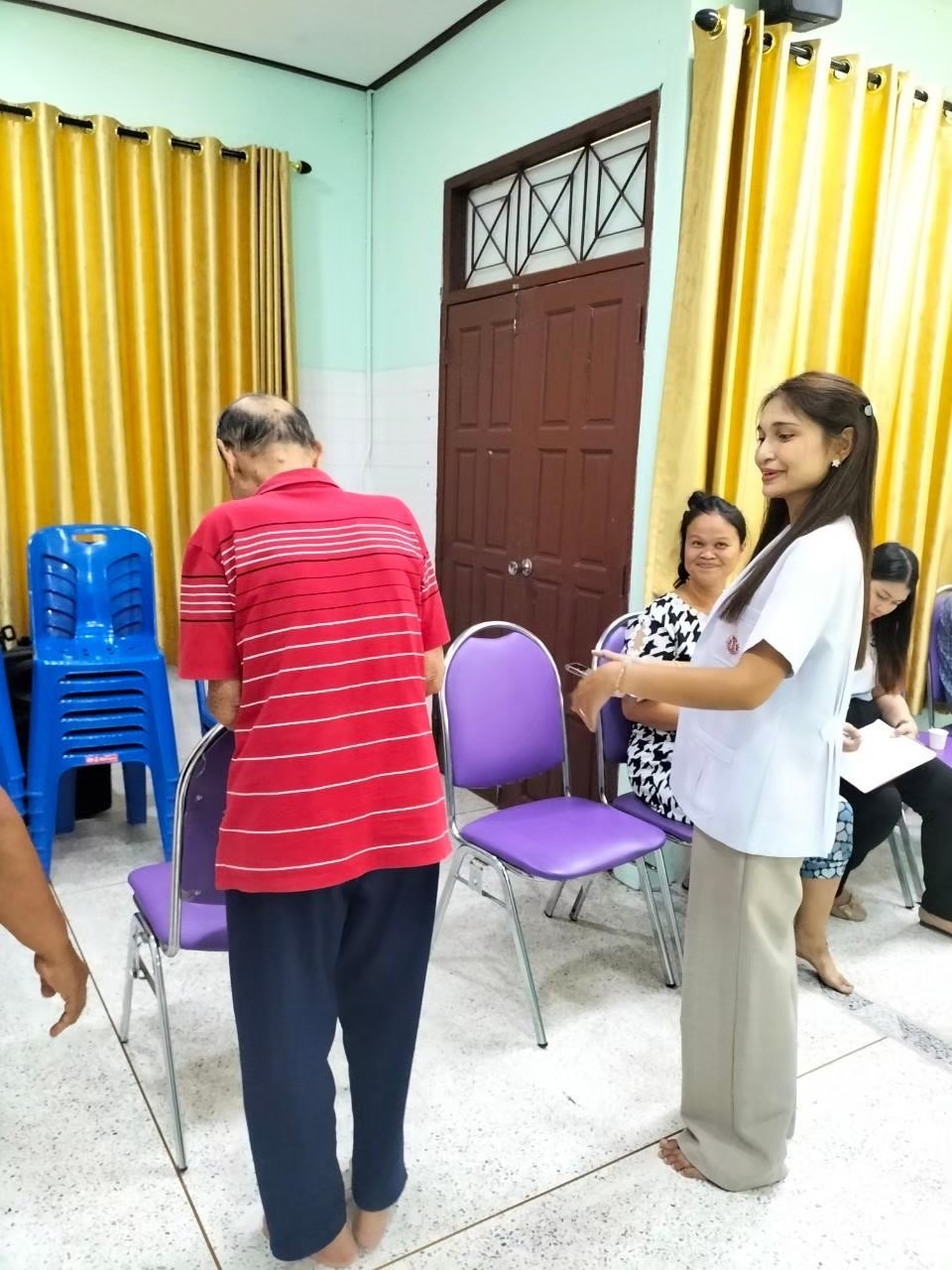
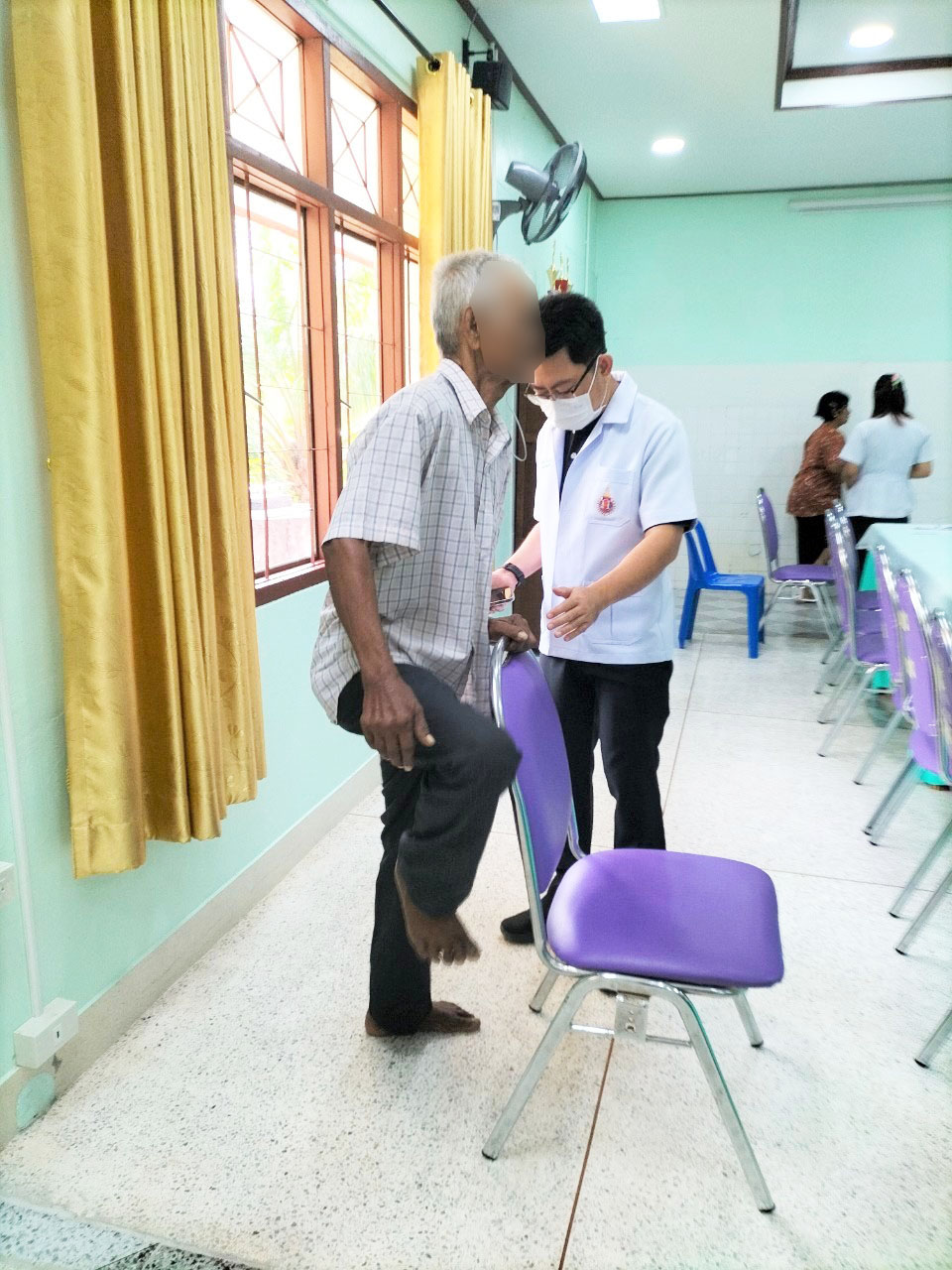
Figures : The outreach project for general public in local community through stationary marching exercises.

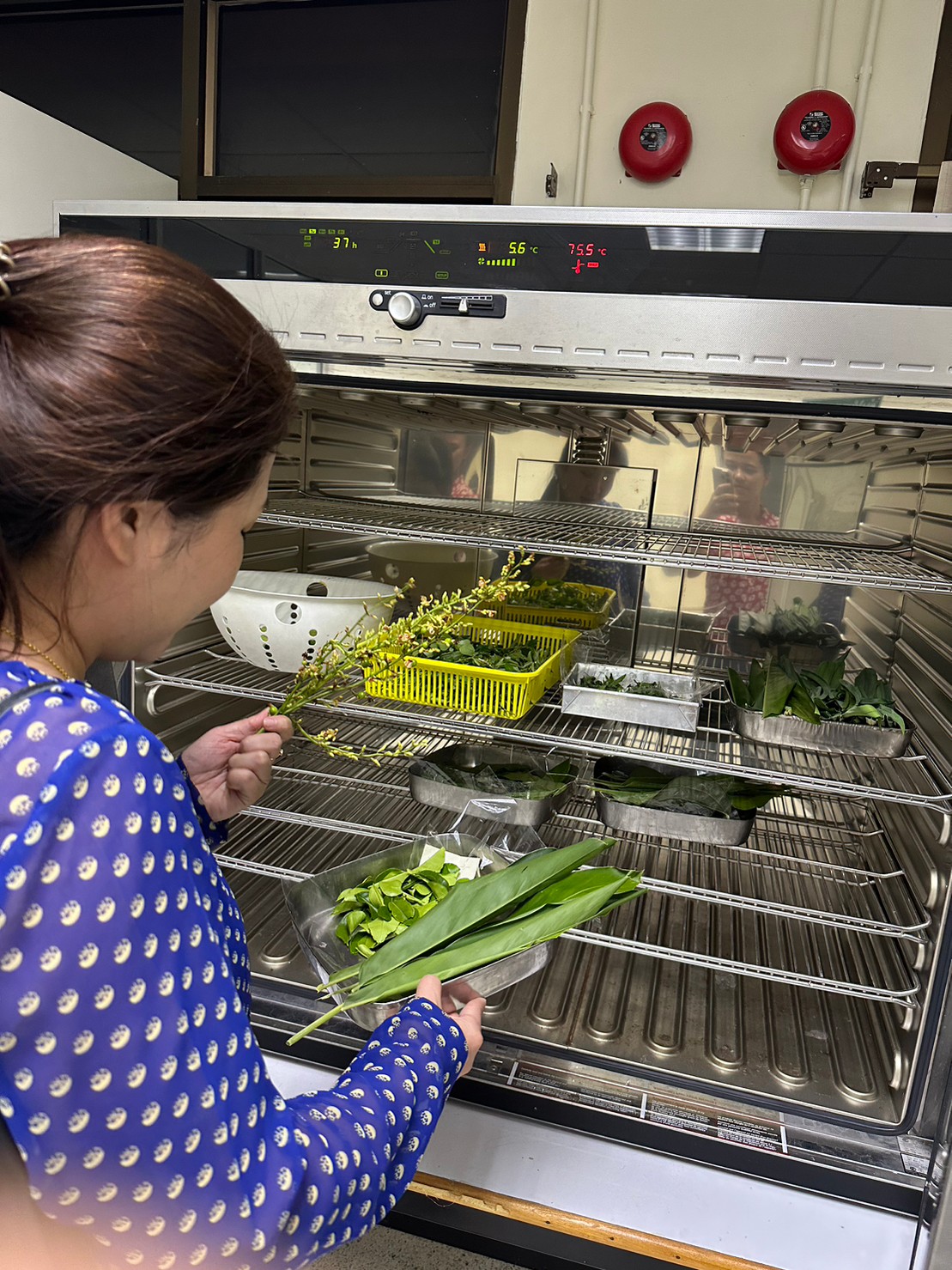
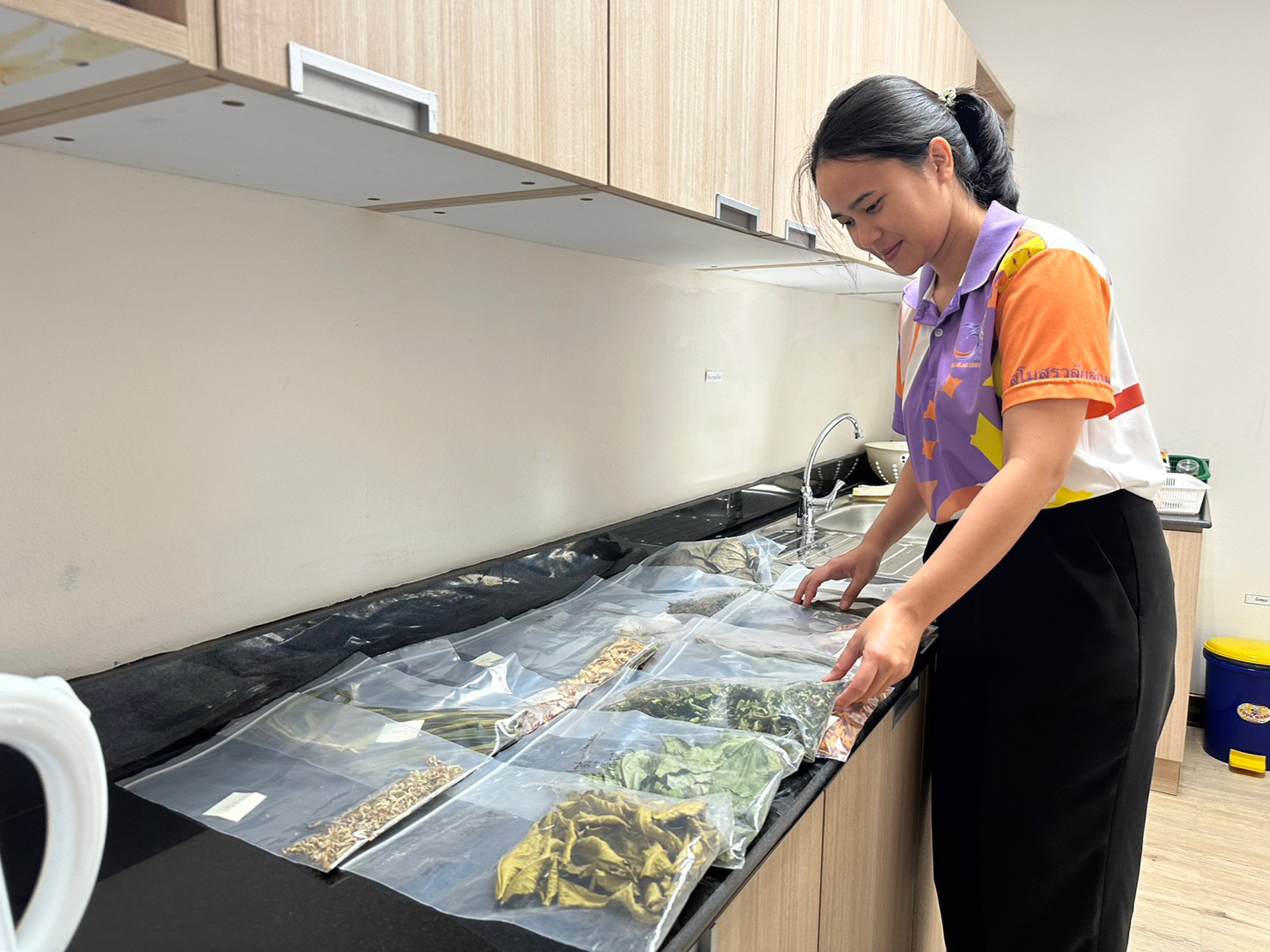
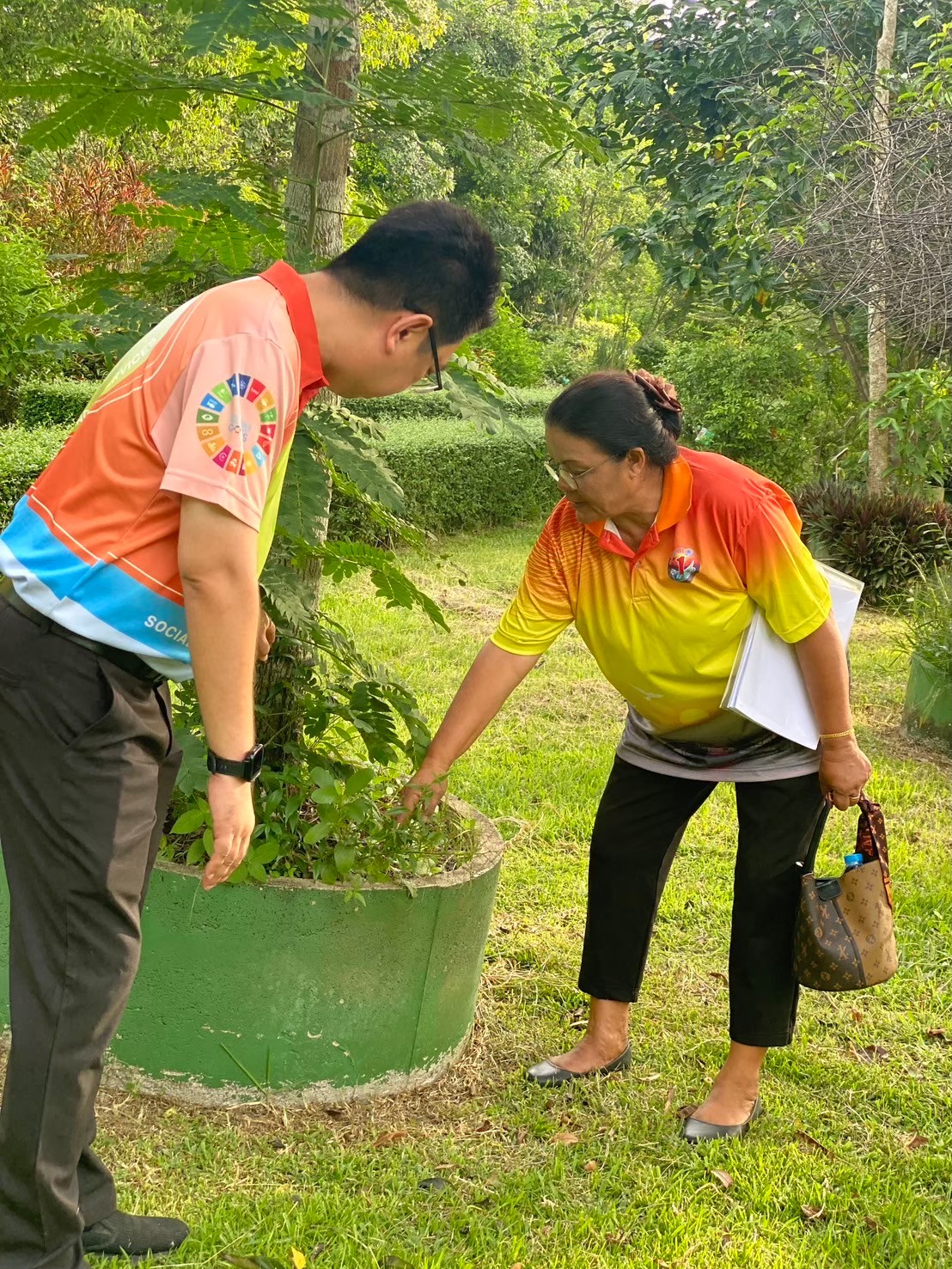
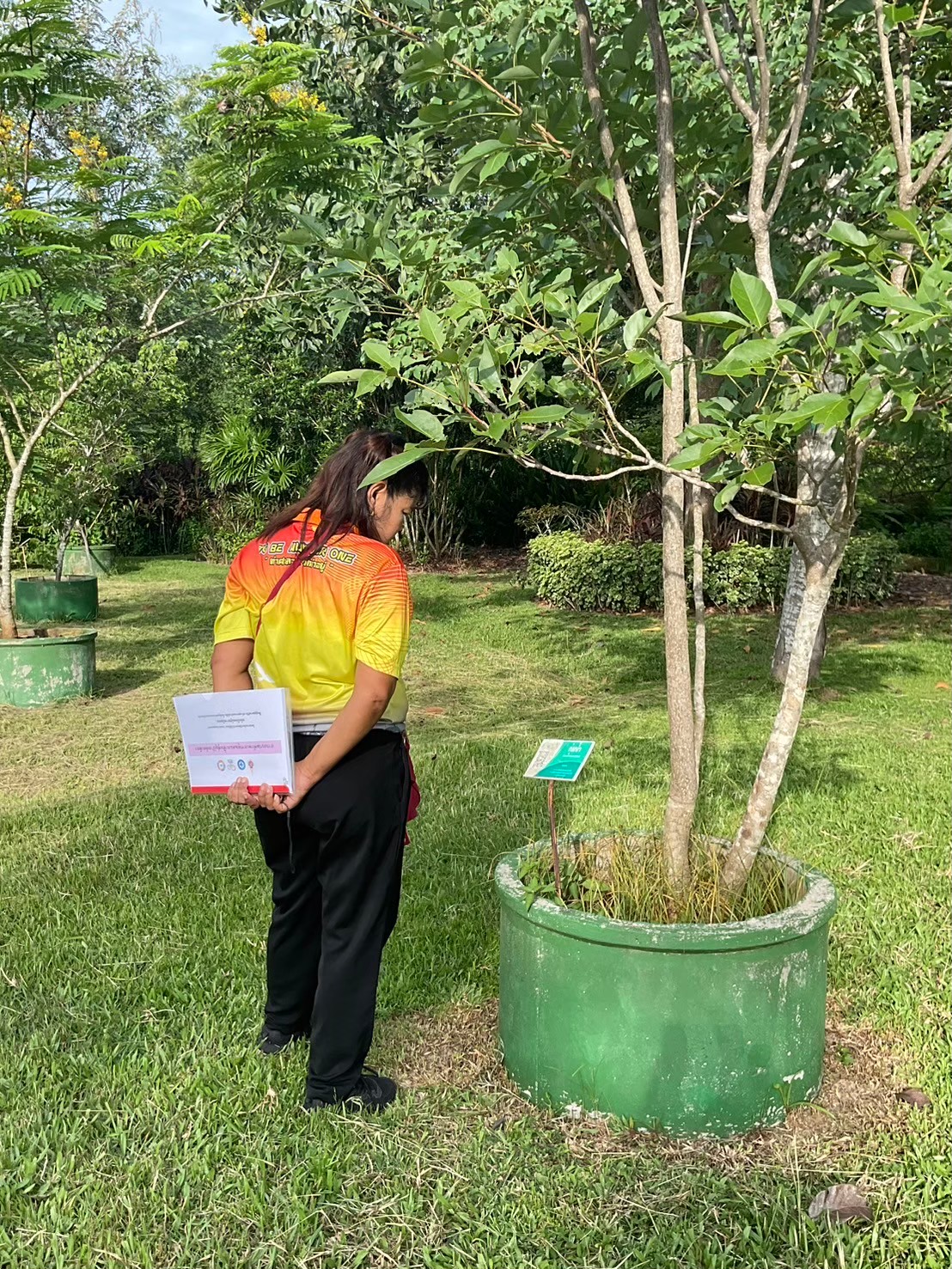
The Thai Traditional Medicine Product Development Project to Promote Community Health
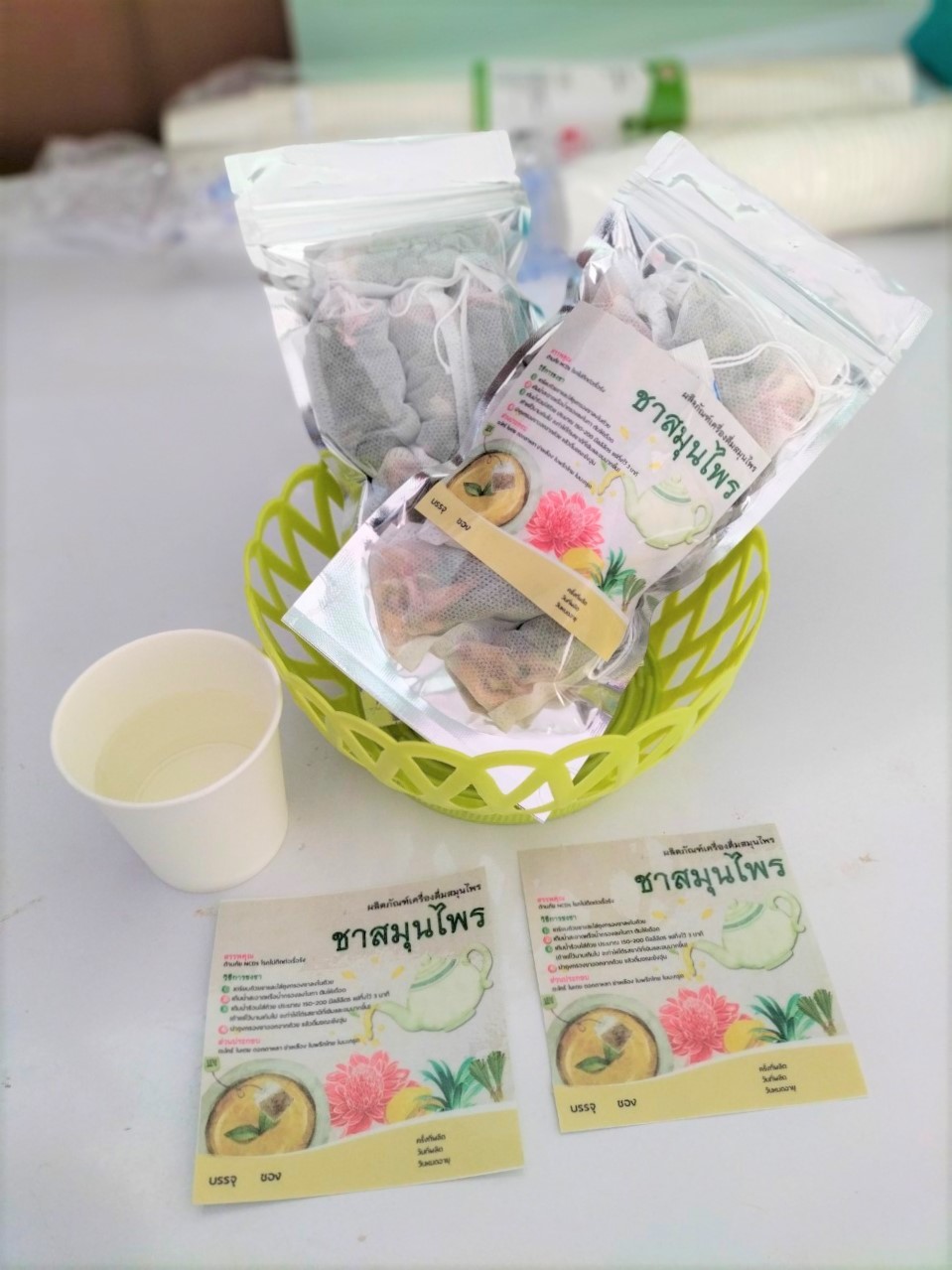
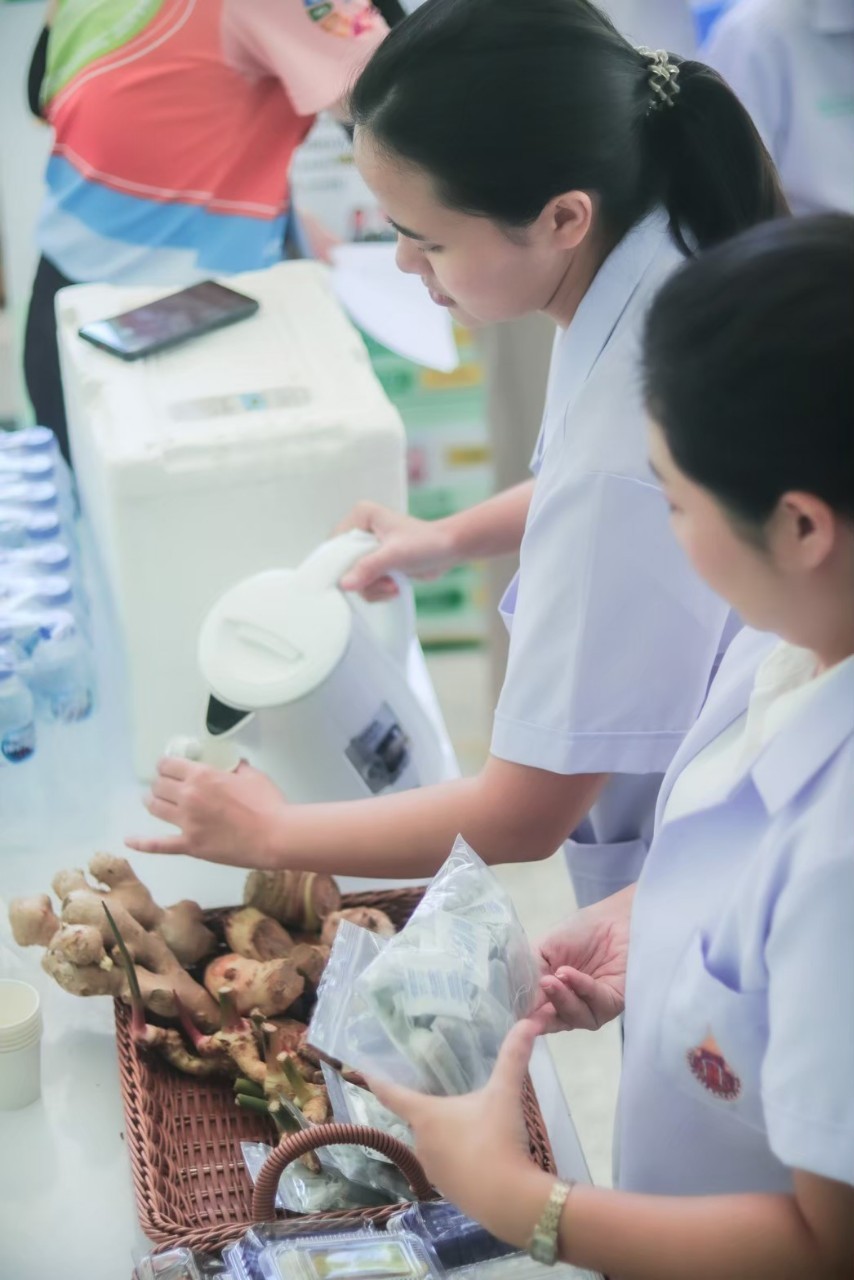
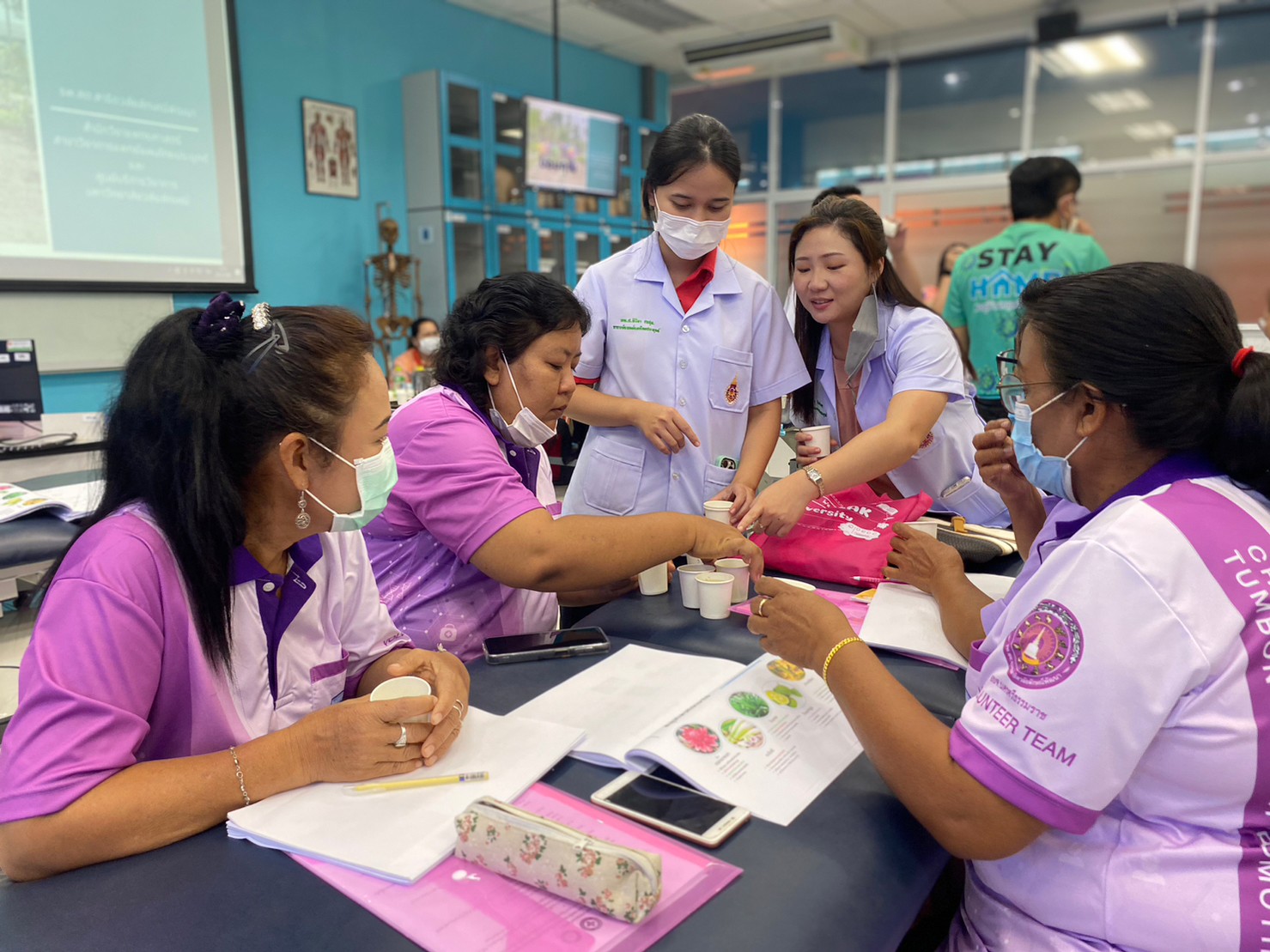
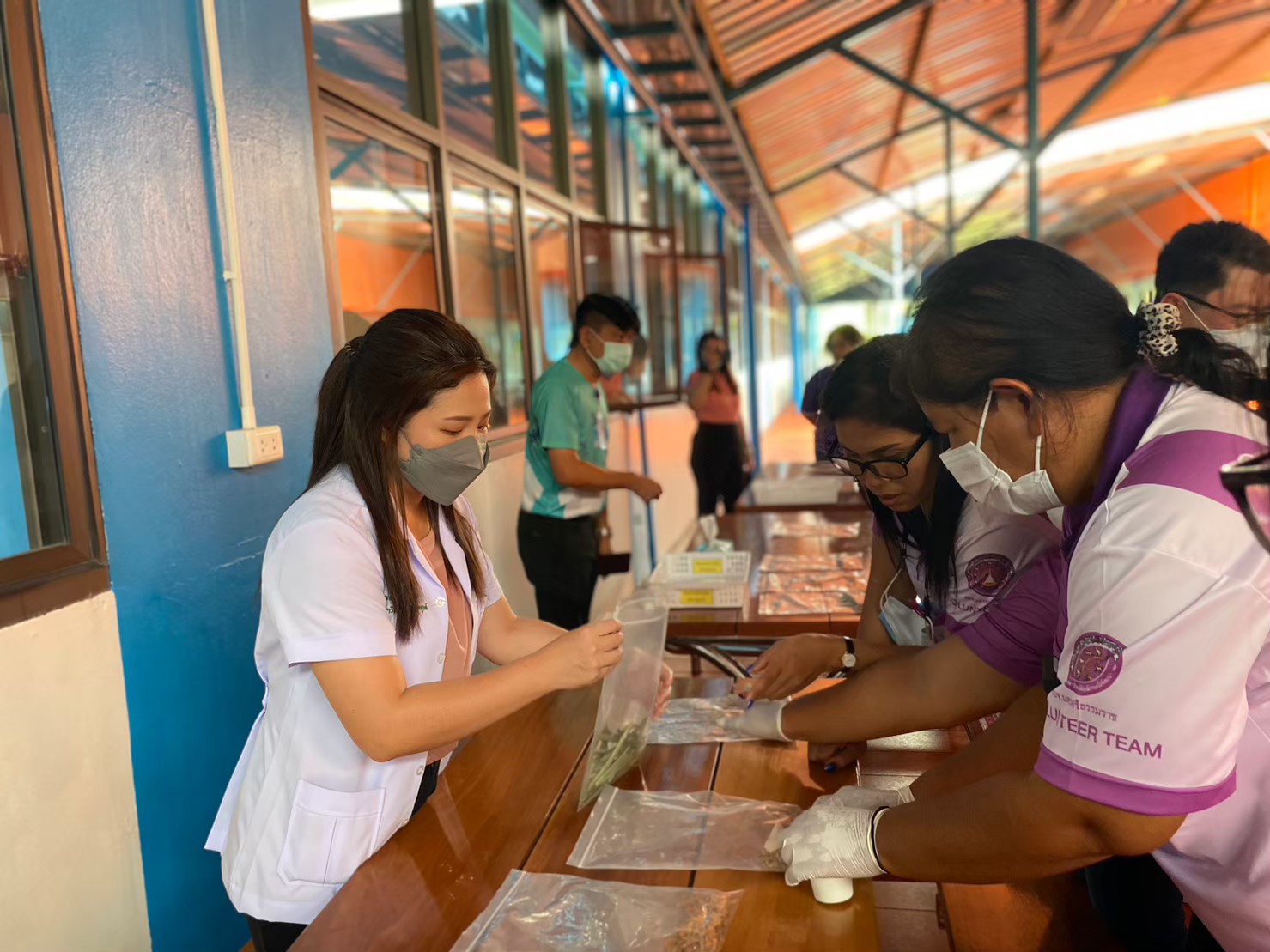
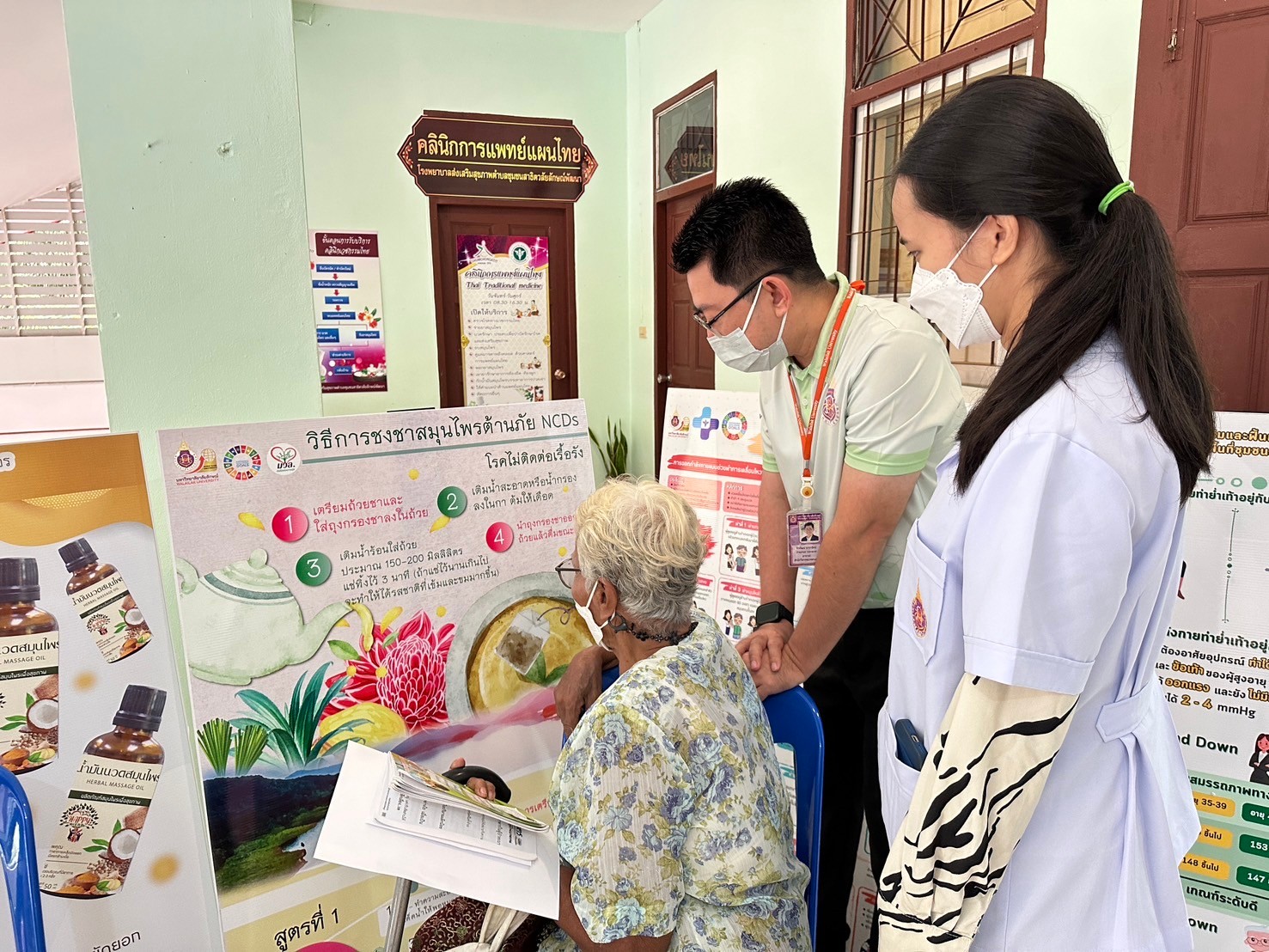
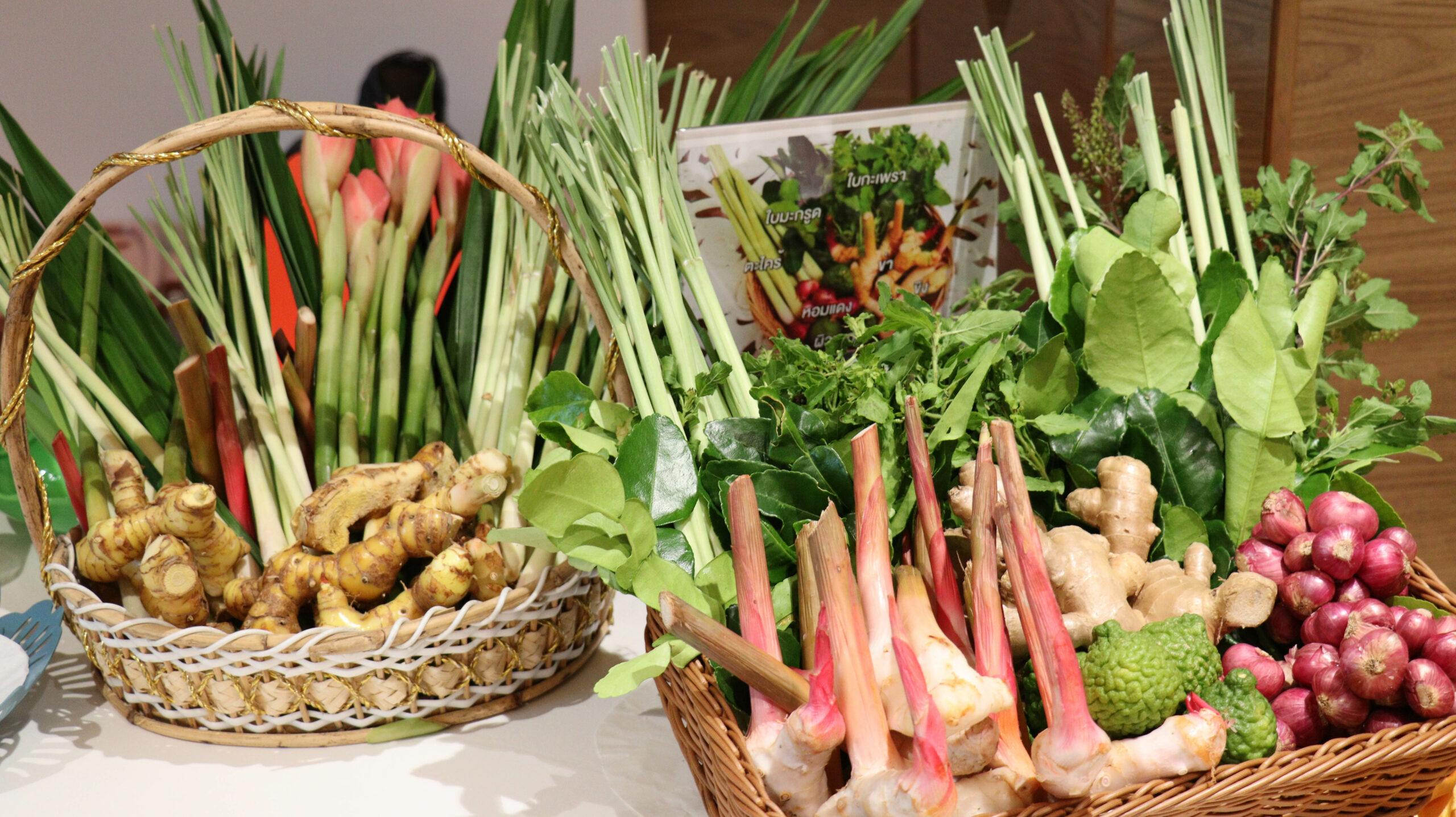
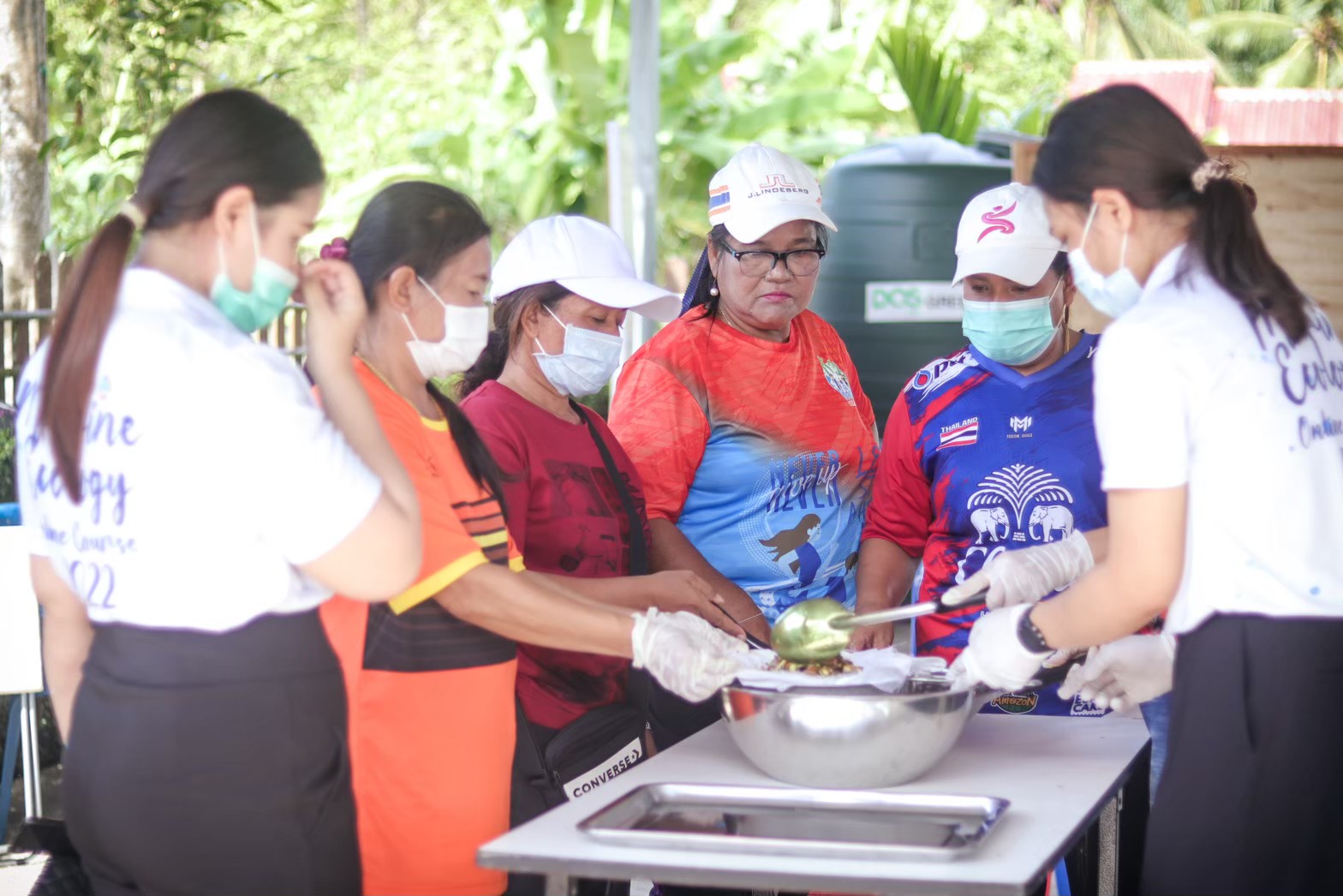
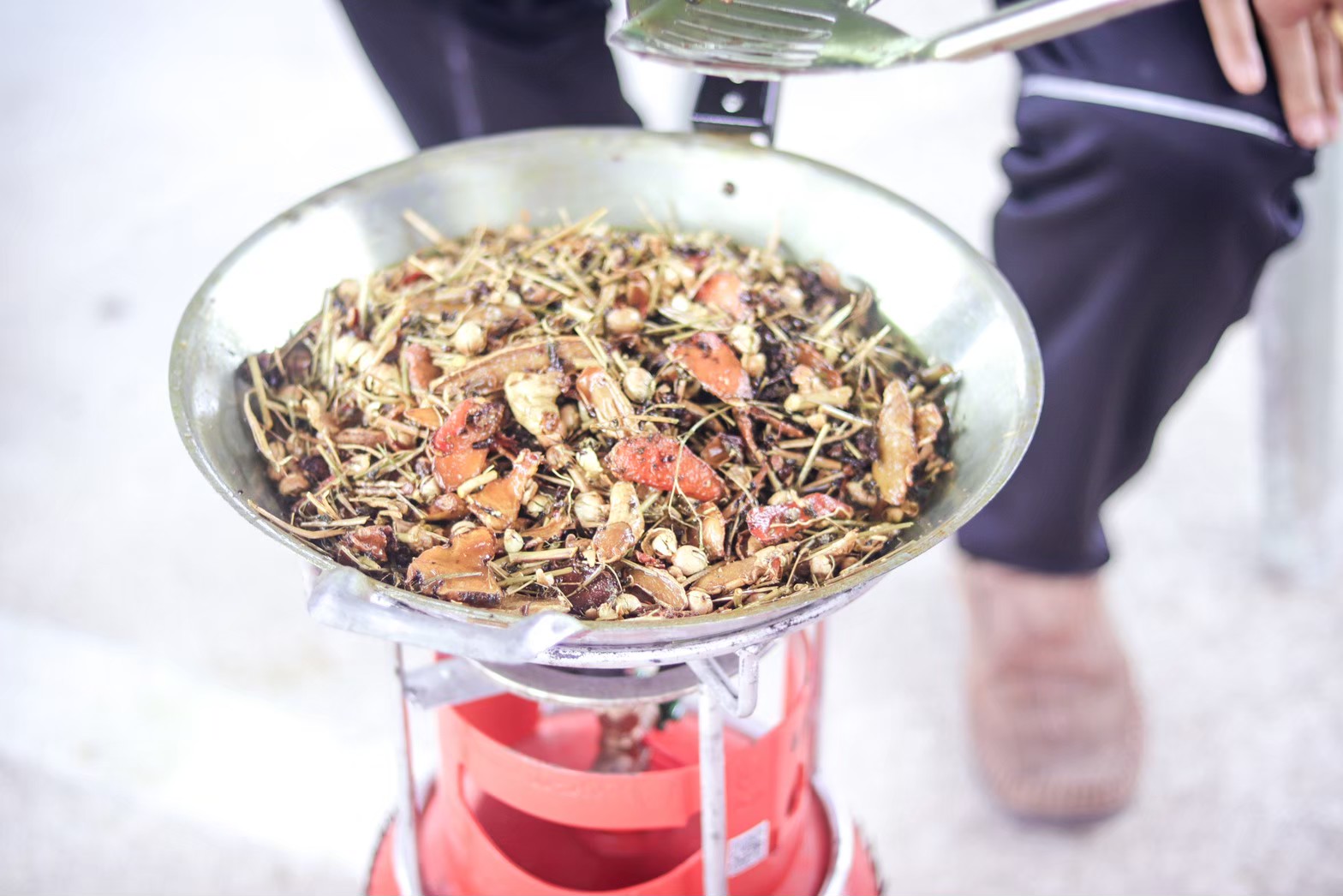
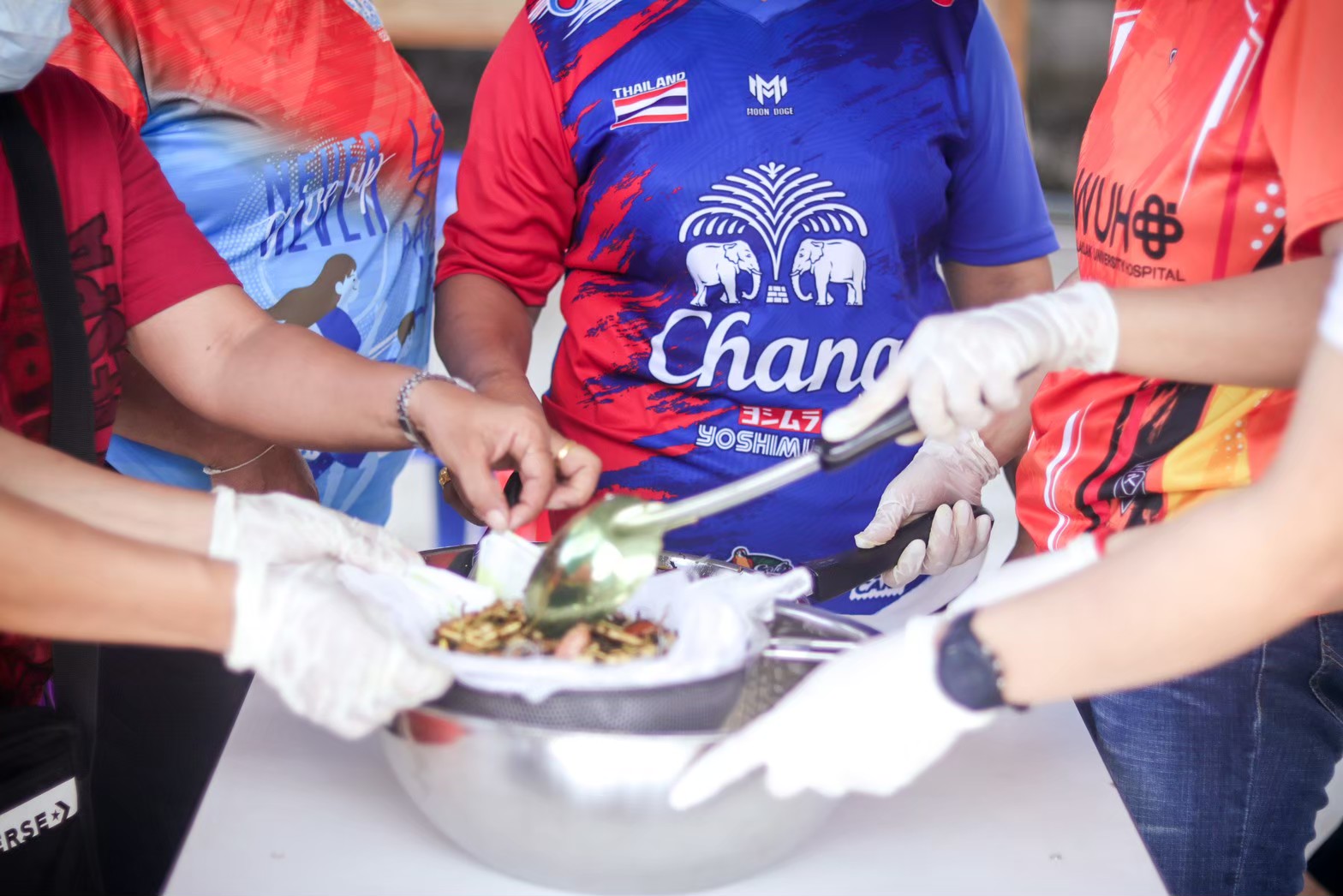
This project began with a survey of local issues and found that elderly individuals and those with non-communicable diseases in local community had started using herbs for health care. However, they lacked proper knowledge about the appropriate use of herbs. Therefore, Walailak University addressed this issue by delivering outreach project to impart knowledge about the use of household herbs for health care and by conducting workshops on herbal processing, such as making herbal tea for health benefits. As a result, community members gained additional knowledge about the use of herbs in their daily lives and acquired skills in herbal processing for health care. Furthermore, follow-up visits revealed that community members applied the knowledge they received and improved their health care behaviors.

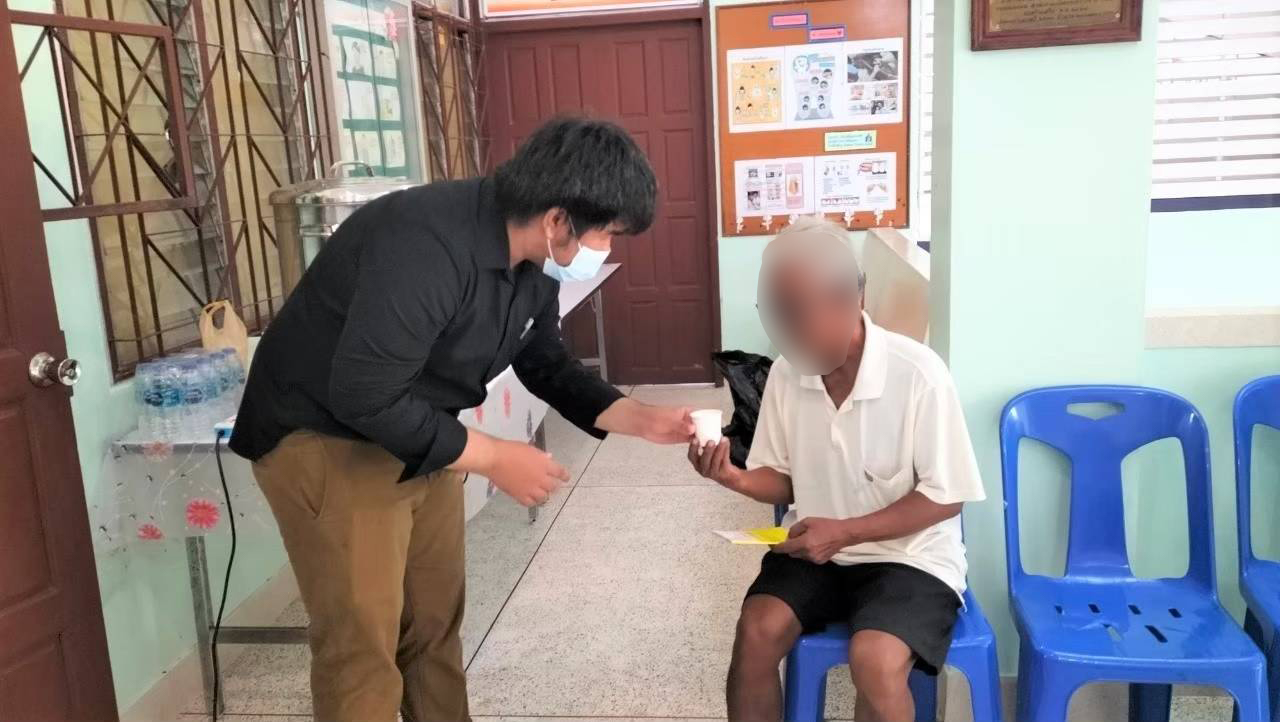
Figures : The outreach project for general public in local community for delivering herbal knowledge and herbal tea processing.

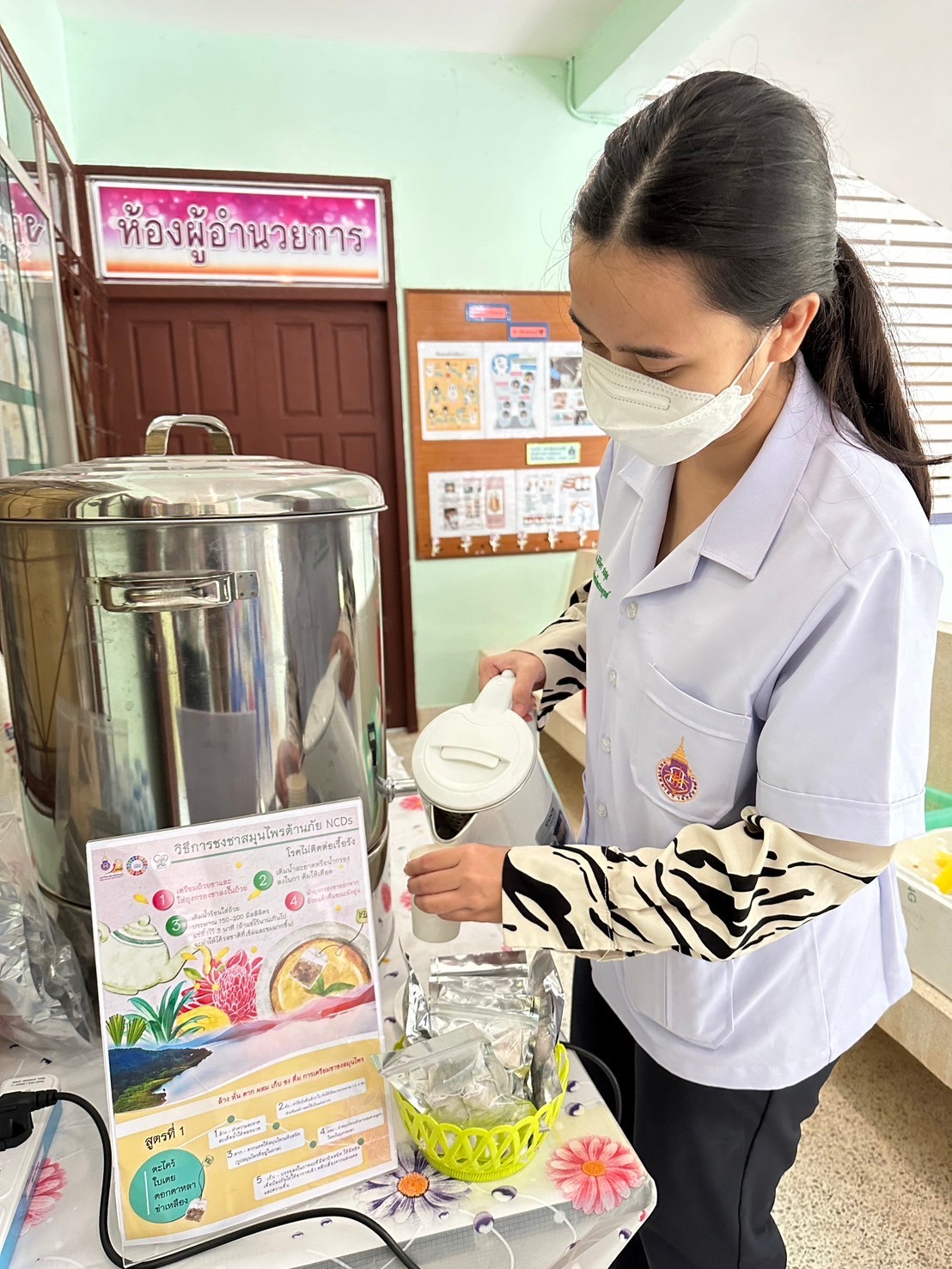
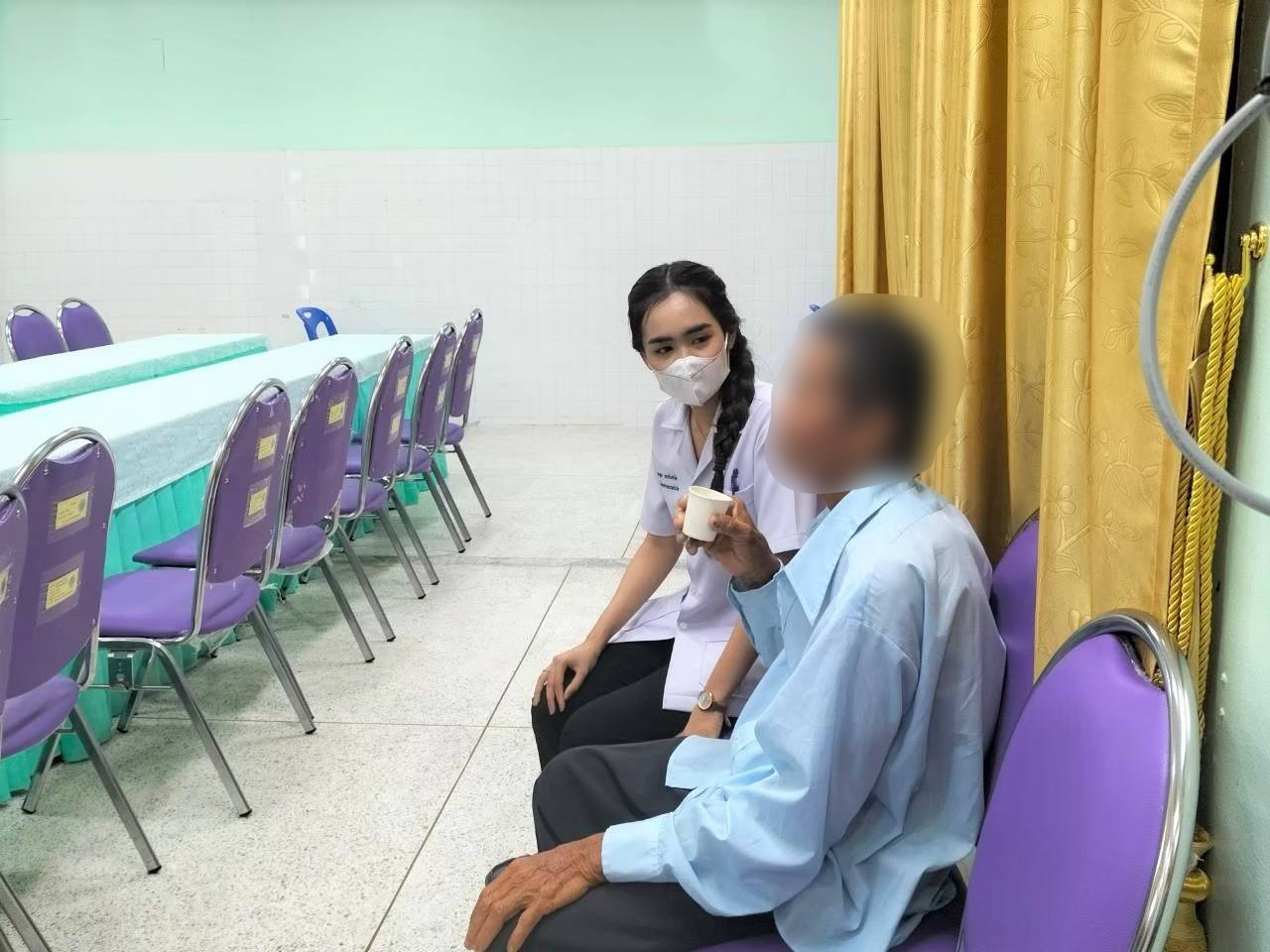
Additionally, both projects collaborated to implement their results in the local community by encouraging community members to drink herbal tea to stimulate blood circulation before performing stationary marching exercises using physical therapy techniques. The integration of the outcomes from both projects yielded positive results, as drinking herbal tea helped stimulate blood circulation, making a few minutes of stationary marching exercise sufficient. Moreover, there were students volunteer for their practical experience in the local community and real-life situations.
The Process of Collaboration with Two Outreach Project for the Better Health and Well-being Outcomes

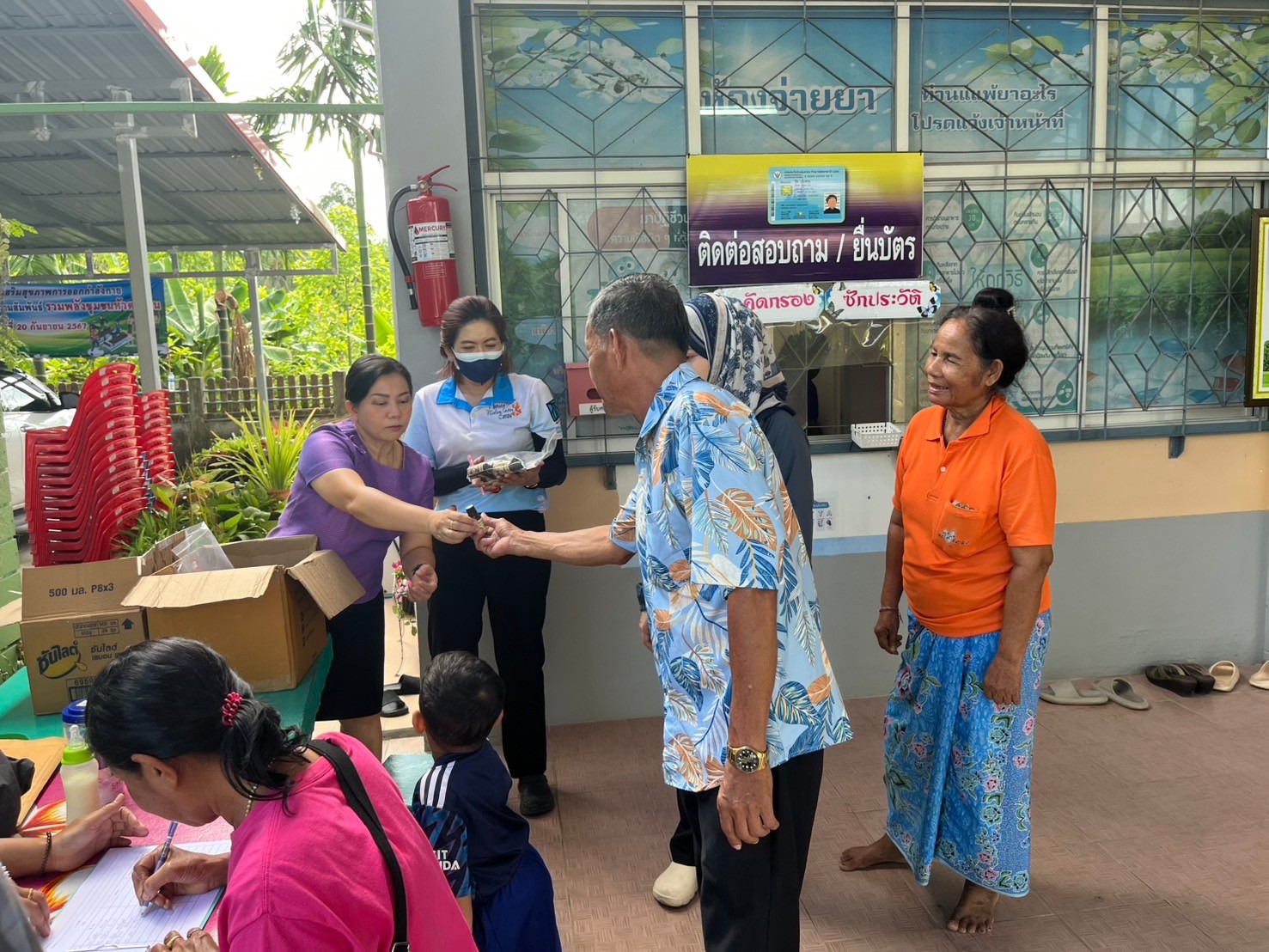
Figures : Distribute herbal tea for drinking before exercising with stationary marching exercises.

Figures : The Stationary Marching Exercises.

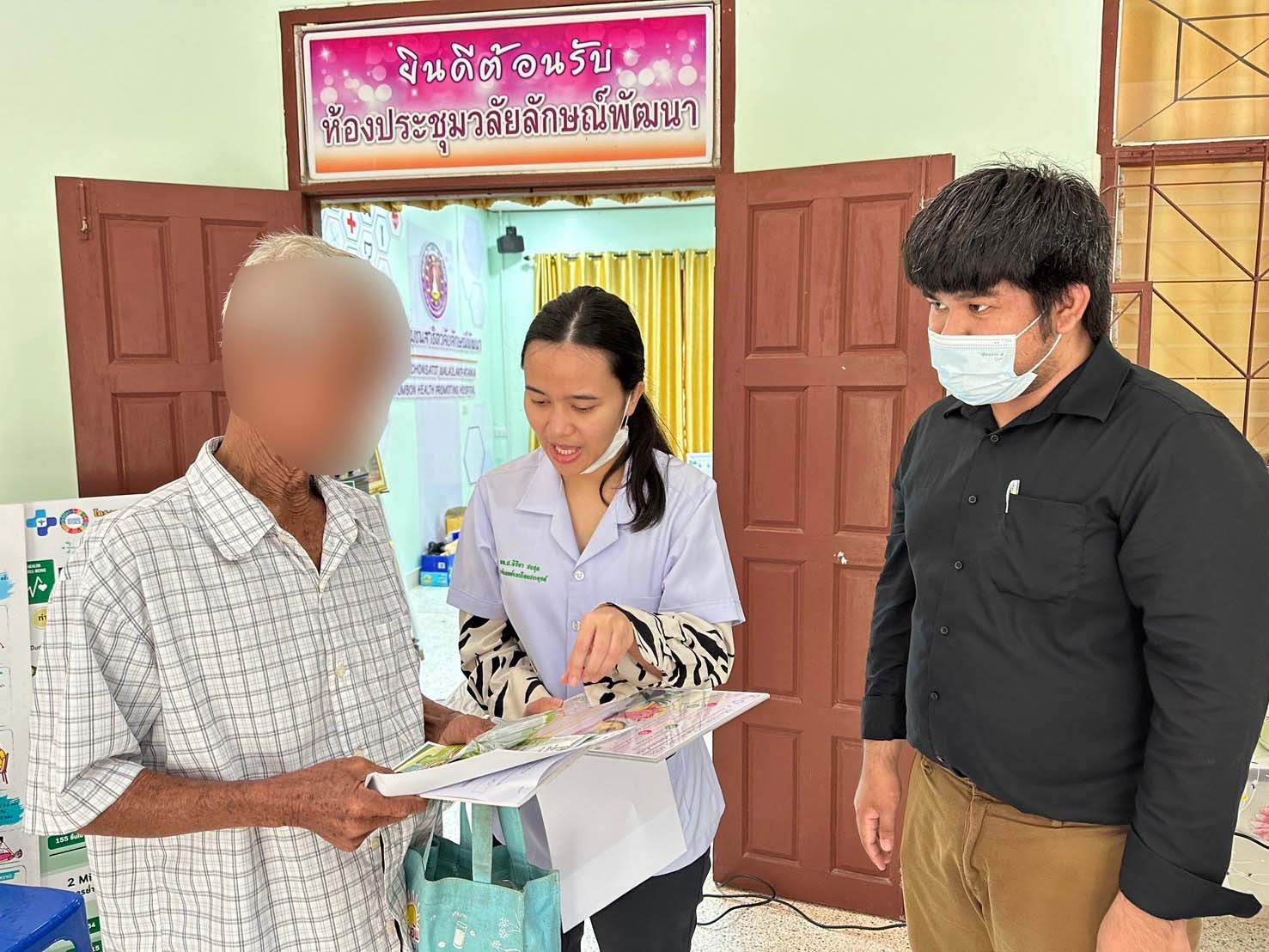
Figures : Take home the herbal tea along with instructions on how to brew it and incorporate it with marching exercises at home.

Disadvantaged People
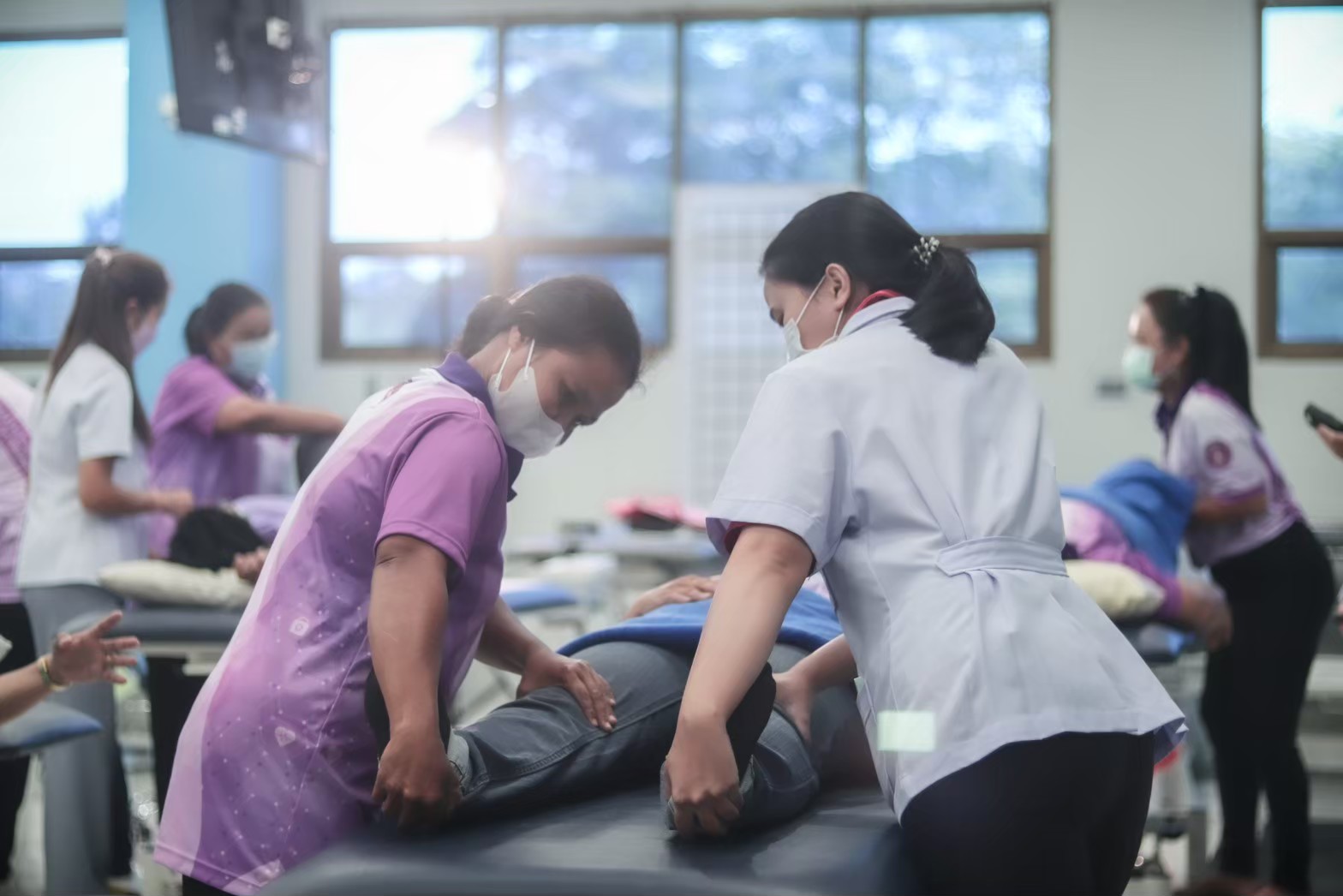
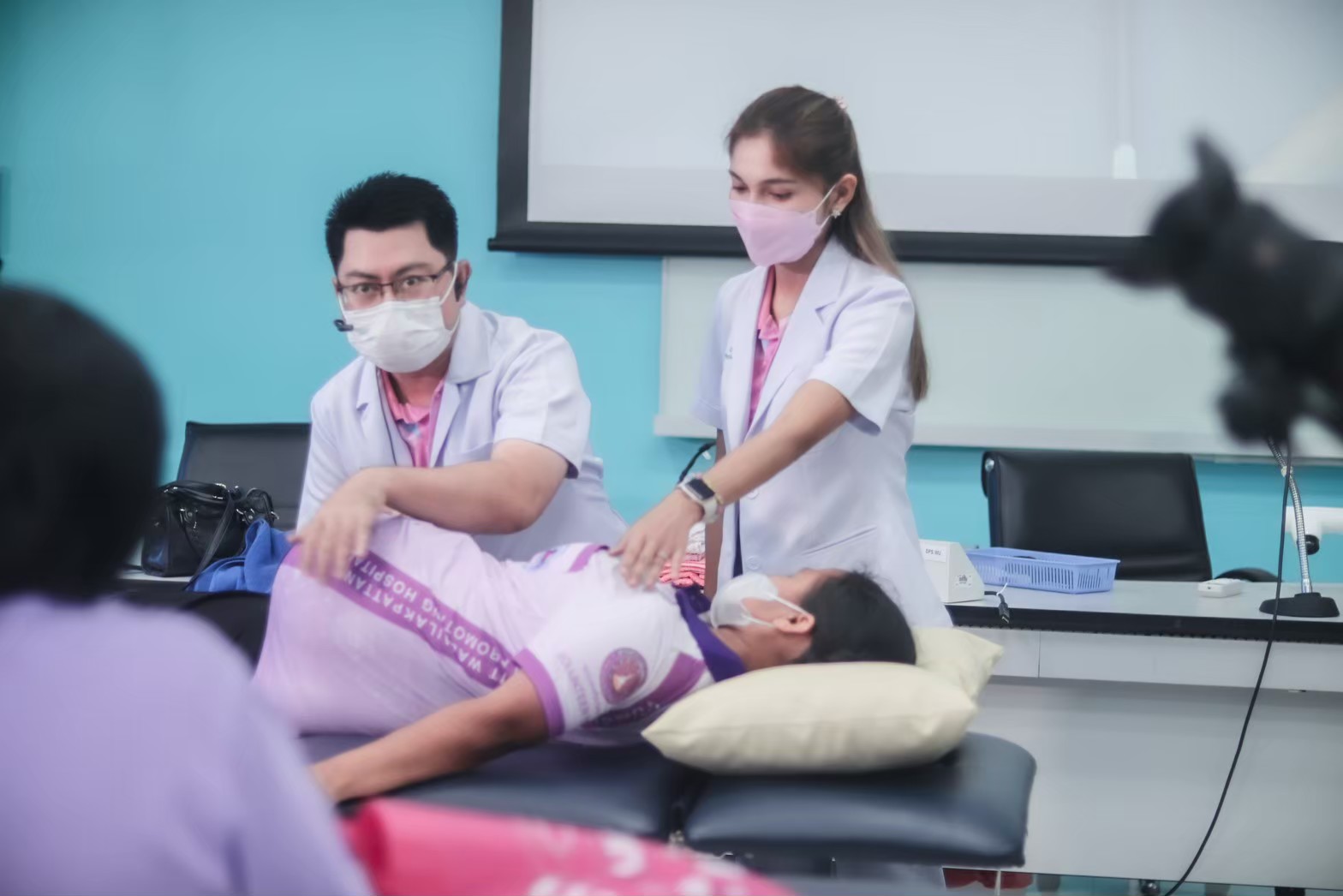
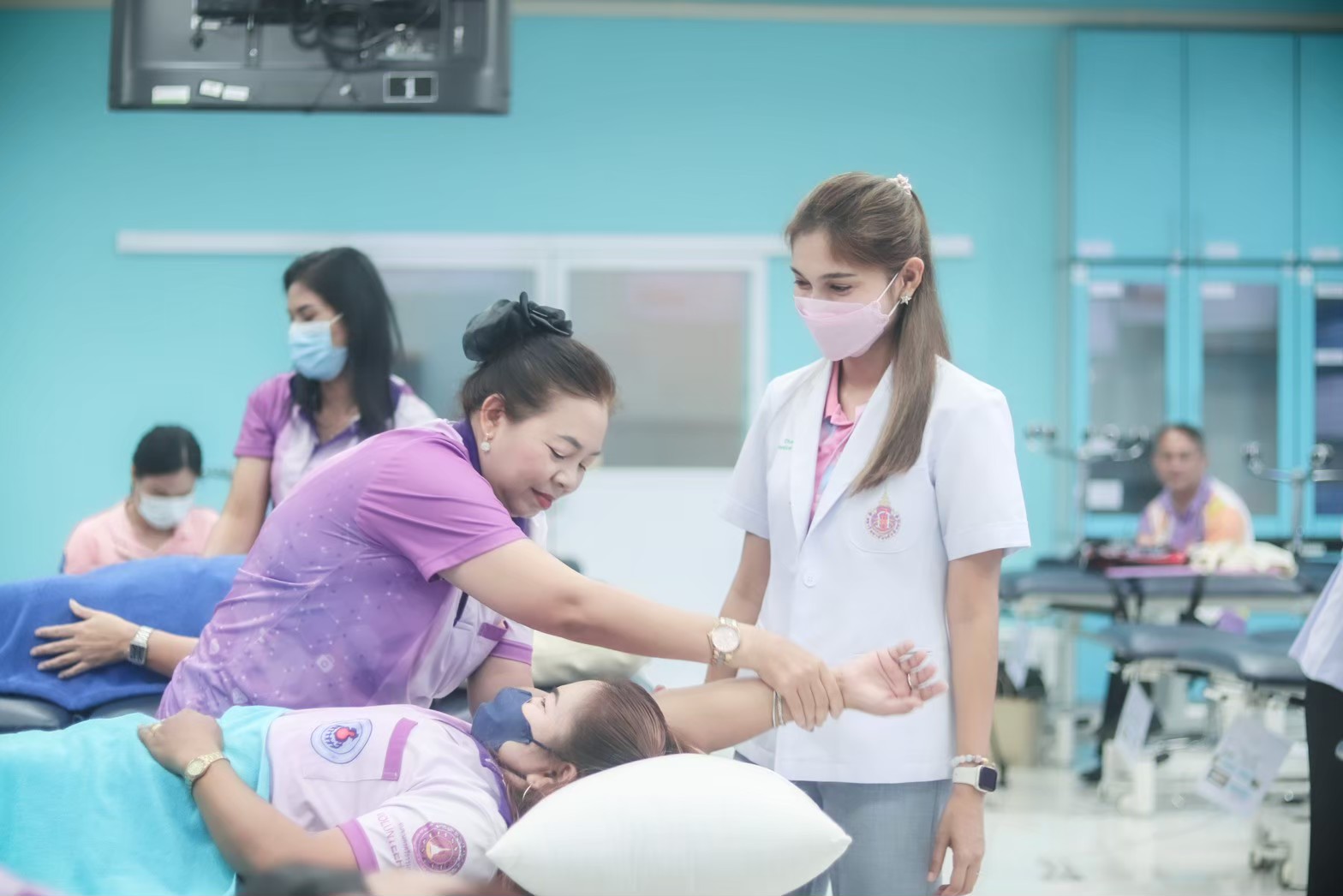
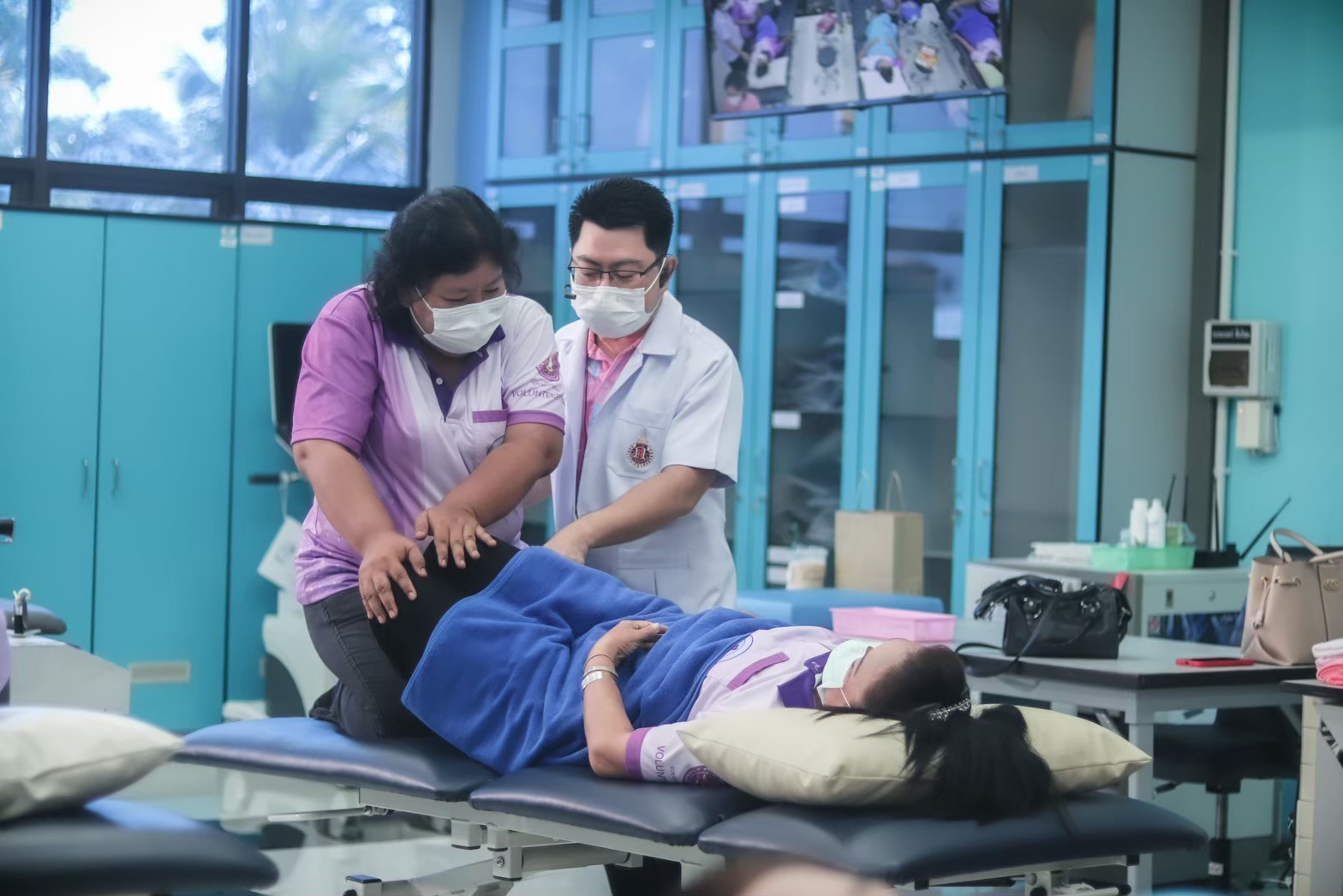
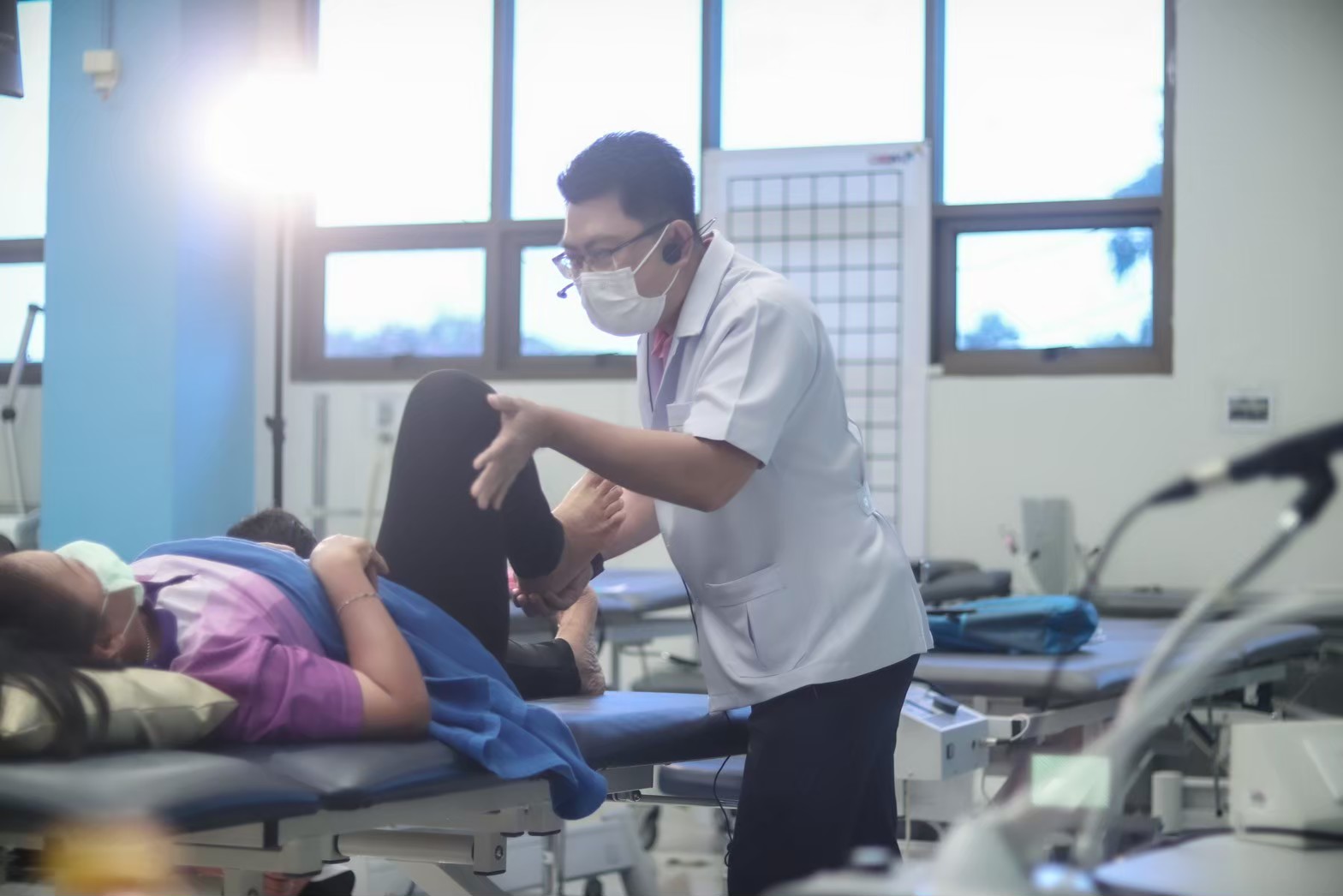
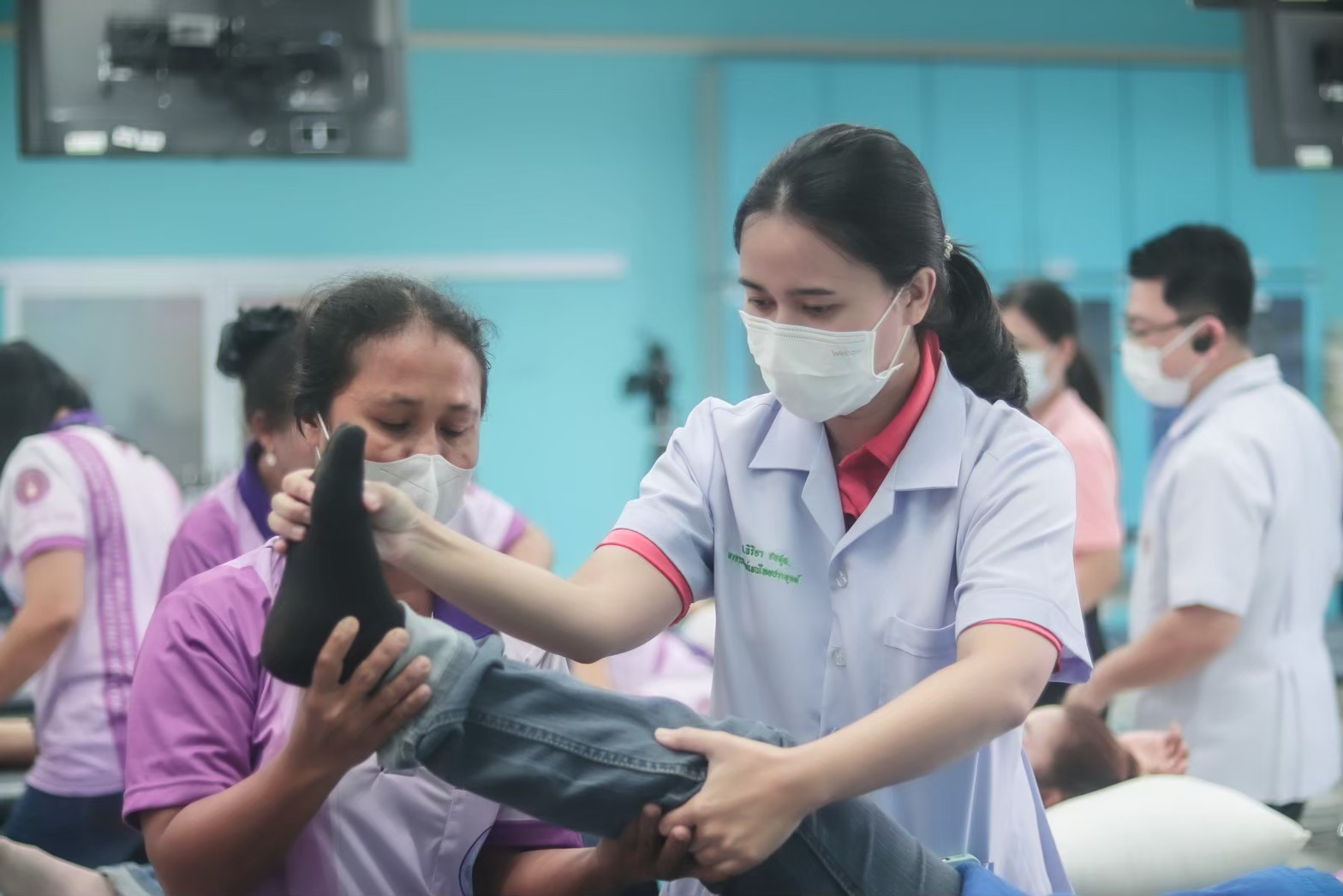
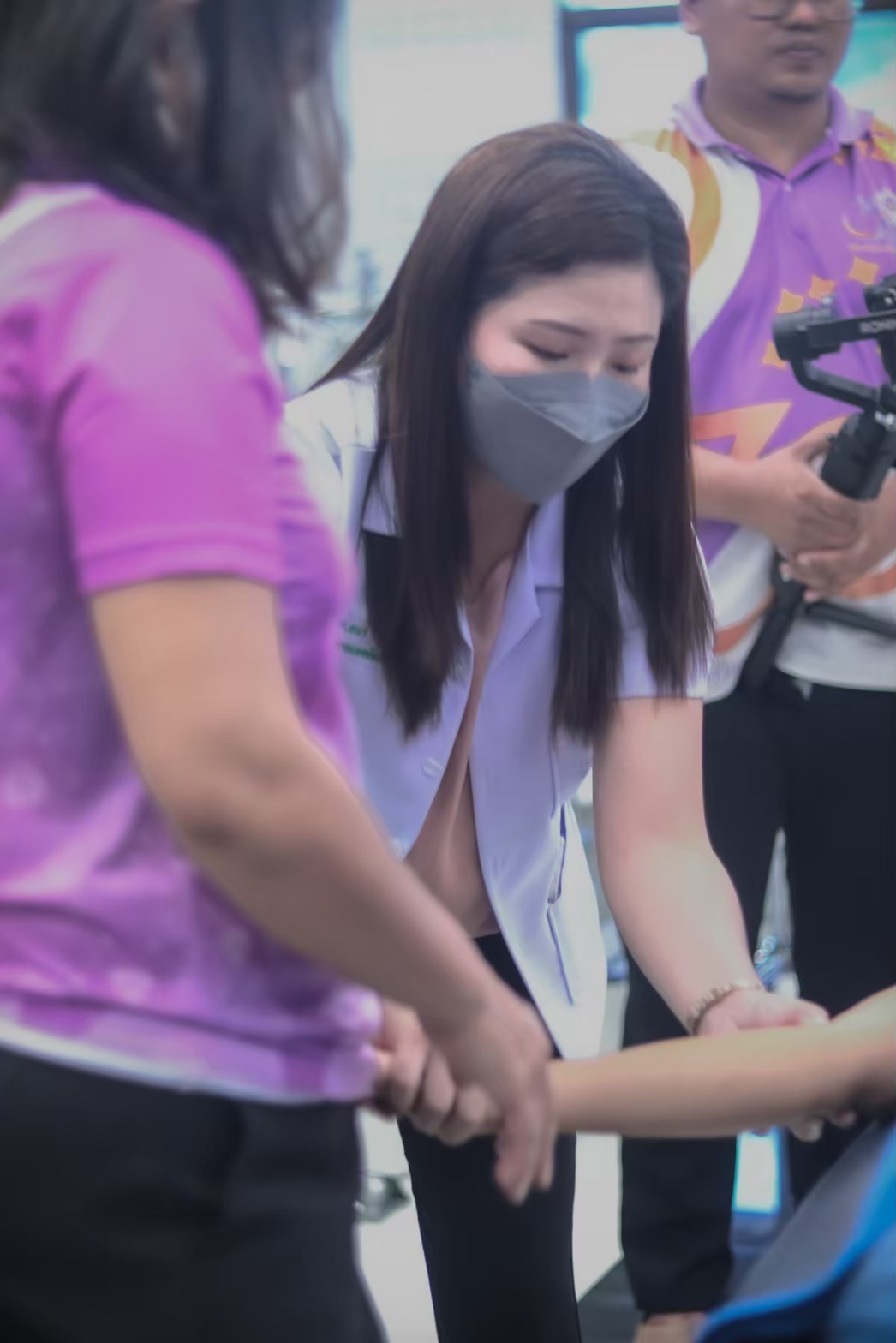
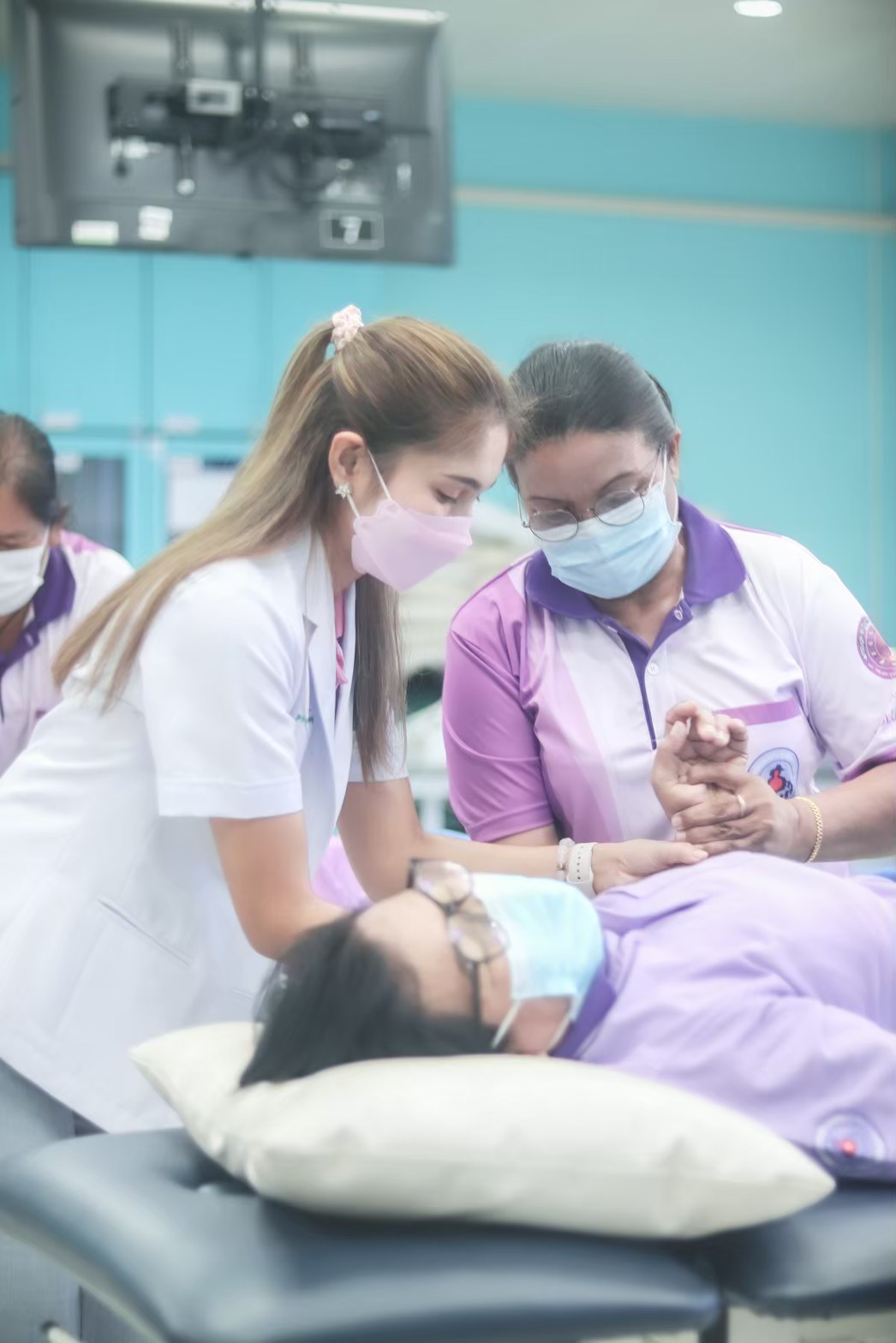
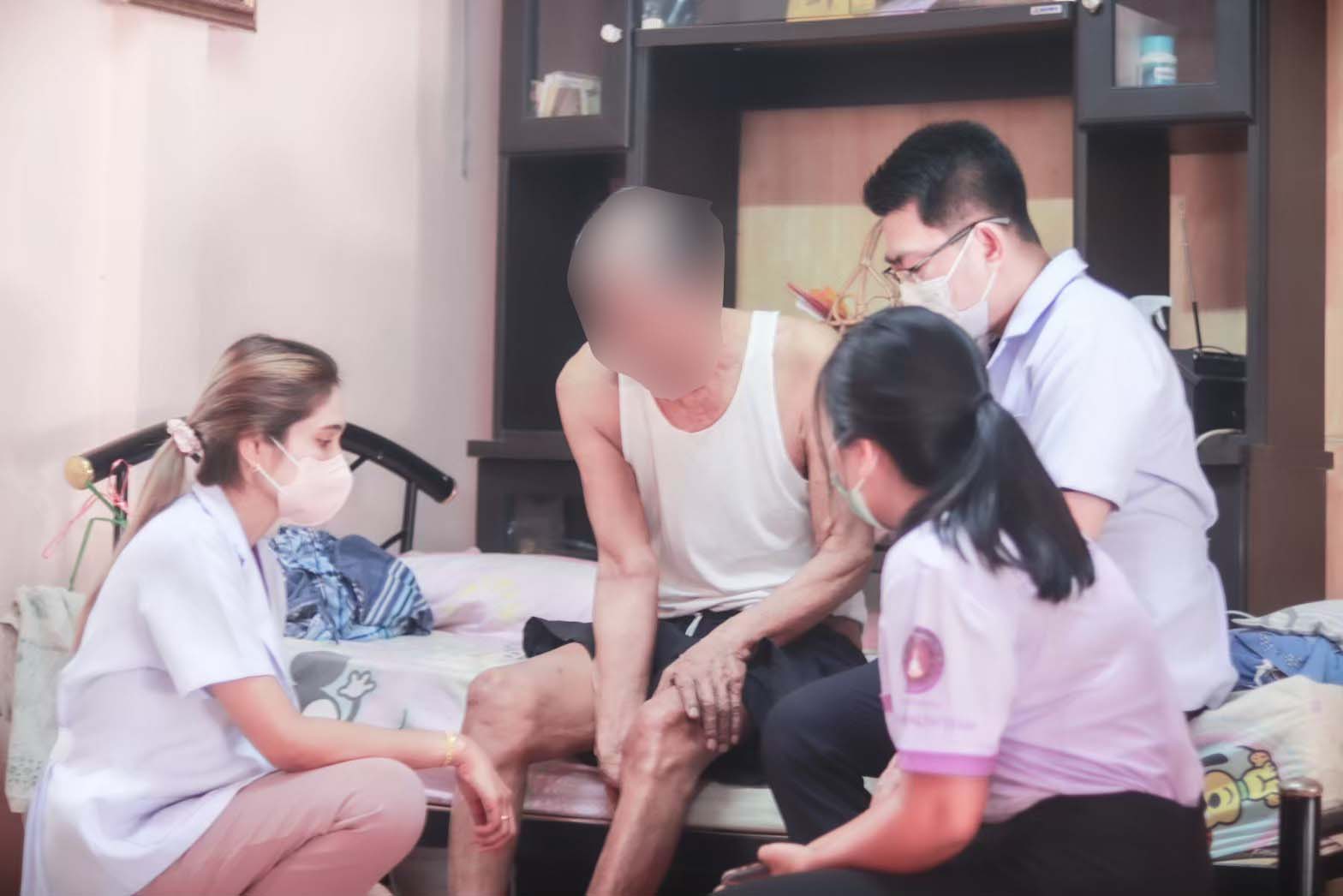
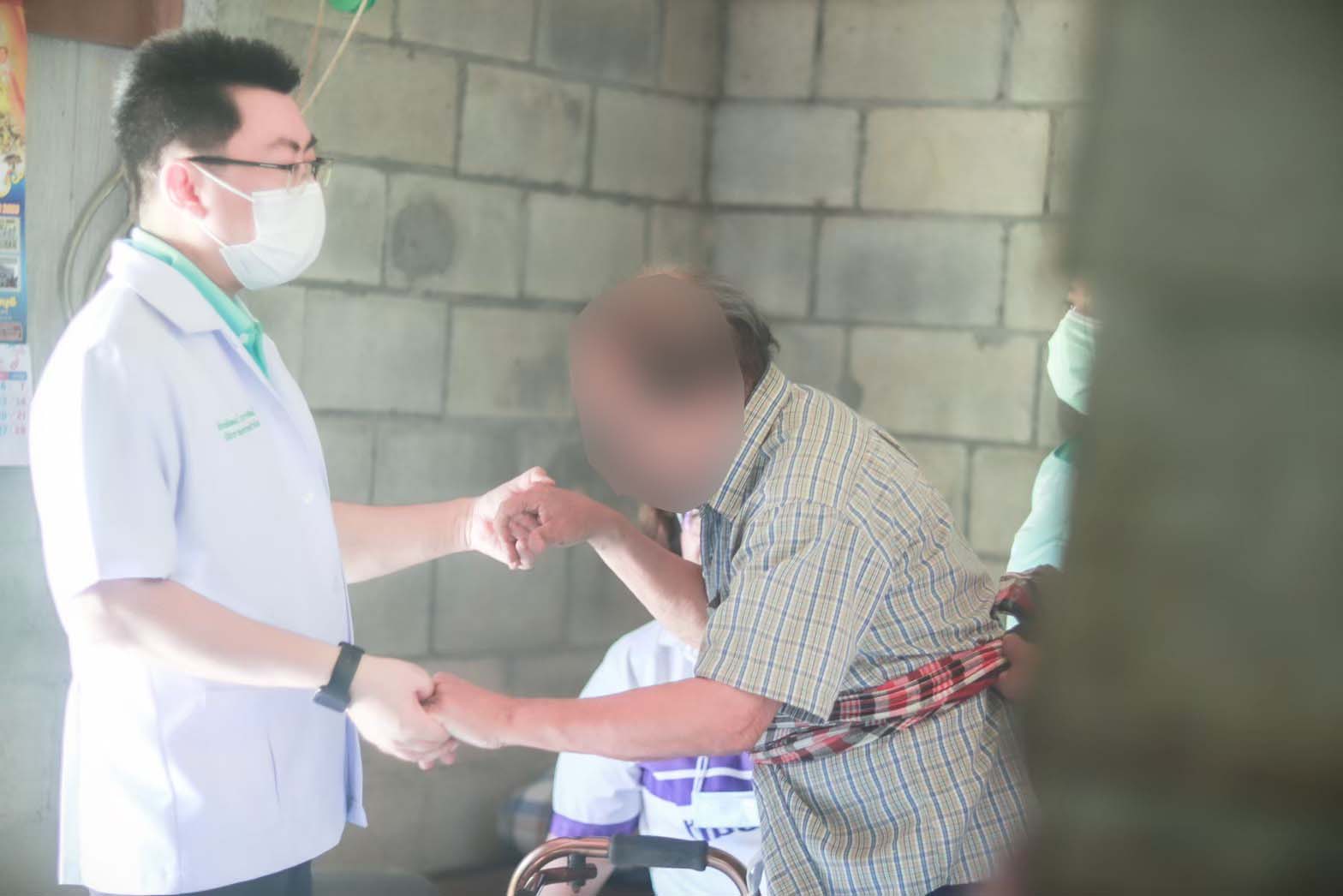
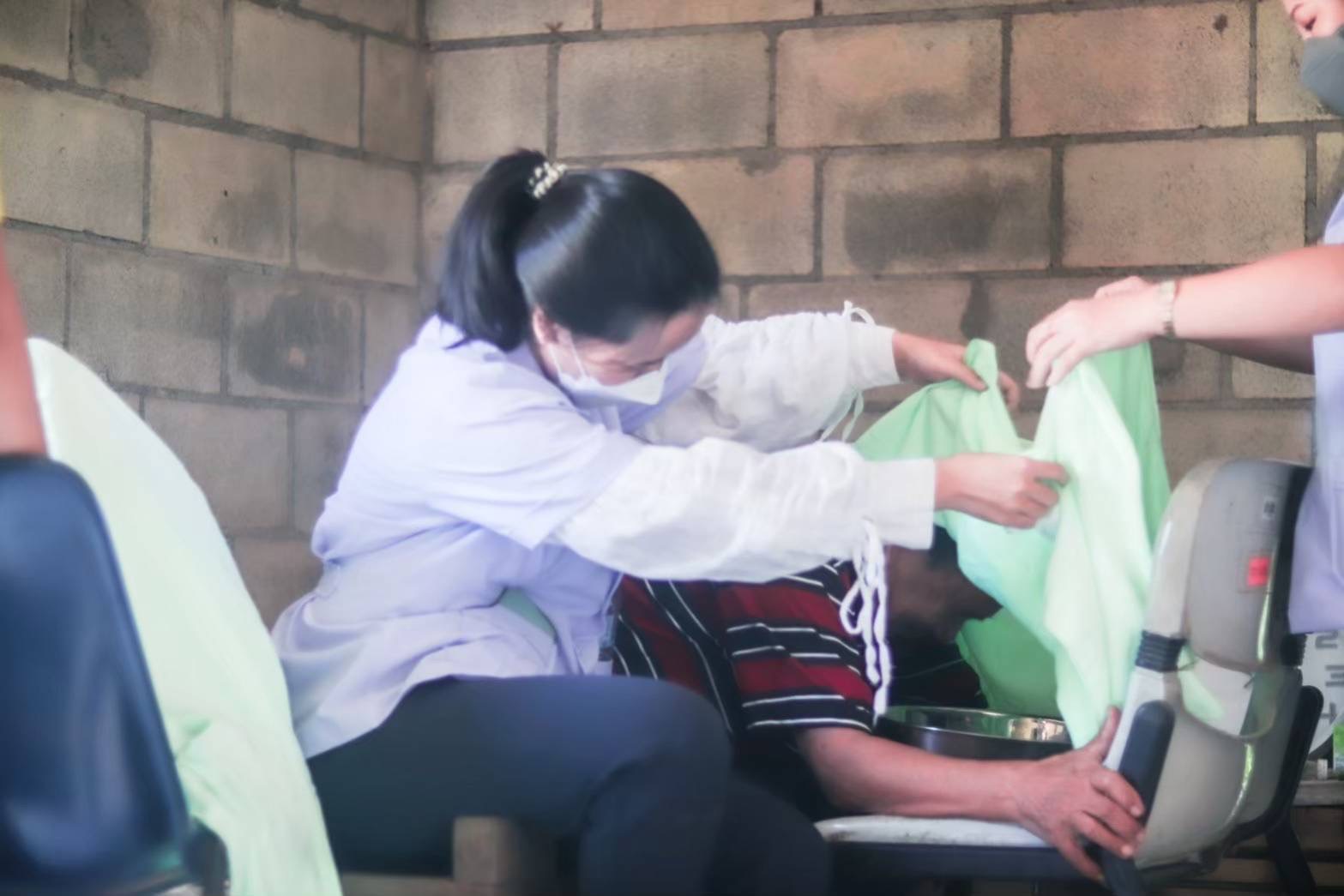
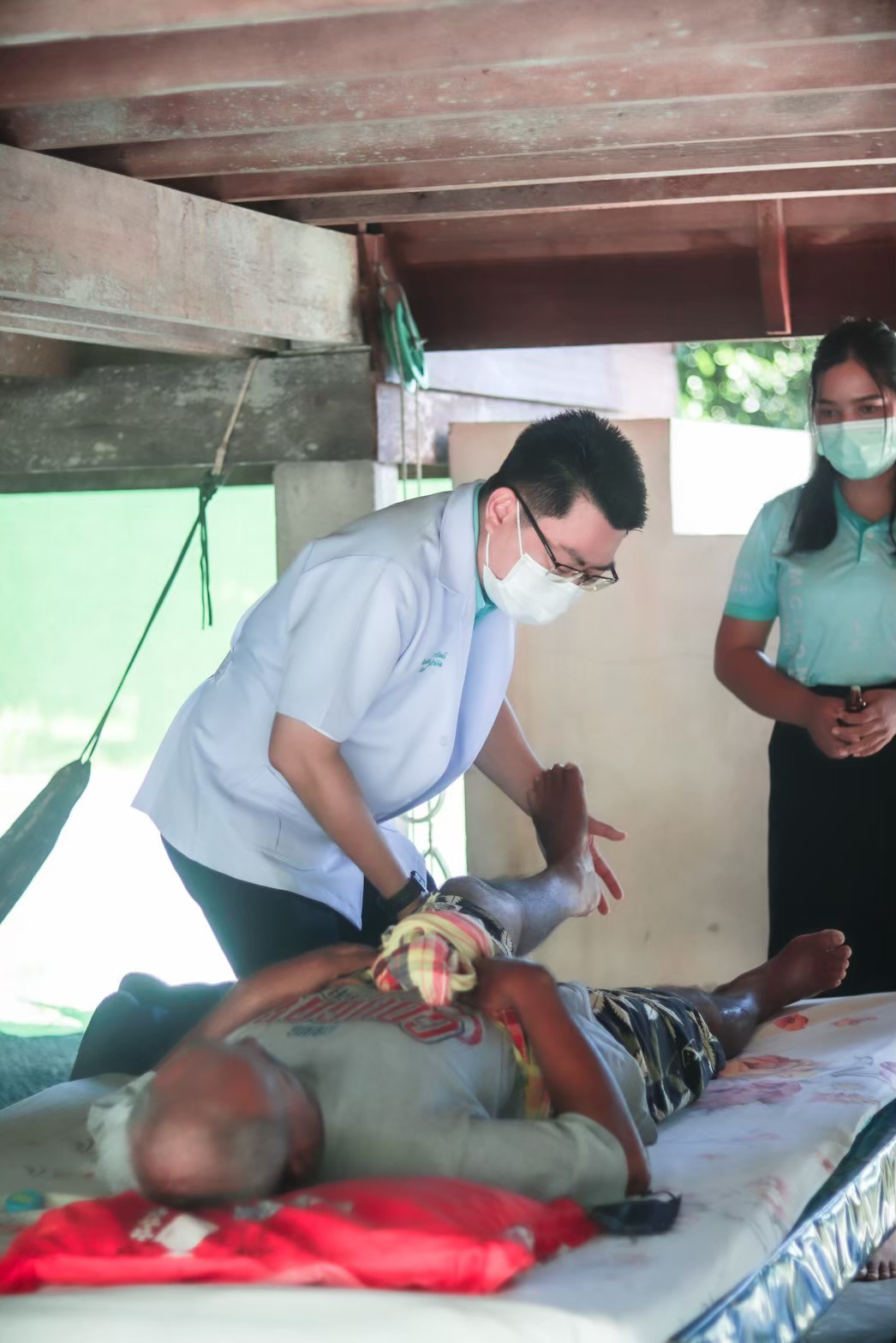
In addition to the general population local community, The 4th year of The Pre-elderly and Elderly Strengthen and Rehabilitation Project at Satit Walailak Pattana Community has also delivered outreach project for disadvantaged people, specifically bedridden patients. Recognizing that bedridden patients are often unable to care for themselves and thus require caregivers, typically Village Health Volunteers (VHVs) in the community, the project organized training activities to enhance the skills of subdistrict health promotion hospital staff and VHVs in caring for and rehabilitating bedridden patients. Additionally, other important skills are added to the training activity which is the massage skill. Following the training, home visits were conducted to assess the skills learned and to provide additional guidance to the patients’ relatives on proper care. As a result of the project, some bedridden patients were able to sit up on their own, and a few were able to walk with assistance. Also, there are collaboration with the Thai Traditional Medicine Product Development Project to Promote Community Health to care bedridden patients through herbal face steam and massage therapy.

Figures : Training activities to enhance the skills of subdistrict health promotion hospital staff and VHVs in caring for and rehabilitating bedridden patients.

Figures : Home visits were conducted to assess the skills learned and to provide additional guidance to the disadvantaged people’ relatives on proper care.

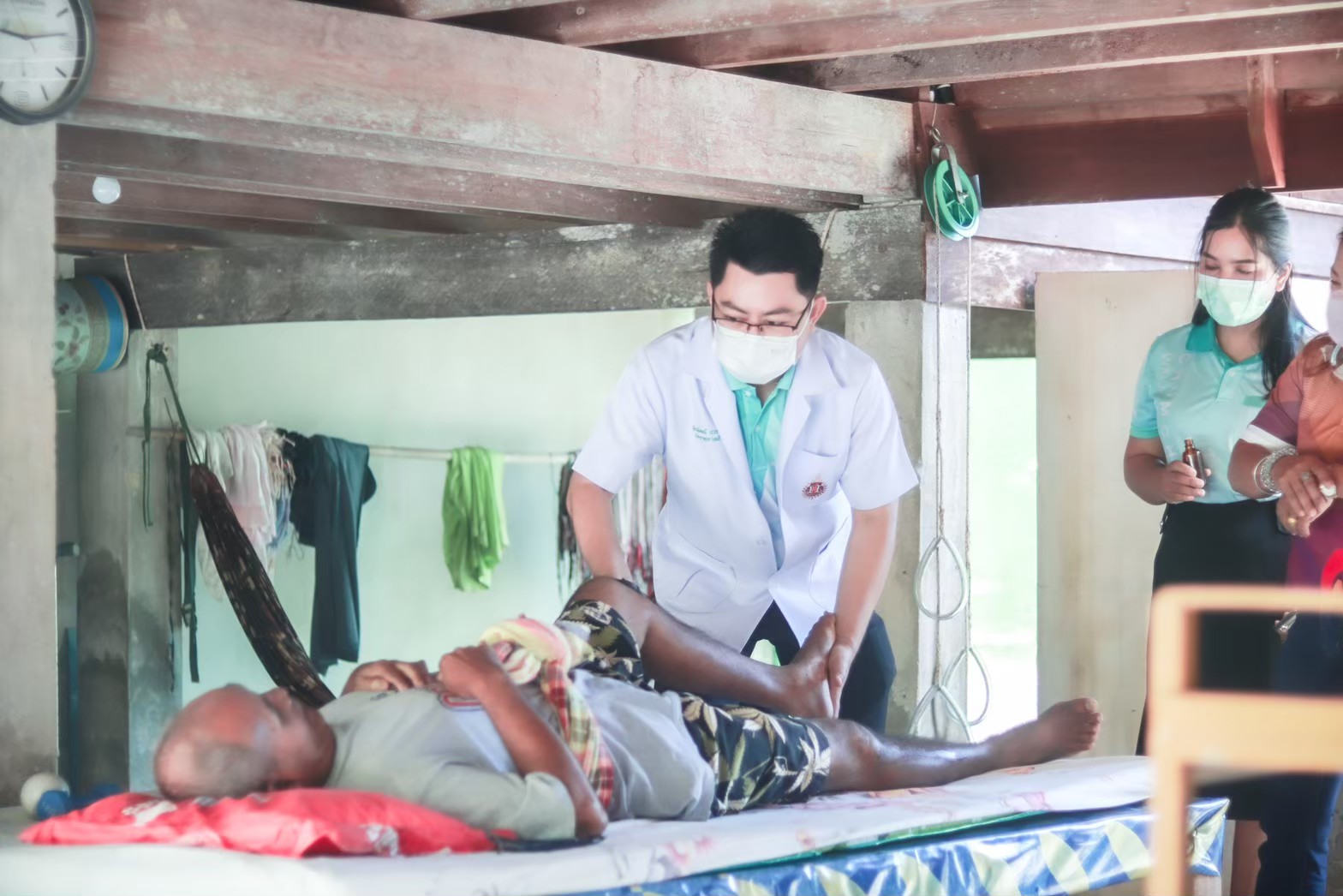
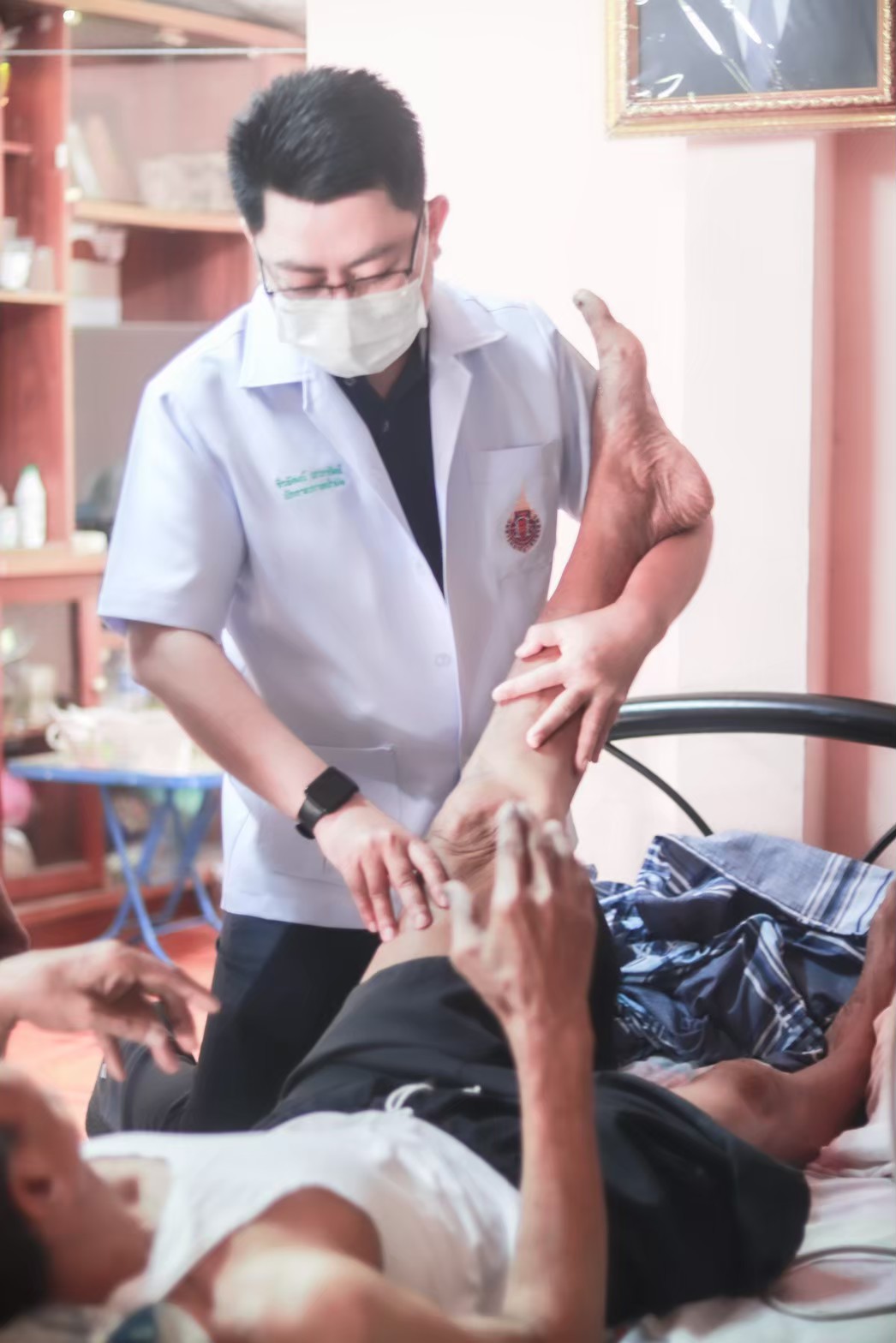
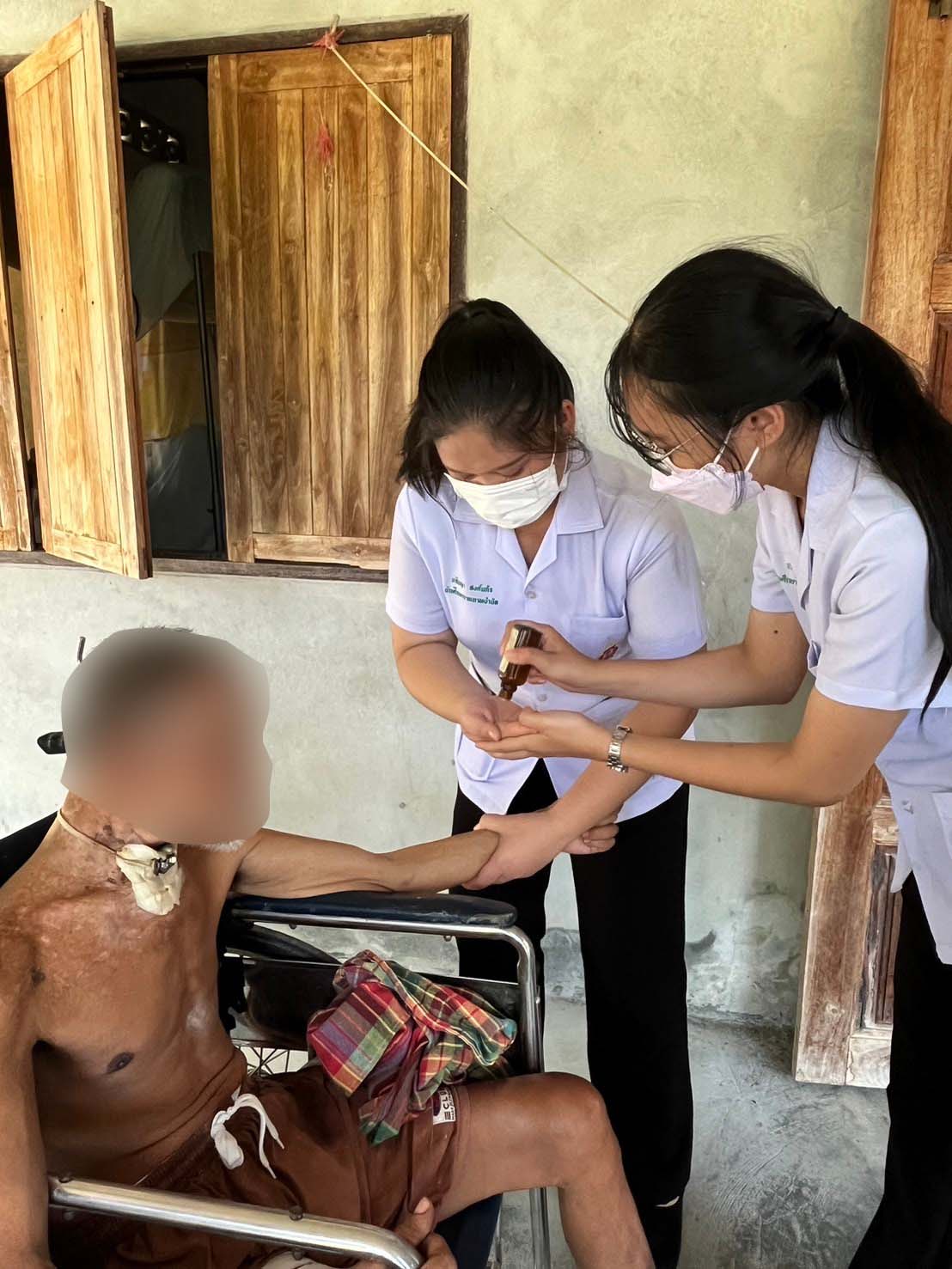
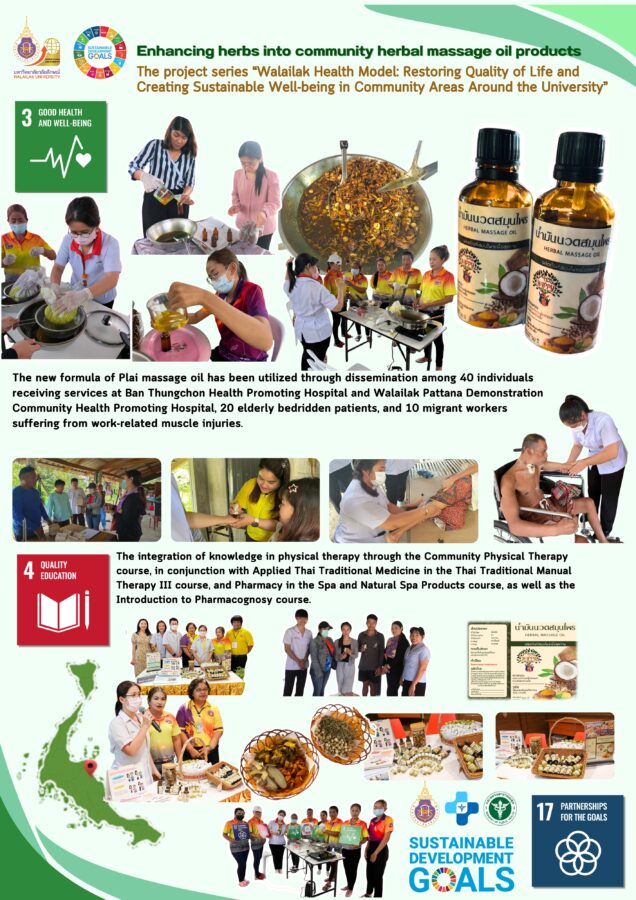
Additionally, during these home visits, herbal massage oil was applied to the bedridden patients. This massage oil is part of The Herbal Massage Oil Product Development Project in collaboration with the Ban Thung Chon Subdistrict Health Promotion Hospital. The project aims to develop an appropriate herbal massage oil, specifically for elderly and bedridden patients. The herbal massage oil developed through the project was found to be highly satisfactory, with a satisfaction rate of 96% among the community users.

Figures : Home visit with herbal massage oil using for disadvantaged people.
Immigrant Communities
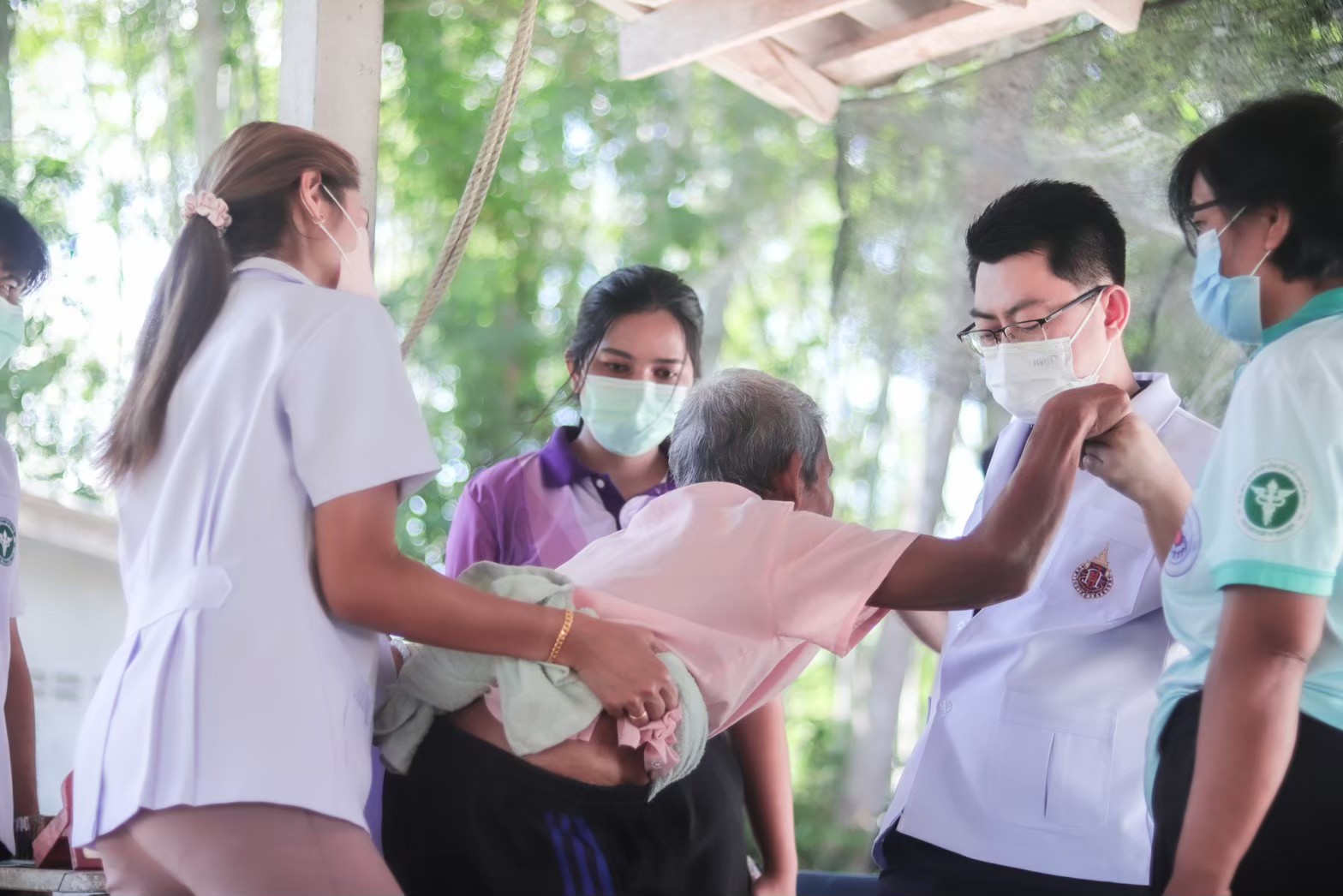
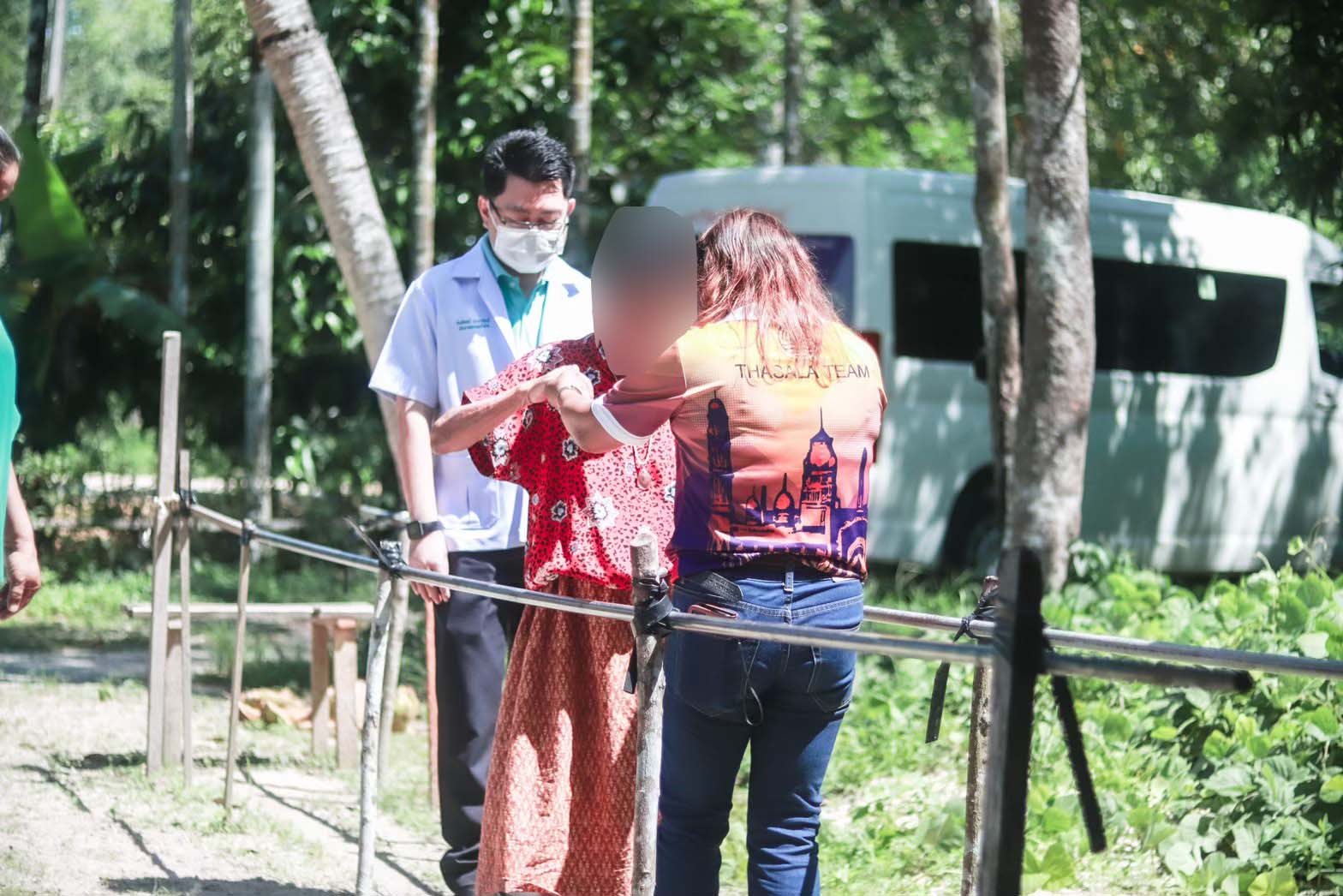
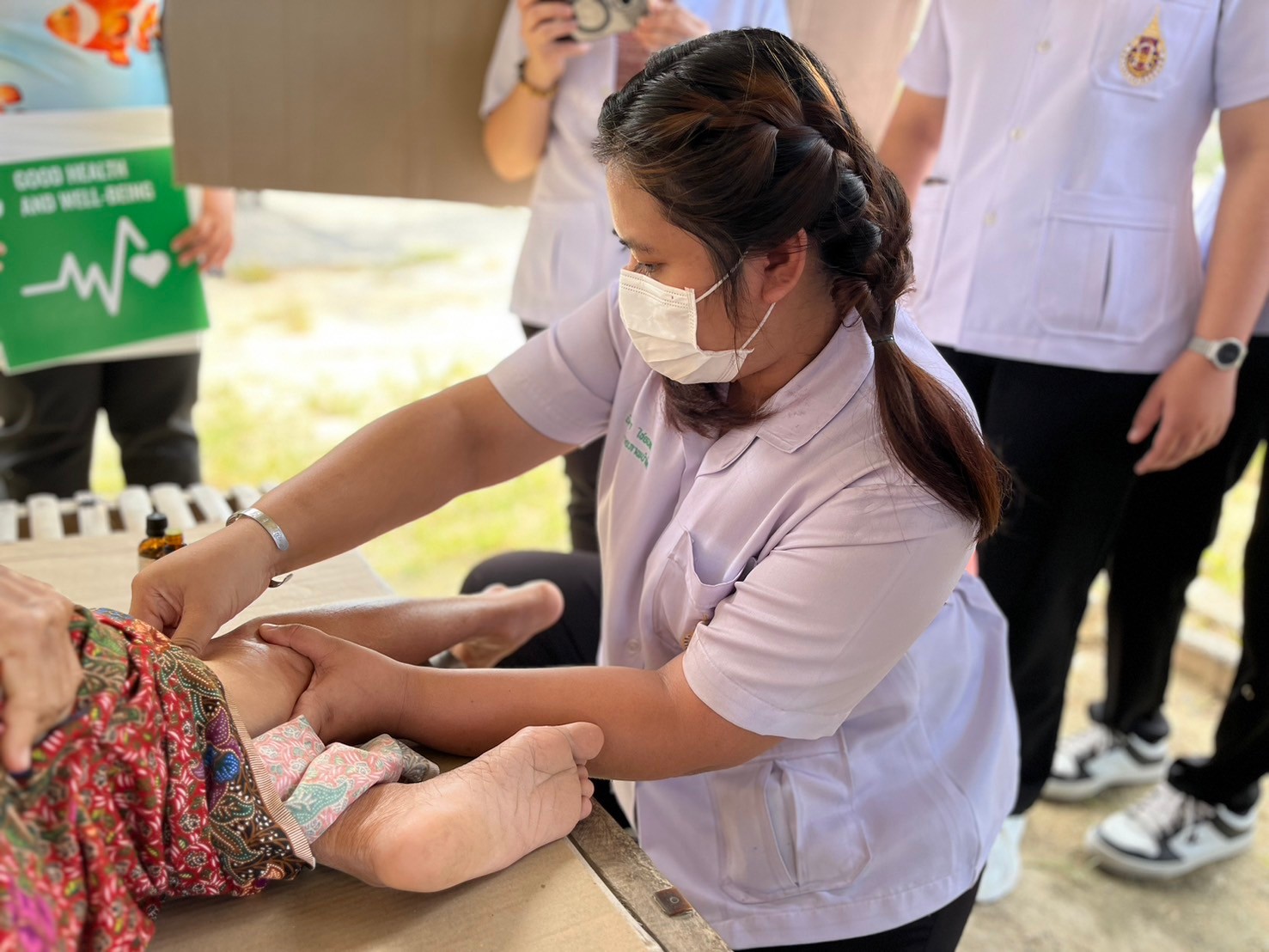
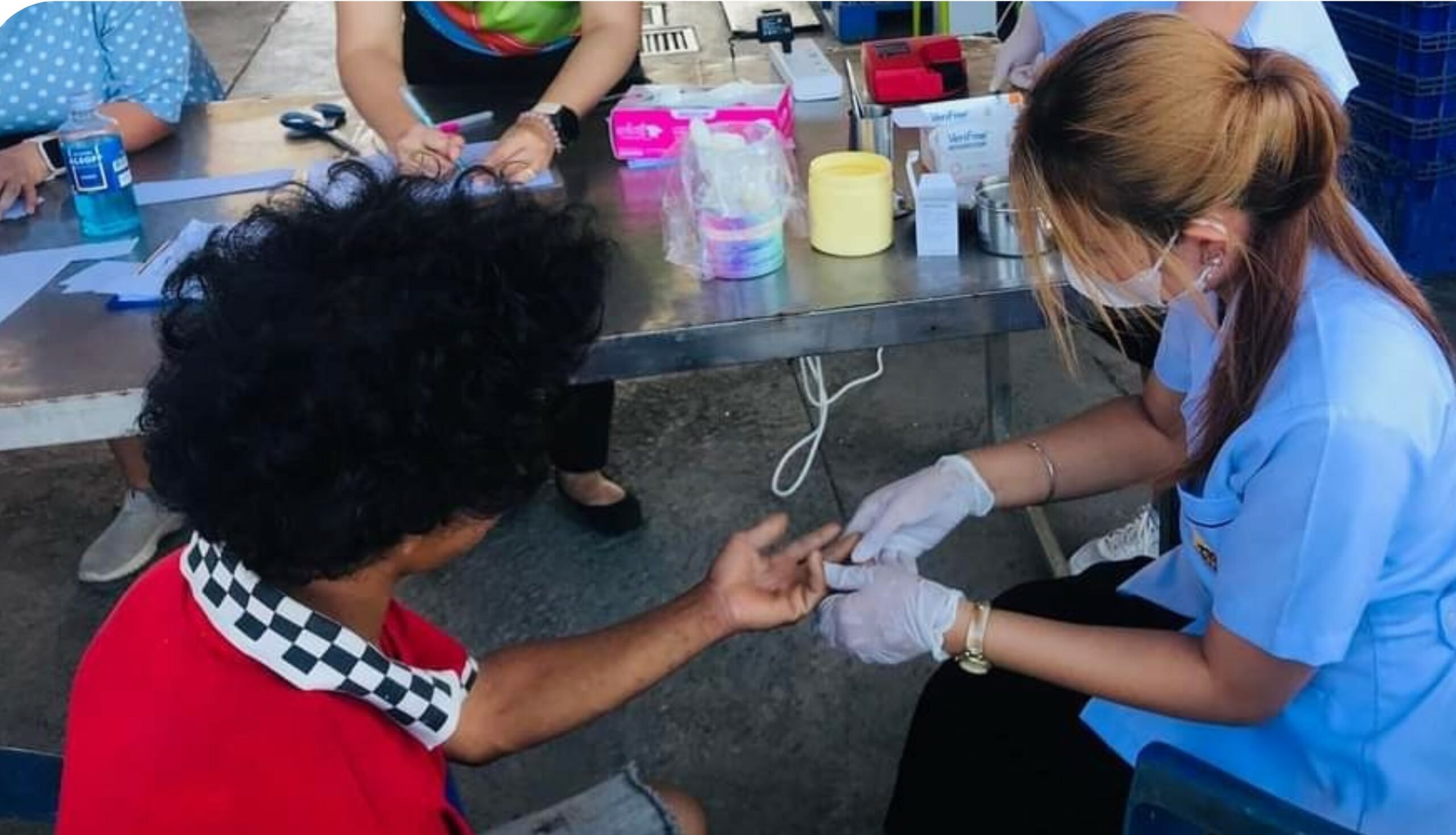
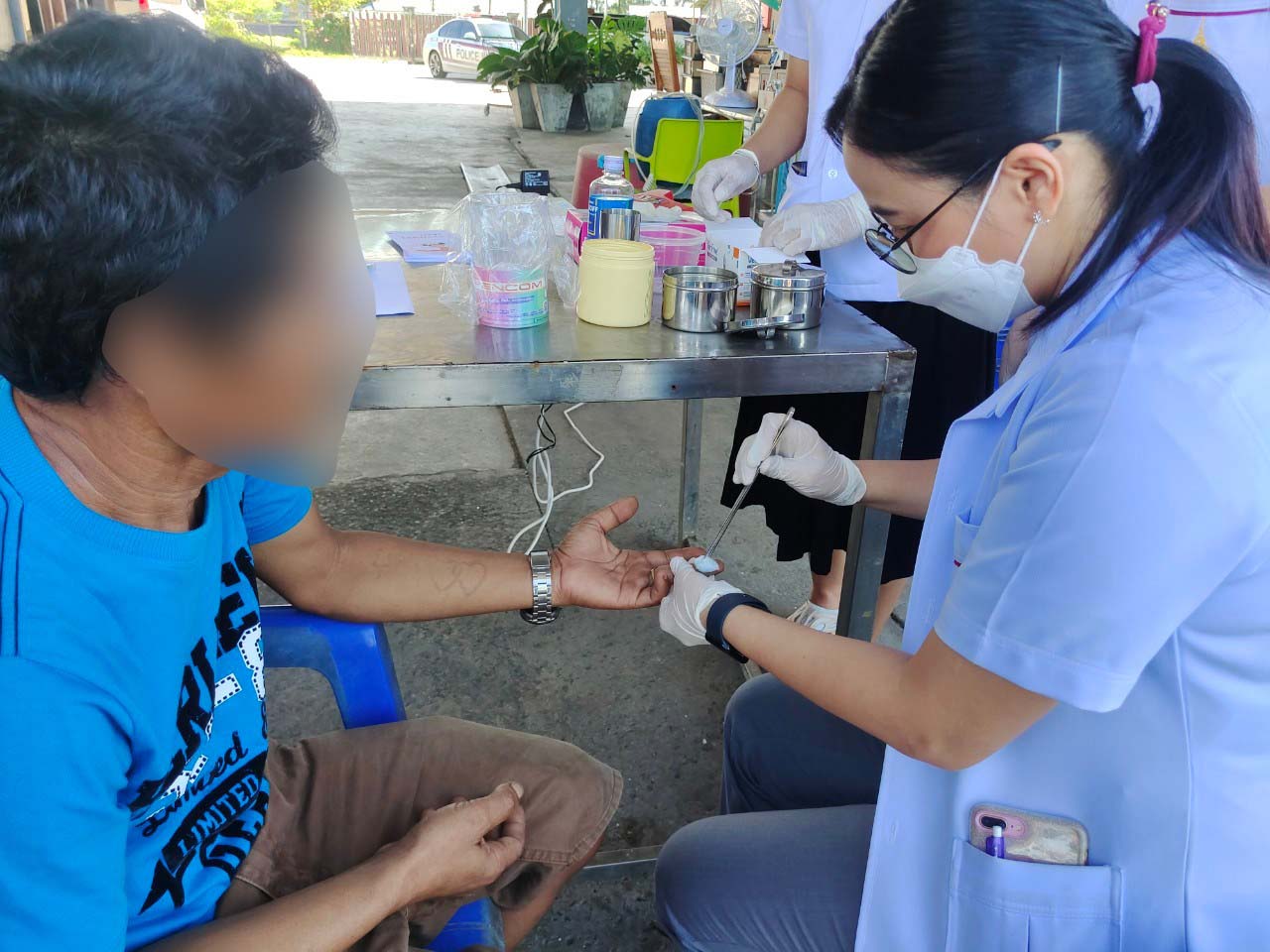
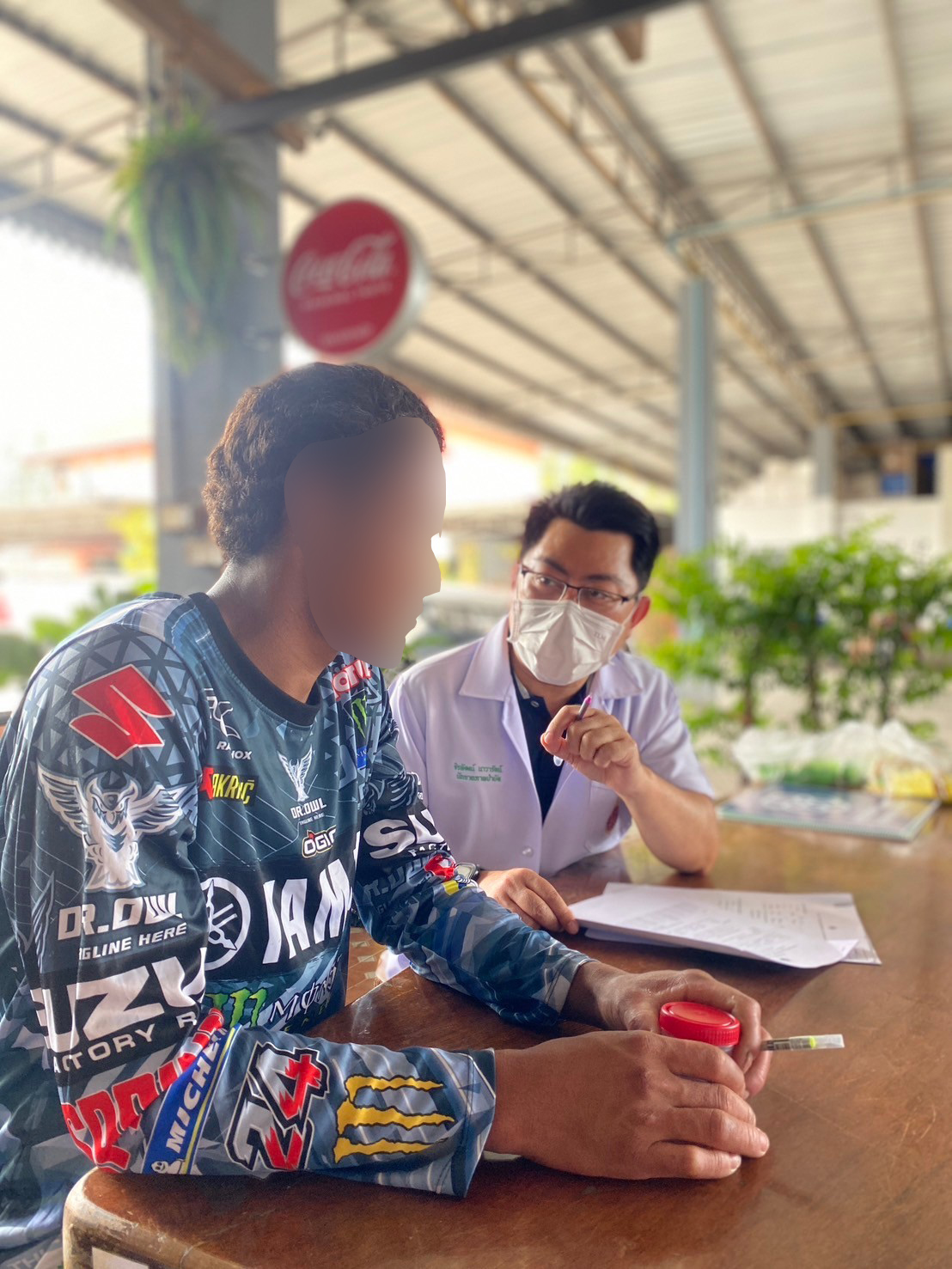
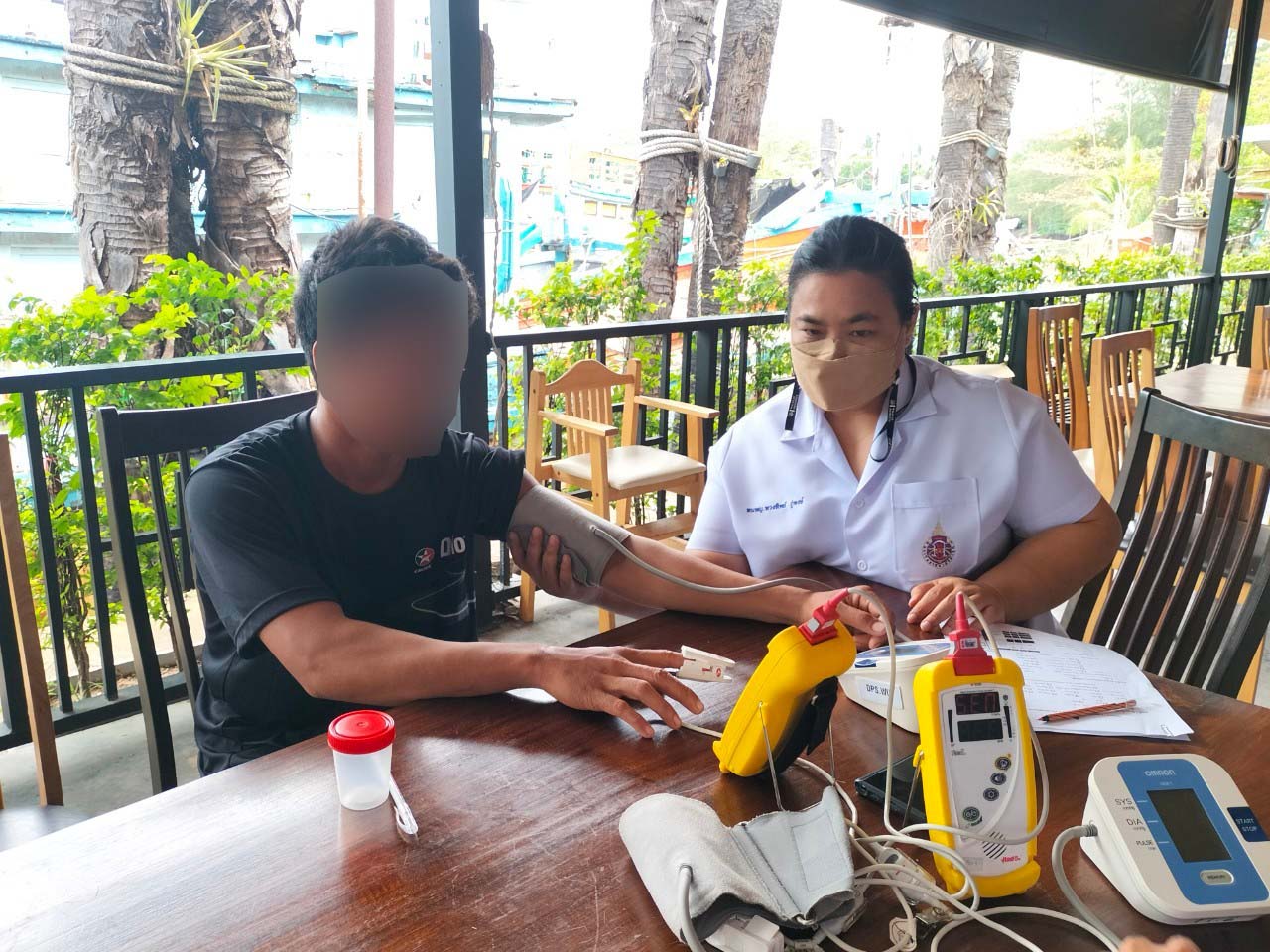
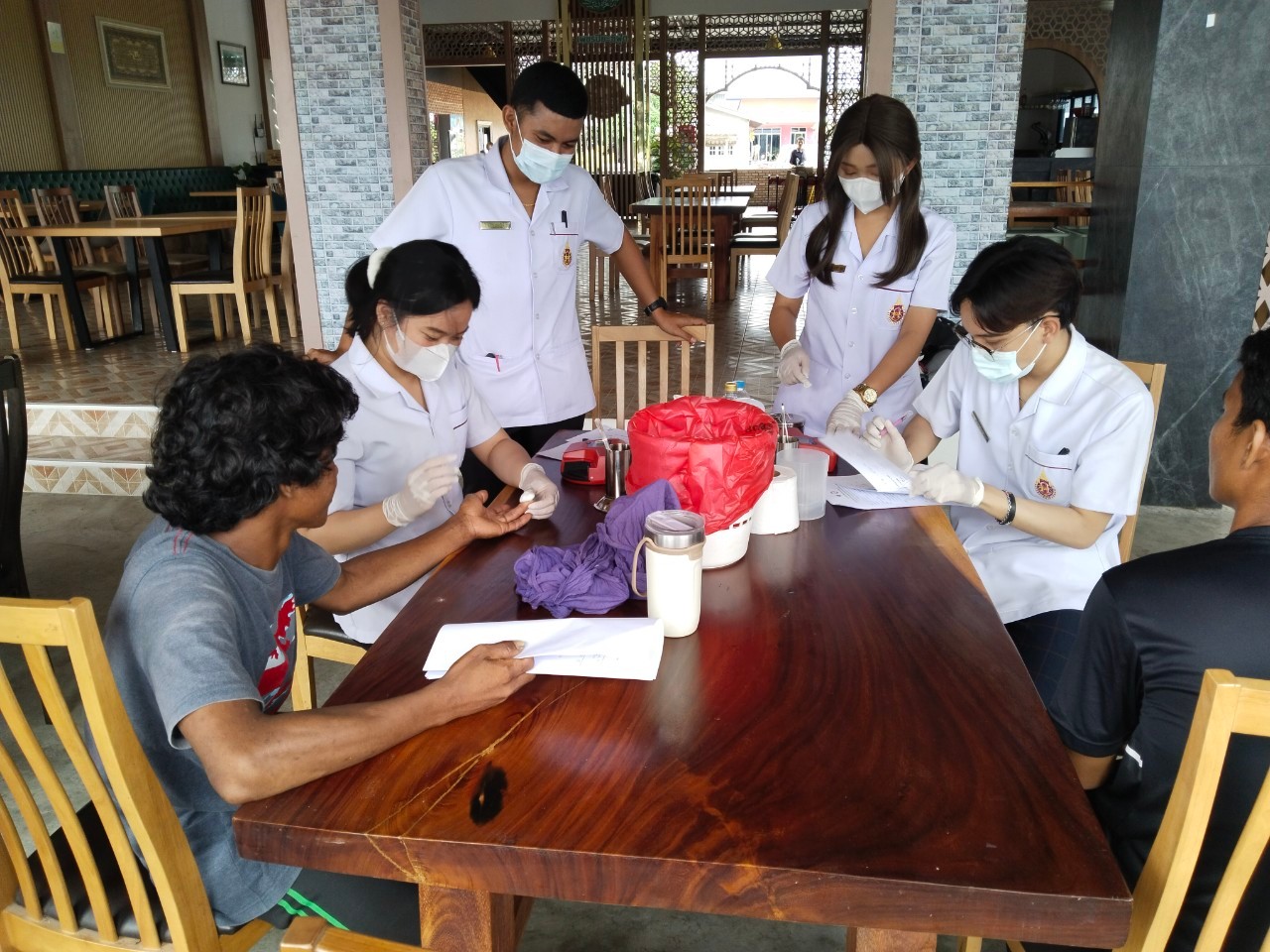
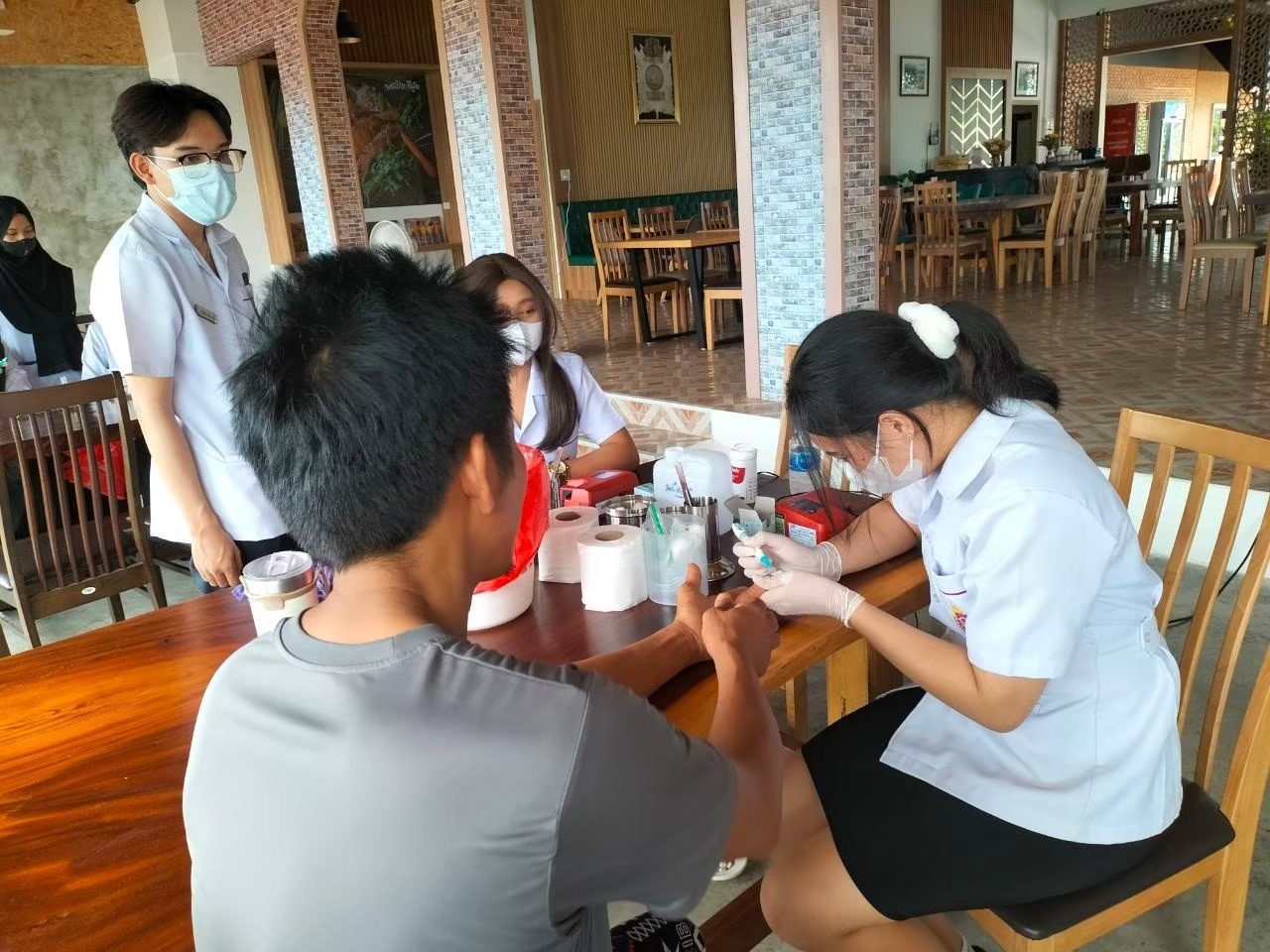
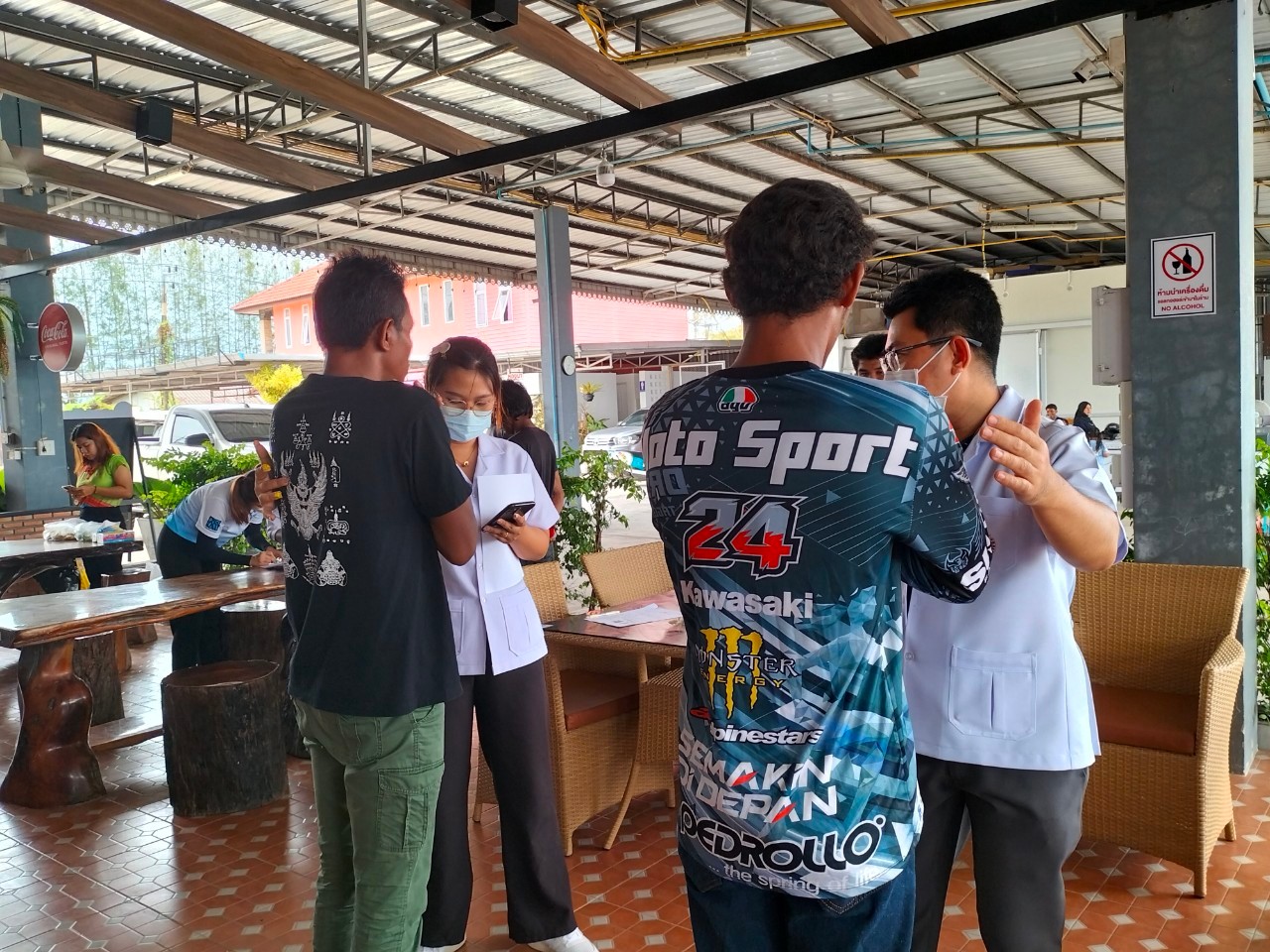
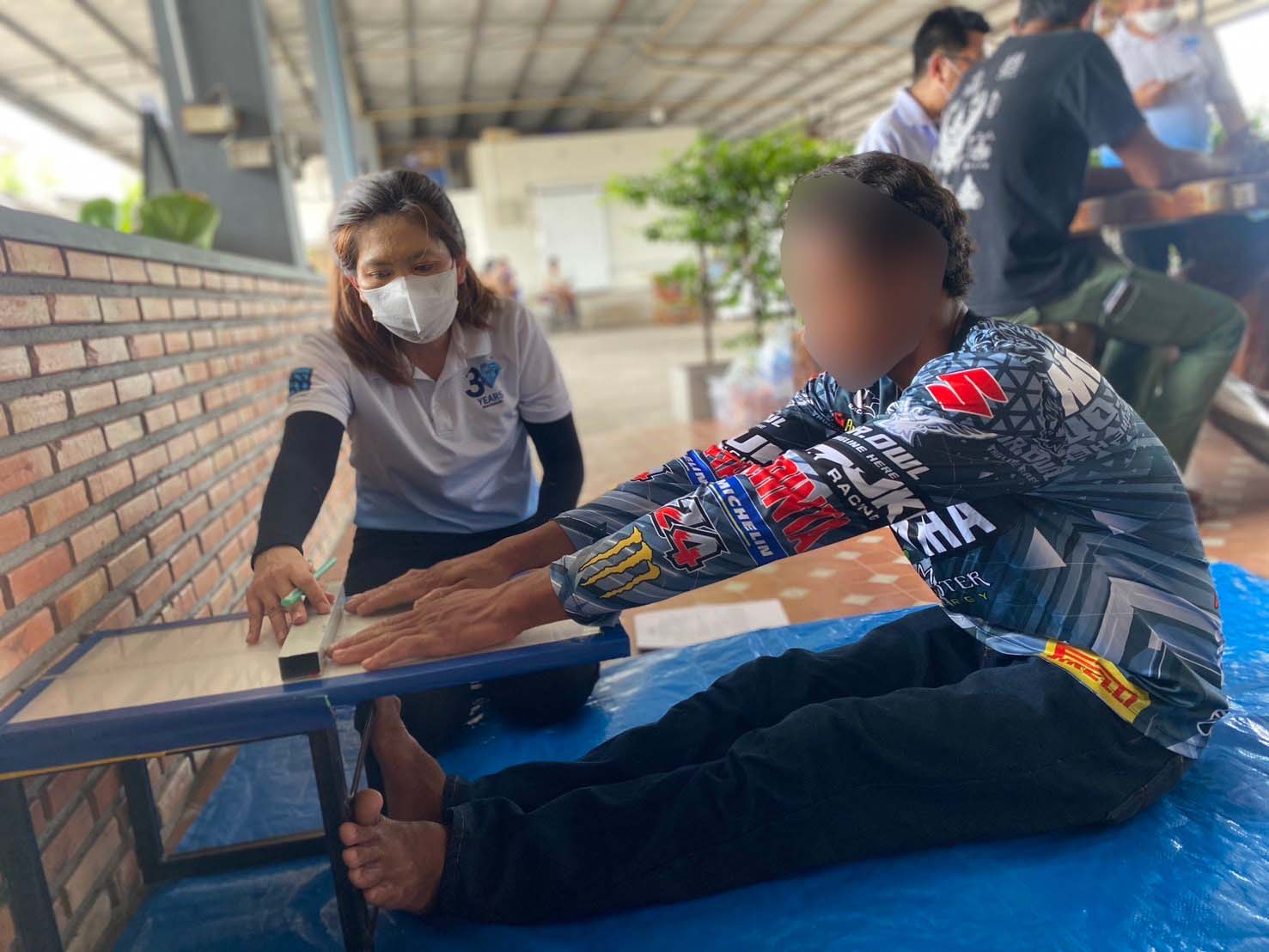
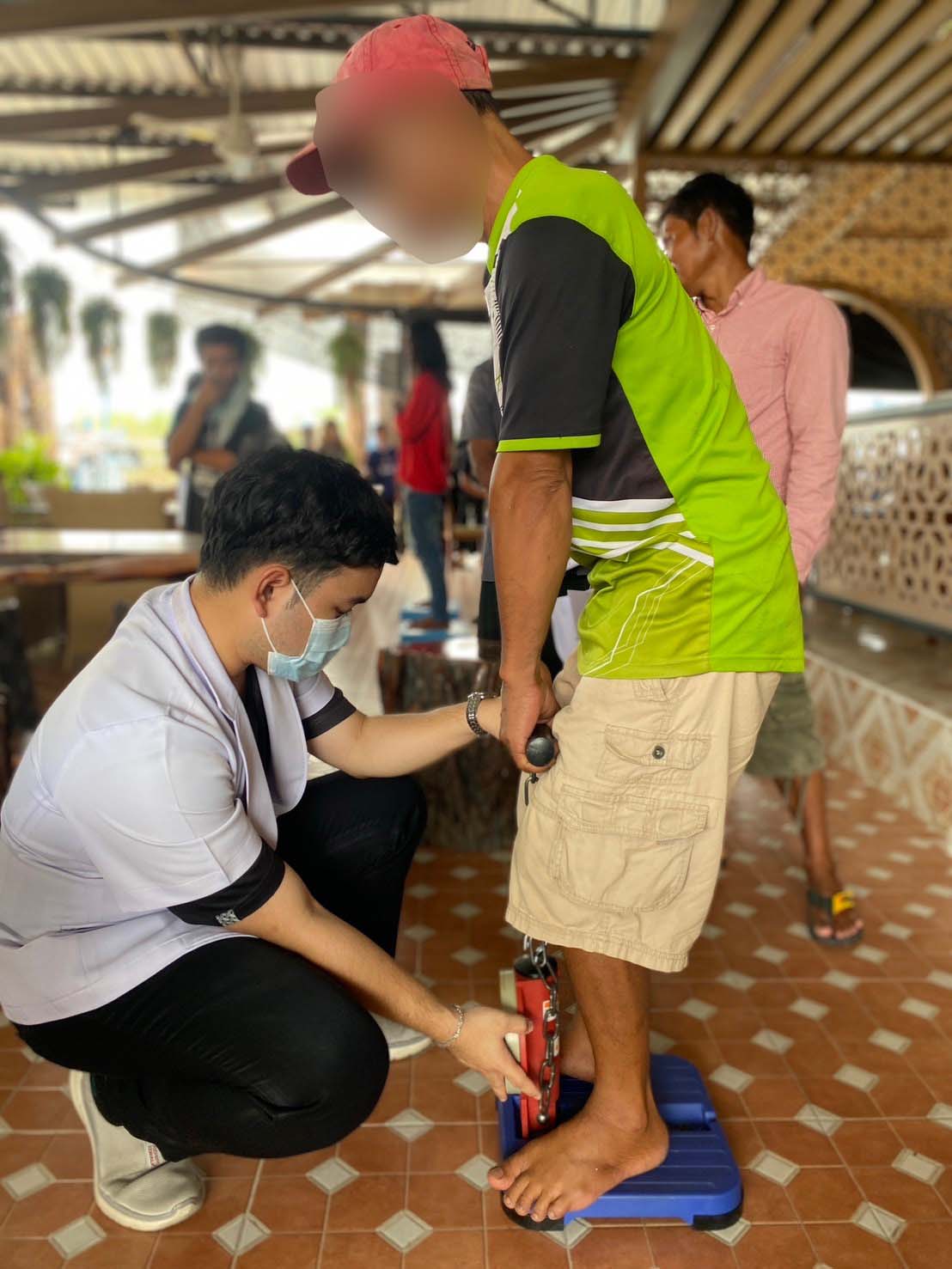
The health services for immigrant community primarily targets immigrant workers from Laos, Myanmar and Cambodia. Most of them are laborers who perform physically demanding work, which can lead to pain. Moreover, they do not often receive adequate basic healthcare services. Consequently, Walailak University delivered outreach project to immigrant community by offering physical therapy services under The 4th year of The Pre-elderly and Elderly Strengthen and Rehabilitation Project at Satit Walailak Pattana Community. This project focuses on assessing and rehabilitating musculoskeletal injuries caused by work. Results show that 10 migrant workers were successfully rehabilitated and could return to work. Additionally, The Ban Tha Soong Bon Healthy Community Model Project delivered outreach project for this immigrant group by collaboration with the Rehabilitation Project by offering basic health screening services to immigrant workers including blood pressure measurement and screening for anemia, along with health consultation for both employers and migrant workers employed in the Ban Tha Soong Bon community. A total of 32 individuals have been screened, with 20% identified as being at risk of anemia during the initial examination.

Figures : The health outreach project for immigrant community by offering  physical therapy services and  basic health screening services.

Walailak University’s role in community healthcare is vital. Its various projects not only promote short-term health improvements but also lay the foundation for the community’s long-term sustainability through knowledge sharing and the integration of education, research, and academic services. The success of these initiatives is evident in the improved quality of life for the general public in local community, disadvantaged people, and immigrant communities.

Every year, Walailak University, through its faculty members, works with local communities, disadvantaged people, and the immigrant community to diagnose health-related issues. This collaboration involves the participation of these groups in jointly addressing the issues through development initiatives. The approach integrates teamwork and stakeholder engagement across all sectors.

At the end of each year, the outcomes of these initiatives are assessed, the project’s success is measured, and plans are developed for continued efforts in the following year. This demonstrates the university’s consistent efforts in improving health and well-being for all groups annually. The initiatives have received high levels of acceptance and satisfaction from the community and beneficiaries.
Goal 3: Good health and well-being

Goal 17: Partnerships for the Goals