
Tracking and Optimizing Water Consumption: Walailak University’s Approach to Sustainability
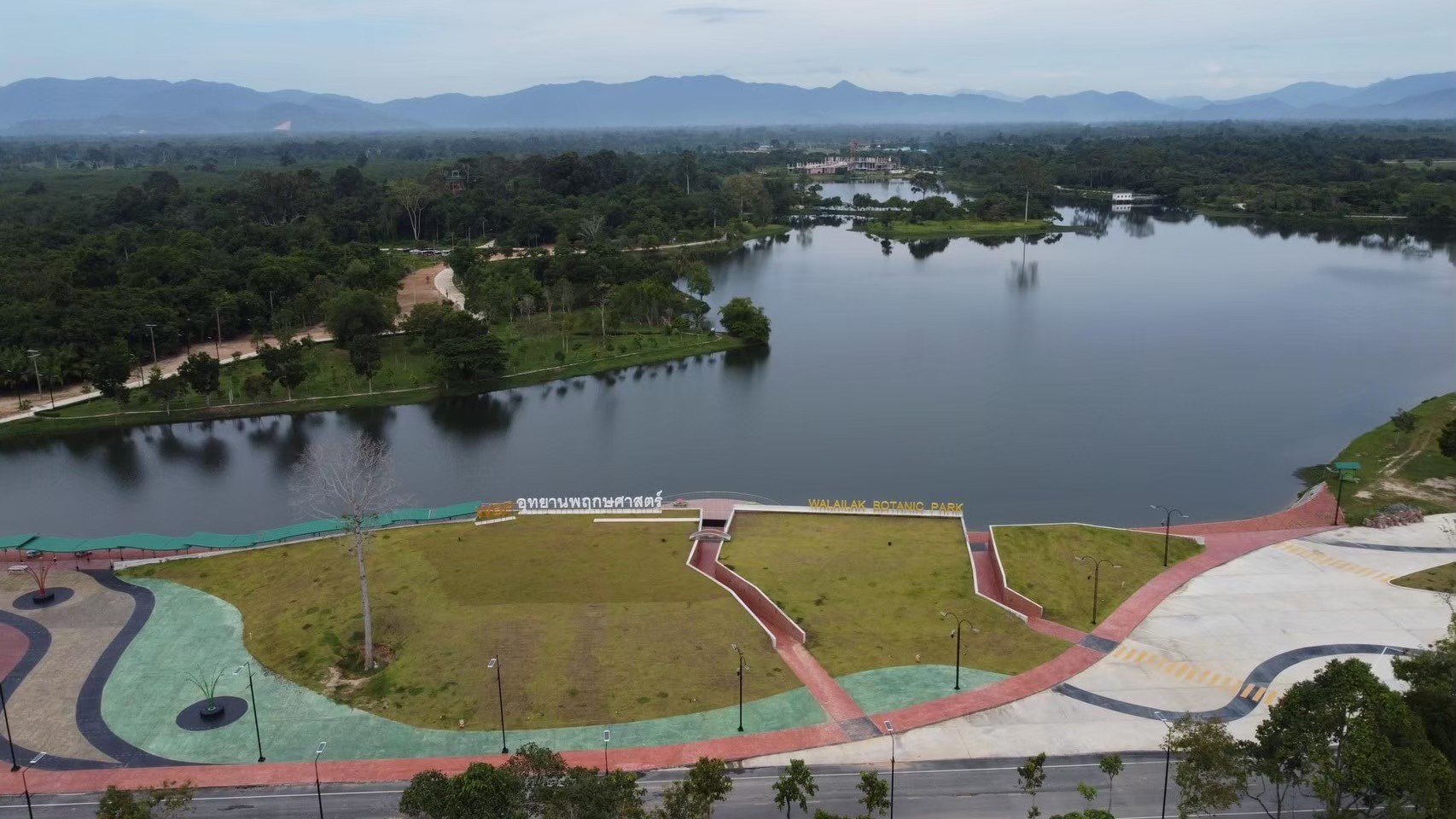
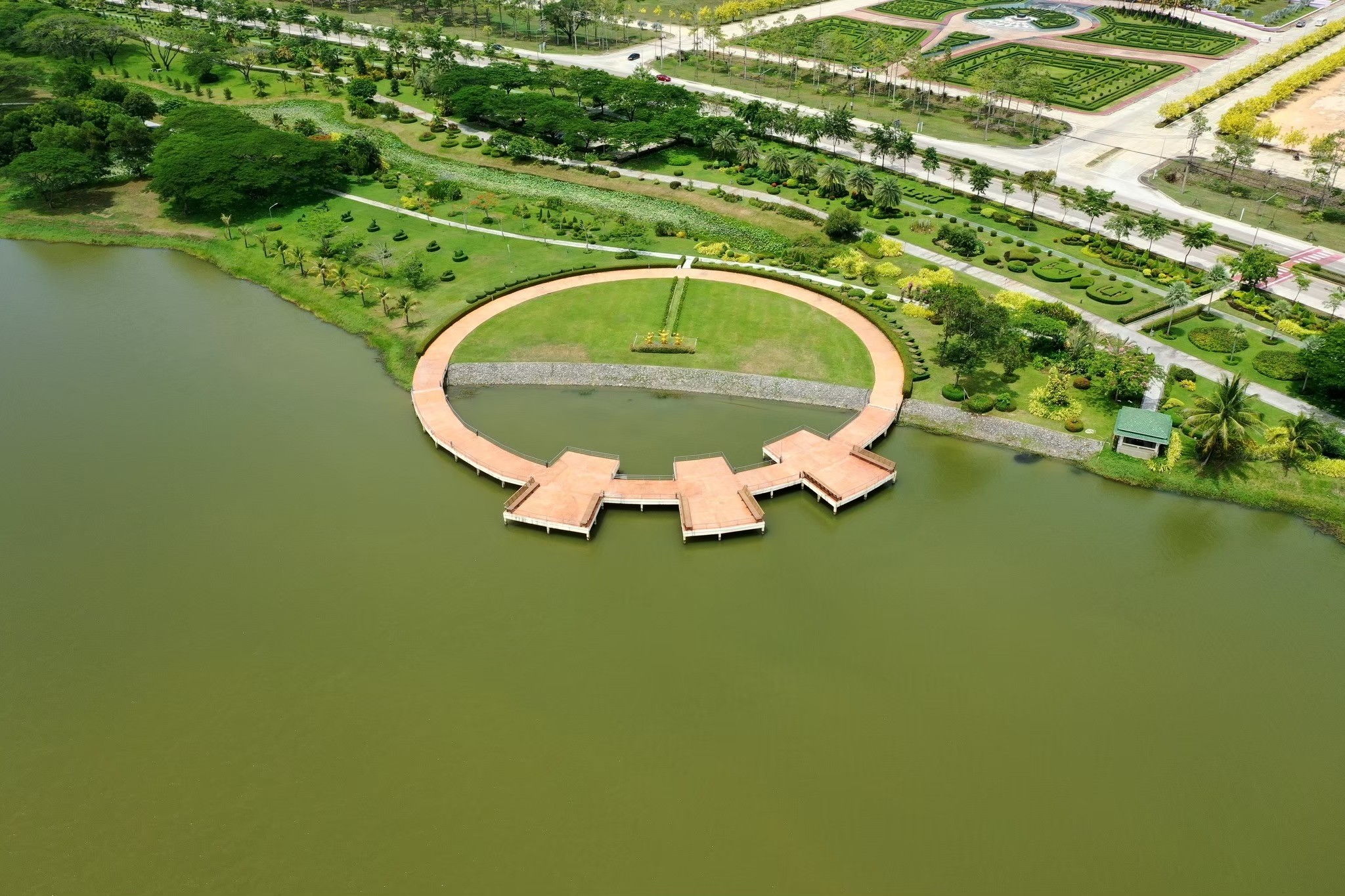
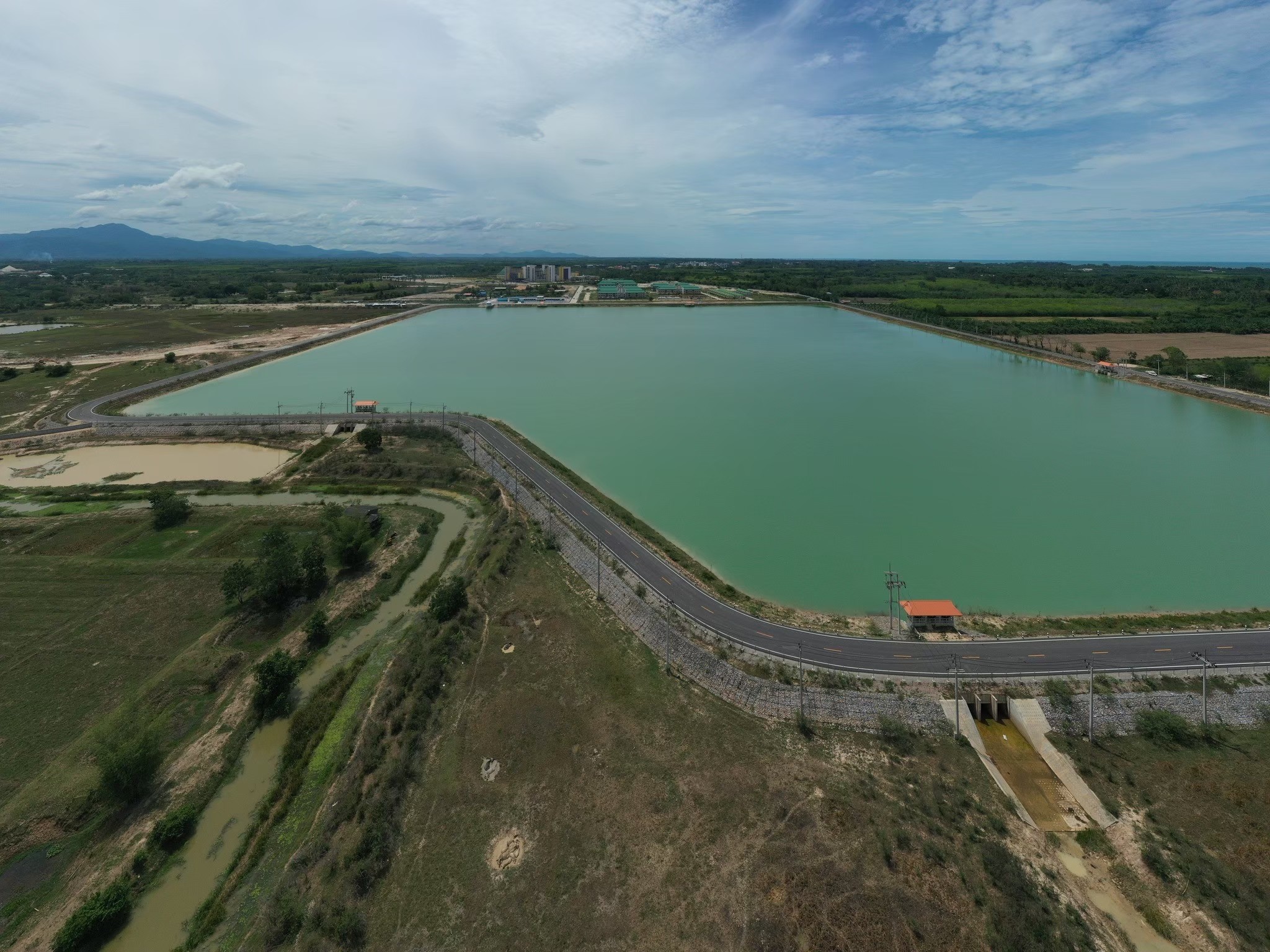
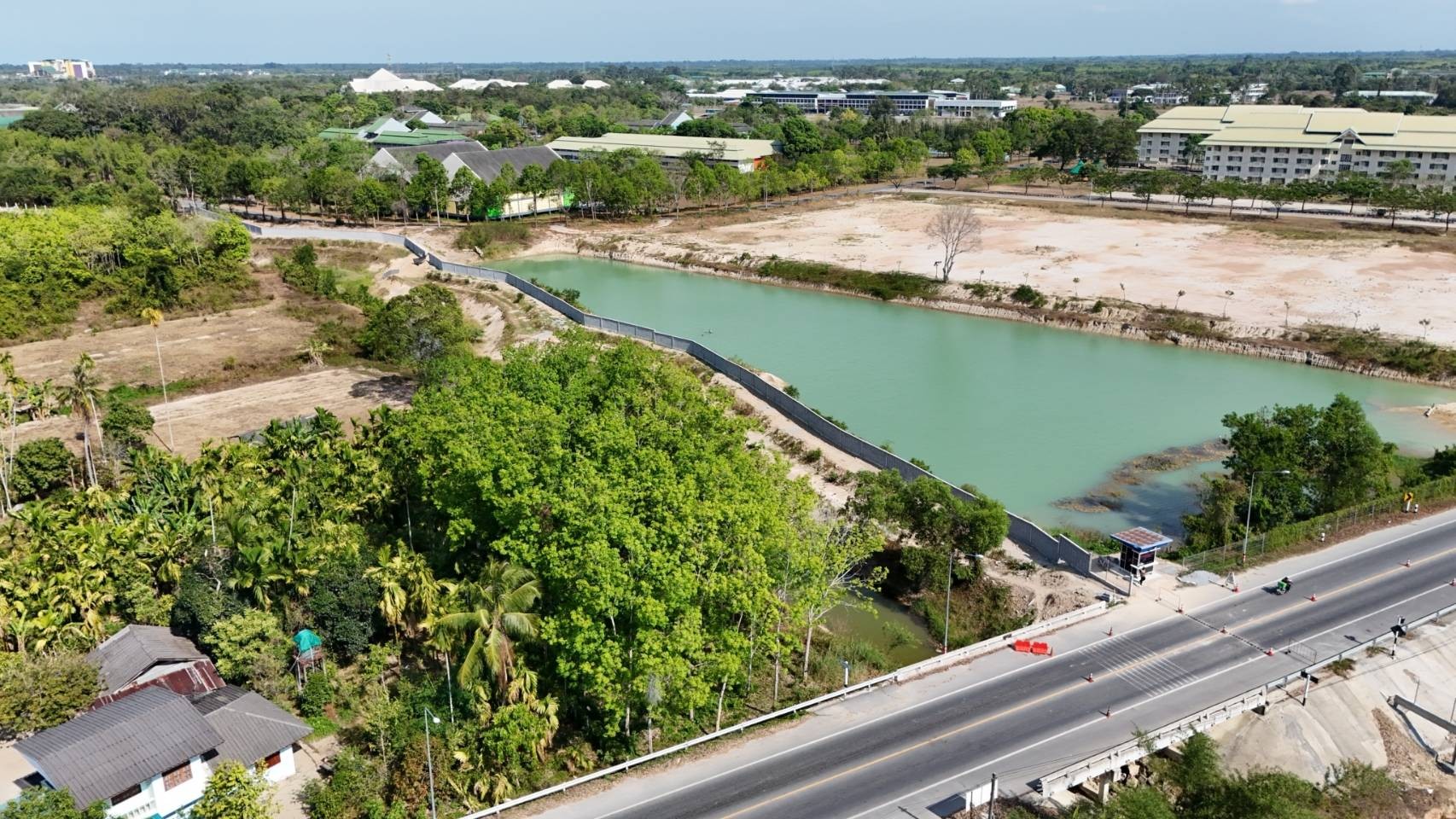
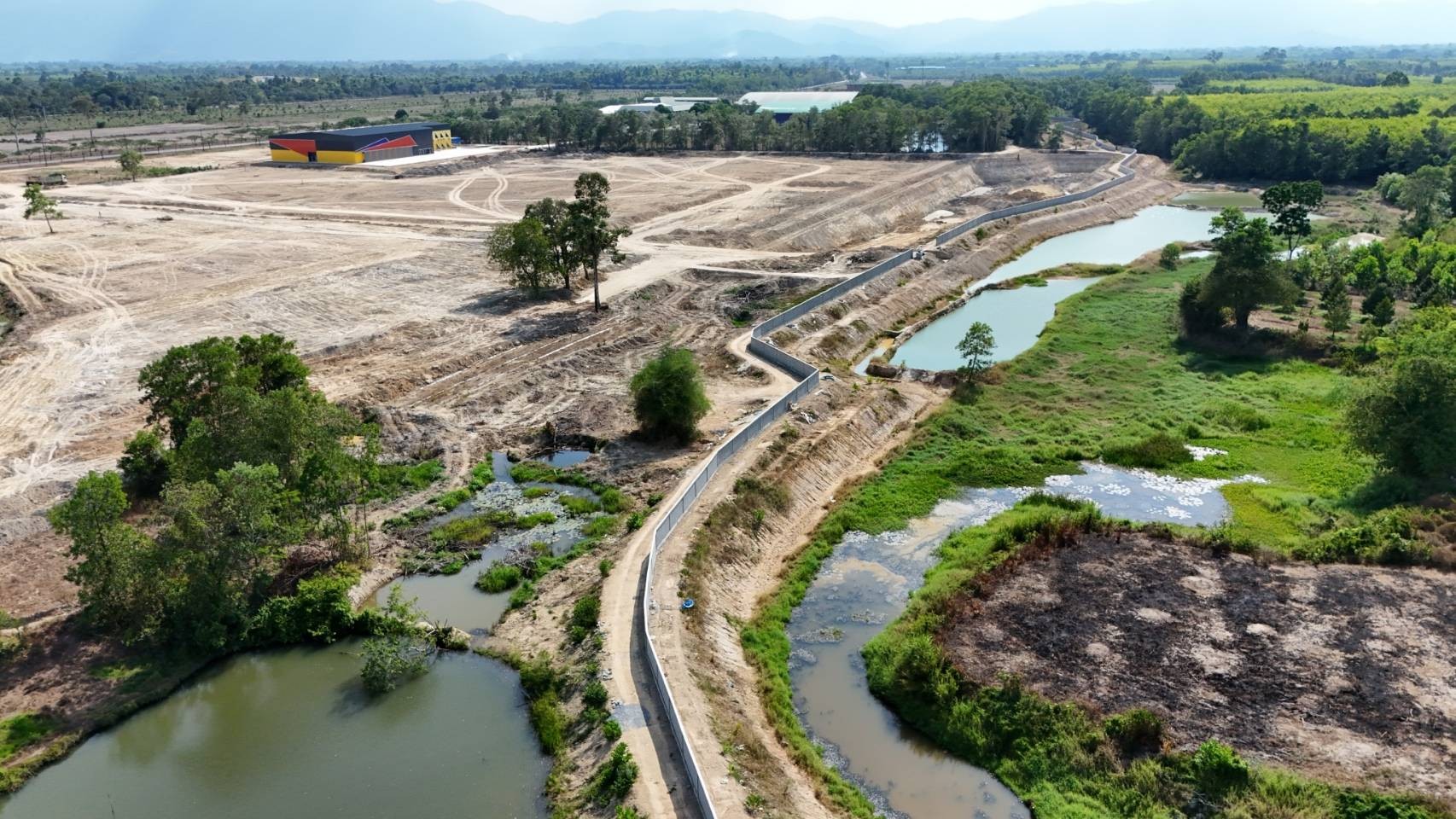
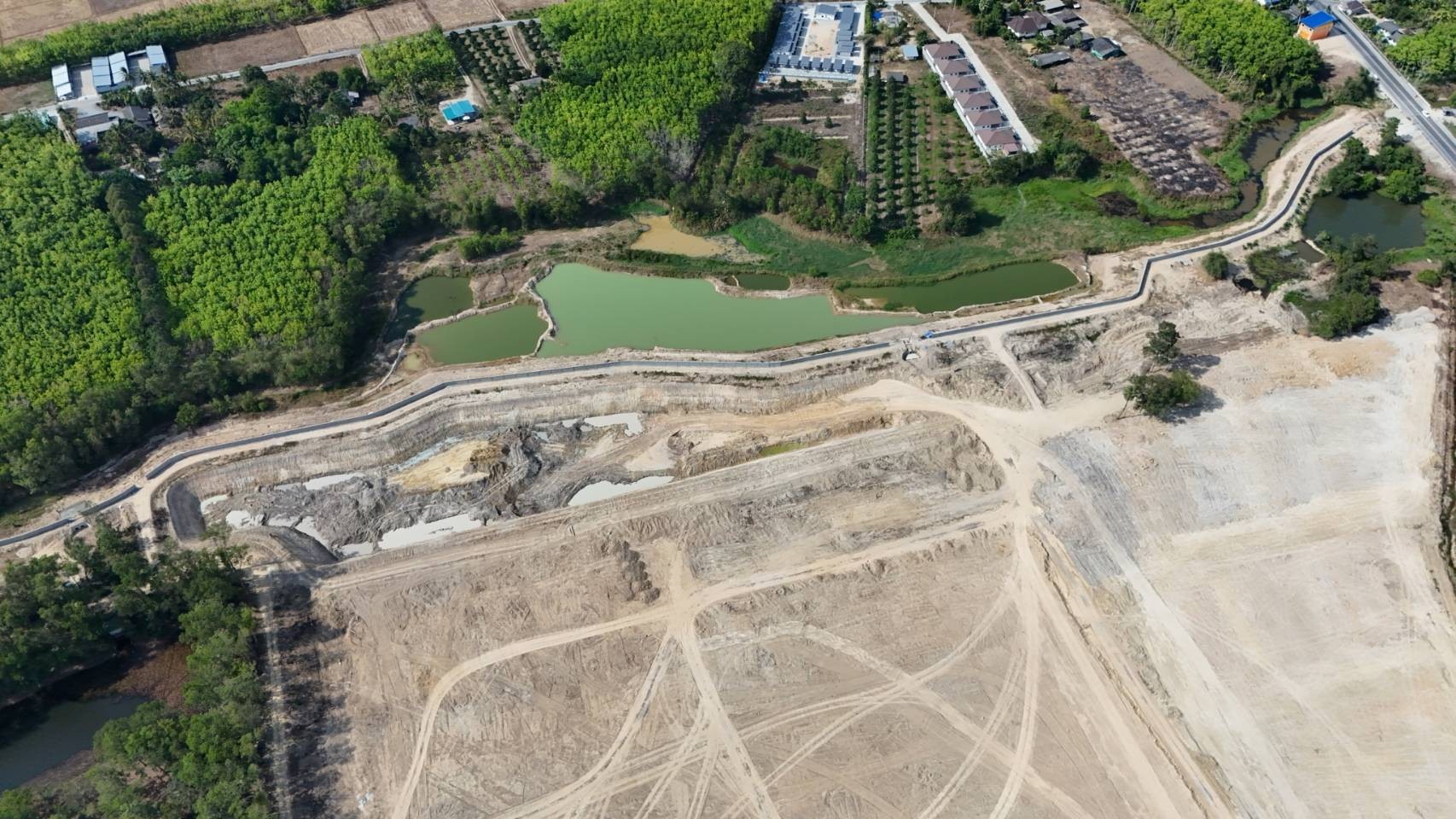
Walailak University is located in southern Thailand, covering a total area of 21,196,440 square meters, making it the largest university in terms of land area in the country. Additionally, the university experiences two seasons throughout the year: the hot season and the rainy season. During the rainy season, there is significant rainfall, with an annual precipitation of 2,544.53 millimeters, which often causes flooding in the area. To address this, Walailak University has implemented a sustainable water management system to prevent flooding while maintaining water reserves in its 3 main reservoirs (Pruk Sachon Reservoir, Mon Tara Reservoir, and Chala Nusorn Reservoir), ponds, and canals.
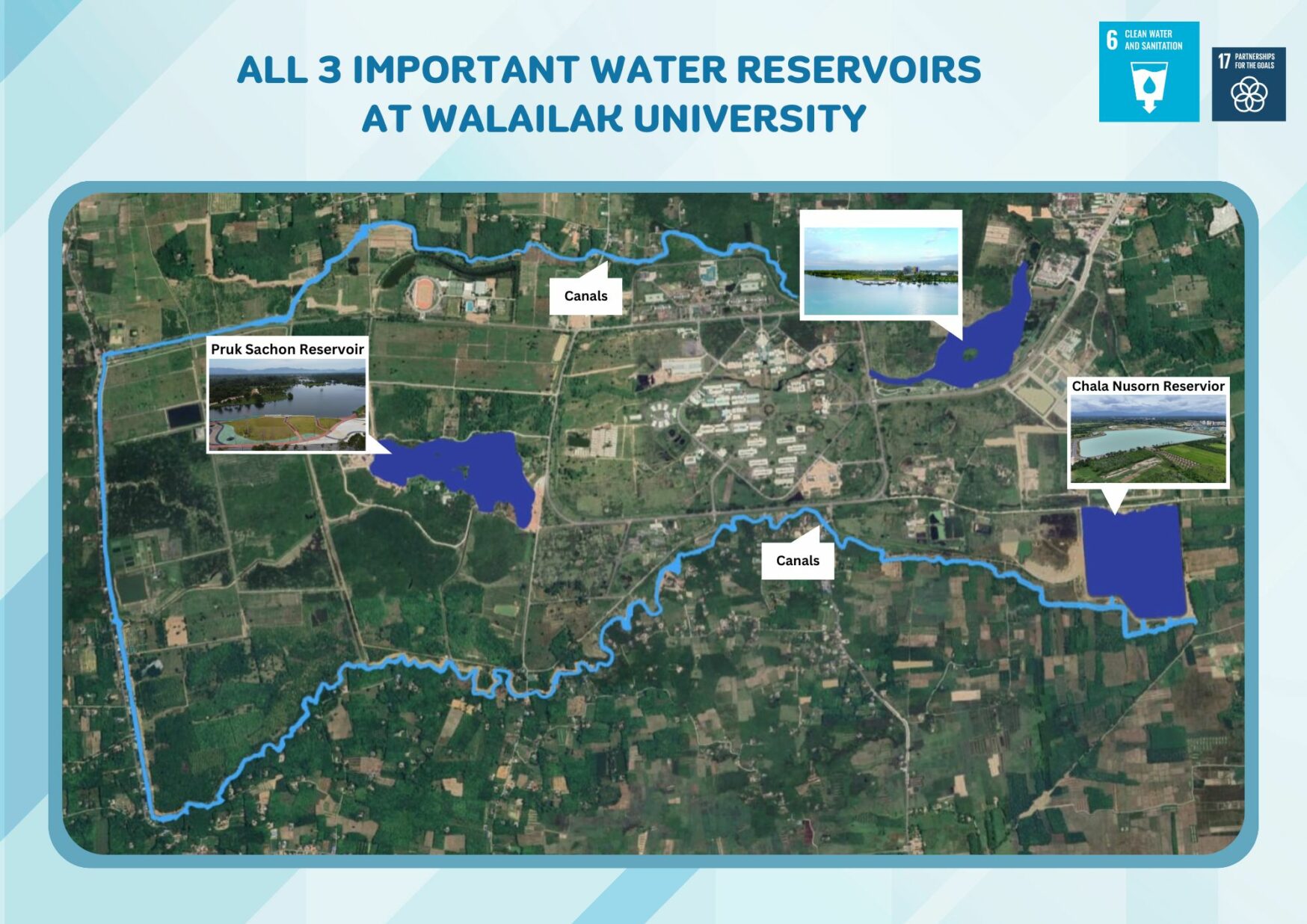
Pruk Sachon Reservoir
Mon Tara Reservoir
Chala Nusorn Reservoir
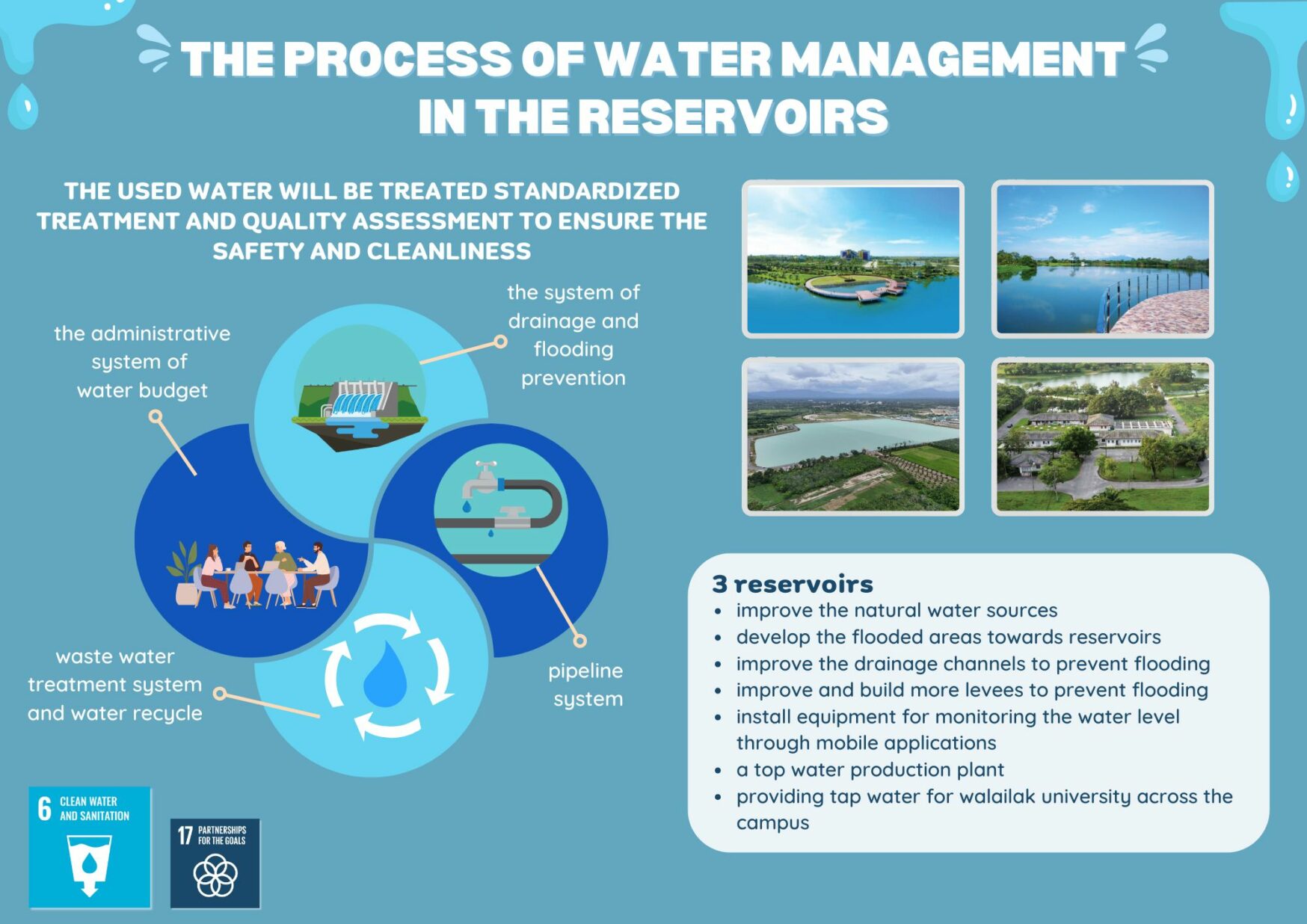
Figures: Water storage areas within the university expanded in 2023.
The university measures the total volume of water used across the whole university that is taken from main supply by collecting data from various water sources that is extracted from two main sources: 1) tap water produced from raw water, which is collected from stormwater and rainwater reservoirs on campus, meaning that the raw water used within Walailak University does not extracted from rivers, lakes, aquifer. This raw water is free from chemicals, pathogens, or contamination from industrial and community waste, ensuring it is clean and of high quality. The university has the capacity to produce 4,800 cubic meters of tap water per day through a standardized water production process which is sufficient for use within the university, eliminating the need to rely on external tap water sources, and 2) treated water that is reused.
* WU’s Tap water is produced from rainwater, collected in the university’s reservoir. The water is processed by the waterworks at Walailak University.
Figure : Measuring the total volume of water usage across the whole university.
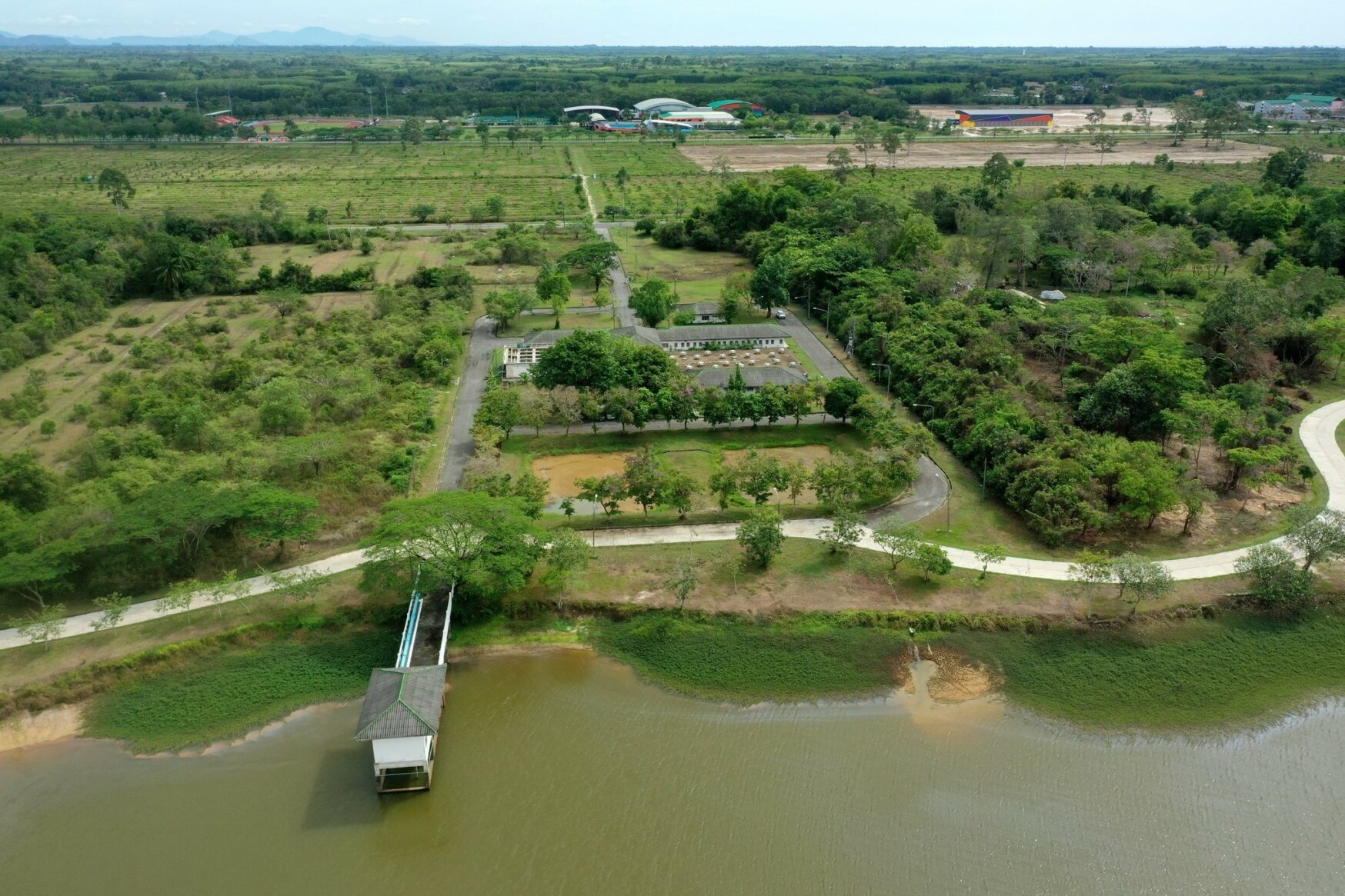
Water Works House
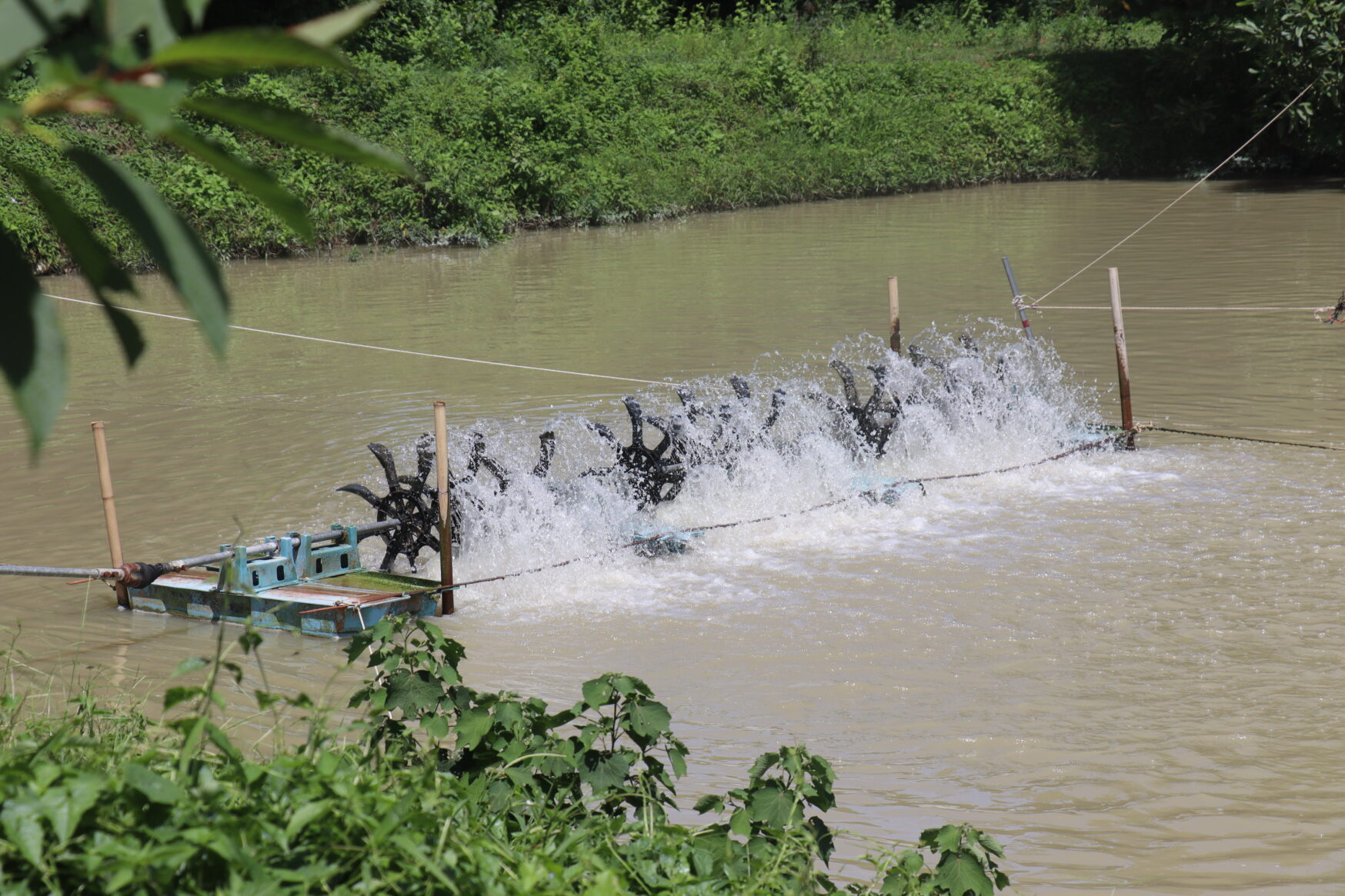
Wastewater Treatment Plant
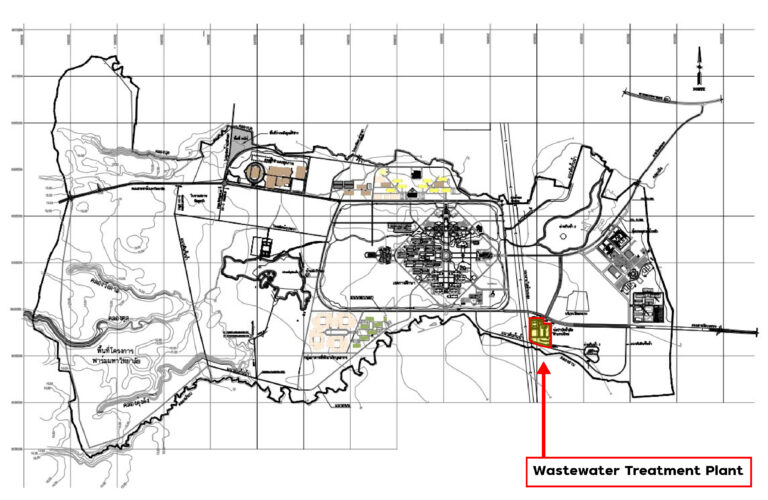
Figure : Water Supply System, the mechanism that was constructed to serve the whole university.
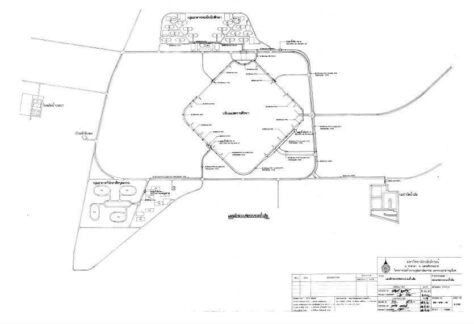
Figure : Recycled Water System acted as the subsequent structure of the Water Supply System.
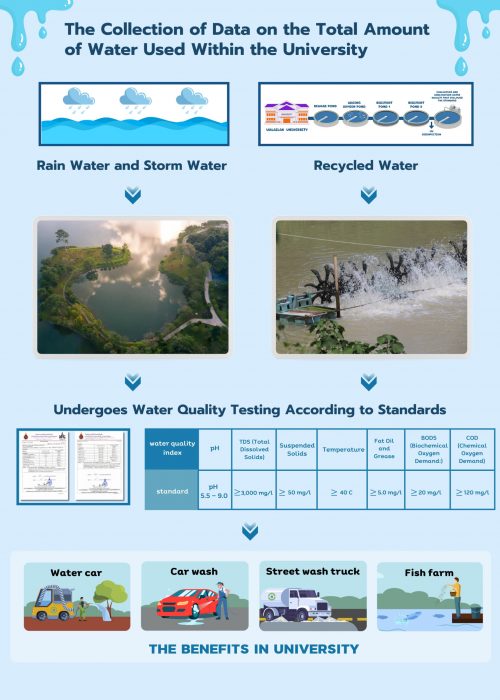
In 2023, the total campus population, including the FTF number of employees, academics and students, was 15,183 people, consisting of 12,420 students and 2,763 employees and academics. The total water consumption per person (including students, employees and academics) was 240,186 cubic meters, which equates to 0.04 cubic meters per person per day. This is significantly lower than the National Building Code of India (NBC) standard of 0.135 cubic meters per person per day. The university places great importance on reusing water resources, and the amount produced is sufficient to meet the consumption needs of the campus and provides additional benefits. The annual water consumption includes 134,389 cubic meters of raw water produced from stormwater and rainwater stored in the university’s reservoirs, accounting for 55.95% of the total water usage. Additionally, 105,797 cubic meters of recycled water is used for activities such as watering plants, car washing, and cleaning streets, accounting for 44.05% of the total water usage.
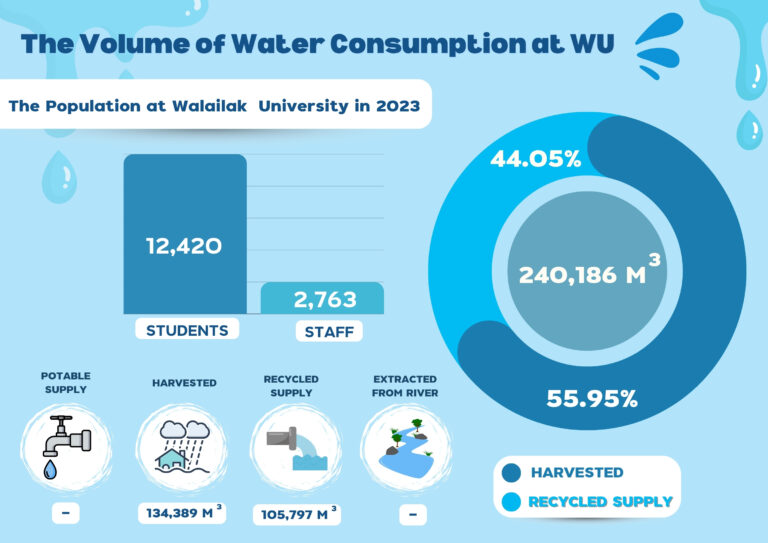
Figure: The Volume of Water Consumption at WU in 2023
From water consumption tracking in 2020, 2021, and 2022, the water consumption per person at the university was 0.28, 0.22, and 0.05 cubic meters per person per day, respectively. It demonstrates that in 2023, the university used a lower volume of water from previous year, despite the increasing university population, a result of campaigns encouraging the university community to recognize the value of water conservation. Compared to the years 2023, using the year 2020 as the baseline and the population size as an index for calculating water savings, it was found that in 2023, the average water consumption decreased by 85.71%, indicating a highly efficient use of water.
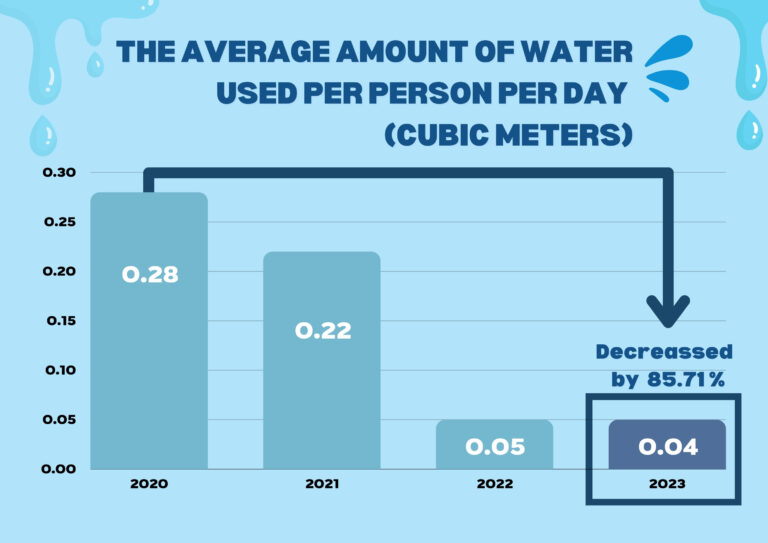
Figure: Monitoring of Water Consumption at Walailak University
At present, the university has developed an appropriate wastewater treatment system that has been successfully implemented, benefiting both the environment and the health of university personnel and the surrounding community. The water management system within the university serves as a model example, shared with students and staff, contributing to increased water conservation efforts across the country.
Goal 6: Clean Water and Sanitation
Goal 14: Life below water
Goal 17: Partnerships for the Goals