Commitment to Preserving the Cultural Heritage of Local, National, and Displaced Communities   

Commitment to Preserving the Cultural Heritage of Local, National, and Displaced Communities   

In 2023, Walailak University undertook projects and activities to record and preserve intangible cultural heritage at the local or regional level, national level, and heritage of displaced communities.
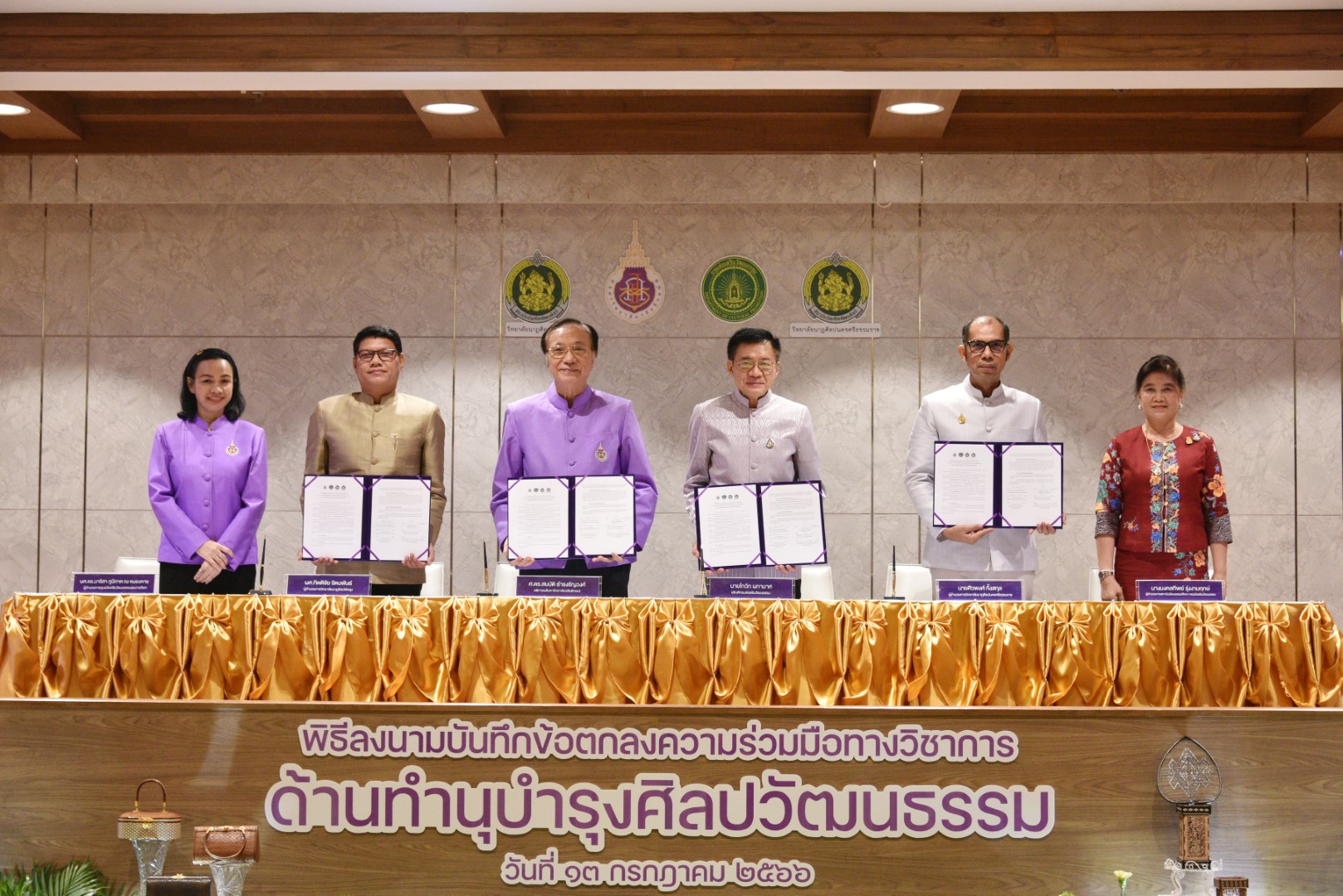
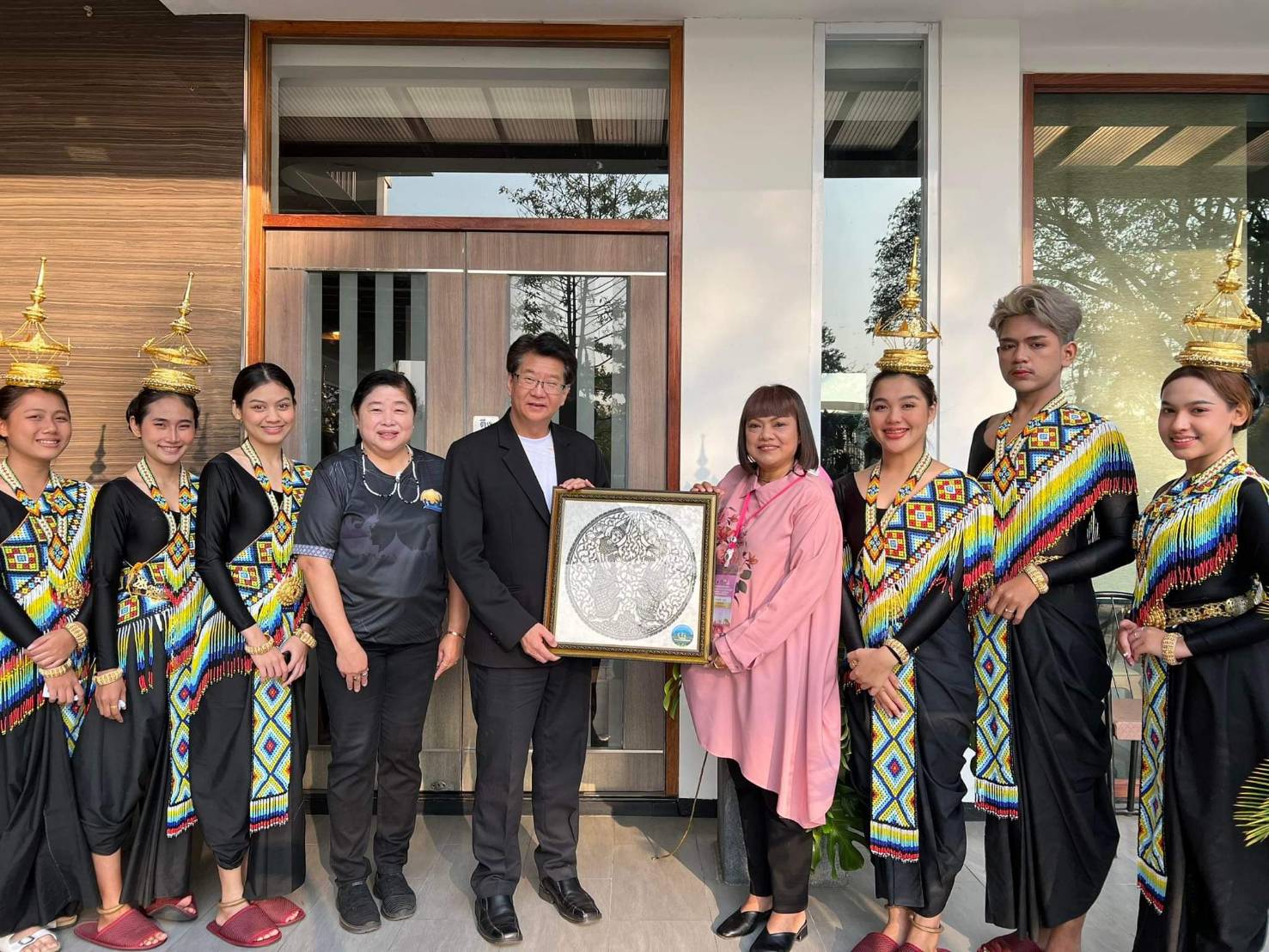
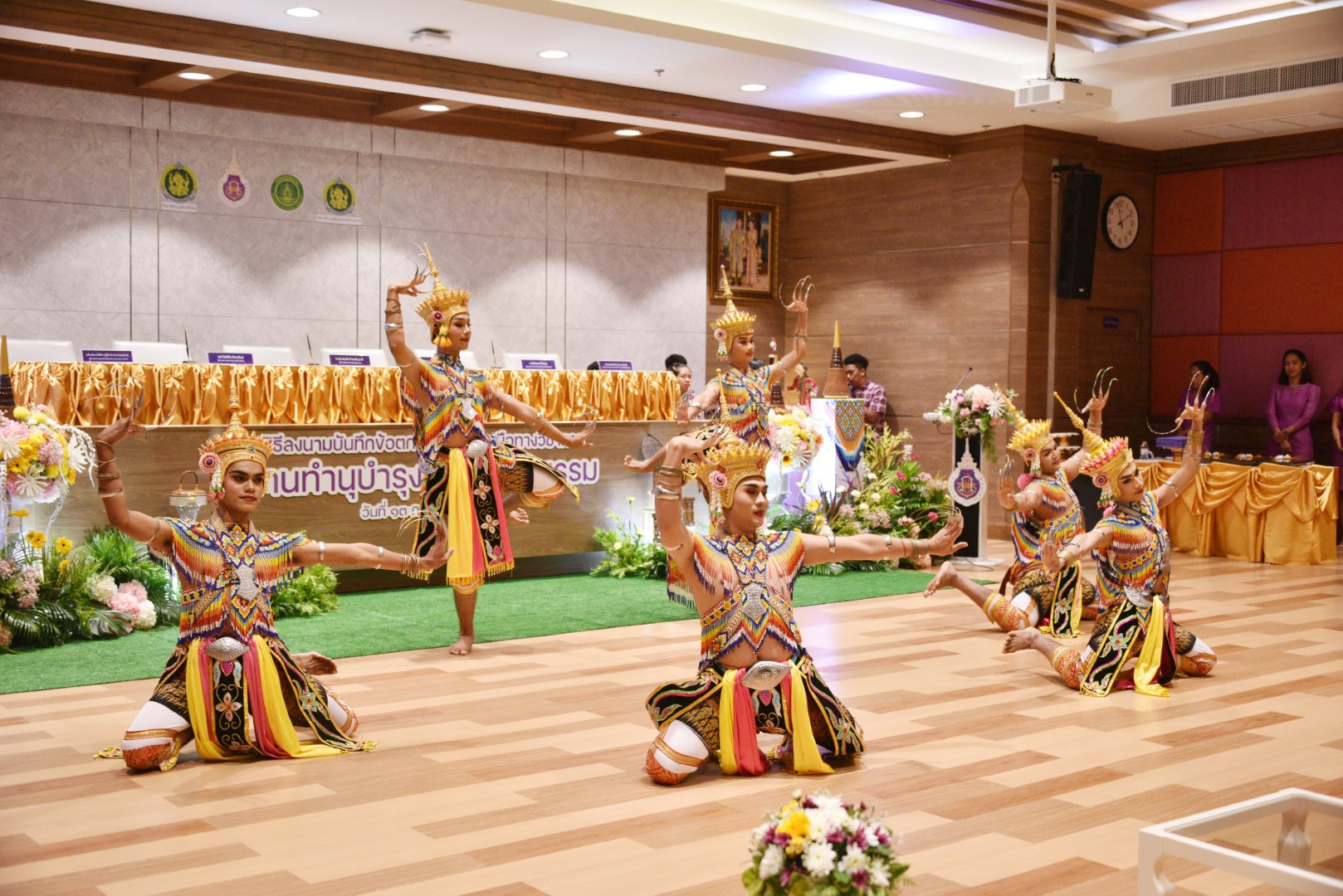
WU collaborates with the Ministry of Culture and the College of Dramatic Arts through an MOU to foster and preserve arts and culture, intending to become a center for local, national, and international cultural heritage.
On July 13, 2023, Walailak University held a signing ceremony for an academic collaboration agreement on the preservation of arts and culture with the Department of Cultural Promotion, Ministry of Culture, Nakhonsithammarat College of Dramatic Arts, and Phatthalung Dramatic Arts College at Huatapan Meeting Room, 3rd Floor, Building A, Walailak University Hospital.
The immediate action plan includes: 1) Promoting cultural heritage and traditional knowledge to preserve, continue, and add economic value to cultural assets. 2) Compiling information about local cultural heritage from different regions to register it as national cultural heritage, to propose it for inclusion in the UNESCO Intangible Cultural Heritage list. 3) Encouraging participation from students, faculty, and local communities in an area-based approach to creatively develop local culture, bringing economic benefits back to the community. 4) Disseminating and sharing knowledge, including research related to cultural heritage and traditional knowledge, both within Thailand and globally.

Local or Regional Cultural Heritage

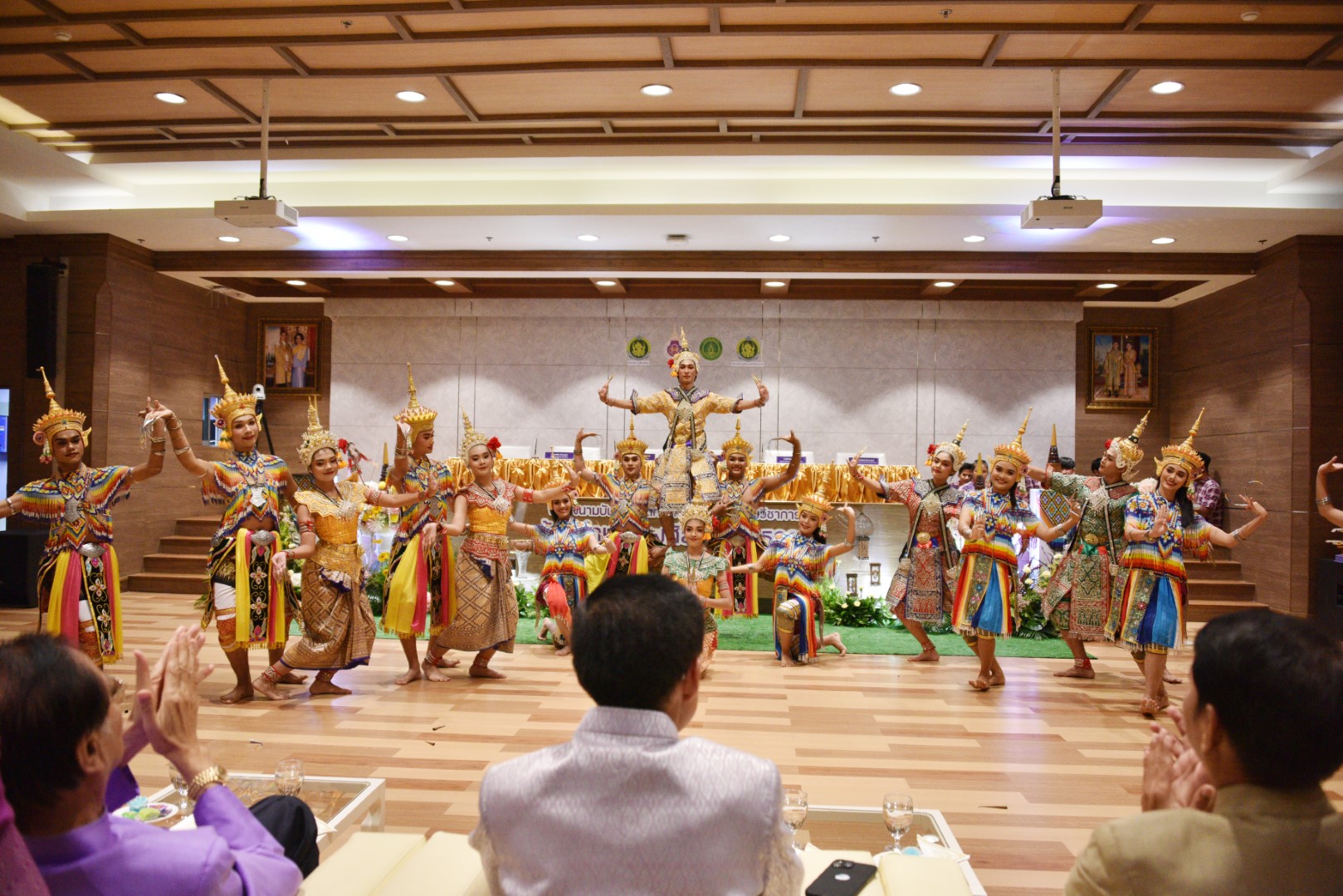
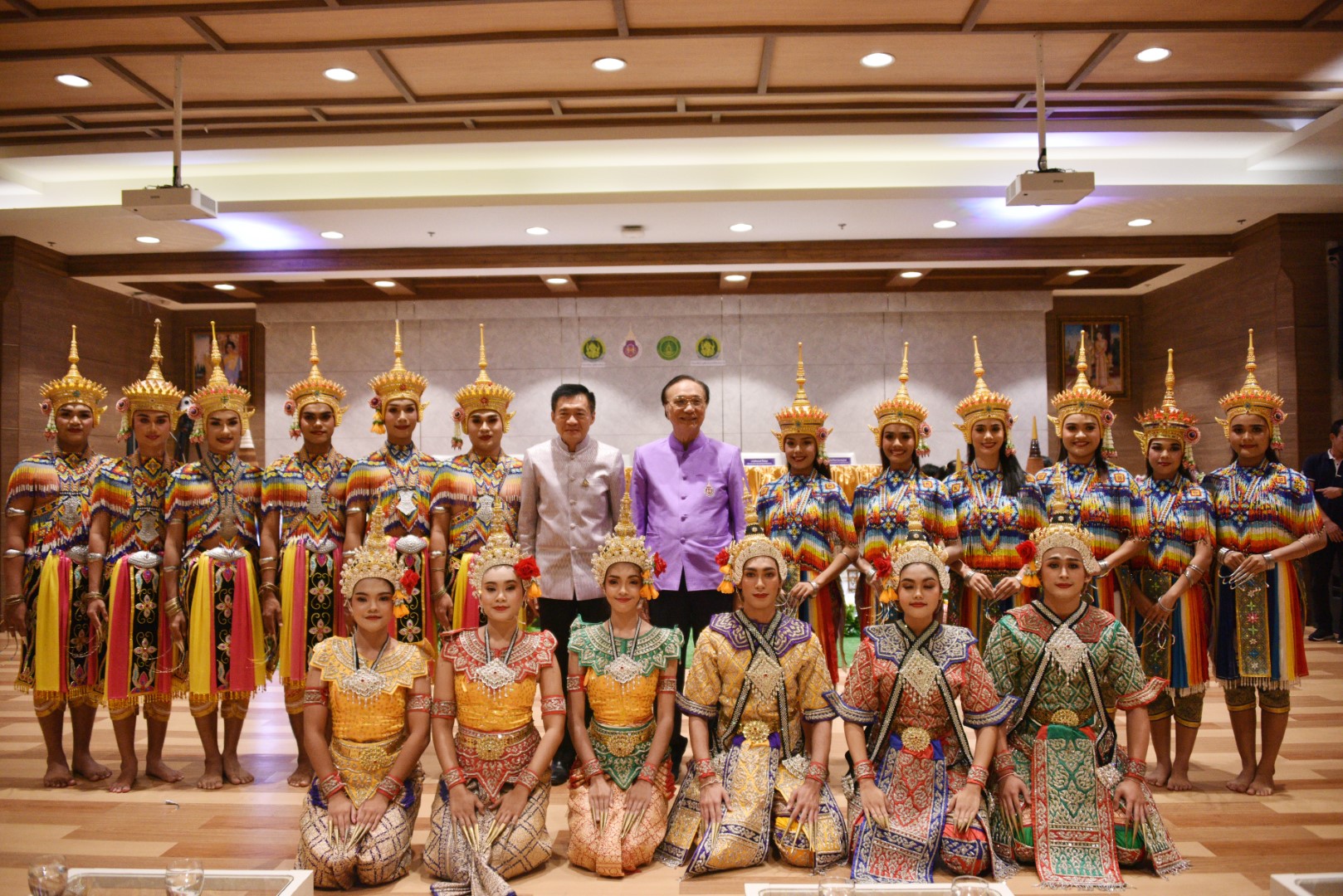
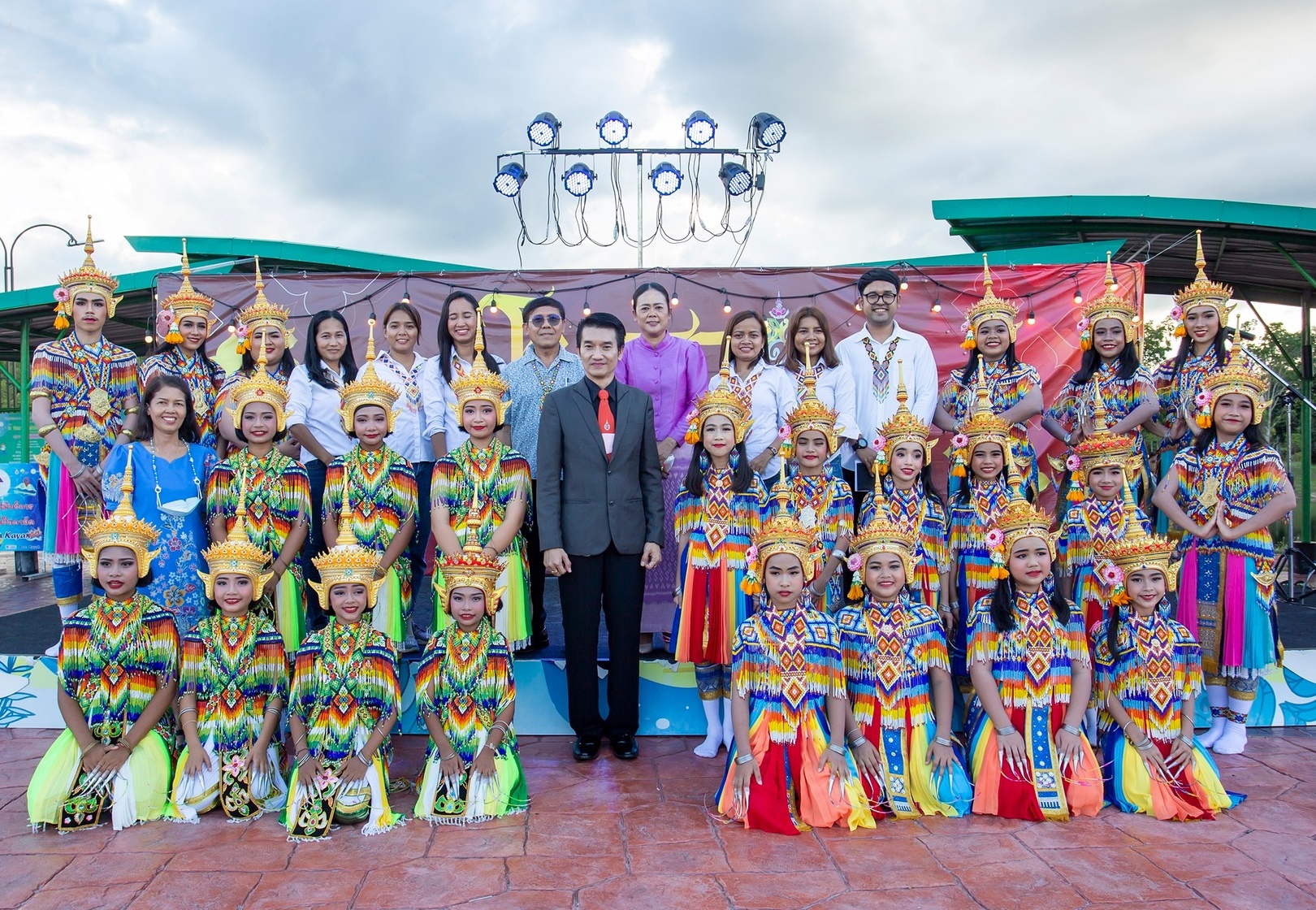
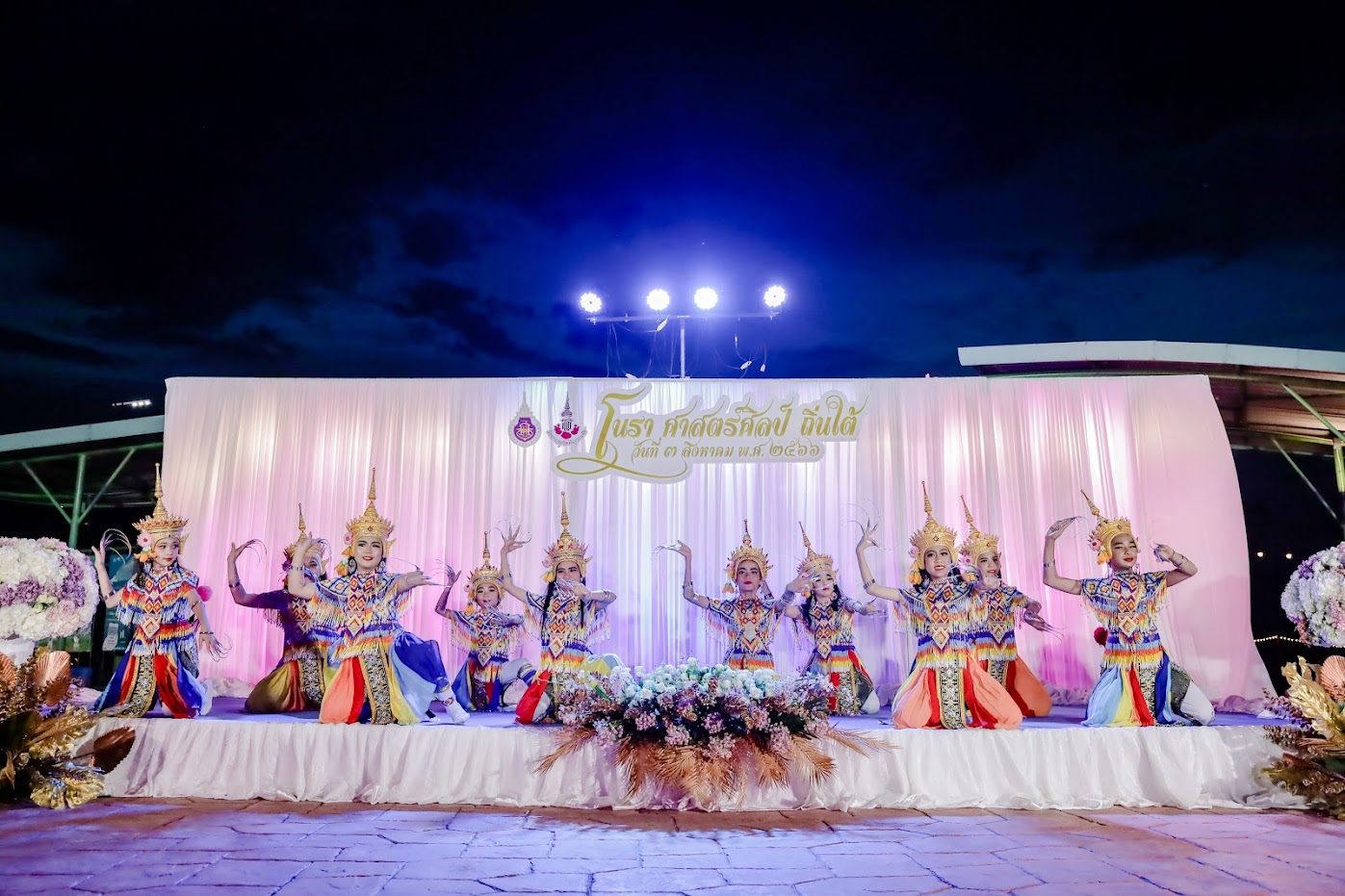
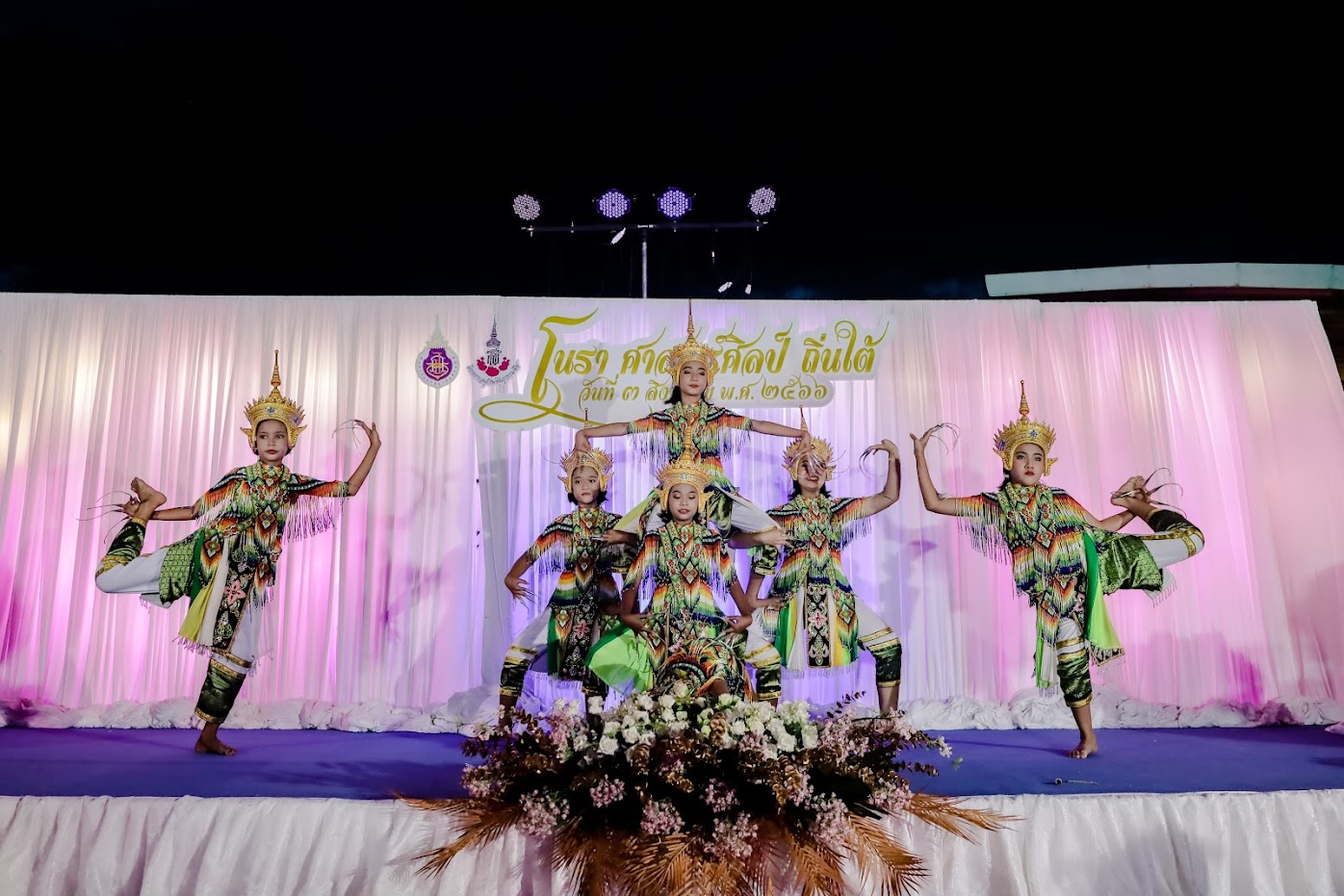
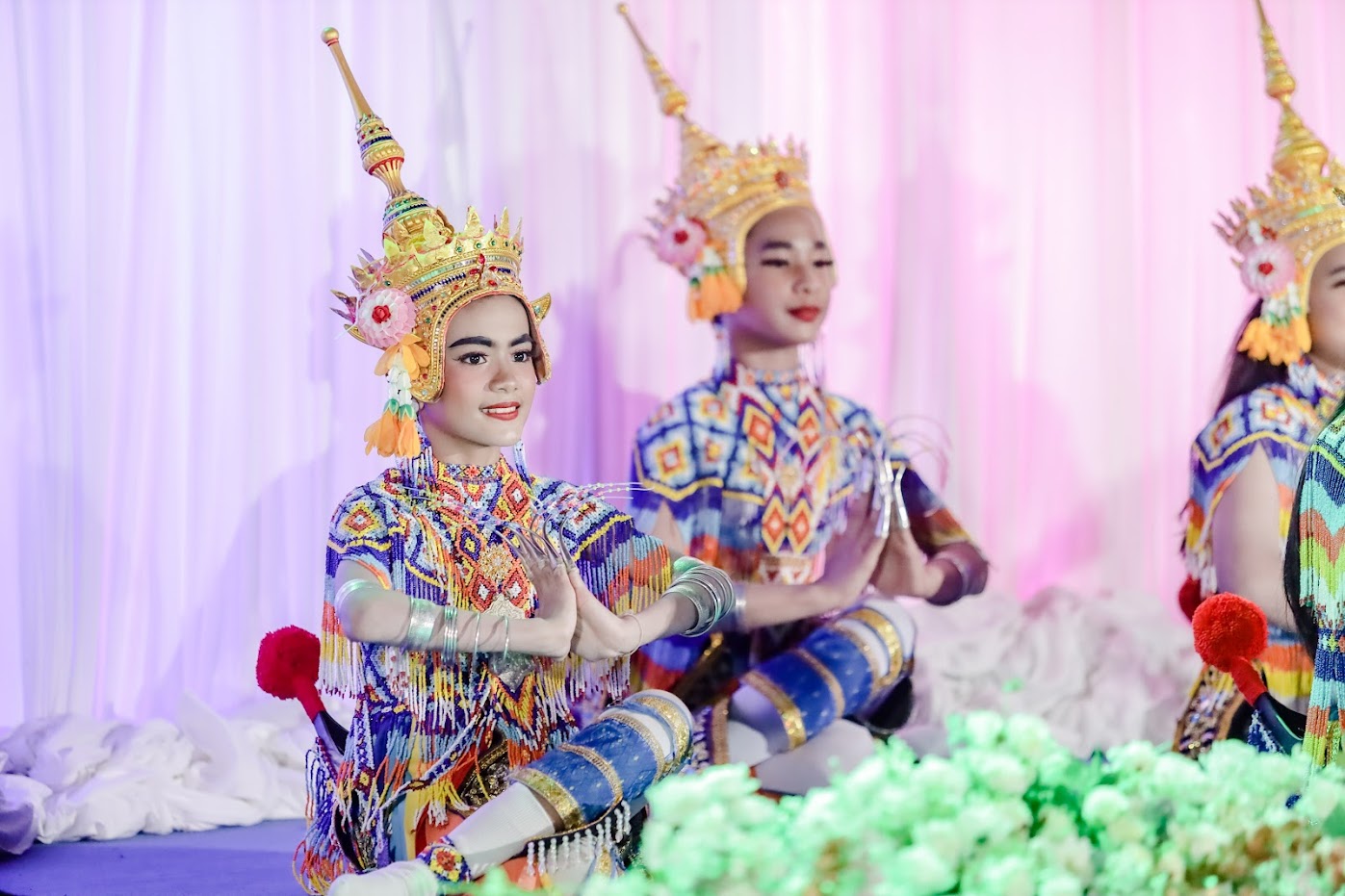
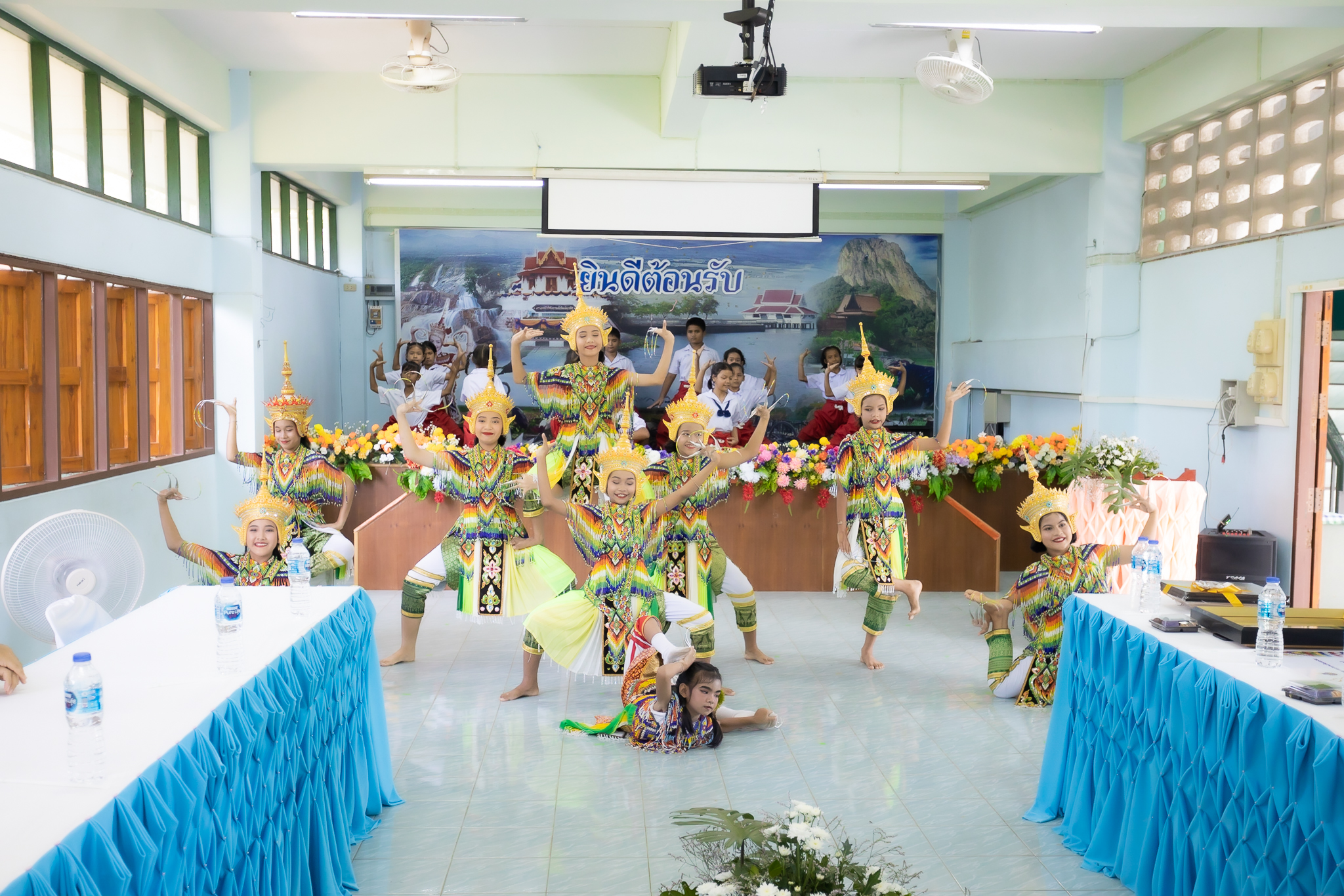
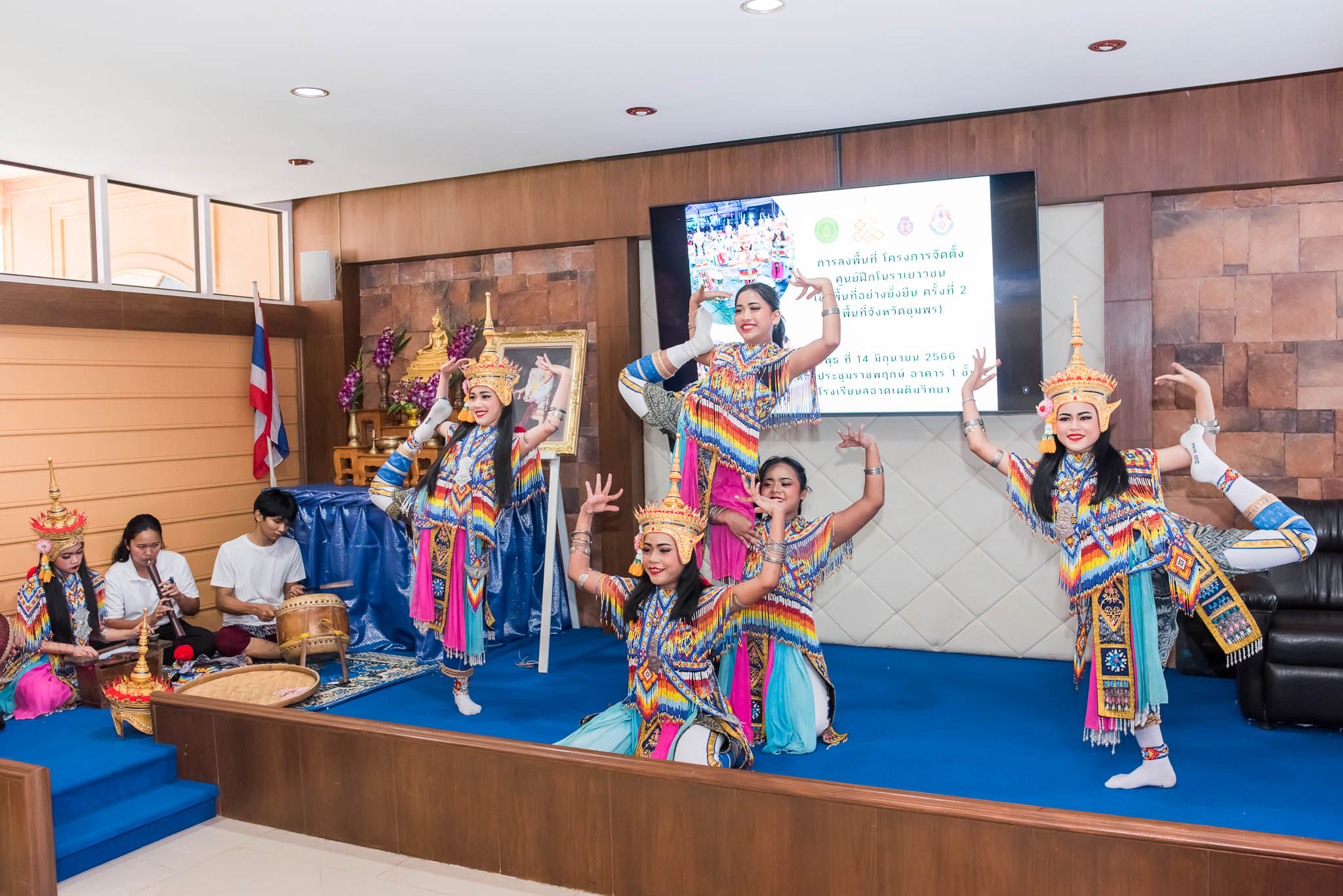
The Nora performance, a traditional folk art from Southern Thailand, has been recognized as an Intangible Cultural Heritage by UNESCO. Walailak University has continuously recorded and preserved Nora performance art.

Since 2021, the university developed an online Nora course, which is available for free at https://acc.wu.ac.th. Learners can choose courses based on their interests or skills, which include four distinct courses: 1. Nora Dance Course 2. Nora Music Course 3. Nora Vocal Performance Course 4. Pran Nora Course (hunter figure in Nora).

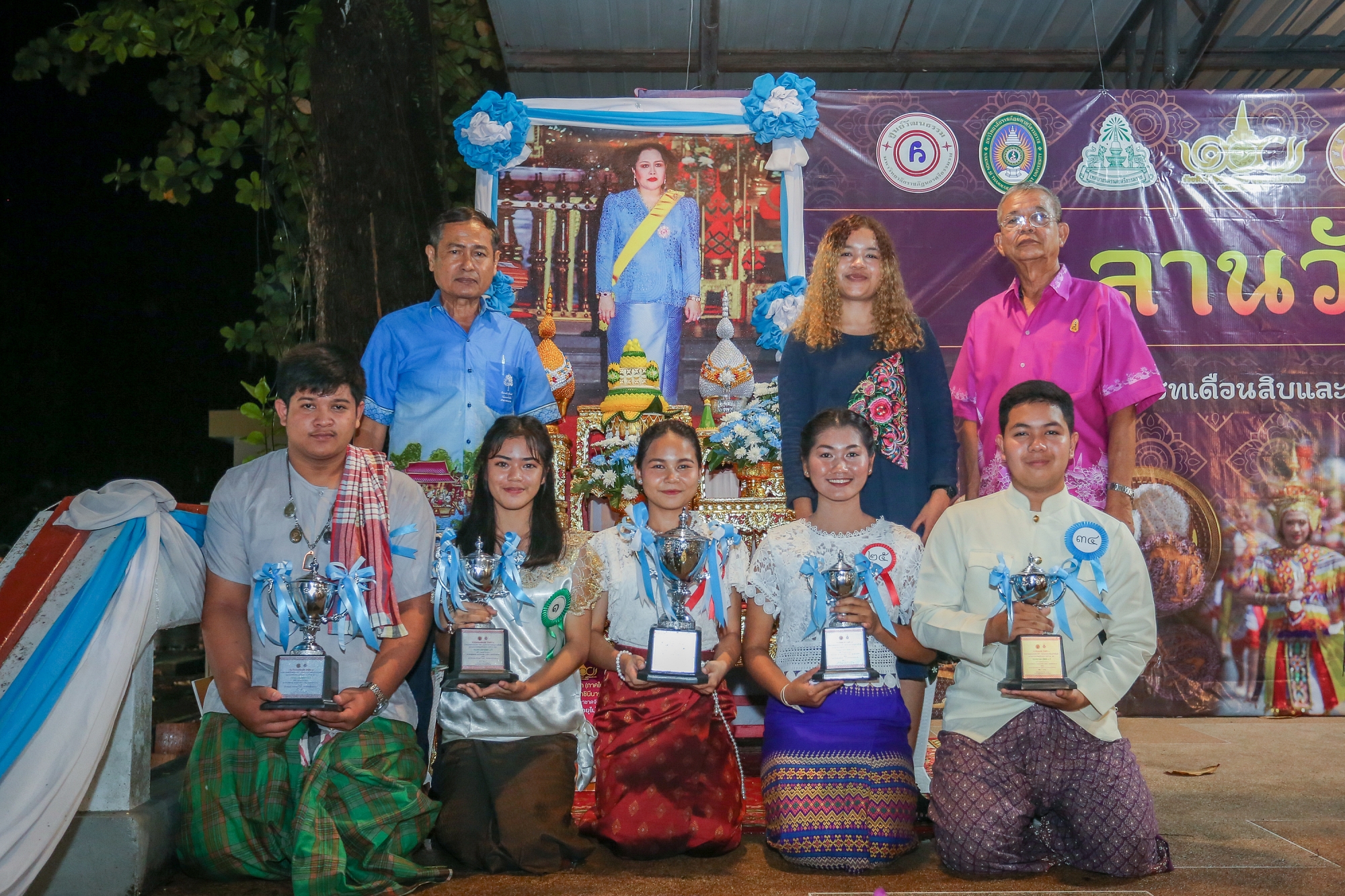
In 2022, an online Nora contest was held under the theme “Thai Assets: Absolute Sake for All.” The focus was on enabling young people to learn and practice Nora, form Nora groups or troupes, and thus contribute to the process of promoting and preserving this art sustainably. This also aligned with adapting the promotion of art and culture to the digital age. Prizes were awarded at the event “Nora: Sleek Skill of the Southern Zone,” held on September 1, 2022, at the Bota Green Market Chic & Chill Thursday Market.

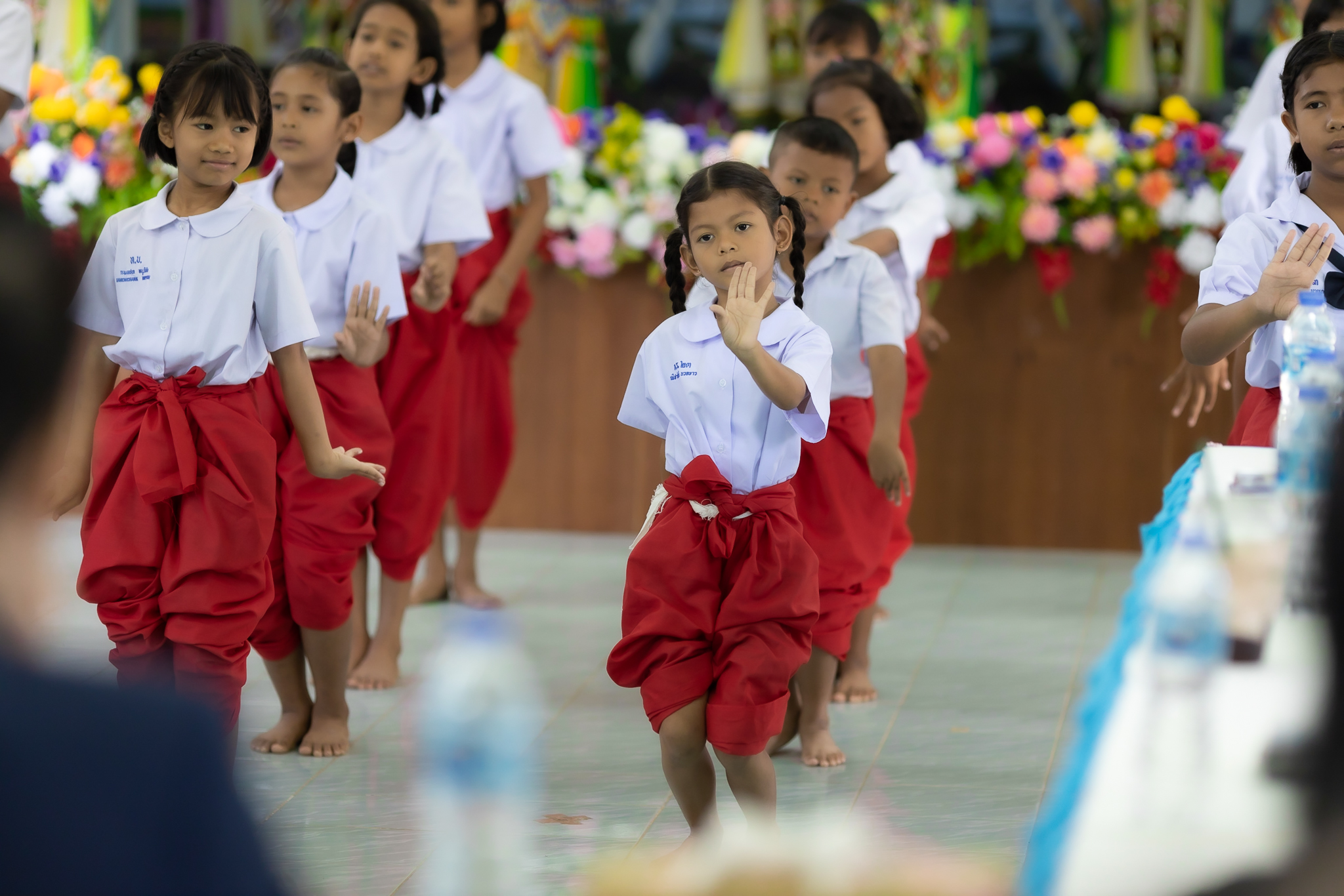
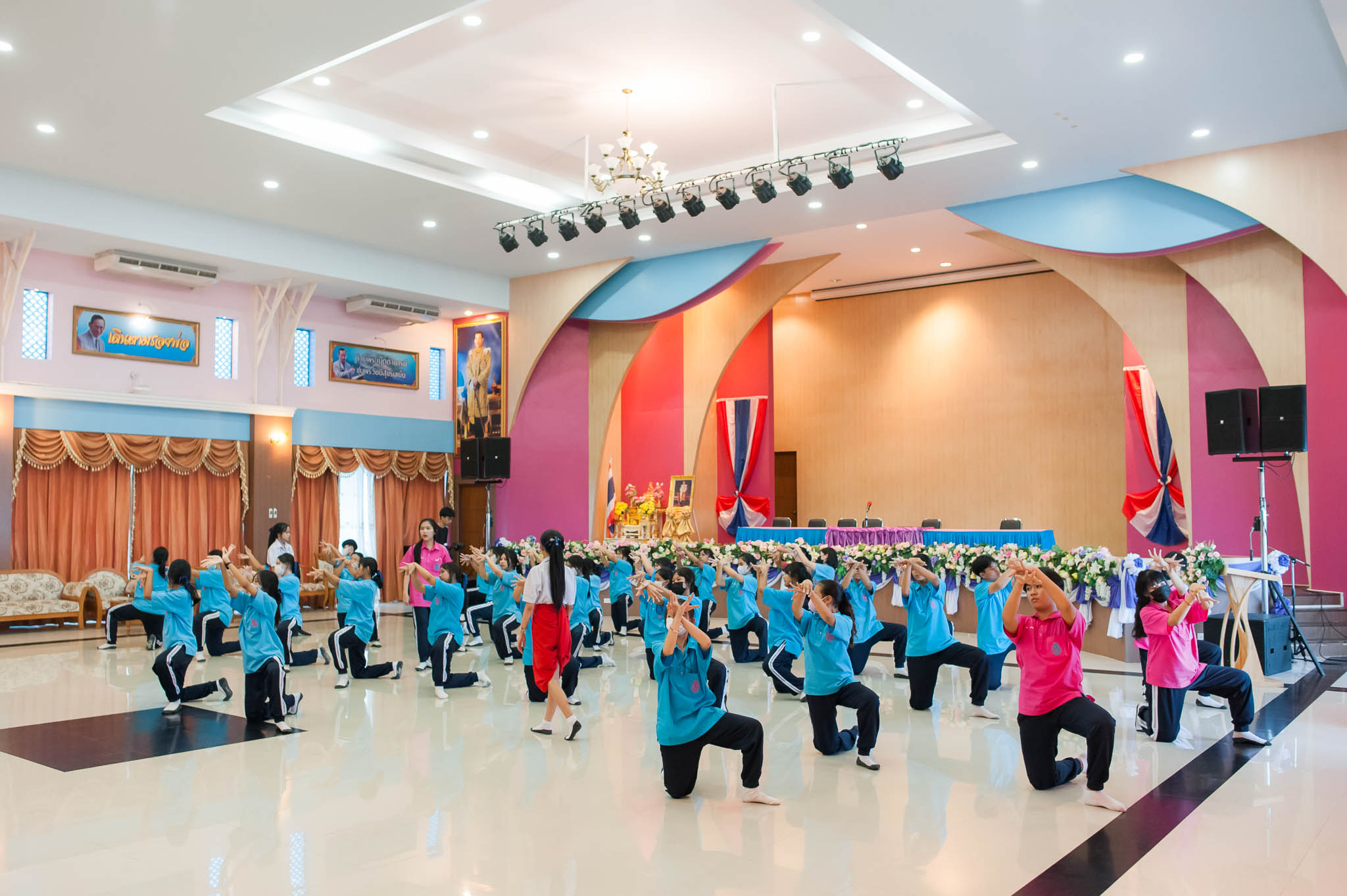
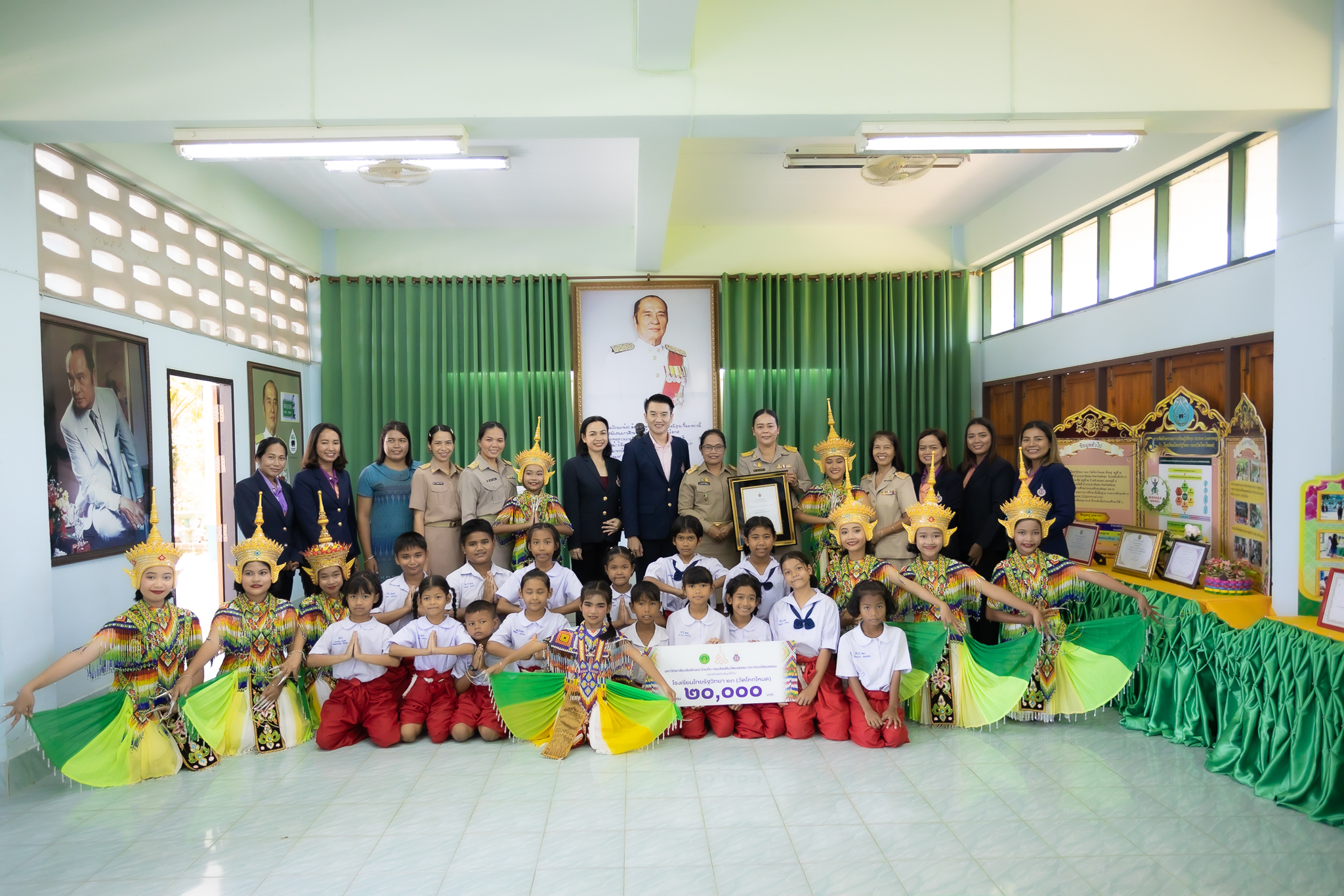
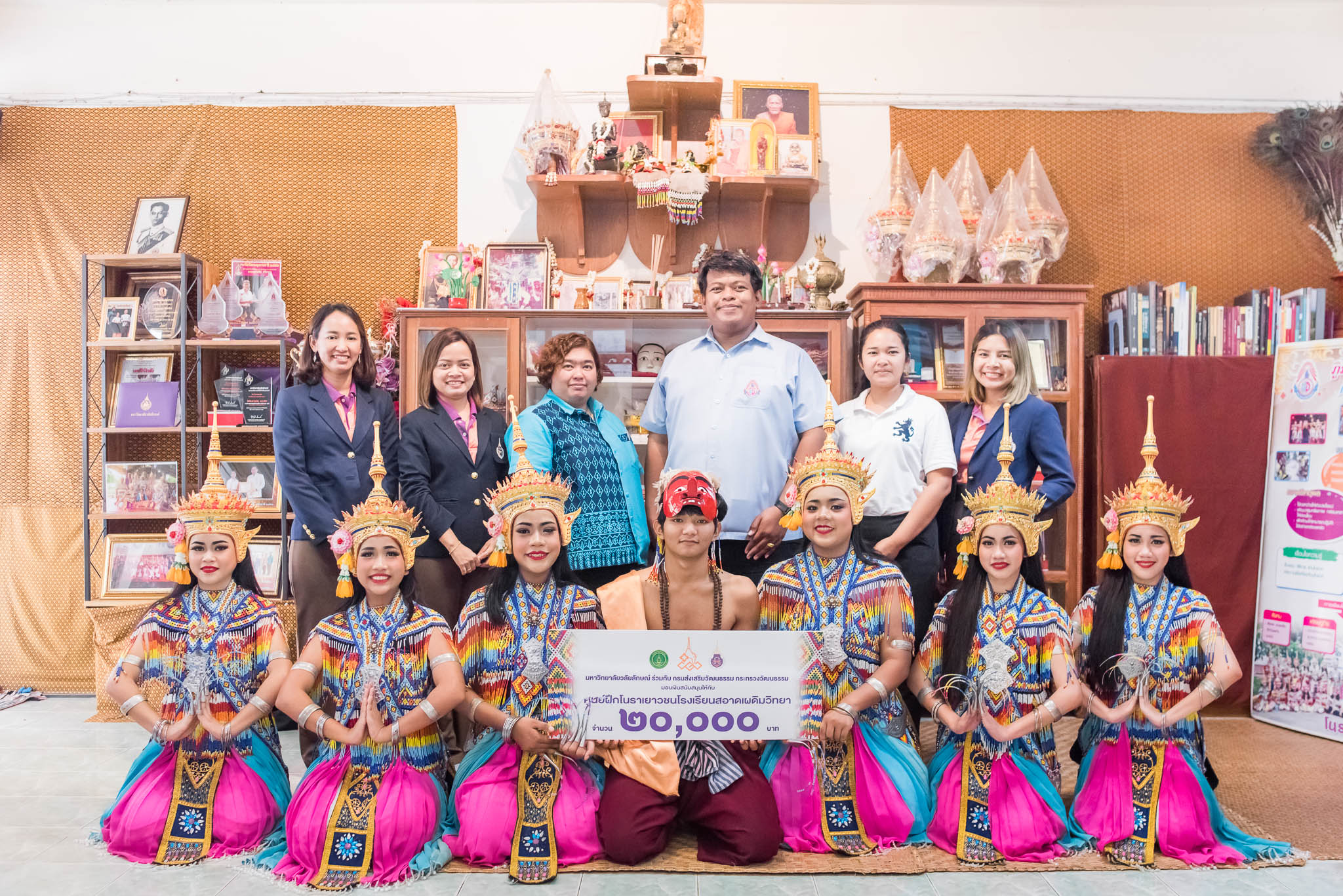
In 2023, WU plans to elevate the preservation and dissemination of Nora performance art on an international level. This initiative is based on key strategies aimed at raising awareness and perception among youth about Nora performance, encouraging knowledge exchange, and building strong collaborations and networks. The program focuses on developing Nora performance skills among young people in local areas, promoting the sustainable preservation and dissemination of art and culture. To support this, two youth Nora training centers were established: 1. Young Nora Training Center at Thairath Wittaya 23 School (Wat Khok Nod), Phatthalung 2. Nora Training Center at Saard Phaderm Wittaya School, Chumphon.

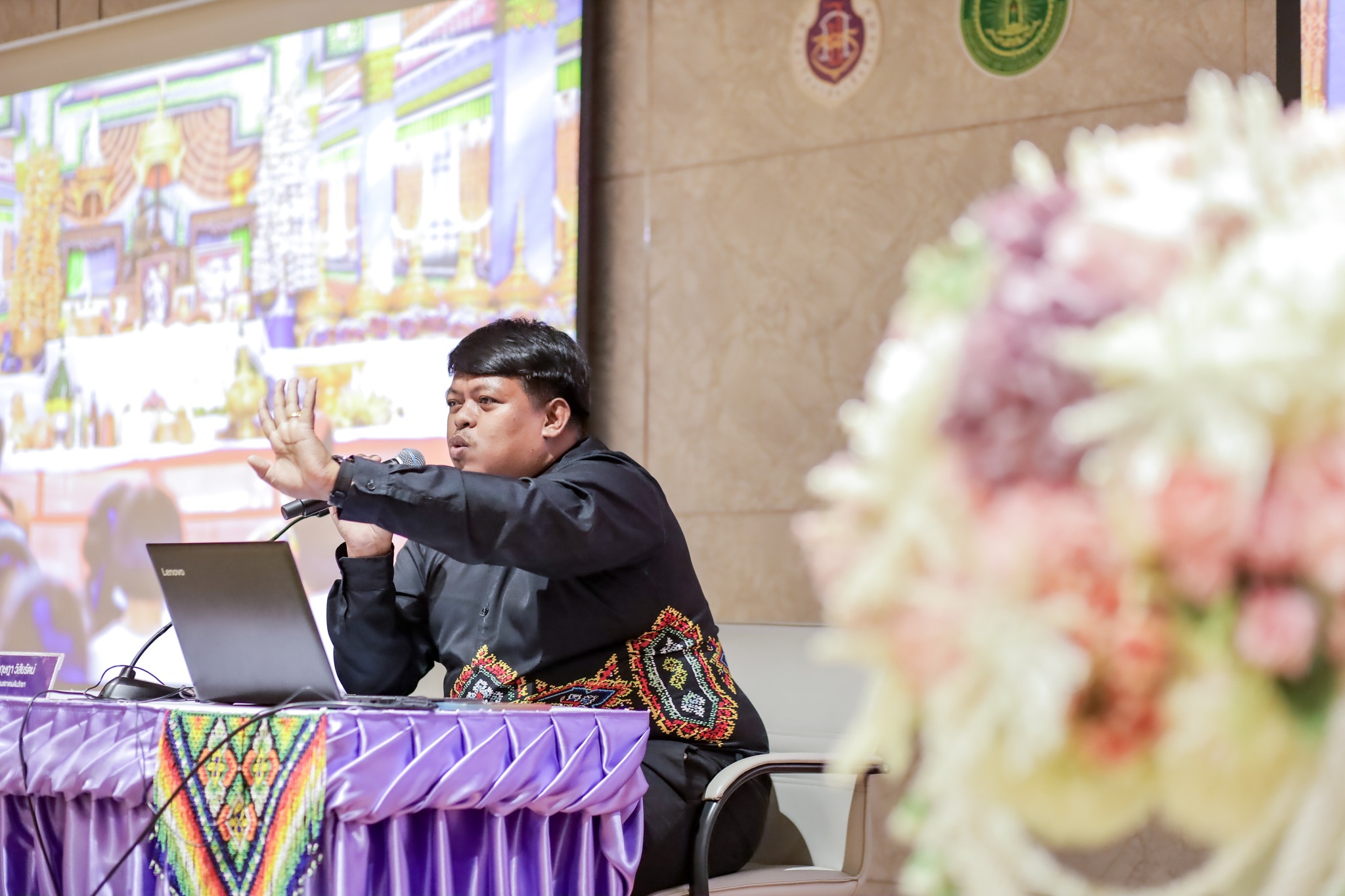
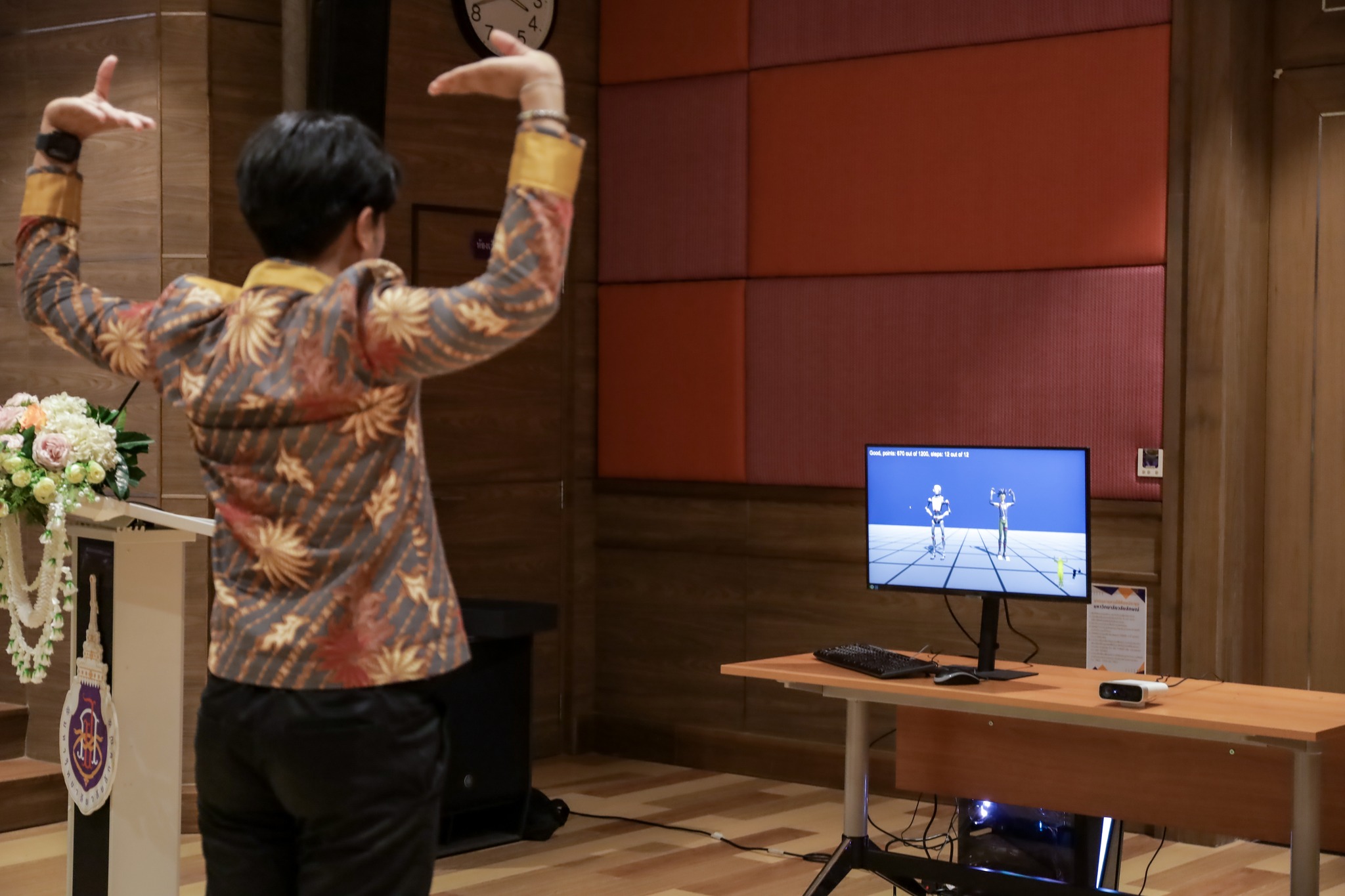
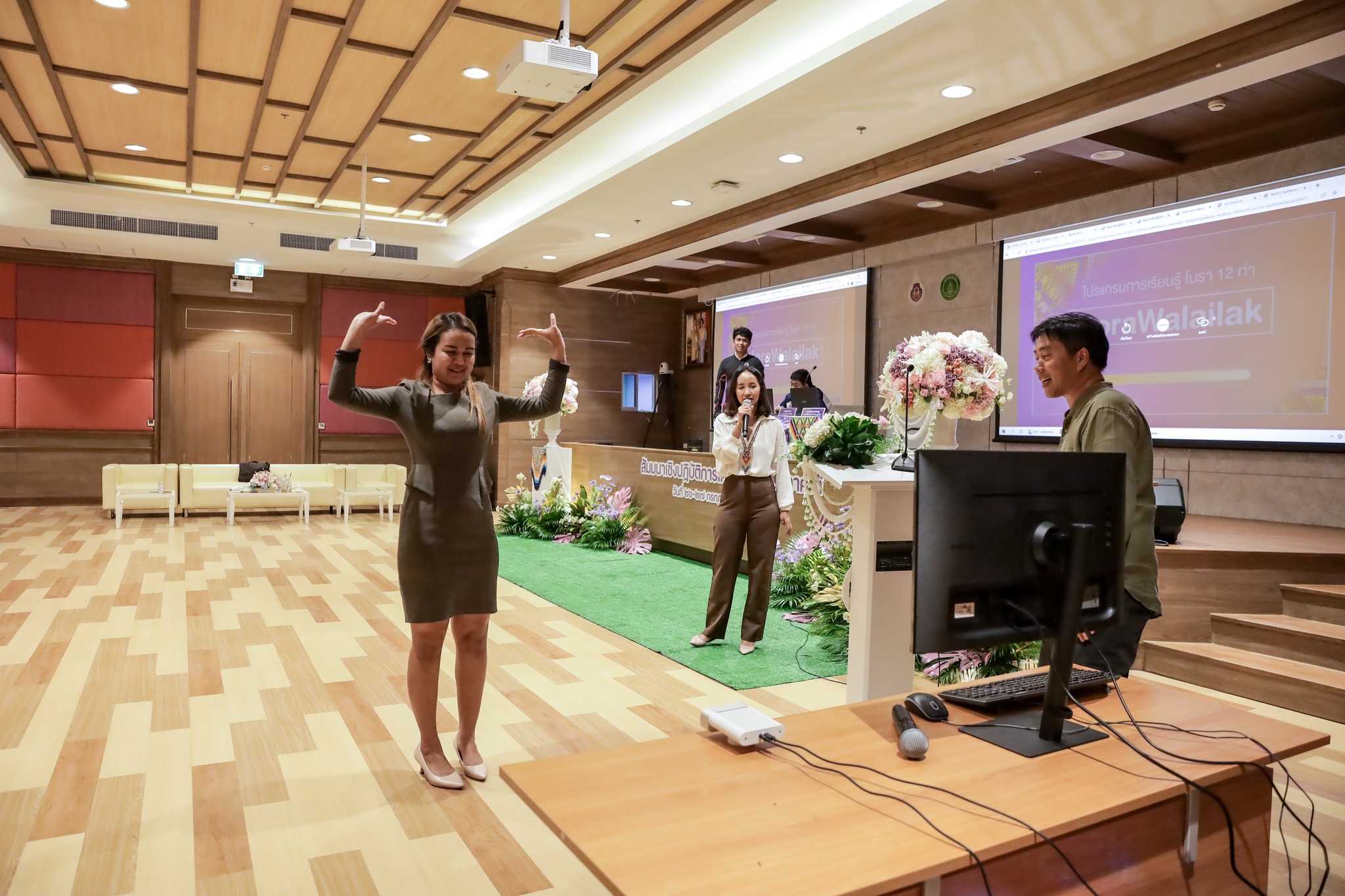
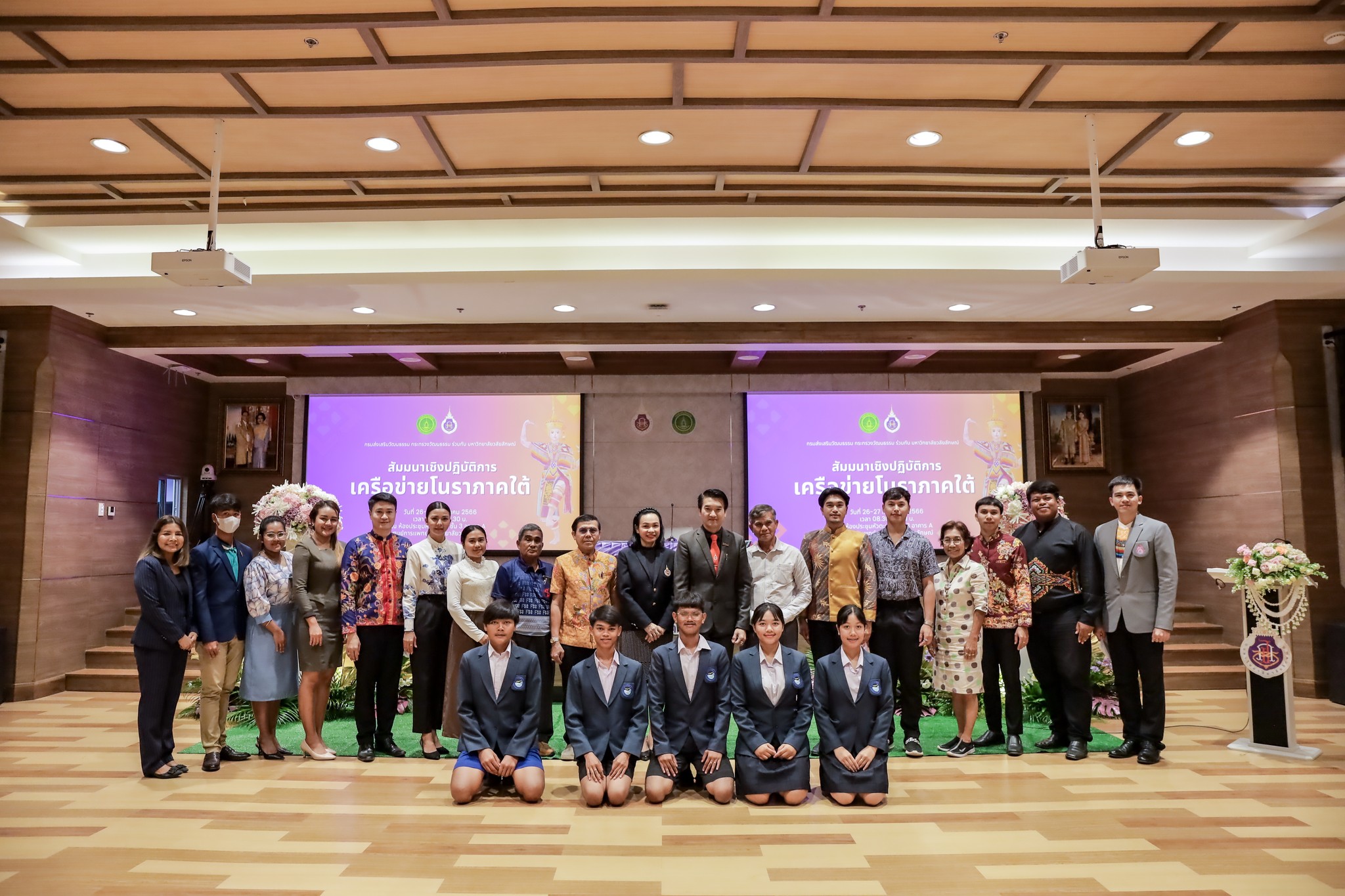
A practical workshop for the Southern Nora Network was held on July 26–27, 2023, at the Huatapan Meeting Room, 3rd floor, Building A, Walailak University Hospital. This seminar played a crucial role in establishing an academic network for Nora in Southern Thailand, promoting the accessibility of Nora as a cultural heritage for both youth and the general public. The goal was to encourage the creative use of Nora’s cultural heritage to generate economic value, based on the concept of Soft Power.

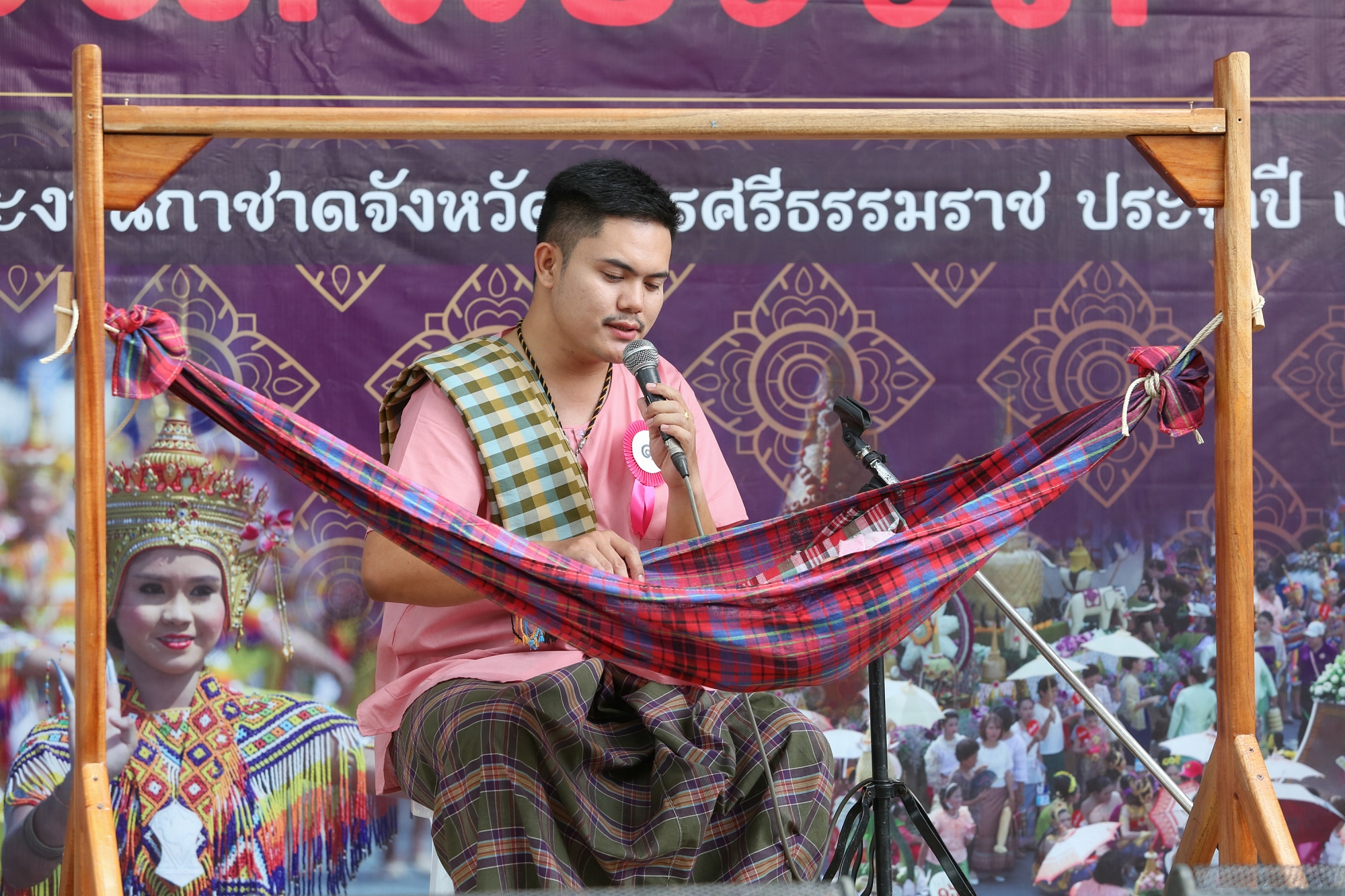
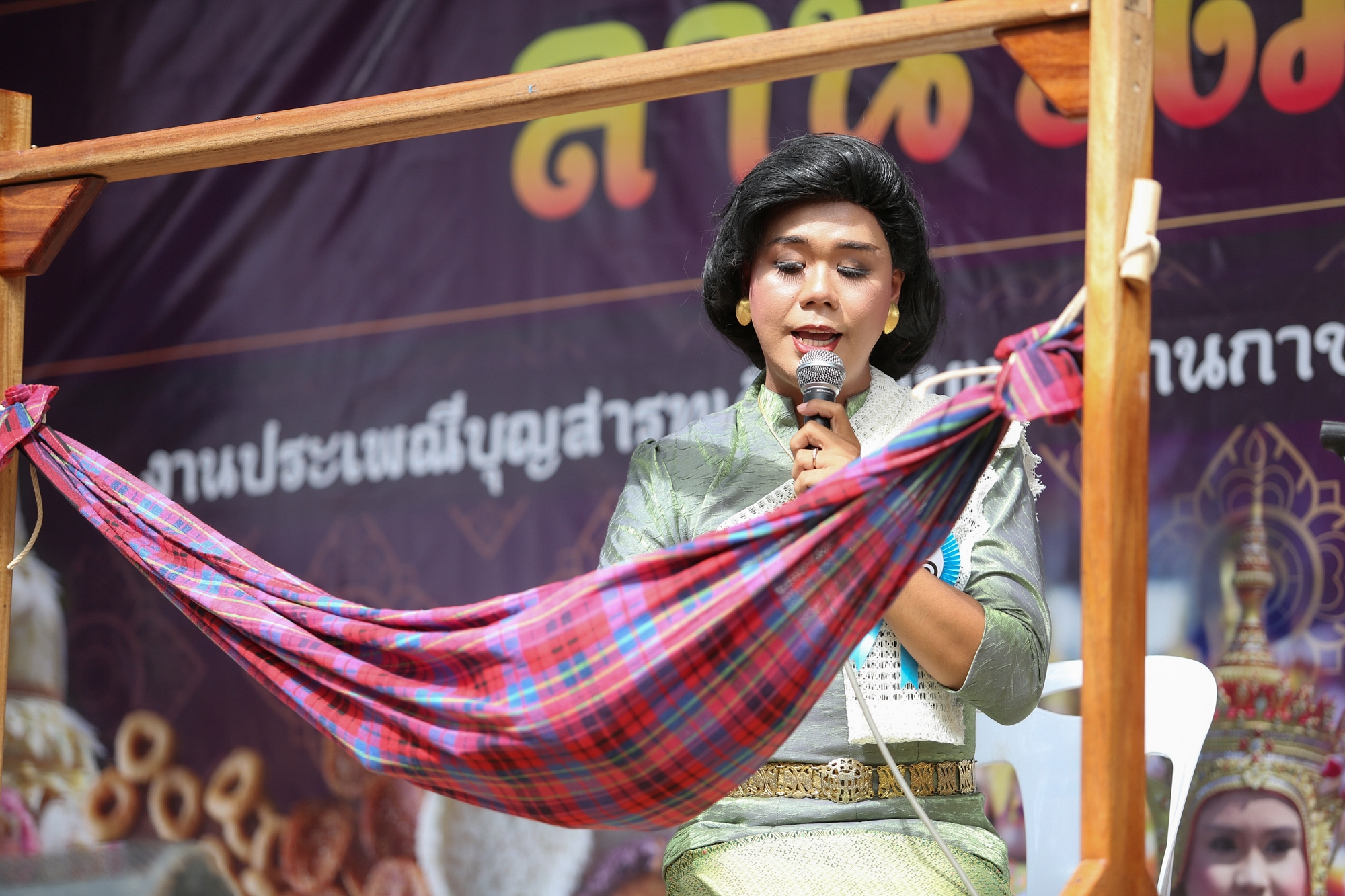
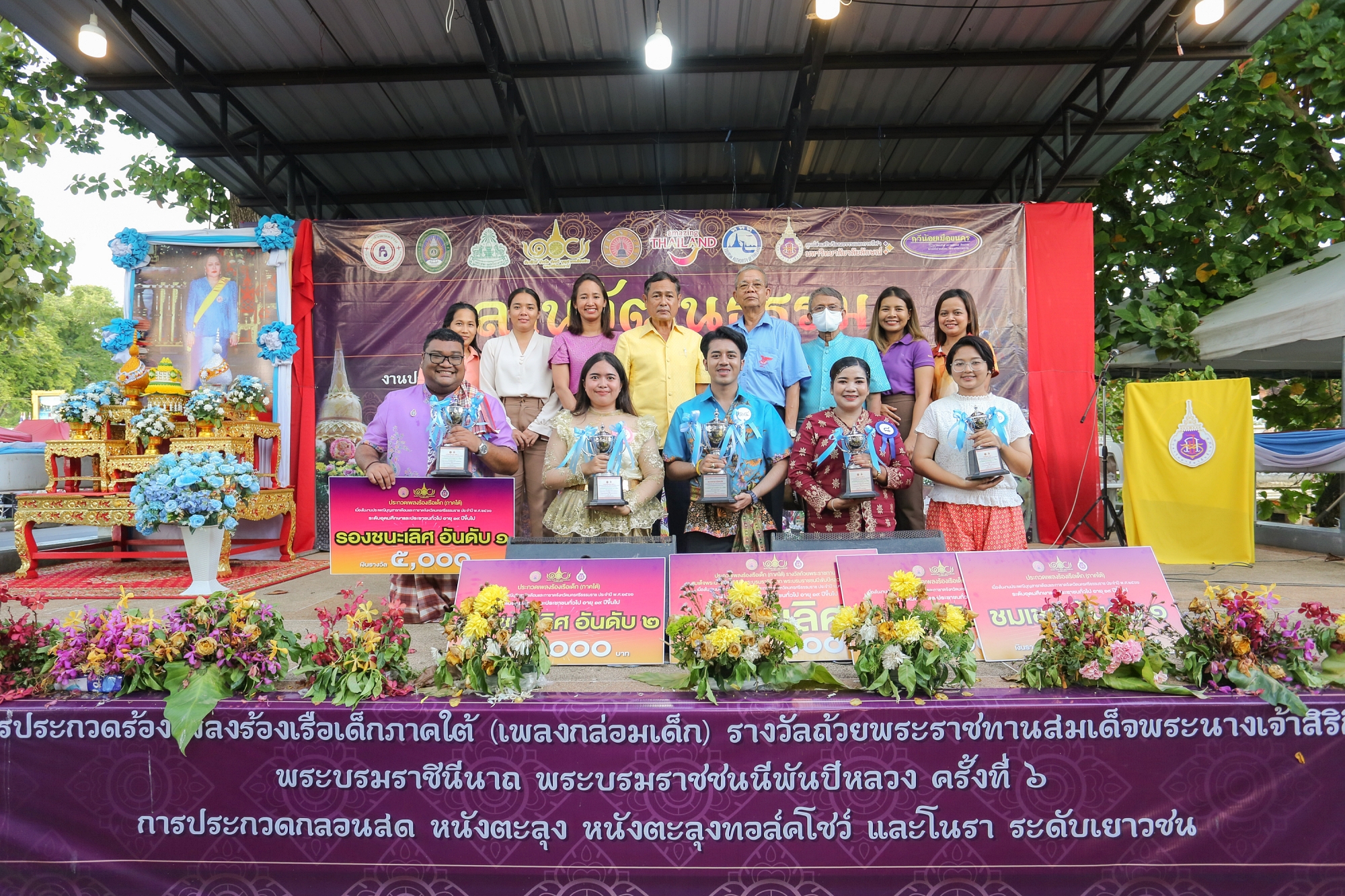
Local Literature of Southern Thailand is what WU has been preserving and promoting, Southern lullabies or cradle songs, which are forms of oral literature and local literature of the Southern region. These songs convey thoughts, knowledge, events, and teachings forwarded through generations in the form of local folklore, often addressing social issues, and incorporating humor and popular communication styles of those times as the Southern Thai language. In 2023, the 6th Annual Royal Cup Competition for Southern Cradle Songs, dedicated to Her Majesty Queen Sirikit The Queen Mother, was held on October 5-6, 2023, at the cultural exhibition square in the Sanam Na Muang Public Park, Muang District, Nakhon Si Thammarat. The competition was divided into two categories: youth under 18 years old and university students and the general public aged 19 and above.

National Cultural Heritage

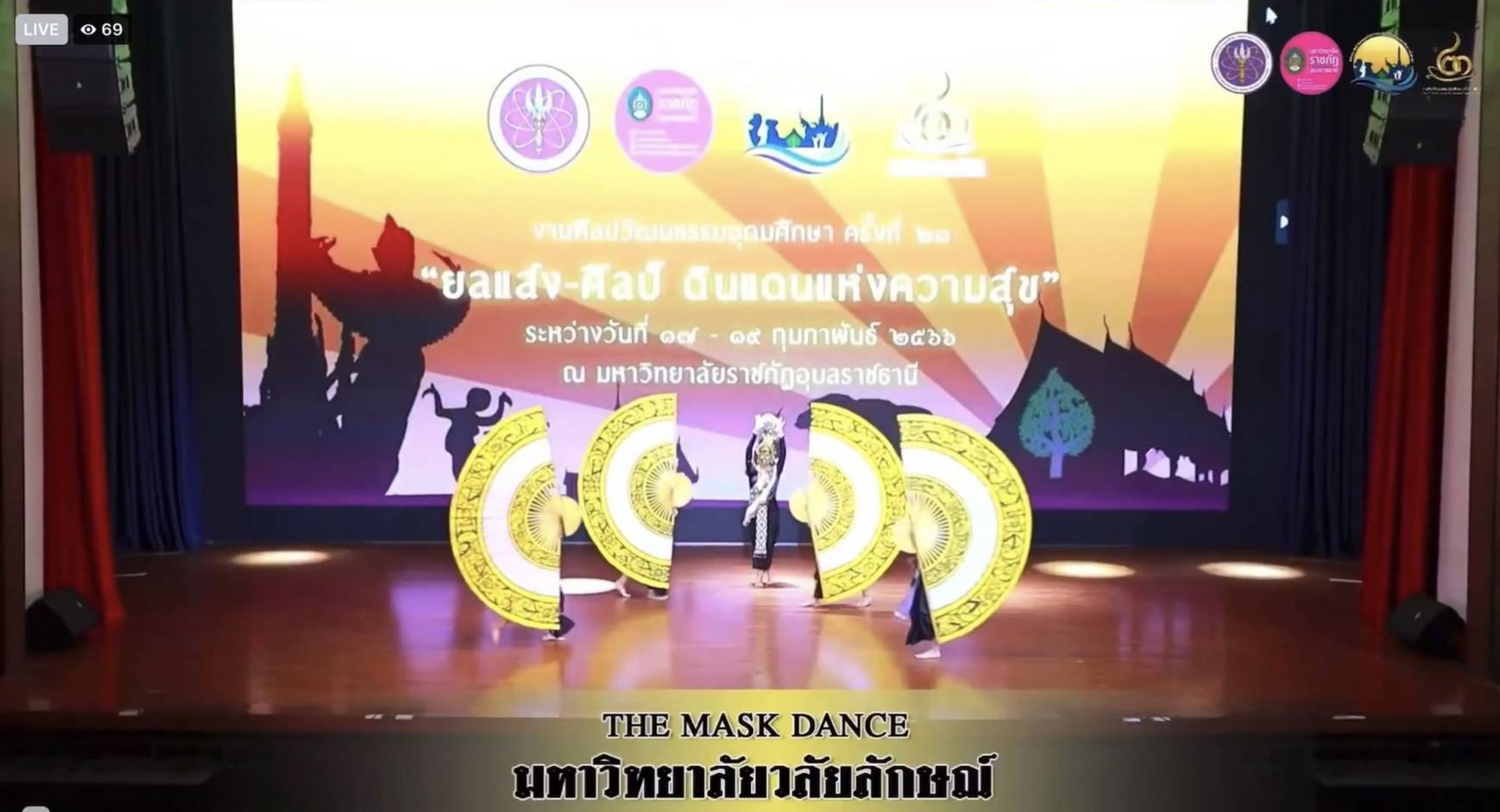
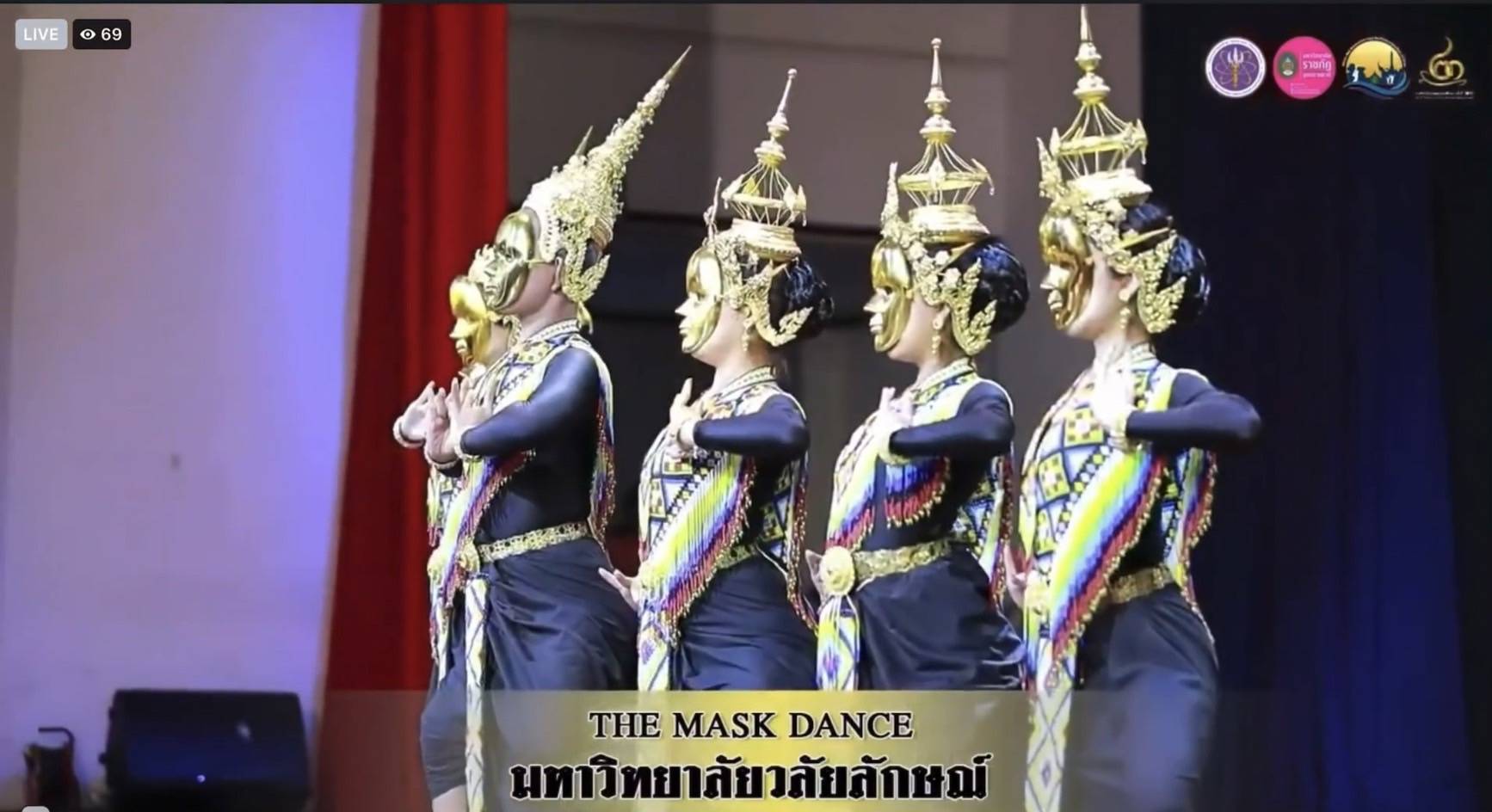
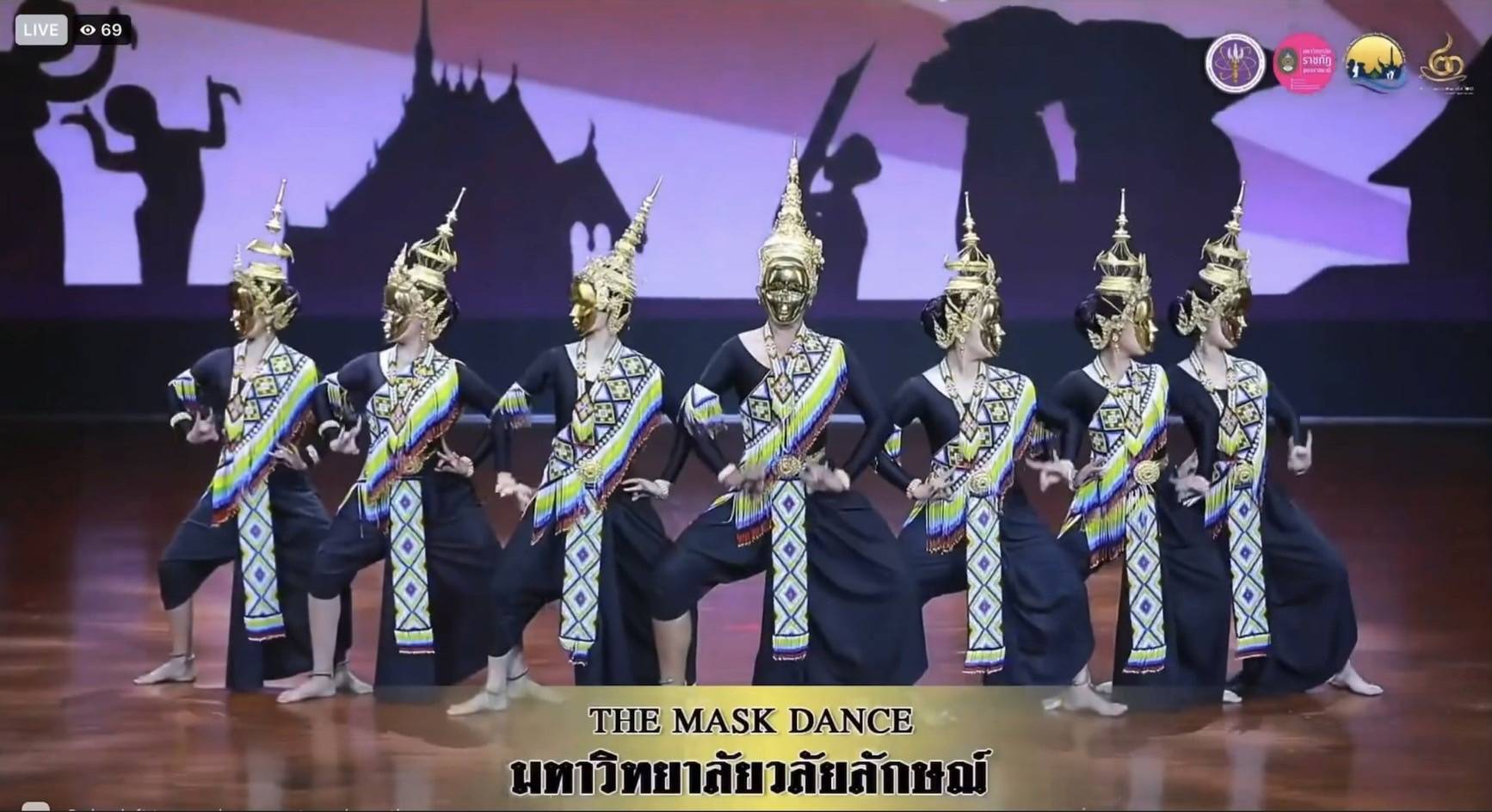
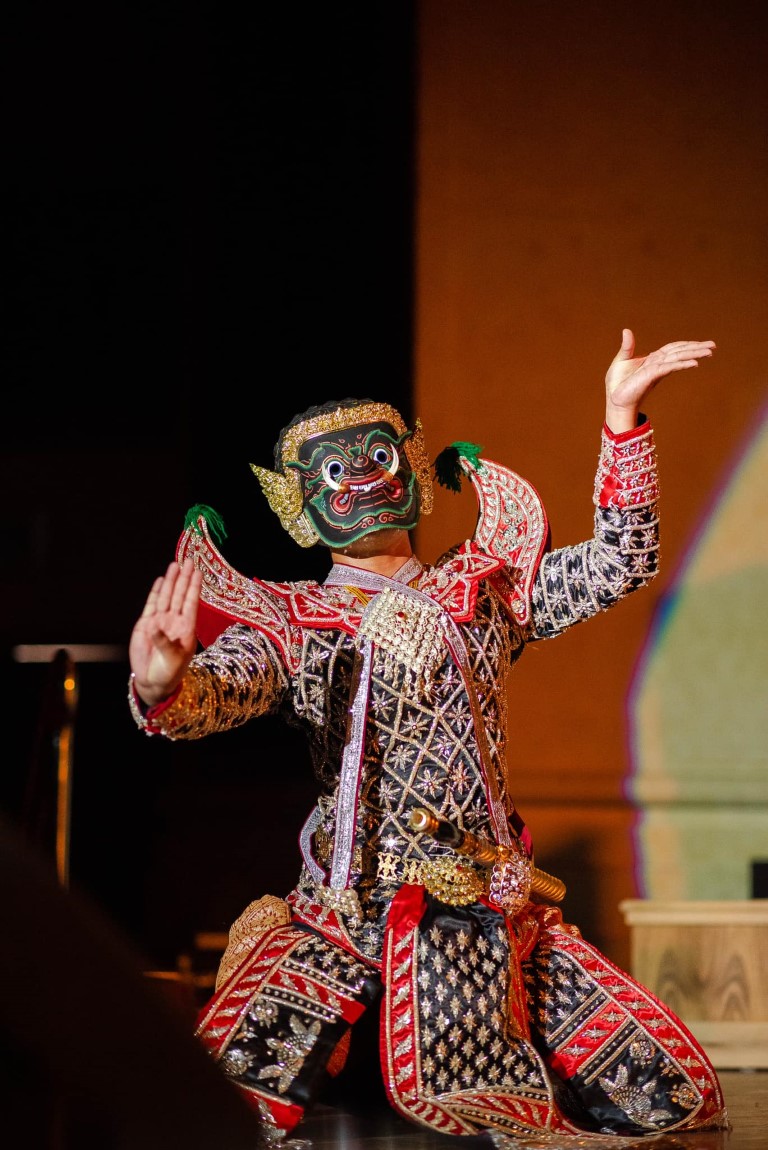
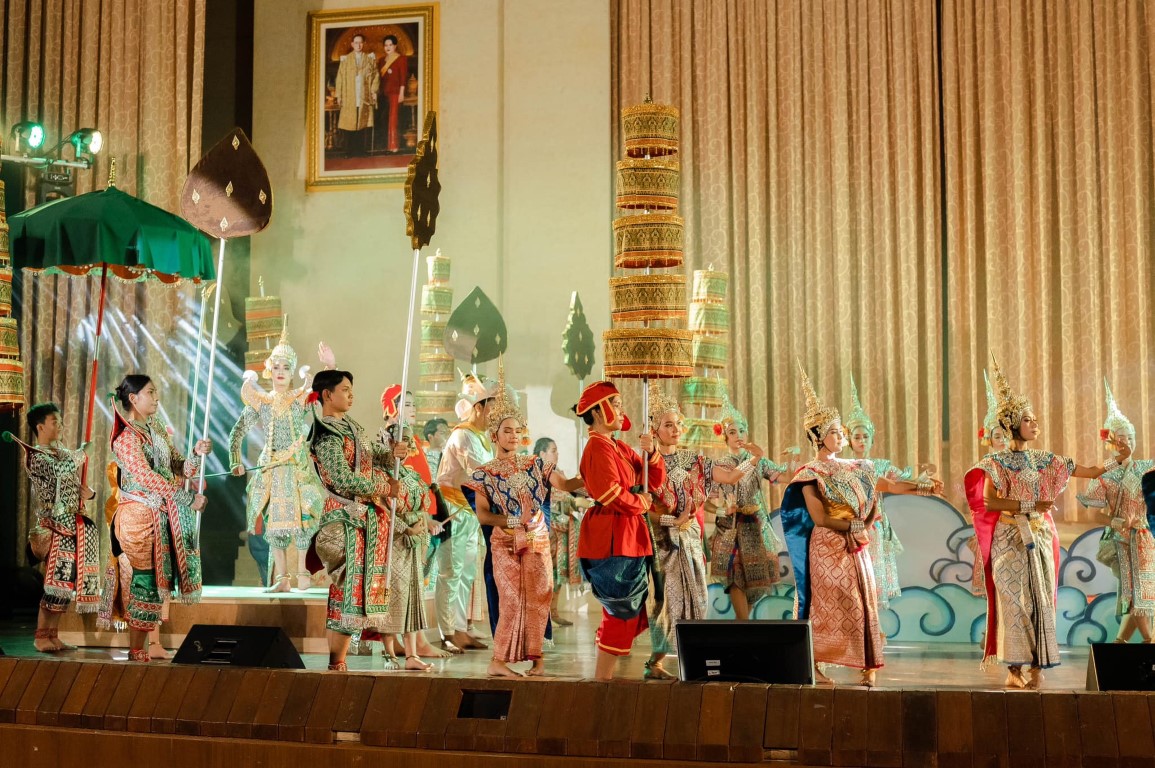
Walailak University presented a contemporary adaptation of traditional Thai performing arts through “The Mask Dance” and Khon performances as part of its activities to document and preserve national cultural heritage.

The Mask Dance

In 2023, the university featured the contemporary Thai dance performance “The Mask Dance,” which incorporates traditional Thai dance movements using various parts of the body. The performance combines both slow and fast dance styles, harmonized with different rhythmic music, creating an exciting and captivating experience for the audience. The props used in the performance include masks, large fans, and crystal balls. The performance was held at the Convention Center on the 3rd floor of the Ubon Ratchathani Cultural Center, Ubon Ratchathani Rajabhat University. Additionally, this performance was showcased at Universitas Syiah Kuala in Banda Aceh, Indonesia, as part of an international exchange program promoting arts and culture and nurturing relations through the Indonesia-Malaysia-Thailand Growth Triangle cultural and academic seminar.

Khon

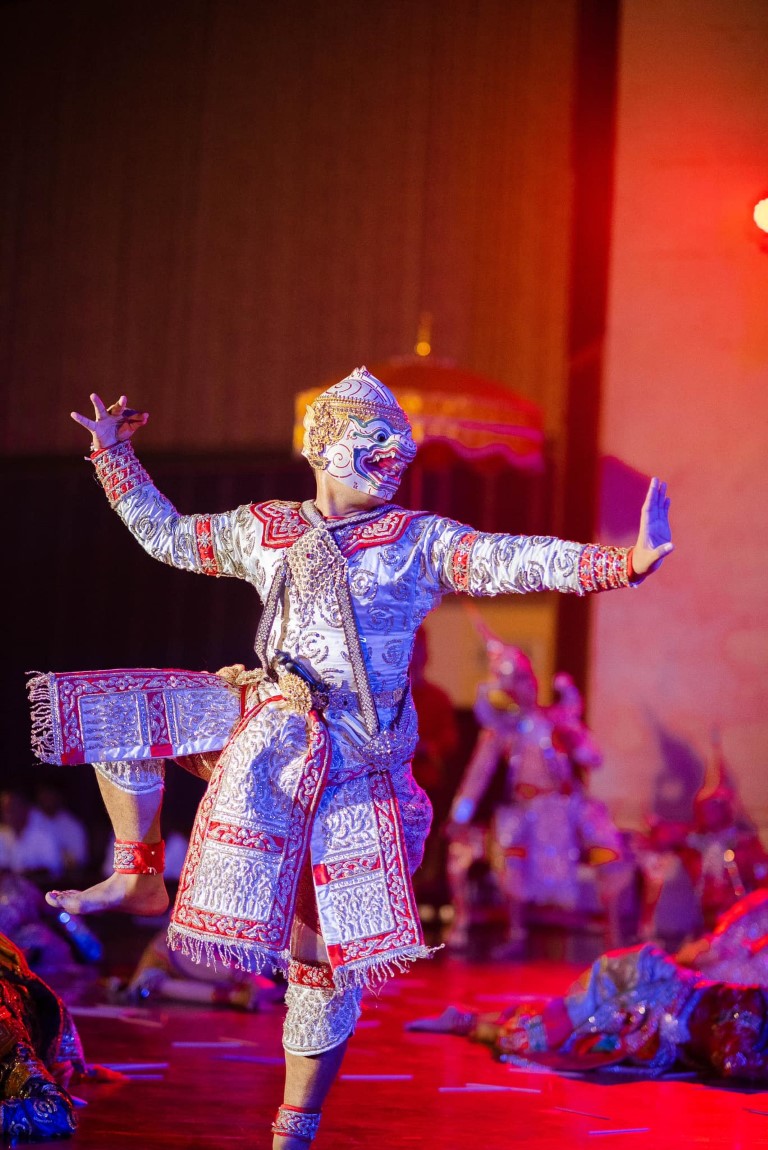
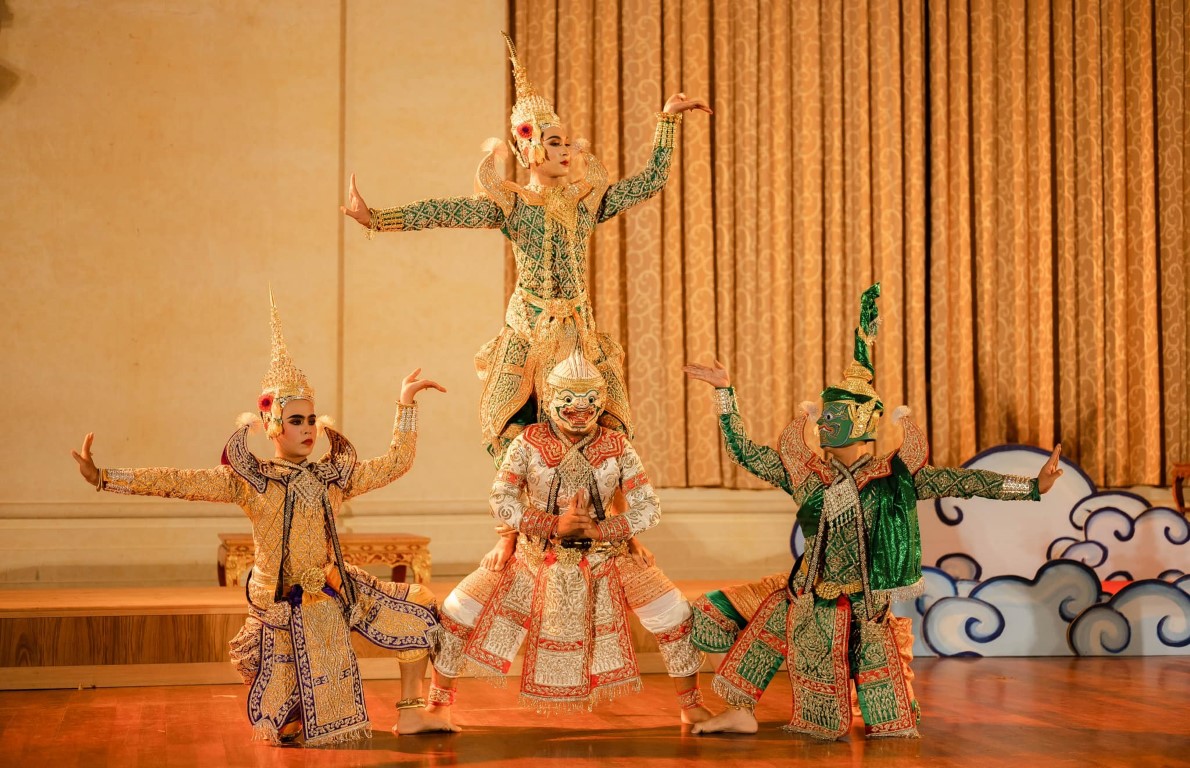
In the same year, WU hosted a Khon performance of the Ramakien titled The Battle of Indrajit: Brahmastra in honor of the birthdays of His Majesty King Maha Vajiralongkorn Phra Vajiraklaochaoyuhua and Her Majesty Queen Sirikit, the Queen Mother. The performance took place at the main auditorium of the Thaiburi Building. This particular Khon play tells the story of Indrajit, who wields the powerful arrow, Brahmastra, and leads his army to battle against the forces of Lakshmana. The objective of this performance was to preserve cultural heritage and promote Thai culture globally under the concept of “Culture Beyond Frontiers.”

Heritage of Displaced Communities

Mani Ethnographic Museum

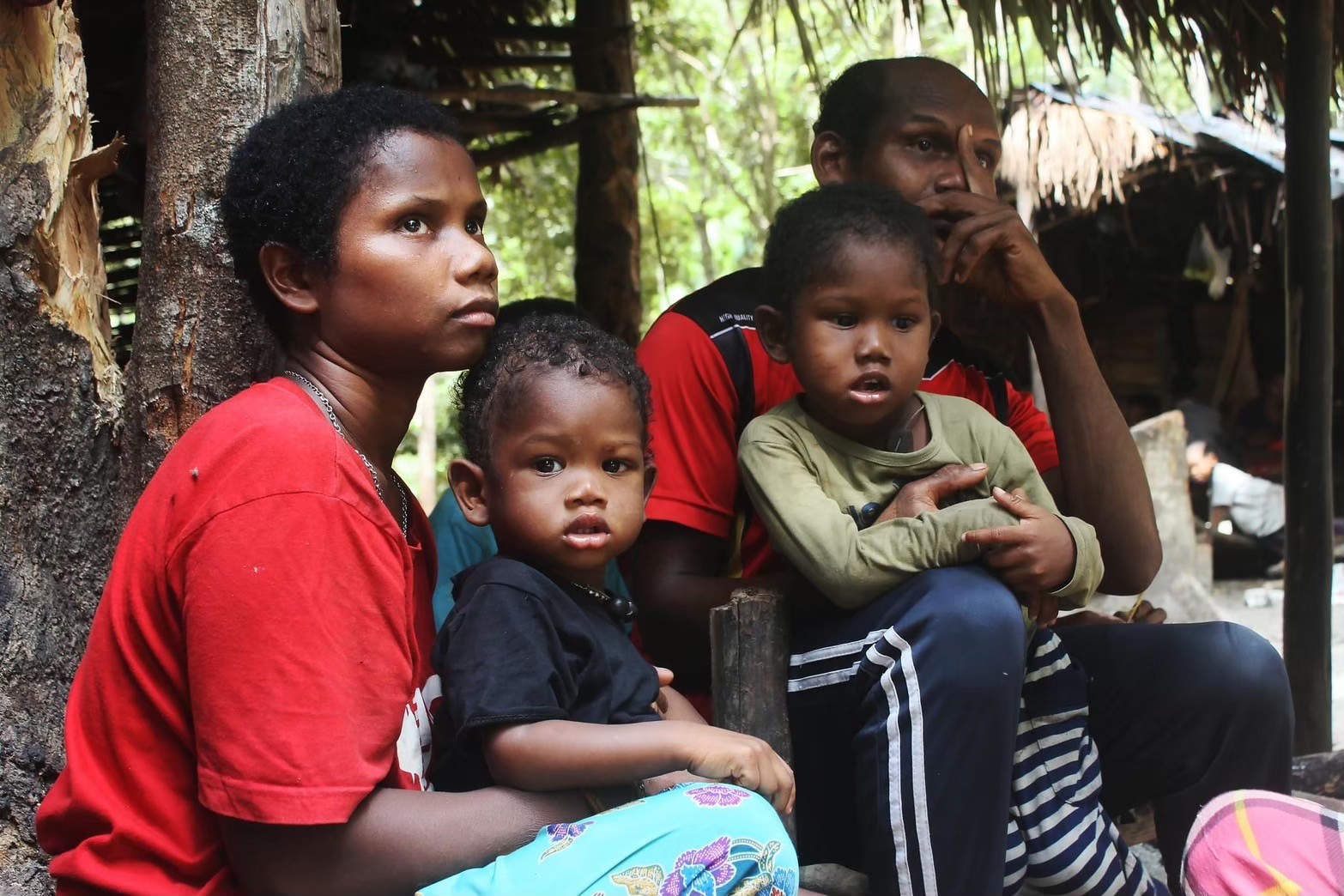
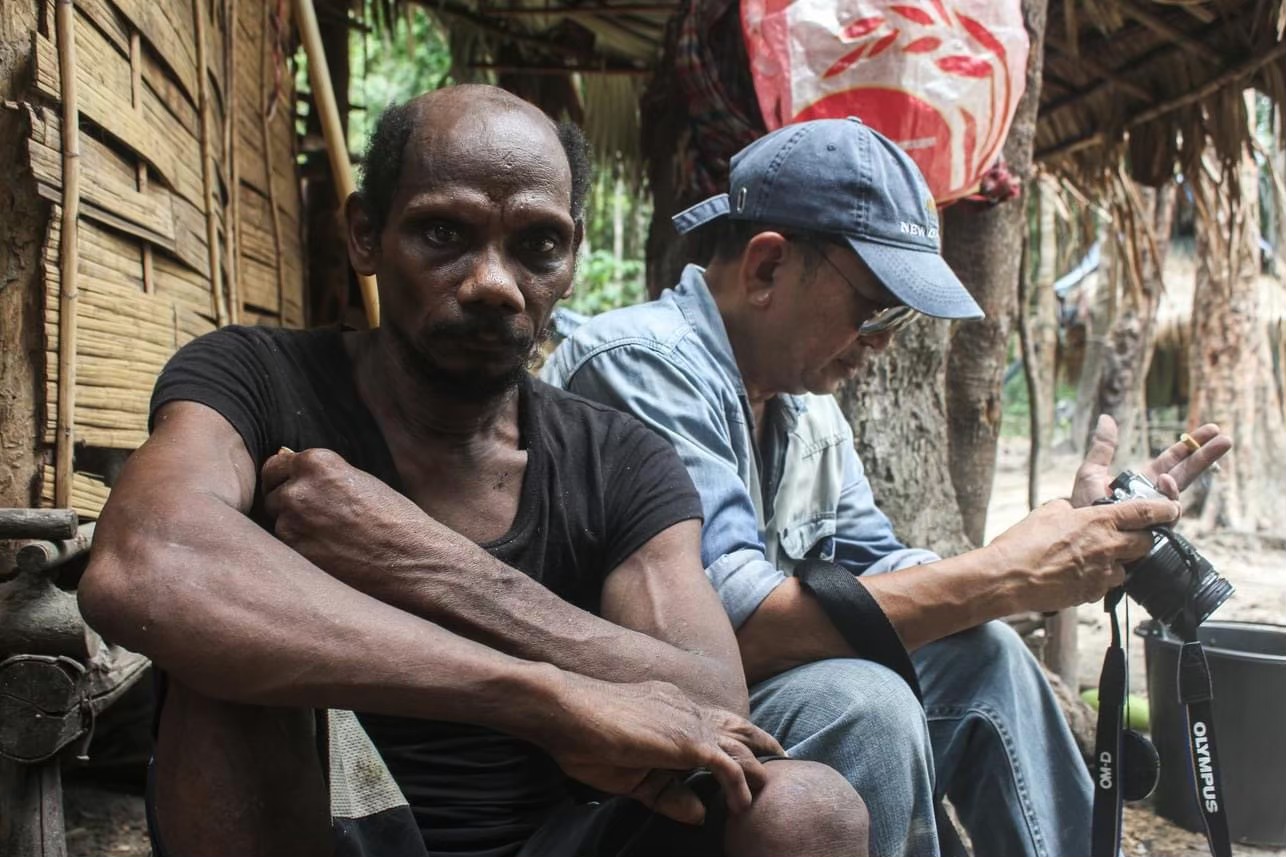
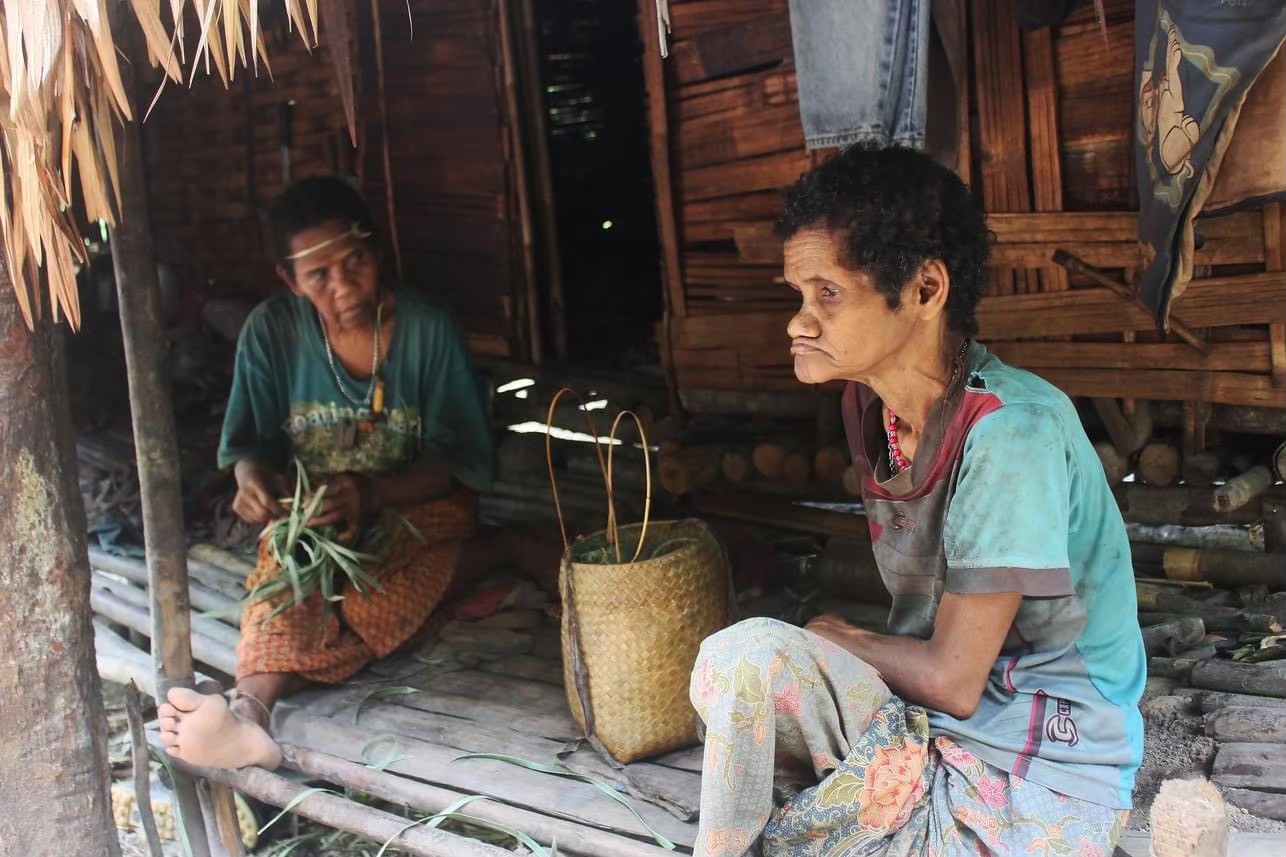
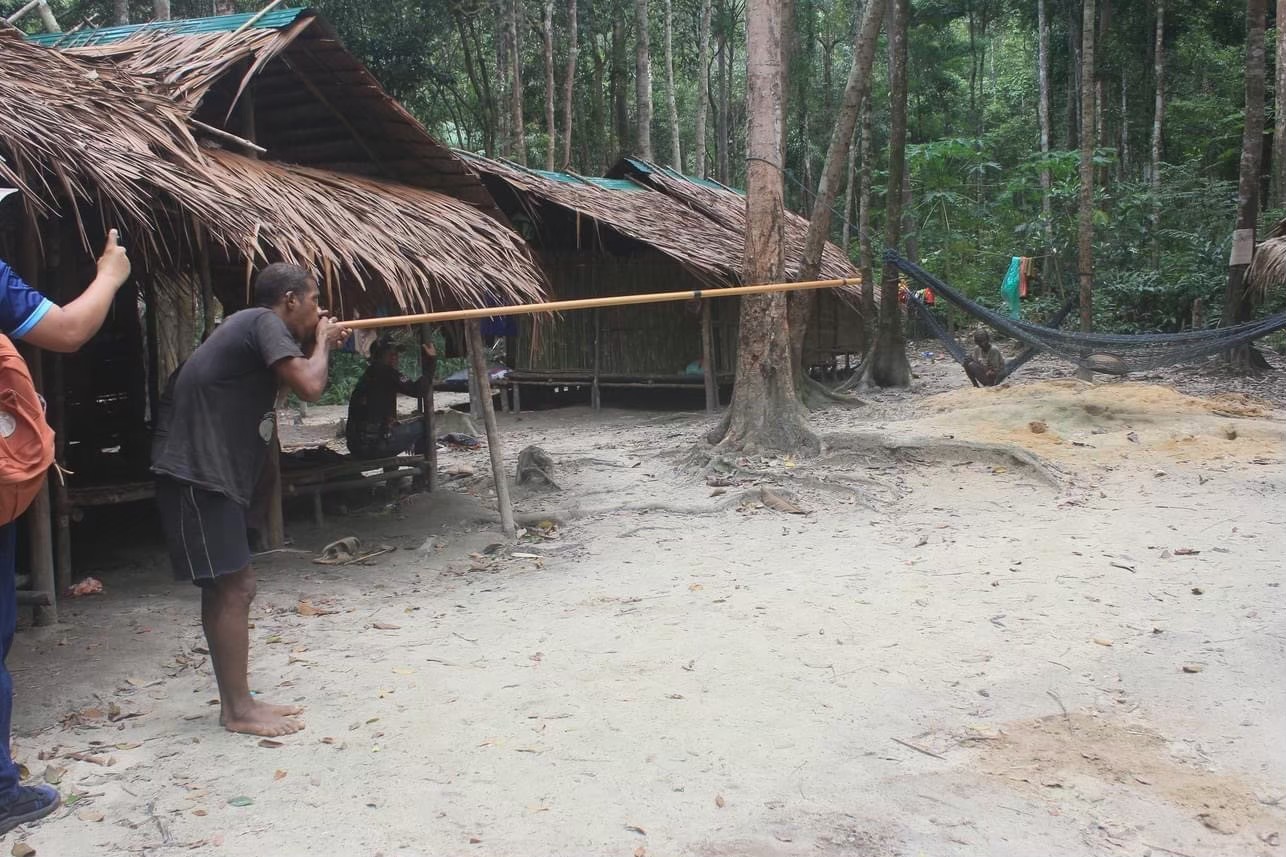
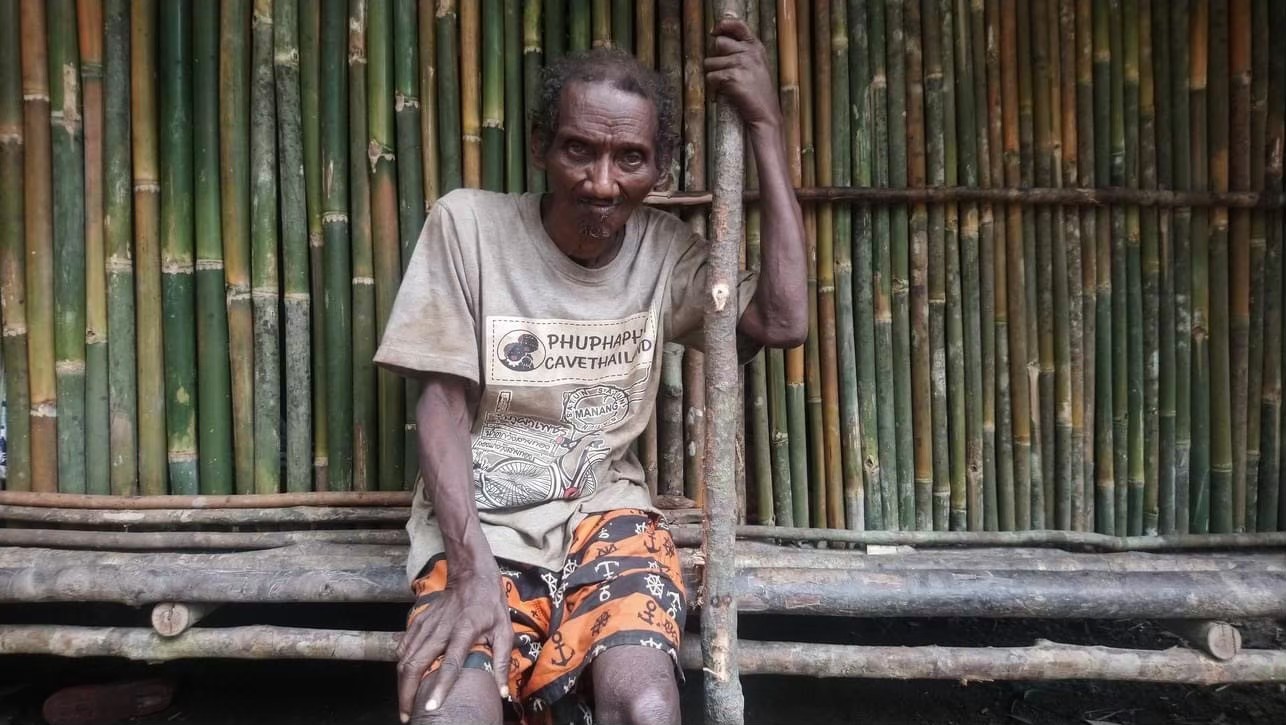
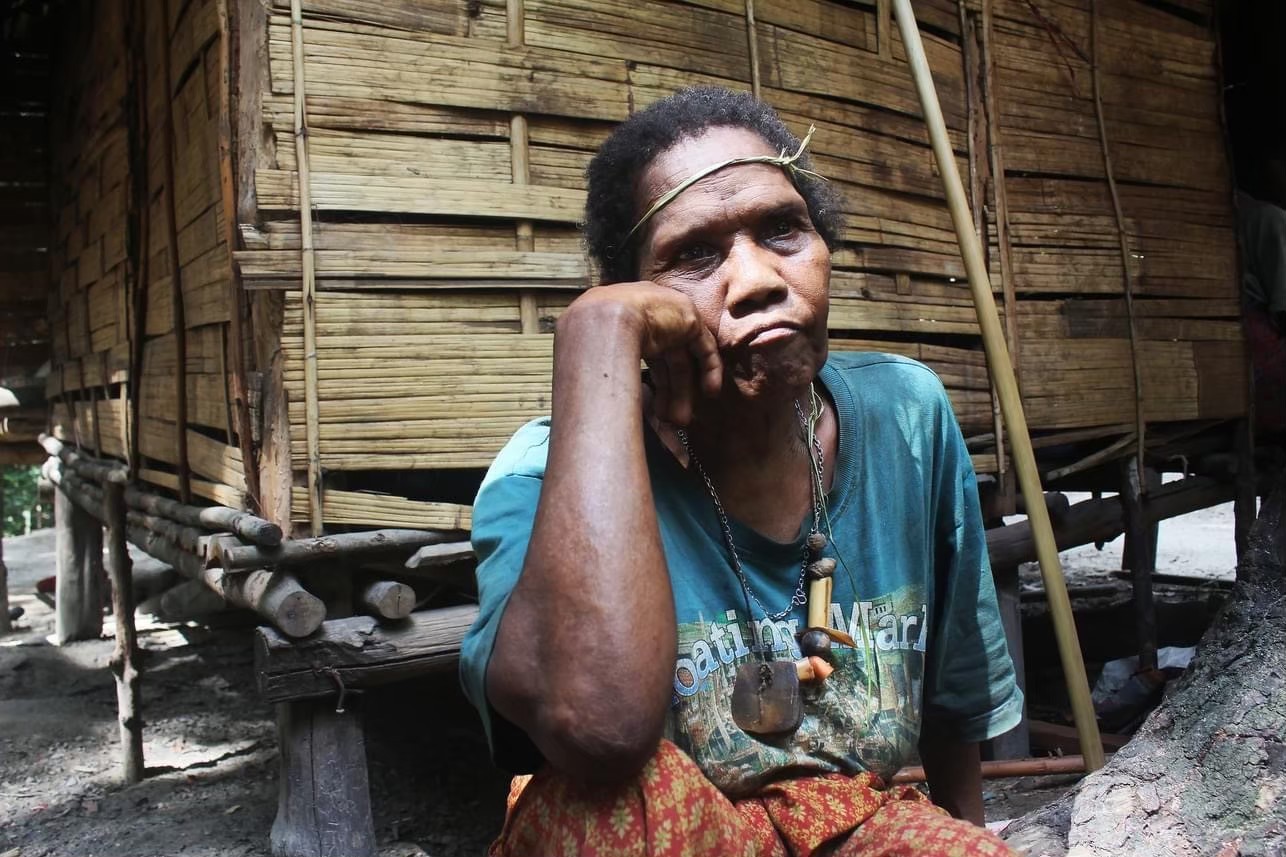
Since 2020, Walailak University has recognized the significance of the “Mani/Maniq,” an indigenous Negrito ethnic group that has lived in Southern Thailand for over 5,000 years. Their traditional way of life is rapidly changing due to the encroachment of external society, and the population of this group is declining. To address this, the concept of the Mani Ethnographic Museum was born, aiming to showcase the Mani way of life, raising greater understanding and respect for the cultural rights of this ethnic group. It also serves as a vital educational space for studying Southern Thailand’s indigenous peoples without disturbing their residences. The museum features five learning stations about the Mani cultural heritage:

      1. Learning Station 1: “Understanding the Mani Ethnic Group in Southern Thailand”
      2. Learning Station 2: “The Houses of the Mani”
      3. Learning Station 3: “The Livelihoods of the Mani”
      4. Learning Station 4: “Herbal Medicine and Health Care Practices of the Mani”
      5. Learning Station 5: “The Beliefs and Rituals of the Mani Ethnic Group”

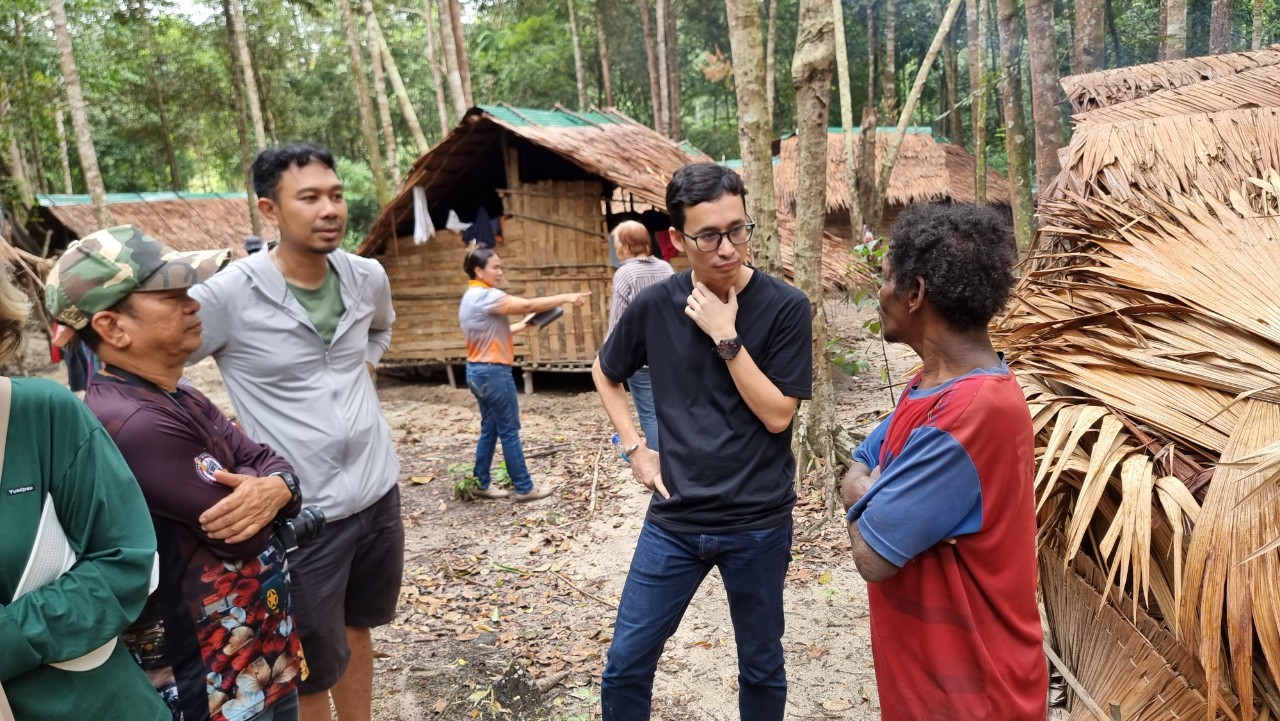
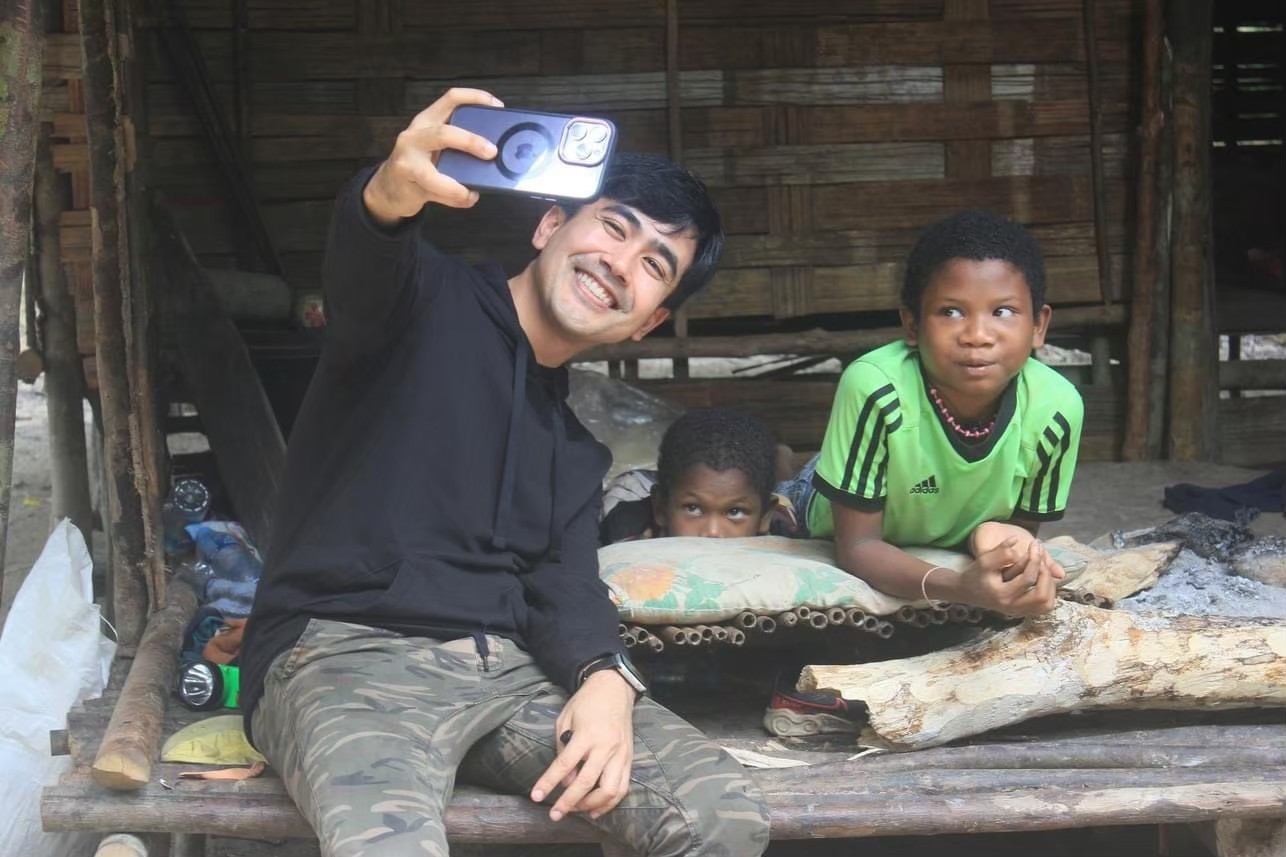
On November 24-25, 2023, a team of professors and Mani ethnographic experts conducted fieldwork in Ban Phu Pha Phet, Manang District, Satun, to gather and organize knowledge about the Mani group into a comprehensible system. This knowledge will be used to enhance the exhibits at the Mani Ethnographic Museum at Walailak University, making them more engaging. The museum aims to inspire and facilitate knowledge exchange, contributing to the academic learning process and promoting sustainable awareness of the conservation of cultural resources and wisdom in society.

Goal 11: Sustainable cities and communities

Goal 4: Quality Education

Goal 17: Partnerships for the Goals