Walailak University: Digital Innovation and Remote Work Strategies to Enhance Sustainability and Reduce Carbon Footprint
Walailak University has established policies and a 20-year Strategic Plan to become a high-performance organization with modern management systems and streamlined workflows. In 2023, the university actively promoted, supported, allowed, and authorized staff to work remotely or use communication technology for various telecommuting activities, aiming to reduce travel that contributes to greenhouse gas emissions and environmental impacts.
These telecommuting initiatives are part of the university’s efforts to achieve sustainable transportation, including:
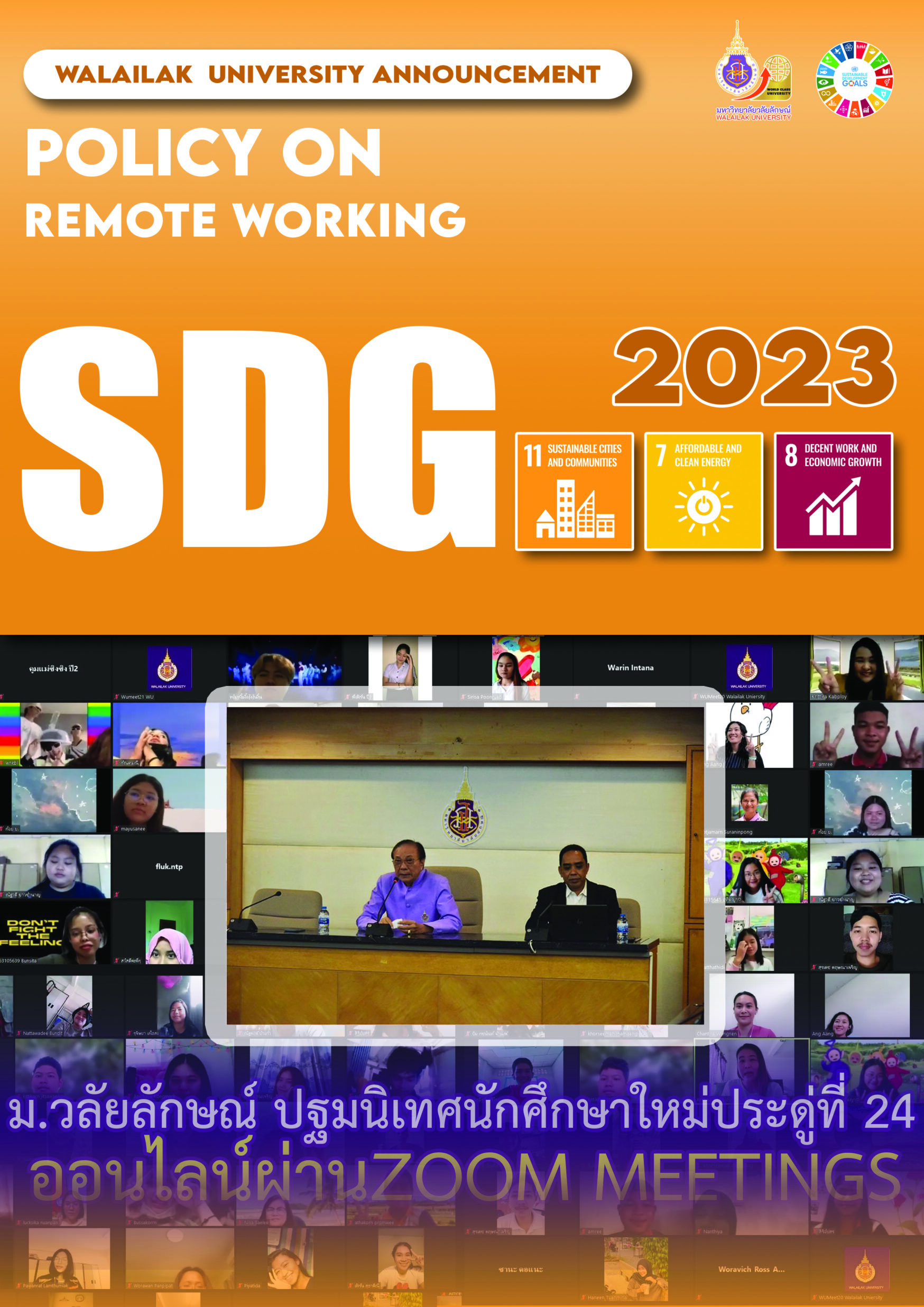
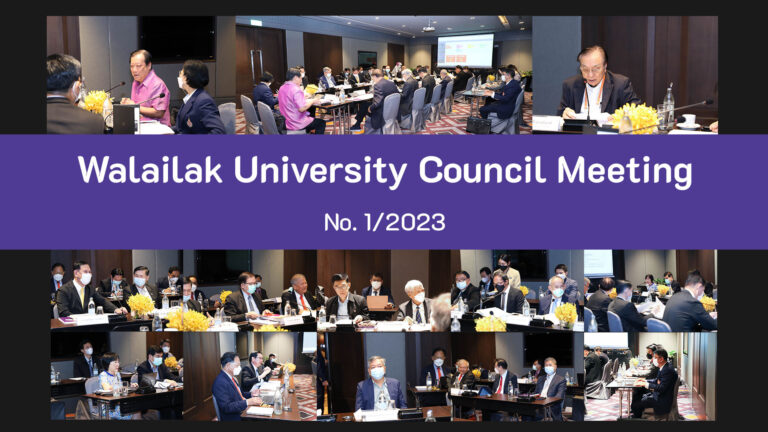
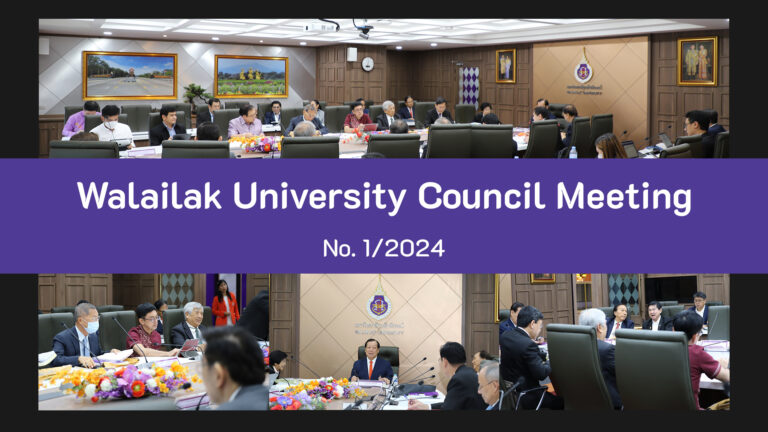
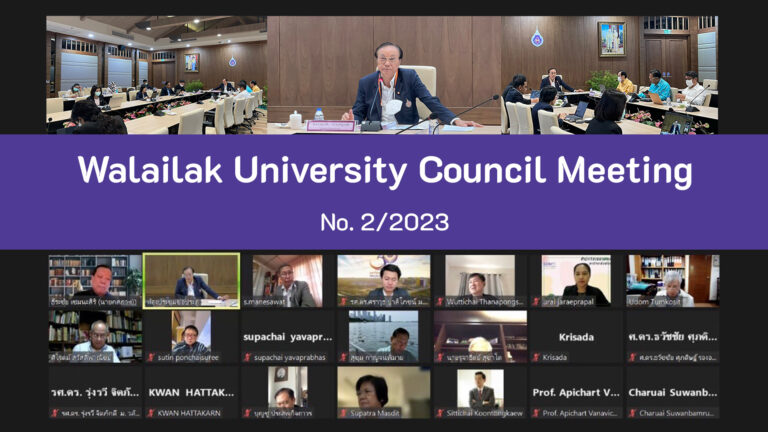
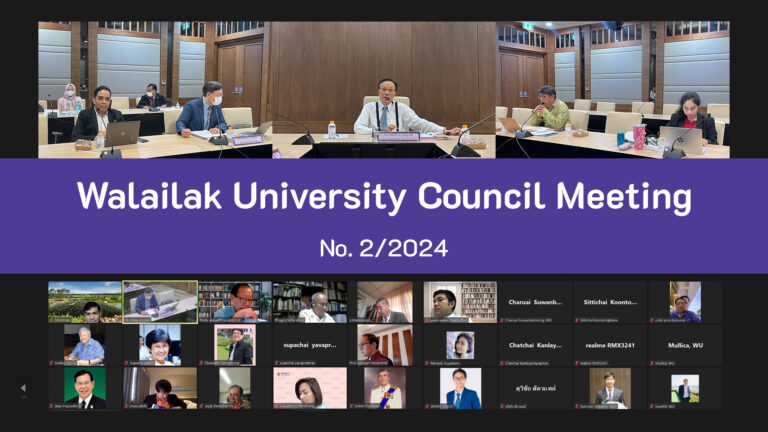
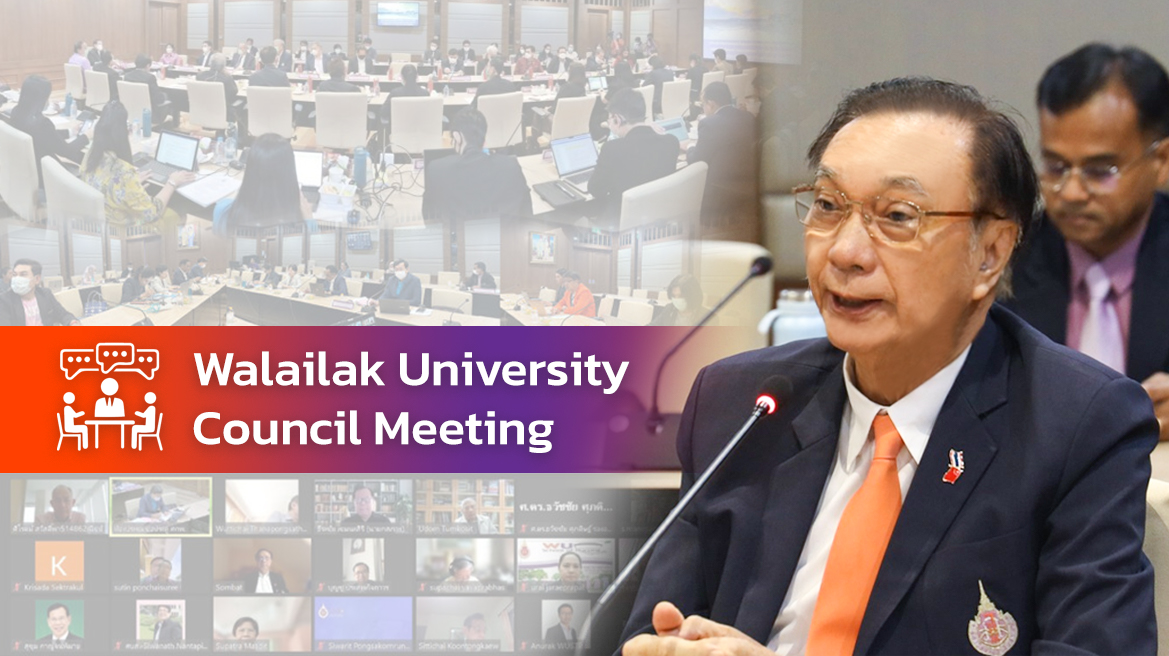
- Online Meetings: Walailak University staff can attend meetings remotely via electronic platforms like ZOOM or other software. Participants no longer need to be in the same location to discuss and share their views, reducing the need for travel. This approach is applied especially to regular meetings such as the academic council and the university’s administrative meetings, which are held monthly and involve many participants. The primary goal of using online meetings is to facilitate real-time discussions while minimizing travel, expanding the meeting’s scope to various locations inside and outside the organization via Intranet or Internet connectivity. By utilizing online communication through computers, smartphones, or tablets, the university contributes to reducing vehicular carbon emissions.
-
-
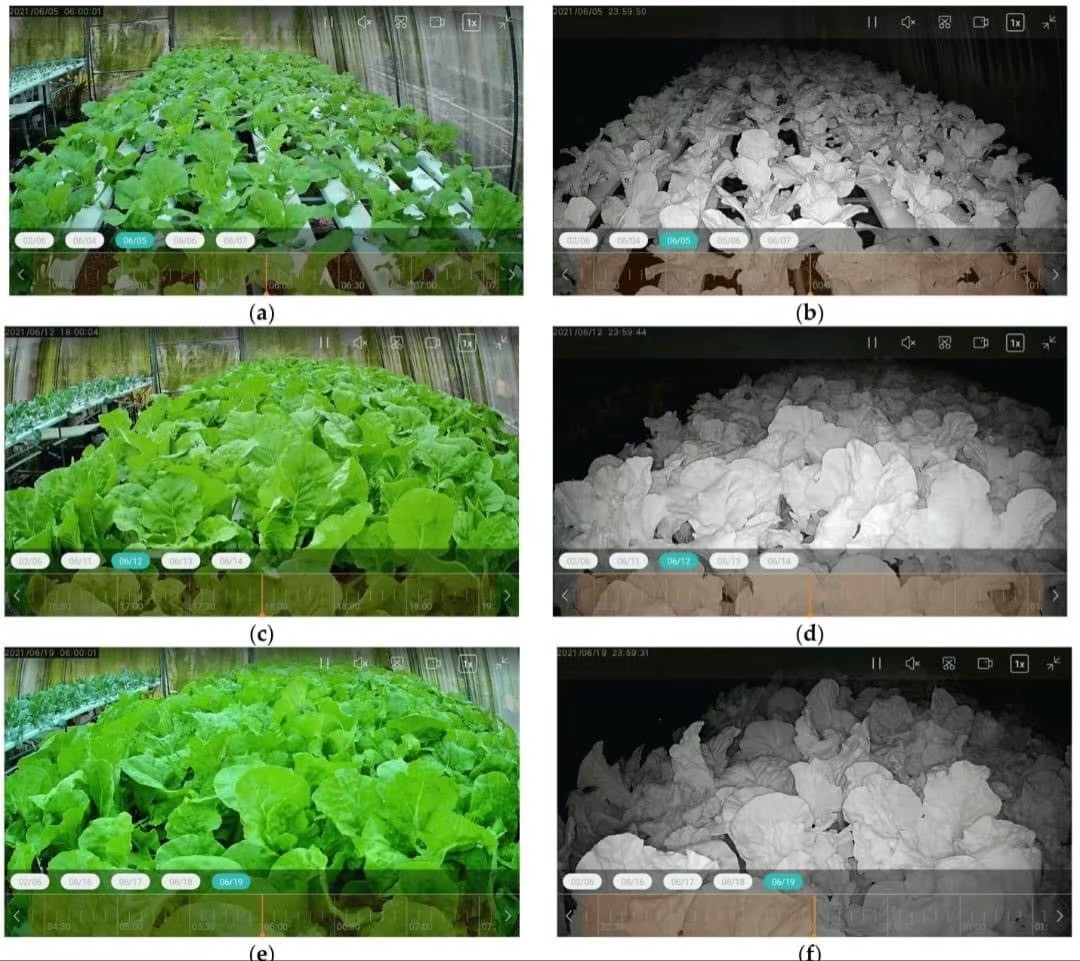
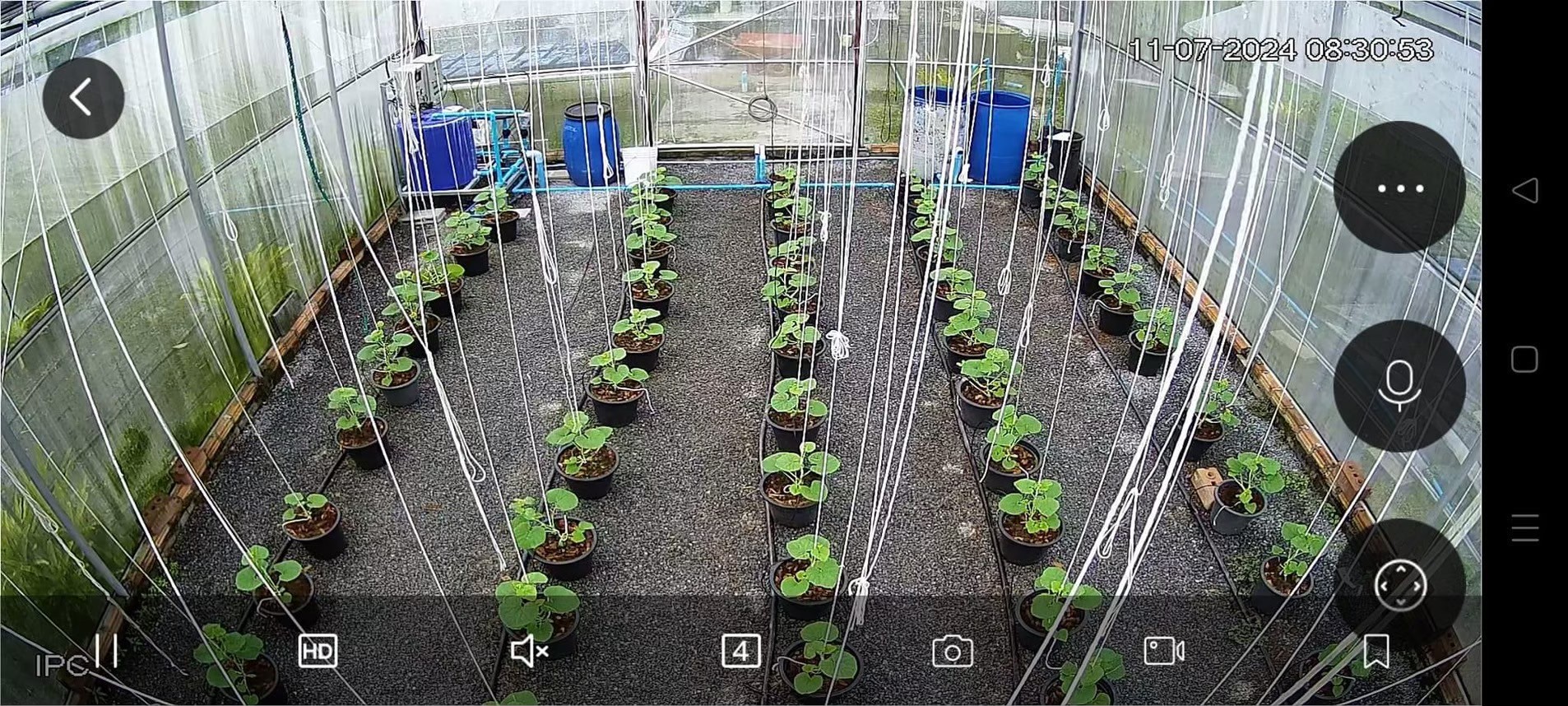
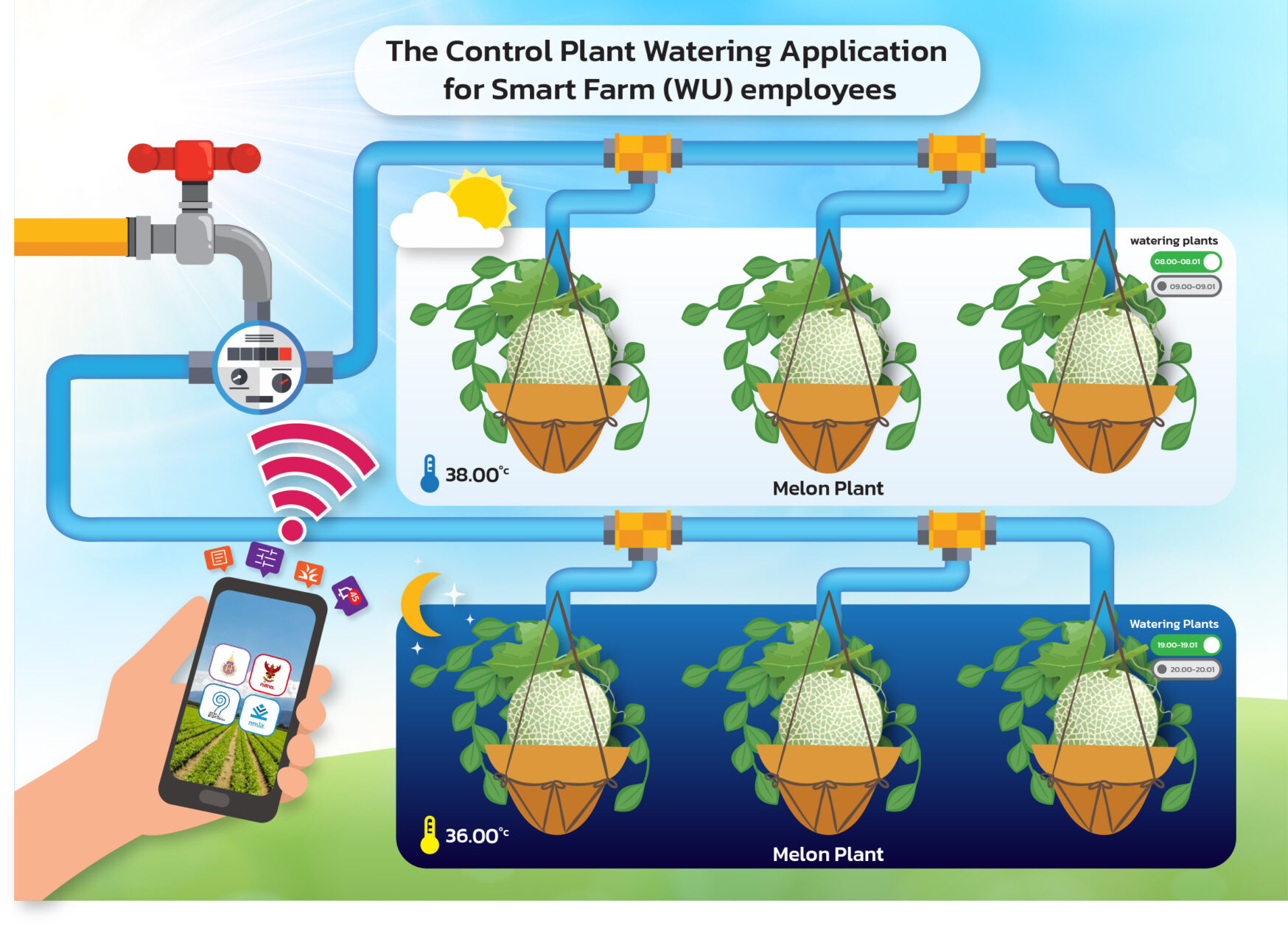
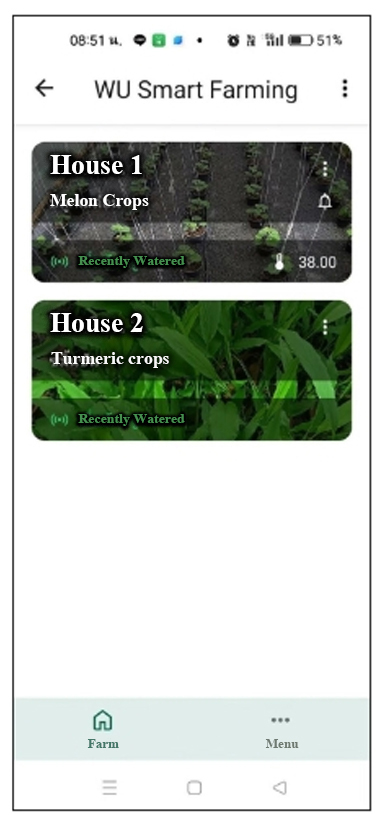
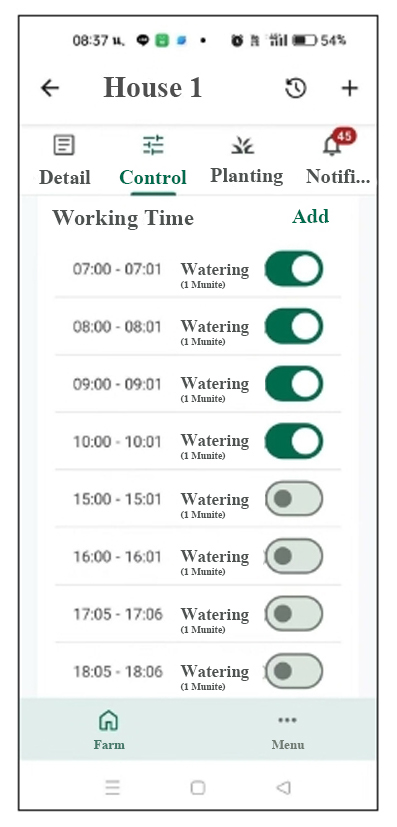
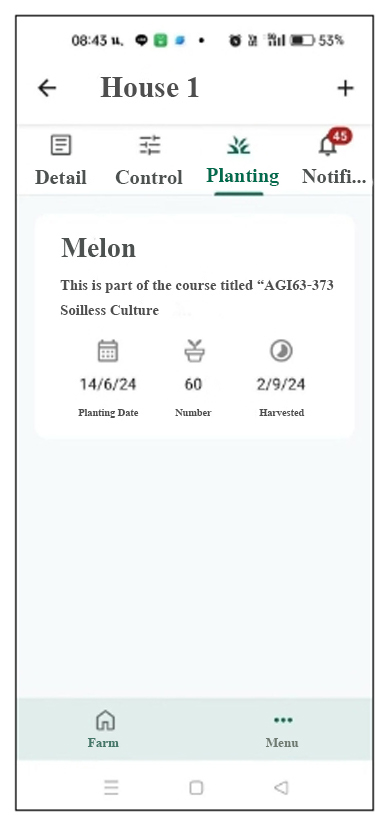
- Control Plant Watering Application for Smart Farm Employees: An application has been developed for smart irrigation management in Smart Farm WU and the Agricultural Innovation Development and Demonstration Center in Honor of King Rama 9 (Kla Dee Shop) under the School of Agricultural Technology and Food Industry. This smart watering system operates automatically and can be controlled through a mobile application to water fruit trees and vegetables in the fields. The smart irrigation technology not only reduces labor but also minimizes the need for staff to travel to manage the crops, further contributing to sustainability.
-
-
-
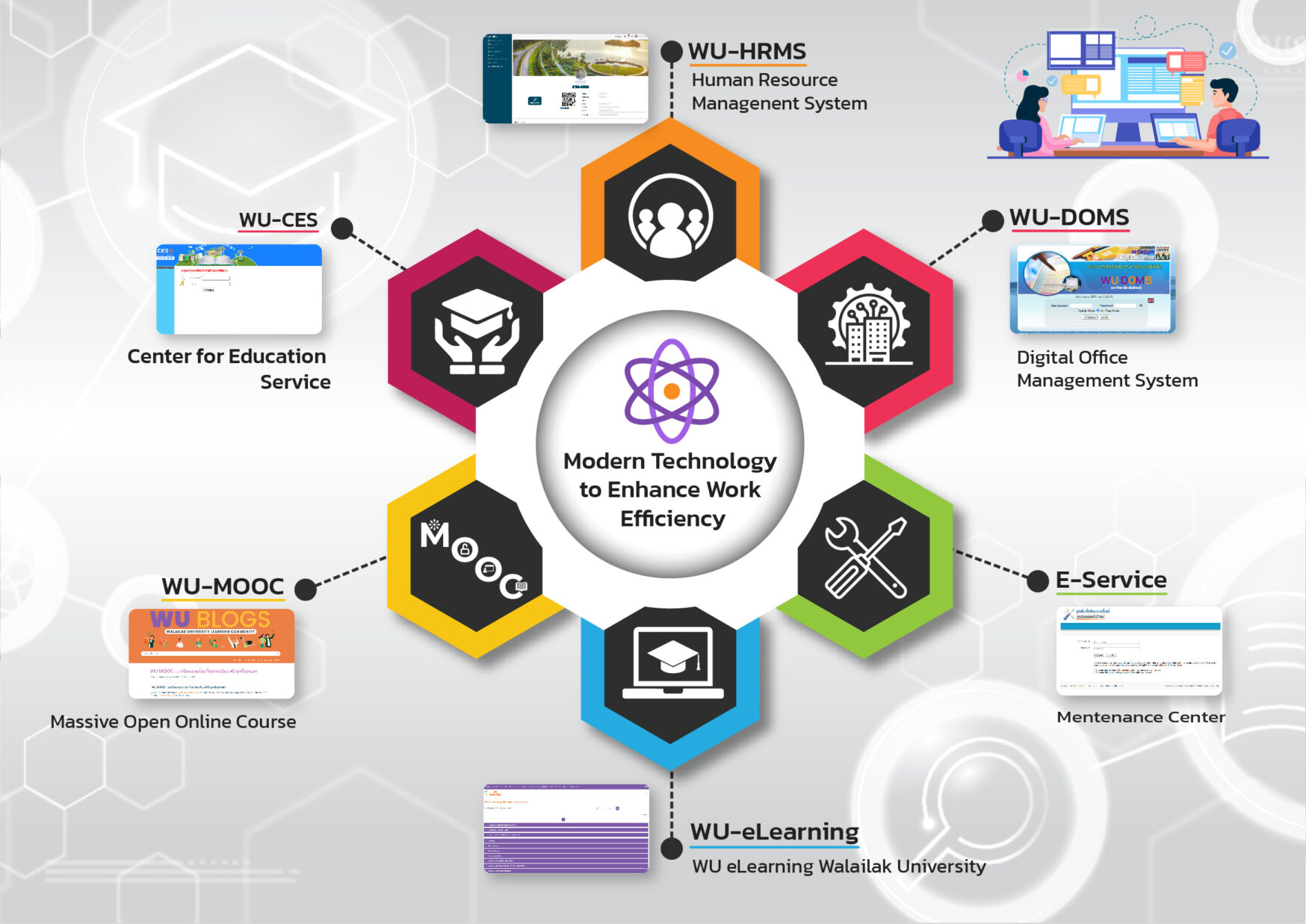
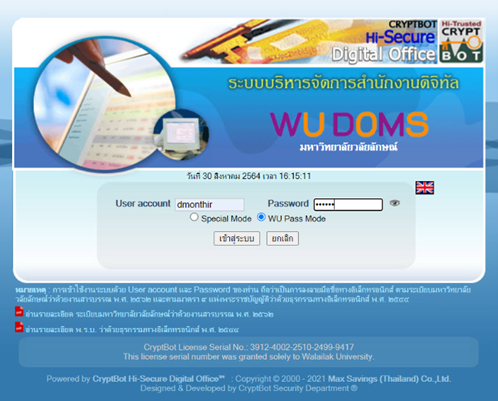
- Walailak University Digital Office Management System (DOMS): This digital office management system enhances work efficiency by reducing the need for physical document handling. It facilitates modern, fast, and legally compliant operations, allowing for electronic signatures (eSignature) in document approval, decision-making, and legal processes, eliminating the traditional paper-based system and reducing travel and document delivery.
-
-
-
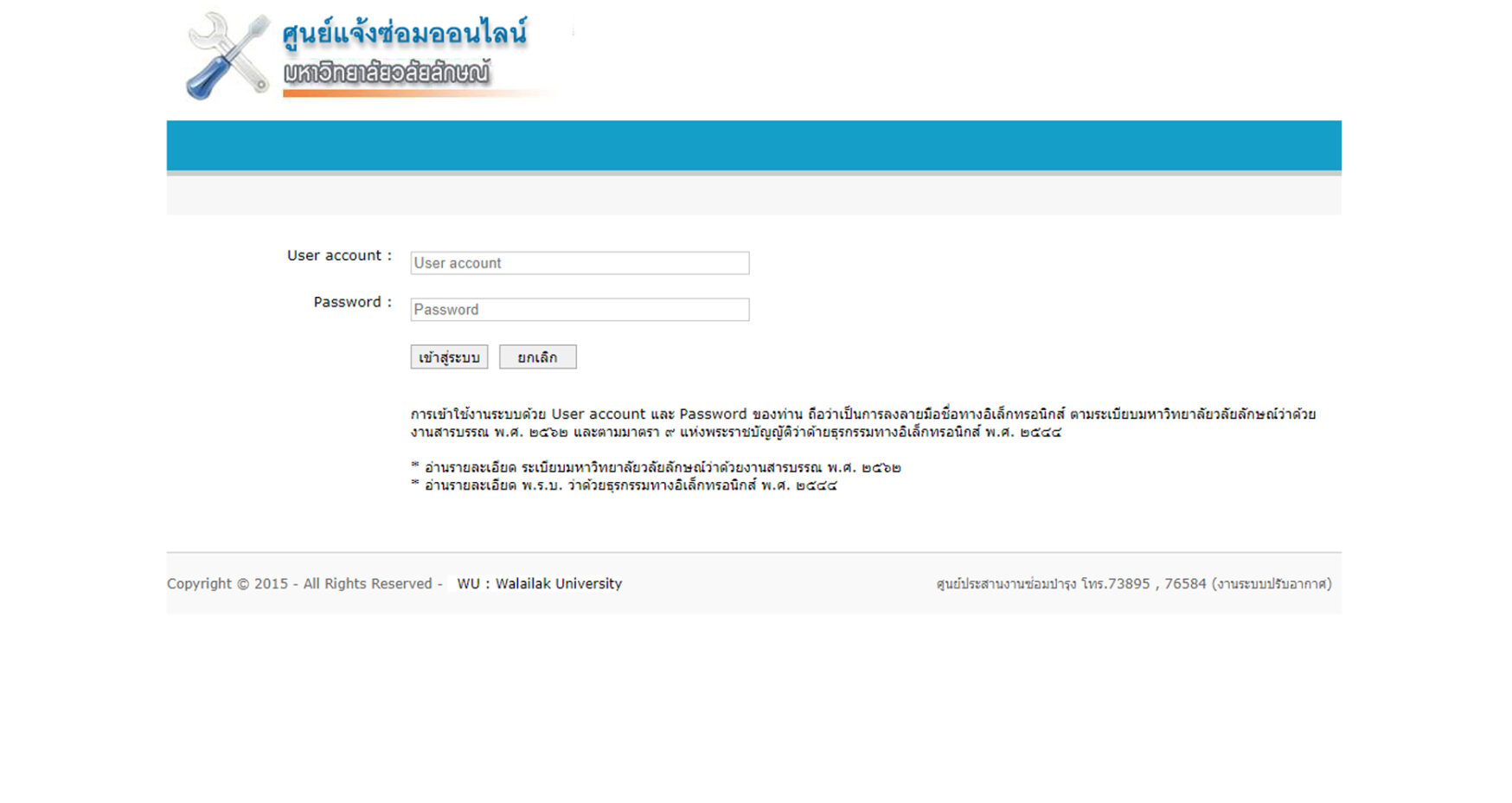
- Electronic Service System (E-Service): The Digital Technology Center developed the E-Service system to support the work of university staff. Services include IT equipment repair requests, system development, telephone installation, and equipment loans. The E-Service system enhances coordination through online communication, minimizing the need for physical travel by staff.
-
-
-
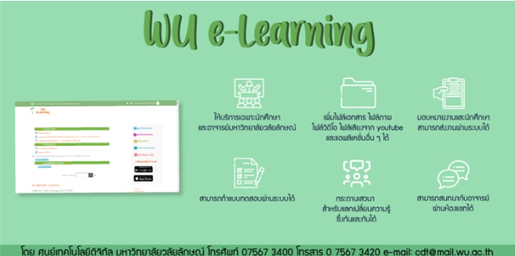
- Electronic Learning (E-Learning): Walailak University promotes learning through technology by delivering educational content and training via the Internet. The E-learning Platform and E-learning system provide flexible, easily accessible learning opportunities for students. The platform offers educational content, instructional videos, class exercises, and other resources, reducing the need for physical attendance and supporting sustainable commuting practices.
-
-
-
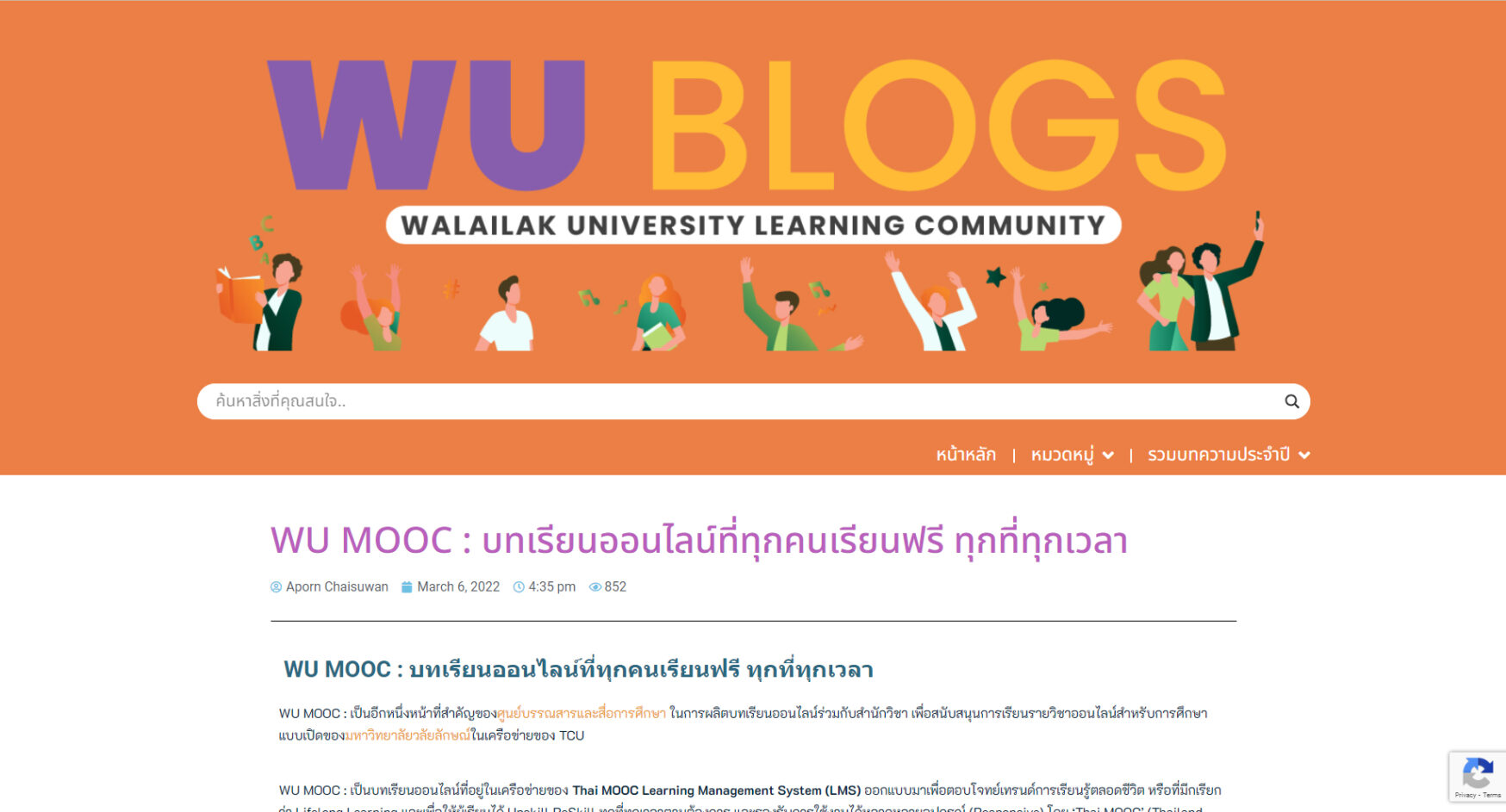
- Walailak University Massive Open Online Course (WU-MOOC): The university’s WU-MOOC platform provides online education, offering courses and distance learning programs to the public, and promoting life-long learning. WU-MOOC expands access to higher education and offers academic and vocational training to students, teachers, and professionals both private and public through an online network. By providing flexible learning opportunities, WU-MOOC reduces the need for travel and supports sustainable transportation.
-
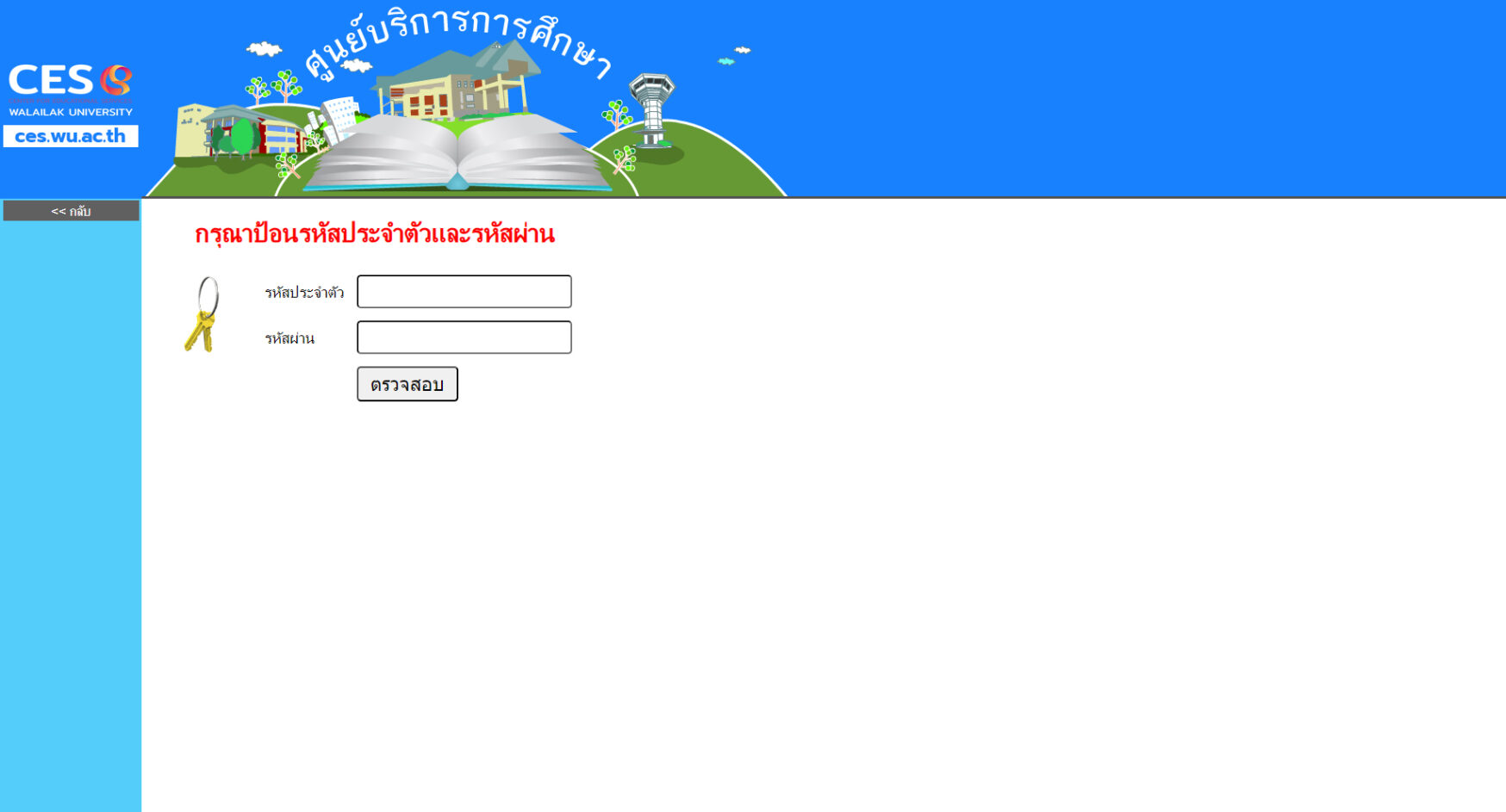
- Walailak University – Center for Educational Service (WU-CES): This system facilitates student registration, reducing administrative travel and making the process more efficient.
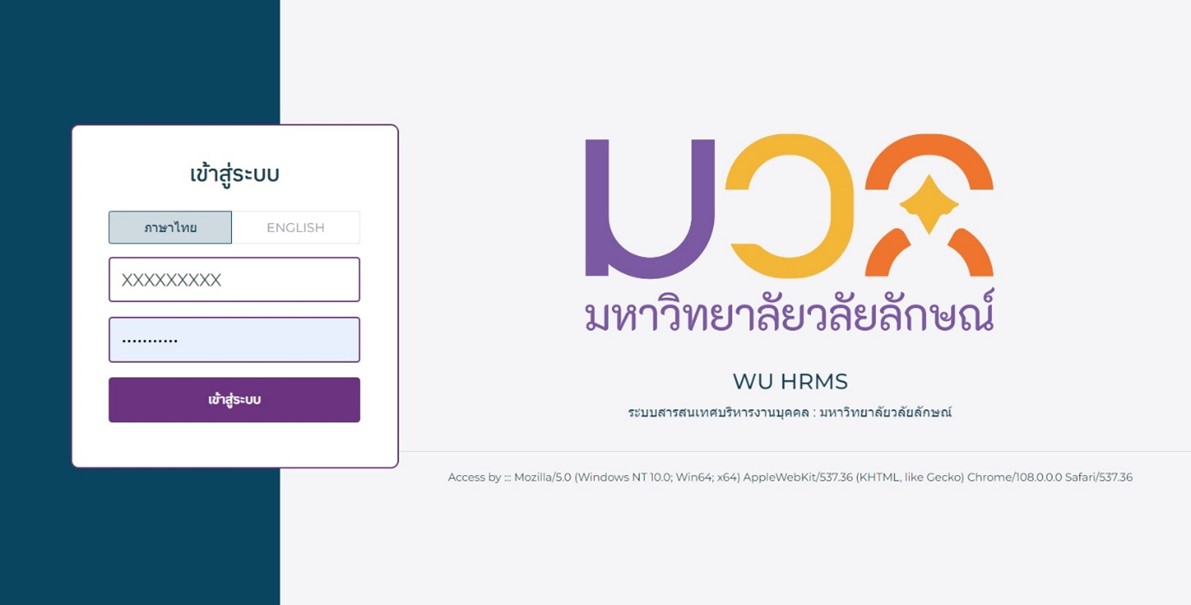
- Walailak University Human Resources Management Information System (WU-HRMS): The WU-HRMS platform manages human resources processes across all university departments related to human resource. It supports both Web-Based and Mobile applications, serving as a centralized HR database. As of 2023, six subsystems have been developed, and four will be launched:
- Leave Management System
- Welfare and Benefits System
- Overtime Management System
- Recruitment and Selection System
- Walailak University Human Resources Management Information System (WU-HRMS): The WU-HRMS platform manages human resources processes across all university departments related to human resource. It supports both Web-Based and Mobile applications, serving as a centralized HR database. As of 2023, six subsystems have been developed, and four will be launched:
These advancements reflect Walailak University’s commitment to reducing travel-related environmental impacts while promoting the use of digital technology to achieve sustainable, efficient operations.
Related links:
https://elearning.wu.ac.th/login/index.php
https://library.wu.ac.th/?page_id=2516
https://hrms.wu.ac.th/index.php?r=site%2Flogin
https://council.wu.ac.th/archives/10333
https://council.wu.ac.th/archives/10566
https://council.wu.ac.th/archives/11079
https://cte.wu.ac.th/newinno/detailnews.php?news_id=344