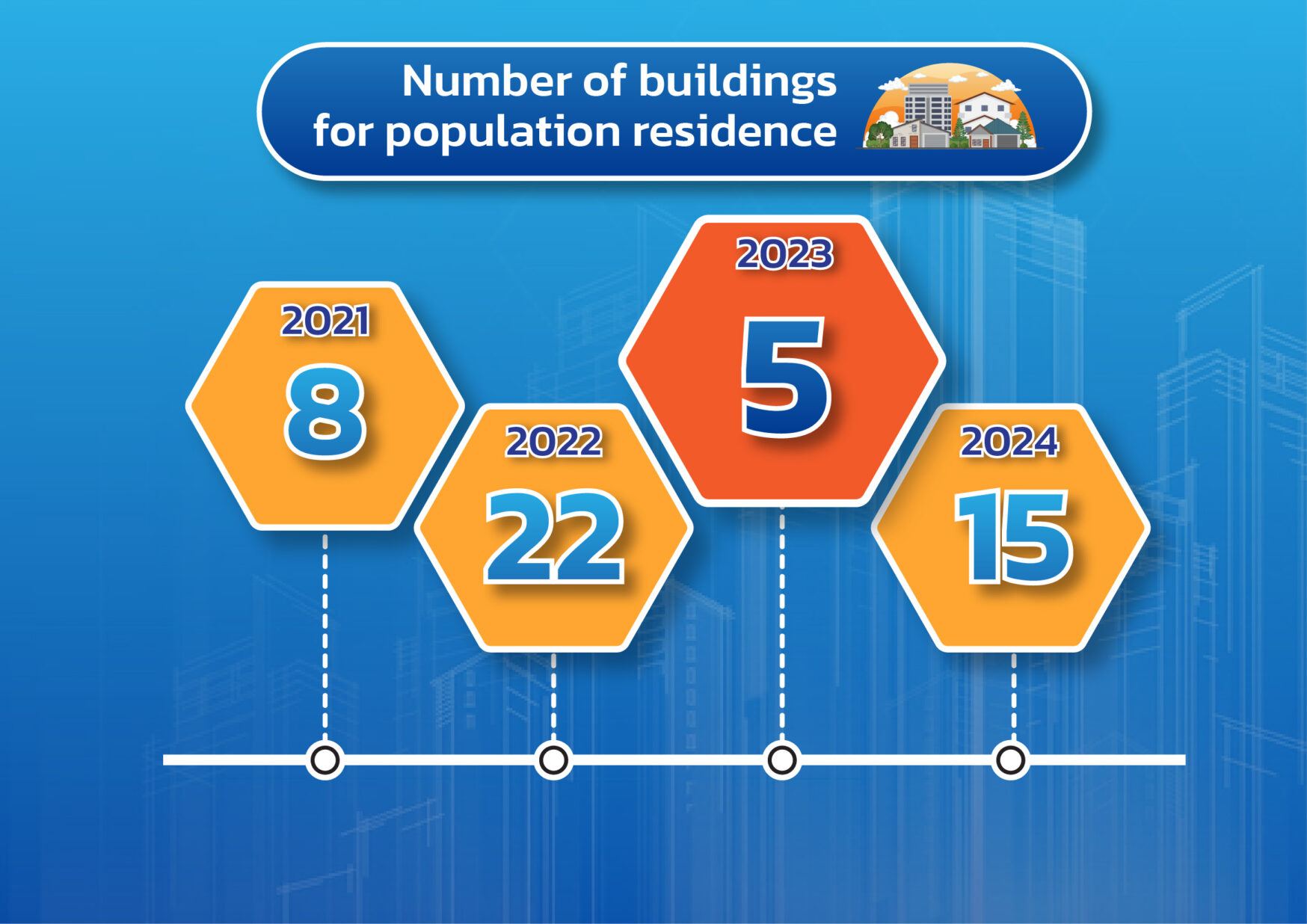
As part of its mission to foster social responsibility, the university is committed to addressing the need for affordable housing for disadvantaged communities. Each year, Walailak University sets clear plans to construct affordable housing, making a substantial impact on the local population by offering homes for those lacking proper housing options, to ensure that local residents can access affordable housing.
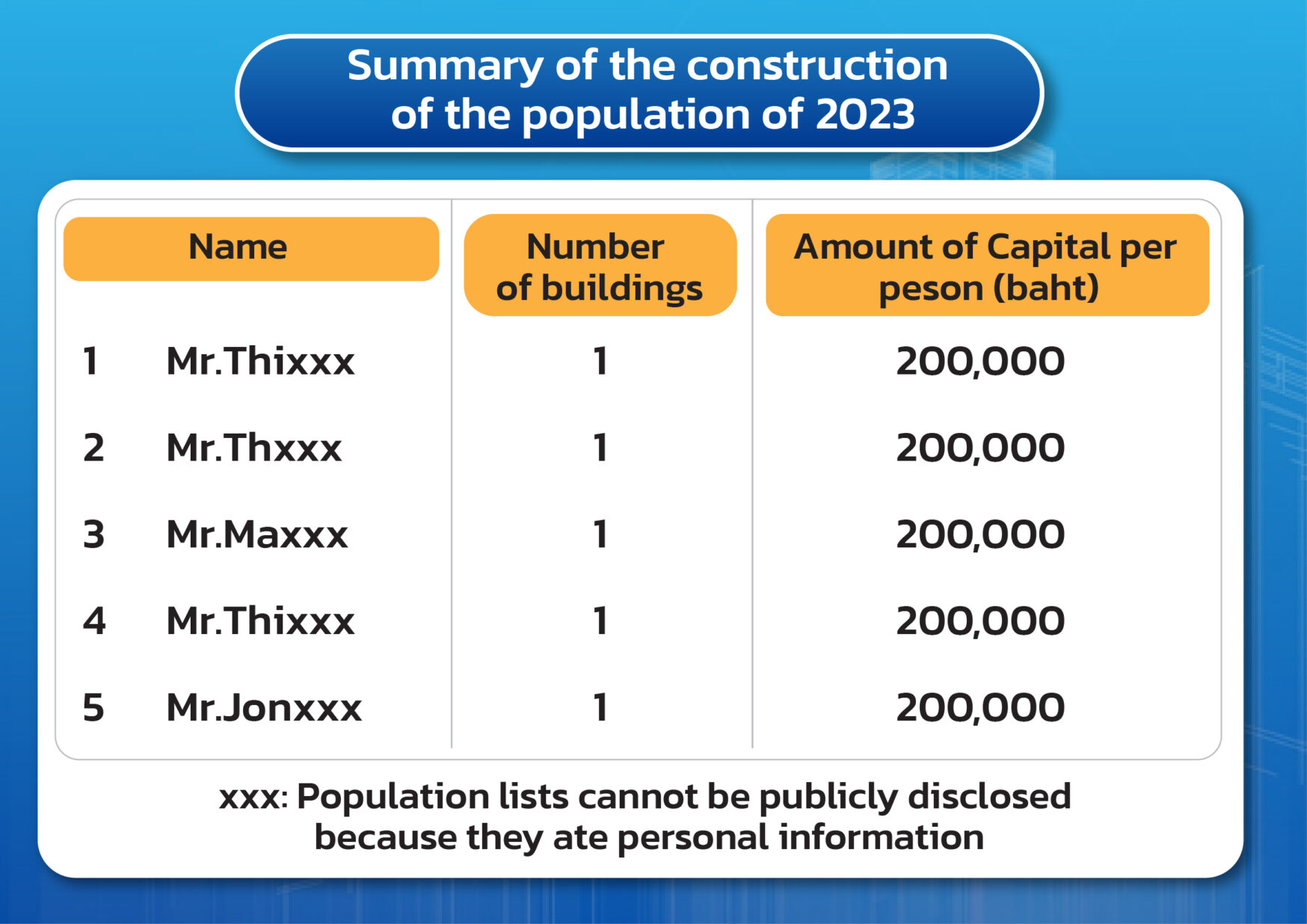
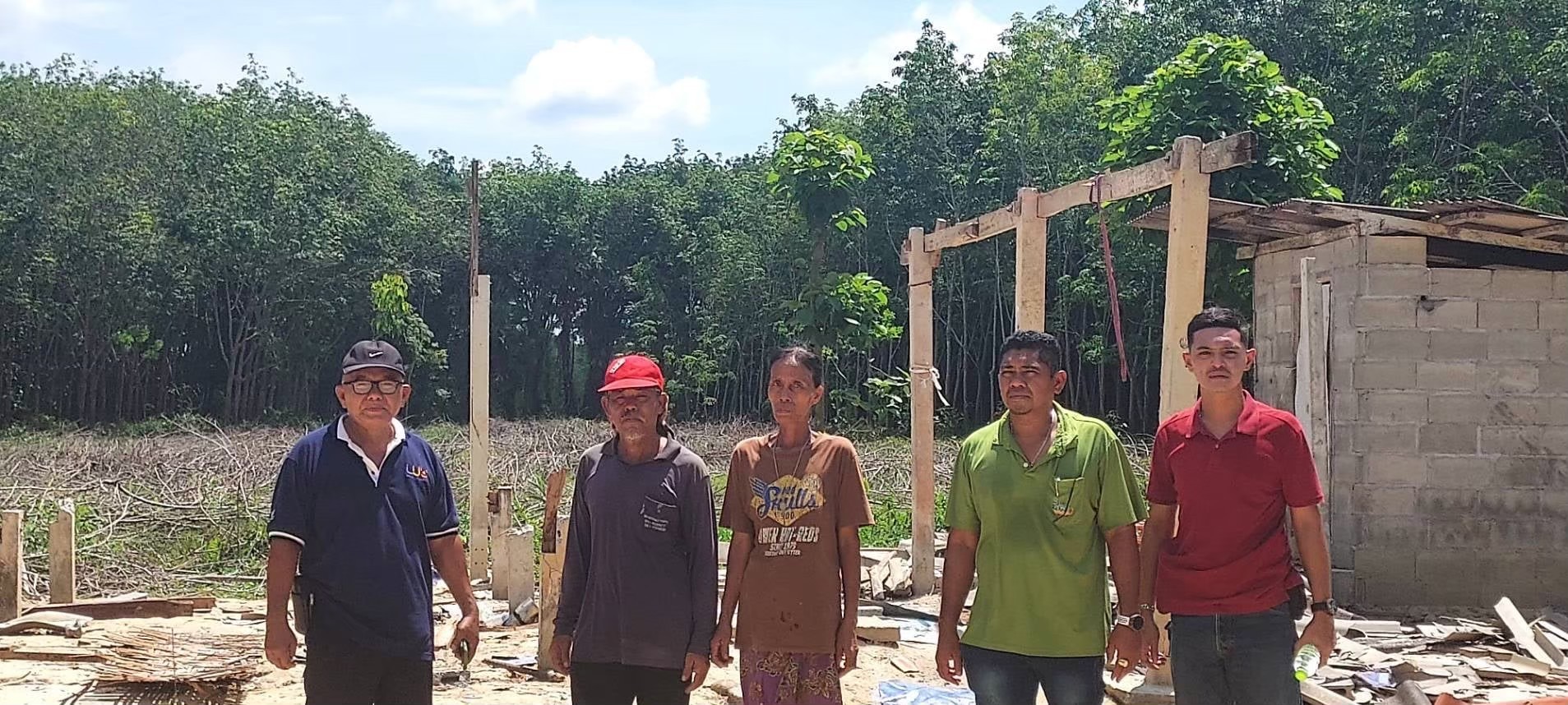
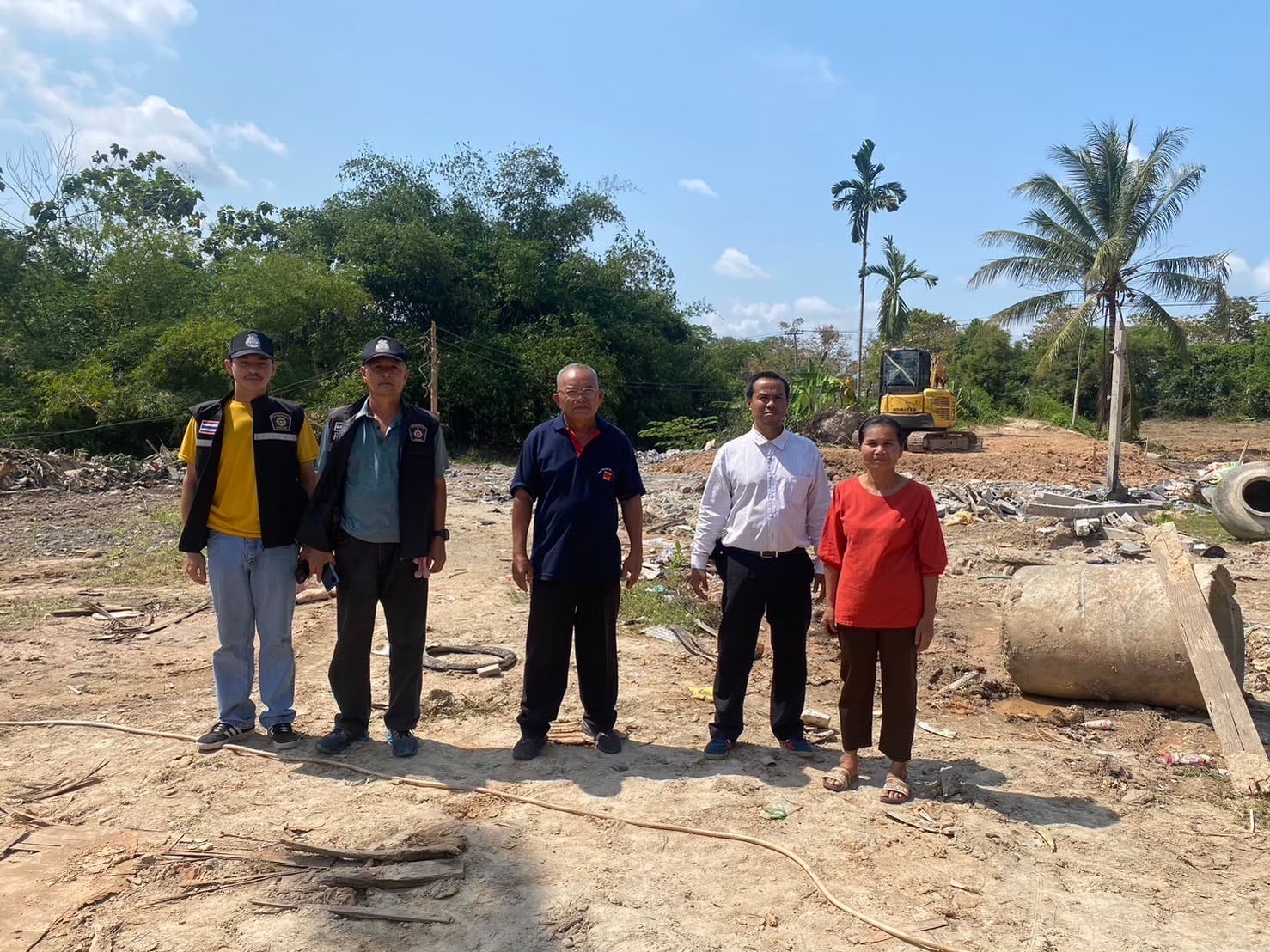
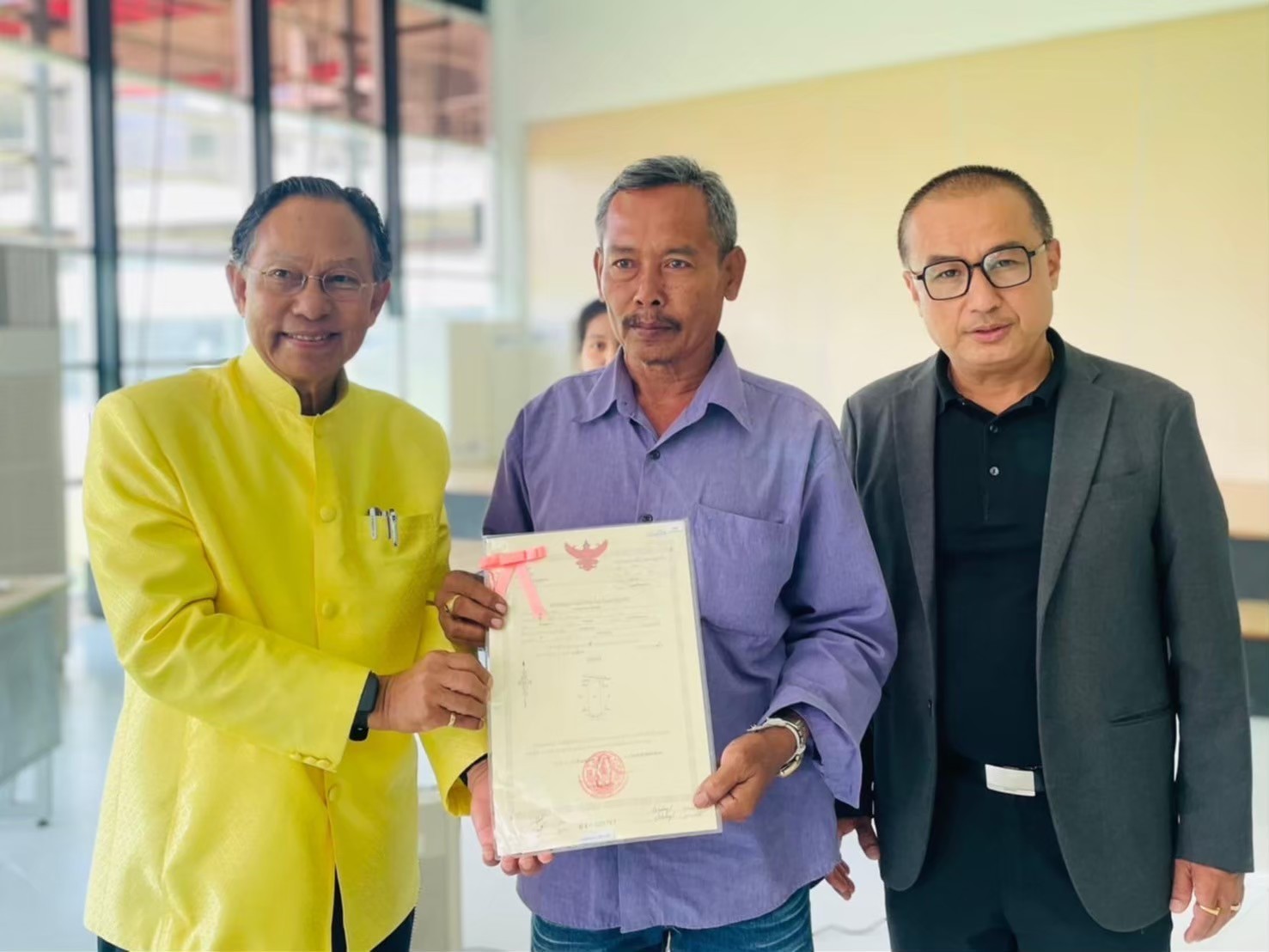
In 2023, the university continued its commitment by working together with the local authorities to provide housing solutions for low-income residents, addressing planning issues and development. Key collaborators included the Agricultural Land Reform Office, the Ministry of Agriculture and Cooperatives, and various local government officials from Tha Sala District and Nakhon Si Thammarat. Together, they developed plans to allocate land and provide housing for 5 individuals within the Satit Walailak Community.
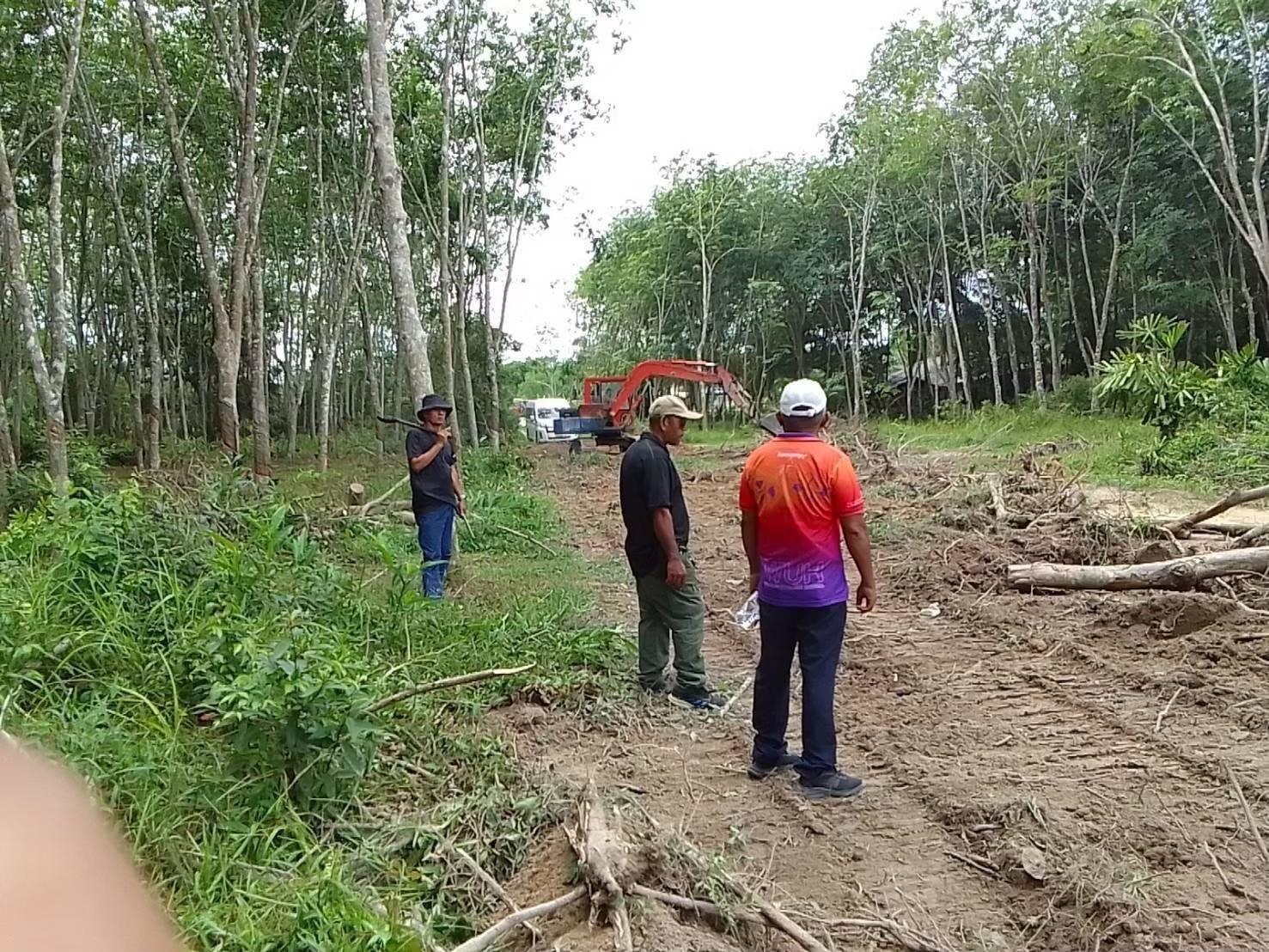
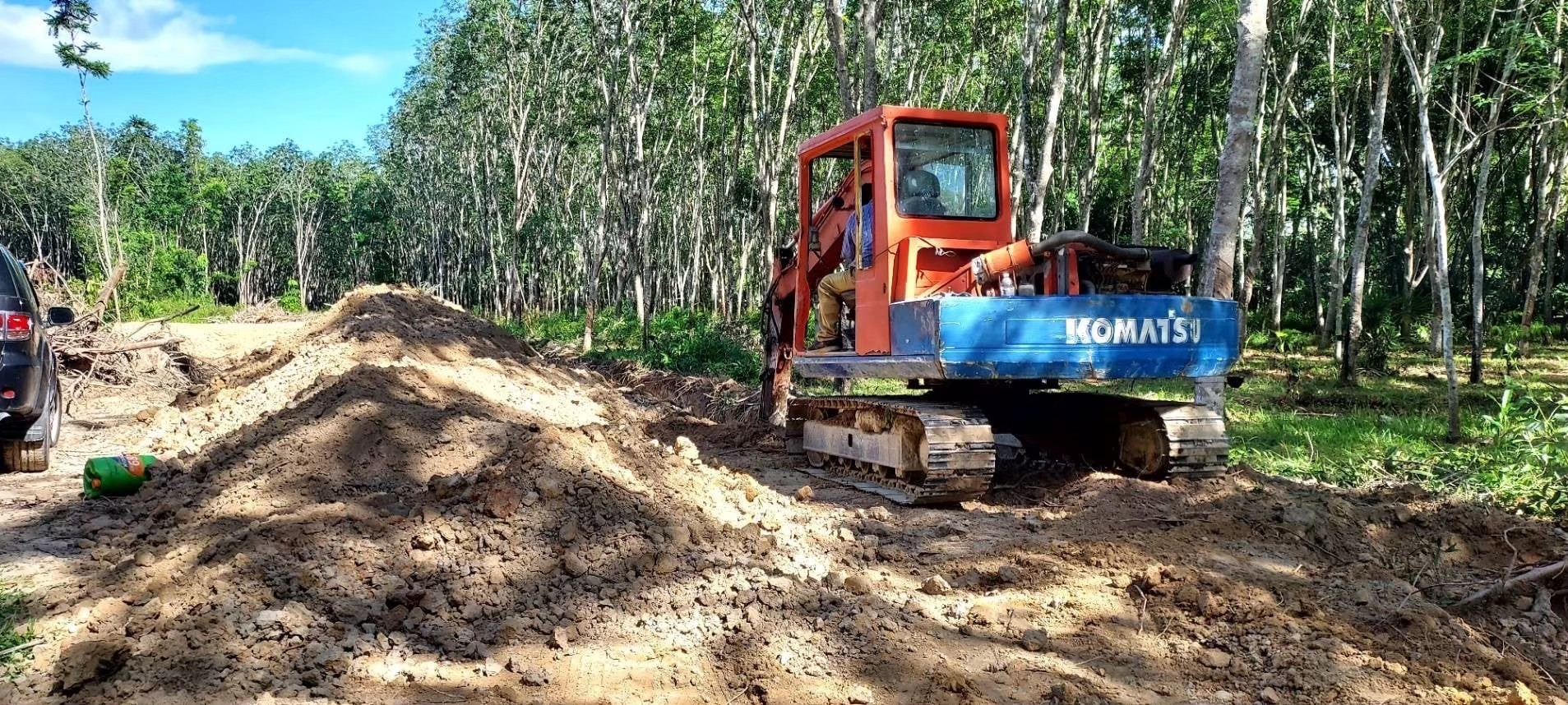
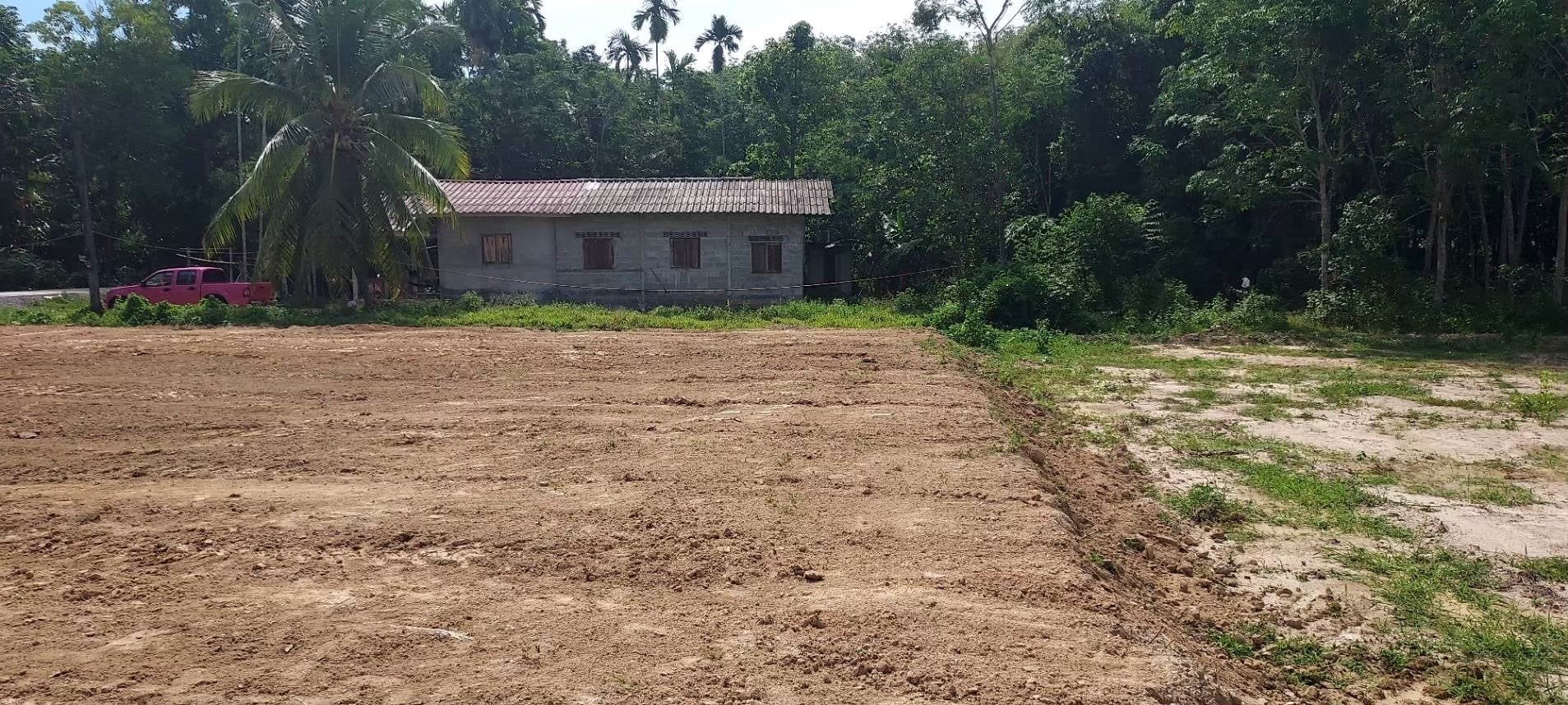
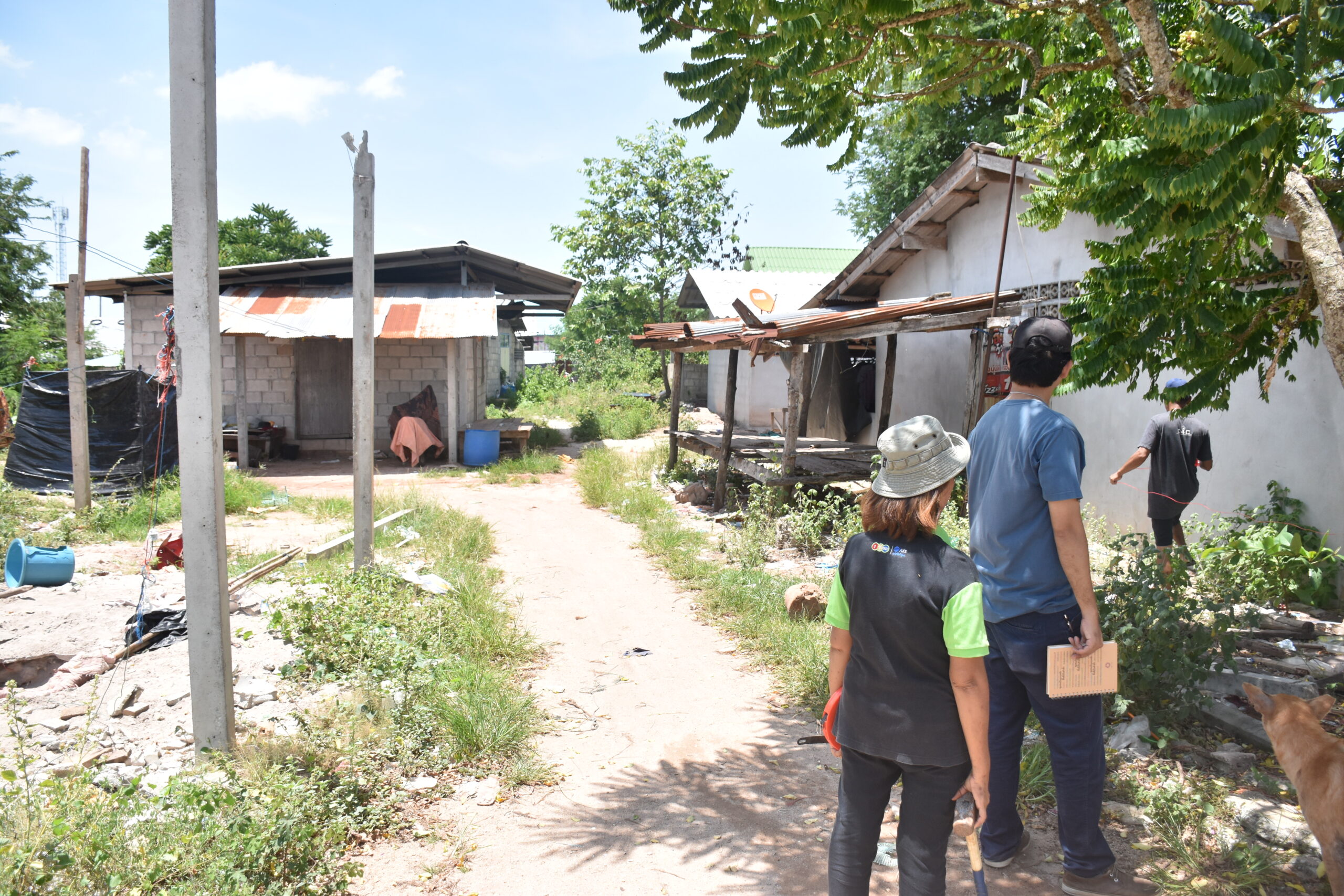
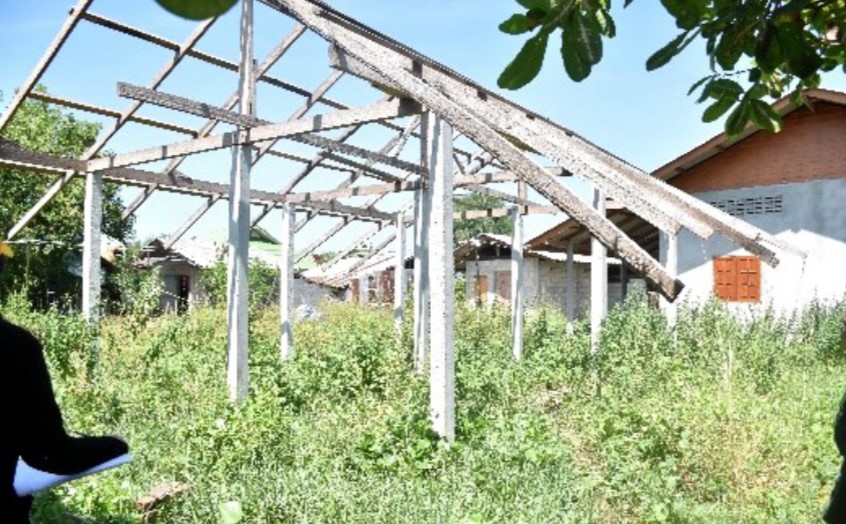
The university took proactive steps by clearing land for construction and offering financial assistance of 200,000 baht per household to cover construction materials and equipment, ensuring that residents could build safe, affordable homes.
Beyond housing, Walailak University is deeply involved in community development activities. Guided by the principle of “Increasing income, creating jobs, and developing people,” the university initiates projects related to education, health, resource management, environmental sustainability, and cultural enrichment. These efforts support sustainable land use and aim to enhance the quality of life for local residents, ensuring long-term development and well-being for the community.
Walailak University’s commitment to providing affordable housing and fostering sustainable community growth demonstrates its role as a socially responsible institution, dedicated to improving the lives of the surrounding population while promoting sustainable development practices. Also, WU be part of the development plan for local residents of Ban Laem Pho Village.
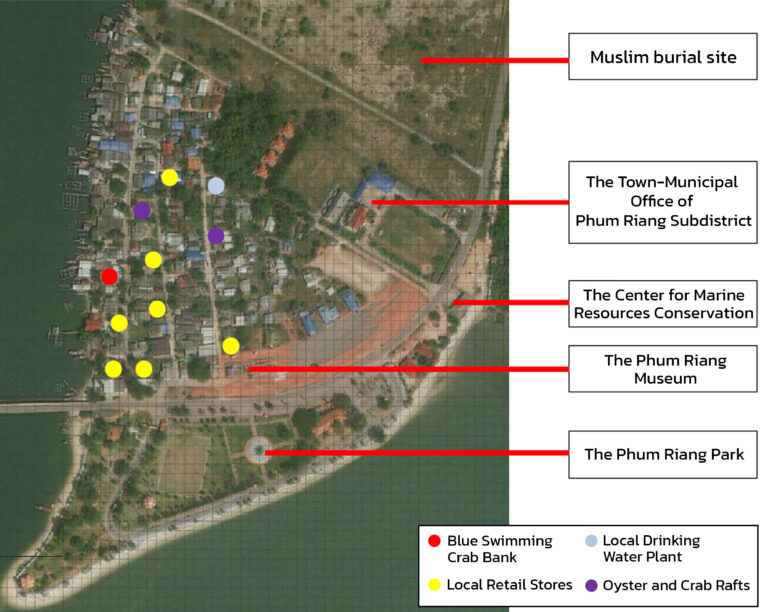
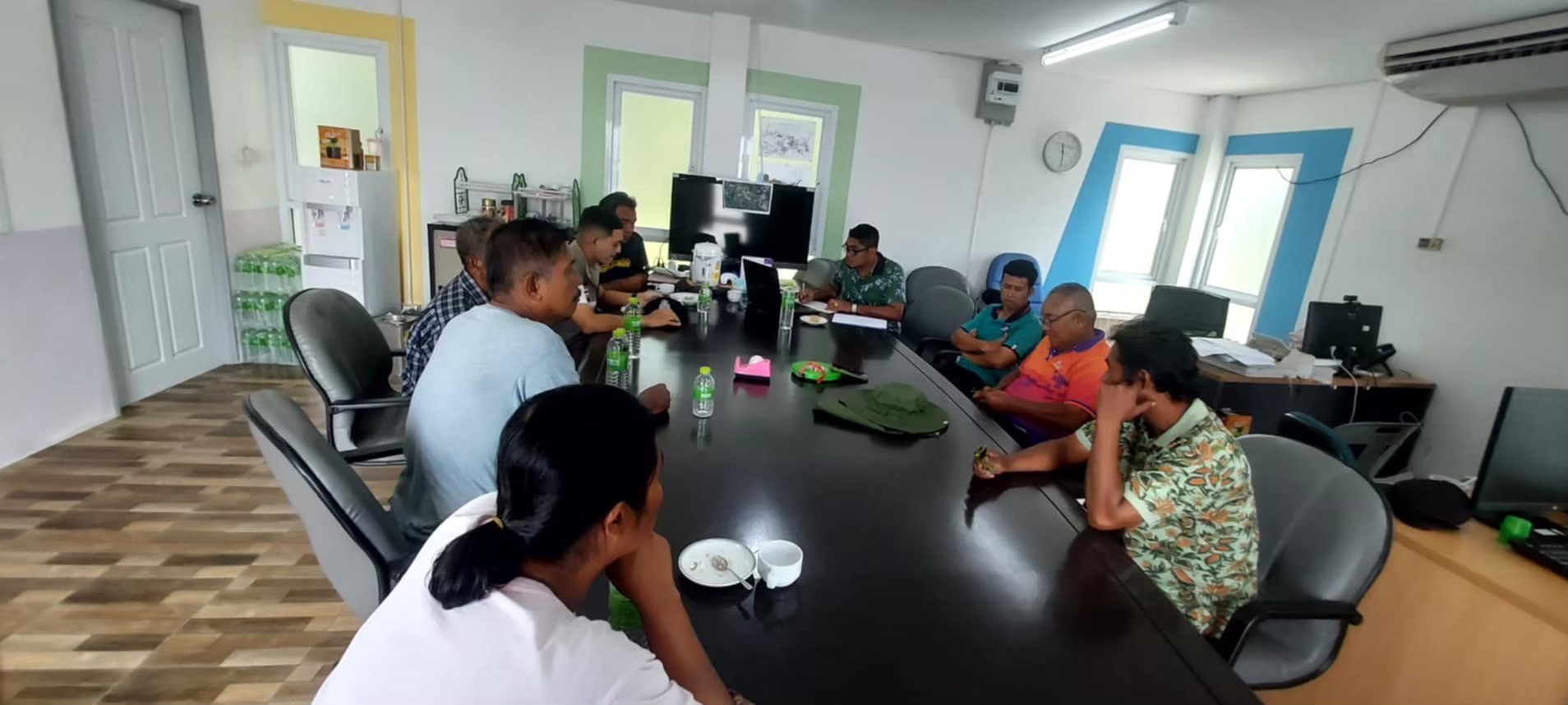
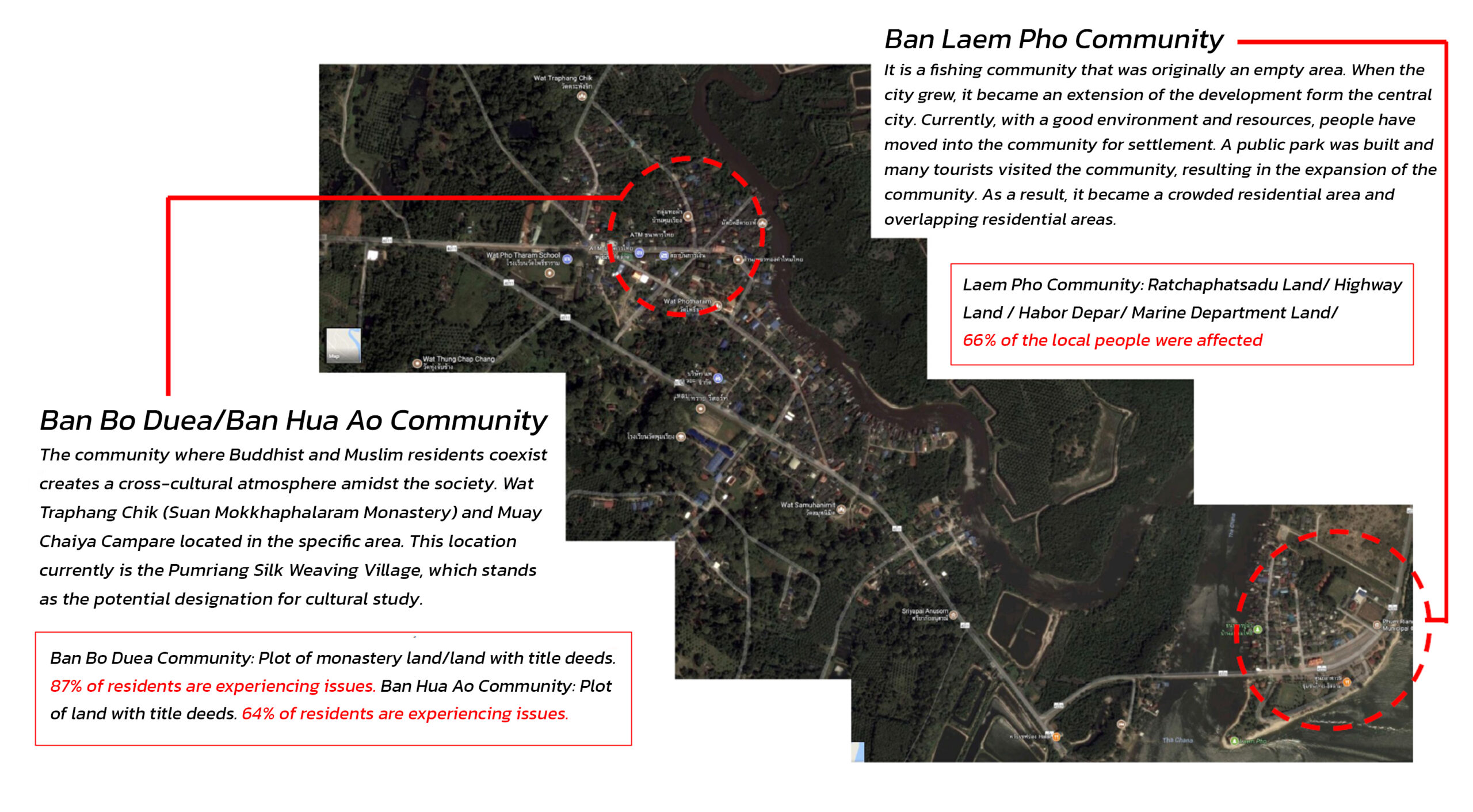
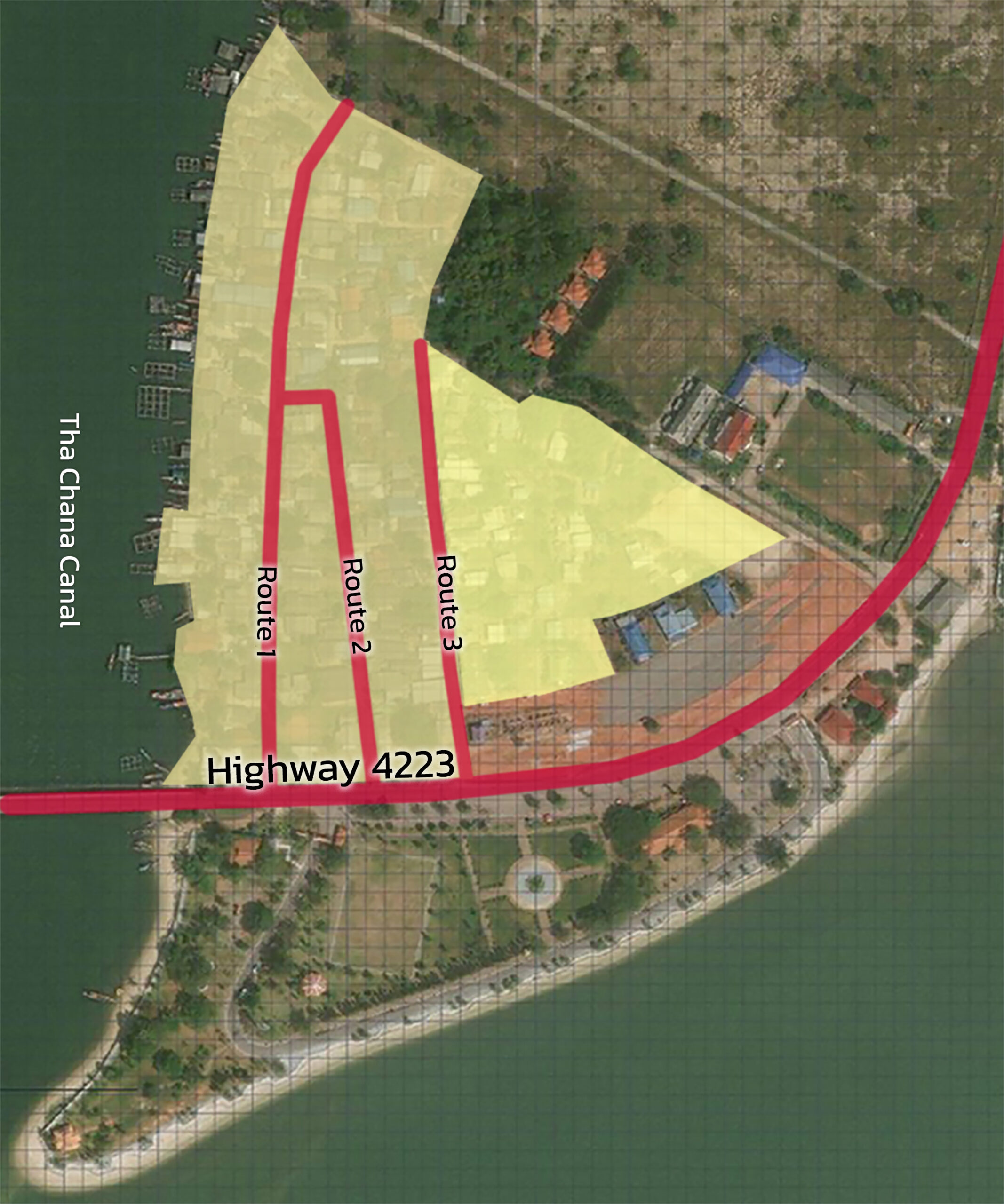
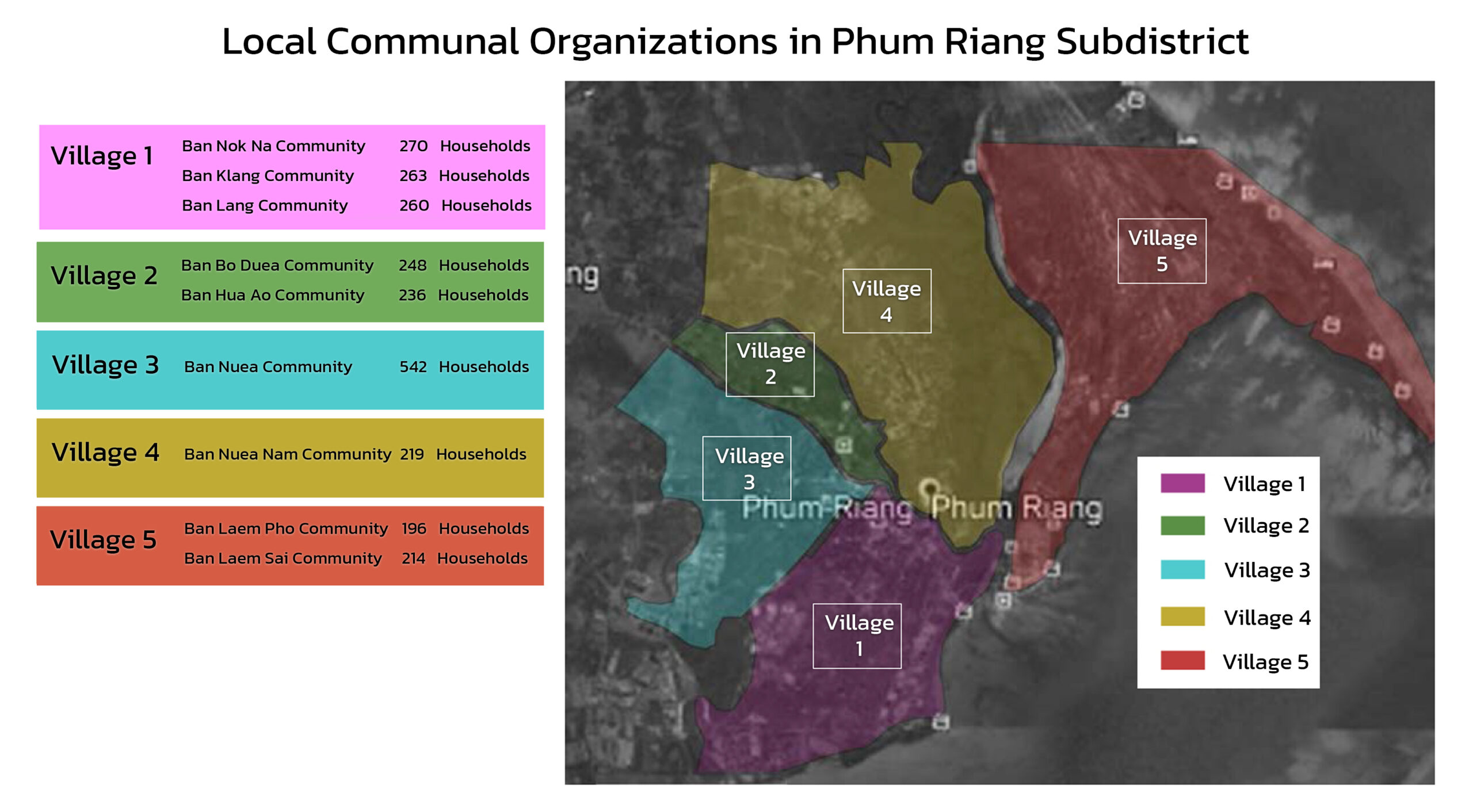
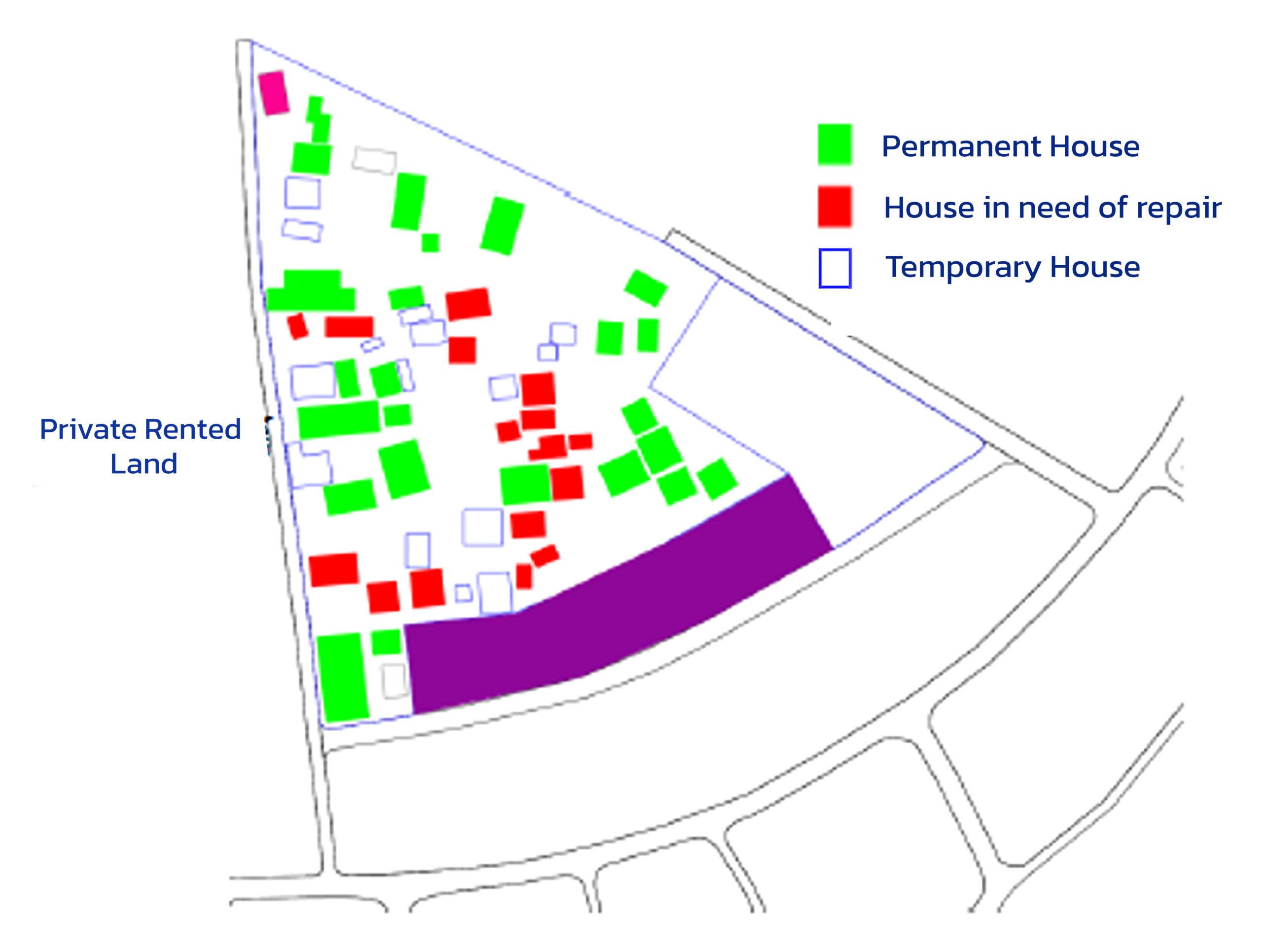
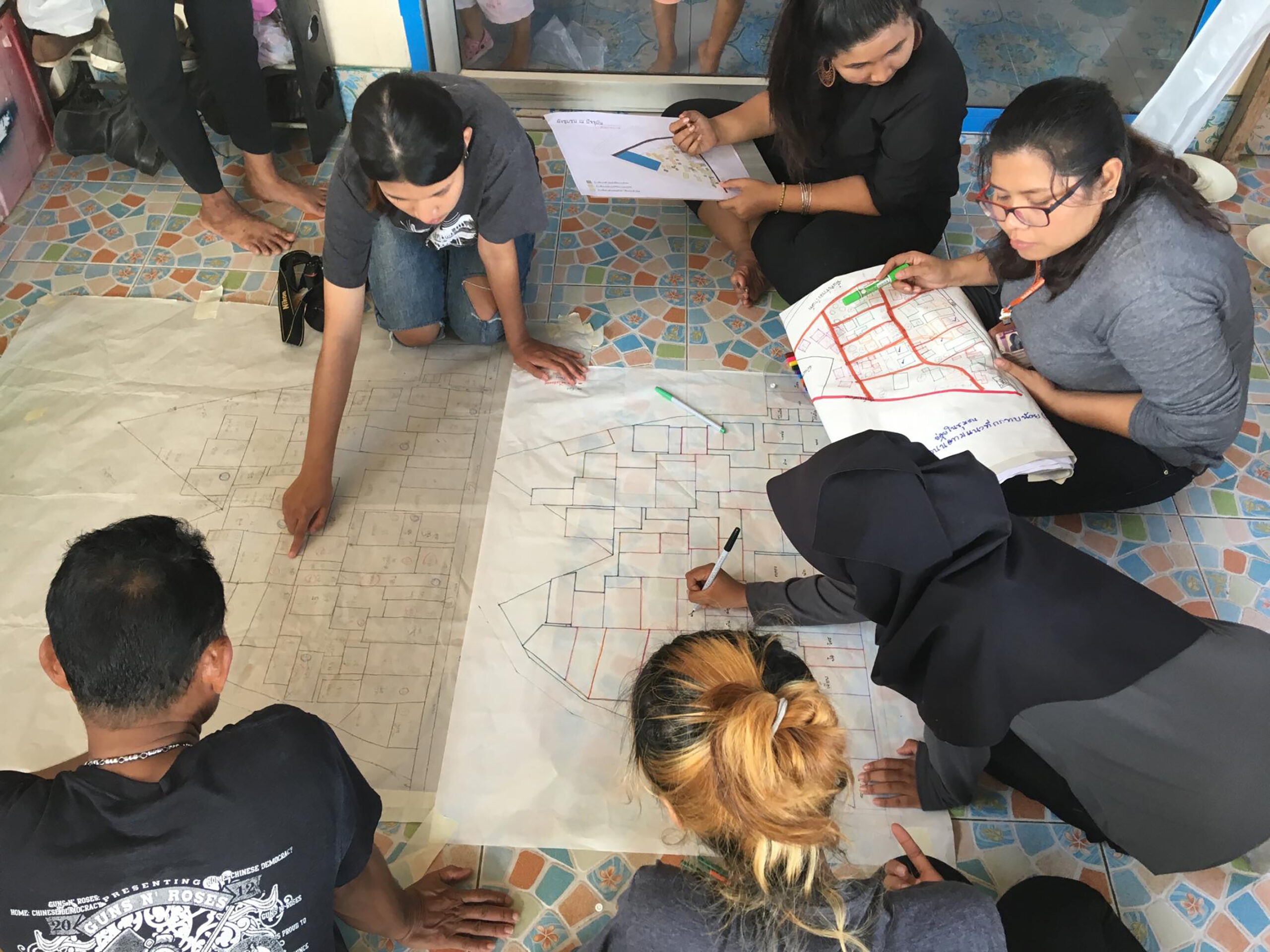
Ban Laem Pho village, located in Phum Riang, Chaiya District, Surat Thani, is a fishing community that struggled with housing security as its population expanded beyond the boundaries of the leased land provided by the Treasury Department. This research project aims to raise community awareness and foster active involvement in analyzing problems, suggesting solutions, and co-developing a community improvement plan within the constraints of the existing environment. This was done through a participatory design process of WU’s research supported by government agencies, local organizations, and educational institutions. Together, these entities helped strengthen the community, empowering them to propose a comprehensive development plan aimed at securing long-term leases and improving housing security.
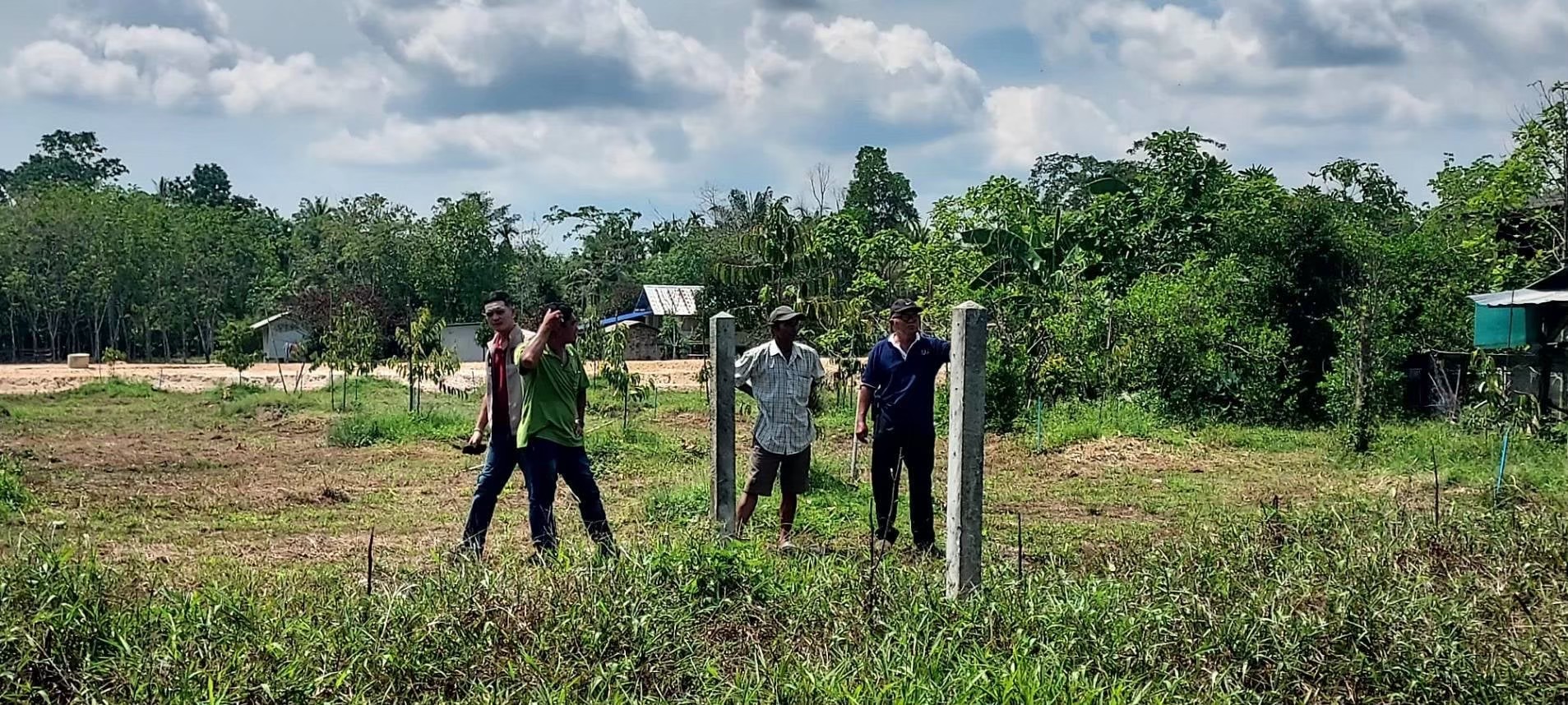
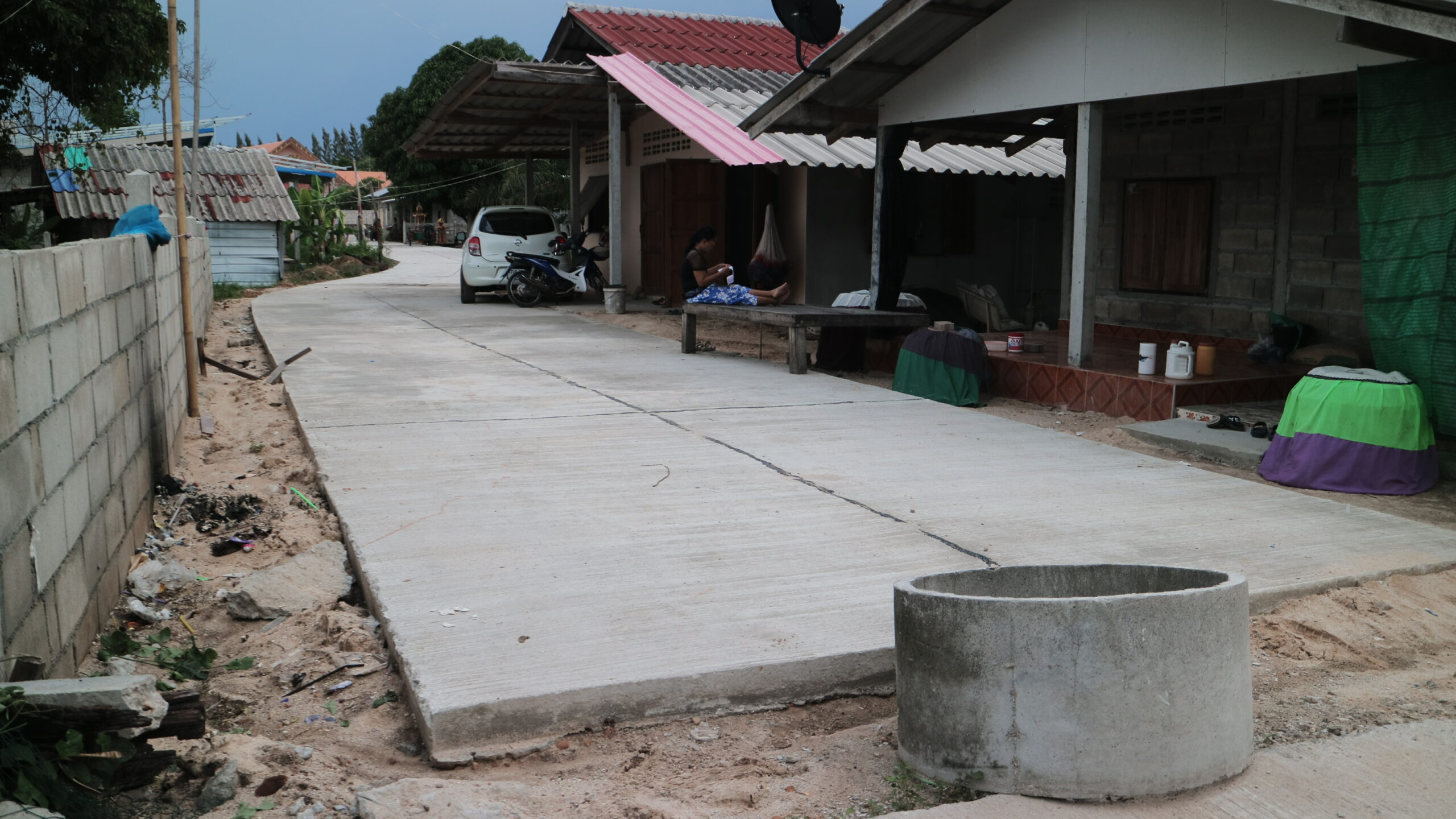
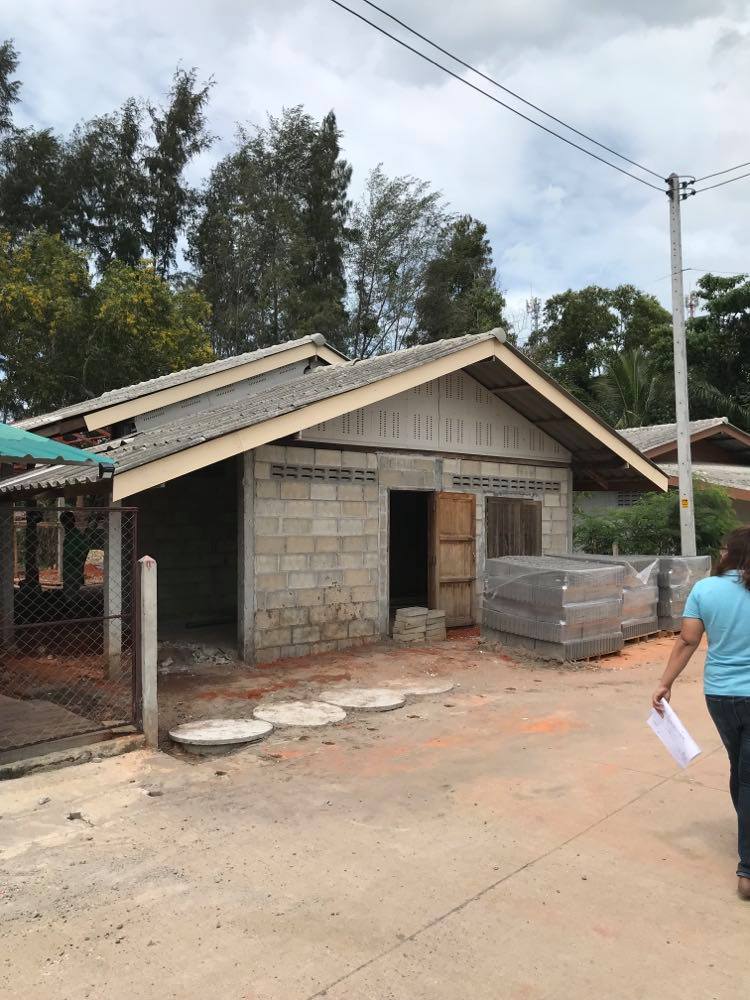
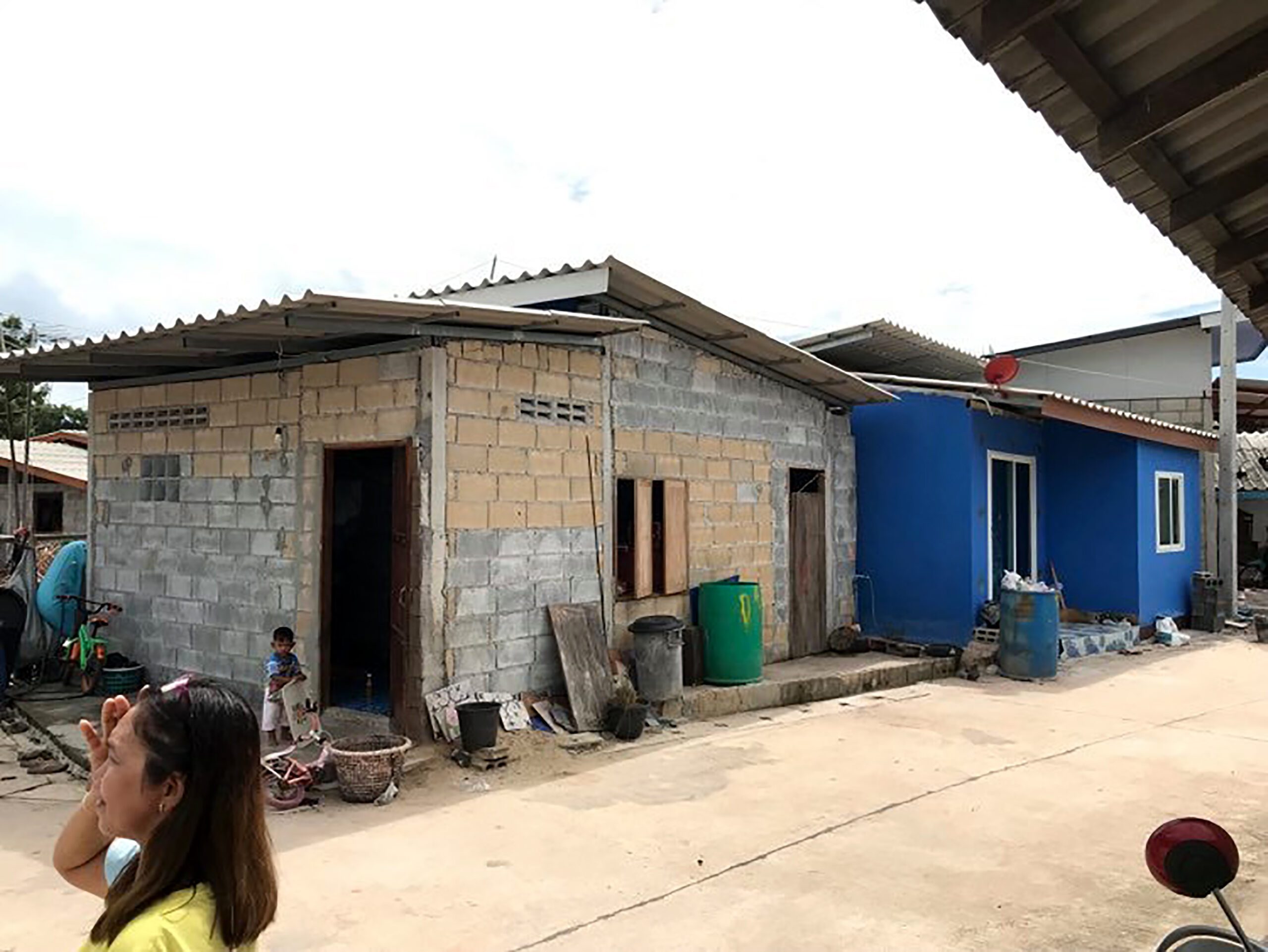
Figures: The area where houses have been constructed for the community through collaborative efforts, supported by WU’s research alongside government agencies, local organizations, educational institutions, and the community.
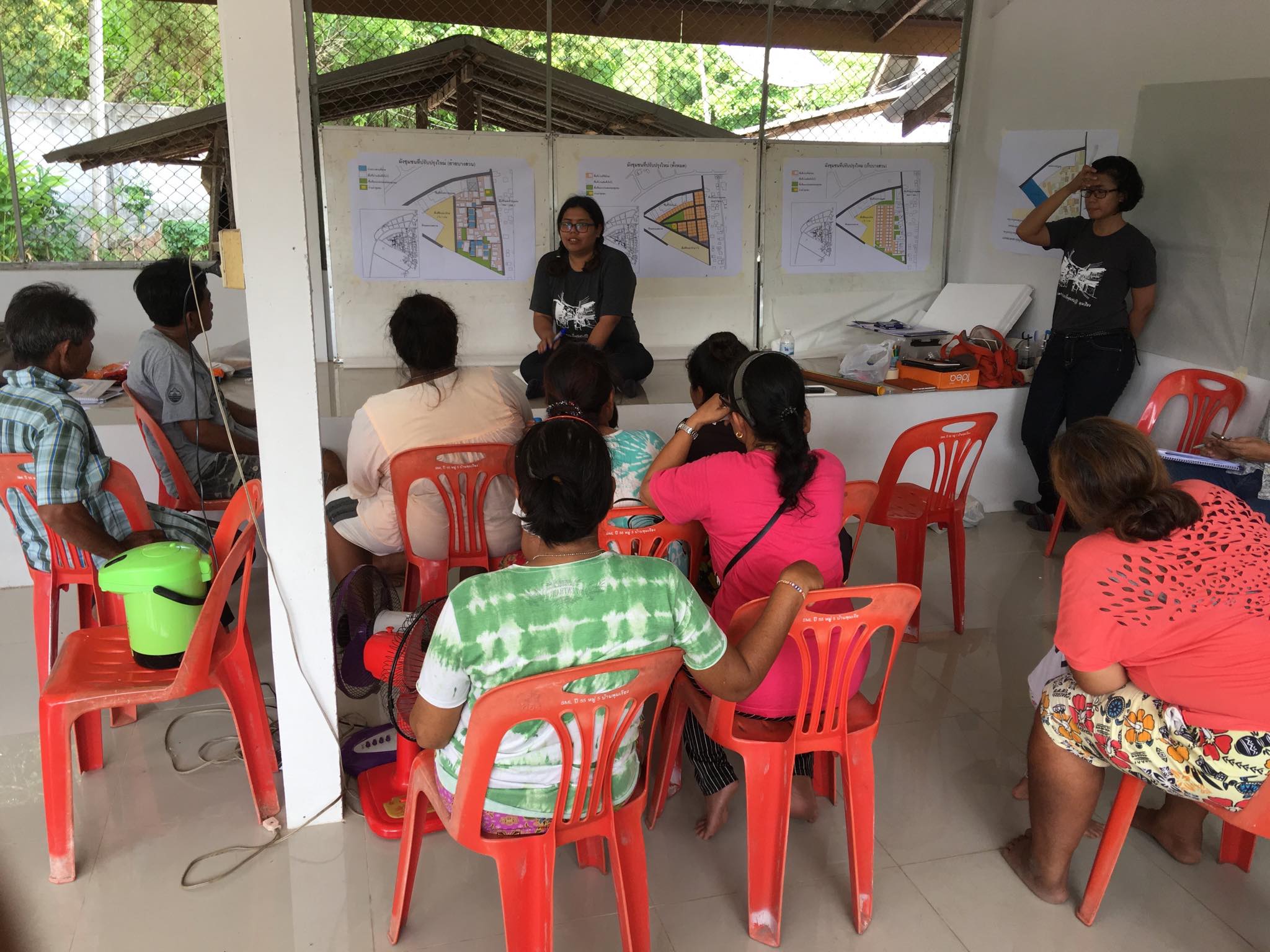
The participatory design process included several stages: building a community database, conducting collaborative design sessions, presenting the plans, and driving the designs toward practical implementation. As a result, a community layout and housing development plan were created under the “Baan Mankong” project, which allowed the community to secure collective land leasing rights through the Baan Mankong Laem Pho Cooperative.
The project also garnered financial backing of 5,311,000 baht from the Community Organizations Development Institute (CODI), with 2,820,000 baht allocated for housing development, 2,350,000 baht for infrastructure improvements, and 141,000 baht for community management. This funding helped renovate 50 homes, build 13 new ones, and upgrade 4 homes that were already stable, benefiting 67 households in total.
Through this process, the community has gained trust in the participatory design approach, seeing firsthand the positive changes it has brought about. Walailak University has remained a dedicated partner in these efforts, offering continuous support to help the community thrive and