
04Nov 2024 by Kittipong Bunlear
Direct Actions to Preserve and Enhance Freshwater, Coastal, and Marine Ecosystems and Biodiversity
As global environmental challenges escalate, the conservation of aquatic ecosystems has become a pressing concern. Walailak University (WU) is actively involved in various projects that work directly in the form of research or engagement to maintain and extend ecosystems and biodiversity of freshwater and marine especially under threat plants and animals. With a strong commitment to ecological preservation, WU collaborates with local communities, government agencies, private sectors, related industries and NGOs to create impactful initiatives aimed at maintaining the health and biodiversity of freshwater, coastal, and marine environments.
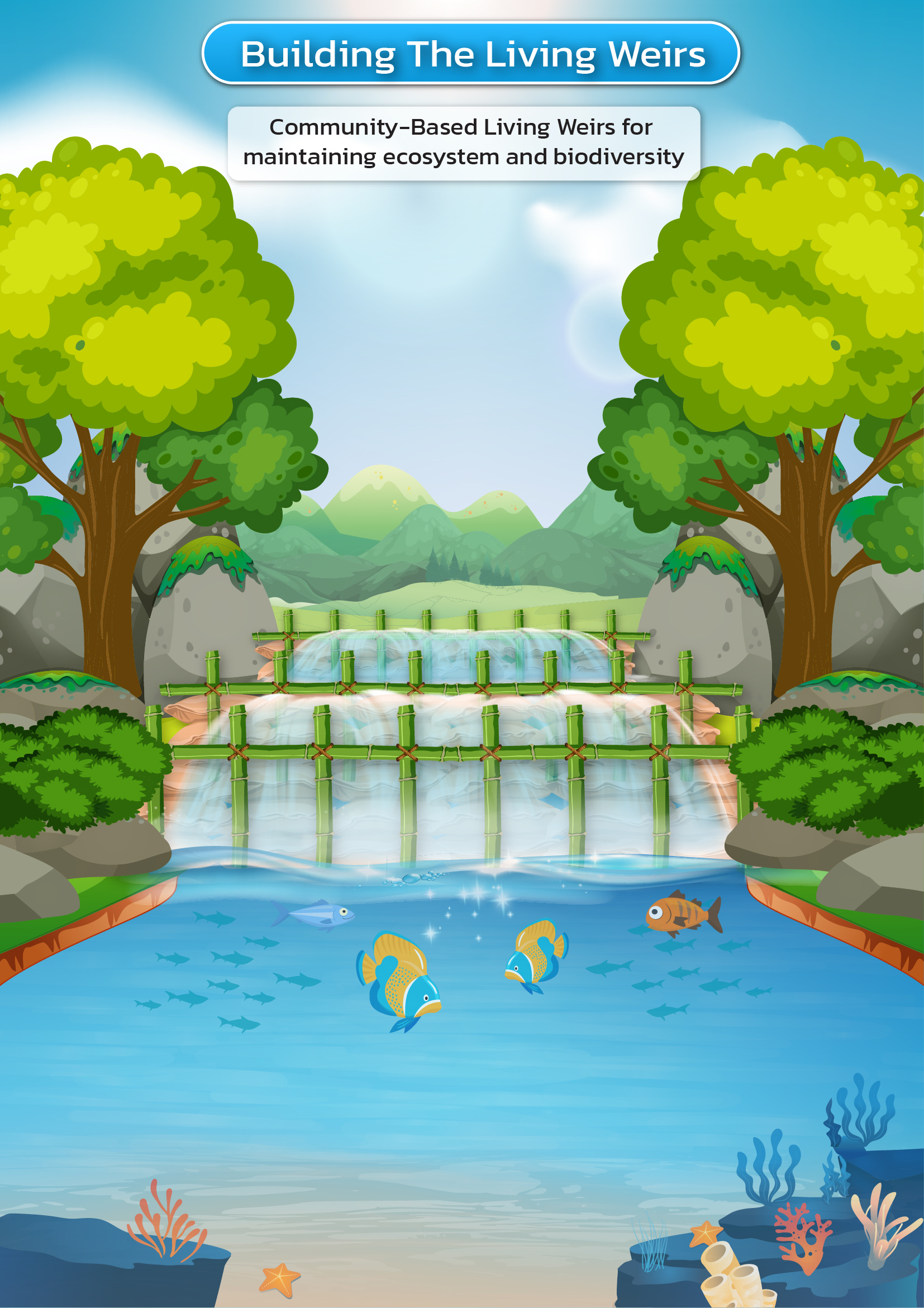
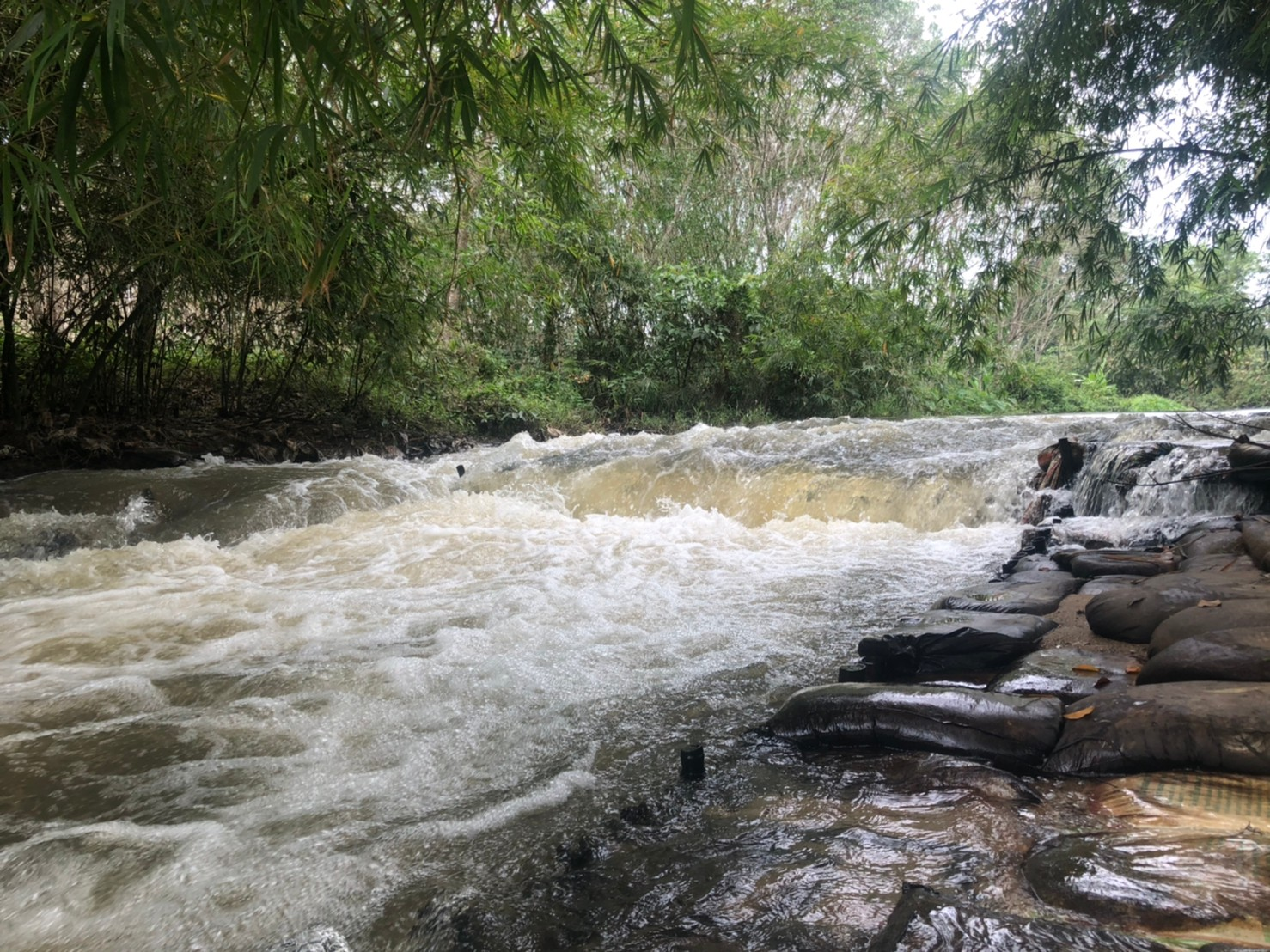
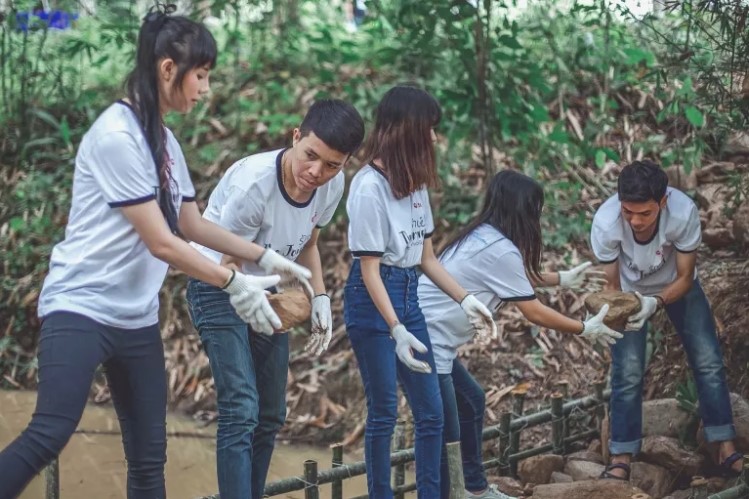
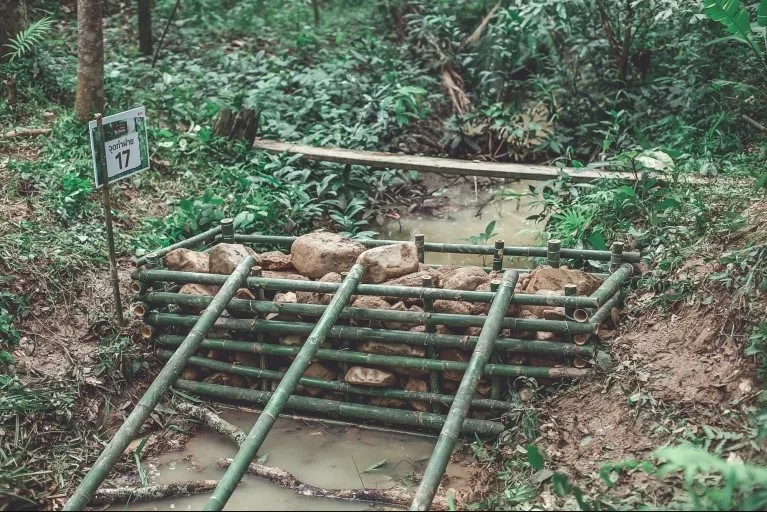
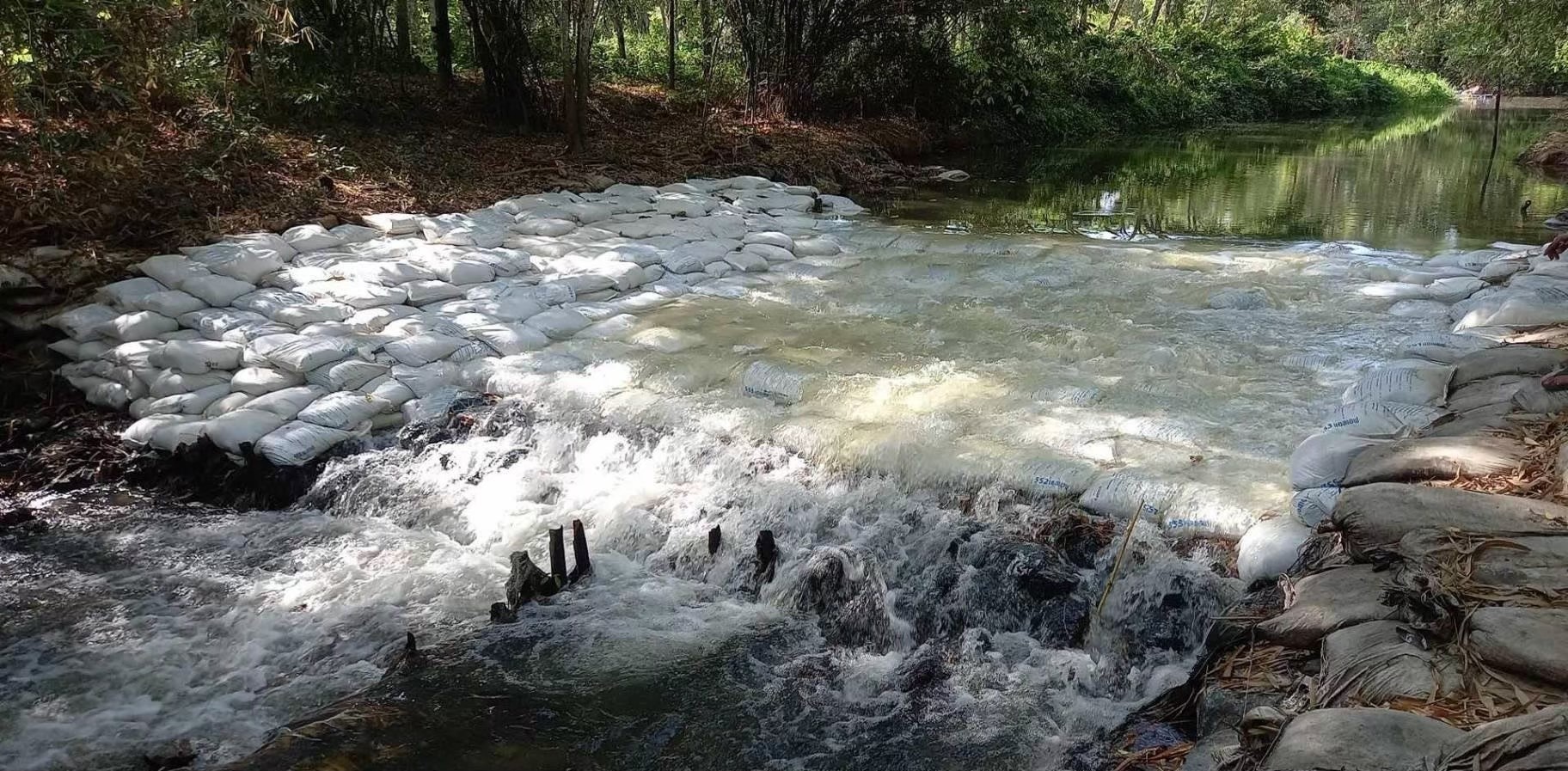
1. Maintaining Freshwater Ecosystem and Biodiversity: Community-Based Living Weirs for Plants and Animals Conversation
Over six years of operation (2018-2023), with plans to continue into the future, Walailak University (WU) has emphasized measuring the impacts and benefits of living weirs on maintaining the environment and ecosystem. In 2023, WU researchers further advanced these efforts by conducting both educational and practical installation activities. They worked directly with local communities, engaging teenagers, students, local residents, related industries, and academic staff from local institutions in learning to construct natural living weirs to maintain and extend existing ecosystems and their biodiversity of both plants and animals around the area of living weirs. Also, these activities underscored the role of living weirs in conserving and storing water, reducing soil erosion, mitigating the intensity of water flow in streams, and preserving the biodiversity of upstream ecosystems.
Through collaborative discussions, researchers and local residents recognized the significant benefits of weir construction in supporting freshwater ecosystems and enhancing biodiversity within upstream river zones.
2. Maintaining ecosystem services in coastal area: Installation of Artificial Fish Habitats
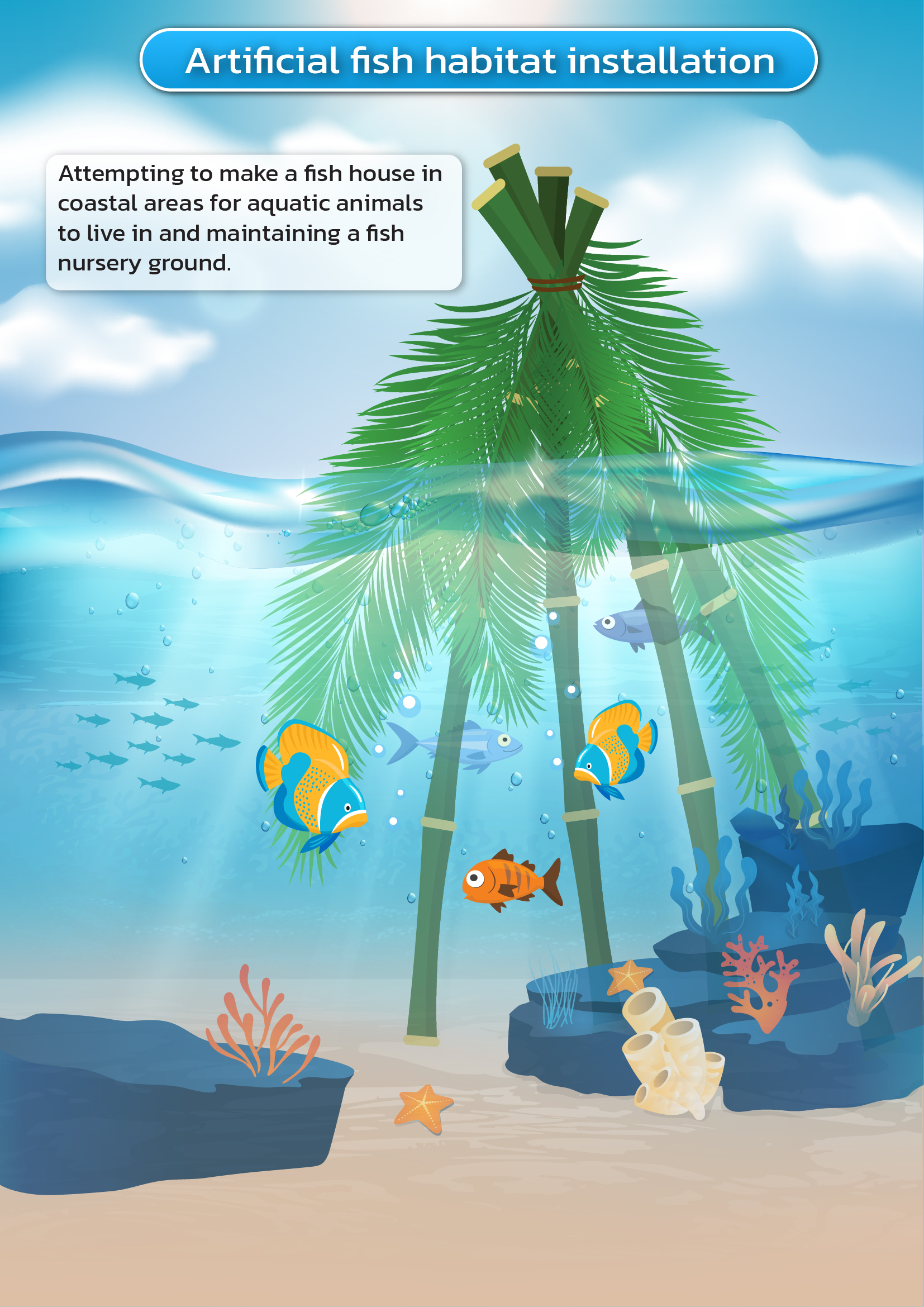
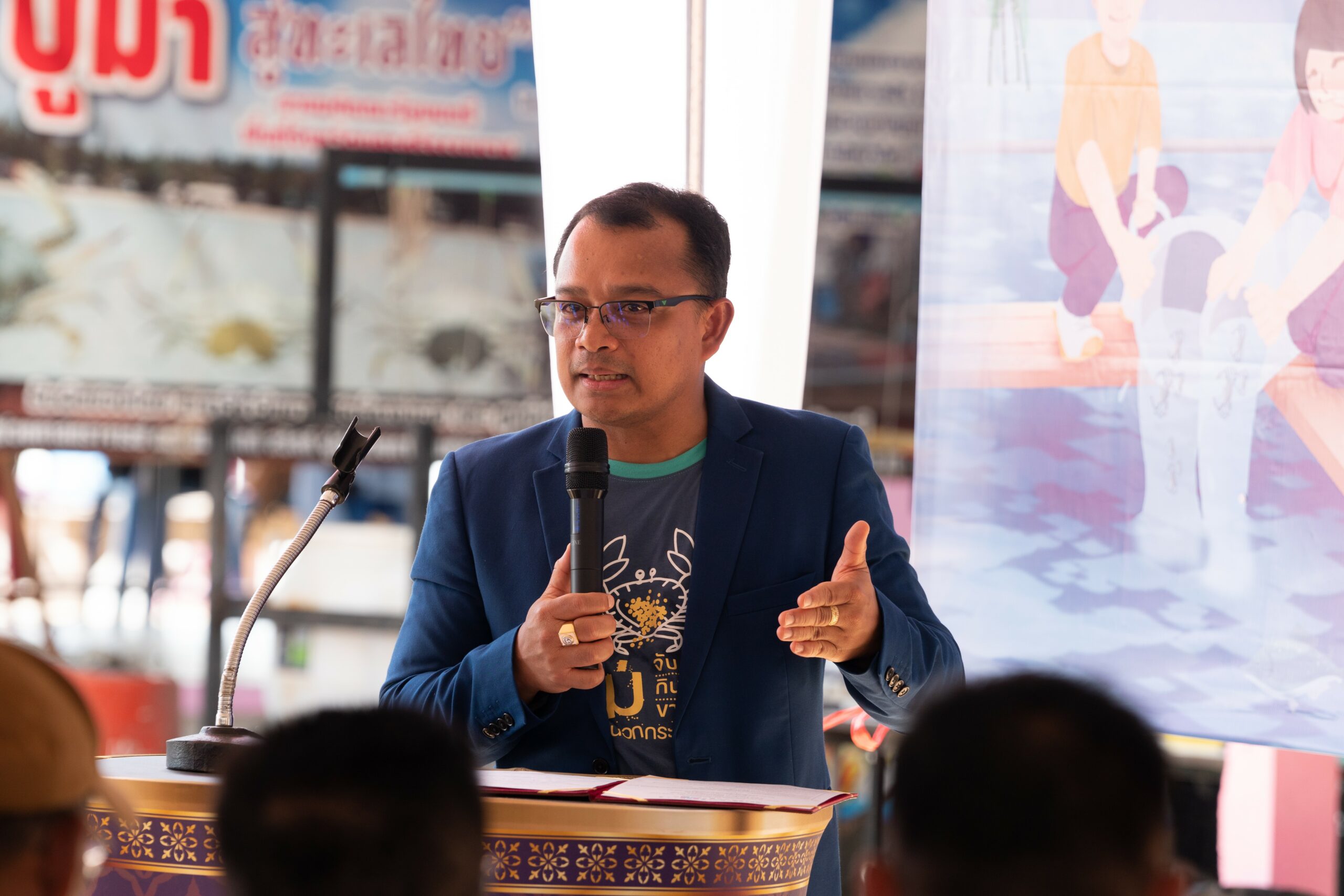
The Center for Academic Services at Walailak University runs an annual artificial fish habitat installation project. In 2023, it partnered with the National Research Council of Thailand (NRCT), the Department of Fisheries, the Department of Environmental Quality Promotion, the Songkhla Marine Fisheries Research and Development Center, the Department of Local Administration, including industries such as the Khon Kaen Fishing Net Factory Co., Ltd. And the Muang Thai Life Assurance Public Company Limited, also engaging with NGOs such as the Thai Sea Watch Association and the Federation of Thai Small-Scale Fisherfolk Association. The project spans public areas in Tha Sala District with over 112 people attended the event. This initiative involves constructing fish habitats to create nursery grounds, support biodiversity, and sustain the food chain, with working directly to maintain and extend the coastal ecosystem of marine animals.
A key point to consider is that the ocean serves as the primary protein source for the global population, and as demand for food has grown alongside population increases, fishermen have been forced to overfish. This excessive fishing puts the coastal ecosystem at risk of severe degradation if the marine food web is not carefully managed. As natural aquatic populations decline, they struggle to meet the rising demand, leaving fishermen in need of restoration projects to boost fish stocks and improve catch rates. The coastal ecosystem’s degradation has led to lower catch rates and increased fishing costs.
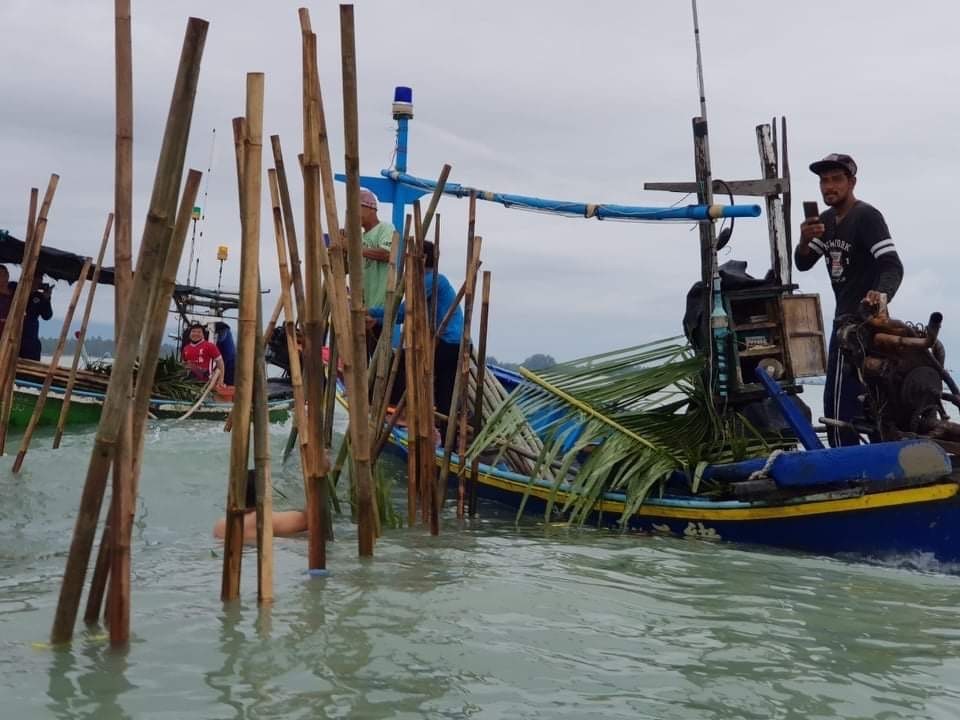
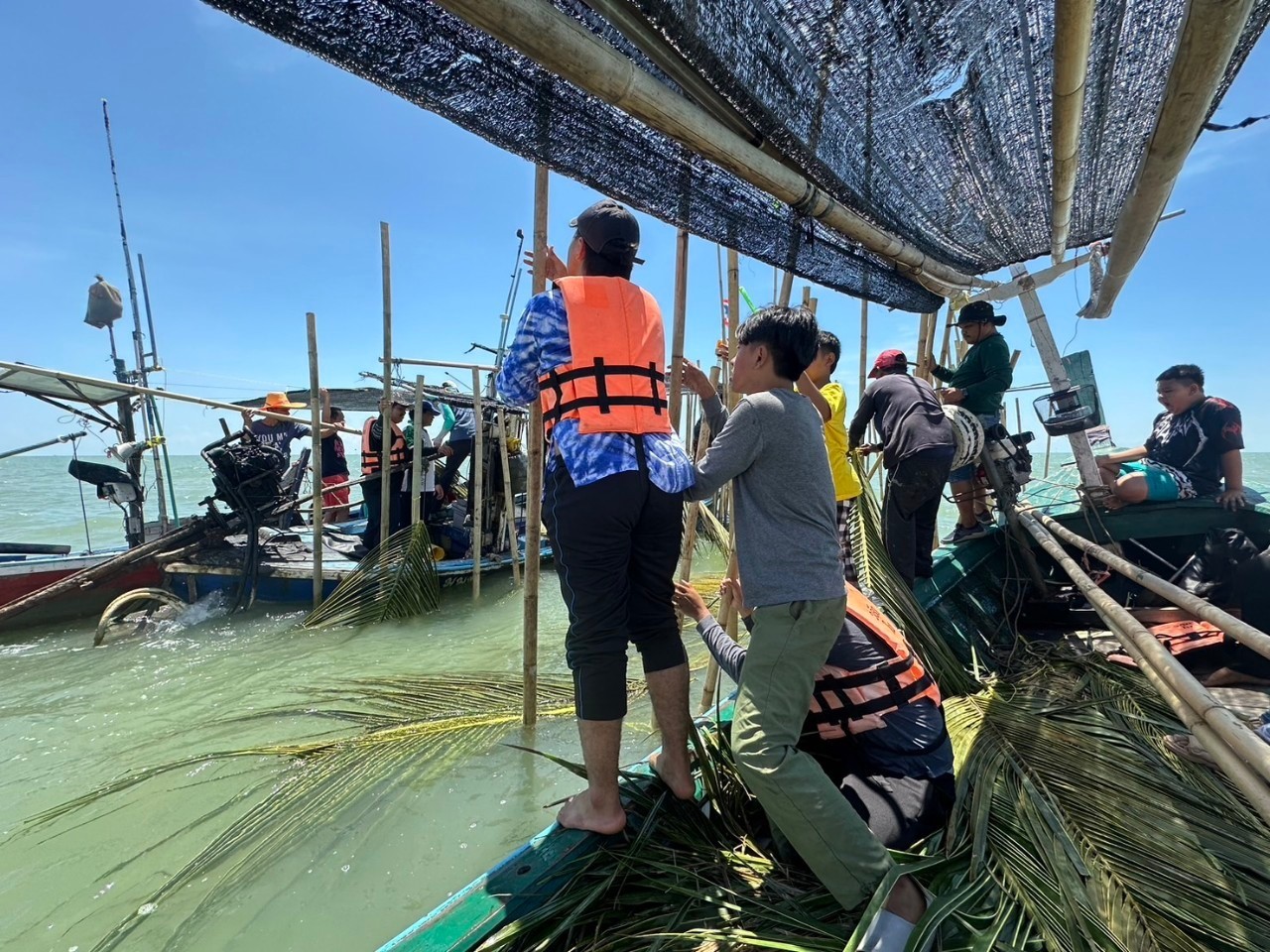
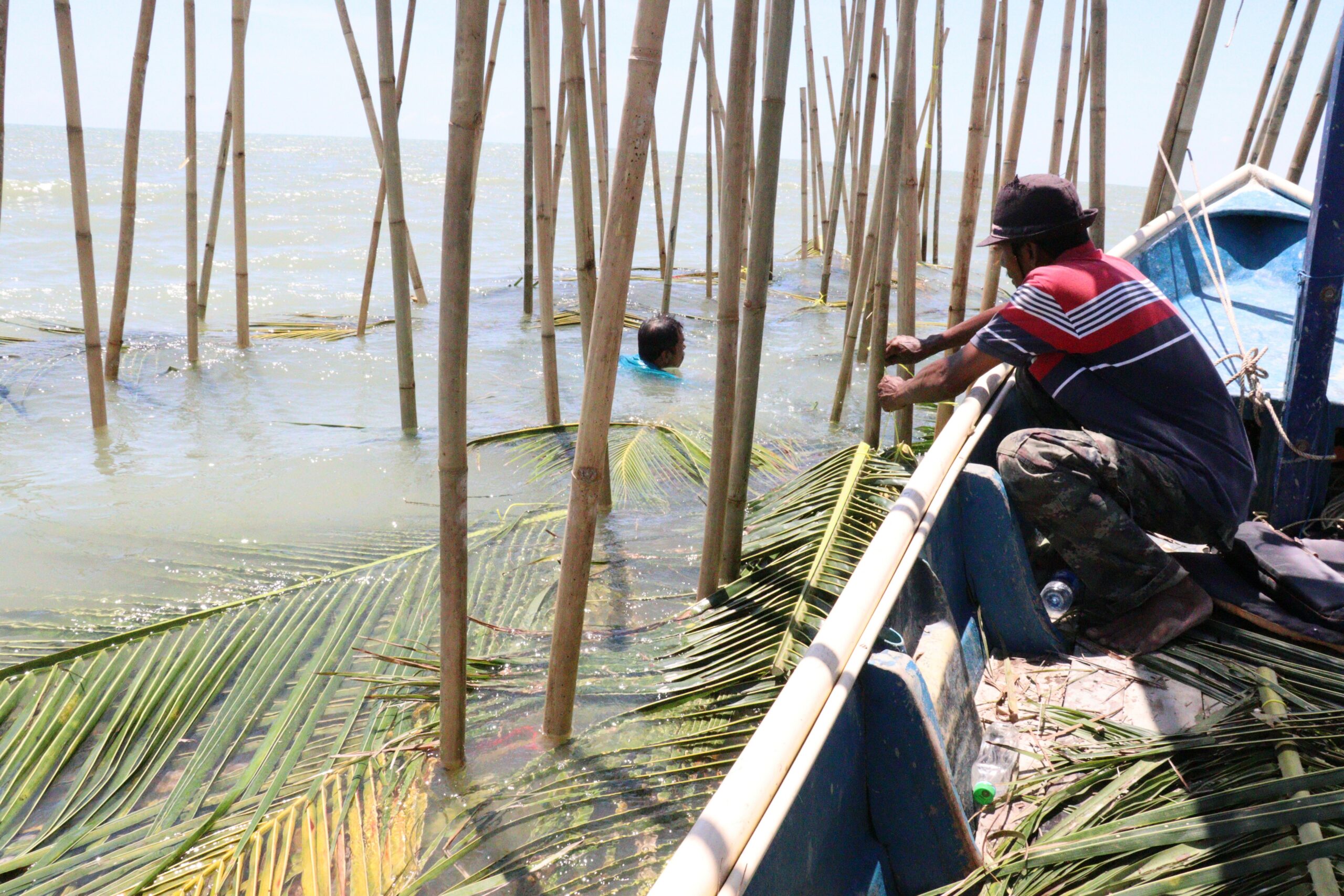
The concept of building fish habitats, or “fish houses,” aims to create safe environments for fish and other marine organisms to thrive. These structures are crafted from natural materials, including coconut huts, bamboo, and coconut leaves. For measurement and evaluation, surveys, in 2023, revealed that these fish houses support a wide variety of small fish species, leading local fishermen to believe that artificial fish habitats enhance abundance and extend marine animal biodiversity in coastal areas, benefiting both the marine food chain and their livelihood.
The fish house construction process involves fishermen manually embedding bamboo poles in the seabed and attaching fresh and dried coconut leaves to form a shelter. These structures also include small, intricate spaces where juvenile fish and other young marine animals can grow safely while hiding from predators.
3. Protecting Marine Ecosystem and Biodiversity: Coral Reef Restoration at Kra Island
The marine ecosystem, covering 71 percent of Earth’s surface, is the largest on the planet and crucial for food security. Given Walailak University’s close proximity to this ecosystem, the university actively addresses its conservation, particularly in Southern Thailand where coral reef, an ecosystem under threat, play a vital role. Coral ecosystems, such as those around Kra Island, serve as habitats for diverse species, supporting complex food chains and contributing significantly to marine biodiversity.
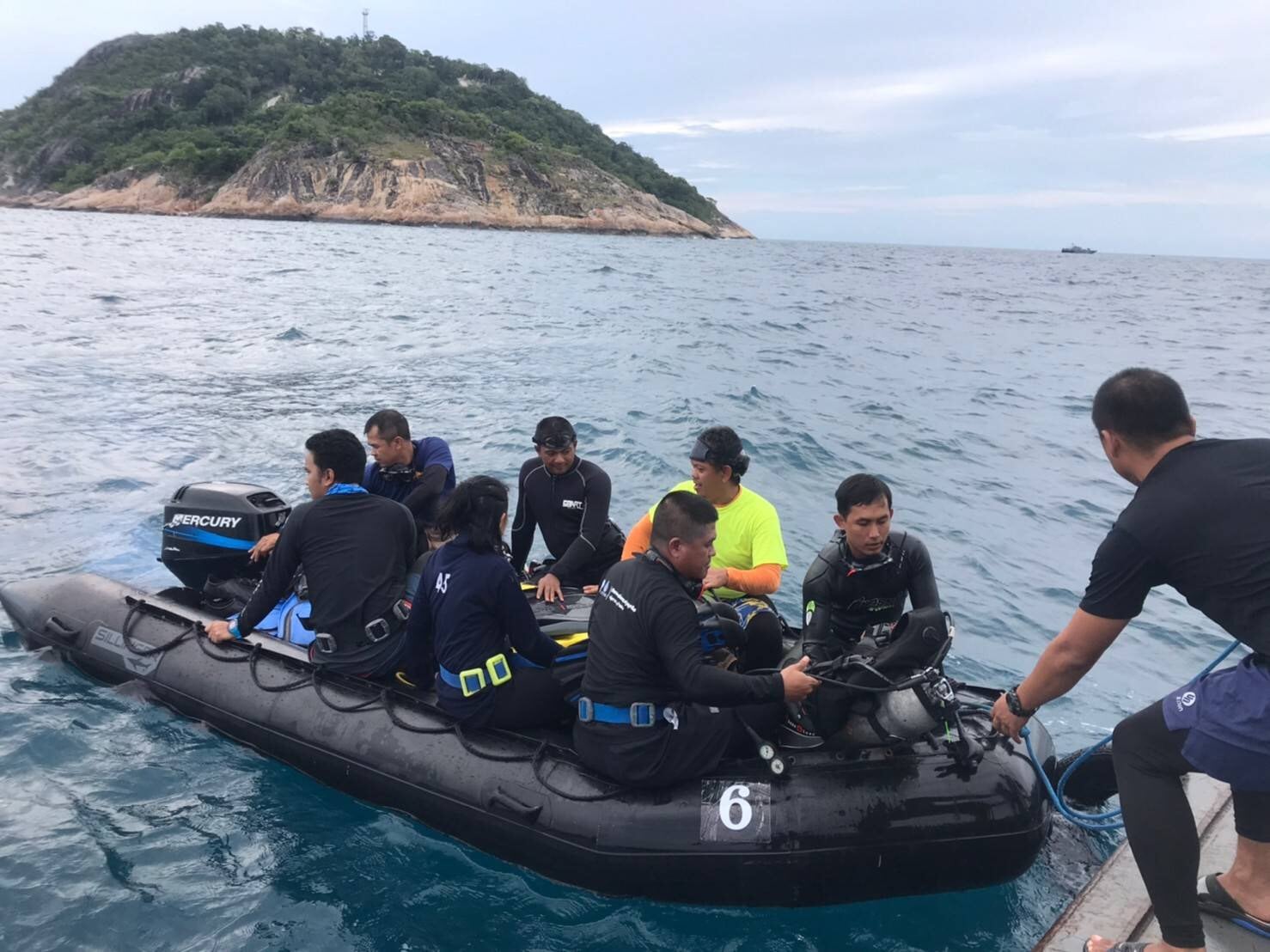
Research from the Marine and Coastal Resources Research Center in the Lower Gulf of Thailand has shown that 90 percent of Staghorn Corals have suffered damage due to various threats, including sudden shifts in water temperature, ocean acidification, and destructive fishing practices. In response, Walailak University, through its Center for Scientific and Technological Equipment, Center for Academic Services, and School of Science, collaborates with partners like the Thai Maritime Enforcement Command Center, the Marine Rangers, the Department of Marine and Coastal Resources, and related companies such as PTT Public Company Limited. Together, they implement annual plans that work directly on research and conservation activities to maintain, extend and restore the coral ecosystem and biodiversity around Kra Island, located in Pak Phanang District, Nakhon Si Thammarat Province.
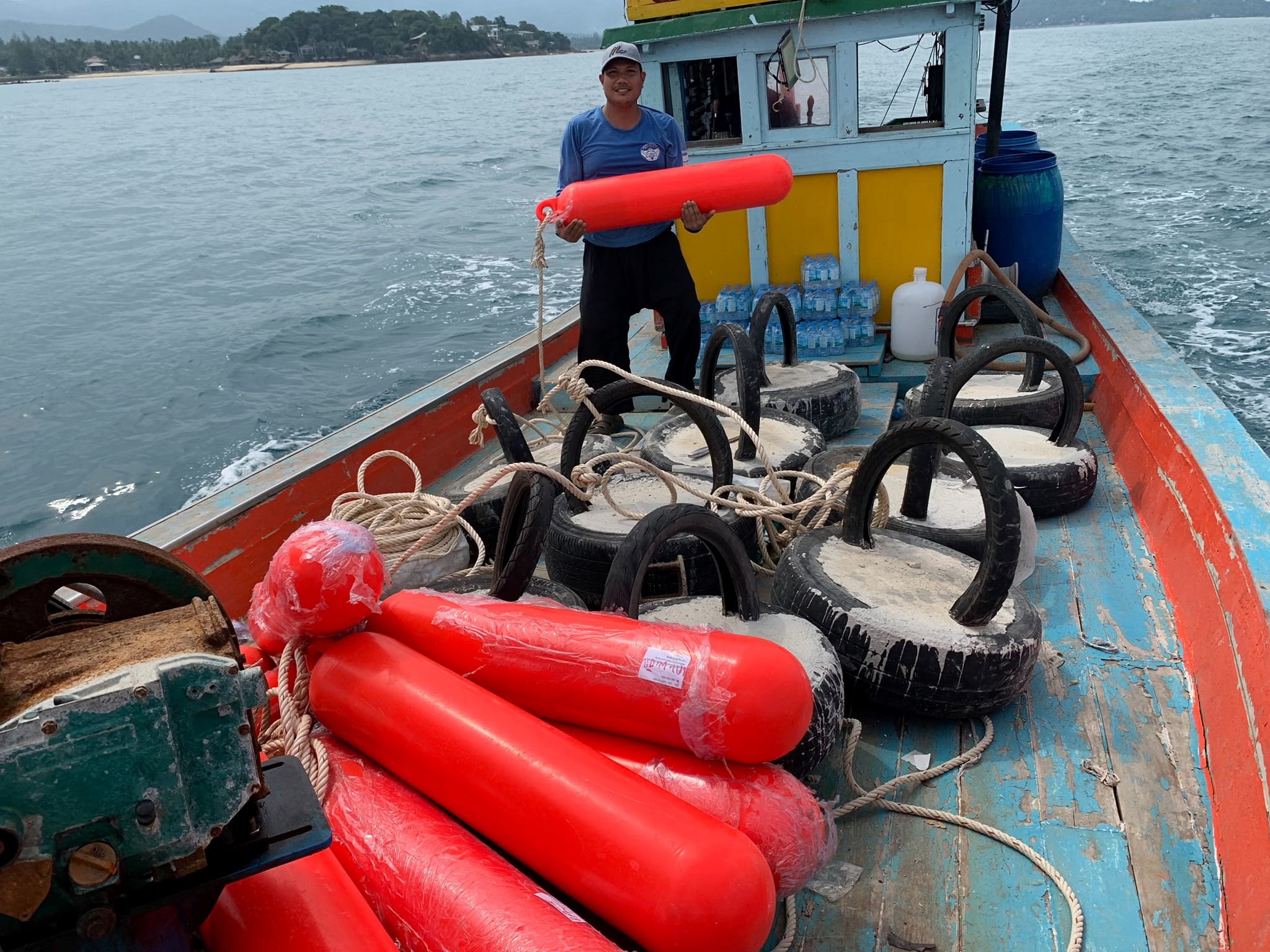
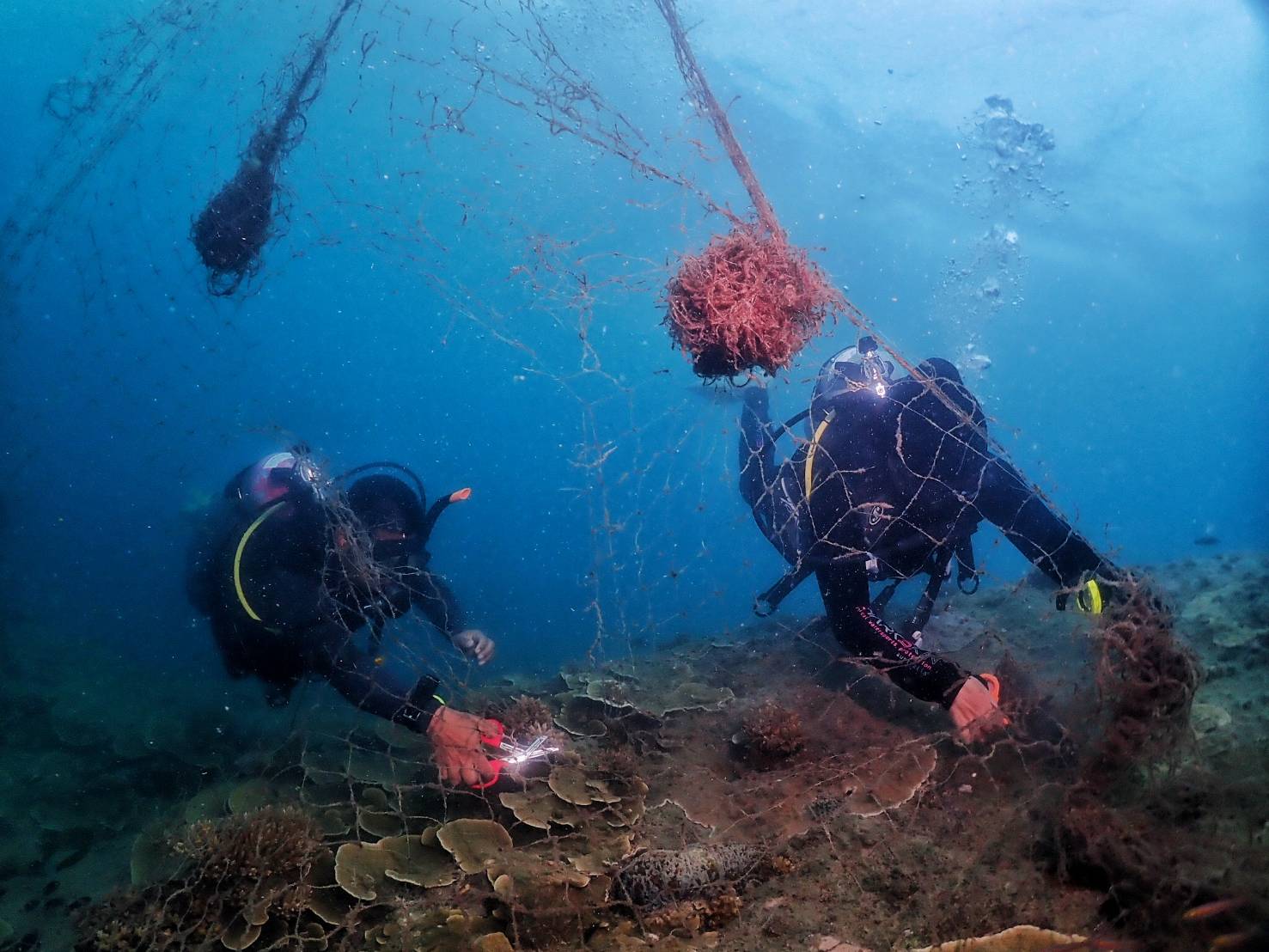
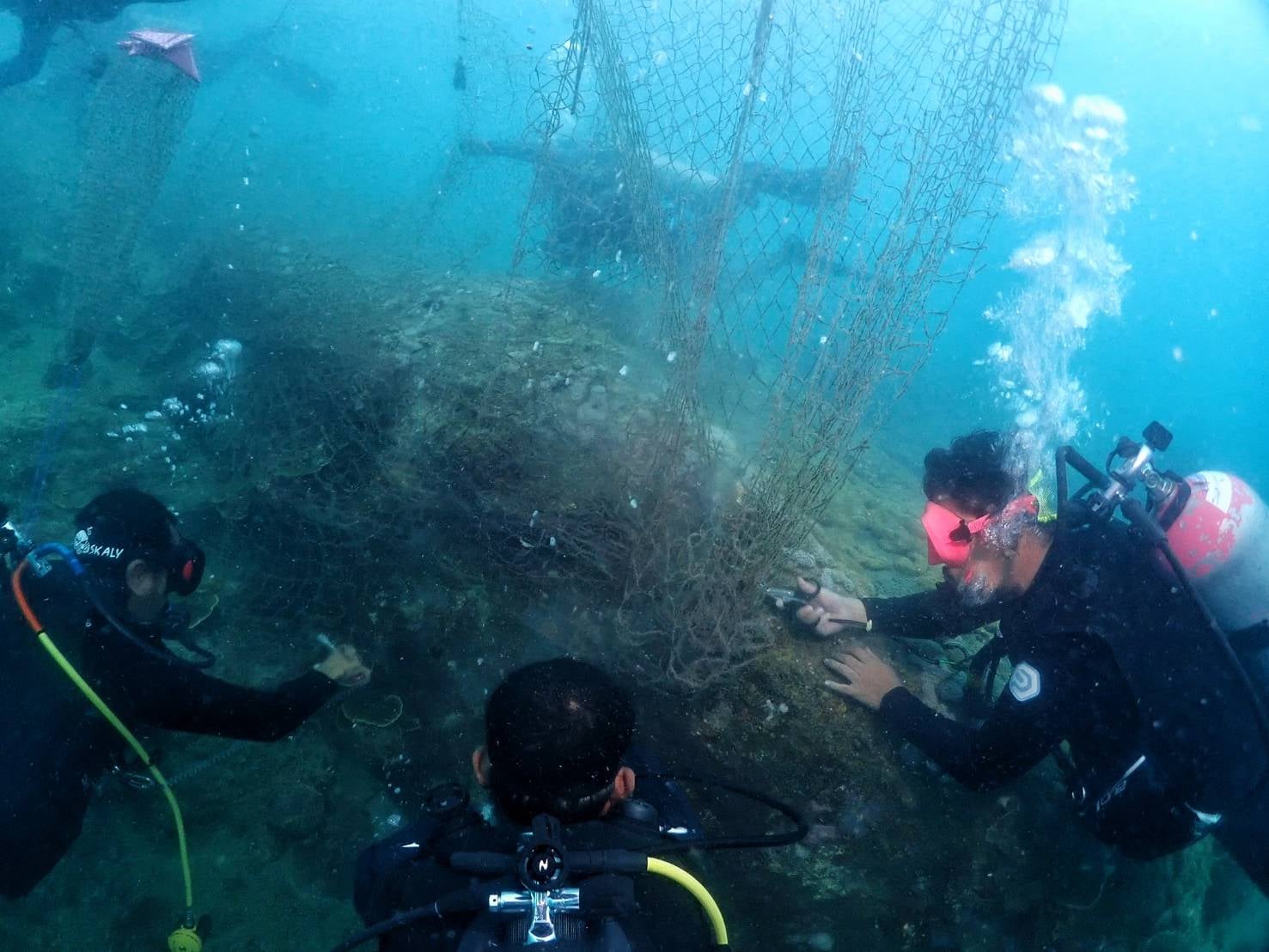
The project focuses on cleaning marine debris from sensitive coral habitats, particularly waste generated by local and commercial fishing activities. Engaging fisherman volunteers, the initiative promotes eco-friendly fishing practices and increases awareness about environmental impact. Key activities include coral reef cleaning, replanting, and ecosystem-based management around Kra Island.
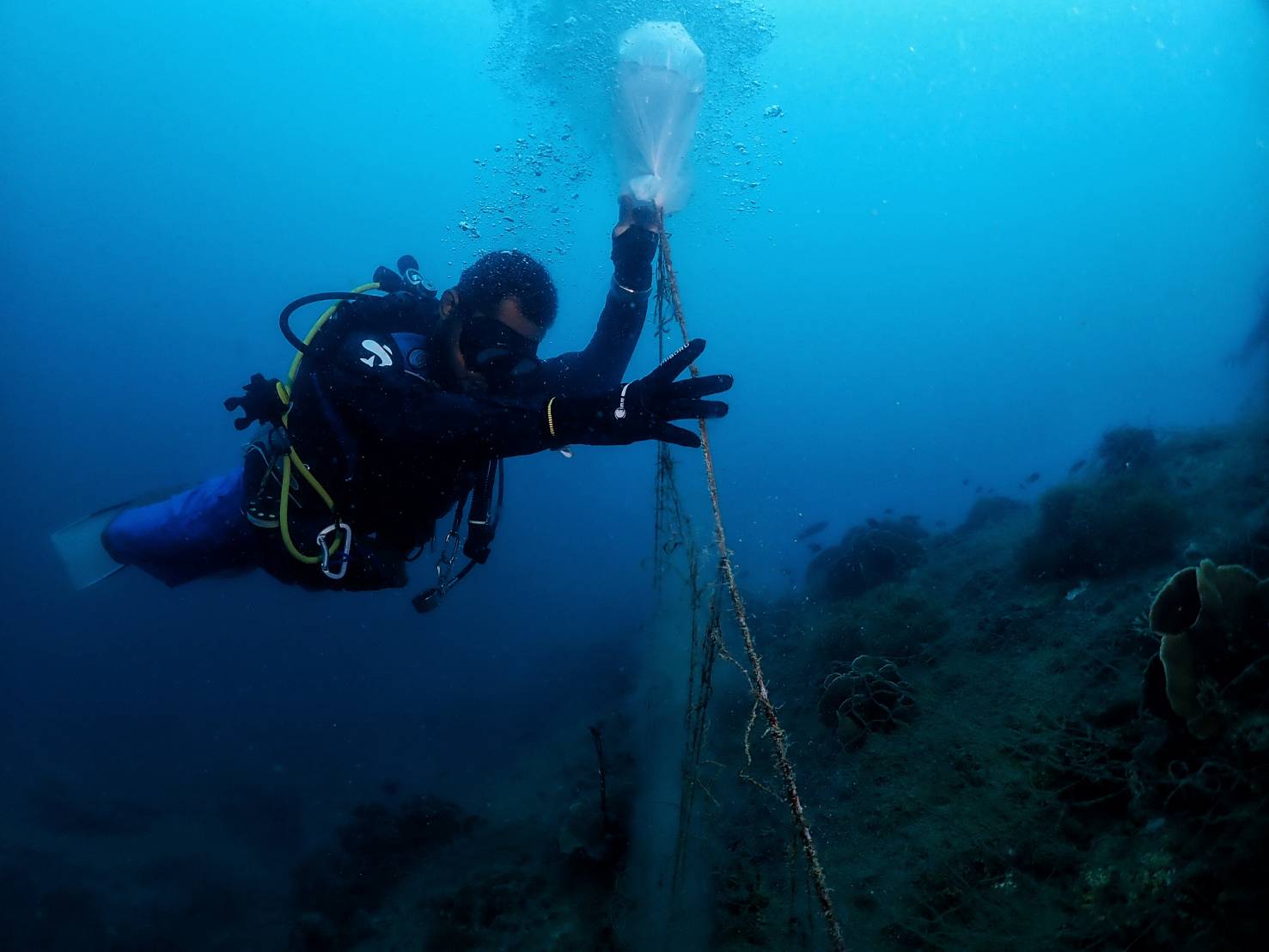
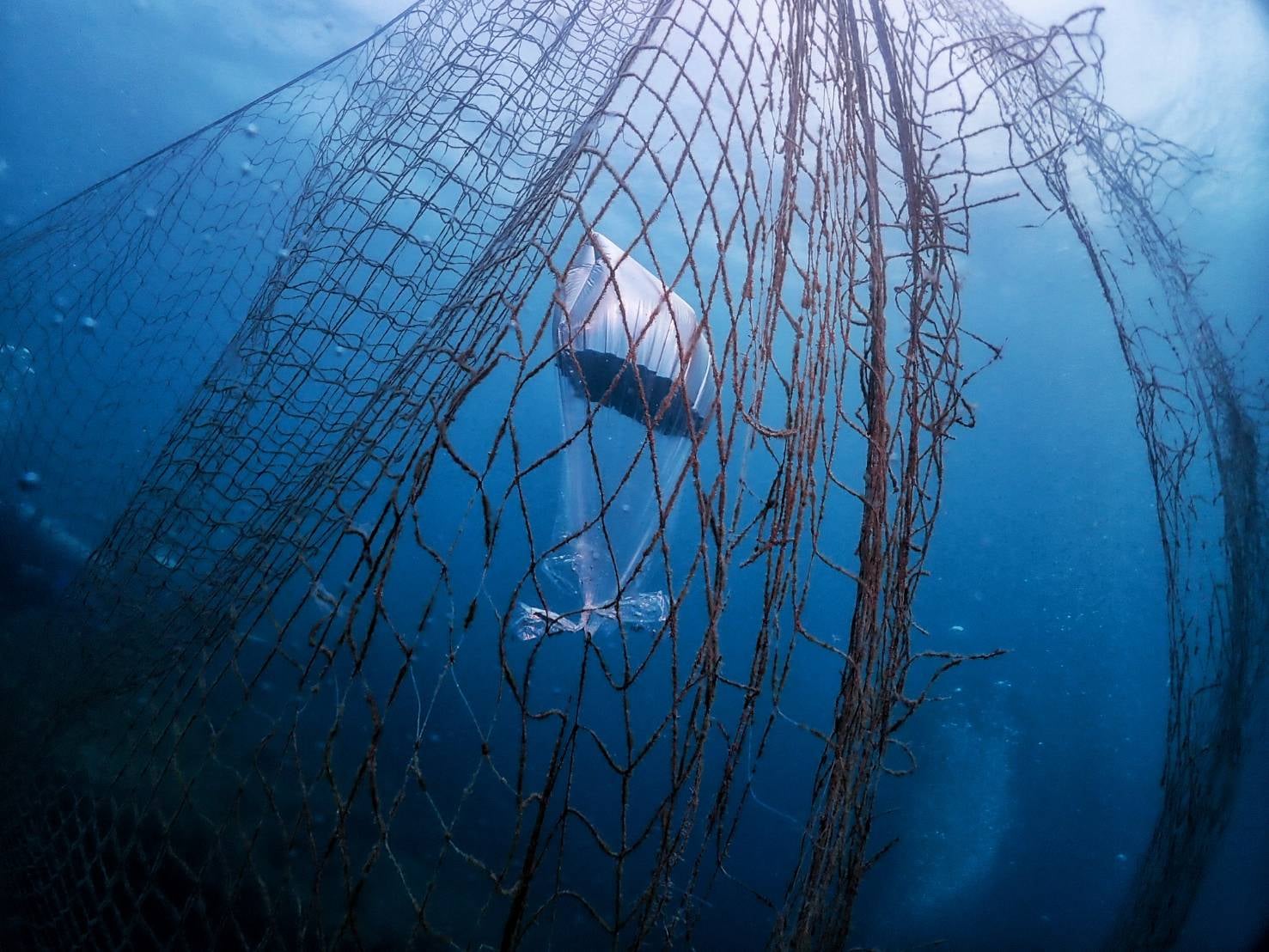
Surveys in the project have identified discarded fishing gear as a major source of marine debris damaging coral reefs and reducing biodiversity in the Kra Island habitat. Large fishing nets, covering extensive coral areas at depths of 10 to 15 meters, have been found, with the most significant impact on Encrusting Coral, Fine Spined Coral, and Staghorn Coral. Coral replanting activities aim to enhance the habitat by reintroducing young corals, thereby increasing the ecosystem’s complexity and supporting marine plants and animals. These efforts are essential for restoring and sustaining Kra Island’s diverse marine environment.
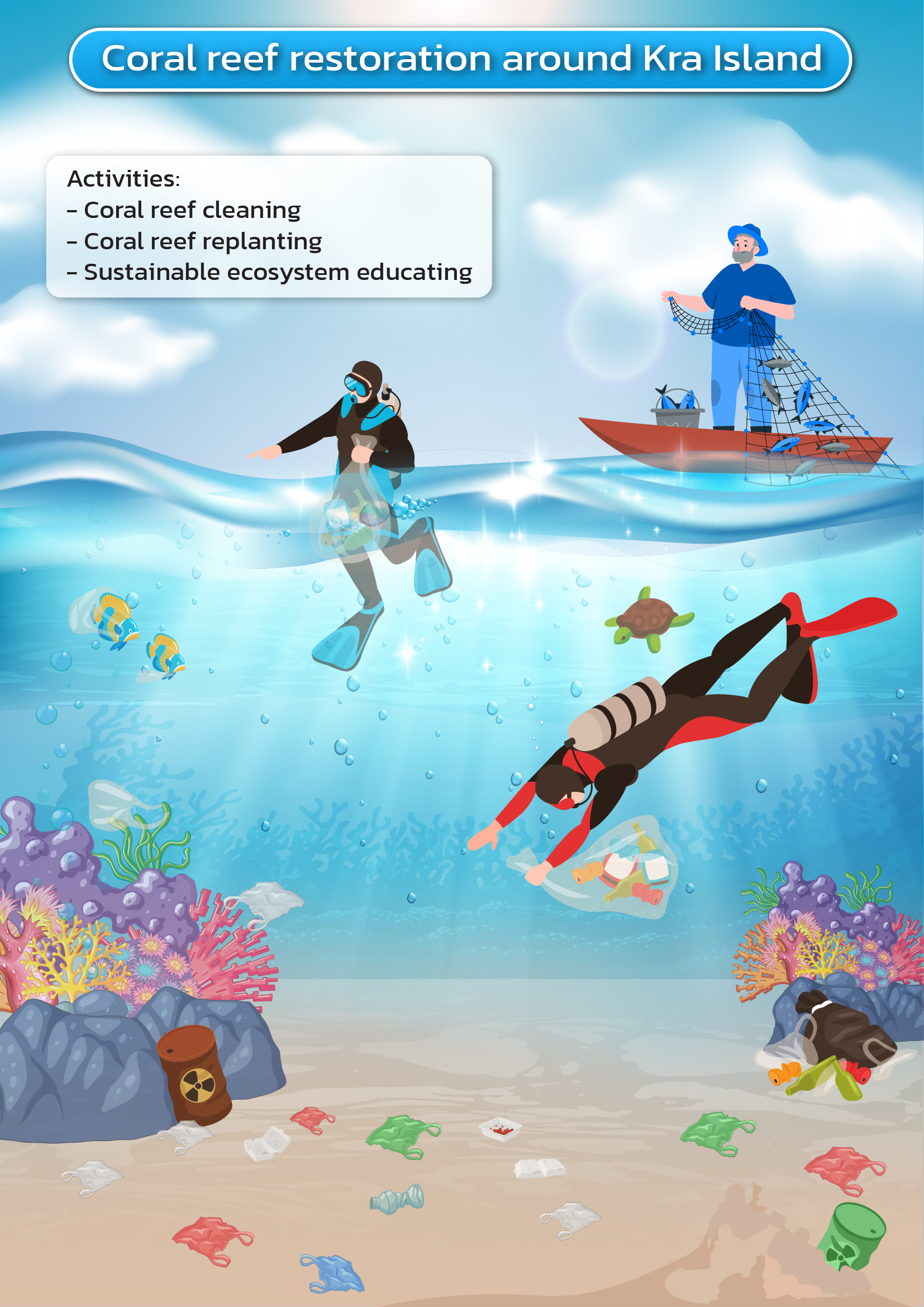
Figures: The direct work to maintain and extend ecosystem and biodiversity by restoration of coral reef.
In conclusion, Walailak University’s commitment to aquatic ecosystem preservation is demonstrated through its multifaceted approach to conserving freshwater, coastal, and marine biodiversity. By collaborating with local communities, government agencies, companies or private sectors, and NGOs, in 2023, WU has been able to implement effective and sustainable conservation practices. The living weirs project has helped restore freshwater ecosystems, reduce soil erosion, and sustain biodiversity in upstream areas, while the installation of artificial fish habitats supports the recovery of fish populations and strengthens coastal ecosystems, benefiting local fishermen. Additionally, the coral reef restoration efforts at Kra Island emphasize the importance of protecting fragile marine environments, addressing the damaging effects of discarded fishing gear, and increasing coral resilience. These combined efforts underscore WU’s role as a leader in ecosystem conservation, promoting biodiversity and environmental sustainability. By integrating research, community engagement, and practical solutions, Walailak University not only contributes to the health of local ecosystems but also serves as a model for other institutions dedicated to protecting the natural world. Through ongoing commitment and collaborative efforts, WU continues to make impactful strides towards a sustainable future for aquatic ecosystems.
Every year, Walailak University, through its faculty experts in marine science, works closely with local communities to diagnose issues related to maintaining ecosystems and their biodiversity. This collaboration involves the participation of communities, government agencies, and companies, working together to address these issues through development initiatives. The approach integrates cooperation to build teamwork and ensures engagement from stakeholders across all sectors.
At the end of each year, the results of these initiatives are evaluated, the project’s success is measured, and plans are developed for continued efforts in the following year. This demonstrates the university’s ongoing work related to maintaining freshwater and marine ecosystems and their biodiversity. The initiatives have received high levels of acceptance and satisfaction from the community and beneficiaries.
Goal 14: Life below water
Goal 4: Quality Education
Goal 6: Clean Water and Sanitation
Goal 17: Partnerships for the Goals
Post Views: 134